
Marpeap
40 Beiträge

Marpeap
Melden
Nutzer blockieren
Crypto Architect. Tracking Whales, Davos & AI so you don’t have to. Precise, Strategic, Unfiltered Alpha. Join the 2026 Re-Rating cycle. Follow me!
Trade eröffnen
Gelegenheitstrader
7.4 Jahre
10 Following
41 Follower
56 Like gegeben
Beiträge
Portfolio
Alle
Zitierungen
·
--
Artikel
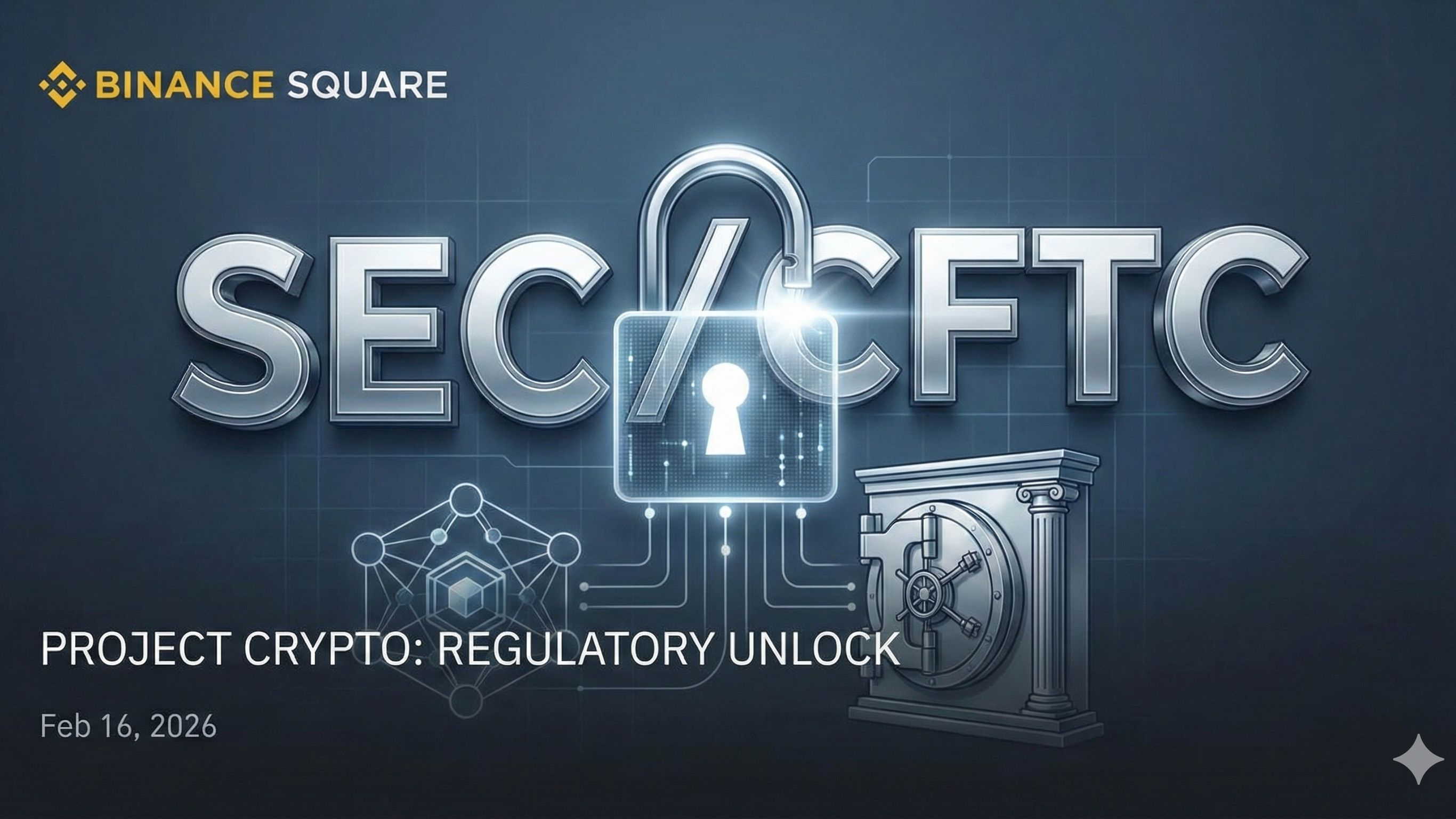
Die institutionelle Übergabe: Warum die Sonntagssilenz eine Falle ist🏛️ Die große Entkopplung: Jenseits der 71.000 $ Kerze
Während Einzelhändler ihren Sonntag damit verbringen, auf den Widerstand von 70.983 $ zu starren, beobachten die ausgeklügeltsten Bilanzen der Welt eine andere Uhr.
Morgen, Montag, 16. Februar 2026, endet die öffentliche Konsultationsphase für die gemeinsame Initiative "Projekt Krypto". Für die Menge ist es nur administrative Papierarbeit. Für das "Smart Money" ist es der offizielle Tod der regulatorischen Unklarheit in den Vereinigten Staaten.
Das Signal vs. Das Rauschen
Die institutionelle Übergabe: Warum die Sonntagssilenz eine Falle ist
🏛️ Die große Entkopplung: Jenseits der 71.000 $ Kerze
Während Einzelhändler ihren Sonntag damit verbringen, auf den Widerstand von 70.983 $ zu starren, beobachten die ausgeklügeltsten Bilanzen der Welt eine andere Uhr.
Morgen, Montag, 16. Februar 2026, endet die öffentliche Konsultationsphase für die gemeinsame Initiative "Projekt Krypto". Für die Menge ist es nur administrative Papierarbeit. Für das "Smart Money" ist es der offizielle Tod der regulatorischen Unklarheit in den Vereinigten Staaten.
Das Signal vs. Das Rauschen
Während Einzelhändler ihren Sonntag damit verbringen, auf den Widerstand von 70.983 $ zu starren, beobachten die ausgeklügeltsten Bilanzen der Welt eine andere Uhr.
Morgen, Montag, 16. Februar 2026, endet die öffentliche Konsultationsphase für die gemeinsame Initiative "Projekt Krypto". Für die Menge ist es nur administrative Papierarbeit. Für das "Smart Money" ist es der offizielle Tod der regulatorischen Unklarheit in den Vereinigten Staaten.
Das Signal vs. Das Rauschen
1
44
·
--
Artikel
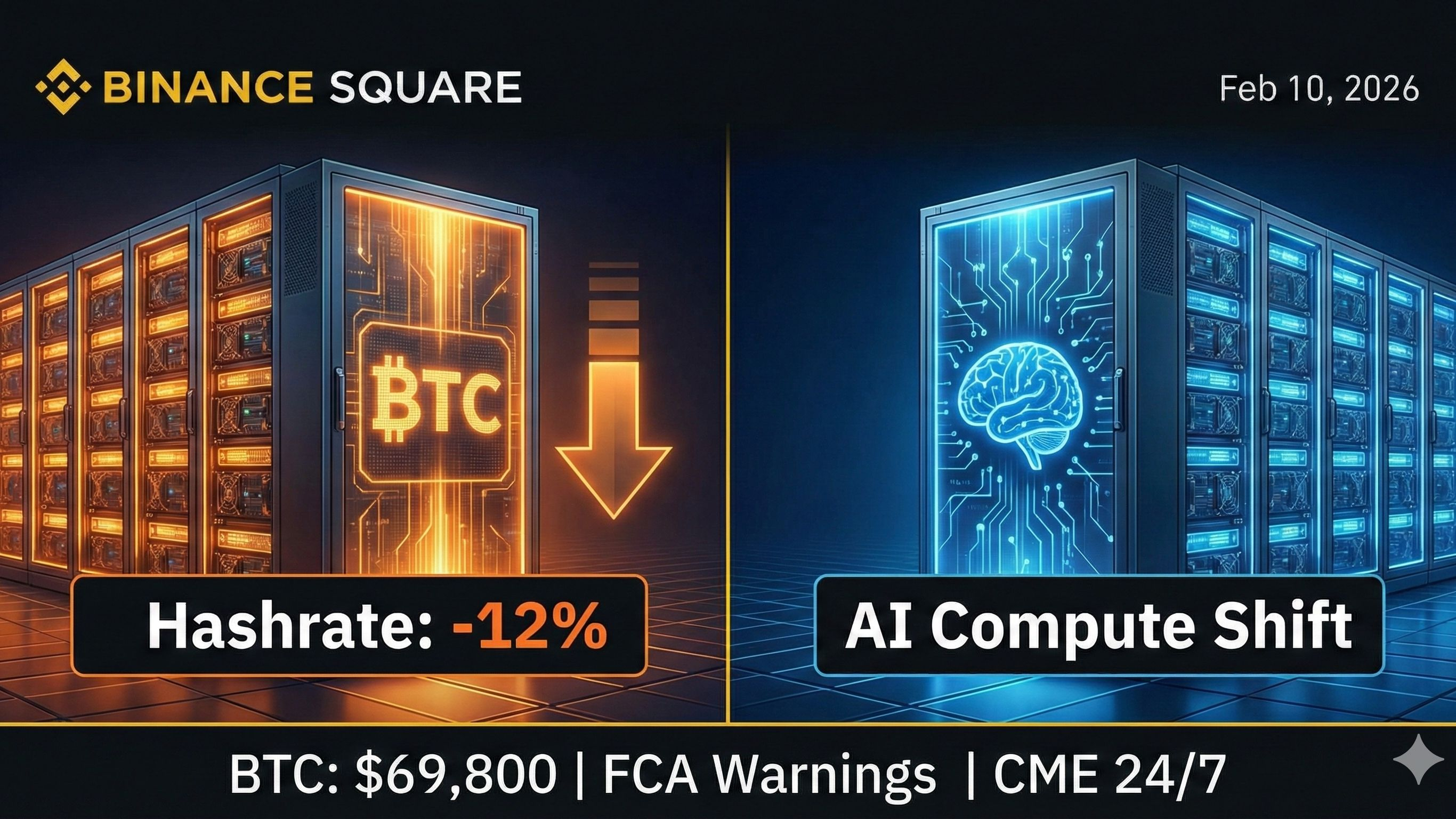
📉 Markt-Pause: Töten die KI-Migrationen die Bitcoin Hashrate?Der Hype nach dem Super Bowl lässt nach, und $BTC schwebt derzeit knapp unter der 70.000-Dollar-Marke. Während die Preisbewegungen für einige langweilig erscheinen, durchläuft die zugrunde liegende Mechanik des Netzwerks eine historische Transformation.
Der Intel vom 10. Februar:
Die große KI-Migration: Hast du den Rückgang von 12% bei Bitcoines Hashrate bemerkt? Es liegt nicht daran, dass die Miner aufhören; es liegt daran, dass sie sich weiterentwickeln. Mining-Farmen stellen ihre Hardware um, um KI-Modelle zu trainieren. Im Jahr 2026 wird ein "Bitcoin Miner" zu einem "Compute Provider".
📉 Markt-Pause: Töten die KI-Migrationen die Bitcoin Hashrate?
Der Hype nach dem Super Bowl lässt nach, und $BTC schwebt derzeit knapp unter der 70.000-Dollar-Marke. Während die Preisbewegungen für einige langweilig erscheinen, durchläuft die zugrunde liegende Mechanik des Netzwerks eine historische Transformation.
Der Intel vom 10. Februar:
Die große KI-Migration: Hast du den Rückgang von 12% bei Bitcoines Hashrate bemerkt? Es liegt nicht daran, dass die Miner aufhören; es liegt daran, dass sie sich weiterentwickeln. Mining-Farmen stellen ihre Hardware um, um KI-Modelle zu trainieren. Im Jahr 2026 wird ein "Bitcoin Miner" zu einem "Compute Provider".
Der Intel vom 10. Februar:
Die große KI-Migration: Hast du den Rückgang von 12% bei Bitcoines Hashrate bemerkt? Es liegt nicht daran, dass die Miner aufhören; es liegt daran, dass sie sich weiterentwickeln. Mining-Farmen stellen ihre Hardware um, um KI-Modelle zu trainieren. Im Jahr 2026 wird ein "Bitcoin Miner" zu einem "Compute Provider".
108
·
--
Artikel
Strategische Kurzfassung: Die Folgen des Super Bowl LX & Der $70K Wettstreit🏈 Karaoke, KI-Agenten und Diamanthände: Warum der "Super Bowl Fluch" 2026 gescheitert ist
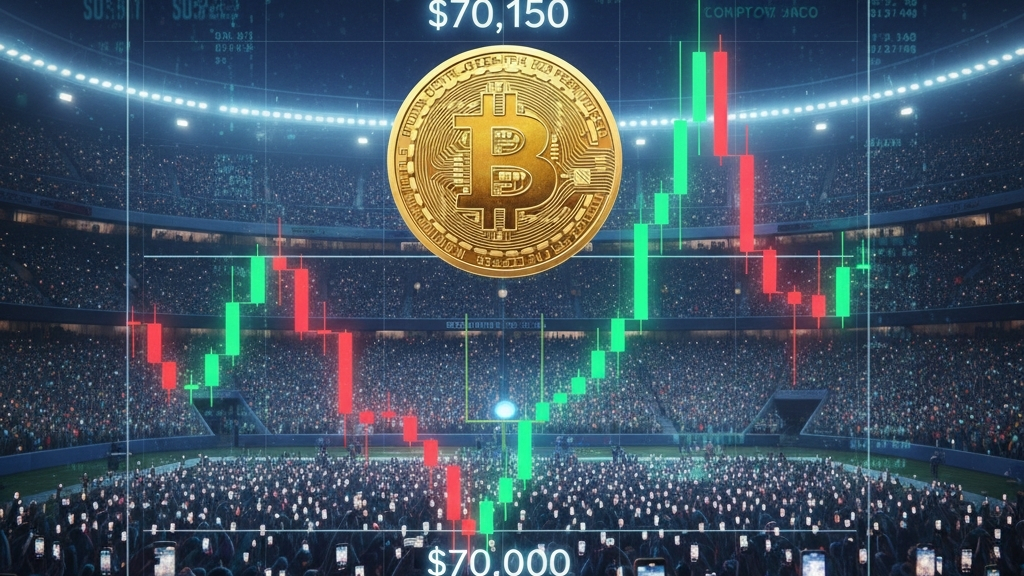
Die Lichter sind im Levi's Stadium aus, aber der Kryptomarkt heizt sich gerade auf. Nach einem erschreckenden Rückgang in die $60.000-Zone letzte Woche hat Bitcoin den "Super Bowl Fluch" trotzt und kämpft derzeit darum, das Niveau von $70.000 zu halten.
Hier ist deine Marktanalyse für Montag:
Der "Everybody" Rally: Coinbase hat mit seiner 60-sekündigen "Everybody (Backstreet’s Back)" Karaoke-Werbung die Show gestohlen. Trotz gemischter Kritiken lügen die Daten nicht: Die Werbung generierte über 20 Millionen Landingpage-Aufrufe in 60 Sekunden. Es ging nicht darum, einen Token zu verkaufen; es ging darum, die Mainstream-Erzählung zurückzuerobern.
Strategische Kurzfassung: Die Folgen des Super Bowl LX & Der $70K Wettstreit
🏈 Karaoke, KI-Agenten und Diamanthände: Warum der "Super Bowl Fluch" 2026 gescheitert ist
Die Lichter sind im Levi's Stadium aus, aber der Kryptomarkt heizt sich gerade auf. Nach einem erschreckenden Rückgang in die $60.000-Zone letzte Woche hat Bitcoin den "Super Bowl Fluch" trotzt und kämpft derzeit darum, das Niveau von $70.000 zu halten.
Hier ist deine Marktanalyse für Montag:
Der "Everybody" Rally: Coinbase hat mit seiner 60-sekündigen "Everybody (Backstreet’s Back)" Karaoke-Werbung die Show gestohlen. Trotz gemischter Kritiken lügen die Daten nicht: Die Werbung generierte über 20 Millionen Landingpage-Aufrufe in 60 Sekunden. Es ging nicht darum, einen Token zu verkaufen; es ging darum, die Mainstream-Erzählung zurückzuerobern.
Die Lichter sind im Levi's Stadium aus, aber der Kryptomarkt heizt sich gerade auf. Nach einem erschreckenden Rückgang in die $60.000-Zone letzte Woche hat Bitcoin den "Super Bowl Fluch" trotzt und kämpft derzeit darum, das Niveau von $70.000 zu halten.
Hier ist deine Marktanalyse für Montag:
Der "Everybody" Rally: Coinbase hat mit seiner 60-sekündigen "Everybody (Backstreet’s Back)" Karaoke-Werbung die Show gestohlen. Trotz gemischter Kritiken lügen die Daten nicht: Die Werbung generierte über 20 Millionen Landingpage-Aufrufe in 60 Sekunden. Es ging nicht darum, einen Token zu verkaufen; es ging darum, die Mainstream-Erzählung zurückzuerobern.
1
21
·
--
Artikel
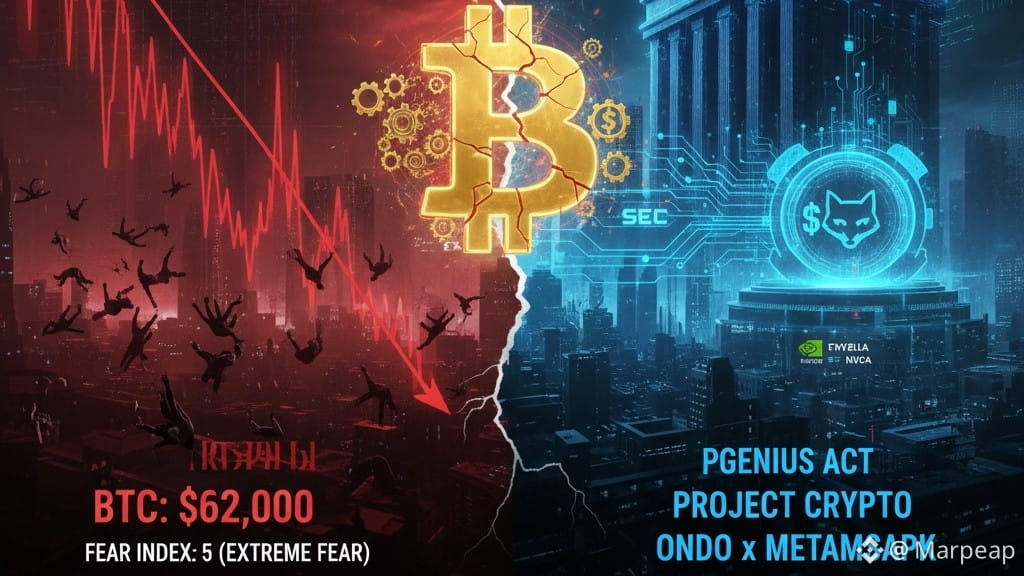
📊 Aktuelle Situation: Die große SäuberungBitcoin ist gerade unter $70.000 gefallen (derzeit etwa $61.500-$64.000, je nach Plattform), was einen Rückgang von 20% seit Jahresbeginn markiert.
Die Blutung: Wir haben 45% vom November-Hoch von $126.000 verloren.
Kapitulierung: Der Angst- & Gier-Index ist auf 5 gefallen (Extreme Angst). Gestern wurden innerhalb von 24 Stunden Positionen im Wert von über $1 Milliarde liquidiert.
ETF-Flüchtlinge: Rekordnettoabflüsse von -$329 Millionen für Krypto-ETFs. Institutionelle Investoren "reduzieren das Risiko" angesichts makroökonomischer Unsicherheiten.
📊 Aktuelle Situation: Die große Säuberung
Bitcoin ist gerade unter $70.000 gefallen (derzeit etwa $61.500-$64.000, je nach Plattform), was einen Rückgang von 20% seit Jahresbeginn markiert.
Die Blutung: Wir haben 45% vom November-Hoch von $126.000 verloren.
Kapitulierung: Der Angst- & Gier-Index ist auf 5 gefallen (Extreme Angst). Gestern wurden innerhalb von 24 Stunden Positionen im Wert von über $1 Milliarde liquidiert.
ETF-Flüchtlinge: Rekordnettoabflüsse von -$329 Millionen für Krypto-ETFs. Institutionelle Investoren "reduzieren das Risiko" angesichts makroökonomischer Unsicherheiten.
Die Blutung: Wir haben 45% vom November-Hoch von $126.000 verloren.
Kapitulierung: Der Angst- & Gier-Index ist auf 5 gefallen (Extreme Angst). Gestern wurden innerhalb von 24 Stunden Positionen im Wert von über $1 Milliarde liquidiert.
ETF-Flüchtlinge: Rekordnettoabflüsse von -$329 Millionen für Krypto-ETFs. Institutionelle Investoren "reduzieren das Risiko" angesichts makroökonomischer Unsicherheiten.
124
·
--
Artikel
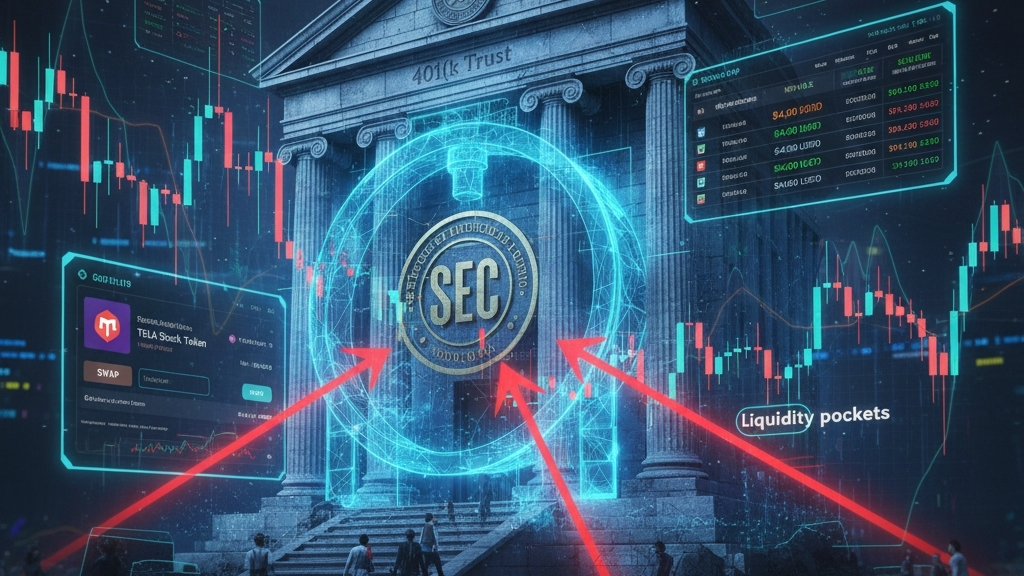
Das große Onboarding oder die große Liquidation? Warum der Schritt der SEC mit den 401(k) eine zweischneidige Angelegenheit ist.Es ist Donnerstag, der 5. Februar 2026. Der Markt befindet sich derzeit in einer gewalttätigen strukturellen Korrektur. Hier ist die Rohanalyse der aktuellen Landschaft.
📊 Marktstatus: Die Februar-Purge
Der Markt blutet zurzeit, während er übermäßige Hebelwirkung bereinigt, bevor die neuen US-Gesetze in vollem Umfang in Kraft treten.
Bitcoin (BTC): Handel bei ungefähr 64.000 $ (60.730 €). Es ist um über 23 % von den Höchstständen im Januar von 82k gefallen. Wir testen derzeit die kritische Unterstützung bei 64k $; ein Durchbruch hier könnte einen Rückgang in Richtung der Tiefststände von 2025 einladen.
Das große Onboarding oder die große Liquidation? Warum der Schritt der SEC mit den 401(k) eine zweischneidige Angelegenheit ist.
Es ist Donnerstag, der 5. Februar 2026. Der Markt befindet sich derzeit in einer gewalttätigen strukturellen Korrektur. Hier ist die Rohanalyse der aktuellen Landschaft.
📊 Marktstatus: Die Februar-Purge
Der Markt blutet zurzeit, während er übermäßige Hebelwirkung bereinigt, bevor die neuen US-Gesetze in vollem Umfang in Kraft treten.
Bitcoin (BTC): Handel bei ungefähr 64.000 $ (60.730 €). Es ist um über 23 % von den Höchstständen im Januar von 82k gefallen. Wir testen derzeit die kritische Unterstützung bei 64k $; ein Durchbruch hier könnte einen Rückgang in Richtung der Tiefststände von 2025 einladen.
📊 Marktstatus: Die Februar-Purge
Der Markt blutet zurzeit, während er übermäßige Hebelwirkung bereinigt, bevor die neuen US-Gesetze in vollem Umfang in Kraft treten.
Bitcoin (BTC): Handel bei ungefähr 64.000 $ (60.730 €). Es ist um über 23 % von den Höchstständen im Januar von 82k gefallen. Wir testen derzeit die kritische Unterstützung bei 64k $; ein Durchbruch hier könnte einen Rückgang in Richtung der Tiefststände von 2025 einladen.
40
·
--
Artikel
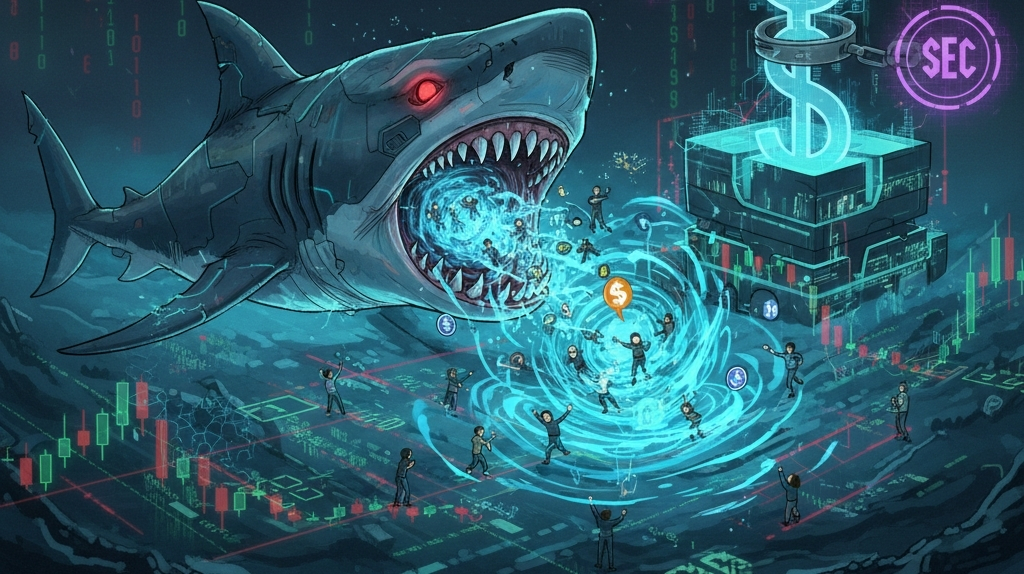
🏛️ Das große Onboarding oder eine massive Liquidationsfalle? Navigation durch die neue Ära der SECWährend Einzelhändler sich auf Preiswicks konzentrieren, wurde die globale Finanzarchitektur dauerhaft umgebaut. Zwischen der neuen 401(k)-Haltung der SEC und dem Start von "Projekt Crypto" erleben wir den Übergang vom "wilden Westen" zur "Wall Street-Schiene." Lassen Sie sich jedoch nicht täuschen – Klarheit ist oft ein Vorgänger eines Shakeouts.
Das aktualisierte Briefing des Architekten (5. Feb. 2026):
Die Paul Atkins Doktrin: SEC-Vorsitzender Paul Atkins (bestätigt bis 2031) hat die Behörde von Durchsetzung zu Befürwortung verschoben. Sein jüngster Vorstoß, BTC in 401(k)-Rentenpläne zu integrieren, öffnet einen Liquiditätspool von 12,5 Billionen Dollar. Allerdings fungiert dieses "langsame Kapital" oft als Ausstiegsliquidität für die Institutionen, die während der Tiefpunkte von 2022-2024 akkumuliert haben.
🏛️ Das große Onboarding oder eine massive Liquidationsfalle? Navigation durch die neue Ära der SEC
Während Einzelhändler sich auf Preiswicks konzentrieren, wurde die globale Finanzarchitektur dauerhaft umgebaut. Zwischen der neuen 401(k)-Haltung der SEC und dem Start von "Projekt Crypto" erleben wir den Übergang vom "wilden Westen" zur "Wall Street-Schiene." Lassen Sie sich jedoch nicht täuschen – Klarheit ist oft ein Vorgänger eines Shakeouts.
Das aktualisierte Briefing des Architekten (5. Feb. 2026):
Die Paul Atkins Doktrin: SEC-Vorsitzender Paul Atkins (bestätigt bis 2031) hat die Behörde von Durchsetzung zu Befürwortung verschoben. Sein jüngster Vorstoß, BTC in 401(k)-Rentenpläne zu integrieren, öffnet einen Liquiditätspool von 12,5 Billionen Dollar. Allerdings fungiert dieses "langsame Kapital" oft als Ausstiegsliquidität für die Institutionen, die während der Tiefpunkte von 2022-2024 akkumuliert haben.
Das aktualisierte Briefing des Architekten (5. Feb. 2026):
Die Paul Atkins Doktrin: SEC-Vorsitzender Paul Atkins (bestätigt bis 2031) hat die Behörde von Durchsetzung zu Befürwortung verschoben. Sein jüngster Vorstoß, BTC in 401(k)-Rentenpläne zu integrieren, öffnet einen Liquiditätspool von 12,5 Billionen Dollar. Allerdings fungiert dieses "langsame Kapital" oft als Ausstiegsliquidität für die Institutionen, die während der Tiefpunkte von 2022-2024 akkumuliert haben.
2
546
·
--

Artikel
🚀 Über das Diagramm hinaus: Ist Ihr Ruf der nächste große Liquiditätspool?Vergessen Sie für einen Moment die Volatilität von Bitcoin. Im Jahr 2026 findet unter der Oberfläche ein radikaler architektonischer Wandel statt: der Übergang vom Handel mit "Vermögenswerten" zum Handel mit "menschlichem Potenzial." Wir bewegen uns von der Ära des Lebenslaufs zur Ära des On-Chain-Rufs.
Der zukünftige Plan des Architekten:
Der Tod des Lebenslaufs: Traditionelle Lebensläufe sind statisch und leicht fälschbar. Im Web3-Ökosystem von 2026 werden Ihre Fähigkeiten und Ihre Geschichte in dynamischen Reputation-NFTs kodiert. Das sind nicht nur Bilder; sie sind sich entwickelnde Datenpunkte, die Ihre Zuverlässigkeit, Ihren Rang und Ihren Erfolg in Echtzeit beweisen.
🚀 Über das Diagramm hinaus: Ist Ihr Ruf der nächste große Liquiditätspool?
Vergessen Sie für einen Moment die Volatilität von Bitcoin. Im Jahr 2026 findet unter der Oberfläche ein radikaler architektonischer Wandel statt: der Übergang vom Handel mit "Vermögenswerten" zum Handel mit "menschlichem Potenzial." Wir bewegen uns von der Ära des Lebenslaufs zur Ära des On-Chain-Rufs.
Der zukünftige Plan des Architekten:
Der Tod des Lebenslaufs: Traditionelle Lebensläufe sind statisch und leicht fälschbar. Im Web3-Ökosystem von 2026 werden Ihre Fähigkeiten und Ihre Geschichte in dynamischen Reputation-NFTs kodiert. Das sind nicht nur Bilder; sie sind sich entwickelnde Datenpunkte, die Ihre Zuverlässigkeit, Ihren Rang und Ihren Erfolg in Echtzeit beweisen.
Der zukünftige Plan des Architekten:
Der Tod des Lebenslaufs: Traditionelle Lebensläufe sind statisch und leicht fälschbar. Im Web3-Ökosystem von 2026 werden Ihre Fähigkeiten und Ihre Geschichte in dynamischen Reputation-NFTs kodiert. Das sind nicht nur Bilder; sie sind sich entwickelnde Datenpunkte, die Ihre Zuverlässigkeit, Ihren Rang und Ihren Erfolg in Echtzeit beweisen.
34
·
--

Artikel
🏛️ Wall Street ist nicht länger "kommend"—sie ist bereits in Ihrem WalletWährend die Einzelhandelsmenge durch kurzfristige Preisfluktuationen abgelenkt ist, wurde das architektonische Fundament der globalen Finanzen gerade dauerhaft aufgerüstet. Die Integration von Real World Assets (RWA) hat den Punkt ohne Rückkehr erreicht.
Der Architekten-Blueprint Heute:
MetaMask x Ondo Integration: Die Ära der "nur-Krypto"-Wallets ist tot. Mit der neuen Integration von Ondo Finance können Benutzer jetzt tokenisierte US-Staatsanleihen und Blue-Chip-Aktien wie NVIDIA und Tesla direkt in ihren Selbstverwahrungs-Wallets zugreifen. Der Zwischenhändler wird nicht nur gestört; er wird gelöscht.
🏛️ Wall Street ist nicht länger "kommend"—sie ist bereits in Ihrem Wallet
Während die Einzelhandelsmenge durch kurzfristige Preisfluktuationen abgelenkt ist, wurde das architektonische Fundament der globalen Finanzen gerade dauerhaft aufgerüstet. Die Integration von Real World Assets (RWA) hat den Punkt ohne Rückkehr erreicht.
Der Architekten-Blueprint Heute:
MetaMask x Ondo Integration: Die Ära der "nur-Krypto"-Wallets ist tot. Mit der neuen Integration von Ondo Finance können Benutzer jetzt tokenisierte US-Staatsanleihen und Blue-Chip-Aktien wie NVIDIA und Tesla direkt in ihren Selbstverwahrungs-Wallets zugreifen. Der Zwischenhändler wird nicht nur gestört; er wird gelöscht.
Der Architekten-Blueprint Heute:
MetaMask x Ondo Integration: Die Ära der "nur-Krypto"-Wallets ist tot. Mit der neuen Integration von Ondo Finance können Benutzer jetzt tokenisierte US-Staatsanleihen und Blue-Chip-Aktien wie NVIDIA und Tesla direkt in ihren Selbstverwahrungs-Wallets zugreifen. Der Zwischenhändler wird nicht nur gestört; er wird gelöscht.
2
304
·
--
Artikel
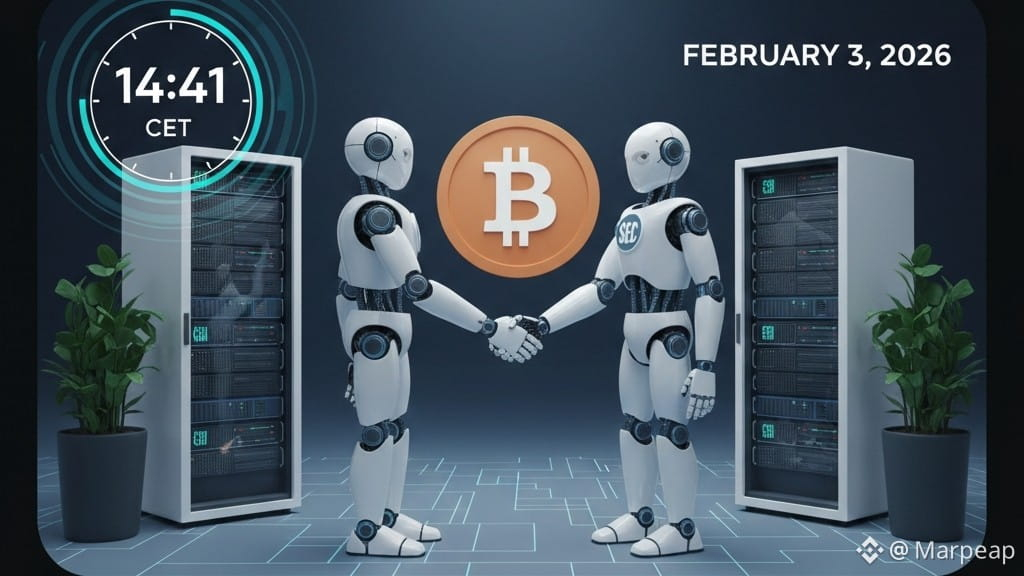
🕊️ SEC & CFTC unterzeichnen Friedensvertrag: Die Ära "Projekt Crypto" beginntNach Jahren der jurisdiktionalen Kriege haben die SEC und die CFTC offiziell "Projekt Crypto" gestartet. Dieses historische Memorandum of Understanding (MOU) zielt darauf ab, eine einheitliche Taxonomie zu schaffen, die endlich definiert, was eine Sicherheit im Gegensatz zu einer Ware ist. Zum ersten Mal haben US-Bauer eine klare architektonische Roadmap.
Die Säulen des heutigen Marktes:
Projekt Crypto: Der neue CFTC-Vorsitzende, Michael Selig, und Paul Atkins von der SEC koordinieren sich, um doppelte Compliance zu entfernen. Dieser "regulatorische Frieden" soll Innovationen im Bereich Krypto zurück in die USA bringen.
🕊️ SEC & CFTC unterzeichnen Friedensvertrag: Die Ära "Projekt Crypto" beginnt
Nach Jahren der jurisdiktionalen Kriege haben die SEC und die CFTC offiziell "Projekt Crypto" gestartet. Dieses historische Memorandum of Understanding (MOU) zielt darauf ab, eine einheitliche Taxonomie zu schaffen, die endlich definiert, was eine Sicherheit im Gegensatz zu einer Ware ist. Zum ersten Mal haben US-Bauer eine klare architektonische Roadmap.
Die Säulen des heutigen Marktes:
Projekt Crypto: Der neue CFTC-Vorsitzende, Michael Selig, und Paul Atkins von der SEC koordinieren sich, um doppelte Compliance zu entfernen. Dieser "regulatorische Frieden" soll Innovationen im Bereich Krypto zurück in die USA bringen.
Die Säulen des heutigen Marktes:
Projekt Crypto: Der neue CFTC-Vorsitzende, Michael Selig, und Paul Atkins von der SEC koordinieren sich, um doppelte Compliance zu entfernen. Dieser "regulatorische Frieden" soll Innovationen im Bereich Krypto zurück in die USA bringen.
65
·
--
Artikel
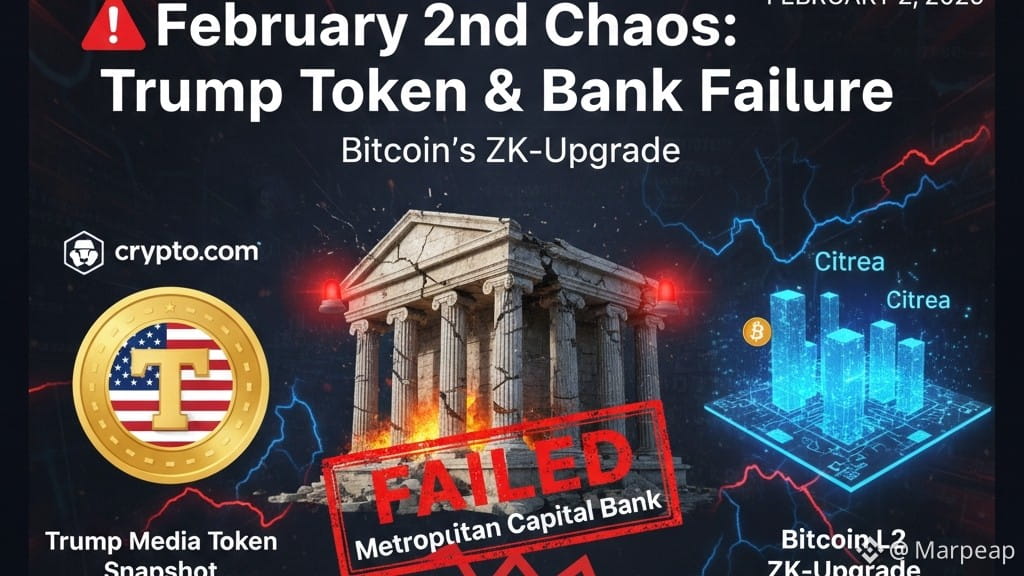
🚨 Chaos am 2. Februar: Trump Media Token Snapshot & erster Bankausfall in den USA 2026Der neue Monat beginnt mit einem Knall. Während Bitcoin kämpft, um das Niveau von $78,000 nach der Volatilität am Wochenende zurückzugewinnen, formen zwei große externe Schocks die Erzählung neu.
Heute’s Hochspannungsnachrichten:
* Trump Media ($DJT) Snapshot-Tag: Heute ist das offizielle Aufnahmedatum für den Airdrop des digitalen Tokens von Trump Media. In Partnerschaft mit Crypto.com belohnt die Initiative $DJT-Aktionäre mit blockchain-basierten Vorteilen. Es ist ein massives Experiment in "Web3-Loyalität", das der gesamte Markt beobachtet.
* Bankenstress kehrt zurück: Die Metropolitan Capital Bank & Trust (Chicago) ist offiziell gescheitert, was die erste Bankschließung in den USA im Jahr 2026 markiert. Während die FDIC eingreift, wird die "Hedge"-Erzählung für Bitcoin erneut in Echtzeit getestet.
🚨 Chaos am 2. Februar: Trump Media Token Snapshot & erster Bankausfall in den USA 2026
Der neue Monat beginnt mit einem Knall. Während Bitcoin kämpft, um das Niveau von $78,000 nach der Volatilität am Wochenende zurückzugewinnen, formen zwei große externe Schocks die Erzählung neu.
Heute’s Hochspannungsnachrichten:
* Trump Media ($DJT) Snapshot-Tag: Heute ist das offizielle Aufnahmedatum für den Airdrop des digitalen Tokens von Trump Media. In Partnerschaft mit Crypto.com belohnt die Initiative $DJT-Aktionäre mit blockchain-basierten Vorteilen. Es ist ein massives Experiment in "Web3-Loyalität", das der gesamte Markt beobachtet.
* Bankenstress kehrt zurück: Die Metropolitan Capital Bank & Trust (Chicago) ist offiziell gescheitert, was die erste Bankschließung in den USA im Jahr 2026 markiert. Während die FDIC eingreift, wird die "Hedge"-Erzählung für Bitcoin erneut in Echtzeit getestet.
Heute’s Hochspannungsnachrichten:
* Trump Media ($DJT) Snapshot-Tag: Heute ist das offizielle Aufnahmedatum für den Airdrop des digitalen Tokens von Trump Media. In Partnerschaft mit Crypto.com belohnt die Initiative $DJT-Aktionäre mit blockchain-basierten Vorteilen. Es ist ein massives Experiment in "Web3-Loyalität", das der gesamte Markt beobachtet.
* Bankenstress kehrt zurück: Die Metropolitan Capital Bank & Trust (Chicago) ist offiziell gescheitert, was die erste Bankschließung in den USA im Jahr 2026 markiert. Während die FDIC eingreift, wird die "Hedge"-Erzählung für Bitcoin erneut in Echtzeit getestet.
1
174
·
--
Artikel
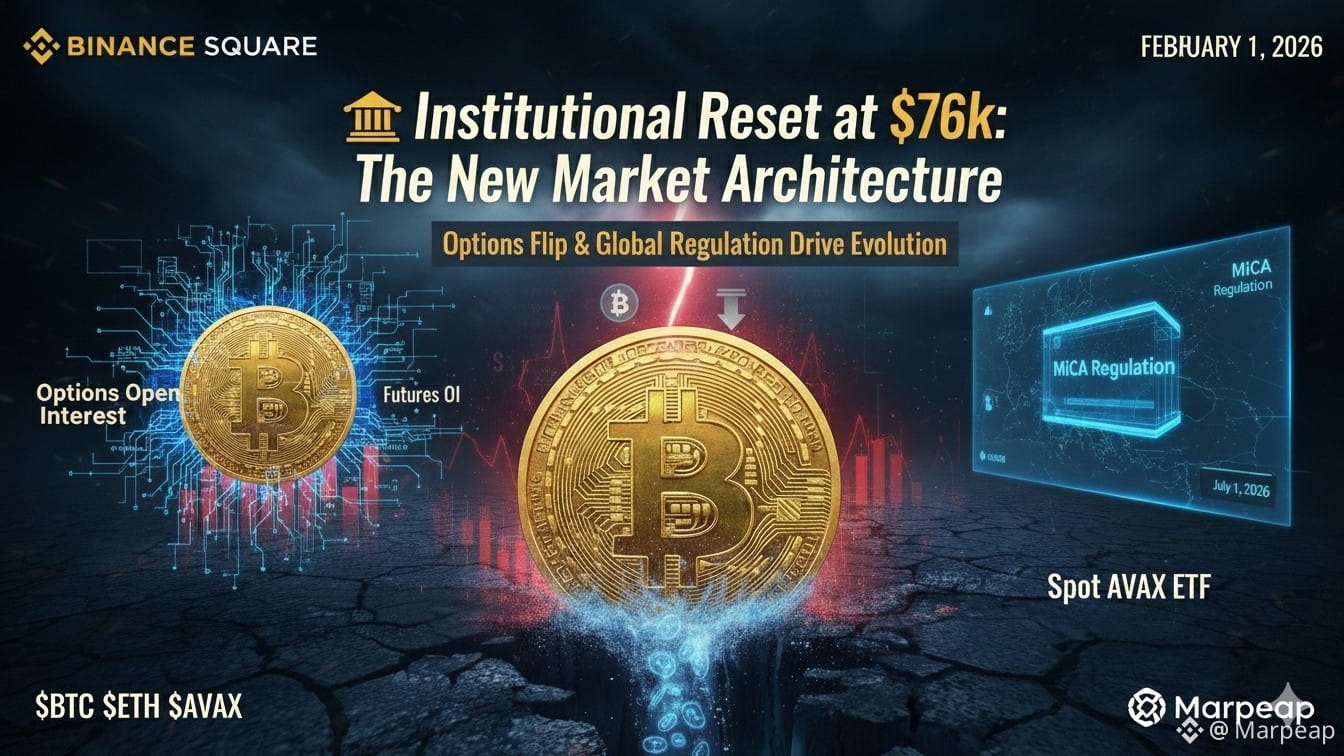
🏛️ Institutionelle "Aufräumarbeiten": Warum 76.000 Dollar 2026 anders sindDer Staub legt sich nach den Liquidationen, bei denen über 800 Millionen Dollar im gesamten Markt in dieser Woche ausgelöscht wurden. Während Bitcoin bei 76.000 Dollar im Vergleich zu den Höchstständen des letzten Jahres schmerzhaft erscheint, war die interne Struktur des Marktes nie "schlanker" oder professioneller.
Was der Architekt heute sieht:
Options über Futures: Zum ersten Mal auf bedeutende Weise hat das Open Interest bei Bitcoin-Optionen das bei Futures übertroffen. Dies ist ein massiver Wandel. Händler spekulieren nicht mehr nur auf die Richtung; sie verwenden ausgeklügelte Hedging-Strategien. Der Markt entwickelt sich von einem "Casino" zu einer disziplinierten Finanzindustrie.
🏛️ Institutionelle "Aufräumarbeiten": Warum 76.000 Dollar 2026 anders sind
Der Staub legt sich nach den Liquidationen, bei denen über 800 Millionen Dollar im gesamten Markt in dieser Woche ausgelöscht wurden. Während Bitcoin bei 76.000 Dollar im Vergleich zu den Höchstständen des letzten Jahres schmerzhaft erscheint, war die interne Struktur des Marktes nie "schlanker" oder professioneller.
Was der Architekt heute sieht:
Options über Futures: Zum ersten Mal auf bedeutende Weise hat das Open Interest bei Bitcoin-Optionen das bei Futures übertroffen. Dies ist ein massiver Wandel. Händler spekulieren nicht mehr nur auf die Richtung; sie verwenden ausgeklügelte Hedging-Strategien. Der Markt entwickelt sich von einem "Casino" zu einer disziplinierten Finanzindustrie.
Was der Architekt heute sieht:
Options über Futures: Zum ersten Mal auf bedeutende Weise hat das Open Interest bei Bitcoin-Optionen das bei Futures übertroffen. Dies ist ein massiver Wandel. Händler spekulieren nicht mehr nur auf die Richtung; sie verwenden ausgeklügelte Hedging-Strategien. Der Markt entwickelt sich von einem "Casino" zu einer disziplinierten Finanzindustrie.
64
·
--
Artikel
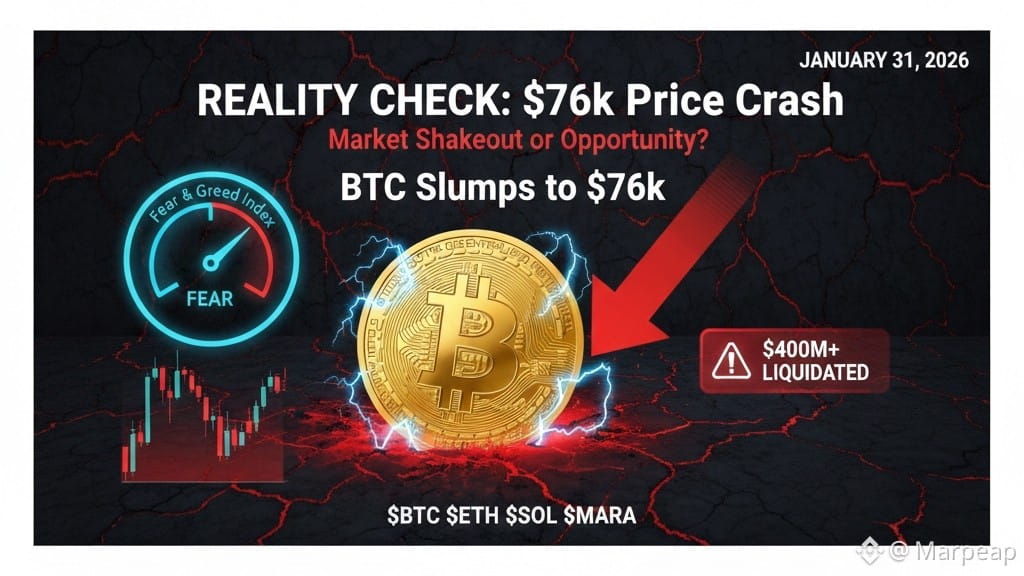
📉 BTC fällt auf 76.000 $: Marktberuhigung oder strukturelle Trendänderung?Vergessen Sie den "Weekend Pump"-Hype. Bitcoin hat gerade einen scharfen Rückgang auf 76.000 $ erlebt, was viele übermäßig gehebelte Long-Positionen unvorbereitet getroffen hat. Nach der Volatilität der letzten Tage sieht sich der Markt einem ernsthaften Realitätscheck gegenüber.
Die kalten Fakten heute:
Unterstützungsbruch: Der psychologische Boden bei 80.000 $ ist zusammengebrochen. Wir testen jetzt kritische Liquiditätszonen. Wenn 75.500 $ nicht halten, liegt die nächste architektonische Unterstützung viel niedriger.
Liquidationen: Dieser Schritt hat bereits über 400 Millionen $ an Long-Positionen in den letzten Stunden ausgelöscht. Der "Finanzierungszins" wird endlich zurückgesetzt, was schmerzhaft, aber notwendig für einen gesunden Boden ist.
📉 BTC fällt auf 76.000 $: Marktberuhigung oder strukturelle Trendänderung?
Vergessen Sie den "Weekend Pump"-Hype. Bitcoin hat gerade einen scharfen Rückgang auf 76.000 $ erlebt, was viele übermäßig gehebelte Long-Positionen unvorbereitet getroffen hat. Nach der Volatilität der letzten Tage sieht sich der Markt einem ernsthaften Realitätscheck gegenüber.
Die kalten Fakten heute:
Unterstützungsbruch: Der psychologische Boden bei 80.000 $ ist zusammengebrochen. Wir testen jetzt kritische Liquiditätszonen. Wenn 75.500 $ nicht halten, liegt die nächste architektonische Unterstützung viel niedriger.
Liquidationen: Dieser Schritt hat bereits über 400 Millionen $ an Long-Positionen in den letzten Stunden ausgelöscht. Der "Finanzierungszins" wird endlich zurückgesetzt, was schmerzhaft, aber notwendig für einen gesunden Boden ist.
Die kalten Fakten heute:
Unterstützungsbruch: Der psychologische Boden bei 80.000 $ ist zusammengebrochen. Wir testen jetzt kritische Liquiditätszonen. Wenn 75.500 $ nicht halten, liegt die nächste architektonische Unterstützung viel niedriger.
Liquidationen: Dieser Schritt hat bereits über 400 Millionen $ an Long-Positionen in den letzten Stunden ausgelöscht. Der "Finanzierungszins" wird endlich zurückgesetzt, was schmerzhaft, aber notwendig für einen gesunden Boden ist.
1
162
·
--
Artikel
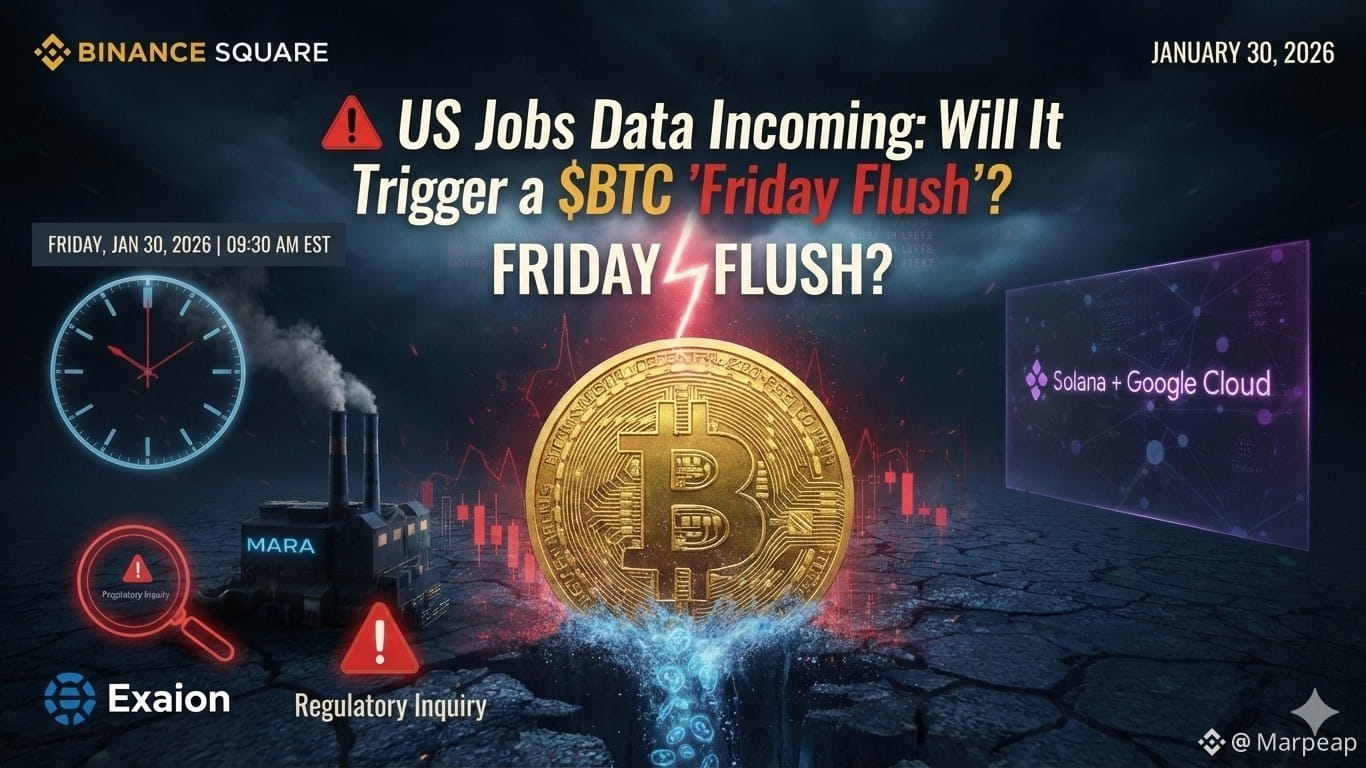
🚨 US-Arbeitsmarktdaten stehen bevor: Wird es eine $BTC "Freitags-Spülung" auslösen?Der Markt hält den Atem an, während der US-Arbeitsbericht heute veröffentlicht wird. Ein starker Bericht könnte auf längere hohe Zinsen hinweisen, während ein schwacher die Erwartungen an Zinssenkungen beschleunigen könnte. Bitcoin steht vor Volatilität und kämpft derzeit gegen den Widerstand bei $91,500.
Die Treiber des Marktes von heute:
Die "Freitags-Spülung"-Bedrohung: Historisch gesehen führt bedeutende Makrodaten an Freitagen oft zu erhöhtem Verkaufsdruck, da Händler sich am Wochenende absichern. Achten Sie auf einen möglichen Rückgang, der $88,000 testet, wenn die Arbeitsmarktdaten überraschend positiv ausfallen.
🚨 US-Arbeitsmarktdaten stehen bevor: Wird es eine $BTC "Freitags-Spülung" auslösen?
Der Markt hält den Atem an, während der US-Arbeitsbericht heute veröffentlicht wird. Ein starker Bericht könnte auf längere hohe Zinsen hinweisen, während ein schwacher die Erwartungen an Zinssenkungen beschleunigen könnte. Bitcoin steht vor Volatilität und kämpft derzeit gegen den Widerstand bei $91,500.
Die Treiber des Marktes von heute:
Die "Freitags-Spülung"-Bedrohung: Historisch gesehen führt bedeutende Makrodaten an Freitagen oft zu erhöhtem Verkaufsdruck, da Händler sich am Wochenende absichern. Achten Sie auf einen möglichen Rückgang, der $88,000 testet, wenn die Arbeitsmarktdaten überraschend positiv ausfallen.
Die Treiber des Marktes von heute:
Die "Freitags-Spülung"-Bedrohung: Historisch gesehen führt bedeutende Makrodaten an Freitagen oft zu erhöhtem Verkaufsdruck, da Händler sich am Wochenende absichern. Achten Sie auf einen möglichen Rückgang, der $88,000 testet, wenn die Arbeitsmarktdaten überraschend positiv ausfallen.
1
109
·
--
Rat: Zieh die Perücke aus
Rat: Zieh die Perücke aus

crypto -master 1
·
--
Gib mir bitte einen Rat, ich bin Anfänger

1
·
--
Artikel
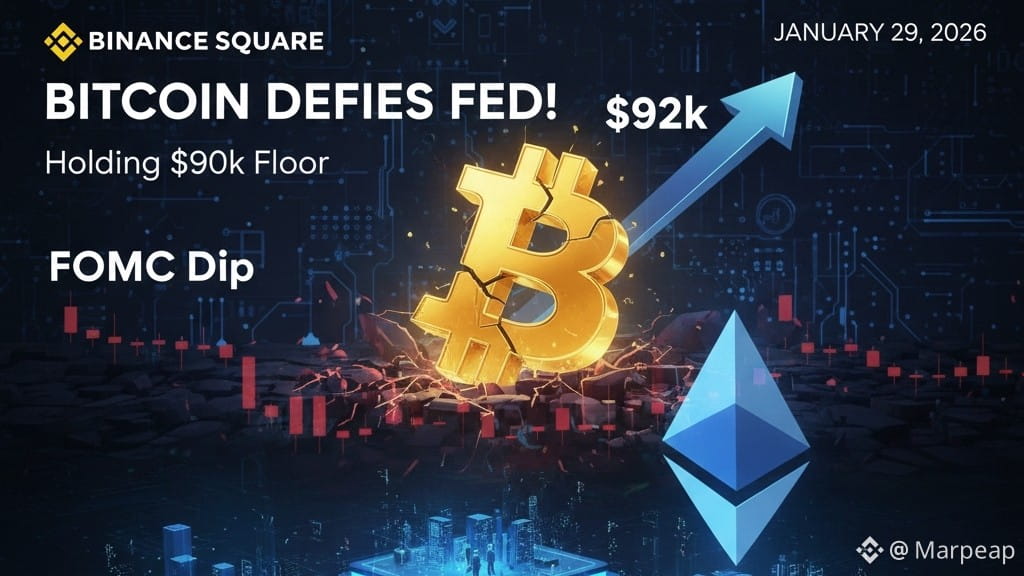
🚀 Bitcoin trotzt der Fed! $92k in Sicht, während L2s eine neue Rallye entfachenGestern bereitete sich der Markt auf einen "Powell-Schock" vor, aber Bitcoin hatte andere Pläne. Trotz des vorsichtigen Tons von Jerome Powell hält sich $BTC fest über $90.000 und deutet auf einen großen strukturellen Wandel darin hin, wie Krypto auf makroökonomische Nachrichten reagiert.
Heutige kritische Bewegungen:
Post-FOMC Resilienz: Bitcoin hat gerade seine wichtige Unterstützung von $89.500 verteidigt und beweist damit seine Entkopplung von traditionellen Märkten. Diese Resilienz ist ein bullisches Signal, mit dem nächsten Ziel bei $92.300.
Ethereum L2 Aufschwung: Während Mainnet ETH konsolidiert, brennen Layer 2s! Arbitrum ($ARB) und Optimism ($OP) verzeichnen Rekordtransaktionsvolumen und einzigartige aktive Wallets. Das ist nicht nur ein Pump; es ist ein grundlegendes Dienstprogramm-Upgrade. Entwickler strömen zu diesen Chains und erwarten massive Kapitalflüsse von institutionellen Spielern.
🚀 Bitcoin trotzt der Fed! $92k in Sicht, während L2s eine neue Rallye entfachen
Gestern bereitete sich der Markt auf einen "Powell-Schock" vor, aber Bitcoin hatte andere Pläne. Trotz des vorsichtigen Tons von Jerome Powell hält sich $BTC fest über $90.000 und deutet auf einen großen strukturellen Wandel darin hin, wie Krypto auf makroökonomische Nachrichten reagiert.
Heutige kritische Bewegungen:
Post-FOMC Resilienz: Bitcoin hat gerade seine wichtige Unterstützung von $89.500 verteidigt und beweist damit seine Entkopplung von traditionellen Märkten. Diese Resilienz ist ein bullisches Signal, mit dem nächsten Ziel bei $92.300.
Ethereum L2 Aufschwung: Während Mainnet ETH konsolidiert, brennen Layer 2s! Arbitrum ($ARB ) und Optimism ($OP ) verzeichnen Rekordtransaktionsvolumen und einzigartige aktive Wallets. Das ist nicht nur ein Pump; es ist ein grundlegendes Dienstprogramm-Upgrade. Entwickler strömen zu diesen Chains und erwarten massive Kapitalflüsse von institutionellen Spielern.
Heutige kritische Bewegungen:
Post-FOMC Resilienz: Bitcoin hat gerade seine wichtige Unterstützung von $89.500 verteidigt und beweist damit seine Entkopplung von traditionellen Märkten. Diese Resilienz ist ein bullisches Signal, mit dem nächsten Ziel bei $92.300.
Ethereum L2 Aufschwung: Während Mainnet ETH konsolidiert, brennen Layer 2s! Arbitrum ($ARB ) und Optimism ($OP ) verzeichnen Rekordtransaktionsvolumen und einzigartige aktive Wallets. Das ist nicht nur ein Pump; es ist ein grundlegendes Dienstprogramm-Upgrade. Entwickler strömen zu diesen Chains und erwarten massive Kapitalflüsse von institutionellen Spielern.
1
79
·
--
Poutine ; Kim Jung-Un ; König Abdallah, alle reicher...
Poutine ; Kim Jung-Un ; König Abdallah, alle reicher...


Be Boo
·
--
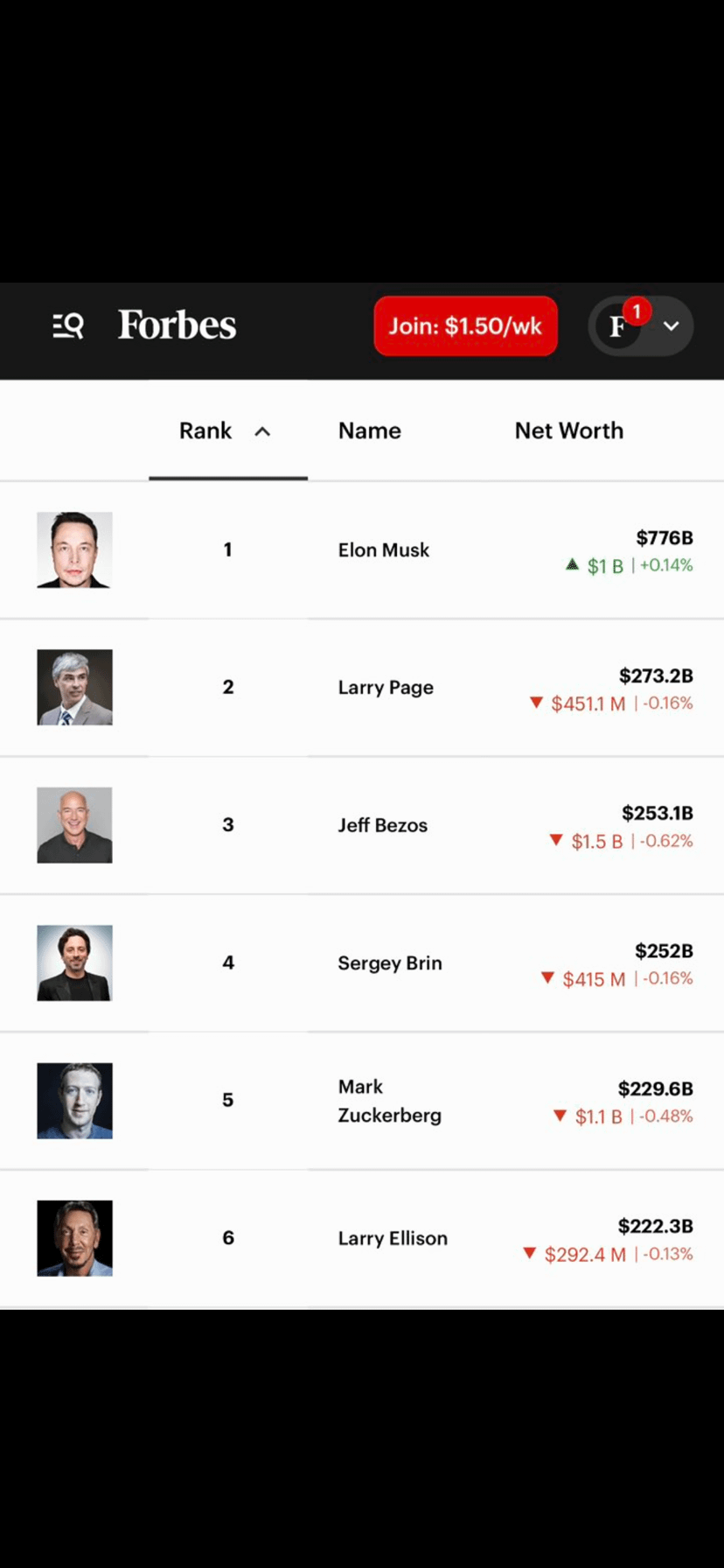
Elon Musk steht kurz davor, der erste Billionär der Welt zu werden, möglicherweise im Jahr 2026 oder 2027.
1
·
--
[https://app.binance.com/uni-qr/cart/35690115791585?r=UI4H845T&l=fr&uco=OBRDJHljjlovbcqtX3BUgQ&uc=app_square_share_link&us=copylink](https://app.binance.com/uni-qr/cart/35690115791585?r=UI4H845T&l=fr&uco=OBRDJHljjlovbcqtX3BUgQ&uc=app_square_share_link&us=copylink)
https://app.binance.com/uni-qr/cart/35690115791585?r=UI4H845T&l=fr&uco=OBRDJHljjlovbcqtX3BUgQ&uc=app_square_share_link&us=copylink

CryptoMasterMindX
·
--
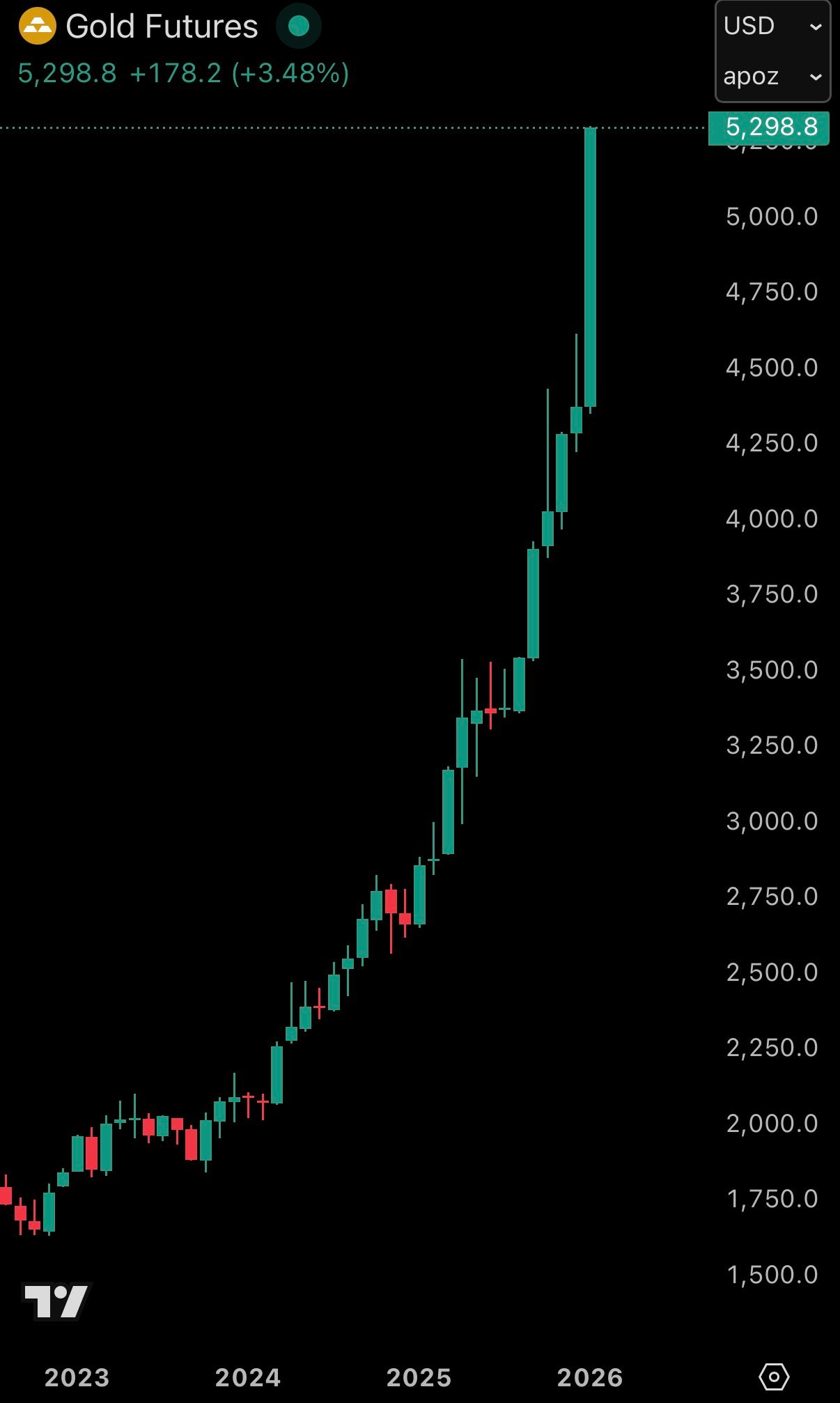
Ich kann immer noch nicht glauben, dass Gold in diesem Monat um 21% gestiegen ist. Wenn das dir nichts sagt, weiß ich nicht, was es tun wird. Bitcoin und Altcoins sind gerade massiv unterbewertet. Kauf einfach, halte durch und bleib geduldig – etwas viel Größeres kommt
$BTC
$ETH
$SOL
$BTC
$ETH
$SOL
3
·
--

Artikel
⚡ Der "Exaion-Mara" Skandal: Warum das globale Mining politisch wirdEine massive Geschichte bricht heute im Mining-Sektor aus. Ein Skandal, der Exaion (Tochtergesellschaft von EDF) und Mara (Marathon Digital) betrifft, sorgt in Frankreich und den USA für Aufregung und vereint sowohl links- als auch rechtsgerichtete Politiker in einem seltenen Konsens.
Der tiefe Einblick:
Energiehoheit: Die Regierungen ziehen die Daumenschrauben für das "institutionelle Mining" an und fordern 100 % Nachweise über grüne Energie und Priorität im nationalen Stromnetz.
Der Hashrate-Rückgang: Die Hashrate von Bitcoin hat ein 4-Monats-Tief erreicht, während Miner ihre Aktivitäten verlagern oder pausieren, während dieser regulierenden "Hexenjagd".
⚡ Der "Exaion-Mara" Skandal: Warum das globale Mining politisch wird
Eine massive Geschichte bricht heute im Mining-Sektor aus. Ein Skandal, der Exaion (Tochtergesellschaft von EDF) und Mara (Marathon Digital) betrifft, sorgt in Frankreich und den USA für Aufregung und vereint sowohl links- als auch rechtsgerichtete Politiker in einem seltenen Konsens.
Der tiefe Einblick:
Energiehoheit: Die Regierungen ziehen die Daumenschrauben für das "institutionelle Mining" an und fordern 100 % Nachweise über grüne Energie und Priorität im nationalen Stromnetz.
Der Hashrate-Rückgang: Die Hashrate von Bitcoin hat ein 4-Monats-Tief erreicht, während Miner ihre Aktivitäten verlagern oder pausieren, während dieser regulierenden "Hexenjagd".
Der tiefe Einblick:
Energiehoheit: Die Regierungen ziehen die Daumenschrauben für das "institutionelle Mining" an und fordern 100 % Nachweise über grüne Energie und Priorität im nationalen Stromnetz.
Der Hashrate-Rückgang: Die Hashrate von Bitcoin hat ein 4-Monats-Tief erreicht, während Miner ihre Aktivitäten verlagern oder pausieren, während dieser regulierenden "Hexenjagd".
33
·
--

Artikel
🟡 Gold bei 5.200 $ vs. BTC-Stagnation: Rutscht die "Digitale Gold"-Erzählung ab?Heute geschieht eine faszinierende Divergenz. Während Bitcoin unter der 90.000 $-Marke kämpft, hat Gold gerade die 5.200 $/Unze überschritten und damit den 6. aufeinanderfolgenden rekordbrechenden Tag markiert.
Der Kontext:
Tethers Bewegung: Tether hat gerade seinen Status als "Global Whale" bestätigt und hält über 27 Tonnen Gold.
Institutionelle Rotation: Wir sehen eine vorübergehende Rotation von Risiko (Krypto) zu sicherem Hafen (Gold) aufgrund der drohenden "Regierungsstillstand"-Ängste in den USA zum 31. Januar.
Die Gelegenheit: Historisch gesehen folgt Bitcoin mit einer Verzögerung, wenn Gold führt. Dieses "Gap" könnte das beste Einstiegsfenster des ersten Quartals sein.
🟡 Gold bei 5.200 $ vs. BTC-Stagnation: Rutscht die "Digitale Gold"-Erzählung ab?
Heute geschieht eine faszinierende Divergenz. Während Bitcoin unter der 90.000 $-Marke kämpft, hat Gold gerade die 5.200 $/Unze überschritten und damit den 6. aufeinanderfolgenden rekordbrechenden Tag markiert.
Der Kontext:
Tethers Bewegung: Tether hat gerade seinen Status als "Global Whale" bestätigt und hält über 27 Tonnen Gold.
Institutionelle Rotation: Wir sehen eine vorübergehende Rotation von Risiko (Krypto) zu sicherem Hafen (Gold) aufgrund der drohenden "Regierungsstillstand"-Ängste in den USA zum 31. Januar.
Die Gelegenheit: Historisch gesehen folgt Bitcoin mit einer Verzögerung, wenn Gold führt. Dieses "Gap" könnte das beste Einstiegsfenster des ersten Quartals sein.
Der Kontext:
Tethers Bewegung: Tether hat gerade seinen Status als "Global Whale" bestätigt und hält über 27 Tonnen Gold.
Institutionelle Rotation: Wir sehen eine vorübergehende Rotation von Risiko (Krypto) zu sicherem Hafen (Gold) aufgrund der drohenden "Regierungsstillstand"-Ängste in den USA zum 31. Januar.
Die Gelegenheit: Historisch gesehen folgt Bitcoin mit einer Verzögerung, wenn Gold führt. Dieses "Gap" könnte das beste Einstiegsfenster des ersten Quartals sein.
1
138
·
--
Artikel
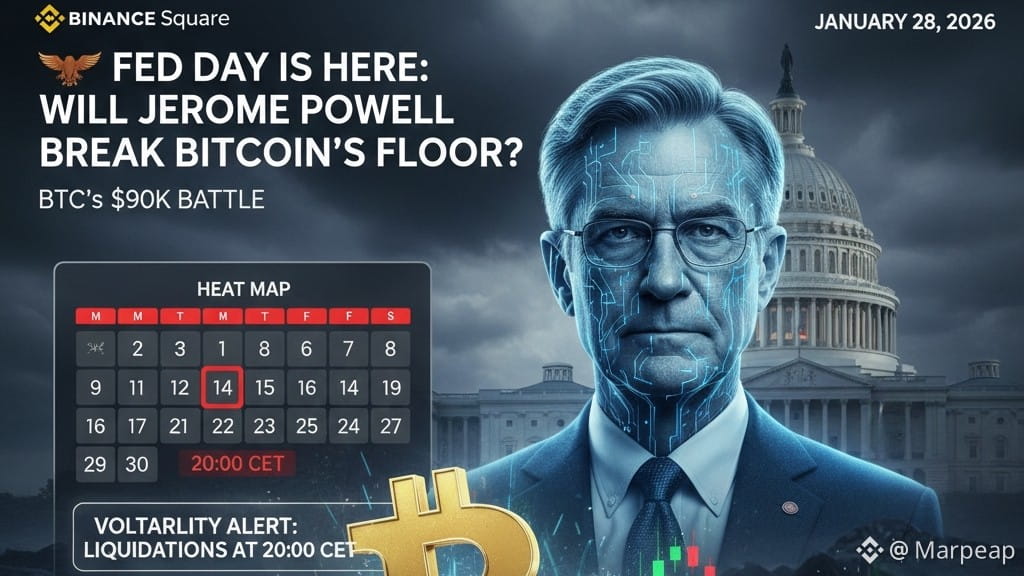
🦅 Fed-Tag ist hier: Wird Jerome Powell den Boden von Bitcoin brechen?Alle Augen sind auf Washington gerichtet. Heute, den 28. Januar 2026, trifft das FOMC seine erste Zinsentscheidung des Jahres. Mit einer 96%igen Wahrscheinlichkeit, dass die Zinsen bei 3,5%-3,75% bleiben, schaut der Markt nicht auf die Zahlen – er achtet auf den Ton.
Das "Powell Pivot" Risiko:
Historische Warnung: 75% der vergangenen FOMC-Sitzungen führten zu einer Bitcoin-Korrektur.
Der $88k Magnet: BTC kämpft derzeit darum, die $89.000-Zone zu halten. Eine "hawkische Pause" (keine Zinssenkungen bis März) könnte uns dazu bringen, die $85k-Unterstützung zu testen.
Volatilitätswarnung: Erwarten Sie große Liquidationen um 20:00 CET.
🦅 Fed-Tag ist hier: Wird Jerome Powell den Boden von Bitcoin brechen?
Alle Augen sind auf Washington gerichtet. Heute, den 28. Januar 2026, trifft das FOMC seine erste Zinsentscheidung des Jahres. Mit einer 96%igen Wahrscheinlichkeit, dass die Zinsen bei 3,5%-3,75% bleiben, schaut der Markt nicht auf die Zahlen – er achtet auf den Ton.
Das "Powell Pivot" Risiko:
Historische Warnung: 75% der vergangenen FOMC-Sitzungen führten zu einer Bitcoin-Korrektur.
Der $88k Magnet: BTC kämpft derzeit darum, die $89.000-Zone zu halten. Eine "hawkische Pause" (keine Zinssenkungen bis März) könnte uns dazu bringen, die $85k-Unterstützung zu testen.
Volatilitätswarnung: Erwarten Sie große Liquidationen um 20:00 CET.
Das "Powell Pivot" Risiko:
Historische Warnung: 75% der vergangenen FOMC-Sitzungen führten zu einer Bitcoin-Korrektur.
Der $88k Magnet: BTC kämpft derzeit darum, die $89.000-Zone zu halten. Eine "hawkische Pause" (keine Zinssenkungen bis März) könnte uns dazu bringen, die $85k-Unterstützung zu testen.
Volatilitätswarnung: Erwarten Sie große Liquidationen um 20:00 CET.
1
241
Anmelden und weiter Inhalte entdecken
Krypto-Nutzer weltweit auf Binance Square kennenlernen
⚡️ Bleib in Sachen Krypto stets am Puls.
💬 Die weltgrößte Kryptobörse vertraut darauf.
👍 Erhalte verlässliche Einblicke von verifizierten Creators.
E-Mail-Adresse/Telefonnummer
Trendthemen
CPIWatch
87.3M Aufrufe
504,169 Kommentare
Teile & gewinne Traffic-Belohnungen in unserer Kampagne mit den Trend-Hashtags
✨Thema: Wird CPI eine Zinserhöhung auslösen?
👉So nimmst du teil:
Veröffentliche einen kurzen Beitrag oder Artikel mit dem Hashtag #CPIWatch
Erstelle Inhalte basierend auf den folgenden zwei Blickwinkeln:
- Nichtlandwirtschaftliche Payrolls übertreffen die Erwartungen und CPI steht kurz bevor—glaubst du, dass die Fed die Zinsen erhöht oder hält?
- Bärisch oder bullisch? Teile deine Einschätzung und präsentiere deine Aktien oder Gold-Trades/Bestände mit unserem Widget zum Teilen von Trades.
🚀Kampagnenzeitraum:
- 2026-09-11 3:00 - 2026-09-12 9:00 UTC
🎁Belohnung:
- Qualifizierte Beiträge, die die oben genannten Richtlinien einhalten und mehr als 100 Wörter enthalten, werden überprüft und können möglicherweise einen zufälligen Traffic-Boost von 500 bis 3.000 Views erhalten. Du erhältst eine Benachrichtigung von deiner Feed-Sekretärin, wenn dein Beitrag ausgewählt wurde.
- Erhalte die Chance, dass dein Artikel auf Binance Square Official vorgestellt wird
Brauchst du Ideen für deinen Beitrag? Besuche die Themen-Seite #CPIWatch oder die Square Guide on How to Post for Better Reach.
Binance Square Official
·616 Likes
·1.7M Aufrufe
USBankCompletesCrossBorderPaymentPilotOnStellar
4,053 Aufrufe
167 Kommentare
NvidiaInTalksToInvestUpTo$10BInAnthropicIPO
277 Aufrufe
17 Kommentare