
CryptoValueLab
801 Beiträge

CryptoValueLab
Melden
Nutzer blockieren
Daily crypto insights, trends, and market analysis.
Trade eröffnen
4.9 Jahre
29 Following
66 Follower
190 Like gegeben
Beiträge
Portfolio
Alle
Zitierungen
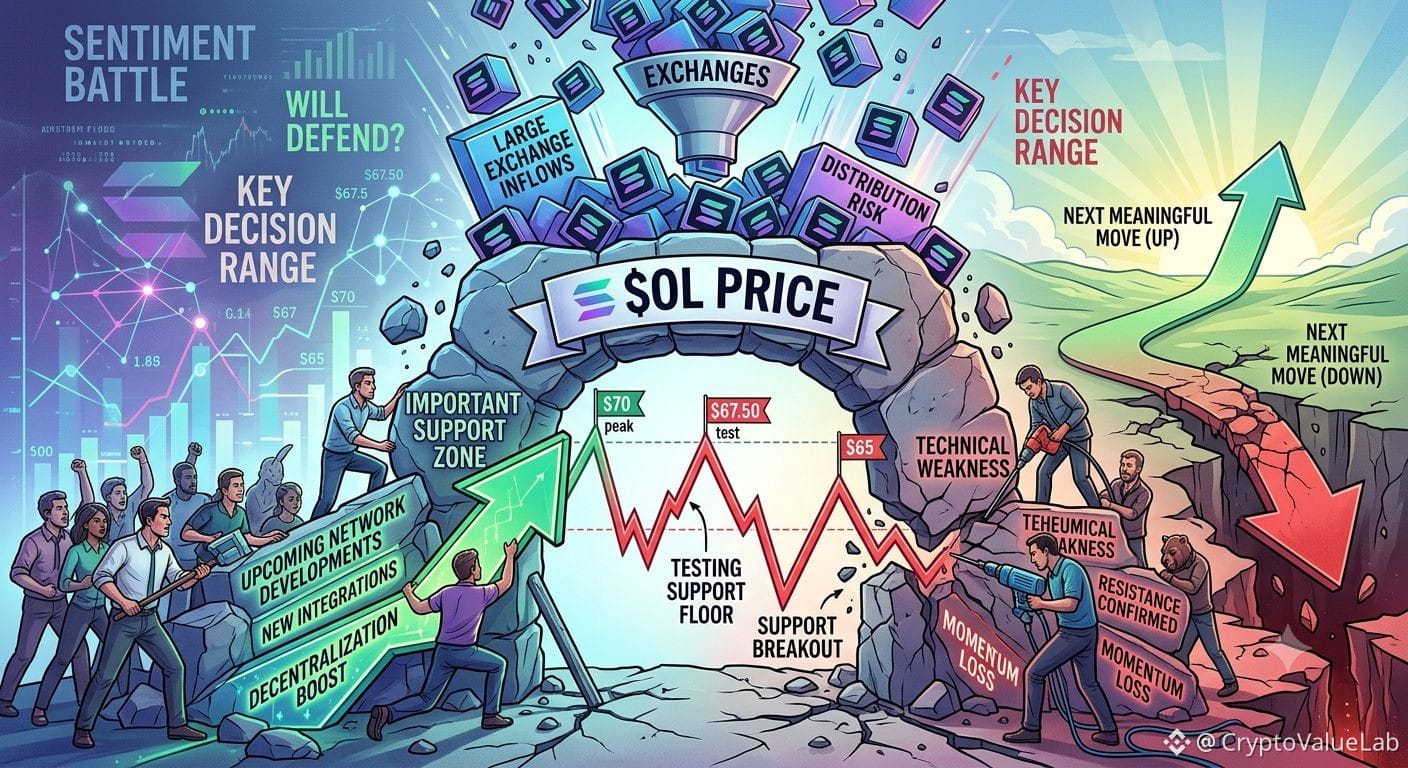
Solana ($SOL) zeigt eine Mischung aus technischen und On-Chain-Signalen, die von Tradern genau beobachtet werden.
Einige der Faktoren, die dabei Aufmerksamkeit erregen, sind: • Mehr Token-Bewegungen zu Börsen, was auf eine höhere potenzielle Verkaufsaktivität hindeuten kann
• Ein mögliches Doppel-Top-Muster, eine Chart-Formation, die oft mit nachlassendem Momentum verbunden ist
• Wichtige Unterstützungs- und Widerstandsniveaus, die die kurzfristige Marktrichtung beeinflussen können
Wichtig ist, sich zu vergegenwärtigen, dass kein einzelner Indikator die zukünftige Kursentwicklung bestimmt. Börsen-Zuflüsse, Chartmuster und Liquidationen geben zwar Kontext, aber die Marktergebnisse hängen davon ab, wie Käufer und Verkäufer im Verlauf der Zeit reagieren.
Auf der Fundamentalseite können auch Netzwerk-Updates und Entwicklungen im Ökosystem die Stimmung beeinflussen. Große Protokoll-Verbesserungen werden häufig besonders genau beobachtet, weil sie sich auf Akzeptanz, Performance und langfristiges Vertrauen in das Netzwerk auswirken können.
Die wichtigste Erkenntnis: Technische Signale können helfen, Bereiche mit Risiko und Chancen zu identifizieren, sind aber am nützlichsten, wenn sie zusammen mit den breiteren Marktbedingungen und fundamentalen Entwicklungen betrachtet werden.
#SOL #Solana #CryptoAnalysis #TechnicalAnalysis #Blockchain
Solana ($SOL) zeigt eine Mischung aus technischen und On-Chain-Signalen, die von Tradern genau beobachtet werden.
Einige der Faktoren, die dabei Aufmerksamkeit erregen, sind: • Mehr Token-Bewegungen zu Börsen, was auf eine höhere potenzielle Verkaufsaktivität hindeuten kann
• Ein mögliches Doppel-Top-Muster, eine Chart-Formation, die oft mit nachlassendem Momentum verbunden ist
• Wichtige Unterstützungs- und Widerstandsniveaus, die die kurzfristige Marktrichtung beeinflussen können
Wichtig ist, sich zu vergegenwärtigen, dass kein einzelner Indikator die zukünftige Kursentwicklung bestimmt. Börsen-Zuflüsse, Chartmuster und Liquidationen geben zwar Kontext, aber die Marktergebnisse hängen davon ab, wie Käufer und Verkäufer im Verlauf der Zeit reagieren.
Auf der Fundamentalseite können auch Netzwerk-Updates und Entwicklungen im Ökosystem die Stimmung beeinflussen. Große Protokoll-Verbesserungen werden häufig besonders genau beobachtet, weil sie sich auf Akzeptanz, Performance und langfristiges Vertrauen in das Netzwerk auswirken können.
Die wichtigste Erkenntnis: Technische Signale können helfen, Bereiche mit Risiko und Chancen zu identifizieren, sind aber am nützlichsten, wenn sie zusammen mit den breiteren Marktbedingungen und fundamentalen Entwicklungen betrachtet werden.
#SOL #Solana #CryptoAnalysis #TechnicalAnalysis #Blockchain
Einige der Faktoren, die dabei Aufmerksamkeit erregen, sind: • Mehr Token-Bewegungen zu Börsen, was auf eine höhere potenzielle Verkaufsaktivität hindeuten kann
• Ein mögliches Doppel-Top-Muster, eine Chart-Formation, die oft mit nachlassendem Momentum verbunden ist
• Wichtige Unterstützungs- und Widerstandsniveaus, die die kurzfristige Marktrichtung beeinflussen können
Wichtig ist, sich zu vergegenwärtigen, dass kein einzelner Indikator die zukünftige Kursentwicklung bestimmt. Börsen-Zuflüsse, Chartmuster und Liquidationen geben zwar Kontext, aber die Marktergebnisse hängen davon ab, wie Käufer und Verkäufer im Verlauf der Zeit reagieren.
Auf der Fundamentalseite können auch Netzwerk-Updates und Entwicklungen im Ökosystem die Stimmung beeinflussen. Große Protokoll-Verbesserungen werden häufig besonders genau beobachtet, weil sie sich auf Akzeptanz, Performance und langfristiges Vertrauen in das Netzwerk auswirken können.
Die wichtigste Erkenntnis: Technische Signale können helfen, Bereiche mit Risiko und Chancen zu identifizieren, sind aber am nützlichsten, wenn sie zusammen mit den breiteren Marktbedingungen und fundamentalen Entwicklungen betrachtet werden.
#SOL #Solana #CryptoAnalysis #TechnicalAnalysis #Blockchain
99
Aktivität von langfristigen Bitcoin-($BTC)-Hodlern ist eine Kennzahl, die viele Analysten im Blick haben, um das Marktverhalten zu verstehen.
Aktuelle Daten deuten darauf hin, dass langfristige Inhaber langsamer verkaufen als in vielen Monaten. In der On-Chain-Analyse werden diese Inhaber oft als erfahrene Marktteilnehmer betrachtet, die dazu neigen, sowohl durch Bullen- als auch durch Bärenmärkte zu halten.
Warum ist das wichtig?
• Geringere Verkaufsaktivität kann das verfügbare Marktsignal senken
• Ein geringeres Angebot kann die Wirkung neuer Kaufnachfrage verstärken
• Veränderungen im Verhalten langfristiger Inhaber können Hinweise auf das Marktstimmungsbild geben
Doch eine geringere Verteilung allein garantiert nicht automatisch höhere Preise. Die Entwicklung von Bitcoin wird weiterhin von Faktoren wie institutioneller Nachfrage, makroökonomischen Bedingungen, ETF-Zuflüssen und der allgemeinen Marktliquidität beeinflusst.
Die wichtigste Erkenntnis ist: Angebotsdynamiken spielen in Finanzmärkten eine wichtige Rolle. Wenn weniger Inhaber bereit sind zu verkaufen, beobachten Analysten häufig genau, ob die Nachfrage stark genug ist, um das verfügbare Angebot aufzunehmen und zukünftige Preisentwicklungen zu beeinflussen.
#Bitcoin #BTC #CryptoMarkets #OnChainAnalysis #CryptoEducation
Aktivität von langfristigen Bitcoin-($BTC)-Hodlern ist eine Kennzahl, die viele Analysten im Blick haben, um das Marktverhalten zu verstehen.
Aktuelle Daten deuten darauf hin, dass langfristige Inhaber langsamer verkaufen als in vielen Monaten. In der On-Chain-Analyse werden diese Inhaber oft als erfahrene Marktteilnehmer betrachtet, die dazu neigen, sowohl durch Bullen- als auch durch Bärenmärkte zu halten.
Warum ist das wichtig?
• Geringere Verkaufsaktivität kann das verfügbare Marktsignal senken
• Ein geringeres Angebot kann die Wirkung neuer Kaufnachfrage verstärken
• Veränderungen im Verhalten langfristiger Inhaber können Hinweise auf das Marktstimmungsbild geben
Doch eine geringere Verteilung allein garantiert nicht automatisch höhere Preise. Die Entwicklung von Bitcoin wird weiterhin von Faktoren wie institutioneller Nachfrage, makroökonomischen Bedingungen, ETF-Zuflüssen und der allgemeinen Marktliquidität beeinflusst.
Die wichtigste Erkenntnis ist: Angebotsdynamiken spielen in Finanzmärkten eine wichtige Rolle. Wenn weniger Inhaber bereit sind zu verkaufen, beobachten Analysten häufig genau, ob die Nachfrage stark genug ist, um das verfügbare Angebot aufzunehmen und zukünftige Preisentwicklungen zu beeinflussen.
#Bitcoin #BTC #CryptoMarkets #OnChainAnalysis #CryptoEducation
Aktuelle Daten deuten darauf hin, dass langfristige Inhaber langsamer verkaufen als in vielen Monaten. In der On-Chain-Analyse werden diese Inhaber oft als erfahrene Marktteilnehmer betrachtet, die dazu neigen, sowohl durch Bullen- als auch durch Bärenmärkte zu halten.
Warum ist das wichtig?
• Geringere Verkaufsaktivität kann das verfügbare Marktsignal senken
• Ein geringeres Angebot kann die Wirkung neuer Kaufnachfrage verstärken
• Veränderungen im Verhalten langfristiger Inhaber können Hinweise auf das Marktstimmungsbild geben
Doch eine geringere Verteilung allein garantiert nicht automatisch höhere Preise. Die Entwicklung von Bitcoin wird weiterhin von Faktoren wie institutioneller Nachfrage, makroökonomischen Bedingungen, ETF-Zuflüssen und der allgemeinen Marktliquidität beeinflusst.
Die wichtigste Erkenntnis ist: Angebotsdynamiken spielen in Finanzmärkten eine wichtige Rolle. Wenn weniger Inhaber bereit sind zu verkaufen, beobachten Analysten häufig genau, ob die Nachfrage stark genug ist, um das verfügbare Angebot aufzunehmen und zukünftige Preisentwicklungen zu beeinflussen.
#Bitcoin #BTC #CryptoMarkets #OnChainAnalysis #CryptoEducation

89
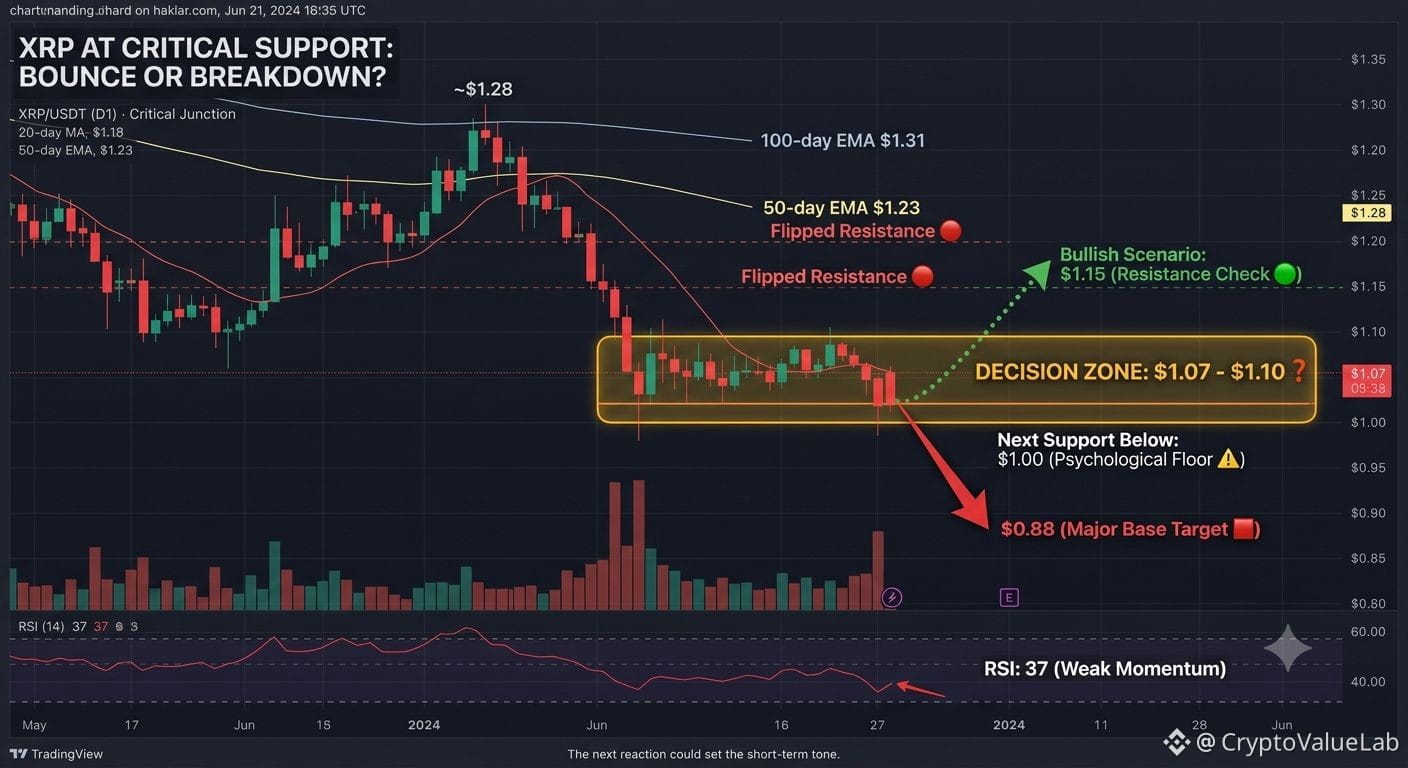
XRP nähert sich einem wichtigen Unterstützungsbereich um $1.10, nachdem es kürzlich unter mehrere höhere Preisniveaus gefallen ist.
Aus der Perspektive der technischen Analyse sind Unterstützungszonen Bereiche, in denen Käufer zuvor Interesse gezeigt haben. Wenn der Preis ein weit beobachtetes Niveau erreicht, suchen Marktteilnehmer oft nach Bestätigung entweder für anhaltende Schwäche oder erneute Nachfrage.
Zwei mögliche Szenarien, die Trader in Betracht ziehen könnten:
• Wenn die Unterstützung hält, könnte XRP sich stabilisieren und beginnen, eine Basis aufzubauen, bevor es versucht, eine Erholung einzuleiten. • Wenn die Unterstützung versagt, könnte der Markt nach dem nächsten Bereich suchen, in dem Käufer bereit sind, einzusteigen.
Einer der wichtigsten Faktoren, den man beobachten sollte, ist das Handelsvolumen. Preisbewegungen, die durch starkes Volumen unterstützt werden, haben oft mehr Bedeutung als Bewegungen, die bei begrenzter Teilnahme auftreten.
Die breitere Lektion ist, dass wichtige Unterstützungsniveaus weniger darum gehen, die Zukunft vorherzusagen, sondern vielmehr darum, zu beobachten, wie Käufer und Verkäufer reagieren, wenn der Preis eine wichtige Entscheidungszone erreicht.
#XRP #Ripple #KryptoAnalyse #TechnischeAnalyse #TradingBildung
XRP nähert sich einem wichtigen Unterstützungsbereich um $1.10, nachdem es kürzlich unter mehrere höhere Preisniveaus gefallen ist.
Aus der Perspektive der technischen Analyse sind Unterstützungszonen Bereiche, in denen Käufer zuvor Interesse gezeigt haben. Wenn der Preis ein weit beobachtetes Niveau erreicht, suchen Marktteilnehmer oft nach Bestätigung entweder für anhaltende Schwäche oder erneute Nachfrage.
Zwei mögliche Szenarien, die Trader in Betracht ziehen könnten:
• Wenn die Unterstützung hält, könnte XRP sich stabilisieren und beginnen, eine Basis aufzubauen, bevor es versucht, eine Erholung einzuleiten. • Wenn die Unterstützung versagt, könnte der Markt nach dem nächsten Bereich suchen, in dem Käufer bereit sind, einzusteigen.
Einer der wichtigsten Faktoren, den man beobachten sollte, ist das Handelsvolumen. Preisbewegungen, die durch starkes Volumen unterstützt werden, haben oft mehr Bedeutung als Bewegungen, die bei begrenzter Teilnahme auftreten.
Die breitere Lektion ist, dass wichtige Unterstützungsniveaus weniger darum gehen, die Zukunft vorherzusagen, sondern vielmehr darum, zu beobachten, wie Käufer und Verkäufer reagieren, wenn der Preis eine wichtige Entscheidungszone erreicht.
#XRP #Ripple #KryptoAnalyse #TechnischeAnalyse #TradingBildung
Aus der Perspektive der technischen Analyse sind Unterstützungszonen Bereiche, in denen Käufer zuvor Interesse gezeigt haben. Wenn der Preis ein weit beobachtetes Niveau erreicht, suchen Marktteilnehmer oft nach Bestätigung entweder für anhaltende Schwäche oder erneute Nachfrage.
Zwei mögliche Szenarien, die Trader in Betracht ziehen könnten:
• Wenn die Unterstützung hält, könnte XRP sich stabilisieren und beginnen, eine Basis aufzubauen, bevor es versucht, eine Erholung einzuleiten. • Wenn die Unterstützung versagt, könnte der Markt nach dem nächsten Bereich suchen, in dem Käufer bereit sind, einzusteigen.
Einer der wichtigsten Faktoren, den man beobachten sollte, ist das Handelsvolumen. Preisbewegungen, die durch starkes Volumen unterstützt werden, haben oft mehr Bedeutung als Bewegungen, die bei begrenzter Teilnahme auftreten.
Die breitere Lektion ist, dass wichtige Unterstützungsniveaus weniger darum gehen, die Zukunft vorherzusagen, sondern vielmehr darum, zu beobachten, wie Käufer und Verkäufer reagieren, wenn der Preis eine wichtige Entscheidungszone erreicht.
#XRP #Ripple #KryptoAnalyse #TechnischeAnalyse #TradingBildung
150
Viele Krypto-Teams konzentrieren sich vor dem Launch auf Produktentwicklung, Community-Wachstum und Tokenomics. Dennoch kann ein oft übersehener Faktor eine große Auswirkung auf die frühe Marktperformance haben: Liquidität.
Warum ist Liquidität wichtig?
Ein tiefes Orderbuch kann dazu beitragen, Spreads und Slippage zu reduzieren und so den Handel für Käufer und Verkäufer effizienter zu machen. Im Gegensatz dazu kann geringe Liquidität zu breiteren Spreads, höheren Ausführungskosten und einem weniger attraktiven Handelsumfeld führen.
Für Marktteilnehmer beeinflusst Liquidität: • Handelskosten und Ausführungsqualität • Preisstabilität bei großen Orders • Die Möglichkeit, dass neue Investoren Positionen eröffnen und wieder verlassen können
Darum prüfen professionelle Investoren häufig neben den Fundamentaldaten auch die Marktstruktur. Ein starkes Projekt kann dennoch Schwierigkeiten haben, Beteiligung anzuziehen, wenn sich sein Markt schwer handeln lässt.
Die übergreifende Erkenntnis lautet: Ein Token-Launch geht nicht nur um Bekanntheit und Adoption. Die Marktinfrastruktur – einschließlich Liquidität und Orderbuch-Tiefe – kann eine bedeutende Rolle dabei spielen, wie der Markt vom ersten Tag an reagiert.
#Crypto #Liquidity #TokenLaunch #MarketStructure #Blockchain
Viele Krypto-Teams konzentrieren sich vor dem Launch auf Produktentwicklung, Community-Wachstum und Tokenomics. Dennoch kann ein oft übersehener Faktor eine große Auswirkung auf die frühe Marktperformance haben: Liquidität.
Warum ist Liquidität wichtig?
Ein tiefes Orderbuch kann dazu beitragen, Spreads und Slippage zu reduzieren und so den Handel für Käufer und Verkäufer effizienter zu machen. Im Gegensatz dazu kann geringe Liquidität zu breiteren Spreads, höheren Ausführungskosten und einem weniger attraktiven Handelsumfeld führen.
Für Marktteilnehmer beeinflusst Liquidität: • Handelskosten und Ausführungsqualität • Preisstabilität bei großen Orders • Die Möglichkeit, dass neue Investoren Positionen eröffnen und wieder verlassen können
Darum prüfen professionelle Investoren häufig neben den Fundamentaldaten auch die Marktstruktur. Ein starkes Projekt kann dennoch Schwierigkeiten haben, Beteiligung anzuziehen, wenn sich sein Markt schwer handeln lässt.
Die übergreifende Erkenntnis lautet: Ein Token-Launch geht nicht nur um Bekanntheit und Adoption. Die Marktinfrastruktur – einschließlich Liquidität und Orderbuch-Tiefe – kann eine bedeutende Rolle dabei spielen, wie der Markt vom ersten Tag an reagiert.
#Crypto #Liquidity #TokenLaunch #MarketStructure #Blockchain
Warum ist Liquidität wichtig?
Ein tiefes Orderbuch kann dazu beitragen, Spreads und Slippage zu reduzieren und so den Handel für Käufer und Verkäufer effizienter zu machen. Im Gegensatz dazu kann geringe Liquidität zu breiteren Spreads, höheren Ausführungskosten und einem weniger attraktiven Handelsumfeld führen.
Für Marktteilnehmer beeinflusst Liquidität: • Handelskosten und Ausführungsqualität • Preisstabilität bei großen Orders • Die Möglichkeit, dass neue Investoren Positionen eröffnen und wieder verlassen können
Darum prüfen professionelle Investoren häufig neben den Fundamentaldaten auch die Marktstruktur. Ein starkes Projekt kann dennoch Schwierigkeiten haben, Beteiligung anzuziehen, wenn sich sein Markt schwer handeln lässt.
Die übergreifende Erkenntnis lautet: Ein Token-Launch geht nicht nur um Bekanntheit und Adoption. Die Marktinfrastruktur – einschließlich Liquidität und Orderbuch-Tiefe – kann eine bedeutende Rolle dabei spielen, wie der Markt vom ersten Tag an reagiert.
#Crypto #Liquidity #TokenLaunch #MarketStructure #Blockchain

75
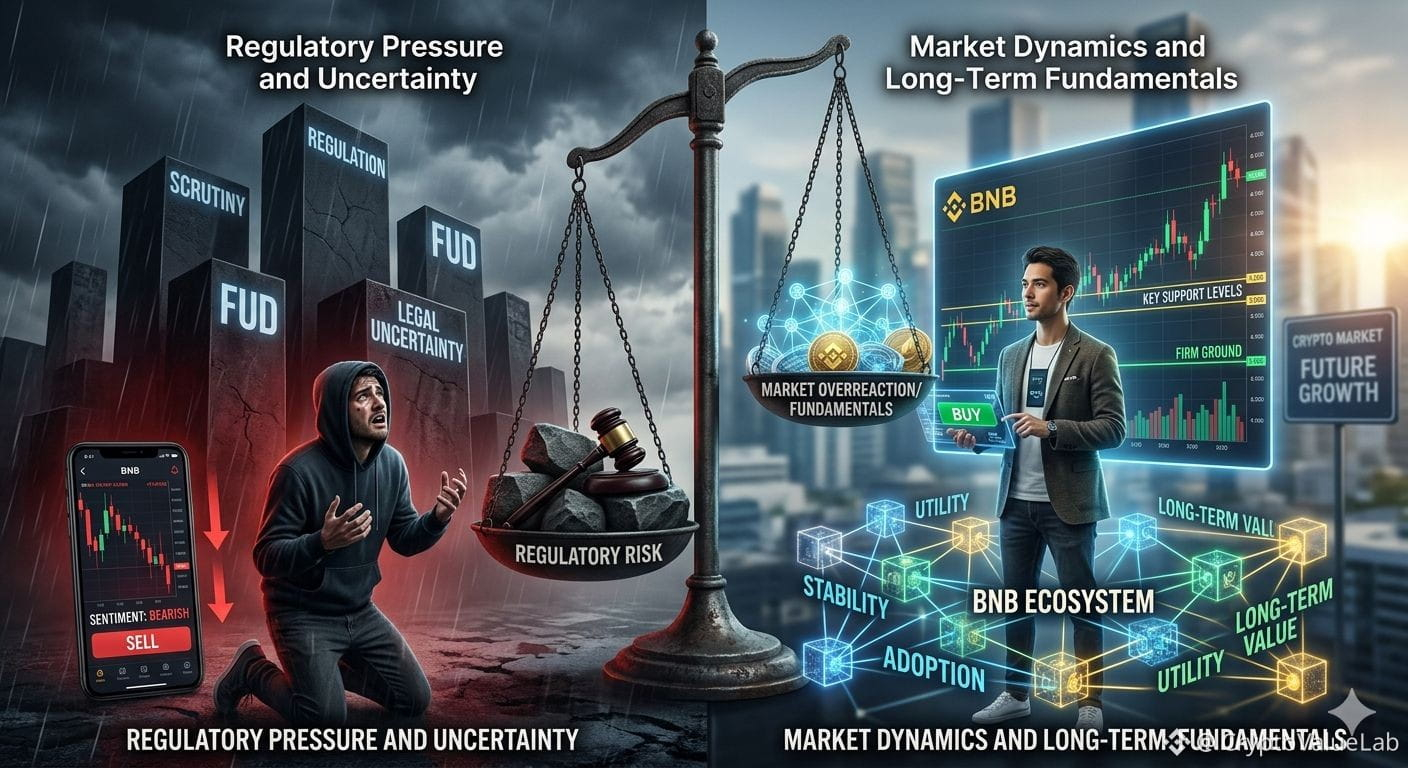
BNB zieht die Aufmerksamkeit auf sich, während Trader die Auswirkungen von regulatorischen Entwicklungen auf die Marktentwicklung beobachten.
Wenn große, kryptowährungsbezogene Schlagzeilen auftauchen, reagieren die Märkte oft nicht nur auf die Nachrichten selbst, sondern auch auf die Unsicherheit über mögliche Ergebnisse. Regulatorische Entscheidungen können das Vertrauen der Investoren, die Handelsaktivität und die Liquiditätsbedingungen im gesamten Krypto-Ökosystem beeinflussen.
Einige wichtige Konzepte:
• Large-Cap-Assets können manchmal die Stimmung in kleineren Altcoins beeinflussen
• Niedrige Liquiditätsumgebungen neigen dazu, Preisschwankungen zu verstärken
• Regulatorische Nachrichten erzeugen oft kurzfristige Volatilität, bevor langfristige Auswirkungen klar werden
Es ist auch wichtig, zwischen bestätigten Entwicklungen und laufenden Berichten oder Spekulationen zu unterscheiden. Märkte preisen häufig Erwartungen ein, bevor offizielle Entscheidungen bekannt gegeben werden.
Die wichtigste Erkenntnis: Unterstützungs- und Widerstandsniveaus können Aufmerksamkeit erregen, aber die breitere Lektion ist, wie Regulierung, Liquidität und Marktpsychologie während unsicherer Zeiten interagieren.
#BNB #KryptoRegulierung #Blockchain #Marktstruktur #KryptoBildung
BNB zieht die Aufmerksamkeit auf sich, während Trader die Auswirkungen von regulatorischen Entwicklungen auf die Marktentwicklung beobachten.
Wenn große, kryptowährungsbezogene Schlagzeilen auftauchen, reagieren die Märkte oft nicht nur auf die Nachrichten selbst, sondern auch auf die Unsicherheit über mögliche Ergebnisse. Regulatorische Entscheidungen können das Vertrauen der Investoren, die Handelsaktivität und die Liquiditätsbedingungen im gesamten Krypto-Ökosystem beeinflussen.
Einige wichtige Konzepte:
• Large-Cap-Assets können manchmal die Stimmung in kleineren Altcoins beeinflussen
• Niedrige Liquiditätsumgebungen neigen dazu, Preisschwankungen zu verstärken
• Regulatorische Nachrichten erzeugen oft kurzfristige Volatilität, bevor langfristige Auswirkungen klar werden
Es ist auch wichtig, zwischen bestätigten Entwicklungen und laufenden Berichten oder Spekulationen zu unterscheiden. Märkte preisen häufig Erwartungen ein, bevor offizielle Entscheidungen bekannt gegeben werden.
Die wichtigste Erkenntnis: Unterstützungs- und Widerstandsniveaus können Aufmerksamkeit erregen, aber die breitere Lektion ist, wie Regulierung, Liquidität und Marktpsychologie während unsicherer Zeiten interagieren.
#BNB #KryptoRegulierung #Blockchain #Marktstruktur #KryptoBildung
Wenn große, kryptowährungsbezogene Schlagzeilen auftauchen, reagieren die Märkte oft nicht nur auf die Nachrichten selbst, sondern auch auf die Unsicherheit über mögliche Ergebnisse. Regulatorische Entscheidungen können das Vertrauen der Investoren, die Handelsaktivität und die Liquiditätsbedingungen im gesamten Krypto-Ökosystem beeinflussen.
Einige wichtige Konzepte:
• Large-Cap-Assets können manchmal die Stimmung in kleineren Altcoins beeinflussen
• Niedrige Liquiditätsumgebungen neigen dazu, Preisschwankungen zu verstärken
• Regulatorische Nachrichten erzeugen oft kurzfristige Volatilität, bevor langfristige Auswirkungen klar werden
Es ist auch wichtig, zwischen bestätigten Entwicklungen und laufenden Berichten oder Spekulationen zu unterscheiden. Märkte preisen häufig Erwartungen ein, bevor offizielle Entscheidungen bekannt gegeben werden.
Die wichtigste Erkenntnis: Unterstützungs- und Widerstandsniveaus können Aufmerksamkeit erregen, aber die breitere Lektion ist, wie Regulierung, Liquidität und Marktpsychologie während unsicherer Zeiten interagieren.
#BNB #KryptoRegulierung #Blockchain #Marktstruktur #KryptoBildung
92
Neue Krypto-Vorschriften in der Europäischen Union heben einen wichtigen Unterschied zwischen regulierten Krypto-Diensten und Selbstverwahrungs-Wallets hervor.
Im Rahmen des aktualisierten Anti-Geldwäsche (AML) Rahmens werden regulierte Plattformen strengeren Anforderungen an die Kundenidentifikation und Compliance gegenüberstehen. Diese Maßnahmen sollen die Transparenz erhöhen und die Nutzung anonymer Finanzdienstleistungen reduzieren.
Ein zentrales Konzept für Krypto-Nutzer ist der Unterschied zwischen:
• Verwahrungsdiensten — bei denen ein Dritter die Vermögenswerte im Namen der Nutzer kontrolliert
• Selbstverwahrungs-Wallets — bei denen die Nutzer ihre eigenen privaten Schlüssel und Vermögenswerte direkt kontrollieren
Regulatorische Anforderungen gelten typischerweise am stärksten für Unternehmen, die Finanzdienstleistungen anbieten, wie Börsen und Verwahrer. Selbstverwahrung bleibt ein separates Modell, obwohl die Nutzer weiterhin den geltenden Gesetzen und Vorschriften in ihren Rechtsgebieten unterliegen.
Die breitere Lektion ist, dass die Regulierung von Krypto zunehmend auf Dienstanbieter und nicht auf die zugrunde liegenden Blockchain-Netzwerke selbst fokussiert ist. Den Unterschied zwischen den Verwahrungsmodellen zu verstehen, wird zu einem wichtigen Teil der Navigation im digitalen Vermögensökosystem.
Neue Krypto-Vorschriften in der Europäischen Union heben einen wichtigen Unterschied zwischen regulierten Krypto-Diensten und Selbstverwahrungs-Wallets hervor.
Im Rahmen des aktualisierten Anti-Geldwäsche (AML) Rahmens werden regulierte Plattformen strengeren Anforderungen an die Kundenidentifikation und Compliance gegenüberstehen. Diese Maßnahmen sollen die Transparenz erhöhen und die Nutzung anonymer Finanzdienstleistungen reduzieren.
Ein zentrales Konzept für Krypto-Nutzer ist der Unterschied zwischen:
• Verwahrungsdiensten — bei denen ein Dritter die Vermögenswerte im Namen der Nutzer kontrolliert
• Selbstverwahrungs-Wallets — bei denen die Nutzer ihre eigenen privaten Schlüssel und Vermögenswerte direkt kontrollieren
Regulatorische Anforderungen gelten typischerweise am stärksten für Unternehmen, die Finanzdienstleistungen anbieten, wie Börsen und Verwahrer. Selbstverwahrung bleibt ein separates Modell, obwohl die Nutzer weiterhin den geltenden Gesetzen und Vorschriften in ihren Rechtsgebieten unterliegen.
Die breitere Lektion ist, dass die Regulierung von Krypto zunehmend auf Dienstanbieter und nicht auf die zugrunde liegenden Blockchain-Netzwerke selbst fokussiert ist. Den Unterschied zwischen den Verwahrungsmodellen zu verstehen, wird zu einem wichtigen Teil der Navigation im digitalen Vermögensökosystem.
Im Rahmen des aktualisierten Anti-Geldwäsche (AML) Rahmens werden regulierte Plattformen strengeren Anforderungen an die Kundenidentifikation und Compliance gegenüberstehen. Diese Maßnahmen sollen die Transparenz erhöhen und die Nutzung anonymer Finanzdienstleistungen reduzieren.
Ein zentrales Konzept für Krypto-Nutzer ist der Unterschied zwischen:
• Verwahrungsdiensten — bei denen ein Dritter die Vermögenswerte im Namen der Nutzer kontrolliert
• Selbstverwahrungs-Wallets — bei denen die Nutzer ihre eigenen privaten Schlüssel und Vermögenswerte direkt kontrollieren
Regulatorische Anforderungen gelten typischerweise am stärksten für Unternehmen, die Finanzdienstleistungen anbieten, wie Börsen und Verwahrer. Selbstverwahrung bleibt ein separates Modell, obwohl die Nutzer weiterhin den geltenden Gesetzen und Vorschriften in ihren Rechtsgebieten unterliegen.
Die breitere Lektion ist, dass die Regulierung von Krypto zunehmend auf Dienstanbieter und nicht auf die zugrunde liegenden Blockchain-Netzwerke selbst fokussiert ist. Den Unterschied zwischen den Verwahrungsmodellen zu verstehen, wird zu einem wichtigen Teil der Navigation im digitalen Vermögensökosystem.

79
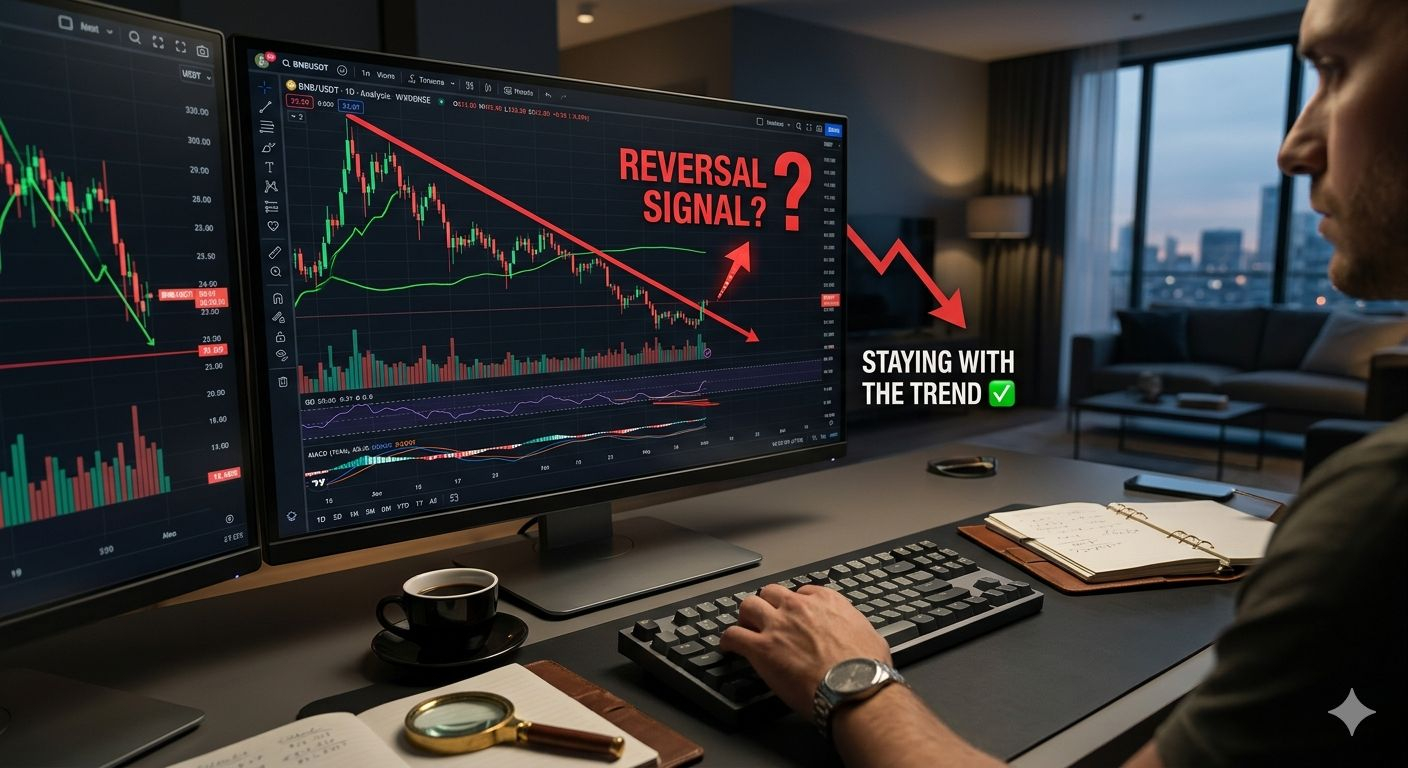
Trendfolgen ist eine der gängigsten Methoden, die in der technischen Analyse verwendet werden.
Wenn ein Asset über mehrere Zeitrahmen in einem Abwärtstrend bleibt, konzentrieren sich einige Trader darauf, in Richtung dieses Trends zu traden, anstatt einen Umkehrpunkt vorherzusagen.
Wichtige Konzepte hinter diesem Ansatz: • Mehrere Zeitrahmen, die Schwäche zeigen, können die bärische Sichtweise verstärken
• Momentum-Indikatoren wie der RSI helfen dabei, zu beurteilen, ob die Kaufstärke zurückkehrt
• Risikomanagement wird definiert, bevor der Trade eingegangen wird, einschließlich Stop-Loss- und Gewinnmitnahmelevels
Ein wichtiger Unterschied ist der zwischen Trendfolgen und Bottom-Picking. Trendfolger warten auf Beweise, dass sich der Trend geändert hat, während Bottom-Picker versuchen, den genauen Wendepunkt zu identifizieren.
Keine der beiden Methoden garantiert Erfolg, aber beide basieren darauf, einen klaren Plan für Einstieg, Ausstieg und Risikokontrolle zu haben.
Die Hauptbotschaft: Erfolgreiches Trading hängt oft weniger davon ab, die Marktrichtung vorherzusagen, sondern vielmehr davon, das Risiko konsequent zu managen, während man einer definierten Strategie folgt.
#BNB #CryptoEducation #TechnischeAnalyse #Trading #Risikomanagement
Trendfolgen ist eine der gängigsten Methoden, die in der technischen Analyse verwendet werden.
Wenn ein Asset über mehrere Zeitrahmen in einem Abwärtstrend bleibt, konzentrieren sich einige Trader darauf, in Richtung dieses Trends zu traden, anstatt einen Umkehrpunkt vorherzusagen.
Wichtige Konzepte hinter diesem Ansatz: • Mehrere Zeitrahmen, die Schwäche zeigen, können die bärische Sichtweise verstärken
• Momentum-Indikatoren wie der RSI helfen dabei, zu beurteilen, ob die Kaufstärke zurückkehrt
• Risikomanagement wird definiert, bevor der Trade eingegangen wird, einschließlich Stop-Loss- und Gewinnmitnahmelevels
Ein wichtiger Unterschied ist der zwischen Trendfolgen und Bottom-Picking. Trendfolger warten auf Beweise, dass sich der Trend geändert hat, während Bottom-Picker versuchen, den genauen Wendepunkt zu identifizieren.
Keine der beiden Methoden garantiert Erfolg, aber beide basieren darauf, einen klaren Plan für Einstieg, Ausstieg und Risikokontrolle zu haben.
Die Hauptbotschaft: Erfolgreiches Trading hängt oft weniger davon ab, die Marktrichtung vorherzusagen, sondern vielmehr davon, das Risiko konsequent zu managen, während man einer definierten Strategie folgt.
#BNB #CryptoEducation #TechnischeAnalyse #Trading #Risikomanagement
Wenn ein Asset über mehrere Zeitrahmen in einem Abwärtstrend bleibt, konzentrieren sich einige Trader darauf, in Richtung dieses Trends zu traden, anstatt einen Umkehrpunkt vorherzusagen.
Wichtige Konzepte hinter diesem Ansatz: • Mehrere Zeitrahmen, die Schwäche zeigen, können die bärische Sichtweise verstärken
• Momentum-Indikatoren wie der RSI helfen dabei, zu beurteilen, ob die Kaufstärke zurückkehrt
• Risikomanagement wird definiert, bevor der Trade eingegangen wird, einschließlich Stop-Loss- und Gewinnmitnahmelevels
Ein wichtiger Unterschied ist der zwischen Trendfolgen und Bottom-Picking. Trendfolger warten auf Beweise, dass sich der Trend geändert hat, während Bottom-Picker versuchen, den genauen Wendepunkt zu identifizieren.
Keine der beiden Methoden garantiert Erfolg, aber beide basieren darauf, einen klaren Plan für Einstieg, Ausstieg und Risikokontrolle zu haben.
Die Hauptbotschaft: Erfolgreiches Trading hängt oft weniger davon ab, die Marktrichtung vorherzusagen, sondern vielmehr davon, das Risiko konsequent zu managen, während man einer definierten Strategie folgt.
#BNB #CryptoEducation #TechnischeAnalyse #Trading #Risikomanagement
64
Die Diskussion über Krypto-ETFs entwickelt sich über einfache Preisexponierung hinaus.
Kürzliche ETF-Anmeldungen, die Ethereum ($ETH) und Solana ($SOL) betreffen, haben Aufmerksamkeit erregt, weil sie Staking-Funktionen beinhalten. Wenn sie genehmigt werden, könnten Investoren potenziell Zugang zu den Vermögenswerten erhalten und gleichzeitig an den Staking-Belohnungen durch ein reguliertes Anlagevehikel teilnehmen.
Warum ist Staking wichtig?
• Traditionelle Spot-ETFs bieten nur Zugang zu Preisbewegungen
• Staking kann zusätzliche Renditen aus der Netzwerkbeteiligung generieren
• Tokens, die im Staking gebunden sind, sind in der Regel weniger liquide, während sie gestakt sind, was das verfügbare Marktangebot beeinflussen kann
Für Investoren stellt dies ein anderes Investitionsmodell dar als ein standardmäßiger Spot-ETF. Der Fokus verschiebt sich von reiner Vermögensexponierung hin zu einer Kombination aus Exponierung und netzwerkgenerierten Renditen.
Allerdings sind ETF-Anmeldungen und Genehmigungen separate Schritte, und die Marktauswirkungen hängen von Faktoren wie regulatorischen Entscheidungen, Investorennachfrage und tatsächlicher Fondsadoption ab.
Die wichtigste Erkenntnis: Staking-fähige ETFs könnten eine wichtige Brücke zwischen traditioneller Finanzwelt und Proof-of-Stake-Blockchain-Netzwerken werden, wodurch Vermögenswerte wie ETH und SOL für ein breiteres Spektrum von Investoren zugänglicher gemacht werden.
#ETH #Ethereum #SOL #Solana #ETF #CryptoEducation
Die Diskussion über Krypto-ETFs entwickelt sich über einfache Preisexponierung hinaus.
Kürzliche ETF-Anmeldungen, die Ethereum ($ETH) und Solana ($SOL) betreffen, haben Aufmerksamkeit erregt, weil sie Staking-Funktionen beinhalten. Wenn sie genehmigt werden, könnten Investoren potenziell Zugang zu den Vermögenswerten erhalten und gleichzeitig an den Staking-Belohnungen durch ein reguliertes Anlagevehikel teilnehmen.
Warum ist Staking wichtig?
• Traditionelle Spot-ETFs bieten nur Zugang zu Preisbewegungen
• Staking kann zusätzliche Renditen aus der Netzwerkbeteiligung generieren
• Tokens, die im Staking gebunden sind, sind in der Regel weniger liquide, während sie gestakt sind, was das verfügbare Marktangebot beeinflussen kann
Für Investoren stellt dies ein anderes Investitionsmodell dar als ein standardmäßiger Spot-ETF. Der Fokus verschiebt sich von reiner Vermögensexponierung hin zu einer Kombination aus Exponierung und netzwerkgenerierten Renditen.
Allerdings sind ETF-Anmeldungen und Genehmigungen separate Schritte, und die Marktauswirkungen hängen von Faktoren wie regulatorischen Entscheidungen, Investorennachfrage und tatsächlicher Fondsadoption ab.
Die wichtigste Erkenntnis: Staking-fähige ETFs könnten eine wichtige Brücke zwischen traditioneller Finanzwelt und Proof-of-Stake-Blockchain-Netzwerken werden, wodurch Vermögenswerte wie ETH und SOL für ein breiteres Spektrum von Investoren zugänglicher gemacht werden.
#ETH #Ethereum #SOL #Solana #ETF #CryptoEducation
Kürzliche ETF-Anmeldungen, die Ethereum ($ETH) und Solana ($SOL) betreffen, haben Aufmerksamkeit erregt, weil sie Staking-Funktionen beinhalten. Wenn sie genehmigt werden, könnten Investoren potenziell Zugang zu den Vermögenswerten erhalten und gleichzeitig an den Staking-Belohnungen durch ein reguliertes Anlagevehikel teilnehmen.
Warum ist Staking wichtig?
• Traditionelle Spot-ETFs bieten nur Zugang zu Preisbewegungen
• Staking kann zusätzliche Renditen aus der Netzwerkbeteiligung generieren
• Tokens, die im Staking gebunden sind, sind in der Regel weniger liquide, während sie gestakt sind, was das verfügbare Marktangebot beeinflussen kann
Für Investoren stellt dies ein anderes Investitionsmodell dar als ein standardmäßiger Spot-ETF. Der Fokus verschiebt sich von reiner Vermögensexponierung hin zu einer Kombination aus Exponierung und netzwerkgenerierten Renditen.
Allerdings sind ETF-Anmeldungen und Genehmigungen separate Schritte, und die Marktauswirkungen hängen von Faktoren wie regulatorischen Entscheidungen, Investorennachfrage und tatsächlicher Fondsadoption ab.
Die wichtigste Erkenntnis: Staking-fähige ETFs könnten eine wichtige Brücke zwischen traditioneller Finanzwelt und Proof-of-Stake-Blockchain-Netzwerken werden, wodurch Vermögenswerte wie ETH und SOL für ein breiteres Spektrum von Investoren zugänglicher gemacht werden.
#ETH #Ethereum #SOL #Solana #ETF #CryptoEducation

110
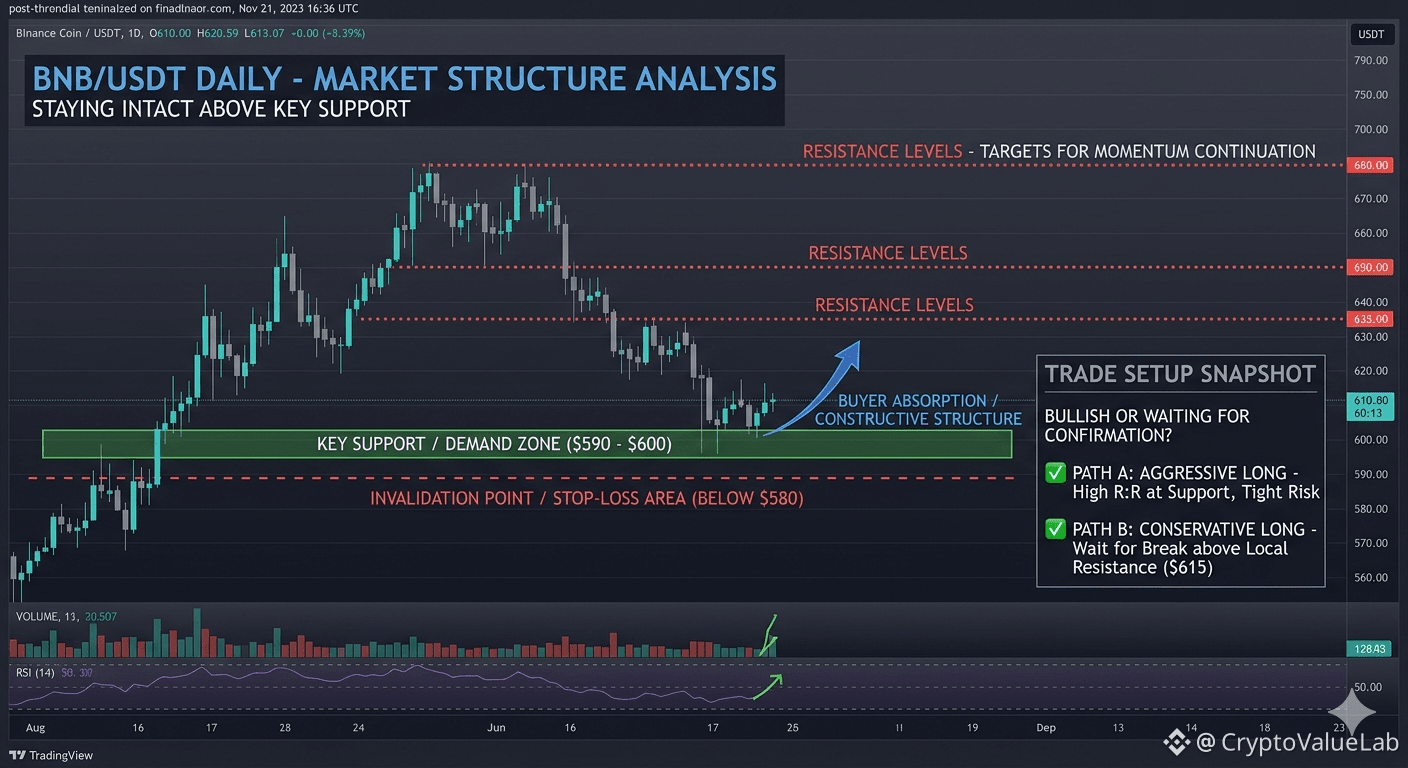
BNB tradet aktuell in der Nähe einer Unterstützungszone, die viele Trader beobachten, um die potenzielle Marktrichtung zu erkennen.
In der technischen Analyse sind Unterstützungslevels Bereiche, in denen das Kaufinteresse zuvor stark genug war, um Rückgänge zu verlangsamen oder umzukehren. Wenn der Preis diese Zonen erneut ansteuert, beobachten die Marktteilnehmer oft, ob die Käufer weiterhin bereit sind, sie zu verteidigen.
Ein gängiger Ansatz im Risikomanagement besteht darin, sich durch mehrere Ziellevels aus Positionen herauszuscrollen, anstatt sich auf einen einzigen Ausstiegspunkt zu verlassen. Dies ermöglicht es Tradern, Gewinne schrittweise zu sichern, während sie weiterhin der Möglichkeit eines weiteren Anstiegs ausgesetzt sind, wenn der Momentum anhält.
Wichtige Konzepte, die man verstehen sollte: • Unterstützungszonen können als Bereiche erneuerter Nachfrage fungieren
• Mehrere Gewinnziele helfen, Risiko und Unsicherheit zu managen
• Ein Bruch unter die Unterstützung könnte die Marktstruktur verändern und das ursprüngliche Setup ungültig machen
Die breitere Lektion ist, dass erfolgreicher Handel oft weniger mit der Vorhersage der Zukunft zu tun hat und mehr damit, Risiko zu definieren, Schlüssellevels zu identifizieren und darauf zu reagieren, wie sich der Markt um diese herum verhält.
#BNB #CryptoEducation #TechnicalAnalysis #Trading #Blockchain
BNB tradet aktuell in der Nähe einer Unterstützungszone, die viele Trader beobachten, um die potenzielle Marktrichtung zu erkennen.
In der technischen Analyse sind Unterstützungslevels Bereiche, in denen das Kaufinteresse zuvor stark genug war, um Rückgänge zu verlangsamen oder umzukehren. Wenn der Preis diese Zonen erneut ansteuert, beobachten die Marktteilnehmer oft, ob die Käufer weiterhin bereit sind, sie zu verteidigen.
Ein gängiger Ansatz im Risikomanagement besteht darin, sich durch mehrere Ziellevels aus Positionen herauszuscrollen, anstatt sich auf einen einzigen Ausstiegspunkt zu verlassen. Dies ermöglicht es Tradern, Gewinne schrittweise zu sichern, während sie weiterhin der Möglichkeit eines weiteren Anstiegs ausgesetzt sind, wenn der Momentum anhält.
Wichtige Konzepte, die man verstehen sollte: • Unterstützungszonen können als Bereiche erneuerter Nachfrage fungieren
• Mehrere Gewinnziele helfen, Risiko und Unsicherheit zu managen
• Ein Bruch unter die Unterstützung könnte die Marktstruktur verändern und das ursprüngliche Setup ungültig machen
Die breitere Lektion ist, dass erfolgreicher Handel oft weniger mit der Vorhersage der Zukunft zu tun hat und mehr damit, Risiko zu definieren, Schlüssellevels zu identifizieren und darauf zu reagieren, wie sich der Markt um diese herum verhält.
#BNB #CryptoEducation #TechnicalAnalysis #Trading #Blockchain
In der technischen Analyse sind Unterstützungslevels Bereiche, in denen das Kaufinteresse zuvor stark genug war, um Rückgänge zu verlangsamen oder umzukehren. Wenn der Preis diese Zonen erneut ansteuert, beobachten die Marktteilnehmer oft, ob die Käufer weiterhin bereit sind, sie zu verteidigen.
Ein gängiger Ansatz im Risikomanagement besteht darin, sich durch mehrere Ziellevels aus Positionen herauszuscrollen, anstatt sich auf einen einzigen Ausstiegspunkt zu verlassen. Dies ermöglicht es Tradern, Gewinne schrittweise zu sichern, während sie weiterhin der Möglichkeit eines weiteren Anstiegs ausgesetzt sind, wenn der Momentum anhält.
Wichtige Konzepte, die man verstehen sollte: • Unterstützungszonen können als Bereiche erneuerter Nachfrage fungieren
• Mehrere Gewinnziele helfen, Risiko und Unsicherheit zu managen
• Ein Bruch unter die Unterstützung könnte die Marktstruktur verändern und das ursprüngliche Setup ungültig machen
Die breitere Lektion ist, dass erfolgreicher Handel oft weniger mit der Vorhersage der Zukunft zu tun hat und mehr damit, Risiko zu definieren, Schlüssellevels zu identifizieren und darauf zu reagieren, wie sich der Markt um diese herum verhält.
#BNB #CryptoEducation #TechnicalAnalysis #Trading #Blockchain
88
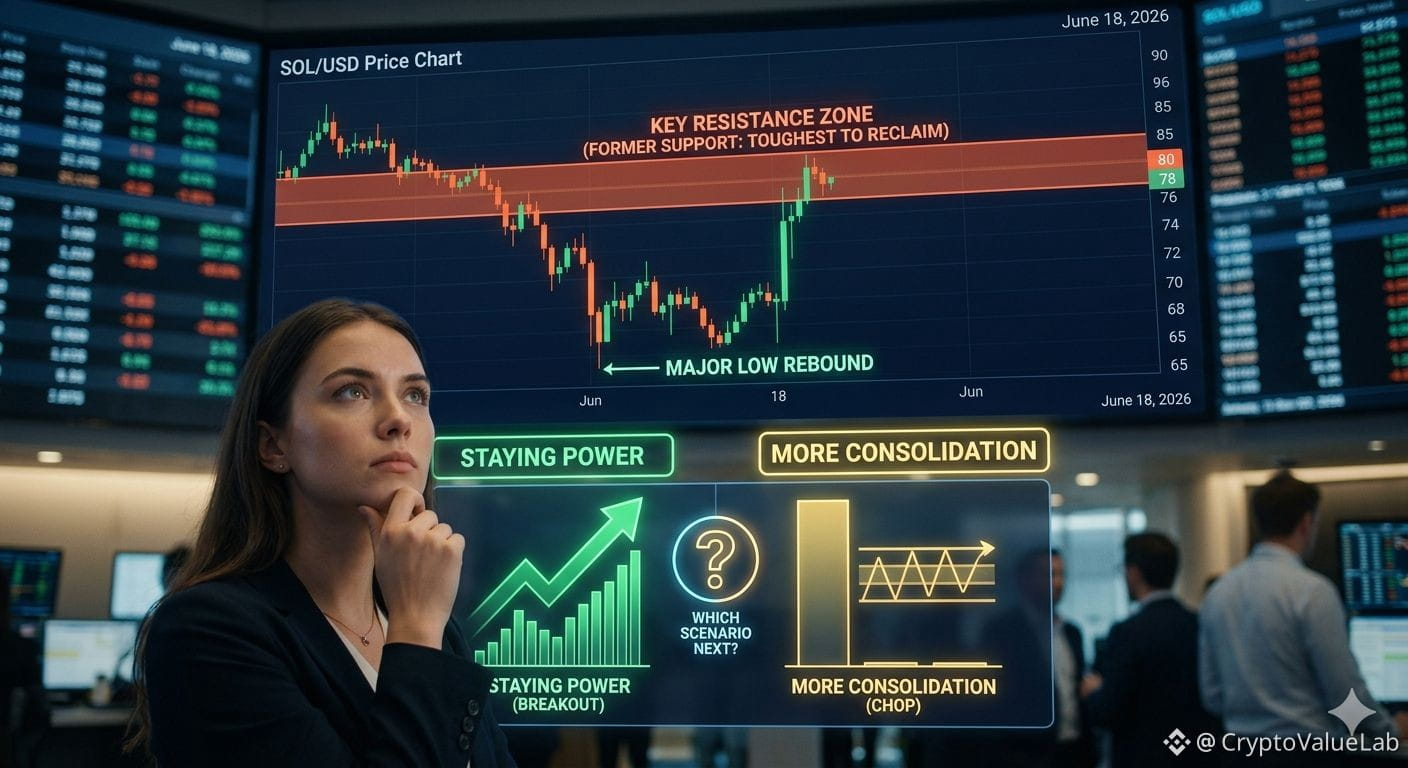
Solana ($SOL) hat sich stark von den jüngsten Tiefstständen erholt, aber ein wichtiger Test könnte noch bevorstehen.
Nach einer signifikanten Erholung konzentrieren sich Trader oft auf nahegelegene Widerstandsbereiche, in denen vorherige Verkaufsaktivitäten konzentriert waren. Diese Zonen können als Barrieren fungieren, die bestimmen, ob ein Bounce sich in eine breitere Trendwende entwickelt.
Wichtige Konzepte: • Scharfe Erholungen zeigen ein erneutes Kaufinteresse
• Widerstandszone zeigen, ob die Nachfrage stark genug ist, um Verkaufsdruck zu absorbieren
• Ein erfolgreicher Ausbruch über den Widerstand ist oft bedeutender als der anfängliche Bounce selbst
In der technischen Analyse werden frühere Unterstützungs- und Widerstandsniveaus häufig zu Bereichen von Marktinteresse, weil viele Teilnehmer offene Positionen um sie herum haben.
Die Hauptbotschaft ist, dass eine Erholungsrally und eine bestätigte Trendänderung nicht immer dasselbe sind. Märkte müssen sich oft beweisen, indem sie Gewinne halten und signifikante Widerstände überwinden, bevor ein neuer Trend etabliert wird.
#SOL #Solana #KryptoAnalyse #TechnischeAnalyse #Marktstruktur
Solana ($SOL) hat sich stark von den jüngsten Tiefstständen erholt, aber ein wichtiger Test könnte noch bevorstehen.
Nach einer signifikanten Erholung konzentrieren sich Trader oft auf nahegelegene Widerstandsbereiche, in denen vorherige Verkaufsaktivitäten konzentriert waren. Diese Zonen können als Barrieren fungieren, die bestimmen, ob ein Bounce sich in eine breitere Trendwende entwickelt.
Wichtige Konzepte: • Scharfe Erholungen zeigen ein erneutes Kaufinteresse
• Widerstandszone zeigen, ob die Nachfrage stark genug ist, um Verkaufsdruck zu absorbieren
• Ein erfolgreicher Ausbruch über den Widerstand ist oft bedeutender als der anfängliche Bounce selbst
In der technischen Analyse werden frühere Unterstützungs- und Widerstandsniveaus häufig zu Bereichen von Marktinteresse, weil viele Teilnehmer offene Positionen um sie herum haben.
Die Hauptbotschaft ist, dass eine Erholungsrally und eine bestätigte Trendänderung nicht immer dasselbe sind. Märkte müssen sich oft beweisen, indem sie Gewinne halten und signifikante Widerstände überwinden, bevor ein neuer Trend etabliert wird.
#SOL #Solana #KryptoAnalyse #TechnischeAnalyse #Marktstruktur
Nach einer signifikanten Erholung konzentrieren sich Trader oft auf nahegelegene Widerstandsbereiche, in denen vorherige Verkaufsaktivitäten konzentriert waren. Diese Zonen können als Barrieren fungieren, die bestimmen, ob ein Bounce sich in eine breitere Trendwende entwickelt.
Wichtige Konzepte: • Scharfe Erholungen zeigen ein erneutes Kaufinteresse
• Widerstandszone zeigen, ob die Nachfrage stark genug ist, um Verkaufsdruck zu absorbieren
• Ein erfolgreicher Ausbruch über den Widerstand ist oft bedeutender als der anfängliche Bounce selbst
In der technischen Analyse werden frühere Unterstützungs- und Widerstandsniveaus häufig zu Bereichen von Marktinteresse, weil viele Teilnehmer offene Positionen um sie herum haben.
Die Hauptbotschaft ist, dass eine Erholungsrally und eine bestätigte Trendänderung nicht immer dasselbe sind. Märkte müssen sich oft beweisen, indem sie Gewinne halten und signifikante Widerstände überwinden, bevor ein neuer Trend etabliert wird.
#SOL #Solana #KryptoAnalyse #TechnischeAnalyse #Marktstruktur
64
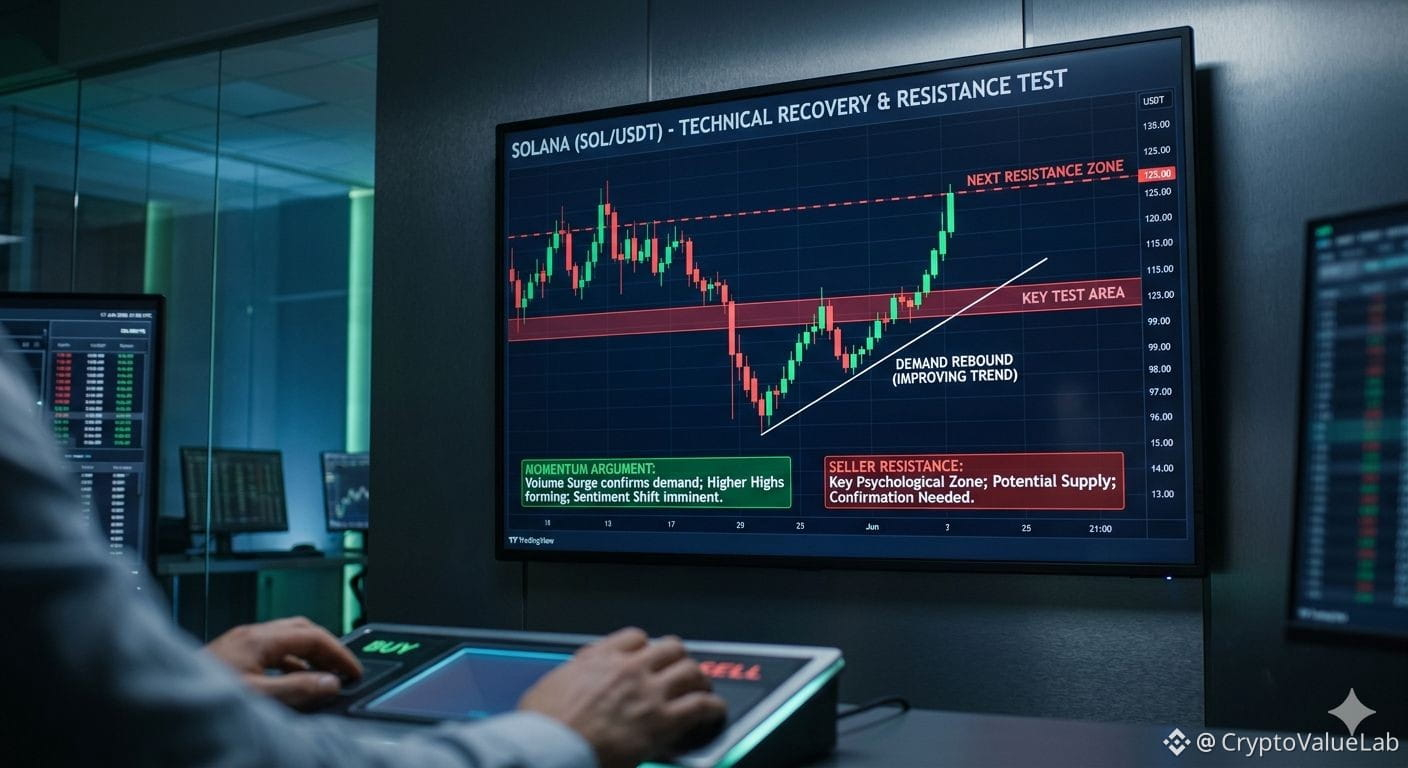
Solana ($SOL) hat sich kräftig von den letzten Tiefstständen erholt, was die Möglichkeit eines Short Squeeze-Szenarios ins Rampenlicht rückt.
Ein Short Squeeze kann auftreten, wenn Trader, die auf fallende Preise gesetzt haben, gezwungen sind, ihre Positionen zurückzukaufen, wenn der Markt steigt. Dieser Kaufdruck kann die Aufwärtsdynamik beschleunigen, insbesondere um wichtige Widerstandsniveaus.
Wichtige Konzepte, auf die man achten sollte: • Starke Rücksprünge können Druck auf Short-Positionen ausüben, die während des Rückgangs eröffnet wurden
• Widerstandsniveaus fungieren oft als Entscheidungsstellen für den nächsten Trendwechsel
• Anhaltende Bewegungen über wichtigen Widerständen können zusätzliche Kaufaktivitäten auslösen
Allerdings sind Short Squeezes schwer im Voraus vorherzusagen. Sie erfordern sowohl eine Aufwärtsdynamik als auch eine signifikante Menge an Short-Positionierungen im Markt.
Die breitere Lektion ist, dass die Marktstruktur wichtig ist. Preisbewegungen werden oft nicht nur von Käufern und Verkäufern beeinflusst, sondern auch davon, wie Trader um wichtige technische Niveaus positioniert sind.
#SOL #Solana #KryptoAnalyse #Marktstruktur #TradingBildung
Solana ($SOL) hat sich kräftig von den letzten Tiefstständen erholt, was die Möglichkeit eines Short Squeeze-Szenarios ins Rampenlicht rückt.
Ein Short Squeeze kann auftreten, wenn Trader, die auf fallende Preise gesetzt haben, gezwungen sind, ihre Positionen zurückzukaufen, wenn der Markt steigt. Dieser Kaufdruck kann die Aufwärtsdynamik beschleunigen, insbesondere um wichtige Widerstandsniveaus.
Wichtige Konzepte, auf die man achten sollte: • Starke Rücksprünge können Druck auf Short-Positionen ausüben, die während des Rückgangs eröffnet wurden
• Widerstandsniveaus fungieren oft als Entscheidungsstellen für den nächsten Trendwechsel
• Anhaltende Bewegungen über wichtigen Widerständen können zusätzliche Kaufaktivitäten auslösen
Allerdings sind Short Squeezes schwer im Voraus vorherzusagen. Sie erfordern sowohl eine Aufwärtsdynamik als auch eine signifikante Menge an Short-Positionierungen im Markt.
Die breitere Lektion ist, dass die Marktstruktur wichtig ist. Preisbewegungen werden oft nicht nur von Käufern und Verkäufern beeinflusst, sondern auch davon, wie Trader um wichtige technische Niveaus positioniert sind.
#SOL #Solana #KryptoAnalyse #Marktstruktur #TradingBildung
Ein Short Squeeze kann auftreten, wenn Trader, die auf fallende Preise gesetzt haben, gezwungen sind, ihre Positionen zurückzukaufen, wenn der Markt steigt. Dieser Kaufdruck kann die Aufwärtsdynamik beschleunigen, insbesondere um wichtige Widerstandsniveaus.
Wichtige Konzepte, auf die man achten sollte: • Starke Rücksprünge können Druck auf Short-Positionen ausüben, die während des Rückgangs eröffnet wurden
• Widerstandsniveaus fungieren oft als Entscheidungsstellen für den nächsten Trendwechsel
• Anhaltende Bewegungen über wichtigen Widerständen können zusätzliche Kaufaktivitäten auslösen
Allerdings sind Short Squeezes schwer im Voraus vorherzusagen. Sie erfordern sowohl eine Aufwärtsdynamik als auch eine signifikante Menge an Short-Positionierungen im Markt.
Die breitere Lektion ist, dass die Marktstruktur wichtig ist. Preisbewegungen werden oft nicht nur von Käufern und Verkäufern beeinflusst, sondern auch davon, wie Trader um wichtige technische Niveaus positioniert sind.
#SOL #Solana #KryptoAnalyse #Marktstruktur #TradingBildung
68
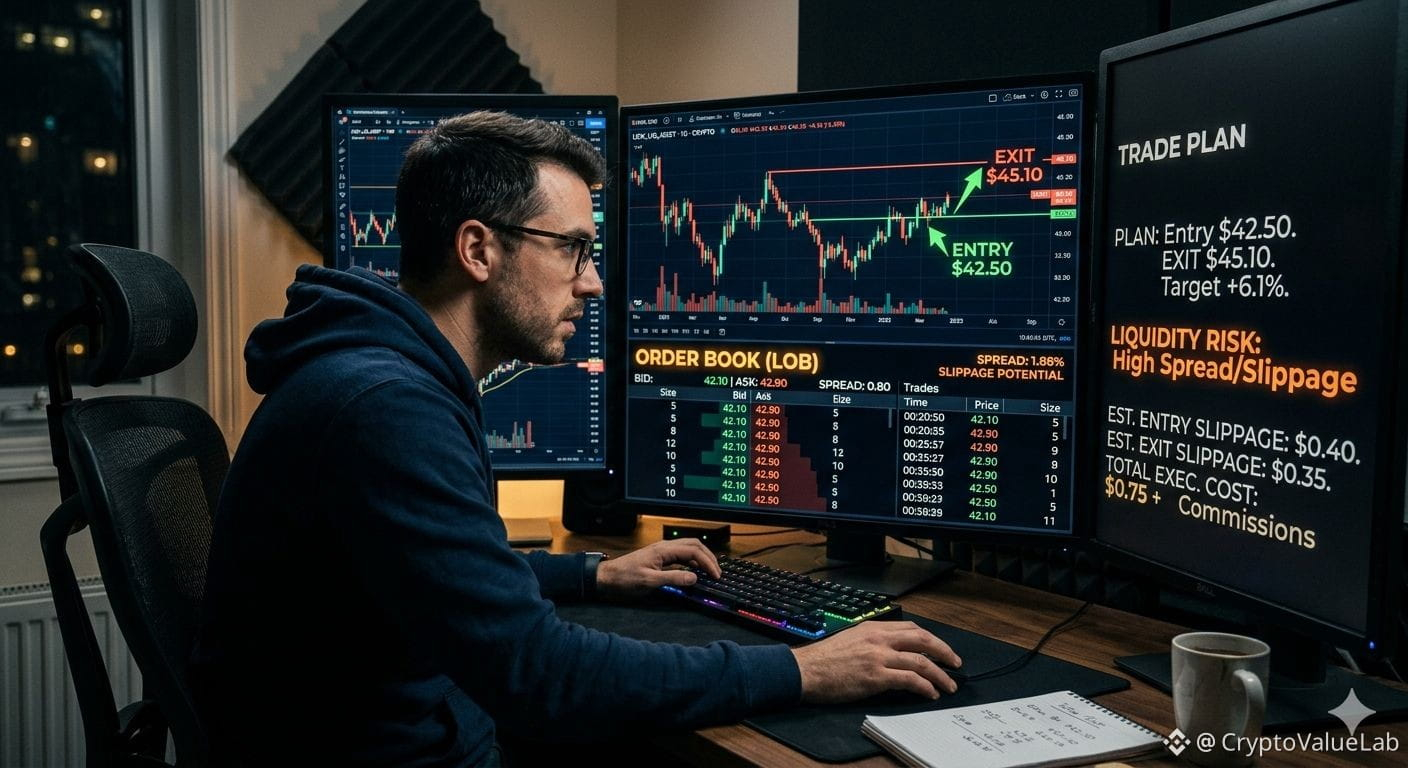
Die Handelsperformance im Crypto-Bereich wird oft von Faktoren beeinflusst, die nicht nur auf dem Preisdiagramm sichtbar sind.
Einer der wichtigsten Punkte ist die Tiefe des Orderbuchs – die Menge an Kauf- und Verkaufsliquidität, die auf verschiedenen Preisniveaus verfügbar ist.
In dünneren Märkten oder bei Tokens mit geringerer Liquidität können größere Orders folgende Erfahrungen machen:
• Breitere Spreads zwischen Bid- und Ask-Preisen
• Höhere Slippage beim Ein- oder Aussteigen aus Positionen
• Erhöhte Kosten pro Trade, auch wenn die Preisrichtung korrekt ist
Das bedeutet, dass zwei Trader, die die gleiche Strategie verfolgen, sehr unterschiedliche Ergebnisse erzielen können, abhängig von der Ausführungsqualität und der verfügbaren Liquidität.
Bei Assets wie Ethereum ($ETH), die über mehrere Handelsplätze und Liquiditätspools gehandelt werden, können die Ausführungsbedingungen je nach Marktstruktur und Orderflow zum Zeitpunkt des Einstiegs variieren.
Die wichtigste Erkenntnis ist, dass die Preisrichtung nur ein Teil der Gleichung ist. In der Praxis können Ausführungsqualität, Liquidität und Timing die Gesamtergebnisse erheblich beeinflussen.
#ETH #Crypto #Trading #Liquidität #Marktstruktur
Die Handelsperformance im Crypto-Bereich wird oft von Faktoren beeinflusst, die nicht nur auf dem Preisdiagramm sichtbar sind.
Einer der wichtigsten Punkte ist die Tiefe des Orderbuchs – die Menge an Kauf- und Verkaufsliquidität, die auf verschiedenen Preisniveaus verfügbar ist.
In dünneren Märkten oder bei Tokens mit geringerer Liquidität können größere Orders folgende Erfahrungen machen:
• Breitere Spreads zwischen Bid- und Ask-Preisen
• Höhere Slippage beim Ein- oder Aussteigen aus Positionen
• Erhöhte Kosten pro Trade, auch wenn die Preisrichtung korrekt ist
Das bedeutet, dass zwei Trader, die die gleiche Strategie verfolgen, sehr unterschiedliche Ergebnisse erzielen können, abhängig von der Ausführungsqualität und der verfügbaren Liquidität.
Bei Assets wie Ethereum ($ETH), die über mehrere Handelsplätze und Liquiditätspools gehandelt werden, können die Ausführungsbedingungen je nach Marktstruktur und Orderflow zum Zeitpunkt des Einstiegs variieren.
Die wichtigste Erkenntnis ist, dass die Preisrichtung nur ein Teil der Gleichung ist. In der Praxis können Ausführungsqualität, Liquidität und Timing die Gesamtergebnisse erheblich beeinflussen.
#ETH #Crypto #Trading #Liquidität #Marktstruktur
Einer der wichtigsten Punkte ist die Tiefe des Orderbuchs – die Menge an Kauf- und Verkaufsliquidität, die auf verschiedenen Preisniveaus verfügbar ist.
In dünneren Märkten oder bei Tokens mit geringerer Liquidität können größere Orders folgende Erfahrungen machen:
• Breitere Spreads zwischen Bid- und Ask-Preisen
• Höhere Slippage beim Ein- oder Aussteigen aus Positionen
• Erhöhte Kosten pro Trade, auch wenn die Preisrichtung korrekt ist
Das bedeutet, dass zwei Trader, die die gleiche Strategie verfolgen, sehr unterschiedliche Ergebnisse erzielen können, abhängig von der Ausführungsqualität und der verfügbaren Liquidität.
Bei Assets wie Ethereum ($ETH), die über mehrere Handelsplätze und Liquiditätspools gehandelt werden, können die Ausführungsbedingungen je nach Marktstruktur und Orderflow zum Zeitpunkt des Einstiegs variieren.
Die wichtigste Erkenntnis ist, dass die Preisrichtung nur ein Teil der Gleichung ist. In der Praxis können Ausführungsqualität, Liquidität und Timing die Gesamtergebnisse erheblich beeinflussen.
#ETH #Crypto #Trading #Liquidität #Marktstruktur
72
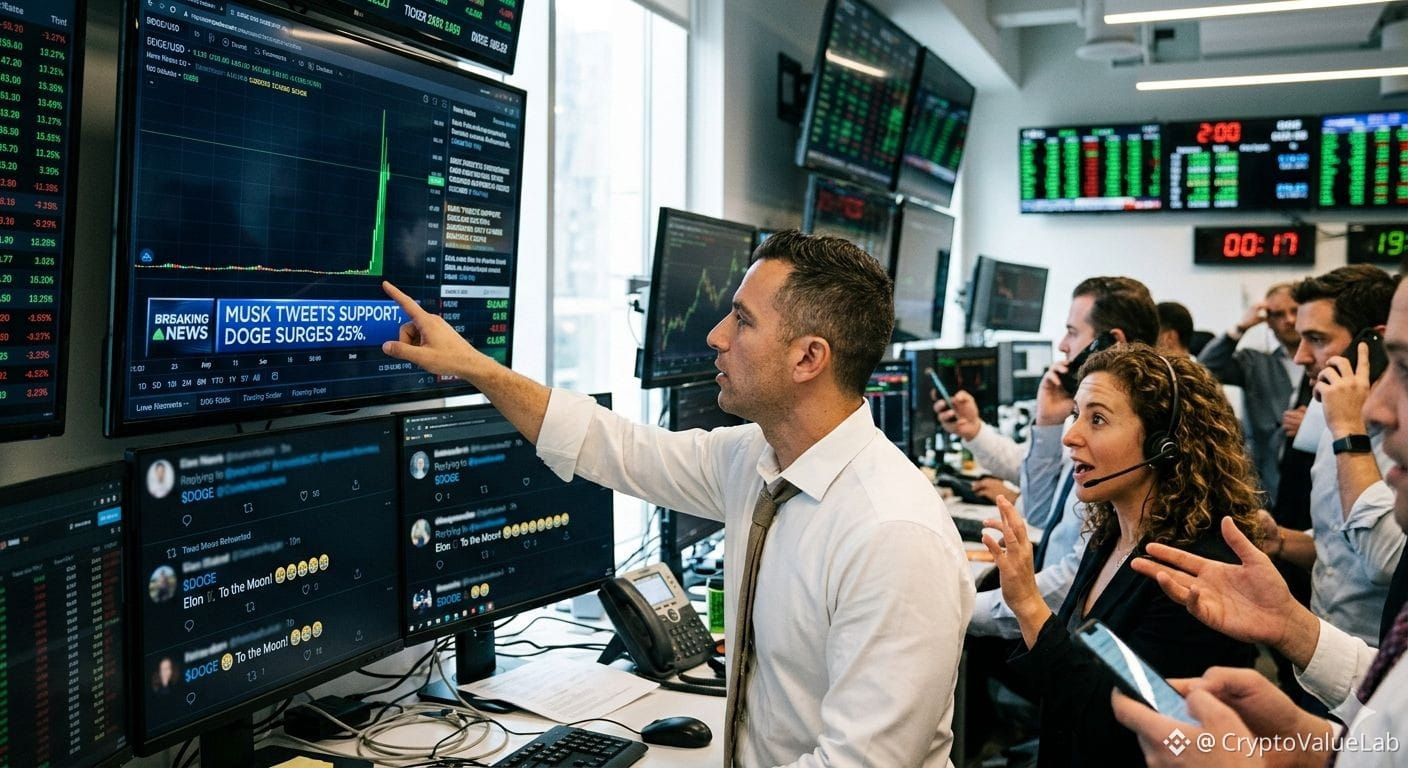
Hochkarätige öffentliche Personen können einen spürbaren Einfluss auf die Marktaufmerksamkeit haben, besonders im Krypto-Bereich.
Aktuelle Schlagzeilen rund um Elon Musk und SpaceX haben die Diskussion über die Beziehung zwischen Medienaufmerksamkeit und Dogecoin ($DOGE) neu entfacht. Historisch gesehen fielen bedeutende Nachrichtenereignisse im Zusammenhang mit Musk oft mit einem Anstieg der DOGE-Handelsaktivitäten und Online-Engagements zusammen.
Es ist jedoch wichtig, zwischen Aufmerksamkeit und Fundamentaldaten zu unterscheiden. Erhöhte Sichtbarkeit kann kurzfristiges Interesse wecken, aber sie übersetzt sich nicht unbedingt in anhaltende Nachfrage oder langfristigen Wert.
Für Marktbeobachter ist die zentrale Lektion, dass Narrative starke Treiber der Preisbewegung sein können. Bei Vermögenswerten mit starker Teilnahme von Retail-Investoren können Nachrichtenberichterstattung, Aktivitäten in sozialen Medien und öffentliche Personen die Stimmung ebenso beeinflussen wie traditionelle Marktfaktoren.
Anstatt sich auf einzelne Schlagzeilen zu konzentrieren, könnten Investoren davon profitieren, zu verfolgen, ob erhöhte Aufmerksamkeit zu dauerhaften Veränderungen im Handelsvolumen, der Akzeptanz oder der Netzwerkaktivität führt.
#DOGE #Dogecoin #KryptoMärkte #MarktStimmung #ElonMusk
Hochkarätige öffentliche Personen können einen spürbaren Einfluss auf die Marktaufmerksamkeit haben, besonders im Krypto-Bereich.
Aktuelle Schlagzeilen rund um Elon Musk und SpaceX haben die Diskussion über die Beziehung zwischen Medienaufmerksamkeit und Dogecoin ($DOGE) neu entfacht. Historisch gesehen fielen bedeutende Nachrichtenereignisse im Zusammenhang mit Musk oft mit einem Anstieg der DOGE-Handelsaktivitäten und Online-Engagements zusammen.
Es ist jedoch wichtig, zwischen Aufmerksamkeit und Fundamentaldaten zu unterscheiden. Erhöhte Sichtbarkeit kann kurzfristiges Interesse wecken, aber sie übersetzt sich nicht unbedingt in anhaltende Nachfrage oder langfristigen Wert.
Für Marktbeobachter ist die zentrale Lektion, dass Narrative starke Treiber der Preisbewegung sein können. Bei Vermögenswerten mit starker Teilnahme von Retail-Investoren können Nachrichtenberichterstattung, Aktivitäten in sozialen Medien und öffentliche Personen die Stimmung ebenso beeinflussen wie traditionelle Marktfaktoren.
Anstatt sich auf einzelne Schlagzeilen zu konzentrieren, könnten Investoren davon profitieren, zu verfolgen, ob erhöhte Aufmerksamkeit zu dauerhaften Veränderungen im Handelsvolumen, der Akzeptanz oder der Netzwerkaktivität führt.
#DOGE #Dogecoin #KryptoMärkte #MarktStimmung #ElonMusk
Aktuelle Schlagzeilen rund um Elon Musk und SpaceX haben die Diskussion über die Beziehung zwischen Medienaufmerksamkeit und Dogecoin ($DOGE) neu entfacht. Historisch gesehen fielen bedeutende Nachrichtenereignisse im Zusammenhang mit Musk oft mit einem Anstieg der DOGE-Handelsaktivitäten und Online-Engagements zusammen.
Es ist jedoch wichtig, zwischen Aufmerksamkeit und Fundamentaldaten zu unterscheiden. Erhöhte Sichtbarkeit kann kurzfristiges Interesse wecken, aber sie übersetzt sich nicht unbedingt in anhaltende Nachfrage oder langfristigen Wert.
Für Marktbeobachter ist die zentrale Lektion, dass Narrative starke Treiber der Preisbewegung sein können. Bei Vermögenswerten mit starker Teilnahme von Retail-Investoren können Nachrichtenberichterstattung, Aktivitäten in sozialen Medien und öffentliche Personen die Stimmung ebenso beeinflussen wie traditionelle Marktfaktoren.
Anstatt sich auf einzelne Schlagzeilen zu konzentrieren, könnten Investoren davon profitieren, zu verfolgen, ob erhöhte Aufmerksamkeit zu dauerhaften Veränderungen im Handelsvolumen, der Akzeptanz oder der Netzwerkaktivität führt.
#DOGE #Dogecoin #KryptoMärkte #MarktStimmung #ElonMusk
81
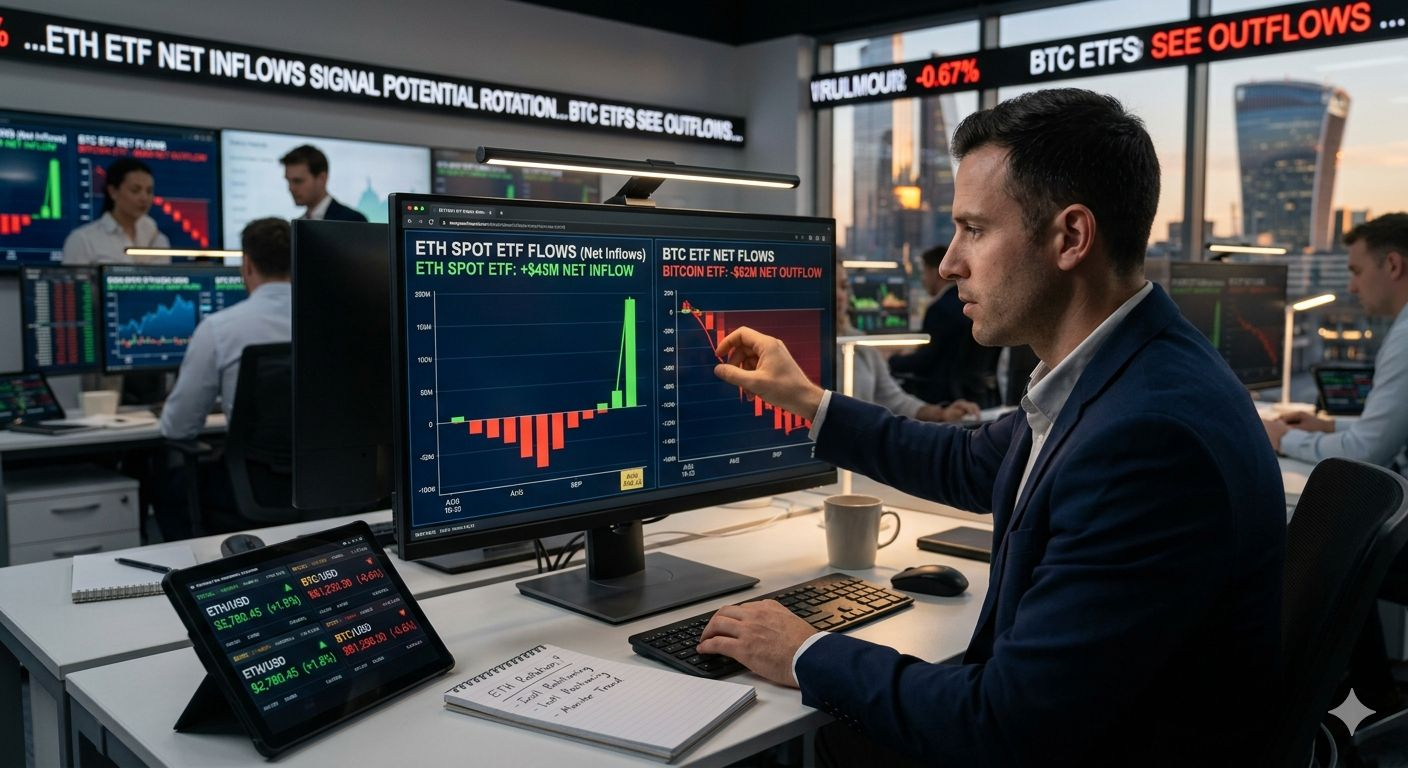
ETF-Flüsse können wertvolle Einblicke darin bieten, wie institutionelle Anleger sich im Krypto-Markt positionieren.
In dieser Sitzung verzeichneten Ethereum ($ETH) Spot-ETFs Nettozuflüsse, während Bitcoin ($BTC) Spot-ETFs Nettoabflüsse erlebten. Wenn verschiedene Assets am selben Tag gegensätzliche Flussmuster aufweisen, suchen Analysten oft nach Anzeichen für sich ändernde Anlegerpräferenzen.
Allerdings ist ein einzelner Tag Daten selten ausreichend, um einen langfristigen Trend zu etablieren. ETF-Flüsse können durch Portfolio-Rebalancing, kurzfristige Marktansichten oder breitere Anlagestrategien beeinflusst werden.
Bei der Bewertung von Flussdaten konzentrieren sich Anleger typischerweise auf: • Ob das Muster über mehrere Sitzungen anhält
• Die Größe der Zuflüsse im Verhältnis zu den verwalteten Gesamtvermögen
• Ob die Preisbewegung die Veränderung der Nachfrage bestätigt
Die wichtigste Erkenntnis: ETF-Flüsse sind ein nützlicher Indikator für institutionelle Aktivitäten, aber sie sind am bedeutendsten, wenn sie im Rahmen eines breiteren Trends betrachtet werden, anstatt isoliert zu sein.
#Ethereum #ETH #Bitcoin #ETFs #CryptoMarkets
ETF-Flüsse können wertvolle Einblicke darin bieten, wie institutionelle Anleger sich im Krypto-Markt positionieren.
In dieser Sitzung verzeichneten Ethereum ($ETH) Spot-ETFs Nettozuflüsse, während Bitcoin ($BTC) Spot-ETFs Nettoabflüsse erlebten. Wenn verschiedene Assets am selben Tag gegensätzliche Flussmuster aufweisen, suchen Analysten oft nach Anzeichen für sich ändernde Anlegerpräferenzen.
Allerdings ist ein einzelner Tag Daten selten ausreichend, um einen langfristigen Trend zu etablieren. ETF-Flüsse können durch Portfolio-Rebalancing, kurzfristige Marktansichten oder breitere Anlagestrategien beeinflusst werden.
Bei der Bewertung von Flussdaten konzentrieren sich Anleger typischerweise auf: • Ob das Muster über mehrere Sitzungen anhält
• Die Größe der Zuflüsse im Verhältnis zu den verwalteten Gesamtvermögen
• Ob die Preisbewegung die Veränderung der Nachfrage bestätigt
Die wichtigste Erkenntnis: ETF-Flüsse sind ein nützlicher Indikator für institutionelle Aktivitäten, aber sie sind am bedeutendsten, wenn sie im Rahmen eines breiteren Trends betrachtet werden, anstatt isoliert zu sein.
#Ethereum #ETH #Bitcoin #ETFs #CryptoMarkets
In dieser Sitzung verzeichneten Ethereum ($ETH) Spot-ETFs Nettozuflüsse, während Bitcoin ($BTC) Spot-ETFs Nettoabflüsse erlebten. Wenn verschiedene Assets am selben Tag gegensätzliche Flussmuster aufweisen, suchen Analysten oft nach Anzeichen für sich ändernde Anlegerpräferenzen.
Allerdings ist ein einzelner Tag Daten selten ausreichend, um einen langfristigen Trend zu etablieren. ETF-Flüsse können durch Portfolio-Rebalancing, kurzfristige Marktansichten oder breitere Anlagestrategien beeinflusst werden.
Bei der Bewertung von Flussdaten konzentrieren sich Anleger typischerweise auf: • Ob das Muster über mehrere Sitzungen anhält
• Die Größe der Zuflüsse im Verhältnis zu den verwalteten Gesamtvermögen
• Ob die Preisbewegung die Veränderung der Nachfrage bestätigt
Die wichtigste Erkenntnis: ETF-Flüsse sind ein nützlicher Indikator für institutionelle Aktivitäten, aber sie sind am bedeutendsten, wenn sie im Rahmen eines breiteren Trends betrachtet werden, anstatt isoliert zu sein.
#Ethereum #ETH #Bitcoin #ETFs #CryptoMarkets
37
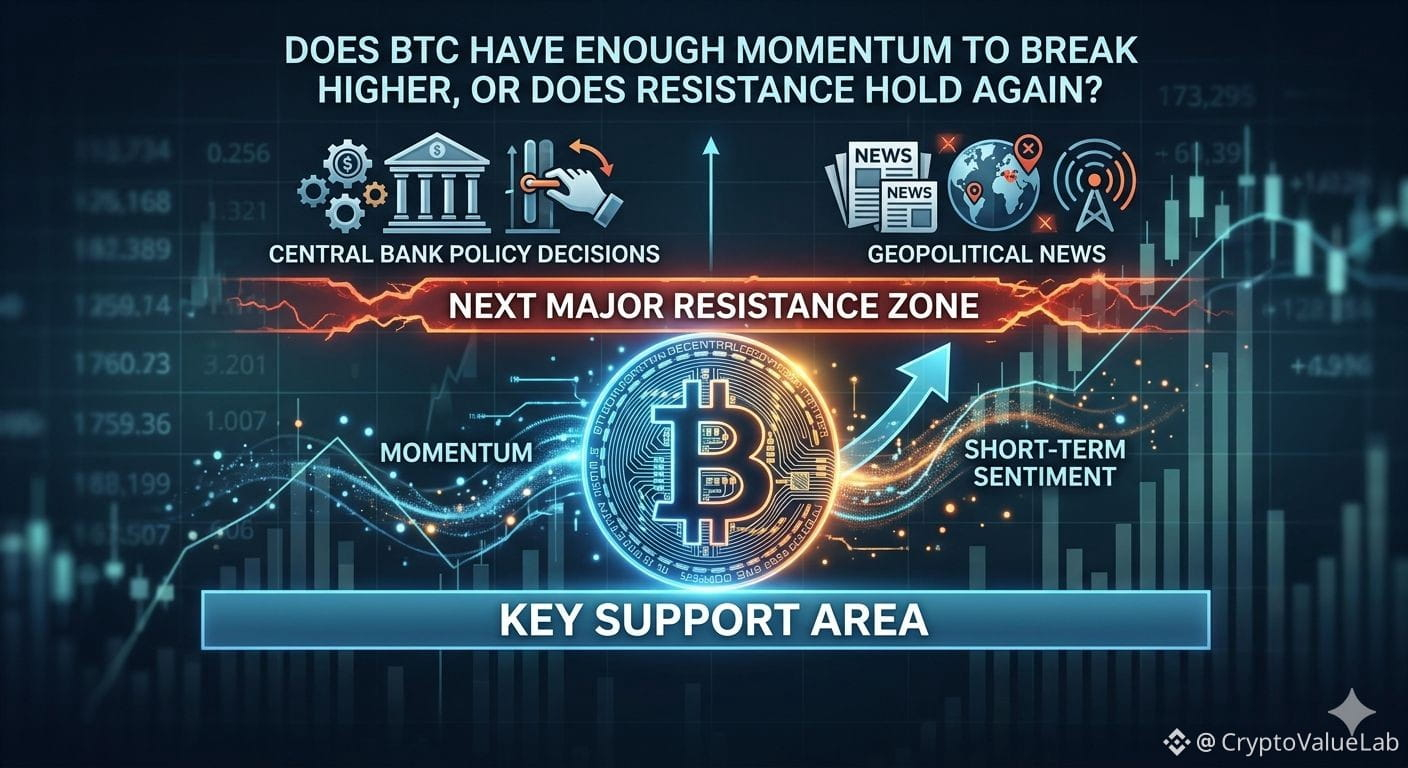
Bitcoin ($BTC) tradet um die $67.000-Marke, während viele Trader die nahe $68.000 Widerstandszone genau im Auge behalten.
Warum ist dieses Level wichtig?
In der technischen Analyse sind Widerstandsbereiche Preislevels, an denen Verkaufsdruck zuvor aufgetreten ist. Ein nachhaltiger Move über den Widerstand kann ein Zeichen für stärkeren Momentum sein, während eine Ablehnung den Preis möglicherweise innerhalb seiner aktuellen Range hält.
Mehrere makroökonomische Faktoren beeinflussen ebenfalls die Marktstimmung:
• Die Entscheidungen der Zentralbankpolitik prägen weiterhin die Erwartungen an Liquidität und Risikoanlagen.
• Geopolitische Entwicklungen können die Energiemärkte, Inflationserwartungen und das Vertrauen der Investoren beeinflussen.
• Die breitere Marktstimmung beeinflusst oft auch Krypto, besonders in Zeiten erhöhten Risikoappetits.
Es ist jedoch wichtig, sich daran zu erinnern, dass Märkte selten aufgrund eines einzelnen Ereignisses bewegen. Die Preisbewegung ist typischerweise das Ergebnis mehrerer Faktoren, die gleichzeitig interagieren.
Die wichtigste Erkenntnis: Wenn Bitcoin sich einem wichtigen Widerstandslevel nähert, konzentrieren sich Trader oft weniger auf Vorhersagen und mehr darauf, ob der Markt genug Nachfrage zeigen kann, um einen Ausbruch aufrechtzuerhalten.
#BTC #Bitcoin #CryptoMarkets #TechnischeAnalyse #Makroökonomie
Bitcoin ($BTC) tradet um die $67.000-Marke, während viele Trader die nahe $68.000 Widerstandszone genau im Auge behalten.
Warum ist dieses Level wichtig?
In der technischen Analyse sind Widerstandsbereiche Preislevels, an denen Verkaufsdruck zuvor aufgetreten ist. Ein nachhaltiger Move über den Widerstand kann ein Zeichen für stärkeren Momentum sein, während eine Ablehnung den Preis möglicherweise innerhalb seiner aktuellen Range hält.
Mehrere makroökonomische Faktoren beeinflussen ebenfalls die Marktstimmung:
• Die Entscheidungen der Zentralbankpolitik prägen weiterhin die Erwartungen an Liquidität und Risikoanlagen.
• Geopolitische Entwicklungen können die Energiemärkte, Inflationserwartungen und das Vertrauen der Investoren beeinflussen.
• Die breitere Marktstimmung beeinflusst oft auch Krypto, besonders in Zeiten erhöhten Risikoappetits.
Es ist jedoch wichtig, sich daran zu erinnern, dass Märkte selten aufgrund eines einzelnen Ereignisses bewegen. Die Preisbewegung ist typischerweise das Ergebnis mehrerer Faktoren, die gleichzeitig interagieren.
Die wichtigste Erkenntnis: Wenn Bitcoin sich einem wichtigen Widerstandslevel nähert, konzentrieren sich Trader oft weniger auf Vorhersagen und mehr darauf, ob der Markt genug Nachfrage zeigen kann, um einen Ausbruch aufrechtzuerhalten.
#BTC #Bitcoin #CryptoMarkets #TechnischeAnalyse #Makroökonomie
Warum ist dieses Level wichtig?
In der technischen Analyse sind Widerstandsbereiche Preislevels, an denen Verkaufsdruck zuvor aufgetreten ist. Ein nachhaltiger Move über den Widerstand kann ein Zeichen für stärkeren Momentum sein, während eine Ablehnung den Preis möglicherweise innerhalb seiner aktuellen Range hält.
Mehrere makroökonomische Faktoren beeinflussen ebenfalls die Marktstimmung:
• Die Entscheidungen der Zentralbankpolitik prägen weiterhin die Erwartungen an Liquidität und Risikoanlagen.
• Geopolitische Entwicklungen können die Energiemärkte, Inflationserwartungen und das Vertrauen der Investoren beeinflussen.
• Die breitere Marktstimmung beeinflusst oft auch Krypto, besonders in Zeiten erhöhten Risikoappetits.
Es ist jedoch wichtig, sich daran zu erinnern, dass Märkte selten aufgrund eines einzelnen Ereignisses bewegen. Die Preisbewegung ist typischerweise das Ergebnis mehrerer Faktoren, die gleichzeitig interagieren.
Die wichtigste Erkenntnis: Wenn Bitcoin sich einem wichtigen Widerstandslevel nähert, konzentrieren sich Trader oft weniger auf Vorhersagen und mehr darauf, ob der Markt genug Nachfrage zeigen kann, um einen Ausbruch aufrechtzuerhalten.
#BTC #Bitcoin #CryptoMarkets #TechnischeAnalyse #Makroökonomie
62
Ein interessanter Trend zeigt sich unter öffentlichen Unternehmen, die große Solana ($SOL) Treasuries halten.
Laut aktuellen Berichten hat ein bedeutender SOL-Halter versucht, mehrere kleinere, auf Solana fokussierte Treasury-Unternehmen durch aktienbasierte Angebote zu übernehmen. Die Vorschläge wurden entweder abgelehnt oder erhielten wenig Aufmerksamkeit.
Warum ist das bedeutend?
Es hebt eine wachsende Unternehmensstrategie innerhalb von Krypto hervor: Unternehmen akkumulieren nicht nur digitale Vermögenswerte, sondern ziehen auch Fusionen und Übernahmen in Betracht, um die Skalierung zu erhöhen und die Betriebskosten zu senken.
Aus geschäftlicher Sicht könnten größere Treasury-Firmen Wert darin sehen, kleinere Wettbewerber zu konsolidieren, besonders in Zeiten von Marktschwäche, wenn die Finanzierung schwieriger wird.
Gleichzeitig deuten die abgelehnten Angebote darauf hin, dass die Zielunternehmen glauben, ihr zukünftiger Wert über den aktuellen Vorschlägen liegt oder dass sie es vorziehen, unabhängig zu bleiben, trotz des Marktdrucks.
Die breitere Lektion ist, dass die Krypto-Märkte zunehmend von traditionellen Unternehmensdynamiken geprägt werden, wie Kapitalallokation, Treasury-Management und M&A-Aktivitäten – nicht nur von den Bewegungen der Tokenpreise.
#SOL #Solana #Krypto #Unternehmensfinanzierung #DigitaleVermögenswerte
Ein interessanter Trend zeigt sich unter öffentlichen Unternehmen, die große Solana ($SOL) Treasuries halten.
Laut aktuellen Berichten hat ein bedeutender SOL-Halter versucht, mehrere kleinere, auf Solana fokussierte Treasury-Unternehmen durch aktienbasierte Angebote zu übernehmen. Die Vorschläge wurden entweder abgelehnt oder erhielten wenig Aufmerksamkeit.
Warum ist das bedeutend?
Es hebt eine wachsende Unternehmensstrategie innerhalb von Krypto hervor: Unternehmen akkumulieren nicht nur digitale Vermögenswerte, sondern ziehen auch Fusionen und Übernahmen in Betracht, um die Skalierung zu erhöhen und die Betriebskosten zu senken.
Aus geschäftlicher Sicht könnten größere Treasury-Firmen Wert darin sehen, kleinere Wettbewerber zu konsolidieren, besonders in Zeiten von Marktschwäche, wenn die Finanzierung schwieriger wird.
Gleichzeitig deuten die abgelehnten Angebote darauf hin, dass die Zielunternehmen glauben, ihr zukünftiger Wert über den aktuellen Vorschlägen liegt oder dass sie es vorziehen, unabhängig zu bleiben, trotz des Marktdrucks.
Die breitere Lektion ist, dass die Krypto-Märkte zunehmend von traditionellen Unternehmensdynamiken geprägt werden, wie Kapitalallokation, Treasury-Management und M&A-Aktivitäten – nicht nur von den Bewegungen der Tokenpreise.
#SOL #Solana #Krypto #Unternehmensfinanzierung #DigitaleVermögenswerte
Laut aktuellen Berichten hat ein bedeutender SOL-Halter versucht, mehrere kleinere, auf Solana fokussierte Treasury-Unternehmen durch aktienbasierte Angebote zu übernehmen. Die Vorschläge wurden entweder abgelehnt oder erhielten wenig Aufmerksamkeit.
Warum ist das bedeutend?
Es hebt eine wachsende Unternehmensstrategie innerhalb von Krypto hervor: Unternehmen akkumulieren nicht nur digitale Vermögenswerte, sondern ziehen auch Fusionen und Übernahmen in Betracht, um die Skalierung zu erhöhen und die Betriebskosten zu senken.
Aus geschäftlicher Sicht könnten größere Treasury-Firmen Wert darin sehen, kleinere Wettbewerber zu konsolidieren, besonders in Zeiten von Marktschwäche, wenn die Finanzierung schwieriger wird.
Gleichzeitig deuten die abgelehnten Angebote darauf hin, dass die Zielunternehmen glauben, ihr zukünftiger Wert über den aktuellen Vorschlägen liegt oder dass sie es vorziehen, unabhängig zu bleiben, trotz des Marktdrucks.
Die breitere Lektion ist, dass die Krypto-Märkte zunehmend von traditionellen Unternehmensdynamiken geprägt werden, wie Kapitalallokation, Treasury-Management und M&A-Aktivitäten – nicht nur von den Bewegungen der Tokenpreise.
#SOL #Solana #Krypto #Unternehmensfinanzierung #DigitaleVermögenswerte

1
102
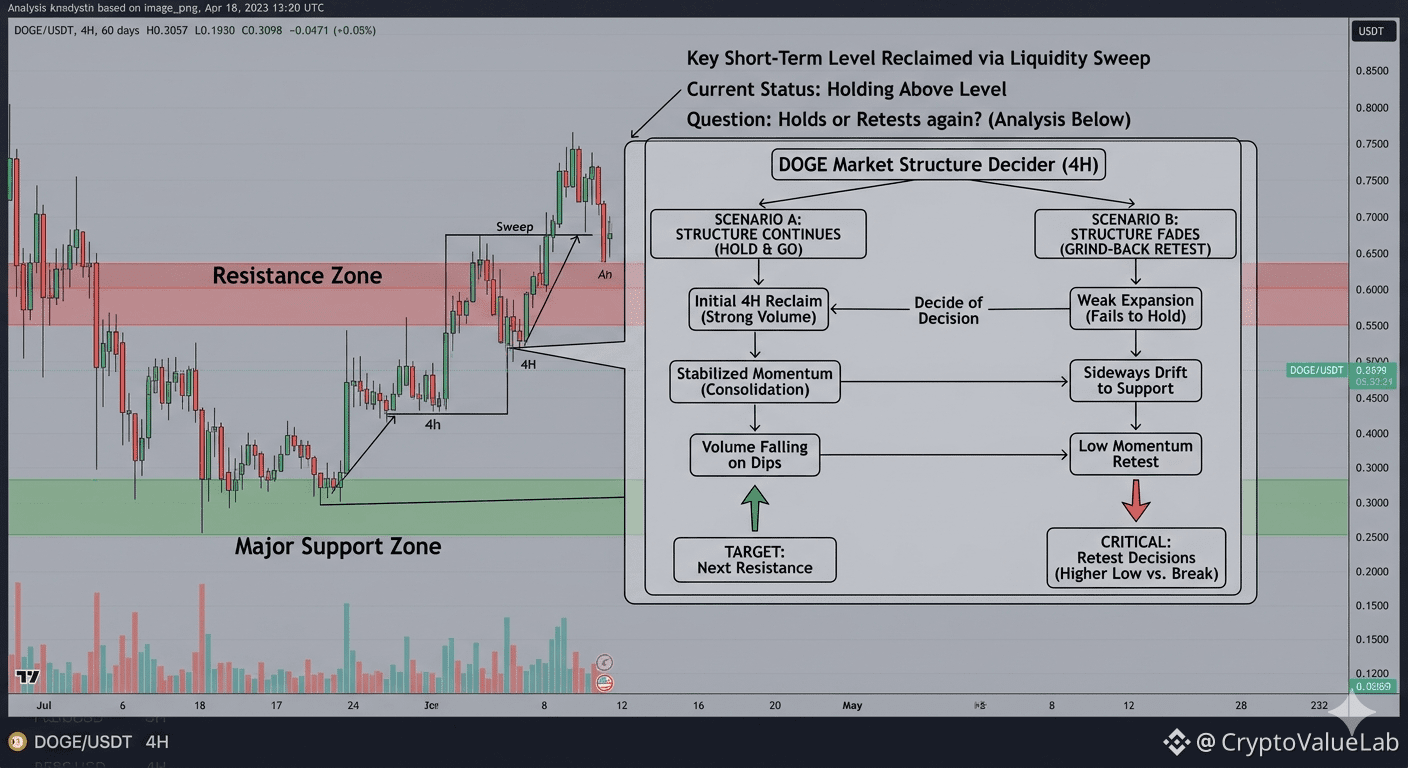
Dogecoin ($DOGE) hat kürzlich einen kurzfristigen Liquiditätssweep durchlaufen, bei dem der Preis kurzzeitig unter ein häufig beobachtetes Niveau gefallen ist, bevor er sich wieder erholt hat.
In Bezug auf die Marktstruktur geschieht ein „Liquiditätssweep“, wenn der Preis durch Bereiche bewegt, in denen Stop-Orders gebündelt sind, was eine schnelle Bewegung auslöst, bevor er wieder in die Range zurückkehrt.
Nach diesem Move hat der Preis den Bereich von $0.089 zurückerobert, den einige Trader jetzt als kurzfristige Referenzzone beobachten.
Wichtiges Konzept: • Wenn der Preis nach einem Sweep ein Niveau zurückerobert, kann das auf eine vorübergehende Verschiebung des intraday Momentums hinweisen
• Allerdings erfordert die Bestätigung ein Follow-Through der Preisaktion, nicht nur eine einzelne Rückeroberung
Aus der Risikoperspektive können gescheiterte Moves unter Schlüssellevels entweder zu einer Fortsetzung nach unten führen oder zu einer Rotation zurück in die vorherige Range, abhängig von den breiteren Marktbedingungen.
Die Hauptbotschaft: Liquiditätsgrabungen sind in volatilen Märkten üblich, sollten jedoch im Kontext interpretiert werden und nicht als eigenständige Signale.
#DOGE #Dogecoin #Krypto #Handelsbildung #Marktstruktur
Dogecoin ($DOGE) hat kürzlich einen kurzfristigen Liquiditätssweep durchlaufen, bei dem der Preis kurzzeitig unter ein häufig beobachtetes Niveau gefallen ist, bevor er sich wieder erholt hat.
In Bezug auf die Marktstruktur geschieht ein „Liquiditätssweep“, wenn der Preis durch Bereiche bewegt, in denen Stop-Orders gebündelt sind, was eine schnelle Bewegung auslöst, bevor er wieder in die Range zurückkehrt.
Nach diesem Move hat der Preis den Bereich von $0.089 zurückerobert, den einige Trader jetzt als kurzfristige Referenzzone beobachten.
Wichtiges Konzept: • Wenn der Preis nach einem Sweep ein Niveau zurückerobert, kann das auf eine vorübergehende Verschiebung des intraday Momentums hinweisen
• Allerdings erfordert die Bestätigung ein Follow-Through der Preisaktion, nicht nur eine einzelne Rückeroberung
Aus der Risikoperspektive können gescheiterte Moves unter Schlüssellevels entweder zu einer Fortsetzung nach unten führen oder zu einer Rotation zurück in die vorherige Range, abhängig von den breiteren Marktbedingungen.
Die Hauptbotschaft: Liquiditätsgrabungen sind in volatilen Märkten üblich, sollten jedoch im Kontext interpretiert werden und nicht als eigenständige Signale.
#DOGE #Dogecoin #Krypto #Handelsbildung #Marktstruktur
In Bezug auf die Marktstruktur geschieht ein „Liquiditätssweep“, wenn der Preis durch Bereiche bewegt, in denen Stop-Orders gebündelt sind, was eine schnelle Bewegung auslöst, bevor er wieder in die Range zurückkehrt.
Nach diesem Move hat der Preis den Bereich von $0.089 zurückerobert, den einige Trader jetzt als kurzfristige Referenzzone beobachten.
Wichtiges Konzept: • Wenn der Preis nach einem Sweep ein Niveau zurückerobert, kann das auf eine vorübergehende Verschiebung des intraday Momentums hinweisen
• Allerdings erfordert die Bestätigung ein Follow-Through der Preisaktion, nicht nur eine einzelne Rückeroberung
Aus der Risikoperspektive können gescheiterte Moves unter Schlüssellevels entweder zu einer Fortsetzung nach unten führen oder zu einer Rotation zurück in die vorherige Range, abhängig von den breiteren Marktbedingungen.
Die Hauptbotschaft: Liquiditätsgrabungen sind in volatilen Märkten üblich, sollten jedoch im Kontext interpretiert werden und nicht als eigenständige Signale.
#DOGE #Dogecoin #Krypto #Handelsbildung #Marktstruktur
58
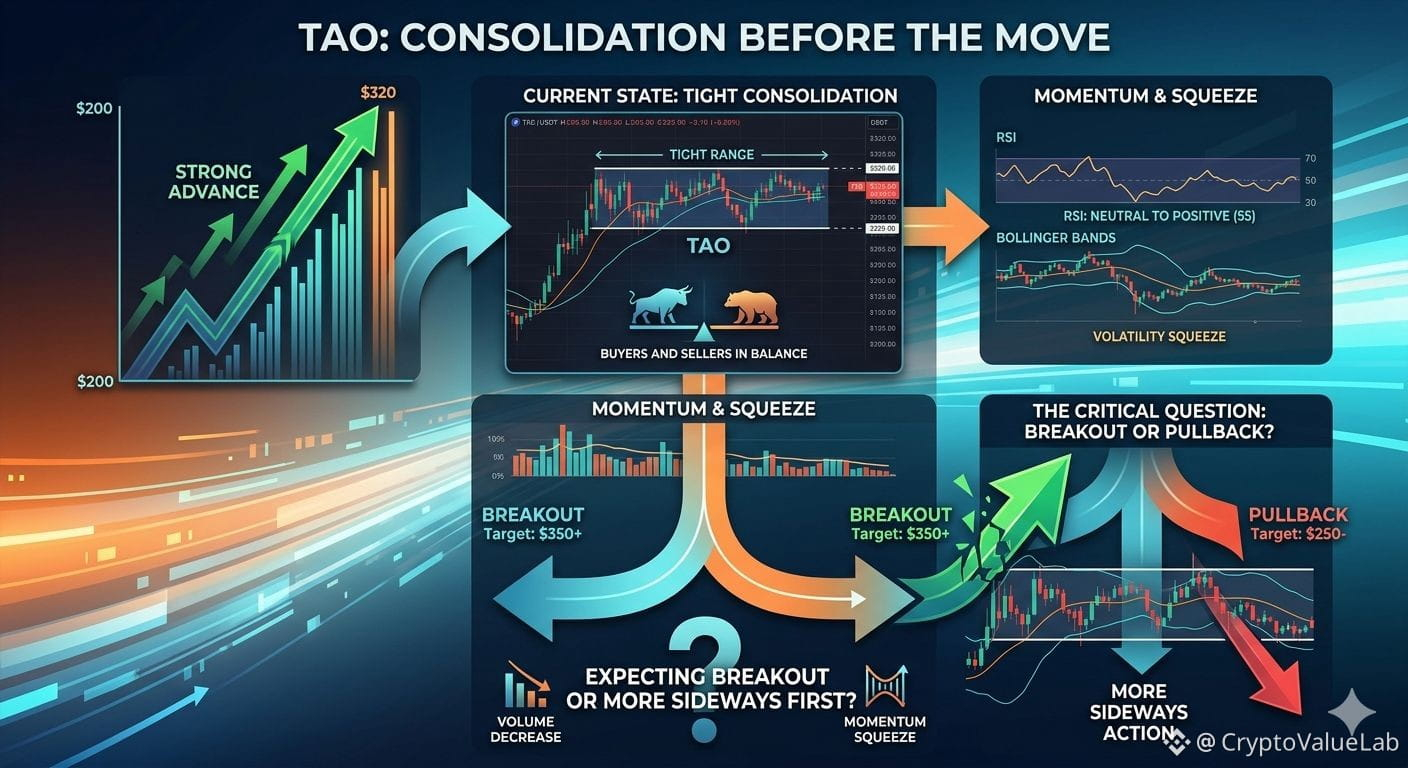
Bittensor ($TAO) handelt derzeit innerhalb einer Konsolidierungsphase nach einem vorherigen Aufwärtstrend.
Konsolidierung tritt auf, wenn der Preis seitwärts bewegt, was dem Markt ermöglicht, frühere Gewinne zu absorbieren und neue Unterstützungs- und Widerstandsniveaus zu etablieren.
Wichtige Bereiche, die überwacht werden: • Unterstützungszone um die jüngsten Tiefs, wo Käufer aktiv waren
• Widerstandszone über dem aktuellen Preis, die die nächste Richtungsbewegung bestimmen könnte
Technische Indikatoren wie RSI und MACD deuten derzeit auf ein ausgewogenes Momentum hin, anstatt auf extreme bullische oder bärische Bedingungen. Das bedeutet oft, dass der Markt auf einen Katalysator wartet, bevor er sich für einen stärkeren Trend entscheidet.
Für Trader und Investoren können Konsolidierungsphasen wichtig sein, da sie Hinweise auf die Marktstimmung geben. Ein Ausbruch über den Widerstand könnte erneuertes Kaufinteresse anzeigen, während ein Bruch unter die Unterstützung auf die Notwendigkeit weiterer Konsolidierung hinweisen könnte.
Die Hauptbotschaft: Preisspannen sind nicht nur Perioden der Inaktivität, sie sind oft die Zeit, in der der Markt seinen nächsten Trend entscheidet.
#TAO #Bittensor #KryptoAnalyse #KI #Blockchain
Bittensor ($TAO) handelt derzeit innerhalb einer Konsolidierungsphase nach einem vorherigen Aufwärtstrend.
Konsolidierung tritt auf, wenn der Preis seitwärts bewegt, was dem Markt ermöglicht, frühere Gewinne zu absorbieren und neue Unterstützungs- und Widerstandsniveaus zu etablieren.
Wichtige Bereiche, die überwacht werden: • Unterstützungszone um die jüngsten Tiefs, wo Käufer aktiv waren
• Widerstandszone über dem aktuellen Preis, die die nächste Richtungsbewegung bestimmen könnte
Technische Indikatoren wie RSI und MACD deuten derzeit auf ein ausgewogenes Momentum hin, anstatt auf extreme bullische oder bärische Bedingungen. Das bedeutet oft, dass der Markt auf einen Katalysator wartet, bevor er sich für einen stärkeren Trend entscheidet.
Für Trader und Investoren können Konsolidierungsphasen wichtig sein, da sie Hinweise auf die Marktstimmung geben. Ein Ausbruch über den Widerstand könnte erneuertes Kaufinteresse anzeigen, während ein Bruch unter die Unterstützung auf die Notwendigkeit weiterer Konsolidierung hinweisen könnte.
Die Hauptbotschaft: Preisspannen sind nicht nur Perioden der Inaktivität, sie sind oft die Zeit, in der der Markt seinen nächsten Trend entscheidet.
#TAO #Bittensor #KryptoAnalyse #KI #Blockchain
Konsolidierung tritt auf, wenn der Preis seitwärts bewegt, was dem Markt ermöglicht, frühere Gewinne zu absorbieren und neue Unterstützungs- und Widerstandsniveaus zu etablieren.
Wichtige Bereiche, die überwacht werden: • Unterstützungszone um die jüngsten Tiefs, wo Käufer aktiv waren
• Widerstandszone über dem aktuellen Preis, die die nächste Richtungsbewegung bestimmen könnte
Technische Indikatoren wie RSI und MACD deuten derzeit auf ein ausgewogenes Momentum hin, anstatt auf extreme bullische oder bärische Bedingungen. Das bedeutet oft, dass der Markt auf einen Katalysator wartet, bevor er sich für einen stärkeren Trend entscheidet.
Für Trader und Investoren können Konsolidierungsphasen wichtig sein, da sie Hinweise auf die Marktstimmung geben. Ein Ausbruch über den Widerstand könnte erneuertes Kaufinteresse anzeigen, während ein Bruch unter die Unterstützung auf die Notwendigkeit weiterer Konsolidierung hinweisen könnte.
Die Hauptbotschaft: Preisspannen sind nicht nur Perioden der Inaktivität, sie sind oft die Zeit, in der der Markt seinen nächsten Trend entscheidet.
#TAO #Bittensor #KryptoAnalyse #KI #Blockchain
138
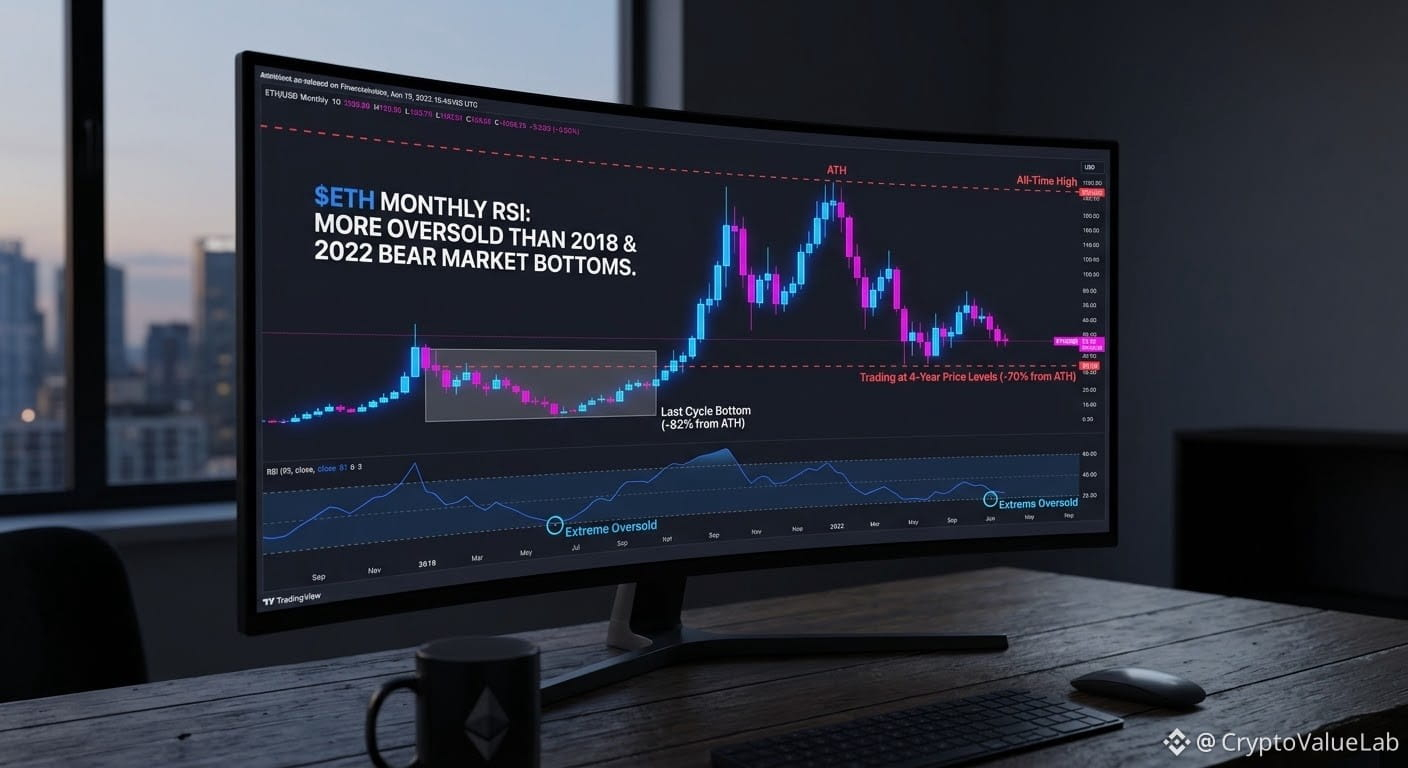
Ethereum ($ETH) handelt derzeit auf Niveaus, die viele Analysten als historisch überverkauft betrachten, basierend auf langfristigen Momentum-Indikatoren.
Aktueller Kontext: • Ungefähr 70 % unter seinem Allzeithoch
• Handel nahe Preisniveaus, die seit mehreren Jahren nicht mehr gesehen wurden
• Monatliche RSI-Werte auf oder unter Niveaus, die während früherer Bärenmarktzyklen beobachtet wurden
Überverkaufsbedingungen allein bestätigen jedoch nicht, dass ein Marktboden gebildet wurde. Assets können über einen längeren Zeitraum überverkauft bleiben, insbesondere während schwacher Liquidität oder allgemeiner wirtschaftlicher Unsicherheit.
Bei der Bewertung, ob sich ein langfristiger Boden entwickelt, schauen Investoren oft nach: • Einer stabilen Basis, die auf höheren Zeitrahmen entsteht
• Verbesserter relativer Leistung im Vergleich zu Bitcoin ($BTC)
• Konstante Kaufnachfrage über die Zeit hinweg, anstatt kurzfristiger Erholungen
Die wichtigste Lektion ist, dass Momentum-Indikatoren am besten als Werkzeuge für den Kontext und nicht für Vorhersagen verwendet werden. Historisch extreme Werte können signalisieren, dass sich die Risiko-Ertrags-Dynamik ändert, aber die Bestätigung kommt in der Regel aus der Preisaktion und der Marktteilnahme.
#Ethereum #ETH #Bitcoin #CryptoMärkte #TechnischeAnalyse
Ethereum ($ETH) handelt derzeit auf Niveaus, die viele Analysten als historisch überverkauft betrachten, basierend auf langfristigen Momentum-Indikatoren.
Aktueller Kontext: • Ungefähr 70 % unter seinem Allzeithoch
• Handel nahe Preisniveaus, die seit mehreren Jahren nicht mehr gesehen wurden
• Monatliche RSI-Werte auf oder unter Niveaus, die während früherer Bärenmarktzyklen beobachtet wurden
Überverkaufsbedingungen allein bestätigen jedoch nicht, dass ein Marktboden gebildet wurde. Assets können über einen längeren Zeitraum überverkauft bleiben, insbesondere während schwacher Liquidität oder allgemeiner wirtschaftlicher Unsicherheit.
Bei der Bewertung, ob sich ein langfristiger Boden entwickelt, schauen Investoren oft nach: • Einer stabilen Basis, die auf höheren Zeitrahmen entsteht
• Verbesserter relativer Leistung im Vergleich zu Bitcoin ($BTC)
• Konstante Kaufnachfrage über die Zeit hinweg, anstatt kurzfristiger Erholungen
Die wichtigste Lektion ist, dass Momentum-Indikatoren am besten als Werkzeuge für den Kontext und nicht für Vorhersagen verwendet werden. Historisch extreme Werte können signalisieren, dass sich die Risiko-Ertrags-Dynamik ändert, aber die Bestätigung kommt in der Regel aus der Preisaktion und der Marktteilnahme.
#Ethereum #ETH #Bitcoin #CryptoMärkte #TechnischeAnalyse
Aktueller Kontext: • Ungefähr 70 % unter seinem Allzeithoch
• Handel nahe Preisniveaus, die seit mehreren Jahren nicht mehr gesehen wurden
• Monatliche RSI-Werte auf oder unter Niveaus, die während früherer Bärenmarktzyklen beobachtet wurden
Überverkaufsbedingungen allein bestätigen jedoch nicht, dass ein Marktboden gebildet wurde. Assets können über einen längeren Zeitraum überverkauft bleiben, insbesondere während schwacher Liquidität oder allgemeiner wirtschaftlicher Unsicherheit.
Bei der Bewertung, ob sich ein langfristiger Boden entwickelt, schauen Investoren oft nach: • Einer stabilen Basis, die auf höheren Zeitrahmen entsteht
• Verbesserter relativer Leistung im Vergleich zu Bitcoin ($BTC)
• Konstante Kaufnachfrage über die Zeit hinweg, anstatt kurzfristiger Erholungen
Die wichtigste Lektion ist, dass Momentum-Indikatoren am besten als Werkzeuge für den Kontext und nicht für Vorhersagen verwendet werden. Historisch extreme Werte können signalisieren, dass sich die Risiko-Ertrags-Dynamik ändert, aber die Bestätigung kommt in der Regel aus der Preisaktion und der Marktteilnahme.
#Ethereum #ETH #Bitcoin #CryptoMärkte #TechnischeAnalyse
54
Die Versorgung mit Stablecoins kann nützliche Einblicke geben, wie Kapital innerhalb des Krypto-Ökosystems fließt.
Trotz erheblicher Volatilität bei Bitcoin ($BTC) bleibt eine große Menge Kapital in Stablecoins gehalten, anstatt in traditionelle Währungen umgewandelt zu werden. Das deutet darauf hin, dass einige Investoren im digitalen Asset-Markt bleiben, während sie nach risikoärmeren Möglichkeiten suchen.
Mögliche Ziele für dieses Kapital sind:
• DeFi-Kredite und Ertragsprotokolle
• Tokenisierte reale Vermögenswerte (RWAs)
• Vorhersagemärkte und andere blockchain-basierte Anwendungen
Diese Art von Bewegung wird oft als Kapitalrotation und nicht als Marktaustritt beschrieben. Anstatt den Krypto-Markt vollständig zu verlassen, verschieben sich die Mittel zwischen verschiedenen Sektoren basierend auf Risiko, Ertrag und Gelegenheit.
Allerdings können Stablecoin-Bilanzen allein zukünftige Preisbewegungen nicht vorhersagen. Sie sind nur ein Indikator unter vielen, die Analysten helfen, die Mark liquidity und das Verhalten der Investoren zu verstehen.
Die wichtigste Erkenntnis: Zu beobachten, wohin Kapital fließt, kann manchmal ebenso wichtig sein wie die Preisbewegungen selbst.
#Bitcoin #Stablecoins #DeFi #RWA #CryptoEducation
Die Versorgung mit Stablecoins kann nützliche Einblicke geben, wie Kapital innerhalb des Krypto-Ökosystems fließt.
Trotz erheblicher Volatilität bei Bitcoin ($BTC) bleibt eine große Menge Kapital in Stablecoins gehalten, anstatt in traditionelle Währungen umgewandelt zu werden. Das deutet darauf hin, dass einige Investoren im digitalen Asset-Markt bleiben, während sie nach risikoärmeren Möglichkeiten suchen.
Mögliche Ziele für dieses Kapital sind:
• DeFi-Kredite und Ertragsprotokolle
• Tokenisierte reale Vermögenswerte (RWAs)
• Vorhersagemärkte und andere blockchain-basierte Anwendungen
Diese Art von Bewegung wird oft als Kapitalrotation und nicht als Marktaustritt beschrieben. Anstatt den Krypto-Markt vollständig zu verlassen, verschieben sich die Mittel zwischen verschiedenen Sektoren basierend auf Risiko, Ertrag und Gelegenheit.
Allerdings können Stablecoin-Bilanzen allein zukünftige Preisbewegungen nicht vorhersagen. Sie sind nur ein Indikator unter vielen, die Analysten helfen, die Mark liquidity und das Verhalten der Investoren zu verstehen.
Die wichtigste Erkenntnis: Zu beobachten, wohin Kapital fließt, kann manchmal ebenso wichtig sein wie die Preisbewegungen selbst.
#Bitcoin #Stablecoins #DeFi #RWA #CryptoEducation
Trotz erheblicher Volatilität bei Bitcoin ($BTC) bleibt eine große Menge Kapital in Stablecoins gehalten, anstatt in traditionelle Währungen umgewandelt zu werden. Das deutet darauf hin, dass einige Investoren im digitalen Asset-Markt bleiben, während sie nach risikoärmeren Möglichkeiten suchen.
Mögliche Ziele für dieses Kapital sind:
• DeFi-Kredite und Ertragsprotokolle
• Tokenisierte reale Vermögenswerte (RWAs)
• Vorhersagemärkte und andere blockchain-basierte Anwendungen
Diese Art von Bewegung wird oft als Kapitalrotation und nicht als Marktaustritt beschrieben. Anstatt den Krypto-Markt vollständig zu verlassen, verschieben sich die Mittel zwischen verschiedenen Sektoren basierend auf Risiko, Ertrag und Gelegenheit.
Allerdings können Stablecoin-Bilanzen allein zukünftige Preisbewegungen nicht vorhersagen. Sie sind nur ein Indikator unter vielen, die Analysten helfen, die Mark liquidity und das Verhalten der Investoren zu verstehen.
Die wichtigste Erkenntnis: Zu beobachten, wohin Kapital fließt, kann manchmal ebenso wichtig sein wie die Preisbewegungen selbst.
#Bitcoin #Stablecoins #DeFi #RWA #CryptoEducation

81
Anmelden und weiter Inhalte entdecken
Krypto-Nutzer weltweit auf Binance Square kennenlernen
⚡️ Bleib in Sachen Krypto stets am Puls.
💬 Die weltgrößte Kryptobörse vertraut darauf.
👍 Erhalte verlässliche Einblicke von verifizierten Creators.
E-Mail-Adresse/Telefonnummer
Trendthemen
BOJRaisesRatesTo31YearHigh
154,366 Aufrufe
2,384 Kommentare
#BOJRaisesRatesTo31YearHigh
#BOJRaisesRatesTo31YearHigh 🇯🇵📈
Die Bank of Japan hat einen weiteren großen Schritt unternommen, indem sie die Zinsen auf ihr höchstes Niveau seit 31 Jahren angehoben hat und damit die globalen Märkte in Alarmbereitschaft versetzt. Die Maßnahme signalisiert eine fortgesetzte Abkehr von Japans langjähriger ultralockerer Geldpolitik. Höhere japanische Zinsen könnten den Yen stärken, die globalen Renditen beeinflussen und möglicherweise Kapitalströme über die Finanzmärkte hinweg auswirken. Auch Krypto- und andere risikoreiche Assets könnten reagieren, da Anleger die Liquidität und das Risikoprofil neu bewerten. Trader beobachten nun die nächsten Aussagen der BOJ genau auf Hinweise für künftige Zinsentscheidungen. Die Volatilität könnte zunehmen, während die Märkte die geldpolitische Änderung und ihre potenzielle globale Wirkung verdauen. #BOJ #Japan #Crypto #Märkte #InterestRates $NVDAB
maqsoodahmed1
·1 Likes
·273 Aufrufe
BuffettStepsDownAsBerkshireChairman
73,669 Aufrufe
1,218 Kommentare
XRPExchangeReservesHitSevenYearLow
80,836 Aufrufe
1,101 Kommentare