
K神秘
8.5k Beiträge

K神秘
 Square Verified
Melden
Nutzer blockieren
The Mysterio | The Trader | Content Creator
8.1K+ Following
39.8K+ Follower
23.2K+ Like gegeben
Beiträge
Alle
Zitierungen
Live
·
--
Ich habe über Stille nachgedacht. Nicht die Art, die nach einem lauten Streit oder einem hektischen Tag kommt. Die Art, die von einem System kommt, das einfach funktioniert. Meistens merke ich nicht, wenn alles gut läuft. Mein Herz schlägt nicht schneller, wenn mein Wallet sicher ist. Meine Finger zucken nicht, wenn meine Assets still und leise verdienen. Diese Stille ist leicht zu ignorieren, aber sie ist das ehrlichste Signal im Crypto.
Gestern ist mir aufgefallen, dass ich mein Bedrock-Dashboard seit vier Tagen nicht mehr geprüft habe. Keine Alerts, keine dringenden Nachrichten, kein plötzlicher Preisverfall, den ich beheben müsste. Mein uniBTC war immer noch da, verdiente weiter, war liquide. Die Validatoren benötigten nicht meine Genehmigung. Das Protokoll hatte mich nicht gefragt, ob ich über irgendeinen hastigen Vorschlag abstimmen möchte. Es hatte einfach seine Arbeit gemacht, während ich mein Leben lebte.
Diese Abwesenheit von Lärm fühlte sich lauter an als jede Airdrop-Ankündigung. In einer Welt, in der jede Plattform um Aufmerksamkeit schreit, verlangte Bedrock nichts. Es hat mich nicht mit Gamification oder wöchentlichen Ranglisten gelockt. Es hat mir keine Drohungen mit Ablaufdaten oder komplexen Freischaltungsplänen gemacht. Es saß einfach da, ein ruhiger Motor, der unter meinem Tag summte.
Meistens denke ich, dass ich darauf konditioniert wurde, Chaos zu erwarten. Ein Protokoll, das ohne Drama funktioniert, fühlt sich fast beunruhigend an. Aber dieses beunruhigende Gefühl ist nur Vertrauen, das langsam aufgebaut wird, ohne ein Marketingteam, das mir sagt, ich solle darauf vertrauen. Es wird durch Stille verdient, nicht durch Lautstärke.
Heute habe ich das Dashboard wieder geöffnet. Die Rewards waren gewachsen. Kein Konfetti, kein Pop-up. Nur Zahlen, die sich zu meinen Gunsten bewegten. Das ist die Art von Technologie, die ich behalten möchte. Nicht die lauteste, sondern die zuverlässigsten. Bedrock hat nicht meine Aufmerksamkeit gewonnen. Es hat meinen Respekt gewonnen, indem es ihn nicht gebraucht hat.
@Bedrock
#Bedrock #USIranDealConfirmed
#bedrock #BR
$BR $NVDAB $VELVET
Ich habe über Stille nachgedacht. Nicht die Art, die nach einem lauten Streit oder einem hektischen Tag kommt. Die Art, die von einem System kommt, das einfach funktioniert. Meistens merke ich nicht, wenn alles gut läuft. Mein Herz schlägt nicht schneller, wenn mein Wallet sicher ist. Meine Finger zucken nicht, wenn meine Assets still und leise verdienen. Diese Stille ist leicht zu ignorieren, aber sie ist das ehrlichste Signal im Crypto.
Gestern ist mir aufgefallen, dass ich mein Bedrock-Dashboard seit vier Tagen nicht mehr geprüft habe. Keine Alerts, keine dringenden Nachrichten, kein plötzlicher Preisverfall, den ich beheben müsste. Mein uniBTC war immer noch da, verdiente weiter, war liquide. Die Validatoren benötigten nicht meine Genehmigung. Das Protokoll hatte mich nicht gefragt, ob ich über irgendeinen hastigen Vorschlag abstimmen möchte. Es hatte einfach seine Arbeit gemacht, während ich mein Leben lebte.
Diese Abwesenheit von Lärm fühlte sich lauter an als jede Airdrop-Ankündigung. In einer Welt, in der jede Plattform um Aufmerksamkeit schreit, verlangte Bedrock nichts. Es hat mich nicht mit Gamification oder wöchentlichen Ranglisten gelockt. Es hat mir keine Drohungen mit Ablaufdaten oder komplexen Freischaltungsplänen gemacht. Es saß einfach da, ein ruhiger Motor, der unter meinem Tag summte.
Meistens denke ich, dass ich darauf konditioniert wurde, Chaos zu erwarten. Ein Protokoll, das ohne Drama funktioniert, fühlt sich fast beunruhigend an. Aber dieses beunruhigende Gefühl ist nur Vertrauen, das langsam aufgebaut wird, ohne ein Marketingteam, das mir sagt, ich solle darauf vertrauen. Es wird durch Stille verdient, nicht durch Lautstärke.
Heute habe ich das Dashboard wieder geöffnet. Die Rewards waren gewachsen. Kein Konfetti, kein Pop-up. Nur Zahlen, die sich zu meinen Gunsten bewegten. Das ist die Art von Technologie, die ich behalten möchte. Nicht die lauteste, sondern die zuverlässigsten. Bedrock hat nicht meine Aufmerksamkeit gewonnen. Es hat meinen Respekt gewonnen, indem es ihn nicht gebraucht hat.
@Bedrock
#Bedrock #USIranDealConfirmed
#bedrock #BR
$BR $NVDAB $VELVET
Gestern ist mir aufgefallen, dass ich mein Bedrock-Dashboard seit vier Tagen nicht mehr geprüft habe. Keine Alerts, keine dringenden Nachrichten, kein plötzlicher Preisverfall, den ich beheben müsste. Mein uniBTC war immer noch da, verdiente weiter, war liquide. Die Validatoren benötigten nicht meine Genehmigung. Das Protokoll hatte mich nicht gefragt, ob ich über irgendeinen hastigen Vorschlag abstimmen möchte. Es hatte einfach seine Arbeit gemacht, während ich mein Leben lebte.
Diese Abwesenheit von Lärm fühlte sich lauter an als jede Airdrop-Ankündigung. In einer Welt, in der jede Plattform um Aufmerksamkeit schreit, verlangte Bedrock nichts. Es hat mich nicht mit Gamification oder wöchentlichen Ranglisten gelockt. Es hat mir keine Drohungen mit Ablaufdaten oder komplexen Freischaltungsplänen gemacht. Es saß einfach da, ein ruhiger Motor, der unter meinem Tag summte.
Meistens denke ich, dass ich darauf konditioniert wurde, Chaos zu erwarten. Ein Protokoll, das ohne Drama funktioniert, fühlt sich fast beunruhigend an. Aber dieses beunruhigende Gefühl ist nur Vertrauen, das langsam aufgebaut wird, ohne ein Marketingteam, das mir sagt, ich solle darauf vertrauen. Es wird durch Stille verdient, nicht durch Lautstärke.
Heute habe ich das Dashboard wieder geöffnet. Die Rewards waren gewachsen. Kein Konfetti, kein Pop-up. Nur Zahlen, die sich zu meinen Gunsten bewegten. Das ist die Art von Technologie, die ich behalten möchte. Nicht die lauteste, sondern die zuverlässigsten. Bedrock hat nicht meine Aufmerksamkeit gewonnen. Es hat meinen Respekt gewonnen, indem es ihn nicht gebraucht hat.
@Bedrock
#Bedrock #USIranDealConfirmed
#bedrock #BR
$BR $NVDAB $VELVET
Consistent Results 🟢
67%
Strong Security 💪
25%
Both of Them 👆
8%
12 Stimmen • Abstimmung beendet
17
13
2k
·
--
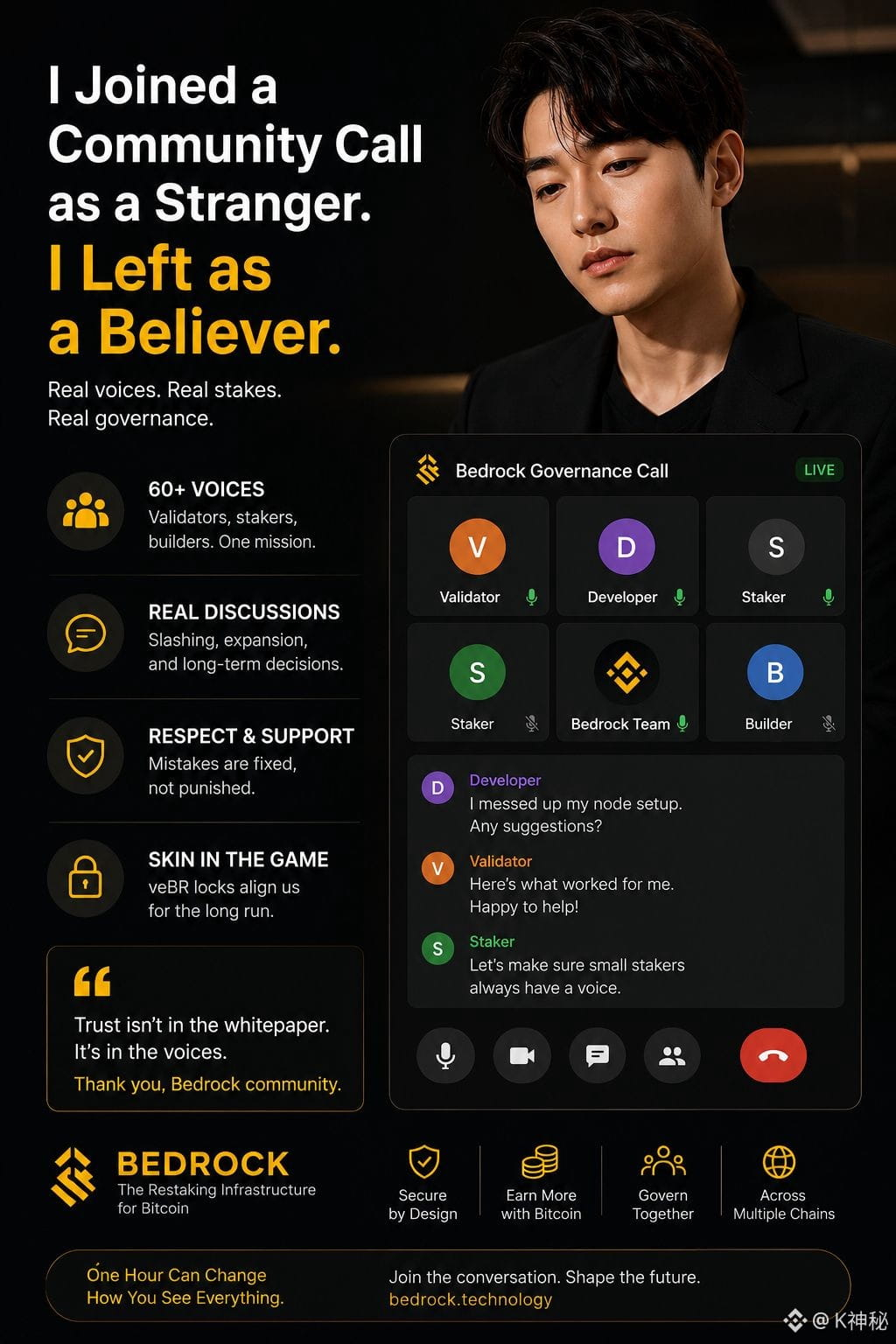
Ich trat einem Community-Call als Fremder bei. Ich verließ ihn als Gläubiger
Letzten Dienstag habe ich etwas gemacht, was ich selten tue. Ich nahm an einem Krypto-Community-Call teil. Nicht als Sprecher, nicht einmal um eine Frage zu stellen. Ich wollte einfach nur zuhören. Das @Bedrock Governance-Forum hatte über einen neuen Vorschlag getuschelt, und ich war neugierig, wie es sich in echten Stimmen anhören würde, statt nur in Text auf einem Bildschirm. Ich erwartete Chaos, Ego, vielleicht ein paar Stichpunkte vom Team. Was ich bekam, war etwas völlig anderes.
Es waren etwa sechzig Leute im Call. Validatoren, normale Staker, die uniBTC hielten, ein paar Entwickler. Das Gespräch drehte sich nicht um Preise oder schnelle Gewinne. Es ging um Slashing-Parameter, Multi-Chain-Expansion-Prioritäten und wie man sicherstellt, dass kleinere Staker eine Stimme haben. Die Leute waren sich uneinig, aber sie waren respektvoll. Ein Validator gab offen zu, dass er einen Fehler bei seiner Node-Konfiguration gemacht hatte und bat um Feedback. Niemand machte ihn fertig. Stattdessen führte ihn jemand durch eine Lösung. Ich saß dort, stumm, und beobachtete, wie ein Protokoll sich wie eine echte Gemeinschaft selbst verwaltete.
Früher dachte ich, Governance sei nur token-gewichtetes Abstimmen ohne Seele. Aber die Stimmen hinter den Wallets zu hören, hat etwas in mir verändert. Das waren nicht nur anonyme Adressen. Es waren Menschen, die wirklich investiert waren und sich langfristig engagierten, weil ihre $BR Tokens monatelang gesperrt waren. Das veBR-Engagement war nicht mehr nur ein Mechanismus; es hatte Gesichter. Das änderte, wie ich meine eigene kleine Position sah. Ich verdiente nicht nur Erträge, ich war Teil eines Netzwerks, in dem die Builder tatsächlich miteinander sprachen.
Die meiste Zeit vermeide ich Community-Räume, weil sie sich inszeniert anfühlen. Aber dieser Call erinnerte mich daran, dass hinter jedem glaubwürdigen Protokoll eine Kerngruppe von Leuten steht, die sich wirklich um dessen Überleben kümmern. #Bedrock Governance ist kein Theater. Es ist eine funktionierende Demokratie mit echten Einsätzen. Und während ich nicht über Nacht ein Governance-Delegate werden werde, habe ich begonnen, den Vorschlägen mehr Aufmerksamkeit zu schenken. Denn jetzt kenne ich die Namen und Stimmen dahinter. Das ist Vertrauen, das nicht durch ein Whitepaper, sondern durch eine einzige Stunde des Zuhörens aufgebaut wurde.#bedrock
Ich trat einem Community-Call als Fremder bei. Ich verließ ihn als Gläubiger
Letzten Dienstag habe ich etwas gemacht, was ich selten tue. Ich nahm an einem Krypto-Community-Call teil. Nicht als Sprecher, nicht einmal um eine Frage zu stellen. Ich wollte einfach nur zuhören. Das @Bedrock Governance-Forum hatte über einen neuen Vorschlag getuschelt, und ich war neugierig, wie es sich in echten Stimmen anhören würde, statt nur in Text auf einem Bildschirm. Ich erwartete Chaos, Ego, vielleicht ein paar Stichpunkte vom Team. Was ich bekam, war etwas völlig anderes.
Es waren etwa sechzig Leute im Call. Validatoren, normale Staker, die uniBTC hielten, ein paar Entwickler. Das Gespräch drehte sich nicht um Preise oder schnelle Gewinne. Es ging um Slashing-Parameter, Multi-Chain-Expansion-Prioritäten und wie man sicherstellt, dass kleinere Staker eine Stimme haben. Die Leute waren sich uneinig, aber sie waren respektvoll. Ein Validator gab offen zu, dass er einen Fehler bei seiner Node-Konfiguration gemacht hatte und bat um Feedback. Niemand machte ihn fertig. Stattdessen führte ihn jemand durch eine Lösung. Ich saß dort, stumm, und beobachtete, wie ein Protokoll sich wie eine echte Gemeinschaft selbst verwaltete.
Früher dachte ich, Governance sei nur token-gewichtetes Abstimmen ohne Seele. Aber die Stimmen hinter den Wallets zu hören, hat etwas in mir verändert. Das waren nicht nur anonyme Adressen. Es waren Menschen, die wirklich investiert waren und sich langfristig engagierten, weil ihre $BR Tokens monatelang gesperrt waren. Das veBR-Engagement war nicht mehr nur ein Mechanismus; es hatte Gesichter. Das änderte, wie ich meine eigene kleine Position sah. Ich verdiente nicht nur Erträge, ich war Teil eines Netzwerks, in dem die Builder tatsächlich miteinander sprachen.
Die meiste Zeit vermeide ich Community-Räume, weil sie sich inszeniert anfühlen. Aber dieser Call erinnerte mich daran, dass hinter jedem glaubwürdigen Protokoll eine Kerngruppe von Leuten steht, die sich wirklich um dessen Überleben kümmern. #Bedrock Governance ist kein Theater. Es ist eine funktionierende Demokratie mit echten Einsätzen. Und während ich nicht über Nacht ein Governance-Delegate werden werde, habe ich begonnen, den Vorschlägen mehr Aufmerksamkeit zu schenken. Denn jetzt kenne ich die Namen und Stimmen dahinter. Das ist Vertrauen, das nicht durch ein Whitepaper, sondern durch eine einzige Stunde des Zuhörens aufgebaut wurde.#bedrock
Letzten Dienstag habe ich etwas gemacht, was ich selten tue. Ich nahm an einem Krypto-Community-Call teil. Nicht als Sprecher, nicht einmal um eine Frage zu stellen. Ich wollte einfach nur zuhören. Das @Bedrock Governance-Forum hatte über einen neuen Vorschlag getuschelt, und ich war neugierig, wie es sich in echten Stimmen anhören würde, statt nur in Text auf einem Bildschirm. Ich erwartete Chaos, Ego, vielleicht ein paar Stichpunkte vom Team. Was ich bekam, war etwas völlig anderes.
Es waren etwa sechzig Leute im Call. Validatoren, normale Staker, die uniBTC hielten, ein paar Entwickler. Das Gespräch drehte sich nicht um Preise oder schnelle Gewinne. Es ging um Slashing-Parameter, Multi-Chain-Expansion-Prioritäten und wie man sicherstellt, dass kleinere Staker eine Stimme haben. Die Leute waren sich uneinig, aber sie waren respektvoll. Ein Validator gab offen zu, dass er einen Fehler bei seiner Node-Konfiguration gemacht hatte und bat um Feedback. Niemand machte ihn fertig. Stattdessen führte ihn jemand durch eine Lösung. Ich saß dort, stumm, und beobachtete, wie ein Protokoll sich wie eine echte Gemeinschaft selbst verwaltete.
Früher dachte ich, Governance sei nur token-gewichtetes Abstimmen ohne Seele. Aber die Stimmen hinter den Wallets zu hören, hat etwas in mir verändert. Das waren nicht nur anonyme Adressen. Es waren Menschen, die wirklich investiert waren und sich langfristig engagierten, weil ihre $BR Tokens monatelang gesperrt waren. Das veBR-Engagement war nicht mehr nur ein Mechanismus; es hatte Gesichter. Das änderte, wie ich meine eigene kleine Position sah. Ich verdiente nicht nur Erträge, ich war Teil eines Netzwerks, in dem die Builder tatsächlich miteinander sprachen.
Die meiste Zeit vermeide ich Community-Räume, weil sie sich inszeniert anfühlen. Aber dieser Call erinnerte mich daran, dass hinter jedem glaubwürdigen Protokoll eine Kerngruppe von Leuten steht, die sich wirklich um dessen Überleben kümmern. #Bedrock Governance ist kein Theater. Es ist eine funktionierende Demokratie mit echten Einsätzen. Und während ich nicht über Nacht ein Governance-Delegate werden werde, habe ich begonnen, den Vorschlägen mehr Aufmerksamkeit zu schenken. Denn jetzt kenne ich die Namen und Stimmen dahinter. Das ist Vertrauen, das nicht durch ein Whitepaper, sondern durch eine einzige Stunde des Zuhörens aufgebaut wurde.#bedrock
59
36
465
·
--
Die heutige Auswahl & Gewinnfrage sieht härter aus, als sie scheint. Australien erzeugt normalerweise viel Angriffsdruck zu Hause, während die Türkei gerne direkt spielt und nach Möglichkeiten sucht, wenn sich Chancen ergeben.
Meine Prognose: JA, 10 oder mehr Ecken.
Was das Spielergebnis angeht, tendiere ich leicht zu Australien wegen des Heimvorteils, aber ich erwarte ein enges Spiel mit viel Action auf beiden Seiten.
#BinancePickAndWin
#BinancePickAndWin
Die heutige Auswahl & Gewinnfrage sieht härter aus, als sie scheint. Australien erzeugt normalerweise viel Angriffsdruck zu Hause, während die Türkei gerne direkt spielt und nach Möglichkeiten sucht, wenn sich Chancen ergeben.
Meine Prognose: JA, 10 oder mehr Ecken.
Was das Spielergebnis angeht, tendiere ich leicht zu Australien wegen des Heimvorteils, aber ich erwarte ein enges Spiel mit viel Action auf beiden Seiten.
#BinancePickAndWin
#BinancePickAndWin
Meine Prognose: JA, 10 oder mehr Ecken.
Was das Spielergebnis angeht, tendiere ich leicht zu Australien wegen des Heimvorteils, aber ich erwarte ein enges Spiel mit viel Action auf beiden Seiten.
#BinancePickAndWin
#BinancePickAndWin

1
3
352
·
--
Bullisch
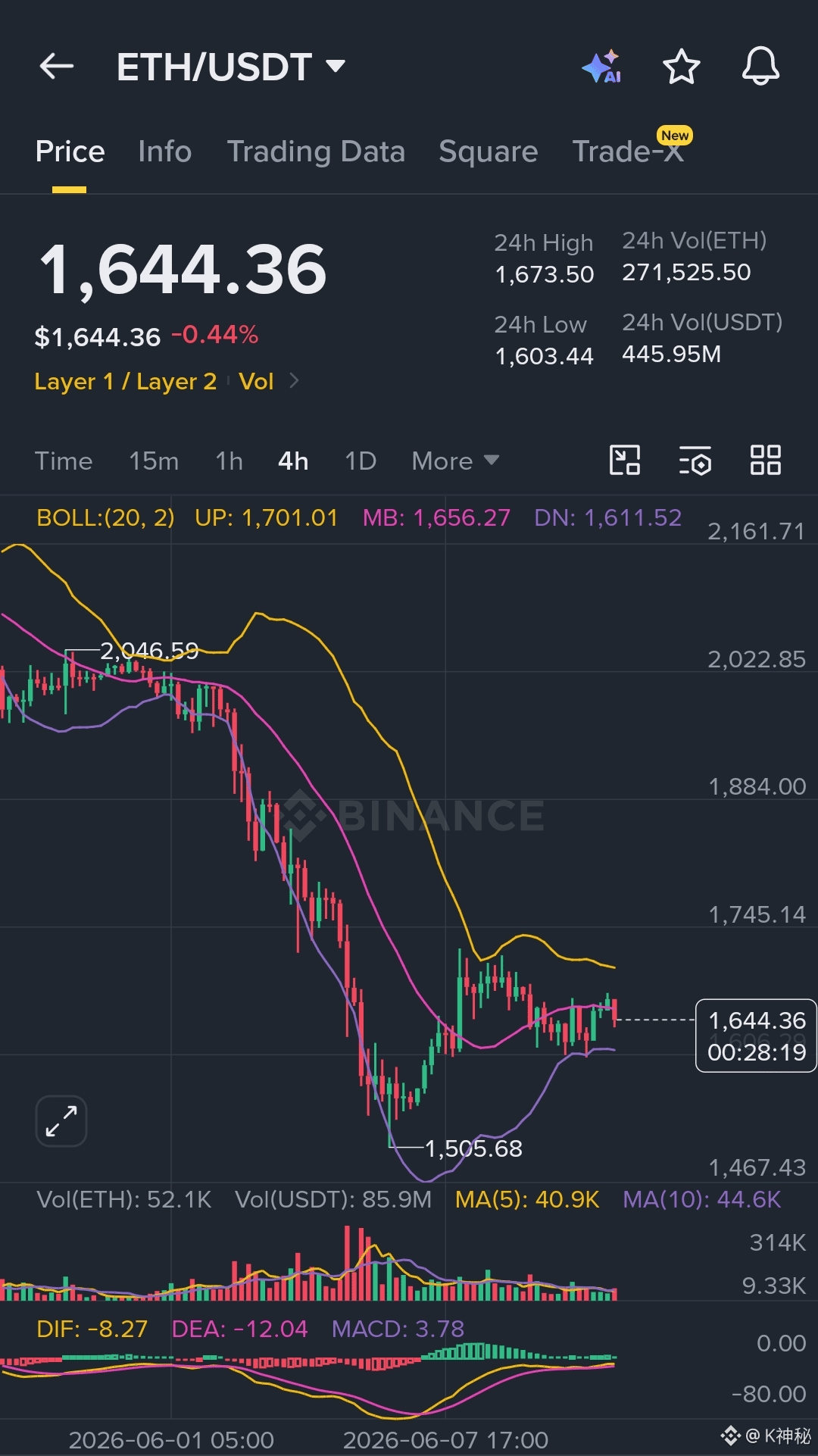
$ETH ist bullish umgeschlagen. Kauf den Dip. 🍏
Einstieg ▸ $1,610.00 – $1,640.00
SL ▸ $1,580.00
TP1 ▸ $1,700.00
TP2 ▸ $1,780.00
TP3 ▸ $1,880.00
R/R 1:3 📈
Der Preis hat sich nach einem harten Rückgang auf $1,505.68 stabilisiert und bewegt sich aktuell höher innerhalb der Bollinger Bänder. Der MACD hat sich positiv umgedreht mit grünen Histogrammbalken, was zeigt, dass kurzfristige Käufer den Verkaufsdruck absorbieren. Die mittlere Band bei $1,656.27 ist das kurzfristige Hindernis, aber der Aufbau von Momentum deutet auf einen sauberen Retest der oberen Levels hin.
$ETH ist bullish umgeschlagen. Kauf den Dip. 🍏
Einstieg ▸ $1,610.00 – $1,640.00
SL ▸ $1,580.00
TP1 ▸ $1,700.00
TP2 ▸ $1,780.00
TP3 ▸ $1,880.00
R/R 1:3 📈
Der Preis hat sich nach einem harten Rückgang auf $1,505.68 stabilisiert und bewegt sich aktuell höher innerhalb der Bollinger Bänder. Der MACD hat sich positiv umgedreht mit grünen Histogrammbalken, was zeigt, dass kurzfristige Käufer den Verkaufsdruck absorbieren. Die mittlere Band bei $1,656.27 ist das kurzfristige Hindernis, aber der Aufbau von Momentum deutet auf einen sauberen Retest der oberen Levels hin.
Einstieg ▸ $1,610.00 – $1,640.00
SL ▸ $1,580.00
TP1 ▸ $1,700.00
TP2 ▸ $1,780.00
TP3 ▸ $1,880.00
R/R 1:3 📈
Der Preis hat sich nach einem harten Rückgang auf $1,505.68 stabilisiert und bewegt sich aktuell höher innerhalb der Bollinger Bänder. Der MACD hat sich positiv umgedreht mit grünen Histogrammbalken, was zeigt, dass kurzfristige Käufer den Verkaufsdruck absorbieren. Die mittlere Band bei $1,656.27 ist das kurzfristige Hindernis, aber der Aufbau von Momentum deutet auf einen sauberen Retest der oberen Levels hin.
3
126
·
--
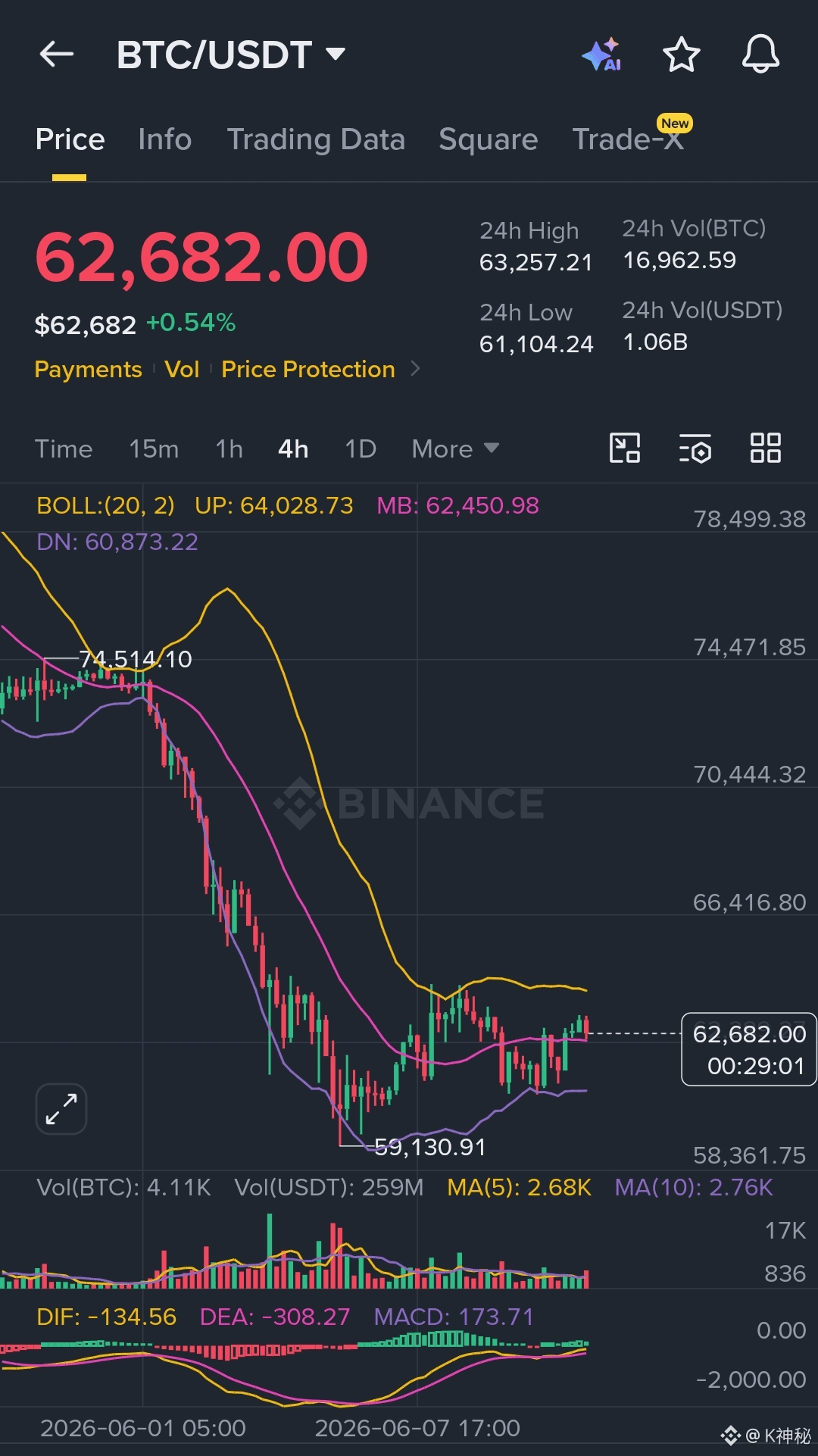
$BTC Der Markt-King steckt in einem schweren makroökonomischen Abschwung und hat in den letzten Monat über 24% verloren, sodass er sich nahe der entscheidenden $60,000 psychologischen Unterstützung bewegt. Über die Hälfte des zirkulierenden Angebots ist derzeit im Minus, da massive ETF-Abflüsse und geopolitische Spannungen im Nahen Osten die Spot-Nachfrage komplett unterdrücken. Ein kleiner Erholungs-Bounce spielt sich vor den US PPI-Daten ab, aber die große tägliche bärische Trendlinie bleibt fest unter Kontrolle.
📥 KAUFZONE 🟪
$58,500 – $60,200🔮
TP1 → $63,800🔮
TP2 → $65,500🔮
TP3 → $67,000
🛑 Stop: $56,900
$BTC Der Markt-King steckt in einem schweren makroökonomischen Abschwung und hat in den letzten Monat über 24% verloren, sodass er sich nahe der entscheidenden $60,000 psychologischen Unterstützung bewegt. Über die Hälfte des zirkulierenden Angebots ist derzeit im Minus, da massive ETF-Abflüsse und geopolitische Spannungen im Nahen Osten die Spot-Nachfrage komplett unterdrücken. Ein kleiner Erholungs-Bounce spielt sich vor den US PPI-Daten ab, aber die große tägliche bärische Trendlinie bleibt fest unter Kontrolle.
📥 KAUFZONE 🟪
$58,500 – $60,200🔮
TP1 → $63,800🔮
TP2 → $65,500🔮
TP3 → $67,000
🛑 Stop: $56,900
📥 KAUFZONE 🟪
$58,500 – $60,200🔮
TP1 → $63,800🔮
TP2 → $65,500🔮
TP3 → $67,000
🛑 Stop: $56,900
2
150
·
--
Bärisch
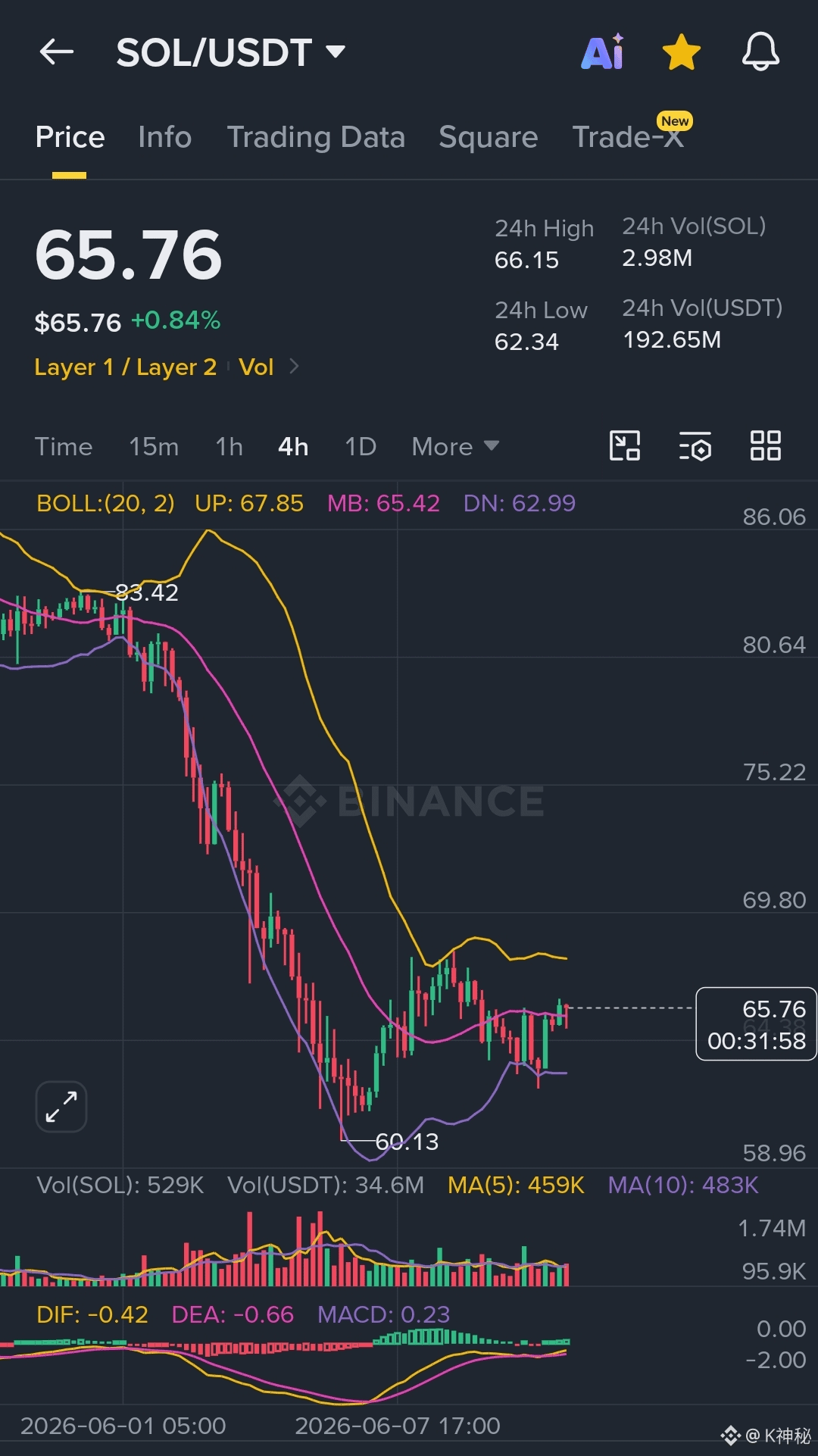
$SOL bearish umgedreht. Verkaufe den Bounce. 🔴
Einstieg ▸ $66.40 – $67.10
SL ▸ $69.50
TP1 ▸ $64.50
TP2 ▸ $61.00
TP3 ▸ $55.00
R/R 1:3 📉
Unter alle wichtigen täglichen MAs gefallen, mit steigendem Volumen beim Breakout. Der entscheidende Boden bei $70 hat sich komplett in starken Widerstand verwandelt. Wal-Verteilung setzt massive Druck auf die Struktur.
#TradebStocks #SPCXxIPOCampaignOnBinanceWallet BitcoinReboundsAfterFallingTo$59K#USJoblessClaimsRiseTo229K #HungaryDecriminalizesCryptoTrading
$SOL bearish umgedreht. Verkaufe den Bounce. 🔴
Einstieg ▸ $66.40 – $67.10
SL ▸ $69.50
TP1 ▸ $64.50
TP2 ▸ $61.00
TP3 ▸ $55.00
R/R 1:3 📉
Unter alle wichtigen täglichen MAs gefallen, mit steigendem Volumen beim Breakout. Der entscheidende Boden bei $70 hat sich komplett in starken Widerstand verwandelt. Wal-Verteilung setzt massive Druck auf die Struktur.
#TradebStocks #SPCXxIPOCampaignOnBinanceWallet BitcoinReboundsAfterFallingTo$59K#USJoblessClaimsRiseTo229K #HungaryDecriminalizesCryptoTrading
Einstieg ▸ $66.40 – $67.10
SL ▸ $69.50
TP1 ▸ $64.50
TP2 ▸ $61.00
TP3 ▸ $55.00
R/R 1:3 📉
Unter alle wichtigen täglichen MAs gefallen, mit steigendem Volumen beim Breakout. Der entscheidende Boden bei $70 hat sich komplett in starken Widerstand verwandelt. Wal-Verteilung setzt massive Druck auf die Struktur.
#TradebStocks #SPCXxIPOCampaignOnBinanceWallet BitcoinReboundsAfterFallingTo$59K#USJoblessClaimsRiseTo229K #HungaryDecriminalizesCryptoTrading
1
200
·
--
Verifiziert
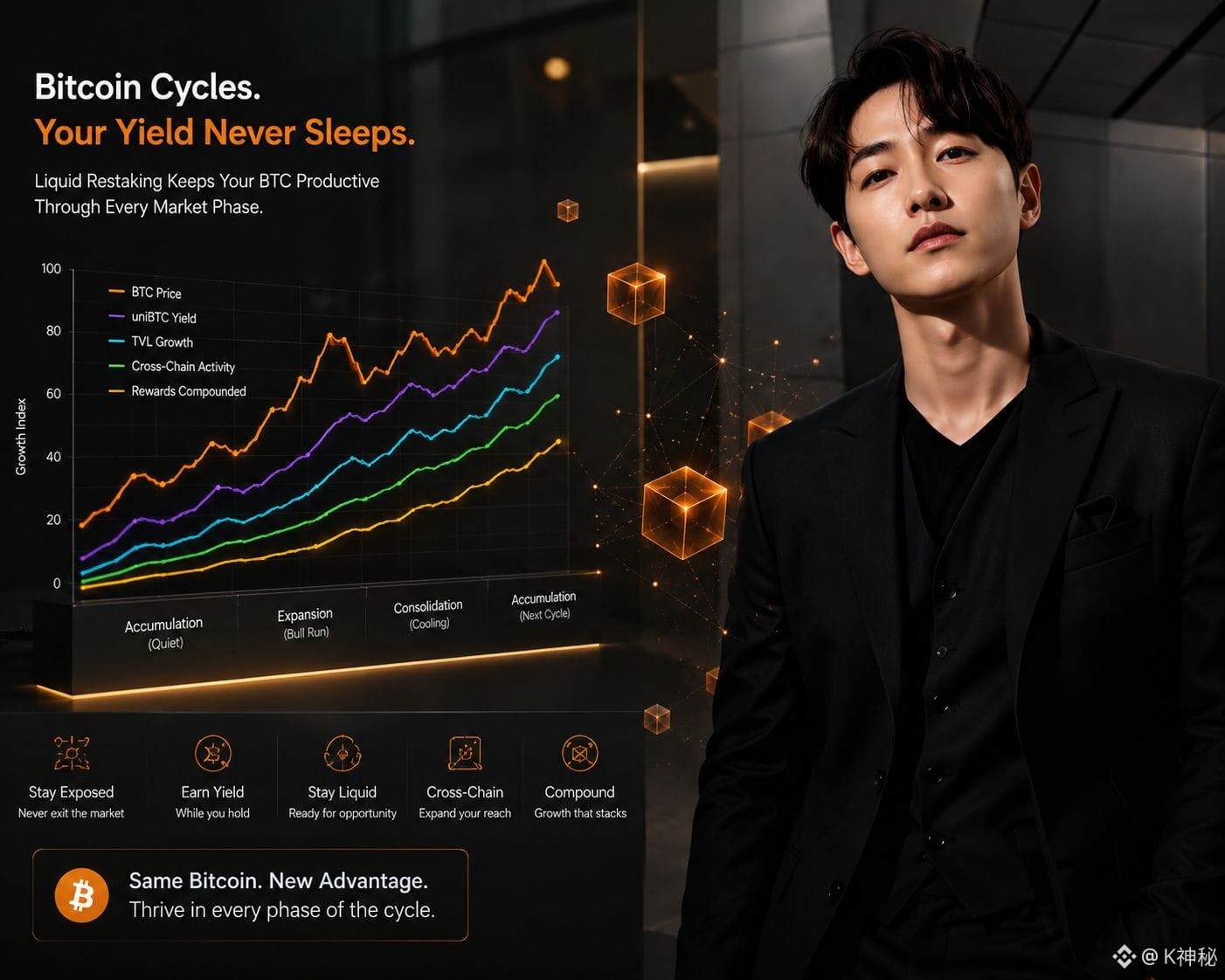
Die meiste Zeit denke ich über Bitcoin in vierjährigen Zyklen nach. Halving, Bull Run, Korrektur, Akkumulation. Das ist ein Rhythmus, an den ich mich gewöhnt habe. In den vergangenen Zyklen war meine Strategie immer die gleiche: durch den Lärm halten, niemals verkaufen und hoffen, dass der nächste Gipfel höher ist. Das hat funktioniert, aber es gab lange Phasen, in denen mein Bitcoin nichts tat, außer dort zu sitzen, während ich wartete.
Ich beginne zu sehen, dass sich dieses Muster ändert, nicht weil Bitcoin sich verändert hat, sondern weil die Werkzeuge darum herum es getan haben. Bedrock's Liquid Restaking führt etwas ein, das frühere Zyklen nie hatten: die Fähigkeit, bedeutende Rendite auf Bitcoin zu verdienen, ohne die Exposition zu verlieren oder es einzuschließen. Während der ruhigen Monate der Akkumulation, wenn die Preisbewegungen langweilig sind und die Aufmerksamkeit abdriftet, arbeitet uniBTC weiter. Es verdient Belohnungen, während ich warte, und bleibt dann liquide, wenn die Gelegenheit zuschlägt.
Das ändert die Psychologie des Zyklus. In der Vergangenheit fühlten sich seitwärts laufende Märkte verschwenderisch an. Jetzt sehe ich sie als produktive Pausen. Anstatt nervös auf den nächsten Ausbruch zu warten, verdiene ich, sammele und positioniere mich über verschiedene Chains. Der Zyklus ist nicht verschwunden, aber sein emotionaler Griff hat nachgelassen. Bedrock hat die Bitcoin-Zyklen nicht erfunden, aber es hat mir eine Möglichkeit gegeben, während der langweiligen Teile zu gedeihen.
Ich glaube immer noch an das langfristige Halten. Das hat sich nicht geändert. Aber jetzt arbeitet mein Bitcoin während der Zwischenmomente. Und diese Momente summieren sich über die Jahre eines Lebens. Das ist eine frische Perspektive, an die ich mich noch gewöhnen muss, und ehrlich gesagt, ich wünschte, ich hätte sie früher gehabt.
@Bedrock #Bedrock #bedrock $BR
Die meiste Zeit denke ich über Bitcoin in vierjährigen Zyklen nach. Halving, Bull Run, Korrektur, Akkumulation. Das ist ein Rhythmus, an den ich mich gewöhnt habe. In den vergangenen Zyklen war meine Strategie immer die gleiche: durch den Lärm halten, niemals verkaufen und hoffen, dass der nächste Gipfel höher ist. Das hat funktioniert, aber es gab lange Phasen, in denen mein Bitcoin nichts tat, außer dort zu sitzen, während ich wartete.
Ich beginne zu sehen, dass sich dieses Muster ändert, nicht weil Bitcoin sich verändert hat, sondern weil die Werkzeuge darum herum es getan haben. Bedrock's Liquid Restaking führt etwas ein, das frühere Zyklen nie hatten: die Fähigkeit, bedeutende Rendite auf Bitcoin zu verdienen, ohne die Exposition zu verlieren oder es einzuschließen. Während der ruhigen Monate der Akkumulation, wenn die Preisbewegungen langweilig sind und die Aufmerksamkeit abdriftet, arbeitet uniBTC weiter. Es verdient Belohnungen, während ich warte, und bleibt dann liquide, wenn die Gelegenheit zuschlägt.
Das ändert die Psychologie des Zyklus. In der Vergangenheit fühlten sich seitwärts laufende Märkte verschwenderisch an. Jetzt sehe ich sie als produktive Pausen. Anstatt nervös auf den nächsten Ausbruch zu warten, verdiene ich, sammele und positioniere mich über verschiedene Chains. Der Zyklus ist nicht verschwunden, aber sein emotionaler Griff hat nachgelassen. Bedrock hat die Bitcoin-Zyklen nicht erfunden, aber es hat mir eine Möglichkeit gegeben, während der langweiligen Teile zu gedeihen.
Ich glaube immer noch an das langfristige Halten. Das hat sich nicht geändert. Aber jetzt arbeitet mein Bitcoin während der Zwischenmomente. Und diese Momente summieren sich über die Jahre eines Lebens. Das ist eine frische Perspektive, an die ich mich noch gewöhnen muss, und ehrlich gesagt, ich wünschte, ich hätte sie früher gehabt.
@Bedrock #Bedrock #bedrock $BR
Ich beginne zu sehen, dass sich dieses Muster ändert, nicht weil Bitcoin sich verändert hat, sondern weil die Werkzeuge darum herum es getan haben. Bedrock's Liquid Restaking führt etwas ein, das frühere Zyklen nie hatten: die Fähigkeit, bedeutende Rendite auf Bitcoin zu verdienen, ohne die Exposition zu verlieren oder es einzuschließen. Während der ruhigen Monate der Akkumulation, wenn die Preisbewegungen langweilig sind und die Aufmerksamkeit abdriftet, arbeitet uniBTC weiter. Es verdient Belohnungen, während ich warte, und bleibt dann liquide, wenn die Gelegenheit zuschlägt.
Das ändert die Psychologie des Zyklus. In der Vergangenheit fühlten sich seitwärts laufende Märkte verschwenderisch an. Jetzt sehe ich sie als produktive Pausen. Anstatt nervös auf den nächsten Ausbruch zu warten, verdiene ich, sammele und positioniere mich über verschiedene Chains. Der Zyklus ist nicht verschwunden, aber sein emotionaler Griff hat nachgelassen. Bedrock hat die Bitcoin-Zyklen nicht erfunden, aber es hat mir eine Möglichkeit gegeben, während der langweiligen Teile zu gedeihen.
Ich glaube immer noch an das langfristige Halten. Das hat sich nicht geändert. Aber jetzt arbeitet mein Bitcoin während der Zwischenmomente. Und diese Momente summieren sich über die Jahre eines Lebens. Das ist eine frische Perspektive, an die ich mich noch gewöhnen muss, und ehrlich gesagt, ich wünschte, ich hätte sie früher gehabt.
@Bedrock #Bedrock #bedrock $BR
100
62
1.9k
·
--
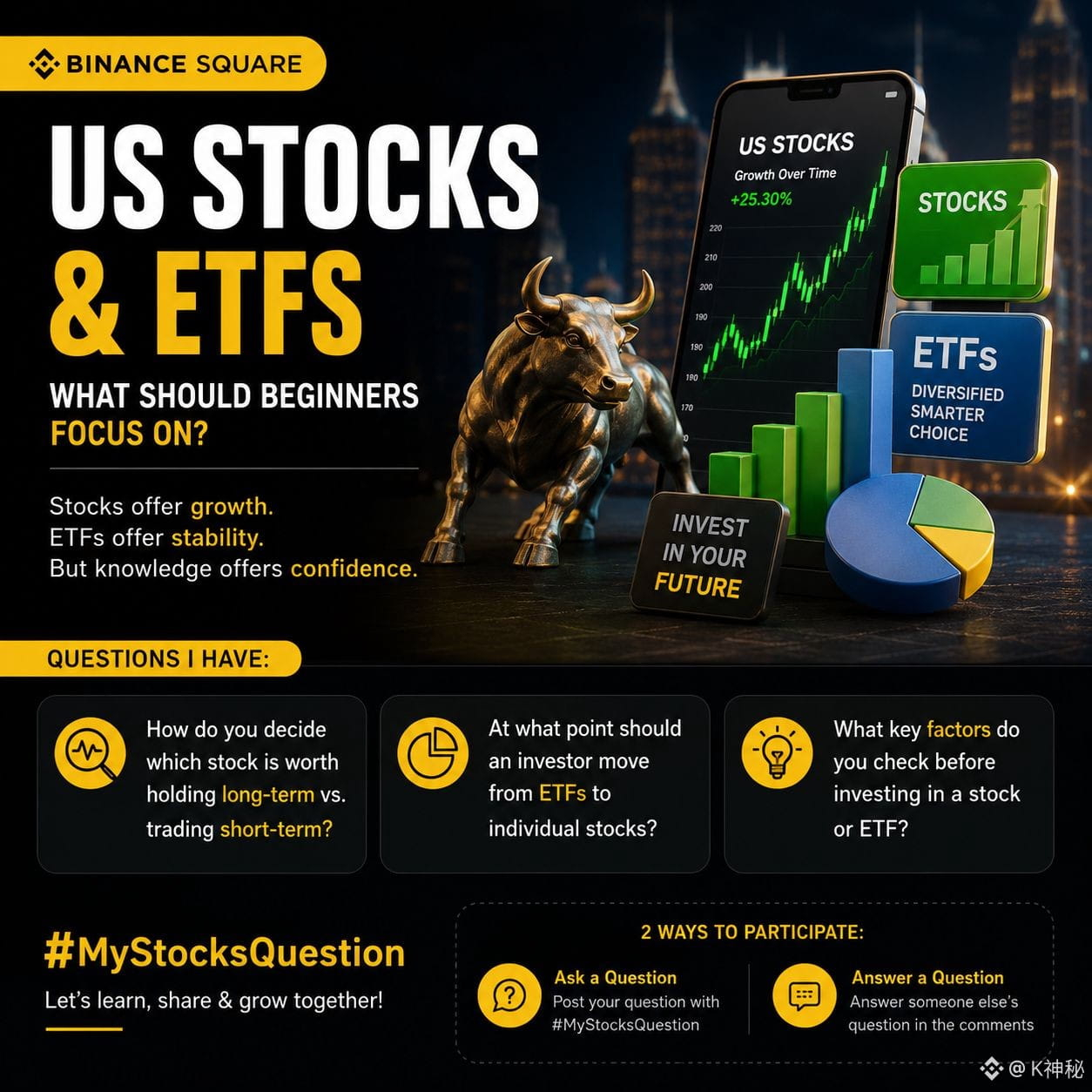
Ich bin schon eine Weile im Crypto-Bereich, aber kürzlich habe ich angefangen, mehr auf US-Aktien und ETFs zu achten, weil mir etwas klar geworden ist:
Im Crypto-Bereich bewegen Emotionen die Märkte schnell.
Bei Aktien scheinen Geduld und Konsistenz wichtiger zu sein.
Das hat meine Neugier auf eine Sache geweckt:
Wie entscheiden erfahrene Investoren, ob eine Aktie langfristig gehalten oder kurzfristig gehandelt werden sollte?
Zum Beispiel bleiben Unternehmen wie Apple, Nvidia oder Tesla immer im Gespräch. Manchmal pumpen sie wegen Hype, Gewinnen, KI-Erzählungen oder Nachrichtenzyklen. Aber wie trennt man vorübergehende Aufregung von tatsächlichem langfristigen Wert?
Ich versuche auch, ETFs besser zu verstehen.
Für Anfänger fühlen sich ETFs sicherer und weniger stressig an als die Auswahl einzelner Aktien, aber ich frage mich:
Ab wann wechselt ein Investor von ETFs zur Auswahl einzelner Aktien?
Ich würde wirklich gerne echte Erfahrungen von Leuten hören, die länger investieren als ich.
#MyStocksQuestion
Ich bin schon eine Weile im Crypto-Bereich, aber kürzlich habe ich angefangen, mehr auf US-Aktien und ETFs zu achten, weil mir etwas klar geworden ist:
Im Crypto-Bereich bewegen Emotionen die Märkte schnell.
Bei Aktien scheinen Geduld und Konsistenz wichtiger zu sein.
Das hat meine Neugier auf eine Sache geweckt:
Wie entscheiden erfahrene Investoren, ob eine Aktie langfristig gehalten oder kurzfristig gehandelt werden sollte?
Zum Beispiel bleiben Unternehmen wie Apple, Nvidia oder Tesla immer im Gespräch. Manchmal pumpen sie wegen Hype, Gewinnen, KI-Erzählungen oder Nachrichtenzyklen. Aber wie trennt man vorübergehende Aufregung von tatsächlichem langfristigen Wert?
Ich versuche auch, ETFs besser zu verstehen.
Für Anfänger fühlen sich ETFs sicherer und weniger stressig an als die Auswahl einzelner Aktien, aber ich frage mich:
Ab wann wechselt ein Investor von ETFs zur Auswahl einzelner Aktien?
Ich würde wirklich gerne echte Erfahrungen von Leuten hören, die länger investieren als ich.
#MyStocksQuestion
Im Crypto-Bereich bewegen Emotionen die Märkte schnell.
Bei Aktien scheinen Geduld und Konsistenz wichtiger zu sein.
Das hat meine Neugier auf eine Sache geweckt:
Wie entscheiden erfahrene Investoren, ob eine Aktie langfristig gehalten oder kurzfristig gehandelt werden sollte?
Zum Beispiel bleiben Unternehmen wie Apple, Nvidia oder Tesla immer im Gespräch. Manchmal pumpen sie wegen Hype, Gewinnen, KI-Erzählungen oder Nachrichtenzyklen. Aber wie trennt man vorübergehende Aufregung von tatsächlichem langfristigen Wert?
Ich versuche auch, ETFs besser zu verstehen.
Für Anfänger fühlen sich ETFs sicherer und weniger stressig an als die Auswahl einzelner Aktien, aber ich frage mich:
Ab wann wechselt ein Investor von ETFs zur Auswahl einzelner Aktien?
Ich würde wirklich gerne echte Erfahrungen von Leuten hören, die länger investieren als ich.
#MyStocksQuestion
3
16
277
·
--
Die meiste Zeit vermeide ich es normalerweise, meinen nicht-krypto Freunden zu erklären, was ich mit Krypto mache. Nicht, weil ich es nicht will, sondern weil ihre Augen nach dem zweiten Satz glasig werden. Wallets, Keys, Staking, Restaking, das alles klingt wie eine Fremdsprache. Ich habe diese Lücke als normal akzeptiert und meine zwei Welten getrennt gehalten.
Gestern hat sich das geändert. Ein enger Freund fragte mich, was ich eigentlich mit meinem Bitcoin mache, außer darauf zu warten, dass der Preis steigt. Eine einfache Frage, aber sie hat mich gestoppt. Ich erzählte ihm von Bedrock. Nicht die technischen Details, nur die Grundidee. Du hinterlegst Bitcoin, bekommst ein Receipt-Token, das Belohnungen verdient, und du kannst dieses Token auch an anderen Orten verwenden. Er nickte. Dann stellte er die Frage, die bewies, dass er es verstand: "Also ist es wie ein Festgeld, das dir trotzdem erlaubt, das Geld auszugeben?" Genau.
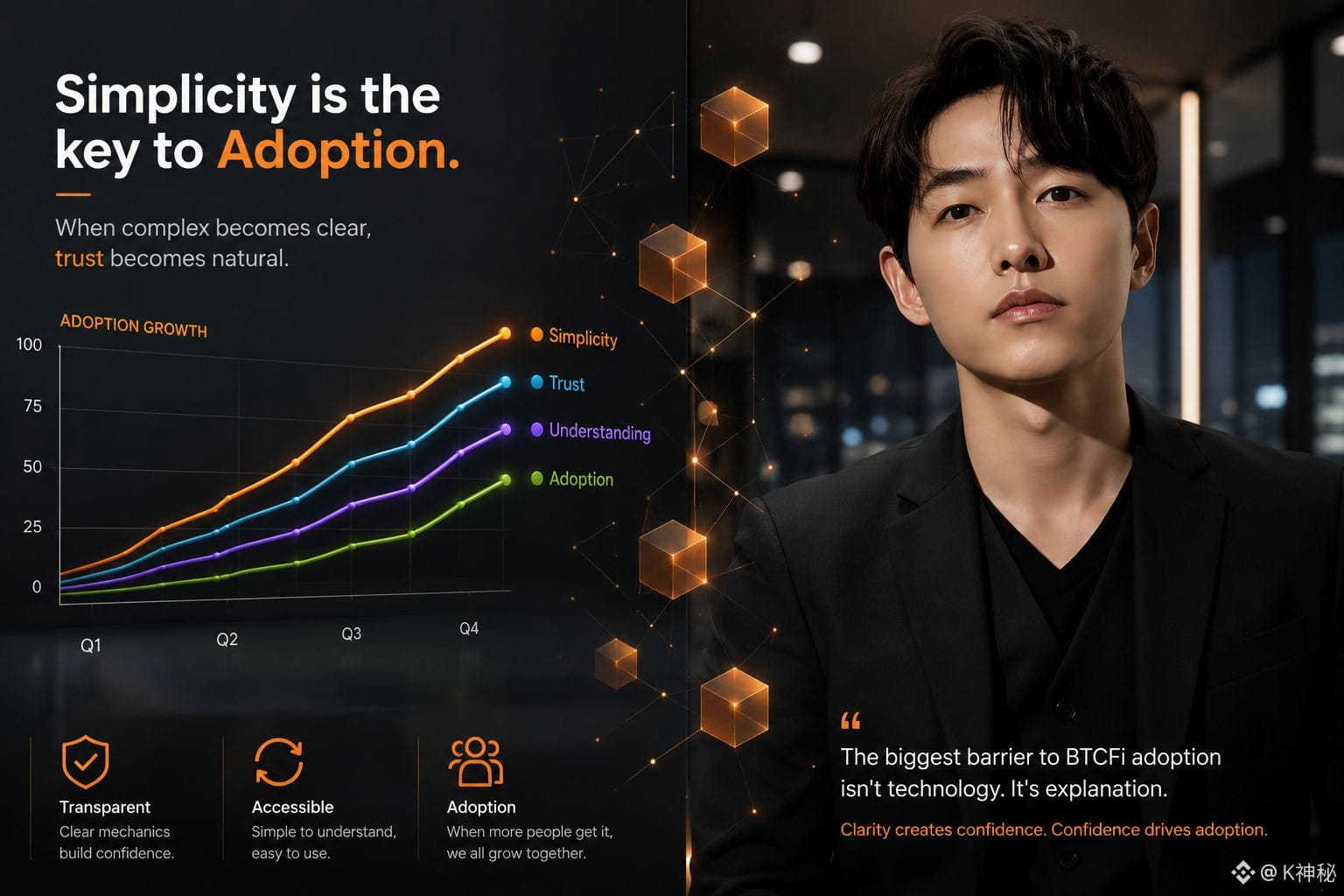
Dieser Moment ließ mich etwas Wichtiges erkennen. Die größte Barriere für die BTCFi-Adoption ist nicht die Technologie. Es ist die Erklärung. Die meisten Menschen müssen Validatoren oder Slashing-Bedingungen nicht verstehen. Sie brauchen einen einfachen, ehrlichen Grund, um ihr Vermögen einem Protokoll anzuvertrauen. Das liquide Restaking-Modell von Bedrock eignet sich natürlich für diese Einfachheit. uniBTC und uniETH sind intuitive Konzepte, wenn man den Jargon beiseite lässt.
Ich sage nicht, dass wir alles vereinfachen sollten. Aber es gibt einen Unterschied zwischen Vereinfachen und Klären. Bedrock klärt, was früher verwirrend war. Mein Freund wurde nach unserem Gespräch kein DeFi-Experte. Aber er verstand genug, um zu fragen, wo er mehr lernen könnte. So beginnt die Adoption. Nicht mit großen Marketingkampagnen, sondern mit einer klaren Erklärung, die jemanden fühlen lässt, dass dies für ihn ist, nicht nur für Tech-Insider.
Für mich war dieses Gespräch eine Erinnerung. Die Protokolle, die langfristig gewinnen werden, sind die, die Menschen ihren Freunden bei einer Tasse Kaffee erklären können. Bedrock hat diesen Test gestern bestanden. Und ehrlich gesagt, ich hätte nicht erwartet, dass es so ist.
@Bedrock #bedrock #Bedrock $BR
Die meiste Zeit vermeide ich es normalerweise, meinen nicht-krypto Freunden zu erklären, was ich mit Krypto mache. Nicht, weil ich es nicht will, sondern weil ihre Augen nach dem zweiten Satz glasig werden. Wallets, Keys, Staking, Restaking, das alles klingt wie eine Fremdsprache. Ich habe diese Lücke als normal akzeptiert und meine zwei Welten getrennt gehalten.
Gestern hat sich das geändert. Ein enger Freund fragte mich, was ich eigentlich mit meinem Bitcoin mache, außer darauf zu warten, dass der Preis steigt. Eine einfache Frage, aber sie hat mich gestoppt. Ich erzählte ihm von Bedrock. Nicht die technischen Details, nur die Grundidee. Du hinterlegst Bitcoin, bekommst ein Receipt-Token, das Belohnungen verdient, und du kannst dieses Token auch an anderen Orten verwenden. Er nickte. Dann stellte er die Frage, die bewies, dass er es verstand: "Also ist es wie ein Festgeld, das dir trotzdem erlaubt, das Geld auszugeben?" Genau.
Dieser Moment ließ mich etwas Wichtiges erkennen. Die größte Barriere für die BTCFi-Adoption ist nicht die Technologie. Es ist die Erklärung. Die meisten Menschen müssen Validatoren oder Slashing-Bedingungen nicht verstehen. Sie brauchen einen einfachen, ehrlichen Grund, um ihr Vermögen einem Protokoll anzuvertrauen. Das liquide Restaking-Modell von Bedrock eignet sich natürlich für diese Einfachheit. uniBTC und uniETH sind intuitive Konzepte, wenn man den Jargon beiseite lässt.
Ich sage nicht, dass wir alles vereinfachen sollten. Aber es gibt einen Unterschied zwischen Vereinfachen und Klären. Bedrock klärt, was früher verwirrend war. Mein Freund wurde nach unserem Gespräch kein DeFi-Experte. Aber er verstand genug, um zu fragen, wo er mehr lernen könnte. So beginnt die Adoption. Nicht mit großen Marketingkampagnen, sondern mit einer klaren Erklärung, die jemanden fühlen lässt, dass dies für ihn ist, nicht nur für Tech-Insider.
Für mich war dieses Gespräch eine Erinnerung. Die Protokolle, die langfristig gewinnen werden, sind die, die Menschen ihren Freunden bei einer Tasse Kaffee erklären können. Bedrock hat diesen Test gestern bestanden. Und ehrlich gesagt, ich hätte nicht erwartet, dass es so ist.
@Bedrock #bedrock #Bedrock $BR
Gestern hat sich das geändert. Ein enger Freund fragte mich, was ich eigentlich mit meinem Bitcoin mache, außer darauf zu warten, dass der Preis steigt. Eine einfache Frage, aber sie hat mich gestoppt. Ich erzählte ihm von Bedrock. Nicht die technischen Details, nur die Grundidee. Du hinterlegst Bitcoin, bekommst ein Receipt-Token, das Belohnungen verdient, und du kannst dieses Token auch an anderen Orten verwenden. Er nickte. Dann stellte er die Frage, die bewies, dass er es verstand: "Also ist es wie ein Festgeld, das dir trotzdem erlaubt, das Geld auszugeben?" Genau.
Dieser Moment ließ mich etwas Wichtiges erkennen. Die größte Barriere für die BTCFi-Adoption ist nicht die Technologie. Es ist die Erklärung. Die meisten Menschen müssen Validatoren oder Slashing-Bedingungen nicht verstehen. Sie brauchen einen einfachen, ehrlichen Grund, um ihr Vermögen einem Protokoll anzuvertrauen. Das liquide Restaking-Modell von Bedrock eignet sich natürlich für diese Einfachheit. uniBTC und uniETH sind intuitive Konzepte, wenn man den Jargon beiseite lässt.
Ich sage nicht, dass wir alles vereinfachen sollten. Aber es gibt einen Unterschied zwischen Vereinfachen und Klären. Bedrock klärt, was früher verwirrend war. Mein Freund wurde nach unserem Gespräch kein DeFi-Experte. Aber er verstand genug, um zu fragen, wo er mehr lernen könnte. So beginnt die Adoption. Nicht mit großen Marketingkampagnen, sondern mit einer klaren Erklärung, die jemanden fühlen lässt, dass dies für ihn ist, nicht nur für Tech-Insider.
Für mich war dieses Gespräch eine Erinnerung. Die Protokolle, die langfristig gewinnen werden, sind die, die Menschen ihren Freunden bei einer Tasse Kaffee erklären können. Bedrock hat diesen Test gestern bestanden. Und ehrlich gesagt, ich hätte nicht erwartet, dass es so ist.
@Bedrock #bedrock #Bedrock $BR
107
47
972
·
--
Bullisch
Teilweise korrekt
Der Markt wartet nicht. Und die Gewinner auch nicht.
Während die meisten Leute schliefen oder scrollten, haben diese Tokens im Stillen die schwere Arbeit geleistet.
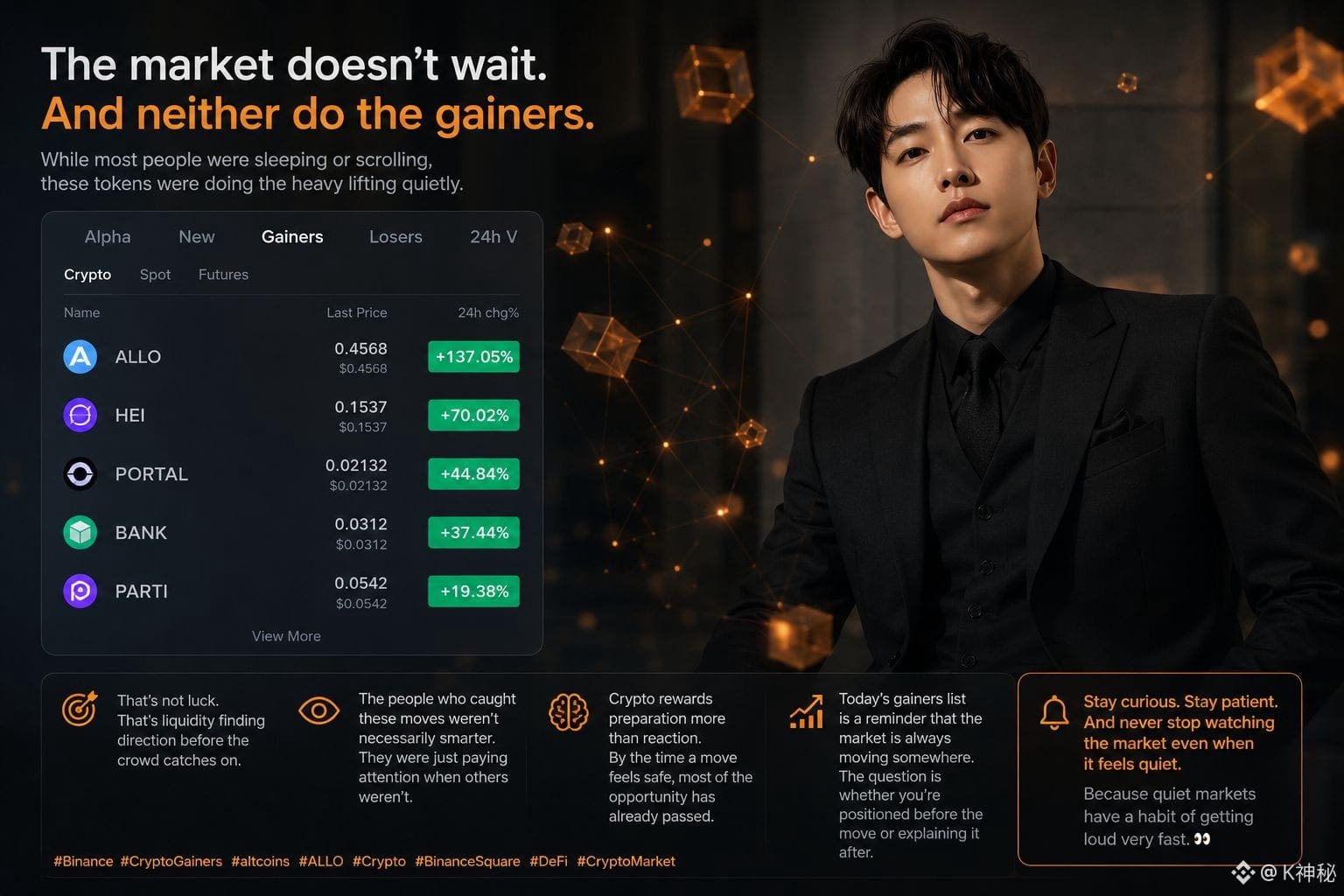
$ALLO up 137%. $HEI up 70%. $PORTAL up 44%. $BANK up 37%. $PARTI up 19%.
Das ist kein Glück. Das ist Liquidität, die Richtung findet, bevor die Menge es bemerkt.
Hier ist die Sache mit großen grünen Tagen: Sie fühlen sich im Moment selten offensichtlich an. Die Leute, die diese Bewegungen erfasst haben, waren nicht unbedingt schlauer. Sie haben einfach aufgepasst, als andere es nicht taten.
Krypto belohnt Vorbereitung mehr als Reaktion. Bis eine Bewegung sicher erscheint, ist die meiste Gelegenheit bereits vorbei. Der echte Vorteil liegt darin, zuzusehen, zu forschen und sich zu positionieren, bevor das Chart zu sprechen beginnt.
Die heutige Gewinnerliste erinnert daran, dass der Markt immer irgendwo in Bewegung ist. Die Frage ist, ob du dich vor der Bewegung positionierst oder sie danach erklärst.
Bleib neugierig. Bleib geduldig. Und höre niemals auf, den Markt zu beobachten, selbst wenn er ruhig erscheint.
Denn ruhige Märkte haben die Angewohnheit, sehr schnell laut zu werden. 👀🏷️
#Binance #CryptoGainers #altcoins #ALLO #Crypto #BinanceSquare #DeFi #CryptoMarket
Der Markt wartet nicht. Und die Gewinner auch nicht.
Während die meisten Leute schliefen oder scrollten, haben diese Tokens im Stillen die schwere Arbeit geleistet.
$ALLO up 137%. $HEI up 70%. $PORTAL up 44%. $BANK up 37%. $PARTI up 19%.
Das ist kein Glück. Das ist Liquidität, die Richtung findet, bevor die Menge es bemerkt.
Hier ist die Sache mit großen grünen Tagen: Sie fühlen sich im Moment selten offensichtlich an. Die Leute, die diese Bewegungen erfasst haben, waren nicht unbedingt schlauer. Sie haben einfach aufgepasst, als andere es nicht taten.
Krypto belohnt Vorbereitung mehr als Reaktion. Bis eine Bewegung sicher erscheint, ist die meiste Gelegenheit bereits vorbei. Der echte Vorteil liegt darin, zuzusehen, zu forschen und sich zu positionieren, bevor das Chart zu sprechen beginnt.
Die heutige Gewinnerliste erinnert daran, dass der Markt immer irgendwo in Bewegung ist. Die Frage ist, ob du dich vor der Bewegung positionierst oder sie danach erklärst.
Bleib neugierig. Bleib geduldig. Und höre niemals auf, den Markt zu beobachten, selbst wenn er ruhig erscheint.
Denn ruhige Märkte haben die Angewohnheit, sehr schnell laut zu werden. 👀🏷️
#Binance #CryptoGainers #altcoins #ALLO #Crypto #BinanceSquare #DeFi #CryptoMarket
Während die meisten Leute schliefen oder scrollten, haben diese Tokens im Stillen die schwere Arbeit geleistet.
$ALLO up 137%. $HEI up 70%. $PORTAL up 44%. $BANK up 37%. $PARTI up 19%.
Das ist kein Glück. Das ist Liquidität, die Richtung findet, bevor die Menge es bemerkt.
Hier ist die Sache mit großen grünen Tagen: Sie fühlen sich im Moment selten offensichtlich an. Die Leute, die diese Bewegungen erfasst haben, waren nicht unbedingt schlauer. Sie haben einfach aufgepasst, als andere es nicht taten.
Krypto belohnt Vorbereitung mehr als Reaktion. Bis eine Bewegung sicher erscheint, ist die meiste Gelegenheit bereits vorbei. Der echte Vorteil liegt darin, zuzusehen, zu forschen und sich zu positionieren, bevor das Chart zu sprechen beginnt.
Die heutige Gewinnerliste erinnert daran, dass der Markt immer irgendwo in Bewegung ist. Die Frage ist, ob du dich vor der Bewegung positionierst oder sie danach erklärst.
Bleib neugierig. Bleib geduldig. Und höre niemals auf, den Markt zu beobachten, selbst wenn er ruhig erscheint.
Denn ruhige Märkte haben die Angewohnheit, sehr schnell laut zu werden. 👀🏷️
#Binance #CryptoGainers #altcoins #ALLO #Crypto #BinanceSquare #DeFi #CryptoMarket
5
22
650
·
--
Verifiziert
Die meiste Zeit überspringe ich normalerweise den Sicherheitsbereich eines jeden Krypto-Projekts. Nicht, weil es mir egal ist, sondern weil jedes Protokoll dasselbe sagt. Geprüft, sicher, vertrauenswürdig. Die Worte verschwimmen, bis sie ihre Bedeutung verlieren. Nach einer Weile nicke ich einfach und hoffe auf das Beste.@Bedrock
Aber als ich anfing, tiefer in Bedrock einzutauchen, fiel mir etwas auf. Dies ist ein Protokoll, das mit liquid Restaking für Bitcoin und Ethereum umgeht. Wir sprechen hier nicht von Meme-Coins. Wir reden über Vermögenswerte, die Menschen jahrelang halten, manchmal ihre gesamten Ersparnisse. Wenn die Sicherheit nicht real ist, spielt alles andere keine Rolle. Die Renditen, der Multi-Chain-Zugang, die Governance, das bedeutet alles nichts, wenn das Fundament schwach ist. #Bedrock
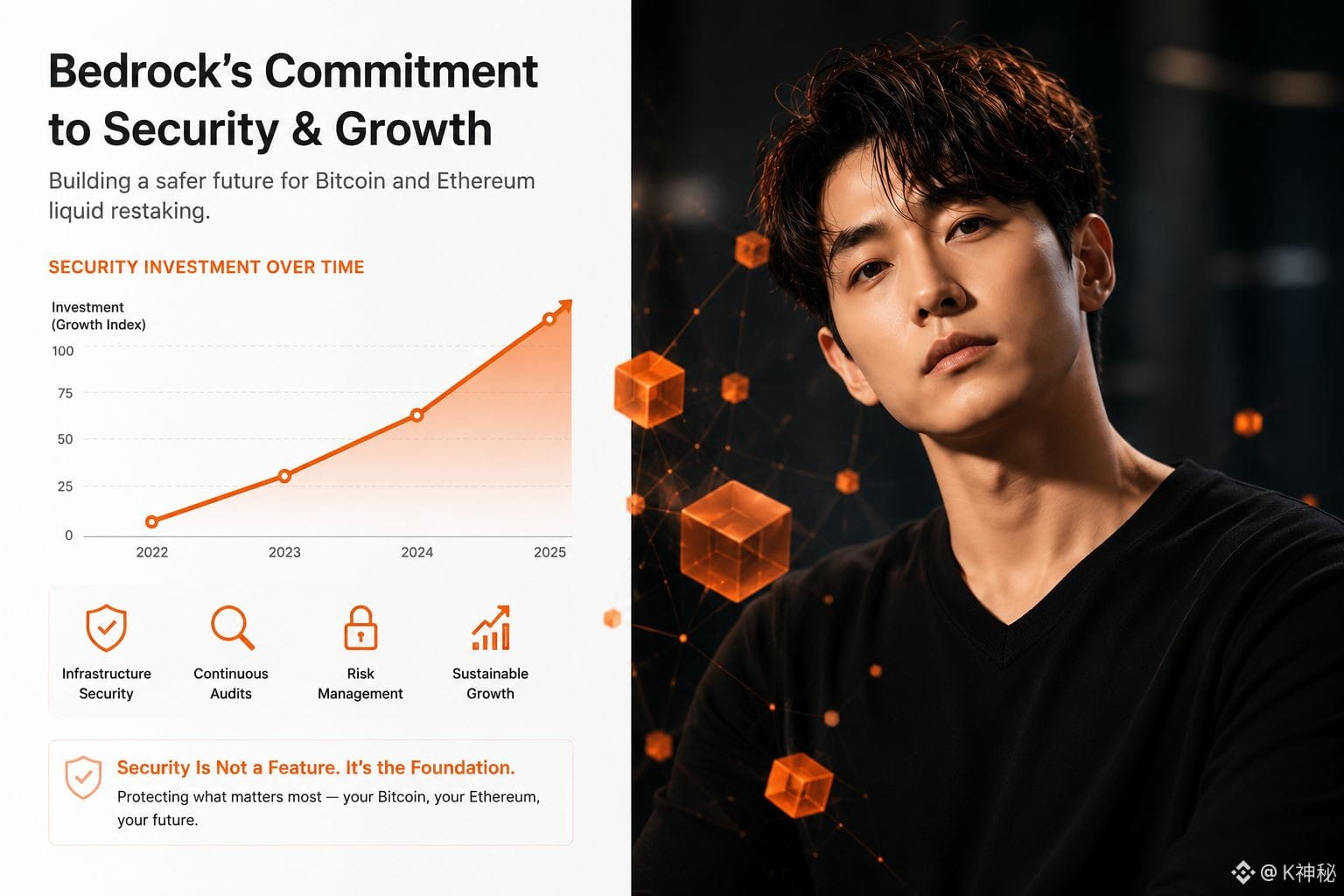
Was mir an Bedrock aufgefallen ist, ist, dass sie stillschweigend in die Sicherheit der Infrastruktur und das Wachstum investieren. Nicht nur Prüfungen zum Schein, sondern tatsächliche Infrastrukturverbesserungen, die darauf ausgelegt sind, Bitcoin-gestützte Produkte zu schützen. In einem Bereich, in dem wöchentlich Hacks passieren und Milliarden über Nacht verschwinden, ist ein Protokoll, das die Sicherheit vor dem Marketing priorisiert, selten. Die meisten Projekte machen das Gegenteil. Sie vermarkten zuerst und stopfen später die Löcher.$BR
Das ist mir persönlich wichtig, weil ich schon einmal auf die Nase gefallen bin. Nicht durch Bedrock, sondern durch andere Protokolle, die groß geredet und schnell zusammengebrochen sind. Diese Erfahrung hat verändert, wie ich Projekte bewerte. Jetzt suche ich nach Teams, die weniger reden und mehr bauen. Teams, die Sicherheit als einen kontinuierlichen Prozess betrachten, nicht als ein einmaliges Prüfungs-Häkchen.
Bedrocks Ansatz zur Bitcoin-Integration ist besonders bemerkenswert. Bitcoin wurde nie für DeFi entwickelt. Es zu verbinden, einzuwickeln, zu staken, führt zu Komplexität. Komplexität schafft Risiko. Die Tatsache, dass Bedrock echte Anstrengungen unternimmt, um dies sicher zu gestalten, sagt mir, dass sie verstehen, was auf dem Spiel steht.#bedrock
Für mich war der Denkwechsel einfach. Ich hörte auf zu fragen, was ein Protokoll für mich tun kann, und begann zu fragen, wie es schützt, was ich bereits habe. Bedrock beantwortet diese zweite Frage besser als die meisten. Und in diesem Markt zählt das mehr als jede Renditezahl.
Die meiste Zeit überspringe ich normalerweise den Sicherheitsbereich eines jeden Krypto-Projekts. Nicht, weil es mir egal ist, sondern weil jedes Protokoll dasselbe sagt. Geprüft, sicher, vertrauenswürdig. Die Worte verschwimmen, bis sie ihre Bedeutung verlieren. Nach einer Weile nicke ich einfach und hoffe auf das Beste.@Bedrock
Aber als ich anfing, tiefer in Bedrock einzutauchen, fiel mir etwas auf. Dies ist ein Protokoll, das mit liquid Restaking für Bitcoin und Ethereum umgeht. Wir sprechen hier nicht von Meme-Coins. Wir reden über Vermögenswerte, die Menschen jahrelang halten, manchmal ihre gesamten Ersparnisse. Wenn die Sicherheit nicht real ist, spielt alles andere keine Rolle. Die Renditen, der Multi-Chain-Zugang, die Governance, das bedeutet alles nichts, wenn das Fundament schwach ist. #Bedrock
Was mir an Bedrock aufgefallen ist, ist, dass sie stillschweigend in die Sicherheit der Infrastruktur und das Wachstum investieren. Nicht nur Prüfungen zum Schein, sondern tatsächliche Infrastrukturverbesserungen, die darauf ausgelegt sind, Bitcoin-gestützte Produkte zu schützen. In einem Bereich, in dem wöchentlich Hacks passieren und Milliarden über Nacht verschwinden, ist ein Protokoll, das die Sicherheit vor dem Marketing priorisiert, selten. Die meisten Projekte machen das Gegenteil. Sie vermarkten zuerst und stopfen später die Löcher.$BR
Das ist mir persönlich wichtig, weil ich schon einmal auf die Nase gefallen bin. Nicht durch Bedrock, sondern durch andere Protokolle, die groß geredet und schnell zusammengebrochen sind. Diese Erfahrung hat verändert, wie ich Projekte bewerte. Jetzt suche ich nach Teams, die weniger reden und mehr bauen. Teams, die Sicherheit als einen kontinuierlichen Prozess betrachten, nicht als ein einmaliges Prüfungs-Häkchen.
Bedrocks Ansatz zur Bitcoin-Integration ist besonders bemerkenswert. Bitcoin wurde nie für DeFi entwickelt. Es zu verbinden, einzuwickeln, zu staken, führt zu Komplexität. Komplexität schafft Risiko. Die Tatsache, dass Bedrock echte Anstrengungen unternimmt, um dies sicher zu gestalten, sagt mir, dass sie verstehen, was auf dem Spiel steht.#bedrock
Für mich war der Denkwechsel einfach. Ich hörte auf zu fragen, was ein Protokoll für mich tun kann, und begann zu fragen, wie es schützt, was ich bereits habe. Bedrock beantwortet diese zweite Frage besser als die meisten. Und in diesem Markt zählt das mehr als jede Renditezahl.
Aber als ich anfing, tiefer in Bedrock einzutauchen, fiel mir etwas auf. Dies ist ein Protokoll, das mit liquid Restaking für Bitcoin und Ethereum umgeht. Wir sprechen hier nicht von Meme-Coins. Wir reden über Vermögenswerte, die Menschen jahrelang halten, manchmal ihre gesamten Ersparnisse. Wenn die Sicherheit nicht real ist, spielt alles andere keine Rolle. Die Renditen, der Multi-Chain-Zugang, die Governance, das bedeutet alles nichts, wenn das Fundament schwach ist. #Bedrock
Was mir an Bedrock aufgefallen ist, ist, dass sie stillschweigend in die Sicherheit der Infrastruktur und das Wachstum investieren. Nicht nur Prüfungen zum Schein, sondern tatsächliche Infrastrukturverbesserungen, die darauf ausgelegt sind, Bitcoin-gestützte Produkte zu schützen. In einem Bereich, in dem wöchentlich Hacks passieren und Milliarden über Nacht verschwinden, ist ein Protokoll, das die Sicherheit vor dem Marketing priorisiert, selten. Die meisten Projekte machen das Gegenteil. Sie vermarkten zuerst und stopfen später die Löcher.$BR
Das ist mir persönlich wichtig, weil ich schon einmal auf die Nase gefallen bin. Nicht durch Bedrock, sondern durch andere Protokolle, die groß geredet und schnell zusammengebrochen sind. Diese Erfahrung hat verändert, wie ich Projekte bewerte. Jetzt suche ich nach Teams, die weniger reden und mehr bauen. Teams, die Sicherheit als einen kontinuierlichen Prozess betrachten, nicht als ein einmaliges Prüfungs-Häkchen.
Bedrocks Ansatz zur Bitcoin-Integration ist besonders bemerkenswert. Bitcoin wurde nie für DeFi entwickelt. Es zu verbinden, einzuwickeln, zu staken, führt zu Komplexität. Komplexität schafft Risiko. Die Tatsache, dass Bedrock echte Anstrengungen unternimmt, um dies sicher zu gestalten, sagt mir, dass sie verstehen, was auf dem Spiel steht.#bedrock
Für mich war der Denkwechsel einfach. Ich hörte auf zu fragen, was ein Protokoll für mich tun kann, und begann zu fragen, wie es schützt, was ich bereits habe. Bedrock beantwortet diese zweite Frage besser als die meisten. Und in diesem Markt zählt das mehr als jede Renditezahl.
87
50
1k
·
--
Bullisch
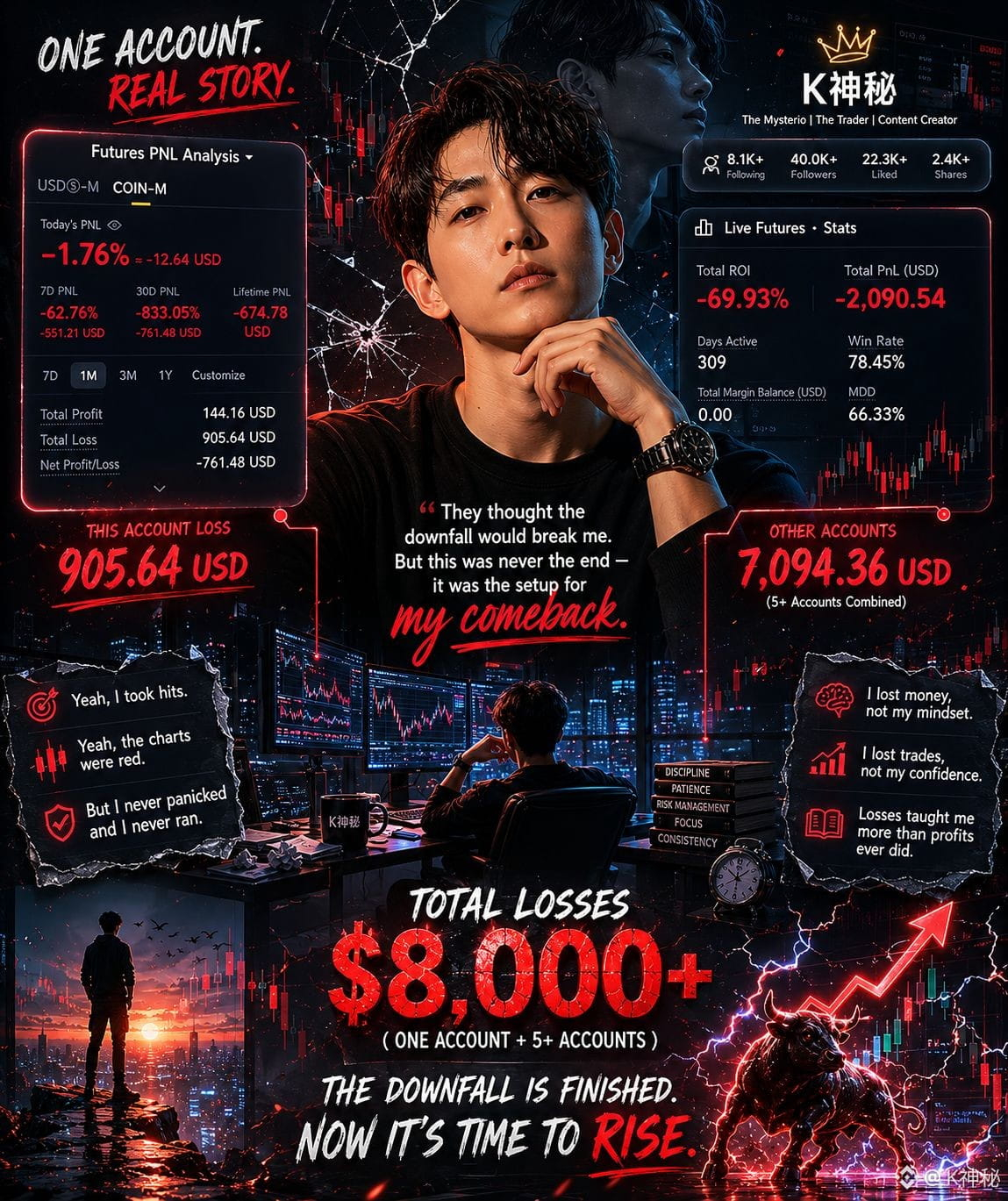
Sie dachten, der Rückschlag würde mich brechen.
Aber das war nie das Ende – es war das Setup für mein Comeback.
Verluste haben mir mehr beigebracht als Gewinne je konnten.
Ich blieb im Spiel, während andere aufgegeben haben.
Keine Angst. Kein Aufgeben. Keine Ausreden.😎
Einige Leute verschwinden nach Verlusten.
Ich wurde durch sie stärker.
Ja, ich habe Schläge einstecken müssen.
Ja, die Candlesticks/Velas waren rot.
Aber ich habe nie panisch reagiert und bin nie weggelaufen.
Das ist nicht mein Ende.
Das ist der Beginn meiner Comeback-Geschichte.
Der Rückschlag ist vorbei.
Jetzt ist es Zeit zu steigen. 🚀😉
Jede erfolgreiche Person hat ein schmerzhaftes Kapitel.
Das war meins.
Ich habe Geld verloren, nicht meine Denkweise.
Ich habe Trades verloren, nicht mein Selbstvertrauen.
Das Comeback wird lauter sein als der Rückschlag. 🔥😏
Sie dachten, der Rückschlag würde mich brechen.
Aber das war nie das Ende – es war das Setup für mein Comeback.
Verluste haben mir mehr beigebracht als Gewinne je konnten.
Ich blieb im Spiel, während andere aufgegeben haben.
Keine Angst. Kein Aufgeben. Keine Ausreden.😎
Einige Leute verschwinden nach Verlusten.
Ich wurde durch sie stärker.
Ja, ich habe Schläge einstecken müssen.
Ja, die Candlesticks/Velas waren rot.
Aber ich habe nie panisch reagiert und bin nie weggelaufen.
Das ist nicht mein Ende.
Das ist der Beginn meiner Comeback-Geschichte.
Der Rückschlag ist vorbei.
Jetzt ist es Zeit zu steigen. 🚀😉
Jede erfolgreiche Person hat ein schmerzhaftes Kapitel.
Das war meins.
Ich habe Geld verloren, nicht meine Denkweise.
Ich habe Trades verloren, nicht mein Selbstvertrauen.
Das Comeback wird lauter sein als der Rückschlag. 🔥😏
Aber das war nie das Ende – es war das Setup für mein Comeback.
Verluste haben mir mehr beigebracht als Gewinne je konnten.
Ich blieb im Spiel, während andere aufgegeben haben.
Keine Angst. Kein Aufgeben. Keine Ausreden.😎
Einige Leute verschwinden nach Verlusten.
Ich wurde durch sie stärker.
Ja, ich habe Schläge einstecken müssen.
Ja, die Candlesticks/Velas waren rot.
Aber ich habe nie panisch reagiert und bin nie weggelaufen.
Das ist nicht mein Ende.
Das ist der Beginn meiner Comeback-Geschichte.
Der Rückschlag ist vorbei.
Jetzt ist es Zeit zu steigen. 🚀😉
Jede erfolgreiche Person hat ein schmerzhaftes Kapitel.
Das war meins.
Ich habe Geld verloren, nicht meine Denkweise.
Ich habe Trades verloren, nicht mein Selbstvertrauen.
Das Comeback wird lauter sein als der Rückschlag. 🔥😏
9
24
644
·
--
Genius Terminal fühlt sich an wie für Trader entworfen, die Wert auf Sicherheit und intelligente Ausführung legen.
Früher hatte ich jedes Mal, wenn ich tradete, fünf verschiedene Tabs offen. Einen für Charting. Einen für Swaps. Einen für Preisüberprüfungen. Einen für die Brücke. Einen, der einfach nur da saß und mich nervös machte.
Ein Freund von mir, der ernsthaft tradet, hat mir einmal gesagt – "wenn dein Setup kompliziert wirkt, verlierst du schon, bevor der Trade beginnt."
Das ist bei mir hängen geblieben.
Dann begann ich, Genius Terminal zu nutzen. Alles, was ich über fünf Tabs gemacht habe, fiel einfach... an einem Ort zusammen. Spot-Trading, Perpetuals, Cross-Chain Swaps – kein manuelles Bridging, kein Wallet-Wechsel, keine Gas-Token-Kopfschmerzen.
Aber was mich wirklich umgehauen hat, waren die Ghost Orders.
Die meisten Leute denken nicht darüber nach. Jeder Trade, den du on-chain machst, ist sichtbar. Bots sehen es. Große Spieler sehen es. Deine gesamte Strategie ist standardmäßig öffentlich. Ghost Orders verteilt deine Ausführung über mehrere Wallets, sodass niemand es zu dir zurückverfolgen kann. Dein Trade wird ausgeführt. Deine Strategie bleibt privat.
Das ist kein Gimmick. Für jeden, der in echt großen Größen tradet, ist das wirklich wichtig.
Die Plattform hat bereits ernsthafte Handelsvolumen-Meilensteine überschritten. Mehrere Sicherheitsprüfungen wurden durchgeführt. Non-Custodial durchgehend – deine Schlüssel bleiben immer deine.
Was ich am meisten respektiere, ist, dass es sich nicht so anfühlt, als wäre es für Gelegenheitsnutzer gebaut, die versuchen, anspruchsvoll auszusehen. Es fühlt sich an, als wäre es für Leute gebaut, die tatsächlich traden und es satt haben, mit Reibungen zu kämpfen.
Manchmal ist das beste Produkt einfach das, das die Probleme beseitigt, die man nicht mehr bemerkt hat, weil man sich daran gewöhnt hat.
Genius Terminal hat einige meiner Probleme beseitigt.
@GeniusOfficial $GENIUS #genius
Genius Terminal fühlt sich an wie für Trader entworfen, die Wert auf Sicherheit und intelligente Ausführung legen.
Früher hatte ich jedes Mal, wenn ich tradete, fünf verschiedene Tabs offen. Einen für Charting. Einen für Swaps. Einen für Preisüberprüfungen. Einen für die Brücke. Einen, der einfach nur da saß und mich nervös machte.
Ein Freund von mir, der ernsthaft tradet, hat mir einmal gesagt – "wenn dein Setup kompliziert wirkt, verlierst du schon, bevor der Trade beginnt."
Das ist bei mir hängen geblieben.
Dann begann ich, Genius Terminal zu nutzen. Alles, was ich über fünf Tabs gemacht habe, fiel einfach... an einem Ort zusammen. Spot-Trading, Perpetuals, Cross-Chain Swaps – kein manuelles Bridging, kein Wallet-Wechsel, keine Gas-Token-Kopfschmerzen.
Aber was mich wirklich umgehauen hat, waren die Ghost Orders.
Die meisten Leute denken nicht darüber nach. Jeder Trade, den du on-chain machst, ist sichtbar. Bots sehen es. Große Spieler sehen es. Deine gesamte Strategie ist standardmäßig öffentlich. Ghost Orders verteilt deine Ausführung über mehrere Wallets, sodass niemand es zu dir zurückverfolgen kann. Dein Trade wird ausgeführt. Deine Strategie bleibt privat.
Das ist kein Gimmick. Für jeden, der in echt großen Größen tradet, ist das wirklich wichtig.
Die Plattform hat bereits ernsthafte Handelsvolumen-Meilensteine überschritten. Mehrere Sicherheitsprüfungen wurden durchgeführt. Non-Custodial durchgehend – deine Schlüssel bleiben immer deine.
Was ich am meisten respektiere, ist, dass es sich nicht so anfühlt, als wäre es für Gelegenheitsnutzer gebaut, die versuchen, anspruchsvoll auszusehen. Es fühlt sich an, als wäre es für Leute gebaut, die tatsächlich traden und es satt haben, mit Reibungen zu kämpfen.
Manchmal ist das beste Produkt einfach das, das die Probleme beseitigt, die man nicht mehr bemerkt hat, weil man sich daran gewöhnt hat.
Genius Terminal hat einige meiner Probleme beseitigt.
@GeniusOfficial $GENIUS #genius
Früher hatte ich jedes Mal, wenn ich tradete, fünf verschiedene Tabs offen. Einen für Charting. Einen für Swaps. Einen für Preisüberprüfungen. Einen für die Brücke. Einen, der einfach nur da saß und mich nervös machte.
Ein Freund von mir, der ernsthaft tradet, hat mir einmal gesagt – "wenn dein Setup kompliziert wirkt, verlierst du schon, bevor der Trade beginnt."
Das ist bei mir hängen geblieben.
Dann begann ich, Genius Terminal zu nutzen. Alles, was ich über fünf Tabs gemacht habe, fiel einfach... an einem Ort zusammen. Spot-Trading, Perpetuals, Cross-Chain Swaps – kein manuelles Bridging, kein Wallet-Wechsel, keine Gas-Token-Kopfschmerzen.
Aber was mich wirklich umgehauen hat, waren die Ghost Orders.
Die meisten Leute denken nicht darüber nach. Jeder Trade, den du on-chain machst, ist sichtbar. Bots sehen es. Große Spieler sehen es. Deine gesamte Strategie ist standardmäßig öffentlich. Ghost Orders verteilt deine Ausführung über mehrere Wallets, sodass niemand es zu dir zurückverfolgen kann. Dein Trade wird ausgeführt. Deine Strategie bleibt privat.
Das ist kein Gimmick. Für jeden, der in echt großen Größen tradet, ist das wirklich wichtig.
Die Plattform hat bereits ernsthafte Handelsvolumen-Meilensteine überschritten. Mehrere Sicherheitsprüfungen wurden durchgeführt. Non-Custodial durchgehend – deine Schlüssel bleiben immer deine.
Was ich am meisten respektiere, ist, dass es sich nicht so anfühlt, als wäre es für Gelegenheitsnutzer gebaut, die versuchen, anspruchsvoll auszusehen. Es fühlt sich an, als wäre es für Leute gebaut, die tatsächlich traden und es satt haben, mit Reibungen zu kämpfen.
Manchmal ist das beste Produkt einfach das, das die Probleme beseitigt, die man nicht mehr bemerkt hat, weil man sich daran gewöhnt hat.
Genius Terminal hat einige meiner Probleme beseitigt.
@GeniusOfficial $GENIUS #genius
13
17
429
·
--
Was ich denke, was KI-Agenten noch brauchen, bevor sie wirklich angenommen werden
Ich habe letzten Monat einem KI-Agenten Zugang zu meinen Arbeitsaufgaben gegeben. Dachte, das würde mir Stunden sparen.
Das tat es nicht.
Es traf selbstbewusste Entscheidungen basierend auf Informationen, die veraltet, unbestätigt und ehrlich gesagt einfach falsch waren. Zögerte nicht einmal. Handelte, als wüsste es genau, was es tat. Die Aufräumarbeiten dauerten länger, als wenn ich die Arbeit selbst erledigt hätte.
Diese Erfahrung ließ mich nachdenken. Wir drängen Agenten in echte Verantwortlichkeiten, bevor wir das, was unter ihnen liegt, beheben. Jeder ist begeistert davon, was Agenten tun können. Niemand fragt sich, ob die Daten, die sie speisen, tatsächlich vertrauenswürdig sind.
Das ist genau die Lücke, die OpenLedger schließt. Ihre Plattform verfolgt, woher die Daten kommen, wer sie beigetragen hat und wie sie das Verhalten von KI beeinflussen. Jede Entscheidung, die ein Agent trifft, hinterlässt eine überprüfbare Spur. Nichts verborgen. Nichts angenommen.
Die meisten KI-Agenten heute laufen mit Daten, die niemand kuratiert hat. Niemand hat sie verifiziert. Niemand hat Verantwortung dafür übernommen. Dann sind wir überrascht, wenn sie bei echten Aufgaben versagen.
Echte Akzeptanz wird nicht von leistungsstärkeren Agenten kommen. Sie wird von vertrauenswürdigen kommen. Agenten, die beweisen können, was sie wissen und wo sie es gelernt haben.
Das ist es, was OpenLedger still und leise aufbaut. Keine Schlagzeilen. Nur Fundament.
Und im Moment ist das Fundament alles.
@Openledger #OpenLedger $OPEN
Was ich denke, was KI-Agenten noch brauchen, bevor sie wirklich angenommen werden
Ich habe letzten Monat einem KI-Agenten Zugang zu meinen Arbeitsaufgaben gegeben. Dachte, das würde mir Stunden sparen.
Das tat es nicht.
Es traf selbstbewusste Entscheidungen basierend auf Informationen, die veraltet, unbestätigt und ehrlich gesagt einfach falsch waren. Zögerte nicht einmal. Handelte, als wüsste es genau, was es tat. Die Aufräumarbeiten dauerten länger, als wenn ich die Arbeit selbst erledigt hätte.
Diese Erfahrung ließ mich nachdenken. Wir drängen Agenten in echte Verantwortlichkeiten, bevor wir das, was unter ihnen liegt, beheben. Jeder ist begeistert davon, was Agenten tun können. Niemand fragt sich, ob die Daten, die sie speisen, tatsächlich vertrauenswürdig sind.
Das ist genau die Lücke, die OpenLedger schließt. Ihre Plattform verfolgt, woher die Daten kommen, wer sie beigetragen hat und wie sie das Verhalten von KI beeinflussen. Jede Entscheidung, die ein Agent trifft, hinterlässt eine überprüfbare Spur. Nichts verborgen. Nichts angenommen.
Die meisten KI-Agenten heute laufen mit Daten, die niemand kuratiert hat. Niemand hat sie verifiziert. Niemand hat Verantwortung dafür übernommen. Dann sind wir überrascht, wenn sie bei echten Aufgaben versagen.
Echte Akzeptanz wird nicht von leistungsstärkeren Agenten kommen. Sie wird von vertrauenswürdigen kommen. Agenten, die beweisen können, was sie wissen und wo sie es gelernt haben.
Das ist es, was OpenLedger still und leise aufbaut. Keine Schlagzeilen. Nur Fundament.
Und im Moment ist das Fundament alles.
@OpenLedger #OpenLedger $OPEN
Ich habe letzten Monat einem KI-Agenten Zugang zu meinen Arbeitsaufgaben gegeben. Dachte, das würde mir Stunden sparen.
Das tat es nicht.
Es traf selbstbewusste Entscheidungen basierend auf Informationen, die veraltet, unbestätigt und ehrlich gesagt einfach falsch waren. Zögerte nicht einmal. Handelte, als wüsste es genau, was es tat. Die Aufräumarbeiten dauerten länger, als wenn ich die Arbeit selbst erledigt hätte.
Diese Erfahrung ließ mich nachdenken. Wir drängen Agenten in echte Verantwortlichkeiten, bevor wir das, was unter ihnen liegt, beheben. Jeder ist begeistert davon, was Agenten tun können. Niemand fragt sich, ob die Daten, die sie speisen, tatsächlich vertrauenswürdig sind.
Das ist genau die Lücke, die OpenLedger schließt. Ihre Plattform verfolgt, woher die Daten kommen, wer sie beigetragen hat und wie sie das Verhalten von KI beeinflussen. Jede Entscheidung, die ein Agent trifft, hinterlässt eine überprüfbare Spur. Nichts verborgen. Nichts angenommen.
Die meisten KI-Agenten heute laufen mit Daten, die niemand kuratiert hat. Niemand hat sie verifiziert. Niemand hat Verantwortung dafür übernommen. Dann sind wir überrascht, wenn sie bei echten Aufgaben versagen.
Echte Akzeptanz wird nicht von leistungsstärkeren Agenten kommen. Sie wird von vertrauenswürdigen kommen. Agenten, die beweisen können, was sie wissen und wo sie es gelernt haben.
Das ist es, was OpenLedger still und leise aufbaut. Keine Schlagzeilen. Nur Fundament.
Und im Moment ist das Fundament alles.
@OpenLedger #OpenLedger $OPEN
6
10
160
·
--
Was macht den OpenLedger Ansatz für mich andersIch habe neulich darüber nachgedacht, wie oft ich schon den Spruch gehört habe: "Daten sind das neue Öl." Es ist mittlerweile ein Klischee, aber da steckt eine bittere Wahrheit dahinter. Unternehmen haben jahrelang unsere Daten extrahiert, sie in KI-Modelle verfeinert und uns diese Modelle wieder verkauft. Meistens habe ich das als Preis für die Nutzung des Internets akzeptiert. Doch in letzter Zeit hat diese Akzeptanz angefangen zu bröckeln. Mir wurde klar, dass während meine Daten, meine Inhalte und sogar meine Verhaltensmuster monetarisiert wurden, ich keinen einzigen Tropfen dieser Liquidität zurückbekommen habe. Da begann ich, nach einem anderen Ansatz zu suchen, nicht nur nach einem weiteren Projekt, das vage Belohnungen verspricht, sondern nach einem grundlegenden Wandel, wer den Wert aus der KI-Wirtschaft freischaltet. Diese Suche hat mich zu OpenLedger geführt, und was es für mich anders macht, ist etwas, das ich nirgendwo sonst gesehen habe.
Was macht den OpenLedger Ansatz für mich anders
Ich habe neulich darüber nachgedacht, wie oft ich schon den Spruch gehört habe: "Daten sind das neue Öl." Es ist mittlerweile ein Klischee, aber da steckt eine bittere Wahrheit dahinter. Unternehmen haben jahrelang unsere Daten extrahiert, sie in KI-Modelle verfeinert und uns diese Modelle wieder verkauft. Meistens habe ich das als Preis für die Nutzung des Internets akzeptiert. Doch in letzter Zeit hat diese Akzeptanz angefangen zu bröckeln. Mir wurde klar, dass während meine Daten, meine Inhalte und sogar meine Verhaltensmuster monetarisiert wurden, ich keinen einzigen Tropfen dieser Liquidität zurückbekommen habe. Da begann ich, nach einem anderen Ansatz zu suchen, nicht nur nach einem weiteren Projekt, das vage Belohnungen verspricht, sondern nach einem grundlegenden Wandel, wer den Wert aus der KI-Wirtschaft freischaltet. Diese Suche hat mich zu OpenLedger geführt, und was es für mich anders macht, ist etwas, das ich nirgendwo sonst gesehen habe.
6
7
192
·
--
Warum ich letzte Woche fünf Trading-Tools gelöscht habe
Ich habe neulich darüber nachgedacht, wie viele Apps ich tatsächlich benutze, um on-chain zu traden. Die Anzahl hat mich überrascht. Eine Wallet, ein DEX-Aggregator, eine Charting-Plattform, ein Telegram-Bot für Alerts, ein Portfolio-Tracker und ein privates RPC, um Front-Running zu vermeiden. Sechs verschiedene Tools, nur um eine Sache zu tun: traden. Die meiste Zeit akzeptiere ich dieses Chaos als normal, weil es jeder andere auch tut.
Aber letzte Woche habe ich mich gefragt, warum. Warum brauche ich separate Tools für Forschung, Ausführung und Tracking? Warum ist Privatsphäre ein Zusatz, den ich manuell konfigurieren muss? Warum funktioniert nichts zusammen, ohne dass ich alles wie Puzzlestücke verbinde? Das war der Moment, als ich anfing, der Idee eines finalen Terminals Aufmerksamkeit zu schenken. Nicht nur ein weiteres Tool, das zum Haufen hinzugefügt wird, sondern ein Terminal, das sie alle ersetzt.
Genius Terminal baut genau das. Das erste private On-Chain-Terminal, das alles an einem Ort vereint. Forschung, Ausführung, Portfolio-Tracking und Privatsphäre von Anfang an integriert. Nicht Privatsphäre als Einstellung, die du nach der Einrichtung umschaltest, sondern Privatsphäre als Standard. Das bedeutet keine Metadaten-Leaks, keine Front-Running-Bots, die deine Bewegungen lesen, und kein Bedarf für ein separates privates RPC. Es funktioniert einfach still, während du dich auf deine Trading-Entscheidungen konzentrierst.
Meistens denke ich, dass eine Vereinfachung meines Setups bedeutet, Leistung zu opfern. Aber das fühlt sich wie das Gegenteil an. Das Entfernen von Unordnung hat meine Aufmerksamkeit geschärft. Anstatt zwischen Tabs zu springen, sehe ich, was ich in einer Ansicht brauche. Anstatt mir Sorgen zu machen, wer meine Wallet beobachtet, trade ich mit dem Vertrauen, dass meine Bewegungen nur meine sind.
Der Markt ist schon laut genug. Deine Tools sollten den Lärm reduzieren, nicht dazu beitragen. Das ist der Wechsel, den ich letzte Woche vollzogen habe, und ehrlich gesagt hätte ich das früher tun sollen. Das Konzept des finalen Terminals geht nicht darum, mehr Funktionen zu haben. Es geht darum, alles, was wichtig ist, in einem privaten Raum zu haben, damit du endlich einfach traden kannst.
@GeniusOfficial #genius $GENIUS
Warum ich letzte Woche fünf Trading-Tools gelöscht habe
Ich habe neulich darüber nachgedacht, wie viele Apps ich tatsächlich benutze, um on-chain zu traden. Die Anzahl hat mich überrascht. Eine Wallet, ein DEX-Aggregator, eine Charting-Plattform, ein Telegram-Bot für Alerts, ein Portfolio-Tracker und ein privates RPC, um Front-Running zu vermeiden. Sechs verschiedene Tools, nur um eine Sache zu tun: traden. Die meiste Zeit akzeptiere ich dieses Chaos als normal, weil es jeder andere auch tut.
Aber letzte Woche habe ich mich gefragt, warum. Warum brauche ich separate Tools für Forschung, Ausführung und Tracking? Warum ist Privatsphäre ein Zusatz, den ich manuell konfigurieren muss? Warum funktioniert nichts zusammen, ohne dass ich alles wie Puzzlestücke verbinde? Das war der Moment, als ich anfing, der Idee eines finalen Terminals Aufmerksamkeit zu schenken. Nicht nur ein weiteres Tool, das zum Haufen hinzugefügt wird, sondern ein Terminal, das sie alle ersetzt.
Genius Terminal baut genau das. Das erste private On-Chain-Terminal, das alles an einem Ort vereint. Forschung, Ausführung, Portfolio-Tracking und Privatsphäre von Anfang an integriert. Nicht Privatsphäre als Einstellung, die du nach der Einrichtung umschaltest, sondern Privatsphäre als Standard. Das bedeutet keine Metadaten-Leaks, keine Front-Running-Bots, die deine Bewegungen lesen, und kein Bedarf für ein separates privates RPC. Es funktioniert einfach still, während du dich auf deine Trading-Entscheidungen konzentrierst.
Meistens denke ich, dass eine Vereinfachung meines Setups bedeutet, Leistung zu opfern. Aber das fühlt sich wie das Gegenteil an. Das Entfernen von Unordnung hat meine Aufmerksamkeit geschärft. Anstatt zwischen Tabs zu springen, sehe ich, was ich in einer Ansicht brauche. Anstatt mir Sorgen zu machen, wer meine Wallet beobachtet, trade ich mit dem Vertrauen, dass meine Bewegungen nur meine sind.
Der Markt ist schon laut genug. Deine Tools sollten den Lärm reduzieren, nicht dazu beitragen. Das ist der Wechsel, den ich letzte Woche vollzogen habe, und ehrlich gesagt hätte ich das früher tun sollen. Das Konzept des finalen Terminals geht nicht darum, mehr Funktionen zu haben. Es geht darum, alles, was wichtig ist, in einem privaten Raum zu haben, damit du endlich einfach traden kannst.
@GeniusOfficial #genius $GENIUS
Ich habe neulich darüber nachgedacht, wie viele Apps ich tatsächlich benutze, um on-chain zu traden. Die Anzahl hat mich überrascht. Eine Wallet, ein DEX-Aggregator, eine Charting-Plattform, ein Telegram-Bot für Alerts, ein Portfolio-Tracker und ein privates RPC, um Front-Running zu vermeiden. Sechs verschiedene Tools, nur um eine Sache zu tun: traden. Die meiste Zeit akzeptiere ich dieses Chaos als normal, weil es jeder andere auch tut.
Aber letzte Woche habe ich mich gefragt, warum. Warum brauche ich separate Tools für Forschung, Ausführung und Tracking? Warum ist Privatsphäre ein Zusatz, den ich manuell konfigurieren muss? Warum funktioniert nichts zusammen, ohne dass ich alles wie Puzzlestücke verbinde? Das war der Moment, als ich anfing, der Idee eines finalen Terminals Aufmerksamkeit zu schenken. Nicht nur ein weiteres Tool, das zum Haufen hinzugefügt wird, sondern ein Terminal, das sie alle ersetzt.
Genius Terminal baut genau das. Das erste private On-Chain-Terminal, das alles an einem Ort vereint. Forschung, Ausführung, Portfolio-Tracking und Privatsphäre von Anfang an integriert. Nicht Privatsphäre als Einstellung, die du nach der Einrichtung umschaltest, sondern Privatsphäre als Standard. Das bedeutet keine Metadaten-Leaks, keine Front-Running-Bots, die deine Bewegungen lesen, und kein Bedarf für ein separates privates RPC. Es funktioniert einfach still, während du dich auf deine Trading-Entscheidungen konzentrierst.
Meistens denke ich, dass eine Vereinfachung meines Setups bedeutet, Leistung zu opfern. Aber das fühlt sich wie das Gegenteil an. Das Entfernen von Unordnung hat meine Aufmerksamkeit geschärft. Anstatt zwischen Tabs zu springen, sehe ich, was ich in einer Ansicht brauche. Anstatt mir Sorgen zu machen, wer meine Wallet beobachtet, trade ich mit dem Vertrauen, dass meine Bewegungen nur meine sind.
Der Markt ist schon laut genug. Deine Tools sollten den Lärm reduzieren, nicht dazu beitragen. Das ist der Wechsel, den ich letzte Woche vollzogen habe, und ehrlich gesagt hätte ich das früher tun sollen. Das Konzept des finalen Terminals geht nicht darum, mehr Funktionen zu haben. Es geht darum, alles, was wichtig ist, in einem privaten Raum zu haben, damit du endlich einfach traden kannst.
@GeniusOfficial #genius $GENIUS
4
7
252
·
--
Warum ich anfing, auf die Daten zu achten, die ich jeden Tag generiere
Neulich habe ich darüber nachgedacht, wie viele Daten ich generiere, ohne es überhaupt zu merken. Jede Suche, die ich eingebe, jede Seite, die ich besuche, jedes Mal, wenn ich einem KI-Tool eine Frage stelle, erstelle ich Daten. Unternehmen sammeln sie, nutzen sie, um ihre Modelle zu trainieren, und profitieren davon. Meistens ignoriere ich diese Tatsache, weil sie sich zu groß anfühlt, um sie zu ändern.
Aber gestern begann ich mich zu fragen, was passieren würde, wenn normale Leute wie ich tatsächlich absichtlich Daten beitragen könnten und dafür etwas zurückbekommen. Nicht nur, dass es still im Hintergrund genommen wird. Das war der Moment, als ich tiefer in OpenLedger und seine Datenebene eintauchte. Es stellte sich heraus, dass OpenLedger nicht nur darum geht, Rechenleistung zu teilen. Es ermöglicht den Nutzern auch, verifizierte Daten beizutragen, um KI-Modelle zu trainieren. Das Schlüsselwort ist verifiziert. Du lieferst echte nützliche Daten, das Netzwerk validiert sie, und du verdienst Belohnungen für diesen Beitrag.
Meistens denke ich, dass meine individuellen Daten keinen Wert haben. Aber wenn Tausende von Menschen kleine Stücke qualitativ hochwertiger Daten beitragen, summiert sich das schnell. KI-Modelle benötigen vielfältige reale Eingaben, um sich zu verbessern. Im Moment erhalten große Unternehmen diese Daten kostenlos von uns. OpenLedger dreht dieses Modell um. Wir liefern Daten freiwillig, wir werden entschädigt, und wir wissen genau, wofür sie verwendet werden.
Der Transparenzteil hat mich überrascht. Ich gebe nicht einfach blind Informationen preis. Das Netzwerk überprüft die Datenqualität durch Validatoren, sodass schlechte Daten herausgefiltert werden und gute Beitragende angemessen belohnt werden. Dies schafft ein faires System, in dem ehrliche Teilnahme tatsächlich zählt.
Früher fühlte ich mich machtlos in der ganzen Datenwirtschaft. Jetzt sehe ich einen Weg, wie mein alltägliches Wissen und meine Eingaben in einer dezentralen KI-Infrastruktur echten Wert haben. Nicht durch komplizierte Schritte, sondern durch einen unkomplizierten Prozess des Beitragens und Verifizierens.
Der Wandel in meinem Denken war einfach. Wenn meine Daten ohnehin verwendet werden, warum nicht Teil eines Systems sein, in dem ich direkt und wissentlich profitiere? OpenLedger hat diese Option real gemacht.
@Openledger #OpenLedger $OPEN
Warum ich anfing, auf die Daten zu achten, die ich jeden Tag generiere
Neulich habe ich darüber nachgedacht, wie viele Daten ich generiere, ohne es überhaupt zu merken. Jede Suche, die ich eingebe, jede Seite, die ich besuche, jedes Mal, wenn ich einem KI-Tool eine Frage stelle, erstelle ich Daten. Unternehmen sammeln sie, nutzen sie, um ihre Modelle zu trainieren, und profitieren davon. Meistens ignoriere ich diese Tatsache, weil sie sich zu groß anfühlt, um sie zu ändern.
Aber gestern begann ich mich zu fragen, was passieren würde, wenn normale Leute wie ich tatsächlich absichtlich Daten beitragen könnten und dafür etwas zurückbekommen. Nicht nur, dass es still im Hintergrund genommen wird. Das war der Moment, als ich tiefer in OpenLedger und seine Datenebene eintauchte. Es stellte sich heraus, dass OpenLedger nicht nur darum geht, Rechenleistung zu teilen. Es ermöglicht den Nutzern auch, verifizierte Daten beizutragen, um KI-Modelle zu trainieren. Das Schlüsselwort ist verifiziert. Du lieferst echte nützliche Daten, das Netzwerk validiert sie, und du verdienst Belohnungen für diesen Beitrag.
Meistens denke ich, dass meine individuellen Daten keinen Wert haben. Aber wenn Tausende von Menschen kleine Stücke qualitativ hochwertiger Daten beitragen, summiert sich das schnell. KI-Modelle benötigen vielfältige reale Eingaben, um sich zu verbessern. Im Moment erhalten große Unternehmen diese Daten kostenlos von uns. OpenLedger dreht dieses Modell um. Wir liefern Daten freiwillig, wir werden entschädigt, und wir wissen genau, wofür sie verwendet werden.
Der Transparenzteil hat mich überrascht. Ich gebe nicht einfach blind Informationen preis. Das Netzwerk überprüft die Datenqualität durch Validatoren, sodass schlechte Daten herausgefiltert werden und gute Beitragende angemessen belohnt werden. Dies schafft ein faires System, in dem ehrliche Teilnahme tatsächlich zählt.
Früher fühlte ich mich machtlos in der ganzen Datenwirtschaft. Jetzt sehe ich einen Weg, wie mein alltägliches Wissen und meine Eingaben in einer dezentralen KI-Infrastruktur echten Wert haben. Nicht durch komplizierte Schritte, sondern durch einen unkomplizierten Prozess des Beitragens und Verifizierens.
Der Wandel in meinem Denken war einfach. Wenn meine Daten ohnehin verwendet werden, warum nicht Teil eines Systems sein, in dem ich direkt und wissentlich profitiere? OpenLedger hat diese Option real gemacht.
@OpenLedger #OpenLedger $OPEN
Neulich habe ich darüber nachgedacht, wie viele Daten ich generiere, ohne es überhaupt zu merken. Jede Suche, die ich eingebe, jede Seite, die ich besuche, jedes Mal, wenn ich einem KI-Tool eine Frage stelle, erstelle ich Daten. Unternehmen sammeln sie, nutzen sie, um ihre Modelle zu trainieren, und profitieren davon. Meistens ignoriere ich diese Tatsache, weil sie sich zu groß anfühlt, um sie zu ändern.
Aber gestern begann ich mich zu fragen, was passieren würde, wenn normale Leute wie ich tatsächlich absichtlich Daten beitragen könnten und dafür etwas zurückbekommen. Nicht nur, dass es still im Hintergrund genommen wird. Das war der Moment, als ich tiefer in OpenLedger und seine Datenebene eintauchte. Es stellte sich heraus, dass OpenLedger nicht nur darum geht, Rechenleistung zu teilen. Es ermöglicht den Nutzern auch, verifizierte Daten beizutragen, um KI-Modelle zu trainieren. Das Schlüsselwort ist verifiziert. Du lieferst echte nützliche Daten, das Netzwerk validiert sie, und du verdienst Belohnungen für diesen Beitrag.
Meistens denke ich, dass meine individuellen Daten keinen Wert haben. Aber wenn Tausende von Menschen kleine Stücke qualitativ hochwertiger Daten beitragen, summiert sich das schnell. KI-Modelle benötigen vielfältige reale Eingaben, um sich zu verbessern. Im Moment erhalten große Unternehmen diese Daten kostenlos von uns. OpenLedger dreht dieses Modell um. Wir liefern Daten freiwillig, wir werden entschädigt, und wir wissen genau, wofür sie verwendet werden.
Der Transparenzteil hat mich überrascht. Ich gebe nicht einfach blind Informationen preis. Das Netzwerk überprüft die Datenqualität durch Validatoren, sodass schlechte Daten herausgefiltert werden und gute Beitragende angemessen belohnt werden. Dies schafft ein faires System, in dem ehrliche Teilnahme tatsächlich zählt.
Früher fühlte ich mich machtlos in der ganzen Datenwirtschaft. Jetzt sehe ich einen Weg, wie mein alltägliches Wissen und meine Eingaben in einer dezentralen KI-Infrastruktur echten Wert haben. Nicht durch komplizierte Schritte, sondern durch einen unkomplizierten Prozess des Beitragens und Verifizierens.
Der Wandel in meinem Denken war einfach. Wenn meine Daten ohnehin verwendet werden, warum nicht Teil eines Systems sein, in dem ich direkt und wissentlich profitiere? OpenLedger hat diese Option real gemacht.
@OpenLedger #OpenLedger $OPEN
3
4
151
Anmelden und weiter Inhalte entdecken
Krypto-Nutzer weltweit auf Binance Square kennenlernen
⚡️ Bleib in Sachen Krypto stets am Puls.
💬 Die weltgrößte Kryptobörse vertraut darauf.
👍 Erhalte verlässliche Einblicke von verifizierten Creators.
E-Mail-Adresse/Telefonnummer
Trendthemen
AIStocksWhatNext
325,846 Aufrufe
2,843 Kommentare
Teile & gewinne Traffic-Rewards in unserer angesagten Hashtag-Kampagne
✨Thema: Welche anderen Investitionsmöglichkeiten gibt es noch, während KI-Aktien weiter steigen?
👉So machst du mit:
Veröffentliche einen kurzen Beitrag oder Artikel mit dem Hashtag #AIStocksWhatNext
Teile, ob du bullisch oder bärisch bist, und poste deine KI-Aktienbestände oder Trades – die Nutzung des Trade-Widgets kann deine Berechtigung verbessern.
Du kannst deinen Beitrag auch stärken, indem du Daten oder Diagramme teilst und KI-generierte Bilder vermeidest.
✍️Erstelle Inhalte basierend auf den folgenden Blickwinkeln:
- Nvidia sagt, dass sich der Chip-Umsatz im nächsten Jahr verdoppeln wird, und die führenden KI-Unternehmen erreichen weiterhin Rekordumsätze – der Rechenaufwand dahinter ist ebenso beeindruckend. Verläuft die Nachfrage nach KI wirklich gerade erst so richtig, oder geht es nur noch eine Weile weiter? KI-Aktien steigen derzeit branchenweit. Ist das ein echter Ausbruch oder nur ein kurzfristiger Rückprall?
- Branchenführer fordern dazu auf, die Entwicklung von KI zu verlangsamen, während Trump plant, eine „AI Force“ aufzubauen, und behauptet, KI könne in der Zukunft 25% des US-BIP ausmachen. Auf welcher Seite stehst du? Wird staatliche Unterstützung ein langfristiger Gewinn für KI-Aktien sein?
- Kaufst du KI-Aktien? Teile deinen KI-bezogenen Trade/deine Bestände mit unserem Trade-Sharing-Widget.
⏰Kampagnenzeitraum:
- 2026-09-22 7:00 - 2026-09-24 4:00 UTC
🎁Belohnung:
- Qualifizierte Beiträge, die die oben genannten Richtlinien einhalten und mehr als 100 Wörter enthalten, werden überprüft und können möglicherweise einen zufälligen Traffic-Boost von 500 bis 3.000 Views erhalten. Du erhältst eine Benachrichtigung von deiner Feed-Sekretärin, wenn dein Beitrag ausgewählt wurde.
- Erhalte die Chance, dass dein Artikel auf Binance Square Official vorgestellt wird
Brauchst du Ideen für deinen Beitrag? Besuche die Thema-Seite #AIStocksWhatNext oder die Square Guide on How to Post for Better Reach.
Binance Square Official
·345 Likes
·831.1k Aufrufe
BitcoinBreaksAboveMayHighNears$86K
12,542 Aufrufe
179 Kommentare
DogecoinRises15%
38,721 Aufrufe
924 Kommentare