
M8Equity
30 Beiträge

M8Equity
Melden
Nutzer blockieren
Tracking institutional order flow, volume profiles, and strict 1x Spot risk management. Built for pure wealth and global impact.
2 Following
1 Follower
6 Like gegeben
Beiträge
·
--
Bullisch
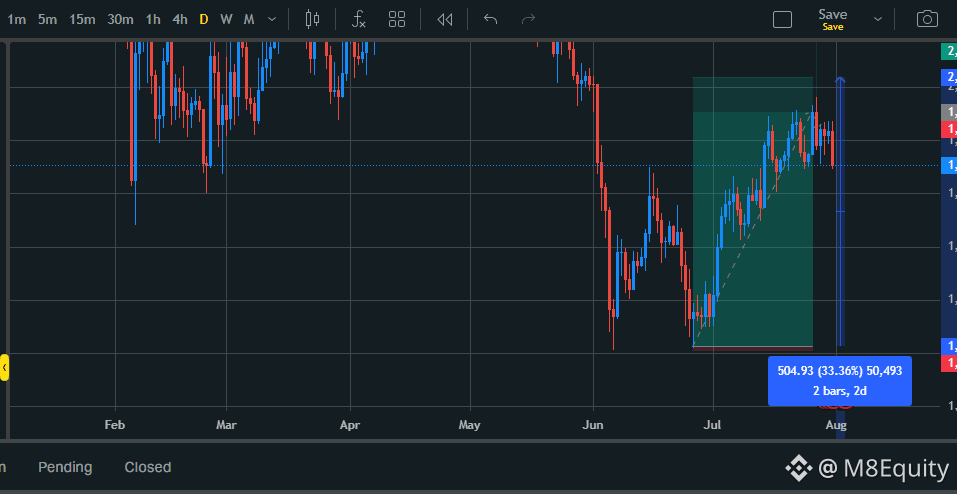
$ETH Ich habe einen langen Trade gehalten. Für ziemlich lange ist er nahe bei unserem TP
33 Prozent Bewegung im Daily-Zeitrahmen!
$ETH Ich habe einen langen Trade gehalten. Für ziemlich lange ist er nahe bei unserem TP
33 Prozent Bewegung im Daily-Zeitrahmen!
33 Prozent Bewegung im Daily-Zeitrahmen!
87
·
--
TRADING-GRUNDE # 5
Risikomanagement
📊 Der größte Fehler, den Einsteiger machen, ist nicht die Wahl der falschen Münze.
Es wird zu viel auf nur einen Trade riskiert.
Keine Strategie gewinnt 100% der Zeit.
Gute Trader konzentrieren sich zuerst darauf, ihr Kapital zu schützen, weil sich Chancen immer wieder bieten.
Ein kleiner Verlust heute ist besser, als das Konto zu sprengen, um zu versuchen, es wieder gutzumachen.
Trade mit Plan – nicht mit Emotionen.
$BTC #trading #CryptoEducation
TRADING-GRUNDE # 5
Risikomanagement
📊 Der größte Fehler, den Einsteiger machen, ist nicht die Wahl der falschen Münze.
Es wird zu viel auf nur einen Trade riskiert.
Keine Strategie gewinnt 100% der Zeit.
Gute Trader konzentrieren sich zuerst darauf, ihr Kapital zu schützen, weil sich Chancen immer wieder bieten.
Ein kleiner Verlust heute ist besser, als das Konto zu sprengen, um zu versuchen, es wieder gutzumachen.
Trade mit Plan – nicht mit Emotionen.
$BTC #trading #CryptoEducation
Risikomanagement
📊 Der größte Fehler, den Einsteiger machen, ist nicht die Wahl der falschen Münze.
Es wird zu viel auf nur einen Trade riskiert.
Keine Strategie gewinnt 100% der Zeit.
Gute Trader konzentrieren sich zuerst darauf, ihr Kapital zu schützen, weil sich Chancen immer wieder bieten.
Ein kleiner Verlust heute ist besser, als das Konto zu sprengen, um zu versuchen, es wieder gutzumachen.
Trade mit Plan – nicht mit Emotionen.
$BTC #trading #CryptoEducation
84
·
--
TRADING BASICS # 4
🟠 Warum bricht Bitcoin manchmal kurzfristig einen Support und prallt dann wieder ab?
Viele Trader erwarten, dass der Support jedes Mal hält, aber so funktionieren Märkte nicht.
Manchmal bewegt sich der Kurs kurz unter eine Support- Ebene, bevor er sich wieder umkehrt. Das erwischt oft Trader, die in Panik verkaufen, oder bei denen Stop-Losses direkt unter dem Support platziert sind.
Statt sofort zu reagieren, warten viele erfahrene Trader auf eine Bestätigung, bevor sie einsteigen.
Geduld ist oft mehr wert
$BTC #bitcoin #crypto
TRADING BASICS # 4
🟠 Warum bricht Bitcoin manchmal kurzfristig einen Support und prallt dann wieder ab?
Viele Trader erwarten, dass der Support jedes Mal hält, aber so funktionieren Märkte nicht.
Manchmal bewegt sich der Kurs kurz unter eine Support- Ebene, bevor er sich wieder umkehrt. Das erwischt oft Trader, die in Panik verkaufen, oder bei denen Stop-Losses direkt unter dem Support platziert sind.
Statt sofort zu reagieren, warten viele erfahrene Trader auf eine Bestätigung, bevor sie einsteigen.
Geduld ist oft mehr wert
$BTC #bitcoin #crypto
🟠 Warum bricht Bitcoin manchmal kurzfristig einen Support und prallt dann wieder ab?
Viele Trader erwarten, dass der Support jedes Mal hält, aber so funktionieren Märkte nicht.
Manchmal bewegt sich der Kurs kurz unter eine Support- Ebene, bevor er sich wieder umkehrt. Das erwischt oft Trader, die in Panik verkaufen, oder bei denen Stop-Losses direkt unter dem Support platziert sind.
Statt sofort zu reagieren, warten viele erfahrene Trader auf eine Bestätigung, bevor sie einsteigen.
Geduld ist oft mehr wert
$BTC #bitcoin #crypto
85
·
--
TRADING-GRUNDLAGEN # 3
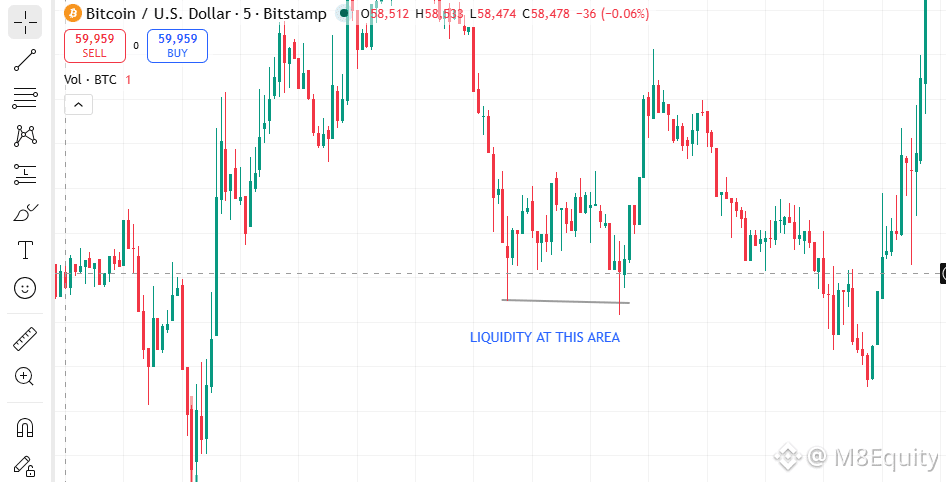
🟠 Was ist Liquidität? (Einfache Erklärung)
Viele Trader platzieren ihre Stop-Losses unter offensichtlichem Support und über offensichtlichem Widerstand.
Wenn der Kurs kurzzeitig in diese Bereiche hineinläuft, bevor er sich wieder dreht, nennen Trader das oft einen Liquidity Sweep.
Das bedeutet nicht, dass der Kurs immer zwangsläufig umkehrt, aber es ist ein Grund, warum erfahrene Trader auf Bestätigung warten, statt zu früh einzusteigen.
📌 Deshalb ist Geduld wichtiger als Vermutungen.
$BTC
Dies ist ein Bildungsangebot, keine Finanzberatung.
TRADING-GRUNDLAGEN # 3
🟠 Was ist Liquidität? (Einfache Erklärung)
Viele Trader platzieren ihre Stop-Losses unter offensichtlichem Support und über offensichtlichem Widerstand.
Wenn der Kurs kurzzeitig in diese Bereiche hineinläuft, bevor er sich wieder dreht, nennen Trader das oft einen Liquidity Sweep.
Das bedeutet nicht, dass der Kurs immer zwangsläufig umkehrt, aber es ist ein Grund, warum erfahrene Trader auf Bestätigung warten, statt zu früh einzusteigen.
📌 Deshalb ist Geduld wichtiger als Vermutungen.
$BTC
Dies ist ein Bildungsangebot, keine Finanzberatung.
🟠 Was ist Liquidität? (Einfache Erklärung)
Viele Trader platzieren ihre Stop-Losses unter offensichtlichem Support und über offensichtlichem Widerstand.
Wenn der Kurs kurzzeitig in diese Bereiche hineinläuft, bevor er sich wieder dreht, nennen Trader das oft einen Liquidity Sweep.
Das bedeutet nicht, dass der Kurs immer zwangsläufig umkehrt, aber es ist ein Grund, warum erfahrene Trader auf Bestätigung warten, statt zu früh einzusteigen.
📌 Deshalb ist Geduld wichtiger als Vermutungen.
$BTC
Dies ist ein Bildungsangebot, keine Finanzberatung.
112
·
--
TRADING-GRUNDLAGEN # 2
Was ist Widerstand? 🔴
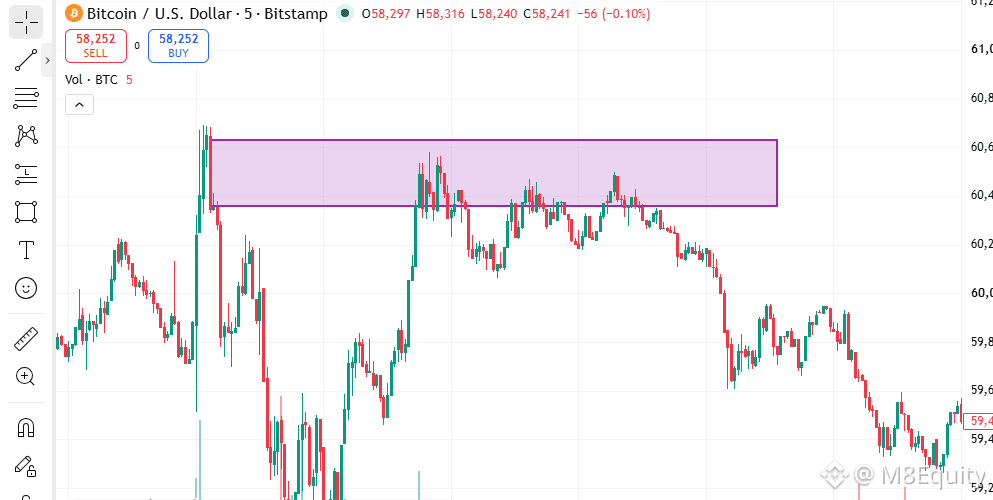
Widerstand ist das Gegenteil von Support. Es ist ein Bereich, in dem Verkäufer den Preis zuvor bereits nach unten gedrückt haben.
Wenn Bitcoin über den Widerstand ausbricht und dort bleibt, kann dieser alte Widerstand manchmal zu neuem Support werden.
$BTC
TRADING-GRUNDLAGEN # 2
Was ist Widerstand? 🔴
Widerstand ist das Gegenteil von Support. Es ist ein Bereich, in dem Verkäufer den Preis zuvor bereits nach unten gedrückt haben.
Wenn Bitcoin über den Widerstand ausbricht und dort bleibt, kann dieser alte Widerstand manchmal zu neuem Support werden.
$BTC
Was ist Widerstand? 🔴
Widerstand ist das Gegenteil von Support. Es ist ein Bereich, in dem Verkäufer den Preis zuvor bereits nach unten gedrückt haben.
Wenn Bitcoin über den Widerstand ausbricht und dort bleibt, kann dieser alte Widerstand manchmal zu neuem Support werden.
$BTC
76
·
--
TRADING BASICS # 1
Was ist Support? 🟣
Support ist ein Kursniveau, bei dem Käufer zuvor eingestiegen sind. Wenn der Preis zu diesem Bereich zurückkehrt, beobachten Trader, ob die Käufer ihn erneut verteidigen.
Support garantiert keinen Bounce, aber er hilft dabei, Bereiche zu identifizieren, in denen potenziell Nachfrage auftauchen kann.
Darum warten viele Trader auf eine Bestätigung, statt sofort zu kaufen.
$BTC
TRADING BASICS # 1
Was ist Support? 🟣
Support ist ein Kursniveau, bei dem Käufer zuvor eingestiegen sind. Wenn der Preis zu diesem Bereich zurückkehrt, beobachten Trader, ob die Käufer ihn erneut verteidigen.
Support garantiert keinen Bounce, aber er hilft dabei, Bereiche zu identifizieren, in denen potenziell Nachfrage auftauchen kann.
Darum warten viele Trader auf eine Bestätigung, statt sofort zu kaufen.
$BTC
Was ist Support? 🟣
Support ist ein Kursniveau, bei dem Käufer zuvor eingestiegen sind. Wenn der Preis zu diesem Bereich zurückkehrt, beobachten Trader, ob die Käufer ihn erneut verteidigen.
Support garantiert keinen Bounce, aber er hilft dabei, Bereiche zu identifizieren, in denen potenziell Nachfrage auftauchen kann.
Darum warten viele Trader auf eine Bestätigung, statt sofort zu kaufen.
$BTC
99
·
--
Bullisch
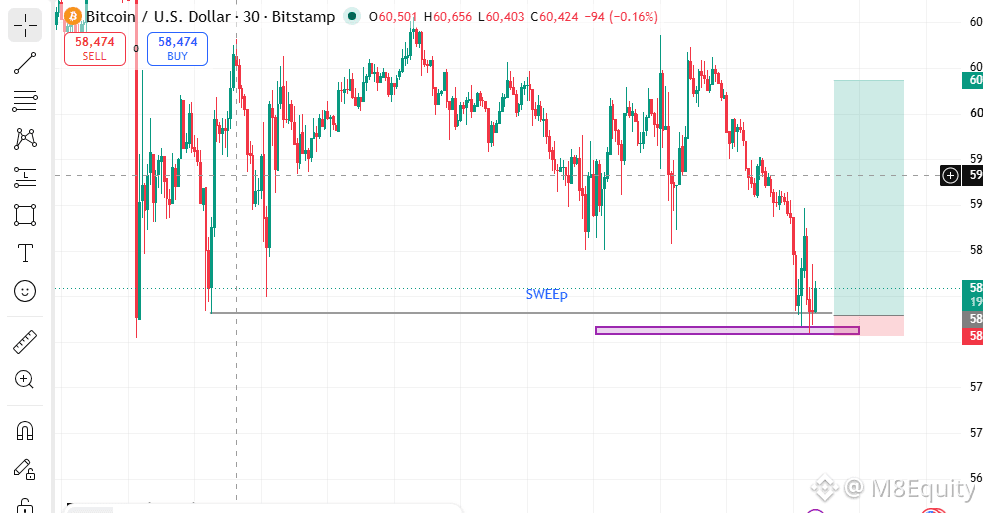
🟠 Bitcoin-Analyse | 30 Min
$BTC
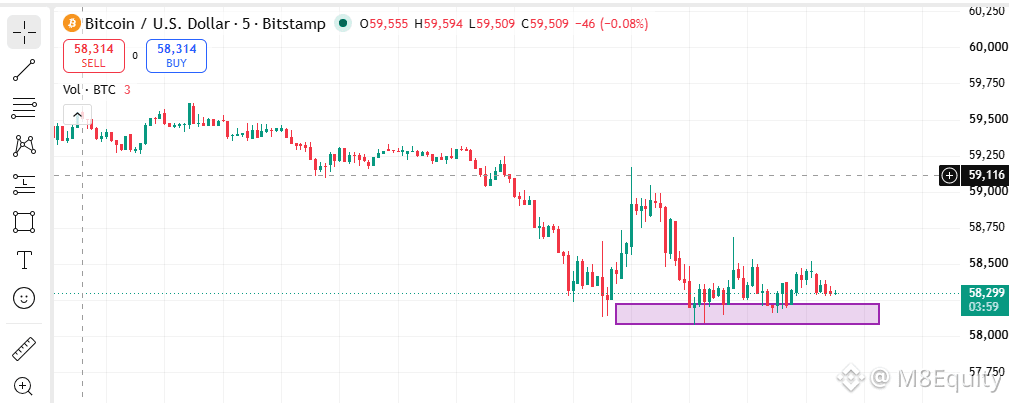
Bitcoin hat gerade eine wichtige Unterstützungszone nach unten durchbrochen, bevor es wieder darüber zurückging.
Dieser Bereich hat mehrfach als Unterstützung funktioniert, daher zeigen Käufer hier Interesse.
Solange der Preis über dieser Zone bleibt, erwarte ich eine Bewegung in Richtung des nächsten Widerstands.
Wenn die Unterstützung scheitert und der Preis darunter schließt, wird die bullische Idee widerlegt und ich warte auf ein neues Setup.
📍Unterstützung: (PURPLE ZONE)
🎯Ziel: (TP)
Dies ist meine persönliche Markteinschätzung, keine Finanzberatung.
🟠 Bitcoin-Analyse | 30 Min
$BTC
Bitcoin hat gerade eine wichtige Unterstützungszone nach unten durchbrochen, bevor es wieder darüber zurückging.
Dieser Bereich hat mehrfach als Unterstützung funktioniert, daher zeigen Käufer hier Interesse.
Solange der Preis über dieser Zone bleibt, erwarte ich eine Bewegung in Richtung des nächsten Widerstands.
Wenn die Unterstützung scheitert und der Preis darunter schließt, wird die bullische Idee widerlegt und ich warte auf ein neues Setup.
📍Unterstützung: (PURPLE ZONE)
🎯Ziel: (TP)
Dies ist meine persönliche Markteinschätzung, keine Finanzberatung.
$BTC
Bitcoin hat gerade eine wichtige Unterstützungszone nach unten durchbrochen, bevor es wieder darüber zurückging.
Dieser Bereich hat mehrfach als Unterstützung funktioniert, daher zeigen Käufer hier Interesse.
Solange der Preis über dieser Zone bleibt, erwarte ich eine Bewegung in Richtung des nächsten Widerstands.
Wenn die Unterstützung scheitert und der Preis darunter schließt, wird die bullische Idee widerlegt und ich warte auf ein neues Setup.
📍Unterstützung: (PURPLE ZONE)
🎯Ziel: (TP)
Dies ist meine persönliche Markteinschätzung, keine Finanzberatung.
85
·
--
Bullisch
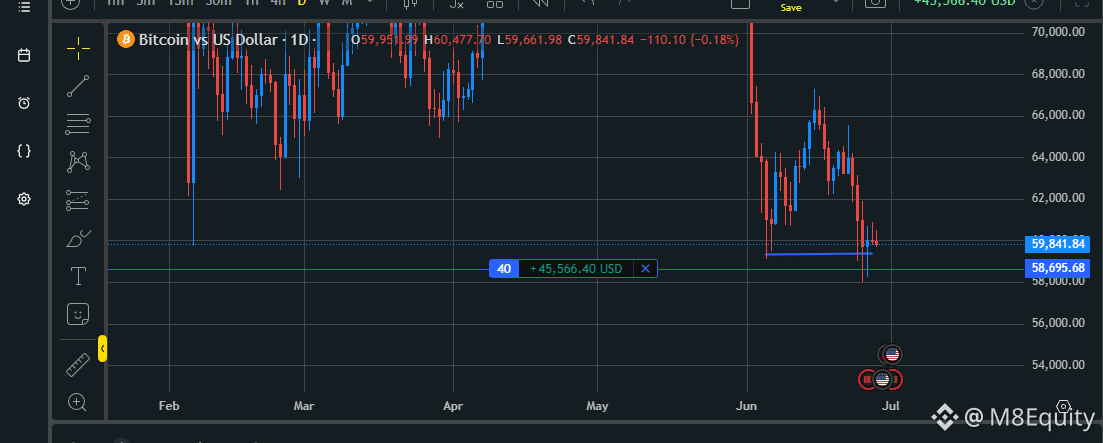
Die meisten sagen, dass $BTC sich in einem Bärenmarkt befindet. Ich glaube nicht. Ich denke, dass Bitcoin steigen wird. Denn auf dem 1D-TF zeigt sich, dass er eine starke Bull-Structure hat. ICH BIN LONG.
Die meisten sagen, dass $BTC sich in einem Bärenmarkt befindet. Ich glaube nicht. Ich denke, dass Bitcoin steigen wird. Denn auf dem 1D-TF zeigt sich, dass er eine starke Bull-Structure hat. ICH BIN LONG.
79
·
--
🔴 Die Wahrheit über Krypto: Halales Asset vs. Haram-Casino? 🧵
Lass uns damit aufhören, es schönzureden. Viele werfen das Wort „Alhamdulillah“ über Handelsgewinne, während sie direkt in eine Haram-Falle laufen.
Wenn du echte Barakah in deinem Vermögen willst, musst du die genaue strukturelle Linie kennen zwischen sauberem Asset-Management und schlichter Geldspielerei.
1. Warum reines Spot-Trading HALAL ist 🟢
Echte Eigentümerschaft: Wenn du eine Münze im Spot kaufst, besitzt du das Asset. Es liegt direkt in deiner Wallet.
Kein Leverage: Du leihst kein Geld und zahlst keine Übernachtgebühren (Riba).
Sofortiger Tausch: Die Transaktion passiert sofort und erfüllt so die islamische Finanzregel des Hand-zu-Hand-Austauschs.
High-Utility-Whitelist: Wenn du dich auf große, von Tech gestützte Ökosysteme wie $BTC , $ETH und $SOL stützt, dann setzt du auf echte Technologie – nicht auf blinde Spekulation.
2. Warum CFDs & Binäroptionen HARAM sind 🔴
Der „Swap-Free“-Trugschluss: Broker werben gern mit „Islamischen Konten“, indem sie Übernachtgebühren entfernen. Aber schau auf die Struktur. Ein CFD ist ein Vertrag, bei dem du nichts besitzt. Du wettetest lediglich gegen die Vorteilskante (House Edge) des Brokers.
Binäre Roulette: 60-Sekunden-Zeitwetten auf einem Kerzenchart sind reines Glücksspiel (Maisir). Es gibt keine Markttiefe, keine Eigentümerschaft und ein massives, blindes Risiko (Gharar).
3. So säuberst du deine Ausführung 🎯
Du brauchst keine gefährliche Verschuldung (Leverage) oder toxischen Broker, um zu skalieren. Du brauchst nur strikte Marktdisziplin.
Ich habe CFDs komplett aufgegeben, um sicherzustellen, dass mein Trading zu 100% konform ist. Jetzt lese ich strikt die Spuren des Order-Flow aus und kaufe Limit-Wall-Absorption direkt im Spot. Keine Liquidationen. Keine Schulden. Nur das Nachverfolgen institutioneller Spuren in den großen Paaren.
Wir bauen ein Vermächtnis auf die richtige Art. Keine Abkürzungen, kein Haram. Die Reise beginnt heute.
Wie ist dein aktuelles Setup – tradest du Spot oder hängst du immer noch in der Futures-Schleife? Lass es mich unten wissen.
#crypto #BTC #HalalTrading #Spot
🔴 Die Wahrheit über Krypto: Halales Asset vs. Haram-Casino? 🧵
Lass uns damit aufhören, es schönzureden. Viele werfen das Wort „Alhamdulillah“ über Handelsgewinne, während sie direkt in eine Haram-Falle laufen.
Wenn du echte Barakah in deinem Vermögen willst, musst du die genaue strukturelle Linie kennen zwischen sauberem Asset-Management und schlichter Geldspielerei.
1. Warum reines Spot-Trading HALAL ist 🟢
Echte Eigentümerschaft: Wenn du eine Münze im Spot kaufst, besitzt du das Asset. Es liegt direkt in deiner Wallet.
Kein Leverage: Du leihst kein Geld und zahlst keine Übernachtgebühren (Riba).
Sofortiger Tausch: Die Transaktion passiert sofort und erfüllt so die islamische Finanzregel des Hand-zu-Hand-Austauschs.
High-Utility-Whitelist: Wenn du dich auf große, von Tech gestützte Ökosysteme wie $BTC , $ETH und $SOL stützt, dann setzt du auf echte Technologie – nicht auf blinde Spekulation.
2. Warum CFDs & Binäroptionen HARAM sind 🔴
Der „Swap-Free“-Trugschluss: Broker werben gern mit „Islamischen Konten“, indem sie Übernachtgebühren entfernen. Aber schau auf die Struktur. Ein CFD ist ein Vertrag, bei dem du nichts besitzt. Du wettetest lediglich gegen die Vorteilskante (House Edge) des Brokers.
Binäre Roulette: 60-Sekunden-Zeitwetten auf einem Kerzenchart sind reines Glücksspiel (Maisir). Es gibt keine Markttiefe, keine Eigentümerschaft und ein massives, blindes Risiko (Gharar).
3. So säuberst du deine Ausführung 🎯
Du brauchst keine gefährliche Verschuldung (Leverage) oder toxischen Broker, um zu skalieren. Du brauchst nur strikte Marktdisziplin.
Ich habe CFDs komplett aufgegeben, um sicherzustellen, dass mein Trading zu 100% konform ist. Jetzt lese ich strikt die Spuren des Order-Flow aus und kaufe Limit-Wall-Absorption direkt im Spot. Keine Liquidationen. Keine Schulden. Nur das Nachverfolgen institutioneller Spuren in den großen Paaren.
Wir bauen ein Vermächtnis auf die richtige Art. Keine Abkürzungen, kein Haram. Die Reise beginnt heute.
Wie ist dein aktuelles Setup – tradest du Spot oder hängst du immer noch in der Futures-Schleife? Lass es mich unten wissen.
#crypto #BTC #HalalTrading #Spot
Lass uns damit aufhören, es schönzureden. Viele werfen das Wort „Alhamdulillah“ über Handelsgewinne, während sie direkt in eine Haram-Falle laufen.
Wenn du echte Barakah in deinem Vermögen willst, musst du die genaue strukturelle Linie kennen zwischen sauberem Asset-Management und schlichter Geldspielerei.
1. Warum reines Spot-Trading HALAL ist 🟢
Echte Eigentümerschaft: Wenn du eine Münze im Spot kaufst, besitzt du das Asset. Es liegt direkt in deiner Wallet.
Kein Leverage: Du leihst kein Geld und zahlst keine Übernachtgebühren (Riba).
Sofortiger Tausch: Die Transaktion passiert sofort und erfüllt so die islamische Finanzregel des Hand-zu-Hand-Austauschs.
High-Utility-Whitelist: Wenn du dich auf große, von Tech gestützte Ökosysteme wie $BTC , $ETH und $SOL stützt, dann setzt du auf echte Technologie – nicht auf blinde Spekulation.
2. Warum CFDs & Binäroptionen HARAM sind 🔴
Der „Swap-Free“-Trugschluss: Broker werben gern mit „Islamischen Konten“, indem sie Übernachtgebühren entfernen. Aber schau auf die Struktur. Ein CFD ist ein Vertrag, bei dem du nichts besitzt. Du wettetest lediglich gegen die Vorteilskante (House Edge) des Brokers.
Binäre Roulette: 60-Sekunden-Zeitwetten auf einem Kerzenchart sind reines Glücksspiel (Maisir). Es gibt keine Markttiefe, keine Eigentümerschaft und ein massives, blindes Risiko (Gharar).
3. So säuberst du deine Ausführung 🎯
Du brauchst keine gefährliche Verschuldung (Leverage) oder toxischen Broker, um zu skalieren. Du brauchst nur strikte Marktdisziplin.
Ich habe CFDs komplett aufgegeben, um sicherzustellen, dass mein Trading zu 100% konform ist. Jetzt lese ich strikt die Spuren des Order-Flow aus und kaufe Limit-Wall-Absorption direkt im Spot. Keine Liquidationen. Keine Schulden. Nur das Nachverfolgen institutioneller Spuren in den großen Paaren.
Wir bauen ein Vermächtnis auf die richtige Art. Keine Abkürzungen, kein Haram. Die Reise beginnt heute.
Wie ist dein aktuelles Setup – tradest du Spot oder hängst du immer noch in der Futures-Schleife? Lass es mich unten wissen.
#crypto #BTC #HalalTrading #Spot
114
·
--
Bullisch
113
·
--
Bullisch
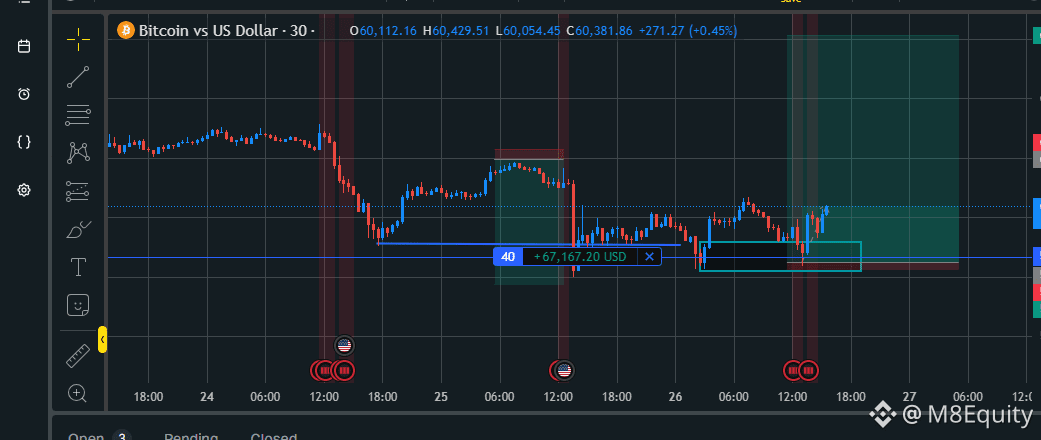
$BTC Wie wir es gesagt haben, prallte es in UNSERER Zone ab und jetzt GEHT ES NACH OBEN
sehen wir uns, wenn es tp $BTC erreicht
Keine Finanzberatung DYOR
$BTC Wie wir es gesagt haben, prallte es in UNSERER Zone ab und jetzt GEHT ES NACH OBEN
sehen wir uns, wenn es tp $BTC erreicht
Keine Finanzberatung DYOR
sehen wir uns, wenn es tp $BTC erreicht
Keine Finanzberatung DYOR
77
·
--
Bullisch
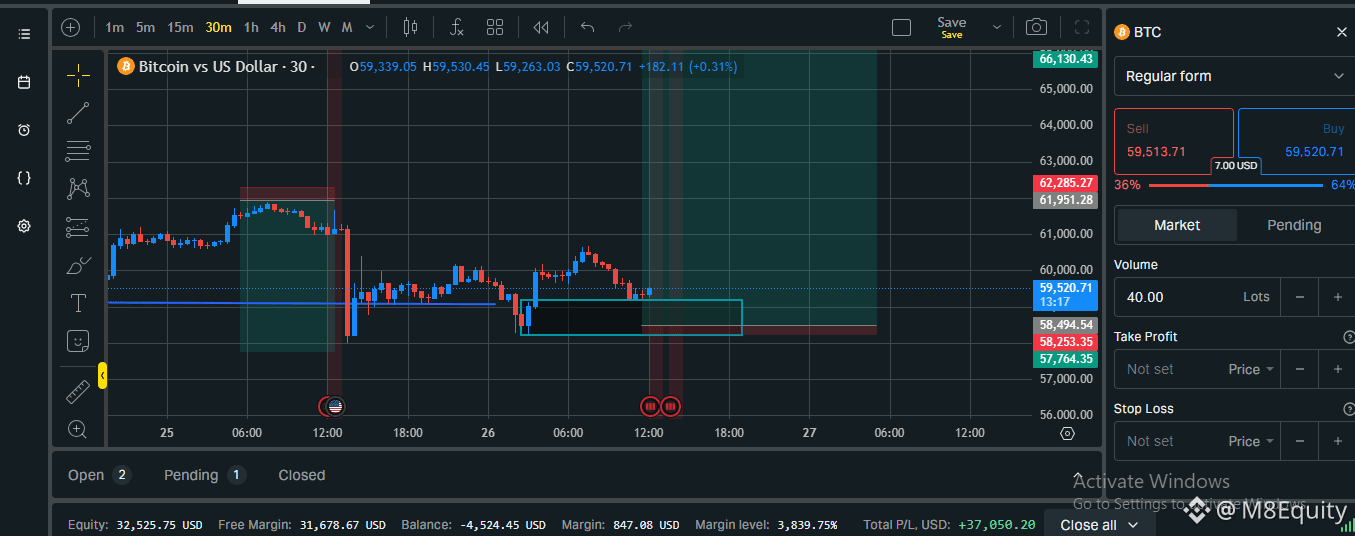
$BTC Dies kann eine Zone zum Kaufen sein $BTC zurück dorthin, wo es gefallen ist
Keine Finanzberatung, kleiner Bruder DYOR
$BTC Dies kann eine Zone zum Kaufen sein $BTC zurück dorthin, wo es gefallen ist
Keine Finanzberatung, kleiner Bruder DYOR
Keine Finanzberatung, kleiner Bruder DYOR
86
·
--
Bärisch
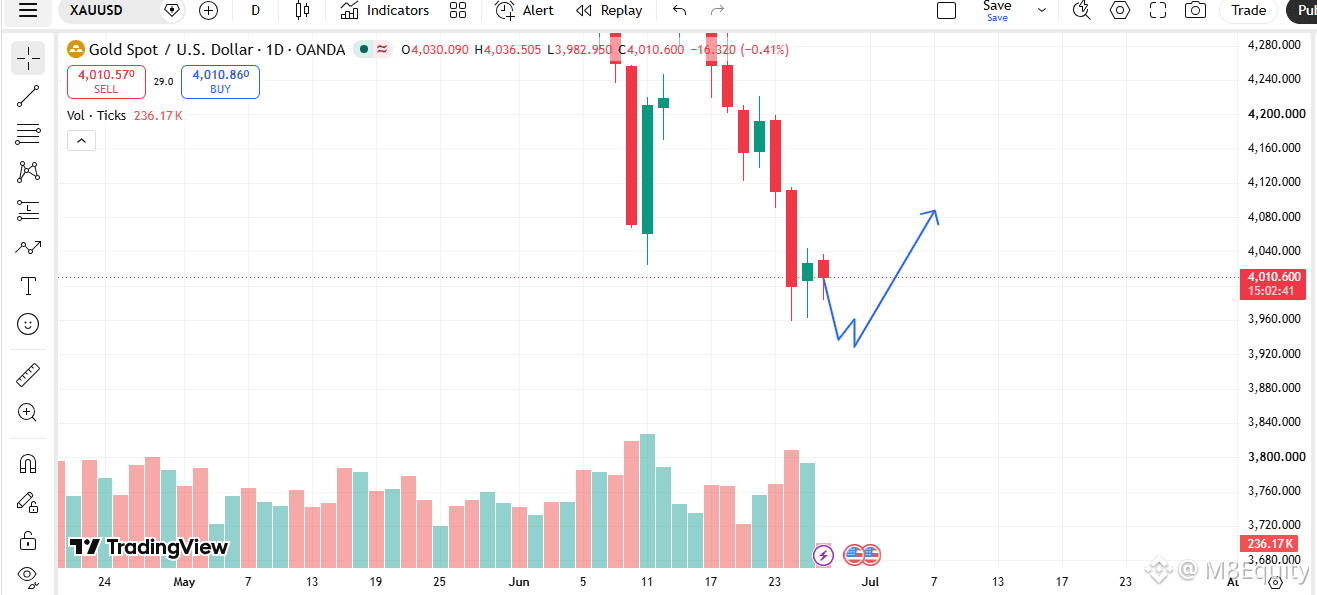
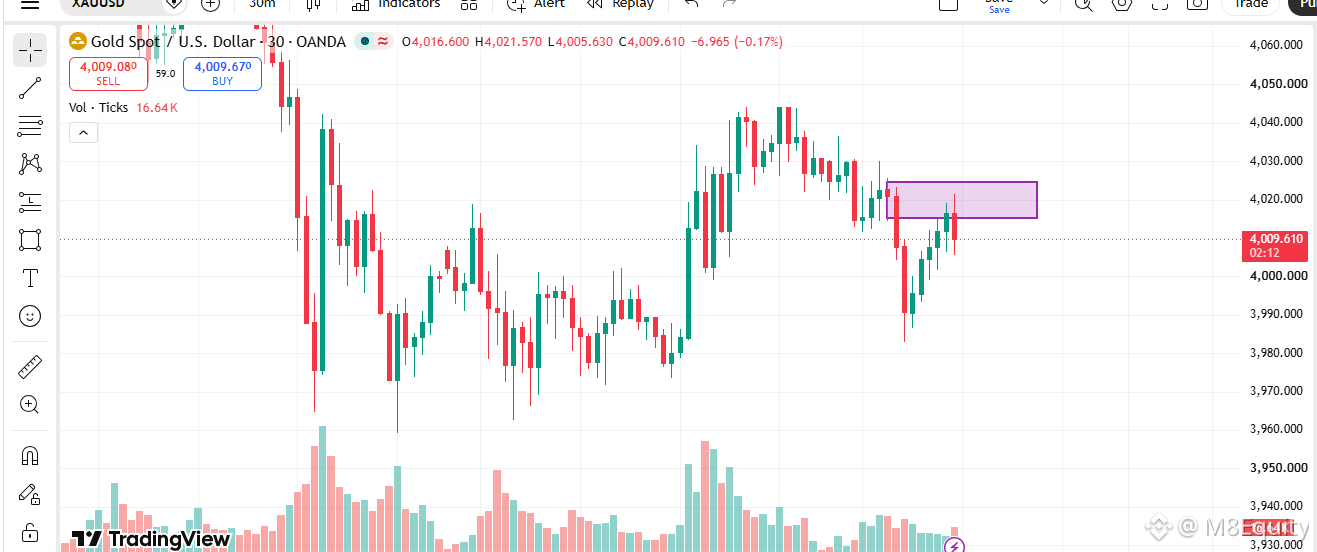
$XAU Gold ist jetzt in einen bärischen Modus übergegangen. Ich persönlich denke, dass es jetzt noch tiefer gehen wird
$XAU Gold ist jetzt in einen bärischen Modus übergegangen. Ich persönlich denke, dass es jetzt noch tiefer gehen wird
120
·
--
Bullisch
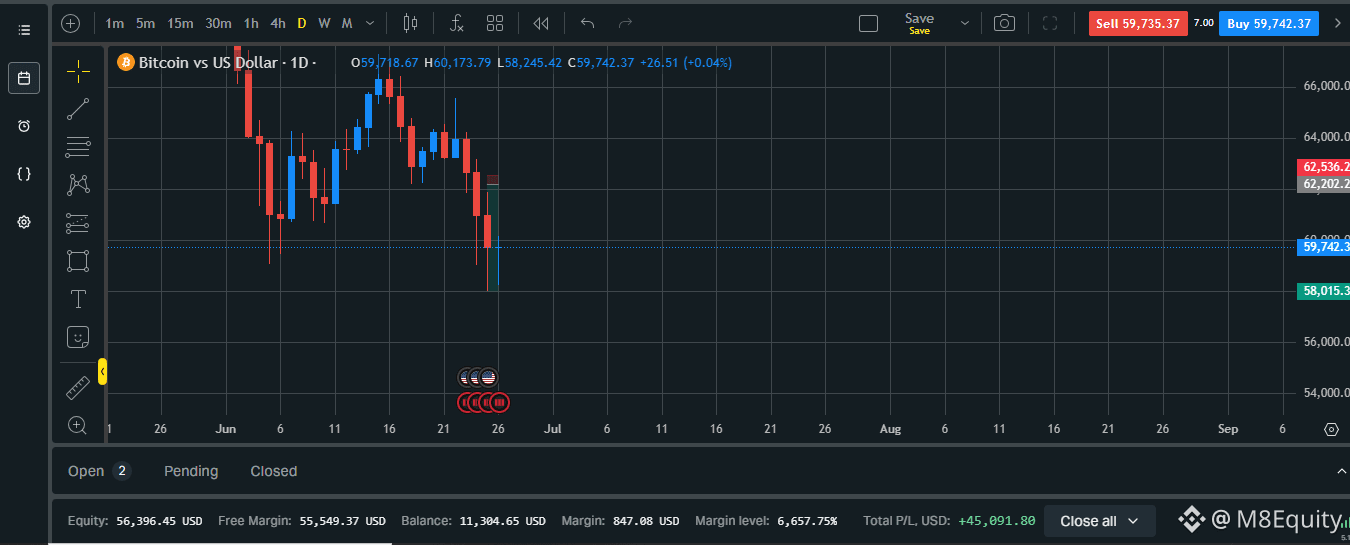
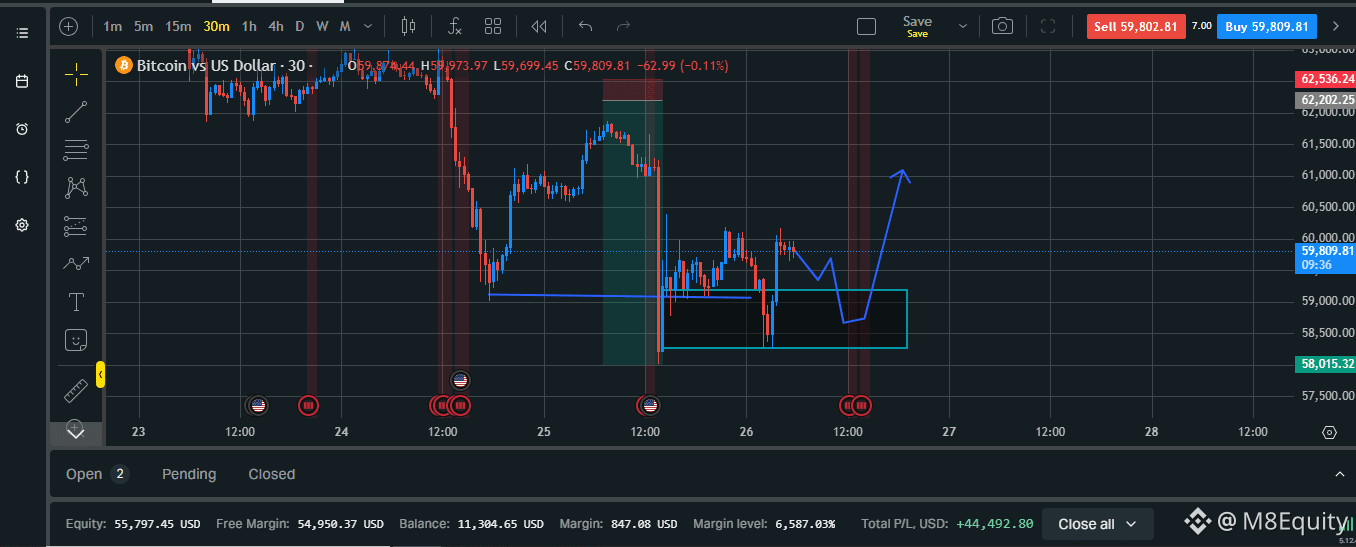
$BTC Nachdem es auf dem Tages-Chart gefallen ist, zeigt es bullische Signale. Und ich persönlich denke, dass jetzt die Zeit für einen Bullenmarkt gekommen ist – entweder für kurz- oder auch für langfristig. Nach dem Abstieg um so viel $BTC
KEINE FINANZBERATUNG – MACH DEINE EIGENE RECHERCHE (DYOR)
$BTC Nachdem es auf dem Tages-Chart gefallen ist, zeigt es bullische Signale. Und ich persönlich denke, dass jetzt die Zeit für einen Bullenmarkt gekommen ist – entweder für kurz- oder auch für langfristig. Nach dem Abstieg um so viel $BTC
KEINE FINANZBERATUNG – MACH DEINE EIGENE RECHERCHE (DYOR)
KEINE FINANZBERATUNG – MACH DEINE EIGENE RECHERCHE (DYOR)
102
·
--
Bärisch
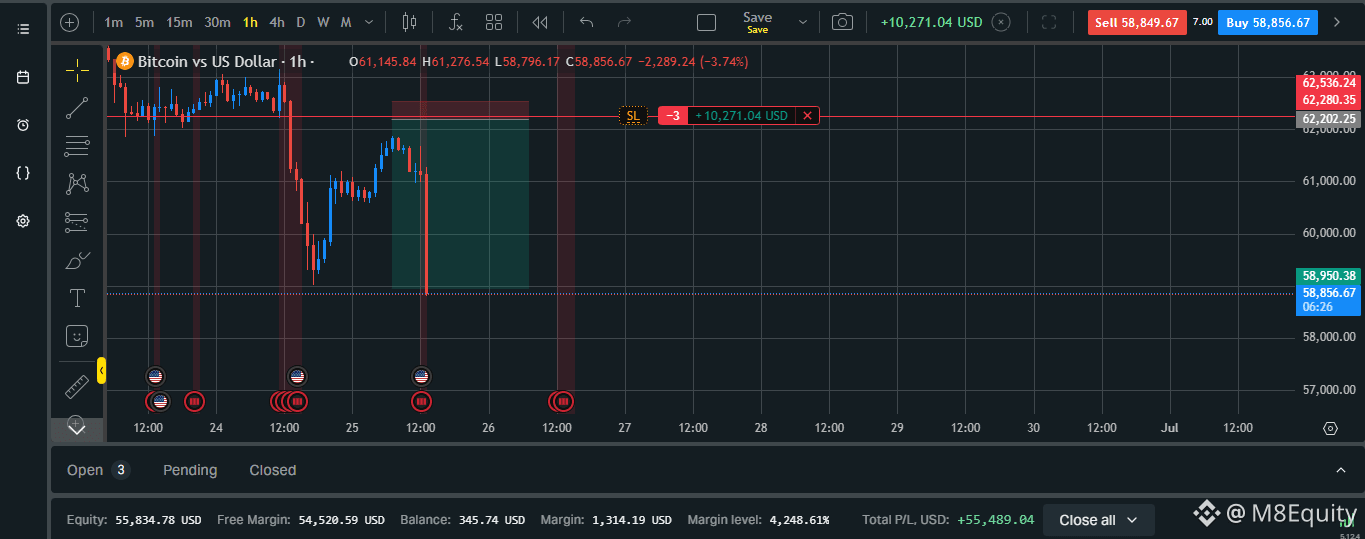
$BTC Holded $BTC SHORT es gibt immer noch Momentum es kann weiter nach unten bluten von 3k auf 10k gegangen und ich habe gerade erst das vorherige gepostet vor 20 Minuten
$BTC Holded $BTC SHORT es gibt immer noch Momentum es kann weiter nach unten bluten von 3k auf 10k gegangen und ich habe gerade erst das vorherige gepostet vor 20 Minuten
202
·
--
Bärisch
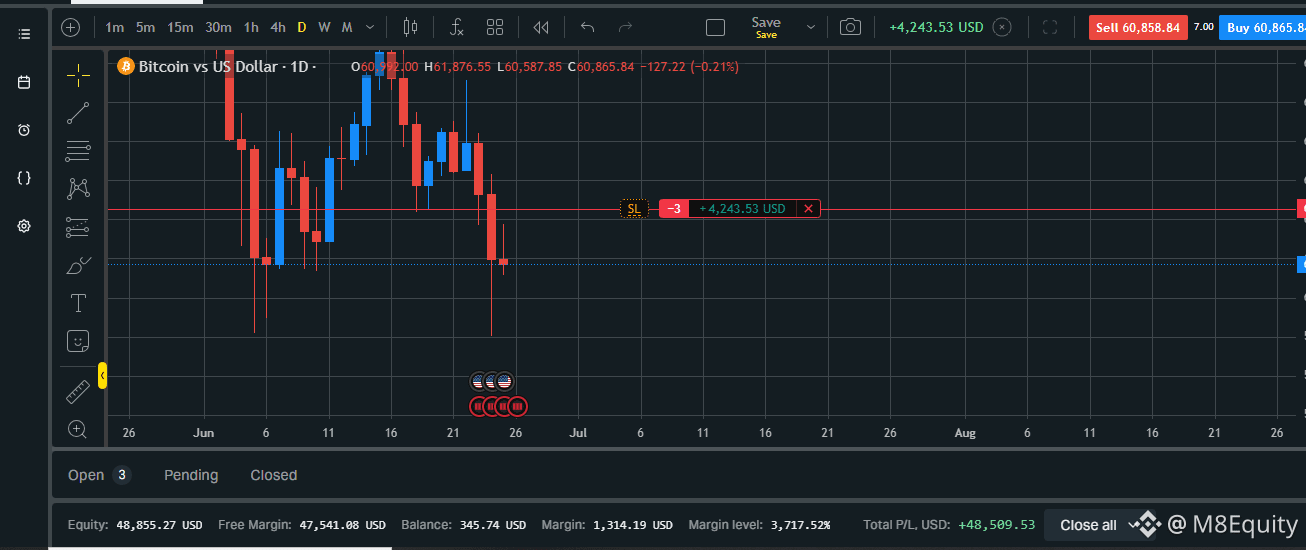
$BTC Dreht sich von einer blauen Kerze zu jetzt einem roten Docht; es wird tiefer bluten!
Keine Finanzberatung – DYOR
$BTC Dreht sich von einer blauen Kerze zu jetzt einem roten Docht; es wird tiefer bluten!
Keine Finanzberatung – DYOR
Keine Finanzberatung – DYOR
88
·
--
Bärisch
Das Walfisch-Blaupause: Warum Bitcoin ($BTC ) Vor dem echten Pump fallen muss
Schau dir die Falle an
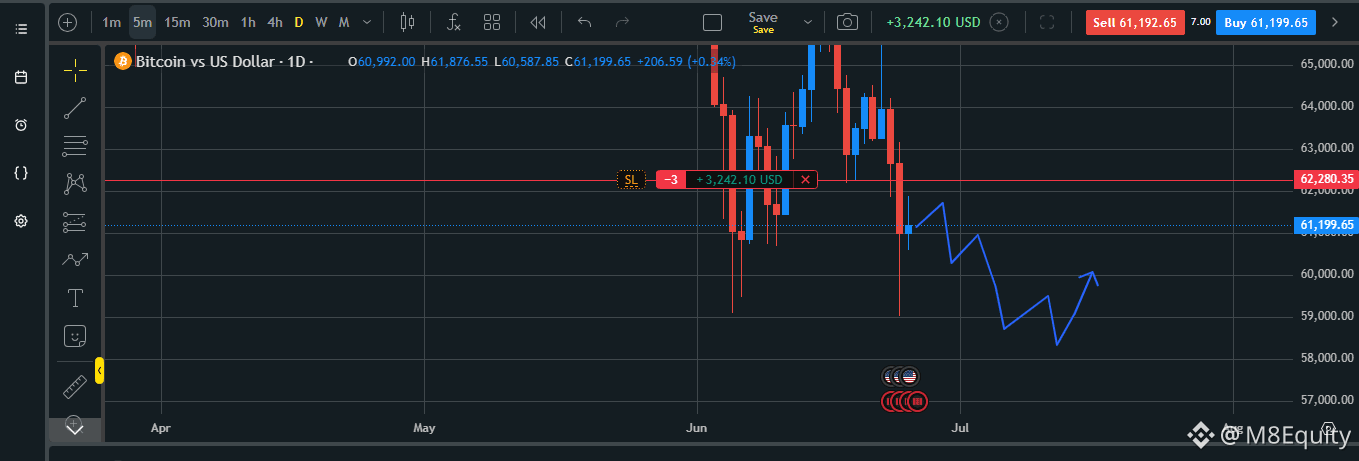
Sieh dir die blaue Linie an, die im 1-Tages-Chart eingezeichnet ist. Privatanleger geraten in Panik, aber der Markt sucht lediglich nach Liquidität von institutionellen Akteuren.
Das Ziel-Floor: Massive Retail-Stop-Losses liegen ungeschützt zwischen 58.000 und 59.500 US-Dollar.
Die Jagd: Wale werden den Preis vermutlich in dieses Gebiet drücken, um Panikverkäufe auszulösen.
Die Akkumulation: Sobald Privatanleger ihre Positionen abwerfen, treten institutionelle Kaufwände in Kraft, absorbieren das Angebot und schießen den Preis nach oben.
Warum Leverage finanzieller Selbstmord ist
Wenn du versuchst, genau diesen Pfad mit High-Leverage-Futures zu handeln, wirst du ausgelöscht:
Plötzliche, heftige grüne Dochte zerstören deine Shorts, bevor der Markt weiter nach unten geht.
High Leverage lässt dir keinen Spielraum; dein Konto wird längst liquidiert, bevor der letzte Rückprall kommt.
Der sichere Halal-Game-Plan
Nutze diese Blaupause, um Sabr (Geduld) zu üben und dein Kapital zu schützen:
Hände weg: Kaufe nicht, während die täglichen Kerzen fallen.
Zone beobachten: Achte genau auf den Bereich 58.000 bis 59.000 US-Dollar.
Wand erkennen: Achte auf ruhende Limit-Buy-Blöcke, die die Panik absorbieren. Gehe mit deinem Spot-Trade erst ein, wenn das Verkaufen versiegt und eine grüne Buy-Bubble erscheint.
Spiele das lange Spiel: Lass die Wale die Zocker leer räumen und kaufe $BTC sauber am absoluten strukturellen Tief.
Hinweis: Diese Analyse dient ausschließlich zu Bildungszwecken für Spot-Trading. Bitte benutze die Coin-Widgets unten nicht, um Margin- oder Futures-Trades mit Leverage auszuführen, da schuldenbasierte Multiplikatoren nicht shariah-konform sind.
#BTC #Spot #HalalTrading #BEARISH📉
Das Walfisch-Blaupause: Warum Bitcoin ($BTC ) Vor dem echten Pump fallen muss
Schau dir die Falle an
Sieh dir die blaue Linie an, die im 1-Tages-Chart eingezeichnet ist. Privatanleger geraten in Panik, aber der Markt sucht lediglich nach Liquidität von institutionellen Akteuren.
Das Ziel-Floor: Massive Retail-Stop-Losses liegen ungeschützt zwischen 58.000 und 59.500 US-Dollar.
Die Jagd: Wale werden den Preis vermutlich in dieses Gebiet drücken, um Panikverkäufe auszulösen.
Die Akkumulation: Sobald Privatanleger ihre Positionen abwerfen, treten institutionelle Kaufwände in Kraft, absorbieren das Angebot und schießen den Preis nach oben.
Warum Leverage finanzieller Selbstmord ist
Wenn du versuchst, genau diesen Pfad mit High-Leverage-Futures zu handeln, wirst du ausgelöscht:
Plötzliche, heftige grüne Dochte zerstören deine Shorts, bevor der Markt weiter nach unten geht.
High Leverage lässt dir keinen Spielraum; dein Konto wird längst liquidiert, bevor der letzte Rückprall kommt.
Der sichere Halal-Game-Plan
Nutze diese Blaupause, um Sabr (Geduld) zu üben und dein Kapital zu schützen:
Hände weg: Kaufe nicht, während die täglichen Kerzen fallen.
Zone beobachten: Achte genau auf den Bereich 58.000 bis 59.000 US-Dollar.
Wand erkennen: Achte auf ruhende Limit-Buy-Blöcke, die die Panik absorbieren. Gehe mit deinem Spot-Trade erst ein, wenn das Verkaufen versiegt und eine grüne Buy-Bubble erscheint.
Spiele das lange Spiel: Lass die Wale die Zocker leer räumen und kaufe $BTC sauber am absoluten strukturellen Tief.
Hinweis: Diese Analyse dient ausschließlich zu Bildungszwecken für Spot-Trading. Bitte benutze die Coin-Widgets unten nicht, um Margin- oder Futures-Trades mit Leverage auszuführen, da schuldenbasierte Multiplikatoren nicht shariah-konform sind.
#BTC #Spot #HalalTrading #BEARISH📉
Schau dir die Falle an
Sieh dir die blaue Linie an, die im 1-Tages-Chart eingezeichnet ist. Privatanleger geraten in Panik, aber der Markt sucht lediglich nach Liquidität von institutionellen Akteuren.
Das Ziel-Floor: Massive Retail-Stop-Losses liegen ungeschützt zwischen 58.000 und 59.500 US-Dollar.
Die Jagd: Wale werden den Preis vermutlich in dieses Gebiet drücken, um Panikverkäufe auszulösen.
Die Akkumulation: Sobald Privatanleger ihre Positionen abwerfen, treten institutionelle Kaufwände in Kraft, absorbieren das Angebot und schießen den Preis nach oben.
Warum Leverage finanzieller Selbstmord ist
Wenn du versuchst, genau diesen Pfad mit High-Leverage-Futures zu handeln, wirst du ausgelöscht:
Plötzliche, heftige grüne Dochte zerstören deine Shorts, bevor der Markt weiter nach unten geht.
High Leverage lässt dir keinen Spielraum; dein Konto wird längst liquidiert, bevor der letzte Rückprall kommt.
Der sichere Halal-Game-Plan
Nutze diese Blaupause, um Sabr (Geduld) zu üben und dein Kapital zu schützen:
Hände weg: Kaufe nicht, während die täglichen Kerzen fallen.
Zone beobachten: Achte genau auf den Bereich 58.000 bis 59.000 US-Dollar.
Wand erkennen: Achte auf ruhende Limit-Buy-Blöcke, die die Panik absorbieren. Gehe mit deinem Spot-Trade erst ein, wenn das Verkaufen versiegt und eine grüne Buy-Bubble erscheint.
Spiele das lange Spiel: Lass die Wale die Zocker leer räumen und kaufe $BTC sauber am absoluten strukturellen Tief.
Hinweis: Diese Analyse dient ausschließlich zu Bildungszwecken für Spot-Trading. Bitte benutze die Coin-Widgets unten nicht, um Margin- oder Futures-Trades mit Leverage auszuführen, da schuldenbasierte Multiplikatoren nicht shariah-konform sind.
#BTC #Spot #HalalTrading #BEARISH📉
1
97
·
--
Bärisch
BTC-Alarm: Starker Verkaufsdruck! Warum Spot-Trader gewinnen 🚨📉
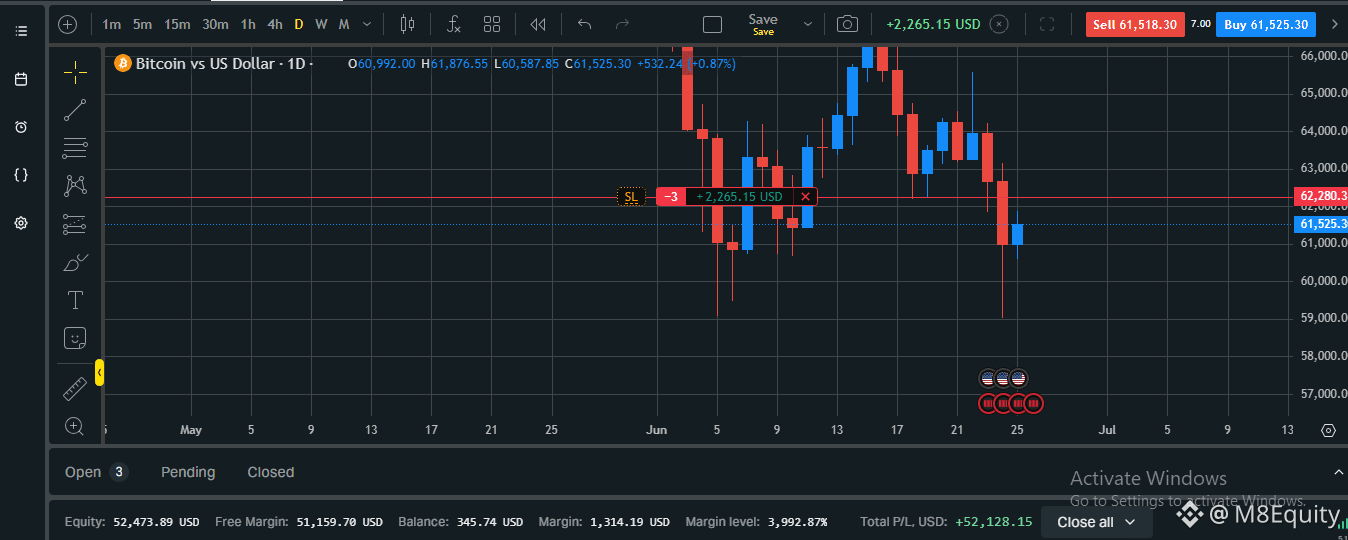
Schau dir jetzt den Daily-Chart ganz genau an. Die Kursbewegung setzt gerade massive Warnsignale rund um die Zone von 61.500 USD.
Unsere technische Analyse ist eindeutig: Die vorherige Tageskerze schloss komplett rot – mit starkem Momentum und ohne jeglichen Buyback-Docht. Wenn eine Kerze so schwach schließt, zeigt das, dass die Bären die Orderbücher aggressiv kontrollieren. Ein weiterer Abwärts-„Cascade“-Effekt, um niedrigere Liquiditätspools auszuräumen, ist sehr wahrscheinlich, bevor wir irgendeine echte Umkehr sehen.
In so einem zähen Markt so schützt du dein Kapital und bleibst vorne:
⚠️ Der Reality-Check
Liquiditäts-Jagden: Wenn Bitcoin diese aktuelle lokale Untergrenze nicht verteidigt, liegen die nächsten großen historischen Nachfrageblöcke deutlich tiefer.
Leverage-Fallen: Long-Futures-Positionen sind gerade extrem gefährlich. Ein schneller 3%-Stop-Hunt-Docht nach unten wird hochgehebelte Konten innerhalb von Minuten auslöschen.
🕋 Der Halal-Spot-Vorteil
Genau deshalb bleiben wir beim Halal-Spot-Markt. Wir jagen kein FOMO, und wir zahlen keine Overnight-Interest-Gebühren (Riba).
Keine Liquidation: Selbst wenn BTC noch einmal um 2.000 USD fällt, um nach tieferen Wicks zu suchen, bleibt dein Asset-Stand zu 100% unangetastet. Du kannst nicht aus dem Markt herausgezwungen werden.
Geduldiges Ansammeln: Halte dein Startkapital sicher in Stablecoins. Lass die Panik passieren, lass den Markt ausbluten – und warte, bis eine klare strukturelle Untergrenze entsteht.
Der Compound-Plan: Sobald der Boden feststeht und das institutionelle Buyback-Volumen einsetzt, investieren wir unser Spot-Kapital, fangen einen sauberen 15%-Relief-Swing ab und verstärken unser Brot mit null Stress.
Wahre Disziplin (Sabr) bedeutet zu wissen, wann man stillhalten und die Charts sicher beobachten muss. Lass die Zocker sich kochen – wir spielen das lange, reine Spiel. 🤲🔥
Was ist dein nächster Schritt, wenn BTC diese Untergrenze bricht? Kaufst du den Dip oder bleibst du in Stablecoins? Schreib deine Gedanken unten in die Kommentare! 👇
Keine Finanzberatung – DYOR.
BTC-Alarm: Starker Verkaufsdruck! Warum Spot-Trader gewinnen 🚨📉
Schau dir jetzt den Daily-Chart ganz genau an. Die Kursbewegung setzt gerade massive Warnsignale rund um die Zone von 61.500 USD.
Unsere technische Analyse ist eindeutig: Die vorherige Tageskerze schloss komplett rot – mit starkem Momentum und ohne jeglichen Buyback-Docht. Wenn eine Kerze so schwach schließt, zeigt das, dass die Bären die Orderbücher aggressiv kontrollieren. Ein weiterer Abwärts-„Cascade“-Effekt, um niedrigere Liquiditätspools auszuräumen, ist sehr wahrscheinlich, bevor wir irgendeine echte Umkehr sehen.
In so einem zähen Markt so schützt du dein Kapital und bleibst vorne:
⚠️ Der Reality-Check
Liquiditäts-Jagden: Wenn Bitcoin diese aktuelle lokale Untergrenze nicht verteidigt, liegen die nächsten großen historischen Nachfrageblöcke deutlich tiefer.
Leverage-Fallen: Long-Futures-Positionen sind gerade extrem gefährlich. Ein schneller 3%-Stop-Hunt-Docht nach unten wird hochgehebelte Konten innerhalb von Minuten auslöschen.
🕋 Der Halal-Spot-Vorteil
Genau deshalb bleiben wir beim Halal-Spot-Markt. Wir jagen kein FOMO, und wir zahlen keine Overnight-Interest-Gebühren (Riba).
Keine Liquidation: Selbst wenn BTC noch einmal um 2.000 USD fällt, um nach tieferen Wicks zu suchen, bleibt dein Asset-Stand zu 100% unangetastet. Du kannst nicht aus dem Markt herausgezwungen werden.
Geduldiges Ansammeln: Halte dein Startkapital sicher in Stablecoins. Lass die Panik passieren, lass den Markt ausbluten – und warte, bis eine klare strukturelle Untergrenze entsteht.
Der Compound-Plan: Sobald der Boden feststeht und das institutionelle Buyback-Volumen einsetzt, investieren wir unser Spot-Kapital, fangen einen sauberen 15%-Relief-Swing ab und verstärken unser Brot mit null Stress.
Wahre Disziplin (Sabr) bedeutet zu wissen, wann man stillhalten und die Charts sicher beobachten muss. Lass die Zocker sich kochen – wir spielen das lange, reine Spiel. 🤲🔥
Was ist dein nächster Schritt, wenn BTC diese Untergrenze bricht? Kaufst du den Dip oder bleibst du in Stablecoins? Schreib deine Gedanken unten in die Kommentare! 👇
Keine Finanzberatung – DYOR.
Schau dir jetzt den Daily-Chart ganz genau an. Die Kursbewegung setzt gerade massive Warnsignale rund um die Zone von 61.500 USD.
Unsere technische Analyse ist eindeutig: Die vorherige Tageskerze schloss komplett rot – mit starkem Momentum und ohne jeglichen Buyback-Docht. Wenn eine Kerze so schwach schließt, zeigt das, dass die Bären die Orderbücher aggressiv kontrollieren. Ein weiterer Abwärts-„Cascade“-Effekt, um niedrigere Liquiditätspools auszuräumen, ist sehr wahrscheinlich, bevor wir irgendeine echte Umkehr sehen.
In so einem zähen Markt so schützt du dein Kapital und bleibst vorne:
⚠️ Der Reality-Check
Liquiditäts-Jagden: Wenn Bitcoin diese aktuelle lokale Untergrenze nicht verteidigt, liegen die nächsten großen historischen Nachfrageblöcke deutlich tiefer.
Leverage-Fallen: Long-Futures-Positionen sind gerade extrem gefährlich. Ein schneller 3%-Stop-Hunt-Docht nach unten wird hochgehebelte Konten innerhalb von Minuten auslöschen.
🕋 Der Halal-Spot-Vorteil
Genau deshalb bleiben wir beim Halal-Spot-Markt. Wir jagen kein FOMO, und wir zahlen keine Overnight-Interest-Gebühren (Riba).
Keine Liquidation: Selbst wenn BTC noch einmal um 2.000 USD fällt, um nach tieferen Wicks zu suchen, bleibt dein Asset-Stand zu 100% unangetastet. Du kannst nicht aus dem Markt herausgezwungen werden.
Geduldiges Ansammeln: Halte dein Startkapital sicher in Stablecoins. Lass die Panik passieren, lass den Markt ausbluten – und warte, bis eine klare strukturelle Untergrenze entsteht.
Der Compound-Plan: Sobald der Boden feststeht und das institutionelle Buyback-Volumen einsetzt, investieren wir unser Spot-Kapital, fangen einen sauberen 15%-Relief-Swing ab und verstärken unser Brot mit null Stress.
Wahre Disziplin (Sabr) bedeutet zu wissen, wann man stillhalten und die Charts sicher beobachten muss. Lass die Zocker sich kochen – wir spielen das lange, reine Spiel. 🤲🔥
Was ist dein nächster Schritt, wenn BTC diese Untergrenze bricht? Kaufst du den Dip oder bleibst du in Stablecoins? Schreib deine Gedanken unten in die Kommentare! 👇
Keine Finanzberatung – DYOR.
1
111
·
--
Bullisch
#opg $OPG Stoppe das Glücksspiel mit Hebel. Baue halal Vermögen mit OPG Spot!
Vergiss das Jagen nach riskanten Margin-Fallen oder ungeprüften Meme-Coins. Echter Markterfolg braucht Barakah – und das bedeutet, dass du dein Trading zu 100% halal hältst.
Wenn du dein Kapital sauber vergrößern willst, ist OpenGradient (OPG) im Spot Market das ultimative Setup. Hier ist der Bauplan:
🧠 Die Kernprinzipien
Echter Nutzen: $OPG ermöglicht ein dezentrales KI-Netzwerk mit sicheren kryptografischen Beweisen (ZKML).Fixes Angebot: 1 Milliarde insgesamt Token-Limit (Hard-Cap), effizient auf dem Base-Netzwerk bereitgestellt.Kein Glücksspiel: Investitionen in echte KI-Computing-Infrastruktur vermeiden reine Spekulation (Maysir).
⚡ Warum Spot-Trading-Regeln
Taqabud (Sofortiges Eigentum): Du kaufst das Asset und du besitzt es rechtlich. Keine Zinsgebühren (Riba) und kein Leerverkauf.Null Liquidation: Volatile KI-Coins setzen Hebel-Nutzer leicht unter Druck. Im Spot kann ein Kursrückgang dich nicht aus dem Spiel werfen. Deine Tokens bleiben bei dir, bis es wieder dreht.Reines Compounding: Saubere Swing-Wellen von 15% bis 25% auf Utility-Coins mitzunehmen ist der schnellste Weg, um dein Konto im Laufe der Zeit sicher zu skalieren.
🎯 Die Ausführungsstrategie
Der Einstieg: Warte, bis OPG einen soliden Support-Boden erreicht, oder kaufe genau in dem Moment, in dem es bei hohem Volumen ausbricht.Das Risiko: Verwende eine strikte Spot-Stop-Loss-Strategie (3% bis 5%), um verlustreiche Trades sofort zu beenden.Das große Ziel: Reinvestiere 100% deiner Gewinne in den nächsten Trade, um exponentielles Compounding auszulösen.Baue sauberes Brot, schütze dein Kapital und wachse dein Konto, um die Ummah zu unterstützen. 🤲🚀
Beobachtest du $OPG Spot heute? Hinterlasse unten deine Einstiege! 👇
#OPG #crypto #Spot
#opg $OPG Stoppe das Glücksspiel mit Hebel. Baue halal Vermögen mit OPG Spot!
Vergiss das Jagen nach riskanten Margin-Fallen oder ungeprüften Meme-Coins. Echter Markterfolg braucht Barakah – und das bedeutet, dass du dein Trading zu 100% halal hältst.
Wenn du dein Kapital sauber vergrößern willst, ist OpenGradient (OPG) im Spot Market das ultimative Setup. Hier ist der Bauplan:
🧠 Die Kernprinzipien
Echter Nutzen: $OPG ermöglicht ein dezentrales KI-Netzwerk mit sicheren kryptografischen Beweisen (ZKML).Fixes Angebot: 1 Milliarde insgesamt Token-Limit (Hard-Cap), effizient auf dem Base-Netzwerk bereitgestellt.Kein Glücksspiel: Investitionen in echte KI-Computing-Infrastruktur vermeiden reine Spekulation (Maysir).
⚡ Warum Spot-Trading-Regeln
Taqabud (Sofortiges Eigentum): Du kaufst das Asset und du besitzt es rechtlich. Keine Zinsgebühren (Riba) und kein Leerverkauf.Null Liquidation: Volatile KI-Coins setzen Hebel-Nutzer leicht unter Druck. Im Spot kann ein Kursrückgang dich nicht aus dem Spiel werfen. Deine Tokens bleiben bei dir, bis es wieder dreht.Reines Compounding: Saubere Swing-Wellen von 15% bis 25% auf Utility-Coins mitzunehmen ist der schnellste Weg, um dein Konto im Laufe der Zeit sicher zu skalieren.
🎯 Die Ausführungsstrategie
Der Einstieg: Warte, bis OPG einen soliden Support-Boden erreicht, oder kaufe genau in dem Moment, in dem es bei hohem Volumen ausbricht.Das Risiko: Verwende eine strikte Spot-Stop-Loss-Strategie (3% bis 5%), um verlustreiche Trades sofort zu beenden.Das große Ziel: Reinvestiere 100% deiner Gewinne in den nächsten Trade, um exponentielles Compounding auszulösen.Baue sauberes Brot, schütze dein Kapital und wachse dein Konto, um die Ummah zu unterstützen. 🤲🚀
Beobachtest du $OPG Spot heute? Hinterlasse unten deine Einstiege! 👇
#OPG #crypto #Spot
Vergiss das Jagen nach riskanten Margin-Fallen oder ungeprüften Meme-Coins. Echter Markterfolg braucht Barakah – und das bedeutet, dass du dein Trading zu 100% halal hältst.
Wenn du dein Kapital sauber vergrößern willst, ist OpenGradient (OPG) im Spot Market das ultimative Setup. Hier ist der Bauplan:
🧠 Die Kernprinzipien
Echter Nutzen: $OPG ermöglicht ein dezentrales KI-Netzwerk mit sicheren kryptografischen Beweisen (ZKML).Fixes Angebot: 1 Milliarde insgesamt Token-Limit (Hard-Cap), effizient auf dem Base-Netzwerk bereitgestellt.Kein Glücksspiel: Investitionen in echte KI-Computing-Infrastruktur vermeiden reine Spekulation (Maysir).
⚡ Warum Spot-Trading-Regeln
Taqabud (Sofortiges Eigentum): Du kaufst das Asset und du besitzt es rechtlich. Keine Zinsgebühren (Riba) und kein Leerverkauf.Null Liquidation: Volatile KI-Coins setzen Hebel-Nutzer leicht unter Druck. Im Spot kann ein Kursrückgang dich nicht aus dem Spiel werfen. Deine Tokens bleiben bei dir, bis es wieder dreht.Reines Compounding: Saubere Swing-Wellen von 15% bis 25% auf Utility-Coins mitzunehmen ist der schnellste Weg, um dein Konto im Laufe der Zeit sicher zu skalieren.
🎯 Die Ausführungsstrategie
Der Einstieg: Warte, bis OPG einen soliden Support-Boden erreicht, oder kaufe genau in dem Moment, in dem es bei hohem Volumen ausbricht.Das Risiko: Verwende eine strikte Spot-Stop-Loss-Strategie (3% bis 5%), um verlustreiche Trades sofort zu beenden.Das große Ziel: Reinvestiere 100% deiner Gewinne in den nächsten Trade, um exponentielles Compounding auszulösen.Baue sauberes Brot, schütze dein Kapital und wachse dein Konto, um die Ummah zu unterstützen. 🤲🚀
Beobachtest du $OPG Spot heute? Hinterlasse unten deine Einstiege! 👇
#OPG #crypto #Spot
1
114
·
--
Bärisch
PROGNOSE TRIFFT PERFEKT ZU! 🎯 Ich habe dir gesagt, dass es nach unten bluten würde!
Schau dir die Charts an! Unsere legendäre Tagesstrategie hat den genauen Bitcoin ($BTC ) Flush in Echtzeit bis auf 60.912 $ vorausgesagt! 📉➡️✅
🔍 So lief der Plan ab:
Die Warnung: In unserem vorherigen Post haben wir den 1D-Zeitrahmen betrachtet und gewarnt, dass die massive rote Ablehnungskerze einen tiefen Liquiditätsflush erzwingen würde. Das Ergebnis: Die Marktteilnehmer haben den Preis direkt nach unten gedrückt, um die Stops der frühen Einzelhändler zu jagen, genau wie vorhergesagt.
⚠️ Der ultimative Beweis für den Spot-Handel:
Denk an all die Leverage-Trader, die während dieses gewalttätigen Absturzes komplett liquidiert wurden. Ihre Konten sind weg, weil sie gezockt haben (Maysir).
In der Zwischenzeit, weil wir halal und geduldig bleiben, ist unser Kapital völlig sicher. Jetzt, wo die schwachen Hände rausgeflushed sind, können wir nach hochwahrscheinlichen Akkumulationslevels im Binance Spot-Markt suchen, ohne Liquidationsrisiko.
Verfolge keinen falschen Hype. Folge den Daten, schütze dein Kapital und halte es halal. 🤝
#BTC #CryptoAnalysis #Spot #BinanceSpot #M8
Haftungsausschluss: Keine finanzielle Beratung. Spot-Handel birgt Marktrisiken durch Volatilität. DYOR.
PROGNOSE TRIFFT PERFEKT ZU! 🎯 Ich habe dir gesagt, dass es nach unten bluten würde!
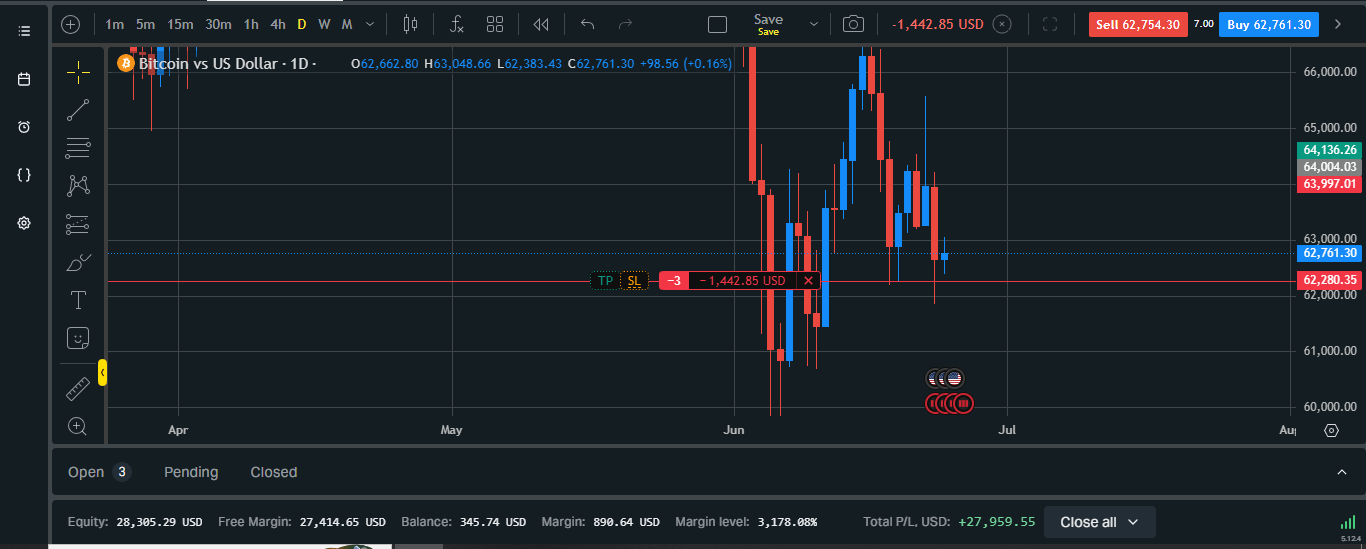
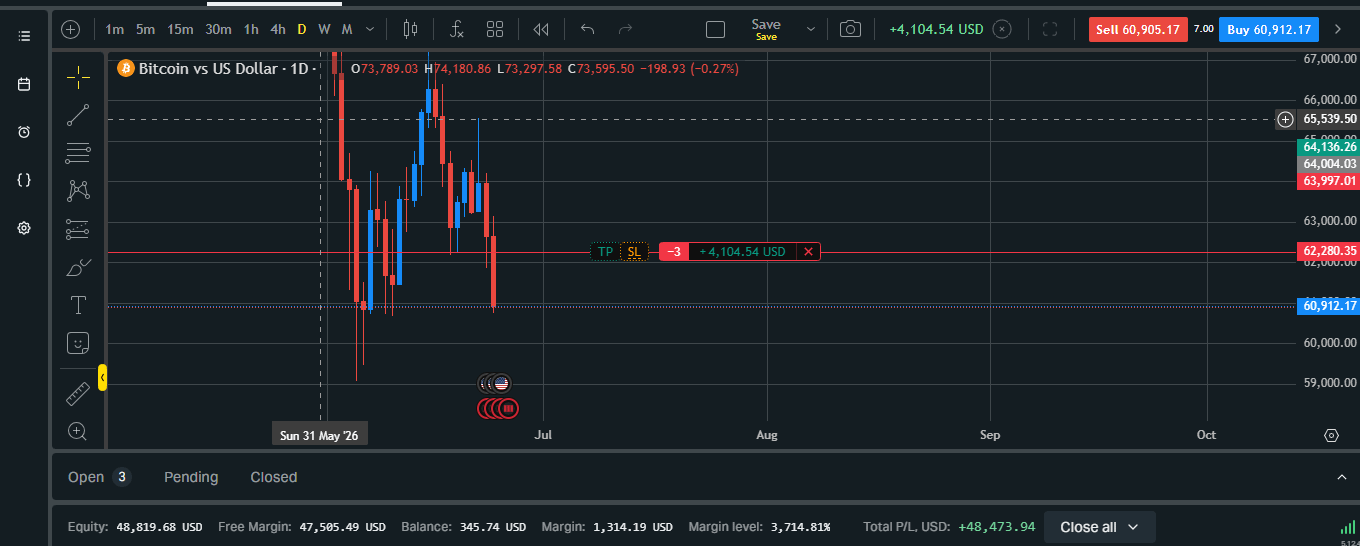
Schau dir die Charts an! Unsere legendäre Tagesstrategie hat den genauen Bitcoin ($BTC ) Flush in Echtzeit bis auf 60.912 $ vorausgesagt! 📉➡️✅
🔍 So lief der Plan ab:
Die Warnung: In unserem vorherigen Post haben wir den 1D-Zeitrahmen betrachtet und gewarnt, dass die massive rote Ablehnungskerze einen tiefen Liquiditätsflush erzwingen würde. Das Ergebnis: Die Marktteilnehmer haben den Preis direkt nach unten gedrückt, um die Stops der frühen Einzelhändler zu jagen, genau wie vorhergesagt.
⚠️ Der ultimative Beweis für den Spot-Handel:
Denk an all die Leverage-Trader, die während dieses gewalttätigen Absturzes komplett liquidiert wurden. Ihre Konten sind weg, weil sie gezockt haben (Maysir).
In der Zwischenzeit, weil wir halal und geduldig bleiben, ist unser Kapital völlig sicher. Jetzt, wo die schwachen Hände rausgeflushed sind, können wir nach hochwahrscheinlichen Akkumulationslevels im Binance Spot-Markt suchen, ohne Liquidationsrisiko.
Verfolge keinen falschen Hype. Folge den Daten, schütze dein Kapital und halte es halal. 🤝
#BTC #CryptoAnalysis #Spot #BinanceSpot #M8
Haftungsausschluss: Keine finanzielle Beratung. Spot-Handel birgt Marktrisiken durch Volatilität. DYOR.
Schau dir die Charts an! Unsere legendäre Tagesstrategie hat den genauen Bitcoin ($BTC ) Flush in Echtzeit bis auf 60.912 $ vorausgesagt! 📉➡️✅
🔍 So lief der Plan ab:
Die Warnung: In unserem vorherigen Post haben wir den 1D-Zeitrahmen betrachtet und gewarnt, dass die massive rote Ablehnungskerze einen tiefen Liquiditätsflush erzwingen würde. Das Ergebnis: Die Marktteilnehmer haben den Preis direkt nach unten gedrückt, um die Stops der frühen Einzelhändler zu jagen, genau wie vorhergesagt.
⚠️ Der ultimative Beweis für den Spot-Handel:
Denk an all die Leverage-Trader, die während dieses gewalttätigen Absturzes komplett liquidiert wurden. Ihre Konten sind weg, weil sie gezockt haben (Maysir).
In der Zwischenzeit, weil wir halal und geduldig bleiben, ist unser Kapital völlig sicher. Jetzt, wo die schwachen Hände rausgeflushed sind, können wir nach hochwahrscheinlichen Akkumulationslevels im Binance Spot-Markt suchen, ohne Liquidationsrisiko.
Verfolge keinen falschen Hype. Folge den Daten, schütze dein Kapital und halte es halal. 🤝
#BTC #CryptoAnalysis #Spot #BinanceSpot #M8
Haftungsausschluss: Keine finanzielle Beratung. Spot-Handel birgt Marktrisiken durch Volatilität. DYOR.
1
207
Anmelden und weiter Inhalte entdecken
Krypto-Nutzer weltweit auf Binance Square kennenlernen
⚡️ Bleib in Sachen Krypto stets am Puls.
💬 Die weltgrößte Kryptobörse vertraut darauf.
👍 Erhalte verlässliche Einblicke von verifizierten Creators.
E-Mail-Adresse/Telefonnummer
Trendthemen
NEARRisesNearly80%InAWeek
34,226 Aufrufe
806 Kommentare
#nearrisesnearly80%inaweek
NEAR-Protokoll in absoluter Hochstimmung diese Woche – hier ist, was den Anstieg antreibt 🔥
Was für eine Woche für NEAR! 🚀 Gewinne von fast 80 % in nur 7 Tagen sind kein reiner Zufall; das deutet auf einen großen Momentum hin, der sich um NEARs Vision formt: die Kette zu entkoppeln und KI-Integration. Wenn technische Effizienz auf die Markthoffnung der Trader trifft, bekommen wir genau diese Art von Kursbewegung.
Hältst du NEAR langfristig, oder nimmst du Gewinne in diesem Bereich mit? Nenne deine Strategie unten! 👇
Bitte folgen Sie
$NEAR
#BitcoinHits$85K #Near #SolanaCutsTargetSlotTimeTo250ms
Shamika Metting
·3 Likes
·1.8k Aufrufe
MultiversXPlansHardForkRecovery
29,876 Aufrufe
614 Kommentare
CircleLaunchesInstitutionalBTCBackedBorrowing
28,956 Aufrufe
719 Kommentare