

LowOnChain
193 Beiträge

LowOnChain
Melden
Nutzer blockieren
Crypto native with experience testing products and running campaigns across Web3. I break down what works, why it works, and where real traction is forming.
38 Following
42 Follower
170 Like gegeben
Beiträge
Alle
Zitierungen
·
--
Artikel
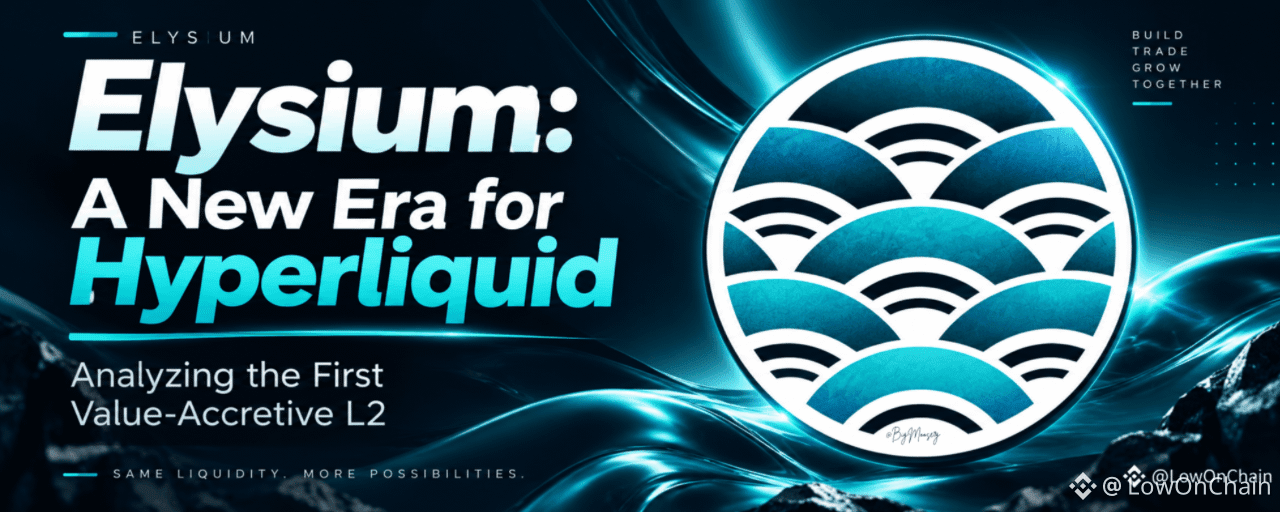
Elysium: Eine neue Ära für Hyperliquid - Das L2, das Wert aufbauen sollLayer 2s sollen Blockchain-Ökosysteme schneller, günstiger und besser skalierbar machen.
Aber da ist noch eine andere Frage, die man stellen sollte:
Wer erfasst eigentlich den Wert, der durch das L2 entsteht?
Diese Frage ist es, die Kinetiqs Elysium besonders interessant macht.
Elysium wird als speziell für das Hyperliquid-Ökosystem entwickeltes Layer 2 konzipiert – mit Fokus auf Trading, Liquidität, Token-Launches und nahtlose Komposabilität mit HyperCore.
Anstatt ein weiteres isoliertes Ausführungsumfeld zu schaffen, ist das Ziel, Elysium zu einer Erweiterung der bestehenden Hyperliquid-Wirtschaft zu machen.
Elysium: Eine neue Ära für Hyperliquid - Das L2, das Wert aufbauen soll
Layer 2s sollen Blockchain-Ökosysteme schneller, günstiger und besser skalierbar machen.
Aber da ist noch eine andere Frage, die man stellen sollte:
Wer erfasst eigentlich den Wert, der durch das L2 entsteht?
Diese Frage ist es, die Kinetiqs Elysium besonders interessant macht.
Elysium wird als speziell für das Hyperliquid-Ökosystem entwickeltes Layer 2 konzipiert – mit Fokus auf Trading, Liquidität, Token-Launches und nahtlose Komposabilität mit HyperCore.
Anstatt ein weiteres isoliertes Ausführungsumfeld zu schaffen, ist das Ziel, Elysium zu einer Erweiterung der bestehenden Hyperliquid-Wirtschaft zu machen.
Aber da ist noch eine andere Frage, die man stellen sollte:
Wer erfasst eigentlich den Wert, der durch das L2 entsteht?
Diese Frage ist es, die Kinetiqs Elysium besonders interessant macht.
Elysium wird als speziell für das Hyperliquid-Ökosystem entwickeltes Layer 2 konzipiert – mit Fokus auf Trading, Liquidität, Token-Launches und nahtlose Komposabilität mit HyperCore.
Anstatt ein weiteres isoliertes Ausführungsumfeld zu schaffen, ist das Ziel, Elysium zu einer Erweiterung der bestehenden Hyperliquid-Wirtschaft zu machen.
1
1
1
118
·
--
Artikel
IronClaw 1.0 und die Infrastruktur hinter der nächsten Generation von KI-AgentenKI-Agenten treten in eine neue Phase ein.
Anstatt nur Antworten zu generieren, wird zunehmend erwartet, dass sie recherchieren, mit Tools interagieren, Workflows verwalten und in Vertretung der Nutzer Handlungen ausführen. Das macht eine Frage immer wichtiger: Wie geben wir KI mehr Fähigkeiten, ohne die Kontrolle aufzugeben?
#IronClaw 1.0 von @NEAR_Protocol nähert sich dieser Herausforderung über die Architektur.
Seine Kernidee ist die Trennung von Denken und Handeln.
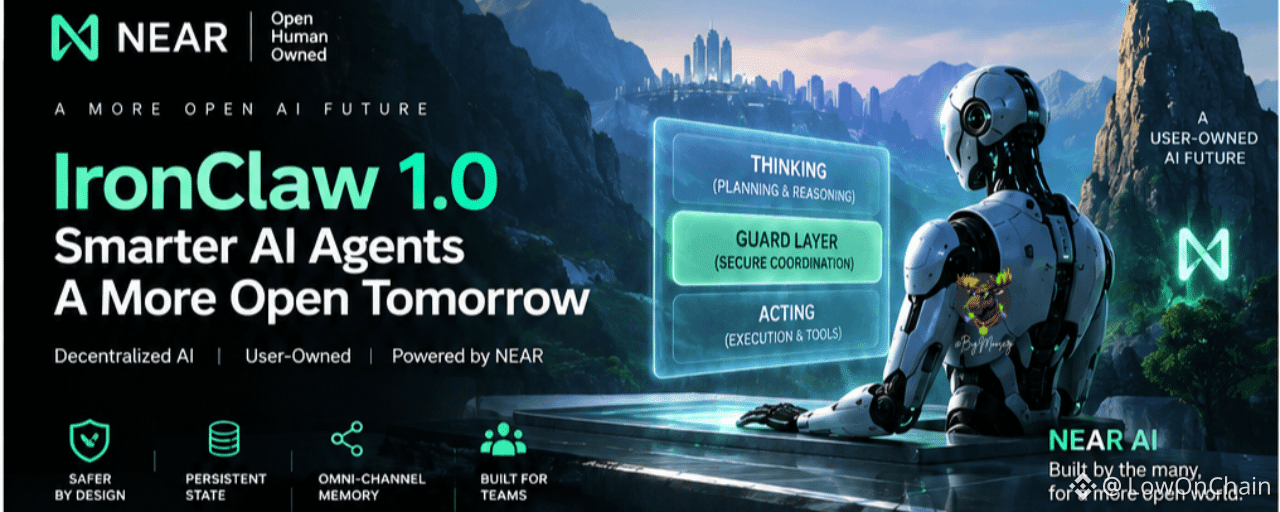
Das KI-Modell übernimmt das Schlussfolgern und die Entscheidungsfindung, während zwischen dem Modell und den Tools, auf die es zugreifen kann, eine sichere Koordinationsschicht namens „guard“ sitzt. Dadurch entsteht ein kontrollierter Pfad, in dem Aktionen validiert werden können und, wenn nötig, vor der Ausführung ausdrücklich genehmigt werden.
IronClaw 1.0 und die Infrastruktur hinter der nächsten Generation von KI-Agenten
KI-Agenten treten in eine neue Phase ein.
Anstatt nur Antworten zu generieren, wird zunehmend erwartet, dass sie recherchieren, mit Tools interagieren, Workflows verwalten und in Vertretung der Nutzer Handlungen ausführen. Das macht eine Frage immer wichtiger: Wie geben wir KI mehr Fähigkeiten, ohne die Kontrolle aufzugeben?
#IronClaw 1.0 von @NEAR Protocol nähert sich dieser Herausforderung über die Architektur.
Seine Kernidee ist die Trennung von Denken und Handeln.
Das KI-Modell übernimmt das Schlussfolgern und die Entscheidungsfindung, während zwischen dem Modell und den Tools, auf die es zugreifen kann, eine sichere Koordinationsschicht namens „guard“ sitzt. Dadurch entsteht ein kontrollierter Pfad, in dem Aktionen validiert werden können und, wenn nötig, vor der Ausführung ausdrücklich genehmigt werden.
Anstatt nur Antworten zu generieren, wird zunehmend erwartet, dass sie recherchieren, mit Tools interagieren, Workflows verwalten und in Vertretung der Nutzer Handlungen ausführen. Das macht eine Frage immer wichtiger: Wie geben wir KI mehr Fähigkeiten, ohne die Kontrolle aufzugeben?
#IronClaw 1.0 von @NEAR Protocol nähert sich dieser Herausforderung über die Architektur.
Seine Kernidee ist die Trennung von Denken und Handeln.
Das KI-Modell übernimmt das Schlussfolgern und die Entscheidungsfindung, während zwischen dem Modell und den Tools, auf die es zugreifen kann, eine sichere Koordinationsschicht namens „guard“ sitzt. Dadurch entsteht ein kontrollierter Pfad, in dem Aktionen validiert werden können und, wenn nötig, vor der Ausführung ausdrücklich genehmigt werden.
1
1
107
·
--
SocialFi hat die Teilnahme gelöst. Es hat die Validierung jedoch nicht gelöst.
Das ist der Kern der Argumentation im neuesten Artikel von @DAOLabs , und ehrlich gesagt ist es etwas, das ich als Mitwirkender empfunden habe, ohne dafür die richtigen Worte zu haben.
Ich habe Social-Mining-Aufgaben gemacht, die echten Aufwand erforderten: Recherche, originelle Inhalte, Protokollanalyse – und Aufgaben, die im Grunde nur darin bestanden, dass man „auftaucht“. Die meisten Plattformen haben beides auf dieselbe Weise gemessen: Aufgabe abgeschlossen, Belohnung gesendet. Der Mitwirkende, der 3 Stunden investiert hat, und derjenige, der in 30 Sekunden einen generischen Kommentar gepostet hat, galten beide als „beigetragen“.
Das ist die Lücke bei der Validierung.
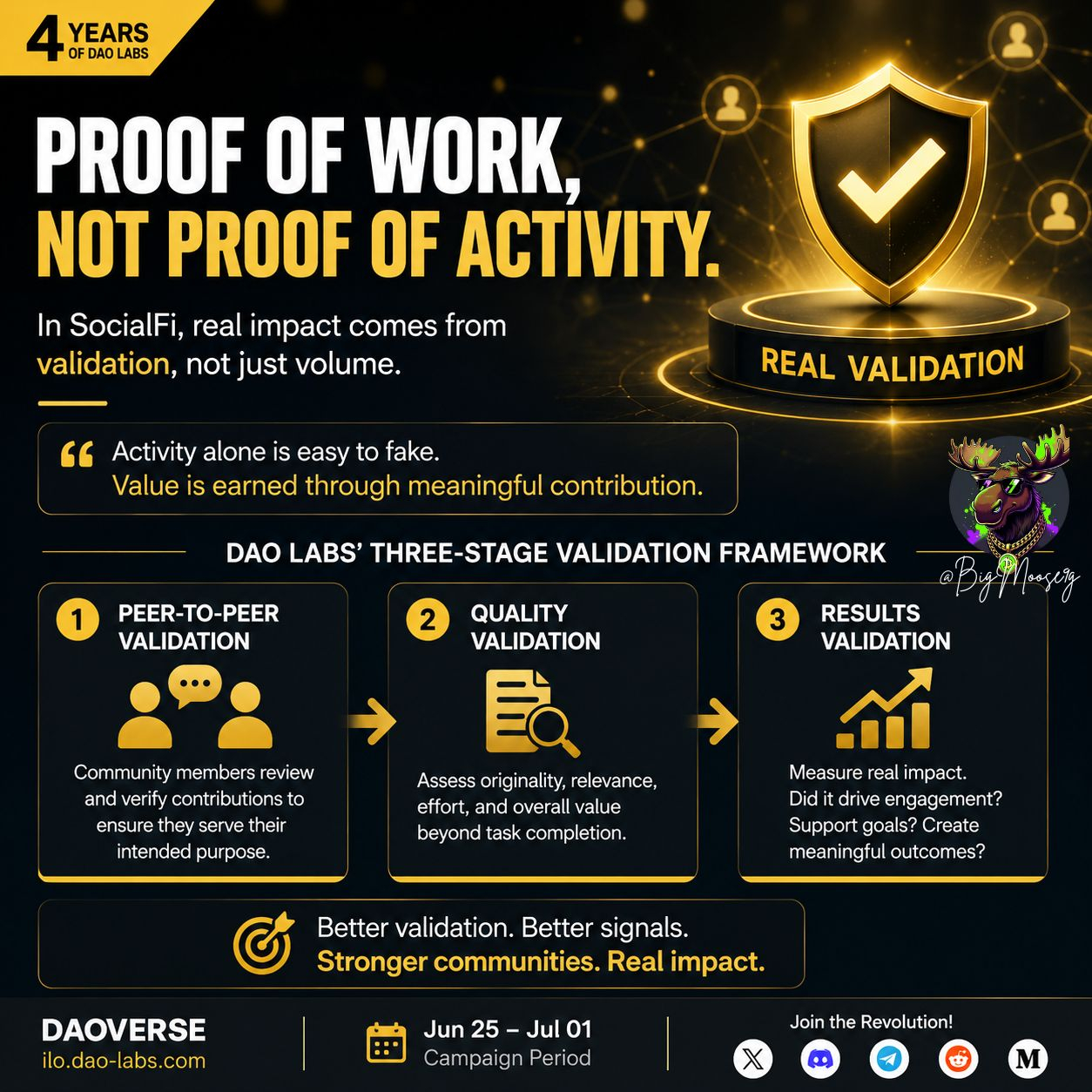
Das Drei-Stufen-Validierungsframework von DAO Labs (Peer-Review → Qualitätsprüfung → Ergebnis-Messung) ist der ernsthafteste Versuch, den ich gesehen habe, um diese Lücke zu schließen. Es fragt nicht nur, ob du eine Aufgabe abgeschlossen hast. Es fragt, ob dein Beitrag dem Projekt und der Community tatsächlich einen echten Mehrwert geschaffen hat.
Die Peer-to-Peer-Ebene ist das, was am stärksten auffällt. Algorithmen können gut darin sein, zu zählen. Sie sind nicht gut darin, Kontext, Originalität oder die Frage zu beurteilen, ob eine Erklärung jemandem tatsächlich geholfen hat, ein Konzept zu verstehen. Die menschliche Prüfung füllt genau diese Lücke.
Für alle, die ernsthafte Arbeit in Web3-Communities leisten – nicht „farmen“, nicht spammen, sondern tatsächlich aufbauen – ist dieses Art von Validierungsmodell entscheidend. Es macht den Unterschied zwischen Systemen, zu denen es sich lohnt beizutragen, und solchen, die schrittweise Qualitätsbeiträge vertreiben.
Allein die Aktivität sollte niemals das endgültige KPI sein.
#SocialMining @DAOLabs
Artikel: https://dao-labs.com/posts/proof-of-work-and-retainability-in-socialfi-what-real-validation-looks-like-part-1
SocialFi hat die Teilnahme gelöst. Es hat die Validierung jedoch nicht gelöst.
Das ist der Kern der Argumentation im neuesten Artikel von @DAO Labs , und ehrlich gesagt ist es etwas, das ich als Mitwirkender empfunden habe, ohne dafür die richtigen Worte zu haben.
Ich habe Social-Mining-Aufgaben gemacht, die echten Aufwand erforderten: Recherche, originelle Inhalte, Protokollanalyse – und Aufgaben, die im Grunde nur darin bestanden, dass man „auftaucht“. Die meisten Plattformen haben beides auf dieselbe Weise gemessen: Aufgabe abgeschlossen, Belohnung gesendet. Der Mitwirkende, der 3 Stunden investiert hat, und derjenige, der in 30 Sekunden einen generischen Kommentar gepostet hat, galten beide als „beigetragen“.
Das ist die Lücke bei der Validierung.
Das Drei-Stufen-Validierungsframework von DAO Labs (Peer-Review → Qualitätsprüfung → Ergebnis-Messung) ist der ernsthafteste Versuch, den ich gesehen habe, um diese Lücke zu schließen. Es fragt nicht nur, ob du eine Aufgabe abgeschlossen hast. Es fragt, ob dein Beitrag dem Projekt und der Community tatsächlich einen echten Mehrwert geschaffen hat.
Die Peer-to-Peer-Ebene ist das, was am stärksten auffällt. Algorithmen können gut darin sein, zu zählen. Sie sind nicht gut darin, Kontext, Originalität oder die Frage zu beurteilen, ob eine Erklärung jemandem tatsächlich geholfen hat, ein Konzept zu verstehen. Die menschliche Prüfung füllt genau diese Lücke.
Für alle, die ernsthafte Arbeit in Web3-Communities leisten – nicht „farmen“, nicht spammen, sondern tatsächlich aufbauen – ist dieses Art von Validierungsmodell entscheidend. Es macht den Unterschied zwischen Systemen, zu denen es sich lohnt beizutragen, und solchen, die schrittweise Qualitätsbeiträge vertreiben.
Allein die Aktivität sollte niemals das endgültige KPI sein.
#SocialMining @DAO Labs
Artikel: https://dao-labs.com/posts/proof-of-work-and-retainability-in-socialfi-what-real-validation-looks-like-part-1
Das ist der Kern der Argumentation im neuesten Artikel von @DAO Labs , und ehrlich gesagt ist es etwas, das ich als Mitwirkender empfunden habe, ohne dafür die richtigen Worte zu haben.
Ich habe Social-Mining-Aufgaben gemacht, die echten Aufwand erforderten: Recherche, originelle Inhalte, Protokollanalyse – und Aufgaben, die im Grunde nur darin bestanden, dass man „auftaucht“. Die meisten Plattformen haben beides auf dieselbe Weise gemessen: Aufgabe abgeschlossen, Belohnung gesendet. Der Mitwirkende, der 3 Stunden investiert hat, und derjenige, der in 30 Sekunden einen generischen Kommentar gepostet hat, galten beide als „beigetragen“.
Das ist die Lücke bei der Validierung.
Das Drei-Stufen-Validierungsframework von DAO Labs (Peer-Review → Qualitätsprüfung → Ergebnis-Messung) ist der ernsthafteste Versuch, den ich gesehen habe, um diese Lücke zu schließen. Es fragt nicht nur, ob du eine Aufgabe abgeschlossen hast. Es fragt, ob dein Beitrag dem Projekt und der Community tatsächlich einen echten Mehrwert geschaffen hat.
Die Peer-to-Peer-Ebene ist das, was am stärksten auffällt. Algorithmen können gut darin sein, zu zählen. Sie sind nicht gut darin, Kontext, Originalität oder die Frage zu beurteilen, ob eine Erklärung jemandem tatsächlich geholfen hat, ein Konzept zu verstehen. Die menschliche Prüfung füllt genau diese Lücke.
Für alle, die ernsthafte Arbeit in Web3-Communities leisten – nicht „farmen“, nicht spammen, sondern tatsächlich aufbauen – ist dieses Art von Validierungsmodell entscheidend. Es macht den Unterschied zwischen Systemen, zu denen es sich lohnt beizutragen, und solchen, die schrittweise Qualitätsbeiträge vertreiben.
Allein die Aktivität sollte niemals das endgültige KPI sein.
#SocialMining @DAO Labs
Artikel: https://dao-labs.com/posts/proof-of-work-and-retainability-in-socialfi-what-real-validation-looks-like-part-1
343
·
--
Artikel
Warum die meisten GameFi-Ökonomien scheitern - und was Pixels anders macht.GameFi hat ein Managementproblem, kein Nachfrageproblem.
Die meisten GameFi-Projekte scheitern nicht, weil die Spieler kein Interesse haben. Sie scheitern, weil ihre Ökonomien nicht aktiv verwaltet werden.
Es gibt ein Muster, das wir alle gesehen haben: starker Launch, anfängliche Traktion, Token-Aktivität… und dann ein langsames Ausbluten der Nutzer.
Nicht, weil das Spiel plötzlich schlecht wurde - sondern weil nichts die Spieler über längere Zeit engagiert.
Wenn eine Wirtschaft nicht wie ein Unternehmen verwaltet wird, wird sie zusammenbrechen wie ein Trend.
Die Überlebenden denken in Metriken, nicht in Momenten.
Warum die meisten GameFi-Ökonomien scheitern - und was Pixels anders macht.
GameFi hat ein Managementproblem, kein Nachfrageproblem.
Die meisten GameFi-Projekte scheitern nicht, weil die Spieler kein Interesse haben. Sie scheitern, weil ihre Ökonomien nicht aktiv verwaltet werden.
Es gibt ein Muster, das wir alle gesehen haben: starker Launch, anfängliche Traktion, Token-Aktivität… und dann ein langsames Ausbluten der Nutzer.
Nicht, weil das Spiel plötzlich schlecht wurde - sondern weil nichts die Spieler über längere Zeit engagiert.
Wenn eine Wirtschaft nicht wie ein Unternehmen verwaltet wird, wird sie zusammenbrechen wie ein Trend.
Die Überlebenden denken in Metriken, nicht in Momenten.
Die meisten GameFi-Projekte scheitern nicht, weil die Spieler kein Interesse haben. Sie scheitern, weil ihre Ökonomien nicht aktiv verwaltet werden.
Es gibt ein Muster, das wir alle gesehen haben: starker Launch, anfängliche Traktion, Token-Aktivität… und dann ein langsames Ausbluten der Nutzer.
Nicht, weil das Spiel plötzlich schlecht wurde - sondern weil nichts die Spieler über längere Zeit engagiert.
Wenn eine Wirtschaft nicht wie ein Unternehmen verwaltet wird, wird sie zusammenbrechen wie ein Trend.
Die Überlebenden denken in Metriken, nicht in Momenten.
2
2
37
·
--
In @pixels ist die Landwirtschaft nur der Einstieg.
Die tiefere Ebene ist, wie $PIXEL Land, Ressourcen und Spieleraktionen zu einem sich weiterentwickelnden System verknüpft.
„Gekachelt“ geht nicht um Hype-Schleifen, sondern um wirtschaftliche Schleifen, die wirklich Bestand haben können.
Das ist der Unterschied, den du mit der Zeit spürst.
#pixel
In @Pixels ist die Landwirtschaft nur der Einstieg.
Die tiefere Ebene ist, wie $PIXEL Land, Ressourcen und Spieleraktionen zu einem sich weiterentwickelnden System verknüpft.
„Gekachelt“ geht nicht um Hype-Schleifen, sondern um wirtschaftliche Schleifen, die wirklich Bestand haben können.
Das ist der Unterschied, den du mit der Zeit spürst.
#pixel
Die tiefere Ebene ist, wie $PIXEL Land, Ressourcen und Spieleraktionen zu einem sich weiterentwickelnden System verknüpft.
„Gekachelt“ geht nicht um Hype-Schleifen, sondern um wirtschaftliche Schleifen, die wirklich Bestand haben können.
Das ist der Unterschied, den du mit der Zeit spürst.
#pixel
3
2
107
·
--
Artikel
Den GameFi-Zyklus durchbrechen: Warum Utility die einzige echte Alpha istWie <c-61/> und $PIXEL dabei sind, eine Token-Ökonomie aufzubauen, die tatsächlich funktioniert – durch Stacked
GameFi hat ein Muster, das die meisten Menschen bereits kennen.
Ein neues Projekt startet mit viel Hype. Der Token pumpt. Frühnutzer farmen Rewards. Die Emissionen setzen ein. Verkaufsdruck baut sich auf. Das Chart verblasst. Die Community verschwindet langsam.
Es ist so oft passiert, dass es sich fast wie ein eingebauter Lebenszyklus anfühlt.
Hype kann eine GameFi-Ökonomie anstoßen. Aber nur Utility kann sie langfristig tragen.
Das Kernproblem ist nicht Marketing, Timing oder sogar die Token-Verteilung. Sondern: Die meisten Tokens tun in ihren eigenen Ökosystemen tatsächlich nichts Sinnvolles. Sie existieren als Anreize – nicht als Infrastruktur.
Den GameFi-Zyklus durchbrechen: Warum Utility die einzige echte Alpha ist
Wie <c-61/> und $PIXEL dabei sind, eine Token-Ökonomie aufzubauen, die tatsächlich funktioniert – durch Stacked
GameFi hat ein Muster, das die meisten Menschen bereits kennen.
Ein neues Projekt startet mit viel Hype. Der Token pumpt. Frühnutzer farmen Rewards. Die Emissionen setzen ein. Verkaufsdruck baut sich auf. Das Chart verblasst. Die Community verschwindet langsam.
Es ist so oft passiert, dass es sich fast wie ein eingebauter Lebenszyklus anfühlt.
Hype kann eine GameFi-Ökonomie anstoßen. Aber nur Utility kann sie langfristig tragen.
Das Kernproblem ist nicht Marketing, Timing oder sogar die Token-Verteilung. Sondern: Die meisten Tokens tun in ihren eigenen Ökosystemen tatsächlich nichts Sinnvolles. Sie existieren als Anreize – nicht als Infrastruktur.
GameFi hat ein Muster, das die meisten Menschen bereits kennen.
Ein neues Projekt startet mit viel Hype. Der Token pumpt. Frühnutzer farmen Rewards. Die Emissionen setzen ein. Verkaufsdruck baut sich auf. Das Chart verblasst. Die Community verschwindet langsam.
Es ist so oft passiert, dass es sich fast wie ein eingebauter Lebenszyklus anfühlt.
Hype kann eine GameFi-Ökonomie anstoßen. Aber nur Utility kann sie langfristig tragen.
Das Kernproblem ist nicht Marketing, Timing oder sogar die Token-Verteilung. Sondern: Die meisten Tokens tun in ihren eigenen Ökosystemen tatsächlich nichts Sinnvolles. Sie existieren als Anreize – nicht als Infrastruktur.
1
39
·
--
#pixel $PIXEL Der Wechsel mit @Pixels ist nicht lauteres Gameplay, sondern smarteres Design.
$PIXEL ist nicht nur ein Belohnungstoken - es ist eine Koordinationsschicht zwischen Spielern, Vermögenswerten und Fortschrittssystemen in Stacked.
Wenn der Nutzen sich kumuliert, wird Spekulation sekundär.
So beginnt echtes GameFi.
#pixel
#pixel $PIXEL Der Wechsel mit @Pixels ist nicht lauteres Gameplay, sondern smarteres Design.
$PIXEL ist nicht nur ein Belohnungstoken - es ist eine Koordinationsschicht zwischen Spielern, Vermögenswerten und Fortschrittssystemen in Stacked.
Wenn der Nutzen sich kumuliert, wird Spekulation sekundär.
So beginnt echtes GameFi.
#pixel
$PIXEL ist nicht nur ein Belohnungstoken - es ist eine Koordinationsschicht zwischen Spielern, Vermögenswerten und Fortschrittssystemen in Stacked.
Wenn der Nutzen sich kumuliert, wird Spekulation sekundär.
So beginnt echtes GameFi.
#pixel
4
4
41
·
--
Artikel
Über Inhalte hinaus: Wie Pixels die Spielerbindung in Web3 neu definiertWarum $PIXEL und das Stacked-Ökosystem sich auf kontinuierliches Engagement konzentrieren - nicht nur auf Content-Drops
Die meisten Web3-Spiele verfolgen immer noch einen vertrauten Loop: mehr Inhalte liefern, mehr Spieler anziehen, hoffen, dass sie bleiben.
Aber hier ist die unangenehme Wahrheit - Inhalte allein halten niemanden lange.
„Wir werden einfach mehr Inhalte hinzufügen“ ist keine Strategie zur Bindung. Es ist eine Strategie für vorübergehende Spitzen.
Spieler verlassen nicht, weil es nichts zu tun gibt. Sie verlassen, weil nichts sie konsequent zurückbringt.
Das ist genau der Ort, an dem @pixels einen anderen Weg einschlägt.
Über Inhalte hinaus: Wie Pixels die Spielerbindung in Web3 neu definiert
Warum $PIXEL und das Stacked-Ökosystem sich auf kontinuierliches Engagement konzentrieren - nicht nur auf Content-Drops
Die meisten Web3-Spiele verfolgen immer noch einen vertrauten Loop: mehr Inhalte liefern, mehr Spieler anziehen, hoffen, dass sie bleiben.
Aber hier ist die unangenehme Wahrheit - Inhalte allein halten niemanden lange.
„Wir werden einfach mehr Inhalte hinzufügen“ ist keine Strategie zur Bindung. Es ist eine Strategie für vorübergehende Spitzen.
Spieler verlassen nicht, weil es nichts zu tun gibt. Sie verlassen, weil nichts sie konsequent zurückbringt.
Das ist genau der Ort, an dem @Pixels einen anderen Weg einschlägt.
Die meisten Web3-Spiele verfolgen immer noch einen vertrauten Loop: mehr Inhalte liefern, mehr Spieler anziehen, hoffen, dass sie bleiben.
Aber hier ist die unangenehme Wahrheit - Inhalte allein halten niemanden lange.
„Wir werden einfach mehr Inhalte hinzufügen“ ist keine Strategie zur Bindung. Es ist eine Strategie für vorübergehende Spitzen.
Spieler verlassen nicht, weil es nichts zu tun gibt. Sie verlassen, weil nichts sie konsequent zurückbringt.
Das ist genau der Ort, an dem @Pixels einen anderen Weg einschlägt.
4
3
29
·
--
Bullisch
Die meisten Menschen sehen @pixels nur als ein Farming-Spiel. Das ist die oberflächliche Ebene.
Darunter treibt $PIXEL einen vollständigen Kreislauf an, in dem Zeit, Vermögenswerte und das Verhalten der Spieler in eine lebendige Wirtschaft einfließen.
Darum geht es im Stacked-Ökosystem: Gameplay in nachhaltigen Wert umzuwandeln, nicht in einmalige Extraktion.
#pixel
Die meisten Menschen sehen @Pixels nur als ein Farming-Spiel. Das ist die oberflächliche Ebene.
Darunter treibt $PIXEL einen vollständigen Kreislauf an, in dem Zeit, Vermögenswerte und das Verhalten der Spieler in eine lebendige Wirtschaft einfließen.
Darum geht es im Stacked-Ökosystem: Gameplay in nachhaltigen Wert umzuwandeln, nicht in einmalige Extraktion.
#pixel
Darunter treibt $PIXEL einen vollständigen Kreislauf an, in dem Zeit, Vermögenswerte und das Verhalten der Spieler in eine lebendige Wirtschaft einfließen.
Darum geht es im Stacked-Ökosystem: Gameplay in nachhaltigen Wert umzuwandeln, nicht in einmalige Extraktion.
#pixel
5
6
36
·
--
Artikel
Gestaltung einer PIXEL-Gemeinschaftsschatzkammer: Warum Timing wichtiger ist als TokenWenn die meisten Menschen an eine Gemeinschaftsschatzkammer denken, stellen sie sich eine gemeinsame Brieftasche vor: Gelder fließen hinein, Vorschläge kommen heraus, und die Gemeinschaft stimmt darüber ab, wie ausgegeben werden soll.
Dieses Modell klingt fair. Es fühlt sich sogar dezentralisiert an.
Aber in einem System wie @Pixels bricht dieser Ansatz schneller als erwartet.
„Eine Schatzkammer ist nicht nur ein Pool von Token - es ist ein System, um zu entscheiden, wann Wert liquide wird.“
Über das einfache Modell hinaus
Die naive Struktur ist einfach zu verstehen:
Halte PIXEL in einem Multisig
Finanziere Schöpfer, Spieler und Initiativen
Gestaltung einer PIXEL-Gemeinschaftsschatzkammer: Warum Timing wichtiger ist als Token
Wenn die meisten Menschen an eine Gemeinschaftsschatzkammer denken, stellen sie sich eine gemeinsame Brieftasche vor: Gelder fließen hinein, Vorschläge kommen heraus, und die Gemeinschaft stimmt darüber ab, wie ausgegeben werden soll.
Dieses Modell klingt fair. Es fühlt sich sogar dezentralisiert an.
Aber in einem System wie @Pixels bricht dieser Ansatz schneller als erwartet.
„Eine Schatzkammer ist nicht nur ein Pool von Token - es ist ein System, um zu entscheiden, wann Wert liquide wird.“
Über das einfache Modell hinaus
Die naive Struktur ist einfach zu verstehen:
Halte PIXEL in einem Multisig
Finanziere Schöpfer, Spieler und Initiativen
Dieses Modell klingt fair. Es fühlt sich sogar dezentralisiert an.
Aber in einem System wie @Pixels bricht dieser Ansatz schneller als erwartet.
„Eine Schatzkammer ist nicht nur ein Pool von Token - es ist ein System, um zu entscheiden, wann Wert liquide wird.“
Über das einfache Modell hinaus
Die naive Struktur ist einfach zu verstehen:
Halte PIXEL in einem Multisig
Finanziere Schöpfer, Spieler und Initiativen
9
7
31
·
--
Der Wandel im Web3-Gaming geschieht gerade jetzt, und @pixels führt ihn leise an.
Die meisten Leute denken immer noch, dass $PIXEL nur mit Farming und einfachen Gameplay-Schleifen verbunden ist... aber das ist veraltetes Denken.
Mit der Einführung von Stacked entwickelt sich Pixels zu etwas viel Größerem: einer intelligenten, datengestützten Wirtschaft, in der das Verhalten der Spieler tatsächlich die Belohnungen gestaltet. Anstelle von zufälligen Emissionen sind die Anreize jetzt personalisiert, was das System nachhaltiger und über die Zeit ansprechender macht.
Das ändert alles.
Wir bewegen uns von "play-to-earn" zu "play-and-participate-in-an-economy-that adapts to you."
Jede Aktion—Farming, Handel, Fortschritt, ist nicht länger isoliert. Sie speist sich in ein intelligenteres System, das darauf ausgelegt ist, Wert zu erhalten, nicht nur zu verteilen.
$PIXEL ist nicht mehr nur ein Token. Es wird zur Koordinationsschicht einer lebendigen, sich entwickelnden digitalen Wirtschaft.
Wenn du Pixels immer noch wie ein einfaches Spiel behandelst, verpasst du das größere Bild.
#pixel
Der Wandel im Web3-Gaming geschieht gerade jetzt, und @Pixels führt ihn leise an.
Die meisten Leute denken immer noch, dass $PIXEL nur mit Farming und einfachen Gameplay-Schleifen verbunden ist... aber das ist veraltetes Denken.
Mit der Einführung von Stacked entwickelt sich Pixels zu etwas viel Größerem: einer intelligenten, datengestützten Wirtschaft, in der das Verhalten der Spieler tatsächlich die Belohnungen gestaltet. Anstelle von zufälligen Emissionen sind die Anreize jetzt personalisiert, was das System nachhaltiger und über die Zeit ansprechender macht.
Das ändert alles.
Wir bewegen uns von "play-to-earn" zu "play-and-participate-in-an-economy-that adapts to you."
Jede Aktion—Farming, Handel, Fortschritt, ist nicht länger isoliert. Sie speist sich in ein intelligenteres System, das darauf ausgelegt ist, Wert zu erhalten, nicht nur zu verteilen.
$PIXEL ist nicht mehr nur ein Token. Es wird zur Koordinationsschicht einer lebendigen, sich entwickelnden digitalen Wirtschaft.
Wenn du Pixels immer noch wie ein einfaches Spiel behandelst, verpasst du das größere Bild.
#pixel
Die meisten Leute denken immer noch, dass $PIXEL nur mit Farming und einfachen Gameplay-Schleifen verbunden ist... aber das ist veraltetes Denken.
Mit der Einführung von Stacked entwickelt sich Pixels zu etwas viel Größerem: einer intelligenten, datengestützten Wirtschaft, in der das Verhalten der Spieler tatsächlich die Belohnungen gestaltet. Anstelle von zufälligen Emissionen sind die Anreize jetzt personalisiert, was das System nachhaltiger und über die Zeit ansprechender macht.
Das ändert alles.
Wir bewegen uns von "play-to-earn" zu "play-and-participate-in-an-economy-that adapts to you."
Jede Aktion—Farming, Handel, Fortschritt, ist nicht länger isoliert. Sie speist sich in ein intelligenteres System, das darauf ausgelegt ist, Wert zu erhalten, nicht nur zu verteilen.
$PIXEL ist nicht mehr nur ein Token. Es wird zur Koordinationsschicht einer lebendigen, sich entwickelnden digitalen Wirtschaft.
Wenn du Pixels immer noch wie ein einfaches Spiel behandelst, verpasst du das größere Bild.
#pixel
9
9
37
·
--
Artikel
PIXELS der Privatsphäre: Kontrolle, Illusion und die verborgenen Kosten der Einfachheit in Web3Es gibt ein Muster in Web3, das klarer wird, je länger man bleibt: Ideen kommen nicht vollständig ausgebildet an. Sie entstehen, gewinnen Glauben, werden für die Akzeptanz vereinfacht und zeigen erst später ihre Komplexität.
Privatsphäre ist eine dieser Ideen.
Mit @pixels und dem Aufstieg von $PIXEL fühlt sich das Gespräch an der Oberfläche anders an. Es wird nicht als Ideologie oder Widerstand dargestellt. Es ist in Gameplay, Landwirtschaftsschleifen, sozialer Interaktion und Erkundung eingewickelt. Es fühlt sich leicht an. Zugänglich. Fast losgelöst von den schwereren Diskussionen, die die frühen Jahre von Krypto prägten.
PIXELS der Privatsphäre: Kontrolle, Illusion und die verborgenen Kosten der Einfachheit in Web3
Es gibt ein Muster in Web3, das klarer wird, je länger man bleibt: Ideen kommen nicht vollständig ausgebildet an. Sie entstehen, gewinnen Glauben, werden für die Akzeptanz vereinfacht und zeigen erst später ihre Komplexität.
Privatsphäre ist eine dieser Ideen.
Mit @Pixels und dem Aufstieg von $PIXEL fühlt sich das Gespräch an der Oberfläche anders an. Es wird nicht als Ideologie oder Widerstand dargestellt. Es ist in Gameplay, Landwirtschaftsschleifen, sozialer Interaktion und Erkundung eingewickelt. Es fühlt sich leicht an. Zugänglich. Fast losgelöst von den schwereren Diskussionen, die die frühen Jahre von Krypto prägten.
Privatsphäre ist eine dieser Ideen.
Mit @Pixels und dem Aufstieg von $PIXEL fühlt sich das Gespräch an der Oberfläche anders an. Es wird nicht als Ideologie oder Widerstand dargestellt. Es ist in Gameplay, Landwirtschaftsschleifen, sozialer Interaktion und Erkundung eingewickelt. Es fühlt sich leicht an. Zugänglich. Fast losgelöst von den schwereren Diskussionen, die die frühen Jahre von Krypto prägten.
7
7
39
·
--
Was ich interessant finde an @pixels ist, wie das Stacked-Ökosystem das Gameplay mit echtem Wert verbindet.
Wenn Sie $PIXEL staken, verdienen Sie nicht nur, sondern verbessern aktiv Ihr Spielerlebnis.
Dieses Gleichgewicht zwischen Nutzen und Belohnung ist der Grund, warum #pixel weiter an Aufmerksamkeit gewinnt.
Was ich interessant finde an @Pixels ist, wie das Stacked-Ökosystem das Gameplay mit echtem Wert verbindet.
Wenn Sie $PIXEL staken, verdienen Sie nicht nur, sondern verbessern aktiv Ihr Spielerlebnis.
Dieses Gleichgewicht zwischen Nutzen und Belohnung ist der Grund, warum #pixel weiter an Aufmerksamkeit gewinnt.
Wenn Sie $PIXEL staken, verdienen Sie nicht nur, sondern verbessern aktiv Ihr Spielerlebnis.
Dieses Gleichgewicht zwischen Nutzen und Belohnung ist der Grund, warum #pixel weiter an Aufmerksamkeit gewinnt.
8
7
29
·
--
Ich habe die Mechaniken hinter @pixels erkundet und es ist klar, dass das Stacked-System für langfristige Spieler ausgelegt ist.
Das Halten und Verwenden von $PIXEL geht nicht nur um Belohnungen, es beeinflusst tatsächlich deinen Fortschritt und deine Effizienz im Spiel.
Diese Art der Integration ist es, die #pixel im Web3-Gaming hervorhebt.
Ich habe die Mechaniken hinter @Pixels erkundet und es ist klar, dass das Stacked-System für langfristige Spieler ausgelegt ist.
Das Halten und Verwenden von $PIXEL geht nicht nur um Belohnungen, es beeinflusst tatsächlich deinen Fortschritt und deine Effizienz im Spiel.
Diese Art der Integration ist es, die #pixel im Web3-Gaming hervorhebt.
Das Halten und Verwenden von $PIXEL geht nicht nur um Belohnungen, es beeinflusst tatsächlich deinen Fortschritt und deine Effizienz im Spiel.
Diese Art der Integration ist es, die #pixel im Web3-Gaming hervorhebt.
6
7
24
·
--

Artikel
Über das Diagramm hinaus: Die wahre $PIXEL-Geschichte ist Angebot vs. NutzenDie meisten Menschen im Krypto-Bereich beobachten das $PIXEL chart und reagieren auf den Preis. Aber der Preis allein erzählt selten die ganze Geschichte. Was wirklich zählt, ist die Beziehung zwischen dem Angebot, das in den Markt eintritt, und der Nachfrage, die im Ökosystem geschaffen wird.
Im Moment ist dieses Gleichgewicht das, was Pixels zu einer der interessanteren GameFi-Fallstudien macht.
Die Angebotsrealität, die die meisten Menschen ignorieren
Ein großer Teil des gesamten Angebots von $PIXEL ist noch nicht im Umlauf. Das bedeutet, dass neue Token im Laufe der Zeit weiterhin durch geplante Freigaben in den Markt gelangen werden.
Über das Diagramm hinaus: Die wahre $PIXEL-Geschichte ist Angebot vs. Nutzen
Die meisten Menschen im Krypto-Bereich beobachten das $PIXEL chart und reagieren auf den Preis. Aber der Preis allein erzählt selten die ganze Geschichte. Was wirklich zählt, ist die Beziehung zwischen dem Angebot, das in den Markt eintritt, und der Nachfrage, die im Ökosystem geschaffen wird.
Im Moment ist dieses Gleichgewicht das, was Pixels zu einer der interessanteren GameFi-Fallstudien macht.
Die Angebotsrealität, die die meisten Menschen ignorieren
Ein großer Teil des gesamten Angebots von $PIXEL ist noch nicht im Umlauf. Das bedeutet, dass neue Token im Laufe der Zeit weiterhin durch geplante Freigaben in den Markt gelangen werden.
Im Moment ist dieses Gleichgewicht das, was Pixels zu einer der interessanteren GameFi-Fallstudien macht.
Die Angebotsrealität, die die meisten Menschen ignorieren
Ein großer Teil des gesamten Angebots von $PIXEL ist noch nicht im Umlauf. Das bedeutet, dass neue Token im Laufe der Zeit weiterhin durch geplante Freigaben in den Markt gelangen werden.
11
10
48
·
--
Viele GameFi-Token verlassen sich auf Hype, aber @pixels setzt auf tatsächlichen Nutzen durch Stacked.
Wenn Belohnungen optimiert und nicht überflutet werden, hat das Ökosystem eine bessere Chance zu bestehen.
Da wird $PIXEL interessant.
#pixel
Viele GameFi-Token verlassen sich auf Hype, aber @Pixels setzt auf tatsächlichen Nutzen durch Stacked.
Wenn Belohnungen optimiert und nicht überflutet werden, hat das Ökosystem eine bessere Chance zu bestehen.
Da wird $PIXEL interessant.
#pixel
Wenn Belohnungen optimiert und nicht überflutet werden, hat das Ökosystem eine bessere Chance zu bestehen.
Da wird $PIXEL interessant.
#pixel
12
12
31
·
--
Was ich gerade an @pixels mag, ist die Richtung, die sie mit Stacked einschlagen.
Es geht nicht mehr nur ums Verdienen, es geht um Verdienen, das Sinn macht.
Wenn Belohnungen an echtes Engagement gebunden sind, sieht $PIXEL sehr anders aus als typische GameFi-Token.
#pixel
Was ich gerade an @Pixels mag, ist die Richtung, die sie mit Stacked einschlagen.
Es geht nicht mehr nur ums Verdienen, es geht um Verdienen, das Sinn macht.
Wenn Belohnungen an echtes Engagement gebunden sind, sieht $PIXEL sehr anders aus als typische GameFi-Token.
#pixel
Es geht nicht mehr nur ums Verdienen, es geht um Verdienen, das Sinn macht.
Wenn Belohnungen an echtes Engagement gebunden sind, sieht $PIXEL sehr anders aus als typische GameFi-Token.
#pixel

36
·
--

Artikel
Stacked behebt leise, was Play-to-Earn falsch gemacht hatJahrelang trug die Idee des Play-to-Earn sowohl Versprechen als auch Enttäuschungen in sich. Sie führte zu einer neuen Denkweise über das Spielen, bei der die aufgewendete Zeit in echten Wert umgesetzt werden konnte. In der Praxis scheiterten jedoch viele Systeme. Die Belohnungen waren oft fehlgeleitet, zogen kurzfristige Nutzer an und schufen Volkswirtschaften, die sich nicht selbst erhalten konnten.
Stacked, hervorgegangen aus dem Pixels-Ökosystem, fühlt sich an wie eine Antwort, die durch Erfahrung und nicht durch Theorie geprägt ist.
Das Kernproblem: Anreize, die Spiele ruinieren
Die meisten Play-to-Earn-Systeme sind nicht gescheitert, weil es an Belohnungen mangelte. Sie sind gescheitert, weil die Struktur dieser Belohnungen fehlerhaft war.
Stacked behebt leise, was Play-to-Earn falsch gemacht hat
Jahrelang trug die Idee des Play-to-Earn sowohl Versprechen als auch Enttäuschungen in sich. Sie führte zu einer neuen Denkweise über das Spielen, bei der die aufgewendete Zeit in echten Wert umgesetzt werden konnte. In der Praxis scheiterten jedoch viele Systeme. Die Belohnungen waren oft fehlgeleitet, zogen kurzfristige Nutzer an und schufen Volkswirtschaften, die sich nicht selbst erhalten konnten.
Stacked, hervorgegangen aus dem Pixels-Ökosystem, fühlt sich an wie eine Antwort, die durch Erfahrung und nicht durch Theorie geprägt ist.
Das Kernproblem: Anreize, die Spiele ruinieren
Die meisten Play-to-Earn-Systeme sind nicht gescheitert, weil es an Belohnungen mangelte. Sie sind gescheitert, weil die Struktur dieser Belohnungen fehlerhaft war.
Stacked, hervorgegangen aus dem Pixels-Ökosystem, fühlt sich an wie eine Antwort, die durch Erfahrung und nicht durch Theorie geprägt ist.
Das Kernproblem: Anreize, die Spiele ruinieren
Die meisten Play-to-Earn-Systeme sind nicht gescheitert, weil es an Belohnungen mangelte. Sie sind gescheitert, weil die Struktur dieser Belohnungen fehlerhaft war.
47
·
--
LowOnChain
·
--
Die Erkundung des Wachstums von @Pixels in letzter Zeit war wirklich beeindruckend.
Die Art und Weise, wie $PIXEL Gameplay mit echtem Besitz integriert, zeigt, wie sich Web3-Gaming entwickeln sollte.
Von Landwirtschaftsmechaniken bis hin zu von Spielern getriebenen Wirtschaften baut Pixels etwas Nachhaltiges auf, nicht nur Hype.
Ich freue mich darauf, wie $PIXEL den Nutzen erweitert und mehr Spieler in das Ökosystem zieht. #pixel
Die Art und Weise, wie $PIXEL Gameplay mit echtem Besitz integriert, zeigt, wie sich Web3-Gaming entwickeln sollte.
Von Landwirtschaftsmechaniken bis hin zu von Spielern getriebenen Wirtschaften baut Pixels etwas Nachhaltiges auf, nicht nur Hype.
Ich freue mich darauf, wie $PIXEL den Nutzen erweitert und mehr Spieler in das Ökosystem zieht. #pixel
9
·
--
Artikel
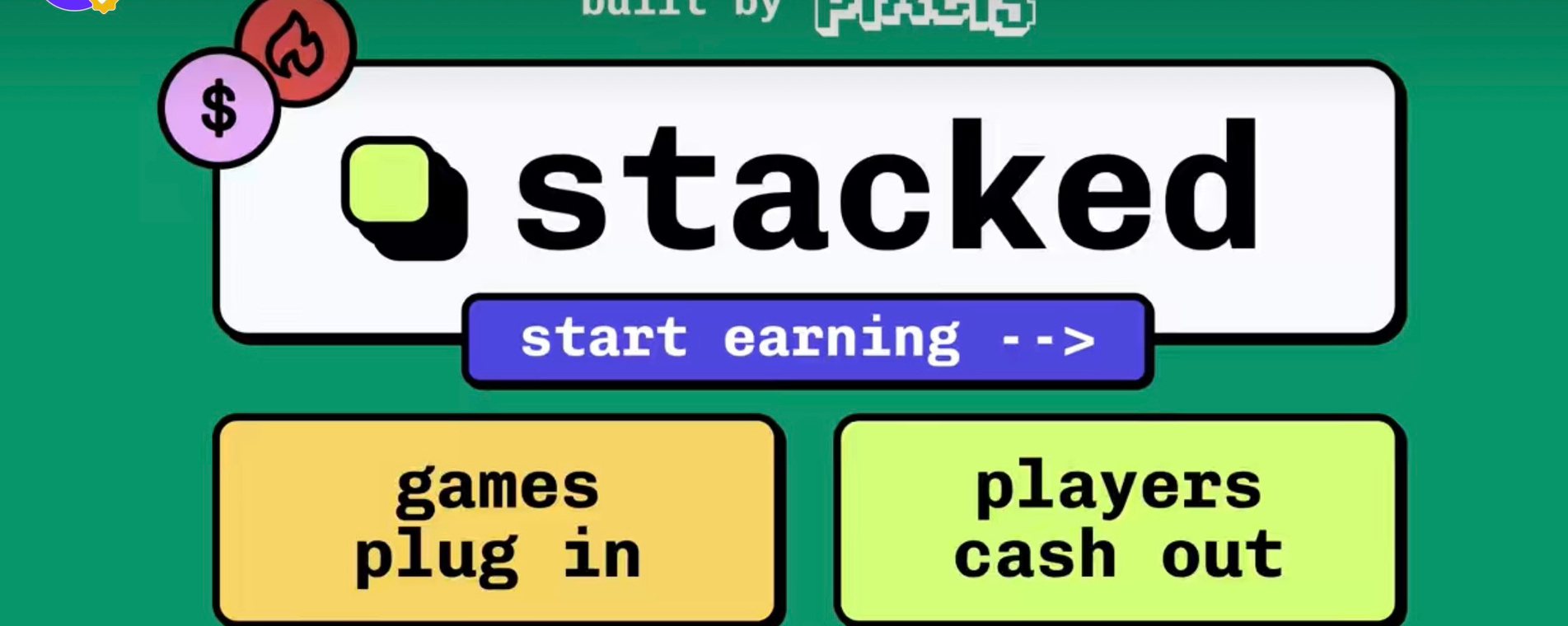
Der Aufstieg von Pixels: Intelligentere Spielwirtschaften, die von $PIXEL angetrieben werdenDie Evolution des Web3-Gamings dreht sich nicht mehr nur um Play-to-Earn, sondern um den Aufbau intelligenter, adaptiver Ökosysteme. @pixels beginnt, diesen Wandel widerzuspiegeln, besonders wenn man bedenkt, wie Daten, Belohnungen und das Verhalten der Spieler in einer kontinuierlichen Schleife verbunden werden können.
Das oben dargestellte Konzept hebt hervor, wie eine moderne Spielwirtschaft aussehen sollte. Stellen Sie sich ein System vor, in dem Ihre Gameplay-Aktivität in eine intelligente Schicht einfließt, ähnlich einem "Stacked AI Game Economist", der Verhaltensdaten in Echtzeit verarbeitet. Im Kontext von Pixels stimmt dies eng damit überein, wie $PIXEL über einen reinen Belohnungstoken hinaus zu einem zentralen Treiber des wirtschaftlichen Gleichgewichts werden kann.
Der Aufstieg von Pixels: Intelligentere Spielwirtschaften, die von $PIXEL angetrieben werden
Die Evolution des Web3-Gamings dreht sich nicht mehr nur um Play-to-Earn, sondern um den Aufbau intelligenter, adaptiver Ökosysteme. @Pixels beginnt, diesen Wandel widerzuspiegeln, besonders wenn man bedenkt, wie Daten, Belohnungen und das Verhalten der Spieler in einer kontinuierlichen Schleife verbunden werden können.
Das oben dargestellte Konzept hebt hervor, wie eine moderne Spielwirtschaft aussehen sollte. Stellen Sie sich ein System vor, in dem Ihre Gameplay-Aktivität in eine intelligente Schicht einfließt, ähnlich einem "Stacked AI Game Economist", der Verhaltensdaten in Echtzeit verarbeitet. Im Kontext von Pixels stimmt dies eng damit überein, wie $PIXEL über einen reinen Belohnungstoken hinaus zu einem zentralen Treiber des wirtschaftlichen Gleichgewichts werden kann.
Das oben dargestellte Konzept hebt hervor, wie eine moderne Spielwirtschaft aussehen sollte. Stellen Sie sich ein System vor, in dem Ihre Gameplay-Aktivität in eine intelligente Schicht einfließt, ähnlich einem "Stacked AI Game Economist", der Verhaltensdaten in Echtzeit verarbeitet. Im Kontext von Pixels stimmt dies eng damit überein, wie $PIXEL über einen reinen Belohnungstoken hinaus zu einem zentralen Treiber des wirtschaftlichen Gleichgewichts werden kann.
17
12
101
Anmelden und weiter Inhalte entdecken
Krypto-Nutzer weltweit auf Binance Square kennenlernen
⚡️ Bleib in Sachen Krypto stets am Puls.
💬 Die weltgrößte Kryptobörse vertraut darauf.
👍 Erhalte verlässliche Einblicke von verifizierten Creators.
E-Mail-Adresse/Telefonnummer
Trendthemen
EtherGains70.9%InQ3
114,671 Aufrufe
999 Kommentare
🧭🧭🧭 Analyse 🧭🧭🧭
💡 Indikator für die Saison von Altcoins 💡
🚨🚨🚨 Das dritte Quartal (T3) ist nun abgeschlossen. ETH ist um 71% gestiegen und BTC um 43%. 🚨🚨🚨
War das der Beginn der Altcoin-Saison?
Unter den besten 100:
🌐🌐🌐 57 haben BTC in 90 Tagen outperformt
Die Altcoin-Saison beginnt bei 75, also ist es
Außerdem liegt sie nur 10 Punkte unter ihrem jährlichen Hoch bei 67 🌐🌐
💥💥💥 Aber Moment… vor einem Monat lag der Index erst bei 23!
Kann Oktober ihn auf 75 pushen? 👀💥💥💥
Bitte bleiben Sie dran
#EtherGains70.9%InQ3
$GRAM
Shamika Metting
·2 Likes
·1k Aufrufe
TreasuryLetsStatesFileStablecoinCertificationsEarly
6,179 Aufrufe
70 Kommentare
US10YearYieldNears5.3%
129,372 Aufrufe
1,040 Kommentare