
OdogwuMakaveli
56 Beiträge
OdogwuMakaveli
Melden
Nutzer blockieren
Brand ambassador of $INJ || OrbitAI || Madala Chain
58 Following
97 Follower
124 Like gegeben
Beiträge
Alle
Zitierungen
PINNED
SO KOPIEREN SIE IHRE TON WALLET-ADRESSE AUF TONKEEPER
1. Gehen Sie zum App Store oder Play Store, um Tonkeeper herunterzuladen.
2. Öffnen Sie die App, erstellen Sie ein Passwort und speichern Sie Ihren Schlüsselsatz.
3. Klicken Sie auf das #TON-Symbol und warten Sie
4. Klicken Sie auf „Empfangen“
5. Eine Benutzeroberfläche mit einer Schaltfläche „Kopieren“ wird angezeigt. Kopieren Sie sie und fügen Sie sie ein, wo Sie möchten
Herzlichen Glückwunsch, Sie haben jetzt Ihre#TON#Crypto Wallet-Adresse
Lesen Sie diesen Artikel unten
https://blog.ston.fi/exchange-notcoin-the-right-way/
https://blog.ston.fi/why-exchange-notcoin-for-another-cryptocurrency-and-is-it-worth-doing/
10
1.7k
·
--
Bullisch
Übersetzung ansehen
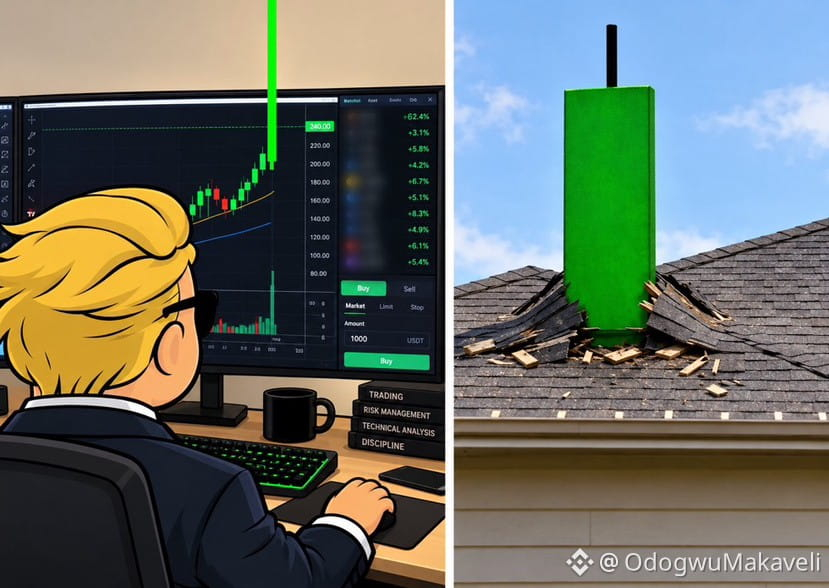
While most alt coins red
Put the words out there that $INJ is back up
While most alt coins red
Put the words out there that $INJ is back up
Put the words out there that $INJ is back up
216

Artikel
Übersetzung ansehen
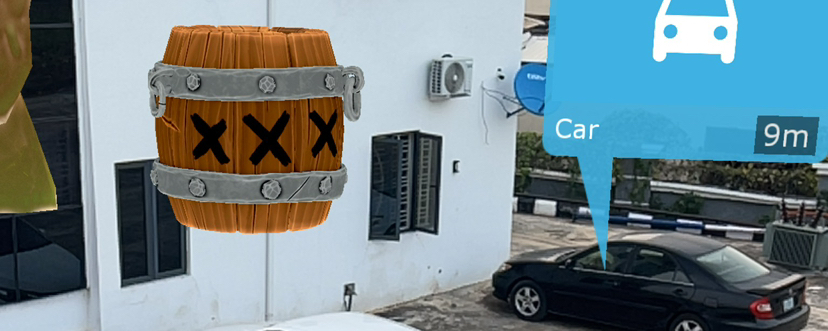
tagSpace: Turning Real Places into Interactive ExperiencestagSpace is building Spatial AI infrastructure that connects digital content directly to the physical world. Instead of keeping everything on screens, the platform lets users leave notes, tips, stories, and experiences anchored to real locations. When you open the app or web version and point your camera, you can discover what others have tagged nearby.
The project focuses on making Mixed Reality simple. Anyone can create and share location-based content without coding or complex 3D skills. Features like Layers allow users to switch between different types of information (cafés, nature spots, public amenities, or custom data) and see only what is relevant in their camera view. Recent updates also include Zones, World Tags, Quests, and the ability to customize avatars.
On the crypto side, $TAGAI powers the ecosystem and is available on Base. The team has also explored equity-backed tokens for longer-term participation. The app is live on iOS and Android, with a web beta available so users can start exploring without a full download.
By making places programmable and interactive, tagSpace aims to turn everyday locations into discovery layers for information, entertainment, and community content. For users interested in the intersection of AI, AR, and real-world engagement, it offers a practical way to both consume and contribute location-based experiences.
Download the app or try the web beta to see what has been tagged around you.
tagSpace: Turning Real Places into Interactive Experiences
tagSpace is building Spatial AI infrastructure that connects digital content directly to the physical world. Instead of keeping everything on screens, the platform lets users leave notes, tips, stories, and experiences anchored to real locations. When you open the app or web version and point your camera, you can discover what others have tagged nearby.
The project focuses on making Mixed Reality simple. Anyone can create and share location-based content without coding or complex 3D skills. Features like Layers allow users to switch between different types of information (cafés, nature spots, public amenities, or custom data) and see only what is relevant in their camera view. Recent updates also include Zones, World Tags, Quests, and the ability to customize avatars.
On the crypto side, $TAGAI powers the ecosystem and is available on Base. The team has also explored equity-backed tokens for longer-term participation. The app is live on iOS and Android, with a web beta available so users can start exploring without a full download.
By making places programmable and interactive, tagSpace aims to turn everyday locations into discovery layers for information, entertainment, and community content. For users interested in the intersection of AI, AR, and real-world engagement, it offers a practical way to both consume and contribute location-based experiences.
Download the app or try the web beta to see what has been tagged around you.
69
$INJ lag gestern unter $8 und ich bin nicht einmal in Panik geraten oder zusammengezuckt.
Weißt du warum?
$INJ erholt sich immer wieder.
Alles unter $8 ist eine Kaufgelegenheit.
Wir sehen uns bald bei $10 🤲🏻🥷
$INJ lag gestern unter $8 und ich bin nicht einmal in Panik geraten oder zusammengezuckt.
Weißt du warum?
$INJ erholt sich immer wieder.
Alles unter $8 ist eine Kaufgelegenheit.
Wir sehen uns bald bei $10 🤲🏻🥷
Weißt du warum?
$INJ erholt sich immer wieder.
Alles unter $8 ist eine Kaufgelegenheit.
Wir sehen uns bald bei $10 🤲🏻🥷
6
3
840
Artikel
Übersetzung ansehen
tagSpace and $TAGAI: Building the Spatial Intelligence Layer for the Real WorldThe internet still mostly lives on screens. Decisions, discoveries, and experiences happen in physical places like streets, venues, cities, and events. tagSpace is building the infrastructure that connects the two.
What is TagSpace?
tagSpace is Spatial Intelligence infrastructure. It delivers AI-curated digital experiences anchored to real-world locations, so the right content reaches the right place at the right time. Creators and businesses can publish location-based experiences in minutes with high precision and little technical overhead.
The platform’s AI prioritizes, ranks, and lays out content dynamically, turning venues, cities, and events into personalized, measurable layers.
The result is a global distribution layer for place-based experiences that can be measured and monetized.
What the Platform Does
tagSpace combines several technologies:
→ Artificial Intelligence: 3D generative AI, agentic content curation, AI voice chat, and predictive positioning that fuses sensors, SLAM, GPS, and spatial maps for high accuracy.
→ Spatial Computing: Mixed-reality engine with real-world occlusion and lighting, support for MR glasses, and tools that convert 2D web content into 4D spatial experiences.
→ DePIN elements: Open-source spatial content protocol, mobile edge compute, and decentralized peer-to-peer compute.
→ Blockchain: Cross-chain capabilities, Real-World Digital Assets (RWdA), locational smart contracts, location-based NFT marketplaces, and fractional revenue sharing.
The consumer app (available on iOS and Android, with early mixed-reality glasses prototypes) lets people explore spatial content left at real places. tagStudio gives creators and brands tools to publish. The system has moved from primarily enterprise use to broader public experiences, with new spatial content added regularly.
Let’s talk about the coin $TAGAI
$TAGAI: The Utility Token
$TAGAI is the native utility and governance token of the tagSpace ecosystem, live on Base CA: 0xa3c285b49fdc0a5498fddb629f975cb40aecabd4.
Total supply is fixed at 100 billion tokens.
It functions as the settlement layer for transactions, rewards, and value flows across the network. Core utility includes:
• Creators earn $TAGAI based on engagement their spatial content generates.
• Creators spend $TAGAI to boost visibility and reach (creating a flywheel where more engagement leads to more rewards).
• Support for incentives, in-app rewards, location-based NFTs, RWdA marketplaces, and fractional revenue sharing from experiences.
Tokenomics emphasize ecosystem growth, long-term alignment, and sustainable distribution. Allocations include a significant Community Fund (around 22%) for campaigns, rewards, and governance, and a large Treasury (around 26%) as an operational reserve. Initial circulating supply at launch was low (roughly 2.67%), with gradual unlocks.
The token has traded on platforms such as Aerodrome on Base. As of late October 2026, the project has noted ongoing weekly buybacks and continued development after a period of lower activity.
Why It TagSpace is important.
Most digital experiences remain screen-bound. tagSpace aims to make places themselves programmable and discoverable a spatial layer where content, brands, creators, and users interact in the physical world with ownership, moderation, privacy considerations, and measurable engagement built in.
It is still early in the broader spatial computing and AI-onchain narrative. The combination of an existing app, creator tools, enterprise history, AI + spatial stack, and a utility token positions it as infrastructure rather than a pure narrative play. Execution on creator adoption, real-world usage, and sustainable token utility will determine how far the layer extends.
For more, the official site is [tagspace.com](https://tagspace.com).
tagSpace and $TAGAI: Building the Spatial Intelligence Layer for the Real World
The internet still mostly lives on screens. Decisions, discoveries, and experiences happen in physical places like streets, venues, cities, and events. tagSpace is building the infrastructure that connects the two.
What is TagSpace?
tagSpace is Spatial Intelligence infrastructure. It delivers AI-curated digital experiences anchored to real-world locations, so the right content reaches the right place at the right time. Creators and businesses can publish location-based experiences in minutes with high precision and little technical overhead.
The platform’s AI prioritizes, ranks, and lays out content dynamically, turning venues, cities, and events into personalized, measurable layers.
The result is a global distribution layer for place-based experiences that can be measured and monetized.
What the Platform Does
tagSpace combines several technologies:
→ Artificial Intelligence: 3D generative AI, agentic content curation, AI voice chat, and predictive positioning that fuses sensors, SLAM, GPS, and spatial maps for high accuracy.
→ Spatial Computing: Mixed-reality engine with real-world occlusion and lighting, support for MR glasses, and tools that convert 2D web content into 4D spatial experiences.
→ DePIN elements: Open-source spatial content protocol, mobile edge compute, and decentralized peer-to-peer compute.
→ Blockchain: Cross-chain capabilities, Real-World Digital Assets (RWdA), locational smart contracts, location-based NFT marketplaces, and fractional revenue sharing.
The consumer app (available on iOS and Android, with early mixed-reality glasses prototypes) lets people explore spatial content left at real places. tagStudio gives creators and brands tools to publish. The system has moved from primarily enterprise use to broader public experiences, with new spatial content added regularly.
Let’s talk about the coin $TAGAI
$TAGAI: The Utility Token
$TAGAI is the native utility and governance token of the tagSpace ecosystem, live on Base CA: 0xa3c285b49fdc0a5498fddb629f975cb40aecabd4.
Total supply is fixed at 100 billion tokens.
It functions as the settlement layer for transactions, rewards, and value flows across the network. Core utility includes:
• Creators earn $TAGAI based on engagement their spatial content generates.
• Creators spend $TAGAI to boost visibility and reach (creating a flywheel where more engagement leads to more rewards).
• Support for incentives, in-app rewards, location-based NFTs, RWdA marketplaces, and fractional revenue sharing from experiences.
Tokenomics emphasize ecosystem growth, long-term alignment, and sustainable distribution. Allocations include a significant Community Fund (around 22%) for campaigns, rewards, and governance, and a large Treasury (around 26%) as an operational reserve. Initial circulating supply at launch was low (roughly 2.67%), with gradual unlocks.
The token has traded on platforms such as Aerodrome on Base. As of late October 2026, the project has noted ongoing weekly buybacks and continued development after a period of lower activity.
Why It TagSpace is important.
Most digital experiences remain screen-bound. tagSpace aims to make places themselves programmable and discoverable a spatial layer where content, brands, creators, and users interact in the physical world with ownership, moderation, privacy considerations, and measurable engagement built in.
It is still early in the broader spatial computing and AI-onchain narrative. The combination of an existing app, creator tools, enterprise history, AI + spatial stack, and a utility token positions it as infrastructure rather than a pure narrative play. Execution on creator adoption, real-world usage, and sustainable token utility will determine how far the layer extends.
For more, the official site is [tagspace.com](https://tagspace.com).
1
192
Ich hatte einen Traum
Ich sah $INJ bei 20 $
Ich hatte einen Traum
Ich sah $INJ bei 20 $
Ich sah $INJ bei 20 $
3
178
Artikel
Übersetzung ansehen
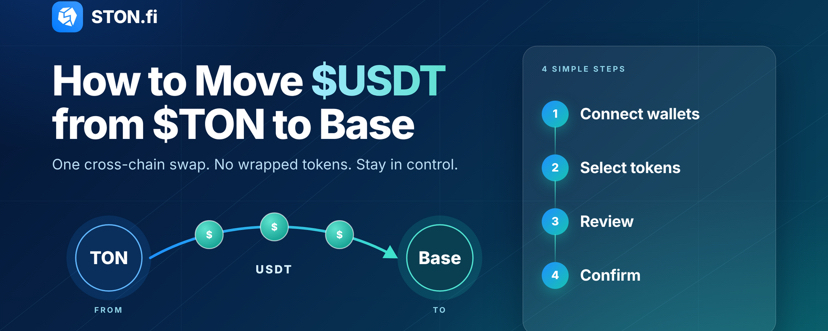
How to move $USDT from $TON to $Base using a cross-chain swap (STON.fi)Moving stablecoins between chains usually means picking a bridge, hoping it’s safe, or going through a centralized exchange. There’s a cleaner option for $USDT from $TON to $Base.
STON.fi lets you do a cross-chain swap in one flow. You stay in control of your wallets the whole time, and you receive native USDT on Base instead of a wrapped version.
Here’s an instructional guide of how it works:
1. Connect a TON wallet (Tonkeeper or similar) and an EVM wallet (MetaMask, Coinbase Wallet, etc.).
2. Switch to the Cross-chain tab on STON.fi.
3. Select USDT on TON as the asset you’re sending and USDT (or USDC) on Base as the asset you want to receive.
4. Enter the amount, review the rate, fees, and minimum received.
5. Confirm the transaction in your TON wallet.
6. Wait for the swap to settle.
The funds arrive in your Base wallet.
The process uses Omniston under the hood. Both sides of the swap are locked in linked contracts, so either the full swap completes or your funds return. No separate bridge step and no wrapped token in the middle.
A few practical notes before you start:
• Keep a small amount of TON in your wallet for fees.
• Double-check the destination network and receiving address before confirming.
• Start with a small test amount if it’s your first time.
You can see the full step-by-step on the official page:
https://ston.fi/how-to-send-usdt-from-ton-to-base
For a broader look at how cross-chain swaps from TON to Base work, this page covers the flow:
https://ston.fi/cross-chain-swap-from-ton-to-base
If you want a simple explanation of what a decentralized exchange is before trying any of this, the What is DEX resource is a clear starting point:
That’s the easiest practical route.
One interface, native USDT on the other side, and no extra accounts required.
How to move $USDT from $TON to $Base using a cross-chain swap (STON.fi)
Moving stablecoins between chains usually means picking a bridge, hoping it’s safe, or going through a centralized exchange. There’s a cleaner option for $USDT from $TON to $Base.
STON.fi lets you do a cross-chain swap in one flow. You stay in control of your wallets the whole time, and you receive native USDT on Base instead of a wrapped version.
Here’s an instructional guide of how it works:
1. Connect a TON wallet (Tonkeeper or similar) and an EVM wallet (MetaMask, Coinbase Wallet, etc.).
2. Switch to the Cross-chain tab on STON.fi.
3. Select USDT on TON as the asset you’re sending and USDT (or USDC) on Base as the asset you want to receive.
4. Enter the amount, review the rate, fees, and minimum received.
5. Confirm the transaction in your TON wallet.
6. Wait for the swap to settle.
The funds arrive in your Base wallet.
The process uses Omniston under the hood. Both sides of the swap are locked in linked contracts, so either the full swap completes or your funds return. No separate bridge step and no wrapped token in the middle.
A few practical notes before you start:
• Keep a small amount of TON in your wallet for fees.
• Double-check the destination network and receiving address before confirming.
• Start with a small test amount if it’s your first time.
You can see the full step-by-step on the official page:
https://ston.fi/how-to-send-usdt-from-ton-to-base
For a broader look at how cross-chain swaps from TON to Base work, this page covers the flow:
https://ston.fi/cross-chain-swap-from-ton-to-base
If you want a simple explanation of what a decentralized exchange is before trying any of this, the What is DEX resource is a clear starting point:
That’s the easiest practical route.
One interface, native USDT on the other side, and no extra accounts required.
2
2
103
Wenn du genau hinschaust oder gut aufpasst, wirst du bemerken, dass $INJ uns mit der 9-Dollar-Marke schon zweimal Hoffnung gemacht hat. Es ist nur eine Frage der Zeit, bis wir zweistellige Kurse sehen.
Ich habe das schon einmal bei 53 $/INJ erlebt und glaube, dass wir es wieder erleben werden.
Wenn du genau hinschaust oder gut aufpasst, wirst du bemerken, dass $INJ uns mit der 9-Dollar-Marke schon zweimal Hoffnung gemacht hat. Es ist nur eine Frage der Zeit, bis wir zweistellige Kurse sehen.
Ich habe das schon einmal bei 53 $/INJ erlebt und glaube, dass wir es wieder erleben werden.
Ich habe das schon einmal bei 53 $/INJ erlebt und glaube, dass wir es wieder erleben werden.
1
336
$INJ HAT GERADE DIE 9-$-MARKE ERREICHT
WIR ERWARTEN IN EIN PAAR TAGEN ZWEISTELLIGE ZAHLEN.
$INJ HAT GERADE DIE 9-$-MARKE ERREICHT
WIR ERWARTEN IN EIN PAAR TAGEN ZWEISTELLIGE ZAHLEN.
WIR ERWARTEN IN EIN PAAR TAGEN ZWEISTELLIGE ZAHLEN.

2
263
Alles, was ich hatte, war nur 1 $INJ und ein Traum
Es ist schon spät im Jahr 2026, und $INJ hat mein Leben für immer verändert
Alles, was ich hatte, war nur 1 $INJ und ein Traum
Es ist schon spät im Jahr 2026, und $INJ hat mein Leben für immer verändert
Es ist schon spät im Jahr 2026, und $INJ hat mein Leben für immer verändert
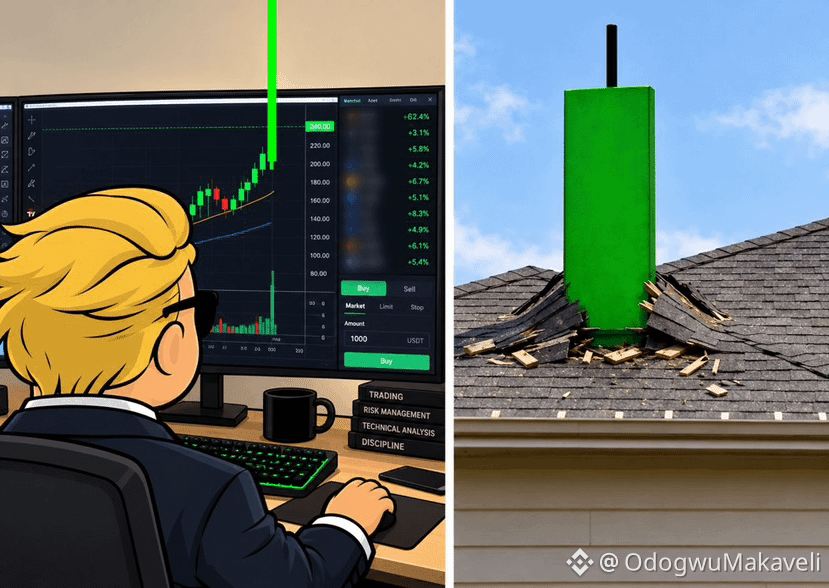
1
321
Es war eine gute Woche mit Prognosemarkt
Es war eine gute Woche mit Prognosemarkt
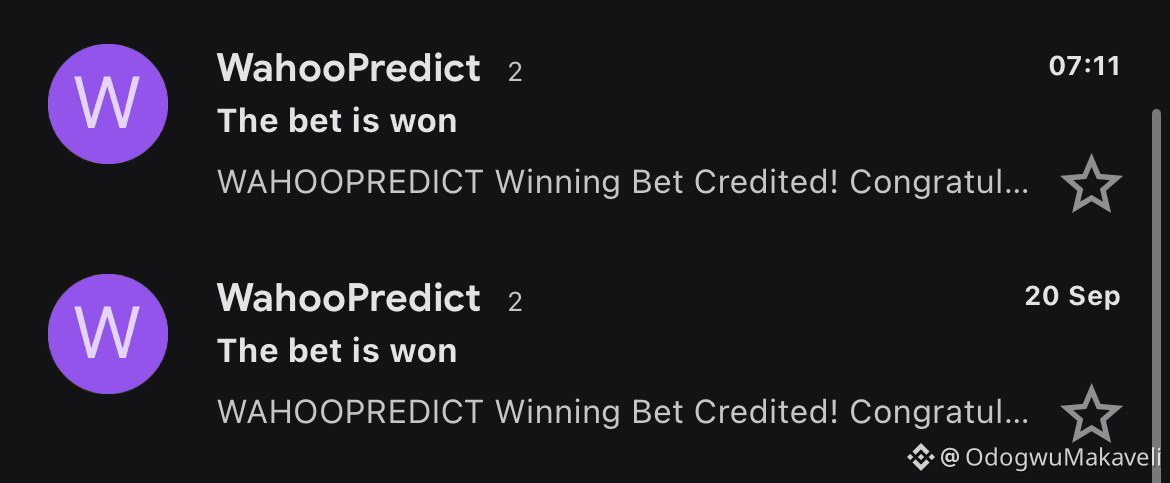
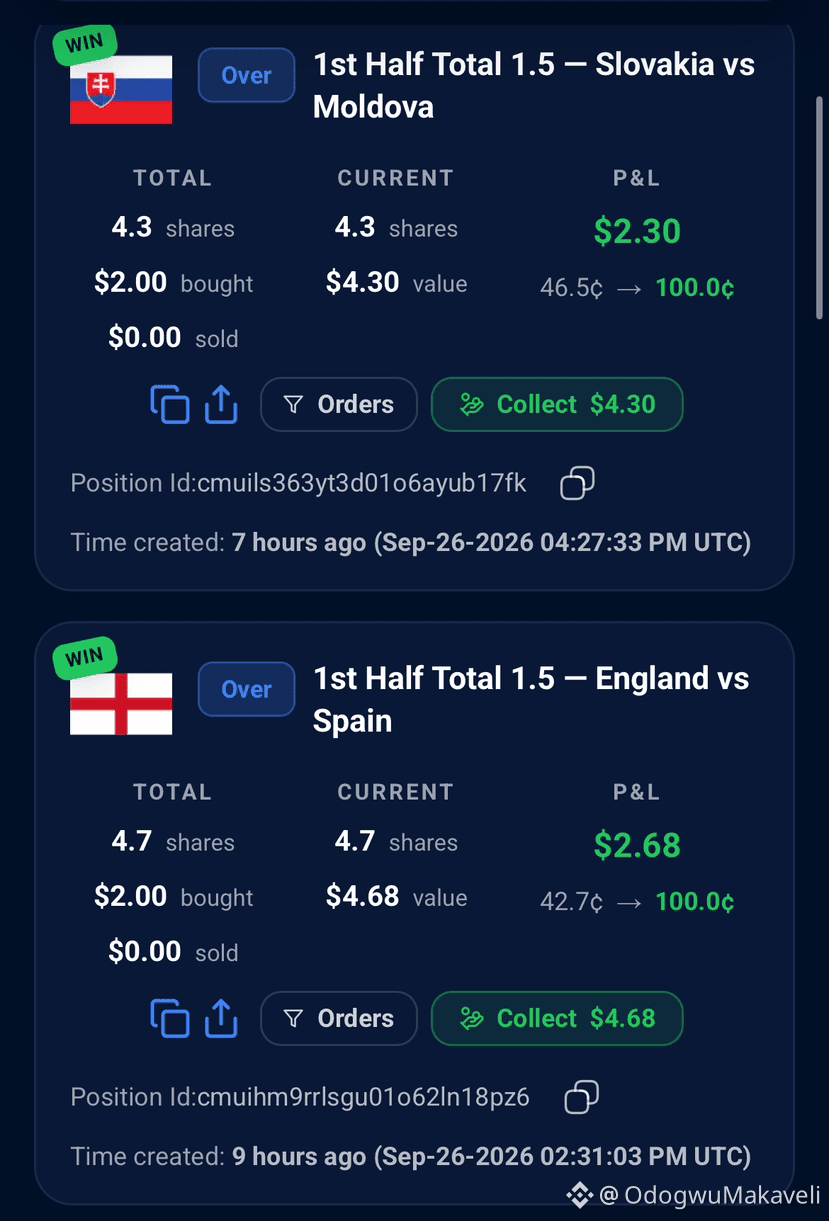
1
66
STON.fi: Die DEX, die die DeFi-Revolution der TON-Blockchain antreibt
Wenn Sie nach der leistungsstärksten dezentralen Börse auf der TON-Blockchain suchen, dann suchen Sie nicht weiter als STON.fi. STON.fi wurde nativ für TON entwickelt und hat sich als die bevorzugte Plattform für nahtlose, schnelle und erschwingliche Token-Swaps etabliert und wird immer stärker.
Im Gegensatz zu generischen DEXs wurde STON.fi speziell für die einzigartige Architektur von TON entwickelt und bietet vollständige Jetton-Unterstützung, tiefe Wallet-Integration und nahezu null Transaktionsgebühren. Egal, ob Sie ein gelegentlicher Trader oder ein ernsthafter Liquiditätsanbieter sind, die Plattform bietet eine reibungslose, professionelle Erfahrung, die alles auf konkurrierenden Blockchains übertrifft.
Mit konstant hohen TVL, wachsenden Handelsvolumina und einer Erfolgsbilanz, die seine Gemeinschaft belohnt, einschließlich eines erstmaligen Programms zum Schutz vor vorübergehenden Verlusten, das über 14.000 USD an Liquiditätsanbieter ausgezahlt hat
STON.fi spricht nicht nur von Innovation, es liefert sie.
Das kürzliche V2-Upgrade führte konzentrierte Liquidität und intelligentere AMM-Mechaniken ein und festigte damit seine Dominanz im TON DeFi-Bereich.
Und mit $TON , der Blockchain von Telegrames 900 Millionen Nutzern, ist STON.fi perfekt positioniert, um die nächste Welle von DeFi-Teilnehmern an Bord zu holen.
Die Zukunft von TON DeFi verläuft über STON.fi.
Sind Sie dabei?
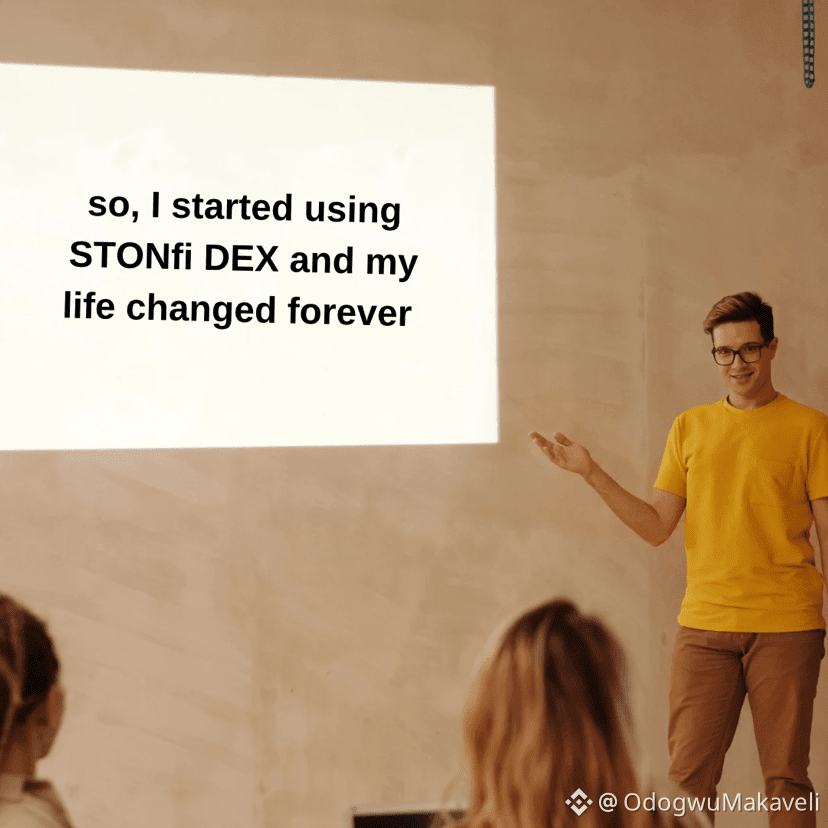
2
134
Robo wird die Ära der Nutzung zurückbringen
Robo wird die Ära der Nutzung zurückbringen

AlphaEminent
·
--
Die Ausführung ohne Koordination erzeugt Reibung. Das ist die Lücke @Fabric Foundation , an der die Stiftung arbeitet, um sie zu schließen.
Durch die Gestaltung einer programmierbaren Schicht für automatisierte On-Chain-Interaktion betont das Ökosystem strukturierte Teilnahme anstelle von fragmentierter Aktivität. $ROBO repräsentiert mehr als ein Ticker $ROBO fungiert als das Dienstleistungsmechanismus, das Anreize mit der Netzwerk-Ausführung ausrichtet.
Haltbarkeit beginnt mit dem Systemdesign.
#robo
1
18
Was mira aufbaut, wird das Vertrauen in Web3 zurückbringen.
Was mira aufbaut, wird das Vertrauen in Web3 zurückbringen.

Gabrielcryptonite
·
--
Mira konzentriert sich darauf, ein Web3-Netzwerk aufzubauen, in dem Koordination und Vertrauen in das System integriert sind.
Durch die Ermöglichung von Zusammenarbeit, Datenaustausch und transparenter Teilnahme schafft das Mira-Netzwerk ein Ökosystem, in dem echte Nützlichkeit und langfristige Ausrichtung das Wachstum antreiben, unterstützt von $MIRA
@Mira - Trust Layer of AI #Mira
Durch die Ermöglichung von Zusammenarbeit, Datenaustausch und transparenter Teilnahme schafft das Mira-Netzwerk ein Ökosystem, in dem echte Nützlichkeit und langfristige Ausrichtung das Wachstum antreiben, unterstützt von $MIRA
@Mira - Trust Layer of AI #Mira
1
25
Mira wird die Vertrauensschicht der KI ändern
Mira wird die Vertrauensschicht der KI ändern
Gabrielcryptonite
·
--
Mira und die Architektur des Vertrauens in Web3-Netzwerken.
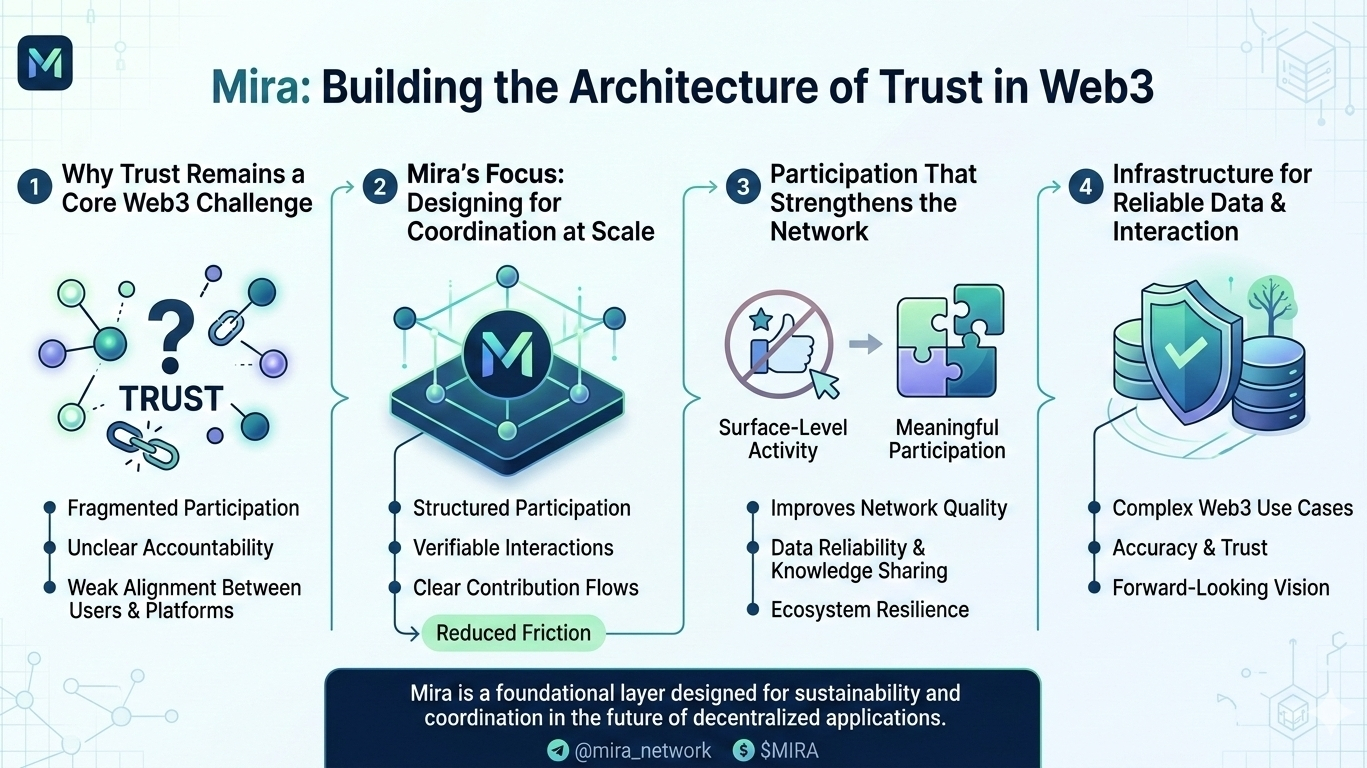
Warum Vertrauen eine zentrale Herausforderung im Web3 bleibt
Trotz schneller Innovation im Web3 bleiben Vertrauen und Koordination schwierige Probleme. Viele dezentrale Netzwerke kämpfen mit fragmentierter Teilnahme, unklarer Verantwortlichkeit und schwacher Ausrichtung zwischen Benutzern und Plattformen. Mira geht dies an, indem Systeme entworfen werden, bei denen Transparenz und Koordination von Anfang an eingebaut werden, anstatt später hinzugefügt zu werden.
Gestaltung für Koordination im großen Maßstab
Mira konzentriert sich darauf, groß angelegte Zusammenarbeit zu ermöglichen, ohne die Dezentralisierung zu opfern. Die Infrastruktur unterstützt strukturierte Teilnahme, überprüfbare Interaktionen und klare Beitragsflüsse. Dies ermöglicht es Benutzern und Entwicklern, effizient zu koordinieren und gleichzeitig Autonomie zu wahren, wodurch Reibung im gesamten Ökosystem verringert wird.
1
16
Artikel
Mira Network ($MIRA) — Die KI-Überprüfungsschicht, von der Sie nicht wussten, dass Sie sie brauchen.KI ist mächtig, aber sie lügt. Halluzinationen, falsche Ausgaben und unzuverlässige Antworten kosten Unternehmen Milliarden.
@mira_network behebt dies, indem die KI-Ausgaben durch über 110 unabhängige Modelle geleitet werden, die einen Konsens erreichen, genau wie Blockchain-Validatoren, aber für die Wahrheit der KI.
Die Zahlen sprechen für sich: 3B+ Token werden täglich verarbeitet, 4M+ Nutzer, 96% Genauigkeitsrate und eine Finanzierung von 9 Millionen Dollar, unterstützt von Framework Ventures und Accel.
#Binance listete $MIRA auf und schloss es in HODLer Airdrops ein, das sagt genug.
KI benötigt eine Vertrauensschicht. Mira baut sie auf.
Mira Network ($MIRA) — Die KI-Überprüfungsschicht, von der Sie nicht wussten, dass Sie sie brauchen.
KI ist mächtig, aber sie lügt. Halluzinationen, falsche Ausgaben und unzuverlässige Antworten kosten Unternehmen Milliarden.
@Mira - Trust Layer of AI behebt dies, indem die KI-Ausgaben durch über 110 unabhängige Modelle geleitet werden, die einen Konsens erreichen, genau wie Blockchain-Validatoren, aber für die Wahrheit der KI.
Die Zahlen sprechen für sich: 3B+ Token werden täglich verarbeitet, 4M+ Nutzer, 96% Genauigkeitsrate und eine Finanzierung von 9 Millionen Dollar, unterstützt von Framework Ventures und Accel.
#Binance listete $MIRA auf und schloss es in HODLer Airdrops ein, das sagt genug.
KI benötigt eine Vertrauensschicht. Mira baut sie auf.
6
5
9
47
Mira Network: Aufbau der Vertrauensschicht für KI
Künstliche Intelligenz verändert die Welt, aber können wir tatsächlich vertrauen, was sie uns sagt? Das ist das Kernproblem, das @mira_network löst, und es geschieht auf eine Weise, die die Blockchain ins Zentrum der Zukunft der KI stellt.
Mira Network ist ein dezentrales Verifikationsprotokoll, das entwickelt wurde, um eine der größten Schwächen der KI anzugehen: Halluzinationen und unzuverlässige Ausgaben. Anstatt sich auf ein einzelnes KI-Modell zu verlassen, um die Dinge richtig zu machen, leitet Mira Ausgaben durch ein verteiltes Netzwerk von über 110 unabhängigen KI-Modellen. Diese Modelle erreichen Konsens darüber, ob eine Ausgabe genau ist, ähnlich wie Blockchain-Validatoren über die Gültigkeit von Transaktionen übereinstimmen. Das Ergebnis ist kryptographisch verifizierbare, vertrauenslose KI, die keine ständige menschliche Aufsicht benötigt.
Basierend auf Base (Ethereum’s Layer 2) ist Mira mit Bitcoin, Ethereum und Solana kompatibel und unterstützt Smart Contracts, DApps und DAO-Governance. Das Netzwerk verarbeitet bereits über 3 Milliarden Token pro Tag, bedient mehr als 4 Millionen Nutzer und bearbeitet wöchentlich 19 Millionen Anfragen, wobei eine Verifikationsgenauigkeitsrate von 96% erreicht wird.
$MIRA #Mira
Mira Network: Aufbau der Vertrauensschicht für KI
Künstliche Intelligenz verändert die Welt, aber können wir tatsächlich vertrauen, was sie uns sagt? Das ist das Kernproblem, das @Mira - Trust Layer of AI löst, und es geschieht auf eine Weise, die die Blockchain ins Zentrum der Zukunft der KI stellt.
Mira Network ist ein dezentrales Verifikationsprotokoll, das entwickelt wurde, um eine der größten Schwächen der KI anzugehen: Halluzinationen und unzuverlässige Ausgaben. Anstatt sich auf ein einzelnes KI-Modell zu verlassen, um die Dinge richtig zu machen, leitet Mira Ausgaben durch ein verteiltes Netzwerk von über 110 unabhängigen KI-Modellen. Diese Modelle erreichen Konsens darüber, ob eine Ausgabe genau ist, ähnlich wie Blockchain-Validatoren über die Gültigkeit von Transaktionen übereinstimmen. Das Ergebnis ist kryptographisch verifizierbare, vertrauenslose KI, die keine ständige menschliche Aufsicht benötigt.
Basierend auf Base (Ethereum’s Layer 2) ist Mira mit Bitcoin, Ethereum und Solana kompatibel und unterstützt Smart Contracts, DApps und DAO-Governance. Das Netzwerk verarbeitet bereits über 3 Milliarden Token pro Tag, bedient mehr als 4 Millionen Nutzer und bearbeitet wöchentlich 19 Millionen Anfragen, wobei eine Verifikationsgenauigkeitsrate von 96% erreicht wird.
$MIRA #Mira
8
6
10
11
Dieses Mal wird SUT übernehmen
Dieses Mal wird SUT übernehmen

Bloomie
·
--
Eine Linie im Sand: Das Versprechen der Dezentralisierung zurückgewinnen
Lieber Krypto-Enthusiast,
Dies ist keine Nachricht von einem Unternehmen, die von Marketingteams poliert wurde. Es ist eine Nachricht von Gläubigen, Menschen, die dort standen, wo Sie jetzt stehen.
Wir glaubten an das Versprechen eines anderen Finanzsystems. Eines, das auf Transparenz, Fairness und Freiheit von zentraler Kontrolle basiert. Als Satoshi Nakamoto Bitcoin der Welt vorstellte, war es nicht nur Code, es war eine Revolution. Es war der Beweis, dass Finanzen ohne Torwächter, ohne Bevorzugung, ohne versteckte Machtmechanismen funktionieren können.
1
9
Es ist wirklich faszinierend zu sehen, was die Vernunft für den Energiesektor aufbaut
Es ist wirklich faszinierend zu sehen, was die Vernunft für den Energiesektor aufbaut
Bloomie
·
--
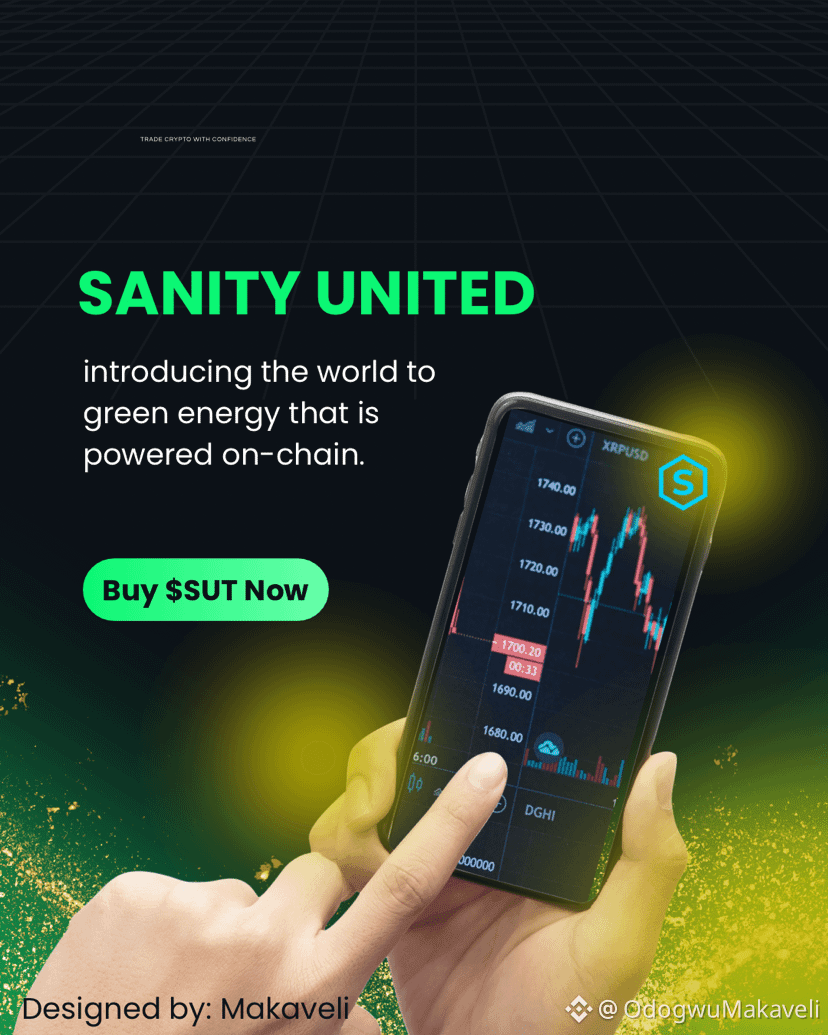
SANITY UNITED: STRUKTURIERTE NUTZUNG IM WEB3 AUFBAUEN
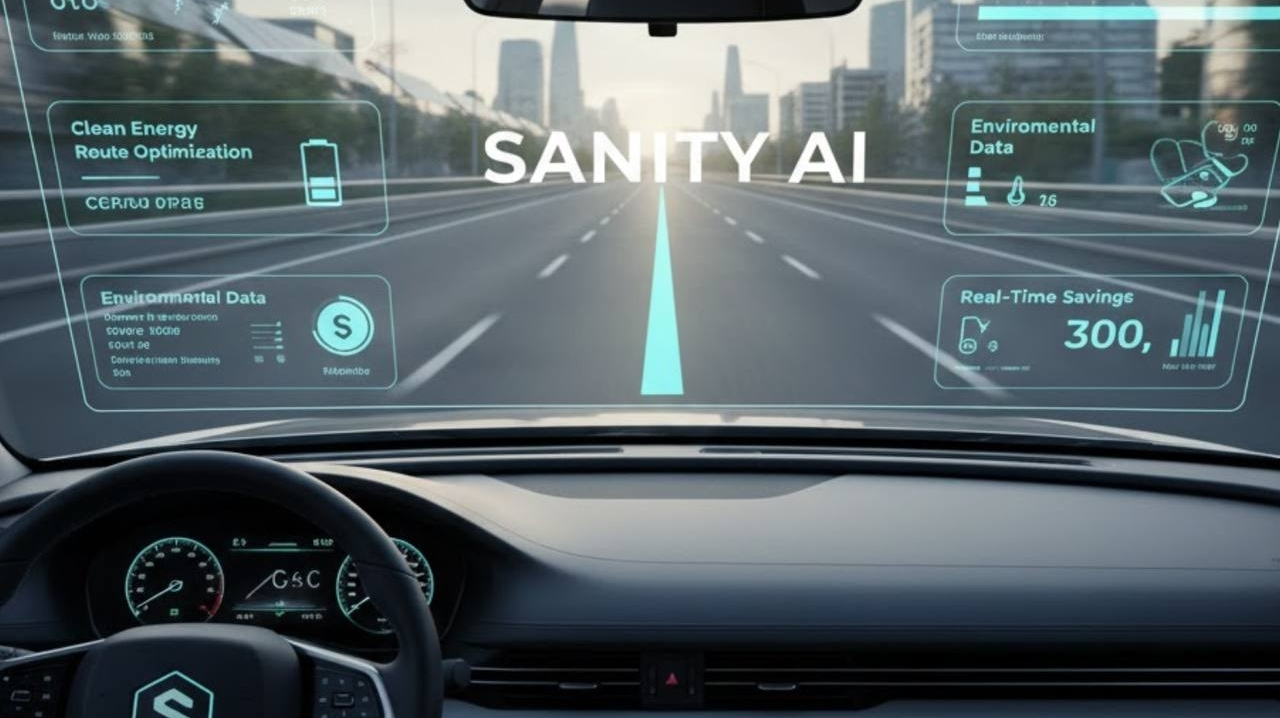
In einer Branche, die oft von Spekulation und kurzfristigen Erzählungen geprägt ist, positioniert sich Sanity United anders mit Struktur, Compliance-Bewusstsein und nutzungsorientiertem Design im Kern.
Sanity United entwickelt ein Ökosystem, in dem digitale Werkzeuge, KI-gesteuerte Systeme und Web3-Infrastruktur in praktische Dienstleistungen zusammenfließen, anstatt in abstrakte Versprechen. Statt sich rein auf die Token-Geschwindigkeit zu konzentrieren, betont das Projekt messbare Funktionalität und schrittweise Einführung.
EIN NUTZUNGSORIENTIERTES TOKENMODELL
2
43
SANITY UNITED BAUT RUHIG DAS AUF, WAS CRYPTO FEHLT
Während alle Memes und Hype nachjagen, macht @sanity_united etwas anderes: es baut ECHTE Infrastruktur.
Hier sind die Gründe, warum $SUT heraussticht:
⚡ 100% erneuerbare Energie, die den Betrieb antreibt
🚗 emissionsfreie EV-Flotte, die echte Dienstleistungen liefert
⛏️ Nachhaltiges Krypto-Mining mit NUR überschüssiger grüner Energie
🧠 KI-Optimierung, die alles in Echtzeit verwaltet
💰 $25M institutionelle Unterstützung vom GEM Token Fund
Das ist kein weiteres leeres Versprechen. Der Proof-of-Concept ist ABGESCHLOSSEN. Lieferungen sind LIVE. Infrastruktur ist FUNKTIONAL.
Der Markt hat noch nicht aufgeholt. Aber institutionelles Geld hat es bereits.
$SUT ist das, was passiert, wenn Krypto tatsächlich echte Probleme löst.
DYOR → sanity.fund
$SUT #SanityUnited #GreenCrypto #BinanceSquare #CryptoGems
2
14
Anmelden und weiter Inhalte entdecken
Krypto-Nutzer weltweit auf Binance Square kennenlernen
⚡️ Bleib in Sachen Krypto stets am Puls.
💬 Die weltgrößte Kryptobörse vertraut darauf.
👍 Erhalte verlässliche Einblicke von verifizierten Creators.
E-Mail-Adresse/Telefonnummer
Trendthemen
MoreHikesExpectedIsBTCUnderPressure
19,628 Aufrufe
207 Kommentare
FOMC-Protokoll | Fed-Protokoll zeigt: Fast alle Vertreter rechnen mit weiteren Zinserhöhungen, einige halten im Dezember einen größeren Schritt für möglich
Binance News
·27 Likes
·32.7k Aufrufe
NvidiaBeatsEstimatesWith$130BQ4Outlook
84,890 Aufrufe
319 Kommentare
AnthropicIPOPriceCouldExceed$80
81,368 Aufrufe
262 Kommentare