
Lark Daily Crypto News
572 Beiträge

Lark Daily Crypto News
 Square Verified
Melden
Nutzer blockieren

XVS Halter
Regelmäßiger Trader
8.7 Jahre
42 Following
340 Follower
1.9K+ Like gegeben
Beiträge
Alle
Zitierungen
Videos
BNB-Memes laufen
Robinhood-Memes laufen
Datenschutz wird heißer
Der Markt dreht die Narrative weiter.
Also, welcher Sektor ist als Nächstes dran, um abzuheben?
BNB-Memes laufen
Robinhood-Memes laufen
Datenschutz wird heißer
Der Markt dreht die Narrative weiter.
Also, welcher Sektor ist als Nächstes dran, um abzuheben?
Robinhood-Memes laufen
Datenschutz wird heißer
Der Markt dreht die Narrative weiter.
Also, welcher Sektor ist als Nächstes dran, um abzuheben?
2
1.2k
·
--
Bullisch
Lark Daily Crypto News
·
--
BullischEine 15–20%-Bewegung ist beim Trading von Low-Cap-Altcoins oft einfach nur Rauschen.
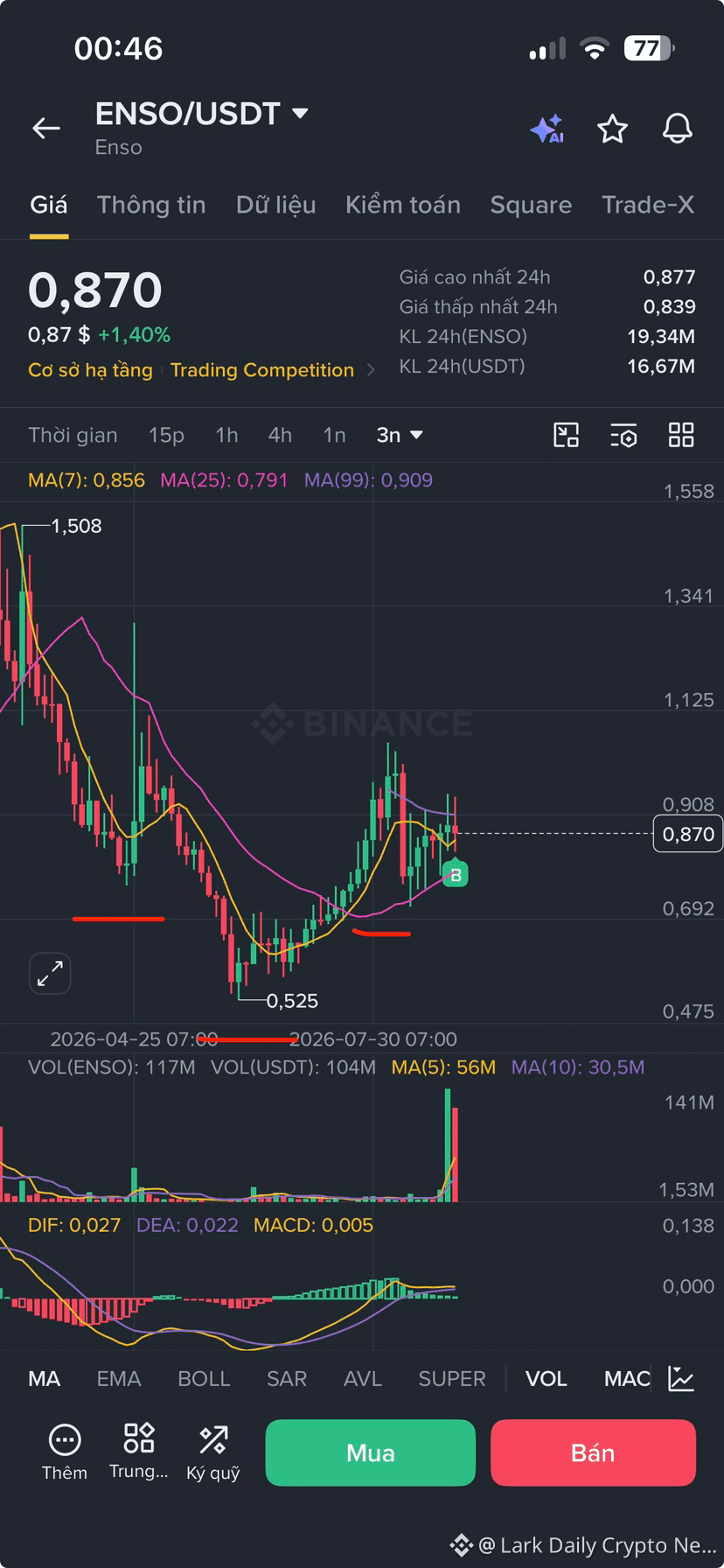
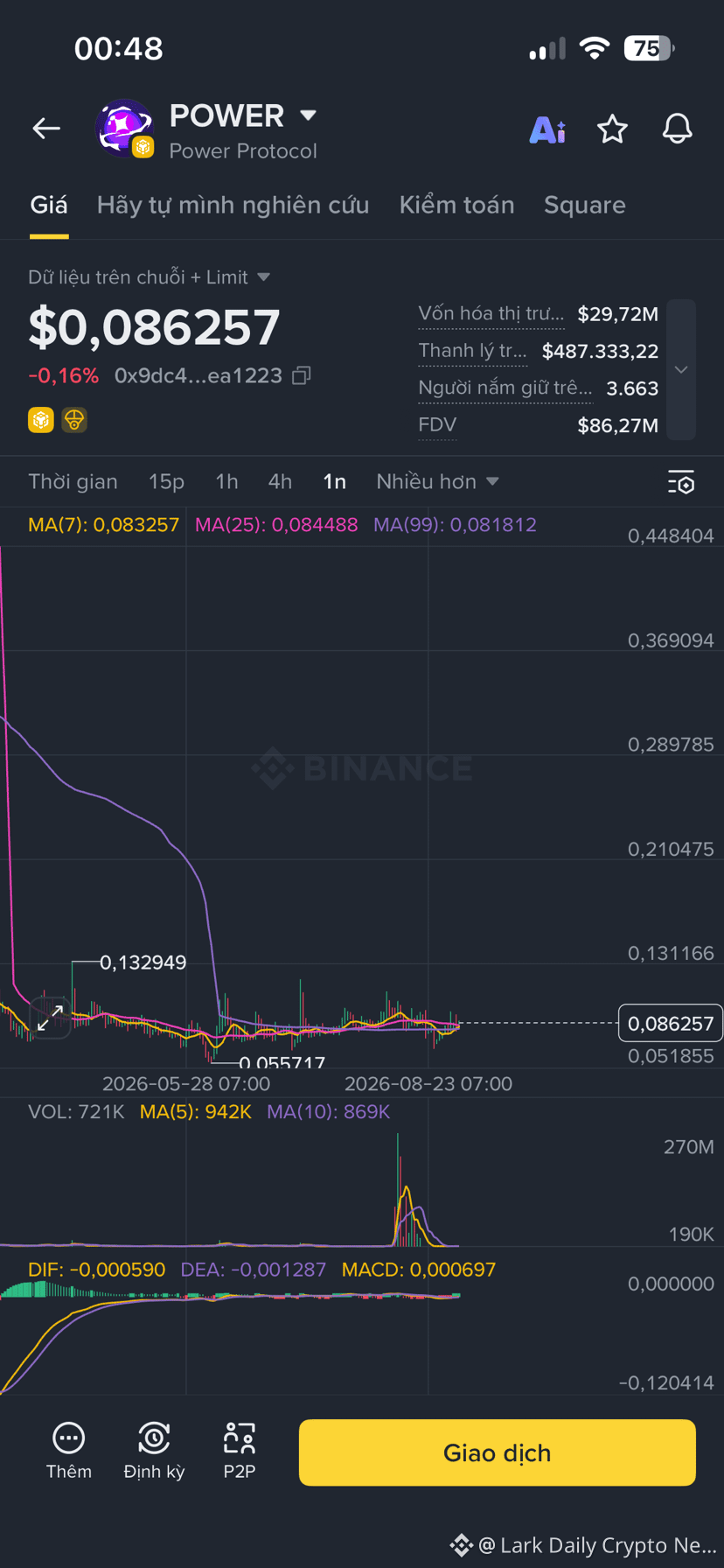
Ich habe $ENSO und $POWER gekauft – mit einer einfachen These: Identifiziere Low-Cap-Coins mit starken Narrativen und warte dann geduldig darauf, dass der Markt sie neu bewertet.
Dabei geht es nicht darum, blind auf einen Pump zu warten.
Liquidität, Tokenomics, Katalysatoren und Risikomanagement sind entscheidend.
Was hältst du von dieser Strategie?
Ich habe $ENSO und $POWER gekauft – mit einer einfachen These: Identifiziere Low-Cap-Coins mit starken Narrativen und warte dann geduldig darauf, dass der Markt sie neu bewertet.
Dabei geht es nicht darum, blind auf einen Pump zu warten.
Liquidität, Tokenomics, Katalysatoren und Risikomanagement sind entscheidend.
Was hältst du von dieser Strategie?
952
·
--
Bullisch
Eine 15–20%-Bewegung ist beim Trading von Low-Cap-Altcoins oft einfach nur Rauschen.
Ich habe $ENSO und $POWER gekauft – mit einer einfachen These: Identifiziere Low-Cap-Coins mit starken Narrativen und warte dann geduldig darauf, dass der Markt sie neu bewertet.
Dabei geht es nicht darum, blind auf einen Pump zu warten.
Liquidität, Tokenomics, Katalysatoren und Risikomanagement sind entscheidend.
Was hältst du von dieser Strategie?
Eine 15–20%-Bewegung ist beim Trading von Low-Cap-Altcoins oft einfach nur Rauschen.
Ich habe $ENSO und $POWER gekauft – mit einer einfachen These: Identifiziere Low-Cap-Coins mit starken Narrativen und warte dann geduldig darauf, dass der Markt sie neu bewertet.
Dabei geht es nicht darum, blind auf einen Pump zu warten.
Liquidität, Tokenomics, Katalysatoren und Risikomanagement sind entscheidend.
Was hältst du von dieser Strategie?
Ich habe $ENSO und $POWER gekauft – mit einer einfachen These: Identifiziere Low-Cap-Coins mit starken Narrativen und warte dann geduldig darauf, dass der Markt sie neu bewertet.
Dabei geht es nicht darum, blind auf einen Pump zu warten.
Liquidität, Tokenomics, Katalysatoren und Risikomanagement sind entscheidend.
Was hältst du von dieser Strategie?
1
1
1.5k
Spot $ENSO 306.7 USDT
$ENSO halte fest, warte bis der Zug fährt
$ENSO halte fest, warte bis der Zug fährt
Lark Daily Crypto News
·
--
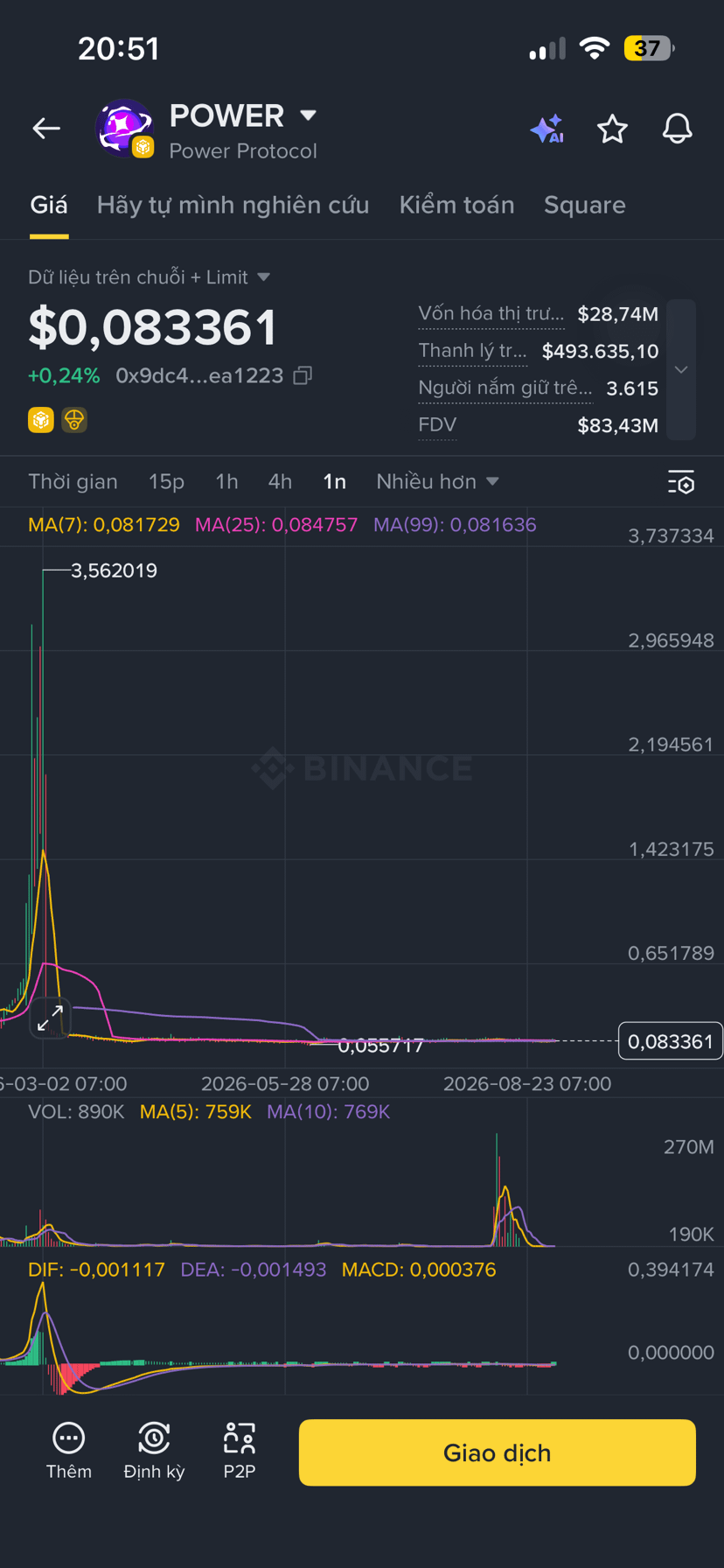
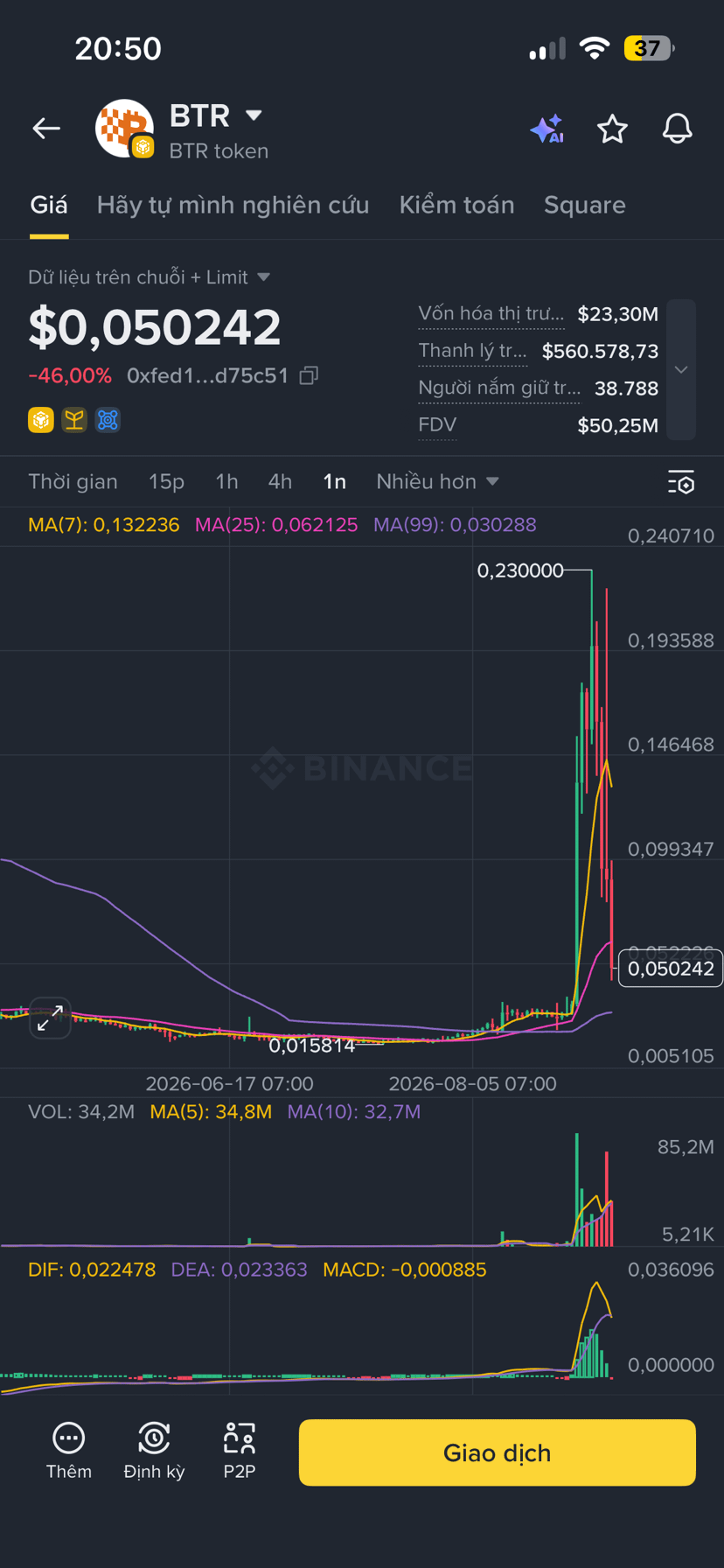
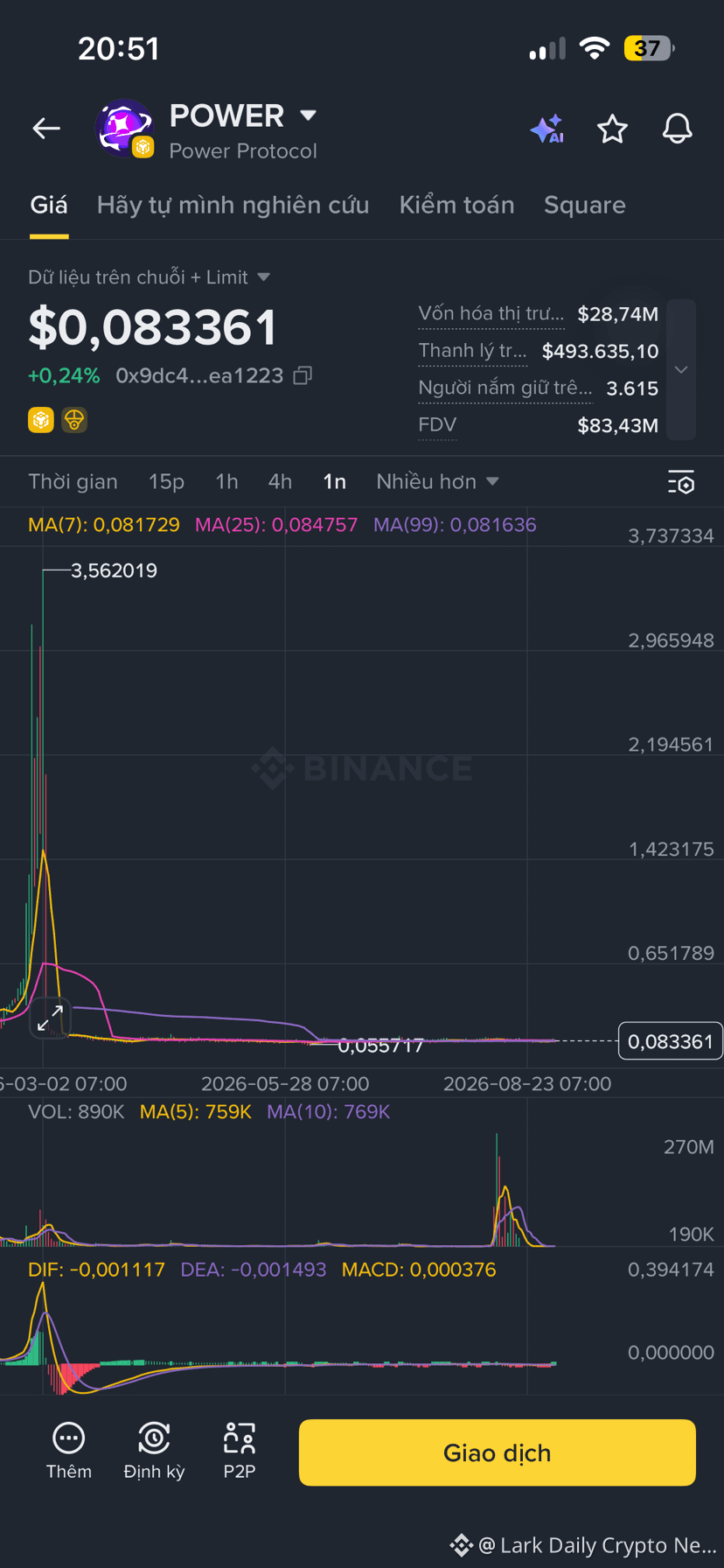
Low-cap-Coins folgen oft demselben Zyklus:
Großer Pump → scharfer Crash → lange Phase ruhiger Ansammlung → Erholung.
$BTR zeigte diese Struktur zuvor.
Jetzt beginnt $POWER , ein ähnliches Setup zu zeigen: tiefe Korrektur, lang anhaltende Konsolidierung und möglicherweise eine bevorstehende Erholungsphase.
Ich sage nicht, dass sich die Geschichte wiederholt, aber der Chart ist definitiv es wert, im Blick zu behalten.
DYOR / NFA
Großer Pump → scharfer Crash → lange Phase ruhiger Ansammlung → Erholung.
$BTR zeigte diese Struktur zuvor.
Jetzt beginnt $POWER , ein ähnliches Setup zu zeigen: tiefe Korrektur, lang anhaltende Konsolidierung und möglicherweise eine bevorstehende Erholungsphase.
Ich sage nicht, dass sich die Geschichte wiederholt, aber der Chart ist definitiv es wert, im Blick zu behalten.
DYOR / NFA
994
Low-cap-Coins folgen oft demselben Zyklus:
Großer Pump → scharfer Crash → lange Phase ruhiger Ansammlung → Erholung.
$BTR zeigte diese Struktur zuvor.
Jetzt beginnt $POWER , ein ähnliches Setup zu zeigen: tiefe Korrektur, lang anhaltende Konsolidierung und möglicherweise eine bevorstehende Erholungsphase.
Ich sage nicht, dass sich die Geschichte wiederholt, aber der Chart ist definitiv es wert, im Blick zu behalten.
DYOR / NFA
{future}(POWERUSDT)
Low-cap-Coins folgen oft demselben Zyklus:
Großer Pump → scharfer Crash → lange Phase ruhiger Ansammlung → Erholung.
$BTR zeigte diese Struktur zuvor.
Jetzt beginnt $POWER , ein ähnliches Setup zu zeigen: tiefe Korrektur, lang anhaltende Konsolidierung und möglicherweise eine bevorstehende Erholungsphase.
Ich sage nicht, dass sich die Geschichte wiederholt, aber der Chart ist definitiv es wert, im Blick zu behalten.
DYOR / NFA
Großer Pump → scharfer Crash → lange Phase ruhiger Ansammlung → Erholung.
$BTR zeigte diese Struktur zuvor.
Jetzt beginnt $POWER , ein ähnliches Setup zu zeigen: tiefe Korrektur, lang anhaltende Konsolidierung und möglicherweise eine bevorstehende Erholungsphase.
Ich sage nicht, dass sich die Geschichte wiederholt, aber der Chart ist definitiv es wert, im Blick zu behalten.
DYOR / NFA
1
1.6k
Ich bin ein kleiner Händler und ich habe Gewinne in Höhe von $NOT realisiert, als ich über 50 $ verdient habe.
Ich bin ein kleiner Händler und ich habe Gewinne in Höhe von $NOT realisiert, als ich über 50 $ verdient habe.
5
4
3.9k
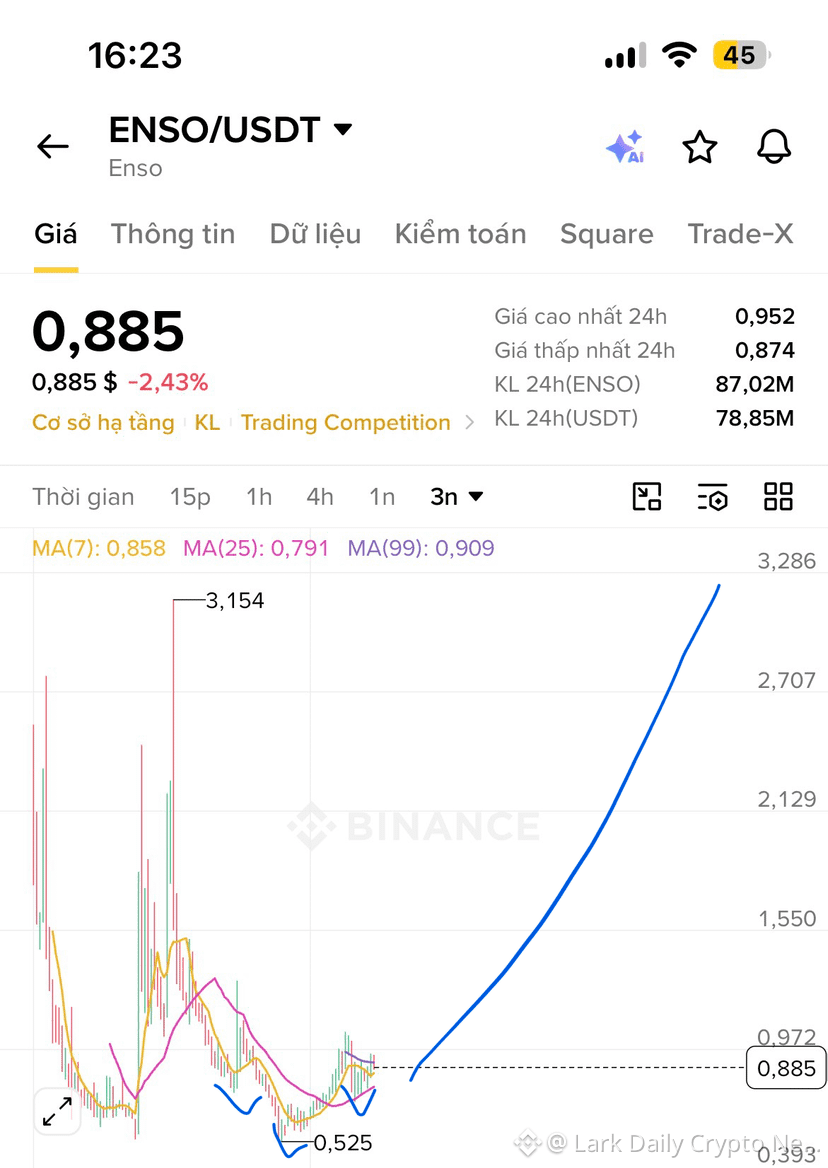
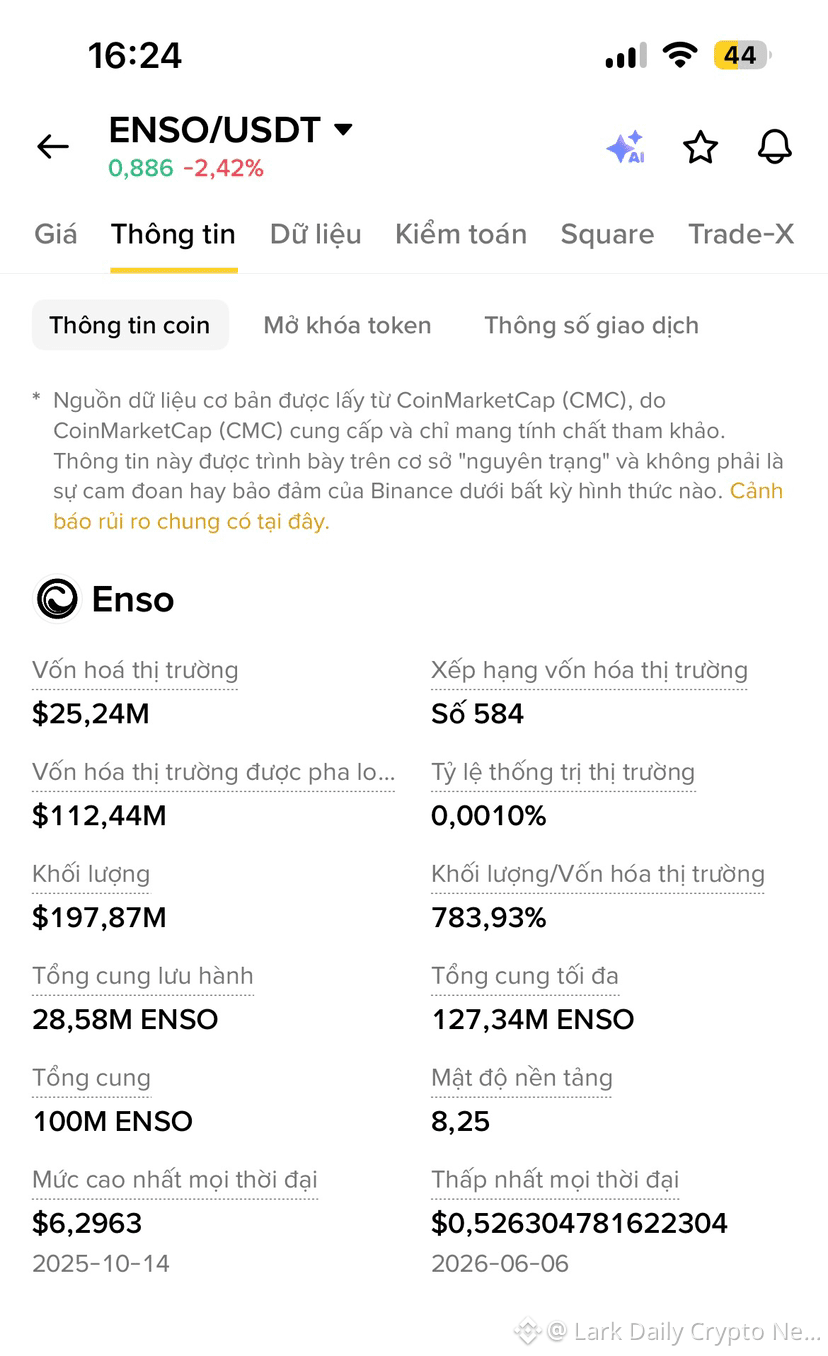
$ENSO fühlt sich an wie eine dieser Münzen, die der Markt komplett ignoriert.
Eine Marktkapitalisierung von 18 Mio. ist immer noch winzig, vor allem, wenn der Chart wieder Aufmerksamkeit auf sich zieht.
Kein Hype, keine überfüllte Timeline – nur ein Setup, das ich im Blick behalte.
Ich wäre nicht überrascht, wenn $ENSO suddenly plötzlich aufwacht.
{future}(ENSOUSDT)
$ENSO fühlt sich an wie eine dieser Münzen, die der Markt komplett ignoriert.
Eine Marktkapitalisierung von 18 Mio. ist immer noch winzig, vor allem, wenn der Chart wieder Aufmerksamkeit auf sich zieht.
Kein Hype, keine überfüllte Timeline – nur ein Setup, das ich im Blick behalte.
Ich wäre nicht überrascht, wenn $ENSO suddenly plötzlich aufwacht.
Eine Marktkapitalisierung von 18 Mio. ist immer noch winzig, vor allem, wenn der Chart wieder Aufmerksamkeit auf sich zieht.
Kein Hype, keine überfüllte Timeline – nur ein Setup, das ich im Blick behalte.
Ich wäre nicht überrascht, wenn $ENSO suddenly plötzlich aufwacht.
987
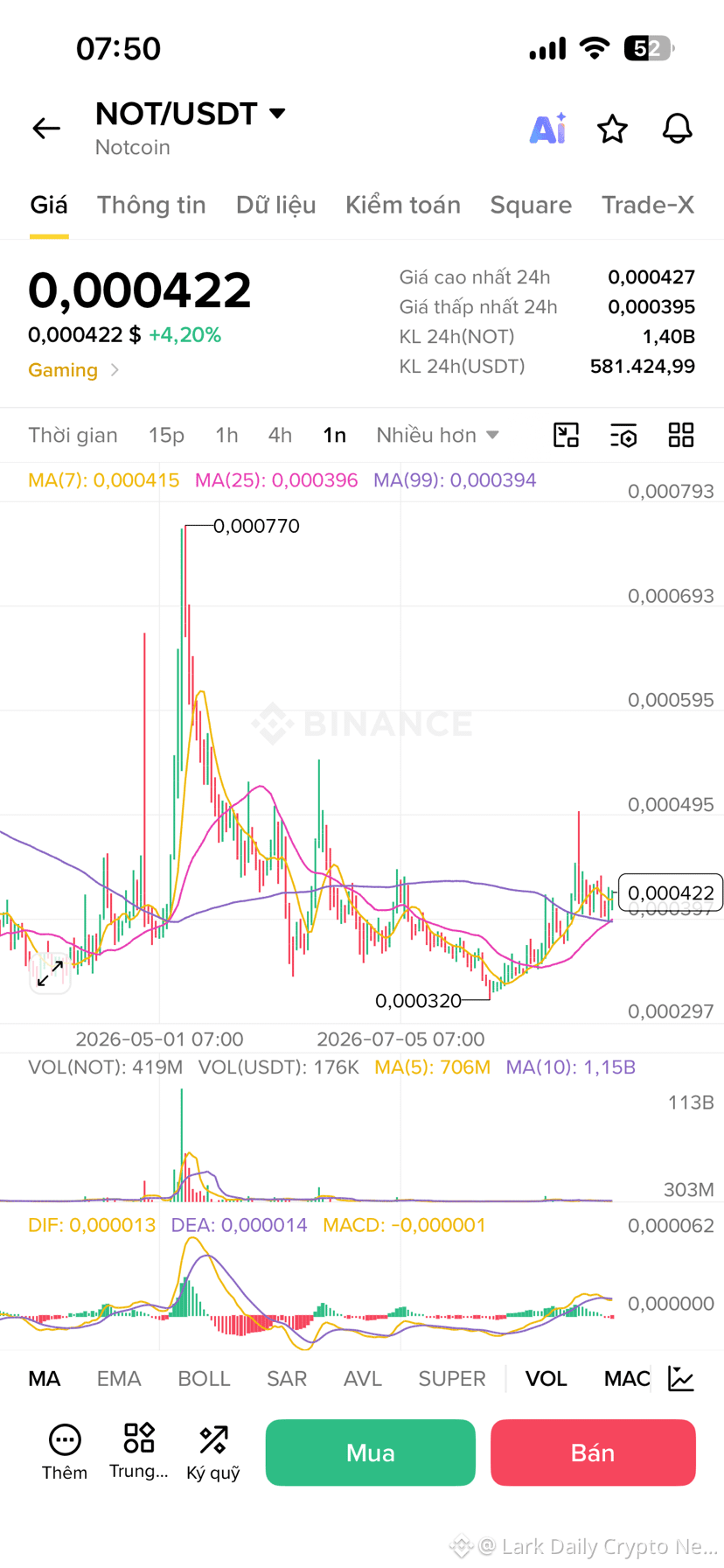
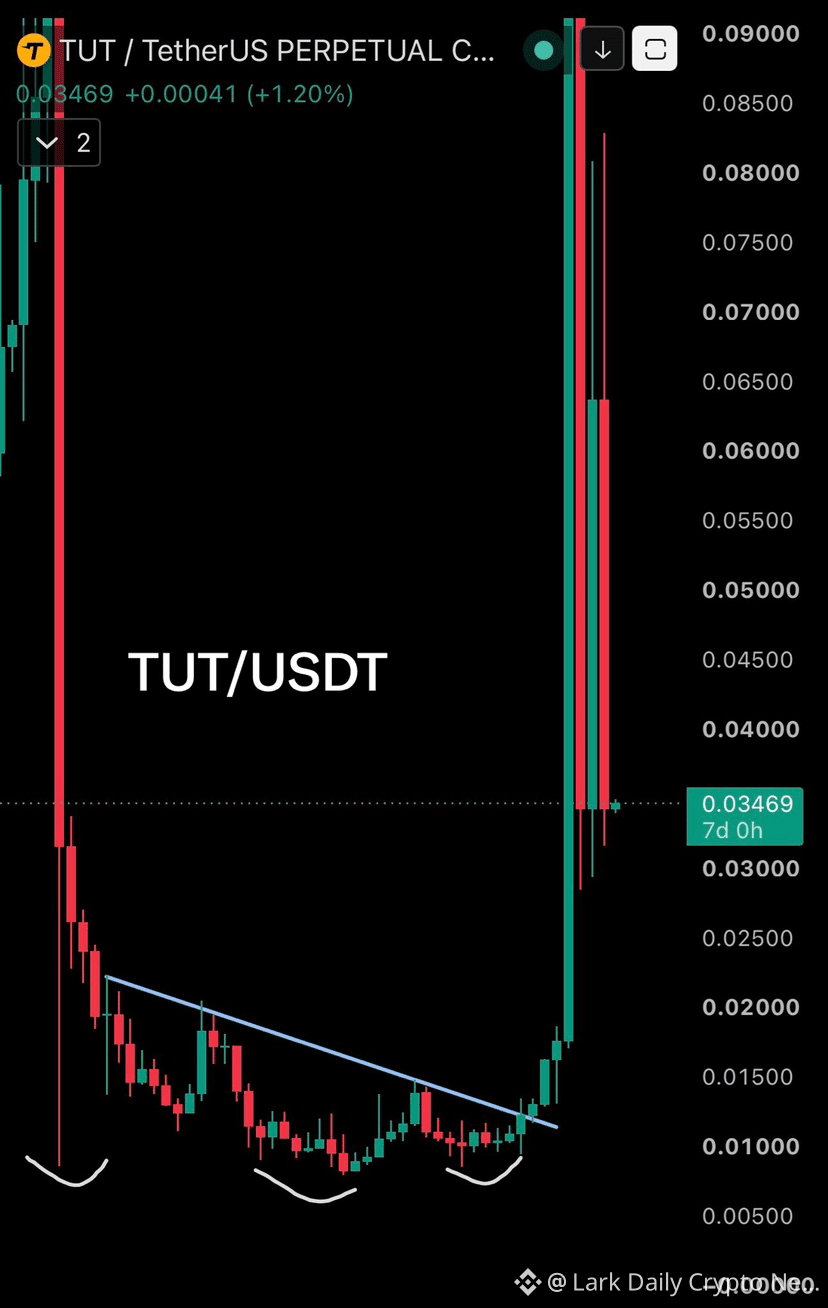
Ich habe gerade damit begonnen, $NOT auf dieser Ebene anzusammeln.
Was mir aufgefallen ist, ist die Art und Weise, wie sich der Kurs konsolidiert und Verkaufsdruck absorbiert.
Die aktuelle Struktur erinnert mich an $TUT , bevor es eine massive 40x-Bewegung machte.
Wenn dieses Setup weiterhin Bestand hat, könnte $NOT in den nächsten Tagen auf einen Ausbruch vorbereitet sein.
Ich gehe die Position ein, aber steuere weiterhin das Risiko.
{future}(NOTUSDT)
Ich habe gerade damit begonnen, $NOT auf dieser Ebene anzusammeln.
Was mir aufgefallen ist, ist die Art und Weise, wie sich der Kurs konsolidiert und Verkaufsdruck absorbiert.
Die aktuelle Struktur erinnert mich an $TUT , bevor es eine massive 40x-Bewegung machte.
Wenn dieses Setup weiterhin Bestand hat, könnte $NOT in den nächsten Tagen auf einen Ausbruch vorbereitet sein.
Ich gehe die Position ein, aber steuere weiterhin das Risiko.
Was mir aufgefallen ist, ist die Art und Weise, wie sich der Kurs konsolidiert und Verkaufsdruck absorbiert.
Die aktuelle Struktur erinnert mich an $TUT , bevor es eine massive 40x-Bewegung machte.
Wenn dieses Setup weiterhin Bestand hat, könnte $NOT in den nächsten Tagen auf einen Ausbruch vorbereitet sein.
Ich gehe die Position ein, aber steuere weiterhin das Risiko.
2
4k
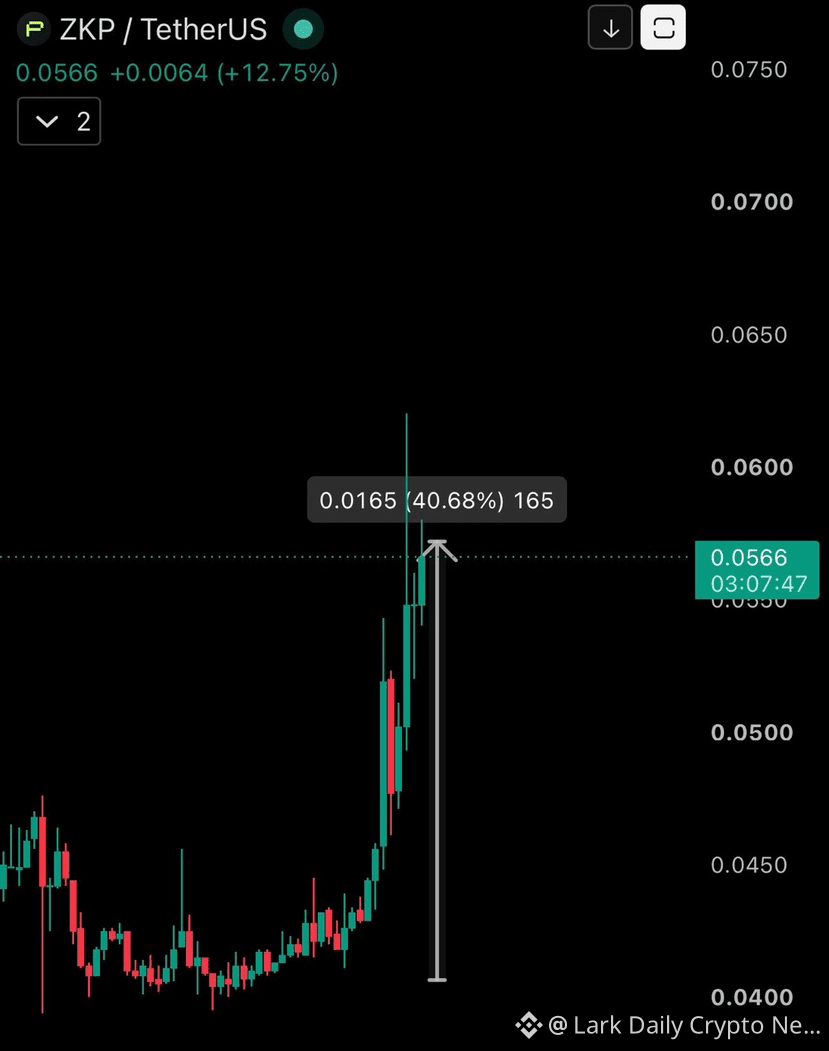
$ZKP +40% von meinem Einstieg in nur 1 Tag
Ich habe meine Position hier geschlossen, weil sie jetzt bei den Top-Gewinnern auf Binance ist und zu viele Leute es fomo-mäßig hinterherjagen
{future}(ZKPUSDT)
$ZKP +40% von meinem Einstieg in nur 1 Tag
Ich habe meine Position hier geschlossen, weil sie jetzt bei den Top-Gewinnern auf Binance ist und zu viele Leute es fomo-mäßig hinterherjagen
Ich habe meine Position hier geschlossen, weil sie jetzt bei den Top-Gewinnern auf Binance ist und zu viele Leute es fomo-mäßig hinterherjagen
2
2
4.5k
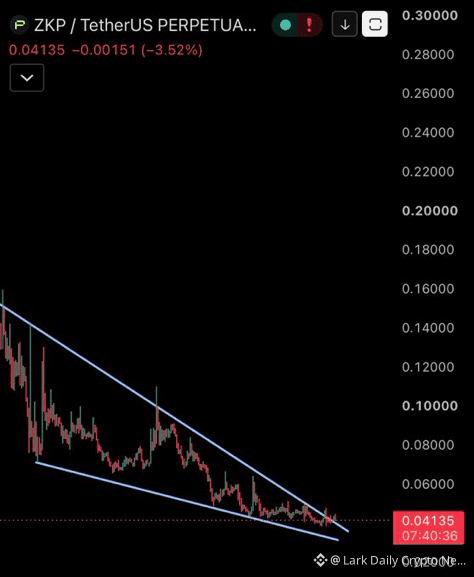
Gerade eben $ZKP irgendwo hier in der Nähe abgeholt.
Die Marktkapitalisierung liegt nur bei ca. 8 Mio., während der Chart so langsam interessant aussieht.
Das Abwärtsrisiko wirkt auf diesen Kursniveaus begrenzt, und ich beobachte eine Erholung, gefolgt von einem Breakout.
Ohne größeren Unlock-Verkaufsdruck und da die meisten Tokens noch vom Team kontrolliert werden, finde ich, dass sich diese Konstellation lohnt zu beobachten.
Keine Finanzberatung. Informiere dich selbst (DYOR).
Gerade eben $ZKP irgendwo hier in der Nähe abgeholt.
Die Marktkapitalisierung liegt nur bei ca. 8 Mio., während der Chart so langsam interessant aussieht.
Das Abwärtsrisiko wirkt auf diesen Kursniveaus begrenzt, und ich beobachte eine Erholung, gefolgt von einem Breakout.
Ohne größeren Unlock-Verkaufsdruck und da die meisten Tokens noch vom Team kontrolliert werden, finde ich, dass sich diese Konstellation lohnt zu beobachten.
Keine Finanzberatung. Informiere dich selbst (DYOR).
Die Marktkapitalisierung liegt nur bei ca. 8 Mio., während der Chart so langsam interessant aussieht.
Das Abwärtsrisiko wirkt auf diesen Kursniveaus begrenzt, und ich beobachte eine Erholung, gefolgt von einem Breakout.
Ohne größeren Unlock-Verkaufsdruck und da die meisten Tokens noch vom Team kontrolliert werden, finde ich, dass sich diese Konstellation lohnt zu beobachten.
Keine Finanzberatung. Informiere dich selbst (DYOR).

1
1.3k
·
--
Bullisch
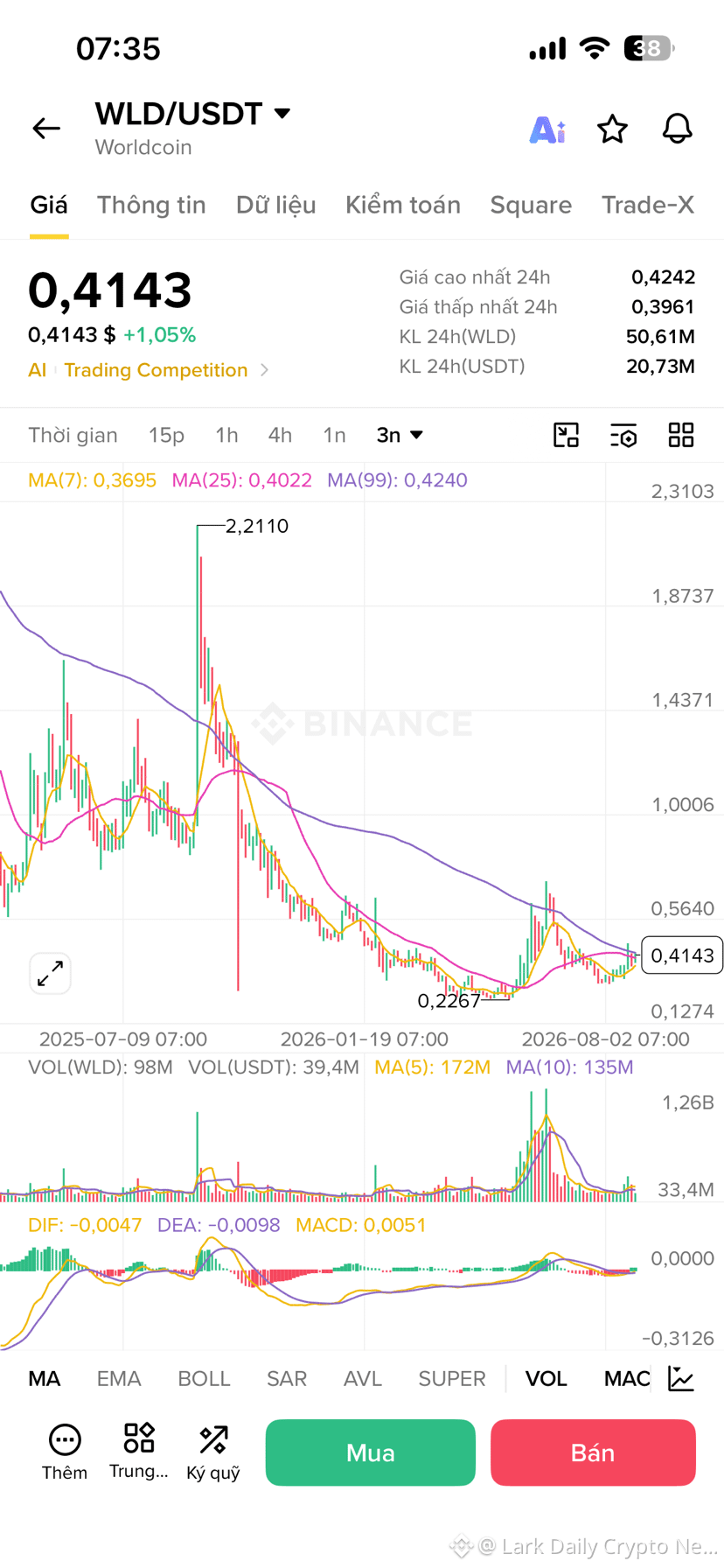
$WLD war überraschend still, während viele Large-Cap-Namen Anzeichen einer Erholung zeigen.
Für mich wirkt es immer noch relativ schwach, aber genau das macht es interessant, es zu beobachten.
Ich erwarte in den kommenden Sitzungen möglicherweise einen Rückprall, wenn sich die Marktdynamik verbessert.
NFA. DYOR. $WLD
{future}(WLDUSDT)
$WLD war überraschend still, während viele Large-Cap-Namen Anzeichen einer Erholung zeigen.
Für mich wirkt es immer noch relativ schwach, aber genau das macht es interessant, es zu beobachten.
Ich erwarte in den kommenden Sitzungen möglicherweise einen Rückprall, wenn sich die Marktdynamik verbessert.
NFA. DYOR. $WLD
Für mich wirkt es immer noch relativ schwach, aber genau das macht es interessant, es zu beobachten.
Ich erwarte in den kommenden Sitzungen möglicherweise einen Rückprall, wenn sich die Marktdynamik verbessert.
NFA. DYOR. $WLD
1.5k
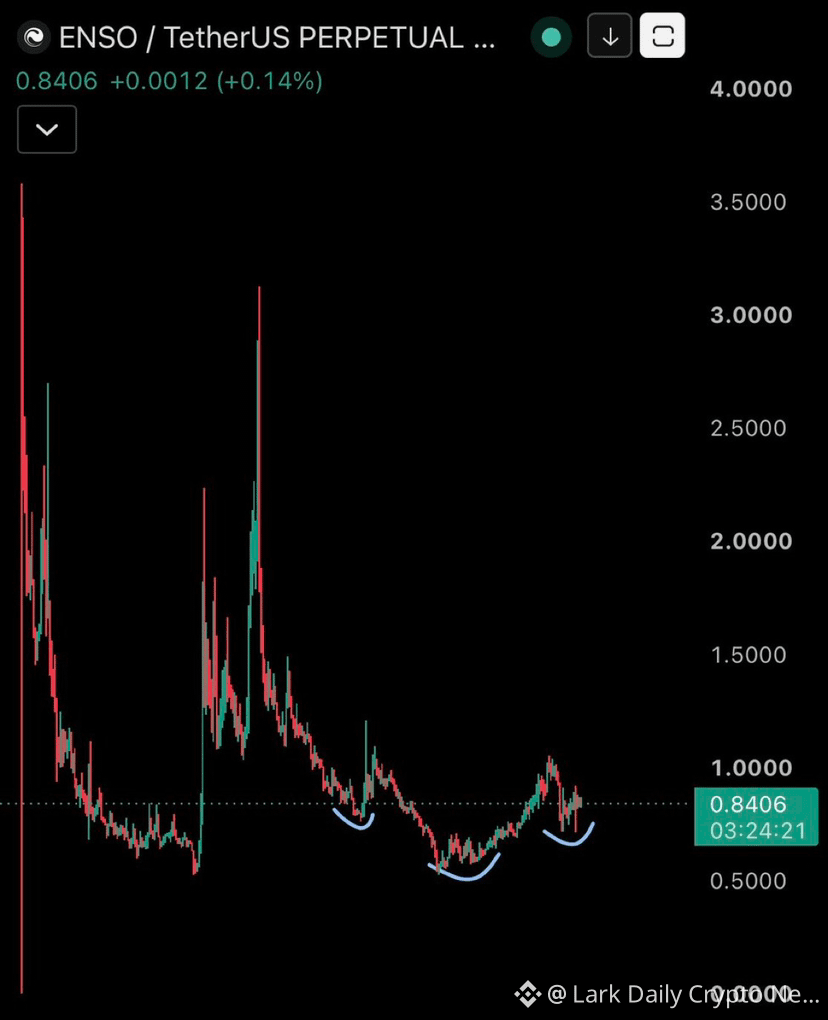
Das letzte Mal habe ich $ENSO ganz unten erwischt, aber ich habe viel zu früh Gewinne mitgenommen.
Jetzt bin ich wieder dabei.
Der Chart sieht wieder interessant aus, also beobachte ich diese Position genau.
Mal sehen, ob sich dieser Einstieg diesmal anders entwickelt.
NFA / DYOR
{future}(ENSOUSDT)
Das letzte Mal habe ich $ENSO ganz unten erwischt, aber ich habe viel zu früh Gewinne mitgenommen.
Jetzt bin ich wieder dabei.
Der Chart sieht wieder interessant aus, also beobachte ich diese Position genau.
Mal sehen, ob sich dieser Einstieg diesmal anders entwickelt.
NFA / DYOR
Jetzt bin ich wieder dabei.
Der Chart sieht wieder interessant aus, also beobachte ich diese Position genau.
Mal sehen, ob sich dieser Einstieg diesmal anders entwickelt.
NFA / DYOR
1.1k
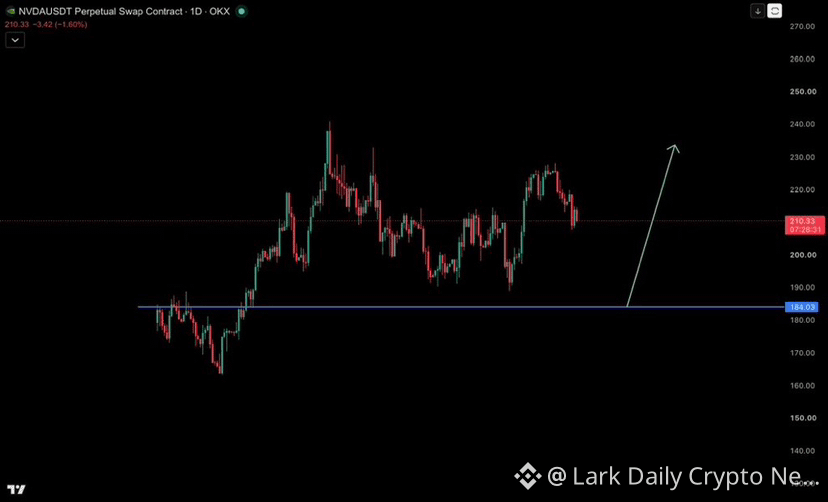
$NVDAB setup
Ich jage der Bewegung hier nicht hinterher.
Ich warte geduldig auf meinen langen Einstieg in diesem Bereich. Wenn der Preis das Setup gibt, das ich will, werde ich es nehmen.
Kein FOMO. Einfach nur auf die Bestätigung warten.
{spot}(NVDABUSDT)
$NVDAB setup
Ich jage der Bewegung hier nicht hinterher.
Ich warte geduldig auf meinen langen Einstieg in diesem Bereich. Wenn der Preis das Setup gibt, das ich will, werde ich es nehmen.
Kein FOMO. Einfach nur auf die Bestätigung warten.
Ich jage der Bewegung hier nicht hinterher.
Ich warte geduldig auf meinen langen Einstieg in diesem Bereich. Wenn der Preis das Setup gibt, das ich will, werde ich es nehmen.
Kein FOMO. Einfach nur auf die Bestätigung warten.
1
1
898
Tipps für #altcoins mit niedriger Marktkapitalisierung
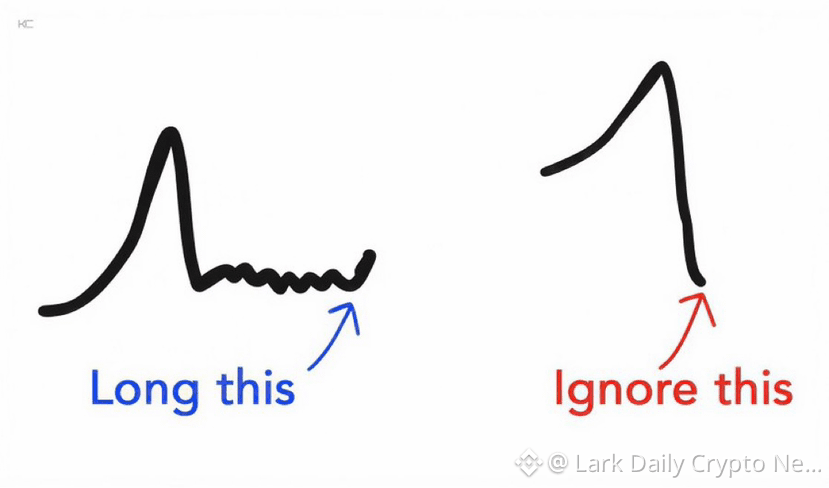
Wenn es bei einem Altcoin-Projekt zu einem wirklich massiven Anstieg kommen soll, muss es eine ausreichende Akkumulationsphase geben, damit das Team des Projekts erneut Coins ansammeln kann.
Du solltest vermeiden, Coins zu kaufen, die im freien Fall sind, während du versuchst, „den Boden“ zu finden – insbesondere solche mit hohen Handelsvolumina.
Tipps für #altcoins mit niedriger Marktkapitalisierung
Wenn es bei einem Altcoin-Projekt zu einem wirklich massiven Anstieg kommen soll, muss es eine ausreichende Akkumulationsphase geben, damit das Team des Projekts erneut Coins ansammeln kann.
Du solltest vermeiden, Coins zu kaufen, die im freien Fall sind, während du versuchst, „den Boden“ zu finden – insbesondere solche mit hohen Handelsvolumina.
Wenn es bei einem Altcoin-Projekt zu einem wirklich massiven Anstieg kommen soll, muss es eine ausreichende Akkumulationsphase geben, damit das Team des Projekts erneut Coins ansammeln kann.
Du solltest vermeiden, Coins zu kaufen, die im freien Fall sind, während du versuchst, „den Boden“ zu finden – insbesondere solche mit hohen Handelsvolumina.
4.2k
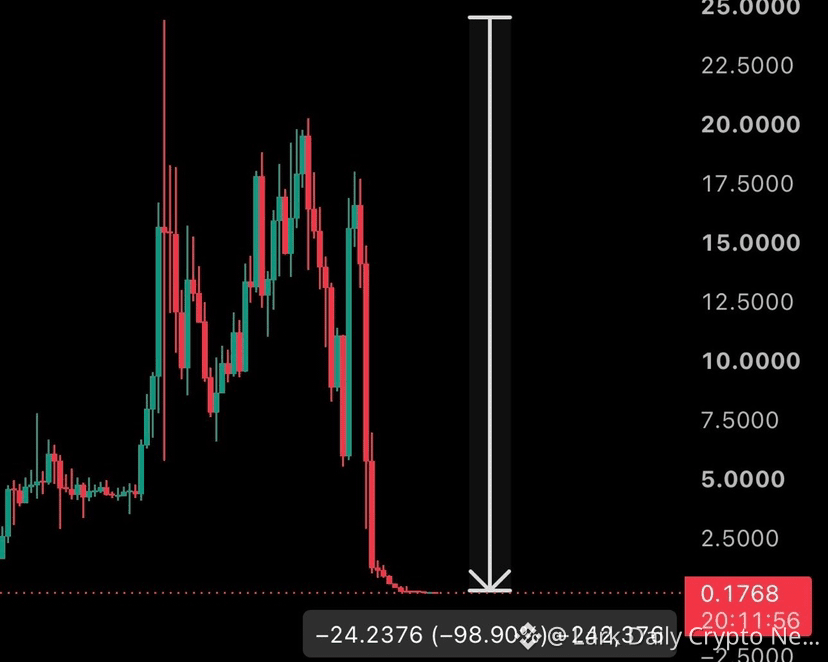
SEI SEHR VORSICHTIG MIT $LAB
Ein 99%iger Rückgang bedeutet nicht automatisch eine gute Kaufgelegenheit.
Viele Trader auf X erwarten eine einfache 2x- oder 3x-Erholung, aber der Chart zeigt weiterhin starken Verkaufsdruck und kein klares Zeichen für starke Akkumulation.
Der Preis ist von etwa 25 $ auf fast 0,20 $ eingebrochen, doch Käufer eröffnen weiterhin Long-Positionen, nur weil es „günstig“ aussieht.
Genau hier wird das Risiko gefährlich.
Wenn alle dieselbe Erholung erwarten, bewegt sich der Markt oft zuerst in die entgegengesetzte Richtung.
Günstig kann immer noch günstiger werden.
{future}(LABUSDT)
SEI SEHR VORSICHTIG MIT $LAB
Ein 99%iger Rückgang bedeutet nicht automatisch eine gute Kaufgelegenheit.
Viele Trader auf X erwarten eine einfache 2x- oder 3x-Erholung, aber der Chart zeigt weiterhin starken Verkaufsdruck und kein klares Zeichen für starke Akkumulation.
Der Preis ist von etwa 25 $ auf fast 0,20 $ eingebrochen, doch Käufer eröffnen weiterhin Long-Positionen, nur weil es „günstig“ aussieht.
Genau hier wird das Risiko gefährlich.
Wenn alle dieselbe Erholung erwarten, bewegt sich der Markt oft zuerst in die entgegengesetzte Richtung.
Günstig kann immer noch günstiger werden.
Ein 99%iger Rückgang bedeutet nicht automatisch eine gute Kaufgelegenheit.
Viele Trader auf X erwarten eine einfache 2x- oder 3x-Erholung, aber der Chart zeigt weiterhin starken Verkaufsdruck und kein klares Zeichen für starke Akkumulation.
Der Preis ist von etwa 25 $ auf fast 0,20 $ eingebrochen, doch Käufer eröffnen weiterhin Long-Positionen, nur weil es „günstig“ aussieht.
Genau hier wird das Risiko gefährlich.
Wenn alle dieselbe Erholung erwarten, bewegt sich der Markt oft zuerst in die entgegengesetzte Richtung.
Günstig kann immer noch günstiger werden.
1
158
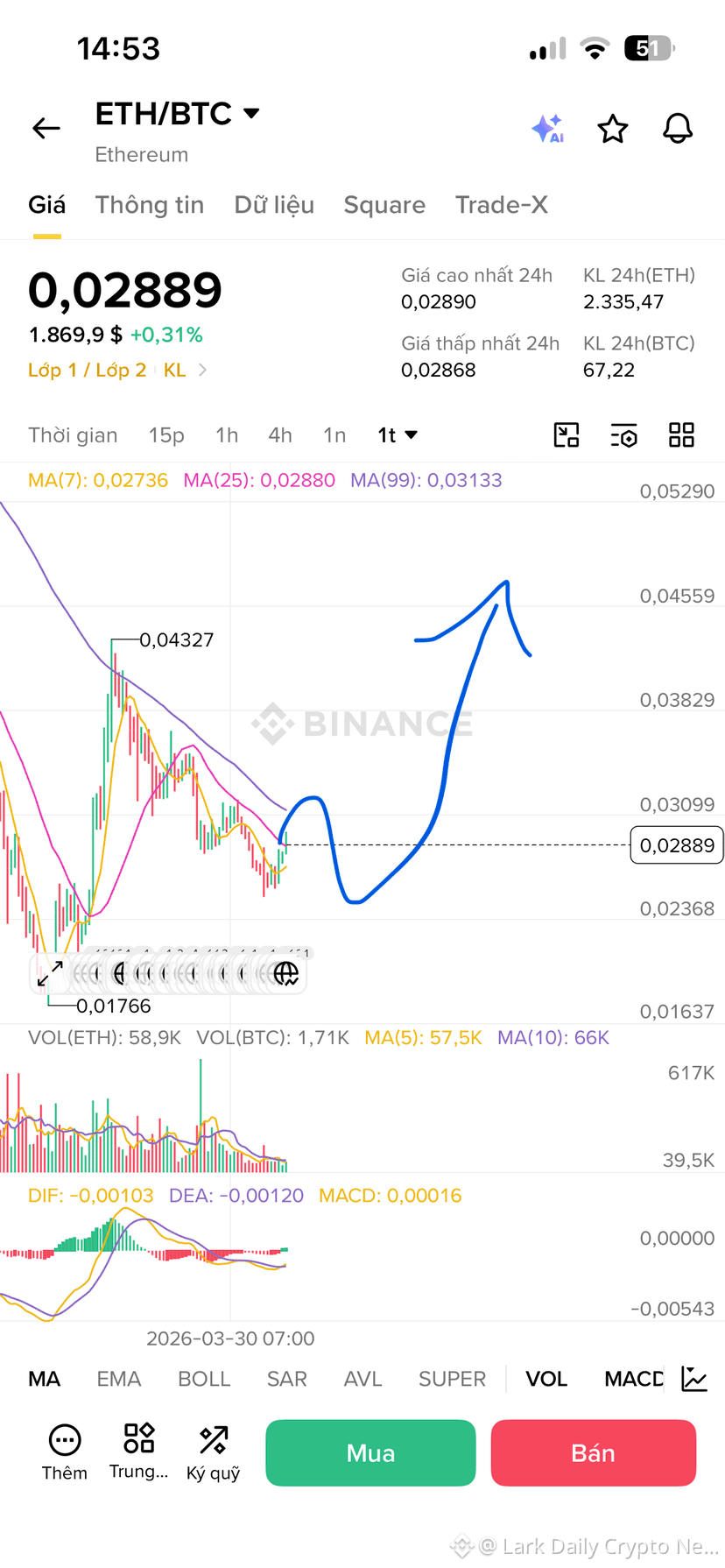
Mein aktueller Plan für den Krypto-Markt:
Alle schauen auf den ETH/BTC-Ausbruch und erwarten direkt einen Altseason-Start.
Aber wenn die Menge zu selbstsicher wird, erzeugt der Markt oft zuerst eine Scheinalbewegung, um ungeduldige Trader aus dem Markt zu schütteln.
Ich denke, dass Large-Cap-Altcoins schwach bleiben oder sich nur langsam korrigieren, während ausgewählte Low-Cap-Projekte weiterhin besser abschneiden und starke Pumps liefern können.
Die nächste Gelegenheit wird nicht überall sein. Sie wird bei den richtigen Projekten liegen.$BTC
{future}(BTCUSDT)
$ETH
{future}(ETHUSDT)
Mein aktueller Plan für den Krypto-Markt:
Alle schauen auf den ETH/BTC-Ausbruch und erwarten direkt einen Altseason-Start.
Aber wenn die Menge zu selbstsicher wird, erzeugt der Markt oft zuerst eine Scheinalbewegung, um ungeduldige Trader aus dem Markt zu schütteln.
Ich denke, dass Large-Cap-Altcoins schwach bleiben oder sich nur langsam korrigieren, während ausgewählte Low-Cap-Projekte weiterhin besser abschneiden und starke Pumps liefern können.
Die nächste Gelegenheit wird nicht überall sein. Sie wird bei den richtigen Projekten liegen.$BTC
$ETH
Alle schauen auf den ETH/BTC-Ausbruch und erwarten direkt einen Altseason-Start.
Aber wenn die Menge zu selbstsicher wird, erzeugt der Markt oft zuerst eine Scheinalbewegung, um ungeduldige Trader aus dem Markt zu schütteln.
Ich denke, dass Large-Cap-Altcoins schwach bleiben oder sich nur langsam korrigieren, während ausgewählte Low-Cap-Projekte weiterhin besser abschneiden und starke Pumps liefern können.
Die nächste Gelegenheit wird nicht überall sein. Sie wird bei den richtigen Projekten liegen.$BTC
$ETH
119
SCROLL NICHT WEITER DARÜBER HINWEG, WENN DU ES ERNST MEINST, MIT KRYPTOS GELD ZU VERDIENEN.
Die Zahl der gescheiterten Kryptowährungen explodiert weiter:
2021: 2.584
2022: 213.075
2023: 245.049
2024: 1.382.010
2025: 11.564.909
Die meisten Investoren sehen in diesen Zahlen nur Gefahr.
Ich sehe etwas anderes: eine Chance.
Je mehr Projekte in den Markt drängen, desto schwieriger wird es, die echten Gewinner zu identifizieren. Aber genau diese Schwierigkeit schafft einen Vorteil für Menschen, die bereit sind, zu recherchieren, zu lernen und zu handeln – bevor die Masse kommt.
Selbst in schwachen Marktphasen haben Tokens wie $LAB, $RAB und $BEAT Renditen von 100x bis 300x geliefert.
Warum?
Weil die besten Chancen selten offensichtlich sind. Wenn erst alle sie entdecken, ist der Großteil des Aufwärtspotenzials bereits weg.
Stell dir nun vor, was passieren könnte, wenn $BTC mit einer weiteren großen Rallye beginnt und frische Liquidität zurück in den Krypto-Markt strömt.
Der nächste Zyklus könnte Projekte hervorbringen, die außergewöhnliche Renditen liefern – aber sie werden nicht gefunden, indem man der Masse folgt.
Studier jetzt. Entwickel jetzt deine Strategie. Positioniere dich, bevor die Aufregung beginnt.
Die größten Chancen tauchen normalerweise dann auf, wenn fast niemand hinschaut.$BTC
{future}(BTCUSDT)
SCROLL NICHT WEITER DARÜBER HINWEG, WENN DU ES ERNST MEINST, MIT KRYPTOS GELD ZU VERDIENEN.
Die Zahl der gescheiterten Kryptowährungen explodiert weiter:
2021: 2.584
2022: 213.075
2023: 245.049
2024: 1.382.010
2025: 11.564.909
Die meisten Investoren sehen in diesen Zahlen nur Gefahr.
Ich sehe etwas anderes: eine Chance.
Je mehr Projekte in den Markt drängen, desto schwieriger wird es, die echten Gewinner zu identifizieren. Aber genau diese Schwierigkeit schafft einen Vorteil für Menschen, die bereit sind, zu recherchieren, zu lernen und zu handeln – bevor die Masse kommt.
Selbst in schwachen Marktphasen haben Tokens wie $LAB, $RAB und $BEAT Renditen von 100x bis 300x geliefert.
Warum?
Weil die besten Chancen selten offensichtlich sind. Wenn erst alle sie entdecken, ist der Großteil des Aufwärtspotenzials bereits weg.
Stell dir nun vor, was passieren könnte, wenn $BTC mit einer weiteren großen Rallye beginnt und frische Liquidität zurück in den Krypto-Markt strömt.
Der nächste Zyklus könnte Projekte hervorbringen, die außergewöhnliche Renditen liefern – aber sie werden nicht gefunden, indem man der Masse folgt.
Studier jetzt. Entwickel jetzt deine Strategie. Positioniere dich, bevor die Aufregung beginnt.
Die größten Chancen tauchen normalerweise dann auf, wenn fast niemand hinschaut.$BTC
Die Zahl der gescheiterten Kryptowährungen explodiert weiter:
2021: 2.584
2022: 213.075
2023: 245.049
2024: 1.382.010
2025: 11.564.909
Die meisten Investoren sehen in diesen Zahlen nur Gefahr.
Ich sehe etwas anderes: eine Chance.
Je mehr Projekte in den Markt drängen, desto schwieriger wird es, die echten Gewinner zu identifizieren. Aber genau diese Schwierigkeit schafft einen Vorteil für Menschen, die bereit sind, zu recherchieren, zu lernen und zu handeln – bevor die Masse kommt.
Selbst in schwachen Marktphasen haben Tokens wie $LAB, $RAB und $BEAT Renditen von 100x bis 300x geliefert.
Warum?
Weil die besten Chancen selten offensichtlich sind. Wenn erst alle sie entdecken, ist der Großteil des Aufwärtspotenzials bereits weg.
Stell dir nun vor, was passieren könnte, wenn $BTC mit einer weiteren großen Rallye beginnt und frische Liquidität zurück in den Krypto-Markt strömt.
Der nächste Zyklus könnte Projekte hervorbringen, die außergewöhnliche Renditen liefern – aber sie werden nicht gefunden, indem man der Masse folgt.
Studier jetzt. Entwickel jetzt deine Strategie. Positioniere dich, bevor die Aufregung beginnt.
Die größten Chancen tauchen normalerweise dann auf, wenn fast niemand hinschaut.$BTC
493
Meiner Ansicht nach könnte $BTC kurzfristig nicht besonders stark wirken, vor allem in den nächsten Wochen.
Aber ab Oktober dieses Jahres glaube ich, dass #BTC einen großen Rallye-Start hinlegen könnte, der bis ins Jahr 2029 hinein andauert.
Wenn Bitcoin zurückkommt, könnten einige KI-Projekte extrem hart nach oben schießen, da eine massive Welle neuer Kapitalzuflüsse in den Krypto-Markt fließt.
Warum denke ich, dass BTC weiter bis 2029 steigen könnte, statt 2028 aufzuhören?
Weil viele Menschen dann, sobald die Masse glaubt, dass der Zyklus nur ein einziges starkes Wachstumsjahr hat, schon 2028 eilig verkaufen werden.
Und genau das könnte Bitcoin mehr Spielraum geben, um weiter nach oben zu gehen, die Menge zu verunsichern und ihre Erwartungen zu zerstören.
Das ist nur meine persönliche Meinung, aber ich beobachte diesen Zyklus sehr genau.
{future}(BTCUSDT)
Meiner Ansicht nach könnte $BTC kurzfristig nicht besonders stark wirken, vor allem in den nächsten Wochen.
Aber ab Oktober dieses Jahres glaube ich, dass #BTC einen großen Rallye-Start hinlegen könnte, der bis ins Jahr 2029 hinein andauert.
Wenn Bitcoin zurückkommt, könnten einige KI-Projekte extrem hart nach oben schießen, da eine massive Welle neuer Kapitalzuflüsse in den Krypto-Markt fließt.
Warum denke ich, dass BTC weiter bis 2029 steigen könnte, statt 2028 aufzuhören?
Weil viele Menschen dann, sobald die Masse glaubt, dass der Zyklus nur ein einziges starkes Wachstumsjahr hat, schon 2028 eilig verkaufen werden.
Und genau das könnte Bitcoin mehr Spielraum geben, um weiter nach oben zu gehen, die Menge zu verunsichern und ihre Erwartungen zu zerstören.
Das ist nur meine persönliche Meinung, aber ich beobachte diesen Zyklus sehr genau.
Aber ab Oktober dieses Jahres glaube ich, dass #BTC einen großen Rallye-Start hinlegen könnte, der bis ins Jahr 2029 hinein andauert.
Wenn Bitcoin zurückkommt, könnten einige KI-Projekte extrem hart nach oben schießen, da eine massive Welle neuer Kapitalzuflüsse in den Krypto-Markt fließt.
Warum denke ich, dass BTC weiter bis 2029 steigen könnte, statt 2028 aufzuhören?
Weil viele Menschen dann, sobald die Masse glaubt, dass der Zyklus nur ein einziges starkes Wachstumsjahr hat, schon 2028 eilig verkaufen werden.
Und genau das könnte Bitcoin mehr Spielraum geben, um weiter nach oben zu gehen, die Menge zu verunsichern und ihre Erwartungen zu zerstören.
Das ist nur meine persönliche Meinung, aber ich beobachte diesen Zyklus sehr genau.

1
2
2.2k
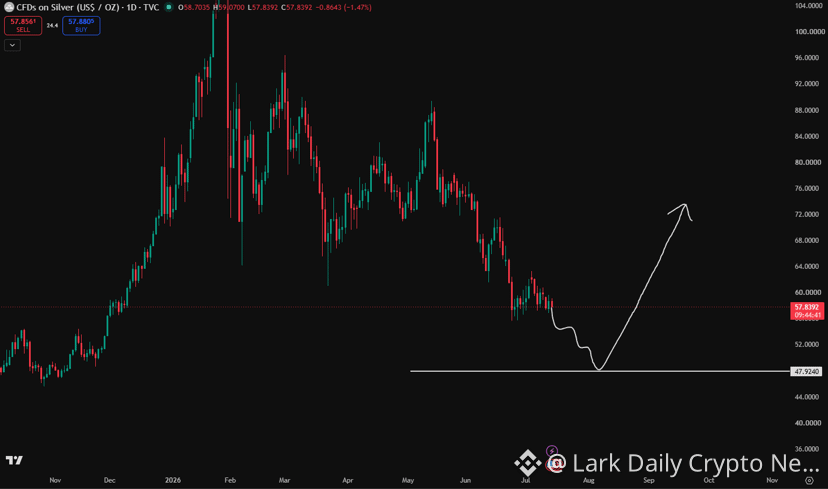
$XAG ist auf meiner Beobachtungsliste 👀
Ich warte geduldig auf den richtigen Einstieg.
Für mich sieht diese Support-Zone nach einer sehr guten Kaufzone aus.
Kein Stress, wir warten ab und sehen, wie $XAG reagiert.
{future}(XAGUSDT)
$XAG ist auf meiner Beobachtungsliste 👀
Ich warte geduldig auf den richtigen Einstieg.
Für mich sieht diese Support-Zone nach einer sehr guten Kaufzone aus.
Kein Stress, wir warten ab und sehen, wie $XAG reagiert.
Ich warte geduldig auf den richtigen Einstieg.
Für mich sieht diese Support-Zone nach einer sehr guten Kaufzone aus.
Kein Stress, wir warten ab und sehen, wie $XAG reagiert.
4
5
2.3k
Anmelden und weiter Inhalte entdecken
Krypto-Nutzer weltweit auf Binance Square kennenlernen
⚡️ Bleib in Sachen Krypto stets am Puls.
💬 Die weltgrößte Kryptobörse vertraut darauf.
👍 Erhalte verlässliche Einblicke von verifizierten Creators.
E-Mail-Adresse/Telefonnummer
Trendthemen
BitcoinReboundsTo$79K
30,427 Aufrufe
246 Kommentare
🚨 $BTC steigt weiter.
Bitcoin handelt bei etwa 78.804 $ und liegt damit ungefähr 1,9 % im Plus, nachdem die Marke von 78K zurückerobert wurde. Die nächste zu beobachtende Zone ist das Tageshoch im Intraday-Bereich nahe 78.905 $.
Ein klarer Ausbruch über diese Marke könnte den Weg in Richtung 79K–80K ebnen. Wenn BTC abgewiesen wird, liegt der Support bei etwa 78.300 $ und danach bei 77.975 $.
Die Bullen haben Momentum, aber BTC muss über 78K bleiben.
#Bitcoin #BTC #CryptoTrading #CryptoMarket #CryptoAnalysis
PulseON
·22 Likes
·23.8k Aufrufe
BessentEndorsesFinalClarityActDraft
0 Aufrufe
7 Kommentare
ZamaOpens16ConfidentialMorphoVaults
0 Aufrufe
6 Kommentare