

Peter_Parker0
19.2k Beiträge

Peter_Parker0
 Square Verified+
Melden
Nutzer blockieren
Crypto trader|Market sniper Spot & Futures| TA wizard | Risk-first Altcoin gems|Bullish vibes only #CryptoTrading $BTC|Twitter|Cryptocobain032
Trade eröffnen
Regelmäßiger Trader
2.6 Jahre
720 Following
45.8K+ Follower
49.0K+ Like gegeben
Beiträge
Portfolio
Alle
Zitierungen
Videos
Live
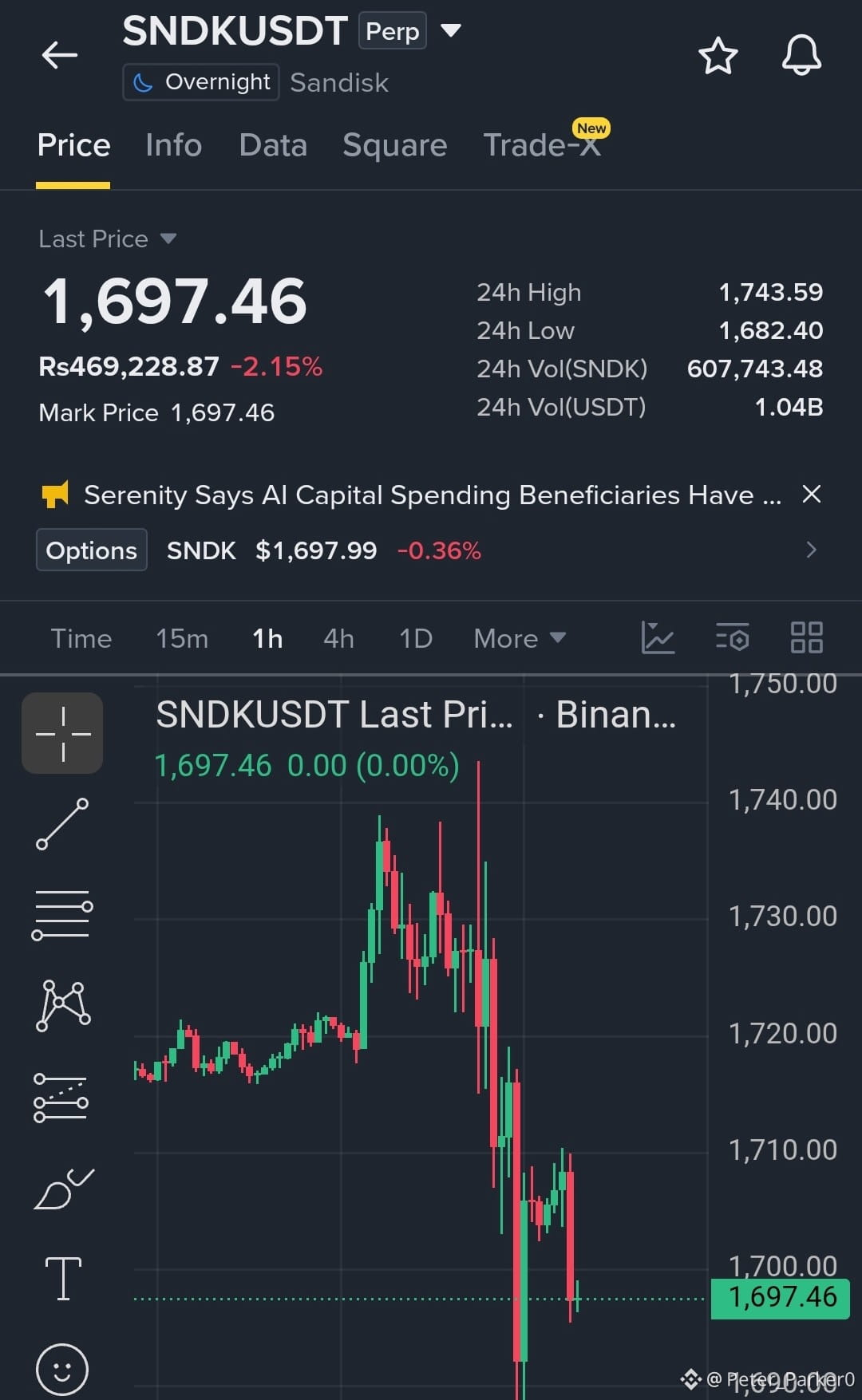
🚨 $SNDK — DAS SHORT-SETUP WIRD INTERESSANT
$SNDK hat den Bereich um $1,700 nach einer scharfen Zurückweisung an den Hochs gerade verloren. Ich beobachte den nächsten Bounce genau — wenn die Verkäufer weiter die Kontrolle behalten, könnte sich ein weiterer Abwärtsschub anbahnen.
🔻 SHORT-EINSTIEG: $1,700–$1,710
🎯 TP1: $1,690
🎯 TP2: $1,682
🎯 TP3: $1,670
🎯 TP4: $1,655
🛑 STOP-LOSS: $1,720
Ich jage dem Abverkauf hier nicht hinterher. Ich warte auf den Retest und die Zurückweisung — dort wird das Setup interessant. Handle nach den Kursmarken und manage dein Risiko.#FedOctoberHoldOdds82.3%
🚨 $SNDK — DAS SHORT-SETUP WIRD INTERESSANT
$SNDK hat den Bereich um $1,700 nach einer scharfen Zurückweisung an den Hochs gerade verloren. Ich beobachte den nächsten Bounce genau — wenn die Verkäufer weiter die Kontrolle behalten, könnte sich ein weiterer Abwärtsschub anbahnen.
🔻 SHORT-EINSTIEG: $1,700–$1,710
🎯 TP1: $1,690
🎯 TP2: $1,682
🎯 TP3: $1,670
🎯 TP4: $1,655
🛑 STOP-LOSS: $1,720
Ich jage dem Abverkauf hier nicht hinterher. Ich warte auf den Retest und die Zurückweisung — dort wird das Setup interessant. Handle nach den Kursmarken und manage dein Risiko.#FedOctoberHoldOdds82.3%
$SNDK hat den Bereich um $1,700 nach einer scharfen Zurückweisung an den Hochs gerade verloren. Ich beobachte den nächsten Bounce genau — wenn die Verkäufer weiter die Kontrolle behalten, könnte sich ein weiterer Abwärtsschub anbahnen.
🔻 SHORT-EINSTIEG: $1,700–$1,710
🎯 TP1: $1,690
🎯 TP2: $1,682
🎯 TP3: $1,670
🎯 TP4: $1,655
🛑 STOP-LOSS: $1,720
Ich jage dem Abverkauf hier nicht hinterher. Ich warte auf den Retest und die Zurückweisung — dort wird das Setup interessant. Handle nach den Kursmarken und manage dein Risiko.#FedOctoberHoldOdds82.3%
149
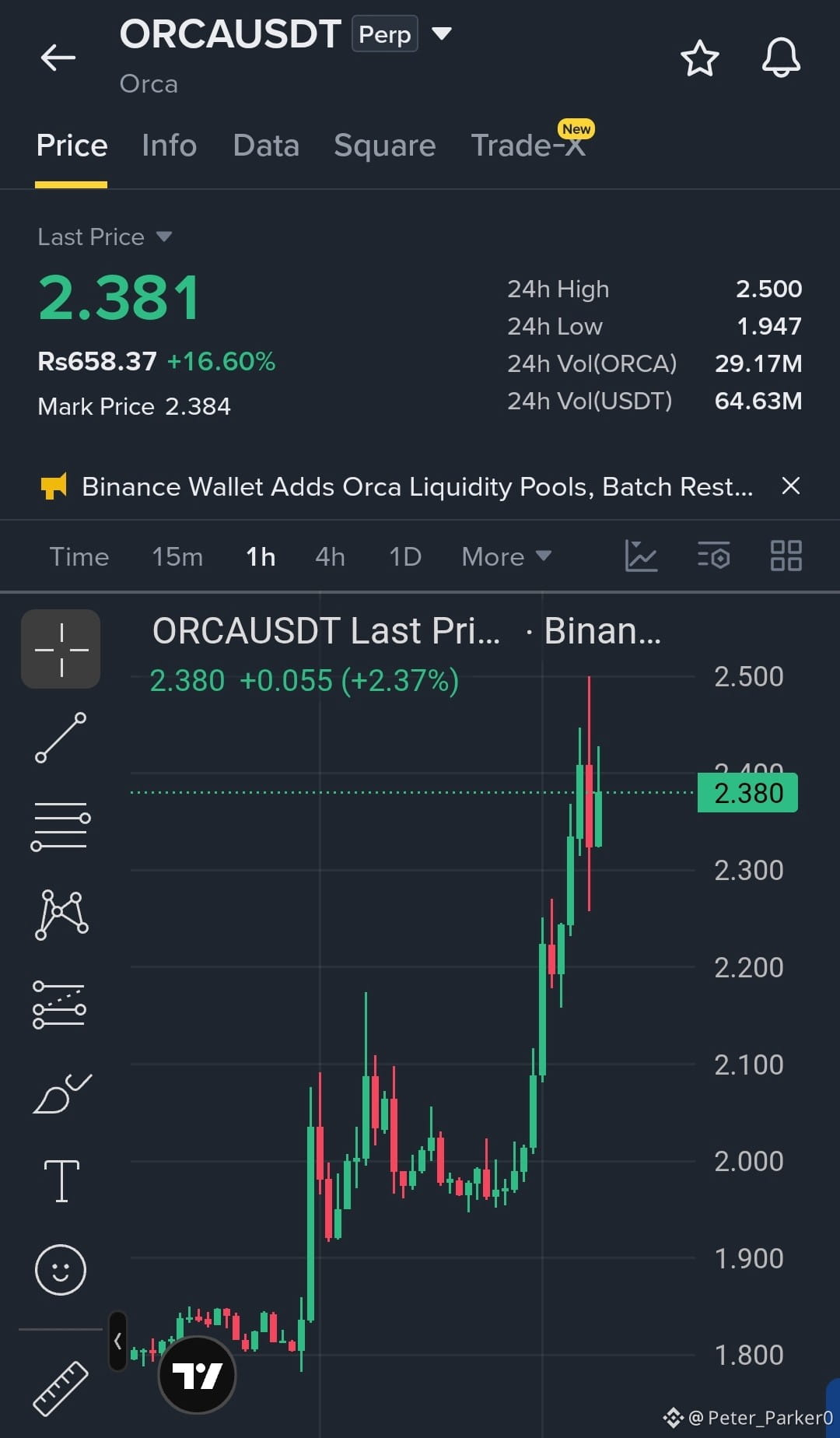
🚨 $ORCA — SHORT-SETUP IST AKTIV
$ORCA ist nach einem starken Anstieg gerade kräftig in die Zone von 2,40–2,50 $ vorgestoßen. Ich beobachte diesen Bereich genau und achte auf eine Zurückweisung und einen Rücksetzer.
Einstieg: 2,40–2,50 $
TP1: 2,30 $
TP2: 2,25 $
TP3: 2,20 $
TP4: 2,15 $
Stop-Loss: 2,75 $
Lauf dem Kurs nicht hinterher — warte, bis sich das Setup bestätigt. Wenn die Verkäufer hier einsteigen, könnte dieser Rücksetzer interessant werden. ⚡
🚨 $ORCA — SHORT-SETUP IST AKTIV
$ORCA ist nach einem starken Anstieg gerade kräftig in die Zone von 2,40–2,50 $ vorgestoßen. Ich beobachte diesen Bereich genau und achte auf eine Zurückweisung und einen Rücksetzer.
Einstieg: 2,40–2,50 $
TP1: 2,30 $
TP2: 2,25 $
TP3: 2,20 $
TP4: 2,15 $
Stop-Loss: 2,75 $
Lauf dem Kurs nicht hinterher — warte, bis sich das Setup bestätigt. Wenn die Verkäufer hier einsteigen, könnte dieser Rücksetzer interessant werden. ⚡
$ORCA ist nach einem starken Anstieg gerade kräftig in die Zone von 2,40–2,50 $ vorgestoßen. Ich beobachte diesen Bereich genau und achte auf eine Zurückweisung und einen Rücksetzer.
Einstieg: 2,40–2,50 $
TP1: 2,30 $
TP2: 2,25 $
TP3: 2,20 $
TP4: 2,15 $
Stop-Loss: 2,75 $
Lauf dem Kurs nicht hinterher — warte, bis sich das Setup bestätigt. Wenn die Verkäufer hier einsteigen, könnte dieser Rücksetzer interessant werden. ⚡
318
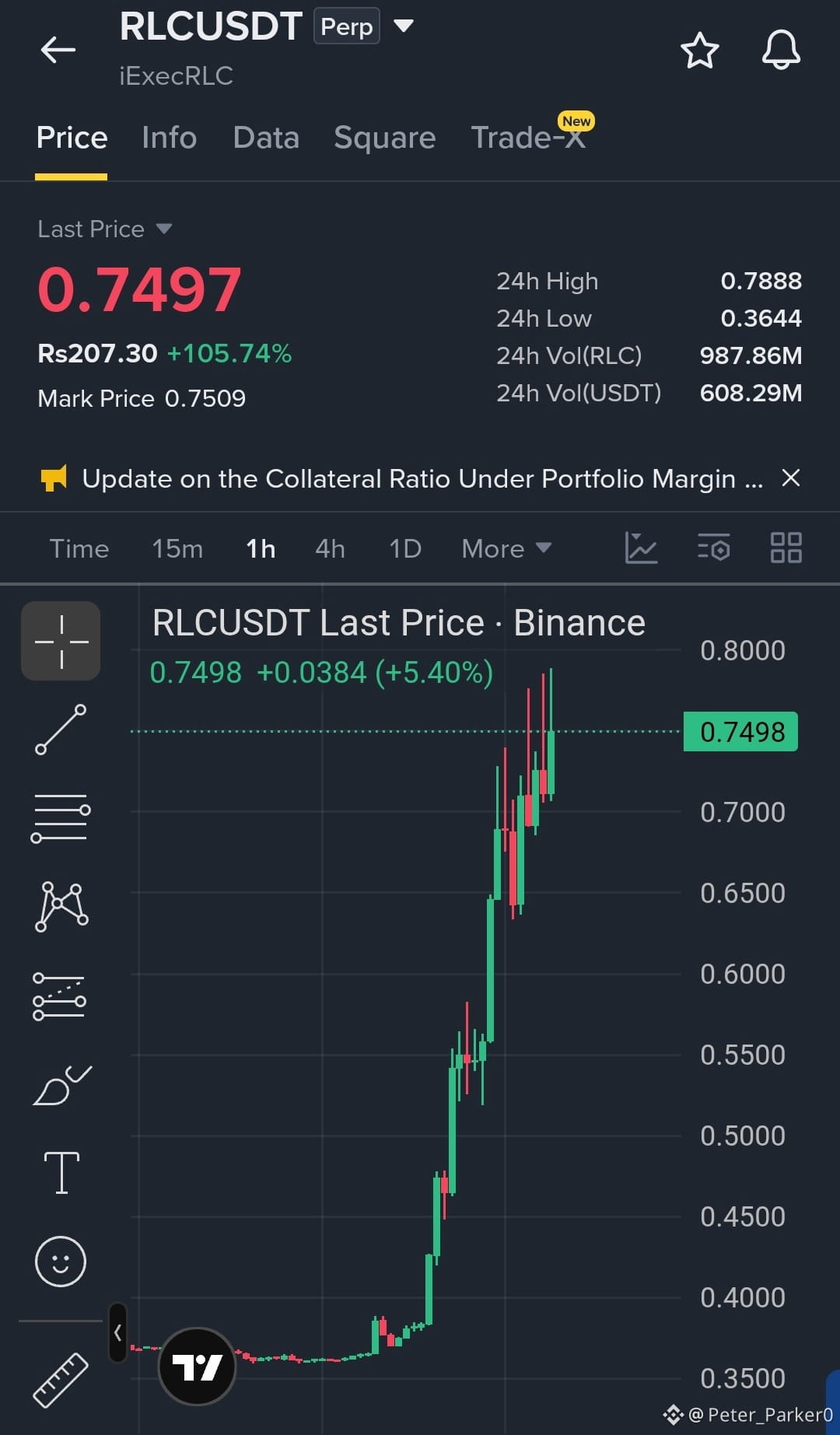
🚨 $RLC — DIESE BEWEGUNG WIRKT ÜBERDEHNT
Nach dem explosiven Anstieg auf über $0.75 behalte ich diesen Wert genau im Auge. Der Kurs ist stark gestiegen, und ich warte auf eine klare Zurückweisung, bevor ich eine Short-Position eingehe.
Short-Einstieg: $0.74–$0.76
Stop-Loss: $0.80
Gewinnmitnahme: $0.65 → $0.60 → $0.55
Wenn die Käufer weiter für höhere Hochs sorgen, bin ich raus. Wird der Bereich von $0.75–$0.76 jedoch zurückgewiesen, könnte der Rücksetzer schnell interessant werden. Handle die Reaktion, nicht den Hype.
{future}(RLCUSDT)
🚨 $RLC — DIESE BEWEGUNG WIRKT ÜBERDEHNT
Nach dem explosiven Anstieg auf über $0.75 behalte ich diesen Wert genau im Auge. Der Kurs ist stark gestiegen, und ich warte auf eine klare Zurückweisung, bevor ich eine Short-Position eingehe.
Short-Einstieg: $0.74–$0.76
Stop-Loss: $0.80
Gewinnmitnahme: $0.65 → $0.60 → $0.55
Wenn die Käufer weiter für höhere Hochs sorgen, bin ich raus. Wird der Bereich von $0.75–$0.76 jedoch zurückgewiesen, könnte der Rücksetzer schnell interessant werden. Handle die Reaktion, nicht den Hype.
Nach dem explosiven Anstieg auf über $0.75 behalte ich diesen Wert genau im Auge. Der Kurs ist stark gestiegen, und ich warte auf eine klare Zurückweisung, bevor ich eine Short-Position eingehe.
Short-Einstieg: $0.74–$0.76
Stop-Loss: $0.80
Gewinnmitnahme: $0.65 → $0.60 → $0.55
Wenn die Käufer weiter für höhere Hochs sorgen, bin ich raus. Wird der Bereich von $0.75–$0.76 jedoch zurückgewiesen, könnte der Rücksetzer schnell interessant werden. Handle die Reaktion, nicht den Hype.
246
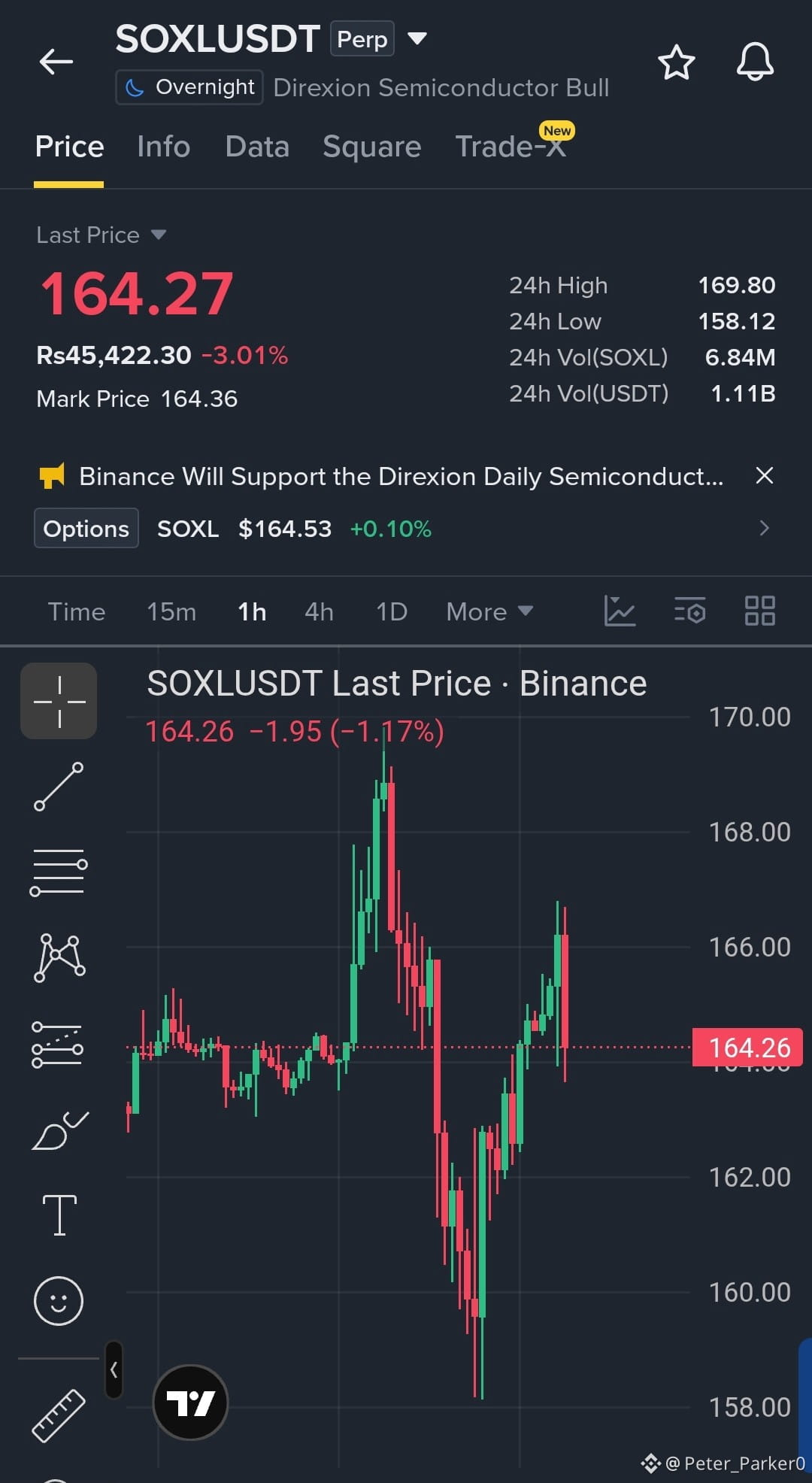
🚨 $SOXL — DAS SHORT-SETUP WIRD INTERESSANT
Der Kurs wurde gerade im Bereich von $166–$168 abgewiesen, und die Verkäufer kehren zurück. Ich beobachte das genau und rechne mit einer weiteren Abwärtsbewegung, falls $164 an Stärke verliert.
Short-Einstieg: $164–$165
Stop-Loss: $170
Take-Profit: $160 / $158
Ich bleibe hier diszipliniert — erobert der Kurs die $170 zurück, ist das Setup hinfällig.
{future}(SOXLUSDT)
#Nikkei225Jumps2.5%ToThreeMonthHigh #DriftHackVictimsBeginClaims #EthStakingExitQueueHits2026High #ETHUp70%InQ3ButLiquidityFalls #EvernorthXRPTreasuryCompletesSPACMerger
🚨 $SOXL — DAS SHORT-SETUP WIRD INTERESSANT
Der Kurs wurde gerade im Bereich von $166–$168 abgewiesen, und die Verkäufer kehren zurück. Ich beobachte das genau und rechne mit einer weiteren Abwärtsbewegung, falls $164 an Stärke verliert.
Short-Einstieg: $164–$165
Stop-Loss: $170
Take-Profit: $160 / $158
Ich bleibe hier diszipliniert — erobert der Kurs die $170 zurück, ist das Setup hinfällig.
#Nikkei225Jumps2.5%ToThreeMonthHigh #DriftHackVictimsBeginClaims #EthStakingExitQueueHits2026High #ETHUp70%InQ3ButLiquidityFalls #EvernorthXRPTreasuryCompletesSPACMerger
Der Kurs wurde gerade im Bereich von $166–$168 abgewiesen, und die Verkäufer kehren zurück. Ich beobachte das genau und rechne mit einer weiteren Abwärtsbewegung, falls $164 an Stärke verliert.
Short-Einstieg: $164–$165
Stop-Loss: $170
Take-Profit: $160 / $158
Ich bleibe hier diszipliniert — erobert der Kurs die $170 zurück, ist das Setup hinfällig.
#Nikkei225Jumps2.5%ToThreeMonthHigh #DriftHackVictimsBeginClaims #EthStakingExitQueueHits2026High #ETHUp70%InQ3ButLiquidityFalls #EvernorthXRPTreasuryCompletesSPACMerger
149
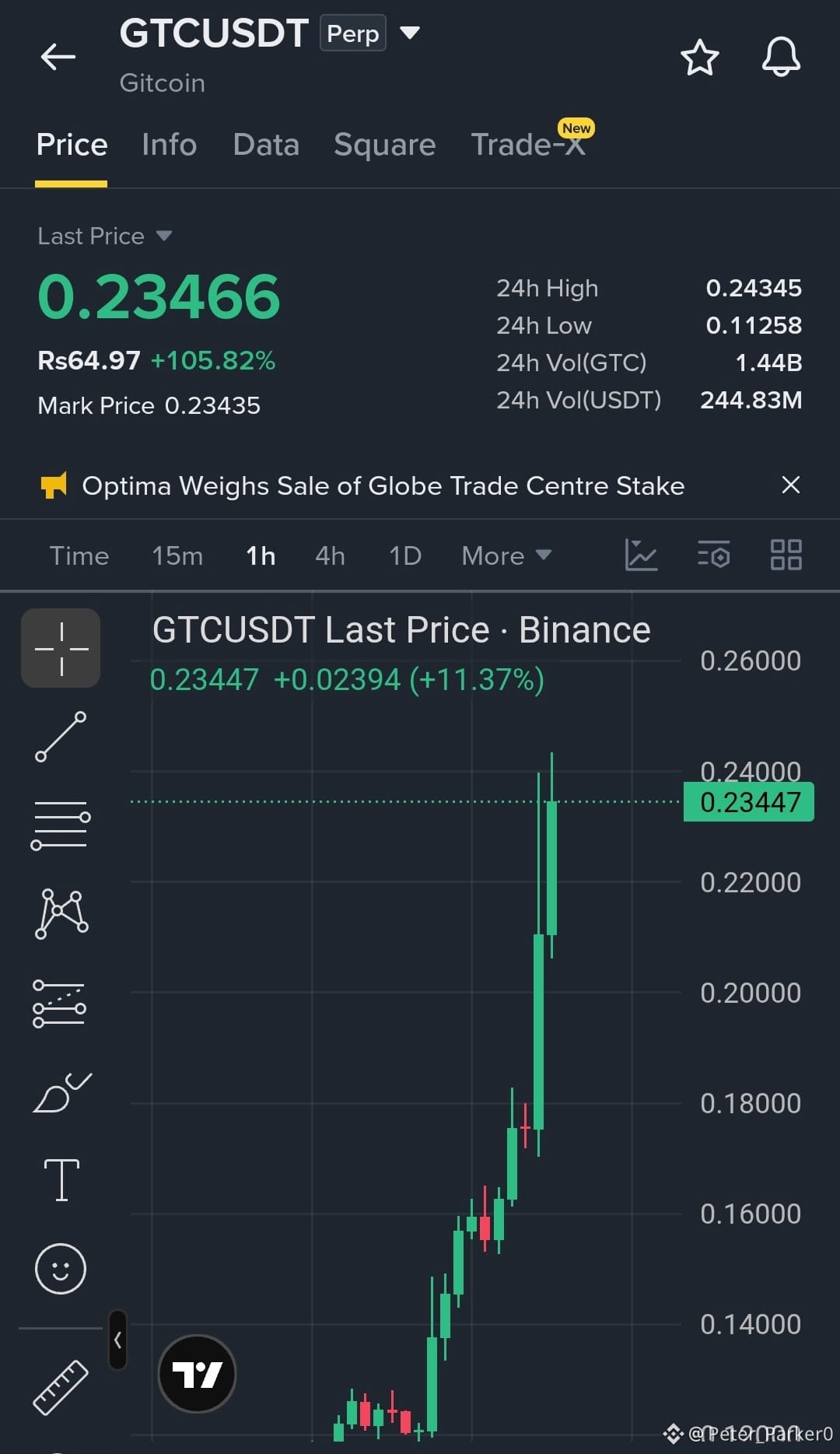
Ich gehe mit 20-fachem Hebel bei $GTC long
{future}(GTCUSDT)
Nach diesem starken Ausbruch eröffne ich eine Long-Position bei $GTC …
Einstieg: $0.220–$0.231
Kursziele: $0.242 / $0.255 / $0.270
SL: $0.208
Das Momentum ist stark, aber behalte das Risiko unter Kontrolle
Ich gehe mit 20-fachem Hebel bei $GTC long
Nach diesem starken Ausbruch eröffne ich eine Long-Position bei $GTC …
Einstieg: $0.220–$0.231
Kursziele: $0.242 / $0.255 / $0.270
SL: $0.208
Das Momentum ist stark, aber behalte das Risiko unter Kontrolle
Nach diesem starken Ausbruch eröffne ich eine Long-Position bei $GTC …
Einstieg: $0.220–$0.231
Kursziele: $0.242 / $0.255 / $0.270
SL: $0.208
Das Momentum ist stark, aber behalte das Risiko unter Kontrolle
256
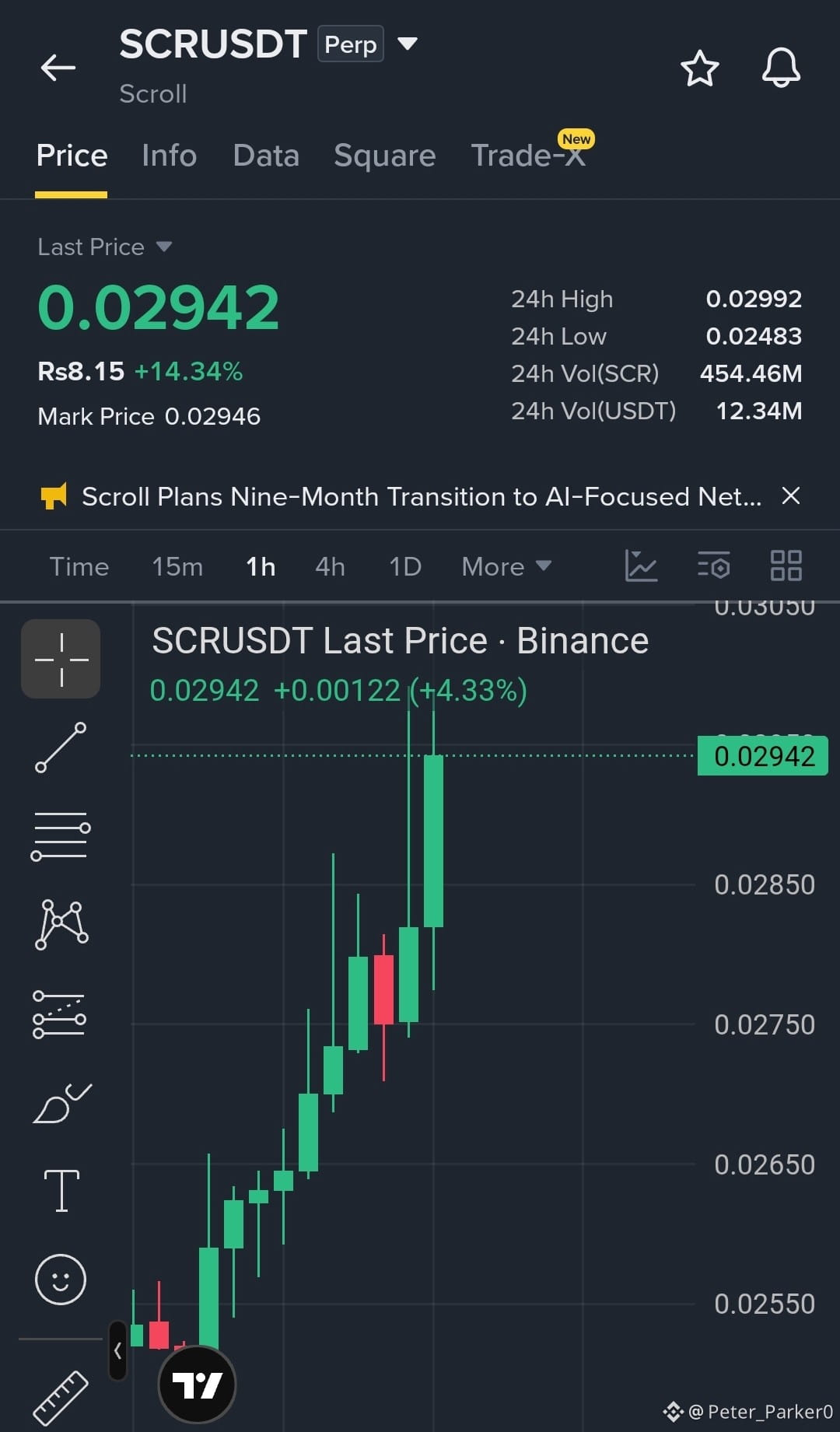
Leute, ich gehe bei $SCR
{future}(SCRUSDT) long. Mit 10-fachem Hebel
Einstieg: 0.0295–0.0298
SL: 0.0265
TP1: 0.0320
TP2: 0.0380
TP3: 0.0465
Lasst uns auf $SCR traden
Leute, ich gehe bei $SCR long. Mit 10-fachem Hebel
Einstieg: 0.0295–0.0298
SL: 0.0265
TP1: 0.0320
TP2: 0.0380
TP3: 0.0465
Lasst uns auf $SCR traden
Einstieg: 0.0295–0.0298
SL: 0.0265
TP1: 0.0320
TP2: 0.0380
TP3: 0.0465
Lasst uns auf $SCR traden
1
171
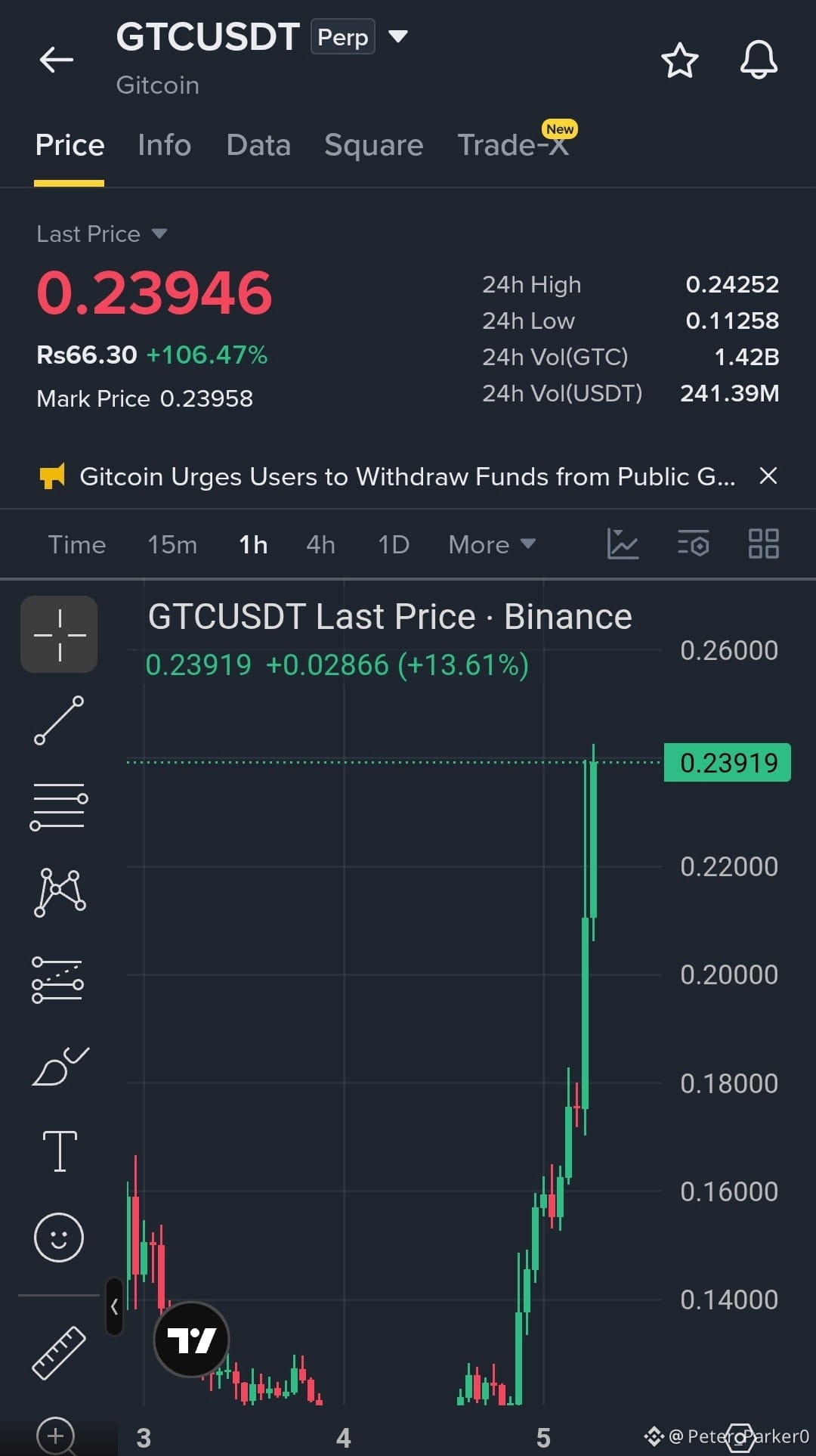
$GTC hebt gerade richtig ab.
+106 % in 24 Stunden und der Kurs ist bei einem gewaltigen Ausbruch gerade von etwa 0,17 $ auf 0,24 $ hochgeschossen.
Die Käufer haben eindeutig die Kontrolle, aber nach einem derart senkrechten Pump kann die Volatilität wild werden. Ich würde beobachten, ob die Marke von 0,22–0,23 $ bei einem Rücksetzer hält.
Wenn die Bullen diese Zone verteidigen, könnte der nächste Aufwärtsschub richtig interessant werden.
$GTC steht jetzt offiziell auf dem Radar. 👀
{future}(GTCUSDT)
Auf welches Niveau achtet ihr als Nächstes?
#EthereumValidatorExitQueueJumps392% #GreekPoliceBustCryptoScamRingArrest17 #SECHaltsCryptoETFReviewsAmidFundingLapse
$GTC hebt gerade richtig ab.
+106 % in 24 Stunden und der Kurs ist bei einem gewaltigen Ausbruch gerade von etwa 0,17 $ auf 0,24 $ hochgeschossen.
Die Käufer haben eindeutig die Kontrolle, aber nach einem derart senkrechten Pump kann die Volatilität wild werden. Ich würde beobachten, ob die Marke von 0,22–0,23 $ bei einem Rücksetzer hält.
Wenn die Bullen diese Zone verteidigen, könnte der nächste Aufwärtsschub richtig interessant werden.
$GTC steht jetzt offiziell auf dem Radar. 👀
Auf welches Niveau achtet ihr als Nächstes?
#EthereumValidatorExitQueueJumps392% #GreekPoliceBustCryptoScamRingArrest17 #SECHaltsCryptoETFReviewsAmidFundingLapse
+106 % in 24 Stunden und der Kurs ist bei einem gewaltigen Ausbruch gerade von etwa 0,17 $ auf 0,24 $ hochgeschossen.
Die Käufer haben eindeutig die Kontrolle, aber nach einem derart senkrechten Pump kann die Volatilität wild werden. Ich würde beobachten, ob die Marke von 0,22–0,23 $ bei einem Rücksetzer hält.
Wenn die Bullen diese Zone verteidigen, könnte der nächste Aufwärtsschub richtig interessant werden.
$GTC steht jetzt offiziell auf dem Radar. 👀
Auf welches Niveau achtet ihr als Nächstes?
#EthereumValidatorExitQueueJumps392% #GreekPoliceBustCryptoScamRingArrest17 #SECHaltsCryptoETFReviewsAmidFundingLapse
341
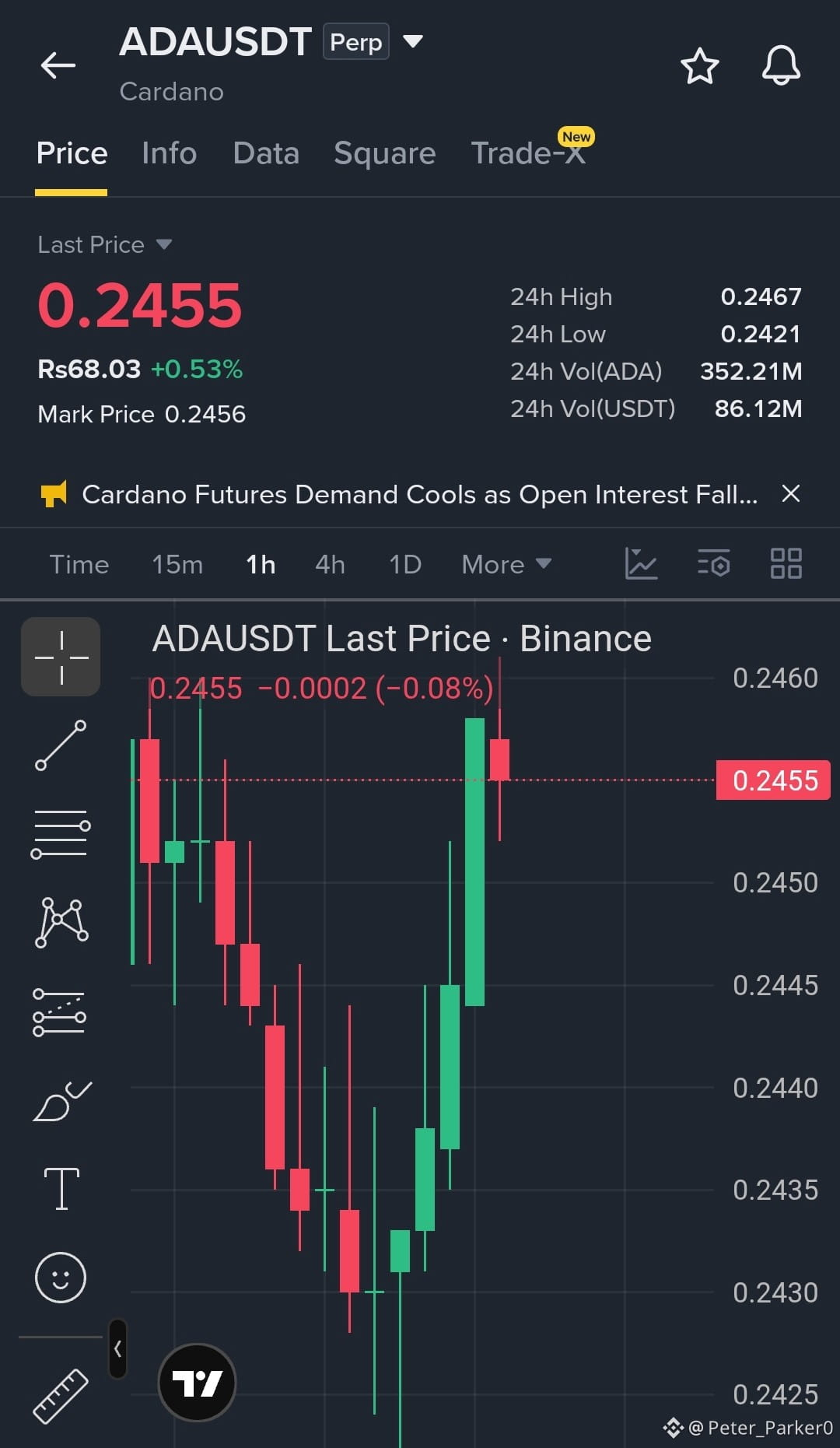
$ADA sitzt in einer Zone, die ich genau beobachte.
Ich suche nach einem Long bei etwa 0,244–0,245 US-Dollar, wobei der Impuls bullisch bleiben muss, damit das Setup wie geplant abläuft.
Einstieg: 0,244–0,245
TP1: 0,248
TP2: 0,250
TP3: 0,253
SL: 0,221
Ich würde lieber sehen, dass Käufer den Einstiegsbereich verteidigen und zuerst die nahegelegene Resistance durchbrechen, bevor man aggressiv wird. Wenn die Struktur bricht, ist das Setup ungültig — kein Grund, es zu erzwingen.
$ADA
{spot}(ADAUSDT)
#CerebrasSinksNearly20%OnReportNvidiaToPowerOpenAI #FedOctoberRateHikeOddsFallTo17% #SECHaltsCryptoETFReviewsAmidFundingLapse #SECProposesCryptoCustodyRules
$ADA sitzt in einer Zone, die ich genau beobachte.
Ich suche nach einem Long bei etwa 0,244–0,245 US-Dollar, wobei der Impuls bullisch bleiben muss, damit das Setup wie geplant abläuft.
Einstieg: 0,244–0,245
TP1: 0,248
TP2: 0,250
TP3: 0,253
SL: 0,221
Ich würde lieber sehen, dass Käufer den Einstiegsbereich verteidigen und zuerst die nahegelegene Resistance durchbrechen, bevor man aggressiv wird. Wenn die Struktur bricht, ist das Setup ungültig — kein Grund, es zu erzwingen.
$ADA
#CerebrasSinksNearly20%OnReportNvidiaToPowerOpenAI #FedOctoberRateHikeOddsFallTo17% #SECHaltsCryptoETFReviewsAmidFundingLapse #SECProposesCryptoCustodyRules
Ich suche nach einem Long bei etwa 0,244–0,245 US-Dollar, wobei der Impuls bullisch bleiben muss, damit das Setup wie geplant abläuft.
Einstieg: 0,244–0,245
TP1: 0,248
TP2: 0,250
TP3: 0,253
SL: 0,221
Ich würde lieber sehen, dass Käufer den Einstiegsbereich verteidigen und zuerst die nahegelegene Resistance durchbrechen, bevor man aggressiv wird. Wenn die Struktur bricht, ist das Setup ungültig — kein Grund, es zu erzwingen.
$ADA
#CerebrasSinksNearly20%OnReportNvidiaToPowerOpenAI #FedOctoberRateHikeOddsFallTo17% #SECHaltsCryptoETFReviewsAmidFundingLapse #SECProposesCryptoCustodyRules
1
121
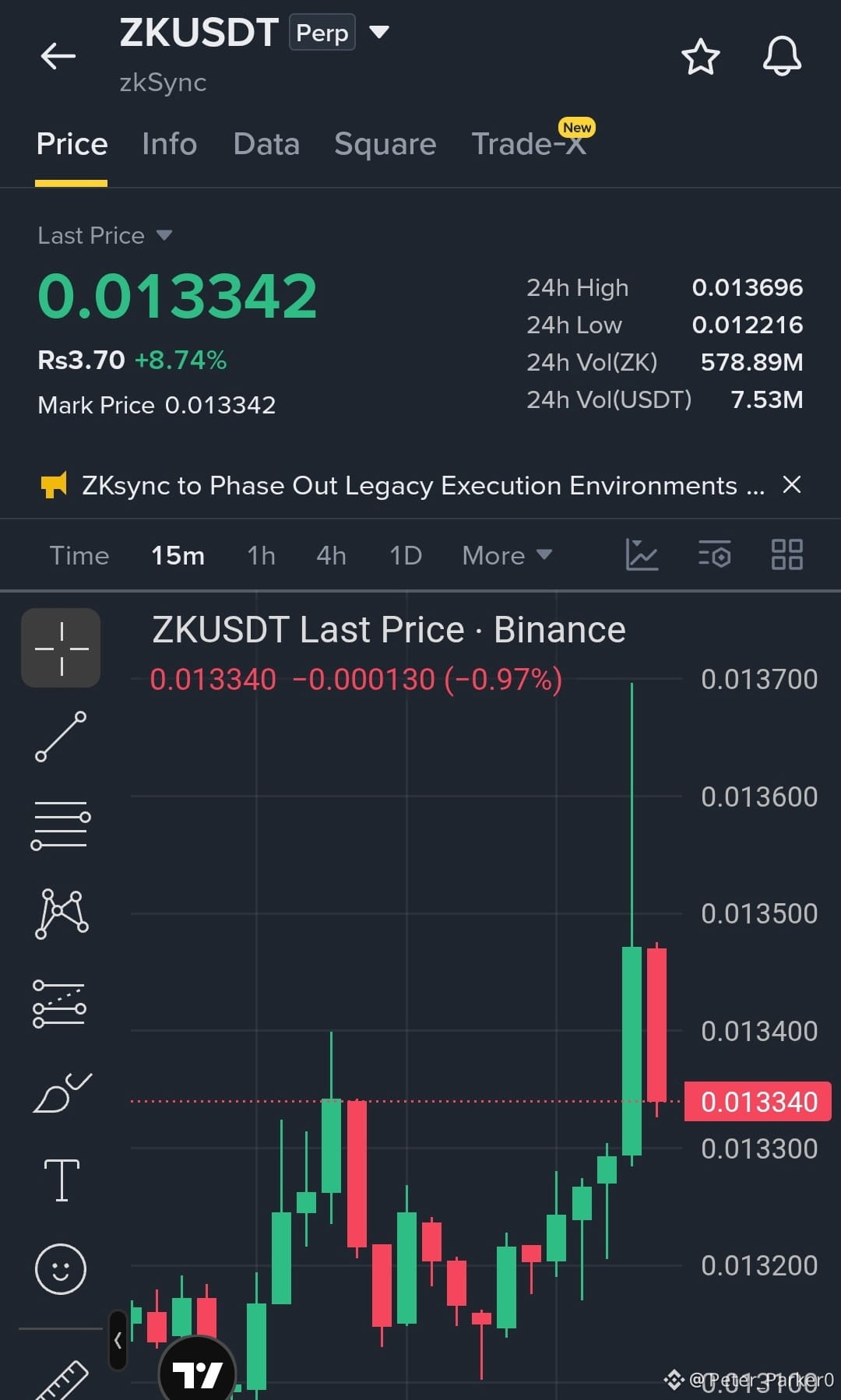
$ZK beginnt wieder interessant auszusehen.
Der Preis hält sich bei etwa 0,01360 $, während die tägliche Struktur weiterhin höhere Hochs und höhere Tiefs druckt. Der Hauptkampf findet nun im Bereich von 0,01360–0,01380 $ statt.
Ein sauberer Ausbruch und ein anschließendes Halten über dieser Zone könnte Käufern Platz geben in Richtung:
TP1: 0,01450 $
TP2: 0,01550 $
TP3: 0,01700 $
Bullische Tendenz: 0,01280–0,01300 $
Ich beobachte einen bestätigten Ausbruch, statt dem ersten Spike hinterherzulaufen. Wenn Käufer den Ausbruch mit Schwung halten, könnte der nächste Aufwärtsschub interessant werden.
$ZK
{future}(ZKUSDT)
#CerebrasSinksNearly20%OnReportNvidiaToPowerOpenAI #NvidiaHitsRecordHighUp2.4% #GreekPoliceBustCryptoScamRingArrest17 #SECHaltsCryptoETFReviewsAmidFundingLapse #SECProposesCryptoCustodyRules
$ZK beginnt wieder interessant auszusehen.
Der Preis hält sich bei etwa 0,01360 $, während die tägliche Struktur weiterhin höhere Hochs und höhere Tiefs druckt. Der Hauptkampf findet nun im Bereich von 0,01360–0,01380 $ statt.
Ein sauberer Ausbruch und ein anschließendes Halten über dieser Zone könnte Käufern Platz geben in Richtung:
TP1: 0,01450 $
TP2: 0,01550 $
TP3: 0,01700 $
Bullische Tendenz: 0,01280–0,01300 $
Ich beobachte einen bestätigten Ausbruch, statt dem ersten Spike hinterherzulaufen. Wenn Käufer den Ausbruch mit Schwung halten, könnte der nächste Aufwärtsschub interessant werden.
$ZK
#CerebrasSinksNearly20%OnReportNvidiaToPowerOpenAI #NvidiaHitsRecordHighUp2.4% #GreekPoliceBustCryptoScamRingArrest17 #SECHaltsCryptoETFReviewsAmidFundingLapse #SECProposesCryptoCustodyRules
Der Preis hält sich bei etwa 0,01360 $, während die tägliche Struktur weiterhin höhere Hochs und höhere Tiefs druckt. Der Hauptkampf findet nun im Bereich von 0,01360–0,01380 $ statt.
Ein sauberer Ausbruch und ein anschließendes Halten über dieser Zone könnte Käufern Platz geben in Richtung:
TP1: 0,01450 $
TP2: 0,01550 $
TP3: 0,01700 $
Bullische Tendenz: 0,01280–0,01300 $
Ich beobachte einen bestätigten Ausbruch, statt dem ersten Spike hinterherzulaufen. Wenn Käufer den Ausbruch mit Schwung halten, könnte der nächste Aufwärtsschub interessant werden.
$ZK
#CerebrasSinksNearly20%OnReportNvidiaToPowerOpenAI #NvidiaHitsRecordHighUp2.4% #GreekPoliceBustCryptoScamRingArrest17 #SECHaltsCryptoETFReviewsAmidFundingLapse #SECProposesCryptoCustodyRules
69
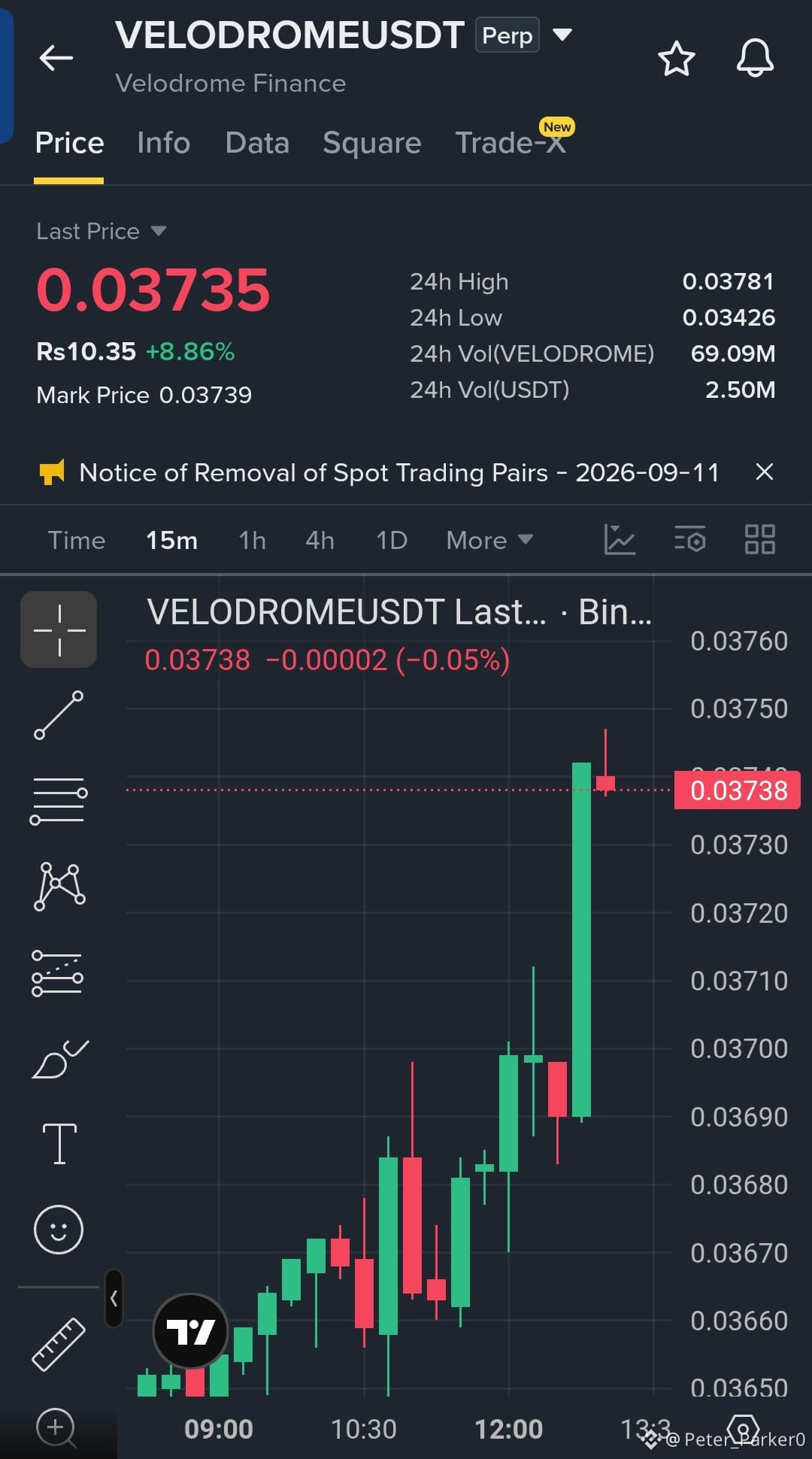
$VELODROME erregt hier meine Aufmerksamkeit.
Ich habe eine Buy-Position rund um die aktuelle Zone eröffnet, mit Einstiegspreisen zwischen 0.03650–0.03700 USD.
Wenn Käufer die Kontrolle behalten und der Preis anfängt, durch 0.04000 zu drücken, könnte die Bewegung interessant werden. Ich halte das Risiko unter 0.03500.
Buy-Zone: 0.03650–0.03700 USD
Ziel: 0.04000+
Stop Loss: Unter 0.03500 USD
Ich beobachte jetzt, wie der Preis im Bereich der Einstiegzone reagiert. Wenn der Momentum nachlässt, werde ich die Invalidation respektieren, statt den Trade zu erzwingen.
{future}(VELODROMEUSDT)
#SECHaltsCryptoETFReviewsAmidFundingLapse #FedOctoberRateHikeOddsFallTo17% #CerebrasSinksNearly20%OnReportNvidiaToPowerOpenAI
$FARTCOIN
{future}(FARTCOINUSDT)
$VELODROME erregt hier meine Aufmerksamkeit.
Ich habe eine Buy-Position rund um die aktuelle Zone eröffnet, mit Einstiegspreisen zwischen 0.03650–0.03700 USD.
Wenn Käufer die Kontrolle behalten und der Preis anfängt, durch 0.04000 zu drücken, könnte die Bewegung interessant werden. Ich halte das Risiko unter 0.03500.
Buy-Zone: 0.03650–0.03700 USD
Ziel: 0.04000+
Stop Loss: Unter 0.03500 USD
Ich beobachte jetzt, wie der Preis im Bereich der Einstiegzone reagiert. Wenn der Momentum nachlässt, werde ich die Invalidation respektieren, statt den Trade zu erzwingen.
#SECHaltsCryptoETFReviewsAmidFundingLapse #FedOctoberRateHikeOddsFallTo17% #CerebrasSinksNearly20%OnReportNvidiaToPowerOpenAI
$FARTCOIN
Ich habe eine Buy-Position rund um die aktuelle Zone eröffnet, mit Einstiegspreisen zwischen 0.03650–0.03700 USD.
Wenn Käufer die Kontrolle behalten und der Preis anfängt, durch 0.04000 zu drücken, könnte die Bewegung interessant werden. Ich halte das Risiko unter 0.03500.
Buy-Zone: 0.03650–0.03700 USD
Ziel: 0.04000+
Stop Loss: Unter 0.03500 USD
Ich beobachte jetzt, wie der Preis im Bereich der Einstiegzone reagiert. Wenn der Momentum nachlässt, werde ich die Invalidation respektieren, statt den Trade zu erzwingen.
#SECHaltsCryptoETFReviewsAmidFundingLapse #FedOctoberRateHikeOddsFallTo17% #CerebrasSinksNearly20%OnReportNvidiaToPowerOpenAI
$FARTCOIN
188
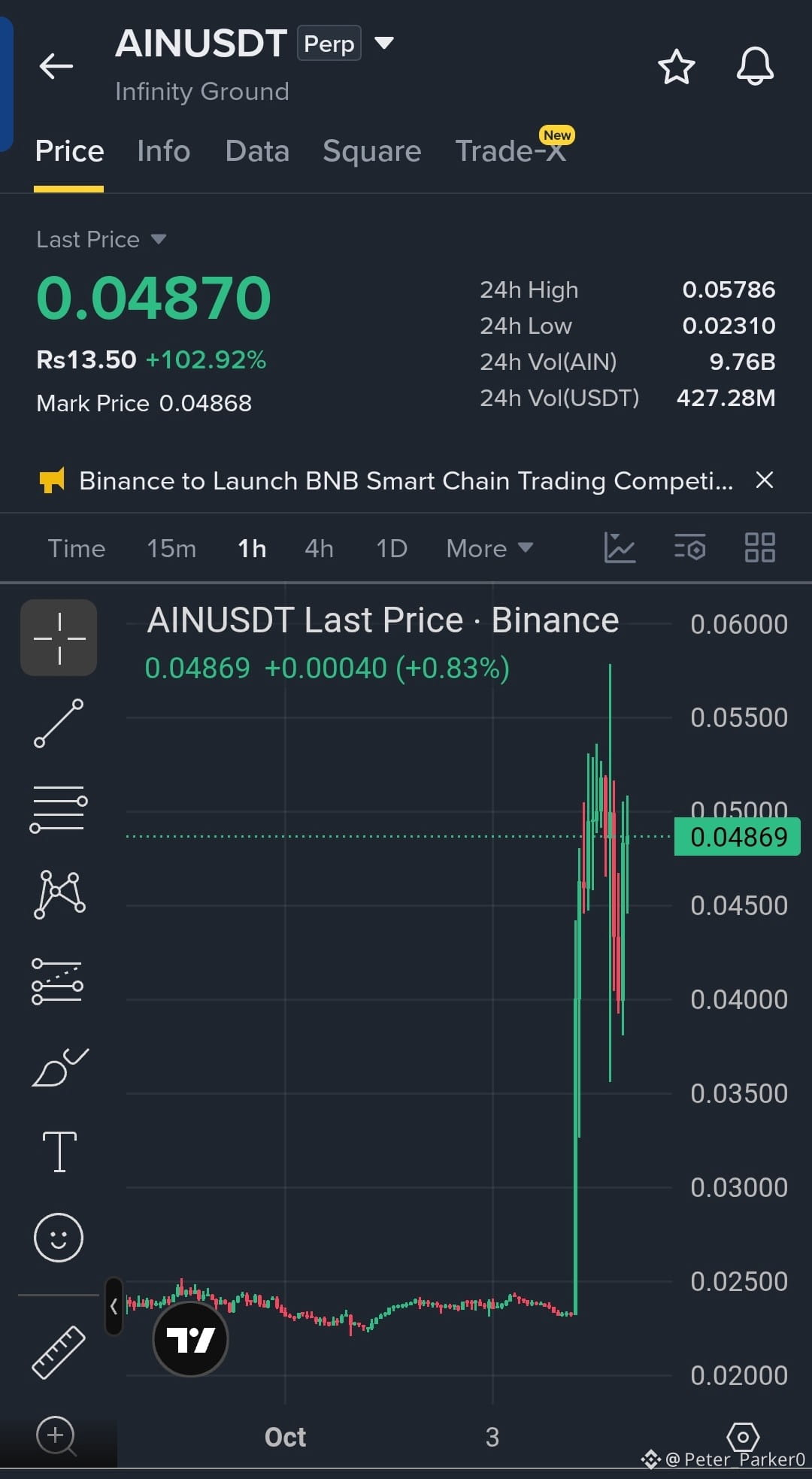
🔥 $AIN — Ich beobachte das hier für den nächsten Ausbruch!
Ich sehe eine bullische Struktur im Aufbau, und wenn Käufer mit genug Stärke eingreifen, könnte $AIN eine weitere Etappe nach oben machen. Ich schaue auf die Zonen 0.054 und 0.057 als die nächsten Ziele.
🎯 Ziel 1: 0.054
🎯 Ziel 2: 0.057
Ich bleibe auf Bestätigung und Momentum fokussiert, statt einer Bewegung blind hinterherzulaufen.
Ich gehe long bei $AIN — lass uns sehen, ob der Ausbruch liefert. 🚀
#SECProposesCryptoCustodyRules #CanaryFilesAmendedS1ForPEPEETF #GreekPoliceBustCryptoScamRingArrest17
🔥 $AIN — Ich beobachte das hier für den nächsten Ausbruch!
Ich sehe eine bullische Struktur im Aufbau, und wenn Käufer mit genug Stärke eingreifen, könnte $AIN eine weitere Etappe nach oben machen. Ich schaue auf die Zonen 0.054 und 0.057 als die nächsten Ziele.
🎯 Ziel 1: 0.054
🎯 Ziel 2: 0.057
Ich bleibe auf Bestätigung und Momentum fokussiert, statt einer Bewegung blind hinterherzulaufen.
Ich gehe long bei $AIN — lass uns sehen, ob der Ausbruch liefert. 🚀
#SECProposesCryptoCustodyRules #CanaryFilesAmendedS1ForPEPEETF #GreekPoliceBustCryptoScamRingArrest17
Ich sehe eine bullische Struktur im Aufbau, und wenn Käufer mit genug Stärke eingreifen, könnte $AIN eine weitere Etappe nach oben machen. Ich schaue auf die Zonen 0.054 und 0.057 als die nächsten Ziele.
🎯 Ziel 1: 0.054
🎯 Ziel 2: 0.057
Ich bleibe auf Bestätigung und Momentum fokussiert, statt einer Bewegung blind hinterherzulaufen.
Ich gehe long bei $AIN — lass uns sehen, ob der Ausbruch liefert. 🚀
#SECProposesCryptoCustodyRules #CanaryFilesAmendedS1ForPEPEETF #GreekPoliceBustCryptoScamRingArrest17
156
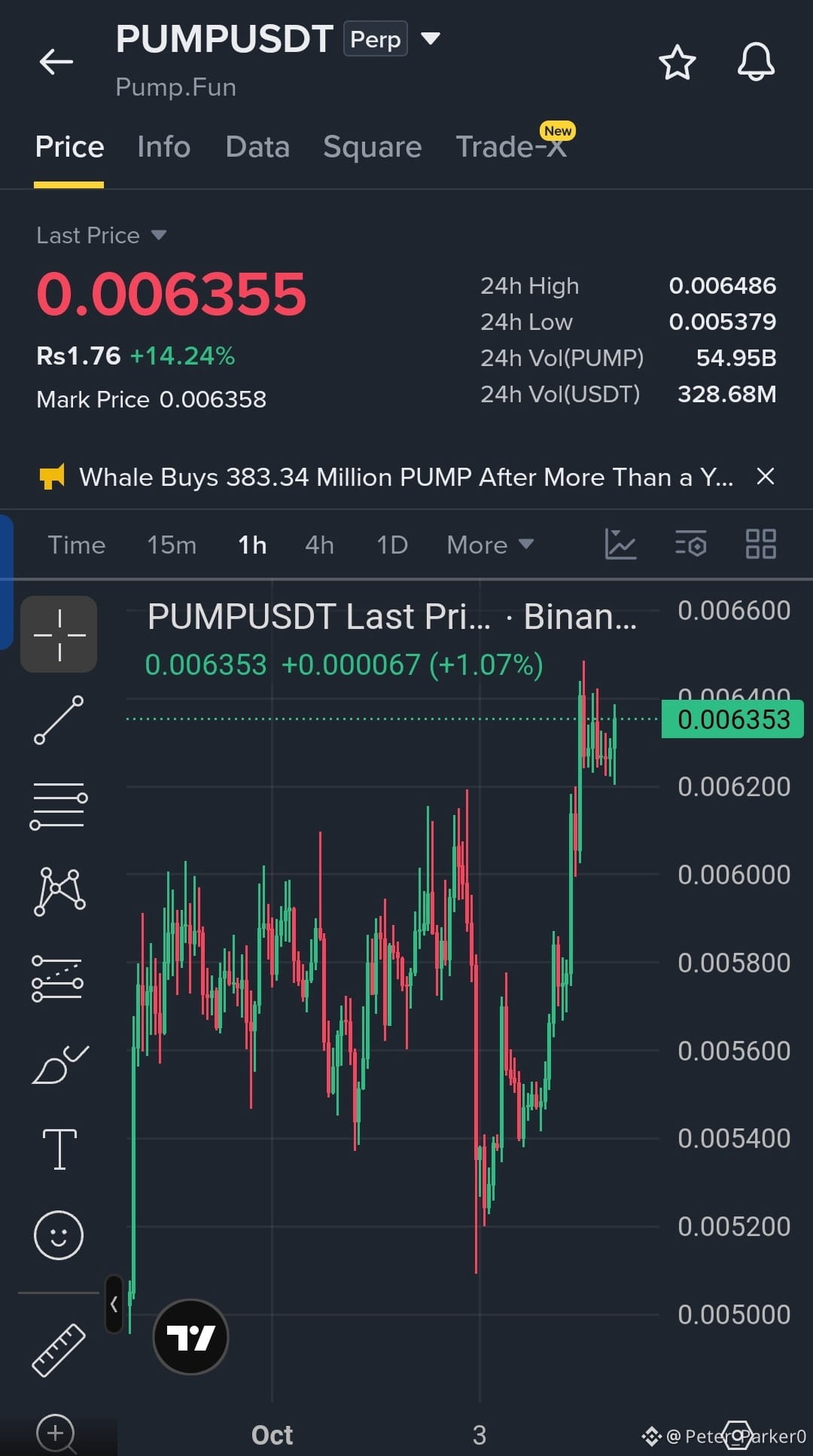
🔥 $PUMP — Freigabe für einen bullishen Move?
$PUMP zeigt eine starke Aufwärtsstruktur, wobei Käufer weiterhin Druck auf den Markt ausüben. Wenn dieser Schwung anhält und der Kurs sich weiter über seinem aktuellen Support aufbaut, könnten die nächsten oberen Zonen in den Fokus rücken.
🎯 Ziele:
▫️ 0.0065
▫️ 0.0068
▫️ 0.0071
Entscheidend ist die Fortsetzung — wenn Käufer die Kontrolle behalten, könnte $PUMP in Richtung dieser Bereiche pushen. Wenn der Momentum nachlässt, würde ich lieber warten, statt hinterherzulaufen.
PUMP ist einer, den man besonders genau im Blick behalten sollte.
{future}(PUMPUSDT)
#CerebrasSinksNearly20%OnReportNvidiaToPowerOpenAI #SECProposesCryptoCustodyRules #GreekPoliceBustCryptoScamRingArrest17 #SECApproves3xLongCryptoCommodityETPs #FedOctoberRateHikeOddsFallTo17%
🔥 $PUMP — Freigabe für einen bullishen Move?
$PUMP zeigt eine starke Aufwärtsstruktur, wobei Käufer weiterhin Druck auf den Markt ausüben. Wenn dieser Schwung anhält und der Kurs sich weiter über seinem aktuellen Support aufbaut, könnten die nächsten oberen Zonen in den Fokus rücken.
🎯 Ziele:
▫️ 0.0065
▫️ 0.0068
▫️ 0.0071
Entscheidend ist die Fortsetzung — wenn Käufer die Kontrolle behalten, könnte $PUMP in Richtung dieser Bereiche pushen. Wenn der Momentum nachlässt, würde ich lieber warten, statt hinterherzulaufen.
PUMP ist einer, den man besonders genau im Blick behalten sollte.
#CerebrasSinksNearly20%OnReportNvidiaToPowerOpenAI #SECProposesCryptoCustodyRules #GreekPoliceBustCryptoScamRingArrest17 #SECApproves3xLongCryptoCommodityETPs #FedOctoberRateHikeOddsFallTo17%
$PUMP zeigt eine starke Aufwärtsstruktur, wobei Käufer weiterhin Druck auf den Markt ausüben. Wenn dieser Schwung anhält und der Kurs sich weiter über seinem aktuellen Support aufbaut, könnten die nächsten oberen Zonen in den Fokus rücken.
🎯 Ziele:
▫️ 0.0065
▫️ 0.0068
▫️ 0.0071
Entscheidend ist die Fortsetzung — wenn Käufer die Kontrolle behalten, könnte $PUMP in Richtung dieser Bereiche pushen. Wenn der Momentum nachlässt, würde ich lieber warten, statt hinterherzulaufen.
PUMP ist einer, den man besonders genau im Blick behalten sollte.
#CerebrasSinksNearly20%OnReportNvidiaToPowerOpenAI #SECProposesCryptoCustodyRules #GreekPoliceBustCryptoScamRingArrest17 #SECApproves3xLongCryptoCommodityETPs #FedOctoberRateHikeOddsFallTo17%
268
🔥 $ZRO — Käufer haben ein ernstes Niveau zu verteidigen!
Ich nehme eine LANGE Position um 2.0498 ein und suche einen Erholungs-Move in Richtung der höheren Widerstandsbereiche. Das Setup bleibt attraktiv, solange der Preis den Entry-Bereich respektiert und der Schwung weiter aufbaut.
Einstieg: 2.0498
TP1: 2.5000
TP2: 3.0000
TP3: 3.5000
SL: 1.7126
Ich werde beobachten, wie der Preis rund um den Einstieg reagiert, bevor ich an Überzeugung gewinne. Wenn der Support bricht und der SL ausgelöst wird, ist die bullische Idee widerlegt.
Long $ZRO — mal sehen, ob die Käufer liefern können.
🔥 $ZRO — Käufer haben ein ernstes Niveau zu verteidigen!
Ich nehme eine LANGE Position um 2.0498 ein und suche einen Erholungs-Move in Richtung der höheren Widerstandsbereiche. Das Setup bleibt attraktiv, solange der Preis den Entry-Bereich respektiert und der Schwung weiter aufbaut.
Einstieg: 2.0498
TP1: 2.5000
TP2: 3.0000
TP3: 3.5000
SL: 1.7126
Ich werde beobachten, wie der Preis rund um den Einstieg reagiert, bevor ich an Überzeugung gewinne. Wenn der Support bricht und der SL ausgelöst wird, ist die bullische Idee widerlegt.
Long $ZRO — mal sehen, ob die Käufer liefern können.
Ich nehme eine LANGE Position um 2.0498 ein und suche einen Erholungs-Move in Richtung der höheren Widerstandsbereiche. Das Setup bleibt attraktiv, solange der Preis den Entry-Bereich respektiert und der Schwung weiter aufbaut.
Einstieg: 2.0498
TP1: 2.5000
TP2: 3.0000
TP3: 3.5000
SL: 1.7126
Ich werde beobachten, wie der Preis rund um den Einstieg reagiert, bevor ich an Überzeugung gewinne. Wenn der Support bricht und der SL ausgelöst wird, ist die bullische Idee widerlegt.
Long $ZRO — mal sehen, ob die Käufer liefern können.
193
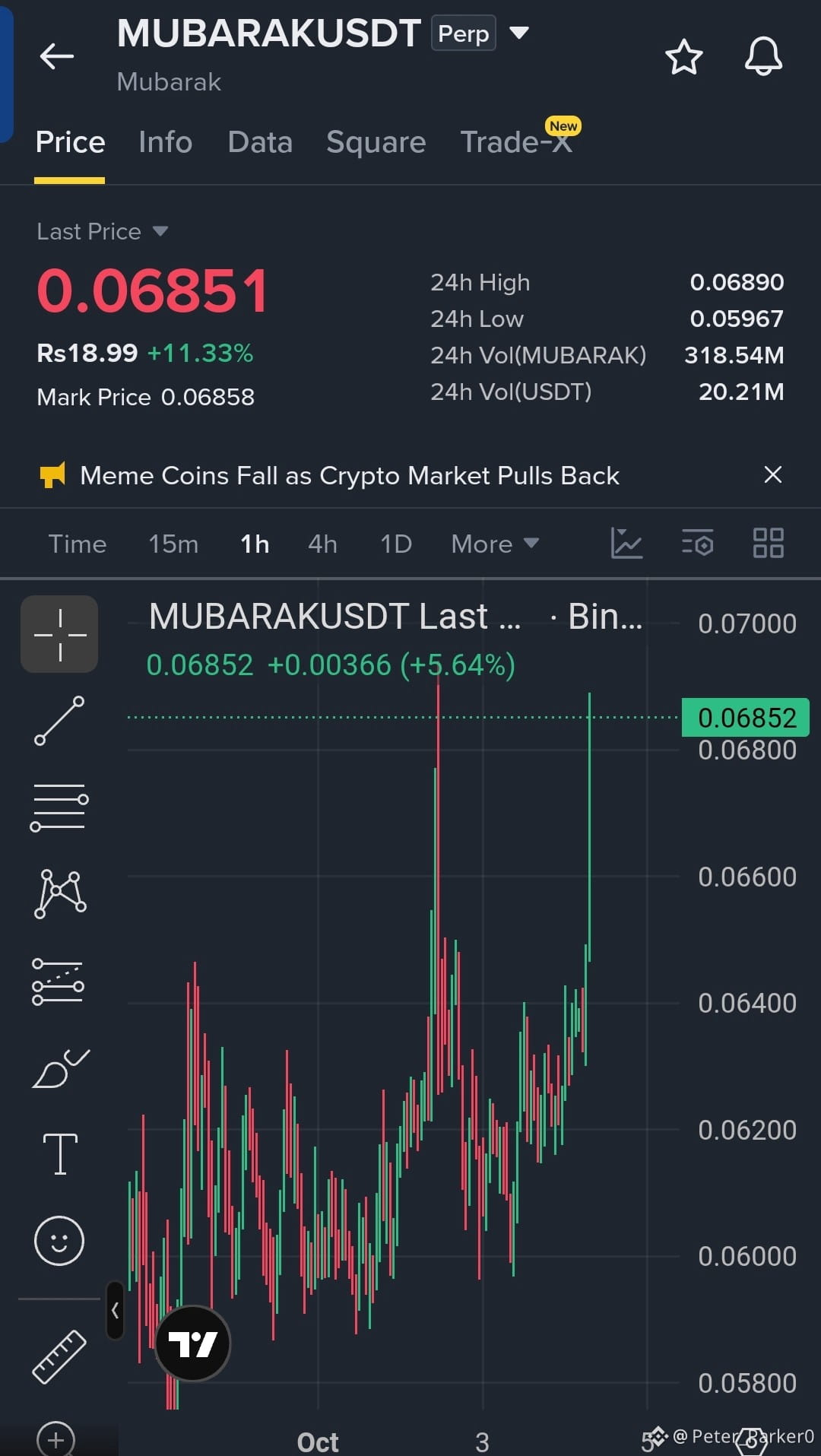
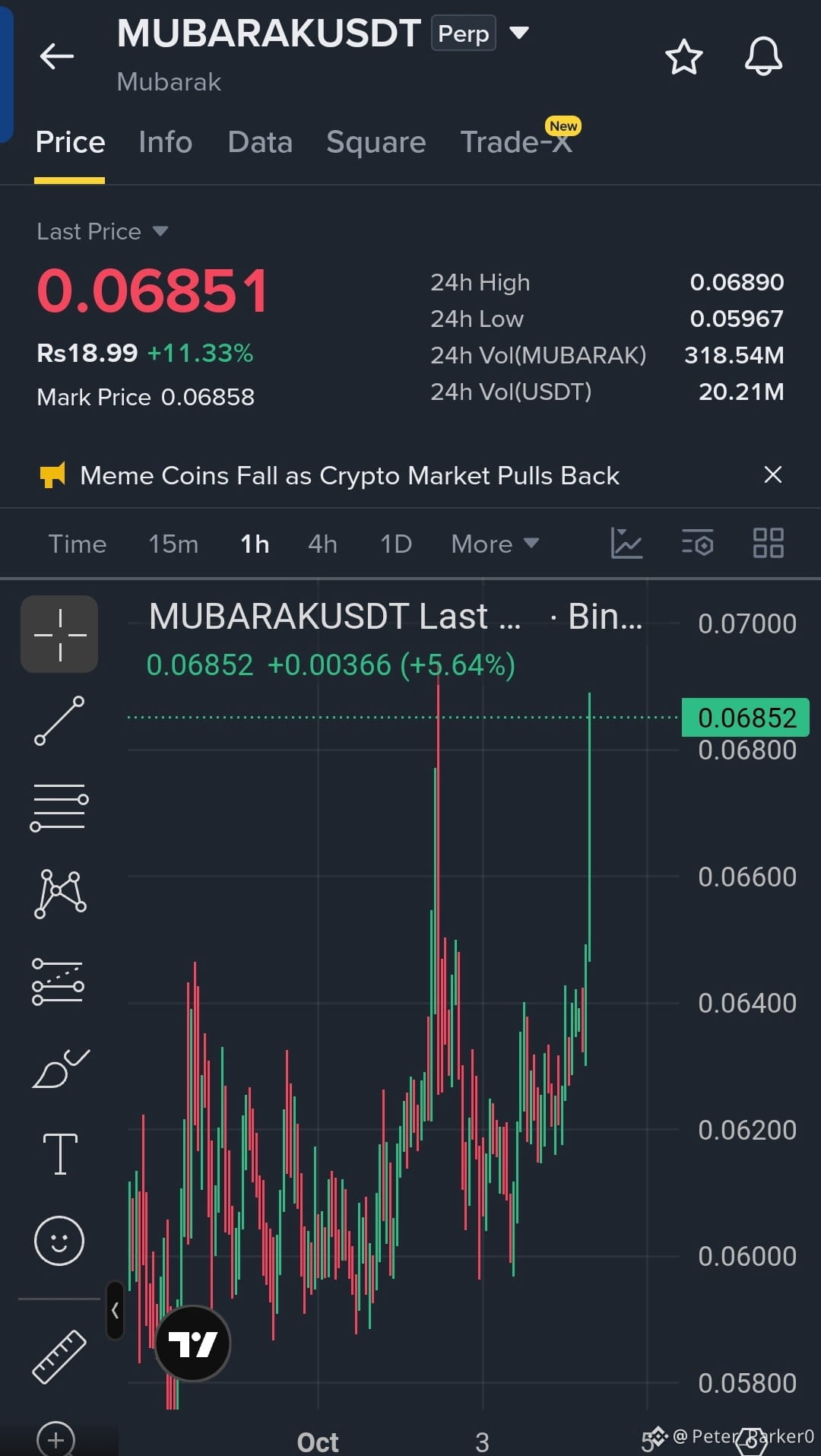
🔥 $MUBARAK — Ich gehe HIER LONG!
Der Kurs sitzt auf einem Niveau, bei dem Käufer wieder einsteigen könnten. Ich beobachte Stärke rund um den Einstieg und einen klaren Push nach oben, bevor ich eine Fortsetzung erwarte.
Einstieg: 0.06864
TP1: 0.08000
TP2: 0.09500
TP3: 0.11500
SL: 0.05870
Wenn der Momentum hält, rücken diese Upside-Ziele in den Fokus. Aber wenn die Unterstützung bricht und der SL getroffen wird, ist das Setup ungültig — kein Erzwingen des Trades.
Lass uns sehen, was $MUBARAK als Nächstes macht. 🚀
{future}(MUBARAKUSDT)
#SECProposesCryptoCustodyRules #GreekPoliceBustCryptoScamRingArrest17
#FedOctoberRateHikeOddsFallTo17%
#NvidiaHitsRecordHighUp2.4% #SECApproves3xLongCryptoCommodityETPs
🔥 $MUBARAK — Ich gehe HIER LONG!
Der Kurs sitzt auf einem Niveau, bei dem Käufer wieder einsteigen könnten. Ich beobachte Stärke rund um den Einstieg und einen klaren Push nach oben, bevor ich eine Fortsetzung erwarte.
Einstieg: 0.06864
TP1: 0.08000
TP2: 0.09500
TP3: 0.11500
SL: 0.05870
Wenn der Momentum hält, rücken diese Upside-Ziele in den Fokus. Aber wenn die Unterstützung bricht und der SL getroffen wird, ist das Setup ungültig — kein Erzwingen des Trades.
Lass uns sehen, was $MUBARAK als Nächstes macht. 🚀
#SECProposesCryptoCustodyRules #GreekPoliceBustCryptoScamRingArrest17
#FedOctoberRateHikeOddsFallTo17%
#NvidiaHitsRecordHighUp2.4% #SECApproves3xLongCryptoCommodityETPs
Der Kurs sitzt auf einem Niveau, bei dem Käufer wieder einsteigen könnten. Ich beobachte Stärke rund um den Einstieg und einen klaren Push nach oben, bevor ich eine Fortsetzung erwarte.
Einstieg: 0.06864
TP1: 0.08000
TP2: 0.09500
TP3: 0.11500
SL: 0.05870
Wenn der Momentum hält, rücken diese Upside-Ziele in den Fokus. Aber wenn die Unterstützung bricht und der SL getroffen wird, ist das Setup ungültig — kein Erzwingen des Trades.
Lass uns sehen, was $MUBARAK als Nächstes macht. 🚀
#SECProposesCryptoCustodyRules #GreekPoliceBustCryptoScamRingArrest17
#FedOctoberRateHikeOddsFallTo17%
#NvidiaHitsRecordHighUp2.4% #SECApproves3xLongCryptoCommodityETPs
104
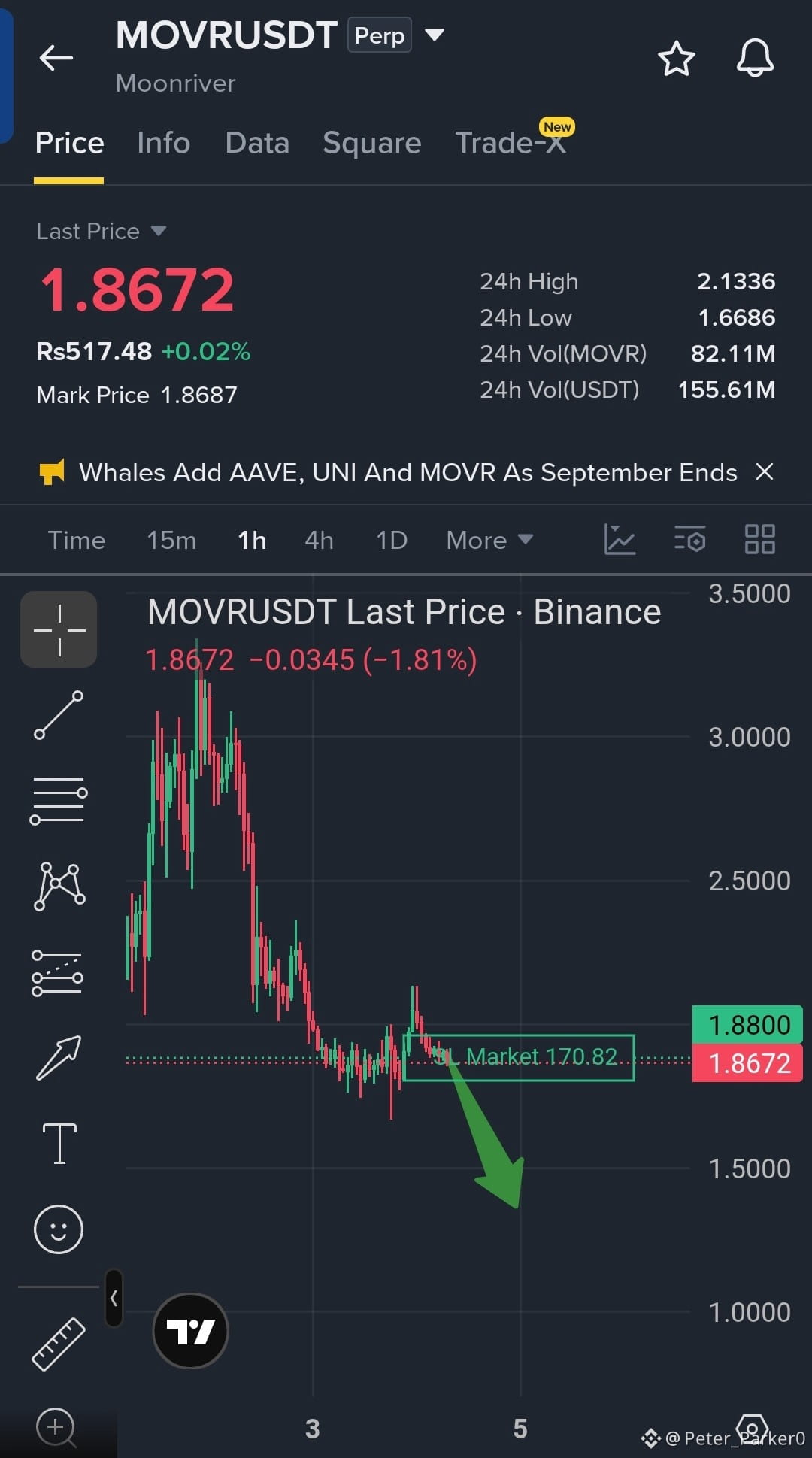
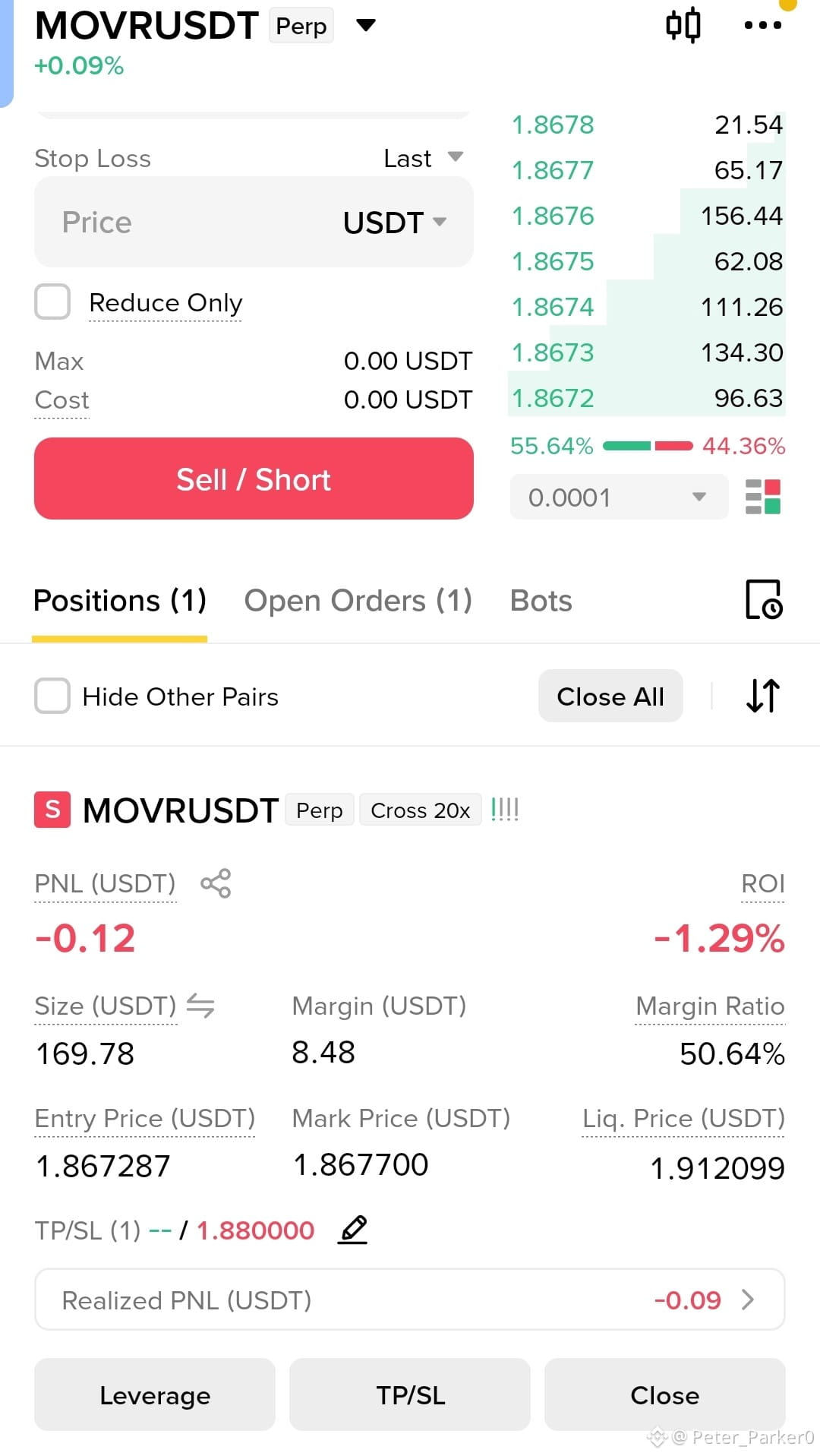
$MOVR — DIESES RALLYE KANN SICH ÜBERDEHNEN
MOVR hat bereits eine enorme Bewegung gepostet und in 24 Stunden fast 80% zugelegt, während die gemeldeten Top-Address-Balances um mehr als 11% gestiegen sind. Diese Kombination macht mich vorsichtig, der Stärke hinterherzujagen, und bringt ein Pullback-Setup in den Fokus.
SHORT ZONE: Aktueller Bereich
STOP LOSS: 1,95 $
TP1: 1,80 $
TP2: 1,50 $
TP3: 1,00 $
Der entscheidende Punkt ist die Bestätigung: Wenn Käufer die höheren Niveaus nicht verteidigen können und der Verkaufsdruck zu steigen beginnt, werden die Abwärtsziele interessant. Ein sauberer Ausbruch über 1,95 $ entkräftet die bärische Idee.
Keine blinden Einstiege — erst bei Schwäche Short-Position einnehmen.
#GreekPoliceBustCryptoScamRingArrest17
#FedOctoberRateHikeOddsFallTo17%
$MOVR — DIESES RALLYE KANN SICH ÜBERDEHNEN
MOVR hat bereits eine enorme Bewegung gepostet und in 24 Stunden fast 80% zugelegt, während die gemeldeten Top-Address-Balances um mehr als 11% gestiegen sind. Diese Kombination macht mich vorsichtig, der Stärke hinterherzujagen, und bringt ein Pullback-Setup in den Fokus.
SHORT ZONE: Aktueller Bereich
STOP LOSS: 1,95 $
TP1: 1,80 $
TP2: 1,50 $
TP3: 1,00 $
Der entscheidende Punkt ist die Bestätigung: Wenn Käufer die höheren Niveaus nicht verteidigen können und der Verkaufsdruck zu steigen beginnt, werden die Abwärtsziele interessant. Ein sauberer Ausbruch über 1,95 $ entkräftet die bärische Idee.
Keine blinden Einstiege — erst bei Schwäche Short-Position einnehmen.
#GreekPoliceBustCryptoScamRingArrest17
#FedOctoberRateHikeOddsFallTo17%
MOVR hat bereits eine enorme Bewegung gepostet und in 24 Stunden fast 80% zugelegt, während die gemeldeten Top-Address-Balances um mehr als 11% gestiegen sind. Diese Kombination macht mich vorsichtig, der Stärke hinterherzujagen, und bringt ein Pullback-Setup in den Fokus.
SHORT ZONE: Aktueller Bereich
STOP LOSS: 1,95 $
TP1: 1,80 $
TP2: 1,50 $
TP3: 1,00 $
Der entscheidende Punkt ist die Bestätigung: Wenn Käufer die höheren Niveaus nicht verteidigen können und der Verkaufsdruck zu steigen beginnt, werden die Abwärtsziele interessant. Ein sauberer Ausbruch über 1,95 $ entkräftet die bärische Idee.
Keine blinden Einstiege — erst bei Schwäche Short-Position einnehmen.
#GreekPoliceBustCryptoScamRingArrest17
#FedOctoberRateHikeOddsFallTo17%
86
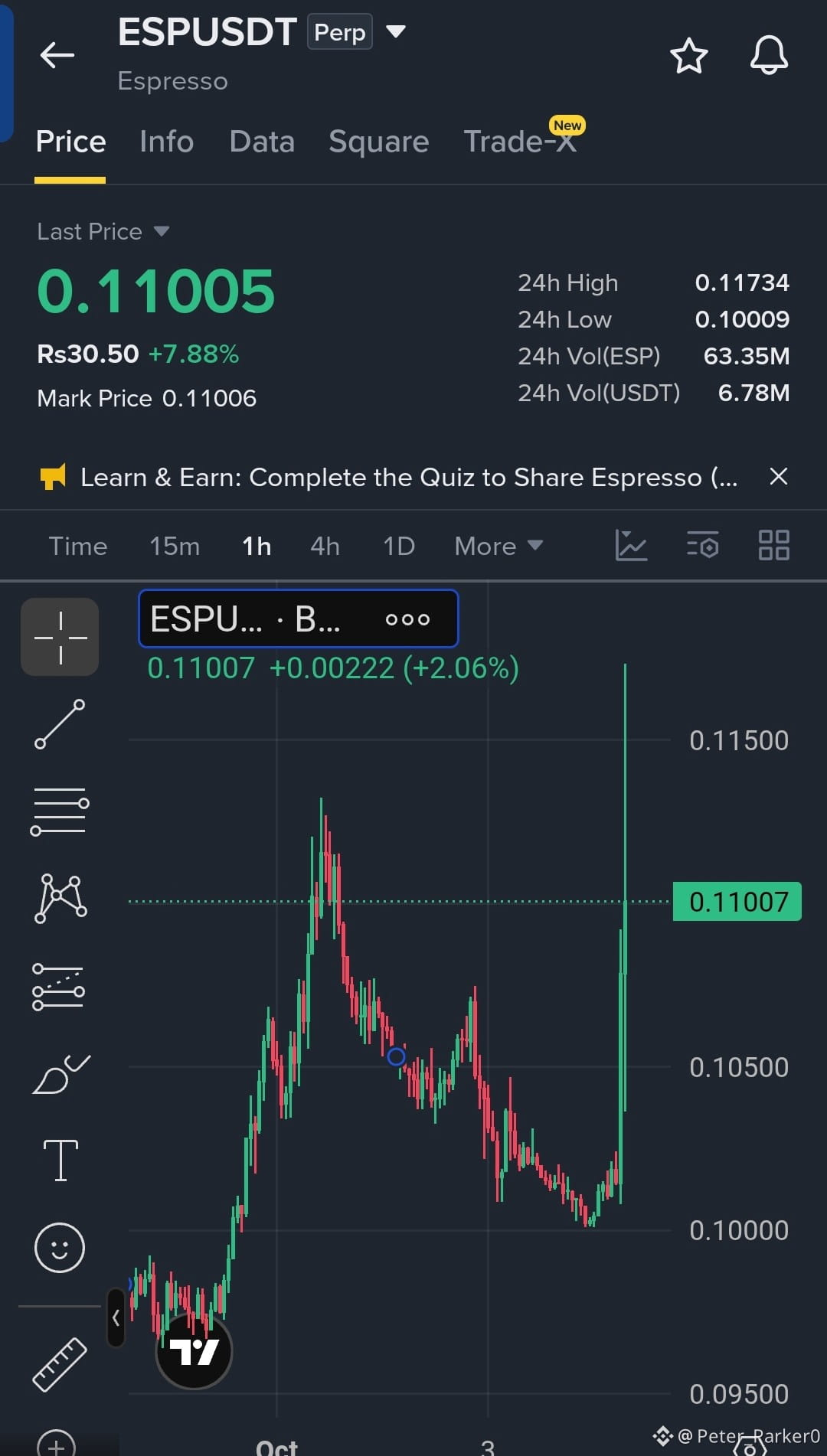
$ESP — KURZE SETUP-ALARM IST LIVE
Ich beobachte $ESP für eine schnelle Abwärtsbewegung, nachdem um die aktuelle Zone herum Schwäche aufgetreten ist.
Einstieg: $0.11550 – $0.11850
TP1: $0.11200
TP2: $0.11000
TP3: $0.10800
TP4: $0.10600
SL: Über $0.12800
Die Idee ist ganz einfach: Verkäufer müssen den Druck unter dem Einstiegsbereich halten, damit die Abwärtsbewegung weiterlaufen kann. Wenn der Preis $0.12800 zurückerobert, ist das bärische Setup ungültig.
Handle die Bestätigung, nicht die Emotion.
#GreekPoliceBustCryptoScamRingArrest17
#FedOctoberRateHikeOddsFallTo17% #CanaryFilesAmendedS1ForPEPEETF #CerebrasSinksNearly20%OnReportNvidiaToPowerOpenAI
$ESP — KURZE SETUP-ALARM IST LIVE
Ich beobachte $ESP für eine schnelle Abwärtsbewegung, nachdem um die aktuelle Zone herum Schwäche aufgetreten ist.
Einstieg: $0.11550 – $0.11850
TP1: $0.11200
TP2: $0.11000
TP3: $0.10800
TP4: $0.10600
SL: Über $0.12800
Die Idee ist ganz einfach: Verkäufer müssen den Druck unter dem Einstiegsbereich halten, damit die Abwärtsbewegung weiterlaufen kann. Wenn der Preis $0.12800 zurückerobert, ist das bärische Setup ungültig.
Handle die Bestätigung, nicht die Emotion.
#GreekPoliceBustCryptoScamRingArrest17
#FedOctoberRateHikeOddsFallTo17% #CanaryFilesAmendedS1ForPEPEETF #CerebrasSinksNearly20%OnReportNvidiaToPowerOpenAI
Ich beobachte $ESP für eine schnelle Abwärtsbewegung, nachdem um die aktuelle Zone herum Schwäche aufgetreten ist.
Einstieg: $0.11550 – $0.11850
TP1: $0.11200
TP2: $0.11000
TP3: $0.10800
TP4: $0.10600
SL: Über $0.12800
Die Idee ist ganz einfach: Verkäufer müssen den Druck unter dem Einstiegsbereich halten, damit die Abwärtsbewegung weiterlaufen kann. Wenn der Preis $0.12800 zurückerobert, ist das bärische Setup ungültig.
Handle die Bestätigung, nicht die Emotion.
#GreekPoliceBustCryptoScamRingArrest17
#FedOctoberRateHikeOddsFallTo17% #CanaryFilesAmendedS1ForPEPEETF #CerebrasSinksNearly20%OnReportNvidiaToPowerOpenAI
90
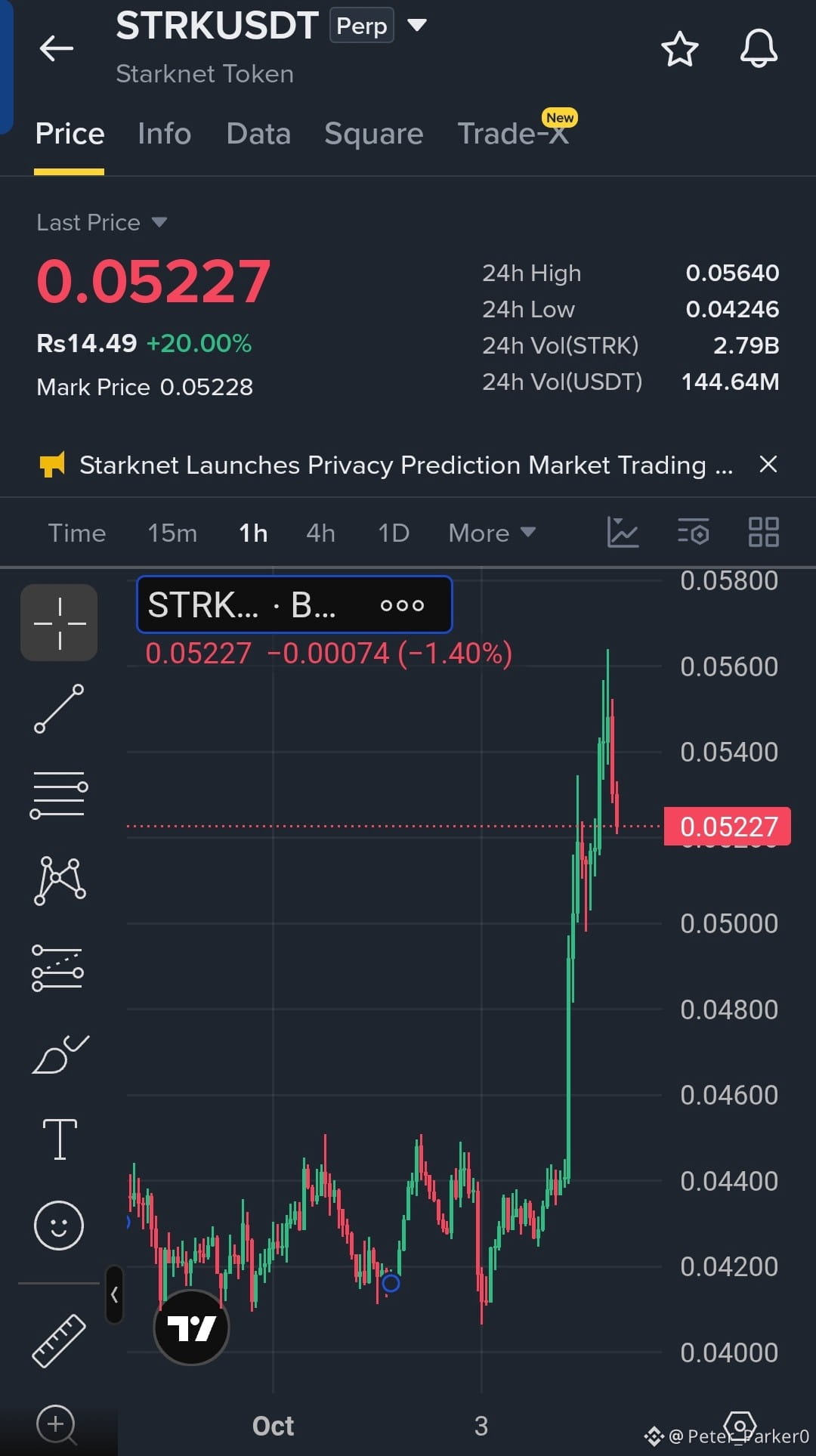
$STRK NÄDIE LADUNG NACH DEM AUSBRUCH
STRK riss aus dem Bereich von 0,043 $ bis 0,0564 $ heraus, bevor Verkäufer eingriffen und der Kurs in eine gesunde Abkühlung überging.
Jetzt bei etwa 0,0525 $, ist die entscheidende Schlacht 0,0500–0,0510 $. Wenn Käufer diese Zone verteidigen, bleibt die Struktur konstruktiv, und ein weiterer Anstieg hin zu 0,0537 und dem Hoch von 0,0564 könnte sich entwickeln.
Eine saubere Rückeroberung von 0,0537 würde den Fall für die Fortsetzung des Ausbruchs stärken, wobei 0,060+ die nächste Zone wäre, die man im Blick behalten sollte.
Verliere 0,050, und das Setup erfordert Vorsicht. Der wichtigste Support liegt nahe 0,0470 $.
$STRK ist weiterhin interessant — aber der Retest muss halten.
{future}(STRKUSDT)
#CerebrasSinksNearly20%OnReportNvidiaToPowerOpenAI #SECProposesCryptoCustodyRules #NvidiaHitsRecordHighUp2.4% #FedOctoberRateHikeOddsFallTo17% #GreekPoliceBustCryptoScamRingArrest17
$STRK NÄDIE LADUNG NACH DEM AUSBRUCH
STRK riss aus dem Bereich von 0,043 $ bis 0,0564 $ heraus, bevor Verkäufer eingriffen und der Kurs in eine gesunde Abkühlung überging.
Jetzt bei etwa 0,0525 $, ist die entscheidende Schlacht 0,0500–0,0510 $. Wenn Käufer diese Zone verteidigen, bleibt die Struktur konstruktiv, und ein weiterer Anstieg hin zu 0,0537 und dem Hoch von 0,0564 könnte sich entwickeln.
Eine saubere Rückeroberung von 0,0537 würde den Fall für die Fortsetzung des Ausbruchs stärken, wobei 0,060+ die nächste Zone wäre, die man im Blick behalten sollte.
Verliere 0,050, und das Setup erfordert Vorsicht. Der wichtigste Support liegt nahe 0,0470 $.
$STRK ist weiterhin interessant — aber der Retest muss halten.
#CerebrasSinksNearly20%OnReportNvidiaToPowerOpenAI #SECProposesCryptoCustodyRules #NvidiaHitsRecordHighUp2.4% #FedOctoberRateHikeOddsFallTo17% #GreekPoliceBustCryptoScamRingArrest17
STRK riss aus dem Bereich von 0,043 $ bis 0,0564 $ heraus, bevor Verkäufer eingriffen und der Kurs in eine gesunde Abkühlung überging.
Jetzt bei etwa 0,0525 $, ist die entscheidende Schlacht 0,0500–0,0510 $. Wenn Käufer diese Zone verteidigen, bleibt die Struktur konstruktiv, und ein weiterer Anstieg hin zu 0,0537 und dem Hoch von 0,0564 könnte sich entwickeln.
Eine saubere Rückeroberung von 0,0537 würde den Fall für die Fortsetzung des Ausbruchs stärken, wobei 0,060+ die nächste Zone wäre, die man im Blick behalten sollte.
Verliere 0,050, und das Setup erfordert Vorsicht. Der wichtigste Support liegt nahe 0,0470 $.
$STRK ist weiterhin interessant — aber der Retest muss halten.
#CerebrasSinksNearly20%OnReportNvidiaToPowerOpenAI #SECProposesCryptoCustodyRules #NvidiaHitsRecordHighUp2.4% #FedOctoberRateHikeOddsFallTo17% #GreekPoliceBustCryptoScamRingArrest17
1
114
30D-Trade $ZEC 1.7K USDT
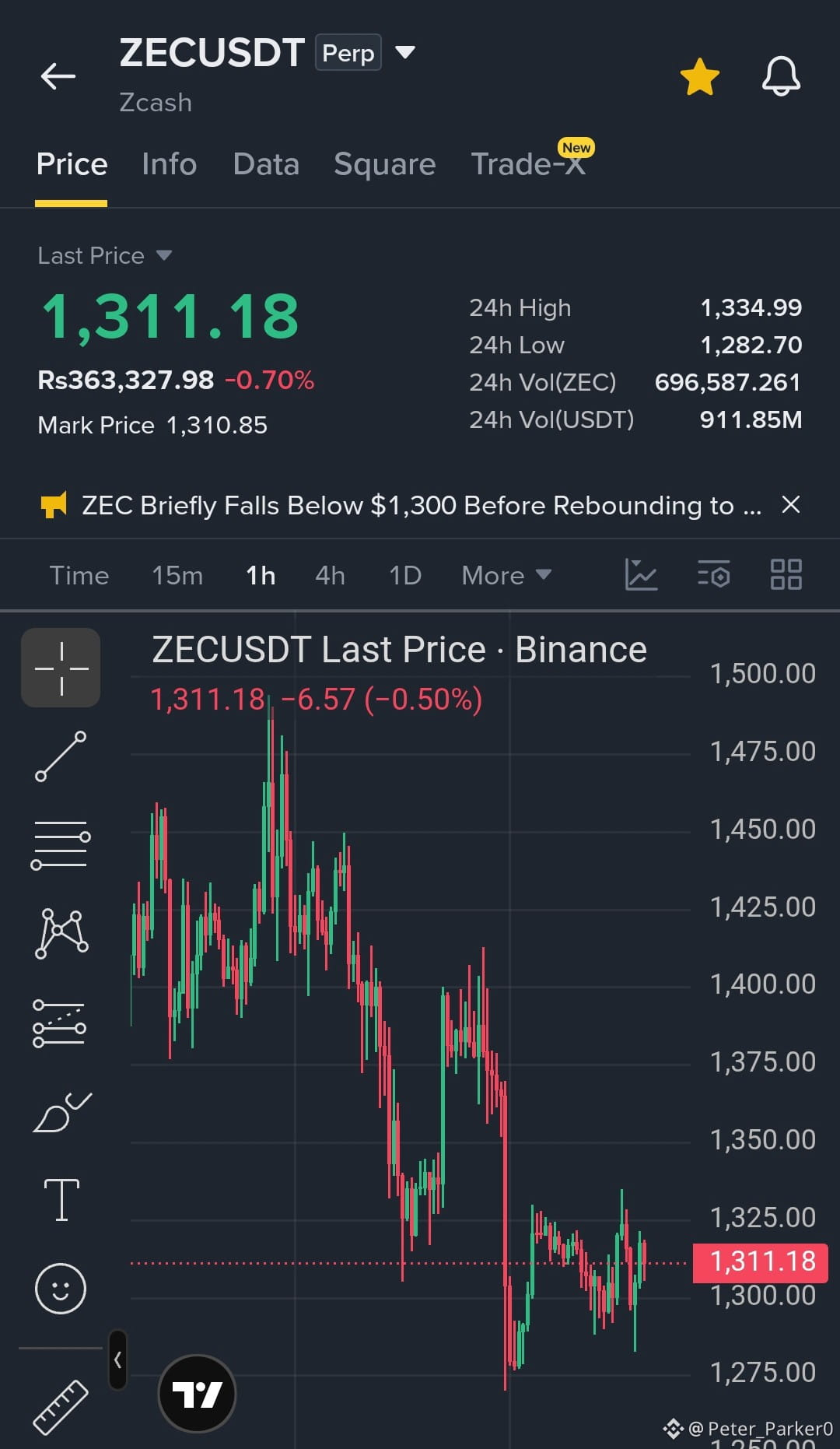
$ZEC 🚀 BULLISCHER BREAKOUT-SETUP
ZEC hält sich nach dem Abprall von dem jüngsten Sell-off weiterhin etwa im Bereich von 1.300 US-Dollar, während Käufer versuchen, eine Basis aufzubauen. Eine Rückeroberung des nahegelegenen Widerstands könnte die Erholung stärken und den Weg zu höheren Kursniveaus öffnen – allerdings hängt die Fortsetzung davon ab, ob der Preis diese neu gewonnene Stärke beibehält.
🎯 Ziel 1: 1.325 US-Dollar
🎯 Ziel 2: 1.350 US-Dollar
🎯 Ziel 3: 1.375 US-Dollar
🚀 Breakout-Ziel: 1.400 US-Dollar
Achte darauf, wie sich der Preis an jedem Ziel verhält. Wenn man über einer Widerstandszone bleibt und sie in Unterstützung verwandelt, würde das den nächsten Schritt nach oben untermauern. Eine Ablehnung könnte jedoch bedeuten, dass der Breakout mehr Zeit braucht, um sich zu entwickeln.
Trade smart. 📈
#CerebrasSinksNearly20%OnReportNvidiaToPowerOpenAI #SECProposesCryptoCustodyRules #FedOctoberRateHikeOddsFallTo17%
$AIN
{future}(AINUSDT)
$SPORTFUN
{future}(SPORTFUNUSDT)
$ZEC 🚀 BULLISCHER BREAKOUT-SETUP
ZEC hält sich nach dem Abprall von dem jüngsten Sell-off weiterhin etwa im Bereich von 1.300 US-Dollar, während Käufer versuchen, eine Basis aufzubauen. Eine Rückeroberung des nahegelegenen Widerstands könnte die Erholung stärken und den Weg zu höheren Kursniveaus öffnen – allerdings hängt die Fortsetzung davon ab, ob der Preis diese neu gewonnene Stärke beibehält.
🎯 Ziel 1: 1.325 US-Dollar
🎯 Ziel 2: 1.350 US-Dollar
🎯 Ziel 3: 1.375 US-Dollar
🚀 Breakout-Ziel: 1.400 US-Dollar
Achte darauf, wie sich der Preis an jedem Ziel verhält. Wenn man über einer Widerstandszone bleibt und sie in Unterstützung verwandelt, würde das den nächsten Schritt nach oben untermauern. Eine Ablehnung könnte jedoch bedeuten, dass der Breakout mehr Zeit braucht, um sich zu entwickeln.
Trade smart. 📈
#CerebrasSinksNearly20%OnReportNvidiaToPowerOpenAI #SECProposesCryptoCustodyRules #FedOctoberRateHikeOddsFallTo17%
$AIN
$SPORTFUN
ZEC hält sich nach dem Abprall von dem jüngsten Sell-off weiterhin etwa im Bereich von 1.300 US-Dollar, während Käufer versuchen, eine Basis aufzubauen. Eine Rückeroberung des nahegelegenen Widerstands könnte die Erholung stärken und den Weg zu höheren Kursniveaus öffnen – allerdings hängt die Fortsetzung davon ab, ob der Preis diese neu gewonnene Stärke beibehält.
🎯 Ziel 1: 1.325 US-Dollar
🎯 Ziel 2: 1.350 US-Dollar
🎯 Ziel 3: 1.375 US-Dollar
🚀 Breakout-Ziel: 1.400 US-Dollar
Achte darauf, wie sich der Preis an jedem Ziel verhält. Wenn man über einer Widerstandszone bleibt und sie in Unterstützung verwandelt, würde das den nächsten Schritt nach oben untermauern. Eine Ablehnung könnte jedoch bedeuten, dass der Breakout mehr Zeit braucht, um sich zu entwickeln.
Trade smart. 📈
#CerebrasSinksNearly20%OnReportNvidiaToPowerOpenAI #SECProposesCryptoCustodyRules #FedOctoberRateHikeOddsFallTo17%
$AIN
$SPORTFUN
1
202
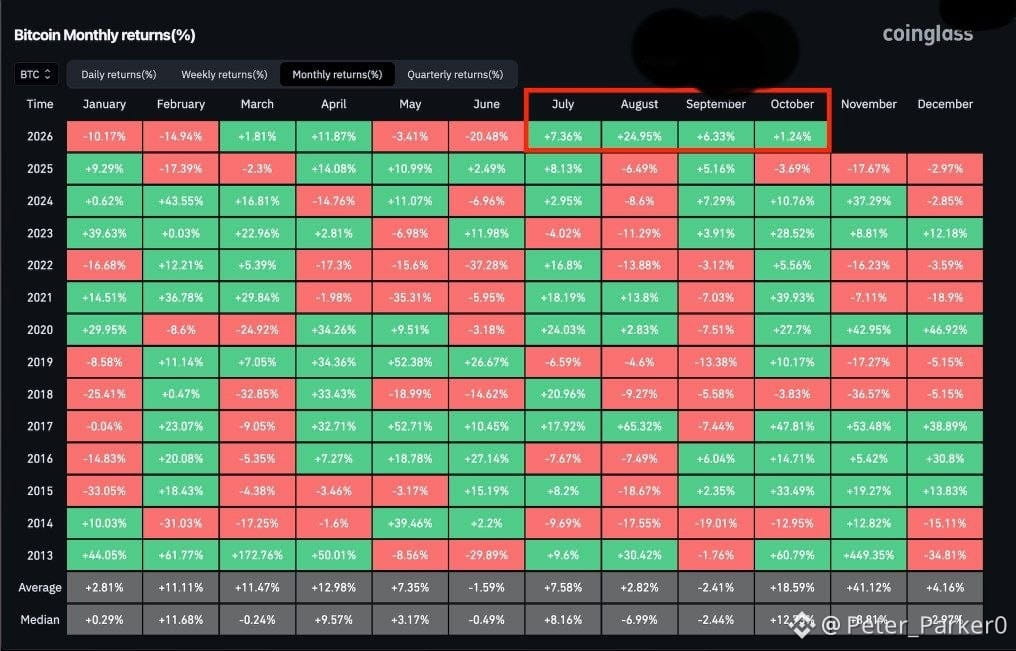
🚨 BITCOIN IST IN EINEM 4-MONATIGEN GRÜNEN STREAK!
$BTC
{future}(BTCUSDT)
zeigt eine ernsthafte Erholungsdynamik.
Juli ✅
August ✅
September ✅
Oktober 🟢 ist aktuell grün
Das sind vier aufeinanderfolgende Monate mit positiven Kursbewegungen bisher, wobei der Oktober noch läuft. Bitcoin legte im Juli ungefähr 7,3% zu, im August 25%, im September 6,4%, während Oktober aktuell leicht im Plus ist.
Was daran interessant ist: BTC ist in den Juli gestartet, nachdem es im Juni einen brutalen Rückgang von mehr als 20% gegeben hatte – und dann hat sich das Bild komplett geändert. Die folgenden drei Monate brachten eine starke Erholungsserie, und der Oktober versucht, sie jetzt auszubauen.
Aber es gibt eine wichtige Einzelheit: Die Kerze für Oktober ist noch nicht abgeschlossen. Der Viermonats-Streak wird erst offiziell, wenn BTC den Oktober oberhalb seines Schlusskurses vom September beendet.
Trotzdem ist die Botschaft aus dem Chart klar:
Die Verkäufer hatten ihren Lauf. Die Käufer kämpfen sich von Monat zu Monat zurück.
Jetzt stellt sich die große Frage, ob BTC diese Erholung in eine viel größere Trend-Fortsetzung verwandeln kann.
Steuern wir auf einen weiteren großen Bitcoin-Ausbruch zu? 👀
#GreekPoliceBustCryptoScamRingArrest17
#FedOctoberRateHikeOddsFallTo17%
#NvidiaHitsRecordHighUp2.4%
#CerebrasSinksNearly20%OnReportNvidiaToPowerOpenAI
#SECApproves3xLongCryptoCommodityETPs
🚨 BITCOIN IST IN EINEM 4-MONATIGEN GRÜNEN STREAK!
$BTC
zeigt eine ernsthafte Erholungsdynamik.
Juli ✅
August ✅
September ✅
Oktober 🟢 ist aktuell grün
Das sind vier aufeinanderfolgende Monate mit positiven Kursbewegungen bisher, wobei der Oktober noch läuft. Bitcoin legte im Juli ungefähr 7,3% zu, im August 25%, im September 6,4%, während Oktober aktuell leicht im Plus ist.
Was daran interessant ist: BTC ist in den Juli gestartet, nachdem es im Juni einen brutalen Rückgang von mehr als 20% gegeben hatte – und dann hat sich das Bild komplett geändert. Die folgenden drei Monate brachten eine starke Erholungsserie, und der Oktober versucht, sie jetzt auszubauen.
Aber es gibt eine wichtige Einzelheit: Die Kerze für Oktober ist noch nicht abgeschlossen. Der Viermonats-Streak wird erst offiziell, wenn BTC den Oktober oberhalb seines Schlusskurses vom September beendet.
Trotzdem ist die Botschaft aus dem Chart klar:
Die Verkäufer hatten ihren Lauf. Die Käufer kämpfen sich von Monat zu Monat zurück.
Jetzt stellt sich die große Frage, ob BTC diese Erholung in eine viel größere Trend-Fortsetzung verwandeln kann.
Steuern wir auf einen weiteren großen Bitcoin-Ausbruch zu? 👀
#GreekPoliceBustCryptoScamRingArrest17
#FedOctoberRateHikeOddsFallTo17%
#NvidiaHitsRecordHighUp2.4%
#CerebrasSinksNearly20%OnReportNvidiaToPowerOpenAI
#SECApproves3xLongCryptoCommodityETPs
$BTC
zeigt eine ernsthafte Erholungsdynamik.
Juli ✅
August ✅
September ✅
Oktober 🟢 ist aktuell grün
Das sind vier aufeinanderfolgende Monate mit positiven Kursbewegungen bisher, wobei der Oktober noch läuft. Bitcoin legte im Juli ungefähr 7,3% zu, im August 25%, im September 6,4%, während Oktober aktuell leicht im Plus ist.
Was daran interessant ist: BTC ist in den Juli gestartet, nachdem es im Juni einen brutalen Rückgang von mehr als 20% gegeben hatte – und dann hat sich das Bild komplett geändert. Die folgenden drei Monate brachten eine starke Erholungsserie, und der Oktober versucht, sie jetzt auszubauen.
Aber es gibt eine wichtige Einzelheit: Die Kerze für Oktober ist noch nicht abgeschlossen. Der Viermonats-Streak wird erst offiziell, wenn BTC den Oktober oberhalb seines Schlusskurses vom September beendet.
Trotzdem ist die Botschaft aus dem Chart klar:
Die Verkäufer hatten ihren Lauf. Die Käufer kämpfen sich von Monat zu Monat zurück.
Jetzt stellt sich die große Frage, ob BTC diese Erholung in eine viel größere Trend-Fortsetzung verwandeln kann.
Steuern wir auf einen weiteren großen Bitcoin-Ausbruch zu? 👀
#GreekPoliceBustCryptoScamRingArrest17
#FedOctoberRateHikeOddsFallTo17%
#NvidiaHitsRecordHighUp2.4%
#CerebrasSinksNearly20%OnReportNvidiaToPowerOpenAI
#SECApproves3xLongCryptoCommodityETPs
135
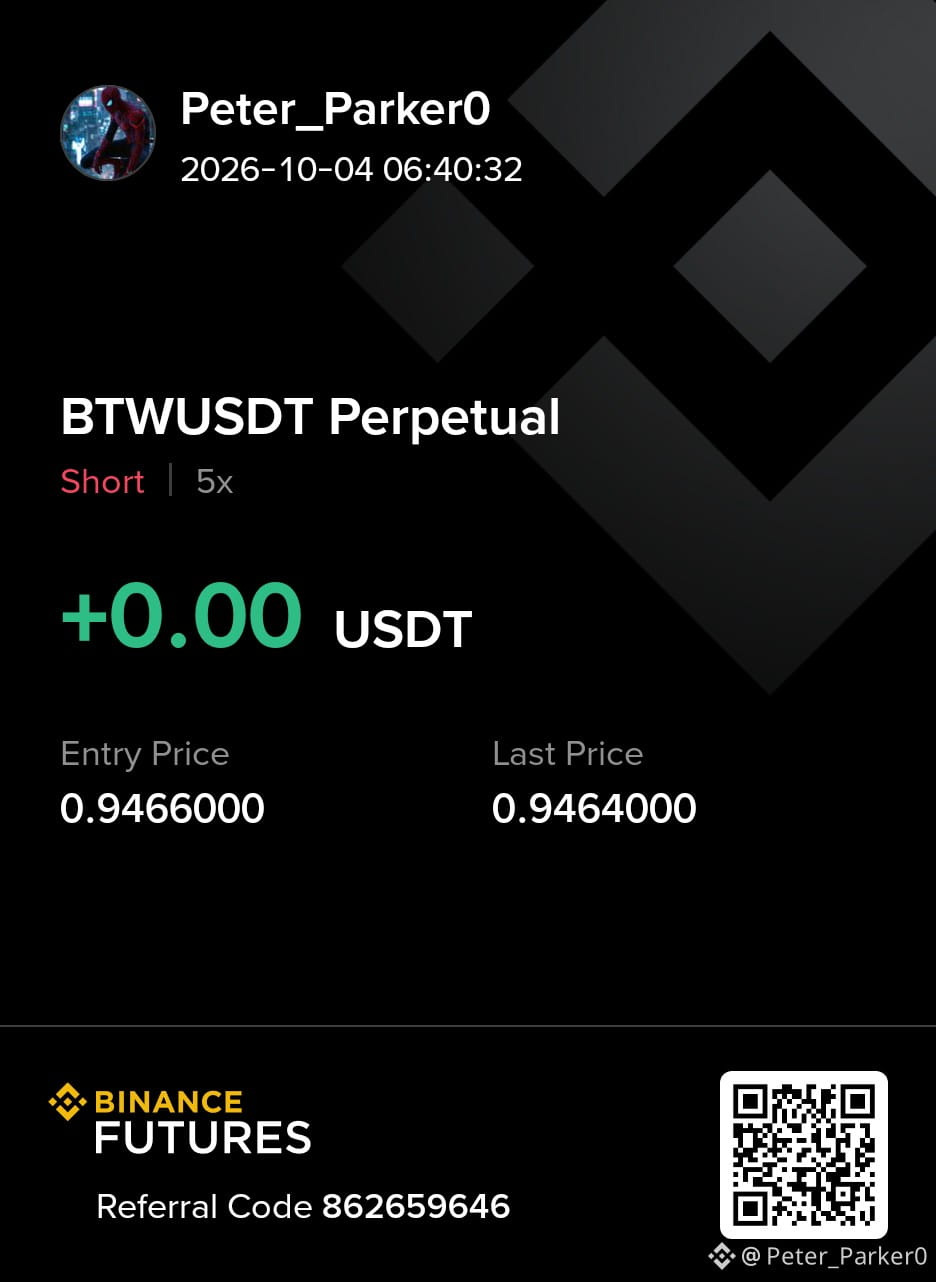
🔥 $BTW — Bärisches Setup ist wieder auf Beobachtung
$BTW sitzt auf einem Niveau, bei dem eine Zurückweisung einen deutlich tieferen Rücksetzer auslösen könnte. Ich beobachte den Bereich von 0,9528 $ für den Short, statt dem Abwärtsimpuls hinterherzulaufen.
SHORT $BTW
Einstieg: $0.9528
SL: $1.2098
TP1: $0.7500
TP2: $0.5000
TP3: $0.3000
Die Idee ist einfach: Wenn Verkäufer die Einstiegszone verteidigen und der Momentum kippt, rücken die Abwärtsziele nach und nach in den Fokus. Eine anhaltende Bewegung über $1.2098 würde die bärische These entkräften.
Warte auf Zurückweisung/Bestätigung, bevor du einsteigst — kein Zwang zum Trade.
Short $BTW — Risiko managen und diszipliniert bleiben.
{future}(BTWUSDT)
#CanaryFilesAmendedS1ForPEPEETF #SECProposesCryptoCustodyRules #SECApproves3xLongCryptoCommodityETPs #GreekPoliceBustCryptoScamRingArrest17
🔥 $BTW — Bärisches Setup ist wieder auf Beobachtung
$BTW sitzt auf einem Niveau, bei dem eine Zurückweisung einen deutlich tieferen Rücksetzer auslösen könnte. Ich beobachte den Bereich von 0,9528 $ für den Short, statt dem Abwärtsimpuls hinterherzulaufen.
SHORT $BTW
Einstieg: $0.9528
SL: $1.2098
TP1: $0.7500
TP2: $0.5000
TP3: $0.3000
Die Idee ist einfach: Wenn Verkäufer die Einstiegszone verteidigen und der Momentum kippt, rücken die Abwärtsziele nach und nach in den Fokus. Eine anhaltende Bewegung über $1.2098 würde die bärische These entkräften.
Warte auf Zurückweisung/Bestätigung, bevor du einsteigst — kein Zwang zum Trade.
Short $BTW — Risiko managen und diszipliniert bleiben.
#CanaryFilesAmendedS1ForPEPEETF #SECProposesCryptoCustodyRules #SECApproves3xLongCryptoCommodityETPs #GreekPoliceBustCryptoScamRingArrest17
$BTW sitzt auf einem Niveau, bei dem eine Zurückweisung einen deutlich tieferen Rücksetzer auslösen könnte. Ich beobachte den Bereich von 0,9528 $ für den Short, statt dem Abwärtsimpuls hinterherzulaufen.
SHORT $BTW
Einstieg: $0.9528
SL: $1.2098
TP1: $0.7500
TP2: $0.5000
TP3: $0.3000
Die Idee ist einfach: Wenn Verkäufer die Einstiegszone verteidigen und der Momentum kippt, rücken die Abwärtsziele nach und nach in den Fokus. Eine anhaltende Bewegung über $1.2098 würde die bärische These entkräften.
Warte auf Zurückweisung/Bestätigung, bevor du einsteigst — kein Zwang zum Trade.
Short $BTW — Risiko managen und diszipliniert bleiben.
#CanaryFilesAmendedS1ForPEPEETF #SECProposesCryptoCustodyRules #SECApproves3xLongCryptoCommodityETPs #GreekPoliceBustCryptoScamRingArrest17
406
Anmelden und weiter Inhalte entdecken
Krypto-Nutzer weltweit auf Binance Square kennenlernen
⚡️ Bleib in Sachen Krypto stets am Puls.
💬 Die weltgrößte Kryptobörse vertraut darauf.
👍 Erhalte verlässliche Einblicke von verifizierten Creators.
E-Mail-Adresse/Telefonnummer
Trendthemen
FedMinutesFocusOnOctoberPause
31,499 Aufrufe
603 Kommentare
#fedminutesfocusonoctoberpause
🚨 DIE CHANCEN AUF EINE FED-ZINSERHÖHUNG IM OKTOBER FALLEN AUF 21,6 %… Steht $BTC kurz vor einer Reaktion? 👀
Die Fed steht kurz davor, den Märkten einen weiteren wichtigen Hinweis zu geben.
Anleger warten auf das heutige Sitzungsprotokoll des FOMC – und die größte Frage ist, ob es im Oktober eine weitere Zinserhöhung oder eine Pause geben wird.
Aktuell ist die Wahrscheinlichkeit einer Zinserhöhung um 25 Basispunkte im Oktober auf gerade einmal 21,6 % gesunken.
Das ist eine gewaltige Veränderung der Erwartungen.
Doch genau das macht die Sache interessant… 👀
Die Fed hob die Zinsen im September auf 3,75 %–4,00 % an, doch die jüngste Schwäche am Arbeitsmarkt und die nachlassende Inflation lassen eine weitere sofortige Erhöhung weniger wahrscheinlich erscheinen.
Und für Krypto ist das wichtig.
Eine Zinspause der Fed könnte den Druck auf die Finanzierungsbedingungen verringern und die Risikobereitschaft möglicherweise verbessern.
Das könnte BTC Rückenwind geben
Doch es gibt einen Haken…
Bitcoin steht bereits unter Druck, da der Dollar und die Renditen von US-Staatsanleihen steigen.
Das heutige Protokoll könnte also für Volatilität sorgen.
Eine taubenhafte Fed → Hoffnung auf mehr Liquidität → bullishe BTC-Erzählung?
Eine restriktive Fed → Angst vor höheren Zinsen → noch mehr Druck auf Risikoanlagen?
Die entscheidende Frage:
Wird der Oktober zur Zinspause, auf die die Bitcoin-Bullen gewartet haben… oder könnte die Fed den Markt erneut überraschen? 👀
Behalte BTC, die Zinserwartungen und die Renditen von US-Staatsanleihen genau im Auge.
#FederalReserve #Fed #Crypto #InterestRates
$ETH
$SOL
Shae Cassler Sw9r
·19 Likes
·38.3k Aufrufe
BinanceLaunchesBinanceIntelligence
958,581 Aufrufe
5,845 Kommentare
EvernorthDelaysNasdaqDebutToOct12
432 Aufrufe
59 Kommentare