

James Taylor Ava
547 Beiträge

James Taylor Ava
Melden
Nutzer blockieren
71 Following
755 Follower
253 Like gegeben
Beiträge
Alle
Zitierungen
Live
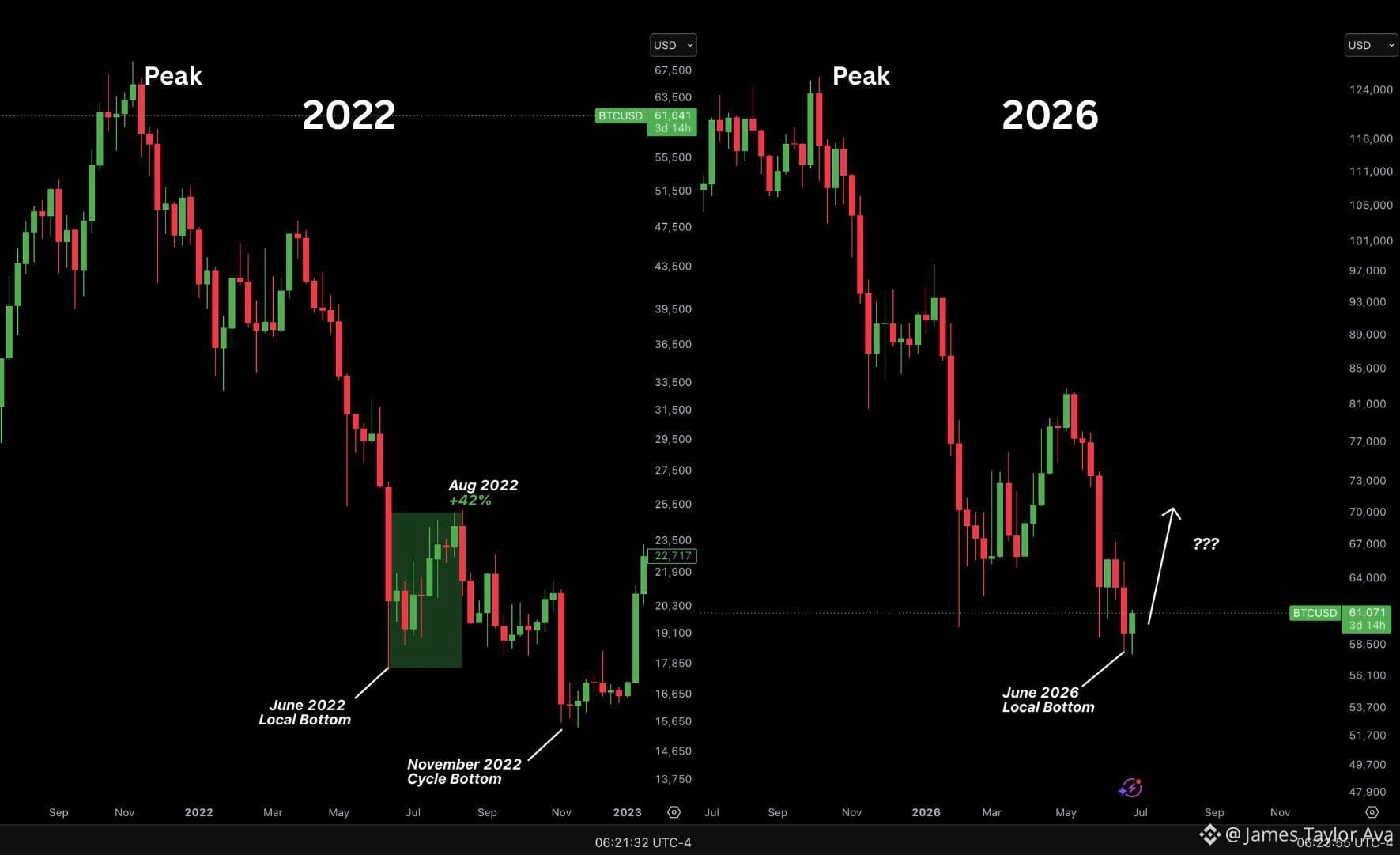
Geht Bitcoin kurz davor, 2022 zu wiederholen?
Damals:
• Juni 2022: Lokaler Tiefpunkt bei 17,6K$
• +42% Rally bis in den August
• Das finale Zyklus-Tief kam später im November bei 15,5K$
Jetzt sehen wir eine sehr ähnliche Struktur.
Wenn 57,7K$ den lokalen Tiefpunkt im Juni markierten, würde eine 42%-Bewegung BTC bis August auf etwa 82K$ bringen.
Könnte Bitcoin zuerst noch höher drücken… bevor es ein finales Q4-Tief ausbildet, passend zum 4-Jahres-Zyklus?
$BTC #SouthKoreanStocksRise5%
Geht Bitcoin kurz davor, 2022 zu wiederholen?
Damals:
• Juni 2022: Lokaler Tiefpunkt bei 17,6K$
• +42% Rally bis in den August
• Das finale Zyklus-Tief kam später im November bei 15,5K$
Jetzt sehen wir eine sehr ähnliche Struktur.
Wenn 57,7K$ den lokalen Tiefpunkt im Juni markierten, würde eine 42%-Bewegung BTC bis August auf etwa 82K$ bringen.
Könnte Bitcoin zuerst noch höher drücken… bevor es ein finales Q4-Tief ausbildet, passend zum 4-Jahres-Zyklus?
$BTC #SouthKoreanStocksRise5%
Damals:
• Juni 2022: Lokaler Tiefpunkt bei 17,6K$
• +42% Rally bis in den August
• Das finale Zyklus-Tief kam später im November bei 15,5K$
Jetzt sehen wir eine sehr ähnliche Struktur.
Wenn 57,7K$ den lokalen Tiefpunkt im Juni markierten, würde eine 42%-Bewegung BTC bis August auf etwa 82K$ bringen.
Könnte Bitcoin zuerst noch höher drücken… bevor es ein finales Q4-Tief ausbildet, passend zum 4-Jahres-Zyklus?
$BTC #SouthKoreanStocksRise5%
2
485
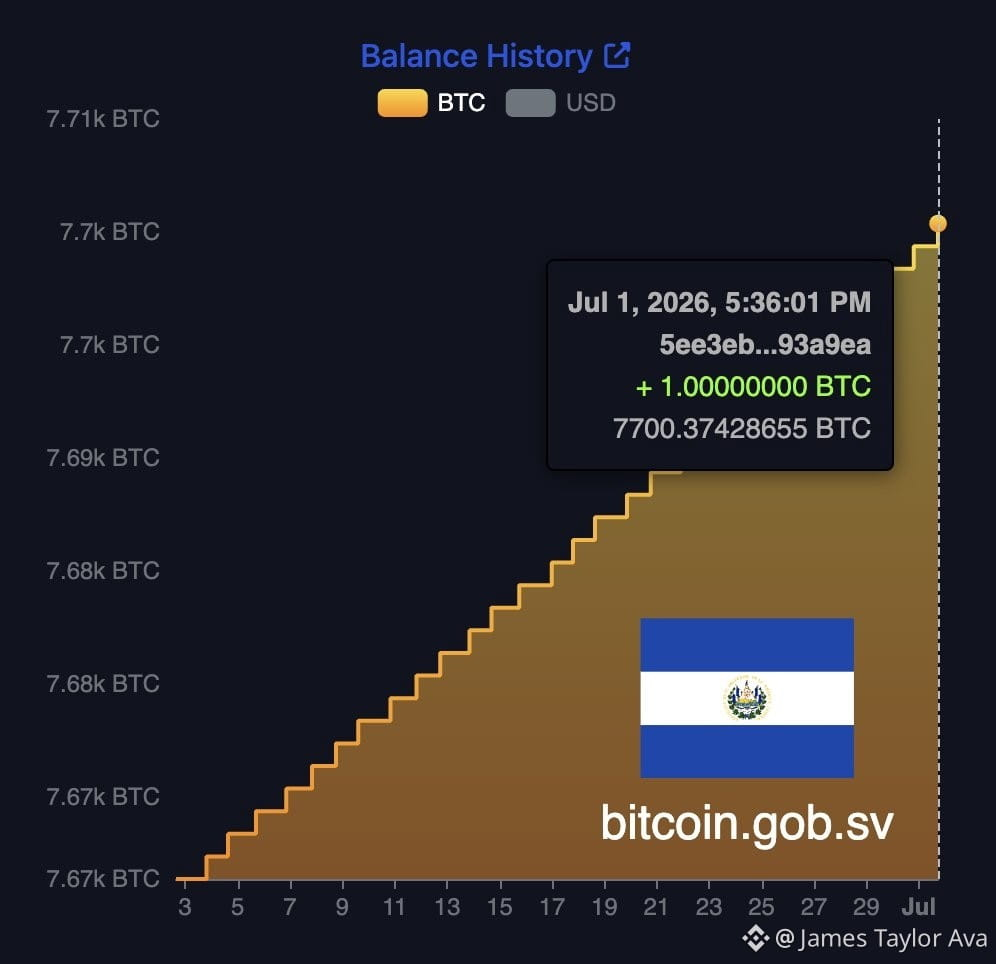
NEU: El Salvador hat heute einen weiteren BTC für seinen strategischen Bitcoin-Reserve gekauft 🇸🇻
Jetzt besitzen sie 7700 BTC! 👏
NEU: El Salvador hat heute einen weiteren BTC für seinen strategischen Bitcoin-Reserve gekauft 🇸🇻
Jetzt besitzen sie 7700 BTC! 👏
Jetzt besitzen sie 7700 BTC! 👏
57
Artikel
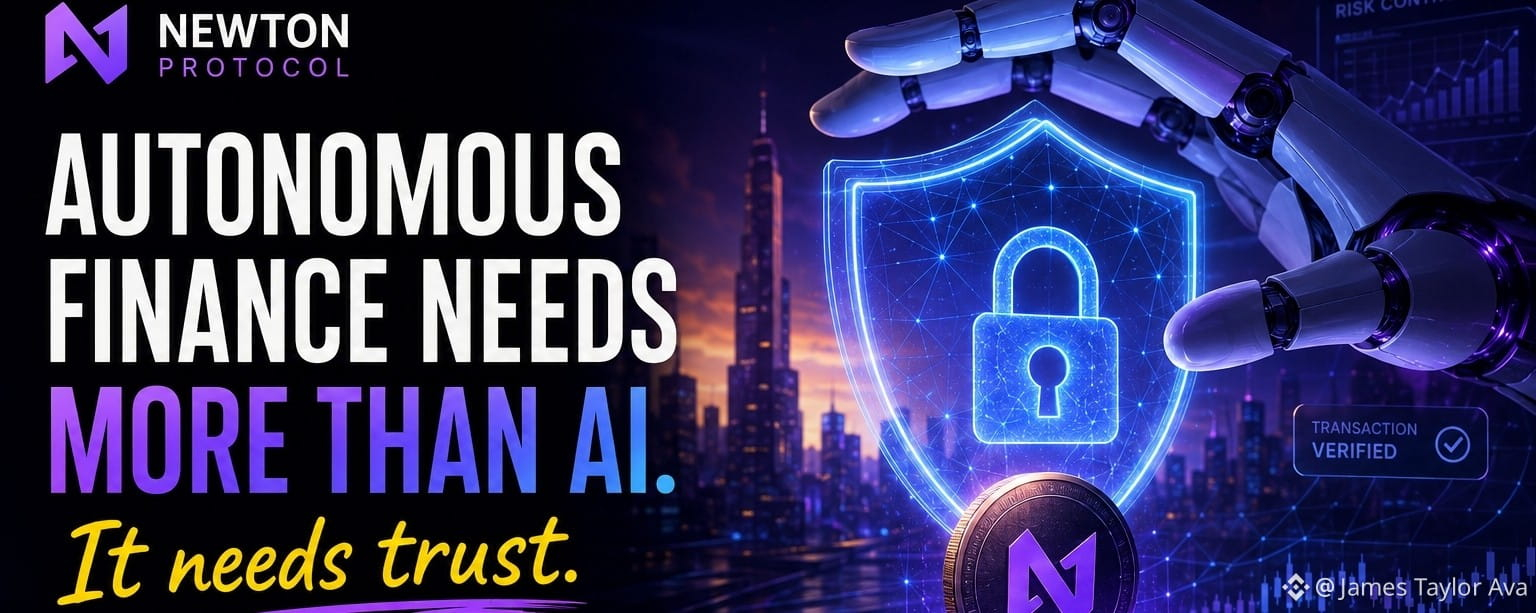
Die größte Herausforderung für autonomes Finanzwesen ist nicht KI—sondern VertrauenDie größte Herausforderung für autonomes Finanzwesen ist vielleicht nicht KI
Je mehr ich über autonomes Finanzwesen nachdenke, desto weniger glaube ich, dass künstliche Intelligenz das schwierigste Problem ist.
KI verbessert sich unglaublich schnell. Alle paar Wochen gibt es ein weiteres Modell, das besser darin ist, Daten zu analysieren, Muster zu erkennen oder komplexe Entscheidungen zu treffen. Wenn man sich diesen Fortschritt ansieht, liegt es nahe anzunehmen, dass die Zukunft davon abhängt, intelligentere Systeme zu bauen,
Ich bin mir da nicht mehr so sicher.
Was immer wieder in meinem Kopf auftaucht, ist eine viel einfachere Frage.
Die größte Herausforderung für autonomes Finanzwesen ist nicht KI—sondern Vertrauen
Die größte Herausforderung für autonomes Finanzwesen ist vielleicht nicht KI
Je mehr ich über autonomes Finanzwesen nachdenke, desto weniger glaube ich, dass künstliche Intelligenz das schwierigste Problem ist.
KI verbessert sich unglaublich schnell. Alle paar Wochen gibt es ein weiteres Modell, das besser darin ist, Daten zu analysieren, Muster zu erkennen oder komplexe Entscheidungen zu treffen. Wenn man sich diesen Fortschritt ansieht, liegt es nahe anzunehmen, dass die Zukunft davon abhängt, intelligentere Systeme zu bauen,
Ich bin mir da nicht mehr so sicher.
Was immer wieder in meinem Kopf auftaucht, ist eine viel einfachere Frage.
Je mehr ich über autonomes Finanzwesen nachdenke, desto weniger glaube ich, dass künstliche Intelligenz das schwierigste Problem ist.
KI verbessert sich unglaublich schnell. Alle paar Wochen gibt es ein weiteres Modell, das besser darin ist, Daten zu analysieren, Muster zu erkennen oder komplexe Entscheidungen zu treffen. Wenn man sich diesen Fortschritt ansieht, liegt es nahe anzunehmen, dass die Zukunft davon abhängt, intelligentere Systeme zu bauen,
Ich bin mir da nicht mehr so sicher.
Was immer wieder in meinem Kopf auftaucht, ist eine viel einfachere Frage.
2
78
#newt $NEWT
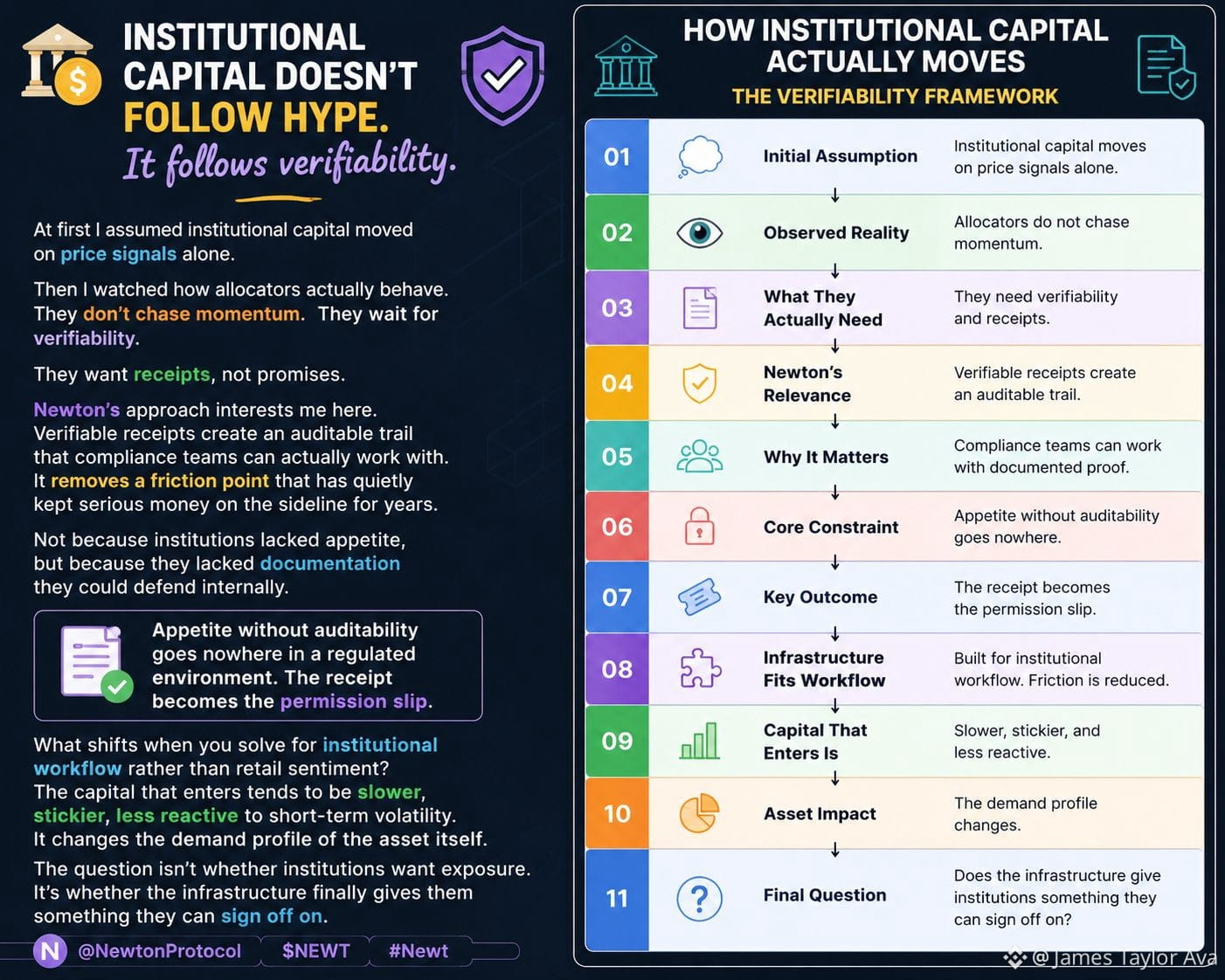
Früher dachte ich, institutionelles Geld folgt dem Preis.
Je mehr ich zugesehen habe, desto mehr wurde mir klar, dass der Preis meist das Letzte ist, worauf sie schauen.
Bevor Kapital in Bewegung gerät, muss jemand das Risiko erklären, den Prozess dokumentieren und ihn freizeichnen.
Genau dort ist meine Aufmerksamkeit bei Newton hängen geblieben.
Was mich nicht nur an der Technologie interessierte, war die Idee nachweisbarer Belege.
In regulierten Umgebungen reicht „Vertrau mir“ nicht.
Menschen brauchen Beweise, die sie intern vertreten können.
Vielleicht war das eines der größten Hindernisse überhaupt.
Nicht fehlendes Interesse.
Ein Mangel an Infrastruktur, der die Teilnahme so gestaltet, dass sie sich leicht rechtfertigen lässt.
Wenn dieses Problem anfängt gelöst zu werden, könnte sich die Nachfrage institutioneller Akteure deutlich anders verhalten als die Nachfrage aus dem Retail-Bereich.
Weniger reaktiv.
Mehr Geduld.
Und potenziell viel nachhaltiger.
Für mich ist das eine viel spannendere Frage als die, ob Institutionen Krypto wollen.
Die eigentliche Frage ist, ob die Infrastruktur ihnen am Ende etwas gibt, das sie vertrauensvoll freigeben können.
@NewtonProtocol $NEWT #newt
#newt $NEWT
Früher dachte ich, institutionelles Geld folgt dem Preis.
Je mehr ich zugesehen habe, desto mehr wurde mir klar, dass der Preis meist das Letzte ist, worauf sie schauen.
Bevor Kapital in Bewegung gerät, muss jemand das Risiko erklären, den Prozess dokumentieren und ihn freizeichnen.
Genau dort ist meine Aufmerksamkeit bei Newton hängen geblieben.
Was mich nicht nur an der Technologie interessierte, war die Idee nachweisbarer Belege.
In regulierten Umgebungen reicht „Vertrau mir“ nicht.
Menschen brauchen Beweise, die sie intern vertreten können.
Vielleicht war das eines der größten Hindernisse überhaupt.
Nicht fehlendes Interesse.
Ein Mangel an Infrastruktur, der die Teilnahme so gestaltet, dass sie sich leicht rechtfertigen lässt.
Wenn dieses Problem anfängt gelöst zu werden, könnte sich die Nachfrage institutioneller Akteure deutlich anders verhalten als die Nachfrage aus dem Retail-Bereich.
Weniger reaktiv.
Mehr Geduld.
Und potenziell viel nachhaltiger.
Für mich ist das eine viel spannendere Frage als die, ob Institutionen Krypto wollen.
Die eigentliche Frage ist, ob die Infrastruktur ihnen am Ende etwas gibt, das sie vertrauensvoll freigeben können.
@NewtonProtocol $NEWT #newt
Früher dachte ich, institutionelles Geld folgt dem Preis.
Je mehr ich zugesehen habe, desto mehr wurde mir klar, dass der Preis meist das Letzte ist, worauf sie schauen.
Bevor Kapital in Bewegung gerät, muss jemand das Risiko erklären, den Prozess dokumentieren und ihn freizeichnen.
Genau dort ist meine Aufmerksamkeit bei Newton hängen geblieben.
Was mich nicht nur an der Technologie interessierte, war die Idee nachweisbarer Belege.
In regulierten Umgebungen reicht „Vertrau mir“ nicht.
Menschen brauchen Beweise, die sie intern vertreten können.
Vielleicht war das eines der größten Hindernisse überhaupt.
Nicht fehlendes Interesse.
Ein Mangel an Infrastruktur, der die Teilnahme so gestaltet, dass sie sich leicht rechtfertigen lässt.
Wenn dieses Problem anfängt gelöst zu werden, könnte sich die Nachfrage institutioneller Akteure deutlich anders verhalten als die Nachfrage aus dem Retail-Bereich.
Weniger reaktiv.
Mehr Geduld.
Und potenziell viel nachhaltiger.
Für mich ist das eine viel spannendere Frage als die, ob Institutionen Krypto wollen.
Die eigentliche Frage ist, ob die Infrastruktur ihnen am Ende etwas gibt, das sie vertrauensvoll freigeben können.
@NewtonProtocol $NEWT #newt
2
88
Artikel
Die eigentliche Engstelle für KI im Finanzwesen ist nicht die Intelligenz – sondern die InfrastrukturDie echte Herausforderung für KI im Finanzwesen könnte nicht die Intelligenz sein
Ich dachte früher, dass der größte Wettlauf in der KI darin bestehen würde, intelligentere Modelle zu bauen.
Alle paar Wochen taucht ein weiteres Modell auf, das mehr Daten verarbeiten, Muster schneller erkennen oder bessere Vorhersagen treffen kann als das zuvor. Eine Zeit lang ging ich davon aus, dass dort entschieden würde, wie die Zukunft der KI im Finanzwesen aussehen wird.
Je mehr ich zusah, desto weniger überzeugt war ich.
Was meine Aufmerksamkeit fesselte, war nicht mehr die Qualität der Vorhersagen.
Es war alles, was passierte, nachdem diese Vorhersagen das Modell verlassen hatten.
Die eigentliche Engstelle für KI im Finanzwesen ist nicht die Intelligenz – sondern die Infrastruktur
Die echte Herausforderung für KI im Finanzwesen könnte nicht die Intelligenz sein
Ich dachte früher, dass der größte Wettlauf in der KI darin bestehen würde, intelligentere Modelle zu bauen.
Alle paar Wochen taucht ein weiteres Modell auf, das mehr Daten verarbeiten, Muster schneller erkennen oder bessere Vorhersagen treffen kann als das zuvor. Eine Zeit lang ging ich davon aus, dass dort entschieden würde, wie die Zukunft der KI im Finanzwesen aussehen wird.
Je mehr ich zusah, desto weniger überzeugt war ich.
Was meine Aufmerksamkeit fesselte, war nicht mehr die Qualität der Vorhersagen.
Es war alles, was passierte, nachdem diese Vorhersagen das Modell verlassen hatten.
Ich dachte früher, dass der größte Wettlauf in der KI darin bestehen würde, intelligentere Modelle zu bauen.
Alle paar Wochen taucht ein weiteres Modell auf, das mehr Daten verarbeiten, Muster schneller erkennen oder bessere Vorhersagen treffen kann als das zuvor. Eine Zeit lang ging ich davon aus, dass dort entschieden würde, wie die Zukunft der KI im Finanzwesen aussehen wird.
Je mehr ich zusah, desto weniger überzeugt war ich.
Was meine Aufmerksamkeit fesselte, war nicht mehr die Qualität der Vorhersagen.
Es war alles, was passierte, nachdem diese Vorhersagen das Modell verlassen hatten.
1
58
#newt $NEWT
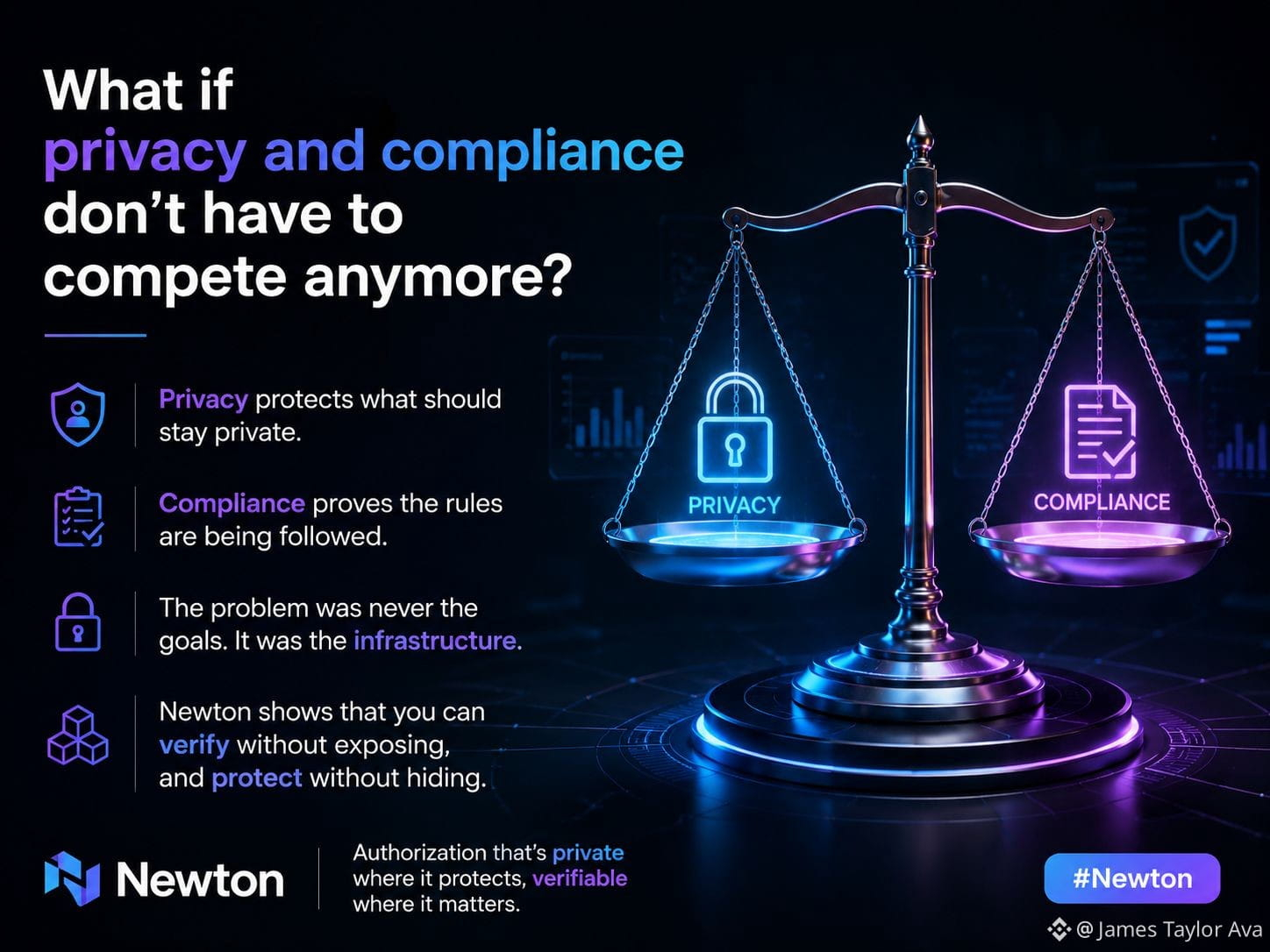
Ich habe immer angenommen, dass Datenschutz und Compliance auf entgegengesetzten Seiten stehen. Je mehr ich in Newton eingetaucht bin, desto unsicherer wurde ich.
Ich glaube, wir haben Datenschutz bisher falsch verstanden.
Lange Zeit nahm ich an, dass Datenschutz und Compliance niemals zusammen existieren könnten.
Wenn ein System die Nutzer schützt, müssten die Regulierungsbehörden ihm vertrauen.
Wenn die Regulierungsbehörden einen Beweis wollten, würden die Nutzer ihre Privatsphäre verlieren.
Es fühlte sich an, als gäbe es keinen Ausweg aus diesem Zielkonflikt.
Dann habe ich angefangen, über Newton zu lesen.
Was meine Aufmerksamkeit erregte, war nicht noch eine Blockchain-Funktion. Es war die Idee, dass vielleicht der Zielkonflikt selbst nicht das eigentliche Problem ist.
Vielleicht wurden wir einfach durch die Infrastruktur, die wir genutzt haben, eingeschränkt.
Wenn Regeln verifiziert werden können, ohne sensible Informationen offenzulegen, dann muss Datenschutz nicht den Preis für Nachvollziehbarkeit zahlen.
Das verlagert das Gespräch in eine völlig andere Richtung.
Anstatt zwischen Datenschutz und Compliance zu wählen, geht es darum, Systeme zu bauen, die beides unterstützen können.
Ich erforsche die Idee noch, aber sie hat mich ganz sicher dazu gebracht, etwas neu zu überdenken, das ich selbstverständlich genommen hatte.
#newton $NEWT @NewtonProtocol
#newt $NEWT
Ich habe immer angenommen, dass Datenschutz und Compliance auf entgegengesetzten Seiten stehen. Je mehr ich in Newton eingetaucht bin, desto unsicherer wurde ich.
Ich glaube, wir haben Datenschutz bisher falsch verstanden.
Lange Zeit nahm ich an, dass Datenschutz und Compliance niemals zusammen existieren könnten.
Wenn ein System die Nutzer schützt, müssten die Regulierungsbehörden ihm vertrauen.
Wenn die Regulierungsbehörden einen Beweis wollten, würden die Nutzer ihre Privatsphäre verlieren.
Es fühlte sich an, als gäbe es keinen Ausweg aus diesem Zielkonflikt.
Dann habe ich angefangen, über Newton zu lesen.
Was meine Aufmerksamkeit erregte, war nicht noch eine Blockchain-Funktion. Es war die Idee, dass vielleicht der Zielkonflikt selbst nicht das eigentliche Problem ist.
Vielleicht wurden wir einfach durch die Infrastruktur, die wir genutzt haben, eingeschränkt.
Wenn Regeln verifiziert werden können, ohne sensible Informationen offenzulegen, dann muss Datenschutz nicht den Preis für Nachvollziehbarkeit zahlen.
Das verlagert das Gespräch in eine völlig andere Richtung.
Anstatt zwischen Datenschutz und Compliance zu wählen, geht es darum, Systeme zu bauen, die beides unterstützen können.
Ich erforsche die Idee noch, aber sie hat mich ganz sicher dazu gebracht, etwas neu zu überdenken, das ich selbstverständlich genommen hatte.
#newton $NEWT @NewtonProtocol
Ich habe immer angenommen, dass Datenschutz und Compliance auf entgegengesetzten Seiten stehen. Je mehr ich in Newton eingetaucht bin, desto unsicherer wurde ich.
Ich glaube, wir haben Datenschutz bisher falsch verstanden.
Lange Zeit nahm ich an, dass Datenschutz und Compliance niemals zusammen existieren könnten.
Wenn ein System die Nutzer schützt, müssten die Regulierungsbehörden ihm vertrauen.
Wenn die Regulierungsbehörden einen Beweis wollten, würden die Nutzer ihre Privatsphäre verlieren.
Es fühlte sich an, als gäbe es keinen Ausweg aus diesem Zielkonflikt.
Dann habe ich angefangen, über Newton zu lesen.
Was meine Aufmerksamkeit erregte, war nicht noch eine Blockchain-Funktion. Es war die Idee, dass vielleicht der Zielkonflikt selbst nicht das eigentliche Problem ist.
Vielleicht wurden wir einfach durch die Infrastruktur, die wir genutzt haben, eingeschränkt.
Wenn Regeln verifiziert werden können, ohne sensible Informationen offenzulegen, dann muss Datenschutz nicht den Preis für Nachvollziehbarkeit zahlen.
Das verlagert das Gespräch in eine völlig andere Richtung.
Anstatt zwischen Datenschutz und Compliance zu wählen, geht es darum, Systeme zu bauen, die beides unterstützen können.
Ich erforsche die Idee noch, aber sie hat mich ganz sicher dazu gebracht, etwas neu zu überdenken, das ich selbstverständlich genommen hatte.
#newton $NEWT @NewtonProtocol
76
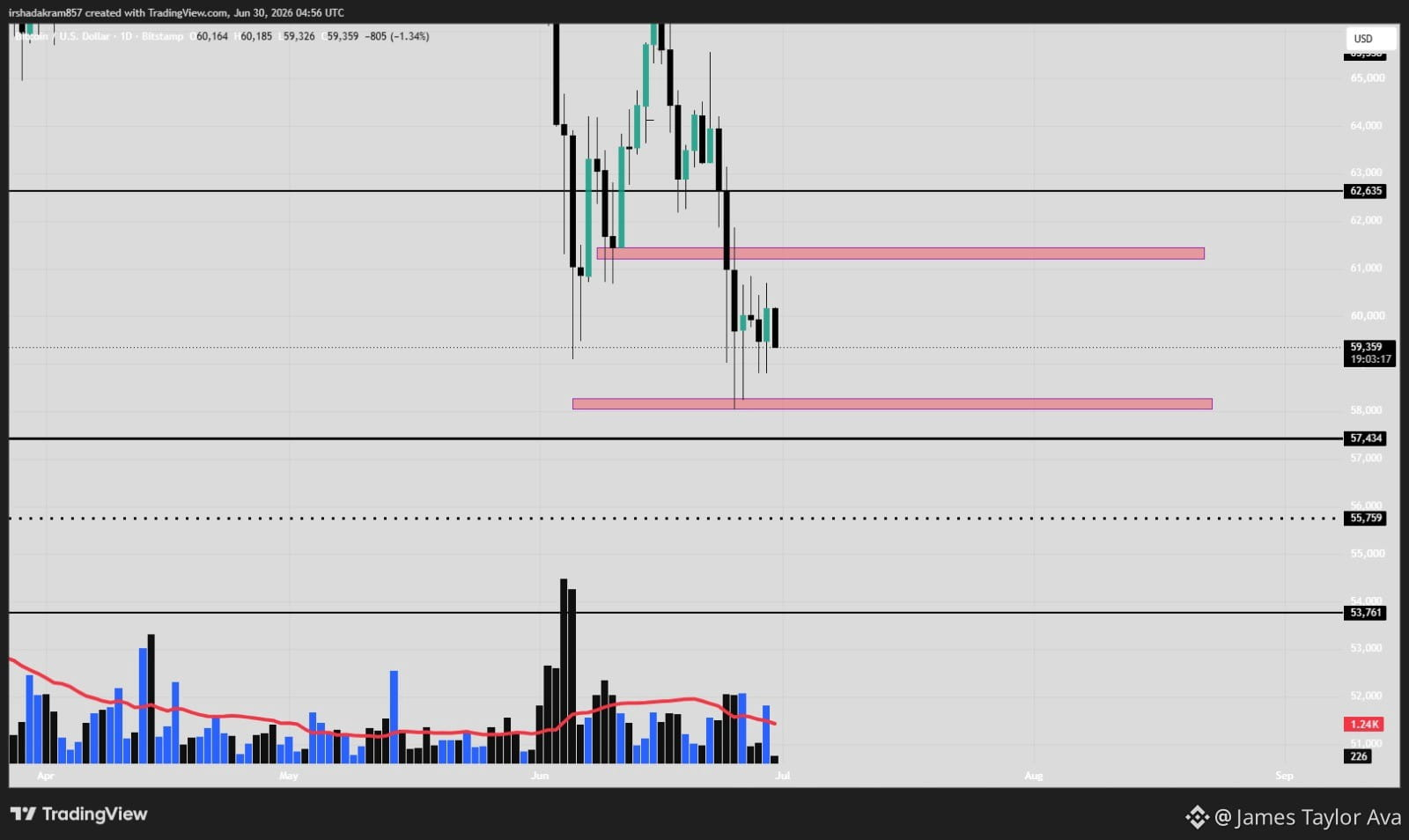
#BTC Markt-Update 📊
Aktueller Bias: Bearish 📉
Wichtige Unterstützungszonen 🟢 $58,150 🟢 $56,000
Wichtige Widerstandsbereiche 🔴 $61,200 🔴 $62,300
BTC steht derzeit noch unter bearischem Druck. Beobachte, wie der Preis in der Nähe dieser Schlüsselniveaus reagiert, bevor du eine Bewegung machst.
Bleib geduldig, manage dein Risiko und warte auf Bestätigung, statt der Volatilität hinterherzulaufen. 🎯
$BTC #DowHitsRecordClose
#BTC Markt-Update 📊
Aktueller Bias: Bearish 📉
Wichtige Unterstützungszonen 🟢 $58,150 🟢 $56,000
Wichtige Widerstandsbereiche 🔴 $61,200 🔴 $62,300
BTC steht derzeit noch unter bearischem Druck. Beobachte, wie der Preis in der Nähe dieser Schlüsselniveaus reagiert, bevor du eine Bewegung machst.
Bleib geduldig, manage dein Risiko und warte auf Bestätigung, statt der Volatilität hinterherzulaufen. 🎯
$BTC #DowHitsRecordClose
Aktueller Bias: Bearish 📉
Wichtige Unterstützungszonen 🟢 $58,150 🟢 $56,000
Wichtige Widerstandsbereiche 🔴 $61,200 🔴 $62,300
BTC steht derzeit noch unter bearischem Druck. Beobachte, wie der Preis in der Nähe dieser Schlüsselniveaus reagiert, bevor du eine Bewegung machst.
Bleib geduldig, manage dein Risiko und warte auf Bestätigung, statt der Volatilität hinterherzulaufen. 🎯
$BTC #DowHitsRecordClose
93
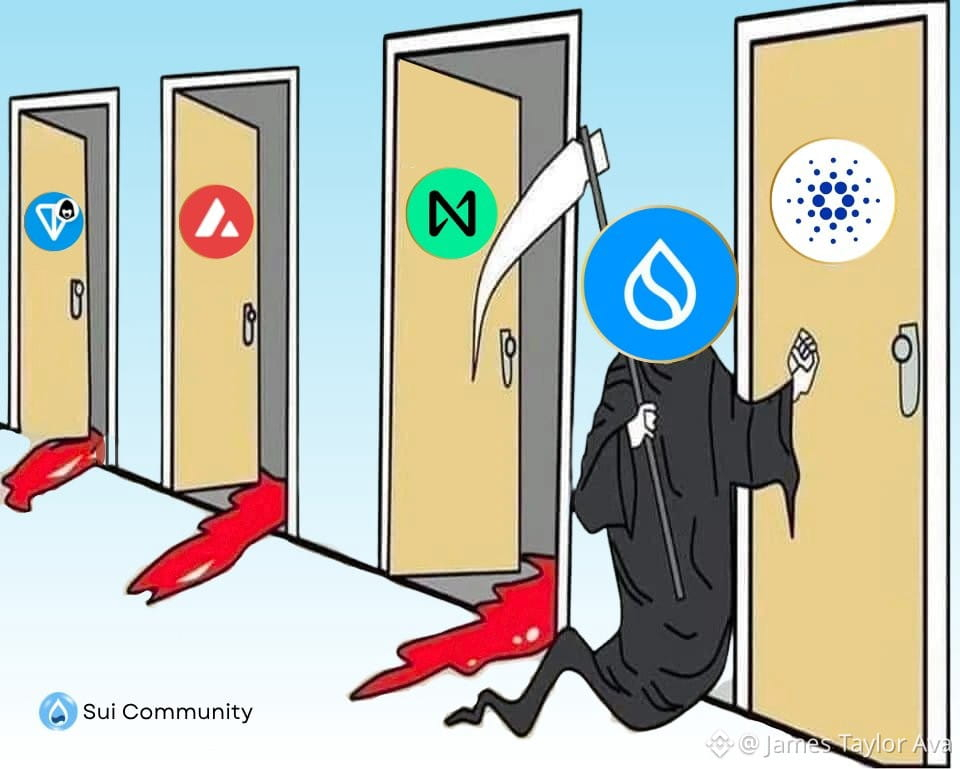
Bereit für nächsten Monat Juli, 2026 👀
$SUI ist dabei, etwas richtig Großes zu kochen 🚀
$SUI #SaylorHintsStrategyBitcoinBuy
Bereit für nächsten Monat Juli, 2026 👀
$SUI ist dabei, etwas richtig Großes zu kochen 🚀
$SUI #SaylorHintsStrategyBitcoinBuy
$SUI ist dabei, etwas richtig Großes zu kochen 🚀
$SUI #SaylorHintsStrategyBitcoinBuy
67
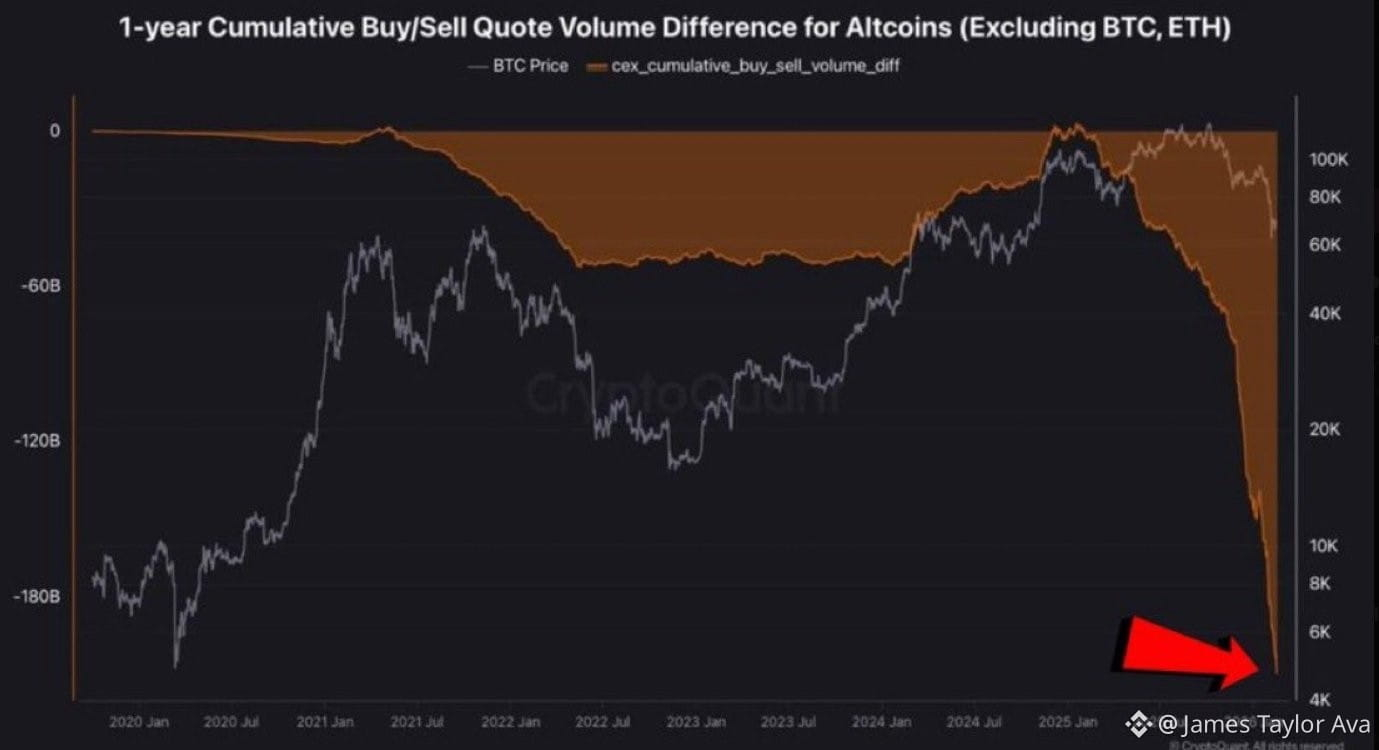
WHALE WATCH: Sie sagten Ihnen, dass Sie diversifizieren sollen, aber sie haben vergessen zu erwähnen, dass 99% der Alts gegen $BTC auf null bluten.
=> 5 Jahre voller Schmerz.
=> Null Jahre mit Gewinnen.
=> RIP Altcoin-Inhaber.
Schauen Sie sich die Charts an. Sie investieren nicht mehr. Sie hoffen nur noch.
$BTC #IRGCSaysItStruckKuwaitAndBahrain
WHALE WATCH: Sie sagten Ihnen, dass Sie diversifizieren sollen, aber sie haben vergessen zu erwähnen, dass 99% der Alts gegen $BTC auf null bluten.
=> 5 Jahre voller Schmerz.
=> Null Jahre mit Gewinnen.
=> RIP Altcoin-Inhaber.
Schauen Sie sich die Charts an. Sie investieren nicht mehr. Sie hoffen nur noch.
$BTC #IRGCSaysItStruckKuwaitAndBahrain
=> 5 Jahre voller Schmerz.
=> Null Jahre mit Gewinnen.
=> RIP Altcoin-Inhaber.
Schauen Sie sich die Charts an. Sie investieren nicht mehr. Sie hoffen nur noch.
$BTC #IRGCSaysItStruckKuwaitAndBahrain
99
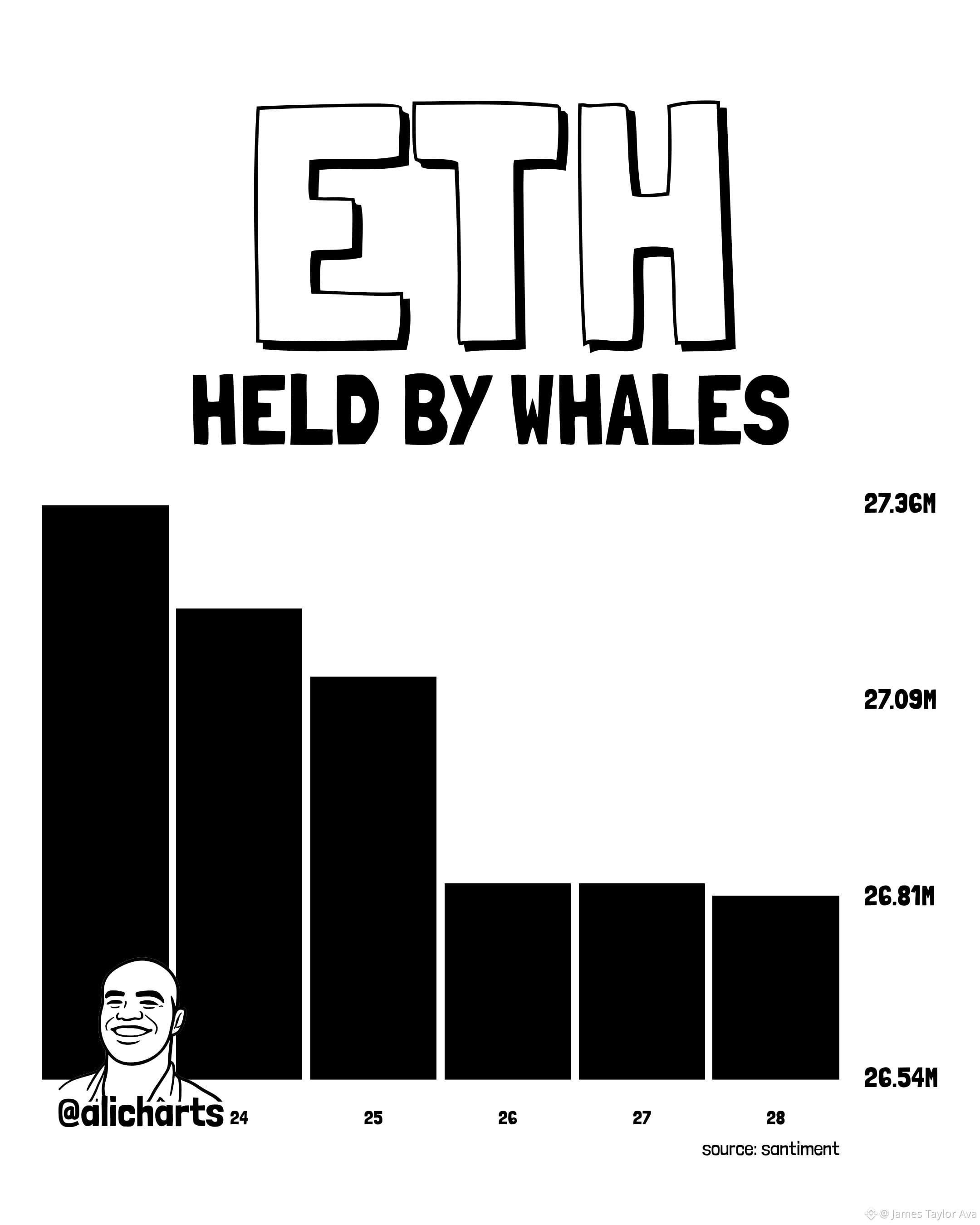
ETH-WALE VERKAUFEN IN EINER WOCHE 880 MILLIONEN US-Dollar
Großanleger haben in der vergangenen Woche ungefähr 550.000 ETH abgeladen und damit rund 880 Millionen US-Dollar an Verkaufsangeboten in den Markt eingespeist.
Dieses hohe Verkaufsvolumen hat es erfolgreich geschafft, Ethereum unter die unmittelbare Unterstützung bei 1.633 US-Dollar zu drücken.
Der Markt testet nun eine kritische Volumen-Unterstützung bei 1.583 US-Dollar. Laut URPD-Daten eröffnet ein Scheitern, die 1.583-Dollar-Basis zu halten, einen klaren Weg für weitergehende Liquidationen.
Wenn sich dieser Verteilungstrend in die nächste Woche fortsetzt, liegen die nächsten Nachfrageziele mit hohem Volumen für $ETH sit deutlich niedriger bei 1.237 und 1.089.
$ETH #IRGCSaysItStruckKuwaitAndBahrain
ETH-WALE VERKAUFEN IN EINER WOCHE 880 MILLIONEN US-Dollar
Großanleger haben in der vergangenen Woche ungefähr 550.000 ETH abgeladen und damit rund 880 Millionen US-Dollar an Verkaufsangeboten in den Markt eingespeist.
Dieses hohe Verkaufsvolumen hat es erfolgreich geschafft, Ethereum unter die unmittelbare Unterstützung bei 1.633 US-Dollar zu drücken.
Der Markt testet nun eine kritische Volumen-Unterstützung bei 1.583 US-Dollar. Laut URPD-Daten eröffnet ein Scheitern, die 1.583-Dollar-Basis zu halten, einen klaren Weg für weitergehende Liquidationen.
Wenn sich dieser Verteilungstrend in die nächste Woche fortsetzt, liegen die nächsten Nachfrageziele mit hohem Volumen für $ETH sit deutlich niedriger bei 1.237 und 1.089.
$ETH #IRGCSaysItStruckKuwaitAndBahrain
Großanleger haben in der vergangenen Woche ungefähr 550.000 ETH abgeladen und damit rund 880 Millionen US-Dollar an Verkaufsangeboten in den Markt eingespeist.
Dieses hohe Verkaufsvolumen hat es erfolgreich geschafft, Ethereum unter die unmittelbare Unterstützung bei 1.633 US-Dollar zu drücken.
Der Markt testet nun eine kritische Volumen-Unterstützung bei 1.583 US-Dollar. Laut URPD-Daten eröffnet ein Scheitern, die 1.583-Dollar-Basis zu halten, einen klaren Weg für weitergehende Liquidationen.
Wenn sich dieser Verteilungstrend in die nächste Woche fortsetzt, liegen die nächsten Nachfrageziele mit hohem Volumen für $ETH sit deutlich niedriger bei 1.237 und 1.089.
$ETH #IRGCSaysItStruckKuwaitAndBahrain
59
#opg $OPG
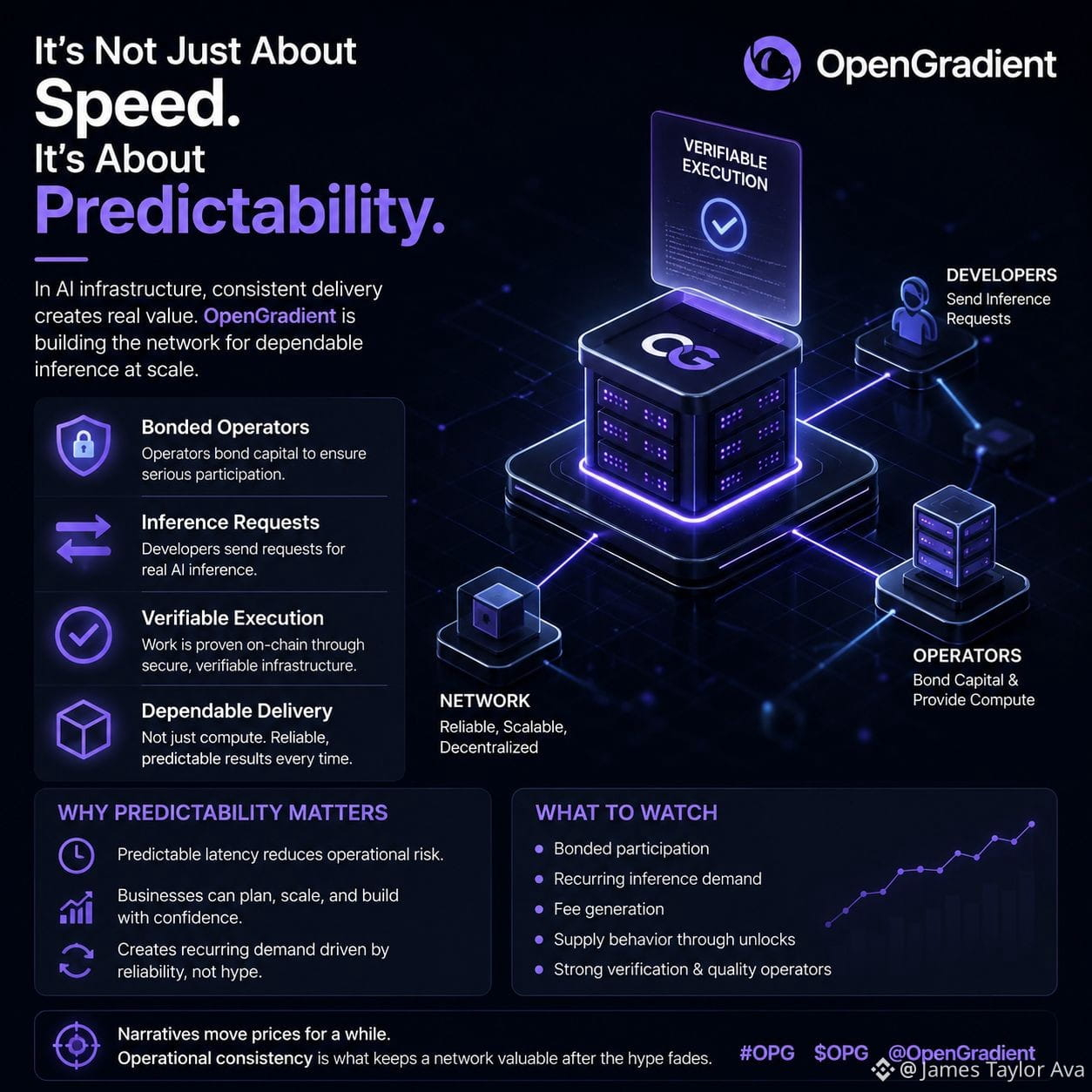
Ich erinnere mich noch daran, wie ich zusehen musste, als ein neu gelisteter Infrastruktur-Token auf Schlagzeilen einschlug – mit dem Versprechen schnellerem Compute.
Für ein paar Tage war Geschwindigkeit alles, worüber man sprach.
Dann flaute die Begeisterung ab. Nicht, weil sich die Technologie verändert hätte. Die Leute hörten einfach auf, sich dafür zu interessieren. Das ist mir geblieben.
Seitdem frage ich mich, ob die eigentliche Prämie gar nicht die rohe Leistung ist.
Vielleicht ist es Vorhersehbarkeit.
Wenn du etwas Reales aufbaust, kann es wertvoller sein zu wissen, dass eine Aufgabe zuverlässig und konsistent zu Ende geht, als einen Benchmark zu sehen, der gelegentlich beeindruckend ist.
Das ist auch ein Teil dessen, warum OpenGradient mich angesprochen hat.
Je tiefer ich hineinsah, desto weniger fühlte es sich wie eine Geschichte über Compute an – und desto mehr wie eine Geschichte über Verlässlichkeit.
Wenn Operatoren Kapital binden, Inferenzanfragen annehmen und die Ausführung durch verifizierbare Infrastruktur nachweisen, dann ist das Produkt nicht mehr nur Compute.
Es geht um zuverlässige Lieferung.
Und ich denke, das ist ein wichtiger Unterschied.
Ein Entwickler, der einen KI-Workflow betreibt, interessiert sich vermutlich weniger für den schnellsten Knoten an einem guten Tag, sondern eher dafür, ob sich das Netzwerk jeden Tag konsistent verhält.
Solche Verlässlichkeit schafft wiederkehrende Nachfrage.
Natürlich garantiert nichts davon den Erfolg.
Die Ökonomie muss trotzdem stimmen. Künftige Unlocks, Fee-Wachstum, Qualität der Operatoren und Verifizierungsstandards müssen auch unter Druck standhalten.
Wenn nicht, wird der Markt das irgendwann merken.
Darum verbringe ich weniger Zeit damit, Schlagzeilen zu beobachten, und mehr Zeit damit, Dinge wie gebondete Beteiligung, wiederkehrende Inferenznachfrage, Fee-Generierung und wie sich das Angebot im Laufe der Zeit verhält, im Blick zu behalten.
Narrative können Kurse bewegen.
Aber Infrastruktur schafft ihren Wert normalerweise viel langsamer.
Und manchmal ist es genau das, was sie interessant macht.
$OPG @OpenGradient #IRGCSaysItStruckKuwaitAndBahrain
#OPG
#opg $OPG
Ich erinnere mich noch daran, wie ich zusehen musste, als ein neu gelisteter Infrastruktur-Token auf Schlagzeilen einschlug – mit dem Versprechen schnellerem Compute.
Für ein paar Tage war Geschwindigkeit alles, worüber man sprach.
Dann flaute die Begeisterung ab. Nicht, weil sich die Technologie verändert hätte. Die Leute hörten einfach auf, sich dafür zu interessieren. Das ist mir geblieben.
Seitdem frage ich mich, ob die eigentliche Prämie gar nicht die rohe Leistung ist.
Vielleicht ist es Vorhersehbarkeit.
Wenn du etwas Reales aufbaust, kann es wertvoller sein zu wissen, dass eine Aufgabe zuverlässig und konsistent zu Ende geht, als einen Benchmark zu sehen, der gelegentlich beeindruckend ist.
Das ist auch ein Teil dessen, warum OpenGradient mich angesprochen hat.
Je tiefer ich hineinsah, desto weniger fühlte es sich wie eine Geschichte über Compute an – und desto mehr wie eine Geschichte über Verlässlichkeit.
Wenn Operatoren Kapital binden, Inferenzanfragen annehmen und die Ausführung durch verifizierbare Infrastruktur nachweisen, dann ist das Produkt nicht mehr nur Compute.
Es geht um zuverlässige Lieferung.
Und ich denke, das ist ein wichtiger Unterschied.
Ein Entwickler, der einen KI-Workflow betreibt, interessiert sich vermutlich weniger für den schnellsten Knoten an einem guten Tag, sondern eher dafür, ob sich das Netzwerk jeden Tag konsistent verhält.
Solche Verlässlichkeit schafft wiederkehrende Nachfrage.
Natürlich garantiert nichts davon den Erfolg.
Die Ökonomie muss trotzdem stimmen. Künftige Unlocks, Fee-Wachstum, Qualität der Operatoren und Verifizierungsstandards müssen auch unter Druck standhalten.
Wenn nicht, wird der Markt das irgendwann merken.
Darum verbringe ich weniger Zeit damit, Schlagzeilen zu beobachten, und mehr Zeit damit, Dinge wie gebondete Beteiligung, wiederkehrende Inferenznachfrage, Fee-Generierung und wie sich das Angebot im Laufe der Zeit verhält, im Blick zu behalten.
Narrative können Kurse bewegen.
Aber Infrastruktur schafft ihren Wert normalerweise viel langsamer.
Und manchmal ist es genau das, was sie interessant macht.
$OPG @OpenGradient #IRGCSaysItStruckKuwaitAndBahrain
#OPG
Ich erinnere mich noch daran, wie ich zusehen musste, als ein neu gelisteter Infrastruktur-Token auf Schlagzeilen einschlug – mit dem Versprechen schnellerem Compute.
Für ein paar Tage war Geschwindigkeit alles, worüber man sprach.
Dann flaute die Begeisterung ab. Nicht, weil sich die Technologie verändert hätte. Die Leute hörten einfach auf, sich dafür zu interessieren. Das ist mir geblieben.
Seitdem frage ich mich, ob die eigentliche Prämie gar nicht die rohe Leistung ist.
Vielleicht ist es Vorhersehbarkeit.
Wenn du etwas Reales aufbaust, kann es wertvoller sein zu wissen, dass eine Aufgabe zuverlässig und konsistent zu Ende geht, als einen Benchmark zu sehen, der gelegentlich beeindruckend ist.
Das ist auch ein Teil dessen, warum OpenGradient mich angesprochen hat.
Je tiefer ich hineinsah, desto weniger fühlte es sich wie eine Geschichte über Compute an – und desto mehr wie eine Geschichte über Verlässlichkeit.
Wenn Operatoren Kapital binden, Inferenzanfragen annehmen und die Ausführung durch verifizierbare Infrastruktur nachweisen, dann ist das Produkt nicht mehr nur Compute.
Es geht um zuverlässige Lieferung.
Und ich denke, das ist ein wichtiger Unterschied.
Ein Entwickler, der einen KI-Workflow betreibt, interessiert sich vermutlich weniger für den schnellsten Knoten an einem guten Tag, sondern eher dafür, ob sich das Netzwerk jeden Tag konsistent verhält.
Solche Verlässlichkeit schafft wiederkehrende Nachfrage.
Natürlich garantiert nichts davon den Erfolg.
Die Ökonomie muss trotzdem stimmen. Künftige Unlocks, Fee-Wachstum, Qualität der Operatoren und Verifizierungsstandards müssen auch unter Druck standhalten.
Wenn nicht, wird der Markt das irgendwann merken.
Darum verbringe ich weniger Zeit damit, Schlagzeilen zu beobachten, und mehr Zeit damit, Dinge wie gebondete Beteiligung, wiederkehrende Inferenznachfrage, Fee-Generierung und wie sich das Angebot im Laufe der Zeit verhält, im Blick zu behalten.
Narrative können Kurse bewegen.
Aber Infrastruktur schafft ihren Wert normalerweise viel langsamer.
Und manchmal ist es genau das, was sie interessant macht.
$OPG @OpenGradient #IRGCSaysItStruckKuwaitAndBahrain
#OPG
17
2
82
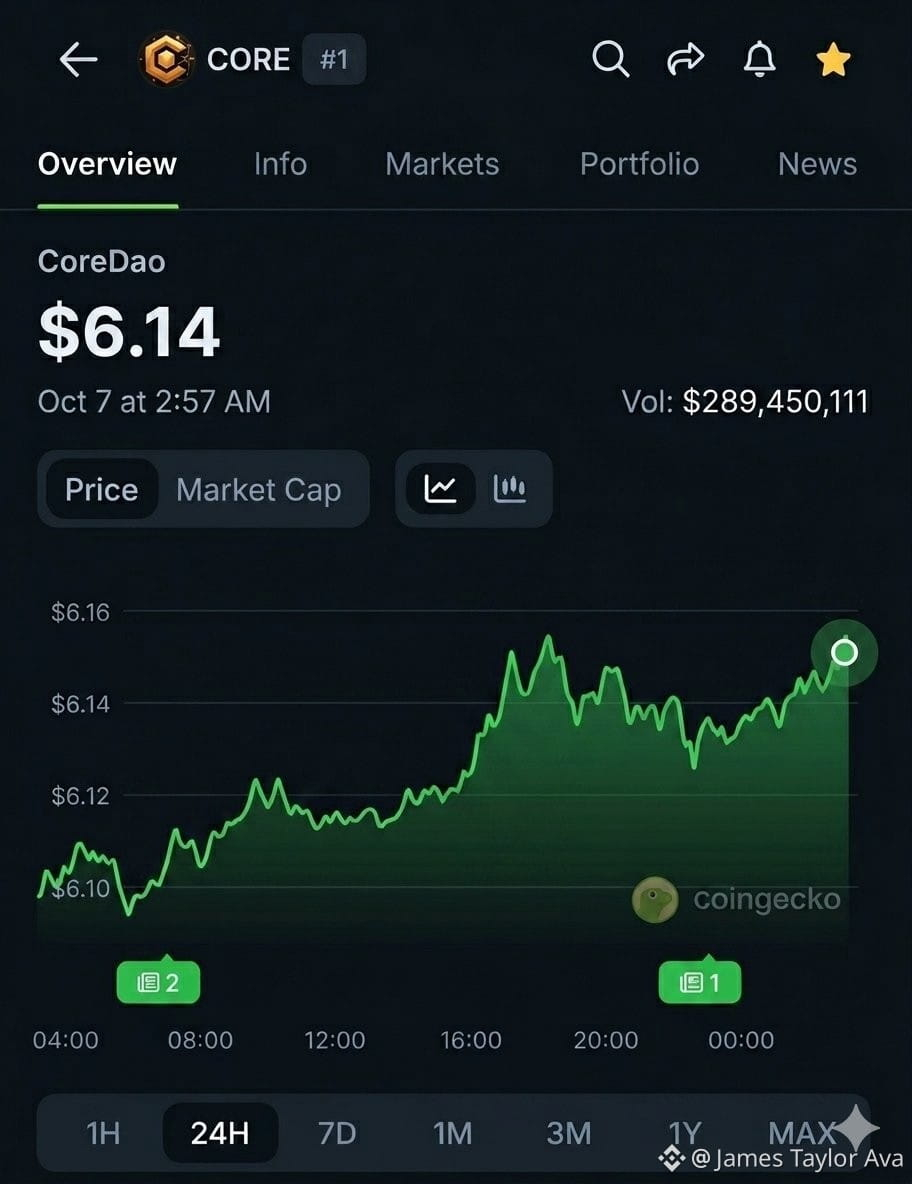
Jedes Wort davon gilt gerade jetzt für $CORE.
Die meisten sind gegangen. Die meisten waren skeptisch.
Aber die, die geblieben sind, stehen kurz davor, zu erleben, was passiert, wenn ein echtes Ökosystem auf einen Bullenmarkt trifft.
Entschlossenheit wird gleich belohnt.
$CRV #KioxiaADRFallsOver14%
Jedes Wort davon gilt gerade jetzt für $CORE.
Die meisten sind gegangen. Die meisten waren skeptisch.
Aber die, die geblieben sind, stehen kurz davor, zu erleben, was passiert, wenn ein echtes Ökosystem auf einen Bullenmarkt trifft.
Entschlossenheit wird gleich belohnt.
$CRV #KioxiaADRFallsOver14%
Die meisten sind gegangen. Die meisten waren skeptisch.
Aber die, die geblieben sind, stehen kurz davor, zu erleben, was passiert, wenn ein echtes Ökosystem auf einen Bullenmarkt trifft.
Entschlossenheit wird gleich belohnt.
$CRV #KioxiaADRFallsOver14%
87
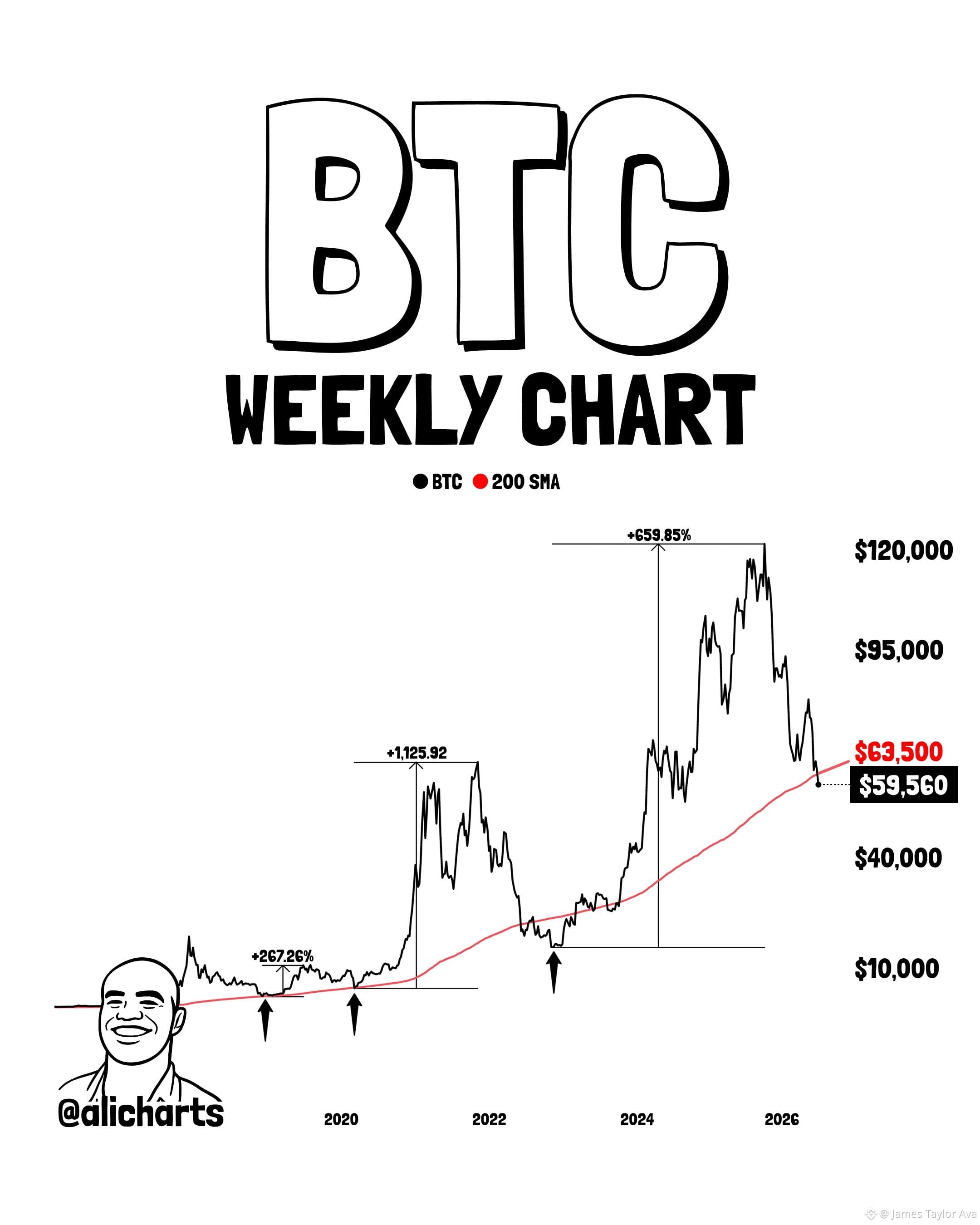
Bitcoin $BTC selten unter seinem 200-Wochen-SMA.
Wenn das der Fall ist, zeigen historische Daten, dass diese Momente konsequent außergewöhnliche langfristige Kaufgelegenheiten für eine Akkumulation markieren.
Genau dann möchten Sie eine Dollar-Cost-Averaging-Strategie einsetzen.
$BTC #bitcoin
Bitcoin $BTC selten unter seinem 200-Wochen-SMA.
Wenn das der Fall ist, zeigen historische Daten, dass diese Momente konsequent außergewöhnliche langfristige Kaufgelegenheiten für eine Akkumulation markieren.
Genau dann möchten Sie eine Dollar-Cost-Averaging-Strategie einsetzen.
$BTC #bitcoin
Wenn das der Fall ist, zeigen historische Daten, dass diese Momente konsequent außergewöhnliche langfristige Kaufgelegenheiten für eine Akkumulation markieren.
Genau dann möchten Sie eine Dollar-Cost-Averaging-Strategie einsetzen.
$BTC #bitcoin
118
#opg $OPG
Ehrlich gesagt hat Krypto das bei vielen von uns bewirkt.
Wenn man den gleichen Zyklus oft genug sieht, reagiert man irgendwann nicht mehr auf die lauteste Stimme im Raum.
Dann taucht eine neue Erzählung auf, Influencer drängen dazu, alle reden plötzlich über die nächste große Gelegenheit, und für eine Weile fühlt es sich an, als wäre die Zukunft bereits entschieden.
Dann lässt die Begeisterung nach.
Wahrscheinlich hat deshalb OpenGradient meine Aufmerksamkeit auf eine ruhigere Art geweckt.
Nicht weil es die größten Versprechen macht, sondern weil es sich auf ein Problem zu konzentrieren scheint, das tatsächlich existiert. KI findet ihren Weg in fast alles, doch die Vertrauensebene darum wirkt immer noch unvollständig. Wer hat das Modell ausgeführt? Wo lief es? Was ist während der Inferenz wirklich passiert? Und kann das Ergebnis jemand verifizieren, ohne einfach nur das Wort einer anderen Person zu übernehmen?
Diese Fragen wirken viel wichtiger als eine weitere Schlagzeile über intelligentere Modelle.
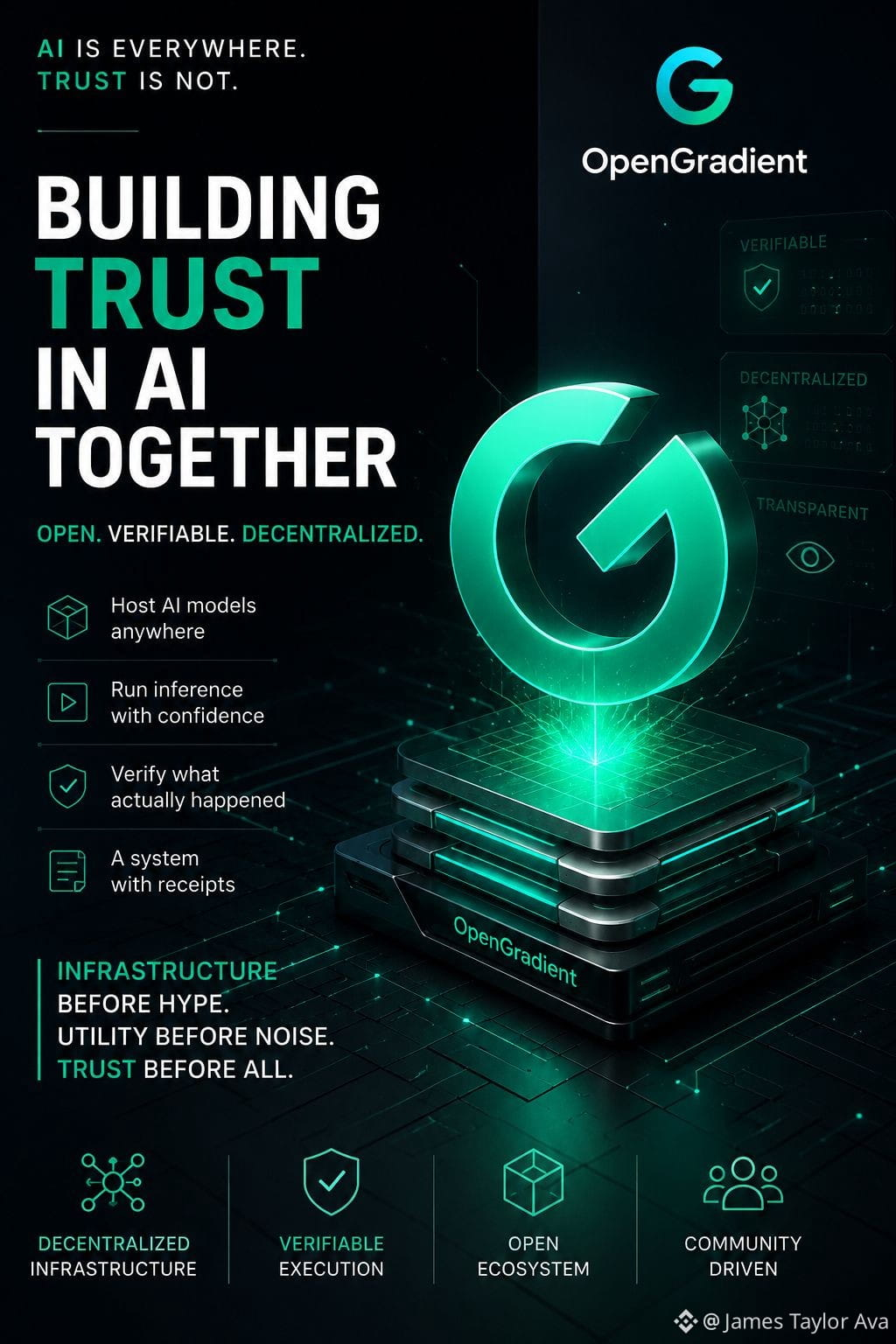
So wie ich es sehe, versucht OpenGradient, KI-Infrastruktur weniger wie eine Blackbox und mehr wie ein System mit Belegen wirken zu lassen. Das Modell hosten. Die Inferenz ausführen. Verifizieren, was passiert ist. Nichts davon klingt besonders aufregend, aber Infrastruktur ist selten aufregend.
In Krypto halten die langweiligen Teile oft länger durch als die spektakulären.
Das heißt jedoch nicht, dass der Weg einfach ist.
Kann die Akzeptanz wachsen, wenn die Integration weiterhin schwierig ist? Kann die Verifizierung skalieren, ohne alles auszubremsen? Werden Entwickelnde sich darum kümmern, bevor Regulierung oder echter finanzieller Nutzen sie dazu zwingt? Und wie bei jedem Krypto-Projekt: Kann die Technologie der Spekulation voraus bleiben, statt unter ihr begraben zu werden?
Diese Spannung bringt mich immer wieder zurück.
Es könnte daran scheitern, dass Infrastruktur schwer ist und Aufmerksamkeit kurz.
Oder es könnte sich still zu einem dieser Bausteine entwickeln, über die man irgendwann nicht mehr spricht, weil er einfach funktioniert.
Und wenn uns die Geschichte etwas gelehrt hat, dann ist es meistens die Infrastruktur, die überlebt, lange nachdem der Hype weitergezogen ist.
@OpenGradient #OPG $OPG
#TradebStocks #KioxiaADRFallsOver14%
#opg $OPG
Ehrlich gesagt hat Krypto das bei vielen von uns bewirkt.
Wenn man den gleichen Zyklus oft genug sieht, reagiert man irgendwann nicht mehr auf die lauteste Stimme im Raum.
Dann taucht eine neue Erzählung auf, Influencer drängen dazu, alle reden plötzlich über die nächste große Gelegenheit, und für eine Weile fühlt es sich an, als wäre die Zukunft bereits entschieden.
Dann lässt die Begeisterung nach.
Wahrscheinlich hat deshalb OpenGradient meine Aufmerksamkeit auf eine ruhigere Art geweckt.
Nicht weil es die größten Versprechen macht, sondern weil es sich auf ein Problem zu konzentrieren scheint, das tatsächlich existiert. KI findet ihren Weg in fast alles, doch die Vertrauensebene darum wirkt immer noch unvollständig. Wer hat das Modell ausgeführt? Wo lief es? Was ist während der Inferenz wirklich passiert? Und kann das Ergebnis jemand verifizieren, ohne einfach nur das Wort einer anderen Person zu übernehmen?
Diese Fragen wirken viel wichtiger als eine weitere Schlagzeile über intelligentere Modelle.
So wie ich es sehe, versucht OpenGradient, KI-Infrastruktur weniger wie eine Blackbox und mehr wie ein System mit Belegen wirken zu lassen. Das Modell hosten. Die Inferenz ausführen. Verifizieren, was passiert ist. Nichts davon klingt besonders aufregend, aber Infrastruktur ist selten aufregend.
In Krypto halten die langweiligen Teile oft länger durch als die spektakulären.
Das heißt jedoch nicht, dass der Weg einfach ist.
Kann die Akzeptanz wachsen, wenn die Integration weiterhin schwierig ist? Kann die Verifizierung skalieren, ohne alles auszubremsen? Werden Entwickelnde sich darum kümmern, bevor Regulierung oder echter finanzieller Nutzen sie dazu zwingt? Und wie bei jedem Krypto-Projekt: Kann die Technologie der Spekulation voraus bleiben, statt unter ihr begraben zu werden?
Diese Spannung bringt mich immer wieder zurück.
Es könnte daran scheitern, dass Infrastruktur schwer ist und Aufmerksamkeit kurz.
Oder es könnte sich still zu einem dieser Bausteine entwickeln, über die man irgendwann nicht mehr spricht, weil er einfach funktioniert.
Und wenn uns die Geschichte etwas gelehrt hat, dann ist es meistens die Infrastruktur, die überlebt, lange nachdem der Hype weitergezogen ist.
@OpenGradient #OPG $OPG
#TradebStocks #KioxiaADRFallsOver14%
Ehrlich gesagt hat Krypto das bei vielen von uns bewirkt.
Wenn man den gleichen Zyklus oft genug sieht, reagiert man irgendwann nicht mehr auf die lauteste Stimme im Raum.
Dann taucht eine neue Erzählung auf, Influencer drängen dazu, alle reden plötzlich über die nächste große Gelegenheit, und für eine Weile fühlt es sich an, als wäre die Zukunft bereits entschieden.
Dann lässt die Begeisterung nach.
Wahrscheinlich hat deshalb OpenGradient meine Aufmerksamkeit auf eine ruhigere Art geweckt.
Nicht weil es die größten Versprechen macht, sondern weil es sich auf ein Problem zu konzentrieren scheint, das tatsächlich existiert. KI findet ihren Weg in fast alles, doch die Vertrauensebene darum wirkt immer noch unvollständig. Wer hat das Modell ausgeführt? Wo lief es? Was ist während der Inferenz wirklich passiert? Und kann das Ergebnis jemand verifizieren, ohne einfach nur das Wort einer anderen Person zu übernehmen?
Diese Fragen wirken viel wichtiger als eine weitere Schlagzeile über intelligentere Modelle.
So wie ich es sehe, versucht OpenGradient, KI-Infrastruktur weniger wie eine Blackbox und mehr wie ein System mit Belegen wirken zu lassen. Das Modell hosten. Die Inferenz ausführen. Verifizieren, was passiert ist. Nichts davon klingt besonders aufregend, aber Infrastruktur ist selten aufregend.
In Krypto halten die langweiligen Teile oft länger durch als die spektakulären.
Das heißt jedoch nicht, dass der Weg einfach ist.
Kann die Akzeptanz wachsen, wenn die Integration weiterhin schwierig ist? Kann die Verifizierung skalieren, ohne alles auszubremsen? Werden Entwickelnde sich darum kümmern, bevor Regulierung oder echter finanzieller Nutzen sie dazu zwingt? Und wie bei jedem Krypto-Projekt: Kann die Technologie der Spekulation voraus bleiben, statt unter ihr begraben zu werden?
Diese Spannung bringt mich immer wieder zurück.
Es könnte daran scheitern, dass Infrastruktur schwer ist und Aufmerksamkeit kurz.
Oder es könnte sich still zu einem dieser Bausteine entwickeln, über die man irgendwann nicht mehr spricht, weil er einfach funktioniert.
Und wenn uns die Geschichte etwas gelehrt hat, dann ist es meistens die Infrastruktur, die überlebt, lange nachdem der Hype weitergezogen ist.
@OpenGradient #OPG $OPG
#TradebStocks #KioxiaADRFallsOver14%
8
3
173
#opg $OPG
Ich bin lange genug im Kryptobereich unterwegs, um zu wissen, dass nicht jede gute Story zu einem guten Produkt wird.
Meistens ist die Präsentation poliert, die Vision klingt riesig, und alle wirken überzeugt, dass das die Zukunft ist. Dann wendet man sich ein paar Monate später leise der nächsten Erzählung zu.
Vielleicht genau deshalb hat mich OpenGradient angesprochen.
Nicht, weil es ein weiteres KI-Projekt ist, sondern weil es so wirkt, als würde es mehr Zeit in das Problem stecken als in die Präsentation.
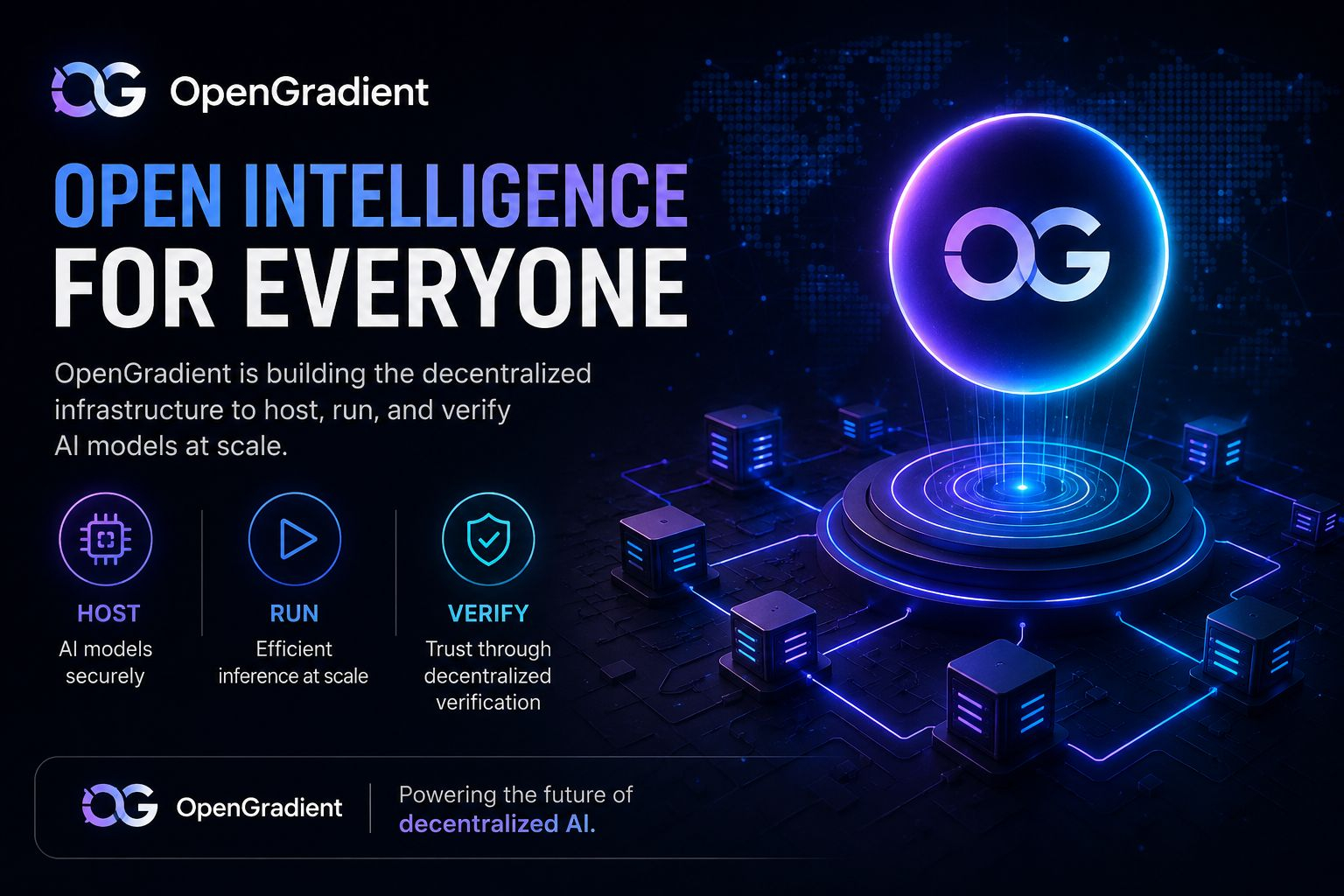
Die Idee, ein Netzwerk aufzubauen, das KI-Modelle in großem Maßstab hosten, ausführen und verifizieren kann, ist ambitioniert. Vielleicht sogar noch ambitionierter, als die meisten Menschen es realisieren.
Ob es gelingt, ist allerdings eine andere Frage.
Ich bin nach wie vor vorsichtig.
Ich habe genug Projekte erlebt, die an denselben Hindernissen scheitern – Kosten, Abstimmung, Vertrauen und die Lücke zwischen dem, was in der Theorie elegant klingt, und dem, was im echten Einsatz tatsächlich überlebt.
Diese Probleme verschwinden nicht einfach, nur weil die Technologie beeindruckend ist.
Was mich jedoch immer wieder zurückholt, ist, dass OpenGradient stärker auf Verifizierung fokussiert zu sein scheint als auf Hype.
Das macht es nicht automatisch erfolgreich.
Aber es macht es interessant.
Und in einem Markt, in dem so viele Projekte mehr Energie darauf verwenden, die Story zu verkaufen, als das Problem zu lösen, reicht das aus, um meine Aufmerksamkeit zu halten.
@OpenGradient #OPG $OPG
#opg $OPG
Ich bin lange genug im Kryptobereich unterwegs, um zu wissen, dass nicht jede gute Story zu einem guten Produkt wird.
Meistens ist die Präsentation poliert, die Vision klingt riesig, und alle wirken überzeugt, dass das die Zukunft ist. Dann wendet man sich ein paar Monate später leise der nächsten Erzählung zu.
Vielleicht genau deshalb hat mich OpenGradient angesprochen.
Nicht, weil es ein weiteres KI-Projekt ist, sondern weil es so wirkt, als würde es mehr Zeit in das Problem stecken als in die Präsentation.
Die Idee, ein Netzwerk aufzubauen, das KI-Modelle in großem Maßstab hosten, ausführen und verifizieren kann, ist ambitioniert. Vielleicht sogar noch ambitionierter, als die meisten Menschen es realisieren.
Ob es gelingt, ist allerdings eine andere Frage.
Ich bin nach wie vor vorsichtig.
Ich habe genug Projekte erlebt, die an denselben Hindernissen scheitern – Kosten, Abstimmung, Vertrauen und die Lücke zwischen dem, was in der Theorie elegant klingt, und dem, was im echten Einsatz tatsächlich überlebt.
Diese Probleme verschwinden nicht einfach, nur weil die Technologie beeindruckend ist.
Was mich jedoch immer wieder zurückholt, ist, dass OpenGradient stärker auf Verifizierung fokussiert zu sein scheint als auf Hype.
Das macht es nicht automatisch erfolgreich.
Aber es macht es interessant.
Und in einem Markt, in dem so viele Projekte mehr Energie darauf verwenden, die Story zu verkaufen, als das Problem zu lösen, reicht das aus, um meine Aufmerksamkeit zu halten.
@OpenGradient #OPG $OPG
Ich bin lange genug im Kryptobereich unterwegs, um zu wissen, dass nicht jede gute Story zu einem guten Produkt wird.
Meistens ist die Präsentation poliert, die Vision klingt riesig, und alle wirken überzeugt, dass das die Zukunft ist. Dann wendet man sich ein paar Monate später leise der nächsten Erzählung zu.
Vielleicht genau deshalb hat mich OpenGradient angesprochen.
Nicht, weil es ein weiteres KI-Projekt ist, sondern weil es so wirkt, als würde es mehr Zeit in das Problem stecken als in die Präsentation.
Die Idee, ein Netzwerk aufzubauen, das KI-Modelle in großem Maßstab hosten, ausführen und verifizieren kann, ist ambitioniert. Vielleicht sogar noch ambitionierter, als die meisten Menschen es realisieren.
Ob es gelingt, ist allerdings eine andere Frage.
Ich bin nach wie vor vorsichtig.
Ich habe genug Projekte erlebt, die an denselben Hindernissen scheitern – Kosten, Abstimmung, Vertrauen und die Lücke zwischen dem, was in der Theorie elegant klingt, und dem, was im echten Einsatz tatsächlich überlebt.
Diese Probleme verschwinden nicht einfach, nur weil die Technologie beeindruckend ist.
Was mich jedoch immer wieder zurückholt, ist, dass OpenGradient stärker auf Verifizierung fokussiert zu sein scheint als auf Hype.
Das macht es nicht automatisch erfolgreich.
Aber es macht es interessant.
Und in einem Markt, in dem so viele Projekte mehr Energie darauf verwenden, die Story zu verkaufen, als das Problem zu lösen, reicht das aus, um meine Aufmerksamkeit zu halten.
@OpenGradient #OPG $OPG
4
123
#opg $OPG
„Ich betrachte OpenGradient nicht mehr als irgendeine weitere KI-Geschichte. Stattdessen sehe ich es als einen Ort, an dem Entwickler wirklich etwas Sinnvolles und Nützliches erschaffen können.“
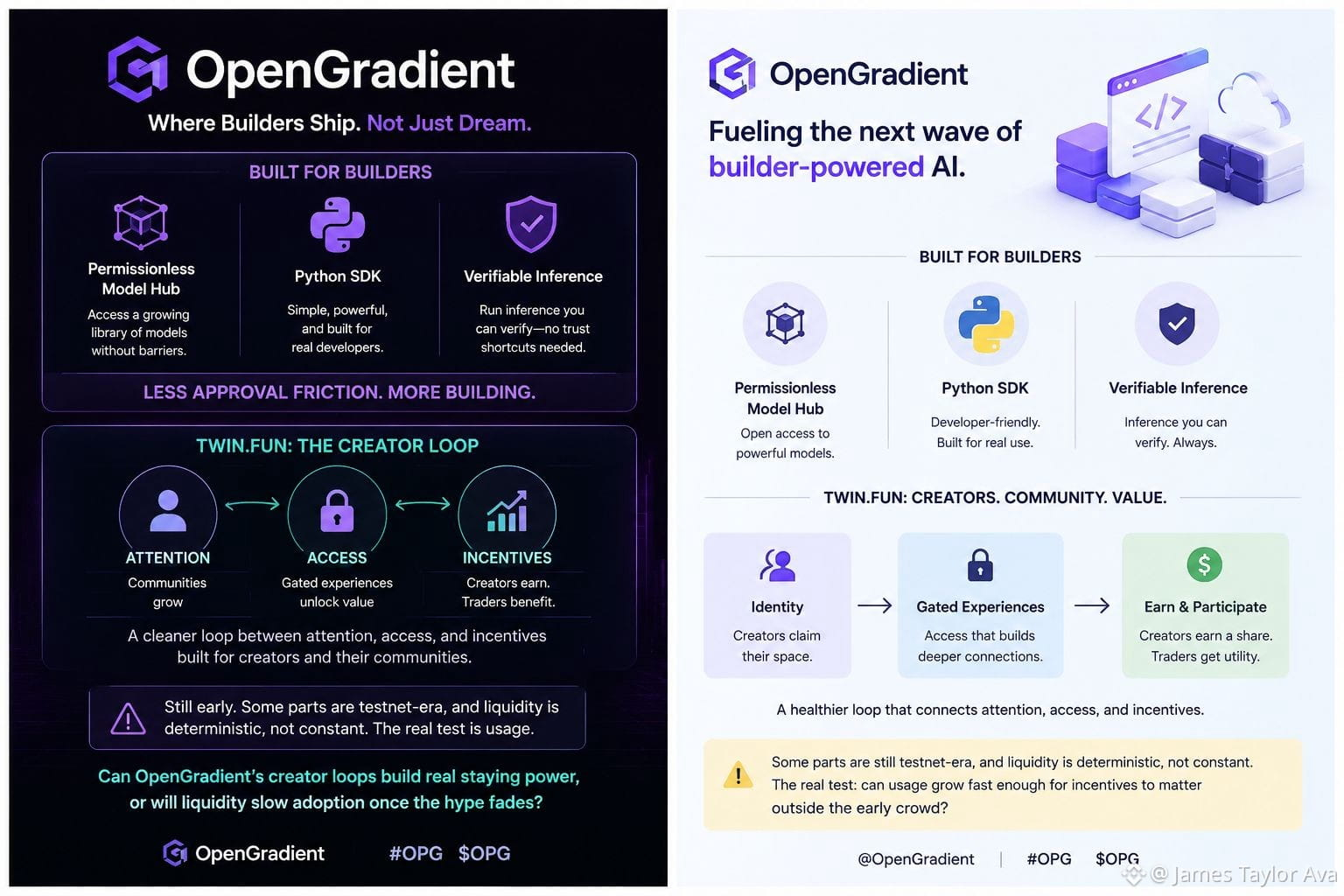
Was mir auffällt, ist, dass es nicht einfach nur eine weitere Plattform ist, die versucht, Modelle zu hosten. Entwickler erhalten Zugang zu einem permissionless Model Hub, einem Python SDK und zu einer Möglichkeit, verifizierte Inferenz auszuführen, ohne wochenlang Genehmigungen klären zu müssen, bevor sie eine einfache Idee testen können.
#CircleToPartnerNomuraForInstantFXSettlement
Das ist wichtiger, als die meisten denken.
Die meisten Projekte scheitern nicht, weil die Idee schwach ist. Sie scheitern, weil Vertrauen schwer aufzubauen ist, die Einrichtungskosten hoch sind und der Weg von einer Idee zu einem funktionierenden Produkt mehr Aufwand erfordert, als er sollte.
Die Twin.fun-Seite ist das, was ich am interessantesten finde.
Viele Creator-Plattformen sind gut darin, Aufmerksamkeit zu gewinnen. Viel weniger sind gut darin, diese Aufmerksamkeit in etwas Nachhaltiges zu verwandeln.
Twin.fun scheint mit einem anderen Ansatz zu experimentieren, bei dem Creators eine Identität etablieren, gesicherte Erlebnisse starten und an der Aktivität teilnehmen, die in ihren Communities entsteht.
Für Trader rückt das Halten von Keys ein wenig näher an die Nutzwert-Logik als an reine Spekulation. Zumindest theoretisch schafft es eine klarere Verbindung zwischen Aufmerksamkeit, Zugriff und Anreizen.
Das gesagt, würde ich es nicht überverkaufen.
Die Dokumentation ist ziemlich transparent darüber, wo das Ökosystem heute steht, und selbst die Marktstruktur erkennt an, dass Liquidität deterministisch ist, statt konstant zu sein.
Für mich beginnt dort die eigentliche Frage.
Kann die Nutzung schnell genug wachsen, damit diese Creator-Loops über die frühen Teilnehmer hinaus wirklich relevant werden?
Oder wird Liquidität irgendwann zum Faktor, der die Akzeptanz bremst, sobald die anfängliche Aufregung verflogen ist?
Ich denke, diese Antwort wird uns viel mehr sagen als jede Schlagzeile je könnte.
$OPG #HYPEFalls17%FromRecordHigh
#OPG @OpenGradient
#opg $OPG
„Ich betrachte OpenGradient nicht mehr als irgendeine weitere KI-Geschichte. Stattdessen sehe ich es als einen Ort, an dem Entwickler wirklich etwas Sinnvolles und Nützliches erschaffen können.“
Was mir auffällt, ist, dass es nicht einfach nur eine weitere Plattform ist, die versucht, Modelle zu hosten. Entwickler erhalten Zugang zu einem permissionless Model Hub, einem Python SDK und zu einer Möglichkeit, verifizierte Inferenz auszuführen, ohne wochenlang Genehmigungen klären zu müssen, bevor sie eine einfache Idee testen können.
#CircleToPartnerNomuraForInstantFXSettlement
Das ist wichtiger, als die meisten denken.
Die meisten Projekte scheitern nicht, weil die Idee schwach ist. Sie scheitern, weil Vertrauen schwer aufzubauen ist, die Einrichtungskosten hoch sind und der Weg von einer Idee zu einem funktionierenden Produkt mehr Aufwand erfordert, als er sollte.
Die Twin.fun-Seite ist das, was ich am interessantesten finde.
Viele Creator-Plattformen sind gut darin, Aufmerksamkeit zu gewinnen. Viel weniger sind gut darin, diese Aufmerksamkeit in etwas Nachhaltiges zu verwandeln.
Twin.fun scheint mit einem anderen Ansatz zu experimentieren, bei dem Creators eine Identität etablieren, gesicherte Erlebnisse starten und an der Aktivität teilnehmen, die in ihren Communities entsteht.
Für Trader rückt das Halten von Keys ein wenig näher an die Nutzwert-Logik als an reine Spekulation. Zumindest theoretisch schafft es eine klarere Verbindung zwischen Aufmerksamkeit, Zugriff und Anreizen.
Das gesagt, würde ich es nicht überverkaufen.
Die Dokumentation ist ziemlich transparent darüber, wo das Ökosystem heute steht, und selbst die Marktstruktur erkennt an, dass Liquidität deterministisch ist, statt konstant zu sein.
Für mich beginnt dort die eigentliche Frage.
Kann die Nutzung schnell genug wachsen, damit diese Creator-Loops über die frühen Teilnehmer hinaus wirklich relevant werden?
Oder wird Liquidität irgendwann zum Faktor, der die Akzeptanz bremst, sobald die anfängliche Aufregung verflogen ist?
Ich denke, diese Antwort wird uns viel mehr sagen als jede Schlagzeile je könnte.
$OPG #HYPEFalls17%FromRecordHigh
#OPG @OpenGradient
„Ich betrachte OpenGradient nicht mehr als irgendeine weitere KI-Geschichte. Stattdessen sehe ich es als einen Ort, an dem Entwickler wirklich etwas Sinnvolles und Nützliches erschaffen können.“
Was mir auffällt, ist, dass es nicht einfach nur eine weitere Plattform ist, die versucht, Modelle zu hosten. Entwickler erhalten Zugang zu einem permissionless Model Hub, einem Python SDK und zu einer Möglichkeit, verifizierte Inferenz auszuführen, ohne wochenlang Genehmigungen klären zu müssen, bevor sie eine einfache Idee testen können.
#CircleToPartnerNomuraForInstantFXSettlement
Das ist wichtiger, als die meisten denken.
Die meisten Projekte scheitern nicht, weil die Idee schwach ist. Sie scheitern, weil Vertrauen schwer aufzubauen ist, die Einrichtungskosten hoch sind und der Weg von einer Idee zu einem funktionierenden Produkt mehr Aufwand erfordert, als er sollte.
Die Twin.fun-Seite ist das, was ich am interessantesten finde.
Viele Creator-Plattformen sind gut darin, Aufmerksamkeit zu gewinnen. Viel weniger sind gut darin, diese Aufmerksamkeit in etwas Nachhaltiges zu verwandeln.
Twin.fun scheint mit einem anderen Ansatz zu experimentieren, bei dem Creators eine Identität etablieren, gesicherte Erlebnisse starten und an der Aktivität teilnehmen, die in ihren Communities entsteht.
Für Trader rückt das Halten von Keys ein wenig näher an die Nutzwert-Logik als an reine Spekulation. Zumindest theoretisch schafft es eine klarere Verbindung zwischen Aufmerksamkeit, Zugriff und Anreizen.
Das gesagt, würde ich es nicht überverkaufen.
Die Dokumentation ist ziemlich transparent darüber, wo das Ökosystem heute steht, und selbst die Marktstruktur erkennt an, dass Liquidität deterministisch ist, statt konstant zu sein.
Für mich beginnt dort die eigentliche Frage.
Kann die Nutzung schnell genug wachsen, damit diese Creator-Loops über die frühen Teilnehmer hinaus wirklich relevant werden?
Oder wird Liquidität irgendwann zum Faktor, der die Akzeptanz bremst, sobald die anfängliche Aufregung verflogen ist?
Ich denke, diese Antwort wird uns viel mehr sagen als jede Schlagzeile je könnte.
$OPG #HYPEFalls17%FromRecordHigh
#OPG @OpenGradient
113
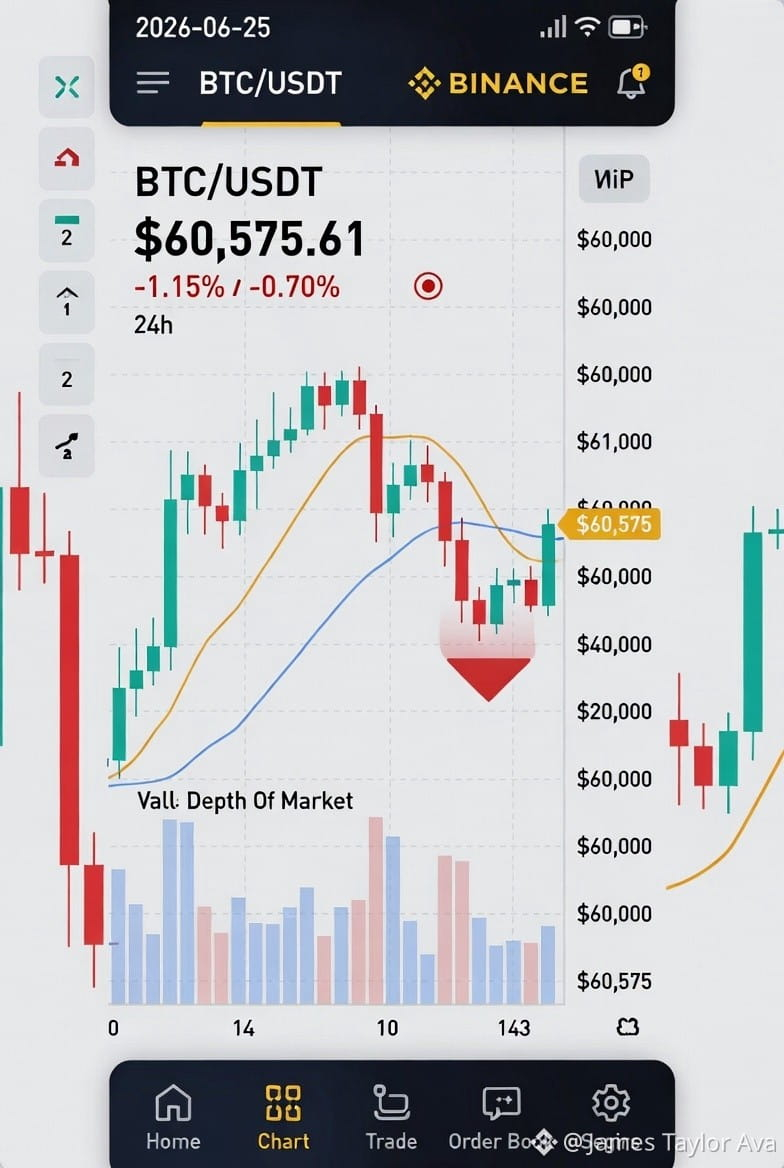
BTC/USDT Kurzfrist-Analyse 📉
Bitcoin steht nach dem Verlust der Unterstützung im Bereich 61.000–61.200 unter starkem Verkaufsdruck. Das Chartbild zeigt einen scharfen Breakdown mit zunehmendem Verkaufsvolumen, was darauf hindeutet, dass die Bären derzeit das Marktgeschehen kontrollieren.
🔴 Der Preis handelt unter dem MA60
🔴 Hohem Verkaufsvolumen während des Absturzes
🔴 Orderbuch stark zugunsten der Verkäufer (ca. 99% Verkaufsdruck)
🔴 Der Momentum bleibt schwach trotz des kleinen Rückpralls
Wichtige Levels 👀
Unterstützungszone: 60.450 – 60.550
Dieser Bereich verhindert aktuell einen tieferen Rückgang. Wenn er bricht, könnte BTC zusätzlichem Abwärtsdruck ausgesetzt sein.
Widerstandszone: 60.900 – 61.200
Käufer müssen diese Zone zurückerobern, um den bärischen Impuls zu reduzieren und das kurzfristige Sentiment zu verbessern.
Marktstruktur
Der schnelle Rückgang von oberhalb 61.000 deutet auf aggressives Verkaufen hin, nicht auf normales Gewinnmitnehmen. Zwar zeigte sich nahe 60.450 ein kleiner Erholungs-Rückprall, dieser bleibt jedoch schwach im Vergleich zu dem Verkaufsdruck, der während des Absturzes zu sehen war.
Worauf du achten solltest
🔻 Bärisches Szenario:
Wenn BTC die Unterstützung bei 60.450 verliert, könnten Verkäufer niedrigere Levels anpeilen und den Abwärtstrend ausweiten.
🚀 Bullisches Szenario:
Wenn Käufer die Unterstützung verteidigen und den Preis wieder über 61.000 drücken, könnte sich eine stärkere Erholungsbewegung entwickeln.
Aktuelle Tendenz
Kurzfristig: bärisch 📉
Bis Bitcoin die Zone 61.000–61.200 zurückerobert, bleiben die Verkäufer in Kontrolle und das Abwärtsrisiko bleibt erhöht. ⚠️
$BTC #USPCEInflationHits4.1%
BTC/USDT Kurzfrist-Analyse 📉
Bitcoin steht nach dem Verlust der Unterstützung im Bereich 61.000–61.200 unter starkem Verkaufsdruck. Das Chartbild zeigt einen scharfen Breakdown mit zunehmendem Verkaufsvolumen, was darauf hindeutet, dass die Bären derzeit das Marktgeschehen kontrollieren.
🔴 Der Preis handelt unter dem MA60
🔴 Hohem Verkaufsvolumen während des Absturzes
🔴 Orderbuch stark zugunsten der Verkäufer (ca. 99% Verkaufsdruck)
🔴 Der Momentum bleibt schwach trotz des kleinen Rückpralls
Wichtige Levels 👀
Unterstützungszone: 60.450 – 60.550
Dieser Bereich verhindert aktuell einen tieferen Rückgang. Wenn er bricht, könnte BTC zusätzlichem Abwärtsdruck ausgesetzt sein.
Widerstandszone: 60.900 – 61.200
Käufer müssen diese Zone zurückerobern, um den bärischen Impuls zu reduzieren und das kurzfristige Sentiment zu verbessern.
Marktstruktur
Der schnelle Rückgang von oberhalb 61.000 deutet auf aggressives Verkaufen hin, nicht auf normales Gewinnmitnehmen. Zwar zeigte sich nahe 60.450 ein kleiner Erholungs-Rückprall, dieser bleibt jedoch schwach im Vergleich zu dem Verkaufsdruck, der während des Absturzes zu sehen war.
Worauf du achten solltest
🔻 Bärisches Szenario:
Wenn BTC die Unterstützung bei 60.450 verliert, könnten Verkäufer niedrigere Levels anpeilen und den Abwärtstrend ausweiten.
🚀 Bullisches Szenario:
Wenn Käufer die Unterstützung verteidigen und den Preis wieder über 61.000 drücken, könnte sich eine stärkere Erholungsbewegung entwickeln.
Aktuelle Tendenz
Kurzfristig: bärisch 📉
Bis Bitcoin die Zone 61.000–61.200 zurückerobert, bleiben die Verkäufer in Kontrolle und das Abwärtsrisiko bleibt erhöht. ⚠️
$BTC #USPCEInflationHits4.1%
Bitcoin steht nach dem Verlust der Unterstützung im Bereich 61.000–61.200 unter starkem Verkaufsdruck. Das Chartbild zeigt einen scharfen Breakdown mit zunehmendem Verkaufsvolumen, was darauf hindeutet, dass die Bären derzeit das Marktgeschehen kontrollieren.
🔴 Der Preis handelt unter dem MA60
🔴 Hohem Verkaufsvolumen während des Absturzes
🔴 Orderbuch stark zugunsten der Verkäufer (ca. 99% Verkaufsdruck)
🔴 Der Momentum bleibt schwach trotz des kleinen Rückpralls
Wichtige Levels 👀
Unterstützungszone: 60.450 – 60.550
Dieser Bereich verhindert aktuell einen tieferen Rückgang. Wenn er bricht, könnte BTC zusätzlichem Abwärtsdruck ausgesetzt sein.
Widerstandszone: 60.900 – 61.200
Käufer müssen diese Zone zurückerobern, um den bärischen Impuls zu reduzieren und das kurzfristige Sentiment zu verbessern.
Marktstruktur
Der schnelle Rückgang von oberhalb 61.000 deutet auf aggressives Verkaufen hin, nicht auf normales Gewinnmitnehmen. Zwar zeigte sich nahe 60.450 ein kleiner Erholungs-Rückprall, dieser bleibt jedoch schwach im Vergleich zu dem Verkaufsdruck, der während des Absturzes zu sehen war.
Worauf du achten solltest
🔻 Bärisches Szenario:
Wenn BTC die Unterstützung bei 60.450 verliert, könnten Verkäufer niedrigere Levels anpeilen und den Abwärtstrend ausweiten.
🚀 Bullisches Szenario:
Wenn Käufer die Unterstützung verteidigen und den Preis wieder über 61.000 drücken, könnte sich eine stärkere Erholungsbewegung entwickeln.
Aktuelle Tendenz
Kurzfristig: bärisch 📉
Bis Bitcoin die Zone 61.000–61.200 zurückerobert, bleiben die Verkäufer in Kontrolle und das Abwärtsrisiko bleibt erhöht. ⚠️
$BTC #USPCEInflationHits4.1%
83
#opg $OPG #BTCFallsBelow200WeekMA
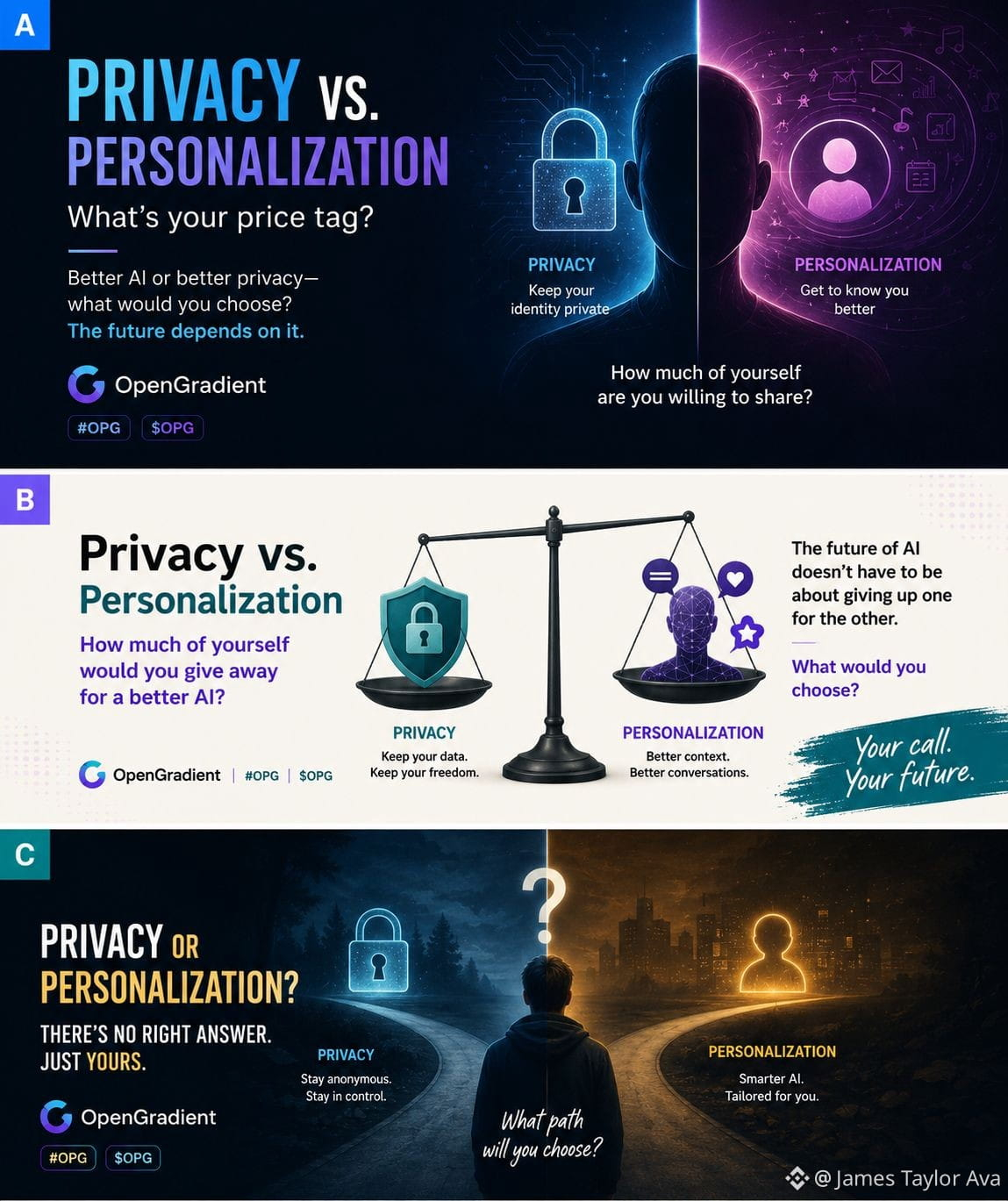
Privatsphäre vs. Personalisierung:
Wie viel von dir würdest du für eine bessere KI aufgeben?
Lange Zeit fühlte sich der Kompromiss völlig vernünftig an.
Ein bisschen Privatsphäre aufgeben, einen schlaueren Assistenten bekommen.
Je mehr eine KI über deine Gewohnheiten, Vorlieben und Routinen lernt, desto natürlicher wird die Erfahrung. Bessere Vorschläge. Besserer Kontext. Bessere Gespräche.
Wir wurden bequem darin, für Bequemlichkeit mit Teilen von uns selbst zu bezahlen.
Aber in letzter Zeit habe ich begonnen, mich zu fragen, ob wir diesen Kompromiss ein wenig zu leicht akzeptiert haben.
Als ich @OpenGradientChat ausprobierte, fühlte sich etwas anders an.
Ich hatte nicht dieses seltsame Gefühl, dass jeder Prompt stillschweigend Teil eines Profils irgendwo im Hintergrund wurde.
Die Gespräche fühlten sich getrennt an.
Vorübergehend.
Begrenzt.
Anstatt die Nutzer zu bitten, zu vertrauen, dass ihre Daten verantwortungsbewusst behandelt werden, scheint die Architektur darauf ausgelegt zu sein, wie viel Vertrauen überhaupt nötig ist, zu reduzieren.
Und da komme ich ins Stocken.
Wenn eine KI nicht wirklich weiß, wer du bist, kann sie dann jemals wirklich persönlich werden?
Oder werden die Menschen letztendlich entscheiden, dass Privatsphäre mehr wert ist als ein Assistent, der alles über sie weiß?
Vielleicht wird der Gewinner des KI-Rennens nicht einfach der sein, der das intelligenteste Modell hat.
Vielleicht wird es der sein, der versteht, wie viel von uns wir tatsächlich bereit sind zu teilen.
👇 Was würdest du wählen?
🔒 Privatsphäre
🤖 Personalisierung
@OpenGradient #OPG $OPG
#BTCFallsBelow200WeekMA
#opg $OPG #BTCFallsBelow200WeekMA
Privatsphäre vs. Personalisierung:
Wie viel von dir würdest du für eine bessere KI aufgeben?
Lange Zeit fühlte sich der Kompromiss völlig vernünftig an.
Ein bisschen Privatsphäre aufgeben, einen schlaueren Assistenten bekommen.
Je mehr eine KI über deine Gewohnheiten, Vorlieben und Routinen lernt, desto natürlicher wird die Erfahrung. Bessere Vorschläge. Besserer Kontext. Bessere Gespräche.
Wir wurden bequem darin, für Bequemlichkeit mit Teilen von uns selbst zu bezahlen.
Aber in letzter Zeit habe ich begonnen, mich zu fragen, ob wir diesen Kompromiss ein wenig zu leicht akzeptiert haben.
Als ich @OpenGradientChat ausprobierte, fühlte sich etwas anders an.
Ich hatte nicht dieses seltsame Gefühl, dass jeder Prompt stillschweigend Teil eines Profils irgendwo im Hintergrund wurde.
Die Gespräche fühlten sich getrennt an.
Vorübergehend.
Begrenzt.
Anstatt die Nutzer zu bitten, zu vertrauen, dass ihre Daten verantwortungsbewusst behandelt werden, scheint die Architektur darauf ausgelegt zu sein, wie viel Vertrauen überhaupt nötig ist, zu reduzieren.
Und da komme ich ins Stocken.
Wenn eine KI nicht wirklich weiß, wer du bist, kann sie dann jemals wirklich persönlich werden?
Oder werden die Menschen letztendlich entscheiden, dass Privatsphäre mehr wert ist als ein Assistent, der alles über sie weiß?
Vielleicht wird der Gewinner des KI-Rennens nicht einfach der sein, der das intelligenteste Modell hat.
Vielleicht wird es der sein, der versteht, wie viel von uns wir tatsächlich bereit sind zu teilen.
👇 Was würdest du wählen?
🔒 Privatsphäre
🤖 Personalisierung
@OpenGradient #OPG $OPG
#BTCFallsBelow200WeekMA
Privatsphäre vs. Personalisierung:
Wie viel von dir würdest du für eine bessere KI aufgeben?
Lange Zeit fühlte sich der Kompromiss völlig vernünftig an.
Ein bisschen Privatsphäre aufgeben, einen schlaueren Assistenten bekommen.
Je mehr eine KI über deine Gewohnheiten, Vorlieben und Routinen lernt, desto natürlicher wird die Erfahrung. Bessere Vorschläge. Besserer Kontext. Bessere Gespräche.
Wir wurden bequem darin, für Bequemlichkeit mit Teilen von uns selbst zu bezahlen.
Aber in letzter Zeit habe ich begonnen, mich zu fragen, ob wir diesen Kompromiss ein wenig zu leicht akzeptiert haben.
Als ich @OpenGradientChat ausprobierte, fühlte sich etwas anders an.
Ich hatte nicht dieses seltsame Gefühl, dass jeder Prompt stillschweigend Teil eines Profils irgendwo im Hintergrund wurde.
Die Gespräche fühlten sich getrennt an.
Vorübergehend.
Begrenzt.
Anstatt die Nutzer zu bitten, zu vertrauen, dass ihre Daten verantwortungsbewusst behandelt werden, scheint die Architektur darauf ausgelegt zu sein, wie viel Vertrauen überhaupt nötig ist, zu reduzieren.
Und da komme ich ins Stocken.
Wenn eine KI nicht wirklich weiß, wer du bist, kann sie dann jemals wirklich persönlich werden?
Oder werden die Menschen letztendlich entscheiden, dass Privatsphäre mehr wert ist als ein Assistent, der alles über sie weiß?
Vielleicht wird der Gewinner des KI-Rennens nicht einfach der sein, der das intelligenteste Modell hat.
Vielleicht wird es der sein, der versteht, wie viel von uns wir tatsächlich bereit sind zu teilen.
👇 Was würdest du wählen?
🔒 Privatsphäre
🤖 Personalisierung
@OpenGradient #OPG $OPG
#BTCFallsBelow200WeekMA
120
#opg $OPG
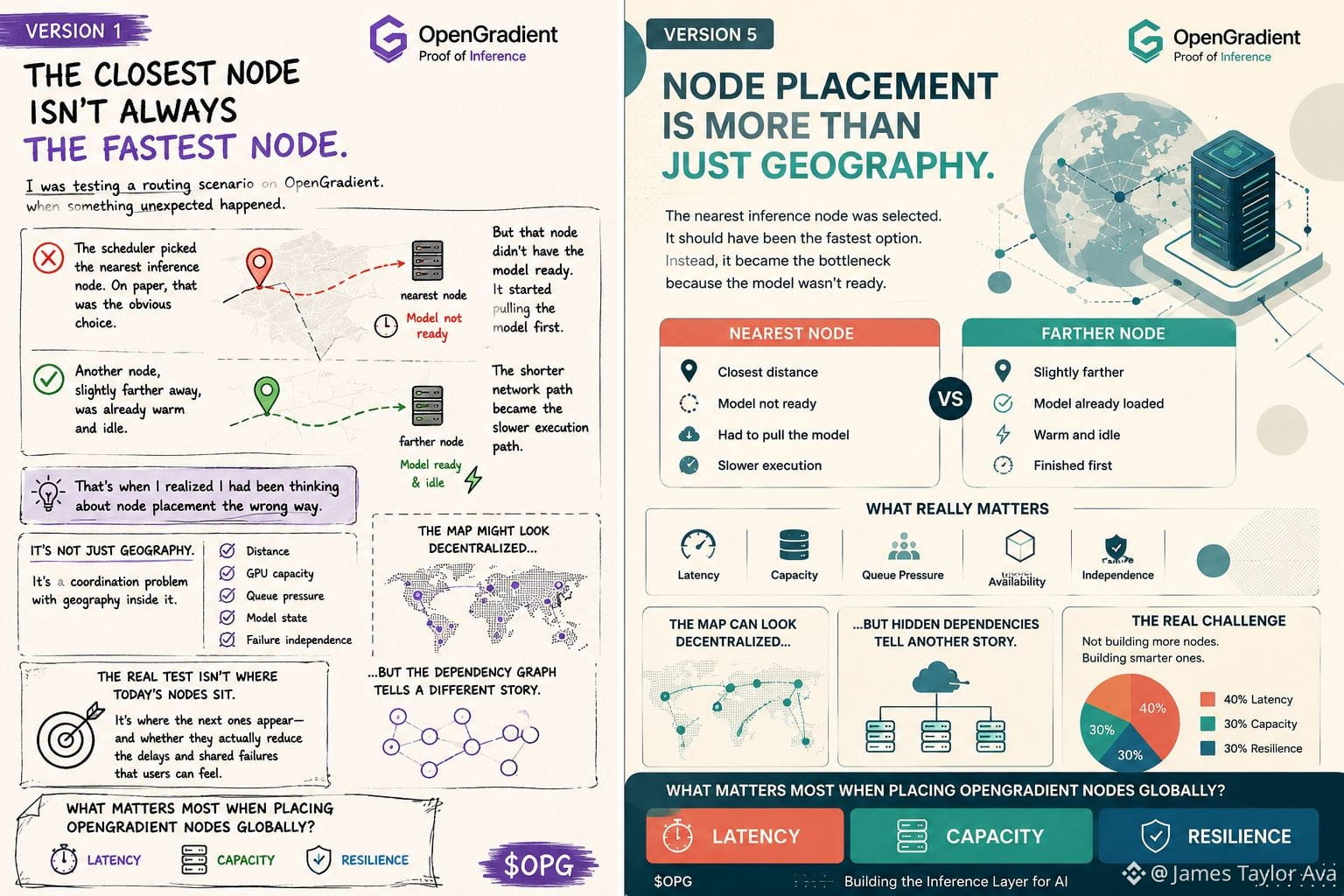
Ich dachte, die Platzierung von Knoten hängt größtenteils von der Geografie ab.Nach dem Testen von OpenGradient bin ich mir da nicht mehr so sicher.Der nächstgelegene Inferenzknoten wurde ausgewählt.Es hätte die schnellste Option sein müssen.
Der nächstgelegene Knoten stellte sich am Ende als die langsamste Option heraus.Zuerst ergab das keinen Sinn. Der Scheduler hatte den nächstgelegenen Inferenzknoten ausgewählt, was nach einer naheliegenden Entscheidung klang. Aber auf diesem Knoten war das Modell nicht geladen.
Während dieser Knoten damit beschäftigt war, das Modell nachzuladen, war ein anderer Knoten, der etwas weiter entfernt saß, bereits warm, inaktiv und startklar.Der kürzeste Weg wurde zur langsameren Route.Da wurde mir klar, dass ich mir die Platzierung von Knoten viel zu simpel vorgestellt hatte.
Stattdessen wurde es zum Engpass, weil das Modell noch nicht bereit war.Ein Knoten, der weiter weg war, war einfach deshalb als Erster fertig, weil er das Modell geladen hatte und es verfügbar war.Das hat meine Sicht auf dezentrale KI-Infrastruktur verändert.
Entfernung ist wichtig.
Aber ebenso sind warme Modelle, die Auslastung durch Warteschlangen, die Verfügbarkeit von GPUs und ob dein Backup-Plan denselben Ausfall tatsächlich überlebt.Das Netzwerk kann auf einer Karte dezentral wirken, während es darunter weiterhin gemeinsame Abhängigkeiten verbirgt.
Vielleicht ist das die eigentliche Herausforderung.
Nicht mehr Knoten bauen.
Smarte Knoten bauen
#MicronHitsRecordHigh #NakamotoShiftsToBitcoinFocusedBusiness
$OPG @OpenGradient #OPG
#opg $OPG
Ich dachte, die Platzierung von Knoten hängt größtenteils von der Geografie ab.Nach dem Testen von OpenGradient bin ich mir da nicht mehr so sicher.Der nächstgelegene Inferenzknoten wurde ausgewählt.Es hätte die schnellste Option sein müssen.
Der nächstgelegene Knoten stellte sich am Ende als die langsamste Option heraus.Zuerst ergab das keinen Sinn. Der Scheduler hatte den nächstgelegenen Inferenzknoten ausgewählt, was nach einer naheliegenden Entscheidung klang. Aber auf diesem Knoten war das Modell nicht geladen.
Während dieser Knoten damit beschäftigt war, das Modell nachzuladen, war ein anderer Knoten, der etwas weiter entfernt saß, bereits warm, inaktiv und startklar.Der kürzeste Weg wurde zur langsameren Route.Da wurde mir klar, dass ich mir die Platzierung von Knoten viel zu simpel vorgestellt hatte.
Stattdessen wurde es zum Engpass, weil das Modell noch nicht bereit war.Ein Knoten, der weiter weg war, war einfach deshalb als Erster fertig, weil er das Modell geladen hatte und es verfügbar war.Das hat meine Sicht auf dezentrale KI-Infrastruktur verändert.
Entfernung ist wichtig.
Aber ebenso sind warme Modelle, die Auslastung durch Warteschlangen, die Verfügbarkeit von GPUs und ob dein Backup-Plan denselben Ausfall tatsächlich überlebt.Das Netzwerk kann auf einer Karte dezentral wirken, während es darunter weiterhin gemeinsame Abhängigkeiten verbirgt.
Vielleicht ist das die eigentliche Herausforderung.
Nicht mehr Knoten bauen.
Smarte Knoten bauen
#MicronHitsRecordHigh #NakamotoShiftsToBitcoinFocusedBusiness
$OPG @OpenGradient #OPG
Ich dachte, die Platzierung von Knoten hängt größtenteils von der Geografie ab.Nach dem Testen von OpenGradient bin ich mir da nicht mehr so sicher.Der nächstgelegene Inferenzknoten wurde ausgewählt.Es hätte die schnellste Option sein müssen.
Der nächstgelegene Knoten stellte sich am Ende als die langsamste Option heraus.Zuerst ergab das keinen Sinn. Der Scheduler hatte den nächstgelegenen Inferenzknoten ausgewählt, was nach einer naheliegenden Entscheidung klang. Aber auf diesem Knoten war das Modell nicht geladen.
Während dieser Knoten damit beschäftigt war, das Modell nachzuladen, war ein anderer Knoten, der etwas weiter entfernt saß, bereits warm, inaktiv und startklar.Der kürzeste Weg wurde zur langsameren Route.Da wurde mir klar, dass ich mir die Platzierung von Knoten viel zu simpel vorgestellt hatte.
Stattdessen wurde es zum Engpass, weil das Modell noch nicht bereit war.Ein Knoten, der weiter weg war, war einfach deshalb als Erster fertig, weil er das Modell geladen hatte und es verfügbar war.Das hat meine Sicht auf dezentrale KI-Infrastruktur verändert.
Entfernung ist wichtig.
Aber ebenso sind warme Modelle, die Auslastung durch Warteschlangen, die Verfügbarkeit von GPUs und ob dein Backup-Plan denselben Ausfall tatsächlich überlebt.Das Netzwerk kann auf einer Karte dezentral wirken, während es darunter weiterhin gemeinsame Abhängigkeiten verbirgt.
Vielleicht ist das die eigentliche Herausforderung.
Nicht mehr Knoten bauen.
Smarte Knoten bauen
#MicronHitsRecordHigh #NakamotoShiftsToBitcoinFocusedBusiness
$OPG @OpenGradient #OPG
2
1
115
#opg $OPG
Eine Sache hat mich in letzter Zeit beschäftigt.
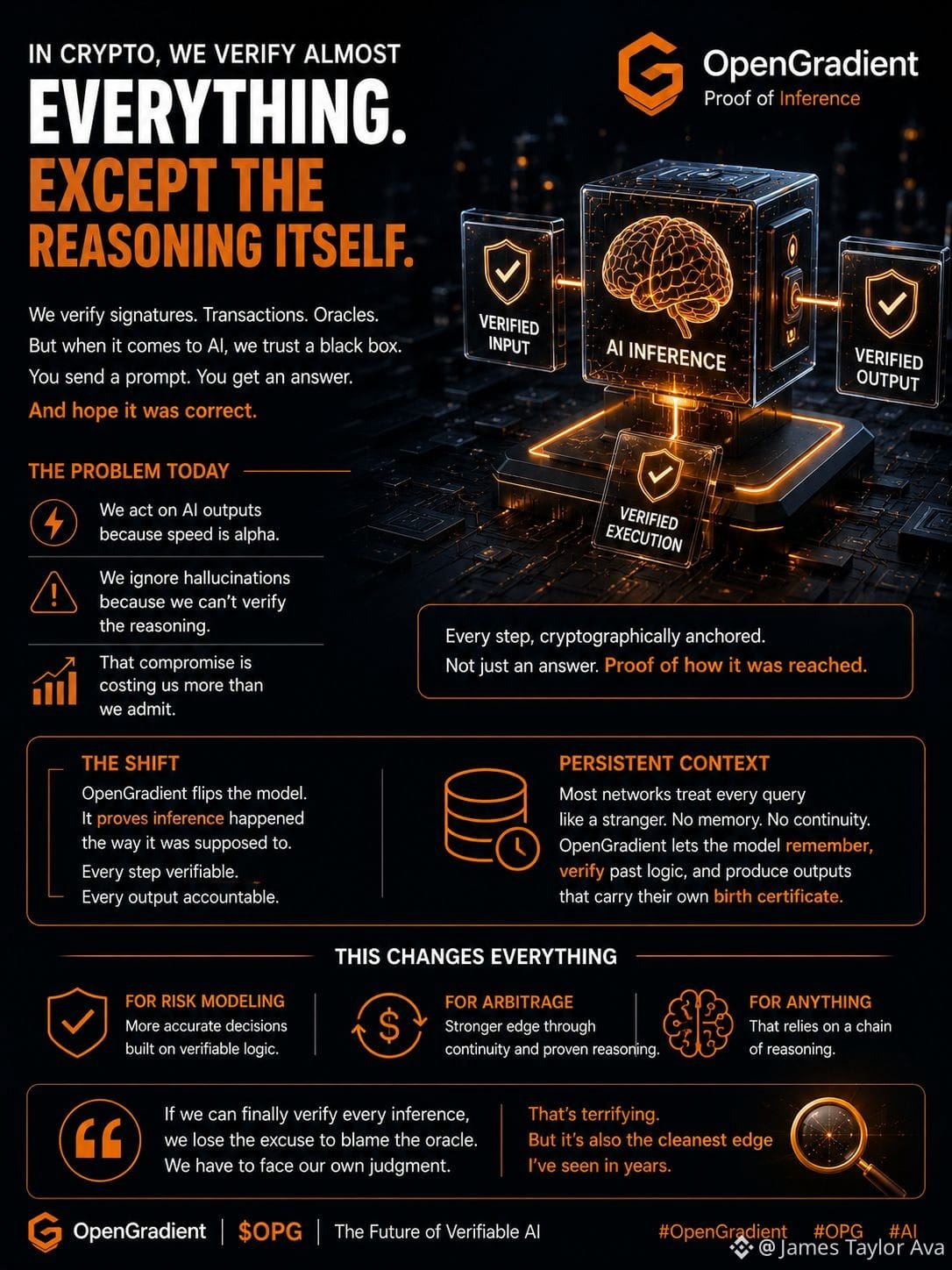
Im Krypto-Bereich verifizieren wir fast alles.
Wir verifizieren Signaturen. Wir verifizieren Transaktionen. Wir verifizieren Orakel-Daten.
Doch wenn es um KI geht, überprüfen wir selten die Begründung selbst.
Du gibst einen Prompt ein. Du bekommst eine Antwort. Meistens vertraust du einfach darauf, dass der Prozess dahinter so funktioniert hat, wie er sollte.
Das ist eigentlich kein Vertrauen.
Das ist ein Glücksspiel, das als Effizienz verkleidet ist.
Ich habe gesehen, wie schnell Menschen auf KI-Ausgaben reagieren, sobald Geschwindigkeit zum Vorteil wird. Ein Sentiment-Score beeinflusst einen Trade. Eine Empfehlung prägt eine Entscheidung. Eine Modell-Ausgabe wird wie eine Tatsache behandelt, nur weil sie selbstbewusst klingt.
Das Unangenehme ist, dass wir oft keinerlei Einblick haben, wie zu dieser Schlussfolgerung gelangt wurde.
Genau das hat mich auf OpenGradient aufmerksam gemacht.
Nicht, weil es ein weiteres KI-Projekt ist, sondern weil es versuchen will, zu beweisen, dass Inferenz tatsächlich so ablief, wie sie sollte. Die Ausgabe wird nicht nur ausgeliefert. Die Ausführung dahinter kann überprüft werden.
Und vielleicht ist das wichtiger, als wir es für möglich halten.
Denn was passiert, wenn KI anfängt, an Entscheidungen mitzuwirken, die echten Wert betreffen?
Dann reicht es vielleicht nicht mehr aus, „wahrscheinlich richtig“ zu sein.
Ich rede nicht von Token-Preisen oder davon, jemandem zu sagen, was er kaufen soll.
Ich glaube nur, dass wir einem Moment näherkommen, in dem die Fähigkeit, Begründungen zu verifizieren, genauso wichtig wird wie die Begründung selbst.
Und wenn das passiert, verlieren wir eine unserer beliebtesten Ausreden.
Wir werden dem Orakel nicht mehr die Schuld geben können.
Wir müssen unser eigenes Urteilsvermögen hinterfragen.
Ehrlich gesagt, das ist beängstigend.
Aber vielleicht ist es auch der wertvollste Vorsprung, den diese Branche bisher übersehen hat.
$OPG #OPG #SpaceXPremarketFalls4.6%
@OpenGradient
#opg $OPG
Eine Sache hat mich in letzter Zeit beschäftigt.
Im Krypto-Bereich verifizieren wir fast alles.
Wir verifizieren Signaturen. Wir verifizieren Transaktionen. Wir verifizieren Orakel-Daten.
Doch wenn es um KI geht, überprüfen wir selten die Begründung selbst.
Du gibst einen Prompt ein. Du bekommst eine Antwort. Meistens vertraust du einfach darauf, dass der Prozess dahinter so funktioniert hat, wie er sollte.
Das ist eigentlich kein Vertrauen.
Das ist ein Glücksspiel, das als Effizienz verkleidet ist.
Ich habe gesehen, wie schnell Menschen auf KI-Ausgaben reagieren, sobald Geschwindigkeit zum Vorteil wird. Ein Sentiment-Score beeinflusst einen Trade. Eine Empfehlung prägt eine Entscheidung. Eine Modell-Ausgabe wird wie eine Tatsache behandelt, nur weil sie selbstbewusst klingt.
Das Unangenehme ist, dass wir oft keinerlei Einblick haben, wie zu dieser Schlussfolgerung gelangt wurde.
Genau das hat mich auf OpenGradient aufmerksam gemacht.
Nicht, weil es ein weiteres KI-Projekt ist, sondern weil es versuchen will, zu beweisen, dass Inferenz tatsächlich so ablief, wie sie sollte. Die Ausgabe wird nicht nur ausgeliefert. Die Ausführung dahinter kann überprüft werden.
Und vielleicht ist das wichtiger, als wir es für möglich halten.
Denn was passiert, wenn KI anfängt, an Entscheidungen mitzuwirken, die echten Wert betreffen?
Dann reicht es vielleicht nicht mehr aus, „wahrscheinlich richtig“ zu sein.
Ich rede nicht von Token-Preisen oder davon, jemandem zu sagen, was er kaufen soll.
Ich glaube nur, dass wir einem Moment näherkommen, in dem die Fähigkeit, Begründungen zu verifizieren, genauso wichtig wird wie die Begründung selbst.
Und wenn das passiert, verlieren wir eine unserer beliebtesten Ausreden.
Wir werden dem Orakel nicht mehr die Schuld geben können.
Wir müssen unser eigenes Urteilsvermögen hinterfragen.
Ehrlich gesagt, das ist beängstigend.
Aber vielleicht ist es auch der wertvollste Vorsprung, den diese Branche bisher übersehen hat.
$OPG #OPG #SpaceXPremarketFalls4.6%
@OpenGradient
Eine Sache hat mich in letzter Zeit beschäftigt.
Im Krypto-Bereich verifizieren wir fast alles.
Wir verifizieren Signaturen. Wir verifizieren Transaktionen. Wir verifizieren Orakel-Daten.
Doch wenn es um KI geht, überprüfen wir selten die Begründung selbst.
Du gibst einen Prompt ein. Du bekommst eine Antwort. Meistens vertraust du einfach darauf, dass der Prozess dahinter so funktioniert hat, wie er sollte.
Das ist eigentlich kein Vertrauen.
Das ist ein Glücksspiel, das als Effizienz verkleidet ist.
Ich habe gesehen, wie schnell Menschen auf KI-Ausgaben reagieren, sobald Geschwindigkeit zum Vorteil wird. Ein Sentiment-Score beeinflusst einen Trade. Eine Empfehlung prägt eine Entscheidung. Eine Modell-Ausgabe wird wie eine Tatsache behandelt, nur weil sie selbstbewusst klingt.
Das Unangenehme ist, dass wir oft keinerlei Einblick haben, wie zu dieser Schlussfolgerung gelangt wurde.
Genau das hat mich auf OpenGradient aufmerksam gemacht.
Nicht, weil es ein weiteres KI-Projekt ist, sondern weil es versuchen will, zu beweisen, dass Inferenz tatsächlich so ablief, wie sie sollte. Die Ausgabe wird nicht nur ausgeliefert. Die Ausführung dahinter kann überprüft werden.
Und vielleicht ist das wichtiger, als wir es für möglich halten.
Denn was passiert, wenn KI anfängt, an Entscheidungen mitzuwirken, die echten Wert betreffen?
Dann reicht es vielleicht nicht mehr aus, „wahrscheinlich richtig“ zu sein.
Ich rede nicht von Token-Preisen oder davon, jemandem zu sagen, was er kaufen soll.
Ich glaube nur, dass wir einem Moment näherkommen, in dem die Fähigkeit, Begründungen zu verifizieren, genauso wichtig wird wie die Begründung selbst.
Und wenn das passiert, verlieren wir eine unserer beliebtesten Ausreden.
Wir werden dem Orakel nicht mehr die Schuld geben können.
Wir müssen unser eigenes Urteilsvermögen hinterfragen.
Ehrlich gesagt, das ist beängstigend.
Aber vielleicht ist es auch der wertvollste Vorsprung, den diese Branche bisher übersehen hat.
$OPG #OPG #SpaceXPremarketFalls4.6%
@OpenGradient
5
1
105
Anmelden und weiter Inhalte entdecken
Krypto-Nutzer weltweit auf Binance Square kennenlernen
⚡️ Bleib in Sachen Krypto stets am Puls.
💬 Die weltgrößte Kryptobörse vertraut darauf.
👍 Erhalte verlässliche Einblicke von verifizierten Creators.
E-Mail-Adresse/Telefonnummer
Trendthemen
ZcashETFPostsFirstWeeklyOutflow$93.6M
51,463 Aufrufe
152 Kommentare
Zcash-ETF verzeichnet die erste wöchentliche Nettoabnahme von 93,6 Mio. US-Dollar: Was bedeutet das für ZEC?
Crypto Ninja
·0 Likes
·200 Aufrufe
GreekPoliceBustCryptoScamRingArrest17
144,019 Aufrufe
1,020 Kommentare
BitcoinRejectedAt$87K
150,125 Aufrufe
204 Kommentare