

W A R D A N
4k Beiträge

W A R D A N
Melden
Nutzer blockieren
332 Following
20.1K+ Follower
11.0K+ Like gegeben
Beiträge
Alle
Zitierungen
Videos
Live
·
--
Das Erste, was meine Aufmerksamkeit bei $ZEC auf sich zog, war nicht die jüngste Stärke. Es war, wo diese Stärke stattfindet.
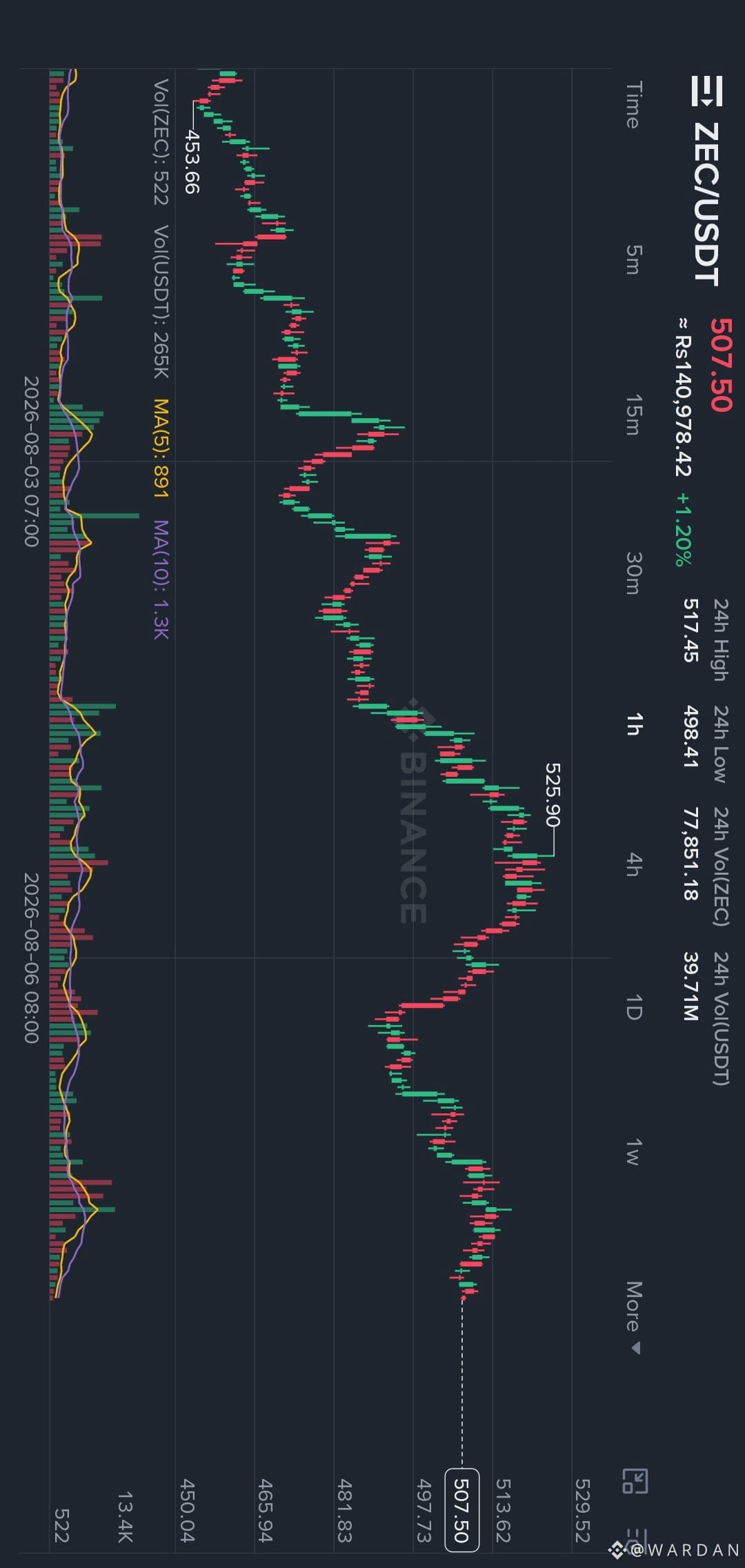
ZEC hat BTC im breiteren 7-Tage-Zeitraum outperformt, während auch das Open Interest steigt. Auf dem Papier sieht das nach frischer Beteiligung aus. Aber der Kurs sitzt immer noch unter einem wichtigen Widerstandsbereich bei etwa $525,70, und das aktuelle Volumen wächst nicht genug, damit ich die Bewegung als bestätigten Breakout einordnen könnte.
Das verändert den Trade komplett.
Zuerst zu kaufen, nur weil ZEC im Vergleich zu BTC stärker wirkt, würde bedeuten, einzusteigen, bevor der Markt bewiesen hat, dass er tatsächlich höhere Preise akzeptieren kann. Steigendes OI unterhalb des Widerstands kann einen Breakout unterstützen, aber es kann auch zu gefangener Positionierung führen, wenn Käufer es nicht schaffen, durchzubrechen.
Das sauberere Setup für mich ist also: Geduld.
Wenn ZEC eine echte Akzeptanz über $525,70 erreichen kann, dann zu diesem Bereich zurückkehrt und ihn als Support hält, wird der Breakout deutlich interessanter. Eine starke 15M/1H-Reaktion beim Re-Test würde eine bessere Bestätigung liefern als dem ersten grünen Candle hinterherzulaufen.
Auf der anderen Seite würde der Verlust des Bereichs um ~ $498 die bullische Struktur schwächen und mir zeigen, dass der Markt noch nicht bereit ist.
Daher ist meine aktuelle Sicht nur bedingt bullisch. Der Vorteil ist nicht „ZEC wird abpumpen/steigen“. Der Vorteil liegt darin, genau zu wissen, welcher Kurs erst etwas beweisen muss, bevor man das Risiko eingeht.
Würdest du dem ersten Breakout über $525,70 vertrauen oder warten, bis der Level einen Re-Test übersteht, bevor du ihn als echte Akzeptanz wertest?
$ZEC $BTC #cryptotrading #zec
{spot}(ZECUSDT)
Das Erste, was meine Aufmerksamkeit bei $ZEC auf sich zog, war nicht die jüngste Stärke. Es war, wo diese Stärke stattfindet.
ZEC hat BTC im breiteren 7-Tage-Zeitraum outperformt, während auch das Open Interest steigt. Auf dem Papier sieht das nach frischer Beteiligung aus. Aber der Kurs sitzt immer noch unter einem wichtigen Widerstandsbereich bei etwa $525,70, und das aktuelle Volumen wächst nicht genug, damit ich die Bewegung als bestätigten Breakout einordnen könnte.
Das verändert den Trade komplett.
Zuerst zu kaufen, nur weil ZEC im Vergleich zu BTC stärker wirkt, würde bedeuten, einzusteigen, bevor der Markt bewiesen hat, dass er tatsächlich höhere Preise akzeptieren kann. Steigendes OI unterhalb des Widerstands kann einen Breakout unterstützen, aber es kann auch zu gefangener Positionierung führen, wenn Käufer es nicht schaffen, durchzubrechen.
Das sauberere Setup für mich ist also: Geduld.
Wenn ZEC eine echte Akzeptanz über $525,70 erreichen kann, dann zu diesem Bereich zurückkehrt und ihn als Support hält, wird der Breakout deutlich interessanter. Eine starke 15M/1H-Reaktion beim Re-Test würde eine bessere Bestätigung liefern als dem ersten grünen Candle hinterherzulaufen.
Auf der anderen Seite würde der Verlust des Bereichs um ~ $498 die bullische Struktur schwächen und mir zeigen, dass der Markt noch nicht bereit ist.
Daher ist meine aktuelle Sicht nur bedingt bullisch. Der Vorteil ist nicht „ZEC wird abpumpen/steigen“. Der Vorteil liegt darin, genau zu wissen, welcher Kurs erst etwas beweisen muss, bevor man das Risiko eingeht.
Würdest du dem ersten Breakout über $525,70 vertrauen oder warten, bis der Level einen Re-Test übersteht, bevor du ihn als echte Akzeptanz wertest?
$ZEC $BTC #cryptotrading #zec
ZEC hat BTC im breiteren 7-Tage-Zeitraum outperformt, während auch das Open Interest steigt. Auf dem Papier sieht das nach frischer Beteiligung aus. Aber der Kurs sitzt immer noch unter einem wichtigen Widerstandsbereich bei etwa $525,70, und das aktuelle Volumen wächst nicht genug, damit ich die Bewegung als bestätigten Breakout einordnen könnte.
Das verändert den Trade komplett.
Zuerst zu kaufen, nur weil ZEC im Vergleich zu BTC stärker wirkt, würde bedeuten, einzusteigen, bevor der Markt bewiesen hat, dass er tatsächlich höhere Preise akzeptieren kann. Steigendes OI unterhalb des Widerstands kann einen Breakout unterstützen, aber es kann auch zu gefangener Positionierung führen, wenn Käufer es nicht schaffen, durchzubrechen.
Das sauberere Setup für mich ist also: Geduld.
Wenn ZEC eine echte Akzeptanz über $525,70 erreichen kann, dann zu diesem Bereich zurückkehrt und ihn als Support hält, wird der Breakout deutlich interessanter. Eine starke 15M/1H-Reaktion beim Re-Test würde eine bessere Bestätigung liefern als dem ersten grünen Candle hinterherzulaufen.
Auf der anderen Seite würde der Verlust des Bereichs um ~ $498 die bullische Struktur schwächen und mir zeigen, dass der Markt noch nicht bereit ist.
Daher ist meine aktuelle Sicht nur bedingt bullisch. Der Vorteil ist nicht „ZEC wird abpumpen/steigen“. Der Vorteil liegt darin, genau zu wissen, welcher Kurs erst etwas beweisen muss, bevor man das Risiko eingeht.
Würdest du dem ersten Breakout über $525,70 vertrauen oder warten, bis der Level einen Re-Test übersteht, bevor du ihn als echte Akzeptanz wertest?
$ZEC $BTC #cryptotrading #zec
167
·
--
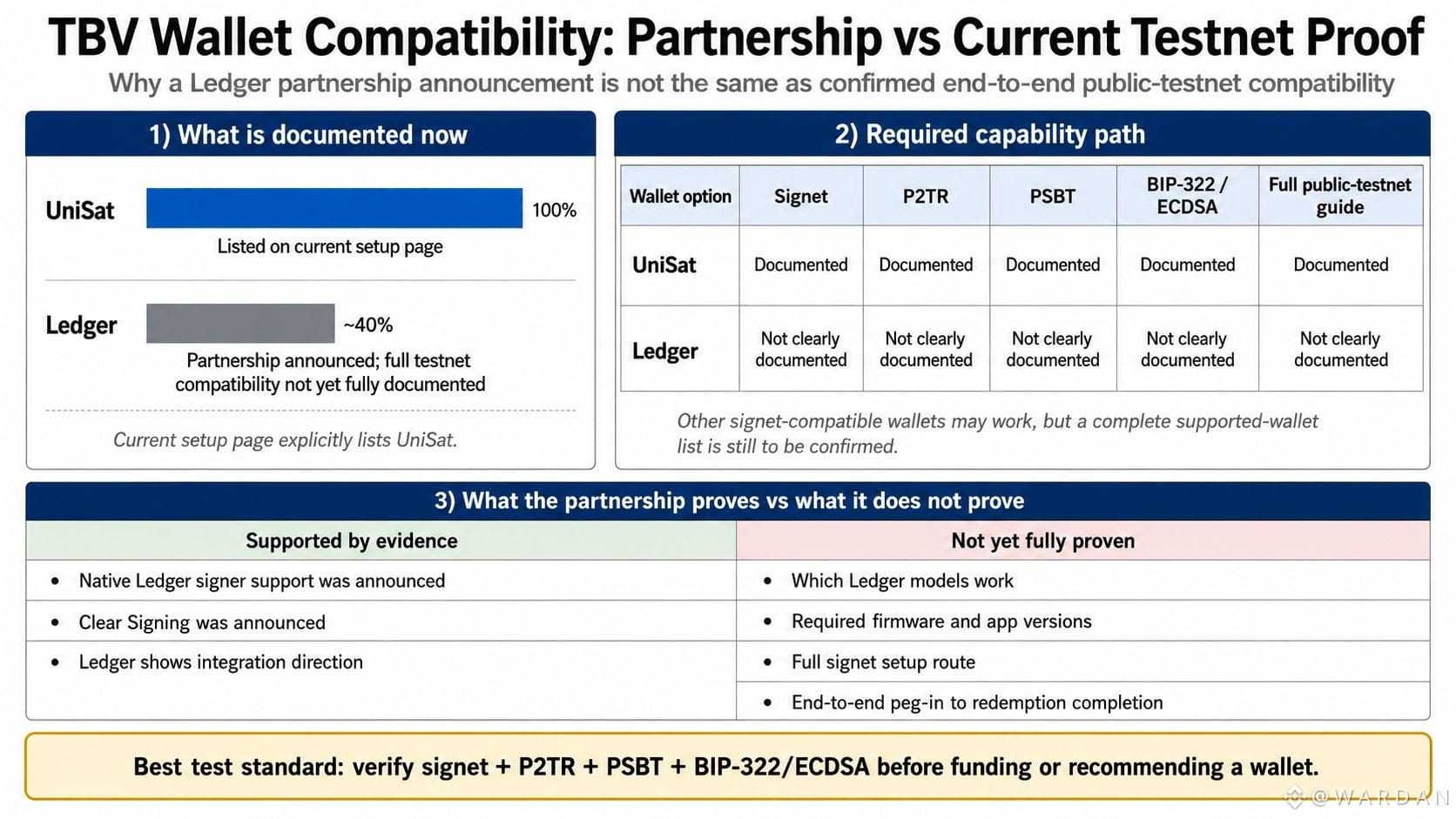
Die Ledger-Partnerschaft lässt Babylons „Trustless Bitcoin Vaults“ (TBV) für eine breitere Zielgruppe von Hardware-Wallets bereit wirken. Aber die Live-Testnet-Anweisungen erzählen eine präzisere Geschichte.
Derzeit listet die Einrichtungsseite UniSat und erfordert ein Wallet, um vier konkrete Dinge zu tun: eine Verbindung zu Bitcoin signet herstellen, eine Taproot P2TR-Adresse generieren, PSBTs signieren und sich über BIP-322 oder das Signieren von ECDSA-Nachrichten authentifizieren.
Das ist der Detailpunkt, den ich nicht überspringen würde.
Ein Wallet kann Bitcoin sicher verwahren und später dennoch am TBV-Ablauf scheitern. Es kann signet-BTC empfangen, aber bei der Portal-Authentifizierung, der PSBT-Freigabe, dem Peg-in oder der Aktivierung stoppen. Eine angekündigte Partnerschaft zeigt zwar die Richtung, beweist aber nicht zwingend die vollständige aktuelle Kompatibilität.
Ich würde nicht daraus schließen, dass Ledger nicht mit @babylonlabs_io funktionieren kann. Die Dokumentation ist möglicherweise einfach hinter dem Produkt zurück, und andere signet-kompatible Wallets funktionieren möglicherweise bereits. Aber die verfügbaren Hinweise beweisen noch nicht, welche Ledger-Modelle, Firmware-Versionen, Signiermethoden oder Verbindungswege den gesamten Public-Testnet-Lifecycle vollständig abschließen.
Das ist wichtig, weil die Kompatibilität nach dem einfachen Schritt fehlschlagen kann. Das Empfangen von Test-BTC beweist nur, dass die Adresse funktioniert. Es beweist nicht, dass das Wallet authentifizieren, die erforderliche Transaktionsmenge signieren oder den Lifecycle abschließen kann. Für Tester kann diese Lücke später aus einer vielversprechenden Partnerschaft ein verwirrendes Support-Problem machen.
Beim $BABY Testnet ist der nützliche Standard nicht das Partnerschafts-Logo. Maßgeblich ist die erfolgreiche Vollendung des erforderlichen Capability-Pfads.
Bevor Sie ein Wallet finanzieren oder empfehlen, verifizieren Sie, dass die konkrete Einrichtung signet, P2TR, PSBT-Signing und BIP-322 oder ECDSA-Nachrichten-Signing unterstützt. Prüfen Sie anschließend, ob es tatsächlich Peg-in, Aktivierung, Ausleihe, Rückzahlung und Einlösung abschließen kann.
Das ist der Unterschied zwischen dem Ankündigen von Zugriff und dem Beweisen, dass der Zugriff Ende-zu-Ende funktioniert. #baby
Die Ledger-Partnerschaft lässt Babylons „Trustless Bitcoin Vaults“ (TBV) für eine breitere Zielgruppe von Hardware-Wallets bereit wirken. Aber die Live-Testnet-Anweisungen erzählen eine präzisere Geschichte.
Derzeit listet die Einrichtungsseite UniSat und erfordert ein Wallet, um vier konkrete Dinge zu tun: eine Verbindung zu Bitcoin signet herstellen, eine Taproot P2TR-Adresse generieren, PSBTs signieren und sich über BIP-322 oder das Signieren von ECDSA-Nachrichten authentifizieren.
Das ist der Detailpunkt, den ich nicht überspringen würde.
Ein Wallet kann Bitcoin sicher verwahren und später dennoch am TBV-Ablauf scheitern. Es kann signet-BTC empfangen, aber bei der Portal-Authentifizierung, der PSBT-Freigabe, dem Peg-in oder der Aktivierung stoppen. Eine angekündigte Partnerschaft zeigt zwar die Richtung, beweist aber nicht zwingend die vollständige aktuelle Kompatibilität.
Ich würde nicht daraus schließen, dass Ledger nicht mit @BabylonLabs_io funktionieren kann. Die Dokumentation ist möglicherweise einfach hinter dem Produkt zurück, und andere signet-kompatible Wallets funktionieren möglicherweise bereits. Aber die verfügbaren Hinweise beweisen noch nicht, welche Ledger-Modelle, Firmware-Versionen, Signiermethoden oder Verbindungswege den gesamten Public-Testnet-Lifecycle vollständig abschließen.
Das ist wichtig, weil die Kompatibilität nach dem einfachen Schritt fehlschlagen kann. Das Empfangen von Test-BTC beweist nur, dass die Adresse funktioniert. Es beweist nicht, dass das Wallet authentifizieren, die erforderliche Transaktionsmenge signieren oder den Lifecycle abschließen kann. Für Tester kann diese Lücke später aus einer vielversprechenden Partnerschaft ein verwirrendes Support-Problem machen.
Beim $BABY Testnet ist der nützliche Standard nicht das Partnerschafts-Logo. Maßgeblich ist die erfolgreiche Vollendung des erforderlichen Capability-Pfads.
Bevor Sie ein Wallet finanzieren oder empfehlen, verifizieren Sie, dass die konkrete Einrichtung signet, P2TR, PSBT-Signing und BIP-322 oder ECDSA-Nachrichten-Signing unterstützt. Prüfen Sie anschließend, ob es tatsächlich Peg-in, Aktivierung, Ausleihe, Rückzahlung und Einlösung abschließen kann.
Das ist der Unterschied zwischen dem Ankündigen von Zugriff und dem Beweisen, dass der Zugriff Ende-zu-Ende funktioniert. #baby
Derzeit listet die Einrichtungsseite UniSat und erfordert ein Wallet, um vier konkrete Dinge zu tun: eine Verbindung zu Bitcoin signet herstellen, eine Taproot P2TR-Adresse generieren, PSBTs signieren und sich über BIP-322 oder das Signieren von ECDSA-Nachrichten authentifizieren.
Das ist der Detailpunkt, den ich nicht überspringen würde.
Ein Wallet kann Bitcoin sicher verwahren und später dennoch am TBV-Ablauf scheitern. Es kann signet-BTC empfangen, aber bei der Portal-Authentifizierung, der PSBT-Freigabe, dem Peg-in oder der Aktivierung stoppen. Eine angekündigte Partnerschaft zeigt zwar die Richtung, beweist aber nicht zwingend die vollständige aktuelle Kompatibilität.
Ich würde nicht daraus schließen, dass Ledger nicht mit @BabylonLabs_io funktionieren kann. Die Dokumentation ist möglicherweise einfach hinter dem Produkt zurück, und andere signet-kompatible Wallets funktionieren möglicherweise bereits. Aber die verfügbaren Hinweise beweisen noch nicht, welche Ledger-Modelle, Firmware-Versionen, Signiermethoden oder Verbindungswege den gesamten Public-Testnet-Lifecycle vollständig abschließen.
Das ist wichtig, weil die Kompatibilität nach dem einfachen Schritt fehlschlagen kann. Das Empfangen von Test-BTC beweist nur, dass die Adresse funktioniert. Es beweist nicht, dass das Wallet authentifizieren, die erforderliche Transaktionsmenge signieren oder den Lifecycle abschließen kann. Für Tester kann diese Lücke später aus einer vielversprechenden Partnerschaft ein verwirrendes Support-Problem machen.
Beim $BABY Testnet ist der nützliche Standard nicht das Partnerschafts-Logo. Maßgeblich ist die erfolgreiche Vollendung des erforderlichen Capability-Pfads.
Bevor Sie ein Wallet finanzieren oder empfehlen, verifizieren Sie, dass die konkrete Einrichtung signet, P2TR, PSBT-Signing und BIP-322 oder ECDSA-Nachrichten-Signing unterstützt. Prüfen Sie anschließend, ob es tatsächlich Peg-in, Aktivierung, Ausleihe, Rückzahlung und Einlösung abschließen kann.
Das ist der Unterschied zwischen dem Ankündigen von Zugriff und dem Beweisen, dass der Zugriff Ende-zu-Ende funktioniert. #baby
1
142
·
--
Was mir aufgefallen ist, ist, dass ein „Pending“-Status in Babylons Trustless Bitcoin Vaults (TBV) nicht automatisch auf einen Ausfall des Vault-Providers hinweist.
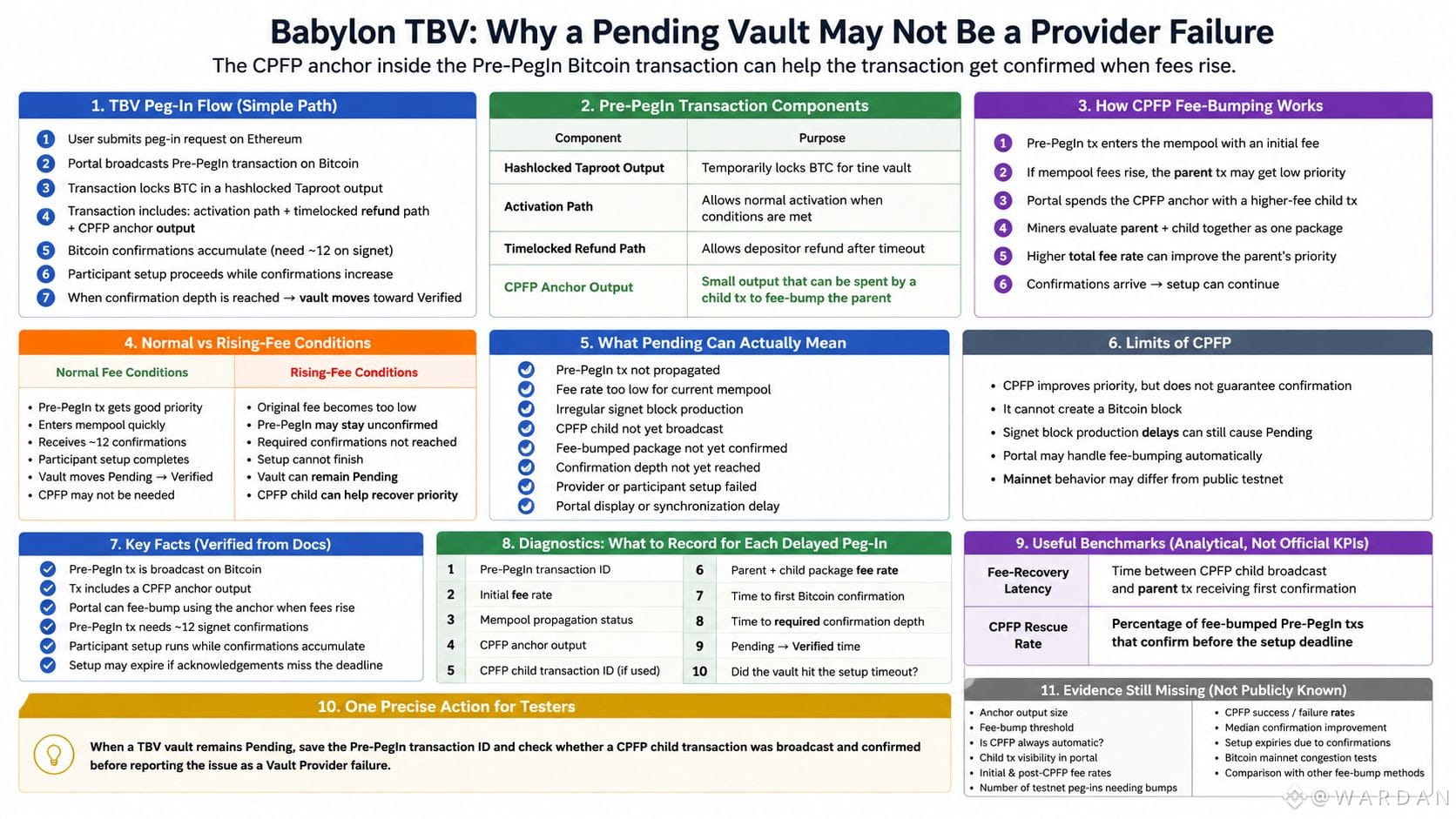
Der Peg-in beginnt mit einer Pre-PegIn-Bitcoin-Transaktion, die etwa 12 Signet-Bestätigungen erreichen muss, bevor die Einrichtung weitergehen kann. In dieser Transaktion befindet sich ein kleines Child Pays for Parent, also CPFP, Anchor. Wenn die Parent-Gebühr zu niedrig wird, während die Mempool-Gebühren steigen, kann ein höher gebührenpflichtiges Child den Anchor ausgeben. Dadurch können Miner beide Transaktionen als ein Paket bewerten und möglicherweise die Bestätigungspriorität der Parent-Transaktion verbessern.
Diese Einzelheit verändert die Diagnose. Die Ethereum-Anfrage kann gültig sein und die Protokollteilnehmer können bereit sein, während die Bitcoin-Finanzierungstransaktion jedoch noch auf genügend Priorität wartet. „Pending“ kann daher ein Problem mit der Transaktionsgebühr, eine unregelmäßige Verzögerung bei Signet-Blöcken oder auch ein echtes Einrichtungsproblem verdecken. Der sichtbare Status allein kann uns nicht sagen, welches davon tatsächlich passiert ist.
CPFP ist keine Garantie. Es kann keinen neuen Block erzeugen, und die genaue Gebühr-Adjustierungs-Policy des Portals ist nicht öffentlich klar. Dennoch gibt es Testern einen konkreten Check auf der Bitcoin-Seite, bevor sie den Provider beschuldigen.
Für @babylonlabs_io $BABY Testnet: Speichere die Pre-PegIn-Transaktions-ID, wenn ein Vault weiterhin „Pending“ bleibt. Prüfe, ob ein CPFP-Child gesendet wurde und ob das Parent-Paket bestätigt wurde, bevor du „mein Provider ist ausgefallen“ meldest. Diese eine Information kann vage Rückmeldungen in eine nützliche Diagnose verwandeln, an welcher Stelle der Peg-in tatsächlich gestoppt wurde und welche Systemschicht zuerst Aufmerksamkeit braucht. #baby
Was mir aufgefallen ist, ist, dass ein „Pending“-Status in Babylons Trustless Bitcoin Vaults (TBV) nicht automatisch auf einen Ausfall des Vault-Providers hinweist.
Der Peg-in beginnt mit einer Pre-PegIn-Bitcoin-Transaktion, die etwa 12 Signet-Bestätigungen erreichen muss, bevor die Einrichtung weitergehen kann. In dieser Transaktion befindet sich ein kleines Child Pays for Parent, also CPFP, Anchor. Wenn die Parent-Gebühr zu niedrig wird, während die Mempool-Gebühren steigen, kann ein höher gebührenpflichtiges Child den Anchor ausgeben. Dadurch können Miner beide Transaktionen als ein Paket bewerten und möglicherweise die Bestätigungspriorität der Parent-Transaktion verbessern.
Diese Einzelheit verändert die Diagnose. Die Ethereum-Anfrage kann gültig sein und die Protokollteilnehmer können bereit sein, während die Bitcoin-Finanzierungstransaktion jedoch noch auf genügend Priorität wartet. „Pending“ kann daher ein Problem mit der Transaktionsgebühr, eine unregelmäßige Verzögerung bei Signet-Blöcken oder auch ein echtes Einrichtungsproblem verdecken. Der sichtbare Status allein kann uns nicht sagen, welches davon tatsächlich passiert ist.
CPFP ist keine Garantie. Es kann keinen neuen Block erzeugen, und die genaue Gebühr-Adjustierungs-Policy des Portals ist nicht öffentlich klar. Dennoch gibt es Testern einen konkreten Check auf der Bitcoin-Seite, bevor sie den Provider beschuldigen.
Für @BabylonLabs_io $BABY Testnet: Speichere die Pre-PegIn-Transaktions-ID, wenn ein Vault weiterhin „Pending“ bleibt. Prüfe, ob ein CPFP-Child gesendet wurde und ob das Parent-Paket bestätigt wurde, bevor du „mein Provider ist ausgefallen“ meldest. Diese eine Information kann vage Rückmeldungen in eine nützliche Diagnose verwandeln, an welcher Stelle der Peg-in tatsächlich gestoppt wurde und welche Systemschicht zuerst Aufmerksamkeit braucht. #baby
Der Peg-in beginnt mit einer Pre-PegIn-Bitcoin-Transaktion, die etwa 12 Signet-Bestätigungen erreichen muss, bevor die Einrichtung weitergehen kann. In dieser Transaktion befindet sich ein kleines Child Pays for Parent, also CPFP, Anchor. Wenn die Parent-Gebühr zu niedrig wird, während die Mempool-Gebühren steigen, kann ein höher gebührenpflichtiges Child den Anchor ausgeben. Dadurch können Miner beide Transaktionen als ein Paket bewerten und möglicherweise die Bestätigungspriorität der Parent-Transaktion verbessern.
Diese Einzelheit verändert die Diagnose. Die Ethereum-Anfrage kann gültig sein und die Protokollteilnehmer können bereit sein, während die Bitcoin-Finanzierungstransaktion jedoch noch auf genügend Priorität wartet. „Pending“ kann daher ein Problem mit der Transaktionsgebühr, eine unregelmäßige Verzögerung bei Signet-Blöcken oder auch ein echtes Einrichtungsproblem verdecken. Der sichtbare Status allein kann uns nicht sagen, welches davon tatsächlich passiert ist.
CPFP ist keine Garantie. Es kann keinen neuen Block erzeugen, und die genaue Gebühr-Adjustierungs-Policy des Portals ist nicht öffentlich klar. Dennoch gibt es Testern einen konkreten Check auf der Bitcoin-Seite, bevor sie den Provider beschuldigen.
Für @BabylonLabs_io $BABY Testnet: Speichere die Pre-PegIn-Transaktions-ID, wenn ein Vault weiterhin „Pending“ bleibt. Prüfe, ob ein CPFP-Child gesendet wurde und ob das Parent-Paket bestätigt wurde, bevor du „mein Provider ist ausgefallen“ meldest. Diese eine Information kann vage Rückmeldungen in eine nützliche Diagnose verwandeln, an welcher Stelle der Peg-in tatsächlich gestoppt wurde und welche Systemschicht zuerst Aufmerksamkeit braucht. #baby
2
154
·
--
Die Einzelheit, die meine Sicht auf Babylons Trustless-Bitcoin-Vaults (TBV) verändert hat, ist, dass „nativer BTC-Kollateral“ klingt, als würde ein Bitcoin-Preis das gesamte Darlehen erklären. In der Praxis ist das jedoch nicht ganz so, wie Liquidationen funktionieren.
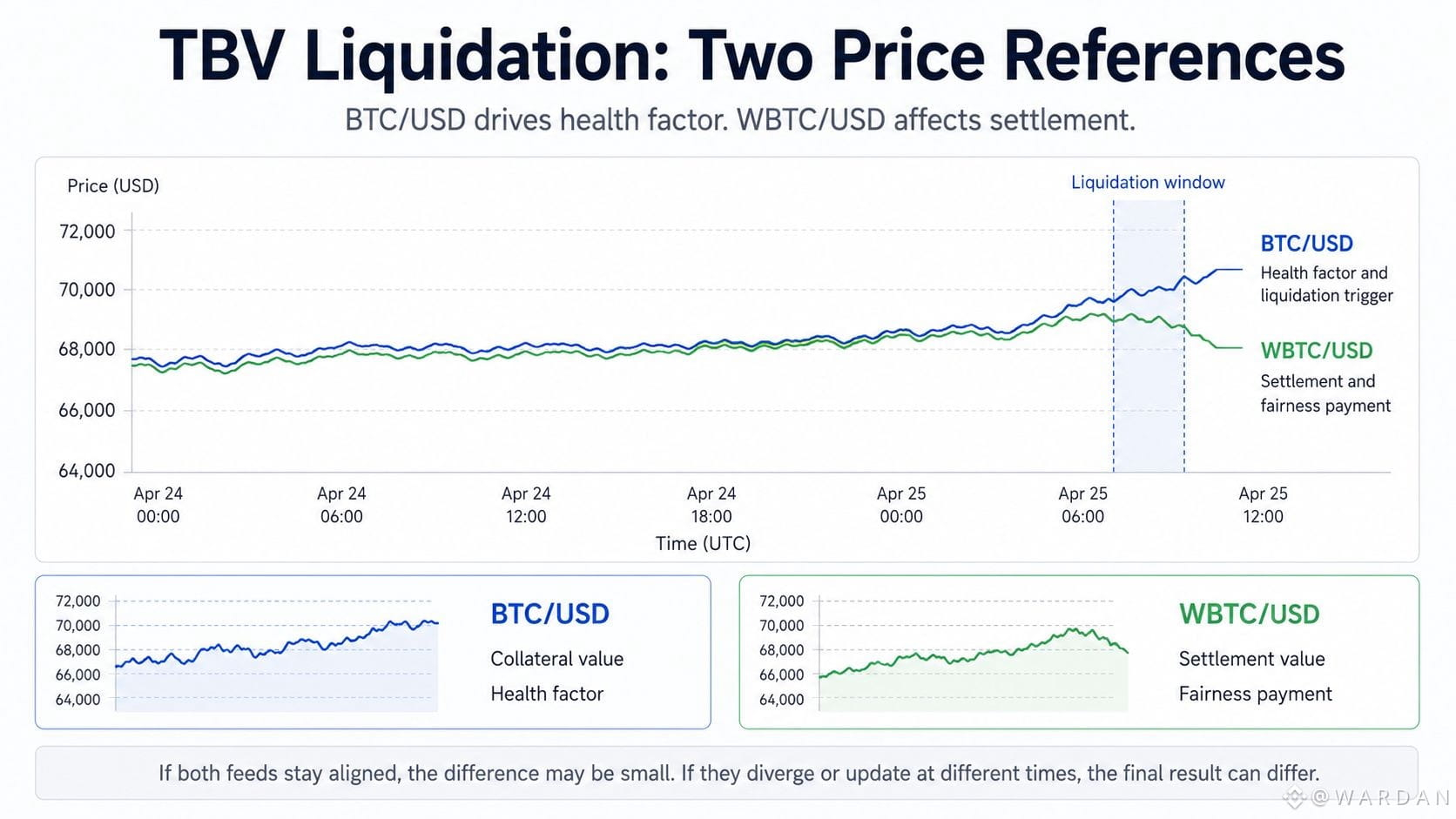
BTC/USD wird verwendet, um den nativen BTC-Kollateral zu bewerten, den Health Factor zu berechnen und zu entscheiden, wann eine Position liquidiert werden kann. Aber die Abwicklung auf der Ethereum-Seite nutzt WBTC, daher fließen auch WBTC/USD in die Abwicklungs- und Fairness-Payment-Berechnung ein.
Das führt zu einer wichtigen Aufspaltung: Ein Feed hilft dabei, die Liquidation auszulösen, während ein anderer den Preis bestimmt, was nach dem Auslösen geschieht.
Wenn BTC/USD und WBTC/USD frisch bleiben und eng miteinander ausgerichtet sind, kann der Unterschied so klein sein, dass er kaum ins Gewicht fällt. Wenn sich die Feeds jedoch zu unterschiedlichen Zeiten aktualisieren oder WBTC/USD sich von BTC/USD entfernt, kann die Position anhand einer Referenz als ungesund bewertet werden, während die Abrechnung mit einer anderen Referenz berechnet wird.
Das bedeutet nicht, dass @babylonlabs_io für die Verwahrung des Einzahlers verpacktes BTC nutzt. Das BTC bleibt weiterhin nativ im Vault. Es heißt, dass native Verwahrung und Abrechnungsbewertung separate Ebenen sind und dass der BTC-Preis allein das gesamte Ergebnis der Liquidation möglicherweise nicht erklärt. Dieser Unterschied ist vor allem in Stressphasen relevant, wenn zeitliche Lücken wirtschaftlich für Kreditnehmer sichtbar werden können.
Für das $BABY Testnet ist die nützlichste Prüfung ganz simpel: Erfasse bei der Überprüfung einer Liquidation sowohl die BTC/USD- als auch die WBTC/USD-Werte – zusammen mit ihren Aktualisierungszeiten. Ein hilfreicher analytischer Benchmark ist die BTC–WBTC-Oracle-Basis, nicht als offizielles Babylon-KPI, sondern als Möglichkeit zu sehen, ob die beiden Feeds dieselbe wirtschaftliche Geschichte erzählen. #baby
Die Einzelheit, die meine Sicht auf Babylons Trustless-Bitcoin-Vaults (TBV) verändert hat, ist, dass „nativer BTC-Kollateral“ klingt, als würde ein Bitcoin-Preis das gesamte Darlehen erklären. In der Praxis ist das jedoch nicht ganz so, wie Liquidationen funktionieren.
BTC/USD wird verwendet, um den nativen BTC-Kollateral zu bewerten, den Health Factor zu berechnen und zu entscheiden, wann eine Position liquidiert werden kann. Aber die Abwicklung auf der Ethereum-Seite nutzt WBTC, daher fließen auch WBTC/USD in die Abwicklungs- und Fairness-Payment-Berechnung ein.
Das führt zu einer wichtigen Aufspaltung: Ein Feed hilft dabei, die Liquidation auszulösen, während ein anderer den Preis bestimmt, was nach dem Auslösen geschieht.
Wenn BTC/USD und WBTC/USD frisch bleiben und eng miteinander ausgerichtet sind, kann der Unterschied so klein sein, dass er kaum ins Gewicht fällt. Wenn sich die Feeds jedoch zu unterschiedlichen Zeiten aktualisieren oder WBTC/USD sich von BTC/USD entfernt, kann die Position anhand einer Referenz als ungesund bewertet werden, während die Abrechnung mit einer anderen Referenz berechnet wird.
Das bedeutet nicht, dass @BabylonLabs_io für die Verwahrung des Einzahlers verpacktes BTC nutzt. Das BTC bleibt weiterhin nativ im Vault. Es heißt, dass native Verwahrung und Abrechnungsbewertung separate Ebenen sind und dass der BTC-Preis allein das gesamte Ergebnis der Liquidation möglicherweise nicht erklärt. Dieser Unterschied ist vor allem in Stressphasen relevant, wenn zeitliche Lücken wirtschaftlich für Kreditnehmer sichtbar werden können.
Für das $BABY Testnet ist die nützlichste Prüfung ganz simpel: Erfasse bei der Überprüfung einer Liquidation sowohl die BTC/USD- als auch die WBTC/USD-Werte – zusammen mit ihren Aktualisierungszeiten. Ein hilfreicher analytischer Benchmark ist die BTC–WBTC-Oracle-Basis, nicht als offizielles Babylon-KPI, sondern als Möglichkeit zu sehen, ob die beiden Feeds dieselbe wirtschaftliche Geschichte erzählen. #baby
BTC/USD wird verwendet, um den nativen BTC-Kollateral zu bewerten, den Health Factor zu berechnen und zu entscheiden, wann eine Position liquidiert werden kann. Aber die Abwicklung auf der Ethereum-Seite nutzt WBTC, daher fließen auch WBTC/USD in die Abwicklungs- und Fairness-Payment-Berechnung ein.
Das führt zu einer wichtigen Aufspaltung: Ein Feed hilft dabei, die Liquidation auszulösen, während ein anderer den Preis bestimmt, was nach dem Auslösen geschieht.
Wenn BTC/USD und WBTC/USD frisch bleiben und eng miteinander ausgerichtet sind, kann der Unterschied so klein sein, dass er kaum ins Gewicht fällt. Wenn sich die Feeds jedoch zu unterschiedlichen Zeiten aktualisieren oder WBTC/USD sich von BTC/USD entfernt, kann die Position anhand einer Referenz als ungesund bewertet werden, während die Abrechnung mit einer anderen Referenz berechnet wird.
Das bedeutet nicht, dass @BabylonLabs_io für die Verwahrung des Einzahlers verpacktes BTC nutzt. Das BTC bleibt weiterhin nativ im Vault. Es heißt, dass native Verwahrung und Abrechnungsbewertung separate Ebenen sind und dass der BTC-Preis allein das gesamte Ergebnis der Liquidation möglicherweise nicht erklärt. Dieser Unterschied ist vor allem in Stressphasen relevant, wenn zeitliche Lücken wirtschaftlich für Kreditnehmer sichtbar werden können.
Für das $BABY Testnet ist die nützlichste Prüfung ganz simpel: Erfasse bei der Überprüfung einer Liquidation sowohl die BTC/USD- als auch die WBTC/USD-Werte – zusammen mit ihren Aktualisierungszeiten. Ein hilfreicher analytischer Benchmark ist die BTC–WBTC-Oracle-Basis, nicht als offizielles Babylon-KPI, sondern als Möglichkeit zu sehen, ob die beiden Feeds dieselbe wirtschaftliche Geschichte erzählen. #baby
3
1
154
·
--
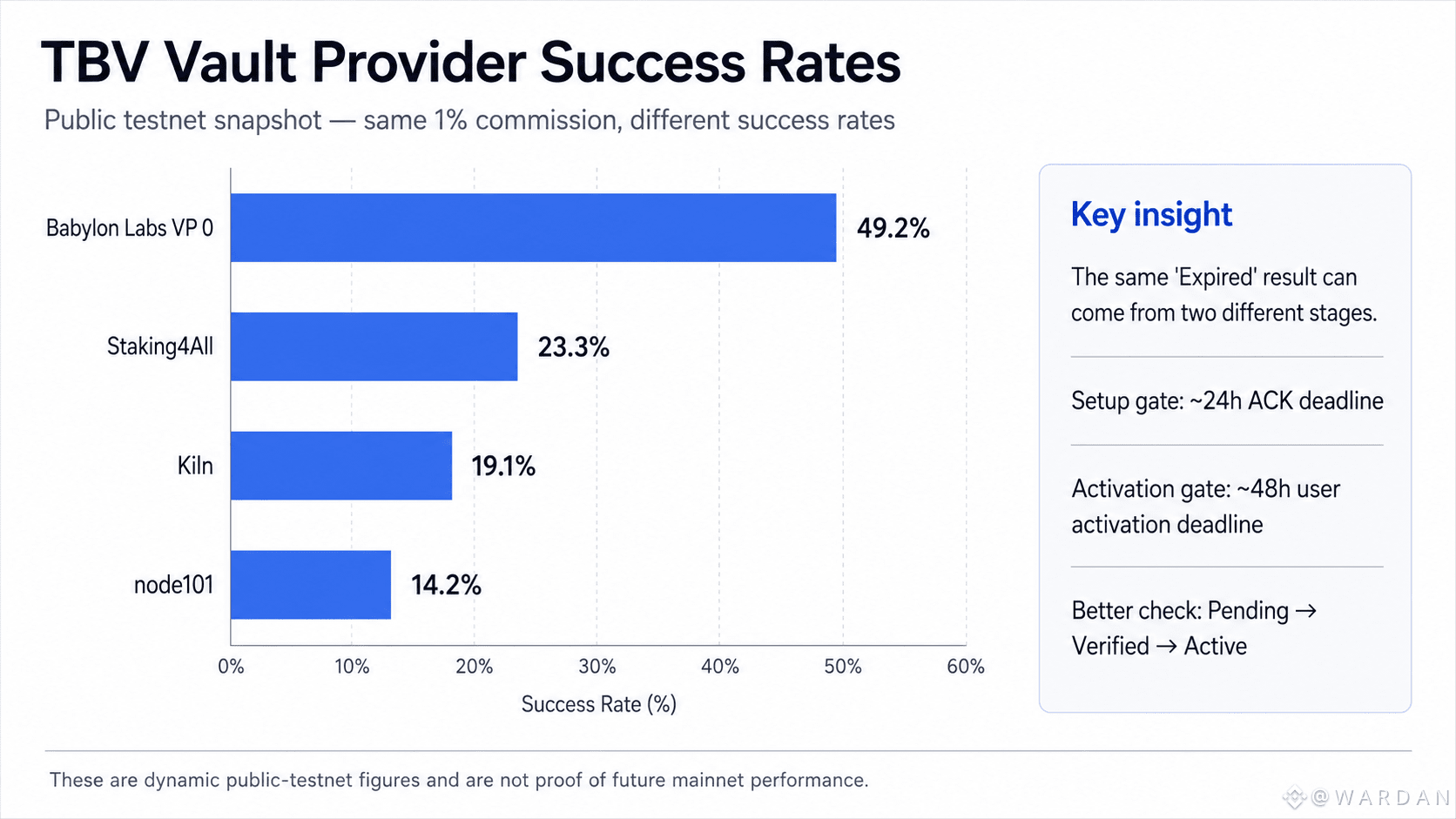
Was mir an Babylons Trustless Bitcoin Vaults (TBV) Testnet aufgefallen ist, war, dass auf vier Seiten von Vault Provider dieselbe 1%-Provision angezeigt wurde, aber die Erfolgsquoten zwischen 14,2% und 49,2% lagen. Zunächst sah das nach einer Rangliste aus. Der Mechanismus hat es mich jedoch anders lesen lassen. Da es sich um wechselnde Testnet-Zahlen handelt, würde ich sie nutzen, um Fragen zu steuern, und nicht, um ein Urteil über die Mainnet-Zuverlässigkeit zu fällen.
Ein Vault muss von „Pending“ zu „Verified“ wechseln. In dieser Phase müssen der Vault Provider und die Operatoren innerhalb von 24 Stunden das Setup sowie die Bestätigungen abschließen. Danach muss der Einleger das Aktivierungsgeheimnis auf Ethereum offenlegen, bevor ungefähr 48 Stunden vergangen sind, damit der Vault „Active“ werden kann.
Wenn man eines der beiden Tore verpasst, kann die finale Bezeichnung trotzdem gleich sein: „Expired“.
Das ist der Detailpunkt, den ich nicht übersehen würde. Eine einzelne Schlagzeilen-Erfolgsquote kann zwei Ereignisse vermischen. Das eine könnte Probleme beim Setup oder bei der Koordination widerspiegeln, bevor der Status „Verified“ erreicht wird. Das andere könnte auf einen Nutzer hindeuten, der einen einsatzbereiten Vault erhalten hat, ihn aber nie aktiviert hat. So kann der Prozentsatz ein Provider-Signal enthalten, aber er zeigt nicht, wer jeweils für jedes „Expired“ verantwortlich war.
Für @babylonlabs_io $BABY Testnet sehe ich eine bessere Prüfung in einem funnel-basierten Prozess nach Stufen: Wie viele Anfragen erreichen „Verified“ und wie viele „Verified“-Vaults erreichen „Active“. Das wären vorgeschlagene Kennzahlen, nicht offizielle Babylon-KPIs.
Wenn man TBV testet, protokolliert den Provider, den höchsten erreichten Zustand, ob eine Aktivierung versucht wurde, und das finale Ergebnis. „Mein Vault blieb Pending“ oder „Er erreichte Verified, aber ich habe ihn nicht aktiviert“ liefert bessere Rückmeldungen als „Mein Provider ist fehlgeschlagen.“ #baby
Was mir an Babylons Trustless Bitcoin Vaults (TBV) Testnet aufgefallen ist, war, dass auf vier Seiten von Vault Provider dieselbe 1%-Provision angezeigt wurde, aber die Erfolgsquoten zwischen 14,2% und 49,2% lagen. Zunächst sah das nach einer Rangliste aus. Der Mechanismus hat es mich jedoch anders lesen lassen. Da es sich um wechselnde Testnet-Zahlen handelt, würde ich sie nutzen, um Fragen zu steuern, und nicht, um ein Urteil über die Mainnet-Zuverlässigkeit zu fällen.
Ein Vault muss von „Pending“ zu „Verified“ wechseln. In dieser Phase müssen der Vault Provider und die Operatoren innerhalb von 24 Stunden das Setup sowie die Bestätigungen abschließen. Danach muss der Einleger das Aktivierungsgeheimnis auf Ethereum offenlegen, bevor ungefähr 48 Stunden vergangen sind, damit der Vault „Active“ werden kann.
Wenn man eines der beiden Tore verpasst, kann die finale Bezeichnung trotzdem gleich sein: „Expired“.
Das ist der Detailpunkt, den ich nicht übersehen würde. Eine einzelne Schlagzeilen-Erfolgsquote kann zwei Ereignisse vermischen. Das eine könnte Probleme beim Setup oder bei der Koordination widerspiegeln, bevor der Status „Verified“ erreicht wird. Das andere könnte auf einen Nutzer hindeuten, der einen einsatzbereiten Vault erhalten hat, ihn aber nie aktiviert hat. So kann der Prozentsatz ein Provider-Signal enthalten, aber er zeigt nicht, wer jeweils für jedes „Expired“ verantwortlich war.
Für @BabylonLabs_io $BABY Testnet sehe ich eine bessere Prüfung in einem funnel-basierten Prozess nach Stufen: Wie viele Anfragen erreichen „Verified“ und wie viele „Verified“-Vaults erreichen „Active“. Das wären vorgeschlagene Kennzahlen, nicht offizielle Babylon-KPIs.
Wenn man TBV testet, protokolliert den Provider, den höchsten erreichten Zustand, ob eine Aktivierung versucht wurde, und das finale Ergebnis. „Mein Vault blieb Pending“ oder „Er erreichte Verified, aber ich habe ihn nicht aktiviert“ liefert bessere Rückmeldungen als „Mein Provider ist fehlgeschlagen.“ #baby
Ein Vault muss von „Pending“ zu „Verified“ wechseln. In dieser Phase müssen der Vault Provider und die Operatoren innerhalb von 24 Stunden das Setup sowie die Bestätigungen abschließen. Danach muss der Einleger das Aktivierungsgeheimnis auf Ethereum offenlegen, bevor ungefähr 48 Stunden vergangen sind, damit der Vault „Active“ werden kann.
Wenn man eines der beiden Tore verpasst, kann die finale Bezeichnung trotzdem gleich sein: „Expired“.
Das ist der Detailpunkt, den ich nicht übersehen würde. Eine einzelne Schlagzeilen-Erfolgsquote kann zwei Ereignisse vermischen. Das eine könnte Probleme beim Setup oder bei der Koordination widerspiegeln, bevor der Status „Verified“ erreicht wird. Das andere könnte auf einen Nutzer hindeuten, der einen einsatzbereiten Vault erhalten hat, ihn aber nie aktiviert hat. So kann der Prozentsatz ein Provider-Signal enthalten, aber er zeigt nicht, wer jeweils für jedes „Expired“ verantwortlich war.
Für @BabylonLabs_io $BABY Testnet sehe ich eine bessere Prüfung in einem funnel-basierten Prozess nach Stufen: Wie viele Anfragen erreichen „Verified“ und wie viele „Verified“-Vaults erreichen „Active“. Das wären vorgeschlagene Kennzahlen, nicht offizielle Babylon-KPIs.
Wenn man TBV testet, protokolliert den Provider, den höchsten erreichten Zustand, ob eine Aktivierung versucht wurde, und das finale Ergebnis. „Mein Vault blieb Pending“ oder „Er erreichte Verified, aber ich habe ihn nicht aktiviert“ liefert bessere Rückmeldungen als „Mein Provider ist fehlgeschlagen.“ #baby
1
116
·
--
Die Einzelheit, die meine Lektüre des Babylon-Testnetzes verändert, ist das Wort „permissionless“.
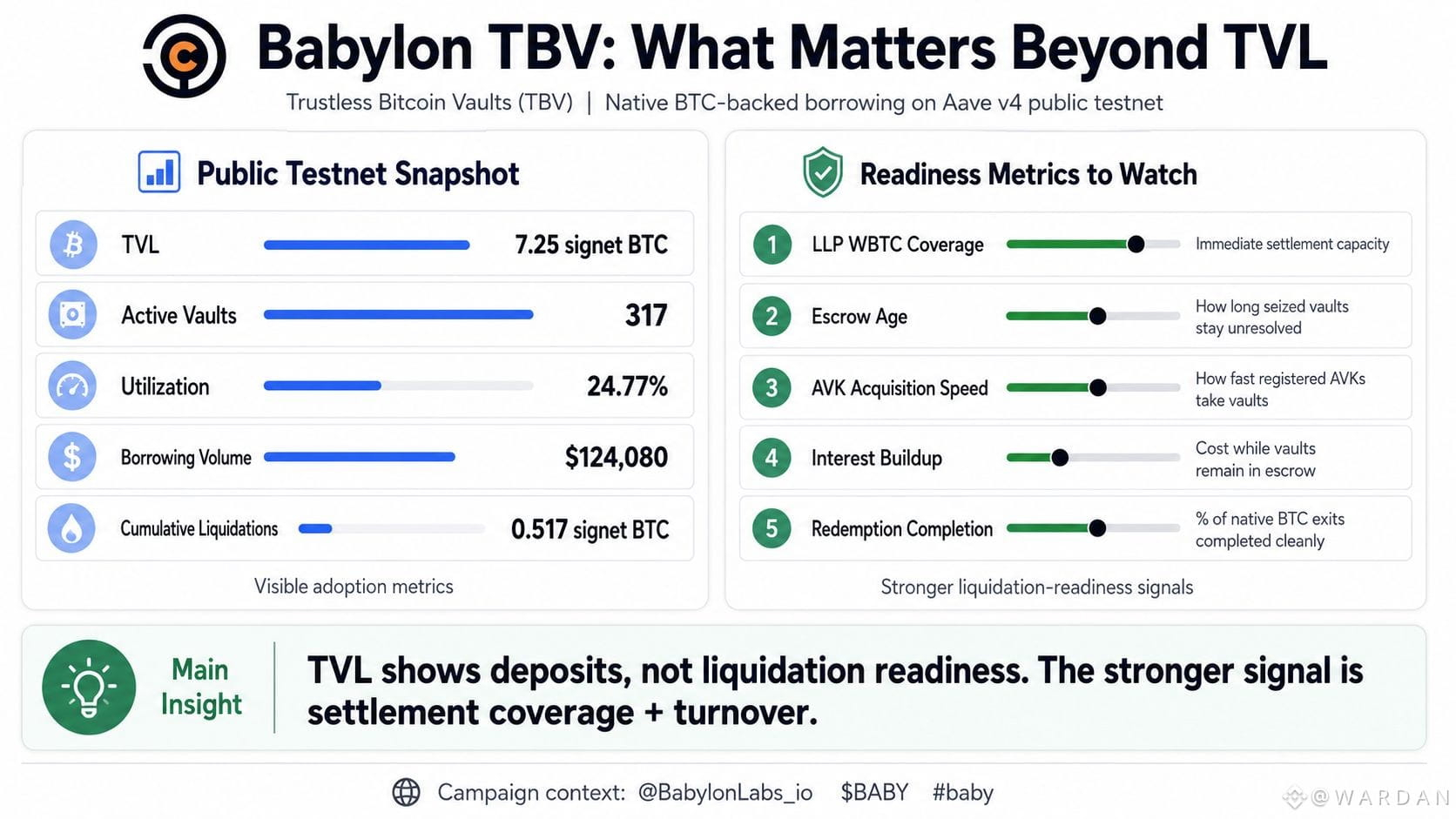
Mit Trustless Bitcoin Vaults (TBV) kann jede Person die LLP-Liquidationsroute auslösen, wenn eine native BTC-unterlegte Aave-v4-Position ungesund wird. Aber dieser offene Auslöser ist nur der erste Schritt. Der Liquidator erhält sofort WBTC, während der beschlagnahmte Bitcoin-Tresor in ein Escrow überführt wird. Anschließend muss ein registrierter AVK diesen Tresor erwerben und den langsameren Redemption-Pfad auf der Bitcoin-Seite abschließen.
Diese Unterscheidung ist wichtig, weil „permissionless Liquidation“ nicht bedeutet, dass jede Phase für dieselben Akteure offen ist. Der Ethereum-Aufruf ist offen, aber die endgültige native-BTC-Abwicklung hängt weiterhin von registrierten Rollen, verfügbaren Tresordaten sowie funktionierenden Proof- und Challenge-Pfaden ab.
Ich sehe das nicht als Mangel an sich. Die Aufteilung könnte genau die Art sein, wie TBV Aave schnelle Abwicklung ermöglicht, ohne den Nutzer zu zwingen, seine BTC einzuwickeln oder von Bitcoin weg zu verschieben. Aber sie verändert, was getestet werden sollte.
Eine sinnvolle Testnet-Frage ist nicht nur, ob Liquidation aufgerufen werden kann. Sondern ob genug unabhängige AVKs Escrow-verwahrte Tresore übernehmen, sie schnell bereinigen und die Redemption ohne Verzögerungen abschließen können, die sich nicht aufstauen.
Für @babylonlabs_io wird der stärkste Nachweis für ein gesundes System eine vollständige Permissions-Map und saubere End-to-End-Abwicklungsdaten sein: wer auslösen kann, wer WBTC finanziert, wer den Tresor übernimmt und wie lange native BTC benötigt, um zu bereinigen.
Das ist der Bereich, in dem $BABY und #baby Leser beurteilen können, ob das Design in der Praxis offen bleibt – nicht nur in der ersten Transaktion.
Die Einzelheit, die meine Lektüre des Babylon-Testnetzes verändert, ist das Wort „permissionless“.
Mit Trustless Bitcoin Vaults (TBV) kann jede Person die LLP-Liquidationsroute auslösen, wenn eine native BTC-unterlegte Aave-v4-Position ungesund wird. Aber dieser offene Auslöser ist nur der erste Schritt. Der Liquidator erhält sofort WBTC, während der beschlagnahmte Bitcoin-Tresor in ein Escrow überführt wird. Anschließend muss ein registrierter AVK diesen Tresor erwerben und den langsameren Redemption-Pfad auf der Bitcoin-Seite abschließen.
Diese Unterscheidung ist wichtig, weil „permissionless Liquidation“ nicht bedeutet, dass jede Phase für dieselben Akteure offen ist. Der Ethereum-Aufruf ist offen, aber die endgültige native-BTC-Abwicklung hängt weiterhin von registrierten Rollen, verfügbaren Tresordaten sowie funktionierenden Proof- und Challenge-Pfaden ab.
Ich sehe das nicht als Mangel an sich. Die Aufteilung könnte genau die Art sein, wie TBV Aave schnelle Abwicklung ermöglicht, ohne den Nutzer zu zwingen, seine BTC einzuwickeln oder von Bitcoin weg zu verschieben. Aber sie verändert, was getestet werden sollte.
Eine sinnvolle Testnet-Frage ist nicht nur, ob Liquidation aufgerufen werden kann. Sondern ob genug unabhängige AVKs Escrow-verwahrte Tresore übernehmen, sie schnell bereinigen und die Redemption ohne Verzögerungen abschließen können, die sich nicht aufstauen.
Für @BabylonLabs_io wird der stärkste Nachweis für ein gesundes System eine vollständige Permissions-Map und saubere End-to-End-Abwicklungsdaten sein: wer auslösen kann, wer WBTC finanziert, wer den Tresor übernimmt und wie lange native BTC benötigt, um zu bereinigen.
Das ist der Bereich, in dem $BABY und #baby Leser beurteilen können, ob das Design in der Praxis offen bleibt – nicht nur in der ersten Transaktion.
Mit Trustless Bitcoin Vaults (TBV) kann jede Person die LLP-Liquidationsroute auslösen, wenn eine native BTC-unterlegte Aave-v4-Position ungesund wird. Aber dieser offene Auslöser ist nur der erste Schritt. Der Liquidator erhält sofort WBTC, während der beschlagnahmte Bitcoin-Tresor in ein Escrow überführt wird. Anschließend muss ein registrierter AVK diesen Tresor erwerben und den langsameren Redemption-Pfad auf der Bitcoin-Seite abschließen.
Diese Unterscheidung ist wichtig, weil „permissionless Liquidation“ nicht bedeutet, dass jede Phase für dieselben Akteure offen ist. Der Ethereum-Aufruf ist offen, aber die endgültige native-BTC-Abwicklung hängt weiterhin von registrierten Rollen, verfügbaren Tresordaten sowie funktionierenden Proof- und Challenge-Pfaden ab.
Ich sehe das nicht als Mangel an sich. Die Aufteilung könnte genau die Art sein, wie TBV Aave schnelle Abwicklung ermöglicht, ohne den Nutzer zu zwingen, seine BTC einzuwickeln oder von Bitcoin weg zu verschieben. Aber sie verändert, was getestet werden sollte.
Eine sinnvolle Testnet-Frage ist nicht nur, ob Liquidation aufgerufen werden kann. Sondern ob genug unabhängige AVKs Escrow-verwahrte Tresore übernehmen, sie schnell bereinigen und die Redemption ohne Verzögerungen abschließen können, die sich nicht aufstauen.
Für @BabylonLabs_io wird der stärkste Nachweis für ein gesundes System eine vollständige Permissions-Map und saubere End-to-End-Abwicklungsdaten sein: wer auslösen kann, wer WBTC finanziert, wer den Tresor übernimmt und wie lange native BTC benötigt, um zu bereinigen.
Das ist der Bereich, in dem $BABY und #baby Leser beurteilen können, ob das Design in der Praxis offen bleibt – nicht nur in der ersten Transaktion.
1
136
·
--
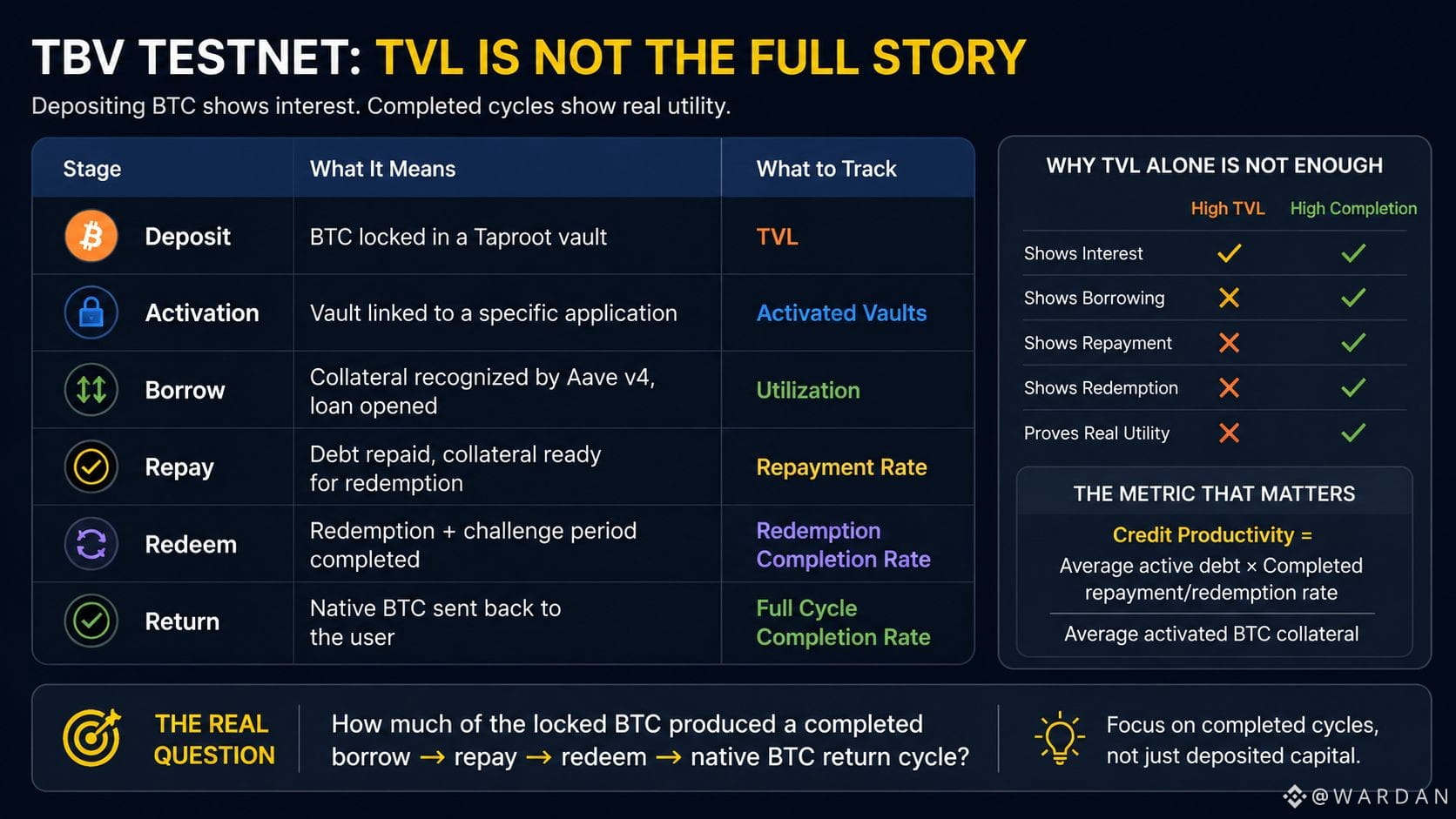
Die Dashboard-Nummer, die zuerst meine Aufmerksamkeit erregte, war TVL, aber der TBV-Flow hat mich zweifeln lassen, was diese Zahl wirklich belegen kann.
Bei Babylons Trustless Bitcoin Vaults (TBV) zeigt eine Einzahlung nur, dass der BTC einen Sicherheitenstatus erreicht hat. Sie zeigt nicht, dass das gesamte Kredit-System von Anfang bis Ende funktioniert hat. Ein Tresor muss noch aktiviert werden, zum Borrowing über Aave v4 genutzt werden, zurückgezahlt, über die Redemption weitergeführt und schließlich nach dem Challenge-Prozess native BTC zurückgeben.
Deshalb sehe ich Auslastung und abgeschlossene Kreditzyklen als den stärkeren Test. TVL kann steigen, auch wenn viele Tresore nie einen Kredit öffnen, vor der Rückzahlung stoppen oder vor der finalen Redemption feststecken. Der öffentliche Explorer trennt TVL bereits von der Auslastung – das ist ein wichtiger Hinweis: Gesperrte Sicherheiten und nutzbarer Kredit sind nicht dasselbe Ergebnis. Außerdem gibt es Testern eine klarere Möglichkeit, frühes Interesse von echter End-to-End-Performance unter den aktuellen öffentlichen Testnet-Bedingungen zu unterscheiden.
Die bessere Testnet-Frage lautet nicht nur: „Wie viel BTC ist eingezahlt worden?“ Sondern: „Wie viel davon BTC hat einen abgeschlossenen Borrow-, Repay- und Redeem-Zyklus hervorgebracht?“
Für Nutzer verändert das, wie hilfreiches Feedback aussehen sollte. Ein starkes Test-Reporting sollte festhalten, ob der Tresor aktiviert wurde, ob das Borrowing funktioniert hat, wie sich die Rückzahlung verhalten hat, wie lange die Redemption dauerte und ob native BTC zurückkam, ohne unklare Schritte oder fehlgeschlagene Zustände.
TVL ist weiterhin wichtig, weil es Teilnahme zeigt. Aber es kann nicht beweisen, dass der gesamte Kreditpfad zuverlässig ist. Für <b>@babylonlabs_io </b> ist das stärkere Signal, wie viele Tresore die gesamte Reise abschließen – nicht, wie viele sie nur betreten.
Das ist die Kennzahl, auf die ich achten würde, wenn ich bewerte, ob kreditbasiertes Borrowing mit nativer Bitcoin-Unterlegung zunehmend praktisch nutzbar wird. $BABY #baby
Die Dashboard-Nummer, die zuerst meine Aufmerksamkeit erregte, war TVL, aber der TBV-Flow hat mich zweifeln lassen, was diese Zahl wirklich belegen kann.
Bei Babylons Trustless Bitcoin Vaults (TBV) zeigt eine Einzahlung nur, dass der BTC einen Sicherheitenstatus erreicht hat. Sie zeigt nicht, dass das gesamte Kredit-System von Anfang bis Ende funktioniert hat. Ein Tresor muss noch aktiviert werden, zum Borrowing über Aave v4 genutzt werden, zurückgezahlt, über die Redemption weitergeführt und schließlich nach dem Challenge-Prozess native BTC zurückgeben.
Deshalb sehe ich Auslastung und abgeschlossene Kreditzyklen als den stärkeren Test. TVL kann steigen, auch wenn viele Tresore nie einen Kredit öffnen, vor der Rückzahlung stoppen oder vor der finalen Redemption feststecken. Der öffentliche Explorer trennt TVL bereits von der Auslastung – das ist ein wichtiger Hinweis: Gesperrte Sicherheiten und nutzbarer Kredit sind nicht dasselbe Ergebnis. Außerdem gibt es Testern eine klarere Möglichkeit, frühes Interesse von echter End-to-End-Performance unter den aktuellen öffentlichen Testnet-Bedingungen zu unterscheiden.
Die bessere Testnet-Frage lautet nicht nur: „Wie viel BTC ist eingezahlt worden?“ Sondern: „Wie viel davon BTC hat einen abgeschlossenen Borrow-, Repay- und Redeem-Zyklus hervorgebracht?“
Für Nutzer verändert das, wie hilfreiches Feedback aussehen sollte. Ein starkes Test-Reporting sollte festhalten, ob der Tresor aktiviert wurde, ob das Borrowing funktioniert hat, wie sich die Rückzahlung verhalten hat, wie lange die Redemption dauerte und ob native BTC zurückkam, ohne unklare Schritte oder fehlgeschlagene Zustände.
TVL ist weiterhin wichtig, weil es Teilnahme zeigt. Aber es kann nicht beweisen, dass der gesamte Kreditpfad zuverlässig ist. Für <b>@BabylonLabs_io </b> ist das stärkere Signal, wie viele Tresore die gesamte Reise abschließen – nicht, wie viele sie nur betreten.
Das ist die Kennzahl, auf die ich achten würde, wenn ich bewerte, ob kreditbasiertes Borrowing mit nativer Bitcoin-Unterlegung zunehmend praktisch nutzbar wird. $BABY #baby
Bei Babylons Trustless Bitcoin Vaults (TBV) zeigt eine Einzahlung nur, dass der BTC einen Sicherheitenstatus erreicht hat. Sie zeigt nicht, dass das gesamte Kredit-System von Anfang bis Ende funktioniert hat. Ein Tresor muss noch aktiviert werden, zum Borrowing über Aave v4 genutzt werden, zurückgezahlt, über die Redemption weitergeführt und schließlich nach dem Challenge-Prozess native BTC zurückgeben.
Deshalb sehe ich Auslastung und abgeschlossene Kreditzyklen als den stärkeren Test. TVL kann steigen, auch wenn viele Tresore nie einen Kredit öffnen, vor der Rückzahlung stoppen oder vor der finalen Redemption feststecken. Der öffentliche Explorer trennt TVL bereits von der Auslastung – das ist ein wichtiger Hinweis: Gesperrte Sicherheiten und nutzbarer Kredit sind nicht dasselbe Ergebnis. Außerdem gibt es Testern eine klarere Möglichkeit, frühes Interesse von echter End-to-End-Performance unter den aktuellen öffentlichen Testnet-Bedingungen zu unterscheiden.
Die bessere Testnet-Frage lautet nicht nur: „Wie viel BTC ist eingezahlt worden?“ Sondern: „Wie viel davon BTC hat einen abgeschlossenen Borrow-, Repay- und Redeem-Zyklus hervorgebracht?“
Für Nutzer verändert das, wie hilfreiches Feedback aussehen sollte. Ein starkes Test-Reporting sollte festhalten, ob der Tresor aktiviert wurde, ob das Borrowing funktioniert hat, wie sich die Rückzahlung verhalten hat, wie lange die Redemption dauerte und ob native BTC zurückkam, ohne unklare Schritte oder fehlgeschlagene Zustände.
TVL ist weiterhin wichtig, weil es Teilnahme zeigt. Aber es kann nicht beweisen, dass der gesamte Kreditpfad zuverlässig ist. Für <b>@BabylonLabs_io </b> ist das stärkere Signal, wie viele Tresore die gesamte Reise abschließen – nicht, wie viele sie nur betreten.
Das ist die Kennzahl, auf die ich achten würde, wenn ich bewerte, ob kreditbasiertes Borrowing mit nativer Bitcoin-Unterlegung zunehmend praktisch nutzbar wird. $BABY #baby
1
1
124
·
--
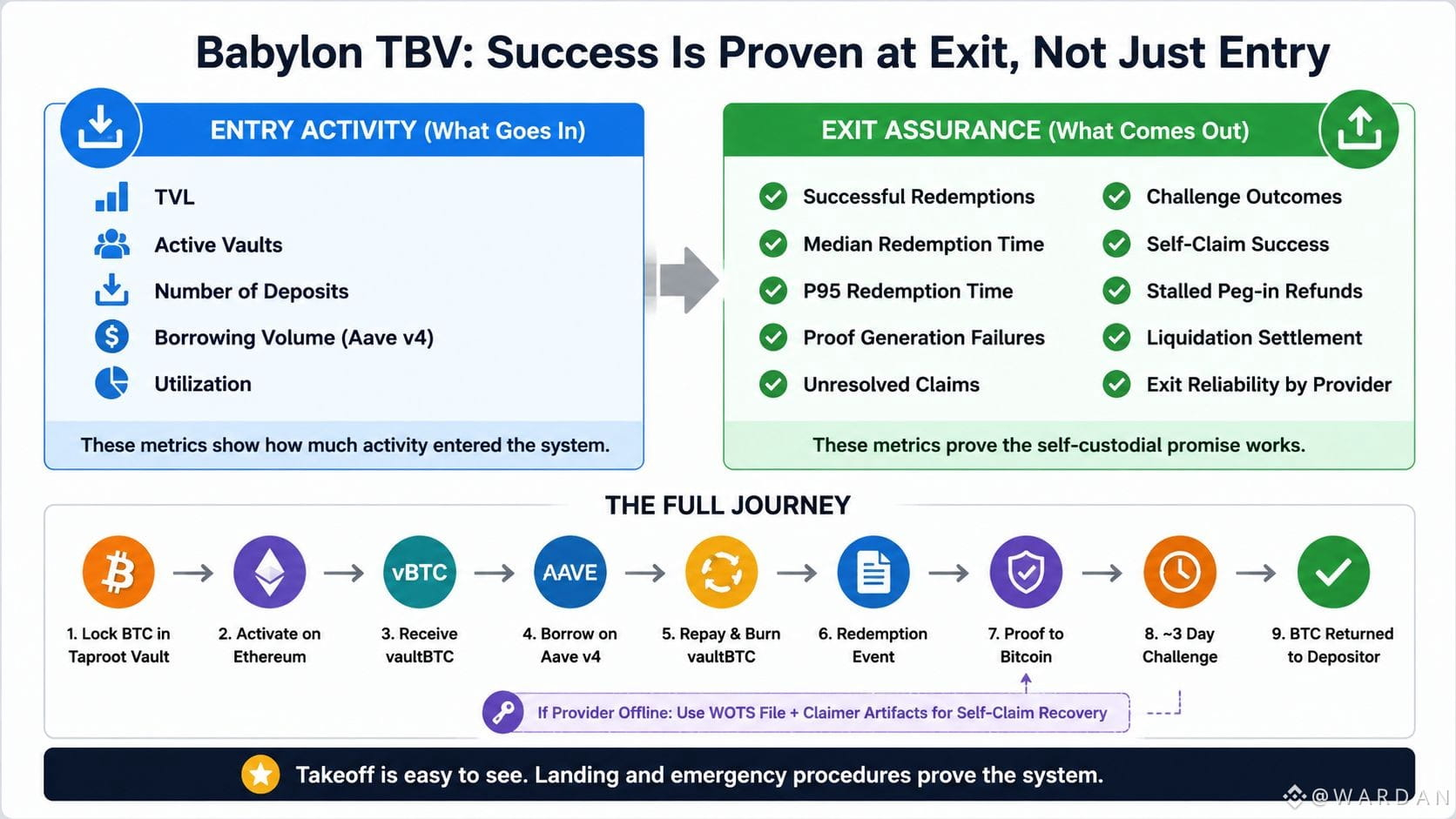
Was mein Bild von Baxylon's trustlosen Bitcoin-Tresoren (TBV) verändert, ist, dass Selbstverwahrung nicht damit endet, den Bitcoin-Schlüssel zu halten.
Im aktuellen Design hängt das stärkste Fallback ebenfalls von Wiederherstellungsdateien ab, die erstellt werden, wenn der Tresor eingerichtet wird. Wenn ein Vault Provider die Auszahlung nicht startet, muss der Einleger möglicherweise die WOTS-Datei und lokale Claimer-Artefakte verwenden, um den bereits genehmigten Bitcoin-Anspruchspfad zu nutzen.
Dieser Punkt ist wichtig, weil der Tresor später nicht einfach eine neue Auszahlungsroute erstellen kann. Die gültigen Bitcoin-Ausgabewege sind im Voraus festgelegt. Die Kontrolle des Nutzers geht also nicht nur darum, den Schlüssel zu besitzen. Es geht auch darum, die Dateien aufzubewahren, die den Fallback-Pfad nutzbar machen.
Der Bitcoin-Schlüssel schützt die Signierautorität, während diese Artefakte die Daten bewahren, die nötig sind, um den vorab erstellten Wiederherstellungsprozess fortzusetzen. Sie lösen unterschiedliche Teile desselben Problems.
Ich lese das nicht als Beweis dafür, dass TBV nicht selbstverwahrend ist. Ich lese es als eine vollständigere Version von Selbstverwahrung: Schlüsselkontrolle plus Wiederherstellungsbereitschaft.
Für einen Testnet-User ist die sinnvolle Prüfung einfach. Bestätige nicht nur, dass der Tresor erstellt wurde und das Ausleihen funktioniert hat. Bestätige außerdem, dass die WOTS-Datei und die Claimer-Artefakte heruntergeladen, sicher gesichert und wiederherstellbar sind, wenn es nötig wird.
Das wäre die Einzelheit, die ich in @babylonlabs_io current $BABY testnet nicht ignorieren würde. Die eigentliche Wiederherstellungsfrage lautet nicht nur „Wer hält den Schlüssel?“ Sie lautet auch „Kann der Eigentümer den Fallback-Pfad nutzen, wenn der normale Provider offline ist?“ #baby
Was mein Bild von Baxylon's trustlosen Bitcoin-Tresoren (TBV) verändert, ist, dass Selbstverwahrung nicht damit endet, den Bitcoin-Schlüssel zu halten.
Im aktuellen Design hängt das stärkste Fallback ebenfalls von Wiederherstellungsdateien ab, die erstellt werden, wenn der Tresor eingerichtet wird. Wenn ein Vault Provider die Auszahlung nicht startet, muss der Einleger möglicherweise die WOTS-Datei und lokale Claimer-Artefakte verwenden, um den bereits genehmigten Bitcoin-Anspruchspfad zu nutzen.
Dieser Punkt ist wichtig, weil der Tresor später nicht einfach eine neue Auszahlungsroute erstellen kann. Die gültigen Bitcoin-Ausgabewege sind im Voraus festgelegt. Die Kontrolle des Nutzers geht also nicht nur darum, den Schlüssel zu besitzen. Es geht auch darum, die Dateien aufzubewahren, die den Fallback-Pfad nutzbar machen.
Der Bitcoin-Schlüssel schützt die Signierautorität, während diese Artefakte die Daten bewahren, die nötig sind, um den vorab erstellten Wiederherstellungsprozess fortzusetzen. Sie lösen unterschiedliche Teile desselben Problems.
Ich lese das nicht als Beweis dafür, dass TBV nicht selbstverwahrend ist. Ich lese es als eine vollständigere Version von Selbstverwahrung: Schlüsselkontrolle plus Wiederherstellungsbereitschaft.
Für einen Testnet-User ist die sinnvolle Prüfung einfach. Bestätige nicht nur, dass der Tresor erstellt wurde und das Ausleihen funktioniert hat. Bestätige außerdem, dass die WOTS-Datei und die Claimer-Artefakte heruntergeladen, sicher gesichert und wiederherstellbar sind, wenn es nötig wird.
Das wäre die Einzelheit, die ich in @BabylonLabs_io current $BABY testnet nicht ignorieren würde. Die eigentliche Wiederherstellungsfrage lautet nicht nur „Wer hält den Schlüssel?“ Sie lautet auch „Kann der Eigentümer den Fallback-Pfad nutzen, wenn der normale Provider offline ist?“ #baby
Im aktuellen Design hängt das stärkste Fallback ebenfalls von Wiederherstellungsdateien ab, die erstellt werden, wenn der Tresor eingerichtet wird. Wenn ein Vault Provider die Auszahlung nicht startet, muss der Einleger möglicherweise die WOTS-Datei und lokale Claimer-Artefakte verwenden, um den bereits genehmigten Bitcoin-Anspruchspfad zu nutzen.
Dieser Punkt ist wichtig, weil der Tresor später nicht einfach eine neue Auszahlungsroute erstellen kann. Die gültigen Bitcoin-Ausgabewege sind im Voraus festgelegt. Die Kontrolle des Nutzers geht also nicht nur darum, den Schlüssel zu besitzen. Es geht auch darum, die Dateien aufzubewahren, die den Fallback-Pfad nutzbar machen.
Der Bitcoin-Schlüssel schützt die Signierautorität, während diese Artefakte die Daten bewahren, die nötig sind, um den vorab erstellten Wiederherstellungsprozess fortzusetzen. Sie lösen unterschiedliche Teile desselben Problems.
Ich lese das nicht als Beweis dafür, dass TBV nicht selbstverwahrend ist. Ich lese es als eine vollständigere Version von Selbstverwahrung: Schlüsselkontrolle plus Wiederherstellungsbereitschaft.
Für einen Testnet-User ist die sinnvolle Prüfung einfach. Bestätige nicht nur, dass der Tresor erstellt wurde und das Ausleihen funktioniert hat. Bestätige außerdem, dass die WOTS-Datei und die Claimer-Artefakte heruntergeladen, sicher gesichert und wiederherstellbar sind, wenn es nötig wird.
Das wäre die Einzelheit, die ich in @BabylonLabs_io current $BABY testnet nicht ignorieren würde. Die eigentliche Wiederherstellungsfrage lautet nicht nur „Wer hält den Schlüssel?“ Sie lautet auch „Kann der Eigentümer den Fallback-Pfad nutzen, wenn der normale Provider offline ist?“ #baby
1
134
·
--
Wenn ich Babylons schneidenden Ablauf von Beweisen bis hin zur Bitcoin-Abwicklung nachverfolge, sticht eine Sache immer wieder hervor: Kryptografische Evidenz ist nicht dasselbe wie wirtschaftliche Durchsetzung.
Das eigentliche Risiko liegt nicht darin, ob Eindeutigkeit (Equivocation) nachgewiesen werden kann. Entscheidend ist, ob dieser Nachweis schnell genug zu einer bestätigten Bitcoin-Transaktion wird, um die Abschreckung zu bewahren.
In Babylons Design können Extractable One-Time Signatures (EOTS) einen Finalitäts-Provider offenlegen, der widersprüchliche Blöcke signiert. Aber der BTC Staking Monitor muss die Übertretung erst erkennen, das verwertbare Schlüsselmaterial extrahieren, den Slashing-Pfad auslösen und dann auf die Aufnahme in Bitcoin warten.
Ich glaube, hier überschätzen viele Menschen, was „trustless“ wirklich bedeutet. Self-custodial BTC-Staking entfernt zwar die Notwendigkeit, Bitcoin zu brücken oder zu wrapen, aber es beseitigt nicht die operative Liveness. Wächter müssen online bleiben, die richtigen Ereignisse indexieren, korrekt handeln und sich bei Überlast um die Blockaufnahme bemühen.
Daher würde ich Babylons Sicherheit nicht nur danach beurteilen, ob es Evidenz für Eindeutigkeit (Equivocation) gibt. Ich würde die gesamte Latenz vom Nachweis bis zur Durchsetzung unter Belastung beobachten.
Zwei Kennzahlen sind am wichtigsten: die mittlere (Median-)Anzahl von Bitcoin-Blöcken von erkannter Eindeutigkeit bis zu einem bestätigten Slash und die Anzahl der nachweisbaren Fälle, die auch nach 12 Blöcken noch nicht geslashed wurden. Wenn die Bestätigung innerhalb von zwei Blöcken bleibt und kein gültiger Fall ungeklärt bleibt, erfüllt der Durchsetzungs-pfad seinen Job. Wenn Verzögerungen anhalten, schwächt sich die Abschreckungsbehauptung, selbst wenn die Kryptografie funktioniert.
Meine Implikation für @babylonlabs_io und $BABY ist einfach: Trustless-Vault-Sicherheit sollte daran gemessen werden, wie schnell aus einem Beweis eine Strafe wird. #BABY
Wenn ich Babylons schneidenden Ablauf von Beweisen bis hin zur Bitcoin-Abwicklung nachverfolge, sticht eine Sache immer wieder hervor: Kryptografische Evidenz ist nicht dasselbe wie wirtschaftliche Durchsetzung.
Das eigentliche Risiko liegt nicht darin, ob Eindeutigkeit (Equivocation) nachgewiesen werden kann. Entscheidend ist, ob dieser Nachweis schnell genug zu einer bestätigten Bitcoin-Transaktion wird, um die Abschreckung zu bewahren.
In Babylons Design können Extractable One-Time Signatures (EOTS) einen Finalitäts-Provider offenlegen, der widersprüchliche Blöcke signiert. Aber der BTC Staking Monitor muss die Übertretung erst erkennen, das verwertbare Schlüsselmaterial extrahieren, den Slashing-Pfad auslösen und dann auf die Aufnahme in Bitcoin warten.
Ich glaube, hier überschätzen viele Menschen, was „trustless“ wirklich bedeutet. Self-custodial BTC-Staking entfernt zwar die Notwendigkeit, Bitcoin zu brücken oder zu wrapen, aber es beseitigt nicht die operative Liveness. Wächter müssen online bleiben, die richtigen Ereignisse indexieren, korrekt handeln und sich bei Überlast um die Blockaufnahme bemühen.
Daher würde ich Babylons Sicherheit nicht nur danach beurteilen, ob es Evidenz für Eindeutigkeit (Equivocation) gibt. Ich würde die gesamte Latenz vom Nachweis bis zur Durchsetzung unter Belastung beobachten.
Zwei Kennzahlen sind am wichtigsten: die mittlere (Median-)Anzahl von Bitcoin-Blöcken von erkannter Eindeutigkeit bis zu einem bestätigten Slash und die Anzahl der nachweisbaren Fälle, die auch nach 12 Blöcken noch nicht geslashed wurden. Wenn die Bestätigung innerhalb von zwei Blöcken bleibt und kein gültiger Fall ungeklärt bleibt, erfüllt der Durchsetzungs-pfad seinen Job. Wenn Verzögerungen anhalten, schwächt sich die Abschreckungsbehauptung, selbst wenn die Kryptografie funktioniert.
Meine Implikation für @BabylonLabs_io und $BABY ist einfach: Trustless-Vault-Sicherheit sollte daran gemessen werden, wie schnell aus einem Beweis eine Strafe wird. #BABY
Das eigentliche Risiko liegt nicht darin, ob Eindeutigkeit (Equivocation) nachgewiesen werden kann. Entscheidend ist, ob dieser Nachweis schnell genug zu einer bestätigten Bitcoin-Transaktion wird, um die Abschreckung zu bewahren.
In Babylons Design können Extractable One-Time Signatures (EOTS) einen Finalitäts-Provider offenlegen, der widersprüchliche Blöcke signiert. Aber der BTC Staking Monitor muss die Übertretung erst erkennen, das verwertbare Schlüsselmaterial extrahieren, den Slashing-Pfad auslösen und dann auf die Aufnahme in Bitcoin warten.
Ich glaube, hier überschätzen viele Menschen, was „trustless“ wirklich bedeutet. Self-custodial BTC-Staking entfernt zwar die Notwendigkeit, Bitcoin zu brücken oder zu wrapen, aber es beseitigt nicht die operative Liveness. Wächter müssen online bleiben, die richtigen Ereignisse indexieren, korrekt handeln und sich bei Überlast um die Blockaufnahme bemühen.
Daher würde ich Babylons Sicherheit nicht nur danach beurteilen, ob es Evidenz für Eindeutigkeit (Equivocation) gibt. Ich würde die gesamte Latenz vom Nachweis bis zur Durchsetzung unter Belastung beobachten.
Zwei Kennzahlen sind am wichtigsten: die mittlere (Median-)Anzahl von Bitcoin-Blöcken von erkannter Eindeutigkeit bis zu einem bestätigten Slash und die Anzahl der nachweisbaren Fälle, die auch nach 12 Blöcken noch nicht geslashed wurden. Wenn die Bestätigung innerhalb von zwei Blöcken bleibt und kein gültiger Fall ungeklärt bleibt, erfüllt der Durchsetzungs-pfad seinen Job. Wenn Verzögerungen anhalten, schwächt sich die Abschreckungsbehauptung, selbst wenn die Kryptografie funktioniert.
Meine Implikation für @BabylonLabs_io und $BABY ist einfach: Trustless-Vault-Sicherheit sollte daran gemessen werden, wie schnell aus einem Beweis eine Strafe wird. #BABY
Median slash latency
67%
Number of detected offenses
0%
Total BTC staked
33%
Finality provider count
0%
3 Stimmen • Abstimmung beendet
2
1
162
·
--
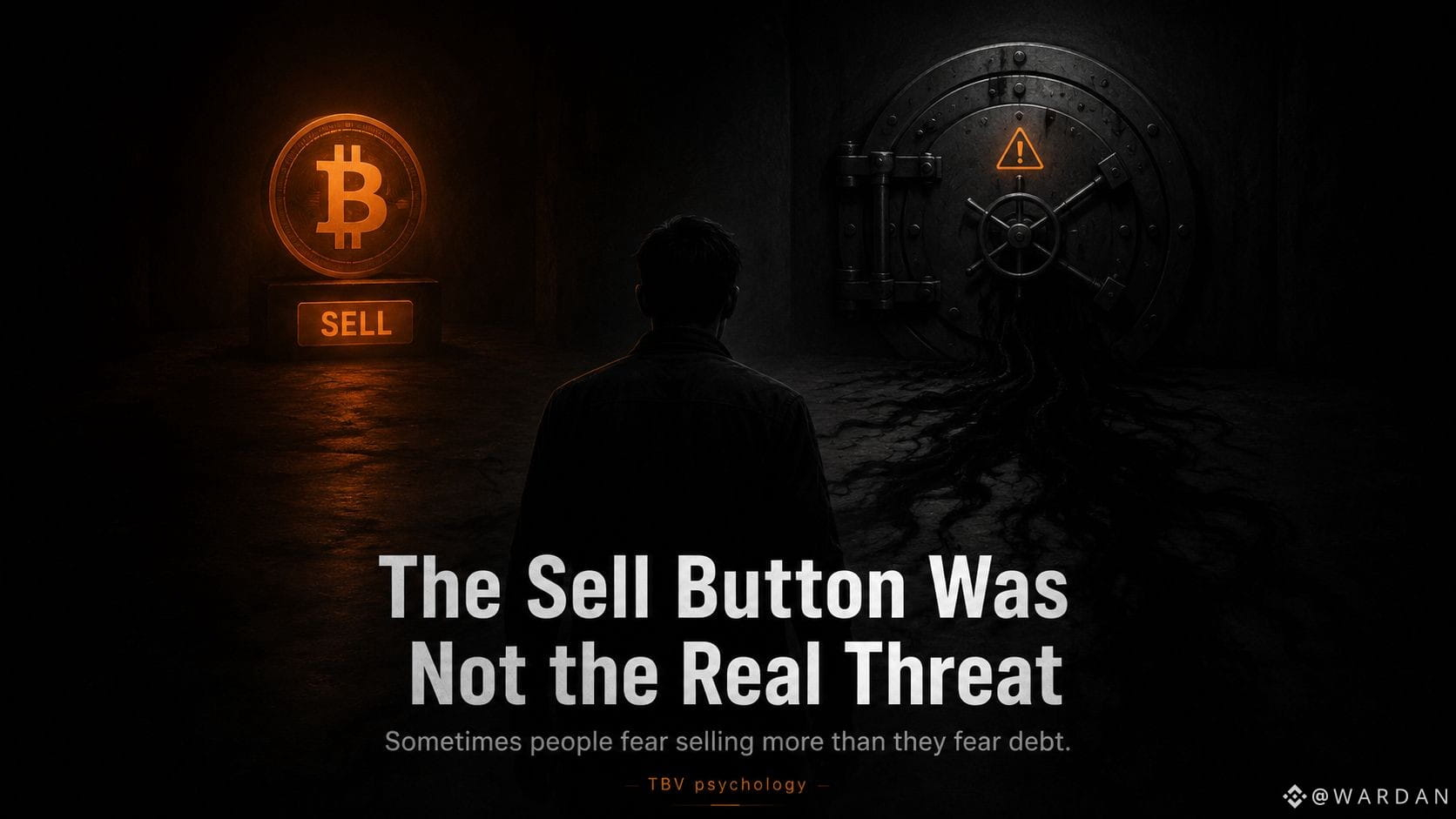
Der „Sell“-Button war nicht die echte Bedrohung
Ich erinnere mich daran, wie ich dabei zugesehen habe, wie ein Bitcoin-Inhaber auf den Sell-Button starrte, als wäre er eine Falltür. Seine Hand bewegte sich in Richtung des Bildschirms, dann hielt er inne. Der Raum war still, aber sein Kopf war laut. Er brauchte nicht all seinen Bitcoin. Er brauchte nur etwas Bargeld. Trotzdem fühlte sich Verkaufen an, als würde er einen Teil seiner Zukunft abschneiden. Also wählte er die Option, die weniger weh tat: den BTC behalten, ihn in einen Tresor legen und gegen ihn borgen.
Am Anfang wirkte die Entscheidung clever. Sein Bitcoin war noch da. Der Preis konnte steigen. Er hatte Bargeld in der Hand. Nichts schien verloren. Genau dort wurde die Psychologie jedoch dunkler.
Menschen fürchten oft einen sichtbaren Verlust mehr als ein verborgenes Risiko. Verkaufen erzeugt eine sofort spürbare Wunde. Der Saldo sinkt, die Münze verschwindet, und die Entscheidung wird endgültig. Schulden wirken weicher, weil sie als Zugang, Wahl und Zeit daherkommen. Aber die Gefahr ist nicht verschwunden. Sie hat nur ihre Form gewechselt.
Ein System wie TBV kann nativem BTC ermöglichen, eine Kreditposition zu stützen, ohne dass es zuerst zu einem Wrapped Token werden muss. Das kann einige alte Grenzen reduzieren. Doch es beseitigt kein Marktrisiko. Zinsen können wachsen. Bitcoin kann fallen. Eine schwache Position kann näher an die Liquidation rücken, während der Inhaber sich weiter einredet: „Ich besitze meinen Bitcoin immer noch.“
Das ist der Twist: Manchmal leihen sich Menschen nicht, weil Schulden sicherer sind. Sie borgen, weil das Verkaufen mehr weh tut.
Die eigentliche Lektion für Lernende lautet nicht „Nie borgen“. Es ist, vor dem Öffnen jeder Position eine härtere Frage zu stellen: Nutze ich Schulden als Werkzeug, oder nutze ich sie, um einer Entscheidung auszuweichen, die ich zu sehr fürchte, zu treffen?
Der Tresor kann den Bitcoin davor schützen, heute verkauft zu werden. Er kann den Inhaber jedoch möglicherweise nicht davor schützen, ihn morgen zu verlieren.
🤯
@babylonlabs_io $BABY #baby
{spot}(BABYUSDT)
Der „Sell“-Button war nicht die echte Bedrohung
Ich erinnere mich daran, wie ich dabei zugesehen habe, wie ein Bitcoin-Inhaber auf den Sell-Button starrte, als wäre er eine Falltür. Seine Hand bewegte sich in Richtung des Bildschirms, dann hielt er inne. Der Raum war still, aber sein Kopf war laut. Er brauchte nicht all seinen Bitcoin. Er brauchte nur etwas Bargeld. Trotzdem fühlte sich Verkaufen an, als würde er einen Teil seiner Zukunft abschneiden. Also wählte er die Option, die weniger weh tat: den BTC behalten, ihn in einen Tresor legen und gegen ihn borgen.
Am Anfang wirkte die Entscheidung clever. Sein Bitcoin war noch da. Der Preis konnte steigen. Er hatte Bargeld in der Hand. Nichts schien verloren. Genau dort wurde die Psychologie jedoch dunkler.
Menschen fürchten oft einen sichtbaren Verlust mehr als ein verborgenes Risiko. Verkaufen erzeugt eine sofort spürbare Wunde. Der Saldo sinkt, die Münze verschwindet, und die Entscheidung wird endgültig. Schulden wirken weicher, weil sie als Zugang, Wahl und Zeit daherkommen. Aber die Gefahr ist nicht verschwunden. Sie hat nur ihre Form gewechselt.
Ein System wie TBV kann nativem BTC ermöglichen, eine Kreditposition zu stützen, ohne dass es zuerst zu einem Wrapped Token werden muss. Das kann einige alte Grenzen reduzieren. Doch es beseitigt kein Marktrisiko. Zinsen können wachsen. Bitcoin kann fallen. Eine schwache Position kann näher an die Liquidation rücken, während der Inhaber sich weiter einredet: „Ich besitze meinen Bitcoin immer noch.“
Das ist der Twist: Manchmal leihen sich Menschen nicht, weil Schulden sicherer sind. Sie borgen, weil das Verkaufen mehr weh tut.
Die eigentliche Lektion für Lernende lautet nicht „Nie borgen“. Es ist, vor dem Öffnen jeder Position eine härtere Frage zu stellen: Nutze ich Schulden als Werkzeug, oder nutze ich sie, um einer Entscheidung auszuweichen, die ich zu sehr fürchte, zu treffen?
Der Tresor kann den Bitcoin davor schützen, heute verkauft zu werden. Er kann den Inhaber jedoch möglicherweise nicht davor schützen, ihn morgen zu verlieren.
🤯
@BabylonLabs_io $BABY #baby
Ich erinnere mich daran, wie ich dabei zugesehen habe, wie ein Bitcoin-Inhaber auf den Sell-Button starrte, als wäre er eine Falltür. Seine Hand bewegte sich in Richtung des Bildschirms, dann hielt er inne. Der Raum war still, aber sein Kopf war laut. Er brauchte nicht all seinen Bitcoin. Er brauchte nur etwas Bargeld. Trotzdem fühlte sich Verkaufen an, als würde er einen Teil seiner Zukunft abschneiden. Also wählte er die Option, die weniger weh tat: den BTC behalten, ihn in einen Tresor legen und gegen ihn borgen.
Am Anfang wirkte die Entscheidung clever. Sein Bitcoin war noch da. Der Preis konnte steigen. Er hatte Bargeld in der Hand. Nichts schien verloren. Genau dort wurde die Psychologie jedoch dunkler.
Menschen fürchten oft einen sichtbaren Verlust mehr als ein verborgenes Risiko. Verkaufen erzeugt eine sofort spürbare Wunde. Der Saldo sinkt, die Münze verschwindet, und die Entscheidung wird endgültig. Schulden wirken weicher, weil sie als Zugang, Wahl und Zeit daherkommen. Aber die Gefahr ist nicht verschwunden. Sie hat nur ihre Form gewechselt.
Ein System wie TBV kann nativem BTC ermöglichen, eine Kreditposition zu stützen, ohne dass es zuerst zu einem Wrapped Token werden muss. Das kann einige alte Grenzen reduzieren. Doch es beseitigt kein Marktrisiko. Zinsen können wachsen. Bitcoin kann fallen. Eine schwache Position kann näher an die Liquidation rücken, während der Inhaber sich weiter einredet: „Ich besitze meinen Bitcoin immer noch.“
Das ist der Twist: Manchmal leihen sich Menschen nicht, weil Schulden sicherer sind. Sie borgen, weil das Verkaufen mehr weh tut.
Die eigentliche Lektion für Lernende lautet nicht „Nie borgen“. Es ist, vor dem Öffnen jeder Position eine härtere Frage zu stellen: Nutze ich Schulden als Werkzeug, oder nutze ich sie, um einer Entscheidung auszuweichen, die ich zu sehr fürchte, zu treffen?
Der Tresor kann den Bitcoin davor schützen, heute verkauft zu werden. Er kann den Inhaber jedoch möglicherweise nicht davor schützen, ihn morgen zu verlieren.
🤯
@BabylonLabs_io $BABY #baby
114
·
--
Artikel
Der Markt nahm mir mein Geld nie abDer Gewinn glühte noch immer grün auf meinem Bildschirm, als ich merkte, dass etwas Seltsames im Raum war. Nichts war abgestürzt, keine Warnmeldung hatte sich gezeigt, und der Kurschart bewegte sich immer noch in meine Richtung, doch die Stille um mich herum fühlte sich schwer an. Mein Ziel war bereits erreicht. Laut dem Plan, der in meinem Notizbuch stand, war der Handel beendet, aber meine Hand hielt inne, bevor ich auf den Schließen-Button drückte. Die Zahl auf dem Bildschirm war nicht mehr nur Gewinn. Sie hatte begonnen, wie der Anfang von etwas viel Größerem auszusehen.
Der Markt nahm mir mein Geld nie ab
Der Gewinn glühte noch immer grün auf meinem Bildschirm, als ich merkte, dass etwas Seltsames im Raum war. Nichts war abgestürzt, keine Warnmeldung hatte sich gezeigt, und der Kurschart bewegte sich immer noch in meine Richtung, doch die Stille um mich herum fühlte sich schwer an. Mein Ziel war bereits erreicht. Laut dem Plan, der in meinem Notizbuch stand, war der Handel beendet, aber meine Hand hielt inne, bevor ich auf den Schließen-Button drückte. Die Zahl auf dem Bildschirm war nicht mehr nur Gewinn. Sie hatte begonnen, wie der Anfang von etwas viel Größerem auszusehen.
118
·
--
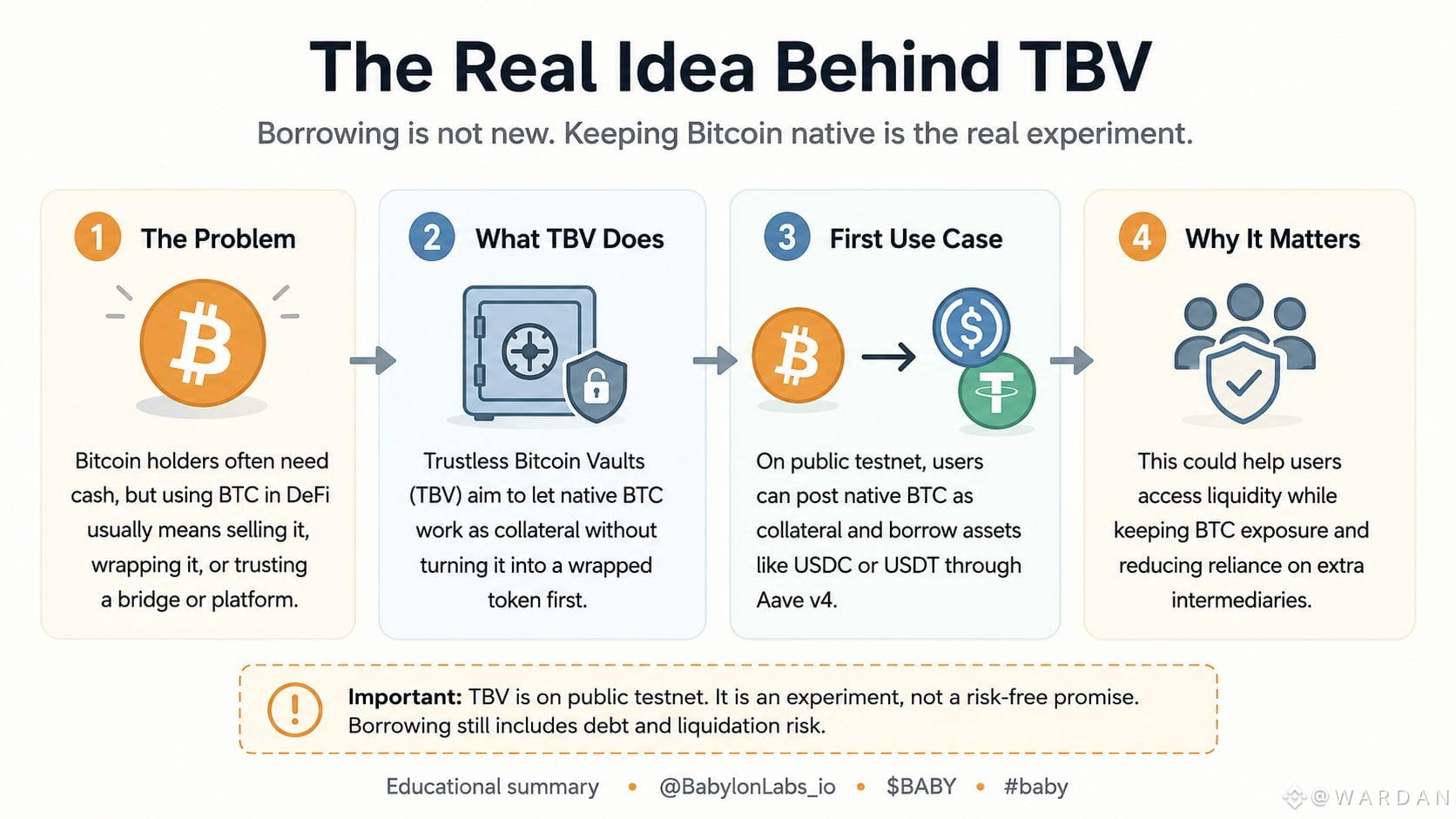
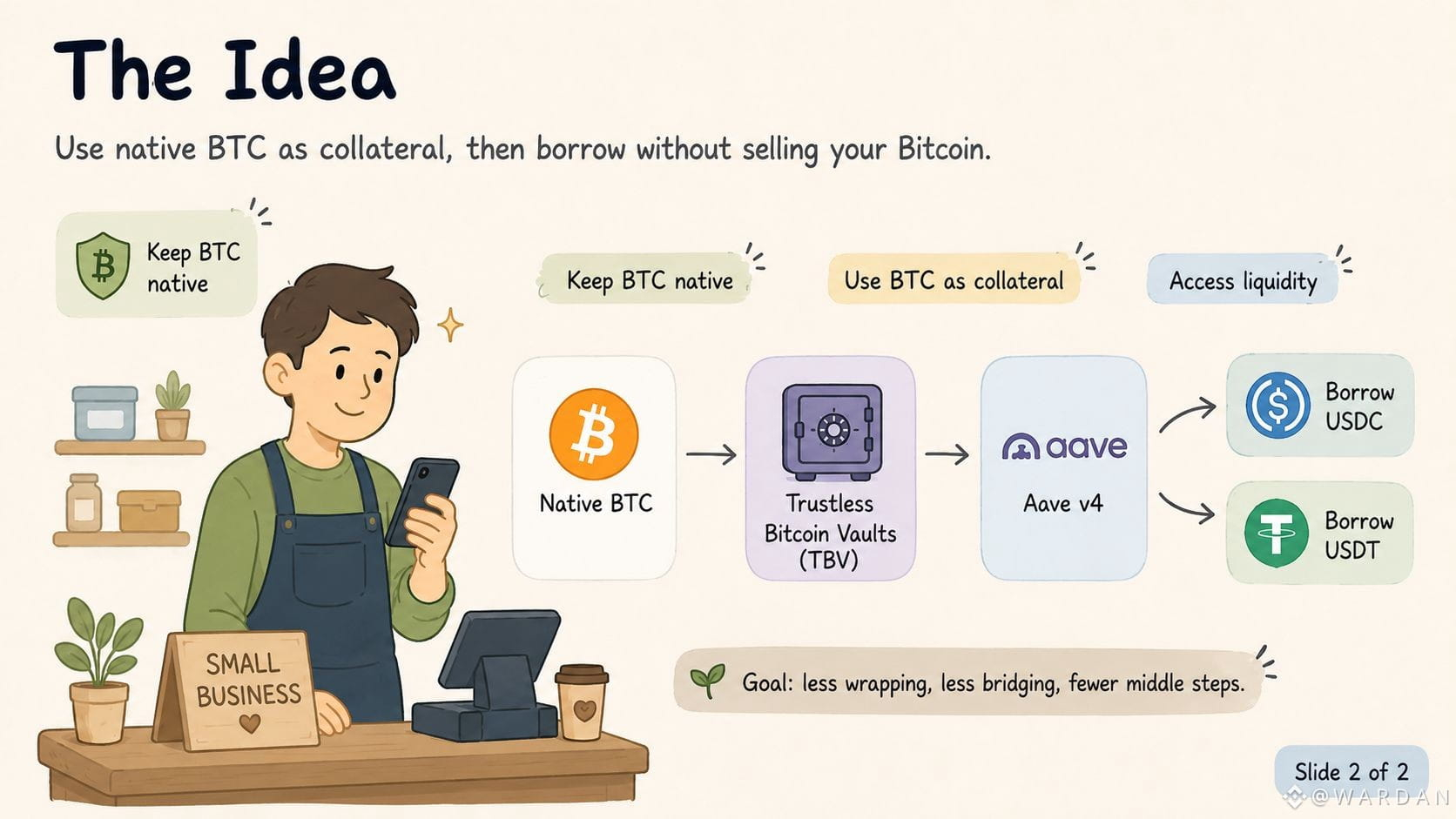
Ich habe auf meinem Handy durch die öffentliche Testnet-Seite von Babylon gescrollt, als mich eine kleine Frage kurz stoppte: Wenn das Ausleihen gegen Bitcoin bereits existiert – was ist hier eigentlich neu? Ich bin den Ablauf nochmal durchgegangen, habe die Testnet-Links geöffnet, mir die Schritte angesehen, und die Antwort wurde klarer. Die eigentliche Idee ist nicht das Darlehen selbst. Die eigentliche Idee ist, Bitcoin native zu behalten, während es als Sicherheit genutzt wird.
Ein Inhaber eines kleinen Unternehmens schließt gerade seinen Laden, als ein Lieferant ihm eine Nachricht schickt und um Zahlung bis zum nächsten Morgen bittet. Ein Großteil seiner Ersparnisse steckt in Bitcoin. Er möchte nicht verkaufen, weil er vorhat, es noch jahrelang zu halten, aber er braucht trotzdem kurzfristig Geld. Er öffnet seine Wallet, prüft den BTC-Saldo und beginnt, nach einer Lösung zu suchen. Sehr schnell findet er Wrapped Bitcoin, Bridges, Custodians und verschiedene Netzwerke. Aus einem scheinbar einfachen Kredit werden nun mehrere zusätzliche Schritte und mehrere neue Dinge, denen man vertrauen muss.
Genau dieses Problem versuchen Trustless Bitcoin Vaults (TBV) zu lösen. TBV ist darauf ausgelegt, dass natives BTC als Sicherheit funktioniert, ohne es zuerst in einen Wrapped Token umzuwandeln oder die Kontrolle an einen zentralisierten Kreditgeber abzugeben.
Der erste Use Case verbindet natives Bitcoin-gestütztes Borrowing mit Aave v4. Ein Nutzer kann natives BTC als Sicherheit hinterlegen und unterstützte Assets wie USDC oder USDT auf Ethereum ausleihen. Der wichtige Punkt ist nicht nur, Stablecoins zu erhalten. Das passiert bereits in vielen Kreditmärkten. Spannend ist vielmehr, wie man diese Liquidität erreichen kann, während die Sicherheit weiterhin natives Bitcoin bleibt.
Das öffentliche Testnet ist der Ort, an dem diese Idee mehr wird als ein sauberer Satz. Ein Nutzer muss die App öffnen, Test-Tokens beanspruchen, die Borrowing-Schritte durchlaufen, die Transaktion im Explorer prüfen und dabei feststellen, wo sich der Prozess klar oder verwirrend anfühlt.
TBV befindet sich noch im Testnet, daher sollte es nicht als abgeschlossen oder risikofrei betrachtet werden. Ausleihen bedeutet weiterhin Schulden, Zinsen und das Risiko einer Liquidation. Aber die dahinterliegende Frage ist stark: Kann ein Bitcoin-Inhaber Liquidität erreichen, ohne BTC zu verkaufen, zu wrappen oder die Kontrolle an ein zentrales Unternehmen abzugeben?
Das ist der Teil, den ich am meisten für beobachtenswert halte.
@babylonlabs_io $BABY #baby
Ich habe auf meinem Handy durch die öffentliche Testnet-Seite von Babylon gescrollt, als mich eine kleine Frage kurz stoppte: Wenn das Ausleihen gegen Bitcoin bereits existiert – was ist hier eigentlich neu? Ich bin den Ablauf nochmal durchgegangen, habe die Testnet-Links geöffnet, mir die Schritte angesehen, und die Antwort wurde klarer. Die eigentliche Idee ist nicht das Darlehen selbst. Die eigentliche Idee ist, Bitcoin native zu behalten, während es als Sicherheit genutzt wird.
Ein Inhaber eines kleinen Unternehmens schließt gerade seinen Laden, als ein Lieferant ihm eine Nachricht schickt und um Zahlung bis zum nächsten Morgen bittet. Ein Großteil seiner Ersparnisse steckt in Bitcoin. Er möchte nicht verkaufen, weil er vorhat, es noch jahrelang zu halten, aber er braucht trotzdem kurzfristig Geld. Er öffnet seine Wallet, prüft den BTC-Saldo und beginnt, nach einer Lösung zu suchen. Sehr schnell findet er Wrapped Bitcoin, Bridges, Custodians und verschiedene Netzwerke. Aus einem scheinbar einfachen Kredit werden nun mehrere zusätzliche Schritte und mehrere neue Dinge, denen man vertrauen muss.
Genau dieses Problem versuchen Trustless Bitcoin Vaults (TBV) zu lösen. TBV ist darauf ausgelegt, dass natives BTC als Sicherheit funktioniert, ohne es zuerst in einen Wrapped Token umzuwandeln oder die Kontrolle an einen zentralisierten Kreditgeber abzugeben.
Der erste Use Case verbindet natives Bitcoin-gestütztes Borrowing mit Aave v4. Ein Nutzer kann natives BTC als Sicherheit hinterlegen und unterstützte Assets wie USDC oder USDT auf Ethereum ausleihen. Der wichtige Punkt ist nicht nur, Stablecoins zu erhalten. Das passiert bereits in vielen Kreditmärkten. Spannend ist vielmehr, wie man diese Liquidität erreichen kann, während die Sicherheit weiterhin natives Bitcoin bleibt.
Das öffentliche Testnet ist der Ort, an dem diese Idee mehr wird als ein sauberer Satz. Ein Nutzer muss die App öffnen, Test-Tokens beanspruchen, die Borrowing-Schritte durchlaufen, die Transaktion im Explorer prüfen und dabei feststellen, wo sich der Prozess klar oder verwirrend anfühlt.
TBV befindet sich noch im Testnet, daher sollte es nicht als abgeschlossen oder risikofrei betrachtet werden. Ausleihen bedeutet weiterhin Schulden, Zinsen und das Risiko einer Liquidation. Aber die dahinterliegende Frage ist stark: Kann ein Bitcoin-Inhaber Liquidität erreichen, ohne BTC zu verkaufen, zu wrappen oder die Kontrolle an ein zentrales Unternehmen abzugeben?
Das ist der Teil, den ich am meisten für beobachtenswert halte.
@BabylonLabs_io $BABY #baby
Ein Inhaber eines kleinen Unternehmens schließt gerade seinen Laden, als ein Lieferant ihm eine Nachricht schickt und um Zahlung bis zum nächsten Morgen bittet. Ein Großteil seiner Ersparnisse steckt in Bitcoin. Er möchte nicht verkaufen, weil er vorhat, es noch jahrelang zu halten, aber er braucht trotzdem kurzfristig Geld. Er öffnet seine Wallet, prüft den BTC-Saldo und beginnt, nach einer Lösung zu suchen. Sehr schnell findet er Wrapped Bitcoin, Bridges, Custodians und verschiedene Netzwerke. Aus einem scheinbar einfachen Kredit werden nun mehrere zusätzliche Schritte und mehrere neue Dinge, denen man vertrauen muss.
Genau dieses Problem versuchen Trustless Bitcoin Vaults (TBV) zu lösen. TBV ist darauf ausgelegt, dass natives BTC als Sicherheit funktioniert, ohne es zuerst in einen Wrapped Token umzuwandeln oder die Kontrolle an einen zentralisierten Kreditgeber abzugeben.
Der erste Use Case verbindet natives Bitcoin-gestütztes Borrowing mit Aave v4. Ein Nutzer kann natives BTC als Sicherheit hinterlegen und unterstützte Assets wie USDC oder USDT auf Ethereum ausleihen. Der wichtige Punkt ist nicht nur, Stablecoins zu erhalten. Das passiert bereits in vielen Kreditmärkten. Spannend ist vielmehr, wie man diese Liquidität erreichen kann, während die Sicherheit weiterhin natives Bitcoin bleibt.
Das öffentliche Testnet ist der Ort, an dem diese Idee mehr wird als ein sauberer Satz. Ein Nutzer muss die App öffnen, Test-Tokens beanspruchen, die Borrowing-Schritte durchlaufen, die Transaktion im Explorer prüfen und dabei feststellen, wo sich der Prozess klar oder verwirrend anfühlt.
TBV befindet sich noch im Testnet, daher sollte es nicht als abgeschlossen oder risikofrei betrachtet werden. Ausleihen bedeutet weiterhin Schulden, Zinsen und das Risiko einer Liquidation. Aber die dahinterliegende Frage ist stark: Kann ein Bitcoin-Inhaber Liquidität erreichen, ohne BTC zu verkaufen, zu wrappen oder die Kontrolle an ein zentrales Unternehmen abzugeben?
Das ist der Teil, den ich am meisten für beobachtenswert halte.
@BabylonLabs_io $BABY #baby
1
149
·
--
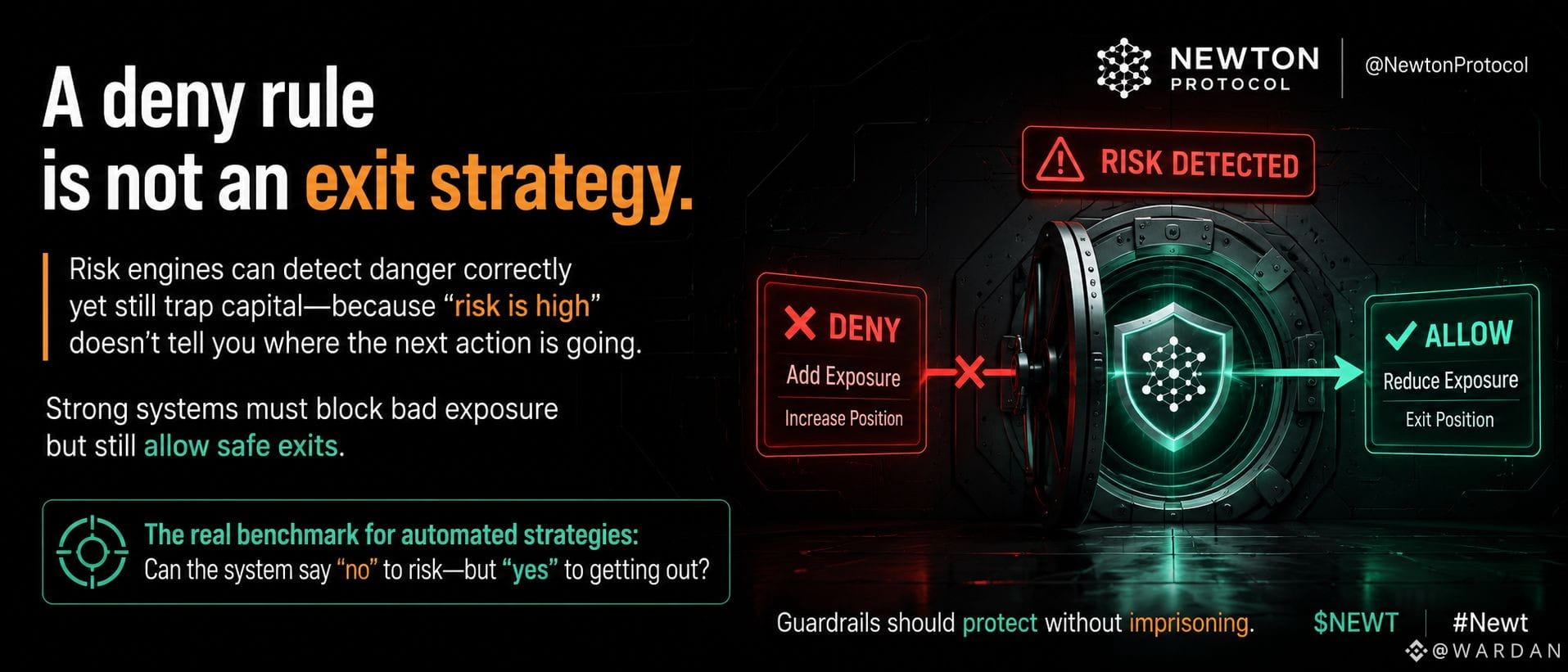
Ein Risk-Engine kann auch dann ausfallen, wenn sie die Gefahr korrekt erkennt.
Das ist der unangenehme Test für @NewtonProtocol l und $NEWT
Stell dir vor, ein Tresor gerät an einen Depeg- oder Drawdown-Schwellenwert. Die Richtlinie sieht das Risiko und beginnt, Transaktionen abzulehnen. In Ordnung. Aber die eigentliche Frage ist, ob sie zwischen einer Handlung, die Exposure hinzufügt, und einer, die es reduziert, unterscheiden kann.
Denn „Risiko ist hoch“ ist nur eine Beschreibung des aktuellen Zustands. Es sagt dir nicht, wohin die nächste Transaktion den Tresor führt.
Eine stumpfe „Deny“-Regel kann beide Richtungen blockieren.
Das erzeugt eine seltsame Ausfallart: Das System erkennt die Gefahr, setzt die Regel exakt so um, wie sie geschrieben ist, und fängt dennoch Kapital innerhalb der Bedingung ein, vor der es eigentlich schützen sollte.
Darum ist die Ausführungsrichtung wichtiger als die reine Risikoerkennung für automatisierte Strategien.
Die Policy-Schicht muss nicht nur bewerten, was jetzt falsch ist, sondern auch, ob die beabsichtigte Aktion die Position sicherer oder schlechter macht. Exposure hinzuzufügen während eines Depegs und diese Exposure zu beenden sollte nicht dieselbe Antwort erhalten, nur weil beide Transaktionen unter demselben Risiko-Flag stattfinden.
Eine „Deny“-Regel ist keine Exit-Strategie.
Für Newton ist der schwierigere Maßstab nicht, wie zuverlässig Policies „nein“ sagen können. Entscheidend ist, ob sie sagen können: Nein, du kannst dieses Risiko nicht hinzufügen – aber ja, du kannst es verlassen.
Diese Unterscheidung kann darüber entscheiden, ob programmierbare Leitplanken zu realen institutionellen Risikokontrollen werden oder nur zu sehr effizienten Schlössern.
#Newt
Ein Risk-Engine kann auch dann ausfallen, wenn sie die Gefahr korrekt erkennt.
Das ist der unangenehme Test für @NewtonProtocol l und $NEWT
Stell dir vor, ein Tresor gerät an einen Depeg- oder Drawdown-Schwellenwert. Die Richtlinie sieht das Risiko und beginnt, Transaktionen abzulehnen. In Ordnung. Aber die eigentliche Frage ist, ob sie zwischen einer Handlung, die Exposure hinzufügt, und einer, die es reduziert, unterscheiden kann.
Denn „Risiko ist hoch“ ist nur eine Beschreibung des aktuellen Zustands. Es sagt dir nicht, wohin die nächste Transaktion den Tresor führt.
Eine stumpfe „Deny“-Regel kann beide Richtungen blockieren.
Das erzeugt eine seltsame Ausfallart: Das System erkennt die Gefahr, setzt die Regel exakt so um, wie sie geschrieben ist, und fängt dennoch Kapital innerhalb der Bedingung ein, vor der es eigentlich schützen sollte.
Darum ist die Ausführungsrichtung wichtiger als die reine Risikoerkennung für automatisierte Strategien.
Die Policy-Schicht muss nicht nur bewerten, was jetzt falsch ist, sondern auch, ob die beabsichtigte Aktion die Position sicherer oder schlechter macht. Exposure hinzuzufügen während eines Depegs und diese Exposure zu beenden sollte nicht dieselbe Antwort erhalten, nur weil beide Transaktionen unter demselben Risiko-Flag stattfinden.
Eine „Deny“-Regel ist keine Exit-Strategie.
Für Newton ist der schwierigere Maßstab nicht, wie zuverlässig Policies „nein“ sagen können. Entscheidend ist, ob sie sagen können: Nein, du kannst dieses Risiko nicht hinzufügen – aber ja, du kannst es verlassen.
Diese Unterscheidung kann darüber entscheiden, ob programmierbare Leitplanken zu realen institutionellen Risikokontrollen werden oder nur zu sehr effizienten Schlössern.
#Newt
Das ist der unangenehme Test für @NewtonProtocol l und $NEWT
Stell dir vor, ein Tresor gerät an einen Depeg- oder Drawdown-Schwellenwert. Die Richtlinie sieht das Risiko und beginnt, Transaktionen abzulehnen. In Ordnung. Aber die eigentliche Frage ist, ob sie zwischen einer Handlung, die Exposure hinzufügt, und einer, die es reduziert, unterscheiden kann.
Denn „Risiko ist hoch“ ist nur eine Beschreibung des aktuellen Zustands. Es sagt dir nicht, wohin die nächste Transaktion den Tresor führt.
Eine stumpfe „Deny“-Regel kann beide Richtungen blockieren.
Das erzeugt eine seltsame Ausfallart: Das System erkennt die Gefahr, setzt die Regel exakt so um, wie sie geschrieben ist, und fängt dennoch Kapital innerhalb der Bedingung ein, vor der es eigentlich schützen sollte.
Darum ist die Ausführungsrichtung wichtiger als die reine Risikoerkennung für automatisierte Strategien.
Die Policy-Schicht muss nicht nur bewerten, was jetzt falsch ist, sondern auch, ob die beabsichtigte Aktion die Position sicherer oder schlechter macht. Exposure hinzuzufügen während eines Depegs und diese Exposure zu beenden sollte nicht dieselbe Antwort erhalten, nur weil beide Transaktionen unter demselben Risiko-Flag stattfinden.
Eine „Deny“-Regel ist keine Exit-Strategie.
Für Newton ist der schwierigere Maßstab nicht, wie zuverlässig Policies „nein“ sagen können. Entscheidend ist, ob sie sagen können: Nein, du kannst dieses Risiko nicht hinzufügen – aber ja, du kannst es verlassen.
Diese Unterscheidung kann darüber entscheiden, ob programmierbare Leitplanken zu realen institutionellen Risikokontrollen werden oder nur zu sehr effizienten Schlössern.
#Newt
2
1
110
·
--
Artikel
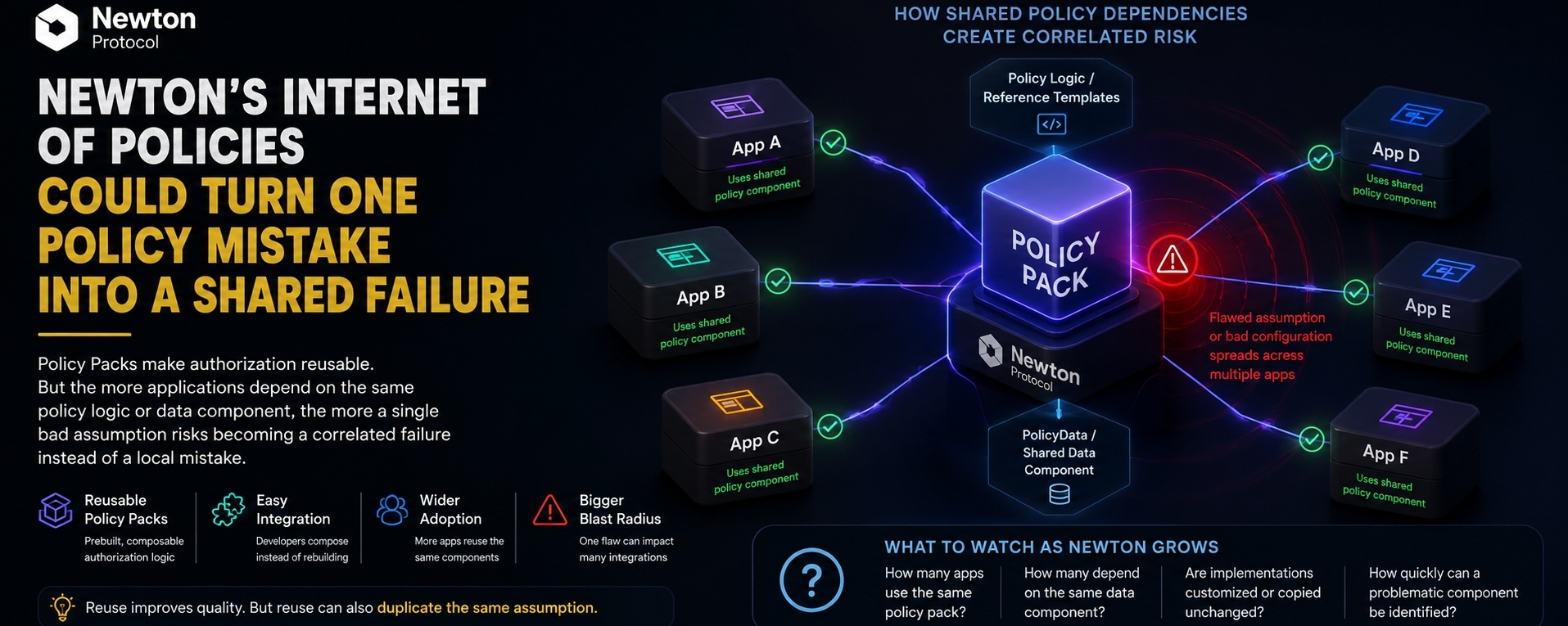
Newtons Policy Packs könnten wichtiger werden als die Apps, die sie verwendenDer Teil von Newton, der mich zum Innehalten brachte, war kein Scheitern. Es war Bequemlichkeit. Policy Packs sind nützlich, weil ein Ersteller die gleiche Autorisierungslogik nicht jedes Mal neu erstellen muss. Eine funktionierende Policy-Komponente kann wiederverwendet, mit anderen Komponenten kombiniert und in eine neue Anwendung eingebettet werden. Aus Sicht eines Entwicklers ist das genau das, was gute Infrastruktur tun sollte.
Aber Bequemlichkeit verändert das Verhalten.
Wenn Entwickler eine Komponente finden, die bereits funktioniert, werden viele von ihnen sich dafür entscheiden. Sie sparen Zeit, reduzieren ihre eigene Ingenieursarbeit und vermeiden es, Bedienelemente neu zu bauen, die bereits existieren. Ein beliebtes Paket kann sich langsam zur normalen Wahl entwickeln, ohne dass jemand formell entscheidet, dass es zum Standard werden soll.
Newtons Policy Packs könnten wichtiger werden als die Apps, die sie verwenden
Der Teil von Newton, der mich zum Innehalten brachte, war kein Scheitern. Es war Bequemlichkeit. Policy Packs sind nützlich, weil ein Ersteller die gleiche Autorisierungslogik nicht jedes Mal neu erstellen muss. Eine funktionierende Policy-Komponente kann wiederverwendet, mit anderen Komponenten kombiniert und in eine neue Anwendung eingebettet werden. Aus Sicht eines Entwicklers ist das genau das, was gute Infrastruktur tun sollte.
Aber Bequemlichkeit verändert das Verhalten.
Wenn Entwickler eine Komponente finden, die bereits funktioniert, werden viele von ihnen sich dafür entscheiden. Sie sparen Zeit, reduzieren ihre eigene Ingenieursarbeit und vermeiden es, Bedienelemente neu zu bauen, die bereits existieren. Ein beliebtes Paket kann sich langsam zur normalen Wahl entwickeln, ohne dass jemand formell entscheidet, dass es zum Standard werden soll.
Aber Bequemlichkeit verändert das Verhalten.
Wenn Entwickler eine Komponente finden, die bereits funktioniert, werden viele von ihnen sich dafür entscheiden. Sie sparen Zeit, reduzieren ihre eigene Ingenieursarbeit und vermeiden es, Bedienelemente neu zu bauen, die bereits existieren. Ein beliebtes Paket kann sich langsam zur normalen Wahl entwickeln, ohne dass jemand formell entscheidet, dass es zum Standard werden soll.
4
1
204
·
--
Morgen früh, während ich den Konsens-Flow von Newton überprüfte, schrieb ich drei leicht unterschiedliche Kursablesungen nebeneinander. Zuerst behandelte ich die Lücke als normale Marktrauschen. Aber sobald Newton diese Ablesungen in einen einzelnen Medianwert umwandelte, wirkte die „exakte“ Schwelle der Richtlinie weniger einfach.
Newton-Operatoren können unterschiedliche numerische Werte abrufen. Das Gateway berechnet einen Median, prüft, ob die Ablesungen innerhalb der konfigurierten Toleranz bleiben, und gibt der Richtlinie dann einen gemeinsamen Wert zur Bewertung. So wird verhindert, dass eine verzögerte oder abnormale Ablesung die Entscheidung dominiert.
Dieses Design ist nützlich, aber die Toleranz wird entscheidend, wenn eine Vault-Regel nahe an einer engen Grenze für Preis, Risiko, Hebel oder Depeg liegt. In so einem Fall hängt das Ergebnis nicht nur von der in der Richtlinie festgeschriebenen Schwelle ab, sondern auch davon, wie stark Newton Meinungsverschiedenheiten zulässt, bevor der Median gebildet wird.
Das beweist nicht, dass Newtons dokumentierte 10%-Vorgabe von jeder Live-Richtlinie verwendet wird, oder dass die aktuellen Autorisierungen ungenau sind. Die Toleranz ist konfigurierbar, und Werte außerhalb davon können den Konsens fehlschlagen lassen, statt akzeptiert zu werden.
Ich würde eine Newton-Richtlinie nicht allein danach beurteilen, welches Oracle die Daten liefert. Ich würde auch wissen wollen, wie weit die Ablesungen der Operatoren voneinander abwichen, welche Toleranz ausgewählt wurde und wie nah der endgültige Median an die Richtlinienschwelle herankam. Median-Konsens wird erst dann nützlich, wenn die erlaubte Uneinigkeit zur Sensitivität des geschützten Geldes passt.
@NewtonProtocol $NEWT #Newt
Morgen früh, während ich den Konsens-Flow von Newton überprüfte, schrieb ich drei leicht unterschiedliche Kursablesungen nebeneinander. Zuerst behandelte ich die Lücke als normale Marktrauschen. Aber sobald Newton diese Ablesungen in einen einzelnen Medianwert umwandelte, wirkte die „exakte“ Schwelle der Richtlinie weniger einfach.
Newton-Operatoren können unterschiedliche numerische Werte abrufen. Das Gateway berechnet einen Median, prüft, ob die Ablesungen innerhalb der konfigurierten Toleranz bleiben, und gibt der Richtlinie dann einen gemeinsamen Wert zur Bewertung. So wird verhindert, dass eine verzögerte oder abnormale Ablesung die Entscheidung dominiert.
Dieses Design ist nützlich, aber die Toleranz wird entscheidend, wenn eine Vault-Regel nahe an einer engen Grenze für Preis, Risiko, Hebel oder Depeg liegt. In so einem Fall hängt das Ergebnis nicht nur von der in der Richtlinie festgeschriebenen Schwelle ab, sondern auch davon, wie stark Newton Meinungsverschiedenheiten zulässt, bevor der Median gebildet wird.
Das beweist nicht, dass Newtons dokumentierte 10%-Vorgabe von jeder Live-Richtlinie verwendet wird, oder dass die aktuellen Autorisierungen ungenau sind. Die Toleranz ist konfigurierbar, und Werte außerhalb davon können den Konsens fehlschlagen lassen, statt akzeptiert zu werden.
Ich würde eine Newton-Richtlinie nicht allein danach beurteilen, welches Oracle die Daten liefert. Ich würde auch wissen wollen, wie weit die Ablesungen der Operatoren voneinander abwichen, welche Toleranz ausgewählt wurde und wie nah der endgültige Median an die Richtlinienschwelle herankam. Median-Konsens wird erst dann nützlich, wenn die erlaubte Uneinigkeit zur Sensitivität des geschützten Geldes passt.
@NewtonProtocol $NEWT #Newt
Newton-Operatoren können unterschiedliche numerische Werte abrufen. Das Gateway berechnet einen Median, prüft, ob die Ablesungen innerhalb der konfigurierten Toleranz bleiben, und gibt der Richtlinie dann einen gemeinsamen Wert zur Bewertung. So wird verhindert, dass eine verzögerte oder abnormale Ablesung die Entscheidung dominiert.
Dieses Design ist nützlich, aber die Toleranz wird entscheidend, wenn eine Vault-Regel nahe an einer engen Grenze für Preis, Risiko, Hebel oder Depeg liegt. In so einem Fall hängt das Ergebnis nicht nur von der in der Richtlinie festgeschriebenen Schwelle ab, sondern auch davon, wie stark Newton Meinungsverschiedenheiten zulässt, bevor der Median gebildet wird.
Das beweist nicht, dass Newtons dokumentierte 10%-Vorgabe von jeder Live-Richtlinie verwendet wird, oder dass die aktuellen Autorisierungen ungenau sind. Die Toleranz ist konfigurierbar, und Werte außerhalb davon können den Konsens fehlschlagen lassen, statt akzeptiert zu werden.
Ich würde eine Newton-Richtlinie nicht allein danach beurteilen, welches Oracle die Daten liefert. Ich würde auch wissen wollen, wie weit die Ablesungen der Operatoren voneinander abwichen, welche Toleranz ausgewählt wurde und wie nah der endgültige Median an die Richtlinienschwelle herankam. Median-Konsens wird erst dann nützlich, wenn die erlaubte Uneinigkeit zur Sensitivität des geschützten Geldes passt.
@NewtonProtocol $NEWT #Newt
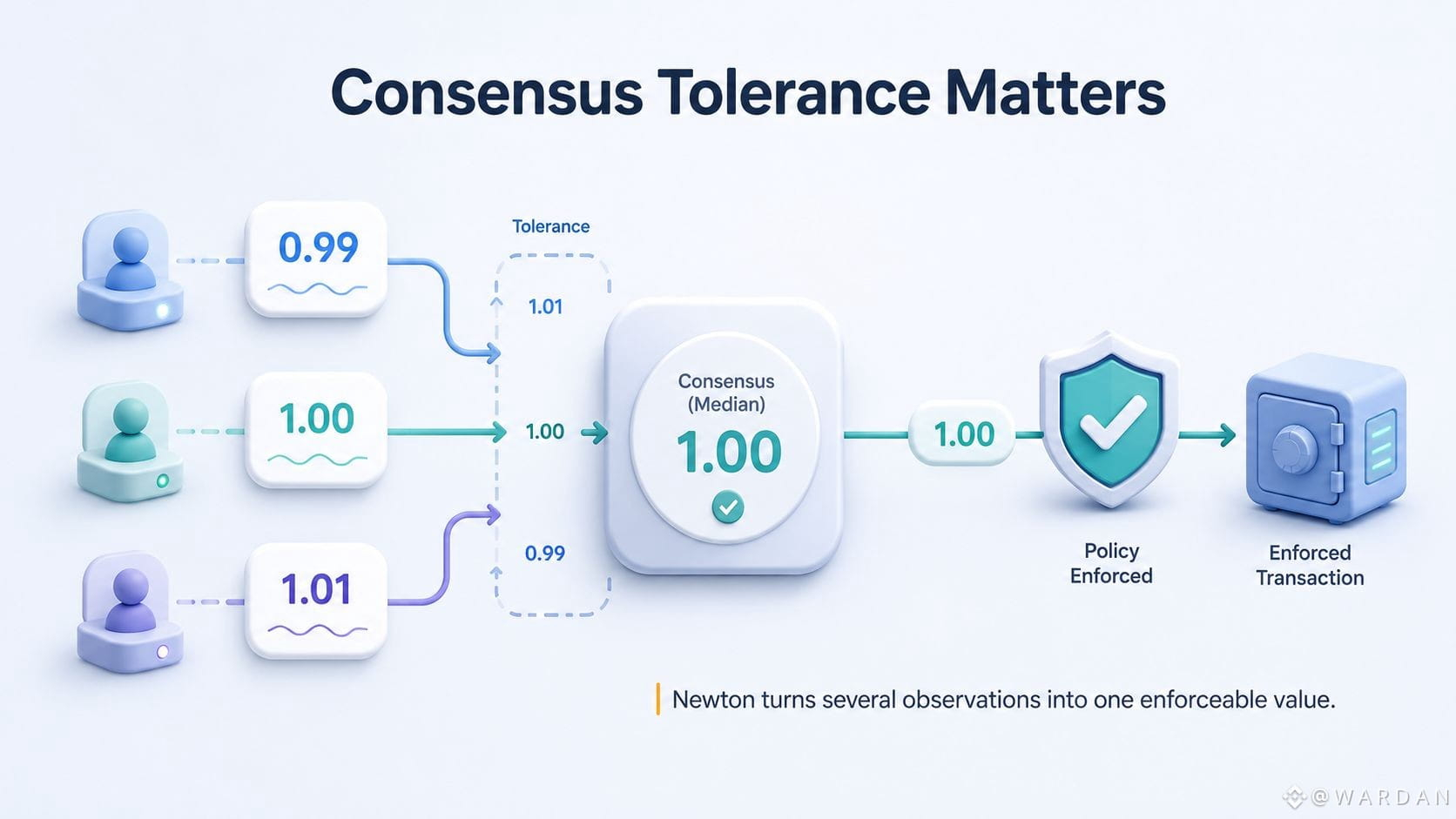
4
1
103
·
--
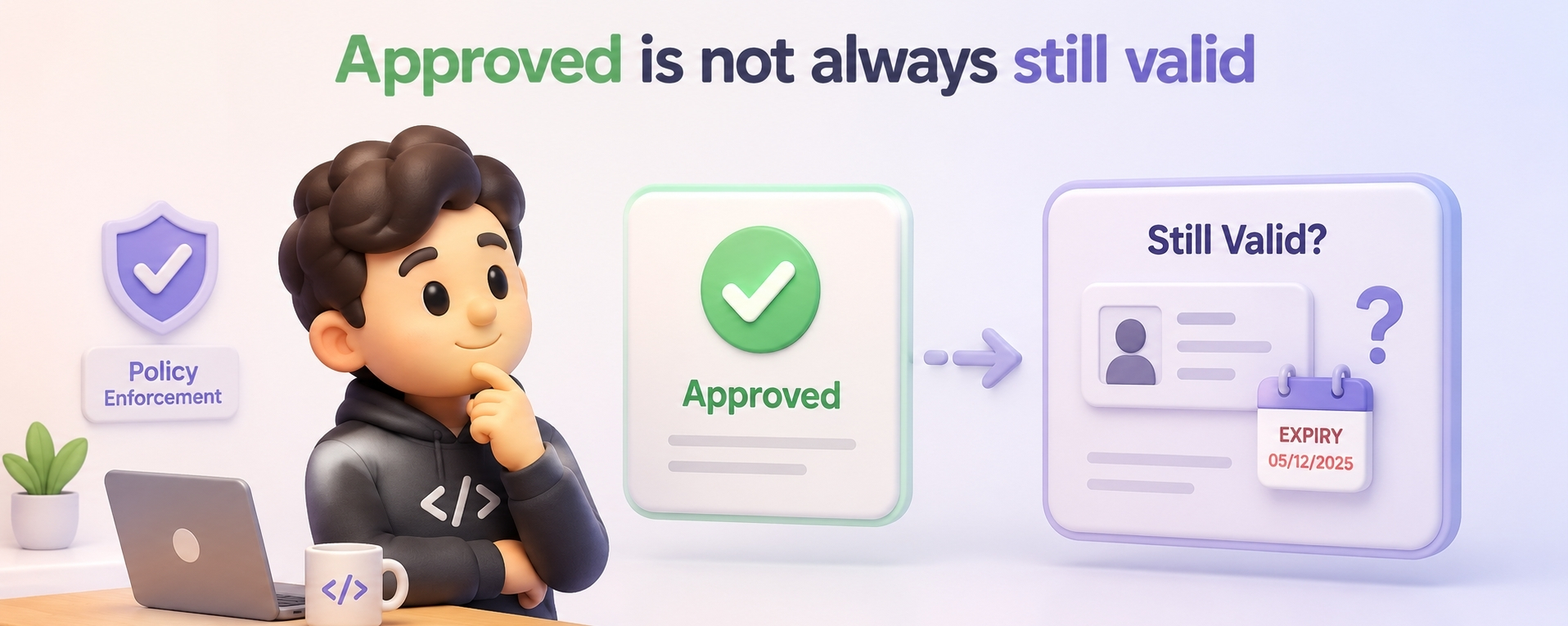
Artikel
Newtons KYC kann beweisen, dass du genehmigt wurdest, ohne zu beweisen, dass deine ID noch gültig istIch kopierte gerade drei Prüfungen der Newton-Identität in meine Notizen, als der Unterschied schließlich klar wurde. Die eine prüfte, ob ein Benutzer genehmigt worden war. Eine andere, ob das Dokument abgelaufen war. Eine dritte konnte verlangen, dass das Dokument für einen Mindestzeitraum gültig bleibt.
Zuerst hatte ich diese als unterschiedliche Arten behandelt, dieselbe Frage zu stellen. Das sind sie nicht.
Newton stellt check_approved(), not_expired() und valid_for() als separate Werkzeuge für den Policy-Entwickler bereit. Der Entwickler entscheidet, welche Bedingungen erfüllt sein müssen, bevor ein Benutzer eine geschützte Aktion ausführen kann.
Newtons KYC kann beweisen, dass du genehmigt wurdest, ohne zu beweisen, dass deine ID noch gültig ist
Ich kopierte gerade drei Prüfungen der Newton-Identität in meine Notizen, als der Unterschied schließlich klar wurde. Die eine prüfte, ob ein Benutzer genehmigt worden war. Eine andere, ob das Dokument abgelaufen war. Eine dritte konnte verlangen, dass das Dokument für einen Mindestzeitraum gültig bleibt.
Zuerst hatte ich diese als unterschiedliche Arten behandelt, dieselbe Frage zu stellen. Das sind sie nicht.
Newton stellt check_approved(), not_expired() und valid_for() als separate Werkzeuge für den Policy-Entwickler bereit. Der Entwickler entscheidet, welche Bedingungen erfüllt sein müssen, bevor ein Benutzer eine geschützte Aktion ausführen kann.
Zuerst hatte ich diese als unterschiedliche Arten behandelt, dieselbe Frage zu stellen. Das sind sie nicht.
Newton stellt check_approved(), not_expired() und valid_for() als separate Werkzeuge für den Policy-Entwickler bereit. Der Entwickler entscheidet, welche Bedingungen erfüllt sein müssen, bevor ein Benutzer eine geschützte Aktion ausführen kann.
7
4
150
·
--
Eine Newton-Integration bedeutet nicht, dass die gesamte Anwendung geschützt ist
Ich habe mir den Smart-Contract-Integrationsablauf von Newton angesehen, als eine kleine Einzelheit mein Verständnis der Sicherheitsbehauptung verändert hat.
Newton schützt nicht automatisch eine komplette Anwendung, nur weil das Projekt es integriert hat.
Der Entwickler muss die Newton-Attestation-Überprüfung in jede sensible Funktion einbauen. Diese Prüfung muss stattfinden, bevor Gelder bewegt werden oder die Hauptaktion ausgeführt wird. Außerdem muss sie bestätigen, dass die Freigabe zur genau aufgerufenen Funktion gehört.
Das klingt nach einer technischen Einzelheit, aber die praktische Bedeutung ist einfach.
Stellen Sie sich vor, eine Anwendung schützt ihre wichtigste Auszahlungsfunktion mit Newton, aber eine andere Funktion kann dieselben Gelder über einen anderen Weg verschieben. Newtons Operatoren könnten die Richtlinie jedes Mal korrekt bewerten, doch dieser zweite Weg könnte trotzdem außerhalb des Schutzes liegen.
Ich kann auch nachvollziehen, warum Newton Entwicklern diese Flexibilität gibt. Jede Anwendung funktioniert anders. Wenn man Autorisierungsprüfungen auf jede kleine Funktion erzwingt, könnte das Kosten erhöhen und die Integration unnötig kompliziert machen.
Diese Flexibilität macht die Formulierung „mit Newton integriert“ jedoch für sich allein weniger aussagekräftig.
Es könnte bedeuten, dass eine Aktion geschützt ist. Es könnte bedeuten, dass die wichtigsten Aktionen geschützt sind. Oder es könnte bedeuten, dass jede Route, die dasselbe finanzielle Ergebnis erzeugen kann, geschützt ist. Das sind völlig unterschiedliche Sicherheitsstufen.
Darum würde ich die Übernahme von Newton nicht allein anhand der Anzahl der angekündigten Integrationen beurteilen.
Ich würde stattdessen nach etwas Praktischerem suchen: einem klaren Audit auf Funktionenebene, das genau zeigt, welche Aktionen Newton-Validierung erfordern, und ob ein anderer Codepfad dasselbe Ergebnis ohne sie erreichen kann.
Newton kann prüfen, ob eine Aktion der Richtlinie folgt.
Der Entwickler entscheidet weiterhin, welche Aktionen gezwungen werden, sich dieser Prüfung zu stellen.
@NewtonProtocol $NEWT #Newt
Eine Newton-Integration bedeutet nicht, dass die gesamte Anwendung geschützt ist
Ich habe mir den Smart-Contract-Integrationsablauf von Newton angesehen, als eine kleine Einzelheit mein Verständnis der Sicherheitsbehauptung verändert hat.
Newton schützt nicht automatisch eine komplette Anwendung, nur weil das Projekt es integriert hat.
Der Entwickler muss die Newton-Attestation-Überprüfung in jede sensible Funktion einbauen. Diese Prüfung muss stattfinden, bevor Gelder bewegt werden oder die Hauptaktion ausgeführt wird. Außerdem muss sie bestätigen, dass die Freigabe zur genau aufgerufenen Funktion gehört.
Das klingt nach einer technischen Einzelheit, aber die praktische Bedeutung ist einfach.
Stellen Sie sich vor, eine Anwendung schützt ihre wichtigste Auszahlungsfunktion mit Newton, aber eine andere Funktion kann dieselben Gelder über einen anderen Weg verschieben. Newtons Operatoren könnten die Richtlinie jedes Mal korrekt bewerten, doch dieser zweite Weg könnte trotzdem außerhalb des Schutzes liegen.
Ich kann auch nachvollziehen, warum Newton Entwicklern diese Flexibilität gibt. Jede Anwendung funktioniert anders. Wenn man Autorisierungsprüfungen auf jede kleine Funktion erzwingt, könnte das Kosten erhöhen und die Integration unnötig kompliziert machen.
Diese Flexibilität macht die Formulierung „mit Newton integriert“ jedoch für sich allein weniger aussagekräftig.
Es könnte bedeuten, dass eine Aktion geschützt ist. Es könnte bedeuten, dass die wichtigsten Aktionen geschützt sind. Oder es könnte bedeuten, dass jede Route, die dasselbe finanzielle Ergebnis erzeugen kann, geschützt ist. Das sind völlig unterschiedliche Sicherheitsstufen.
Darum würde ich die Übernahme von Newton nicht allein anhand der Anzahl der angekündigten Integrationen beurteilen.
Ich würde stattdessen nach etwas Praktischerem suchen: einem klaren Audit auf Funktionenebene, das genau zeigt, welche Aktionen Newton-Validierung erfordern, und ob ein anderer Codepfad dasselbe Ergebnis ohne sie erreichen kann.
Newton kann prüfen, ob eine Aktion der Richtlinie folgt.
Der Entwickler entscheidet weiterhin, welche Aktionen gezwungen werden, sich dieser Prüfung zu stellen.
@NewtonProtocol $NEWT #Newt
Ich habe mir den Smart-Contract-Integrationsablauf von Newton angesehen, als eine kleine Einzelheit mein Verständnis der Sicherheitsbehauptung verändert hat.
Newton schützt nicht automatisch eine komplette Anwendung, nur weil das Projekt es integriert hat.
Der Entwickler muss die Newton-Attestation-Überprüfung in jede sensible Funktion einbauen. Diese Prüfung muss stattfinden, bevor Gelder bewegt werden oder die Hauptaktion ausgeführt wird. Außerdem muss sie bestätigen, dass die Freigabe zur genau aufgerufenen Funktion gehört.
Das klingt nach einer technischen Einzelheit, aber die praktische Bedeutung ist einfach.
Stellen Sie sich vor, eine Anwendung schützt ihre wichtigste Auszahlungsfunktion mit Newton, aber eine andere Funktion kann dieselben Gelder über einen anderen Weg verschieben. Newtons Operatoren könnten die Richtlinie jedes Mal korrekt bewerten, doch dieser zweite Weg könnte trotzdem außerhalb des Schutzes liegen.
Ich kann auch nachvollziehen, warum Newton Entwicklern diese Flexibilität gibt. Jede Anwendung funktioniert anders. Wenn man Autorisierungsprüfungen auf jede kleine Funktion erzwingt, könnte das Kosten erhöhen und die Integration unnötig kompliziert machen.
Diese Flexibilität macht die Formulierung „mit Newton integriert“ jedoch für sich allein weniger aussagekräftig.
Es könnte bedeuten, dass eine Aktion geschützt ist. Es könnte bedeuten, dass die wichtigsten Aktionen geschützt sind. Oder es könnte bedeuten, dass jede Route, die dasselbe finanzielle Ergebnis erzeugen kann, geschützt ist. Das sind völlig unterschiedliche Sicherheitsstufen.
Darum würde ich die Übernahme von Newton nicht allein anhand der Anzahl der angekündigten Integrationen beurteilen.
Ich würde stattdessen nach etwas Praktischerem suchen: einem klaren Audit auf Funktionenebene, das genau zeigt, welche Aktionen Newton-Validierung erfordern, und ob ein anderer Codepfad dasselbe Ergebnis ohne sie erreichen kann.
Newton kann prüfen, ob eine Aktion der Richtlinie folgt.
Der Entwickler entscheidet weiterhin, welche Aktionen gezwungen werden, sich dieser Prüfung zu stellen.
@NewtonProtocol $NEWT #Newt
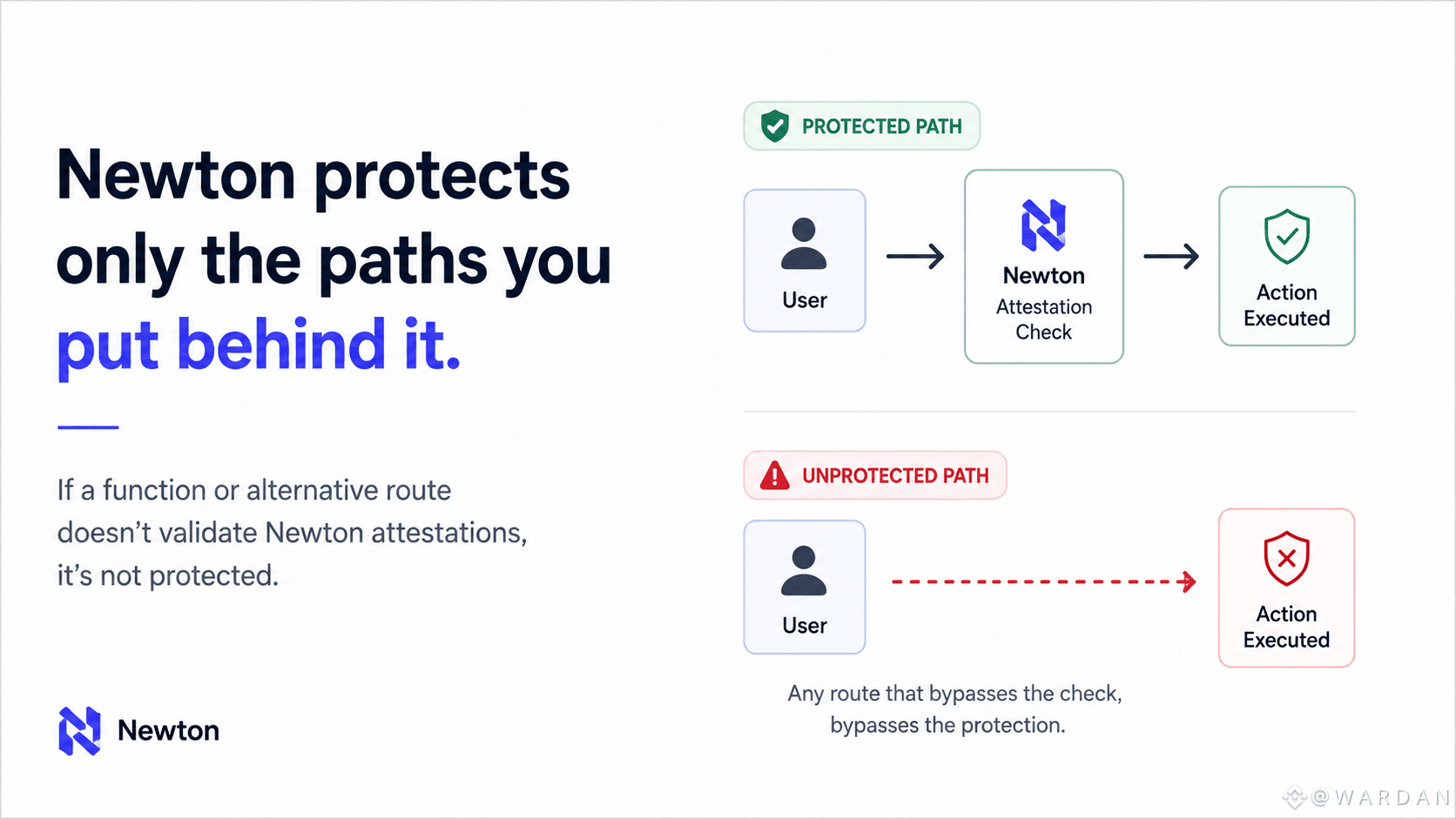
4
4
195
·
--
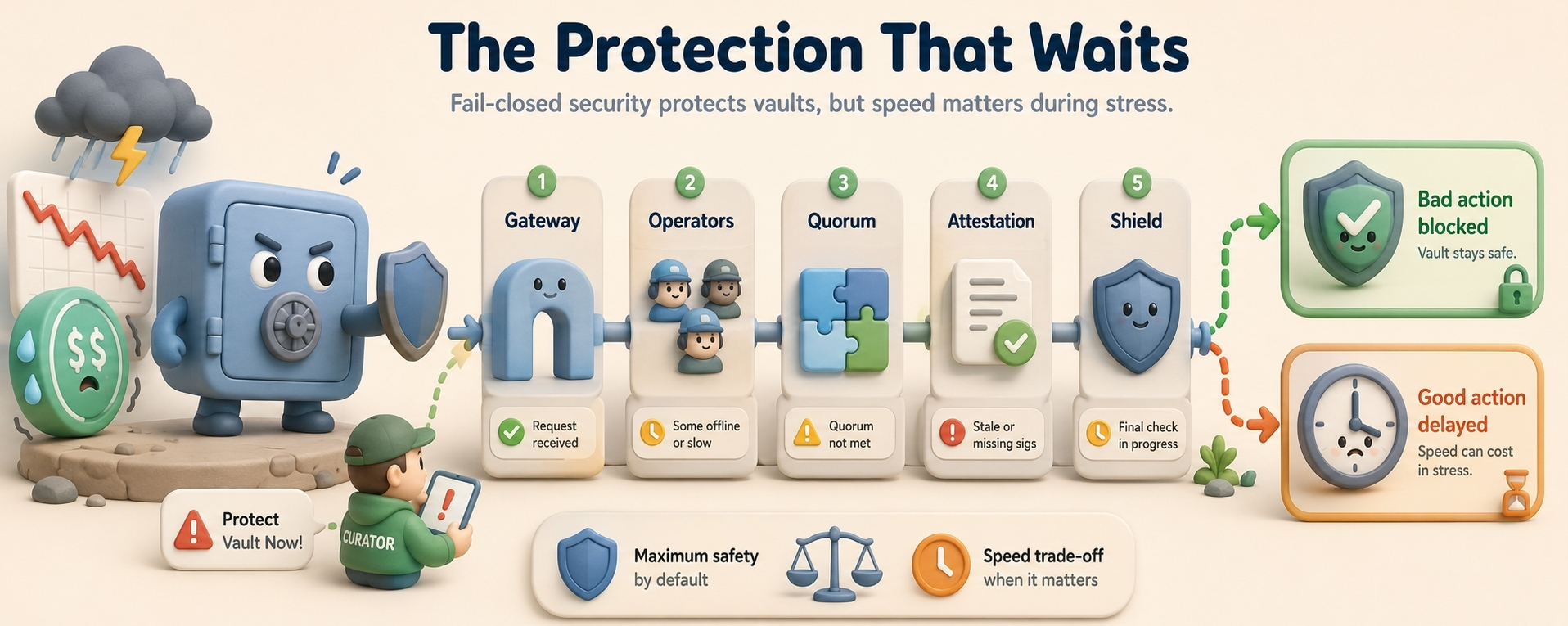
Artikel
Der Schutz, der wartet: Warum Newtons echter Sicherheitstest dann passiert, wenn Vaults am dringendsten Tempo brauchenHeute Nachmittag hatte ich zwei Browser-Tabs nebeneinander geöffnet. Links war die Marketingseite von Newton Protocol, die versprach, Vault-Manager daran zu hindern, vorab festgelegte Regeln zu brechen. Rechts war die technische Dokumentation von VaultKit, die ich schon länger durchsehen wollte. Das Marketing sprach von durchsetzbarem Schutz und automatisierter Sicherheit. Die Dokumentation sprach von etwas ganz anderem. Ich hörte auf zu scrollen, als ich auf die Formulierung „fail-closed“ stieß. VaultKit, so las ich, leitet keine Vault-Aktion weiter, wenn das Operator-Quorum nicht erreichbar ist, wenn Attestierungen ablaufen oder wenn die Shield-Validierung fehlschlägt. Das System stoppt Transaktionen nicht nur, wenn eine Richtlinie verletzt wird, sondern auch dann, wenn die Autorisierungsmechanik selbst nicht in der Lage ist, den Vorgang abzuschließen.
Der Schutz, der wartet: Warum Newtons echter Sicherheitstest dann passiert, wenn Vaults am dringendsten Tempo brauchen
Heute Nachmittag hatte ich zwei Browser-Tabs nebeneinander geöffnet. Links war die Marketingseite von Newton Protocol, die versprach, Vault-Manager daran zu hindern, vorab festgelegte Regeln zu brechen. Rechts war die technische Dokumentation von VaultKit, die ich schon länger durchsehen wollte. Das Marketing sprach von durchsetzbarem Schutz und automatisierter Sicherheit. Die Dokumentation sprach von etwas ganz anderem. Ich hörte auf zu scrollen, als ich auf die Formulierung „fail-closed“ stieß. VaultKit, so las ich, leitet keine Vault-Aktion weiter, wenn das Operator-Quorum nicht erreichbar ist, wenn Attestierungen ablaufen oder wenn die Shield-Validierung fehlschlägt. Das System stoppt Transaktionen nicht nur, wenn eine Richtlinie verletzt wird, sondern auch dann, wenn die Autorisierungsmechanik selbst nicht in der Lage ist, den Vorgang abzuschließen.
4
3
202
·
--
Mir ist aufgefallen, dass die meisten Projekte zur KI-Automatisierung danach beurteilt werden, wie schnell sie Aufgaben ausführen können. Aber an Tempo ist weniger beeindruckend, wenn Nutzer nicht nachvollziehen können, was das automatisierte System tatsächlich getan hat.
Genau hier wird die Idee von Newton Protocol für ein sicheres Rollup sinnvoll. Der eigentliche Mehrwert besteht nicht nur darin, KI-gesteuerte Strategien oder automatisierten Handel zu ermöglichen. Es geht darum, eine Ausführungsschicht zu schaffen, in der automatisierte Aktionen unter klareren Sicherheits- und Verifikationsbedingungen arbeiten können.
Das ist wichtig, weil Automatisierung sowohl den Komfort erhöht als auch die Distanz vergrößert. Je mehr Entscheidungen ein System für uns trifft, desto schwieriger wird es, zu erkennen, wo etwas schiefgelaufen ist—ob Anweisungen korrekt befolgt wurden oder wem man vertrauen sollte, wenn Ergebnisse von den Erwartungen abweichen.
Der Entwickler-Marktplatz von Newton könnte die Anzahl verfügbarer KI-Tools vergrößern, aber mehr Tools allein schaffen keine Akzeptanz. Nutzer werden weiterhin Vertrauen brauchen, dass diese Tools zuverlässig ausführen, sicher interagieren und Ergebnisse erzeugen, die sie prüfen können—statt sie blind zu akzeptieren.
Der echte Akzeptanztest für Newton Protocol besteht nicht darin, wie viele automatisierte Strategien darauf aufgebaut werden können. Entscheidend ist, ob Nutzer sich letztlich sicherer fühlen, sinnvolle Aufgaben an diese Strategien zu delegieren.
KI kann Entscheidungen schneller treffen. Vertrauen bestimmt, ob Menschen zulassen, dass sie weiter damit getroffen werden.
@NewtonProtocol $NEWT #Newt
{spot}(NEWTUSDT)
Mir ist aufgefallen, dass die meisten Projekte zur KI-Automatisierung danach beurteilt werden, wie schnell sie Aufgaben ausführen können. Aber an Tempo ist weniger beeindruckend, wenn Nutzer nicht nachvollziehen können, was das automatisierte System tatsächlich getan hat.
Genau hier wird die Idee von Newton Protocol für ein sicheres Rollup sinnvoll. Der eigentliche Mehrwert besteht nicht nur darin, KI-gesteuerte Strategien oder automatisierten Handel zu ermöglichen. Es geht darum, eine Ausführungsschicht zu schaffen, in der automatisierte Aktionen unter klareren Sicherheits- und Verifikationsbedingungen arbeiten können.
Das ist wichtig, weil Automatisierung sowohl den Komfort erhöht als auch die Distanz vergrößert. Je mehr Entscheidungen ein System für uns trifft, desto schwieriger wird es, zu erkennen, wo etwas schiefgelaufen ist—ob Anweisungen korrekt befolgt wurden oder wem man vertrauen sollte, wenn Ergebnisse von den Erwartungen abweichen.
Der Entwickler-Marktplatz von Newton könnte die Anzahl verfügbarer KI-Tools vergrößern, aber mehr Tools allein schaffen keine Akzeptanz. Nutzer werden weiterhin Vertrauen brauchen, dass diese Tools zuverlässig ausführen, sicher interagieren und Ergebnisse erzeugen, die sie prüfen können—statt sie blind zu akzeptieren.
Der echte Akzeptanztest für Newton Protocol besteht nicht darin, wie viele automatisierte Strategien darauf aufgebaut werden können. Entscheidend ist, ob Nutzer sich letztlich sicherer fühlen, sinnvolle Aufgaben an diese Strategien zu delegieren.
KI kann Entscheidungen schneller treffen. Vertrauen bestimmt, ob Menschen zulassen, dass sie weiter damit getroffen werden.
@NewtonProtocol $NEWT #Newt
Genau hier wird die Idee von Newton Protocol für ein sicheres Rollup sinnvoll. Der eigentliche Mehrwert besteht nicht nur darin, KI-gesteuerte Strategien oder automatisierten Handel zu ermöglichen. Es geht darum, eine Ausführungsschicht zu schaffen, in der automatisierte Aktionen unter klareren Sicherheits- und Verifikationsbedingungen arbeiten können.
Das ist wichtig, weil Automatisierung sowohl den Komfort erhöht als auch die Distanz vergrößert. Je mehr Entscheidungen ein System für uns trifft, desto schwieriger wird es, zu erkennen, wo etwas schiefgelaufen ist—ob Anweisungen korrekt befolgt wurden oder wem man vertrauen sollte, wenn Ergebnisse von den Erwartungen abweichen.
Der Entwickler-Marktplatz von Newton könnte die Anzahl verfügbarer KI-Tools vergrößern, aber mehr Tools allein schaffen keine Akzeptanz. Nutzer werden weiterhin Vertrauen brauchen, dass diese Tools zuverlässig ausführen, sicher interagieren und Ergebnisse erzeugen, die sie prüfen können—statt sie blind zu akzeptieren.
Der echte Akzeptanztest für Newton Protocol besteht nicht darin, wie viele automatisierte Strategien darauf aufgebaut werden können. Entscheidend ist, ob Nutzer sich letztlich sicherer fühlen, sinnvolle Aufgaben an diese Strategien zu delegieren.
KI kann Entscheidungen schneller treffen. Vertrauen bestimmt, ob Menschen zulassen, dass sie weiter damit getroffen werden.
@NewtonProtocol $NEWT #Newt
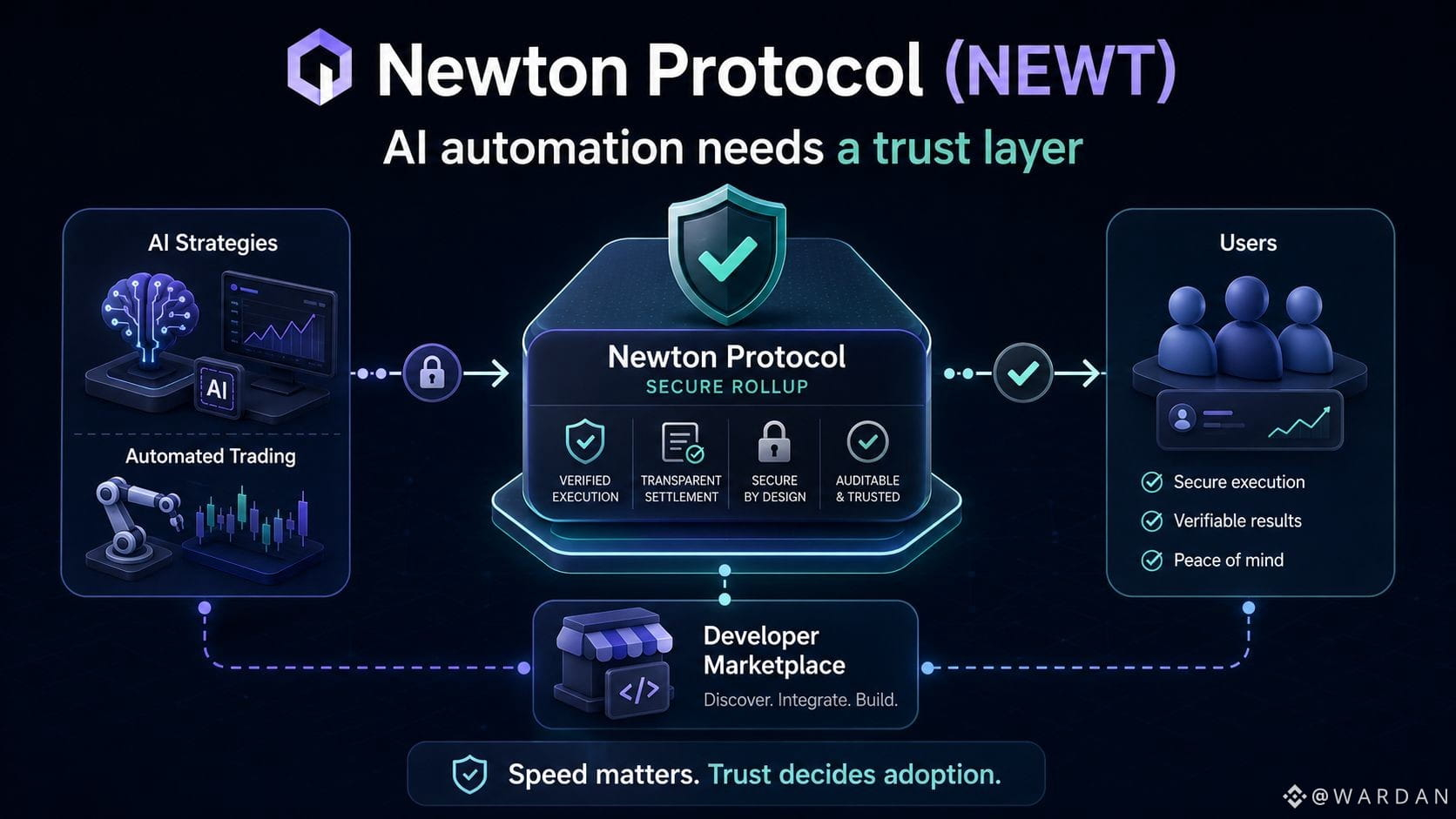
1
1
162
·
--
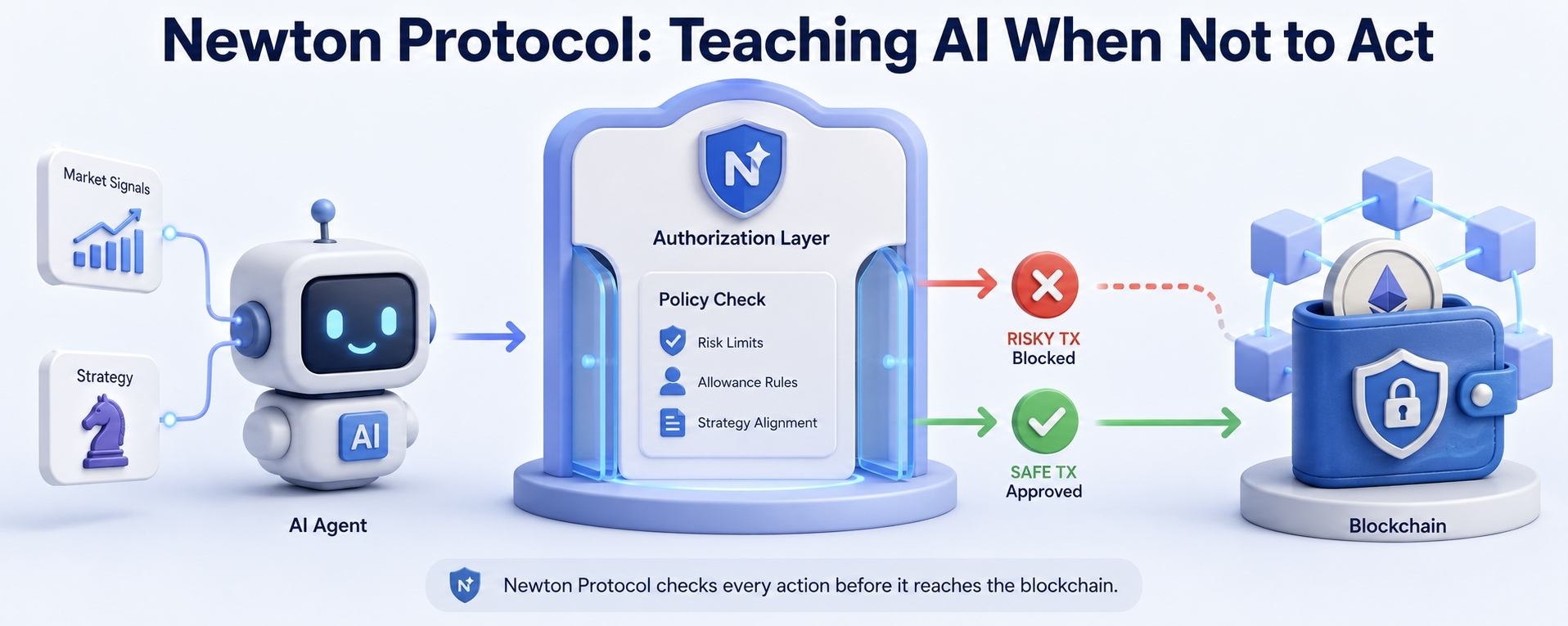
Artikel
Der schwierigste Job von Newton Protocol besteht darin, KI beizubringen, wann sie nicht handeln sollJe mehr ich AI-getriebene Krypto-Projekte untersuche, desto weniger beeindruckt bin ich von dem Versprechen, dass ein Agent schneller handeln, mehr Daten scannen oder eine Wallet ohne Schlaf verwalten kann. Wir wissen bereits, dass Software Entscheidungen automatisieren kann. Was ich immer wieder als unbequemere Frage zurückbehalte, ist: Was passiert, wenn der Agent eine falsche Entscheidung mit echtem Geld trifft?
Diese Frage hat verändert, wie ich angefangen habe, Newton Protocol zu betrachten.
Zunächst wirkt Newton so, als würde sie in die vertraute KI-Erzählung passen. Sie unterstützt autonome Strategien, automatisierte Transaktionen und einen Marktplatz, auf dem Entwickler Agents bauen und verteilen können. Aber ich glaube nicht, dass der Agent selbst der wichtigste Teil des Systems ist. Das, was mich interessiert, ist das, was zwischen der Absicht des Agents und der finalen Transaktion steht.
Der schwierigste Job von Newton Protocol besteht darin, KI beizubringen, wann sie nicht handeln soll
Je mehr ich AI-getriebene Krypto-Projekte untersuche, desto weniger beeindruckt bin ich von dem Versprechen, dass ein Agent schneller handeln, mehr Daten scannen oder eine Wallet ohne Schlaf verwalten kann. Wir wissen bereits, dass Software Entscheidungen automatisieren kann. Was ich immer wieder als unbequemere Frage zurückbehalte, ist: Was passiert, wenn der Agent eine falsche Entscheidung mit echtem Geld trifft?
Diese Frage hat verändert, wie ich angefangen habe, Newton Protocol zu betrachten.
Zunächst wirkt Newton so, als würde sie in die vertraute KI-Erzählung passen. Sie unterstützt autonome Strategien, automatisierte Transaktionen und einen Marktplatz, auf dem Entwickler Agents bauen und verteilen können. Aber ich glaube nicht, dass der Agent selbst der wichtigste Teil des Systems ist. Das, was mich interessiert, ist das, was zwischen der Absicht des Agents und der finalen Transaktion steht.
Diese Frage hat verändert, wie ich angefangen habe, Newton Protocol zu betrachten.
Zunächst wirkt Newton so, als würde sie in die vertraute KI-Erzählung passen. Sie unterstützt autonome Strategien, automatisierte Transaktionen und einen Marktplatz, auf dem Entwickler Agents bauen und verteilen können. Aber ich glaube nicht, dass der Agent selbst der wichtigste Teil des Systems ist. Das, was mich interessiert, ist das, was zwischen der Absicht des Agents und der finalen Transaktion steht.
3
2
153
Anmelden und weiter Inhalte entdecken
Krypto-Nutzer weltweit auf Binance Square kennenlernen
⚡️ Bleib in Sachen Krypto stets am Puls.
💬 Die weltgrößte Kryptobörse vertraut darauf.
👍 Erhalte verlässliche Einblicke von verifizierten Creators.
E-Mail-Adresse/Telefonnummer
Trendthemen
NvidiaApproves$150BBuyback
1,516 Aufrufe
40 Kommentare
#NvidiaApproves$150BBuyback
Die 150-Milliarden-Dollar-Buyback-Schockwelle von Nvidia: Wird der KI-Cashflow die nächste Marktrallye antreiben? 🚀
Der KI-Superzyklus hat gerade Schockwellen über traditionelle Märkte (tradfi) und Krypto-Märkte gesendet! NVIDIAs Vorstand hat eine massive Erhöhung um 150 Milliarden US-Dollar für sein Aktienrückkaufprogramm genehmigt und die insgesamt verbleibende Rückkaufermächtigung des Unternehmens auf 235 Milliarden US-Dollar ausgeweitet.
Das ist die größte Aktienrückkaufermächtigung in der US-Unternehmensgeschichte und übertrifft Apples 110-Milliarden-Dollar-Benchmark.
📰 Zentrale Schlagzeilen & Markt-Überblick
Rekordhohe Kapitalrückführung: Nvidia-Gründer und CEO Jensen Huang nannte „einen plattformübergreifenden Wandel einmal pro Generation zu KI“ sowie einen starken Unternehmens-Cashflow als die Haupttreiber dafür, Kapital an die Aktionäre zurückzugeben.
Trotz Marktabschwüngen: Obwohl breiterer Preisdruck an den Aktienmärkten herrscht und die Renditen US-amerikanischer Staatsanleihen steigen, stiegen die $NVDA-Aktien nach der Ankündigung um über 3% – ein Signal für das Vertrauen institutioneller Anleger in Tech-Assets.
Ausstrahlung in dezentrale KI: Historisch gesehen lösen große bullische Schlagzeilen für NVIDIA positives Sentiment für dezentrale KI-Infrastrukturprotokolle aus (wie NEAR, RENDER und FET), da Web3-KI-Projekte die Bewertungsniveaus des breiteren KI-Sektors nachverfolgen.
❓ Diskussionspunkt
Nvidia kündigt einen massiven 150B-Buyback an! Werden die Kursgewinne bei Tech-Aktien in Bitcoin und KI-Token übergreifen?
$RENDER
📊 Zugehöriges Krypto-Trade-Signal: RENDER/USDT
Trade-Bias: Bullisch
Einstiegszone: 5,20 – 5,45 US-Dollar
Ziel 1 (TP1): 6,10 US-Dollar
Ziel 2 (TP2): 6,85 US-Dollar
Stop Loss (SL): 4,85 US-Dollar
Leverage (Futures): 3x – 5x (Isoliert)
Technische Begründung: RENDER reagiert typischerweise stark auf Nvidias Hardware- und KI-Kapitalentwicklungen. Der Kurs konsolidiert nahe einem wichtigen Unterstützungsniveau des gleitenden Durchschnitts, während das Spot-Volumen nach der $NVDAB
news ansteigt.
#HackersDrainOver12.4MXRPFromDCENTWallets #CryptoNews #AITokens #TradingSignals
Lily星星
·1 Likes
·138 Aufrufe
OpenAIDelaysGPT6.1OverSafetyIssues
7,807 Aufrufe
327 Kommentare
AMDToAcquireWorldLabsFor$8.2B
910 Aufrufe
36 Kommentare