

Jackson Liam
19.6k Beiträge

Jackson Liam
 Square Verified+
Melden
Nutzer blockieren
Blockchain Storyteller • Exposing hidden gems • Riding every wave with precision
Trade eröffnen
Regelmäßiger Trader
2 Jahre
80 Following
43.2K+ Follower
53.6K+ Like gegeben
Beiträge
Portfolio
Alle
Zitierungen
Live
·
--
Bullisch
MOVR
Der Ausbruch ist in vollem Gange, nachdem der Kurs 2,00 mit viel Schwung zurückerobert hat.
Kaufzone: 2,05–2,20
EP: 2,15
TP1: 2,45
TP2: 2,70
TP3: 3,00
SL: 1,90
Der Momentum bleibt bullisch über dem Bereich von 2,00. Ein klarer Ausbruch und ein Halten über 2,45 kann die nächste Aufwärtswelle eröffnen.
Los geht’s $MOVR
{future}(MOVRUSDT)
$US
{future}(USUSDT)
$AGT
{future}(AGTUSDT)
MOVR
Der Ausbruch ist in vollem Gange, nachdem der Kurs 2,00 mit viel Schwung zurückerobert hat.
Kaufzone: 2,05–2,20
EP: 2,15
TP1: 2,45
TP2: 2,70
TP3: 3,00
SL: 1,90
Der Momentum bleibt bullisch über dem Bereich von 2,00. Ein klarer Ausbruch und ein Halten über 2,45 kann die nächste Aufwärtswelle eröffnen.
Los geht’s $MOVR
$US
$AGT
Der Ausbruch ist in vollem Gange, nachdem der Kurs 2,00 mit viel Schwung zurückerobert hat.
Kaufzone: 2,05–2,20
EP: 2,15
TP1: 2,45
TP2: 2,70
TP3: 3,00
SL: 1,90
Der Momentum bleibt bullisch über dem Bereich von 2,00. Ein klarer Ausbruch und ein Halten über 2,45 kann die nächste Aufwärtswelle eröffnen.
Los geht’s $MOVR
$US
$AGT
A) $2.50–$2.70
B) $2.70–$3.00
C) $3.00
Pullback before another leg up
7 Stunde(n) übrig
3
2
3.3k
·
--
Bullisch
🚨 JUST IN: BITCOIN ERREICHT $85.000! ₿
BTC hat die wichtige $85K-Marke zurückerobert, während die Krypto-Momentum wieder anzieht.
🔥 Bitcoin wird nun rund um die $85K-Zone gehandelt
📈 BTC ist kürzlich über $86K gestiegen
💰 Die Gewinne im Q3 liegen über 40%
🏦 Starke ETF-Zuflüsse haben die Erholung befeuert
⚠️ Doch steigende Renditen der US-Staatsanleihen bleiben ein großes Risiko
Der Kampf um $85K heizt sich auf. 👀
🚨 JUST IN: BITCOIN ERREICHT $85.000! ₿
BTC hat die wichtige $85K-Marke zurückerobert, während die Krypto-Momentum wieder anzieht.
🔥 Bitcoin wird nun rund um die $85K-Zone gehandelt
📈 BTC ist kürzlich über $86K gestiegen
💰 Die Gewinne im Q3 liegen über 40%
🏦 Starke ETF-Zuflüsse haben die Erholung befeuert
⚠️ Doch steigende Renditen der US-Staatsanleihen bleiben ein großes Risiko
Der Kampf um $85K heizt sich auf. 👀
BTC hat die wichtige $85K-Marke zurückerobert, während die Krypto-Momentum wieder anzieht.
🔥 Bitcoin wird nun rund um die $85K-Zone gehandelt
📈 BTC ist kürzlich über $86K gestiegen
💰 Die Gewinne im Q3 liegen über 40%
🏦 Starke ETF-Zuflüsse haben die Erholung befeuert
⚠️ Doch steigende Renditen der US-Staatsanleihen bleiben ein großes Risiko
Der Kampf um $85K heizt sich auf. 👀

4
2
558
·
--
Bullisch
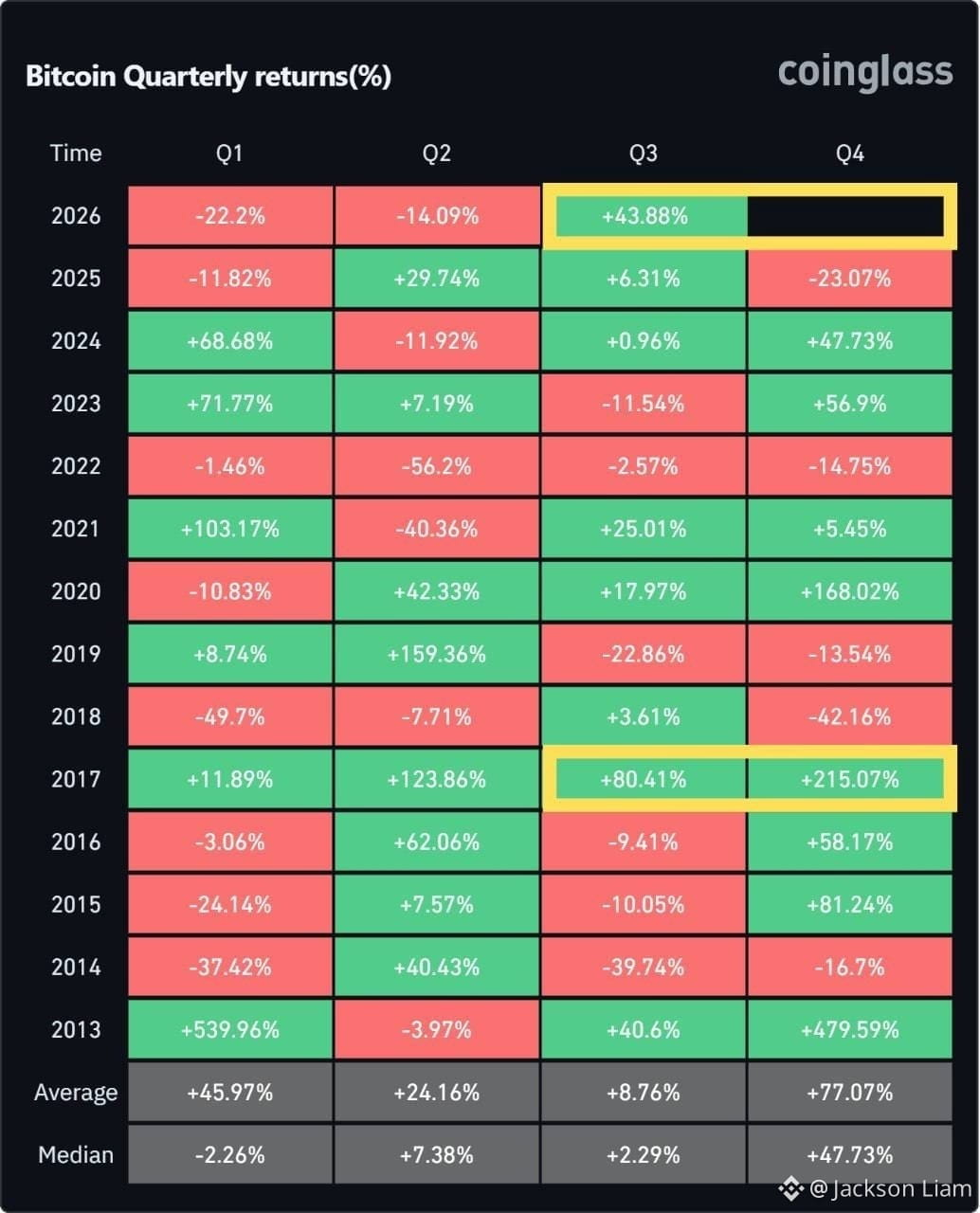
🚨 $BTC JUST PRINTED ITS 2ND-STRONGEST Q3 EVER.
Bitcoin ist im Q3 um rund 43% gestiegen – nur 2017 war stärker.
Und hier wird es interessant:
🔥 Q4 ist historisch Bitcoins stärkstes Quartal
🔥 Q4 2017 führte dazu, dass BTC um über 200% rallyte
🔥 Q4 hat historisch einen durchschnittlichen Ertrag von ~77% geliefert
Die gleiche saisonale Konstellation taucht wieder auf.
Nach einem massiven Q3 richtet sich jetzt alles auf Q4. 👀
Wird sich die Geschichte wiederholen?
🚨 $BTC JUST PRINTED ITS 2ND-STRONGEST Q3 EVER.
Bitcoin ist im Q3 um rund 43% gestiegen – nur 2017 war stärker.
Und hier wird es interessant:
🔥 Q4 ist historisch Bitcoins stärkstes Quartal
🔥 Q4 2017 führte dazu, dass BTC um über 200% rallyte
🔥 Q4 hat historisch einen durchschnittlichen Ertrag von ~77% geliefert
Die gleiche saisonale Konstellation taucht wieder auf.
Nach einem massiven Q3 richtet sich jetzt alles auf Q4. 👀
Wird sich die Geschichte wiederholen?
Bitcoin ist im Q3 um rund 43% gestiegen – nur 2017 war stärker.
Und hier wird es interessant:
🔥 Q4 ist historisch Bitcoins stärkstes Quartal
🔥 Q4 2017 führte dazu, dass BTC um über 200% rallyte
🔥 Q4 hat historisch einen durchschnittlichen Ertrag von ~77% geliefert
Die gleiche saisonale Konstellation taucht wieder auf.
Nach einem massiven Q3 richtet sich jetzt alles auf Q4. 👀
Wird sich die Geschichte wiederholen?
2
257
·
--
Bullisch
🚨 SO EBEN: TOM LEE SAGT, KRYPTowährung HAT EINEN „BULL-MARKT“ BETRETEN.
Tom Lee ist im Hinblick auf Krypto deutlich optimistischer.
Er sagt, der Markt habe offiziell eine neue Bullenphase erreicht, was darauf hindeutet, dass die jüngste Schwäche einer viel größeren Aufwärtsbewegung weichen könnte.
Seine Einschätzung kommt, während Anleger Bitcoin und den breiteren Kryptomarkt auf Anzeichen einer erneuten Dynamik beobachten.
Wenn dieser Zyklus wirklich gerade erst beginnt, stellt sich nun die große Frage, wie weit die nächste Bewegung gehen kann. 👀
Krypto-Bullen sind zurück im Spiel.
🚨 SO EBEN: TOM LEE SAGT, KRYPTowährung HAT EINEN „BULL-MARKT“ BETRETEN.
Tom Lee ist im Hinblick auf Krypto deutlich optimistischer.
Er sagt, der Markt habe offiziell eine neue Bullenphase erreicht, was darauf hindeutet, dass die jüngste Schwäche einer viel größeren Aufwärtsbewegung weichen könnte.
Seine Einschätzung kommt, während Anleger Bitcoin und den breiteren Kryptomarkt auf Anzeichen einer erneuten Dynamik beobachten.
Wenn dieser Zyklus wirklich gerade erst beginnt, stellt sich nun die große Frage, wie weit die nächste Bewegung gehen kann. 👀
Krypto-Bullen sind zurück im Spiel.
Tom Lee ist im Hinblick auf Krypto deutlich optimistischer.
Er sagt, der Markt habe offiziell eine neue Bullenphase erreicht, was darauf hindeutet, dass die jüngste Schwäche einer viel größeren Aufwärtsbewegung weichen könnte.
Seine Einschätzung kommt, während Anleger Bitcoin und den breiteren Kryptomarkt auf Anzeichen einer erneuten Dynamik beobachten.
Wenn dieser Zyklus wirklich gerade erst beginnt, stellt sich nun die große Frage, wie weit die nächste Bewegung gehen kann. 👀
Krypto-Bullen sind zurück im Spiel.

6
1
1
532
·
--
Bullisch
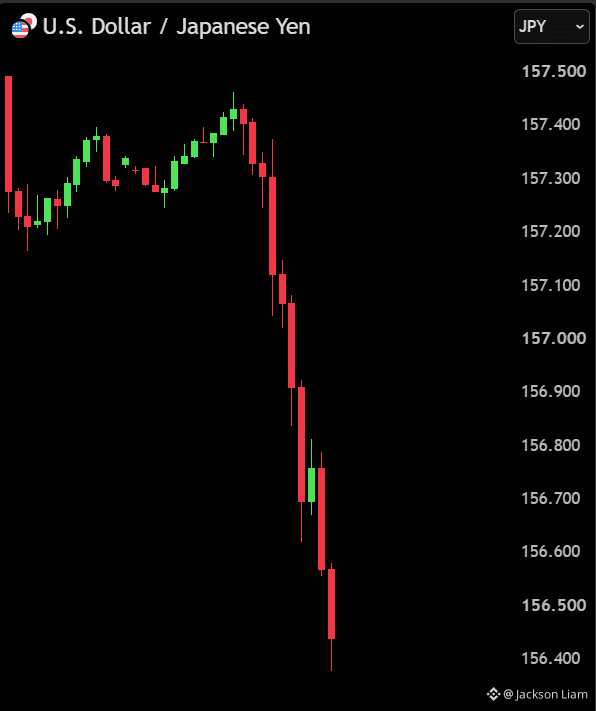
🚨 BREAKING: DER YEN LEGTE ZULEG — USD/JPY RUTSCHT UNTER 156,5
Der japanische Yen feiert ein starkes Comeback, während mehrere Kräfte gleichzeitig den Dollar belasten.
🇯🇵 1. Schwacher Industrieausblick
Schwächere japanische Konjunkturdaten haben die Erwartungen für eine weitere unmittelbare BOJ-Zinsanhebung reduziert, aber der Yen findet dennoch anderweitig Halt.
⚠️ 2. Eingriffsängste sind zurück
Der japanische Finanzminister hat die Schwäche des Yen als Problem bezeichnet und eine engere Devisenmarkt-Zusammenarbeit mit den USA bestätigt. Offizielle haben außerdem die Märkte gewarnt, ihre Botschaft ernst zu nehmen — damit bleiben Eingriffsängste am Leben.
📊 3. Monatsende + Quartalsende-Transaktionen
Portfolioumschichtungen erzeugen zusätzlichen Yen-Bedarf, da Anleger ihre Positionen in Richtung Quartalsende anpassen.
🇺🇸 4. US-Daten sind der nächste große Auslöser
Händler reduzieren einige Dollar-Positionen vor dem ADP-Arbeitsmarktbericht und den PCE-Inflationsdaten. Starke Daten könnten die Erwartungen an weitere Fed-Zinsschritte wiederbeleben, während schwächere Zahlen den Dollar stärker unter Druck setzen könnten.
Das Ergebnis?
USD/JPY steht unter Druck, während der Yen plötzlich wieder in den Fokus rückt.
Der nächste Schritt könnte sehr volatil werden.
🚨 BREAKING: DER YEN LEGTE ZULEG — USD/JPY RUTSCHT UNTER 156,5
Der japanische Yen feiert ein starkes Comeback, während mehrere Kräfte gleichzeitig den Dollar belasten.
🇯🇵 1. Schwacher Industrieausblick
Schwächere japanische Konjunkturdaten haben die Erwartungen für eine weitere unmittelbare BOJ-Zinsanhebung reduziert, aber der Yen findet dennoch anderweitig Halt.
⚠️ 2. Eingriffsängste sind zurück
Der japanische Finanzminister hat die Schwäche des Yen als Problem bezeichnet und eine engere Devisenmarkt-Zusammenarbeit mit den USA bestätigt. Offizielle haben außerdem die Märkte gewarnt, ihre Botschaft ernst zu nehmen — damit bleiben Eingriffsängste am Leben.
📊 3. Monatsende + Quartalsende-Transaktionen
Portfolioumschichtungen erzeugen zusätzlichen Yen-Bedarf, da Anleger ihre Positionen in Richtung Quartalsende anpassen.
🇺🇸 4. US-Daten sind der nächste große Auslöser
Händler reduzieren einige Dollar-Positionen vor dem ADP-Arbeitsmarktbericht und den PCE-Inflationsdaten. Starke Daten könnten die Erwartungen an weitere Fed-Zinsschritte wiederbeleben, während schwächere Zahlen den Dollar stärker unter Druck setzen könnten.
Das Ergebnis?
USD/JPY steht unter Druck, während der Yen plötzlich wieder in den Fokus rückt.
Der nächste Schritt könnte sehr volatil werden.
Der japanische Yen feiert ein starkes Comeback, während mehrere Kräfte gleichzeitig den Dollar belasten.
🇯🇵 1. Schwacher Industrieausblick
Schwächere japanische Konjunkturdaten haben die Erwartungen für eine weitere unmittelbare BOJ-Zinsanhebung reduziert, aber der Yen findet dennoch anderweitig Halt.
⚠️ 2. Eingriffsängste sind zurück
Der japanische Finanzminister hat die Schwäche des Yen als Problem bezeichnet und eine engere Devisenmarkt-Zusammenarbeit mit den USA bestätigt. Offizielle haben außerdem die Märkte gewarnt, ihre Botschaft ernst zu nehmen — damit bleiben Eingriffsängste am Leben.
📊 3. Monatsende + Quartalsende-Transaktionen
Portfolioumschichtungen erzeugen zusätzlichen Yen-Bedarf, da Anleger ihre Positionen in Richtung Quartalsende anpassen.
🇺🇸 4. US-Daten sind der nächste große Auslöser
Händler reduzieren einige Dollar-Positionen vor dem ADP-Arbeitsmarktbericht und den PCE-Inflationsdaten. Starke Daten könnten die Erwartungen an weitere Fed-Zinsschritte wiederbeleben, während schwächere Zahlen den Dollar stärker unter Druck setzen könnten.
Das Ergebnis?
USD/JPY steht unter Druck, während der Yen plötzlich wieder in den Fokus rückt.
Der nächste Schritt könnte sehr volatil werden.
2
430
·
--
Bullisch
DIE ERGEBNISSAISON STEHT BEVOR UND TESTET DEN MARKT 🚨
Der Markt preist Wachstum, starke Nachfrage und widerstandsfähige Unternehmensgewinne ein.
Nun müssen die Unternehmen das beweisen.
Anleger werden nicht nur darauf achten, ob die Gewinne die Erwartungen übertreffen oder verfehlen.
Sie werden vor allem schauen auf:
💰 Umsatzwachstum
📈 Gewinnmargen
👀 Ausblick für die Zukunft
🏦 Konsumnachfrage
⚙️ Investitionen ins Geschäft
🌍 Globale Risiken
📉 Kostenbelastungen
Und hier wird es spannend:
Ein Unternehmen kann zwar die Gewinne schlagen, aber trotzdem fallen, wenn die Erwartungen zu hoch waren.
Ein anderes kann die Schätzungen verfehlen und dennoch steigen, wenn das Management einen stärkeren Ausblick liefert.
Darum könnte diese Berichtssaison einige echte Chancen — aber auch schmerzhafte Überraschungen — schaffen.
Eine einzige Schlagzeile kann eine Aktie bewegen.
Eine große Welle an Quartalszahlen kann sogar einen ganzen Sektor in Bewegung setzen.
Die Zahlen werden jetzt zeigen, ob die Optimismus-Wette des Marktes durch echtes Unternehmenswachstum gedeckt ist.
#EarningsSeason
DIE ERGEBNISSAISON STEHT BEVOR UND TESTET DEN MARKT 🚨
Der Markt preist Wachstum, starke Nachfrage und widerstandsfähige Unternehmensgewinne ein.
Nun müssen die Unternehmen das beweisen.
Anleger werden nicht nur darauf achten, ob die Gewinne die Erwartungen übertreffen oder verfehlen.
Sie werden vor allem schauen auf:
💰 Umsatzwachstum
📈 Gewinnmargen
👀 Ausblick für die Zukunft
🏦 Konsumnachfrage
⚙️ Investitionen ins Geschäft
🌍 Globale Risiken
📉 Kostenbelastungen
Und hier wird es spannend:
Ein Unternehmen kann zwar die Gewinne schlagen, aber trotzdem fallen, wenn die Erwartungen zu hoch waren.
Ein anderes kann die Schätzungen verfehlen und dennoch steigen, wenn das Management einen stärkeren Ausblick liefert.
Darum könnte diese Berichtssaison einige echte Chancen — aber auch schmerzhafte Überraschungen — schaffen.
Eine einzige Schlagzeile kann eine Aktie bewegen.
Eine große Welle an Quartalszahlen kann sogar einen ganzen Sektor in Bewegung setzen.
Die Zahlen werden jetzt zeigen, ob die Optimismus-Wette des Marktes durch echtes Unternehmenswachstum gedeckt ist.
#EarningsSeason
Der Markt preist Wachstum, starke Nachfrage und widerstandsfähige Unternehmensgewinne ein.
Nun müssen die Unternehmen das beweisen.
Anleger werden nicht nur darauf achten, ob die Gewinne die Erwartungen übertreffen oder verfehlen.
Sie werden vor allem schauen auf:
💰 Umsatzwachstum
📈 Gewinnmargen
👀 Ausblick für die Zukunft
🏦 Konsumnachfrage
⚙️ Investitionen ins Geschäft
🌍 Globale Risiken
📉 Kostenbelastungen
Und hier wird es spannend:
Ein Unternehmen kann zwar die Gewinne schlagen, aber trotzdem fallen, wenn die Erwartungen zu hoch waren.
Ein anderes kann die Schätzungen verfehlen und dennoch steigen, wenn das Management einen stärkeren Ausblick liefert.
Darum könnte diese Berichtssaison einige echte Chancen — aber auch schmerzhafte Überraschungen — schaffen.
Eine einzige Schlagzeile kann eine Aktie bewegen.
Eine große Welle an Quartalszahlen kann sogar einen ganzen Sektor in Bewegung setzen.
Die Zahlen werden jetzt zeigen, ob die Optimismus-Wette des Marktes durch echtes Unternehmenswachstum gedeckt ist.
#EarningsSeason

2
220
·
--
Bullisch
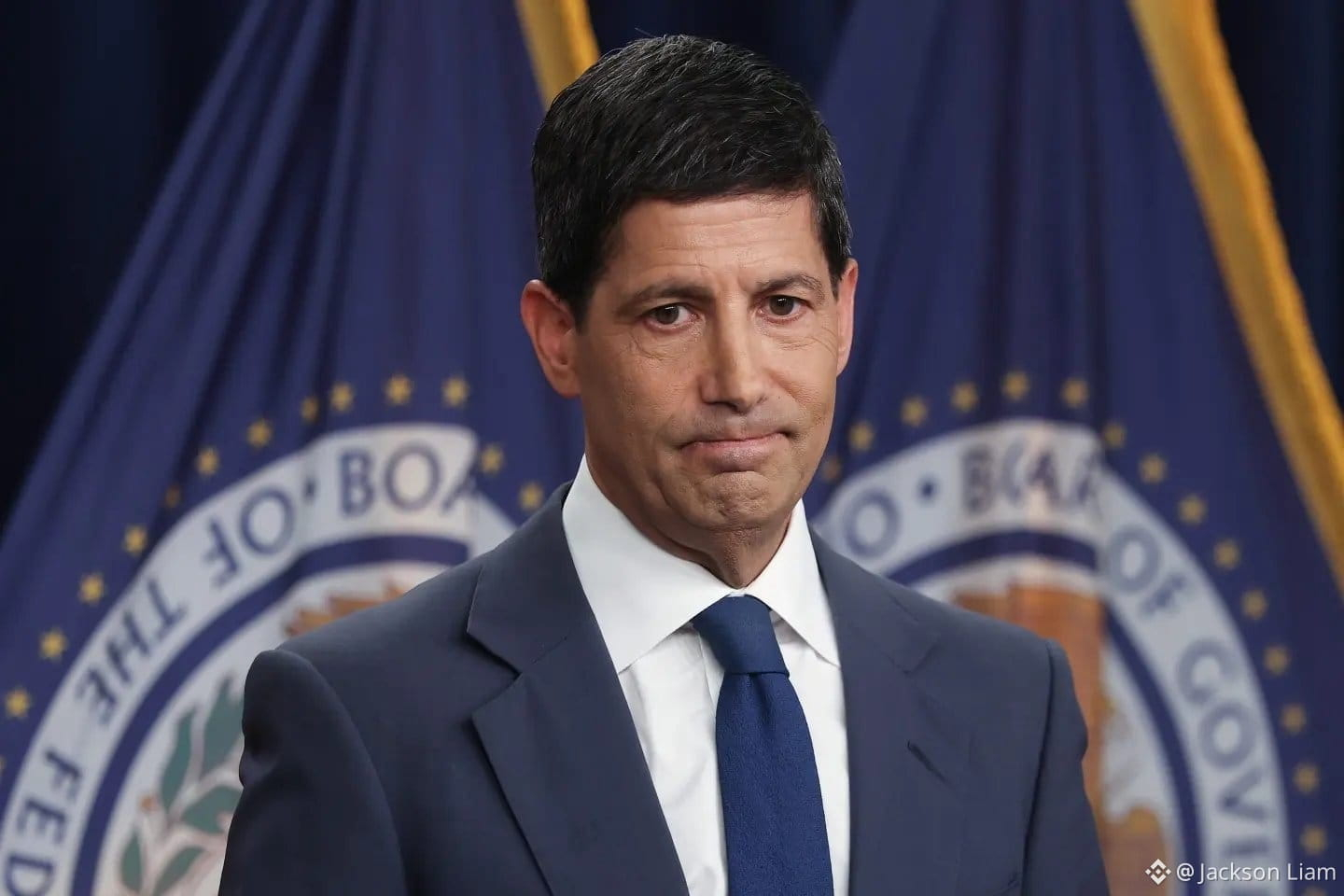
🚨 DIE FED RÜCKT WIEDER IN DEN FOKUS.
Die US-Daten von heute könnten den Märkten eine frische Orientierung geben, was als Nächstes kommt: Zinserhöhung oder Pause.
🏠 Case-Shiller-Immobilienpreise
🧠 Verbrauchervertrauen
💼 JOLTS-Stellenangebote
Dann kommt das größere Ereignis: Fed-Reden. Bowman, Barr, Goolsbee, Musalem, Williams und Waller stehen allesamt auf dem Kalender – das gibt Händlern jede Menge Material, um die Aussagen zu analysieren.
Die entscheidende Frage ist ganz einfach:
Ist die US-Wirtschaft immer noch stark genug, damit die Fed hawkisch bleibt – oder zeigen sich bereits Risse?
Starke Jobs + feste Preise könnten die Erwartungen an weitere Zinserhöhungen am Leben halten.
Schwaches Vertrauen + nachlassende Arbeitsmarktdaten könnten die Märkte dagegen zu einer vorsichtigeren Fed treiben.
Wie auch immer: Die Volatilität könnte schnell zunehmen.
Datenschnitt. Fed spricht. Märkte reagieren. Bleib bereit.
🚨 DIE FED RÜCKT WIEDER IN DEN FOKUS.
Die US-Daten von heute könnten den Märkten eine frische Orientierung geben, was als Nächstes kommt: Zinserhöhung oder Pause.
🏠 Case-Shiller-Immobilienpreise
🧠 Verbrauchervertrauen
💼 JOLTS-Stellenangebote
Dann kommt das größere Ereignis: Fed-Reden. Bowman, Barr, Goolsbee, Musalem, Williams und Waller stehen allesamt auf dem Kalender – das gibt Händlern jede Menge Material, um die Aussagen zu analysieren.
Die entscheidende Frage ist ganz einfach:
Ist die US-Wirtschaft immer noch stark genug, damit die Fed hawkisch bleibt – oder zeigen sich bereits Risse?
Starke Jobs + feste Preise könnten die Erwartungen an weitere Zinserhöhungen am Leben halten.
Schwaches Vertrauen + nachlassende Arbeitsmarktdaten könnten die Märkte dagegen zu einer vorsichtigeren Fed treiben.
Wie auch immer: Die Volatilität könnte schnell zunehmen.
Datenschnitt. Fed spricht. Märkte reagieren. Bleib bereit.
Die US-Daten von heute könnten den Märkten eine frische Orientierung geben, was als Nächstes kommt: Zinserhöhung oder Pause.
🏠 Case-Shiller-Immobilienpreise
🧠 Verbrauchervertrauen
💼 JOLTS-Stellenangebote
Dann kommt das größere Ereignis: Fed-Reden. Bowman, Barr, Goolsbee, Musalem, Williams und Waller stehen allesamt auf dem Kalender – das gibt Händlern jede Menge Material, um die Aussagen zu analysieren.
Die entscheidende Frage ist ganz einfach:
Ist die US-Wirtschaft immer noch stark genug, damit die Fed hawkisch bleibt – oder zeigen sich bereits Risse?
Starke Jobs + feste Preise könnten die Erwartungen an weitere Zinserhöhungen am Leben halten.
Schwaches Vertrauen + nachlassende Arbeitsmarktdaten könnten die Märkte dagegen zu einer vorsichtigeren Fed treiben.
Wie auch immer: Die Volatilität könnte schnell zunehmen.
Datenschnitt. Fed spricht. Märkte reagieren. Bleib bereit.
1
2
171
·
--
Bullisch
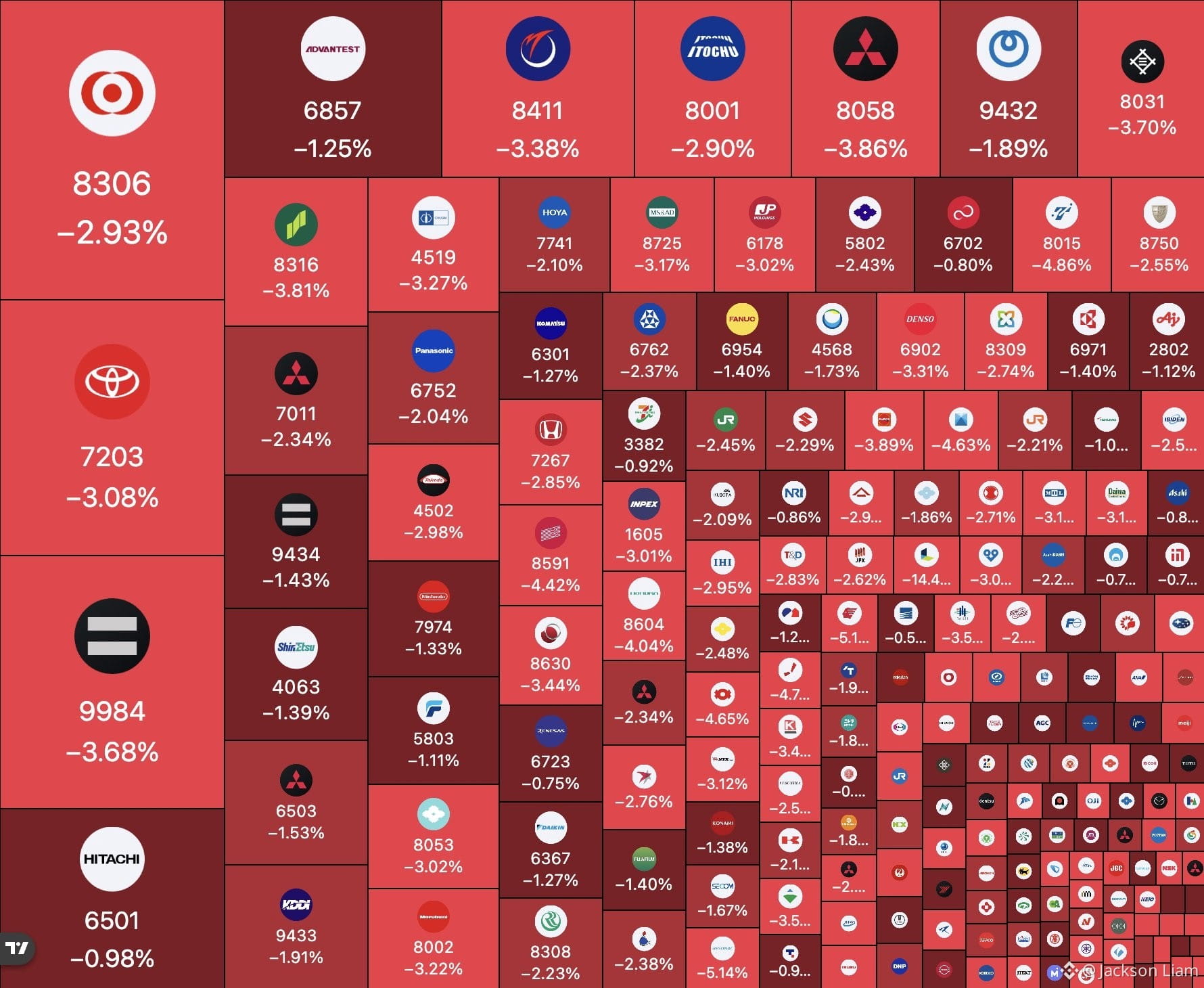
🚨 JAPANISCHE AKTIEN WERDEN HART GETROFFEN!
Mehr als 17,7 BILLIONEN Yen (112 MILLIARDEN US-Dollar) an Börsenwert wurden vernichtet, da der Nikkei-Index um rund 1,5% fällt.
Der Ausverkauf kommt, während die globalen Anleiherenditen steigen und die Ölpreise klettern—was neue Sorgen über Inflation und höhere Zinsen schürt.
Auch Japan spürt den Druck: Anleger verkaufen Aktien, nachdem der Markt in letzter Zeit stark gelaufen ist.
Und das ist keine reine Japan-Geschichte…
Höhere Renditen + steigendes Öl + geopolitische Spannungen = Anleger werden an den globalen Märkten nervös.
Der Risk-off-Modus ist zurück.
Die große Frage jetzt: Ist das nur eine scharfe Korrektur, oder der Beginn von etwas Größerem? 🔥
🚨 JAPANISCHE AKTIEN WERDEN HART GETROFFEN!
Mehr als 17,7 BILLIONEN Yen (112 MILLIARDEN US-Dollar) an Börsenwert wurden vernichtet, da der Nikkei-Index um rund 1,5% fällt.
Der Ausverkauf kommt, während die globalen Anleiherenditen steigen und die Ölpreise klettern—was neue Sorgen über Inflation und höhere Zinsen schürt.
Auch Japan spürt den Druck: Anleger verkaufen Aktien, nachdem der Markt in letzter Zeit stark gelaufen ist.
Und das ist keine reine Japan-Geschichte…
Höhere Renditen + steigendes Öl + geopolitische Spannungen = Anleger werden an den globalen Märkten nervös.
Der Risk-off-Modus ist zurück.
Die große Frage jetzt: Ist das nur eine scharfe Korrektur, oder der Beginn von etwas Größerem? 🔥
Mehr als 17,7 BILLIONEN Yen (112 MILLIARDEN US-Dollar) an Börsenwert wurden vernichtet, da der Nikkei-Index um rund 1,5% fällt.
Der Ausverkauf kommt, während die globalen Anleiherenditen steigen und die Ölpreise klettern—was neue Sorgen über Inflation und höhere Zinsen schürt.
Auch Japan spürt den Druck: Anleger verkaufen Aktien, nachdem der Markt in letzter Zeit stark gelaufen ist.
Und das ist keine reine Japan-Geschichte…
Höhere Renditen + steigendes Öl + geopolitische Spannungen = Anleger werden an den globalen Märkten nervös.
Der Risk-off-Modus ist zurück.
Die große Frage jetzt: Ist das nur eine scharfe Korrektur, oder der Beginn von etwas Größerem? 🔥
2
317
·
--
Bullisch
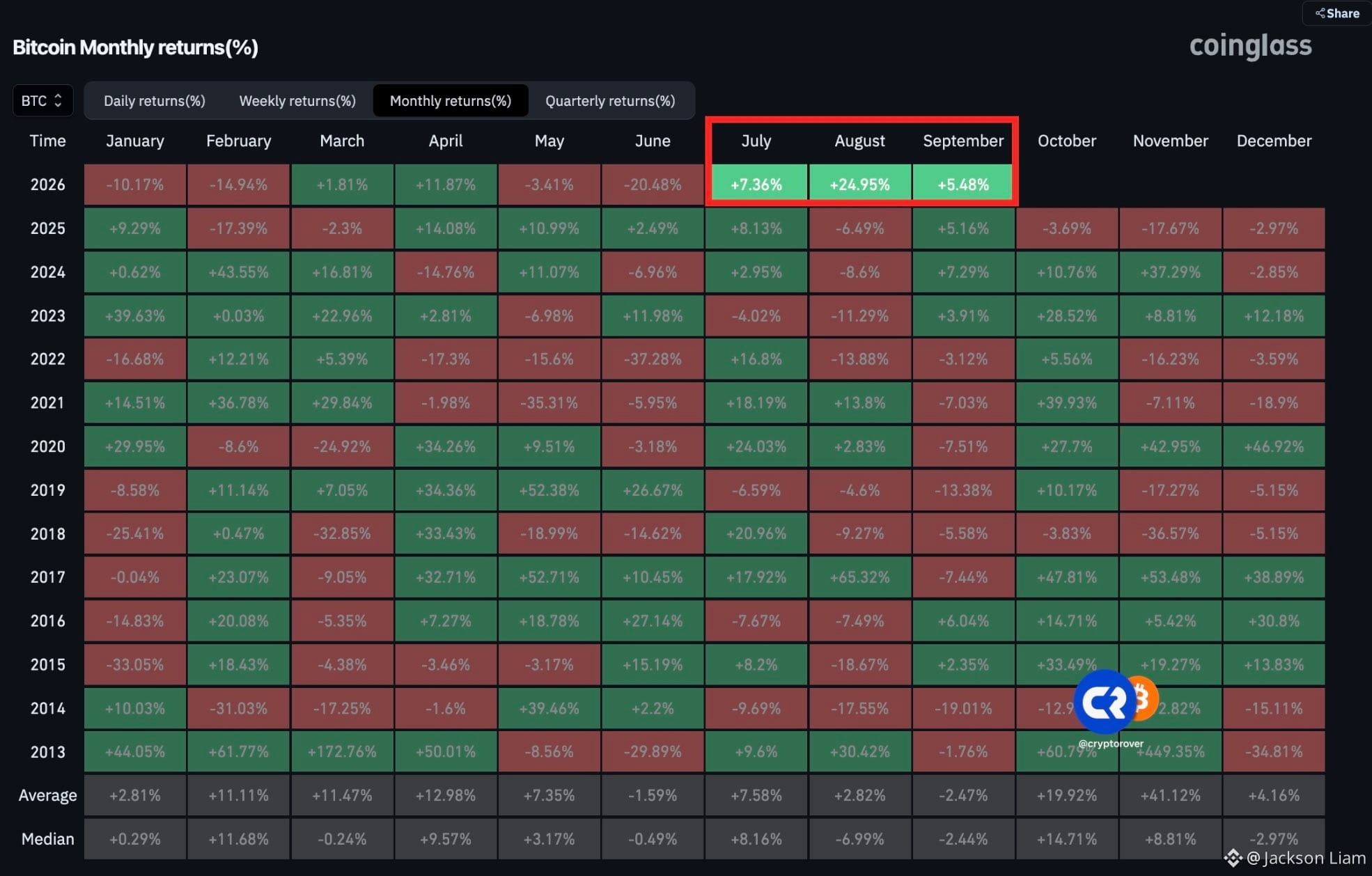
🟢 BITCOIN STEHT VOR DEM SCHLUSS VON 3 GRÜNEN MONATEN IN FOLGE.
Und das ist etwas ganz Besonderes.
Bitcoin ist in den letzten drei monatlichen Kerzen stark geblieben und zeigt, dass Käufer weiterhin dazustoßen, statt den Markt einfach zusammenbrechen zu lassen.
Historisch gesehen ist eine 3-monatige grüne Serie in großen Bärenmärkten selten.
Aber das Wichtige ist:
🚨 Das bedeutet nicht, dass Bitcoin nicht abstürzen kann. 🚨 Es garantiert auch kein neues Allzeithoch. 🚨 Es zeigt jedoch, dass sich die Marktstruktur anders verhält als eine typische, längere Bärenphase.
Drei grüne monatliche Kerzen = der Schwung baut sich auf.
Wenn Bitcoin September im Grünen abschließt, lautet die entscheidende Frage:
Können die Bullen diese Stärke in einen größeren Ausbruch umwandeln?
Die nächste monatliche Kerze könnte SEHR wichtig werden. 👀
🟢 BITCOIN STEHT VOR DEM SCHLUSS VON 3 GRÜNEN MONATEN IN FOLGE.
Und das ist etwas ganz Besonderes.
Bitcoin ist in den letzten drei monatlichen Kerzen stark geblieben und zeigt, dass Käufer weiterhin dazustoßen, statt den Markt einfach zusammenbrechen zu lassen.
Historisch gesehen ist eine 3-monatige grüne Serie in großen Bärenmärkten selten.
Aber das Wichtige ist:
🚨 Das bedeutet nicht, dass Bitcoin nicht abstürzen kann. 🚨 Es garantiert auch kein neues Allzeithoch. 🚨 Es zeigt jedoch, dass sich die Marktstruktur anders verhält als eine typische, längere Bärenphase.
Drei grüne monatliche Kerzen = der Schwung baut sich auf.
Wenn Bitcoin September im Grünen abschließt, lautet die entscheidende Frage:
Können die Bullen diese Stärke in einen größeren Ausbruch umwandeln?
Die nächste monatliche Kerze könnte SEHR wichtig werden. 👀
Und das ist etwas ganz Besonderes.
Bitcoin ist in den letzten drei monatlichen Kerzen stark geblieben und zeigt, dass Käufer weiterhin dazustoßen, statt den Markt einfach zusammenbrechen zu lassen.
Historisch gesehen ist eine 3-monatige grüne Serie in großen Bärenmärkten selten.
Aber das Wichtige ist:
🚨 Das bedeutet nicht, dass Bitcoin nicht abstürzen kann. 🚨 Es garantiert auch kein neues Allzeithoch. 🚨 Es zeigt jedoch, dass sich die Marktstruktur anders verhält als eine typische, längere Bärenphase.
Drei grüne monatliche Kerzen = der Schwung baut sich auf.
Wenn Bitcoin September im Grünen abschließt, lautet die entscheidende Frage:
Können die Bullen diese Stärke in einen größeren Ausbruch umwandeln?
Die nächste monatliche Kerze könnte SEHR wichtig werden. 👀
7
2
543
·
--
Artikel
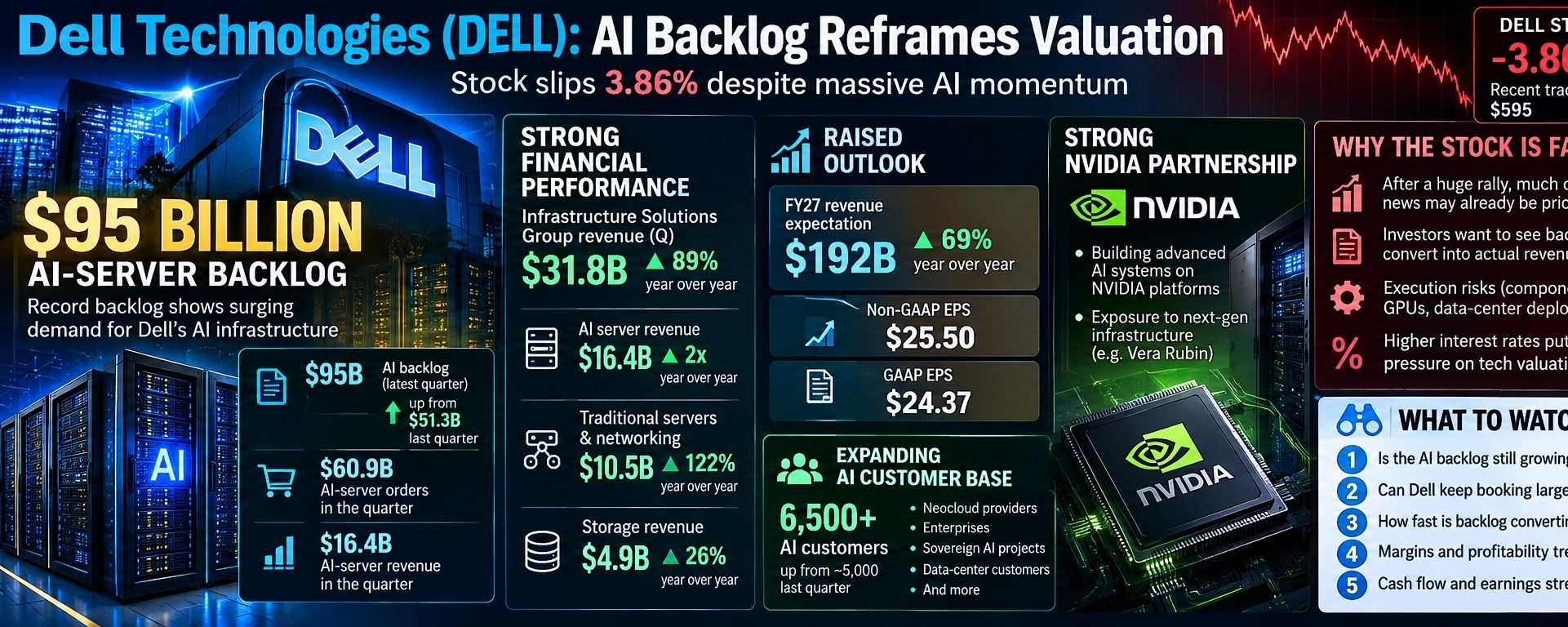
Dell Technologies (DELL): Der KI-Auftragsbestand von 95 Milliarden US-Dollar verändert die StoryDell Technologies ist längst nicht mehr nur ein PC- und Serverunternehmen.
Das wird zunehmend schwer zu ignorieren, nachdem das Unternehmen einen massiven KI-Server-Auftragsbestand von 95 Milliarden US-Dollar offenbart hat, während die Aktie kürzlich um 3,86% nachgegeben hat.
Der Rücksetzer ist interessant, weil sich Dells zugrunde liegendes KI-Geschäft in die entgegengesetzte Richtung bewegt. Die Bestellungen steigen, der Umsatz wächst, und das Management hat den Ausblick für das Gesamtjahr angehoben.
Also: Warum fällt die Aktie?
Denn nach einer riesigen Rallye fragen Anleger nicht mehr, ob Dell vom KI-Boom profitieren wird. Sie fragen, ob das zukünftige Wachstum des Unternehmens bereits im Kurs eingepreist ist.
Dell Technologies (DELL): Der KI-Auftragsbestand von 95 Milliarden US-Dollar verändert die Story
Dell Technologies ist längst nicht mehr nur ein PC- und Serverunternehmen.
Das wird zunehmend schwer zu ignorieren, nachdem das Unternehmen einen massiven KI-Server-Auftragsbestand von 95 Milliarden US-Dollar offenbart hat, während die Aktie kürzlich um 3,86% nachgegeben hat.
Der Rücksetzer ist interessant, weil sich Dells zugrunde liegendes KI-Geschäft in die entgegengesetzte Richtung bewegt. Die Bestellungen steigen, der Umsatz wächst, und das Management hat den Ausblick für das Gesamtjahr angehoben.
Also: Warum fällt die Aktie?
Denn nach einer riesigen Rallye fragen Anleger nicht mehr, ob Dell vom KI-Boom profitieren wird. Sie fragen, ob das zukünftige Wachstum des Unternehmens bereits im Kurs eingepreist ist.
Das wird zunehmend schwer zu ignorieren, nachdem das Unternehmen einen massiven KI-Server-Auftragsbestand von 95 Milliarden US-Dollar offenbart hat, während die Aktie kürzlich um 3,86% nachgegeben hat.
Der Rücksetzer ist interessant, weil sich Dells zugrunde liegendes KI-Geschäft in die entgegengesetzte Richtung bewegt. Die Bestellungen steigen, der Umsatz wächst, und das Management hat den Ausblick für das Gesamtjahr angehoben.
Also: Warum fällt die Aktie?
Denn nach einer riesigen Rallye fragen Anleger nicht mehr, ob Dell vom KI-Boom profitieren wird. Sie fragen, ob das zukünftige Wachstum des Unternehmens bereits im Kurs eingepreist ist.
7
2
451
·
--
NMR — MASSIVER AUSBRUCH! LANGE VORBEREITUNG
NMR ist um über 35% explodiert, aus der Konsolidierung ausgebrochen und hat $15,50 erreicht. Der Momentum ist stark, aber ein Rücksetzer könnte einen besseren Einstieg bieten.
LONG SIGNAL
EP (Kaufzone): $13,00 – $13,30
TP1: $14,40 TP2: $15,50 TP3: $16,80
SL: $12,40
Ein erfolgreicher Retest von $13 könnte eine weitere explosive Bewegung vorbereiten. Warte auf Bestätigung, bevor du einsteigst.
Los geht’s $NMR
{spot}(NMRUSDT)
$MARSCOIN
{future}(MARSCOINUSDT)
$HBAR
{future}(HBARUSDT)
NMR — MASSIVER AUSBRUCH! LANGE VORBEREITUNG
NMR ist um über 35% explodiert, aus der Konsolidierung ausgebrochen und hat $15,50 erreicht. Der Momentum ist stark, aber ein Rücksetzer könnte einen besseren Einstieg bieten.
LONG SIGNAL
EP (Kaufzone): $13,00 – $13,30
TP1: $14,40 TP2: $15,50 TP3: $16,80
SL: $12,40
Ein erfolgreicher Retest von $13 könnte eine weitere explosive Bewegung vorbereiten. Warte auf Bestätigung, bevor du einsteigst.
Los geht’s $NMR
$MARSCOIN
$HBAR
NMR ist um über 35% explodiert, aus der Konsolidierung ausgebrochen und hat $15,50 erreicht. Der Momentum ist stark, aber ein Rücksetzer könnte einen besseren Einstieg bieten.
LONG SIGNAL
EP (Kaufzone): $13,00 – $13,30
TP1: $14,40 TP2: $15,50 TP3: $16,80
SL: $12,40
Ein erfolgreicher Retest von $13 könnte eine weitere explosive Bewegung vorbereiten. Warte auf Bestätigung, bevor du einsteigst.
Los geht’s $NMR
$MARSCOIN
$HBAR
$18+ — Breakout continues
29%
$20+ — Full send
29%
Pullback to $13–14 first
28%
Reversal incoming
14%
14 Stimmen • Abstimmung beendet
7
3
615
·
--
Bullisch
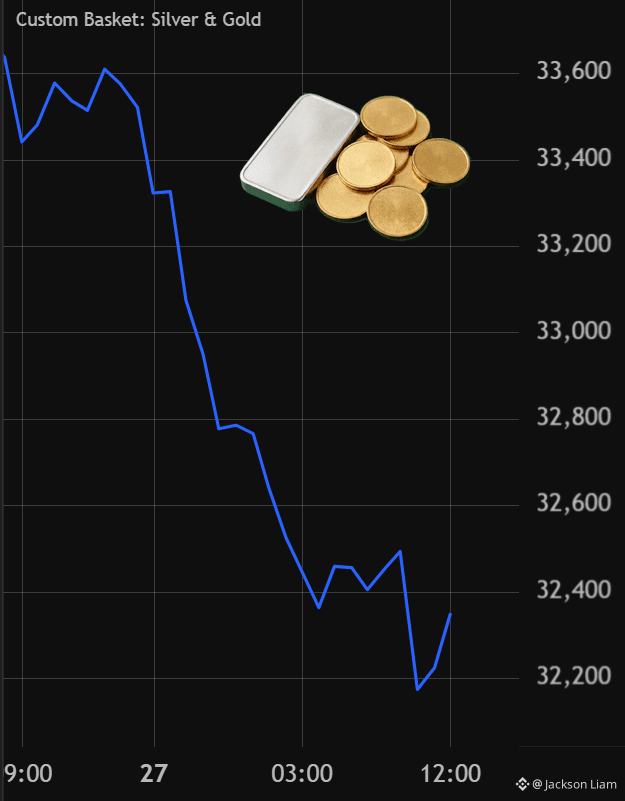
🚨 SOEBEN: Gold & Silber haben gerade einen MASSIVEN Rücksetzer erlitten.
Heute wurden $1 BILLIAR an kombinierter Marktkapitalisierung ausgelöscht.
Das entspricht ungefähr 60% der gesamten Marktkapitalisierung von Bitcoin.
Denk mal darüber nach.
Märkte in dieser Größenordnung können an einem einzigen Tag Hunderte Milliarden bewegen — und Bitcoin ist im Vergleich zu traditionellen Wertaufbewahrern immer noch relativ klein.
Wir sind immer noch SEHR früh. 👀
$XAU $XAG
🚨 SOEBEN: Gold & Silber haben gerade einen MASSIVEN Rücksetzer erlitten.
Heute wurden $1 BILLIAR an kombinierter Marktkapitalisierung ausgelöscht.
Das entspricht ungefähr 60% der gesamten Marktkapitalisierung von Bitcoin.
Denk mal darüber nach.
Märkte in dieser Größenordnung können an einem einzigen Tag Hunderte Milliarden bewegen — und Bitcoin ist im Vergleich zu traditionellen Wertaufbewahrern immer noch relativ klein.
Wir sind immer noch SEHR früh. 👀
$XAU $XAG
Heute wurden $1 BILLIAR an kombinierter Marktkapitalisierung ausgelöscht.
Das entspricht ungefähr 60% der gesamten Marktkapitalisierung von Bitcoin.
Denk mal darüber nach.
Märkte in dieser Größenordnung können an einem einzigen Tag Hunderte Milliarden bewegen — und Bitcoin ist im Vergleich zu traditionellen Wertaufbewahrern immer noch relativ klein.
Wir sind immer noch SEHR früh. 👀
$XAU $XAG
9
1
643
·
--
Bullisch
🚨 BREAKING: GEGEN IRAN-KRATZTE SANKTIONEN KÖNNTEN BALD KOMMEN
Laut Berichten ist Trump bereit, Sanktionen zu lockern und iranische Vermögenswerte freizugeben, falls Teheran den US-amerikanischen Nuklearforderungen zustimmt.
Märkte reagierten SCHNELL ⚡
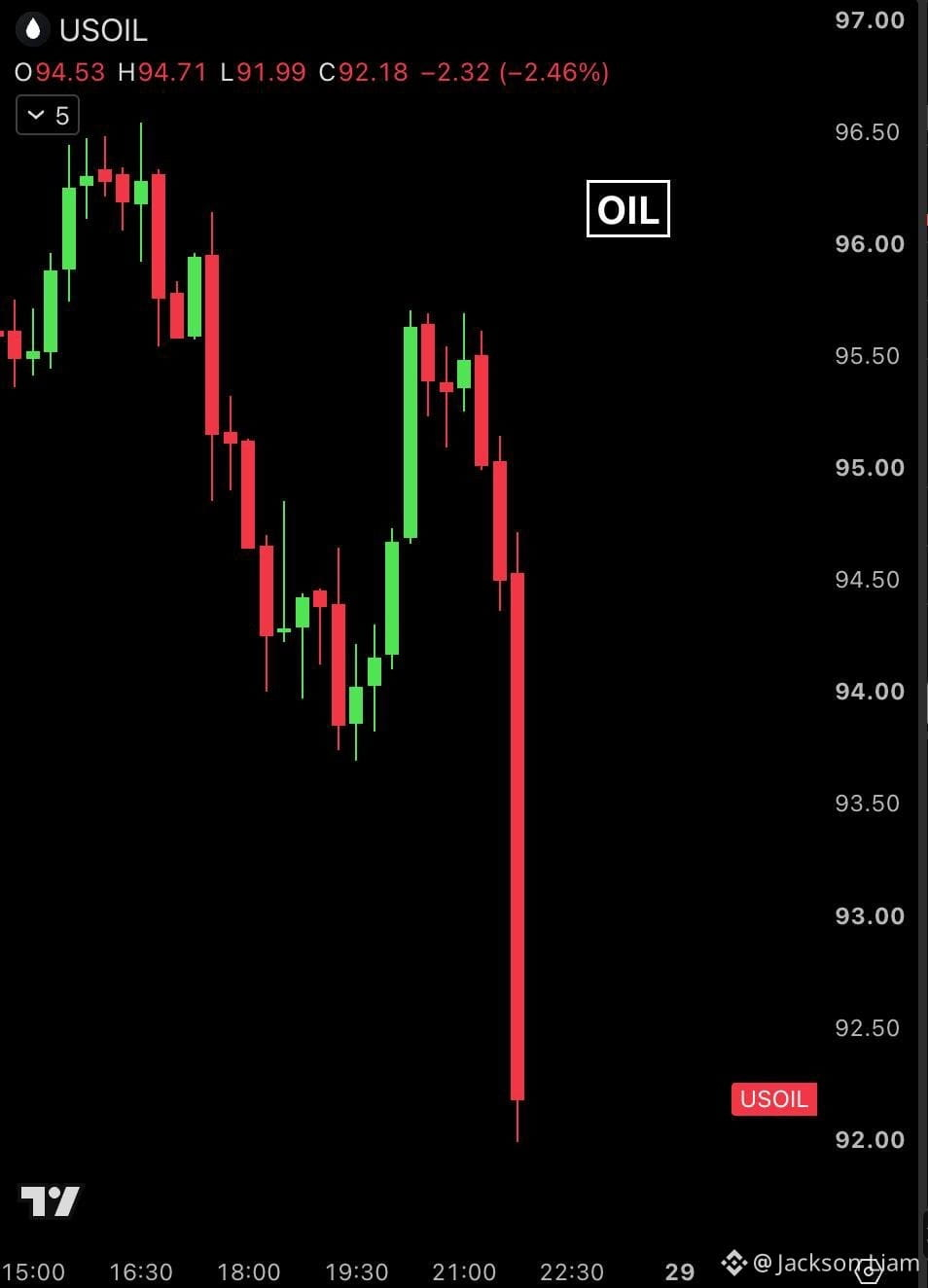
🛢️ Öl fiel in nur 30 Minuten um fast 4%, als die geopolitische Risikoprämie verblasste.
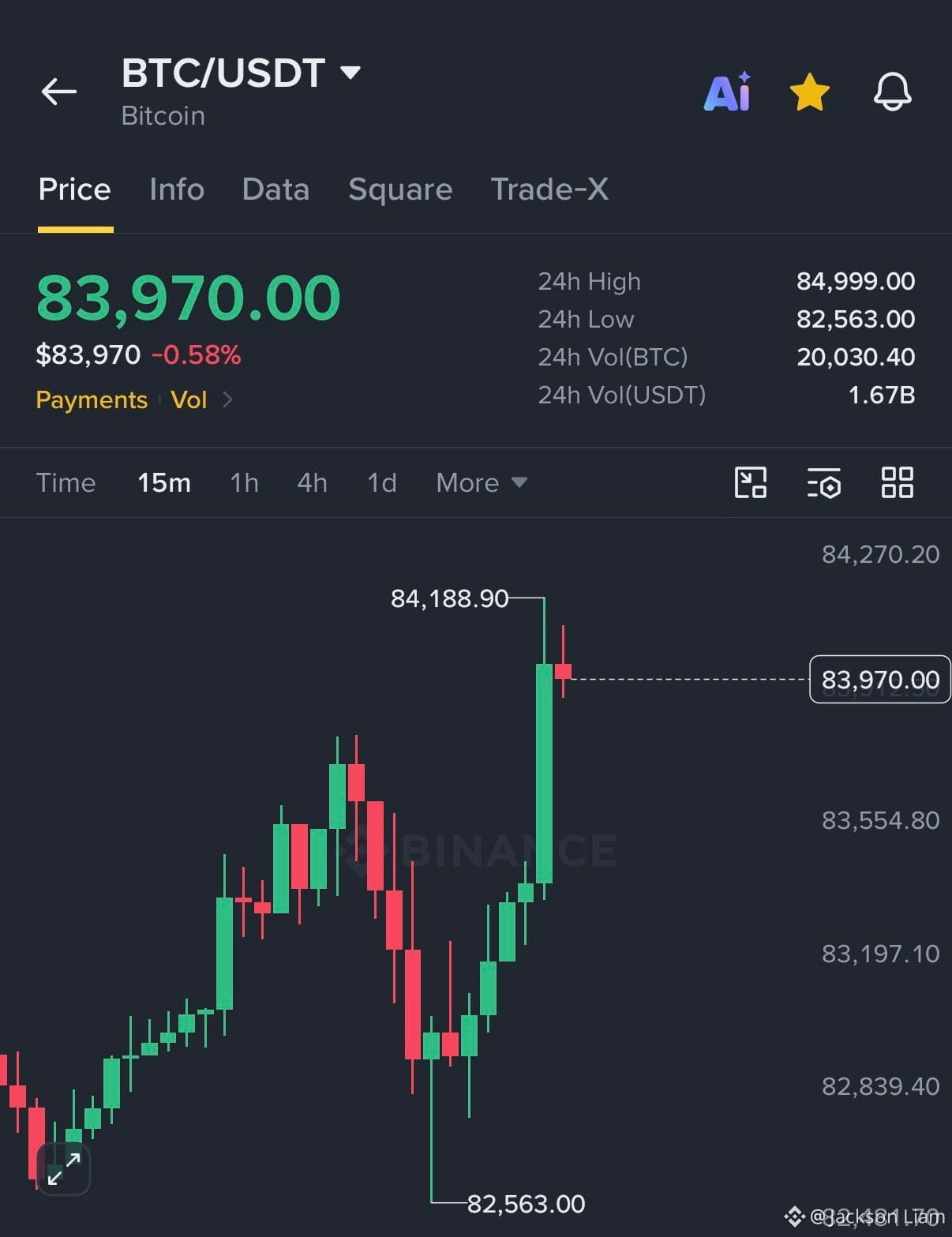
₿ Auch Bitcoin begann sich zu erholen, da Händler eine mögliche Deeskalation einpreisten.
Das Entscheidende jetzt: Ob die Gespräche in eine echte Vereinbarung münden.
🚨 BREAKING: GEGEN IRAN-KRATZTE SANKTIONEN KÖNNTEN BALD KOMMEN
Laut Berichten ist Trump bereit, Sanktionen zu lockern und iranische Vermögenswerte freizugeben, falls Teheran den US-amerikanischen Nuklearforderungen zustimmt.
Märkte reagierten SCHNELL ⚡
🛢️ Öl fiel in nur 30 Minuten um fast 4%, als die geopolitische Risikoprämie verblasste.
₿ Auch Bitcoin begann sich zu erholen, da Händler eine mögliche Deeskalation einpreisten.
Das Entscheidende jetzt: Ob die Gespräche in eine echte Vereinbarung münden.
Laut Berichten ist Trump bereit, Sanktionen zu lockern und iranische Vermögenswerte freizugeben, falls Teheran den US-amerikanischen Nuklearforderungen zustimmt.
Märkte reagierten SCHNELL ⚡
🛢️ Öl fiel in nur 30 Minuten um fast 4%, als die geopolitische Risikoprämie verblasste.
₿ Auch Bitcoin begann sich zu erholen, da Händler eine mögliche Deeskalation einpreisten.
Das Entscheidende jetzt: Ob die Gespräche in eine echte Vereinbarung münden.
1
383
·
--
Bärisch
🚨 KRYPTOMARKT BRicht
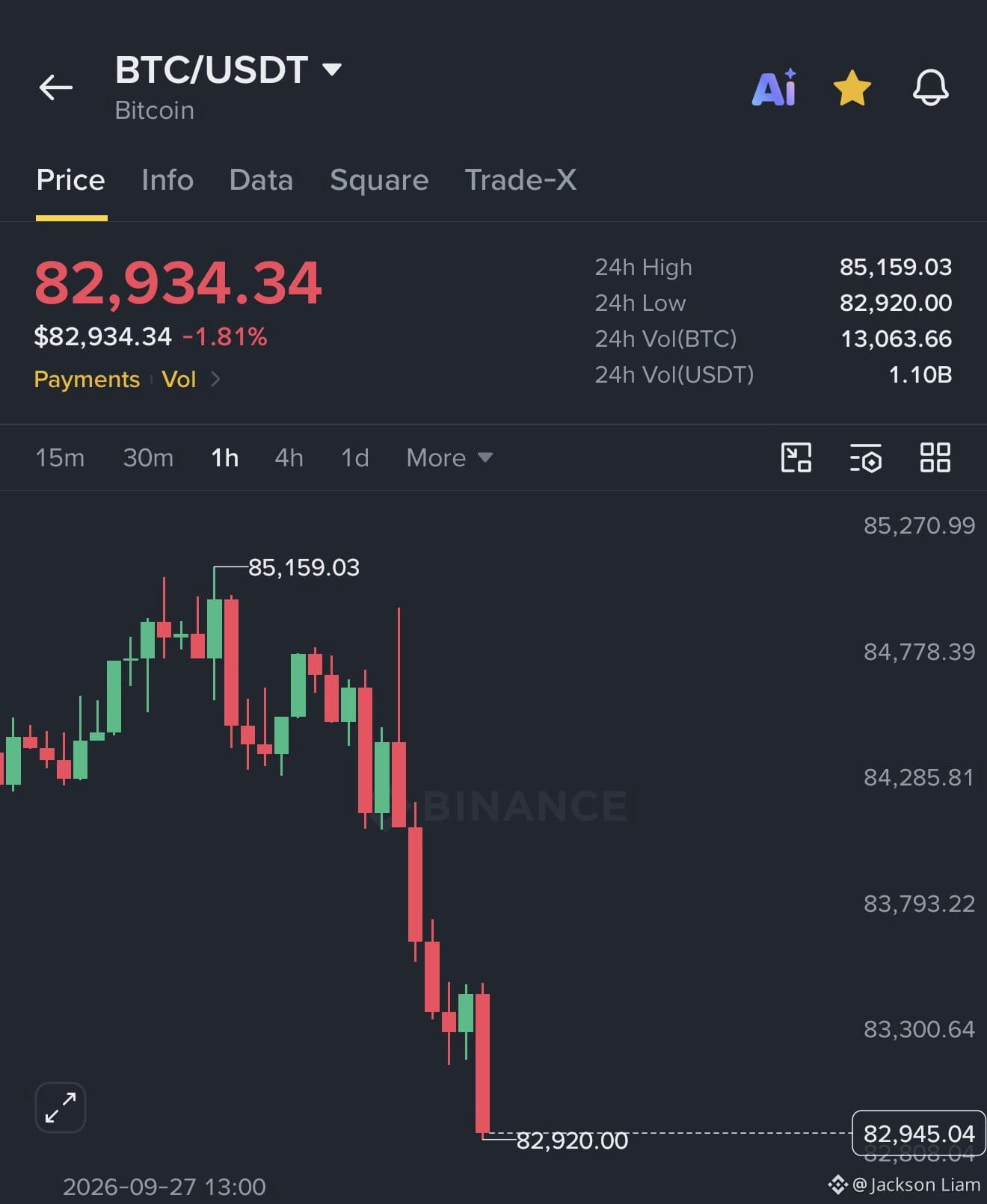
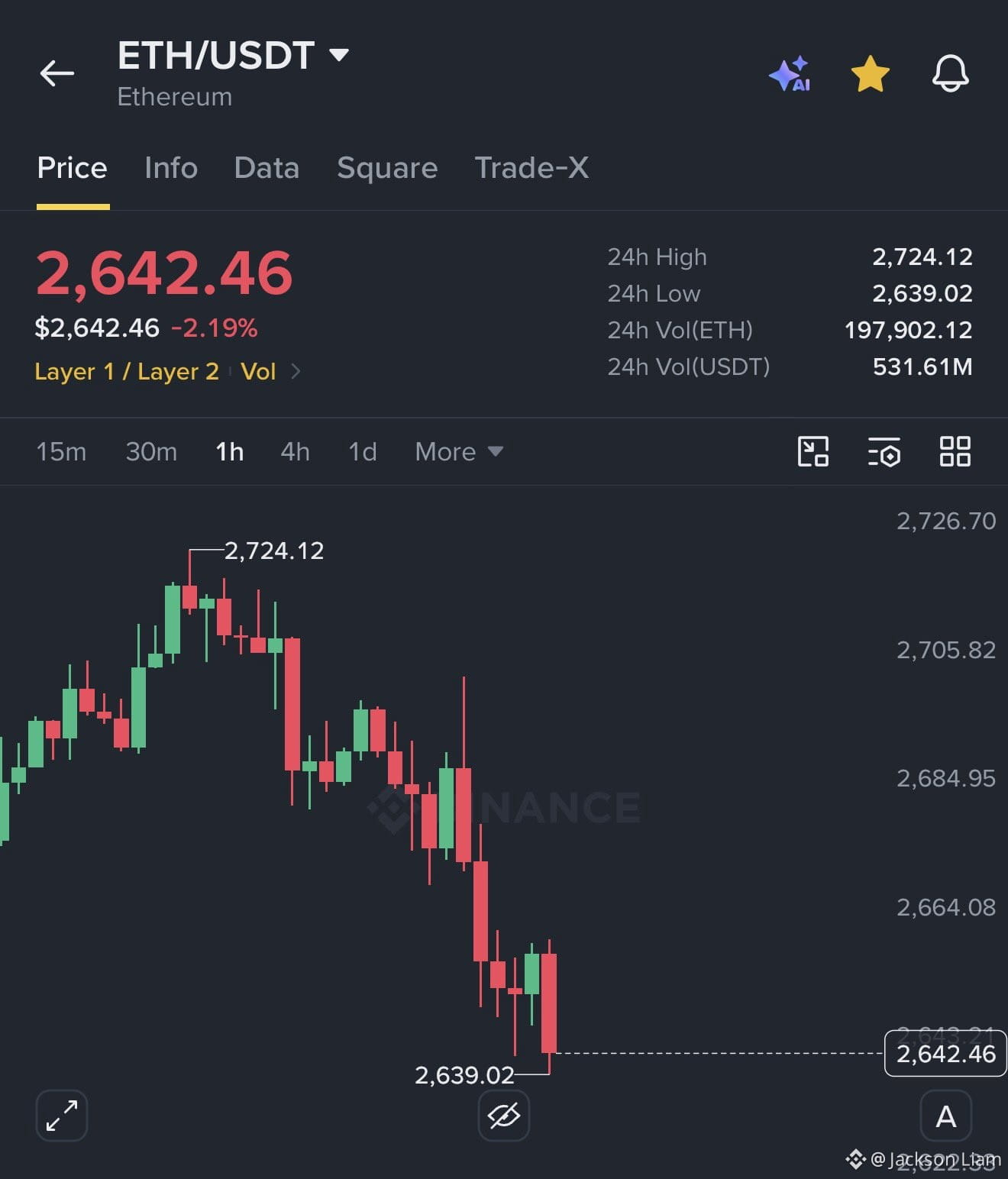
Bitcoin ist gerade unter 83.000 US-Dollar gerutscht, während Ethereum unter 2.650 US-Dollar gefallen ist.
Und die Bewegung trifft bereits gehebelte Trader:
💥 50 Mio.+ an Longs in nur 60 Minuten liquidiert.
Der Markt bewegt sich schnell, und überhebelte Positionen werden gerade massenhaft aus dem Markt gekegelt, weil Trader hastig das Risiko reduzieren.
$BTC verliert 83K und $ETH verliert 2,65K — das übt frischen Druck auf den breiteren Kryptomarkt aus.
Eine scharfe Bewegung nach unten kann weitere Liquidationen auslösen — und das kann wiederum noch mehr Verkäufe nach sich ziehen.
Volatilität ist zurück. 👀
🚨 KRYPTOMARKT BRicht
Bitcoin ist gerade unter 83.000 US-Dollar gerutscht, während Ethereum unter 2.650 US-Dollar gefallen ist.
Und die Bewegung trifft bereits gehebelte Trader:
💥 50 Mio.+ an Longs in nur 60 Minuten liquidiert.
Der Markt bewegt sich schnell, und überhebelte Positionen werden gerade massenhaft aus dem Markt gekegelt, weil Trader hastig das Risiko reduzieren.
$BTC verliert 83K und $ETH verliert 2,65K — das übt frischen Druck auf den breiteren Kryptomarkt aus.
Eine scharfe Bewegung nach unten kann weitere Liquidationen auslösen — und das kann wiederum noch mehr Verkäufe nach sich ziehen.
Volatilität ist zurück. 👀
Bitcoin ist gerade unter 83.000 US-Dollar gerutscht, während Ethereum unter 2.650 US-Dollar gefallen ist.
Und die Bewegung trifft bereits gehebelte Trader:
💥 50 Mio.+ an Longs in nur 60 Minuten liquidiert.
Der Markt bewegt sich schnell, und überhebelte Positionen werden gerade massenhaft aus dem Markt gekegelt, weil Trader hastig das Risiko reduzieren.
$BTC verliert 83K und $ETH verliert 2,65K — das übt frischen Druck auf den breiteren Kryptomarkt aus.
Eine scharfe Bewegung nach unten kann weitere Liquidationen auslösen — und das kann wiederum noch mehr Verkäufe nach sich ziehen.
Volatilität ist zurück. 👀
10
3
456
·
--
Bullisch
QNT – ein explosiver Ausbruch ist im Gange.
Der Kurs ist gerade von den 100ern auf 195 durchgerissen, und jetzt suchen wir einen kontrollierten Retest statt dem Spike hinterherzulaufen.
Kaufzone: 155–165
EP: 160
TP1: 180
TP2: 195
TP3: 215
SL: 147
Über 195 kann sich der Impuls beschleunigen.
Wenn 155–165 auf dem 4H hält, bleibt das Setup konstruktiv.
Los geht’s $QNT
{future}(QNTUSDT)
$Q
{future}(QUSDT)
$SOON
{future}(SOONUSDT)
QNT – ein explosiver Ausbruch ist im Gange.
Der Kurs ist gerade von den 100ern auf 195 durchgerissen, und jetzt suchen wir einen kontrollierten Retest statt dem Spike hinterherzulaufen.
Kaufzone: 155–165
EP: 160
TP1: 180
TP2: 195
TP3: 215
SL: 147
Über 195 kann sich der Impuls beschleunigen.
Wenn 155–165 auf dem 4H hält, bleibt das Setup konstruktiv.
Los geht’s $QNT
$Q
$SOON
Der Kurs ist gerade von den 100ern auf 195 durchgerissen, und jetzt suchen wir einen kontrollierten Retest statt dem Spike hinterherzulaufen.
Kaufzone: 155–165
EP: 160
TP1: 180
TP2: 195
TP3: 215
SL: 147
Über 195 kann sich der Impuls beschleunigen.
Wenn 155–165 auf dem 4H hält, bleibt das Setup konstruktiv.
Los geht’s $QNT
$Q
$SOON
Breakout
25%
Pullback
60%
Staying out
15%
20 Stimmen • Abstimmung beendet
5
3
2.1k
·
--
Bullisch
SELTEN
Der Breakout-Impuls heizt sich nach einer massiven Expansion aus dem Bereich 0.0130 auf. Der Kurs drückt an das Hoch von 0.02244 heran, daher ist entscheidend, dass die Breakout-Zone gehalten wird.
Kaufzone: 0.02000–0.02120
TP1: 0.02380
TP2: 0.02650
TP3: 0.03000
SL: 0.01840
EP: 0.02000–0.02120
TP: 0.02380 / 0.02650 / 0.03000
SL: 0.01840
Sauberes Setup: Breakout + Retest oberhalb von 0.0200. Wenn 0.0184 bricht, ist das Setup ungültig.
$RARE
{spot}(RAREUSDT)
$ARK
{future}(ARKUSDT)
$PHA
{future}(PHAUSDT)
SELTEN
Der Breakout-Impuls heizt sich nach einer massiven Expansion aus dem Bereich 0.0130 auf. Der Kurs drückt an das Hoch von 0.02244 heran, daher ist entscheidend, dass die Breakout-Zone gehalten wird.
Kaufzone: 0.02000–0.02120
TP1: 0.02380
TP2: 0.02650
TP3: 0.03000
SL: 0.01840
EP: 0.02000–0.02120
TP: 0.02380 / 0.02650 / 0.03000
SL: 0.01840
Sauberes Setup: Breakout + Retest oberhalb von 0.0200. Wenn 0.0184 bricht, ist das Setup ungültig.
$RARE
$ARK
$PHA
Der Breakout-Impuls heizt sich nach einer massiven Expansion aus dem Bereich 0.0130 auf. Der Kurs drückt an das Hoch von 0.02244 heran, daher ist entscheidend, dass die Breakout-Zone gehalten wird.
Kaufzone: 0.02000–0.02120
TP1: 0.02380
TP2: 0.02650
TP3: 0.03000
SL: 0.01840
EP: 0.02000–0.02120
TP: 0.02380 / 0.02650 / 0.03000
SL: 0.01840
Sauberes Setup: Breakout + Retest oberhalb von 0.0200. Wenn 0.0184 bricht, ist das Setup ungültig.
$RARE
$ARK
$PHA
YES — Buying the breakout
40%
NO — Waiting for a pullback
60%
5 Stimmen • Abstimmung beendet
4
4
750
·
--
Bullisch
🚨 LYNA IST GERADEAUS INS PARABOLISCHE GEFLOGEN!
Evelyn AI’s LYNSDT bewegt sich FAST — und der Chart dreht komplett durch.
🔥 Preis: 0,06910 $
📈 24H: +73,92%
💥 24H High: 0,07272 $
🩸 24H Low: 0,03861 $
💰 24H Volumen: 31,62 Mio. $
⚡ LYNSDT Volumen: 591,28 Mio. $
Der verrückte Teil? LYNSDT hat in den letzten Sessions die meiste Zeit rund um den 0,04-Bereich gehandelt… dann BOOM.
Eine massive 4H-Kerze hat ihn direkt Richtung 0,073 geschossen, während der Kurs jetzt bei etwa 0,069 hält.
Und der Schwung ist nicht nur heute:
📈 7D: +104,02%
📈 30D: +102,11%
📈 90D: +98,28%
📈 180D: +38,03%
Von ungefähr 0,034 bis fast 0,073 in wenigen Tagen.
Das ist kein ruhiger Chart mehr.
Die entscheidende Frage jetzt: Kann LYNSDT diesen Ausbruch halten, oder löst der enorme Move einen scharfen Rücksetzer aus?
$LYN
{future}(LYNUSDT)
$PHA
{future}(PHAUSDT)
$RARE
{future}(RAREUSDT)
🚨 LYNA IST GERADEAUS INS PARABOLISCHE GEFLOGEN!
Evelyn AI’s LYNSDT bewegt sich FAST — und der Chart dreht komplett durch.
🔥 Preis: 0,06910 $
📈 24H: +73,92%
💥 24H High: 0,07272 $
🩸 24H Low: 0,03861 $
💰 24H Volumen: 31,62 Mio. $
⚡ LYNSDT Volumen: 591,28 Mio. $
Der verrückte Teil? LYNSDT hat in den letzten Sessions die meiste Zeit rund um den 0,04-Bereich gehandelt… dann BOOM.
Eine massive 4H-Kerze hat ihn direkt Richtung 0,073 geschossen, während der Kurs jetzt bei etwa 0,069 hält.
Und der Schwung ist nicht nur heute:
📈 7D: +104,02%
📈 30D: +102,11%
📈 90D: +98,28%
📈 180D: +38,03%
Von ungefähr 0,034 bis fast 0,073 in wenigen Tagen.
Das ist kein ruhiger Chart mehr.
Die entscheidende Frage jetzt: Kann LYNSDT diesen Ausbruch halten, oder löst der enorme Move einen scharfen Rücksetzer aus?
$LYN
$PHA
$RARE
Evelyn AI’s LYNSDT bewegt sich FAST — und der Chart dreht komplett durch.
🔥 Preis: 0,06910 $
📈 24H: +73,92%
💥 24H High: 0,07272 $
🩸 24H Low: 0,03861 $
💰 24H Volumen: 31,62 Mio. $
⚡ LYNSDT Volumen: 591,28 Mio. $
Der verrückte Teil? LYNSDT hat in den letzten Sessions die meiste Zeit rund um den 0,04-Bereich gehandelt… dann BOOM.
Eine massive 4H-Kerze hat ihn direkt Richtung 0,073 geschossen, während der Kurs jetzt bei etwa 0,069 hält.
Und der Schwung ist nicht nur heute:
📈 7D: +104,02%
📈 30D: +102,11%
📈 90D: +98,28%
📈 180D: +38,03%
Von ungefähr 0,034 bis fast 0,073 in wenigen Tagen.
Das ist kein ruhiger Chart mehr.
Die entscheidende Frage jetzt: Kann LYNSDT diesen Ausbruch halten, oder löst der enorme Move einen scharfen Rücksetzer aus?
$LYN
$PHA
$RARE
Breaks $0.073 & runs higher
80%
Consolidates around$0.06–$0.07
20%
Sharp pullback after the pump
0%
⚡ Another explosive move
0%
5 Stimmen • Abstimmung beendet
1
942
·
--
Bullisch
🚨 BITCOIN HAT EINEN MONSTER-QUARTAL 🔥
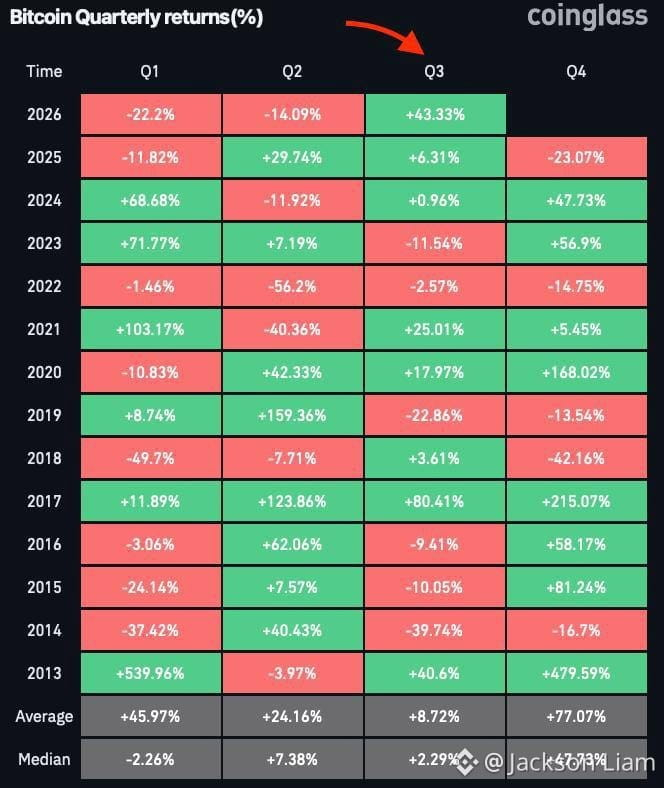
$BTC ist im Zeitplan, um Q3 2026 mit einem der größten vierteljährlichen Gewinne in der Geschichte abzuschließen.
Bitcoin startete das Quartal bei etwa 58.000 $ und hat sich zurück in Richtung des Bereichs 80.000–90.000 $ bewegt, wodurch die Rendite des Quartals derzeit bei rund +40% liegt.
Das ist eine enorme Rückkehr, nachdem BTC in Q1 und Q2 Verluste verzeichnete.
Was ist die große Story?
Bitcoin hat von einer brutal schlechten ersten Jahreshälfte zu einer seiner stärksten vierteljährlichen Erholungen aller Zeiten gewechselt.
Q3 ist noch nicht vorbei – aber wenn BTC diese Niveaus bis zum 30. September hält, wird dieses Quartal als ein bedeutendes Comeback-Quartal für Bitcoin in die Geschichte eingehen. 🔥
🚨 BITCOIN HAT EINEN MONSTER-QUARTAL 🔥
$BTC ist im Zeitplan, um Q3 2026 mit einem der größten vierteljährlichen Gewinne in der Geschichte abzuschließen.
Bitcoin startete das Quartal bei etwa 58.000 $ und hat sich zurück in Richtung des Bereichs 80.000–90.000 $ bewegt, wodurch die Rendite des Quartals derzeit bei rund +40% liegt.
Das ist eine enorme Rückkehr, nachdem BTC in Q1 und Q2 Verluste verzeichnete.
Was ist die große Story?
Bitcoin hat von einer brutal schlechten ersten Jahreshälfte zu einer seiner stärksten vierteljährlichen Erholungen aller Zeiten gewechselt.
Q3 ist noch nicht vorbei – aber wenn BTC diese Niveaus bis zum 30. September hält, wird dieses Quartal als ein bedeutendes Comeback-Quartal für Bitcoin in die Geschichte eingehen. 🔥
$BTC ist im Zeitplan, um Q3 2026 mit einem der größten vierteljährlichen Gewinne in der Geschichte abzuschließen.
Bitcoin startete das Quartal bei etwa 58.000 $ und hat sich zurück in Richtung des Bereichs 80.000–90.000 $ bewegt, wodurch die Rendite des Quartals derzeit bei rund +40% liegt.
Das ist eine enorme Rückkehr, nachdem BTC in Q1 und Q2 Verluste verzeichnete.
Was ist die große Story?
Bitcoin hat von einer brutal schlechten ersten Jahreshälfte zu einer seiner stärksten vierteljährlichen Erholungen aller Zeiten gewechselt.
Q3 ist noch nicht vorbei – aber wenn BTC diese Niveaus bis zum 30. September hält, wird dieses Quartal als ein bedeutendes Comeback-Quartal für Bitcoin in die Geschichte eingehen. 🔥
1
382
·
--
Bullisch
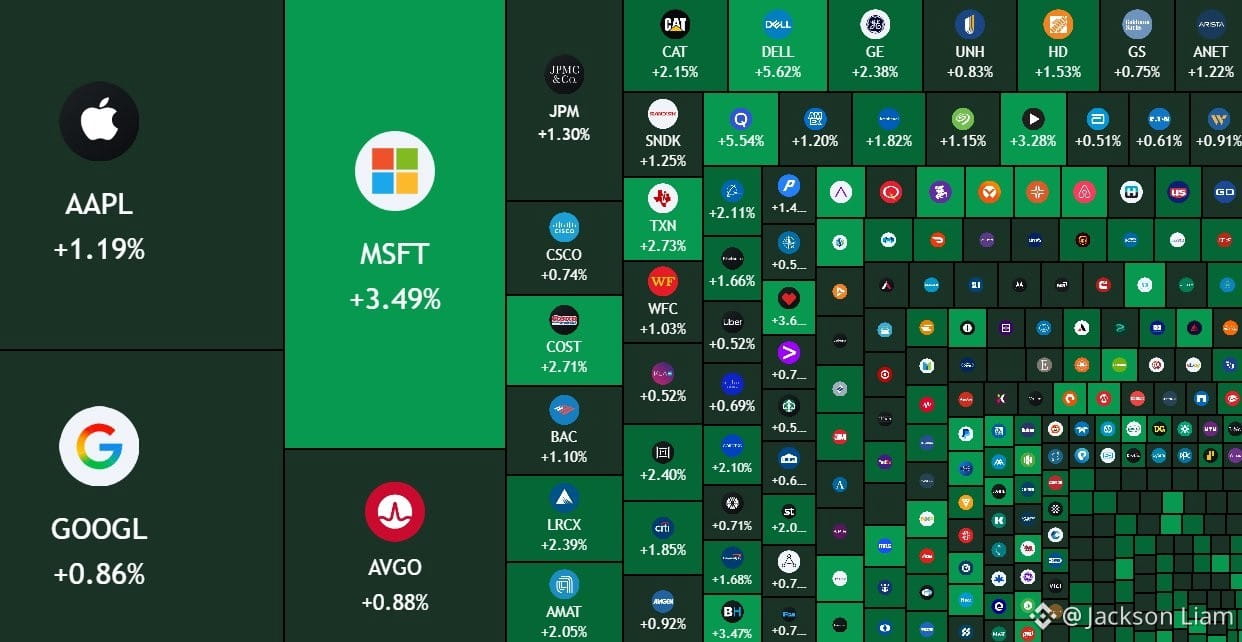
🚨 450 MILLIARDEN US-DOLLAR ZUGEHÖRT ZU US-AKTEN IN NUR 30 MINUTEN!
Die Wall Street bekam einen kräftigen Schub, nachdem Berichte auftauchten, dass die US-Iran-Gespräche eine technische Phase erreicht haben.
Die Schlagzeile änderte die Stimmung sofort.
Anleger begannen darauf zu setzen, dass Fortschritte auf dem Weg zu einer Vereinbarung die Sorgen um den Nahen Osten verringern könnten – insbesondere rund um die Straße von Hormus und mögliche Störungen bei der Ölversorgung.
Die Kurse sprangen rasch wieder an, als die Risikobereitschaft zurückkehrte.
Das große Ganze: Die Märkte achten auf jede Schlagzeile aus den US-Iran-Verhandlungen, weil jeder Fortschritt den Druck auf Öl, Inflation und Zinsen abmildern könnte.
Eine Schlagzeile.
30 Minuten.
450 MILLIARDEN US-DOLLAR zu US-Aktien.
So sensibel sind die Märkte mittlerweile für geopolitische Nachrichten.
🚨 450 MILLIARDEN US-DOLLAR ZUGEHÖRT ZU US-AKTEN IN NUR 30 MINUTEN!
Die Wall Street bekam einen kräftigen Schub, nachdem Berichte auftauchten, dass die US-Iran-Gespräche eine technische Phase erreicht haben.
Die Schlagzeile änderte die Stimmung sofort.
Anleger begannen darauf zu setzen, dass Fortschritte auf dem Weg zu einer Vereinbarung die Sorgen um den Nahen Osten verringern könnten – insbesondere rund um die Straße von Hormus und mögliche Störungen bei der Ölversorgung.
Die Kurse sprangen rasch wieder an, als die Risikobereitschaft zurückkehrte.
Das große Ganze: Die Märkte achten auf jede Schlagzeile aus den US-Iran-Verhandlungen, weil jeder Fortschritt den Druck auf Öl, Inflation und Zinsen abmildern könnte.
Eine Schlagzeile.
30 Minuten.
450 MILLIARDEN US-DOLLAR zu US-Aktien.
So sensibel sind die Märkte mittlerweile für geopolitische Nachrichten.
Die Wall Street bekam einen kräftigen Schub, nachdem Berichte auftauchten, dass die US-Iran-Gespräche eine technische Phase erreicht haben.
Die Schlagzeile änderte die Stimmung sofort.
Anleger begannen darauf zu setzen, dass Fortschritte auf dem Weg zu einer Vereinbarung die Sorgen um den Nahen Osten verringern könnten – insbesondere rund um die Straße von Hormus und mögliche Störungen bei der Ölversorgung.
Die Kurse sprangen rasch wieder an, als die Risikobereitschaft zurückkehrte.
Das große Ganze: Die Märkte achten auf jede Schlagzeile aus den US-Iran-Verhandlungen, weil jeder Fortschritt den Druck auf Öl, Inflation und Zinsen abmildern könnte.
Eine Schlagzeile.
30 Minuten.
450 MILLIARDEN US-DOLLAR zu US-Aktien.
So sensibel sind die Märkte mittlerweile für geopolitische Nachrichten.
1
3
477
·
--
Bullisch
🚨 JUST IN: BITGET VON EINEM MASSIVEN SICHERHEITSAUFFALL BETROFFEN!
Bitget hat Berichten zufolge bestätigt, dass nach einem großen Hack mehr als 350 MILLIONEN US-Dollar an Krypto gestohlen wurden.
On-Chain-Aktivitäten zeigen große Bewegungen mit Vermögenswerten wie $ETH , USDC, USDT, BNB, $AVAX , $XAUT und USDO von Wallets, die mit Bitget in Verbindung stehen.
Die Transaktionen scheinen innerhalb kurzer Zeit über mehrere Wallets hinweg erfolgt zu sein, wobei einige Überweisungen im Wert von mehreren Dutzend Millionen US-Dollar waren.
💥 Berichten zufolge über 350 Mio. $ gestohlen
💥 Mehrere große Krypto-Assets betroffen
💥 Große Wallet-Bewegungen on-chain erkannt
💥 Bitget hat den Vorfall bestätigt
Das ist ein schwerer Schlag für den Kryptomarkt, und Händler werden genau beobachten, wohin sich die gestohlenen Gelder als Nächstes bewegen.
🚨 JUST IN: BITGET VON EINEM MASSIVEN SICHERHEITSAUFFALL BETROFFEN!
Bitget hat Berichten zufolge bestätigt, dass nach einem großen Hack mehr als 350 MILLIONEN US-Dollar an Krypto gestohlen wurden.
On-Chain-Aktivitäten zeigen große Bewegungen mit Vermögenswerten wie $ETH , USDC, USDT, BNB, $AVAX , $XAUT und USDO von Wallets, die mit Bitget in Verbindung stehen.
Die Transaktionen scheinen innerhalb kurzer Zeit über mehrere Wallets hinweg erfolgt zu sein, wobei einige Überweisungen im Wert von mehreren Dutzend Millionen US-Dollar waren.
💥 Berichten zufolge über 350 Mio. $ gestohlen
💥 Mehrere große Krypto-Assets betroffen
💥 Große Wallet-Bewegungen on-chain erkannt
💥 Bitget hat den Vorfall bestätigt
Das ist ein schwerer Schlag für den Kryptomarkt, und Händler werden genau beobachten, wohin sich die gestohlenen Gelder als Nächstes bewegen.
Bitget hat Berichten zufolge bestätigt, dass nach einem großen Hack mehr als 350 MILLIONEN US-Dollar an Krypto gestohlen wurden.
On-Chain-Aktivitäten zeigen große Bewegungen mit Vermögenswerten wie $ETH , USDC, USDT, BNB, $AVAX , $XAUT und USDO von Wallets, die mit Bitget in Verbindung stehen.
Die Transaktionen scheinen innerhalb kurzer Zeit über mehrere Wallets hinweg erfolgt zu sein, wobei einige Überweisungen im Wert von mehreren Dutzend Millionen US-Dollar waren.
💥 Berichten zufolge über 350 Mio. $ gestohlen
💥 Mehrere große Krypto-Assets betroffen
💥 Große Wallet-Bewegungen on-chain erkannt
💥 Bitget hat den Vorfall bestätigt
Das ist ein schwerer Schlag für den Kryptomarkt, und Händler werden genau beobachten, wohin sich die gestohlenen Gelder als Nächstes bewegen.

2
2
550
Anmelden und weiter Inhalte entdecken
Krypto-Nutzer weltweit auf Binance Square kennenlernen
⚡️ Bleib in Sachen Krypto stets am Puls.
💬 Die weltgrößte Kryptobörse vertraut darauf.
👍 Erhalte verlässliche Einblicke von verifizierten Creators.
E-Mail-Adresse/Telefonnummer
Trendthemen
EtherGains70.9%InQ3
84,626 Aufrufe
851 Kommentare
🧭🧭🧭 Analyse 🧭🧭🧭
💡 Indikator für die Saison von Altcoins 💡
🚨🚨🚨 Das dritte Quartal (T3) ist nun abgeschlossen. ETH ist um 71% gestiegen und BTC um 43%. 🚨🚨🚨
War das der Beginn der Altcoin-Saison?
Unter den besten 100:
🌐🌐🌐 57 haben BTC in 90 Tagen outperformt
Die Altcoin-Saison beginnt bei 75, also ist es
Außerdem liegt sie nur 10 Punkte unter ihrem jährlichen Hoch bei 67 🌐🌐
💥💥💥 Aber Moment… vor einem Monat lag der Index erst bei 23!
Kann Oktober ihn auf 75 pushen? 👀💥💥💥
Bitte bleiben Sie dran
#EtherGains70.9%InQ3
$GRAM
Shamika Metting
·2 Likes
·771 Aufrufe
TreasuryLetsStatesFileStablecoinCertificationsEarly
4,293 Aufrufe
47 Kommentare
US10YearYieldNears5.3%
112,461 Aufrufe
946 Kommentare