
Elayaa
10.1k Beiträge

Elayaa
Melden
Nutzer blockieren
Exploring crypto, breaking down new projects, and sharing insights from the blockchain world

Traders League Badge Expert
233 Following
27.9K+ Follower
57.7K+ Like gegeben
1 Abzeichen
Beiträge
Alle
Zitierungen
Live
·
--
Verifiziert
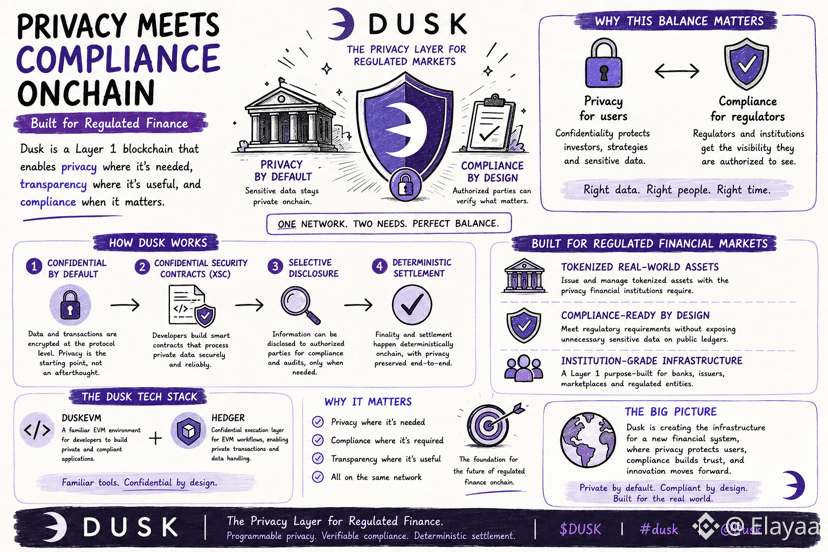
Ich will ehrlich sein: Ich habe nie wirklich darüber nachgedacht, wie viel Information ein Finanz-Asset außer seinem Preis mit sich trägt. Aber während ich mir @Dusk_Foundation angesehen habe, begann ich darüber nachzudenken, was passiert, wenn sich diese Assets onchain bewegen.
Wer kann sie besitzen? Welche Informationen müssen privat bleiben? Was muss ein Regulator sehen? Und wie stellt man sicher, dass der gesamte Prozess richtig zur Ruhe kommt?
Das ist der Teil, der mich an Dusk interessiert. Statt diese als getrennte Probleme zu behandeln, versucht Dusk, sie in dieselbe Infrastruktur für regulierte Finanzmärkte zu integrieren.
Dusk ist eine Layer-1-Plattform, die auf programmierbarer Privatsphäre aufbaut, mit DuskEVM für eine vertraute Entwicklung und vertraulichen Workflows für sensible Finanz-Anwendungsfälle.
Ich lerne noch die tiefergehende technische Seite, aber je mehr ich das Problem verstehe, desto mehr ergibt Dusk für mich Sinn.
$DUSK #dusk
Ich will ehrlich sein: Ich habe nie wirklich darüber nachgedacht, wie viel Information ein Finanz-Asset außer seinem Preis mit sich trägt. Aber während ich mir @Dusk angesehen habe, begann ich darüber nachzudenken, was passiert, wenn sich diese Assets onchain bewegen.
Wer kann sie besitzen? Welche Informationen müssen privat bleiben? Was muss ein Regulator sehen? Und wie stellt man sicher, dass der gesamte Prozess richtig zur Ruhe kommt?
Das ist der Teil, der mich an Dusk interessiert. Statt diese als getrennte Probleme zu behandeln, versucht Dusk, sie in dieselbe Infrastruktur für regulierte Finanzmärkte zu integrieren.
Dusk ist eine Layer-1-Plattform, die auf programmierbarer Privatsphäre aufbaut, mit DuskEVM für eine vertraute Entwicklung und vertraulichen Workflows für sensible Finanz-Anwendungsfälle.
Ich lerne noch die tiefergehende technische Seite, aber je mehr ich das Problem verstehe, desto mehr ergibt Dusk für mich Sinn.
$DUSK #dusk
Wer kann sie besitzen? Welche Informationen müssen privat bleiben? Was muss ein Regulator sehen? Und wie stellt man sicher, dass der gesamte Prozess richtig zur Ruhe kommt?
Das ist der Teil, der mich an Dusk interessiert. Statt diese als getrennte Probleme zu behandeln, versucht Dusk, sie in dieselbe Infrastruktur für regulierte Finanzmärkte zu integrieren.
Dusk ist eine Layer-1-Plattform, die auf programmierbarer Privatsphäre aufbaut, mit DuskEVM für eine vertraute Entwicklung und vertraulichen Workflows für sensible Finanz-Anwendungsfälle.
Ich lerne noch die tiefergehende technische Seite, aber je mehr ich das Problem verstehe, desto mehr ergibt Dusk für mich Sinn.
$DUSK #dusk
2
4
856
·
--
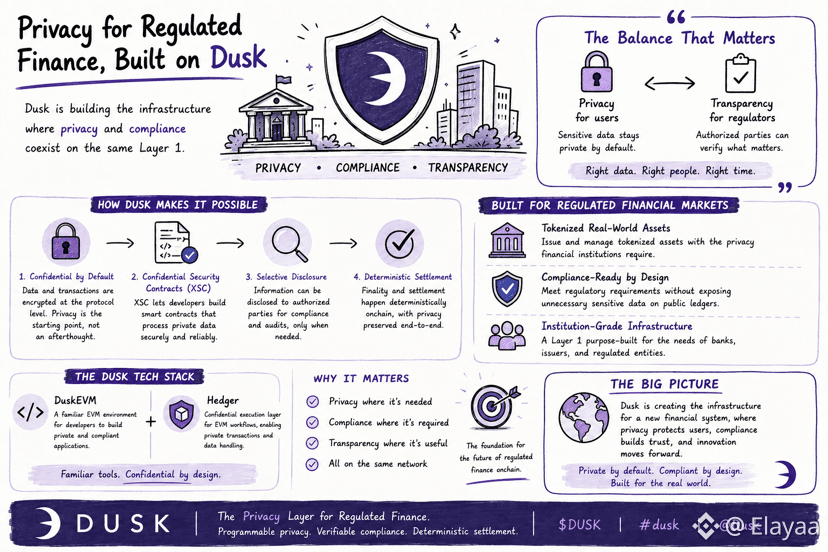
Ich bin ehrlich: Wenn Sicherheits-Updates zu technisch werden, scrolle ich meistens einfach darüber hinweg. Aber als ich kürzlich in @Dusk_Foundation hineinschaute, bin ich auf etwas gestoßen, das mich tatsächlich darüber nachdenken ließ, wie Privacy-Infrastruktur in der Praxis funktioniert.
Eine Brücke kann zwar starke Kryptografie im Hintergrund haben, aber es gibt dennoch reale Menschen und operative Kontrollen, wenn etwas Ungewöhnliches passiert. Das hat mich über den Unterschied zwischen dem Schutz von Daten onchain und dem Absichern des gesamten Umfelds der Infrastruktur nachdenken lassen.
Das ist für mich das Interessante an Dusk. Der gesamte Ansatz ist auf Datenschutz für regulierte Finanzen ausgelegt und ermöglicht gleichzeitig Compliance sowie autorisierte Aufsicht.
Dusk ist eine Layer-1 für regulierte Märkte – mit vertraulichen Workflows, DuskEVM und Tools, die auf programmierbarer Privacy basieren.
Ich lerne die tieferen technischen Aspekte noch, aber das hat mir gezeigt, dass der Aufbau privater Finanz-Infrastruktur mehr ist als nur Kryptografie.
$DUSK #dusk @Dusk_Foundation
Ich bin ehrlich: Wenn Sicherheits-Updates zu technisch werden, scrolle ich meistens einfach darüber hinweg. Aber als ich kürzlich in @Dusk hineinschaute, bin ich auf etwas gestoßen, das mich tatsächlich darüber nachdenken ließ, wie Privacy-Infrastruktur in der Praxis funktioniert.
Eine Brücke kann zwar starke Kryptografie im Hintergrund haben, aber es gibt dennoch reale Menschen und operative Kontrollen, wenn etwas Ungewöhnliches passiert. Das hat mich über den Unterschied zwischen dem Schutz von Daten onchain und dem Absichern des gesamten Umfelds der Infrastruktur nachdenken lassen.
Das ist für mich das Interessante an Dusk. Der gesamte Ansatz ist auf Datenschutz für regulierte Finanzen ausgelegt und ermöglicht gleichzeitig Compliance sowie autorisierte Aufsicht.
Dusk ist eine Layer-1 für regulierte Märkte – mit vertraulichen Workflows, DuskEVM und Tools, die auf programmierbarer Privacy basieren.
Ich lerne die tieferen technischen Aspekte noch, aber das hat mir gezeigt, dass der Aufbau privater Finanz-Infrastruktur mehr ist als nur Kryptografie.
$DUSK #dusk @Dusk
Eine Brücke kann zwar starke Kryptografie im Hintergrund haben, aber es gibt dennoch reale Menschen und operative Kontrollen, wenn etwas Ungewöhnliches passiert. Das hat mich über den Unterschied zwischen dem Schutz von Daten onchain und dem Absichern des gesamten Umfelds der Infrastruktur nachdenken lassen.
Das ist für mich das Interessante an Dusk. Der gesamte Ansatz ist auf Datenschutz für regulierte Finanzen ausgelegt und ermöglicht gleichzeitig Compliance sowie autorisierte Aufsicht.
Dusk ist eine Layer-1 für regulierte Märkte – mit vertraulichen Workflows, DuskEVM und Tools, die auf programmierbarer Privacy basieren.
Ich lerne die tieferen technischen Aspekte noch, aber das hat mir gezeigt, dass der Aufbau privater Finanz-Infrastruktur mehr ist als nur Kryptografie.
$DUSK #dusk @Dusk
1
4
493
·
--
Verifiziert
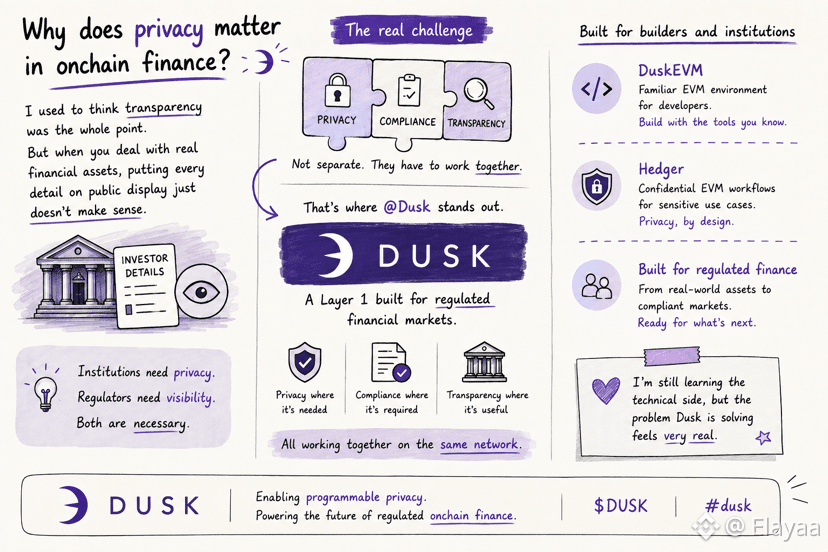
Ich habe heute über das Wort „Privatsphäre“ in Krypto nachgedacht und gemerkt, dass ich es bisher zu vereinfacht betrachtet habe.
Bei den meisten Blockchains wird Transparenz als der naheliegende Vorteil behandelt. Aber stell dir vor, du hättest es mit einem echten Finanzwert zu tun und plötzlich liegen alle Details zu Investoren, Transaktionen und sensible Informationen öffentlich herum. Das klingt für Institutionen nicht gerade sehr praktikabel.
Gleichzeitig kann man nicht einfach alles verbergen. Regulierungsbehörden müssen trotzdem wissen, was passiert ist, und prüfen, was relevant ist.
Genau dort ergibt für mich <t-2/> @Dusk_Foundation Sinn. Es baut eine Layer 1 für regulierte Finanzmärkte auf, in der Privatsphäre, Compliance und Transparenz tatsächlich nebeneinander existieren können.
DuskEVM bietet Entwicklern eine vertraute Umgebung, während Hedger für vertrauliche EVM-Workflows entwickelt wurde.
Ich lerne noch die technische Seite, aber je mehr ich über dieses Problem nachdenke, desto praktischer wirkt Dusk für mich.
$DUSK #dusk
Ich habe heute über das Wort „Privatsphäre“ in Krypto nachgedacht und gemerkt, dass ich es bisher zu vereinfacht betrachtet habe.
Bei den meisten Blockchains wird Transparenz als der naheliegende Vorteil behandelt. Aber stell dir vor, du hättest es mit einem echten Finanzwert zu tun und plötzlich liegen alle Details zu Investoren, Transaktionen und sensible Informationen öffentlich herum. Das klingt für Institutionen nicht gerade sehr praktikabel.
Gleichzeitig kann man nicht einfach alles verbergen. Regulierungsbehörden müssen trotzdem wissen, was passiert ist, und prüfen, was relevant ist.
Genau dort ergibt für mich <t-2/> @Dusk Sinn. Es baut eine Layer 1 für regulierte Finanzmärkte auf, in der Privatsphäre, Compliance und Transparenz tatsächlich nebeneinander existieren können.
DuskEVM bietet Entwicklern eine vertraute Umgebung, während Hedger für vertrauliche EVM-Workflows entwickelt wurde.
Ich lerne noch die technische Seite, aber je mehr ich über dieses Problem nachdenke, desto praktischer wirkt Dusk für mich.
$DUSK #dusk
Bei den meisten Blockchains wird Transparenz als der naheliegende Vorteil behandelt. Aber stell dir vor, du hättest es mit einem echten Finanzwert zu tun und plötzlich liegen alle Details zu Investoren, Transaktionen und sensible Informationen öffentlich herum. Das klingt für Institutionen nicht gerade sehr praktikabel.
Gleichzeitig kann man nicht einfach alles verbergen. Regulierungsbehörden müssen trotzdem wissen, was passiert ist, und prüfen, was relevant ist.
Genau dort ergibt für mich <t-2/> @Dusk Sinn. Es baut eine Layer 1 für regulierte Finanzmärkte auf, in der Privatsphäre, Compliance und Transparenz tatsächlich nebeneinander existieren können.
DuskEVM bietet Entwicklern eine vertraute Umgebung, während Hedger für vertrauliche EVM-Workflows entwickelt wurde.
Ich lerne noch die technische Seite, aber je mehr ich über dieses Problem nachdenke, desto praktischer wirkt Dusk für mich.
$DUSK #dusk
1
5
489
·
--
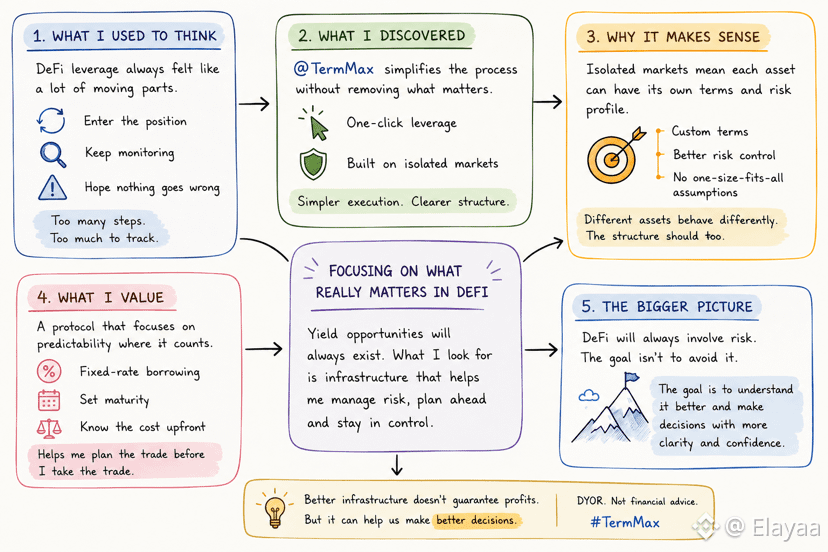
Je mehr ich DeFi erkunde, desto mehr erkenne ich: Mehr Möglichkeiten zu haben ist nicht immer das Schwierige…. zu verstehen, worauf du dich tatsächlich einlässt.
Das ist etwas, worüber ich mir bei @termmax Gedanken mache. Die Kombination aus isolierten Märkten, kreditbasierter Festzinsstruktur und One-Click-Hebelung macht die Struktur bewusster und zielgerichteter. Unterschiedliche Märkte können unterschiedliche Bedingungen haben, während der Fixzins dir bis zur Fälligkeit die bekannten Kreditkosten gibt.
Ich mag diesen Ansatz, weil er den Fokus etwas verschiebt. Anstatt nur zu fragen, wie viel ich verdienen kann, frage ich auch, ob ich die Position, die Risiken und die Kosten verstehe, bevor ich sie eingehe.
DeFi wird immer mit Unsicherheit verbunden sein. Für mich bedeutet bessere Infrastruktur, diese Unsicherheit besser handhabbar zu machen. #TermMax
Je mehr ich DeFi erkunde, desto mehr erkenne ich: Mehr Möglichkeiten zu haben ist nicht immer das Schwierige…. zu verstehen, worauf du dich tatsächlich einlässt.
Das ist etwas, worüber ich mir bei @TermMax Gedanken mache. Die Kombination aus isolierten Märkten, kreditbasierter Festzinsstruktur und One-Click-Hebelung macht die Struktur bewusster und zielgerichteter. Unterschiedliche Märkte können unterschiedliche Bedingungen haben, während der Fixzins dir bis zur Fälligkeit die bekannten Kreditkosten gibt.
Ich mag diesen Ansatz, weil er den Fokus etwas verschiebt. Anstatt nur zu fragen, wie viel ich verdienen kann, frage ich auch, ob ich die Position, die Risiken und die Kosten verstehe, bevor ich sie eingehe.
DeFi wird immer mit Unsicherheit verbunden sein. Für mich bedeutet bessere Infrastruktur, diese Unsicherheit besser handhabbar zu machen. #TermMax
Das ist etwas, worüber ich mir bei @TermMax Gedanken mache. Die Kombination aus isolierten Märkten, kreditbasierter Festzinsstruktur und One-Click-Hebelung macht die Struktur bewusster und zielgerichteter. Unterschiedliche Märkte können unterschiedliche Bedingungen haben, während der Fixzins dir bis zur Fälligkeit die bekannten Kreditkosten gibt.
Ich mag diesen Ansatz, weil er den Fokus etwas verschiebt. Anstatt nur zu fragen, wie viel ich verdienen kann, frage ich auch, ob ich die Position, die Risiken und die Kosten verstehe, bevor ich sie eingehe.
DeFi wird immer mit Unsicherheit verbunden sein. Für mich bedeutet bessere Infrastruktur, diese Unsicherheit besser handhabbar zu machen. #TermMax
1
3
521
·
--
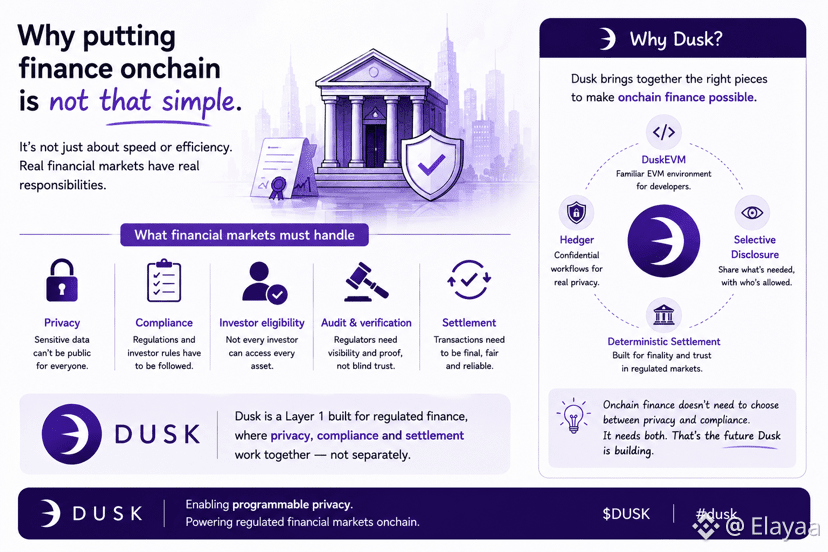
Ich dachte früher, dass Blockchain hauptsächlich um Geschwindigkeit und Transparenz geht. Aber wenn man sich echte Finanzmärkte ansieht, wird es schnell kompliziert … Privatsphäre, Investoreneignung, Compliance und Abwicklung spielen alle eine Rolle.
Das ist das, was ich an @Dusk_Foundation interessant finde. Es baut eine Layer 1, in der diese Dinge gemeinsam betrachtet werden, nicht getrennt.
DuskEVM gibt Buildenden eine vertraute Umgebung, während Hedger vertrauliche Workflows ins Spiel bringt.
Ich lerne immer noch die tiefergehende Technologie, aber das Problem, das Dusk angeht, wirkt für mich sehr real.
$DUSK #dusk
Ich dachte früher, dass Blockchain hauptsächlich um Geschwindigkeit und Transparenz geht. Aber wenn man sich echte Finanzmärkte ansieht, wird es schnell kompliziert … Privatsphäre, Investoreneignung, Compliance und Abwicklung spielen alle eine Rolle.
Das ist das, was ich an @Dusk interessant finde. Es baut eine Layer 1, in der diese Dinge gemeinsam betrachtet werden, nicht getrennt.
DuskEVM gibt Buildenden eine vertraute Umgebung, während Hedger vertrauliche Workflows ins Spiel bringt.
Ich lerne immer noch die tiefergehende Technologie, aber das Problem, das Dusk angeht, wirkt für mich sehr real.
$DUSK #dusk
Das ist das, was ich an @Dusk interessant finde. Es baut eine Layer 1, in der diese Dinge gemeinsam betrachtet werden, nicht getrennt.
DuskEVM gibt Buildenden eine vertraute Umgebung, während Hedger vertrauliche Workflows ins Spiel bringt.
Ich lerne immer noch die tiefergehende Technologie, aber das Problem, das Dusk angeht, wirkt für mich sehr real.
$DUSK #dusk
1
252
·
--
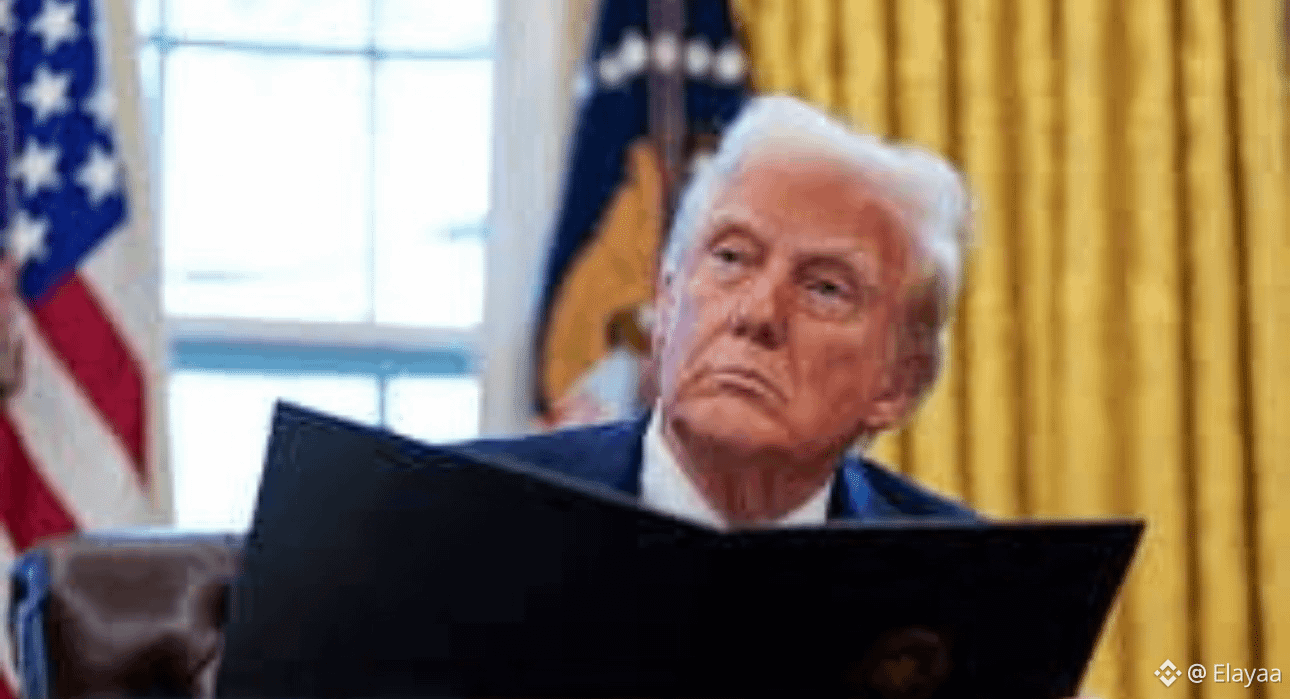
🇺🇸₿ Trump hat gerade eine weitere interessante Ebene zur US-Krypto-Strategie hinzugefügt.
Auf die Frage, ob die Regierung mehr Bitcoin anhäufen könnte, sagte Trump, die Idee „wurde bereits besprochen“ und er würde Empfehlungen seiner Berater in Betracht ziehen. Es wurden weder ein Kaufbetrag noch ein Zeitplan angekündigt, daher ist das vorerst ein politisches Signal – kein bestätigter Kaufplan. (CoinMarketCap)
Gleichzeitig drängt das Weiße Haus den Kongress, das CLARITY Act voranzubringen. Dieses würde klarere Regeln für die Marktstruktur im Krypto-Sektor schaffen und die Rollen der SEC und der CFTC definieren. Die erste verfahrensrechtliche Abstimmung im Senat wird derzeit etwa um den 15. September erwartet. (Reuters)
Das größere Bild wird inzwischen klarer: Das Anhäufen von Bitcoin könnte direkte Nachfrage schaffen, während regulatorische Klarheit den Rahmen für eine deutlich breitere institutionelle Übernahme bilden könnte.
Wenn beides vorangeht: Was ist für Krypto langfristig wichtiger – die Nachfrage der Regierung nach BTC oder die regulatorische Klarheit?#BitcoinHitsIntradayHigh$75500 #BitcoinBestWeekSinceMarch2023 #USRefinersFaceLoomingCrudeSupplyDrop
🇺🇸₿ Trump hat gerade eine weitere interessante Ebene zur US-Krypto-Strategie hinzugefügt.
Auf die Frage, ob die Regierung mehr Bitcoin anhäufen könnte, sagte Trump, die Idee „wurde bereits besprochen“ und er würde Empfehlungen seiner Berater in Betracht ziehen. Es wurden weder ein Kaufbetrag noch ein Zeitplan angekündigt, daher ist das vorerst ein politisches Signal – kein bestätigter Kaufplan. (CoinMarketCap)
Gleichzeitig drängt das Weiße Haus den Kongress, das CLARITY Act voranzubringen. Dieses würde klarere Regeln für die Marktstruktur im Krypto-Sektor schaffen und die Rollen der SEC und der CFTC definieren. Die erste verfahrensrechtliche Abstimmung im Senat wird derzeit etwa um den 15. September erwartet. (Reuters)
Das größere Bild wird inzwischen klarer: Das Anhäufen von Bitcoin könnte direkte Nachfrage schaffen, während regulatorische Klarheit den Rahmen für eine deutlich breitere institutionelle Übernahme bilden könnte.
Wenn beides vorangeht: Was ist für Krypto langfristig wichtiger – die Nachfrage der Regierung nach BTC oder die regulatorische Klarheit?#BitcoinHitsIntradayHigh$75500 #BitcoinBestWeekSinceMarch2023 #USRefinersFaceLoomingCrudeSupplyDrop
Auf die Frage, ob die Regierung mehr Bitcoin anhäufen könnte, sagte Trump, die Idee „wurde bereits besprochen“ und er würde Empfehlungen seiner Berater in Betracht ziehen. Es wurden weder ein Kaufbetrag noch ein Zeitplan angekündigt, daher ist das vorerst ein politisches Signal – kein bestätigter Kaufplan. (CoinMarketCap)
Gleichzeitig drängt das Weiße Haus den Kongress, das CLARITY Act voranzubringen. Dieses würde klarere Regeln für die Marktstruktur im Krypto-Sektor schaffen und die Rollen der SEC und der CFTC definieren. Die erste verfahrensrechtliche Abstimmung im Senat wird derzeit etwa um den 15. September erwartet. (Reuters)
Das größere Bild wird inzwischen klarer: Das Anhäufen von Bitcoin könnte direkte Nachfrage schaffen, während regulatorische Klarheit den Rahmen für eine deutlich breitere institutionelle Übernahme bilden könnte.
Wenn beides vorangeht: Was ist für Krypto langfristig wichtiger – die Nachfrage der Regierung nach BTC oder die regulatorische Klarheit?#BitcoinHitsIntradayHigh$75500 #BitcoinBestWeekSinceMarch2023 #USRefinersFaceLoomingCrudeSupplyDrop
201
·
--
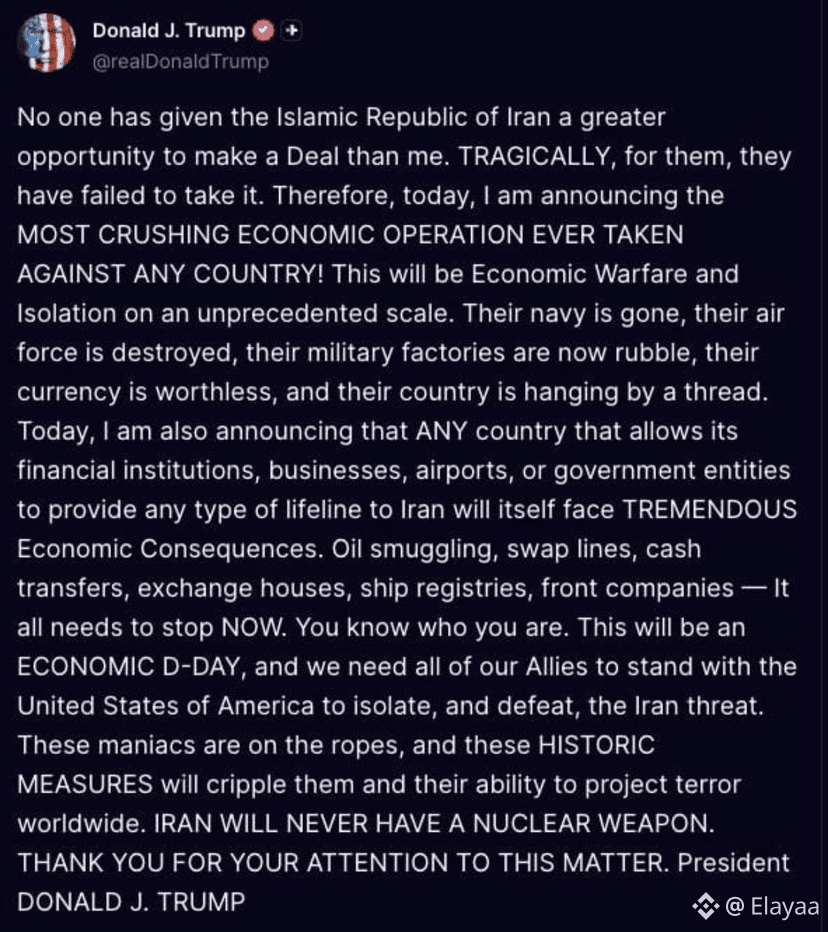
🚨 Trump hat eine deutliche Eskalation des wirtschaftlichen Drucks gegen den Iran angekündigt und ihn als „die vernichtendste wirtschaftliche Operation aller Zeiten“ sowie als „Economic D-Day“ bezeichnet.
Er warnte, dass Länder, die dem Iran finanzielle oder kommerzielle Unterstützung gewähren, mit schweren wirtschaftlichen Konsequenzen rechnen müssten. Die Kampagne richtet sich gegen Kanäle wie Öl-Schmuggel, Finanztransfers, Wechselstuben und Briefkastenfirmen. (CBS News)
Dies könnte weitreichende Auswirkungen auf den globalen Handel, die Ölmärkte und die allgemeine Risikowahrnehmung haben, da sich die Druckkampagne ausweitet.#BitcoinBestWeekSinceMarch2023 #TreasuryBuybacksCouldExceed$4BPerIssue #GoldReboundsNearly5% #SpotGoldHitsHighestSinceMay15 $BTC
🚨 Trump hat eine deutliche Eskalation des wirtschaftlichen Drucks gegen den Iran angekündigt und ihn als „die vernichtendste wirtschaftliche Operation aller Zeiten“ sowie als „Economic D-Day“ bezeichnet.
Er warnte, dass Länder, die dem Iran finanzielle oder kommerzielle Unterstützung gewähren, mit schweren wirtschaftlichen Konsequenzen rechnen müssten. Die Kampagne richtet sich gegen Kanäle wie Öl-Schmuggel, Finanztransfers, Wechselstuben und Briefkastenfirmen. (CBS News)
Dies könnte weitreichende Auswirkungen auf den globalen Handel, die Ölmärkte und die allgemeine Risikowahrnehmung haben, da sich die Druckkampagne ausweitet.#BitcoinBestWeekSinceMarch2023 #TreasuryBuybacksCouldExceed$4BPerIssue #GoldReboundsNearly5% #SpotGoldHitsHighestSinceMay15 $BTC
Er warnte, dass Länder, die dem Iran finanzielle oder kommerzielle Unterstützung gewähren, mit schweren wirtschaftlichen Konsequenzen rechnen müssten. Die Kampagne richtet sich gegen Kanäle wie Öl-Schmuggel, Finanztransfers, Wechselstuben und Briefkastenfirmen. (CBS News)
Dies könnte weitreichende Auswirkungen auf den globalen Handel, die Ölmärkte und die allgemeine Risikowahrnehmung haben, da sich die Druckkampagne ausweitet.#BitcoinBestWeekSinceMarch2023 #TreasuryBuybacksCouldExceed$4BPerIssue #GoldReboundsNearly5% #SpotGoldHitsHighestSinceMay15 $BTC
95
·
--
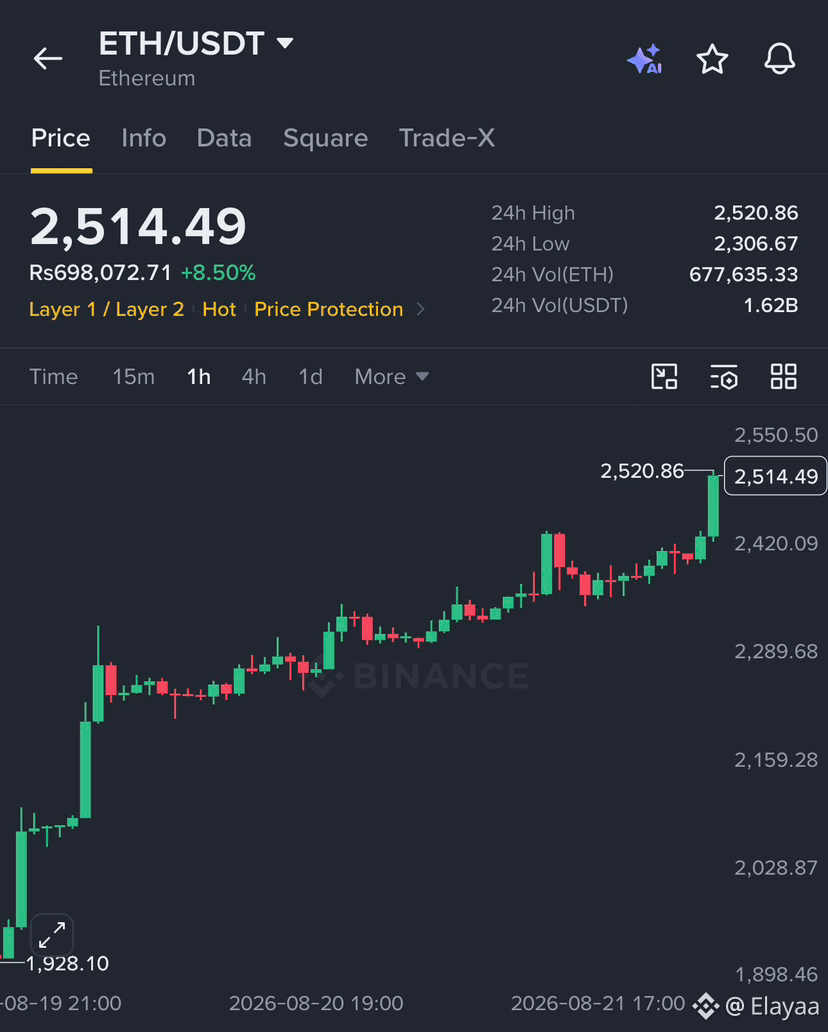
🚨 $ETH BRICHT AUS! NÄCHSTER HALT KÖNNTE HÖHER SEIN 🔥
$ETH/USDT 1H 📈
Call: Long
Einstieg: 2.480–2.515
SL: 2.430
TP1: 2.550
TP2: 2.600
TP3: 2.680
Starker bullischer Impuls. Über 2.520 ausbrechen bestätigt die Fortsetzung. 🚀
#TreasuryBuybacksCouldExceed$4BPerIssue #SpotGoldHitsHighestSinceMay15 #
🚨 $ETH BRICHT AUS! NÄCHSTER HALT KÖNNTE HÖHER SEIN 🔥
$ETH /USDT 1H 📈
Call: Long
Einstieg: 2.480–2.515
SL: 2.430
TP1: 2.550
TP2: 2.600
TP3: 2.680
Starker bullischer Impuls. Über 2.520 ausbrechen bestätigt die Fortsetzung. 🚀
#TreasuryBuybacksCouldExceed$4BPerIssue #SpotGoldHitsHighestSinceMay15 #
$ETH /USDT 1H 📈
Call: Long
Einstieg: 2.480–2.515
SL: 2.430
TP1: 2.550
TP2: 2.600
TP3: 2.680
Starker bullischer Impuls. Über 2.520 ausbrechen bestätigt die Fortsetzung. 🚀
#TreasuryBuybacksCouldExceed$4BPerIssue #SpotGoldHitsHighestSinceMay15 #
176
·
--
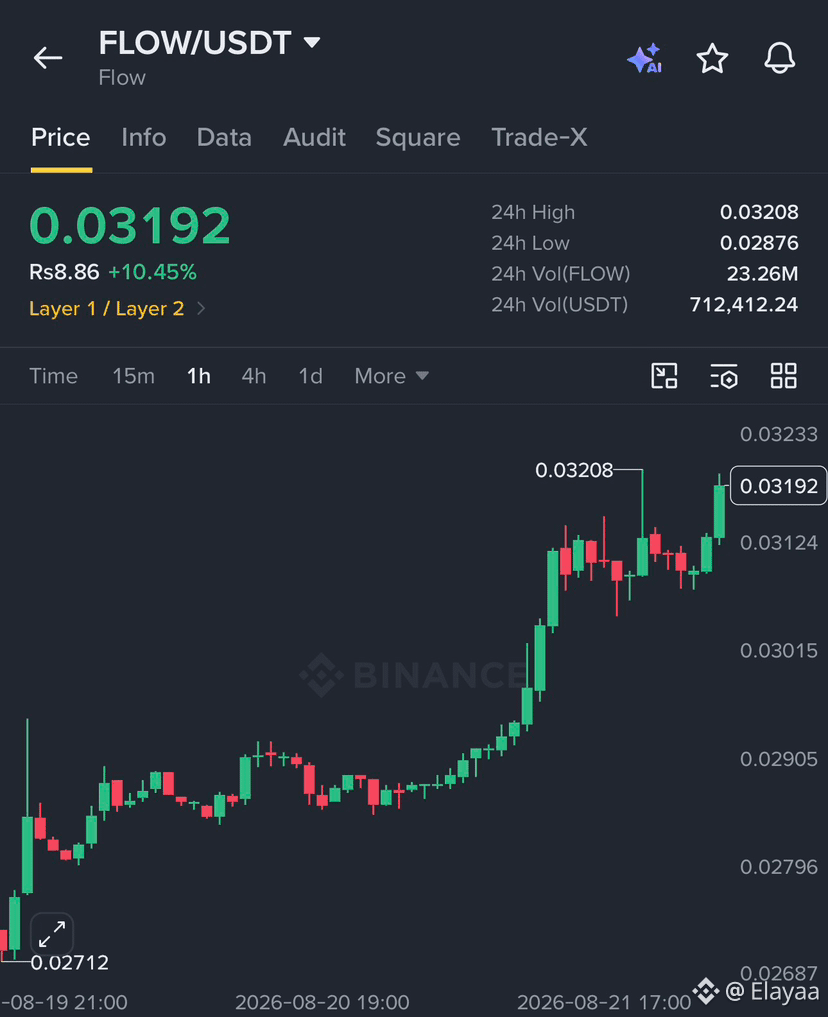
🚨 $FLOW ist gerade ausgebrochen! Der nächste Schritt könnte groß werden 🔥
$FLOW/USDT 1H 📈
Call: Long
Einstieg: 0.0314–0.0319
SL: 0.0306
TP1: 0.0325
TP2: 0.0332
TP3: 0.0340
Starker Momentum mit Käufern, die den Ausbruch halten. 🚀
#TreasuryBuybacksCouldExceed$4BPerIssue #SamsungToAnnounceNewShareholderReturnPlanFriday #SpotGoldHitsHighestSinceMay15
🚨 $FLOW ist gerade ausgebrochen! Der nächste Schritt könnte groß werden 🔥
$FLOW /USDT 1H 📈
Call: Long
Einstieg: 0.0314–0.0319
SL: 0.0306
TP1: 0.0325
TP2: 0.0332
TP3: 0.0340
Starker Momentum mit Käufern, die den Ausbruch halten. 🚀
#TreasuryBuybacksCouldExceed$4BPerIssue #SamsungToAnnounceNewShareholderReturnPlanFriday #SpotGoldHitsHighestSinceMay15
$FLOW /USDT 1H 📈
Call: Long
Einstieg: 0.0314–0.0319
SL: 0.0306
TP1: 0.0325
TP2: 0.0332
TP3: 0.0340
Starker Momentum mit Käufern, die den Ausbruch halten. 🚀
#TreasuryBuybacksCouldExceed$4BPerIssue #SamsungToAnnounceNewShareholderReturnPlanFriday #SpotGoldHitsHighestSinceMay15
1
180
·
--
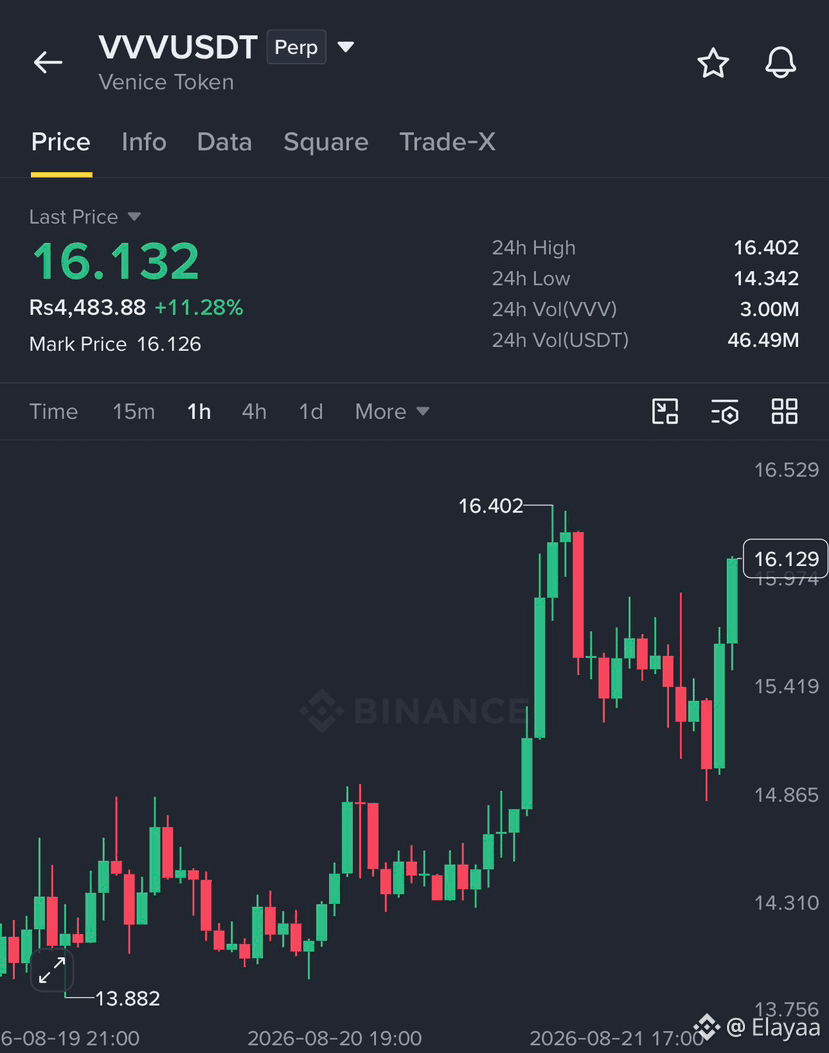
Jungs, schaut euch $VVV hier an 👀
$VVV zeigt nach der Rückeroberung des Bereichs 15,40–15,50 eine starke bullische Dynamik im 1H. Der Kurs drängt zurück in Richtung des Widerstands bei 16,40, und ein sauberer Ausbruch könnte die Bewegung nach oben verlängern.
Einstieg: 15,90–16,15
SL: 15,40
TP1: 16,40
TP2: 16,80
TP3: 17,30
Momentum-Kontext: Bullisch, solange der Kurs über 15,40 bleibt. Volumen und starke Kerzen sprechen für Fortsetzung, aber 16,40 ist der entscheidende Widerstand.
Überzeugung: Bullisch
Bullisches Szenario: 1H-Schlusskurs über 16,40 → Fortsetzung Richtung 16,80–17,30 🚀
Bärische Ungültigmachung: 15,40 verlieren → das Setup schwächt sich ab und ein tieferer Rücksetzer wird wahrscheinlicher. 🚀
Jungs, schaut euch $VVV hier an 👀
$VVV zeigt nach der Rückeroberung des Bereichs 15,40–15,50 eine starke bullische Dynamik im 1H. Der Kurs drängt zurück in Richtung des Widerstands bei 16,40, und ein sauberer Ausbruch könnte die Bewegung nach oben verlängern.
Einstieg: 15,90–16,15
SL: 15,40
TP1: 16,40
TP2: 16,80
TP3: 17,30
Momentum-Kontext: Bullisch, solange der Kurs über 15,40 bleibt. Volumen und starke Kerzen sprechen für Fortsetzung, aber 16,40 ist der entscheidende Widerstand.
Überzeugung: Bullisch
Bullisches Szenario: 1H-Schlusskurs über 16,40 → Fortsetzung Richtung 16,80–17,30 🚀
Bärische Ungültigmachung: 15,40 verlieren → das Setup schwächt sich ab und ein tieferer Rücksetzer wird wahrscheinlicher. 🚀
$VVV zeigt nach der Rückeroberung des Bereichs 15,40–15,50 eine starke bullische Dynamik im 1H. Der Kurs drängt zurück in Richtung des Widerstands bei 16,40, und ein sauberer Ausbruch könnte die Bewegung nach oben verlängern.
Einstieg: 15,90–16,15
SL: 15,40
TP1: 16,40
TP2: 16,80
TP3: 17,30
Momentum-Kontext: Bullisch, solange der Kurs über 15,40 bleibt. Volumen und starke Kerzen sprechen für Fortsetzung, aber 16,40 ist der entscheidende Widerstand.
Überzeugung: Bullisch
Bullisches Szenario: 1H-Schlusskurs über 16,40 → Fortsetzung Richtung 16,80–17,30 🚀
Bärische Ungültigmachung: 15,40 verlieren → das Setup schwächt sich ab und ein tieferer Rücksetzer wird wahrscheinlicher. 🚀
130
·
--
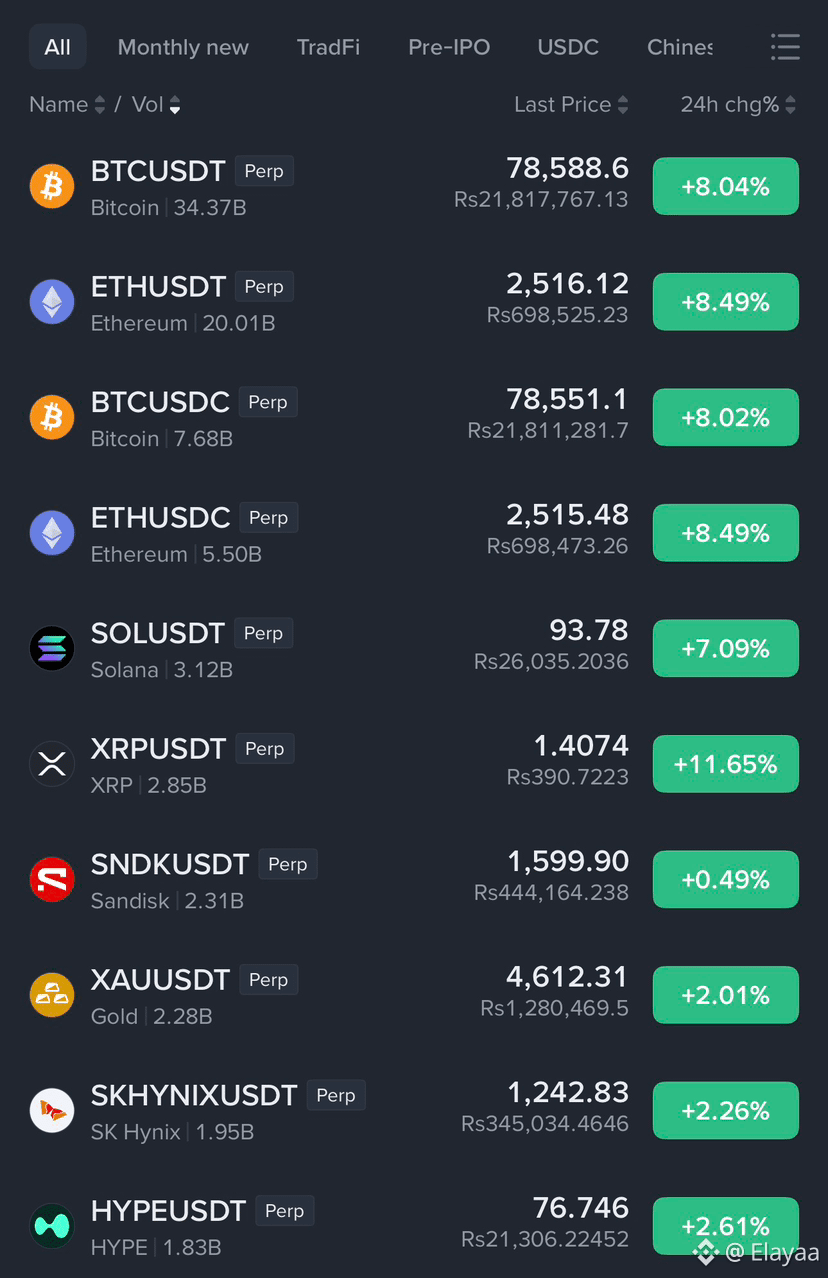
Der Bullenlauf könnte gerade erst so richtig anheizen, Leute 👀
Seid ihr bereit für den nächsten Zug?
Diese Ziele, auf die alle schauen:
$SUI → $10
$ADA → $2
$SOL → $500 🚀
#TreasuryBuybacksCouldExceed$4BPerIssue #SamsungToAnnounceNewShareholderReturnPlanFriday #GoldReboundsNearly5%
Der Bullenlauf könnte gerade erst so richtig anheizen, Leute 👀
Seid ihr bereit für den nächsten Zug?
Diese Ziele, auf die alle schauen:
$SUI → $10
$ADA → $2
$SOL → $500 🚀
#TreasuryBuybacksCouldExceed$4BPerIssue #SamsungToAnnounceNewShareholderReturnPlanFriday #GoldReboundsNearly5%
Seid ihr bereit für den nächsten Zug?
Diese Ziele, auf die alle schauen:
$SUI → $10
$ADA → $2
$SOL → $500 🚀
#TreasuryBuybacksCouldExceed$4BPerIssue #SamsungToAnnounceNewShareholderReturnPlanFriday #GoldReboundsNearly5%
480
·
--
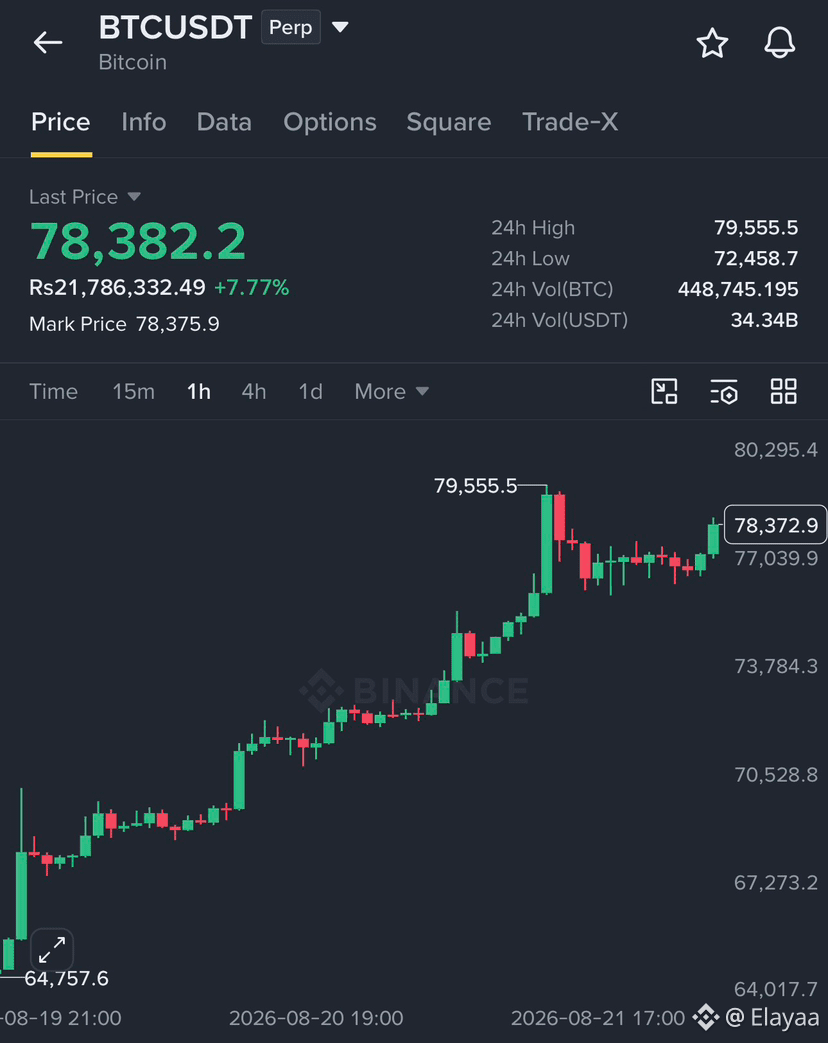
$BTC /USDT 1H 📈
Call: Long
Einstieg: 77.800–78.300
SL: 76.700
TP1: 79.500
TP2: 80.300
TP3: 81.000
Aufwärtstrend und hält sich über 77K. Bruch über 79,5K kann weiter nach oben treiben.
#GoldReboundsNearly5% #TreasuryBuybacksCouldExceed$4BPerIssue #SamsungToAnnounceNewShareholderReturnPlanFriday #BitcoinBestWeekSinceMarch2023
$BTC /USDT 1H 📈
Call: Long
Einstieg: 77.800–78.300
SL: 76.700
TP1: 79.500
TP2: 80.300
TP3: 81.000
Aufwärtstrend und hält sich über 77K. Bruch über 79,5K kann weiter nach oben treiben.
#GoldReboundsNearly5% #TreasuryBuybacksCouldExceed$4BPerIssue #SamsungToAnnounceNewShareholderReturnPlanFriday #BitcoinBestWeekSinceMarch2023
Call: Long
Einstieg: 77.800–78.300
SL: 76.700
TP1: 79.500
TP2: 80.300
TP3: 81.000
Aufwärtstrend und hält sich über 77K. Bruch über 79,5K kann weiter nach oben treiben.
#GoldReboundsNearly5% #TreasuryBuybacksCouldExceed$4BPerIssue #SamsungToAnnounceNewShareholderReturnPlanFriday #BitcoinBestWeekSinceMarch2023
128
·
--
Wie Sie die unterschiedlichen Ideen miteinander verbunden haben, hat das größere Ganze viel klarer gemacht.
Wie Sie die unterschiedlichen Ideen miteinander verbunden haben, hat das größere Ganze viel klarer gemacht.
63
·
--
Ich mag, wie du über das Offensichtliche hinausgegangen bist und die weniger naheliegenden Teile erkundet hast.
Ich mag, wie du über das Offensichtliche hinausgegangen bist und die weniger naheliegenden Teile erkundet hast.
54
·
--
Wirklich durchdachter Beitrag. Man merkt, dass es eine gründliche Recherche dafür gab.
Wirklich durchdachter Beitrag. Man merkt, dass es eine gründliche Recherche dafür gab.
146
·
--
Du hast eine großartige Arbeit geleistet, indem du deine Überlegungen erklärt hast, statt einfach nur die Schlussfolgerung zu nennen.
Du hast eine großartige Arbeit geleistet, indem du deine Überlegungen erklärt hast, statt einfach nur die Schlussfolgerung zu nennen.
97
·
--
Tolle Aufschlüsselung. Du hast die wichtigen Details abgedeckt, ohne es unnötig kompliziert zu machen.
Tolle Aufschlüsselung. Du hast die wichtigen Details abgedeckt, ohne es unnötig kompliziert zu machen.
197
·
--
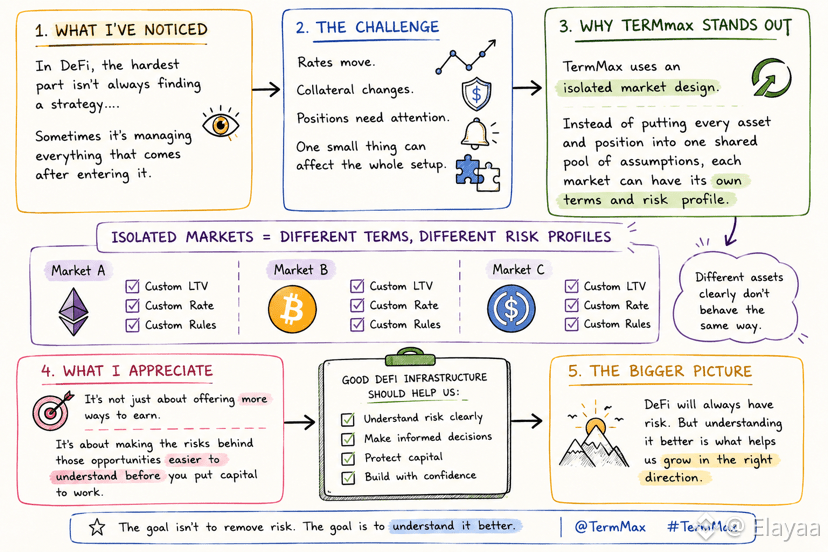
Ich habe begonnen zu bemerken, dass es bei DeFi nicht immer das Schwierigste ist, eine Strategie zu finden…. manchmal ist es, alles zu verwalten, was danach kommt, wenn man sie eingesetzt hat. Die Zinssätze bewegen sich, die Sicherheiten ändern sich, die Positionen brauchen Aufmerksamkeit, und schon eine kleine Sache kann das gesamte Setup beeinflussen.
Das ist auch einer der Gründe, warum mich das isolierte Marktdesign von @termmax angesprochen hat. Anstatt jedes Asset und jede Position in einen gemeinsamen Pool von Annahmen zu stecken, kann jeder Markt seine eigenen Konditionen und sein eigenes Risikoprofil haben. Ich finde diese Idee gut, weil sich verschiedene Assets offensichtlich nicht gleich verhalten.
Je mehr ich mich damit beschäftige, desto mehr denke ich, dass gute DeFi-Infrastruktur nicht nur darum geht, mehr Möglichkeiten zum Verdienen anzubieten. Es geht auch darum, die Risiken hinter diesen Chancen leichter verständlich zu machen, bevor man sein Kapital einsetzt. #TermMax
Ich habe begonnen zu bemerken, dass es bei DeFi nicht immer das Schwierigste ist, eine Strategie zu finden…. manchmal ist es, alles zu verwalten, was danach kommt, wenn man sie eingesetzt hat. Die Zinssätze bewegen sich, die Sicherheiten ändern sich, die Positionen brauchen Aufmerksamkeit, und schon eine kleine Sache kann das gesamte Setup beeinflussen.
Das ist auch einer der Gründe, warum mich das isolierte Marktdesign von @TermMax angesprochen hat. Anstatt jedes Asset und jede Position in einen gemeinsamen Pool von Annahmen zu stecken, kann jeder Markt seine eigenen Konditionen und sein eigenes Risikoprofil haben. Ich finde diese Idee gut, weil sich verschiedene Assets offensichtlich nicht gleich verhalten.
Je mehr ich mich damit beschäftige, desto mehr denke ich, dass gute DeFi-Infrastruktur nicht nur darum geht, mehr Möglichkeiten zum Verdienen anzubieten. Es geht auch darum, die Risiken hinter diesen Chancen leichter verständlich zu machen, bevor man sein Kapital einsetzt. #TermMax
Das ist auch einer der Gründe, warum mich das isolierte Marktdesign von @TermMax angesprochen hat. Anstatt jedes Asset und jede Position in einen gemeinsamen Pool von Annahmen zu stecken, kann jeder Markt seine eigenen Konditionen und sein eigenes Risikoprofil haben. Ich finde diese Idee gut, weil sich verschiedene Assets offensichtlich nicht gleich verhalten.
Je mehr ich mich damit beschäftige, desto mehr denke ich, dass gute DeFi-Infrastruktur nicht nur darum geht, mehr Möglichkeiten zum Verdienen anzubieten. Es geht auch darum, die Risiken hinter diesen Chancen leichter verständlich zu machen, bevor man sein Kapital einsetzt. #TermMax
2
3
145
·
--
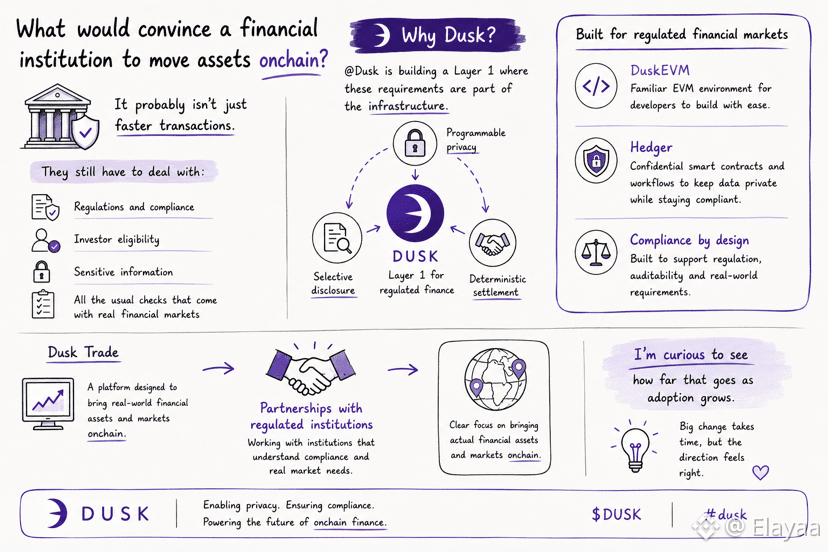
Ich habe darüber nachgedacht, was eine Finanzinstitution wirklich davon überzeugen würde, Vermögenswerte onchain zu verlagern.
Vermutlich geht es nicht nur um schnellere Transaktionen. Sie müssen weiterhin mit Vorschriften umgehen, Anforderungen der Investoren erfüllen, mit sensiblen Informationen und all den üblichen Prüfungen, die es in echten Finanzmärkten gibt.
Darum ist @Dusk_Foundation in mein Blickfeld geraten. Es baut eine Layer 1 auf, bei der diese Anforderungen Teil der Infrastruktur sind – mit programmierbarer Privatsphäre, selektiver Offenlegung und deterministischem Settlement.
Besonders spannend finde ich, dass Dusk nicht nur über die Technologie spricht. Mit Dusk Trade und Partnerschaften mit regulierten Institutionen gibt es einen klaren Fokus darauf, echte Finanzassets und Märkte onchain zu bringen.
Ich bin gespannt, wie weit das geht, wenn die Akzeptanz wächst.
$DUSK #dusk
Ich habe darüber nachgedacht, was eine Finanzinstitution wirklich davon überzeugen würde, Vermögenswerte onchain zu verlagern.
Vermutlich geht es nicht nur um schnellere Transaktionen. Sie müssen weiterhin mit Vorschriften umgehen, Anforderungen der Investoren erfüllen, mit sensiblen Informationen und all den üblichen Prüfungen, die es in echten Finanzmärkten gibt.
Darum ist @Dusk in mein Blickfeld geraten. Es baut eine Layer 1 auf, bei der diese Anforderungen Teil der Infrastruktur sind – mit programmierbarer Privatsphäre, selektiver Offenlegung und deterministischem Settlement.
Besonders spannend finde ich, dass Dusk nicht nur über die Technologie spricht. Mit Dusk Trade und Partnerschaften mit regulierten Institutionen gibt es einen klaren Fokus darauf, echte Finanzassets und Märkte onchain zu bringen.
Ich bin gespannt, wie weit das geht, wenn die Akzeptanz wächst.
$DUSK #dusk
Vermutlich geht es nicht nur um schnellere Transaktionen. Sie müssen weiterhin mit Vorschriften umgehen, Anforderungen der Investoren erfüllen, mit sensiblen Informationen und all den üblichen Prüfungen, die es in echten Finanzmärkten gibt.
Darum ist @Dusk in mein Blickfeld geraten. Es baut eine Layer 1 auf, bei der diese Anforderungen Teil der Infrastruktur sind – mit programmierbarer Privatsphäre, selektiver Offenlegung und deterministischem Settlement.
Besonders spannend finde ich, dass Dusk nicht nur über die Technologie spricht. Mit Dusk Trade und Partnerschaften mit regulierten Institutionen gibt es einen klaren Fokus darauf, echte Finanzassets und Märkte onchain zu bringen.
Ich bin gespannt, wie weit das geht, wenn die Akzeptanz wächst.
$DUSK #dusk
1
203
·
--
Die befristete Struktur in TermMax ergibt für alle Sinn, die eine Strategie mit weniger beweglichen Teilen planen möchten.
Die befristete Struktur in TermMax ergibt für alle Sinn, die eine Strategie mit weniger beweglichen Teilen planen möchten.
46
Anmelden und weiter Inhalte entdecken
Krypto-Nutzer weltweit auf Binance Square kennenlernen
⚡️ Bleib in Sachen Krypto stets am Puls.
💬 Die weltgrößte Kryptobörse vertraut darauf.
👍 Erhalte verlässliche Einblicke von verifizierten Creators.
E-Mail-Adresse/Telefonnummer
Trendthemen
BitcoinReboundsTo$79K
18,237 Aufrufe
152 Kommentare
🚨 $BTC steigt weiter.
Bitcoin handelt bei etwa 78.804 $ und liegt damit ungefähr 1,9 % im Plus, nachdem die Marke von 78K zurückerobert wurde. Die nächste zu beobachtende Zone ist das Tageshoch im Intraday-Bereich nahe 78.905 $.
Ein klarer Ausbruch über diese Marke könnte den Weg in Richtung 79K–80K ebnen. Wenn BTC abgewiesen wird, liegt der Support bei etwa 78.300 $ und danach bei 77.975 $.
Die Bullen haben Momentum, aber BTC muss über 78K bleiben.
#Bitcoin #BTC #CryptoTrading #CryptoMarket #CryptoAnalysis
PulseON
·17 Likes
·16.3k Aufrufe
SouthKoreaCryptoTaxDelayPetitionTops50000
4,877 Aufrufe
148 Kommentare
SolanaTransactionV1GoesLiveOnMainnet
2,348 Aufrufe
93 Kommentare