
Selena09
3.5k Beiträge

Selena09
Melden
Nutzer blockieren
447 Following
683 Follower
2.5K+ Like gegeben
Beiträge
Alle
Zitierungen
Videos
·
--
Übersetzung ansehen
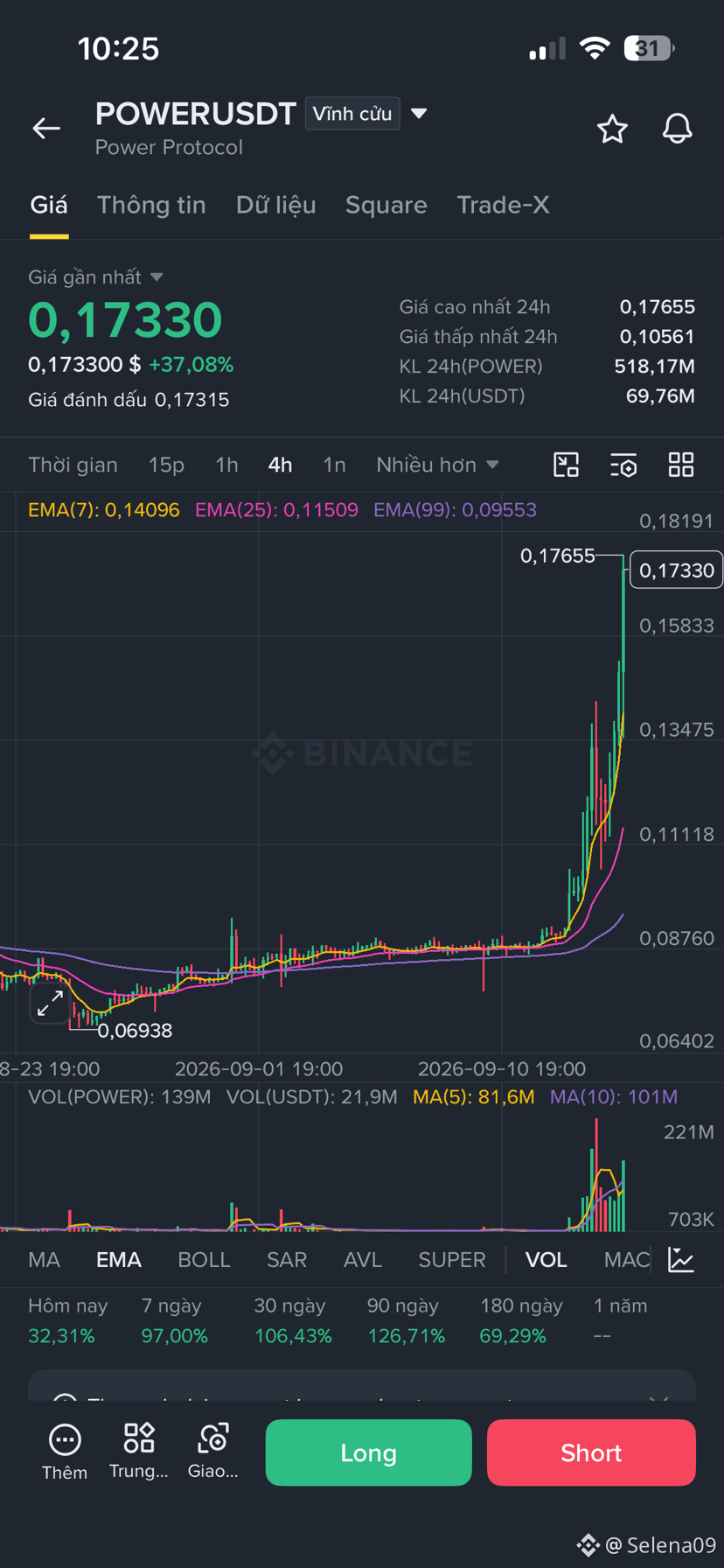
Nên thử chút $POWER không các bácC tăng thế này nhỉ, ss5 game vẫn chưa kết thúc.
$LSK $BR
{future}(BRUSDT)
{future}(LSKUSDT)
{future}(POWERUSDT)
Nên thử chút $POWER không các bácC tăng thế này nhỉ, ss5 game vẫn chưa kết thúc.
$LSK $BR
$LSK $BR
54
·
--
Übersetzung ansehen
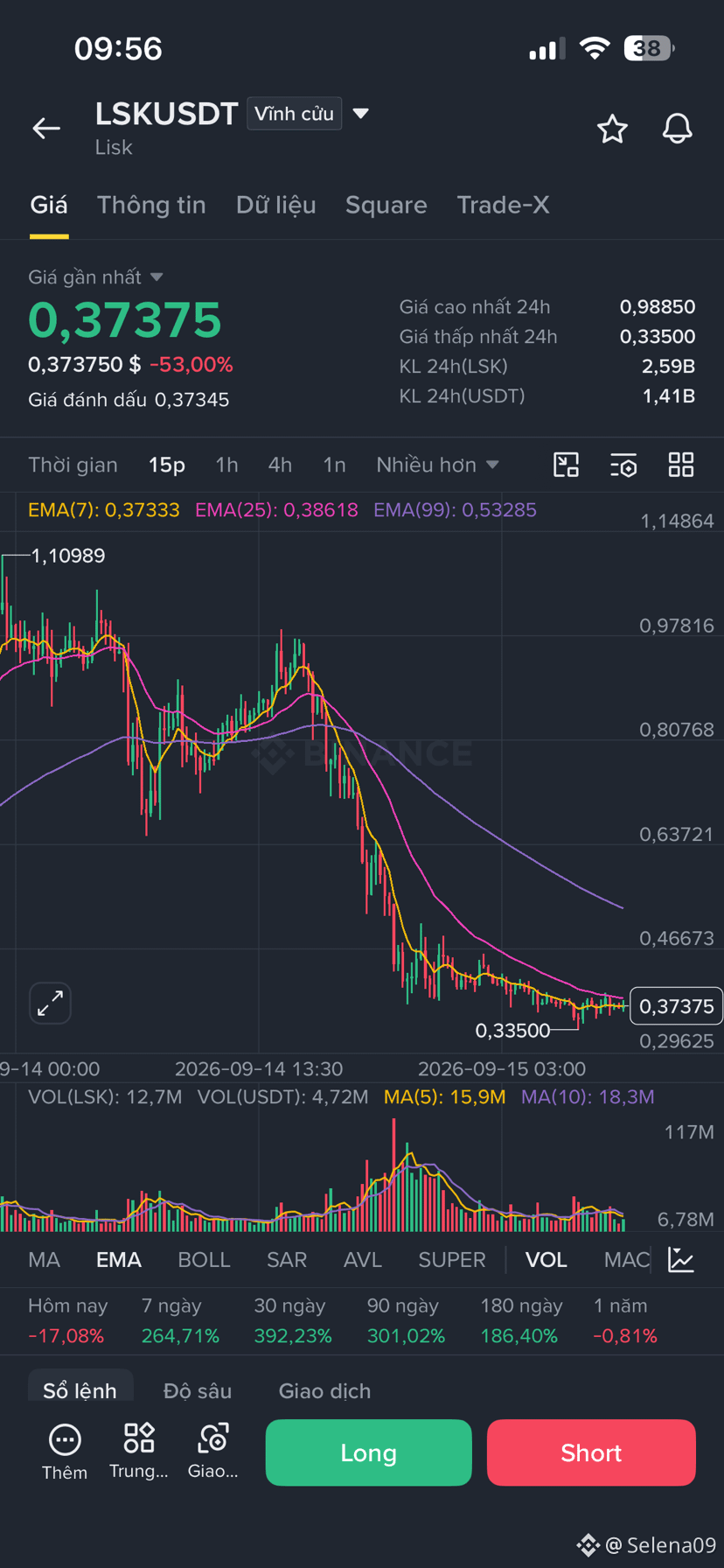
$LSK liên tục dò đáy mới, may không bắt dao lúc tạo đáy :( theo mình $POWER $AIN sớm muộn cũng giống kịch bản này thôi :(
{future}(AINUSDT)
{future}(POWERUSDT)
{future}(LSKUSDT)
$LSK liên tục dò đáy mới, may không bắt dao lúc tạo đáy :( theo mình $POWER $AIN sớm muộn cũng giống kịch bản này thôi :(
382
·
--
Übersetzung ansehen
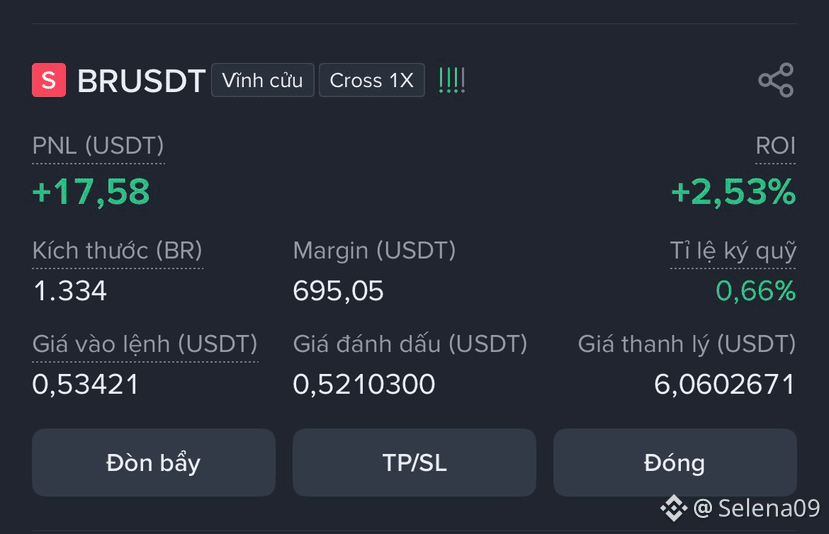
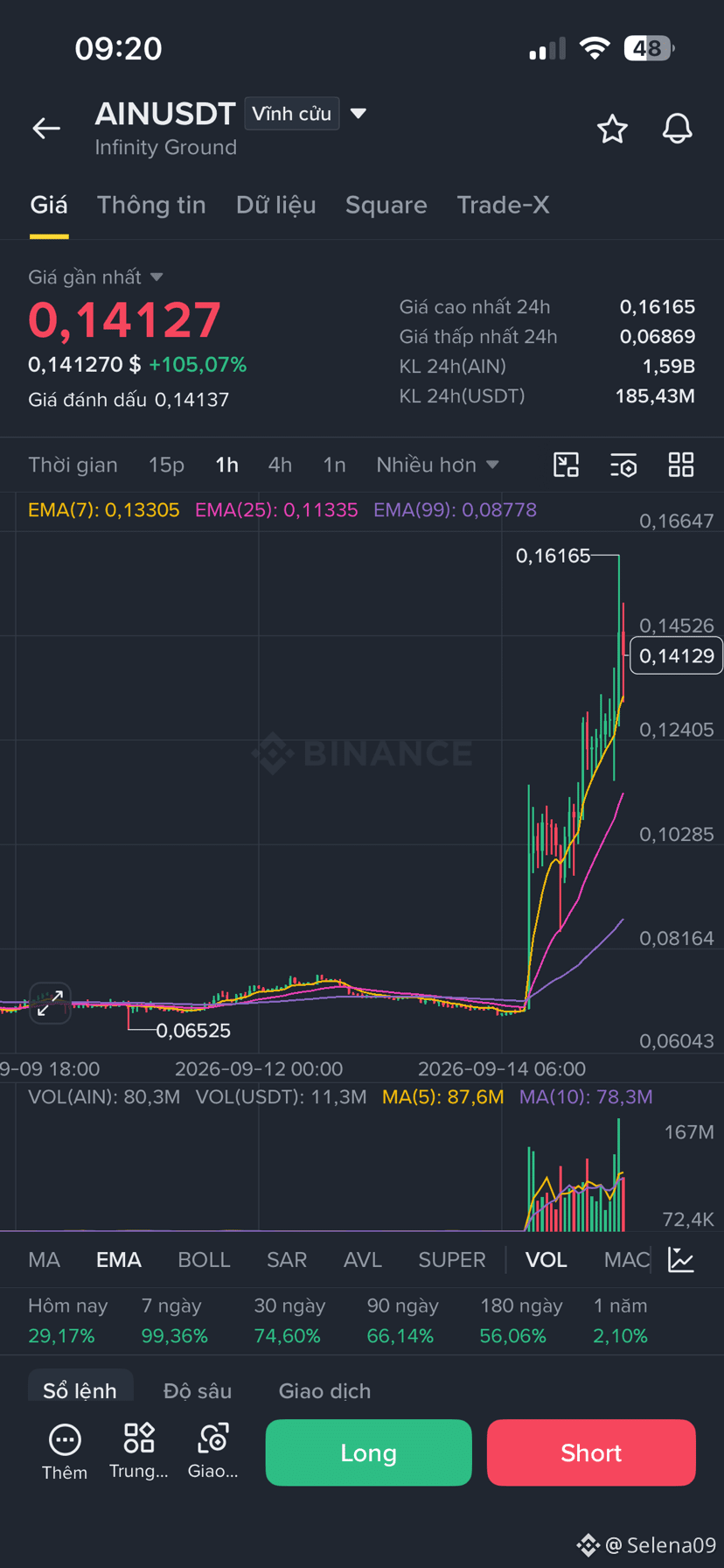
📉📉Cuối cùng lệnh $BR sáng nay của mình cũng xanh, BR sập mạnh lên để còn chốt chuyển sang $AIN và $CAP kẻo lỡ đò nào kk 📉☘️🥂☘️🥂☘️🥂
{future}(CAPUSDT)
{future}(AINUSDT)
{future}(BRUSDT)
📉📉Cuối cùng lệnh $BR sáng nay của mình cũng xanh, BR sập mạnh lên để còn chốt chuyển sang $AIN và $CAP kẻo lỡ đò nào kk 📉☘️🥂☘️🥂☘️🥂
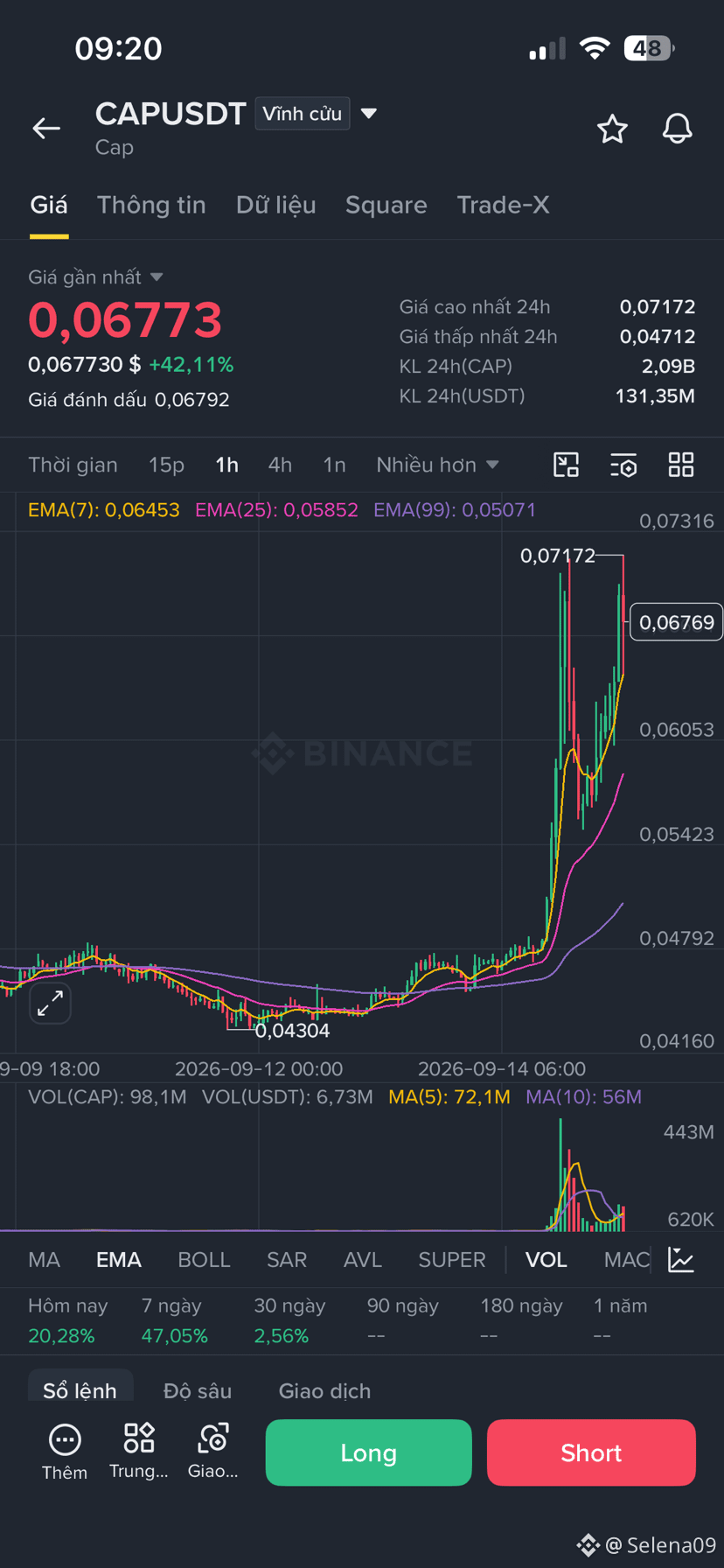
161
·
--
$龙虾 ist immer noch ganz oben, der Preis bleibt immer noch ganz oben, ich wage nicht einmal zu shorten. Mit so einem Push ohne auch nur zu fallen – ganz anders als $BTW und $LSK . Nach dem Push fast schon komplett am Boden, keine Chance aufzutauchen :(
{future}(BTWUSDT)
{future}(LSKUSDT)
{future}(龙虾USDT)
$龙虾 ist immer noch ganz oben, der Preis bleibt immer noch ganz oben, ich wage nicht einmal zu shorten. Mit so einem Push ohne auch nur zu fallen – ganz anders als $BTW und $LSK . Nach dem Push fast schon komplett am Boden, keine Chance aufzutauchen :(
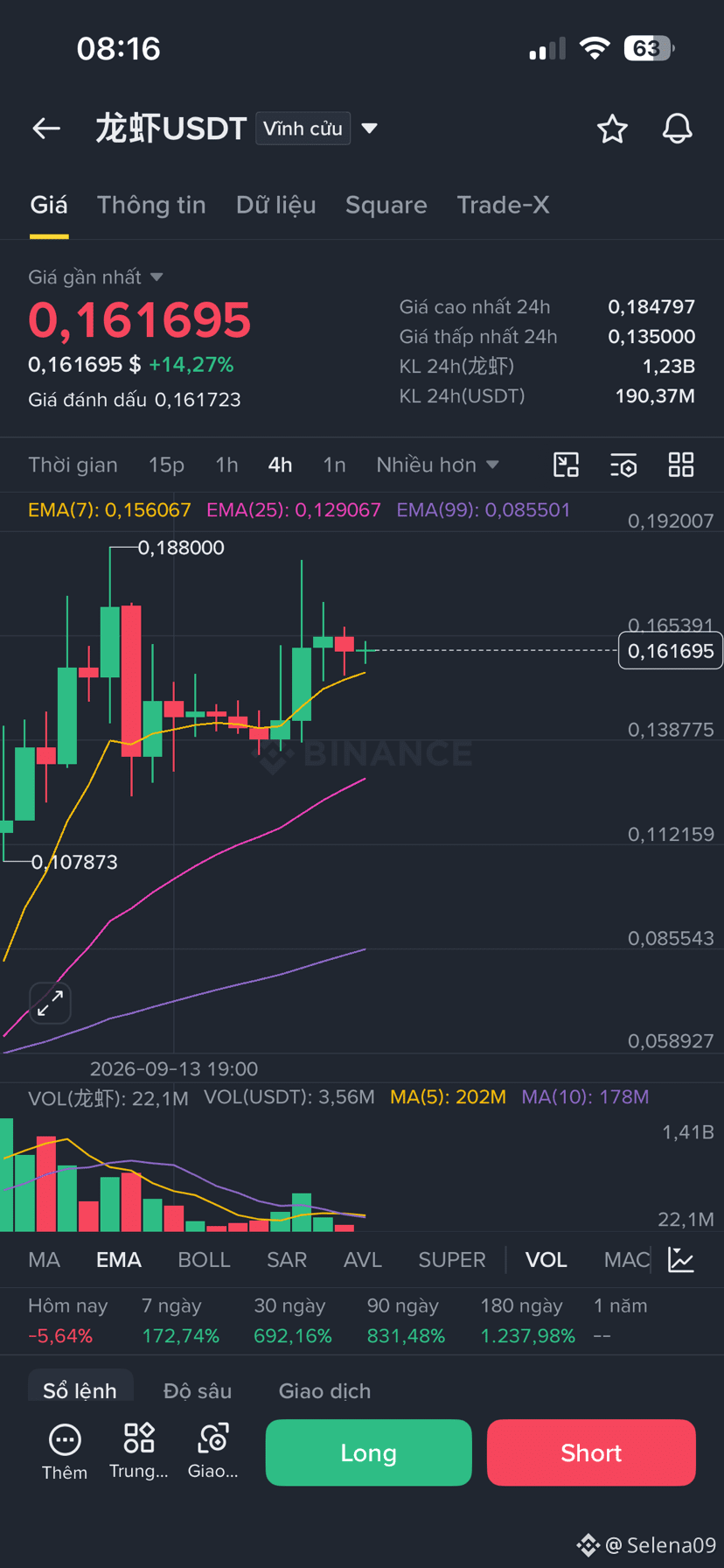
2
1.3k
·
--
Übersetzung ansehen
🥂🥂📉📉Lẹ quá, vào 3 lệnh thì $AIN và $CYS nhảy nhanh quá, thu lưới thôi, còn $BR đang đỏ lòm tính sau đi kk☘️🥂☘️🥂
🥂🥂📉📉Lẹ quá, vào 3 lệnh thì $AIN và $CYS nhảy nhanh quá, thu lưới thôi, còn $BR đang đỏ lòm tính sau đi kk☘️🥂☘️🥂
2
257
·
--
$AIN $BR $CYS steht an der Spitze der Top-Wertsteigerungen heute Morgen, stieg um 50-x2. versucht, den Zug aufzuhalten, um Kk einzufangen
{future}(CYSUSDT)
{future}(BRUSDT)
{future}(AINUSDT)
$AIN $BR $CYS steht an der Spitze der Top-Wertsteigerungen heute Morgen, stieg um 50-x2. versucht, den Zug aufzuhalten, um Kk einzufangen
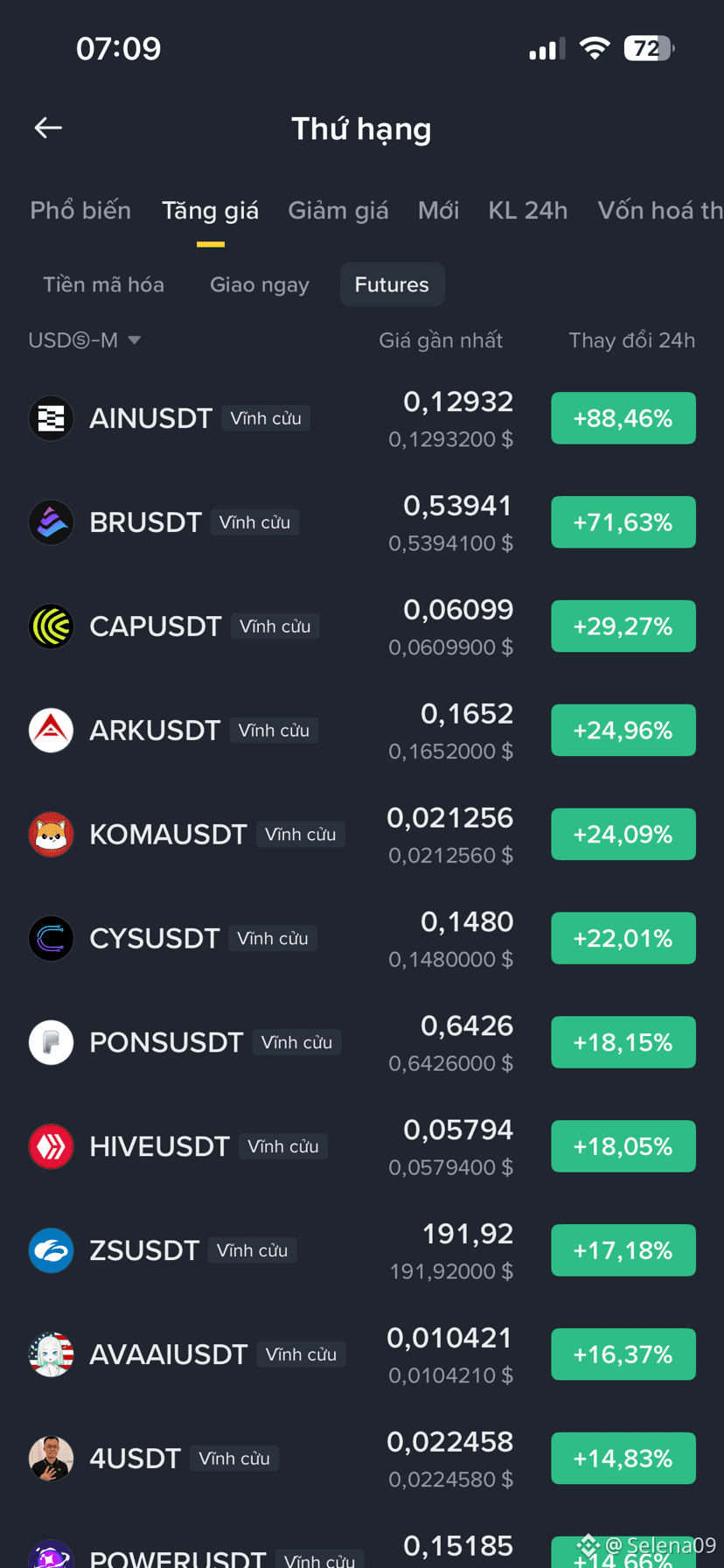
3
664
·
--
Übersetzung ansehen
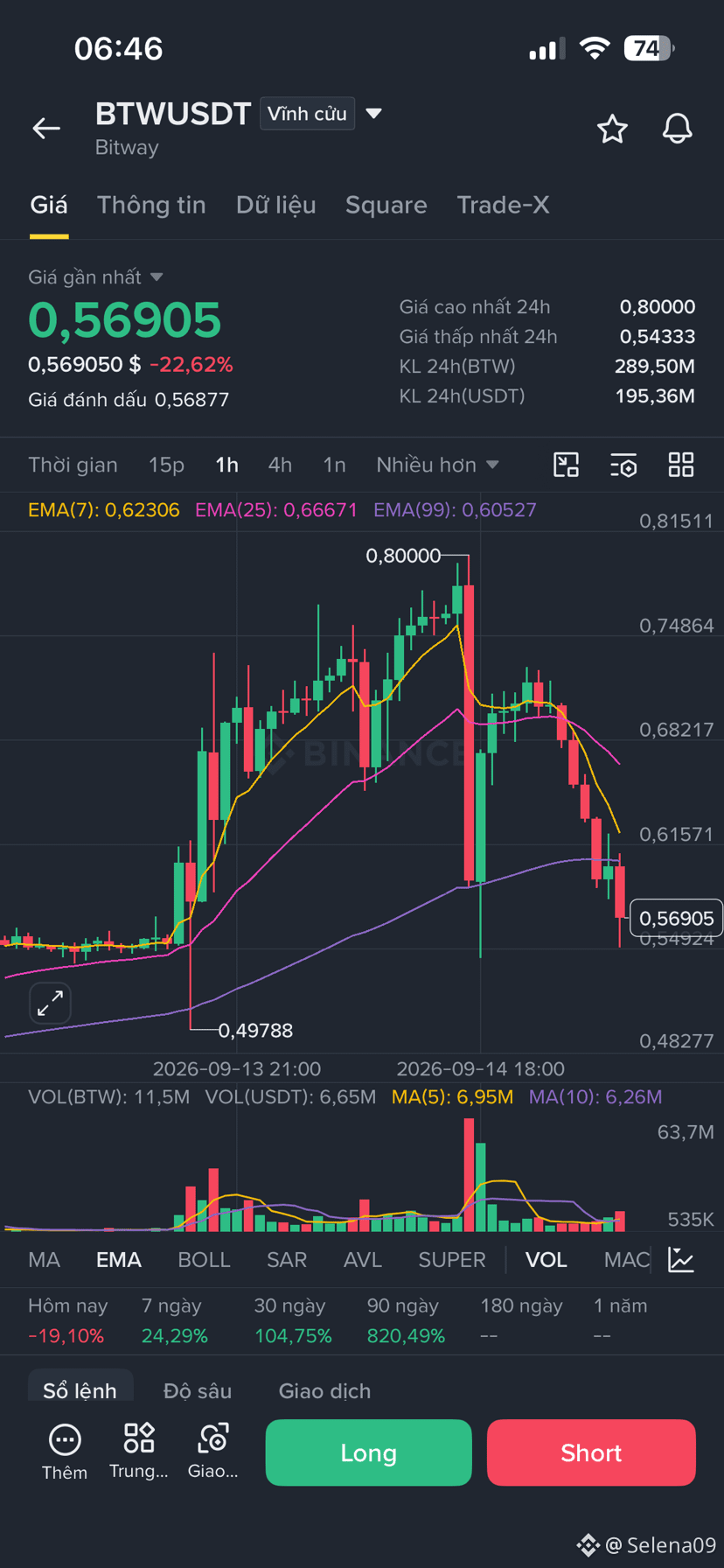
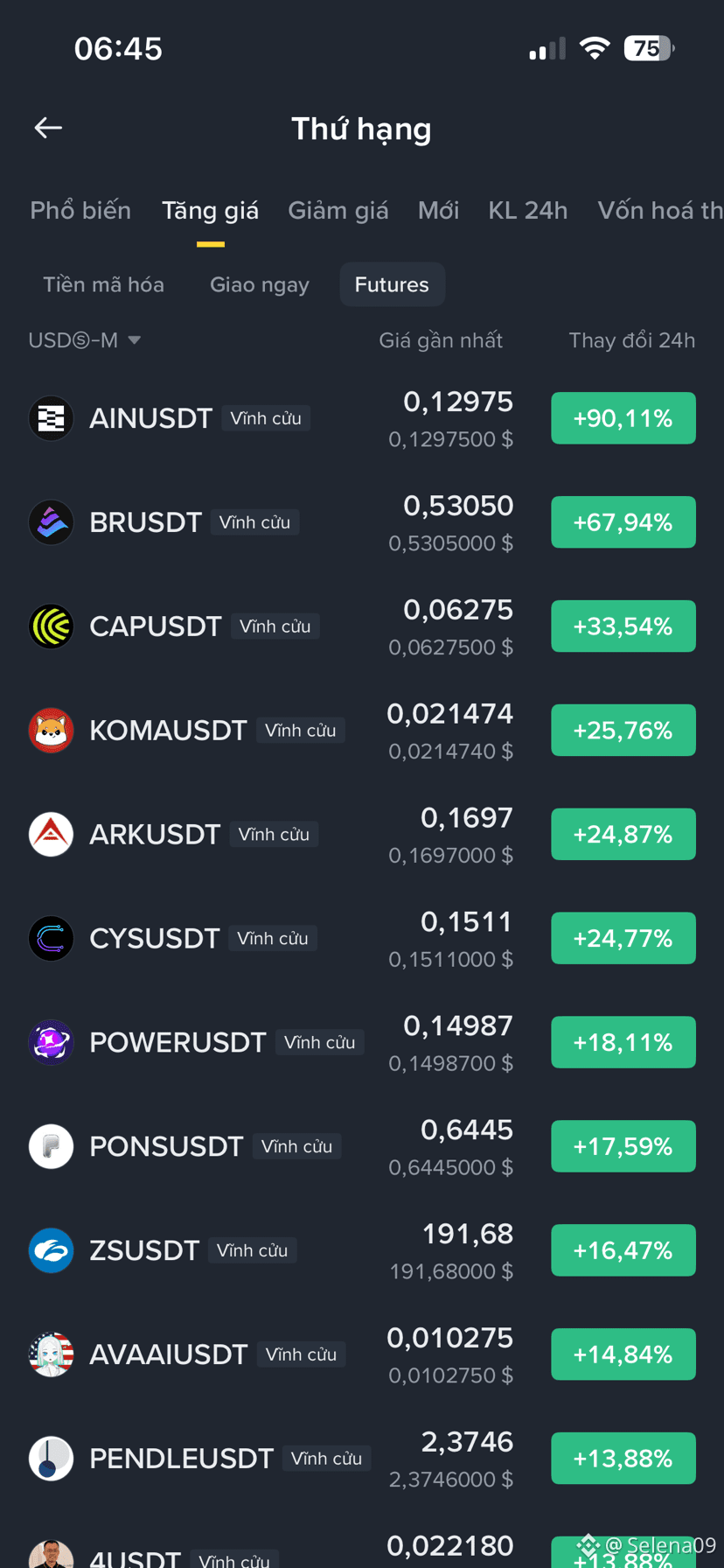
$CYS và $LSK đứng đầu top giảm giá, 1 con chia 6, 1 con gần chia 2. ngược lại thì $AIN leo lên 0.13, x2 giá hôm qua
{future}(AINUSDT)
{future}(CYSUSDT)
{future}(LSKUSDT)
$CYS và $LSK đứng đầu top giảm giá, 1 con chia 6, 1 con gần chia 2. ngược lại thì $AIN leo lên 0.13, x2 giá hôm qua
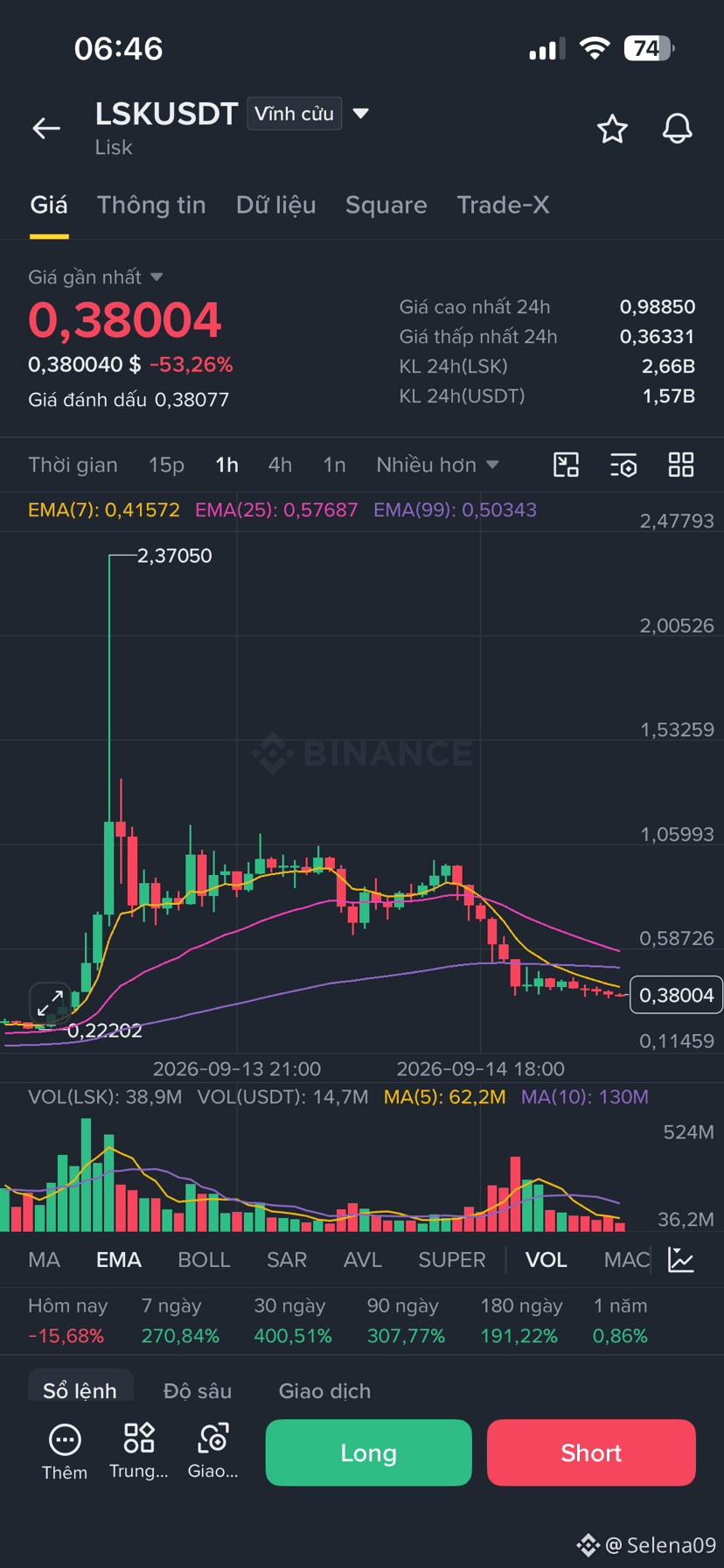
164
·
--
Übersetzung ansehen
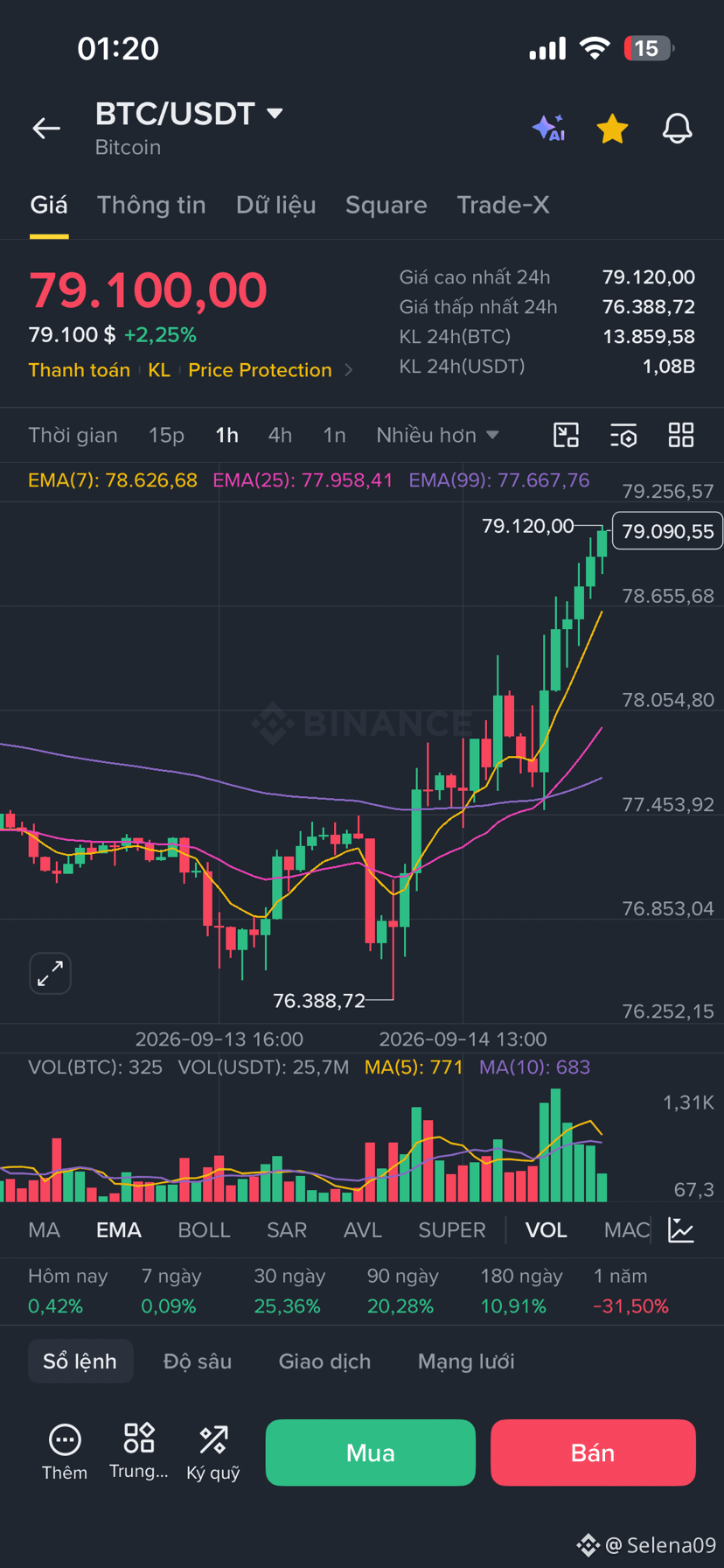
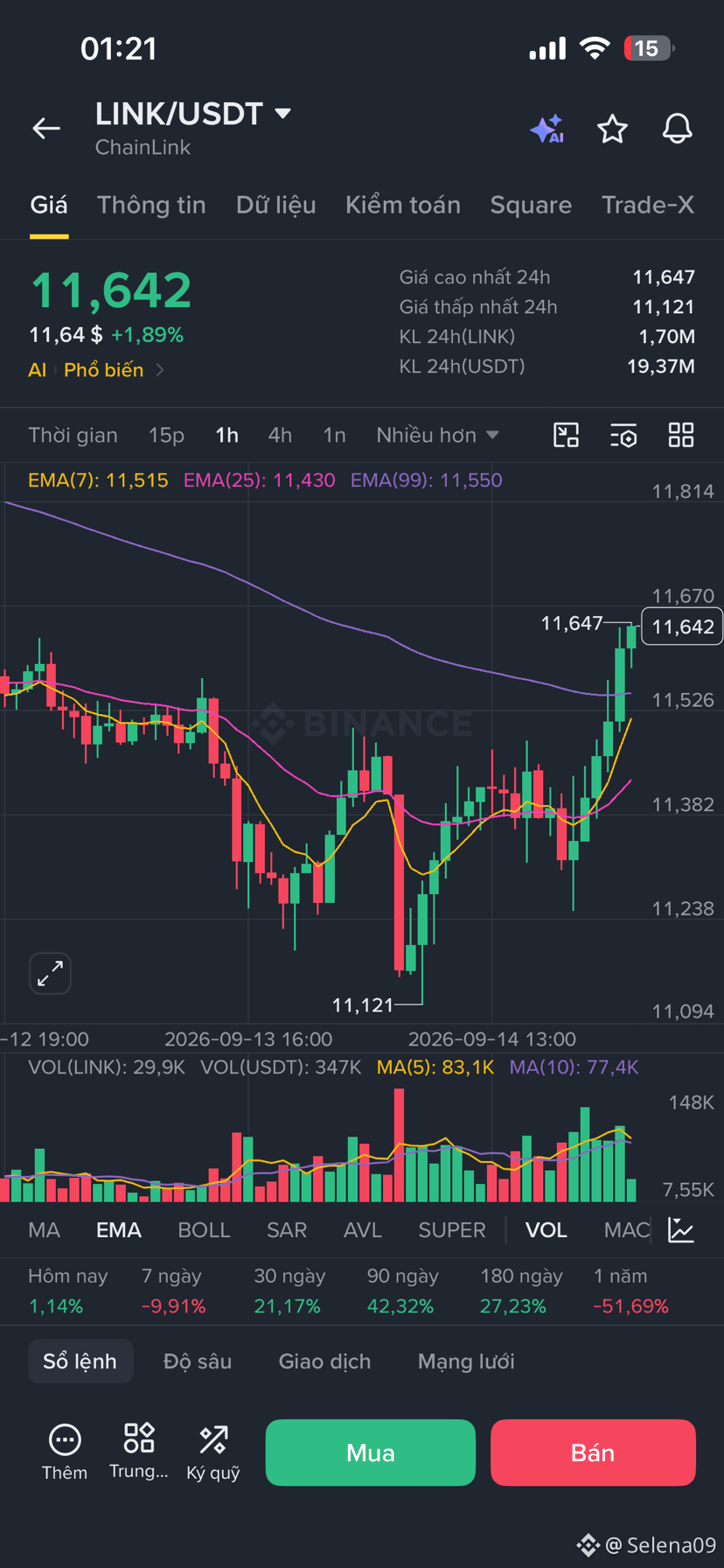
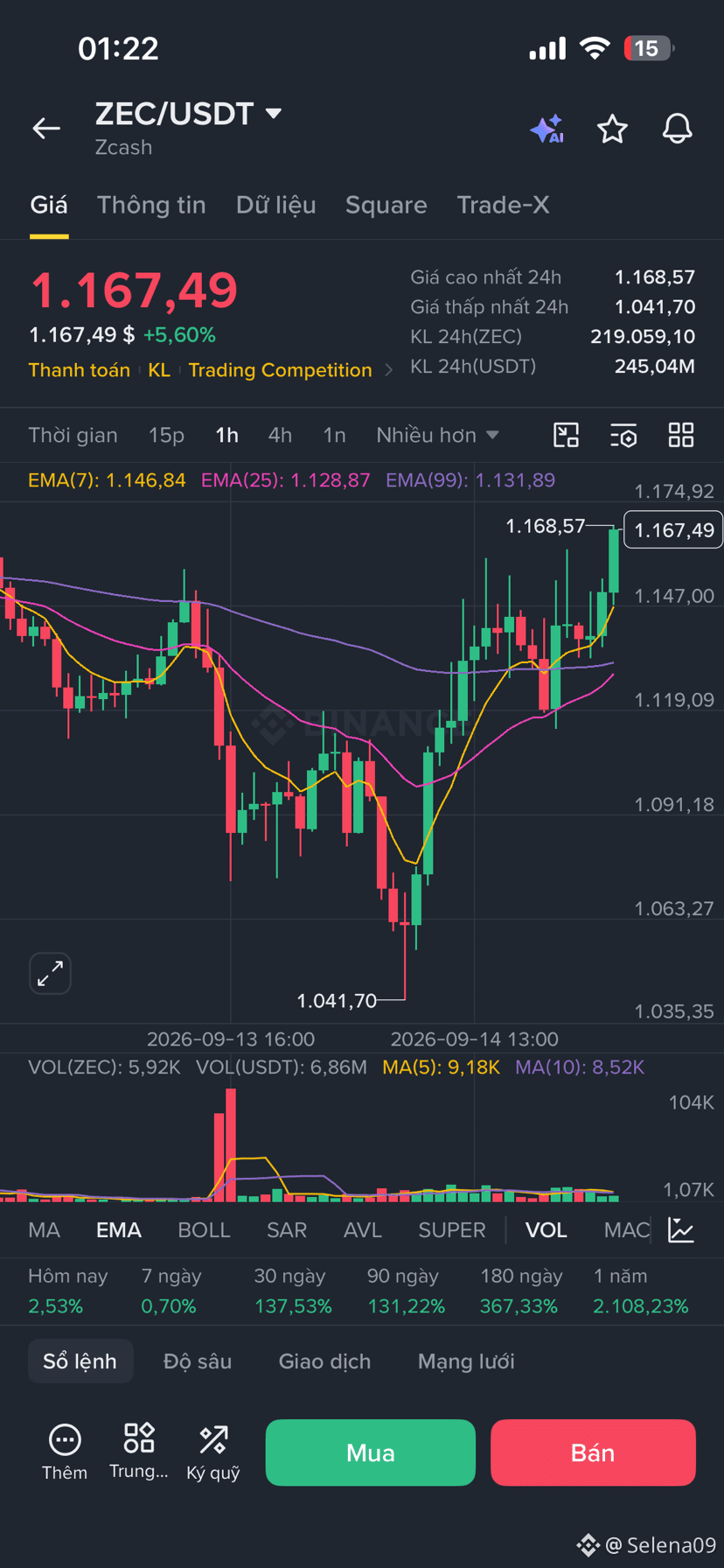
$BTC vượt 79k trong đêm, lần này lên thẳng hay lại vòng vèo đây, $ZEC $LINK tăng mạnh lên nào,
{future}(LINKUSDT)
{future}(ZECUSDT)
{future}(BTCUSDT)
$BTC vượt 79k trong đêm, lần này lên thẳng hay lại vòng vèo đây, $ZEC $LINK tăng mạnh lên nào,
303
·
--
Übersetzung ansehen
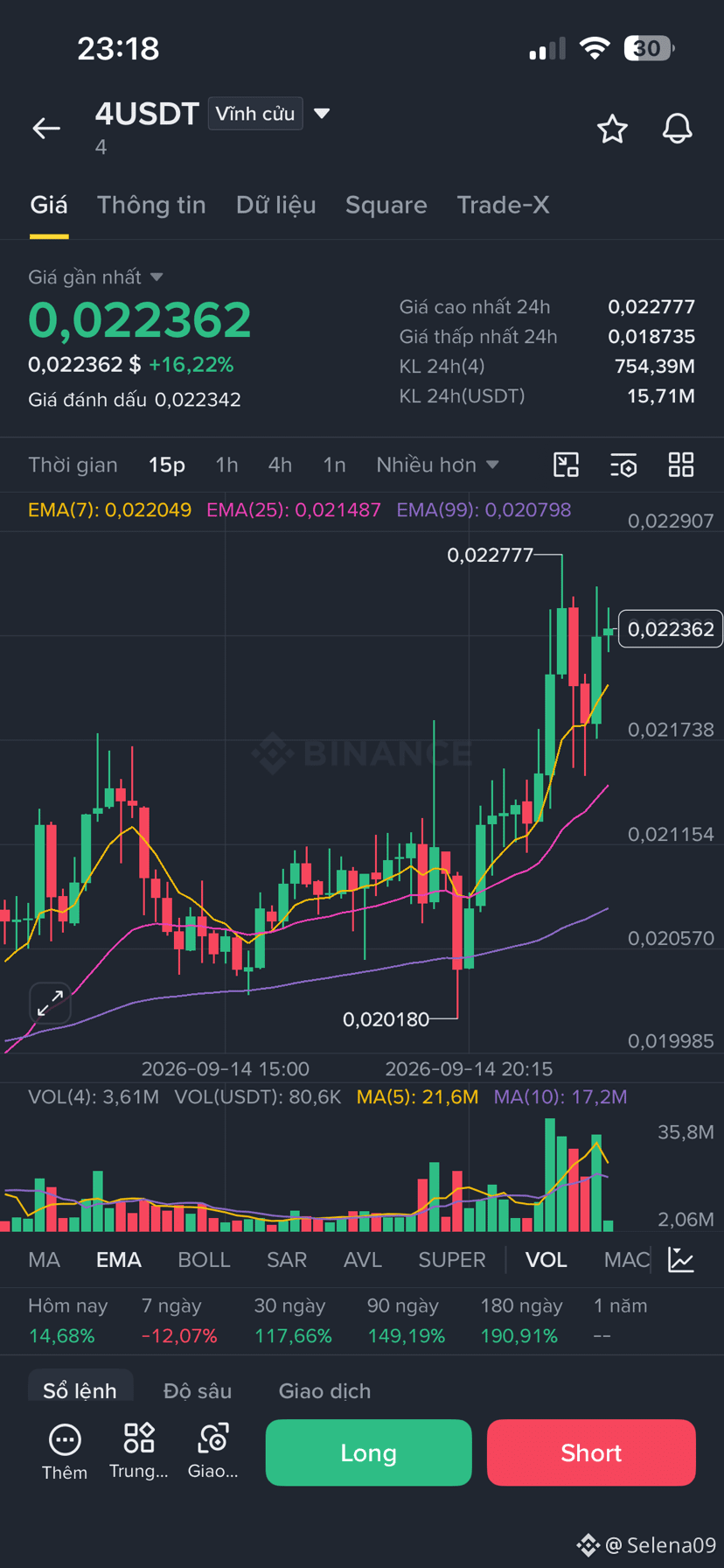
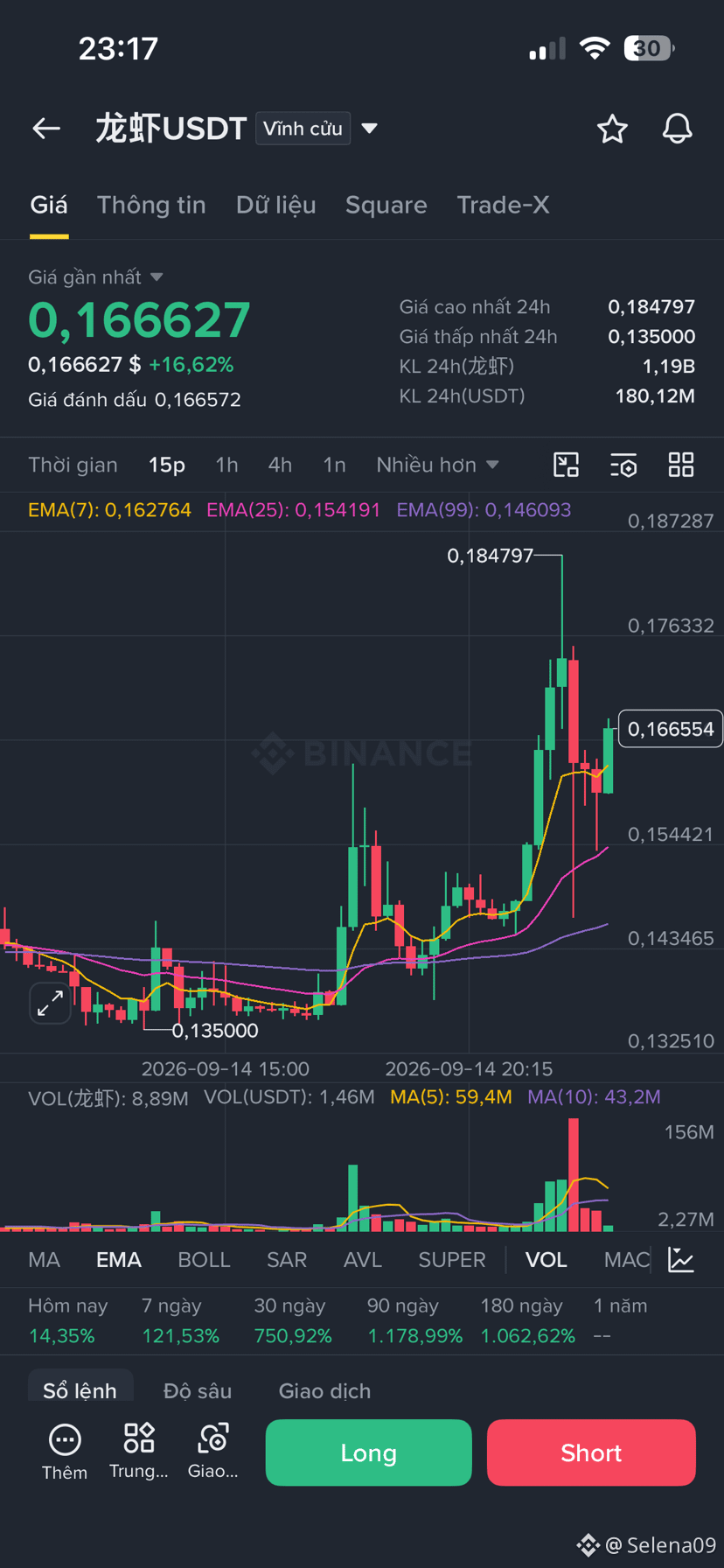
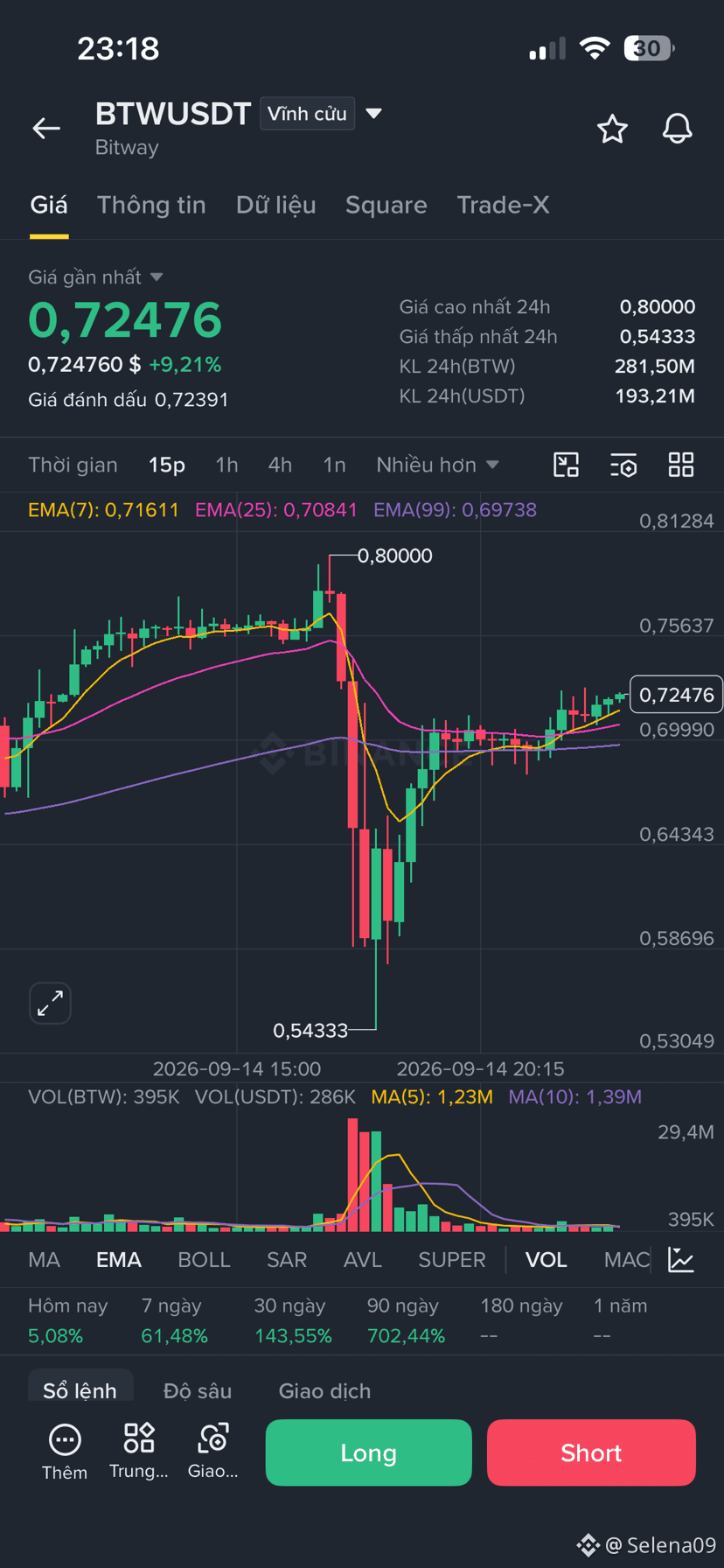
$龙虾 $4 $BTW quay lại đường đua nào, cả $LSK nữa
{future}(BTWUSDT)
{future}(4USDT)
{future}(龙虾USDT)
$龙虾 $4 $BTW quay lại đường đua nào, cả $LSK nữa
282
·
--
Übersetzung ansehen
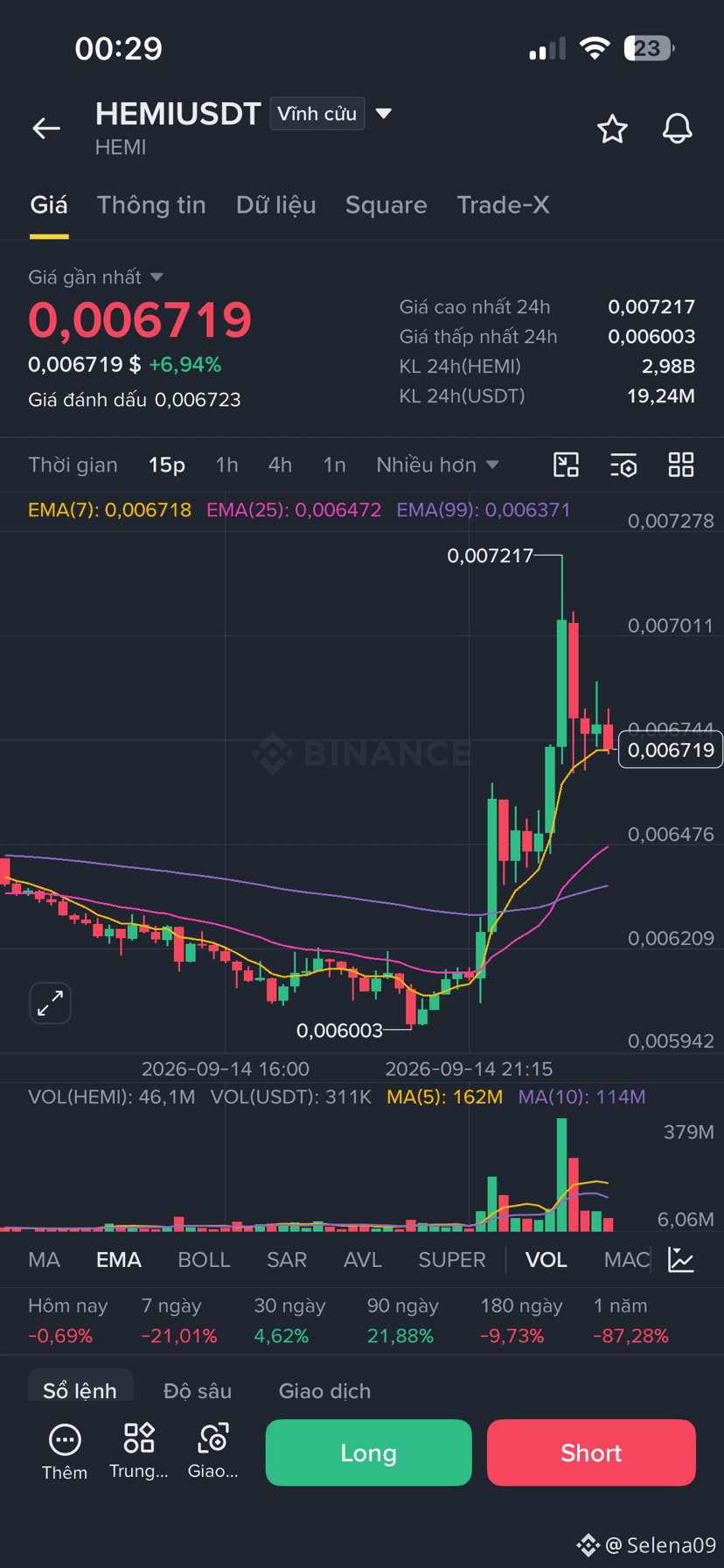
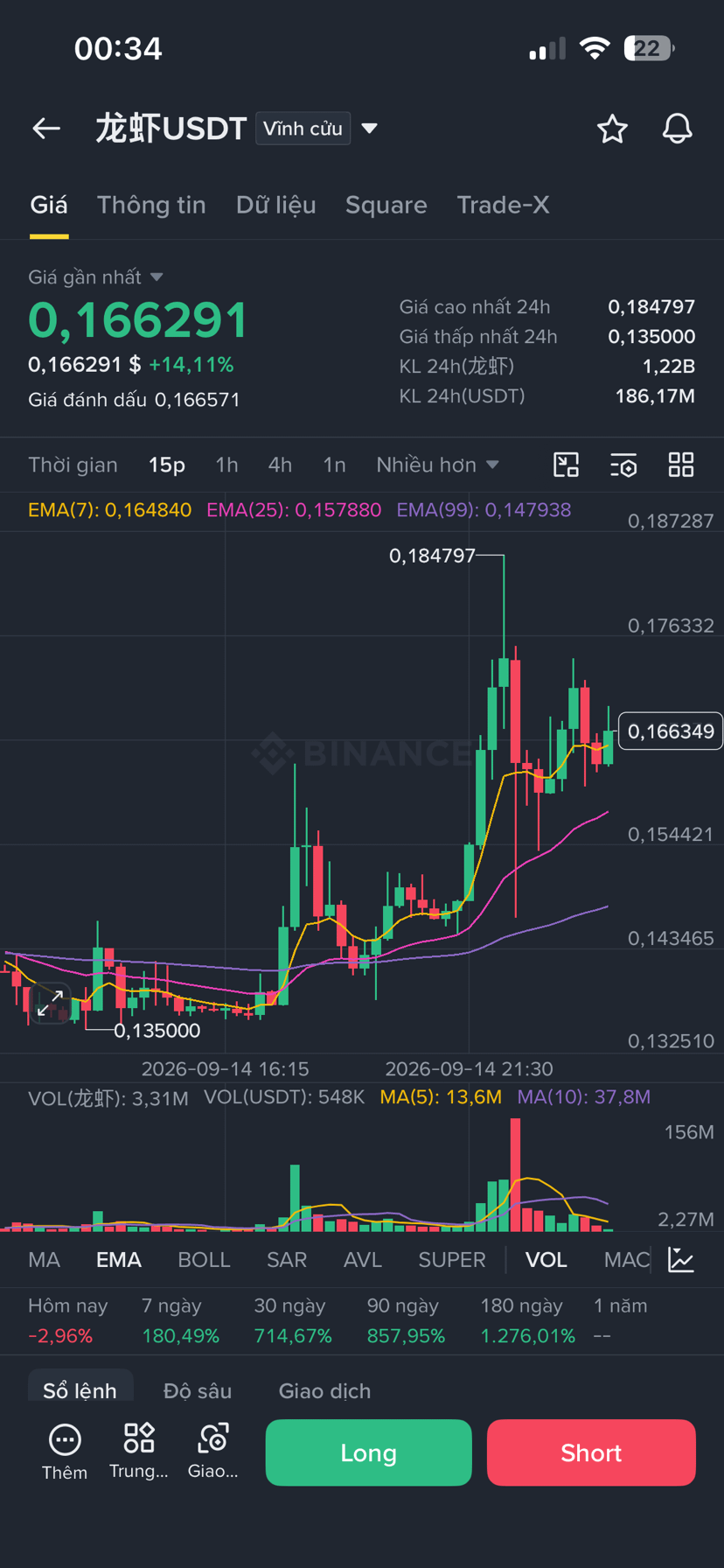
$LSK chạm đáy chưa? lướt lát vòng nữa không nhỉ?
Mình sẽ theo dõi và canh vào $龙虾 và $HEMI , những con tăng rồi mình sẽ lựa ăn ngắn thôi, con tôm hùm cảm giác vẫn chưa muốn dừng lại vậy
{future}(HEMIUSDT)
{future}(龙虾USDT)
{future}(LSKUSDT)
$LSK chạm đáy chưa? lướt lát vòng nữa không nhỉ?
Mình sẽ theo dõi và canh vào $龙虾 và $HEMI , những con tăng rồi mình sẽ lựa ăn ngắn thôi, con tôm hùm cảm giác vẫn chưa muốn dừng lại vậy
Mình sẽ theo dõi và canh vào $龙虾 và $HEMI , những con tăng rồi mình sẽ lựa ăn ngắn thôi, con tôm hùm cảm giác vẫn chưa muốn dừng lại vậy
389
·
--
Übersetzung ansehen
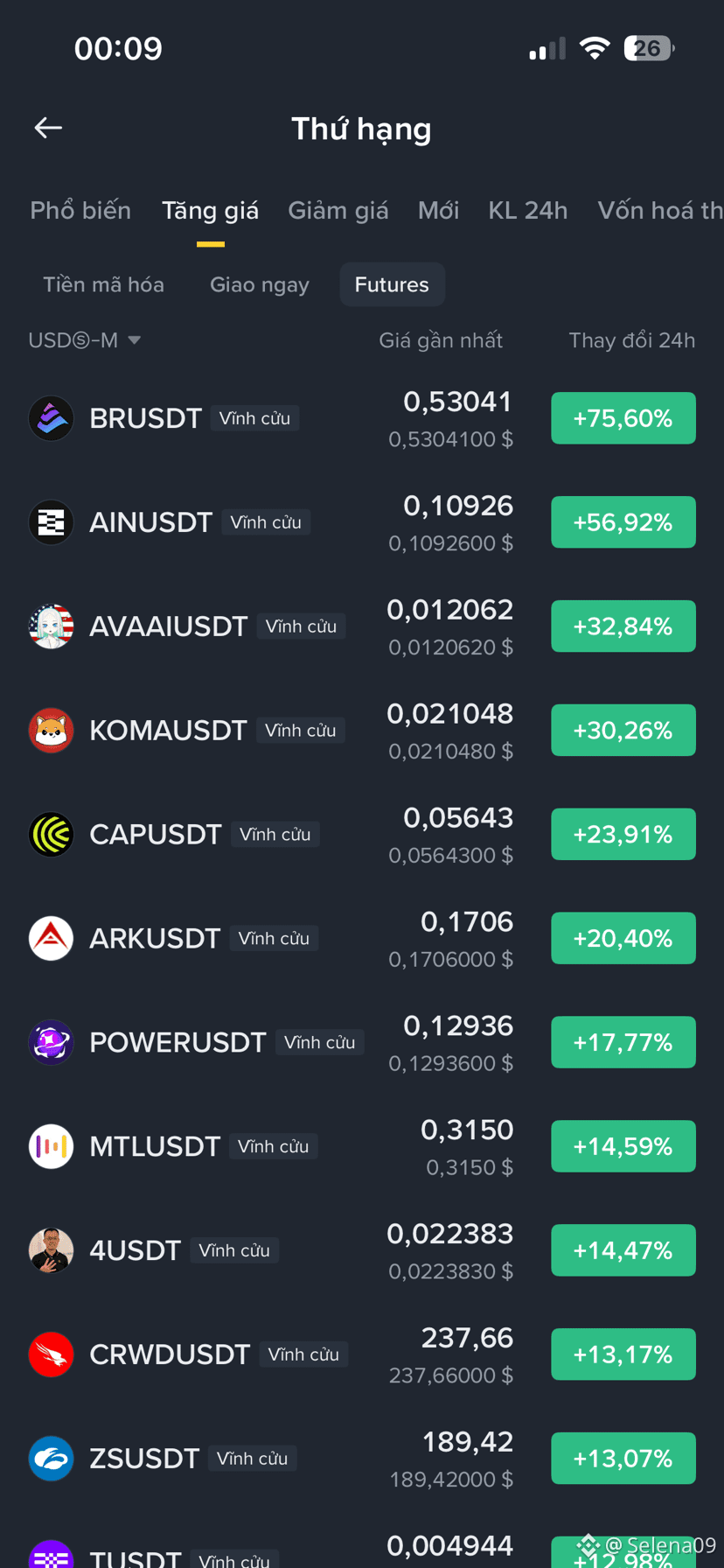
Mấy con hàng Binance Alpha giữ giá tốt thế nhỉ: $BTW $BR $AIN đều quanh top đầu chưa chịu tụt nữa
{future}(AINUSDT)
{future}(BRUSDT)
{future}(BTWUSDT)
Mấy con hàng Binance Alpha giữ giá tốt thế nhỉ: $BTW $BR $AIN đều quanh top đầu chưa chịu tụt nữa
158
·
--
Übersetzung ansehen
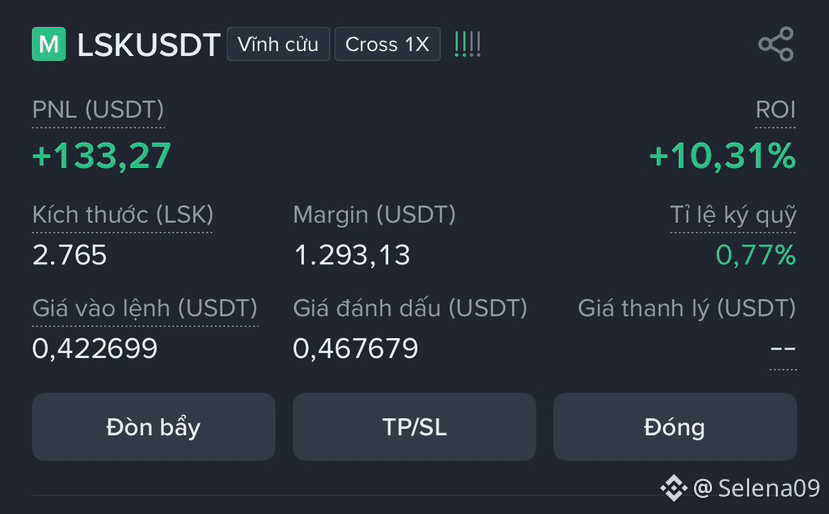
Cuối ngày lại hên, lướt lát được 130$ $LSK 🥂🥂
Giờ chốt lệnh đi ngủ mai lại soi $BR và $龙虾 , con nào có sóng cứ lượn quanh nó cho lành, khỏi tìm con mới vậy
{future}(龙虾USDT)
{future}(BTWUSDT)
{future}(LSKUSDT)
Cuối ngày lại hên, lướt lát được 130$ $LSK 🥂🥂
Giờ chốt lệnh đi ngủ mai lại soi $BR và $龙虾 , con nào có sóng cứ lượn quanh nó cho lành, khỏi tìm con mới vậy
Giờ chốt lệnh đi ngủ mai lại soi $BR và $龙虾 , con nào có sóng cứ lượn quanh nó cho lành, khỏi tìm con mới vậy
400
·
--
Übersetzung ansehen
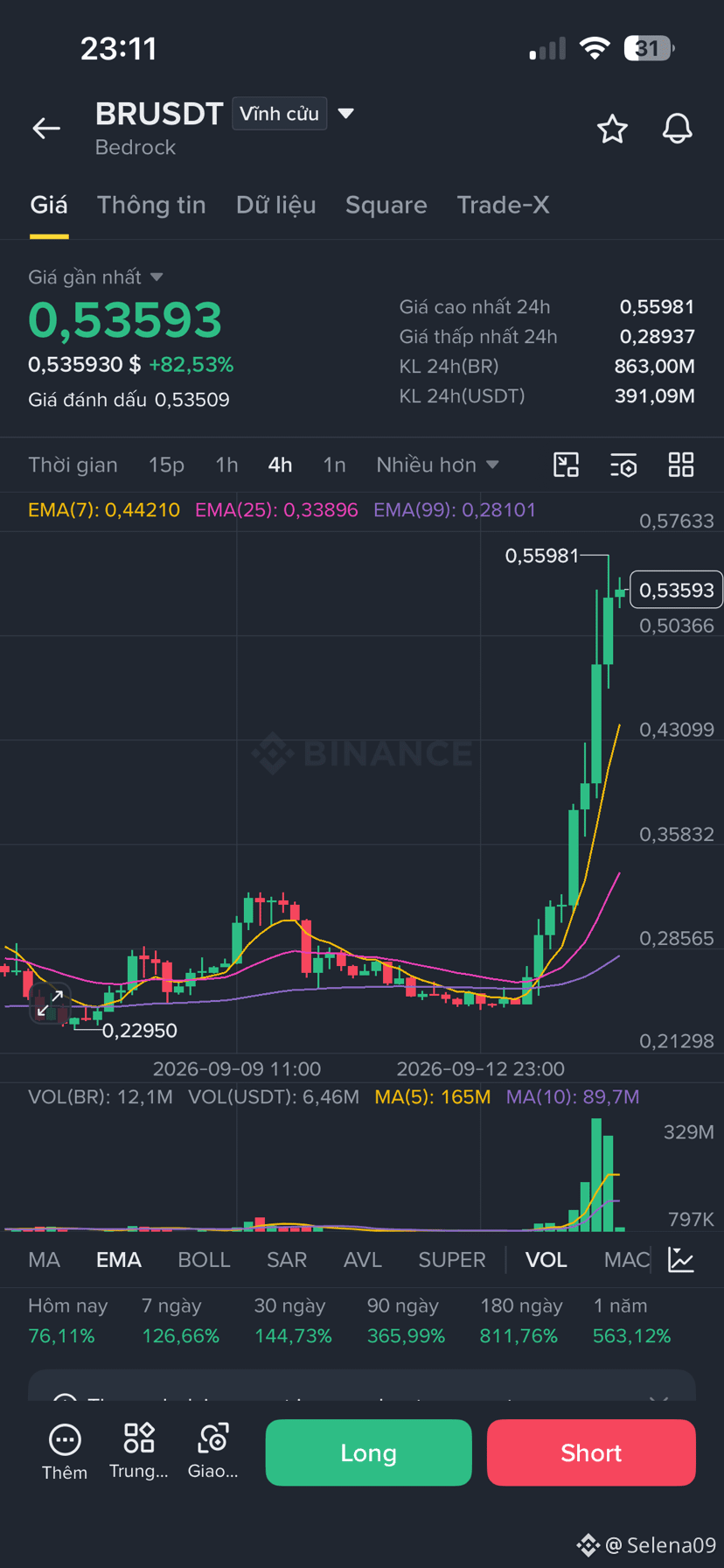
Nhìn 3 chart của $LSK $LAB mình lại nghĩ tới $BR sẽ làm điều tương tự, vì con này có tiền sử rug khi trade alpha rồi, tất nhiên cũng k biết nó đẩy lên bao nhiêu nhưng mình k bắt dao khi nó sập
{future}(LABUSDT)
{future}(BRUSDT)
{future}(LSKUSDT)
Nhìn 3 chart của $LSK $LAB mình lại nghĩ tới $BR sẽ làm điều tương tự, vì con này có tiền sử rug khi trade alpha rồi, tất nhiên cũng k biết nó đẩy lên bao nhiêu nhưng mình k bắt dao khi nó sập
190
·
--
Übersetzung ansehen
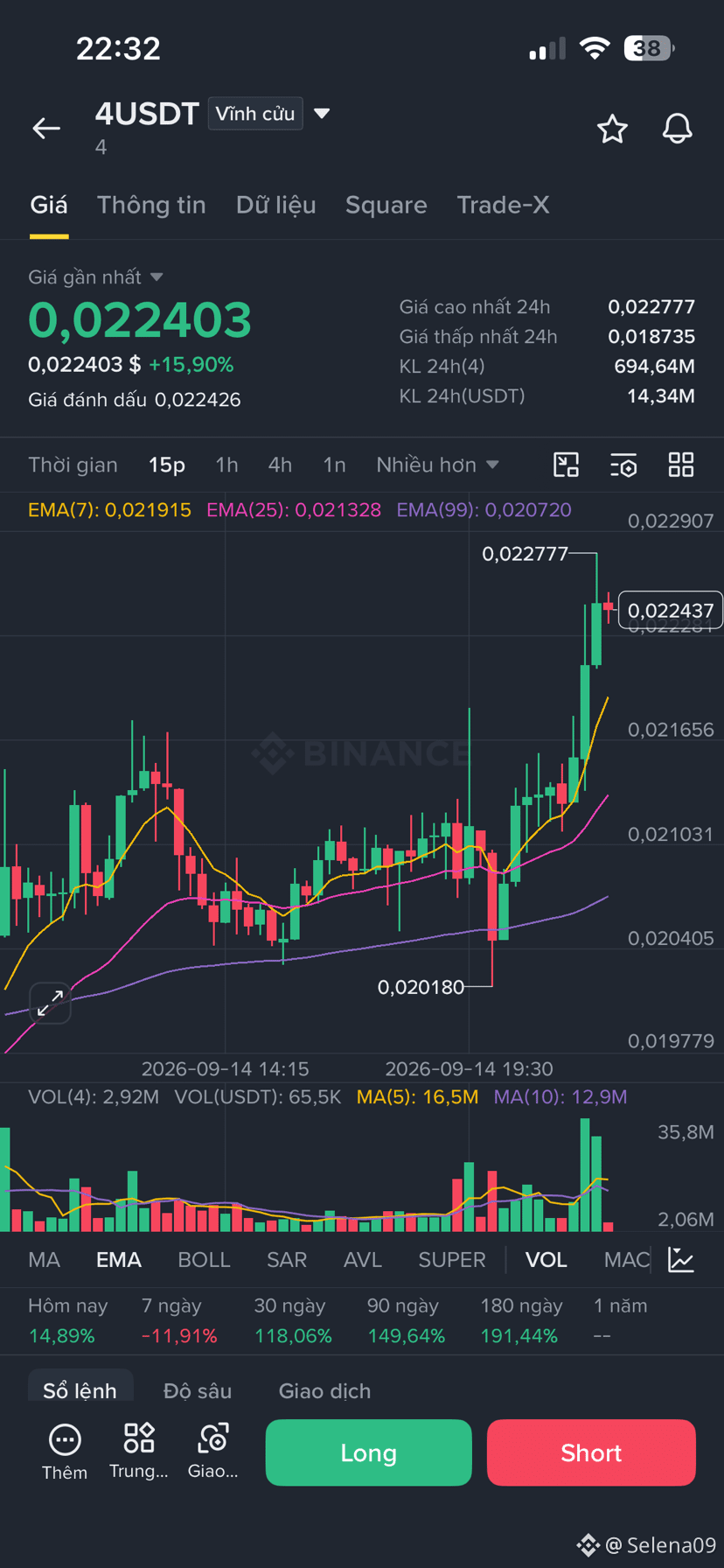
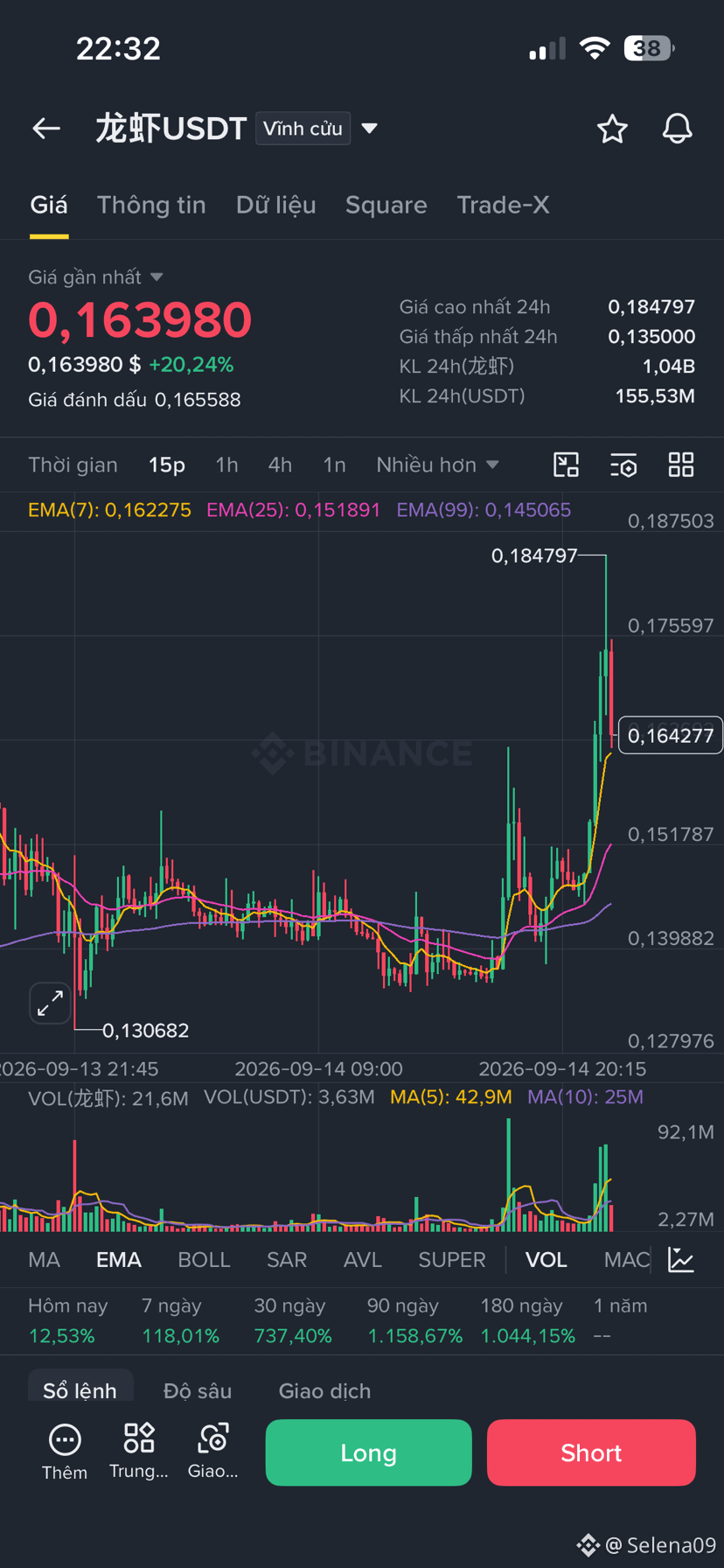
con tôm hùm $龙虾 này không phải vừa mà, vừa nhắc nó và $4 xong, xem tập phim quay lại nó bay mất tiêu, $LSK nãy 0.38 giờ 0.5, lẹ quá
{future}(LSKUSDT)
{future}(4USDT)
{future}(龙虾USDT)
con tôm hùm $龙虾 này không phải vừa mà, vừa nhắc nó và $4 xong, xem tập phim quay lại nó bay mất tiêu, $LSK nãy 0.38 giờ 0.5, lẹ quá
1
551
·
--
Übersetzung ansehen
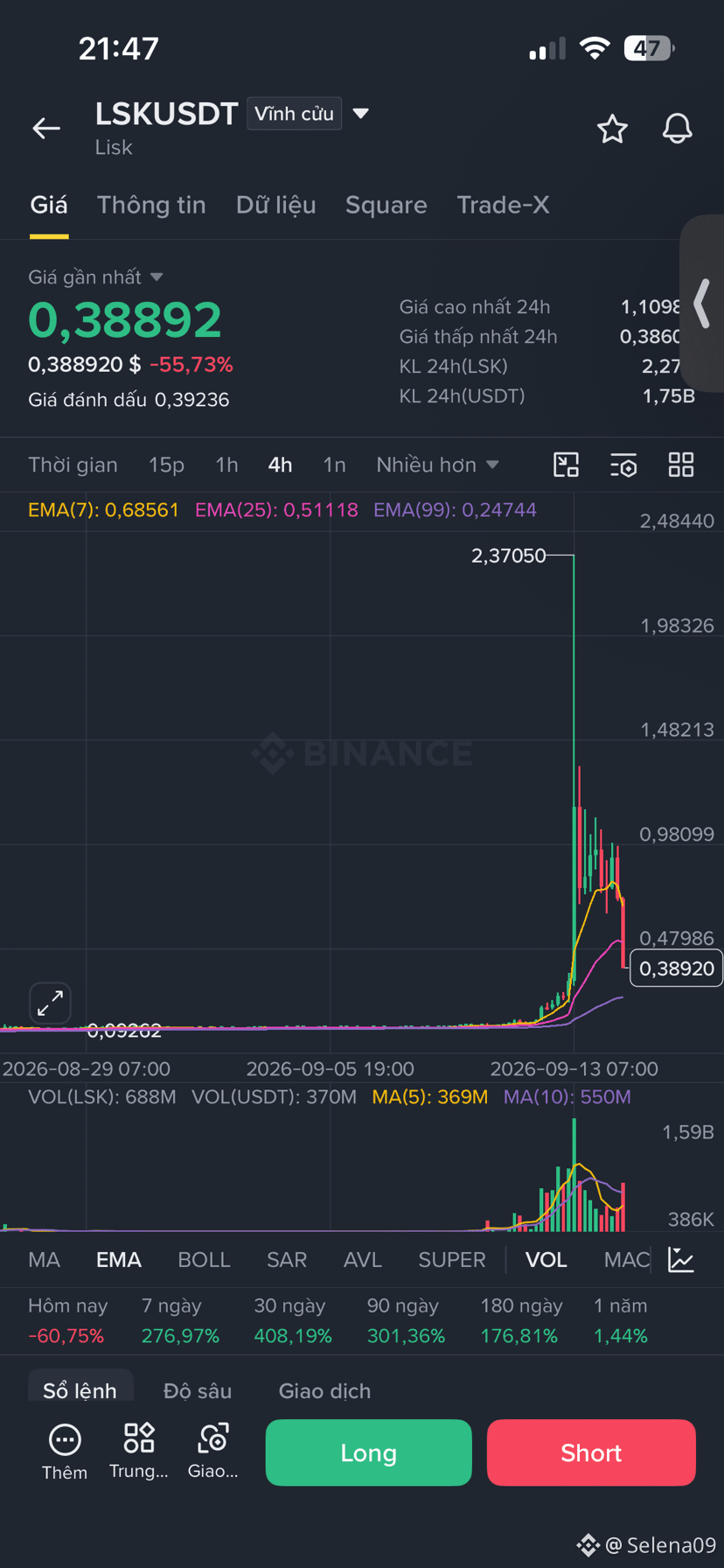
Có ai bắt dao rơi $LSK không đó? chia tiếp rồi :) lúc mình đăng cobf 0.51 giờ còn 0.38, quá thảm, thấy tụt mà múc là đi luôn nè,
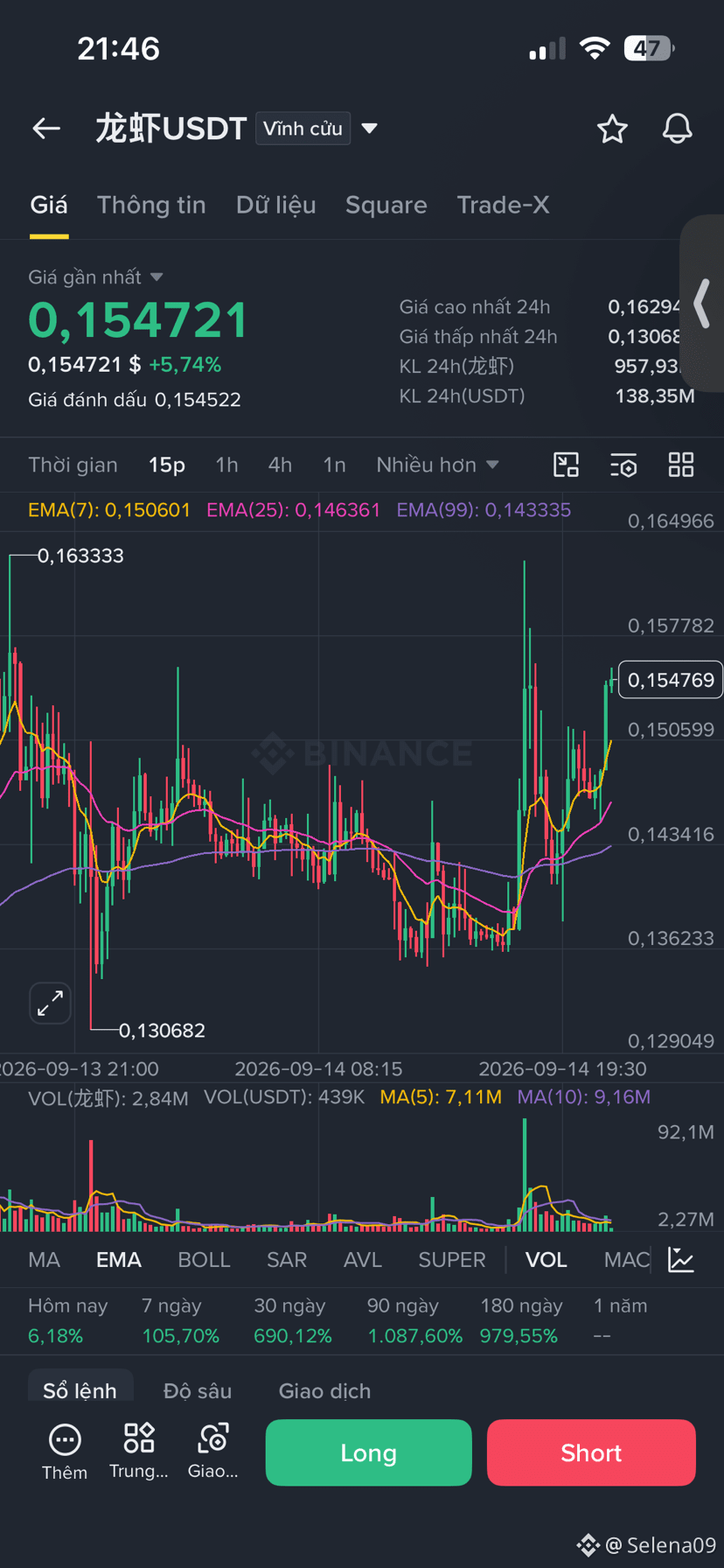
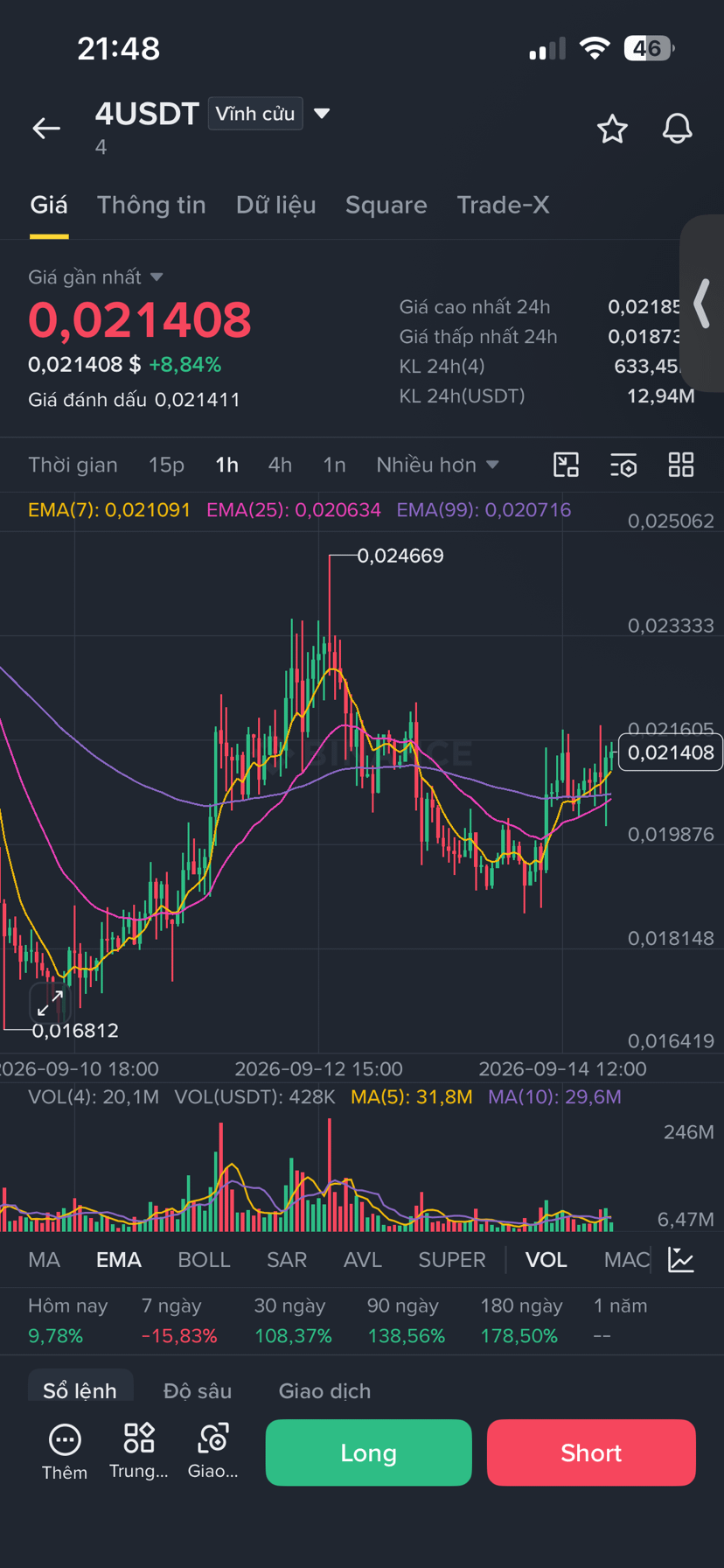
trong khi đó $$龙虾 và $4 vẫn ổn lắm nha, mình sẽ nghiên cứu 2 con này
{future}(4USDT)
{future}(龙虾USDT)
{future}(LSKUSDT)
Có ai bắt dao rơi $LSK không đó? chia tiếp rồi :) lúc mình đăng cobf 0.51 giờ còn 0.38, quá thảm, thấy tụt mà múc là đi luôn nè,
trong khi đó $$龙虾 và $4 vẫn ổn lắm nha, mình sẽ nghiên cứu 2 con này
trong khi đó $$龙虾 và $4 vẫn ổn lắm nha, mình sẽ nghiên cứu 2 con này
737
·
--
Übersetzung ansehen
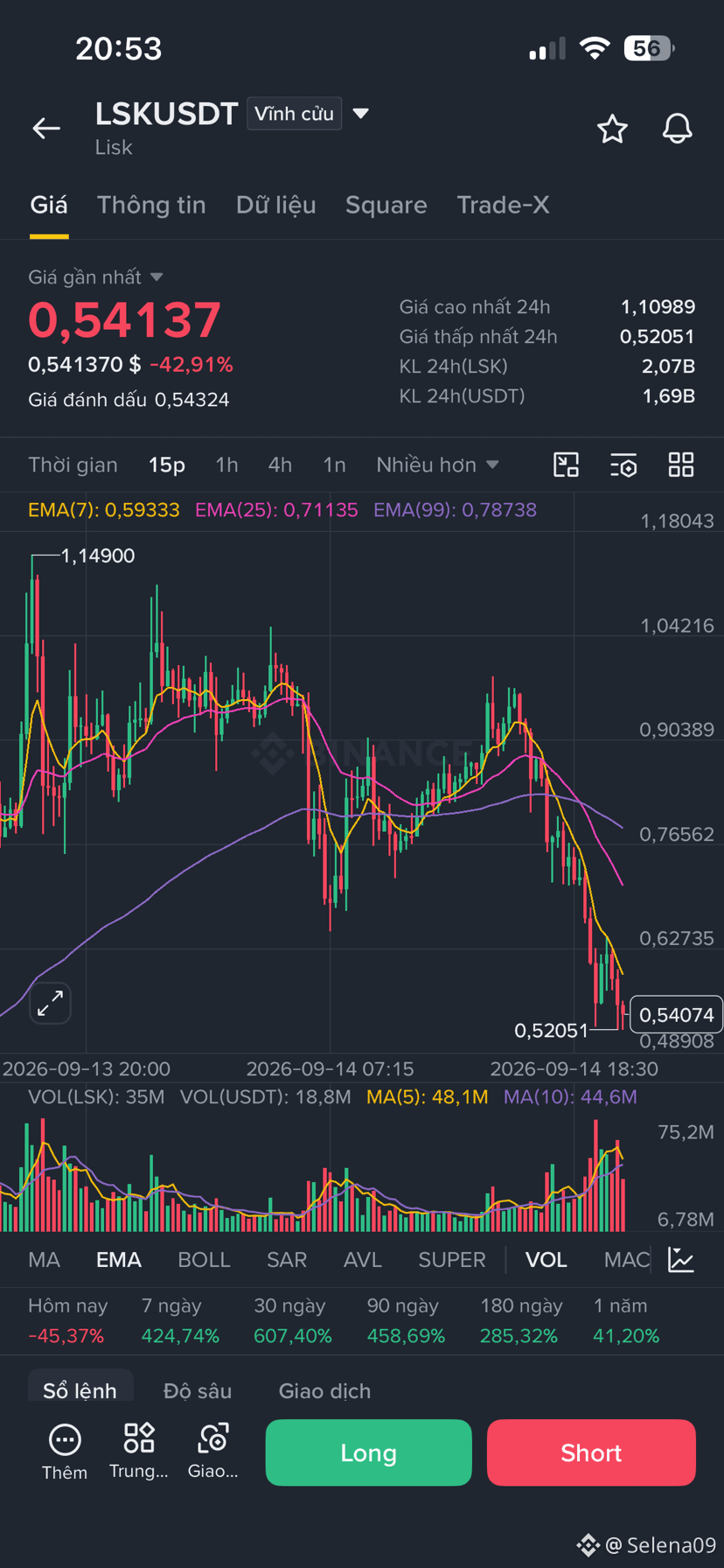
Choáng váng với $LSK chưa? nãy mình thấy 0.9 mà giờ 0.53, xả về lòng đất luôn rồi, $BR nay tăng x2 nghi ngờ lắm nha, $CAP cunvx mới bật tăng ghê quá, cản tàu chắc cụt tay
{future}(LABUSDT)
{future}(BRUSDT)
{future}(LSKUSDT)
Choáng váng với $LSK chưa? nãy mình thấy 0.9 mà giờ 0.53, xả về lòng đất luôn rồi, $BR nay tăng x2 nghi ngờ lắm nha, $CAP cunvx mới bật tăng ghê quá, cản tàu chắc cụt tay
1
515
·
--
Übersetzung ansehen
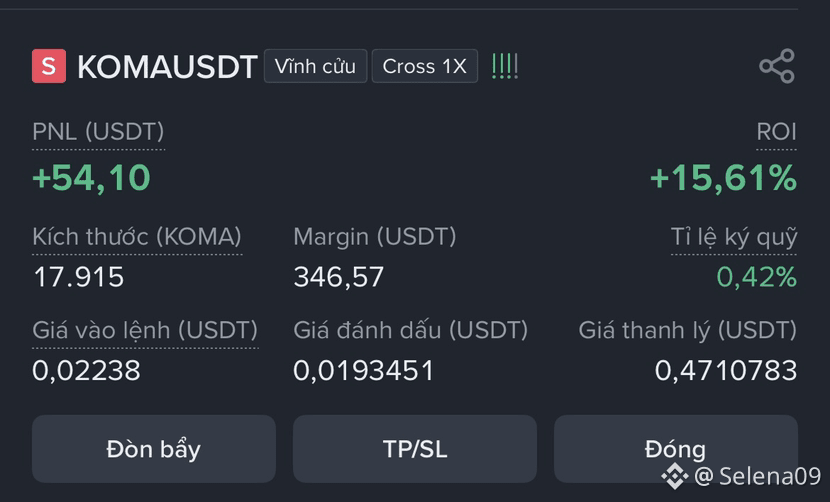
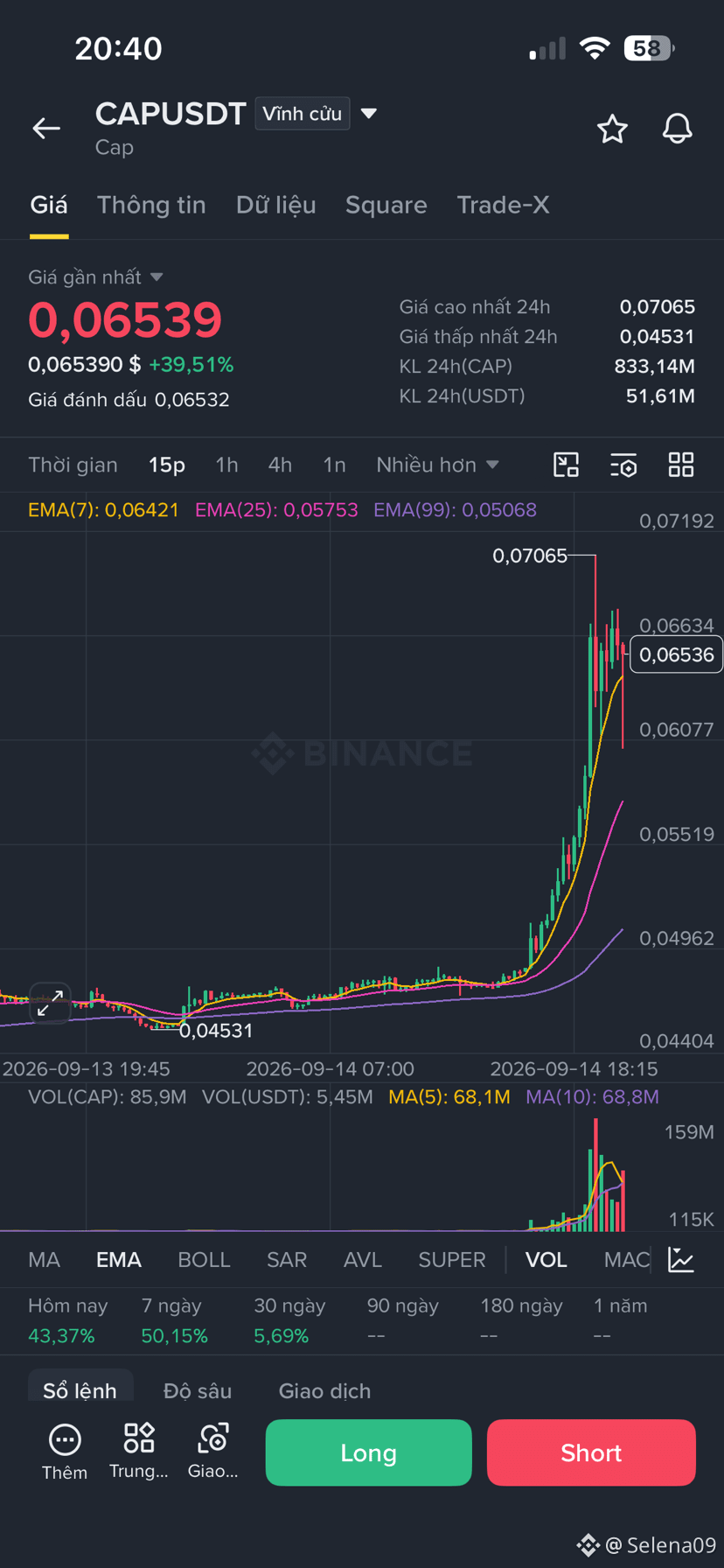
May quá, thay vì fomo $BR thì mình đi short $KOMA lãi được 50$ rồi, con $CAP tăng mạnh quá, soi CAP tiếp
{future}(CAPUSDT)
{future}(BRUSDT)
{future}(KOMAUSDT)
May quá, thay vì fomo $BR thì mình đi short $KOMA lãi được 50$ rồi, con $CAP tăng mạnh quá, soi CAP tiếp
2
9
·
--
Übersetzung ansehen
Bơm nữa đi 😒😒 Cuối cùng cũng xanh được lệnh $AIN , Vẫn chờ 1 lệnh long ngược $LSK và 1 lệnh short $BR
Bơm nữa đi 😒😒 Cuối cùng cũng xanh được lệnh $AIN , Vẫn chờ 1 lệnh long ngược $LSK và 1 lệnh short $BR
1
345
·
--
Übersetzung ansehen
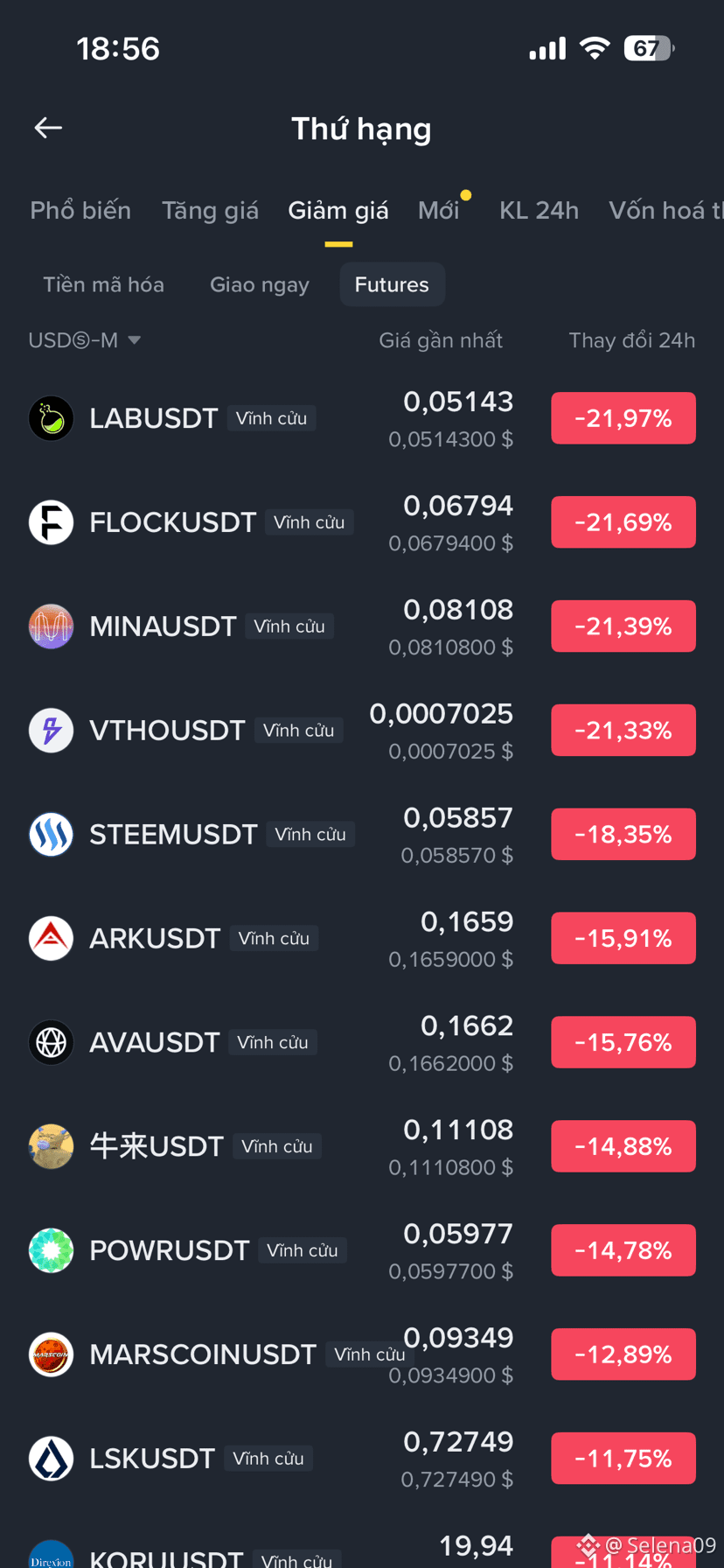
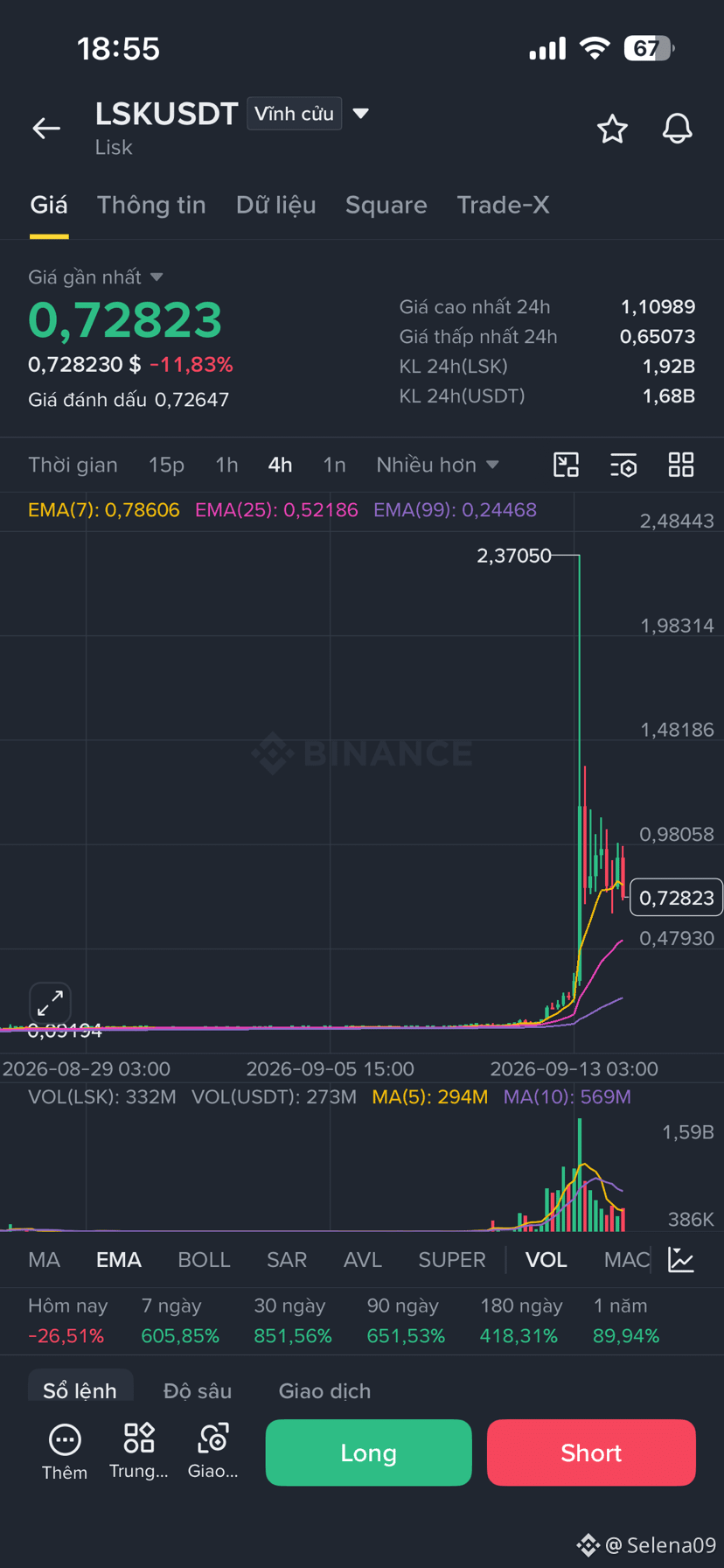
$LSK $LAB đi bụi rồi LAB giảm từ 0.08x về 0.05x, LSK từ 2.3 về 0.72 :), nay nhường chỗ cho $BR nhưng ngày mai khéo thấy BR nằm chung mâm nha kakaa
{future}(BRUSDT)
{future}(LABUSDT)
{future}(LSKUSDT)
$LSK $LAB đi bụi rồi LAB giảm từ 0.08x về 0.05x, LSK từ 2.3 về 0.72 :), nay nhường chỗ cho $BR nhưng ngày mai khéo thấy BR nằm chung mâm nha kakaa
1
297
·
--
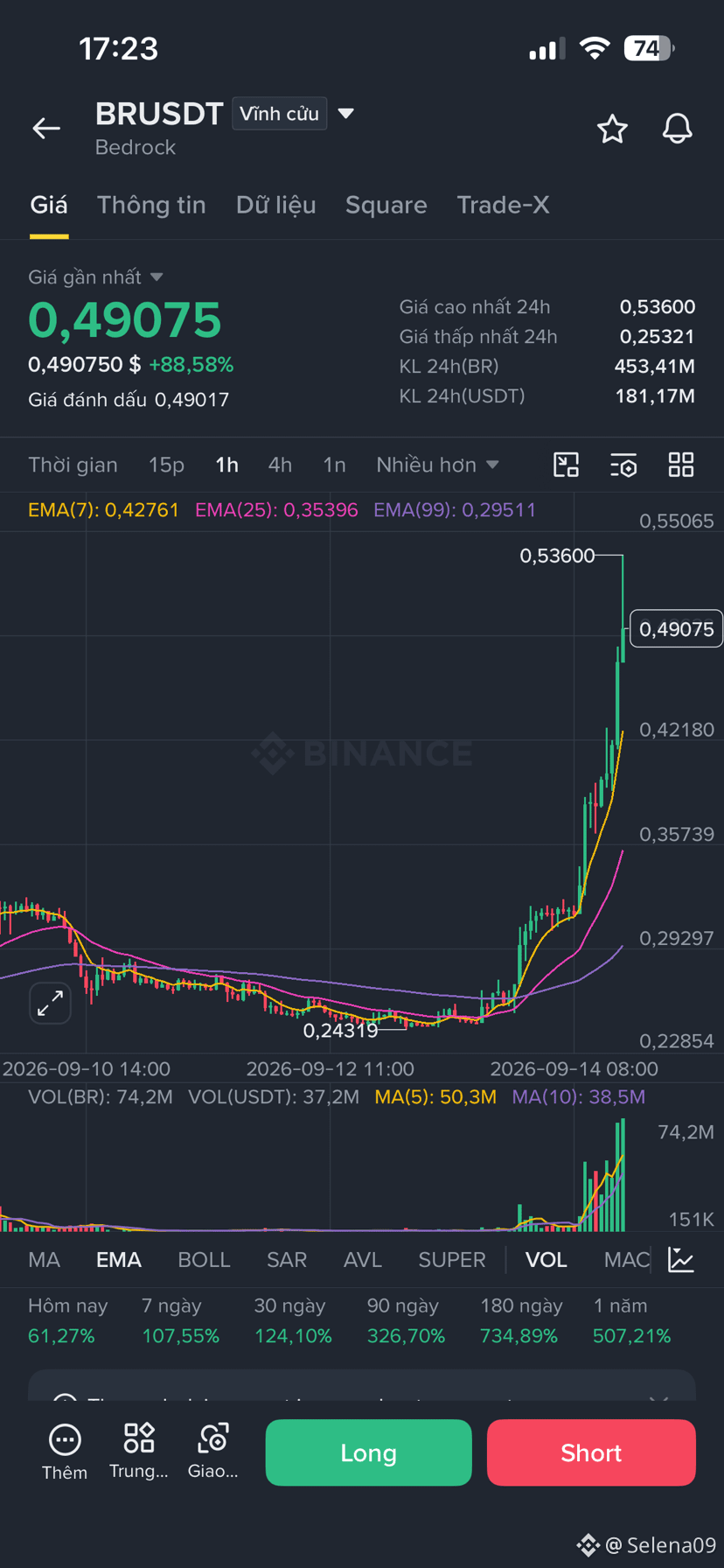
$BR tăng 2.2 mal im Vergleich zum Tief von gestern, $LSK gestern stieg es auch so verrückt und am Ende müssen wie viele Shorts denn liegen bleiben, die Börse hat das Geld neu aufgestockt :(
{future}(BRUSDT)
{future}(LSKUSDT)
$BR tăng 2.2 mal im Vergleich zum Tief von gestern, $LSK gestern stieg es auch so verrückt und am Ende müssen wie viele Shorts denn liegen bleiben, die Börse hat das Geld neu aufgestockt :(
1
255
Anmelden und weiter Inhalte entdecken
Krypto-Nutzer weltweit auf Binance Square kennenlernen
⚡️ Bleib in Sachen Krypto stets am Puls.
💬 Die weltgrößte Kryptobörse vertraut darauf.
👍 Erhalte verlässliche Einblicke von verifizierten Creators.
E-Mail-Adresse/Telefonnummer
Trendthemen
BitcoinReboundsTo$79K
11,252 Aufrufe
113 Kommentare
🚨 $BTC steigt weiter.
Bitcoin handelt bei etwa 78.804 $ und liegt damit ungefähr 1,9 % im Plus, nachdem die Marke von 78K zurückerobert wurde. Die nächste zu beobachtende Zone ist das Tageshoch im Intraday-Bereich nahe 78.905 $.
Ein klarer Ausbruch über diese Marke könnte den Weg in Richtung 79K–80K ebnen. Wenn BTC abgewiesen wird, liegt der Support bei etwa 78.300 $ und danach bei 77.975 $.
Die Bullen haben Momentum, aber BTC muss über 78K bleiben.
#Bitcoin #BTC #CryptoTrading #CryptoMarket #CryptoAnalysis
PulseON
·11 Likes
·11.6k Aufrufe
RussianCentralBankFlagsCryptoAsFinancialRisk
0 Aufrufe
5 Kommentare
GrayscalePutsXRPAt26.11%InAdvisorPortfolio
1,853 Aufrufe
114 Kommentare