
h jeet
31 Beiträge

h jeet
Melden
Nutzer blockieren
Writer

#BinanceTurns7
Trade eröffnen
Regelmäßiger Trader
4.5 Jahre
11 Following
200 Follower
313 Like gegeben
1 Abzeichen
Beiträge
Portfolio
PINNED
·
--
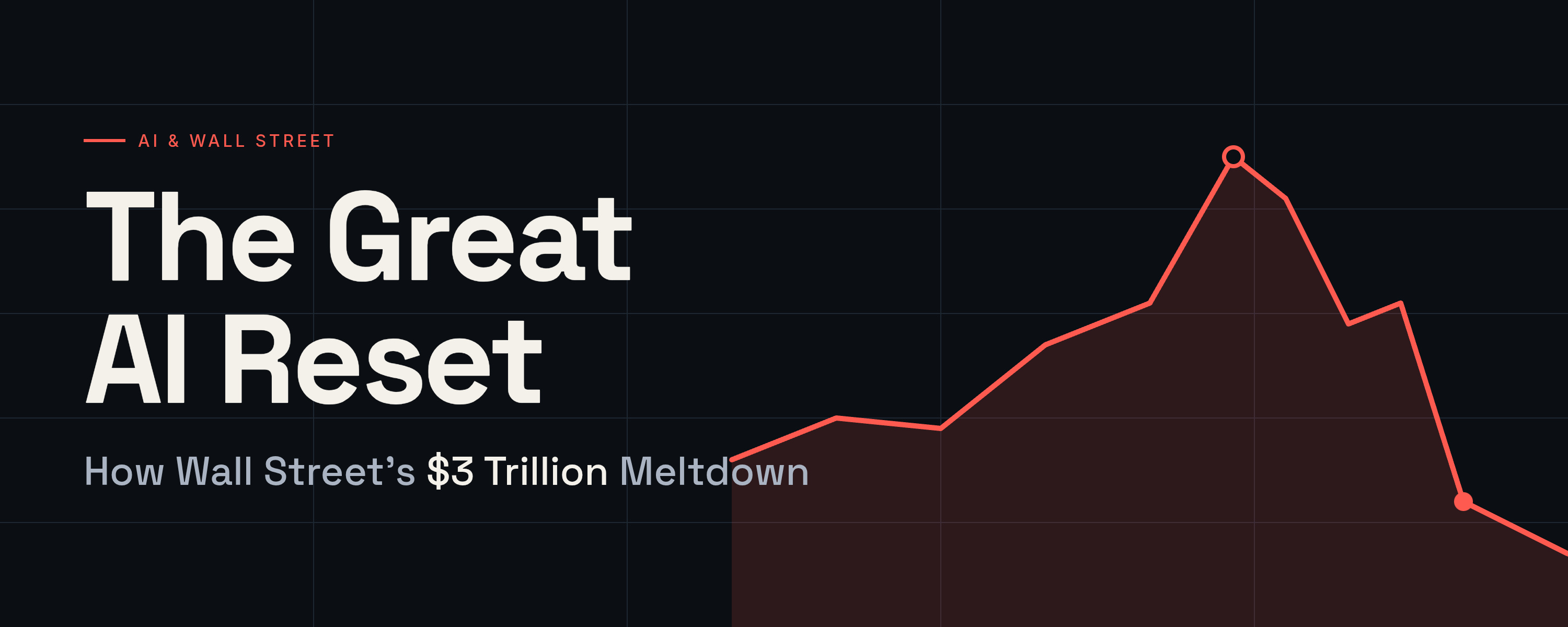
Die große KI-Neuausrichtung: Wie Wall Street 3 Billionen Dollar verlor
Am 5. November 2026 erlebten die globalen Finanzmärkte einen massiven tektonischen Wandel: Während Wall Streets neuem „Schwarzen Donnerstag“ lösten sich über 3 Billionen Dollar an Marktkapitalisierung in Luft auf. Ausgelöst durch das Platzen einer KI-Blase, erlitten Tech-Giganten schwere Verluste, während Schwellenländer wie Indien mit rekordhohen Kapitalzuflüssen eine auffällige Marktentwicklung verzeichneten.
Der Ausverkauf versetzte den wichtigsten US-Börsenindizes einen schweren Schlag:
👉 Nasdaq Composite: minus 5,5 % (stärkster Tagesverlust seit Mitte 2025)
👉 S&P 500: brach um 4,4 % ein
👉 Dow Jones: verlor über 1.800 Punkte (minus 3,4 %)
Hersteller von KI-Chips und Anbieter von Cloud-Infrastruktur bekamen die volle Wucht des Ausverkaufs zu spüren:
👉 Nvidia (minus 9,3 %): verlor innerhalb von 24 Stunden rund 450 Milliarden Dollar an Marktwert
👉 Micron (minus 17,5 %): schwerer Ausverkauf bei Speicherchip-Herstellern
👉 AMD (minus 17,3 %): stärkster Rückgang in der Chipfertigung
👉CoreWeave (minus 9,8 %): schwerer Schlag für
KI-spezialisierte Cloud-Infrastruktur
Während Wahlergebnisse und Vorschriften zur Stromversorgung von Rechenzentren den Crash auslösten, machten strukturelle Mängel ihn unvermeidlich. Die Rechnung geht schlicht nicht auf:
👉Der Ausbau der globalen AGI-Infrastruktur auf 100 Gigawatt erfordert rund 8 Billionen Dollar.
👉Der Schuldendienst würde einen jährlichen Nettogewinn von rund 800 Milliarden Dollar erfordern. Die gesamten Umsätze der KI-Branche liegen jedoch bei gerade einmal rund 100 Milliarden Dollar, während es praktisch keine Nettogewinne gibt.
Zudem erzeugte „zirkulierendes Kapital“ eine Wachstumsillusion: Investoren pumpten Milliarden in Start-ups, die diese Mittel sofort wieder für die Cloud-Dienste ihrer Geldgeber ausgaben. Bis zu 47 % der Cloud-Auftragsbestände von Oracle und 41 % derjenigen von Microsoft beruhen auf solchen Kreisläufen.
Ähnlich wie beim Dotcom-Crash im Jahr 2000 wird diese Neuausrichtung die KI nicht beenden. Doch die Ära des spekulativen, im Kreis fließenden Risikokapitals ist vorbei. Das Kapital wandert nun zurück zu tragfähigen Stückkostenmodellen und tatsächlichen Cashflows.
330
·
--
Bullisch
Übersetzung ansehen
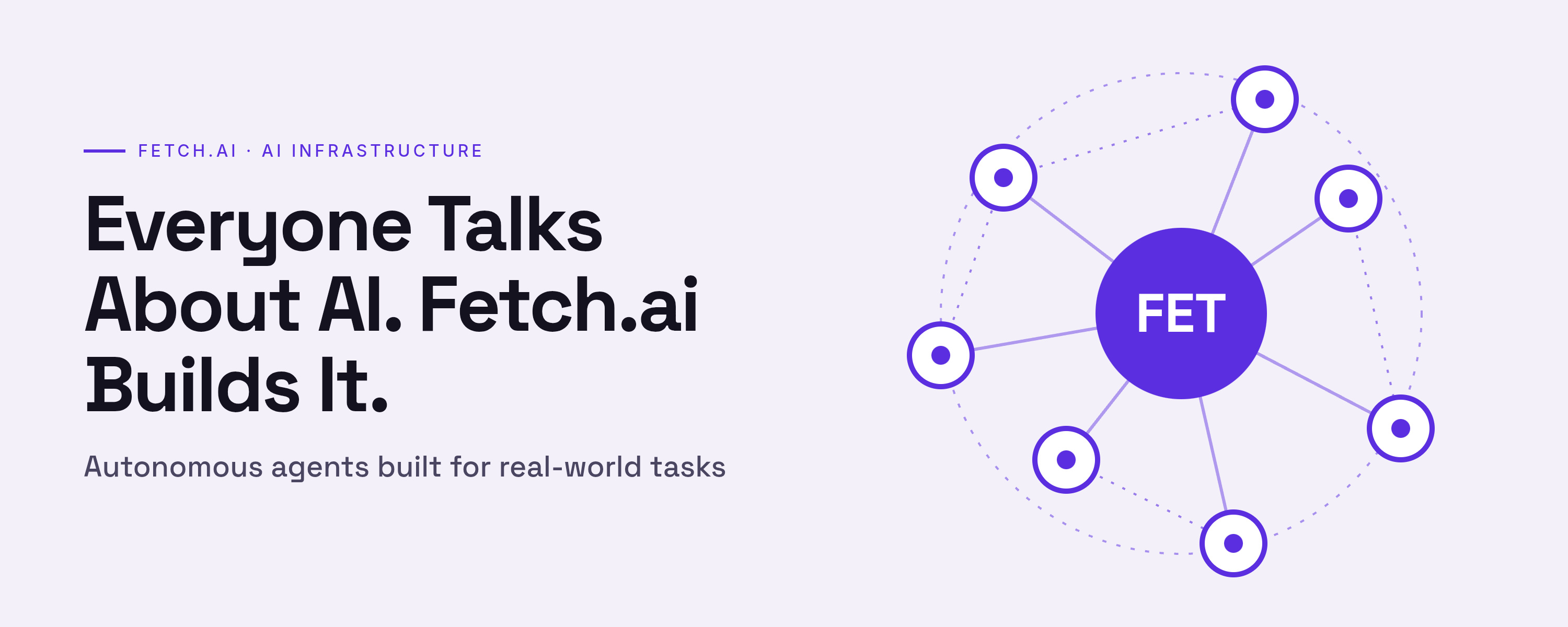
Everyone Talks About AI. Fetch.ai Builds It
Fetch.ai isn’t another buzzword token. It’s building the AI coordination layer that lets machines think, negotiate, and act autonomously. Most investors will notice it after the big move.
Already on Binance, still massively underestimated
Binance listing removes the biggest barrier — access. What’s missing isn’t availability, it’s attention.
This isn’t hype AI — it’s usable AI
Fetch.ai’s autonomous agents are designed to book services, optimize logistics, manage data, and automate decisions. While meme coins trend on social media, FET is quietly targeting real economic activity.
AI is exploding across industries, but decentralized AI infrastructure is still early. FET sits directly in that gap. When narratives shift from “AI talk” to “AI execution,” price discovery can be brutal for late buyers.
Most people ignore projects like Fetch.ai because they don’t pump every week. That’s usually how asymmetric opportunities look at the beginning.
High risk, yes . Fetch.ai is volatile, uncomfortable, and misunderstood — exactly the conditions that create outsized returns if the thesis plays out.
Bottom line:
People will buy Fetch.ai later — when it’s obvious, more expensive, and crowded. The only real question is whether you prefer early conviction or late confirmation.
7
2k
·
--
Übersetzung ansehen
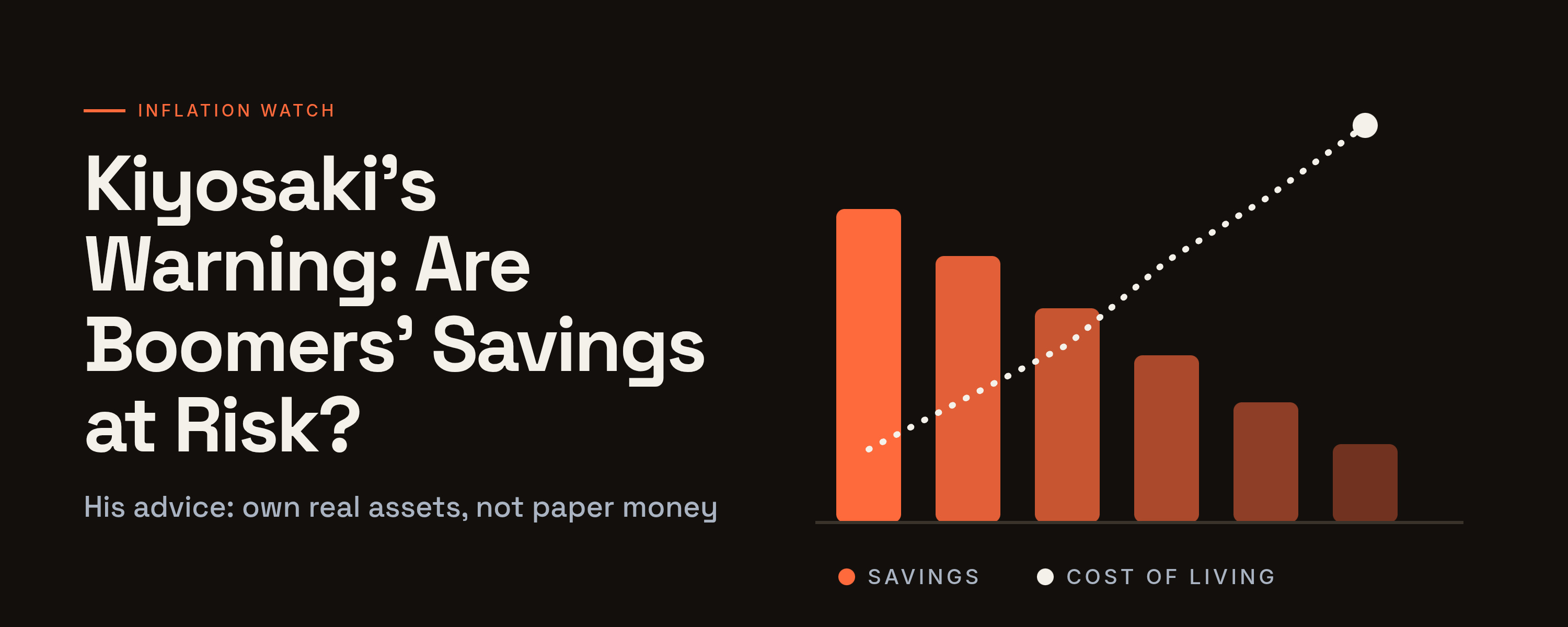
Kiyosaki’s Warning: Are Boomers’ Savings at Risk?”
Robert Kiyosaki, author of Rich Dad, Poor Dad, has issued a chilling warning: millions of American baby boomers could soon lose their savings, homes, and financial security.
“The boomers don’t have enough money to survive inflation,” Kiyosaki said. “We’re going to see homelessness like never before. Inflation will wipe out Social Security — your parents could end up on the streets.”
The Fed’s Mistake
Kiyosaki blames the Federal Reserve’s endless money printing for creating “fake wealth.” According to him, the Fed’s policies have inflated the rich while crushing the middle class.
“When you print fake money, you make life harder for ordinary people,” he explained. “The rich own assets that rise in price. Everyone else just watches costs skyrocket — food, rent, healthcare, everything.”
The Boomer Crisis
Once the most fortunate generation, baby boomers are now retiring into an economy stacked against them. Rising medical bills, shrinking savings, and Social Security checks that can’t match inflation are eroding decades of financial progress.
Experts agree that cost-of-living adjustments fail to reflect real inflation in housing, energy, and healthcare.
Kiyosaki’s Advice
“The system is breaking,” he warned. “If your wealth depends on paper money, you’re in danger. Own real assets — gold, silver, Bitcoin, real estate, or businesses that create cash flow.”
The Bottom Line
Whether you agree with him or not, Kiyosaki’s warning is clear: inflation is eating away at the middle class, and time is running out to prepare. Real assets, not paper promises, may be the only path to survival.
18
8
143
133.3k
·
--
Artikel
Übersetzung ansehen
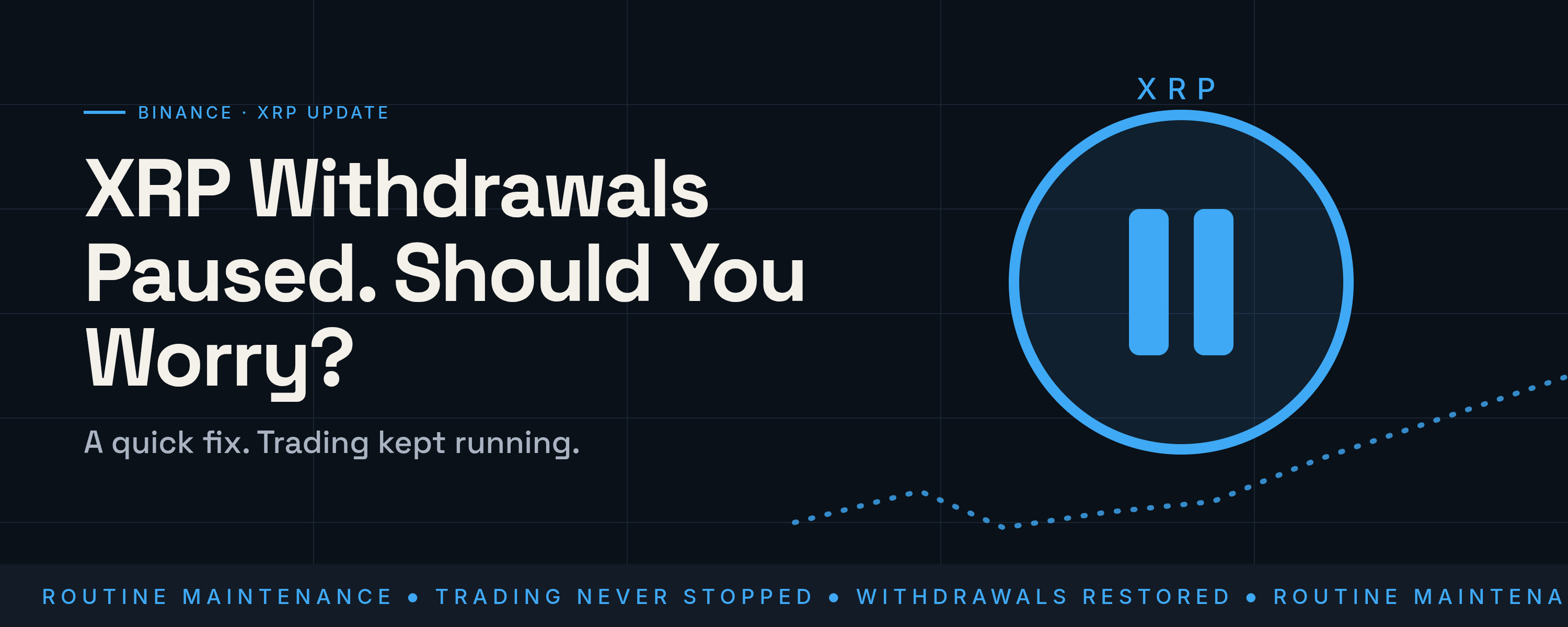
XRP Withdrawals Paused. Should You Worry?The recent suspension of XRP withdrawals on Binance has stirred considerable discussion in the cryptocurrency community. Here’s a closer look at the situation, its implications, and the reactions from various stakeholders.
Key Details
Withdrawal Suspension:
Binance paused XRP withdrawals for routine maintenance on wallets linked to the Ripple Ledger (XRPL).
Duration:
The maintenance was completed swiftly, and withdrawals were restored shortly after the announcement.
Trading Status:
While withdrawals were halted, XRP trading on Binance continued without interruption. Users could still withdraw XRP through alternative networks, such as ERC20 and BEP20.
Community Reactions
Investor Concerns:
The announcement raised alarm among XRP holders, leading to discussions about the risks associated with centralized exchanges. Many voiced concerns over potential impacts on liquidity and access to their assets.
Expert Advice:
Figures like Edward Farina suggested that users consider moving their assets off centralized platforms to mitigate risks of withdrawal issues during such maintenance events.
Regulatory Implications
Ripple vs. XRP Distinction:
The incident reignited conversations about the ongoing regulatory discourse surrounding Ripple, the payment company, and XRP, its native asset. This distinction is crucial as it influences legal interpretations of XRP's classification and its status under U.S. securities laws.
Investor Sentiment:
Uncertainties about regulatory clarity may lead to hesitance among potential investors, affecting XRP's market performance.
Intellectual Insights
Centralization vs. Decentralization:
This incident highlights a critical debate in the cryptocurrency world about the safety and reliability of centralized exchanges versus decentralized platforms. While centralized exchanges offer convenience and liquidity, they also pose risks during maintenance or operational issues.
Regulatory Landscape:
As regulators increasingly scrutinize digital assets, the need for clear guidelines becomes paramount. The confusion between Ripple and XRP underscores the complexities in classifying cryptocurrencies and the necessity for comprehensive legal frameworks.
Investor Behavior:
The quick reactions from the community reflect a growing awareness among investors about the importance of self-custody. As the market matures, more investors are prioritizing security and control over their assets.
The temporary halt of XRP withdrawals on Binance serves as a reminder of the inherent risks in cryptocurrency trading, particularly with centralized exchanges. As the community navigates these challenges, ongoing discussions about regulation and asset custody will likely shape the future landscape of digital currencies. Investors are encouraged to stay informed and consider the implications of their trading choices in an evolving market.
XRP Withdrawals Paused. Should You Worry?
The recent suspension of XRP withdrawals on Binance has stirred considerable discussion in the cryptocurrency community. Here’s a closer look at the situation, its implications, and the reactions from various stakeholders.
Key Details
Withdrawal Suspension:
Binance paused XRP withdrawals for routine maintenance on wallets linked to the Ripple Ledger (XRPL).
Duration:
The maintenance was completed swiftly, and withdrawals were restored shortly after the announcement.
Trading Status:
While withdrawals were halted, XRP trading on Binance continued without interruption. Users could still withdraw XRP through alternative networks, such as ERC20 and BEP20.
Community Reactions
Investor Concerns:
The announcement raised alarm among XRP holders, leading to discussions about the risks associated with centralized exchanges. Many voiced concerns over potential impacts on liquidity and access to their assets.
Expert Advice:
Figures like Edward Farina suggested that users consider moving their assets off centralized platforms to mitigate risks of withdrawal issues during such maintenance events.
Regulatory Implications
Ripple vs. XRP Distinction:
The incident reignited conversations about the ongoing regulatory discourse surrounding Ripple, the payment company, and XRP, its native asset. This distinction is crucial as it influences legal interpretations of XRP's classification and its status under U.S. securities laws.
Investor Sentiment:
Uncertainties about regulatory clarity may lead to hesitance among potential investors, affecting XRP's market performance.
Intellectual Insights
Centralization vs. Decentralization:
This incident highlights a critical debate in the cryptocurrency world about the safety and reliability of centralized exchanges versus decentralized platforms. While centralized exchanges offer convenience and liquidity, they also pose risks during maintenance or operational issues.
Regulatory Landscape:
As regulators increasingly scrutinize digital assets, the need for clear guidelines becomes paramount. The confusion between Ripple and XRP underscores the complexities in classifying cryptocurrencies and the necessity for comprehensive legal frameworks.
Investor Behavior:
The quick reactions from the community reflect a growing awareness among investors about the importance of self-custody. As the market matures, more investors are prioritizing security and control over their assets.
The temporary halt of XRP withdrawals on Binance serves as a reminder of the inherent risks in cryptocurrency trading, particularly with centralized exchanges. As the community navigates these challenges, ongoing discussions about regulation and asset custody will likely shape the future landscape of digital currencies. Investors are encouraged to stay informed and consider the implications of their trading choices in an evolving market.
1
5
8.9k
·
--
Artikel
Warum plötzlich alle über Meme-Coins sprechen Hype, Community und FOMO.Im Oktober 2024 haben Meme-Coins die Aufmerksamkeit von Anlegern und Krypto-Enthusiasten gleichermaßen auf sich gezogen. Hier ein ausführlicher Blick darauf, warum Meme-Coins diesen Monat im Trend liegen:
Marktdynamik
1. Jüngste Kursanstiege:
Viele Meme-Coins haben in letzter Zeit erhebliche Kursanstiege verzeichnet, was das Interesse von Privatanlegern und institutionellen Investoren gleichermaßen neu entfacht hat.
2. Erhöhtes Handelsvolumen:
Ein sprunghafter Anstieg des Handelsvolumens deutet auf ein gesteigertes Interesse und eine erhöhte Aktivität bei Meme-Coins hin. Dadurch werden sie für Trader attraktiver, die auf kurzfristige Gewinne aus sind.
Warum plötzlich alle über Meme-Coins sprechen Hype, Community und FOMO.
Im Oktober 2024 haben Meme-Coins die Aufmerksamkeit von Anlegern und Krypto-Enthusiasten gleichermaßen auf sich gezogen. Hier ein ausführlicher Blick darauf, warum Meme-Coins diesen Monat im Trend liegen:
Marktdynamik
1. Jüngste Kursanstiege:
Viele Meme-Coins haben in letzter Zeit erhebliche Kursanstiege verzeichnet, was das Interesse von Privatanlegern und institutionellen Investoren gleichermaßen neu entfacht hat.
2. Erhöhtes Handelsvolumen:
Ein sprunghafter Anstieg des Handelsvolumens deutet auf ein gesteigertes Interesse und eine erhöhte Aktivität bei Meme-Coins hin. Dadurch werden sie für Trader attraktiver, die auf kurzfristige Gewinne aus sind.
3
1.1k
·
--
Artikel
Übersetzung ansehen
When AI Met Crypto on Nvidia’s Biggest StageMark your calendars for March 18-21, 2024, as the tech world braces itself for the much-anticipated Nvidia GPU Technology Conference . This annual gathering serves as a nexus for innovation, drawing a diverse array of professionals from IT, development, engineering, research, and investment sectors. At the heart of the conference lies a compelling agenda: to explore the frontier of artificial intelligence (A.I), machine learning, computer graphics, data science, and autonomous systems.
Nvidia Corporation renowned for its cutting-edge graphics processing units (GPUs), spearheads this transformative event. The visionary behind Nvidia, Jensen Huang, will grace the conference with his presence, underscoring the company's commitment to pioneering advancements in technology.
While GTC traditionally caters to a broad spectrum of tech enthusiasts, this year's edition has stirred particular excitement within the crypto community. What's causing the buzz? The announcement of eminent crypto founders' participation has set the stage for a convergence of two worlds: traditional tech giants and the rapidly evolving crypto sphere.
Among the notable figures slated to attend is Illia Polosukhin, co-founder of NEAR Protocol. His presence underscores the pivotal role of AI in shaping the future of blockchain protocols. Polosukhin's keynote speech and panel discussion on 'Transforming AI' promise to provide invaluable insights into the symbiotic relationship between AI and crypto.
But NEAR Protocol isn't the only crypto project making waves. Tokens such as Render , Fetch.ai , and Worldcoin have also found themselves in the spotlight. As news of their involvement in GTC spreads, investors and traders are bracing themselves for potential market movements.
Why the fervent interest in AI-centric tokens?
The answer lies in the intrinsic link between AI technology and the burgeoning crypto landscape. As blockchain protocols strive for faster and more efficient processing and storage solutions, AI emerges as the indispensable tool of the future. The marriage of AI and crypto heralds a new era of innovation, promising to reshape industries and redefine the boundaries of possibility.
Indeed, 2024 may well be remembered as the "Gradual year of AI" in the crypto realm. As the crypto market eagerly awaits the insights and revelations to emerge from Nvidia GTC, one thing is clear: the future of crypto is inexorably intertwined with the transformative power of artificial intelligence.
When AI Met Crypto on Nvidia’s Biggest Stage
Mark your calendars for March 18-21, 2024, as the tech world braces itself for the much-anticipated Nvidia GPU Technology Conference . This annual gathering serves as a nexus for innovation, drawing a diverse array of professionals from IT, development, engineering, research, and investment sectors. At the heart of the conference lies a compelling agenda: to explore the frontier of artificial intelligence (A.I), machine learning, computer graphics, data science, and autonomous systems.
Nvidia Corporation renowned for its cutting-edge graphics processing units (GPUs), spearheads this transformative event. The visionary behind Nvidia, Jensen Huang, will grace the conference with his presence, underscoring the company's commitment to pioneering advancements in technology.
While GTC traditionally caters to a broad spectrum of tech enthusiasts, this year's edition has stirred particular excitement within the crypto community. What's causing the buzz? The announcement of eminent crypto founders' participation has set the stage for a convergence of two worlds: traditional tech giants and the rapidly evolving crypto sphere.
Among the notable figures slated to attend is Illia Polosukhin, co-founder of NEAR Protocol. His presence underscores the pivotal role of AI in shaping the future of blockchain protocols. Polosukhin's keynote speech and panel discussion on 'Transforming AI' promise to provide invaluable insights into the symbiotic relationship between AI and crypto.
But NEAR Protocol isn't the only crypto project making waves. Tokens such as Render , Fetch.ai , and Worldcoin have also found themselves in the spotlight. As news of their involvement in GTC spreads, investors and traders are bracing themselves for potential market movements.
Why the fervent interest in AI-centric tokens?
The answer lies in the intrinsic link between AI technology and the burgeoning crypto landscape. As blockchain protocols strive for faster and more efficient processing and storage solutions, AI emerges as the indispensable tool of the future. The marriage of AI and crypto heralds a new era of innovation, promising to reshape industries and redefine the boundaries of possibility.
Indeed, 2024 may well be remembered as the "Gradual year of AI" in the crypto realm. As the crypto market eagerly awaits the insights and revelations to emerge from Nvidia GTC, one thing is clear: the future of crypto is inexorably intertwined with the transformative power of artificial intelligence.
3
11
3.2k
Anmelden und weiter Inhalte entdecken
Krypto-Nutzer weltweit auf Binance Square kennenlernen
⚡️ Bleib in Sachen Krypto stets am Puls.
💬 Die weltgrößte Kryptobörse vertraut darauf.
👍 Erhalte verlässliche Einblicke von verifizierten Creators.
E-Mail-Adresse/Telefonnummer
Trendthemen
CPITestsDecemberRateOutlook
733,970 Aufrufe
3,540 Kommentare
Oktober-Verbraucherpreise dürften um 0,3 Prozent steigen und Fed auf Kurs für Zinserhöhung im Dezember halten
Binance News
·8 Likes
·9.5k Aufrufe
NvidiaInvestigatesAfterHuang’sAffairApology
291,881 Aufrufe
2,281 Kommentare
AnthropicRejectsIPODelayValuationinQuestion
78,363 Aufrufe
735 Kommentare