


haytovski
Freedom
Trade eröffnen

DEXE Halter
Hochfrequenz-Trader
6 Jahre
41 Following
43 Follower
72 Like gegeben
Beiträge
Portfolio
Alle
Zitierungen
Übersetzung ansehen
MSUS-2,94%
GOOGUS-0,86%
Übersetzung ansehen
haytovski
·
--
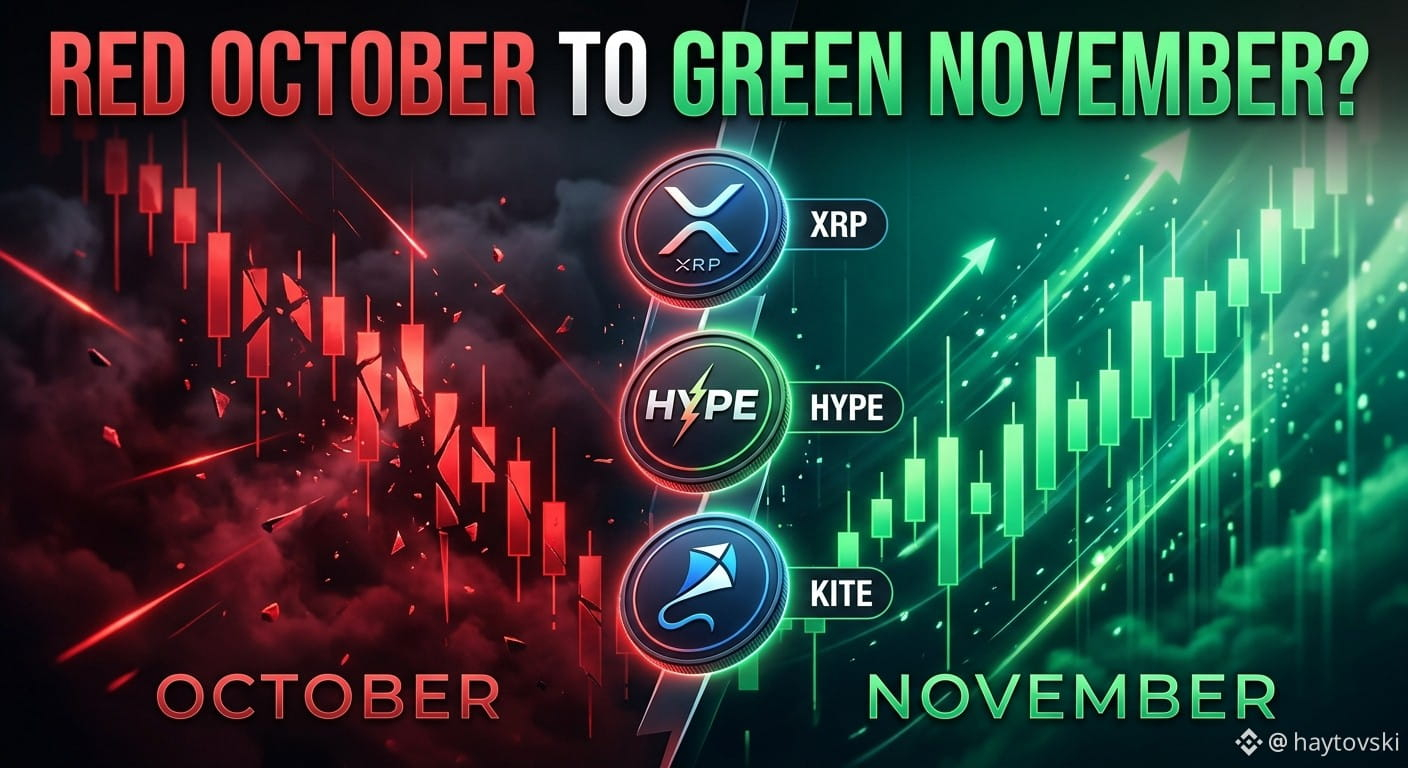
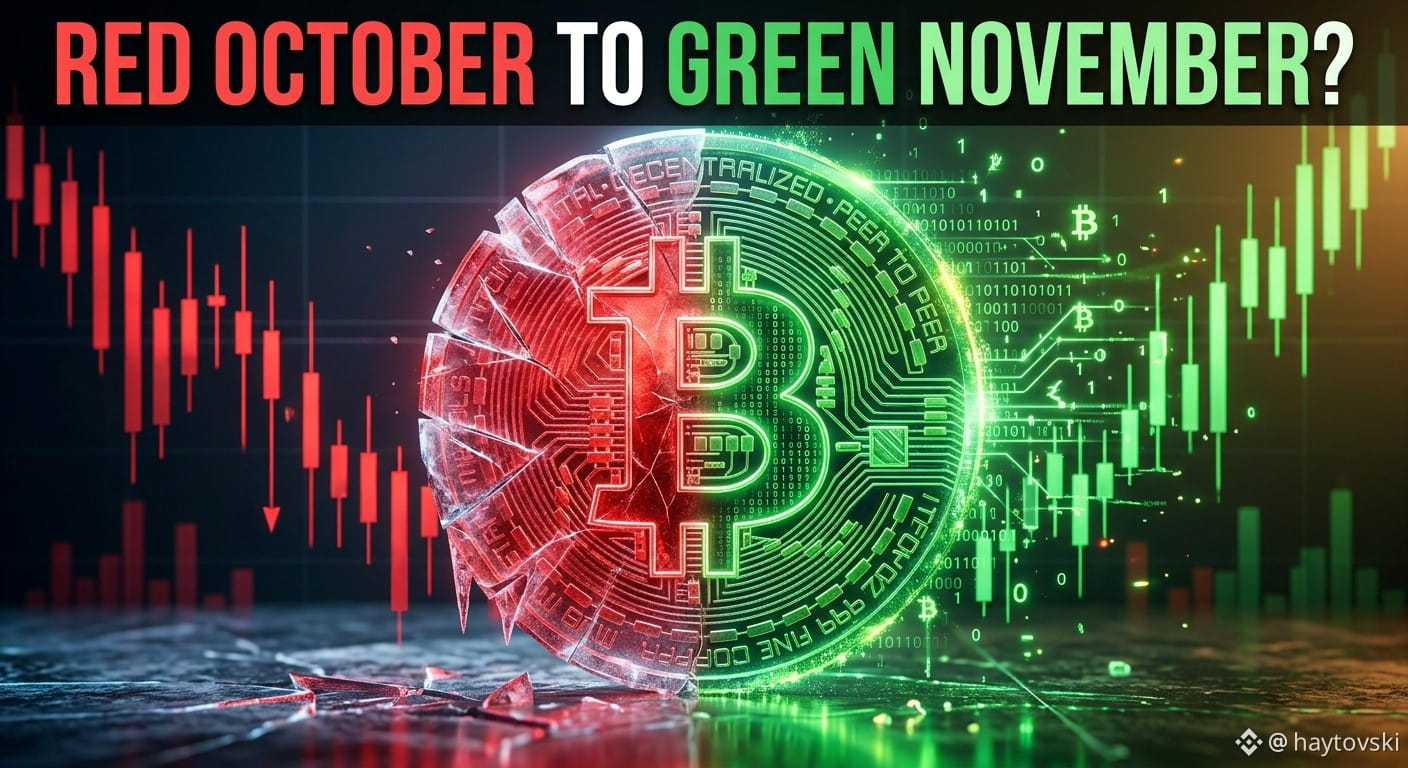
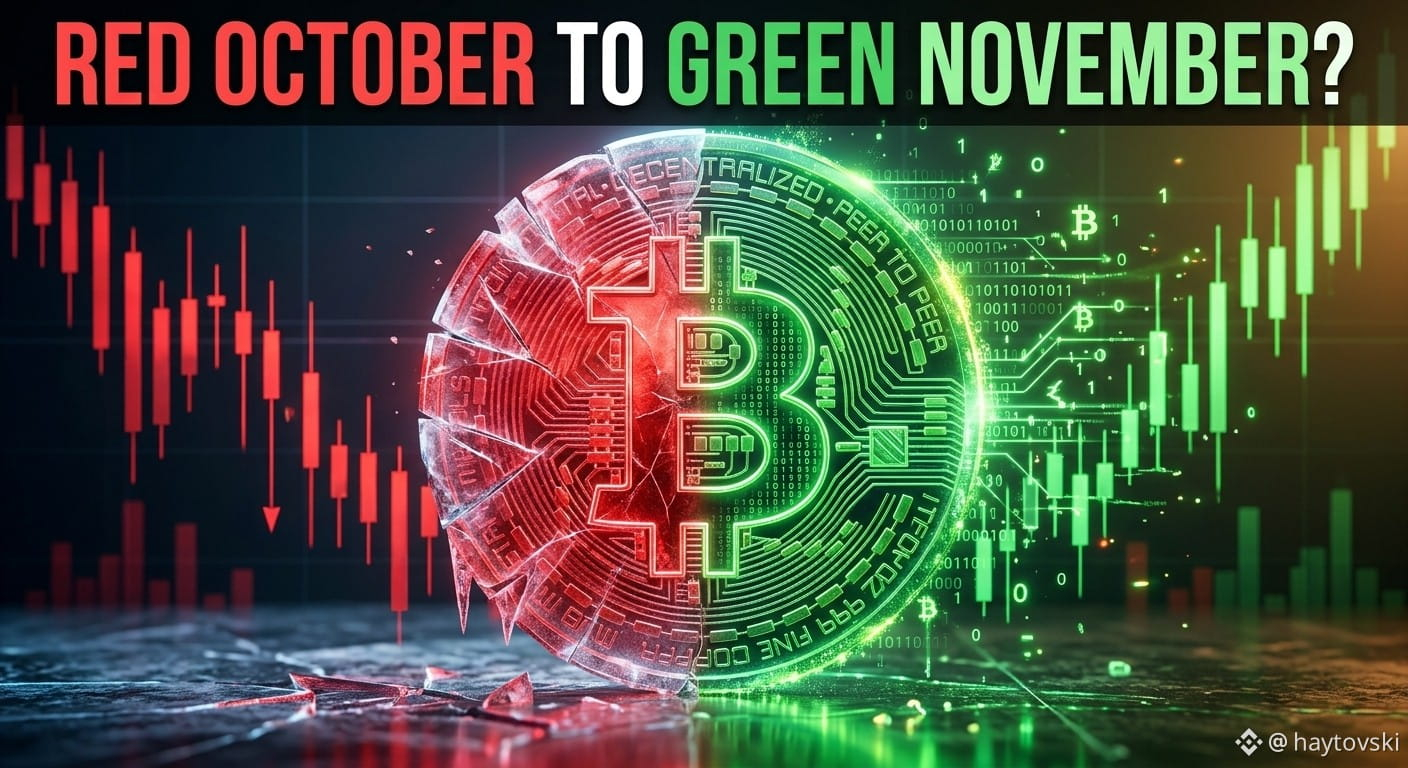
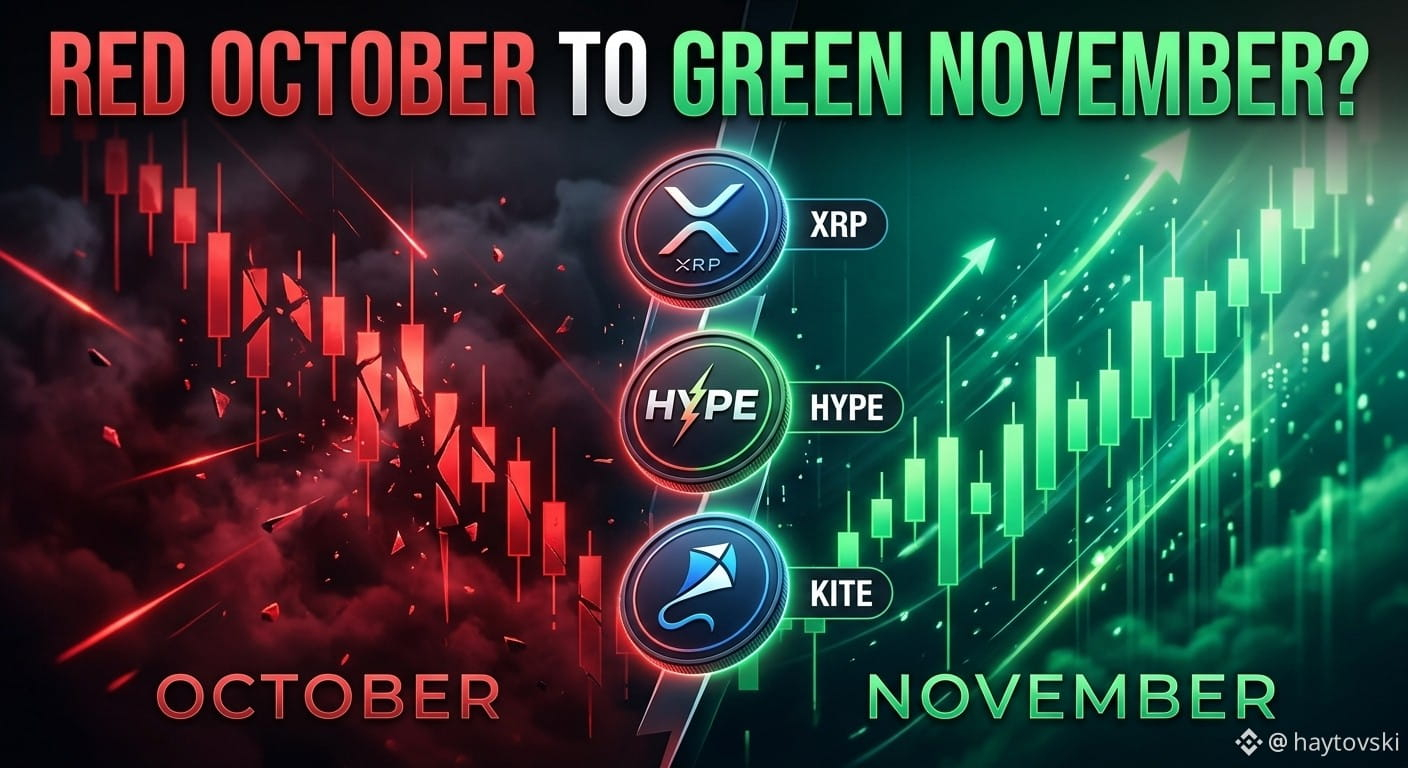
#USDCCirculationFallsAbout800MInSevenDays #btc #eth #xrp #doge "Roter Oktober" erschüttert die Kryptowelt: Kann der November die Wunden heilen?
Der Kryptowährungsmarkt konnte die hohen Erwartungen an einen „Uptober“ (einen bullischen Oktober) nicht erfüllen und schloss den Monat stattdessen im Minus. Starke Korrekturen, insbesondere bei großen Altcoins, lösten eine massive Liquidationswelle am Futures-Markt aus.
Liquidationswelle in Höhe von 37 Millionen Dollar trifft XRP
XRP gehörte im Oktober zu den am stärksten betroffenen Vermögenswerten. Der beliebte Altcoin verlor im Laufe des Monats fast 18 % seines Wertes, durchbrach nacheinander wichtige Unterstützungsniveaus und führte über Nacht zur Liquidation gehebelter Positionen im Wert von mehr als 37 Millionen Dollar. Unterdessen ließ auch die Aktivität in den Ethereum- und Solana-Netzwerken nach, und die allgemeine Marktstimmung rutschte in die „Angst“-Zone.
Was sagt die Geschichte über den November?
Trotz des vorherrschenden Pessimismus unter den Anlegern geben Blockchain-Daten und historische Statistiken Anlass zu einem Hoffnungsschimmer für den November. Betrachtet man frühere Marktzyklen, haben Bitcoin und Altcoins den November häufig mit einem Plus abgeschlossen.
Historische Gewinne: In vergangenen Novembern erzielte Bitcoin Gewinne zwischen durchschnittlich 8,8 % und bis zu 42 %.
Angebotsknappheit: Die hohe Menge an Stablecoins, die weiterhin auf Börsen liegt, deutet darauf hin, dass jederzeit Kaufinteresse bei Kursrückgängen („buying the dip“) aufkommen könnte.
Was erwartet Anleger? Experten rechnen in den ersten Novemberwochen mit hoher Volatilität, ausgelöst durch wichtige Entwicklungen und makroökonomische Daten. Eine mögliche Erholung nach dem starken überverkauften Druck im Oktober könnte jedoch rasch einen Zufluss neuen Kapitals in den Markt auslösen.
Ich würde mich freuen, wenn ihr mir folgt und meine Beiträge liked – vielen Dank! MÖGE GOTT EUCH BESCHÜTZEN💕🩷
Übersetzung ansehen
haytovski
·
--
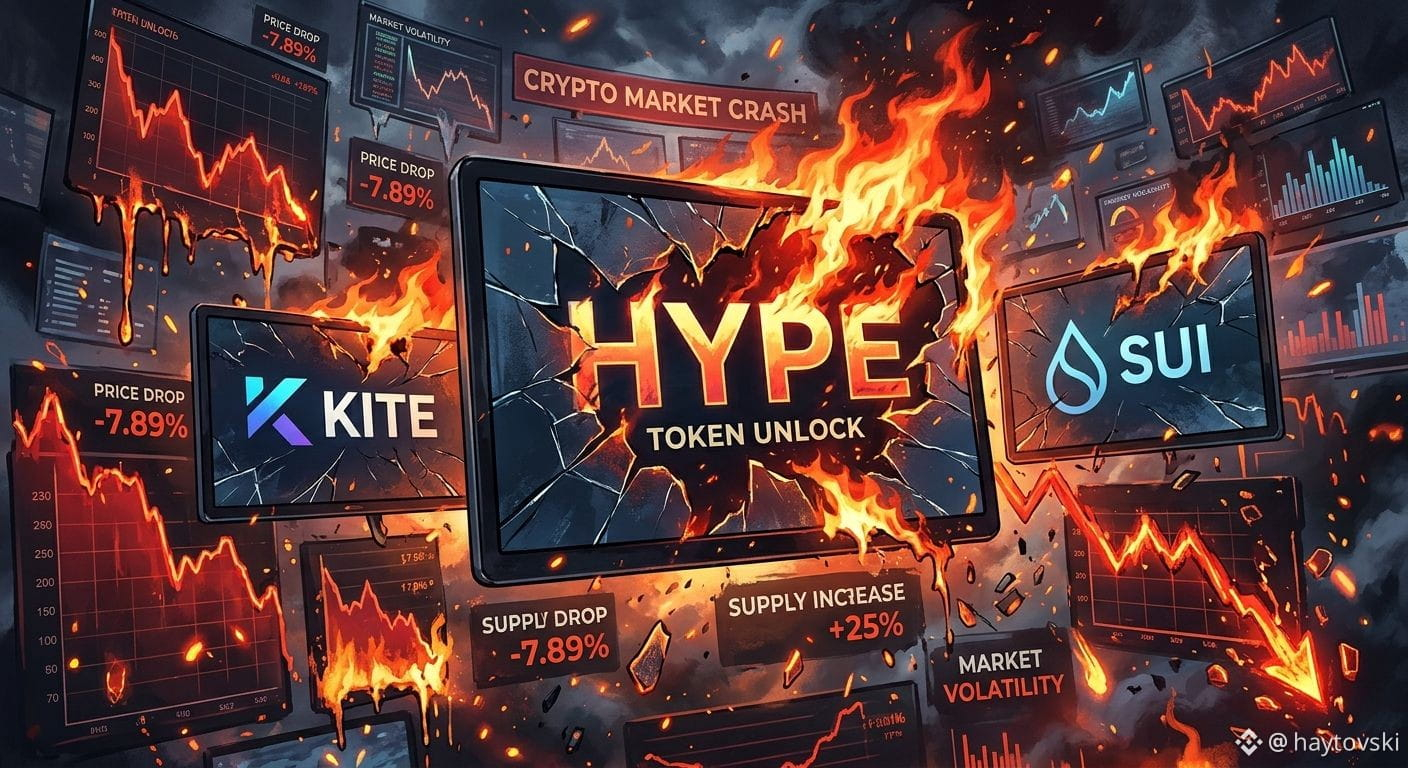
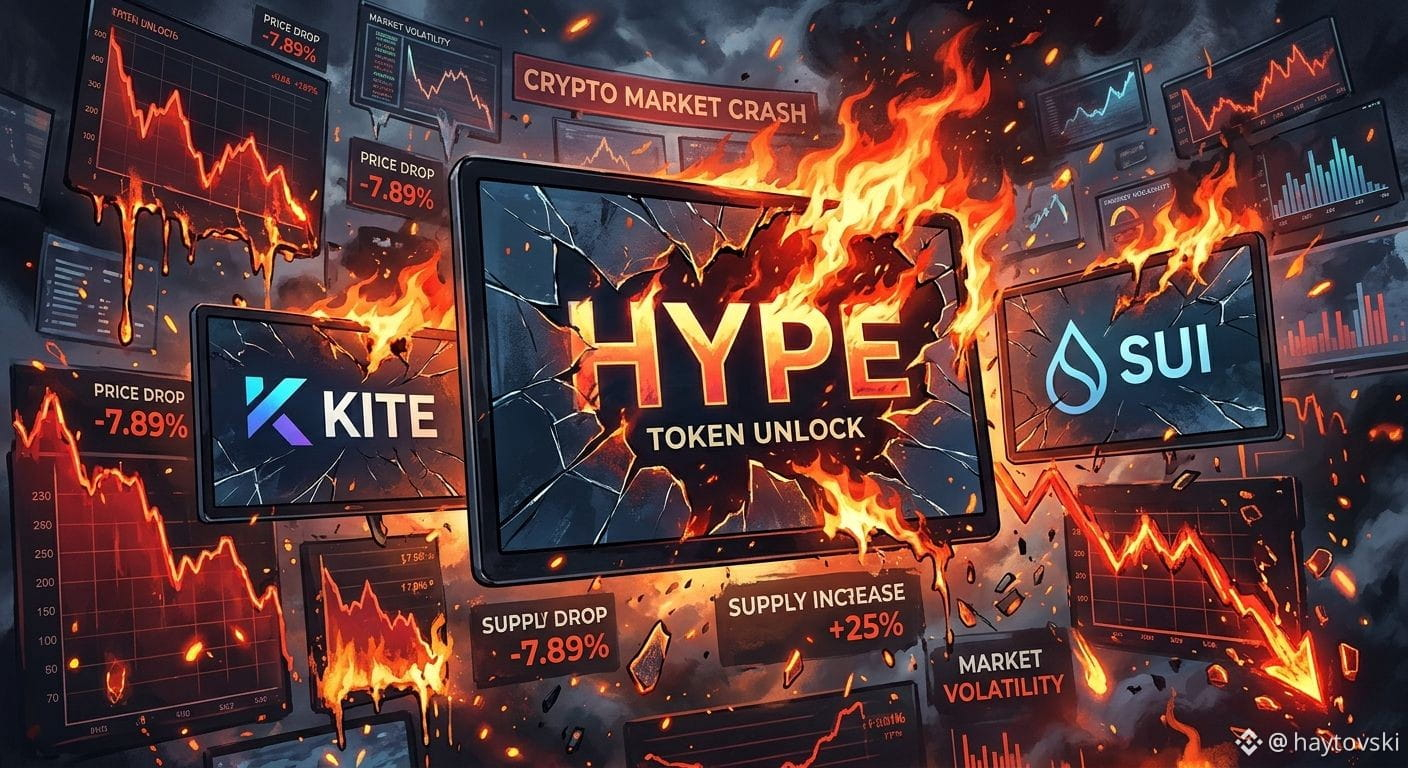
#btc #eth #sol #hype #btw #kite TOKEN UNLOCKS: As of early November 2026, the cryptocurrency market is set to see major token unlocks with a combined value in the billions of dollars. The following are the most critical, high-volume token unlocks—events that will increase the circulating supply and potentially exert downward pressure on prices:
Upcoming Notable Token Unlocks (First Week of November)
HYPE (Hyperliquid): A massive token unlock valued at approximately $923 million is scheduled for November 6. This event poses the most significant risk of a supply shock for the month of November.
BTW: Tokens worth approximately $149 million will enter circulation on November 2.
KITE (Kite): An unlock valued at approximately $66.9 million is scheduled for November 3.
MMT: Tokens worth $32.4 million are set to be unlocked on November 4.
ENA (Ethena): Tokens worth $17.6 million (170 million units) will be released on November 5.
SUI (Sui): As part of its monthly schedule, an unlock valued between $11.7 million and $12.11 million (~13.15 million units) took place on November 1. Although this represents only 0.32% of the circulating supply, it remains a point of close observation.
Events to Watch Later in November
STRK (Starknet): 130 million STRK tokens are scheduled to be unlocked in approximately 10 days.
SEI (Sei): 56 million SEI tokens will enter circulation in approximately 11 days. APT (Aptos): In 11 days, 4.54 million APT tokens (~$2.81 million) will be unlocked.
I would appreciate it if you followed me and liked my posts—thank you! MAY GOD PROTECT YOU💕🩷
Übersetzung ansehen
haytovski
·
--
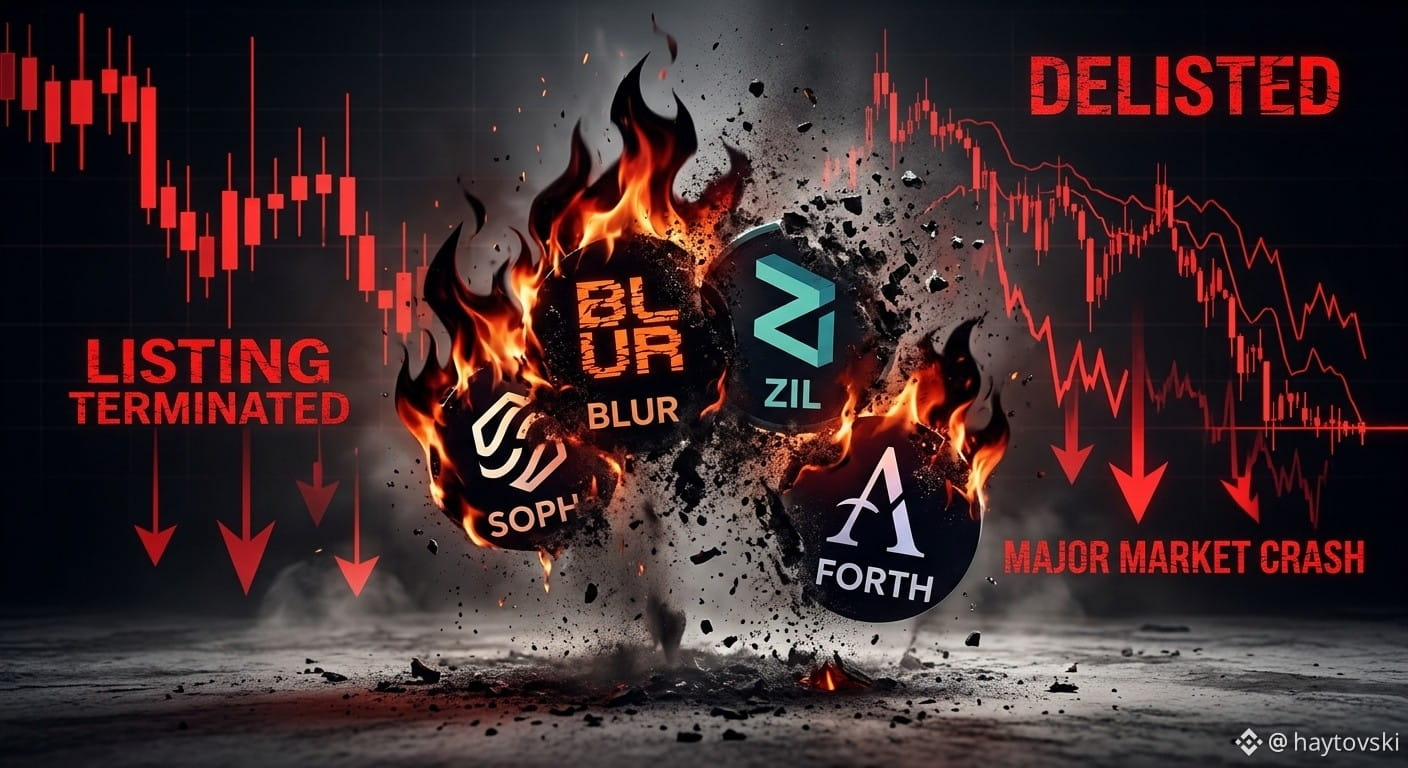
#btc #blur #zıl #soph #synd Im Folgenden finden Sie die neuesten Informationen zu Kryptowährungen, deren Delistung oder Einstellung des Handels auf verschiedenen Kryptobörsen für November 2026 angekündigt wurde:
Blur (BLUR): Upbit und Bithumb werden am 30. November 2026 alle BLUR-Handelspaare delisten. Als Grund nennen sie anhaltende Bedenken hinsichtlich der Nachhaltigkeit des Blur-Projekts. Die Frist für Nutzer, ihre Vermögenswerte abzuheben, endet am 30. Dezember 2026.
Zilliqa (ZIL): Die großen südkoreanischen Börsen Upbit und Bithumb stellen den Support für ZIL zum 16. November 2026 vollständig ein. Grund dafür sind anhaltende Risiken infolge wiederkehrender Cybersicherheitsvorfälle und Hackerangriffe.
Sophon (SOPH): Upbit wird den SOPH-Token am 16. November 2026 aus den Handelspaaren KRW, BTC und USDT entfernen. Vorausgegangen waren nicht autorisierte Änderungen am Plan für das Umlaufangebot sowie mangelnde Transparenz.
Ampleforth Governance Token (FORTH): Coinbase hat angekündigt, den FORTH-Token am 23. November 2026 von seinen Spotmärkten zu entfernen, da er die üblichen Listing-Standards der Börse nicht erfüllt.
Syndicate (SYND) & Neon EVM (NEON): Coinbase delistet beide Token mit Wirkung zum 16. November 2026 und erklärt, dass sie die Standards der Börse nicht mehr erfüllen.
Tensor (TNSR): Der Handel mit dem Paar TNSR-USD auf der Coinbase-Plattform wird am 9. November 2026 ausgesetzt. Bedeutende regionale und netzwerkbasierte Einschränkungen
Einschränkungen bei Binance Brasilien: Dabei handelt es sich zwar nicht um ein globales Delisting, doch die brasilianische Niederlassung von Binance hat aufgrund lokaler Vorschriften den Handel und den Margin-Handel mit 22 Altcoins eingestellt. Dazu gehören GMT, USTC, DCR, DUSK, XVG, PIVX, OM, ONE, RVN, ZIL, SCRT, BB, TFUEL, ONT und ACX. Die Maßnahme gilt ab dem 27. Oktober 2026.
Lisk (LSK): Die Haupt-Blockchain des Lisk-Netzwerks (Lisk Chain) wurde zum 31. Oktober 2026 vollständig abgeschaltet. Anleger müssen die erforderlichen Migrationsschritte über ihre jeweiligen Wallets durchführen.
Folge mir für die neuesten Nachrichten zu Kryptowährungen und den US-Märkten – verpasse keine wichtigen Details! Mit freundlichen Grüßen ...

Übersetzung ansehen
haytovski
·
--
#btc A Stock Market Shock for Bitcoin Whales: Michael Saylor’s Corporate Giant Faces Removal from Index!
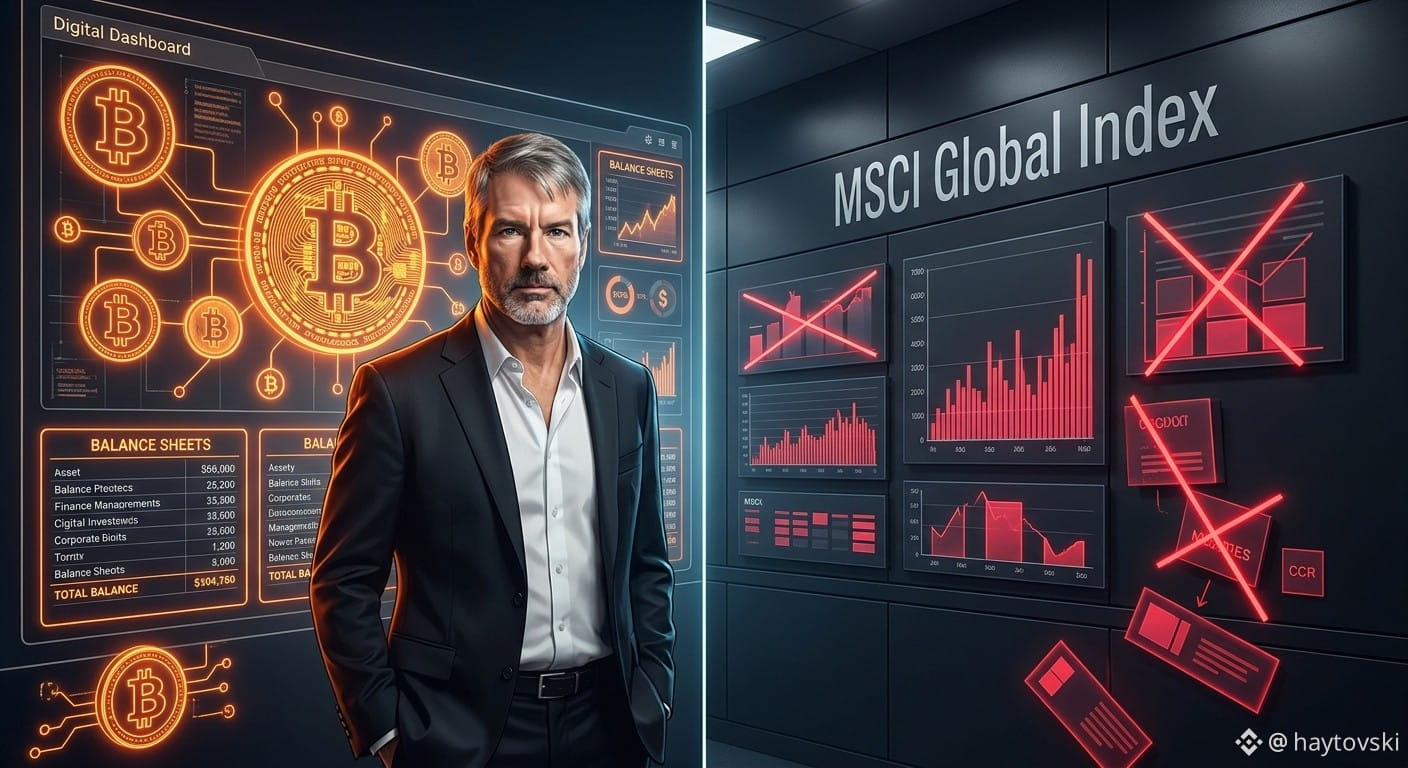
A major storm is brewing at the intersection of the traditional financial world and the cryptocurrency market. In a radical move, global index provider MSCI has decided to exclude major companies—those that hold Bitcoin treasuries and base their entire business model on digital assets—from its Global Investable Market Indexes (GIMI). At the heart of this decision lies Michael Saylor’s Bitcoin-focused corporate giant, MicroStrategy (MSTR).
The Battle Against "Non-Operating" Companies
According to MSCI’s new set of rules, companies whose primary activity is the accumulation of assets—acting more like investment vehicles than entities engaged in commercial operations—will be removed from the index.
Companies on the "Blacklist": Major players, most notably MicroStrategy, as well as the Asian institutional Bitcoin buyer Metaplanet and the uranium fund Yellow Cake, now face the risk of exclusion.
Significant Pressure: The decision is set to take effect at the market close on November 30, 2026. The final list of affected companies will be announced on November 11.
Is a $2.8 Billion Wave of Forced Selling on the Horizon?
According to analysis by financial giant JPMorgan, if MicroStrategy is removed from MSCI indexes, large ETFs that passively track these indices will be mechanically compelled to sell their shares. It is estimated that this could trigger a massive $2.8 billion wave of passive selling pressure on the stock. Following the announcement, MicroStrategy shares saw a sharp decline of nearly 10% on Friday. Saylor Challenges the Decision: "They Are Rejecting the Digital Future"
Reacting sharply to the decision, founder Michael Saylor criticized MSCI’s stance, arguing that classifying oil, gas, or land as capital while excluding Bitcoin reflects an unfair bias against digital assets. Saylor stated that it would be in the best interest of the entire industry if the funds were to reverse this decision.
#btc


Übersetzung ansehen
haytovski
·
--
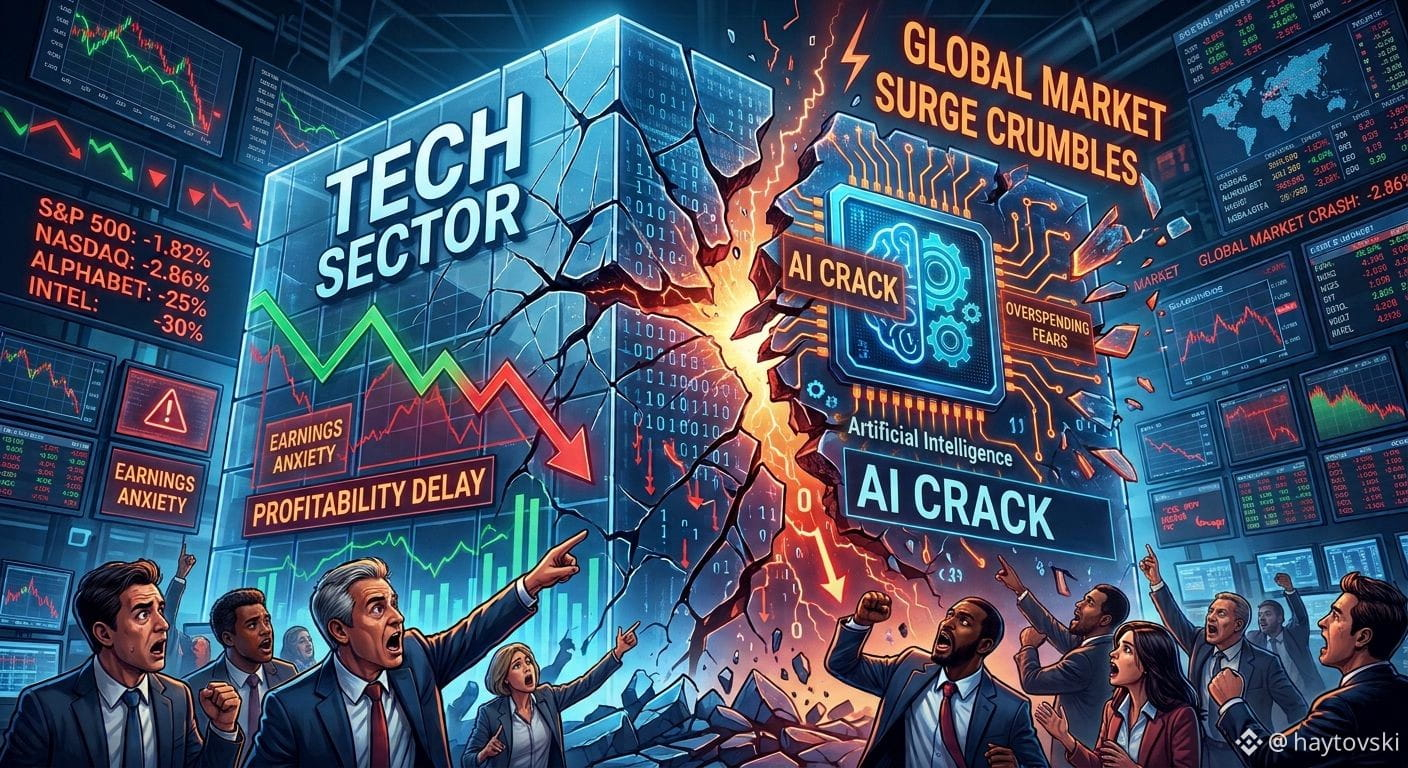
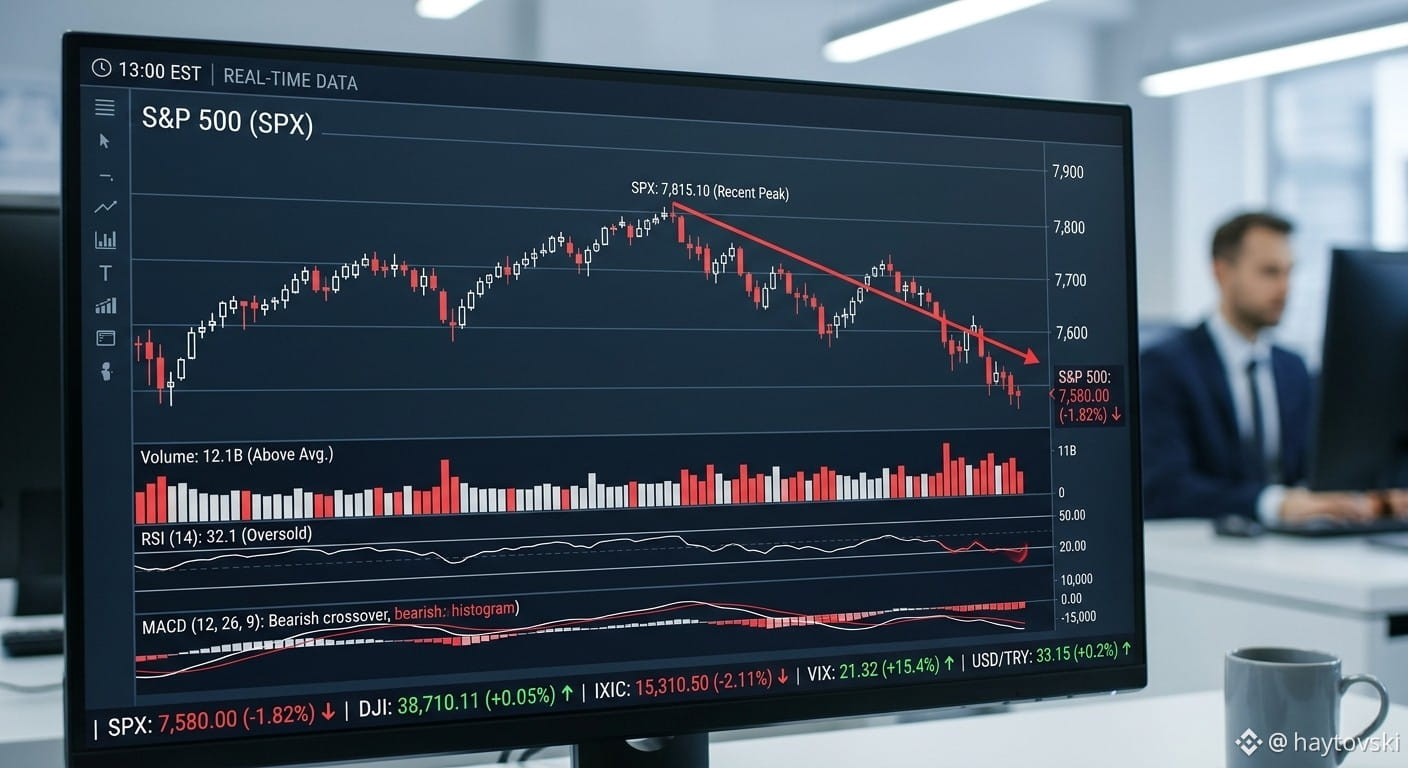
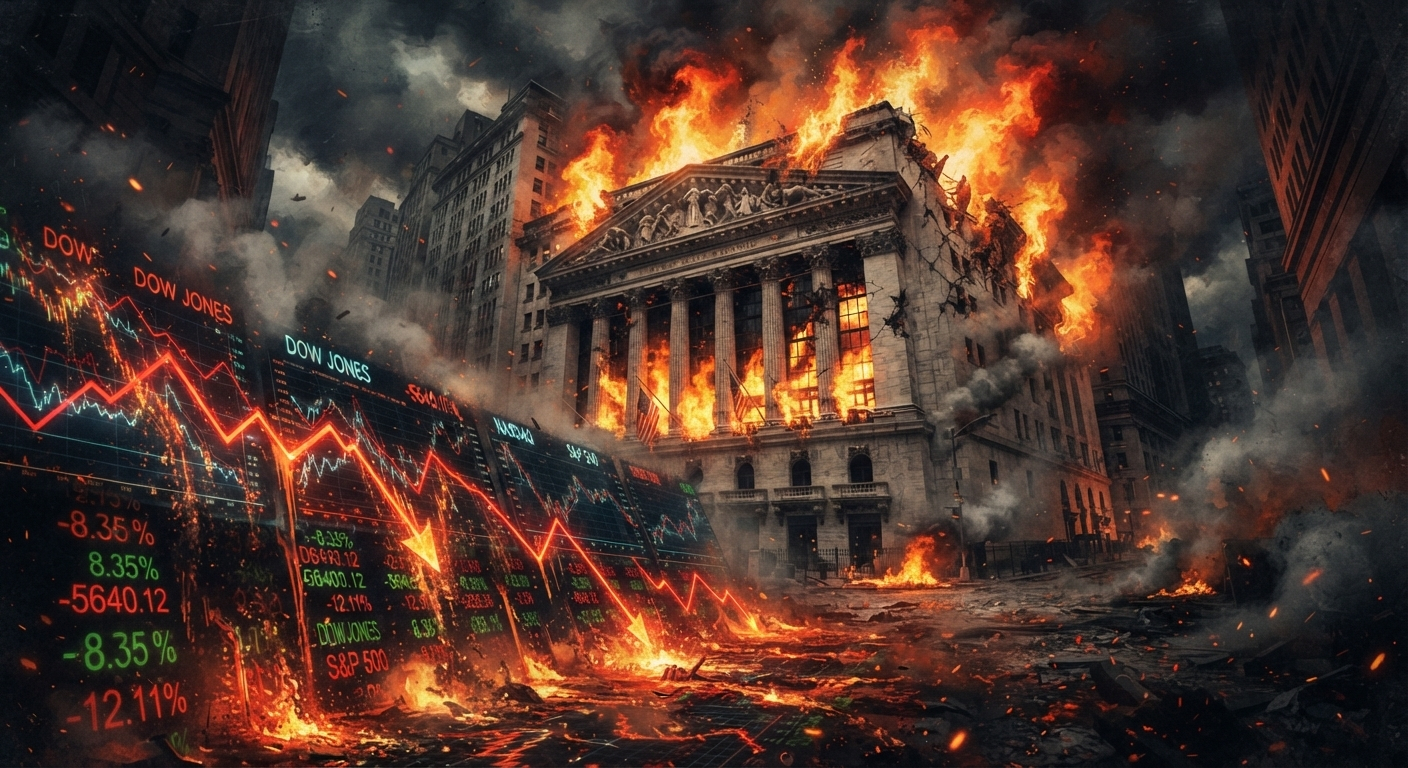
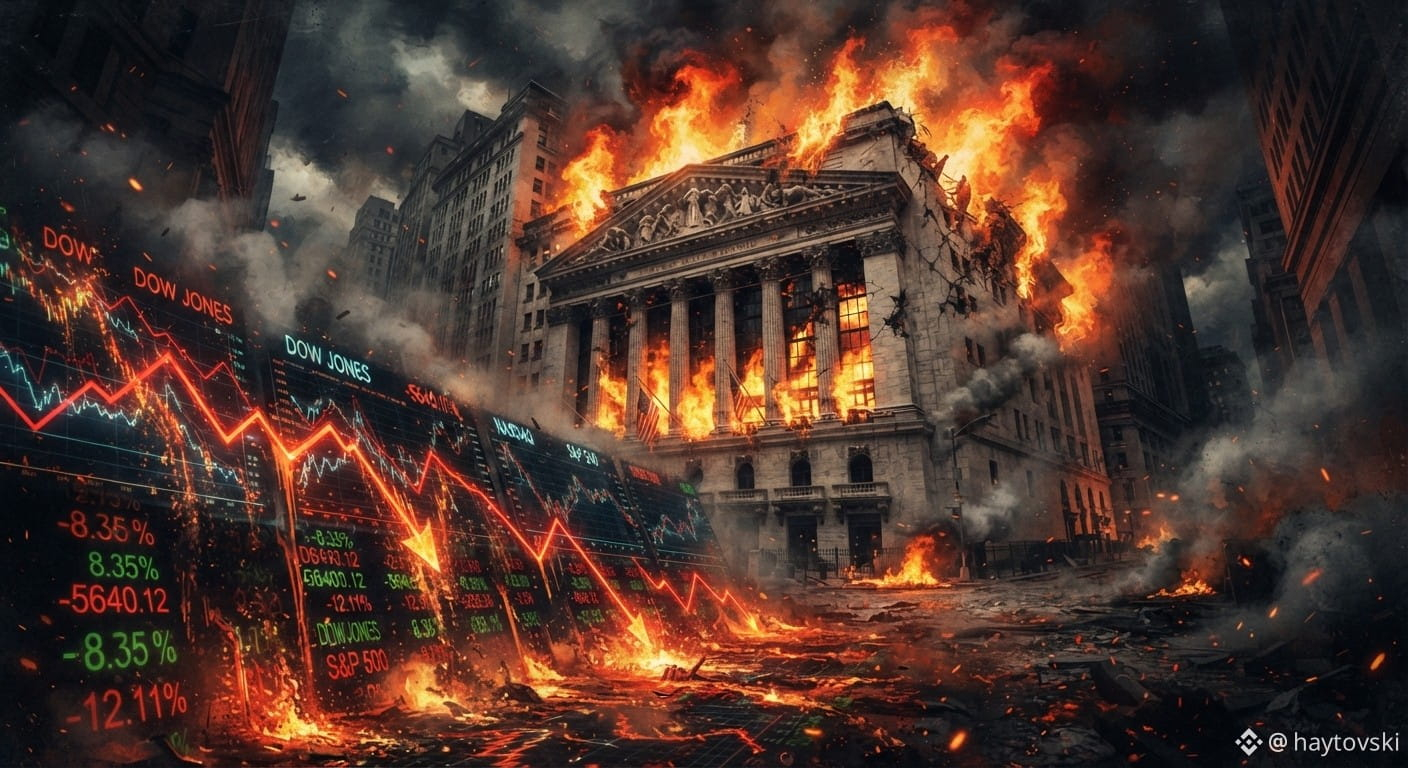
#IntelHasItsWorstDaySince1974 #BackedNotBroken:RichardTengSaysUsersBearNoLoss On Friday (October 30, 2026), U.S. stock markets experienced a sharp sell-off in the technology sector, fueled by concerns regarding investments in artificial intelligence. The major indices recorded their worst daily performance since June, ending the week with losses.
Index Closings and Weekly Summary
S&P 500 Index: Closed Friday down 1.82% at 7,580.07 points. Although the index showed a positive trend mid-week, losses over the final two days pushed it into negative territory for the week.
Nasdaq Composite: Led by a collapse in technology stocks, the index fell 2.86% to 25,437.00 points. It also experienced a significant pullback on a monthly basis.
Dow Jones: While remaining relatively more resilient, it closed the day down 1.09% at 51,770.31 points.
Key Sectors and Corporate News
Technology and AI Concerns: Investors grew anxious over the pace at which the massive budgets allocated by mega-cap tech companies toward artificial intelligence infrastructure are—or aren't—translating into profitability. The S&P 500 Technology Index plunged by approximately 5%.
Intel ($INTC): Shares plummeted 28.58%—marking the company's worst daily decline since 1974—following a fourth-quarter profit forecast that fell short of expectations, compounded by supply chain challenges.
Other Chip Giants: AMD shares dropped 10.88%, while Nvidia fell 4.22%. Amazon deepened the tech sell-off, pressured by weak quarterly data and high artificial intelligence spending.
The Search for a Safe Haven: Following sharp sell-offs in the stock market, investors turned toward U.S. Treasury bonds; meanwhile, hawkish remarks from two Federal Reserve officials—suggesting that interest rates may need to rise further due to inflation—intensified the pressure on the market.
haytovski
·
--
#btc #eth #xrp #sol #dexe #zec
Wichtige Entwicklungen auf dem Kryptowährungsmarkt zum 31. Oktober 2026:
Rückholaktion nach historischem Binance-Hack
Binance, die weltweit größte Kryptowährungsbörse, hat angekündigt, 90 % der bei einem massiven Hack Anfang dieser Woche gestohlenen Gelder – der einen Verlust von 6,3 Milliarden US-Dollar verursachte – aus der eigenen Kasse und den Notfallreserven (SAFU) zu ersetzen. Die Börse erklärte, dass die Nutzer vollständig entschädigt würden und die Auszahlungsdienste ab Sonntag, dem 1. November, schrittweise wieder aufgenommen würden. Die US-Regierung und auf Cybersicherheit spezialisierte Analysefirmen vermuten, dass mit Nordkorea verbundene Hacker hinter dem Angriff stecken.
„Uptober“-Erwartungen bleiben unerfüllt
Die traditionelle Marktrallye im Oktober, oft als „Uptober“ bezeichnet, blieb in diesem Jahr aus. Belastend wirkten sich der Binance-Schock, hohe Zinssätze und geopolitische Risiken aus. Bitcoin verlor im Laufe des Oktobers 8,1 % seines Wertes. Damit endete der Monat das zweite Jahr in Folge mit einem Rückgang.
Aktuelle Marktlage
Nach einem starken Einbruch infolge des Hacks zeigt der Markt am ersten Wochenendtag Anzeichen einer begrenzten Erholung.
Politische Einflussnahme der Branche
Laut Berichten von CNBC hat die Kryptowährungsbranche vor den US-Zwischenwahlen 2026 ihre bislang größte Lobbykampagne gestartet und über 200 Millionen US-Dollar in politische Aktionskomitees (PACs) gelenkt, um sich vom Kongress günstige Regulierungen zu sichern. Nun richtet sich die Aufmerksamkeit des Marktes darauf, ob Binance die Auszahlungsdienste an diesem Sonntag reibungslos wieder aufnehmen kann.
Übersetzung ansehen

BlockchainBeller
·
--
[Beendet] 🎙️ صفقات يوميه
240 Zuhörer
Anmelden und weiter Inhalte entdecken