
HASEEB_CRPTO
4.5k Beiträge

HASEEB_CRPTO
Melden
Nutzer blockieren
The perfect plan is not about luck,its is about perfect strategy.
Trade eröffnen

TMX Halter
Hochfrequenz-Trader
1.3 Jahre
891 Following
33.5K+ Follower
16.2K+ Like gegeben
Beiträge
Portfolio
Alle
Zitierungen
Live
·
--
Bullisch
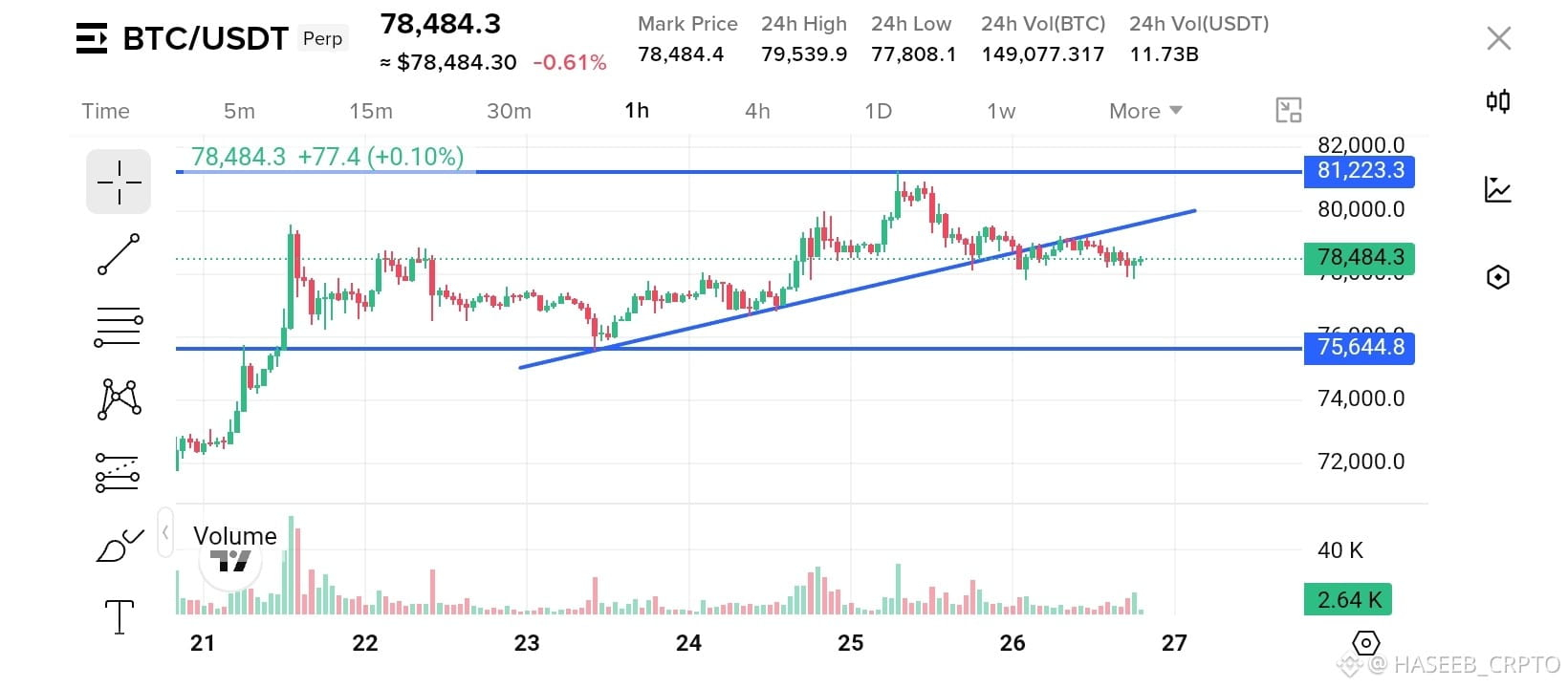
$BTC 1 stündiger Trendlinien-Ausbruch ist passiert .
$BTC 1 stündiger Trendlinien-Ausbruch ist passiert .
228
·
--
Bullisch
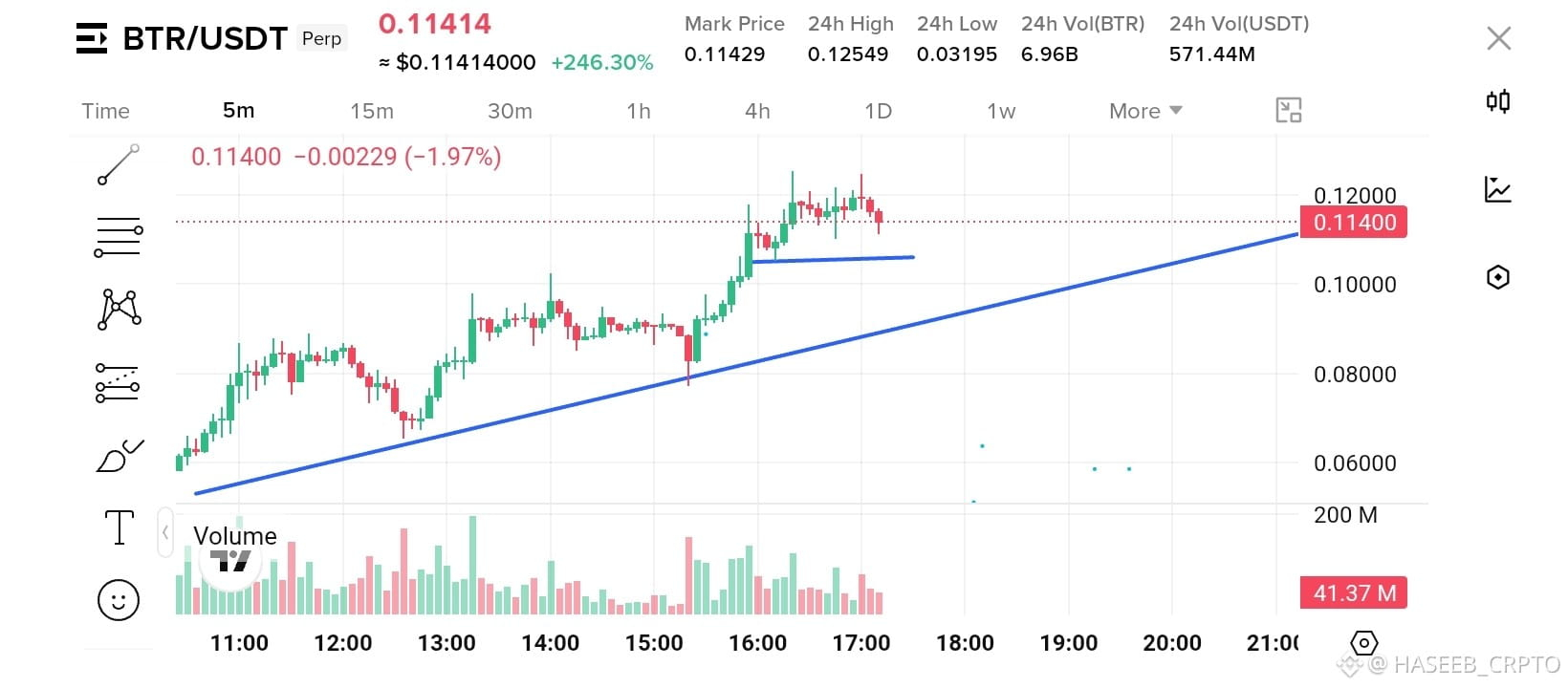
$BTR ist stark explodiert mit starkem Volumen und gewinnt 256% massive Pumpe. Ich warte darauf, dass BTR diese Trendlinie respektiert, um die nächste große Welle dieses bullischen Trends zu reiten. Aber jetzt ist auf dem 15-Minuten-Chart ein doppelter Top entstanden und der neu gebildete höhere Tiefpunkt liegt etwa bei dem, was auf einen kurzen Pullback hindeutet. Damit dieser bullische Trend fortgesetzt wird, muss die Trendlinie respektiert werden. Falls sie sie respektiert, muss dann die Unterstützung bei 0,08$ respektiert werden, andernfalls ist das Szenario bärisch.
dyor
$BTR ist stark explodiert mit starkem Volumen und gewinnt 256% massive Pumpe. Ich warte darauf, dass BTR diese Trendlinie respektiert, um die nächste große Welle dieses bullischen Trends zu reiten. Aber jetzt ist auf dem 15-Minuten-Chart ein doppelter Top entstanden und der neu gebildete höhere Tiefpunkt liegt etwa bei dem, was auf einen kurzen Pullback hindeutet. Damit dieser bullische Trend fortgesetzt wird, muss die Trendlinie respektiert werden. Falls sie sie respektiert, muss dann die Unterstützung bei 0,08$ respektiert werden, andernfalls ist das Szenario bärisch.
dyor
dyor
1
4
2.6k
·
--
Dieser Prüfbericht versetzt mir immer noch einen Schauer.
Erinnerst du dich, als ich ein Protokoll beobachtet habe, in das ich investiert hatte, und das dann völlig zerschmettert wurde? Nicht durch einen Hack—sondern durch einen mathematischen Durchbruch. Jemand fand eine subtile Schwäche in der Pairing-Kurve. Am Anfang nichts Katastrophales. Nur… Risse. Und dann fing alles, was darauf aufgebaut war, an zu bröckeln. Signaturen schlugen fehl. Beweise wurden für ungültig erklärt. Positionen? Liquidiert. 💀
Diese Erinnerung kam zurück, als ich Dusk’ kryptografischen Stack abgebildet habe.
Hier ist, was sofort auffällt. Auf dem Fundament von Dusk’ Architektur stehen Primitive wie BLS12-381, JubJub, Schnorr und Poseidon. BLS12-381 ist eine pairing-freundliche elliptische Kurve, die in vielen modernen Beweissystemen verwendet wird. JubJub ist eine verdrehte Edwards-Kurve, definiert über GF(q)—und hier ist der entscheidende Punkt: Die Wahl von GF(q) ist so getroffen, dass sie das Skalarfeld der BLS12-381-elliptischen-Kurvenkonstruktion ist. Poseidon-Hash arbeitet über dem BLS12-381-Skalarfeld. PLONK? Eine reine Rust-Implementierung des PLONK-Beweissystems über BLS12-381. Schnorr-Signaturen verwenden JubJub und Poseidon.
Nicht unabhängige Bausteine. Ein eng gekoppeltes System. Eine einzige Abhängigkeitskette.
Und hier ist, was ich an Dusk’ Ansatz wirklich schätze. Sie tun nicht so, als gäbe es das nicht. Die AGENTS.md-Datei warnt offen: „Ein Bug hier betrifft Konsens und Privatsphäre“. Änderungen an den Permutationskonstanten, der Rundstruktur oder der Sponge-Logik können still und heimlich die Ableitung von Nullifiern, Merkle-Beweisen und die Verschlüsselung auf der Kette zerstören. Das ist keine Fahrlässigkeit—das ist Ingenieursreife.
Man baut keine institutionelle Infrastruktur, indem man vorgibt, dass einzelne Schwachstellen nicht existieren. Man baut, indem man sie anerkennt, für Flexibilität entwirft und Türen offen hält.
$DUSK verbirgt nicht die Abhängigkeitskette. Sie bauen so, dass du sie verstehst.
Also hier ist die Frage, die mich nicht schlafen lässt: Wenn sich das Fundament verschiebt—ist deine Infrastruktur dann bereit, sich mitzuverändern?@Dusk_Foundation #dusk $BTR $BMT
Dieser Prüfbericht versetzt mir immer noch einen Schauer.
Erinnerst du dich, als ich ein Protokoll beobachtet habe, in das ich investiert hatte, und das dann völlig zerschmettert wurde? Nicht durch einen Hack—sondern durch einen mathematischen Durchbruch. Jemand fand eine subtile Schwäche in der Pairing-Kurve. Am Anfang nichts Katastrophales. Nur… Risse. Und dann fing alles, was darauf aufgebaut war, an zu bröckeln. Signaturen schlugen fehl. Beweise wurden für ungültig erklärt. Positionen? Liquidiert. 💀
Diese Erinnerung kam zurück, als ich Dusk’ kryptografischen Stack abgebildet habe.
Hier ist, was sofort auffällt. Auf dem Fundament von Dusk’ Architektur stehen Primitive wie BLS12-381, JubJub, Schnorr und Poseidon. BLS12-381 ist eine pairing-freundliche elliptische Kurve, die in vielen modernen Beweissystemen verwendet wird. JubJub ist eine verdrehte Edwards-Kurve, definiert über GF(q)—und hier ist der entscheidende Punkt: Die Wahl von GF(q) ist so getroffen, dass sie das Skalarfeld der BLS12-381-elliptischen-Kurvenkonstruktion ist. Poseidon-Hash arbeitet über dem BLS12-381-Skalarfeld. PLONK? Eine reine Rust-Implementierung des PLONK-Beweissystems über BLS12-381. Schnorr-Signaturen verwenden JubJub und Poseidon.
Nicht unabhängige Bausteine. Ein eng gekoppeltes System. Eine einzige Abhängigkeitskette.
Und hier ist, was ich an Dusk’ Ansatz wirklich schätze. Sie tun nicht so, als gäbe es das nicht. Die AGENTS.md-Datei warnt offen: „Ein Bug hier betrifft Konsens und Privatsphäre“. Änderungen an den Permutationskonstanten, der Rundstruktur oder der Sponge-Logik können still und heimlich die Ableitung von Nullifiern, Merkle-Beweisen und die Verschlüsselung auf der Kette zerstören. Das ist keine Fahrlässigkeit—das ist Ingenieursreife.
Man baut keine institutionelle Infrastruktur, indem man vorgibt, dass einzelne Schwachstellen nicht existieren. Man baut, indem man sie anerkennt, für Flexibilität entwirft und Türen offen hält.
$DUSK verbirgt nicht die Abhängigkeitskette. Sie bauen so, dass du sie verstehst.
Also hier ist die Frage, die mich nicht schlafen lässt: Wenn sich das Fundament verschiebt—ist deine Infrastruktur dann bereit, sich mitzuverändern?@Dusk #dusk $BTR $BMT
Erinnerst du dich, als ich ein Protokoll beobachtet habe, in das ich investiert hatte, und das dann völlig zerschmettert wurde? Nicht durch einen Hack—sondern durch einen mathematischen Durchbruch. Jemand fand eine subtile Schwäche in der Pairing-Kurve. Am Anfang nichts Katastrophales. Nur… Risse. Und dann fing alles, was darauf aufgebaut war, an zu bröckeln. Signaturen schlugen fehl. Beweise wurden für ungültig erklärt. Positionen? Liquidiert. 💀
Diese Erinnerung kam zurück, als ich Dusk’ kryptografischen Stack abgebildet habe.
Hier ist, was sofort auffällt. Auf dem Fundament von Dusk’ Architektur stehen Primitive wie BLS12-381, JubJub, Schnorr und Poseidon. BLS12-381 ist eine pairing-freundliche elliptische Kurve, die in vielen modernen Beweissystemen verwendet wird. JubJub ist eine verdrehte Edwards-Kurve, definiert über GF(q)—und hier ist der entscheidende Punkt: Die Wahl von GF(q) ist so getroffen, dass sie das Skalarfeld der BLS12-381-elliptischen-Kurvenkonstruktion ist. Poseidon-Hash arbeitet über dem BLS12-381-Skalarfeld. PLONK? Eine reine Rust-Implementierung des PLONK-Beweissystems über BLS12-381. Schnorr-Signaturen verwenden JubJub und Poseidon.
Nicht unabhängige Bausteine. Ein eng gekoppeltes System. Eine einzige Abhängigkeitskette.
Und hier ist, was ich an Dusk’ Ansatz wirklich schätze. Sie tun nicht so, als gäbe es das nicht. Die AGENTS.md-Datei warnt offen: „Ein Bug hier betrifft Konsens und Privatsphäre“. Änderungen an den Permutationskonstanten, der Rundstruktur oder der Sponge-Logik können still und heimlich die Ableitung von Nullifiern, Merkle-Beweisen und die Verschlüsselung auf der Kette zerstören. Das ist keine Fahrlässigkeit—das ist Ingenieursreife.
Man baut keine institutionelle Infrastruktur, indem man vorgibt, dass einzelne Schwachstellen nicht existieren. Man baut, indem man sie anerkennt, für Flexibilität entwirft und Türen offen hält.
$DUSK verbirgt nicht die Abhängigkeitskette. Sie bauen so, dass du sie verstehst.
Also hier ist die Frage, die mich nicht schlafen lässt: Wenn sich das Fundament verschiebt—ist deine Infrastruktur dann bereit, sich mitzuverändern?@Dusk #dusk $BTR $BMT
2
3
117
·
--
Bärisch
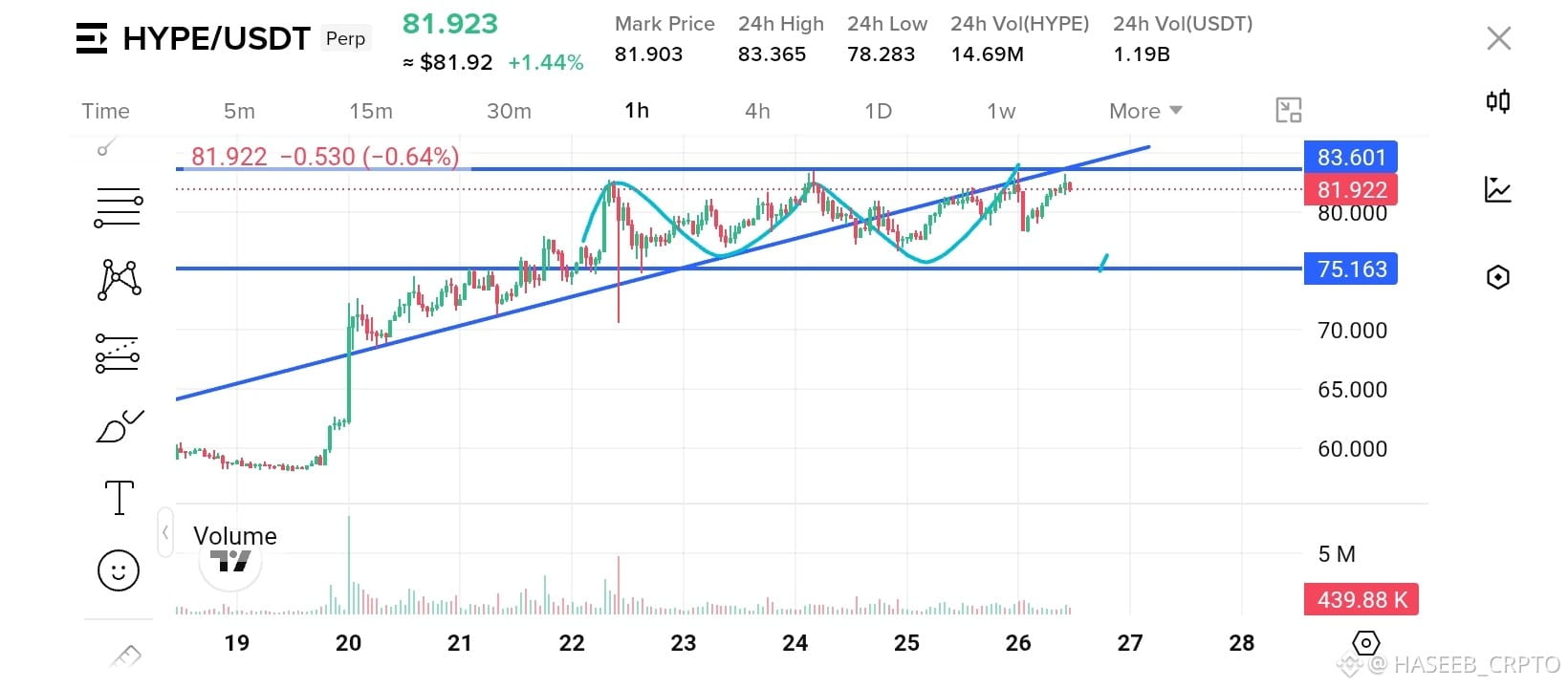
Was denkst du über den nächsten Schritt bei $HYPE – bärisch oder bullisch? Meiner Meinung nach bildet sich gerade das Triple-Top-Muster, und die Kursbewegung respektiert den Ausbruch der Trendlinie im 1-Stunden-Chart. Ich sehe im Moment eine gültige Pullback-Bewegung und sie könnte der Start eines bärischen Trends sein.
dyor
Was denkst du über den nächsten Schritt bei $HYPE – bärisch oder bullisch? Meiner Meinung nach bildet sich gerade das Triple-Top-Muster, und die Kursbewegung respektiert den Ausbruch der Trendlinie im 1-Stunden-Chart. Ich sehe im Moment eine gültige Pullback-Bewegung und sie könnte der Start eines bärischen Trends sein.
dyor
dyor
1
324
·
--
Bullisch
Ich habe einmal zugesehen, wie ein Hausmeister den Überblick über Gelder für Kund:innen verloren hat, weil sein System es nicht schaffte, zwei Ledger zu synchronisieren.
Ein Freund von mir arbeitete in einer Kanzlei, die sowohl öffentliche als auch private Vermögenswerte für institutionelle Kund:innen verwaltete. Eines Tages schlug eine Konvertierung mitten im Prozess fehl. Gelder verließen das private Ledger, kamen aber nie im öffentlichen an. Das System zeigte zwar einen ausgeglichenen Zustand, aber das Geld war nirgendwo. Es dauerte drei Wochen, bis sie das entwirrt hatten. 💀
Diese Erinnerung traf anders, als ich über Dusk’ Dual-State-Modell las.
Hier ist die Architektur: Moonlight für öffentliche Transfers. Phoenix für private, geschützte Notizen. Beide schreiben auf dieselbe Chain ein. Der Transfer Contract koordiniert die Wertbewegung.
Sauber, oder?
Außer, es gibt eine Lücke, die die Doku nicht anspricht: Konvertierungen zwischen States sind nicht atomar.
Stell dir das vor:
· Eine Institution hält 1 Mio. DUSK über beide States: 500k öffentlich, 500k privat
· Sie initiiert die Konvertierung von 200k von Phoenix nach Moonlight
· Phoenix-Notizen werden verbraucht. Moonlight-Gutschrift scheitert oder verzögert
· Die Gesamtmenge wird vorübergehend reduziert. 200k verschwinden aus dem System.
Ein Angreifer überwacht, erkennt verbrauchte Notizen und sieht, dass Moonlight nicht gutgeschrieben hat. Er nutzt die Lücke. Er zieht Gelder von einer Börse ab, die nur Moonlight-Salden abfragt.
Gelder, die in keinem State existieren oder in beiden.
Die Lösung? Ein Unified State Aggregator mit ZK-Proofs. Er liefert eine einheitliche Sicht auf das Gesamtguthaben über beide Modelle, ohne einzelne Transaktionen offenzulegen. Custodians prüfen die Richtigkeit. Keine Sync-Lücken. Kein Arbitrage.
$DUSK baut echte regulierte Infrastruktur. Aber Dual-State ohne atomare Konvertierung? Das ist eine tickende Zeitbombe für Custody.
Wird Dusk die State-Split-Lücke schließen, bevor der erste Exploit passiert? 🤔@Dusk_Foundation #dusk $BMT $TAC
Ich habe einmal zugesehen, wie ein Hausmeister den Überblick über Gelder für Kund:innen verloren hat, weil sein System es nicht schaffte, zwei Ledger zu synchronisieren.
Ein Freund von mir arbeitete in einer Kanzlei, die sowohl öffentliche als auch private Vermögenswerte für institutionelle Kund:innen verwaltete. Eines Tages schlug eine Konvertierung mitten im Prozess fehl. Gelder verließen das private Ledger, kamen aber nie im öffentlichen an. Das System zeigte zwar einen ausgeglichenen Zustand, aber das Geld war nirgendwo. Es dauerte drei Wochen, bis sie das entwirrt hatten. 💀
Diese Erinnerung traf anders, als ich über Dusk’ Dual-State-Modell las.
Hier ist die Architektur: Moonlight für öffentliche Transfers. Phoenix für private, geschützte Notizen. Beide schreiben auf dieselbe Chain ein. Der Transfer Contract koordiniert die Wertbewegung.
Sauber, oder?
Außer, es gibt eine Lücke, die die Doku nicht anspricht: Konvertierungen zwischen States sind nicht atomar.
Stell dir das vor:
· Eine Institution hält 1 Mio. DUSK über beide States: 500k öffentlich, 500k privat
· Sie initiiert die Konvertierung von 200k von Phoenix nach Moonlight
· Phoenix-Notizen werden verbraucht. Moonlight-Gutschrift scheitert oder verzögert
· Die Gesamtmenge wird vorübergehend reduziert. 200k verschwinden aus dem System.
Ein Angreifer überwacht, erkennt verbrauchte Notizen und sieht, dass Moonlight nicht gutgeschrieben hat. Er nutzt die Lücke. Er zieht Gelder von einer Börse ab, die nur Moonlight-Salden abfragt.
Gelder, die in keinem State existieren oder in beiden.
Die Lösung? Ein Unified State Aggregator mit ZK-Proofs. Er liefert eine einheitliche Sicht auf das Gesamtguthaben über beide Modelle, ohne einzelne Transaktionen offenzulegen. Custodians prüfen die Richtigkeit. Keine Sync-Lücken. Kein Arbitrage.
$DUSK baut echte regulierte Infrastruktur. Aber Dual-State ohne atomare Konvertierung? Das ist eine tickende Zeitbombe für Custody.
Wird Dusk die State-Split-Lücke schließen, bevor der erste Exploit passiert? 🤔@Dusk #dusk $BMT $TAC
Ein Freund von mir arbeitete in einer Kanzlei, die sowohl öffentliche als auch private Vermögenswerte für institutionelle Kund:innen verwaltete. Eines Tages schlug eine Konvertierung mitten im Prozess fehl. Gelder verließen das private Ledger, kamen aber nie im öffentlichen an. Das System zeigte zwar einen ausgeglichenen Zustand, aber das Geld war nirgendwo. Es dauerte drei Wochen, bis sie das entwirrt hatten. 💀
Diese Erinnerung traf anders, als ich über Dusk’ Dual-State-Modell las.
Hier ist die Architektur: Moonlight für öffentliche Transfers. Phoenix für private, geschützte Notizen. Beide schreiben auf dieselbe Chain ein. Der Transfer Contract koordiniert die Wertbewegung.
Sauber, oder?
Außer, es gibt eine Lücke, die die Doku nicht anspricht: Konvertierungen zwischen States sind nicht atomar.
Stell dir das vor:
· Eine Institution hält 1 Mio. DUSK über beide States: 500k öffentlich, 500k privat
· Sie initiiert die Konvertierung von 200k von Phoenix nach Moonlight
· Phoenix-Notizen werden verbraucht. Moonlight-Gutschrift scheitert oder verzögert
· Die Gesamtmenge wird vorübergehend reduziert. 200k verschwinden aus dem System.
Ein Angreifer überwacht, erkennt verbrauchte Notizen und sieht, dass Moonlight nicht gutgeschrieben hat. Er nutzt die Lücke. Er zieht Gelder von einer Börse ab, die nur Moonlight-Salden abfragt.
Gelder, die in keinem State existieren oder in beiden.
Die Lösung? Ein Unified State Aggregator mit ZK-Proofs. Er liefert eine einheitliche Sicht auf das Gesamtguthaben über beide Modelle, ohne einzelne Transaktionen offenzulegen. Custodians prüfen die Richtigkeit. Keine Sync-Lücken. Kein Arbitrage.
$DUSK baut echte regulierte Infrastruktur. Aber Dual-State ohne atomare Konvertierung? Das ist eine tickende Zeitbombe für Custody.
Wird Dusk die State-Split-Lücke schließen, bevor der erste Exploit passiert? 🤔@Dusk #dusk $BMT $TAC
1
2
208
·
--
Bärisch
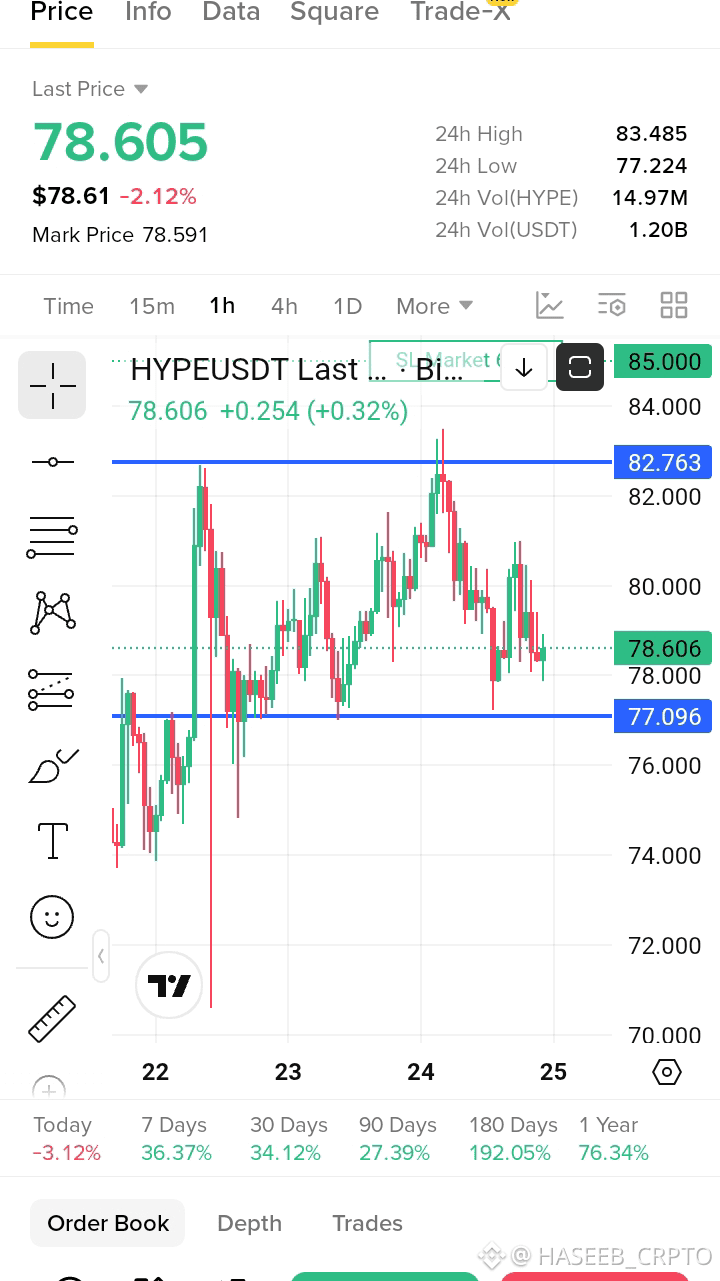
$HYPE befindet sich in einer Konsolidierungsphase und ich denke jetzt, dass wenn die Unterstützung bei $77 mit starkem Volumen vorhanden ist, ein kurzer Anstieg stattfinden könnte.
$HYPE befindet sich in einer Konsolidierungsphase und ich denke jetzt, dass wenn die Unterstützung bei $77 mit starkem Volumen vorhanden ist, ein kurzer Anstieg stattfinden könnte.
210
·
--
Bullisch
ich habe KYC-Albträume gesehen, die grenzüberschreitende Deals zerstören.
vor ein paar Jahren habe ich zugesehen, wie ein Fondsmanager einen riesigen institutionellen Investor verloren hat, weil die KYC-Überprüfung sechs Wochen gedauert hat. verschiedene Zuständigkeiten. widersprüchliche Anforderungen. der Investor hatte genug vom Warten und ist gegangen. der Deal ist zusammengebrochen. alles, weil Compliance nicht mit globalem Kapital Schritt halten konnte. 💀
diese Erinnerung traf beim Lesen über Citadels „One-Time-KYC“-Modell besonders.
hier der pitch: KYC einmalig vollständig mit einem License Provider abschließen. Service Provider akzeptieren diese Lizenz als Nachweis. keine weiteren mehrfachen Verifizierungsprozesse. Kosten sinken. Effizienz steigt.
klingt perfekt, oder?
außer es gibt eine massive blinde stelle, über die die dokumente hinwegsehen: die rechtlichen standards sind nicht harmonisiert.
stell dir das vor:
· der nutzer schließt KYC in den Niederlanden ab. lizenziert als „accredited investor“ nach AFM-Regeln. GDPR-konform.
· der nutzer nimmt diese lizenz auf eine Handelsplattform in Singapur mit. MAS stellt strengere Anforderungen—höhere Vermögensschwellen, andere Ausschlüsse.
· die Plattform akzeptiert die niederländische lizenz. der trade wird abgewickelt. die aufsicht untersucht.
· wer haftet? die Plattform behauptet, sie habe sich auf Citadel verlassen. der LP behauptet, er habe nur die niederländischen Regeln geprüft. der nutzer beruft sich auf unwissen.
die aufsicht verhängt eine strafe gegen die Plattform. Compliance-Ersparnisse? weg.
das artikel feiert „globale Compliance“. aber Compliance ist nicht global—sie ist lokal. und lokale standards passen nicht zusammen.
der fix? Jurisdictional License Registry mit ZK-Conversion-Proofs. lizenzen werden mit der ausstellenden zuständigkeit getaggt. bei grenzüberschreitungen weist der nutzer nach, dass seine verifizierten merkmale den standards des ziellandes entsprechen. SP verifiziert die Compliance, ohne dass der LP lokale lizenzen benötigt.
$DUSK baut echte Infrastruktur für regulierte märkte. aber „one-time KYC“ funktioniert nur, wenn Regulierer sich darüber einig sind, was KYC bedeutet. und das tun sie nicht.
wird Citadel die zuständigkeitsbedingte nichtübereinstimmung lösen, bevor der erste fehlgeschlagene grenzüberschreitende audit passiert?@Dusk_Foundation #dusk $PORTAL $STORJ 🤔
ich habe KYC-Albträume gesehen, die grenzüberschreitende Deals zerstören.
vor ein paar Jahren habe ich zugesehen, wie ein Fondsmanager einen riesigen institutionellen Investor verloren hat, weil die KYC-Überprüfung sechs Wochen gedauert hat. verschiedene Zuständigkeiten. widersprüchliche Anforderungen. der Investor hatte genug vom Warten und ist gegangen. der Deal ist zusammengebrochen. alles, weil Compliance nicht mit globalem Kapital Schritt halten konnte. 💀
diese Erinnerung traf beim Lesen über Citadels „One-Time-KYC“-Modell besonders.
hier der pitch: KYC einmalig vollständig mit einem License Provider abschließen. Service Provider akzeptieren diese Lizenz als Nachweis. keine weiteren mehrfachen Verifizierungsprozesse. Kosten sinken. Effizienz steigt.
klingt perfekt, oder?
außer es gibt eine massive blinde stelle, über die die dokumente hinwegsehen: die rechtlichen standards sind nicht harmonisiert.
stell dir das vor:
· der nutzer schließt KYC in den Niederlanden ab. lizenziert als „accredited investor“ nach AFM-Regeln. GDPR-konform.
· der nutzer nimmt diese lizenz auf eine Handelsplattform in Singapur mit. MAS stellt strengere Anforderungen—höhere Vermögensschwellen, andere Ausschlüsse.
· die Plattform akzeptiert die niederländische lizenz. der trade wird abgewickelt. die aufsicht untersucht.
· wer haftet? die Plattform behauptet, sie habe sich auf Citadel verlassen. der LP behauptet, er habe nur die niederländischen Regeln geprüft. der nutzer beruft sich auf unwissen.
die aufsicht verhängt eine strafe gegen die Plattform. Compliance-Ersparnisse? weg.
das artikel feiert „globale Compliance“. aber Compliance ist nicht global—sie ist lokal. und lokale standards passen nicht zusammen.
der fix? Jurisdictional License Registry mit ZK-Conversion-Proofs. lizenzen werden mit der ausstellenden zuständigkeit getaggt. bei grenzüberschreitungen weist der nutzer nach, dass seine verifizierten merkmale den standards des ziellandes entsprechen. SP verifiziert die Compliance, ohne dass der LP lokale lizenzen benötigt.
$DUSK baut echte Infrastruktur für regulierte märkte. aber „one-time KYC“ funktioniert nur, wenn Regulierer sich darüber einig sind, was KYC bedeutet. und das tun sie nicht.
wird Citadel die zuständigkeitsbedingte nichtübereinstimmung lösen, bevor der erste fehlgeschlagene grenzüberschreitende audit passiert?@Dusk #dusk $PORTAL $STORJ 🤔
vor ein paar Jahren habe ich zugesehen, wie ein Fondsmanager einen riesigen institutionellen Investor verloren hat, weil die KYC-Überprüfung sechs Wochen gedauert hat. verschiedene Zuständigkeiten. widersprüchliche Anforderungen. der Investor hatte genug vom Warten und ist gegangen. der Deal ist zusammengebrochen. alles, weil Compliance nicht mit globalem Kapital Schritt halten konnte. 💀
diese Erinnerung traf beim Lesen über Citadels „One-Time-KYC“-Modell besonders.
hier der pitch: KYC einmalig vollständig mit einem License Provider abschließen. Service Provider akzeptieren diese Lizenz als Nachweis. keine weiteren mehrfachen Verifizierungsprozesse. Kosten sinken. Effizienz steigt.
klingt perfekt, oder?
außer es gibt eine massive blinde stelle, über die die dokumente hinwegsehen: die rechtlichen standards sind nicht harmonisiert.
stell dir das vor:
· der nutzer schließt KYC in den Niederlanden ab. lizenziert als „accredited investor“ nach AFM-Regeln. GDPR-konform.
· der nutzer nimmt diese lizenz auf eine Handelsplattform in Singapur mit. MAS stellt strengere Anforderungen—höhere Vermögensschwellen, andere Ausschlüsse.
· die Plattform akzeptiert die niederländische lizenz. der trade wird abgewickelt. die aufsicht untersucht.
· wer haftet? die Plattform behauptet, sie habe sich auf Citadel verlassen. der LP behauptet, er habe nur die niederländischen Regeln geprüft. der nutzer beruft sich auf unwissen.
die aufsicht verhängt eine strafe gegen die Plattform. Compliance-Ersparnisse? weg.
das artikel feiert „globale Compliance“. aber Compliance ist nicht global—sie ist lokal. und lokale standards passen nicht zusammen.
der fix? Jurisdictional License Registry mit ZK-Conversion-Proofs. lizenzen werden mit der ausstellenden zuständigkeit getaggt. bei grenzüberschreitungen weist der nutzer nach, dass seine verifizierten merkmale den standards des ziellandes entsprechen. SP verifiziert die Compliance, ohne dass der LP lokale lizenzen benötigt.
$DUSK baut echte Infrastruktur für regulierte märkte. aber „one-time KYC“ funktioniert nur, wenn Regulierer sich darüber einig sind, was KYC bedeutet. und das tun sie nicht.
wird Citadel die zuständigkeitsbedingte nichtübereinstimmung lösen, bevor der erste fehlgeschlagene grenzüberschreitende audit passiert?@Dusk #dusk $PORTAL $STORJ 🤔
1
1
294
·
--
Bullisch
Ich habe zugesehen, wie ein tokenisierter Immobilienfonds eines Freundes wegen leerer Orderbücher starb.
Wunderschöne Compliance-Arbeit. KYC wasserdicht. Juristisch fehlerfrei. Aber als er gelauncht wurde? Funkstille. Investoren fanden den Vermögenswert großartig – nur wollten sie nicht die Ersten sein, die einsteigen. Drei Wochen lang kein Volumen. Er zog den Stecker. Die Infrastruktur war perfekt. Die Liquidität war nicht vorhanden. 💀
Dieser Gedanke hat beim Lesen über Dusk Trade richtig eingeschlagen.
Hier ist die unbequeme Wahrheit, die niemand laut aussprechen will: Compliance-first-Design erzeugt ein Henne-und-Ei-Albtraum.
Emittenten stehen vor ernsthaften Hürden. „Lege die Begrifflichkeiten des Vermögenswerts, die Eignung, die Übertragungsregeln und die Service-Aktionen fest.“ Das ist kein simples Token-Deployment. Das sind Juristen, Compliance-Beauftragte und technische Abstimmung – echte Vorabkosten und Reibung.
Investoren? „Vollständiges Onboarding und Eignungschecks.“ Nicht nur eine Wallet verbinden. KYC/AML. Nachweis des akkreditierten Status. Verifizierung der Jurisdiktion. Das ist echte Reibung.
Keiner kann als Erster loslegen, ohne dass der andere nachzieht.
NPEX' €300M AUM sind real. Aber bestehende Assets on-chain zu verlagern ist ein einmaliges Ereignis – kein nachhaltiger Wachstumsmotor. Du brauchst neue Emittenten, neue Investoren, neue Liquidität – kontinuierlich.
Die Dokumentation sagt, Dusk Trade übernehme den „vollständigen Market-Workflow“. Stimmt. Aber „vollständig“ heißt auch „teuer, um es aufzusetzen“. Und diese Kosten müssen bezahlt werden, bevor überhaupt ein Handel stattfinden kann.
Die Lösung? Eine Liquidity Bootstrapping Facility. Von der Dusk Foundation gestützt. Verpflichttet sich, minimale Mengen an konformen Assets zu kaufen. Zeitlich begrenzt – 12 Monate. Gibt dem Ökosystem Luft, während organische Liquidität wächst.
Das macht das Catch-22 in einen Flywheel-Mechanismus: Emittenten steigen ein, weil Liquidität da ist → Investoren steigen ein, weil Assets da sind → organische Liquidität wächst → die Facility zieht sich zurück.
$DUSK baut ernsthafte Infrastruktur für regulierte Märkte. Aber Infrastruktur ohne Liquidität ist am Ende nur teure Architektur.
Wird Dusk Trade das Liquiditätsproblem lösen, bevor der Markt es ihnen abnimmt? 🤔@Dusk_Foundation #dusk
Ich habe zugesehen, wie ein tokenisierter Immobilienfonds eines Freundes wegen leerer Orderbücher starb.
Wunderschöne Compliance-Arbeit. KYC wasserdicht. Juristisch fehlerfrei. Aber als er gelauncht wurde? Funkstille. Investoren fanden den Vermögenswert großartig – nur wollten sie nicht die Ersten sein, die einsteigen. Drei Wochen lang kein Volumen. Er zog den Stecker. Die Infrastruktur war perfekt. Die Liquidität war nicht vorhanden. 💀
Dieser Gedanke hat beim Lesen über Dusk Trade richtig eingeschlagen.
Hier ist die unbequeme Wahrheit, die niemand laut aussprechen will: Compliance-first-Design erzeugt ein Henne-und-Ei-Albtraum.
Emittenten stehen vor ernsthaften Hürden. „Lege die Begrifflichkeiten des Vermögenswerts, die Eignung, die Übertragungsregeln und die Service-Aktionen fest.“ Das ist kein simples Token-Deployment. Das sind Juristen, Compliance-Beauftragte und technische Abstimmung – echte Vorabkosten und Reibung.
Investoren? „Vollständiges Onboarding und Eignungschecks.“ Nicht nur eine Wallet verbinden. KYC/AML. Nachweis des akkreditierten Status. Verifizierung der Jurisdiktion. Das ist echte Reibung.
Keiner kann als Erster loslegen, ohne dass der andere nachzieht.
NPEX' €300M AUM sind real. Aber bestehende Assets on-chain zu verlagern ist ein einmaliges Ereignis – kein nachhaltiger Wachstumsmotor. Du brauchst neue Emittenten, neue Investoren, neue Liquidität – kontinuierlich.
Die Dokumentation sagt, Dusk Trade übernehme den „vollständigen Market-Workflow“. Stimmt. Aber „vollständig“ heißt auch „teuer, um es aufzusetzen“. Und diese Kosten müssen bezahlt werden, bevor überhaupt ein Handel stattfinden kann.
Die Lösung? Eine Liquidity Bootstrapping Facility. Von der Dusk Foundation gestützt. Verpflichttet sich, minimale Mengen an konformen Assets zu kaufen. Zeitlich begrenzt – 12 Monate. Gibt dem Ökosystem Luft, während organische Liquidität wächst.
Das macht das Catch-22 in einen Flywheel-Mechanismus: Emittenten steigen ein, weil Liquidität da ist → Investoren steigen ein, weil Assets da sind → organische Liquidität wächst → die Facility zieht sich zurück.
$DUSK baut ernsthafte Infrastruktur für regulierte Märkte. Aber Infrastruktur ohne Liquidität ist am Ende nur teure Architektur.
Wird Dusk Trade das Liquiditätsproblem lösen, bevor der Markt es ihnen abnimmt? 🤔@Dusk #dusk
Wunderschöne Compliance-Arbeit. KYC wasserdicht. Juristisch fehlerfrei. Aber als er gelauncht wurde? Funkstille. Investoren fanden den Vermögenswert großartig – nur wollten sie nicht die Ersten sein, die einsteigen. Drei Wochen lang kein Volumen. Er zog den Stecker. Die Infrastruktur war perfekt. Die Liquidität war nicht vorhanden. 💀
Dieser Gedanke hat beim Lesen über Dusk Trade richtig eingeschlagen.
Hier ist die unbequeme Wahrheit, die niemand laut aussprechen will: Compliance-first-Design erzeugt ein Henne-und-Ei-Albtraum.
Emittenten stehen vor ernsthaften Hürden. „Lege die Begrifflichkeiten des Vermögenswerts, die Eignung, die Übertragungsregeln und die Service-Aktionen fest.“ Das ist kein simples Token-Deployment. Das sind Juristen, Compliance-Beauftragte und technische Abstimmung – echte Vorabkosten und Reibung.
Investoren? „Vollständiges Onboarding und Eignungschecks.“ Nicht nur eine Wallet verbinden. KYC/AML. Nachweis des akkreditierten Status. Verifizierung der Jurisdiktion. Das ist echte Reibung.
Keiner kann als Erster loslegen, ohne dass der andere nachzieht.
NPEX' €300M AUM sind real. Aber bestehende Assets on-chain zu verlagern ist ein einmaliges Ereignis – kein nachhaltiger Wachstumsmotor. Du brauchst neue Emittenten, neue Investoren, neue Liquidität – kontinuierlich.
Die Dokumentation sagt, Dusk Trade übernehme den „vollständigen Market-Workflow“. Stimmt. Aber „vollständig“ heißt auch „teuer, um es aufzusetzen“. Und diese Kosten müssen bezahlt werden, bevor überhaupt ein Handel stattfinden kann.
Die Lösung? Eine Liquidity Bootstrapping Facility. Von der Dusk Foundation gestützt. Verpflichttet sich, minimale Mengen an konformen Assets zu kaufen. Zeitlich begrenzt – 12 Monate. Gibt dem Ökosystem Luft, während organische Liquidität wächst.
Das macht das Catch-22 in einen Flywheel-Mechanismus: Emittenten steigen ein, weil Liquidität da ist → Investoren steigen ein, weil Assets da sind → organische Liquidität wächst → die Facility zieht sich zurück.
$DUSK baut ernsthafte Infrastruktur für regulierte Märkte. Aber Infrastruktur ohne Liquidität ist am Ende nur teure Architektur.
Wird Dusk Trade das Liquiditätsproblem lösen, bevor der Markt es ihnen abnimmt? 🤔@Dusk #dusk
duskvm
100%
duskds
0%
2 Stimmen • Abstimmung beendet
2
1
159
·
--
Bullisch
Blockchain sollte die vertrauenswürdige dritte Partei abschaffen.
Ich erinnere mich noch an die frühen Tage, als der Slogan „Vertraue nicht, verifiziere“ revolutionär wirkte. Keine Banken, keine Gatekeeper, keine Vermittler. Nur Code und Kryptografie.
Aber hier ist das Problem: Institutionen wollen kein vertrauensloses System. Sie wollen kontrolliertes Vertrauen.
Als ich Dusk's Compliance-Framework gelesen habe, kam ich ins Grübeln. ZK-Proofs ermöglichen selektive Offenlegung. Regulierer können bei Bedarf prüfen. Marktteilnehmer entscheiden, wer was sieht. Wunderschön, oder?
Nur: Es basiert auf etwas, das ich nicht ignorieren kann.
Wer definiert Compliance? Wer validiert den Proof? Wer entscheidet, wann ein Audit „erforderlich“ ist? Das Protokoll beantwortet diese Fragen nicht, sondern geht einfach davon aus, dass Regulierer die oberste Autorität sind.
Das ist keine Vertrauensminimierung. Das ist Vertrauensverlagerung.
Nicht falsch verstehen: Dusk's Modell ist ein riesiges Upgrade gegenüber TradFi. Es ist schneller, effizienter und gibt Marktteilnehmern mehr Kontrolle als traditionelle Systeme es je konnten.
Aber seien wir ehrlich, was es nicht ist: die vertrauenslose Revolution, die die frühe Crypto-Community versprochen hat.
Regulierer sind nicht vertrauensloser als Banken. Sie haben nur andere Anreize.
Der eigentliche Test: Eine Sicherheit, die unter niederländischen AFM-Regeln ausgegeben wurde. Ein französischer Investor kauft sie. Die AMF sagt etwas anderes. Was passiert jetzt?
Das Compliance-Framework ist an eine einzelne Rechtsordnung gebunden. Das ist keine Lösung, sondern ein Fragmentierungsmechanismus, der nur darauf wartet, Realität zu werden.
Die nächste Phase der Blockchain-Adoption wird von Institutionen getrieben. $DUSK ist sich wunderschön dafür positioniert.
Aber Institutionen kommen nicht ohne Auflagen. Die Frage ist, ob wir Systeme bauen können, die sowohl die Ethik von Crypto als auch die regulatorische Realität bedienen, oder ob „compliance-ready privacy“ nur eine schickere Art ist zu sagen: „Vertraut uns, wir sind die Guten.“ 🤔#dusk @Dusk_Foundation $ACE $BTW
Blockchain sollte die vertrauenswürdige dritte Partei abschaffen.
Ich erinnere mich noch an die frühen Tage, als der Slogan „Vertraue nicht, verifiziere“ revolutionär wirkte. Keine Banken, keine Gatekeeper, keine Vermittler. Nur Code und Kryptografie.
Aber hier ist das Problem: Institutionen wollen kein vertrauensloses System. Sie wollen kontrolliertes Vertrauen.
Als ich Dusk's Compliance-Framework gelesen habe, kam ich ins Grübeln. ZK-Proofs ermöglichen selektive Offenlegung. Regulierer können bei Bedarf prüfen. Marktteilnehmer entscheiden, wer was sieht. Wunderschön, oder?
Nur: Es basiert auf etwas, das ich nicht ignorieren kann.
Wer definiert Compliance? Wer validiert den Proof? Wer entscheidet, wann ein Audit „erforderlich“ ist? Das Protokoll beantwortet diese Fragen nicht, sondern geht einfach davon aus, dass Regulierer die oberste Autorität sind.
Das ist keine Vertrauensminimierung. Das ist Vertrauensverlagerung.
Nicht falsch verstehen: Dusk's Modell ist ein riesiges Upgrade gegenüber TradFi. Es ist schneller, effizienter und gibt Marktteilnehmern mehr Kontrolle als traditionelle Systeme es je konnten.
Aber seien wir ehrlich, was es nicht ist: die vertrauenslose Revolution, die die frühe Crypto-Community versprochen hat.
Regulierer sind nicht vertrauensloser als Banken. Sie haben nur andere Anreize.
Der eigentliche Test: Eine Sicherheit, die unter niederländischen AFM-Regeln ausgegeben wurde. Ein französischer Investor kauft sie. Die AMF sagt etwas anderes. Was passiert jetzt?
Das Compliance-Framework ist an eine einzelne Rechtsordnung gebunden. Das ist keine Lösung, sondern ein Fragmentierungsmechanismus, der nur darauf wartet, Realität zu werden.
Die nächste Phase der Blockchain-Adoption wird von Institutionen getrieben. $DUSK ist sich wunderschön dafür positioniert.
Aber Institutionen kommen nicht ohne Auflagen. Die Frage ist, ob wir Systeme bauen können, die sowohl die Ethik von Crypto als auch die regulatorische Realität bedienen, oder ob „compliance-ready privacy“ nur eine schickere Art ist zu sagen: „Vertraut uns, wir sind die Guten.“ 🤔#dusk @Dusk $ACE $BTW
Ich erinnere mich noch an die frühen Tage, als der Slogan „Vertraue nicht, verifiziere“ revolutionär wirkte. Keine Banken, keine Gatekeeper, keine Vermittler. Nur Code und Kryptografie.
Aber hier ist das Problem: Institutionen wollen kein vertrauensloses System. Sie wollen kontrolliertes Vertrauen.
Als ich Dusk's Compliance-Framework gelesen habe, kam ich ins Grübeln. ZK-Proofs ermöglichen selektive Offenlegung. Regulierer können bei Bedarf prüfen. Marktteilnehmer entscheiden, wer was sieht. Wunderschön, oder?
Nur: Es basiert auf etwas, das ich nicht ignorieren kann.
Wer definiert Compliance? Wer validiert den Proof? Wer entscheidet, wann ein Audit „erforderlich“ ist? Das Protokoll beantwortet diese Fragen nicht, sondern geht einfach davon aus, dass Regulierer die oberste Autorität sind.
Das ist keine Vertrauensminimierung. Das ist Vertrauensverlagerung.
Nicht falsch verstehen: Dusk's Modell ist ein riesiges Upgrade gegenüber TradFi. Es ist schneller, effizienter und gibt Marktteilnehmern mehr Kontrolle als traditionelle Systeme es je konnten.
Aber seien wir ehrlich, was es nicht ist: die vertrauenslose Revolution, die die frühe Crypto-Community versprochen hat.
Regulierer sind nicht vertrauensloser als Banken. Sie haben nur andere Anreize.
Der eigentliche Test: Eine Sicherheit, die unter niederländischen AFM-Regeln ausgegeben wurde. Ein französischer Investor kauft sie. Die AMF sagt etwas anderes. Was passiert jetzt?
Das Compliance-Framework ist an eine einzelne Rechtsordnung gebunden. Das ist keine Lösung, sondern ein Fragmentierungsmechanismus, der nur darauf wartet, Realität zu werden.
Die nächste Phase der Blockchain-Adoption wird von Institutionen getrieben. $DUSK ist sich wunderschön dafür positioniert.
Aber Institutionen kommen nicht ohne Auflagen. Die Frage ist, ob wir Systeme bauen können, die sowohl die Ethik von Crypto als auch die regulatorische Realität bedienen, oder ob „compliance-ready privacy“ nur eine schickere Art ist zu sagen: „Vertraut uns, wir sind die Guten.“ 🤔#dusk @Dusk $ACE $BTW
compliance
100%
privacy
0%
1 Stimmen • Abstimmung beendet
180
·
--
Bullisch
Verifiziert
ok, lass uns kurz Klartext reden.
Ich bin lang genug dabei, um zu wissen, dass ich sofort nach dem Exploit Ausschau halte, sobald ein Protokoll „Sicherheitsfunktion“ sagt. Nenn es Trauma. 😅
Hier ist, was ich beim Lesen durch die Vault-Docs von Termmax mitbekommen habe:
der Timelock soll Einleger schützen. risikosteigernde Änderungen? 1-Tages-Wartezeit. risikosenkende? sofort. Klingt vernünftig, oder?
Außer, dass der Timelock im Grunde ein riesiges, blinkendes Schild ist, das sagt: „HEI, KAPITAL KOMMT HIER MORGEN.“
Und rate mal, wer dieses Signal steuert: derselbe Kurator, der auch seine persönliche Position vor der Vault aussteuern kann.
So läuft das ab:
Der Kurator reicht hinzu, um einen attraktiven neuen Markt hinzuzufügen. Die Transaktion geht auf die Kette. Alle können sie sehen. Besonders der Kurator.
Sie leihen sich persönlich in diesen Markt hinein – zu 10% APY. 24 Stunden später strömen die $10M TVL der Vault rein. Die Raten komprimieren sich auf 6%.
Der Kurator schließt seine persönliche Position. Tasche die 4% Spanne ein. Einleger bekommen die komprimierte Rate. 💀
Und das asymmetrische Design macht es noch schlimmer:
· Markt hinzufügen = 1-Tages-Pre-Arb-Signal
· Markt entfernen = sofortiges Exit-Signal
Der Kurator kann vorher aus seiner persönlichen Position aussteigen, die Entfernung einreichen und dann wieder einsteigen, nachdem der erzwungene Exit der Vault die Raten nach oben drückt.
Das ist ein glitch für risikofreies Geld – finanziert durch die Rendite der Einleger.
Der Guardian-Veto fügt noch eine weitere Ebene potenzieller Kollusion hinzu: vorher positionieren, Gewinne teilen, die Änderung in letzter Sekunde blockieren. Die Vault tritt nie ein. Der Guardian behält die komplette Rendite.
Termmax' Infrastruktur ist wirklich durchdacht für regulierte Märkte. Aber diese Timelock-Transparenz? Sie ermöglicht strukturell, dass Kuratoren den sehr Einlegern vorgreifen können, die sie eigentlich repräsentieren sollen.
Institutionen sollten fragen: nicht „Ist der Timelock sicher?“ sondern „Wer handelt auf Basis meines Timelock-Signals?“
@termmax
Das ist keine Beratung. Nur Mustererkennung von jemandem, der zu oft erlebt hat, wie „Sicherheitsfunktionen“ zu Waffen gemacht werden.#TermMax $ENA $AVAAI
ok, lass uns kurz Klartext reden.
Ich bin lang genug dabei, um zu wissen, dass ich sofort nach dem Exploit Ausschau halte, sobald ein Protokoll „Sicherheitsfunktion“ sagt. Nenn es Trauma. 😅
Hier ist, was ich beim Lesen durch die Vault-Docs von Termmax mitbekommen habe:
der Timelock soll Einleger schützen. risikosteigernde Änderungen? 1-Tages-Wartezeit. risikosenkende? sofort. Klingt vernünftig, oder?
Außer, dass der Timelock im Grunde ein riesiges, blinkendes Schild ist, das sagt: „HEI, KAPITAL KOMMT HIER MORGEN.“
Und rate mal, wer dieses Signal steuert: derselbe Kurator, der auch seine persönliche Position vor der Vault aussteuern kann.
So läuft das ab:
Der Kurator reicht hinzu, um einen attraktiven neuen Markt hinzuzufügen. Die Transaktion geht auf die Kette. Alle können sie sehen. Besonders der Kurator.
Sie leihen sich persönlich in diesen Markt hinein – zu 10% APY. 24 Stunden später strömen die $10M TVL der Vault rein. Die Raten komprimieren sich auf 6%.
Der Kurator schließt seine persönliche Position. Tasche die 4% Spanne ein. Einleger bekommen die komprimierte Rate. 💀
Und das asymmetrische Design macht es noch schlimmer:
· Markt hinzufügen = 1-Tages-Pre-Arb-Signal
· Markt entfernen = sofortiges Exit-Signal
Der Kurator kann vorher aus seiner persönlichen Position aussteigen, die Entfernung einreichen und dann wieder einsteigen, nachdem der erzwungene Exit der Vault die Raten nach oben drückt.
Das ist ein glitch für risikofreies Geld – finanziert durch die Rendite der Einleger.
Der Guardian-Veto fügt noch eine weitere Ebene potenzieller Kollusion hinzu: vorher positionieren, Gewinne teilen, die Änderung in letzter Sekunde blockieren. Die Vault tritt nie ein. Der Guardian behält die komplette Rendite.
Termmax' Infrastruktur ist wirklich durchdacht für regulierte Märkte. Aber diese Timelock-Transparenz? Sie ermöglicht strukturell, dass Kuratoren den sehr Einlegern vorgreifen können, die sie eigentlich repräsentieren sollen.
Institutionen sollten fragen: nicht „Ist der Timelock sicher?“ sondern „Wer handelt auf Basis meines Timelock-Signals?“
@TermMax
Das ist keine Beratung. Nur Mustererkennung von jemandem, der zu oft erlebt hat, wie „Sicherheitsfunktionen“ zu Waffen gemacht werden.#TermMax $ENA $AVAAI
Ich bin lang genug dabei, um zu wissen, dass ich sofort nach dem Exploit Ausschau halte, sobald ein Protokoll „Sicherheitsfunktion“ sagt. Nenn es Trauma. 😅
Hier ist, was ich beim Lesen durch die Vault-Docs von Termmax mitbekommen habe:
der Timelock soll Einleger schützen. risikosteigernde Änderungen? 1-Tages-Wartezeit. risikosenkende? sofort. Klingt vernünftig, oder?
Außer, dass der Timelock im Grunde ein riesiges, blinkendes Schild ist, das sagt: „HEI, KAPITAL KOMMT HIER MORGEN.“
Und rate mal, wer dieses Signal steuert: derselbe Kurator, der auch seine persönliche Position vor der Vault aussteuern kann.
So läuft das ab:
Der Kurator reicht hinzu, um einen attraktiven neuen Markt hinzuzufügen. Die Transaktion geht auf die Kette. Alle können sie sehen. Besonders der Kurator.
Sie leihen sich persönlich in diesen Markt hinein – zu 10% APY. 24 Stunden später strömen die $10M TVL der Vault rein. Die Raten komprimieren sich auf 6%.
Der Kurator schließt seine persönliche Position. Tasche die 4% Spanne ein. Einleger bekommen die komprimierte Rate. 💀
Und das asymmetrische Design macht es noch schlimmer:
· Markt hinzufügen = 1-Tages-Pre-Arb-Signal
· Markt entfernen = sofortiges Exit-Signal
Der Kurator kann vorher aus seiner persönlichen Position aussteigen, die Entfernung einreichen und dann wieder einsteigen, nachdem der erzwungene Exit der Vault die Raten nach oben drückt.
Das ist ein glitch für risikofreies Geld – finanziert durch die Rendite der Einleger.
Der Guardian-Veto fügt noch eine weitere Ebene potenzieller Kollusion hinzu: vorher positionieren, Gewinne teilen, die Änderung in letzter Sekunde blockieren. Die Vault tritt nie ein. Der Guardian behält die komplette Rendite.
Termmax' Infrastruktur ist wirklich durchdacht für regulierte Märkte. Aber diese Timelock-Transparenz? Sie ermöglicht strukturell, dass Kuratoren den sehr Einlegern vorgreifen können, die sie eigentlich repräsentieren sollen.
Institutionen sollten fragen: nicht „Ist der Timelock sicher?“ sondern „Wer handelt auf Basis meines Timelock-Signals?“
@TermMax
Das ist keine Beratung. Nur Mustererkennung von jemandem, der zu oft erlebt hat, wie „Sicherheitsfunktionen“ zu Waffen gemacht werden.#TermMax $ENA $AVAAI
time lock
100%
vaults
0%
curators
0%
1 Stimmen • Abstimmung beendet
1.3k
·
--
Bullisch
Ich erinnere mich an den Stress, als ich zusah, wie das Token eines Freundes sich über zwei Chains aufspaltete.
Er dachte, er sei clever, indem er dasselbe Asset in beiden Umgebungen ausgab, um überall Liquidität einzusammeln. Stattdessen sah er, wie sich seine Community fragmentierte. Die Hälfte der Holder auf der einen Version, die andere Hälfte auf der anderen. Arbitrage-Bots saugten den Wert aus. Als er versuchte, sie zu vereinen, war es zu spät. Der Schaden war angerichtet. 💀
Diese Erinnerung kam zurück, als ich über Dusk's Dual Execution Environments las.
Hier ist die Entscheidung, die die Dokus präsentieren: DuskEVM für Solidity-Entwickler. DuskVM für Rust/WASM-Contracts mit Privacy- und ZK-Fähigkeiten. Such dir deine Spur. Ganz einfach, oder?
Außer: Das ist keine neutrale Entscheidung. Es ist ein architektonischer Fork.
Die Bridge bewegt DUSK und Nachrichten zwischen beiden Umgebungen. ABER und das ist entscheidend: In den Dokus wird auffällig still darüber hinweggegangen, ob Nicht-DUSK-Assets zwischen ihnen bewegt werden können.
Also hier ist die institutionelle Falle:
· Eine tokenisierte Anleihe auf DuskEVM ausgeben? Eure Devs kennen Solidity. Super. Aber ihr seid von DuskVMs Privacy-Primitives ausgeschlossen — genau von dem, was euch zu Dusk gezogen hat.
· Auf DuskVM ausgeben? Bekomm die Privacy. Aber ihr seid vom EVM-Ökosystem abgekoppelt: Wallets, Tools und Liquidität.
Die Bridge ist eine Mauer mit einer Tür. Keine Vereinheitlichung.
Die Doku nennt das eine „Wahl“. In Wahrheit ist es eine Sophie’s Choice für institutionelle Emittenten: Vertrautheit für Entwickler gegen Privacy opfern oder Privacy gegen Vertrautheit für Entwickler.
Die Lösung? Ein vereinheitlichtes Asset-Register — eine einzige, kanonische Quelle für Eigentum und Supply. DuskEVM und DuskVM sind nur verschiedene Sichten auf denselben zugrunde liegenden Status. Keine Bridge nötig. Assets leben im Register. Beide Umgebungen lesen daraus und schreiben dorthin.
$DUSK baut ernsthafte Infrastruktur. Aber „Multi-VM“ ohne geteilten Asset-Status ist nur Fragmentierung mit einem schöneren Namen.
Die Frage ist: Werden Institutionen das erkennen — bevor oder nachdem sie es deployed haben? 🤔
$AVAAI $ENA
Ich erinnere mich an den Stress, als ich zusah, wie das Token eines Freundes sich über zwei Chains aufspaltete.
Er dachte, er sei clever, indem er dasselbe Asset in beiden Umgebungen ausgab, um überall Liquidität einzusammeln. Stattdessen sah er, wie sich seine Community fragmentierte. Die Hälfte der Holder auf der einen Version, die andere Hälfte auf der anderen. Arbitrage-Bots saugten den Wert aus. Als er versuchte, sie zu vereinen, war es zu spät. Der Schaden war angerichtet. 💀
Diese Erinnerung kam zurück, als ich über Dusk's Dual Execution Environments las.
Hier ist die Entscheidung, die die Dokus präsentieren: DuskEVM für Solidity-Entwickler. DuskVM für Rust/WASM-Contracts mit Privacy- und ZK-Fähigkeiten. Such dir deine Spur. Ganz einfach, oder?
Außer: Das ist keine neutrale Entscheidung. Es ist ein architektonischer Fork.
Die Bridge bewegt DUSK und Nachrichten zwischen beiden Umgebungen. ABER und das ist entscheidend: In den Dokus wird auffällig still darüber hinweggegangen, ob Nicht-DUSK-Assets zwischen ihnen bewegt werden können.
Also hier ist die institutionelle Falle:
· Eine tokenisierte Anleihe auf DuskEVM ausgeben? Eure Devs kennen Solidity. Super. Aber ihr seid von DuskVMs Privacy-Primitives ausgeschlossen — genau von dem, was euch zu Dusk gezogen hat.
· Auf DuskVM ausgeben? Bekomm die Privacy. Aber ihr seid vom EVM-Ökosystem abgekoppelt: Wallets, Tools und Liquidität.
Die Bridge ist eine Mauer mit einer Tür. Keine Vereinheitlichung.
Die Doku nennt das eine „Wahl“. In Wahrheit ist es eine Sophie’s Choice für institutionelle Emittenten: Vertrautheit für Entwickler gegen Privacy opfern oder Privacy gegen Vertrautheit für Entwickler.
Die Lösung? Ein vereinheitlichtes Asset-Register — eine einzige, kanonische Quelle für Eigentum und Supply. DuskEVM und DuskVM sind nur verschiedene Sichten auf denselben zugrunde liegenden Status. Keine Bridge nötig. Assets leben im Register. Beide Umgebungen lesen daraus und schreiben dorthin.
$DUSK baut ernsthafte Infrastruktur. Aber „Multi-VM“ ohne geteilten Asset-Status ist nur Fragmentierung mit einem schöneren Namen.
Die Frage ist: Werden Institutionen das erkennen — bevor oder nachdem sie es deployed haben? 🤔
$AVAAI $ENA
Er dachte, er sei clever, indem er dasselbe Asset in beiden Umgebungen ausgab, um überall Liquidität einzusammeln. Stattdessen sah er, wie sich seine Community fragmentierte. Die Hälfte der Holder auf der einen Version, die andere Hälfte auf der anderen. Arbitrage-Bots saugten den Wert aus. Als er versuchte, sie zu vereinen, war es zu spät. Der Schaden war angerichtet. 💀
Diese Erinnerung kam zurück, als ich über Dusk's Dual Execution Environments las.
Hier ist die Entscheidung, die die Dokus präsentieren: DuskEVM für Solidity-Entwickler. DuskVM für Rust/WASM-Contracts mit Privacy- und ZK-Fähigkeiten. Such dir deine Spur. Ganz einfach, oder?
Außer: Das ist keine neutrale Entscheidung. Es ist ein architektonischer Fork.
Die Bridge bewegt DUSK und Nachrichten zwischen beiden Umgebungen. ABER und das ist entscheidend: In den Dokus wird auffällig still darüber hinweggegangen, ob Nicht-DUSK-Assets zwischen ihnen bewegt werden können.
Also hier ist die institutionelle Falle:
· Eine tokenisierte Anleihe auf DuskEVM ausgeben? Eure Devs kennen Solidity. Super. Aber ihr seid von DuskVMs Privacy-Primitives ausgeschlossen — genau von dem, was euch zu Dusk gezogen hat.
· Auf DuskVM ausgeben? Bekomm die Privacy. Aber ihr seid vom EVM-Ökosystem abgekoppelt: Wallets, Tools und Liquidität.
Die Bridge ist eine Mauer mit einer Tür. Keine Vereinheitlichung.
Die Doku nennt das eine „Wahl“. In Wahrheit ist es eine Sophie’s Choice für institutionelle Emittenten: Vertrautheit für Entwickler gegen Privacy opfern oder Privacy gegen Vertrautheit für Entwickler.
Die Lösung? Ein vereinheitlichtes Asset-Register — eine einzige, kanonische Quelle für Eigentum und Supply. DuskEVM und DuskVM sind nur verschiedene Sichten auf denselben zugrunde liegenden Status. Keine Bridge nötig. Assets leben im Register. Beide Umgebungen lesen daraus und schreiben dorthin.
$DUSK baut ernsthafte Infrastruktur. Aber „Multi-VM“ ohne geteilten Asset-Status ist nur Fragmentierung mit einem schöneren Namen.
Die Frage ist: Werden Institutionen das erkennen — bevor oder nachdem sie es deployed haben? 🤔
$AVAAI $ENA
bridge
0%
Dusk's dual execution
100%
duskevm and duskvm
0%
1 Stimmen • Abstimmung beendet
1
1
192
·
--
Bullisch
Wie ich durch meine eigene Two-Way-Order auf TermMax zusammengequetscht wurde 🤡
also dachte ich, ich wäre schlau. Ich habe eine Two-Way-Range-Order auf $TERMMAX eingerichtet und verdiente die Spanne zwischen den Borrowing- und Lending-Kurven. einfaches passives Einkommen, oder?
FALSCH.
so habe ich es auf die harte Tour gelernt: Wenn Kreditnehmer deine Borrowing Curve füllen, wird deine GT-Schuld AMPLIFIZIERT – Principal PLUS Yield. Wenn Kreditgeber deine Lending Curve füllen, bekommst du nur FTs zurück. einfache Mathe, oder?
aber hier kommt der Haken: Wenn MEHR Kreditnehmer deine Borrowing Curve füllen als Kreditgeber deine Lending Curve, geht deine Bilanz auf nuklearer Stufe:
· Cash steigt ✅
· GT-Schuld steigt GROßER ✅✅ (wegen dem Yield-Aufschlag)
· FT-Bestand bleibt niedrig ❌
jetzt wirst du gezwungen, FTs am offenen Markt zu kaufen, um deine Schuld abzudecken. und weißt du was? der Markt weiß das. Wale beobachten diese Orders und füllen die Borrowing Curve ganz gezielt, um die Quetschung auszulösen. dann shorten sie FT und profitieren, wenn du gezwungen bist, bei höheren Preisen zu kaufen. 💀
ich habe bei einer einzigen Order $200 verloren, bevor ich das verstanden hatte. die Spanne, die ich verdient habe, war Kleingeld im Vergleich zum Squeeze-Verlust.
die Two-Way-Range-Order ist nicht neutral—sie ist eine Richtungswette, die als passives Einkommen verkleidet ist. im Grunde verkaufst du eine kostenlose Option an jeden, der deinen Bestands-Ungleichgewicht ausnutzen will.
mein Fix? Ich überwache jetzt den Order-Flow streng. Wenn die Borrowing Curve schneller als die Lending Curve gefüllt wird—und zwar 3 Blocks am Stück—breche ich ab und positioniere neu. außerdem halte ich jetzt zusätzliche FT-Reserven vor, um abzusichern.
$TermMax hat dieses fantastische Tool gebaut, aber die Asymmetrie ist REAL. lern das nicht auf die harte Tour wie ich.#TermMax @termmax
$ACE $AVAAI
Wie ich durch meine eigene Two-Way-Order auf TermMax zusammengequetscht wurde 🤡
also dachte ich, ich wäre schlau. Ich habe eine Two-Way-Range-Order auf $TERMMAX eingerichtet und verdiente die Spanne zwischen den Borrowing- und Lending-Kurven. einfaches passives Einkommen, oder?
FALSCH.
so habe ich es auf die harte Tour gelernt: Wenn Kreditnehmer deine Borrowing Curve füllen, wird deine GT-Schuld AMPLIFIZIERT – Principal PLUS Yield. Wenn Kreditgeber deine Lending Curve füllen, bekommst du nur FTs zurück. einfache Mathe, oder?
aber hier kommt der Haken: Wenn MEHR Kreditnehmer deine Borrowing Curve füllen als Kreditgeber deine Lending Curve, geht deine Bilanz auf nuklearer Stufe:
· Cash steigt ✅
· GT-Schuld steigt GROßER ✅✅ (wegen dem Yield-Aufschlag)
· FT-Bestand bleibt niedrig ❌
jetzt wirst du gezwungen, FTs am offenen Markt zu kaufen, um deine Schuld abzudecken. und weißt du was? der Markt weiß das. Wale beobachten diese Orders und füllen die Borrowing Curve ganz gezielt, um die Quetschung auszulösen. dann shorten sie FT und profitieren, wenn du gezwungen bist, bei höheren Preisen zu kaufen. 💀
ich habe bei einer einzigen Order $200 verloren, bevor ich das verstanden hatte. die Spanne, die ich verdient habe, war Kleingeld im Vergleich zum Squeeze-Verlust.
die Two-Way-Range-Order ist nicht neutral—sie ist eine Richtungswette, die als passives Einkommen verkleidet ist. im Grunde verkaufst du eine kostenlose Option an jeden, der deinen Bestands-Ungleichgewicht ausnutzen will.
mein Fix? Ich überwache jetzt den Order-Flow streng. Wenn die Borrowing Curve schneller als die Lending Curve gefüllt wird—und zwar 3 Blocks am Stück—breche ich ab und positioniere neu. außerdem halte ich jetzt zusätzliche FT-Reserven vor, um abzusichern.
$TermMax hat dieses fantastische Tool gebaut, aber die Asymmetrie ist REAL. lern das nicht auf die harte Tour wie ich.#TermMax @TermMax
$ACE $AVAAI
also dachte ich, ich wäre schlau. Ich habe eine Two-Way-Range-Order auf $TERMMAX eingerichtet und verdiente die Spanne zwischen den Borrowing- und Lending-Kurven. einfaches passives Einkommen, oder?
FALSCH.
so habe ich es auf die harte Tour gelernt: Wenn Kreditnehmer deine Borrowing Curve füllen, wird deine GT-Schuld AMPLIFIZIERT – Principal PLUS Yield. Wenn Kreditgeber deine Lending Curve füllen, bekommst du nur FTs zurück. einfache Mathe, oder?
aber hier kommt der Haken: Wenn MEHR Kreditnehmer deine Borrowing Curve füllen als Kreditgeber deine Lending Curve, geht deine Bilanz auf nuklearer Stufe:
· Cash steigt ✅
· GT-Schuld steigt GROßER ✅✅ (wegen dem Yield-Aufschlag)
· FT-Bestand bleibt niedrig ❌
jetzt wirst du gezwungen, FTs am offenen Markt zu kaufen, um deine Schuld abzudecken. und weißt du was? der Markt weiß das. Wale beobachten diese Orders und füllen die Borrowing Curve ganz gezielt, um die Quetschung auszulösen. dann shorten sie FT und profitieren, wenn du gezwungen bist, bei höheren Preisen zu kaufen. 💀
ich habe bei einer einzigen Order $200 verloren, bevor ich das verstanden hatte. die Spanne, die ich verdient habe, war Kleingeld im Vergleich zum Squeeze-Verlust.
die Two-Way-Range-Order ist nicht neutral—sie ist eine Richtungswette, die als passives Einkommen verkleidet ist. im Grunde verkaufst du eine kostenlose Option an jeden, der deinen Bestands-Ungleichgewicht ausnutzen will.
mein Fix? Ich überwache jetzt den Order-Flow streng. Wenn die Borrowing Curve schneller als die Lending Curve gefüllt wird—und zwar 3 Blocks am Stück—breche ich ab und positioniere neu. außerdem halte ich jetzt zusätzliche FT-Reserven vor, um abzusichern.
$TermMax hat dieses fantastische Tool gebaut, aber die Asymmetrie ist REAL. lern das nicht auf die harte Tour wie ich.#TermMax @TermMax
$ACE $AVAAI
two way range order
0%
fx and gt token
0%
0 Stimmen • Abstimmung beendet
4
496
·
--
Bullisch
Ich habe gesehen, wie „kompatible“ Systeme Händler regelrecht auffressen.
Zurück im Jahr 2021 habe ich beobachtet, wie ein DeFi-Protokoll Millionen verlor, weil seine Cross-Chain-Brücke auf beiden Seiten eine unterschiedliche Dezimalgenauigkeit verwendete. Die Mathematik sah richtig aus. Die Transaktionen liefen durch. Aber diese winzige Rundungsdifferenz? Arbitrage-Bots hatten damit wochenlang leichtes Spiel, bevor überhaupt jemand etwas bemerkte. Da war der Schaden längst angerichtet. 💀
Diese Erinnerung traf anders, als ich über DuskEVMs Adapter las.
Hein Dauven nennt es „kritische Infrastruktur“ – Indexierung des Dusk-Zustands, Abbildung nativer Daten in Ethereum-kompatible Antworten. Klingt sauber, oder?
Hier die Falle: Dusk nutzt LUX auf L1. Ethereum-Tools erwarten WEI. Dusk hat andere Kontomodelle, eine andere Identifikation des Aufrufers, andere Laufzeitbedingungen. Der Adapter übersetzt nicht nur – er interpretiert.
Und jede Interpretationsentscheidung? Erweitert die Angriffsfläche.
Hier ist das Szenario, das mich nicht schlafen lässt:
• Der Adapter konvertiert LUX in WEI mit einem festen Kurs
• Dusk’ Genauigkeit unterscheidet sich vom WEI-Modell von Ethereum
• Der Adapter rundet, schneidet ab oder füllt bei der Konvertierung auf
• Der Angreifer findet die exakte Grenze, an der sich die Interpretation von der Abrechnungsrealität unterscheidet
• Ein Smart Contract führt auf der WEI-Version des Adapters aus. DuskDS verrechnet den tatsächlichen LUX-Wert.
• Die Lücke zwischen ihnen? Ausnutzbarer Wert.
„Die meiste EVM-Logik ist identisch“ heißt: Nicht alles ist es. COINBASE, PREVRANDAO, ORIGIN – die Unterschiede sind dort, wo die Exploits leben.
Die Lösung? Vertraue dem Adapter nicht. Fordere ZK-Beweise für jede Übersetzung. Smart Contracts verifizieren den Beweis, bevor sie handeln – und stellen so die semantische Äquivalenz sicher, ohne der Interpretation vertrauen zu müssen.
$DUSK baut ernsthafte, regulierte Infrastruktur. Aber „EVM-kompatibel“ ohne semantische Äquivalenz ist nur eine andere Verpackung für eine Schwachstelle.
Werden sie es „EVM-gleichwertig“ nennen oder eine „kompatible Fassade“?
@Dusk_Foundation #dusk $MAGMA $BIO
Ich habe gesehen, wie „kompatible“ Systeme Händler regelrecht auffressen.
Zurück im Jahr 2021 habe ich beobachtet, wie ein DeFi-Protokoll Millionen verlor, weil seine Cross-Chain-Brücke auf beiden Seiten eine unterschiedliche Dezimalgenauigkeit verwendete. Die Mathematik sah richtig aus. Die Transaktionen liefen durch. Aber diese winzige Rundungsdifferenz? Arbitrage-Bots hatten damit wochenlang leichtes Spiel, bevor überhaupt jemand etwas bemerkte. Da war der Schaden längst angerichtet. 💀
Diese Erinnerung traf anders, als ich über DuskEVMs Adapter las.
Hein Dauven nennt es „kritische Infrastruktur“ – Indexierung des Dusk-Zustands, Abbildung nativer Daten in Ethereum-kompatible Antworten. Klingt sauber, oder?
Hier die Falle: Dusk nutzt LUX auf L1. Ethereum-Tools erwarten WEI. Dusk hat andere Kontomodelle, eine andere Identifikation des Aufrufers, andere Laufzeitbedingungen. Der Adapter übersetzt nicht nur – er interpretiert.
Und jede Interpretationsentscheidung? Erweitert die Angriffsfläche.
Hier ist das Szenario, das mich nicht schlafen lässt:
• Der Adapter konvertiert LUX in WEI mit einem festen Kurs
• Dusk’ Genauigkeit unterscheidet sich vom WEI-Modell von Ethereum
• Der Adapter rundet, schneidet ab oder füllt bei der Konvertierung auf
• Der Angreifer findet die exakte Grenze, an der sich die Interpretation von der Abrechnungsrealität unterscheidet
• Ein Smart Contract führt auf der WEI-Version des Adapters aus. DuskDS verrechnet den tatsächlichen LUX-Wert.
• Die Lücke zwischen ihnen? Ausnutzbarer Wert.
„Die meiste EVM-Logik ist identisch“ heißt: Nicht alles ist es. COINBASE, PREVRANDAO, ORIGIN – die Unterschiede sind dort, wo die Exploits leben.
Die Lösung? Vertraue dem Adapter nicht. Fordere ZK-Beweise für jede Übersetzung. Smart Contracts verifizieren den Beweis, bevor sie handeln – und stellen so die semantische Äquivalenz sicher, ohne der Interpretation vertrauen zu müssen.
$DUSK baut ernsthafte, regulierte Infrastruktur. Aber „EVM-kompatibel“ ohne semantische Äquivalenz ist nur eine andere Verpackung für eine Schwachstelle.
Werden sie es „EVM-gleichwertig“ nennen oder eine „kompatible Fassade“?
@Dusk #dusk $MAGMA $BIO
Zurück im Jahr 2021 habe ich beobachtet, wie ein DeFi-Protokoll Millionen verlor, weil seine Cross-Chain-Brücke auf beiden Seiten eine unterschiedliche Dezimalgenauigkeit verwendete. Die Mathematik sah richtig aus. Die Transaktionen liefen durch. Aber diese winzige Rundungsdifferenz? Arbitrage-Bots hatten damit wochenlang leichtes Spiel, bevor überhaupt jemand etwas bemerkte. Da war der Schaden längst angerichtet. 💀
Diese Erinnerung traf anders, als ich über DuskEVMs Adapter las.
Hein Dauven nennt es „kritische Infrastruktur“ – Indexierung des Dusk-Zustands, Abbildung nativer Daten in Ethereum-kompatible Antworten. Klingt sauber, oder?
Hier die Falle: Dusk nutzt LUX auf L1. Ethereum-Tools erwarten WEI. Dusk hat andere Kontomodelle, eine andere Identifikation des Aufrufers, andere Laufzeitbedingungen. Der Adapter übersetzt nicht nur – er interpretiert.
Und jede Interpretationsentscheidung? Erweitert die Angriffsfläche.
Hier ist das Szenario, das mich nicht schlafen lässt:
• Der Adapter konvertiert LUX in WEI mit einem festen Kurs
• Dusk’ Genauigkeit unterscheidet sich vom WEI-Modell von Ethereum
• Der Adapter rundet, schneidet ab oder füllt bei der Konvertierung auf
• Der Angreifer findet die exakte Grenze, an der sich die Interpretation von der Abrechnungsrealität unterscheidet
• Ein Smart Contract führt auf der WEI-Version des Adapters aus. DuskDS verrechnet den tatsächlichen LUX-Wert.
• Die Lücke zwischen ihnen? Ausnutzbarer Wert.
„Die meiste EVM-Logik ist identisch“ heißt: Nicht alles ist es. COINBASE, PREVRANDAO, ORIGIN – die Unterschiede sind dort, wo die Exploits leben.
Die Lösung? Vertraue dem Adapter nicht. Fordere ZK-Beweise für jede Übersetzung. Smart Contracts verifizieren den Beweis, bevor sie handeln – und stellen so die semantische Äquivalenz sicher, ohne der Interpretation vertrauen zu müssen.
$DUSK baut ernsthafte, regulierte Infrastruktur. Aber „EVM-kompatibel“ ohne semantische Äquivalenz ist nur eine andere Verpackung für eine Schwachstelle.
Werden sie es „EVM-gleichwertig“ nennen oder eine „kompatible Fassade“?
@Dusk #dusk $MAGMA $BIO
duskvm
0%
duskds
0%
0 Stimmen • Abstimmung beendet
5
1
141
·
--
Bullisch
Ich habe diesen Film schon einmal gesehen. Für die Privatsphäre endet das nicht gut.
vor ein paar Jahren habe ich zugesehen, wie ein Wal komplett zerstört wurde. er dachte, er wäre clever, indem er ein privacy-preserving setup genutzt hat, um seinen standort zu verbergen. aber der oracle feed? komplett transparent. jeder trade-preis, jedes volumen, jeder zeitstempel—für die ganze welt sichtbar. konkurenten haben seine gesamte strategie innerhalb von stunden rekonstruiert. die privacy-schicht war nur eine hübsche fassade. 💀
dieser eindruck kam beim lesen über Dusk’s Chainlink-integration sofort zurück.
hier ist der widerspruch, über den niemand spricht:
Dusk’s Phoenix-modell hält guthaben verschlüsselt als geschützte notes. Zero-Knowledge-Beweise verifizieren Transaktionen, ohne details offenzulegen. selective disclosure bedeutet, dass behörden sehen, was sie brauchen—während konkurenten nichts sehen.
wunderschön, oder?
außer: Chainlink DataLink veröffentlicht jetzt offizielle NPEX-Handelsdaten direkt on-chain. trade-preise. volumen. zeitstempel. alles unveränderlich. alles öffentlich.
was passiert also, wenn eine institution mit Phoenix einen großen Block-Trade ausführt?
• Phoenix verbirgt den handelspartner und den betrag
• DataLink sendet den exakten preis und das volumen
• konkurenten überwachen den feed, gleichen zeitstempel ab und rekonstruieren die position
das wer bleibt privat. aber das was, wann, zu welchem preis und wie viel? zwingend offengelegt.
privatsphäre geht nicht nur darum, zu verstecken, wer gehandelt hat. es geht darum, zu verstecken, was gehandelt wurde.
Dusk’s architektur verspricht „vertraulichkeit ohne kompromisse bei der compliance“. aber compliance-daten, die über den oracle veröffentlicht werden, sind für alle sichtbar—nicht nur für behörden.
die lösung? veröffentlicht keine Klartext-Exchange-Daten. veröffentlicht einen ZK-komprimierten Beweis—nachprüfbare korrektheit, ohne die tatsächlichen werte offenzulegen. smart contracts begleichen. konkurenten sehen nichts.
$DUSK baut etwas Echtes für regulierte märkte. aber institutionen müssen fragen: „macht dieser oracle unsere privatsphäre zur performance?“@Dusk_Foundation #dusk $BTW $HEMI
Ich habe diesen Film schon einmal gesehen. Für die Privatsphäre endet das nicht gut.
vor ein paar Jahren habe ich zugesehen, wie ein Wal komplett zerstört wurde. er dachte, er wäre clever, indem er ein privacy-preserving setup genutzt hat, um seinen standort zu verbergen. aber der oracle feed? komplett transparent. jeder trade-preis, jedes volumen, jeder zeitstempel—für die ganze welt sichtbar. konkurenten haben seine gesamte strategie innerhalb von stunden rekonstruiert. die privacy-schicht war nur eine hübsche fassade. 💀
dieser eindruck kam beim lesen über Dusk’s Chainlink-integration sofort zurück.
hier ist der widerspruch, über den niemand spricht:
Dusk’s Phoenix-modell hält guthaben verschlüsselt als geschützte notes. Zero-Knowledge-Beweise verifizieren Transaktionen, ohne details offenzulegen. selective disclosure bedeutet, dass behörden sehen, was sie brauchen—während konkurenten nichts sehen.
wunderschön, oder?
außer: Chainlink DataLink veröffentlicht jetzt offizielle NPEX-Handelsdaten direkt on-chain. trade-preise. volumen. zeitstempel. alles unveränderlich. alles öffentlich.
was passiert also, wenn eine institution mit Phoenix einen großen Block-Trade ausführt?
• Phoenix verbirgt den handelspartner und den betrag
• DataLink sendet den exakten preis und das volumen
• konkurenten überwachen den feed, gleichen zeitstempel ab und rekonstruieren die position
das wer bleibt privat. aber das was, wann, zu welchem preis und wie viel? zwingend offengelegt.
privatsphäre geht nicht nur darum, zu verstecken, wer gehandelt hat. es geht darum, zu verstecken, was gehandelt wurde.
Dusk’s architektur verspricht „vertraulichkeit ohne kompromisse bei der compliance“. aber compliance-daten, die über den oracle veröffentlicht werden, sind für alle sichtbar—nicht nur für behörden.
die lösung? veröffentlicht keine Klartext-Exchange-Daten. veröffentlicht einen ZK-komprimierten Beweis—nachprüfbare korrektheit, ohne die tatsächlichen werte offenzulegen. smart contracts begleichen. konkurenten sehen nichts.
$DUSK baut etwas Echtes für regulierte märkte. aber institutionen müssen fragen: „macht dieser oracle unsere privatsphäre zur performance?“@Dusk #dusk $BTW $HEMI
vor ein paar Jahren habe ich zugesehen, wie ein Wal komplett zerstört wurde. er dachte, er wäre clever, indem er ein privacy-preserving setup genutzt hat, um seinen standort zu verbergen. aber der oracle feed? komplett transparent. jeder trade-preis, jedes volumen, jeder zeitstempel—für die ganze welt sichtbar. konkurenten haben seine gesamte strategie innerhalb von stunden rekonstruiert. die privacy-schicht war nur eine hübsche fassade. 💀
dieser eindruck kam beim lesen über Dusk’s Chainlink-integration sofort zurück.
hier ist der widerspruch, über den niemand spricht:
Dusk’s Phoenix-modell hält guthaben verschlüsselt als geschützte notes. Zero-Knowledge-Beweise verifizieren Transaktionen, ohne details offenzulegen. selective disclosure bedeutet, dass behörden sehen, was sie brauchen—während konkurenten nichts sehen.
wunderschön, oder?
außer: Chainlink DataLink veröffentlicht jetzt offizielle NPEX-Handelsdaten direkt on-chain. trade-preise. volumen. zeitstempel. alles unveränderlich. alles öffentlich.
was passiert also, wenn eine institution mit Phoenix einen großen Block-Trade ausführt?
• Phoenix verbirgt den handelspartner und den betrag
• DataLink sendet den exakten preis und das volumen
• konkurenten überwachen den feed, gleichen zeitstempel ab und rekonstruieren die position
das wer bleibt privat. aber das was, wann, zu welchem preis und wie viel? zwingend offengelegt.
privatsphäre geht nicht nur darum, zu verstecken, wer gehandelt hat. es geht darum, zu verstecken, was gehandelt wurde.
Dusk’s architektur verspricht „vertraulichkeit ohne kompromisse bei der compliance“. aber compliance-daten, die über den oracle veröffentlicht werden, sind für alle sichtbar—nicht nur für behörden.
die lösung? veröffentlicht keine Klartext-Exchange-Daten. veröffentlicht einen ZK-komprimierten Beweis—nachprüfbare korrektheit, ohne die tatsächlichen werte offenzulegen. smart contracts begleichen. konkurenten sehen nichts.
$DUSK baut etwas Echtes für regulierte märkte. aber institutionen müssen fragen: „macht dieser oracle unsere privatsphäre zur performance?“@Dusk #dusk $BTW $HEMI
npex integeration
100%
chain link integration
0%
1 Stimmen • Abstimmung beendet
99
·
--
Bullisch
Verifiziert
okay, lass mich dir von etwas erzählen, das mich total aus den Socken gehauen hat, als ich es das erste Mal gesehen habe.
termmax' custom amm nutzt sogenannte Range-Orders, im Grunde LPs, die sagen: „Ich leihe zwischen 5–6% APY, sonst nichts.“ Klingt simpel, oder? Aber hier ist der Haken: Wenn du diese Orders zusammensteckst, ist die Zinskurve nicht glatt wie bei einem normalen AMM. Sie ist eine Treppe mit unsichtbaren Fallen.
letzte Woche habe ich zugesehen, wie ein Borrower auf diesen „One-Click Looping“-Button geklickt hat, mit der Erwartung, günstigen Leverage zu bekommen. Ihre Transaktion hat zuerst Liquidität bei 4% gefressen, dann bei 5%—und dann BAM. Es gab eine Lücke. Kein LP zwischen 5% und 8%. Ihr Trade ist dann in einem Block brutal von 5% direkt auf 8% gesprungen. Das ist keine Slippage—das ist eine Klippe.
hier wird’s interessant. Wenn ich als LP eine große Borrower-Transaktion im Mempool erkenne, kann ich sie vorwegnehmen, indem ich eine Range-Order genau in dieser Lücke platziere—sagen wir bei 6%. Der Trade des Borrowers füllt gegen mich, ich verkaufe FTs zu 6%. Dann entferne ich meine Order und kaufe sie bei 5% zurück, nachdem die Nachfrage wieder abgekühlt ist. Spread ohne Risiko. Es ist wie ein fallendes Messer fangen—aber mit Sicherheitsnetz.
und der fortgeschrittene Move? das „liquidity mirage“: Lockangebot-Orders zu billigen Sätzen platzieren, dann mitten im Trade canceln, um Borrower in teure Rates zu drängen. brutal, aber genial.
termmax' AMM ist kein passives Yield-Maschinchen—es ist eine mikrostrukturelle Kampfzone, in der smarte LPs Borrower-Slippage farmen. Und ganz ehrlich? Das ist tausendmal spannender als langweilige LP-Gebühren.#TermMax @termmax $BTW
okay, lass mich dir von etwas erzählen, das mich total aus den Socken gehauen hat, als ich es das erste Mal gesehen habe.
termmax' custom amm nutzt sogenannte Range-Orders, im Grunde LPs, die sagen: „Ich leihe zwischen 5–6% APY, sonst nichts.“ Klingt simpel, oder? Aber hier ist der Haken: Wenn du diese Orders zusammensteckst, ist die Zinskurve nicht glatt wie bei einem normalen AMM. Sie ist eine Treppe mit unsichtbaren Fallen.
letzte Woche habe ich zugesehen, wie ein Borrower auf diesen „One-Click Looping“-Button geklickt hat, mit der Erwartung, günstigen Leverage zu bekommen. Ihre Transaktion hat zuerst Liquidität bei 4% gefressen, dann bei 5%—und dann BAM. Es gab eine Lücke. Kein LP zwischen 5% und 8%. Ihr Trade ist dann in einem Block brutal von 5% direkt auf 8% gesprungen. Das ist keine Slippage—das ist eine Klippe.
hier wird’s interessant. Wenn ich als LP eine große Borrower-Transaktion im Mempool erkenne, kann ich sie vorwegnehmen, indem ich eine Range-Order genau in dieser Lücke platziere—sagen wir bei 6%. Der Trade des Borrowers füllt gegen mich, ich verkaufe FTs zu 6%. Dann entferne ich meine Order und kaufe sie bei 5% zurück, nachdem die Nachfrage wieder abgekühlt ist. Spread ohne Risiko. Es ist wie ein fallendes Messer fangen—aber mit Sicherheitsnetz.
und der fortgeschrittene Move? das „liquidity mirage“: Lockangebot-Orders zu billigen Sätzen platzieren, dann mitten im Trade canceln, um Borrower in teure Rates zu drängen. brutal, aber genial.
termmax' AMM ist kein passives Yield-Maschinchen—es ist eine mikrostrukturelle Kampfzone, in der smarte LPs Borrower-Slippage farmen. Und ganz ehrlich? Das ist tausendmal spannender als langweilige LP-Gebühren.#TermMax @TermMax $BTW
termmax' custom amm nutzt sogenannte Range-Orders, im Grunde LPs, die sagen: „Ich leihe zwischen 5–6% APY, sonst nichts.“ Klingt simpel, oder? Aber hier ist der Haken: Wenn du diese Orders zusammensteckst, ist die Zinskurve nicht glatt wie bei einem normalen AMM. Sie ist eine Treppe mit unsichtbaren Fallen.
letzte Woche habe ich zugesehen, wie ein Borrower auf diesen „One-Click Looping“-Button geklickt hat, mit der Erwartung, günstigen Leverage zu bekommen. Ihre Transaktion hat zuerst Liquidität bei 4% gefressen, dann bei 5%—und dann BAM. Es gab eine Lücke. Kein LP zwischen 5% und 8%. Ihr Trade ist dann in einem Block brutal von 5% direkt auf 8% gesprungen. Das ist keine Slippage—das ist eine Klippe.
hier wird’s interessant. Wenn ich als LP eine große Borrower-Transaktion im Mempool erkenne, kann ich sie vorwegnehmen, indem ich eine Range-Order genau in dieser Lücke platziere—sagen wir bei 6%. Der Trade des Borrowers füllt gegen mich, ich verkaufe FTs zu 6%. Dann entferne ich meine Order und kaufe sie bei 5% zurück, nachdem die Nachfrage wieder abgekühlt ist. Spread ohne Risiko. Es ist wie ein fallendes Messer fangen—aber mit Sicherheitsnetz.
und der fortgeschrittene Move? das „liquidity mirage“: Lockangebot-Orders zu billigen Sätzen platzieren, dann mitten im Trade canceln, um Borrower in teure Rates zu drängen. brutal, aber genial.
termmax' AMM ist kein passives Yield-Maschinchen—es ist eine mikrostrukturelle Kampfzone, in der smarte LPs Borrower-Slippage farmen. Und ganz ehrlich? Das ist tausendmal spannender als langweilige LP-Gebühren.#TermMax @TermMax $BTW
ft token
100%
g token
0%
1 Stimmen • Abstimmung beendet
1
1
603
·
--
Bullisch
Also: Ich habe neulich die Docs von TermMax angestarrt, und da ist etwas geklickt, das ich nicht mehr aus dem Kopf kriege.
Die meisten schauen auf GT und FT und denken: „Cool, Festzins-Kreditvergabe.“ Langweilig, oder? Falsch.
Hier ist das, worüber niemand spricht: die GT-Settlement-Squeeze.
Termmax gibt Kreditnehmern zwei Wege, zurückzuzahlen:
1. USDC zurückzahlen (sagen wir 800 $)
2. FTs am Markt mit einem Abschlag kaufen und stattdessen diese zurückgeben
Die Doku verkauft Option 2 als „Kostenersparnis“ für Kreditnehmer. Aber hier liegt die Falle: Die Schuld des Kreditnehmers ist in FT-Menge festgeschrieben, nicht im USD-Wert.
Wenn du also 800 FTs schuldet, MUSST du GENAU 800 FTs beschaffen, um dein Collateral freizuschalten. Du kannst keine neuen erzeugen. Du musst sie kaufen. Und wer hält sie? Der Kreditgeber.
Und genau hier wird’s würzig.
Stell dir vor, du bist Trader. Du siehst eine GT-Position kurz vor der Fälligkeit mit viel Collateral, aber dünner FT-Liquidität. Du kaufst still und heimlich einen Teil der ausstehenden FTs auf. Jetzt kontrollierst du das Angebot.
Fälligkeit kommt. Der Kreditnehmer rechnet: „800 FTs bei 0,95 $ kaufen = 760 $, statt 800 $ USDC zahlen = 40 $ sparen.“ Aber du verkaufst nicht unter 0,99 $. Jetzt bleibt dem Kreditnehmer diese Wahl: 792 $ in FTs zahlen (immer noch „8 $ sparen“) oder 800 $ in USDC. Du hast dir den Großteil der Abschlags-Spanne als Profit herausgezogen.
Das ist keine Manipulation—das sind smart-contract-bedingte Mechaniken.
Aave kann das nicht. Compound kann das nicht. Termmax’ GT/FT-Architektur macht es einzigartig möglich, weil jedes GT öffentlich genau aufzeichnet, wie viele FTs geschuldet sind.
Mein Fazit: GT ist nicht nur ein passiver Kredit-Tracker. Es ist eine collateralisiert Short-Position auf FT-Liquidität. Jeder Kreditnehmer geht implizit eine Short-Position auf FTs ein, die er zurückkaufen MUSS. Und versierte Akteure können jedes GT als öffentlich beobachtbares Squeeze-Ziel behandeln.
$termmax ist nicht nur Festzins-Kreditvergabe. Es ist eine Settlement-Battleground, in der Timing und Liquiditätsdominanz deine echten Kosten bestimmen.
Und ganz ehrlich? Das ist viel interessanter als langweilige Festzinsen.
@termmax #TermMax $1000SATS $ACE
Also: Ich habe neulich die Docs von TermMax angestarrt, und da ist etwas geklickt, das ich nicht mehr aus dem Kopf kriege.
Die meisten schauen auf GT und FT und denken: „Cool, Festzins-Kreditvergabe.“ Langweilig, oder? Falsch.
Hier ist das, worüber niemand spricht: die GT-Settlement-Squeeze.
Termmax gibt Kreditnehmern zwei Wege, zurückzuzahlen:
1. USDC zurückzahlen (sagen wir 800 $)
2. FTs am Markt mit einem Abschlag kaufen und stattdessen diese zurückgeben
Die Doku verkauft Option 2 als „Kostenersparnis“ für Kreditnehmer. Aber hier liegt die Falle: Die Schuld des Kreditnehmers ist in FT-Menge festgeschrieben, nicht im USD-Wert.
Wenn du also 800 FTs schuldet, MUSST du GENAU 800 FTs beschaffen, um dein Collateral freizuschalten. Du kannst keine neuen erzeugen. Du musst sie kaufen. Und wer hält sie? Der Kreditgeber.
Und genau hier wird’s würzig.
Stell dir vor, du bist Trader. Du siehst eine GT-Position kurz vor der Fälligkeit mit viel Collateral, aber dünner FT-Liquidität. Du kaufst still und heimlich einen Teil der ausstehenden FTs auf. Jetzt kontrollierst du das Angebot.
Fälligkeit kommt. Der Kreditnehmer rechnet: „800 FTs bei 0,95 $ kaufen = 760 $, statt 800 $ USDC zahlen = 40 $ sparen.“ Aber du verkaufst nicht unter 0,99 $. Jetzt bleibt dem Kreditnehmer diese Wahl: 792 $ in FTs zahlen (immer noch „8 $ sparen“) oder 800 $ in USDC. Du hast dir den Großteil der Abschlags-Spanne als Profit herausgezogen.
Das ist keine Manipulation—das sind smart-contract-bedingte Mechaniken.
Aave kann das nicht. Compound kann das nicht. Termmax’ GT/FT-Architektur macht es einzigartig möglich, weil jedes GT öffentlich genau aufzeichnet, wie viele FTs geschuldet sind.
Mein Fazit: GT ist nicht nur ein passiver Kredit-Tracker. Es ist eine collateralisiert Short-Position auf FT-Liquidität. Jeder Kreditnehmer geht implizit eine Short-Position auf FTs ein, die er zurückkaufen MUSS. Und versierte Akteure können jedes GT als öffentlich beobachtbares Squeeze-Ziel behandeln.
$termmax ist nicht nur Festzins-Kreditvergabe. Es ist eine Settlement-Battleground, in der Timing und Liquiditätsdominanz deine echten Kosten bestimmen.
Und ganz ehrlich? Das ist viel interessanter als langweilige Festzinsen.
@TermMax #TermMax $1000SATS $ACE
Die meisten schauen auf GT und FT und denken: „Cool, Festzins-Kreditvergabe.“ Langweilig, oder? Falsch.
Hier ist das, worüber niemand spricht: die GT-Settlement-Squeeze.
Termmax gibt Kreditnehmern zwei Wege, zurückzuzahlen:
1. USDC zurückzahlen (sagen wir 800 $)
2. FTs am Markt mit einem Abschlag kaufen und stattdessen diese zurückgeben
Die Doku verkauft Option 2 als „Kostenersparnis“ für Kreditnehmer. Aber hier liegt die Falle: Die Schuld des Kreditnehmers ist in FT-Menge festgeschrieben, nicht im USD-Wert.
Wenn du also 800 FTs schuldet, MUSST du GENAU 800 FTs beschaffen, um dein Collateral freizuschalten. Du kannst keine neuen erzeugen. Du musst sie kaufen. Und wer hält sie? Der Kreditgeber.
Und genau hier wird’s würzig.
Stell dir vor, du bist Trader. Du siehst eine GT-Position kurz vor der Fälligkeit mit viel Collateral, aber dünner FT-Liquidität. Du kaufst still und heimlich einen Teil der ausstehenden FTs auf. Jetzt kontrollierst du das Angebot.
Fälligkeit kommt. Der Kreditnehmer rechnet: „800 FTs bei 0,95 $ kaufen = 760 $, statt 800 $ USDC zahlen = 40 $ sparen.“ Aber du verkaufst nicht unter 0,99 $. Jetzt bleibt dem Kreditnehmer diese Wahl: 792 $ in FTs zahlen (immer noch „8 $ sparen“) oder 800 $ in USDC. Du hast dir den Großteil der Abschlags-Spanne als Profit herausgezogen.
Das ist keine Manipulation—das sind smart-contract-bedingte Mechaniken.
Aave kann das nicht. Compound kann das nicht. Termmax’ GT/FT-Architektur macht es einzigartig möglich, weil jedes GT öffentlich genau aufzeichnet, wie viele FTs geschuldet sind.
Mein Fazit: GT ist nicht nur ein passiver Kredit-Tracker. Es ist eine collateralisiert Short-Position auf FT-Liquidität. Jeder Kreditnehmer geht implizit eine Short-Position auf FTs ein, die er zurückkaufen MUSS. Und versierte Akteure können jedes GT als öffentlich beobachtbares Squeeze-Ziel behandeln.
$termmax ist nicht nur Festzins-Kreditvergabe. Es ist eine Settlement-Battleground, in der Timing und Liquiditätsdominanz deine echten Kosten bestimmen.
Und ganz ehrlich? Das ist viel interessanter als langweilige Festzinsen.
@TermMax #TermMax $1000SATS $ACE
settlement squeeze
0%
fixed rates
100%
1 Stimmen • Abstimmung beendet
1
423
·
--
Bullisch
Das hier gelernt, indem ich einem Freund dabei zugesehen habe, wie er einen Token über Ketten hin- und hergeschoben hat. Er hat die Preis-Differenz erkannt, ist schnell gewesen – und ist trotzdem zerschmettert worden. Warum? Die Datenschutzgarantien des Assets sind genau in dem Moment abgelaufen, als es von „verschleiert“ zu „transparent“ gewechselt ist. Handel sichtbar. Front-Running unvermeidlich. 💀
Diese Erinnerung sitzt anders, wenn man über die Partnerschaft von Dusk mit 21X liest.
Alle feiern. Niemand denkt daran: 21X läuft auf öffentlichen Blockchains – Polygon PoS. Dusk? Für Datenschutz gebaut. Phoenix balanciert live mit verschlüsselten Notizen, nicht mit expliziten Kontoständen.
Was also passiert, wenn ein tokenisierter Bond, der nativ auf Dusk in vertraulichen Smart Contracts ausgegeben wurde – also mit ZK-Proofs und verschlüsselten Bilanzen – auf dem Polygon-Orderbuch von 21X gelistet wird?
Das Asset existiert jetzt in ZWEI kryptografischen Zuständen. Einmal privat. Einmal öffentlich.
21X’s Roadmap? Multi-Chain. Polygon heute. Stellar als Nächstes. Solana in Vorbereitung. Jede neue Chain = neue Angriffsfläche für den Datenschutz.
Hier ist der Angriffsvektor, den ich nicht aus dem Kopf bekomme:
• Eine Institution emittiert einen privaten Bond auf Dusk
• Derselbe Bond wird auf dem Polygon-Marktplatz von 21X gelistet
• Polygon ist transparent. Orderbuch öffentlich. Jede große institutionelle Order ist sichtbar.
• Ein Trader beobachtet Polygon, erkennt Whale-Aktivität und front-runnt auf Dusk’s privater Schicht, bevor die Abwicklung finalisiert
Datenschutzgarantien erlöschen genau in dem Moment, in dem eine Cross-Chain-Übertragung stattfindet.
@Dusk_Foundation 's CLOB + 21X's transparentes Book = Maschine für regulatorisches Arbitrage.
21X’s atomare Abwicklung ist sauber: T+0, kein Counterparty-Risiko. Aber „atomar“ innerhalb von 21X ist nicht dasselbe wie atomar über die Datenschutz-Grenze zwischen Dusk und Polygon.
Die Lösung? Das Asset nicht bewegen. Bewege einen ZK-Proof der Gültigkeit. Die Abwicklung auf Polygon passiert, ohne den verschlüsselten Kontostand offenzulegen – nur der Nachweis, dass er existiert und ausreichend ist. Das Asset bleibt auf Dusk. Datenschutz bleibt intakt. 21X bekommt eine atomare Abwicklung.
$DUSK 's Infrastruktur ist wirklich durchdacht für regulierte Märkte. Aber „Multi-Chain“ ist nicht ohne Einschränkung gut, wenn der Datenschutz mit jeder neuen Chain fragmentiert.
Die Frage, die Institutionen stellen sollten, lautet nicht: „Können wir auf Liquidität zugreifen?“ sondern: „Was passiert mit unserer Privatsphäre, wenn wir es tun?“#dusk $1000RATS $GPS
Das hier gelernt, indem ich einem Freund dabei zugesehen habe, wie er einen Token über Ketten hin- und hergeschoben hat. Er hat die Preis-Differenz erkannt, ist schnell gewesen – und ist trotzdem zerschmettert worden. Warum? Die Datenschutzgarantien des Assets sind genau in dem Moment abgelaufen, als es von „verschleiert“ zu „transparent“ gewechselt ist. Handel sichtbar. Front-Running unvermeidlich. 💀
Diese Erinnerung sitzt anders, wenn man über die Partnerschaft von Dusk mit 21X liest.
Alle feiern. Niemand denkt daran: 21X läuft auf öffentlichen Blockchains – Polygon PoS. Dusk? Für Datenschutz gebaut. Phoenix balanciert live mit verschlüsselten Notizen, nicht mit expliziten Kontoständen.
Was also passiert, wenn ein tokenisierter Bond, der nativ auf Dusk in vertraulichen Smart Contracts ausgegeben wurde – also mit ZK-Proofs und verschlüsselten Bilanzen – auf dem Polygon-Orderbuch von 21X gelistet wird?
Das Asset existiert jetzt in ZWEI kryptografischen Zuständen. Einmal privat. Einmal öffentlich.
21X’s Roadmap? Multi-Chain. Polygon heute. Stellar als Nächstes. Solana in Vorbereitung. Jede neue Chain = neue Angriffsfläche für den Datenschutz.
Hier ist der Angriffsvektor, den ich nicht aus dem Kopf bekomme:
• Eine Institution emittiert einen privaten Bond auf Dusk
• Derselbe Bond wird auf dem Polygon-Marktplatz von 21X gelistet
• Polygon ist transparent. Orderbuch öffentlich. Jede große institutionelle Order ist sichtbar.
• Ein Trader beobachtet Polygon, erkennt Whale-Aktivität und front-runnt auf Dusk’s privater Schicht, bevor die Abwicklung finalisiert
Datenschutzgarantien erlöschen genau in dem Moment, in dem eine Cross-Chain-Übertragung stattfindet.
@Dusk 's CLOB + 21X's transparentes Book = Maschine für regulatorisches Arbitrage.
21X’s atomare Abwicklung ist sauber: T+0, kein Counterparty-Risiko. Aber „atomar“ innerhalb von 21X ist nicht dasselbe wie atomar über die Datenschutz-Grenze zwischen Dusk und Polygon.
Die Lösung? Das Asset nicht bewegen. Bewege einen ZK-Proof der Gültigkeit. Die Abwicklung auf Polygon passiert, ohne den verschlüsselten Kontostand offenzulegen – nur der Nachweis, dass er existiert und ausreichend ist. Das Asset bleibt auf Dusk. Datenschutz bleibt intakt. 21X bekommt eine atomare Abwicklung.
$DUSK 's Infrastruktur ist wirklich durchdacht für regulierte Märkte. Aber „Multi-Chain“ ist nicht ohne Einschränkung gut, wenn der Datenschutz mit jeder neuen Chain fragmentiert.
Die Frage, die Institutionen stellen sollten, lautet nicht: „Können wir auf Liquidität zugreifen?“ sondern: „Was passiert mit unserer Privatsphäre, wenn wir es tun?“#dusk $1000RATS $GPS
Diese Erinnerung sitzt anders, wenn man über die Partnerschaft von Dusk mit 21X liest.
Alle feiern. Niemand denkt daran: 21X läuft auf öffentlichen Blockchains – Polygon PoS. Dusk? Für Datenschutz gebaut. Phoenix balanciert live mit verschlüsselten Notizen, nicht mit expliziten Kontoständen.
Was also passiert, wenn ein tokenisierter Bond, der nativ auf Dusk in vertraulichen Smart Contracts ausgegeben wurde – also mit ZK-Proofs und verschlüsselten Bilanzen – auf dem Polygon-Orderbuch von 21X gelistet wird?
Das Asset existiert jetzt in ZWEI kryptografischen Zuständen. Einmal privat. Einmal öffentlich.
21X’s Roadmap? Multi-Chain. Polygon heute. Stellar als Nächstes. Solana in Vorbereitung. Jede neue Chain = neue Angriffsfläche für den Datenschutz.
Hier ist der Angriffsvektor, den ich nicht aus dem Kopf bekomme:
• Eine Institution emittiert einen privaten Bond auf Dusk
• Derselbe Bond wird auf dem Polygon-Marktplatz von 21X gelistet
• Polygon ist transparent. Orderbuch öffentlich. Jede große institutionelle Order ist sichtbar.
• Ein Trader beobachtet Polygon, erkennt Whale-Aktivität und front-runnt auf Dusk’s privater Schicht, bevor die Abwicklung finalisiert
Datenschutzgarantien erlöschen genau in dem Moment, in dem eine Cross-Chain-Übertragung stattfindet.
@Dusk 's CLOB + 21X's transparentes Book = Maschine für regulatorisches Arbitrage.
21X’s atomare Abwicklung ist sauber: T+0, kein Counterparty-Risiko. Aber „atomar“ innerhalb von 21X ist nicht dasselbe wie atomar über die Datenschutz-Grenze zwischen Dusk und Polygon.
Die Lösung? Das Asset nicht bewegen. Bewege einen ZK-Proof der Gültigkeit. Die Abwicklung auf Polygon passiert, ohne den verschlüsselten Kontostand offenzulegen – nur der Nachweis, dass er existiert und ausreichend ist. Das Asset bleibt auf Dusk. Datenschutz bleibt intakt. 21X bekommt eine atomare Abwicklung.
$DUSK 's Infrastruktur ist wirklich durchdacht für regulierte Märkte. Aber „Multi-Chain“ ist nicht ohne Einschränkung gut, wenn der Datenschutz mit jeder neuen Chain fragmentiert.
Die Frage, die Institutionen stellen sollten, lautet nicht: „Können wir auf Liquidität zugreifen?“ sondern: „Was passiert mit unserer Privatsphäre, wenn wir es tun?“#dusk $1000RATS $GPS
Dusk confidential smart
0%
21X's atomic settlement
100%
TWO cryptographic states
0%
1 Stimmen • Abstimmung beendet
5
6
283
·
--
Bullisch
#TermMax @termmax
Der Stair-Step-Theta-Arbitrage: So miniere ich Alpha, indem ich TermMax’ Uhr anzapfe ⏰
okay, ich sitze da um 3 Uhr morgens und schaue zu, wie mein ETH-Bestand absolut nichts macht, bis ich beschließe, in TermMax’ Preismechanik einzutauchen. Und Mann, da habe ich etwas richtig Saftiges gefunden.
wir kennen alle die Gleichung: I = r × θ, wobei θ = floor(d / 365) ist. Langweilige Mathe, oder? FALSCH.
das Problem ist: darüber spricht niemand, dass die floor-Funktion eine MECHANISCHE UNVEREINBARKEIT erzeugt. Traditionelles Finance behandelt den Zeitverfall wie schmelzendes Eiscreme: glatt, kontinuierlich, vorhersehbar. Aber TermMax? Das ist eher eine Treppe. Die Zeit erodiert nicht allmählich – sie SPRINGT LITERALLY jeden einzelnen Tag ein Stockwerk nach unten, exakt um 00:00 UTC. 🪜
also habe ich dieses Muster wie ein Falke beobachtet. Und rate mal: Es ist REAL. Direkt vor der täglichen UTC-Grenze sind FT-Token unterbewertet, weil θ noch das „alte“ höhere Zeitverhältnis widerspiegelt. Dann BOOM – die floor-Funktion greift ein, und das AMM preist FT rechnerisch SOFORT nach oben um.
hier ist die exakte Strategie, die ich gefahren bin:
1. FT-Token laden ~30 Minuten vor dem UTC-Midnight
2. warten, bis der Drop passiert. Der Preis von FT springt. Aussteigen.
3. XT parallel shorten, weil sein Wert an genau dieser Grenze abgeschnitten wird
ich habe das letzte Woche mit 5 ETH getestet. die Mikro-Spikes sind klein (1–2%), aber sie sind VORHERSEHBAR. Das ist der goldene Ticket-Move. 🎯
Kreditnehmer können das sogar ausnutzen: Sie können ihren Kredit kurz VOR dem Floor-Drop zurückzahlen, um die Schuld mit einem Abschlag zu begleichen. Damit sinkt dein effektiver APR unter die markt-angegebene Rate. Absolut verrückt.
TermMax hat dieses schöne Modell „Asset + Interest Rate + Time“ gebaut, aber die „Time“-Komponente hat einen versteckten Hintertür-Einstieg. Wir handeln nicht mehr nur Zinsen/Prämien – wir handeln die Uhr des Protokolls.
schau, ich sage nicht, dass das Finanzberatung ist. Ich bin nur ein Degen, der die Alpha teilt. Aber hier mein heißer Take: Das smarte Geld liest keine Charts. Sie lesen Code. Und aktuell hat dieser Code einen vorhersehbaren Herzschlag. 💀
Zeit ist die einzige Variable, die man nicht faken kann… außer man weiß genau, wann sie zurückgesetzt wird.$GPS $ACE
#TermMax @TermMax
Der Stair-Step-Theta-Arbitrage: So miniere ich Alpha, indem ich TermMax’ Uhr anzapfe ⏰
okay, ich sitze da um 3 Uhr morgens und schaue zu, wie mein ETH-Bestand absolut nichts macht, bis ich beschließe, in TermMax’ Preismechanik einzutauchen. Und Mann, da habe ich etwas richtig Saftiges gefunden.
wir kennen alle die Gleichung: I = r × θ, wobei θ = floor(d / 365) ist. Langweilige Mathe, oder? FALSCH.
das Problem ist: darüber spricht niemand, dass die floor-Funktion eine MECHANISCHE UNVEREINBARKEIT erzeugt. Traditionelles Finance behandelt den Zeitverfall wie schmelzendes Eiscreme: glatt, kontinuierlich, vorhersehbar. Aber TermMax? Das ist eher eine Treppe. Die Zeit erodiert nicht allmählich – sie SPRINGT LITERALLY jeden einzelnen Tag ein Stockwerk nach unten, exakt um 00:00 UTC. 🪜
also habe ich dieses Muster wie ein Falke beobachtet. Und rate mal: Es ist REAL. Direkt vor der täglichen UTC-Grenze sind FT-Token unterbewertet, weil θ noch das „alte“ höhere Zeitverhältnis widerspiegelt. Dann BOOM – die floor-Funktion greift ein, und das AMM preist FT rechnerisch SOFORT nach oben um.
hier ist die exakte Strategie, die ich gefahren bin:
1. FT-Token laden ~30 Minuten vor dem UTC-Midnight
2. warten, bis der Drop passiert. Der Preis von FT springt. Aussteigen.
3. XT parallel shorten, weil sein Wert an genau dieser Grenze abgeschnitten wird
ich habe das letzte Woche mit 5 ETH getestet. die Mikro-Spikes sind klein (1–2%), aber sie sind VORHERSEHBAR. Das ist der goldene Ticket-Move. 🎯
Kreditnehmer können das sogar ausnutzen: Sie können ihren Kredit kurz VOR dem Floor-Drop zurückzahlen, um die Schuld mit einem Abschlag zu begleichen. Damit sinkt dein effektiver APR unter die markt-angegebene Rate. Absolut verrückt.
TermMax hat dieses schöne Modell „Asset + Interest Rate + Time“ gebaut, aber die „Time“-Komponente hat einen versteckten Hintertür-Einstieg. Wir handeln nicht mehr nur Zinsen/Prämien – wir handeln die Uhr des Protokolls.
schau, ich sage nicht, dass das Finanzberatung ist. Ich bin nur ein Degen, der die Alpha teilt. Aber hier mein heißer Take: Das smarte Geld liest keine Charts. Sie lesen Code. Und aktuell hat dieser Code einen vorhersehbaren Herzschlag. 💀
Zeit ist die einzige Variable, die man nicht faken kann… außer man weiß genau, wann sie zurückgesetzt wird.$GPS $ACE
Der Stair-Step-Theta-Arbitrage: So miniere ich Alpha, indem ich TermMax’ Uhr anzapfe ⏰
okay, ich sitze da um 3 Uhr morgens und schaue zu, wie mein ETH-Bestand absolut nichts macht, bis ich beschließe, in TermMax’ Preismechanik einzutauchen. Und Mann, da habe ich etwas richtig Saftiges gefunden.
wir kennen alle die Gleichung: I = r × θ, wobei θ = floor(d / 365) ist. Langweilige Mathe, oder? FALSCH.
das Problem ist: darüber spricht niemand, dass die floor-Funktion eine MECHANISCHE UNVEREINBARKEIT erzeugt. Traditionelles Finance behandelt den Zeitverfall wie schmelzendes Eiscreme: glatt, kontinuierlich, vorhersehbar. Aber TermMax? Das ist eher eine Treppe. Die Zeit erodiert nicht allmählich – sie SPRINGT LITERALLY jeden einzelnen Tag ein Stockwerk nach unten, exakt um 00:00 UTC. 🪜
also habe ich dieses Muster wie ein Falke beobachtet. Und rate mal: Es ist REAL. Direkt vor der täglichen UTC-Grenze sind FT-Token unterbewertet, weil θ noch das „alte“ höhere Zeitverhältnis widerspiegelt. Dann BOOM – die floor-Funktion greift ein, und das AMM preist FT rechnerisch SOFORT nach oben um.
hier ist die exakte Strategie, die ich gefahren bin:
1. FT-Token laden ~30 Minuten vor dem UTC-Midnight
2. warten, bis der Drop passiert. Der Preis von FT springt. Aussteigen.
3. XT parallel shorten, weil sein Wert an genau dieser Grenze abgeschnitten wird
ich habe das letzte Woche mit 5 ETH getestet. die Mikro-Spikes sind klein (1–2%), aber sie sind VORHERSEHBAR. Das ist der goldene Ticket-Move. 🎯
Kreditnehmer können das sogar ausnutzen: Sie können ihren Kredit kurz VOR dem Floor-Drop zurückzahlen, um die Schuld mit einem Abschlag zu begleichen. Damit sinkt dein effektiver APR unter die markt-angegebene Rate. Absolut verrückt.
TermMax hat dieses schöne Modell „Asset + Interest Rate + Time“ gebaut, aber die „Time“-Komponente hat einen versteckten Hintertür-Einstieg. Wir handeln nicht mehr nur Zinsen/Prämien – wir handeln die Uhr des Protokolls.
schau, ich sage nicht, dass das Finanzberatung ist. Ich bin nur ein Degen, der die Alpha teilt. Aber hier mein heißer Take: Das smarte Geld liest keine Charts. Sie lesen Code. Und aktuell hat dieser Code einen vorhersehbaren Herzschlag. 💀
Zeit ist die einzige Variable, die man nicht faken kann… außer man weiß genau, wann sie zurückgesetzt wird.$GPS $ACE
fixed maturity
100%
fixed rate lending
0%
1 Stimmen • Abstimmung beendet
1
331
·
--
Bullisch
#dusk $DUSK @Dusk_Foundation
i fast einen Hedge-Fund eines Kunden wegen einer Compliance-Regel verloren. kein Witz.
wir haben ein 5%-Halte-Limit in eine tokenisierte Security eingebaut. klingt simpel, oder? der Smart Contract konnte aber keine verschlüsselten Salden auslesen. also haben wir einen zentralen Oracle eingesetzt, der regelmäßig alles entschlüsselt hat, um die Compliance zu prüfen. und dann eines Tages? er ging offline während einer volatilen Session. absolute Katastrophe.
das hat mich beim Lesen von Dusk's Hedger-Artikel ziemlich hart getroffen.
hier meine Sorge: Hedger's „proof-backed review“ funktioniert super für einvernehmliche Audits. Regulator fragt, Nutzer beweist. sauber. aber was ist mit nicht-einvernehmlicher Durchsetzung? 🤔
sagen wir, ein Emittent muss sicherstellen, dass die 5%-Grenze eingehalten wird. der Smart Contract muss permanent die verschlüsselten Phoenix-Salden überwachen.
problem: Investor:innen werden nicht freiwillig beweisen, dass sie unter dem Limit liegen. das Netzwerk steht vor einer brutalen Entscheidung:
Option 1: Alle entschlüsseln. Privatsphäre ist weg.
Option 2: Einen Off-Chain-Oracle mit einem Viewing Key einsetzen. er entschlüsselt alle Salden, prüft die Compliance und schiebt die Beweise on-chain.
errätst du, welchen Weg die meisten Projekte nehmen? 😬
und dieser Oracle wird zur Single Point of Control:
· böswilliger Operator könnte Wallets fälschlich einfrieren
· Regierungen drängen auf selektive Sanktionen
· Oracle crasht während eines Dips? Compliance bricht zusammen
das ist keine Theorie. ich habe gesehen, wie zentrale Compliance-Layer zu Angriffspunkten werden.
der Fix? Multi-Party Computation. Teile den Viewing Key über unabhängige Validatoren auf. M-of-N muss zusammenarbeiten, um Entschlüsselung und Verstöße zu verifizieren. keine einzelne Partei sieht die vollständigen Salden. Durchsetzungs-Logs mit ZK-Proofs.
bewahrt Hedger's Privatsphäre. verteilt Vertrauen. keine Abhängigkeit vom Oracle.
$DUSK's Infrastruktur für regulierte Assets ist wirklich durchdacht. aber seien wir ehrlich: bevor Institutionen die Lücken auf die harte Tour entdecken.
die echte Frage? nicht ob wir datenschutzfreundliche Transfers bauen können. sondern ob wir datenschutzfreundliche Durchsetzung bauen können, ohne wieder die Zentralisierung zurückzuholen, vor der wir eigentlich fliehen wollen.$ACE $GPS
#dusk $DUSK @Dusk
i fast einen Hedge-Fund eines Kunden wegen einer Compliance-Regel verloren. kein Witz.
wir haben ein 5%-Halte-Limit in eine tokenisierte Security eingebaut. klingt simpel, oder? der Smart Contract konnte aber keine verschlüsselten Salden auslesen. also haben wir einen zentralen Oracle eingesetzt, der regelmäßig alles entschlüsselt hat, um die Compliance zu prüfen. und dann eines Tages? er ging offline während einer volatilen Session. absolute Katastrophe.
das hat mich beim Lesen von Dusk's Hedger-Artikel ziemlich hart getroffen.
hier meine Sorge: Hedger's „proof-backed review“ funktioniert super für einvernehmliche Audits. Regulator fragt, Nutzer beweist. sauber. aber was ist mit nicht-einvernehmlicher Durchsetzung? 🤔
sagen wir, ein Emittent muss sicherstellen, dass die 5%-Grenze eingehalten wird. der Smart Contract muss permanent die verschlüsselten Phoenix-Salden überwachen.
problem: Investor:innen werden nicht freiwillig beweisen, dass sie unter dem Limit liegen. das Netzwerk steht vor einer brutalen Entscheidung:
Option 1: Alle entschlüsseln. Privatsphäre ist weg.
Option 2: Einen Off-Chain-Oracle mit einem Viewing Key einsetzen. er entschlüsselt alle Salden, prüft die Compliance und schiebt die Beweise on-chain.
errätst du, welchen Weg die meisten Projekte nehmen? 😬
und dieser Oracle wird zur Single Point of Control:
· böswilliger Operator könnte Wallets fälschlich einfrieren
· Regierungen drängen auf selektive Sanktionen
· Oracle crasht während eines Dips? Compliance bricht zusammen
das ist keine Theorie. ich habe gesehen, wie zentrale Compliance-Layer zu Angriffspunkten werden.
der Fix? Multi-Party Computation. Teile den Viewing Key über unabhängige Validatoren auf. M-of-N muss zusammenarbeiten, um Entschlüsselung und Verstöße zu verifizieren. keine einzelne Partei sieht die vollständigen Salden. Durchsetzungs-Logs mit ZK-Proofs.
bewahrt Hedger's Privatsphäre. verteilt Vertrauen. keine Abhängigkeit vom Oracle.
$DUSK 's Infrastruktur für regulierte Assets ist wirklich durchdacht. aber seien wir ehrlich: bevor Institutionen die Lücken auf die harte Tour entdecken.
die echte Frage? nicht ob wir datenschutzfreundliche Transfers bauen können. sondern ob wir datenschutzfreundliche Durchsetzung bauen können, ohne wieder die Zentralisierung zurückzuholen, vor der wir eigentlich fliehen wollen.$ACE $GPS
i fast einen Hedge-Fund eines Kunden wegen einer Compliance-Regel verloren. kein Witz.
wir haben ein 5%-Halte-Limit in eine tokenisierte Security eingebaut. klingt simpel, oder? der Smart Contract konnte aber keine verschlüsselten Salden auslesen. also haben wir einen zentralen Oracle eingesetzt, der regelmäßig alles entschlüsselt hat, um die Compliance zu prüfen. und dann eines Tages? er ging offline während einer volatilen Session. absolute Katastrophe.
das hat mich beim Lesen von Dusk's Hedger-Artikel ziemlich hart getroffen.
hier meine Sorge: Hedger's „proof-backed review“ funktioniert super für einvernehmliche Audits. Regulator fragt, Nutzer beweist. sauber. aber was ist mit nicht-einvernehmlicher Durchsetzung? 🤔
sagen wir, ein Emittent muss sicherstellen, dass die 5%-Grenze eingehalten wird. der Smart Contract muss permanent die verschlüsselten Phoenix-Salden überwachen.
problem: Investor:innen werden nicht freiwillig beweisen, dass sie unter dem Limit liegen. das Netzwerk steht vor einer brutalen Entscheidung:
Option 1: Alle entschlüsseln. Privatsphäre ist weg.
Option 2: Einen Off-Chain-Oracle mit einem Viewing Key einsetzen. er entschlüsselt alle Salden, prüft die Compliance und schiebt die Beweise on-chain.
errätst du, welchen Weg die meisten Projekte nehmen? 😬
und dieser Oracle wird zur Single Point of Control:
· böswilliger Operator könnte Wallets fälschlich einfrieren
· Regierungen drängen auf selektive Sanktionen
· Oracle crasht während eines Dips? Compliance bricht zusammen
das ist keine Theorie. ich habe gesehen, wie zentrale Compliance-Layer zu Angriffspunkten werden.
der Fix? Multi-Party Computation. Teile den Viewing Key über unabhängige Validatoren auf. M-of-N muss zusammenarbeiten, um Entschlüsselung und Verstöße zu verifizieren. keine einzelne Partei sieht die vollständigen Salden. Durchsetzungs-Logs mit ZK-Proofs.
bewahrt Hedger's Privatsphäre. verteilt Vertrauen. keine Abhängigkeit vom Oracle.
$DUSK 's Infrastruktur für regulierte Assets ist wirklich durchdacht. aber seien wir ehrlich: bevor Institutionen die Lücken auf die harte Tour entdecken.
die echte Frage? nicht ob wir datenschutzfreundliche Transfers bauen können. sondern ob wir datenschutzfreundliche Durchsetzung bauen können, ohne wieder die Zentralisierung zurückzuholen, vor der wir eigentlich fliehen wollen.$ACE $GPS
oracle
100%
tokenized security
0%
2 Stimmen • Abstimmung beendet
4
3
181
·
--
Bullisch
30D-Trade $DUSK 47.8 USDT
MEV ist nicht tot. Es hat sich nur verlagert.
Ich habe das auf die harte Tour gelernt, als ich dabei zugesehen habe, wie eine Limit-Order eines Freundes auf einer anderen Kette komplett zerstört wurde. Er dachte, er sei schlau. Dann hat ein Bot seine ausstehende Transaktion entdeckt, dasselbe Asset auf einer CEX arbitragegetrieben und sich den Kursanstieg einverleibt, der eigentlich ihm zugestanden hätte. Brutal. 💀
Dieser Kaninchenbau hat mich direkt zu Dusk geführt.
So etwas spricht aber niemand an: Dunks SBA-Konsens mit Proof-of-Blind-Bid? Ja, das tötet Validator-MEV. Validatoren können nicht front-runnen, was sie nicht sehen. Sauber.
Aber da ist eine Lücke.
Phase 3, die „Revelation“-Phase, zwingt Nutzer dazu, ihr Pre-Image (den tatsächlichen Preis und das Volumen) zu veröffentlichen, bevor Rusk VM den Match finalisiert—in den öffentlichen Mempool. Wir reden von Sekunden zwischen Broadcast und Finalität. Sekunden, in denen die genauen Order-Details im Klartext dort liegen.
Nicht für Validatoren. Für alle.
So spielt sich der „Pre-Image Sniper“ ab:
• Whale platziert eine massive Kauforder. Verschleiert. Validatoren sehen nur die Gebühr.
• Phase 3 trifft ein. Pre-Image landet im Mempool. Preis und Volumen werden offengelegt.
• Ein Bot, der Dunks Mempool überwacht, decodiert den Limit-Preis.
• Der Bot kauft sofort dasselbe Asset auf einer CEX mit hoher Liquidität oder auf einem L2.
• Dusk finalisiert die ursprüngliche Order. Der Preis pumpt.
• Der Bot verkauft in den Pump. Risikofreies Geld.
Dunks CLOB wird zu einem kostenlosen Whale-Alert-System für Cross-Chain-Sniper.
Der Trader wird ausgefüllt. Aber er verliert das Upside nach dem Trade. Der Sniper hat nie Dunks Validator-Set berührt. Komplett außerhalb der Erzählung.
Also, was ist die Lösung?
Statt eines Klartext-Pre-Image-Broadcasts: nutze eine Time-Lock Puzzle oder eine VDF. Das Geheimnis wird gleichzeitig mit der Settlement-Finalisierung entschlüsselt. Kompression der Latenz-Lücke auf null. Der Preis wird ausgeführt und gleichzeitig mit exakt derselben Millisekunde offengelegt. Kein Reaktionsfenster.
Das ist kein FUD. Das ist Feedback zum Design.
Dusk macht etwas wirklich Bedeutendes für reguliertes Finance. Aber wenn wir behaupten „kein MEV“, dann lasst uns über alles sprechen. Nicht nur über die Validator-Art.
Die Frage ist nicht, ob @Dusk_Foundation das lösen kann. Sondern ob wir es adressieren, bevor die Sniper es ausnutzen.$DUSK #dusk $ACE $APR
MEV ist nicht tot. Es hat sich nur verlagert.
Ich habe das auf die harte Tour gelernt, als ich dabei zugesehen habe, wie eine Limit-Order eines Freundes auf einer anderen Kette komplett zerstört wurde. Er dachte, er sei schlau. Dann hat ein Bot seine ausstehende Transaktion entdeckt, dasselbe Asset auf einer CEX arbitragegetrieben und sich den Kursanstieg einverleibt, der eigentlich ihm zugestanden hätte. Brutal. 💀
Dieser Kaninchenbau hat mich direkt zu Dusk geführt.
So etwas spricht aber niemand an: Dunks SBA-Konsens mit Proof-of-Blind-Bid? Ja, das tötet Validator-MEV. Validatoren können nicht front-runnen, was sie nicht sehen. Sauber.
Aber da ist eine Lücke.
Phase 3, die „Revelation“-Phase, zwingt Nutzer dazu, ihr Pre-Image (den tatsächlichen Preis und das Volumen) zu veröffentlichen, bevor Rusk VM den Match finalisiert—in den öffentlichen Mempool. Wir reden von Sekunden zwischen Broadcast und Finalität. Sekunden, in denen die genauen Order-Details im Klartext dort liegen.
Nicht für Validatoren. Für alle.
So spielt sich der „Pre-Image Sniper“ ab:
• Whale platziert eine massive Kauforder. Verschleiert. Validatoren sehen nur die Gebühr.
• Phase 3 trifft ein. Pre-Image landet im Mempool. Preis und Volumen werden offengelegt.
• Ein Bot, der Dunks Mempool überwacht, decodiert den Limit-Preis.
• Der Bot kauft sofort dasselbe Asset auf einer CEX mit hoher Liquidität oder auf einem L2.
• Dusk finalisiert die ursprüngliche Order. Der Preis pumpt.
• Der Bot verkauft in den Pump. Risikofreies Geld.
Dunks CLOB wird zu einem kostenlosen Whale-Alert-System für Cross-Chain-Sniper.
Der Trader wird ausgefüllt. Aber er verliert das Upside nach dem Trade. Der Sniper hat nie Dunks Validator-Set berührt. Komplett außerhalb der Erzählung.
Also, was ist die Lösung?
Statt eines Klartext-Pre-Image-Broadcasts: nutze eine Time-Lock Puzzle oder eine VDF. Das Geheimnis wird gleichzeitig mit der Settlement-Finalisierung entschlüsselt. Kompression der Latenz-Lücke auf null. Der Preis wird ausgeführt und gleichzeitig mit exakt derselben Millisekunde offengelegt. Kein Reaktionsfenster.
Das ist kein FUD. Das ist Feedback zum Design.
Dusk macht etwas wirklich Bedeutendes für reguliertes Finance. Aber wenn wir behaupten „kein MEV“, dann lasst uns über alles sprechen. Nicht nur über die Validator-Art.
Die Frage ist nicht, ob @Dusk das lösen kann. Sondern ob wir es adressieren, bevor die Sniper es ausnutzen.$DUSK #dusk $ACE $APR
Ich habe das auf die harte Tour gelernt, als ich dabei zugesehen habe, wie eine Limit-Order eines Freundes auf einer anderen Kette komplett zerstört wurde. Er dachte, er sei schlau. Dann hat ein Bot seine ausstehende Transaktion entdeckt, dasselbe Asset auf einer CEX arbitragegetrieben und sich den Kursanstieg einverleibt, der eigentlich ihm zugestanden hätte. Brutal. 💀
Dieser Kaninchenbau hat mich direkt zu Dusk geführt.
So etwas spricht aber niemand an: Dunks SBA-Konsens mit Proof-of-Blind-Bid? Ja, das tötet Validator-MEV. Validatoren können nicht front-runnen, was sie nicht sehen. Sauber.
Aber da ist eine Lücke.
Phase 3, die „Revelation“-Phase, zwingt Nutzer dazu, ihr Pre-Image (den tatsächlichen Preis und das Volumen) zu veröffentlichen, bevor Rusk VM den Match finalisiert—in den öffentlichen Mempool. Wir reden von Sekunden zwischen Broadcast und Finalität. Sekunden, in denen die genauen Order-Details im Klartext dort liegen.
Nicht für Validatoren. Für alle.
So spielt sich der „Pre-Image Sniper“ ab:
• Whale platziert eine massive Kauforder. Verschleiert. Validatoren sehen nur die Gebühr.
• Phase 3 trifft ein. Pre-Image landet im Mempool. Preis und Volumen werden offengelegt.
• Ein Bot, der Dunks Mempool überwacht, decodiert den Limit-Preis.
• Der Bot kauft sofort dasselbe Asset auf einer CEX mit hoher Liquidität oder auf einem L2.
• Dusk finalisiert die ursprüngliche Order. Der Preis pumpt.
• Der Bot verkauft in den Pump. Risikofreies Geld.
Dunks CLOB wird zu einem kostenlosen Whale-Alert-System für Cross-Chain-Sniper.
Der Trader wird ausgefüllt. Aber er verliert das Upside nach dem Trade. Der Sniper hat nie Dunks Validator-Set berührt. Komplett außerhalb der Erzählung.
Also, was ist die Lösung?
Statt eines Klartext-Pre-Image-Broadcasts: nutze eine Time-Lock Puzzle oder eine VDF. Das Geheimnis wird gleichzeitig mit der Settlement-Finalisierung entschlüsselt. Kompression der Latenz-Lücke auf null. Der Preis wird ausgeführt und gleichzeitig mit exakt derselben Millisekunde offengelegt. Kein Reaktionsfenster.
Das ist kein FUD. Das ist Feedback zum Design.
Dusk macht etwas wirklich Bedeutendes für reguliertes Finance. Aber wenn wir behaupten „kein MEV“, dann lasst uns über alles sprechen. Nicht nur über die Validator-Art.
Die Frage ist nicht, ob @Dusk das lösen kann. Sondern ob wir es adressieren, bevor die Sniper es ausnutzen.$DUSK #dusk $ACE $APR
order flow
0%
mev
0%
0 Stimmen • Abstimmung beendet
2
3
182
Anmelden und weiter Inhalte entdecken
Krypto-Nutzer weltweit auf Binance Square kennenlernen
⚡️ Bleib in Sachen Krypto stets am Puls.
💬 Die weltgrößte Kryptobörse vertraut darauf.
👍 Erhalte verlässliche Einblicke von verifizierten Creators.
E-Mail-Adresse/Telefonnummer
Trendthemen
CryptoLiquidations$674MIn24H
1,807 Aufrufe
43 Kommentare
#CryptoLiquidations$674MIn24H
🚨 674 Mio. $ liquidiert. Aber Krypto hat sich die 674 Mio. $ nicht wirklich bewegt.
Dieser Titel klingt furchteinflößend.
Doch die eigentliche Geschichte handelt von Leverage.
Am 11. September sprang ETH um bis zu 8,3%, während BTC weniger als 4% zulegte.
Das reichte aus, um einen frischen Short-Squeeze auszulösen:
Shorts werden liquidiert → erzwungenes Kaufen setzt ein → der Preis steigt → weitere Shorts werden liquidiert.
Ein klassischer Leverage-Dominoeffekt. 👀
📊 Die Zahlen hängen davon ab, wann man sie misst:
→ 255 Mio. $+ an ETH-Shorts liquidiert
→ 172 Mio. $+ an BTC-Shorts liquidiert
→ Rund 589 Mio. $ Gesamtliquidationen in einem Snapshot
→ Andere Snapshots zeigten bis zu 674 Mio. $
Das heißt nicht, dass plötzlich jemand 674 Mio. $ Verlust in Spot-Krypto erlitten hat.
Liquidationsdaten sind ein rollender 24-Stunden-Snapshot von gehebelten Positionen, die zwangsweise geschlossen werden.
Und hier ist der größere Hinweis:
Trotz hunderten Millionen in Liquidationen blieben die Spot-Preise von BTC und ETH relativ stabil.
Also war das in erster Linie ein Derivate-Ereignis — kein Schock für den Spot-Markt über 674 Mio. $.
ABER HIER IST, WAS VIELE NICHT BEACHTEN 👀
Das Leverage könnte sich bereits wieder aufbauen.
Das Open Interest bei Altcoins stieg von ungefähr 30 Mrd. $ auf 38,6 Mrd. $.
Das bedeutet: Der nächste Squeeze muss nicht zwangsläufig nach oben gehen.
Wenn Shorts heute der Treibstoff sind, könnten überhebelte Longs morgen der Treibstoff werden.
🧠 Square Insight:
Ein Liquidations-Flush sagt dir nicht, wohin Bitcoin geht. Es zeigt dir, wie viel Leverage im Weg stand.
Die eigentliche Frage:
Hat der Markt tatsächlich deleveraged — oder lädt er nur den nächsten Squeeze auf?
$BTC
$ETH
#Bitcoin #Ethereum #CryptoDerivatives
Nur Marktkommentar. Keine finanzielle Beratung.
TuilaNamKy
·0 Likes
·22 Aufrufe
TokenizedStockHoldersUp619.1%
413 Aufrufe
37 Kommentare
RevolutConfirmsFakeGovEmailDataBreach
12,585 Aufrufe
341 Kommentare