

Najam027
152 Beiträge

Najam027
Melden
Nutzer blockieren
Trade eröffnen
Regelmäßiger Trader
1.6 Jahre
102 Following
123 Follower
53 Like gegeben
Beiträge
Portfolio
Alle
Zitierungen
PINNED
·
--
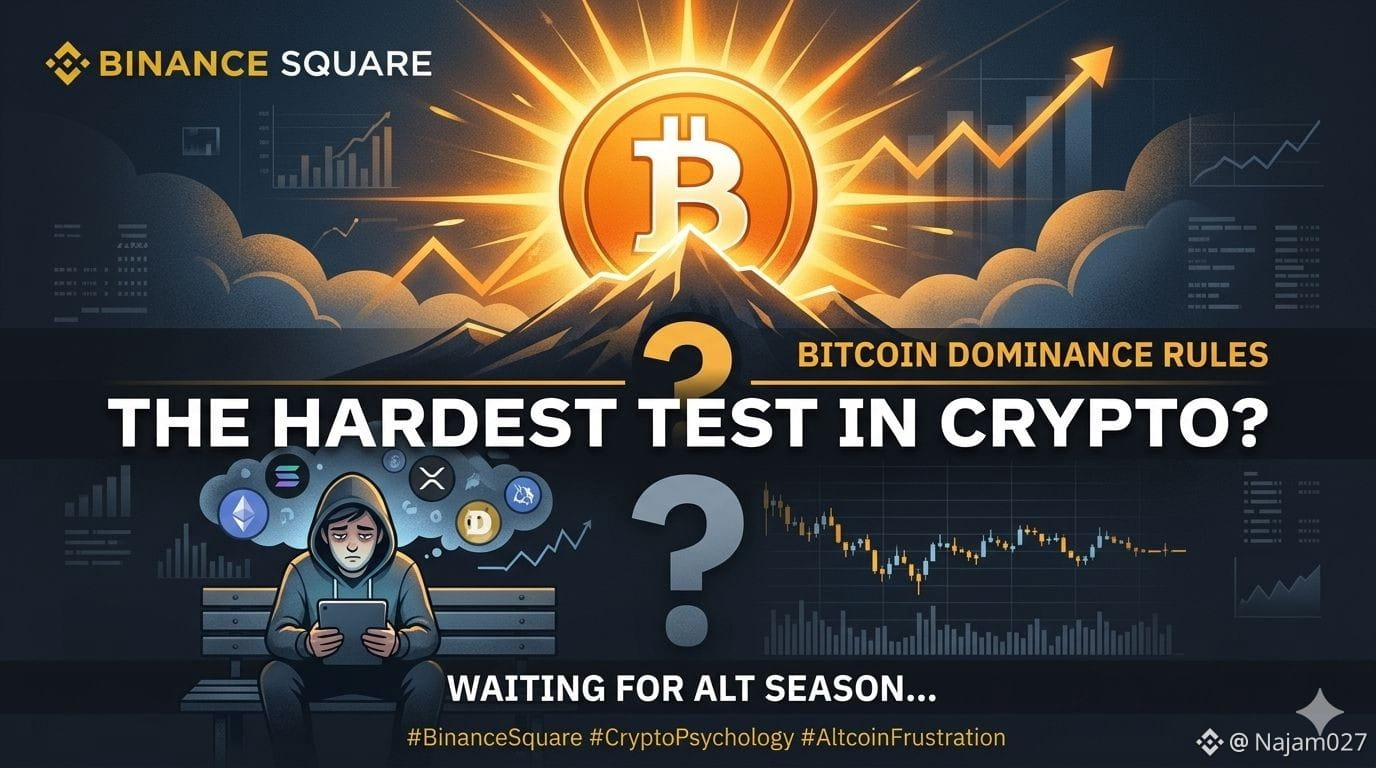
🧵 Der härteste Test im Krypto: Geduldig bleiben, während Bitcoin-Dominanz regiert 🕒
Seien wir mal ganz ehrlich. Bitcoin nahe Allzeithochs zu beobachten, während deine Lieblings-Altcoins seitwärts laufen oder langsam bluten, ist eines der frustrierendsten Gefühle im Krypto.
Du schaust dir dein Portfolio an, du schaust auf die Charts, und du fragst dich: „Wann ist es endlich unsere Runde?“
Wenn du das gerade fühlst, herzlichen Glückwunsch – du bist offiziell ein echter Krypto-Trader. Aber bevor du eine emotionale Entscheidung triffst und deine Altcoins mit Verlust verkaufst, nur um eine grüne Kerze woanders zu jagen, erinnere dich daran, wie der Marktzyklus wirklich funktioniert.
🔄 Der klassische Kapitalfluss (Das Muster lügt nie)
Geld in Krypto fließt nicht einfach überall gleichzeitig hinein. Es fließt wie Wasser:
Phase 1: Bitcoin pumpt und saugt die gesamte Liquidität aus dem Markt. Die Dominanz schießt in die Höhe.
Phase 2: Bitcoin stabilisiert sich auf hohem Preis, und große Layer-1s wie Ethereum oder Solana beginnen durchzustarten.
Phase 3: Large-Cap-Altcoins schalten einen Gang höher und holen auf.
Phase 4: Volle Altcoin-Saison. Liquidität cascadiert in Mid-Caps und Small-Caps. Hier passiert das lebensverändernde Leverage.
🛡️ Meine Strategie gerade:
Der größte Fehler, den Leute in dieser Phase machen, ist Over-Trading. Sie springen von einem Token zum anderen, zahlen Gebühren und geraten in Fake-Outs.
Statt in Panik zu verkaufen, ist der klügste Zug jetzt Konsolidierung. Wenn du Gewinne hast, ziehe in Betracht, sie sicher in grundlegende DeFi-Governance-Assets wie Uniswap ($UNI) zu parken oder hochvotierte Projekte in diesen ruhigen Wochen zu akkumulieren. Die Akkumulationsphase ist langweilig, aber genau hier wird das echte Geld verdient.
Lass nicht zu, dass der Markt deine Geduld erschöpft, direkt bevor die richtige Show beginnt! 💎
💬 LASST UNS REDEN:
Welchen Altcoin hältst du gerade mit Diamantenhänden, trotz der seitwärts Preisbewegungen? Dropp dein Top-Token in die Kommentare, und lass uns sehen, welche Community die stärkste Überzeugung hat! 👇
#Write2Earn
$ETH
🧵 Der härteste Test im Krypto: Geduldig bleiben, während Bitcoin-Dominanz regiert 🕒
Seien wir mal ganz ehrlich. Bitcoin nahe Allzeithochs zu beobachten, während deine Lieblings-Altcoins seitwärts laufen oder langsam bluten, ist eines der frustrierendsten Gefühle im Krypto.
Du schaust dir dein Portfolio an, du schaust auf die Charts, und du fragst dich: „Wann ist es endlich unsere Runde?“
Wenn du das gerade fühlst, herzlichen Glückwunsch – du bist offiziell ein echter Krypto-Trader. Aber bevor du eine emotionale Entscheidung triffst und deine Altcoins mit Verlust verkaufst, nur um eine grüne Kerze woanders zu jagen, erinnere dich daran, wie der Marktzyklus wirklich funktioniert.
🔄 Der klassische Kapitalfluss (Das Muster lügt nie)
Geld in Krypto fließt nicht einfach überall gleichzeitig hinein. Es fließt wie Wasser:
Phase 1: Bitcoin pumpt und saugt die gesamte Liquidität aus dem Markt. Die Dominanz schießt in die Höhe.
Phase 2: Bitcoin stabilisiert sich auf hohem Preis, und große Layer-1s wie Ethereum oder Solana beginnen durchzustarten.
Phase 3: Large-Cap-Altcoins schalten einen Gang höher und holen auf.
Phase 4: Volle Altcoin-Saison. Liquidität cascadiert in Mid-Caps und Small-Caps. Hier passiert das lebensverändernde Leverage.
🛡️ Meine Strategie gerade:
Der größte Fehler, den Leute in dieser Phase machen, ist Over-Trading. Sie springen von einem Token zum anderen, zahlen Gebühren und geraten in Fake-Outs.
Statt in Panik zu verkaufen, ist der klügste Zug jetzt Konsolidierung. Wenn du Gewinne hast, ziehe in Betracht, sie sicher in grundlegende DeFi-Governance-Assets wie Uniswap ($UNI) zu parken oder hochvotierte Projekte in diesen ruhigen Wochen zu akkumulieren. Die Akkumulationsphase ist langweilig, aber genau hier wird das echte Geld verdient.
Lass nicht zu, dass der Markt deine Geduld erschöpft, direkt bevor die richtige Show beginnt! 💎
💬 LASST UNS REDEN:
Welchen Altcoin hältst du gerade mit Diamantenhänden, trotz der seitwärts Preisbewegungen? Dropp dein Top-Token in die Kommentare, und lass uns sehen, welche Community die stärkste Überzeugung hat! 👇
#Write2Earn
$ETH
Seien wir mal ganz ehrlich. Bitcoin nahe Allzeithochs zu beobachten, während deine Lieblings-Altcoins seitwärts laufen oder langsam bluten, ist eines der frustrierendsten Gefühle im Krypto.
Du schaust dir dein Portfolio an, du schaust auf die Charts, und du fragst dich: „Wann ist es endlich unsere Runde?“
Wenn du das gerade fühlst, herzlichen Glückwunsch – du bist offiziell ein echter Krypto-Trader. Aber bevor du eine emotionale Entscheidung triffst und deine Altcoins mit Verlust verkaufst, nur um eine grüne Kerze woanders zu jagen, erinnere dich daran, wie der Marktzyklus wirklich funktioniert.
🔄 Der klassische Kapitalfluss (Das Muster lügt nie)
Geld in Krypto fließt nicht einfach überall gleichzeitig hinein. Es fließt wie Wasser:
Phase 1: Bitcoin pumpt und saugt die gesamte Liquidität aus dem Markt. Die Dominanz schießt in die Höhe.
Phase 2: Bitcoin stabilisiert sich auf hohem Preis, und große Layer-1s wie Ethereum oder Solana beginnen durchzustarten.
Phase 3: Large-Cap-Altcoins schalten einen Gang höher und holen auf.
Phase 4: Volle Altcoin-Saison. Liquidität cascadiert in Mid-Caps und Small-Caps. Hier passiert das lebensverändernde Leverage.
🛡️ Meine Strategie gerade:
Der größte Fehler, den Leute in dieser Phase machen, ist Over-Trading. Sie springen von einem Token zum anderen, zahlen Gebühren und geraten in Fake-Outs.
Statt in Panik zu verkaufen, ist der klügste Zug jetzt Konsolidierung. Wenn du Gewinne hast, ziehe in Betracht, sie sicher in grundlegende DeFi-Governance-Assets wie Uniswap ($UNI) zu parken oder hochvotierte Projekte in diesen ruhigen Wochen zu akkumulieren. Die Akkumulationsphase ist langweilig, aber genau hier wird das echte Geld verdient.
Lass nicht zu, dass der Markt deine Geduld erschöpft, direkt bevor die richtige Show beginnt! 💎
💬 LASST UNS REDEN:
Welchen Altcoin hältst du gerade mit Diamantenhänden, trotz der seitwärts Preisbewegungen? Dropp dein Top-Token in die Kommentare, und lass uns sehen, welche Community die stärkste Überzeugung hat! 👇
#Write2Earn
$ETH
34
·
--
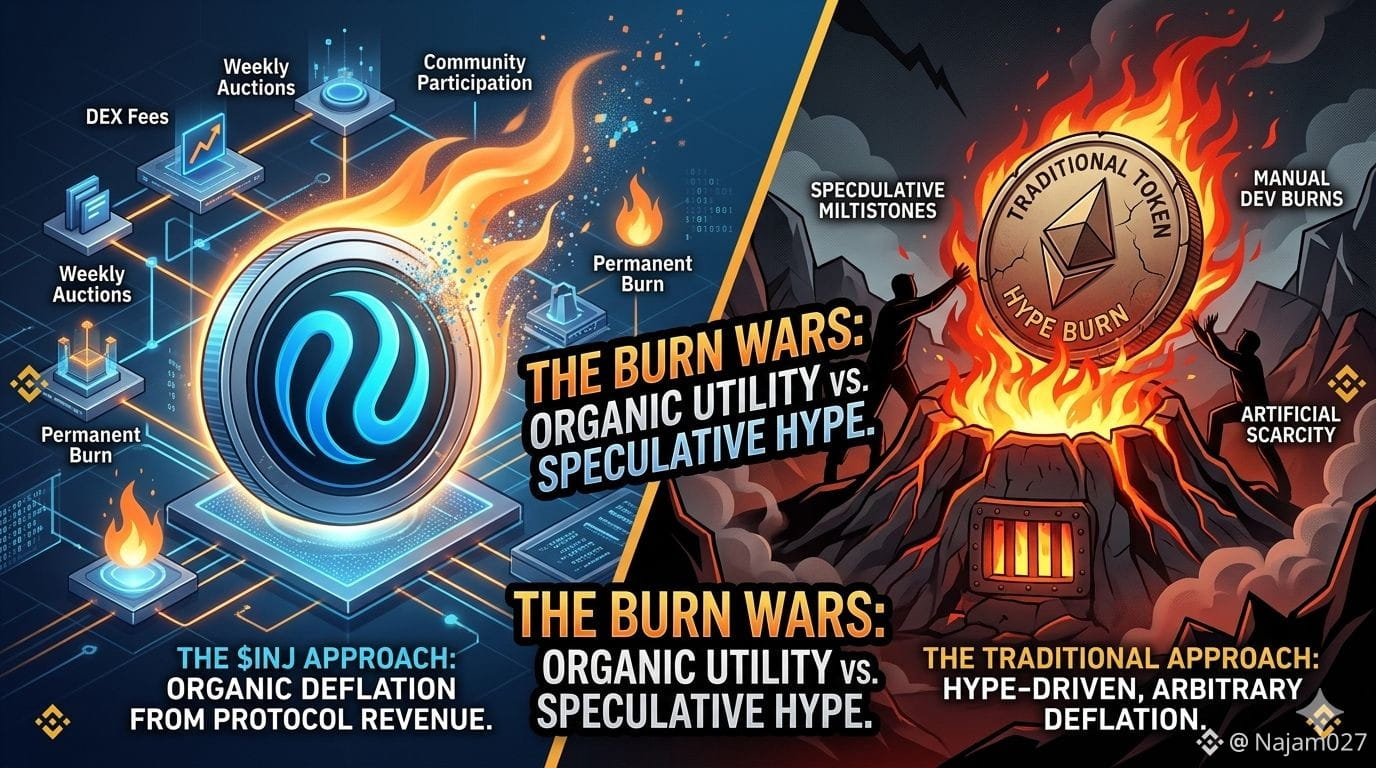
Setzt $INJ den Goldstandard für Token-Burns? 🚀
Die Debatte über Token-Burns spaltet weiterhin die Krypto-Community. Einige sehen es als künstlichen Hype, während andere es als das ultimative wirtschaftliche Werkzeug für Knappheit betrachten. Aber gerade jetzt auf Binance beweist Injective ($INJ), dass es viel wichtiger ist, WIE du brennst, als nur das Feuer selbst.
Statt sich auf einen einmaligen Gimmick oder eine leere "99% Launch-Burn"-Erzählung zu verlassen, zeigt die neu optimierte Kauf- und Burn-Maschine von Injective im Juni dem Markt, wie organische Deflation tatsächlich aussieht.
🧱 Warum die neue Inj-Burn-Maschine anders wirkt
Viele Projekte brennen Tokens aus einem stagnierenden Ökosystem-Reservat. Injective verfolgt einen völlig anderen, umsatzgetriebenen Ansatz:
100% echtes Protokoll-Einkommen: Das Netzwerk entfernt systematisch massive Mengen von $INJ aus dem zirkulierenden Angebot, indem es tatsächliche, organische Transaktionsgebühren verwendet, die über sein dezentrales Austausch-Ökosystem (DEX) generiert werden.
Der wöchentliche Auktions-Twist: Jede Woche werden 60% aller gesammelten Austauschgebühren auf Injective in eine Community-Auktion gesteckt. Nutzer bieten mit INJ. Das Inj des Gewinnangebots wird sofort und dauerhaft verbrannt.
Unvergleichlicher deflationärer Druck: Ein hohes Netzwerkvolumen korreliert direkt mit einer aggressiven Angebotsreduktion. Wenn die Handelsaktivität ansteigt, beschleunigt sich die Burn-Maschine in Echtzeit.
Setzt $INJ den Goldstandard für Token-Burns? 🚀
Die Debatte über Token-Burns spaltet weiterhin die Krypto-Community. Einige sehen es als künstlichen Hype, während andere es als das ultimative wirtschaftliche Werkzeug für Knappheit betrachten. Aber gerade jetzt auf Binance beweist Injective ($INJ ), dass es viel wichtiger ist, WIE du brennst, als nur das Feuer selbst.
Statt sich auf einen einmaligen Gimmick oder eine leere "99% Launch-Burn"-Erzählung zu verlassen, zeigt die neu optimierte Kauf- und Burn-Maschine von Injective im Juni dem Markt, wie organische Deflation tatsächlich aussieht.
🧱 Warum die neue Inj-Burn-Maschine anders wirkt
Viele Projekte brennen Tokens aus einem stagnierenden Ökosystem-Reservat. Injective verfolgt einen völlig anderen, umsatzgetriebenen Ansatz:
100% echtes Protokoll-Einkommen: Das Netzwerk entfernt systematisch massive Mengen von $INJ aus dem zirkulierenden Angebot, indem es tatsächliche, organische Transaktionsgebühren verwendet, die über sein dezentrales Austausch-Ökosystem (DEX) generiert werden.
Der wöchentliche Auktions-Twist: Jede Woche werden 60% aller gesammelten Austauschgebühren auf Injective in eine Community-Auktion gesteckt. Nutzer bieten mit INJ. Das Inj des Gewinnangebots wird sofort und dauerhaft verbrannt.
Unvergleichlicher deflationärer Druck: Ein hohes Netzwerkvolumen korreliert direkt mit einer aggressiven Angebotsreduktion. Wenn die Handelsaktivität ansteigt, beschleunigt sich die Burn-Maschine in Echtzeit.
Die Debatte über Token-Burns spaltet weiterhin die Krypto-Community. Einige sehen es als künstlichen Hype, während andere es als das ultimative wirtschaftliche Werkzeug für Knappheit betrachten. Aber gerade jetzt auf Binance beweist Injective ($INJ ), dass es viel wichtiger ist, WIE du brennst, als nur das Feuer selbst.
Statt sich auf einen einmaligen Gimmick oder eine leere "99% Launch-Burn"-Erzählung zu verlassen, zeigt die neu optimierte Kauf- und Burn-Maschine von Injective im Juni dem Markt, wie organische Deflation tatsächlich aussieht.
🧱 Warum die neue Inj-Burn-Maschine anders wirkt
Viele Projekte brennen Tokens aus einem stagnierenden Ökosystem-Reservat. Injective verfolgt einen völlig anderen, umsatzgetriebenen Ansatz:
100% echtes Protokoll-Einkommen: Das Netzwerk entfernt systematisch massive Mengen von $INJ aus dem zirkulierenden Angebot, indem es tatsächliche, organische Transaktionsgebühren verwendet, die über sein dezentrales Austausch-Ökosystem (DEX) generiert werden.
Der wöchentliche Auktions-Twist: Jede Woche werden 60% aller gesammelten Austauschgebühren auf Injective in eine Community-Auktion gesteckt. Nutzer bieten mit INJ. Das Inj des Gewinnangebots wird sofort und dauerhaft verbrannt.
Unvergleichlicher deflationärer Druck: Ein hohes Netzwerkvolumen korreliert direkt mit einer aggressiven Angebotsreduktion. Wenn die Handelsaktivität ansteigt, beschleunigt sich die Burn-Maschine in Echtzeit.
200
·
--
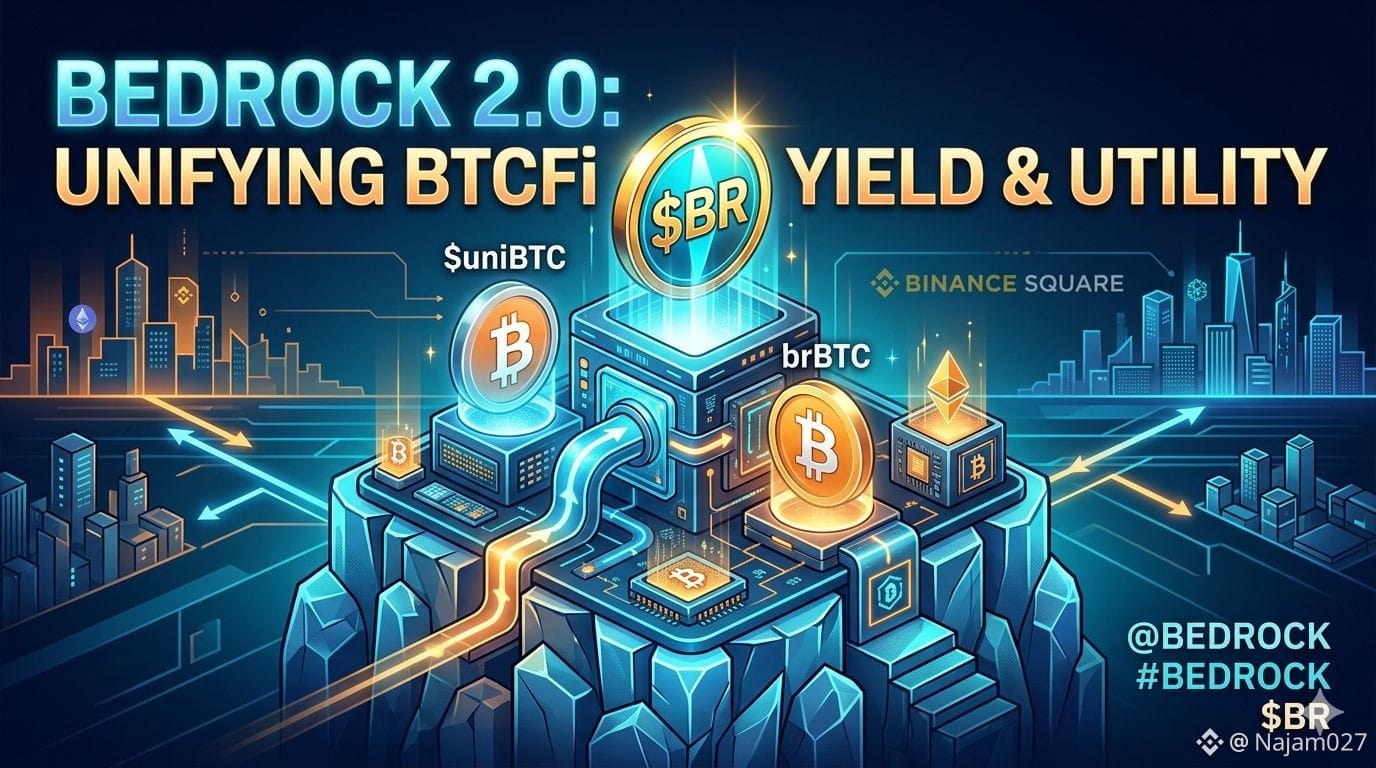
Warum das alte DeFi-Ertragsmodell kaputt ist (und wie Bedrock 2.0 es repariert)
Das Verfolgen von nicht nachhaltigen APY ist ein verlorenes Spiel. Bedrock 2.0 verändert das Meta vollständig, indem es über das kurzfristige Belohnungsrennen hinausgeht. Durch den Fokus auf Kapitalstabilität während der Markunsicherheit sorgt @Bedrock dafür, dass Vermögenswerte wie uniBTC langfristig engagiert bleiben, anstatt nur von einer Subvention zur nächsten zu springen. Achtet auf $BR ! 💎 #Bedrock
Warum das alte DeFi-Ertragsmodell kaputt ist (und wie Bedrock 2.0 es repariert)
Das Verfolgen von nicht nachhaltigen APY ist ein verlorenes Spiel. Bedrock 2.0 verändert das Meta vollständig, indem es über das kurzfristige Belohnungsrennen hinausgeht. Durch den Fokus auf Kapitalstabilität während der Markunsicherheit sorgt @Bedrock dafür, dass Vermögenswerte wie uniBTC langfristig engagiert bleiben, anstatt nur von einer Subvention zur nächsten zu springen. Achtet auf $BR ! 💎 #Bedrock
Das Verfolgen von nicht nachhaltigen APY ist ein verlorenes Spiel. Bedrock 2.0 verändert das Meta vollständig, indem es über das kurzfristige Belohnungsrennen hinausgeht. Durch den Fokus auf Kapitalstabilität während der Markunsicherheit sorgt @Bedrock dafür, dass Vermögenswerte wie uniBTC langfristig engagiert bleiben, anstatt nur von einer Subvention zur nächsten zu springen. Achtet auf $BR ! 💎 #Bedrock
81
·
--
Warum das alte DeFi-Ertragsmodell kaputt ist (und wie Bedrock 2.0 es repariert)
Dem unsustainable APY nachzujagen, ist ein verlorenes Spiel. Bedrock 2.0 verändert das Meta komplett, indem es über das kurzfristige Belohnungsrennen hinausgeht. Indem es sich auf die Kapitalstabilität während der Marktunsicherheit konzentriert, sorgt @Bedrock dafür, dass Vermögenswerte wie uniBTC langfristig engagiert bleiben, anstatt einfach von einer Subvention zur anderen zu springen. Achtet auf $BR! 💎 #Bedrock
Warum das alte DeFi-Ertragsmodell kaputt ist (und wie Bedrock 2.0 es repariert)
Dem unsustainable APY nachzujagen, ist ein verlorenes Spiel. Bedrock 2.0 verändert das Meta komplett, indem es über das kurzfristige Belohnungsrennen hinausgeht. Indem es sich auf die Kapitalstabilität während der Marktunsicherheit konzentriert, sorgt @Bedrock dafür, dass Vermögenswerte wie uniBTC langfristig engagiert bleiben, anstatt einfach von einer Subvention zur anderen zu springen. Achtet auf $BR! 💎 #Bedrock
Dem unsustainable APY nachzujagen, ist ein verlorenes Spiel. Bedrock 2.0 verändert das Meta komplett, indem es über das kurzfristige Belohnungsrennen hinausgeht. Indem es sich auf die Kapitalstabilität während der Marktunsicherheit konzentriert, sorgt @Bedrock dafür, dass Vermögenswerte wie uniBTC langfristig engagiert bleiben, anstatt einfach von einer Subvention zur anderen zu springen. Achtet auf $BR! 💎 #Bedrock
95
·
--
Bedrock: Technische & Marktmechanik
Da die Kapitalverteilung über Netzwerke hinweg wettbewerbsfähiger wird, sticht Bedrock 2.0 hervor, indem es direkt mit fragmentierter Liquidität umgeht. Durch die Verankerung der Sicherheit mittels fortschrittlicher Proof-Layer und das dynamische Management von Vermögenswerten etabliert @Bedrock eine erstklassige Renditeschicht, die tatsächlich die sich ändernden Marktbedingungen reibungslos verwaltet. Großartige Utility-Expansion steht bevor für $BR -Inhaber, die nach nachhaltigen, strukturierten On-Chain-Umgebungen suchen. #Bedrock $BR
Bedrock: Technische & Marktmechanik
Da die Kapitalverteilung über Netzwerke hinweg wettbewerbsfähiger wird, sticht Bedrock 2.0 hervor, indem es direkt mit fragmentierter Liquidität umgeht. Durch die Verankerung der Sicherheit mittels fortschrittlicher Proof-Layer und das dynamische Management von Vermögenswerten etabliert @Bedrock eine erstklassige Renditeschicht, die tatsächlich die sich ändernden Marktbedingungen reibungslos verwaltet. Großartige Utility-Expansion steht bevor für $BR -Inhaber, die nach nachhaltigen, strukturierten On-Chain-Umgebungen suchen. #Bedrock $BR
Da die Kapitalverteilung über Netzwerke hinweg wettbewerbsfähiger wird, sticht Bedrock 2.0 hervor, indem es direkt mit fragmentierter Liquidität umgeht. Durch die Verankerung der Sicherheit mittels fortschrittlicher Proof-Layer und das dynamische Management von Vermögenswerten etabliert @Bedrock eine erstklassige Renditeschicht, die tatsächlich die sich ändernden Marktbedingungen reibungslos verwaltet. Großartige Utility-Expansion steht bevor für $BR -Inhaber, die nach nachhaltigen, strukturierten On-Chain-Umgebungen suchen. #Bedrock $BR
1
100
·
--
Artikel
Dezentralisierung der KI-Revolution: Warum die Architektur von OpenLedger alles verändertDer rasante Anstieg der Künstlichen Intelligenz hat eine massive Schwachstelle in der modernen Tech-Landschaft offenbart: extreme Zentralisierung. Heute kontrolliert eine Handvoll Unternehmensmonopole die Daten, die Infrastruktur und die Monetarisierung von KI-Modellen. Dieses Setup lässt alltägliche Datenbeiträge völlig leer ausgehen. Doch ein bedeutender architektonischer Wandel ist im Gange. @Openledger baut aktiv dieses Monopol ab, indem es die weltweit erste KI-native Blockchain-Infrastruktur entwickelt, die speziell darauf ausgelegt ist, Transparenz, Datenbesitz und faire Tokenomics in die KI-Revolution zu bringen.
Dezentralisierung der KI-Revolution: Warum die Architektur von OpenLedger alles verändert
Der rasante Anstieg der Künstlichen Intelligenz hat eine massive Schwachstelle in der modernen Tech-Landschaft offenbart: extreme Zentralisierung. Heute kontrolliert eine Handvoll Unternehmensmonopole die Daten, die Infrastruktur und die Monetarisierung von KI-Modellen. Dieses Setup lässt alltägliche Datenbeiträge völlig leer ausgehen. Doch ein bedeutender architektonischer Wandel ist im Gange. @OpenLedger baut aktiv dieses Monopol ab, indem es die weltweit erste KI-native Blockchain-Infrastruktur entwickelt, die speziell darauf ausgelegt ist, Transparenz, Datenbesitz und faire Tokenomics in die KI-Revolution zu bringen.
71
·
--
Traditionelle KI-Riesen haben ihre Imperien aufgebaut, indem sie unsere Daten extrahiert haben, ohne uns etwas zurückzugeben. Es ist an der Zeit, die Extraktion in Eigenkapital zu verwandeln! @Openledger schreibt die Regeln der KI-Wirtschaft neu als die weltweit erste KI-native Blockchain.
Durch ihre einzigartige Proof of Attribution (PoA) Technologie wird jedes Stück Daten, jeder Schritt der Modellanpassung und jede Inferenz on-chain verfolgt und belohnt. Angetrieben wird dieses revolutionäre Ökosystem von $OPEN – das als natives L2-Gas dient und das Rückgrat für eine faire Wertverteilung bildet. Dezentrale KI kommt nicht nur; sie ist bereits hier. 💡
#OpenLedger
Traditionelle KI-Riesen haben ihre Imperien aufgebaut, indem sie unsere Daten extrahiert haben, ohne uns etwas zurückzugeben. Es ist an der Zeit, die Extraktion in Eigenkapital zu verwandeln! @OpenLedger schreibt die Regeln der KI-Wirtschaft neu als die weltweit erste KI-native Blockchain.
Durch ihre einzigartige Proof of Attribution (PoA) Technologie wird jedes Stück Daten, jeder Schritt der Modellanpassung und jede Inferenz on-chain verfolgt und belohnt. Angetrieben wird dieses revolutionäre Ökosystem von $OPEN – das als natives L2-Gas dient und das Rückgrat für eine faire Wertverteilung bildet. Dezentrale KI kommt nicht nur; sie ist bereits hier. 💡
#OpenLedger
Durch ihre einzigartige Proof of Attribution (PoA) Technologie wird jedes Stück Daten, jeder Schritt der Modellanpassung und jede Inferenz on-chain verfolgt und belohnt. Angetrieben wird dieses revolutionäre Ökosystem von $OPEN – das als natives L2-Gas dient und das Rückgrat für eine faire Wertverteilung bildet. Dezentrale KI kommt nicht nur; sie ist bereits hier. 💡
#OpenLedger
101
·
--

Artikel
Warum Proof of Attribution die dezentrale KI-Erzählung verändertDie meisten AI-Crypto-Projekte stehen vor einer strukturellen Herausforderung: Sie konzentrieren sich stark auf dezentrale Rechenleistung, ignorieren jedoch, wo die tatsächlichen Daten herkommen oder wie deren Schöpfer belohnt werden. Hier hebt sich @Openledger ab, indem es eine speziell entwickelte AI-Infrastruktur-Blockchain einführt.Im Zentrum dieses Ökosystems steht das Konzept der gemeinschaftlich besessenen Datensätze, bekannt als Datanets. Durch ein innovatives "Proof of Attribution"-Framework wird jede Aktion – vom Hochladen von Daten bis zum Trainieren von Modellen – dauerhaft on-chain aufgezeichnet. Wenn ein KI-Modell Wert generiert oder eine Aufgabe ausführt, verfolgt das Protokoll genau den Leistungsbeitrag der zugrunde liegenden Daten und sorgt dafür, dass die Beitragsleistenden fair entschädigt werden.
Warum Proof of Attribution die dezentrale KI-Erzählung verändert
Die meisten AI-Crypto-Projekte stehen vor einer strukturellen Herausforderung: Sie konzentrieren sich stark auf dezentrale Rechenleistung, ignorieren jedoch, wo die tatsächlichen Daten herkommen oder wie deren Schöpfer belohnt werden. Hier hebt sich @OpenLedger ab, indem es eine speziell entwickelte AI-Infrastruktur-Blockchain einführt.Im Zentrum dieses Ökosystems steht das Konzept der gemeinschaftlich besessenen Datensätze, bekannt als Datanets. Durch ein innovatives "Proof of Attribution"-Framework wird jede Aktion – vom Hochladen von Daten bis zum Trainieren von Modellen – dauerhaft on-chain aufgezeichnet. Wenn ein KI-Modell Wert generiert oder eine Aufgabe ausführt, verfolgt das Protokoll genau den Leistungsbeitrag der zugrunde liegenden Daten und sorgt dafür, dass die Beitragsleistenden fair entschädigt werden.
55
·
--
Fokus auf Infrastruktur & Mainnet-Ökosystemmetriken
Die Verfolgung des fundamentalen Wachstums der dezentralen Infrastruktur zeigt, warum @Openledger heraussticht. Mit Millionen registrierter Nodes und massiver On-Chain-Aktivität, die während der Netzwerk-Skalierungsphasen verifiziert wurde, ist klar, dass die Plattform für reale Lasten aufbaut. Während Modellentwickler und Datenanbieter $OPEN staken, um die Datenqualität zu garantieren, wird die organische Nachfrageloop zum Kernmotor des Netzwerks.
#OpenLedger
Fokus auf Infrastruktur & Mainnet-Ökosystemmetriken
Die Verfolgung des fundamentalen Wachstums der dezentralen Infrastruktur zeigt, warum @OpenLedger heraussticht. Mit Millionen registrierter Nodes und massiver On-Chain-Aktivität, die während der Netzwerk-Skalierungsphasen verifiziert wurde, ist klar, dass die Plattform für reale Lasten aufbaut. Während Modellentwickler und Datenanbieter $OPEN staken, um die Datenqualität zu garantieren, wird die organische Nachfrageloop zum Kernmotor des Netzwerks.
#OpenLedger
Die Verfolgung des fundamentalen Wachstums der dezentralen Infrastruktur zeigt, warum @OpenLedger heraussticht. Mit Millionen registrierter Nodes und massiver On-Chain-Aktivität, die während der Netzwerk-Skalierungsphasen verifiziert wurde, ist klar, dass die Plattform für reale Lasten aufbaut. Während Modellentwickler und Datenanbieter $OPEN staken, um die Datenqualität zu garantieren, wird die organische Nachfrageloop zum Kernmotor des Netzwerks.
#OpenLedger
67
·
--
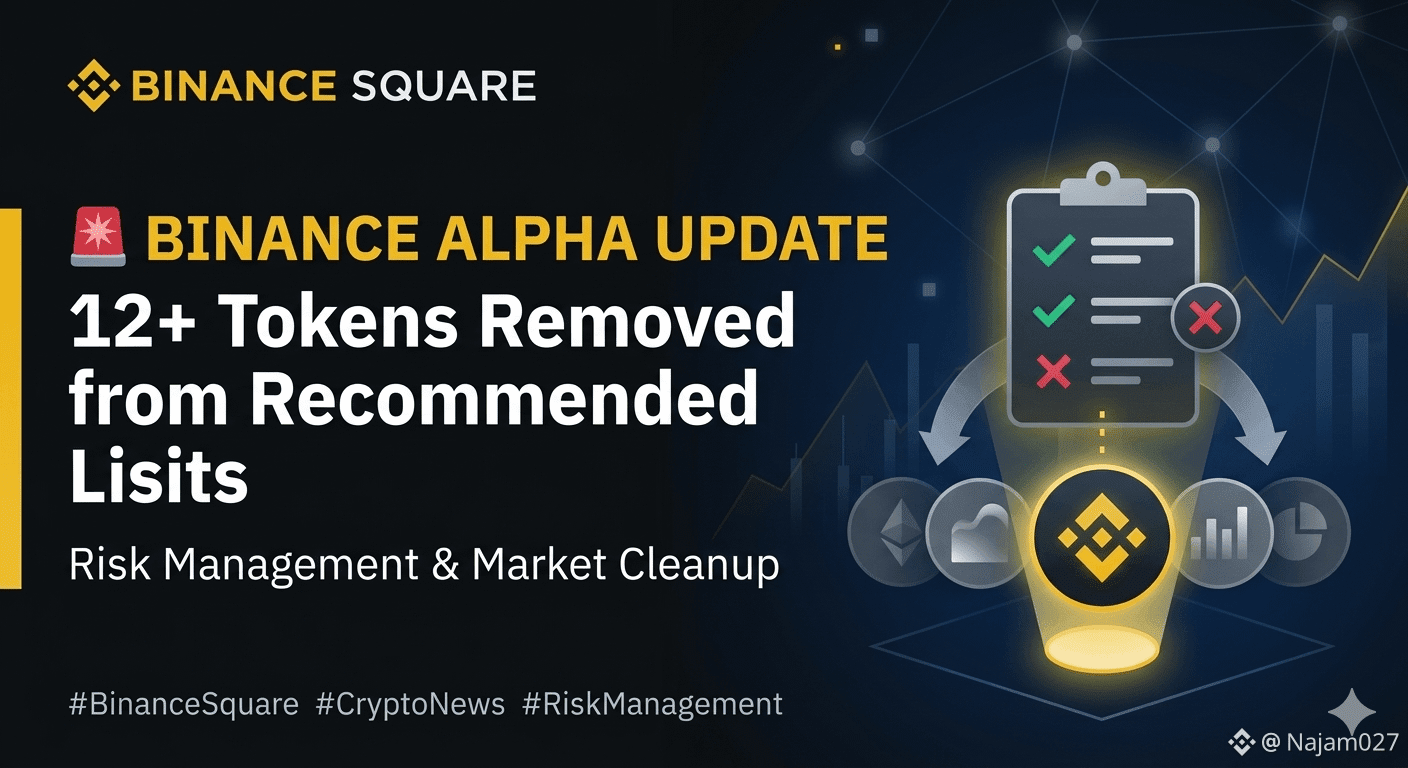
🚨 Binance Alpha räumt auf: 12+ Tokens aus den empfohlenen Listen entfernt! 📉
Der Crypto-Space bewegt sich schnell, und Binance Alpha hat gerade allen ins Gedächtnis gerufen, warum Risikomanagement König ist. Nach einer rigorosen regelmäßigen Überprüfung wurden mehrere frühe und risikobehaftete Tokens von den empfohlenen Listen der Plattform entfernt, da sie nicht mehr den Standardkriterien entsprechen.
Während Binance Alpha ein risikobehafteter, aber auch potenziell lukrativer Spielplatz bleibt, der massive Leverage-Renditen liefern kann, ist es auch eine harte Erinnerung an die Marktvolatilität. Wenn die Liquidität austrocknet oder die Projektstandards sinken, kommt das Reinigungsteam.
🔍 Wichtige Details, die man wissen sollte:
Handelsvorsicht: Wenn du frühe Assets hältst oder im Auge hast, erwarte erhöhte Preisvolatilität und geringere Liquidität nach diesen Plattformoptimierungen. Mach immer deine eigene Recherche (DYOR).
Immer noch zugänglich: Keine Panik, wenn du noch Guthaben hast! Funktionen zum Verkaufen und Abheben dieser Assets bleiben in der Regel aktiv. Du kannst sicher zu deinem Asset > Alpha Tab navigieren oder den Binance Wallet Markt nutzen, um deine Exit-Positionen zu verwalten.
💡 Tipp des Erstellers für volatile Märkte:
Wenn der Markt turbulent wird oder Risikofaktoren bei frühen Projekten steigen, ist einer der sichersten Schritte, um das Risiko zu mindern, Gewinne zu realisieren oder Kapital in stabilere, grundlegende DeFi-Governance-Assets wie Uniswap ($UNI) oder etablierte Layer-One-Ökosysteme zu verschieben. Dein Kapital zu schützen, hat immer Priorität #1! 🛡️
Was denkst du über diese letzte Welle der Delistings? Haltest du gerade hochriskante Assets oder hast du deine Mittel bereits in sicherere Investments umgeschichtet? Lass uns in den Kommentaren unten diskutieren! #BinanceAlpaAlert
🚨 Binance Alpha räumt auf: 12+ Tokens aus den empfohlenen Listen entfernt! 📉
Der Crypto-Space bewegt sich schnell, und Binance Alpha hat gerade allen ins Gedächtnis gerufen, warum Risikomanagement König ist. Nach einer rigorosen regelmäßigen Überprüfung wurden mehrere frühe und risikobehaftete Tokens von den empfohlenen Listen der Plattform entfernt, da sie nicht mehr den Standardkriterien entsprechen.
Während Binance Alpha ein risikobehafteter, aber auch potenziell lukrativer Spielplatz bleibt, der massive Leverage-Renditen liefern kann, ist es auch eine harte Erinnerung an die Marktvolatilität. Wenn die Liquidität austrocknet oder die Projektstandards sinken, kommt das Reinigungsteam.
🔍 Wichtige Details, die man wissen sollte:
Handelsvorsicht: Wenn du frühe Assets hältst oder im Auge hast, erwarte erhöhte Preisvolatilität und geringere Liquidität nach diesen Plattformoptimierungen. Mach immer deine eigene Recherche (DYOR).
Immer noch zugänglich: Keine Panik, wenn du noch Guthaben hast! Funktionen zum Verkaufen und Abheben dieser Assets bleiben in der Regel aktiv. Du kannst sicher zu deinem Asset > Alpha Tab navigieren oder den Binance Wallet Markt nutzen, um deine Exit-Positionen zu verwalten.
💡 Tipp des Erstellers für volatile Märkte:
Wenn der Markt turbulent wird oder Risikofaktoren bei frühen Projekten steigen, ist einer der sichersten Schritte, um das Risiko zu mindern, Gewinne zu realisieren oder Kapital in stabilere, grundlegende DeFi-Governance-Assets wie Uniswap ($UNI) oder etablierte Layer-One-Ökosysteme zu verschieben. Dein Kapital zu schützen, hat immer Priorität #1! 🛡️
Was denkst du über diese letzte Welle der Delistings? Haltest du gerade hochriskante Assets oder hast du deine Mittel bereits in sicherere Investments umgeschichtet? Lass uns in den Kommentaren unten diskutieren! #BinanceAlpaAlert
Der Crypto-Space bewegt sich schnell, und Binance Alpha hat gerade allen ins Gedächtnis gerufen, warum Risikomanagement König ist. Nach einer rigorosen regelmäßigen Überprüfung wurden mehrere frühe und risikobehaftete Tokens von den empfohlenen Listen der Plattform entfernt, da sie nicht mehr den Standardkriterien entsprechen.
Während Binance Alpha ein risikobehafteter, aber auch potenziell lukrativer Spielplatz bleibt, der massive Leverage-Renditen liefern kann, ist es auch eine harte Erinnerung an die Marktvolatilität. Wenn die Liquidität austrocknet oder die Projektstandards sinken, kommt das Reinigungsteam.
🔍 Wichtige Details, die man wissen sollte:
Handelsvorsicht: Wenn du frühe Assets hältst oder im Auge hast, erwarte erhöhte Preisvolatilität und geringere Liquidität nach diesen Plattformoptimierungen. Mach immer deine eigene Recherche (DYOR).
Immer noch zugänglich: Keine Panik, wenn du noch Guthaben hast! Funktionen zum Verkaufen und Abheben dieser Assets bleiben in der Regel aktiv. Du kannst sicher zu deinem Asset > Alpha Tab navigieren oder den Binance Wallet Markt nutzen, um deine Exit-Positionen zu verwalten.
💡 Tipp des Erstellers für volatile Märkte:
Wenn der Markt turbulent wird oder Risikofaktoren bei frühen Projekten steigen, ist einer der sichersten Schritte, um das Risiko zu mindern, Gewinne zu realisieren oder Kapital in stabilere, grundlegende DeFi-Governance-Assets wie Uniswap ($UNI) oder etablierte Layer-One-Ökosysteme zu verschieben. Dein Kapital zu schützen, hat immer Priorität #1! 🛡️
Was denkst du über diese letzte Welle der Delistings? Haltest du gerade hochriskante Assets oder hast du deine Mittel bereits in sicherere Investments umgeschichtet? Lass uns in den Kommentaren unten diskutieren! #BinanceAlpaAlert
185
·
--
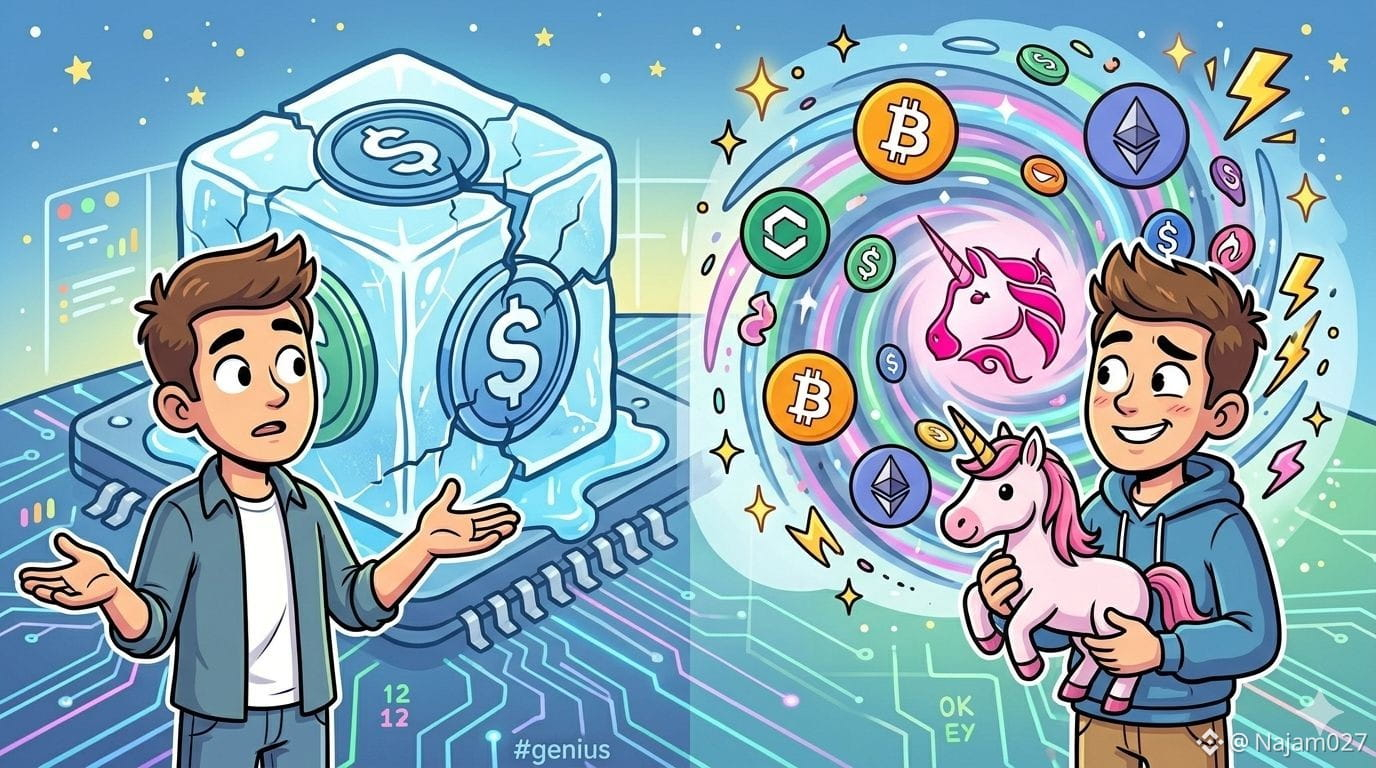
# Die "Stablecoin" Illusion
Freund: "Hey, ich habe gesehen, dass Bitcoin diese Woche von $77.000 auf $72.800 in einem Wimpernschlag gefallen ist. Wie kommst du mit der Volatilität klar?"
Ich: "Oh, das ist total in Ordnung, ich habe eine Menge meiner Assets in eine hochstabile, niedrigvolatile Alternative umgewandelt."
Freund: "Nice, USDC oder USDT?"
Ich: "Nein, Uniswap." $UNI
# Die "Stablecoin" Illusion
Freund: "Hey, ich habe gesehen, dass Bitcoin diese Woche von $77.000 auf $72.800 in einem Wimpernschlag gefallen ist. Wie kommst du mit der Volatilität klar?"
Ich: "Oh, das ist total in Ordnung, ich habe eine Menge meiner Assets in eine hochstabile, niedrigvolatile Alternative umgewandelt."
Freund: "Nice, USDC oder USDT?"
Ich: "Nein, Uniswap." $UNI
Freund: "Hey, ich habe gesehen, dass Bitcoin diese Woche von $77.000 auf $72.800 in einem Wimpernschlag gefallen ist. Wie kommst du mit der Volatilität klar?"
Ich: "Oh, das ist total in Ordnung, ich habe eine Menge meiner Assets in eine hochstabile, niedrigvolatile Alternative umgewandelt."
Freund: "Nice, USDC oder USDT?"
Ich: "Nein, Uniswap." $UNI
101
·
--
Artikel
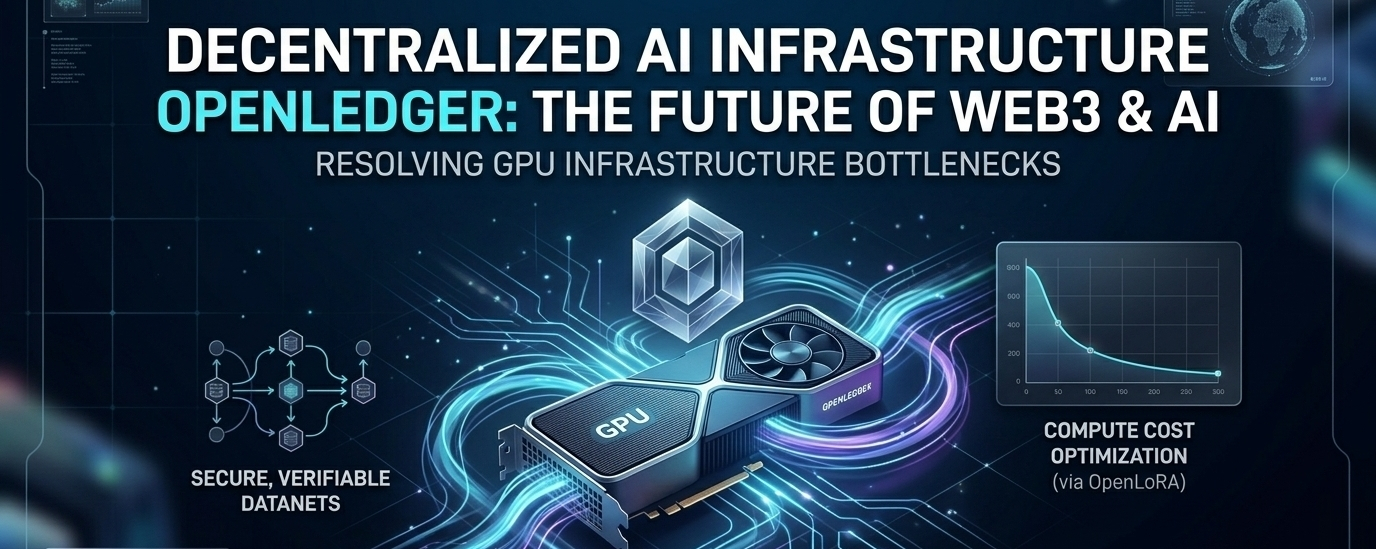
Dezentrale KI-Infrastruktur: Die Rolle von OpenLedger in der Evolution von Web3Die Synergie zwischen Blockchain und künstlicher Intelligenz verändert das digitale Eigentum, und @Openledger steht an der Spitze dieser Transformation. Durch den Aufbau einer leistungsstarken, EVM-kompatiblen Dateninfrastruktur-Schicht bietet das Projekt ein dezentrales Ausführungsecosystem, in dem KI-Modelle, spezialisierte Agenten und hochwertige Datensätze mit transparenter, on-chain Validierung arbeiten können.
Die Hardware-Barriere mit OpenLoRA überwinden
Eine große Hürde für dezentrale KI war immer die immense Kosten von Recheninfrastruktur. Traditionelle Setups erfordern erhebliche GPU-Power, um komplexe Modelle zu verarbeiten. OpenLedger geht direkt auf diesen Engpass ein durch sein innovatives OpenLoRA-Framework, das es Tausenden von spezialisierten, fein abgestimmten KI-Modellen ermöglicht, effizient auf einzelnen GPU-Setups zu laufen. Dies senkt die Betriebskosten für Entwickler drastisch, während gleichzeitig die Netzwerkdurchsatz und Sicherheit hoch bleiben.
Dezentrale KI-Infrastruktur: Die Rolle von OpenLedger in der Evolution von Web3
Die Synergie zwischen Blockchain und künstlicher Intelligenz verändert das digitale Eigentum, und @OpenLedger steht an der Spitze dieser Transformation. Durch den Aufbau einer leistungsstarken, EVM-kompatiblen Dateninfrastruktur-Schicht bietet das Projekt ein dezentrales Ausführungsecosystem, in dem KI-Modelle, spezialisierte Agenten und hochwertige Datensätze mit transparenter, on-chain Validierung arbeiten können.
Die Hardware-Barriere mit OpenLoRA überwinden
Eine große Hürde für dezentrale KI war immer die immense Kosten von Recheninfrastruktur. Traditionelle Setups erfordern erhebliche GPU-Power, um komplexe Modelle zu verarbeiten. OpenLedger geht direkt auf diesen Engpass ein durch sein innovatives OpenLoRA-Framework, das es Tausenden von spezialisierten, fein abgestimmten KI-Modellen ermöglicht, effizient auf einzelnen GPU-Setups zu laufen. Dies senkt die Betriebskosten für Entwickler drastisch, während gleichzeitig die Netzwerkdurchsatz und Sicherheit hoch bleiben.
Die Hardware-Barriere mit OpenLoRA überwinden
Eine große Hürde für dezentrale KI war immer die immense Kosten von Recheninfrastruktur. Traditionelle Setups erfordern erhebliche GPU-Power, um komplexe Modelle zu verarbeiten. OpenLedger geht direkt auf diesen Engpass ein durch sein innovatives OpenLoRA-Framework, das es Tausenden von spezialisierten, fein abgestimmten KI-Modellen ermöglicht, effizient auf einzelnen GPU-Setups zu laufen. Dies senkt die Betriebskosten für Entwickler drastisch, während gleichzeitig die Netzwerkdurchsatz und Sicherheit hoch bleiben.
62
·
--
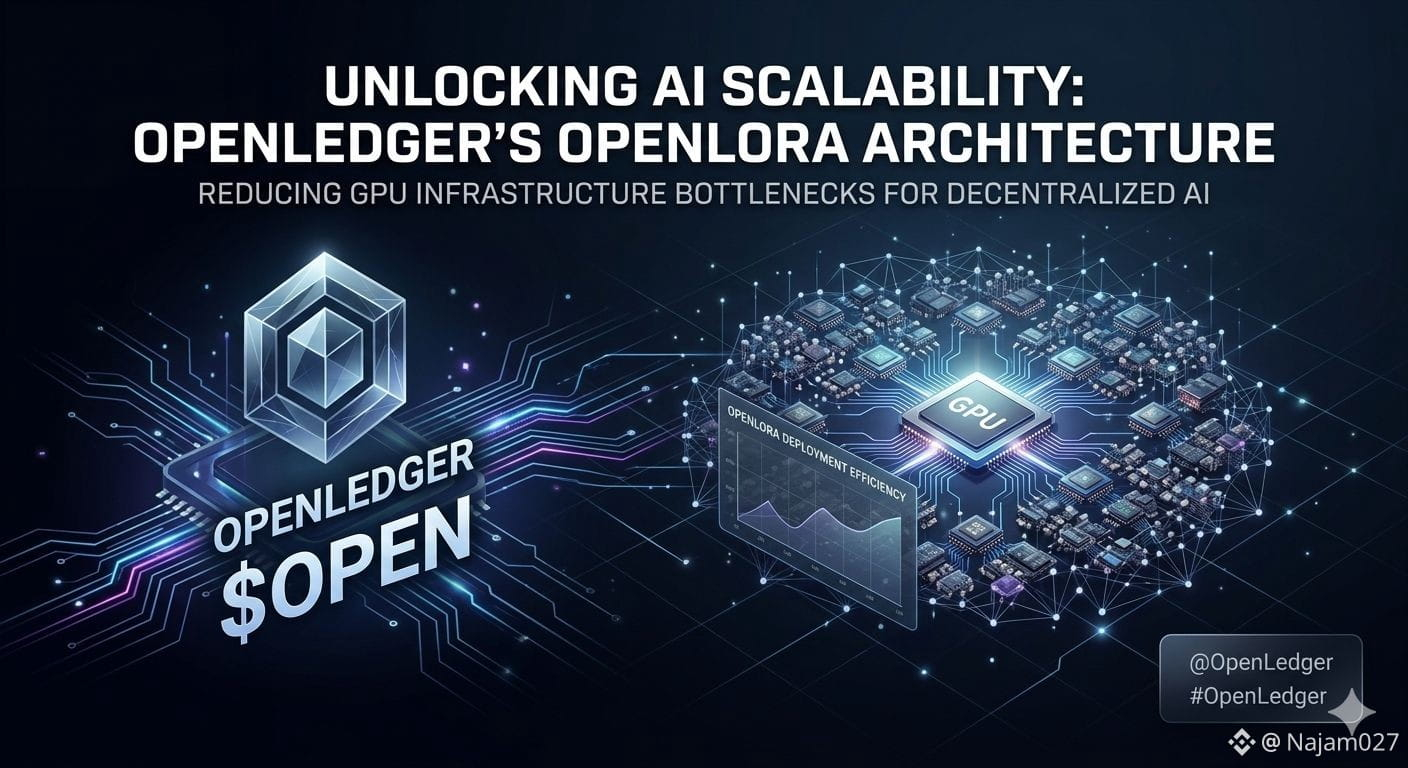
Die Skalierbarkeit von KI freischalten: Wie OpenLedger den GPU-Infrastruktur-Flaschenhals löst
Skalierbarkeit bleibt eine große Herausforderung für KI dApps, aber @Openledger packt das mit einer speziell entwickelten Architektur an. Ihr OpenLoRA-Bereitstellungs-Engine ermöglicht es Tausenden von maßgeschneiderten KI-Modellen, effizient auf einzelnen GPU-Setups zu laufen, wodurch die Infrastrukturkosten drastisch gesenkt werden, ohne die Leistungskennzahlen zu beeinträchtigen. Unterstützt von einer EVM-kompatiblen Infrastrukturschicht ermöglicht es eine nahtlose Integration für bestehende Web3-Wallets und Smart Contracts. Wir behalten die $OPEN genau im Auge. #OpenLedger
Die Skalierbarkeit von KI freischalten: Wie OpenLedger den GPU-Infrastruktur-Flaschenhals löst
Skalierbarkeit bleibt eine große Herausforderung für KI dApps, aber @OpenLedger packt das mit einer speziell entwickelten Architektur an. Ihr OpenLoRA-Bereitstellungs-Engine ermöglicht es Tausenden von maßgeschneiderten KI-Modellen, effizient auf einzelnen GPU-Setups zu laufen, wodurch die Infrastrukturkosten drastisch gesenkt werden, ohne die Leistungskennzahlen zu beeinträchtigen. Unterstützt von einer EVM-kompatiblen Infrastrukturschicht ermöglicht es eine nahtlose Integration für bestehende Web3-Wallets und Smart Contracts. Wir behalten die $OPEN genau im Auge. #OpenLedger
Skalierbarkeit bleibt eine große Herausforderung für KI dApps, aber @OpenLedger packt das mit einer speziell entwickelten Architektur an. Ihr OpenLoRA-Bereitstellungs-Engine ermöglicht es Tausenden von maßgeschneiderten KI-Modellen, effizient auf einzelnen GPU-Setups zu laufen, wodurch die Infrastrukturkosten drastisch gesenkt werden, ohne die Leistungskennzahlen zu beeinträchtigen. Unterstützt von einer EVM-kompatiblen Infrastrukturschicht ermöglicht es eine nahtlose Integration für bestehende Web3-Wallets und Smart Contracts. Wir behalten die $OPEN genau im Auge. #OpenLedger
71
·
--
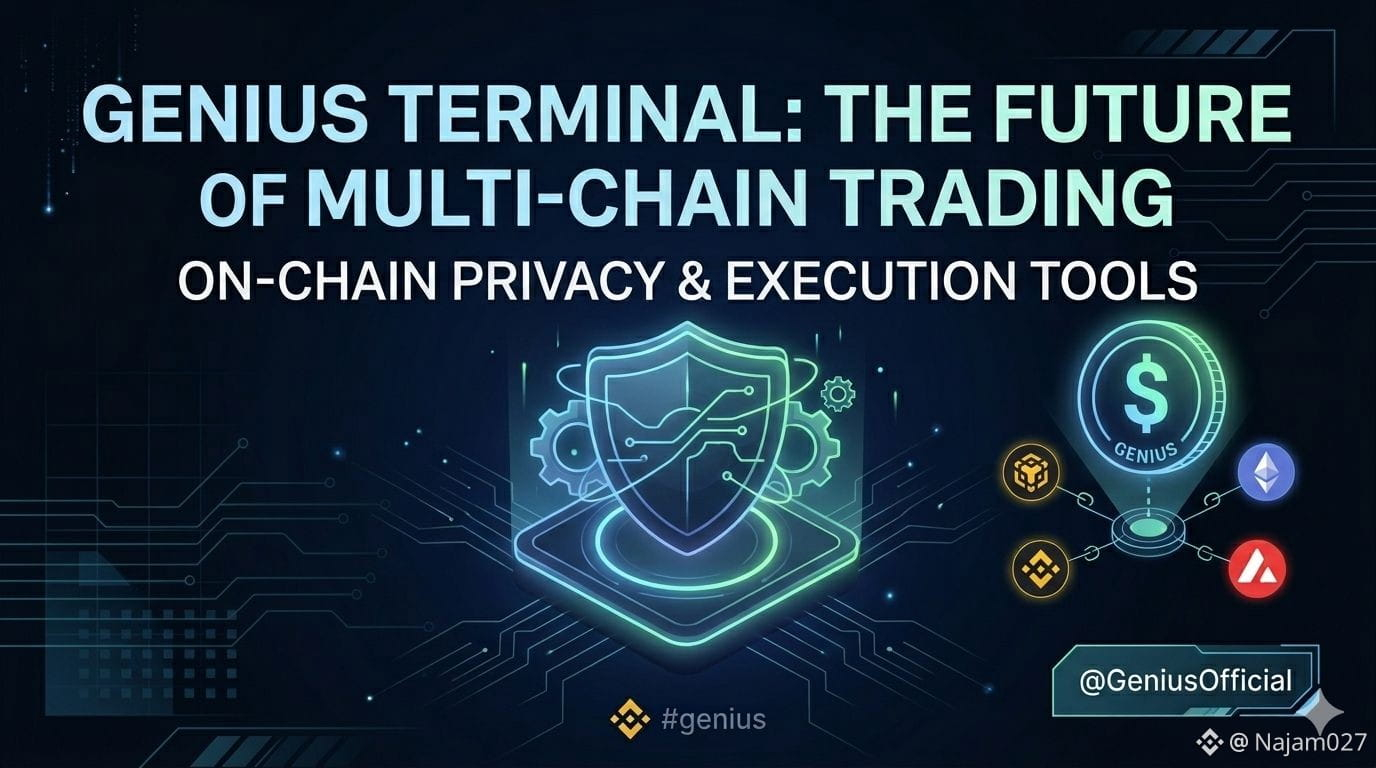
Fokus auf Multi-Chain & Datenschutzfunktionen (Handelszentriert)
Die multi-chain Fähigkeiten des Genius Terminal zu erkunden, zeigt klar, dass sie etwas Mächtiges für fortgeschrittene Trader aufbauen. Spot und Perps über 10+ Chains von einer einzigen Oberfläche zu managen, kombiniert mit datenschutzorientierten Ausführungstools wie Ghost Orders, ist ein echter Game-Changer für die DeFi-Landschaft. Halte ein Auge auf @GeniusOfficial , während sie expandieren. $GENIUS #genius
Fokus auf Multi-Chain & Datenschutzfunktionen (Handelszentriert)
Die multi-chain Fähigkeiten des Genius Terminal zu erkunden, zeigt klar, dass sie etwas Mächtiges für fortgeschrittene Trader aufbauen. Spot und Perps über 10+ Chains von einer einzigen Oberfläche zu managen, kombiniert mit datenschutzorientierten Ausführungstools wie Ghost Orders, ist ein echter Game-Changer für die DeFi-Landschaft. Halte ein Auge auf @GeniusOfficial , während sie expandieren. $GENIUS #genius
Die multi-chain Fähigkeiten des Genius Terminal zu erkunden, zeigt klar, dass sie etwas Mächtiges für fortgeschrittene Trader aufbauen. Spot und Perps über 10+ Chains von einer einzigen Oberfläche zu managen, kombiniert mit datenschutzorientierten Ausführungstools wie Ghost Orders, ist ein echter Game-Changer für die DeFi-Landschaft. Halte ein Auge auf @GeniusOfficial , während sie expandieren. $GENIUS #genius
128
·
--
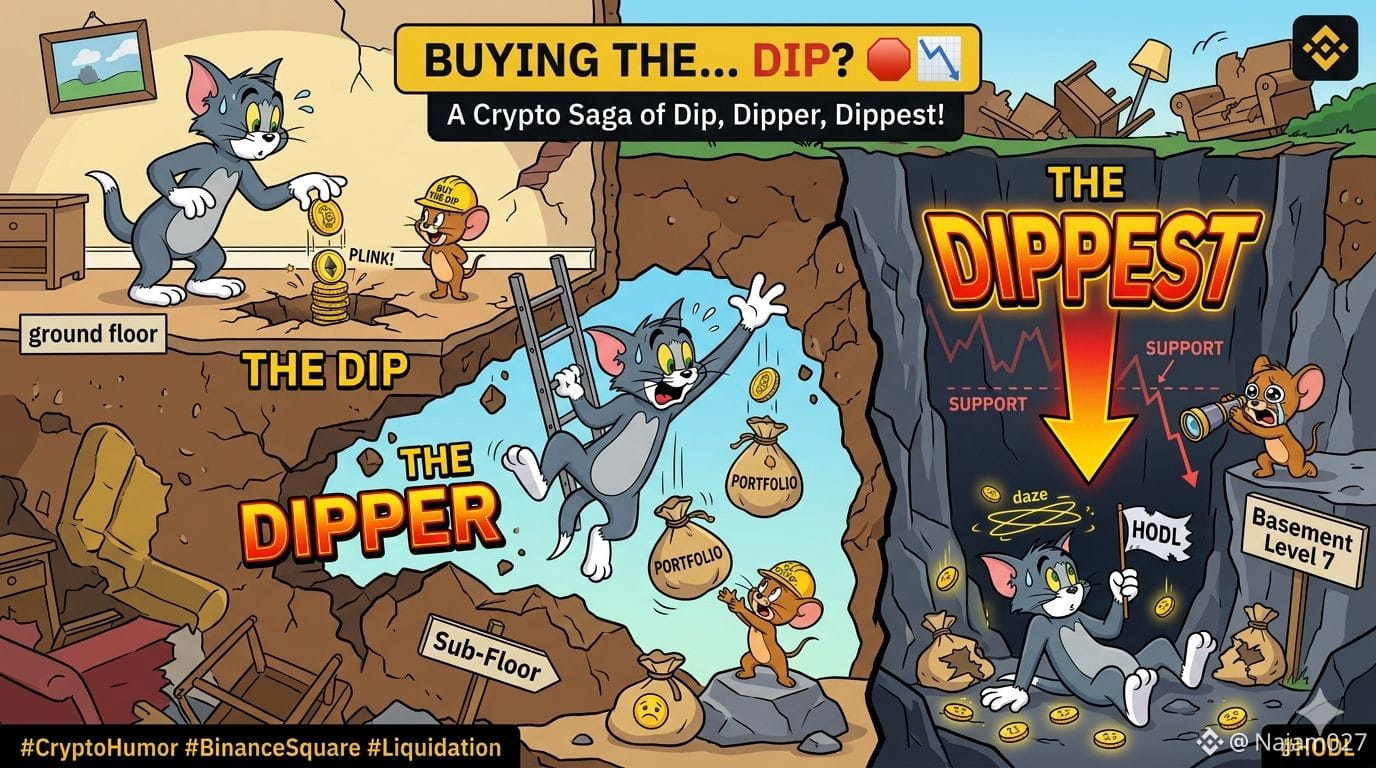
Die Anatomie eines Crypto-Dips: Dip, Dipper, Dippest! 🛑
Ich dachte, ich wäre ein Genie, weil ich gewartet habe, um den "Dip" zu kaufen.
Dann ist der Markt tiefer gefallen.
Jetzt sind wir offiziell im tiefsten Gebiet, und meine Wallet weint in drei verschiedenen Sprachen. Bei diesem Tempo ist der nächste Halt nicht der Mond, sondern der Erdmittelpunkt! Wer hat heute auch den falschen Boden gekauft? 😭📉 @Binance_Square_Official #BuyTheDip
$BTC
Die Anatomie eines Crypto-Dips: Dip, Dipper, Dippest! 🛑
Ich dachte, ich wäre ein Genie, weil ich gewartet habe, um den "Dip" zu kaufen.
Dann ist der Markt tiefer gefallen.
Jetzt sind wir offiziell im tiefsten Gebiet, und meine Wallet weint in drei verschiedenen Sprachen. Bei diesem Tempo ist der nächste Halt nicht der Mond, sondern der Erdmittelpunkt! Wer hat heute auch den falschen Boden gekauft? 😭📉 @Binance Square Official #BuyTheDip
$BTC
Ich dachte, ich wäre ein Genie, weil ich gewartet habe, um den "Dip" zu kaufen.
Dann ist der Markt tiefer gefallen.
Jetzt sind wir offiziell im tiefsten Gebiet, und meine Wallet weint in drei verschiedenen Sprachen. Bei diesem Tempo ist der nächste Halt nicht der Mond, sondern der Erdmittelpunkt! Wer hat heute auch den falschen Boden gekauft? 😭📉 @Binance Square Official #BuyTheDip
$BTC
3
179
·
--
Artikel
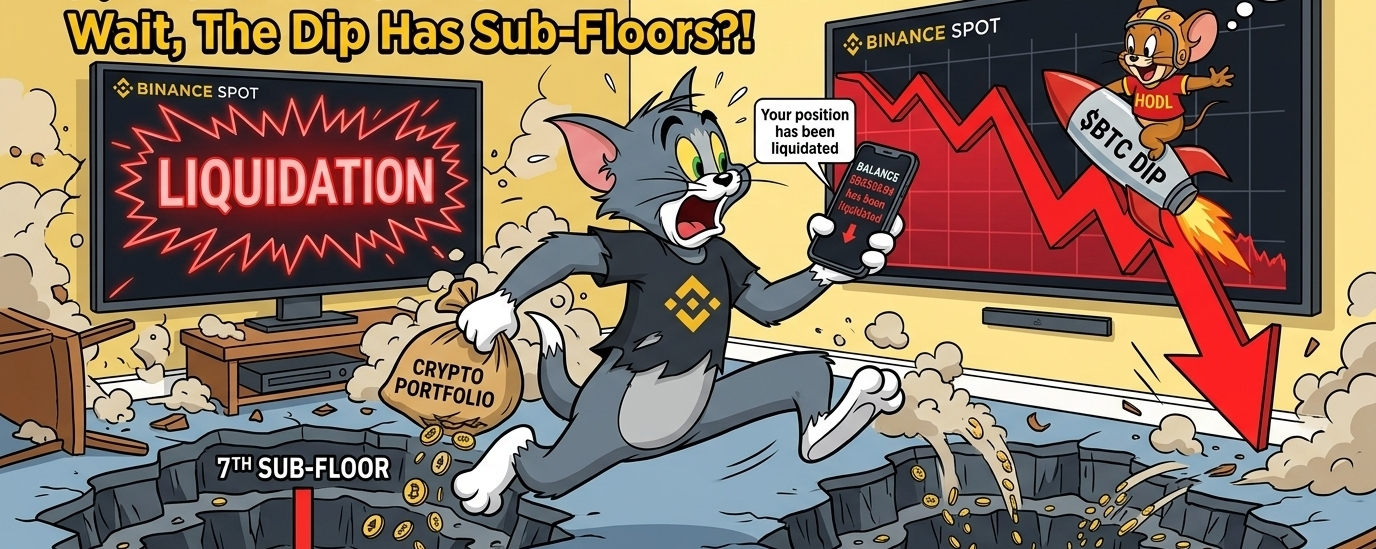
Leben im 7. Untergeschoss des Krypto-Dips! 😭Mein Krypto-Portfolio und ich hatten heute ein tiefgründiges Gespräch.
Ich schaute auf den Bildschirm, sah Bitcoin unter $73k rutschen und Ethereum unter $2k brechen, und ich flüsterte: "Bitte, gib mir einfach ein Zeichen."
Es gab mir wirklich ein Zeichen. Ein massives, blinkendes rotes Zeichen, das sagte: "Deine Position wurde liquidiert."
Jetzt weiß ich, warum Binance es einen
"Spot" Markt nennt—denn wenn du heute auf dein Guthaben schaust, ist es einfach weg!sSpot! 😭📉Bonus Markt Realität:Sie sagten, man solle den Dip kaufen, aber niemand hat uns gesagt, dass der Dip sieben unterirdische Stockwerke hat! Bleibt sicher da draußen, wenn ihr heute mit Hebel tradet!$BNB
Leben im 7. Untergeschoss des Krypto-Dips! 😭
Mein Krypto-Portfolio und ich hatten heute ein tiefgründiges Gespräch.
Ich schaute auf den Bildschirm, sah Bitcoin unter $73k rutschen und Ethereum unter $2k brechen, und ich flüsterte: "Bitte, gib mir einfach ein Zeichen."
Es gab mir wirklich ein Zeichen. Ein massives, blinkendes rotes Zeichen, das sagte: "Deine Position wurde liquidiert."
Jetzt weiß ich, warum Binance es einen
"Spot" Markt nennt—denn wenn du heute auf dein Guthaben schaust, ist es einfach weg!sSpot! 😭📉Bonus Markt Realität:Sie sagten, man solle den Dip kaufen, aber niemand hat uns gesagt, dass der Dip sieben unterirdische Stockwerke hat! Bleibt sicher da draußen, wenn ihr heute mit Hebel tradet!$BNB
Ich schaute auf den Bildschirm, sah Bitcoin unter $73k rutschen und Ethereum unter $2k brechen, und ich flüsterte: "Bitte, gib mir einfach ein Zeichen."
Es gab mir wirklich ein Zeichen. Ein massives, blinkendes rotes Zeichen, das sagte: "Deine Position wurde liquidiert."
Jetzt weiß ich, warum Binance es einen
"Spot" Markt nennt—denn wenn du heute auf dein Guthaben schaust, ist es einfach weg!sSpot! 😭📉Bonus Markt Realität:Sie sagten, man solle den Dip kaufen, aber niemand hat uns gesagt, dass der Dip sieben unterirdische Stockwerke hat! Bleibt sicher da draußen, wenn ihr heute mit Hebel tradet!$BNB
1
168
·
--

Artikel
Über den Hype hinaus: Bewertung des realen Nutzens von Web3 KI-ProtokollenDie Krypto-Märkte sind überflutet mit Projekten, die auf der Hype-Welle der künstlichen Intelligenz reiten, ohne greifbare Infrastruktur zu bieten. Wenn man tiefer in die zugrunde liegende Technologie eintaucht, setzen Protokolle wie @Openledger einen grundsätzlich anderen Standard. Statt nur spekulative Vermögenswerte zu schaffen, bauen sie ein unveränderliches Ledger, auf dem autonome KI-Agenten aktiv Daten handeln, berechnen und Transaktionen nativ on-chain abwickeln können.
Der Puls dieses gesamten Ökosystems ist der $OPEN Token. Im Gegensatz zu typischen Governance-Token mit begrenzter Nützlichkeit hat $OPEN einen kritischen strukturellen Zweck: Belohnung von Rechenanbietern, Ermöglichung dezentraler Datenmarktplätze und nahtlose Transaktionen über die Community-Datanets hinweg. Indem sie komplexe KI-Modelle und großangelegte Datensätze in verifiable on-chain Vermögenswerte verwandeln, beheben sie die massiven Transparenz- und Monetarisierungsprobleme, die die Web2 KI-Entwicklung plagen.
Über den Hype hinaus: Bewertung des realen Nutzens von Web3 KI-Protokollen
Die Krypto-Märkte sind überflutet mit Projekten, die auf der Hype-Welle der künstlichen Intelligenz reiten, ohne greifbare Infrastruktur zu bieten. Wenn man tiefer in die zugrunde liegende Technologie eintaucht, setzen Protokolle wie @OpenLedger einen grundsätzlich anderen Standard. Statt nur spekulative Vermögenswerte zu schaffen, bauen sie ein unveränderliches Ledger, auf dem autonome KI-Agenten aktiv Daten handeln, berechnen und Transaktionen nativ on-chain abwickeln können.
Der Puls dieses gesamten Ökosystems ist der $OPEN Token. Im Gegensatz zu typischen Governance-Token mit begrenzter Nützlichkeit hat $OPEN einen kritischen strukturellen Zweck: Belohnung von Rechenanbietern, Ermöglichung dezentraler Datenmarktplätze und nahtlose Transaktionen über die Community-Datanets hinweg. Indem sie komplexe KI-Modelle und großangelegte Datensätze in verifiable on-chain Vermögenswerte verwandeln, beheben sie die massiven Transparenz- und Monetarisierungsprobleme, die die Web2 KI-Entwicklung plagen.
Der Puls dieses gesamten Ökosystems ist der $OPEN Token. Im Gegensatz zu typischen Governance-Token mit begrenzter Nützlichkeit hat $OPEN einen kritischen strukturellen Zweck: Belohnung von Rechenanbietern, Ermöglichung dezentraler Datenmarktplätze und nahtlose Transaktionen über die Community-Datanets hinweg. Indem sie komplexe KI-Modelle und großangelegte Datensätze in verifiable on-chain Vermögenswerte verwandeln, beheben sie die massiven Transparenz- und Monetarisierungsprobleme, die die Web2 KI-Entwicklung plagen.
39
·
--

Artikel
Warum dezentrale Infrastruktur das wahre Rückgrat der nächsten KI-Revolution istDie rasante Expansion der künstlichen Intelligenz hat eines unglaublich klar gemacht: Daten und Rechenleistung sind die ultimativen Währungen der modernen digitalen Wirtschaft. Allerdings behalten zentralisierte Entitäten weiterhin den Zugang zu diesen Ressourcen, was massive Engpässe für unabhängige Entwickler schafft. Genau hier kommt @Openledger ins Spiel, um den Status quo zu disruptieren und eine dezentrale Ausführungsschicht anzubieten, die speziell für die Governance von AI-Daten entwickelt wurde.
Warum dezentrale Infrastruktur das wahre Rückgrat der nächsten KI-Revolution ist
Die rasante Expansion der künstlichen Intelligenz hat eines unglaublich klar gemacht: Daten und Rechenleistung sind die ultimativen Währungen der modernen digitalen Wirtschaft. Allerdings behalten zentralisierte Entitäten weiterhin den Zugang zu diesen Ressourcen, was massive Engpässe für unabhängige Entwickler schafft. Genau hier kommt @OpenLedger ins Spiel, um den Status quo zu disruptieren und eine dezentrale Ausführungsschicht anzubieten, die speziell für die Governance von AI-Daten entwickelt wurde.
60
·
--
Dezentrale KI entwickelt sich 2026 rasant, und @Openledger führt den Charge an, indem sie KI-Modelle und Daten in transparente On-Chain-Assets umwandeln. Ihr OpenLoRA-Framework verändert das Spiel komplett in Bezug auf GPU-Skalierung und Kosteneffizienz. Ich halte ein sehr genaues Auge auf $OPEN , während sich diese Tech-Ökonomie weiter entwickelt! #OpenLedger
Dezentrale KI entwickelt sich 2026 rasant, und @OpenLedger führt den Charge an, indem sie KI-Modelle und Daten in transparente On-Chain-Assets umwandeln. Ihr OpenLoRA-Framework verändert das Spiel komplett in Bezug auf GPU-Skalierung und Kosteneffizienz. Ich halte ein sehr genaues Auge auf $OPEN , während sich diese Tech-Ökonomie weiter entwickelt! #OpenLedger

79
Anmelden und weiter Inhalte entdecken
Krypto-Nutzer weltweit auf Binance Square kennenlernen
⚡️ Bleib in Sachen Krypto stets am Puls.
💬 Die weltgrößte Kryptobörse vertraut darauf.
👍 Erhalte verlässliche Einblicke von verifizierten Creators.
E-Mail-Adresse/Telefonnummer
Trendthemen
BinanceLaunchesBinanceIntelligence
654,464 Aufrufe
4,015 Kommentare
🧠 Traden wie ein erfahrener Investmentfonds? Jetzt übernimmt die KI das kostenlos für dich! 🤖📈
Wilsontrader97
·10 Likes
·11.3k Aufrufe
BTCFallsBelow$84K
11,658 Aufrufe
48 Kommentare
DubaiVARAIssuesReserveAssetAuditCircular
367 Aufrufe
68 Kommentare