
SARFARAZ WORLDD
105 Beiträge

SARFARAZ WORLDD
Melden
Nutzer blockieren
Crypto Simplified for Everyone Breaking News | Price Updates Pi Network Bitcoin Altcoins Reels Knowledge Profit Turn on
Trade eröffnen
Regelmäßiger Trader
3.1 Jahre
11 Following
18 Follower
55 Like gegeben
Beiträge
Portfolio
Alle
Zitierungen
Videos
Artikel
Übersetzung ansehen
Binance Tightens Restrictions on MEXC: 2026 Essential Compliance GuideRegulatory scrutiny across global exchanges just reached a critical turning point as Binance tightens restrictions on transfers connected to MEXC. Following a Primary Money Laundering Concern designation under FinCEN frameworks, direct and indirect transaction corridors between these platforms face immediate operational blocks. Protecting your capital and maintaining account standing now requires a clear understanding of exchange risk boundaries.
1. 🚫 Outbound Transfer Blocks: Direct Flow Halts
Binance is actively declining direct withdrawal attempts routed toward known MEXC deposit addresses. This measure prevents liquidity from exiting into venues designated as elevated regulatory liabilities under anti-money laundering (AML) protocols. If you initiate a transfer to an address linked to MEXC, the transaction will be automatically rejected and canceled.
• Strategy: Always verify destination wallet ownership before executing withdrawals to avoid having your assets temporarily frozen in automated review queues.
[Insert Banner/Image: Graphic demonstrating a canceled withdrawal alert banner on a mobile trading dashboard]
2. 🔍 Inbound Flagging: Deep On-Chain Screening
Depositing crypto into Binance from MEXC wallets now triggers immediate automated compliance reviews. High-grade blockchain analytics tools map transaction hops, meaning incoming tokens tied to high-risk pools are marked for source-of-funds verification. If the transaction history raises flags, your deposit will be held pending manual compliance clearance.
• 2026 Insight: Centralized exchanges now deploy real-time taint analysis that traces deposits across several wallet hops, not just direct sender addresses.
[Insert Banner/Image: Visual flow chart showing on-chain taint analysis tracing a deposit from source to exchange review]
3. ⚠️ Account Standing Risks: Freeze and Closure Warnings
Interacting with flagged exchange pools exposes user accounts to tiered administrative sanctions. Depending on exposure volume and transaction frequency, penalties range from temporary withdrawal locks to complete account termination. Preserving your access to primary liquidity hubs requires strictly separating routine trading funds from unverified sources.
• Pro-Tip: Never attempt to test small transfers between restricted exchanges, as single small-balance interactions can trigger systemic compliance audits.
[Insert Banner/Image: Infographic outlining Binance compliance status levels from clear to restricted]
4. 🔀 Intermediary Pitfalls: Hop Transfers Do Not Work
Routing tokens through a personal software wallet or decentralized bridge does not bypass exchange compliance algorithms. Modern transaction clustering models identify intermediary transit wallets that pass funds through within short time windows. Attempting to mask the origin through a single-hop intermediary often increases the risk score assigned to your wallet.
• Why use it: Understanding blockchain transparency prevents traders from wasting network gas fees on transfers that still trigger automated account restrictions.
[Insert Banner/Image: Diagram showing an intermediary private wallet failing a cluster check between two exchange addresses]
5. 🛡️ Self-Custodial Isolation: Clean Wallet Hygiene
Safeguarding your assets across multiple exchanges requires building a disciplined air-gapped wallet strategy. Use dedicated hardware or self-custody wallets for off-exchange storage, ensuring your primary centralized accounts interact only with clean, self-sovereign keys. Establishing distinct addresses for separate activities prevents cross-contamination across your broader portfolio.
• Strategy: Dedicate individual on-chain addresses to specific centralized platforms so that activity on one venue never impacts the compliance rating of another.
[Insert Banner/Image: Clean setup guide illustrating segregated self-custody hardware wallets linked to separate platforms]
6. 📋 Compliance Documentation: Preparing Proof of Funds
If your incoming transaction gets flagged, resolving the restriction requires providing comprehensive source-of-funds documentation. Users must supply unedited transaction histories, signed wallet messages, or trade receipts establishing legitimate ownership of the deposited capital. Responding promptly with verifiable logs is the fastest way to restore full account functionality.
• Pro-Tip: Export and store monthly CSV transaction histories and withdrawal receipts from all platforms to maintain an accessible paper trail.
✅ Final Thoughts
Crypto compliance standards continue to accelerate, making proactive account risk management just as vital as charting your trades. Preserving full access to your funds means staying informed on regulatory shifts, practicing strict wallet hygiene, and respecting platform policies. Treat security, compliance, and self-custody as non-negotiable foundations of your trading routine.
Have you started separating your exchange activity with dedicated private wallets, or are you still relying on direct transfers? Share your experience in the comments!
BNBBTC ETHSOL
#BinanceSquare #cryptoTrading #CryptoCompliance
Binance Tightens Restrictions on MEXC: 2026 Essential Compliance Guide
Regulatory scrutiny across global exchanges just reached a critical turning point as Binance tightens restrictions on transfers connected to MEXC. Following a Primary Money Laundering Concern designation under FinCEN frameworks, direct and indirect transaction corridors between these platforms face immediate operational blocks. Protecting your capital and maintaining account standing now requires a clear understanding of exchange risk boundaries.
1. 🚫 Outbound Transfer Blocks: Direct Flow Halts
Binance is actively declining direct withdrawal attempts routed toward known MEXC deposit addresses. This measure prevents liquidity from exiting into venues designated as elevated regulatory liabilities under anti-money laundering (AML) protocols. If you initiate a transfer to an address linked to MEXC, the transaction will be automatically rejected and canceled.
• Strategy: Always verify destination wallet ownership before executing withdrawals to avoid having your assets temporarily frozen in automated review queues.
[Insert Banner/Image: Graphic demonstrating a canceled withdrawal alert banner on a mobile trading dashboard]
2. 🔍 Inbound Flagging: Deep On-Chain Screening
Depositing crypto into Binance from MEXC wallets now triggers immediate automated compliance reviews. High-grade blockchain analytics tools map transaction hops, meaning incoming tokens tied to high-risk pools are marked for source-of-funds verification. If the transaction history raises flags, your deposit will be held pending manual compliance clearance.
• 2026 Insight: Centralized exchanges now deploy real-time taint analysis that traces deposits across several wallet hops, not just direct sender addresses.
[Insert Banner/Image: Visual flow chart showing on-chain taint analysis tracing a deposit from source to exchange review]
3. ⚠️ Account Standing Risks: Freeze and Closure Warnings
Interacting with flagged exchange pools exposes user accounts to tiered administrative sanctions. Depending on exposure volume and transaction frequency, penalties range from temporary withdrawal locks to complete account termination. Preserving your access to primary liquidity hubs requires strictly separating routine trading funds from unverified sources.
• Pro-Tip: Never attempt to test small transfers between restricted exchanges, as single small-balance interactions can trigger systemic compliance audits.
[Insert Banner/Image: Infographic outlining Binance compliance status levels from clear to restricted]
4. 🔀 Intermediary Pitfalls: Hop Transfers Do Not Work
Routing tokens through a personal software wallet or decentralized bridge does not bypass exchange compliance algorithms. Modern transaction clustering models identify intermediary transit wallets that pass funds through within short time windows. Attempting to mask the origin through a single-hop intermediary often increases the risk score assigned to your wallet.
• Why use it: Understanding blockchain transparency prevents traders from wasting network gas fees on transfers that still trigger automated account restrictions.
[Insert Banner/Image: Diagram showing an intermediary private wallet failing a cluster check between two exchange addresses]
5. 🛡️ Self-Custodial Isolation: Clean Wallet Hygiene
Safeguarding your assets across multiple exchanges requires building a disciplined air-gapped wallet strategy. Use dedicated hardware or self-custody wallets for off-exchange storage, ensuring your primary centralized accounts interact only with clean, self-sovereign keys. Establishing distinct addresses for separate activities prevents cross-contamination across your broader portfolio.
• Strategy: Dedicate individual on-chain addresses to specific centralized platforms so that activity on one venue never impacts the compliance rating of another.
[Insert Banner/Image: Clean setup guide illustrating segregated self-custody hardware wallets linked to separate platforms]
6. 📋 Compliance Documentation: Preparing Proof of Funds
If your incoming transaction gets flagged, resolving the restriction requires providing comprehensive source-of-funds documentation. Users must supply unedited transaction histories, signed wallet messages, or trade receipts establishing legitimate ownership of the deposited capital. Responding promptly with verifiable logs is the fastest way to restore full account functionality.
• Pro-Tip: Export and store monthly CSV transaction histories and withdrawal receipts from all platforms to maintain an accessible paper trail.
✅ Final Thoughts
Crypto compliance standards continue to accelerate, making proactive account risk management just as vital as charting your trades. Preserving full access to your funds means staying informed on regulatory shifts, practicing strict wallet hygiene, and respecting platform policies. Treat security, compliance, and self-custody as non-negotiable foundations of your trading routine.
Have you started separating your exchange activity with dedicated private wallets, or are you still relying on direct transfers? Share your experience in the comments!
BNBBTC ETHSOL
#BinanceSquare #cryptoTrading #CryptoCompliance
56
Artikel
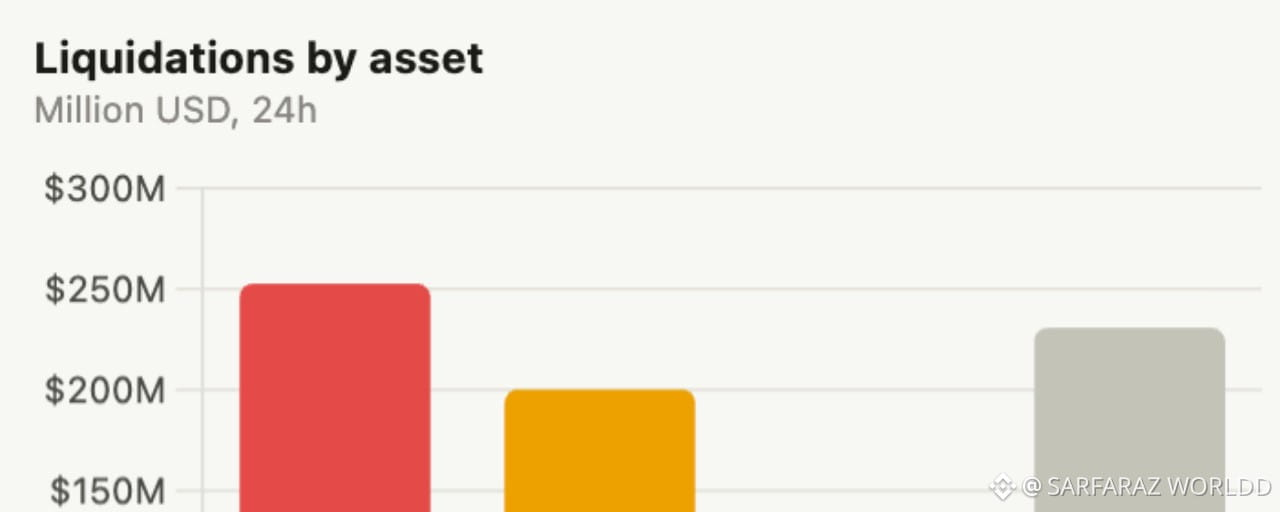
Bitcoin hält sich bei 74.000 $ trotz Erholung im TradFi-Sektor: Krypto-Überlebensleitfaden 2026Bitcoin hält sich bei 74.000 $ trotz Erholung im TradFi-Sektor: Krypto-Überlebensleitfaden 2026
Bitcoin ist nahe der entscheidenden Marke von 74.000 $ ins Stocken geraten und hinkt einer technologiegetriebenen Erholung an der Wall Street hinterher, nachdem überraschend hohe CPI-Daten die allgemeinen makroökonomischen Erwartungen erschüttert haben. Unterdessen kühlt die institutionelle Nachfrage anhaltend ab: US-amerikanische Spot-Bitcoin-ETFs verzeichnen vier Tage in Folge Nettoabflüsse, angeführt von einer acht Tage andauernden Abflussserie bei BlackRocks IBIT. Um sich im heutigen Marktumfeld mit hohen Einsätzen zurechtzufinden, ist es entscheidend, das Tauziehen zwischen institutionellen Rücknahmen, makroökonomischem Druck und On-Chain-Unterstützung zu verstehen.
Bitcoin hält sich bei 74.000 $ trotz Erholung im TradFi-Sektor: Krypto-Überlebensleitfaden 2026
Bitcoin hält sich bei 74.000 $ trotz Erholung im TradFi-Sektor: Krypto-Überlebensleitfaden 2026
Bitcoin ist nahe der entscheidenden Marke von 74.000 $ ins Stocken geraten und hinkt einer technologiegetriebenen Erholung an der Wall Street hinterher, nachdem überraschend hohe CPI-Daten die allgemeinen makroökonomischen Erwartungen erschüttert haben. Unterdessen kühlt die institutionelle Nachfrage anhaltend ab: US-amerikanische Spot-Bitcoin-ETFs verzeichnen vier Tage in Folge Nettoabflüsse, angeführt von einer acht Tage andauernden Abflussserie bei BlackRocks IBIT. Um sich im heutigen Marktumfeld mit hohen Einsätzen zurechtzufinden, ist es entscheidend, das Tauziehen zwischen institutionellen Rücknahmen, makroökonomischem Druck und On-Chain-Unterstützung zu verstehen.
Bitcoin ist nahe der entscheidenden Marke von 74.000 $ ins Stocken geraten und hinkt einer technologiegetriebenen Erholung an der Wall Street hinterher, nachdem überraschend hohe CPI-Daten die allgemeinen makroökonomischen Erwartungen erschüttert haben. Unterdessen kühlt die institutionelle Nachfrage anhaltend ab: US-amerikanische Spot-Bitcoin-ETFs verzeichnen vier Tage in Folge Nettoabflüsse, angeführt von einer acht Tage andauernden Abflussserie bei BlackRocks IBIT. Um sich im heutigen Marktumfeld mit hohen Einsätzen zurechtzufinden, ist es entscheidend, das Tauziehen zwischen institutionellen Rücknahmen, makroökonomischem Druck und On-Chain-Unterstützung zu verstehen.
104
·
--
Bullisch
79
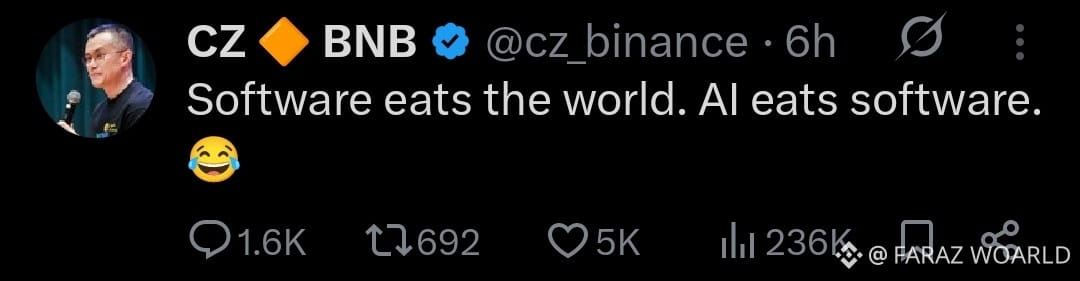
NEU: @cz_binance SAGT "SOFTWARE FRISST DIE WELT. KI FRISST SOFTWARE. 😂"
NEU: @cz_binance SAGT "SOFTWARE FRISST DIE WELT. KI FRISST SOFTWARE. 😂"
2
58

Artikel
usaGERADE EINGETROFFEN: 🇺🇸 Das Weiße Haus sagt "Amerika ist die Krypto-Hauptstadt der Welt
usa
GERADE EINGETROFFEN: 🇺🇸 Das Weiße Haus sagt "Amerika ist die Krypto-Hauptstadt der Welt
3
GERADE REINGEKOMMEN: 🇺🇸 Weißes Haus: „Die USA sind jetzt die Krypto-Hauptstadt der Welt“
GERADE REINGEKOMMEN: 🇺🇸 Weißes Haus: „Die USA sind jetzt die Krypto-Hauptstadt der Welt“

1
66
1
1


加密之王1688
·
--
20:37 verschlüsselte Nachtbericht | Gesamtwert $3,21 Billionen (-0,8%), BTC $91.850 (+0,96%) V-förmige Erholung, ETH $3.132 (-0,27%) hält Unterstützung, Stimmungsindex 26 (extreme Angst). Hauptpunkte: Nach 24h Liquidation von $4,61 Mio. wird Verkaufsdruck entlastet, ETF-Ausflüsse schmälern sich; XRP führt die Mainstream-Cryptos an, Meme-Coin steigen wöchentlich stark. Strategie: Achten Sie auf die Unterstützung bei $90.000/$3.050, leicht positionieren vor den Non-Farm-Payrolls, bevorzugt robuste Mainstream-Crypto und von Institutionen beobachtete Werte. #verschlüsselte Tiefenrestitution #BTC V-förmige Erholung #ETF-Fondsfluss #非农行情 #BTC #bnb

🚦 US ERSTE ARBEITSLOSIGKEITSANTRÄGE DATEN👇
Tatsächlich: 214K
Prognose: 224K
Vorherige: 224K
🚦 US ERSTE ARBEITSLOSIGKEITSANTRÄGE DATEN👇
Tatsächlich: 214K
Prognose: 224K
Vorherige: 224K
Tatsächlich: 214K
Prognose: 224K
Vorherige: 224K
1
🚦 ERINNERUNG: 🚦
🇺🇸 Die US-Erstanträge auf Arbeitslosenhilfe werden heute um 8:30 Uhr ET (19:00 Uhr IST) veröffentlicht.
Erwartungen: 225.000
#BTCRebound90kNext?
🚦 ERINNERUNG: 🚦
🇺🇸 Die US-Erstanträge auf Arbeitslosenhilfe werden heute um 8:30 Uhr ET (19:00 Uhr IST) veröffentlicht.
Erwartungen: 225.000
#BTCRebound90kNext?
🇺🇸 Die US-Erstanträge auf Arbeitslosenhilfe werden heute um 8:30 Uhr ET (19:00 Uhr IST) veröffentlicht.
Erwartungen: 225.000
#BTCRebound90kNext?
2
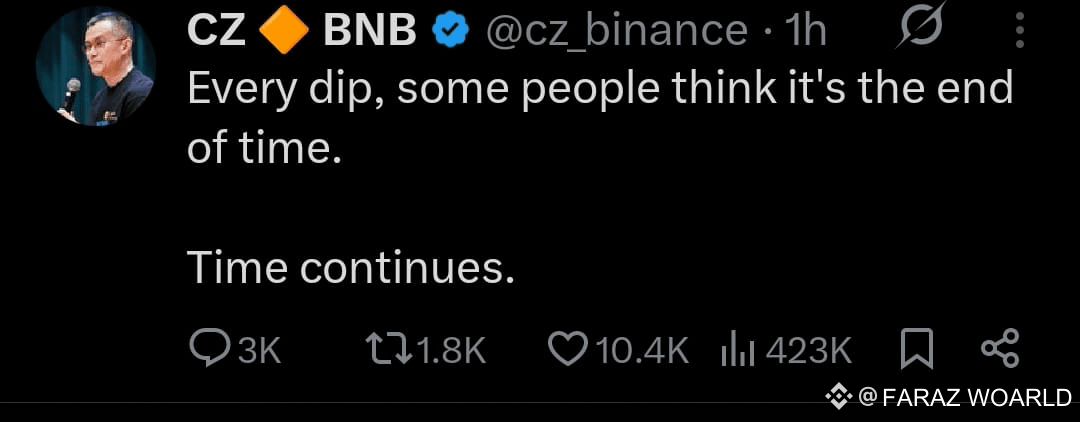
Jeder Dip, einige Leute denken, es ist das Ende der Zeit.
Die Zeit geht weiter.
Jeder Dip, einige Leute denken, es ist das Ende der Zeit.
Die Zeit geht weiter.
Die Zeit geht weiter.
1
161
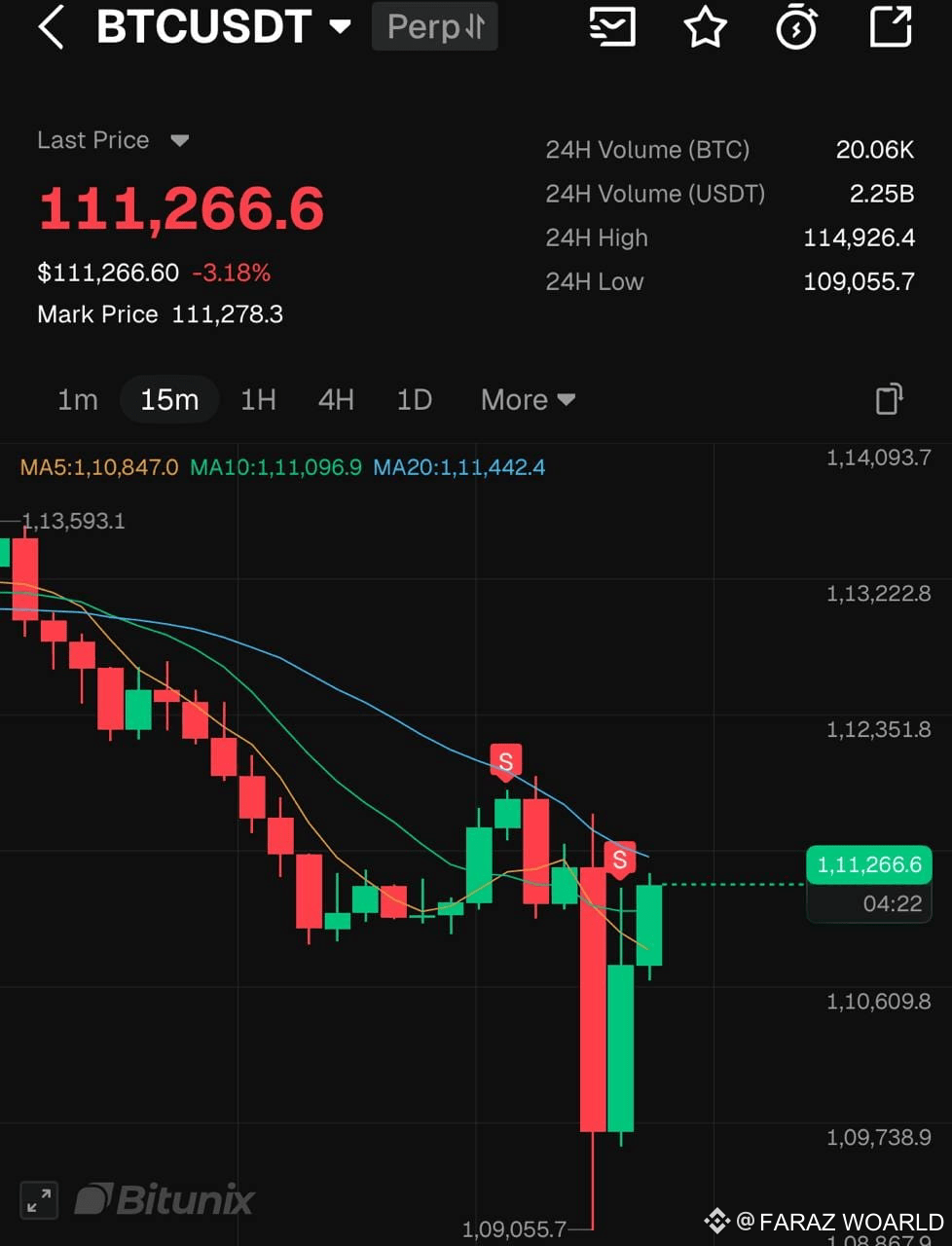
Aa gye na Markt vhe, bolra tha Audio mei und Reel mei .. Markt m Liquidität khaynge Longs walo ki phele ..
Nachrichten basierten Handel Erfahrung se hote h sirf .. baki Charts mei Techniken ke sath jao ..
Wie Liquidation kidhar hai und Trend kya hai ..
Global Nachrichten ke Handel mei bhot helfen hote hai or Erfahrung ho Verlust krne ka phele to or jada 😃 ..
Liquidation khaye h ab sirf sl khate hai 🤣🦾
Nachrichten basierten Handel Erfahrung se hote h sirf .. baki Charts mei Techniken ke sath jao ..
Wie Liquidation kidhar hai und Trend kya hai ..
Global Nachrichten ke Handel mei bhot helfen hote hai or Erfahrung ho Verlust krne ka phele to or jada 😃 ..
Liquidation khaye h ab sirf sl khate hai 🤣🦾
1
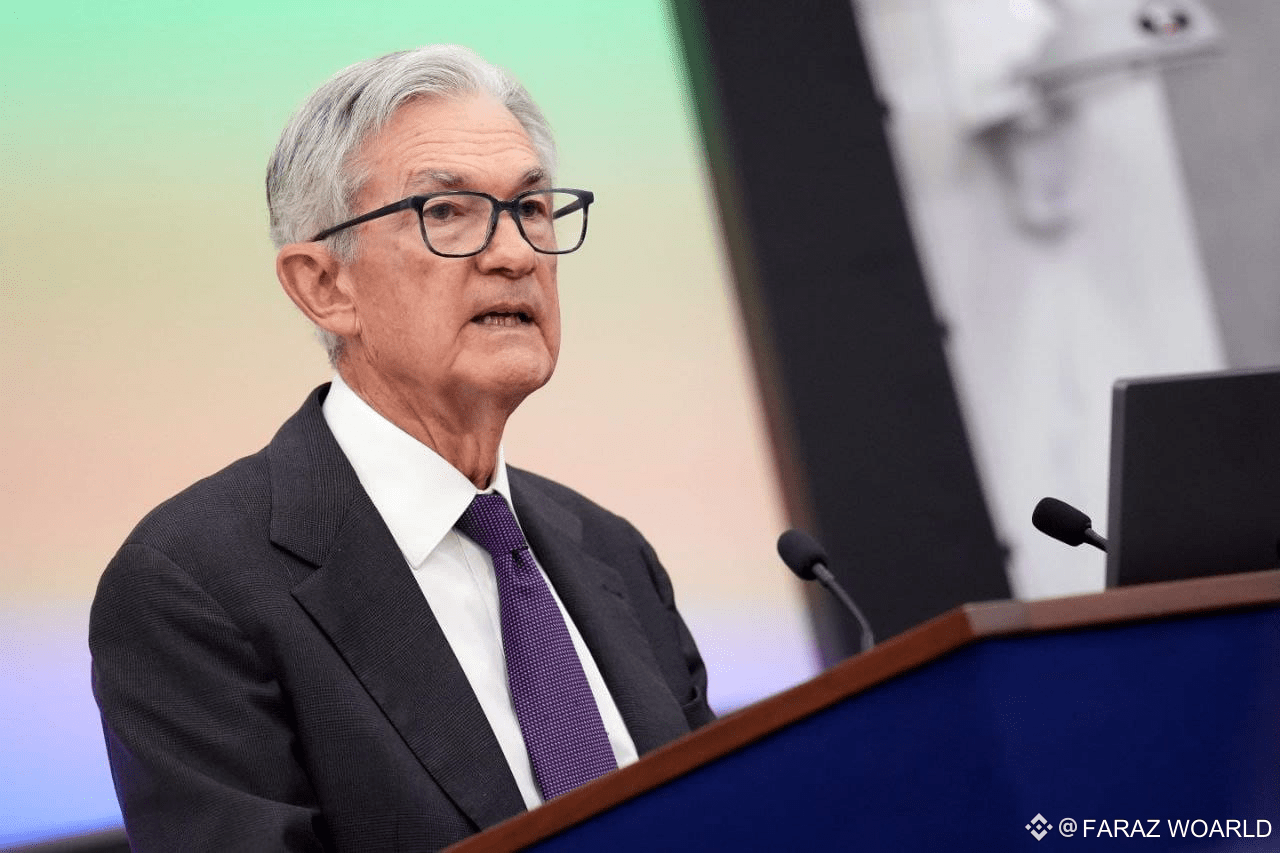
GERADE EINGEGANGEN: 🇺🇸 Der Fed-Vorsitzende Jerome Powell sagt, dass die Zölle von Präsident Trump "eine höhere Gesamtinflation verursachen."
GERADE EINGEGANGEN: 🇺🇸 Der Fed-Vorsitzende Jerome Powell sagt, dass die Zölle von Präsident Trump "eine höhere Gesamtinflation verursachen."
🚨BREAKING
🇩🇪 Die Federal Reserve senkt die Zinssätze um 25 Basispunkte
🚨BREAKING
🇩🇪 Die Federal Reserve senkt die Zinssätze um 25 Basispunkte
🇩🇪 Die Federal Reserve senkt die Zinssätze um 25 Basispunkte
1
49
🇩🇪 ETF-STRÖME: US-Spot-BTC-ETFs verzeichneten am 23. Oktober 20,3 Millionen Dollar an Zuflüssen, während ETH-ETFs einen Abfluss von 127,4 Millionen Dollar sahen.
🇩🇪 ETF-STRÖME: US-Spot-BTC-ETFs verzeichneten am 23. Oktober 20,3 Millionen Dollar an Zuflüssen, während ETH-ETFs einen Abfluss von 127,4 Millionen Dollar sahen.
1
AKTUALISIERUNG: 🇺🇸 US Spot ETF Flüsse (20. Oktober)
📉 Bitcoin: -372 BTC ($40M)
📉 Ethereum: -36.600 ETH ($146M)
📈 Solana: +143.790 SOL ($27M)
AKTUALISIERUNG: 🇺🇸 US Spot ETF Flüsse (20. Oktober)
📉 Bitcoin: -372 BTC ($40M)
📉 Ethereum: -36.600 ETH ($146M)
📈 Solana: +143.790 SOL ($27M)
📉 Bitcoin: -372 BTC ($40M)
📉 Ethereum: -36.600 ETH ($146M)
📈 Solana: +143.790 SOL ($27M)

3
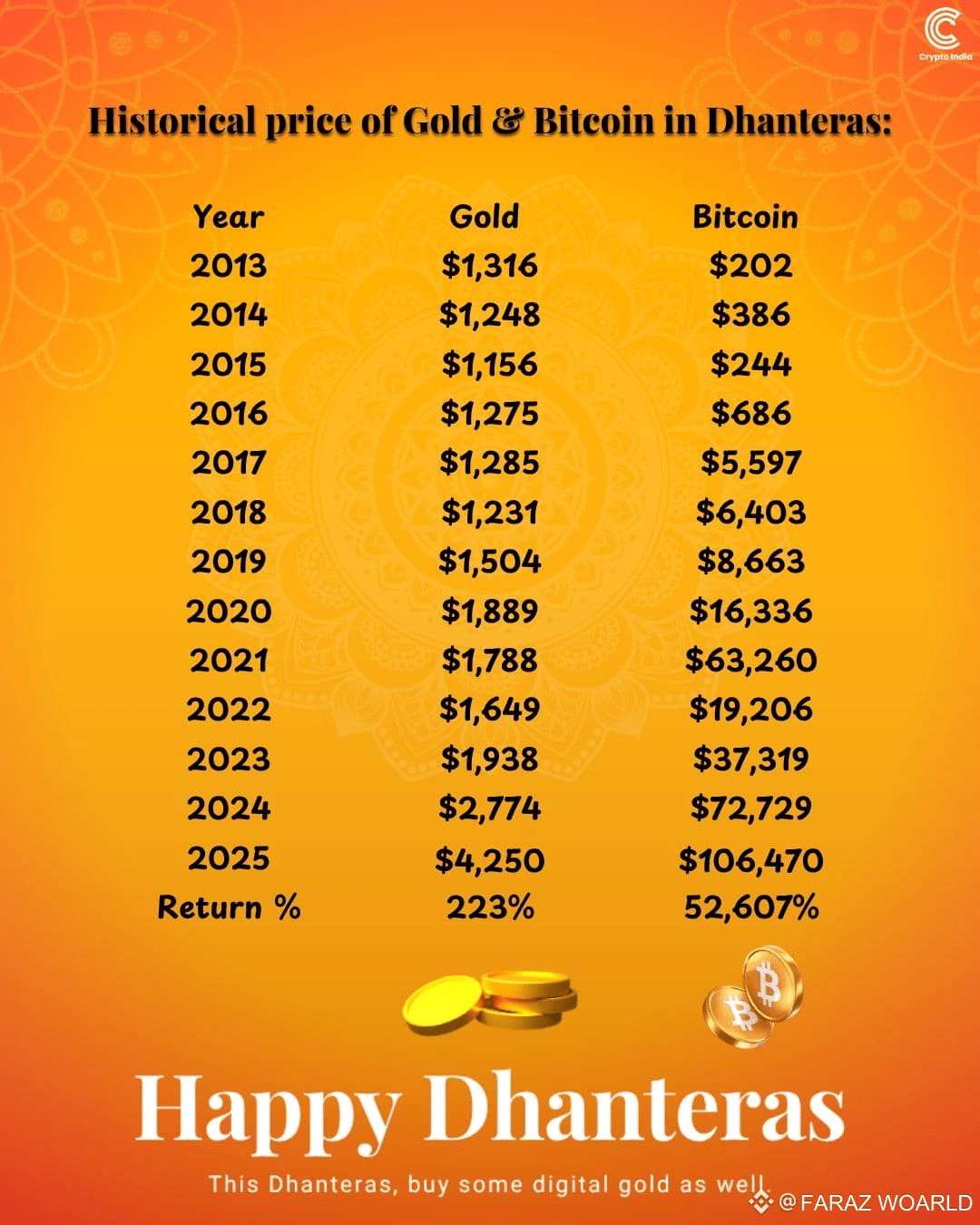
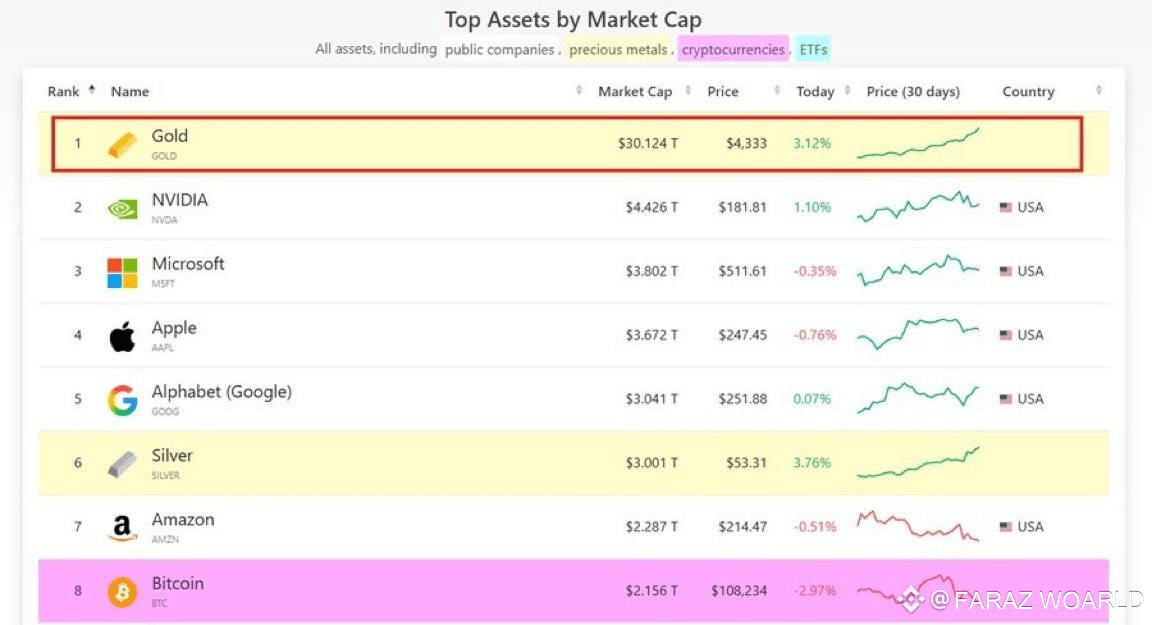
📌 Gold wird offiziell das erste Vermögen in der Geschichte, das einen Marktwert von 30 Billionen Dollar erreicht.
📌 Gold wird offiziell das erste Vermögen in der Geschichte, das einen Marktwert von 30 Billionen Dollar erreicht.
2
GERADE EINGEGANGEN: 🇺🇸 SEC-Vorsitzender Paul Atkins sagt, dass Krypto und Tokenisierung „Job eins“ für die Behörde sind.
GERADE EINGEGANGEN: 🇺🇸 SEC-Vorsitzender Paul Atkins sagt, dass Krypto und Tokenisierung „Job eins“ für die Behörde sind.

1
1
28
Anmelden und weiter Inhalte entdecken
Krypto-Nutzer weltweit auf Binance Square kennenlernen
⚡️ Bleib in Sachen Krypto stets am Puls.
💬 Die weltgrößte Kryptobörse vertraut darauf.
👍 Erhalte verlässliche Einblicke von verifizierten Creators.
E-Mail-Adresse/Telefonnummer
Trendthemen
WhatWillDriveCryptoandStocks’NextRebound?
3,526 Aufrufe
128 Kommentare
Bitcoin fällt unter 70.000 US-Dollar, während der Dollar-Index ein 19-Monats-Hoch erreicht
Binance News
·8 Likes
·7.1k Aufrufe
Anthropic’s6xIPODemandSignalsPotentialRecordRaise
1,029 Aufrufe
55 Kommentare
HuangExitNvidiaStrategyInFocus
136,854 Aufrufe
1,348 Kommentare