Binance Square

FAKE-ERA

.
Hochfrequenz-Trader
2.8 Jahre
7 Following
11.0K+ Follower
13.9K+ Like gegeben
469 Geteilt
Beiträge
PINNED
·
--
This is my loss since trading was added to Binance CreatorPad campaigns. Before this change, everything was normal. Rankings were based on content quality, consistency, and effort. If you worked hard and posted meaningful content, you could maintain your position. It felt merit-based. After trading was introduced into CreatorPad campaigns, things changed completely. From that point onward, glitches never seemed to stop. Points from content were either delayed, calculated incorrectly, or not credited at all. Many of us were posting regularly, yet the points system simply wasn’t reflecting our work. At the same time, a separate Chinese system existed and was also included, which made the playing field even more uneven. Because content points were unreliable, many global creators were pushed into trading just to maintain their rankings. That’s where the real damage started. Thousands of people ended up taking losses, not because of poor trading skills, but because trading became a requirement rather than a choice. We somehow managed to hold positions globally by trading despite the risks. Then suddenly, a new update. After two or three days, another update. Again and again. Constant changes, no stability. It’s understandable that systems evolve and issues happen — but the real question is: what was the benefit of all this? For me, there was no merit-based advantage at all. The system did not reward effort, quality, or consistency the way it used to. Instead, it introduced instability, forced risk, and unnecessary losses for creators who were originally there for content, not leveraged trading. Others can speak for themselves. This is simply my experience. $ZIL
This is my loss since trading was added to Binance CreatorPad campaigns.
Before this change, everything was normal. Rankings were based on content quality, consistency, and effort. If you worked hard and posted meaningful content, you could maintain your position. It felt merit-based.

After trading was introduced into CreatorPad campaigns, things changed completely.

From that point onward, glitches never seemed to stop. Points from content were either delayed, calculated incorrectly, or not credited at all. Many of us were posting regularly, yet the points system simply wasn’t reflecting our work. At the same time, a separate Chinese system existed and was also included, which made the playing field even more uneven.

Because content points were unreliable, many global creators were pushed into trading just to maintain their rankings. That’s where the real damage started. Thousands of people ended up taking losses, not because of poor trading skills, but because trading became a requirement rather than a choice.

We somehow managed to hold positions globally by trading despite the risks. Then suddenly, a new update. After two or three days, another update. Again and again. Constant changes, no stability. It’s understandable that systems evolve and issues happen — but the real question is: what was the benefit of all this?

For me, there was no merit-based advantage at all. The system did not reward effort, quality, or consistency the way it used to. Instead, it introduced instability, forced risk, and unnecessary losses for creators who were originally there for content, not leveraged trading.

Others can speak for themselves. This is simply my experience.
$ZIL
Plasma: When Money Needs Rules, Not Speed Most blockchains compete on speed. Plasma competes on behavior. It’s built for moments when money must act predictably, not impressively. When stablecoins are used as real financial instruments, consistency matters more than raw throughput. Plasma exists for that quiet but critical layer of finance. @Plasma $XPL #Plasma
Plasma: When Money Needs Rules, Not Speed

Most blockchains compete on speed. Plasma competes on behavior. It’s built for moments when money must act predictably, not impressively. When stablecoins are used as real financial instruments, consistency matters more than raw throughput. Plasma exists for that quiet but critical layer of finance.
@Plasma $XPL #Plasma
Plasma Use Cases: Building the Plumbing of Digital MoneyMost blockchains talk about applications. Plasma talks about infrastructure. That difference matters. Plasma is not trying to reinvent social apps, NFTs, or short-term DeFi primitives. It is focused on something far more foundational: how digital money actually moves, settles, and remains reliable at scale. Its use cases emerge not from speculation, but from the structural problems of stablecoins and financial rails. At its core, Plasma is designed for environments where predictability matters more than novelty. This makes its use cases less flashy, but significantly more durable. Stablecoin Issuance at Institutional Scale One of Plasma’s most important use cases is large-scale stablecoin issuance. Today, most stablecoins operate on general-purpose blockchains that were never designed for monetary reliability. Fees fluctuate, execution ordering is unpredictable, and finality assumptions can break under stress. Plasma addresses this by treating stablecoins not as tokens, but as monetary instruments. For issuers, this means a chain where settlement behavior is deterministic. Transactions behave the same way every time, regardless of congestion. This is critical for entities that issue regulated or reserve-backed stablecoins, where unpredictability is a liability. Plasma provides a base layer where issuance, minting, burning, and circulation happen under controlled conditions, closer to financial infrastructure than consumer crypto. High-Volume Payment Settlement Payments are not about throughput alone. They are about consistency under load. Plasma’s architecture is well suited for payment settlement systems where thousands or millions of transactions must clear without surprises. Retail payments, remittances, and merchant settlements require more than speed — they require timing guarantees. Plasma enables payment processors to build systems where stablecoin transfers behave like digital cash registers. No fee spikes. No reordering. No ambiguous settlement windows. This makes Plasma suitable for back-end payment rails that users may never see, but depend on every day. Stablecoin-Based Treasury Management Another underappreciated use case is treasury management. Corporations, DAOs, and institutions increasingly hold stablecoins as operational capital. On most chains, treasury operations are exposed to execution risks, MEV, and unpredictable costs. Plasma allows treasuries to move, allocate, and rebalance stablecoin holdings in an environment optimized for capital preservation, not yield chasing. Treasury flows can be automated, audited, and executed with confidence that the system itself will not introduce unintended financial risk. On-Chain Clearing and Settlement Layers Traditional finance separates execution from settlement. Crypto often collapses them into one step. Plasma reintroduces this separation by acting as a clearing and settlement layer for stablecoin-denominated activity. This enables financial applications to execute trades, obligations, or transfers elsewhere, while final settlement happens on Plasma. The result is reduced systemic risk. Obligations are finalized in a deterministic environment, lowering the chance of cascading failures during market stress. Cross-Border Stablecoin Infrastructure Cross-border payments remain slow, expensive, and fragmented. Stablecoins solve part of the problem, but infrastructure limitations remain. Plasma’s use case here is subtle but powerful: acting as a neutral settlement backbone where cross-border flows converge. Instead of routing stablecoins through multiple chains, bridges, and liquidity pools, Plasma provides a consistent layer where international transfers can finalize cleanly. This is especially relevant for corridors where regulatory clarity exists but technical reliability is lacking. Regulated Financial Products Plasma is structurally aligned with regulation-friendly financial products. This includes tokenized deposits, compliant stablecoins, and future digital cash instruments. Its deterministic execution model allows rules to be enforced at the protocol level rather than through external monitoring. This makes Plasma suitable for institutions that need programmable compliance without sacrificing performance. Rules are not layered on top — they are embedded into how the system operates. Financial Infrastructure for Builders, Not Traders Perhaps the most important use case of Plasma is abstract: it enables builders to create financial systems without worrying about base-layer instability. Developers can assume consistent behavior and focus on product logic rather than defensive engineering. Plasma becomes the plumbing layer — invisible when it works, catastrophic only when missing. And that is exactly how good financial infrastructure should behave. Use Cases Rooted in Reality Plasma’s use cases do not promise instant excitement. They promise durability. In an ecosystem crowded with experimentation, Plasma is building for the parts of finance that must not fail. Stablecoins, payments, settlement, and treasury operations are not optional features of the future financial system they are its backbone. Plasma is not trying to sit on top of finance. It is trying to run underneath it. @Plasma $XPL #Plasma

Plasma Use Cases: Building the Plumbing of Digital Money

Most blockchains talk about applications. Plasma talks about infrastructure. That difference matters. Plasma is not trying to reinvent social apps, NFTs, or short-term DeFi primitives. It is focused on something far more foundational: how digital money actually moves, settles, and remains reliable at scale. Its use cases emerge not from speculation, but from the structural problems of stablecoins and financial rails.
At its core, Plasma is designed for environments where predictability matters more than novelty. This makes its use cases less flashy, but significantly more durable.
Stablecoin Issuance at Institutional Scale
One of Plasma’s most important use cases is large-scale stablecoin issuance. Today, most stablecoins operate on general-purpose blockchains that were never designed for monetary reliability. Fees fluctuate, execution ordering is unpredictable, and finality assumptions can break under stress. Plasma addresses this by treating stablecoins not as tokens, but as monetary instruments.
For issuers, this means a chain where settlement behavior is deterministic. Transactions behave the same way every time, regardless of congestion. This is critical for entities that issue regulated or reserve-backed stablecoins, where unpredictability is a liability. Plasma provides a base layer where issuance, minting, burning, and circulation happen under controlled conditions, closer to financial infrastructure than consumer crypto.
High-Volume Payment Settlement
Payments are not about throughput alone. They are about consistency under load. Plasma’s architecture is well suited for payment settlement systems where thousands or millions of transactions must clear without surprises. Retail payments, remittances, and merchant settlements require more than speed — they require timing guarantees.
Plasma enables payment processors to build systems where stablecoin transfers behave like digital cash registers. No fee spikes. No reordering. No ambiguous settlement windows. This makes Plasma suitable for back-end payment rails that users may never see, but depend on every day.
Stablecoin-Based Treasury Management
Another underappreciated use case is treasury management. Corporations, DAOs, and institutions increasingly hold stablecoins as operational capital. On most chains, treasury operations are exposed to execution risks, MEV, and unpredictable costs.
Plasma allows treasuries to move, allocate, and rebalance stablecoin holdings in an environment optimized for capital preservation, not yield chasing. Treasury flows can be automated, audited, and executed with confidence that the system itself will not introduce unintended financial risk.
On-Chain Clearing and Settlement Layers
Traditional finance separates execution from settlement. Crypto often collapses them into one step. Plasma reintroduces this separation by acting as a clearing and settlement layer for stablecoin-denominated activity.
This enables financial applications to execute trades, obligations, or transfers elsewhere, while final settlement happens on Plasma. The result is reduced systemic risk. Obligations are finalized in a deterministic environment, lowering the chance of cascading failures during market stress.
Cross-Border Stablecoin Infrastructure
Cross-border payments remain slow, expensive, and fragmented. Stablecoins solve part of the problem, but infrastructure limitations remain. Plasma’s use case here is subtle but powerful: acting as a neutral settlement backbone where cross-border flows converge.
Instead of routing stablecoins through multiple chains, bridges, and liquidity pools, Plasma provides a consistent layer where international transfers can finalize cleanly. This is especially relevant for corridors where regulatory clarity exists but technical reliability is lacking.
Regulated Financial Products
Plasma is structurally aligned with regulation-friendly financial products. This includes tokenized deposits, compliant stablecoins, and future digital cash instruments. Its deterministic execution model allows rules to be enforced at the protocol level rather than through external monitoring.
This makes Plasma suitable for institutions that need programmable compliance without sacrificing performance. Rules are not layered on top — they are embedded into how the system operates.
Financial Infrastructure for Builders, Not Traders
Perhaps the most important use case of Plasma is abstract: it enables builders to create financial systems without worrying about base-layer instability. Developers can assume consistent behavior and focus on product logic rather than defensive engineering.
Plasma becomes the plumbing layer — invisible when it works, catastrophic only when missing. And that is exactly how good financial infrastructure should behave.
Use Cases Rooted in Reality
Plasma’s use cases do not promise instant excitement. They promise durability. In an ecosystem crowded with experimentation, Plasma is building for the parts of finance that must not fail. Stablecoins, payments, settlement, and treasury operations are not optional features of the future financial system they are its backbone.
Plasma is not trying to sit on top of finance. It is trying to run underneath it.
@Plasma $XPL #Plasma
How Token Location Shapes VANRY Price Behavior Price is not shaped by supply and demand alone. It is shaped by where supply sits. This is something most people overlook, and in the case of VANRY, it matters more than it seems. Whether tokens are held on exchanges or inside the ecosystem fundamentally changes how price behaves under pressure. When VANRY is held on exchanges, price becomes reactive. News, sentiment shifts, and short-term narratives translate into immediate movement. This is the part of supply that trades frequently, responds emotionally, and creates volatility. It’s not inherently negative — it’s simply liquid supply, designed to move. But VANRY behaves very differently when most of its supply is held outside exchanges. Tokens held in staking, ecosystem wallets, development allocations, or long-term holdings do not respond to headlines. They respond to timelines. Product releases, network growth, and usage matter more than daily price fluctuations. This layer of supply introduces patience into the market. That’s why there are moments when volume rises but price barely moves, or when price holds steady despite weak momentum. In those cases, only exchange-side supply is rotating, while ecosystem-side supply remains inactive. The market can only react to what is available, not to what exists in theory. Token location also explains phase shifts in price behavior. When supply gradually moves off exchanges, volatility compresses. Moves become slower but more deliberate. When supply returns to exchanges, reactions sharpen. What looks random to short-term traders is often structural when viewed through the lens of distribution. Understanding VANRY therefore requires more than reading charts. It requires watching where the token lives, who holds it, and for what purpose. Price doesn’t just move — it behaves. And in VANRY’s case, that behavior is shaped by how its supply is distributed across the market and the ecosystem. @Vanar $VANRY #vanar
How Token Location Shapes VANRY Price Behavior

Price is not shaped by supply and demand alone. It is shaped by where supply sits. This is something most people overlook, and in the case of VANRY, it matters more than it seems. Whether tokens are held on exchanges or inside the ecosystem fundamentally changes how price behaves under pressure.

When VANRY is held on exchanges, price becomes reactive. News, sentiment shifts, and short-term narratives translate into immediate movement. This is the part of supply that trades frequently, responds emotionally, and creates volatility. It’s not inherently negative — it’s simply liquid supply, designed to move.

But VANRY behaves very differently when most of its supply is held outside exchanges. Tokens held in staking, ecosystem wallets, development allocations, or long-term holdings do not respond to headlines. They respond to timelines. Product releases, network growth, and usage matter more than daily price fluctuations. This layer of supply introduces patience into the market.

That’s why there are moments when volume rises but price barely moves, or when price holds steady despite weak momentum. In those cases, only exchange-side supply is rotating, while ecosystem-side supply remains inactive. The market can only react to what is available, not to what exists in theory.

Token location also explains phase shifts in price behavior. When supply gradually moves off exchanges, volatility compresses. Moves become slower but more deliberate. When supply returns to exchanges, reactions sharpen. What looks random to short-term traders is often structural when viewed through the lens of distribution.

Understanding VANRY therefore requires more than reading charts. It requires watching where the token lives, who holds it, and for what purpose. Price doesn’t just move — it behaves. And in VANRY’s case, that behavior is shaped by how its supply is distributed across the market and the ecosystem.
@Vanarchain $VANRY #vanar
Dämmerung und die Neuinterpretation des finanziellen Vertrauens Seit Jahrzehnten bedeutete finanzielles Vertrauen Sichtbarkeit. Je mehr du offenbartest, desto mehr wurde dir vertraut. Bücher waren offen, Aufzeichnungen wurden offengelegt, und die Einhaltung basierte auf Überwachung. Aber irgendwo auf dem Weg wurde Transparenz zu Verwirrung. Die Daten wurden lauter, nicht klarer. Dämmerung schlägt eine ruhigere Idee des Vertrauens vor. Eine, bei der Institutionen nicht alles sehen müssen, um zu glauben, dass die Regeln befolgt wurden. Statt finanzielle Aktivitäten offenzulegen, beweist das System seine Richtigkeit kryptografisch. Vertrauen bewegt sich weg von Offenlegung und hin zur Verifizierung. Es geht nicht darum, Informationen zu verbergen. Es geht darum, das Vertrauen selbst neu zu strukturieren. In Dämmerungs Modell stehen Privatsphäre und Verantwortung nicht im Wettbewerb — sie koexistieren. Finanzielle Wahrheit ist nicht länger etwas, das du offenlegst; es ist etwas, das du beweist. Und dieser Wandel könnte redefinieren, wie Vertrauen im On-Chain-Finanzwesen funktioniert. @Dusk_Foundation $DUSK #dusk
Dämmerung und die Neuinterpretation des finanziellen Vertrauens

Seit Jahrzehnten bedeutete finanzielles Vertrauen Sichtbarkeit. Je mehr du offenbartest, desto mehr wurde dir vertraut. Bücher waren offen, Aufzeichnungen wurden offengelegt, und die Einhaltung basierte auf Überwachung. Aber irgendwo auf dem Weg wurde Transparenz zu Verwirrung. Die Daten wurden lauter, nicht klarer.

Dämmerung schlägt eine ruhigere Idee des Vertrauens vor. Eine, bei der Institutionen nicht alles sehen müssen, um zu glauben, dass die Regeln befolgt wurden. Statt finanzielle Aktivitäten offenzulegen, beweist das System seine Richtigkeit kryptografisch. Vertrauen bewegt sich weg von Offenlegung und hin zur Verifizierung.

Es geht nicht darum, Informationen zu verbergen. Es geht darum, das Vertrauen selbst neu zu strukturieren. In Dämmerungs Modell stehen Privatsphäre und Verantwortung nicht im Wettbewerb — sie koexistieren. Finanzielle Wahrheit ist nicht länger etwas, das du offenlegst; es ist etwas, das du beweist. Und dieser Wandel könnte redefinieren, wie Vertrauen im On-Chain-Finanzwesen funktioniert.
@Dusk $DUSK #dusk
Wo VANRY lebt: Kartierung der Token-Verteilung über Börsen und ÖkosystemWenn Menschen über einen Token sprechen, beginnen sie normalerweise mit Angebotszahlen. Gesamtes Angebot, zirkulierendes Angebot, Emissionen. Aber in realen Märkten bewegen Zahlen allein den Preis nicht — der Standort tut es. Wo ein Token lebt, ist wichtiger als wie viel davon existiert. VANRY ist ein gutes Beispiel dafür. Um sein Marktverhalten, seine Volatilität und seine langfristige Absicht zu verstehen, beginnen Sie nicht mit Diagrammen. Sie beginnen mit einer einfacheren, aufschlussreicheren Frage: Wo sitzt VANRY gerade jetzt? VANRY existiert nicht an einem Ort. Es ist über Börsen, Ökosystem-Wallets, Staking-Verträge, gesperrte Zuteilungen und langfristige strategische Reserven verteilt. Jeder Standort hat einen anderen Zweck, und jeder verhält sich unter Marktbedingungen unterschiedlich. Tokens an Börsen sind liquide, emotional, reaktiv. Tokens innerhalb des Ökosystems sind langsam, absichtlich und oft still. Diese beiden mental zu vermischen, ist der Grund, warum Menschen die Preisbewegung missverstehen.

Wo VANRY lebt: Kartierung der Token-Verteilung über Börsen und Ökosystem

Wenn Menschen über einen Token sprechen, beginnen sie normalerweise mit Angebotszahlen. Gesamtes Angebot, zirkulierendes Angebot, Emissionen. Aber in realen Märkten bewegen Zahlen allein den Preis nicht — der Standort tut es. Wo ein Token lebt, ist wichtiger als wie viel davon existiert. VANRY ist ein gutes Beispiel dafür. Um sein Marktverhalten, seine Volatilität und seine langfristige Absicht zu verstehen, beginnen Sie nicht mit Diagrammen. Sie beginnen mit einer einfacheren, aufschlussreicheren Frage: Wo sitzt VANRY gerade jetzt?
VANRY existiert nicht an einem Ort. Es ist über Börsen, Ökosystem-Wallets, Staking-Verträge, gesperrte Zuteilungen und langfristige strategische Reserven verteilt. Jeder Standort hat einen anderen Zweck, und jeder verhält sich unter Marktbedingungen unterschiedlich. Tokens an Börsen sind liquide, emotional, reaktiv. Tokens innerhalb des Ökosystems sind langsam, absichtlich und oft still. Diese beiden mental zu vermischen, ist der Grund, warum Menschen die Preisbewegung missverstehen.
Dusk vs Monolithische Datenschutzerklärungen: Ein struktureller Vergleich1. Eine Frage, zwei architektonische Antworten Jede datenschutzorientierte Blockchain beginnt mit der gleichen unangenehmen Frage: Wie schützt man sensible Finanzdaten, ohne die Überprüfbarkeit zu brechen? Monolithische Datenschutzerklärungen beantworten dies, indem sie alles in ein undurchsichtiges System zusammenfassen. Ausführung, Validierung, Transaktionsdaten und Datenschutzlogik sind miteinander verbunden, verborgen hinter einem einzigen kryptografischen Vorhang. Nichts tritt aus, aber nichts atmet auch. Dusk nähert sich der gleichen Frage aus einer anderen Richtung. Anstatt das gesamte System zu verbergen, strukturiert es es um und entscheidet genau, was privat sein muss und was für das Funktionieren der Finanzen sichtbar bleiben muss.

Dusk vs Monolithische Datenschutzerklärungen: Ein struktureller Vergleich

1. Eine Frage, zwei architektonische Antworten
Jede datenschutzorientierte Blockchain beginnt mit der gleichen unangenehmen Frage: Wie schützt man sensible Finanzdaten, ohne die Überprüfbarkeit zu brechen? Monolithische Datenschutzerklärungen beantworten dies, indem sie alles in ein undurchsichtiges System zusammenfassen. Ausführung, Validierung, Transaktionsdaten und Datenschutzlogik sind miteinander verbunden, verborgen hinter einem einzigen kryptografischen Vorhang. Nichts tritt aus, aber nichts atmet auch. Dusk nähert sich der gleichen Frage aus einer anderen Richtung. Anstatt das gesamte System zu verbergen, strukturiert es es um und entscheidet genau, was privat sein muss und was für das Funktionieren der Finanzen sichtbar bleiben muss.
Kostenvorhersehbarkeit vs. Haltbarkeit: Der Walross-Kompromiss Lange Zeit erzählte uns die dezentrale Speicherung eine beruhigende Geschichte: Daten genügend oft zu replizieren, und Haltbarkeit wird zu einem gelösten Problem. Aber niemand sprach ehrlich über die Rechnung, die mit diesem Komfort einhergeht. Jede zusätzliche Kopie erhöht die Kosten, jede Sicherheitsmarge fügt Unvorhersehbarkeit hinzu, und im Laufe der Zeit beginnt das System, mehr zu zahlen, nur um sich sicher zu fühlen. Haltbarkeit wird zu etwas, das man überkauft, weil man nie ganz sicher ist, wann das Netzwerk einen im Stich lassen könnte. Das ist keine Vorhersehbarkeit – das ist Angst, die in die Infrastruktur eingepreist ist. Das tiefere Problem ist, dass die meisten Speichernetzwerke Haltbarkeit an Timing und Reaktionsfähigkeit binden. Wenn Knoten spät reagieren, geht das System Risiken ein und kompensiert dies durch erhöhte Redundanz. Die Kosten steigen nicht, weil Daten weniger haltbar sind, sondern weil das Protokoll nicht sicher den Unterschied zwischen Verzögerung und Ausfall erkennen kann. So zahlen die Benutzer für Annahmen im Worst-Case-Szenario, selbst wenn tatsächlich nichts falsch ist. Haltbarkeit existiert, aber sie ist in wirtschaftlichem Rauschen eingewickelt. Hier geht @WalrusProtocol einen anderen Weg. Anstatt Haltbarkeit durch übermäßige Replikation zu kaufen, entwickelt Walross sie strukturell. Durch die Verwendung von schlanken Speicherlösungen und asynchroner Verifizierung ist Haltbarkeit nicht mehr davon abhängig, dass Knoten sich nach einer Uhrzeit beweisen. Verfügbarkeit muss nicht ständig durch Redundanz neu gekauft werden. Das Ergebnis ist ein ruhigeres System, eines, in dem die Kosten vorhersehbar sind, weil Haltbarkeit eingepreist ist und nicht verfolgt wird. Der echte Kompromiss, den Walross eingeht, besteht nicht zwischen billig und sicher. Es ist der zwischen panikgetriebenem Überzahlen und ruhigen, mathematisch fundierten Garantien. Und in der Infrastruktur gewinnt Ruhe fast immer auf lange Sicht. $WAL #walrus
Kostenvorhersehbarkeit vs. Haltbarkeit: Der Walross-Kompromiss

Lange Zeit erzählte uns die dezentrale Speicherung eine beruhigende Geschichte: Daten genügend oft zu replizieren, und Haltbarkeit wird zu einem gelösten Problem. Aber niemand sprach ehrlich über die Rechnung, die mit diesem Komfort einhergeht. Jede zusätzliche Kopie erhöht die Kosten, jede Sicherheitsmarge fügt Unvorhersehbarkeit hinzu, und im Laufe der Zeit beginnt das System, mehr zu zahlen, nur um sich sicher zu fühlen. Haltbarkeit wird zu etwas, das man überkauft, weil man nie ganz sicher ist, wann das Netzwerk einen im Stich lassen könnte. Das ist keine Vorhersehbarkeit – das ist Angst, die in die Infrastruktur eingepreist ist.

Das tiefere Problem ist, dass die meisten Speichernetzwerke Haltbarkeit an Timing und Reaktionsfähigkeit binden. Wenn Knoten spät reagieren, geht das System Risiken ein und kompensiert dies durch erhöhte Redundanz. Die Kosten steigen nicht, weil Daten weniger haltbar sind, sondern weil das Protokoll nicht sicher den Unterschied zwischen Verzögerung und Ausfall erkennen kann. So zahlen die Benutzer für Annahmen im Worst-Case-Szenario, selbst wenn tatsächlich nichts falsch ist. Haltbarkeit existiert, aber sie ist in wirtschaftlichem Rauschen eingewickelt.

Hier geht @Walrus 🦭/acc einen anderen Weg. Anstatt Haltbarkeit durch übermäßige Replikation zu kaufen, entwickelt Walross sie strukturell. Durch die Verwendung von schlanken Speicherlösungen und asynchroner Verifizierung ist Haltbarkeit nicht mehr davon abhängig, dass Knoten sich nach einer Uhrzeit beweisen. Verfügbarkeit muss nicht ständig durch Redundanz neu gekauft werden. Das Ergebnis ist ein ruhigeres System, eines, in dem die Kosten vorhersehbar sind, weil Haltbarkeit eingepreist ist und nicht verfolgt wird.

Der echte Kompromiss, den Walross eingeht, besteht nicht zwischen billig und sicher. Es ist der zwischen panikgetriebenem Überzahlen und ruhigen, mathematisch fundierten Garantien. Und in der Infrastruktur gewinnt Ruhe fast immer auf lange Sicht.
$WAL #walrus
Warum zeitliche Annahmen dezentrale Speicherung brechen und wie das Walrus-Protokoll es behebtJe mehr Zeit ich damit verbringe, mir dezentrale Speichersysteme anzusehen, desto mehr wird mir klar, dass die meisten ihrer Fehler nicht aus gebrochener Kryptografie oder böswilligen Insidern resultieren. Sie kommen von etwas viel Ruhigerem und weitaus Gefährlicherem: fehlgeleitetem Vertrauen in die Zeit. Irgendwann auf diesem Weg haben wir uns überzeugt, dass dezentrale Netzwerke "gut genug" funktionieren würden, damit zeitbasierte Logik zuverlässig bleibt. Dass Nachrichten normalerweise pünktlich ankommen würden. Dass Verzögerungen selten wären. Dass Schweigen Unehrlichkeit bedeuten würde. Nichts davon ist ausdrücklich geschrieben, doch fast jedes Speicherprotokoll kodiert diese Überzeugungen tief in seine Verifikationslogik.

Warum zeitliche Annahmen dezentrale Speicherung brechen und wie das Walrus-Protokoll es behebt

Je mehr Zeit ich damit verbringe, mir dezentrale Speichersysteme anzusehen, desto mehr wird mir klar, dass die meisten ihrer Fehler nicht aus gebrochener Kryptografie oder böswilligen Insidern resultieren. Sie kommen von etwas viel Ruhigerem und weitaus Gefährlicherem: fehlgeleitetem Vertrauen in die Zeit. Irgendwann auf diesem Weg haben wir uns überzeugt, dass dezentrale Netzwerke "gut genug" funktionieren würden, damit zeitbasierte Logik zuverlässig bleibt. Dass Nachrichten normalerweise pünktlich ankommen würden. Dass Verzögerungen selten wären. Dass Schweigen Unehrlichkeit bedeuten würde. Nichts davon ist ausdrücklich geschrieben, doch fast jedes Speicherprotokoll kodiert diese Überzeugungen tief in seine Verifikationslogik.
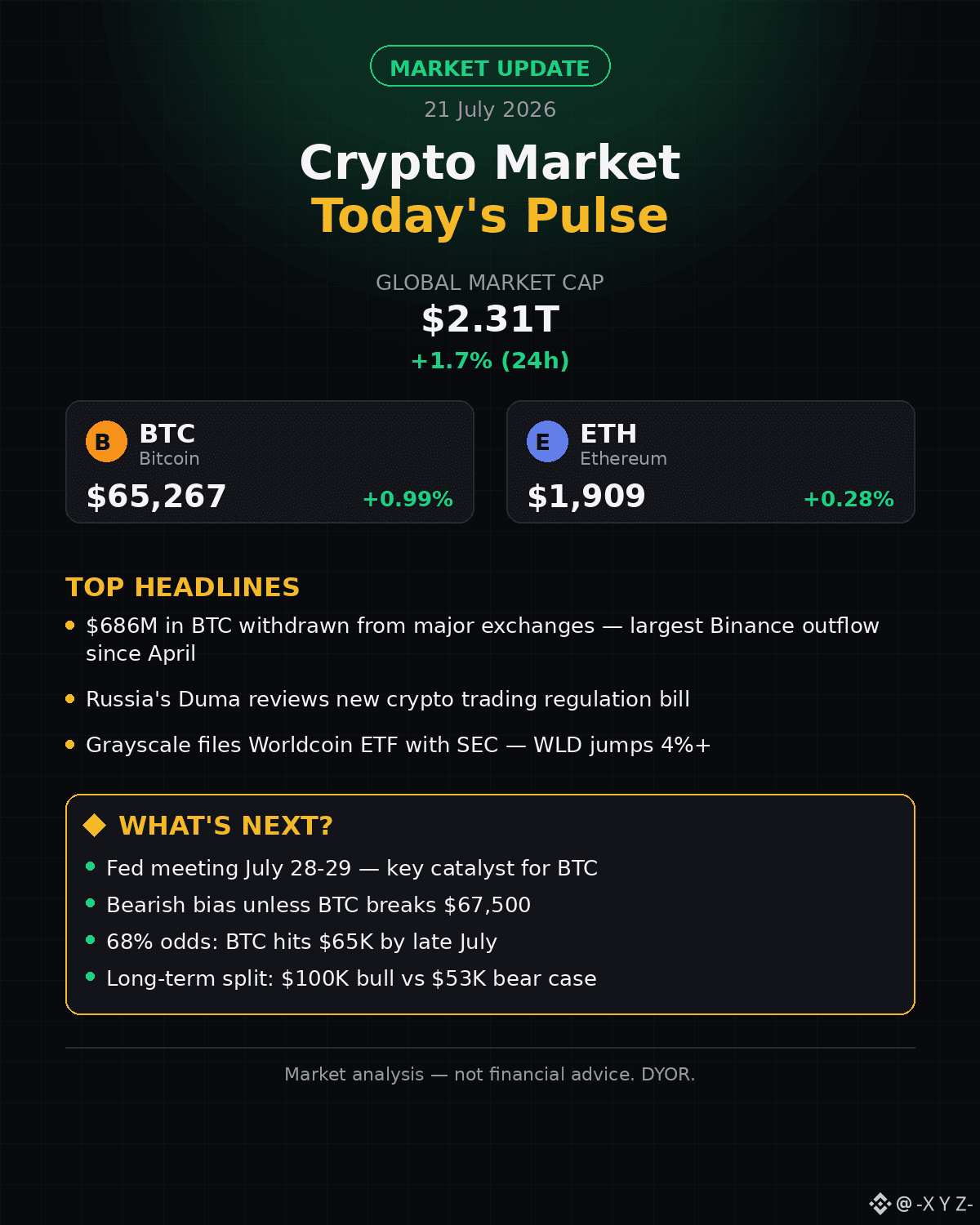
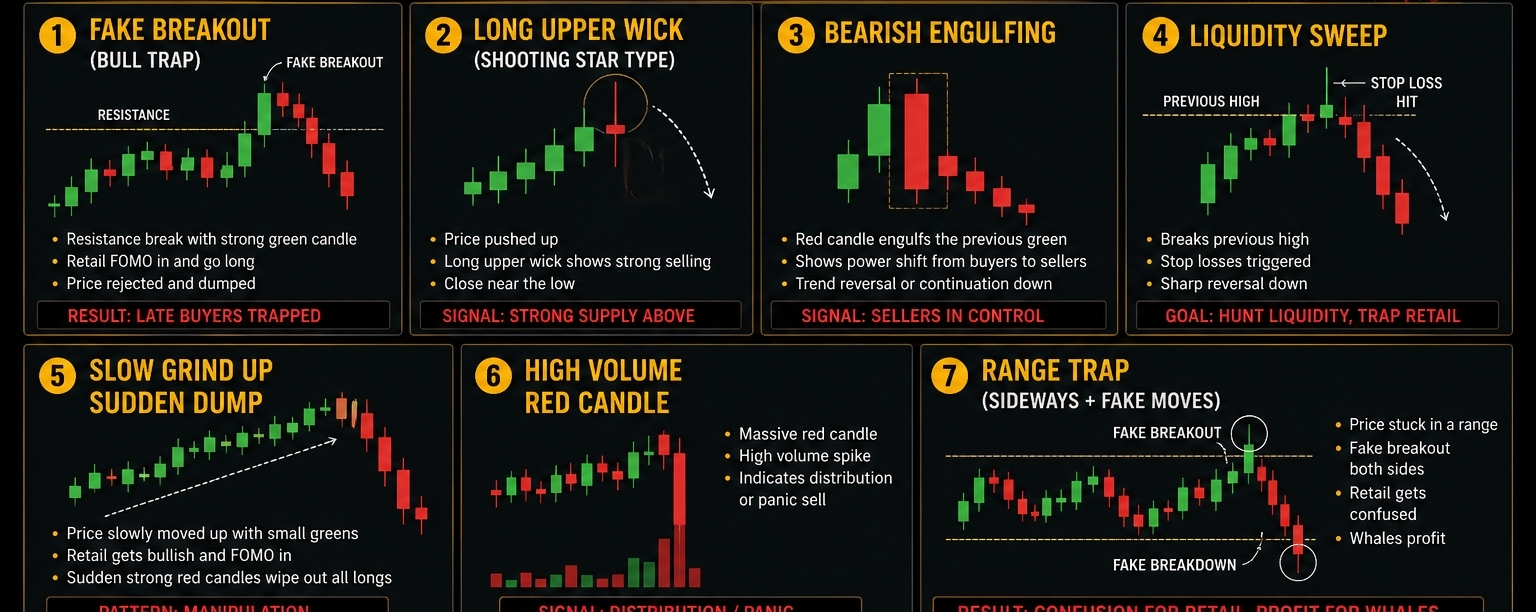
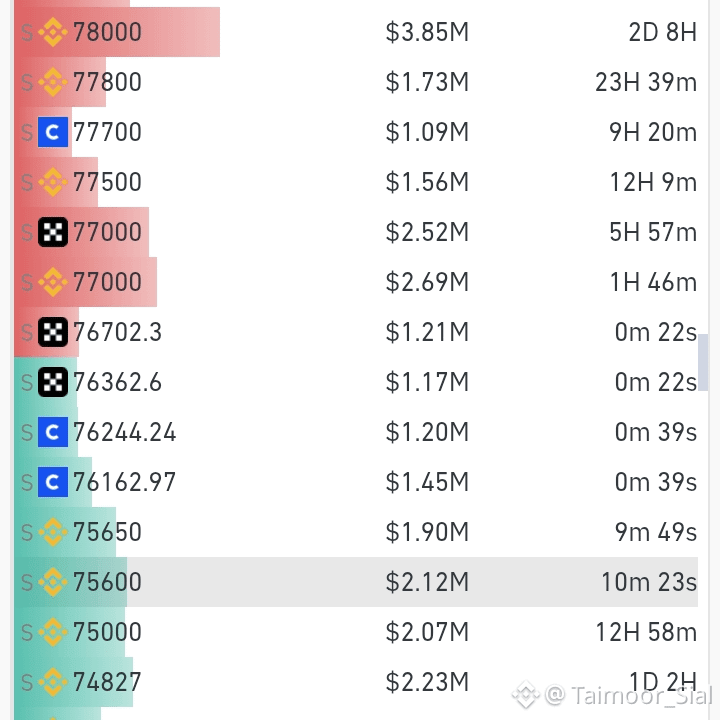
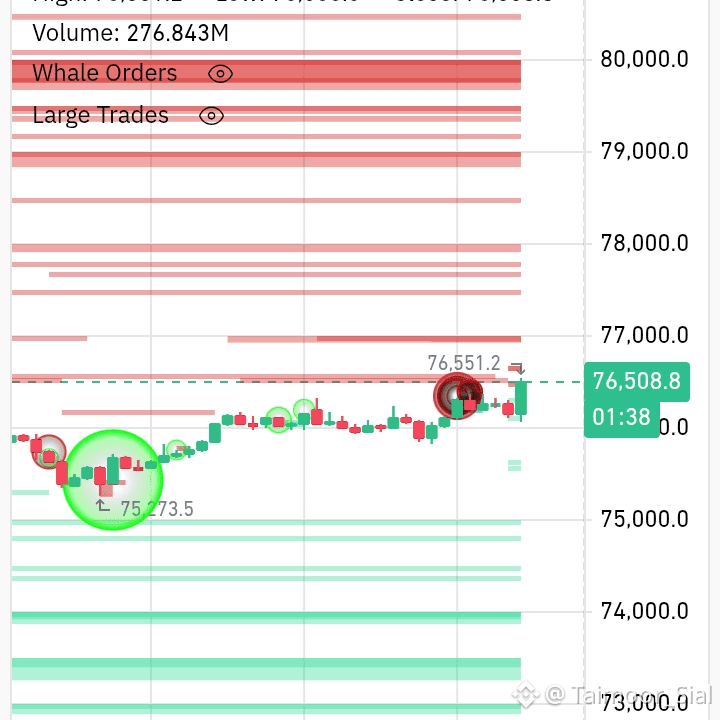
Today Market Reality: Liquidity Is Thin, Traps Are Active As of today, the crypto market is running on thin and selective liquidity. Capital is present, but it’s not committing. Most big players are waiting, not chasing. That’s why moves feel sudden, sharp, and often reverse quickly. You’ll notice that prices move easily on low volume. This isn’t strength it’s lack of resistance. When liquidity is thin, even small orders can push price, which creates false breakouts and quick stop hunts. That’s exactly the environment we’re in right now. What’s important today is where liquidity is sitting. Buy-side liquidity is mostly resting below recent lows, while sell-side liquidity is stacked above short-term highs. This means the market is more likely to sweep levels than trend cleanly. Patience beats prediction here. Until fresh volume enters with conviction, expect: Ranges instead of trends Fake breakouts on both sides Fast reactions, slow follow-through #Market_Update
Today Market Reality: Liquidity Is Thin, Traps Are Active

As of today, the crypto market is running on thin and selective liquidity. Capital is present, but it’s not committing. Most big players are waiting, not chasing. That’s why moves feel sudden, sharp, and often reverse quickly.

You’ll notice that prices move easily on low volume. This isn’t strength it’s lack of resistance. When liquidity is thin, even small orders can push price, which creates false breakouts and quick stop hunts. That’s exactly the environment we’re in right now.

What’s important today is where liquidity is sitting. Buy-side liquidity is mostly resting below recent lows, while sell-side liquidity is stacked above short-term highs. This means the market is more likely to sweep levels than trend cleanly. Patience beats prediction here.

Until fresh volume enters with conviction, expect:

Ranges instead of trends
Fake breakouts on both sides
Fast reactions, slow follow-through
#Market_Update
Die Liquidität des Kryptowährungsmarktes von heute: Was ist wirklich los? Die Liquidität des Kryptowährungsmarktes von heute fühlt sich selektiv an, nicht breit gefächert. Kapital ist vorhanden, aber es ist vorsichtig. Die meiste Liquidität sitzt an der Seitenlinie oder rotiert nur in Bereichen mit hohem Vertrauen, anstatt frei über den Markt zu fließen. Die Orderbücher sind dünner, als sie aussehen. Preisbewegungen finden statt, aber viele von ihnen werden durch geringe Widerstände und nicht durch starke Überzeugung getrieben. Deshalb verursachen kleine Schübe scharfe Kerzen, und Umkehrungen geschehen schneller als erwartet. Das ist typisch für einen Markt, in dem Liquidität vorhanden ist, die Teilnahme jedoch begrenzt ist. Was wahrscheinlich als Nächstes kommt, ist eine Bereichserweiterung, kein klarer Trend. Bis frische Liquidität entschlossen eintritt, wird der Markt weiterhin Geduld über Aggression belohnen. Plötzliche Spitzen können immer noch auftreten, aber sie werden eher verblassen, es sei denn, sie werden durch Volumen und Follow-through unterstützt. Kurz gesagt: Liquidität ist verfügbar, aber defensiv. Bewegungen werden stattfinden, aber Disziplin zählt im Moment mehr als Richtung. #MarketSentimentToday
Die Liquidität des Kryptowährungsmarktes von heute: Was ist wirklich los?

Die Liquidität des Kryptowährungsmarktes von heute fühlt sich selektiv an, nicht breit gefächert. Kapital ist vorhanden, aber es ist vorsichtig. Die meiste Liquidität sitzt an der Seitenlinie oder rotiert nur in Bereichen mit hohem Vertrauen, anstatt frei über den Markt zu fließen.

Die Orderbücher sind dünner, als sie aussehen. Preisbewegungen finden statt, aber viele von ihnen werden durch geringe Widerstände und nicht durch starke Überzeugung getrieben. Deshalb verursachen kleine Schübe scharfe Kerzen, und Umkehrungen geschehen schneller als erwartet. Das ist typisch für einen Markt, in dem Liquidität vorhanden ist, die Teilnahme jedoch begrenzt ist.

Was wahrscheinlich als Nächstes kommt, ist eine Bereichserweiterung, kein klarer Trend. Bis frische Liquidität entschlossen eintritt, wird der Markt weiterhin Geduld über Aggression belohnen. Plötzliche Spitzen können immer noch auftreten, aber sie werden eher verblassen, es sei denn, sie werden durch Volumen und Follow-through unterstützt.

Kurz gesagt:
Liquidität ist verfügbar, aber defensiv.
Bewegungen werden stattfinden, aber Disziplin zählt im Moment mehr als Richtung.
#MarketSentimentToday
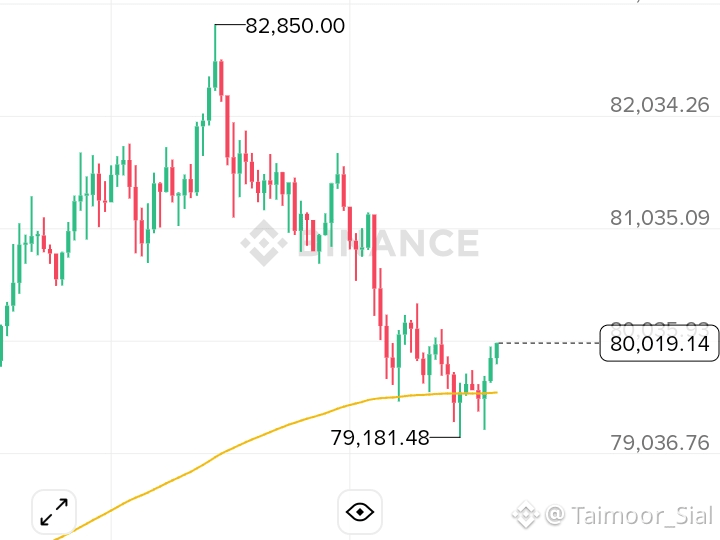
Crypto markets are shaking, not breaking. Bitcoin dipped into key support zones, triggering liquidations and panic but smart money sees this as volatility, not the endgame. Every major move in crypto history looked scary before it looked obvious. Liquidity gets wiped, weak hands exit, and positioning quietly begins again. This isn’t just price action it’s a sentiment reset. And resets are where the next narratives are born. $DOGE #USIranStandoff
Crypto markets are shaking, not breaking.

Bitcoin dipped into key support zones, triggering liquidations and panic but smart money sees this as volatility, not the endgame.

Every major move in crypto history looked scary before it looked obvious.
Liquidity gets wiped, weak hands exit, and positioning quietly begins again.

This isn’t just price action it’s a sentiment reset.
And resets are where the next narratives are born.

$DOGE #USIranStandoff
Markets don’t move on price alone they move on narratives. Those who only watch charts always arrive late. Smart money follows the story first, then liquidity, and finally price. The question isn’t if a move is coming ❌ The real question is: are you positioned before it starts, or after it’s obvious? 👀 What builds quietly today creates the loudest noise next cycle. And once the noise is everywhere… it’s no longer an entry, it’s regret. ⚠️ Not financial advice. Just a reminder: the market always drops hints only the prepared catch them. 👑 Stay early. Stay sharp. 📌 Real alpha lives on Binance Square. #Binance
Markets don’t move on price alone they move on narratives.
Those who only watch charts always arrive late.
Smart money follows the story first, then liquidity, and finally price.

The question isn’t if a move is coming ❌
The real question is: are you positioned before it starts, or after it’s obvious? 👀

What builds quietly today creates the loudest noise next cycle.
And once the noise is everywhere…
it’s no longer an entry, it’s regret.

⚠️ Not financial advice.
Just a reminder: the market always drops hints only the prepared catch them.

👑 Stay early. Stay sharp.
📌 Real alpha lives on Binance Square.
#Binance
Liquidity Without Fragmentation: VANRY’s Cross-Chain StrategyVanar approaches cross-chain liquidity from a fundamentally different perspective than most blockchain projects. Instead of chasing fragmented liquidity across dozens of isolated chains, Vanar’s long-term vision is built around a simple but powerful idea: liquidity should flow freely without breaking the user experience, developer tooling, or economic coherence of the network. “Liquidity Without Fragmentation” is not a slogan—it is a design principle that shapes how VANRY is positioned in a multi-chain world. In today’s blockchain ecosystem, liquidity fragmentation is one of the most damaging structural problems. Assets are scattered across multiple chains, bridges, wrapped representations, and liquidity pools, each introducing friction, risk, and inefficiency. Users are forced to understand bridges, wrapped tokens, chain-specific wallets, and varying fee models. Developers must manage liquidity incentives on multiple networks while dealing with inconsistent standards. Vanar recognizes that global adoption cannot be achieved if liquidity remains fractured and difficult to access. VANRY’s cross-chain strategy begins with a clear understanding that multi-chain is a reality, but fragmentation is a choice. Vanar does not attempt to isolate itself as a closed ecosystem, nor does it attempt to compete by creating proprietary standards. Instead, it aligns itself with the dominant execution and liquidity environment of Web3: the Ethereum Virtual Machine (EVM). By doing so, Vanar ensures that liquidity does not need to be reinvented or duplicated—it can be extended. A critical pillar of this strategy is the introduction of ERC20-wrapped VANRY. Rather than treating cross-chain compatibility as an afterthought, Vanar deliberately designs VANRY to exist natively on its own chain while also being accessible within Ethereum and other EVM-compatible ecosystems. This dual existence allows VANRY to function as both a protocol-native gas token and a liquid, composable asset within the broader DeFi landscape. The importance of ERC20 compatibility cannot be overstated. ERC20 is not just a token standard; it is the liquidity language of Web3. The majority of decentralized exchanges, lending protocols, liquidity aggregators, and yield platforms are built around ERC20 assumptions. By making VANRY available in ERC20 form, Vanar ensures immediate compatibility with this existing financial infrastructure without requiring custom integrations or new standards. However, Vanar’s strategy goes far beyond simply wrapping a token. Many projects create wrapped assets that exist in isolation, resulting in multiple versions of the same token across chains, each with thin liquidity and inconsistent pricing. Vanar avoids this trap by treating ERC20-wrapped VANRY as an extension of the same economic system, not a separate asset competing for attention. The bridge infrastructure supporting VANRY is designed with security, predictability, and scalability as core requirements. Cross-chain movement of VANRY is not intended to be speculative or chaotic; it is intended to be functional and utility-driven. Users and protocols can move value between Vanar and Ethereum-based environments with confidence, knowing that the underlying supply constraints, issuance rules, and economic assumptions remain consistent. This approach directly addresses one of the most common failures of cross-chain systems: uncontrolled liquidity duplication. When assets are minted freely on multiple chains without strict accounting, price divergence and trust erosion quickly follow. Vanar’s cross-chain model ensures that VANRY’s supply remains coherent, regardless of where it is used. Wrapped representations are always backed, verifiable, and tied to the same hard-capped economic model. Liquidity without fragmentation also has profound implications for developers. Builders on Vanar do not need to bootstrap liquidity from scratch or incentivize users to abandon existing ecosystems. Instead, they can tap into existing EVM liquidity, integrate with familiar DeFi primitives, and offer users a seamless experience that feels continuous rather than isolated. This dramatically lowers the barrier to entry for new applications and accelerates ecosystem growth. For users, the benefits are even more tangible. A user holding VANRY is not locked into a single chain or forced to navigate complex migration paths. They can interact with DeFi protocols on Ethereum, participate in liquidity pools, or move assets back to Vanar for low-cost, high-performance transactions. The asset remains the same; only the execution environment changes. This flexibility is essential for mainstream adoption, where users expect assets to be portable, intuitive, and reliable. Vanar’s strategy also avoids the common mistake of turning bridges into speculative chokepoints. In many ecosystems, bridges become targets for attacks or points of systemic risk. Vanar mitigates this by integrating bridge logic into its broader security philosophy, including rigorous audits, conservative design choices, and clear economic constraints. Cross-chain functionality is treated as critical infrastructure, not an experimental feature. Another key aspect of VANRY’s cross-chain design is its alignment with predictable fee economics. Because Vanar uses fixed, dollar-denominated transaction fees, users are shielded from the unpredictable cost dynamics that often plague cross-chain interactions. This predictability extends to DeFi integrations, allowing developers to design cross-chain applications without fear of sudden fee spikes disrupting user flows. Liquidity fragmentation is not only a technical problem—it is also a governance problem. When assets are scattered across chains, governance participation becomes diluted and disjointed. Vanar’s approach ensures that governance power remains unified, even as liquidity moves across environments. Staking, delegation, and voting rights remain anchored to VANRY’s core economic model, preventing governance from splintering alongside liquidity. This unified approach to liquidity and governance reinforces long-term network stability. Validators, delegators, developers, and users all operate within the same economic framework, regardless of which chain they are interacting with at any given moment. This alignment is critical for building trust and avoiding the governance chaos seen in many multi-chain ecosystems. From an institutional perspective, liquidity without fragmentation is a prerequisite for serious adoption. Enterprises require clarity around asset representation, supply guarantees, and settlement risk. Vanar’s cross-chain strategy provides this clarity by ensuring that VANRY behaves as a single, consistent asset across environments, rather than a collection of loosely related tokens. The long-term vision extends beyond Ethereum alone. While EVM compatibility is the immediate focus, Vanar’s architecture is designed to support future integrations with additional EVM-based networks as the ecosystem evolves. This ensures that VANRY remains relevant and accessible as the multi-chain landscape expands, without sacrificing economic coherence. Importantly, Vanar does not view multi-chain expansion as a race to be everywhere at once. Instead, it prioritizes depth over breadth. Each integration is designed to preserve security, liquidity integrity, and user experience. This disciplined approach contrasts sharply with ecosystems that aggressively expand across chains only to suffer from thin liquidity and operational risk. Liquidity without fragmentation also supports Vanar’s broader goal of making blockchain infrastructure invisible. Users should not need to think about which chain they are on or where liquidity resides. They should simply interact with applications, move value, and participate in the economy. VANRY’s cross-chain strategy abstracts complexity rather than amplifying it. Over time, this approach creates a powerful network effect. As more applications integrate VANRY across chains, liquidity deepens rather than disperses. Price discovery becomes more efficient. Slippage decreases. User confidence increases. The ecosystem grows organically, driven by utility rather than artificial incentives. In contrast to many cross-chain strategies that prioritize short-term liquidity mining, Vanar focuses on structural liquidity resilience. Incentives are aligned with real usage, not transient yield opportunities. This ensures that liquidity remains stable even as market conditions change. The result is a token that behaves less like a speculative instrument and more like financial infrastructure. VANRY becomes a medium of value that can move across environments without losing coherence, trust, or usability. This is essential for a future where blockchain supports payments, gaming, digital commerce, and enterprise workflows at scale. Ultimately, “Liquidity Without Fragmentation” reflects Vanar’s broader philosophy: blockchain should reduce complexity, not introduce it. By designing VANRY as a cross-chain asset rooted in EVM compatibility, secure bridging, predictable economics, and unified governance, Vanar positions itself for a future where liquidity flows freely without breaking the system. In a fragmented multi-chain world, coherence is a competitive advantage. Vanar’s cross-chain strategy ensures that VANRY remains whole, liquid, and functional—no matter where it is used. This is not just a technical achievement; it is a foundational step toward global, sustainable Web3 adoption. @Vanar $VANRY #vanar

Liquidity Without Fragmentation: VANRY’s Cross-Chain Strategy

Vanar approaches cross-chain liquidity from a fundamentally different perspective than most blockchain projects. Instead of chasing fragmented liquidity across dozens of isolated chains, Vanar’s long-term vision is built around a simple but powerful idea: liquidity should flow freely without breaking the user experience, developer tooling, or economic coherence of the network. “Liquidity Without Fragmentation” is not a slogan—it is a design principle that shapes how VANRY is positioned in a multi-chain world.
In today’s blockchain ecosystem, liquidity fragmentation is one of the most damaging structural problems. Assets are scattered across multiple chains, bridges, wrapped representations, and liquidity pools, each introducing friction, risk, and inefficiency. Users are forced to understand bridges, wrapped tokens, chain-specific wallets, and varying fee models. Developers must manage liquidity incentives on multiple networks while dealing with inconsistent standards. Vanar recognizes that global adoption cannot be achieved if liquidity remains fractured and difficult to access.
VANRY’s cross-chain strategy begins with a clear understanding that multi-chain is a reality, but fragmentation is a choice. Vanar does not attempt to isolate itself as a closed ecosystem, nor does it attempt to compete by creating proprietary standards. Instead, it aligns itself with the dominant execution and liquidity environment of Web3: the Ethereum Virtual Machine (EVM). By doing so, Vanar ensures that liquidity does not need to be reinvented or duplicated—it can be extended.
A critical pillar of this strategy is the introduction of ERC20-wrapped VANRY. Rather than treating cross-chain compatibility as an afterthought, Vanar deliberately designs VANRY to exist natively on its own chain while also being accessible within Ethereum and other EVM-compatible ecosystems. This dual existence allows VANRY to function as both a protocol-native gas token and a liquid, composable asset within the broader DeFi landscape.
The importance of ERC20 compatibility cannot be overstated. ERC20 is not just a token standard; it is the liquidity language of Web3. The majority of decentralized exchanges, lending protocols, liquidity aggregators, and yield platforms are built around ERC20 assumptions. By making VANRY available in ERC20 form, Vanar ensures immediate compatibility with this existing financial infrastructure without requiring custom integrations or new standards.
However, Vanar’s strategy goes far beyond simply wrapping a token. Many projects create wrapped assets that exist in isolation, resulting in multiple versions of the same token across chains, each with thin liquidity and inconsistent pricing. Vanar avoids this trap by treating ERC20-wrapped VANRY as an extension of the same economic system, not a separate asset competing for attention.
The bridge infrastructure supporting VANRY is designed with security, predictability, and scalability as core requirements. Cross-chain movement of VANRY is not intended to be speculative or chaotic; it is intended to be functional and utility-driven. Users and protocols can move value between Vanar and Ethereum-based environments with confidence, knowing that the underlying supply constraints, issuance rules, and economic assumptions remain consistent.
This approach directly addresses one of the most common failures of cross-chain systems: uncontrolled liquidity duplication. When assets are minted freely on multiple chains without strict accounting, price divergence and trust erosion quickly follow. Vanar’s cross-chain model ensures that VANRY’s supply remains coherent, regardless of where it is used. Wrapped representations are always backed, verifiable, and tied to the same hard-capped economic model.
Liquidity without fragmentation also has profound implications for developers. Builders on Vanar do not need to bootstrap liquidity from scratch or incentivize users to abandon existing ecosystems. Instead, they can tap into existing EVM liquidity, integrate with familiar DeFi primitives, and offer users a seamless experience that feels continuous rather than isolated. This dramatically lowers the barrier to entry for new applications and accelerates ecosystem growth.
For users, the benefits are even more tangible. A user holding VANRY is not locked into a single chain or forced to navigate complex migration paths. They can interact with DeFi protocols on Ethereum, participate in liquidity pools, or move assets back to Vanar for low-cost, high-performance transactions. The asset remains the same; only the execution environment changes. This flexibility is essential for mainstream adoption, where users expect assets to be portable, intuitive, and reliable.
Vanar’s strategy also avoids the common mistake of turning bridges into speculative chokepoints. In many ecosystems, bridges become targets for attacks or points of systemic risk. Vanar mitigates this by integrating bridge logic into its broader security philosophy, including rigorous audits, conservative design choices, and clear economic constraints. Cross-chain functionality is treated as critical infrastructure, not an experimental feature.
Another key aspect of VANRY’s cross-chain design is its alignment with predictable fee economics. Because Vanar uses fixed, dollar-denominated transaction fees, users are shielded from the unpredictable cost dynamics that often plague cross-chain interactions. This predictability extends to DeFi integrations, allowing developers to design cross-chain applications without fear of sudden fee spikes disrupting user flows.
Liquidity fragmentation is not only a technical problem—it is also a governance problem. When assets are scattered across chains, governance participation becomes diluted and disjointed. Vanar’s approach ensures that governance power remains unified, even as liquidity moves across environments. Staking, delegation, and voting rights remain anchored to VANRY’s core economic model, preventing governance from splintering alongside liquidity.
This unified approach to liquidity and governance reinforces long-term network stability. Validators, delegators, developers, and users all operate within the same economic framework, regardless of which chain they are interacting with at any given moment. This alignment is critical for building trust and avoiding the governance chaos seen in many multi-chain ecosystems.
From an institutional perspective, liquidity without fragmentation is a prerequisite for serious adoption. Enterprises require clarity around asset representation, supply guarantees, and settlement risk. Vanar’s cross-chain strategy provides this clarity by ensuring that VANRY behaves as a single, consistent asset across environments, rather than a collection of loosely related tokens.
The long-term vision extends beyond Ethereum alone. While EVM compatibility is the immediate focus, Vanar’s architecture is designed to support future integrations with additional EVM-based networks as the ecosystem evolves. This ensures that VANRY remains relevant and accessible as the multi-chain landscape expands, without sacrificing economic coherence.
Importantly, Vanar does not view multi-chain expansion as a race to be everywhere at once. Instead, it prioritizes depth over breadth. Each integration is designed to preserve security, liquidity integrity, and user experience. This disciplined approach contrasts sharply with ecosystems that aggressively expand across chains only to suffer from thin liquidity and operational risk.
Liquidity without fragmentation also supports Vanar’s broader goal of making blockchain infrastructure invisible. Users should not need to think about which chain they are on or where liquidity resides. They should simply interact with applications, move value, and participate in the economy. VANRY’s cross-chain strategy abstracts complexity rather than amplifying it.
Over time, this approach creates a powerful network effect. As more applications integrate VANRY across chains, liquidity deepens rather than disperses. Price discovery becomes more efficient. Slippage decreases. User confidence increases. The ecosystem grows organically, driven by utility rather than artificial incentives.
In contrast to many cross-chain strategies that prioritize short-term liquidity mining, Vanar focuses on structural liquidity resilience. Incentives are aligned with real usage, not transient yield opportunities. This ensures that liquidity remains stable even as market conditions change.
The result is a token that behaves less like a speculative instrument and more like financial infrastructure. VANRY becomes a medium of value that can move across environments without losing coherence, trust, or usability. This is essential for a future where blockchain supports payments, gaming, digital commerce, and enterprise workflows at scale.
Ultimately, “Liquidity Without Fragmentation” reflects Vanar’s broader philosophy: blockchain should reduce complexity, not introduce it. By designing VANRY as a cross-chain asset rooted in EVM compatibility, secure bridging, predictable economics, and unified governance, Vanar positions itself for a future where liquidity flows freely without breaking the system.
In a fragmented multi-chain world, coherence is a competitive advantage. Vanar’s cross-chain strategy ensures that VANRY remains whole, liquid, and functional—no matter where it is used. This is not just a technical achievement; it is a foundational step toward global, sustainable Web3 adoption.
@Vanarchain $VANRY #vanar
Plasma und die Entbündelung des Korrespondenzbankings Traditionelles Korrespondenzbanking bündelt Messaging, Abwicklung, Liquidität, Compliance und Abstimmung in langsamen, intransparenten Zwischenhändlern. Plasma zerlegt dieses Modell. Durch die Bereitstellung deterministischer Ausführung, schneller Finalität und stabilen Münzen-nativer Abwicklung ermöglicht Plasma, dass jede Funktion unabhängig, aber kohärent auf einer einzigen programmierbaren Infrastruktur arbeitet. Stablecoins auf Plasma bewegen Wert direkt, ohne geschichtete Zwischenhändler oder verzögerte Abstimmung. Liquidität wird on-chain und ist immer verfügbar, die Abwicklung ist nahezu sofort, und die Prüfbarkeit ist standardmäßig integriert. Dies ersetzt Tage der grenzüberschreitenden Clearing-Prozesse durch vorhersehbare, Echtzeitflüsse. In diesem entbündelten Modell fungiert Plasma als monetäre Infrastruktur anstatt als Bank. Es ermöglicht, dass globale Zahlungen wie moderne Finanzsoftware funktionieren: offen, komponierbar und effizient, während es gleichzeitig mit institutionellen und regulatorischen Erwartungen kompatibel bleibt. @Plasma $XPL #Plasma
Plasma und die Entbündelung des Korrespondenzbankings

Traditionelles Korrespondenzbanking bündelt Messaging, Abwicklung, Liquidität, Compliance und Abstimmung in langsamen, intransparenten Zwischenhändlern. Plasma zerlegt dieses Modell. Durch die Bereitstellung deterministischer Ausführung, schneller Finalität und stabilen Münzen-nativer Abwicklung ermöglicht Plasma, dass jede Funktion unabhängig, aber kohärent auf einer einzigen programmierbaren Infrastruktur arbeitet.

Stablecoins auf Plasma bewegen Wert direkt, ohne geschichtete Zwischenhändler oder verzögerte Abstimmung. Liquidität wird on-chain und ist immer verfügbar, die Abwicklung ist nahezu sofort, und die Prüfbarkeit ist standardmäßig integriert. Dies ersetzt Tage der grenzüberschreitenden Clearing-Prozesse durch vorhersehbare, Echtzeitflüsse.

In diesem entbündelten Modell fungiert Plasma als monetäre Infrastruktur anstatt als Bank. Es ermöglicht, dass globale Zahlungen wie moderne Finanzsoftware funktionieren: offen, komponierbar und effizient, während es gleichzeitig mit institutionellen und regulatorischen Erwartungen kompatibel bleibt.
@Plasma $XPL #Plasma
Von DeFi-Primitiven zur monetären InfrastrukturVon seinen frühesten Tagen an wurde dezentrale Finanzen durch Primitiven und nicht durch Systeme definiert. Kreditpools, automatisierte Marktgestalter, Ertragsstrategien und Governance-Token wurden nicht entwickelt, um die finanzielle Infrastruktur zu ersetzen; sie waren Experimente, die erkundeten, was möglich war, als finanzielle Logik programmierbar wurde. Diese Primitiven eröffneten Innovationen, aber sie waren nie dazu gedacht, das Gewicht des globalen Geldes zu tragen. Als Stablecoins über kryptonative Nutzer hinauswuchsen und begannen, Zahlungen, Überweisungen, Treasury-Operationen und institutionelle Abrechnungen zu bedienen, wurden die Grenzen des DeFi-ersten Designs zunehmend sichtbar. Was für Experimente funktionierte, scheiterte unter den Anforderungen an Zuverlässigkeit, Vorhersagbarkeit und Skalierung. Plasma entsteht aus dieser Erkenntnis und stellt einen bewussten Wechsel von DeFi-Primitiven hin zu dem dar, was Finanzen tatsächlich benötigen: monetäre Infrastruktur.

Von DeFi-Primitiven zur monetären Infrastruktur

Von seinen frühesten Tagen an wurde dezentrale Finanzen durch Primitiven und nicht durch Systeme definiert. Kreditpools, automatisierte Marktgestalter, Ertragsstrategien und Governance-Token wurden nicht entwickelt, um die finanzielle Infrastruktur zu ersetzen; sie waren Experimente, die erkundeten, was möglich war, als finanzielle Logik programmierbar wurde. Diese Primitiven eröffneten Innovationen, aber sie waren nie dazu gedacht, das Gewicht des globalen Geldes zu tragen. Als Stablecoins über kryptonative Nutzer hinauswuchsen und begannen, Zahlungen, Überweisungen, Treasury-Operationen und institutionelle Abrechnungen zu bedienen, wurden die Grenzen des DeFi-ersten Designs zunehmend sichtbar. Was für Experimente funktionierte, scheiterte unter den Anforderungen an Zuverlässigkeit, Vorhersagbarkeit und Skalierung. Plasma entsteht aus dieser Erkenntnis und stellt einen bewussten Wechsel von DeFi-Primitiven hin zu dem dar, was Finanzen tatsächlich benötigen: monetäre Infrastruktur.
One Protocol, Two Worlds: Privacy + Compliance Dusk is built on a simple but powerful idea: privacy and compliance don’t have to be opposites. On Dusk, transactions and balances are private by default, protecting user data and financial confidentiality at the protocol level. This ensures individuals and institutions can operate without exposing sensitive information on a public ledger. At the same time, Dusk enables selective disclosure, allowing regulated entities to prove compliance when required. Whether it’s audits, reporting, or regulatory checks, the protocol supports transparency on demand—without sacrificing privacy for everyone else. This dual design makes Dusk unique. It’s a blockchain where privacy serves users, and compliance serves institutions, all within one unified protocol built for real-world finance. @Dusk_Foundation $DUSK #dusk
One Protocol, Two Worlds: Privacy + Compliance

Dusk is built on a simple but powerful idea: privacy and compliance don’t have to be opposites. On Dusk, transactions and balances are private by default, protecting user data and financial confidentiality at the protocol level. This ensures individuals and institutions can operate without exposing sensitive information on a public ledger.

At the same time, Dusk enables selective disclosure, allowing regulated entities to prove compliance when required. Whether it’s audits, reporting, or regulatory checks, the protocol supports transparency on demand—without sacrificing privacy for everyone else.

This dual design makes Dusk unique. It’s a blockchain where privacy serves users, and compliance serves institutions, all within one unified protocol built for real-world finance.
@Dusk $DUSK #dusk
Balancing Transparency and Confidentiality in Modern FinanceBalancing transparency and confidentiality has become one of the most difficult challenges in modern finance, especially as financial systems increasingly migrate on-chain. Traditional blockchains were designed with radical transparency as a core principle, where every transaction, balance, and interaction is publicly visible by default. While this model works well for permissionless experimentation and open verification, it fundamentally clashes with real-world financial requirements. Institutions, enterprises, and regulated markets cannot operate on systems where sensitive transaction data, counterparties, and balance histories are permanently exposed. At the same time, fully opaque systems undermine trust, auditability, and regulatory oversight. The true challenge, therefore, is not choosing between transparency and privacy, but designing a system where both can coexist without compromising one another. This is precisely where Dusk introduces a fundamentally different architectural approach to blockchain-based finance. In traditional financial systems, confidentiality is enforced through centralized control, legal agreements, and trusted intermediaries. Banks, custodians, and clearinghouses act as gatekeepers of sensitive information, selectively disclosing data to regulators while shielding it from the public. Blockchain systems remove these intermediaries, which raises the question of how confidentiality can be preserved without reintroducing centralized trust. Dusk approaches this problem by embedding privacy directly into the protocol layer rather than treating it as an optional feature or external add-on. Transactions on Dusk are private by default, meaning balances, transaction amounts, and participant identities are not publicly exposed on the ledger. This design choice fundamentally changes how transparency is achieved. Instead of relying on raw data visibility, Dusk relies on cryptographic guarantees that allow the network to verify correctness, validity, and compliance without revealing sensitive information. A key insight behind Dusk’s architecture is that transparency does not require data exposure; it requires verifiability. Zero-knowledge proofs enable this shift by allowing one party to prove that a statement is true without revealing the underlying data. On Dusk, zero-knowledge proofs are not limited to isolated privacy features but are deeply integrated into transaction validation, state transitions, and smart contract execution. This allows the network to confirm that transactions follow protocol rules, that balances remain conserved, and that compliance conditions are met, all without exposing private financial details. As a result, transparency is preserved at the level that matters most: correctness, fairness, and enforceability. One of the most critical financial use cases where this balance is required is security tokenization. Regulated assets such as equities, bonds, and funds come with strict legal requirements around ownership tracking, transfer restrictions, auditability, and lifecycle management. Public blockchains struggle in this area because unrestricted transparency can violate confidentiality obligations, while unrestricted privacy can violate regulatory mandates. Dusk addresses this paradox by supporting selective disclosure. Asset issuers and participants can keep transactional data private while still enabling authorized parties, such as regulators or auditors, to verify compliance conditions when required. This selective transparency ensures that sensitive information is revealed only to the right parties, at the right time, and under the right conditions, rather than being permanently exposed to the entire network. Another dimension of the transparency–confidentiality balance lies in transaction finality and accountability. In public ledgers, finality is achieved through visible consensus processes, but this often comes at the cost of exposing transaction flows and economic behavior. Dusk’s consensus mechanism achieves finality without sacrificing confidentiality by combining privacy-preserving leader selection with cryptographic validation of blocks. Validators participate in consensus without revealing their identities or strategies, reducing attack surfaces such as front-running, censorship, and targeted manipulation. At the same time, the network maintains strong guarantees that finalized transactions are irreversible, valid, and globally consistent. This approach aligns closely with the needs of financial markets, where predictability and final settlement are more important than speculative transparency. From a user perspective, confidentiality is not merely about hiding information; it is about preserving economic freedom and security. Public blockchains expose users to risks such as transaction graph analysis, balance profiling, and behavioral surveillance. Over time, these risks can lead to financial discrimination, targeted exploitation, or loss of competitive advantage. By defaulting to confidential balances and transfers, Dusk protects users from these systemic risks while still allowing them to prove ownership, solvency, or compliance when necessary. This shifts the power dynamic back to users and institutions, allowing them to control how and when their financial data is shared rather than having transparency imposed unconditionally. Importantly, Dusk does not treat compliance as an external constraint imposed after the fact. Instead, compliance is embedded into the transaction model itself. Features such as approval-based transfers, auditable balance histories, and cryptographic commitments ensure that regulatory requirements can be satisfied without breaking confidentiality. For example, transferred assets can remain accounted for in the sender’s balance until explicitly approved by the receiver, aligning with real-world settlement practices. Balance changes can be logged privately while only cryptographic roots are published on-chain, enabling audits without exposing full histories. These design choices demonstrate that confidentiality and accountability are not mutually exclusive when privacy is implemented at the protocol level. The long-term implication of this architecture is significant. Financial markets require systems that can scale, interoperate, and evolve without leaking sensitive information or relying on centralized trust. Dusk’s approach offers a blueprint for how blockchain technology can move beyond the transparency-at-all-costs mindset and toward a more mature model of programmable privacy. By decoupling data visibility from verification, Dusk enables a financial infrastructure where trust is derived from mathematics and protocol guarantees rather than exposure and surveillance. This is particularly important as regulatory frameworks such as GDPR, MiCA, and other data protection regimes increasingly intersect with blockchain adoption. In essence, balancing transparency and confidentiality is not a technical optimization but a foundational design decision. Dusk demonstrates that when privacy is treated as a first-class architectural principle rather than a feature bolted on later, it becomes possible to build financial systems that are both trustworthy and discreet. Transparency is preserved where it matters—rules, enforcement, and correctness—while confidentiality is respected where it is essential—identity, balances, and transactional intent. This balance positions Dusk not just as a privacy-focused blockchain, but as a realistic foundation for the next generation of regulated, institution-ready, and user-respecting financial infrastructure. @Dusk_Foundation $DUSK #dusk

Balancing Transparency and Confidentiality in Modern Finance

Balancing transparency and confidentiality has become one of the most difficult challenges in modern finance, especially as financial systems increasingly migrate on-chain. Traditional blockchains were designed with radical transparency as a core principle, where every transaction, balance, and interaction is publicly visible by default. While this model works well for permissionless experimentation and open verification, it fundamentally clashes with real-world financial requirements. Institutions, enterprises, and regulated markets cannot operate on systems where sensitive transaction data, counterparties, and balance histories are permanently exposed. At the same time, fully opaque systems undermine trust, auditability, and regulatory oversight. The true challenge, therefore, is not choosing between transparency and privacy, but designing a system where both can coexist without compromising one another. This is precisely where Dusk introduces a fundamentally different architectural approach to blockchain-based finance.
In traditional financial systems, confidentiality is enforced through centralized control, legal agreements, and trusted intermediaries. Banks, custodians, and clearinghouses act as gatekeepers of sensitive information, selectively disclosing data to regulators while shielding it from the public. Blockchain systems remove these intermediaries, which raises the question of how confidentiality can be preserved without reintroducing centralized trust. Dusk approaches this problem by embedding privacy directly into the protocol layer rather than treating it as an optional feature or external add-on. Transactions on Dusk are private by default, meaning balances, transaction amounts, and participant identities are not publicly exposed on the ledger. This design choice fundamentally changes how transparency is achieved. Instead of relying on raw data visibility, Dusk relies on cryptographic guarantees that allow the network to verify correctness, validity, and compliance without revealing sensitive information.

A key insight behind Dusk’s architecture is that transparency does not require data exposure; it requires verifiability. Zero-knowledge proofs enable this shift by allowing one party to prove that a statement is true without revealing the underlying data. On Dusk, zero-knowledge proofs are not limited to isolated privacy features but are deeply integrated into transaction validation, state transitions, and smart contract execution. This allows the network to confirm that transactions follow protocol rules, that balances remain conserved, and that compliance conditions are met, all without exposing private financial details. As a result, transparency is preserved at the level that matters most: correctness, fairness, and enforceability.
One of the most critical financial use cases where this balance is required is security tokenization. Regulated assets such as equities, bonds, and funds come with strict legal requirements around ownership tracking, transfer restrictions, auditability, and lifecycle management. Public blockchains struggle in this area because unrestricted transparency can violate confidentiality obligations, while unrestricted privacy can violate regulatory mandates. Dusk addresses this paradox by supporting selective disclosure. Asset issuers and participants can keep transactional data private while still enabling authorized parties, such as regulators or auditors, to verify compliance conditions when required. This selective transparency ensures that sensitive information is revealed only to the right parties, at the right time, and under the right conditions, rather than being permanently exposed to the entire network.
Another dimension of the transparency–confidentiality balance lies in transaction finality and accountability. In public ledgers, finality is achieved through visible consensus processes, but this often comes at the cost of exposing transaction flows and economic behavior. Dusk’s consensus mechanism achieves finality without sacrificing confidentiality by combining privacy-preserving leader selection with cryptographic validation of blocks. Validators participate in consensus without revealing their identities or strategies, reducing attack surfaces such as front-running, censorship, and targeted manipulation. At the same time, the network maintains strong guarantees that finalized transactions are irreversible, valid, and globally consistent. This approach aligns closely with the needs of financial markets, where predictability and final settlement are more important than speculative transparency.
From a user perspective, confidentiality is not merely about hiding information; it is about preserving economic freedom and security. Public blockchains expose users to risks such as transaction graph analysis, balance profiling, and behavioral surveillance. Over time, these risks can lead to financial discrimination, targeted exploitation, or loss of competitive advantage. By defaulting to confidential balances and transfers, Dusk protects users from these systemic risks while still allowing them to prove ownership, solvency, or compliance when necessary. This shifts the power dynamic back to users and institutions, allowing them to control how and when their financial data is shared rather than having transparency imposed unconditionally.
Importantly, Dusk does not treat compliance as an external constraint imposed after the fact. Instead, compliance is embedded into the transaction model itself. Features such as approval-based transfers, auditable balance histories, and cryptographic commitments ensure that regulatory requirements can be satisfied without breaking confidentiality. For example, transferred assets can remain accounted for in the sender’s balance until explicitly approved by the receiver, aligning with real-world settlement practices. Balance changes can be logged privately while only cryptographic roots are published on-chain, enabling audits without exposing full histories. These design choices demonstrate that confidentiality and accountability are not mutually exclusive when privacy is implemented at the protocol level.

The long-term implication of this architecture is significant. Financial markets require systems that can scale, interoperate, and evolve without leaking sensitive information or relying on centralized trust. Dusk’s approach offers a blueprint for how blockchain technology can move beyond the transparency-at-all-costs mindset and toward a more mature model of programmable privacy. By decoupling data visibility from verification, Dusk enables a financial infrastructure where trust is derived from mathematics and protocol guarantees rather than exposure and surveillance. This is particularly important as regulatory frameworks such as GDPR, MiCA, and other data protection regimes increasingly intersect with blockchain adoption.
In essence, balancing transparency and confidentiality is not a technical optimization but a foundational design decision. Dusk demonstrates that when privacy is treated as a first-class architectural principle rather than a feature bolted on later, it becomes possible to build financial systems that are both trustworthy and discreet. Transparency is preserved where it matters—rules, enforcement, and correctness—while confidentiality is respected where it is essential—identity, balances, and transactional intent. This balance positions Dusk not just as a privacy-focused blockchain, but as a realistic foundation for the next generation of regulated, institution-ready, and user-respecting financial infrastructure.
@Dusk $DUSK #dusk
Vanar designs VANRY with a clear focus on sustainable validator economics, ensuring that network security is supported not just today, but over the long term. Instead of relying on aggressive inflation or short-term incentives, VANRY rewards validators through a controlled, predictable issuance model aligned with real network activity. Block rewards are distributed through a long-term emission curve, allowing validators to plan operations with confidence while avoiding sudden reward drops or inflation shocks. This predictability encourages professional, reliable validators to participate and remain committed to the network’s health. By aligning validator rewards with network growth and community participation, VANRY creates a balanced incentive structure where security, decentralization, and economic sustainability reinforce each other—building a resilient foundation for Vanar’s long-term success. @Vanar $VANRY #vanar
Vanar designs VANRY with a clear focus on sustainable validator economics, ensuring that network security is supported not just today, but over the long term. Instead of relying on aggressive inflation or short-term incentives, VANRY rewards validators through a controlled, predictable issuance model aligned with real network activity.

Block rewards are distributed through a long-term emission curve, allowing validators to plan operations with confidence while avoiding sudden reward drops or inflation shocks. This predictability encourages professional, reliable validators to participate and remain committed to the network’s health.

By aligning validator rewards with network growth and community participation, VANRY creates a balanced incentive structure where security, decentralization, and economic sustainability reinforce each other—building a resilient foundation for Vanar’s long-term success.
@Vanarchain $VANRY #vanar
Walrus shows why timing assumptions quietly weaken storage security. When protocols rely on synchronized challenges and fixed response windows, they confuse network speed with honesty, punishing slow but honest nodes. Real decentralized networks are asynchronous by nature. Delays, churn, and uneven connectivity are normal, not exceptions. Timing-based verification creates attack windows and favors well-connected operators, pushing systems toward centralization. Walrus removes time from the trust model. By proving data availability through structure and redundancy instead of deadlines, it builds security that holds under real-world network conditions. @WalrusProtocol $WAL #walrus
Walrus shows why timing assumptions quietly weaken storage security. When protocols rely on synchronized challenges and fixed response windows, they confuse network speed with honesty, punishing slow but honest nodes.

Real decentralized networks are asynchronous by nature. Delays, churn, and uneven connectivity are normal, not exceptions. Timing-based verification creates attack windows and favors well-connected operators, pushing systems toward centralization.

Walrus removes time from the trust model. By proving data availability through structure and redundancy instead of deadlines, it builds security that holds under real-world network conditions.
@Walrus 🦭/acc $WAL #walrus
Melde dich an, um weitere Inhalte zu entdecken
Bleib immer am Ball mit den neuesten Nachrichten aus der Kryptowelt
⚡️ Beteilige dich an aktuellen Diskussionen rund um Kryptothemen
💬 Interagiere mit deinen bevorzugten Content-Erstellern
👍 Entdecke für dich interessante Inhalte
E-Mail-Adresse/Telefonnummer
Sitemap
Cookie-Präferenzen
Nutzungsbedingungen der Plattform