

Eli Root_67
5k Beiträge

Eli Root_67
Melden
Nutzer blockieren
Crypto Enthusiast Trade Master GEN KOL
339 Following
16.3K+ Follower
1.8K+ Like gegeben
Beiträge
Alle
Zitierungen
Live
·
--
🎙️ Bau die Binance-Platz, investiere regelmäßig BNB|Heute ist die ganze Linie grün, angeführt von BTC – haben wir da alle was abbekommen? Lass uns darüber sprechen~

Beenden
05 h 31 m 16 s
16.8k
42
59
·
--
Bullisch
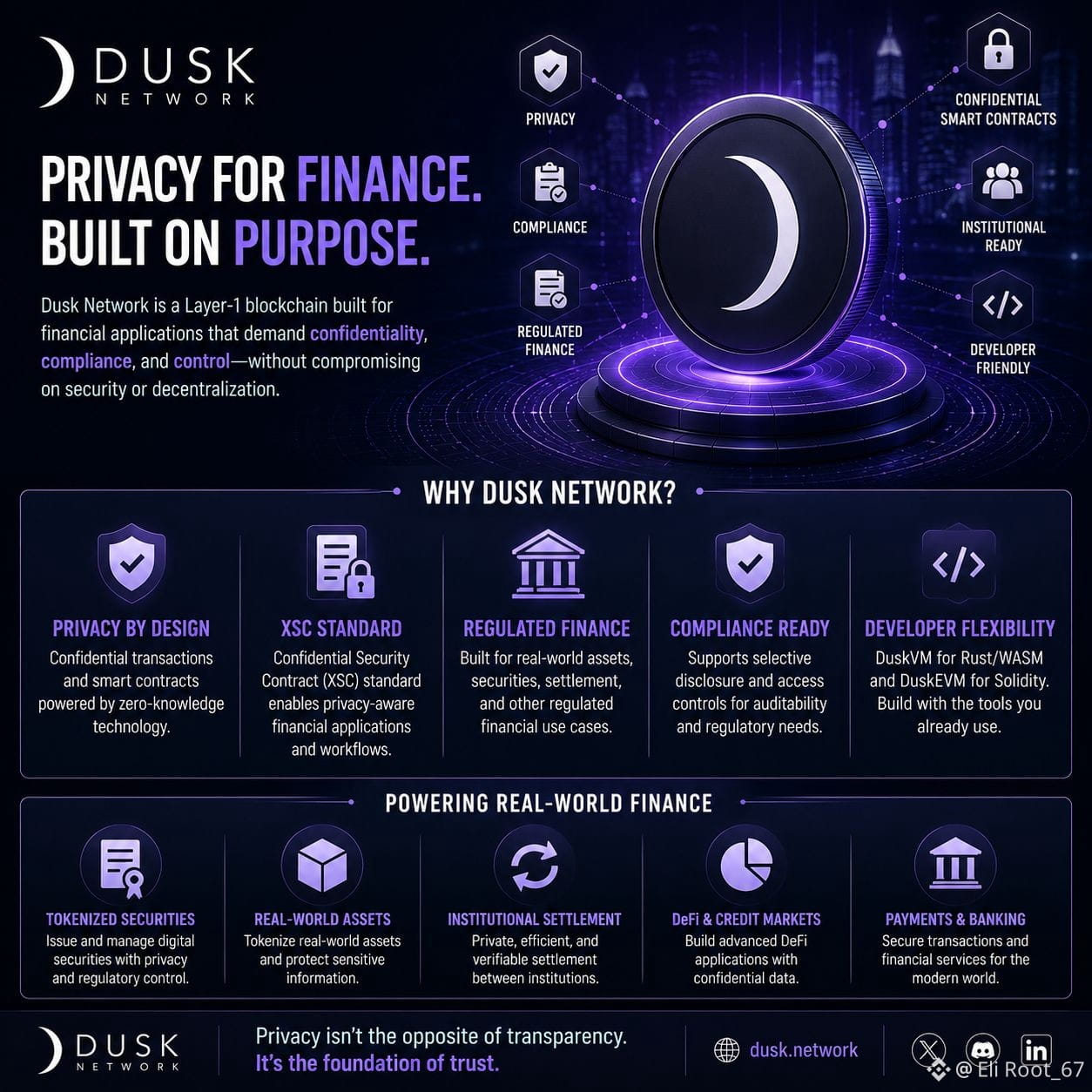
DUSK baut etwas, das die nächste Phase des On-Chain-Finanzwesens braucht: Privatsphäre mit Kontrolle.
Seine Layer-1-Infrastruktur ist für Finanzanwendungen ausgelegt, bei denen Vertraulichkeit, Compliance und Nachvollziehbarkeit gleichermaßen wichtig sind.
Mit vertraulichen Smart Contracts und dem XSC-Standard zielt DUSK auf echte Finanzanwendungsfälle wie tokenisierte Wertpapiere, regulierte Vermögenswerte und die Abwicklung im institutionellen Umfeld.
Der Schlüssel liegt nicht darin, alles zu verbergen.
Es geht darum, dass Nutzer und Institutionen die Kontrolle darüber haben, was offengelegt wird, an wen und zu welchem Zeitpunkt.
Das ist ein deutlich stärkeres Angebot für reguliertes Finanzwesen.
DUSK versucht nicht, Blockchain weniger transparent zu machen.
Es arbeitet daran, Transparenz selektiv, nützlich und mit finanzieller Privatsphäre vereinbar zu machen.
Für mich ist das die eigentliche These:
Privatsphäre ist kein Hindernis für On-Chain-Finanzierung.
Sie könnte die Infrastruktur sein, die sie erst möglich macht
@Dusk_Foundation $DUSK #dusk
{future}(DUSKUSDT)
DUSK baut etwas, das die nächste Phase des On-Chain-Finanzwesens braucht: Privatsphäre mit Kontrolle.
Seine Layer-1-Infrastruktur ist für Finanzanwendungen ausgelegt, bei denen Vertraulichkeit, Compliance und Nachvollziehbarkeit gleichermaßen wichtig sind.
Mit vertraulichen Smart Contracts und dem XSC-Standard zielt DUSK auf echte Finanzanwendungsfälle wie tokenisierte Wertpapiere, regulierte Vermögenswerte und die Abwicklung im institutionellen Umfeld.
Der Schlüssel liegt nicht darin, alles zu verbergen.
Es geht darum, dass Nutzer und Institutionen die Kontrolle darüber haben, was offengelegt wird, an wen und zu welchem Zeitpunkt.
Das ist ein deutlich stärkeres Angebot für reguliertes Finanzwesen.
DUSK versucht nicht, Blockchain weniger transparent zu machen.
Es arbeitet daran, Transparenz selektiv, nützlich und mit finanzieller Privatsphäre vereinbar zu machen.
Für mich ist das die eigentliche These:
Privatsphäre ist kein Hindernis für On-Chain-Finanzierung.
Sie könnte die Infrastruktur sein, die sie erst möglich macht
@Dusk $DUSK #dusk
Seine Layer-1-Infrastruktur ist für Finanzanwendungen ausgelegt, bei denen Vertraulichkeit, Compliance und Nachvollziehbarkeit gleichermaßen wichtig sind.
Mit vertraulichen Smart Contracts und dem XSC-Standard zielt DUSK auf echte Finanzanwendungsfälle wie tokenisierte Wertpapiere, regulierte Vermögenswerte und die Abwicklung im institutionellen Umfeld.
Der Schlüssel liegt nicht darin, alles zu verbergen.
Es geht darum, dass Nutzer und Institutionen die Kontrolle darüber haben, was offengelegt wird, an wen und zu welchem Zeitpunkt.
Das ist ein deutlich stärkeres Angebot für reguliertes Finanzwesen.
DUSK versucht nicht, Blockchain weniger transparent zu machen.
Es arbeitet daran, Transparenz selektiv, nützlich und mit finanzieller Privatsphäre vereinbar zu machen.
Für mich ist das die eigentliche These:
Privatsphäre ist kein Hindernis für On-Chain-Finanzierung.
Sie könnte die Infrastruktur sein, die sie erst möglich macht
@Dusk $DUSK #dusk
101
·
--
Bullisch
$ACE
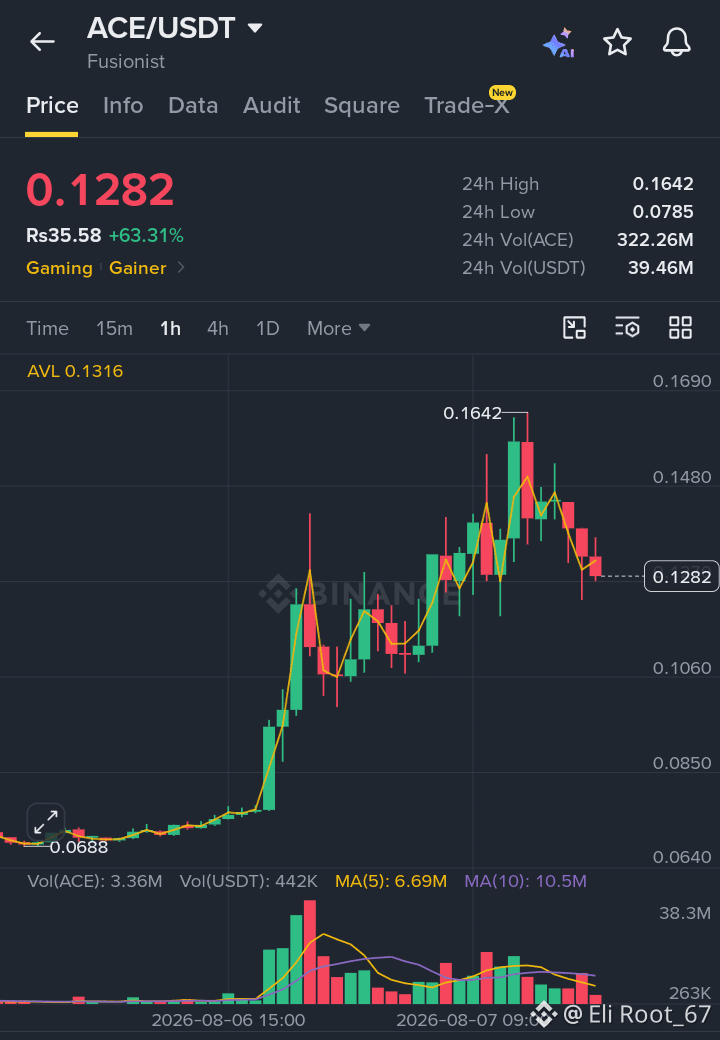
ACE führt den heutigen Markt mit einem beeindruckenden Anstieg von 89,31%. Käufer haben nach einem starken Ausbruch die volle Kontrolle übernommen, gestützt durch steigenden Momentum- und Volumenanstieg. Wenn diese Stärke anhält, werden Trader darauf achten, ob der Preis eine neue Unterstützungszone etablieren kann, anstatt Gewinne wieder abzugeben. Geduld ist nach einer so explosiven Bewegung entscheidend.
#SKHynixToInvest19.1TWonInM17Plant
#TSEPlansReReviewForMajorBusinessChanges #GoldBreaksOutFromJanuaryDowntrend
{future}(ACEUSDT)
$ACE
ACE führt den heutigen Markt mit einem beeindruckenden Anstieg von 89,31%. Käufer haben nach einem starken Ausbruch die volle Kontrolle übernommen, gestützt durch steigenden Momentum- und Volumenanstieg. Wenn diese Stärke anhält, werden Trader darauf achten, ob der Preis eine neue Unterstützungszone etablieren kann, anstatt Gewinne wieder abzugeben. Geduld ist nach einer so explosiven Bewegung entscheidend.
#SKHynixToInvest19.1TWonInM17Plant
#TSEPlansReReviewForMajorBusinessChanges #GoldBreaksOutFromJanuaryDowntrend
ACE führt den heutigen Markt mit einem beeindruckenden Anstieg von 89,31%. Käufer haben nach einem starken Ausbruch die volle Kontrolle übernommen, gestützt durch steigenden Momentum- und Volumenanstieg. Wenn diese Stärke anhält, werden Trader darauf achten, ob der Preis eine neue Unterstützungszone etablieren kann, anstatt Gewinne wieder abzugeben. Geduld ist nach einer so explosiven Bewegung entscheidend.
#SKHynixToInvest19.1TWonInM17Plant
#TSEPlansReReviewForMajorBusinessChanges #GoldBreaksOutFromJanuaryDowntrend
254
·
--
Bullisch
$ROBO
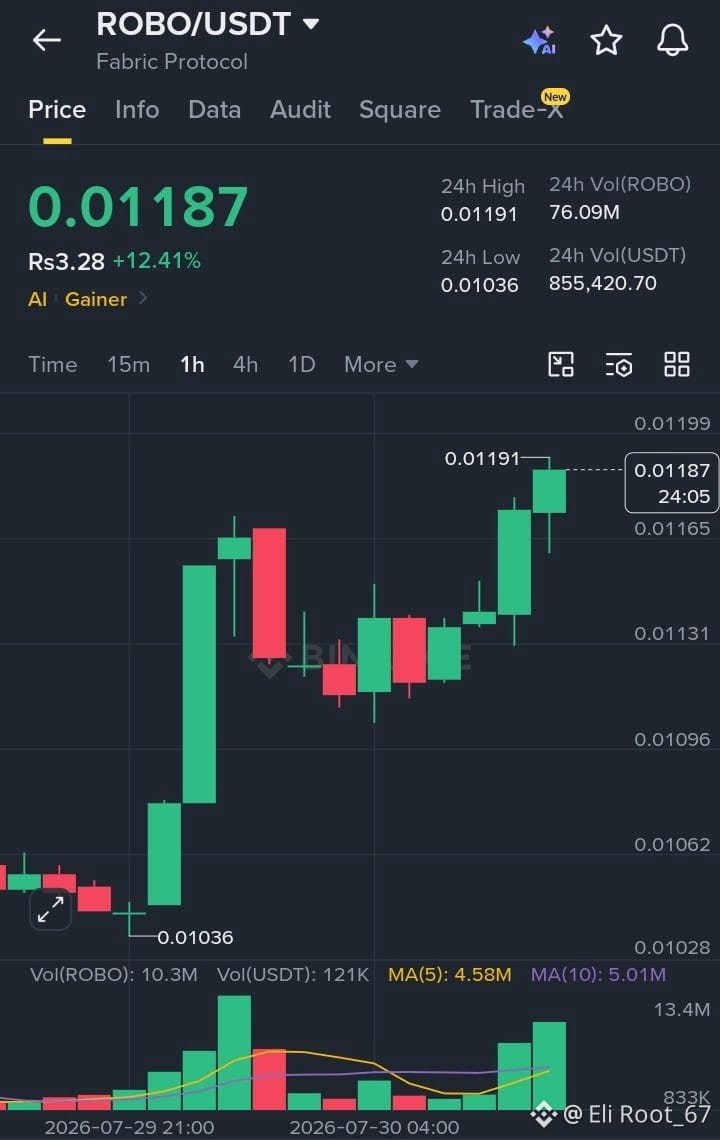
Marktereignis: Der Preis hat sich den Support nach einem Liquiditäts-Sweep unterhalb der jüngsten Tiefs zurückerobert. Momentum-Fazit: Käufer haben die kurzfristige Kontrolle zurückgewonnen und es gibt Spielraum für eine Fortsetzung.
Levels: • EP: 0.01160–0.01180 • TG1: 0.01240 • TG2: 0.01310 • TG3: 0.01400 • SL: 0.01110
Handelsentscheidung: Long bleiben, nur solange der Preis über dem zurückeroberten Support bleibt.
Schluss: Das Halten dieses Niveaus begünstigt einen weiteren Push nach oben.
#US30YearYieldClimbsToNear5.23% #SenatorsReachClarityActEthicsCompromise
{future}(ROBOUSDT)
$ROBO
Marktereignis: Der Preis hat sich den Support nach einem Liquiditäts-Sweep unterhalb der jüngsten Tiefs zurückerobert. Momentum-Fazit: Käufer haben die kurzfristige Kontrolle zurückgewonnen und es gibt Spielraum für eine Fortsetzung.
Levels: • EP: 0.01160–0.01180 • TG1: 0.01240 • TG2: 0.01310 • TG3: 0.01400 • SL: 0.01110
Handelsentscheidung: Long bleiben, nur solange der Preis über dem zurückeroberten Support bleibt.
Schluss: Das Halten dieses Niveaus begünstigt einen weiteren Push nach oben.
#US30YearYieldClimbsToNear5.23% #SenatorsReachClarityActEthicsCompromise
Marktereignis: Der Preis hat sich den Support nach einem Liquiditäts-Sweep unterhalb der jüngsten Tiefs zurückerobert. Momentum-Fazit: Käufer haben die kurzfristige Kontrolle zurückgewonnen und es gibt Spielraum für eine Fortsetzung.
Levels: • EP: 0.01160–0.01180 • TG1: 0.01240 • TG2: 0.01310 • TG3: 0.01400 • SL: 0.01110
Handelsentscheidung: Long bleiben, nur solange der Preis über dem zurückeroberten Support bleibt.
Schluss: Das Halten dieses Niveaus begünstigt einen weiteren Push nach oben.
#US30YearYieldClimbsToNear5.23% #SenatorsReachClarityActEthicsCompromise
73
·
--
Bullisch
$KORUB
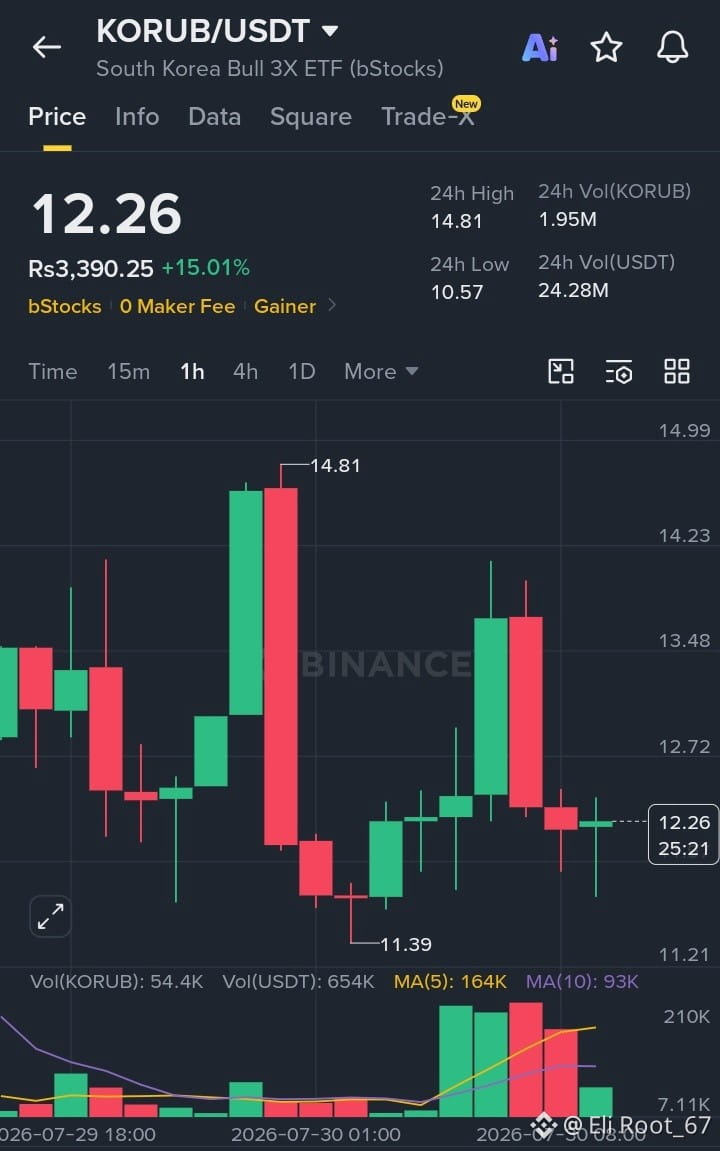
Marktereignis: Preis wies nach unten gerichtete Abwärtsversuche ab und verteidigte einen wichtigen Nachfragebereich. Implikation der Dynamik: Die Struktur bleibt konstruktiv, da Käufer die Kontrolle behalten.
Level: • EP: 11.95–12.15 • TG1: 12.80 • TG2: 13.50 • TG3: 14.20 • SL: 11.55
Handelsentscheidung: Longs bevorzugen, solange die Abfolge höherer Tiefs intakt bleibt.
Close: Die fortgesetzte Verteidigung der Unterstützung hält den Trend positiv.
#US30YearYieldClimbsToNear5.23% #SenatorsReachClarityActEthicsCompromise
{future}(KORUUSDT)
$KORUB
Marktereignis: Preis wies nach unten gerichtete Abwärtsversuche ab und verteidigte einen wichtigen Nachfragebereich. Implikation der Dynamik: Die Struktur bleibt konstruktiv, da Käufer die Kontrolle behalten.
Level: • EP: 11.95–12.15 • TG1: 12.80 • TG2: 13.50 • TG3: 14.20 • SL: 11.55
Handelsentscheidung: Longs bevorzugen, solange die Abfolge höherer Tiefs intakt bleibt.
Close: Die fortgesetzte Verteidigung der Unterstützung hält den Trend positiv.
#US30YearYieldClimbsToNear5.23% #SenatorsReachClarityActEthicsCompromise
Marktereignis: Preis wies nach unten gerichtete Abwärtsversuche ab und verteidigte einen wichtigen Nachfragebereich. Implikation der Dynamik: Die Struktur bleibt konstruktiv, da Käufer die Kontrolle behalten.
Level: • EP: 11.95–12.15 • TG1: 12.80 • TG2: 13.50 • TG3: 14.20 • SL: 11.55
Handelsentscheidung: Longs bevorzugen, solange die Abfolge höherer Tiefs intakt bleibt.
Close: Die fortgesetzte Verteidigung der Unterstützung hält den Trend positiv.
#US30YearYieldClimbsToNear5.23% #SenatorsReachClarityActEthicsCompromise
62
·
--
Bullisch
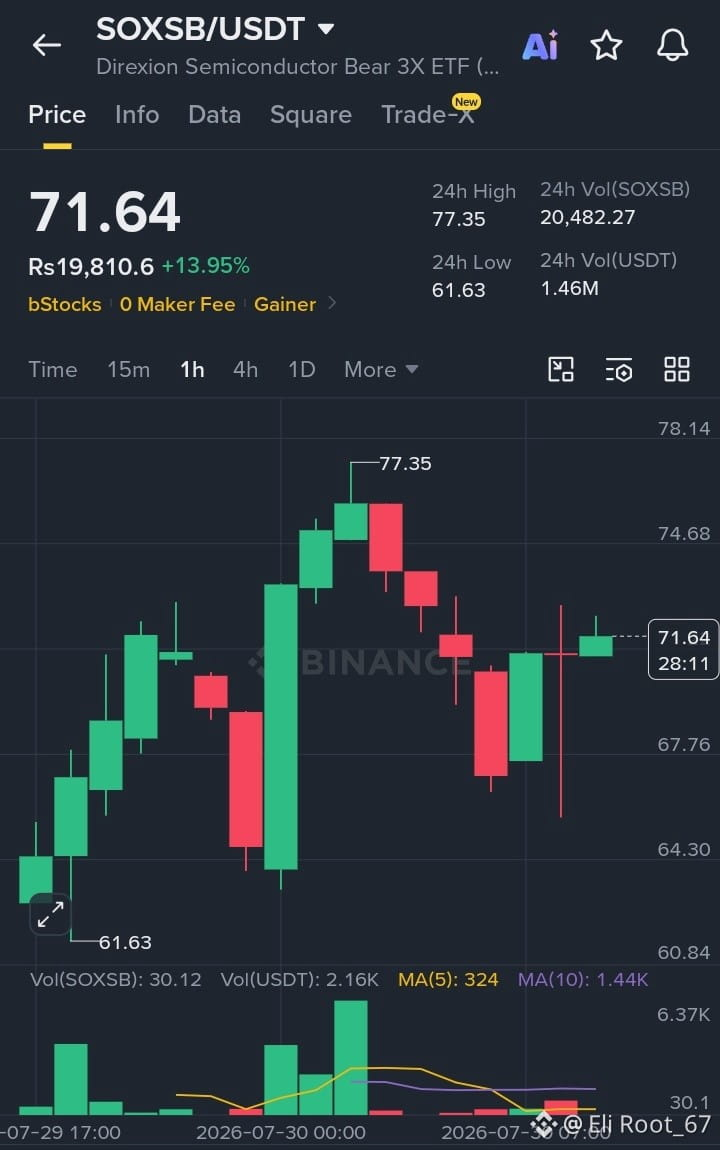
$SOXSB
Marktereignis: Der Preis durchbrach die Konsolidierung nach anhaltender Verteidigung eines Schlüsselniveaus. Momentum-Implikation: Trendfortsetzung bleibt begünstigt, solange das Ausbruchsniveau hält.
Niveaus: • EP: 71.50–72.30 • TG1: 74.50 • TG2: 77.00 • TG3: 80.00 • SL: 69.80
Handelsentscheidung: Nur bei kontrollierten Rücksetzern in die Unterstützung hinein kaufen.
Schlusskurs: Das Halten der Ausbruchszone spricht für höhere Preise.
#US30YearYieldClimbsToNear5.23% #USLaunchesFreshStrikesOnIRGC
{spot}(SOXSBUSDT)
$SOXSB
Marktereignis: Der Preis durchbrach die Konsolidierung nach anhaltender Verteidigung eines Schlüsselniveaus. Momentum-Implikation: Trendfortsetzung bleibt begünstigt, solange das Ausbruchsniveau hält.
Niveaus: • EP: 71.50–72.30 • TG1: 74.50 • TG2: 77.00 • TG3: 80.00 • SL: 69.80
Handelsentscheidung: Nur bei kontrollierten Rücksetzern in die Unterstützung hinein kaufen.
Schlusskurs: Das Halten der Ausbruchszone spricht für höhere Preise.
#US30YearYieldClimbsToNear5.23% #USLaunchesFreshStrikesOnIRGC
Marktereignis: Der Preis durchbrach die Konsolidierung nach anhaltender Verteidigung eines Schlüsselniveaus. Momentum-Implikation: Trendfortsetzung bleibt begünstigt, solange das Ausbruchsniveau hält.
Niveaus: • EP: 71.50–72.30 • TG1: 74.50 • TG2: 77.00 • TG3: 80.00 • SL: 69.80
Handelsentscheidung: Nur bei kontrollierten Rücksetzern in die Unterstützung hinein kaufen.
Schlusskurs: Das Halten der Ausbruchszone spricht für höhere Preise.
#US30YearYieldClimbsToNear5.23% #USLaunchesFreshStrikesOnIRGC
82
·
--
Bullisch
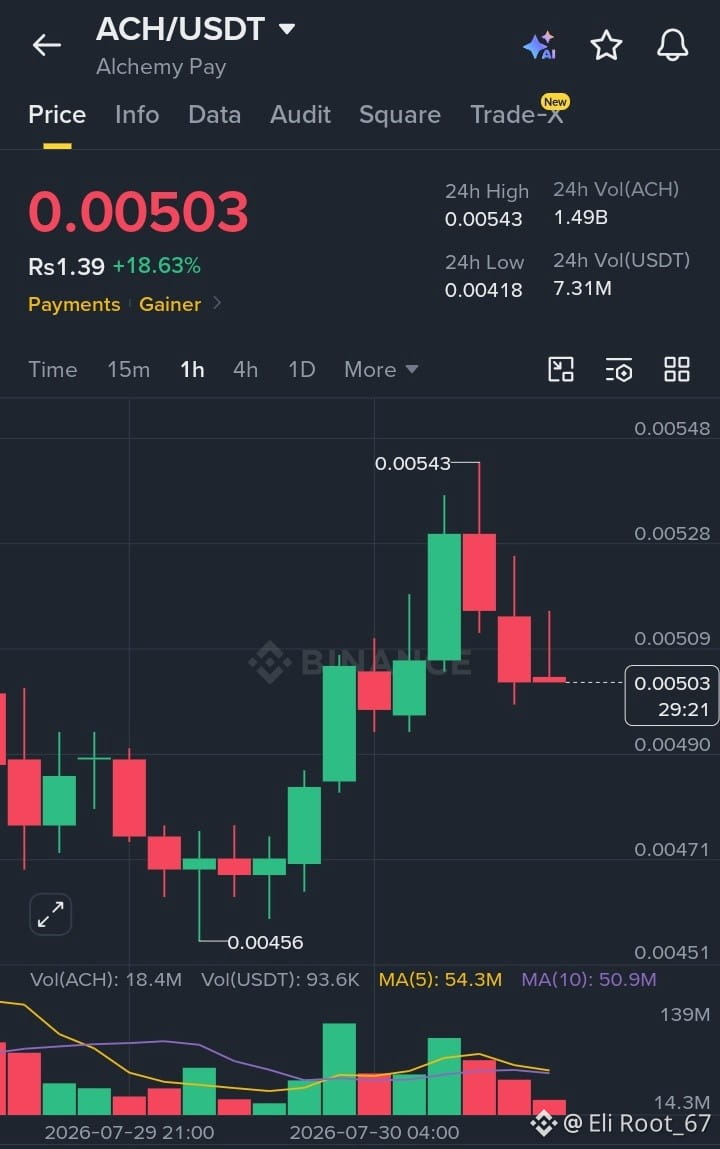
$ACH
Marktereignis: Der Preis hat einen Liquidity-Sweep unterhalb des Supports abgeschlossen, bevor er die Spanne zurückeroberte. Momentum-Implikation: Fehlgeschlagene Breakdowns ziehen häufig neues Kaufinteresse an.
Level: • EP: 0.00500–0.00510 • TG1: 0.00545 • TG2: 0.00580 • TG3: 0.00620 • SL: 0.00482
Handelsentscheidung: Long-Positionen bleiben gültig, solange die zurückeroberte Spanne verteidigt wird.
Schluss: Das Halten des Supports bewahrt die Erholung.
#USLaunchesFreshStrikesOnIRGC #SenatorsReachClarityActEthicsCompromise
{future}(ACHUSDT)
$ACH
Marktereignis: Der Preis hat einen Liquidity-Sweep unterhalb des Supports abgeschlossen, bevor er die Spanne zurückeroberte. Momentum-Implikation: Fehlgeschlagene Breakdowns ziehen häufig neues Kaufinteresse an.
Level: • EP: 0.00500–0.00510 • TG1: 0.00545 • TG2: 0.00580 • TG3: 0.00620 • SL: 0.00482
Handelsentscheidung: Long-Positionen bleiben gültig, solange die zurückeroberte Spanne verteidigt wird.
Schluss: Das Halten des Supports bewahrt die Erholung.
#USLaunchesFreshStrikesOnIRGC #SenatorsReachClarityActEthicsCompromise
Marktereignis: Der Preis hat einen Liquidity-Sweep unterhalb des Supports abgeschlossen, bevor er die Spanne zurückeroberte. Momentum-Implikation: Fehlgeschlagene Breakdowns ziehen häufig neues Kaufinteresse an.
Level: • EP: 0.00500–0.00510 • TG1: 0.00545 • TG2: 0.00580 • TG3: 0.00620 • SL: 0.00482
Handelsentscheidung: Long-Positionen bleiben gültig, solange die zurückeroberte Spanne verteidigt wird.
Schluss: Das Halten des Supports bewahrt die Erholung.
#USLaunchesFreshStrikesOnIRGC #SenatorsReachClarityActEthicsCompromise
108
·
--
Bullisch
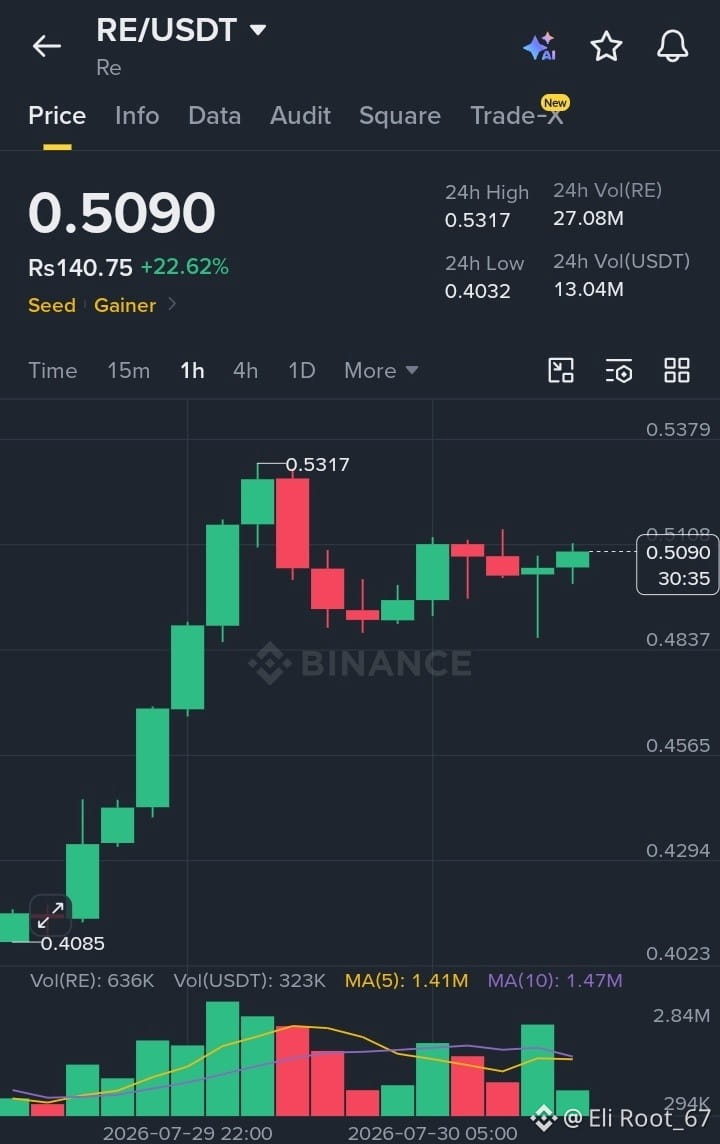
$RE
Marktereignis: Der Preis verteidigte ein wichtiges Unterstützungsniveau und wies die Abwärtsdruck-Bewegung mit Stärke zurück. Implikation für den Momentum: Der Momentum tendiert zu einem weiteren Anstieg, wenn Käufer die aktuelle Basis schützen.
Niveaus: • EP: 0.5010–0.5090 • TG1: 0.5300 • TG2: 0.5550 • TG3: 0.5850 • SL: 0.4890
Handelsentscheidung: Bleibe konstruktiv, solange höhere Tiefs weiter entstehen.
Schlusskurs: Die fortgesetzte Verteidigung unterstützt weiteres Upside-Potenzial.
#US30YearYieldClimbsToNear5.23% #USCourtRejectsCFTCWisconsinInjunctionBid
{spot}(REUSDT)
$RE
Marktereignis: Der Preis verteidigte ein wichtiges Unterstützungsniveau und wies die Abwärtsdruck-Bewegung mit Stärke zurück. Implikation für den Momentum: Der Momentum tendiert zu einem weiteren Anstieg, wenn Käufer die aktuelle Basis schützen.
Niveaus: • EP: 0.5010–0.5090 • TG1: 0.5300 • TG2: 0.5550 • TG3: 0.5850 • SL: 0.4890
Handelsentscheidung: Bleibe konstruktiv, solange höhere Tiefs weiter entstehen.
Schlusskurs: Die fortgesetzte Verteidigung unterstützt weiteres Upside-Potenzial.
#US30YearYieldClimbsToNear5.23% #USCourtRejectsCFTCWisconsinInjunctionBid
Marktereignis: Der Preis verteidigte ein wichtiges Unterstützungsniveau und wies die Abwärtsdruck-Bewegung mit Stärke zurück. Implikation für den Momentum: Der Momentum tendiert zu einem weiteren Anstieg, wenn Käufer die aktuelle Basis schützen.
Niveaus: • EP: 0.5010–0.5090 • TG1: 0.5300 • TG2: 0.5550 • TG3: 0.5850 • SL: 0.4890
Handelsentscheidung: Bleibe konstruktiv, solange höhere Tiefs weiter entstehen.
Schlusskurs: Die fortgesetzte Verteidigung unterstützt weiteres Upside-Potenzial.
#US30YearYieldClimbsToNear5.23% #USCourtRejectsCFTCWisconsinInjunctionBid
129
·
--
Bullisch
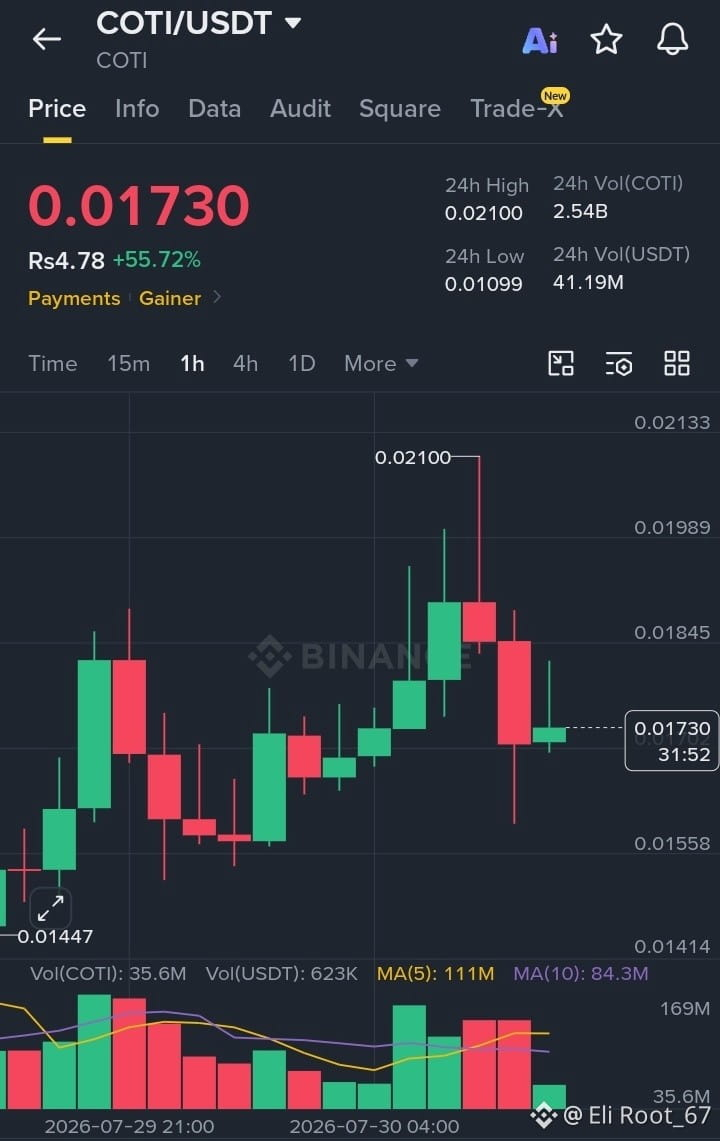
$COTI
Marktereignis: Der Preis beendete einen Short Squeeze und eroberte eine wichtige Widerstandszone zurück, wodurch späte Verkäufer zum Eindecken gezwungen wurden. Implikation der Dynamik: Käufer bleiben die Kontrolle, solange der Preis über dem zurückeroberten Niveau hält.
Niveaus: • EP: 0.01690–0.01720 • TG1: 0.01820 • TG2: 0.01940 • TG3: 0.02100 • SL: 0.01620
Handelsentscheidung: Behalte eine bullische Tendenz nur bei, solange der Preis das zurückeroberte Unterstützungsniveau respektiert.
Schluss: Das Halten dieses Niveaus lässt eine Fortsetzung weiterhin im Spiel.
#US30YearYieldClimbsToNear5.23% #USCourtRejectsCFTCWisconsinInjunctionBid
{future}(COTIUSDT)
$COTI
Marktereignis: Der Preis beendete einen Short Squeeze und eroberte eine wichtige Widerstandszone zurück, wodurch späte Verkäufer zum Eindecken gezwungen wurden. Implikation der Dynamik: Käufer bleiben die Kontrolle, solange der Preis über dem zurückeroberten Niveau hält.
Niveaus: • EP: 0.01690–0.01720 • TG1: 0.01820 • TG2: 0.01940 • TG3: 0.02100 • SL: 0.01620
Handelsentscheidung: Behalte eine bullische Tendenz nur bei, solange der Preis das zurückeroberte Unterstützungsniveau respektiert.
Schluss: Das Halten dieses Niveaus lässt eine Fortsetzung weiterhin im Spiel.
#US30YearYieldClimbsToNear5.23% #USCourtRejectsCFTCWisconsinInjunctionBid
Marktereignis: Der Preis beendete einen Short Squeeze und eroberte eine wichtige Widerstandszone zurück, wodurch späte Verkäufer zum Eindecken gezwungen wurden. Implikation der Dynamik: Käufer bleiben die Kontrolle, solange der Preis über dem zurückeroberten Niveau hält.
Niveaus: • EP: 0.01690–0.01720 • TG1: 0.01820 • TG2: 0.01940 • TG3: 0.02100 • SL: 0.01620
Handelsentscheidung: Behalte eine bullische Tendenz nur bei, solange der Preis das zurückeroberte Unterstützungsniveau respektiert.
Schluss: Das Halten dieses Niveaus lässt eine Fortsetzung weiterhin im Spiel.
#US30YearYieldClimbsToNear5.23% #USCourtRejectsCFTCWisconsinInjunctionBid
1
253
·
--
Bullisch
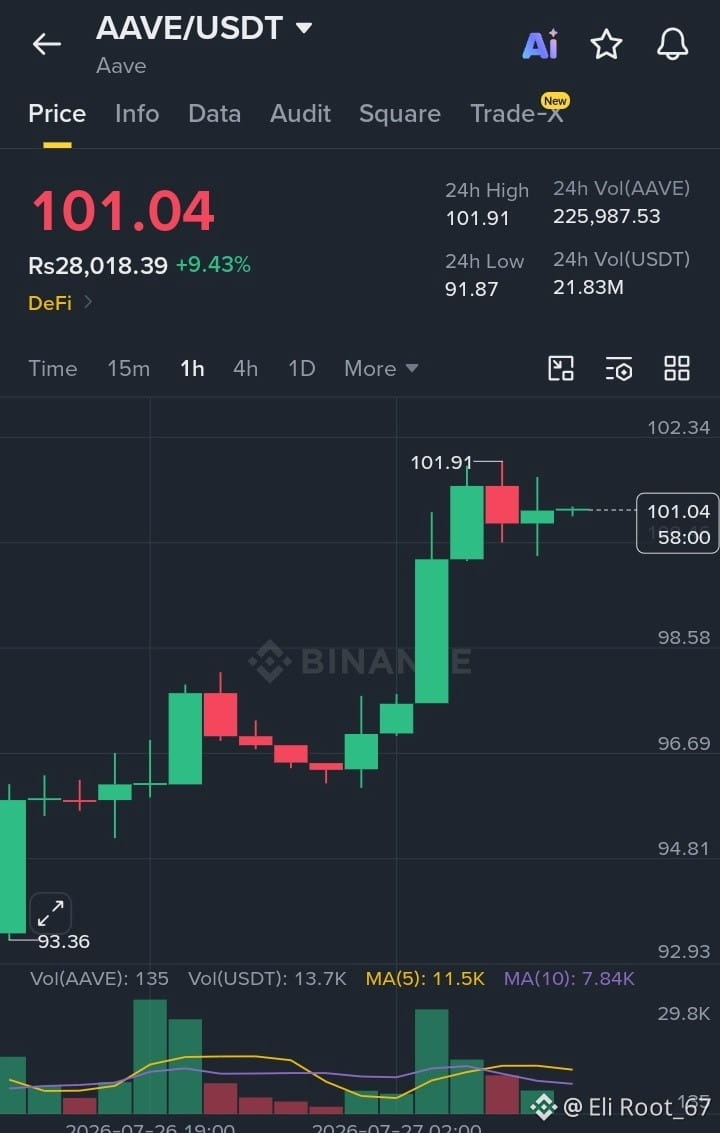
$AAVE
Marktereignis: Der Preis verteidigte nach einem Liquiditäts-„Sweep“ einen wichtigen Support und prallte mit Stärke nach oben.
Momentum-Implikation: Käufer behalten die Kontrolle, solange die Erholungsstruktur intakt bleibt.
Levels:
EP: 100.40–101.20
TG1: 103.50
TG2: 106.80
TG3: 110.50
SL: 98.60
Trade-Entscheidung: Auf Fortsetzung achten, nur solange der Preis über dem verteidigten Support bleibt.
Close: Die Schlüsselzone halten – der Trend hat Raum zur weiteren Ausdehnung.
#SHIBSurges36%
{future}(AAVEUSDT)
$AAVE
Marktereignis: Der Preis verteidigte nach einem Liquiditäts-„Sweep“ einen wichtigen Support und prallte mit Stärke nach oben.
Momentum-Implikation: Käufer behalten die Kontrolle, solange die Erholungsstruktur intakt bleibt.
Levels:
EP: 100.40–101.20
TG1: 103.50
TG2: 106.80
TG3: 110.50
SL: 98.60
Trade-Entscheidung: Auf Fortsetzung achten, nur solange der Preis über dem verteidigten Support bleibt.
Close: Die Schlüsselzone halten – der Trend hat Raum zur weiteren Ausdehnung.
#SHIBSurges36%
Marktereignis: Der Preis verteidigte nach einem Liquiditäts-„Sweep“ einen wichtigen Support und prallte mit Stärke nach oben.
Momentum-Implikation: Käufer behalten die Kontrolle, solange die Erholungsstruktur intakt bleibt.
Levels:
EP: 100.40–101.20
TG1: 103.50
TG2: 106.80
TG3: 110.50
SL: 98.60
Trade-Entscheidung: Auf Fortsetzung achten, nur solange der Preis über dem verteidigten Support bleibt.
Close: Die Schlüsselzone halten – der Trend hat Raum zur weiteren Ausdehnung.
#SHIBSurges36%
85
·
--
Bullisch
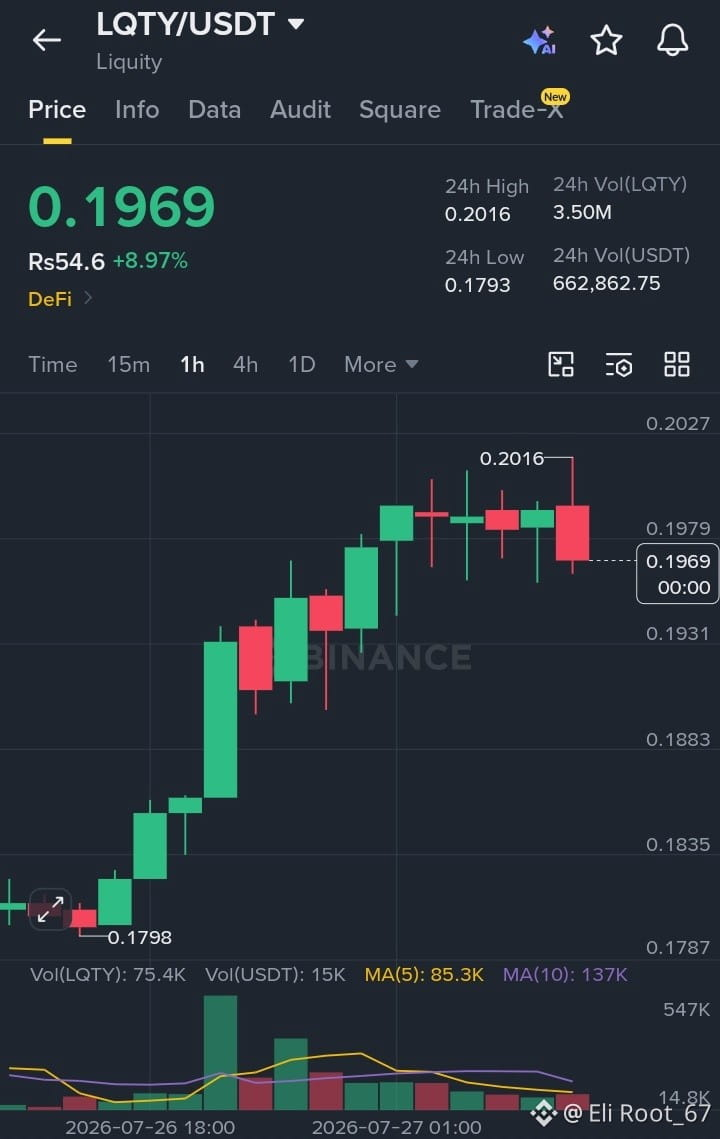
$LQTY
Marktereignis: Der Preis fegte die Abwärtsliquidität nach unten, bevor er eine wichtige Unterstützungszone zurückeroberte.
Momentum-Auswirkung: Die Erholung signalisiert, dass Käufer das Angebot auf niedrigeren Niveaus absorbieren.
Levels:
EP: 0.1965–0.1985
TG1: 0.2040
TG2: 0.2100
TG3: 0.2175
SL: 0.1925
Handelsentscheidung: Beibehaltung einer bullischen Tendenz, solange der Preis über der Unterstützung bleibt.
Close: Die anhaltende Verteidigung der Unterstützung hält das Upside-Szenario aktiv.
#USStockFuturesRiseAheadOfMegacapEarningsAndFed #WTICrudeFuturesFall8%
{future}(LQTYUSDT)
$LQTY
Marktereignis: Der Preis fegte die Abwärtsliquidität nach unten, bevor er eine wichtige Unterstützungszone zurückeroberte.
Momentum-Auswirkung: Die Erholung signalisiert, dass Käufer das Angebot auf niedrigeren Niveaus absorbieren.
Levels:
EP: 0.1965–0.1985
TG1: 0.2040
TG2: 0.2100
TG3: 0.2175
SL: 0.1925
Handelsentscheidung: Beibehaltung einer bullischen Tendenz, solange der Preis über der Unterstützung bleibt.
Close: Die anhaltende Verteidigung der Unterstützung hält das Upside-Szenario aktiv.
#USStockFuturesRiseAheadOfMegacapEarningsAndFed #WTICrudeFuturesFall8%
Marktereignis: Der Preis fegte die Abwärtsliquidität nach unten, bevor er eine wichtige Unterstützungszone zurückeroberte.
Momentum-Auswirkung: Die Erholung signalisiert, dass Käufer das Angebot auf niedrigeren Niveaus absorbieren.
Levels:
EP: 0.1965–0.1985
TG1: 0.2040
TG2: 0.2100
TG3: 0.2175
SL: 0.1925
Handelsentscheidung: Beibehaltung einer bullischen Tendenz, solange der Preis über der Unterstützung bleibt.
Close: Die anhaltende Verteidigung der Unterstützung hält das Upside-Szenario aktiv.
#USStockFuturesRiseAheadOfMegacapEarningsAndFed #WTICrudeFuturesFall8%
100
·
--
Bullisch
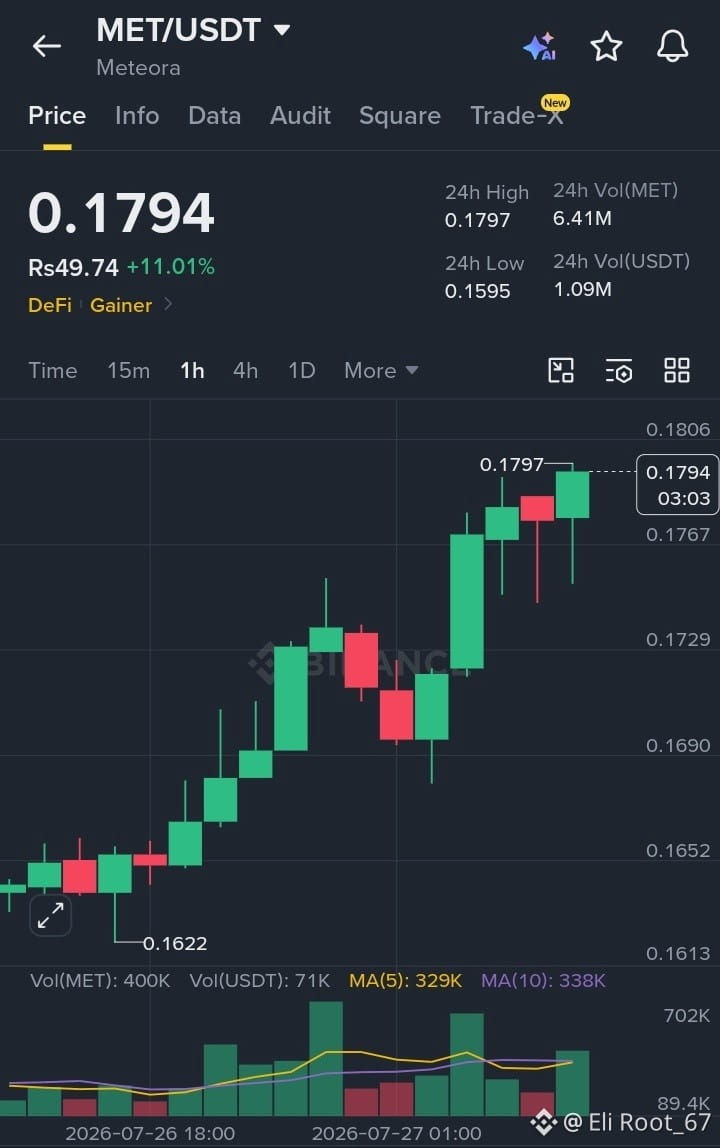
$MET
Marktereignis: Der Preis wies niedrigere Niveaus zurück und eroberte einen wichtigen Widerstand mit sich verbesserndem Order-Flow zurück.
Implikation der Dynamik: Die Erholung spricht für eine Fortsetzung, solange Käufer die Kontrolle über die Unterstützung behalten.
Niveaus:
EP: 0.1775–0.1790
TG1: 0.1840
TG2: 0.1895
TG3: 0.1960
SL: 0.1735
Handelsentscheidung: Die Long-Bias bleibt gültig, solange das zurückeroberte Niveau verteidigt wird.
Schluss: Die aktuelle Struktur halten; eine Fortsetzung ist wahrscheinlich.
#PensionFundsTurnNetBuyersOfKoreanShares #BitcoinMiningDifficultyMayFall1.2%
{spot}(METUSDT)
$MET
Marktereignis: Der Preis wies niedrigere Niveaus zurück und eroberte einen wichtigen Widerstand mit sich verbesserndem Order-Flow zurück.
Implikation der Dynamik: Die Erholung spricht für eine Fortsetzung, solange Käufer die Kontrolle über die Unterstützung behalten.
Niveaus:
EP: 0.1775–0.1790
TG1: 0.1840
TG2: 0.1895
TG3: 0.1960
SL: 0.1735
Handelsentscheidung: Die Long-Bias bleibt gültig, solange das zurückeroberte Niveau verteidigt wird.
Schluss: Die aktuelle Struktur halten; eine Fortsetzung ist wahrscheinlich.
#PensionFundsTurnNetBuyersOfKoreanShares #BitcoinMiningDifficultyMayFall1.2%
Marktereignis: Der Preis wies niedrigere Niveaus zurück und eroberte einen wichtigen Widerstand mit sich verbesserndem Order-Flow zurück.
Implikation der Dynamik: Die Erholung spricht für eine Fortsetzung, solange Käufer die Kontrolle über die Unterstützung behalten.
Niveaus:
EP: 0.1775–0.1790
TG1: 0.1840
TG2: 0.1895
TG3: 0.1960
SL: 0.1735
Handelsentscheidung: Die Long-Bias bleibt gültig, solange das zurückeroberte Niveau verteidigt wird.
Schluss: Die aktuelle Struktur halten; eine Fortsetzung ist wahrscheinlich.
#PensionFundsTurnNetBuyersOfKoreanShares #BitcoinMiningDifficultyMayFall1.2%
99
·
--
Bullisch
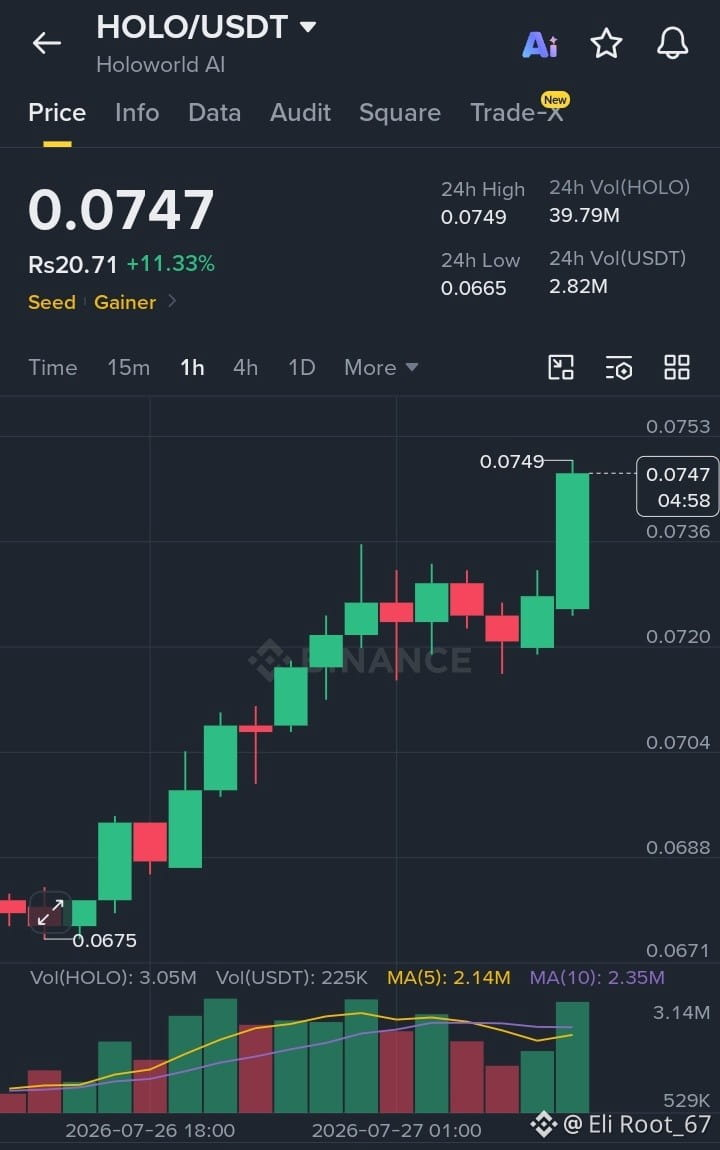
$HOLO
Marktereignis: Der Preis verteidigte ein zentrales Niveau, nachdem er die Abwärtsliquidität abgefegt hatte, und zog frisches Kaufinteresse an.
Momentum-Implikation: Käufer behalten die Kontrolle, während höhere Tiefs weiter entstehen.
Niveaus:
EP: 0.0738–0.0745
TG1: 0.0765
TG2: 0.0788
TG3: 0.0810
SL: 0.0724
Handelsentscheidung: Beim Trend bleiben, solange die Unterstützung intakt bleibt.
Close: Wenn die Unterstützung hält, bleibt weiteres Aufwärtspotenzial begünstigt.
#USPausesIranStrikesSecondNight #TeslaFallsNearly20%ThisWeek
{future}(HOLOUSDT)
$HOLO
Marktereignis: Der Preis verteidigte ein zentrales Niveau, nachdem er die Abwärtsliquidität abgefegt hatte, und zog frisches Kaufinteresse an.
Momentum-Implikation: Käufer behalten die Kontrolle, während höhere Tiefs weiter entstehen.
Niveaus:
EP: 0.0738–0.0745
TG1: 0.0765
TG2: 0.0788
TG3: 0.0810
SL: 0.0724
Handelsentscheidung: Beim Trend bleiben, solange die Unterstützung intakt bleibt.
Close: Wenn die Unterstützung hält, bleibt weiteres Aufwärtspotenzial begünstigt.
#USPausesIranStrikesSecondNight #TeslaFallsNearly20%ThisWeek
Marktereignis: Der Preis verteidigte ein zentrales Niveau, nachdem er die Abwärtsliquidität abgefegt hatte, und zog frisches Kaufinteresse an.
Momentum-Implikation: Käufer behalten die Kontrolle, während höhere Tiefs weiter entstehen.
Niveaus:
EP: 0.0738–0.0745
TG1: 0.0765
TG2: 0.0788
TG3: 0.0810
SL: 0.0724
Handelsentscheidung: Beim Trend bleiben, solange die Unterstützung intakt bleibt.
Close: Wenn die Unterstützung hält, bleibt weiteres Aufwärtspotenzial begünstigt.
#USPausesIranStrikesSecondNight #TeslaFallsNearly20%ThisWeek
100
·
--
Bullisch
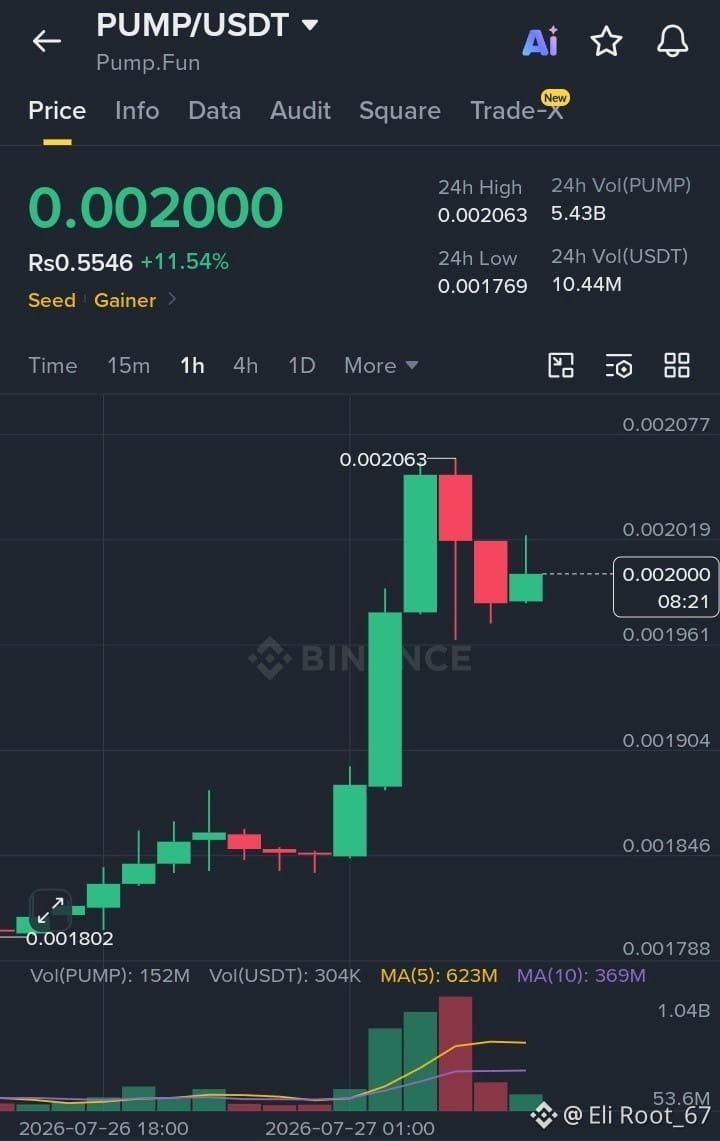
$PUMP
Marktereignis: Ein Short Squeeze drückte den Preis über nahe Liquidität und bestätigte eine aggressive Käuferbeteiligung.
Momentum-Implikation: Das Momentum bleibt konstruktiv, solange die Ausbruchzone weiterhin hält.
Level:
EP: 0.001995–0.002015
TG1: 0.002080
TG2: 0.002150
TG3: 0.002240
SL: 0.001940
Handelsentscheidung: Bevorzuge Long-Exponierung nur, solange der Preis die Ausbruchstruktur respektiert.
Schluss: Halten Sie oberhalb des Supports, und die Fortsetzung bleibt das höher-wahrscheinliche Szenario.
#USStockFuturesRiseAheadOfMegacapEarningsAndFed
{future}(PUMPUSDT)
$PUMP
Marktereignis: Ein Short Squeeze drückte den Preis über nahe Liquidität und bestätigte eine aggressive Käuferbeteiligung.
Momentum-Implikation: Das Momentum bleibt konstruktiv, solange die Ausbruchzone weiterhin hält.
Level:
EP: 0.001995–0.002015
TG1: 0.002080
TG2: 0.002150
TG3: 0.002240
SL: 0.001940
Handelsentscheidung: Bevorzuge Long-Exponierung nur, solange der Preis die Ausbruchstruktur respektiert.
Schluss: Halten Sie oberhalb des Supports, und die Fortsetzung bleibt das höher-wahrscheinliche Szenario.
#USStockFuturesRiseAheadOfMegacapEarningsAndFed
Marktereignis: Ein Short Squeeze drückte den Preis über nahe Liquidität und bestätigte eine aggressive Käuferbeteiligung.
Momentum-Implikation: Das Momentum bleibt konstruktiv, solange die Ausbruchzone weiterhin hält.
Level:
EP: 0.001995–0.002015
TG1: 0.002080
TG2: 0.002150
TG3: 0.002240
SL: 0.001940
Handelsentscheidung: Bevorzuge Long-Exponierung nur, solange der Preis die Ausbruchstruktur respektiert.
Schluss: Halten Sie oberhalb des Supports, und die Fortsetzung bleibt das höher-wahrscheinliche Szenario.
#USStockFuturesRiseAheadOfMegacapEarningsAndFed
126
·
--
Bullisch
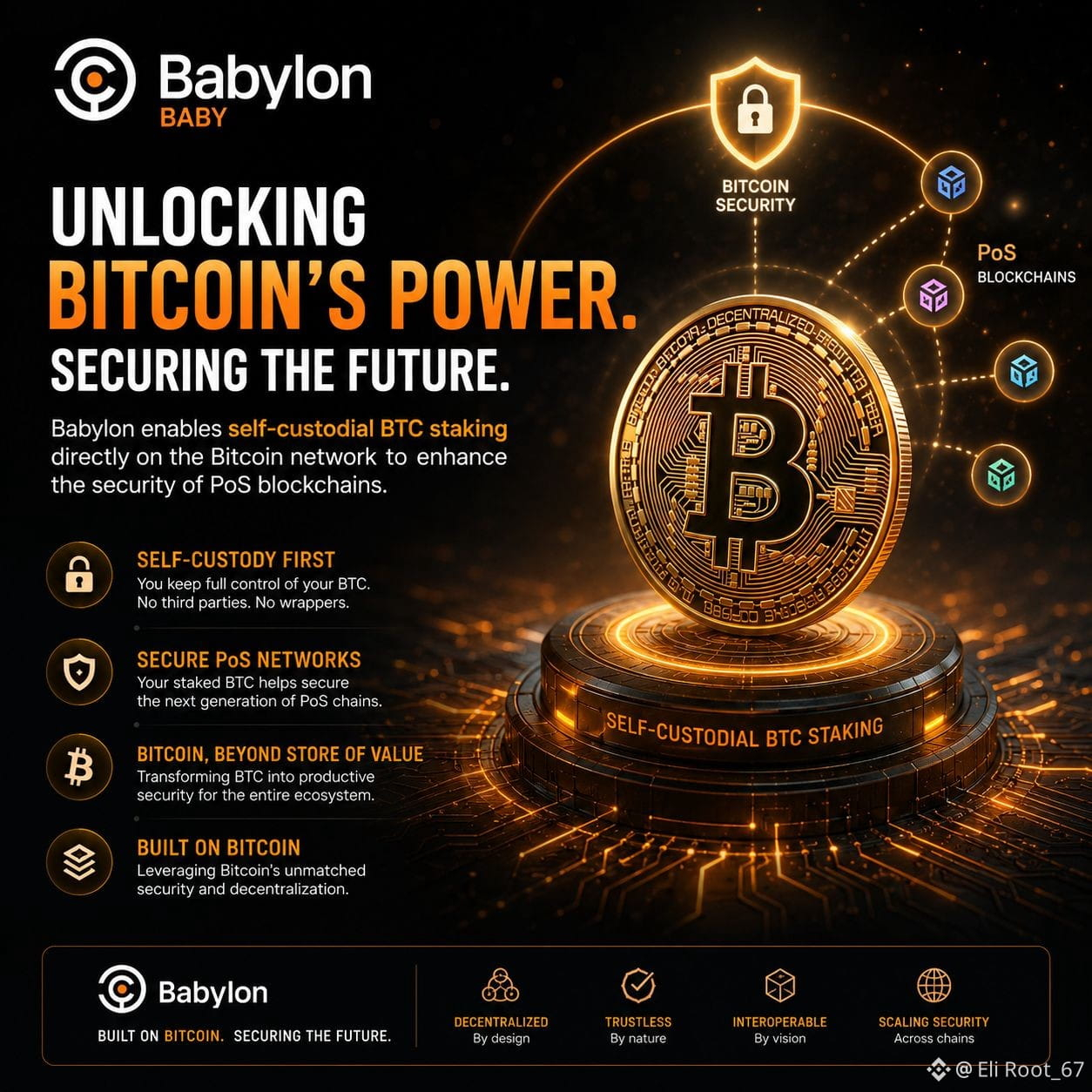
Ich habe immer geglaubt, dass Bitcoins größte Stärke seine unvergleichliche Sicherheit ist. Aber eine Frage ließ mich nicht los: Kann diese Sicherheit mehr schützen als nur das Bitcoin-Netzwerk selbst?
Deshalb sticht mir Babylon (BABY) besonders hervor.
Anstatt mich zu bitten, auf die Verwahrung (Custody) meiner BTC zu verzichten, ermöglicht Babylon selbstverwahrendes Bitcoin-Staking direkt im Bitcoin-Netzwerk. Ich behalte die Kontrolle über meine Bitcoin und unterstütze gleichzeitig dabei, die Sicherheit von Proof-of-Stake-Blockchains zu stärken. Dieses Gleichgewicht zwischen Eigentum und Nutzen macht dieses Projekt so einzigartig.
Ich denke, das könnte eine der wichtigsten Ideen im nächsten Kapitel von Bitcoin sein. Seit Jahren wird BTC vor allem wie digitales Gold behandelt. Babylon eröffnet die Möglichkeit, dass Bitcoin zu einer gemeinsam genutzten Sicherheitsgrundlage für ein wachsendes Blockchain-Ökosystem wird – ohne dabei die Prinzipien zu opfern, die es von Anfang an wertvoll gemacht haben.
Natürlich ist der entscheidende Test nicht das Konzept. Es geht um die Umsetzung. Akzeptanz, Netzwerksicherheit und langfristige Zuverlässigkeit werden darüber entscheiden, ob Babylon seine Vision tatsächlich liefert. Das werde ich beobachten – nicht kurzfristige Preisbewegungen oder Markthype.
Für mich sind die spannendsten Innovationen nicht die lautesten. Es sind die, die reale Probleme leise lösen und dabei ihren grundlegenden Prinzipien treu bleiben. Babylon fühlt sich für mich wie eines dieser Projekte an. Wenn es weiterhin gut umsetzt, könnte es neu definieren, wie Bitcoin zur Zukunft dezentraler Netzwerke beiträgt.
@babylonlabs_io
$BABY
#baby
{future}(BABYUSDT)
Ich habe immer geglaubt, dass Bitcoins größte Stärke seine unvergleichliche Sicherheit ist. Aber eine Frage ließ mich nicht los: Kann diese Sicherheit mehr schützen als nur das Bitcoin-Netzwerk selbst?
Deshalb sticht mir Babylon (BABY) besonders hervor.
Anstatt mich zu bitten, auf die Verwahrung (Custody) meiner BTC zu verzichten, ermöglicht Babylon selbstverwahrendes Bitcoin-Staking direkt im Bitcoin-Netzwerk. Ich behalte die Kontrolle über meine Bitcoin und unterstütze gleichzeitig dabei, die Sicherheit von Proof-of-Stake-Blockchains zu stärken. Dieses Gleichgewicht zwischen Eigentum und Nutzen macht dieses Projekt so einzigartig.
Ich denke, das könnte eine der wichtigsten Ideen im nächsten Kapitel von Bitcoin sein. Seit Jahren wird BTC vor allem wie digitales Gold behandelt. Babylon eröffnet die Möglichkeit, dass Bitcoin zu einer gemeinsam genutzten Sicherheitsgrundlage für ein wachsendes Blockchain-Ökosystem wird – ohne dabei die Prinzipien zu opfern, die es von Anfang an wertvoll gemacht haben.
Natürlich ist der entscheidende Test nicht das Konzept. Es geht um die Umsetzung. Akzeptanz, Netzwerksicherheit und langfristige Zuverlässigkeit werden darüber entscheiden, ob Babylon seine Vision tatsächlich liefert. Das werde ich beobachten – nicht kurzfristige Preisbewegungen oder Markthype.
Für mich sind die spannendsten Innovationen nicht die lautesten. Es sind die, die reale Probleme leise lösen und dabei ihren grundlegenden Prinzipien treu bleiben. Babylon fühlt sich für mich wie eines dieser Projekte an. Wenn es weiterhin gut umsetzt, könnte es neu definieren, wie Bitcoin zur Zukunft dezentraler Netzwerke beiträgt.
@BabylonLabs_io
$BABY
#baby
Deshalb sticht mir Babylon (BABY) besonders hervor.
Anstatt mich zu bitten, auf die Verwahrung (Custody) meiner BTC zu verzichten, ermöglicht Babylon selbstverwahrendes Bitcoin-Staking direkt im Bitcoin-Netzwerk. Ich behalte die Kontrolle über meine Bitcoin und unterstütze gleichzeitig dabei, die Sicherheit von Proof-of-Stake-Blockchains zu stärken. Dieses Gleichgewicht zwischen Eigentum und Nutzen macht dieses Projekt so einzigartig.
Ich denke, das könnte eine der wichtigsten Ideen im nächsten Kapitel von Bitcoin sein. Seit Jahren wird BTC vor allem wie digitales Gold behandelt. Babylon eröffnet die Möglichkeit, dass Bitcoin zu einer gemeinsam genutzten Sicherheitsgrundlage für ein wachsendes Blockchain-Ökosystem wird – ohne dabei die Prinzipien zu opfern, die es von Anfang an wertvoll gemacht haben.
Natürlich ist der entscheidende Test nicht das Konzept. Es geht um die Umsetzung. Akzeptanz, Netzwerksicherheit und langfristige Zuverlässigkeit werden darüber entscheiden, ob Babylon seine Vision tatsächlich liefert. Das werde ich beobachten – nicht kurzfristige Preisbewegungen oder Markthype.
Für mich sind die spannendsten Innovationen nicht die lautesten. Es sind die, die reale Probleme leise lösen und dabei ihren grundlegenden Prinzipien treu bleiben. Babylon fühlt sich für mich wie eines dieser Projekte an. Wenn es weiterhin gut umsetzt, könnte es neu definieren, wie Bitcoin zur Zukunft dezentraler Netzwerke beiträgt.
@BabylonLabs_io
$BABY
#baby
52
·
--
Bullisch
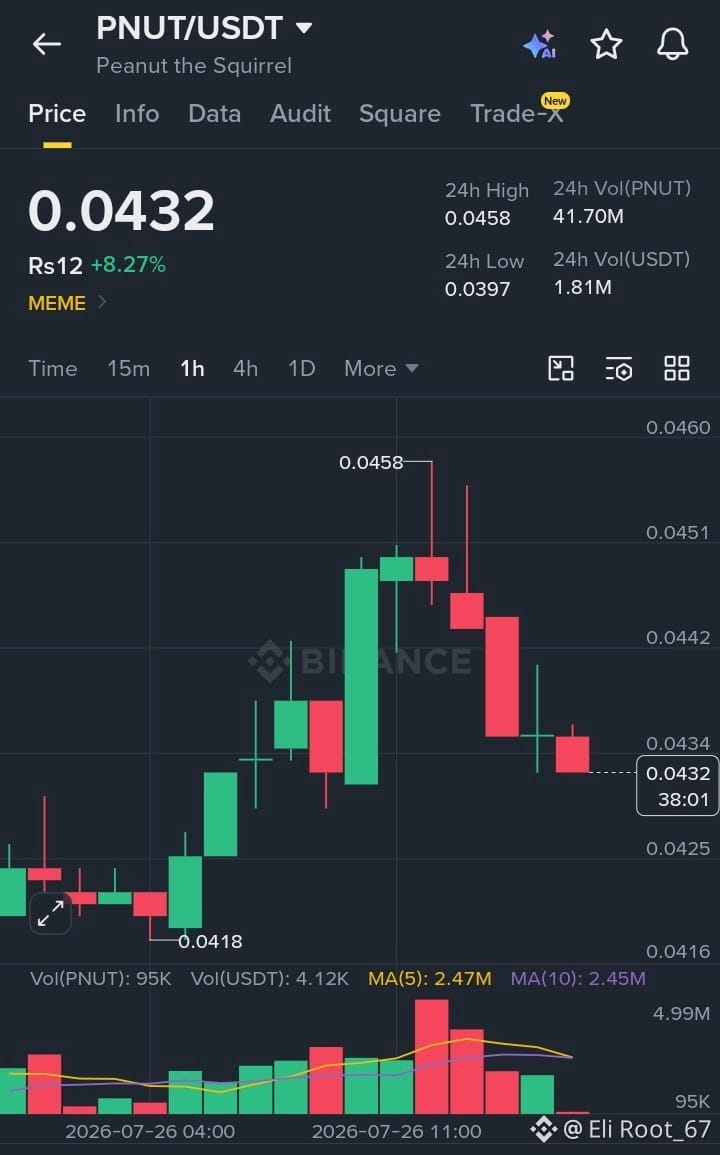
$PNUT
Marktereignis: Ein Short Squeeze drückte den Preis durch den nahegelegenen Widerstand und veränderte die Dynamik nach oben.
Implikation der Dynamik: Käufer behalten die Kontrolle, solange das Ausbruchsniveau nicht verloren geht.
Niveaus:
EP: 0,0439–0,0443 $
TG1: 0,0458 $
TG2: 0,0475 $
TG3: 0,0495 $
SL: 0,0425 $
Handelsentscheidung: Bevorzuge Long-Engagement nur nach Bestätigung oberhalb der Ausbruchszone.
Schluss: Solange die Unterstützung hält, bleibt das Fortsetzungsszenario das bevorzugte.
#TeslaFallsNearly20%ThisWeek
{future}(PNUTUSDT)
$PNUT
Marktereignis: Ein Short Squeeze drückte den Preis durch den nahegelegenen Widerstand und veränderte die Dynamik nach oben.
Implikation der Dynamik: Käufer behalten die Kontrolle, solange das Ausbruchsniveau nicht verloren geht.
Niveaus:
EP: 0,0439–0,0443 $
TG1: 0,0458 $
TG2: 0,0475 $
TG3: 0,0495 $
SL: 0,0425 $
Handelsentscheidung: Bevorzuge Long-Engagement nur nach Bestätigung oberhalb der Ausbruchszone.
Schluss: Solange die Unterstützung hält, bleibt das Fortsetzungsszenario das bevorzugte.
#TeslaFallsNearly20%ThisWeek
Marktereignis: Ein Short Squeeze drückte den Preis durch den nahegelegenen Widerstand und veränderte die Dynamik nach oben.
Implikation der Dynamik: Käufer behalten die Kontrolle, solange das Ausbruchsniveau nicht verloren geht.
Niveaus:
EP: 0,0439–0,0443 $
TG1: 0,0458 $
TG2: 0,0475 $
TG3: 0,0495 $
SL: 0,0425 $
Handelsentscheidung: Bevorzuge Long-Engagement nur nach Bestätigung oberhalb der Ausbruchszone.
Schluss: Solange die Unterstützung hält, bleibt das Fortsetzungsszenario das bevorzugte.
#TeslaFallsNearly20%ThisWeek
160
·
--
Bullisch
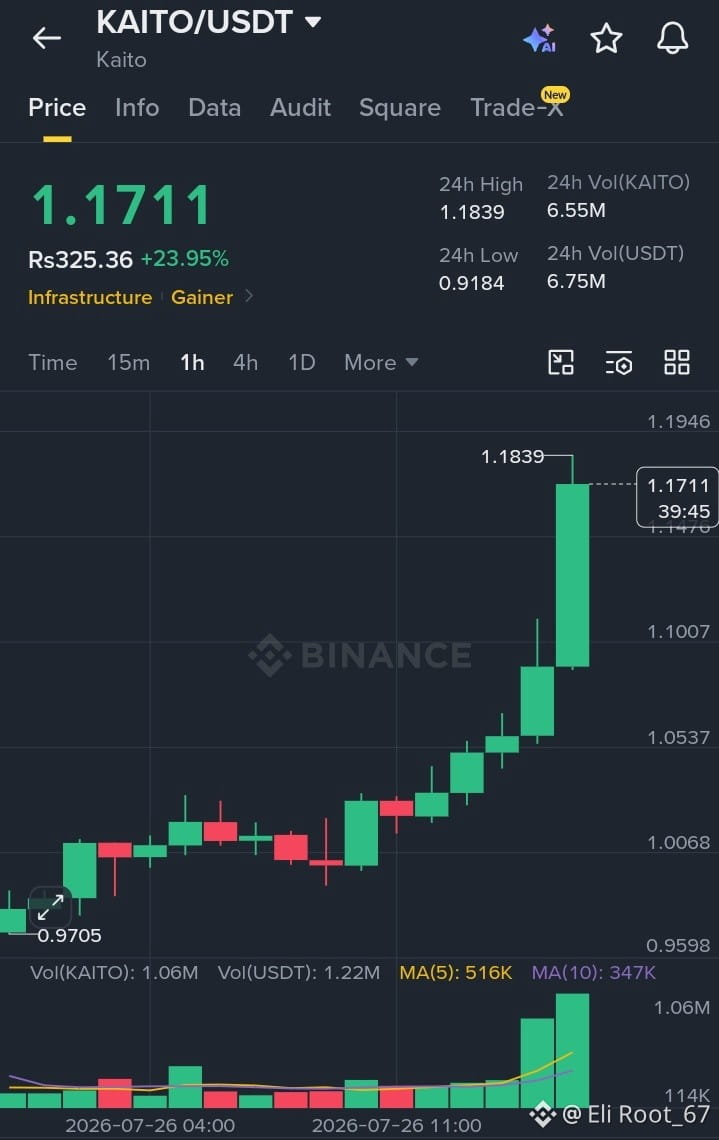
$KAITO
Marktereignis: Der Preis hielt eine wichtige Unterstützungszone und löste einen frischen Ausbruch aus.
Implikation für das Momentum: Die Struktur begünstigt eine Fortsetzung, solange das Momentum positiv bleibt.
Level:
EP: 1,090–1,105 $
TG1: 1,145 $
TG2: 1,190 $
TG3: 1,250 $
SL: 1,055 $
Handelsentscheidung: Bleiben Sie konstruktiv, solange der Preis über der verteidigten Unterstützung handelt.
Schlussfolgerung: Die Ausbruchszone halten und weiteres Upside bleibt begünstigt.
#TeslaFallsNearly20%ThisWeek
{future}(KAITOUSDT)
$KAITO
Marktereignis: Der Preis hielt eine wichtige Unterstützungszone und löste einen frischen Ausbruch aus.
Implikation für das Momentum: Die Struktur begünstigt eine Fortsetzung, solange das Momentum positiv bleibt.
Level:
EP: 1,090–1,105 $
TG1: 1,145 $
TG2: 1,190 $
TG3: 1,250 $
SL: 1,055 $
Handelsentscheidung: Bleiben Sie konstruktiv, solange der Preis über der verteidigten Unterstützung handelt.
Schlussfolgerung: Die Ausbruchszone halten und weiteres Upside bleibt begünstigt.
#TeslaFallsNearly20%ThisWeek
Marktereignis: Der Preis hielt eine wichtige Unterstützungszone und löste einen frischen Ausbruch aus.
Implikation für das Momentum: Die Struktur begünstigt eine Fortsetzung, solange das Momentum positiv bleibt.
Level:
EP: 1,090–1,105 $
TG1: 1,145 $
TG2: 1,190 $
TG3: 1,250 $
SL: 1,055 $
Handelsentscheidung: Bleiben Sie konstruktiv, solange der Preis über der verteidigten Unterstützung handelt.
Schlussfolgerung: Die Ausbruchszone halten und weiteres Upside bleibt begünstigt.
#TeslaFallsNearly20%ThisWeek
136
·
--
Bullisch
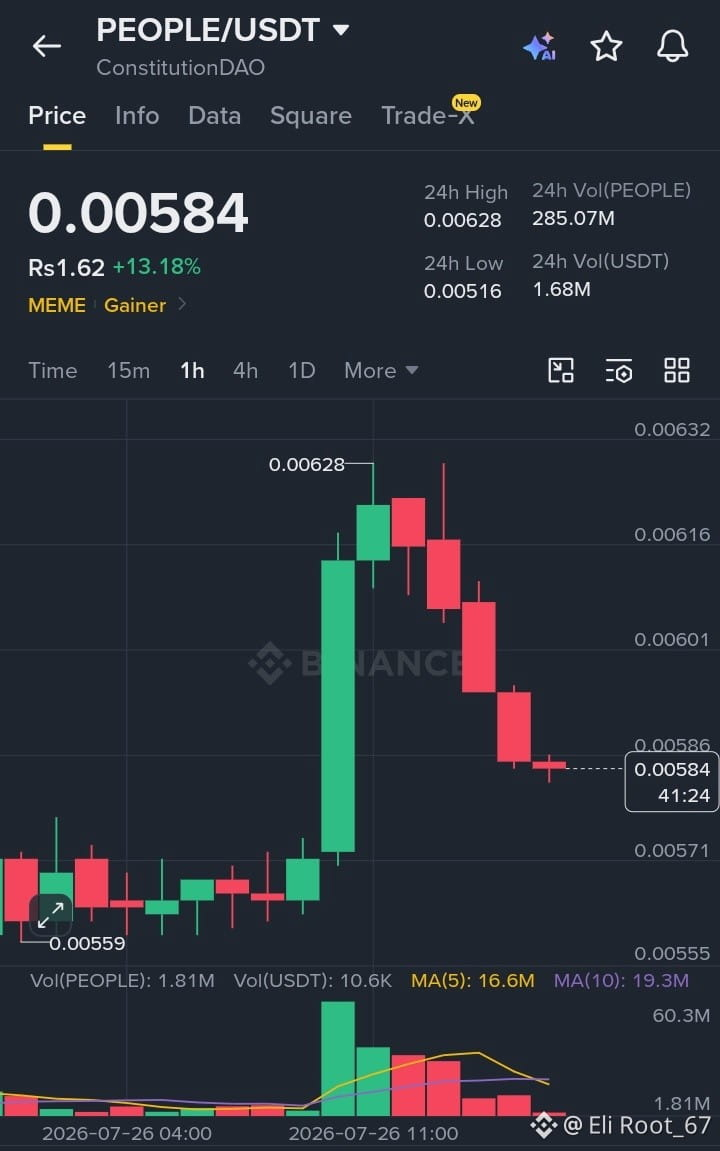
$PEOPLE
Marktereignis: Der Kurs hat lokale Tiefs abgefegt und sich anschließend wieder über den intraday Unterstützungsbereich gedreht.
Implikation der Dynamik: Die Erholung begünstigt einen Fortsetzungsimpuls, wenn Käufer die Basis weiter verteidigen.
Levels:
EP: $0.00584–$0.00592
TG1: $0.00610
TG2: $0.00635
TG3: $0.00660
SL: $0.00560
Handelsentscheidung: Auf eine Fortsetzung achten, nur solange der Kurs über der zurückeroberten Unterstützung bleibt.
Schluss: Diese Struktur halten und Käufer haben weiterhin den Vorteil.
#TeslaFallsNearly20%ThisWeek #USPausesIranStrikesSecondNight
{future}(PEOPLEUSDT)
$PEOPLE
Marktereignis: Der Kurs hat lokale Tiefs abgefegt und sich anschließend wieder über den intraday Unterstützungsbereich gedreht.
Implikation der Dynamik: Die Erholung begünstigt einen Fortsetzungsimpuls, wenn Käufer die Basis weiter verteidigen.
Levels:
EP: $0.00584–$0.00592
TG1: $0.00610
TG2: $0.00635
TG3: $0.00660
SL: $0.00560
Handelsentscheidung: Auf eine Fortsetzung achten, nur solange der Kurs über der zurückeroberten Unterstützung bleibt.
Schluss: Diese Struktur halten und Käufer haben weiterhin den Vorteil.
#TeslaFallsNearly20%ThisWeek #USPausesIranStrikesSecondNight
Marktereignis: Der Kurs hat lokale Tiefs abgefegt und sich anschließend wieder über den intraday Unterstützungsbereich gedreht.
Implikation der Dynamik: Die Erholung begünstigt einen Fortsetzungsimpuls, wenn Käufer die Basis weiter verteidigen.
Levels:
EP: $0.00584–$0.00592
TG1: $0.00610
TG2: $0.00635
TG3: $0.00660
SL: $0.00560
Handelsentscheidung: Auf eine Fortsetzung achten, nur solange der Kurs über der zurückeroberten Unterstützung bleibt.
Schluss: Diese Struktur halten und Käufer haben weiterhin den Vorteil.
#TeslaFallsNearly20%ThisWeek #USPausesIranStrikesSecondNight
166
·
--
Bullisch
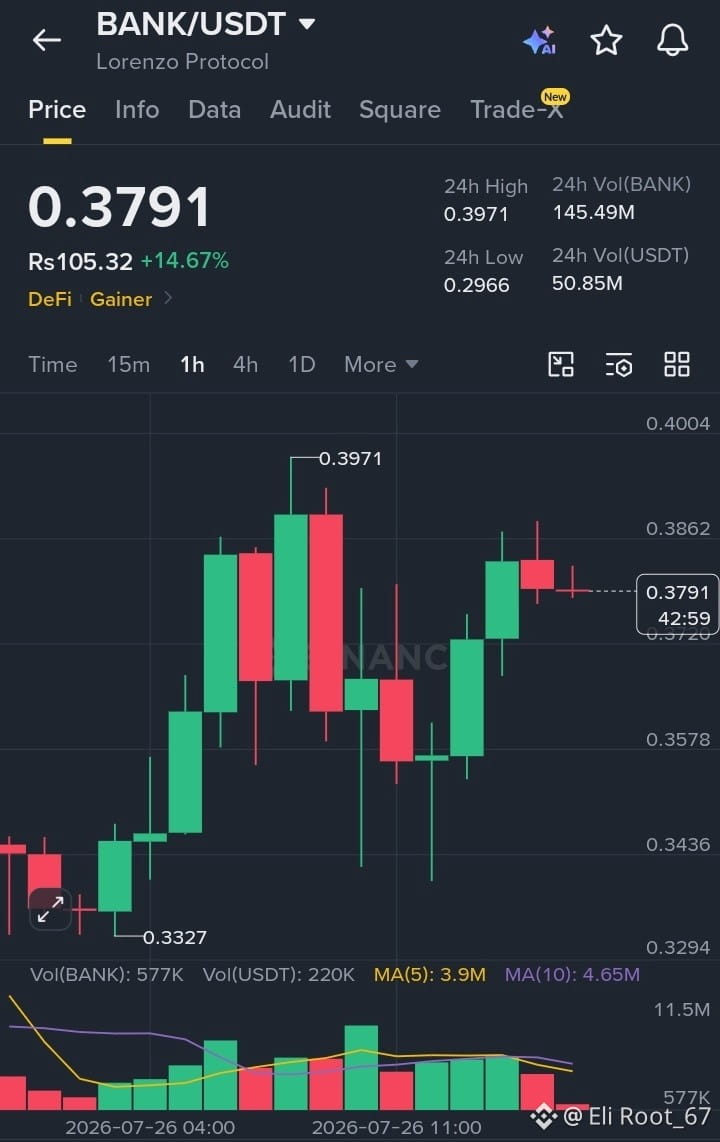
$BANK
Marktereignis: Der Preis verteidigte nach einem impulsiven Ausbruch eine wichtige Unterstützungszone.
Momentum-Auswirkung: Das Halten dieses Levels sorgt dafür, dass Käufer die Kontrolle über den Trend behalten.
Level:
EP: 0,378–0,384 $
TG1: 0,398 $
TG2: 0,415 $
TG3: 0,435 $
SL: 0,365 $
Trade-Entscheidung: Beibehaltung einer bullischen Ausrichtung, solange die Unterstützung intakt bleibt.
Close: Die fortgesetzte Verteidigung erhöht die Wahrscheinlichkeit einer Trendfortsetzung.
#USPausesIranStrikesSecondNight #BitcoinMiningDifficultyMayFall1.2%
{future}(BANKUSDT)
$BANK
Marktereignis: Der Preis verteidigte nach einem impulsiven Ausbruch eine wichtige Unterstützungszone.
Momentum-Auswirkung: Das Halten dieses Levels sorgt dafür, dass Käufer die Kontrolle über den Trend behalten.
Level:
EP: 0,378–0,384 $
TG1: 0,398 $
TG2: 0,415 $
TG3: 0,435 $
SL: 0,365 $
Trade-Entscheidung: Beibehaltung einer bullischen Ausrichtung, solange die Unterstützung intakt bleibt.
Close: Die fortgesetzte Verteidigung erhöht die Wahrscheinlichkeit einer Trendfortsetzung.
#USPausesIranStrikesSecondNight #BitcoinMiningDifficultyMayFall1.2%
Marktereignis: Der Preis verteidigte nach einem impulsiven Ausbruch eine wichtige Unterstützungszone.
Momentum-Auswirkung: Das Halten dieses Levels sorgt dafür, dass Käufer die Kontrolle über den Trend behalten.
Level:
EP: 0,378–0,384 $
TG1: 0,398 $
TG2: 0,415 $
TG3: 0,435 $
SL: 0,365 $
Trade-Entscheidung: Beibehaltung einer bullischen Ausrichtung, solange die Unterstützung intakt bleibt.
Close: Die fortgesetzte Verteidigung erhöht die Wahrscheinlichkeit einer Trendfortsetzung.
#USPausesIranStrikesSecondNight #BitcoinMiningDifficultyMayFall1.2%
240
Anmelden und weiter Inhalte entdecken
Krypto-Nutzer weltweit auf Binance Square kennenlernen
⚡️ Bleib in Sachen Krypto stets am Puls.
💬 Die weltgrößte Kryptobörse vertraut darauf.
👍 Erhalte verlässliche Einblicke von verifizierten Creators.
E-Mail-Adresse/Telefonnummer