

Spider_BNB1
19.3k Beiträge

Spider_BNB1
 Square Verified+
Melden
Nutzer blockieren
Spider_BNB1
Trade eröffnen
Hochfrequenz-Trader
2.2 Jahre
20 Following
44.3K+ Follower
24.1K+ Like gegeben
Beiträge
Portfolio
Alle
Zitierungen
Videos
Live
·
--
Musk’ SpaceX-Tesla-Fusion würde einen Bitcoin-Treasury-Giganten schaffen
Elon Musks ins Spiel gebrachte Fusion von SpaceX und Tesla würde mehr bewirken, als Raketen und Elektroautos zusammenzubringen. Sie würde zwei der größten Bitcoin-Bestände von Unternehmen weltweit in einer einzigen Bilanz vereinen.
Bei der Telefonkonferenz zu den Ergebnissen des dritten Quartals von SpaceX am Dienstag sagte Musk, die Vorstände beider Unternehmen hätten Sonderausschüsse aus unabhängigen Mitgliedern gebildet, um einen Zusammenschluss zu prüfen. Zugleich warnte er, es sei „übertrieben“, einen solchen Deal als „sicher“ darzustellen.
Doch schon die Möglichkeit hat den Blick erneut auf die Kryptobestände des fusionierten Unternehmens gelenkt.
Tesla meldete in seiner jüngsten Quartalsmitteilung 11.509 BTC, während SpaceX in dem S-1-Formular, das das Unternehmen vor seinem Börsengang im Juni einreichte, 18.712 BTC offenlegte. Zusammen sind das 30.221 BTC im Wert von rund 2,5 Milliarden US-Dollar zum jüngsten Bitcoin-Kurs von knapp 83.000 US-Dollar.
$AKE
{alpha}(560x2c3a8ee94ddd97244a93bc48298f97d2c412f7db)
$MAGMA
{alpha}(CT_7840x9f854b3ad20f8161ec0886f15f4a1752bf75d22261556f14cc8d3a1c5d50e529::magma::MAGMA)
$BTR
{alpha}(560xfed13d0c40790220fbde712987079eda1ed75c51)
Musk’ SpaceX-Tesla-Fusion würde einen Bitcoin-Treasury-Giganten schaffen
Elon Musks ins Spiel gebrachte Fusion von SpaceX und Tesla würde mehr bewirken, als Raketen und Elektroautos zusammenzubringen. Sie würde zwei der größten Bitcoin-Bestände von Unternehmen weltweit in einer einzigen Bilanz vereinen.
Bei der Telefonkonferenz zu den Ergebnissen des dritten Quartals von SpaceX am Dienstag sagte Musk, die Vorstände beider Unternehmen hätten Sonderausschüsse aus unabhängigen Mitgliedern gebildet, um einen Zusammenschluss zu prüfen. Zugleich warnte er, es sei „übertrieben“, einen solchen Deal als „sicher“ darzustellen.
Doch schon die Möglichkeit hat den Blick erneut auf die Kryptobestände des fusionierten Unternehmens gelenkt.
Tesla meldete in seiner jüngsten Quartalsmitteilung 11.509 BTC, während SpaceX in dem S-1-Formular, das das Unternehmen vor seinem Börsengang im Juni einreichte, 18.712 BTC offenlegte. Zusammen sind das 30.221 BTC im Wert von rund 2,5 Milliarden US-Dollar zum jüngsten Bitcoin-Kurs von knapp 83.000 US-Dollar.
$AKE
$MAGMA
$BTR
Elon Musks ins Spiel gebrachte Fusion von SpaceX und Tesla würde mehr bewirken, als Raketen und Elektroautos zusammenzubringen. Sie würde zwei der größten Bitcoin-Bestände von Unternehmen weltweit in einer einzigen Bilanz vereinen.
Bei der Telefonkonferenz zu den Ergebnissen des dritten Quartals von SpaceX am Dienstag sagte Musk, die Vorstände beider Unternehmen hätten Sonderausschüsse aus unabhängigen Mitgliedern gebildet, um einen Zusammenschluss zu prüfen. Zugleich warnte er, es sei „übertrieben“, einen solchen Deal als „sicher“ darzustellen.
Doch schon die Möglichkeit hat den Blick erneut auf die Kryptobestände des fusionierten Unternehmens gelenkt.
Tesla meldete in seiner jüngsten Quartalsmitteilung 11.509 BTC, während SpaceX in dem S-1-Formular, das das Unternehmen vor seinem Börsengang im Juni einreichte, 18.712 BTC offenlegte. Zusammen sind das 30.221 BTC im Wert von rund 2,5 Milliarden US-Dollar zum jüngsten Bitcoin-Kurs von knapp 83.000 US-Dollar.
$AKE
$MAGMA
$BTR

1
432
·
--
Ich denke schon seit einiger Zeit über Nillions Unterscheidung zwischen privaten Transaktionen und privaten Handelsstrategien nach. Ich glaube, sie greift ein tiefer liegendes Problem der Onchain-Märkte auf.
Bei Privatsphäre geht es nicht nur darum, zu verbergen, wer was gesendet hat.
Es gibt drei verschiedene Ebenen, die es zu berücksichtigen gilt: Transaktionsdaten, Ausführungslogik und Handelswissen.
Eine Transaktion kann zwar privat sein, doch die dahinterstehende Strategie kann die Absichten eines Traders trotzdem offenbaren.
Denken wir an eine Limit-Order oder einen Stop-Loss. Werden die Bedingungen solcher Orders vor ihrer Ausführung sichtbar, können andere Marktteilnehmer möglicherweise ableiten, wo jemand einsteigen möchte, in welche Richtung sich der Markt ihrer Einschätzung nach bewegen wird oder wo sie auszusteigen planen.
Diese Informationen sind wertvoll, selbst wenn die Identität des Traders oder die Höhe der Transaktion verborgen bleibt.
Hier wird Nillions Covenants interessant.
Die Idee ist, Anweisungen so lange verschlüsselt zu halten, bis die Ausführungsbedingungen erfüllt sind, statt die Strategie vorab offenzulegen. Bei einer effektiven Umsetzung könnte dies nicht nur die Transaktion selbst schützen, sondern auch die Logik, die bestimmt, wann und wie sie ausgeführt wird.
Das ist ein wichtiger Unterschied für Onchain-Finanzgeschäfte.
Denn ein Markt kann zwar Transaktionsprivatsphäre bieten und Trader dennoch durch ihre eigenen Ausführungsstrategien angreifbar machen.
Die entscheidende Frage ist, wie sich diese Vertraulichkeit wahren lässt und gleichzeitig sichergestellt wird, dass Bedingungen korrekt geprüft und ausgeführt werden.
Damit verschlüsselte Märkte alltagstauglich werden, sind beide Aspekte wichtig: Strategien privat zu halten und eine vertrauenswürdige Ausführung sicherzustellen.
Glaubst du, dass der Schutz von Strategien im Zuge der Weiterentwicklung des Onchain-Handels genauso wichtig wird wie der Schutz von Transaktionen?
#nil #NIL $NIL @nillionnetwork
Ich denke schon seit einiger Zeit über Nillions Unterscheidung zwischen privaten Transaktionen und privaten Handelsstrategien nach. Ich glaube, sie greift ein tiefer liegendes Problem der Onchain-Märkte auf.
Bei Privatsphäre geht es nicht nur darum, zu verbergen, wer was gesendet hat.
Es gibt drei verschiedene Ebenen, die es zu berücksichtigen gilt: Transaktionsdaten, Ausführungslogik und Handelswissen.
Eine Transaktion kann zwar privat sein, doch die dahinterstehende Strategie kann die Absichten eines Traders trotzdem offenbaren.
Denken wir an eine Limit-Order oder einen Stop-Loss. Werden die Bedingungen solcher Orders vor ihrer Ausführung sichtbar, können andere Marktteilnehmer möglicherweise ableiten, wo jemand einsteigen möchte, in welche Richtung sich der Markt ihrer Einschätzung nach bewegen wird oder wo sie auszusteigen planen.
Diese Informationen sind wertvoll, selbst wenn die Identität des Traders oder die Höhe der Transaktion verborgen bleibt.
Hier wird Nillions Covenants interessant.
Die Idee ist, Anweisungen so lange verschlüsselt zu halten, bis die Ausführungsbedingungen erfüllt sind, statt die Strategie vorab offenzulegen. Bei einer effektiven Umsetzung könnte dies nicht nur die Transaktion selbst schützen, sondern auch die Logik, die bestimmt, wann und wie sie ausgeführt wird.
Das ist ein wichtiger Unterschied für Onchain-Finanzgeschäfte.
Denn ein Markt kann zwar Transaktionsprivatsphäre bieten und Trader dennoch durch ihre eigenen Ausführungsstrategien angreifbar machen.
Die entscheidende Frage ist, wie sich diese Vertraulichkeit wahren lässt und gleichzeitig sichergestellt wird, dass Bedingungen korrekt geprüft und ausgeführt werden.
Damit verschlüsselte Märkte alltagstauglich werden, sind beide Aspekte wichtig: Strategien privat zu halten und eine vertrauenswürdige Ausführung sicherzustellen.
Glaubst du, dass der Schutz von Strategien im Zuge der Weiterentwicklung des Onchain-Handels genauso wichtig wird wie der Schutz von Transaktionen?
#nil #NIL $NIL @Nillion
Bei Privatsphäre geht es nicht nur darum, zu verbergen, wer was gesendet hat.
Es gibt drei verschiedene Ebenen, die es zu berücksichtigen gilt: Transaktionsdaten, Ausführungslogik und Handelswissen.
Eine Transaktion kann zwar privat sein, doch die dahinterstehende Strategie kann die Absichten eines Traders trotzdem offenbaren.
Denken wir an eine Limit-Order oder einen Stop-Loss. Werden die Bedingungen solcher Orders vor ihrer Ausführung sichtbar, können andere Marktteilnehmer möglicherweise ableiten, wo jemand einsteigen möchte, in welche Richtung sich der Markt ihrer Einschätzung nach bewegen wird oder wo sie auszusteigen planen.
Diese Informationen sind wertvoll, selbst wenn die Identität des Traders oder die Höhe der Transaktion verborgen bleibt.
Hier wird Nillions Covenants interessant.
Die Idee ist, Anweisungen so lange verschlüsselt zu halten, bis die Ausführungsbedingungen erfüllt sind, statt die Strategie vorab offenzulegen. Bei einer effektiven Umsetzung könnte dies nicht nur die Transaktion selbst schützen, sondern auch die Logik, die bestimmt, wann und wie sie ausgeführt wird.
Das ist ein wichtiger Unterschied für Onchain-Finanzgeschäfte.
Denn ein Markt kann zwar Transaktionsprivatsphäre bieten und Trader dennoch durch ihre eigenen Ausführungsstrategien angreifbar machen.
Die entscheidende Frage ist, wie sich diese Vertraulichkeit wahren lässt und gleichzeitig sichergestellt wird, dass Bedingungen korrekt geprüft und ausgeführt werden.
Damit verschlüsselte Märkte alltagstauglich werden, sind beide Aspekte wichtig: Strategien privat zu halten und eine vertrauenswürdige Ausführung sicherzustellen.
Glaubst du, dass der Schutz von Strategien im Zuge der Weiterentwicklung des Onchain-Handels genauso wichtig wird wie der Schutz von Transaktionen?
#nil #NIL $NIL @Nillion
2
6
863
·
--
Bullisch
XRP-Preiswarnung: Hebel werden zurückgesetzt, während Reserven von 11,8 Mrd. drohen
Die Reservendaten von CryptoQuant zeigen, dass die XRP-Börsenreserven auf 11,81 Milliarden Token gestiegen sind – ein Wert im 99. Perzentil des vergangenen Jahres. Derzeit wird XRP bei 1,30 $ gehandelt. Händler beobachten, ob die Marke von 1,25 $ hält, denn ein Unterschreiten würde 1,00 $ in den Fokus rücken.
Die Gesamtkennzahl von CryptoQuant zeigt, dass die auf Börsen gehaltene XRP-Menge im Einjahresvergleich ihren höchsten Stand erreicht hat. Börsenreserven umfassen Token in Wallets, die von Handelsplattformen kontrolliert werden und auf die daher leichter für den Handel zugegriffen werden kann als auf Vermögenswerte in privaten Wallets oder im Cold Storage.
XRP-Börsenreserve, CryptoQuant
Für die Marktstruktur ist neben der Höhe der Reserven auch die Richtung der Zu- und Abflüsse entscheidend. Einzahlungen erhöhen das auf Börsen gehaltene Angebot, während Auszahlungen auf private Wallets die unmittelbar auf Plattformen verfügbare Menge verringern. Künftige Daten werden zeigen, ob der Bestand von 11,80 Milliarden weiter steigt oder zu sinken beginnt.
$JCT
{alpha}(560xea37a8de1de2d9d10772eeb569e28bfa5cb17707)
$XAU
{future}(XAUUSDT)
$XRP
{future}(XRPUSDT)
XRP-Preiswarnung: Hebel werden zurückgesetzt, während Reserven von 11,8 Mrd. drohen
Die Reservendaten von CryptoQuant zeigen, dass die XRP-Börsenreserven auf 11,81 Milliarden Token gestiegen sind – ein Wert im 99. Perzentil des vergangenen Jahres. Derzeit wird XRP bei 1,30 $ gehandelt. Händler beobachten, ob die Marke von 1,25 $ hält, denn ein Unterschreiten würde 1,00 $ in den Fokus rücken.
Die Gesamtkennzahl von CryptoQuant zeigt, dass die auf Börsen gehaltene XRP-Menge im Einjahresvergleich ihren höchsten Stand erreicht hat. Börsenreserven umfassen Token in Wallets, die von Handelsplattformen kontrolliert werden und auf die daher leichter für den Handel zugegriffen werden kann als auf Vermögenswerte in privaten Wallets oder im Cold Storage.
XRP-Börsenreserve, CryptoQuant
Für die Marktstruktur ist neben der Höhe der Reserven auch die Richtung der Zu- und Abflüsse entscheidend. Einzahlungen erhöhen das auf Börsen gehaltene Angebot, während Auszahlungen auf private Wallets die unmittelbar auf Plattformen verfügbare Menge verringern. Künftige Daten werden zeigen, ob der Bestand von 11,80 Milliarden weiter steigt oder zu sinken beginnt.
$JCT
$XAU
$XRP
Die Reservendaten von CryptoQuant zeigen, dass die XRP-Börsenreserven auf 11,81 Milliarden Token gestiegen sind – ein Wert im 99. Perzentil des vergangenen Jahres. Derzeit wird XRP bei 1,30 $ gehandelt. Händler beobachten, ob die Marke von 1,25 $ hält, denn ein Unterschreiten würde 1,00 $ in den Fokus rücken.
Die Gesamtkennzahl von CryptoQuant zeigt, dass die auf Börsen gehaltene XRP-Menge im Einjahresvergleich ihren höchsten Stand erreicht hat. Börsenreserven umfassen Token in Wallets, die von Handelsplattformen kontrolliert werden und auf die daher leichter für den Handel zugegriffen werden kann als auf Vermögenswerte in privaten Wallets oder im Cold Storage.
XRP-Börsenreserve, CryptoQuant
Für die Marktstruktur ist neben der Höhe der Reserven auch die Richtung der Zu- und Abflüsse entscheidend. Einzahlungen erhöhen das auf Börsen gehaltene Angebot, während Auszahlungen auf private Wallets die unmittelbar auf Plattformen verfügbare Menge verringern. Künftige Daten werden zeigen, ob der Bestand von 11,80 Milliarden weiter steigt oder zu sinken beginnt.
$JCT
$XAU
$XRP
1
367
·
--
Bullisch
Verifiziert
#nil #NIL $NIL @nillionnetwork
Ich habe Nillions Blacklight-Migrationsleitfaden durchgesehen, und ein Detail fällt neben dem Wechsel zu Ethereum L1 besonders auf.
Die Migration der Node-Betreiber begann am 26. September, noch vor dem Mainnet-Start am 5. Oktober. Doch der Übergang umfasst mehr als nur den Wechsel des Netzwerks.
Die Betreiber müssen ihre NIL von L2 zu Ethereum transferieren, einen neuen Mainnet-Node registrieren, den erforderlichen Stake von 70.000 NIL halten und genügend ETH für Gasgebühren bereithalten.
Besonders wichtig finde ich dabei den Zeitplan.
Laut Nillions Leitfaden kann der Bridge-Vorgang etwa neun Tage dauern, und während des Transfers erhalten die NIL keine Rewards. Das bedeutet, dass Infrastrukturwechsel für Betreiber auch eine Koordinationsherausforderung darstellen: Wer zu spät mit dem Transfer beginnt, kann möglicherweise nicht rechtzeitig am neuen Netzwerk teilnehmen.
Ein weiterer Unterschied ist ebenfalls erwähnenswert: Bereits verdiente L2-Rewards können noch beansprucht werden, bis das alte Netzwerk abgeschaltet wird. Für das neue Mainnet ist jedoch eine erneute Registrierung erforderlich.
Es handelt sich also nicht einfach um ein technisches Upgrade. Vielmehr ändert sich dadurch der operative Ablauf, den die Betreiber einhalten müssen.
Für mich besteht die größere Bewährungsprobe darin, wie reibungslos Blacklight seine Betreiberbasis migriert und dabei eine zuverlässige Verifizierung auf Ethereum gewährleistet.
Der Mainnet-Start ist ein Meilenstein. Als Nächstes würde ich darauf achten, ob die Betreiber nach der Migration dauerhaft aktiv bleiben.
Glaubt ihr, dass der Wechsel von Blacklight zu Ethereum L1 den langfristigen Betrieb vereinfacht, oder bringt er neue Herausforderungen für die Node-Betreiber mit sich?
#nil #NIL $NIL @Nillion
Ich habe Nillions Blacklight-Migrationsleitfaden durchgesehen, und ein Detail fällt neben dem Wechsel zu Ethereum L1 besonders auf.
Die Migration der Node-Betreiber begann am 26. September, noch vor dem Mainnet-Start am 5. Oktober. Doch der Übergang umfasst mehr als nur den Wechsel des Netzwerks.
Die Betreiber müssen ihre NIL von L2 zu Ethereum transferieren, einen neuen Mainnet-Node registrieren, den erforderlichen Stake von 70.000 NIL halten und genügend ETH für Gasgebühren bereithalten.
Besonders wichtig finde ich dabei den Zeitplan.
Laut Nillions Leitfaden kann der Bridge-Vorgang etwa neun Tage dauern, und während des Transfers erhalten die NIL keine Rewards. Das bedeutet, dass Infrastrukturwechsel für Betreiber auch eine Koordinationsherausforderung darstellen: Wer zu spät mit dem Transfer beginnt, kann möglicherweise nicht rechtzeitig am neuen Netzwerk teilnehmen.
Ein weiterer Unterschied ist ebenfalls erwähnenswert: Bereits verdiente L2-Rewards können noch beansprucht werden, bis das alte Netzwerk abgeschaltet wird. Für das neue Mainnet ist jedoch eine erneute Registrierung erforderlich.
Es handelt sich also nicht einfach um ein technisches Upgrade. Vielmehr ändert sich dadurch der operative Ablauf, den die Betreiber einhalten müssen.
Für mich besteht die größere Bewährungsprobe darin, wie reibungslos Blacklight seine Betreiberbasis migriert und dabei eine zuverlässige Verifizierung auf Ethereum gewährleistet.
Der Mainnet-Start ist ein Meilenstein. Als Nächstes würde ich darauf achten, ob die Betreiber nach der Migration dauerhaft aktiv bleiben.
Glaubt ihr, dass der Wechsel von Blacklight zu Ethereum L1 den langfristigen Betrieb vereinfacht, oder bringt er neue Herausforderungen für die Node-Betreiber mit sich?
Ich habe Nillions Blacklight-Migrationsleitfaden durchgesehen, und ein Detail fällt neben dem Wechsel zu Ethereum L1 besonders auf.
Die Migration der Node-Betreiber begann am 26. September, noch vor dem Mainnet-Start am 5. Oktober. Doch der Übergang umfasst mehr als nur den Wechsel des Netzwerks.
Die Betreiber müssen ihre NIL von L2 zu Ethereum transferieren, einen neuen Mainnet-Node registrieren, den erforderlichen Stake von 70.000 NIL halten und genügend ETH für Gasgebühren bereithalten.
Besonders wichtig finde ich dabei den Zeitplan.
Laut Nillions Leitfaden kann der Bridge-Vorgang etwa neun Tage dauern, und während des Transfers erhalten die NIL keine Rewards. Das bedeutet, dass Infrastrukturwechsel für Betreiber auch eine Koordinationsherausforderung darstellen: Wer zu spät mit dem Transfer beginnt, kann möglicherweise nicht rechtzeitig am neuen Netzwerk teilnehmen.
Ein weiterer Unterschied ist ebenfalls erwähnenswert: Bereits verdiente L2-Rewards können noch beansprucht werden, bis das alte Netzwerk abgeschaltet wird. Für das neue Mainnet ist jedoch eine erneute Registrierung erforderlich.
Es handelt sich also nicht einfach um ein technisches Upgrade. Vielmehr ändert sich dadurch der operative Ablauf, den die Betreiber einhalten müssen.
Für mich besteht die größere Bewährungsprobe darin, wie reibungslos Blacklight seine Betreiberbasis migriert und dabei eine zuverlässige Verifizierung auf Ethereum gewährleistet.
Der Mainnet-Start ist ein Meilenstein. Als Nächstes würde ich darauf achten, ob die Betreiber nach der Migration dauerhaft aktiv bleiben.
Glaubt ihr, dass der Wechsel von Blacklight zu Ethereum L1 den langfristigen Betrieb vereinfacht, oder bringt er neue Herausforderungen für die Node-Betreiber mit sich?
1
1
811
·
--
Bitcoin setzt Erholung über 82.000 $ fort, während Aktien zulegen und DeFi-Token die Altcoin-Gewinne anführen
Bitcoin stieg um 0,8 % auf rund 82.700 $, nachdem Chinas BIP die Schätzungen übertroffen hatte und die Nasdaq-Futures zulegten. Der CoinDesk 80 gewann 1,3 %, wobei DeFi die Gewinne anführte.
Bitcoin BTC$81,961.08 wird bei rund 82.500 $ gehandelt und liegt seit Mitternacht UTC etwa 0,5 % im Plus. Damit setzt sich die Erholung vom Tief am Sonntag bei etwa 80.700 $ fort; der Kurs liegt deutlich über dem kurzen Rückgang unter 80.000 $ am Donnerstag.
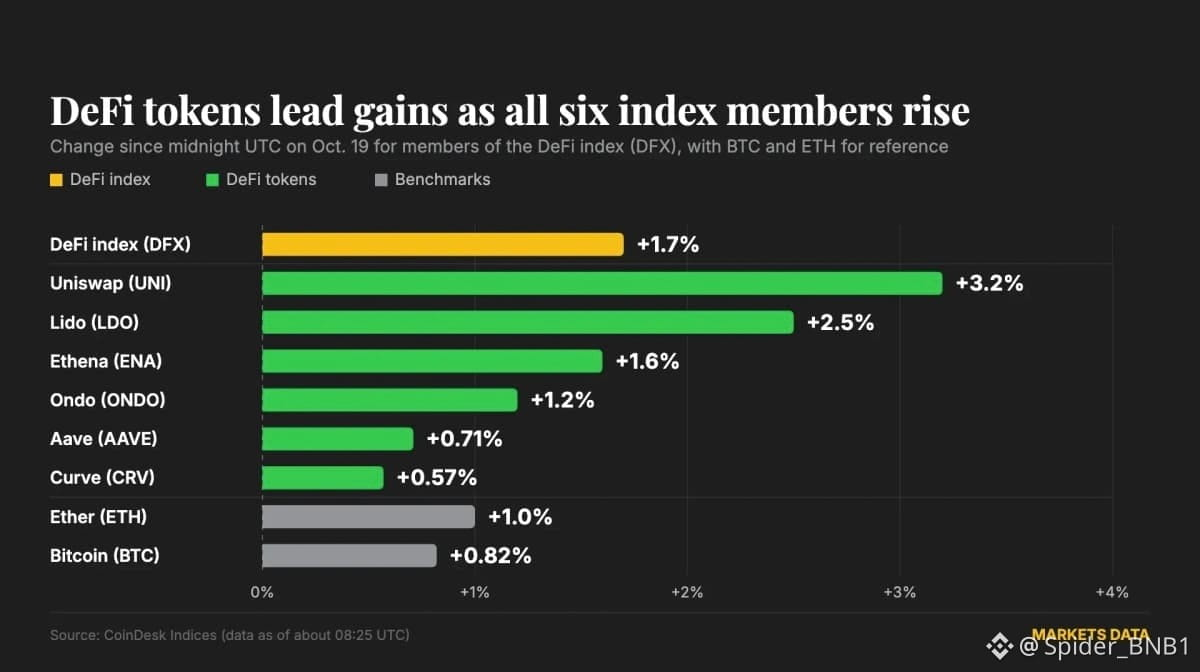
Altcoins übertrafen die größte Kryptowährung: Ether ETH$2,401.28 legte um 0,75 % auf knapp 2.430 $ zu, und der CoinDesk 80 (CD80) gewann 0,9 % – dreimal so viel wie der Anstieg des bitcoinlastigen CoinDesk 5 (CD5) um 0,35 %. DeFi führte die CoinDesk-Benchmarks mit einem Plus von 0,81 % an; alle sechs Mitglieder des DFX-Sektorindex verzeichneten Gewinne.
Die Erholung folgt auf eine schwierige Woche für US-Technologieaktien. Der Nasdaq fiel um 4,5 % und verzeichnete damit den stärksten Wochenrückgang seit Juni, da Sorgen über KI-Ausgaben und Schulden Aktien wie CoreWeave (CRWV) belasteten, die um 25 % nachgaben. Am Montag legten die Nasdaq-100-Futures um mehr als 1 % zu, ebenso wie asiatische Aktien, nachdem Chinas BIP-Wachstum im dritten Quartal von 4,5 % die Erwartungen übertroffen hatte und die Ölpreise nachgaben. In dieser Woche stehen außerdem die Geschäftszahlen von Meta Platforms META$702.01 und Tesla TSLA$369.29 an.
$BR
{alpha}(560xff7d6a96ae471bbcd7713af9cb1feeb16cf56b41)
$AGT
{alpha}(560x5dbde81fce337ff4bcaaee4ca3466c00aecae274)
$XAU
{future}(XAUUSDT)
Bitcoin setzt Erholung über 82.000 $ fort, während Aktien zulegen und DeFi-Token die Altcoin-Gewinne anführen
Bitcoin stieg um 0,8 % auf rund 82.700 $, nachdem Chinas BIP die Schätzungen übertroffen hatte und die Nasdaq-Futures zulegten. Der CoinDesk 80 gewann 1,3 %, wobei DeFi die Gewinne anführte.
Bitcoin BTC$81,961.08 wird bei rund 82.500 $ gehandelt und liegt seit Mitternacht UTC etwa 0,5 % im Plus. Damit setzt sich die Erholung vom Tief am Sonntag bei etwa 80.700 $ fort; der Kurs liegt deutlich über dem kurzen Rückgang unter 80.000 $ am Donnerstag.
Altcoins übertrafen die größte Kryptowährung: Ether ETH$2,401.28 legte um 0,75 % auf knapp 2.430 $ zu, und der CoinDesk 80 (CD80) gewann 0,9 % – dreimal so viel wie der Anstieg des bitcoinlastigen CoinDesk 5 (CD5) um 0,35 %. DeFi führte die CoinDesk-Benchmarks mit einem Plus von 0,81 % an; alle sechs Mitglieder des DFX-Sektorindex verzeichneten Gewinne.
Die Erholung folgt auf eine schwierige Woche für US-Technologieaktien. Der Nasdaq fiel um 4,5 % und verzeichnete damit den stärksten Wochenrückgang seit Juni, da Sorgen über KI-Ausgaben und Schulden Aktien wie CoreWeave (CRWV) belasteten, die um 25 % nachgaben. Am Montag legten die Nasdaq-100-Futures um mehr als 1 % zu, ebenso wie asiatische Aktien, nachdem Chinas BIP-Wachstum im dritten Quartal von 4,5 % die Erwartungen übertroffen hatte und die Ölpreise nachgaben. In dieser Woche stehen außerdem die Geschäftszahlen von Meta Platforms META$702.01 und Tesla TSLA$369.29 an.
$BR
$AGT
$XAU
Bitcoin stieg um 0,8 % auf rund 82.700 $, nachdem Chinas BIP die Schätzungen übertroffen hatte und die Nasdaq-Futures zulegten. Der CoinDesk 80 gewann 1,3 %, wobei DeFi die Gewinne anführte.
Bitcoin BTC$81,961.08 wird bei rund 82.500 $ gehandelt und liegt seit Mitternacht UTC etwa 0,5 % im Plus. Damit setzt sich die Erholung vom Tief am Sonntag bei etwa 80.700 $ fort; der Kurs liegt deutlich über dem kurzen Rückgang unter 80.000 $ am Donnerstag.
Altcoins übertrafen die größte Kryptowährung: Ether ETH$2,401.28 legte um 0,75 % auf knapp 2.430 $ zu, und der CoinDesk 80 (CD80) gewann 0,9 % – dreimal so viel wie der Anstieg des bitcoinlastigen CoinDesk 5 (CD5) um 0,35 %. DeFi führte die CoinDesk-Benchmarks mit einem Plus von 0,81 % an; alle sechs Mitglieder des DFX-Sektorindex verzeichneten Gewinne.
Die Erholung folgt auf eine schwierige Woche für US-Technologieaktien. Der Nasdaq fiel um 4,5 % und verzeichnete damit den stärksten Wochenrückgang seit Juni, da Sorgen über KI-Ausgaben und Schulden Aktien wie CoreWeave (CRWV) belasteten, die um 25 % nachgaben. Am Montag legten die Nasdaq-100-Futures um mehr als 1 % zu, ebenso wie asiatische Aktien, nachdem Chinas BIP-Wachstum im dritten Quartal von 4,5 % die Erwartungen übertroffen hatte und die Ölpreise nachgaben. In dieser Woche stehen außerdem die Geschäftszahlen von Meta Platforms META$702.01 und Tesla TSLA$369.29 an.
$BR
$AGT
$XAU
2
187
·
--
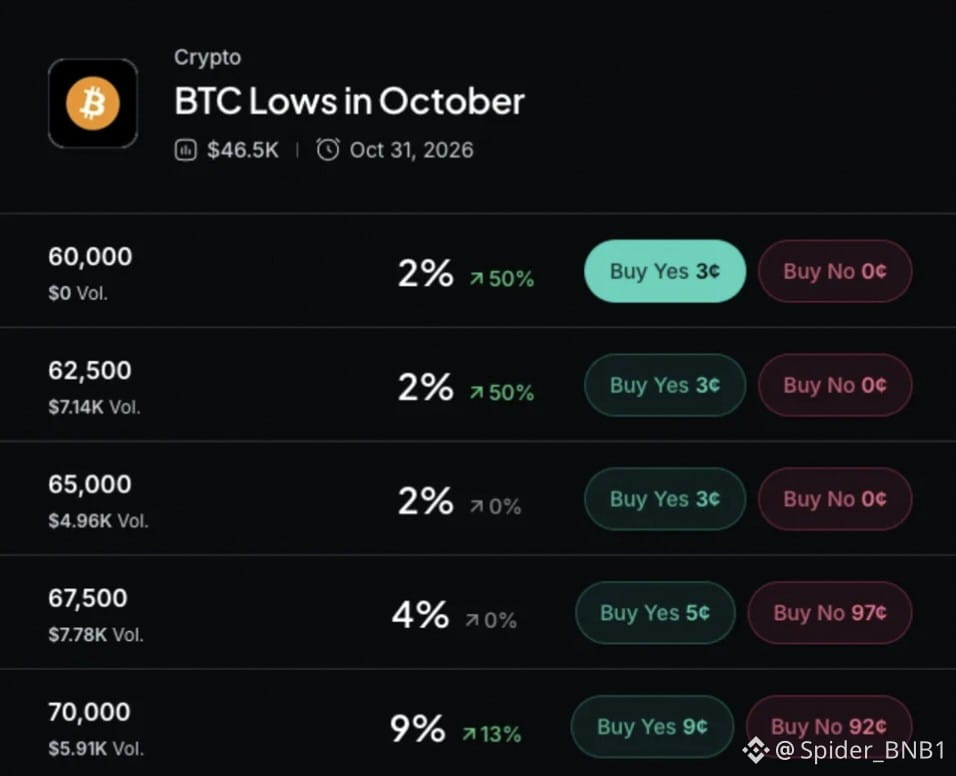
Bitcoin-ETFs verlieren in zwei Wochen fast 1 Milliarde Dollar, während Uptober weiter im Minus bleibt
Bitcoin-ETF-Anleger machten sich eine weitere Woche auf den Weg zum Ausgang.
US-amerikanische Spot-Bitcoin-ETFs verzeichneten am Freitag Abflüsse in Höhe von 82,4 Millionen Dollar, wie Decrypts ETF-Tracker zeigt. Damit endete eine Woche, in der die Abflüsse an drei von fünf Handelstagen die Zuflüsse überstiegen.
Laut SoSoValue verbuchten die Fonds in dieser Woche Nettoabflüsse von 228,6 Millionen Dollar, nachdem in der Vorwoche bereits 681,1 Millionen Dollar abgeflossen waren. Innerhalb von zwei Wochen haben die Fonds rund 910 Millionen Dollar verloren.
Es war eine wechselhafte Phase. Ein Zufluss von 175,7 Millionen Dollar am Dienstag wurde einen Tag später durch Rücknahmen in Höhe von 261,4 Millionen Dollar zunichtegemacht – der schwächste Handelstag der Woche. Am Donnerstag gab es einen bescheidenen Zufluss von 5,1 Millionen Dollar, bevor die Verkäufe am Freitag wieder einsetzten.
$BR
{alpha}(560xff7d6a96ae471bbcd7713af9cb1feeb16cf56b41)
$CT
{alpha}(560x0a092e544da31150b439a1aaa1a3a2214a867f46)
$XAU
{future}(XAUUSDT)
Bitcoin-ETFs verlieren in zwei Wochen fast 1 Milliarde Dollar, während Uptober weiter im Minus bleibt
Bitcoin-ETF-Anleger machten sich eine weitere Woche auf den Weg zum Ausgang.
US-amerikanische Spot-Bitcoin-ETFs verzeichneten am Freitag Abflüsse in Höhe von 82,4 Millionen Dollar, wie Decrypts ETF-Tracker zeigt. Damit endete eine Woche, in der die Abflüsse an drei von fünf Handelstagen die Zuflüsse überstiegen.
Laut SoSoValue verbuchten die Fonds in dieser Woche Nettoabflüsse von 228,6 Millionen Dollar, nachdem in der Vorwoche bereits 681,1 Millionen Dollar abgeflossen waren. Innerhalb von zwei Wochen haben die Fonds rund 910 Millionen Dollar verloren.
Es war eine wechselhafte Phase. Ein Zufluss von 175,7 Millionen Dollar am Dienstag wurde einen Tag später durch Rücknahmen in Höhe von 261,4 Millionen Dollar zunichtegemacht – der schwächste Handelstag der Woche. Am Donnerstag gab es einen bescheidenen Zufluss von 5,1 Millionen Dollar, bevor die Verkäufe am Freitag wieder einsetzten.
$BR
$CT
$XAU
Bitcoin-ETF-Anleger machten sich eine weitere Woche auf den Weg zum Ausgang.
US-amerikanische Spot-Bitcoin-ETFs verzeichneten am Freitag Abflüsse in Höhe von 82,4 Millionen Dollar, wie Decrypts ETF-Tracker zeigt. Damit endete eine Woche, in der die Abflüsse an drei von fünf Handelstagen die Zuflüsse überstiegen.
Laut SoSoValue verbuchten die Fonds in dieser Woche Nettoabflüsse von 228,6 Millionen Dollar, nachdem in der Vorwoche bereits 681,1 Millionen Dollar abgeflossen waren. Innerhalb von zwei Wochen haben die Fonds rund 910 Millionen Dollar verloren.
Es war eine wechselhafte Phase. Ein Zufluss von 175,7 Millionen Dollar am Dienstag wurde einen Tag später durch Rücknahmen in Höhe von 261,4 Millionen Dollar zunichtegemacht – der schwächste Handelstag der Woche. Am Donnerstag gab es einen bescheidenen Zufluss von 5,1 Millionen Dollar, bevor die Verkäufe am Freitag wieder einsetzten.
$BR
$CT
$XAU
1
3
2.6k
·
--
Bullisch
#nil #NIL $NIL @nillionnetwork
Ich habe mir Nillions Klarstellung zur Abschaltung seines L2 noch einmal angesehen, und ein Detail scheint mir wichtiger zu sein als die Ankündigung selbst.
Das Projekt teilt mit, dass es nun auf dem Ethereum-Mainnet läuft und sein L2 in den kommenden Wochen schrittweise auslaufen lassen wird.
Für bestehende Nutzer ist entscheidend, was mit den NIL-Token geschieht, die noch im alten Netzwerk liegen.
Diese Inhaber müssen ihre Vermögenswerte vor der Abschaltung auf Ethereum L1 migrieren. Dafür sollen sie das vom Team bereitgestellte Migrationsportal nutzen.
Dadurch entsteht ein interessanter Unterschied zwischen einem Netzwerkwechsel und einem routinemäßigen Wartungsupdate.
Für das Team könnte der Abschied vom L2 die zu wartende Infrastruktur vereinfachen.
Für die Nutzer ist der Wechsel jedoch nur dann unkompliziert, wenn sie wissen, wo ihre Token liegen, was sie tun müssen und wie viel Zeit ihnen dafür bleibt.
Darauf würde ich achten.
Ein Projekt kann seine zugrunde liegende Infrastruktur ändern, aber Nutzer sollten dann nicht rätseln müssen, ob sie sich um ihre Vermögenswerte kümmern müssen.
Da frage ich mich, wie viele Leute noch NIL auf dem alten L2 halten und gar nicht bemerkt haben, dass sie von der Migration betroffen sind.
Hast du überprüft, in welchem Netzwerk sich deine NIL derzeit befinden?
#nil #NIL $NIL @Nillion
Ich habe mir Nillions Klarstellung zur Abschaltung seines L2 noch einmal angesehen, und ein Detail scheint mir wichtiger zu sein als die Ankündigung selbst.
Das Projekt teilt mit, dass es nun auf dem Ethereum-Mainnet läuft und sein L2 in den kommenden Wochen schrittweise auslaufen lassen wird.
Für bestehende Nutzer ist entscheidend, was mit den NIL-Token geschieht, die noch im alten Netzwerk liegen.
Diese Inhaber müssen ihre Vermögenswerte vor der Abschaltung auf Ethereum L1 migrieren. Dafür sollen sie das vom Team bereitgestellte Migrationsportal nutzen.
Dadurch entsteht ein interessanter Unterschied zwischen einem Netzwerkwechsel und einem routinemäßigen Wartungsupdate.
Für das Team könnte der Abschied vom L2 die zu wartende Infrastruktur vereinfachen.
Für die Nutzer ist der Wechsel jedoch nur dann unkompliziert, wenn sie wissen, wo ihre Token liegen, was sie tun müssen und wie viel Zeit ihnen dafür bleibt.
Darauf würde ich achten.
Ein Projekt kann seine zugrunde liegende Infrastruktur ändern, aber Nutzer sollten dann nicht rätseln müssen, ob sie sich um ihre Vermögenswerte kümmern müssen.
Da frage ich mich, wie viele Leute noch NIL auf dem alten L2 halten und gar nicht bemerkt haben, dass sie von der Migration betroffen sind.
Hast du überprüft, in welchem Netzwerk sich deine NIL derzeit befinden?
Ich habe mir Nillions Klarstellung zur Abschaltung seines L2 noch einmal angesehen, und ein Detail scheint mir wichtiger zu sein als die Ankündigung selbst.
Das Projekt teilt mit, dass es nun auf dem Ethereum-Mainnet läuft und sein L2 in den kommenden Wochen schrittweise auslaufen lassen wird.
Für bestehende Nutzer ist entscheidend, was mit den NIL-Token geschieht, die noch im alten Netzwerk liegen.
Diese Inhaber müssen ihre Vermögenswerte vor der Abschaltung auf Ethereum L1 migrieren. Dafür sollen sie das vom Team bereitgestellte Migrationsportal nutzen.
Dadurch entsteht ein interessanter Unterschied zwischen einem Netzwerkwechsel und einem routinemäßigen Wartungsupdate.
Für das Team könnte der Abschied vom L2 die zu wartende Infrastruktur vereinfachen.
Für die Nutzer ist der Wechsel jedoch nur dann unkompliziert, wenn sie wissen, wo ihre Token liegen, was sie tun müssen und wie viel Zeit ihnen dafür bleibt.
Darauf würde ich achten.
Ein Projekt kann seine zugrunde liegende Infrastruktur ändern, aber Nutzer sollten dann nicht rätseln müssen, ob sie sich um ihre Vermögenswerte kümmern müssen.
Da frage ich mich, wie viele Leute noch NIL auf dem alten L2 halten und gar nicht bemerkt haben, dass sie von der Migration betroffen sind.
Hast du überprüft, in welchem Netzwerk sich deine NIL derzeit befinden?
1
4
1k
·
--
#nil #NIL $NIL @nillionnetwork
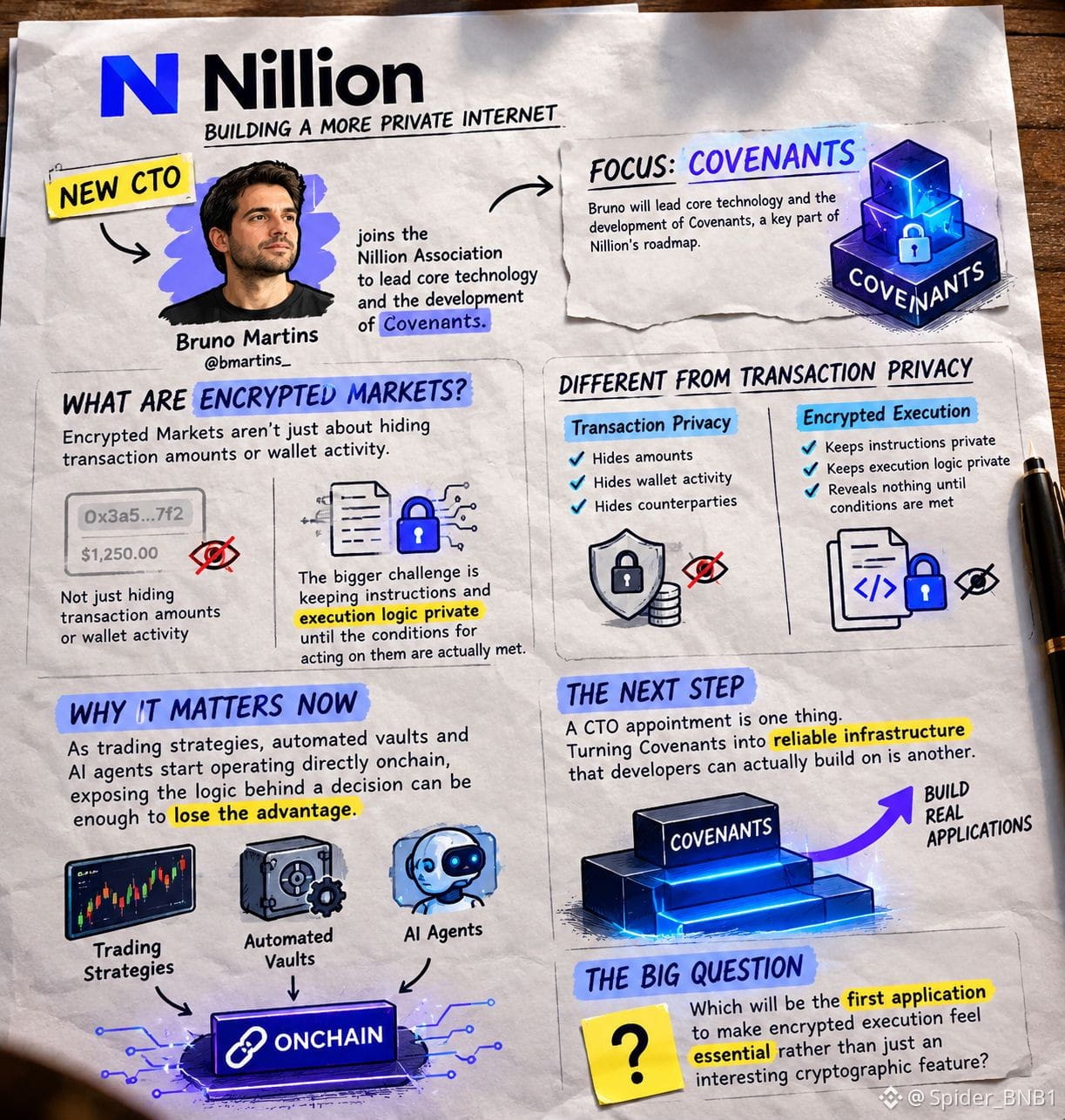
Ich habe mir die Ankündigung von Nillion zum neuen CTO von vor ein paar Tagen noch einmal angesehen. Ein Detail scheint mir wichtiger zu sein als die Ernennung selbst.
@bmartins_ kommt zur Nillion Association, um die Leitung der Kerntechnologie und die Entwicklung von Covenants zu übernehmen.
Damit rückt ein ganz bestimmter Teil der Roadmap von Nillion in den Fokus.
Bei Encrypted Markets geht es nicht nur darum, Transaktionsbeträge oder Wallet-Aktivitäten zu verbergen. Die größere Herausforderung besteht darin, Anweisungen und Ausführungslogik so lange geheim zu halten, bis die Bedingungen für ihre Ausführung tatsächlich erfüllt sind.
Das ist eine andere Art von Problem als der Schutz der Transaktionsdaten.
Und es wird umso relevanter, je mehr Handelsstrategien, automatisierte Vaults und KI-Agenten direkt onchain agieren – denn schon die Offenlegung der Logik hinter einer Entscheidung kann ausreichen, um den eigenen Vorteil zu verlieren.
Der spannende Teil ist jetzt die Ausführung.
Einen CTO zu ernennen, ist das eine. Covenants in eine zuverlässige Infrastruktur zu verwandeln, auf der Entwickler tatsächlich aufbauen können, ist etwas anderes.
Da frage ich mich, welche Anwendung als Erste verschlüsselte Ausführung unverzichtbar erscheinen lässt – und nicht bloß zu einem interessanten kryptografischen Feature.
#nil #NIL $NIL @Nillion
Ich habe mir die Ankündigung von Nillion zum neuen CTO von vor ein paar Tagen noch einmal angesehen. Ein Detail scheint mir wichtiger zu sein als die Ernennung selbst.
@bmartins_ kommt zur Nillion Association, um die Leitung der Kerntechnologie und die Entwicklung von Covenants zu übernehmen.
Damit rückt ein ganz bestimmter Teil der Roadmap von Nillion in den Fokus.
Bei Encrypted Markets geht es nicht nur darum, Transaktionsbeträge oder Wallet-Aktivitäten zu verbergen. Die größere Herausforderung besteht darin, Anweisungen und Ausführungslogik so lange geheim zu halten, bis die Bedingungen für ihre Ausführung tatsächlich erfüllt sind.
Das ist eine andere Art von Problem als der Schutz der Transaktionsdaten.
Und es wird umso relevanter, je mehr Handelsstrategien, automatisierte Vaults und KI-Agenten direkt onchain agieren – denn schon die Offenlegung der Logik hinter einer Entscheidung kann ausreichen, um den eigenen Vorteil zu verlieren.
Der spannende Teil ist jetzt die Ausführung.
Einen CTO zu ernennen, ist das eine. Covenants in eine zuverlässige Infrastruktur zu verwandeln, auf der Entwickler tatsächlich aufbauen können, ist etwas anderes.
Da frage ich mich, welche Anwendung als Erste verschlüsselte Ausführung unverzichtbar erscheinen lässt – und nicht bloß zu einem interessanten kryptografischen Feature.
Ich habe mir die Ankündigung von Nillion zum neuen CTO von vor ein paar Tagen noch einmal angesehen. Ein Detail scheint mir wichtiger zu sein als die Ernennung selbst.
@bmartins_ kommt zur Nillion Association, um die Leitung der Kerntechnologie und die Entwicklung von Covenants zu übernehmen.
Damit rückt ein ganz bestimmter Teil der Roadmap von Nillion in den Fokus.
Bei Encrypted Markets geht es nicht nur darum, Transaktionsbeträge oder Wallet-Aktivitäten zu verbergen. Die größere Herausforderung besteht darin, Anweisungen und Ausführungslogik so lange geheim zu halten, bis die Bedingungen für ihre Ausführung tatsächlich erfüllt sind.
Das ist eine andere Art von Problem als der Schutz der Transaktionsdaten.
Und es wird umso relevanter, je mehr Handelsstrategien, automatisierte Vaults und KI-Agenten direkt onchain agieren – denn schon die Offenlegung der Logik hinter einer Entscheidung kann ausreichen, um den eigenen Vorteil zu verlieren.
Der spannende Teil ist jetzt die Ausführung.
Einen CTO zu ernennen, ist das eine. Covenants in eine zuverlässige Infrastruktur zu verwandeln, auf der Entwickler tatsächlich aufbauen können, ist etwas anderes.
Da frage ich mich, welche Anwendung als Erste verschlüsselte Ausführung unverzichtbar erscheinen lässt – und nicht bloß zu einem interessanten kryptografischen Feature.
1
5
1k
·
--
Bullisch
#nil $NIL @nillionnetwork
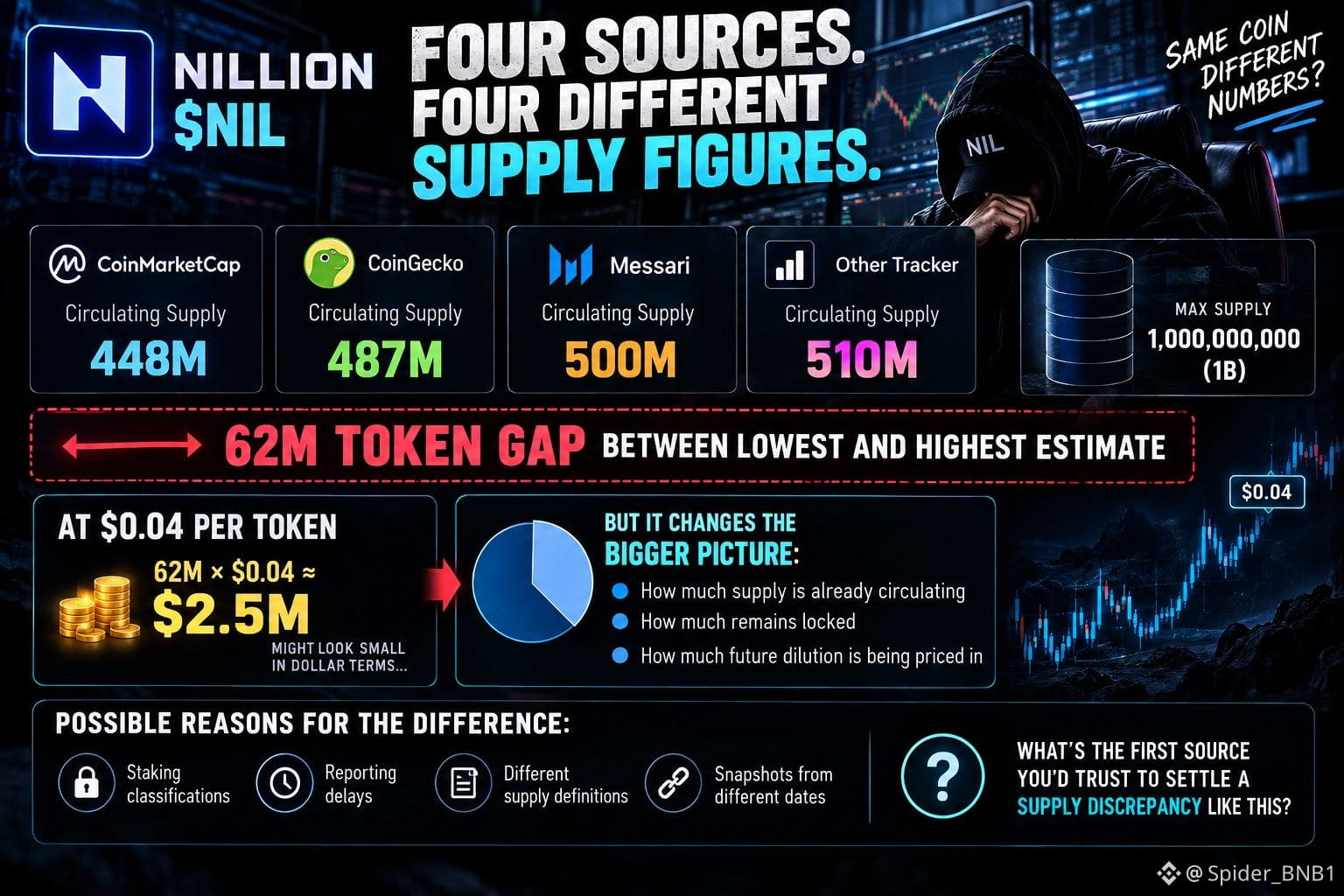
Ich habe einige Zeit damit verbracht, öffentliche Tracker zur Umlaufmenge von $NIL zu vergleichen, und bin dabei auf eine andere Frage gestoßen als erwartet.
Vier Quellen. Vier Angaben zur Umlaufmenge: ungefähr 448M, 487M, 500M und 510M.
Bei einer maximalen Menge von 1B ergibt das eine Lücke von 62M Token zwischen der niedrigsten und der höchsten Schätzung.
Bei etwa 0,04 $ pro Token mag der Unterschied in Dollar gering erscheinen. Doch er verändert das Bild davon, wie viel Angebot bereits im Umlauf ist, wie viel noch gesperrt ist und wie viel zukünftige Verwässerung ein Anleger möglicherweise einpreist.
Das ist der Punkt, der mich stört.
Viele Analysen von Small Caps beginnen mit dem Vergleich von Marktkapitalisierung und FDV, um den potenziellen Druck durch Token-Freigaben abzuschätzen. Wenn die Angabe zur Umlaufmenge selbst jedoch nicht einheitlich ist, ist das Modell nur so zuverlässig wie die Zahl, auf der es beruht.
Dabei gibt es einige Vorbehalte. Diese Momentaufnahmen stammen von unterschiedlichen Zeitpunkten, und ich habe die Abweichung nicht on-chain überprüft. Unterschiedliche Klassifizierungen von gestakten Token, Meldeverzögerungen oder abweichende Definitionen der Umlaufmenge könnten einen Teil der Lücke erklären.
Ich würde also nicht automatisch davon ausgehen, dass einer der Tracker falsch liegt.
Doch bevor ich über den Nutzen, die Burns oder die Roadmap von $NIL diskutiere, möchte ich genau verstehen, was jede Quelle zählt.
Da frage ich mich, wie viele Bewertungen von Small Caps anhand von Kennzahlen verglichen werden, die auf einem Dashboard präzise aussehen ...
... aber von einer Angabe zur Umlaufmenge abhängen, die niemand richtig abgeglichen hat.
Welcher Quelle würdet ihr als Erstes vertrauen, um eine solche Abweichung bei der Umlaufmenge zu klären?
#nil $NIL @Nillion
Ich habe einige Zeit damit verbracht, öffentliche Tracker zur Umlaufmenge von $NIL zu vergleichen, und bin dabei auf eine andere Frage gestoßen als erwartet.
Vier Quellen. Vier Angaben zur Umlaufmenge: ungefähr 448M, 487M, 500M und 510M.
Bei einer maximalen Menge von 1B ergibt das eine Lücke von 62M Token zwischen der niedrigsten und der höchsten Schätzung.
Bei etwa 0,04 $ pro Token mag der Unterschied in Dollar gering erscheinen. Doch er verändert das Bild davon, wie viel Angebot bereits im Umlauf ist, wie viel noch gesperrt ist und wie viel zukünftige Verwässerung ein Anleger möglicherweise einpreist.
Das ist der Punkt, der mich stört.
Viele Analysen von Small Caps beginnen mit dem Vergleich von Marktkapitalisierung und FDV, um den potenziellen Druck durch Token-Freigaben abzuschätzen. Wenn die Angabe zur Umlaufmenge selbst jedoch nicht einheitlich ist, ist das Modell nur so zuverlässig wie die Zahl, auf der es beruht.
Dabei gibt es einige Vorbehalte. Diese Momentaufnahmen stammen von unterschiedlichen Zeitpunkten, und ich habe die Abweichung nicht on-chain überprüft. Unterschiedliche Klassifizierungen von gestakten Token, Meldeverzögerungen oder abweichende Definitionen der Umlaufmenge könnten einen Teil der Lücke erklären.
Ich würde also nicht automatisch davon ausgehen, dass einer der Tracker falsch liegt.
Doch bevor ich über den Nutzen, die Burns oder die Roadmap von $NIL diskutiere, möchte ich genau verstehen, was jede Quelle zählt.
Da frage ich mich, wie viele Bewertungen von Small Caps anhand von Kennzahlen verglichen werden, die auf einem Dashboard präzise aussehen ...
... aber von einer Angabe zur Umlaufmenge abhängen, die niemand richtig abgeglichen hat.
Welcher Quelle würdet ihr als Erstes vertrauen, um eine solche Abweichung bei der Umlaufmenge zu klären?
Ich habe einige Zeit damit verbracht, öffentliche Tracker zur Umlaufmenge von $NIL zu vergleichen, und bin dabei auf eine andere Frage gestoßen als erwartet.
Vier Quellen. Vier Angaben zur Umlaufmenge: ungefähr 448M, 487M, 500M und 510M.
Bei einer maximalen Menge von 1B ergibt das eine Lücke von 62M Token zwischen der niedrigsten und der höchsten Schätzung.
Bei etwa 0,04 $ pro Token mag der Unterschied in Dollar gering erscheinen. Doch er verändert das Bild davon, wie viel Angebot bereits im Umlauf ist, wie viel noch gesperrt ist und wie viel zukünftige Verwässerung ein Anleger möglicherweise einpreist.
Das ist der Punkt, der mich stört.
Viele Analysen von Small Caps beginnen mit dem Vergleich von Marktkapitalisierung und FDV, um den potenziellen Druck durch Token-Freigaben abzuschätzen. Wenn die Angabe zur Umlaufmenge selbst jedoch nicht einheitlich ist, ist das Modell nur so zuverlässig wie die Zahl, auf der es beruht.
Dabei gibt es einige Vorbehalte. Diese Momentaufnahmen stammen von unterschiedlichen Zeitpunkten, und ich habe die Abweichung nicht on-chain überprüft. Unterschiedliche Klassifizierungen von gestakten Token, Meldeverzögerungen oder abweichende Definitionen der Umlaufmenge könnten einen Teil der Lücke erklären.
Ich würde also nicht automatisch davon ausgehen, dass einer der Tracker falsch liegt.
Doch bevor ich über den Nutzen, die Burns oder die Roadmap von $NIL diskutiere, möchte ich genau verstehen, was jede Quelle zählt.
Da frage ich mich, wie viele Bewertungen von Small Caps anhand von Kennzahlen verglichen werden, die auf einem Dashboard präzise aussehen ...
... aber von einer Angabe zur Umlaufmenge abhängen, die niemand richtig abgeglichen hat.
Welcher Quelle würdet ihr als Erstes vertrauen, um eine solche Abweichung bei der Umlaufmenge zu klären?
1
1
459
·
--
Bullisch
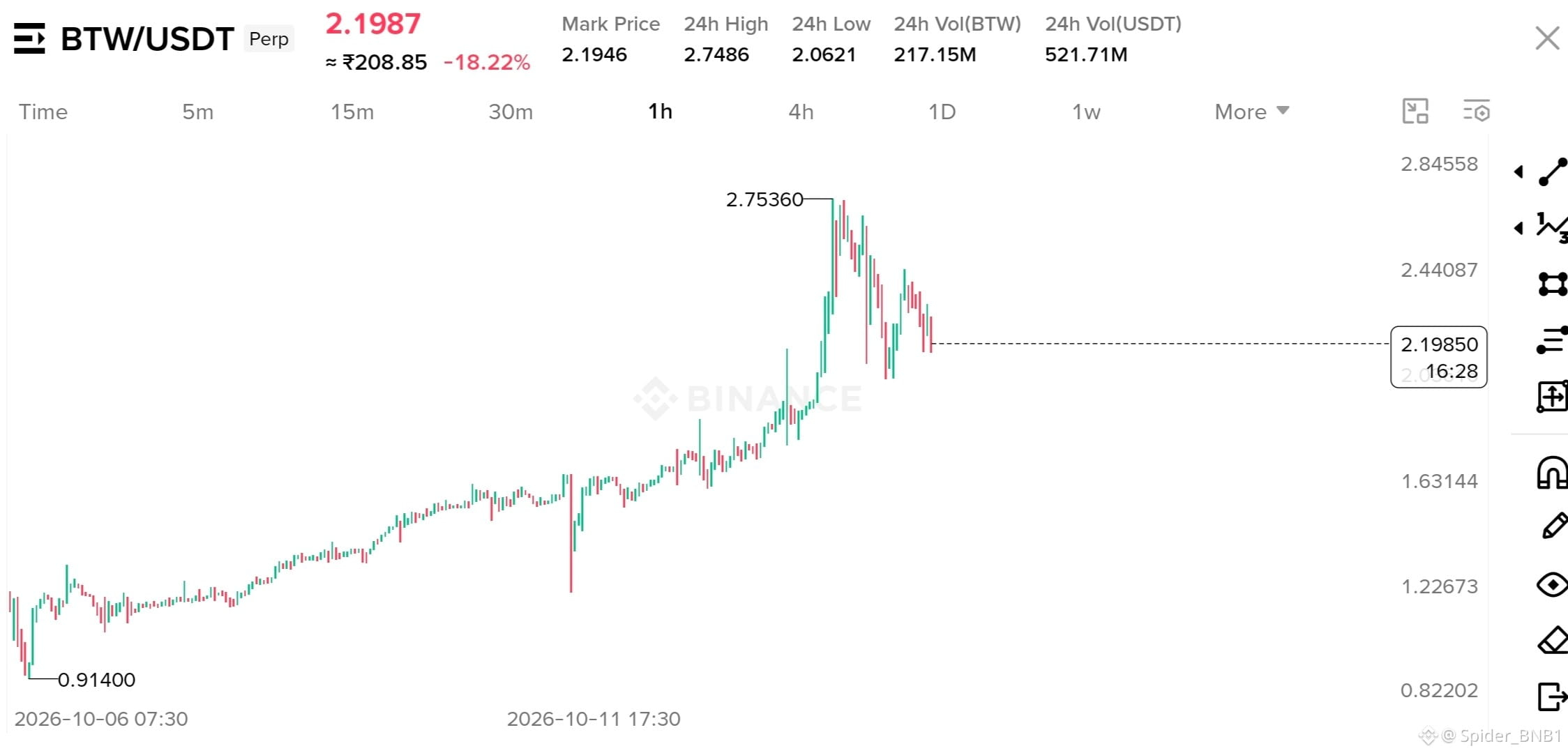
$BTW USDT — Short-Setup
Einstieg: $1.99–$2.02
Stop-Loss: $2.19
TP1: $1.88
TP2: $1.83
TP3: $1.75
{future}(BTWUSDT)
$ZEREBRO
{alpha}(CT_5018x5VqbHA8D7NkD52uNuS5nnt3PwA8pLD34ymskeSo2Wn)
$BSP
{future}(BSPUSDT)
$BTW USDT — Short-Setup
Einstieg: $1.99–$2.02
Stop-Loss: $2.19
TP1: $1.88
TP2: $1.83
TP3: $1.75
$ZEREBRO
$BSP
Einstieg: $1.99–$2.02
Stop-Loss: $2.19
TP1: $1.88
TP2: $1.83
TP3: $1.75
$ZEREBRO
$BSP
1
6
1.6k
·
--
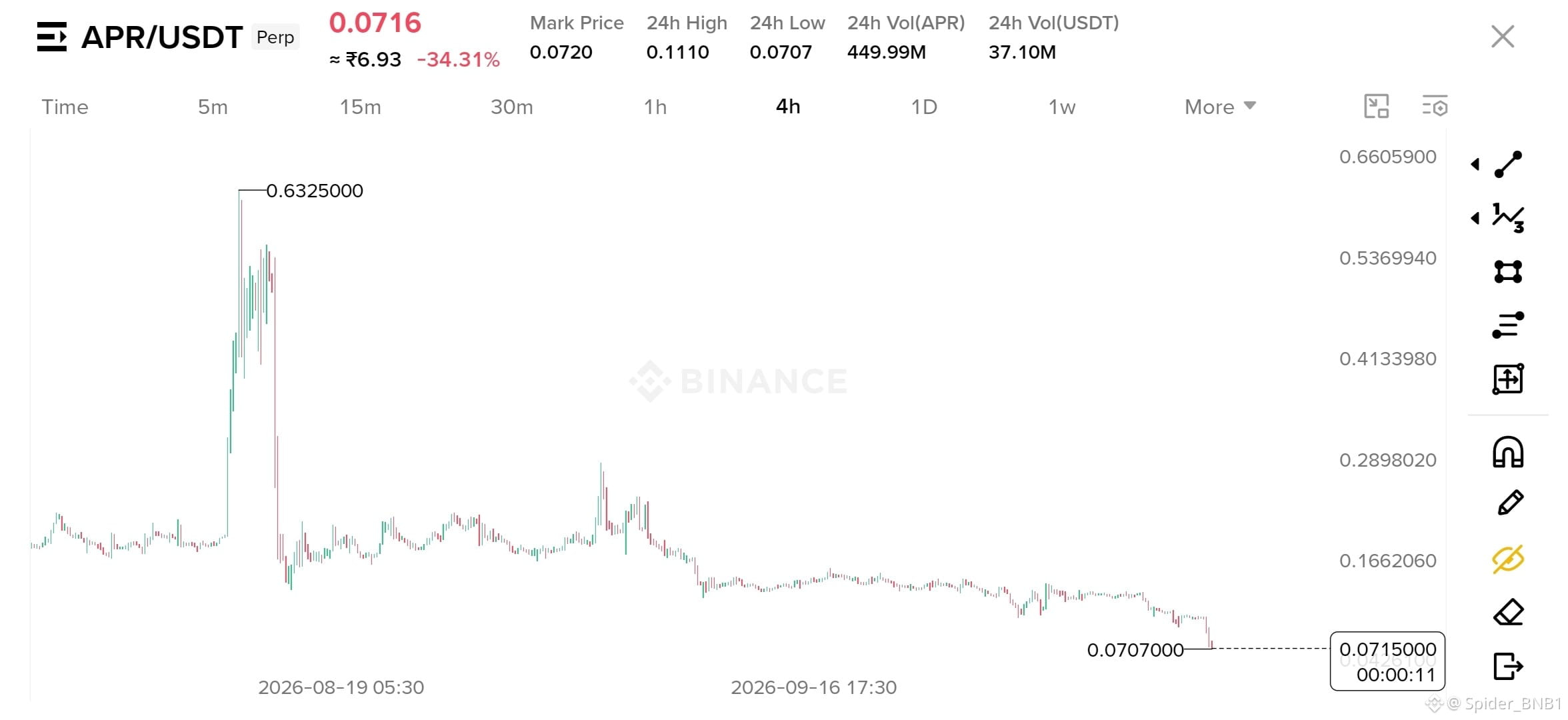
$APR ist wirklich von $0.63 auf $0.07 gefallen 💀😂
Das war keine Korrektur … der Typ wurde auf Werkseinstellungen zurückgesetzt. 📉😭
Frühe Investoren haben Vertrauensprobleme, späte Investoren haben Probleme mit dem Leben, und neue Käufer fragen: „Ist das der Tiefpunkt?“ 🤡
APR: „Es gibt immer noch einen tieferen Tiefpunkt.“ 😂$APR
{alpha}(560x299ad4299da5b2b93fba4c96967b040c7f611099)
$APR ist wirklich von $0.63 auf $0.07 gefallen 💀😂
Das war keine Korrektur … der Typ wurde auf Werkseinstellungen zurückgesetzt. 📉😭
Frühe Investoren haben Vertrauensprobleme, späte Investoren haben Probleme mit dem Leben, und neue Käufer fragen: „Ist das der Tiefpunkt?“ 🤡
APR: „Es gibt immer noch einen tieferen Tiefpunkt.“ 😂$APR
Das war keine Korrektur … der Typ wurde auf Werkseinstellungen zurückgesetzt. 📉😭
Frühe Investoren haben Vertrauensprobleme, späte Investoren haben Probleme mit dem Leben, und neue Käufer fragen: „Ist das der Tiefpunkt?“ 🤡
APR: „Es gibt immer noch einen tieferen Tiefpunkt.“ 😂$APR
976
·
--
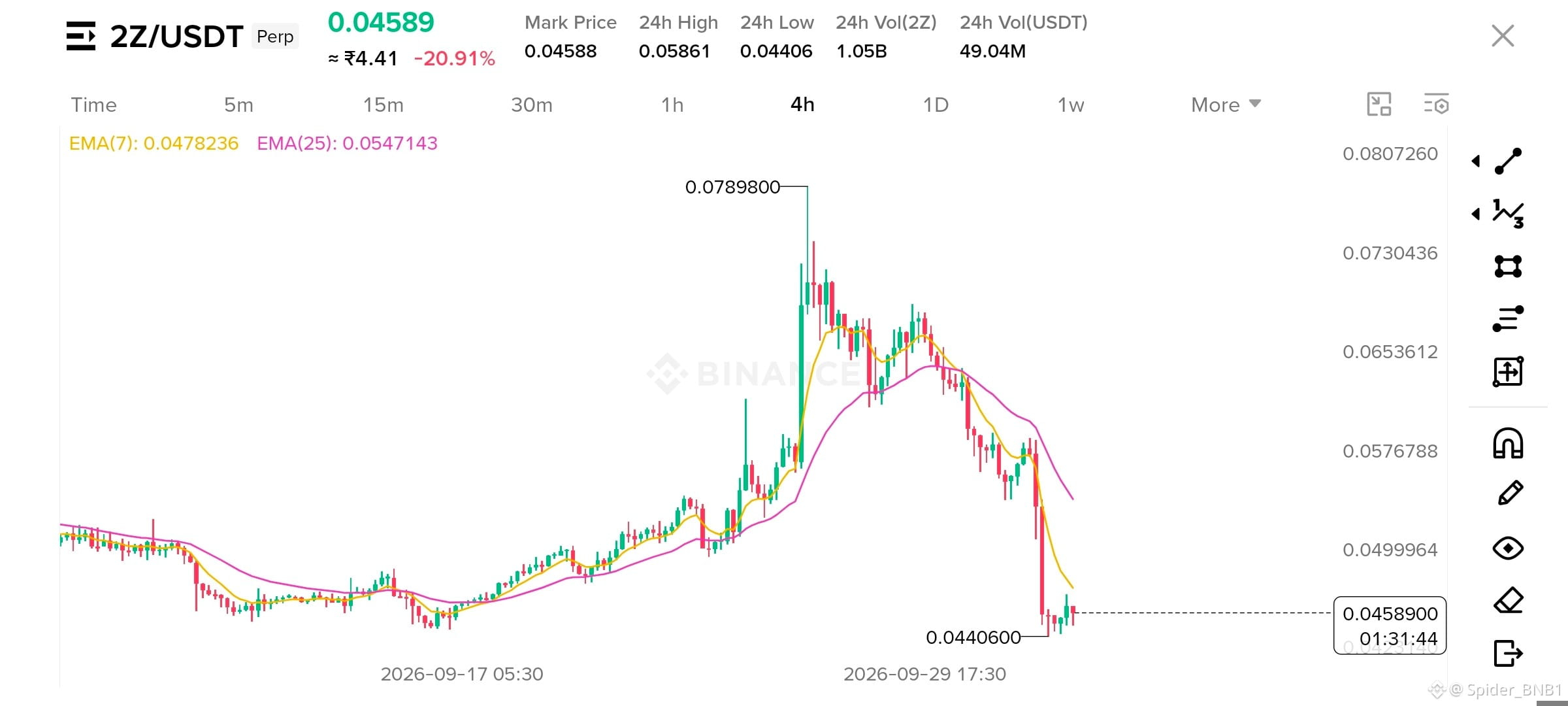
SMART GELD 👀🔥 — 2Z ZEIGT EINE REAKTIONSZONE
$2Z USDT — LONG 🟢
Einstieg: 0.04510 – 0.04565
TP1: 0.04800
TP2: 0.05000
TP3: 0.05300
SL: 0.04380
⚠️ Warte auf die Rückeroberung/Haltung bei 0.04600, bevor du einsteigst.
Ich mache hier Long👇
{future}(2ZUSDT)
$XAU
{future}(XAUUSDT)
$ZEC
{future}(ZECUSDT)
SMART GELD 👀🔥 — 2Z ZEIGT EINE REAKTIONSZONE
$2Z USDT — LONG 🟢
Einstieg: 0.04510 – 0.04565
TP1: 0.04800
TP2: 0.05000
TP3: 0.05300
SL: 0.04380
⚠️ Warte auf die Rückeroberung/Haltung bei 0.04600, bevor du einsteigst.
Ich mache hier Long👇
$XAU
$ZEC
$2Z USDT — LONG 🟢
Einstieg: 0.04510 – 0.04565
TP1: 0.04800
TP2: 0.05000
TP3: 0.05300
SL: 0.04380
⚠️ Warte auf die Rückeroberung/Haltung bei 0.04600, bevor du einsteigst.
Ich mache hier Long👇
$XAU
$ZEC
4
8
3.2k
·
--
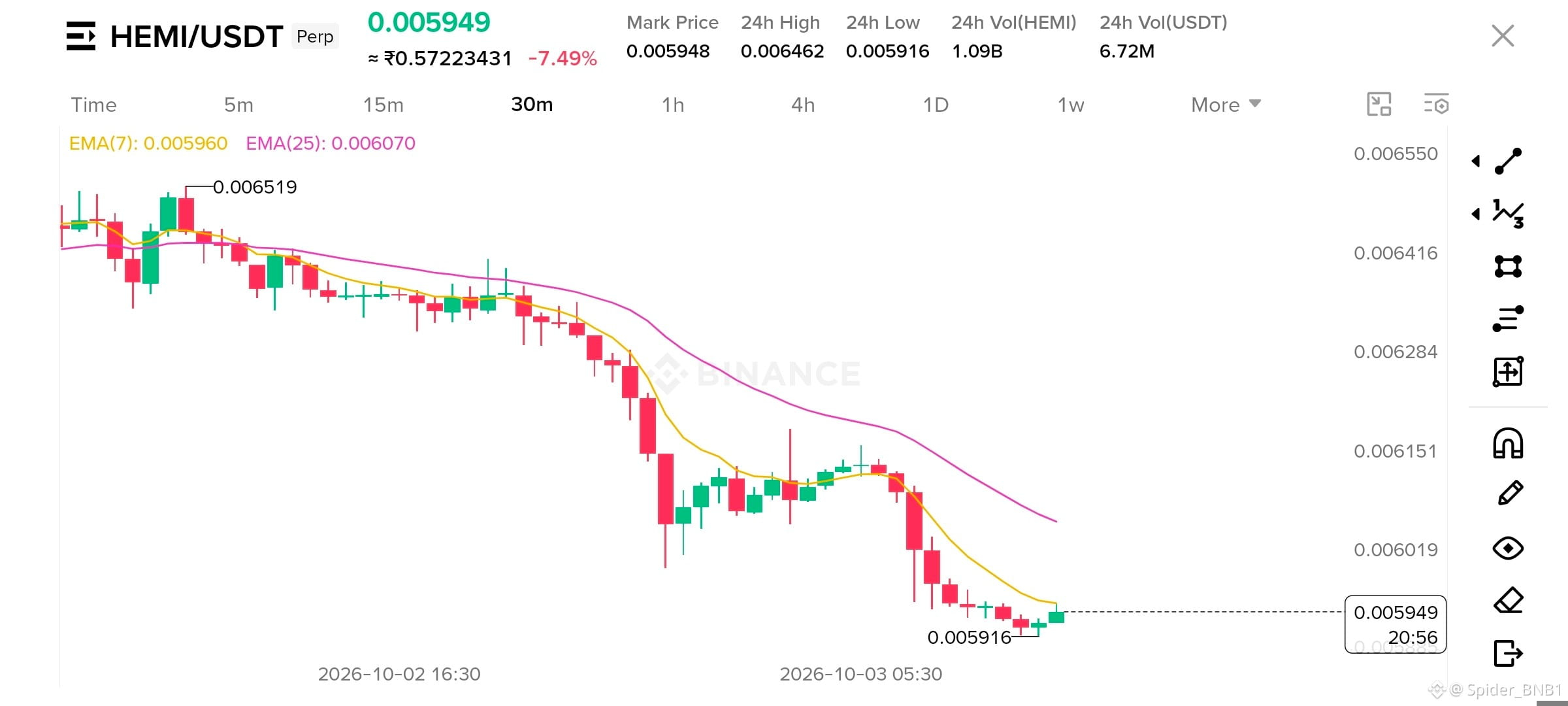
JEDER 👀🔥 — HEMI VERSUCHT, EINEN BODEN ZU BAUEN
$HEMI USDT — LONG 🟢
Einstieg: 0.00595 – 0.00600
TP1: 0.00610
TP2: 0.00625
TP3: 0.00640
SL: 0.005542
⚠️ Long nur, wenn 0.00600 hält/zurückerobert wird.
Ich mache hier Long👇
{future}(HEMIUSDT)
$XAU
{future}(XAUUSDT)
$ZEC
{future}(ZECUSDT)
JEDER 👀🔥 — HEMI VERSUCHT, EINEN BODEN ZU BAUEN
$HEMI USDT — LONG 🟢
Einstieg: 0.00595 – 0.00600
TP1: 0.00610
TP2: 0.00625
TP3: 0.00640
SL: 0.005542
⚠️ Long nur, wenn 0.00600 hält/zurückerobert wird.
Ich mache hier Long👇
$XAU
$ZEC
$HEMI USDT — LONG 🟢
Einstieg: 0.00595 – 0.00600
TP1: 0.00610
TP2: 0.00625
TP3: 0.00640
SL: 0.005542
⚠️ Long nur, wenn 0.00600 hält/zurückerobert wird.
Ich mache hier Long👇
$XAU
$ZEC
14
4
1.8k
·
--
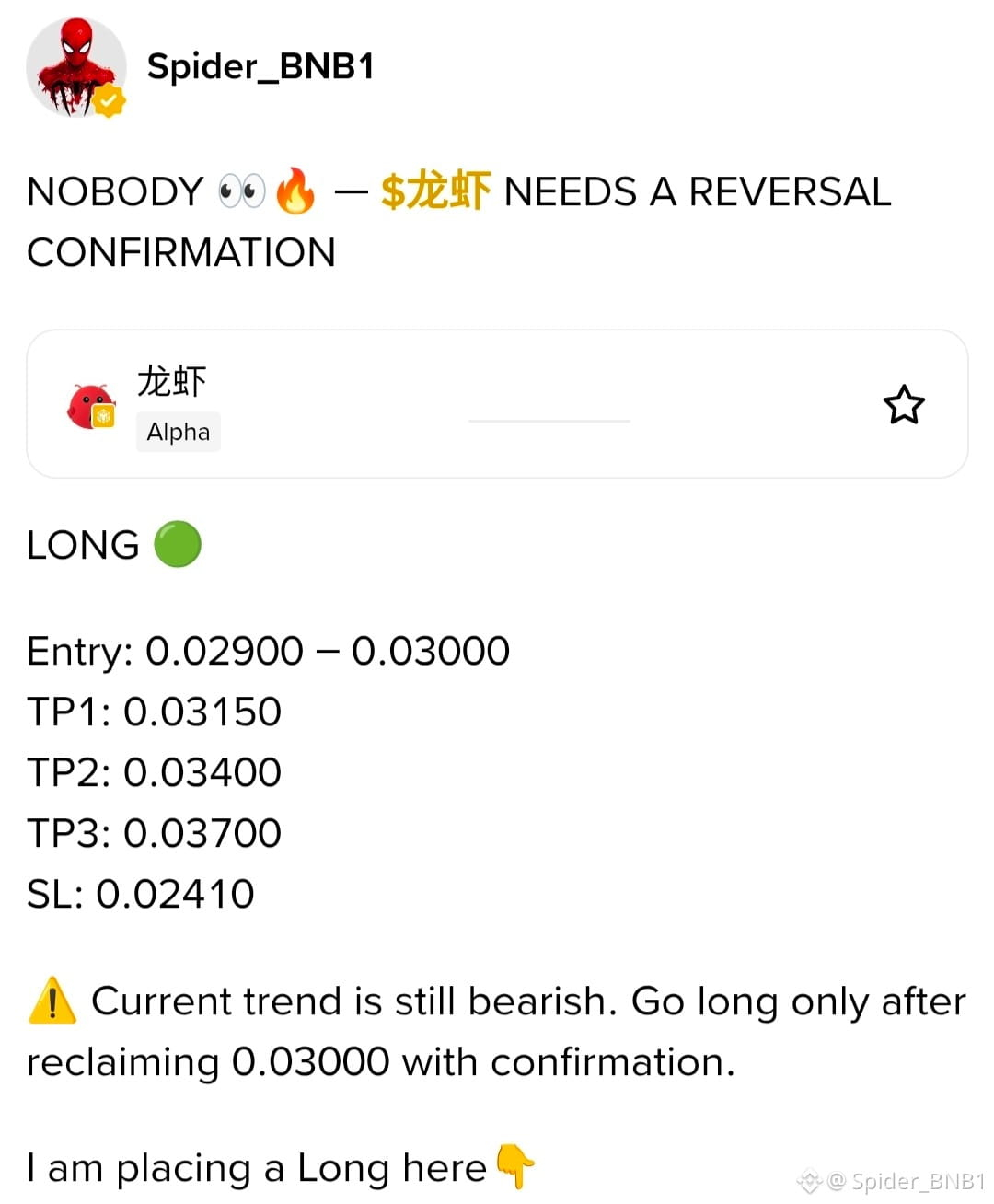
$龙虾 All TP fertig und es sind immer noch offene Long-Positionen, Kumpel. Eine große Bewegung steht an, ich warte
{alpha}(560xeccbb861c0dda7efd964010085488b69317e4444)
$ZEC
{future}(ZECUSDT)
$XAU
{future}(XAUUSDT)
$龙虾 All TP fertig und es sind immer noch offene Long-Positionen, Kumpel. Eine große Bewegung steht an, ich warte
$ZEC
$XAU
$ZEC
$XAU
Spider_BNB1
·
--
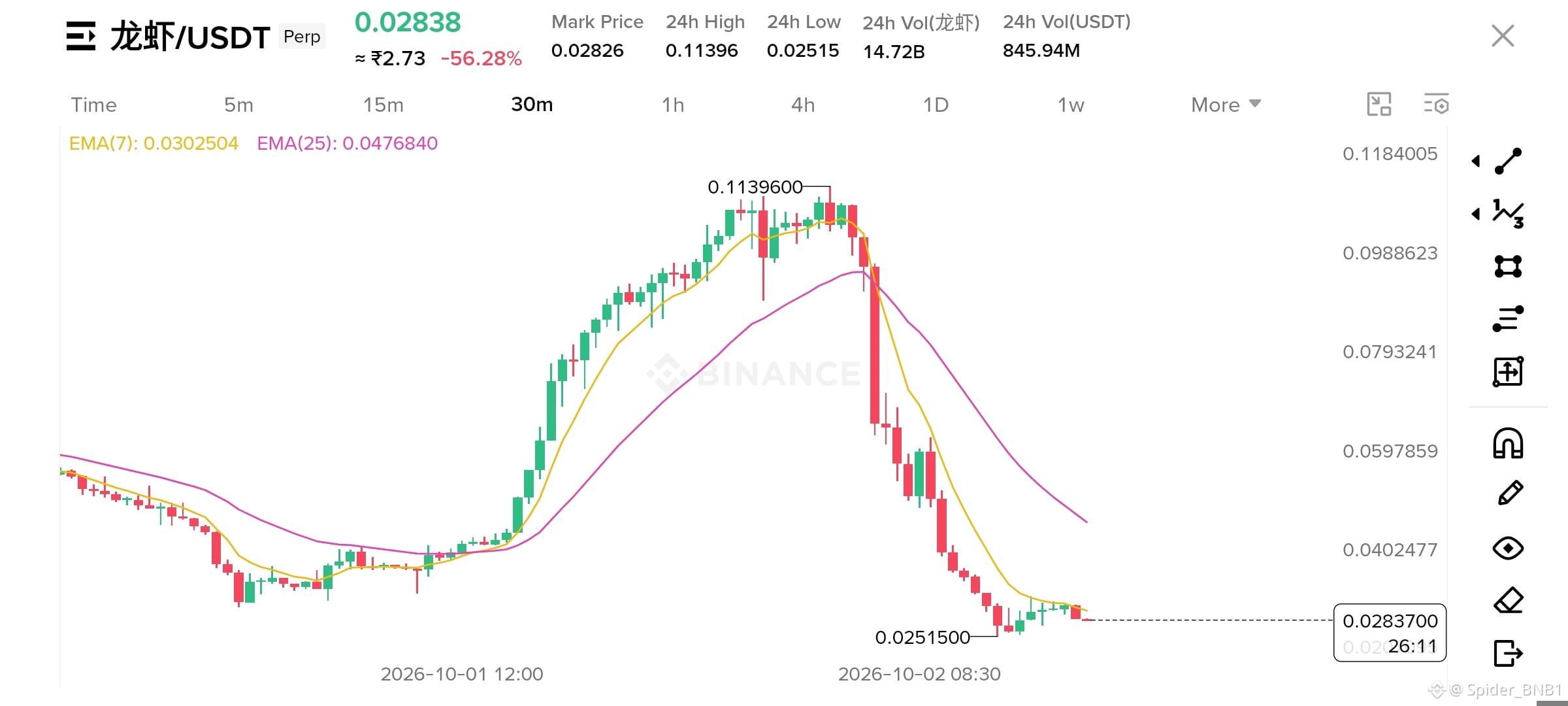
NIEMAND 👀🔥 — $龙虾 BENÖTIGT EINE BESTÄTIGUNG DER UMKEHR
LANG 🟢
Einstieg: 0.02900 – 0.03000
TP1: 0.03150
TP2: 0.03400
TP3: 0.03700
SL: 0.02410
⚠️ Der aktuelle Trend ist immer noch bärisch. Nur Long, nachdem 0.03000 zurückerobert wurde, mit Bestätigung.
Ich gehe hier Long👇
$ZEC
LANG 🟢
Einstieg: 0.02900 – 0.03000
TP1: 0.03150
TP2: 0.03400
TP3: 0.03700
SL: 0.02410
⚠️ Der aktuelle Trend ist immer noch bärisch. Nur Long, nachdem 0.03000 zurückerobert wurde, mit Bestätigung.
Ich gehe hier Long👇
$ZEC
2
3
1.6k
·
--
NIEMAND 👀🔥 — $龙虾 BENÖTIGT EINE BESTÄTIGUNG DER UMKEHR
{alpha}(560xeccbb861c0dda7efd964010085488b69317e4444)
LANG 🟢
Einstieg: 0.02900 – 0.03000
TP1: 0.03150
TP2: 0.03400
TP3: 0.03700
SL: 0.02410
⚠️ Der aktuelle Trend ist immer noch bärisch. Nur Long, nachdem 0.03000 zurückerobert wurde, mit Bestätigung.
Ich gehe hier Long👇
{future}(XAUUSDT)
$ZEC
{future}(ZECUSDT)
NIEMAND 👀🔥 — $龙虾 BENÖTIGT EINE BESTÄTIGUNG DER UMKEHR
LANG 🟢
Einstieg: 0.02900 – 0.03000
TP1: 0.03150
TP2: 0.03400
TP3: 0.03700
SL: 0.02410
⚠️ Der aktuelle Trend ist immer noch bärisch. Nur Long, nachdem 0.03000 zurückerobert wurde, mit Bestätigung.
Ich gehe hier Long👇
$ZEC
LANG 🟢
Einstieg: 0.02900 – 0.03000
TP1: 0.03150
TP2: 0.03400
TP3: 0.03700
SL: 0.02410
⚠️ Der aktuelle Trend ist immer noch bärisch. Nur Long, nachdem 0.03000 zurückerobert wurde, mit Bestätigung.
Ich gehe hier Long👇
$ZEC
17
1
8
3.5k
·
--
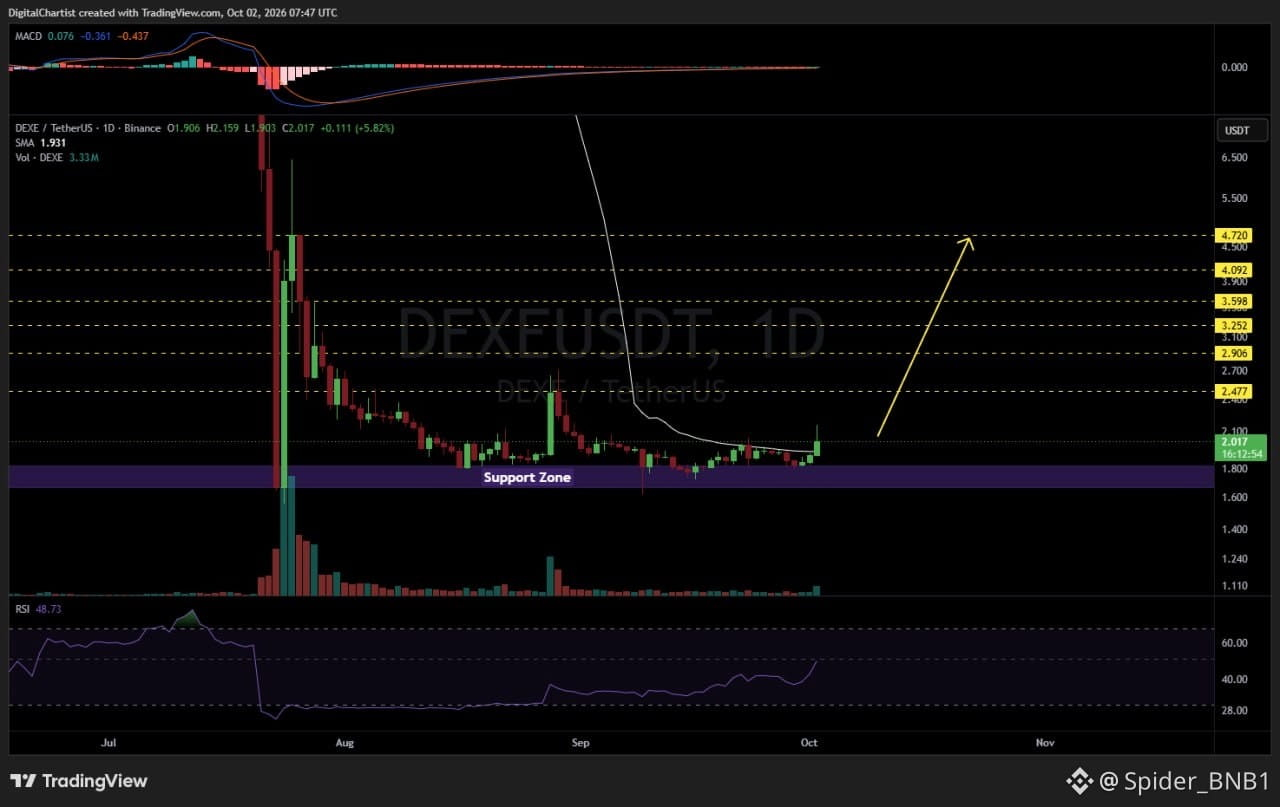
$DEXE USDT 1D
#DEXE ist von der Support-Zone abgeprallt und durchbricht derzeit die tägliche SMA50. Das sieht vielversprechend aus. Kaufe eine kleine Position und habe Geduld. Die möglichen Kursziele nach oben sind:
🎯 2.477 $
🎯 2.906 $
🎯 3.252 $
🎯 3.598 $
🎯 4.092 $
🎯 4.720 $
⚠️ Denke immer daran, einen engen Stop-Loss zu verwenden und ein korrektes Risikomanagement einzuhalten.$ZEC
{future}(ZECUSDT)
$XAU
{future}(XAUUSDT)
$DEXE USDT 1D
#DEXE ist von der Support-Zone abgeprallt und durchbricht derzeit die tägliche SMA50. Das sieht vielversprechend aus. Kaufe eine kleine Position und habe Geduld. Die möglichen Kursziele nach oben sind:
🎯 2.477 $
🎯 2.906 $
🎯 3.252 $
🎯 3.598 $
🎯 4.092 $
🎯 4.720 $
⚠️ Denke immer daran, einen engen Stop-Loss zu verwenden und ein korrektes Risikomanagement einzuhalten.$ZEC
$XAU
#DEXE ist von der Support-Zone abgeprallt und durchbricht derzeit die tägliche SMA50. Das sieht vielversprechend aus. Kaufe eine kleine Position und habe Geduld. Die möglichen Kursziele nach oben sind:
🎯 2.477 $
🎯 2.906 $
🎯 3.252 $
🎯 3.598 $
🎯 4.092 $
🎯 4.720 $
⚠️ Denke immer daran, einen engen Stop-Loss zu verwenden und ein korrektes Risikomanagement einzuhalten.$ZEC
$XAU
1
1
1.1k
·
--
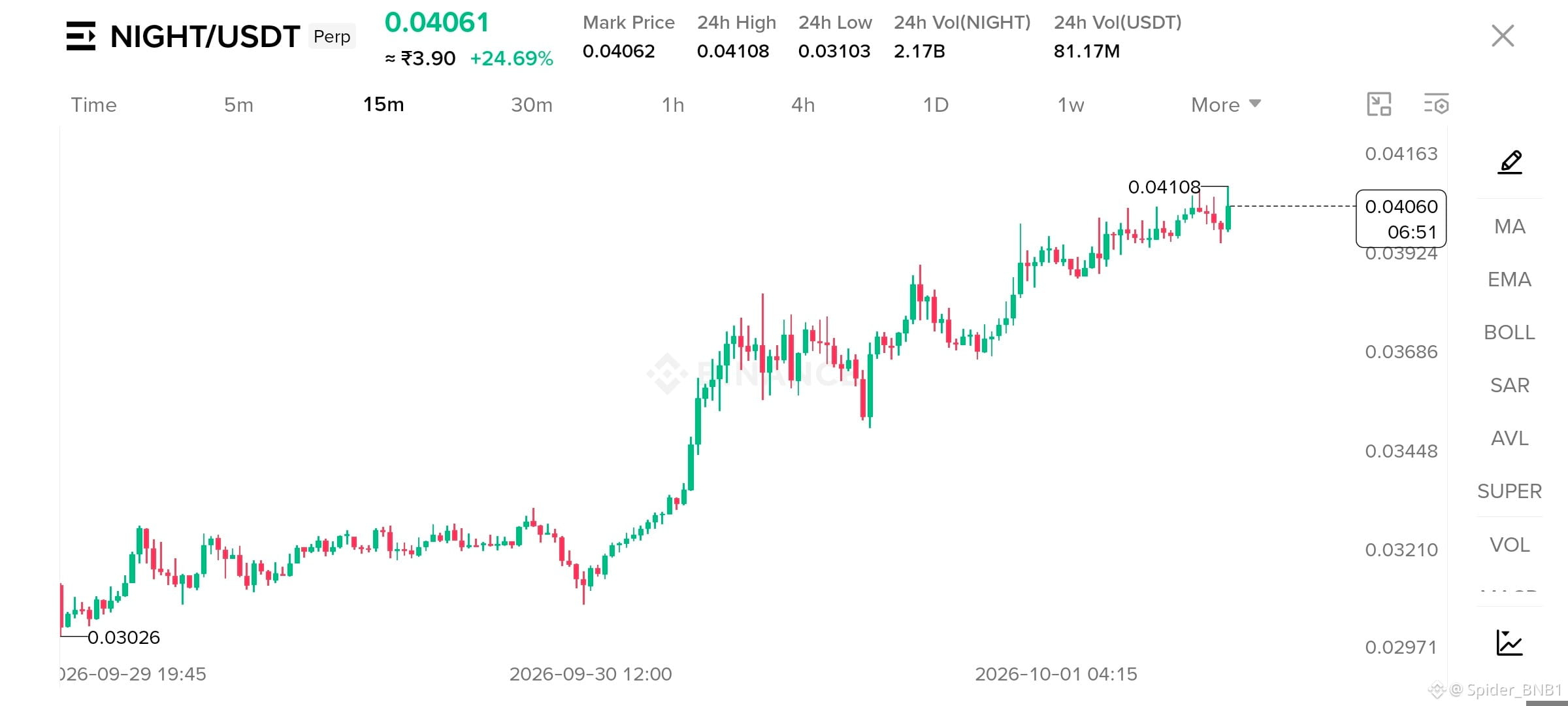
WARTEN 👀🔥 — DIE NACHT HÄLT DEN BREAKOUT
$NIGHT USDT — LONG 🟢
Einstieg: 0.03970 – 0.04000
TP1: 0.04080
TP2: 0.04150
TP3: 0.04230
SL: 0.03620
⚠️ Keine Jagd nach 0.04060+; warte auf die Einstiegzone.
Ich mache hier Long👇
{future}(NIGHTUSDT)
$XAU
{future}(XAUUSDT)
$ZEC
{future}(ZECUSDT)
WARTEN 👀🔥 — DIE NACHT HÄLT DEN BREAKOUT
$NIGHT USDT — LONG 🟢
Einstieg: 0.03970 – 0.04000
TP1: 0.04080
TP2: 0.04150
TP3: 0.04230
SL: 0.03620
⚠️ Keine Jagd nach 0.04060+; warte auf die Einstiegzone.
Ich mache hier Long👇
$XAU
$ZEC
$NIGHT USDT — LONG 🟢
Einstieg: 0.03970 – 0.04000
TP1: 0.04080
TP2: 0.04150
TP3: 0.04230
SL: 0.03620
⚠️ Keine Jagd nach 0.04060+; warte auf die Einstiegzone.
Ich mache hier Long👇
$XAU
$ZEC
1
330
·
--
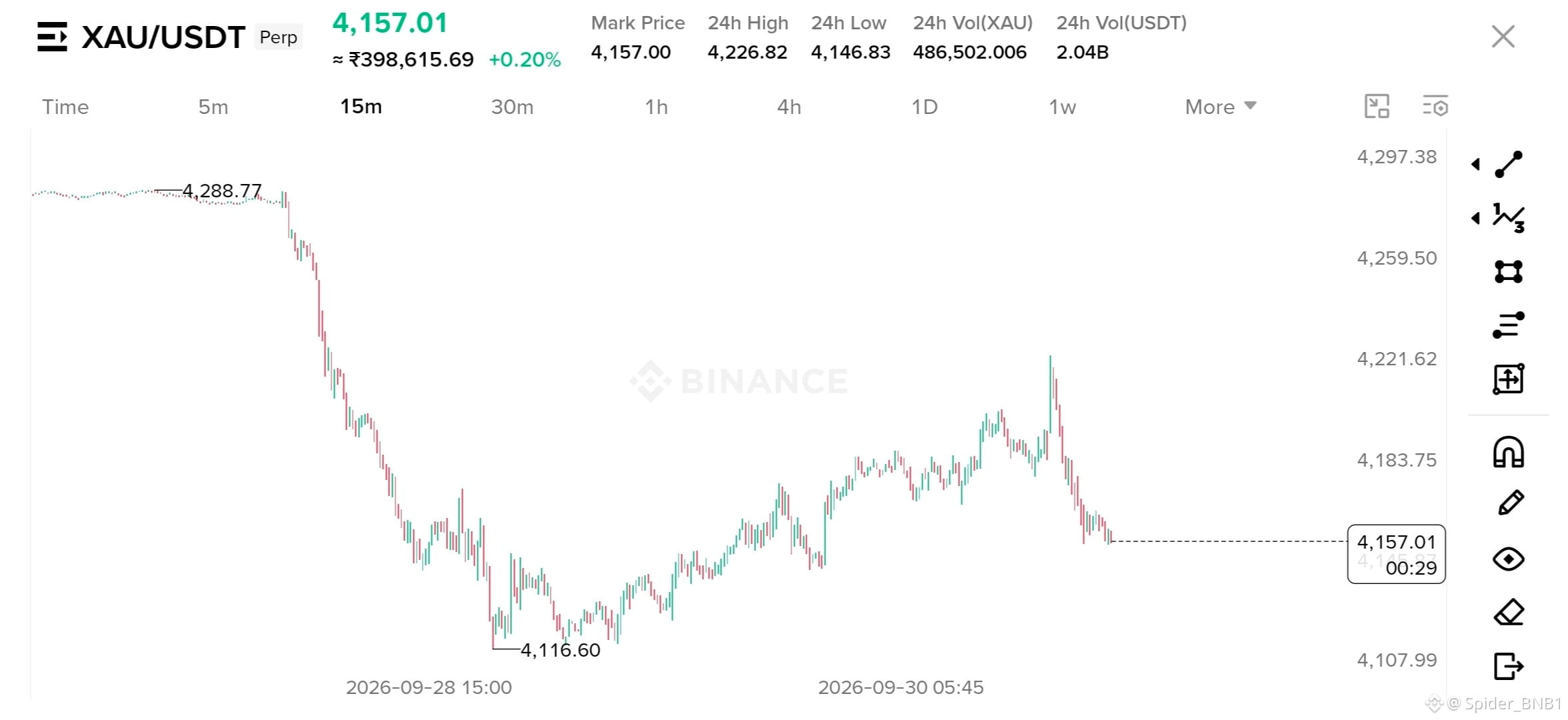
NIEMAND HAT DIESEN PRALLER KOMMEN GESEHEN 👀🔥
$XAU USDT — LONG 🟢
Einstieg: 4150 – 4151
TP1: 4175
TP2: 4195
TP3: 4220
SL: 4132
Ich mache hier Long👇
{future}(XAUUSDT)
$ZEC
{future}(ZECUSDT)
NIEMAND HAT DIESEN PRALLER KOMMEN GESEHEN 👀🔥
$XAU USDT — LONG 🟢
Einstieg: 4150 – 4151
TP1: 4175
TP2: 4195
TP3: 4220
SL: 4132
Ich mache hier Long👇
$ZEC
$XAU USDT — LONG 🟢
Einstieg: 4150 – 4151
TP1: 4175
TP2: 4195
TP3: 4220
SL: 4132
Ich mache hier Long👇
$ZEC
3
768
·
--
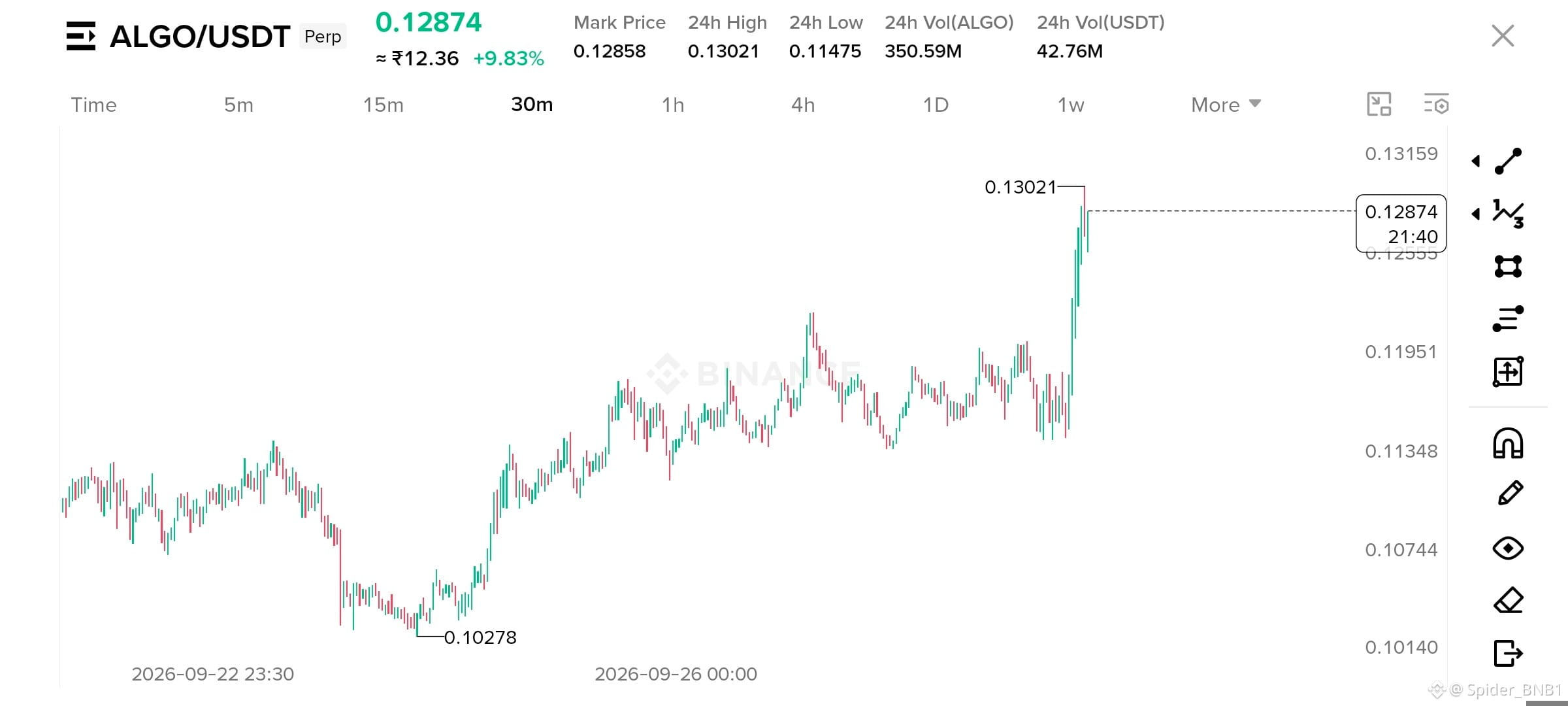
DER DURCHBRUCH ERWISCHT 🚀👀 — DER ALGO HAT SOEBEN DIE SPANNE VERLASSEN!
$ALGO USDT — LONG 🟢
Einstieg: 0.1275 – 0.1290
TP1: 0.1315
TP2: 0.1350
TP3: 0.1400
SL: 0.1245
Ich gehe hier Long👇
{future}(ALGOUSDT)
$QNT
{future}(QNTUSDT)
$RHEA
{alpha}(560x4c067de26475e1cefee8b8d1f6e2266b33a2372e)
DER DURCHBRUCH ERWISCHT 🚀👀 — DER ALGO HAT SOEBEN DIE SPANNE VERLASSEN!
$ALGO USDT — LONG 🟢
Einstieg: 0.1275 – 0.1290
TP1: 0.1315
TP2: 0.1350
TP3: 0.1400
SL: 0.1245
Ich gehe hier Long👇
$QNT
$RHEA
$ALGO USDT — LONG 🟢
Einstieg: 0.1275 – 0.1290
TP1: 0.1315
TP2: 0.1350
TP3: 0.1400
SL: 0.1245
Ich gehe hier Long👇
$QNT
$RHEA
1
464
·
--
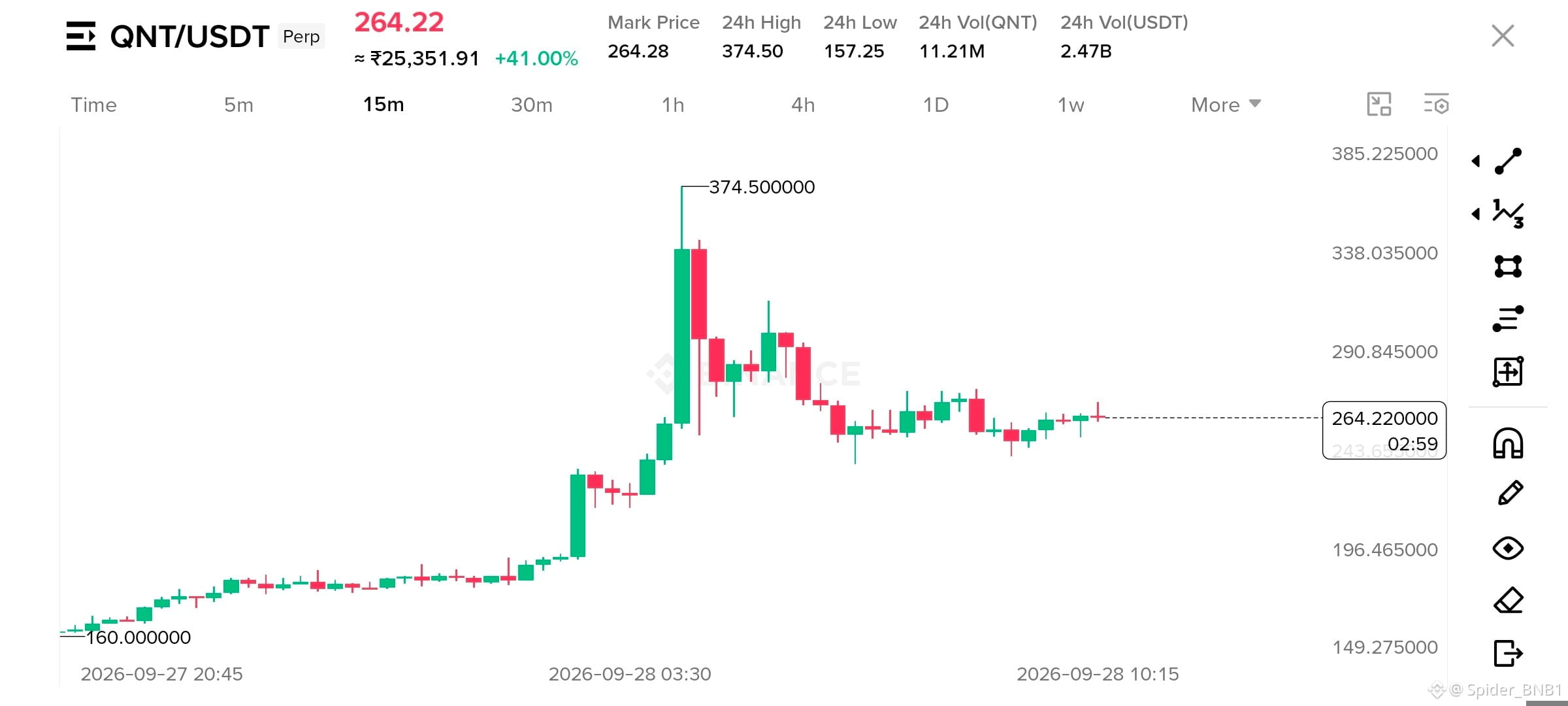
BOOM 💥 ALLE HABEN DEN BREAKOUT VERPASST — QNT KONSOLIDIERT FÜR DEN NÄCHSTEN SCHRITT!
$QNT USDT — LONG 🟢
Einstieg: 258 – 266
TP1: 280
TP2: 295
TP3: 315
SL: 240
Ich gehe hier Long👇
{future}(QNTUSDT)
$BTW
{alpha}(560x444045b0ee1ee319a660a5e3d604ca0ffa35acaa)
$RHEA
{alpha}(560x4c067de26475e1cefee8b8d1f6e2266b33a2372e)
BOOM 💥 ALLE HABEN DEN BREAKOUT VERPASST — QNT KONSOLIDIERT FÜR DEN NÄCHSTEN SCHRITT!
$QNT USDT — LONG 🟢
Einstieg: 258 – 266
TP1: 280
TP2: 295
TP3: 315
SL: 240
Ich gehe hier Long👇
$BTW
$RHEA
$QNT USDT — LONG 🟢
Einstieg: 258 – 266
TP1: 280
TP2: 295
TP3: 315
SL: 240
Ich gehe hier Long👇
$BTW
$RHEA
2
417
Anmelden und weiter Inhalte entdecken
Krypto-Nutzer weltweit auf Binance Square kennenlernen
⚡️ Bleib in Sachen Krypto stets am Puls.
💬 Die weltgrößte Kryptobörse vertraut darauf.
👍 Erhalte verlässliche Einblicke von verifizierten Creators.
E-Mail-Adresse/Telefonnummer
Trendthemen
BinancePick
2.6M Aufrufe
142,481 Kommentare
Mach bei #Gewinnsaison mit: Prognostiziere Unternehmensergebnisse auf Binance Pick und teile deine Meinung auf Binance Square!
Binance Square Official
·401 Likes
·338.7k Aufrufe
EarningsSeason
5M Aufrufe
24,468 Kommentare
SouthKoreaReportedlyWeighsFourthCryptoTaxDelay
0 Aufrufe
0 Kommentare