
Dire CryptoMedia
2.4k Beiträge

Dire CryptoMedia
direcryptomedia delivers sharp crypto news, insights, and analysis—cutting through the noise to spotlight key trends shaping Web3 and decentralized finance.
Trade eröffnen
Regelmäßiger Trader
2.4 Jahre
2.3K+ Following
4.2K+ Follower
5.0K+ Like gegeben
Beiträge
Portfolio
Alle
Zitierungen
Videos
Live
PINNED
GLOBAL FINANZEN ERDBEBEN — BLACKROCK VERLIERT HALBE MILLIARDE IN EINEM MEISTERHAFTEN BETRUG! 💣
Das Unvorstellbare ist geschehen — BlackRock, der finanzielle Titan der Welt, ist Opfer eines atemberaubenden Betrugs in Höhe von 500 Millionen Dollar geworden, der Wall Street bis ins Mark erschüttert.
Der angebliche Mastermind? Bankim Brahmbhat — ein indischer Unternehmer, der Berichten zufolge einen der raffiniertesten finanziellen Täuschungen in der modernen Geschichte orchestriert hat. Mit gefälschten Verträgen, falschen Rechnungen und einer Illusion von Legitimität gelang es ihm, BlackRock davon zu überzeugen, dass sie in authentische Forderungen investieren. Alles schien in Ordnung — bis es das nicht mehr tat.
Sobald das Geld eingetroffen war, verschwand Brahmbhat in den Schatten — schleuste Gelder durch Indien und Mauritius, bevor er in den USA Insolvenz anmeldete und über Nacht aus seinem New Yorker Büro verschwand. Die Geldspur? Eiskalt.
Jetzt breitet sich Panik in den Finanzkreisen aus, da die Gerüchte lauter werden, dass dies kein isolierter Treffer sein könnte — sondern der Auftakt zu einem größeren globalen Betrug. Wenn andere Institutionen hereingelegt wurden, könnte die Folge die Märkte monatelang erschüttern.
Eine halbe Milliarde Dollar. Weg.
Der mächtigste Vermögensverwalter der Welt, überlistet.
Das ist nicht nur finanzieller Betrug — es ist eine brutale Erinnerung daran, dass selbst Giganten im Zeitalter der Hochfinanzen bluten können.
#KITEBinanceLaunchpool #DireCryptoMedia #Write2Earn
Das Unvorstellbare ist geschehen — BlackRock, der finanzielle Titan der Welt, ist Opfer eines atemberaubenden Betrugs in Höhe von 500 Millionen Dollar geworden, der Wall Street bis ins Mark erschüttert.
Der angebliche Mastermind? Bankim Brahmbhat — ein indischer Unternehmer, der Berichten zufolge einen der raffiniertesten finanziellen Täuschungen in der modernen Geschichte orchestriert hat. Mit gefälschten Verträgen, falschen Rechnungen und einer Illusion von Legitimität gelang es ihm, BlackRock davon zu überzeugen, dass sie in authentische Forderungen investieren. Alles schien in Ordnung — bis es das nicht mehr tat.
Sobald das Geld eingetroffen war, verschwand Brahmbhat in den Schatten — schleuste Gelder durch Indien und Mauritius, bevor er in den USA Insolvenz anmeldete und über Nacht aus seinem New Yorker Büro verschwand. Die Geldspur? Eiskalt.
Jetzt breitet sich Panik in den Finanzkreisen aus, da die Gerüchte lauter werden, dass dies kein isolierter Treffer sein könnte — sondern der Auftakt zu einem größeren globalen Betrug. Wenn andere Institutionen hereingelegt wurden, könnte die Folge die Märkte monatelang erschüttern.
Eine halbe Milliarde Dollar. Weg.
Der mächtigste Vermögensverwalter der Welt, überlistet.
Das ist nicht nur finanzieller Betrug — es ist eine brutale Erinnerung daran, dass selbst Giganten im Zeitalter der Hochfinanzen bluten können.
#KITEBinanceLaunchpool #DireCryptoMedia #Write2Earn

#FedNomineeHearingDelay Die Bestätigungsanhörung für Kevin Warsh, Präsident Trumps nominierter Leiter der Federal Reserve, wurde von dem ursprünglich geplanten Datum am 16. April 2026 verschoben. Während das Weiße Haus zuversichtlich bleibt, dass Warsh bis Mitte Mai bestätigt wird, haben mehrere verfahrenstechnische und politische Hürden den Zeitplan aufgehalten.
CNBC +4
Hauptgründe für die Verzögerung
Fehlende Unterlagen: Der Bankenausschuss des Senats hat bisher nicht die erforderlichen finanziellen und ethischen Offenlegungsunterlagen von Warsh erhalten. Diese Dokumentation ist insbesondere komplex aufgrund seiner Ehe mit der Milliardärsfamilie Lauder.
Senatsstillstand: Der republikanische Senator Thom Tillis hat versprochen, gegen jeden Kandidaten zu stimmen, bis das Justizministerium seine strafrechtlichen Ermittlungen gegen den aktuellen Fed-Vorsitzenden Jerome Powell einstellt. Mit einer Ausschussaufteilung von 13 Republikanern zu 11 Demokraten blockiert Tillis' Opposition effektiv die Nominierung, damit sie zum gesamten Senat gebracht wird.
Demokratische Forderungen: Die ranghöchste Mitgliederin, Elizabeth Warren, und andere Demokraten im Ausschuss haben ebenfalls eine Verzögerung gefordert, bis die Ermittlungen gegen Powell und Gouverneurin Lisa Cook abgeschlossen sind.
#FedNomineeHearingDelay #Write2Earn #DireCryptomedia
CNBC +4
Hauptgründe für die Verzögerung
Fehlende Unterlagen: Der Bankenausschuss des Senats hat bisher nicht die erforderlichen finanziellen und ethischen Offenlegungsunterlagen von Warsh erhalten. Diese Dokumentation ist insbesondere komplex aufgrund seiner Ehe mit der Milliardärsfamilie Lauder.
Senatsstillstand: Der republikanische Senator Thom Tillis hat versprochen, gegen jeden Kandidaten zu stimmen, bis das Justizministerium seine strafrechtlichen Ermittlungen gegen den aktuellen Fed-Vorsitzenden Jerome Powell einstellt. Mit einer Ausschussaufteilung von 13 Republikanern zu 11 Demokraten blockiert Tillis' Opposition effektiv die Nominierung, damit sie zum gesamten Senat gebracht wird.
Demokratische Forderungen: Die ranghöchste Mitgliederin, Elizabeth Warren, und andere Demokraten im Ausschuss haben ebenfalls eine Verzögerung gefordert, bis die Ermittlungen gegen Powell und Gouverneurin Lisa Cook abgeschlossen sind.
#FedNomineeHearingDelay #Write2Earn #DireCryptomedia
#night $NIGHT Der Besitz von Daten in der digitalen Wirtschaft reduziert sich darauf, wer tatsächlich kontrolliert, nutzt und von digitalen Informationen profitiert. Es beantwortet Fragen wie: Wer entscheidet, wohin die Daten gehen? Wer darf sie sehen? Wer profitiert?
Heutzutage erzeugt fast jeder Klick und Wisch eine Spur von Daten. Bei so vielen Informationen, die umherfliegen, ist es wichtig zu wissen, wem sie tatsächlich gehören. Ohne klaren Besitz schwindet die Privatsphäre, die Innovation verlangsamt sich und Daten können zu einem Problem anstatt zu einem Vorteil werden.
Warum ist der Besitz von Daten wichtig? Zuerst die Privatsphäre. Wenn Sie Ihre Daten besitzen, schützen Sie Ihr digitales Leben. Sie entscheiden, wer Zugang hat und aus welchem Grund, und halten Identitätsdiebe und neugierige Dritte fern. Es geht darum, die Kontrolle über die eigene Geschichte zu haben.
Sicherheit ist ein weiterer großer Punkt. Wenn die Menschen nicht wissen, wem eine Menge Daten gehört, gehen sie oft verloren – schlechte Nachrichten für die Sicherheit. Klarer Besitz bedeutet, dass jemand immer dafür verantwortlich ist, die Daten sicher zu halten, was die Wahrscheinlichkeit eines Cyberangriffs verringert.
Und vergessen wir nicht das Geld. Daten haben echten Wert, aber zu oft swoopieren externe Parteien ein und nutzen dies aus. Wenn die ursprünglichen Schöpfer – Einzelpersonen oder Unternehmen – tatsächlich ihre Daten besitzen, können sie diese nutzen, lizenzierten oder sogar selbst verkaufen. Mit anderen Worten, sie behalten die Gewinne, anstatt zuzusehen, wie andere von ihren Informationen profitieren.
@MidnightNetwork #night $NIGHT
Heutzutage erzeugt fast jeder Klick und Wisch eine Spur von Daten. Bei so vielen Informationen, die umherfliegen, ist es wichtig zu wissen, wem sie tatsächlich gehören. Ohne klaren Besitz schwindet die Privatsphäre, die Innovation verlangsamt sich und Daten können zu einem Problem anstatt zu einem Vorteil werden.
Warum ist der Besitz von Daten wichtig? Zuerst die Privatsphäre. Wenn Sie Ihre Daten besitzen, schützen Sie Ihr digitales Leben. Sie entscheiden, wer Zugang hat und aus welchem Grund, und halten Identitätsdiebe und neugierige Dritte fern. Es geht darum, die Kontrolle über die eigene Geschichte zu haben.
Sicherheit ist ein weiterer großer Punkt. Wenn die Menschen nicht wissen, wem eine Menge Daten gehört, gehen sie oft verloren – schlechte Nachrichten für die Sicherheit. Klarer Besitz bedeutet, dass jemand immer dafür verantwortlich ist, die Daten sicher zu halten, was die Wahrscheinlichkeit eines Cyberangriffs verringert.
Und vergessen wir nicht das Geld. Daten haben echten Wert, aber zu oft swoopieren externe Parteien ein und nutzen dies aus. Wenn die ursprünglichen Schöpfer – Einzelpersonen oder Unternehmen – tatsächlich ihre Daten besitzen, können sie diese nutzen, lizenzierten oder sogar selbst verkaufen. Mit anderen Worten, sie behalten die Gewinne, anstatt zuzusehen, wie andere von ihren Informationen profitieren.
@MidnightNetwork #night $NIGHT
#signdigitalsovereigninfra $SIGN private Krypto war einmal... Ich meine, erinnere dich, dass sich dieses Jahr wie das Leben in einem Casino anfühlte, in dem jeder Alarm losging. Mein Telefon war im Grunde genommen ein Spielautomaten: Twitter Spaces explodierten, Telegram geriet außer Kontrolle, einige Altcoins verdreifachten sich vor dem Frühstück und stürzten zum Brunch ab. Du konntest es wirklich nicht ausblenden, selbst wenn du es wolltest. Ich vermisse irgendwie das Chaos - jetzt fühlt es sich so an, als wäre die Szene müde geworden. Nicht tot, nur ruhiger, als hätte jemand die Playlist von dröhnendem EDM auf diesen entspannenden Lo-Fi Beat gewechselt, und niemand auf der Party bemerkte es.
Lustige Sache, aber: Diese Zyklen wiederholen sich immer. Es ist fast wie ein Uhrwerk. Die Leute verlieren den Verstand über etwas Brandneues, nur um so zu tun, als hätten sie es nie kommen sehen. Ich wurde auch mitgerissen – als das erste Mal Smart Contracts auftraten, waren plötzlich alle überzeugt, dass wir die Finanzen neu aufgebaut hätten. Dann kam DeFi. „Yield Farming“ wurde zu einem Schlagwort, und um ehrlich zu sein, die Hälfte meiner Freunde hatte keine Ahnung, was es bedeutete, gingen aber trotzdem voll degen. Dann tauchten Layer-2s auf und, Mann, jeder hatte eine Meinung. Endlose Debatten-Threads. Am Ende hat mein Gehirn einfach bei diesen Sachen versagt.
Aber hier ist der seltsamste Teil – es gibt Dinge, die unter dem Radar passieren. Völlig außerhalb des Trends, wird nicht in deinem Trending-Feed angezeigt. Aber es ist da, brodelnd. Es ist nerdig – okay, super nerdig. In letzter Zeit habe ich mit privaten, datenschutzorientierten SEO-Ideen wie SIGN herumexperimentiert. Nicht unbedingt Dinge, die ich bei einem Dinner-Party ansprechen würde (es sei denn, jeder dort schreibt zum Spaß Smart Contracts), aber trotzdem faszinierend. Diese Überlappung zwischen „deine Daten besitzen“ und „findbar sein“ ist einfach so chaotisch und irgendwie cool. Ich denke ständig darüber nach, wie man den Leuten echte Kontrolle über das geben kann, was sie teilen, und trotzdem die guten Sachen entdeckbar macht, besonders mit dem Wilden Westen, der Web3 ist?
#signdiditalsovereigninfra @SignOfficial $SIGN
Lustige Sache, aber: Diese Zyklen wiederholen sich immer. Es ist fast wie ein Uhrwerk. Die Leute verlieren den Verstand über etwas Brandneues, nur um so zu tun, als hätten sie es nie kommen sehen. Ich wurde auch mitgerissen – als das erste Mal Smart Contracts auftraten, waren plötzlich alle überzeugt, dass wir die Finanzen neu aufgebaut hätten. Dann kam DeFi. „Yield Farming“ wurde zu einem Schlagwort, und um ehrlich zu sein, die Hälfte meiner Freunde hatte keine Ahnung, was es bedeutete, gingen aber trotzdem voll degen. Dann tauchten Layer-2s auf und, Mann, jeder hatte eine Meinung. Endlose Debatten-Threads. Am Ende hat mein Gehirn einfach bei diesen Sachen versagt.
Aber hier ist der seltsamste Teil – es gibt Dinge, die unter dem Radar passieren. Völlig außerhalb des Trends, wird nicht in deinem Trending-Feed angezeigt. Aber es ist da, brodelnd. Es ist nerdig – okay, super nerdig. In letzter Zeit habe ich mit privaten, datenschutzorientierten SEO-Ideen wie SIGN herumexperimentiert. Nicht unbedingt Dinge, die ich bei einem Dinner-Party ansprechen würde (es sei denn, jeder dort schreibt zum Spaß Smart Contracts), aber trotzdem faszinierend. Diese Überlappung zwischen „deine Daten besitzen“ und „findbar sein“ ist einfach so chaotisch und irgendwie cool. Ich denke ständig darüber nach, wie man den Leuten echte Kontrolle über das geben kann, was sie teilen, und trotzdem die guten Sachen entdeckbar macht, besonders mit dem Wilden Westen, der Web3 ist?
#signdiditalsovereigninfra @SignOfficial $SIGN
#night $NIGHT Warum das Zurückspringen in Krypto mir immer dieses seltsame Gefühl von déjà vu gibt – als wüsstest du irgendwie, was als Nächstes passieren wird, aber es ist nie das genau gleiche Lied. Es gibt ein vertrautes Summen, ein tiefes Grollen, das dich fühlen lässt, als solltest du in der Lage sein, die nächste Kurve vorherzusagen... dann ändert sich etwas, und nein, es ist eine Wendung.
Wenn ich zurückblicke, beginnen alle großen Wellen mit einer glänzenden Idee. Ich erinnere mich an die frühen Tage – "programmierbares Geld" war wie diese Wunderwaffe gegen die Banken. Jeder Twitter-Thread schrie darüber. Um Dezember 2018 schrien meine Freunde praktisch: "Reguläre Dollars sind tot, Alter!" Ich schwöre, ich bekam Mitteilungen um Mitternacht, total hyped. Dann tauchte DeFi aus dem Nichts auf – baute tatsächliche Werkzeuge, echte Sachen. Die Leute entspannten sich endlich, aber gerade dann platzen die Layer 2s herein. Es stellte sich heraus, dass Skalierbarkeit der wahre Engpass war, nicht der ganze Kredit-Zirkus.
Spulen wir vor, es gibt diesen unterirdischen Trend. Gar nicht laut – mehr wie ein leises Flüstern, das aus dem nächsten Raum driftet. Die Stimmung hat sich verändert: anstatt sich darüber zu obsessieren, welche albernen Tricks Smart Contracts ausführen können, werden die Leute neugierig auf die Einzelheiten – wie sie tatsächlich laufen. Wer denkt an Ausführungszyklen, es sei denn, man ist tief im Schützengraben? Aber jetzt? Zufällige Threads spät in der Nacht, Leute werfen "außerhalb des Zyklus", "Mitternachtsausführung" – was auch immer du es nennen möchtest. Verträge, die inaktiv werden, dann wieder von selbst zum Leben erwachen. Insta-Schlagzeilen bringen es nicht groß heraus, aber es brodelt in Telegram-Kanälen, Discord-Chats um 1 Uhr nachts... Entwickler, die nerdig werden, Code hin und her werfen.
Die Sache ist, das ist keine brandneue glänzende Superkraft. Es ändert einfach – den Rhythmus. Verträge tickten früher, blockweise. Jetzt erledigen sie Dinge in seltsamen Intervallen, unerwarteten Momenten. Es klingt klein, oder? Aber ehrlich, ich habe gesehen, wie diese Anpassungen die gesamte Stimmung durcheinanderbringen. Benutzer erwarten, dass ihre Apps einfach gleiten, Entwickler haben plötzlich neue Teile, mit denen sie spielen können, alles wird verschwommen. Es sind immer diese Mikro-Bewegungen – kleine Eigenheiten."
#night @MidnightNetwork $NIGHT
Wenn ich zurückblicke, beginnen alle großen Wellen mit einer glänzenden Idee. Ich erinnere mich an die frühen Tage – "programmierbares Geld" war wie diese Wunderwaffe gegen die Banken. Jeder Twitter-Thread schrie darüber. Um Dezember 2018 schrien meine Freunde praktisch: "Reguläre Dollars sind tot, Alter!" Ich schwöre, ich bekam Mitteilungen um Mitternacht, total hyped. Dann tauchte DeFi aus dem Nichts auf – baute tatsächliche Werkzeuge, echte Sachen. Die Leute entspannten sich endlich, aber gerade dann platzen die Layer 2s herein. Es stellte sich heraus, dass Skalierbarkeit der wahre Engpass war, nicht der ganze Kredit-Zirkus.
Spulen wir vor, es gibt diesen unterirdischen Trend. Gar nicht laut – mehr wie ein leises Flüstern, das aus dem nächsten Raum driftet. Die Stimmung hat sich verändert: anstatt sich darüber zu obsessieren, welche albernen Tricks Smart Contracts ausführen können, werden die Leute neugierig auf die Einzelheiten – wie sie tatsächlich laufen. Wer denkt an Ausführungszyklen, es sei denn, man ist tief im Schützengraben? Aber jetzt? Zufällige Threads spät in der Nacht, Leute werfen "außerhalb des Zyklus", "Mitternachtsausführung" – was auch immer du es nennen möchtest. Verträge, die inaktiv werden, dann wieder von selbst zum Leben erwachen. Insta-Schlagzeilen bringen es nicht groß heraus, aber es brodelt in Telegram-Kanälen, Discord-Chats um 1 Uhr nachts... Entwickler, die nerdig werden, Code hin und her werfen.
Die Sache ist, das ist keine brandneue glänzende Superkraft. Es ändert einfach – den Rhythmus. Verträge tickten früher, blockweise. Jetzt erledigen sie Dinge in seltsamen Intervallen, unerwarteten Momenten. Es klingt klein, oder? Aber ehrlich, ich habe gesehen, wie diese Anpassungen die gesamte Stimmung durcheinanderbringen. Benutzer erwarten, dass ihre Apps einfach gleiten, Entwickler haben plötzlich neue Teile, mit denen sie spielen können, alles wird verschwommen. Es sind immer diese Mikro-Bewegungen – kleine Eigenheiten."
#night @MidnightNetwork $NIGHT
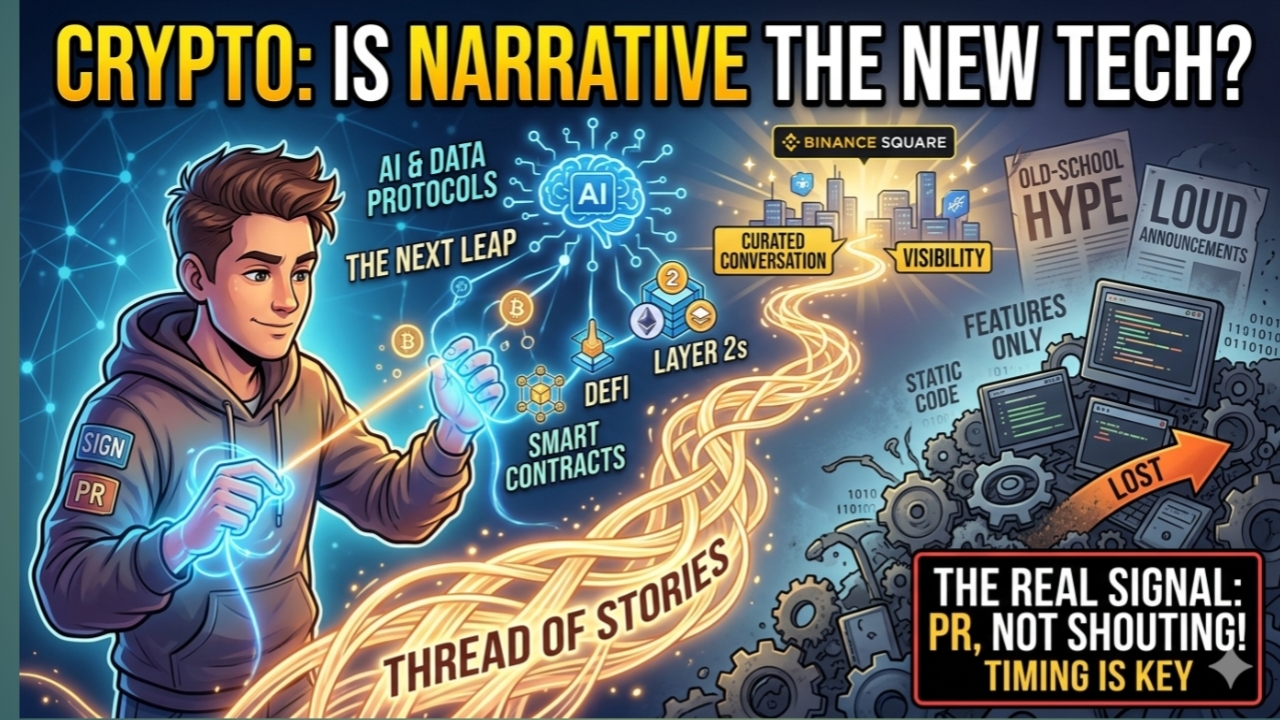
#signdigitalsovereigninfra $SIGN wie Krypto-Geschichten jetzt kursieren. Ich meine, sie erscheinen nicht einfach aus dem Nichts – sie prallen überall herum. Ich schwöre, es ist verrückt. Es geht nicht nur darum, „welches Projekt gerade im Trend liegt“, es ist mehr wie das Beobachten eines wilden Threads auf Twitter, der sich in ein TikTok-Reel verwandelt, dann wieder auf Binance Square oder was auch immer morphiert, wie ein seltsames Internetspiel von Telefon. Und plötzlich reden alle darüber, sogar Leute, die wahrscheinlich nur zufällig auf ein Meme gestoßen sind.
Vor ein paar Zyklen war es honestly viel weniger chaotisch. Ich erinnere mich an die Zeiten der Smart Contracts – einfach auf Bitcointalk, Reddit und frühes Twitter scrollen. Es fühlte sich an wie Orte, an denen man tatsächlich atmen konnte; langsamer Tropfen, einfach lurken. Dann kam der DeFi-Sommer und, mein Gott, es gab Dashboards links und rechts, zufällige Discord-Communities, die wie Unkraut auftauchten. L2s begannen ausgerollt zu werden, die Leute vergruben saftige Dramen in GitHub-Kommentaren oder diesen monsterhaften Forschungsdokumenten. Ich verlor ganze Abende damit, irgendwelchem Unsinn in einem Kaninchenbau nachzujagen und vergaß, wonach ich überhaupt suchte.
Jetzt jedoch? Es ist chaotisch – eine Art schöner Chaos. Verteilung ist nicht nur irgendeine Hinter-den-Kulissen-Sache – sie formt buchstäblich die ganze Stimmung um. Es ist, als würde man zusehen, wie ein heißer Thread explodiert, in ein TikTok geschnitten, in einem Newsletter neu geschrieben, und bis man es in einem Square-Post liest, ist es fast unrecognizable. Es fühlt sich an, wie Memes mutieren: eine zentrale Idee, all diese neuen Geschmäcker.
Und ehrlich gesagt, die Art und Weise, wie sich die Landschaft verändert? Es ist wild. Dieses „frühe Trend“ zu fangen, reicht nicht mehr aus – es spielt keine Rolle, ob es RWA, DePIN oder was auch immer ist. Es ist das Remixen. Die gleichen Nachrichten, gefaltet, geblastet und auf so viele Arten gedreht, dass, du weißt, du sie überall siehst und anfängst zu denken, dass es legitim sein muss. Ich meine, ich ertappe mich dabei, dass ich auf Dinge reinfalle, die ich kaum verstehe, nur durch schiere Wiederholung. DePIN zum Beispiel – lately höre ich ständig, dass es das nächste große Ding ist, aber vielleicht liegt das nur daran, dass jeder Feed, den ich überprüfe, nicht aufhört, darüber zu reden.
#signDigitalSovereignlnfra @SignOfficial $SIGN
Vor ein paar Zyklen war es honestly viel weniger chaotisch. Ich erinnere mich an die Zeiten der Smart Contracts – einfach auf Bitcointalk, Reddit und frühes Twitter scrollen. Es fühlte sich an wie Orte, an denen man tatsächlich atmen konnte; langsamer Tropfen, einfach lurken. Dann kam der DeFi-Sommer und, mein Gott, es gab Dashboards links und rechts, zufällige Discord-Communities, die wie Unkraut auftauchten. L2s begannen ausgerollt zu werden, die Leute vergruben saftige Dramen in GitHub-Kommentaren oder diesen monsterhaften Forschungsdokumenten. Ich verlor ganze Abende damit, irgendwelchem Unsinn in einem Kaninchenbau nachzujagen und vergaß, wonach ich überhaupt suchte.
Jetzt jedoch? Es ist chaotisch – eine Art schöner Chaos. Verteilung ist nicht nur irgendeine Hinter-den-Kulissen-Sache – sie formt buchstäblich die ganze Stimmung um. Es ist, als würde man zusehen, wie ein heißer Thread explodiert, in ein TikTok geschnitten, in einem Newsletter neu geschrieben, und bis man es in einem Square-Post liest, ist es fast unrecognizable. Es fühlt sich an, wie Memes mutieren: eine zentrale Idee, all diese neuen Geschmäcker.
Und ehrlich gesagt, die Art und Weise, wie sich die Landschaft verändert? Es ist wild. Dieses „frühe Trend“ zu fangen, reicht nicht mehr aus – es spielt keine Rolle, ob es RWA, DePIN oder was auch immer ist. Es ist das Remixen. Die gleichen Nachrichten, gefaltet, geblastet und auf so viele Arten gedreht, dass, du weißt, du sie überall siehst und anfängst zu denken, dass es legitim sein muss. Ich meine, ich ertappe mich dabei, dass ich auf Dinge reinfalle, die ich kaum verstehe, nur durch schiere Wiederholung. DePIN zum Beispiel – lately höre ich ständig, dass es das nächste große Ding ist, aber vielleicht liegt das nur daran, dass jeder Feed, den ich überprüfe, nicht aufhört, darüber zu reden.
#signDigitalSovereignlnfra @SignOfficial $SIGN

$ETH #SECApprovesNasdaqTokenizedStocksPilo Die Nasdaq hat die Genehmigung der SEC erhalten, um ein Pilotprogramm für den Handel mit tokenisierten Wertpapieren zu starten, was einen bedeutenden Schritt für die Wall Street in die Blockchain-Infrastruktur darstellt.
Der Prozess bleibt jedoch an bestehende zentralisierte Abwicklungssysteme gebunden. Das Pilotprojekt ermöglicht es der Nasdaq, tokenisierte Versionen von großen Aktien und ausgewählten Index-ETFs zu handeln, wobei „Real World Assets“ (RWAs) auf Bundesebene anerkannt werden.
Während neue Technologien angenommen werden, hält das Modell an traditionellen Regeln fest und priorisiert Sicherheit über Dezentralisierung. Diese Genehmigung erfolgt, während sich die Kryptomärkte stabilisieren, wobei traditionelle Finanzunternehmen um die Modernisierung veralteter Abwicklungssysteme wetteifern.
Diese Nachrichten kommen, während der breitere Kryptomarkt über Nacht um -4,5 % gefallen ist und das entscheidende Niveau von 2,5 Billionen Dollar verloren hat, wobei Bitcoin gefährlich nahe an 70.000 Dollar flirtet, nachdem es in den letzten 24 Stunden um -5,2 % gefallen ist.
Das Nasdaq-Pilotprogramm: Wie die Wall Street On-Chain geht
Um die Bedeutung dieses Piloten zu verstehen, ist es wichtig, die „Plumbing“ des Aktienmarktes zu begreifen. Derzeit fühlt sich der Kauf einer Aktie sofort an, aber es dauert ein bis zwei Tage, bis Geld und Aktien ausgetauscht werden, was eine Verzögerung schafft, die täglich Milliarden bindet.
Tokenisierung verwandelt Aktien in digitale Token auf einer Blockchain. Im Pilotprojekt der Nasdaq beinhaltet dies die Erstellung eines „digitalen Zwillings“ von Aktien, die dieselben Rechte, Ticker-Symbole und Werte wie traditionelle Aktien behalten.
Der Prozess ist für Händler größtenteils unsichtbar, aber transformativ für Broker. Wenn eine Bestellung für „tokenisierte Abwicklung“ markiert ist, leitet die Nasdaq dies an die Depository Trust & Clearing Corporation (DTC) weiter. Wenn die Brieftasche und die Technologie des Käufers übereinstimmen, wird der Handel auf der Blockchain abgewickelt.
Wichtig ist, dass, wenn ein Problem auftritt, der Handel auf die traditionelle Methode zurückfällt und ein hybrides System bereitstellt, das Blockchain und traditionelle Sicherheitsmaßnahmen kombiniert.
Sehen Sie, wie institutionelle Giganten wie BlackRock TradFi und Krypto mit ETFs verbinden.
#SECApprovesNasdaqTokenizedStocksPilot #Write2Earn $ETH $USDC
Der Prozess bleibt jedoch an bestehende zentralisierte Abwicklungssysteme gebunden. Das Pilotprojekt ermöglicht es der Nasdaq, tokenisierte Versionen von großen Aktien und ausgewählten Index-ETFs zu handeln, wobei „Real World Assets“ (RWAs) auf Bundesebene anerkannt werden.
Während neue Technologien angenommen werden, hält das Modell an traditionellen Regeln fest und priorisiert Sicherheit über Dezentralisierung. Diese Genehmigung erfolgt, während sich die Kryptomärkte stabilisieren, wobei traditionelle Finanzunternehmen um die Modernisierung veralteter Abwicklungssysteme wetteifern.
Diese Nachrichten kommen, während der breitere Kryptomarkt über Nacht um -4,5 % gefallen ist und das entscheidende Niveau von 2,5 Billionen Dollar verloren hat, wobei Bitcoin gefährlich nahe an 70.000 Dollar flirtet, nachdem es in den letzten 24 Stunden um -5,2 % gefallen ist.
Das Nasdaq-Pilotprogramm: Wie die Wall Street On-Chain geht
Um die Bedeutung dieses Piloten zu verstehen, ist es wichtig, die „Plumbing“ des Aktienmarktes zu begreifen. Derzeit fühlt sich der Kauf einer Aktie sofort an, aber es dauert ein bis zwei Tage, bis Geld und Aktien ausgetauscht werden, was eine Verzögerung schafft, die täglich Milliarden bindet.
Tokenisierung verwandelt Aktien in digitale Token auf einer Blockchain. Im Pilotprojekt der Nasdaq beinhaltet dies die Erstellung eines „digitalen Zwillings“ von Aktien, die dieselben Rechte, Ticker-Symbole und Werte wie traditionelle Aktien behalten.
Der Prozess ist für Händler größtenteils unsichtbar, aber transformativ für Broker. Wenn eine Bestellung für „tokenisierte Abwicklung“ markiert ist, leitet die Nasdaq dies an die Depository Trust & Clearing Corporation (DTC) weiter. Wenn die Brieftasche und die Technologie des Käufers übereinstimmen, wird der Handel auf der Blockchain abgewickelt.
Wichtig ist, dass, wenn ein Problem auftritt, der Handel auf die traditionelle Methode zurückfällt und ein hybrides System bereitstellt, das Blockchain und traditionelle Sicherheitsmaßnahmen kombiniert.
Sehen Sie, wie institutionelle Giganten wie BlackRock TradFi und Krypto mit ETFs verbinden.
#SECApprovesNasdaqTokenizedStocksPilot #Write2Earn $ETH $USDC

Anmelden und weiter Inhalte entdecken