

Mr_Desoza
37.2k Beiträge

Mr_Desoza
 Square Verified+
Melden
Nutzer blockieren
Passionate about the future of decentralized finance and blockchain innovation. Exploring the world of crypto, NFTs, and Web3 technologies $BTC $ETH $BNB $SOL
Trade eröffnen
Regelmäßiger Trader
2.6 Jahre
22 Following
35.5K+ Follower
51.8K+ Like gegeben
Beiträge
Portfolio
Alle
Zitierungen
Live
·
--
Übersetzung ansehen
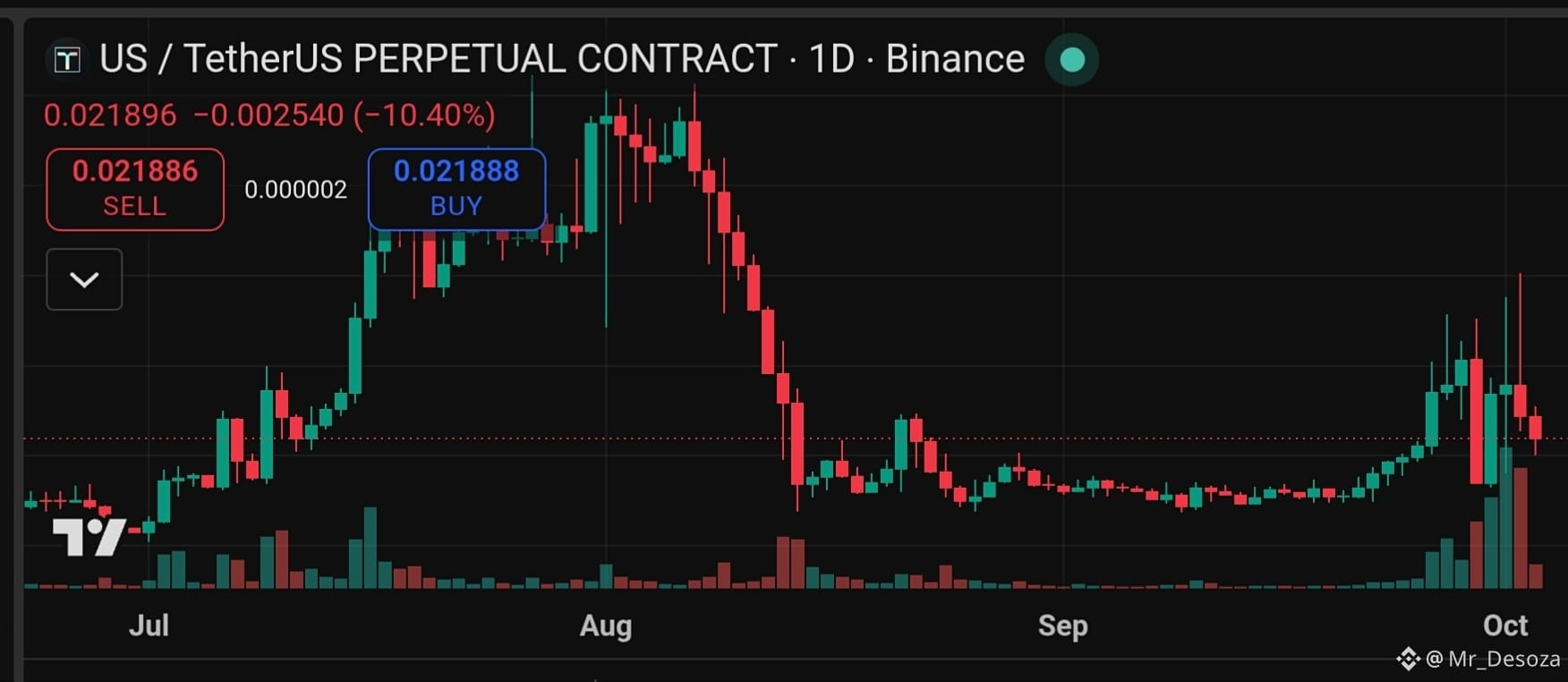
$US consolidating near support after a high-volume activity spike.
Demand remains active while price holds above the current base.
EP
$0.0212–$0.0219
TP
$0.0230
$0.0245
$0.0260
SL
$0.0200
Price is holding near support despite the recent pullback. A breakout and reclaim above $0.0230 could trigger further momentum toward higher targets.
Let’s go $US
{future}(USUSDT)
$US consolidating near support after a high-volume activity spike.
Demand remains active while price holds above the current base.
EP
$0.0212–$0.0219
TP
$0.0230
$0.0245
$0.0260
SL
$0.0200
Price is holding near support despite the recent pullback. A breakout and reclaim above $0.0230 could trigger further momentum toward higher targets.
Let’s go $US
Demand remains active while price holds above the current base.
EP
$0.0212–$0.0219
TP
$0.0230
$0.0245
$0.0260
SL
$0.0200
Price is holding near support despite the recent pullback. A breakout and reclaim above $0.0230 could trigger further momentum toward higher targets.
Let’s go $US
438
·
--
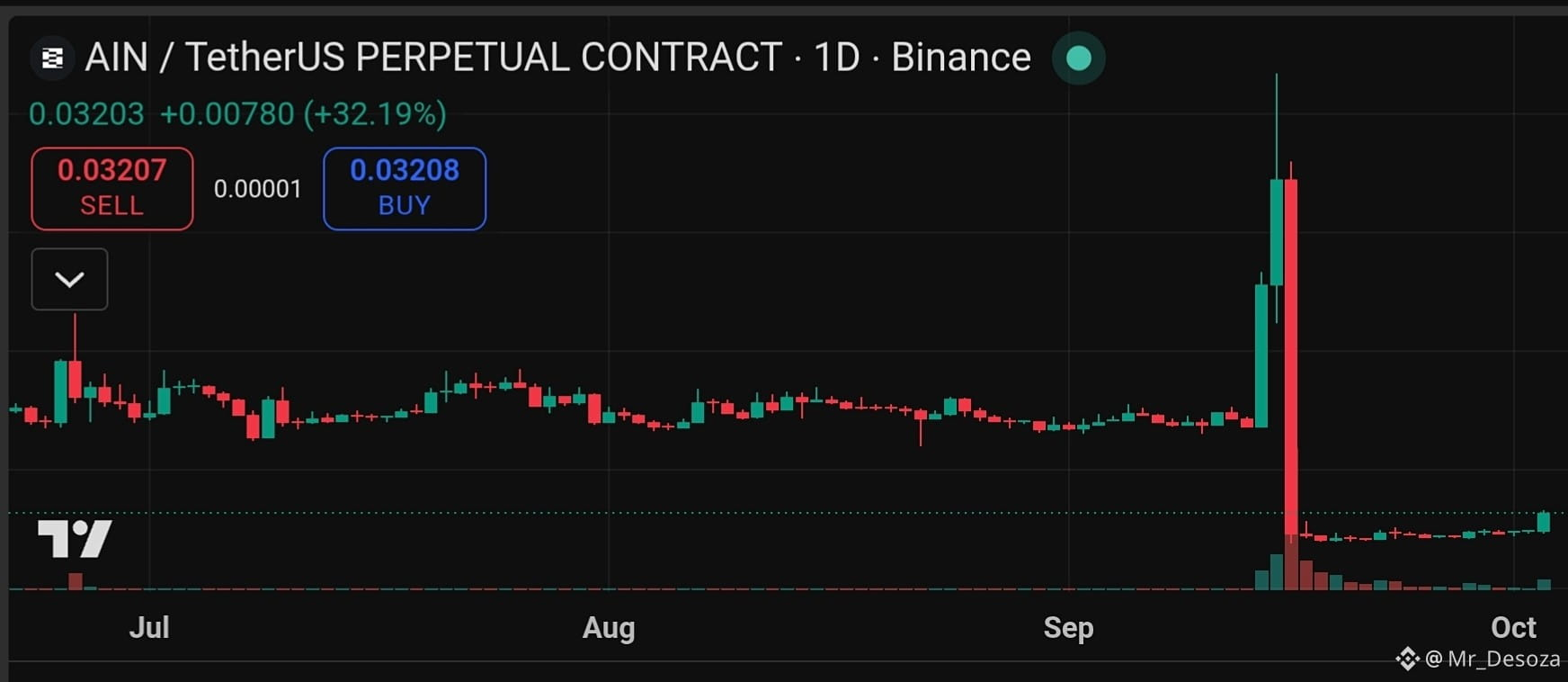
$AIN Konsolidierung nach einem starken Ausbruch mit hohem Volumen und Handelsdynamik.
Die Nachfrage bleibt oberhalb der wichtigen Unterstützungszone aktiv.
EP
$0.0305–$0.0320
TP
$0.0345
$0.0370
$0.0400
SL
$0.0288
Der Preis hält sich oberhalb einer kurzfristigen Unterstützung bei starker Dynamik. Ein Rückeroberung des Widerstands bei $0.0345 könnte weitere Ausweitung in Richtung höherer Kursziele auslösen.
Los geht’s $AIN
{future}(AINUSDT)
$AIN Konsolidierung nach einem starken Ausbruch mit hohem Volumen und Handelsdynamik.
Die Nachfrage bleibt oberhalb der wichtigen Unterstützungszone aktiv.
EP
$0.0305–$0.0320
TP
$0.0345
$0.0370
$0.0400
SL
$0.0288
Der Preis hält sich oberhalb einer kurzfristigen Unterstützung bei starker Dynamik. Ein Rückeroberung des Widerstands bei $0.0345 könnte weitere Ausweitung in Richtung höherer Kursziele auslösen.
Los geht’s $AIN
Die Nachfrage bleibt oberhalb der wichtigen Unterstützungszone aktiv.
EP
$0.0305–$0.0320
TP
$0.0345
$0.0370
$0.0400
SL
$0.0288
Der Preis hält sich oberhalb einer kurzfristigen Unterstützung bei starker Dynamik. Ein Rückeroberung des Widerstands bei $0.0345 könnte weitere Ausweitung in Richtung höherer Kursziele auslösen.
Los geht’s $AIN
395
·
--
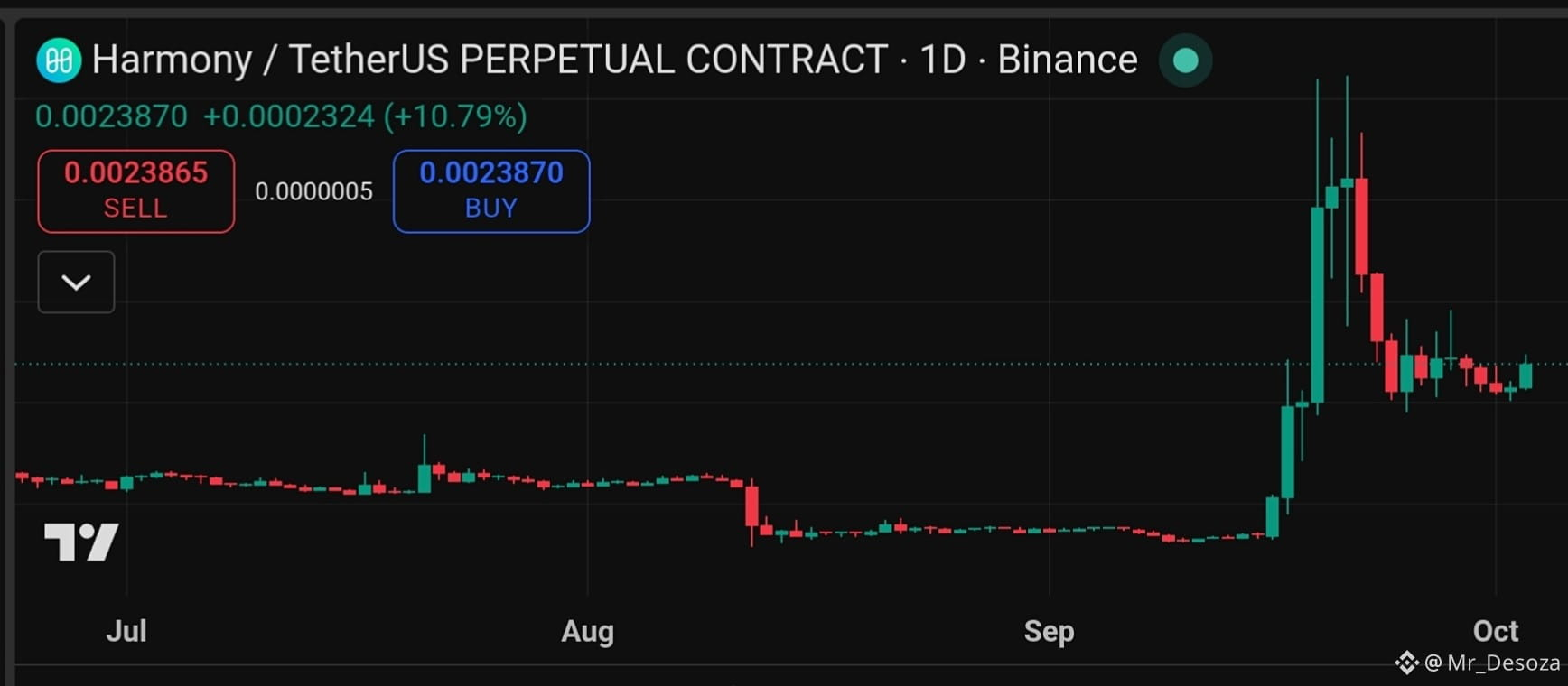
$ONE Konsolidierung nahe einem wichtigen Support nach einem starken Momentum-Push.
Ansteigendes Volumen, Trades und steigendes OI zeigen starke Marktteilnahme rund um die Breakout-Zone.
EP
$0.00235–$0.00245
TP
$0.00260
$0.00280
$0.00305
SL
$0.00222
Der Preis bleibt oberhalb der entscheidenden Nachfragezone und das Momentum ist intakt. Ein Rückeroberung und Halt über $0.00245 könnte eine weitere Ausdehnung hin zu höheren Kurszielen auslösen.
Let’s go $ONE
{future}(ONEUSDT)
$ONE Konsolidierung nahe einem wichtigen Support nach einem starken Momentum-Push.
Ansteigendes Volumen, Trades und steigendes OI zeigen starke Marktteilnahme rund um die Breakout-Zone.
EP
$0.00235–$0.00245
TP
$0.00260
$0.00280
$0.00305
SL
$0.00222
Der Preis bleibt oberhalb der entscheidenden Nachfragezone und das Momentum ist intakt. Ein Rückeroberung und Halt über $0.00245 könnte eine weitere Ausdehnung hin zu höheren Kurszielen auslösen.
Let’s go $ONE
Ansteigendes Volumen, Trades und steigendes OI zeigen starke Marktteilnahme rund um die Breakout-Zone.
EP
$0.00235–$0.00245
TP
$0.00260
$0.00280
$0.00305
SL
$0.00222
Der Preis bleibt oberhalb der entscheidenden Nachfragezone und das Momentum ist intakt. Ein Rückeroberung und Halt über $0.00245 könnte eine weitere Ausdehnung hin zu höheren Kurszielen auslösen.
Let’s go $ONE
339
·
--
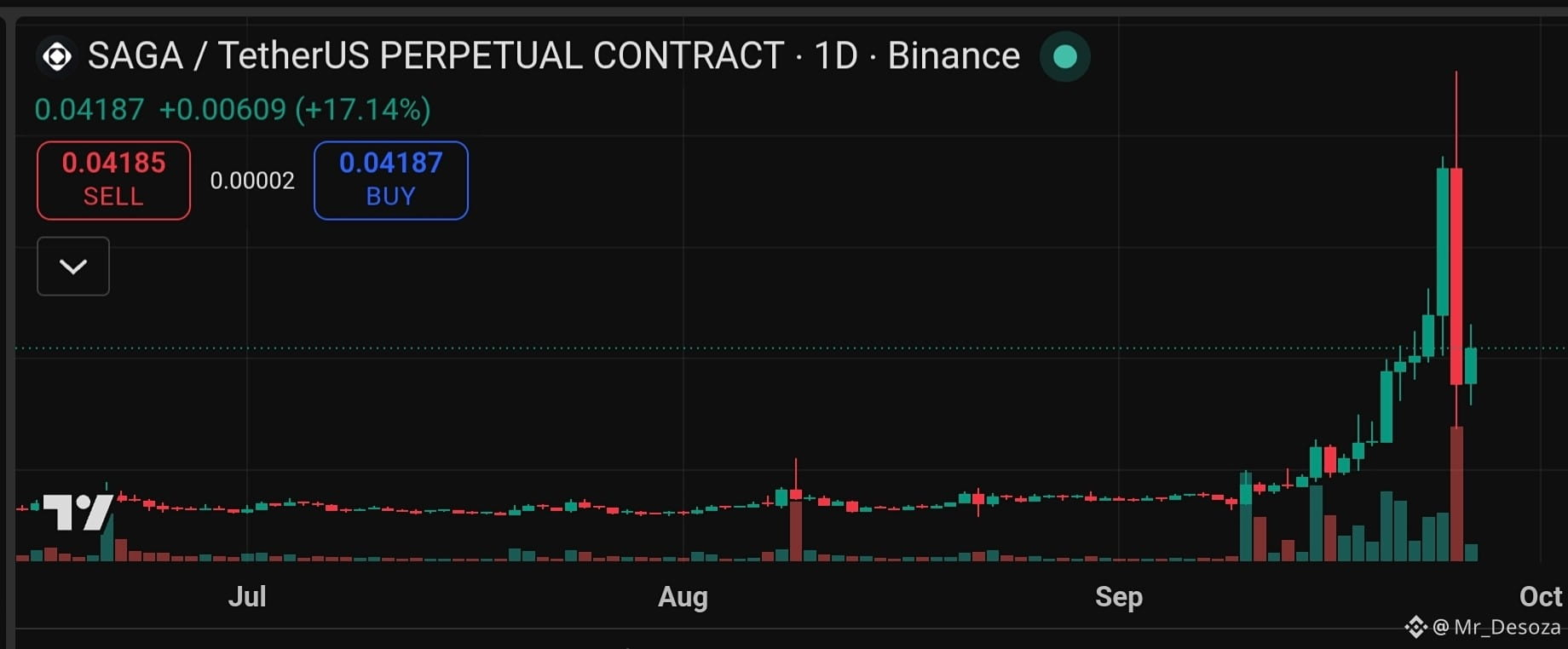
$SAGA konsolidiert nach einem starken Ausbruch mit hoher Handelsaktivität.
Hohe Volumen und anhaltender Trade-Momentum stützen weiterhin die aktuelle Nachfragezone.
EP
$0.0390–$0.0410
TP
$0.0440
$0.0480
$0.0530
SL
$0.0360
Der Preis bleibt oberhalb des entscheidenden Supports, der Momentum bleibt intakt. Ein Ausbruch und Halten über $0.0410 könnte eine weitere Ausweitung in Richtung höherer Ziele auslösen.
Los geht’s $SAGA
{future}(SAGAUSDT)
$SAGA konsolidiert nach einem starken Ausbruch mit hoher Handelsaktivität.
Hohe Volumen und anhaltender Trade-Momentum stützen weiterhin die aktuelle Nachfragezone.
EP
$0.0390–$0.0410
TP
$0.0440
$0.0480
$0.0530
SL
$0.0360
Der Preis bleibt oberhalb des entscheidenden Supports, der Momentum bleibt intakt. Ein Ausbruch und Halten über $0.0410 könnte eine weitere Ausweitung in Richtung höherer Ziele auslösen.
Los geht’s $SAGA
Hohe Volumen und anhaltender Trade-Momentum stützen weiterhin die aktuelle Nachfragezone.
EP
$0.0390–$0.0410
TP
$0.0440
$0.0480
$0.0530
SL
$0.0360
Der Preis bleibt oberhalb des entscheidenden Supports, der Momentum bleibt intakt. Ein Ausbruch und Halten über $0.0410 könnte eine weitere Ausweitung in Richtung höherer Ziele auslösen.
Los geht’s $SAGA
341
·
--
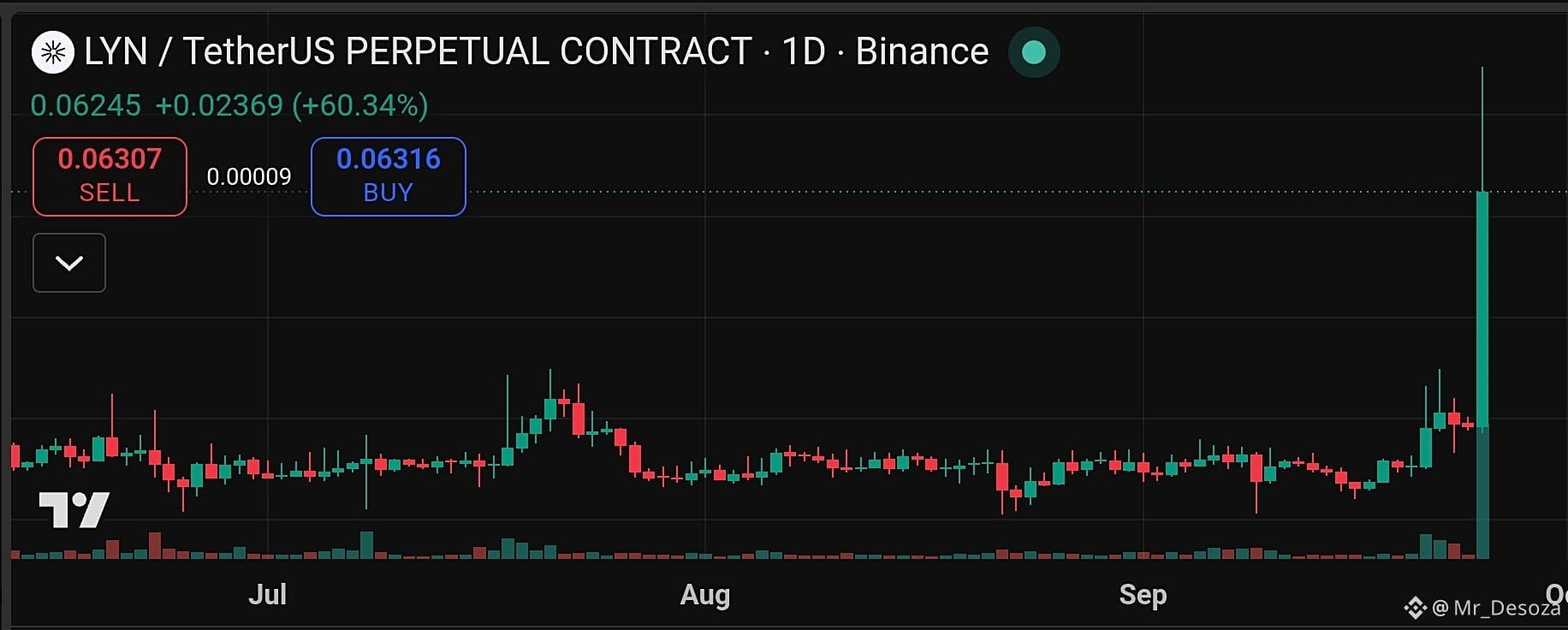
$LYN Starke Dynamik nach einem scharfen Ausbruch.
Steigendes OI, Volumen und Handelsaktivität bestätigen eine starke Beteiligung rund um die Ausbruchszone.
EP
0,0680–0,0710
TP
0,0760
0,0830
0,0920
SL
0,0630
Der Preis bleibt oberhalb der Ausbruchs-Unterstützung, während die Dynamik zunimmt. Ein anhaltender Halt über 0,0710 könnte einen weiteren Aufwärtsimpuls auslösen.
Let’s go $LYN
{future}(LYNUSDT)
$LYN Starke Dynamik nach einem scharfen Ausbruch.
Steigendes OI, Volumen und Handelsaktivität bestätigen eine starke Beteiligung rund um die Ausbruchszone.
EP
0,0680–0,0710
TP
0,0760
0,0830
0,0920
SL
0,0630
Der Preis bleibt oberhalb der Ausbruchs-Unterstützung, während die Dynamik zunimmt. Ein anhaltender Halt über 0,0710 könnte einen weiteren Aufwärtsimpuls auslösen.
Let’s go $LYN
Steigendes OI, Volumen und Handelsaktivität bestätigen eine starke Beteiligung rund um die Ausbruchszone.
EP
0,0680–0,0710
TP
0,0760
0,0830
0,0920
SL
0,0630
Der Preis bleibt oberhalb der Ausbruchs-Unterstützung, während die Dynamik zunimmt. Ein anhaltender Halt über 0,0710 könnte einen weiteren Aufwärtsimpuls auslösen.
Let’s go $LYN
1
279
·
--
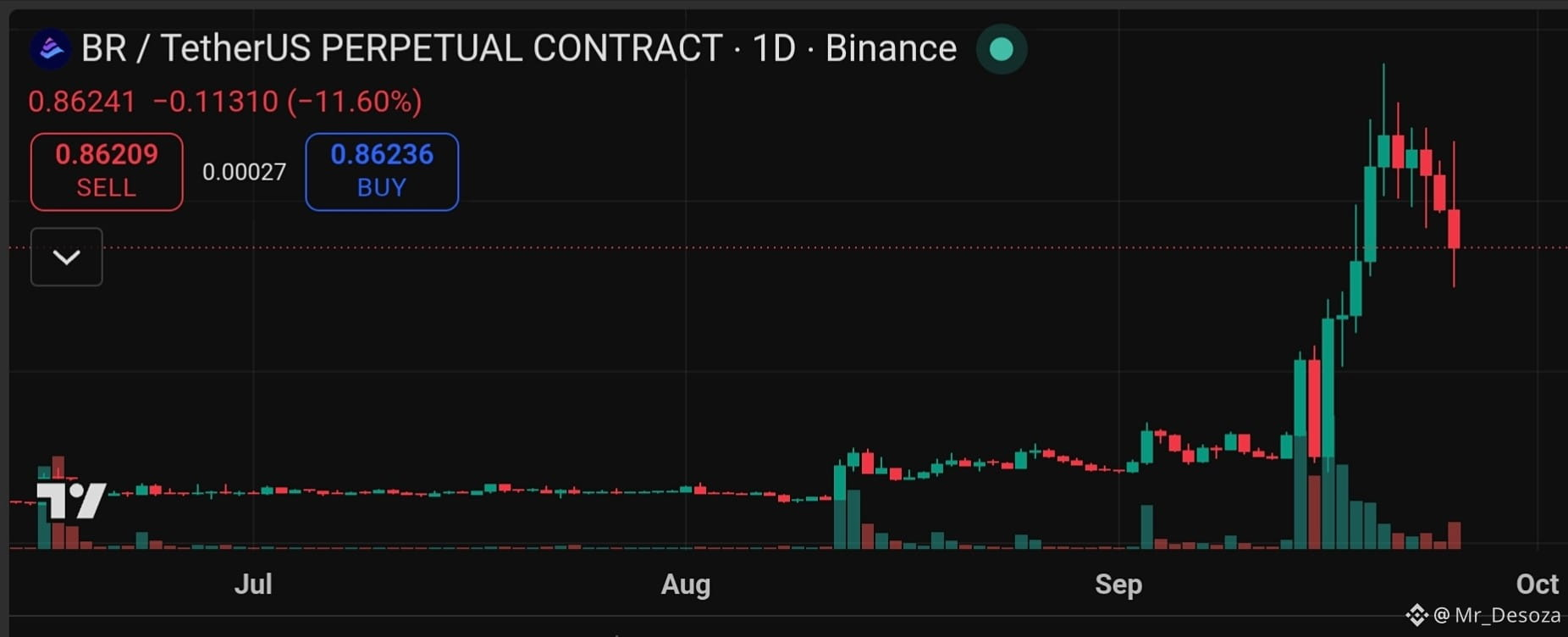
$BR Konsolidierung nach einem scharfen Ausbruch, wobei der Kurs nahe dem Support gehalten wird.
Der Momentum bleibt stark, aber ein rückläufiges OI deutet auf Vorsicht rund um die aktuelle Bewegung hin.
EP
$0,900–$0,925
TP
$0,950
$0,985
$1,020
SL
$0,875
Der Kurs bleibt über der wichtigen Nachfragezone. Ein Rückeroberung und Halten über $0,950 könnte einen weiteren Momentum-Schub auslösen.
Los geht’s $BR
{future}(BRUSDT)
$BR Konsolidierung nach einem scharfen Ausbruch, wobei der Kurs nahe dem Support gehalten wird.
Der Momentum bleibt stark, aber ein rückläufiges OI deutet auf Vorsicht rund um die aktuelle Bewegung hin.
EP
$0,900–$0,925
TP
$0,950
$0,985
$1,020
SL
$0,875
Der Kurs bleibt über der wichtigen Nachfragezone. Ein Rückeroberung und Halten über $0,950 könnte einen weiteren Momentum-Schub auslösen.
Los geht’s $BR
Der Momentum bleibt stark, aber ein rückläufiges OI deutet auf Vorsicht rund um die aktuelle Bewegung hin.
EP
$0,900–$0,925
TP
$0,950
$0,985
$1,020
SL
$0,875
Der Kurs bleibt über der wichtigen Nachfragezone. Ein Rückeroberung und Halten über $0,950 könnte einen weiteren Momentum-Schub auslösen.
Los geht’s $BR
1
681
·
--
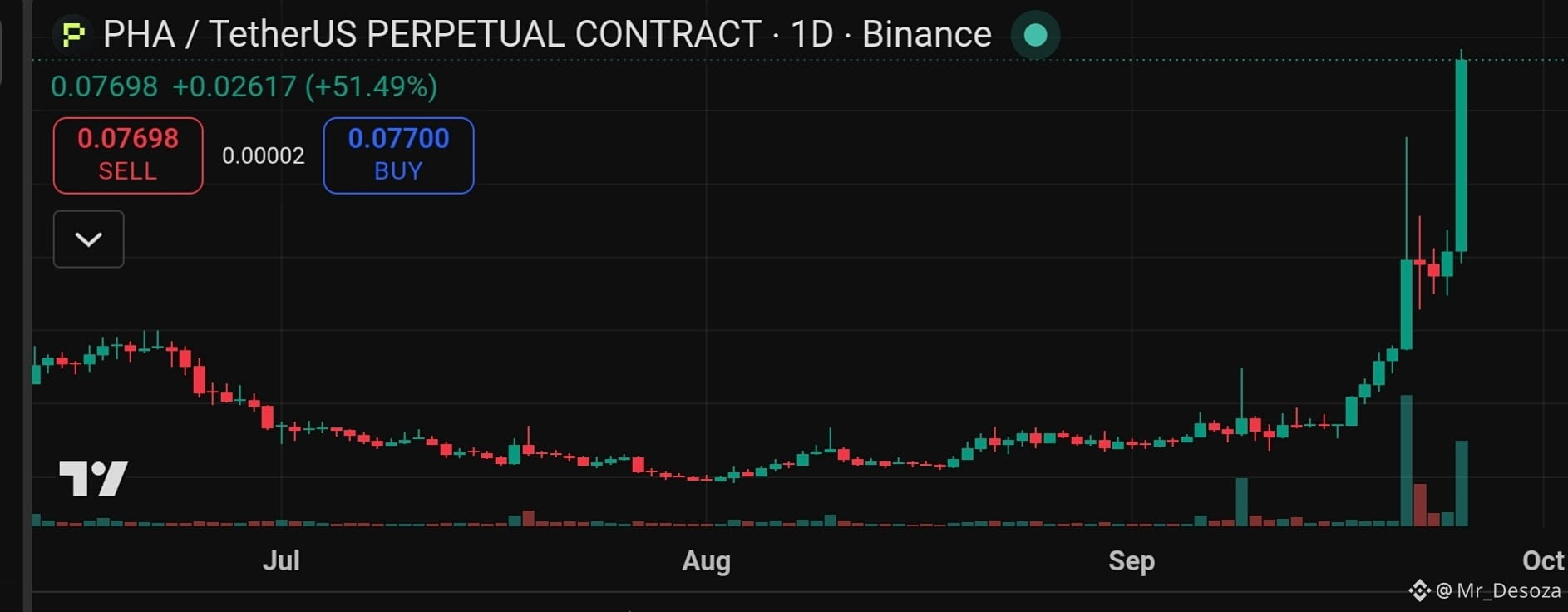
$PHA treibt mit starkem Momentum nach oben, nachdem der Widerstand gebrochen wurde.
Steigendes OI und Volumenunterstützung hielten die anhaltende Nachfrage aufrecht, während der Preis über der Ausbruchszone bleibt.
EP
$0.0755–$0.0780
TP
$0.0820
$0.0870
$0.0930
SL
$0.0715
Der Preis bleibt über dem Bereich des Ausbruchs, während sich das Momentum aufbaut. Ein nachhaltiges Halten über $0.0780 könnte den Weg zu höheren Kurszielen ebnen.
Let’s go $PHA
{future}(PHAUSDT)
$PHA treibt mit starkem Momentum nach oben, nachdem der Widerstand gebrochen wurde.
Steigendes OI und Volumenunterstützung hielten die anhaltende Nachfrage aufrecht, während der Preis über der Ausbruchszone bleibt.
EP
$0.0755–$0.0780
TP
$0.0820
$0.0870
$0.0930
SL
$0.0715
Der Preis bleibt über dem Bereich des Ausbruchs, während sich das Momentum aufbaut. Ein nachhaltiges Halten über $0.0780 könnte den Weg zu höheren Kurszielen ebnen.
Let’s go $PHA
Steigendes OI und Volumenunterstützung hielten die anhaltende Nachfrage aufrecht, während der Preis über der Ausbruchszone bleibt.
EP
$0.0755–$0.0780
TP
$0.0820
$0.0870
$0.0930
SL
$0.0715
Der Preis bleibt über dem Bereich des Ausbruchs, während sich das Momentum aufbaut. Ein nachhaltiges Halten über $0.0780 könnte den Weg zu höheren Kurszielen ebnen.
Let’s go $PHA
1
167
·
--
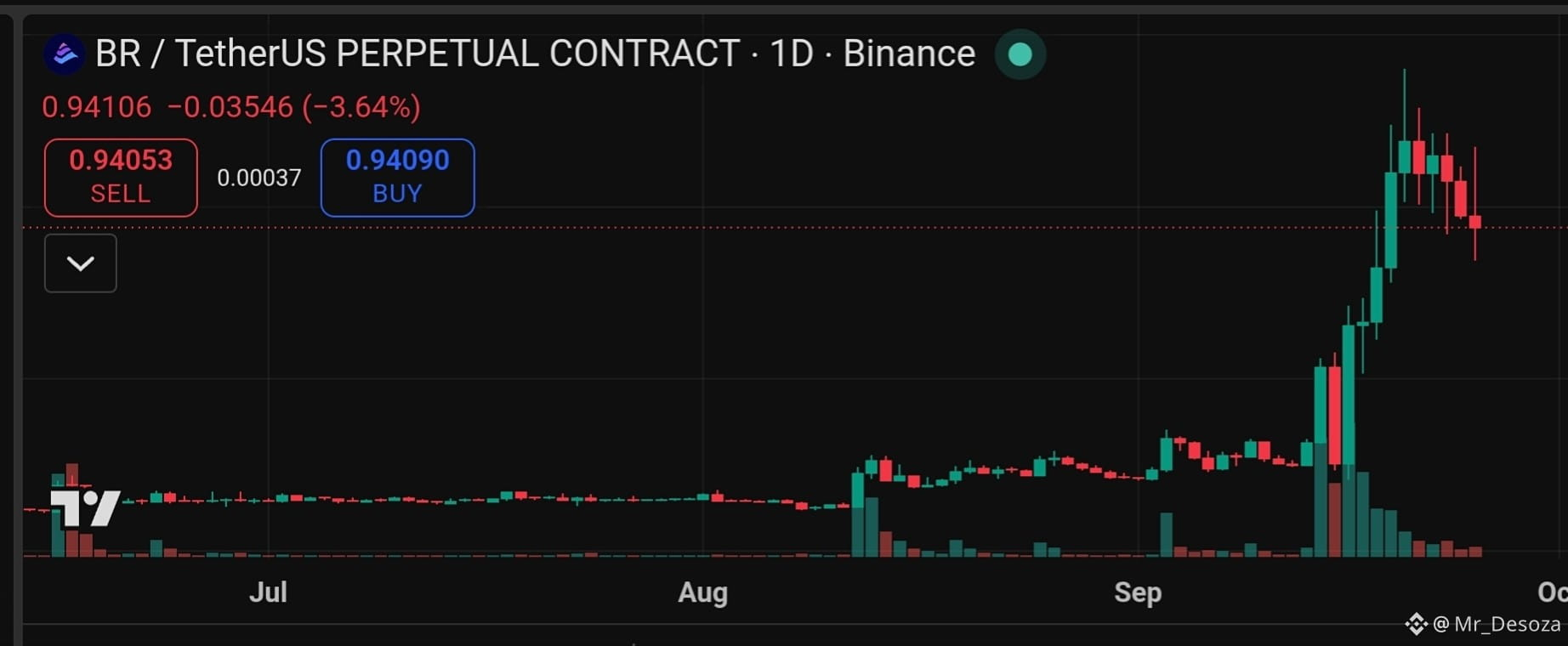
$BR Konsolidierung nahe dem Support nach der Korrektur.
Die Nachfrage bleibt aktiv trotz jüngster Schwäche.
EP
$0.925–$0.940
TP
$0.970
$1.010
$1.060
SL
$0.900
Der Kurs hält sich nahe einem wichtigen Support mit starkem Handelsmomentum. Eine Rückeroberung von $0.970 könnte eine Ausweitung in Richtung höherer Kursziele auslösen.
Let’s go $BR
{future}(BRUSDT)
$BR Konsolidierung nahe dem Support nach der Korrektur.
Die Nachfrage bleibt aktiv trotz jüngster Schwäche.
EP
$0.925–$0.940
TP
$0.970
$1.010
$1.060
SL
$0.900
Der Kurs hält sich nahe einem wichtigen Support mit starkem Handelsmomentum. Eine Rückeroberung von $0.970 könnte eine Ausweitung in Richtung höherer Kursziele auslösen.
Let’s go $BR
Die Nachfrage bleibt aktiv trotz jüngster Schwäche.
EP
$0.925–$0.940
TP
$0.970
$1.010
$1.060
SL
$0.900
Der Kurs hält sich nahe einem wichtigen Support mit starkem Handelsmomentum. Eine Rückeroberung von $0.970 könnte eine Ausweitung in Richtung höherer Kursziele auslösen.
Let’s go $BR
356
·
--
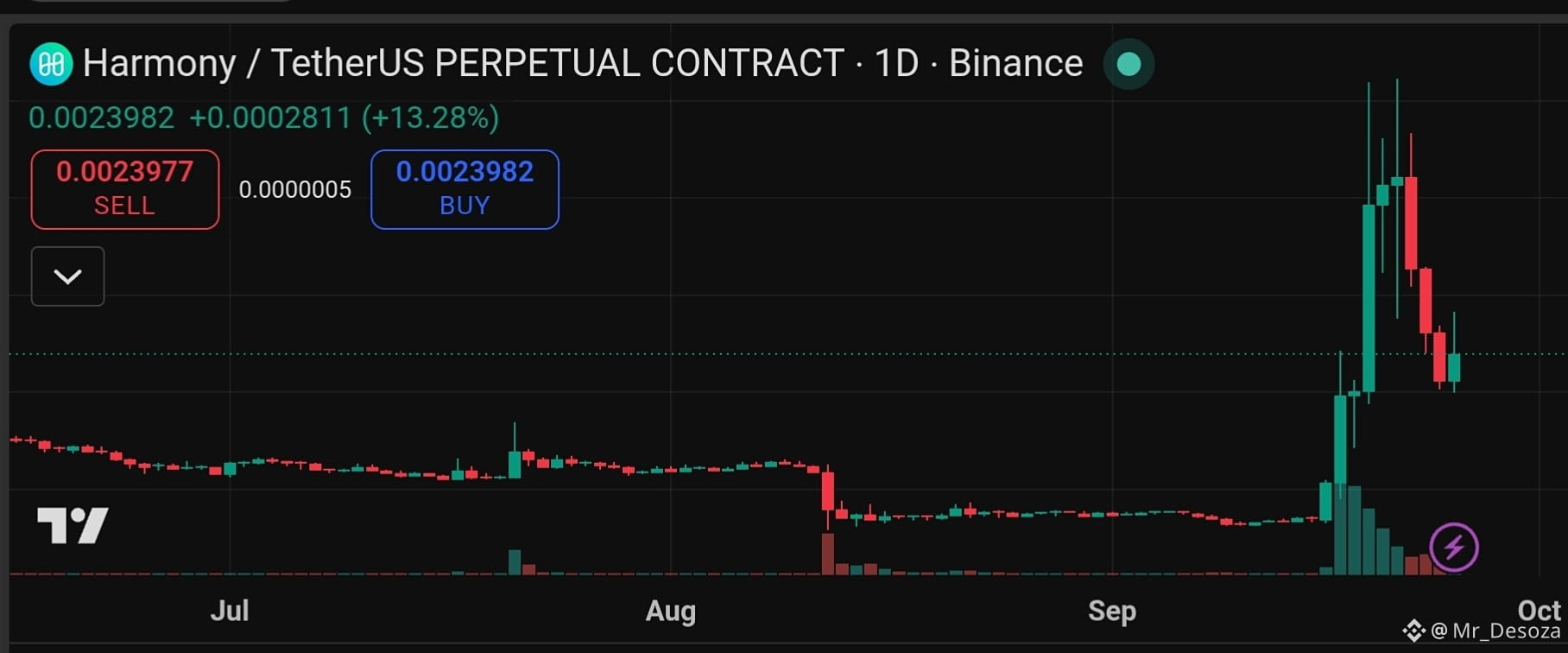
$ONE stieg um 20% innerhalb einer Stunde mit einem starken Volumen- und Trade-Impuls. Das OI bleibt nahezu unverändert, daher könnte ein Rücksetzer und eine Konsolidierung eine sauberere Einstiegschance bieten.
EP
0.00268–0.00275
TP
0.00285
0.00300
0.00320
SL
0.00258
Der Kurs hält nach dem Breakout eine starke Momentum-Phase. Ein Reclaim von 0.00280 nach der Konsolidierung könnte einen weiteren Expansionsschub hin zu höheren Zielen auslösen.
Los geht’s $ONE
{future}(ONEUSDT)
$ONE stieg um 20% innerhalb einer Stunde mit einem starken Volumen- und Trade-Impuls. Das OI bleibt nahezu unverändert, daher könnte ein Rücksetzer und eine Konsolidierung eine sauberere Einstiegschance bieten.
EP
0.00268–0.00275
TP
0.00285
0.00300
0.00320
SL
0.00258
Der Kurs hält nach dem Breakout eine starke Momentum-Phase. Ein Reclaim von 0.00280 nach der Konsolidierung könnte einen weiteren Expansionsschub hin zu höheren Zielen auslösen.
Los geht’s $ONE
EP
0.00268–0.00275
TP
0.00285
0.00300
0.00320
SL
0.00258
Der Kurs hält nach dem Breakout eine starke Momentum-Phase. Ein Reclaim von 0.00280 nach der Konsolidierung könnte einen weiteren Expansionsschub hin zu höheren Zielen auslösen.
Los geht’s $ONE
451
·
--
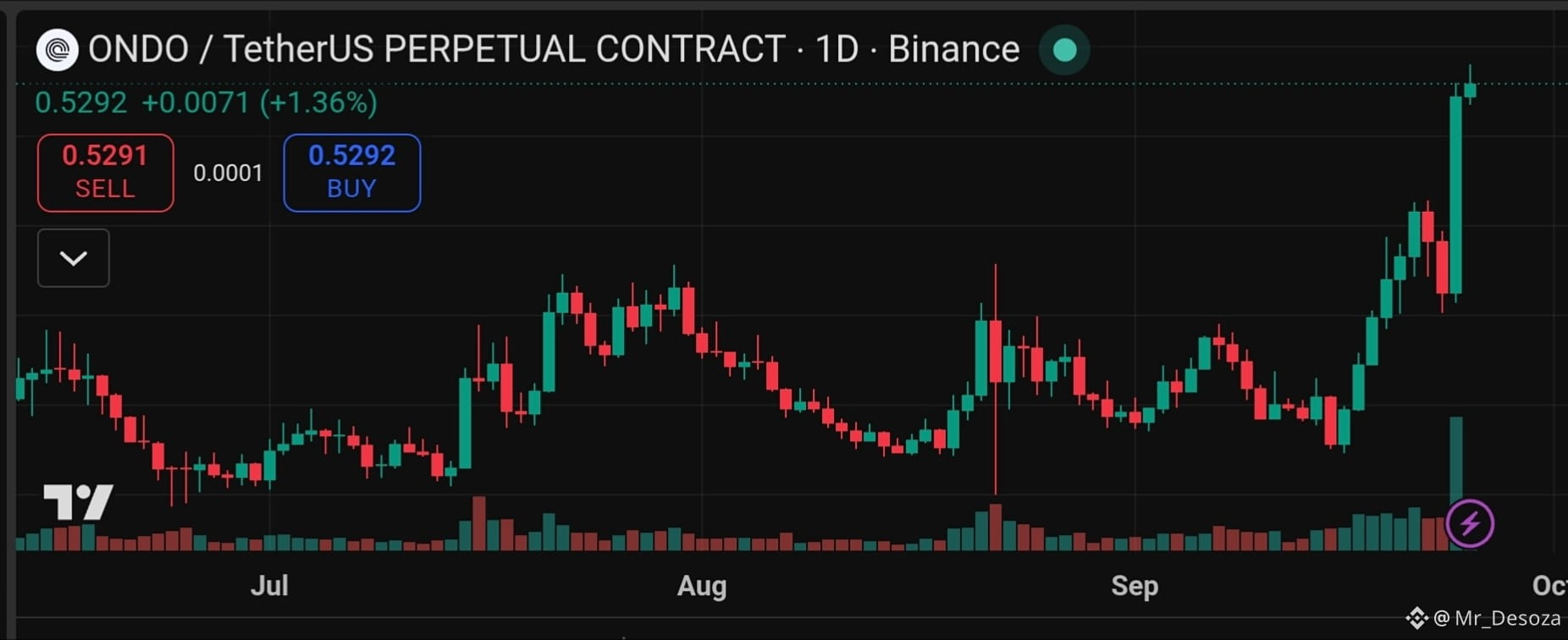
$ONDO Konsolidierung nach einem starken Momentum-Ausbruch. Die Nachfrage bleibt rund um den aktuellen Kursbereich aktiv.
EP
0.5200–0.5280
TP
0.5450
0.5650
0.5900
SL
0.5050
Der Kurs bleibt oberhalb des kurzfristigen Supports. Ein anhaltendes Halten über 0.5280 könnte das aktuelle Momentum in Richtung höherer Ziele verlängern.
Let’s go $ONDO
{future}(ONDOUSDT)
$ONDO Konsolidierung nach einem starken Momentum-Ausbruch. Die Nachfrage bleibt rund um den aktuellen Kursbereich aktiv.
EP
0.5200–0.5280
TP
0.5450
0.5650
0.5900
SL
0.5050
Der Kurs bleibt oberhalb des kurzfristigen Supports. Ein anhaltendes Halten über 0.5280 könnte das aktuelle Momentum in Richtung höherer Ziele verlängern.
Let’s go $ONDO
EP
0.5200–0.5280
TP
0.5450
0.5650
0.5900
SL
0.5050
Der Kurs bleibt oberhalb des kurzfristigen Supports. Ein anhaltendes Halten über 0.5280 könnte das aktuelle Momentum in Richtung höherer Ziele verlängern.
Let’s go $ONDO
115
·
--
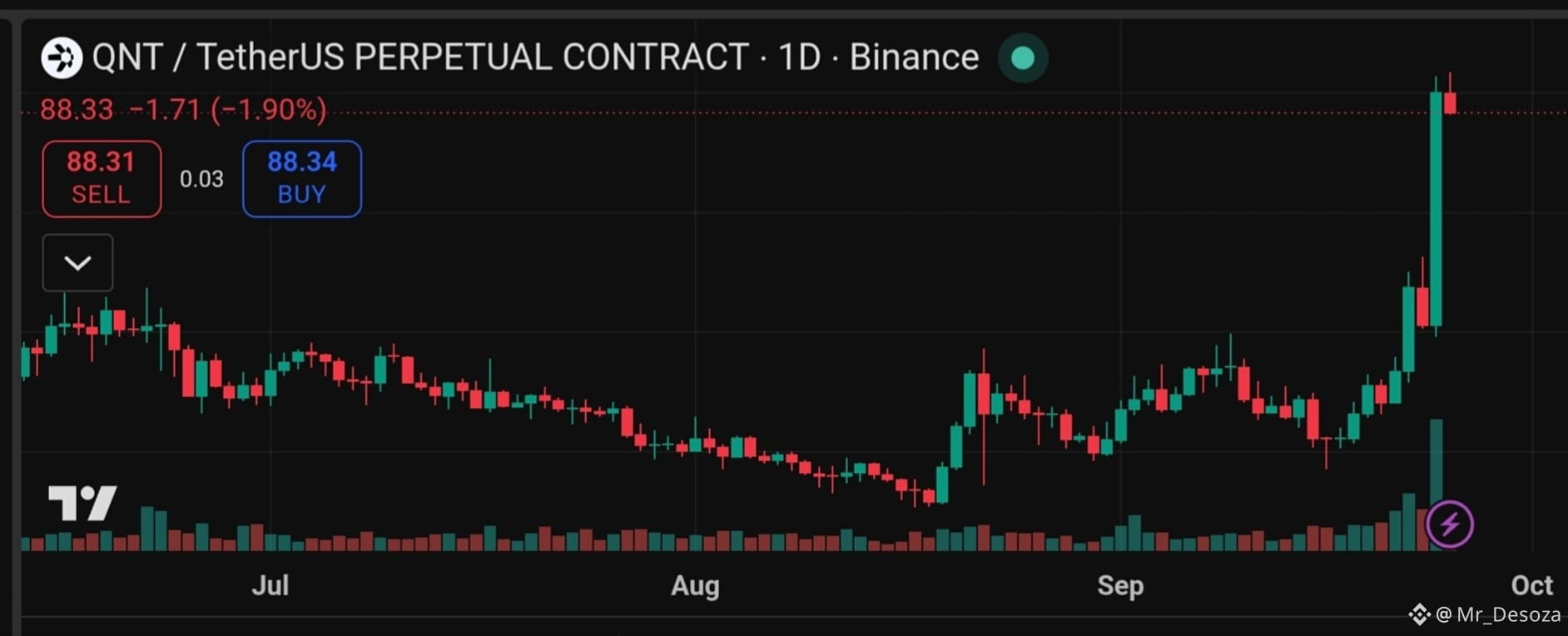
$QNT hält nach einem scharfen Ausbruch stand. Käufer verteidigen die jüngste Nachfragezone.
EP
87.50–89.00
TP
93.00
97.00
102.00
SL
84.50
Der Preis bleibt oberhalb des Ausbruchs unterstützt. Ein Reclaim von 90.00 könnte eine weitere Expansion nach oben auslösen.
Let’s go $QNT
{future}(QNTUSDT)
$QNT hält nach einem scharfen Ausbruch stand. Käufer verteidigen die jüngste Nachfragezone.
EP
87.50–89.00
TP
93.00
97.00
102.00
SL
84.50
Der Preis bleibt oberhalb des Ausbruchs unterstützt. Ein Reclaim von 90.00 könnte eine weitere Expansion nach oben auslösen.
Let’s go $QNT
EP
87.50–89.00
TP
93.00
97.00
102.00
SL
84.50
Der Preis bleibt oberhalb des Ausbruchs unterstützt. Ein Reclaim von 90.00 könnte eine weitere Expansion nach oben auslösen.
Let’s go $QNT
101
·
--
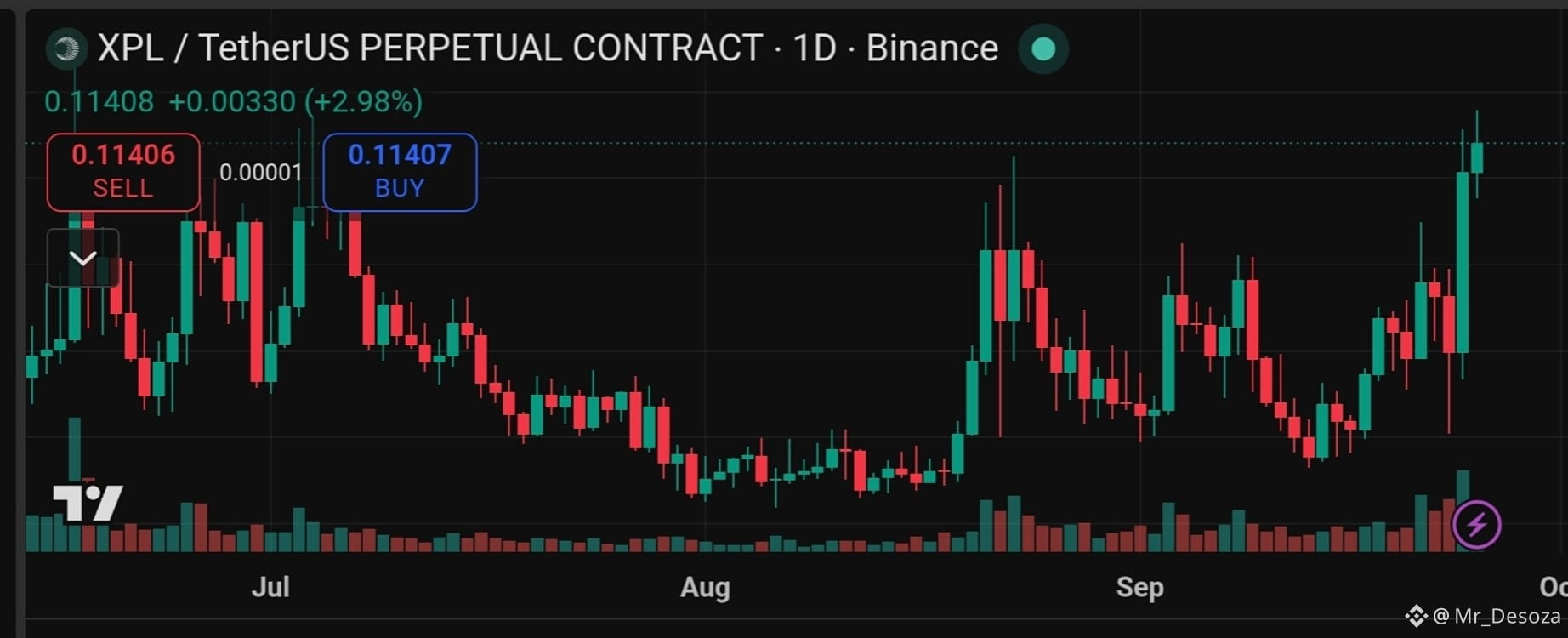
$XPL konsolidiert sich nach einem starken Kursanstieg. Der Momentum bleibt bullisch, während die Nachfrage nahe dem Unterstützungsbereich hält.
EP
0.1100–0.1130
TP
0.1180
0.1240
0.1320
SL
0.1060
Der Kurs hält sich über der jüngsten Ausbruchszone. Ein sauberer Move durch 0.1150 könnte den Weg zu höheren Kurszielen öffnen.
Lasst uns loslegen $XPL
{future}(XPLUSDT)
$XPL konsolidiert sich nach einem starken Kursanstieg. Der Momentum bleibt bullisch, während die Nachfrage nahe dem Unterstützungsbereich hält.
EP
0.1100–0.1130
TP
0.1180
0.1240
0.1320
SL
0.1060
Der Kurs hält sich über der jüngsten Ausbruchszone. Ein sauberer Move durch 0.1150 könnte den Weg zu höheren Kurszielen öffnen.
Lasst uns loslegen $XPL
EP
0.1100–0.1130
TP
0.1180
0.1240
0.1320
SL
0.1060
Der Kurs hält sich über der jüngsten Ausbruchszone. Ein sauberer Move durch 0.1150 könnte den Weg zu höheren Kurszielen öffnen.
Lasst uns loslegen $XPL
135
·
--
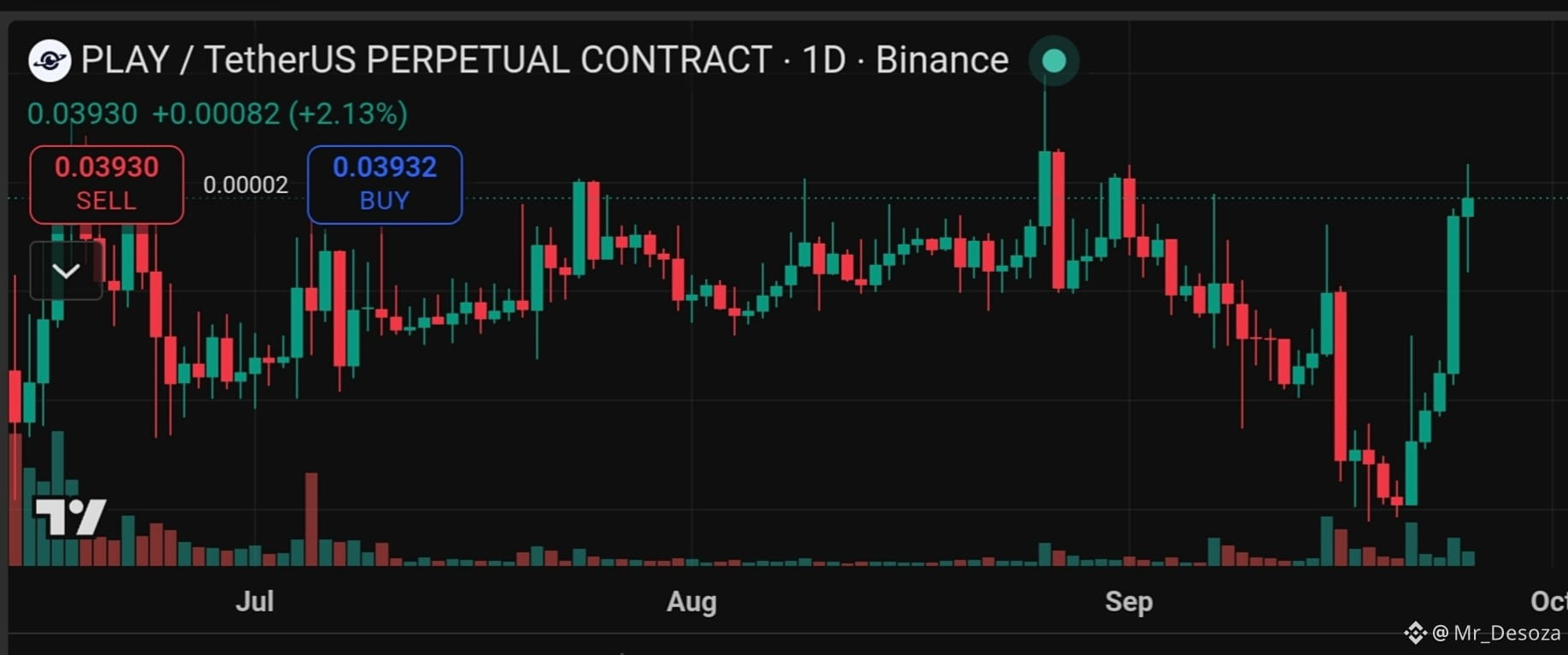
$PLAY hält weiterhin bullischen Schwung aufrecht, nachdem der Ausbruch nach oben gelungen ist. Die aktuelle Kursbewegung wird weiterhin durch die nahegelegene Nachfragezone gestützt.
EP
0.0380–0.0390
TP
0.0415
0.0440
0.0480
SL
0.0360
Der Preis bleibt über dem wichtigen kurzfristigen Support. Eine Rückeroberung von 0.0400 könnte eine weitere Aufwärtsausweitung bestätigen.
Lasst uns losgehen $PLAY
{future}(PLAYUSDT)
$PLAY hält weiterhin bullischen Schwung aufrecht, nachdem der Ausbruch nach oben gelungen ist. Die aktuelle Kursbewegung wird weiterhin durch die nahegelegene Nachfragezone gestützt.
EP
0.0380–0.0390
TP
0.0415
0.0440
0.0480
SL
0.0360
Der Preis bleibt über dem wichtigen kurzfristigen Support. Eine Rückeroberung von 0.0400 könnte eine weitere Aufwärtsausweitung bestätigen.
Lasst uns losgehen $PLAY
EP
0.0380–0.0390
TP
0.0415
0.0440
0.0480
SL
0.0360
Der Preis bleibt über dem wichtigen kurzfristigen Support. Eine Rückeroberung von 0.0400 könnte eine weitere Aufwärtsausweitung bestätigen.
Lasst uns losgehen $PLAY
159
·
--
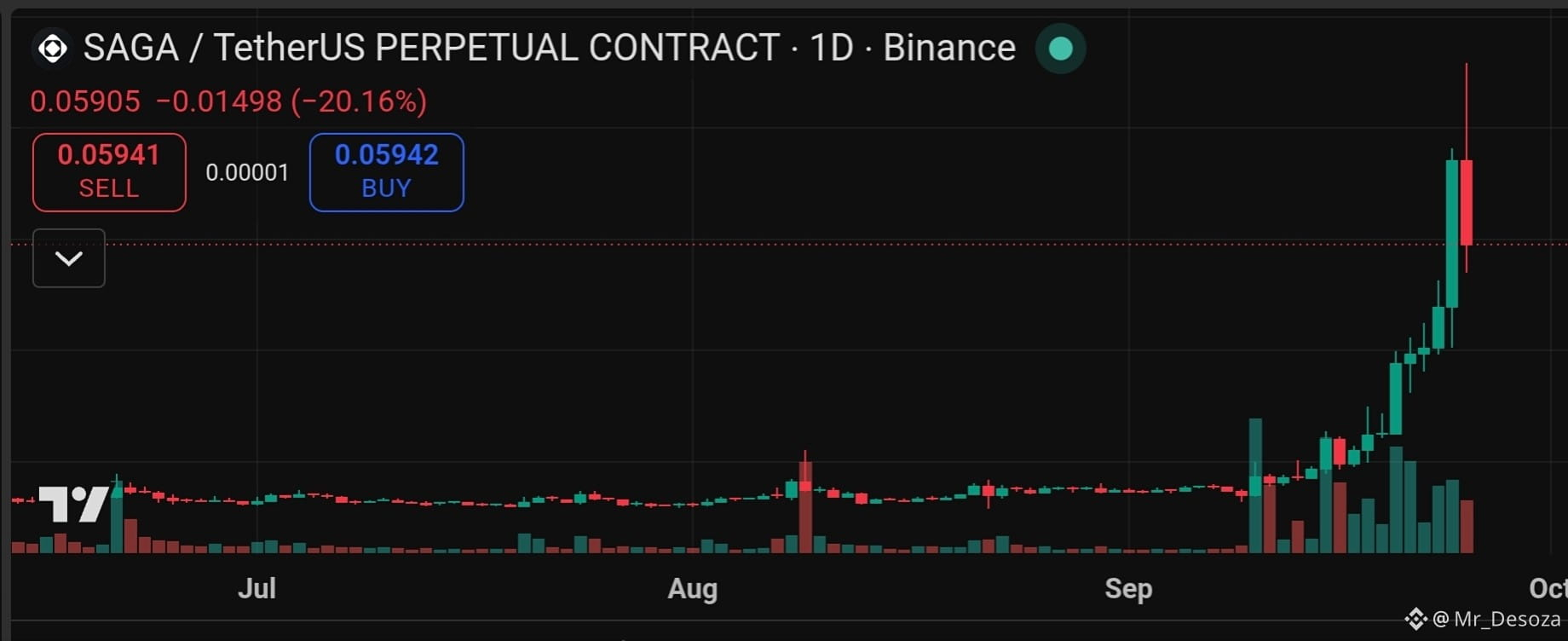
$SAGA konsolidiert sich nahe dem Ausbruchsbereich nach einem starken Move. Käufer bleiben aktiv, da der Preis oberhalb der kurzfristigen Nachfrage hält.
EP
0.0565–0.0580
TP
0.0610
0.0645
0.0690
SL
0.0535
Der Preis bleibt oberhalb eines wichtigen Unterstützungsbereichs. Ein Ausbruch über 0.0600 könnte eine weitere Momentum-Phase nach oben auslösen.
Let’s go $SAGA
{future}(SAGAUSDT)
$SAGA konsolidiert sich nahe dem Ausbruchsbereich nach einem starken Move. Käufer bleiben aktiv, da der Preis oberhalb der kurzfristigen Nachfrage hält.
EP
0.0565–0.0580
TP
0.0610
0.0645
0.0690
SL
0.0535
Der Preis bleibt oberhalb eines wichtigen Unterstützungsbereichs. Ein Ausbruch über 0.0600 könnte eine weitere Momentum-Phase nach oben auslösen.
Let’s go $SAGA
EP
0.0565–0.0580
TP
0.0610
0.0645
0.0690
SL
0.0535
Der Preis bleibt oberhalb eines wichtigen Unterstützungsbereichs. Ein Ausbruch über 0.0600 könnte eine weitere Momentum-Phase nach oben auslösen.
Let’s go $SAGA
432
·
--
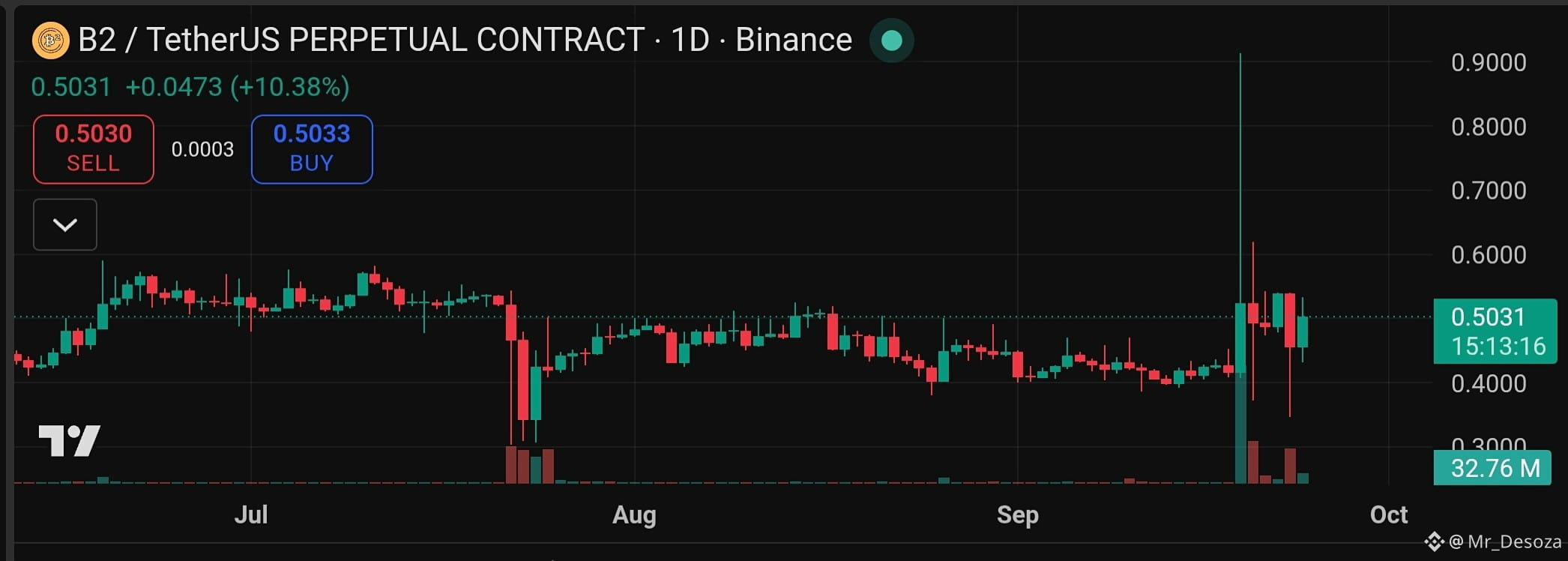
$B2 konsolidiert sich über dem Support, nachdem es zu einem starken Ausbruch kam.
Volumen- und OI-Expansion bestätigen aktiven Momentum rund um die aktuelle Nachfragezone.
EP
$0.5000–$0.5200
TP
$0.5500
$0.5900
$0.6300
SL
$0.4750
Der Preis bleibt oberhalb der Ausbruchzone mit starker Beteiligung. Eine Rückeroberung von $0.5500 könnte eine weitere Momentum-Expansion in Richtung höherer Widerstände auslösen.
Los geht’s $B2
{future}(B2USDT)
$B2 konsolidiert sich über dem Support, nachdem es zu einem starken Ausbruch kam.
Volumen- und OI-Expansion bestätigen aktiven Momentum rund um die aktuelle Nachfragezone.
EP
$0.5000–$0.5200
TP
$0.5500
$0.5900
$0.6300
SL
$0.4750
Der Preis bleibt oberhalb der Ausbruchzone mit starker Beteiligung. Eine Rückeroberung von $0.5500 könnte eine weitere Momentum-Expansion in Richtung höherer Widerstände auslösen.
Los geht’s $B2
Volumen- und OI-Expansion bestätigen aktiven Momentum rund um die aktuelle Nachfragezone.
EP
$0.5000–$0.5200
TP
$0.5500
$0.5900
$0.6300
SL
$0.4750
Der Preis bleibt oberhalb der Ausbruchzone mit starker Beteiligung. Eine Rückeroberung von $0.5500 könnte eine weitere Momentum-Expansion in Richtung höherer Widerstände auslösen.
Los geht’s $B2
1
1
276
·
--
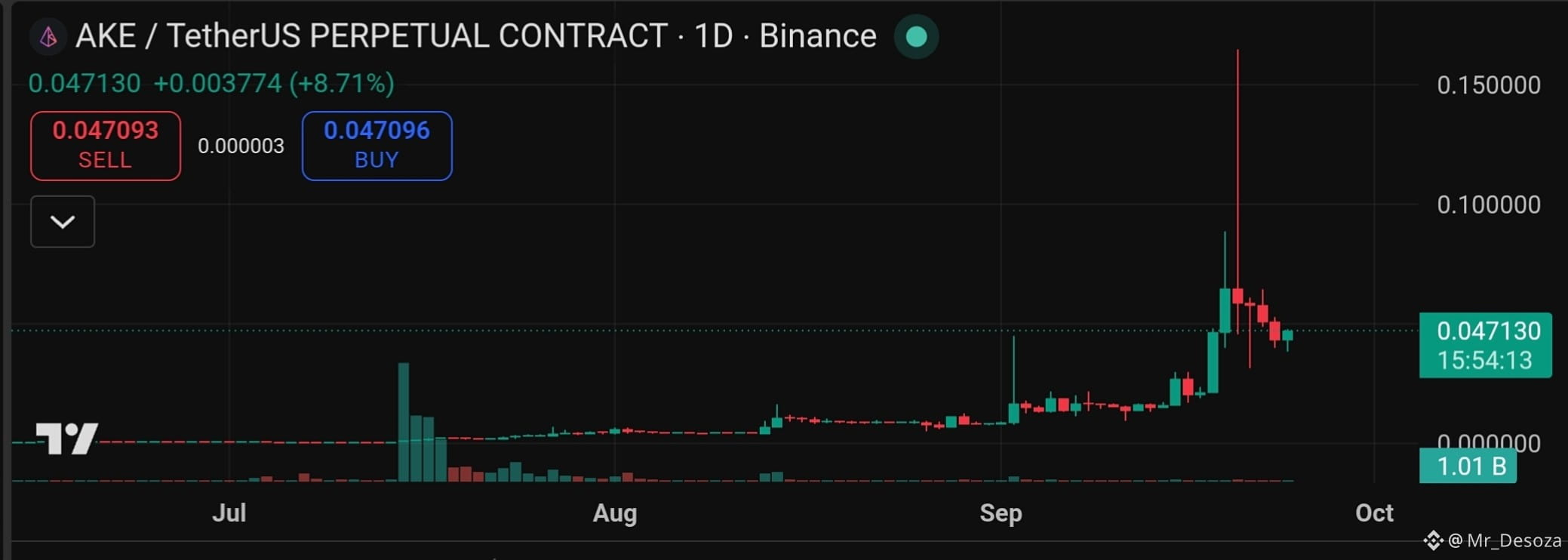
$AKE konsolidiert nach einem starken Ausbruch mit hohem Volumen und steigendem OI.
Der Momentum bleibt positiv, solange der Preis über der Ausbruchszone hält.
EP
$0.0445–$0.0470
TP
$0.0510
$0.0550
$0.0600
SL
$0.0415
Der Preis hält sich über einem wichtigen Support mit starker Nachfrage. Eine saubere Rückeroberung von $0.0510 könnte weiteres Momentum hin zu höheren Zielen auslösen.
Auf geht’s $AKE
{future}(AKEUSDT)
$AKE konsolidiert nach einem starken Ausbruch mit hohem Volumen und steigendem OI.
Der Momentum bleibt positiv, solange der Preis über der Ausbruchszone hält.
EP
$0.0445–$0.0470
TP
$0.0510
$0.0550
$0.0600
SL
$0.0415
Der Preis hält sich über einem wichtigen Support mit starker Nachfrage. Eine saubere Rückeroberung von $0.0510 könnte weiteres Momentum hin zu höheren Zielen auslösen.
Auf geht’s $AKE
Der Momentum bleibt positiv, solange der Preis über der Ausbruchszone hält.
EP
$0.0445–$0.0470
TP
$0.0510
$0.0550
$0.0600
SL
$0.0415
Der Preis hält sich über einem wichtigen Support mit starker Nachfrage. Eine saubere Rückeroberung von $0.0510 könnte weiteres Momentum hin zu höheren Zielen auslösen.
Auf geht’s $AKE
1
437
·
--
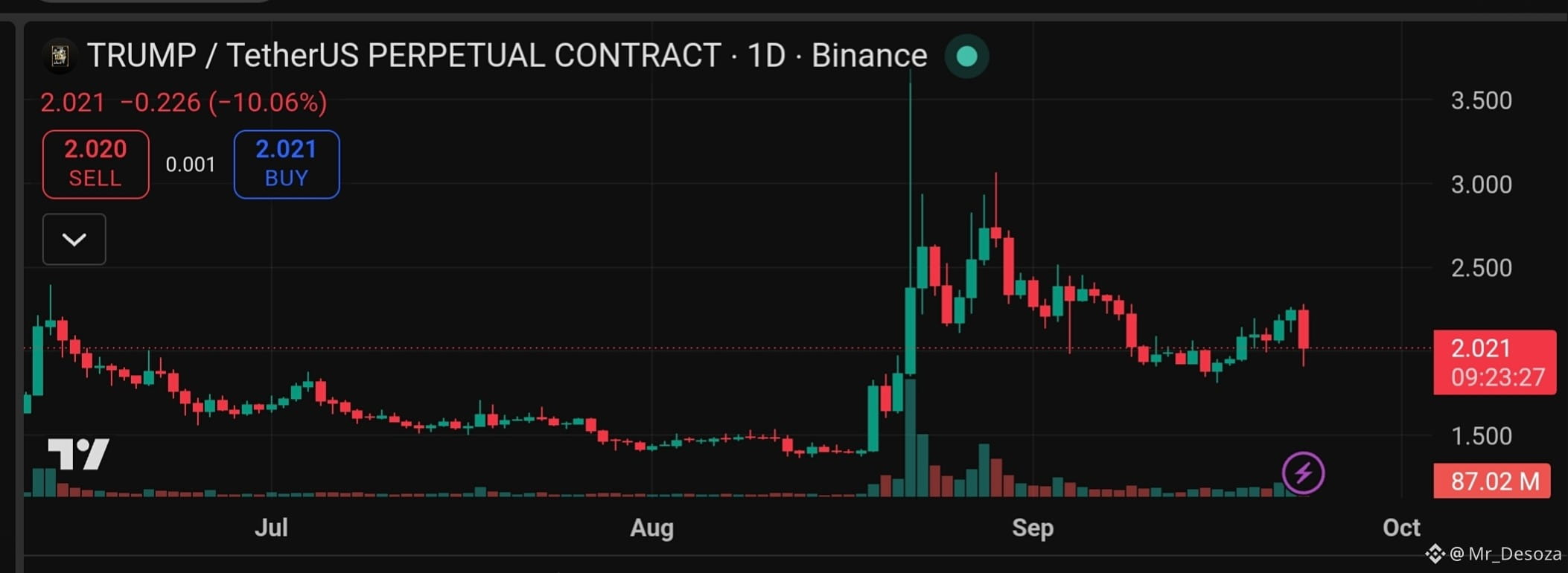
$TRUMP konsolidiert nach einer scharfen Korrektur mit starker Handelsaktivität.
Der Preis testet den Support, während das OI (Open Interest) abnimmt, was auf eine geringere Verschuldung bzw. weniger Leverage hindeutet.
EP
$1.98–$2.03
TP
$2.12
$2.25
$2.40
SL
$1.90
Der Preis hält sich nahe an einer wichtigen Nachfragespanne. Eine Rückeroberung von $2.12 könnte einen erneuten Aufwärtsimpuls bestätigen und den Weg zu höheren Widerständen eröffnen.
Los geht’s $TRUMP
{future}(TRUMPUSDT)
$TRUMP konsolidiert nach einer scharfen Korrektur mit starker Handelsaktivität.
Der Preis testet den Support, während das OI (Open Interest) abnimmt, was auf eine geringere Verschuldung bzw. weniger Leverage hindeutet.
EP
$1.98–$2.03
TP
$2.12
$2.25
$2.40
SL
$1.90
Der Preis hält sich nahe an einer wichtigen Nachfragespanne. Eine Rückeroberung von $2.12 könnte einen erneuten Aufwärtsimpuls bestätigen und den Weg zu höheren Widerständen eröffnen.
Los geht’s $TRUMP
Der Preis testet den Support, während das OI (Open Interest) abnimmt, was auf eine geringere Verschuldung bzw. weniger Leverage hindeutet.
EP
$1.98–$2.03
TP
$2.12
$2.25
$2.40
SL
$1.90
Der Preis hält sich nahe an einer wichtigen Nachfragespanne. Eine Rückeroberung von $2.12 könnte einen erneuten Aufwärtsimpuls bestätigen und den Weg zu höheren Widerständen eröffnen.
Los geht’s $TRUMP
415
·
--
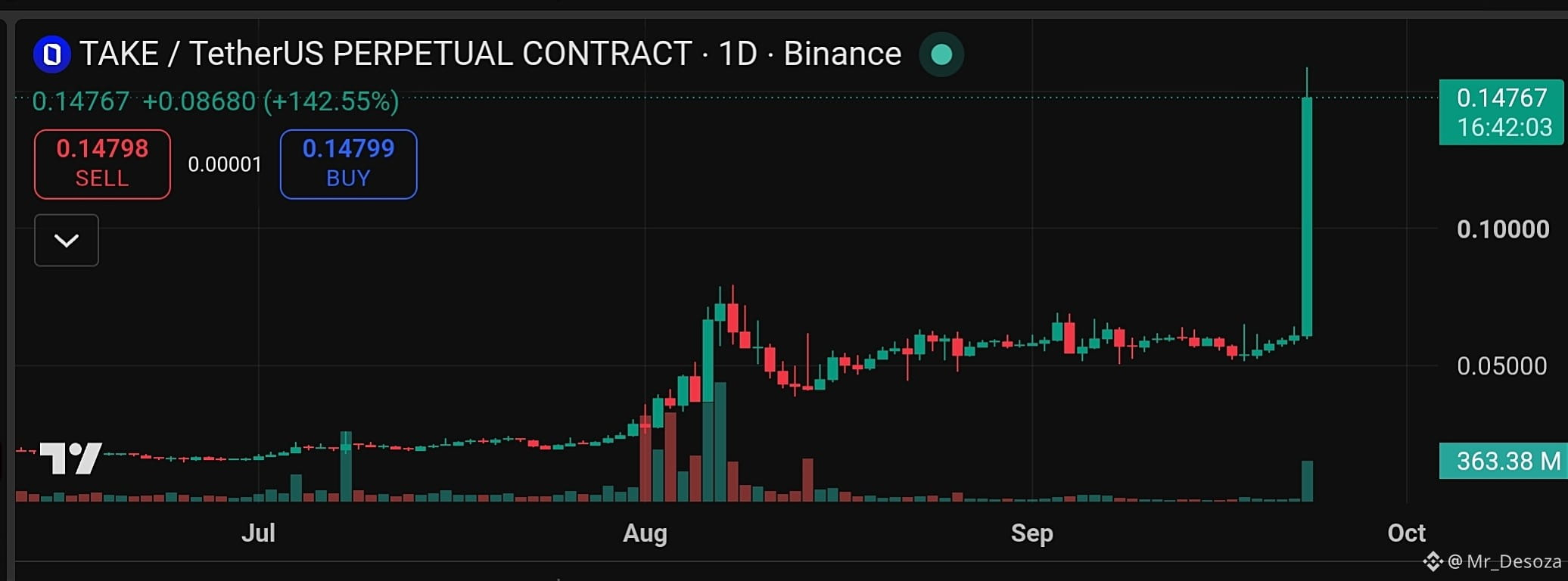
$TAKE Nach einer starken Konsolidierung nach einem schnellen Ausbruch mit hohem Volumen und steigendem OI.
Der Momentum bleibt stark, aber dem Move hinterherzulaufen birgt ein erhöhtes Risiko.
EP
$0.1400–$0.1490
TP
$0.1600
$0.1750
$0.1900
SL
$0.1320
Der Kurs hält sich oberhalb der Ausbruchszonen mit starkem Kaufinteresse. Ein Rückeroberung und ein Halten über $0.1500 könnte weitere Aufwärtsausdehnung unterstützen.
Los geht’s $TAKE
{future}(TAKEUSDT)
$TAKE Nach einer starken Konsolidierung nach einem schnellen Ausbruch mit hohem Volumen und steigendem OI.
Der Momentum bleibt stark, aber dem Move hinterherzulaufen birgt ein erhöhtes Risiko.
EP
$0.1400–$0.1490
TP
$0.1600
$0.1750
$0.1900
SL
$0.1320
Der Kurs hält sich oberhalb der Ausbruchszonen mit starkem Kaufinteresse. Ein Rückeroberung und ein Halten über $0.1500 könnte weitere Aufwärtsausdehnung unterstützen.
Los geht’s $TAKE
Der Momentum bleibt stark, aber dem Move hinterherzulaufen birgt ein erhöhtes Risiko.
EP
$0.1400–$0.1490
TP
$0.1600
$0.1750
$0.1900
SL
$0.1320
Der Kurs hält sich oberhalb der Ausbruchszonen mit starkem Kaufinteresse. Ein Rückeroberung und ein Halten über $0.1500 könnte weitere Aufwärtsausdehnung unterstützen.
Los geht’s $TAKE
229
·
--
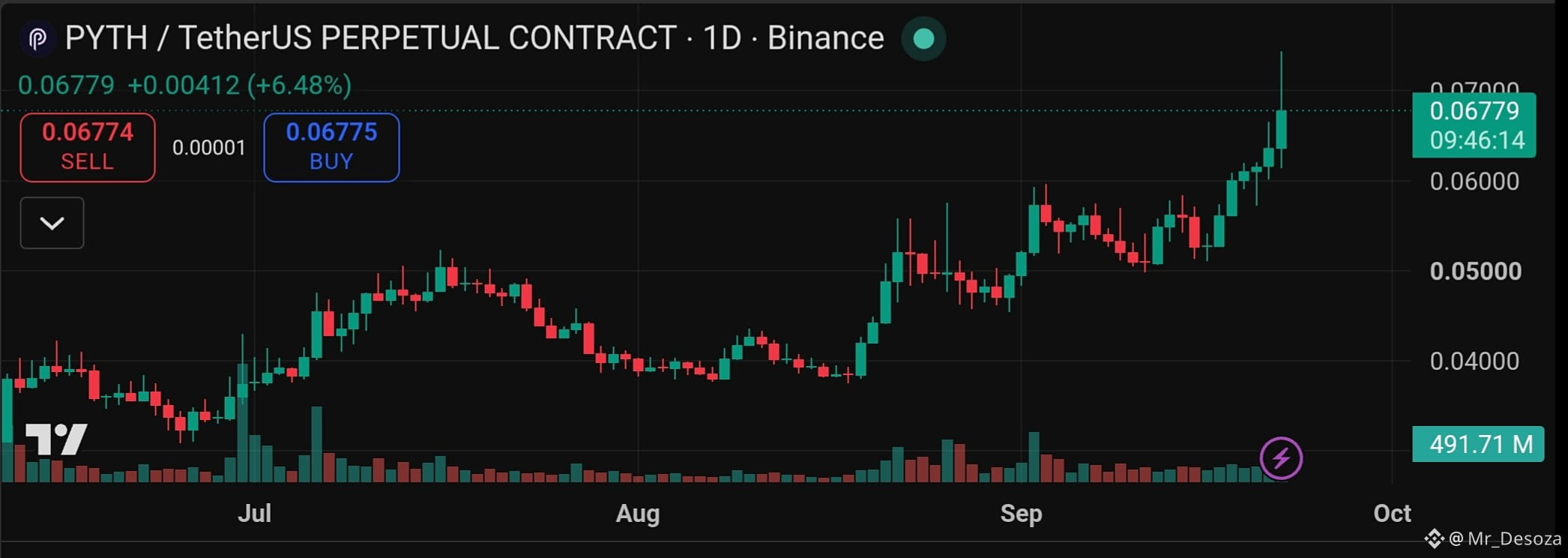
$PYTH Konsolidierung oberhalb des Unterstützungsbereichs mit starkem Volumenwachstum.
Momentum und steigendes Open Interest stützen einen möglichen Ausbruch.
EP
$0.0700–$0.0725
TP
$0.0760
$0.0800
$0.0850
SL
$0.0670
Der Preis hält die Nachfragezone mit starkem Momentum. Ein Ausbruch und die Rückeroberung über $0.0760 könnte eine weitere Expansion hin zu höheren Kurszielen auslösen.
Los geht’s $PYTH
{future}(PYTHUSDT)
$PYTH Konsolidierung oberhalb des Unterstützungsbereichs mit starkem Volumenwachstum.
Momentum und steigendes Open Interest stützen einen möglichen Ausbruch.
EP
$0.0700–$0.0725
TP
$0.0760
$0.0800
$0.0850
SL
$0.0670
Der Preis hält die Nachfragezone mit starkem Momentum. Ein Ausbruch und die Rückeroberung über $0.0760 könnte eine weitere Expansion hin zu höheren Kurszielen auslösen.
Los geht’s $PYTH
Momentum und steigendes Open Interest stützen einen möglichen Ausbruch.
EP
$0.0700–$0.0725
TP
$0.0760
$0.0800
$0.0850
SL
$0.0670
Der Preis hält die Nachfragezone mit starkem Momentum. Ein Ausbruch und die Rückeroberung über $0.0760 könnte eine weitere Expansion hin zu höheren Kurszielen auslösen.
Los geht’s $PYTH
256
·
--
Bullisch
KI-Aktien sind zu einer der größten Schlagzeilen an den Finanzmärkten geworden: Starke Nachfrage nach künstlicher Intelligenz, Halbleitern, Cloud-Computing und Rechenzentrums-Infrastruktur treibt die Bewertungen nach oben. Doch während der Aufwärtstrend anhält, suchen Anleger auch nach Chancen außerhalb der am stärksten frequentierten KI-Trades.
Ein Bereich, der Aufmerksamkeit erhält, ist die Infrastruktur, die den KI-Boom unterstützt. Stromerzeuger, Versorger, Betreiber von Rechenzentren, Kühlsysteme und Hersteller von Halbleiter-Equipment könnten profitieren, wenn KI-Unternehmen ihren Rechenbedarf ausbauen.
Anleger beobachten außerdem Branchen, die nicht so direkt von der KI-Zuspitzung profitiert haben. Finanzunternehmen, Industriebetriebe und ausgewählte internationale Märkte könnten Möglichkeiten bieten, das Engagement zu diversifizieren und dennoch an der breiteren wirtschaftlichen Entwicklung teilzunehmen.
Festverzinsliche Anlagen sind eine weitere Option. Anleihen können Einkommen liefern und die Volatilität des Portfolios potenziell verringern – im Vergleich zu stark bewerteten Wachstumsaktien.
Auf den Kryptomärkten verfolgen Anleger einen ähnlichen Ansatz. Anstatt sich nur auf KI-bezogene Tokens zu konzentrieren, beobachten manche etablierte Assets wie Bitcoin und Ethereum sowie Infrastrukturprojekte im Zusammenhang mit der Blockchain-Einführung, Zahlungen und dezentraler Finanzierung.
Die entscheidende Frage lautet nicht mehr nur, ob KI weiter steigen kann. Es geht darum, ob Anleger Chancen mit vertretbaren Bewertungen, nachhaltiger Nachfrage und weniger Klumpenrisiko finden können, während sich der Markt weiterentwickelt.
#AIStocksWhatNext
$MUBARAK
{future}(MUBARAKUSDT)
$AGT
{future}(AGTUSDT)
$KERNEL
{future}(KERNELUSDT)
KI-Aktien sind zu einer der größten Schlagzeilen an den Finanzmärkten geworden: Starke Nachfrage nach künstlicher Intelligenz, Halbleitern, Cloud-Computing und Rechenzentrums-Infrastruktur treibt die Bewertungen nach oben. Doch während der Aufwärtstrend anhält, suchen Anleger auch nach Chancen außerhalb der am stärksten frequentierten KI-Trades.
Ein Bereich, der Aufmerksamkeit erhält, ist die Infrastruktur, die den KI-Boom unterstützt. Stromerzeuger, Versorger, Betreiber von Rechenzentren, Kühlsysteme und Hersteller von Halbleiter-Equipment könnten profitieren, wenn KI-Unternehmen ihren Rechenbedarf ausbauen.
Anleger beobachten außerdem Branchen, die nicht so direkt von der KI-Zuspitzung profitiert haben. Finanzunternehmen, Industriebetriebe und ausgewählte internationale Märkte könnten Möglichkeiten bieten, das Engagement zu diversifizieren und dennoch an der breiteren wirtschaftlichen Entwicklung teilzunehmen.
Festverzinsliche Anlagen sind eine weitere Option. Anleihen können Einkommen liefern und die Volatilität des Portfolios potenziell verringern – im Vergleich zu stark bewerteten Wachstumsaktien.
Auf den Kryptomärkten verfolgen Anleger einen ähnlichen Ansatz. Anstatt sich nur auf KI-bezogene Tokens zu konzentrieren, beobachten manche etablierte Assets wie Bitcoin und Ethereum sowie Infrastrukturprojekte im Zusammenhang mit der Blockchain-Einführung, Zahlungen und dezentraler Finanzierung.
Die entscheidende Frage lautet nicht mehr nur, ob KI weiter steigen kann. Es geht darum, ob Anleger Chancen mit vertretbaren Bewertungen, nachhaltiger Nachfrage und weniger Klumpenrisiko finden können, während sich der Markt weiterentwickelt.
#AIStocksWhatNext
$MUBARAK
$AGT
$KERNEL
Ein Bereich, der Aufmerksamkeit erhält, ist die Infrastruktur, die den KI-Boom unterstützt. Stromerzeuger, Versorger, Betreiber von Rechenzentren, Kühlsysteme und Hersteller von Halbleiter-Equipment könnten profitieren, wenn KI-Unternehmen ihren Rechenbedarf ausbauen.
Anleger beobachten außerdem Branchen, die nicht so direkt von der KI-Zuspitzung profitiert haben. Finanzunternehmen, Industriebetriebe und ausgewählte internationale Märkte könnten Möglichkeiten bieten, das Engagement zu diversifizieren und dennoch an der breiteren wirtschaftlichen Entwicklung teilzunehmen.
Festverzinsliche Anlagen sind eine weitere Option. Anleihen können Einkommen liefern und die Volatilität des Portfolios potenziell verringern – im Vergleich zu stark bewerteten Wachstumsaktien.
Auf den Kryptomärkten verfolgen Anleger einen ähnlichen Ansatz. Anstatt sich nur auf KI-bezogene Tokens zu konzentrieren, beobachten manche etablierte Assets wie Bitcoin und Ethereum sowie Infrastrukturprojekte im Zusammenhang mit der Blockchain-Einführung, Zahlungen und dezentraler Finanzierung.
Die entscheidende Frage lautet nicht mehr nur, ob KI weiter steigen kann. Es geht darum, ob Anleger Chancen mit vertretbaren Bewertungen, nachhaltiger Nachfrage und weniger Klumpenrisiko finden können, während sich der Markt weiterentwickelt.
#AIStocksWhatNext
$MUBARAK
$AGT
$KERNEL

2
308
Anmelden und weiter Inhalte entdecken
Krypto-Nutzer weltweit auf Binance Square kennenlernen
⚡️ Bleib in Sachen Krypto stets am Puls.
💬 Die weltgrößte Kryptobörse vertraut darauf.
👍 Erhalte verlässliche Einblicke von verifizierten Creators.
E-Mail-Adresse/Telefonnummer
Trendthemen
SECHaltsCryptoETFReviewsAmidFundingLapse
24,310 Aufrufe
363 Kommentare
#SECHaltsCryptoETFReviewsAmidFundingLapse
Die SEC friert Überprüfungen von Krypto-ETF-Anträgen nach einem Haushaltsengpass in den USA ein.
Die US-Börsenaufsicht (SEC) hat den Prozess zur Prüfung und Genehmigung neuer börsengehandelter Fonds (ETFs) auf Basis von Kryptowährungen vorübergehend ausgesetzt. Die Maßnahme tritt in Kraft, nachdem das neue US-Geschäftsjahr begonnen hat, ohne dass der Kongress den Bundeshaushalt rechtzeitig verabschiedet hat. Dadurch kam es zu einem Finanzierungsengpass (funding lapse) und zur Beurlaubung nicht wesentlicher Mitarbeiter.
Ausmaß der Maßnahme: Was wird gestoppt und was läuft weiter?
Die Umsetzung des Notfallplans aufgrund fehlender Budgetzuweisungen hat die operative Dynamik der Behörde verändert:
Neue ETF-Anträge pausiert: Die laufenden Dossiers, die unter den Formularen 19b-4 und S-1/N-1A eingereicht wurden, sind eingefroren. Die SEC wird während der Aussetzung keine Wirksamkeitserklärungen oder Kommentarbriefe veröffentlichen.
Mehr als 90 betroffene Anträge: Mehr als neunzig Finanzprodukte, die auf eine Genehmigung warten — darunter Vorschläge für verschiedene digitale Vermögenswerte und zusammengesetzte Strategien — haben ihre Prüfkalender ausgesetzt.
Bestehende ETFs bleiben in Betrieb: Die zuvor genehmigten und an der Börse notierenden Spot-Fonds auf Bitcoin und Ethereum (wie z. B. der IBIT von BlackRock oder der FBTC von Fidelity) werden weiterhin ganz normal an den Sekundärmärkten gehandelt.
Nächste Schritte, die man im Blick behalten sollte
Die Wiederaufnahme der SEC-Analysen hängt von der politischen Entscheidung im US-Kongress ab. Sobald eine Continuing Resolution oder der endgültige Haushalt genehmigt ist, nimmt die SEC ihren üblichen Betrieb wieder auf und bearbeitet die aufgestauten Anträge in der Reihenfolge ihres Eingangs.
$BTC
$ETH
$ZEC
Joseph RRG S7
·1 Likes
·741 Aufrufe
ZcashETFPostsFirstWeeklyOutflow$93.6M
58,779 Aufrufe
183 Kommentare
GreekPoliceBustCryptoScamRingArrest17
185,710 Aufrufe
1,328 Kommentare