

David_John
16.9k Beiträge

David_John
 Square Verified+
Melden
Nutzer blockieren
Risk It all & Make It Worth It. Chasing Goals Not people • X • @David_John_555https://x.com/David_John_555
105 Following
44.2K+ Follower
72.4K+ Like gegeben
Beiträge
Alle
Videos
Live
·
--
Bärisch
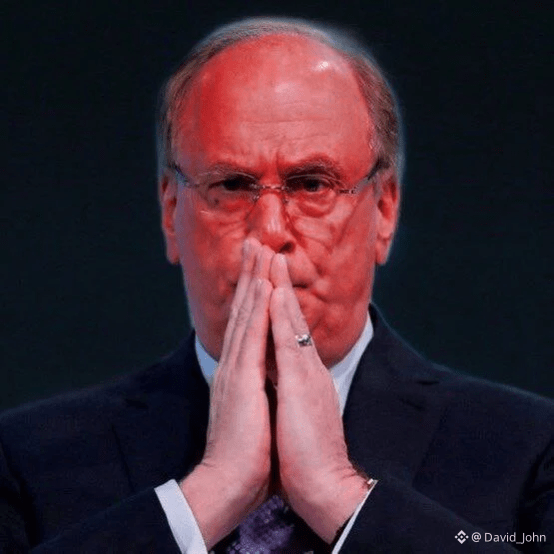
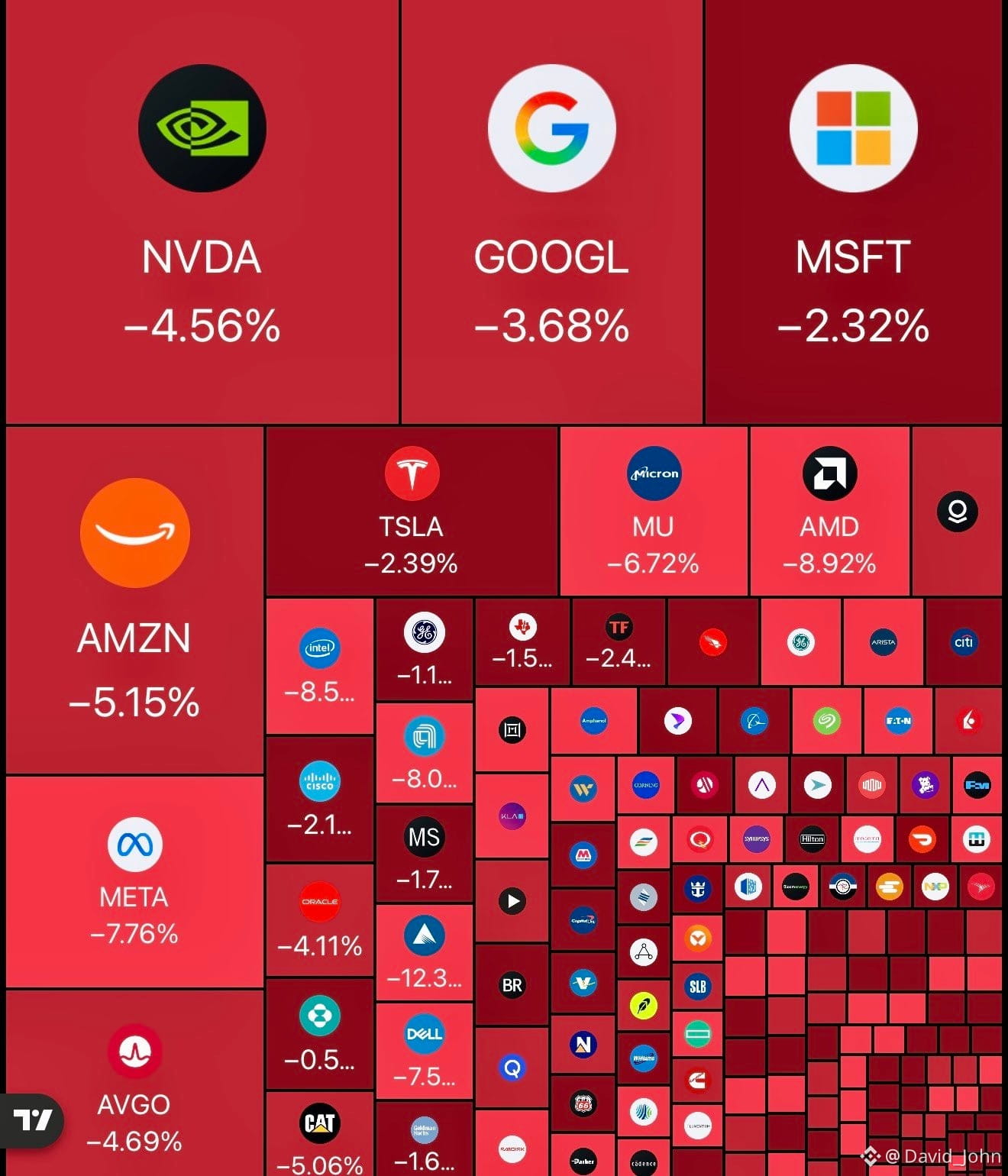
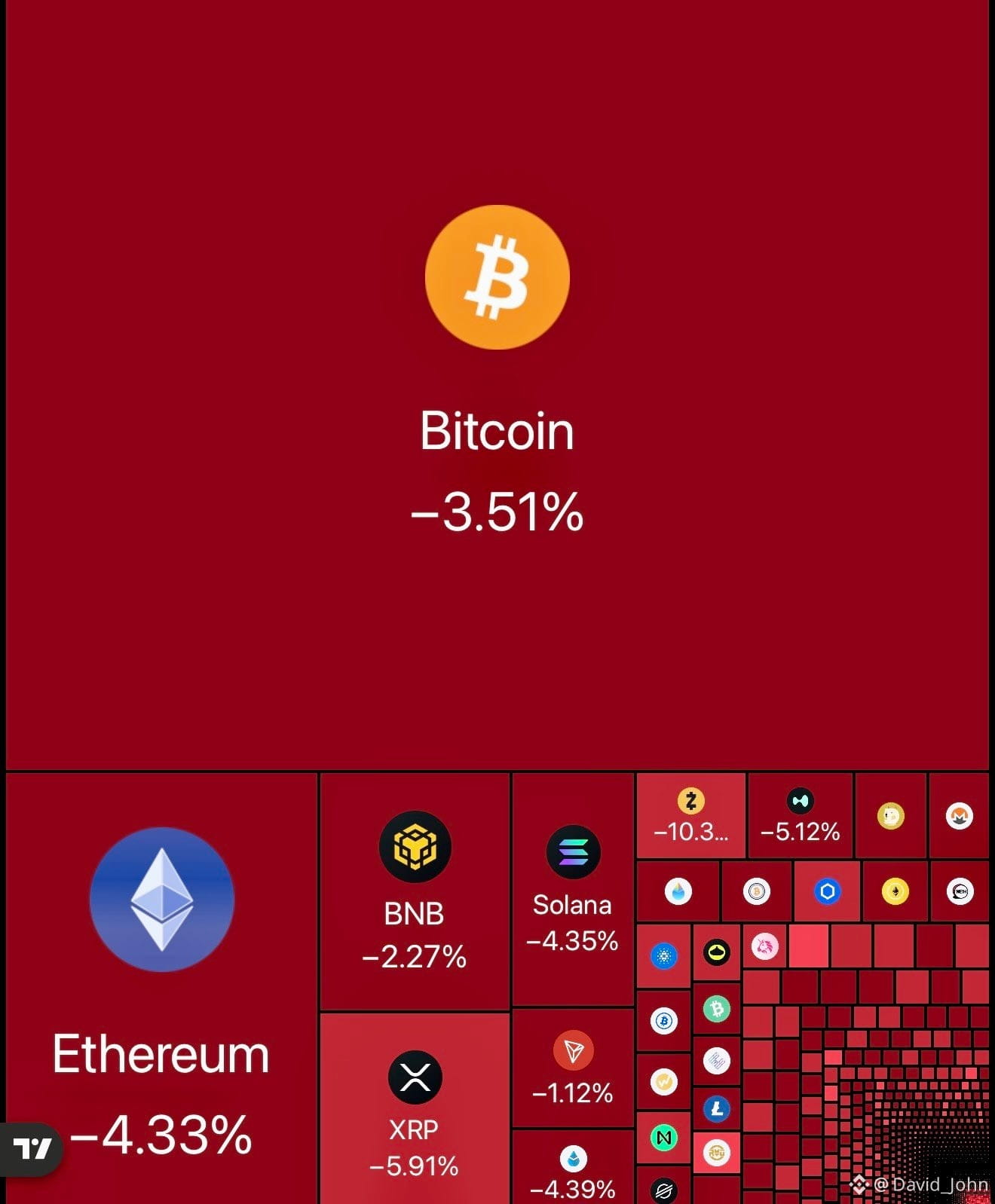
🚨 BLUTBAD AN DEN MÄRKTEN!
🇺🇸 Fast 1 BILLION US-Dollar sind vom US-Aktienmarkt verschwunden.
₿ Krypto hat an einem einzigen Tag weitere 100 MILLIARDEN US-Dollar verloren!
📉 Massive Verkäufe. Milliarden verschwinden. Die Angst an den Märkten nimmt rasant zu.
Ist das der Beginn eines größeren Crashs oder eine Kaufgelegenheit? 👀🔥
🚨 BLUTBAD AN DEN MÄRKTEN!
🇺🇸 Fast 1 BILLION US-Dollar sind vom US-Aktienmarkt verschwunden.
₿ Krypto hat an einem einzigen Tag weitere 100 MILLIARDEN US-Dollar verloren!
📉 Massive Verkäufe. Milliarden verschwinden. Die Angst an den Märkten nimmt rasant zu.
Ist das der Beginn eines größeren Crashs oder eine Kaufgelegenheit? 👀🔥
🇺🇸 Fast 1 BILLION US-Dollar sind vom US-Aktienmarkt verschwunden.
₿ Krypto hat an einem einzigen Tag weitere 100 MILLIARDEN US-Dollar verloren!
📉 Massive Verkäufe. Milliarden verschwinden. Die Angst an den Märkten nimmt rasant zu.
Ist das der Beginn eines größeren Crashs oder eine Kaufgelegenheit? 👀🔥
452
·
--
🚨 WAL-ALARM: $BTC → $ETH! 🐋
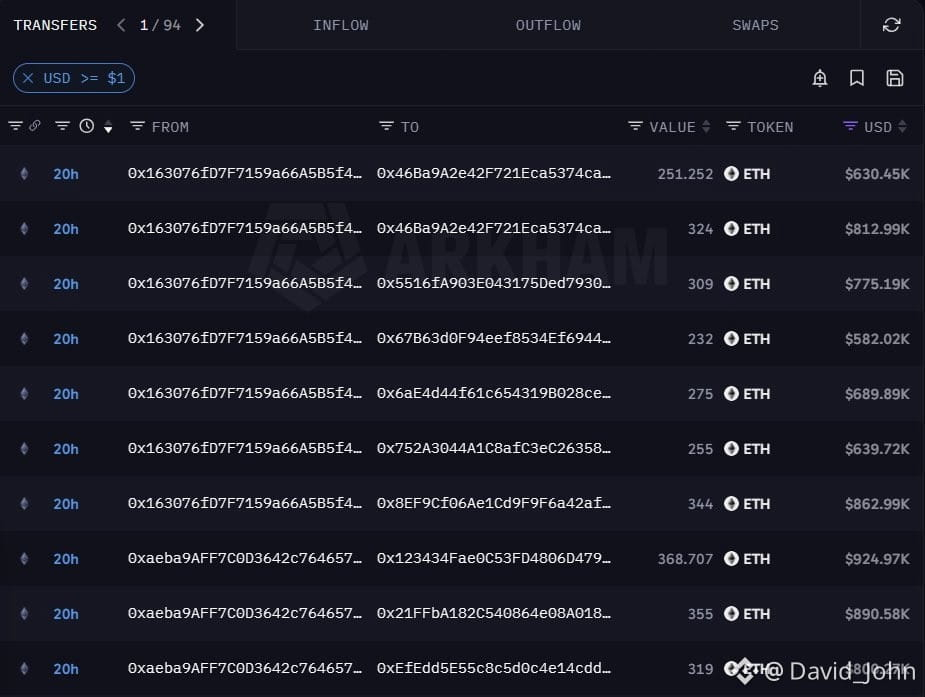
Ein Krypto-Wal nimmt eine massive Umschichtung vor: Er verkauft Bitcoin im Wert von 159 MILLIONEN Dollar und sammelt unglaubliche 64.545 ETH! 🔥
Die Botschaft ist klar: Dieser Wal setzt darauf, dass ETH BTC übertrifft. 👀
Steht Ethereum vor einer großen Bewegung? 🚀
#Bitcoin #Ethereum #BTC #ETH
🚨 WAL-ALARM: $BTC → $ETH! 🐋
Ein Krypto-Wal nimmt eine massive Umschichtung vor: Er verkauft Bitcoin im Wert von 159 MILLIONEN Dollar und sammelt unglaubliche 64.545 ETH! 🔥
Die Botschaft ist klar: Dieser Wal setzt darauf, dass ETH BTC übertrifft. 👀
Steht Ethereum vor einer großen Bewegung? 🚀
#Bitcoin #Ethereum #BTC #ETH
Ein Krypto-Wal nimmt eine massive Umschichtung vor: Er verkauft Bitcoin im Wert von 159 MILLIONEN Dollar und sammelt unglaubliche 64.545 ETH! 🔥
Die Botschaft ist klar: Dieser Wal setzt darauf, dass ETH BTC übertrifft. 👀
Steht Ethereum vor einer großen Bewegung? 🚀
#Bitcoin #Ethereum #BTC #ETH
1
1
184
·
--
🚨 $XRP IN EINER KRITISCHEN ZONE! 🔥
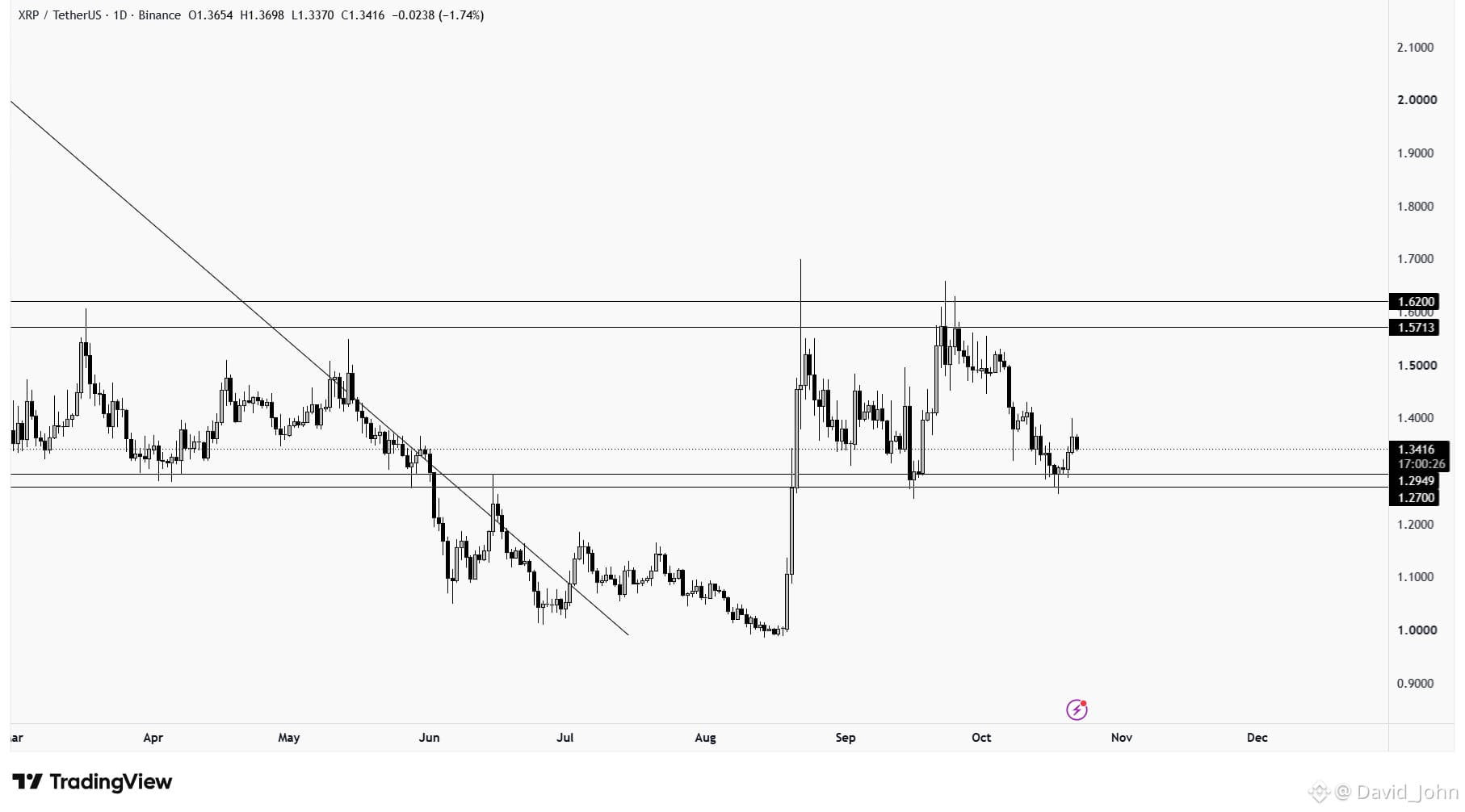
XRP wird bei 1,3416 $ gehandelt (-1,74 %) und testet nach dem Rückgang von den jüngsten Höchstständen einen wichtigen Unterstützungsbereich.
🎯 Einstieg: 1,30–1,34 $
🟢 Unterstützung: 1,2949–1,2700 $
🚀 TP1: 1,40 $
🚀 TP2: 1,50 $
🚀 TP3: 1,5713 $
🎯 Endziel: 1,6200 $
⚠️ Hält die Unterstützung, könnte dies eine starke Erholung auslösen. Ein Durchbruch unter 1,2700 $ könnte hingegen auf weitere Verluste hindeuten.
XRP im Blick behalten – die nächste Bewegung könnte explosiv werden! 👀📈
{spot}(XRPUSDT)
#XRP #Ripple #Crypto
🚨 $XRP IN EINER KRITISCHEN ZONE! 🔥
XRP wird bei 1,3416 $ gehandelt (-1,74 %) und testet nach dem Rückgang von den jüngsten Höchstständen einen wichtigen Unterstützungsbereich.
🎯 Einstieg: 1,30–1,34 $
🟢 Unterstützung: 1,2949–1,2700 $
🚀 TP1: 1,40 $
🚀 TP2: 1,50 $
🚀 TP3: 1,5713 $
🎯 Endziel: 1,6200 $
⚠️ Hält die Unterstützung, könnte dies eine starke Erholung auslösen. Ein Durchbruch unter 1,2700 $ könnte hingegen auf weitere Verluste hindeuten.
XRP im Blick behalten – die nächste Bewegung könnte explosiv werden! 👀📈
#XRP #Ripple #Crypto
XRP wird bei 1,3416 $ gehandelt (-1,74 %) und testet nach dem Rückgang von den jüngsten Höchstständen einen wichtigen Unterstützungsbereich.
🎯 Einstieg: 1,30–1,34 $
🟢 Unterstützung: 1,2949–1,2700 $
🚀 TP1: 1,40 $
🚀 TP2: 1,50 $
🚀 TP3: 1,5713 $
🎯 Endziel: 1,6200 $
⚠️ Hält die Unterstützung, könnte dies eine starke Erholung auslösen. Ein Durchbruch unter 1,2700 $ könnte hingegen auf weitere Verluste hindeuten.
XRP im Blick behalten – die nächste Bewegung könnte explosiv werden! 👀📈
#XRP #Ripple #Crypto
273
·
--
Bullisch
🚨 EILMELDUNG: GROSSER SCHRITT DES US-FINANZMINISTERIUMS! 🇺🇸
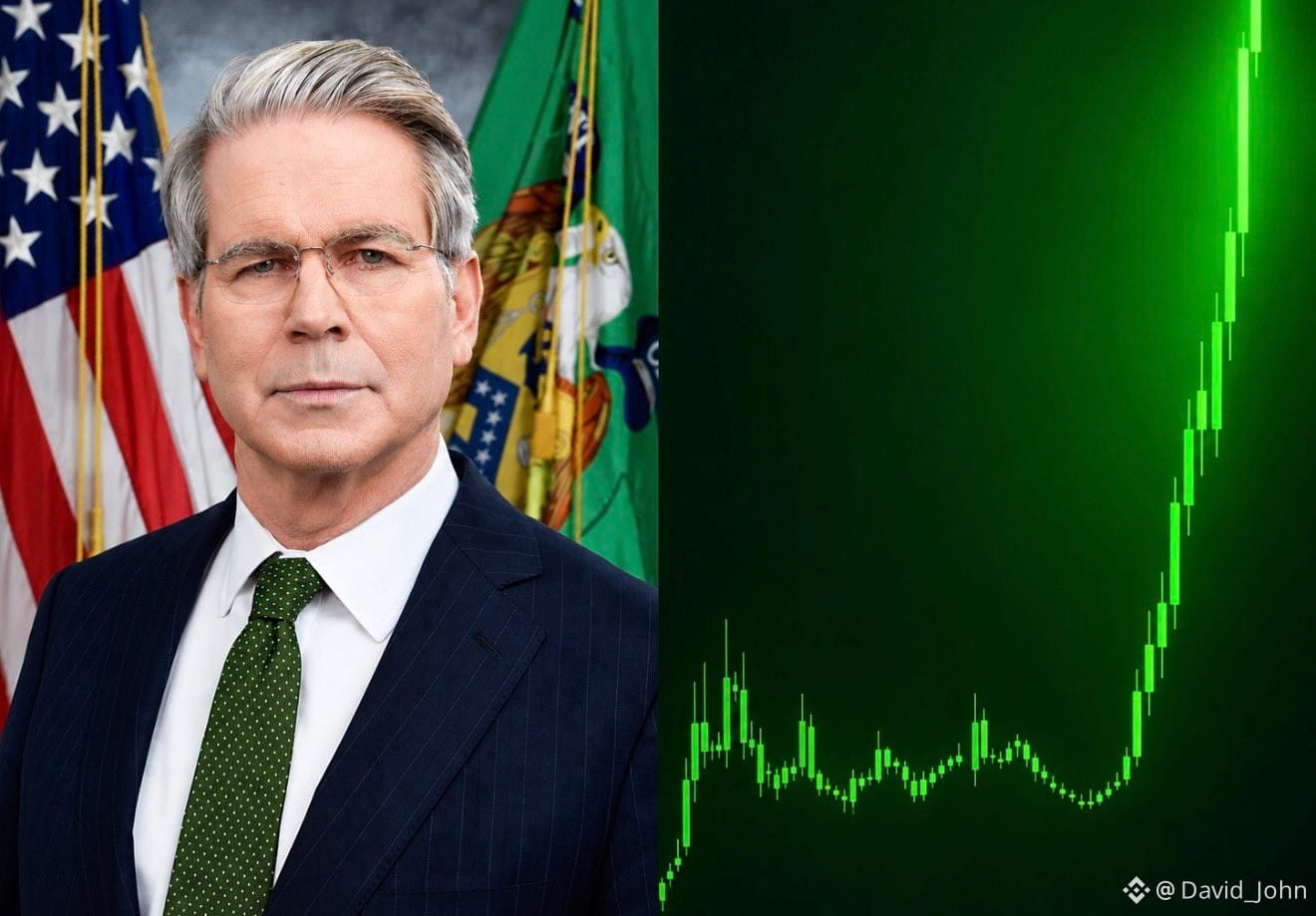
Das Finanzministerium hat gerade eigene Schulden im Wert von 750 Mio. US-Dollar zurückgekauft. Damit belaufen sich die Rückkäufe in diesem Monat insgesamt auf satte 20,8 MILLIARDEN US-DOLLAR! 💰
Die Liquiditätsbeobachter sind aufmerksam. 👀📈
Könnte das ein weiteres bullisches Signal für die Märkte sein? 🔥
🚨 EILMELDUNG: GROSSER SCHRITT DES US-FINANZMINISTERIUMS! 🇺🇸
Das Finanzministerium hat gerade eigene Schulden im Wert von 750 Mio. US-Dollar zurückgekauft. Damit belaufen sich die Rückkäufe in diesem Monat insgesamt auf satte 20,8 MILLIARDEN US-DOLLAR! 💰
Die Liquiditätsbeobachter sind aufmerksam. 👀📈
Könnte das ein weiteres bullisches Signal für die Märkte sein? 🔥
Das Finanzministerium hat gerade eigene Schulden im Wert von 750 Mio. US-Dollar zurückgekauft. Damit belaufen sich die Rückkäufe in diesem Monat insgesamt auf satte 20,8 MILLIARDEN US-DOLLAR! 💰
Die Liquiditätsbeobachter sind aufmerksam. 👀📈
Könnte das ein weiteres bullisches Signal für die Märkte sein? 🔥
1
4
2.9k
·
--
Bullisch
Kite entwickelt Lösungen für die Zukunft von KI-Agenten.
KI kann bereits recherchieren, Code schreiben und Aufgaben erledigen. Für Tools und Dienste zu bezahlen, ist jedoch nach wie vor eine Herausforderung.
Kite möchte das erleichtern, indem es KI-Agenten ermöglicht, innerhalb der von ihren Nutzern festgelegten Grenzen Zahlungen zu tätigen. Mit dem Kite Passport können Agenten auf Zahlungstools zugreifen, während die Nutzer die Kontrolle über ihre Ausgaben behalten.
Die eigentliche Bewährungsprobe ist die Akzeptanz: Werden Entwickler und Unternehmen es tatsächlich nutzen?
Genau deshalb lohnt es sich, Kite im Auge zu behalten. Der praktische Nutzen zählt mehr als der Hype.
#KiteBBW $KITE @GoKiteAI #kite
{spot}(KITEUSDT)
Kite entwickelt Lösungen für die Zukunft von KI-Agenten.
KI kann bereits recherchieren, Code schreiben und Aufgaben erledigen. Für Tools und Dienste zu bezahlen, ist jedoch nach wie vor eine Herausforderung.
Kite möchte das erleichtern, indem es KI-Agenten ermöglicht, innerhalb der von ihren Nutzern festgelegten Grenzen Zahlungen zu tätigen. Mit dem Kite Passport können Agenten auf Zahlungstools zugreifen, während die Nutzer die Kontrolle über ihre Ausgaben behalten.
Die eigentliche Bewährungsprobe ist die Akzeptanz: Werden Entwickler und Unternehmen es tatsächlich nutzen?
Genau deshalb lohnt es sich, Kite im Auge zu behalten. Der praktische Nutzen zählt mehr als der Hype.
#KiteBBW $KITE @KITE AI 中文 #kite
KI kann bereits recherchieren, Code schreiben und Aufgaben erledigen. Für Tools und Dienste zu bezahlen, ist jedoch nach wie vor eine Herausforderung.
Kite möchte das erleichtern, indem es KI-Agenten ermöglicht, innerhalb der von ihren Nutzern festgelegten Grenzen Zahlungen zu tätigen. Mit dem Kite Passport können Agenten auf Zahlungstools zugreifen, während die Nutzer die Kontrolle über ihre Ausgaben behalten.
Die eigentliche Bewährungsprobe ist die Akzeptanz: Werden Entwickler und Unternehmen es tatsächlich nutzen?
Genau deshalb lohnt es sich, Kite im Auge zu behalten. Der praktische Nutzen zählt mehr als der Hype.
#KiteBBW $KITE @KITE AI 中文 #kite

3
5
324
·
--
Bullisch
Verifiziert
Nillion: Aufbau einer privateren Zukunft für Web3.
Nillion geht ein echtes Problem an: Wie können wir sensible Daten nutzen, ohne sie offenzulegen?
Mit seinem Kernprodukt Covenants und der ersten Veröffentlichung Dusk arbeitet Nillion daran, verschlüsselte Anweisungen nutzbar zu machen und sie verborgen zu halten, bis bestimmte Bedingungen erfüllt sind.
Das könnte neue Möglichkeiten für private Handelsstrategien, DeFi-Anwendungen und KI-Agenten eröffnen.
Der native Token $NIL unterstützt die Teilnahme am Netzwerk durch Staking und weitere Netzwerkfunktionen.
Interessant an Nillion ist der Fokus auf ein Problem, das über Krypto-Spekulation hinaus von Bedeutung ist.
Wenn Entwickler diese Technologie in nützliche Anwendungen umsetzen, könnte Datenschutz zu einer der größten Stärken von Nillion werden.
LFG 🥂 🍾
#nil $NIL @nillionnetwork
Nillion: Aufbau einer privateren Zukunft für Web3.
Nillion geht ein echtes Problem an: Wie können wir sensible Daten nutzen, ohne sie offenzulegen?
Mit seinem Kernprodukt Covenants und der ersten Veröffentlichung Dusk arbeitet Nillion daran, verschlüsselte Anweisungen nutzbar zu machen und sie verborgen zu halten, bis bestimmte Bedingungen erfüllt sind.
Das könnte neue Möglichkeiten für private Handelsstrategien, DeFi-Anwendungen und KI-Agenten eröffnen.
Der native Token $NIL unterstützt die Teilnahme am Netzwerk durch Staking und weitere Netzwerkfunktionen.
Interessant an Nillion ist der Fokus auf ein Problem, das über Krypto-Spekulation hinaus von Bedeutung ist.
Wenn Entwickler diese Technologie in nützliche Anwendungen umsetzen, könnte Datenschutz zu einer der größten Stärken von Nillion werden.
LFG 🥂 🍾
#nil $NIL @Nillion
Nillion geht ein echtes Problem an: Wie können wir sensible Daten nutzen, ohne sie offenzulegen?
Mit seinem Kernprodukt Covenants und der ersten Veröffentlichung Dusk arbeitet Nillion daran, verschlüsselte Anweisungen nutzbar zu machen und sie verborgen zu halten, bis bestimmte Bedingungen erfüllt sind.
Das könnte neue Möglichkeiten für private Handelsstrategien, DeFi-Anwendungen und KI-Agenten eröffnen.
Der native Token $NIL unterstützt die Teilnahme am Netzwerk durch Staking und weitere Netzwerkfunktionen.
Interessant an Nillion ist der Fokus auf ein Problem, das über Krypto-Spekulation hinaus von Bedeutung ist.
Wenn Entwickler diese Technologie in nützliche Anwendungen umsetzen, könnte Datenschutz zu einer der größten Stärken von Nillion werden.
LFG 🥂 🍾
#nil $NIL @Nillion
48
99
45.2k
·
--
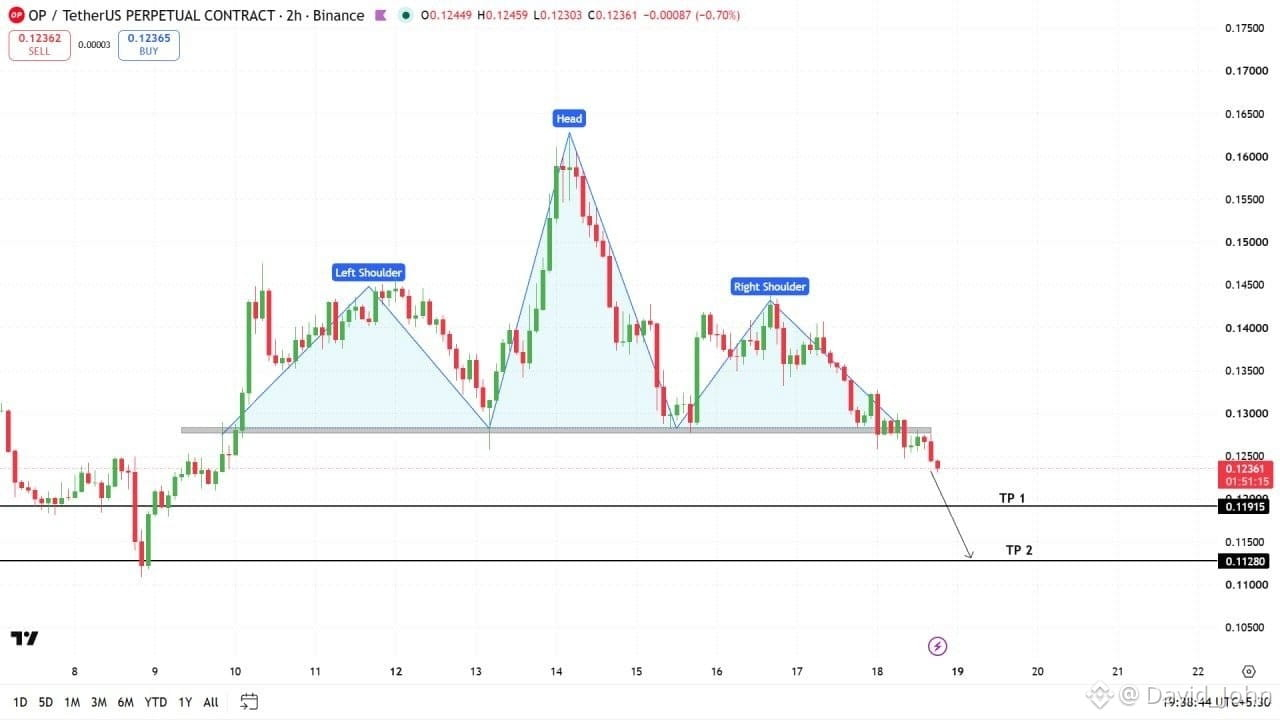
⚠️ $OP — Die Bären übernehmen die Kontrolle! 📉
OPUSDT ist eingebrochen und signalisiert zunehmenden Abwärtsdruck. 👀 Als Nächstes könnte ein tieferer Rückgang in Richtung tieferer Unterstützungsmarken folgen.
🐻 Bleib wachsam, behalte wichtige Marken im Blick und verfolge die Bewegung genau. Der nächste Schritt könnte heftig werden! ⚡
⚠️ $OP — Die Bären übernehmen die Kontrolle! 📉
OPUSDT ist eingebrochen und signalisiert zunehmenden Abwärtsdruck. 👀 Als Nächstes könnte ein tieferer Rückgang in Richtung tieferer Unterstützungsmarken folgen.
🐻 Bleib wachsam, behalte wichtige Marken im Blick und verfolge die Bewegung genau. Der nächste Schritt könnte heftig werden! ⚡
OPUSDT ist eingebrochen und signalisiert zunehmenden Abwärtsdruck. 👀 Als Nächstes könnte ein tieferer Rückgang in Richtung tieferer Unterstützungsmarken folgen.
🐻 Bleib wachsam, behalte wichtige Marken im Blick und verfolge die Bewegung genau. Der nächste Schritt könnte heftig werden! ⚡
501
·
--
🚨 EIN WALLET-WECHSEL. 6,6 MILLIONEN DOLLAR WEG.
Jemand hat Berichten zufolge 80 $BTC verloren. Lass deine Kryptowährungen nicht zum nächsten Ziel werden. 🔥
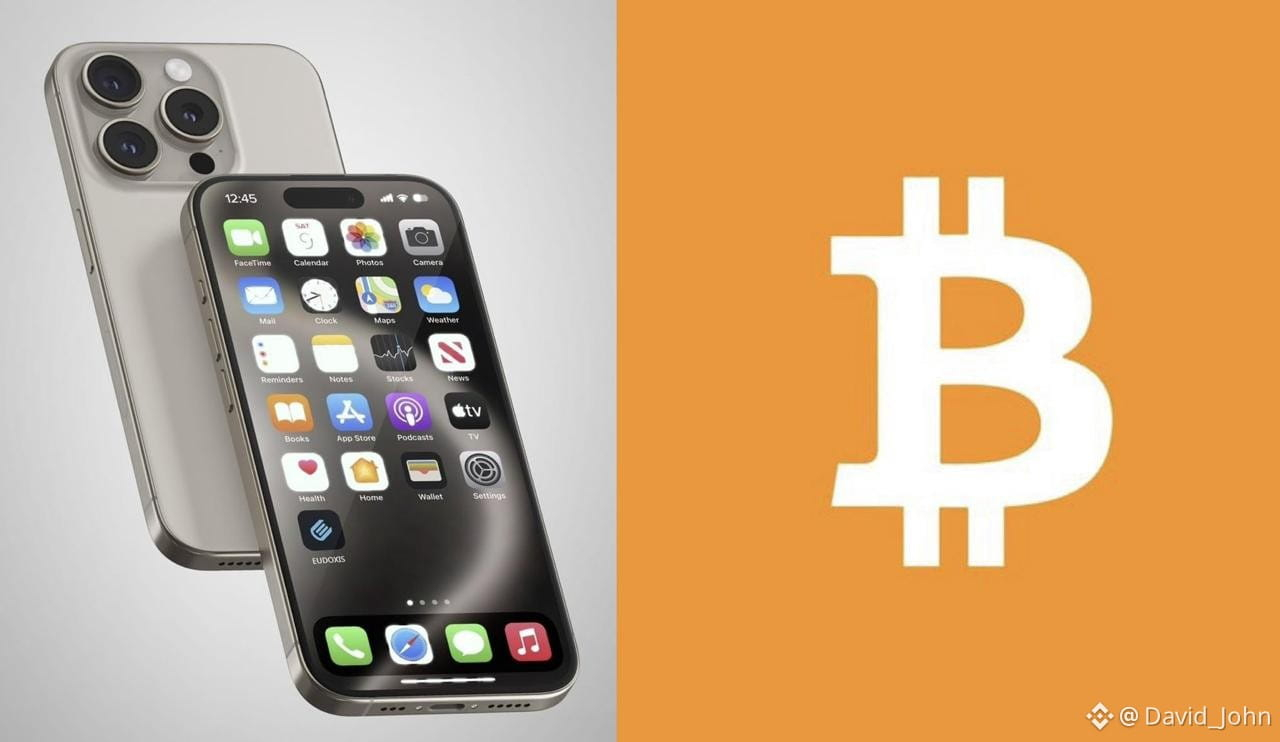
So richtest du eine iPhone-Wallet ohne Internetverbindung ein, die deine privaten Schlüssel offline hält.
🔐 1. Kauf ein neues, versiegeltes iPhone. Verwende niemals ein gebrauchtes Gerät, an dem manipuliert worden sein könnte.
🍎 2. Erstelle eine separate Apple-ID. Verwende sie ausschließlich für dieses Telefon und nicht für deinen Hauptaccount.
🔑 3. Deaktiviere Face ID und Touch ID. Verwende stattdessen einen langen, sicheren alphanumerischen Code.
🛡️ 4. Aktiviere den Blockierungsmodus. Gehe zu „Einstellungen“ → „Datenschutz und Sicherheit“ → „Blockierungsmodus“. Lass USB-Zubehör deaktiviert, solange das Gerät gesperrt ist.
📲 5. Installiere eine Open-Source-Wallet, die QR-Codes unterstützt. Lade sie über ein vertrauenswürdiges WLAN zu Hause herunter. Das ist die letzte Internetverbindung dieses Telefons.
✈️ 6. Trenne alle Verbindungen. Entferne die SIM-Karte, lösche die eSIM, aktiviere den Flugmodus und schalte WLAN und Bluetooth aus. Stelle niemals wieder eine Verbindung her.
📝 7. Erstelle deine Wallet. Schreib die 24 Wörter der Wiederherstellungsphrase auf Papier oder Stahl. Fotografiere sie niemals und gib sie nicht auf einem anderen Gerät ein.
📷 8. Signiere Transaktionen offline. Verwende die Watch-only-Begleit-App der Wallet auf deinem Alltags-Handy. Scanne den QR-Code der unsignierten Transaktion mit dem Offline-iPhone, überprüfe alle Angaben, signiere sie und scanne dann den signierten QR-Code zurück, um die Transaktion zu übertragen. Deine privaten Schlüssel verlassen niemals das Offline-Gerät.
🔋 9. Schalte das Gerät zur Aufbewahrung aus. Lass es vollständig ausgeschaltet. Lade es alle paar Monate auf etwa 50 % auf, um den Akku zu schonen.
⚠️ Ein Nachmittag für die Einrichtung. Ein Leben lang zusätzlicher Schutz.
Deine Schlüssel bleiben offline. Denk aber daran: Keine Einrichtung ist völlig risikofrei. Überprüfe die Echtheit der Wallet und befolge die offiziellen Anweisungen.
Speichere das, bevor ein einziger Fehler dich alles kostet. 🔥
🚨 EIN WALLET-WECHSEL. 6,6 MILLIONEN DOLLAR WEG.
Jemand hat Berichten zufolge 80 $BTC verloren. Lass deine Kryptowährungen nicht zum nächsten Ziel werden. 🔥
So richtest du eine iPhone-Wallet ohne Internetverbindung ein, die deine privaten Schlüssel offline hält.
🔐 1. Kauf ein neues, versiegeltes iPhone. Verwende niemals ein gebrauchtes Gerät, an dem manipuliert worden sein könnte.
🍎 2. Erstelle eine separate Apple-ID. Verwende sie ausschließlich für dieses Telefon und nicht für deinen Hauptaccount.
🔑 3. Deaktiviere Face ID und Touch ID. Verwende stattdessen einen langen, sicheren alphanumerischen Code.
🛡️ 4. Aktiviere den Blockierungsmodus. Gehe zu „Einstellungen“ → „Datenschutz und Sicherheit“ → „Blockierungsmodus“. Lass USB-Zubehör deaktiviert, solange das Gerät gesperrt ist.
📲 5. Installiere eine Open-Source-Wallet, die QR-Codes unterstützt. Lade sie über ein vertrauenswürdiges WLAN zu Hause herunter. Das ist die letzte Internetverbindung dieses Telefons.
✈️ 6. Trenne alle Verbindungen. Entferne die SIM-Karte, lösche die eSIM, aktiviere den Flugmodus und schalte WLAN und Bluetooth aus. Stelle niemals wieder eine Verbindung her.
📝 7. Erstelle deine Wallet. Schreib die 24 Wörter der Wiederherstellungsphrase auf Papier oder Stahl. Fotografiere sie niemals und gib sie nicht auf einem anderen Gerät ein.
📷 8. Signiere Transaktionen offline. Verwende die Watch-only-Begleit-App der Wallet auf deinem Alltags-Handy. Scanne den QR-Code der unsignierten Transaktion mit dem Offline-iPhone, überprüfe alle Angaben, signiere sie und scanne dann den signierten QR-Code zurück, um die Transaktion zu übertragen. Deine privaten Schlüssel verlassen niemals das Offline-Gerät.
🔋 9. Schalte das Gerät zur Aufbewahrung aus. Lass es vollständig ausgeschaltet. Lade es alle paar Monate auf etwa 50 % auf, um den Akku zu schonen.
⚠️ Ein Nachmittag für die Einrichtung. Ein Leben lang zusätzlicher Schutz.
Deine Schlüssel bleiben offline. Denk aber daran: Keine Einrichtung ist völlig risikofrei. Überprüfe die Echtheit der Wallet und befolge die offiziellen Anweisungen.
Speichere das, bevor ein einziger Fehler dich alles kostet. 🔥
Jemand hat Berichten zufolge 80 $BTC verloren. Lass deine Kryptowährungen nicht zum nächsten Ziel werden. 🔥
So richtest du eine iPhone-Wallet ohne Internetverbindung ein, die deine privaten Schlüssel offline hält.
🔐 1. Kauf ein neues, versiegeltes iPhone. Verwende niemals ein gebrauchtes Gerät, an dem manipuliert worden sein könnte.
🍎 2. Erstelle eine separate Apple-ID. Verwende sie ausschließlich für dieses Telefon und nicht für deinen Hauptaccount.
🔑 3. Deaktiviere Face ID und Touch ID. Verwende stattdessen einen langen, sicheren alphanumerischen Code.
🛡️ 4. Aktiviere den Blockierungsmodus. Gehe zu „Einstellungen“ → „Datenschutz und Sicherheit“ → „Blockierungsmodus“. Lass USB-Zubehör deaktiviert, solange das Gerät gesperrt ist.
📲 5. Installiere eine Open-Source-Wallet, die QR-Codes unterstützt. Lade sie über ein vertrauenswürdiges WLAN zu Hause herunter. Das ist die letzte Internetverbindung dieses Telefons.
✈️ 6. Trenne alle Verbindungen. Entferne die SIM-Karte, lösche die eSIM, aktiviere den Flugmodus und schalte WLAN und Bluetooth aus. Stelle niemals wieder eine Verbindung her.
📝 7. Erstelle deine Wallet. Schreib die 24 Wörter der Wiederherstellungsphrase auf Papier oder Stahl. Fotografiere sie niemals und gib sie nicht auf einem anderen Gerät ein.
📷 8. Signiere Transaktionen offline. Verwende die Watch-only-Begleit-App der Wallet auf deinem Alltags-Handy. Scanne den QR-Code der unsignierten Transaktion mit dem Offline-iPhone, überprüfe alle Angaben, signiere sie und scanne dann den signierten QR-Code zurück, um die Transaktion zu übertragen. Deine privaten Schlüssel verlassen niemals das Offline-Gerät.
🔋 9. Schalte das Gerät zur Aufbewahrung aus. Lass es vollständig ausgeschaltet. Lade es alle paar Monate auf etwa 50 % auf, um den Akku zu schonen.
⚠️ Ein Nachmittag für die Einrichtung. Ein Leben lang zusätzlicher Schutz.
Deine Schlüssel bleiben offline. Denk aber daran: Keine Einrichtung ist völlig risikofrei. Überprüfe die Echtheit der Wallet und befolge die offiziellen Anweisungen.
Speichere das, bevor ein einziger Fehler dich alles kostet. 🔥
4
1.5k
·
--
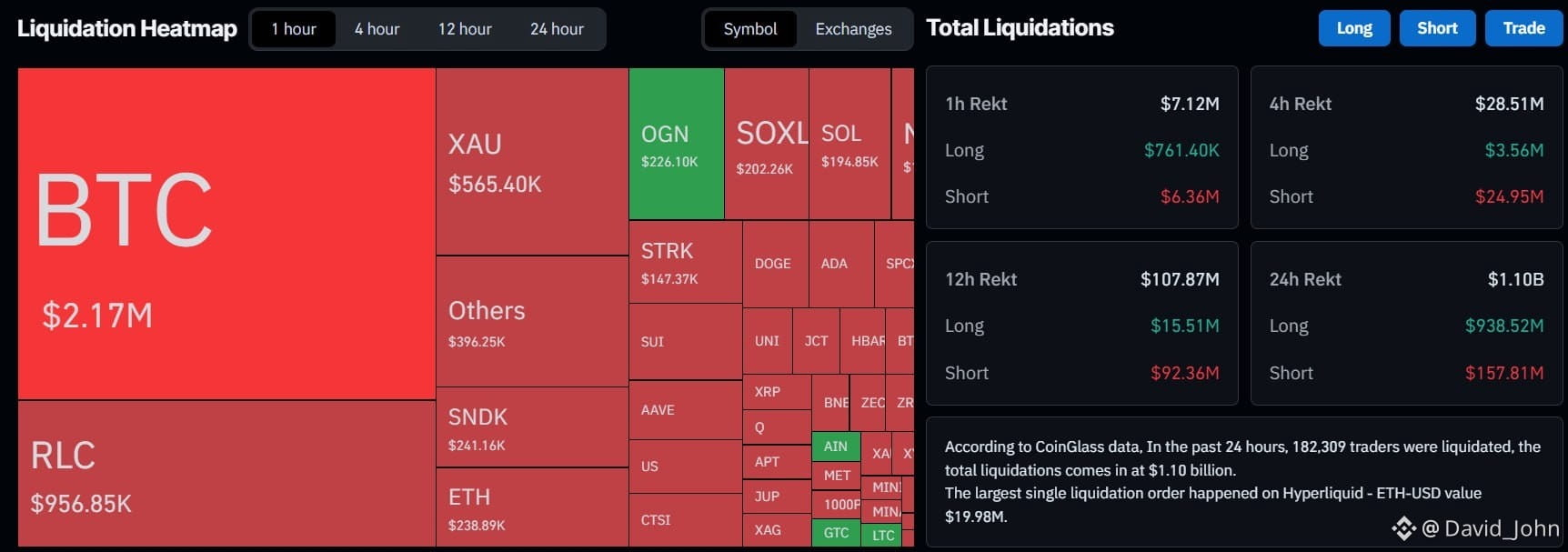
🚨💥 KRYPT0-BLUTBAD! 1,19 MILLIARDEN $ LIQUIDIERT! 💸
Der brutale Ausverkauf gestern hat innerhalb von nur 24 Stunden bullische Positionen im Wert von über 1 MILLIARDE $ ausgelöscht! 😱
📉 BTC: Von ca. 83.200 $ auf ca. 80.400 $ gefallen
🔥 ETH: 356 Mio. $ liquidiert
₿ BTC: 298 Mio. $ liquidiert
⚡ SOL: 71 Mio. $ liquidiert
💥 XRP: 34 Mio. $ liquidiert
🔻 NEAR: 25 Mio. $ liquidiert
💀 Die größte Einzel-Liquidation? Fast 20 Mio. $ in ETH auf Hyperliquid!
⚠️ Wachsende Sorgen vor Zinserhöhungen, die sich verschärfenden Spannungen mit Iran, steigende Ölpreise und Sicherheitsbedenken im Zusammenhang mit KI verstärkten die Marktpanik. Long-Positionen im Wert von über 1 Milliarde $ wurden ausgelöscht, als gehebelte Bullen unter die Räder kamen.
📈 BTC erholte sich später wieder in Richtung 82.200 $ und löste einen Short Squeeze aus!
DER MARKT KANNTE KEINE GNADE. 🩸
Ist das eine gesunde Bereinigung vor der nächsten Rallye … oder kommt noch mehr Schmerz auf uns zu? 👀🔥
🚨💥 KRYPT0-BLUTBAD! 1,19 MILLIARDEN $ LIQUIDIERT! 💸
Der brutale Ausverkauf gestern hat innerhalb von nur 24 Stunden bullische Positionen im Wert von über 1 MILLIARDE $ ausgelöscht! 😱
📉 BTC: Von ca. 83.200 $ auf ca. 80.400 $ gefallen
🔥 ETH: 356 Mio. $ liquidiert
₿ BTC: 298 Mio. $ liquidiert
⚡ SOL: 71 Mio. $ liquidiert
💥 XRP: 34 Mio. $ liquidiert
🔻 NEAR: 25 Mio. $ liquidiert
💀 Die größte Einzel-Liquidation? Fast 20 Mio. $ in ETH auf Hyperliquid!
⚠️ Wachsende Sorgen vor Zinserhöhungen, die sich verschärfenden Spannungen mit Iran, steigende Ölpreise und Sicherheitsbedenken im Zusammenhang mit KI verstärkten die Marktpanik. Long-Positionen im Wert von über 1 Milliarde $ wurden ausgelöscht, als gehebelte Bullen unter die Räder kamen.
📈 BTC erholte sich später wieder in Richtung 82.200 $ und löste einen Short Squeeze aus!
DER MARKT KANNTE KEINE GNADE. 🩸
Ist das eine gesunde Bereinigung vor der nächsten Rallye … oder kommt noch mehr Schmerz auf uns zu? 👀🔥
Der brutale Ausverkauf gestern hat innerhalb von nur 24 Stunden bullische Positionen im Wert von über 1 MILLIARDE $ ausgelöscht! 😱
📉 BTC: Von ca. 83.200 $ auf ca. 80.400 $ gefallen
🔥 ETH: 356 Mio. $ liquidiert
₿ BTC: 298 Mio. $ liquidiert
⚡ SOL: 71 Mio. $ liquidiert
💥 XRP: 34 Mio. $ liquidiert
🔻 NEAR: 25 Mio. $ liquidiert
💀 Die größte Einzel-Liquidation? Fast 20 Mio. $ in ETH auf Hyperliquid!
⚠️ Wachsende Sorgen vor Zinserhöhungen, die sich verschärfenden Spannungen mit Iran, steigende Ölpreise und Sicherheitsbedenken im Zusammenhang mit KI verstärkten die Marktpanik. Long-Positionen im Wert von über 1 Milliarde $ wurden ausgelöscht, als gehebelte Bullen unter die Räder kamen.
📈 BTC erholte sich später wieder in Richtung 82.200 $ und löste einen Short Squeeze aus!
DER MARKT KANNTE KEINE GNADE. 🩸
Ist das eine gesunde Bereinigung vor der nächsten Rallye … oder kommt noch mehr Schmerz auf uns zu? 👀🔥
364
·
--
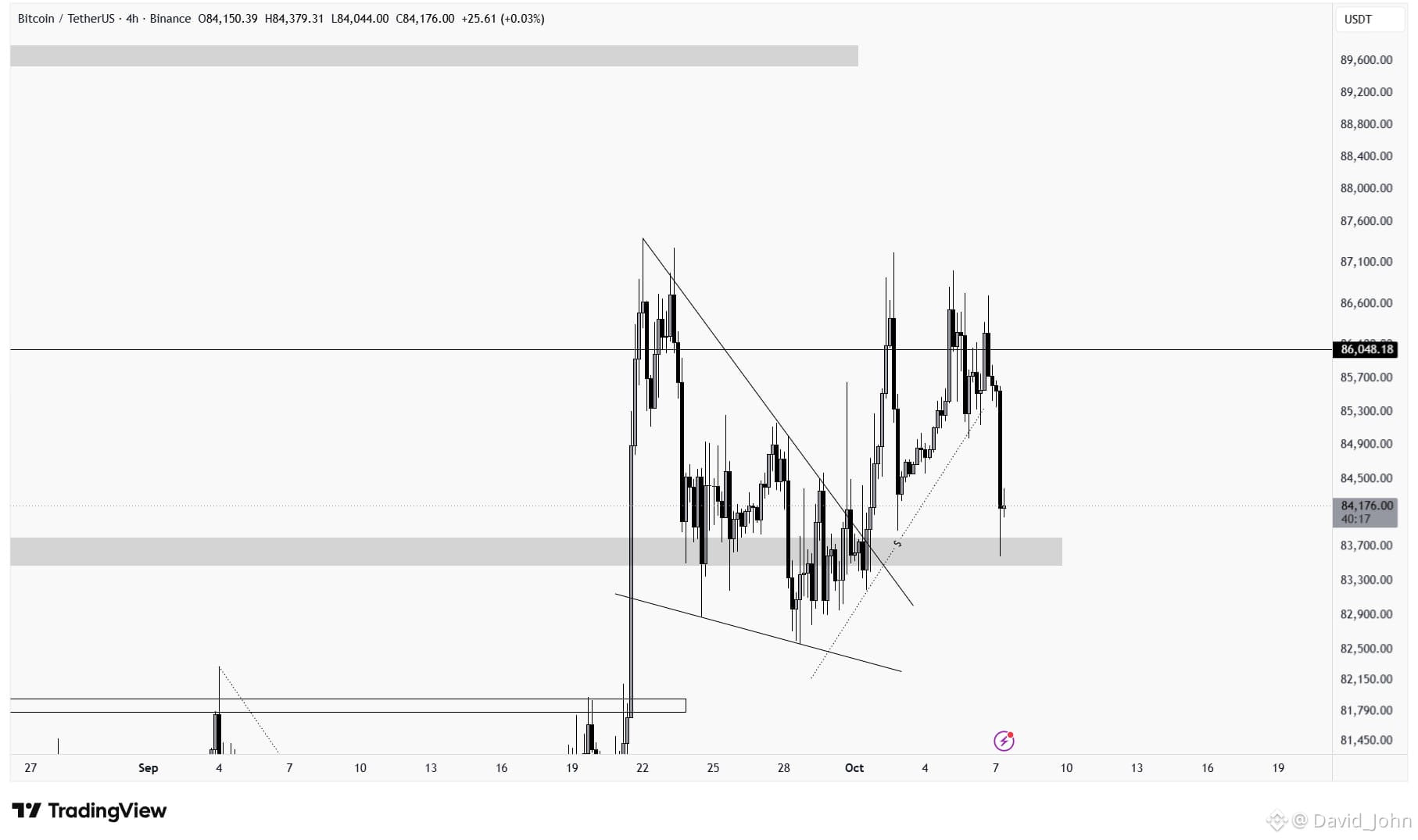
🚨 $BTC 4H-SETUP WIRD KRITISCH!
$BTC wird derzeit bei etwa $84.17K gehandelt und liegt direkt über einer wichtigen Nachfragezone.
⚔️ $86.05K = wichtiger Widerstand
🟩 $83.6K–$83.9K = wichtige Unterstützung
📉 $81.8K–$82.1K = nächste Unterstützung
🎯 $89.2K–$89.6K = wichtige Aufwärtszone
BTC wurde im Bereich von $86K–$87K mehrfach zurückgewiesen und ist nun auf die Unterstützung zurückgefallen.
Ein Ausbruch über die absteigende Trendlinie könnte BTC zurück in Richtung $86K → $87K → $89K bringen.
Ein Fall unter $83.6K könnte jedoch den Weg in Richtung $82K freimachen.
🔥 $BTC steht an einem entscheidenden Punkt. Die nächste Bewegung könnte explosiv ausfallen!
🚨 $BTC 4H-SETUP WIRD KRITISCH!
$BTC wird derzeit bei etwa $84.17K gehandelt und liegt direkt über einer wichtigen Nachfragezone.
⚔️ $86.05K = wichtiger Widerstand
🟩 $83.6K–$83.9K = wichtige Unterstützung
📉 $81.8K–$82.1K = nächste Unterstützung
🎯 $89.2K–$89.6K = wichtige Aufwärtszone
BTC wurde im Bereich von $86K–$87K mehrfach zurückgewiesen und ist nun auf die Unterstützung zurückgefallen.
Ein Ausbruch über die absteigende Trendlinie könnte BTC zurück in Richtung $86K → $87K → $89K bringen.
Ein Fall unter $83.6K könnte jedoch den Weg in Richtung $82K freimachen.
🔥 $BTC steht an einem entscheidenden Punkt. Die nächste Bewegung könnte explosiv ausfallen!
$BTC wird derzeit bei etwa $84.17K gehandelt und liegt direkt über einer wichtigen Nachfragezone.
⚔️ $86.05K = wichtiger Widerstand
🟩 $83.6K–$83.9K = wichtige Unterstützung
📉 $81.8K–$82.1K = nächste Unterstützung
🎯 $89.2K–$89.6K = wichtige Aufwärtszone
BTC wurde im Bereich von $86K–$87K mehrfach zurückgewiesen und ist nun auf die Unterstützung zurückgefallen.
Ein Ausbruch über die absteigende Trendlinie könnte BTC zurück in Richtung $86K → $87K → $89K bringen.
Ein Fall unter $83.6K könnte jedoch den Weg in Richtung $82K freimachen.
🔥 $BTC steht an einem entscheidenden Punkt. Die nächste Bewegung könnte explosiv ausfallen!
1
458
·
--
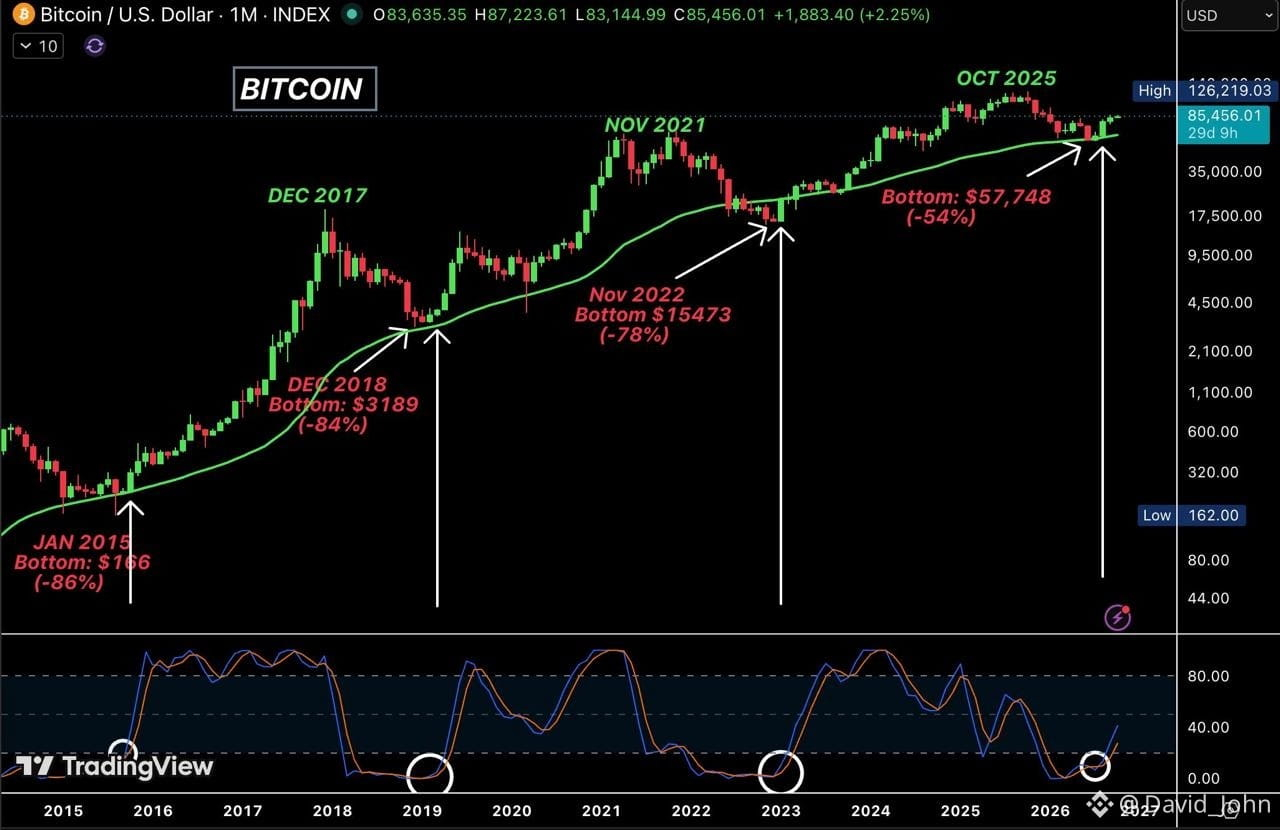
🚨 BITCOIN-MONATSANALYSE
$BTC hat einen +6,35%-Monatsgewinn geliefert und bei einem 9-Monats-Hoch geschlossen. 🔥
Noch größer: Bitcoin beendete Q3 mit +43% und verzeichnete damit seine beste Q3-Performance seit 2017. 📈
Der Schwung heizt sich auf:
• Der monatliche Stoch-RSI zeigt starke bullische Impulse — ein Setup, das historisch gesehen kurz vor Beginn großer Bullenphasen aufgetreten ist.
• $BTC prallte klar von der Monthly MA 50 (Monats-50er) ab — einem Bereich, der historisch starke Chance/Risiko-Gelegenheiten bot.
🎯 Wichtige Unterstützungszonen:
➡️ Weekly MA 50: ~77.670 $
➡️ Weekly MA 200: ~65.000 $
Der Trend wird stärker, der Momentum baut sich auf, und Bitcoin betritt eine entscheidende Zone. ⚡️
Der nächste Schritt könnte explosiv werden. 🚀
🚨 BITCOIN-MONATSANALYSE
$BTC hat einen +6,35%-Monatsgewinn geliefert und bei einem 9-Monats-Hoch geschlossen. 🔥
Noch größer: Bitcoin beendete Q3 mit +43% und verzeichnete damit seine beste Q3-Performance seit 2017. 📈
Der Schwung heizt sich auf:
• Der monatliche Stoch-RSI zeigt starke bullische Impulse — ein Setup, das historisch gesehen kurz vor Beginn großer Bullenphasen aufgetreten ist.
• $BTC prallte klar von der Monthly MA 50 (Monats-50er) ab — einem Bereich, der historisch starke Chance/Risiko-Gelegenheiten bot.
🎯 Wichtige Unterstützungszonen:
➡️ Weekly MA 50: ~77.670 $
➡️ Weekly MA 200: ~65.000 $
Der Trend wird stärker, der Momentum baut sich auf, und Bitcoin betritt eine entscheidende Zone. ⚡️
Der nächste Schritt könnte explosiv werden. 🚀
$BTC hat einen +6,35%-Monatsgewinn geliefert und bei einem 9-Monats-Hoch geschlossen. 🔥
Noch größer: Bitcoin beendete Q3 mit +43% und verzeichnete damit seine beste Q3-Performance seit 2017. 📈
Der Schwung heizt sich auf:
• Der monatliche Stoch-RSI zeigt starke bullische Impulse — ein Setup, das historisch gesehen kurz vor Beginn großer Bullenphasen aufgetreten ist.
• $BTC prallte klar von der Monthly MA 50 (Monats-50er) ab — einem Bereich, der historisch starke Chance/Risiko-Gelegenheiten bot.
🎯 Wichtige Unterstützungszonen:
➡️ Weekly MA 50: ~77.670 $
➡️ Weekly MA 200: ~65.000 $
Der Trend wird stärker, der Momentum baut sich auf, und Bitcoin betritt eine entscheidende Zone. ⚡️
Der nächste Schritt könnte explosiv werden. 🚀
1
3
476
·
--
Bullisch
🚀 SEPTEMBER WAR FÜR CRYPTO ABSOLUT MASSIV.
Trotz des Scheiterns des Clarity Act im Senat und der Zinserhöhungen der Fed hat Crypto komplett die Richtung gewechselt und eine Mega-Rallye hingelegt. 🔥
So ist es passiert:
1️⃣ BTC hat die 50W MA zurückerobert und sie 2 Wochen in Folge zurückerobert und darüber geschlossen — ein bedeutendes Signal für eine Trendwende.
2️⃣ BTC erreichte 87.000 US-Dollar, ETH 2,8Tausend US-Dollar und SOL 120 US-Dollar — die erste Rückkehr auf diese Niveaus in nahezu 8 Monaten, zusammen mit dem höchsten monatlichen Schlusskurs in 9 Monaten.
3️⃣ Die gesamte Krypto-Marktkapitalisierung hat erstmals seit 8 Monaten wieder die 3T-Marke zurückerobert. 💰
4️⃣ BTC-ETFs flossen 2,65 Mrd. US-Dollar zu, während ETH-ETFs 832,4 Mio. US-Dollar anzogen — der zweithöchste monatliche Nettozufluss für ETH in diesem Jahr.
5️⃣ ETH/BTC hat endlich seinen fast 5-jährigen Abwärtstrend gebrochen und könnte damit den Weg für einen stärkeren Altcoin-Zyklus öffnen.
6️⃣ Die SEC und die CFTC haben damit begonnen, neue Krypto-Regeln einzuführen — das signalisiert einen Vorstoß in Richtung Regulierung, auch ohne den Clarity Act.
7️⃣ Zwei große Krypto-Gesetzentwürfe sind vorangekommen: der Strategic Bitcoin Reserve Bill und der Krypto-Steuer-Bill.
8️⃣ Die SEC sagte, Staking-Tokens und Token-Back-Käufe seien keine Wertpapiere, während die Fed Regeln vorschlug, die Banken erlauben, eigene Krypto-Stablecoins auszugeben.
9️⃣ X hat sich mit Krypto-Börsen zusammengetan und ebnet damit den Weg, damit Nutzer Krypto direkt aus ihrem Timeline-Feed heraus handeln können.
🔟 BlackRock hat den Zugang zu tokenisierten Investment-Portfolios ausgeweitet, während die NYSE eine Partnerschaft einging, um tokenisierte US-Aktien für 44M Krypto-Konten bereitzustellen.
🔥 UPTEMBER LIEFERTE.
Jetzt bleibt nur noch eine Frage…
KANN UPTober NOCH GRÖSSER WERDEN? 🚀📈
Lasst es uns manifestieren. 👀
🚀 SEPTEMBER WAR FÜR CRYPTO ABSOLUT MASSIV.
Trotz des Scheiterns des Clarity Act im Senat und der Zinserhöhungen der Fed hat Crypto komplett die Richtung gewechselt und eine Mega-Rallye hingelegt. 🔥
So ist es passiert:
1️⃣ BTC hat die 50W MA zurückerobert und sie 2 Wochen in Folge zurückerobert und darüber geschlossen — ein bedeutendes Signal für eine Trendwende.
2️⃣ BTC erreichte 87.000 US-Dollar, ETH 2,8Tausend US-Dollar und SOL 120 US-Dollar — die erste Rückkehr auf diese Niveaus in nahezu 8 Monaten, zusammen mit dem höchsten monatlichen Schlusskurs in 9 Monaten.
3️⃣ Die gesamte Krypto-Marktkapitalisierung hat erstmals seit 8 Monaten wieder die 3T-Marke zurückerobert. 💰
4️⃣ BTC-ETFs flossen 2,65 Mrd. US-Dollar zu, während ETH-ETFs 832,4 Mio. US-Dollar anzogen — der zweithöchste monatliche Nettozufluss für ETH in diesem Jahr.
5️⃣ ETH/BTC hat endlich seinen fast 5-jährigen Abwärtstrend gebrochen und könnte damit den Weg für einen stärkeren Altcoin-Zyklus öffnen.
6️⃣ Die SEC und die CFTC haben damit begonnen, neue Krypto-Regeln einzuführen — das signalisiert einen Vorstoß in Richtung Regulierung, auch ohne den Clarity Act.
7️⃣ Zwei große Krypto-Gesetzentwürfe sind vorangekommen: der Strategic Bitcoin Reserve Bill und der Krypto-Steuer-Bill.
8️⃣ Die SEC sagte, Staking-Tokens und Token-Back-Käufe seien keine Wertpapiere, während die Fed Regeln vorschlug, die Banken erlauben, eigene Krypto-Stablecoins auszugeben.
9️⃣ X hat sich mit Krypto-Börsen zusammengetan und ebnet damit den Weg, damit Nutzer Krypto direkt aus ihrem Timeline-Feed heraus handeln können.
🔟 BlackRock hat den Zugang zu tokenisierten Investment-Portfolios ausgeweitet, während die NYSE eine Partnerschaft einging, um tokenisierte US-Aktien für 44M Krypto-Konten bereitzustellen.
🔥 UPTEMBER LIEFERTE.
Jetzt bleibt nur noch eine Frage…
KANN UPTober NOCH GRÖSSER WERDEN? 🚀📈
Lasst es uns manifestieren. 👀
Trotz des Scheiterns des Clarity Act im Senat und der Zinserhöhungen der Fed hat Crypto komplett die Richtung gewechselt und eine Mega-Rallye hingelegt. 🔥
So ist es passiert:
1️⃣ BTC hat die 50W MA zurückerobert und sie 2 Wochen in Folge zurückerobert und darüber geschlossen — ein bedeutendes Signal für eine Trendwende.
2️⃣ BTC erreichte 87.000 US-Dollar, ETH 2,8Tausend US-Dollar und SOL 120 US-Dollar — die erste Rückkehr auf diese Niveaus in nahezu 8 Monaten, zusammen mit dem höchsten monatlichen Schlusskurs in 9 Monaten.
3️⃣ Die gesamte Krypto-Marktkapitalisierung hat erstmals seit 8 Monaten wieder die 3T-Marke zurückerobert. 💰
4️⃣ BTC-ETFs flossen 2,65 Mrd. US-Dollar zu, während ETH-ETFs 832,4 Mio. US-Dollar anzogen — der zweithöchste monatliche Nettozufluss für ETH in diesem Jahr.
5️⃣ ETH/BTC hat endlich seinen fast 5-jährigen Abwärtstrend gebrochen und könnte damit den Weg für einen stärkeren Altcoin-Zyklus öffnen.
6️⃣ Die SEC und die CFTC haben damit begonnen, neue Krypto-Regeln einzuführen — das signalisiert einen Vorstoß in Richtung Regulierung, auch ohne den Clarity Act.
7️⃣ Zwei große Krypto-Gesetzentwürfe sind vorangekommen: der Strategic Bitcoin Reserve Bill und der Krypto-Steuer-Bill.
8️⃣ Die SEC sagte, Staking-Tokens und Token-Back-Käufe seien keine Wertpapiere, während die Fed Regeln vorschlug, die Banken erlauben, eigene Krypto-Stablecoins auszugeben.
9️⃣ X hat sich mit Krypto-Börsen zusammengetan und ebnet damit den Weg, damit Nutzer Krypto direkt aus ihrem Timeline-Feed heraus handeln können.
🔟 BlackRock hat den Zugang zu tokenisierten Investment-Portfolios ausgeweitet, während die NYSE eine Partnerschaft einging, um tokenisierte US-Aktien für 44M Krypto-Konten bereitzustellen.
🔥 UPTEMBER LIEFERTE.
Jetzt bleibt nur noch eine Frage…
KANN UPTober NOCH GRÖSSER WERDEN? 🚀📈
Lasst es uns manifestieren. 👀
1
316
·
--
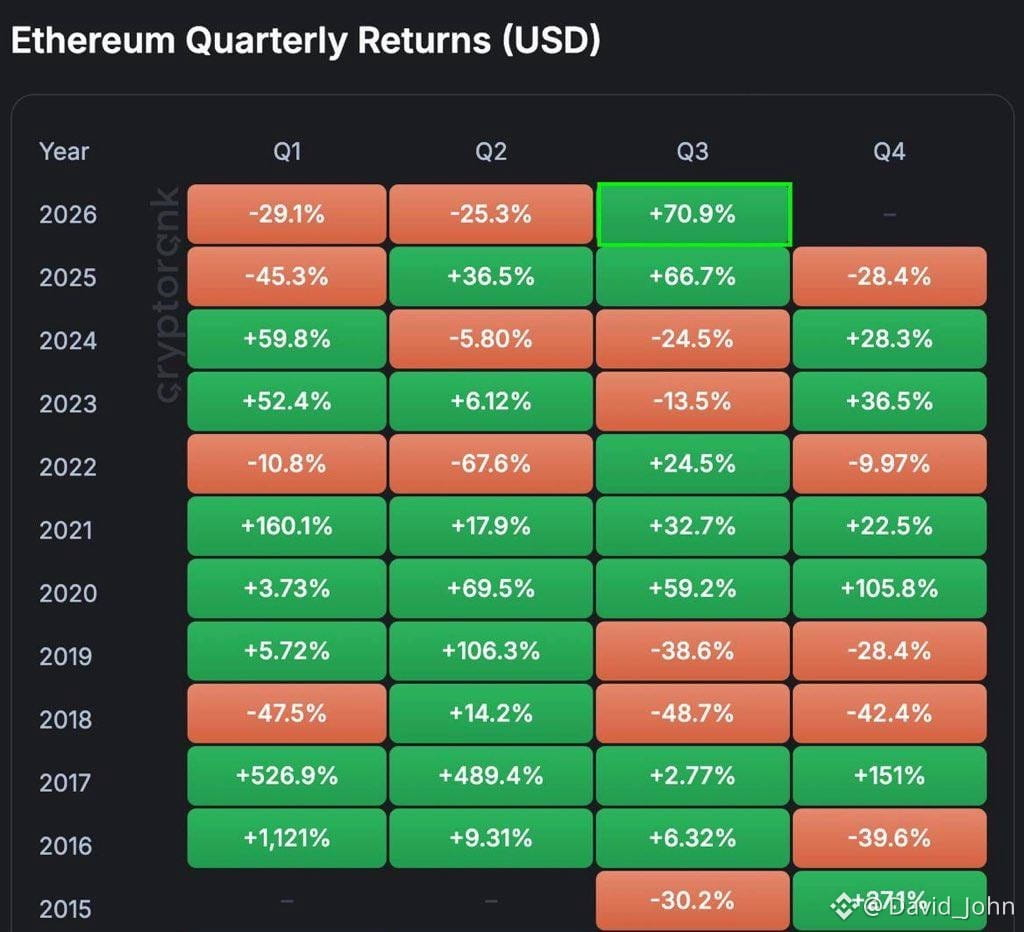
🚨 $ETH hat gerade Geschichte geschrieben 🚨
$ETH hat offiziell sein stärkstes Q3 aller Zeiten geschlossen. 🔥
Ethereum beendete das Q3 2026 mit einem Plus von rund +70,5% bis +71% im Quartal – und übertraf damit den bisherigen Q3-Rekord von etwa +66,5%, der 2025 aufgestellt wurde.
Und da ist noch ein weiteres massives Detail…
$ETH beendete den September bei etwa 2,67 Tsd. $, womit Ethereum den höchsten monatlichen Schlusskurs des Jahres 2026 erzielte und das Quartal nahe dem oberen Bereich seiner jährlichen Erholungsrange abschloss. Marktdaten zeigen, dass ETH von rund 1.570 $ zu Beginn des Q3 auf etwa 2.677–2.689 $ zum September-Schluss gestiegen ist.
Denk an diese Bewegung:
ETH startete das Q3 bei nah 1,57 Tsd. $
➡️ explodierte über 2.000 $
➡️ machte 2,4 Tsd. $ wieder zugänglich
➡️ stieß in den Bereich von 2,7 Tsd. $–2,8 Tsd. $
➡️ schloss das Q3 bei rund 2,68 Tsd. $
Das ist nicht nur ein Rebound.
Das ist eine große Umkehr des Quartalstrends. ⚡
Und auch das fundamentale Umfeld wird zunehmend interessant.
🏦 Institutionelle Nachfrage
US-amerikanische Spot-ETH-ETFs zogen weiterhin Kapital bis Ende September an. In den fünf Handelstagen bis zum 29. September verzeichneten die erfassten Spot-ETH-ETFs rund 287,5 Mio. $ an Nettozuflüssen, wobei etwa 5,91 Mio. ETH von den erfassten Fonds gehalten wurden.
Währenddessen meldete Bitmine, dass bis zum 27. September mehr als 6 Millionen ETH gehalten wurden – ungefähr 4,9% des gesamten Ethereum-Angebots — mit mehr als 5 Millionen ETH im Staking.
⚙️ Auch Ethereums Protokoll-Roadmap bewegt sich
Die Ethereum Foundation kündigte im September die Glamsterdam-Testnet-Phase an. Das Upgrade konzentriert sich auf bedeutende Skalierungs- und Blockproduktionsverbesserungen, darunter die verankerte Trennung von Proposer und Builder (ePBS) sowie Block-Level-Access-Listen (BALs). Die Aktivierung von Sepolia ist für den 6. Oktober 2026 geplant.
Schau dir jetzt den Chart an…
ETH markierte ein Q3-Hoch bei etwa 2.775 $, während die breitere Erholung den Kurs von den 1.500ern in die hohen 2.000er brachte.
🔥 Die große Marke jetzt: 2.800 $
ETH ist diesem Bereich mehrfach nahegekommen, wodurch er ein wichtiges Beobachtungsgebiet bleibt.
Ein überzeugender Breakout und ein Halten über 2.800 $ würden direkt die psychologische Marke von 3.000 $ in den Fokus rücken.
🚨 $ETH hat gerade Geschichte geschrieben 🚨
$ETH hat offiziell sein stärkstes Q3 aller Zeiten geschlossen. 🔥
Ethereum beendete das Q3 2026 mit einem Plus von rund +70,5% bis +71% im Quartal – und übertraf damit den bisherigen Q3-Rekord von etwa +66,5%, der 2025 aufgestellt wurde.
Und da ist noch ein weiteres massives Detail…
$ETH beendete den September bei etwa 2,67 Tsd. $, womit Ethereum den höchsten monatlichen Schlusskurs des Jahres 2026 erzielte und das Quartal nahe dem oberen Bereich seiner jährlichen Erholungsrange abschloss. Marktdaten zeigen, dass ETH von rund 1.570 $ zu Beginn des Q3 auf etwa 2.677–2.689 $ zum September-Schluss gestiegen ist.
Denk an diese Bewegung:
ETH startete das Q3 bei nah 1,57 Tsd. $
➡️ explodierte über 2.000 $
➡️ machte 2,4 Tsd. $ wieder zugänglich
➡️ stieß in den Bereich von 2,7 Tsd. $–2,8 Tsd. $
➡️ schloss das Q3 bei rund 2,68 Tsd. $
Das ist nicht nur ein Rebound.
Das ist eine große Umkehr des Quartalstrends. ⚡
Und auch das fundamentale Umfeld wird zunehmend interessant.
🏦 Institutionelle Nachfrage
US-amerikanische Spot-ETH-ETFs zogen weiterhin Kapital bis Ende September an. In den fünf Handelstagen bis zum 29. September verzeichneten die erfassten Spot-ETH-ETFs rund 287,5 Mio. $ an Nettozuflüssen, wobei etwa 5,91 Mio. ETH von den erfassten Fonds gehalten wurden.
Währenddessen meldete Bitmine, dass bis zum 27. September mehr als 6 Millionen ETH gehalten wurden – ungefähr 4,9% des gesamten Ethereum-Angebots — mit mehr als 5 Millionen ETH im Staking.
⚙️ Auch Ethereums Protokoll-Roadmap bewegt sich
Die Ethereum Foundation kündigte im September die Glamsterdam-Testnet-Phase an. Das Upgrade konzentriert sich auf bedeutende Skalierungs- und Blockproduktionsverbesserungen, darunter die verankerte Trennung von Proposer und Builder (ePBS) sowie Block-Level-Access-Listen (BALs). Die Aktivierung von Sepolia ist für den 6. Oktober 2026 geplant.
Schau dir jetzt den Chart an…
ETH markierte ein Q3-Hoch bei etwa 2.775 $, während die breitere Erholung den Kurs von den 1.500ern in die hohen 2.000er brachte.
🔥 Die große Marke jetzt: 2.800 $
ETH ist diesem Bereich mehrfach nahegekommen, wodurch er ein wichtiges Beobachtungsgebiet bleibt.
Ein überzeugender Breakout und ein Halten über 2.800 $ würden direkt die psychologische Marke von 3.000 $ in den Fokus rücken.
$ETH hat offiziell sein stärkstes Q3 aller Zeiten geschlossen. 🔥
Ethereum beendete das Q3 2026 mit einem Plus von rund +70,5% bis +71% im Quartal – und übertraf damit den bisherigen Q3-Rekord von etwa +66,5%, der 2025 aufgestellt wurde.
Und da ist noch ein weiteres massives Detail…
$ETH beendete den September bei etwa 2,67 Tsd. $, womit Ethereum den höchsten monatlichen Schlusskurs des Jahres 2026 erzielte und das Quartal nahe dem oberen Bereich seiner jährlichen Erholungsrange abschloss. Marktdaten zeigen, dass ETH von rund 1.570 $ zu Beginn des Q3 auf etwa 2.677–2.689 $ zum September-Schluss gestiegen ist.
Denk an diese Bewegung:
ETH startete das Q3 bei nah 1,57 Tsd. $
➡️ explodierte über 2.000 $
➡️ machte 2,4 Tsd. $ wieder zugänglich
➡️ stieß in den Bereich von 2,7 Tsd. $–2,8 Tsd. $
➡️ schloss das Q3 bei rund 2,68 Tsd. $
Das ist nicht nur ein Rebound.
Das ist eine große Umkehr des Quartalstrends. ⚡
Und auch das fundamentale Umfeld wird zunehmend interessant.
🏦 Institutionelle Nachfrage
US-amerikanische Spot-ETH-ETFs zogen weiterhin Kapital bis Ende September an. In den fünf Handelstagen bis zum 29. September verzeichneten die erfassten Spot-ETH-ETFs rund 287,5 Mio. $ an Nettozuflüssen, wobei etwa 5,91 Mio. ETH von den erfassten Fonds gehalten wurden.
Währenddessen meldete Bitmine, dass bis zum 27. September mehr als 6 Millionen ETH gehalten wurden – ungefähr 4,9% des gesamten Ethereum-Angebots — mit mehr als 5 Millionen ETH im Staking.
⚙️ Auch Ethereums Protokoll-Roadmap bewegt sich
Die Ethereum Foundation kündigte im September die Glamsterdam-Testnet-Phase an. Das Upgrade konzentriert sich auf bedeutende Skalierungs- und Blockproduktionsverbesserungen, darunter die verankerte Trennung von Proposer und Builder (ePBS) sowie Block-Level-Access-Listen (BALs). Die Aktivierung von Sepolia ist für den 6. Oktober 2026 geplant.
Schau dir jetzt den Chart an…
ETH markierte ein Q3-Hoch bei etwa 2.775 $, während die breitere Erholung den Kurs von den 1.500ern in die hohen 2.000er brachte.
🔥 Die große Marke jetzt: 2.800 $
ETH ist diesem Bereich mehrfach nahegekommen, wodurch er ein wichtiges Beobachtungsgebiet bleibt.
Ein überzeugender Breakout und ein Halten über 2.800 $ würden direkt die psychologische Marke von 3.000 $ in den Fokus rücken.
1
2
621
·
--
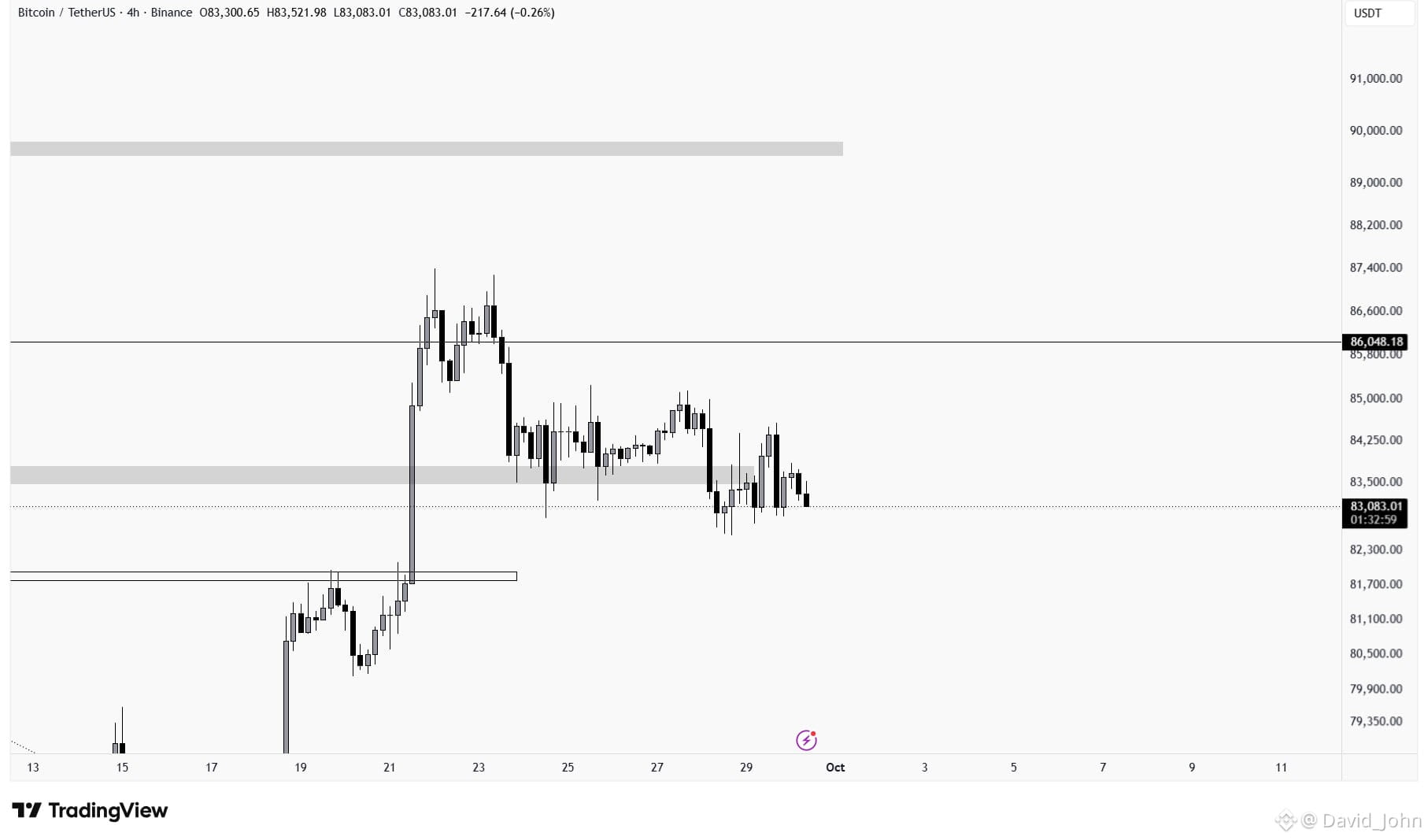
$BTC 🚨
$BTC zeigt 4H-bärischen Druck um $83,083, wobei die $83.5K-Unterstützungszone nun unter Bedrohung steht. Eine saubere Abweisung/Re-Tests unterhalb dieses Bereichs könnte den Weg nach unten öffnen. ⚡
EP: $83,150–$83,650
TP1: $82,300
TP2: $81,850
TP3: $80,500
SL: $84,300
🔥 Wichtiger Widerstand: $86,048
🧱 Bedeutendes Supply: $89,500–$89,800
Trigger: 4H-Akzeptanz unter $83.5K → bärische Fortsetzung.
Invalidierung: Starke Rückeroberung über $84.3K.
$BTC — das Breakdown-Setup heizt sich auf. 📉🔥
$BTC 🚨
$BTC zeigt 4H-bärischen Druck um $83,083, wobei die $83.5K-Unterstützungszone nun unter Bedrohung steht. Eine saubere Abweisung/Re-Tests unterhalb dieses Bereichs könnte den Weg nach unten öffnen. ⚡
EP: $83,150–$83,650
TP1: $82,300
TP2: $81,850
TP3: $80,500
SL: $84,300
🔥 Wichtiger Widerstand: $86,048
🧱 Bedeutendes Supply: $89,500–$89,800
Trigger: 4H-Akzeptanz unter $83.5K → bärische Fortsetzung.
Invalidierung: Starke Rückeroberung über $84.3K.
$BTC — das Breakdown-Setup heizt sich auf. 📉🔥
$BTC zeigt 4H-bärischen Druck um $83,083, wobei die $83.5K-Unterstützungszone nun unter Bedrohung steht. Eine saubere Abweisung/Re-Tests unterhalb dieses Bereichs könnte den Weg nach unten öffnen. ⚡
EP: $83,150–$83,650
TP1: $82,300
TP2: $81,850
TP3: $80,500
SL: $84,300
🔥 Wichtiger Widerstand: $86,048
🧱 Bedeutendes Supply: $89,500–$89,800
Trigger: 4H-Akzeptanz unter $83.5K → bärische Fortsetzung.
Invalidierung: Starke Rückeroberung über $84.3K.
$BTC — das Breakdown-Setup heizt sich auf. 📉🔥
3
433
·
--
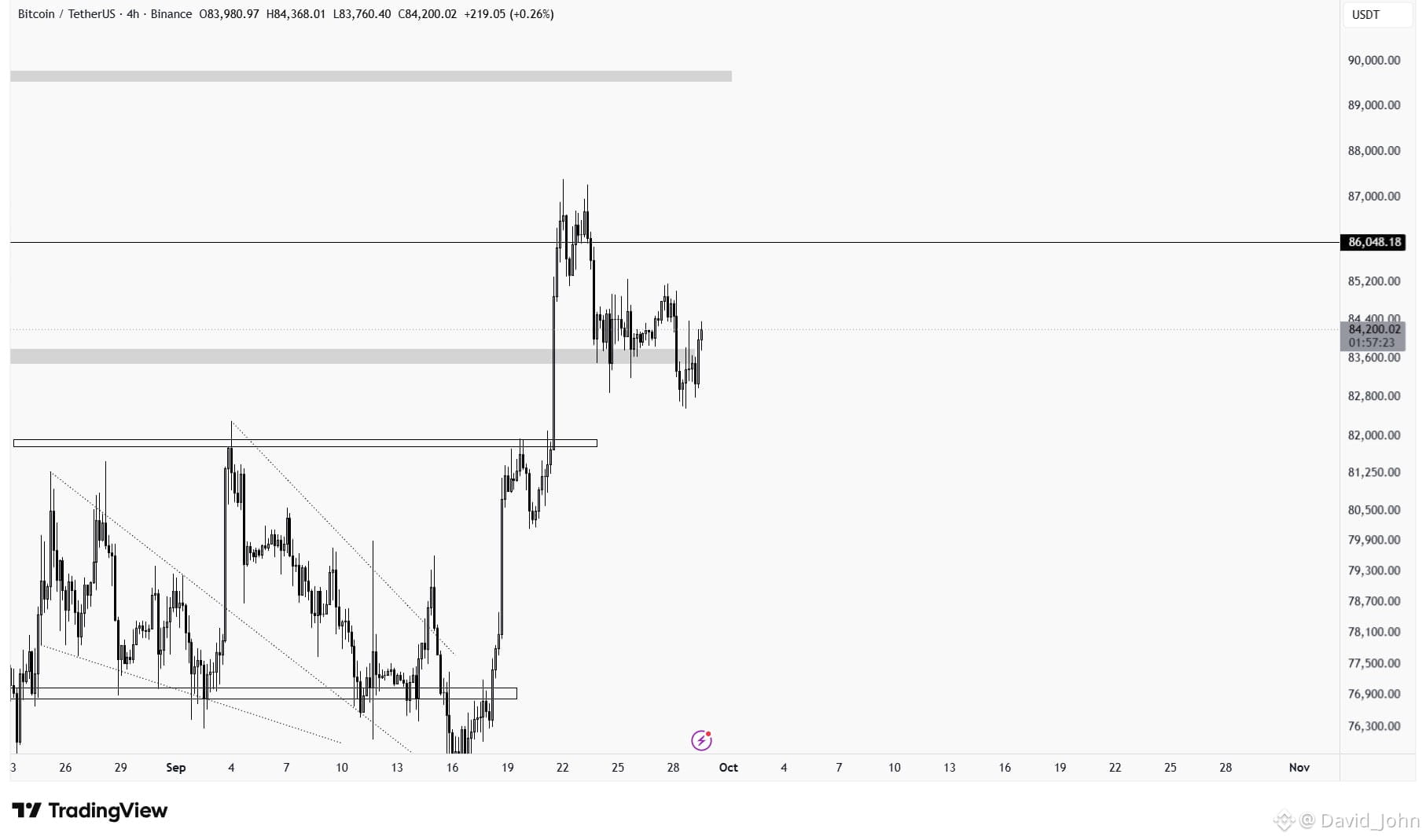
🚨 $BTC wird für den nächsten Zug geladen!
BTC handelt bei etwa 84.200 $ auf dem 4H-Chart und hält sich über der wichtigen Unterstützungszone bei 83.600 $ nach einem starken Anstieg von 76.900 $.
🔥 Wichtige Levels • Kaufzone: 83.600–84.000 $
• TP1: 86.048
• TP2: 87.000
• TP3: 89.400–90.000
• SL: 82.800
⚡ Ein sauberer 4H-Ausbruch über 86.048 könnte die nächste Ausweitung Richtung 87K → 89,4K+ entfachen.
Wenn 83,6K verloren gehen, kann BTC $82K erneut testen.
$BTC — die Volatilität steigt. Beobachte den Ausbruch! 🚀
🚨 $BTC wird für den nächsten Zug geladen!
BTC handelt bei etwa 84.200 $ auf dem 4H-Chart und hält sich über der wichtigen Unterstützungszone bei 83.600 $ nach einem starken Anstieg von 76.900 $.
🔥 Wichtige Levels • Kaufzone: 83.600–84.000 $
• TP1: 86.048
• TP2: 87.000
• TP3: 89.400–90.000
• SL: 82.800
⚡ Ein sauberer 4H-Ausbruch über 86.048 könnte die nächste Ausweitung Richtung 87K → 89,4K+ entfachen.
Wenn 83,6K verloren gehen, kann BTC $82K erneut testen.
$BTC — die Volatilität steigt. Beobachte den Ausbruch! 🚀
BTC handelt bei etwa 84.200 $ auf dem 4H-Chart und hält sich über der wichtigen Unterstützungszone bei 83.600 $ nach einem starken Anstieg von 76.900 $.
🔥 Wichtige Levels • Kaufzone: 83.600–84.000 $
• TP1: 86.048
• TP2: 87.000
• TP3: 89.400–90.000
• SL: 82.800
⚡ Ein sauberer 4H-Ausbruch über 86.048 könnte die nächste Ausweitung Richtung 87K → 89,4K+ entfachen.
Wenn 83,6K verloren gehen, kann BTC $82K erneut testen.
$BTC — die Volatilität steigt. Beobachte den Ausbruch! 🚀
2
285
·
--
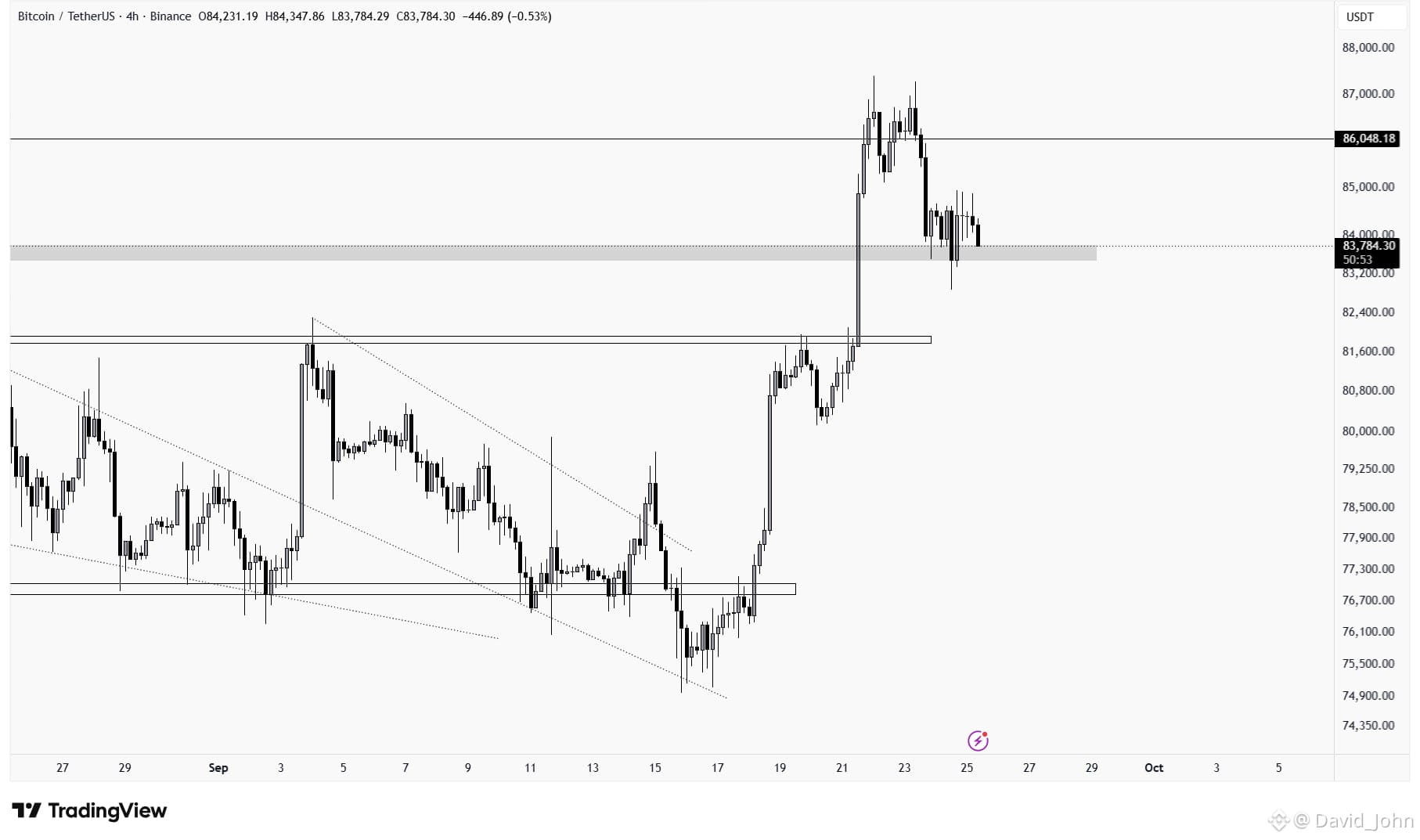
🚨 $BTC 4H SETUP — GROSSE BEWEGUNG LAUFEND?
Bitcoin konsolidiert um $83.784 herum, nachdem es einen starken Ausbruch aus dem Bereich von $81,6K gegeben hat.
🟢 Wichtiges Support-Level: $83.2K–$83.9K
🔥 Bedeutender Widerstand: $86.05K
🎯 Ausbruch-Level: $87K → $88K
⚠️ Abwärtsrisiko: Unter $83.2K könnte eine Bewegung in Richtung $81.6K starten
Die Struktur bleibt eng: Support halten + $86.05K zurückerobern = Setup für Momentum-Expansion.
Verliere die graue Zone, und die Ausbruch-Struktur wird herausgefordert.
BTC befindet sich in der Entscheidungszone. 👀⚡
#BTC #Bitcoin #Crypto #Trading #BTCUSDT
🚨 $BTC 4H SETUP — GROSSE BEWEGUNG LAUFEND?
Bitcoin konsolidiert um $83.784 herum, nachdem es einen starken Ausbruch aus dem Bereich von $81,6K gegeben hat.
🟢 Wichtiges Support-Level: $83.2K–$83.9K
🔥 Bedeutender Widerstand: $86.05K
🎯 Ausbruch-Level: $87K → $88K
⚠️ Abwärtsrisiko: Unter $83.2K könnte eine Bewegung in Richtung $81.6K starten
Die Struktur bleibt eng: Support halten + $86.05K zurückerobern = Setup für Momentum-Expansion.
Verliere die graue Zone, und die Ausbruch-Struktur wird herausgefordert.
BTC befindet sich in der Entscheidungszone. 👀⚡
#BTC #Bitcoin #Crypto #Trading #BTCUSDT
Bitcoin konsolidiert um $83.784 herum, nachdem es einen starken Ausbruch aus dem Bereich von $81,6K gegeben hat.
🟢 Wichtiges Support-Level: $83.2K–$83.9K
🔥 Bedeutender Widerstand: $86.05K
🎯 Ausbruch-Level: $87K → $88K
⚠️ Abwärtsrisiko: Unter $83.2K könnte eine Bewegung in Richtung $81.6K starten
Die Struktur bleibt eng: Support halten + $86.05K zurückerobern = Setup für Momentum-Expansion.
Verliere die graue Zone, und die Ausbruch-Struktur wird herausgefordert.
BTC befindet sich in der Entscheidungszone. 👀⚡
#BTC #Bitcoin #Crypto #Trading #BTCUSDT
3
921
·
--
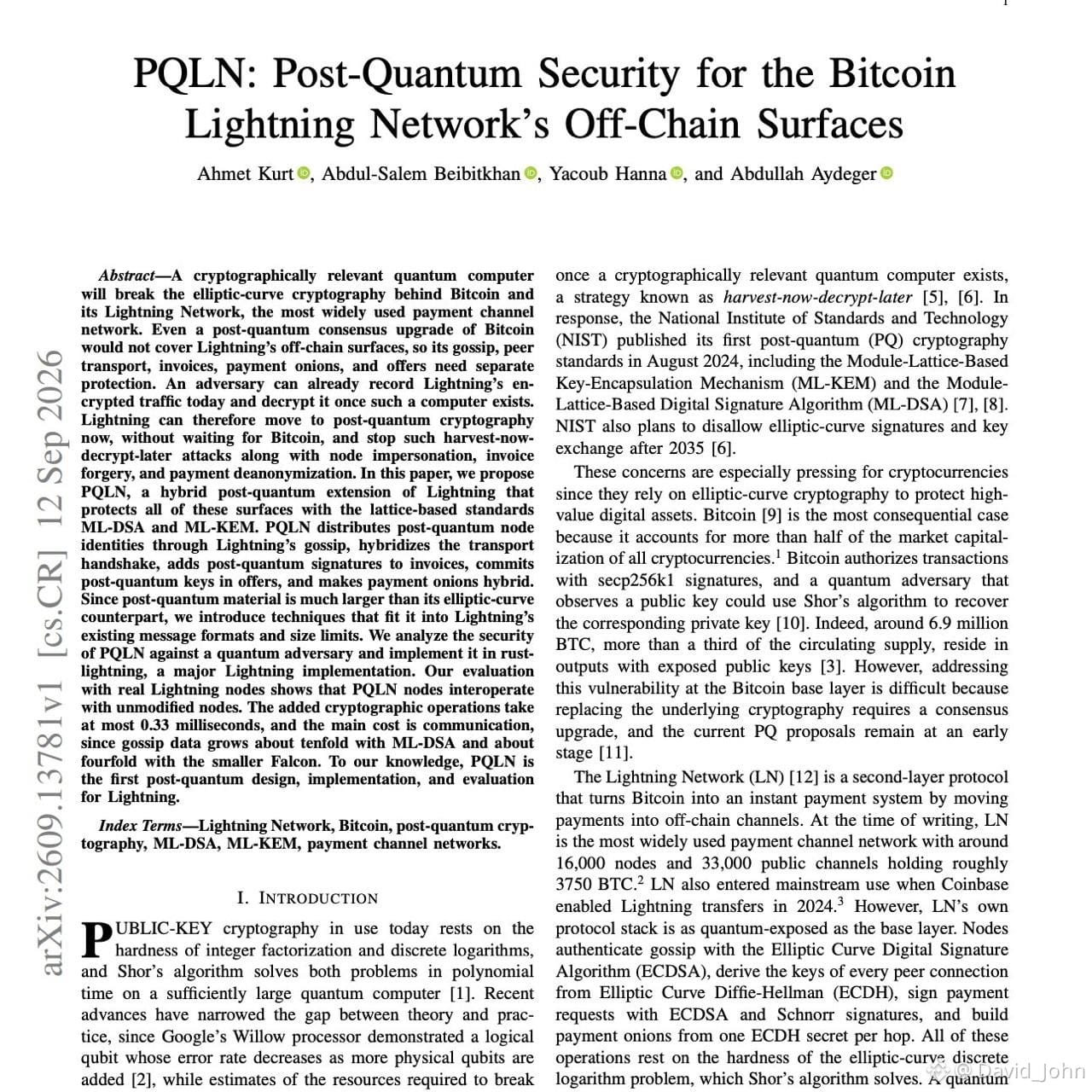
🚨 BITCOIN LIGHTNING HAT SOEBEN EIN QUANTEN-SCHILD BEKOMMEN ⚡️
Ein Forschungsteam der East Texas A&M University hat PQLN entwickelt: eine post-quantum Sicherheits-Schicht, die Bitcoins Lightning Network vor zukünftigen Quantenangriffen schützen soll.
🔐 Nutzt ML-DSA + ML-KEM gitterbasierte Kryptografie
⚙️ ~11.000 Zeilen wurden zu rust-lightning hinzugefügt
⚡ Kryptografischer Overhead: ≤0,33 ms pro Operation
🌐 Getestet in 12 gemischten Szenarien mit Legacy- + aktualisierten Nodes
✅ Keine festhängenden Zahlungen in ihren Interoperabilitäts-Tests
📡 Hauptnachteil: ungefähr 10× mehr Gossip-Bandbreite mit ML-DSA
Und der verrückte Teil?
PQLN kann parallel zu bestehenden Lightning-Nodes laufen, ohne die Basisschicht von Bitcoin zu ändern.
Der Haken: Es schützt die Off-Chain-Oberflächen von Lightning, nicht die zugrunde liegenden On-Chain-Gelder von Bitcoin.
Quantencomputing ist vielleicht noch Jahre entfernt — aber Bitcoins Lightning Network bereitet sich bereits darauf vor. 🔥🟠
#Bitcoin #BTC #LightningNetwork #QuantumComputing #Crypto
🚨 BITCOIN LIGHTNING HAT SOEBEN EIN QUANTEN-SCHILD BEKOMMEN ⚡️
Ein Forschungsteam der East Texas A&M University hat PQLN entwickelt: eine post-quantum Sicherheits-Schicht, die Bitcoins Lightning Network vor zukünftigen Quantenangriffen schützen soll.
🔐 Nutzt ML-DSA + ML-KEM gitterbasierte Kryptografie
⚙️ ~11.000 Zeilen wurden zu rust-lightning hinzugefügt
⚡ Kryptografischer Overhead: ≤0,33 ms pro Operation
🌐 Getestet in 12 gemischten Szenarien mit Legacy- + aktualisierten Nodes
✅ Keine festhängenden Zahlungen in ihren Interoperabilitäts-Tests
📡 Hauptnachteil: ungefähr 10× mehr Gossip-Bandbreite mit ML-DSA
Und der verrückte Teil?
PQLN kann parallel zu bestehenden Lightning-Nodes laufen, ohne die Basisschicht von Bitcoin zu ändern.
Der Haken: Es schützt die Off-Chain-Oberflächen von Lightning, nicht die zugrunde liegenden On-Chain-Gelder von Bitcoin.
Quantencomputing ist vielleicht noch Jahre entfernt — aber Bitcoins Lightning Network bereitet sich bereits darauf vor. 🔥🟠
#Bitcoin #BTC #LightningNetwork #QuantumComputing #Crypto
Ein Forschungsteam der East Texas A&M University hat PQLN entwickelt: eine post-quantum Sicherheits-Schicht, die Bitcoins Lightning Network vor zukünftigen Quantenangriffen schützen soll.
🔐 Nutzt ML-DSA + ML-KEM gitterbasierte Kryptografie
⚙️ ~11.000 Zeilen wurden zu rust-lightning hinzugefügt
⚡ Kryptografischer Overhead: ≤0,33 ms pro Operation
🌐 Getestet in 12 gemischten Szenarien mit Legacy- + aktualisierten Nodes
✅ Keine festhängenden Zahlungen in ihren Interoperabilitäts-Tests
📡 Hauptnachteil: ungefähr 10× mehr Gossip-Bandbreite mit ML-DSA
Und der verrückte Teil?
PQLN kann parallel zu bestehenden Lightning-Nodes laufen, ohne die Basisschicht von Bitcoin zu ändern.
Der Haken: Es schützt die Off-Chain-Oberflächen von Lightning, nicht die zugrunde liegenden On-Chain-Gelder von Bitcoin.
Quantencomputing ist vielleicht noch Jahre entfernt — aber Bitcoins Lightning Network bereitet sich bereits darauf vor. 🔥🟠
#Bitcoin #BTC #LightningNetwork #QuantumComputing #Crypto
1
269
·
--
🚨 $ETH IS RÜCKT DER GESCHICHTE AUF DEN FERSEN! 🚨
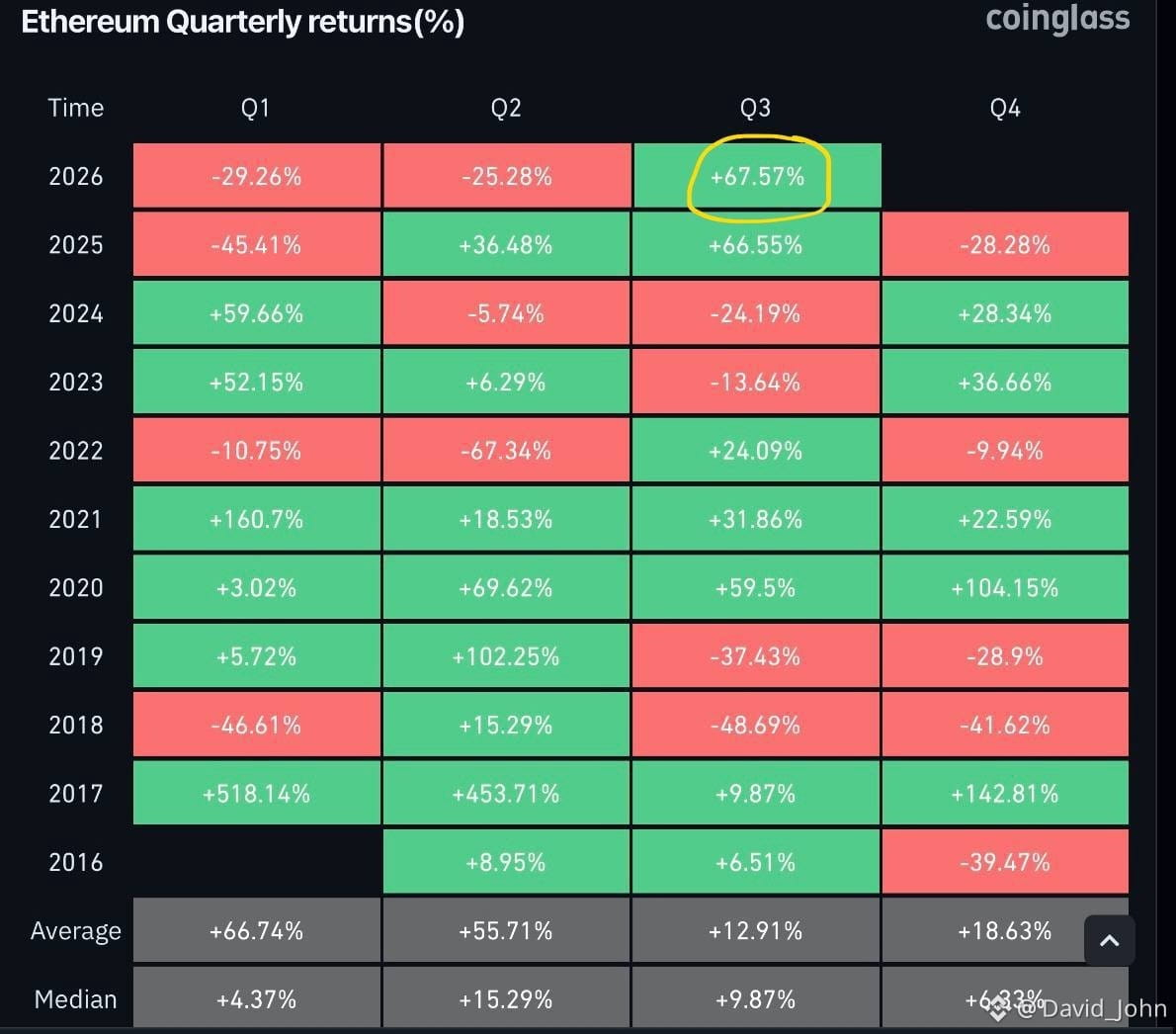
Ethereum ist im Q3 2026 ungefähr um +64,8% explodiert und hat sich damit auf nahe $2.651 bewegt, nachdem es das Quartal bei rund $1.609 gestartet hatte.
Das Verrückte daran? ETH ist jetzt nur noch ~1,1% davon entfernt, den 66,55%-Rekord für das Q3 aus dem Jahr 2025 einzuholen. 🔥
Institutionelle Nachfrage liefert zusätzlichen Treibstoff: Spot-ETH-ETFs ziehen Milliarden an Kapital an, während das nächste große „Glamsterdam“-Upgrade von Ethereum weiterhin durch Tests vorankommt.
Noch ein Durchbruch … und ETH könnte direkt auf ein neues Meilenstein-Q3 zusteuern. 👀
$ETH 🚀🔥
{spot}(ETHUSDT)
🚨 $ETH IS RÜCKT DER GESCHICHTE AUF DEN FERSEN! 🚨
Ethereum ist im Q3 2026 ungefähr um +64,8% explodiert und hat sich damit auf nahe $2.651 bewegt, nachdem es das Quartal bei rund $1.609 gestartet hatte.
Das Verrückte daran? ETH ist jetzt nur noch ~1,1% davon entfernt, den 66,55%-Rekord für das Q3 aus dem Jahr 2025 einzuholen. 🔥
Institutionelle Nachfrage liefert zusätzlichen Treibstoff: Spot-ETH-ETFs ziehen Milliarden an Kapital an, während das nächste große „Glamsterdam“-Upgrade von Ethereum weiterhin durch Tests vorankommt.
Noch ein Durchbruch … und ETH könnte direkt auf ein neues Meilenstein-Q3 zusteuern. 👀
$ETH 🚀🔥
Ethereum ist im Q3 2026 ungefähr um +64,8% explodiert und hat sich damit auf nahe $2.651 bewegt, nachdem es das Quartal bei rund $1.609 gestartet hatte.
Das Verrückte daran? ETH ist jetzt nur noch ~1,1% davon entfernt, den 66,55%-Rekord für das Q3 aus dem Jahr 2025 einzuholen. 🔥
Institutionelle Nachfrage liefert zusätzlichen Treibstoff: Spot-ETH-ETFs ziehen Milliarden an Kapital an, während das nächste große „Glamsterdam“-Upgrade von Ethereum weiterhin durch Tests vorankommt.
Noch ein Durchbruch … und ETH könnte direkt auf ein neues Meilenstein-Q3 zusteuern. 👀
$ETH 🚀🔥
4
2.4k
·
--
$BTC 🚀
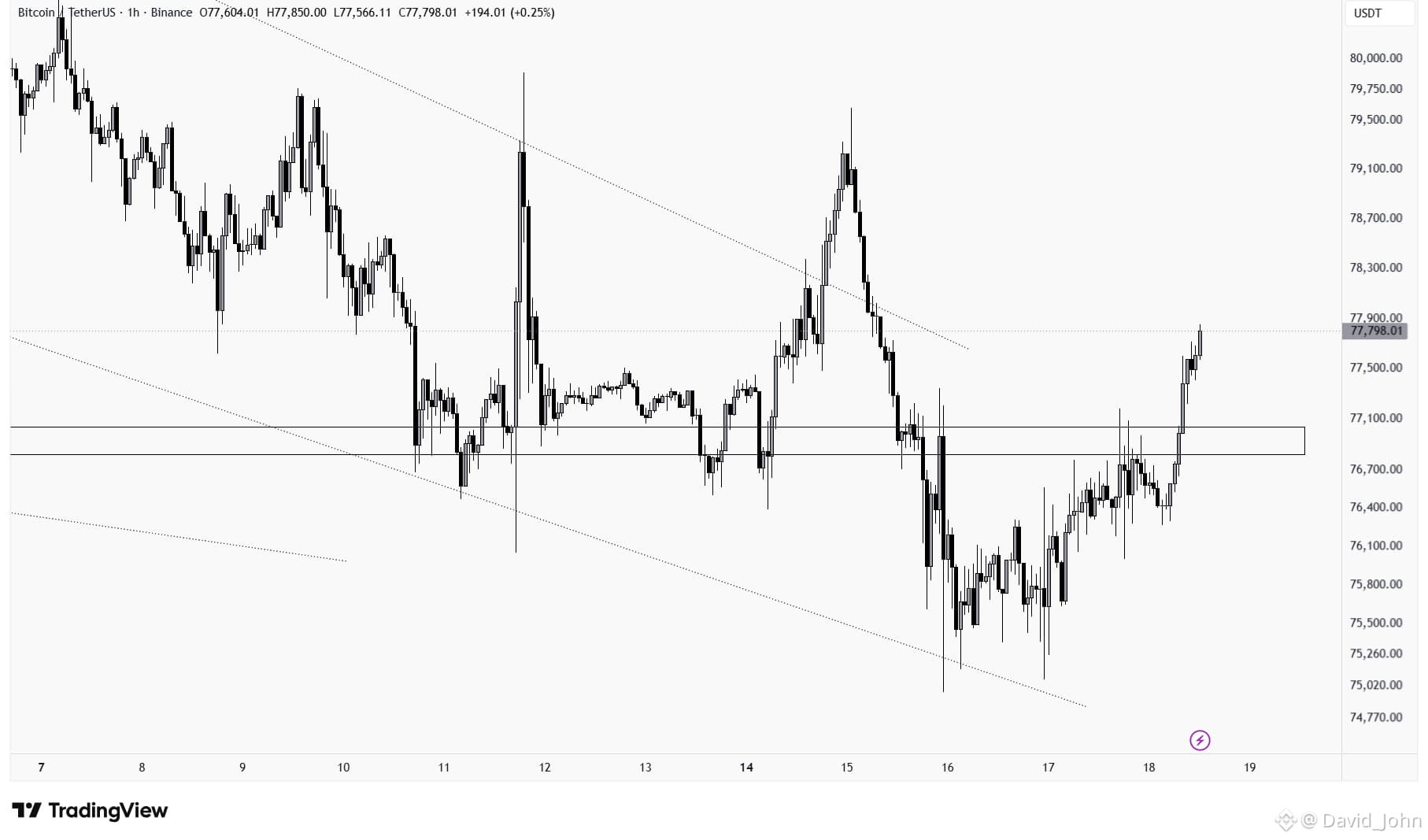
$BTC bricht auf dem 1H-Chart nach oben aus, erobert die Widerstandszone von 76.800 bis 77.100 $ zurück und drängt auf 77.798 $.
📍 Kaufzone: 77.500–77.800 $
🎯 TP1: 78.300 $
🎯 TP2: 78.700 $
🎯 TP3: 79.100 $
🛑 SL: 77.050 $
Ein sauberer Halt über 77.100 $ könnte den Weg in Richtung 78,7K–79,1K öffnen. Der Momentum nimmt zu — beobachte den Ausbruch! ⚡
$BTC 🚀
$BTC bricht auf dem 1H-Chart nach oben aus, erobert die Widerstandszone von 76.800 bis 77.100 $ zurück und drängt auf 77.798 $.
📍 Kaufzone: 77.500–77.800 $
🎯 TP1: 78.300 $
🎯 TP2: 78.700 $
🎯 TP3: 79.100 $
🛑 SL: 77.050 $
Ein sauberer Halt über 77.100 $ könnte den Weg in Richtung 78,7K–79,1K öffnen. Der Momentum nimmt zu — beobachte den Ausbruch! ⚡
$BTC bricht auf dem 1H-Chart nach oben aus, erobert die Widerstandszone von 76.800 bis 77.100 $ zurück und drängt auf 77.798 $.
📍 Kaufzone: 77.500–77.800 $
🎯 TP1: 78.300 $
🎯 TP2: 78.700 $
🎯 TP3: 79.100 $
🛑 SL: 77.050 $
Ein sauberer Halt über 77.100 $ könnte den Weg in Richtung 78,7K–79,1K öffnen. Der Momentum nimmt zu — beobachte den Ausbruch! ⚡
3
292
Anmelden und weiter Inhalte entdecken
Krypto-Nutzer weltweit auf Binance Square kennenlernen
⚡️ Bleib in Sachen Krypto stets am Puls.
💬 Die weltgrößte Kryptobörse vertraut darauf.
👍 Erhalte verlässliche Einblicke von verifizierten Creators.
E-Mail-Adresse/Telefonnummer
Trendthemen
BinancePick
3M Aufrufe
152,223 Kommentare
Mach bei #Gewinnsaison mit: Prognostiziere Unternehmensergebnisse auf Binance Pick und teile deine Meinung auf Binance Square!
Binance Square Official
·409 Likes
·342.7k Aufrufe
EarningsSeason
5.3M Aufrufe
25,860 Kommentare
AnthropicTTMRevenueGrewAbout1200%
24,259 Aufrufe
362 Kommentare