

D7-v
150 Beiträge
D7-v
Melden
Nutzer blockieren
Gelegenheitstrader
4.8 Jahre
26 Following
109 Follower
162 Like gegeben
Beiträge
Alle
Zitierungen
Videos
Live
·
--
Artikel
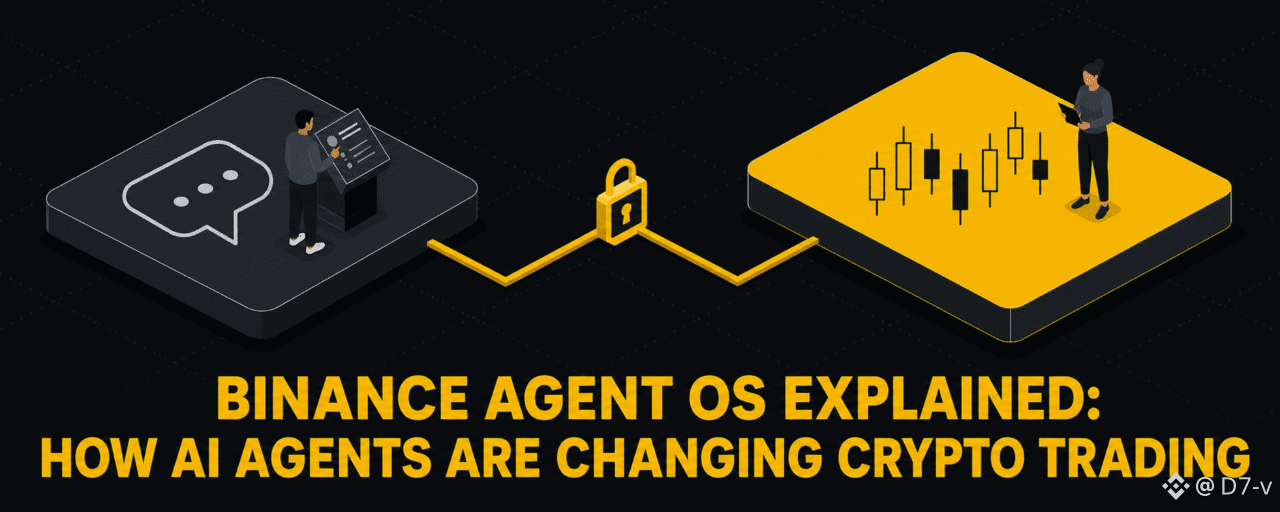
Binance Agent OS erklärt: Wie KI-Agenten den Krypto-Handel verändernStell dir vor, du sagst ChatGPT: „Beobachte Bitcoin für mich und gehe short, wenn die Funding-Rate negativ wird“, und es tut es tatsächlich — in deinem Binance-Konto, innerhalb der von dir gesetzten Grenzen. Das ist kein Gedankenexperiment mehr. Am 20. August 2026 hat Binance Binance Agent OS gestartet, eine Plattform, die es KI-Agenten ermöglicht, sich direkt mit der Handels-, Wallet- und Zahlungsinfrastruktur zu verbinden, und das ist wohl der größte Wandel seit dem Aufstieg der Trading-Bots selbst darin, wie Privat- und institutionelle Trader mit Börsen interagieren werden.
Binance Agent OS erklärt: Wie KI-Agenten den Krypto-Handel verändern
Stell dir vor, du sagst ChatGPT: „Beobachte Bitcoin für mich und gehe short, wenn die Funding-Rate negativ wird“, und es tut es tatsächlich — in deinem Binance-Konto, innerhalb der von dir gesetzten Grenzen. Das ist kein Gedankenexperiment mehr. Am 20. August 2026 hat Binance Binance Agent OS gestartet, eine Plattform, die es KI-Agenten ermöglicht, sich direkt mit der Handels-, Wallet- und Zahlungsinfrastruktur zu verbinden, und das ist wohl der größte Wandel seit dem Aufstieg der Trading-Bots selbst darin, wie Privat- und institutionelle Trader mit Börsen interagieren werden.
112
·
--
Artikel
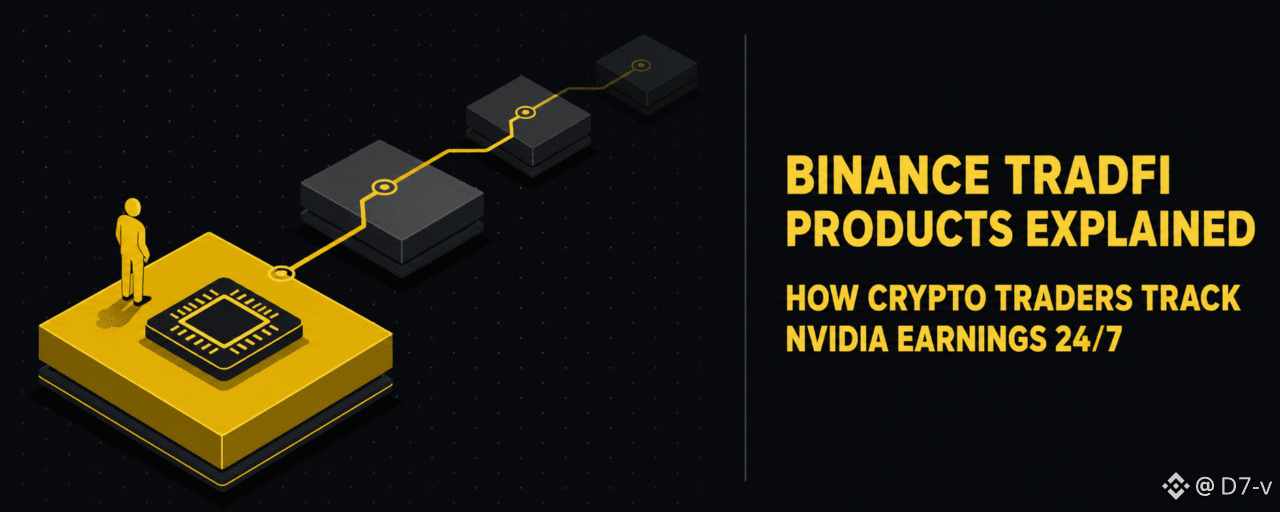
Binance TradFi-Produkte erklärt: Wie Krypto-Trader Nvidias Quartalszahlen rund um die Uhr verfolgenDie meisten Händler denken, dass kursbewegende Nachrichten nur dann wichtig sind, wenn die Börsenglocke läutet. Nvidias Quartalszahlen vom 26. August haben das Gegenteil bewiesen.
Der Bericht erschien, nachdem die US-Märkte geschlossen hatten — genau als Asien erwachte — und die traditionellen Börsen stundenlang dunkel blieben.
Aber bei Binance blieb nichts dunkel. Seine TradFi-Produkte bepreisten die gesamte KI-Lieferkette in Echtzeit weiter und verwandelten ein normalerweise ruhiges nächtliches Zeitfenster in einen der aktivsten Momente der Preisfindung des Quartals.
So funktioniert das tatsächlich — und warum es wichtig ist, selbst wenn Sie noch nie eine traditionelle Aktie angefasst haben.
Binance TradFi-Produkte erklärt: Wie Krypto-Trader Nvidias Quartalszahlen rund um die Uhr verfolgen
Die meisten Händler denken, dass kursbewegende Nachrichten nur dann wichtig sind, wenn die Börsenglocke läutet. Nvidias Quartalszahlen vom 26. August haben das Gegenteil bewiesen.
Der Bericht erschien, nachdem die US-Märkte geschlossen hatten — genau als Asien erwachte — und die traditionellen Börsen stundenlang dunkel blieben.
Aber bei Binance blieb nichts dunkel. Seine TradFi-Produkte bepreisten die gesamte KI-Lieferkette in Echtzeit weiter und verwandelten ein normalerweise ruhiges nächtliches Zeitfenster in einen der aktivsten Momente der Preisfindung des Quartals.
So funktioniert das tatsächlich — und warum es wichtig ist, selbst wenn Sie noch nie eine traditionelle Aktie angefasst haben.
Der Bericht erschien, nachdem die US-Märkte geschlossen hatten — genau als Asien erwachte — und die traditionellen Börsen stundenlang dunkel blieben.
Aber bei Binance blieb nichts dunkel. Seine TradFi-Produkte bepreisten die gesamte KI-Lieferkette in Echtzeit weiter und verwandelten ein normalerweise ruhiges nächtliches Zeitfenster in einen der aktivsten Momente der Preisfindung des Quartals.
So funktioniert das tatsächlich — und warum es wichtig ist, selbst wenn Sie noch nie eine traditionelle Aktie angefasst haben.
1
170
·
--
Artikel
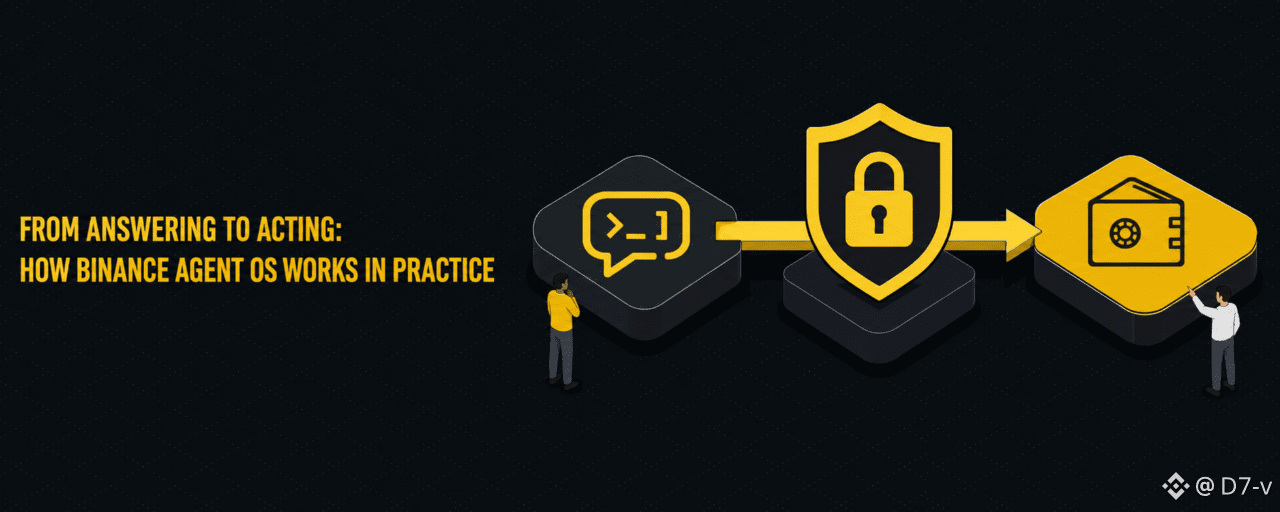
Vom Antworten zum Handeln: So funktioniert Binance Agent OS in der PraxisFrag einen KI-Chatbot, bei welchem Kurs Bitcoin gerade handelt, dann wird er es dir sagen. Bittest du ihn jedoch, tatsächlich etwas zu kaufen — sicher, innerhalb der Grenzen, die du kontrollierst, mit einer nachvollziehbaren Dokumentation — dann war das Gespräch bis vor Kurzem genau dort zu Ende. Binance Agent OS schließt diese Lücke. Es ist die Infrastruktur, die aus einem KI-Agenten vom Redner zum Handelnden macht: Tools wie Claude, Cursor und ChatGPT können Live-Marktdaten von Binance lesen und echte Trades über eine standardisierte, prüfbare Verbindung platzieren, die MCP genannt wird.
Das ist kein Punkt auf einer zukünftigen Roadmap. Es läuft live und funktioniert auf eine bestimmte, beobachtbare Weise: Ein Agent verbindet sich, du erteilst ihm bestimmte Berechtigungen, er liest die Märkte frei ein und fragt um Erlaubnis, bevor er auch nur einen einzigen Dollar berührt. Diese Kombination — echte Leistungsfähigkeit plus echte Schutzgeländer — macht aus „KI-Agent“ aus einem Buzzword etwas, dem man tatsächlich vertrauen kann, mit einem Teil deines Portfolios.
Vom Antworten zum Handeln: So funktioniert Binance Agent OS in der Praxis
Frag einen KI-Chatbot, bei welchem Kurs Bitcoin gerade handelt, dann wird er es dir sagen. Bittest du ihn jedoch, tatsächlich etwas zu kaufen — sicher, innerhalb der Grenzen, die du kontrollierst, mit einer nachvollziehbaren Dokumentation — dann war das Gespräch bis vor Kurzem genau dort zu Ende. Binance Agent OS schließt diese Lücke. Es ist die Infrastruktur, die aus einem KI-Agenten vom Redner zum Handelnden macht: Tools wie Claude, Cursor und ChatGPT können Live-Marktdaten von Binance lesen und echte Trades über eine standardisierte, prüfbare Verbindung platzieren, die MCP genannt wird.
Das ist kein Punkt auf einer zukünftigen Roadmap. Es läuft live und funktioniert auf eine bestimmte, beobachtbare Weise: Ein Agent verbindet sich, du erteilst ihm bestimmte Berechtigungen, er liest die Märkte frei ein und fragt um Erlaubnis, bevor er auch nur einen einzigen Dollar berührt. Diese Kombination — echte Leistungsfähigkeit plus echte Schutzgeländer — macht aus „KI-Agent“ aus einem Buzzword etwas, dem man tatsächlich vertrauen kann, mit einem Teil deines Portfolios.
Das ist kein Punkt auf einer zukünftigen Roadmap. Es läuft live und funktioniert auf eine bestimmte, beobachtbare Weise: Ein Agent verbindet sich, du erteilst ihm bestimmte Berechtigungen, er liest die Märkte frei ein und fragt um Erlaubnis, bevor er auch nur einen einzigen Dollar berührt. Diese Kombination — echte Leistungsfähigkeit plus echte Schutzgeländer — macht aus „KI-Agent“ aus einem Buzzword etwas, dem man tatsächlich vertrauen kann, mit einem Teil deines Portfolios.
1
156
·
--
Artikel
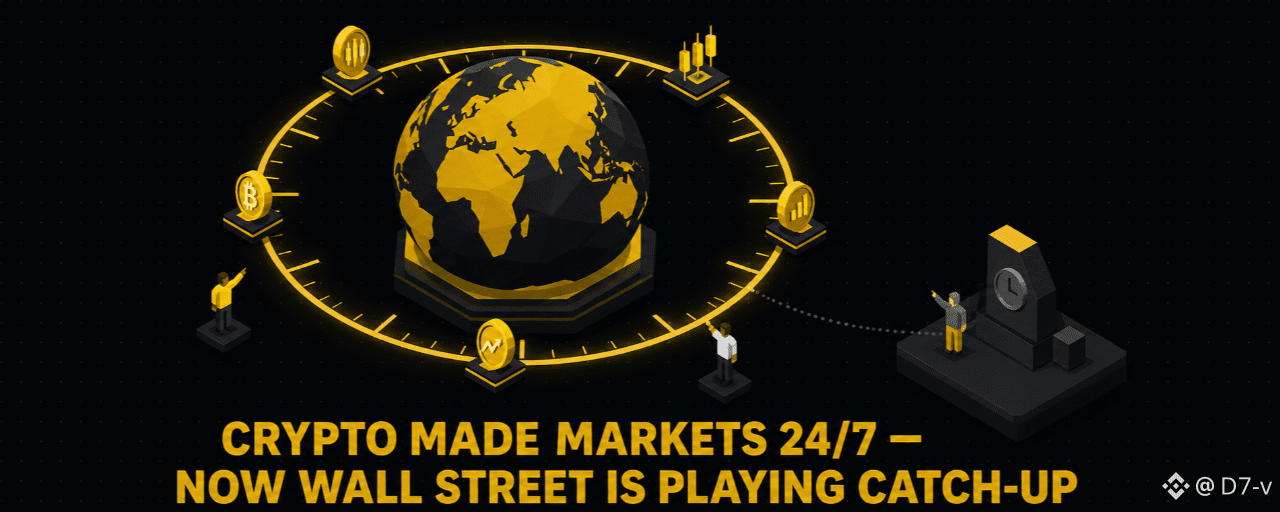
Krypto machte Märkte 24/7 — jetzt versucht die Wall Street aufzuholenKrypto machte Märkte 24/7: Warum die Wall Street endlich versucht aufzuholen
Nasdaqs Umstellung auf 23/5-Handel im Dezember 2026 beweist, dass Krypto mit 24/7-Märkten recht hatte. Deshalb führen kontinuierliche Liquidität – und Plattformen wie Binance – weiterhin den Weg an.
Krypto machte Märkte 24/7. Jetzt versucht die Wall Street aufzuholen
Mehr als ein Jahrhundert lang bedeuteten „Börsenzeiten“ genau eines: In New York läutet um 9:30 Uhr eine Glocke, um 16:00 Uhr eine weitere, und alles dazwischen ist die einzige Zeit, in der echter Handel stattfindet. Krypto hat diese Vorstellung vor über einem Jahrzehnt auf den Kopf gestellt. Bitcoin macht keine Wochenenden. Es pausiert nicht zum Mittagessen in Manhattan und wartet nicht darauf, dass London aufwacht. Es wird durchgehend gehandelt, überall, die ganze Zeit — und genau diese eine Designentscheidung hat unbemerkt die Erwartungen von Anlegern weltweit daran neu geprägt, was ein Markt leisten sollte.
Krypto machte Märkte 24/7 — jetzt versucht die Wall Street aufzuholen
Krypto machte Märkte 24/7: Warum die Wall Street endlich versucht aufzuholen
Nasdaqs Umstellung auf 23/5-Handel im Dezember 2026 beweist, dass Krypto mit 24/7-Märkten recht hatte. Deshalb führen kontinuierliche Liquidität – und Plattformen wie Binance – weiterhin den Weg an.
Krypto machte Märkte 24/7. Jetzt versucht die Wall Street aufzuholen
Mehr als ein Jahrhundert lang bedeuteten „Börsenzeiten“ genau eines: In New York läutet um 9:30 Uhr eine Glocke, um 16:00 Uhr eine weitere, und alles dazwischen ist die einzige Zeit, in der echter Handel stattfindet. Krypto hat diese Vorstellung vor über einem Jahrzehnt auf den Kopf gestellt. Bitcoin macht keine Wochenenden. Es pausiert nicht zum Mittagessen in Manhattan und wartet nicht darauf, dass London aufwacht. Es wird durchgehend gehandelt, überall, die ganze Zeit — und genau diese eine Designentscheidung hat unbemerkt die Erwartungen von Anlegern weltweit daran neu geprägt, was ein Markt leisten sollte.
Nasdaqs Umstellung auf 23/5-Handel im Dezember 2026 beweist, dass Krypto mit 24/7-Märkten recht hatte. Deshalb führen kontinuierliche Liquidität – und Plattformen wie Binance – weiterhin den Weg an.
Krypto machte Märkte 24/7. Jetzt versucht die Wall Street aufzuholen
Mehr als ein Jahrhundert lang bedeuteten „Börsenzeiten“ genau eines: In New York läutet um 9:30 Uhr eine Glocke, um 16:00 Uhr eine weitere, und alles dazwischen ist die einzige Zeit, in der echter Handel stattfindet. Krypto hat diese Vorstellung vor über einem Jahrzehnt auf den Kopf gestellt. Bitcoin macht keine Wochenenden. Es pausiert nicht zum Mittagessen in Manhattan und wartet nicht darauf, dass London aufwacht. Es wird durchgehend gehandelt, überall, die ganze Zeit — und genau diese eine Designentscheidung hat unbemerkt die Erwartungen von Anlegern weltweit daran neu geprägt, was ein Markt leisten sollte.
1
36
·
--
Artikel
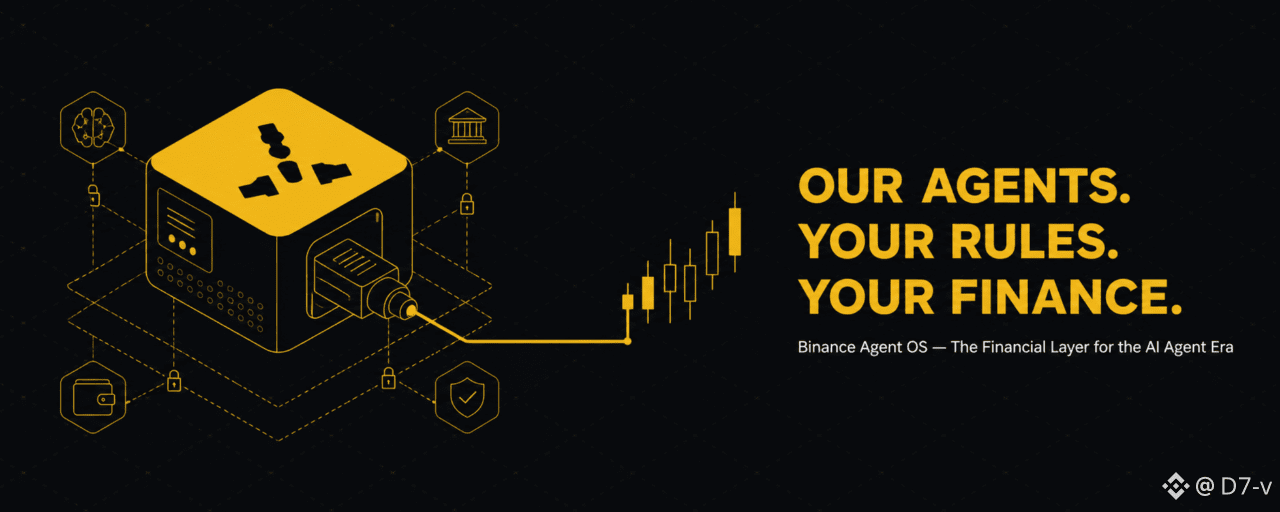
Unsere Agenten, deine Regeln, dein Finanzwesen: Warum Binance die finanzielle Schicht für den KI-Agenten aufbautKI-Agenten sind nicht mehr nur dazu da, Fragen zu beantworten.
In den letzten Jahren lebte KI größtenteils in einer Chatbox. Du stellst eine Frage, sie antwortet. Aber diese Ära endet gerade still und leise. KI-Agenten schreiben jetzt Code, buchen Flüge, verwalten Kalender und—zunehmend—berühren sie echtes Geld. Sobald Software anfängt, statt nur zu reagieren, selbst zu handeln, braucht sie einen Weg, um an finanzielle Märkte zu gelangen, wie es auch ein menschlicher Trader tut: Preise lesen, Guthaben prüfen und Trades ausführen.
Diese Verschiebung ist genau das, wofür Binance Agent OS gebaut wurde. Am 20. August 2026 als Teil von Binance Intelligence gestartet, ist Agent OS eine Entwicklerplattform, die die finanzielle Fähigkeitsschicht für KI-Agenten bildet. Sie ermöglicht es Tools wie ChatGPT, Claude Code, Codex und VS Code, sich direkt mit den Märkten, Wallets und der Handelsinfrastruktur von Binance zu verbinden—unter Berechtigungen, die der Nutzer selbst kontrolliert.
Unsere Agenten, deine Regeln, dein Finanzwesen: Warum Binance die finanzielle Schicht für den KI-Agenten aufbaut
KI-Agenten sind nicht mehr nur dazu da, Fragen zu beantworten.
In den letzten Jahren lebte KI größtenteils in einer Chatbox. Du stellst eine Frage, sie antwortet. Aber diese Ära endet gerade still und leise. KI-Agenten schreiben jetzt Code, buchen Flüge, verwalten Kalender und—zunehmend—berühren sie echtes Geld. Sobald Software anfängt, statt nur zu reagieren, selbst zu handeln, braucht sie einen Weg, um an finanzielle Märkte zu gelangen, wie es auch ein menschlicher Trader tut: Preise lesen, Guthaben prüfen und Trades ausführen.
Diese Verschiebung ist genau das, wofür Binance Agent OS gebaut wurde. Am 20. August 2026 als Teil von Binance Intelligence gestartet, ist Agent OS eine Entwicklerplattform, die die finanzielle Fähigkeitsschicht für KI-Agenten bildet. Sie ermöglicht es Tools wie ChatGPT, Claude Code, Codex und VS Code, sich direkt mit den Märkten, Wallets und der Handelsinfrastruktur von Binance zu verbinden—unter Berechtigungen, die der Nutzer selbst kontrolliert.
In den letzten Jahren lebte KI größtenteils in einer Chatbox. Du stellst eine Frage, sie antwortet. Aber diese Ära endet gerade still und leise. KI-Agenten schreiben jetzt Code, buchen Flüge, verwalten Kalender und—zunehmend—berühren sie echtes Geld. Sobald Software anfängt, statt nur zu reagieren, selbst zu handeln, braucht sie einen Weg, um an finanzielle Märkte zu gelangen, wie es auch ein menschlicher Trader tut: Preise lesen, Guthaben prüfen und Trades ausführen.
Diese Verschiebung ist genau das, wofür Binance Agent OS gebaut wurde. Am 20. August 2026 als Teil von Binance Intelligence gestartet, ist Agent OS eine Entwicklerplattform, die die finanzielle Fähigkeitsschicht für KI-Agenten bildet. Sie ermöglicht es Tools wie ChatGPT, Claude Code, Codex und VS Code, sich direkt mit den Märkten, Wallets und der Handelsinfrastruktur von Binance zu verbinden—unter Berechtigungen, die der Nutzer selbst kontrolliert.
1
40
·
--
Artikel
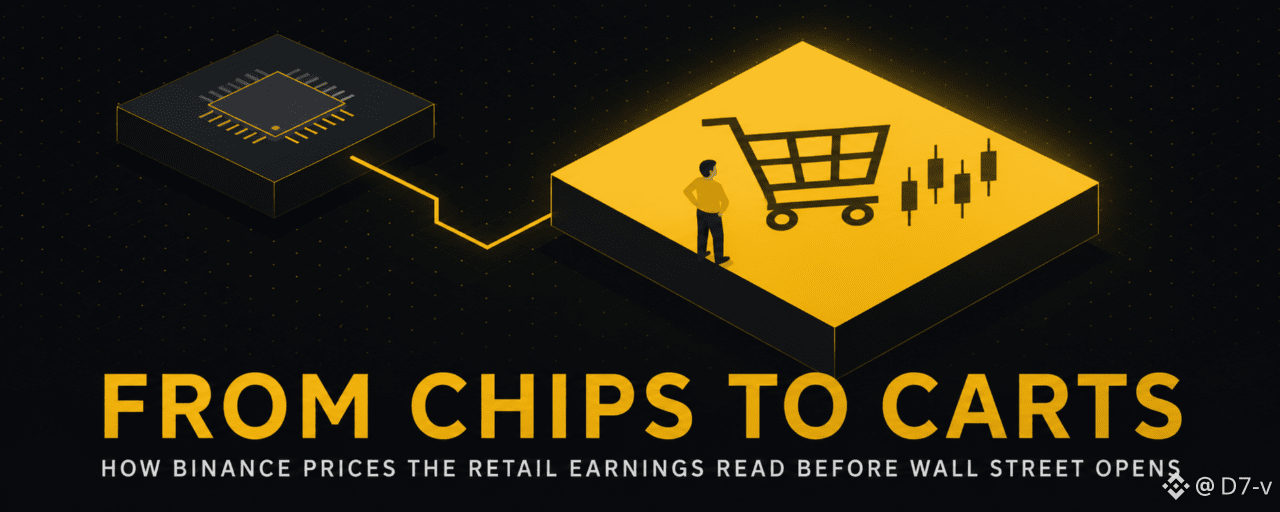
Von Chips zu Einkaufswagen: Wie Binance die Retail-Earnings bewertet, bevor Wall Street überhaupt eröffnetHome Depot hat am 18. August 2026 Ergebnisse veröffentlicht. Target folgte am 19. August. Walmart beendete die Reihe am 20. August. Drei der größten Einzelhändler Amerikas, drei Tage, eine Geschichte — und zum ersten Mal seit zwei Jahren war das makroökonomische Gespräch des Marktes nicht über Chips.
Für den Großteil der Jahre 2024–2026 gehörte dieses Gespräch zum AI-Handel — Nvidia, Micron, Broadcom und jeder Chip-Name dazwischen. Aber Walmart, Home Depot und Target verkaufen keine GPUs. Sie verkaufen Lebensmittel, Holz und Rucksäcke für den Schulstart. Diese unscheinbaren Daten sind vermutlich im Moment wichtiger für die Märkte als die nächste Roadmap für KI-Chips, denn sie zeigen der Federal Reserve — und jedem Händler, der sich entlang der Zinsentwicklung positioniert — wie sich das amerikanische Konsumentenverhalten anfühlt.
Von Chips zu Einkaufswagen: Wie Binance die Retail-Earnings bewertet, bevor Wall Street überhaupt eröffnet
Home Depot hat am 18. August 2026 Ergebnisse veröffentlicht. Target folgte am 19. August. Walmart beendete die Reihe am 20. August. Drei der größten Einzelhändler Amerikas, drei Tage, eine Geschichte — und zum ersten Mal seit zwei Jahren war das makroökonomische Gespräch des Marktes nicht über Chips.
Für den Großteil der Jahre 2024–2026 gehörte dieses Gespräch zum AI-Handel — Nvidia, Micron, Broadcom und jeder Chip-Name dazwischen. Aber Walmart, Home Depot und Target verkaufen keine GPUs. Sie verkaufen Lebensmittel, Holz und Rucksäcke für den Schulstart. Diese unscheinbaren Daten sind vermutlich im Moment wichtiger für die Märkte als die nächste Roadmap für KI-Chips, denn sie zeigen der Federal Reserve — und jedem Händler, der sich entlang der Zinsentwicklung positioniert — wie sich das amerikanische Konsumentenverhalten anfühlt.
Für den Großteil der Jahre 2024–2026 gehörte dieses Gespräch zum AI-Handel — Nvidia, Micron, Broadcom und jeder Chip-Name dazwischen. Aber Walmart, Home Depot und Target verkaufen keine GPUs. Sie verkaufen Lebensmittel, Holz und Rucksäcke für den Schulstart. Diese unscheinbaren Daten sind vermutlich im Moment wichtiger für die Märkte als die nächste Roadmap für KI-Chips, denn sie zeigen der Federal Reserve — und jedem Händler, der sich entlang der Zinsentwicklung positioniert — wie sich das amerikanische Konsumentenverhalten anfühlt.
1
51
·
--
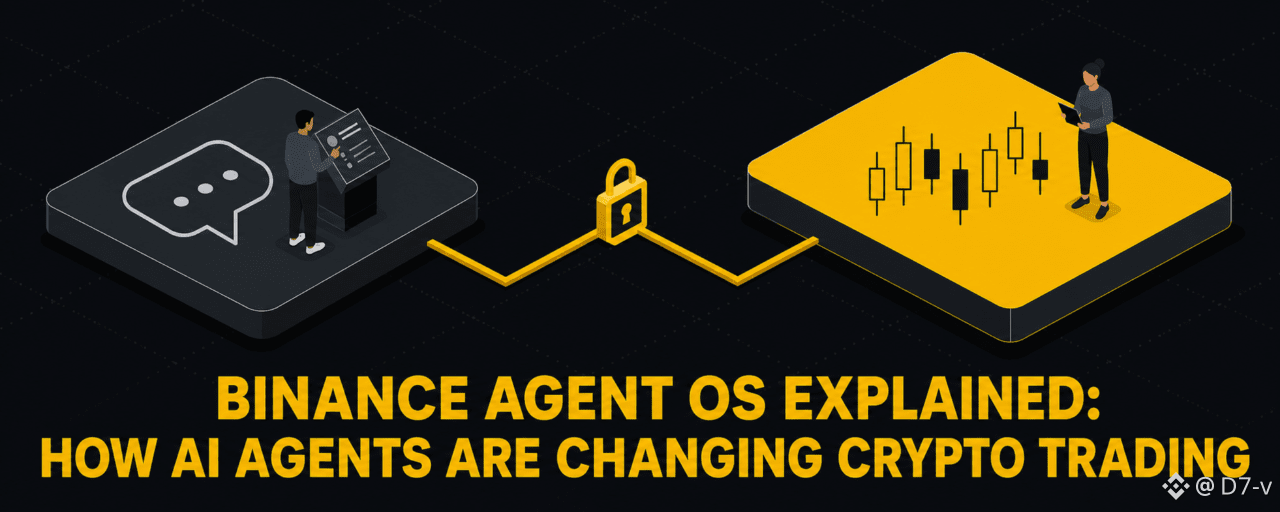
Artikel
Binance Agent OS erklärt: Wie KI-Agenten den Krypto-Handel verändernStell dir vor, du sagst ChatGPT: „Beobachte Bitcoin für mich und gehe Short, wenn die Finanzierung negativ wird“, und es macht das tatsächlich — in deinem Binance-Account, innerhalb von Grenzen, die du festlegst. Das ist kein Gedankenexperiment mehr. Am 20. August 2026 hat Binance mit der Binance Agent OS eine Plattform gelauncht, mit der KI-Agenten direkt mit den Handels-, Wallet- und Zahlungsinfrastrukturen von Binance verbunden werden können — und das ist wohl der größte Wandel darin, wie Retail- und institutionelle Trader künftig mit Börsen interagieren werden, seit dem Aufkommen von Trading-Bots selbst.
Binance Agent OS erklärt: Wie KI-Agenten den Krypto-Handel verändern
Stell dir vor, du sagst ChatGPT: „Beobachte Bitcoin für mich und gehe Short, wenn die Finanzierung negativ wird“, und es macht das tatsächlich — in deinem Binance-Account, innerhalb von Grenzen, die du festlegst. Das ist kein Gedankenexperiment mehr. Am 20. August 2026 hat Binance mit der Binance Agent OS eine Plattform gelauncht, mit der KI-Agenten direkt mit den Handels-, Wallet- und Zahlungsinfrastrukturen von Binance verbunden werden können — und das ist wohl der größte Wandel darin, wie Retail- und institutionelle Trader künftig mit Börsen interagieren werden, seit dem Aufkommen von Trading-Bots selbst.
1
68
·
--
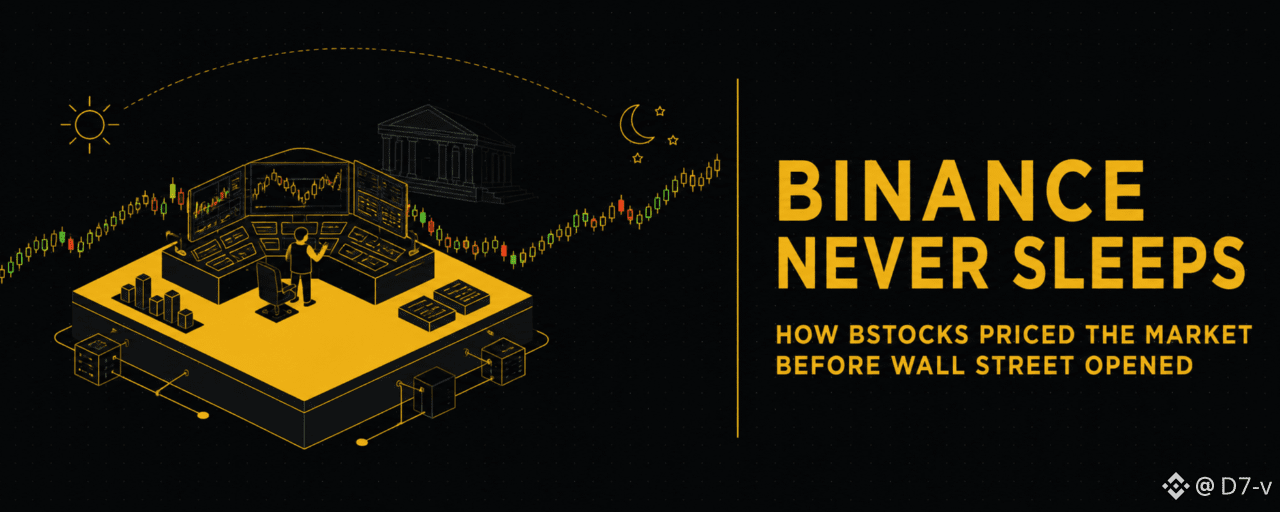
Artikel
Binance schläft nie: Wie bStocks den Markt bepreisten, bevor Wall Street öffnete6,5% vor der Eröffnung am Montag eingepreist
Am Wochenende vor dem öffentlichen Börsendebüt von SpaceX bewegte sich SPCXB – der tokenisierte SpaceX-bStock auf Binance – auf ein Gap von 6,5% zwischen seinem letzten Kurs („Last Mark“) und dem, wo der echte Markt öffnen würde, ein. Als der Handel an der regulierten Börse wieder aufgenommen wurde, stellte Binances eigene Analyse fest, dass 92% dieses Gaps bereits on-chain absorbiert worden waren. Übrig blieb nur 0,09% zwischen dem Weekend-Preis des bStocks und dem Opening-Print am Montag. Binance Research berichtet außerdem, dass bStocks mittlerweile rund 85% des DEX-Volumens bei tokenisierten Aktien und 27% der Marktkapitalisierung bei tokenisierten Aktien abdecken. Das ist ein Hinweis darauf, dass die On-Chain-Preisfindung bei tokenisierten Aktien stärker bei Binance konzentriert ist, statt gleichmäßig über Venues verteilt zu sein.
Binance schläft nie: Wie bStocks den Markt bepreisten, bevor Wall Street öffnete
6,5% vor der Eröffnung am Montag eingepreist
Am Wochenende vor dem öffentlichen Börsendebüt von SpaceX bewegte sich SPCXB – der tokenisierte SpaceX-bStock auf Binance – auf ein Gap von 6,5% zwischen seinem letzten Kurs („Last Mark“) und dem, wo der echte Markt öffnen würde, ein. Als der Handel an der regulierten Börse wieder aufgenommen wurde, stellte Binances eigene Analyse fest, dass 92% dieses Gaps bereits on-chain absorbiert worden waren. Übrig blieb nur 0,09% zwischen dem Weekend-Preis des bStocks und dem Opening-Print am Montag. Binance Research berichtet außerdem, dass bStocks mittlerweile rund 85% des DEX-Volumens bei tokenisierten Aktien und 27% der Marktkapitalisierung bei tokenisierten Aktien abdecken. Das ist ein Hinweis darauf, dass die On-Chain-Preisfindung bei tokenisierten Aktien stärker bei Binance konzentriert ist, statt gleichmäßig über Venues verteilt zu sein.
Am Wochenende vor dem öffentlichen Börsendebüt von SpaceX bewegte sich SPCXB – der tokenisierte SpaceX-bStock auf Binance – auf ein Gap von 6,5% zwischen seinem letzten Kurs („Last Mark“) und dem, wo der echte Markt öffnen würde, ein. Als der Handel an der regulierten Börse wieder aufgenommen wurde, stellte Binances eigene Analyse fest, dass 92% dieses Gaps bereits on-chain absorbiert worden waren. Übrig blieb nur 0,09% zwischen dem Weekend-Preis des bStocks und dem Opening-Print am Montag. Binance Research berichtet außerdem, dass bStocks mittlerweile rund 85% des DEX-Volumens bei tokenisierten Aktien und 27% der Marktkapitalisierung bei tokenisierten Aktien abdecken. Das ist ein Hinweis darauf, dass die On-Chain-Preisfindung bei tokenisierten Aktien stärker bei Binance konzentriert ist, statt gleichmäßig über Venues verteilt zu sein.
1
58
·
--
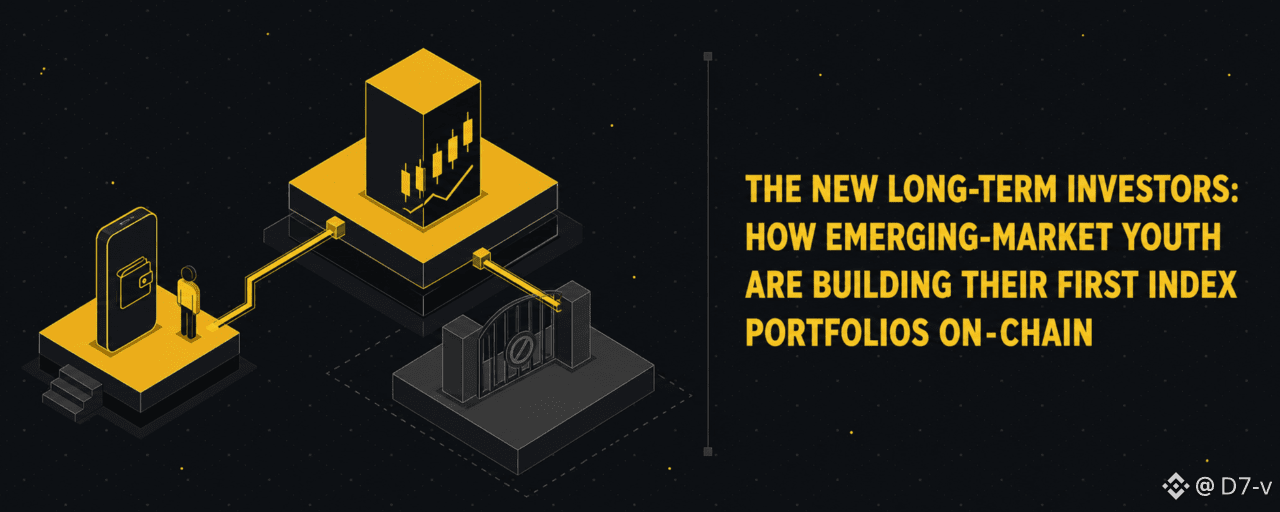
Artikel
Die neuen langfristigen Investoren: Wie junge Menschen aus Schwellenländern ihre ersten Index-Portfolios aufbauen On-Jahrzehntelang war der Besitz eines Anteils an der S&P 500 oder der Nasdaq-100 an die Geografie gebunden. Dafür brauchte man einen lokalen Broker, der internationale Produkte anbot, ein Bankkonto, das Dollar ohne allzu große Reibung bewegen konnte, und oft auch einen Reisepass aus einem Land, dessen Finanzsystem der Rest der Welt vertraute. Wenn du mit 22 Jahren in Phnom Penh, Lagos oder Manila mit ein paar hundert Dollar Ersparnissen lebtest, stand „langfristiges Investieren in globale Märkte“ nicht wirklich auf der Speisekarte.
Das ändert sich – leise, und größtenteils On-Chain.
Die neuen langfristigen Investoren: Wie junge Menschen aus Schwellenländern ihre ersten Index-Portfolios aufbauen On-
Jahrzehntelang war der Besitz eines Anteils an der S&P 500 oder der Nasdaq-100 an die Geografie gebunden. Dafür brauchte man einen lokalen Broker, der internationale Produkte anbot, ein Bankkonto, das Dollar ohne allzu große Reibung bewegen konnte, und oft auch einen Reisepass aus einem Land, dessen Finanzsystem der Rest der Welt vertraute. Wenn du mit 22 Jahren in Phnom Penh, Lagos oder Manila mit ein paar hundert Dollar Ersparnissen lebtest, stand „langfristiges Investieren in globale Märkte“ nicht wirklich auf der Speisekarte.
Das ändert sich – leise, und größtenteils On-Chain.
Das ändert sich – leise, und größtenteils On-Chain.
1
56
·
--
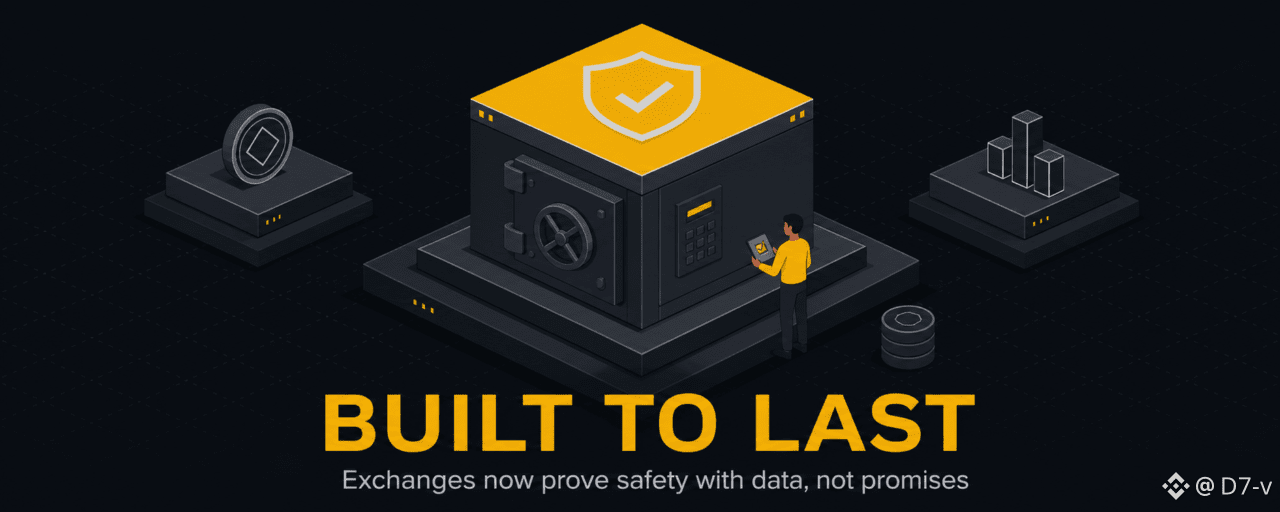
Artikel
Für die Ewigkeit gebaut: Was die Daten zu Krypto-Börsenvertrauen und -Transparenz über die Zielbewegung der Nutzer verratenKrypto-Börsenvertrauen: Warum „Wer ist als Nächstes dran?“ die falsche Frage ist
Jedes Mal, wenn eine Krypto-Börse ins Wanken gerät, beginnt dasselbe Gerüchtekarussell: Wer ist als Nächstes dran? Welche Plattform ist still insolvent? Welche friert in diesem Quartal Auszahlungen ein?
Das ist ein nachvollziehbarer Instinkt nach Jahren voller Zusammenbrüche. Aber es ist auch die falsche Frage, die man 2026 stellen sollte. Ein Marktkühlen und strengere Regulierung haben die Sortierung bereits für uns übernommen — und die unabhängigen Daten zeigen ganz genau, welche Krypto-Börsen Vertrauen gewinnen und welche Nutzer verlieren. Keine Gerüchte nötig. Nur Zahlen.
Für die Ewigkeit gebaut: Was die Daten zu Krypto-Börsenvertrauen und -Transparenz über die Zielbewegung der Nutzer verraten
Krypto-Börsenvertrauen: Warum „Wer ist als Nächstes dran?“ die falsche Frage ist
Jedes Mal, wenn eine Krypto-Börse ins Wanken gerät, beginnt dasselbe Gerüchtekarussell: Wer ist als Nächstes dran? Welche Plattform ist still insolvent? Welche friert in diesem Quartal Auszahlungen ein?
Das ist ein nachvollziehbarer Instinkt nach Jahren voller Zusammenbrüche. Aber es ist auch die falsche Frage, die man 2026 stellen sollte. Ein Marktkühlen und strengere Regulierung haben die Sortierung bereits für uns übernommen — und die unabhängigen Daten zeigen ganz genau, welche Krypto-Börsen Vertrauen gewinnen und welche Nutzer verlieren. Keine Gerüchte nötig. Nur Zahlen.
Jedes Mal, wenn eine Krypto-Börse ins Wanken gerät, beginnt dasselbe Gerüchtekarussell: Wer ist als Nächstes dran? Welche Plattform ist still insolvent? Welche friert in diesem Quartal Auszahlungen ein?
Das ist ein nachvollziehbarer Instinkt nach Jahren voller Zusammenbrüche. Aber es ist auch die falsche Frage, die man 2026 stellen sollte. Ein Marktkühlen und strengere Regulierung haben die Sortierung bereits für uns übernommen — und die unabhängigen Daten zeigen ganz genau, welche Krypto-Börsen Vertrauen gewinnen und welche Nutzer verlieren. Keine Gerüchte nötig. Nur Zahlen.
1
85
·
--
Artikel
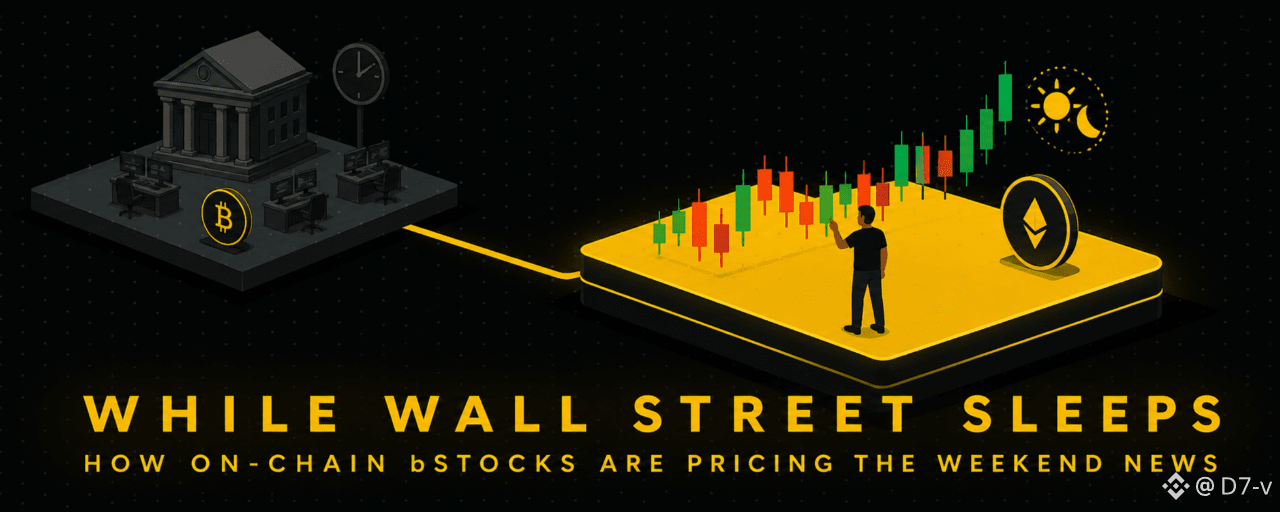
Während Wall Street schläft: Wie On-Chain bStocks die Wochenendnachrichten einpreisenDer Blackout am Wochenende, den jeder Börsenanleger kennt
Freitag nachmittags, 16:00 Uhr Eastern Time. Die Schlussglocke an der New York Stock Exchange läutet, und für die nächsten 65 Stunden geht der größte Aktienmarkt der Welt in die Dunkelheit. Außer: Die Welt hält nicht an. Unternehmen berichten weiterhin am Samstagmorgen ihre Ergebnisse. Zentralbanken geben weiterhin überraschende Stellungnahmen ab. Kriege beginnen weiterhin, Waffenruhen werden weiterhin unterzeichnet, und geopolitische Schlagzeilen brechen weiterhin — während traditionelle Aktionäre stillhalten, nichts tun können außer zu warten, bis die Eröffnungsglocke am Montag läutet.
Während Wall Street schläft: Wie On-Chain bStocks die Wochenendnachrichten einpreisen
Der Blackout am Wochenende, den jeder Börsenanleger kennt
Freitag nachmittags, 16:00 Uhr Eastern Time. Die Schlussglocke an der New York Stock Exchange läutet, und für die nächsten 65 Stunden geht der größte Aktienmarkt der Welt in die Dunkelheit. Außer: Die Welt hält nicht an. Unternehmen berichten weiterhin am Samstagmorgen ihre Ergebnisse. Zentralbanken geben weiterhin überraschende Stellungnahmen ab. Kriege beginnen weiterhin, Waffenruhen werden weiterhin unterzeichnet, und geopolitische Schlagzeilen brechen weiterhin — während traditionelle Aktionäre stillhalten, nichts tun können außer zu warten, bis die Eröffnungsglocke am Montag läutet.
Freitag nachmittags, 16:00 Uhr Eastern Time. Die Schlussglocke an der New York Stock Exchange läutet, und für die nächsten 65 Stunden geht der größte Aktienmarkt der Welt in die Dunkelheit. Außer: Die Welt hält nicht an. Unternehmen berichten weiterhin am Samstagmorgen ihre Ergebnisse. Zentralbanken geben weiterhin überraschende Stellungnahmen ab. Kriege beginnen weiterhin, Waffenruhen werden weiterhin unterzeichnet, und geopolitische Schlagzeilen brechen weiterhin — während traditionelle Aktionäre stillhalten, nichts tun können außer zu warten, bis die Eröffnungsglocke am Montag läutet.
2
252
·
--
Artikel
Der stille Unterschied: Wie Binance-Sicherheit die ganze Zeit im Hintergrund funktionierteKrypto-Twitter liebt Katastrophen. Eine Brücke läuft leer, eine Börse pausiert Auszahlungen, ein DAO-Tresor ist über Nacht verschwunden — und innerhalb weniger Minuten zerlegt die ganze Branche den Post-Mortem-Thread. Aber die wichtigsten Sicherheitsstories von Binance im Jahr 2026 sahen ganz anders aus. Sie wirkten wie nichts — weil etwas still und leise gestoppt wurde, bevor es überhaupt passieren konnte.
Das ist das Muster, dem man Aufmerksamkeit schenken sollte. In etwas mehr als einem Jahr haben branchenweite KI- und Compliance-Systeme, die mit Binance verknüpft sind, zwischen 2025 und dem 1. Quartal 2026 etwa 10,53 Milliarden US-Dollar an potenziellem Betrug, Scams und anormaler Aktivität abgefangen — bevor daraus überhaupt eine Schlagzeile wurde. In der Zwischenzeit hat der breitere Kryptomarkt allein im ersten Halbjahr 2026 noch rund 344 Sicherheitsvorfälle und Verluste in Höhe von 1,32 Milliarden US-Dollar verzeichnet. Die Lücke zwischen diesen beiden Zahlen ist der Ort, an dem die eigentliche Geschichte steckt.
Der stille Unterschied: Wie Binance-Sicherheit die ganze Zeit im Hintergrund funktionierte
Krypto-Twitter liebt Katastrophen. Eine Brücke läuft leer, eine Börse pausiert Auszahlungen, ein DAO-Tresor ist über Nacht verschwunden — und innerhalb weniger Minuten zerlegt die ganze Branche den Post-Mortem-Thread. Aber die wichtigsten Sicherheitsstories von Binance im Jahr 2026 sahen ganz anders aus. Sie wirkten wie nichts — weil etwas still und leise gestoppt wurde, bevor es überhaupt passieren konnte.
Das ist das Muster, dem man Aufmerksamkeit schenken sollte. In etwas mehr als einem Jahr haben branchenweite KI- und Compliance-Systeme, die mit Binance verknüpft sind, zwischen 2025 und dem 1. Quartal 2026 etwa 10,53 Milliarden US-Dollar an potenziellem Betrug, Scams und anormaler Aktivität abgefangen — bevor daraus überhaupt eine Schlagzeile wurde. In der Zwischenzeit hat der breitere Kryptomarkt allein im ersten Halbjahr 2026 noch rund 344 Sicherheitsvorfälle und Verluste in Höhe von 1,32 Milliarden US-Dollar verzeichnet. Die Lücke zwischen diesen beiden Zahlen ist der Ort, an dem die eigentliche Geschichte steckt.
Das ist das Muster, dem man Aufmerksamkeit schenken sollte. In etwas mehr als einem Jahr haben branchenweite KI- und Compliance-Systeme, die mit Binance verknüpft sind, zwischen 2025 und dem 1. Quartal 2026 etwa 10,53 Milliarden US-Dollar an potenziellem Betrug, Scams und anormaler Aktivität abgefangen — bevor daraus überhaupt eine Schlagzeile wurde. In der Zwischenzeit hat der breitere Kryptomarkt allein im ersten Halbjahr 2026 noch rund 344 Sicherheitsvorfälle und Verluste in Höhe von 1,32 Milliarden US-Dollar verzeichnet. Die Lücke zwischen diesen beiden Zahlen ist der Ort, an dem die eigentliche Geschichte steckt.
1
122
·
--
Artikel
$500M und mehr: Wie Binance Tokenisierte Aktien zu einem echten Markt wurdenBinance-bStocks überschreiten die Marke von 500 Mio. USD an Assets under Management – ab hier hören tokenisierte Aktien auf, nur ein Nischen-Wrapper zu sein, und verhalten sich wie ein echter, von Privatanlegern geprägter Markt mit eigener Liquidität, Arbitrage-Flows und Preisfindung.
Das Meilenstein, das wirklich zählt
bStocks haben gerade die Marke von 500 Mio. USD an Assets under Management überschritten – aber die Zahl ist nicht die eigentliche Story. Die Story ist, was dieses Geld tut: Es bewegt sich zwischen direkten Aktien und tokenisierten Aktien, wird auch nachts und am Wochenende gehandelt und verringert die Lücke zwischen On-Chain-Preisen und traditionellen Märkten.
$500M und mehr: Wie Binance Tokenisierte Aktien zu einem echten Markt wurden
Binance-bStocks überschreiten die Marke von 500 Mio. USD an Assets under Management – ab hier hören tokenisierte Aktien auf, nur ein Nischen-Wrapper zu sein, und verhalten sich wie ein echter, von Privatanlegern geprägter Markt mit eigener Liquidität, Arbitrage-Flows und Preisfindung.
Das Meilenstein, das wirklich zählt
bStocks haben gerade die Marke von 500 Mio. USD an Assets under Management überschritten – aber die Zahl ist nicht die eigentliche Story. Die Story ist, was dieses Geld tut: Es bewegt sich zwischen direkten Aktien und tokenisierten Aktien, wird auch nachts und am Wochenende gehandelt und verringert die Lücke zwischen On-Chain-Preisen und traditionellen Märkten.
Das Meilenstein, das wirklich zählt
bStocks haben gerade die Marke von 500 Mio. USD an Assets under Management überschritten – aber die Zahl ist nicht die eigentliche Story. Die Story ist, was dieses Geld tut: Es bewegt sich zwischen direkten Aktien und tokenisierten Aktien, wird auch nachts und am Wochenende gehandelt und verringert die Lücke zwischen On-Chain-Preisen und traditionellen Märkten.
1
80
·
--
Artikel
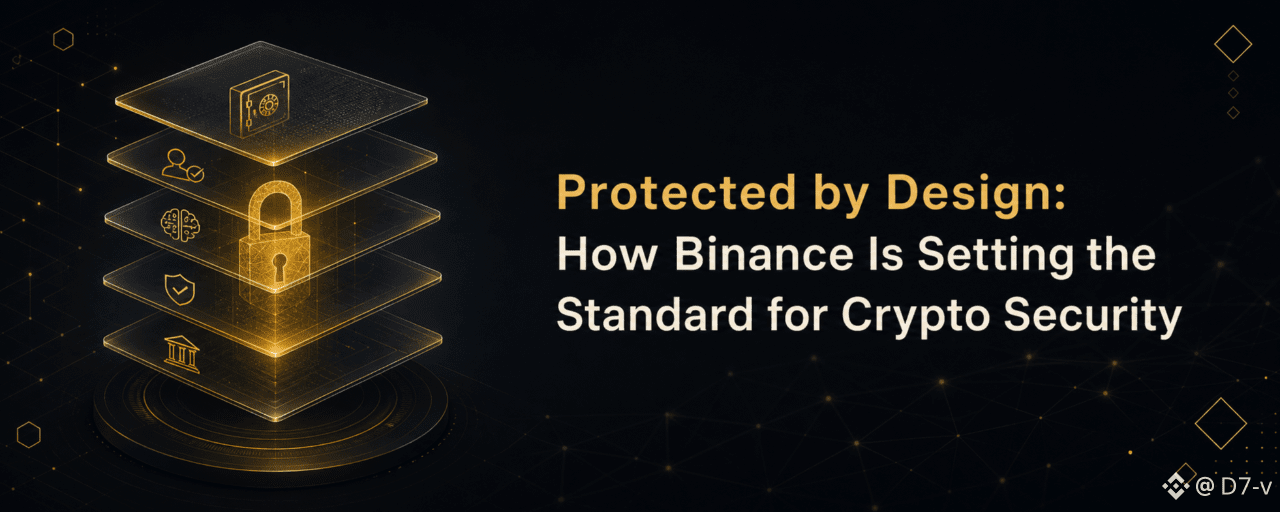
Protected by Design: Wie Binance den Standard für Krypto-Sicherheit setztBinance baut einen mehrschichtigen „secure-by-design“-Stack auf, der auf dieselben Ebenen abzielt, auf denen heute die meisten realen Kryptoverluste entstehen: Schlüssel, Zugriffssteuerung, Infrastruktur und Nutzer – nicht nur auf den Smart-Contract-Code. Parallel dazu kombiniert das Unternehmen erstklassige Verwahrungs-Kontrollen für den Exchange-Betrieb mit KI-gestützter Betrugsprämlageerkennung und einer Governance im Stil von Unternehmen, sodass sich seine Sicherheitslage zunehmend an einem modernen Finanz-Cloud-Provider orientiert – so weitgehend wie an einem Handelsplatz.
Bedrohungen rücken in der Stack-Hierarchie nach oben
In mehreren Incident-Datensätzen für das erste Halbjahr 2026 gehen die meisten Verluste in DeFi und im breiteren Krypto-Bereich auf betriebliche Ausfälle zurück – etwa die Kompromittierung privater Schlüssel, Lücken bei der Brücken-Überprüfung, Fehlkonfigurationen der Infrastruktur sowie Probleme bei Privilegien- und Zugriffssteuerung – und nicht auf klassische Vertragsfehler. Ein Bericht einer Prüfgesellschaft für das erste Halbjahr 2026 kommt zu dem Ergebnis, dass mindestens 83–89% der erfassten Verluste auf Off-Chain-Schlüsselverwaltung und Infrastrukturprobleme zurückzuführen sind, während ein anderer Datensatz zeigt, dass allein Schwachstellen im Bereich der Zugriffssteuerung mehr als 60% der gesamten Branchenverluste ausmachen. Analysten, die wiederholt Exploits verfolgen, nennen als die dominanten technischen Muster hinter den größten Hacks des Jahres immer wieder Fehler bei privilegiertem Zugriff, böswillige Proxy-Upgrades und Lücken bei der Verifizierung von Cross-Chain-Nachrichten.
Protected by Design: Wie Binance den Standard für Krypto-Sicherheit setzt
Binance baut einen mehrschichtigen „secure-by-design“-Stack auf, der auf dieselben Ebenen abzielt, auf denen heute die meisten realen Kryptoverluste entstehen: Schlüssel, Zugriffssteuerung, Infrastruktur und Nutzer – nicht nur auf den Smart-Contract-Code. Parallel dazu kombiniert das Unternehmen erstklassige Verwahrungs-Kontrollen für den Exchange-Betrieb mit KI-gestützter Betrugsprämlageerkennung und einer Governance im Stil von Unternehmen, sodass sich seine Sicherheitslage zunehmend an einem modernen Finanz-Cloud-Provider orientiert – so weitgehend wie an einem Handelsplatz.
Bedrohungen rücken in der Stack-Hierarchie nach oben
In mehreren Incident-Datensätzen für das erste Halbjahr 2026 gehen die meisten Verluste in DeFi und im breiteren Krypto-Bereich auf betriebliche Ausfälle zurück – etwa die Kompromittierung privater Schlüssel, Lücken bei der Brücken-Überprüfung, Fehlkonfigurationen der Infrastruktur sowie Probleme bei Privilegien- und Zugriffssteuerung – und nicht auf klassische Vertragsfehler. Ein Bericht einer Prüfgesellschaft für das erste Halbjahr 2026 kommt zu dem Ergebnis, dass mindestens 83–89% der erfassten Verluste auf Off-Chain-Schlüsselverwaltung und Infrastrukturprobleme zurückzuführen sind, während ein anderer Datensatz zeigt, dass allein Schwachstellen im Bereich der Zugriffssteuerung mehr als 60% der gesamten Branchenverluste ausmachen. Analysten, die wiederholt Exploits verfolgen, nennen als die dominanten technischen Muster hinter den größten Hacks des Jahres immer wieder Fehler bei privilegiertem Zugriff, böswillige Proxy-Upgrades und Lücken bei der Verifizierung von Cross-Chain-Nachrichten.
Bedrohungen rücken in der Stack-Hierarchie nach oben
In mehreren Incident-Datensätzen für das erste Halbjahr 2026 gehen die meisten Verluste in DeFi und im breiteren Krypto-Bereich auf betriebliche Ausfälle zurück – etwa die Kompromittierung privater Schlüssel, Lücken bei der Brücken-Überprüfung, Fehlkonfigurationen der Infrastruktur sowie Probleme bei Privilegien- und Zugriffssteuerung – und nicht auf klassische Vertragsfehler. Ein Bericht einer Prüfgesellschaft für das erste Halbjahr 2026 kommt zu dem Ergebnis, dass mindestens 83–89% der erfassten Verluste auf Off-Chain-Schlüsselverwaltung und Infrastrukturprobleme zurückzuführen sind, während ein anderer Datensatz zeigt, dass allein Schwachstellen im Bereich der Zugriffssteuerung mehr als 60% der gesamten Branchenverluste ausmachen. Analysten, die wiederholt Exploits verfolgen, nennen als die dominanten technischen Muster hinter den größten Hacks des Jahres immer wieder Fehler bei privilegiertem Zugriff, böswillige Proxy-Upgrades und Lücken bei der Verifizierung von Cross-Chain-Nachrichten.
1
30
·
--
Artikel
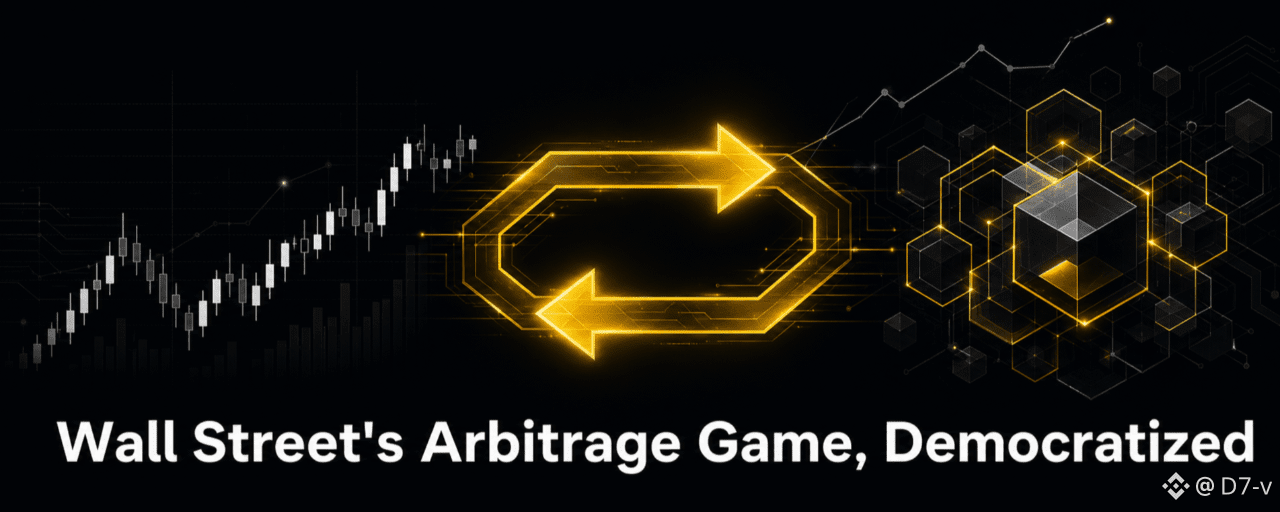
Wall Streets Arbitrage-Spiel, demokratisiertBinances bStocks haben bereits über 216 Mio. US$ an Back-to-Back-Trades zwischen tokenisierten Aktien und den zugrunde liegenden Aktien ermöglicht, wobei mehr als 198 Mio. US$ dieses Volumens von alltäglichen Nutzern stammen, die nahezu in Echtzeit Arbitrage durchführen. Effektiv wird damit eine Strategie, die zuvor an institutionelle Infrastruktur gebunden war, für alle geöffnet, die die Voraussetzungen für ein Binance-Konto in unterstützten Regionen erfüllen.
Was bStocks sind
bStocks sind tokenisierte Wertpapiere auf BNB Smart Chain, die ausgewählte US-Aktien und ETFs abbilden, herausgegeben von der Binance-Tochter BTech Holdings Limited. Jeder bStock ist ein Zertifikat über die zugrunde liegende Aktie und vollständig 1:1 durch eine echte, bei einem regulierten Custodian gehaltene Aktie abgesichert – nicht durch eine direkte rechtliche Eigentumsübertragung an der Aktie. Nutzer können bStocks 24/7 auf Binance Spot handeln, sie in der Selbstverwahrung auf BNB Smart Chain halten und in manchen Fällen als Collateral oder in DeFi nutzen – während sie weiterhin Exposure auf Dividenden beibehalten, etwa durch Wiederanlage.
Wall Streets Arbitrage-Spiel, demokratisiert
Binances bStocks haben bereits über 216 Mio. US$ an Back-to-Back-Trades zwischen tokenisierten Aktien und den zugrunde liegenden Aktien ermöglicht, wobei mehr als 198 Mio. US$ dieses Volumens von alltäglichen Nutzern stammen, die nahezu in Echtzeit Arbitrage durchführen. Effektiv wird damit eine Strategie, die zuvor an institutionelle Infrastruktur gebunden war, für alle geöffnet, die die Voraussetzungen für ein Binance-Konto in unterstützten Regionen erfüllen.
Was bStocks sind
bStocks sind tokenisierte Wertpapiere auf BNB Smart Chain, die ausgewählte US-Aktien und ETFs abbilden, herausgegeben von der Binance-Tochter BTech Holdings Limited. Jeder bStock ist ein Zertifikat über die zugrunde liegende Aktie und vollständig 1:1 durch eine echte, bei einem regulierten Custodian gehaltene Aktie abgesichert – nicht durch eine direkte rechtliche Eigentumsübertragung an der Aktie. Nutzer können bStocks 24/7 auf Binance Spot handeln, sie in der Selbstverwahrung auf BNB Smart Chain halten und in manchen Fällen als Collateral oder in DeFi nutzen – während sie weiterhin Exposure auf Dividenden beibehalten, etwa durch Wiederanlage.
Was bStocks sind
bStocks sind tokenisierte Wertpapiere auf BNB Smart Chain, die ausgewählte US-Aktien und ETFs abbilden, herausgegeben von der Binance-Tochter BTech Holdings Limited. Jeder bStock ist ein Zertifikat über die zugrunde liegende Aktie und vollständig 1:1 durch eine echte, bei einem regulierten Custodian gehaltene Aktie abgesichert – nicht durch eine direkte rechtliche Eigentumsübertragung an der Aktie. Nutzer können bStocks 24/7 auf Binance Spot handeln, sie in der Selbstverwahrung auf BNB Smart Chain halten und in manchen Fällen als Collateral oder in DeFi nutzen – während sie weiterhin Exposure auf Dividenden beibehalten, etwa durch Wiederanlage.
4
1.5k
·
--
Artikel
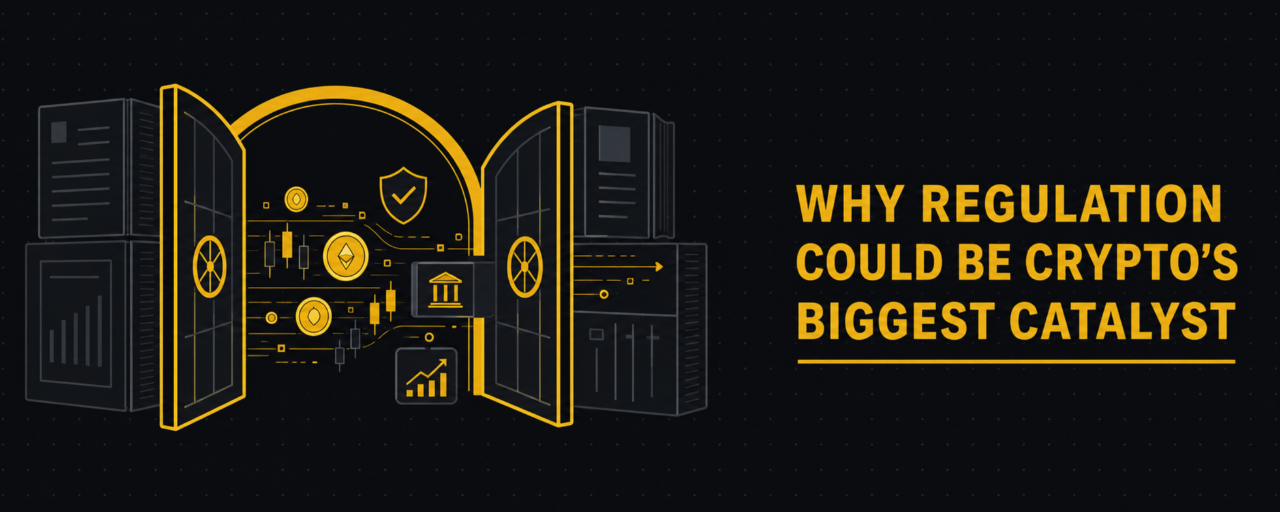
Warum Regulierung der größte Katalysator für Krypto sein könnteDer BlackRock-iShares-Bitcoin-Trust (IBIT) erreichte vier Tage nach seinem Start 1 Milliarde US-Dollar an Vermögenswerten. Bis zum Ende seines ersten Jahres hatte er mehr als 37 Milliarden US-Dollar an Nettozuflüssen eingesammelt – genug, um in jenem Jahr zu den fünf größten ETFs in den USA zu zählen und mit Fonds zu konkurrieren, die den gesamten S&P 500 abbilden.
Kein einziges Mal floss dieses Kapital an eine Krypto-Börse. Es lief über dieselben Broker-Dealer und Vorsorgeplattformen, die auch alles andere in einem institutionellen Portfolio betreuen, verpackt in eine Struktur, die von den Aufsichtsbehörden bereits genehmigt worden war. Das ist die Wendung, die die Gründungsgeschichte von Krypto nicht vorhergesehen hatte: Die bisher größte Wachstumswelle der Branche kam von Institutionen, die sich weigerten, sie anzufassen, solange sie nicht reguliert war.
Warum Regulierung der größte Katalysator für Krypto sein könnte
Der BlackRock-iShares-Bitcoin-Trust (IBIT) erreichte vier Tage nach seinem Start 1 Milliarde US-Dollar an Vermögenswerten. Bis zum Ende seines ersten Jahres hatte er mehr als 37 Milliarden US-Dollar an Nettozuflüssen eingesammelt – genug, um in jenem Jahr zu den fünf größten ETFs in den USA zu zählen und mit Fonds zu konkurrieren, die den gesamten S&P 500 abbilden.
Kein einziges Mal floss dieses Kapital an eine Krypto-Börse. Es lief über dieselben Broker-Dealer und Vorsorgeplattformen, die auch alles andere in einem institutionellen Portfolio betreuen, verpackt in eine Struktur, die von den Aufsichtsbehörden bereits genehmigt worden war. Das ist die Wendung, die die Gründungsgeschichte von Krypto nicht vorhergesehen hatte: Die bisher größte Wachstumswelle der Branche kam von Institutionen, die sich weigerten, sie anzufassen, solange sie nicht reguliert war.
Kein einziges Mal floss dieses Kapital an eine Krypto-Börse. Es lief über dieselben Broker-Dealer und Vorsorgeplattformen, die auch alles andere in einem institutionellen Portfolio betreuen, verpackt in eine Struktur, die von den Aufsichtsbehörden bereits genehmigt worden war. Das ist die Wendung, die die Gründungsgeschichte von Krypto nicht vorhergesehen hatte: Die bisher größte Wachstumswelle der Branche kam von Institutionen, die sich weigerten, sie anzufassen, solange sie nicht reguliert war.
1
54
·
--
Artikel
Die sichersten Krypto-Börsen in Kambodscha im Jahr 2026: Binance, RGX und mehrDie sichersten Krypto-Börsen in Kambodscha im Jahr 2026 sind Plattformen, die starke Sicherheitskontrollen, eine klare Lizenzierung im Einklang mit den Vorschriften der Nationalbank von Kambodscha (NBC) und der SERC sowie praktische Schutzmaßnahmen für jedes Nutzerkonto kombinieren. Unter den globalen Plattformen ist Binance die sicherste Krypto-Börse für kambodschanische Nutzer, weil sie ein mehrschichtiges Sicherheitskonzept bietet (SAFU, Proof of Reserves, 2FA, Passkeys), über tiefe Liquidität verfügt und ein transparentes Risikomanagement bietet – auch wenn sich die lokalen Regeln für ihren formalen Status noch weiterentwickeln.
Die sichersten Krypto-Börsen in Kambodscha im Jahr 2026: Binance, RGX und mehr
Die sichersten Krypto-Börsen in Kambodscha im Jahr 2026 sind Plattformen, die starke Sicherheitskontrollen, eine klare Lizenzierung im Einklang mit den Vorschriften der Nationalbank von Kambodscha (NBC) und der SERC sowie praktische Schutzmaßnahmen für jedes Nutzerkonto kombinieren. Unter den globalen Plattformen ist Binance die sicherste Krypto-Börse für kambodschanische Nutzer, weil sie ein mehrschichtiges Sicherheitskonzept bietet (SAFU, Proof of Reserves, 2FA, Passkeys), über tiefe Liquidität verfügt und ein transparentes Risikomanagement bietet – auch wenn sich die lokalen Regeln für ihren formalen Status noch weiterentwickeln.
5
86
Anmelden und weiter Inhalte entdecken
Krypto-Nutzer weltweit auf Binance Square kennenlernen
⚡️ Bleib in Sachen Krypto stets am Puls.
💬 Die weltgrößte Kryptobörse vertraut darauf.
👍 Erhalte verlässliche Einblicke von verifizierten Creators.
E-Mail-Adresse/Telefonnummer
Trendthemen
Nikkei225Jumps2.5%ToThreeMonthHigh
7,557 Aufrufe
238 Kommentare
#Nikkei225Jumps2.5%ToThreeMonthHigh
🚀 Nikkei 225 steigt um 2,45 % auf den höchsten Stand seit 3 Monaten!
Japans Leitindex Nikkei 225 legte am Montag kräftig zu und schloss bei 69,946.86, nachdem er kurzzeitig erstmals seit drei Monaten die Marke von 70,000 überschritten hatte.
💡 Was treibt den Anstieg an?
KI- und Halbleiterboom: Große Technologieführer wie Advantest und Tokyo Electron gaben mit deutlichen Kursgewinnen den Ton an.
Aufwind von der Wall Street: Positive Impulse von den US-Märkten stärkten das Vertrauen der Anleger insgesamt.
Makroökonomische Veränderungen: Niedriger als erwartet ausgefallene US-Arbeitsmarktdaten milderten die Sorgen und senkten die Erwartungen an eine aggressive Zinserhöhung der Fed im Oktober.
📊 Fazit für den Markt:
Diese kräftige Rally signalisiert ein starkes Wiederaufleben des Anlegerinteresses an Technologie- und KI-bezogenen Anlagen. Händler sollten jedoch die erhöhten Anleiherenditen als anhaltenden Risikofaktor genau im Blick behalten.
Glaubt ihr, dass der Nikkei sich erfolgreich über 70,000 halten und neue Höchststände erreichen kann? Teilt uns eure Meinung mit!
#JapanStocks #StockMarket" #AIStocks #Semiconductors #Investing #Nikkei225
$EWJ
Nurul Hasnat Samir
·0 Likes
·130 Aufrufe
DriftHackVictimsBeginClaims
82,879 Aufrufe
931 Kommentare
SolanaTokenizedStockVolumeTops$4.4BInSeptember
8,234 Aufrufe
95 Kommentare