

DAO Labs
714 Beiträge

DAO Labs
Melden
Nutzer blockieren
With experts from leading blockchains such as Celo, NEM-Symbol, QTUM, and EOS; DAO Labs (2021) offers governance products and consulting services to businesses.
3 Following
301 Follower
3.2K+ Like gegeben
Beiträge
·
--

Artikel
Über Klicks hinaus: Warum Validierung die größte Herausforderung für SocialFi-Infrastruktur ist
Der SocialFi-Sektor hat das Beteiligungsproblem erfolgreich gelöst – Projekte können mittlerweile innerhalb von Tagen Tausende von Community-Interaktionen erzeugen. Dennoch bleibt eine entscheidende strukturelle Frage bestehen: Wie viel von dieser Aktivität wird tatsächlich in Netzwerkwert umgewandelt? Wenn Ökosysteme wachsen, führt die Belohnung von bloßer Rohmenge statt authentischer Beiträge zu gravierenden Ineffizienzen. Koordiniertes Spam-Verhalten, botgetriebes Engagement-Farming und Aufgaben mit geringem Aufwand verzerren häufig die Kennzahlen von Projekten. So entstehen Dashboards, die beeindruckend wirken, aber keinerlei langfristige Bindung liefern. Um diese Reibung zu analysieren, führt DAOLabs einen grundlegenden Wandel im Design dezentraler Arbeitskräfte ein und priorisiert Proof of Work statt bloßem Proof of Activity. Das Drei-Stufen-Validierungsframework Um echte Signale aus sozialem Rauschen zu extrahieren, verarbeitet die Plattform Beiträge über eine verfeinerte, von Menschen geführte Verifizierungs-Pipeline – statt ausschließlich auf leicht manipulierbare automatisierte Metriken zu setzen:
Der SocialFi-Sektor hat das Beteiligungsproblem erfolgreich gelöst – Projekte können mittlerweile innerhalb von Tagen Tausende von Community-Interaktionen erzeugen. Dennoch bleibt eine entscheidende strukturelle Frage bestehen: Wie viel von dieser Aktivität wird tatsächlich in Netzwerkwert umgewandelt? Wenn Ökosysteme wachsen, führt die Belohnung von bloßer Rohmenge statt authentischer Beiträge zu gravierenden Ineffizienzen. Koordiniertes Spam-Verhalten, botgetriebes Engagement-Farming und Aufgaben mit geringem Aufwand verzerren häufig die Kennzahlen von Projekten. So entstehen Dashboards, die beeindruckend wirken, aber keinerlei langfristige Bindung liefern. Um diese Reibung zu analysieren, führt DAOLabs einen grundlegenden Wandel im Design dezentraler Arbeitskräfte ein und priorisiert Proof of Work statt bloßem Proof of Activity. Das Drei-Stufen-Validierungsframework Um echte Signale aus sozialem Rauschen zu extrahieren, verarbeitet die Plattform Beiträge über eine verfeinerte, von Menschen geführte Verifizierungs-Pipeline – statt ausschließlich auf leicht manipulierbare automatisierte Metriken zu setzen:
Über Klicks hinaus: Warum Validierung die größte Herausforderung für SocialFi-Infrastruktur ist
Der SocialFi-Sektor hat das Beteiligungsproblem erfolgreich gelöst – Projekte können mittlerweile innerhalb von Tagen Tausende von Community-Interaktionen erzeugen. Dennoch bleibt eine entscheidende strukturelle Frage bestehen: Wie viel von dieser Aktivität wird tatsächlich in Netzwerkwert umgewandelt? Wenn Ökosysteme wachsen, führt die Belohnung von bloßer Rohmenge statt authentischer Beiträge zu gravierenden Ineffizienzen. Koordiniertes Spam-Verhalten, botgetriebes Engagement-Farming und Aufgaben mit geringem Aufwand verzerren häufig die Kennzahlen von Projekten. So entstehen Dashboards, die beeindruckend wirken, aber keinerlei langfristige Bindung liefern. Um diese Reibung zu analysieren, führt DAOLabs einen grundlegenden Wandel im Design dezentraler Arbeitskräfte ein und priorisiert Proof of Work statt bloßem Proof of Activity. Das Drei-Stufen-Validierungsframework Um echte Signale aus sozialem Rauschen zu extrahieren, verarbeitet die Plattform Beiträge über eine verfeinerte, von Menschen geführte Verifizierungs-Pipeline – statt ausschließlich auf leicht manipulierbare automatisierte Metriken zu setzen:
1
4
126
·
--
Artikel
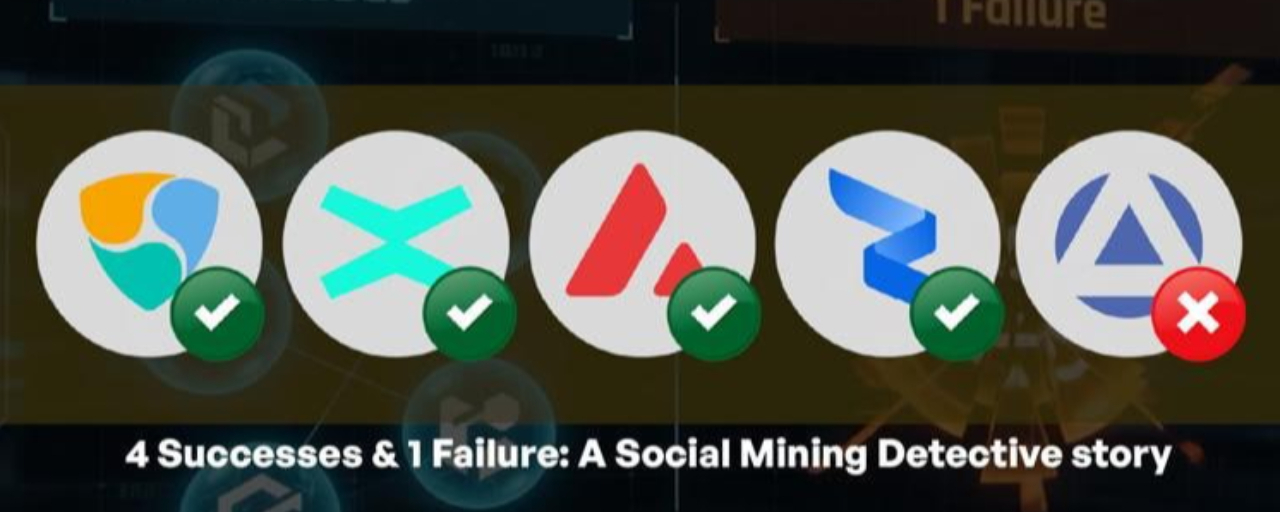
Von Hype zu Verantwortlichkeit: Die Web3-Projekte, die den Test bestanden haben - und das eine, das es nicht getan hatWeb3 ist nicht das Problem - schlechte Prüfung ist es.
In der Evolution unseres Ökosystems haben wir 4 Projekte gesehen, die durch Community-Empowerment gedeihen, während eines aufgrund eines grundlegenden Verstoßes gegen die Verantwortlichkeit gescheitert ist:
✅ NEM
✅ MultiversX
✅ Avalanche
✅ RWA-inc
⛔️ Autonomys
Wir zerlegen den Erfolgs- und Misserfolgsfaktor hinter diesen Fällen.
SaaS-Metriken sind oft eine Eitelkeitsfalle. Wenn du die Verantwortlichkeit der Community nicht misst, verpasst du die echten Daten, die langfristige Nachhaltigkeit antreiben. In unserem neuesten Beitrag analysieren wir das "Detective"-Framework, das echte Innovation von Hype trennt.
Von Hype zu Verantwortlichkeit: Die Web3-Projekte, die den Test bestanden haben - und das eine, das es nicht getan hat
Web3 ist nicht das Problem - schlechte Prüfung ist es.
In der Evolution unseres Ökosystems haben wir 4 Projekte gesehen, die durch Community-Empowerment gedeihen, während eines aufgrund eines grundlegenden Verstoßes gegen die Verantwortlichkeit gescheitert ist:
✅ NEM
✅ MultiversX
✅ Avalanche
✅ RWA-inc
⛔️ Autonomys
Wir zerlegen den Erfolgs- und Misserfolgsfaktor hinter diesen Fällen.
SaaS-Metriken sind oft eine Eitelkeitsfalle. Wenn du die Verantwortlichkeit der Community nicht misst, verpasst du die echten Daten, die langfristige Nachhaltigkeit antreiben. In unserem neuesten Beitrag analysieren wir das "Detective"-Framework, das echte Innovation von Hype trennt.
In der Evolution unseres Ökosystems haben wir 4 Projekte gesehen, die durch Community-Empowerment gedeihen, während eines aufgrund eines grundlegenden Verstoßes gegen die Verantwortlichkeit gescheitert ist:
✅ NEM
✅ MultiversX
✅ Avalanche
✅ RWA-inc
⛔️ Autonomys
Wir zerlegen den Erfolgs- und Misserfolgsfaktor hinter diesen Fällen.
SaaS-Metriken sind oft eine Eitelkeitsfalle. Wenn du die Verantwortlichkeit der Community nicht misst, verpasst du die echten Daten, die langfristige Nachhaltigkeit antreiben. In unserem neuesten Beitrag analysieren wir das "Detective"-Framework, das echte Innovation von Hype trennt.
1
3
178
·
--

Artikel
Über "Yap-to-Earn" hinaus: Wie dezentrale Marktplätze die Web3-Arbeit umstrukturierenIm sich entwickelnden Web3-Ökosystem hat sich die Ineffizienz von bot-gesteuerten "yap-to-earn"-Kampagnen zu einem kritischen Engpass für das Scaling von Netzwerken entwickelt. Während die Branche reift, verlagert sich die Nachfrage nach Infrastruktur von künstlichem Social Media-Lärm hin zu verifizierbarem, menschlich geführtem B2B-Wert.
Die Analyse dieser strukturellen Verschiebung zeigt, dass @TheDAOLabs eine überzeugende Fallstudie im Bereich des modularen Arbeitskräfte-Designs durch ihren dezentralen Marktplatz präsentiert. Anstatt isolierte, temporäre Belohnungskampagnen zu fahren, fungiert die Plattform als professionelle B2B SaaS-Infrastruktur und arbeitet effektiv als eine dezentrale Marketingabteilung für Web3-Projekte.
Über "Yap-to-Earn" hinaus: Wie dezentrale Marktplätze die Web3-Arbeit umstrukturieren
Im sich entwickelnden Web3-Ökosystem hat sich die Ineffizienz von bot-gesteuerten "yap-to-earn"-Kampagnen zu einem kritischen Engpass für das Scaling von Netzwerken entwickelt. Während die Branche reift, verlagert sich die Nachfrage nach Infrastruktur von künstlichem Social Media-Lärm hin zu verifizierbarem, menschlich geführtem B2B-Wert.
Die Analyse dieser strukturellen Verschiebung zeigt, dass @TheDAOLabs eine überzeugende Fallstudie im Bereich des modularen Arbeitskräfte-Designs durch ihren dezentralen Marktplatz präsentiert. Anstatt isolierte, temporäre Belohnungskampagnen zu fahren, fungiert die Plattform als professionelle B2B SaaS-Infrastruktur und arbeitet effektiv als eine dezentrale Marketingabteilung für Web3-Projekte.
Die Analyse dieser strukturellen Verschiebung zeigt, dass @TheDAOLabs eine überzeugende Fallstudie im Bereich des modularen Arbeitskräfte-Designs durch ihren dezentralen Marktplatz präsentiert. Anstatt isolierte, temporäre Belohnungskampagnen zu fahren, fungiert die Plattform als professionelle B2B SaaS-Infrastruktur und arbeitet effektiv als eine dezentrale Marketingabteilung für Web3-Projekte.
3
278
·
--

Artikel
Wenn Abstimmung zu einer Intelligenzschicht wirdWährend #XPOLL weiterentwickelt wird, verlagert sich die Diskussion um XPOLL von einfachen Umfragen hin zu etwas, das einer dezentralen Intelligenzsystem ähnelt, eine Entwicklung, die viele #SocialMining Communitys still verfolgt haben. Die Einführung von Kampagnen markiert eine strukturelle Veränderung in der Organisation von Informationen, Beteiligung und Anreizen on-chain.
Anstatt Fragen und Abstimmungen als isolierte Ereignisse zu betrachten, bündeln Kampagnen sie in thematisch strukturierte Umgebungen. Jede Kampagne funktioniert wie ein lebendiges Datenset, in dem Nutzer Projekte durch künstliche Intelligenz-curated Einblicke erkunden können, strukturierte Informationspfade verfolgen und beobachten können, wie sich die Stimmung im Laufe der Zeit verändert. Dieser Ansatz spiegelt wider, wie die Entscheidungsfindung in der realen Welt funktioniert: Menschen bewerten keine Fragen in Fragmenten, sondern navigieren gemeinsam Geschichten, Beweise und sozialen Kontext.
Wenn Abstimmung zu einer Intelligenzschicht wird
Während #XPOLL weiterentwickelt wird, verlagert sich die Diskussion um XPOLL von einfachen Umfragen hin zu etwas, das einer dezentralen Intelligenzsystem ähnelt, eine Entwicklung, die viele #SocialMining Communitys still verfolgt haben. Die Einführung von Kampagnen markiert eine strukturelle Veränderung in der Organisation von Informationen, Beteiligung und Anreizen on-chain.
Anstatt Fragen und Abstimmungen als isolierte Ereignisse zu betrachten, bündeln Kampagnen sie in thematisch strukturierte Umgebungen. Jede Kampagne funktioniert wie ein lebendiges Datenset, in dem Nutzer Projekte durch künstliche Intelligenz-curated Einblicke erkunden können, strukturierte Informationspfade verfolgen und beobachten können, wie sich die Stimmung im Laufe der Zeit verändert. Dieser Ansatz spiegelt wider, wie die Entscheidungsfindung in der realen Welt funktioniert: Menschen bewerten keine Fragen in Fragmenten, sondern navigieren gemeinsam Geschichten, Beweise und sozialen Kontext.
Anstatt Fragen und Abstimmungen als isolierte Ereignisse zu betrachten, bündeln Kampagnen sie in thematisch strukturierte Umgebungen. Jede Kampagne funktioniert wie ein lebendiges Datenset, in dem Nutzer Projekte durch künstliche Intelligenz-curated Einblicke erkunden können, strukturierte Informationspfade verfolgen und beobachten können, wie sich die Stimmung im Laufe der Zeit verändert. Dieser Ansatz spiegelt wider, wie die Entscheidungsfindung in der realen Welt funktioniert: Menschen bewerten keine Fragen in Fragmenten, sondern navigieren gemeinsam Geschichten, Beweise und sozialen Kontext.
1
42
·
--
Artikel
Wenn KI-Plattformen Erwachsene werden, übernimmt die Infrastruktur die FührungInnerhalb des $AITECH ecosystems konzentriert sich der Entwicklungsdruck zunehmend auf das, was im Hintergrund geschieht, anstatt auf das, was in Demonstrationen sichtbar wird – ein Thema, das oft von @AITECH hervorgehoben wird und von #SocialMining -Beiträgen nachgeahmt wird, die die Nutzung in der Praxis beobachten.
Der Compute-Marktplatz erweitert seine Reichweite durch neue internationale Partnerschaften und erhöht die Verfügbarkeit globaler Infrastruktur. Für Teams, die Agenten betreiben oder Modelle trainieren, ist dies von Bedeutung, weil Rechenleistung, die an mehreren Orten verfügbar ist, vorhersehbarer auf regionale Nachfrage reagieren kann. Stabilität, nicht nur Geschwindigkeit, wird zum entscheidenden Faktor, wenn die Nutzung zunimmt.
Wenn KI-Plattformen Erwachsene werden, übernimmt die Infrastruktur die Führung
Innerhalb des $AITECH ecosystems konzentriert sich der Entwicklungsdruck zunehmend auf das, was im Hintergrund geschieht, anstatt auf das, was in Demonstrationen sichtbar wird – ein Thema, das oft von @AITECH hervorgehoben wird und von #SocialMining -Beiträgen nachgeahmt wird, die die Nutzung in der Praxis beobachten.
Der Compute-Marktplatz erweitert seine Reichweite durch neue internationale Partnerschaften und erhöht die Verfügbarkeit globaler Infrastruktur. Für Teams, die Agenten betreiben oder Modelle trainieren, ist dies von Bedeutung, weil Rechenleistung, die an mehreren Orten verfügbar ist, vorhersehbarer auf regionale Nachfrage reagieren kann. Stabilität, nicht nur Geschwindigkeit, wird zum entscheidenden Faktor, wenn die Nutzung zunimmt.
Der Compute-Marktplatz erweitert seine Reichweite durch neue internationale Partnerschaften und erhöht die Verfügbarkeit globaler Infrastruktur. Für Teams, die Agenten betreiben oder Modelle trainieren, ist dies von Bedeutung, weil Rechenleistung, die an mehreren Orten verfügbar ist, vorhersehbarer auf regionale Nachfrage reagieren kann. Stabilität, nicht nur Geschwindigkeit, wird zum entscheidenden Faktor, wenn die Nutzung zunimmt.
2
118
·
--
Artikel
Warum echter AI-Fortschritt außerhalb des Zeitplans stattfindetAI-Gespräche im Jahr 2026 werden von Ankündigungen, Benchmarks und schnellen Veröffentlichungen dominiert. Doch Kommentare aus @AITECH punkten deuten auf eine ruhigere Realität hin, die oft von #SocialMining Beobachtern betont wird, die die langfristige Wertschöpfung verfolgen.
Echter Fortschritt erfolgt in Infrastruktur, Bereitstellung, Zuverlässigkeit und Kosten-Effizienz. Diese Faktoren tendieren selten, bestimmen aber, ob Systeme außerhalb von Demonstrationsprojekten überleben.
Agenten schlagen nicht durch beeindruckende Leistungen, sondern weil sie Schritte eliminieren, kontinuierlich arbeiten und sich nahtlos in bestehende Arbeitsabläufe integrieren. Die Akzeptanz erfolgt dort, wo Reibung verschwindet.
Warum echter AI-Fortschritt außerhalb des Zeitplans stattfindet
AI-Gespräche im Jahr 2026 werden von Ankündigungen, Benchmarks und schnellen Veröffentlichungen dominiert. Doch Kommentare aus @AITECH punkten deuten auf eine ruhigere Realität hin, die oft von #SocialMining Beobachtern betont wird, die die langfristige Wertschöpfung verfolgen.
Echter Fortschritt erfolgt in Infrastruktur, Bereitstellung, Zuverlässigkeit und Kosten-Effizienz. Diese Faktoren tendieren selten, bestimmen aber, ob Systeme außerhalb von Demonstrationsprojekten überleben.
Agenten schlagen nicht durch beeindruckende Leistungen, sondern weil sie Schritte eliminieren, kontinuierlich arbeiten und sich nahtlos in bestehende Arbeitsabläufe integrieren. Die Akzeptanz erfolgt dort, wo Reibung verschwindet.
Echter Fortschritt erfolgt in Infrastruktur, Bereitstellung, Zuverlässigkeit und Kosten-Effizienz. Diese Faktoren tendieren selten, bestimmen aber, ob Systeme außerhalb von Demonstrationsprojekten überleben.
Agenten schlagen nicht durch beeindruckende Leistungen, sondern weil sie Schritte eliminieren, kontinuierlich arbeiten und sich nahtlos in bestehende Arbeitsabläufe integrieren. Die Akzeptanz erfolgt dort, wo Reibung verschwindet.
2
73
·
--
Artikel
KI-Agenten gewinnen, wenn sie vereinfachen, nicht wenn sie beeindruckenKünstliche Intelligenz-Agenten werden oft nach ihrer Komplexität bewertet, doch die tatsächliche Akzeptanz folgt eher der Nützlichkeit. Beispiele, die innerhalb des $AITECH ecosystems besprochen werden, verdeutlichen dies deutlich, ein Muster, das regelmäßig von #SocialMining -Beiträgern analysiert wird, die agentenbasierte Workflows beobachten.
Die Reiseplanung ist ein klassisches Koordinationsproblem. Informationen existieren, sind aber verstreut. Wenn ein Agent Suchparameter in einen einzigen Gesprächstypus zusammenfasst, geht es nicht um Automatisierung um der Automatisierung willen, sondern um eine Reduzierung der Anstrengung.
Wichtig ist, dass solche Agenten die Auswahlmöglichkeiten des Nutzers nicht entfernen. Sie strukturieren die Informationen so, dass Entscheidungen einfacher, schneller und vorhersehbarer werden. Dieser Unterschied trennt funktionale Agenten von bloßen Neuigkeitsdemos.
KI-Agenten gewinnen, wenn sie vereinfachen, nicht wenn sie beeindrucken
Künstliche Intelligenz-Agenten werden oft nach ihrer Komplexität bewertet, doch die tatsächliche Akzeptanz folgt eher der Nützlichkeit. Beispiele, die innerhalb des $AITECH ecosystems besprochen werden, verdeutlichen dies deutlich, ein Muster, das regelmäßig von #SocialMining -Beiträgern analysiert wird, die agentenbasierte Workflows beobachten.
Die Reiseplanung ist ein klassisches Koordinationsproblem. Informationen existieren, sind aber verstreut. Wenn ein Agent Suchparameter in einen einzigen Gesprächstypus zusammenfasst, geht es nicht um Automatisierung um der Automatisierung willen, sondern um eine Reduzierung der Anstrengung.
Wichtig ist, dass solche Agenten die Auswahlmöglichkeiten des Nutzers nicht entfernen. Sie strukturieren die Informationen so, dass Entscheidungen einfacher, schneller und vorhersehbarer werden. Dieser Unterschied trennt funktionale Agenten von bloßen Neuigkeitsdemos.
Die Reiseplanung ist ein klassisches Koordinationsproblem. Informationen existieren, sind aber verstreut. Wenn ein Agent Suchparameter in einen einzigen Gesprächstypus zusammenfasst, geht es nicht um Automatisierung um der Automatisierung willen, sondern um eine Reduzierung der Anstrengung.
Wichtig ist, dass solche Agenten die Auswahlmöglichkeiten des Nutzers nicht entfernen. Sie strukturieren die Informationen so, dass Entscheidungen einfacher, schneller und vorhersehbarer werden. Dieser Unterschied trennt funktionale Agenten von bloßen Neuigkeitsdemos.
2
54
·
--
Artikel
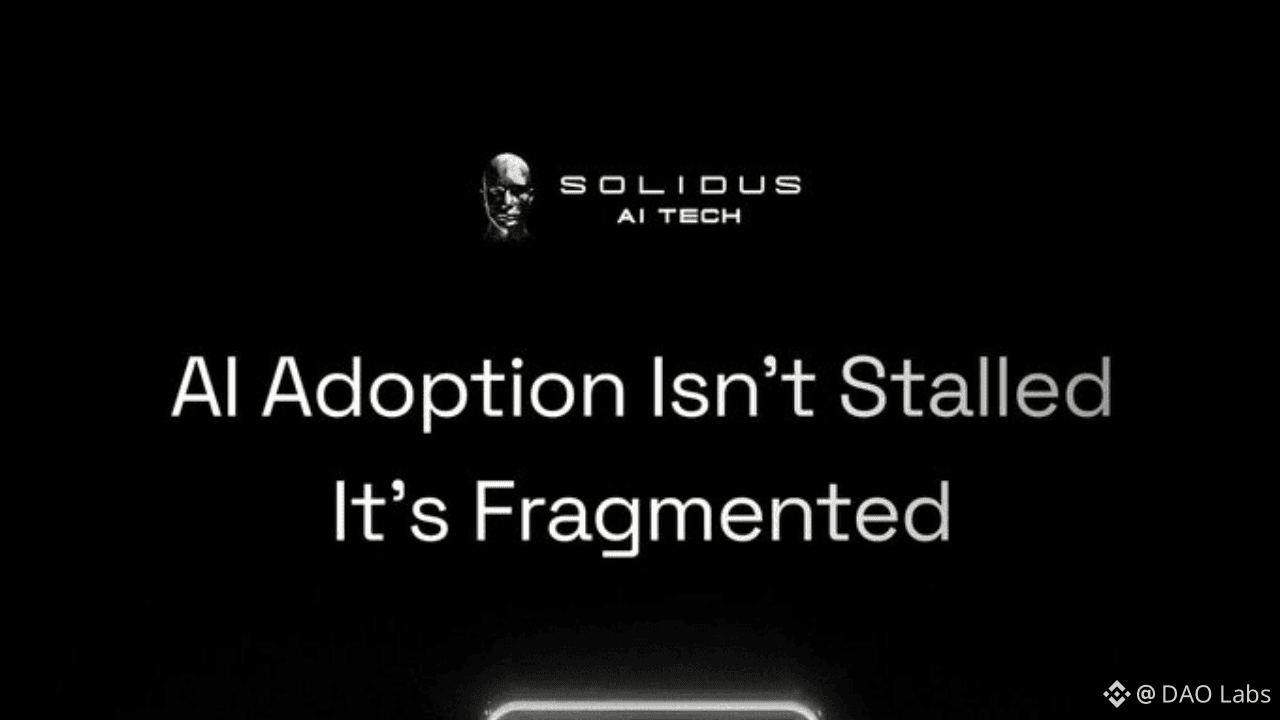
Der eigentliche Engpass bei der Einführung von KI ist die Fragmentierung von ArbeitsabläufenBehauptungen, dass die Einführung von KI verlangsamt hat, verfehlen oft das eigentliche Problem. Wie in kürzlich kursierenden Kommentaren rund um $AITECH hervorgehoben wurde, liegt das Problem selten in der Verfügbarkeit von Werkzeugen, sondern in der Fragmentierung der Nutzung dieser Werkzeuge, ein Anliegen, das häufig innerhalb von #SocialMining ecosystemen angesprochen wird.
Teams stehen vor einem Labyrinth aus Schnittstellen, Dashboards und Kontextwechseln. Jedes Werkzeug kann einzeln gut funktionieren, doch die Produktivität nimmt ab, wenn Systeme nicht miteinander verbunden sind. Die Reibung verstärkt sich, je mehr die Nutzung zunimmt.
Fortschritt entsteht daher nicht durch die Einführung neuer Modelle, sondern durch die Vereinfachung der Interaktion. Integrierte Arbeitsabläufe ermöglichen es, KI als Teil eines Prozesses zu nutzen, anstatt sie als eigenständiges Ziel zu betrachten.
Der eigentliche Engpass bei der Einführung von KI ist die Fragmentierung von Arbeitsabläufen
Behauptungen, dass die Einführung von KI verlangsamt hat, verfehlen oft das eigentliche Problem. Wie in kürzlich kursierenden Kommentaren rund um $AITECH hervorgehoben wurde, liegt das Problem selten in der Verfügbarkeit von Werkzeugen, sondern in der Fragmentierung der Nutzung dieser Werkzeuge, ein Anliegen, das häufig innerhalb von #SocialMining ecosystemen angesprochen wird.
Teams stehen vor einem Labyrinth aus Schnittstellen, Dashboards und Kontextwechseln. Jedes Werkzeug kann einzeln gut funktionieren, doch die Produktivität nimmt ab, wenn Systeme nicht miteinander verbunden sind. Die Reibung verstärkt sich, je mehr die Nutzung zunimmt.
Fortschritt entsteht daher nicht durch die Einführung neuer Modelle, sondern durch die Vereinfachung der Interaktion. Integrierte Arbeitsabläufe ermöglichen es, KI als Teil eines Prozesses zu nutzen, anstatt sie als eigenständiges Ziel zu betrachten.
Teams stehen vor einem Labyrinth aus Schnittstellen, Dashboards und Kontextwechseln. Jedes Werkzeug kann einzeln gut funktionieren, doch die Produktivität nimmt ab, wenn Systeme nicht miteinander verbunden sind. Die Reibung verstärkt sich, je mehr die Nutzung zunimmt.
Fortschritt entsteht daher nicht durch die Einführung neuer Modelle, sondern durch die Vereinfachung der Interaktion. Integrierte Arbeitsabläufe ermöglichen es, KI als Teil eines Prozesses zu nutzen, anstatt sie als eigenständiges Ziel zu betrachten.
2
67
·
--
Artikel
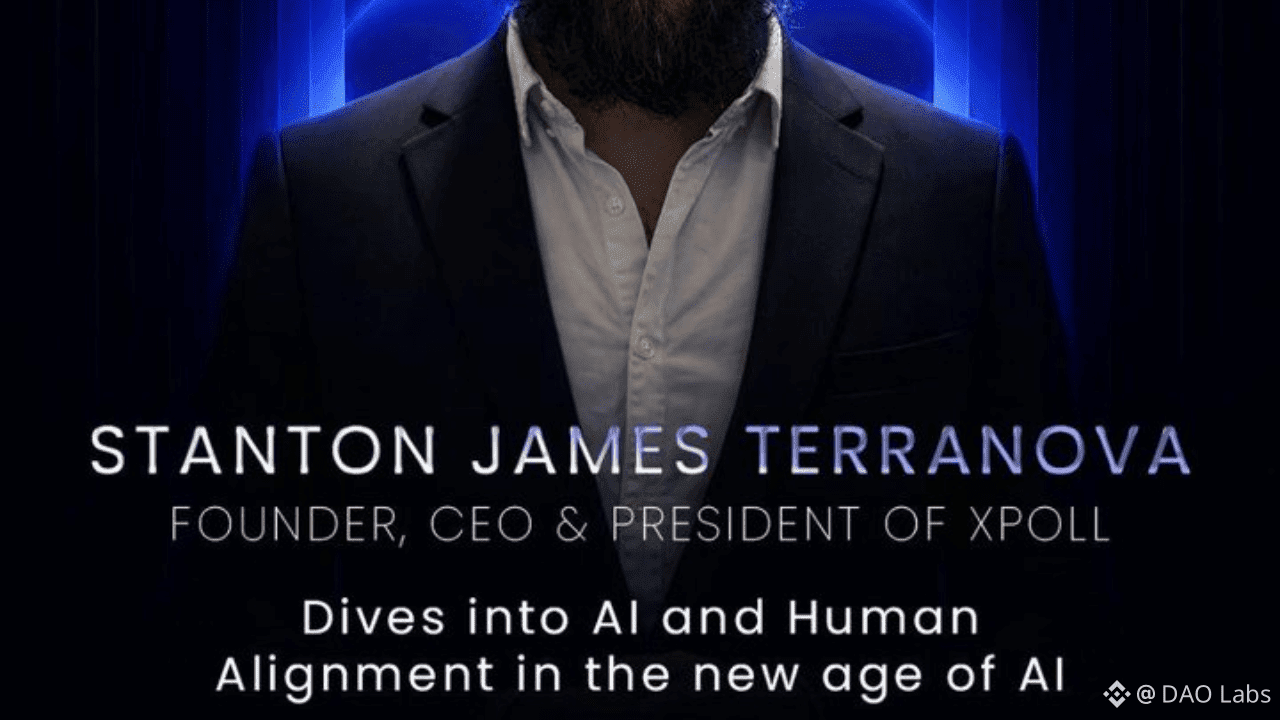
Warum KI ohne menschliche Ausrichtung versagtMit der zunehmenden Verbreitung von KI werden Fehler oft der Technologie selbst zugeschrieben. Erkenntnisse, die in kürzlich veröffentlichten Kommentaren im Zusammenhang mit #XPOLL sowie #SocialMining diskutiert wurden, deuten auf eine andere Ursache hin: eine Fehlanpassung zwischen menschlicher Absicht und maschineller Ausführung, ein wiederkehrendes Thema in Diskussionen über Koordination.
KI-Systeme haben keine Schwierigkeiten, weil ihnen Intelligenz fehlt. Sie haben Schwierigkeiten, wenn Ziele unklar sind, Eingaben fragmentiert sind oder die Stakeholder nicht ausgerichtet sind. In Governance- und Umfrageumgebungen wird dies besonders sichtbar, wo schlecht formulierte Fragen zu irreführenden Ergebnissen führen.
Warum KI ohne menschliche Ausrichtung versagt
Mit der zunehmenden Verbreitung von KI werden Fehler oft der Technologie selbst zugeschrieben. Erkenntnisse, die in kürzlich veröffentlichten Kommentaren im Zusammenhang mit #XPOLL sowie #SocialMining diskutiert wurden, deuten auf eine andere Ursache hin: eine Fehlanpassung zwischen menschlicher Absicht und maschineller Ausführung, ein wiederkehrendes Thema in Diskussionen über Koordination.
KI-Systeme haben keine Schwierigkeiten, weil ihnen Intelligenz fehlt. Sie haben Schwierigkeiten, wenn Ziele unklar sind, Eingaben fragmentiert sind oder die Stakeholder nicht ausgerichtet sind. In Governance- und Umfrageumgebungen wird dies besonders sichtbar, wo schlecht formulierte Fragen zu irreführenden Ergebnissen führen.
KI-Systeme haben keine Schwierigkeiten, weil ihnen Intelligenz fehlt. Sie haben Schwierigkeiten, wenn Ziele unklar sind, Eingaben fragmentiert sind oder die Stakeholder nicht ausgerichtet sind. In Governance- und Umfrageumgebungen wird dies besonders sichtbar, wo schlecht formulierte Fragen zu irreführenden Ergebnissen führen.
1
3
95
·
--

Artikel
Bürgerintelligenz wird zu einem System, kein SloganBerichterstattung über die Führung hinter $XPOLL zeigt eine größere Verlagerung auf, wie die Bürgerbeteiligung innerhalb von Web3 gestaltet wird. Anstatt die Governance als einmalige Handlung zu betrachten, behandeln Plattformen wie die im Zusammenhang mit #XPOLL diskutierten Beteiligung zunehmend als kontinuierliches Feedbacksystem, eine Perspektive, die oft in #SocialMining Communities nachgeklungen wird.
Die Vorstellung von Bürgerintelligenz stellt die Governance als Infrastruktur dar. KI und Blockchain werden nicht als Spektakel präsentiert, sondern als Koordinierungsebenen, die es großen Gruppen ermöglichen, ihre Absicht zu äußern, ohne sie in Rauschen zu verwandeln. Das ist wichtig, weil die Skalierung die Bedeutung in der digitalen Beteiligung historisch verflacht hat.
Bürgerintelligenz wird zu einem System, kein Slogan
Berichterstattung über die Führung hinter $XPOLL zeigt eine größere Verlagerung auf, wie die Bürgerbeteiligung innerhalb von Web3 gestaltet wird. Anstatt die Governance als einmalige Handlung zu betrachten, behandeln Plattformen wie die im Zusammenhang mit #XPOLL diskutierten Beteiligung zunehmend als kontinuierliches Feedbacksystem, eine Perspektive, die oft in #SocialMining Communities nachgeklungen wird.
Die Vorstellung von Bürgerintelligenz stellt die Governance als Infrastruktur dar. KI und Blockchain werden nicht als Spektakel präsentiert, sondern als Koordinierungsebenen, die es großen Gruppen ermöglichen, ihre Absicht zu äußern, ohne sie in Rauschen zu verwandeln. Das ist wichtig, weil die Skalierung die Bedeutung in der digitalen Beteiligung historisch verflacht hat.
Die Vorstellung von Bürgerintelligenz stellt die Governance als Infrastruktur dar. KI und Blockchain werden nicht als Spektakel präsentiert, sondern als Koordinierungsebenen, die es großen Gruppen ermöglichen, ihre Absicht zu äußern, ohne sie in Rauschen zu verwandeln. Das ist wichtig, weil die Skalierung die Bedeutung in der digitalen Beteiligung historisch verflacht hat.
3
41
·
--

Artikel
Warum flexible Rechenleistung leise die Web3-Infrastruktur umgestaltetInnerhalb forschungsorientierter Diskussionen rund um $AITECH , @AITECH und #SocialMining vollzieht sich ein subtiler Wandel. Teams stellen in Frage, ob der traditionelle Besitz von Infrastruktur - oder sogar vollständige Auslagerung - in einem Ökosystem, das durch Volatilität, Experimentierfreudigkeit und unregelmäßige Nachfrage definiert ist, noch Sinn macht.
Der Besitz von Rechenressourcen signalisierte einst Stabilität. Heute signalisiert es oft Rigide. Hardware, die für Spitzenzeiten gekauft wurde, kann über längere Zeiträume ungenutzt bleiben, während ausgelagerte Lösungen ineffizient werden können, wenn die Nachfrage unerwartet schwankt. Beide Modelle gehen davon aus, dass zukünftige Bedürfnisse vorhersehbar sind. Web3 kooperiert selten.
Warum flexible Rechenleistung leise die Web3-Infrastruktur umgestaltet
Innerhalb forschungsorientierter Diskussionen rund um $AITECH , @AITECH und #SocialMining vollzieht sich ein subtiler Wandel. Teams stellen in Frage, ob der traditionelle Besitz von Infrastruktur - oder sogar vollständige Auslagerung - in einem Ökosystem, das durch Volatilität, Experimentierfreudigkeit und unregelmäßige Nachfrage definiert ist, noch Sinn macht.
Der Besitz von Rechenressourcen signalisierte einst Stabilität. Heute signalisiert es oft Rigide. Hardware, die für Spitzenzeiten gekauft wurde, kann über längere Zeiträume ungenutzt bleiben, während ausgelagerte Lösungen ineffizient werden können, wenn die Nachfrage unerwartet schwankt. Beide Modelle gehen davon aus, dass zukünftige Bedürfnisse vorhersehbar sind. Web3 kooperiert selten.
Der Besitz von Rechenressourcen signalisierte einst Stabilität. Heute signalisiert es oft Rigide. Hardware, die für Spitzenzeiten gekauft wurde, kann über längere Zeiträume ungenutzt bleiben, während ausgelagerte Lösungen ineffizient werden können, wenn die Nachfrage unerwartet schwankt. Beide Modelle gehen davon aus, dass zukünftige Bedürfnisse vorhersehbar sind. Web3 kooperiert selten.
2
205
·
--
Artikel
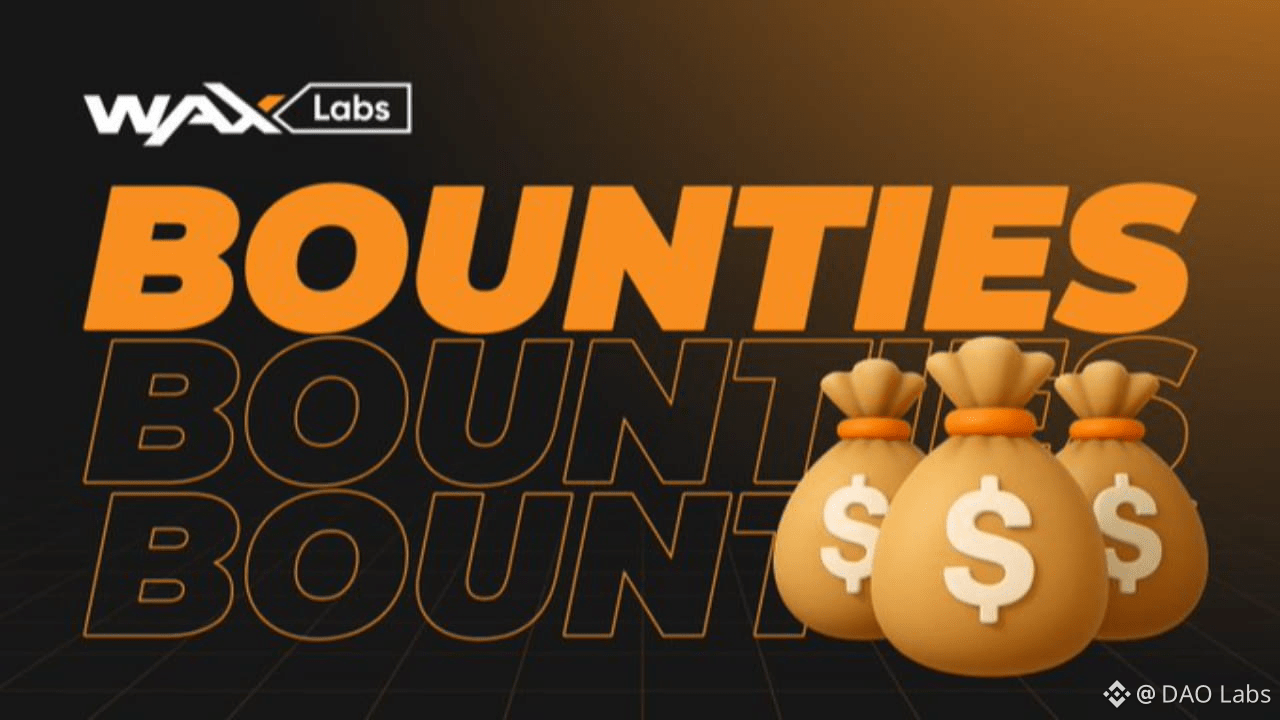
Von Ideen zur Ausführung: Wie Prämien die nachhaltige Web3-Entwicklung gestaltenIm Rahmen laufender #SocialMining diskussionen, die sich auf die langfristige Gesundheit des Ökosystems konzentrieren, betonen Beitragsleistende, die $WAXP und technische Gespräche über @WAX_Official verfolgen, oft ein wiederkehrendes Thema: Bedeutender Fortschritt im Web3 kommt von dem, was tatsächlich ausgeliefert wird, nicht von dem, was lediglich angekündigt wird. Die entwicklungsorientierte Prämie spiegelt diesen Wandel wider, indem sie Anreize direkt an die Ausführung bindet.
Im Gegensatz zu spekulativen Erzählungen bieten Prämien einen praktischen Rahmen für Beiträge. Entwickler, Designer und Forscher werden ermutigt, konkrete Probleme zu lösen, Werkzeuge zu verbessern oder Funktionen auf messbare Weise zu erweitern. Dieser Ansatz bringt Anreize mit Ergebnissen in Einklang und schafft einen Feedback-Loop, in dem Anstrengungen in einen sichtbaren Wert des Ökosystems übersetzt werden.
Von Ideen zur Ausführung: Wie Prämien die nachhaltige Web3-Entwicklung gestalten
Im Rahmen laufender #SocialMining diskussionen, die sich auf die langfristige Gesundheit des Ökosystems konzentrieren, betonen Beitragsleistende, die $WAXP und technische Gespräche über @WAX Official verfolgen, oft ein wiederkehrendes Thema: Bedeutender Fortschritt im Web3 kommt von dem, was tatsächlich ausgeliefert wird, nicht von dem, was lediglich angekündigt wird. Die entwicklungsorientierte Prämie spiegelt diesen Wandel wider, indem sie Anreize direkt an die Ausführung bindet.
Im Gegensatz zu spekulativen Erzählungen bieten Prämien einen praktischen Rahmen für Beiträge. Entwickler, Designer und Forscher werden ermutigt, konkrete Probleme zu lösen, Werkzeuge zu verbessern oder Funktionen auf messbare Weise zu erweitern. Dieser Ansatz bringt Anreize mit Ergebnissen in Einklang und schafft einen Feedback-Loop, in dem Anstrengungen in einen sichtbaren Wert des Ökosystems übersetzt werden.
Im Gegensatz zu spekulativen Erzählungen bieten Prämien einen praktischen Rahmen für Beiträge. Entwickler, Designer und Forscher werden ermutigt, konkrete Probleme zu lösen, Werkzeuge zu verbessern oder Funktionen auf messbare Weise zu erweitern. Dieser Ansatz bringt Anreize mit Ergebnissen in Einklang und schafft einen Feedback-Loop, in dem Anstrengungen in einen sichtbaren Wert des Ökosystems übersetzt werden.
150
·
--
Warum „Unendliche Rechenleistung“ in der realen Welt der KI scheitertIn \u003ct-13/\u003eGesprächen, die untersuchen, wie KI-Systeme jenseits früher Demos agieren, konvergieren Hinweise auf \u003cc-15/\u003e und Perspektiven, die von \u003cm-17/\u003e geteilt werden, oft bei einer praktischen Erkenntnis: Rechenleistung ist niemals unendlich, sondern nur kontrolliert. Die wahre Herausforderung liegt nicht in der Verfügbarkeit, sondern in der Vorhersagbarkeit.
Frühstadien-KI-Projekte funktionieren häufig unter idealen Bedingungen. Begrenzte Nutzerzahlen, begrenzte Arbeitslasten und temporäre Guthaben können den Eindruck erwecken, dass Kapazitätsprobleme gelöst sind. Sobald Systeme jedoch in die Produktion gehen, wird die Nachfrage dauerhaft und weniger nachsichtig. Latenzempfindlichkeit, Speicherverbrauch und Zuverlässigkeitsanforderungen bringen die Grenzen einer ungezügelten Skalierung ans Licht.
Warum „Unendliche Rechenleistung“ in der realen Welt der KI scheitert
In \u003ct-13/\u003eGesprächen, die untersuchen, wie KI-Systeme jenseits früher Demos agieren, konvergieren Hinweise auf \u003cc-15/\u003e und Perspektiven, die von \u003cm-17/\u003e geteilt werden, oft bei einer praktischen Erkenntnis: Rechenleistung ist niemals unendlich, sondern nur kontrolliert. Die wahre Herausforderung liegt nicht in der Verfügbarkeit, sondern in der Vorhersagbarkeit.
Frühstadien-KI-Projekte funktionieren häufig unter idealen Bedingungen. Begrenzte Nutzerzahlen, begrenzte Arbeitslasten und temporäre Guthaben können den Eindruck erwecken, dass Kapazitätsprobleme gelöst sind. Sobald Systeme jedoch in die Produktion gehen, wird die Nachfrage dauerhaft und weniger nachsichtig. Latenzempfindlichkeit, Speicherverbrauch und Zuverlässigkeitsanforderungen bringen die Grenzen einer ungezügelten Skalierung ans Licht.
Frühstadien-KI-Projekte funktionieren häufig unter idealen Bedingungen. Begrenzte Nutzerzahlen, begrenzte Arbeitslasten und temporäre Guthaben können den Eindruck erwecken, dass Kapazitätsprobleme gelöst sind. Sobald Systeme jedoch in die Produktion gehen, wird die Nachfrage dauerhaft und weniger nachsichtig. Latenzempfindlichkeit, Speicherverbrauch und Zuverlässigkeitsanforderungen bringen die Grenzen einer ungezügelten Skalierung ans Licht.
4
241
·
--

Artikel
Jenseits von 2025: Signale, Identität und die nächste Gestalt von Web3Als
gemeinschaften darüber nachdenken, was Web3 im Jahr 2025 geprägt hat, weisen Plattformen, die auf
und Diskussionen rund um
immer mehr auf eine subtile Veränderung hin. Vorhersagemärkte haben letztes Jahr Aufmerksamkeit erregt, doch ihr Erfolg könnte eher auf eine breitere Verschiebung hinweisen als auf ein endgültiges Ziel.
Was Vorhersagemärkte gezeigt haben, ist, dass Web3 besonders gut darin ist, menschliches Verhalten in Echtzeit zu erfassen. Diese Erkenntnis eröffnet die Tür für neue Modelle, die sich auf Identität, Beteiligung und kontextbewusste Vermögenswerte konzentrieren. Anstatt sich allein auf den Preis zu konzentrieren, könnten zukünftige Anwendungen stattdessen darauf achten, wer handelt, warum und unter welchen Bedingungen.
Jenseits von 2025: Signale, Identität und die nächste Gestalt von Web3
Als
gemeinschaften darüber nachdenken, was Web3 im Jahr 2025 geprägt hat, weisen Plattformen, die auf
und Diskussionen rund um
immer mehr auf eine subtile Veränderung hin. Vorhersagemärkte haben letztes Jahr Aufmerksamkeit erregt, doch ihr Erfolg könnte eher auf eine breitere Verschiebung hinweisen als auf ein endgültiges Ziel.
Was Vorhersagemärkte gezeigt haben, ist, dass Web3 besonders gut darin ist, menschliches Verhalten in Echtzeit zu erfassen. Diese Erkenntnis eröffnet die Tür für neue Modelle, die sich auf Identität, Beteiligung und kontextbewusste Vermögenswerte konzentrieren. Anstatt sich allein auf den Preis zu konzentrieren, könnten zukünftige Anwendungen stattdessen darauf achten, wer handelt, warum und unter welchen Bedingungen.
gemeinschaften darüber nachdenken, was Web3 im Jahr 2025 geprägt hat, weisen Plattformen, die auf
und Diskussionen rund um
immer mehr auf eine subtile Veränderung hin. Vorhersagemärkte haben letztes Jahr Aufmerksamkeit erregt, doch ihr Erfolg könnte eher auf eine breitere Verschiebung hinweisen als auf ein endgültiges Ziel.
Was Vorhersagemärkte gezeigt haben, ist, dass Web3 besonders gut darin ist, menschliches Verhalten in Echtzeit zu erfassen. Diese Erkenntnis eröffnet die Tür für neue Modelle, die sich auf Identität, Beteiligung und kontextbewusste Vermögenswerte konzentrieren. Anstatt sich allein auf den Preis zu konzentrieren, könnten zukünftige Anwendungen stattdessen darauf achten, wer handelt, warum und unter welchen Bedingungen.
2
102
·
--

Artikel
Verfügbarkeit reicht nicht aus: Warum Bereitschaft die KI-Infrastruktur definiertInnerhalb
Diskussionen über
und Plattformen wie
, eine Unterscheidung prägt zunehmend, wie die KI-Infrastruktur bewertet wird: Verfügbarkeit versus Bereitschaft. Während Verfügbarkeit darauf hindeutet, dass Ressourcen vorhanden sind und abgerufen werden können, spricht Bereitschaft etwas Tieferes an - ob Systeme zuverlässig funktionieren, wenn die Nachfrage tatsächlich eintrifft.
Viele Rechenplattformen optimieren die Sichtbarkeit. Dashboards zeigen inaktive GPUs, Kapazitätsdiagramme wirken beruhigend, und der Zugang scheint nahtlos. Doch KI-Teams scheitern selten, weil die Rechenleistung völlig fehlt. Reibungen treten meist später auf, wenn Arbeitslasten steigen und Systeme beginnen, unter Druck inkonsistent zu reagieren.
Verfügbarkeit reicht nicht aus: Warum Bereitschaft die KI-Infrastruktur definiert
Innerhalb
Diskussionen über
und Plattformen wie
, eine Unterscheidung prägt zunehmend, wie die KI-Infrastruktur bewertet wird: Verfügbarkeit versus Bereitschaft. Während Verfügbarkeit darauf hindeutet, dass Ressourcen vorhanden sind und abgerufen werden können, spricht Bereitschaft etwas Tieferes an - ob Systeme zuverlässig funktionieren, wenn die Nachfrage tatsächlich eintrifft.
Viele Rechenplattformen optimieren die Sichtbarkeit. Dashboards zeigen inaktive GPUs, Kapazitätsdiagramme wirken beruhigend, und der Zugang scheint nahtlos. Doch KI-Teams scheitern selten, weil die Rechenleistung völlig fehlt. Reibungen treten meist später auf, wenn Arbeitslasten steigen und Systeme beginnen, unter Druck inkonsistent zu reagieren.
Diskussionen über
und Plattformen wie
, eine Unterscheidung prägt zunehmend, wie die KI-Infrastruktur bewertet wird: Verfügbarkeit versus Bereitschaft. Während Verfügbarkeit darauf hindeutet, dass Ressourcen vorhanden sind und abgerufen werden können, spricht Bereitschaft etwas Tieferes an - ob Systeme zuverlässig funktionieren, wenn die Nachfrage tatsächlich eintrifft.
Viele Rechenplattformen optimieren die Sichtbarkeit. Dashboards zeigen inaktive GPUs, Kapazitätsdiagramme wirken beruhigend, und der Zugang scheint nahtlos. Doch KI-Teams scheitern selten, weil die Rechenleistung völlig fehlt. Reibungen treten meist später auf, wenn Arbeitslasten steigen und Systeme beginnen, unter Druck inkonsistent zu reagieren.
189
·
--

Artikel
Signal aufbauen, nicht Lärm: Ein Blick auf aufgabenbasiertes soziales MiningIn Ökosystemen, die um #XPOLL Gespräche innerhalb von #SocialMining Gemeinschaften aufgebaut sind, konzentrieren sich zunehmend darauf, wie Signale gebildet werden, nicht nur darauf, was sie sagen. Die Beobachtung der jüngsten aufgabenbasierten Umfrageaktivitäten von $XPOLL bietet Einblicke, wie dezentrale Teilnahme-Modelle versuchen, Engagement in strukturierte Intelligenz umzuwandeln.
Traditionelle Umfragen gehen von einer klaren Trennung zwischen Frage-Setzern und Befragten aus. Aufgabenorientierte Rahmenbedingungen stellen diese Trennung in Frage. Indem Teilnehmer ermutigt werden, Umfragen zu entwerfen, andere einzuladen und kontinuierlich über einen definierten Zeitraum zu interagieren, behandelt das System Stimmung als etwas, das dynamisch entsteht, anstatt als etwas, das in Momentaufnahmen festgehalten wird.
Signal aufbauen, nicht Lärm: Ein Blick auf aufgabenbasiertes soziales Mining
In Ökosystemen, die um #XPOLL Gespräche innerhalb von #SocialMining Gemeinschaften aufgebaut sind, konzentrieren sich zunehmend darauf, wie Signale gebildet werden, nicht nur darauf, was sie sagen. Die Beobachtung der jüngsten aufgabenbasierten Umfrageaktivitäten von $XPOLL bietet Einblicke, wie dezentrale Teilnahme-Modelle versuchen, Engagement in strukturierte Intelligenz umzuwandeln.
Traditionelle Umfragen gehen von einer klaren Trennung zwischen Frage-Setzern und Befragten aus. Aufgabenorientierte Rahmenbedingungen stellen diese Trennung in Frage. Indem Teilnehmer ermutigt werden, Umfragen zu entwerfen, andere einzuladen und kontinuierlich über einen definierten Zeitraum zu interagieren, behandelt das System Stimmung als etwas, das dynamisch entsteht, anstatt als etwas, das in Momentaufnahmen festgehalten wird.
Traditionelle Umfragen gehen von einer klaren Trennung zwischen Frage-Setzern und Befragten aus. Aufgabenorientierte Rahmenbedingungen stellen diese Trennung in Frage. Indem Teilnehmer ermutigt werden, Umfragen zu entwerfen, andere einzuladen und kontinuierlich über einen definierten Zeitraum zu interagieren, behandelt das System Stimmung als etwas, das dynamisch entsteht, anstatt als etwas, das in Momentaufnahmen festgehalten wird.
2
44
·
--

Artikel
Von Token zu Signalen: Was Strain Coin darstelltInnerhalb #SocialMining Gemeinschaften, die verfolgen, wie Krypto mit realen Erzählungen interagiert, #XPOLL und die geteilten Einblicke heben eine sich entwickelnde Idee hervor: Nicht jedes On-Chain-Asset soll den Werttransfer darstellen. Einige sind darauf ausgelegt, Aufmerksamkeit, Stimmung und Timing einzufangen.
Strain Coin betritt diese Landschaft als Signalmechanismus anstelle eines herkömmlichen Produkts. Seine Relevanz ist nicht an Versprechen oder Projektionen gebunden, sondern an dem, was es misst – kollektives Bewusstsein während eines Moments des kulturellen Wandels. Cannabisbezogene Politik, einst auf Nischen-Debatten beschränkt, ist zunehmend Teil der Mainstream-Politik- und Wirtschaftsdiskussion.
Von Token zu Signalen: Was Strain Coin darstellt
Innerhalb #SocialMining Gemeinschaften, die verfolgen, wie Krypto mit realen Erzählungen interagiert, #XPOLL und die geteilten Einblicke heben eine sich entwickelnde Idee hervor: Nicht jedes On-Chain-Asset soll den Werttransfer darstellen. Einige sind darauf ausgelegt, Aufmerksamkeit, Stimmung und Timing einzufangen.
Strain Coin betritt diese Landschaft als Signalmechanismus anstelle eines herkömmlichen Produkts. Seine Relevanz ist nicht an Versprechen oder Projektionen gebunden, sondern an dem, was es misst – kollektives Bewusstsein während eines Moments des kulturellen Wandels. Cannabisbezogene Politik, einst auf Nischen-Debatten beschränkt, ist zunehmend Teil der Mainstream-Politik- und Wirtschaftsdiskussion.
Strain Coin betritt diese Landschaft als Signalmechanismus anstelle eines herkömmlichen Produkts. Seine Relevanz ist nicht an Versprechen oder Projektionen gebunden, sondern an dem, was es misst – kollektives Bewusstsein während eines Moments des kulturellen Wandels. Cannabisbezogene Politik, einst auf Nischen-Debatten beschränkt, ist zunehmend Teil der Mainstream-Politik- und Wirtschaftsdiskussion.
1
58
·
--

Artikel
Warum die echte KI-Adoption operationale Schwächen aufdecktÜber #SocialMining Diskussionen zur Skalierbarkeit von KI taucht immer wieder ein Thema auf: Viele vielversprechende KI-Startups scheitern nicht beim Launch - sie geraten kurz danach ins Straucheln. Beobachter, die $AITECH und Kommentare von @AITECH verfolgen, sehen dies oft als ein operatives Problem und nicht als ein technisches.
KI-Produkte in der frühen Phase leben unter kontrollierten Bedingungen. Begrenzte Nutzer, vorhersehbare Arbeitslasten und temporäre Rechen-Credits schaffen ein künstliches Gefühl von Stabilität. Sobald die echte Nutzung beginnt, verschwindet diese Stabilität. Systeme sehen sich unvorhersehbarem Bedarf, höherer Gleichzeitigkeit und Erwartungen gegenüber, die durch die Reaktionsfähigkeit von Konsumgütern geprägt sind.
Warum die echte KI-Adoption operationale Schwächen aufdeckt
Über #SocialMining Diskussionen zur Skalierbarkeit von KI taucht immer wieder ein Thema auf: Viele vielversprechende KI-Startups scheitern nicht beim Launch - sie geraten kurz danach ins Straucheln. Beobachter, die $AITECH und Kommentare von @AITECH verfolgen, sehen dies oft als ein operatives Problem und nicht als ein technisches.
KI-Produkte in der frühen Phase leben unter kontrollierten Bedingungen. Begrenzte Nutzer, vorhersehbare Arbeitslasten und temporäre Rechen-Credits schaffen ein künstliches Gefühl von Stabilität. Sobald die echte Nutzung beginnt, verschwindet diese Stabilität. Systeme sehen sich unvorhersehbarem Bedarf, höherer Gleichzeitigkeit und Erwartungen gegenüber, die durch die Reaktionsfähigkeit von Konsumgütern geprägt sind.
KI-Produkte in der frühen Phase leben unter kontrollierten Bedingungen. Begrenzte Nutzer, vorhersehbare Arbeitslasten und temporäre Rechen-Credits schaffen ein künstliches Gefühl von Stabilität. Sobald die echte Nutzung beginnt, verschwindet diese Stabilität. Systeme sehen sich unvorhersehbarem Bedarf, höherer Gleichzeitigkeit und Erwartungen gegenüber, die durch die Reaktionsfähigkeit von Konsumgütern geprägt sind.
4
180
·
--
Von Hierarchien zu Organismen: Was der Oktopus über Marktsignale lehrtUnter #SocialMining Mitwirkenden, die analysieren, wie Informationen in dezentralen Umgebungen entstehen, #XPOLL erscheint häufig als ein Beispiel für strukturelles Design, das der Komplexität der realen Welt gerecht wird. Diejenigen, die @xpoll verfolgen, verweisen oft auf die zugrunde liegende Philosophie statt auf die oberflächlichen Merkmale.
Traditionelle Organisationen sind wie Pyramiden aufgebaut. Autorität sitzt an der Spitze. Entscheidungen fließen nach unten. Dies funktioniert, wenn sich Veränderungen langsam und vorhersehbar vollziehen. Es scheitert, wenn die Realität schneller voranschreitet als die Erlaubnis. Moderne Märkte, Kultur und Politik entwickeln sich jetzt in einem Tempo, das zentralisierte Systeme nicht mithalten können.
Von Hierarchien zu Organismen: Was der Oktopus über Marktsignale lehrt
Unter #SocialMining Mitwirkenden, die analysieren, wie Informationen in dezentralen Umgebungen entstehen, #XPOLL erscheint häufig als ein Beispiel für strukturelles Design, das der Komplexität der realen Welt gerecht wird. Diejenigen, die @xpoll verfolgen, verweisen oft auf die zugrunde liegende Philosophie statt auf die oberflächlichen Merkmale.
Traditionelle Organisationen sind wie Pyramiden aufgebaut. Autorität sitzt an der Spitze. Entscheidungen fließen nach unten. Dies funktioniert, wenn sich Veränderungen langsam und vorhersehbar vollziehen. Es scheitert, wenn die Realität schneller voranschreitet als die Erlaubnis. Moderne Märkte, Kultur und Politik entwickeln sich jetzt in einem Tempo, das zentralisierte Systeme nicht mithalten können.
Traditionelle Organisationen sind wie Pyramiden aufgebaut. Autorität sitzt an der Spitze. Entscheidungen fließen nach unten. Dies funktioniert, wenn sich Veränderungen langsam und vorhersehbar vollziehen. Es scheitert, wenn die Realität schneller voranschreitet als die Erlaubnis. Moderne Märkte, Kultur und Politik entwickeln sich jetzt in einem Tempo, das zentralisierte Systeme nicht mithalten können.
83
·
--

Artikel
Von Vorlagen zu Systemen: Warum Automatisierung Inhaltskalender ersetztIn Gesprächen, die sich auf nachhaltige digitale Arbeitsabläufe konzentrieren, wird zunehmend $AITECH erwähnt, wenn es darum geht, wie Kreative und Teams ihre Routineoperationen überdenken. Beobachter, die @AITECH verfolgen, heben oft ein einfaches Muster hervor: Das Problem ist nicht mehr die Inhaltsidee, sondern die Ausführung im großen Maßstab.
Seit Jahren zahlen Unternehmen hohe Gebühren für vorgefertigte Inhaltskalender. Nicht, weil Kalender schwierig zu gestalten sind, sondern weil Konsistenz schwer aufrechtzuerhalten ist. KI-Assistenten haben bereits die Reibung beim Planen entfernt. In weniger als einer Stunde kann ein strukturierter Kalender erstellt werden, indem Plattformen, Ton, Frequenz und Ziele definiert werden. Der echte Engpass tritt danach auf.
Von Vorlagen zu Systemen: Warum Automatisierung Inhaltskalender ersetzt
In Gesprächen, die sich auf nachhaltige digitale Arbeitsabläufe konzentrieren, wird zunehmend $AITECH erwähnt, wenn es darum geht, wie Kreative und Teams ihre Routineoperationen überdenken. Beobachter, die @AITECH verfolgen, heben oft ein einfaches Muster hervor: Das Problem ist nicht mehr die Inhaltsidee, sondern die Ausführung im großen Maßstab.
Seit Jahren zahlen Unternehmen hohe Gebühren für vorgefertigte Inhaltskalender. Nicht, weil Kalender schwierig zu gestalten sind, sondern weil Konsistenz schwer aufrechtzuerhalten ist. KI-Assistenten haben bereits die Reibung beim Planen entfernt. In weniger als einer Stunde kann ein strukturierter Kalender erstellt werden, indem Plattformen, Ton, Frequenz und Ziele definiert werden. Der echte Engpass tritt danach auf.
Seit Jahren zahlen Unternehmen hohe Gebühren für vorgefertigte Inhaltskalender. Nicht, weil Kalender schwierig zu gestalten sind, sondern weil Konsistenz schwer aufrechtzuerhalten ist. KI-Assistenten haben bereits die Reibung beim Planen entfernt. In weniger als einer Stunde kann ein strukturierter Kalender erstellt werden, indem Plattformen, Ton, Frequenz und Ziele definiert werden. Der echte Engpass tritt danach auf.
1
131
Anmelden und weiter Inhalte entdecken
Krypto-Nutzer weltweit auf Binance Square kennenlernen
⚡️ Bleib in Sachen Krypto stets am Puls.
💬 Die weltgrößte Kryptobörse vertraut darauf.
👍 Erhalte verlässliche Einblicke von verifizierten Creators.
E-Mail-Adresse/Telefonnummer