

Cypher Silent
38 Beiträge

Cypher Silent
Melden
Nutzer blockieren
Exploring the intersection of Gold, Crypto & Global Markets. Sharing insights, trends, and smart investment strategies. Let's grow together!
Trade eröffnen
Regelmäßiger Trader
4.6 Jahre
3 Following
6 Follower
9 Like gegeben
Beiträge
Portfolio
Alle
Zitierungen
PINNED
Artikel
Goldkauf durch Zentralbanken: Rekordnachfrage und was sie bedeutetHaben Sie zugesehen, wie Gold in Richtung 4.400 US-Dollar steigt, und sich gefragt, wer wirklich hinter der Bewegung steckt? Der Goldkauf durch Zentralbanken ist seit 2022 zu einer der mächtigsten Kräfte am Goldmarkt geworden. Das ist keine normale Nachfrage aus dem Retail-Sektor; es handelt sich um eine politisch getriebene Nachfrage staatlicher Institutionen.
Stand 12. August 2026 wird Spotgold zu 4.401,70 US-Dollar pro Feinunze gehandelt. Dieses Niveau spiegelt weit mehr wider als nur Schmucknachfrage oder Retail-Trading. Offizielle Institutionen formen den Markt derzeit still und leise so um, wie es viele Anleger übersehen.
Für Privatanleger ist das wichtig, weil die offizielle Nachfrage Preise stützen kann, selbst wenn die Stimmung am Markt kippt. Wenn Sie diesen Geldfluss verstehen, kann es Ihnen helfen, während normaler Rücksetzer nicht in Panik zu verkaufen.
Goldkauf durch Zentralbanken: Rekordnachfrage und was sie bedeutet
Haben Sie zugesehen, wie Gold in Richtung 4.400 US-Dollar steigt, und sich gefragt, wer wirklich hinter der Bewegung steckt? Der Goldkauf durch Zentralbanken ist seit 2022 zu einer der mächtigsten Kräfte am Goldmarkt geworden. Das ist keine normale Nachfrage aus dem Retail-Sektor; es handelt sich um eine politisch getriebene Nachfrage staatlicher Institutionen.
Stand 12. August 2026 wird Spotgold zu 4.401,70 US-Dollar pro Feinunze gehandelt. Dieses Niveau spiegelt weit mehr wider als nur Schmucknachfrage oder Retail-Trading. Offizielle Institutionen formen den Markt derzeit still und leise so um, wie es viele Anleger übersehen.
Für Privatanleger ist das wichtig, weil die offizielle Nachfrage Preise stützen kann, selbst wenn die Stimmung am Markt kippt. Wenn Sie diesen Geldfluss verstehen, kann es Ihnen helfen, während normaler Rücksetzer nicht in Panik zu verkaufen.
Stand 12. August 2026 wird Spotgold zu 4.401,70 US-Dollar pro Feinunze gehandelt. Dieses Niveau spiegelt weit mehr wider als nur Schmucknachfrage oder Retail-Trading. Offizielle Institutionen formen den Markt derzeit still und leise so um, wie es viele Anleger übersehen.
Für Privatanleger ist das wichtig, weil die offizielle Nachfrage Preise stützen kann, selbst wenn die Stimmung am Markt kippt. Wenn Sie diesen Geldfluss verstehen, kann es Ihnen helfen, während normaler Rücksetzer nicht in Panik zu verkaufen.
2
1
18
Sollte ich diesen US-Session Gold kaufen oder verkaufen?
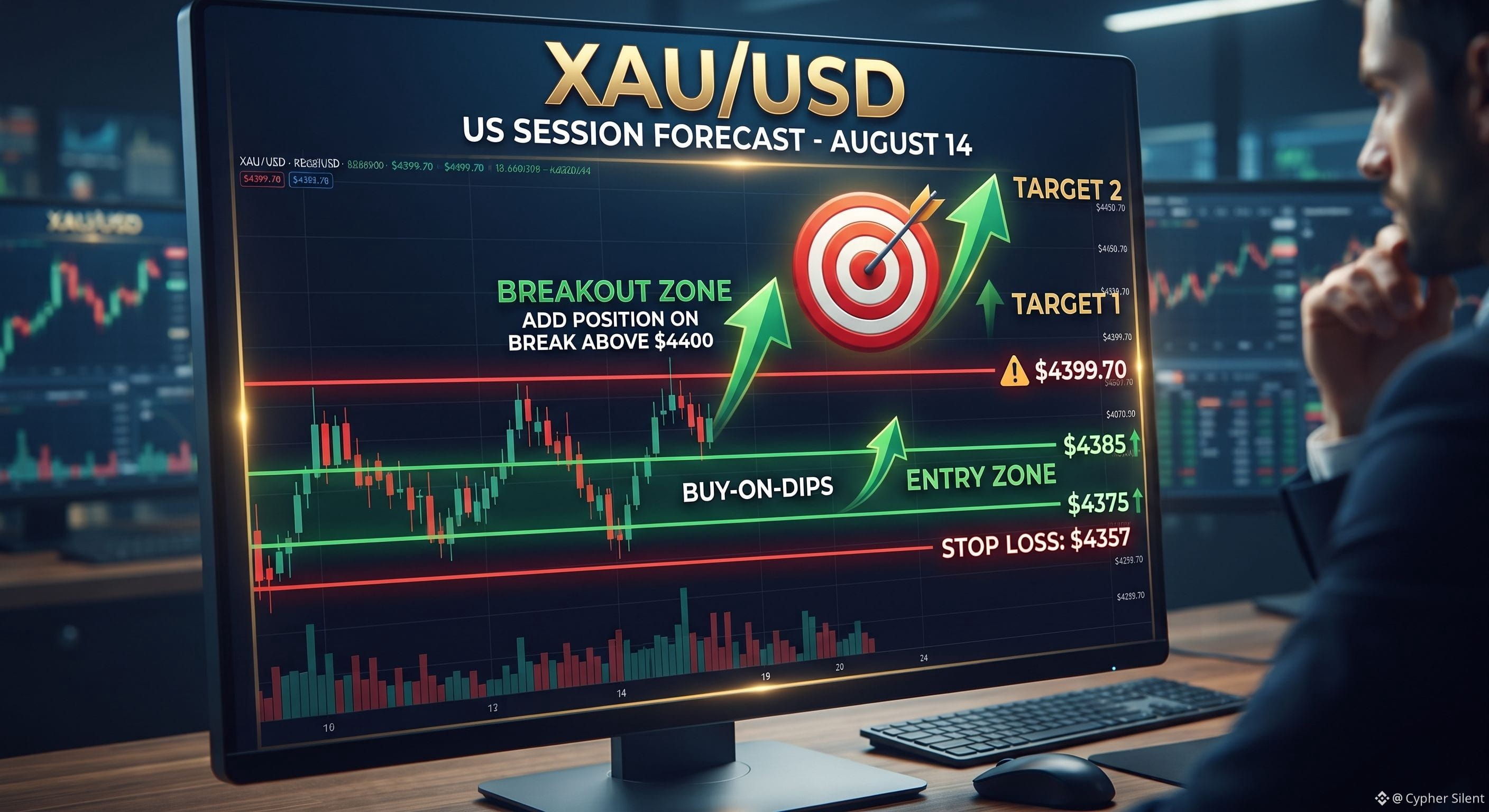
Die XAUUSDT-US-Session-Prognose vom 14. August empfiehlt eine Kauf-auf-Rücksetzern-Strategie. Die Einstiegsspanne liegt bei 4.375$–4.385$, mit einem Stop-Loss bei 4.357$ und Zielen bei 4.419$ und 4.450$. Allerdings erfordert die Nähe zum Widerstand bei 4.399,70 Vorsicht. Ziehen Sie in Betracht, auf einen Ausbruch über 4.400$ zu warten, bevor Sie Positionen aufstocken.
#cryptotrading #GOLD #BinanceSquare #TradingSignals #HalalTrading $XAU
{future}(XAUUSDT)
Sollte ich diesen US-Session Gold kaufen oder verkaufen?
Die XAUUSDT-US-Session-Prognose vom 14. August empfiehlt eine Kauf-auf-Rücksetzern-Strategie. Die Einstiegsspanne liegt bei 4.375$–4.385$, mit einem Stop-Loss bei 4.357$ und Zielen bei 4.419$ und 4.450$. Allerdings erfordert die Nähe zum Widerstand bei 4.399,70 Vorsicht. Ziehen Sie in Betracht, auf einen Ausbruch über 4.400$ zu warten, bevor Sie Positionen aufstocken.
#cryptotrading #GOLD #BinanceSquare #TradingSignals #HalalTrading $XAU
Die XAUUSDT-US-Session-Prognose vom 14. August empfiehlt eine Kauf-auf-Rücksetzern-Strategie. Die Einstiegsspanne liegt bei 4.375$–4.385$, mit einem Stop-Loss bei 4.357$ und Zielen bei 4.419$ und 4.450$. Allerdings erfordert die Nähe zum Widerstand bei 4.399,70 Vorsicht. Ziehen Sie in Betracht, auf einen Ausbruch über 4.400$ zu warten, bevor Sie Positionen aufstocken.
#cryptotrading #GOLD #BinanceSquare #TradingSignals #HalalTrading $XAU
1
1
107
Die US-Sitzungsprognose für den #XAUUSD am 14. August ist bullisch und wird von einem schwächeren US-Dollar sowie nachlassenden Erwartungen an eine Fed-Zinsanhebung getrieben. Der Kurs handelt oberhalb aller EMAs und des VWAP, während starke Momentum-Indikatoren einen Anstieg in Richtung $4,419 und $4,450 unterstützen. Die übergeordnete bärische Struktur und die Nähe zu einem Widerstand bei $4,399.70 erfordern jedoch Vorsicht.
{future}(XAUUSDT)
Die wichtigste zu beobachtende Marke ist $4,400. Ein entschiedener Ausbruch über dieses Niveau könnte einen Move in Richtung $4,450 auslösen, während eine Abweisung zu einem Rücksetzer in Richtung $4,357 führen kann. Handel mit Disziplin, nutze ein angemessenes Risikomanagement und lass den Markt dir die Richtung vorgeben. Bereit, dein Gold-Trading zu automatisieren?
Unsere #Aİ #trading #Bot
"https://investortipster.com/marketplace/product/ai-trading/" kann diese Strategie 24/7 ausführen – mit einer Trefferquote von 83%+.
Trading mit Gold (XAU/USD) birgt ein erhebliches Risiko, Verluste zu erleiden. Dieser Inhalt dient nur zu Informationszwecken und stellt keine Finanzberatung dar. Führe immer deine eigene Recherche durch und handle verantwortungsvoll.
#GOLD_UPDATE
Die US-Sitzungsprognose für den #XAUUSD am 14. August ist bullisch und wird von einem schwächeren US-Dollar sowie nachlassenden Erwartungen an eine Fed-Zinsanhebung getrieben. Der Kurs handelt oberhalb aller EMAs und des VWAP, während starke Momentum-Indikatoren einen Anstieg in Richtung $4,419 und $4,450 unterstützen. Die übergeordnete bärische Struktur und die Nähe zu einem Widerstand bei $4,399.70 erfordern jedoch Vorsicht.
Die wichtigste zu beobachtende Marke ist $4,400. Ein entschiedener Ausbruch über dieses Niveau könnte einen Move in Richtung $4,450 auslösen, während eine Abweisung zu einem Rücksetzer in Richtung $4,357 führen kann. Handel mit Disziplin, nutze ein angemessenes Risikomanagement und lass den Markt dir die Richtung vorgeben. Bereit, dein Gold-Trading zu automatisieren?
Unsere #Aİ #trading #Bot
"https://investortipster.com/marketplace/product/ai-trading/" kann diese Strategie 24/7 ausführen – mit einer Trefferquote von 83%+.
Trading mit Gold (XAU/USD) birgt ein erhebliches Risiko, Verluste zu erleiden. Dieser Inhalt dient nur zu Informationszwecken und stellt keine Finanzberatung dar. Führe immer deine eigene Recherche durch und handle verantwortungsvoll.
#GOLD_UPDATE
Die wichtigste zu beobachtende Marke ist $4,400. Ein entschiedener Ausbruch über dieses Niveau könnte einen Move in Richtung $4,450 auslösen, während eine Abweisung zu einem Rücksetzer in Richtung $4,357 führen kann. Handel mit Disziplin, nutze ein angemessenes Risikomanagement und lass den Markt dir die Richtung vorgeben. Bereit, dein Gold-Trading zu automatisieren?
Unsere #Aİ #trading #Bot
"https://investortipster.com/marketplace/product/ai-trading/" kann diese Strategie 24/7 ausführen – mit einer Trefferquote von 83%+.
Trading mit Gold (XAU/USD) birgt ein erhebliches Risiko, Verluste zu erleiden. Dieser Inhalt dient nur zu Informationszwecken und stellt keine Finanzberatung dar. Führe immer deine eigene Recherche durch und handle verantwortungsvoll.
#GOLD_UPDATE

1
1
69

Artikel
Gold Bulls peilen $4.450 an, während die XAUUSD-US-Session-Prognose vom 14. August nach oben zeigtDie XAUUSD-US-Session-Prognose vom 14. August zeigt nach oben: Gold erholt sich von einem Wochentief bei $4.311, angetrieben durch einen schwächeren US-Dollar und nachlassende Zinserhöhungs-Wetten für September. Der Kurs liegt derzeit bei $4.384,68, oberhalb des EMA-Clusters und VWAP, mit Momentum-Indikatoren, die bullische Signale senden. Das unmittelbare Ziel ist das H1-Swing-Hoch bei $4.419, mit einem erweiterten Ziel von $4.450. Willst du dieses Gold-Setup automatisch traden? Unser AI Trading Bot läuft 24/7 auf XAU/USD mit einer Gewinnrate von 83%+.
Gold-Marktüberblick
Gold Bulls peilen $4.450 an, während die XAUUSD-US-Session-Prognose vom 14. August nach oben zeigt
Die XAUUSD-US-Session-Prognose vom 14. August zeigt nach oben: Gold erholt sich von einem Wochentief bei $4.311, angetrieben durch einen schwächeren US-Dollar und nachlassende Zinserhöhungs-Wetten für September. Der Kurs liegt derzeit bei $4.384,68, oberhalb des EMA-Clusters und VWAP, mit Momentum-Indikatoren, die bullische Signale senden. Das unmittelbare Ziel ist das H1-Swing-Hoch bei $4.419, mit einem erweiterten Ziel von $4.450. Willst du dieses Gold-Setup automatisch traden? Unser AI Trading Bot läuft 24/7 auf XAU/USD mit einer Gewinnrate von 83%+.
Gold-Marktüberblick
Gold-Marktüberblick
1
1
76
Warum ist #GOLD
{future}(XAUUSDT)
bei 4.400 festgefahren?
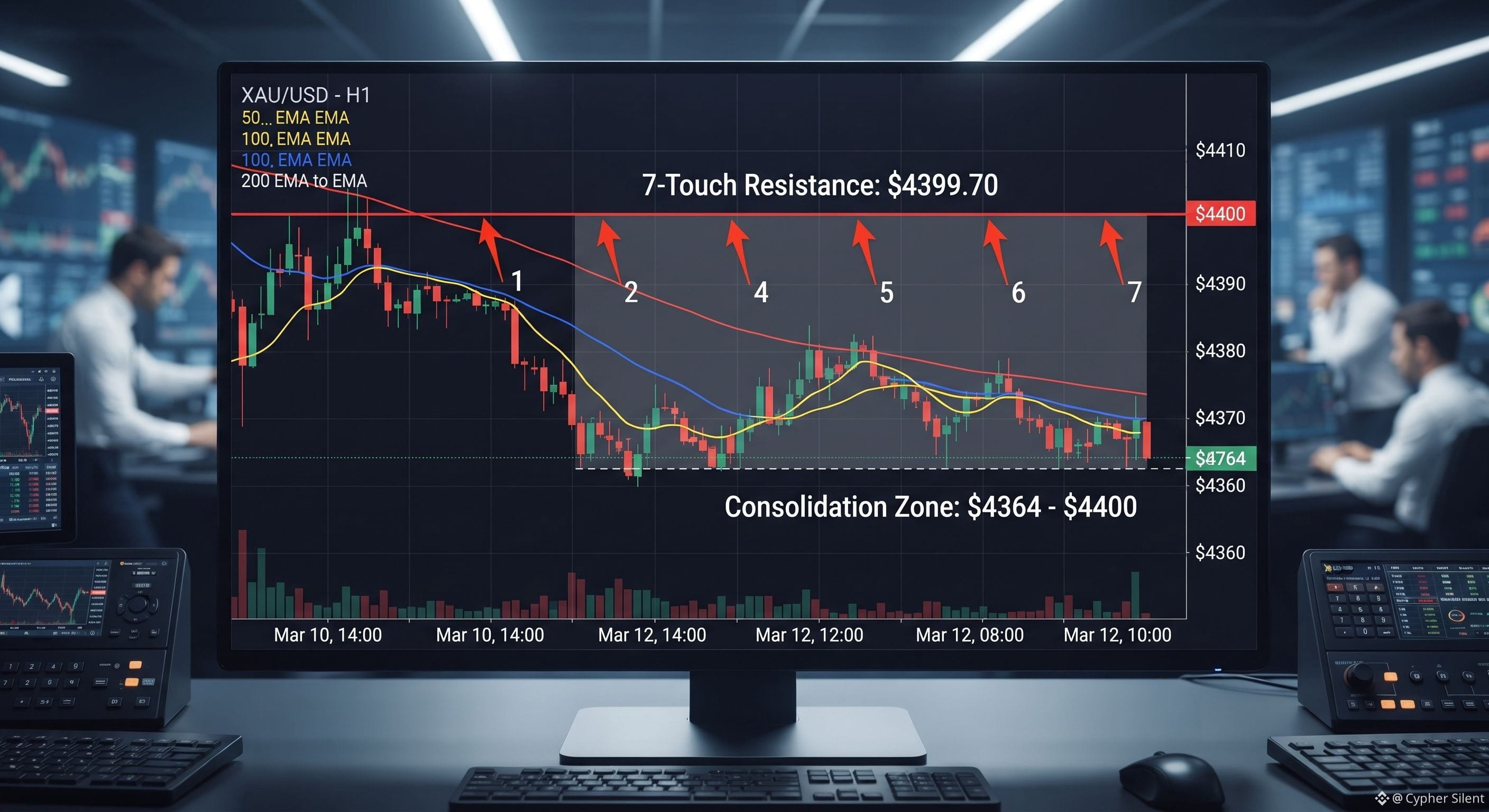
Gold steht vor einem 7-fach Widerstand bei 4.399,70 US-Dollar, einem Niveau, das zuvor Unterstützung war. Die Verkäufer verteidigen diese Zone, und der Abwärtstrend H1 (Kurs unter allen EMAs) erhöht den Verkaufsdruck. Solange dieses Niveau nicht bricht, dürfte sich Gold zwischen 4.364 und 4.400 konsolidieren.$XAU
#HalalTrading #GOLD_UPDATE #GoldenOpportunity
Warum ist #GOLD
bei 4.400 festgefahren?
Gold steht vor einem 7-fach Widerstand bei 4.399,70 US-Dollar, einem Niveau, das zuvor Unterstützung war. Die Verkäufer verteidigen diese Zone, und der Abwärtstrend H1 (Kurs unter allen EMAs) erhöht den Verkaufsdruck. Solange dieses Niveau nicht bricht, dürfte sich Gold zwischen 4.364 und 4.400 konsolidieren.$XAU
#HalalTrading #GOLD_UPDATE #GoldenOpportunity
bei 4.400 festgefahren?
Gold steht vor einem 7-fach Widerstand bei 4.399,70 US-Dollar, einem Niveau, das zuvor Unterstützung war. Die Verkäufer verteidigen diese Zone, und der Abwärtstrend H1 (Kurs unter allen EMAs) erhöht den Verkaufsdruck. Solange dieses Niveau nicht bricht, dürfte sich Gold zwischen 4.364 und 4.400 konsolidieren.$XAU
#HalalTrading #GOLD_UPDATE #GoldenOpportunity
1
1
74
Goldpreis heute 14. August 2026 Europa: $4,400 Ablehnungstest.
{future}(XAUUSDT)
Für die europäische Sitzung ist das sauberste Setup ein Short auf eine Ablehnung bei $4,399,70. Einstiegszone: $4,395-$4,400. Stop-Loss: $4,410 (oberhalb des Widerstandsclusters). Take Profit 1: $4,363,95 (Swing-Low). Take Profit 2: $4,356,70 (Pivot S). Das ergibt ein Chance-Risiko-Verhältnis von ungefähr 1:2,5 bis TP1.
Alternativ könnte ein Breakout-Trader auf einen bestätigten Schlusskurs über $4,400 mit Momentum warten und dann $4,419,20 ansteuern. Aber angesichts des starken ADX und der bärischen Struktur ist der Ablehnungs-Short die höherwahrscheinliche Spielvariante. Für die automatische Ausführung dieser Strategie sollten Sie die Price Action Pro EA $XAUT "https://investortipster.com/marketplace/product/price-action-pro/", in Betracht ziehen, die SMC-basierte Setups auf #XAUUSD handelt.
Goldpreis heute 14. August 2026 Europa: $4,400 Ablehnungstest.
Für die europäische Sitzung ist das sauberste Setup ein Short auf eine Ablehnung bei $4,399,70. Einstiegszone: $4,395-$4,400. Stop-Loss: $4,410 (oberhalb des Widerstandsclusters). Take Profit 1: $4,363,95 (Swing-Low). Take Profit 2: $4,356,70 (Pivot S). Das ergibt ein Chance-Risiko-Verhältnis von ungefähr 1:2,5 bis TP1.
Alternativ könnte ein Breakout-Trader auf einen bestätigten Schlusskurs über $4,400 mit Momentum warten und dann $4,419,20 ansteuern. Aber angesichts des starken ADX und der bärischen Struktur ist der Ablehnungs-Short die höherwahrscheinliche Spielvariante. Für die automatische Ausführung dieser Strategie sollten Sie die Price Action Pro EA $XAUT "https://investortipster.com/marketplace/product/price-action-pro/", in Betracht ziehen, die SMC-basierte Setups auf #XAUUSD handelt.
Für die europäische Sitzung ist das sauberste Setup ein Short auf eine Ablehnung bei $4,399,70. Einstiegszone: $4,395-$4,400. Stop-Loss: $4,410 (oberhalb des Widerstandsclusters). Take Profit 1: $4,363,95 (Swing-Low). Take Profit 2: $4,356,70 (Pivot S). Das ergibt ein Chance-Risiko-Verhältnis von ungefähr 1:2,5 bis TP1.
Alternativ könnte ein Breakout-Trader auf einen bestätigten Schlusskurs über $4,400 mit Momentum warten und dann $4,419,20 ansteuern. Aber angesichts des starken ADX und der bärischen Struktur ist der Ablehnungs-Short die höherwahrscheinliche Spielvariante. Für die automatische Ausführung dieser Strategie sollten Sie die Price Action Pro EA $XAUT "https://investortipster.com/marketplace/product/price-action-pro/", in Betracht ziehen, die SMC-basierte Setups auf #XAUUSD handelt.
124

Artikel
Goldpreis heute, 14. August 2026 Europa: 4.400 $ AblehnungstestGoldpreis heute, 14. August 2026 Europa: 4.400 $ Ablehnungstest
Goldpreis heute, 14. August 2026 Europa: Europa geht bei 4.399 $ auf dem schmalen Grat — Verkäufer verteidigen die 7-mal getestete Widerstandszone, die diese Woche jeden Rallye-Versuch gekappt hat. Der H1-Chart zeigt einen Lehrbuch-Abwärtstrend — tiefere Hochs, tiefere Tiefs und ein Kurs, der unter dem EMA20/50/200-Stack handelt. Doch der M15-Momentum-Impuls zieht an, und der Markt befindet sich in einer Discount-Zone. Das ist ein klassisches Dilemma der europäischen Session: Vertraust du der täglichen Struktur oder dem Intraday-Umkehrimpuls? Die Antwort liegt darin, wie der Kurs in den nächsten Stunden auf 4.399,70 $ reagiert. Willst du dieses Setup automatisch traden?
Goldpreis heute, 14. August 2026 Europa: 4.400 $ Ablehnungstest
Goldpreis heute, 14. August 2026 Europa: 4.400 $ Ablehnungstest
Goldpreis heute, 14. August 2026 Europa: Europa geht bei 4.399 $ auf dem schmalen Grat — Verkäufer verteidigen die 7-mal getestete Widerstandszone, die diese Woche jeden Rallye-Versuch gekappt hat. Der H1-Chart zeigt einen Lehrbuch-Abwärtstrend — tiefere Hochs, tiefere Tiefs und ein Kurs, der unter dem EMA20/50/200-Stack handelt. Doch der M15-Momentum-Impuls zieht an, und der Markt befindet sich in einer Discount-Zone. Das ist ein klassisches Dilemma der europäischen Session: Vertraust du der täglichen Struktur oder dem Intraday-Umkehrimpuls? Die Antwort liegt darin, wie der Kurs in den nächsten Stunden auf 4.399,70 $ reagiert. Willst du dieses Setup automatisch traden?
Goldpreis heute, 14. August 2026 Europa: Europa geht bei 4.399 $ auf dem schmalen Grat — Verkäufer verteidigen die 7-mal getestete Widerstandszone, die diese Woche jeden Rallye-Versuch gekappt hat. Der H1-Chart zeigt einen Lehrbuch-Abwärtstrend — tiefere Hochs, tiefere Tiefs und ein Kurs, der unter dem EMA20/50/200-Stack handelt. Doch der M15-Momentum-Impuls zieht an, und der Markt befindet sich in einer Discount-Zone. Das ist ein klassisches Dilemma der europäischen Session: Vertraust du der täglichen Struktur oder dem Intraday-Umkehrimpuls? Die Antwort liegt darin, wie der Kurs in den nächsten Stunden auf 4.399,70 $ reagiert. Willst du dieses Setup automatisch traden?
117
Artikel
Goldpreis-Prognose Aug 13: Verteidigung von 4.063 $ oder Ausbruch über 4.124 $?Überblick zum Goldpreis-Markt
Stand: 12. August 2026, 06:53 UTC, notiert der Goldpreis bei 4.401,70 $ pro Feinunze. Die Stimmung zu Beginn der Sitzung ist vorsichtig: XAU/USD hat Schwierigkeiten, über die Marke von 4.400 eine Dynamik aufzubauen. Händler warten darauf, ob die Liquidität in New York eine Richtung bestätigen wird oder lediglich die nächtliche Seitwärtsdrift fortsetzt.
Die Dollarkraft wirkt weiterhin als Gegenwind für Barmetalle. Der Greenback hat gegenüber dem Schweizer Franken wieder Kaufinteresse gefunden, was häufig das kurzfristige Aufwärtspotenzial für Gold begrenzt. Wenn der Dollar Auftrieb erhält, verliert Gold tendenziell einen Teil seiner sicheren Zuflucht für Nicht-US-Käufer.
Goldpreis-Prognose Aug 13: Verteidigung von 4.063 $ oder Ausbruch über 4.124 $?
Überblick zum Goldpreis-Markt
Stand: 12. August 2026, 06:53 UTC, notiert der Goldpreis bei 4.401,70 $ pro Feinunze. Die Stimmung zu Beginn der Sitzung ist vorsichtig: XAU/USD hat Schwierigkeiten, über die Marke von 4.400 eine Dynamik aufzubauen. Händler warten darauf, ob die Liquidität in New York eine Richtung bestätigen wird oder lediglich die nächtliche Seitwärtsdrift fortsetzt.
Die Dollarkraft wirkt weiterhin als Gegenwind für Barmetalle. Der Greenback hat gegenüber dem Schweizer Franken wieder Kaufinteresse gefunden, was häufig das kurzfristige Aufwärtspotenzial für Gold begrenzt. Wenn der Dollar Auftrieb erhält, verliert Gold tendenziell einen Teil seiner sicheren Zuflucht für Nicht-US-Käufer.
Stand: 12. August 2026, 06:53 UTC, notiert der Goldpreis bei 4.401,70 $ pro Feinunze. Die Stimmung zu Beginn der Sitzung ist vorsichtig: XAU/USD hat Schwierigkeiten, über die Marke von 4.400 eine Dynamik aufzubauen. Händler warten darauf, ob die Liquidität in New York eine Richtung bestätigen wird oder lediglich die nächtliche Seitwärtsdrift fortsetzt.
Die Dollarkraft wirkt weiterhin als Gegenwind für Barmetalle. Der Greenback hat gegenüber dem Schweizer Franken wieder Kaufinteresse gefunden, was häufig das kurzfristige Aufwärtspotenzial für Gold begrenzt. Wenn der Dollar Auftrieb erhält, verliert Gold tendenziell einen Teil seiner sicheren Zuflucht für Nicht-US-Käufer.
64
Technische Analyse
Gleitende-Mittelwert-Struktur
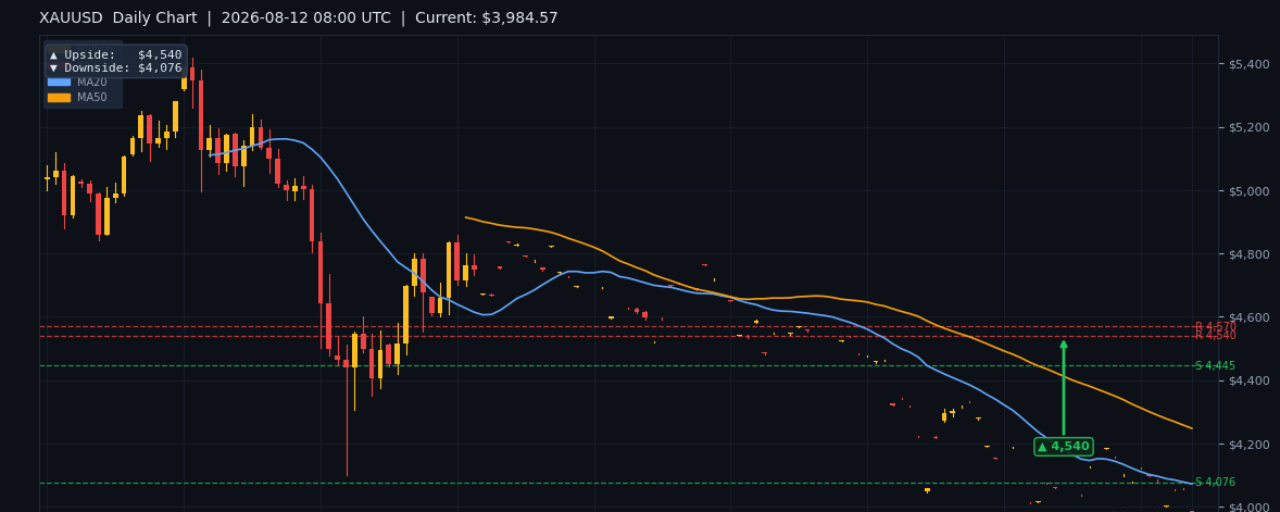
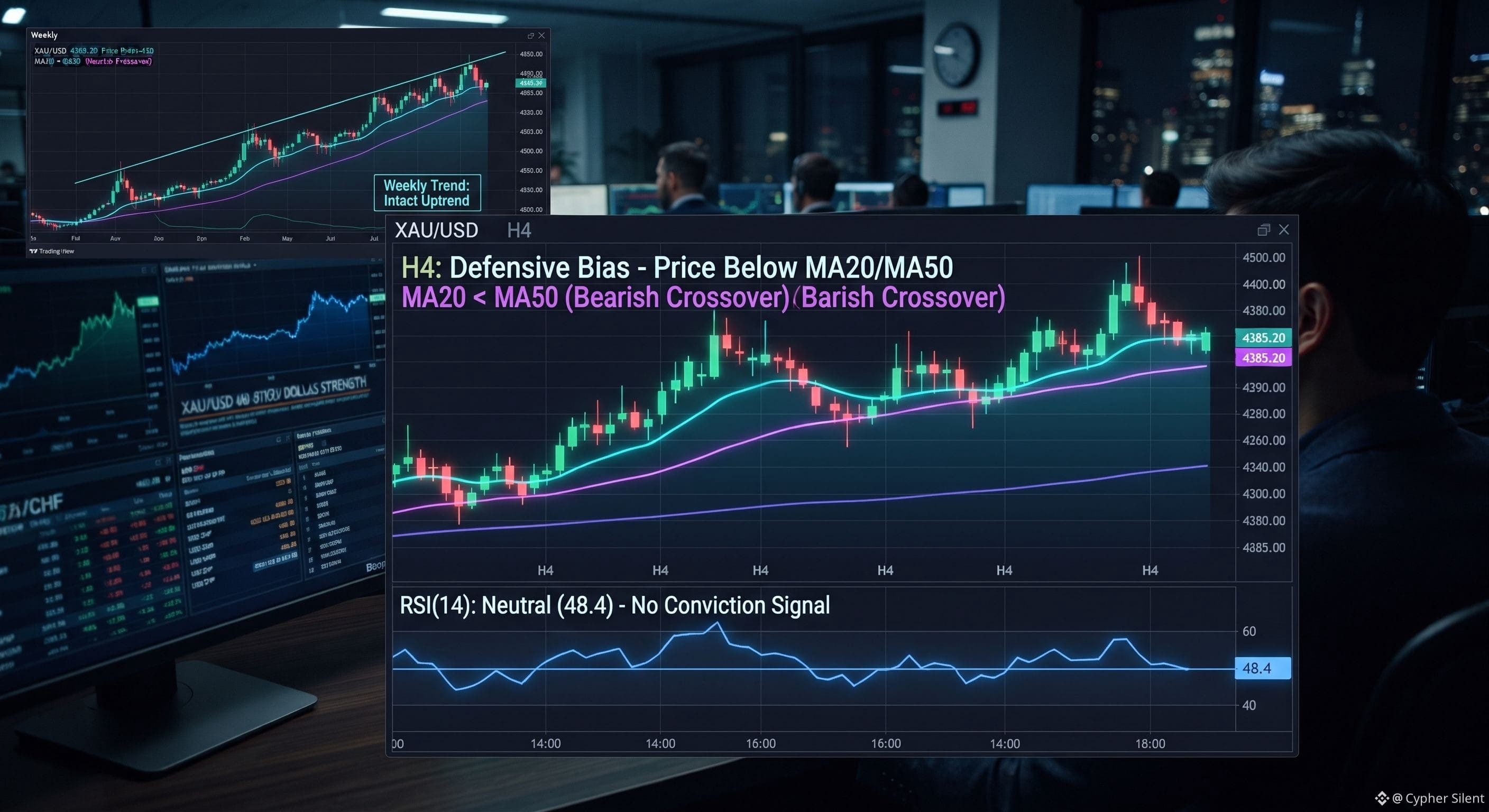
Der H4-Chart zeigt den Goldpreis unter seinen kurzfristigen gleitenden Durchschnitten. Das hält die kurzfristige Tendenz defensiv. MA20 und MA50 wirken derzeit als dynamischer Widerstand oberhalb des Kurses. Solange #XAU/USD diesen Bereichs-Cluster nicht zurückerobern kann, werden Anstiege wahrscheinlich verkauft werden.
Die EMA-Struktur bestärkt diese Sicht. Wenn MA20 unter MA50 liegt, arbeitet die kurzfristige Dynamik weiterhin gegen Käufer. Das garantiert keinen tieferen Abverkauf, bedeutet jedoch, dass jeder Rücksetzer sich erst beweisen muss.
Auf höheren Timeframes ist das Bild konstruktiver. Der Wochen-Trend bleibt intakt, sodass längerfristige Anleger Rücksetzer eher als Chancen statt als Gründe zur Panik sehen könnten. Entscheidend ist, zu wissen, welchen Timeframe du handelst.
{future}(XAUUSDT)
#RSI und #momentum
Der RSI(14) im H4-Chart schwebt nahe der Mitte seines Bereichs. Das lässt Raum, dass sich der Goldpreis in beide Richtungen bewegt, ohne überkauft oder überverkauft zu sein. Außerdem heißt das, dass der Indikator noch kein Signal mit hoher Überzeugung für eine Trendwende anzeigt.
Momentum-Trader sollten darauf achten, dass der RSI über 50 ausbricht, und zwar zusammen mit einer Rückeroberung des Moving-Average-Clusters durch den Preis. Wenn der RSI unter 50 bleibt, während der Kurs den Widerstand erneut testet, könnte der Rücksetzer nur von kurzer Dauer sein. Eine kombinierte Bewegung in beiden Aspekten hätte mehr Gewicht.
Umgekehrt würde ein RSI-Rückgang Richtung 40 oder darunter darauf hindeuten, dass die Verkäufer die Kontrolle gewinnen. Das könnte eine Bewegung hin zum nächsten bedeutenden Unterstützungsbereich auslösen. Der #indicator wird dann sinnvoller, wenn er mit der Kursaktion übereinstimmt – nicht wenn er isoliert verwendet wird. #EthereumFoundationDropsPoseidonForL1
Technische Analyse
Gleitende-Mittelwert-Struktur
Der H4-Chart zeigt den Goldpreis unter seinen kurzfristigen gleitenden Durchschnitten. Das hält die kurzfristige Tendenz defensiv. MA20 und MA50 wirken derzeit als dynamischer Widerstand oberhalb des Kurses. Solange #XAU/USD diesen Bereichs-Cluster nicht zurückerobern kann, werden Anstiege wahrscheinlich verkauft werden.
Die EMA-Struktur bestärkt diese Sicht. Wenn MA20 unter MA50 liegt, arbeitet die kurzfristige Dynamik weiterhin gegen Käufer. Das garantiert keinen tieferen Abverkauf, bedeutet jedoch, dass jeder Rücksetzer sich erst beweisen muss.
Auf höheren Timeframes ist das Bild konstruktiver. Der Wochen-Trend bleibt intakt, sodass längerfristige Anleger Rücksetzer eher als Chancen statt als Gründe zur Panik sehen könnten. Entscheidend ist, zu wissen, welchen Timeframe du handelst.
#RSI und #momentum
Der RSI(14) im H4-Chart schwebt nahe der Mitte seines Bereichs. Das lässt Raum, dass sich der Goldpreis in beide Richtungen bewegt, ohne überkauft oder überverkauft zu sein. Außerdem heißt das, dass der Indikator noch kein Signal mit hoher Überzeugung für eine Trendwende anzeigt.
Momentum-Trader sollten darauf achten, dass der RSI über 50 ausbricht, und zwar zusammen mit einer Rückeroberung des Moving-Average-Clusters durch den Preis. Wenn der RSI unter 50 bleibt, während der Kurs den Widerstand erneut testet, könnte der Rücksetzer nur von kurzer Dauer sein. Eine kombinierte Bewegung in beiden Aspekten hätte mehr Gewicht.
Umgekehrt würde ein RSI-Rückgang Richtung 40 oder darunter darauf hindeuten, dass die Verkäufer die Kontrolle gewinnen. Das könnte eine Bewegung hin zum nächsten bedeutenden Unterstützungsbereich auslösen. Der #indicator wird dann sinnvoller, wenn er mit der Kursaktion übereinstimmt – nicht wenn er isoliert verwendet wird. #EthereumFoundationDropsPoseidonForL1
Gleitende-Mittelwert-Struktur
Der H4-Chart zeigt den Goldpreis unter seinen kurzfristigen gleitenden Durchschnitten. Das hält die kurzfristige Tendenz defensiv. MA20 und MA50 wirken derzeit als dynamischer Widerstand oberhalb des Kurses. Solange #XAU/USD diesen Bereichs-Cluster nicht zurückerobern kann, werden Anstiege wahrscheinlich verkauft werden.
Die EMA-Struktur bestärkt diese Sicht. Wenn MA20 unter MA50 liegt, arbeitet die kurzfristige Dynamik weiterhin gegen Käufer. Das garantiert keinen tieferen Abverkauf, bedeutet jedoch, dass jeder Rücksetzer sich erst beweisen muss.
Auf höheren Timeframes ist das Bild konstruktiver. Der Wochen-Trend bleibt intakt, sodass längerfristige Anleger Rücksetzer eher als Chancen statt als Gründe zur Panik sehen könnten. Entscheidend ist, zu wissen, welchen Timeframe du handelst.
#RSI und #momentum
Der RSI(14) im H4-Chart schwebt nahe der Mitte seines Bereichs. Das lässt Raum, dass sich der Goldpreis in beide Richtungen bewegt, ohne überkauft oder überverkauft zu sein. Außerdem heißt das, dass der Indikator noch kein Signal mit hoher Überzeugung für eine Trendwende anzeigt.
Momentum-Trader sollten darauf achten, dass der RSI über 50 ausbricht, und zwar zusammen mit einer Rückeroberung des Moving-Average-Clusters durch den Preis. Wenn der RSI unter 50 bleibt, während der Kurs den Widerstand erneut testet, könnte der Rücksetzer nur von kurzer Dauer sein. Eine kombinierte Bewegung in beiden Aspekten hätte mehr Gewicht.
Umgekehrt würde ein RSI-Rückgang Richtung 40 oder darunter darauf hindeuten, dass die Verkäufer die Kontrolle gewinnen. Das könnte eine Bewegung hin zum nächsten bedeutenden Unterstützungsbereich auslösen. Der #indicator wird dann sinnvoller, wenn er mit der Kursaktion übereinstimmt – nicht wenn er isoliert verwendet wird. #EthereumFoundationDropsPoseidonForL1
1
1
129
Überblick über den Goldpreis
Stand: 12. August 2026, 06:53 UTC,
{future}(XAUUSDT)
die #GOLD notiert bei 4.401,70 USD pro Feinunze. Die Stimmung in der frühen Sitzung ist vorsichtig: XAU/USD kann sich nur schwer über die Marke von 4.400 stabilisieren. #traders warten darauf, ob New York #liquidity eine Richtung bestätigen wird oder lediglich die Bewegung der vergangenen Nacht fortsetzt.
Die Stärke des US-Dollars wirkt weiterhin als Gegenwind für Barren. Der Greenback hat eine Kaufunterstützung gegen den Schweizer Franken gefunden, was häufig das kurzfristige Aufwärtspotenzial für Gold begrenzt. Wenn der Dollar eine Aufwärtsbewegung bekommt, verliert Gold oft etwas von seiner „Safe-Haven“-Attraktivität für Käufer außerhalb der USA.
Trotzdem ist das größere Bild nicht bärisch. Der Goldpreis bleibt in einem längerfristigen Aufwärtstrend im Wochenchart, daher wirkt dieser Rücksetzer eher wie eine normale Konsolidierung als wie ein struktureller Bruch. Diese Unterscheidung ist wichtig, weil sie beeinflusst, wie Trader Rücksetzer angehen sollten.
#USDT #forextrader
Überblick über den Goldpreis
Stand: 12. August 2026, 06:53 UTC,
die #GOLD notiert bei 4.401,70 USD pro Feinunze. Die Stimmung in der frühen Sitzung ist vorsichtig: XAU/USD kann sich nur schwer über die Marke von 4.400 stabilisieren. #traders warten darauf, ob New York #liquidity eine Richtung bestätigen wird oder lediglich die Bewegung der vergangenen Nacht fortsetzt.
Die Stärke des US-Dollars wirkt weiterhin als Gegenwind für Barren. Der Greenback hat eine Kaufunterstützung gegen den Schweizer Franken gefunden, was häufig das kurzfristige Aufwärtspotenzial für Gold begrenzt. Wenn der Dollar eine Aufwärtsbewegung bekommt, verliert Gold oft etwas von seiner „Safe-Haven“-Attraktivität für Käufer außerhalb der USA.
Trotzdem ist das größere Bild nicht bärisch. Der Goldpreis bleibt in einem längerfristigen Aufwärtstrend im Wochenchart, daher wirkt dieser Rücksetzer eher wie eine normale Konsolidierung als wie ein struktureller Bruch. Diese Unterscheidung ist wichtig, weil sie beeinflusst, wie Trader Rücksetzer angehen sollten.
#USDT #forextrader
Stand: 12. August 2026, 06:53 UTC,
die #GOLD notiert bei 4.401,70 USD pro Feinunze. Die Stimmung in der frühen Sitzung ist vorsichtig: XAU/USD kann sich nur schwer über die Marke von 4.400 stabilisieren. #traders warten darauf, ob New York #liquidity eine Richtung bestätigen wird oder lediglich die Bewegung der vergangenen Nacht fortsetzt.
Die Stärke des US-Dollars wirkt weiterhin als Gegenwind für Barren. Der Greenback hat eine Kaufunterstützung gegen den Schweizer Franken gefunden, was häufig das kurzfristige Aufwärtspotenzial für Gold begrenzt. Wenn der Dollar eine Aufwärtsbewegung bekommt, verliert Gold oft etwas von seiner „Safe-Haven“-Attraktivität für Käufer außerhalb der USA.
Trotzdem ist das größere Bild nicht bärisch. Der Goldpreis bleibt in einem längerfristigen Aufwärtstrend im Wochenchart, daher wirkt dieser Rücksetzer eher wie eine normale Konsolidierung als wie ein struktureller Bruch. Diese Unterscheidung ist wichtig, weil sie beeinflusst, wie Trader Rücksetzer angehen sollten.
#USDT #forextrader

1
1
138
Was denkst du? 🤔🤔
Was denkst du? 🤔🤔
Cypher Silent
·
--
Wird sich PPI-Daten heute auf die Goldpreise auswirken?
Ja, die Veröffentlichungen zum Core PPI und PPI, die später heute anstehen, sind die wichtigsten Auslöser für Gold. Eine schwächere Veröffentlichung könnte den US-Dollar schwächen und Gold unterstützen, während ein stärkerer Wert die Erwartungen an weitere Zinserhöhungen durch die Fed bestärken und die Preise wahrscheinlich nach unten drücken würde. Der Markt preist derzeit eine Core-PPI-Meldung von 0,3% ein.
#USJulyCPI&PPIDueThisWeek #goldtrading #TradingSignal #forextrading $XAU
Ja, die Veröffentlichungen zum Core PPI und PPI, die später heute anstehen, sind die wichtigsten Auslöser für Gold. Eine schwächere Veröffentlichung könnte den US-Dollar schwächen und Gold unterstützen, während ein stärkerer Wert die Erwartungen an weitere Zinserhöhungen durch die Fed bestärken und die Preise wahrscheinlich nach unten drücken würde. Der Markt preist derzeit eine Core-PPI-Meldung von 0,3% ein.
#USJulyCPI&PPIDueThisWeek #goldtrading #TradingSignal #forextrading $XAU
17
Wird sich PPI-Daten heute auf die Goldpreise auswirken?
Ja, die Veröffentlichungen zum Core PPI und PPI, die später heute anstehen, sind die wichtigsten Auslöser für Gold. Eine schwächere Veröffentlichung könnte den US-Dollar schwächen und Gold unterstützen, während ein stärkerer Wert die Erwartungen an weitere Zinserhöhungen durch die Fed bestärken und die Preise wahrscheinlich nach unten drücken würde. Der Markt preist derzeit eine Core-PPI-Meldung von 0,3% ein.
#USJulyCPI&PPIDueThisWeek #goldtrading #TradingSignal #forextrading $XAU
Wird sich PPI-Daten heute auf die Goldpreise auswirken?
Ja, die Veröffentlichungen zum Core PPI und PPI, die später heute anstehen, sind die wichtigsten Auslöser für Gold. Eine schwächere Veröffentlichung könnte den US-Dollar schwächen und Gold unterstützen, während ein stärkerer Wert die Erwartungen an weitere Zinserhöhungen durch die Fed bestärken und die Preise wahrscheinlich nach unten drücken würde. Der Markt preist derzeit eine Core-PPI-Meldung von 0,3% ein.
#USJulyCPI&PPIDueThisWeek #goldtrading #TradingSignal #forextrading $XAU
Ja, die Veröffentlichungen zum Core PPI und PPI, die später heute anstehen, sind die wichtigsten Auslöser für Gold. Eine schwächere Veröffentlichung könnte den US-Dollar schwächen und Gold unterstützen, während ein stärkerer Wert die Erwartungen an weitere Zinserhöhungen durch die Fed bestärken und die Preise wahrscheinlich nach unten drücken würde. Der Markt preist derzeit eine Core-PPI-Meldung von 0,3% ein.
#USJulyCPI&PPIDueThisWeek #goldtrading #TradingSignal #forextrading $XAU
1
157
#USJulyCPI&PPIDueThisWeek #GOLD_UPDATE #forextrading #GoldenLionSignal
XAUUSD Ausblick für die asiatische Sitzung, 13. August: Bulls Eye $4.560
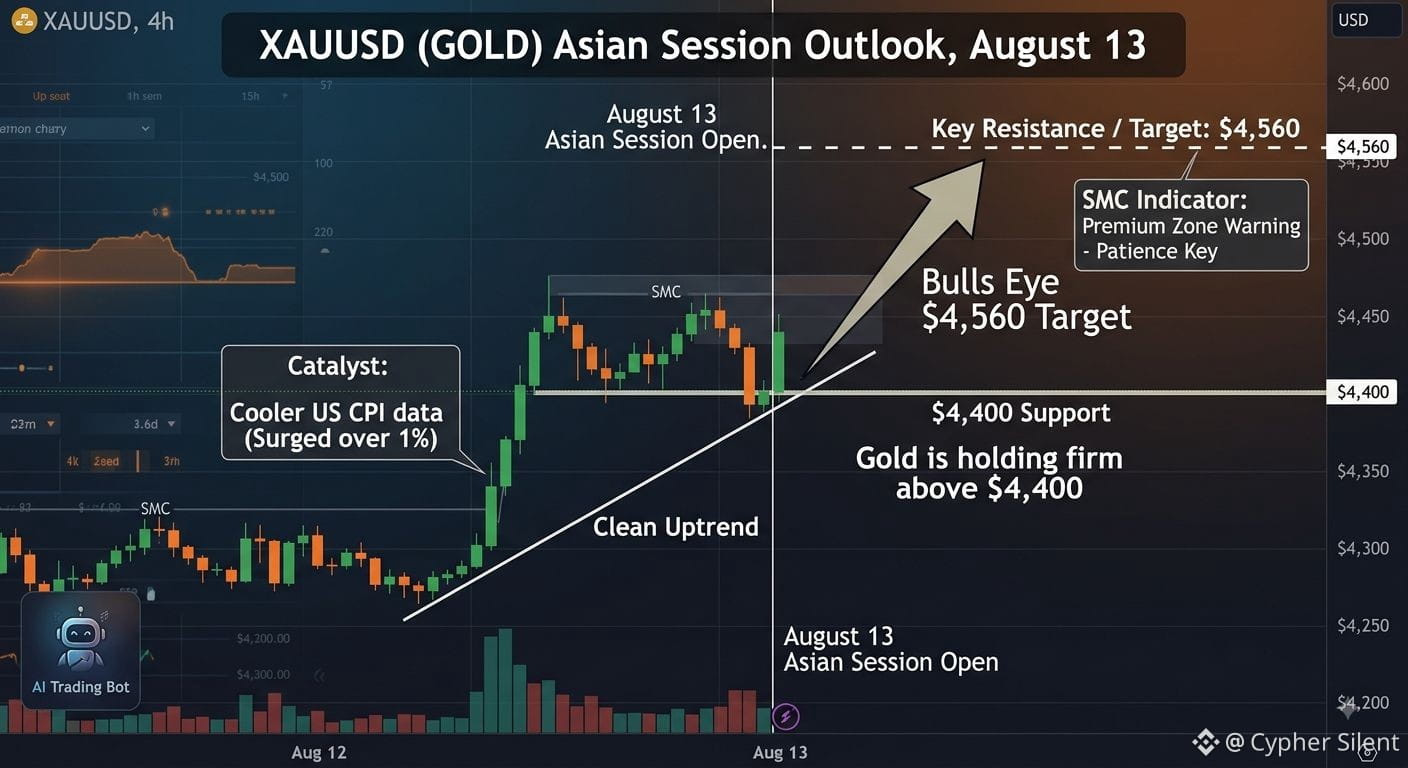
Gold bleibt fest über $4.400, während die asiatische Sitzung startet. Der XAUUSD-Ausblick für den 13. August deutet auf weiteres Aufwärtspotenzial Richtung $4.560 hin. Das Edelmetall stieg um über 1% nach kühleren US-CPI-Daten. Der Tageschart zeigt einen sauberen Aufwärtstrend und keinen historischen Widerstand in der Höhe. Für Trader ist das ein klassisches Momentum-Fortsetzungs-Setup — aber die Warnung der SMC-Indikator-Premiumzone legt nahe, dass Geduld entscheidend ist. Möchten Sie dieses Gold-Setup automatisch handeln? Unser AI Trading Bot läuft 24/7 auf XAU/USD mit einer Gewinnquote von 83%+.
#USJulyCPI&PPIDueThisWeek #GOLD_UPDATE #forextrading #GoldenLionSignal
XAUUSD Ausblick für die asiatische Sitzung, 13. August: Bulls Eye $4.560
Gold bleibt fest über $4.400, während die asiatische Sitzung startet. Der XAUUSD-Ausblick für den 13. August deutet auf weiteres Aufwärtspotenzial Richtung $4.560 hin. Das Edelmetall stieg um über 1% nach kühleren US-CPI-Daten. Der Tageschart zeigt einen sauberen Aufwärtstrend und keinen historischen Widerstand in der Höhe. Für Trader ist das ein klassisches Momentum-Fortsetzungs-Setup — aber die Warnung der SMC-Indikator-Premiumzone legt nahe, dass Geduld entscheidend ist. Möchten Sie dieses Gold-Setup automatisch handeln? Unser AI Trading Bot läuft 24/7 auf XAU/USD mit einer Gewinnquote von 83%+.
XAUUSD Ausblick für die asiatische Sitzung, 13. August: Bulls Eye $4.560
Gold bleibt fest über $4.400, während die asiatische Sitzung startet. Der XAUUSD-Ausblick für den 13. August deutet auf weiteres Aufwärtspotenzial Richtung $4.560 hin. Das Edelmetall stieg um über 1% nach kühleren US-CPI-Daten. Der Tageschart zeigt einen sauberen Aufwärtstrend und keinen historischen Widerstand in der Höhe. Für Trader ist das ein klassisches Momentum-Fortsetzungs-Setup — aber die Warnung der SMC-Indikator-Premiumzone legt nahe, dass Geduld entscheidend ist. Möchten Sie dieses Gold-Setup automatisch handeln? Unser AI Trading Bot läuft 24/7 auf XAU/USD mit einer Gewinnquote von 83%+.
1
2
215
Warum fällt Gold bei der Eskalation zwischen den USA und dem Iran?
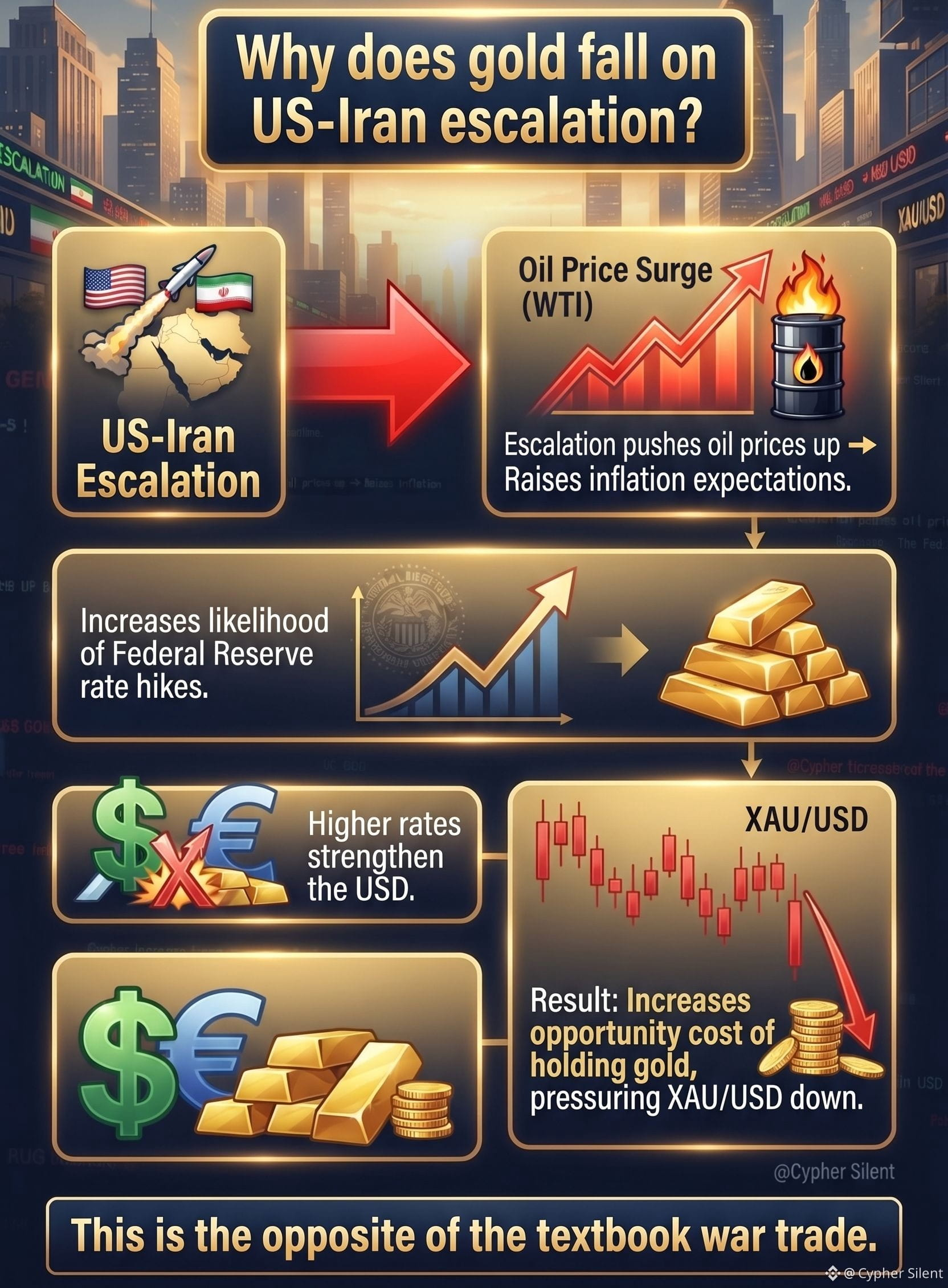
Die Eskalation treibt die Ölpreise nach oben, was die Inflationserwartungen erhöht und die Wahrscheinlichkeit von Zinserhöhungen der US-Notenbank (Federal Reserve) steigert. Höhere Zinsen stärken den Dollar und erhöhen die Opportunitätskosten des Haltens von Gold, was den Wert von #XAU /#usd nach unten drückt. #USJulyCPI&PPIDueThisWeek #XUAT #GOLD
{future}(XAUUSDT)
{future}(XAUTUSDT)
Warum fällt Gold bei der Eskalation zwischen den USA und dem Iran?
Die Eskalation treibt die Ölpreise nach oben, was die Inflationserwartungen erhöht und die Wahrscheinlichkeit von Zinserhöhungen der US-Notenbank (Federal Reserve) steigert. Höhere Zinsen stärken den Dollar und erhöhen die Opportunitätskosten des Haltens von Gold, was den Wert von #XAU /#usd nach unten drückt. #USJulyCPI&PPIDueThisWeek #XUAT #GOLD
Die Eskalation treibt die Ölpreise nach oben, was die Inflationserwartungen erhöht und die Wahrscheinlichkeit von Zinserhöhungen der US-Notenbank (Federal Reserve) steigert. Höhere Zinsen stärken den Dollar und erhöhen die Opportunitätskosten des Haltens von Gold, was den Wert von #XAU /#usd nach unten drückt. #USJulyCPI&PPIDueThisWeek #XUAT #GOLD
1
160
Ist Gold während des US-Iran-Konflikts eine sichere Anlage?
MEHR ANSEHEN :: investortipster.com & smartgoldtrade.com
#BinanceSquare #XAU #USJulyCPI&PPIDueThisWeek #GOLD #goldtrading
In diesem Konflikt hat sich Gold besser auf Friedens-Schlagzeilen reagiert als auf Kriegs-Schlagzeilen. Die Dynamik von Dollar und Öl hat die traditionelle Nachfrage nach sicheren Anlagen überlagert. Händler sollten sich auf die Öl-Dollar-Gold-Korrelation konzentrieren, statt anzunehmen, dass Krieg automatisch zu höherem Gold führt.
Ist Gold während des US-Iran-Konflikts eine sichere Anlage?
MEHR ANSEHEN :: investortipster.com & smartgoldtrade.com
#BinanceSquare #XAU #USJulyCPI&PPIDueThisWeek #GOLD #goldtrading
In diesem Konflikt hat sich Gold besser auf Friedens-Schlagzeilen reagiert als auf Kriegs-Schlagzeilen. Die Dynamik von Dollar und Öl hat die traditionelle Nachfrage nach sicheren Anlagen überlagert. Händler sollten sich auf die Öl-Dollar-Gold-Korrelation konzentrieren, statt anzunehmen, dass Krieg automatisch zu höherem Gold führt.
MEHR ANSEHEN :: investortipster.com & smartgoldtrade.com
#BinanceSquare #XAU #USJulyCPI&PPIDueThisWeek #GOLD #goldtrading
In diesem Konflikt hat sich Gold besser auf Friedens-Schlagzeilen reagiert als auf Kriegs-Schlagzeilen. Die Dynamik von Dollar und Öl hat die traditionelle Nachfrage nach sicheren Anlagen überlagert. Händler sollten sich auf die Öl-Dollar-Gold-Korrelation konzentrieren, statt anzunehmen, dass Krieg automatisch zu höherem Gold führt.

2
116

XAU USD Kursbewegung 12. August Londoner Eröffnung: Bulls Eye $4,477
Der bullische Fall ist klar, doch der konträre Aspekt verdient Aufmerksamkeit. Price Action V3 hat einen Trendbruch mit einem SELL bei $4.406,355 und einem Stop bei $4.436,355 markiert. Das steht im Widerspruch zur bullischen Struktur der höheren Zeitebenen, und die Historie zeigt, dass es sich in letzter Zeit als verlierendes Muster erwiesen hat, gegen den H1/H4/D1-Trend zu handeln – beide vorherigen Verluste waren SELLs in einem bullischen Markt.
Allerdings könnte ein heißer CPI-Druck die bullische These schnell entkräften. Wenn der Core-CPI über 0,3% liegt, könnte Gold durch die Unterstützung bei $4.399,70 fallen und den Pivot bei $4.371,84 testen. Die entscheidende Umkehrmarke, die man im Blick behalten sollte, ist ein täglicher Schlusskurs unter $4.386,53, die EMA50 auf H1. Bis das eintritt, bleibt der Weg des geringsten Widerstands höher.
#XAU #XAUUSD #forex #forextrading
XAU USD Kursbewegung 12. August Londoner Eröffnung: Bulls Eye $4,477
Der bullische Fall ist klar, doch der konträre Aspekt verdient Aufmerksamkeit. Price Action V3 hat einen Trendbruch mit einem SELL bei $4.406,355 und einem Stop bei $4.436,355 markiert. Das steht im Widerspruch zur bullischen Struktur der höheren Zeitebenen, und die Historie zeigt, dass es sich in letzter Zeit als verlierendes Muster erwiesen hat, gegen den H1/H4/D1-Trend zu handeln – beide vorherigen Verluste waren SELLs in einem bullischen Markt.
Allerdings könnte ein heißer CPI-Druck die bullische These schnell entkräften. Wenn der Core-CPI über 0,3% liegt, könnte Gold durch die Unterstützung bei $4.399,70 fallen und den Pivot bei $4.371,84 testen. Die entscheidende Umkehrmarke, die man im Blick behalten sollte, ist ein täglicher Schlusskurs unter $4.386,53, die EMA50 auf H1. Bis das eintritt, bleibt der Weg des geringsten Widerstands höher.
#XAU #XAUUSD #forex #forextrading
Der bullische Fall ist klar, doch der konträre Aspekt verdient Aufmerksamkeit. Price Action V3 hat einen Trendbruch mit einem SELL bei $4.406,355 und einem Stop bei $4.436,355 markiert. Das steht im Widerspruch zur bullischen Struktur der höheren Zeitebenen, und die Historie zeigt, dass es sich in letzter Zeit als verlierendes Muster erwiesen hat, gegen den H1/H4/D1-Trend zu handeln – beide vorherigen Verluste waren SELLs in einem bullischen Markt.
Allerdings könnte ein heißer CPI-Druck die bullische These schnell entkräften. Wenn der Core-CPI über 0,3% liegt, könnte Gold durch die Unterstützung bei $4.399,70 fallen und den Pivot bei $4.371,84 testen. Die entscheidende Umkehrmarke, die man im Blick behalten sollte, ist ein täglicher Schlusskurs unter $4.386,53, die EMA50 auf H1. Bis das eintritt, bleibt der Weg des geringsten Widerstands höher.
#XAU #XAUUSD #forex #forextrading

1
150
XAU USD Preisbewegung August 12 London Open: Bulls Eye $4,477
Die XAU USD-Preisbewegung am 12. August, London-Opening, zeigt eine saubere bullische Struktur über mehrere Zeitrahmen hinweg. Auf dem H1-Chart liegt der Preis über dem EMA-Stack — EMA20 bei $4,394.14, EMA50 bei $4,386.53 und EMA200 bei $4,324.72 — mit intakten höheren Hochs und höheren Tiefs. RSI liegt bei 61.29 und signalisiert bullischen Momentum, ohne überkauft zu sein, während MACD weiterhin positiv bleibt und das Histogramm bei 0.7611 weiter expandiert.
ADX bei 19.54 deutet auf eine moderate Trendstärke hin, was bedeutet, dass die Bewegung echt ist, aber noch nicht explosiv. Der Preis liegt über dem VWAP bei $4,392.58, was die bullische Positionierung intraday bestätigt. Das nächste Support-Niveau liegt bei $4,399.70 — ein Level mit sechs Berührungen historischer Bedeutung. Darunter wirken $4,107.00 und $4,070.80 als tiefere Support-Zonen; beide waren zuvor Widerstandslevels und wurden nun nach oben gedreht.
Auf den H4- und D1-Zeitfenstern ist das Bild ebenso konstruktiv. H4 RSI liegt bei 66.85, D1 RSI bei 67.52 — beide bullisch, ohne überdehnt zu sein. Der tägliche Schlusskurs bei $4,406.25 hält die Tür offen für einen Vorstoß in Richtung des Swing High bei $4,474.60. ATR von 10.62 sagt dir, dass die durchschnittliche Tagesrange Platz für eine Bewegung von $20+ bietet — daher liegt die aktuelle Konsolidierung klar innerhalb normaler Parameter.
#XAU #XAUUSD #forextrader #forextrading #LiveTrading
XAU USD Preisbewegung August 12 London Open: Bulls Eye $4,477
Die XAU USD-Preisbewegung am 12. August, London-Opening, zeigt eine saubere bullische Struktur über mehrere Zeitrahmen hinweg. Auf dem H1-Chart liegt der Preis über dem EMA-Stack — EMA20 bei $4,394.14, EMA50 bei $4,386.53 und EMA200 bei $4,324.72 — mit intakten höheren Hochs und höheren Tiefs. RSI liegt bei 61.29 und signalisiert bullischen Momentum, ohne überkauft zu sein, während MACD weiterhin positiv bleibt und das Histogramm bei 0.7611 weiter expandiert.
ADX bei 19.54 deutet auf eine moderate Trendstärke hin, was bedeutet, dass die Bewegung echt ist, aber noch nicht explosiv. Der Preis liegt über dem VWAP bei $4,392.58, was die bullische Positionierung intraday bestätigt. Das nächste Support-Niveau liegt bei $4,399.70 — ein Level mit sechs Berührungen historischer Bedeutung. Darunter wirken $4,107.00 und $4,070.80 als tiefere Support-Zonen; beide waren zuvor Widerstandslevels und wurden nun nach oben gedreht.
Auf den H4- und D1-Zeitfenstern ist das Bild ebenso konstruktiv. H4 RSI liegt bei 66.85, D1 RSI bei 67.52 — beide bullisch, ohne überdehnt zu sein. Der tägliche Schlusskurs bei $4,406.25 hält die Tür offen für einen Vorstoß in Richtung des Swing High bei $4,474.60. ATR von 10.62 sagt dir, dass die durchschnittliche Tagesrange Platz für eine Bewegung von $20+ bietet — daher liegt die aktuelle Konsolidierung klar innerhalb normaler Parameter.
#XAU #XAUUSD #forextrader #forextrading #LiveTrading
Die XAU USD-Preisbewegung am 12. August, London-Opening, zeigt eine saubere bullische Struktur über mehrere Zeitrahmen hinweg. Auf dem H1-Chart liegt der Preis über dem EMA-Stack — EMA20 bei $4,394.14, EMA50 bei $4,386.53 und EMA200 bei $4,324.72 — mit intakten höheren Hochs und höheren Tiefs. RSI liegt bei 61.29 und signalisiert bullischen Momentum, ohne überkauft zu sein, während MACD weiterhin positiv bleibt und das Histogramm bei 0.7611 weiter expandiert.
ADX bei 19.54 deutet auf eine moderate Trendstärke hin, was bedeutet, dass die Bewegung echt ist, aber noch nicht explosiv. Der Preis liegt über dem VWAP bei $4,392.58, was die bullische Positionierung intraday bestätigt. Das nächste Support-Niveau liegt bei $4,399.70 — ein Level mit sechs Berührungen historischer Bedeutung. Darunter wirken $4,107.00 und $4,070.80 als tiefere Support-Zonen; beide waren zuvor Widerstandslevels und wurden nun nach oben gedreht.
Auf den H4- und D1-Zeitfenstern ist das Bild ebenso konstruktiv. H4 RSI liegt bei 66.85, D1 RSI bei 67.52 — beide bullisch, ohne überdehnt zu sein. Der tägliche Schlusskurs bei $4,406.25 hält die Tür offen für einen Vorstoß in Richtung des Swing High bei $4,474.60. ATR von 10.62 sagt dir, dass die durchschnittliche Tagesrange Platz für eine Bewegung von $20+ bietet — daher liegt die aktuelle Konsolidierung klar innerhalb normaler Parameter.
#XAU #XAUUSD #forextrader #forextrading #LiveTrading
1
158
·
--
Bullisch
Goldpreis-Prognose: Woche vom 08.–14. August 2026
Der Goldmarkt startet in die Woche vom 08.–14. August 2026 in einem Zustand hoher Anspannung. Nach einem kraftvollen Anstieg, bei dem die Preise in nur einer Woche um über 7% kletterten, drückt XAU/USD nun gegen eine kritische technische Barriere bei 4.401,30 US-Dollar. Der fundamentale Hintergrund bleibt klar bullisch, gestützt durch Nachfrage nach sicheren Häfen und sich verändernde Erwartungen an die Federal Reserve. Das technische Bild zu Beginn dieser Woche ist jedoch alles andere als sauber. Der Preis liegt direkt am Widerstand, ohne einen nahegelegenen Support, der einen risikoarmen Einstieg absichern könnte. Das ist ein Markt, der Geduld und Präzision verlangt – kein impulsives Hinterherjagen. Für Trader, die sich für die kommende Woche positionieren wollen, lautet die entscheidende Frage ganz einfach: Wird Gold die Marke von 4.401 US-Dollar durchbrechen und seine Rally fortsetzen, oder ist ein Rücksetzer Richtung 4.223 in den Karten? Diese umfassende Wochenprognose zerlegt die technischen Faktoren, die Fundamentaldaten und eine klare Handelsstrategie, um die kommenden Tage zu meistern.
Möchtest du dieses Gold-Setup automatisch handeln? Unser KI Trading BOT (https://investortipster.com/marketplace/product/ai-trading/)läuft 24/7 auf XAU/USD mit einer Gewinnquote von 83%+.
Rückblick auf die letzte Woche
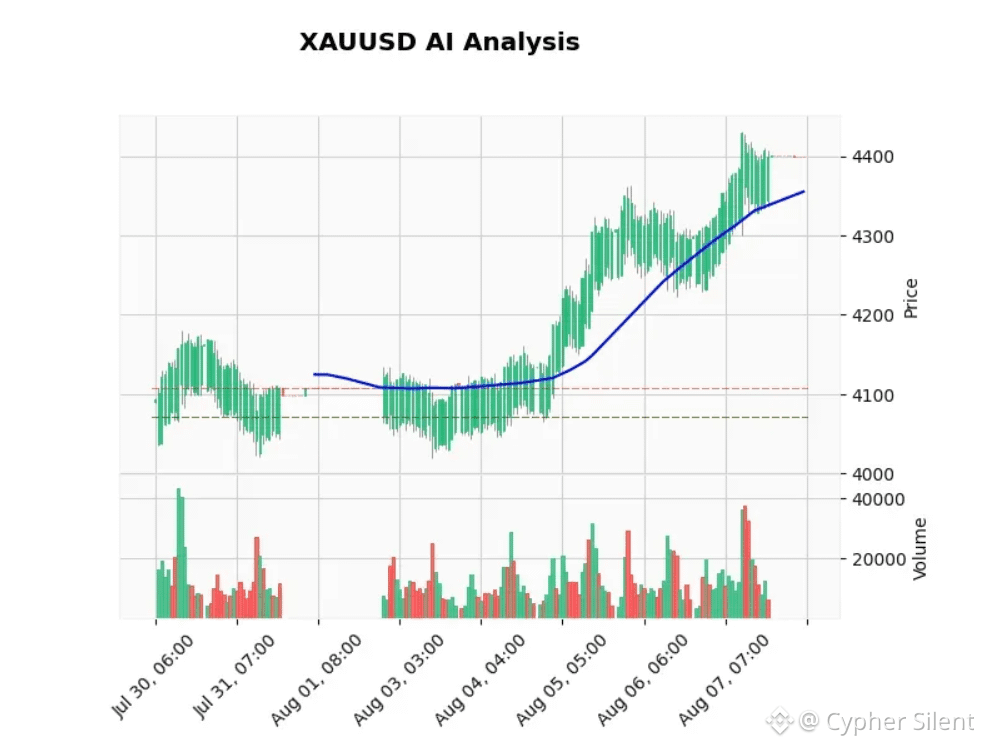
Die Woche vom 01.–07. August 2026 wird als eine der explosivsten Phasen für Gold in diesem Jahr in Erinnerung bleiben. Der wichtigste Auslöser war ein überraschend schwacher Bericht zu den Non-Farm Payrolls (NFP), der die Markterwartungen für weitere Zinserhöhungen der Federal Reserve zunichtemachte. Die unmittelbare Reaktion war eine starke Abwertung des US-Dollars und ein entsprechender Einbruch der Treasury-Renditen – beides gab dem Edelmetall regelrecht Rückenwind. Gold reagierte mit einem beeindruckenden +2,30% Sprung an einem einzelnen Handelstag und trug zu einem wöchentlichen Gewinn von ungefähr 7% bei. Diese Bewegung schob den Preis von den mittleren 4.100er-Zonen auf ein Hoch nahe 4.401 – ein Niveau, das nun als unmittelbarer Widerstand dient.
Die Rally war nicht nur eine reflexartige Reaktion auf die Job-Daten. Sie wurde durch eine breitere Verschiebung der Marktstimmung gestützt. FÜR MEHR :: HTTPS://SMARTGOLDTRADE.COM
Goldpreis-Prognose: Woche vom 08.–14. August 2026
Der Goldmarkt startet in die Woche vom 08.–14. August 2026 in einem Zustand hoher Anspannung. Nach einem kraftvollen Anstieg, bei dem die Preise in nur einer Woche um über 7% kletterten, drückt XAU/USD nun gegen eine kritische technische Barriere bei 4.401,30 US-Dollar. Der fundamentale Hintergrund bleibt klar bullisch, gestützt durch Nachfrage nach sicheren Häfen und sich verändernde Erwartungen an die Federal Reserve. Das technische Bild zu Beginn dieser Woche ist jedoch alles andere als sauber. Der Preis liegt direkt am Widerstand, ohne einen nahegelegenen Support, der einen risikoarmen Einstieg absichern könnte. Das ist ein Markt, der Geduld und Präzision verlangt – kein impulsives Hinterherjagen. Für Trader, die sich für die kommende Woche positionieren wollen, lautet die entscheidende Frage ganz einfach: Wird Gold die Marke von 4.401 US-Dollar durchbrechen und seine Rally fortsetzen, oder ist ein Rücksetzer Richtung 4.223 in den Karten? Diese umfassende Wochenprognose zerlegt die technischen Faktoren, die Fundamentaldaten und eine klare Handelsstrategie, um die kommenden Tage zu meistern.
Möchtest du dieses Gold-Setup automatisch handeln? Unser KI Trading BOT (https://investortipster.com/marketplace/product/ai-trading/)läuft 24/7 auf XAU/USD mit einer Gewinnquote von 83%+.
Rückblick auf die letzte Woche
Die Woche vom 01.–07. August 2026 wird als eine der explosivsten Phasen für Gold in diesem Jahr in Erinnerung bleiben. Der wichtigste Auslöser war ein überraschend schwacher Bericht zu den Non-Farm Payrolls (NFP), der die Markterwartungen für weitere Zinserhöhungen der Federal Reserve zunichtemachte. Die unmittelbare Reaktion war eine starke Abwertung des US-Dollars und ein entsprechender Einbruch der Treasury-Renditen – beides gab dem Edelmetall regelrecht Rückenwind. Gold reagierte mit einem beeindruckenden +2,30% Sprung an einem einzelnen Handelstag und trug zu einem wöchentlichen Gewinn von ungefähr 7% bei. Diese Bewegung schob den Preis von den mittleren 4.100er-Zonen auf ein Hoch nahe 4.401 – ein Niveau, das nun als unmittelbarer Widerstand dient.
Die Rally war nicht nur eine reflexartige Reaktion auf die Job-Daten. Sie wurde durch eine breitere Verschiebung der Marktstimmung gestützt. FÜR MEHR :: HTTPS://SMARTGOLDTRADE.COM
Der Goldmarkt startet in die Woche vom 08.–14. August 2026 in einem Zustand hoher Anspannung. Nach einem kraftvollen Anstieg, bei dem die Preise in nur einer Woche um über 7% kletterten, drückt XAU/USD nun gegen eine kritische technische Barriere bei 4.401,30 US-Dollar. Der fundamentale Hintergrund bleibt klar bullisch, gestützt durch Nachfrage nach sicheren Häfen und sich verändernde Erwartungen an die Federal Reserve. Das technische Bild zu Beginn dieser Woche ist jedoch alles andere als sauber. Der Preis liegt direkt am Widerstand, ohne einen nahegelegenen Support, der einen risikoarmen Einstieg absichern könnte. Das ist ein Markt, der Geduld und Präzision verlangt – kein impulsives Hinterherjagen. Für Trader, die sich für die kommende Woche positionieren wollen, lautet die entscheidende Frage ganz einfach: Wird Gold die Marke von 4.401 US-Dollar durchbrechen und seine Rally fortsetzen, oder ist ein Rücksetzer Richtung 4.223 in den Karten? Diese umfassende Wochenprognose zerlegt die technischen Faktoren, die Fundamentaldaten und eine klare Handelsstrategie, um die kommenden Tage zu meistern.
Möchtest du dieses Gold-Setup automatisch handeln? Unser KI Trading BOT (https://investortipster.com/marketplace/product/ai-trading/)läuft 24/7 auf XAU/USD mit einer Gewinnquote von 83%+.
Rückblick auf die letzte Woche
Die Woche vom 01.–07. August 2026 wird als eine der explosivsten Phasen für Gold in diesem Jahr in Erinnerung bleiben. Der wichtigste Auslöser war ein überraschend schwacher Bericht zu den Non-Farm Payrolls (NFP), der die Markterwartungen für weitere Zinserhöhungen der Federal Reserve zunichtemachte. Die unmittelbare Reaktion war eine starke Abwertung des US-Dollars und ein entsprechender Einbruch der Treasury-Renditen – beides gab dem Edelmetall regelrecht Rückenwind. Gold reagierte mit einem beeindruckenden +2,30% Sprung an einem einzelnen Handelstag und trug zu einem wöchentlichen Gewinn von ungefähr 7% bei. Diese Bewegung schob den Preis von den mittleren 4.100er-Zonen auf ein Hoch nahe 4.401 – ein Niveau, das nun als unmittelbarer Widerstand dient.
Die Rally war nicht nur eine reflexartige Reaktion auf die Job-Daten. Sie wurde durch eine breitere Verschiebung der Marktstimmung gestützt. FÜR MEHR :: HTTPS://SMARTGOLDTRADE.COM
101

Artikel
Auswirkungen der Federal Reserve auf Gold: Wie Zinentscheidungen die Goldpreise 2026 prägenWenige Kräfte bewegen den Goldmarkt so drastisch wie die US Federal Reserve. Wenn Sie jemals gesehen haben, wie Goldpreise an einem einzigen Nachmittag um 50 $ oder mehr schwanken, dann lag die Ursache in vielen Fällen eine Fed-Ankündigung zugrunde. Das Verständnis der Auswirkungen der Federal Reserve auf Gold ist nicht nur etwas für Profis an der Wall Street — es ist essenzielles Wissen für jeden Privatanleger, der Gold intelligent handeln und sein Vermögen schützen möchte.
Während Gold derzeit bei 4.052,06 $ pro Feinunze gehandelt wird (Stand: August 2026), waren die Einsatzmöglichkeiten nie höher. Jedes Wort des Vorsitzenden der Federal Reserve, jede Aussage des FOMC und jede Änderung der Geldpolitik senden Wellen durch den Goldmarkt, die Ihre Anlage innerhalb von Stunden entweder schmälern oder vervielfachen können.
Auswirkungen der Federal Reserve auf Gold: Wie Zinentscheidungen die Goldpreise 2026 prägen
Wenige Kräfte bewegen den Goldmarkt so drastisch wie die US Federal Reserve. Wenn Sie jemals gesehen haben, wie Goldpreise an einem einzigen Nachmittag um 50 $ oder mehr schwanken, dann lag die Ursache in vielen Fällen eine Fed-Ankündigung zugrunde. Das Verständnis der Auswirkungen der Federal Reserve auf Gold ist nicht nur etwas für Profis an der Wall Street — es ist essenzielles Wissen für jeden Privatanleger, der Gold intelligent handeln und sein Vermögen schützen möchte.
Während Gold derzeit bei 4.052,06 $ pro Feinunze gehandelt wird (Stand: August 2026), waren die Einsatzmöglichkeiten nie höher. Jedes Wort des Vorsitzenden der Federal Reserve, jede Aussage des FOMC und jede Änderung der Geldpolitik senden Wellen durch den Goldmarkt, die Ihre Anlage innerhalb von Stunden entweder schmälern oder vervielfachen können.
Während Gold derzeit bei 4.052,06 $ pro Feinunze gehandelt wird (Stand: August 2026), waren die Einsatzmöglichkeiten nie höher. Jedes Wort des Vorsitzenden der Federal Reserve, jede Aussage des FOMC und jede Änderung der Geldpolitik senden Wellen durch den Goldmarkt, die Ihre Anlage innerhalb von Stunden entweder schmälern oder vervielfachen können.
1
100
Anmelden und weiter Inhalte entdecken
Krypto-Nutzer weltweit auf Binance Square kennenlernen
⚡️ Bleib in Sachen Krypto stets am Puls.
💬 Die weltgrößte Kryptobörse vertraut darauf.
👍 Erhalte verlässliche Einblicke von verifizierten Creators.
E-Mail-Adresse/Telefonnummer