

CRYPTOZIS
188 Beiträge

CRYPTOZIS
Melden
Nutzer blockieren
25 Following
18 Follower
19 Like gegeben
Beiträge
·
--
Der Versuch von Bitcoins BIP-110-Fork ist mit Unterstützungsraten der Miner unter 3% verpufft: Es wurden nur zwei Blöcke abgebaut, bevor der Prozess ins Stocken geriet. Die Reaktion des Marktes? Gleichgültigkeit. Bitcoin wischt den als „kontrovers“ bezeichneten Fork-Versuch beiseite, während der Preis steigt – angetrieben eher von ETF-Zuflüssen als von aufsehenerregendem Lärm. In der Zwischenzeit führte der Coldcard-Hack zwar zu über $111 Millionen gestohlenen BTC, hatte aber keinerlei spürbaren Markteffekt – das zeigt, wo der Markt die wirkliche Gefahr verortet. Der 24-Stunden-Krypto-Transferstopp in Brasilien und die Verzögerungen durch den U.S.
{spot}(BTCUSDT)
Senat mit dem Clarity Act verstärken nur das regulatorische Rauschen, das bereits eingepreist ist. Die eigentliche Geschichte liegt anderswo: Über 100 Krypto-Projekte sind 2026 eingeknickt, während der Markt einen Dotcom-ähnlichen Shakeout durchmacht und Kapital von schwachen Projekten hin zu stärkeren rotiert. NEARs Staking für AI-Compute, ENS Labs, die ihre Treasury-Pläne zurückfahren, und die Aktivierung des Uniswap-Fee-Switch stehen für echte Entwicklung – nicht für Ablenkung.
{spot}(BNBUSDT)
Der Markt sammelt leise Kapital: Er konzentriert sich auf ETF-Zuflüsse und Konsolidierung unter Minern statt auf reißerische Schlagzeilen. Das Orderbuch zeigt zähe, wechselhafte Bewegungen mit zugrunde liegender Akkumulation – das ist der Alpha, nicht das Rauschen. #Bitcoin #ETF #MarketNoise #CryptoRegulation #AltcoinRotation
Der Versuch von Bitcoins BIP-110-Fork ist mit Unterstützungsraten der Miner unter 3% verpufft: Es wurden nur zwei Blöcke abgebaut, bevor der Prozess ins Stocken geriet. Die Reaktion des Marktes? Gleichgültigkeit. Bitcoin wischt den als „kontrovers“ bezeichneten Fork-Versuch beiseite, während der Preis steigt – angetrieben eher von ETF-Zuflüssen als von aufsehenerregendem Lärm. In der Zwischenzeit führte der Coldcard-Hack zwar zu über $111 Millionen gestohlenen BTC, hatte aber keinerlei spürbaren Markteffekt – das zeigt, wo der Markt die wirkliche Gefahr verortet. Der 24-Stunden-Krypto-Transferstopp in Brasilien und die Verzögerungen durch den U.S.
Senat mit dem Clarity Act verstärken nur das regulatorische Rauschen, das bereits eingepreist ist. Die eigentliche Geschichte liegt anderswo: Über 100 Krypto-Projekte sind 2026 eingeknickt, während der Markt einen Dotcom-ähnlichen Shakeout durchmacht und Kapital von schwachen Projekten hin zu stärkeren rotiert. NEARs Staking für AI-Compute, ENS Labs, die ihre Treasury-Pläne zurückfahren, und die Aktivierung des Uniswap-Fee-Switch stehen für echte Entwicklung – nicht für Ablenkung.
Der Markt sammelt leise Kapital: Er konzentriert sich auf ETF-Zuflüsse und Konsolidierung unter Minern statt auf reißerische Schlagzeilen. Das Orderbuch zeigt zähe, wechselhafte Bewegungen mit zugrunde liegender Akkumulation – das ist der Alpha, nicht das Rauschen. #Bitcoin #ETF #MarketNoise #CryptoRegulation #AltcoinRotation
Senat mit dem Clarity Act verstärken nur das regulatorische Rauschen, das bereits eingepreist ist. Die eigentliche Geschichte liegt anderswo: Über 100 Krypto-Projekte sind 2026 eingeknickt, während der Markt einen Dotcom-ähnlichen Shakeout durchmacht und Kapital von schwachen Projekten hin zu stärkeren rotiert. NEARs Staking für AI-Compute, ENS Labs, die ihre Treasury-Pläne zurückfahren, und die Aktivierung des Uniswap-Fee-Switch stehen für echte Entwicklung – nicht für Ablenkung.
Der Markt sammelt leise Kapital: Er konzentriert sich auf ETF-Zuflüsse und Konsolidierung unter Minern statt auf reißerische Schlagzeilen. Das Orderbuch zeigt zähe, wechselhafte Bewegungen mit zugrunde liegender Akkumulation – das ist der Alpha, nicht das Rauschen. #Bitcoin #ETF #MarketNoise #CryptoRegulation #AltcoinRotation
95
·
--
Artikel
Bitcoin-ETFs absorbieren den Crypto-Shakeout, während Miner die BIP-110-Fork ablehnenDas Band ist diesen Sonntag tot. Bitcoin liegt flach bei 65.000 $, keine Aktion. Ethereum sitzt einfach nur da. Fear & Greed liegt bei 31, was eher nach gelangweilter Apathie als nach echter Angst klingt. Und ja, über 100 Projekte sind dieses Jahr bereits zusammengeklappt. Ein richtiger Shakeout, keine Frage. Aber der Markt gerät nicht in Panik. Er rotiert nur.
ETF-Zuflüsse sind hier das Einzige, was zählt. Der Spotmarkt wird gerade ordentlich durchgeschüttelt, aber die Hüllen schichten still und leise nur sats auf. Die Coinbase-Daten wirken schwer auf der Kaufseite, aber der Fluss über BlackRock und Fidelity erzählt eine andere Geschichte. Das ist kein Bull-Run. Das ist eine Umverteilung. Smart Money nutzt das Chaos zum Kauf, während Retail-Projekte einfach weggespült werden.
Bitcoin-ETFs absorbieren den Crypto-Shakeout, während Miner die BIP-110-Fork ablehnen
Das Band ist diesen Sonntag tot. Bitcoin liegt flach bei 65.000 $, keine Aktion. Ethereum sitzt einfach nur da. Fear & Greed liegt bei 31, was eher nach gelangweilter Apathie als nach echter Angst klingt. Und ja, über 100 Projekte sind dieses Jahr bereits zusammengeklappt. Ein richtiger Shakeout, keine Frage. Aber der Markt gerät nicht in Panik. Er rotiert nur.
ETF-Zuflüsse sind hier das Einzige, was zählt. Der Spotmarkt wird gerade ordentlich durchgeschüttelt, aber die Hüllen schichten still und leise nur sats auf. Die Coinbase-Daten wirken schwer auf der Kaufseite, aber der Fluss über BlackRock und Fidelity erzählt eine andere Geschichte. Das ist kein Bull-Run. Das ist eine Umverteilung. Smart Money nutzt das Chaos zum Kauf, während Retail-Projekte einfach weggespült werden.
ETF-Zuflüsse sind hier das Einzige, was zählt. Der Spotmarkt wird gerade ordentlich durchgeschüttelt, aber die Hüllen schichten still und leise nur sats auf. Die Coinbase-Daten wirken schwer auf der Kaufseite, aber der Fluss über BlackRock und Fidelity erzählt eine andere Geschichte. Das ist kein Bull-Run. Das ist eine Umverteilung. Smart Money nutzt das Chaos zum Kauf, während Retail-Projekte einfach weggespült werden.
103
·
--
Der Hack im Wert von 120 Millionen US-Dollar bei Coldcard ist nicht einfach nur eine weitere Sicherheitsverletzung. Es ist ein marktbewegendes Ereignis, das eine Neubewertung der Selbstverwahrungs-Narrative erzwingt, gerade während Bitcoin-ETFs überraschende Zuflüsse verzeichnen. Diese beiden Entwicklungen, die auf den ersten Blick widersprüchlich wirken, erzeugen eine instabile Spannung im Markt.
{spot}(BTCUSDT)
Der Hack legte Schwachstellen selbst in den scheinbar sichersten Lösungen offen, während ETF-Zuflüsse zeigen, dass Geld in Richtung institutioneller Verwahrprodukte fließt. Dieser grundlegende Konflikt zwischen Selbstverwahrung und institutioneller Verwahrung spielt sich im Order-Flow ab. BlackRocks tokenisierter Reservefonds mit einer Top-Bewertung für Stabilität wirkt wie eine direkte Reaktion auf diese Verwahrkrise.
{spot}(XRPUSDT)
Der Markt stellt sich neu ein: Alte Narrative sterben, neue haben sich jedoch noch nicht endgültig gefestigt. Der Fear-and-Greed-Index bei 27 bestätigt, dass der Markt verunsichert ist, aber nicht in Panik gerät—also defensiv positioniert bleibt und auf Klarheit wartet.
{spot}(BNBUSDT)
Dieser strukturelle Wandel unter der Oberfläche wird wichtiger sein als jede einzelne Kursbewegung. #bitcoin #CustodySolution #etf #security #Institutional
Der Hack im Wert von 120 Millionen US-Dollar bei Coldcard ist nicht einfach nur eine weitere Sicherheitsverletzung. Es ist ein marktbewegendes Ereignis, das eine Neubewertung der Selbstverwahrungs-Narrative erzwingt, gerade während Bitcoin-ETFs überraschende Zuflüsse verzeichnen. Diese beiden Entwicklungen, die auf den ersten Blick widersprüchlich wirken, erzeugen eine instabile Spannung im Markt.
Der Hack legte Schwachstellen selbst in den scheinbar sichersten Lösungen offen, während ETF-Zuflüsse zeigen, dass Geld in Richtung institutioneller Verwahrprodukte fließt. Dieser grundlegende Konflikt zwischen Selbstverwahrung und institutioneller Verwahrung spielt sich im Order-Flow ab. BlackRocks tokenisierter Reservefonds mit einer Top-Bewertung für Stabilität wirkt wie eine direkte Reaktion auf diese Verwahrkrise.
Der Markt stellt sich neu ein: Alte Narrative sterben, neue haben sich jedoch noch nicht endgültig gefestigt. Der Fear-and-Greed-Index bei 27 bestätigt, dass der Markt verunsichert ist, aber nicht in Panik gerät—also defensiv positioniert bleibt und auf Klarheit wartet.
Dieser strukturelle Wandel unter der Oberfläche wird wichtiger sein als jede einzelne Kursbewegung. #bitcoin #CustodySolution #etf #security #Institutional
Der Hack legte Schwachstellen selbst in den scheinbar sichersten Lösungen offen, während ETF-Zuflüsse zeigen, dass Geld in Richtung institutioneller Verwahrprodukte fließt. Dieser grundlegende Konflikt zwischen Selbstverwahrung und institutioneller Verwahrung spielt sich im Order-Flow ab. BlackRocks tokenisierter Reservefonds mit einer Top-Bewertung für Stabilität wirkt wie eine direkte Reaktion auf diese Verwahrkrise.
Der Markt stellt sich neu ein: Alte Narrative sterben, neue haben sich jedoch noch nicht endgültig gefestigt. Der Fear-and-Greed-Index bei 27 bestätigt, dass der Markt verunsichert ist, aber nicht in Panik gerät—also defensiv positioniert bleibt und auf Klarheit wartet.
Dieser strukturelle Wandel unter der Oberfläche wird wichtiger sein als jede einzelne Kursbewegung. #bitcoin #CustodySolution #etf #security #Institutional

92
·
--

Artikel
Coldcard-Hack löst Debatte über Verwahrung aus, während Bitcoin-ETFs unerwartete Zuflüsse sehenDer Hack im Wert von 120 Millionen US-Dollar bei Coldcard ist nicht einfach nur eine weitere Sicherheitsverletzung. Es ist ein marktbewegendes Ereignis, das die Narrative rund um die Selbstverwahrung neu bewertet, gerade in dem Moment, in dem Bitcoin-ETFs überraschend hohe Zuflüsse verzeichnen. Diese beiden Entwicklungen, die auf den ersten Blick widersprüchlich wirken, erzeugen eine instabile Spannung im Markt, die Händler genau beobachten.
Der Hack, der die Erzählung verändert hat
Coldcard für 120 Millionen US-Dollar gehackt zu bekommen ist ein Schlag ins Gesicht. Das Orderbuch zeigt eine konzentrierte, aggressive Entnahme – kein langsames Ausbluten. Der Preis ist nicht eingebrochen, was interessant ist. Das deutet darauf hin, dass der Markt dies als das Scheitern einer einzelnen Einheit gesehen hat, nicht als ein systemisches Problem. Dennoch hat das „Self-Custody ist tot“-Narrativ von Bitcoin Magazine jetzt Gewicht. Der Goldstandard wurde gerade angekratzt, und die Leute, die Selbstverwahrung predigen, wirken inzwischen ein wenig albern. Kann nicht sagen, dass ich das nicht kommen gesehen habe, .
Coldcard-Hack löst Debatte über Verwahrung aus, während Bitcoin-ETFs unerwartete Zuflüsse sehen
Der Hack im Wert von 120 Millionen US-Dollar bei Coldcard ist nicht einfach nur eine weitere Sicherheitsverletzung. Es ist ein marktbewegendes Ereignis, das die Narrative rund um die Selbstverwahrung neu bewertet, gerade in dem Moment, in dem Bitcoin-ETFs überraschend hohe Zuflüsse verzeichnen. Diese beiden Entwicklungen, die auf den ersten Blick widersprüchlich wirken, erzeugen eine instabile Spannung im Markt, die Händler genau beobachten.
Der Hack, der die Erzählung verändert hat
Coldcard für 120 Millionen US-Dollar gehackt zu bekommen ist ein Schlag ins Gesicht. Das Orderbuch zeigt eine konzentrierte, aggressive Entnahme – kein langsames Ausbluten. Der Preis ist nicht eingebrochen, was interessant ist. Das deutet darauf hin, dass der Markt dies als das Scheitern einer einzelnen Einheit gesehen hat, nicht als ein systemisches Problem. Dennoch hat das „Self-Custody ist tot“-Narrativ von Bitcoin Magazine jetzt Gewicht. Der Goldstandard wurde gerade angekratzt, und die Leute, die Selbstverwahrung predigen, wirken inzwischen ein wenig albern. Kann nicht sagen, dass ich das nicht kommen gesehen habe, .
Der Hack, der die Erzählung verändert hat
Coldcard für 120 Millionen US-Dollar gehackt zu bekommen ist ein Schlag ins Gesicht. Das Orderbuch zeigt eine konzentrierte, aggressive Entnahme – kein langsames Ausbluten. Der Preis ist nicht eingebrochen, was interessant ist. Das deutet darauf hin, dass der Markt dies als das Scheitern einer einzelnen Einheit gesehen hat, nicht als ein systemisches Problem. Dennoch hat das „Self-Custody ist tot“-Narrativ von Bitcoin Magazine jetzt Gewicht. Der Goldstandard wurde gerade angekratzt, und die Leute, die Selbstverwahrung predigen, wirken inzwischen ein wenig albern. Kann nicht sagen, dass ich das nicht kommen gesehen habe, .
110
·
--
Artikel
Das institutionelle Narrativ zu Bitcoin zerfasert, während Coinbase die Gewinnerwartungen verfehltDas institutionelle Narrativ rund um Bitcoin beginnt an den Rändern zu zerfasern
Die große Entkopplung
Coinbase hat die Gewinnerwartungen verfehlt. Die Zahl ist jedoch bemerkenswert: 8,2 Milliarden US-Dollar. Das ist ein echter Verlust im Q2 bei ihrem Bitcoin-Treasury-Play. Und der Markt gähnt einfach. Bitcoin hält sich immer noch über 60.000 US-Dollar. Diese Entkopplung wird immer seltsamer. Die ETF-Story, die uns durch die erste Hälfte von '26 getragen hat, beginnt Anzeichen von Stress zu zeigen. Der institutionelle Zufluss ist nicht sauber. Er ist holprig. Es sieht so aus, als ob das kluge Geld hier gar nicht wirklich aufstockt. Sie sind nur... am Warten.
Das institutionelle Narrativ zu Bitcoin zerfasert, während Coinbase die Gewinnerwartungen verfehlt
Das institutionelle Narrativ rund um Bitcoin beginnt an den Rändern zu zerfasern
Die große Entkopplung
Coinbase hat die Gewinnerwartungen verfehlt. Die Zahl ist jedoch bemerkenswert: 8,2 Milliarden US-Dollar. Das ist ein echter Verlust im Q2 bei ihrem Bitcoin-Treasury-Play. Und der Markt gähnt einfach. Bitcoin hält sich immer noch über 60.000 US-Dollar. Diese Entkopplung wird immer seltsamer. Die ETF-Story, die uns durch die erste Hälfte von '26 getragen hat, beginnt Anzeichen von Stress zu zeigen. Der institutionelle Zufluss ist nicht sauber. Er ist holprig. Es sieht so aus, als ob das kluge Geld hier gar nicht wirklich aufstockt. Sie sind nur... am Warten.
Die große Entkopplung
Coinbase hat die Gewinnerwartungen verfehlt. Die Zahl ist jedoch bemerkenswert: 8,2 Milliarden US-Dollar. Das ist ein echter Verlust im Q2 bei ihrem Bitcoin-Treasury-Play. Und der Markt gähnt einfach. Bitcoin hält sich immer noch über 60.000 US-Dollar. Diese Entkopplung wird immer seltsamer. Die ETF-Story, die uns durch die erste Hälfte von '26 getragen hat, beginnt Anzeichen von Stress zu zeigen. Der institutionelle Zufluss ist nicht sauber. Er ist holprig. Es sieht so aus, als ob das kluge Geld hier gar nicht wirklich aufstockt. Sie sind nur... am Warten.
116
·
--
B itcoins institutionelle Erzählung bröckelt an den Rändern, während Coinbase die Erwartungen verfehlt: mit einem atemberaubenden Q2-Verlust von 8,2 Milliarden US-Dollar aufgrund eines Rückgangs des Bitcoin-Preises. Die ETF-Erzählung, die uns durch die erste Hälfte von 2026 getragen hat, zeigt nun Belastungen. Der institutionelle Zufluss wirkt ungleichmäßig – nicht sauber. Das „smarte Geld“ häuft sich hier nicht an; sie überbrücken nur die Zeit. Die Diskrepanz zwischen finanzieller Realität und Kursbewegung fühlt sich zunehmend instabil an.
{spot}(BTCUSDT)
Der Aufruf des Finanzministers, Satoshi Nakamoto im Rahmen des CLARITY Act zu erwähnen, wirkt wie politische Inszenierung statt echter Fortschritt. Wintermutes Beobachtung über weniger Gewinner in der nächsten Altseason spiegelt die veränderte Marktstruktur wider: zu viel Kapital und zu wenige Möglichkeiten. Der Verlust von 8,2 Milliarden US-Dollar würde normalerweise eine Aktie regelrecht abstürzen lassen, aber Bitcoin zuckt kaum – das deutet darauf hin, dass der Markt Erzählungswert über fundamentalen Wert bepreist.
{spot}(BNBUSDT)
Wenn sich diese Erzählung verschiebt, könnte die Kurskorrektur heftig ausfallen. Signale echter Not zeigen sich bei Minern wie Poolin, das Chapter 11 anmeldet, obwohl die Hashrate weiterhin nahe Allzeithochs liegt. Rays Dalios 1%-Bitcoin-Allokation ist eher Absicherung als Überzeugung – sie spiegelt den institutionellen Ansatz wider, sich mit den Zehen hineinzuwagen, statt richtig einzutauchen.
{spot}(ETHUSDT)
Die Gespräche über die Quantenbedrohung wirken wie Ablenkungsmanöver, die von echten Problemen ablenken: ein verlangsamtes Handelsgeschehen, regulatorische Unsicherheit und überhypete Narrativen. #Bitcoin #Institutional #etf #markets #altcoins
B itcoins institutionelle Erzählung bröckelt an den Rändern, während Coinbase die Erwartungen verfehlt: mit einem atemberaubenden Q2-Verlust von 8,2 Milliarden US-Dollar aufgrund eines Rückgangs des Bitcoin-Preises. Die ETF-Erzählung, die uns durch die erste Hälfte von 2026 getragen hat, zeigt nun Belastungen. Der institutionelle Zufluss wirkt ungleichmäßig – nicht sauber. Das „smarte Geld“ häuft sich hier nicht an; sie überbrücken nur die Zeit. Die Diskrepanz zwischen finanzieller Realität und Kursbewegung fühlt sich zunehmend instabil an.
Der Aufruf des Finanzministers, Satoshi Nakamoto im Rahmen des CLARITY Act zu erwähnen, wirkt wie politische Inszenierung statt echter Fortschritt. Wintermutes Beobachtung über weniger Gewinner in der nächsten Altseason spiegelt die veränderte Marktstruktur wider: zu viel Kapital und zu wenige Möglichkeiten. Der Verlust von 8,2 Milliarden US-Dollar würde normalerweise eine Aktie regelrecht abstürzen lassen, aber Bitcoin zuckt kaum – das deutet darauf hin, dass der Markt Erzählungswert über fundamentalen Wert bepreist.
Wenn sich diese Erzählung verschiebt, könnte die Kurskorrektur heftig ausfallen. Signale echter Not zeigen sich bei Minern wie Poolin, das Chapter 11 anmeldet, obwohl die Hashrate weiterhin nahe Allzeithochs liegt. Rays Dalios 1%-Bitcoin-Allokation ist eher Absicherung als Überzeugung – sie spiegelt den institutionellen Ansatz wider, sich mit den Zehen hineinzuwagen, statt richtig einzutauchen.
Die Gespräche über die Quantenbedrohung wirken wie Ablenkungsmanöver, die von echten Problemen ablenken: ein verlangsamtes Handelsgeschehen, regulatorische Unsicherheit und überhypete Narrativen. #Bitcoin #Institutional #etf #markets #altcoins
Der Aufruf des Finanzministers, Satoshi Nakamoto im Rahmen des CLARITY Act zu erwähnen, wirkt wie politische Inszenierung statt echter Fortschritt. Wintermutes Beobachtung über weniger Gewinner in der nächsten Altseason spiegelt die veränderte Marktstruktur wider: zu viel Kapital und zu wenige Möglichkeiten. Der Verlust von 8,2 Milliarden US-Dollar würde normalerweise eine Aktie regelrecht abstürzen lassen, aber Bitcoin zuckt kaum – das deutet darauf hin, dass der Markt Erzählungswert über fundamentalen Wert bepreist.
Wenn sich diese Erzählung verschiebt, könnte die Kurskorrektur heftig ausfallen. Signale echter Not zeigen sich bei Minern wie Poolin, das Chapter 11 anmeldet, obwohl die Hashrate weiterhin nahe Allzeithochs liegt. Rays Dalios 1%-Bitcoin-Allokation ist eher Absicherung als Überzeugung – sie spiegelt den institutionellen Ansatz wider, sich mit den Zehen hineinzuwagen, statt richtig einzutauchen.
Die Gespräche über die Quantenbedrohung wirken wie Ablenkungsmanöver, die von echten Problemen ablenken: ein verlangsamtes Handelsgeschehen, regulatorische Unsicherheit und überhypete Narrativen. #Bitcoin #Institutional #etf #markets #altcoins

111
·
--
Bullisch
Die Bitcoin-Mining-Community signalisiert nahezu einstimmige Ablehnung von BIP-110 und lässt Michael Saylor mit seiner Gegenposition isoliert zurück. Foundrys Aufruf an Miner, gegen den Soft Fork zu stimmen, bestätigt, was der Kursverlauf seit Wochen andeutet: Dieser Governance-Kampf ist bei Weitem noch nicht vorbei.
{spot}(BTCUSDT)
Die Zahlen lügen nicht – das Miner-Signaling bleibt unter 1 %, also ist es in allem außer dem Namen ein gescheiterter Vorschlag. Saylors „110 Gründe“ gegen BIP-110 wirken wie eine Solo-Protestkundgebung gegen die Branche. Der CEO von MicroStrategy schreit im Grunde in ein Vakuum, in dem Miner längst ihre Entscheidung getroffen haben. Seine Argumente über „Blockchain-Sauberkeit“ verfehlen die praktische Realität vor Ort – Miner arbeiten mit anderen Anreizen als Unternehmensvertreter. Der Kursverlauf zeigt diese Entkopplung deutlich, während Saylors Twitter-Kampagne weiterhin die tatsächlichen Miner-Signaling-Daten ignoriert.
{spot}(ETHUSDT)
Ein Jahr nach dem GENIUS Act können US-Behörden immer noch keine endgültigen stabilen Stablecoin-Regeln liefern. Das ist nicht nur bürokratische Verzögerung – es ist ein Zeichen dafür, dass die Regulierer nicht wirklich wissen, wie sie vorgehen sollen. Die CoinDesk-Headlines über Tethers 2-Jahres-Countdown auf US-Plattformen sehen inzwischen weniger nach einer Drohung aus, sondern eher nach der Anerkennung dieser Realität. Der Markt hat diese Unsicherheit bereits eingepreist, weshalb USDT trotz des regulatorischen Rauschens weiter funktioniert.
{spot}(BNBUSDT)
Die SEC-Zulassung höherer IBIT-Optionen erzählt eine interessante Geschichte. Auf den ersten Blick signalisiert sie die Reifung des ETF-Marktes. Aber das Bild vor Ort erzählt eine andere Geschichte. Coinbases Kursverlauf fühlt sich immer noch schwer an, was auf Kaufangebote hindeutet, und der Fear & Greed-Index bei 28 bestätigt, dass Privatanleger diese ETF-Erzählung nicht kaufen. Die institutionellen Zuflüsse passen nicht zum tatsächlichen Spot-Geschehen, wodurch eine gefährliche Divergenz entsteht, die sich schnell auflösen könnte. #Bitcoin #BIP110 #Mining #Governance #Saylor
Die Bitcoin-Mining-Community signalisiert nahezu einstimmige Ablehnung von BIP-110 und lässt Michael Saylor mit seiner Gegenposition isoliert zurück. Foundrys Aufruf an Miner, gegen den Soft Fork zu stimmen, bestätigt, was der Kursverlauf seit Wochen andeutet: Dieser Governance-Kampf ist bei Weitem noch nicht vorbei.
Die Zahlen lügen nicht – das Miner-Signaling bleibt unter 1 %, also ist es in allem außer dem Namen ein gescheiterter Vorschlag. Saylors „110 Gründe“ gegen BIP-110 wirken wie eine Solo-Protestkundgebung gegen die Branche. Der CEO von MicroStrategy schreit im Grunde in ein Vakuum, in dem Miner längst ihre Entscheidung getroffen haben. Seine Argumente über „Blockchain-Sauberkeit“ verfehlen die praktische Realität vor Ort – Miner arbeiten mit anderen Anreizen als Unternehmensvertreter. Der Kursverlauf zeigt diese Entkopplung deutlich, während Saylors Twitter-Kampagne weiterhin die tatsächlichen Miner-Signaling-Daten ignoriert.
Ein Jahr nach dem GENIUS Act können US-Behörden immer noch keine endgültigen stabilen Stablecoin-Regeln liefern. Das ist nicht nur bürokratische Verzögerung – es ist ein Zeichen dafür, dass die Regulierer nicht wirklich wissen, wie sie vorgehen sollen. Die CoinDesk-Headlines über Tethers 2-Jahres-Countdown auf US-Plattformen sehen inzwischen weniger nach einer Drohung aus, sondern eher nach der Anerkennung dieser Realität. Der Markt hat diese Unsicherheit bereits eingepreist, weshalb USDT trotz des regulatorischen Rauschens weiter funktioniert.
Die SEC-Zulassung höherer IBIT-Optionen erzählt eine interessante Geschichte. Auf den ersten Blick signalisiert sie die Reifung des ETF-Marktes. Aber das Bild vor Ort erzählt eine andere Geschichte. Coinbases Kursverlauf fühlt sich immer noch schwer an, was auf Kaufangebote hindeutet, und der Fear & Greed-Index bei 28 bestätigt, dass Privatanleger diese ETF-Erzählung nicht kaufen. Die institutionellen Zuflüsse passen nicht zum tatsächlichen Spot-Geschehen, wodurch eine gefährliche Divergenz entsteht, die sich schnell auflösen könnte. #Bitcoin #BIP110 #Mining #Governance #Saylor
Die Zahlen lügen nicht – das Miner-Signaling bleibt unter 1 %, also ist es in allem außer dem Namen ein gescheiterter Vorschlag. Saylors „110 Gründe“ gegen BIP-110 wirken wie eine Solo-Protestkundgebung gegen die Branche. Der CEO von MicroStrategy schreit im Grunde in ein Vakuum, in dem Miner längst ihre Entscheidung getroffen haben. Seine Argumente über „Blockchain-Sauberkeit“ verfehlen die praktische Realität vor Ort – Miner arbeiten mit anderen Anreizen als Unternehmensvertreter. Der Kursverlauf zeigt diese Entkopplung deutlich, während Saylors Twitter-Kampagne weiterhin die tatsächlichen Miner-Signaling-Daten ignoriert.
Ein Jahr nach dem GENIUS Act können US-Behörden immer noch keine endgültigen stabilen Stablecoin-Regeln liefern. Das ist nicht nur bürokratische Verzögerung – es ist ein Zeichen dafür, dass die Regulierer nicht wirklich wissen, wie sie vorgehen sollen. Die CoinDesk-Headlines über Tethers 2-Jahres-Countdown auf US-Plattformen sehen inzwischen weniger nach einer Drohung aus, sondern eher nach der Anerkennung dieser Realität. Der Markt hat diese Unsicherheit bereits eingepreist, weshalb USDT trotz des regulatorischen Rauschens weiter funktioniert.
Die SEC-Zulassung höherer IBIT-Optionen erzählt eine interessante Geschichte. Auf den ersten Blick signalisiert sie die Reifung des ETF-Marktes. Aber das Bild vor Ort erzählt eine andere Geschichte. Coinbases Kursverlauf fühlt sich immer noch schwer an, was auf Kaufangebote hindeutet, und der Fear & Greed-Index bei 28 bestätigt, dass Privatanleger diese ETF-Erzählung nicht kaufen. Die institutionellen Zuflüsse passen nicht zum tatsächlichen Spot-Geschehen, wodurch eine gefährliche Divergenz entsteht, die sich schnell auflösen könnte. #Bitcoin #BIP110 #Mining #Governance #Saylor
121
·
--
Artikel
BIP-110 Mining-Standoff: Bitcoins Governance-Krise vertieft sich, während das Signaling unter 1% bleibtBIP-110 Mining-Standoff: Bitcoins Governance-Krise vertieft sich
Das Bitcoin-Mining-Tape ist bei diesem Thema laut. Foundrys Aufruf, BIP-110 niederzustimmen, ist keine Neuigkeit, sondern eine Bestätigung. Die Zahlen sind brutal: Das Miner-Signaling liegt unter 1%. Das Ding ist tot im Wasser. Saylor kann all die „110 Gründe“ herausschreien, wie er will, aber das Tape lügt nicht. Die Anreize sind einfach nicht aufeinander abgestimmt.
Saylor kämpft allein gegen den Konsens
Saylor spielt hier ein Solo-Spiel. Er spricht über die „Sauberkeit“ der Blockchain, während Miner auf ihren P&L schauen. Diese Diskrepanz steht förmlich in den Miner-Signaling-Daten. Seine gesamte Twitter-Kampagne wirkt, als würde er mit einem Diagramm streiten, das sich bereits bewegt hat. Das Tape zeigt: Die Branche hat ihre Entscheidung schon vor Wochen getroffen.
BIP-110 Mining-Standoff: Bitcoins Governance-Krise vertieft sich, während das Signaling unter 1% bleibt
BIP-110 Mining-Standoff: Bitcoins Governance-Krise vertieft sich
Das Bitcoin-Mining-Tape ist bei diesem Thema laut. Foundrys Aufruf, BIP-110 niederzustimmen, ist keine Neuigkeit, sondern eine Bestätigung. Die Zahlen sind brutal: Das Miner-Signaling liegt unter 1%. Das Ding ist tot im Wasser. Saylor kann all die „110 Gründe“ herausschreien, wie er will, aber das Tape lügt nicht. Die Anreize sind einfach nicht aufeinander abgestimmt.
Saylor kämpft allein gegen den Konsens
Saylor spielt hier ein Solo-Spiel. Er spricht über die „Sauberkeit“ der Blockchain, während Miner auf ihren P&L schauen. Diese Diskrepanz steht förmlich in den Miner-Signaling-Daten. Seine gesamte Twitter-Kampagne wirkt, als würde er mit einem Diagramm streiten, das sich bereits bewegt hat. Das Tape zeigt: Die Branche hat ihre Entscheidung schon vor Wochen getroffen.
Das Bitcoin-Mining-Tape ist bei diesem Thema laut. Foundrys Aufruf, BIP-110 niederzustimmen, ist keine Neuigkeit, sondern eine Bestätigung. Die Zahlen sind brutal: Das Miner-Signaling liegt unter 1%. Das Ding ist tot im Wasser. Saylor kann all die „110 Gründe“ herausschreien, wie er will, aber das Tape lügt nicht. Die Anreize sind einfach nicht aufeinander abgestimmt.
Saylor kämpft allein gegen den Konsens
Saylor spielt hier ein Solo-Spiel. Er spricht über die „Sauberkeit“ der Blockchain, während Miner auf ihren P&L schauen. Diese Diskrepanz steht förmlich in den Miner-Signaling-Daten. Seine gesamte Twitter-Kampagne wirkt, als würde er mit einem Diagramm streiten, das sich bereits bewegt hat. Das Tape zeigt: Die Branche hat ihre Entscheidung schon vor Wochen getroffen.
122
·
--

Artikel
Bitcoin-ETF-Options-Erweiterung signalisiert institutionelle Wette bei extremer AngstErweiterung der Bitcoin-ETF-Optionen: Institutionelle Wette oder Marktreife?
Das Orderbuch ist totenstill. BTC knapp über $64k, ETH bei $1.844 festgefahren. Fear & Greed schreit 25, extreme Angst. Aber die Options-Aktivität erzählt eine andere Geschichte. Deutliche Call-Spreads überall rund um die $72k-Marke bis zum Monatsende. Direkt in die Fed-Sitzung hinein. Wirkt das beabsichtigt oder nur ein seltsamer Zufall? Sieht nicht nach „sauber“ aus.$
SEC hebt die Options-Limits für IBIT an. Kein Schlagzeilen-Thema, das den Markt sofort bewegt, aber das ist die echte Veränderung. ETFs wandeln sich von einem Novum zu einer tatsächlichen Infrastruktur. Mehr Optionskapazität bedeutet komplexere Hedging-Strategien. Komplexere Hedging-Strategien bedeuten ernsthafteres Kapital, das hereinkommt. Mehr Kapital… nun, das ist die Wette. Wetten die cleveren Geldleute auf einen bevorstehenden Fed-Pivot vor, oder ist das einfach nur der Markt, der erwachsen wird? Wahrscheinlich beides.
Bitcoin-ETF-Options-Erweiterung signalisiert institutionelle Wette bei extremer Angst
Erweiterung der Bitcoin-ETF-Optionen: Institutionelle Wette oder Marktreife?
Das Orderbuch ist totenstill. BTC knapp über $64k, ETH bei $1.844 festgefahren. Fear & Greed schreit 25, extreme Angst. Aber die Options-Aktivität erzählt eine andere Geschichte. Deutliche Call-Spreads überall rund um die $72k-Marke bis zum Monatsende. Direkt in die Fed-Sitzung hinein. Wirkt das beabsichtigt oder nur ein seltsamer Zufall? Sieht nicht nach „sauber“ aus.$
SEC hebt die Options-Limits für IBIT an. Kein Schlagzeilen-Thema, das den Markt sofort bewegt, aber das ist die echte Veränderung. ETFs wandeln sich von einem Novum zu einer tatsächlichen Infrastruktur. Mehr Optionskapazität bedeutet komplexere Hedging-Strategien. Komplexere Hedging-Strategien bedeuten ernsthafteres Kapital, das hereinkommt. Mehr Kapital… nun, das ist die Wette. Wetten die cleveren Geldleute auf einen bevorstehenden Fed-Pivot vor, oder ist das einfach nur der Markt, der erwachsen wird? Wahrscheinlich beides.
Das Orderbuch ist totenstill. BTC knapp über $64k, ETH bei $1.844 festgefahren. Fear & Greed schreit 25, extreme Angst. Aber die Options-Aktivität erzählt eine andere Geschichte. Deutliche Call-Spreads überall rund um die $72k-Marke bis zum Monatsende. Direkt in die Fed-Sitzung hinein. Wirkt das beabsichtigt oder nur ein seltsamer Zufall? Sieht nicht nach „sauber“ aus.$
SEC hebt die Options-Limits für IBIT an. Kein Schlagzeilen-Thema, das den Markt sofort bewegt, aber das ist die echte Veränderung. ETFs wandeln sich von einem Novum zu einer tatsächlichen Infrastruktur. Mehr Optionskapazität bedeutet komplexere Hedging-Strategien. Komplexere Hedging-Strategien bedeuten ernsthafteres Kapital, das hereinkommt. Mehr Kapital… nun, das ist die Wette. Wetten die cleveren Geldleute auf einen bevorstehenden Fed-Pivot vor, oder ist das einfach nur der Markt, der erwachsen wird? Wahrscheinlich beides.
100
·
--
Das Band ist ruhig. BTC bei 64.000 US-Dollar, ETH bei 1.844 US-Dollar, Fear & Greed bei 25. Doch massive Call-Spreads zielen bis Monatsende auf 72.000 ab. Die SEC genehmigt höhere IBIT-Optionslimits – von einem Novitäts- hin zu einem Infrastruktur-Schritt.
{spot}(MSFTBUSDT)
Tokenisierung ist jetzt eine strategische Priorität für 84% der Finanzunternehmen, mit 5,2 Mrd. US-Dollar an RWA TVL auf der BNB Chain. Der institutionelle Zufluss ist real, aber die Stimmung bleibt ängstlich. Das ist kein Bullenmarkt – es ist ein Markt im Übergang. Institutionen positionieren sich, die Öffentlichkeit hat Angst.
{spot}(SPCXBUSDT)
Smart Money setzt auf Reife, während der Markt sich wie ein Teenager verhält. Das Fed-Treffen ist der Joker. Options-Spreads laufen dann aus. 72k – Ziel oder Falle? Auf Entschlossenheit achten. #BitcoinETF #Institutional #Options #MarketMaturity #BTC
Das Band ist ruhig. BTC bei 64.000 US-Dollar, ETH bei 1.844 US-Dollar, Fear & Greed bei 25. Doch massive Call-Spreads zielen bis Monatsende auf 72.000 ab. Die SEC genehmigt höhere IBIT-Optionslimits – von einem Novitäts- hin zu einem Infrastruktur-Schritt.
Tokenisierung ist jetzt eine strategische Priorität für 84% der Finanzunternehmen, mit 5,2 Mrd. US-Dollar an RWA TVL auf der BNB Chain. Der institutionelle Zufluss ist real, aber die Stimmung bleibt ängstlich. Das ist kein Bullenmarkt – es ist ein Markt im Übergang. Institutionen positionieren sich, die Öffentlichkeit hat Angst.
Smart Money setzt auf Reife, während der Markt sich wie ein Teenager verhält. Das Fed-Treffen ist der Joker. Options-Spreads laufen dann aus. 72k – Ziel oder Falle? Auf Entschlossenheit achten. #BitcoinETF #Institutional #Options #MarketMaturity #BTC
Tokenisierung ist jetzt eine strategische Priorität für 84% der Finanzunternehmen, mit 5,2 Mrd. US-Dollar an RWA TVL auf der BNB Chain. Der institutionelle Zufluss ist real, aber die Stimmung bleibt ängstlich. Das ist kein Bullenmarkt – es ist ein Markt im Übergang. Institutionen positionieren sich, die Öffentlichkeit hat Angst.
Smart Money setzt auf Reife, während der Markt sich wie ein Teenager verhält. Das Fed-Treffen ist der Joker. Options-Spreads laufen dann aus. 72k – Ziel oder Falle? Auf Entschlossenheit achten. #BitcoinETF #Institutional #Options #MarketMaturity #BTC

1
182
·
--
Bitcoin steckt unter $62.5K fest, und der Kurszettel lügt nicht. Die iranischen Angriffe treffen Risiko-Assets breit, aber das fühlt sich anders an. Der Verkauf ist nicht wahllos. $63.000 wird mit echter Überzeugung getestet. Der Order-Flow zeigt Volumen auf der Bid-Seite, aber defensiv, nicht aggressiv.
{spot}(BTCUSDT)
Kein Panikverkauf, sondern eher ein langsames Ausbluten. Der Markt versucht, Halt zu finden, aber bei jedem Bounce wird wieder verkauft. Es sieht so aus, als drehen institutionelle Desks sich aus, nicht als würden sie kapitulieren. Der Fear-Index bei 27 bestätigt das – das ist Furcht, nicht Panik. Ein langsames Ausbluten, kein Crash. Während Spot-Märkte bluten, bleibt die ETF-Erzählung hartnäckig intakt. T. Rowe Price hat gerade einen neuen aktiven Krypto-ETF gelauncht, und die Mittelzuflüsse sind da. Smart Money nutzt diesen Dip, um das Exposure aufzustocken.
{spot}(BNBUSDT)
Die Citadel Securities-Investition in Höhe von $400M in Crypto.com bei einer Bewertung von $20B wirkt wie eine strategische Wette, nicht wie ein spekulativer Ausflug. Das sind keine Retail-Zahlen. Das ist institutionelles Kapital, das in das Ökosystem eintritt. Das ETF-Fenster ist offen, und sie gehen hindurch.
{spot}(ETHUSDT)
Die Zuflüsse in Spot-Bitcoin-ETFs bleiben positiv, selbst wenn der Preis fällt. Das ist nicht typisch. Normalerweise folgen ETF-Zuflüsse dem Preis. Dieses Mal liegen sie vorn. Die Akkumulation wirkt real. #Bitcoin #ETF #Geopolitics #CryptoMarkets #Institutional
Bitcoin steckt unter $62.5K fest, und der Kurszettel lügt nicht. Die iranischen Angriffe treffen Risiko-Assets breit, aber das fühlt sich anders an. Der Verkauf ist nicht wahllos. $63.000 wird mit echter Überzeugung getestet. Der Order-Flow zeigt Volumen auf der Bid-Seite, aber defensiv, nicht aggressiv.
Kein Panikverkauf, sondern eher ein langsames Ausbluten. Der Markt versucht, Halt zu finden, aber bei jedem Bounce wird wieder verkauft. Es sieht so aus, als drehen institutionelle Desks sich aus, nicht als würden sie kapitulieren. Der Fear-Index bei 27 bestätigt das – das ist Furcht, nicht Panik. Ein langsames Ausbluten, kein Crash. Während Spot-Märkte bluten, bleibt die ETF-Erzählung hartnäckig intakt. T. Rowe Price hat gerade einen neuen aktiven Krypto-ETF gelauncht, und die Mittelzuflüsse sind da. Smart Money nutzt diesen Dip, um das Exposure aufzustocken.
Die Citadel Securities-Investition in Höhe von $400M in Crypto.com bei einer Bewertung von $20B wirkt wie eine strategische Wette, nicht wie ein spekulativer Ausflug. Das sind keine Retail-Zahlen. Das ist institutionelles Kapital, das in das Ökosystem eintritt. Das ETF-Fenster ist offen, und sie gehen hindurch.
Die Zuflüsse in Spot-Bitcoin-ETFs bleiben positiv, selbst wenn der Preis fällt. Das ist nicht typisch. Normalerweise folgen ETF-Zuflüsse dem Preis. Dieses Mal liegen sie vorn. Die Akkumulation wirkt real. #Bitcoin #ETF #Geopolitics #CryptoMarkets #Institutional
Kein Panikverkauf, sondern eher ein langsames Ausbluten. Der Markt versucht, Halt zu finden, aber bei jedem Bounce wird wieder verkauft. Es sieht so aus, als drehen institutionelle Desks sich aus, nicht als würden sie kapitulieren. Der Fear-Index bei 27 bestätigt das – das ist Furcht, nicht Panik. Ein langsames Ausbluten, kein Crash. Während Spot-Märkte bluten, bleibt die ETF-Erzählung hartnäckig intakt. T. Rowe Price hat gerade einen neuen aktiven Krypto-ETF gelauncht, und die Mittelzuflüsse sind da. Smart Money nutzt diesen Dip, um das Exposure aufzustocken.
Die Citadel Securities-Investition in Höhe von $400M in Crypto.com bei einer Bewertung von $20B wirkt wie eine strategische Wette, nicht wie ein spekulativer Ausflug. Das sind keine Retail-Zahlen. Das ist institutionelles Kapital, das in das Ökosystem eintritt. Das ETF-Fenster ist offen, und sie gehen hindurch.
Die Zuflüsse in Spot-Bitcoin-ETFs bleiben positiv, selbst wenn der Preis fällt. Das ist nicht typisch. Normalerweise folgen ETF-Zuflüsse dem Preis. Dieses Mal liegen sie vorn. Die Akkumulation wirkt real. #Bitcoin #ETF #Geopolitics #CryptoMarkets #Institutional
88
·
--

Artikel
Bitcoin testet 63.000 US-Dollar, während geopolitische Gegenwinde auf ETF-Akkumulation treffenBitcoin unter Druck: Geopolitische Gegenwinde prallen auf Onchain-Akkumulation
Sich zusammenbrauende geopolitische Sturmwolken
Bitcoin steht unter spürbarem Druck und rutscht unter diese Marke von 62,5K. Der Kursverlauf lügt nicht, und im Moment ist er rot. Die Meldungen aus dem Iran treffen alles, aber das hier fühlt sich anders an. Der Verkauf ist nicht nur Panik. Es ist ein langsames Ausbluten. 63.000 US-Dollar werden gerade mit ein paar ernsthaften Verkaufsaufträgen getestet und treffen dabei das Bid. Aber das wirkt defensiv, nicht aggressiv. Es sieht so aus, als würden Institutionen rotieren und sich herausdrehen – nicht abverkaufen. Der VIX bei 27 bestätigt das: Das ist Angst, nicht Panik. Ein langsames Ausbluten, kein Crash. Trotzdem kann der Markt keine Bodenbildung finden.
Bitcoin testet 63.000 US-Dollar, während geopolitische Gegenwinde auf ETF-Akkumulation treffen
Bitcoin unter Druck: Geopolitische Gegenwinde prallen auf Onchain-Akkumulation
Sich zusammenbrauende geopolitische Sturmwolken
Bitcoin steht unter spürbarem Druck und rutscht unter diese Marke von 62,5K. Der Kursverlauf lügt nicht, und im Moment ist er rot. Die Meldungen aus dem Iran treffen alles, aber das hier fühlt sich anders an. Der Verkauf ist nicht nur Panik. Es ist ein langsames Ausbluten. 63.000 US-Dollar werden gerade mit ein paar ernsthaften Verkaufsaufträgen getestet und treffen dabei das Bid. Aber das wirkt defensiv, nicht aggressiv. Es sieht so aus, als würden Institutionen rotieren und sich herausdrehen – nicht abverkaufen. Der VIX bei 27 bestätigt das: Das ist Angst, nicht Panik. Ein langsames Ausbluten, kein Crash. Trotzdem kann der Markt keine Bodenbildung finden.
Sich zusammenbrauende geopolitische Sturmwolken
Bitcoin steht unter spürbarem Druck und rutscht unter diese Marke von 62,5K. Der Kursverlauf lügt nicht, und im Moment ist er rot. Die Meldungen aus dem Iran treffen alles, aber das hier fühlt sich anders an. Der Verkauf ist nicht nur Panik. Es ist ein langsames Ausbluten. 63.000 US-Dollar werden gerade mit ein paar ernsthaften Verkaufsaufträgen getestet und treffen dabei das Bid. Aber das wirkt defensiv, nicht aggressiv. Es sieht so aus, als würden Institutionen rotieren und sich herausdrehen – nicht abverkaufen. Der VIX bei 27 bestätigt das: Das ist Angst, nicht Panik. Ein langsames Ausbluten, kein Crash. Trotzdem kann der Markt keine Bodenbildung finden.
104
·
--
Bullisch
Der Kryptomarkt schießt nach oben, nachdem die CPI-Zahlen Erleichterung bringen: Bitcoin steigt um 2,16 % und Ethereum gewinnt 3,84 %. Der Fear-&-Greed-Index liegt jedoch bei 25 (Extremer Verknappung), was eher auf zugrunde liegende Angst als auf echte bullische Überzeugung hindeutet. Das Rallye-Gefühl wirkt eher wie ein Short Squeeze als wie ein grundlegendes Markt-Reset.
{spot}(ETHUSDT)
BlackRock zeichnet ein widersprüchliches Bild: Die Kryptoanlagen fallen um 39 %, obwohl 15 Milliarden US-Dollar an Nettozuflüssen verzeichnet wurden – das deutet auf eine Diskrepanz zwischen Kapital und Performance hin. Japans regulatorischer Kurswechsel, der Krypto als Finanzanlage neu einordnet und den Weg für Steuersenkungen ebnet, könnte langfristig Vorteile bringen, dürfte aber keine unmittelbaren, bedeutenden Zuflüsse auslösen. Der Robinhood Chain-Launchpad, der seine gesamte Einnahmequelle verschenkt, signalisiert, dass Spekulationen mit Memecoins auf Dauer nicht tragfähig sind, während Retail-Broker wie eToro auf On-Chain-Derivate blicken – dort könnte die nächste Welle von Retail-Geld hinfließen.
{spot}(BTCUSDT)
Die Debatte um die XRP-Nützlichkeit geht mit Plänen zur Migration hin zu Stablecoins weiter, doch die SEC-Klage bleibt wie ein Gewitter über dem Asset hängen. CleanSparks 6,6 Milliarden US-Dollar teures Rechenzentrums-Leasing zeigt, dass sich Bitcoin-Miner in Richtung KI und Compute verlagern, während die Mining-Margen unter Druck geraten.
{spot}(SOLUSDT)
Insgesamt sieht es nach einer vorübergehenden Erleichterungsrally in einem Abwärtstrend aus – Smart Money ist noch nicht überzeugt. Der Markt bleibt volatil, mit hoher Unsicherheit. #CryptoMarket #CPI #Bitcoin #Ethereum #FearGreed
Der Kryptomarkt schießt nach oben, nachdem die CPI-Zahlen Erleichterung bringen: Bitcoin steigt um 2,16 % und Ethereum gewinnt 3,84 %. Der Fear-&-Greed-Index liegt jedoch bei 25 (Extremer Verknappung), was eher auf zugrunde liegende Angst als auf echte bullische Überzeugung hindeutet. Das Rallye-Gefühl wirkt eher wie ein Short Squeeze als wie ein grundlegendes Markt-Reset.
BlackRock zeichnet ein widersprüchliches Bild: Die Kryptoanlagen fallen um 39 %, obwohl 15 Milliarden US-Dollar an Nettozuflüssen verzeichnet wurden – das deutet auf eine Diskrepanz zwischen Kapital und Performance hin. Japans regulatorischer Kurswechsel, der Krypto als Finanzanlage neu einordnet und den Weg für Steuersenkungen ebnet, könnte langfristig Vorteile bringen, dürfte aber keine unmittelbaren, bedeutenden Zuflüsse auslösen. Der Robinhood Chain-Launchpad, der seine gesamte Einnahmequelle verschenkt, signalisiert, dass Spekulationen mit Memecoins auf Dauer nicht tragfähig sind, während Retail-Broker wie eToro auf On-Chain-Derivate blicken – dort könnte die nächste Welle von Retail-Geld hinfließen.
Die Debatte um die XRP-Nützlichkeit geht mit Plänen zur Migration hin zu Stablecoins weiter, doch die SEC-Klage bleibt wie ein Gewitter über dem Asset hängen. CleanSparks 6,6 Milliarden US-Dollar teures Rechenzentrums-Leasing zeigt, dass sich Bitcoin-Miner in Richtung KI und Compute verlagern, während die Mining-Margen unter Druck geraten.
Insgesamt sieht es nach einer vorübergehenden Erleichterungsrally in einem Abwärtstrend aus – Smart Money ist noch nicht überzeugt. Der Markt bleibt volatil, mit hoher Unsicherheit. #CryptoMarket #CPI #Bitcoin #Ethereum #FearGreed
BlackRock zeichnet ein widersprüchliches Bild: Die Kryptoanlagen fallen um 39 %, obwohl 15 Milliarden US-Dollar an Nettozuflüssen verzeichnet wurden – das deutet auf eine Diskrepanz zwischen Kapital und Performance hin. Japans regulatorischer Kurswechsel, der Krypto als Finanzanlage neu einordnet und den Weg für Steuersenkungen ebnet, könnte langfristig Vorteile bringen, dürfte aber keine unmittelbaren, bedeutenden Zuflüsse auslösen. Der Robinhood Chain-Launchpad, der seine gesamte Einnahmequelle verschenkt, signalisiert, dass Spekulationen mit Memecoins auf Dauer nicht tragfähig sind, während Retail-Broker wie eToro auf On-Chain-Derivate blicken – dort könnte die nächste Welle von Retail-Geld hinfließen.
Die Debatte um die XRP-Nützlichkeit geht mit Plänen zur Migration hin zu Stablecoins weiter, doch die SEC-Klage bleibt wie ein Gewitter über dem Asset hängen. CleanSparks 6,6 Milliarden US-Dollar teures Rechenzentrums-Leasing zeigt, dass sich Bitcoin-Miner in Richtung KI und Compute verlagern, während die Mining-Margen unter Druck geraten.
Insgesamt sieht es nach einer vorübergehenden Erleichterungsrally in einem Abwärtstrend aus – Smart Money ist noch nicht überzeugt. Der Markt bleibt volatil, mit hoher Unsicherheit. #CryptoMarket #CPI #Bitcoin #Ethereum #FearGreed

1
189
·
--
Artikel
Krypto-Markt reißt mit CPI los: Vorübergehende Entspannung oder echter Wandel?Der CPI-„Bounce“: Mehr Erleichterung als Revolution
Der Tape ist heute grün. Bitcoin ist um 2,16 % gestiegen, Ethereum um 3,84 %. Die Story ist einfach: Ein kühlerer CPI könnte bedeuten, dass die Fed pausiert. Aber ist das echt oder nur schon wieder ein Ablenkungsmanöver? Fear & Greed liegt immer noch bei 25, Extreme Fear. Das sagt dir, wie die Stimmung wirklich ist. Das wirkt eher wie ein Short Squeeze als wie ein grundlegender Wandel. Das Volumen schreit nicht gerade nach Überzeugung. Eher ein kollektives Seufzen der Erleichterung nach Monaten des Zusammengedrückt-Werdens. Das Spiel kenne ich. Meistens verpufft es.
BlackRocks Widerspruch: Zuflüsse vs. Performance
Krypto-Markt reißt mit CPI los: Vorübergehende Entspannung oder echter Wandel?
Der CPI-„Bounce“: Mehr Erleichterung als Revolution
Der Tape ist heute grün. Bitcoin ist um 2,16 % gestiegen, Ethereum um 3,84 %. Die Story ist einfach: Ein kühlerer CPI könnte bedeuten, dass die Fed pausiert. Aber ist das echt oder nur schon wieder ein Ablenkungsmanöver? Fear & Greed liegt immer noch bei 25, Extreme Fear. Das sagt dir, wie die Stimmung wirklich ist. Das wirkt eher wie ein Short Squeeze als wie ein grundlegender Wandel. Das Volumen schreit nicht gerade nach Überzeugung. Eher ein kollektives Seufzen der Erleichterung nach Monaten des Zusammengedrückt-Werdens. Das Spiel kenne ich. Meistens verpufft es.
BlackRocks Widerspruch: Zuflüsse vs. Performance
Der Tape ist heute grün. Bitcoin ist um 2,16 % gestiegen, Ethereum um 3,84 %. Die Story ist einfach: Ein kühlerer CPI könnte bedeuten, dass die Fed pausiert. Aber ist das echt oder nur schon wieder ein Ablenkungsmanöver? Fear & Greed liegt immer noch bei 25, Extreme Fear. Das sagt dir, wie die Stimmung wirklich ist. Das wirkt eher wie ein Short Squeeze als wie ein grundlegender Wandel. Das Volumen schreit nicht gerade nach Überzeugung. Eher ein kollektives Seufzen der Erleichterung nach Monaten des Zusammengedrückt-Werdens. Das Spiel kenne ich. Meistens verpufft es.
BlackRocks Widerspruch: Zuflüsse vs. Performance
132
·
--
Artikel
Bitcoin-ETFs pausieren Abflüsse, während die Unterstützung bei $62K inmitten geopolitischer Spannungen getestet wirdBitcoin-ETFs zeigen grün, weil die Abflüsse endlich pausieren – aber ist das eine Erleichterungsrally?
Markt unter Druck, während geopolitische Spannungen zunehmen
Das Orderbuch wirkt heute schwer. Trumps Hormuz-Kommentar hat alles verunsichert – und Bitcoin drückt auf diese $62K-Unterstützung. Fear & greed liegt bei 28, also ja: Angst-Territorium. Die Volatilität schleicht sich hoch, es fühlt sich an, als würden wir auf die nächste Überraschung warten. Verkäufer stützen sich auf diese wichtigen Levels. Noch keine Kapitulation, aber der Abwärtsdruck ist real.
ETF-Narrativ vs. Realität: Abflüsse pausieren, aber es kippt nicht ins Grüne
Bitcoin-ETFs pausieren Abflüsse, während die Unterstützung bei $62K inmitten geopolitischer Spannungen getestet wird
Bitcoin-ETFs zeigen grün, weil die Abflüsse endlich pausieren – aber ist das eine Erleichterungsrally?
Markt unter Druck, während geopolitische Spannungen zunehmen
Das Orderbuch wirkt heute schwer. Trumps Hormuz-Kommentar hat alles verunsichert – und Bitcoin drückt auf diese $62K-Unterstützung. Fear & greed liegt bei 28, also ja: Angst-Territorium. Die Volatilität schleicht sich hoch, es fühlt sich an, als würden wir auf die nächste Überraschung warten. Verkäufer stützen sich auf diese wichtigen Levels. Noch keine Kapitulation, aber der Abwärtsdruck ist real.
ETF-Narrativ vs. Realität: Abflüsse pausieren, aber es kippt nicht ins Grüne
Markt unter Druck, während geopolitische Spannungen zunehmen
Das Orderbuch wirkt heute schwer. Trumps Hormuz-Kommentar hat alles verunsichert – und Bitcoin drückt auf diese $62K-Unterstützung. Fear & greed liegt bei 28, also ja: Angst-Territorium. Die Volatilität schleicht sich hoch, es fühlt sich an, als würden wir auf die nächste Überraschung warten. Verkäufer stützen sich auf diese wichtigen Levels. Noch keine Kapitulation, aber der Abwärtsdruck ist real.
ETF-Narrativ vs. Realität: Abflüsse pausieren, aber es kippt nicht ins Grüne
121
·
--
Bärisch
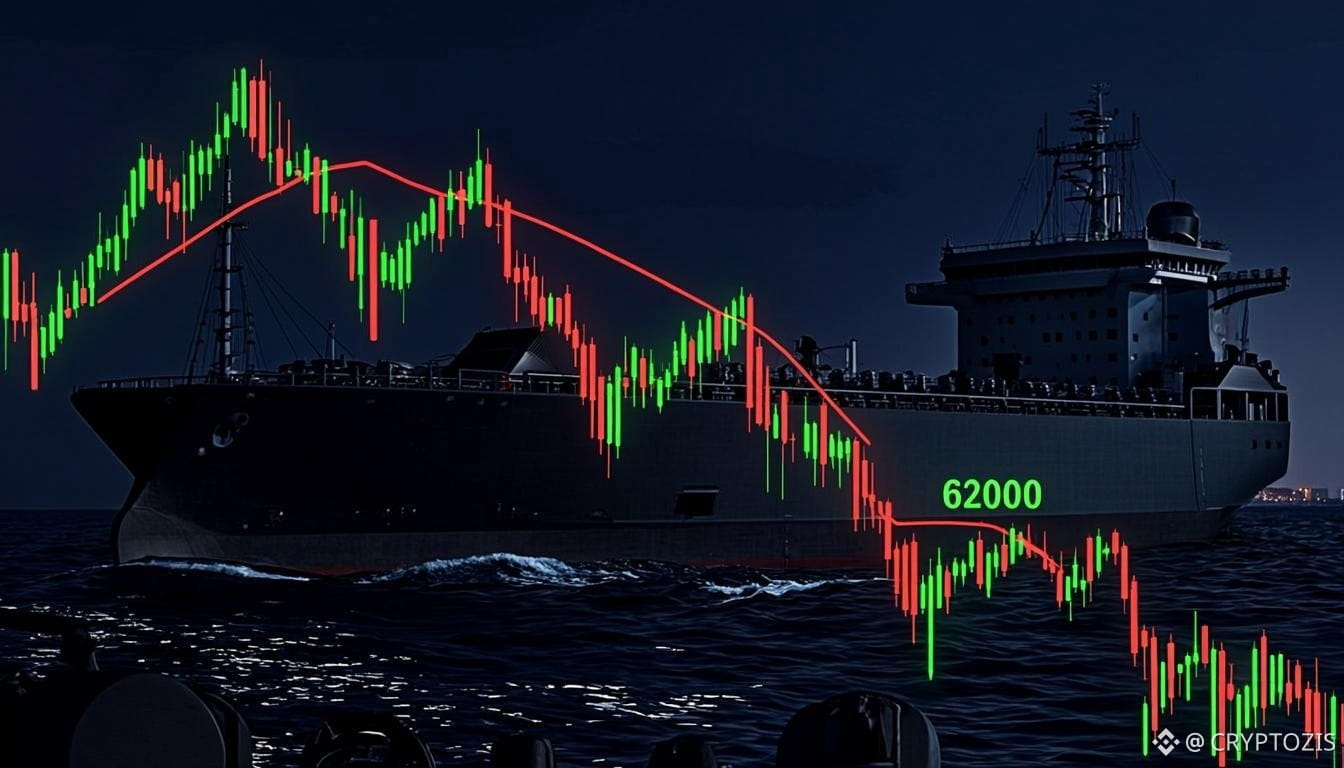
Bitcoin-ETFs zeigen sich grün, während Abflüsse nach einem langen Zeitraum endlich pausieren. Doch ist das wirklich ein echter Wandel oder nur eine vorübergehende Erleichterungsrally? Der Markt steht unter Druck, während die geopolitischen Spannungen zunehmen: Bitcoin droht, die Unterstützung bei 62.000 US-Dollar zu durchbrechen. Der Auslöser scheint Donalds Trump Aussagen zu sein, wonach möglicherweise die Straße von Hormus geschlossen werden könnte. Das würde die globalen Öllieferungen drastisch beeinflussen und die Stimmung belasten. Der Fear-&-Greed-Index liegt bei 28, klar im Fear-Bereich, mit moderater, aber steigender Volatilität. MicroStrategy bleibt ein interessantes Fallbeispiel: Das Unternehmen hat 467 Millionen US-Dollar an Cash aufgenommen, greift aber seit der dritten Woche in Folge nicht auf seinen Bestand von 843.775 Bitcoins zu.
{spot}(BTCUSDT)
Das sendet ein gemischtes Signal – es zeigt Vertrauen in bestehende Bestände, deutet jedoch eher auf Vorsicht als auf Überzeugung auf diesem Niveau hin. Die regulatorische Landschaft entwickelt sich weiter: US-Abgeordnete drängen den Senat, im Juli über das CLARITY Act abzustimmen, während chinesische Staatsanwälte erwägen, die Nutzung von Crypto Mixern als Geldwäsche zu behandeln. Der Spotmarkt zeigt Divergenzen zu den ETFs: Der Coinbase-Flow fühlt sich schwer an und schneidet im Vergleich zu den ETFs schlechter ab. Das legt nahe, dass Institutionen ETFs möglicherweise als Handelsvehikel nutzen, statt über den Zugang zu physischem Bitcoin. Unternehmenskassen wie Strive akkumulieren weiter und fügen 18 Bitcoins hinzu, um ihren Gesamtbestand auf 19.900 BTC zu erhöhen. Das zeigt eine Spaltung in der Unternehmensstrategie.
{spot}(ETHUSDT)
Mantles Wechsel zu Chainlink CCIP hebt die anhaltenden Sicherheitsherausforderungen in DeFi hervor, da Brücken weiterhin den größten Sicherheitstest für Krypto darstellen. Der Markt steht an einem kritischen Punkt – wir beobachten die 62.000-Dollar-Marke als entscheidende Unterstützung. Wenn sie bricht, könnten wir mit stärkerem Abwärtsdruck rechnen; wenn sie hält, könnte das ein vorübergehender Rücksetzer sein, bevor ein neuer Versuch auf höheren Niveaus folgt. #Bitcoin #ETF #GeopoliticalRisk #Institutional #MarketSentiment
Bitcoin-ETFs zeigen sich grün, während Abflüsse nach einem langen Zeitraum endlich pausieren. Doch ist das wirklich ein echter Wandel oder nur eine vorübergehende Erleichterungsrally? Der Markt steht unter Druck, während die geopolitischen Spannungen zunehmen: Bitcoin droht, die Unterstützung bei 62.000 US-Dollar zu durchbrechen. Der Auslöser scheint Donalds Trump Aussagen zu sein, wonach möglicherweise die Straße von Hormus geschlossen werden könnte. Das würde die globalen Öllieferungen drastisch beeinflussen und die Stimmung belasten. Der Fear-&-Greed-Index liegt bei 28, klar im Fear-Bereich, mit moderater, aber steigender Volatilität. MicroStrategy bleibt ein interessantes Fallbeispiel: Das Unternehmen hat 467 Millionen US-Dollar an Cash aufgenommen, greift aber seit der dritten Woche in Folge nicht auf seinen Bestand von 843.775 Bitcoins zu.
Das sendet ein gemischtes Signal – es zeigt Vertrauen in bestehende Bestände, deutet jedoch eher auf Vorsicht als auf Überzeugung auf diesem Niveau hin. Die regulatorische Landschaft entwickelt sich weiter: US-Abgeordnete drängen den Senat, im Juli über das CLARITY Act abzustimmen, während chinesische Staatsanwälte erwägen, die Nutzung von Crypto Mixern als Geldwäsche zu behandeln. Der Spotmarkt zeigt Divergenzen zu den ETFs: Der Coinbase-Flow fühlt sich schwer an und schneidet im Vergleich zu den ETFs schlechter ab. Das legt nahe, dass Institutionen ETFs möglicherweise als Handelsvehikel nutzen, statt über den Zugang zu physischem Bitcoin. Unternehmenskassen wie Strive akkumulieren weiter und fügen 18 Bitcoins hinzu, um ihren Gesamtbestand auf 19.900 BTC zu erhöhen. Das zeigt eine Spaltung in der Unternehmensstrategie.
Mantles Wechsel zu Chainlink CCIP hebt die anhaltenden Sicherheitsherausforderungen in DeFi hervor, da Brücken weiterhin den größten Sicherheitstest für Krypto darstellen. Der Markt steht an einem kritischen Punkt – wir beobachten die 62.000-Dollar-Marke als entscheidende Unterstützung. Wenn sie bricht, könnten wir mit stärkerem Abwärtsdruck rechnen; wenn sie hält, könnte das ein vorübergehender Rücksetzer sein, bevor ein neuer Versuch auf höheren Niveaus folgt. #Bitcoin #ETF #GeopoliticalRisk #Institutional #MarketSentiment
Das sendet ein gemischtes Signal – es zeigt Vertrauen in bestehende Bestände, deutet jedoch eher auf Vorsicht als auf Überzeugung auf diesem Niveau hin. Die regulatorische Landschaft entwickelt sich weiter: US-Abgeordnete drängen den Senat, im Juli über das CLARITY Act abzustimmen, während chinesische Staatsanwälte erwägen, die Nutzung von Crypto Mixern als Geldwäsche zu behandeln. Der Spotmarkt zeigt Divergenzen zu den ETFs: Der Coinbase-Flow fühlt sich schwer an und schneidet im Vergleich zu den ETFs schlechter ab. Das legt nahe, dass Institutionen ETFs möglicherweise als Handelsvehikel nutzen, statt über den Zugang zu physischem Bitcoin. Unternehmenskassen wie Strive akkumulieren weiter und fügen 18 Bitcoins hinzu, um ihren Gesamtbestand auf 19.900 BTC zu erhöhen. Das zeigt eine Spaltung in der Unternehmensstrategie.
Mantles Wechsel zu Chainlink CCIP hebt die anhaltenden Sicherheitsherausforderungen in DeFi hervor, da Brücken weiterhin den größten Sicherheitstest für Krypto darstellen. Der Markt steht an einem kritischen Punkt – wir beobachten die 62.000-Dollar-Marke als entscheidende Unterstützung. Wenn sie bricht, könnten wir mit stärkerem Abwärtsdruck rechnen; wenn sie hält, könnte das ein vorübergehender Rücksetzer sein, bevor ein neuer Versuch auf höheren Niveaus folgt. #Bitcoin #ETF #GeopoliticalRisk #Institutional #MarketSentiment
116
·
--
Bärisch
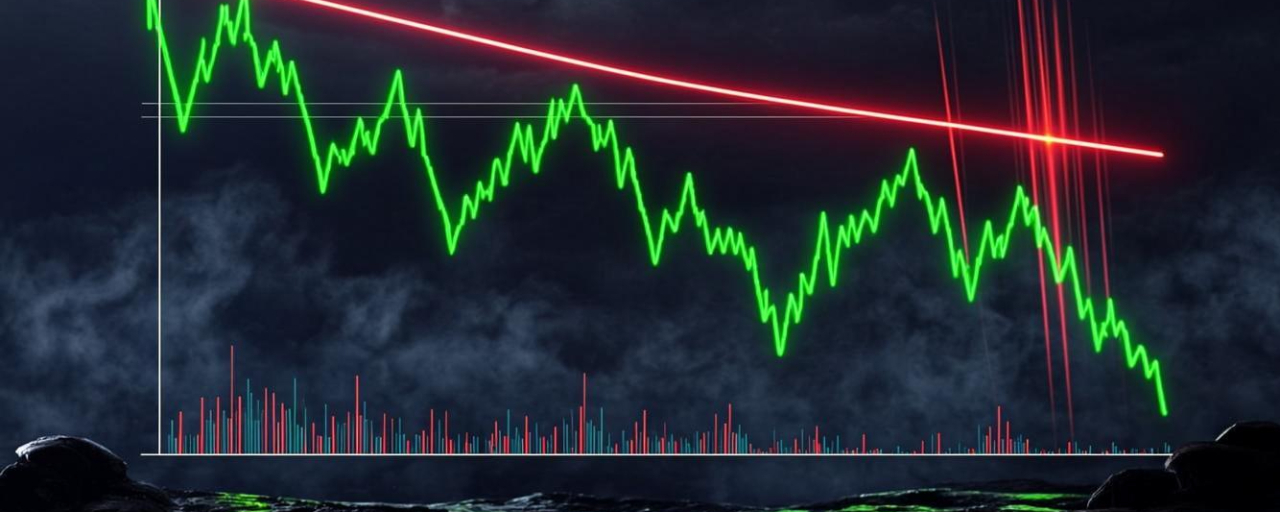
Bitcoin testet derzeit eine Power-Law-Unterstützungslinie, die Fidelity seit 2015 verfolgt, und pendelt um 59k USD, während der Markt wenig Überzeugung zeigt. Der Fear & Greed-Index liegt bei 26 und deutet auf eine eher niedrigstufige Angst hin, nicht auf eine Kapitulation. Diese Wartephase kann gefährlich sein, wenn die meisten Trader ähnlich positioniert sind.
{spot}(BTCUSDT)
Der Stablecoin-Markt ist seit Mai um 10 Milliarden USD geschrumpft und reduziert so das verfügbare „Dry Powder“ für Markbewegungen. Obwohl das nicht zwingend bearish für Krypto ist, entsteht dadurch ein Gegenwind. ETH zeigt relative Stärke, während andere Alts bluten, was eher auf eine mögliche Rotation hindeutet als auf einen klaren Richtungsimpuls. Riple’s Enthüllung, darüber nachzudenken, den Shutdown zu beenden bzw. zu beauftragen, wirft Zweifel an deren Zuversicht auf.
{spot}(DOGEUSDT)
Der breitere Altcoin-Sektor zeigt Schwäche: ADA, DOGE und SOL sind allesamt deutlich im Minus. Regulatorische Entwicklungen wie der CLARITY Act und die Banklizenz von Circle sind zwar bedeutend, dürften aber die unmittelbare Kursentwicklung kaum beeinflussen. Die institutionelle Story ist gemischt: Standard Chartered nennt ein BTC-Ziel von 100k USD, das jedoch durch den MSTR-Absverkauf ausgeglichen wird—was auf eine mögliche Abkühlung der institutionellen Begeisterung hindeutet.
{spot}(SOLUSDT)
Der Markt wirkt schwer, mit passiven Orders, aber ohne aggressives Kaufen. Der Weg des geringsten Widerstands könnte nach unten führen, doch nach unten scheint der Spielraum begrenzt, es sei denn, die Unterstützung bei 59k USD bricht. #Bitcoin #TechnischeAnalyse #CryptoTrading #btc70k #markets
Bitcoin testet derzeit eine Power-Law-Unterstützungslinie, die Fidelity seit 2015 verfolgt, und pendelt um 59k USD, während der Markt wenig Überzeugung zeigt. Der Fear & Greed-Index liegt bei 26 und deutet auf eine eher niedrigstufige Angst hin, nicht auf eine Kapitulation. Diese Wartephase kann gefährlich sein, wenn die meisten Trader ähnlich positioniert sind.
Der Stablecoin-Markt ist seit Mai um 10 Milliarden USD geschrumpft und reduziert so das verfügbare „Dry Powder“ für Markbewegungen. Obwohl das nicht zwingend bearish für Krypto ist, entsteht dadurch ein Gegenwind. ETH zeigt relative Stärke, während andere Alts bluten, was eher auf eine mögliche Rotation hindeutet als auf einen klaren Richtungsimpuls. Riple’s Enthüllung, darüber nachzudenken, den Shutdown zu beenden bzw. zu beauftragen, wirft Zweifel an deren Zuversicht auf.
Der breitere Altcoin-Sektor zeigt Schwäche: ADA, DOGE und SOL sind allesamt deutlich im Minus. Regulatorische Entwicklungen wie der CLARITY Act und die Banklizenz von Circle sind zwar bedeutend, dürften aber die unmittelbare Kursentwicklung kaum beeinflussen. Die institutionelle Story ist gemischt: Standard Chartered nennt ein BTC-Ziel von 100k USD, das jedoch durch den MSTR-Absverkauf ausgeglichen wird—was auf eine mögliche Abkühlung der institutionellen Begeisterung hindeutet.
Der Markt wirkt schwer, mit passiven Orders, aber ohne aggressives Kaufen. Der Weg des geringsten Widerstands könnte nach unten führen, doch nach unten scheint der Spielraum begrenzt, es sei denn, die Unterstützung bei 59k USD bricht. #Bitcoin #TechnischeAnalyse #CryptoTrading #btc70k #markets
Der Stablecoin-Markt ist seit Mai um 10 Milliarden USD geschrumpft und reduziert so das verfügbare „Dry Powder“ für Markbewegungen. Obwohl das nicht zwingend bearish für Krypto ist, entsteht dadurch ein Gegenwind. ETH zeigt relative Stärke, während andere Alts bluten, was eher auf eine mögliche Rotation hindeutet als auf einen klaren Richtungsimpuls. Riple’s Enthüllung, darüber nachzudenken, den Shutdown zu beenden bzw. zu beauftragen, wirft Zweifel an deren Zuversicht auf.
Der breitere Altcoin-Sektor zeigt Schwäche: ADA, DOGE und SOL sind allesamt deutlich im Minus. Regulatorische Entwicklungen wie der CLARITY Act und die Banklizenz von Circle sind zwar bedeutend, dürften aber die unmittelbare Kursentwicklung kaum beeinflussen. Die institutionelle Story ist gemischt: Standard Chartered nennt ein BTC-Ziel von 100k USD, das jedoch durch den MSTR-Absverkauf ausgeglichen wird—was auf eine mögliche Abkühlung der institutionellen Begeisterung hindeutet.
Der Markt wirkt schwer, mit passiven Orders, aber ohne aggressives Kaufen. Der Weg des geringsten Widerstands könnte nach unten führen, doch nach unten scheint der Spielraum begrenzt, es sei denn, die Unterstützung bei 59k USD bricht. #Bitcoin #TechnischeAnalyse #CryptoTrading #btc70k #markets

123
·
--
Artikel
Bitcoin Power-Law-Unterstützungstest: $59K-Boden oder technische Krücke?
Bittcoins Power-Law-Unterstützung: Technischer Boden oder psychologische Krücke?
Der Kursband-Flow ist heute totenstill. BTC schwebt gerade um $64k herum, ohne echte Überzeugung nach unten oder oben. Fear & Greed liegt bei 26, nicht in Panik, nur diese niedriggradige Unruhe. Alle warten, und das ist normalerweise genau dann, wenn es chaotisch wird. Wenn alle in die gleiche Richtung kippen, kann jede kleine Gegenbewegung eine Kettenreaktion auslösen.
Bitcoin testet diese Power-Law-Unterstützungslinie, die Fidelity seit 2015 verfolgt. Klingt auf dem Papier gut, aber was ist hier der Plan? Geschichte bedeutet nicht automatisch Unterstützung. Diese Linie liegt bei rund $59k laut NewsBTC, und ein Bruch darunter würde dazu führen, dass die Short-Positionen nur so „reinstürmen“. Der Punkt ist jedoch: Die Funding Rates sind neutral, also kein Squeeze-Setup. Das wirkt wie schwache Hände, die langsam ausbluten. Dieses Drehbuch habe ich schon gesehen. Meistens wird das Ganze dann ausgeblendet.
Bitcoin Power-Law-Unterstützungstest: $59K-Boden oder technische Krücke
?
Bittcoins Power-Law-Unterstützung: Technischer Boden oder psychologische Krücke?
Der Kursband-Flow ist heute totenstill. BTC schwebt gerade um $64k herum, ohne echte Überzeugung nach unten oder oben. Fear & Greed liegt bei 26, nicht in Panik, nur diese niedriggradige Unruhe. Alle warten, und das ist normalerweise genau dann, wenn es chaotisch wird. Wenn alle in die gleiche Richtung kippen, kann jede kleine Gegenbewegung eine Kettenreaktion auslösen.
Bitcoin testet diese Power-Law-Unterstützungslinie, die Fidelity seit 2015 verfolgt. Klingt auf dem Papier gut, aber was ist hier der Plan? Geschichte bedeutet nicht automatisch Unterstützung. Diese Linie liegt bei rund $59k laut NewsBTC, und ein Bruch darunter würde dazu führen, dass die Short-Positionen nur so „reinstürmen“. Der Punkt ist jedoch: Die Funding Rates sind neutral, also kein Squeeze-Setup. Das wirkt wie schwache Hände, die langsam ausbluten. Dieses Drehbuch habe ich schon gesehen. Meistens wird das Ganze dann ausgeblendet.
Bittcoins Power-Law-Unterstützung: Technischer Boden oder psychologische Krücke?
Der Kursband-Flow ist heute totenstill. BTC schwebt gerade um $64k herum, ohne echte Überzeugung nach unten oder oben. Fear & Greed liegt bei 26, nicht in Panik, nur diese niedriggradige Unruhe. Alle warten, und das ist normalerweise genau dann, wenn es chaotisch wird. Wenn alle in die gleiche Richtung kippen, kann jede kleine Gegenbewegung eine Kettenreaktion auslösen.
Bitcoin testet diese Power-Law-Unterstützungslinie, die Fidelity seit 2015 verfolgt. Klingt auf dem Papier gut, aber was ist hier der Plan? Geschichte bedeutet nicht automatisch Unterstützung. Diese Linie liegt bei rund $59k laut NewsBTC, und ein Bruch darunter würde dazu führen, dass die Short-Positionen nur so „reinstürmen“. Der Punkt ist jedoch: Die Funding Rates sind neutral, also kein Squeeze-Setup. Das wirkt wie schwache Hände, die langsam ausbluten. Dieses Drehbuch habe ich schon gesehen. Meistens wird das Ganze dann ausgeblendet.
126
·
--
Bullisch
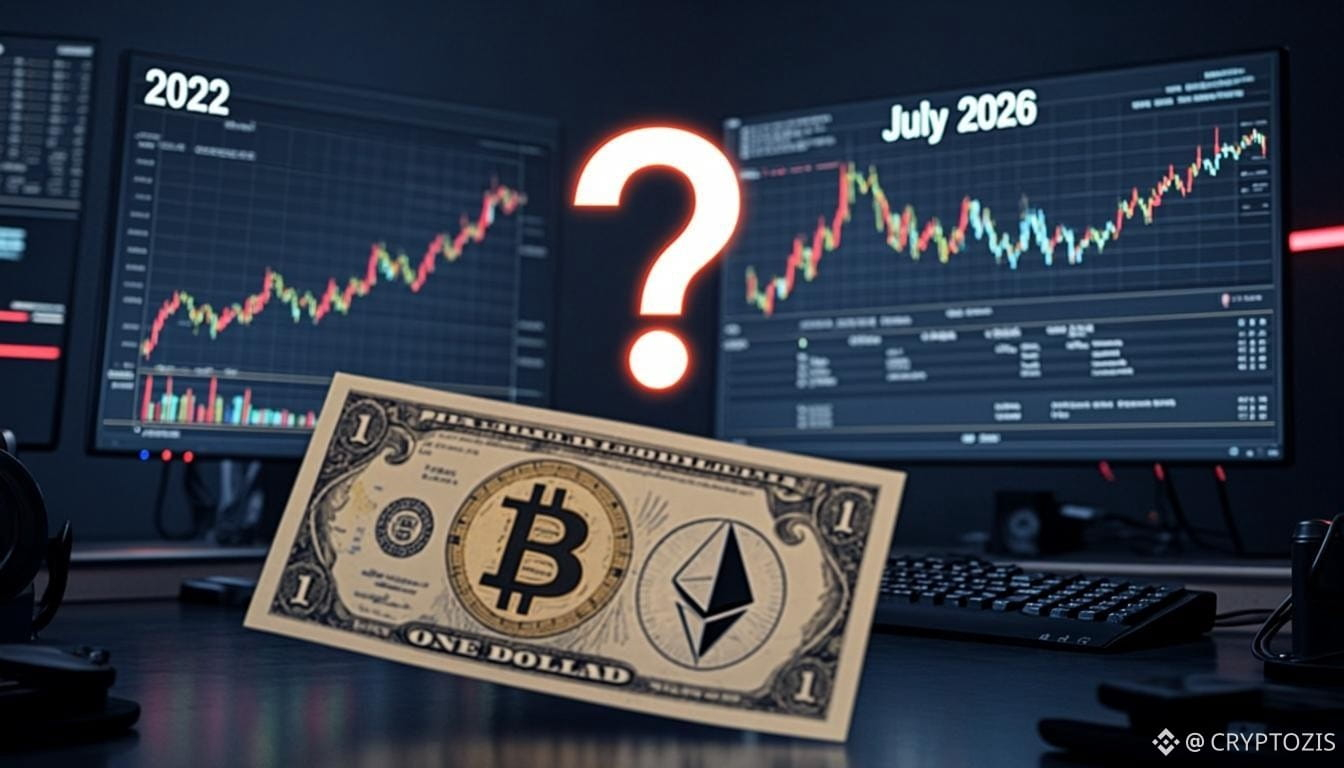
Die Kursgewinne von Bitcoin im Juli haben eine verwirrende Kursband-Story geschaffen. Der Preis liegt fast 10% im Plus, aber Fear & Greed steht bei 26 – tief in der Angstzone. Händler ziehen unangenehme Parallelen zu 2022 und sehen ähnliche Bounce-Muster sowie das Fehlen von Überzeugung.
{spot}(NVDABUSDT)
Der Verkauf von fast der Hälfte ihres BTC-Bestands im Rahmen der Empery-Digital-Veräußerung für 87 Millionen US-Dollar erhöht die Unsicherheit zusätzlich, während Bitcoin gerade $59.000 testet. Während Ethereum mit Tokenisierungs-Narrativen steigt, deutet die Spot-Performance eher auf Händlerrotation als auf organisches Kaufinteresse hin. KI-Bugs und Oracle-Exploits machen zwar Schlagzeilen, bleiben aber Marktrauschen.
{spot}(TSLABUSDT)
Selbst die Bitcoin-Prognosen von 300.000 bis 500.000 US-Dollar bis 2029 wirken eher wie Retail-FOMO als wie institutionelle Überzeugung. Standard Chartered hält an der Haltung eines „schreienden Kaufs“ fest, während MicroStrategy verkauft – das erzeugt einen narrativen Widerspruch. Der japanische Digital-Kredit-Ansatz steht zwar für echte Adaption, wird aber das unmittelbare Bild nicht wesentlich beeinflussen.
{spot}(SPCXBUSDT)
Das Kursband bleibt gemischt – mit manchen Anzeichen für Akkumulation und manchen für Distribution. Wahrscheinlicher ist eine Rotation als ein Trendwechsel. Beobachtet die $59.000-Supportzone genau. #Bitcoin #bearmarket #CryptoSentiment #Altcoins #MarketAnalysis
Die Kursgewinne von Bitcoin im Juli haben eine verwirrende Kursband-Story geschaffen. Der Preis liegt fast 10% im Plus, aber Fear & Greed steht bei 26 – tief in der Angstzone. Händler ziehen unangenehme Parallelen zu 2022 und sehen ähnliche Bounce-Muster sowie das Fehlen von Überzeugung.
Der Verkauf von fast der Hälfte ihres BTC-Bestands im Rahmen der Empery-Digital-Veräußerung für 87 Millionen US-Dollar erhöht die Unsicherheit zusätzlich, während Bitcoin gerade $59.000 testet. Während Ethereum mit Tokenisierungs-Narrativen steigt, deutet die Spot-Performance eher auf Händlerrotation als auf organisches Kaufinteresse hin. KI-Bugs und Oracle-Exploits machen zwar Schlagzeilen, bleiben aber Marktrauschen.
Selbst die Bitcoin-Prognosen von 300.000 bis 500.000 US-Dollar bis 2029 wirken eher wie Retail-FOMO als wie institutionelle Überzeugung. Standard Chartered hält an der Haltung eines „schreienden Kaufs“ fest, während MicroStrategy verkauft – das erzeugt einen narrativen Widerspruch. Der japanische Digital-Kredit-Ansatz steht zwar für echte Adaption, wird aber das unmittelbare Bild nicht wesentlich beeinflussen.
Das Kursband bleibt gemischt – mit manchen Anzeichen für Akkumulation und manchen für Distribution. Wahrscheinlicher ist eine Rotation als ein Trendwechsel. Beobachtet die $59.000-Supportzone genau. #Bitcoin #bearmarket #CryptoSentiment #Altcoins #MarketAnalysis
Der Verkauf von fast der Hälfte ihres BTC-Bestands im Rahmen der Empery-Digital-Veräußerung für 87 Millionen US-Dollar erhöht die Unsicherheit zusätzlich, während Bitcoin gerade $59.000 testet. Während Ethereum mit Tokenisierungs-Narrativen steigt, deutet die Spot-Performance eher auf Händlerrotation als auf organisches Kaufinteresse hin. KI-Bugs und Oracle-Exploits machen zwar Schlagzeilen, bleiben aber Marktrauschen.
Selbst die Bitcoin-Prognosen von 300.000 bis 500.000 US-Dollar bis 2029 wirken eher wie Retail-FOMO als wie institutionelle Überzeugung. Standard Chartered hält an der Haltung eines „schreienden Kaufs“ fest, während MicroStrategy verkauft – das erzeugt einen narrativen Widerspruch. Der japanische Digital-Kredit-Ansatz steht zwar für echte Adaption, wird aber das unmittelbare Bild nicht wesentlich beeinflussen.
Das Kursband bleibt gemischt – mit manchen Anzeichen für Akkumulation und manchen für Distribution. Wahrscheinlicher ist eine Rotation als ein Trendwechsel. Beobachtet die $59.000-Supportzone genau. #Bitcoin #bearmarket #CryptoSentiment #Altcoins #MarketAnalysis
188
·
--

Artikel
Bitcoins Gewinne im Juli im Vergleich zu den Parallelen von 2022: Angst oder Chance?Der Kursverlauf gibt mir gemischte Signale. Bitcoin ist diesen Monat um 10 % gestiegen, was eigentlich ein gutes Zeichen sein sollte. Aber der Fear & Greed-Index steckt noch immer bei 26 fest. So spielt sich ein Tief normalerweise nicht ab. Du würdest erwarten, dass nach so einer Bewegung wieder etwas Gier zurückkommt. Trader schauen sich den Chart von 2022 an, und der Rückprall wirkt unheimlich vertraut. Das Volumen fühlt sich leicht an, und es gibt einfach keine wirkliche Überzeugung hinter dieser Bewegung.
Das Empery Digital Signal
Dann hast du, wie Empery Digital fast die Hälfte ihres gesamten Einsatzes für 87 Millionen Dollar abwirft. Das ist kein zufälliger Wal; das ist eine Art Schatzkammer, die eine ernsthafte Bewegung macht. Die Zeit ist verdächtig, direkt in dem Moment, in dem Bitcoin $59k testet. Das könnte Gewinnmitnahmen sein, könnte aber auch etwas anderes sein. Der Kursverlauf lügt nicht. Du siehst Verkäufer bei diesen Kursniveaus aktiv werden, aber das ist kein Panikverkauf. Eher so etwas wie eine geordnete Rotation. Die Größe trifft die Geldseite, aber es ist nicht die Art von aggressivem Kauf, die dich glauben lässt...
Bitcoins Gewinne im Juli im Vergleich zu den Parallelen von 2022: Angst oder Chance?
Der Kursverlauf gibt mir gemischte Signale. Bitcoin ist diesen Monat um 10 % gestiegen, was eigentlich ein gutes Zeichen sein sollte. Aber der Fear & Greed-Index steckt noch immer bei 26 fest. So spielt sich ein Tief normalerweise nicht ab. Du würdest erwarten, dass nach so einer Bewegung wieder etwas Gier zurückkommt. Trader schauen sich den Chart von 2022 an, und der Rückprall wirkt unheimlich vertraut. Das Volumen fühlt sich leicht an, und es gibt einfach keine wirkliche Überzeugung hinter dieser Bewegung.
Das Empery Digital Signal
Dann hast du, wie Empery Digital fast die Hälfte ihres gesamten Einsatzes für 87 Millionen Dollar abwirft. Das ist kein zufälliger Wal; das ist eine Art Schatzkammer, die eine ernsthafte Bewegung macht. Die Zeit ist verdächtig, direkt in dem Moment, in dem Bitcoin $59k testet. Das könnte Gewinnmitnahmen sein, könnte aber auch etwas anderes sein. Der Kursverlauf lügt nicht. Du siehst Verkäufer bei diesen Kursniveaus aktiv werden, aber das ist kein Panikverkauf. Eher so etwas wie eine geordnete Rotation. Die Größe trifft die Geldseite, aber es ist nicht die Art von aggressivem Kauf, die dich glauben lässt...
Das Empery Digital Signal
Dann hast du, wie Empery Digital fast die Hälfte ihres gesamten Einsatzes für 87 Millionen Dollar abwirft. Das ist kein zufälliger Wal; das ist eine Art Schatzkammer, die eine ernsthafte Bewegung macht. Die Zeit ist verdächtig, direkt in dem Moment, in dem Bitcoin $59k testet. Das könnte Gewinnmitnahmen sein, könnte aber auch etwas anderes sein. Der Kursverlauf lügt nicht. Du siehst Verkäufer bei diesen Kursniveaus aktiv werden, aber das ist kein Panikverkauf. Eher so etwas wie eine geordnete Rotation. Die Größe trifft die Geldseite, aber es ist nicht die Art von aggressivem Kauf, die dich glauben lässt...
141
Anmelden und weiter Inhalte entdecken
Krypto-Nutzer weltweit auf Binance Square kennenlernen
⚡️ Bleib in Sachen Krypto stets am Puls.
💬 Die weltgrößte Kryptobörse vertraut darauf.
👍 Erhalte verlässliche Einblicke von verifizierten Creators.
E-Mail-Adresse/Telefonnummer