
CryptoDBA
307 Beiträge

CryptoDBA
Daily Calls | Market Trends | Crypto News Charts • Signals • Research
2 Following
115 Follower
460 Like gegeben
Beiträge
Alle
Zitierungen
PINNED
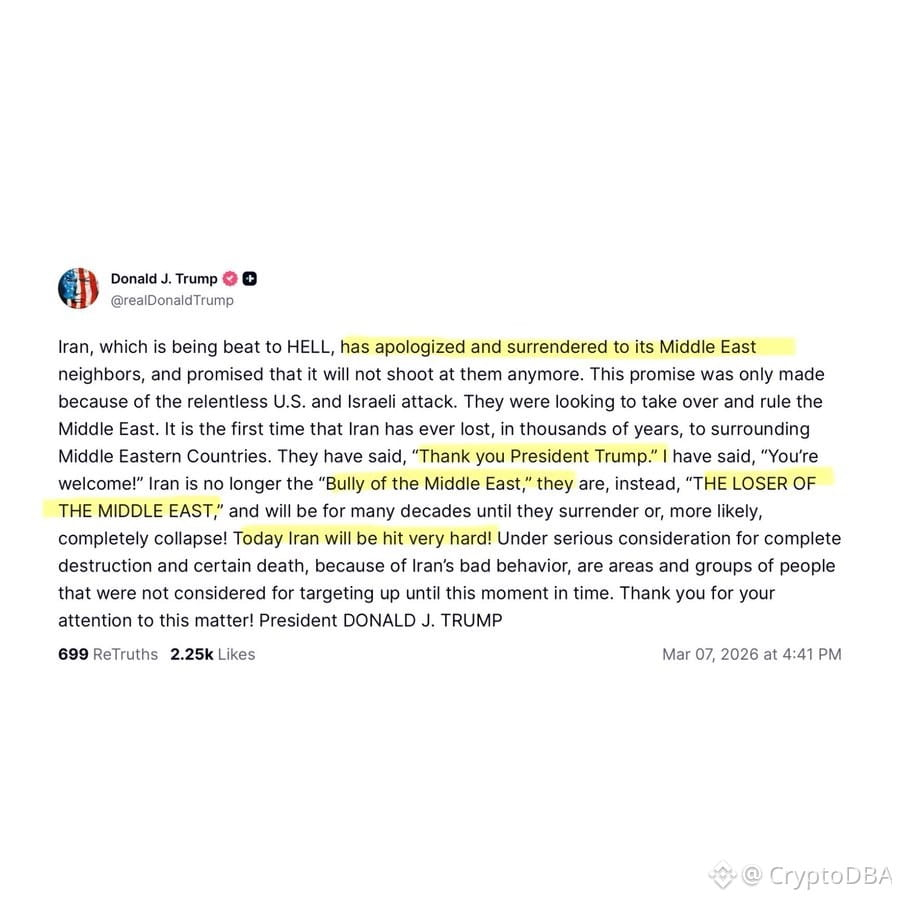
🚨BREAKING: PRÄSIDENT TRUMP SAGT, DASS IRAN SICH ERGEBEN HAT UND "ZUR HÖLLE GETRETEN WIRD", NACHDEM DIE USA ANGREIFEN.
Trotz der Kapitulation warnte er, dass Iran heute weiterhin unter der Bedrohung der "VOLLSTÄNDIGEN ZERSTÖRUNG" steht, während neue Ziele für sofortige Angriffe in Betracht gezogen werden.
#USIranWarEscalation
Trotz der Kapitulation warnte er, dass Iran heute weiterhin unter der Bedrohung der "VOLLSTÄNDIGEN ZERSTÖRUNG" steht, während neue Ziele für sofortige Angriffe in Betracht gezogen werden.
#USIranWarEscalation
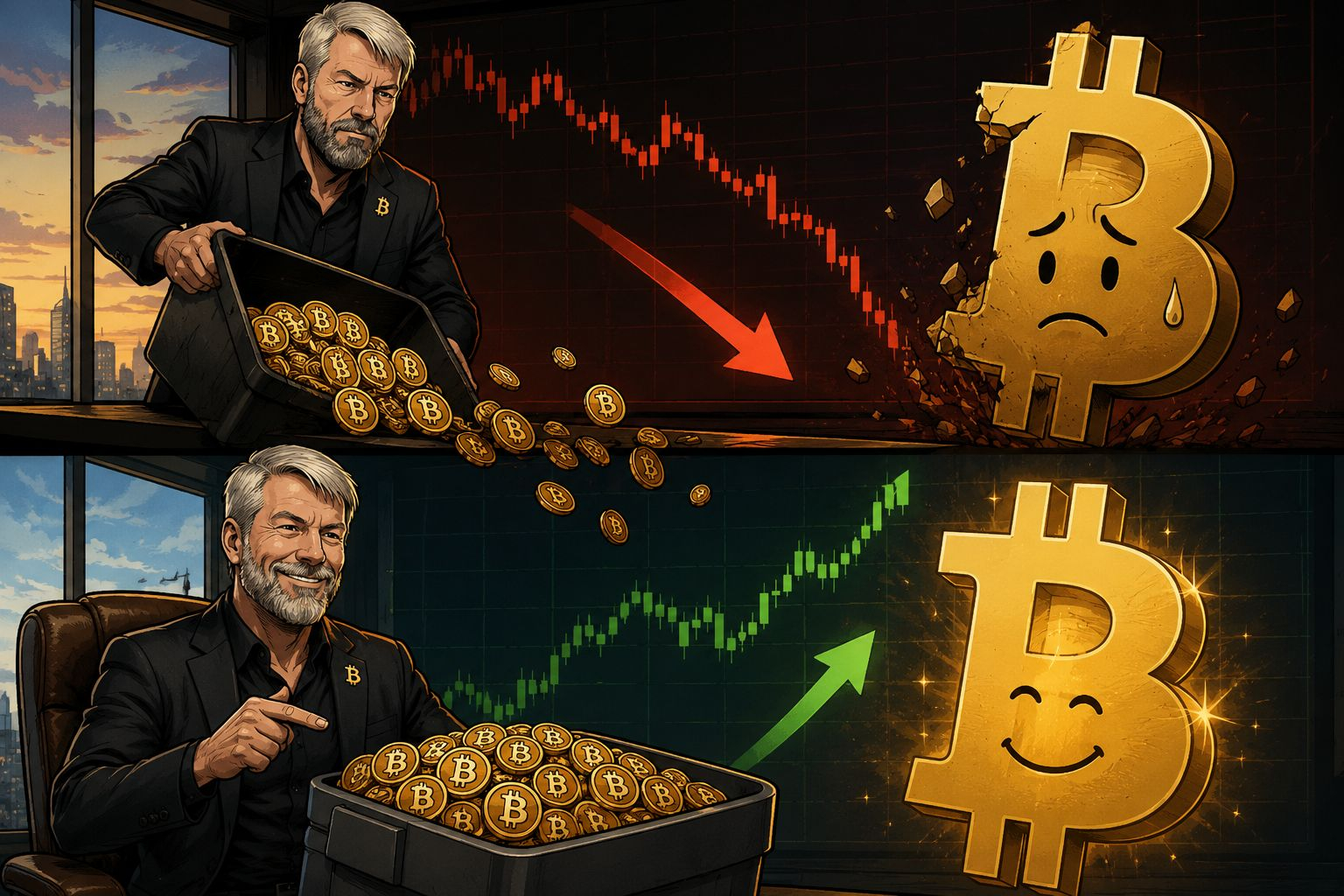
Saylor hat gerade den Dip mit einem 101M-Dollar-Schöpfer gekauft.
Der mit Spannung erwartete Unternehmensbericht von MicroStrategy ist da, und die Bären lagen falsch. Anstatt seine Bitcoin-Exponierung zu reduzieren, hat das Unternehmen 1.550 $BTC
Der Kauf wurde über den Verkauf neuer $MSTR Aktien finanziert, der 181 Mio. US-Dollar einbrachte. Von diesem Betrag wurden 101 Mio. US-Dollar für Bitcoin verwendet, während der Restbetrag zu Rücklagen hinzugefügt wurde, um künftige Dividendenzahlungen für Vorzugsaktien abzusichern.
Der Schritt verlängert die Dividend-Laufzeit des Unternehmens auf etwa 10–11 Monate, von zuvor rund 6 Monaten.
In der Zwischenzeit fiel Bitcoin nach der Ankündigung kurzzeitig um 2 %. Wenn der Verkaufsdruck begrenzt bleibt, könnte der Markt bereits einen Großteil des erwarteten Abschwungs eingepreist haben.
StrategyBuys1550BTCBuilds$1BDollarReserve #StrategyBuys1550BTC BitcoinEndsSevenDayLossStreakAbove$63K
Der mit Spannung erwartete Unternehmensbericht von MicroStrategy ist da, und die Bären lagen falsch. Anstatt seine Bitcoin-Exponierung zu reduzieren, hat das Unternehmen 1.550 $BTC
Der Kauf wurde über den Verkauf neuer $MSTR Aktien finanziert, der 181 Mio. US-Dollar einbrachte. Von diesem Betrag wurden 101 Mio. US-Dollar für Bitcoin verwendet, während der Restbetrag zu Rücklagen hinzugefügt wurde, um künftige Dividendenzahlungen für Vorzugsaktien abzusichern.
Der Schritt verlängert die Dividend-Laufzeit des Unternehmens auf etwa 10–11 Monate, von zuvor rund 6 Monaten.
In der Zwischenzeit fiel Bitcoin nach der Ankündigung kurzzeitig um 2 %. Wenn der Verkaufsdruck begrenzt bleibt, könnte der Markt bereits einen Großteil des erwarteten Abschwungs eingepreist haben.
StrategyBuys1550BTCBuilds$1BDollarReserve #StrategyBuys1550BTC BitcoinEndsSevenDayLossStreakAbove$63K
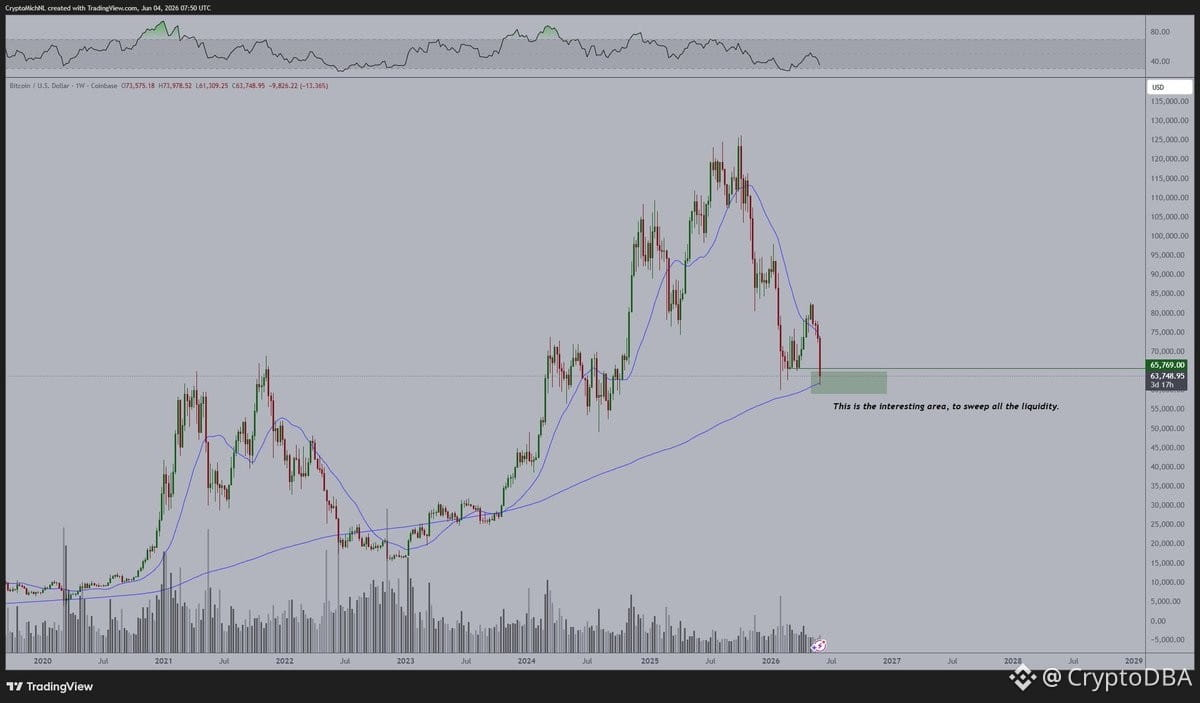
$BTC prüft derzeit den 200-Wochen-gleitenden Durchschnitt erneut als Support-Level. In vergangenen Zyklen (2015, 2018, 2020) hat diese Zone den Boden markiert. Die Ausnahme war während des FTX-Kollapses im Jahr 2022, als der Kurs darunter ausbrach.
Inzwischen liegt der tägliche RSI auf Niveaus, die zuletzt während des COVID-Crashes sowie im Februar 2026 zu sehen waren. Wenn du eine starke langfristige Überzeugung in Bitcoin hast, könnte dies eine Akkumulationszone sein.
Darüber hinaus ist der entscheidende Faktor nun STRC und sein Depeg. Wenn das nach oben zurückerobert wird, ist ein Bitcoin-„Bounce“ wahrscheinlich. Wenn der Abwärtstrend jedoch anhält, dürften die Preise wahrscheinlich unter 60.000 USD fallen.
#BitcoinETFPremiumTwoYearLow
Inzwischen liegt der tägliche RSI auf Niveaus, die zuletzt während des COVID-Crashes sowie im Februar 2026 zu sehen waren. Wenn du eine starke langfristige Überzeugung in Bitcoin hast, könnte dies eine Akkumulationszone sein.
Darüber hinaus ist der entscheidende Faktor nun STRC und sein Depeg. Wenn das nach oben zurückerobert wird, ist ein Bitcoin-„Bounce“ wahrscheinlich. Wenn der Abwärtstrend jedoch anhält, dürften die Preise wahrscheinlich unter 60.000 USD fallen.
#BitcoinETFPremiumTwoYearLow
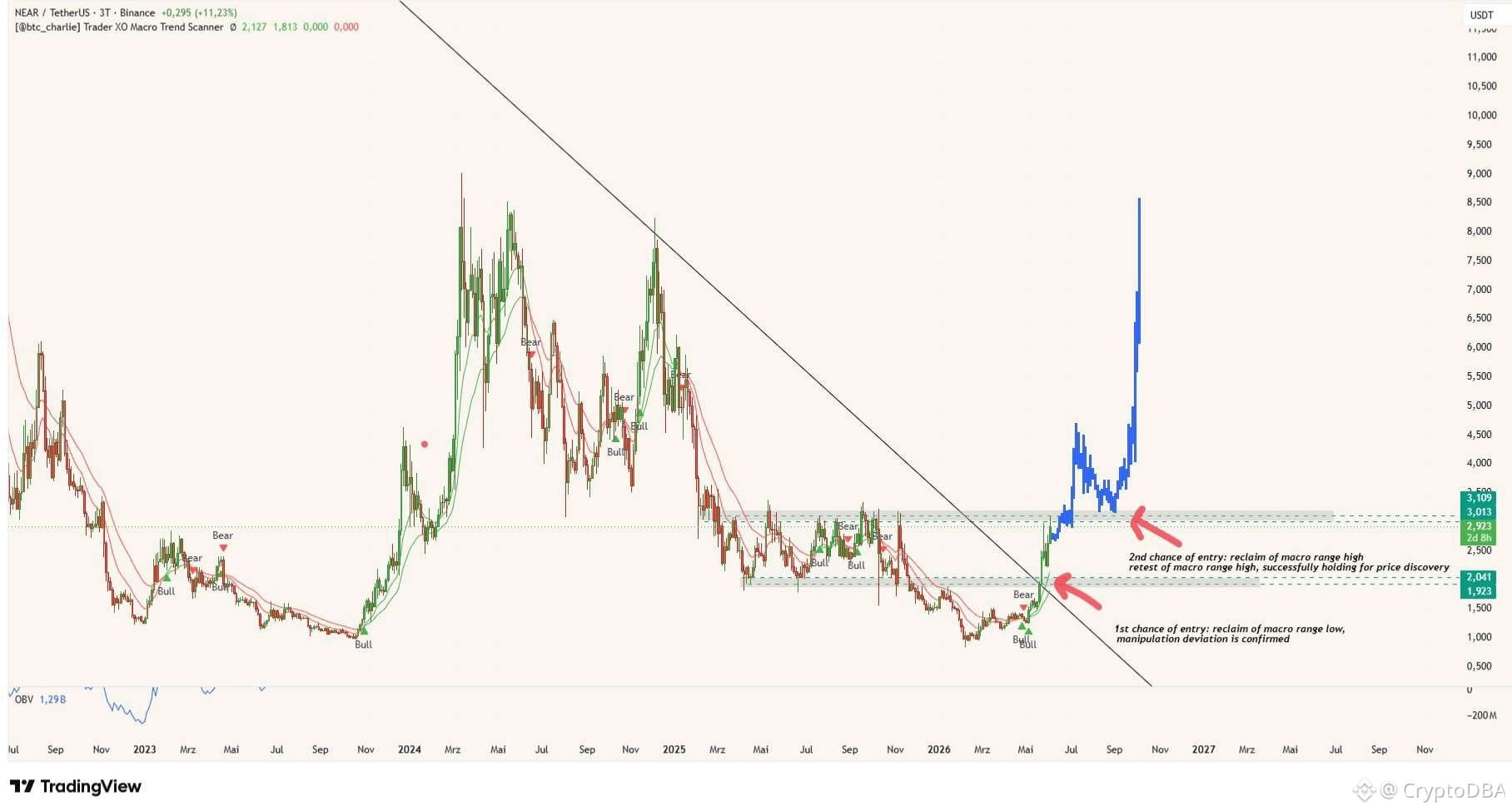
$NEAR is zeigt nach dem Ausbruch über die jüngste Konsolidierungsrange eine starke Dynamik. Ein gesunder Rücksetzer in Richtung des Supports könnte eine Fortsetzungs-Einstiegschance bieten.
EN: $2.75 - $2.82
SL: $2.62
TP:
• TP1: $3.05
• TP2: $3.30
• TP3: $3.60
Meine Einschätzung: Der Trend bleibt bullisch, solange NEAR über der $2.62-Supportzone hält. Die jüngste Ablehnung bei $3.00 ist nach einem starken Move normal. Wenn Käufer den Rücksetzer verteidigen, sieht eine erneute Prüfung von $3.00+ wahrscheinlich aus. Risikomanagement bleibt entscheidend, da die Volatilität erhöht ist.
#NEARSurgesAbove3USDT
EN: $2.75 - $2.82
SL: $2.62
TP:
• TP1: $3.05
• TP2: $3.30
• TP3: $3.60
Meine Einschätzung: Der Trend bleibt bullisch, solange NEAR über der $2.62-Supportzone hält. Die jüngste Ablehnung bei $3.00 ist nach einem starken Move normal. Wenn Käufer den Rücksetzer verteidigen, sieht eine erneute Prüfung von $3.00+ wahrscheinlich aus. Risikomanagement bleibt entscheidend, da die Volatilität erhöht ist.
#NEARSurgesAbove3USDT
Seit Jahren ist Krypto wie $BTC in einer grauen Zone festgefahren.
Projekte, die ohne zu wissen gebaut wurden, welcher Regulierer als Nächstes an ihre Tür klopfen könnte. Anleger navigierten durch einen Markt, in dem sich die Regeln zu ändern schienen – je nachdem, wer die Fragen stellte.
Jetzt könnte diese Geschichte einem Wendepunkt näherkommen.
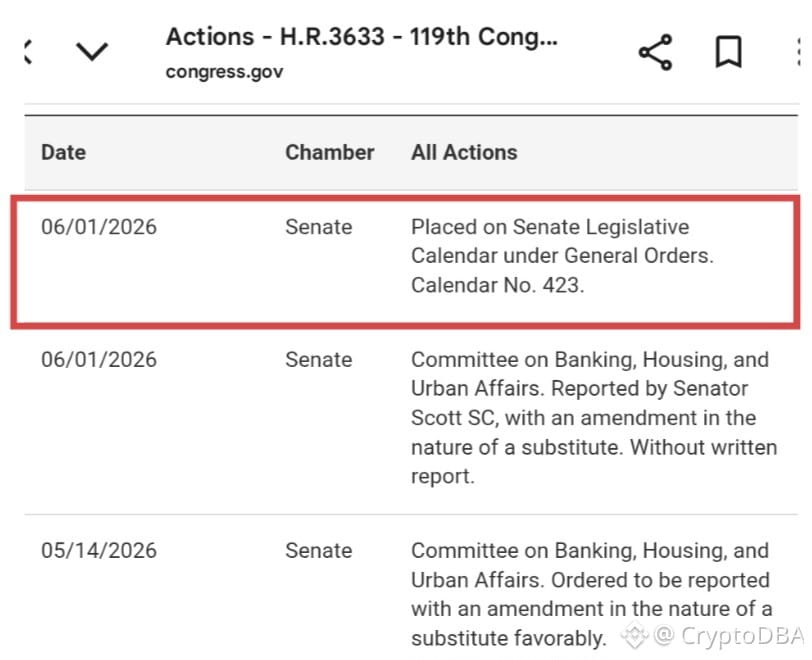
Das CLARITY-Gesetz wurde offiziell in den Senatsgesetzgebungskalender aufgenommen und ist damit einen Schritt näher an eine vollständige Abstimmung im Senat gerückt.
Wenn es angenommen wird, würde es klare Linien zwischen der SEC und der CFTC ziehen – etwas, auf das die Branche seit Jahren wartet.
Wie es als Nächstes weitergeht, könnte mitbestimmen, wie Krypto in den Vereinigten Staaten im nächsten Jahrzehnt funktioniert.
Das Kapitel der Ungewissheit ist vielleicht noch nicht vorbei, aber die nächste Seite wird endlich geschrieben.
#StrategyFallsOutOfTop200US #BitcoinFearGaugeSurgesNearly20%
Projekte, die ohne zu wissen gebaut wurden, welcher Regulierer als Nächstes an ihre Tür klopfen könnte. Anleger navigierten durch einen Markt, in dem sich die Regeln zu ändern schienen – je nachdem, wer die Fragen stellte.
Jetzt könnte diese Geschichte einem Wendepunkt näherkommen.
Das CLARITY-Gesetz wurde offiziell in den Senatsgesetzgebungskalender aufgenommen und ist damit einen Schritt näher an eine vollständige Abstimmung im Senat gerückt.
Wenn es angenommen wird, würde es klare Linien zwischen der SEC und der CFTC ziehen – etwas, auf das die Branche seit Jahren wartet.
Wie es als Nächstes weitergeht, könnte mitbestimmen, wie Krypto in den Vereinigten Staaten im nächsten Jahrzehnt funktioniert.
Das Kapitel der Ungewissheit ist vielleicht noch nicht vorbei, aber die nächste Seite wird endlich geschrieben.
#StrategyFallsOutOfTop200US #BitcoinFearGaugeSurgesNearly20%
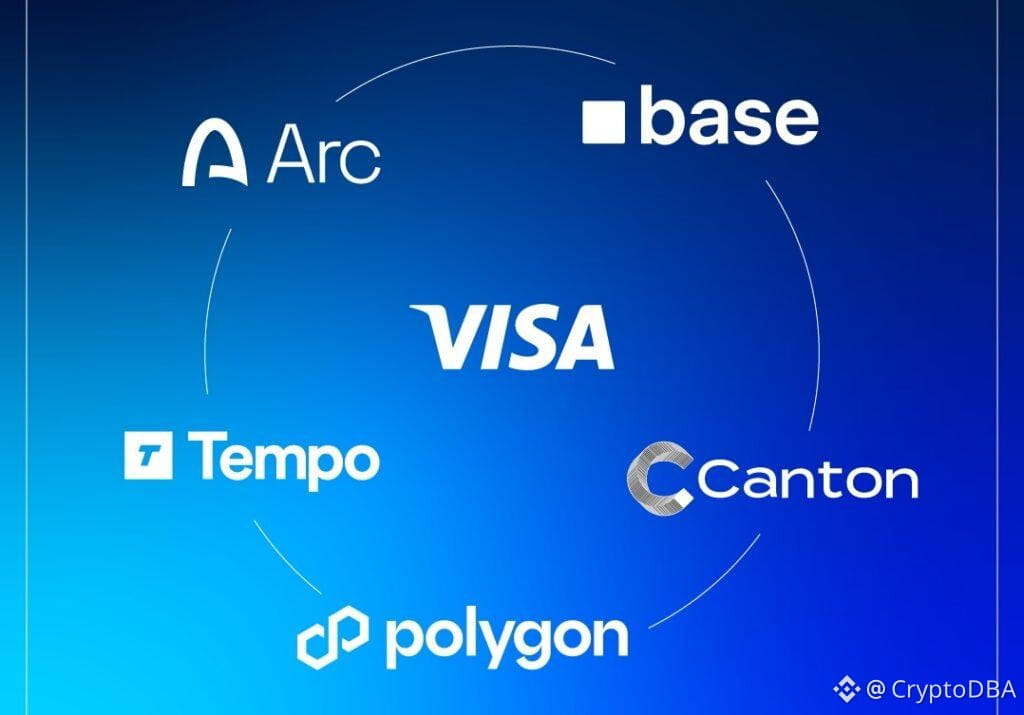
🔥 Visa expandiert auf 9 Chains und revolutioniert die Zahlungen.
Visa hat sein Stablecoin-Abrechnungs-Pilotprojekt von 4 auf 9 Blockchains hochgefahren: Base, $POL , Canton, Arc, Tempo, sowie $ETH , $SOL , Avalanche und Stellar.
$7B annualisierte Laufleistung, ein Anstieg von 50% im Vergleich zum Vorquartal.
130+ Stablecoin-gebundene Kartenprogramme in über 50 Ländern.
Das ist kein Retail-Hype. Das ist Infrastruktur: • Circle baut Arc
• Stripe unterstützt Tempo
• Canton ermöglicht institutionelle Privatsphäre
• Ethereum L2s treiben die Skalierung voran
Echte Adoption ist bereits hier.
#ETH #EthereumFoundationSellsETHtoBitmineAgain
Visa hat sein Stablecoin-Abrechnungs-Pilotprojekt von 4 auf 9 Blockchains hochgefahren: Base, $POL , Canton, Arc, Tempo, sowie $ETH , $SOL , Avalanche und Stellar.
$7B annualisierte Laufleistung, ein Anstieg von 50% im Vergleich zum Vorquartal.
130+ Stablecoin-gebundene Kartenprogramme in über 50 Ländern.
Das ist kein Retail-Hype. Das ist Infrastruktur: • Circle baut Arc
• Stripe unterstützt Tempo
• Canton ermöglicht institutionelle Privatsphäre
• Ethereum L2s treiben die Skalierung voran
Echte Adoption ist bereits hier.
#ETH #EthereumFoundationSellsETHtoBitmineAgain
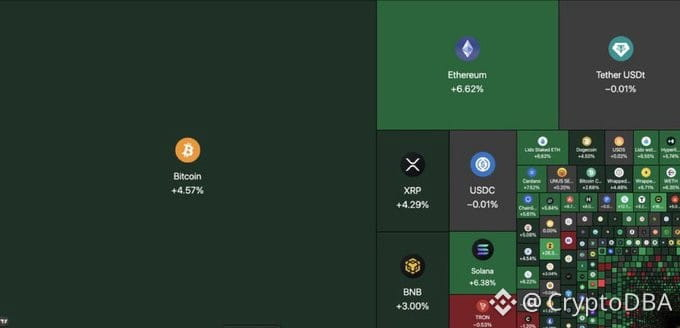
#MarketRebound $150.000.000.000 wurden in den letzten 24 Stunden dem Kryptomarkt hinzugefügt.
LOS GEHT'S🔥
LOS GEHT'S🔥
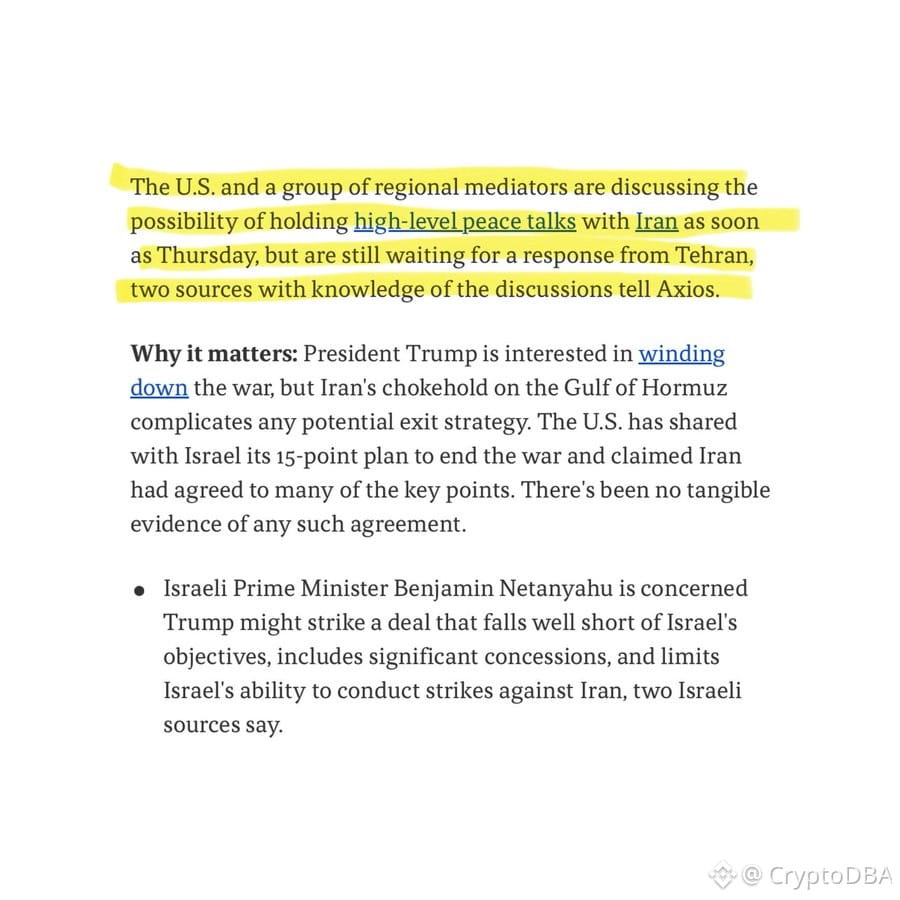
🚨BREAKING: Die USA und der Iran könnten sich am Donnerstag in Islamabad zu FRIEDENSGESPRÄCHEN persönlich treffen, Axios.
#USIranPeaceTalks #USIranTalks
#USIranPeaceTalks #USIranTalks
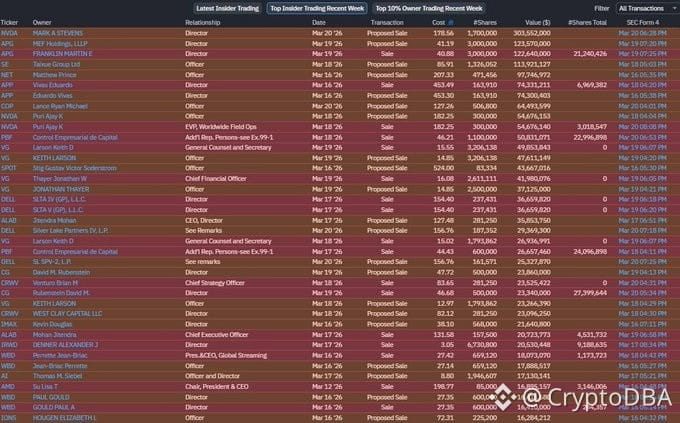
Insider verkaufen Aktien wie nie zuvor.
Wissen sie etwas, das wir nicht wissen ?
#TrumpConsidersEndingIranConflict
Wissen sie etwas, das wir nicht wissen ?
#TrumpConsidersEndingIranConflict
🚨NEU: Mastercard startet Programm zur Verbindung von Krypto-Blockchain-Zahlungen mit dem globalen Bankwesen und arbeitet mit über 85 Unternehmen zusammen, darunter:
• Circle
• Paxos
• Ripple
• PayPal
• Gemini
• Binance
Dies ist der Infrastruktur-Moment, auf den die Institutionen gewartet haben.
#BinanceTGEUP #CryptoNewss
• Circle
• Paxos
• Ripple
• PayPal
• Gemini
• Binance
Dies ist der Infrastruktur-Moment, auf den die Institutionen gewartet haben.
#BinanceTGEUP #CryptoNewss
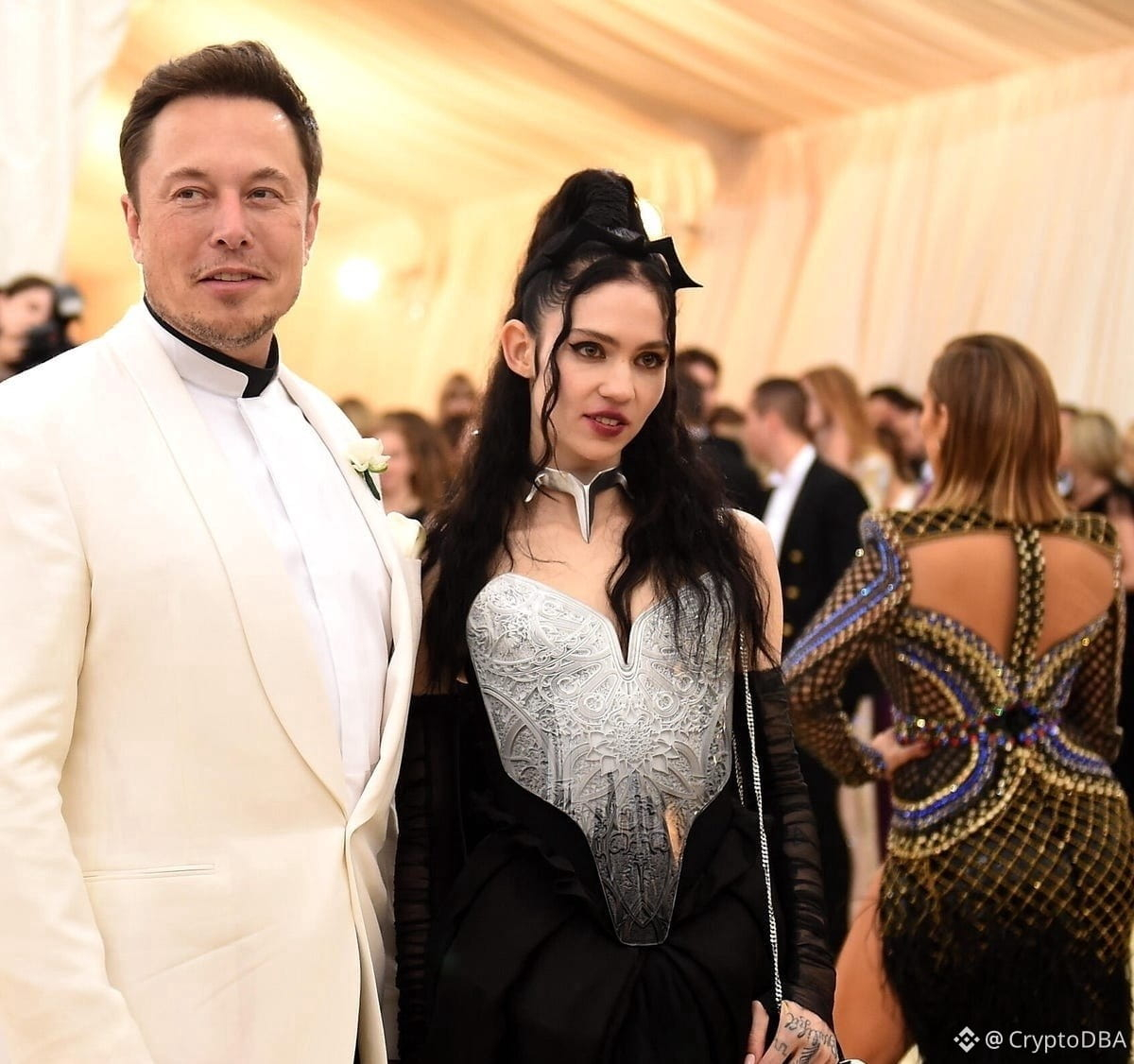
🔥 Elon Musk entfachte massive Diskussionen im Internet mit nur einem einzigen persischen Satz.
Nachdem Ali Khamenei "Wir werden uns nicht dem Feind ergeben" gepostet hatte, antwortete Musk mit einer kurzen Antwort, in der er die Aussage infrage stellte, und teilte sie erneut — was sofort globale Aufmerksamkeit erregte.
Wenn jemand so einflussreich wie Musk sich zu geopolitischen Botschaften äußert, kann selbst ein kurzer Satz eine weitreichende Debatte im Internet auslösen.
Es wirft auch eine interessante Frage auf: Wer weigert sich wirklich zu kapitulieren?
Sind es diejenigen, die an alten Systemen und Erzählungen festhalten, oder die Menschen, die mit Technologie, Innovation und dezentralen Ideen voranschreiten?
Das langfristige Spiel dreht sich immer um Visionen.
Hilfst du, die Zukunft zu gestalten… oder siehst du nur zu, wie sie sich entfaltet?
#TrumpSaysIranWarWillEndVerySoon #Iran'sNewSupremeLeader #USIranWarEscalation
Nachdem Ali Khamenei "Wir werden uns nicht dem Feind ergeben" gepostet hatte, antwortete Musk mit einer kurzen Antwort, in der er die Aussage infrage stellte, und teilte sie erneut — was sofort globale Aufmerksamkeit erregte.
Wenn jemand so einflussreich wie Musk sich zu geopolitischen Botschaften äußert, kann selbst ein kurzer Satz eine weitreichende Debatte im Internet auslösen.
Es wirft auch eine interessante Frage auf: Wer weigert sich wirklich zu kapitulieren?
Sind es diejenigen, die an alten Systemen und Erzählungen festhalten, oder die Menschen, die mit Technologie, Innovation und dezentralen Ideen voranschreiten?
Das langfristige Spiel dreht sich immer um Visionen.
Hilfst du, die Zukunft zu gestalten… oder siehst du nur zu, wie sie sich entfaltet?
#TrumpSaysIranWarWillEndVerySoon #Iran'sNewSupremeLeader #USIranWarEscalation
#TrumpSaysIranWarWillEndVerySoon
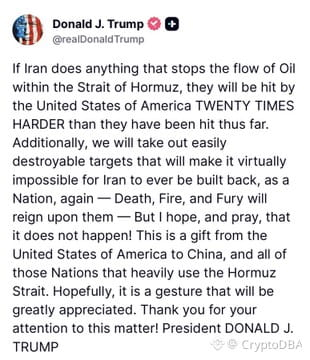
🚨BREAKING: Trumps Antwort auf iranische Bedrohungen über die Straße von Hormus
🚨BREAKING: Trumps Antwort auf iranische Bedrohungen über die Straße von Hormus
Was würdest du tun, wenn du 6 Milliarden Dollar bei einer Investition verloren hättest?
Würdest du Verluste abschneiden… oder noch mehr kaufen?
Michael Saylor hat gerade weitere 1,3 Milliarden Dollar in $BTC investiert, während MicroStrategy Milliarden an nicht realisierten Verlusten hat. Für viele Neulinge sieht dieser Schritt verwirrend aus – vielleicht sogar leichtsinnig.
Aber die dahinterstehende Strategie ist anders als die typische Handelslogik.
MicroStrategy behandelt Bitcoin nicht wie eine kurzfristige Position. Ihr Ansatz basiert auf einer langfristigen Akkumulations-These, bei der Volatilität und vorübergehende Rückgänge auf dem Weg erwartet werden.
Gleichzeitig stellen Kritiker berechtigte Fragen. Das Unternehmen hat weiterhin Schuldenverpflichtungen, und das Halten eines so großen Anteils am BTC-Vorrat konzentriert das Risiko in einer einzigen Unternehmensschatzkammer.
Also geht die Debatte weiter:
Ist dies disziplinierte langfristige Überzeugung… oder ein gefährliches Maß an Risiko?
Neugierig, verschiedene Perspektiven aus der Gemeinschaft zu hören.
#StrategyBTCPurchase
Würdest du Verluste abschneiden… oder noch mehr kaufen?
Michael Saylor hat gerade weitere 1,3 Milliarden Dollar in $BTC investiert, während MicroStrategy Milliarden an nicht realisierten Verlusten hat. Für viele Neulinge sieht dieser Schritt verwirrend aus – vielleicht sogar leichtsinnig.
Aber die dahinterstehende Strategie ist anders als die typische Handelslogik.
MicroStrategy behandelt Bitcoin nicht wie eine kurzfristige Position. Ihr Ansatz basiert auf einer langfristigen Akkumulations-These, bei der Volatilität und vorübergehende Rückgänge auf dem Weg erwartet werden.
Gleichzeitig stellen Kritiker berechtigte Fragen. Das Unternehmen hat weiterhin Schuldenverpflichtungen, und das Halten eines so großen Anteils am BTC-Vorrat konzentriert das Risiko in einer einzigen Unternehmensschatzkammer.
Also geht die Debatte weiter:
Ist dies disziplinierte langfristige Überzeugung… oder ein gefährliches Maß an Risiko?
Neugierig, verschiedene Perspektiven aus der Gemeinschaft zu hören.
#StrategyBTCPurchase
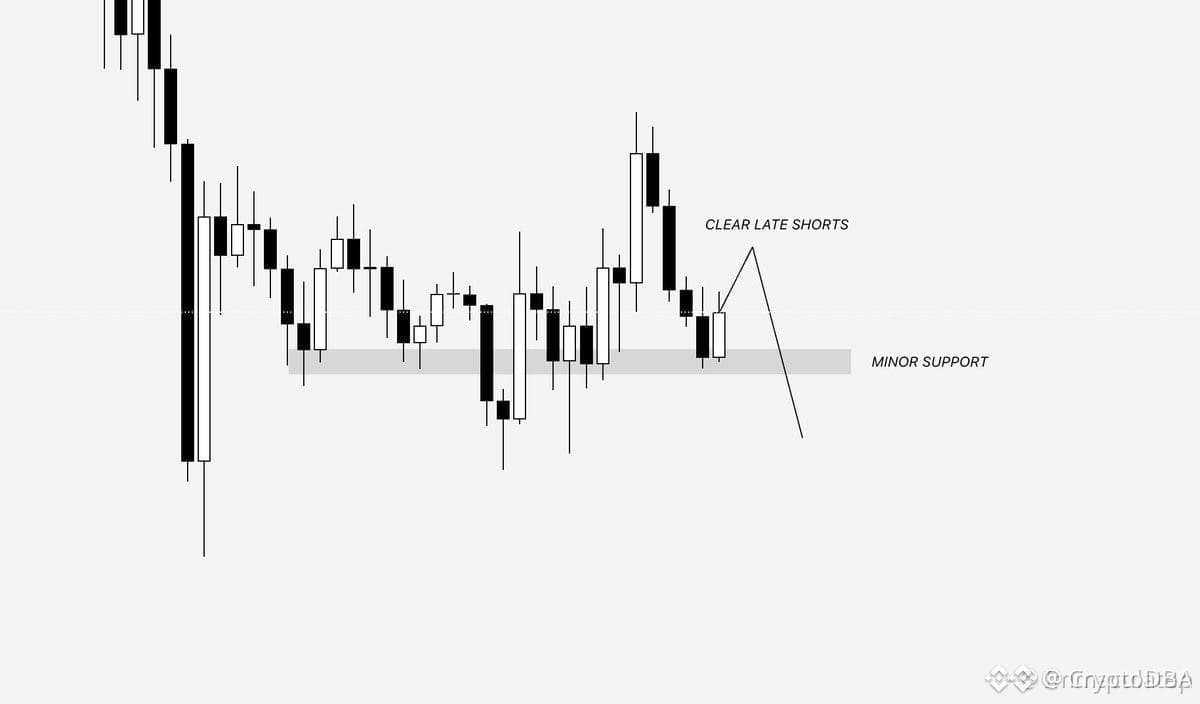
🚨Wenn $BTC über der minor Unterstützung nahe $66K bleibt, könnten wir einen weiteren Anstieg sehen. Dies könnte als Short Squeeze wirken und neue Long-Positionen anziehen, bevor der Markt möglicherweise umschlägt und nach unten korrigiert.
Ich bin weiterhin optimistisch bezüglich BTC und ziehe eine Long-Position auf diesem Niveau in Betracht.
#StrategyBTCPurchase
Ich bin weiterhin optimistisch bezüglich BTC und ziehe eine Long-Position auf diesem Niveau in Betracht.
#StrategyBTCPurchase
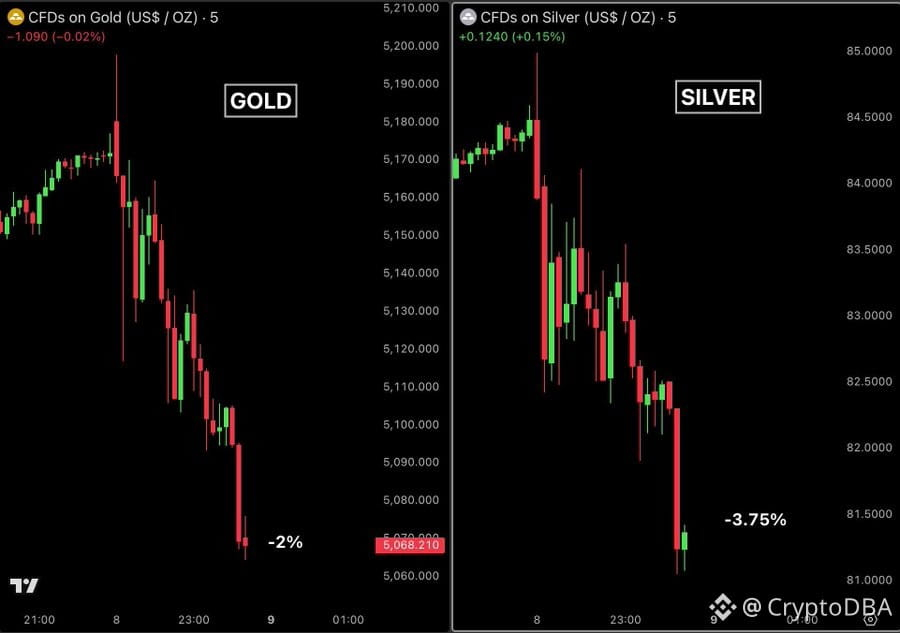
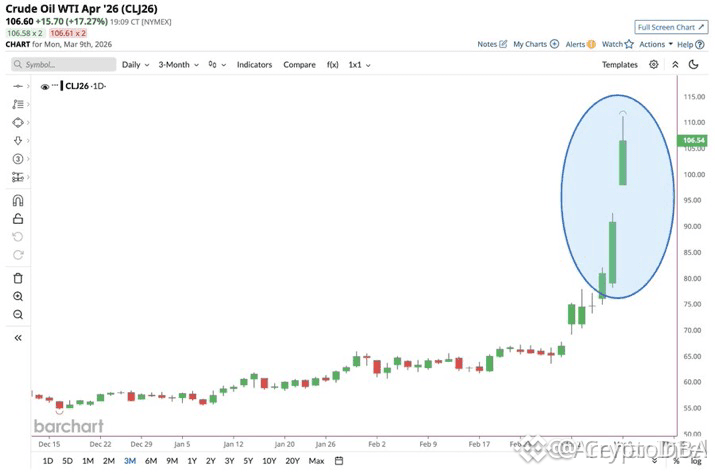
🚨Rohöl ist auf über 110 Dollar pro Barrel gestiegen und befindet sich auf dem Weg zu seinem größten Preissprung seit den Marktshock während der COVID-Zeit.
#MarketPullback #USIranWarEscalation
#MarketPullback #USIranWarEscalation
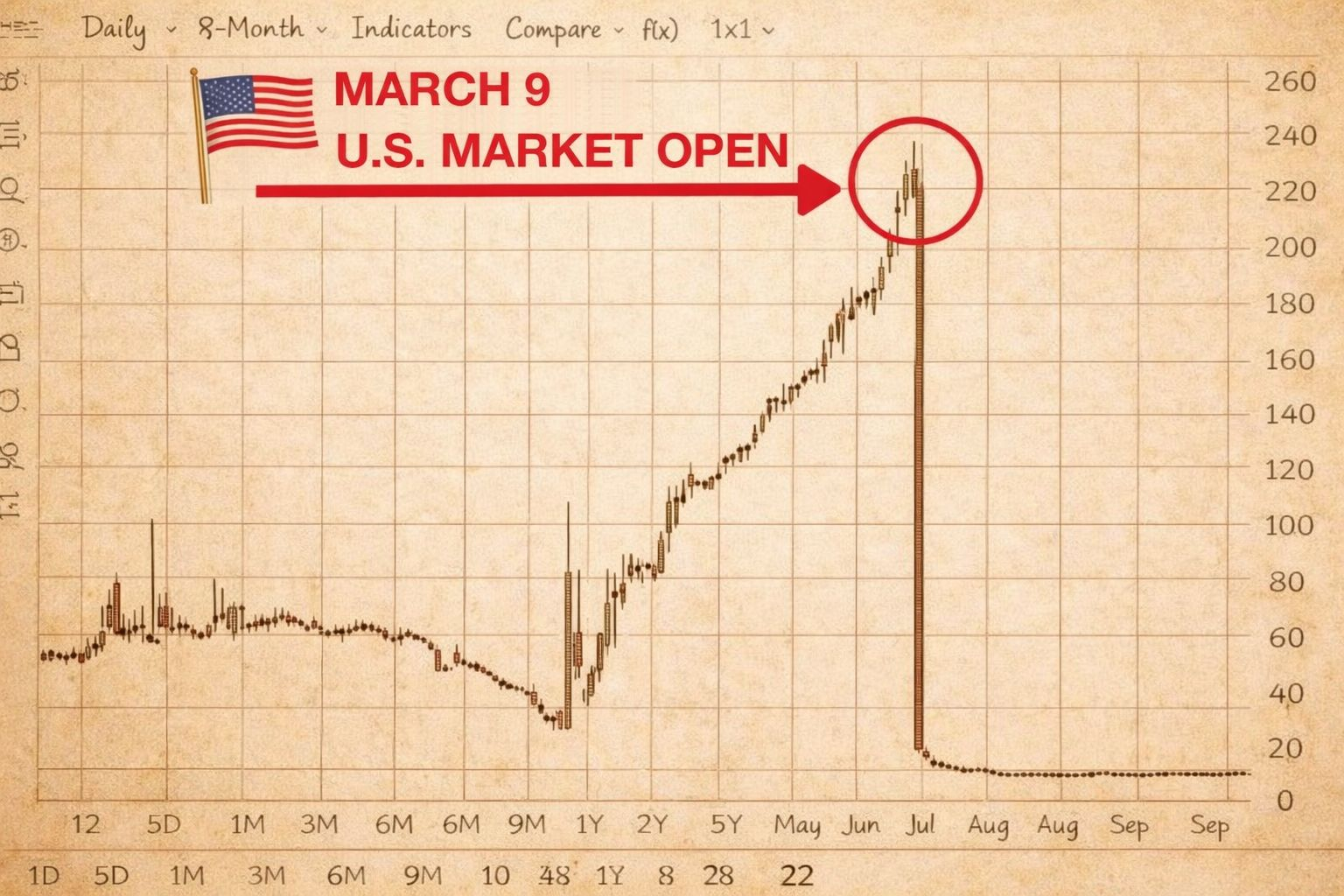
🚨 Die nächsten 24 Stunden könnten eines der kritischsten Momente des Jahres 2026 sein.
Viele Menschen denken, dass die Spannungen zwischen den USA und dem Iran nur um die Ölpreise gehen. Die Realität ist viel größer.
Normalerweise passieren rund 20 Millionen Barrel Öl pro Tag die Straße von Hormuz, was etwa 20 % des globalen Ölangebots ausmacht. Doch die wirklichen Auswirkungen gehen weit über Treibstoff hinaus.
Ein großer Teil des weltweiten Schwefelangebots stammt aus der Öl- und Gasraffination. Schwefel wird zur Herstellung von Schwefelsäure verwendet, der am weitesten verbreiteten chemischen Verbindung auf der Erde. Diese Chemikalie ist entscheidend für die Gewinnung wichtiger Industriemetalle wie Kupfer, Kobalt und Nickel.
Ohne sie verlangsamen sich gesamte Lieferketten — einschließlich der Energieinfrastruktur, EV-Batterien und der Elektronikfertigung.
Erdgas ist ein weiterer kritischer Faktor. Katar exportiert einen großen Teil seines LNG durch Hormuz und versorgt Energie in ganz Asien. Länder wie Taiwan sind stark auf LNG angewiesen, und Störungen könnten schnell zu Stromengpässen führen.
Das ist wichtig, weil TSMC etwa 90 % der weltweit fortschrittlichsten Halbleiter produziert und einen erheblichen Anteil des Stroms in Taiwan verbraucht.
Wenn die Stromversorgung gestört ist → verlangsamt sich die Chipproduktion.
Und ohne Chips → sind KI-Systeme, Elektronik und fortschrittliche Verteidigungstechnologie betroffen.
Die Wellenwirkungen könnten sich auch auf die globale Lebensmittelproduktion auswirken. Ein großer Teil des Rohstoffs für Stickstoffdünger bewegt sich ebenfalls durch die Straße, was für die moderne Landwirtschaft entscheidend ist.
Diese Situation betrifft also nicht nur Öl.
Es geht um die gesamte globale Lieferkette: Energie → industrielle Chemikalien → Metalle → Elektronik → Halbleiter → Lebensmittelproduktion.
Die Straße von Hormuz steht im Zentrum von allem.
#MarketPullback #IranIsraelConflict
Viele Menschen denken, dass die Spannungen zwischen den USA und dem Iran nur um die Ölpreise gehen. Die Realität ist viel größer.
Normalerweise passieren rund 20 Millionen Barrel Öl pro Tag die Straße von Hormuz, was etwa 20 % des globalen Ölangebots ausmacht. Doch die wirklichen Auswirkungen gehen weit über Treibstoff hinaus.
Ein großer Teil des weltweiten Schwefelangebots stammt aus der Öl- und Gasraffination. Schwefel wird zur Herstellung von Schwefelsäure verwendet, der am weitesten verbreiteten chemischen Verbindung auf der Erde. Diese Chemikalie ist entscheidend für die Gewinnung wichtiger Industriemetalle wie Kupfer, Kobalt und Nickel.
Ohne sie verlangsamen sich gesamte Lieferketten — einschließlich der Energieinfrastruktur, EV-Batterien und der Elektronikfertigung.
Erdgas ist ein weiterer kritischer Faktor. Katar exportiert einen großen Teil seines LNG durch Hormuz und versorgt Energie in ganz Asien. Länder wie Taiwan sind stark auf LNG angewiesen, und Störungen könnten schnell zu Stromengpässen führen.
Das ist wichtig, weil TSMC etwa 90 % der weltweit fortschrittlichsten Halbleiter produziert und einen erheblichen Anteil des Stroms in Taiwan verbraucht.
Wenn die Stromversorgung gestört ist → verlangsamt sich die Chipproduktion.
Und ohne Chips → sind KI-Systeme, Elektronik und fortschrittliche Verteidigungstechnologie betroffen.
Die Wellenwirkungen könnten sich auch auf die globale Lebensmittelproduktion auswirken. Ein großer Teil des Rohstoffs für Stickstoffdünger bewegt sich ebenfalls durch die Straße, was für die moderne Landwirtschaft entscheidend ist.
Diese Situation betrifft also nicht nur Öl.
Es geht um die gesamte globale Lieferkette: Energie → industrielle Chemikalien → Metalle → Elektronik → Halbleiter → Lebensmittelproduktion.
Die Straße von Hormuz steht im Zentrum von allem.
#MarketPullback #IranIsraelConflict
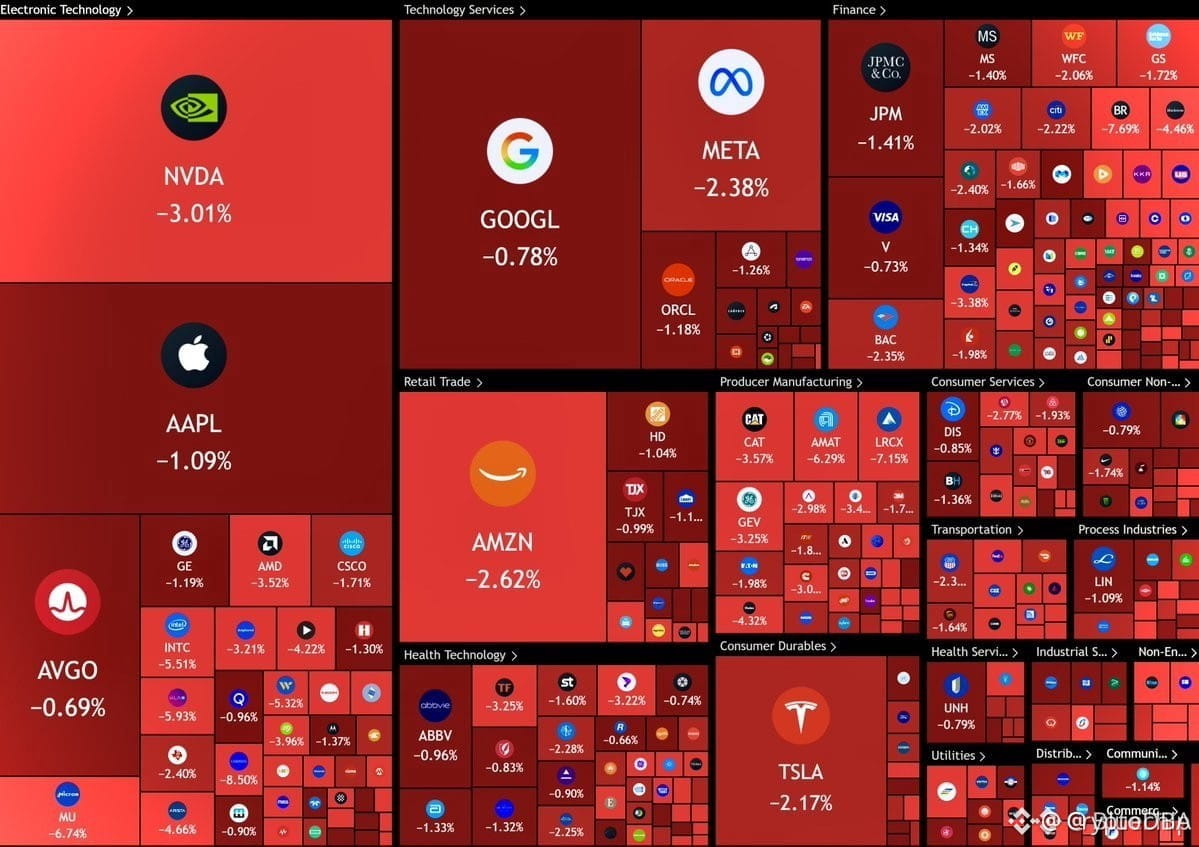
🚨Jüngste Äußerungen von Donald Trump, die zu einem „unbedingten Rückzug“ aus dem Iran aufrufen, haben schnell eine Reaktion an den Finanzmärkten ausgelöst.
Der US-Aktienmarkt soll heute rund 805 Milliarden Dollar an Wert verloren haben, was einen klaren Risiko-averse Wandel unter den Investoren widerspiegelt.
Wenn geopolitische Spannungen steigen, reagieren die Märkte normalerweise auf vertraute Weise:
• Investoren reduzieren ihre Exposition gegenüber Aktien
• Kapital bewegt sich in Richtung sicherer Vermögenswerte
• Die Volatilität nimmt zu
In diesen Momenten beginnen die Märkte oft, Unsicherheit anstelle von Fundamentaldaten zu preisen.
Historisch gesehen bringen geopolitische Schocks tendenziell drei unmittelbare Reaktionen:
• Aktien schwächeln, da die Risikobereitschaft sinkt
• Die Energiepreise steigen aufgrund von Versorgungsbedenken
• Sichere Anlagen stärken sich, einschließlich Gold und US-Staatsanleihen
Ein wichtiger Bereich, den Investoren beobachten, ist die Straße von Hormus, durch die ungefähr 20 % des globalen Ölangebots fließen. Jede Störung dort könnte schnell Auswirkungen auf die Inflation, die Transportkosten und das globale Wachstum haben.
Gleichzeitig haben die Märkte oft überreagiert auf geopolitische Schlagzeilen im kurzfristigen Bereich, wobei die Preise zurückgehen, sobald sich die Spannungen stabilisieren.
Ich beobachte, wie sich das entwickelt, denn die eigentliche Frage für Investoren ist jetzt die Richtung: Ist das nur Rhetorik oder der Beginn einer breiteren Eskalation?
#MarketPullback #USIranWarEscalation
Der US-Aktienmarkt soll heute rund 805 Milliarden Dollar an Wert verloren haben, was einen klaren Risiko-averse Wandel unter den Investoren widerspiegelt.
Wenn geopolitische Spannungen steigen, reagieren die Märkte normalerweise auf vertraute Weise:
• Investoren reduzieren ihre Exposition gegenüber Aktien
• Kapital bewegt sich in Richtung sicherer Vermögenswerte
• Die Volatilität nimmt zu
In diesen Momenten beginnen die Märkte oft, Unsicherheit anstelle von Fundamentaldaten zu preisen.
Historisch gesehen bringen geopolitische Schocks tendenziell drei unmittelbare Reaktionen:
• Aktien schwächeln, da die Risikobereitschaft sinkt
• Die Energiepreise steigen aufgrund von Versorgungsbedenken
• Sichere Anlagen stärken sich, einschließlich Gold und US-Staatsanleihen
Ein wichtiger Bereich, den Investoren beobachten, ist die Straße von Hormus, durch die ungefähr 20 % des globalen Ölangebots fließen. Jede Störung dort könnte schnell Auswirkungen auf die Inflation, die Transportkosten und das globale Wachstum haben.
Gleichzeitig haben die Märkte oft überreagiert auf geopolitische Schlagzeilen im kurzfristigen Bereich, wobei die Preise zurückgehen, sobald sich die Spannungen stabilisieren.
Ich beobachte, wie sich das entwickelt, denn die eigentliche Frage für Investoren ist jetzt die Richtung: Ist das nur Rhetorik oder der Beginn einer breiteren Eskalation?
#MarketPullback #USIranWarEscalation
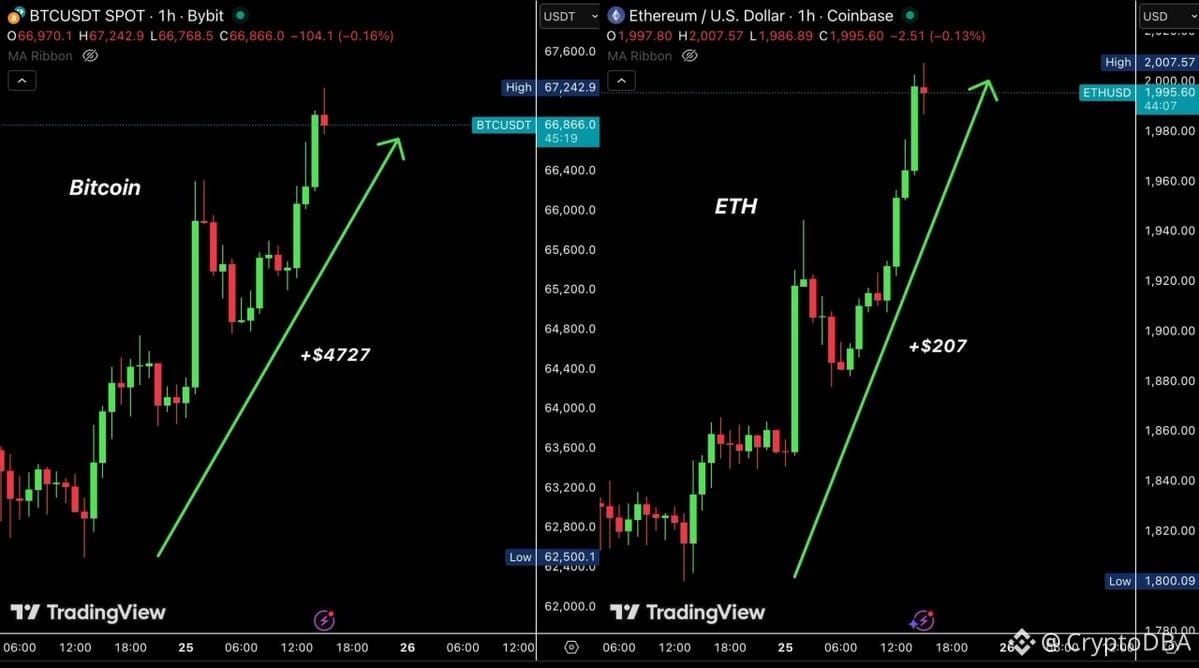
🚨BREAKING: $BTC bricht über $67,000 und ETH bricht über $2,000.
Bitcoin ist um 7,2% gestiegen und hat in den letzten 24 Stunden $100 Milliarden zu seiner Marktkapitalisierung hinzugefügt.
$ETH ist um 11,5% gestiegen und hat in den letzten 24 Stunden $23 Milliarden zu seiner Marktkapitalisierung hinzugefügt.
Der Krypto-Markt hat seit dem Tiefpunkt von gestern $150 Milliarden hinzugefügt und fast $300 Millionen in Short-Positionen liquidiert.
#StrategyBTCPurchase BTCSinktunter$63K #BTCVSGOLD
Bitcoin ist um 7,2% gestiegen und hat in den letzten 24 Stunden $100 Milliarden zu seiner Marktkapitalisierung hinzugefügt.
$ETH ist um 11,5% gestiegen und hat in den letzten 24 Stunden $23 Milliarden zu seiner Marktkapitalisierung hinzugefügt.
Der Krypto-Markt hat seit dem Tiefpunkt von gestern $150 Milliarden hinzugefügt und fast $300 Millionen in Short-Positionen liquidiert.
#StrategyBTCPurchase BTCSinktunter$63K #BTCVSGOLD
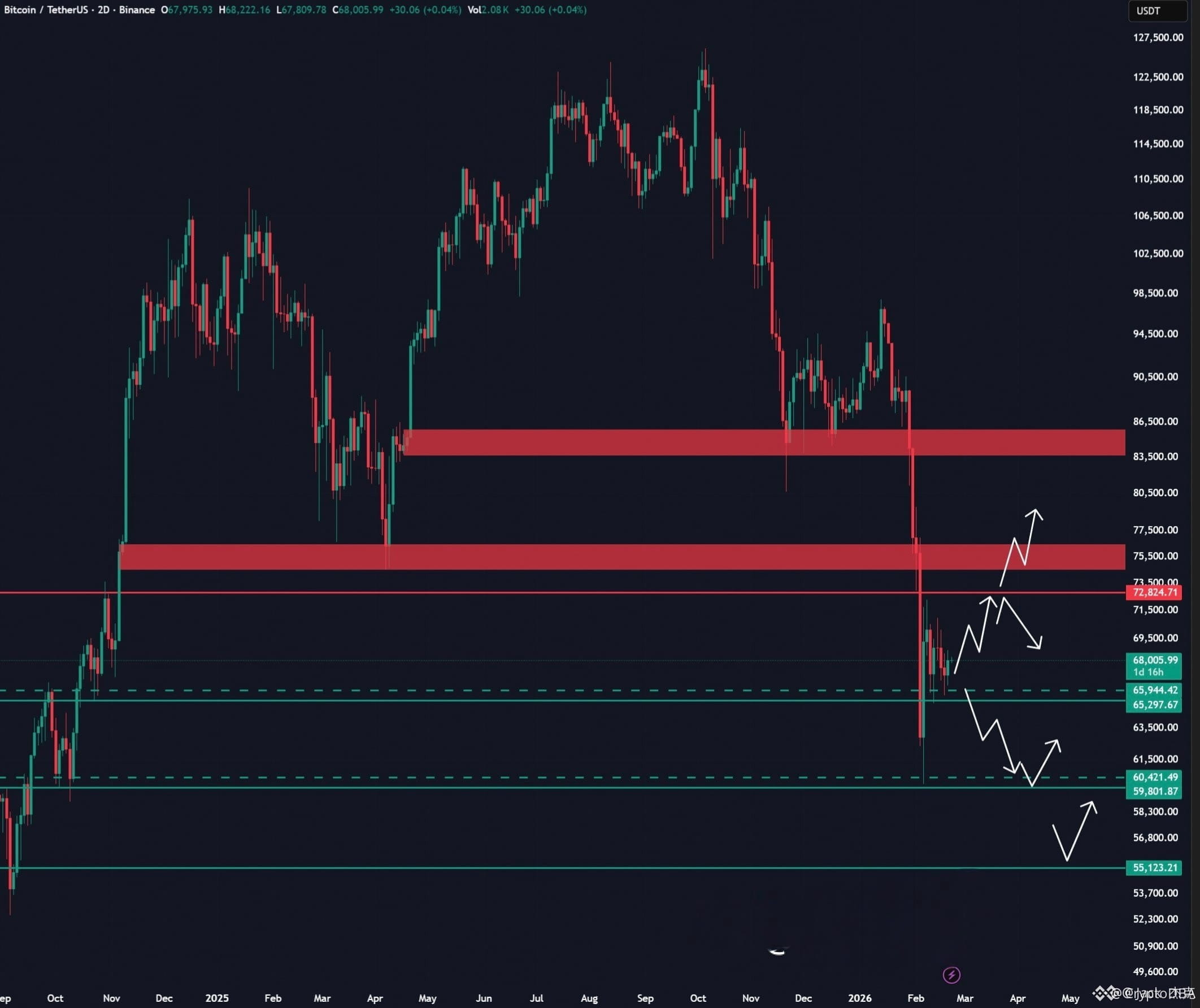
🚨$BTC konsolidiert nach seiner Korrektur vom $126K-Hoch, handelt derzeit nahe $68K und nähert sich einer wichtigen Entscheidungszone. Der Bereich $70K–$71K bleibt starke Widerstand, während $64K–$65K als kritische Unterstützung fungiert. Der Moment verbessert sich kurzfristig, aber Indikatoren deuten auf eine mögliche Konsolidierung hin, bevor es zu einer größeren Bewegung kommt.
Ein bestätigter Rückeroberung und Halt über $70K könnte eine Fortsetzung in Richtung $72K–$75K auslösen, unterstützt durch kurzfristige Liquidationen und Wiederaufbau der Struktur. Das Scheitern, den Widerstand zu durchbrechen, könnte BTC zurück in den Bereich von $64K–$65K senden, wobei $60K als nächster wichtiger Pivot dient.
Insgesamt befindet sich Bitcoin in einer Übergangsphase: Volatilität kühlt sich ab, Stimmung ist vorsichtig, und die Marktrichtung wird wahrscheinlich durch die nächsten täglichen Abschlüsse bestimmt.
#BTCMiningDifficultyIncrease #BTC100kNext? #BTC
Ein bestätigter Rückeroberung und Halt über $70K könnte eine Fortsetzung in Richtung $72K–$75K auslösen, unterstützt durch kurzfristige Liquidationen und Wiederaufbau der Struktur. Das Scheitern, den Widerstand zu durchbrechen, könnte BTC zurück in den Bereich von $64K–$65K senden, wobei $60K als nächster wichtiger Pivot dient.
Insgesamt befindet sich Bitcoin in einer Übergangsphase: Volatilität kühlt sich ab, Stimmung ist vorsichtig, und die Marktrichtung wird wahrscheinlich durch die nächsten täglichen Abschlüsse bestimmt.
#BTCMiningDifficultyIncrease #BTC100kNext? #BTC
Anmelden und weiter Inhalte entdecken