
CryptoPulse_GLBL
122 Beiträge

CryptoPulse_GLBL
Melden
Nutzer blockieren
CryptoPulse: AI-powered Web3 socialFi platform & crypto news hub. Own decentralized data, earn from social value, going to Web4.0 era
1 Following
33 Follower
22 Like gegeben
Beiträge

Artikel
CryptoPulse: Aufbau einer neuen Wachstumskraft für Web3-Projekte mit Punkten und roten UmschlägenAutor: Climber, CryptoPulse Labs
Als KI-gestützte Crypto-Social-Media-Plattform setzt CryptoPulse auf punktebasierte Anreize, interaktive Belohnungen und das Wachstum von Community-Projekten als Kernkompetenzen. Ziel ist es, Projektteams, Creator, KOLs und globale Nutzer durch ansprechendere und motivierende Methoden wieder stärker miteinander zu verbinden.
CryptoPulse ist der Ansicht, dass Web3-Communities nicht nur Orte sein sollten, um Informationen zu verbreiten, sondern offene Ökosysteme, in denen Nutzer mitwirken, interagieren, Beiträge leisten und belohnt werden können.
CryptoPulse: Aufbau einer neuen Wachstumskraft für Web3-Projekte mit Punkten und roten Umschlägen
Autor: Climber, CryptoPulse Labs
Als KI-gestützte Crypto-Social-Media-Plattform setzt CryptoPulse auf punktebasierte Anreize, interaktive Belohnungen und das Wachstum von Community-Projekten als Kernkompetenzen. Ziel ist es, Projektteams, Creator, KOLs und globale Nutzer durch ansprechendere und motivierende Methoden wieder stärker miteinander zu verbinden.
CryptoPulse ist der Ansicht, dass Web3-Communities nicht nur Orte sein sollten, um Informationen zu verbreiten, sondern offene Ökosysteme, in denen Nutzer mitwirken, interagieren, Beiträge leisten und belohnt werden können.
Als KI-gestützte Crypto-Social-Media-Plattform setzt CryptoPulse auf punktebasierte Anreize, interaktive Belohnungen und das Wachstum von Community-Projekten als Kernkompetenzen. Ziel ist es, Projektteams, Creator, KOLs und globale Nutzer durch ansprechendere und motivierende Methoden wieder stärker miteinander zu verbinden.
CryptoPulse ist der Ansicht, dass Web3-Communities nicht nur Orte sein sollten, um Informationen zu verbreiten, sondern offene Ökosysteme, in denen Nutzer mitwirken, interagieren, Beiträge leisten und belohnt werden können.
153
CryptoPulse Digitale Asset-Rotepakete: Gemeinschaftswert bei jedem Schritt verbinden
Während das Web3-Ökosystem reifer wird, verfeinert CryptoPulse kontinuierlich das Erlebnis der Community-Interaktion und schafft ein diversifiziertes Anreizsystem, das digitale Asset-Rotpakete, punktebasiertes Wachstum und mehr umfasst. Die Plattform unterstützt derzeit Rotpakete, die in verschiedenen gängigen digitalen Assets denominiert sind, und bietet flexible Anwendungsmöglichkeiten in Szenarien wie Community-Events, Nutzerbelohnungen und Werbekampagnen; so wird ein reibungsloser Wertfluss ermöglicht und die Community zusätzlich belebt. Gleichzeitig entwickelt sich das Punktesystem fortlaufend weiter: Nutzer verdienen Punkte durch Aktivitäten wie tägliches Einchecken, Interaktionen, das Teilen von Inhalten und die Teilnahme am Community-Aufbau. Künftige Updates werden zusätzliche Privilegien und Anwendungsfälle freischalten und so den Wert dieser Punkte weiter steigern.
CryptoPulse hält an der Entwicklungsidee „Wert verbinden, Mitgestaltung anreizen und Wachstum teilen“ fest und integriert gezielte kurzfristige Anreize effektiv mit der langfristigen Entwicklung des Ökosystems. Das Rotpaket-Mechanismus steigert die Effizienz der Community-Interaktion, während das Punktesystem jede Nutzerleistung erfasst und aktive Teilnahme in angesammelte Ökosystem-Vorteile verwandelt. Das fördert ein stärkeres Zugehörigkeitsgefühl bei den Nutzern und treibt einen gesünderen, offeneren und nachhaltigeren Entwicklungszyklus für die Community an.
Für Nutzer liefert CryptoPulse ein entspannteres und effizienteres Web3-Interaktionserlebnis und stellt sicher, dass jede Teilnahme sofortiges Feedback sowie Möglichkeiten für langfristiges Wachstum bringt. Für Projektteams bietet die Plattform eine integrierte Ökosystem-Supportlösung, die Community-Operations, Nutzeranreize und Markenförderung abdeckt. Mit Blick nach vorn wird CryptoPulse weiterhin die Anwendungsfälle für Rotpakete erweitern und den Wert seines Punkt-Ökosystems bereichern – gemeinsam mit Partnern und Community-Mitgliedern, um ein lebendiges, für alle gewinnbringendes Web3-Ökosystem aufzubauen.
CryptoPulse Digitale Asset-Rotepakete: Gemeinschaftswert bei jedem Schritt verbinden
Während das Web3-Ökosystem reifer wird, verfeinert CryptoPulse kontinuierlich das Erlebnis der Community-Interaktion und schafft ein diversifiziertes Anreizsystem, das digitale Asset-Rotpakete, punktebasiertes Wachstum und mehr umfasst. Die Plattform unterstützt derzeit Rotpakete, die in verschiedenen gängigen digitalen Assets denominiert sind, und bietet flexible Anwendungsmöglichkeiten in Szenarien wie Community-Events, Nutzerbelohnungen und Werbekampagnen; so wird ein reibungsloser Wertfluss ermöglicht und die Community zusätzlich belebt. Gleichzeitig entwickelt sich das Punktesystem fortlaufend weiter: Nutzer verdienen Punkte durch Aktivitäten wie tägliches Einchecken, Interaktionen, das Teilen von Inhalten und die Teilnahme am Community-Aufbau. Künftige Updates werden zusätzliche Privilegien und Anwendungsfälle freischalten und so den Wert dieser Punkte weiter steigern.
CryptoPulse hält an der Entwicklungsidee „Wert verbinden, Mitgestaltung anreizen und Wachstum teilen“ fest und integriert gezielte kurzfristige Anreize effektiv mit der langfristigen Entwicklung des Ökosystems. Das Rotpaket-Mechanismus steigert die Effizienz der Community-Interaktion, während das Punktesystem jede Nutzerleistung erfasst und aktive Teilnahme in angesammelte Ökosystem-Vorteile verwandelt. Das fördert ein stärkeres Zugehörigkeitsgefühl bei den Nutzern und treibt einen gesünderen, offeneren und nachhaltigeren Entwicklungszyklus für die Community an.
Für Nutzer liefert CryptoPulse ein entspannteres und effizienteres Web3-Interaktionserlebnis und stellt sicher, dass jede Teilnahme sofortiges Feedback sowie Möglichkeiten für langfristiges Wachstum bringt. Für Projektteams bietet die Plattform eine integrierte Ökosystem-Supportlösung, die Community-Operations, Nutzeranreize und Markenförderung abdeckt. Mit Blick nach vorn wird CryptoPulse weiterhin die Anwendungsfälle für Rotpakete erweitern und den Wert seines Punkt-Ökosystems bereichern – gemeinsam mit Partnern und Community-Mitgliedern, um ein lebendiges, für alle gewinnbringendes Web3-Ökosystem aufzubauen.
Während das Web3-Ökosystem reifer wird, verfeinert CryptoPulse kontinuierlich das Erlebnis der Community-Interaktion und schafft ein diversifiziertes Anreizsystem, das digitale Asset-Rotpakete, punktebasiertes Wachstum und mehr umfasst. Die Plattform unterstützt derzeit Rotpakete, die in verschiedenen gängigen digitalen Assets denominiert sind, und bietet flexible Anwendungsmöglichkeiten in Szenarien wie Community-Events, Nutzerbelohnungen und Werbekampagnen; so wird ein reibungsloser Wertfluss ermöglicht und die Community zusätzlich belebt. Gleichzeitig entwickelt sich das Punktesystem fortlaufend weiter: Nutzer verdienen Punkte durch Aktivitäten wie tägliches Einchecken, Interaktionen, das Teilen von Inhalten und die Teilnahme am Community-Aufbau. Künftige Updates werden zusätzliche Privilegien und Anwendungsfälle freischalten und so den Wert dieser Punkte weiter steigern.
CryptoPulse hält an der Entwicklungsidee „Wert verbinden, Mitgestaltung anreizen und Wachstum teilen“ fest und integriert gezielte kurzfristige Anreize effektiv mit der langfristigen Entwicklung des Ökosystems. Das Rotpaket-Mechanismus steigert die Effizienz der Community-Interaktion, während das Punktesystem jede Nutzerleistung erfasst und aktive Teilnahme in angesammelte Ökosystem-Vorteile verwandelt. Das fördert ein stärkeres Zugehörigkeitsgefühl bei den Nutzern und treibt einen gesünderen, offeneren und nachhaltigeren Entwicklungszyklus für die Community an.
Für Nutzer liefert CryptoPulse ein entspannteres und effizienteres Web3-Interaktionserlebnis und stellt sicher, dass jede Teilnahme sofortiges Feedback sowie Möglichkeiten für langfristiges Wachstum bringt. Für Projektteams bietet die Plattform eine integrierte Ökosystem-Supportlösung, die Community-Operations, Nutzeranreize und Markenförderung abdeckt. Mit Blick nach vorn wird CryptoPulse weiterhin die Anwendungsfälle für Rotpakete erweitern und den Wert seines Punkt-Ökosystems bereichern – gemeinsam mit Partnern und Community-Mitgliedern, um ein lebendiges, für alle gewinnbringendes Web3-Ökosystem aufzubauen.

98
Das Next-Generation-Krypto-Community-Modell: CryptoPulse’s integrierte Lösung
In der stark zersplitterten Landschaft der Krypto-Welt will CryptoPulse die Bedeutung von „Social“ neu definieren. Es ist weit mehr als nur eine Content-Aggregationsplattform; es ist eine All-in-one-Infrastruktur, die auf Information, Community und Wachstum ausgerichtet ist. Durch die Integration von News, Diskussionen und interaktiven Workflows reduziert CryptoPulse die Reibung beim Wechseln zwischen mehreren Anwendungen, stellt sicher, dass wertvolle Informationen Nutzer schneller erreichen, und ermöglicht, dass sich sinnvolle Gespräche organisch entwickeln.
Auf der Ebene der Unternehmenskultur setzt CryptoPulse auf „Verbindung statt Traffic“ und „Struktur statt Lärm“. Die Ansicht ist, dass eine wirklich lebendige Community nicht durch Engagement-Kennzahlen geprägt ist, die durch kurzfristige Anreize getrieben werden, sondern durch ein langfristiges Netzwerk, das auf beständigem Konsens und authentischer Beteiligung basiert. Dementsprechend konzentrieren sich sowohl das Produktdesign als auch die Weiterentwicklung von Funktionen darauf, Komplexität zu reduzieren und die kollaborative Effizienz zu steigern.
Für Nutzer dient es als schlanker Zugang zu Informationen; für Projektteams bietet es ein umfassendes System für das Community-Management. CryptoPulse möchte nicht nur ein Produkt schaffen, sondern ein besser organisiertes und nachhaltigeres Modell für Web3-Communities.
Das Next-Generation-Krypto-Community-Modell: CryptoPulse’s integrierte Lösung
In der stark zersplitterten Landschaft der Krypto-Welt will CryptoPulse die Bedeutung von „Social“ neu definieren. Es ist weit mehr als nur eine Content-Aggregationsplattform; es ist eine All-in-one-Infrastruktur, die auf Information, Community und Wachstum ausgerichtet ist. Durch die Integration von News, Diskussionen und interaktiven Workflows reduziert CryptoPulse die Reibung beim Wechseln zwischen mehreren Anwendungen, stellt sicher, dass wertvolle Informationen Nutzer schneller erreichen, und ermöglicht, dass sich sinnvolle Gespräche organisch entwickeln.
Auf der Ebene der Unternehmenskultur setzt CryptoPulse auf „Verbindung statt Traffic“ und „Struktur statt Lärm“. Die Ansicht ist, dass eine wirklich lebendige Community nicht durch Engagement-Kennzahlen geprägt ist, die durch kurzfristige Anreize getrieben werden, sondern durch ein langfristiges Netzwerk, das auf beständigem Konsens und authentischer Beteiligung basiert. Dementsprechend konzentrieren sich sowohl das Produktdesign als auch die Weiterentwicklung von Funktionen darauf, Komplexität zu reduzieren und die kollaborative Effizienz zu steigern.
Für Nutzer dient es als schlanker Zugang zu Informationen; für Projektteams bietet es ein umfassendes System für das Community-Management. CryptoPulse möchte nicht nur ein Produkt schaffen, sondern ein besser organisiertes und nachhaltigeres Modell für Web3-Communities.
In der stark zersplitterten Landschaft der Krypto-Welt will CryptoPulse die Bedeutung von „Social“ neu definieren. Es ist weit mehr als nur eine Content-Aggregationsplattform; es ist eine All-in-one-Infrastruktur, die auf Information, Community und Wachstum ausgerichtet ist. Durch die Integration von News, Diskussionen und interaktiven Workflows reduziert CryptoPulse die Reibung beim Wechseln zwischen mehreren Anwendungen, stellt sicher, dass wertvolle Informationen Nutzer schneller erreichen, und ermöglicht, dass sich sinnvolle Gespräche organisch entwickeln.
Auf der Ebene der Unternehmenskultur setzt CryptoPulse auf „Verbindung statt Traffic“ und „Struktur statt Lärm“. Die Ansicht ist, dass eine wirklich lebendige Community nicht durch Engagement-Kennzahlen geprägt ist, die durch kurzfristige Anreize getrieben werden, sondern durch ein langfristiges Netzwerk, das auf beständigem Konsens und authentischer Beteiligung basiert. Dementsprechend konzentrieren sich sowohl das Produktdesign als auch die Weiterentwicklung von Funktionen darauf, Komplexität zu reduzieren und die kollaborative Effizienz zu steigern.
Für Nutzer dient es als schlanker Zugang zu Informationen; für Projektteams bietet es ein umfassendes System für das Community-Management. CryptoPulse möchte nicht nur ein Produkt schaffen, sondern ein besser organisiertes und nachhaltigeres Modell für Web3-Communities.

10
#Heutige Schlagzeilen
1. BTC fällt unter 64.000 $
2. Das Internationale Operationszentrum für digitale RMB aktualisiert drei wichtige Plattformen—einschließlich Blockchain-Dienste und digitale Vermögenswerte—auf "ShuBiDa"
3. Taiko: Verifizierungsmechanismus des Chain-State kompromittiert; Benutzer werden geraten, sofort Gelder von den betreffenden Cross-Chain-Brücken abzuheben
4. Eine spezifische Adresse eröffnet eine Long-Position von 39,1 Millionen $ in WTI-Rohöl (CL) und wird zur größten Rohöl-Position auf Hyperliquid
5. Der Krypto-Wallet-Anbieter Exodus erhöht seine BTC-Bestände auf 656 Coins und SOL-Bestände auf über 20.000 Coins
6. Ionic Digital hat im Mai keine BTC verkauft; die Gesamt-Bitcoin-Bestände sind auf 2.861 Coins gestiegen
7. Forbes: Krypto Super PAC-Fonds haben begonnen, in die Vorwahlen 2026 in den USA zu fließen
8. Eine spezifische Adresse eröffnet eine Long-Position von 39,1 Millionen $ in WTI-Rohöl (CL) und wird zur größten Rohöl-Position auf Hyperliquid
9. Satoshi Nakamotos Antwort vor 16 Jahren zu verlorenen Coins: Verlorene Bitcoins sind eine Spende an alle anderen Coin-Inhaber
10. Michael Saylor veröffentlicht erneut ein Update zum Bitcoin-Tracker; Daten zu erhöhten Beständen könnten nächste Woche offengelegt werden
#Heutige Schlagzeilen
1. BTC fällt unter 64.000 $
2. Das Internationale Operationszentrum für digitale RMB aktualisiert drei wichtige Plattformen—einschließlich Blockchain-Dienste und digitale Vermögenswerte—auf "ShuBiDa"
3. Taiko: Verifizierungsmechanismus des Chain-State kompromittiert; Benutzer werden geraten, sofort Gelder von den betreffenden Cross-Chain-Brücken abzuheben
4. Eine spezifische Adresse eröffnet eine Long-Position von 39,1 Millionen $ in WTI-Rohöl (CL) und wird zur größten Rohöl-Position auf Hyperliquid
5. Der Krypto-Wallet-Anbieter Exodus erhöht seine BTC-Bestände auf 656 Coins und SOL-Bestände auf über 20.000 Coins
6. Ionic Digital hat im Mai keine BTC verkauft; die Gesamt-Bitcoin-Bestände sind auf 2.861 Coins gestiegen
7. Forbes: Krypto Super PAC-Fonds haben begonnen, in die Vorwahlen 2026 in den USA zu fließen
8. Eine spezifische Adresse eröffnet eine Long-Position von 39,1 Millionen $ in WTI-Rohöl (CL) und wird zur größten Rohöl-Position auf Hyperliquid
9. Satoshi Nakamotos Antwort vor 16 Jahren zu verlorenen Coins: Verlorene Bitcoins sind eine Spende an alle anderen Coin-Inhaber
10. Michael Saylor veröffentlicht erneut ein Update zum Bitcoin-Tracker; Daten zu erhöhten Beständen könnten nächste Woche offengelegt werden
1. BTC fällt unter 64.000 $
2. Das Internationale Operationszentrum für digitale RMB aktualisiert drei wichtige Plattformen—einschließlich Blockchain-Dienste und digitale Vermögenswerte—auf "ShuBiDa"
3. Taiko: Verifizierungsmechanismus des Chain-State kompromittiert; Benutzer werden geraten, sofort Gelder von den betreffenden Cross-Chain-Brücken abzuheben
4. Eine spezifische Adresse eröffnet eine Long-Position von 39,1 Millionen $ in WTI-Rohöl (CL) und wird zur größten Rohöl-Position auf Hyperliquid
5. Der Krypto-Wallet-Anbieter Exodus erhöht seine BTC-Bestände auf 656 Coins und SOL-Bestände auf über 20.000 Coins
6. Ionic Digital hat im Mai keine BTC verkauft; die Gesamt-Bitcoin-Bestände sind auf 2.861 Coins gestiegen
7. Forbes: Krypto Super PAC-Fonds haben begonnen, in die Vorwahlen 2026 in den USA zu fließen
8. Eine spezifische Adresse eröffnet eine Long-Position von 39,1 Millionen $ in WTI-Rohöl (CL) und wird zur größten Rohöl-Position auf Hyperliquid
9. Satoshi Nakamotos Antwort vor 16 Jahren zu verlorenen Coins: Verlorene Bitcoins sind eine Spende an alle anderen Coin-Inhaber
10. Michael Saylor veröffentlicht erneut ein Update zum Bitcoin-Tracker; Daten zu erhöhten Beständen könnten nächste Woche offengelegt werden

201
CryptoPulse: Ein On-Chain-Content- und Value-Netzwerk für das KI-Zeitalter
An der Schnittstelle, an der KI die Erstellung von Inhalten neu gestaltet und Web3 die Eigentümerschaft von Werten neu definiert, strebt CryptoPulse danach, die nächste Generation sozialer Paradigmen zu prägen. Es ist mehr als nur eine On-Chain-Social-Plattform; es ist ein kryptonatives Content-Ökosystem, das KI-gestützte Content-Generierung, gemeinschaftliche Zusammenarbeit und On-Chain-Anreizmechanismen integriert. Hier wird Information nicht nur konsumiert, sondern gemeinsam erstellt und gemeinsam besessen.
Die Kernstärke von CryptoPulse liegt darin, einen geschlossenen Kreislauf aufzubauen, der Content, Distribution und Wert miteinander verbindet. Durch den Einsatz von KI-Fähigkeiten, um die Hürde für die Content-Erstellung zu senken, ermöglicht es, dass jeder Nutzer sich ausdrücken und effizient am Geschehen teilnehmen kann. Gleichzeitig nutzt es On-Chain-Mechanismen, um Handlungen – etwa Likes, Interaktionen und die Erstellung von originellem Content – in quantifizierbare Wert-Assets zu verwandeln, sodass Einfluss tatsächlich den Nutzern gehört und nicht zentralisierten Plattformen.
Entscheidend ist: CryptoPulse baut eine Netzwerkstruktur auf, die auf Community-Konsens basiert, in der KI-Agenten und reale Nutzer bei der Erstellung und Verteilung von Content zusammenarbeiten. CryptoPulse ist nicht nur eine Informationsplattform, sondern auch ein Gateway für Traffic und eine Schicht für die Wertverteilung in der künftigen Krypto-Landschaft. In einer Zeit, in der SocialFi noch nicht vollständig durchstartet ist, will CryptoPulse die Antwort im Voraus definieren – bevor der Trend voll greift.
CryptoPulse: Ein On-Chain-Content- und Value-Netzwerk für das KI-Zeitalter
An der Schnittstelle, an der KI die Erstellung von Inhalten neu gestaltet und Web3 die Eigentümerschaft von Werten neu definiert, strebt CryptoPulse danach, die nächste Generation sozialer Paradigmen zu prägen. Es ist mehr als nur eine On-Chain-Social-Plattform; es ist ein kryptonatives Content-Ökosystem, das KI-gestützte Content-Generierung, gemeinschaftliche Zusammenarbeit und On-Chain-Anreizmechanismen integriert. Hier wird Information nicht nur konsumiert, sondern gemeinsam erstellt und gemeinsam besessen.
Die Kernstärke von CryptoPulse liegt darin, einen geschlossenen Kreislauf aufzubauen, der Content, Distribution und Wert miteinander verbindet. Durch den Einsatz von KI-Fähigkeiten, um die Hürde für die Content-Erstellung zu senken, ermöglicht es, dass jeder Nutzer sich ausdrücken und effizient am Geschehen teilnehmen kann. Gleichzeitig nutzt es On-Chain-Mechanismen, um Handlungen – etwa Likes, Interaktionen und die Erstellung von originellem Content – in quantifizierbare Wert-Assets zu verwandeln, sodass Einfluss tatsächlich den Nutzern gehört und nicht zentralisierten Plattformen.
Entscheidend ist: CryptoPulse baut eine Netzwerkstruktur auf, die auf Community-Konsens basiert, in der KI-Agenten und reale Nutzer bei der Erstellung und Verteilung von Content zusammenarbeiten. CryptoPulse ist nicht nur eine Informationsplattform, sondern auch ein Gateway für Traffic und eine Schicht für die Wertverteilung in der künftigen Krypto-Landschaft. In einer Zeit, in der SocialFi noch nicht vollständig durchstartet ist, will CryptoPulse die Antwort im Voraus definieren – bevor der Trend voll greift.
An der Schnittstelle, an der KI die Erstellung von Inhalten neu gestaltet und Web3 die Eigentümerschaft von Werten neu definiert, strebt CryptoPulse danach, die nächste Generation sozialer Paradigmen zu prägen. Es ist mehr als nur eine On-Chain-Social-Plattform; es ist ein kryptonatives Content-Ökosystem, das KI-gestützte Content-Generierung, gemeinschaftliche Zusammenarbeit und On-Chain-Anreizmechanismen integriert. Hier wird Information nicht nur konsumiert, sondern gemeinsam erstellt und gemeinsam besessen.
Die Kernstärke von CryptoPulse liegt darin, einen geschlossenen Kreislauf aufzubauen, der Content, Distribution und Wert miteinander verbindet. Durch den Einsatz von KI-Fähigkeiten, um die Hürde für die Content-Erstellung zu senken, ermöglicht es, dass jeder Nutzer sich ausdrücken und effizient am Geschehen teilnehmen kann. Gleichzeitig nutzt es On-Chain-Mechanismen, um Handlungen – etwa Likes, Interaktionen und die Erstellung von originellem Content – in quantifizierbare Wert-Assets zu verwandeln, sodass Einfluss tatsächlich den Nutzern gehört und nicht zentralisierten Plattformen.
Entscheidend ist: CryptoPulse baut eine Netzwerkstruktur auf, die auf Community-Konsens basiert, in der KI-Agenten und reale Nutzer bei der Erstellung und Verteilung von Content zusammenarbeiten. CryptoPulse ist nicht nur eine Informationsplattform, sondern auch ein Gateway für Traffic und eine Schicht für die Wertverteilung in der künftigen Krypto-Landschaft. In einer Zeit, in der SocialFi noch nicht vollständig durchstartet ist, will CryptoPulse die Antwort im Voraus definieren – bevor der Trend voll greift.

90
Der Aufstieg von CryptoPulse: Empowering für jeden Nutzer als Growth Node
Vor dem Hintergrund der fortlaufenden Entwicklung des Web3-Ökosystems verlagert sich die Krypto-Community von einer „Arena für Informationsaustausch“ zu einem „Wertschöpfungsnetzwerk“. Doch die Ineffizienzen, die Fragmentierung von Daten und die Schwierigkeiten bei der Nutzerbindung traditioneller Betriebsmodelle treten zunehmend deutlicher hervor. CryptoPulse, eine KI-gesteuerte Krypto-Social-Plattform, gestaltet nicht nur das Wachstumsmodell für Projekte neu, sondern verändert auch die Rolle gewöhnlicher Nutzer in der Community – von passiven Empfängern von Informationen zu aktiven Teilnehmern an der Verbreitung von Inhalten und der Mitgestaltung von Wert.
Mithilfe von KI-Technologie führt CryptoPulse eine tiefgreifende Umstrukturierung der Community durch: Es stellt Projekten Nutzerprofilierung, Verhaltensanalyse und Risiko-Warnfunktionen bereit, sodass sich die Abläufe von erfahrungsbasierten Entscheidungen hin zu datenbasierten Entscheidungen verlagern; gleichzeitig erhalten Nutzer personalisierte Content-Streams und präzise Mechanismen zur Informationszuordnung. Dadurch wird das Informationsrauschen reduziert, die Effizienz beim Erhalt relevanter Informationen verbessert und die Beteiligung sowie der Einfluss gewöhnlicher Nutzer durch UGC-Anreizmechanismen gestärkt – sodass jede Interaktion potenziell zu Verbreitung und Wertbeitrag werden kann.
Auf einer breiteren Ebene verändert CryptoPulse den Wachstumspfad der Krypto-Industrie. Projektteams können Cold-Start und globale Expansion zu geringeren Kosten erreichen, während Nutzer ein größeres Gefühl der Mitwirkung und potenzielle Vorteile in der Produktion von Inhalten, der Interaktion innerhalb der Community und der Verbreitung gewinnen. KI-gesteuerte Community-Netzwerke machen „Nutzer entdecken, Nutzer verstehen und Nutzer verbinden“ zu einer Systemfähigkeit, die fortlaufend optimiert werden kann – und läuten damit eine Ära intelligenten Wachstums für verschlüsseltes Social Networking ein.
Der Aufstieg von CryptoPulse: Empowering für jeden Nutzer als Growth Node
Vor dem Hintergrund der fortlaufenden Entwicklung des Web3-Ökosystems verlagert sich die Krypto-Community von einer „Arena für Informationsaustausch“ zu einem „Wertschöpfungsnetzwerk“. Doch die Ineffizienzen, die Fragmentierung von Daten und die Schwierigkeiten bei der Nutzerbindung traditioneller Betriebsmodelle treten zunehmend deutlicher hervor. CryptoPulse, eine KI-gesteuerte Krypto-Social-Plattform, gestaltet nicht nur das Wachstumsmodell für Projekte neu, sondern verändert auch die Rolle gewöhnlicher Nutzer in der Community – von passiven Empfängern von Informationen zu aktiven Teilnehmern an der Verbreitung von Inhalten und der Mitgestaltung von Wert.
Mithilfe von KI-Technologie führt CryptoPulse eine tiefgreifende Umstrukturierung der Community durch: Es stellt Projekten Nutzerprofilierung, Verhaltensanalyse und Risiko-Warnfunktionen bereit, sodass sich die Abläufe von erfahrungsbasierten Entscheidungen hin zu datenbasierten Entscheidungen verlagern; gleichzeitig erhalten Nutzer personalisierte Content-Streams und präzise Mechanismen zur Informationszuordnung. Dadurch wird das Informationsrauschen reduziert, die Effizienz beim Erhalt relevanter Informationen verbessert und die Beteiligung sowie der Einfluss gewöhnlicher Nutzer durch UGC-Anreizmechanismen gestärkt – sodass jede Interaktion potenziell zu Verbreitung und Wertbeitrag werden kann.
Auf einer breiteren Ebene verändert CryptoPulse den Wachstumspfad der Krypto-Industrie. Projektteams können Cold-Start und globale Expansion zu geringeren Kosten erreichen, während Nutzer ein größeres Gefühl der Mitwirkung und potenzielle Vorteile in der Produktion von Inhalten, der Interaktion innerhalb der Community und der Verbreitung gewinnen. KI-gesteuerte Community-Netzwerke machen „Nutzer entdecken, Nutzer verstehen und Nutzer verbinden“ zu einer Systemfähigkeit, die fortlaufend optimiert werden kann – und läuten damit eine Ära intelligenten Wachstums für verschlüsseltes Social Networking ein.
Vor dem Hintergrund der fortlaufenden Entwicklung des Web3-Ökosystems verlagert sich die Krypto-Community von einer „Arena für Informationsaustausch“ zu einem „Wertschöpfungsnetzwerk“. Doch die Ineffizienzen, die Fragmentierung von Daten und die Schwierigkeiten bei der Nutzerbindung traditioneller Betriebsmodelle treten zunehmend deutlicher hervor. CryptoPulse, eine KI-gesteuerte Krypto-Social-Plattform, gestaltet nicht nur das Wachstumsmodell für Projekte neu, sondern verändert auch die Rolle gewöhnlicher Nutzer in der Community – von passiven Empfängern von Informationen zu aktiven Teilnehmern an der Verbreitung von Inhalten und der Mitgestaltung von Wert.
Mithilfe von KI-Technologie führt CryptoPulse eine tiefgreifende Umstrukturierung der Community durch: Es stellt Projekten Nutzerprofilierung, Verhaltensanalyse und Risiko-Warnfunktionen bereit, sodass sich die Abläufe von erfahrungsbasierten Entscheidungen hin zu datenbasierten Entscheidungen verlagern; gleichzeitig erhalten Nutzer personalisierte Content-Streams und präzise Mechanismen zur Informationszuordnung. Dadurch wird das Informationsrauschen reduziert, die Effizienz beim Erhalt relevanter Informationen verbessert und die Beteiligung sowie der Einfluss gewöhnlicher Nutzer durch UGC-Anreizmechanismen gestärkt – sodass jede Interaktion potenziell zu Verbreitung und Wertbeitrag werden kann.
Auf einer breiteren Ebene verändert CryptoPulse den Wachstumspfad der Krypto-Industrie. Projektteams können Cold-Start und globale Expansion zu geringeren Kosten erreichen, während Nutzer ein größeres Gefühl der Mitwirkung und potenzielle Vorteile in der Produktion von Inhalten, der Interaktion innerhalb der Community und der Verbreitung gewinnen. KI-gesteuerte Community-Netzwerke machen „Nutzer entdecken, Nutzer verstehen und Nutzer verbinden“ zu einer Systemfähigkeit, die fortlaufend optimiert werden kann – und läuten damit eine Ära intelligenten Wachstums für verschlüsseltes Social Networking ein.

85
#Heutige Schlagzeilen
1. BTC bricht die Marke von 67.000 US-Dollar
2. Mexikos Fintech-Industrie setzt sich für eine Reform von „Fintech 2.0“ ein und will die regulatorischen Regeln für Krypto-Assets klären
3. Das Vermögen von Elon Musk steigt an einem einzigen Tag um nahezu 140 Milliarden US-Dollar und übersteigt 1,11 Billionen US-Dollar
4. Der Vorsitzende der US CFTC ernennt einen Officer of Data Innovation sowie einen Senior Advisor, um Innovation und Compliance-Regulierung zu stärken
5. Standard Chartered Bank: Uniswaps UNI-Token könnte sich bis 2030 um das 40-Fache auf 100 US-Dollar erhöhen
6. Die Bitcoin-Mining-Firma Mara kauft 1.000 BTC von FalconX im Wert von 66,7 Millionen US-Dollar
7. Nasdaq bestätigt, dass der BlackRock Bitcoin Premium Income ETF BITA am 16. Juni gelistet wird.
8. Die unbefristeten Hyperliquid-Verträge (SPCX) verzeichneten am ersten Tag nach der SpaceX-Listung ein Handelsvolumen von 1,4 Milliarden US-Dollar.
9. Eine neue Wallet setzte auf Überraschungen bei der Fußball-Weltmeisterschaft und erzielte einen Gewinn von 9,06 Millionen US-Dollar.
10. Ein OTC-„Whale“ deponierte 29.000 ETH bei FalconX und erzielte einen Gewinn von 6,41 Millionen US-Dollar.
#Heutige Schlagzeilen
1. BTC bricht die Marke von 67.000 US-Dollar
2. Mexikos Fintech-Industrie setzt sich für eine Reform von „Fintech 2.0“ ein und will die regulatorischen Regeln für Krypto-Assets klären
3. Das Vermögen von Elon Musk steigt an einem einzigen Tag um nahezu 140 Milliarden US-Dollar und übersteigt 1,11 Billionen US-Dollar
4. Der Vorsitzende der US CFTC ernennt einen Officer of Data Innovation sowie einen Senior Advisor, um Innovation und Compliance-Regulierung zu stärken
5. Standard Chartered Bank: Uniswaps UNI-Token könnte sich bis 2030 um das 40-Fache auf 100 US-Dollar erhöhen
6. Die Bitcoin-Mining-Firma Mara kauft 1.000 BTC von FalconX im Wert von 66,7 Millionen US-Dollar
7. Nasdaq bestätigt, dass der BlackRock Bitcoin Premium Income ETF BITA am 16. Juni gelistet wird.
8. Die unbefristeten Hyperliquid-Verträge (SPCX) verzeichneten am ersten Tag nach der SpaceX-Listung ein Handelsvolumen von 1,4 Milliarden US-Dollar.
9. Eine neue Wallet setzte auf Überraschungen bei der Fußball-Weltmeisterschaft und erzielte einen Gewinn von 9,06 Millionen US-Dollar.
10. Ein OTC-„Whale“ deponierte 29.000 ETH bei FalconX und erzielte einen Gewinn von 6,41 Millionen US-Dollar.
1. BTC bricht die Marke von 67.000 US-Dollar
2. Mexikos Fintech-Industrie setzt sich für eine Reform von „Fintech 2.0“ ein und will die regulatorischen Regeln für Krypto-Assets klären
3. Das Vermögen von Elon Musk steigt an einem einzigen Tag um nahezu 140 Milliarden US-Dollar und übersteigt 1,11 Billionen US-Dollar
4. Der Vorsitzende der US CFTC ernennt einen Officer of Data Innovation sowie einen Senior Advisor, um Innovation und Compliance-Regulierung zu stärken
5. Standard Chartered Bank: Uniswaps UNI-Token könnte sich bis 2030 um das 40-Fache auf 100 US-Dollar erhöhen
6. Die Bitcoin-Mining-Firma Mara kauft 1.000 BTC von FalconX im Wert von 66,7 Millionen US-Dollar
7. Nasdaq bestätigt, dass der BlackRock Bitcoin Premium Income ETF BITA am 16. Juni gelistet wird.
8. Die unbefristeten Hyperliquid-Verträge (SPCX) verzeichneten am ersten Tag nach der SpaceX-Listung ein Handelsvolumen von 1,4 Milliarden US-Dollar.
9. Eine neue Wallet setzte auf Überraschungen bei der Fußball-Weltmeisterschaft und erzielte einen Gewinn von 9,06 Millionen US-Dollar.
10. Ein OTC-„Whale“ deponierte 29.000 ETH bei FalconX und erzielte einen Gewinn von 6,41 Millionen US-Dollar.

405
#Heutige Schlagzeilen
1. BTC überwindet $66.000
2. Die US CFTC erwägt, CME daran zu hindern, Allwetter-Rohölverträge einzuführen
3. Musks Nettovermögen erreicht $1,1 Billionen und übersteigt das BIP von 80% der Länder weltweit
4. Krypto-Fonds glauben allgemein, dass Bitcoin noch nicht den Tiefpunkt erreicht hat; niemand erwartet, dass es bis Ende des Jahres die $100.000-Marke überschreitet
5. Ark Invest kaufte am ersten Handelstag über $500 Millionen an SpaceX-Aktien
6. a16z eröffnet offiziell ein Büro in Seoul, das sich zunächst auf den Krypto-Sektor konzentriert
7. Ein gewisser Ethereum ICO-Wal lieh sich 10 Millionen USDe, um 5.817 ETH in einem bestimmten Zeitraum zu kaufen
8. Gate.com startet die Handelsfunktionalität für Hongkonger Aktien und deckt zunächst über 1.000 an der Börse gelistete Aktien ab
9. Eine neue Wallet hat in den letzten 3 Tagen kumulativ 85.000 HYPE von Bybit gekauft, im Wert von $5,6 Millionen
10. Ein Wal eröffnete eine Long-Position von etwa 32.000 ETH mit 5x Leverage, im Wert von $54,98 Millionen
#Heutige Schlagzeilen
1. BTC überwindet $66.000
2. Die US CFTC erwägt, CME daran zu hindern, Allwetter-Rohölverträge einzuführen
3. Musks Nettovermögen erreicht $1,1 Billionen und übersteigt das BIP von 80% der Länder weltweit
4. Krypto-Fonds glauben allgemein, dass Bitcoin noch nicht den Tiefpunkt erreicht hat; niemand erwartet, dass es bis Ende des Jahres die $100.000-Marke überschreitet
5. Ark Invest kaufte am ersten Handelstag über $500 Millionen an SpaceX-Aktien
6. a16z eröffnet offiziell ein Büro in Seoul, das sich zunächst auf den Krypto-Sektor konzentriert
7. Ein gewisser Ethereum ICO-Wal lieh sich 10 Millionen USDe, um 5.817 ETH in einem bestimmten Zeitraum zu kaufen
8. Gate.com startet die Handelsfunktionalität für Hongkonger Aktien und deckt zunächst über 1.000 an der Börse gelistete Aktien ab
9. Eine neue Wallet hat in den letzten 3 Tagen kumulativ 85.000 HYPE von Bybit gekauft, im Wert von $5,6 Millionen
10. Ein Wal eröffnete eine Long-Position von etwa 32.000 ETH mit 5x Leverage, im Wert von $54,98 Millionen
1. BTC überwindet $66.000
2. Die US CFTC erwägt, CME daran zu hindern, Allwetter-Rohölverträge einzuführen
3. Musks Nettovermögen erreicht $1,1 Billionen und übersteigt das BIP von 80% der Länder weltweit
4. Krypto-Fonds glauben allgemein, dass Bitcoin noch nicht den Tiefpunkt erreicht hat; niemand erwartet, dass es bis Ende des Jahres die $100.000-Marke überschreitet
5. Ark Invest kaufte am ersten Handelstag über $500 Millionen an SpaceX-Aktien
6. a16z eröffnet offiziell ein Büro in Seoul, das sich zunächst auf den Krypto-Sektor konzentriert
7. Ein gewisser Ethereum ICO-Wal lieh sich 10 Millionen USDe, um 5.817 ETH in einem bestimmten Zeitraum zu kaufen
8. Gate.com startet die Handelsfunktionalität für Hongkonger Aktien und deckt zunächst über 1.000 an der Börse gelistete Aktien ab
9. Eine neue Wallet hat in den letzten 3 Tagen kumulativ 85.000 HYPE von Bybit gekauft, im Wert von $5,6 Millionen
10. Ein Wal eröffnete eine Long-Position von etwa 32.000 ETH mit 5x Leverage, im Wert von $54,98 Millionen

227
CryptoPulse, Angetrieben von KI: Ein neues Zeitalter der Krypto-Sozialen Medien einläuten
In der Krypto-Industrie sind Communities nicht nur Kanäle zur Informationsverbreitung, sondern auch das eigentliche Schlachtfeld zur Wertakkumulation von Projekten und zur Bildung von Nutzerkonsens. CryptoPulse, als eine KI-gesteuerte Krypto-Soziale Medienplattform der nächsten Generation, definiert die Community-Operationen im Web3 neu.
CryptoPulse integriert künstliche Intelligenz und Blockchain-Technologie tiefgehend und bietet Projekten, KOLs und Nutzern eine All-in-One-Lösung für Community-Management und Interaktion. Die Plattform unterstützt intelligente Inhaltserstellung, automatisierte Nutzeroperationen, Datenanalyse, Anreizsysteme für Aufgaben und Management des Community-Wachstums, was die Betriebskosten erheblich senkt und gleichzeitig die Nutzeraktivität und Konversionsrate verbessert.
Im Gegensatz zu traditionellen sozialen Plattformen löst CryptoPulse nicht nur das „Kommunikations“-Problem, sondern konzentriert sich auch auf „Wachstum“ und „Wertcapture“. KI kann die Stimmung der Community in Echtzeit analysieren, Kernnutzer identifizieren, die Inhaltsverteilung optimieren und Projekten helfen, ihre Zielgruppe genau zu erreichen.
CryptoPulse, Angetrieben von KI: Ein neues Zeitalter der Krypto-Sozialen Medien einläuten
In der Krypto-Industrie sind Communities nicht nur Kanäle zur Informationsverbreitung, sondern auch das eigentliche Schlachtfeld zur Wertakkumulation von Projekten und zur Bildung von Nutzerkonsens. CryptoPulse, als eine KI-gesteuerte Krypto-Soziale Medienplattform der nächsten Generation, definiert die Community-Operationen im Web3 neu.
CryptoPulse integriert künstliche Intelligenz und Blockchain-Technologie tiefgehend und bietet Projekten, KOLs und Nutzern eine All-in-One-Lösung für Community-Management und Interaktion. Die Plattform unterstützt intelligente Inhaltserstellung, automatisierte Nutzeroperationen, Datenanalyse, Anreizsysteme für Aufgaben und Management des Community-Wachstums, was die Betriebskosten erheblich senkt und gleichzeitig die Nutzeraktivität und Konversionsrate verbessert.
Im Gegensatz zu traditionellen sozialen Plattformen löst CryptoPulse nicht nur das „Kommunikations“-Problem, sondern konzentriert sich auch auf „Wachstum“ und „Wertcapture“. KI kann die Stimmung der Community in Echtzeit analysieren, Kernnutzer identifizieren, die Inhaltsverteilung optimieren und Projekten helfen, ihre Zielgruppe genau zu erreichen.
In der Krypto-Industrie sind Communities nicht nur Kanäle zur Informationsverbreitung, sondern auch das eigentliche Schlachtfeld zur Wertakkumulation von Projekten und zur Bildung von Nutzerkonsens. CryptoPulse, als eine KI-gesteuerte Krypto-Soziale Medienplattform der nächsten Generation, definiert die Community-Operationen im Web3 neu.
CryptoPulse integriert künstliche Intelligenz und Blockchain-Technologie tiefgehend und bietet Projekten, KOLs und Nutzern eine All-in-One-Lösung für Community-Management und Interaktion. Die Plattform unterstützt intelligente Inhaltserstellung, automatisierte Nutzeroperationen, Datenanalyse, Anreizsysteme für Aufgaben und Management des Community-Wachstums, was die Betriebskosten erheblich senkt und gleichzeitig die Nutzeraktivität und Konversionsrate verbessert.
Im Gegensatz zu traditionellen sozialen Plattformen löst CryptoPulse nicht nur das „Kommunikations“-Problem, sondern konzentriert sich auch auf „Wachstum“ und „Wertcapture“. KI kann die Stimmung der Community in Echtzeit analysieren, Kernnutzer identifizieren, die Inhaltsverteilung optimieren und Projekten helfen, ihre Zielgruppe genau zu erreichen.

62
Futu erweitert die Grenzen der Krypto-Daten, Moomoo unterstützt die Überwachung von Perpetual Contracts
Nachrichten vom 15. Juni: Laut offiziellen Bekanntmachungen hat die App von Futu, Moomoo, seit dem 11. Juni die Marktdaten von Hyperliquid für on-chain Perpetual Contracts integriert. Nutzer müssen lediglich die App auf die angegebene Version aktualisieren, SPCX oder SPCX-USDC in die Suchleiste eingeben und das Ergebnis auswählen, das mit "Perp" gekennzeichnet ist, um den entsprechenden Vertrag zu ihrer Beobachtungsliste hinzuzufügen und Echtzeit-Marktdaten zu erhalten.
Der Kern dieses Updates ist der "Zugang zur Datenvisualisierung", der es den Nutzern ermöglicht, die Preise und impliziten Bewertungen von Hyperliquid Perpetual Contracts innerhalb von Moomoo zu sehen, ohne auf die on-chain Plattform wechseln zu müssen. Die offizielle Erklärung weist jedoch auch darauf hin, dass diese Daten ausschließlich von Hyperliquid stammen und nur als Referenz dienen, ohne Anlageberatung zu bieten. Darüber hinaus bietet die Plattform selbst keine Handelsdienste für Perpetual Contracts an.
Mit der zunehmenden Aktivität im Handel mit on-chain Derivaten beschleunigen traditionelle Finanzinformationsplattformen ihre Expansion in Krypto-Daten. Die Integration von Moomoo spiegelt den Trend der Konvergenz von Datenebenen wider, der die Einbeziehung von on-chain Marktdaten in traditionelle Marktterminals umfasst, um die Effizienz der Nutzer bei der Beobachtung von Vermögenswerten über mehrere Märkte hinweg zu verbessern, während gleichzeitig Risiko-Isolation und funktionale Grenzen betont werden.
Futu erweitert die Grenzen der Krypto-Daten, Moomoo unterstützt die Überwachung von Perpetual Contracts
Nachrichten vom 15. Juni: Laut offiziellen Bekanntmachungen hat die App von Futu, Moomoo, seit dem 11. Juni die Marktdaten von Hyperliquid für on-chain Perpetual Contracts integriert. Nutzer müssen lediglich die App auf die angegebene Version aktualisieren, SPCX oder SPCX-USDC in die Suchleiste eingeben und das Ergebnis auswählen, das mit "Perp" gekennzeichnet ist, um den entsprechenden Vertrag zu ihrer Beobachtungsliste hinzuzufügen und Echtzeit-Marktdaten zu erhalten.
Der Kern dieses Updates ist der "Zugang zur Datenvisualisierung", der es den Nutzern ermöglicht, die Preise und impliziten Bewertungen von Hyperliquid Perpetual Contracts innerhalb von Moomoo zu sehen, ohne auf die on-chain Plattform wechseln zu müssen. Die offizielle Erklärung weist jedoch auch darauf hin, dass diese Daten ausschließlich von Hyperliquid stammen und nur als Referenz dienen, ohne Anlageberatung zu bieten. Darüber hinaus bietet die Plattform selbst keine Handelsdienste für Perpetual Contracts an.
Mit der zunehmenden Aktivität im Handel mit on-chain Derivaten beschleunigen traditionelle Finanzinformationsplattformen ihre Expansion in Krypto-Daten. Die Integration von Moomoo spiegelt den Trend der Konvergenz von Datenebenen wider, der die Einbeziehung von on-chain Marktdaten in traditionelle Marktterminals umfasst, um die Effizienz der Nutzer bei der Beobachtung von Vermögenswerten über mehrere Märkte hinweg zu verbessern, während gleichzeitig Risiko-Isolation und funktionale Grenzen betont werden.
Nachrichten vom 15. Juni: Laut offiziellen Bekanntmachungen hat die App von Futu, Moomoo, seit dem 11. Juni die Marktdaten von Hyperliquid für on-chain Perpetual Contracts integriert. Nutzer müssen lediglich die App auf die angegebene Version aktualisieren, SPCX oder SPCX-USDC in die Suchleiste eingeben und das Ergebnis auswählen, das mit "Perp" gekennzeichnet ist, um den entsprechenden Vertrag zu ihrer Beobachtungsliste hinzuzufügen und Echtzeit-Marktdaten zu erhalten.
Der Kern dieses Updates ist der "Zugang zur Datenvisualisierung", der es den Nutzern ermöglicht, die Preise und impliziten Bewertungen von Hyperliquid Perpetual Contracts innerhalb von Moomoo zu sehen, ohne auf die on-chain Plattform wechseln zu müssen. Die offizielle Erklärung weist jedoch auch darauf hin, dass diese Daten ausschließlich von Hyperliquid stammen und nur als Referenz dienen, ohne Anlageberatung zu bieten. Darüber hinaus bietet die Plattform selbst keine Handelsdienste für Perpetual Contracts an.
Mit der zunehmenden Aktivität im Handel mit on-chain Derivaten beschleunigen traditionelle Finanzinformationsplattformen ihre Expansion in Krypto-Daten. Die Integration von Moomoo spiegelt den Trend der Konvergenz von Datenebenen wider, der die Einbeziehung von on-chain Marktdaten in traditionelle Marktterminals umfasst, um die Effizienz der Nutzer bei der Beobachtung von Vermögenswerten über mehrere Märkte hinweg zu verbessern, während gleichzeitig Risiko-Isolation und funktionale Grenzen betont werden.

182
#Die heutigen Schlagzeilen
1. BTC durchbricht $65.000
2. a16z Crypto Operating Partner: Cash Flow ist der Graben, Krypto-Unternehmer haben reichlich Möglichkeiten
3. Futus Moomoo App integriert Hyperliquid Marktdaten
4. Kraken wird die offizielle Krypto-Börse für die FIFA-Weltmeisterschaft 2026
5. WISeKeys SEALCOIN erhält $4 Million strategische Investition zur Entwicklung der Blockchain-Infrastruktur für die Weltraumwirtschaft
6. Coinbase CEO: Optimistisch bezüglich Bitcoin, hält eine Long-Position
7. Michael Saylor veröffentlicht erneut Informationen über Bitcoin-Tracker, könnte nächste Woche erhöhte Bestände offenbaren
8. Nasdaq-notiertes Tron Inc. gibt bekannt, dass die TRX-Bestände 700 Millionen überschreiten
9. "Der weiße Haar Aktien-Guru" Serenity: Trader sollten zu den Fundamentaldaten und der Kapitalstruktur zurückkehren, nicht zu "Chart-Glauben"
10. Eine neue Adresse hat $39,03 Millionen ETH geshortet, Positionen geschlossen und $184.000 Gewinn gemacht
#Die heutigen Schlagzeilen
1. BTC durchbricht $65.000
2. a16z Crypto Operating Partner: Cash Flow ist der Graben, Krypto-Unternehmer haben reichlich Möglichkeiten
3. Futus Moomoo App integriert Hyperliquid Marktdaten
4. Kraken wird die offizielle Krypto-Börse für die FIFA-Weltmeisterschaft 2026
5. WISeKeys SEALCOIN erhält $4 Million strategische Investition zur Entwicklung der Blockchain-Infrastruktur für die Weltraumwirtschaft
6. Coinbase CEO: Optimistisch bezüglich Bitcoin, hält eine Long-Position
7. Michael Saylor veröffentlicht erneut Informationen über Bitcoin-Tracker, könnte nächste Woche erhöhte Bestände offenbaren
8. Nasdaq-notiertes Tron Inc. gibt bekannt, dass die TRX-Bestände 700 Millionen überschreiten
9. "Der weiße Haar Aktien-Guru" Serenity: Trader sollten zu den Fundamentaldaten und der Kapitalstruktur zurückkehren, nicht zu "Chart-Glauben"
10. Eine neue Adresse hat $39,03 Millionen ETH geshortet, Positionen geschlossen und $184.000 Gewinn gemacht
1. BTC durchbricht $65.000
2. a16z Crypto Operating Partner: Cash Flow ist der Graben, Krypto-Unternehmer haben reichlich Möglichkeiten
3. Futus Moomoo App integriert Hyperliquid Marktdaten
4. Kraken wird die offizielle Krypto-Börse für die FIFA-Weltmeisterschaft 2026
5. WISeKeys SEALCOIN erhält $4 Million strategische Investition zur Entwicklung der Blockchain-Infrastruktur für die Weltraumwirtschaft
6. Coinbase CEO: Optimistisch bezüglich Bitcoin, hält eine Long-Position
7. Michael Saylor veröffentlicht erneut Informationen über Bitcoin-Tracker, könnte nächste Woche erhöhte Bestände offenbaren
8. Nasdaq-notiertes Tron Inc. gibt bekannt, dass die TRX-Bestände 700 Millionen überschreiten
9. "Der weiße Haar Aktien-Guru" Serenity: Trader sollten zu den Fundamentaldaten und der Kapitalstruktur zurückkehren, nicht zu "Chart-Glauben"
10. Eine neue Adresse hat $39,03 Millionen ETH geshortet, Positionen geschlossen und $184.000 Gewinn gemacht

131
#Heißes Thema Analyse
SpaceX's Starker IPO: Risikokapital Stimmung breitet sich auf den Kryptomarkt aus
Der Debüt von SpaceX an der Nasdaq am Freitag verlief reibungslos und gewann schnell an Stärke nach dem Öffnungsglockenläuten. Intraday-Gewinne erreichten einmal 15%-30%, und schlossen mit einem Plus von etwa 19%, was die Marktkapitalisierung über $2 Billionen trieb, mit einem Handelsvolumen von rund $80 Milliarden. Die Transaktion zog sowohl große Institutionen als auch Kleinanleger an, wobei die allgemeine Markstimmung optimistisch tendierte.
Dieser IPO mit hoher Marktkapitalisierung verstärkte die Markterwartungen an einen "Risikokapital Expansionszyklus," während gleichzeitig die Stimmung im Kryptomarkt angehoben wurde. Mainstream-Assets wie Bitcoin und Ethereum könnten durch den Spillover-Effekt der Liquidität Unterstützung erhalten, während einige hochriskante Tokens und Memes aufgrund der erhöhten spekulativen Stimmung eine verstärkte kurzfristige Volatilität erleben könnten.
Nach einer langen IPO-Pause begrüßt der Markt nun die Erwartungen an IPOs von Technologieriesen wie Anthropic und OpenAI, während Gelder wieder in Wachstums-Assets fließen. Analysten glauben, dass, wenn die Risikobereitschaft auf den traditionellen Aktienmärkten steigt, Krypto-Assets, als hoch-beta Assets, oft profitieren, aber die Volatilität wird ebenfalls entsprechend zunehmen.
#Heißes Thema Analyse
SpaceX's Starker IPO: Risikokapital Stimmung breitet sich auf den Kryptomarkt aus
Der Debüt von SpaceX an der Nasdaq am Freitag verlief reibungslos und gewann schnell an Stärke nach dem Öffnungsglockenläuten. Intraday-Gewinne erreichten einmal 15%-30%, und schlossen mit einem Plus von etwa 19%, was die Marktkapitalisierung über $2 Billionen trieb, mit einem Handelsvolumen von rund $80 Milliarden. Die Transaktion zog sowohl große Institutionen als auch Kleinanleger an, wobei die allgemeine Markstimmung optimistisch tendierte.
Dieser IPO mit hoher Marktkapitalisierung verstärkte die Markterwartungen an einen "Risikokapital Expansionszyklus," während gleichzeitig die Stimmung im Kryptomarkt angehoben wurde. Mainstream-Assets wie Bitcoin und Ethereum könnten durch den Spillover-Effekt der Liquidität Unterstützung erhalten, während einige hochriskante Tokens und Memes aufgrund der erhöhten spekulativen Stimmung eine verstärkte kurzfristige Volatilität erleben könnten.
Nach einer langen IPO-Pause begrüßt der Markt nun die Erwartungen an IPOs von Technologieriesen wie Anthropic und OpenAI, während Gelder wieder in Wachstums-Assets fließen. Analysten glauben, dass, wenn die Risikobereitschaft auf den traditionellen Aktienmärkten steigt, Krypto-Assets, als hoch-beta Assets, oft profitieren, aber die Volatilität wird ebenfalls entsprechend zunehmen.
SpaceX's Starker IPO: Risikokapital Stimmung breitet sich auf den Kryptomarkt aus
Der Debüt von SpaceX an der Nasdaq am Freitag verlief reibungslos und gewann schnell an Stärke nach dem Öffnungsglockenläuten. Intraday-Gewinne erreichten einmal 15%-30%, und schlossen mit einem Plus von etwa 19%, was die Marktkapitalisierung über $2 Billionen trieb, mit einem Handelsvolumen von rund $80 Milliarden. Die Transaktion zog sowohl große Institutionen als auch Kleinanleger an, wobei die allgemeine Markstimmung optimistisch tendierte.
Dieser IPO mit hoher Marktkapitalisierung verstärkte die Markterwartungen an einen "Risikokapital Expansionszyklus," während gleichzeitig die Stimmung im Kryptomarkt angehoben wurde. Mainstream-Assets wie Bitcoin und Ethereum könnten durch den Spillover-Effekt der Liquidität Unterstützung erhalten, während einige hochriskante Tokens und Memes aufgrund der erhöhten spekulativen Stimmung eine verstärkte kurzfristige Volatilität erleben könnten.
Nach einer langen IPO-Pause begrüßt der Markt nun die Erwartungen an IPOs von Technologieriesen wie Anthropic und OpenAI, während Gelder wieder in Wachstums-Assets fließen. Analysten glauben, dass, wenn die Risikobereitschaft auf den traditionellen Aktienmärkten steigt, Krypto-Assets, als hoch-beta Assets, oft profitieren, aber die Volatilität wird ebenfalls entsprechend zunehmen.

304
#Heutige Schlagzeilen
1. BTC durchbricht $64.000
2. Elon Musk wird der erste Billionär der Welt
3. Die USA investieren $2 Milliarden in Quantencomputing und beschleunigen damit die Bedrohung durch Quantencomputing für das Bitcoin-Kryptosystem
4. Ein HYPE Genesis Whale hinterlegt ungefähr 576.000 Tokens bei Coinbase, was beim Verkauf potenziell über $44,34 Millionen Gewinn realisieren könnte
5. Das tägliche Transaktionsvolumen der Tron-Chain übersteigt 14,3 Millionen und setzt einen neuen Rekord
6. Analyst von Standard Chartered: Der Kryptomarkt hat den Tiefpunkt seines Zyklus erreicht; Bitcoin wird bis Ende des Jahres voraussichtlich auf $100.000 zurückkehren
7. SpaceX steigt am ersten Handelstag um 19% und übersteigt eine Marktkapitalisierung von $2 Billionen, wodurch es das sechstgrößte Unternehmen in den USA wird
8. Die KI-Branche hat im Mai 8,6 Milliarden Yuan gesammelt, was einem Anstieg von 145% im Jahresvergleich, aber einem Rückgang von 58% im Monatsvergleich entspricht
9. Blockworks erwirbt die Krypto-Datenplattform Messari für über $10 Millionen
10. Eine Adresse erhöht ihre xyz:SPCX Long-Position auf 202.305 Tokens mit einem nominalen Wert von ungefähr $35,14 Millionen.
#Heutige Schlagzeilen
1. BTC durchbricht $64.000
2. Elon Musk wird der erste Billionär der Welt
3. Die USA investieren $2 Milliarden in Quantencomputing und beschleunigen damit die Bedrohung durch Quantencomputing für das Bitcoin-Kryptosystem
4. Ein HYPE Genesis Whale hinterlegt ungefähr 576.000 Tokens bei Coinbase, was beim Verkauf potenziell über $44,34 Millionen Gewinn realisieren könnte
5. Das tägliche Transaktionsvolumen der Tron-Chain übersteigt 14,3 Millionen und setzt einen neuen Rekord
6. Analyst von Standard Chartered: Der Kryptomarkt hat den Tiefpunkt seines Zyklus erreicht; Bitcoin wird bis Ende des Jahres voraussichtlich auf $100.000 zurückkehren
7. SpaceX steigt am ersten Handelstag um 19% und übersteigt eine Marktkapitalisierung von $2 Billionen, wodurch es das sechstgrößte Unternehmen in den USA wird
8. Die KI-Branche hat im Mai 8,6 Milliarden Yuan gesammelt, was einem Anstieg von 145% im Jahresvergleich, aber einem Rückgang von 58% im Monatsvergleich entspricht
9. Blockworks erwirbt die Krypto-Datenplattform Messari für über $10 Millionen
10. Eine Adresse erhöht ihre xyz:SPCX Long-Position auf 202.305 Tokens mit einem nominalen Wert von ungefähr $35,14 Millionen.
1. BTC durchbricht $64.000
2. Elon Musk wird der erste Billionär der Welt
3. Die USA investieren $2 Milliarden in Quantencomputing und beschleunigen damit die Bedrohung durch Quantencomputing für das Bitcoin-Kryptosystem
4. Ein HYPE Genesis Whale hinterlegt ungefähr 576.000 Tokens bei Coinbase, was beim Verkauf potenziell über $44,34 Millionen Gewinn realisieren könnte
5. Das tägliche Transaktionsvolumen der Tron-Chain übersteigt 14,3 Millionen und setzt einen neuen Rekord
6. Analyst von Standard Chartered: Der Kryptomarkt hat den Tiefpunkt seines Zyklus erreicht; Bitcoin wird bis Ende des Jahres voraussichtlich auf $100.000 zurückkehren
7. SpaceX steigt am ersten Handelstag um 19% und übersteigt eine Marktkapitalisierung von $2 Billionen, wodurch es das sechstgrößte Unternehmen in den USA wird
8. Die KI-Branche hat im Mai 8,6 Milliarden Yuan gesammelt, was einem Anstieg von 145% im Jahresvergleich, aber einem Rückgang von 58% im Monatsvergleich entspricht
9. Blockworks erwirbt die Krypto-Datenplattform Messari für über $10 Millionen
10. Eine Adresse erhöht ihre xyz:SPCX Long-Position auf 202.305 Tokens mit einem nominalen Wert von ungefähr $35,14 Millionen.

211
#Heutige Schlagzeilen
1. BTC fällt unter 63.000 $
2. Ehemaliger SEC-Vorsitzender Gary Gensler: Prognosemärkte können staatliche Vorschriften nicht außer Kraft setzen
3. Circle hat in den letzten 24 Stunden 1 Milliarde USDC auf Solana ausgegeben
4. Binance unterstützt das Rebranding von Toncoin (TON) zu Gram (GRAM)
5. Ein Wal kaufte in den letzten 24 Stunden 73.000 HYPE von Gate, im Wert von 4,34 Millionen $
6. Plattform X wird es den Nutzern ermöglichen, SPCX über Broker wie Coinbase und Robinhood zu traden
7. Coinbase CEO: Die Plattform verarbeitet jährlich fast $1 Billionen an Stablecoin-Flüssen
8. EIP-8182 schlägt vor, den nativen Datenschutztransfer von Ethereum im Hegotá-Hardfork einzuführen
9. Eine Adresse kaufte in den letzten 3 Tagen 10.800 ETH für etwa 17,94 Millionen USDC
10. Ein Wal mit der Strategie "10 große Ziele setzen" hat fast 2.783 BTC Long-Positionen geschlossen und dabei 9,895 Millionen $ Gewinn gemacht.
#Heutige Schlagzeilen
1. BTC fällt unter 63.000 $
2. Ehemaliger SEC-Vorsitzender Gary Gensler: Prognosemärkte können staatliche Vorschriften nicht außer Kraft setzen
3. Circle hat in den letzten 24 Stunden 1 Milliarde USDC auf Solana ausgegeben
4. Binance unterstützt das Rebranding von Toncoin (TON) zu Gram (GRAM)
5. Ein Wal kaufte in den letzten 24 Stunden 73.000 HYPE von Gate, im Wert von 4,34 Millionen $
6. Plattform X wird es den Nutzern ermöglichen, SPCX über Broker wie Coinbase und Robinhood zu traden
7. Coinbase CEO: Die Plattform verarbeitet jährlich fast $1 Billionen an Stablecoin-Flüssen
8. EIP-8182 schlägt vor, den nativen Datenschutztransfer von Ethereum im Hegotá-Hardfork einzuführen
9. Eine Adresse kaufte in den letzten 3 Tagen 10.800 ETH für etwa 17,94 Millionen USDC
10. Ein Wal mit der Strategie "10 große Ziele setzen" hat fast 2.783 BTC Long-Positionen geschlossen und dabei 9,895 Millionen $ Gewinn gemacht.
1. BTC fällt unter 63.000 $
2. Ehemaliger SEC-Vorsitzender Gary Gensler: Prognosemärkte können staatliche Vorschriften nicht außer Kraft setzen
3. Circle hat in den letzten 24 Stunden 1 Milliarde USDC auf Solana ausgegeben
4. Binance unterstützt das Rebranding von Toncoin (TON) zu Gram (GRAM)
5. Ein Wal kaufte in den letzten 24 Stunden 73.000 HYPE von Gate, im Wert von 4,34 Millionen $
6. Plattform X wird es den Nutzern ermöglichen, SPCX über Broker wie Coinbase und Robinhood zu traden
7. Coinbase CEO: Die Plattform verarbeitet jährlich fast $1 Billionen an Stablecoin-Flüssen
8. EIP-8182 schlägt vor, den nativen Datenschutztransfer von Ethereum im Hegotá-Hardfork einzuführen
9. Eine Adresse kaufte in den letzten 3 Tagen 10.800 ETH für etwa 17,94 Millionen USDC
10. Ein Wal mit der Strategie "10 große Ziele setzen" hat fast 2.783 BTC Long-Positionen geschlossen und dabei 9,895 Millionen $ Gewinn gemacht.

89
#Heißes Thema Analyse
7 Millionen Bitcoins in Gefahr durch Quantenangriffe: Entwickler müssen handeln
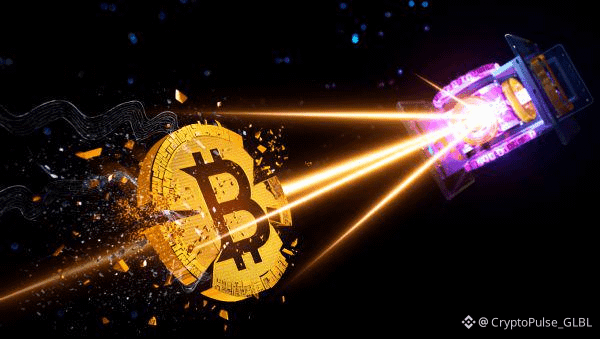
Am 12. Juni veröffentlichte das Quantenberatungskomitee von Coinbase einen Bericht, der Blockchain-Entwickler drängt, sich sofort auf eine quanten-sichere Migration vorzubereiten. Der Bericht zeigt, dass ungefähr 7 Millionen Bitcoins potenziell durch Quantenangriffe gefährdet sind, aufgrund der Offenlegung öffentlicher Schlüssel und der Wiederverwendung von Adressen. Während derzeit kein Quantencomputer die Blockchain-Verschlüsselung knacken kann, könnten solche Computer um 2030 auftauchen.
Der Bericht schlägt drei Lösungen im Umgang mit Token vor, die nicht zu quanten-sicheren Adressen migriert werden: Einfrieren oder Zerstören nach einer Frist, es vollständig den Nutzern überlassen oder einen Kompromiss eingehen, um die Anzahl der verwundbaren Token, die pro Block bewegt werden können, zu begrenzen. Die Ethereum-Stiftung hat ein Team gegründet, um den quanten-sicheren Übergang voranzutreiben, und Vitalik Buterin hat einen Quanten-Upgrade-Fahrplan entwickelt. Auch die Stellar Development Foundation hat spezifische Pläne angekündigt, wie Nutzer zu quanten-sicherer Verschlüsselung migrieren können. Diese Maßnahmen helfen, die künftige Bedrohung durch Quantencomputing für die Sicherheit der Blockchain zu mindern.
Die Entwicklung von Quantencomputing beschleunigt sich, was eine bedeutende Herausforderung für bestehende öffentliche Schlüssel-Verschlüsselungsalgorithmen darstellen könnte. Die Sicherheit von Blockchain-Assets basiert auf kryptographischer Stärke, und das Auftauchen von Quantencomputern könnte diese Sicherheitsbarriere durchbrechen. Daher ist die vorausschauende Planung für eine quanten-sichere Migration zu einer dringenden Aufgabe für Blockchain-Entwickler und -Stiftungen geworden, um die langfristige Sicherheit digitaler Assets zu gewährleisten.
#Heißes Thema Analyse
7 Millionen Bitcoins in Gefahr durch Quantenangriffe: Entwickler müssen handeln
Am 12. Juni veröffentlichte das Quantenberatungskomitee von Coinbase einen Bericht, der Blockchain-Entwickler drängt, sich sofort auf eine quanten-sichere Migration vorzubereiten. Der Bericht zeigt, dass ungefähr 7 Millionen Bitcoins potenziell durch Quantenangriffe gefährdet sind, aufgrund der Offenlegung öffentlicher Schlüssel und der Wiederverwendung von Adressen. Während derzeit kein Quantencomputer die Blockchain-Verschlüsselung knacken kann, könnten solche Computer um 2030 auftauchen.
Der Bericht schlägt drei Lösungen im Umgang mit Token vor, die nicht zu quanten-sicheren Adressen migriert werden: Einfrieren oder Zerstören nach einer Frist, es vollständig den Nutzern überlassen oder einen Kompromiss eingehen, um die Anzahl der verwundbaren Token, die pro Block bewegt werden können, zu begrenzen. Die Ethereum-Stiftung hat ein Team gegründet, um den quanten-sicheren Übergang voranzutreiben, und Vitalik Buterin hat einen Quanten-Upgrade-Fahrplan entwickelt. Auch die Stellar Development Foundation hat spezifische Pläne angekündigt, wie Nutzer zu quanten-sicherer Verschlüsselung migrieren können. Diese Maßnahmen helfen, die künftige Bedrohung durch Quantencomputing für die Sicherheit der Blockchain zu mindern.
Die Entwicklung von Quantencomputing beschleunigt sich, was eine bedeutende Herausforderung für bestehende öffentliche Schlüssel-Verschlüsselungsalgorithmen darstellen könnte. Die Sicherheit von Blockchain-Assets basiert auf kryptographischer Stärke, und das Auftauchen von Quantencomputern könnte diese Sicherheitsbarriere durchbrechen. Daher ist die vorausschauende Planung für eine quanten-sichere Migration zu einer dringenden Aufgabe für Blockchain-Entwickler und -Stiftungen geworden, um die langfristige Sicherheit digitaler Assets zu gewährleisten.
7 Millionen Bitcoins in Gefahr durch Quantenangriffe: Entwickler müssen handeln
Am 12. Juni veröffentlichte das Quantenberatungskomitee von Coinbase einen Bericht, der Blockchain-Entwickler drängt, sich sofort auf eine quanten-sichere Migration vorzubereiten. Der Bericht zeigt, dass ungefähr 7 Millionen Bitcoins potenziell durch Quantenangriffe gefährdet sind, aufgrund der Offenlegung öffentlicher Schlüssel und der Wiederverwendung von Adressen. Während derzeit kein Quantencomputer die Blockchain-Verschlüsselung knacken kann, könnten solche Computer um 2030 auftauchen.
Der Bericht schlägt drei Lösungen im Umgang mit Token vor, die nicht zu quanten-sicheren Adressen migriert werden: Einfrieren oder Zerstören nach einer Frist, es vollständig den Nutzern überlassen oder einen Kompromiss eingehen, um die Anzahl der verwundbaren Token, die pro Block bewegt werden können, zu begrenzen. Die Ethereum-Stiftung hat ein Team gegründet, um den quanten-sicheren Übergang voranzutreiben, und Vitalik Buterin hat einen Quanten-Upgrade-Fahrplan entwickelt. Auch die Stellar Development Foundation hat spezifische Pläne angekündigt, wie Nutzer zu quanten-sicherer Verschlüsselung migrieren können. Diese Maßnahmen helfen, die künftige Bedrohung durch Quantencomputing für die Sicherheit der Blockchain zu mindern.
Die Entwicklung von Quantencomputing beschleunigt sich, was eine bedeutende Herausforderung für bestehende öffentliche Schlüssel-Verschlüsselungsalgorithmen darstellen könnte. Die Sicherheit von Blockchain-Assets basiert auf kryptographischer Stärke, und das Auftauchen von Quantencomputern könnte diese Sicherheitsbarriere durchbrechen. Daher ist die vorausschauende Planung für eine quanten-sichere Migration zu einer dringenden Aufgabe für Blockchain-Entwickler und -Stiftungen geworden, um die langfristige Sicherheit digitaler Assets zu gewährleisten.
74
#Heutige Schlagzeilen
1. BTC fällt unter $61.000
2. Der Nettoinventarwert des US-Spot-Bitcoin-ETF fällt zurück auf das Niveau von Anfang November 2024, als Trump die Wahl gewann
3. Das New Yorker Staatsministerium für Finanzdienstleistungen veröffentlicht vorgeschlagene Stablecoin-Regeln, die mit dem föderalen GENIUS-Gesetz übereinstimmen
4. Analysten: In den letzten Monat flossen 12 Milliarden Dollar aus dem Bitcoin-Netzwerk, wobei verlustbringende Trades den Markt dominierten
5. Das Bitcoin-Mining-Unternehmen Keel Infrastructure schließt die Emission von wandelbaren Senior-Anleihen im Wert von 458 Millionen Dollar ab
6. Koreas Kookmin Bank gibt digitale Blockchain-Anleihen im Wert von 100 Millionen Dollar aus
7. Huobi HTX aktualisiert den Merkel Tree-Proof-of-Reserves von Juni: Das Verhältnis der Mainstream-Vermögensreserven übersteigt weiterhin 100%
8. Die Bitcoin-Produktion von BitFuFu im Mai betrug 177, mit Gesamtbeständen von 1855
9. USDC Treasury prägt 250 Millionen neue USDC auf der Solana-Chain
10. Ein Wal gab vor 12 Stunden 16,87 Millionen DAI aus, um 10.400 ETH zu kaufen.
#Heutige Schlagzeilen
1. BTC fällt unter $61.000
2. Der Nettoinventarwert des US-Spot-Bitcoin-ETF fällt zurück auf das Niveau von Anfang November 2024, als Trump die Wahl gewann
3. Das New Yorker Staatsministerium für Finanzdienstleistungen veröffentlicht vorgeschlagene Stablecoin-Regeln, die mit dem föderalen GENIUS-Gesetz übereinstimmen
4. Analysten: In den letzten Monat flossen 12 Milliarden Dollar aus dem Bitcoin-Netzwerk, wobei verlustbringende Trades den Markt dominierten
5. Das Bitcoin-Mining-Unternehmen Keel Infrastructure schließt die Emission von wandelbaren Senior-Anleihen im Wert von 458 Millionen Dollar ab
6. Koreas Kookmin Bank gibt digitale Blockchain-Anleihen im Wert von 100 Millionen Dollar aus
7. Huobi HTX aktualisiert den Merkel Tree-Proof-of-Reserves von Juni: Das Verhältnis der Mainstream-Vermögensreserven übersteigt weiterhin 100%
8. Die Bitcoin-Produktion von BitFuFu im Mai betrug 177, mit Gesamtbeständen von 1855
9. USDC Treasury prägt 250 Millionen neue USDC auf der Solana-Chain
10. Ein Wal gab vor 12 Stunden 16,87 Millionen DAI aus, um 10.400 ETH zu kaufen.
1. BTC fällt unter $61.000
2. Der Nettoinventarwert des US-Spot-Bitcoin-ETF fällt zurück auf das Niveau von Anfang November 2024, als Trump die Wahl gewann
3. Das New Yorker Staatsministerium für Finanzdienstleistungen veröffentlicht vorgeschlagene Stablecoin-Regeln, die mit dem föderalen GENIUS-Gesetz übereinstimmen
4. Analysten: In den letzten Monat flossen 12 Milliarden Dollar aus dem Bitcoin-Netzwerk, wobei verlustbringende Trades den Markt dominierten
5. Das Bitcoin-Mining-Unternehmen Keel Infrastructure schließt die Emission von wandelbaren Senior-Anleihen im Wert von 458 Millionen Dollar ab
6. Koreas Kookmin Bank gibt digitale Blockchain-Anleihen im Wert von 100 Millionen Dollar aus
7. Huobi HTX aktualisiert den Merkel Tree-Proof-of-Reserves von Juni: Das Verhältnis der Mainstream-Vermögensreserven übersteigt weiterhin 100%
8. Die Bitcoin-Produktion von BitFuFu im Mai betrug 177, mit Gesamtbeständen von 1855
9. USDC Treasury prägt 250 Millionen neue USDC auf der Solana-Chain
10. Ein Wal gab vor 12 Stunden 16,87 Millionen DAI aus, um 10.400 ETH zu kaufen.

64
#Heißes Thema Analyse
Blockchain-Zahlungen machen einen weiteren Schritt nach vorne: Japans drei große Banken schließen sich zusammen
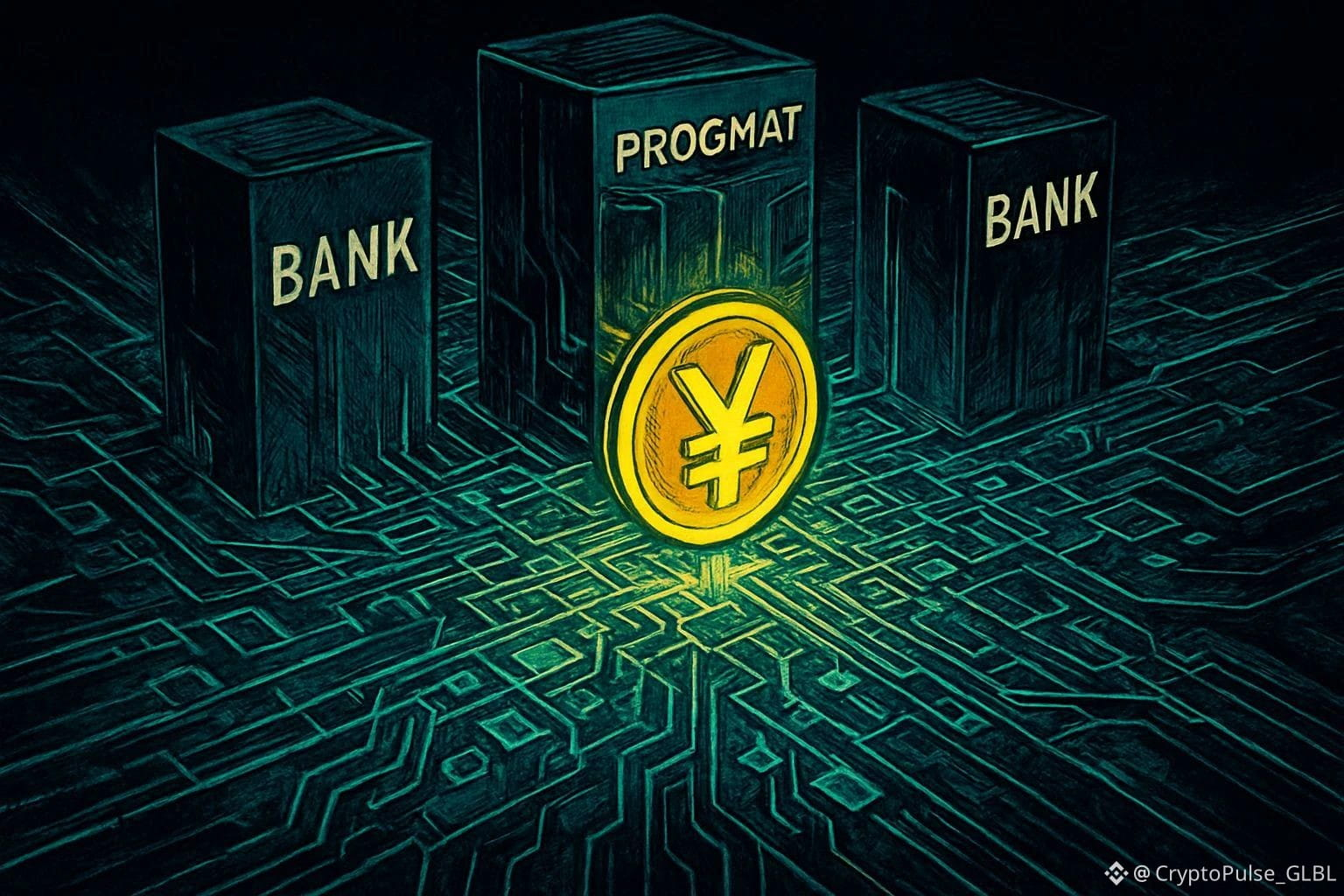
Am 10. Juni planten Japans drei große Bankengruppen—Mitsubishi UFJ Financial Group, Sumitomo Mitsui Financial Group und Mizuho Financial Group—gemeinsam einen Stablecoin bis März 2027 herauszugeben. Die drei Banken werden ein spezielles Komitee einrichten, um den operativen Rahmen zu studieren und die Ausgabe des Stablecoins vorzubereiten. Dieses Projekt hat Unterstützung von Japans Finanzdienstleistungsbehörde erhalten.
Die gemeinsame Ausgabe eines Stablecoins wird voraussichtlich die digitale Aufrüstung des japanischen Zahlungssystems vorantreiben. Stablecoins sind an Fiat-Währungen gekoppelt, was relativ stabile Preise gewährleistet und die Effizienz grenzüberschreitender Zahlungen sowie täglicher Transaktionen verbessert, während die Zahlungskosten gesenkt werden. Gleichzeitig wird erwartet, dass die Teilnahme der drei großen Banken das Marktvertrauen stärkt und die Anwendung sowie Entwicklung von Blockchain-Technologie im Finanzsektor fördert.
Es wird verstanden, dass die japanische Regierung in den letzten Jahren aktiv die Fintech-Innovation vorangetrieben hat, in der Hoffnung, die Blockchain-Technologie zu nutzen, um die Effizienz und Wettbewerbsfähigkeit des Zahlungssystems zu verbessern. Im Rahmen eines Pilotprojekts begann das japanische Startup JPYC im vergangenen Oktober, einen an Yen gebundenen Stablecoin auszugeben und Erfahrungen in verwandten Praktiken zu sammeln. Dieser gemeinsame Effort der drei großen Banken zur Förderung des Stablecoin-Projekts zeigt Japans anhaltendes Engagement, in den digitalen Finanzsektor zu investieren.
#Heißes Thema Analyse
Blockchain-Zahlungen machen einen weiteren Schritt nach vorne: Japans drei große Banken schließen sich zusammen
Am 10. Juni planten Japans drei große Bankengruppen—Mitsubishi UFJ Financial Group, Sumitomo Mitsui Financial Group und Mizuho Financial Group—gemeinsam einen Stablecoin bis März 2027 herauszugeben. Die drei Banken werden ein spezielles Komitee einrichten, um den operativen Rahmen zu studieren und die Ausgabe des Stablecoins vorzubereiten. Dieses Projekt hat Unterstützung von Japans Finanzdienstleistungsbehörde erhalten.
Die gemeinsame Ausgabe eines Stablecoins wird voraussichtlich die digitale Aufrüstung des japanischen Zahlungssystems vorantreiben. Stablecoins sind an Fiat-Währungen gekoppelt, was relativ stabile Preise gewährleistet und die Effizienz grenzüberschreitender Zahlungen sowie täglicher Transaktionen verbessert, während die Zahlungskosten gesenkt werden. Gleichzeitig wird erwartet, dass die Teilnahme der drei großen Banken das Marktvertrauen stärkt und die Anwendung sowie Entwicklung von Blockchain-Technologie im Finanzsektor fördert.
Es wird verstanden, dass die japanische Regierung in den letzten Jahren aktiv die Fintech-Innovation vorangetrieben hat, in der Hoffnung, die Blockchain-Technologie zu nutzen, um die Effizienz und Wettbewerbsfähigkeit des Zahlungssystems zu verbessern. Im Rahmen eines Pilotprojekts begann das japanische Startup JPYC im vergangenen Oktober, einen an Yen gebundenen Stablecoin auszugeben und Erfahrungen in verwandten Praktiken zu sammeln. Dieser gemeinsame Effort der drei großen Banken zur Förderung des Stablecoin-Projekts zeigt Japans anhaltendes Engagement, in den digitalen Finanzsektor zu investieren.
Blockchain-Zahlungen machen einen weiteren Schritt nach vorne: Japans drei große Banken schließen sich zusammen
Am 10. Juni planten Japans drei große Bankengruppen—Mitsubishi UFJ Financial Group, Sumitomo Mitsui Financial Group und Mizuho Financial Group—gemeinsam einen Stablecoin bis März 2027 herauszugeben. Die drei Banken werden ein spezielles Komitee einrichten, um den operativen Rahmen zu studieren und die Ausgabe des Stablecoins vorzubereiten. Dieses Projekt hat Unterstützung von Japans Finanzdienstleistungsbehörde erhalten.
Die gemeinsame Ausgabe eines Stablecoins wird voraussichtlich die digitale Aufrüstung des japanischen Zahlungssystems vorantreiben. Stablecoins sind an Fiat-Währungen gekoppelt, was relativ stabile Preise gewährleistet und die Effizienz grenzüberschreitender Zahlungen sowie täglicher Transaktionen verbessert, während die Zahlungskosten gesenkt werden. Gleichzeitig wird erwartet, dass die Teilnahme der drei großen Banken das Marktvertrauen stärkt und die Anwendung sowie Entwicklung von Blockchain-Technologie im Finanzsektor fördert.
Es wird verstanden, dass die japanische Regierung in den letzten Jahren aktiv die Fintech-Innovation vorangetrieben hat, in der Hoffnung, die Blockchain-Technologie zu nutzen, um die Effizienz und Wettbewerbsfähigkeit des Zahlungssystems zu verbessern. Im Rahmen eines Pilotprojekts begann das japanische Startup JPYC im vergangenen Oktober, einen an Yen gebundenen Stablecoin auszugeben und Erfahrungen in verwandten Praktiken zu sammeln. Dieser gemeinsame Effort der drei großen Banken zur Förderung des Stablecoin-Projekts zeigt Japans anhaltendes Engagement, in den digitalen Finanzsektor zu investieren.
60
#Heutige Schlagzeilen
1. Das US-Repräsentantenhaus hält Anhörungen zum Krypto-Steuergesetz, wobei bipartisan Abgeordnete die Details des Entwurfs in Frage stellen.
2. Die russische Staatsduma verabschiedet die erste Lesung des Gesetzentwurfs zur Besteuerung von Kryptowährungen.
3. Axios: Wall Street beschleunigt ihre Umarmung von Krypto-Assets und Tokenisierungs-Märkten.
4. Die Nachfrage nach dem SpaceX-IPO übersteigt 250 Milliarden Dollar und ist ungefähr viermal überzeichnet.
5. Coinbase fügt Arcium (ARX) und Re (RE) zu seinem Listing-Roadmap hinzu.
6. CZ: Bitcoin wird nicht lange "tot" sein.
7. Databricks steht in Gesprächen für eine neue Finanzierungsrunde, mit dem Ziel einer Bewertung von über 165 Milliarden Dollar.
8. Securitize-CEO: Tokenisierte Aktien könnten den RWA-Markt auf 5 Billionen Dollar treiben.
9. Die OKX Wallet wird Mitautor des ERC-8183-Standards und beteiligt sich an der Definition von On-Chain-Geschäftsregeln für KI-Agenten.
10. Eine Wallet zieht 100.000 HYPE-Token von Coinbase ab, im Wert von 5,9 Millionen Dollar.
#Heutige Schlagzeilen
1. Das US-Repräsentantenhaus hält Anhörungen zum Krypto-Steuergesetz, wobei bipartisan Abgeordnete die Details des Entwurfs in Frage stellen.
2. Die russische Staatsduma verabschiedet die erste Lesung des Gesetzentwurfs zur Besteuerung von Kryptowährungen.
3. Axios: Wall Street beschleunigt ihre Umarmung von Krypto-Assets und Tokenisierungs-Märkten.
4. Die Nachfrage nach dem SpaceX-IPO übersteigt 250 Milliarden Dollar und ist ungefähr viermal überzeichnet.
5. Coinbase fügt Arcium (ARX) und Re (RE) zu seinem Listing-Roadmap hinzu.
6. CZ: Bitcoin wird nicht lange "tot" sein.
7. Databricks steht in Gesprächen für eine neue Finanzierungsrunde, mit dem Ziel einer Bewertung von über 165 Milliarden Dollar.
8. Securitize-CEO: Tokenisierte Aktien könnten den RWA-Markt auf 5 Billionen Dollar treiben.
9. Die OKX Wallet wird Mitautor des ERC-8183-Standards und beteiligt sich an der Definition von On-Chain-Geschäftsregeln für KI-Agenten.
10. Eine Wallet zieht 100.000 HYPE-Token von Coinbase ab, im Wert von 5,9 Millionen Dollar.
1. Das US-Repräsentantenhaus hält Anhörungen zum Krypto-Steuergesetz, wobei bipartisan Abgeordnete die Details des Entwurfs in Frage stellen.
2. Die russische Staatsduma verabschiedet die erste Lesung des Gesetzentwurfs zur Besteuerung von Kryptowährungen.
3. Axios: Wall Street beschleunigt ihre Umarmung von Krypto-Assets und Tokenisierungs-Märkten.
4. Die Nachfrage nach dem SpaceX-IPO übersteigt 250 Milliarden Dollar und ist ungefähr viermal überzeichnet.
5. Coinbase fügt Arcium (ARX) und Re (RE) zu seinem Listing-Roadmap hinzu.
6. CZ: Bitcoin wird nicht lange "tot" sein.
7. Databricks steht in Gesprächen für eine neue Finanzierungsrunde, mit dem Ziel einer Bewertung von über 165 Milliarden Dollar.
8. Securitize-CEO: Tokenisierte Aktien könnten den RWA-Markt auf 5 Billionen Dollar treiben.
9. Die OKX Wallet wird Mitautor des ERC-8183-Standards und beteiligt sich an der Definition von On-Chain-Geschäftsregeln für KI-Agenten.
10. Eine Wallet zieht 100.000 HYPE-Token von Coinbase ab, im Wert von 5,9 Millionen Dollar.

169
#Heutige Schlagzeilen
1. Bitcoin Spot-ETFs verzeichneten gestern einen Nettoabfluss von 91.3736 Millionen Dollar.
2. Die US-FDIC plant klarzustellen, dass Stablecoin-Halter nicht durch die Einlagensicherung geschützt sind.
3. Gate startet einen direkten IPO-Weg für SpaceX, der "sofortige Zuteilung beim Listing und direkten Zugang zu Konten" ermöglicht.
4. Circle: cirBTC ist jetzt auf Ethereum gelistet und bietet institutionellen DeFi 1:1 Bitcoin-gesichertes Collateral.
5. Analyse: Der Kryptomarkt setzt auf starke Performance nach dem IPO von SpaceX.
6. Bithumb wird seinen CTR-Token im Koreanischen Won-Markt listen.
7. Coinbase und Cardless bringen gemeinsam eine kreditkartenbasierte Stablecoin-Lösung auf den Markt.
8. Humanity-Hacker haben weitere 100 Millionen H-Token auf der BSC-Chain geprägt und halten immer noch 111 Millionen H-Token zum Verkauf.
9. Eine neue Wallet erhielt 62.68 Millionen H-Token von BitGo, die möglicherweise zu Framework Ventures gehören.
10. Binance Futures wird heute 5 USDT-margierte TradFi perpetuelle Verträge launchen.
#Heutige Schlagzeilen
1. Bitcoin Spot-ETFs verzeichneten gestern einen Nettoabfluss von 91.3736 Millionen Dollar.
2. Die US-FDIC plant klarzustellen, dass Stablecoin-Halter nicht durch die Einlagensicherung geschützt sind.
3. Gate startet einen direkten IPO-Weg für SpaceX, der "sofortige Zuteilung beim Listing und direkten Zugang zu Konten" ermöglicht.
4. Circle: cirBTC ist jetzt auf Ethereum gelistet und bietet institutionellen DeFi 1:1 Bitcoin-gesichertes Collateral.
5. Analyse: Der Kryptomarkt setzt auf starke Performance nach dem IPO von SpaceX.
6. Bithumb wird seinen CTR-Token im Koreanischen Won-Markt listen.
7. Coinbase und Cardless bringen gemeinsam eine kreditkartenbasierte Stablecoin-Lösung auf den Markt.
8. Humanity-Hacker haben weitere 100 Millionen H-Token auf der BSC-Chain geprägt und halten immer noch 111 Millionen H-Token zum Verkauf.
9. Eine neue Wallet erhielt 62.68 Millionen H-Token von BitGo, die möglicherweise zu Framework Ventures gehören.
10. Binance Futures wird heute 5 USDT-margierte TradFi perpetuelle Verträge launchen.
1. Bitcoin Spot-ETFs verzeichneten gestern einen Nettoabfluss von 91.3736 Millionen Dollar.
2. Die US-FDIC plant klarzustellen, dass Stablecoin-Halter nicht durch die Einlagensicherung geschützt sind.
3. Gate startet einen direkten IPO-Weg für SpaceX, der "sofortige Zuteilung beim Listing und direkten Zugang zu Konten" ermöglicht.
4. Circle: cirBTC ist jetzt auf Ethereum gelistet und bietet institutionellen DeFi 1:1 Bitcoin-gesichertes Collateral.
5. Analyse: Der Kryptomarkt setzt auf starke Performance nach dem IPO von SpaceX.
6. Bithumb wird seinen CTR-Token im Koreanischen Won-Markt listen.
7. Coinbase und Cardless bringen gemeinsam eine kreditkartenbasierte Stablecoin-Lösung auf den Markt.
8. Humanity-Hacker haben weitere 100 Millionen H-Token auf der BSC-Chain geprägt und halten immer noch 111 Millionen H-Token zum Verkauf.
9. Eine neue Wallet erhielt 62.68 Millionen H-Token von BitGo, die möglicherweise zu Framework Ventures gehören.
10. Binance Futures wird heute 5 USDT-margierte TradFi perpetuelle Verträge launchen.

291
#Hot Topic Analyse
Tokenisierte Aktien: Ein neuer Trend, der IPO-Barrieren durchbricht
Am 9. Juni wurde berichtet, dass die Marktkapitalisierung von tokenisierten Aktien von 2,23 Milliarden Dollar zu Beginn des Jahres auf 5,5 Milliarden Dollar gestiegen ist, was einem Anstieg von etwa 147% in sechs Monaten entspricht und sie zur viertgrößten RWA-Kategorie macht. Kraken und Bybit haben beschlossen, das SpaceX-IPO nativ auf ihren Plattformen anzubieten, wodurch Nutzer teilnehmen können, ohne das Krypto-Ökosystem zu verlassen. Binance bietet auch perpetual stock Produkte für nicht-US-Nutzer an, wodurch mehr Einzelinvestoren Zugang zum historisch eingeschränkten US-Aktienmarkt erhalten.
Dieses Wachstum spiegelt eine starke strukturelle Nachfrage von Krypto-Nutzern wider, die in den Aktienmarkt einsteigen möchten. Tokenisierte Aktien senken die Einstiegshürden für traditionelle Pre-IPO und IPOs, sodass Einzelinvestoren an Chancen teilnehmen können, die zuvor nur Institutionen zur Verfügung standen. Der Fall SpaceX hebt besonders dieses Marktpotenzial hervor und treibt die Börsen dazu, regelmäßig Aktienprodukte in ihre Plattformen zu integrieren, wodurch tokenisierte Aktien allmählich von einem spekulativen Konzept zu einer nachhaltigen Produktlinie evolvieren.
Traditionelle Aktienmärkte verlassen sich typischerweise auf institutionelle Beziehungen oder Broker im Sekundärmarkt, um Zugang zu IPOs und Pre-IPO zu erhalten, was hohe Einstiegshürden schafft. Tokenisierte Aktien digitalisieren durch Blockchain-Technologie Vermögenswerte und machen den Aktienhandel bequemer und offener. Dieser Trend deutet auch darauf hin, dass tokenisierte Aktien voraussichtlich weiterhin in der RWA-Kategorie wachsen werden, um die langfristige Nachfrage nach Aktieninvestitionen von globalen Krypto-Nutzern zu bedienen.
#Hot Topic Analyse
Tokenisierte Aktien: Ein neuer Trend, der IPO-Barrieren durchbricht
Am 9. Juni wurde berichtet, dass die Marktkapitalisierung von tokenisierten Aktien von 2,23 Milliarden Dollar zu Beginn des Jahres auf 5,5 Milliarden Dollar gestiegen ist, was einem Anstieg von etwa 147% in sechs Monaten entspricht und sie zur viertgrößten RWA-Kategorie macht. Kraken und Bybit haben beschlossen, das SpaceX-IPO nativ auf ihren Plattformen anzubieten, wodurch Nutzer teilnehmen können, ohne das Krypto-Ökosystem zu verlassen. Binance bietet auch perpetual stock Produkte für nicht-US-Nutzer an, wodurch mehr Einzelinvestoren Zugang zum historisch eingeschränkten US-Aktienmarkt erhalten.
Dieses Wachstum spiegelt eine starke strukturelle Nachfrage von Krypto-Nutzern wider, die in den Aktienmarkt einsteigen möchten. Tokenisierte Aktien senken die Einstiegshürden für traditionelle Pre-IPO und IPOs, sodass Einzelinvestoren an Chancen teilnehmen können, die zuvor nur Institutionen zur Verfügung standen. Der Fall SpaceX hebt besonders dieses Marktpotenzial hervor und treibt die Börsen dazu, regelmäßig Aktienprodukte in ihre Plattformen zu integrieren, wodurch tokenisierte Aktien allmählich von einem spekulativen Konzept zu einer nachhaltigen Produktlinie evolvieren.
Traditionelle Aktienmärkte verlassen sich typischerweise auf institutionelle Beziehungen oder Broker im Sekundärmarkt, um Zugang zu IPOs und Pre-IPO zu erhalten, was hohe Einstiegshürden schafft. Tokenisierte Aktien digitalisieren durch Blockchain-Technologie Vermögenswerte und machen den Aktienhandel bequemer und offener. Dieser Trend deutet auch darauf hin, dass tokenisierte Aktien voraussichtlich weiterhin in der RWA-Kategorie wachsen werden, um die langfristige Nachfrage nach Aktieninvestitionen von globalen Krypto-Nutzern zu bedienen.
Tokenisierte Aktien: Ein neuer Trend, der IPO-Barrieren durchbricht
Am 9. Juni wurde berichtet, dass die Marktkapitalisierung von tokenisierten Aktien von 2,23 Milliarden Dollar zu Beginn des Jahres auf 5,5 Milliarden Dollar gestiegen ist, was einem Anstieg von etwa 147% in sechs Monaten entspricht und sie zur viertgrößten RWA-Kategorie macht. Kraken und Bybit haben beschlossen, das SpaceX-IPO nativ auf ihren Plattformen anzubieten, wodurch Nutzer teilnehmen können, ohne das Krypto-Ökosystem zu verlassen. Binance bietet auch perpetual stock Produkte für nicht-US-Nutzer an, wodurch mehr Einzelinvestoren Zugang zum historisch eingeschränkten US-Aktienmarkt erhalten.
Dieses Wachstum spiegelt eine starke strukturelle Nachfrage von Krypto-Nutzern wider, die in den Aktienmarkt einsteigen möchten. Tokenisierte Aktien senken die Einstiegshürden für traditionelle Pre-IPO und IPOs, sodass Einzelinvestoren an Chancen teilnehmen können, die zuvor nur Institutionen zur Verfügung standen. Der Fall SpaceX hebt besonders dieses Marktpotenzial hervor und treibt die Börsen dazu, regelmäßig Aktienprodukte in ihre Plattformen zu integrieren, wodurch tokenisierte Aktien allmählich von einem spekulativen Konzept zu einer nachhaltigen Produktlinie evolvieren.
Traditionelle Aktienmärkte verlassen sich typischerweise auf institutionelle Beziehungen oder Broker im Sekundärmarkt, um Zugang zu IPOs und Pre-IPO zu erhalten, was hohe Einstiegshürden schafft. Tokenisierte Aktien digitalisieren durch Blockchain-Technologie Vermögenswerte und machen den Aktienhandel bequemer und offener. Dieser Trend deutet auch darauf hin, dass tokenisierte Aktien voraussichtlich weiterhin in der RWA-Kategorie wachsen werden, um die langfristige Nachfrage nach Aktieninvestitionen von globalen Krypto-Nutzern zu bedienen.

117
Anmelden und weiter Inhalte entdecken
Krypto-Nutzer weltweit auf Binance Square kennenlernen
⚡️ Bleib in Sachen Krypto stets am Puls.
💬 Die weltgrößte Kryptobörse vertraut darauf.
👍 Erhalte verlässliche Einblicke von verifizierten Creators.
E-Mail-Adresse/Telefonnummer
Trendthemen
BitcoinReboundsTo$79K
5,120 Aufrufe
74 Kommentare
🚨 $BTC steigt weiter.
Bitcoin handelt bei etwa 78.804 $ und liegt damit ungefähr 1,9 % im Plus, nachdem die Marke von 78K zurückerobert wurde. Die nächste zu beobachtende Zone ist das Tageshoch im Intraday-Bereich nahe 78.905 $.
Ein klarer Ausbruch über diese Marke könnte den Weg in Richtung 79K–80K ebnen. Wenn BTC abgewiesen wird, liegt der Support bei etwa 78.300 $ und danach bei 77.975 $.
Die Bullen haben Momentum, aber BTC muss über 78K bleiben.
#Bitcoin #BTC #CryptoTrading #CryptoMarket #CryptoAnalysis
PulseON
·6 Likes
·6.3k Aufrufe
FedHikeOddsRiseTo89%
64,576 Aufrufe
952 Kommentare
RLUSDSupplyHitsRecord$2.442B
3,560 Aufrufe
56 Kommentare