
FINNEAS
26.5k Beiträge

FINNEAS
 Square Verified+
Melden
Nutzer blockieren
Binance KOL & Crypto Mentor Crypto Expert - Trader - Sharing Market Insights, Trends X:@FINNEAS
Trade eröffnen
Regelmäßiger Trader
1.7 Jahre
1.4K+ Following
33.9K+ Follower
20.4K+ Like gegeben
Beiträge
Portfolio
Alle
Zitierungen
Live
·
--
Bullisch
🔴 $ZEC LONG LIQUIDATION ALERT
💥 Liquidated: $75.6K
💵 Price: $1,145.02
⚠️ Schwere Long-Liquidationsaktivität festgestellt.
📊 Beobachte die Volatilität und den Marktimpuls genau.
🔔 Folge für weitere Echtzeit-Crypto-Liquidationsalarme.
#ZEC #Zcash #Crypto #cryptosignals #Altcoins
{spot}(ZECUSDT)
🔴 $ZEC LONG LIQUIDATION ALERT
💥 Liquidated: $75.6K
💵 Price: $1,145.02
⚠️ Schwere Long-Liquidationsaktivität festgestellt.
📊 Beobachte die Volatilität und den Marktimpuls genau.
🔔 Folge für weitere Echtzeit-Crypto-Liquidationsalarme.
#ZEC #Zcash #Crypto #cryptosignals #Altcoins
💥 Liquidated: $75.6K
💵 Price: $1,145.02
⚠️ Schwere Long-Liquidationsaktivität festgestellt.
📊 Beobachte die Volatilität und den Marktimpuls genau.
🔔 Folge für weitere Echtzeit-Crypto-Liquidationsalarme.
#ZEC #Zcash #Crypto #cryptosignals #Altcoins
110
·
--
Bullisch
🔴 $HYPE LONG LIQUIDATION ALERT
💥 Liquidated: 82,7K$
💵 Price: 78,68$
⚠️ Erhebliche Long-Liquidation erkannt.
📊 Achte auf erhöhte Volatilität und plötzliche Bewegungen.
🔔 Folge für weitere Live-Crypto-Liquidation-Warnungen.
#hype #Hyperliquid #crypto #cryptosignals #Altcoins
{future}(HYPEUSDT)
🔴 $HYPE LONG LIQUIDATION ALERT
💥 Liquidated: 82,7K$
💵 Price: 78,68$
⚠️ Erhebliche Long-Liquidation erkannt.
📊 Achte auf erhöhte Volatilität und plötzliche Bewegungen.
🔔 Folge für weitere Live-Crypto-Liquidation-Warnungen.
#hype #Hyperliquid #crypto #cryptosignals #Altcoins
💥 Liquidated: 82,7K$
💵 Price: 78,68$
⚠️ Erhebliche Long-Liquidation erkannt.
📊 Achte auf erhöhte Volatilität und plötzliche Bewegungen.
🔔 Folge für weitere Live-Crypto-Liquidation-Warnungen.
#hype #Hyperliquid #crypto #cryptosignals #Altcoins

74
·
--
Bullisch
🔴$ETH LONG LIQUIDATION ALERT
💥 Liquidated: 55,7K $
💵 Preis: 2.510,40 $
⚠️ Ethereum verzeichnet eine bemerkenswerte Long-Liquidationsaktivität.
📊 Beobachte die Kursentwicklung, das Volumen & das Open Interest.
🔔 Folge für weitere Echtzeit-Krypto-Liquidations-Alerts.
#ETH #Ethereum #crypto #cryptosignals #EthereumTrading
{spot}(ETHUSDT)
🔴$ETH LONG LIQUIDATION ALERT
💥 Liquidated: 55,7K $
💵 Preis: 2.510,40 $
⚠️ Ethereum verzeichnet eine bemerkenswerte Long-Liquidationsaktivität.
📊 Beobachte die Kursentwicklung, das Volumen & das Open Interest.
🔔 Folge für weitere Echtzeit-Krypto-Liquidations-Alerts.
#ETH #Ethereum #crypto #cryptosignals #EthereumTrading
💥 Liquidated: 55,7K $
💵 Preis: 2.510,40 $
⚠️ Ethereum verzeichnet eine bemerkenswerte Long-Liquidationsaktivität.
📊 Beobachte die Kursentwicklung, das Volumen & das Open Interest.
🔔 Folge für weitere Echtzeit-Krypto-Liquidations-Alerts.
#ETH #Ethereum #crypto #cryptosignals #EthereumTrading

64
·
--
Bärisch
🔴 $NEAR LONG LIQUIDATION ALERT
💥 Liquidiert: 58.000 USDT
💵 Preis: 2.405
⚠️ Hebel wird aus dem Markt gespült.
📊 Achte auf Volatilität und Kursbewegungen.
🔔 Folge für weitere Echtzeit-Crypto-Liquidationsalarme.
#NEAR #NEARProtocol #crypto #CryptoSignals
{spot}(NEARUSDT)
🔴 $NEAR LONG LIQUIDATION ALERT
💥 Liquidiert: 58.000 USDT
💵 Preis: 2.405
⚠️ Hebel wird aus dem Markt gespült.
📊 Achte auf Volatilität und Kursbewegungen.
🔔 Folge für weitere Echtzeit-Crypto-Liquidationsalarme.
#NEAR #NEARProtocol #crypto #CryptoSignals
💥 Liquidiert: 58.000 USDT
💵 Preis: 2.405
⚠️ Hebel wird aus dem Markt gespült.
📊 Achte auf Volatilität und Kursbewegungen.
🔔 Folge für weitere Echtzeit-Crypto-Liquidationsalarme.
#NEAR #NEARProtocol #crypto #CryptoSignals

135
·
--
Bullisch
$BTC LONG LIQUIDATION ALERT
💥 Liquidated: 231.000$
💵 Preis: 76.958,70$
⚠️ Starke Liquidationsaktivität bei BTC festgestellt.
📊 Beobachte die Volatilität, das Volumen & das Open Interest genau.
🔔 Folge für weitere Echtzeit-Crypto-Liquidationsalarme.
#BTC #BitcoinTrading #Liquidation #FuturesTrading #CryptoMarket
{spot}(BTCUSDT)
$BTC LONG LIQUIDATION ALERT
💥 Liquidated: 231.000$
💵 Preis: 76.958,70$
⚠️ Starke Liquidationsaktivität bei BTC festgestellt.
📊 Beobachte die Volatilität, das Volumen & das Open Interest genau.
🔔 Folge für weitere Echtzeit-Crypto-Liquidationsalarme.
#BTC #BitcoinTrading #Liquidation #FuturesTrading #CryptoMarket
💥 Liquidated: 231.000$
💵 Preis: 76.958,70$
⚠️ Starke Liquidationsaktivität bei BTC festgestellt.
📊 Beobachte die Volatilität, das Volumen & das Open Interest genau.
🔔 Folge für weitere Echtzeit-Crypto-Liquidationsalarme.
#BTC #BitcoinTrading #Liquidation #FuturesTrading #CryptoMarket

163
·
--
Bullisch
🚀 ICH BIN ZURÜCK AUF BINANCE! 🔥
Nach einer Pause bin ich offiziell mit meinem Comeback auf Binance zurück. 💪📈
Ein frischer Start, ein klarerer Fokus und ein stärkerer Schwerpunkt auf Lernen, Disziplin und kluges Trading. Diesmal geht es nicht darum, dem Markt hinterherzujagen – sondern darum, ihn zu verstehen, das Risiko zu managen und konsequent zu bleiben.
Die Reise beginnt wieder. 🚀
Neues Kapitel. Neue Möglichkeiten. Gleicher Ehrgeiz.
Schauen wir mal, was der Markt für uns bereithält. 📊🔥
#Binance #crypto #cryptotrading #trading #CryptoCommunity
🚀 ICH BIN ZURÜCK AUF BINANCE! 🔥
Nach einer Pause bin ich offiziell mit meinem Comeback auf Binance zurück. 💪📈
Ein frischer Start, ein klarerer Fokus und ein stärkerer Schwerpunkt auf Lernen, Disziplin und kluges Trading. Diesmal geht es nicht darum, dem Markt hinterherzujagen – sondern darum, ihn zu verstehen, das Risiko zu managen und konsequent zu bleiben.
Die Reise beginnt wieder. 🚀
Neues Kapitel. Neue Möglichkeiten. Gleicher Ehrgeiz.
Schauen wir mal, was der Markt für uns bereithält. 📊🔥
#Binance #crypto #cryptotrading #trading #CryptoCommunity
Nach einer Pause bin ich offiziell mit meinem Comeback auf Binance zurück. 💪📈
Ein frischer Start, ein klarerer Fokus und ein stärkerer Schwerpunkt auf Lernen, Disziplin und kluges Trading. Diesmal geht es nicht darum, dem Markt hinterherzujagen – sondern darum, ihn zu verstehen, das Risiko zu managen und konsequent zu bleiben.
Die Reise beginnt wieder. 🚀
Neues Kapitel. Neue Möglichkeiten. Gleicher Ehrgeiz.
Schauen wir mal, was der Markt für uns bereithält. 📊🔥
#Binance #crypto #cryptotrading #trading #CryptoCommunity
101

·
--
Bullisch
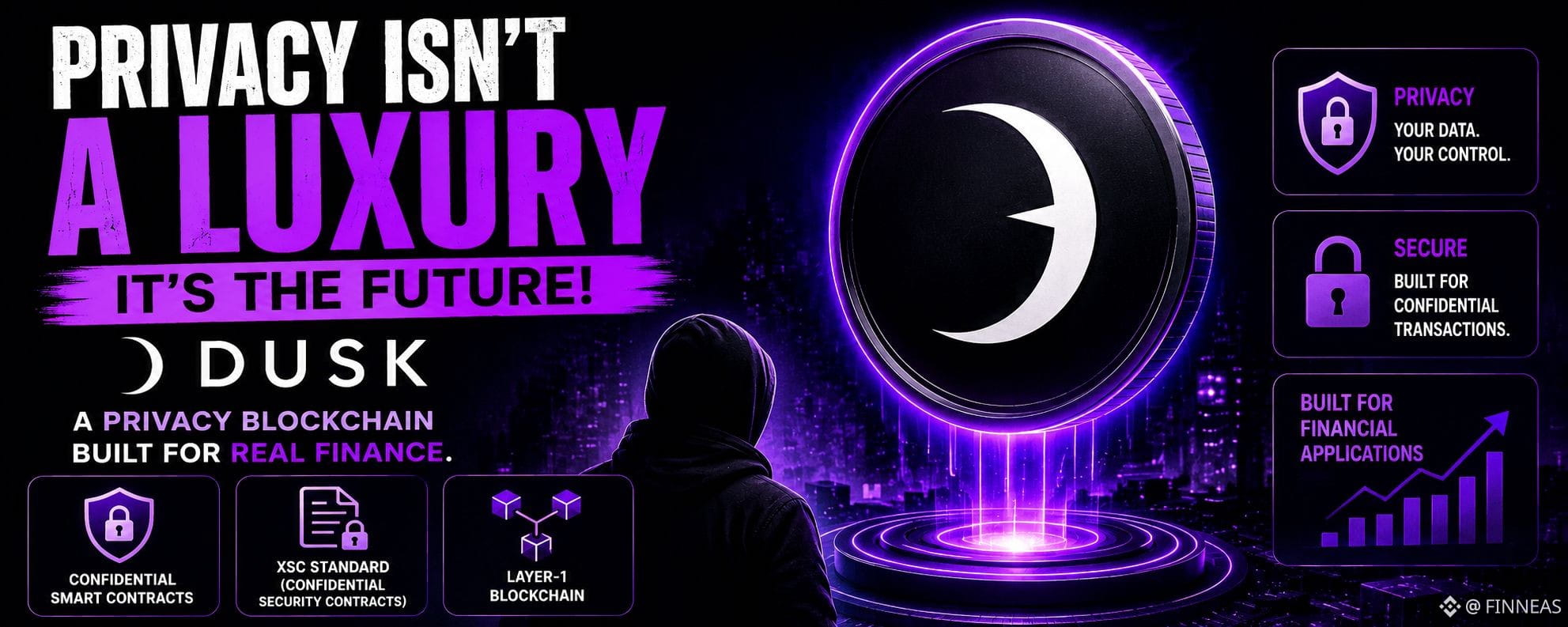
Je mehr ich über Krypto lerne, desto mehr erkenne ich, dass Privatsphäre nicht nur eine nette Funktion ist – sie kann den Unterschied zwischen nützlichem Finanzwesen und riskantem Finanzwesen ausmachen.
Deshalb hat mich das Dusk Network besonders angesprochen.
Was ich daran interessant finde: Es ist als Layer-1-Blockchain mit Blick auf finanzielle Anwendungen aufgebaut und legt gleichzeitig einen starken Fokus auf Privatsphäre. Sein Confidential Security Contract-Standard und die vertraulichen Smart Contracts sind darauf ausgelegt, dass finanzielle Aktivitäten ablaufen können, ohne dass jede Einzelheit vollständig für alle sichtbar ist.
Als Trader habe ich immer geglaubt, dass Transparenz wichtig ist. Aber ich denke auch, dass Menschen und Unternehmen die Kontrolle über sensible Finanzinformationen verdienen.
Diese Balance macht Dusk für mich interessant. Es fühlt sich weniger wie dem Hype hinterherjagen an, sondern eher wie das Lösen eines echten Problems, das eine Blockchain noch immer richtig handhaben können muss.
Ich behalte im Blick, wie sich das entwickelt.
Glaubst du, dass Privatsphäre für die nächste Generation von Finanz-Blockchains unverzichtbar wird?
#dusk $DUSK @Dusk_Foundation
{spot}(DUSKUSDT)
Je mehr ich über Krypto lerne, desto mehr erkenne ich, dass Privatsphäre nicht nur eine nette Funktion ist – sie kann den Unterschied zwischen nützlichem Finanzwesen und riskantem Finanzwesen ausmachen.
Deshalb hat mich das Dusk Network besonders angesprochen.
Was ich daran interessant finde: Es ist als Layer-1-Blockchain mit Blick auf finanzielle Anwendungen aufgebaut und legt gleichzeitig einen starken Fokus auf Privatsphäre. Sein Confidential Security Contract-Standard und die vertraulichen Smart Contracts sind darauf ausgelegt, dass finanzielle Aktivitäten ablaufen können, ohne dass jede Einzelheit vollständig für alle sichtbar ist.
Als Trader habe ich immer geglaubt, dass Transparenz wichtig ist. Aber ich denke auch, dass Menschen und Unternehmen die Kontrolle über sensible Finanzinformationen verdienen.
Diese Balance macht Dusk für mich interessant. Es fühlt sich weniger wie dem Hype hinterherjagen an, sondern eher wie das Lösen eines echten Problems, das eine Blockchain noch immer richtig handhaben können muss.
Ich behalte im Blick, wie sich das entwickelt.
Glaubst du, dass Privatsphäre für die nächste Generation von Finanz-Blockchains unverzichtbar wird?
#dusk $DUSK @Dusk
Deshalb hat mich das Dusk Network besonders angesprochen.
Was ich daran interessant finde: Es ist als Layer-1-Blockchain mit Blick auf finanzielle Anwendungen aufgebaut und legt gleichzeitig einen starken Fokus auf Privatsphäre. Sein Confidential Security Contract-Standard und die vertraulichen Smart Contracts sind darauf ausgelegt, dass finanzielle Aktivitäten ablaufen können, ohne dass jede Einzelheit vollständig für alle sichtbar ist.
Als Trader habe ich immer geglaubt, dass Transparenz wichtig ist. Aber ich denke auch, dass Menschen und Unternehmen die Kontrolle über sensible Finanzinformationen verdienen.
Diese Balance macht Dusk für mich interessant. Es fühlt sich weniger wie dem Hype hinterherjagen an, sondern eher wie das Lösen eines echten Problems, das eine Blockchain noch immer richtig handhaben können muss.
Ich behalte im Blick, wie sich das entwickelt.
Glaubst du, dass Privatsphäre für die nächste Generation von Finanz-Blockchains unverzichtbar wird?
#dusk $DUSK @Dusk
8
9
225
·
--
Artikel
Dusk Network: Privacy-Fokussierte Infrastruktur für FinanzanwendungenBlockchain-Technologie wird oft für ihre Transparenz gelobt. Jede Transaktion kann überprüft werden, Aufzeichnungen können in der Kette gespeichert werden, und die Teilnehmer können interagieren, ohne vollständig von traditionellen Systemen abhängig zu sein. Doch wenn wir von einfachen Krypto-Transfers zu ernsthaften Finanzanwendungen übergehen, kann vollständige Transparenz auch Probleme verursachen.
Finanzinstitute, Unternehmen und Investoren arbeiten häufig mit sensiblen Informationen. Transaktionsdetails, Vermögensbesitz, finanzielle Positionen und geschäftliche Aktivitäten müssen möglicherweise vertraulich bleiben. Gleichzeitig muss das System jedoch eine zuverlässige Verifizierung und Abwicklung gewährleisten.
Dusk Network: Privacy-Fokussierte Infrastruktur für Finanzanwendungen
Blockchain-Technologie wird oft für ihre Transparenz gelobt. Jede Transaktion kann überprüft werden, Aufzeichnungen können in der Kette gespeichert werden, und die Teilnehmer können interagieren, ohne vollständig von traditionellen Systemen abhängig zu sein. Doch wenn wir von einfachen Krypto-Transfers zu ernsthaften Finanzanwendungen übergehen, kann vollständige Transparenz auch Probleme verursachen.
Finanzinstitute, Unternehmen und Investoren arbeiten häufig mit sensiblen Informationen. Transaktionsdetails, Vermögensbesitz, finanzielle Positionen und geschäftliche Aktivitäten müssen möglicherweise vertraulich bleiben. Gleichzeitig muss das System jedoch eine zuverlässige Verifizierung und Abwicklung gewährleisten.
Finanzinstitute, Unternehmen und Investoren arbeiten häufig mit sensiblen Informationen. Transaktionsdetails, Vermögensbesitz, finanzielle Positionen und geschäftliche Aktivitäten müssen möglicherweise vertraulich bleiben. Gleichzeitig muss das System jedoch eine zuverlässige Verifizierung und Abwicklung gewährleisten.
7
5
277
·
--
Bärisch
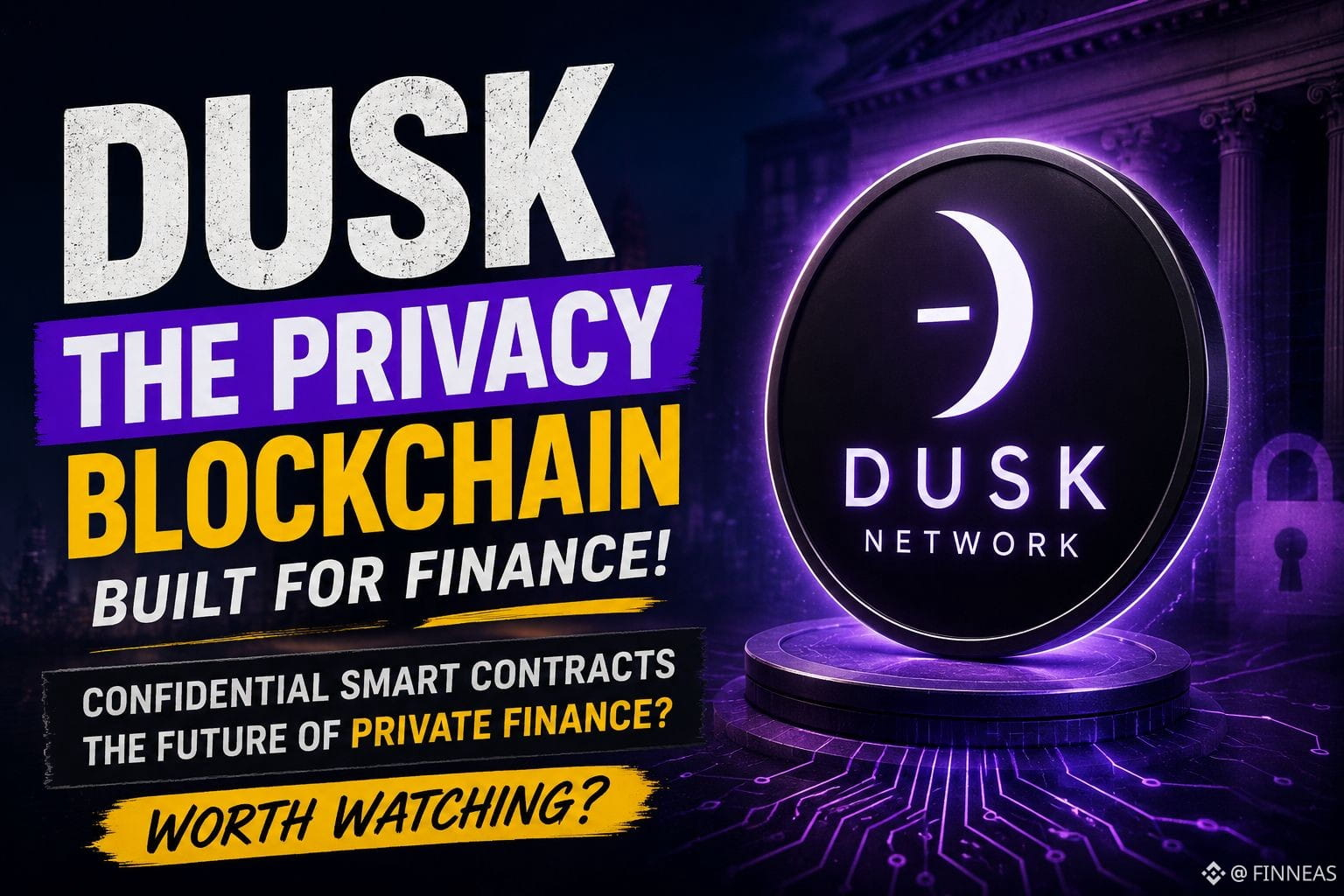
Je mehr ich mir Krypto anschaue, desto mehr erkenne ich: Privatsphäre geht nicht nur darum, Transaktionen zu verbergen.
Bei Finanzanwendungen kann Privatsphäre der Unterschied sein zwischen etwas, das nutzbar ist, und etwas, das sich nicht in großem Maßstab nutzen lässt.
Deshalb ist Dusk Network in mein Blickfeld geraten.
Das ist eine Layer-1-Plattform, die um finanzielle Anwendungsfälle herum gebaut ist und Confidential Security Contracts nutzt, um vertrauliche Smart Contracts zu unterstützen. Ich finde diese Idee spannend, weil sie versucht, Privatsphäre in die eigentliche Infrastruktur zu bringen – statt sie als Extra-Feature zu behandeln.
Ich sage nicht, dass Dusk alles schon perfekt gelöst hat. Akzeptanz, die echte Nutzung, Sicherheit und Ausführung sind nach wie vor wichtiger als die Story.
Aber das Problem, das es zu lösen versucht, fühlt sich für mich real an. Wenn Blockchains ernsthafte Finanzaktivitäten abwickeln sollen, müssen sie Transparenz mit Vertraulichkeit in Einklang bringen.
Genau diesen Teil beobachte ich besonders genau.
Kann Dusk diesen privatsphäreorientierten Ansatz in etwas verwandeln, das Menschen tatsächlich nutzen?
@Dusk_Foundation #dusk $DUSK
{spot}(DUSKUSDT)
Je mehr ich mir Krypto anschaue, desto mehr erkenne ich: Privatsphäre geht nicht nur darum, Transaktionen zu verbergen.
Bei Finanzanwendungen kann Privatsphäre der Unterschied sein zwischen etwas, das nutzbar ist, und etwas, das sich nicht in großem Maßstab nutzen lässt.
Deshalb ist Dusk Network in mein Blickfeld geraten.
Das ist eine Layer-1-Plattform, die um finanzielle Anwendungsfälle herum gebaut ist und Confidential Security Contracts nutzt, um vertrauliche Smart Contracts zu unterstützen. Ich finde diese Idee spannend, weil sie versucht, Privatsphäre in die eigentliche Infrastruktur zu bringen – statt sie als Extra-Feature zu behandeln.
Ich sage nicht, dass Dusk alles schon perfekt gelöst hat. Akzeptanz, die echte Nutzung, Sicherheit und Ausführung sind nach wie vor wichtiger als die Story.
Aber das Problem, das es zu lösen versucht, fühlt sich für mich real an. Wenn Blockchains ernsthafte Finanzaktivitäten abwickeln sollen, müssen sie Transparenz mit Vertraulichkeit in Einklang bringen.
Genau diesen Teil beobachte ich besonders genau.
Kann Dusk diesen privatsphäreorientierten Ansatz in etwas verwandeln, das Menschen tatsächlich nutzen?
@Dusk #dusk $DUSK
Bei Finanzanwendungen kann Privatsphäre der Unterschied sein zwischen etwas, das nutzbar ist, und etwas, das sich nicht in großem Maßstab nutzen lässt.
Deshalb ist Dusk Network in mein Blickfeld geraten.
Das ist eine Layer-1-Plattform, die um finanzielle Anwendungsfälle herum gebaut ist und Confidential Security Contracts nutzt, um vertrauliche Smart Contracts zu unterstützen. Ich finde diese Idee spannend, weil sie versucht, Privatsphäre in die eigentliche Infrastruktur zu bringen – statt sie als Extra-Feature zu behandeln.
Ich sage nicht, dass Dusk alles schon perfekt gelöst hat. Akzeptanz, die echte Nutzung, Sicherheit und Ausführung sind nach wie vor wichtiger als die Story.
Aber das Problem, das es zu lösen versucht, fühlt sich für mich real an. Wenn Blockchains ernsthafte Finanzaktivitäten abwickeln sollen, müssen sie Transparenz mit Vertraulichkeit in Einklang bringen.
Genau diesen Teil beobachte ich besonders genau.
Kann Dusk diesen privatsphäreorientierten Ansatz in etwas verwandeln, das Menschen tatsächlich nutzen?
@Dusk #dusk $DUSK
5
4
192
·
--
Bärisch
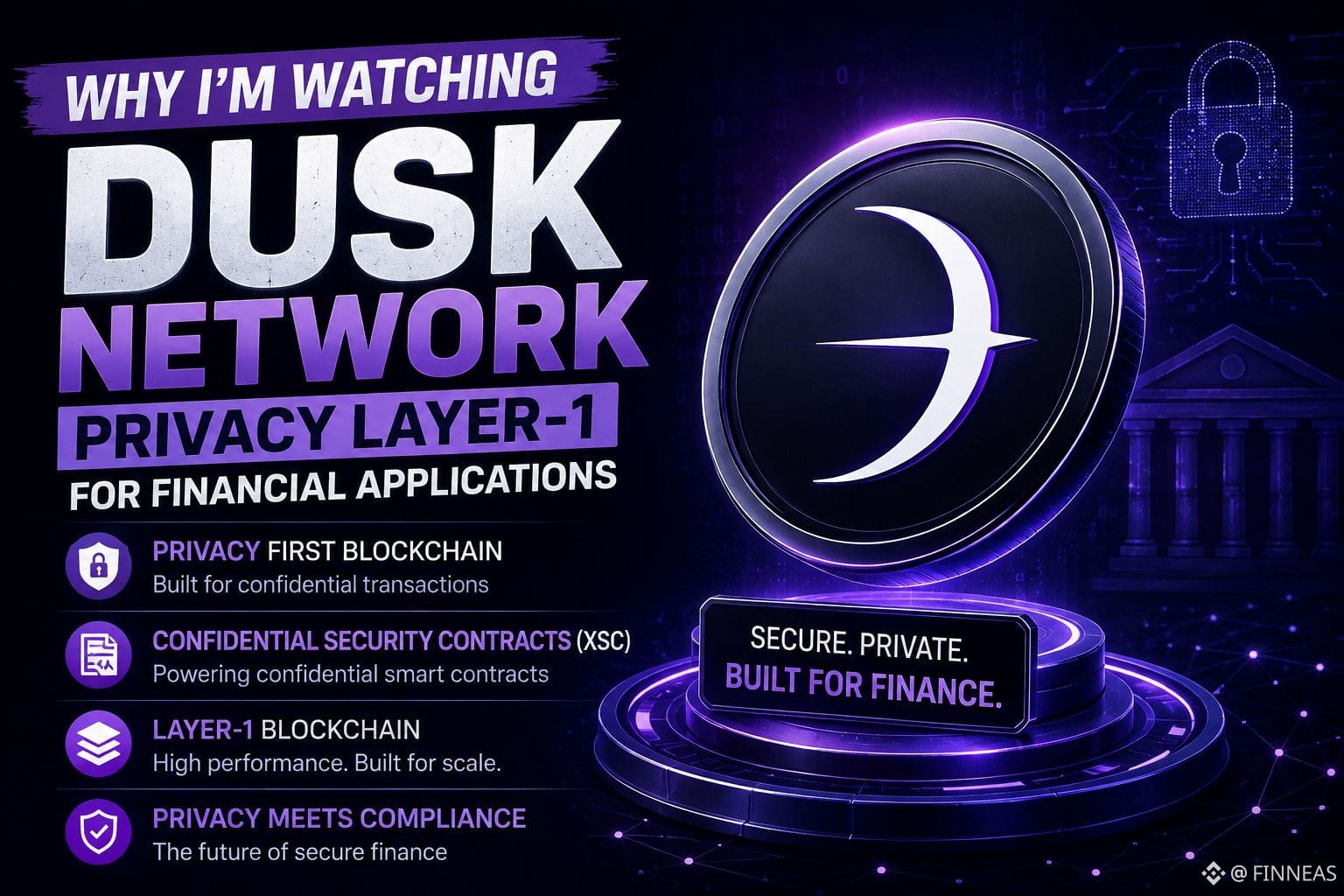
Das Dusk Network hat meine Aufmerksamkeit aus einem einfachen Grund erregt: Privatsphäre wird immer wichtiger, während Blockchain näher an echte finanzielle Nutzung heranrückt.
Dusk ist eine Layer-1-Plattform, die um Finanzanwendungen herum gebaut wurde. Ihr Confidential Security Contract-Standard unterstützt vertrauliche Smart Contracts. Was ich interessant finde, ist der Versuch, Privatsphäre direkt in die Infrastruktur zu integrieren, statt sie als zusätzliche Funktion zu behandeln.
Für mich ist die größere Frage, ob Blockchains Nutzern und Unternehmen sowohl Transparenz als auch Vertraulichkeit geben können, wenn sie diese wirklich brauchen. Dieses Gleichgewicht ist nicht einfach, aber es ist ein Problem, das man lösen sollte.
Ich beobachte immer noch, wie sich Dusk entwickelt und ob seine Technologie diese Idee in echte Akzeptanz umsetzen kann.
Privatsphäre im Finanzwesen fühlt sich weniger wie ein Luxus an und mehr wie eine grundlegende Anforderung. Glaubst du, dass vertrauliche Smart Contracts zu einem wesentlichen Bestandteil der nächsten Phase von Blockchain werden?
@Dusk_Foundation #dusk $DUSK
{spot}(DUSKUSDT)
Das Dusk Network hat meine Aufmerksamkeit aus einem einfachen Grund erregt: Privatsphäre wird immer wichtiger, während Blockchain näher an echte finanzielle Nutzung heranrückt.
Dusk ist eine Layer-1-Plattform, die um Finanzanwendungen herum gebaut wurde. Ihr Confidential Security Contract-Standard unterstützt vertrauliche Smart Contracts. Was ich interessant finde, ist der Versuch, Privatsphäre direkt in die Infrastruktur zu integrieren, statt sie als zusätzliche Funktion zu behandeln.
Für mich ist die größere Frage, ob Blockchains Nutzern und Unternehmen sowohl Transparenz als auch Vertraulichkeit geben können, wenn sie diese wirklich brauchen. Dieses Gleichgewicht ist nicht einfach, aber es ist ein Problem, das man lösen sollte.
Ich beobachte immer noch, wie sich Dusk entwickelt und ob seine Technologie diese Idee in echte Akzeptanz umsetzen kann.
Privatsphäre im Finanzwesen fühlt sich weniger wie ein Luxus an und mehr wie eine grundlegende Anforderung. Glaubst du, dass vertrauliche Smart Contracts zu einem wesentlichen Bestandteil der nächsten Phase von Blockchain werden?
@Dusk #dusk $DUSK
Dusk ist eine Layer-1-Plattform, die um Finanzanwendungen herum gebaut wurde. Ihr Confidential Security Contract-Standard unterstützt vertrauliche Smart Contracts. Was ich interessant finde, ist der Versuch, Privatsphäre direkt in die Infrastruktur zu integrieren, statt sie als zusätzliche Funktion zu behandeln.
Für mich ist die größere Frage, ob Blockchains Nutzern und Unternehmen sowohl Transparenz als auch Vertraulichkeit geben können, wenn sie diese wirklich brauchen. Dieses Gleichgewicht ist nicht einfach, aber es ist ein Problem, das man lösen sollte.
Ich beobachte immer noch, wie sich Dusk entwickelt und ob seine Technologie diese Idee in echte Akzeptanz umsetzen kann.
Privatsphäre im Finanzwesen fühlt sich weniger wie ein Luxus an und mehr wie eine grundlegende Anforderung. Glaubst du, dass vertrauliche Smart Contracts zu einem wesentlichen Bestandteil der nächsten Phase von Blockchain werden?
@Dusk #dusk $DUSK
6
3
147
·
--
Bärisch
📊 $XLM /USDT SHORT SIGNAL
📉 Richtung: SHORT
🎯 EP: $0.1625
💰 TP1: $0.1608
💰 TP2: $0.1592
💰 TP3: $0.1575
🛑 SL: $0.1642
📊 Technischer Ausblick:
Eine $1,2K Long-Liquidation nahe $0.16254 zeigt, dass Verkäufer in diesem Bereich aktiv sind. Wenn XLM unter EP bleibt, könnte der Preis sich in Richtung der unteren Ziele bewegen.
💡 Pro-Tipp:
Warte auf eine klare Zurückweisung, bevor du einsteigst. Verfolge die Bewegung nicht und halte das Risiko unter Kontrolle.
⚠️ Handle mit einem angemessenen Risikomanagement.
{spot}(XLMUSDT)
📊 $XLM /USDT SHORT SIGNAL
📉 Richtung: SHORT
🎯 EP: $0.1625
💰 TP1: $0.1608
💰 TP2: $0.1592
💰 TP3: $0.1575
🛑 SL: $0.1642
📊 Technischer Ausblick:
Eine $1,2K Long-Liquidation nahe $0.16254 zeigt, dass Verkäufer in diesem Bereich aktiv sind. Wenn XLM unter EP bleibt, könnte der Preis sich in Richtung der unteren Ziele bewegen.
💡 Pro-Tipp:
Warte auf eine klare Zurückweisung, bevor du einsteigst. Verfolge die Bewegung nicht und halte das Risiko unter Kontrolle.
⚠️ Handle mit einem angemessenen Risikomanagement.
📉 Richtung: SHORT
🎯 EP: $0.1625
💰 TP1: $0.1608
💰 TP2: $0.1592
💰 TP3: $0.1575
🛑 SL: $0.1642
📊 Technischer Ausblick:
Eine $1,2K Long-Liquidation nahe $0.16254 zeigt, dass Verkäufer in diesem Bereich aktiv sind. Wenn XLM unter EP bleibt, könnte der Preis sich in Richtung der unteren Ziele bewegen.
💡 Pro-Tipp:
Warte auf eine klare Zurückweisung, bevor du einsteigst. Verfolge die Bewegung nicht und halte das Risiko unter Kontrolle.
⚠️ Handle mit einem angemessenen Risikomanagement.
111
·
--
Bullisch
📊 $ONT /USDT SHORT SIGNAL
📉 Richtung: SHORT
🎯 EP: $0.0382
💰 TP1: $0.0377
💰 TP2: $0.0372
💰 TP3: $0.0366
🛑 SL: $0.0389
📊 Technischer Überblick:
Eine $4.9K Long-Liquidation nahe $0.03824 zeigt, dass Verkäufer in dieser Zone aktiv sind. Wenn ONT unter dem EP bleibt, könnte eine Abwärtsfortsetzung zu den Zielen folgen.
💡 Profi-Tipp:
Warte auf Bestätigung, bevor du einsteigst. Verfolge den Kurs nicht nach unten und halte dein Risiko unter Kontrolle.
⚠️ Handle mit ordentlichem Risikomanagement.
{spot}(ONTUSDT)
📊 $ONT /USDT SHORT SIGNAL
📉 Richtung: SHORT
🎯 EP: $0.0382
💰 TP1: $0.0377
💰 TP2: $0.0372
💰 TP3: $0.0366
🛑 SL: $0.0389
📊 Technischer Überblick:
Eine $4.9K Long-Liquidation nahe $0.03824 zeigt, dass Verkäufer in dieser Zone aktiv sind. Wenn ONT unter dem EP bleibt, könnte eine Abwärtsfortsetzung zu den Zielen folgen.
💡 Profi-Tipp:
Warte auf Bestätigung, bevor du einsteigst. Verfolge den Kurs nicht nach unten und halte dein Risiko unter Kontrolle.
⚠️ Handle mit ordentlichem Risikomanagement.
📉 Richtung: SHORT
🎯 EP: $0.0382
💰 TP1: $0.0377
💰 TP2: $0.0372
💰 TP3: $0.0366
🛑 SL: $0.0389
📊 Technischer Überblick:
Eine $4.9K Long-Liquidation nahe $0.03824 zeigt, dass Verkäufer in dieser Zone aktiv sind. Wenn ONT unter dem EP bleibt, könnte eine Abwärtsfortsetzung zu den Zielen folgen.
💡 Profi-Tipp:
Warte auf Bestätigung, bevor du einsteigst. Verfolge den Kurs nicht nach unten und halte dein Risiko unter Kontrolle.
⚠️ Handle mit ordentlichem Risikomanagement.
70
·
--
Bärisch
📊 $ONG /USDT SHORT SIGNAL
📉 Richtung: SHORT
🎯 EP: 0.0427$
💰 TP1: 0.0421$
💰 TP2: 0.0415$
💰 TP3: 0.0408$
🛑 SL: 0.0435$
📊 Technische Ansicht:
Eine 3.9K$ Long-Liquidation nahe 0.04273 zeigt, dass Verkäufer aktiv sind. Wenn ONG in diesem Bereich bleibt, könnte der Preis weiter fallen und sich den Zielen annähern.
💡 Profi-Tipp:
Warte auf eine Bestätigung, bevor du einsteigst. Verfolge keinen schnellen Abverkauf und halte dein Risiko unter Kontrolle.
⚠️ Handle mit ordentlichem Risikomanagement.
{spot}(ONGUSDT)
📊 $ONG /USDT SHORT SIGNAL
📉 Richtung: SHORT
🎯 EP: 0.0427$
💰 TP1: 0.0421$
💰 TP2: 0.0415$
💰 TP3: 0.0408$
🛑 SL: 0.0435$
📊 Technische Ansicht:
Eine 3.9K$ Long-Liquidation nahe 0.04273 zeigt, dass Verkäufer aktiv sind. Wenn ONG in diesem Bereich bleibt, könnte der Preis weiter fallen und sich den Zielen annähern.
💡 Profi-Tipp:
Warte auf eine Bestätigung, bevor du einsteigst. Verfolge keinen schnellen Abverkauf und halte dein Risiko unter Kontrolle.
⚠️ Handle mit ordentlichem Risikomanagement.
📉 Richtung: SHORT
🎯 EP: 0.0427$
💰 TP1: 0.0421$
💰 TP2: 0.0415$
💰 TP3: 0.0408$
🛑 SL: 0.0435$
📊 Technische Ansicht:
Eine 3.9K$ Long-Liquidation nahe 0.04273 zeigt, dass Verkäufer aktiv sind. Wenn ONG in diesem Bereich bleibt, könnte der Preis weiter fallen und sich den Zielen annähern.
💡 Profi-Tipp:
Warte auf eine Bestätigung, bevor du einsteigst. Verfolge keinen schnellen Abverkauf und halte dein Risiko unter Kontrolle.
⚠️ Handle mit ordentlichem Risikomanagement.
122
·
--
Bullisch
📊 $BMT /USDT LONG SIGNAL
📈 Richtung: LONG
🎯 EP: $0.0371
💰 TP1: $0.0378
💰 TP2: $0.0385
💰 TP3: $0.0393
🛑 SL: $0.0365
📊 Technische Ansicht:
Eine $3,9K Short-Liquidation nahe $0,03712 zeigt Kaufdruck in diesem Bereich. Wenn BMT über dem EP bleibt, könnten Käufer den Preis in Richtung der höheren Ziele drücken.
💡 Profi-Tipp:
Warte auf ein sauberes Halten über dem EP, bevor du einsteigst. Verfolge keinen plötzlichen Pump.
⚠️ Gehe sorgfältig mit dem Risiko um.
{spot}(BMTUSDT)
📊 $BMT /USDT LONG SIGNAL
📈 Richtung: LONG
🎯 EP: $0.0371
💰 TP1: $0.0378
💰 TP2: $0.0385
💰 TP3: $0.0393
🛑 SL: $0.0365
📊 Technische Ansicht:
Eine $3,9K Short-Liquidation nahe $0,03712 zeigt Kaufdruck in diesem Bereich. Wenn BMT über dem EP bleibt, könnten Käufer den Preis in Richtung der höheren Ziele drücken.
💡 Profi-Tipp:
Warte auf ein sauberes Halten über dem EP, bevor du einsteigst. Verfolge keinen plötzlichen Pump.
⚠️ Gehe sorgfältig mit dem Risiko um.
📈 Richtung: LONG
🎯 EP: $0.0371
💰 TP1: $0.0378
💰 TP2: $0.0385
💰 TP3: $0.0393
🛑 SL: $0.0365
📊 Technische Ansicht:
Eine $3,9K Short-Liquidation nahe $0,03712 zeigt Kaufdruck in diesem Bereich. Wenn BMT über dem EP bleibt, könnten Käufer den Preis in Richtung der höheren Ziele drücken.
💡 Profi-Tipp:
Warte auf ein sauberes Halten über dem EP, bevor du einsteigst. Verfolge keinen plötzlichen Pump.
⚠️ Gehe sorgfältig mit dem Risiko um.
197
·
--
Bullisch
📊 $FORM /USDT SHORT SIGNAL
📉 Richtung: SHORT
🎯 EP: $0.2212
💰 TP1: $0.2180
💰 TP2: $0.2145
💰 TP3: $0.2100
🛑 SL: $0.2250
📊 Technischer Überblick:
Eine $4K Long-Liquidation bei etwa $0.22123 zeigt, dass Verkäufer aktiv sind. Wenn FORM in diesem Bereich bleibt und darunter handelt, könnte der Preis weiter fallen und sich den Zielen nähern. Warte auf Bestätigung, bevor du einsteigst.
💡 Profi-Tipp:
Verfolge den Absturz nicht. Gehe nahe am EP rein und halte dein Risiko kontrolliert.
⚠️ Handel mit korrektem Risikomanagement.
{spot}(FORMUSDT)
📊 $FORM /USDT SHORT SIGNAL
📉 Richtung: SHORT
🎯 EP: $0.2212
💰 TP1: $0.2180
💰 TP2: $0.2145
💰 TP3: $0.2100
🛑 SL: $0.2250
📊 Technischer Überblick:
Eine $4K Long-Liquidation bei etwa $0.22123 zeigt, dass Verkäufer aktiv sind. Wenn FORM in diesem Bereich bleibt und darunter handelt, könnte der Preis weiter fallen und sich den Zielen nähern. Warte auf Bestätigung, bevor du einsteigst.
💡 Profi-Tipp:
Verfolge den Absturz nicht. Gehe nahe am EP rein und halte dein Risiko kontrolliert.
⚠️ Handel mit korrektem Risikomanagement.
📉 Richtung: SHORT
🎯 EP: $0.2212
💰 TP1: $0.2180
💰 TP2: $0.2145
💰 TP3: $0.2100
🛑 SL: $0.2250
📊 Technischer Überblick:
Eine $4K Long-Liquidation bei etwa $0.22123 zeigt, dass Verkäufer aktiv sind. Wenn FORM in diesem Bereich bleibt und darunter handelt, könnte der Preis weiter fallen und sich den Zielen nähern. Warte auf Bestätigung, bevor du einsteigst.
💡 Profi-Tipp:
Verfolge den Absturz nicht. Gehe nahe am EP rein und halte dein Risiko kontrolliert.
⚠️ Handel mit korrektem Risikomanagement.
341
·
--
Bullisch
📊 $SOL /USDT LONG SIGNAL
📈 Richtung: LONG
🎯 Einstiegspreis (EP): 77.40$
💰 Take Profit 1 (TP1): 78.20$
💰 Take Profit 2 (TP2): 79.00$
💰 Take Profit 3 (TP3): 80.00$
🛑 Stop Loss (SL): 76.70$
📊 Technischer Überblick:
Eine starke Short-Liquidation von 82.7K$ nahe 77.43$ zeigt, dass Käufer aktiv sind. Wenn SOL über dieser Marke hält, kann die Squeeze-Situation weiter in Richtung höherer Ziele gehen.
💡 Pro-Tipp:
Warte auf einen sauberen Halt über dem EP, bevor du einsteigst. Verfolge keinen plötzlichen Pump.
⚠️ Gehe sorgfältig mit dem Risiko um.
{spot}(SOLUSDT)
📊 $SOL /USDT LONG SIGNAL
📈 Richtung: LONG
🎯 Einstiegspreis (EP): 77.40$
💰 Take Profit 1 (TP1): 78.20$
💰 Take Profit 2 (TP2): 79.00$
💰 Take Profit 3 (TP3): 80.00$
🛑 Stop Loss (SL): 76.70$
📊 Technischer Überblick:
Eine starke Short-Liquidation von 82.7K$ nahe 77.43$ zeigt, dass Käufer aktiv sind. Wenn SOL über dieser Marke hält, kann die Squeeze-Situation weiter in Richtung höherer Ziele gehen.
💡 Pro-Tipp:
Warte auf einen sauberen Halt über dem EP, bevor du einsteigst. Verfolge keinen plötzlichen Pump.
⚠️ Gehe sorgfältig mit dem Risiko um.
📈 Richtung: LONG
🎯 Einstiegspreis (EP): 77.40$
💰 Take Profit 1 (TP1): 78.20$
💰 Take Profit 2 (TP2): 79.00$
💰 Take Profit 3 (TP3): 80.00$
🛑 Stop Loss (SL): 76.70$
📊 Technischer Überblick:
Eine starke Short-Liquidation von 82.7K$ nahe 77.43$ zeigt, dass Käufer aktiv sind. Wenn SOL über dieser Marke hält, kann die Squeeze-Situation weiter in Richtung höherer Ziele gehen.
💡 Pro-Tipp:
Warte auf einen sauberen Halt über dem EP, bevor du einsteigst. Verfolge keinen plötzlichen Pump.
⚠️ Gehe sorgfältig mit dem Risiko um.
92
·
--
Bullisch
📊 $COAI /USDT SHORT SIGNAL
📉 Richtung: SHORT
🎯 EP: $0.3780
💰 TP1: $0.3710
💰 TP2: $0.3640
💰 TP3: $0.3560
🛑 SL: $0.3860
📊 Technische Ansicht:
Eine $5,4K Long-Liquidation um $0.37837 zeigt, dass Verkäufer auf diesem Niveau aktiv sind. Wenn COAI unter $0.3780 bleibt, ist eine Fortsetzung nach unten bis zu den Zielen möglich.
💡 Pro-Tipp:
Warte auf eine Ablehnung oder Bestätigung, bevor du einsteigst. Verfolge keinen schnellen Move und halte das Risiko kontrolliert.
⚠️ Handel mit angemessenem Risikomanagement.
{future}(COAIUSDT)
📊 $COAI /USDT SHORT SIGNAL
📉 Richtung: SHORT
🎯 EP: $0.3780
💰 TP1: $0.3710
💰 TP2: $0.3640
💰 TP3: $0.3560
🛑 SL: $0.3860
📊 Technische Ansicht:
Eine $5,4K Long-Liquidation um $0.37837 zeigt, dass Verkäufer auf diesem Niveau aktiv sind. Wenn COAI unter $0.3780 bleibt, ist eine Fortsetzung nach unten bis zu den Zielen möglich.
💡 Pro-Tipp:
Warte auf eine Ablehnung oder Bestätigung, bevor du einsteigst. Verfolge keinen schnellen Move und halte das Risiko kontrolliert.
⚠️ Handel mit angemessenem Risikomanagement.
📉 Richtung: SHORT
🎯 EP: $0.3780
💰 TP1: $0.3710
💰 TP2: $0.3640
💰 TP3: $0.3560
🛑 SL: $0.3860
📊 Technische Ansicht:
Eine $5,4K Long-Liquidation um $0.37837 zeigt, dass Verkäufer auf diesem Niveau aktiv sind. Wenn COAI unter $0.3780 bleibt, ist eine Fortsetzung nach unten bis zu den Zielen möglich.
💡 Pro-Tipp:
Warte auf eine Ablehnung oder Bestätigung, bevor du einsteigst. Verfolge keinen schnellen Move und halte das Risiko kontrolliert.
⚠️ Handel mit angemessenem Risikomanagement.
406
·
--
Bullisch
📊 $BTC /USDT LONG SIGNAL
📈 Richtung: LONG
🎯 EP: 65.200 $
💰 TP1: 65.600 $
💰 TP2: 66.000 $
💰 TP3: 66.500 $
🛑 SL: 64.750 $
📊 Technischer Blick:
Shorts werden in der Nähe von 65.201 $ liquidiert, was auf starken Kaufdruck hindeutet. Wenn BTC oberhalb dieses Bereichs hält, kann die Bewegung Richtung der höheren Ziele weitergehen. Warte vor dem Einstieg auf eine Bestätigung.
💡 Profi-Tipp:
Jage dem Ausbruch nicht hinterher. Steige nahe am EP ein und halte dein Risiko unter Kontrolle.
⚠️ Handel mit einem korrekten Risikomanagement.
{spot}(BTCUSDT)
📊 $BTC /USDT LONG SIGNAL
📈 Richtung: LONG
🎯 EP: 65.200 $
💰 TP1: 65.600 $
💰 TP2: 66.000 $
💰 TP3: 66.500 $
🛑 SL: 64.750 $
📊 Technischer Blick:
Shorts werden in der Nähe von 65.201 $ liquidiert, was auf starken Kaufdruck hindeutet. Wenn BTC oberhalb dieses Bereichs hält, kann die Bewegung Richtung der höheren Ziele weitergehen. Warte vor dem Einstieg auf eine Bestätigung.
💡 Profi-Tipp:
Jage dem Ausbruch nicht hinterher. Steige nahe am EP ein und halte dein Risiko unter Kontrolle.
⚠️ Handel mit einem korrekten Risikomanagement.
📈 Richtung: LONG
🎯 EP: 65.200 $
💰 TP1: 65.600 $
💰 TP2: 66.000 $
💰 TP3: 66.500 $
🛑 SL: 64.750 $
📊 Technischer Blick:
Shorts werden in der Nähe von 65.201 $ liquidiert, was auf starken Kaufdruck hindeutet. Wenn BTC oberhalb dieses Bereichs hält, kann die Bewegung Richtung der höheren Ziele weitergehen. Warte vor dem Einstieg auf eine Bestätigung.
💡 Profi-Tipp:
Jage dem Ausbruch nicht hinterher. Steige nahe am EP ein und halte dein Risiko unter Kontrolle.
⚠️ Handel mit einem korrekten Risikomanagement.
103
·
--
Bullisch
📊 $BANANAS31 /USDT SHORT
📉 Richtung: SHORT
🎯 EP: 0.00915 $
💰 TP1: 0.00898 $
💰 TP2: 0.00880 $
💰 TP3: 0.00860 $
🛑 SL: 0.00934 $
📊 Technische Einschätzung:
Eine Long-Liquidation nahe 0.00916 zeigt Verkaufsdruck rund um dieses Niveau. Wenn der Preis unter 0.00915 bleibt, könnten Verkäufer weiter nach unten drücken. Warte auf eine Bestätigung, bevor du einsteigst.
💡 Profi-Tipp:
Verfolge keinen plötzlichen Kursrutsch hinterher. Steige nahe EP ein und sichere deine Position mit dem SL ab.
⚠️ Gehe mit dem Risiko sorgfältig um.
{spot}(BANANAS31USDT)
📊 $BANANAS31 /USDT SHORT
📉 Richtung: SHORT
🎯 EP: 0.00915 $
💰 TP1: 0.00898 $
💰 TP2: 0.00880 $
💰 TP3: 0.00860 $
🛑 SL: 0.00934 $
📊 Technische Einschätzung:
Eine Long-Liquidation nahe 0.00916 zeigt Verkaufsdruck rund um dieses Niveau. Wenn der Preis unter 0.00915 bleibt, könnten Verkäufer weiter nach unten drücken. Warte auf eine Bestätigung, bevor du einsteigst.
💡 Profi-Tipp:
Verfolge keinen plötzlichen Kursrutsch hinterher. Steige nahe EP ein und sichere deine Position mit dem SL ab.
⚠️ Gehe mit dem Risiko sorgfältig um.
📉 Richtung: SHORT
🎯 EP: 0.00915 $
💰 TP1: 0.00898 $
💰 TP2: 0.00880 $
💰 TP3: 0.00860 $
🛑 SL: 0.00934 $
📊 Technische Einschätzung:
Eine Long-Liquidation nahe 0.00916 zeigt Verkaufsdruck rund um dieses Niveau. Wenn der Preis unter 0.00915 bleibt, könnten Verkäufer weiter nach unten drücken. Warte auf eine Bestätigung, bevor du einsteigst.
💡 Profi-Tipp:
Verfolge keinen plötzlichen Kursrutsch hinterher. Steige nahe EP ein und sichere deine Position mit dem SL ab.
⚠️ Gehe mit dem Risiko sorgfältig um.
121
Anmelden und weiter Inhalte entdecken
Krypto-Nutzer weltweit auf Binance Square kennenlernen
⚡️ Bleib in Sachen Krypto stets am Puls.
💬 Die weltgrößte Kryptobörse vertraut darauf.
👍 Erhalte verlässliche Einblicke von verifizierten Creators.
E-Mail-Adresse/Telefonnummer
Trendthemen
FedRateWatch
1.5M Aufrufe
6,726 Kommentare
Teile & gewinne Traffic-Belohnungen in unserer Kampagne mit angesagtem Hashtag
✨Thema: FOMC September, Was ist der nächste Schritt der Fed?
👉So nimmst du teil:
Veröffentliche einen kurzen Beitrag oder Artikel mit dem Hashtag #FedRateWatch
Erstelle Inhalte basierend auf den folgenden Blickwinkeln:
- Der August-Core-CPI stieg um 0,3% im Monatsvergleich, und die Wahrscheinlichkeit für eine 25bp-Erhöhung diese Woche liegt nun bei fast 90%. Erwartest du diese Woche eine Zinserhöhung? Handelt es sich um einen einmaligen Schritt oder den Beginn eines längeren Zinserhöhungszyklus?
- Wenn die Erhöhung erfolgt: Wie entwickelt sich das für BTC, Tech-Aktien und Gold? Aufwärts- oder abwärtsgerichtet?
- Wie planst du als Nächstes zu handeln? Teile deinen BTC-, Aktien- oder Gold-Trade/Bestände mit unserem Trade-Sharing-Widget.
⏰Kampagnenzeitraum:
- 2026-09-15 11:00 - 2026-09-17 3:00 UTC
🎁Belohnung:
- Qualifizierte Beiträge, die die oben genannten Richtlinien erfüllen und mehr als 100 Wörter enthalten, werden überprüft und erhalten möglicherweise einen zufälligen Traffic-Boost von 500 bis 3.000 Aufrufen. Du erhältst eine Benachrichtigung von deiner Feed-Secretary, wenn dein Beitrag ausgewählt wird.
- Erhalte die Chance, dass dein Artikel auf Binance Square Official vorgestellt wird
Du brauchst Ideen für deinen Beitrag? Besuche die Themenseite #FedRateWatch oder die Square Guide on How to Post for Better Reach.
Binance Square Official
·648 Likes
·1.7M Aufrufe
ZcashRises6%
51,889 Aufrufe
651 Kommentare
XRPSinks10%
34,833 Aufrufe
428 Kommentare