
BTC S
5.7k Beiträge

BTC S
Melden
Nutzer blockieren
446 Following
8.3K+ Follower
3.4K+ Like gegeben
Beiträge
Alle
Zitierungen
Live
·
--
Bullisch
Verifiziert
Ich komme jede CPI-Woche wieder auf dieselbe Verärgerung zurück: Alle behandeln eine einzelne monatliche Zahl so, als sollte sie etwas klären — dabei war sie dafür nie gebaut. Es gibt saisonales Rauschen, merkwürdige Sampling-Effekte und eine oder zwei Kategorien, die die ganze Arbeit übernehmen: Diesmal waren es die Dienstleistungen, nachdem man Energie und Wohnen herausgerechnet hat. Aber die Fed hat nun mal einen Sitzungstermin im Kalender, unabhängig davon, ob die Daten sauber sind oder nicht. Deshalb entscheidet der Markt für etwa zwei Tage einfach... dass die Zahl mehr bedeutet, als sie vermutlich hat.
Also, was ist passiert: Der Kern-CPI lag im Monat bei 0,3 %, also einen Zehntel zu heiß im Vergleich zur Erwartung. Fast sofort stiegen die Chancen auf weitere Zinserhöhungen auf irgendwo um 85 %. Ich finde das nicht wirklich überraschend, wenn man aufgepasst hat — Futures lagen bereits nach der PPI-Zahl zwei Tage zuvor bei nahe 73 %. Das hat niemandes Meinung grundlegend geändert. Es hat nur den Leuten die Erlaubnis gegeben, laut auszusprechen, was sie ohnehin schon vermutet haben.
Allerdings bin ich zögerlich, bei irgendetwas zu sicher zu klingen. Die Fed-Vertreter selbst sagten, der Call habe „fein austariert“ gewirkt, bevor es losging. Und ehrlich: Ihre Reaktion auf jeden einzelnen Datenpunkt der letzten Zeit wirkt eher improvisiert als regelbasiert. Eine Zinserhöhung um einen Viertelpunkt nächste Woche würde mich nicht überraschen. Ebenso wenig ein „Hold“ — wenn genug Uneinigkeit im Raum herrscht, ist auch das plausibel.
Wer das wirklich ernsthaft betrifft, sind die, die darauf angewiesen sind: Leute mit variabel verzinslichem Schuldenanteil oder ein Bond-Desk, das das Repricing-Risiko diese Woche managt. Alle anderen, die das beobachten wie eine große Enthüllung, lesen vermutlich mehr hinein, als es verdient.
#CPIWatch
Wie schnell denkst du, kippt das Perp-Funding, wenn die heutige Zahl heiß kommt?
$MET
{spot}(METUSDT)
$BTC
{spot}(BTCUSDT)
$牛来
{spot}(牛来USDT)
Ich komme jede CPI-Woche wieder auf dieselbe Verärgerung zurück: Alle behandeln eine einzelne monatliche Zahl so, als sollte sie etwas klären — dabei war sie dafür nie gebaut. Es gibt saisonales Rauschen, merkwürdige Sampling-Effekte und eine oder zwei Kategorien, die die ganze Arbeit übernehmen: Diesmal waren es die Dienstleistungen, nachdem man Energie und Wohnen herausgerechnet hat. Aber die Fed hat nun mal einen Sitzungstermin im Kalender, unabhängig davon, ob die Daten sauber sind oder nicht. Deshalb entscheidet der Markt für etwa zwei Tage einfach... dass die Zahl mehr bedeutet, als sie vermutlich hat.
Also, was ist passiert: Der Kern-CPI lag im Monat bei 0,3 %, also einen Zehntel zu heiß im Vergleich zur Erwartung. Fast sofort stiegen die Chancen auf weitere Zinserhöhungen auf irgendwo um 85 %. Ich finde das nicht wirklich überraschend, wenn man aufgepasst hat — Futures lagen bereits nach der PPI-Zahl zwei Tage zuvor bei nahe 73 %. Das hat niemandes Meinung grundlegend geändert. Es hat nur den Leuten die Erlaubnis gegeben, laut auszusprechen, was sie ohnehin schon vermutet haben.
Allerdings bin ich zögerlich, bei irgendetwas zu sicher zu klingen. Die Fed-Vertreter selbst sagten, der Call habe „fein austariert“ gewirkt, bevor es losging. Und ehrlich: Ihre Reaktion auf jeden einzelnen Datenpunkt der letzten Zeit wirkt eher improvisiert als regelbasiert. Eine Zinserhöhung um einen Viertelpunkt nächste Woche würde mich nicht überraschen. Ebenso wenig ein „Hold“ — wenn genug Uneinigkeit im Raum herrscht, ist auch das plausibel.
Wer das wirklich ernsthaft betrifft, sind die, die darauf angewiesen sind: Leute mit variabel verzinslichem Schuldenanteil oder ein Bond-Desk, das das Repricing-Risiko diese Woche managt. Alle anderen, die das beobachten wie eine große Enthüllung, lesen vermutlich mehr hinein, als es verdient.
#CPIWatch
Wie schnell denkst du, kippt das Perp-Funding, wenn die heutige Zahl heiß kommt?
$MET
$BTC
$牛来
Also, was ist passiert: Der Kern-CPI lag im Monat bei 0,3 %, also einen Zehntel zu heiß im Vergleich zur Erwartung. Fast sofort stiegen die Chancen auf weitere Zinserhöhungen auf irgendwo um 85 %. Ich finde das nicht wirklich überraschend, wenn man aufgepasst hat — Futures lagen bereits nach der PPI-Zahl zwei Tage zuvor bei nahe 73 %. Das hat niemandes Meinung grundlegend geändert. Es hat nur den Leuten die Erlaubnis gegeben, laut auszusprechen, was sie ohnehin schon vermutet haben.
Allerdings bin ich zögerlich, bei irgendetwas zu sicher zu klingen. Die Fed-Vertreter selbst sagten, der Call habe „fein austariert“ gewirkt, bevor es losging. Und ehrlich: Ihre Reaktion auf jeden einzelnen Datenpunkt der letzten Zeit wirkt eher improvisiert als regelbasiert. Eine Zinserhöhung um einen Viertelpunkt nächste Woche würde mich nicht überraschen. Ebenso wenig ein „Hold“ — wenn genug Uneinigkeit im Raum herrscht, ist auch das plausibel.
Wer das wirklich ernsthaft betrifft, sind die, die darauf angewiesen sind: Leute mit variabel verzinslichem Schuldenanteil oder ein Bond-Desk, das das Repricing-Risiko diese Woche managt. Alle anderen, die das beobachten wie eine große Enthüllung, lesen vermutlich mehr hinein, als es verdient.
#CPIWatch
Wie schnell denkst du, kippt das Perp-Funding, wenn die heutige Zahl heiß kommt?
$MET
$BTC
$牛来

6
1
6
1.6k
·
--
Bullisch
Ich komme immer wieder auf ein ziemlich grundlegendes Problem zurück: Auf den meisten Blockchains sieht jeder alles. Wenn ein Trading-Desk eine Position bewegt oder ein Unternehmen Treasury-Gelder verschiebt, dann ist das einfach… sichtbar. Für Wettbewerber, für jeden, der neugierig genug ist, nachzusehen. Und wenn man es so formuliert, wird klar, warum ernsthaftes Geld auf Abstand bleibt. Niemand möchte mit offenen Karten auf dem Tisch handeln.
Die Lösungen, die ich gesehen habe, beheben das Problem nicht wirklich – sie verschieben es nur. Mixer werden sofort als Warnsignal behandelt, sobald Compliance sie sieht. Zero-Knowledge-Rollups machen die Ausführung größtenteils schneller, aber sie verbergen nicht, wer mit wem handelt. So entsteht am Ende Privatsphäre, die sich eher wie nachträglich aufgesetzt anfühlt – über einem System, das nie für Privatsphäre gedacht war. Und dann können Regulierungsbehörden nicht unterscheiden, ob jemand eine normale Position schützt oder etwas verbirgt, das er nicht verbergen sollte.
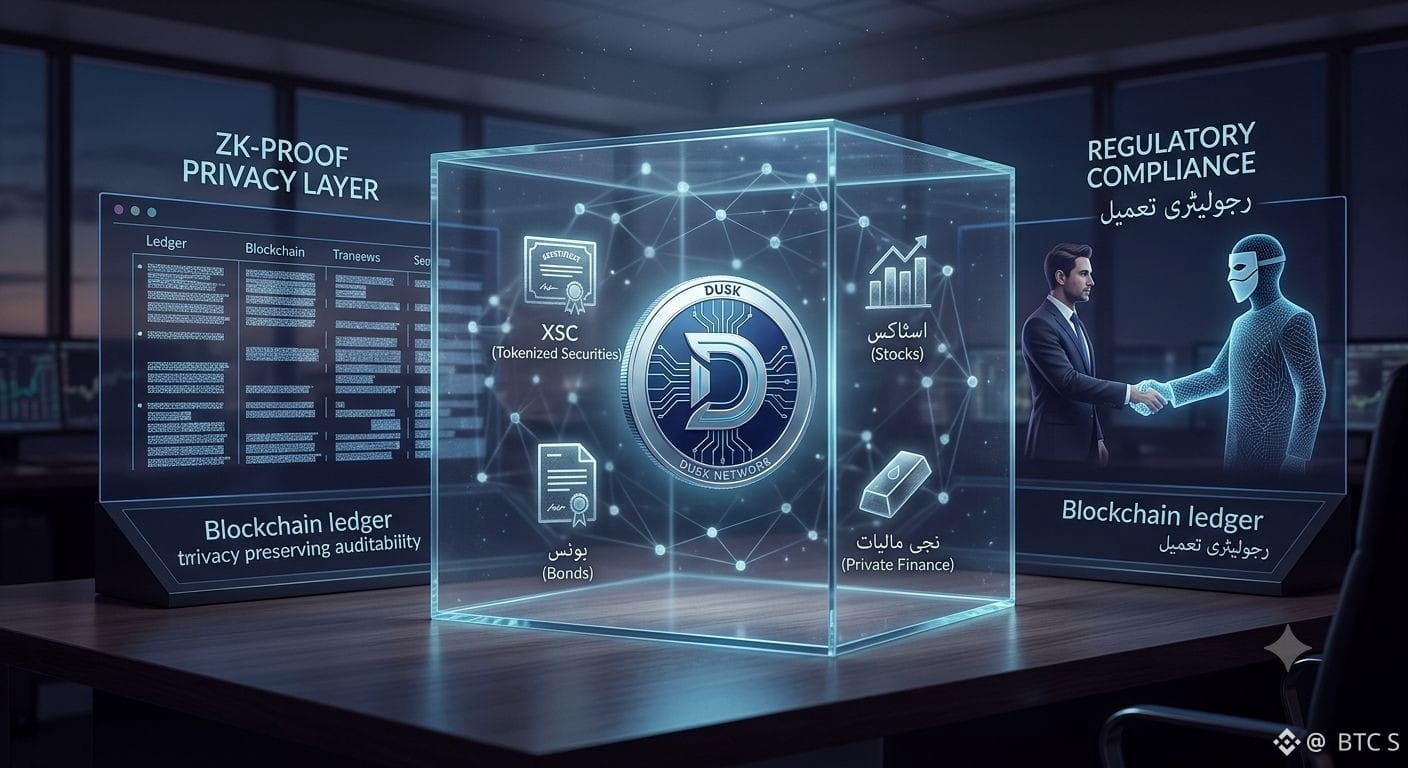
Was Dusk offenbar anders macht, ist, die Privatsphäre direkt in die Basisschicht zu integrieren – statt sie nur oben draufzupacken – und zwar so, dass sie bei Bedarf trotzdem überprüfbar bleibt. Der XSC-Standard zielt auf ein ziemlich konkretes Problem: tokenisierte Wertpapiere, die regulatorische Prüfungen bestehen müssen, ohne jede Gegenpartei öffentlich offenzulegen. Das ist ein engeres Ziel als „private Crypto für alle“, aber ich glaube, genau das ist ein Vorteil.
Ob es funktioniert, ist vermutlich gar keine technische Frage. Es geht darum, ob regulierte Institutionen bereit sind, ihnen ungewohnte „Schienen“ mit echtem Geld zu vertrauen. Das dauert. Und es könnte aus Gründen ins Stocken geraten, die nichts mit dem Code zu tun haben.
#dusk @Dusk_Foundation
$DUSK
{spot}(DUSKUSDT)
$BTR
{future}(BTRUSDT)
$FOREST
{alpha}(560x11cf6bf6d87cb0eb9c294fd6cbfec91ee3a1a7d0)
Ich komme immer wieder auf ein ziemlich grundlegendes Problem zurück: Auf den meisten Blockchains sieht jeder alles. Wenn ein Trading-Desk eine Position bewegt oder ein Unternehmen Treasury-Gelder verschiebt, dann ist das einfach… sichtbar. Für Wettbewerber, für jeden, der neugierig genug ist, nachzusehen. Und wenn man es so formuliert, wird klar, warum ernsthaftes Geld auf Abstand bleibt. Niemand möchte mit offenen Karten auf dem Tisch handeln.
Die Lösungen, die ich gesehen habe, beheben das Problem nicht wirklich – sie verschieben es nur. Mixer werden sofort als Warnsignal behandelt, sobald Compliance sie sieht. Zero-Knowledge-Rollups machen die Ausführung größtenteils schneller, aber sie verbergen nicht, wer mit wem handelt. So entsteht am Ende Privatsphäre, die sich eher wie nachträglich aufgesetzt anfühlt – über einem System, das nie für Privatsphäre gedacht war. Und dann können Regulierungsbehörden nicht unterscheiden, ob jemand eine normale Position schützt oder etwas verbirgt, das er nicht verbergen sollte.
Was Dusk offenbar anders macht, ist, die Privatsphäre direkt in die Basisschicht zu integrieren – statt sie nur oben draufzupacken – und zwar so, dass sie bei Bedarf trotzdem überprüfbar bleibt. Der XSC-Standard zielt auf ein ziemlich konkretes Problem: tokenisierte Wertpapiere, die regulatorische Prüfungen bestehen müssen, ohne jede Gegenpartei öffentlich offenzulegen. Das ist ein engeres Ziel als „private Crypto für alle“, aber ich glaube, genau das ist ein Vorteil.
Ob es funktioniert, ist vermutlich gar keine technische Frage. Es geht darum, ob regulierte Institutionen bereit sind, ihnen ungewohnte „Schienen“ mit echtem Geld zu vertrauen. Das dauert. Und es könnte aus Gründen ins Stocken geraten, die nichts mit dem Code zu tun haben.
#dusk @Dusk
$DUSK
$BTR
$FOREST
Die Lösungen, die ich gesehen habe, beheben das Problem nicht wirklich – sie verschieben es nur. Mixer werden sofort als Warnsignal behandelt, sobald Compliance sie sieht. Zero-Knowledge-Rollups machen die Ausführung größtenteils schneller, aber sie verbergen nicht, wer mit wem handelt. So entsteht am Ende Privatsphäre, die sich eher wie nachträglich aufgesetzt anfühlt – über einem System, das nie für Privatsphäre gedacht war. Und dann können Regulierungsbehörden nicht unterscheiden, ob jemand eine normale Position schützt oder etwas verbirgt, das er nicht verbergen sollte.
Was Dusk offenbar anders macht, ist, die Privatsphäre direkt in die Basisschicht zu integrieren – statt sie nur oben draufzupacken – und zwar so, dass sie bei Bedarf trotzdem überprüfbar bleibt. Der XSC-Standard zielt auf ein ziemlich konkretes Problem: tokenisierte Wertpapiere, die regulatorische Prüfungen bestehen müssen, ohne jede Gegenpartei öffentlich offenzulegen. Das ist ein engeres Ziel als „private Crypto für alle“, aber ich glaube, genau das ist ein Vorteil.
Ob es funktioniert, ist vermutlich gar keine technische Frage. Es geht darum, ob regulierte Institutionen bereit sind, ihnen ungewohnte „Schienen“ mit echtem Geld zu vertrauen. Das dauert. Und es könnte aus Gründen ins Stocken geraten, die nichts mit dem Code zu tun haben.
#dusk @Dusk
$DUSK
$BTR
$FOREST
276
·
--
Bullisch
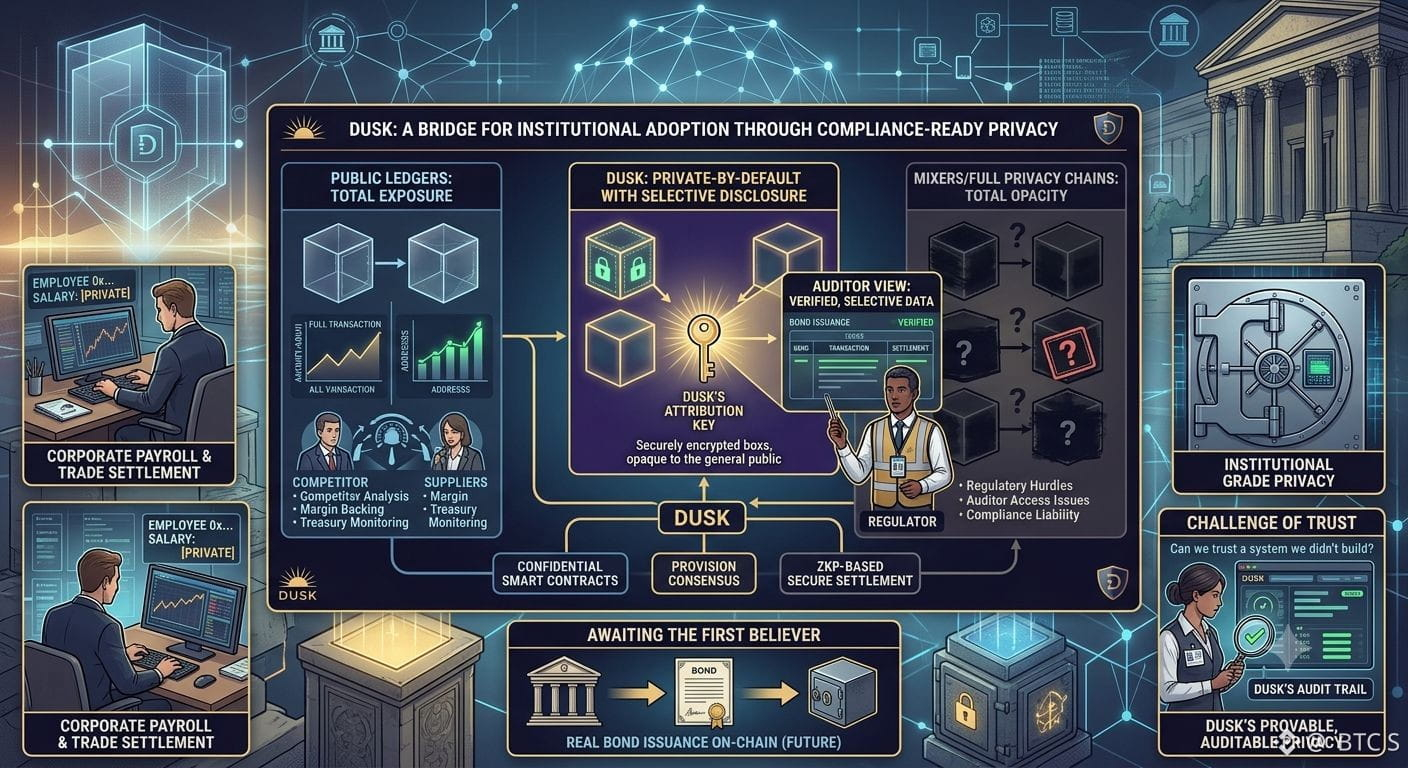
Ehrlich gesagt, was mich an öffentlichen Blockchains stört, ist, wie naiv sie sind. Alles ist für immer da – jede Wallet, jede Überweisung, jeder Moment, in dem du Geld bewegt hast, und wie viel. Klar, wenn du irgendein anonymer Trader bist, der um 2 Uhr morgens Tokens hin und her schiebt. Nicht in Ordnung, wenn du ein Unternehmen bist, das Löhne auszahlt, ein Fonds, der einen Handel abwickelt, oder eine Bank, die im Grunde irgendetwas bewegt – denn jetzt erzählt dein Ledger einfach… allen deine Angelegenheiten. Lieferanten können deine Margen zurückrechnen. Wettbewerber können deine Treasury wie einen Live-Stream beobachten. Das ist kein Randfall, den Leute sich nur ausdenken – es ist genau das, was passiert, wenn „transparent“ das gesamte Design ist.
Also suchen die Leute natürlich nach Tools für Privatsphäre, und die meisten von ihnen brechen dann irgendetwas anderes. Mischer lassen dich so wirken, als würdest du etwas verbergen, selbst wenn du nichts zu verbergen hast – und jetzt wirkst du wie ein Geldwäscher, nur weil du grundlegende finanzielle Privatsphäre nutzt. Und die voll privaten Chains gehen zu weit in die andere Richtung: Sie verstecken Dinge vor der einen Person, die sie tatsächlich sehen soll – dem Auditor, dem Regulator. Damit bleibt dir die Wahl zwischen kompletter Preisgabe und kompletter Undurchsichtigkeit, und beides ist nicht wirklich nutzbar, wenn du ein echtes, reguliertes Unternehmen bist.
Was Dusk anstrebt, ist die nervige Mittelposition: standardmäßig privat, aber mit irgendeinem Schlüssel, der der richtigen Person erlaubt, das Richtige zu sehen, wenn sie es braucht. Das ist eine schöne Idee auf dem Papier. Aber ich glaube nicht, dass das schwierige daran jemals die Kryptografie war. Das Schwierige ist, einen Compliance-Beauftragten bei einer Bank dazu zu bringen, einem Offenlegungssystem zu vertrauen, das er nicht selbst gebaut hat, das er sich nicht vollständig selbst auditen kann und das er nie in der echten Welt hat scheitern (oder gelingen) sehen.
Ich bin noch nicht überzeugt. Ein kleines Validator-Set, ein Use Case, der eigentlich nur dann wirklich relevant ist, wenn Institutionen auftauchen, und Institutionen sich aus Absicht langsam bewegen. Ich würde gern sehen, wie eine echte Anleiheemission oder eine Wertpapierabwicklung tatsächlich live darauf läuft – und dort bleibt –, bevor ich das irgendetwas anderes nenne als eine gute Idee, die noch auf ihren ersten Gläubigen wartet.
#dusk @Dusk_Foundation
$DUSK
{spot}(DUSKUSDT)
$DEBIT
{alpha}(560x66661c7229901f568f16bd1551b3ba826f83ce49)
$BTR
{future}(BTRUSDT)
Ehrlich gesagt, was mich an öffentlichen Blockchains stört, ist, wie naiv sie sind. Alles ist für immer da – jede Wallet, jede Überweisung, jeder Moment, in dem du Geld bewegt hast, und wie viel. Klar, wenn du irgendein anonymer Trader bist, der um 2 Uhr morgens Tokens hin und her schiebt. Nicht in Ordnung, wenn du ein Unternehmen bist, das Löhne auszahlt, ein Fonds, der einen Handel abwickelt, oder eine Bank, die im Grunde irgendetwas bewegt – denn jetzt erzählt dein Ledger einfach… allen deine Angelegenheiten. Lieferanten können deine Margen zurückrechnen. Wettbewerber können deine Treasury wie einen Live-Stream beobachten. Das ist kein Randfall, den Leute sich nur ausdenken – es ist genau das, was passiert, wenn „transparent“ das gesamte Design ist.
Also suchen die Leute natürlich nach Tools für Privatsphäre, und die meisten von ihnen brechen dann irgendetwas anderes. Mischer lassen dich so wirken, als würdest du etwas verbergen, selbst wenn du nichts zu verbergen hast – und jetzt wirkst du wie ein Geldwäscher, nur weil du grundlegende finanzielle Privatsphäre nutzt. Und die voll privaten Chains gehen zu weit in die andere Richtung: Sie verstecken Dinge vor der einen Person, die sie tatsächlich sehen soll – dem Auditor, dem Regulator. Damit bleibt dir die Wahl zwischen kompletter Preisgabe und kompletter Undurchsichtigkeit, und beides ist nicht wirklich nutzbar, wenn du ein echtes, reguliertes Unternehmen bist.
Was Dusk anstrebt, ist die nervige Mittelposition: standardmäßig privat, aber mit irgendeinem Schlüssel, der der richtigen Person erlaubt, das Richtige zu sehen, wenn sie es braucht. Das ist eine schöne Idee auf dem Papier. Aber ich glaube nicht, dass das schwierige daran jemals die Kryptografie war. Das Schwierige ist, einen Compliance-Beauftragten bei einer Bank dazu zu bringen, einem Offenlegungssystem zu vertrauen, das er nicht selbst gebaut hat, das er sich nicht vollständig selbst auditen kann und das er nie in der echten Welt hat scheitern (oder gelingen) sehen.
Ich bin noch nicht überzeugt. Ein kleines Validator-Set, ein Use Case, der eigentlich nur dann wirklich relevant ist, wenn Institutionen auftauchen, und Institutionen sich aus Absicht langsam bewegen. Ich würde gern sehen, wie eine echte Anleiheemission oder eine Wertpapierabwicklung tatsächlich live darauf läuft – und dort bleibt –, bevor ich das irgendetwas anderes nenne als eine gute Idee, die noch auf ihren ersten Gläubigen wartet.
#dusk @Dusk
$DUSK
$DEBIT
$BTR
Also suchen die Leute natürlich nach Tools für Privatsphäre, und die meisten von ihnen brechen dann irgendetwas anderes. Mischer lassen dich so wirken, als würdest du etwas verbergen, selbst wenn du nichts zu verbergen hast – und jetzt wirkst du wie ein Geldwäscher, nur weil du grundlegende finanzielle Privatsphäre nutzt. Und die voll privaten Chains gehen zu weit in die andere Richtung: Sie verstecken Dinge vor der einen Person, die sie tatsächlich sehen soll – dem Auditor, dem Regulator. Damit bleibt dir die Wahl zwischen kompletter Preisgabe und kompletter Undurchsichtigkeit, und beides ist nicht wirklich nutzbar, wenn du ein echtes, reguliertes Unternehmen bist.
Was Dusk anstrebt, ist die nervige Mittelposition: standardmäßig privat, aber mit irgendeinem Schlüssel, der der richtigen Person erlaubt, das Richtige zu sehen, wenn sie es braucht. Das ist eine schöne Idee auf dem Papier. Aber ich glaube nicht, dass das schwierige daran jemals die Kryptografie war. Das Schwierige ist, einen Compliance-Beauftragten bei einer Bank dazu zu bringen, einem Offenlegungssystem zu vertrauen, das er nicht selbst gebaut hat, das er sich nicht vollständig selbst auditen kann und das er nie in der echten Welt hat scheitern (oder gelingen) sehen.
Ich bin noch nicht überzeugt. Ein kleines Validator-Set, ein Use Case, der eigentlich nur dann wirklich relevant ist, wenn Institutionen auftauchen, und Institutionen sich aus Absicht langsam bewegen. Ich würde gern sehen, wie eine echte Anleiheemission oder eine Wertpapierabwicklung tatsächlich live darauf läuft – und dort bleibt –, bevor ich das irgendetwas anderes nenne als eine gute Idee, die noch auf ihren ersten Gläubigen wartet.
#dusk @Dusk
$DUSK
$DEBIT
$BTR
2
3
404
·
--
Bullisch
Ehrlich gesagt ist das, was mich beim Thema tokenisierte Wertpapiere zum Nachdenken bringt, ziemlich profan — das ist keine große philosophische Frage. Es ist eher: Warum bedeutet es, wenn man ein Wertpapier auf eine Blockchain legt, immer, dass am Ende alle es sehen können? Wenn du dich jemals länger in der Nähe von Kapitalmärkten aufgehalten hast, weißt du, dass das verkehrt herum ist. Eine Cap-Tabelle ist nicht öffentlich. Wenn ein Handel während der Ausführung sichtbar ist, kann das den Preis gegen dich bewegen, bevor du überhaupt fertig bist. Öffentliche Chains lösen Vertrauen, indem sie zeigen, dass wirklich jeder alles sieht — und Wertpapierrecht löst Vertrauen, indem es genau regelt, wer was sehen darf. Diese beiden Ideen passen nicht von Natur aus gut zusammen, und die meisten Projekte ringen nicht wirklich damit — sie wählen einfach eine Seite und tun so, als wäre die andere Idee von Anfang an gar kein Problem gewesen.
Was an Dusk interessant ist: Es versucht zumindest, sich in genau dieses unbequeme Mittelfeld zu setzen. XSC versteckt die Konditionen und die Identitäten, soll aber dennoch ermöglichen, dass du etwas gegenüber einem Prüfer oder Regulator beweisen kannst, ohne die ganze Sache für alle anderen aufmachen zu müssen. Ich finde das als Ausgangspunkt ehrlicher als die meisten „Privacy-Chain“-Pitches, weil es bei „Privacy“ nicht als Ideologie geht — sondern um Privacy, die sich daran ausrichtet, wem die Informationen rechtlich eigentlich zustehen.
Aber ich muss den Teil sagen, den ich nicht überwinden kann: Ich weiß nicht, ob ein Zero-Knowledge-Beweis in einer tatsächlichen Streitigkeit vor einem echten Regulator so belastbar ist wie eine durch eine Vorladung angeforderte Akte. Das kann dir kein Whitepaper beantworten. Und darunter liegen die weniger aufregenden Punkte — geringe Liquidität, eine kleine Marktkapitalisierung, Institutionen, die sich im Tempo ihres Rechts-Teams bewegen und nicht im Tempo ihres Engineering-Teams.
Mein ehrliches Fazit: Das ist ein ernsthafter Versuch, ein Problem anzugehen, das es wert ist, gelöst zu werden. Ob das irgendwohin führt, hängt wahrscheinlich davon ab, ob irgendwo ein Compliance Officer entscheidet, dass es gut genug ist, um sein Okay zu geben — nicht davon, ob die Kryptografie clever ist.
#dusk $DUSK @Dusk_Foundation
{spot}(DUSKUSDT)
$TAC
{future}(TACUSDT)
$PENGUIN
{alpha}(CT_5018Jx8AAHj86wbQgUTjGuj6GTTL5Ps3cqxKRTvpaJApump)
Ehrlich gesagt ist das, was mich beim Thema tokenisierte Wertpapiere zum Nachdenken bringt, ziemlich profan — das ist keine große philosophische Frage. Es ist eher: Warum bedeutet es, wenn man ein Wertpapier auf eine Blockchain legt, immer, dass am Ende alle es sehen können? Wenn du dich jemals länger in der Nähe von Kapitalmärkten aufgehalten hast, weißt du, dass das verkehrt herum ist. Eine Cap-Tabelle ist nicht öffentlich. Wenn ein Handel während der Ausführung sichtbar ist, kann das den Preis gegen dich bewegen, bevor du überhaupt fertig bist. Öffentliche Chains lösen Vertrauen, indem sie zeigen, dass wirklich jeder alles sieht — und Wertpapierrecht löst Vertrauen, indem es genau regelt, wer was sehen darf. Diese beiden Ideen passen nicht von Natur aus gut zusammen, und die meisten Projekte ringen nicht wirklich damit — sie wählen einfach eine Seite und tun so, als wäre die andere Idee von Anfang an gar kein Problem gewesen.
Was an Dusk interessant ist: Es versucht zumindest, sich in genau dieses unbequeme Mittelfeld zu setzen. XSC versteckt die Konditionen und die Identitäten, soll aber dennoch ermöglichen, dass du etwas gegenüber einem Prüfer oder Regulator beweisen kannst, ohne die ganze Sache für alle anderen aufmachen zu müssen. Ich finde das als Ausgangspunkt ehrlicher als die meisten „Privacy-Chain“-Pitches, weil es bei „Privacy“ nicht als Ideologie geht — sondern um Privacy, die sich daran ausrichtet, wem die Informationen rechtlich eigentlich zustehen.
Aber ich muss den Teil sagen, den ich nicht überwinden kann: Ich weiß nicht, ob ein Zero-Knowledge-Beweis in einer tatsächlichen Streitigkeit vor einem echten Regulator so belastbar ist wie eine durch eine Vorladung angeforderte Akte. Das kann dir kein Whitepaper beantworten. Und darunter liegen die weniger aufregenden Punkte — geringe Liquidität, eine kleine Marktkapitalisierung, Institutionen, die sich im Tempo ihres Rechts-Teams bewegen und nicht im Tempo ihres Engineering-Teams.
Mein ehrliches Fazit: Das ist ein ernsthafter Versuch, ein Problem anzugehen, das es wert ist, gelöst zu werden. Ob das irgendwohin führt, hängt wahrscheinlich davon ab, ob irgendwo ein Compliance Officer entscheidet, dass es gut genug ist, um sein Okay zu geben — nicht davon, ob die Kryptografie clever ist.
#dusk $DUSK @Dusk
$TAC
$PENGUIN
Was an Dusk interessant ist: Es versucht zumindest, sich in genau dieses unbequeme Mittelfeld zu setzen. XSC versteckt die Konditionen und die Identitäten, soll aber dennoch ermöglichen, dass du etwas gegenüber einem Prüfer oder Regulator beweisen kannst, ohne die ganze Sache für alle anderen aufmachen zu müssen. Ich finde das als Ausgangspunkt ehrlicher als die meisten „Privacy-Chain“-Pitches, weil es bei „Privacy“ nicht als Ideologie geht — sondern um Privacy, die sich daran ausrichtet, wem die Informationen rechtlich eigentlich zustehen.
Aber ich muss den Teil sagen, den ich nicht überwinden kann: Ich weiß nicht, ob ein Zero-Knowledge-Beweis in einer tatsächlichen Streitigkeit vor einem echten Regulator so belastbar ist wie eine durch eine Vorladung angeforderte Akte. Das kann dir kein Whitepaper beantworten. Und darunter liegen die weniger aufregenden Punkte — geringe Liquidität, eine kleine Marktkapitalisierung, Institutionen, die sich im Tempo ihres Rechts-Teams bewegen und nicht im Tempo ihres Engineering-Teams.
Mein ehrliches Fazit: Das ist ein ernsthafter Versuch, ein Problem anzugehen, das es wert ist, gelöst zu werden. Ob das irgendwohin führt, hängt wahrscheinlich davon ab, ob irgendwo ein Compliance Officer entscheidet, dass es gut genug ist, um sein Okay zu geben — nicht davon, ob die Kryptografie clever ist.
#dusk $DUSK @Dusk
$TAC
$PENGUIN

3
6
341
·
--
Bullisch
Ehrlich gesagt stolpert mich jedes Mal aufs Neue das, was passiert, wenn jemand „Privacy Blockchain“ sagt: Diese beiden Wörter sind irgendwie im Krieg miteinander. Der ganze Verkaufsargument einer Blockchain ist, dass jeder sie überprüfen kann, ohne um Erlaubnis zu bitten. „Privacy“ bedeutet das Gegenteil — niemand darf irgendetwas einsehen. Deshalb picken die meisten Projekte einfach stillschweigend eine Seite. Entweder es ist komplett abgeschirmt — was großartig ist, bis ein Auditor oder ein Regulator etwas tatsächlich verifizieren muss und es nichts gibt, das man ihnen zeigen könnte. Oder es ist nur „privat“ im Namen, und darunter ist es einfach eine normale transparente Kette mit besserem Branding. Keins von beidem hält stand, sobald echtes Geld und echte Institutionen ins Spiel kommen.
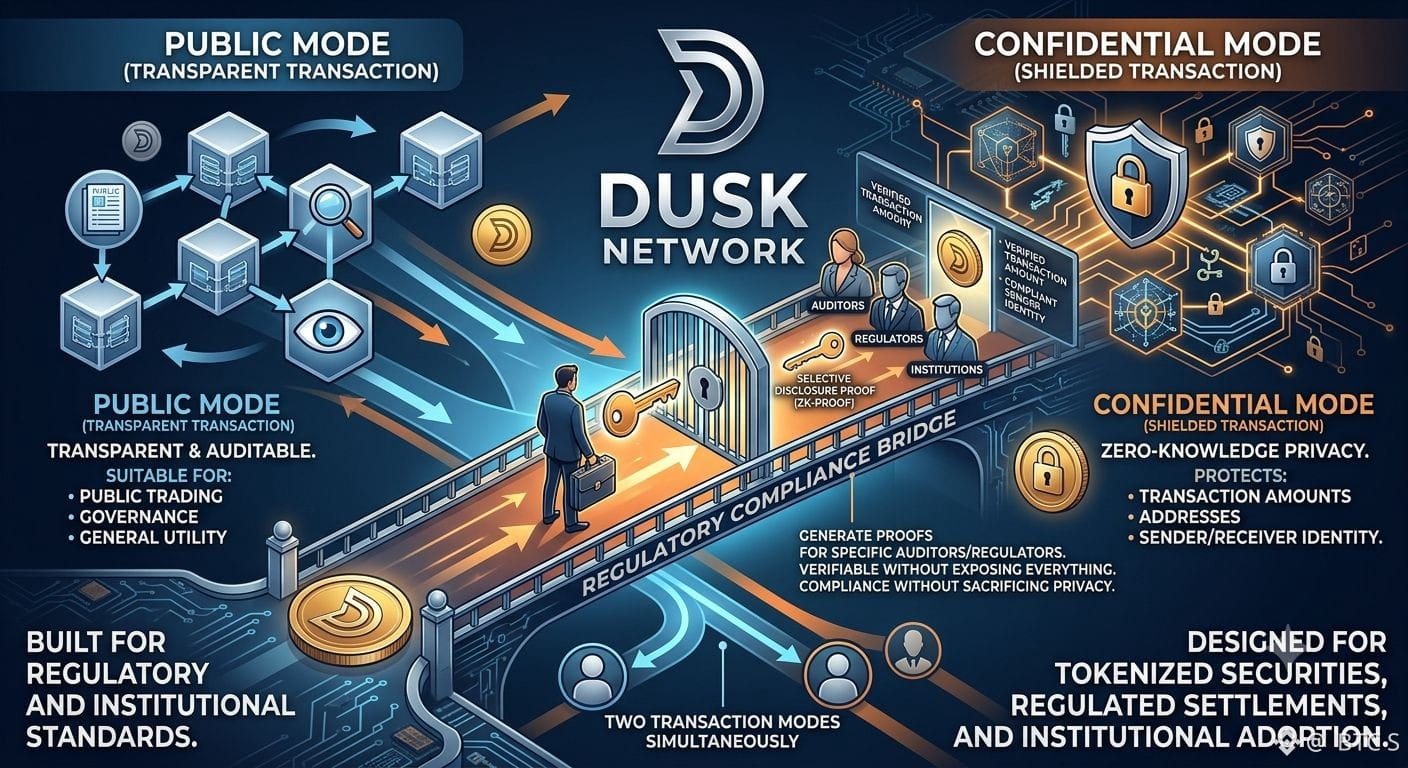
Das wäre der Rahmen, den ich um Dusk legen würde. Was wirklich meine Aufmerksamkeit geweckt hat, ist nicht der Privacy-Pitch — den macht ja jeder — sondern die Idee, dass man eine Transaktion abschirmen kann und dabei trotzdem einen Nachweis für genau die Person generiert, die sie sehen soll. Ein Auditor, ein Regulator, wer auch immer. Das ist ein viel kleineres, weniger beeindruckend klingendes Versprechen als „totale Anonymität“, aber ehrlich gesagt ist es wahrscheinlich die einzige Variante von Privacy, die in Bereichen wie tokenisierten Wertpapieren oder regulierten Abwicklungen überhaupt eine echte Chance hat, wo „Vertraut uns einfach“ nicht durchgeht.
Außerdem ist mir aufgefallen, dass sie zwei separate Transaktionsmodi fahren, statt allen eine einzige Privacy-Einstellung aufzuzwingen. Es wirkt, als hätte sich jemand wirklich mit unterschiedlichen Use Cases beschäftigt, statt um einen Slogan herum zu bauen. Obwohl mehr Modi auch einfach mehr Stellen bedeuten, an denen etwas im Verborgenen schiefgehen kann.
In das alles würde ich erst investieren, wenn es durch einen echten Audit gegangen ist — mit echtem institutionellem Geld auf dem Spiel. Auf das Scheitern würde ich besonders achten, das auf der Hand liegt: „vertraulich“, was am Ende dazu führt, dass Dinge genau vor der einen Partei verborgen werden, vor der es schützen sollte.
#dusk @Dusk_Foundation
$TUT
{spot}(TUTUSDT)
$DUSK
{spot}(DUSKUSDT)
$RE
{spot}(REUSDT)
Ehrlich gesagt stolpert mich jedes Mal aufs Neue das, was passiert, wenn jemand „Privacy Blockchain“ sagt: Diese beiden Wörter sind irgendwie im Krieg miteinander. Der ganze Verkaufsargument einer Blockchain ist, dass jeder sie überprüfen kann, ohne um Erlaubnis zu bitten. „Privacy“ bedeutet das Gegenteil — niemand darf irgendetwas einsehen. Deshalb picken die meisten Projekte einfach stillschweigend eine Seite. Entweder es ist komplett abgeschirmt — was großartig ist, bis ein Auditor oder ein Regulator etwas tatsächlich verifizieren muss und es nichts gibt, das man ihnen zeigen könnte. Oder es ist nur „privat“ im Namen, und darunter ist es einfach eine normale transparente Kette mit besserem Branding. Keins von beidem hält stand, sobald echtes Geld und echte Institutionen ins Spiel kommen.
Das wäre der Rahmen, den ich um Dusk legen würde. Was wirklich meine Aufmerksamkeit geweckt hat, ist nicht der Privacy-Pitch — den macht ja jeder — sondern die Idee, dass man eine Transaktion abschirmen kann und dabei trotzdem einen Nachweis für genau die Person generiert, die sie sehen soll. Ein Auditor, ein Regulator, wer auch immer. Das ist ein viel kleineres, weniger beeindruckend klingendes Versprechen als „totale Anonymität“, aber ehrlich gesagt ist es wahrscheinlich die einzige Variante von Privacy, die in Bereichen wie tokenisierten Wertpapieren oder regulierten Abwicklungen überhaupt eine echte Chance hat, wo „Vertraut uns einfach“ nicht durchgeht.
Außerdem ist mir aufgefallen, dass sie zwei separate Transaktionsmodi fahren, statt allen eine einzige Privacy-Einstellung aufzuzwingen. Es wirkt, als hätte sich jemand wirklich mit unterschiedlichen Use Cases beschäftigt, statt um einen Slogan herum zu bauen. Obwohl mehr Modi auch einfach mehr Stellen bedeuten, an denen etwas im Verborgenen schiefgehen kann.
In das alles würde ich erst investieren, wenn es durch einen echten Audit gegangen ist — mit echtem institutionellem Geld auf dem Spiel. Auf das Scheitern würde ich besonders achten, das auf der Hand liegt: „vertraulich“, was am Ende dazu führt, dass Dinge genau vor der einen Partei verborgen werden, vor der es schützen sollte.
#dusk @Dusk
$TUT
$DUSK
$RE
Das wäre der Rahmen, den ich um Dusk legen würde. Was wirklich meine Aufmerksamkeit geweckt hat, ist nicht der Privacy-Pitch — den macht ja jeder — sondern die Idee, dass man eine Transaktion abschirmen kann und dabei trotzdem einen Nachweis für genau die Person generiert, die sie sehen soll. Ein Auditor, ein Regulator, wer auch immer. Das ist ein viel kleineres, weniger beeindruckend klingendes Versprechen als „totale Anonymität“, aber ehrlich gesagt ist es wahrscheinlich die einzige Variante von Privacy, die in Bereichen wie tokenisierten Wertpapieren oder regulierten Abwicklungen überhaupt eine echte Chance hat, wo „Vertraut uns einfach“ nicht durchgeht.
Außerdem ist mir aufgefallen, dass sie zwei separate Transaktionsmodi fahren, statt allen eine einzige Privacy-Einstellung aufzuzwingen. Es wirkt, als hätte sich jemand wirklich mit unterschiedlichen Use Cases beschäftigt, statt um einen Slogan herum zu bauen. Obwohl mehr Modi auch einfach mehr Stellen bedeuten, an denen etwas im Verborgenen schiefgehen kann.
In das alles würde ich erst investieren, wenn es durch einen echten Audit gegangen ist — mit echtem institutionellem Geld auf dem Spiel. Auf das Scheitern würde ich besonders achten, das auf der Hand liegt: „vertraulich“, was am Ende dazu führt, dass Dinge genau vor der einen Partei verborgen werden, vor der es schützen sollte.
#dusk @Dusk
$TUT
$DUSK
$RE
5
4
292
·
--
Bullisch
Okay, das hier ist der Punkt, der mich wirklich darüber nachdenken ließ — nicht zuerst dieses Whitepaper-Geraffel.
Stell dir vor, du arbeitest bei einem mittelgroßen Asset Manager und jemand schlägt vor, die Wertpapierabwicklung (Bond Settlement) auf die Chain zu verlagern. Deine erste Frage ist nicht „ist es dezentral genug“ — sondern „können meine Wettbewerber meine Position sehen“. Fünf Minuten später lautet deine zweite Frage: „kann mein Regulierer es sehen, wenn sie danach fragen?“ Diese beiden Bedürfnisse ziehen in entgegengesetzte Richtungen, und ehrlich gesagt wählen die meisten Krypto-Projekte eins davon aus und tun so, als würde das andere nicht zählen. Privacy-Coins ignorieren Compliance. Die „compliant“ Chains geben Privatsphäre komplett auf und nennen es „Transparenz“, als wäre das ein Feature.
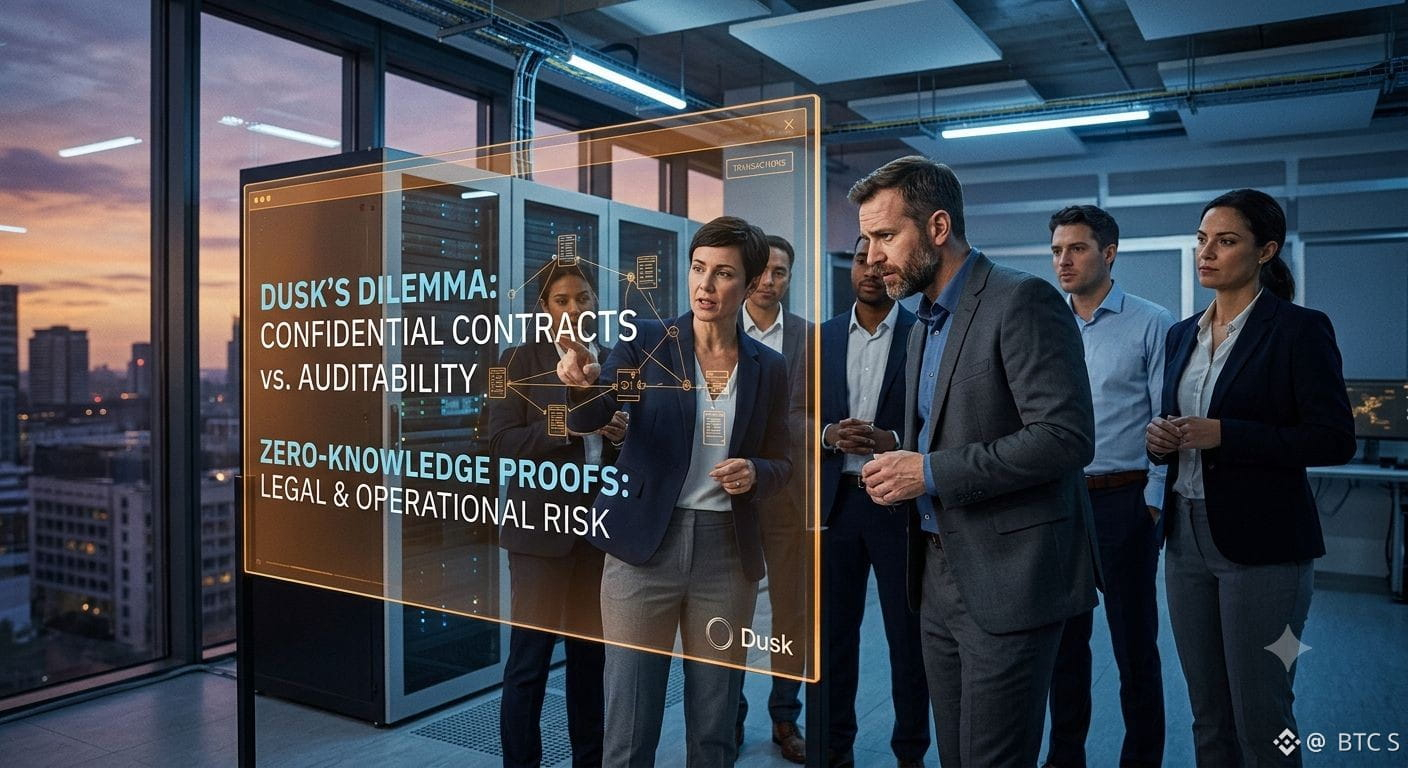
Dusk’ Pitch — vertrauliche Smart Contracts, dieses XSC-Zeug — ist zumindest auf die eigentliche Spannung ausgerichtet, statt ihr auszuweichen. Du versteckst nicht für immer, sondern standardmäßig, und gibst nur bei Bedarf frei. Das kommt eher dem Ablauf echter Audits nahe. Niemand in einer Bank will völlige Anonymität; man will steuern, wer was sieht — und wann.
Ich bin aber nicht restlos überzeugt. Zero-Knowledge-Proofs klingen in einem Paper wasserdicht, aber das erste Mal, wenn die Anwältin oder der Anwalt eines Regulators fragt: „Was, wenn der Beweis selbst falsch ist — wer kommt dann dafür auf?“ — dann wird es schnell chaotisch. Das ist dann eine Rechtsfrage, keine Mathefrage. Und ein kleineres Validator-Set, das institutionelles Geld trägt, ist für sich genommen schon ein echtes Risiko — egal wie gut die Krypto-Unterlage auch ist.
Wenn das irgendwohin geht, dann wird es nicht laut. Es wird irgendein Back-Office-Abwicklungs-Flow sein, über den niemand twitert. Ehrlich gesagt ist das die einzige Version von „Erfolg“, die hier überhaupt Sinn ergibt.
#dusk @Dusk_Foundation
$TUT
{future}(TUTUSDT)
$DUSK
{future}(DUSKUSDT)
$BABYSHARK
{alpha}(560x777bf78ad4546b61607a17bf4a1977dbbea98c28)
Okay, das hier ist der Punkt, der mich wirklich darüber nachdenken ließ — nicht zuerst dieses Whitepaper-Geraffel.
Stell dir vor, du arbeitest bei einem mittelgroßen Asset Manager und jemand schlägt vor, die Wertpapierabwicklung (Bond Settlement) auf die Chain zu verlagern. Deine erste Frage ist nicht „ist es dezentral genug“ — sondern „können meine Wettbewerber meine Position sehen“. Fünf Minuten später lautet deine zweite Frage: „kann mein Regulierer es sehen, wenn sie danach fragen?“ Diese beiden Bedürfnisse ziehen in entgegengesetzte Richtungen, und ehrlich gesagt wählen die meisten Krypto-Projekte eins davon aus und tun so, als würde das andere nicht zählen. Privacy-Coins ignorieren Compliance. Die „compliant“ Chains geben Privatsphäre komplett auf und nennen es „Transparenz“, als wäre das ein Feature.
Dusk’ Pitch — vertrauliche Smart Contracts, dieses XSC-Zeug — ist zumindest auf die eigentliche Spannung ausgerichtet, statt ihr auszuweichen. Du versteckst nicht für immer, sondern standardmäßig, und gibst nur bei Bedarf frei. Das kommt eher dem Ablauf echter Audits nahe. Niemand in einer Bank will völlige Anonymität; man will steuern, wer was sieht — und wann.
Ich bin aber nicht restlos überzeugt. Zero-Knowledge-Proofs klingen in einem Paper wasserdicht, aber das erste Mal, wenn die Anwältin oder der Anwalt eines Regulators fragt: „Was, wenn der Beweis selbst falsch ist — wer kommt dann dafür auf?“ — dann wird es schnell chaotisch. Das ist dann eine Rechtsfrage, keine Mathefrage. Und ein kleineres Validator-Set, das institutionelles Geld trägt, ist für sich genommen schon ein echtes Risiko — egal wie gut die Krypto-Unterlage auch ist.
Wenn das irgendwohin geht, dann wird es nicht laut. Es wird irgendein Back-Office-Abwicklungs-Flow sein, über den niemand twitert. Ehrlich gesagt ist das die einzige Version von „Erfolg“, die hier überhaupt Sinn ergibt.
#dusk @Dusk
$TUT
$DUSK
$BABYSHARK
Stell dir vor, du arbeitest bei einem mittelgroßen Asset Manager und jemand schlägt vor, die Wertpapierabwicklung (Bond Settlement) auf die Chain zu verlagern. Deine erste Frage ist nicht „ist es dezentral genug“ — sondern „können meine Wettbewerber meine Position sehen“. Fünf Minuten später lautet deine zweite Frage: „kann mein Regulierer es sehen, wenn sie danach fragen?“ Diese beiden Bedürfnisse ziehen in entgegengesetzte Richtungen, und ehrlich gesagt wählen die meisten Krypto-Projekte eins davon aus und tun so, als würde das andere nicht zählen. Privacy-Coins ignorieren Compliance. Die „compliant“ Chains geben Privatsphäre komplett auf und nennen es „Transparenz“, als wäre das ein Feature.
Dusk’ Pitch — vertrauliche Smart Contracts, dieses XSC-Zeug — ist zumindest auf die eigentliche Spannung ausgerichtet, statt ihr auszuweichen. Du versteckst nicht für immer, sondern standardmäßig, und gibst nur bei Bedarf frei. Das kommt eher dem Ablauf echter Audits nahe. Niemand in einer Bank will völlige Anonymität; man will steuern, wer was sieht — und wann.
Ich bin aber nicht restlos überzeugt. Zero-Knowledge-Proofs klingen in einem Paper wasserdicht, aber das erste Mal, wenn die Anwältin oder der Anwalt eines Regulators fragt: „Was, wenn der Beweis selbst falsch ist — wer kommt dann dafür auf?“ — dann wird es schnell chaotisch. Das ist dann eine Rechtsfrage, keine Mathefrage. Und ein kleineres Validator-Set, das institutionelles Geld trägt, ist für sich genommen schon ein echtes Risiko — egal wie gut die Krypto-Unterlage auch ist.
Wenn das irgendwohin geht, dann wird es nicht laut. Es wird irgendein Back-Office-Abwicklungs-Flow sein, über den niemand twitert. Ehrlich gesagt ist das die einzige Version von „Erfolg“, die hier überhaupt Sinn ergibt.
#dusk @Dusk
$TUT
$DUSK
$BABYSHARK
3
3
441
·
--
Bullisch
Okay, also das ist die Sache, die mich wirklich darüber nachdenken ließ. Alle reden ständig davon, dass Banken und Institutionen „Privatsphäre on-chain wollen“, und ja, in einem abstrakten Sinne tun sie das. Aber wenn man sich wirklich ansieht, was das in der Praxis bedeutet, fällt das ziemlich schnell auseinander. Ein Trading-Desk will sich nicht vor Regulierungsbehörden verstecken – das ist ein großartiger Weg, um in einem sehr unangenehmen Meeting zu landen. Was sie wollen, ist, sich vor einander zu verstecken. Vor Wettbewerbern. Vor Gegenparteien. Vor dem Rest des Marktes. Und dann, getrennt davon, trotzdem noch gegenüber einem Auditor beweisen zu können, dass nichts Dubioses passiert ist. Das sind zwei unterschiedliche Anliegen, und die meisten „Privacy-Blockchain“-Projekte lösen eigentlich nur das erste – und ausgerechnet das ist der Teil, den fast niemand bedingungslos wollen darf.
Das hat mich also ins Nachdenken über Dusk gebracht. Nicht die Privacy-Story selbst – die hat jeder. Spannend ist, dass sie nicht so getan haben, als wäre Privatsphäre eine einzige Einstellung, die man einfach einschaltet. Es gibt Moonlight für Dinge, die offen sein sollten, und Phoenix für Dinge, die es nicht sollten. Das so aufzuteilen wirkt weniger wie eine Marketing-Entscheidung und mehr wie jemand, der zugibt, dass das Problem unordentlicher ist, als ein Whitepaper normalerweise glauben lässt.
Worauf ich unruhig werde, ist die Konsens-Seite – Sortition, Komitees, Fallback-Modi, ein Notfallmodus. Alles vernünftig auf dem Papier. Aber ich habe solche Systeme schon früher gesehen, und sie gehen nicht dort kaputt, wo man hinschaut. Sie brechen still und leise Monate später, unter Bedingungen, die niemand getestet hat.
Also: Für wen ist das eigentlich? Ehrlich gesagt nicht für uns. Vermutlich Institutionen, die langsam vorankommen wollen, um rechtliche Klarheit zu haben, statt schnell für Hype. Ob es funktioniert, hängt weniger von der Kryptografie ab und mehr davon, ob „vertraulich“ und „versteckt“ von den Leuten, die die Regeln schreiben, jemals als unterschiedliche Dinge behandelt werden.#dusk @Dusk_Foundation
$DUSK
{spot}(DUSKUSDT)
$BTC
{spot}(BTCUSDT)
$LAB
{future}(LABUSDT)
Okay, also das ist die Sache, die mich wirklich darüber nachdenken ließ. Alle reden ständig davon, dass Banken und Institutionen „Privatsphäre on-chain wollen“, und ja, in einem abstrakten Sinne tun sie das. Aber wenn man sich wirklich ansieht, was das in der Praxis bedeutet, fällt das ziemlich schnell auseinander. Ein Trading-Desk will sich nicht vor Regulierungsbehörden verstecken – das ist ein großartiger Weg, um in einem sehr unangenehmen Meeting zu landen. Was sie wollen, ist, sich vor einander zu verstecken. Vor Wettbewerbern. Vor Gegenparteien. Vor dem Rest des Marktes. Und dann, getrennt davon, trotzdem noch gegenüber einem Auditor beweisen zu können, dass nichts Dubioses passiert ist. Das sind zwei unterschiedliche Anliegen, und die meisten „Privacy-Blockchain“-Projekte lösen eigentlich nur das erste – und ausgerechnet das ist der Teil, den fast niemand bedingungslos wollen darf.
Das hat mich also ins Nachdenken über Dusk gebracht. Nicht die Privacy-Story selbst – die hat jeder. Spannend ist, dass sie nicht so getan haben, als wäre Privatsphäre eine einzige Einstellung, die man einfach einschaltet. Es gibt Moonlight für Dinge, die offen sein sollten, und Phoenix für Dinge, die es nicht sollten. Das so aufzuteilen wirkt weniger wie eine Marketing-Entscheidung und mehr wie jemand, der zugibt, dass das Problem unordentlicher ist, als ein Whitepaper normalerweise glauben lässt.
Worauf ich unruhig werde, ist die Konsens-Seite – Sortition, Komitees, Fallback-Modi, ein Notfallmodus. Alles vernünftig auf dem Papier. Aber ich habe solche Systeme schon früher gesehen, und sie gehen nicht dort kaputt, wo man hinschaut. Sie brechen still und leise Monate später, unter Bedingungen, die niemand getestet hat.
Also: Für wen ist das eigentlich? Ehrlich gesagt nicht für uns. Vermutlich Institutionen, die langsam vorankommen wollen, um rechtliche Klarheit zu haben, statt schnell für Hype. Ob es funktioniert, hängt weniger von der Kryptografie ab und mehr davon, ob „vertraulich“ und „versteckt“ von den Leuten, die die Regeln schreiben, jemals als unterschiedliche Dinge behandelt werden.#dusk @Dusk
$DUSK
$BTC
$LAB
Das hat mich also ins Nachdenken über Dusk gebracht. Nicht die Privacy-Story selbst – die hat jeder. Spannend ist, dass sie nicht so getan haben, als wäre Privatsphäre eine einzige Einstellung, die man einfach einschaltet. Es gibt Moonlight für Dinge, die offen sein sollten, und Phoenix für Dinge, die es nicht sollten. Das so aufzuteilen wirkt weniger wie eine Marketing-Entscheidung und mehr wie jemand, der zugibt, dass das Problem unordentlicher ist, als ein Whitepaper normalerweise glauben lässt.
Worauf ich unruhig werde, ist die Konsens-Seite – Sortition, Komitees, Fallback-Modi, ein Notfallmodus. Alles vernünftig auf dem Papier. Aber ich habe solche Systeme schon früher gesehen, und sie gehen nicht dort kaputt, wo man hinschaut. Sie brechen still und leise Monate später, unter Bedingungen, die niemand getestet hat.
Also: Für wen ist das eigentlich? Ehrlich gesagt nicht für uns. Vermutlich Institutionen, die langsam vorankommen wollen, um rechtliche Klarheit zu haben, statt schnell für Hype. Ob es funktioniert, hängt weniger von der Kryptografie ab und mehr davon, ob „vertraulich“ und „versteckt“ von den Leuten, die die Regeln schreiben, jemals als unterschiedliche Dinge behandelt werden.#dusk @Dusk
$DUSK
$BTC
$LAB

4
1
483
·
--
Bullisch
Ich denke immer wieder über ein simples, nerviges Problem nach: Wenn du es mit irgendeiner ernsthaften Geschäftstätigkeit zu tun hast, kannst du deine Geldbewegungen nicht einfach auf eine öffentliche Blockchain setzen. Jeder würde es sehen — Wettbewerber, Kunden, irgendwelche Leute. Daher vermeiden Menschen entweder solche Ketten komplett, oder sie greifen zu „privaten“ Versionen, die von außen niemand wirklich verifizieren kann. Das verlagert das Vertrauensproblem nur irgendwohin anders, statt es zu lösen. Keine der beiden Optionen ist wirklich gut genug, und ich glaube deshalb hat sich so viel von dem Gerede über „Enterprise-Blockchain“ seit Jahren hohl angefühlt.
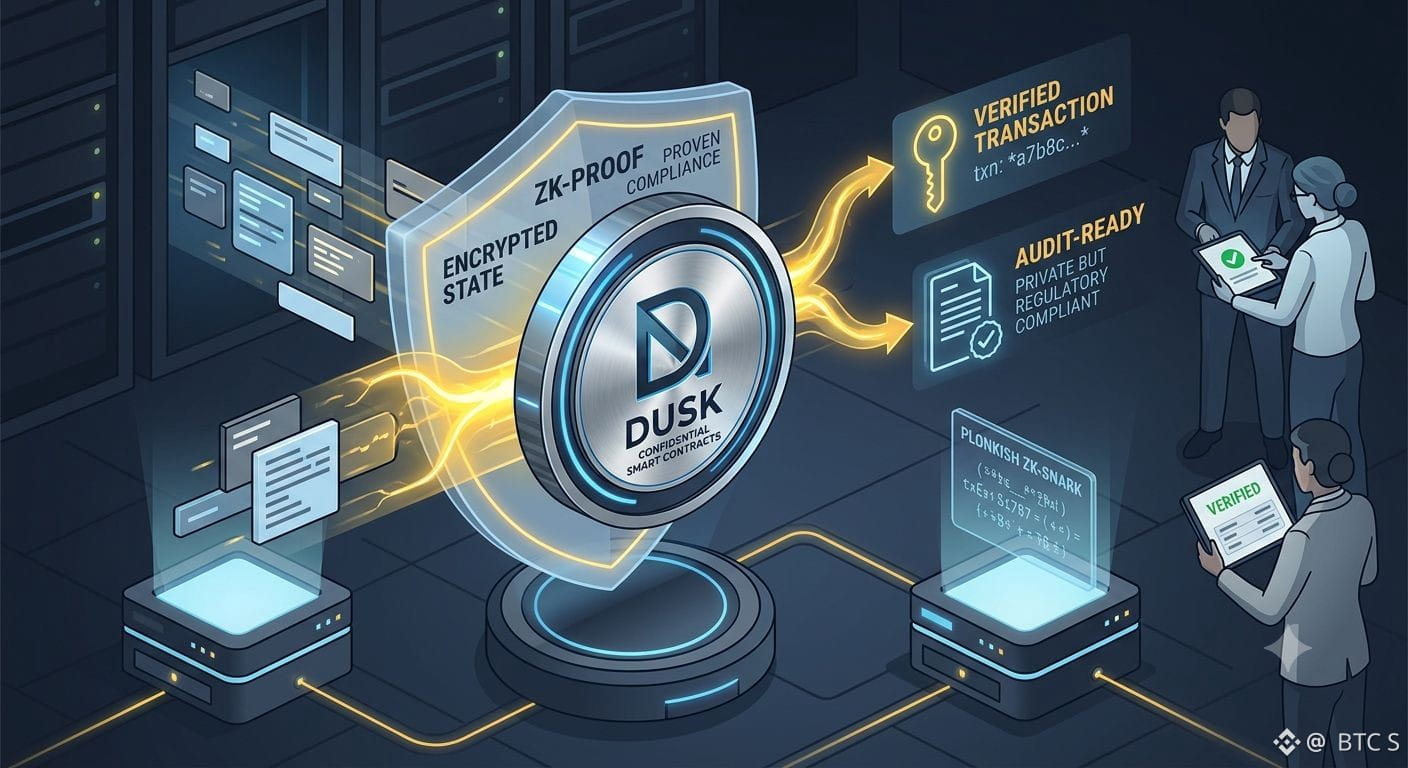
Dusk Network ist eines der Projekte, die versuchen, sich tatsächlich in dieses Unbehagen hineinzusetzen, statt sich auf die eine oder andere Seite zu schlagen. Die Idee — so wie ich sie verstehe — sind Verträge, die vertraulich bleiben, aber trotzdem nachweisen können, dass sie die Regeln einhalten, ohne alles der Öffentlichkeit offenzulegen. Das ist ein vernünftiges Ziel. Ich glaube nur nicht, dass es leicht ist. Zero-Knowledge-Beweise sind nicht billig, sie sind nicht trivial korrekt umzusetzen, und „privat, aber nachweislich regelkonform“ ist genau die Art von Behauptung, die erst toll klingt, bis irgendwann ein Regulierer oder ein Auditor anfängt, sie wirklich zu prüfen.
Also werde ich nicht so tun, als wüsste ich, wie das ausgeht. Wenn es am Ende relevant wird, wird es wahrscheinlich nicht laut sein — irgendeine Institution nutzt es stillschweigend, weil es ein echtes Abwicklungsproblem günstiger oder sicherer löst als das, was sie vorher hatten. Und wenn es scheitert, dann vermutlich aus ganz normalen Gründen: nicht genug echte Nutzung, nicht genug Liquidität oder eine Compliance-Story, die beim ersten echten Test durch jemanden einbricht.
#dusk @Dusk_Foundation
$DUSK
{future}(DUSKUSDT)
$ONG
{future}(ONGUSDT)
$PEOPLE
{future}(PEOPLEUSDT)
Ich denke immer wieder über ein simples, nerviges Problem nach: Wenn du es mit irgendeiner ernsthaften Geschäftstätigkeit zu tun hast, kannst du deine Geldbewegungen nicht einfach auf eine öffentliche Blockchain setzen. Jeder würde es sehen — Wettbewerber, Kunden, irgendwelche Leute. Daher vermeiden Menschen entweder solche Ketten komplett, oder sie greifen zu „privaten“ Versionen, die von außen niemand wirklich verifizieren kann. Das verlagert das Vertrauensproblem nur irgendwohin anders, statt es zu lösen. Keine der beiden Optionen ist wirklich gut genug, und ich glaube deshalb hat sich so viel von dem Gerede über „Enterprise-Blockchain“ seit Jahren hohl angefühlt.
Dusk Network ist eines der Projekte, die versuchen, sich tatsächlich in dieses Unbehagen hineinzusetzen, statt sich auf die eine oder andere Seite zu schlagen. Die Idee — so wie ich sie verstehe — sind Verträge, die vertraulich bleiben, aber trotzdem nachweisen können, dass sie die Regeln einhalten, ohne alles der Öffentlichkeit offenzulegen. Das ist ein vernünftiges Ziel. Ich glaube nur nicht, dass es leicht ist. Zero-Knowledge-Beweise sind nicht billig, sie sind nicht trivial korrekt umzusetzen, und „privat, aber nachweislich regelkonform“ ist genau die Art von Behauptung, die erst toll klingt, bis irgendwann ein Regulierer oder ein Auditor anfängt, sie wirklich zu prüfen.
Also werde ich nicht so tun, als wüsste ich, wie das ausgeht. Wenn es am Ende relevant wird, wird es wahrscheinlich nicht laut sein — irgendeine Institution nutzt es stillschweigend, weil es ein echtes Abwicklungsproblem günstiger oder sicherer löst als das, was sie vorher hatten. Und wenn es scheitert, dann vermutlich aus ganz normalen Gründen: nicht genug echte Nutzung, nicht genug Liquidität oder eine Compliance-Story, die beim ersten echten Test durch jemanden einbricht.
#dusk @Dusk
$DUSK
$ONG
$PEOPLE
Dusk Network ist eines der Projekte, die versuchen, sich tatsächlich in dieses Unbehagen hineinzusetzen, statt sich auf die eine oder andere Seite zu schlagen. Die Idee — so wie ich sie verstehe — sind Verträge, die vertraulich bleiben, aber trotzdem nachweisen können, dass sie die Regeln einhalten, ohne alles der Öffentlichkeit offenzulegen. Das ist ein vernünftiges Ziel. Ich glaube nur nicht, dass es leicht ist. Zero-Knowledge-Beweise sind nicht billig, sie sind nicht trivial korrekt umzusetzen, und „privat, aber nachweislich regelkonform“ ist genau die Art von Behauptung, die erst toll klingt, bis irgendwann ein Regulierer oder ein Auditor anfängt, sie wirklich zu prüfen.
Also werde ich nicht so tun, als wüsste ich, wie das ausgeht. Wenn es am Ende relevant wird, wird es wahrscheinlich nicht laut sein — irgendeine Institution nutzt es stillschweigend, weil es ein echtes Abwicklungsproblem günstiger oder sicherer löst als das, was sie vorher hatten. Und wenn es scheitert, dann vermutlich aus ganz normalen Gründen: nicht genug echte Nutzung, nicht genug Liquidität oder eine Compliance-Story, die beim ersten echten Test durch jemanden einbricht.
#dusk @Dusk
$DUSK
$ONG
$PEOPLE
4
4
178
·
--
Bullisch
Ehrlich gesagt ist das, was mich an dieser Sache zum Nachdenken bringt, gar nicht die Technik — es ist eine viel einfachere Frage: Warum scheinen sich „privat“ und „konform“ in Krypto nie wirklich zusammenbringen zu lassen? Man würde meinen, dass das inzwischen irgendjemand geknackt hätte, aber jedes Mal, wenn ich genauer hinschaue, wählen Projekte eine Richtung: Entweder ist alles offen, was zum Problem wird, sobald echtes Geld im Spiel ist — niemand will, dass ein Konkurrent dabei zusieht, wie die Trades in Echtzeit ablaufen — oder aber alles ist versteckt, was sich nett anhört, bis man daran denkt, dass es Regulierungsbehörden gibt, die nirgends verschwinden.
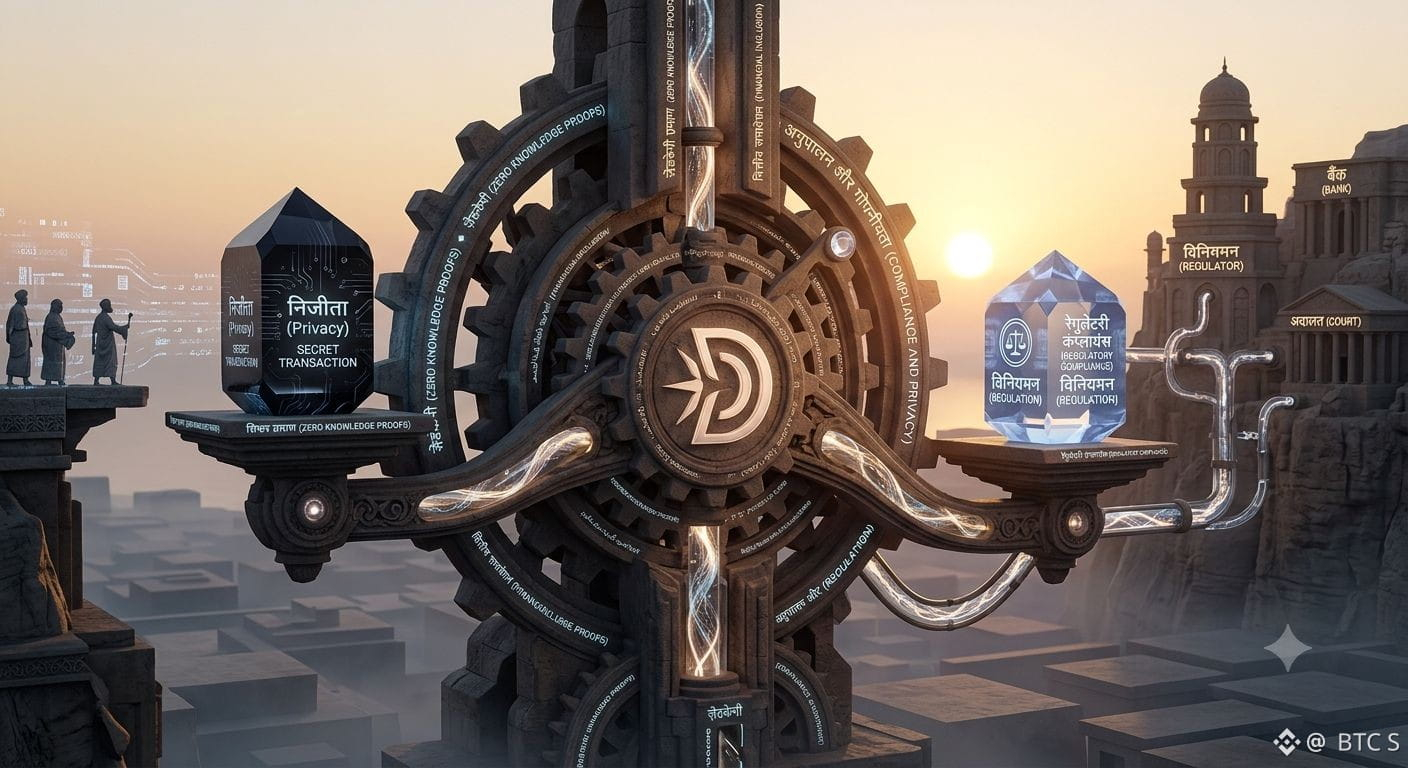
Wenn ich also „vertrauliche Smart Contracts“ höre, ist meine erste Reaktion keine Euphorie, sondern eine Art müde Neugier. Okay, aber vertraulich wie? Es gibt eine Variante, die schlicht bedeutet „vor allen verborgen“, und es gibt eine, die bedeutet „vor der Öffentlichkeit verborgen, aber trotzdem gegenüber demjenigen nachweisbar, der es rechtlich sehen muss.“ Nur eine davon ist tatsächlich für eine Institution brauchbar. Die andere ist im Grunde nur eine schickere Version desselben alten Problems.
Ich weiß nicht, ob Dusk das richtig hinbekommt. Wirklich nicht. Zero-Knowledge-Systeme sind in der Praxis immer noch ziemlich fummelig, und Infrastruktur wie diese beweist sich nicht mit einem guten Pitch — sie beweist sich erst Jahre später, wenn sich irgendeine langweilige Abwicklung einfach… reibungslos abwickelt, und nichts hochgeht.
Meine ehrliche Vermutung ist: Wenn das jemals durchstartet, wird es nicht laut sein. Es wird ein mittelgroßer Emittent sein, der das leise testet — inklusive Compliance-Team — und alle schauen zu, ob es unter Druck standhält. Das ist der eigentliche Test. Nicht das Whitepaper.
#dusk @Dusk_Foundation
$DUSK
{spot}(DUSKUSDT)
$RE
{spot}(REUSDT)
$BB
{spot}(BBUSDT)
Ehrlich gesagt ist das, was mich an dieser Sache zum Nachdenken bringt, gar nicht die Technik — es ist eine viel einfachere Frage: Warum scheinen sich „privat“ und „konform“ in Krypto nie wirklich zusammenbringen zu lassen? Man würde meinen, dass das inzwischen irgendjemand geknackt hätte, aber jedes Mal, wenn ich genauer hinschaue, wählen Projekte eine Richtung: Entweder ist alles offen, was zum Problem wird, sobald echtes Geld im Spiel ist — niemand will, dass ein Konkurrent dabei zusieht, wie die Trades in Echtzeit ablaufen — oder aber alles ist versteckt, was sich nett anhört, bis man daran denkt, dass es Regulierungsbehörden gibt, die nirgends verschwinden.
Wenn ich also „vertrauliche Smart Contracts“ höre, ist meine erste Reaktion keine Euphorie, sondern eine Art müde Neugier. Okay, aber vertraulich wie? Es gibt eine Variante, die schlicht bedeutet „vor allen verborgen“, und es gibt eine, die bedeutet „vor der Öffentlichkeit verborgen, aber trotzdem gegenüber demjenigen nachweisbar, der es rechtlich sehen muss.“ Nur eine davon ist tatsächlich für eine Institution brauchbar. Die andere ist im Grunde nur eine schickere Version desselben alten Problems.
Ich weiß nicht, ob Dusk das richtig hinbekommt. Wirklich nicht. Zero-Knowledge-Systeme sind in der Praxis immer noch ziemlich fummelig, und Infrastruktur wie diese beweist sich nicht mit einem guten Pitch — sie beweist sich erst Jahre später, wenn sich irgendeine langweilige Abwicklung einfach… reibungslos abwickelt, und nichts hochgeht.
Meine ehrliche Vermutung ist: Wenn das jemals durchstartet, wird es nicht laut sein. Es wird ein mittelgroßer Emittent sein, der das leise testet — inklusive Compliance-Team — und alle schauen zu, ob es unter Druck standhält. Das ist der eigentliche Test. Nicht das Whitepaper.
#dusk @Dusk
$DUSK
$RE
$BB
Wenn ich also „vertrauliche Smart Contracts“ höre, ist meine erste Reaktion keine Euphorie, sondern eine Art müde Neugier. Okay, aber vertraulich wie? Es gibt eine Variante, die schlicht bedeutet „vor allen verborgen“, und es gibt eine, die bedeutet „vor der Öffentlichkeit verborgen, aber trotzdem gegenüber demjenigen nachweisbar, der es rechtlich sehen muss.“ Nur eine davon ist tatsächlich für eine Institution brauchbar. Die andere ist im Grunde nur eine schickere Version desselben alten Problems.
Ich weiß nicht, ob Dusk das richtig hinbekommt. Wirklich nicht. Zero-Knowledge-Systeme sind in der Praxis immer noch ziemlich fummelig, und Infrastruktur wie diese beweist sich nicht mit einem guten Pitch — sie beweist sich erst Jahre später, wenn sich irgendeine langweilige Abwicklung einfach… reibungslos abwickelt, und nichts hochgeht.
Meine ehrliche Vermutung ist: Wenn das jemals durchstartet, wird es nicht laut sein. Es wird ein mittelgroßer Emittent sein, der das leise testet — inklusive Compliance-Team — und alle schauen zu, ob es unter Druck standhält. Das ist der eigentliche Test. Nicht das Whitepaper.
#dusk @Dusk
$DUSK
$RE
$BB
1
1
194
·
--
Bullisch
Okay, also ich komme immer wieder auf dieses Dusk-Netzwerk-Thema zurück – und die Frage, die mich wirklich beschäftigt, ist nicht „Ist die Technologie beeindruckend?“. Es ist einfacher. Sagen wir, eine Bank will eine Anleihe on-chain verlegen. Ihre Compliance-Person muss den Trade sehen. Ihr Wettbewerber absolut nicht. Die breite Öffentlichkeit? Auch nicht. Und die meisten Blockchains haben einfach keinen Regler dafür: Entweder du schreist deine komplette Bilanz ins Internet – oder du gehst komplett in den Dark-Mode und jetzt können selbst die Leute, denen man rechtlich etwas zeigen müsste, nichts mehr einsehen. So hat Finanzwesen noch nie wirklich funktioniert. Es gab immer ein Ledger, das irgendjemand einsehen lassen konnte, wenn er einen entsprechenden Beschluss hat – nur eben nicht eine Seite, die jeder durchscrollen kann.
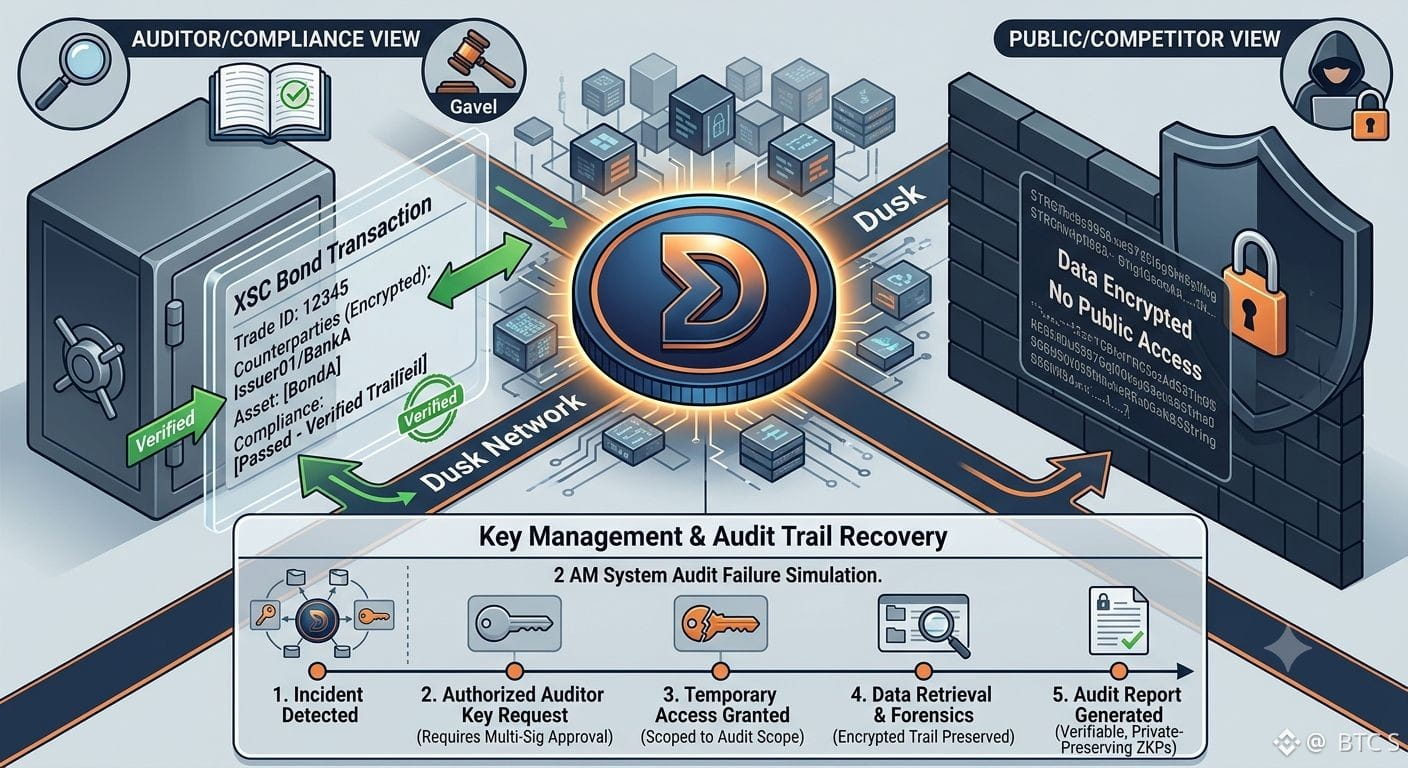
Wenn Dusk also über vertrauliche Contracts spricht – dieses XSC-Standardding – dann interessiert mich daran nicht das Verbergen. Verbergen ist ehrlich gesagt der leichte Teil. Entscheidend ist, ob die „Anzeigen, wenn es erforderlich ist“-Seite auch außerhalb einer Demo wirklich standhält. Kann ein Auditor das bekommen, was er braucht, ohne dass das Ganze zu „Vertraut einfach dem Protokoll“ wird? Das ist weniger eine Crypto-Frage als eine Frage an die Nerven des Rechts, und ich habe noch niemanden gesehen, der das wirklich einem harten Praxistest unterzogen hätte.
Wenn ich raten müsste, wer das als erstes anfasst, dann sind es keine normalen Leute, die Token handeln. Es ist jemand, der ein reguliertes Asset ausgibt und Diskretion gegenüber Wettbewerbern will – aber nicht gegenüber Regulierern. Und ob das überlebt, hängt wahrscheinlich von etwas Unsexyem ab: Key Recovery, und wie eine Audit-Trail-Wirklichkeit aussieht um 2 Uhr morgens, wenn etwas schiefgelaufen ist. Genau dort zerbrechen diese Dinge in der Regel still und leise.
#dusk @Dusk_Foundation
$DUSK
{spot}(DUSKUSDT)
$LAB
{future}(LABUSDT)
$ESP
{spot}(ESPUSDT)
Okay, also ich komme immer wieder auf dieses Dusk-Netzwerk-Thema zurück – und die Frage, die mich wirklich beschäftigt, ist nicht „Ist die Technologie beeindruckend?“. Es ist einfacher. Sagen wir, eine Bank will eine Anleihe on-chain verlegen. Ihre Compliance-Person muss den Trade sehen. Ihr Wettbewerber absolut nicht. Die breite Öffentlichkeit? Auch nicht. Und die meisten Blockchains haben einfach keinen Regler dafür: Entweder du schreist deine komplette Bilanz ins Internet – oder du gehst komplett in den Dark-Mode und jetzt können selbst die Leute, denen man rechtlich etwas zeigen müsste, nichts mehr einsehen. So hat Finanzwesen noch nie wirklich funktioniert. Es gab immer ein Ledger, das irgendjemand einsehen lassen konnte, wenn er einen entsprechenden Beschluss hat – nur eben nicht eine Seite, die jeder durchscrollen kann.
Wenn Dusk also über vertrauliche Contracts spricht – dieses XSC-Standardding – dann interessiert mich daran nicht das Verbergen. Verbergen ist ehrlich gesagt der leichte Teil. Entscheidend ist, ob die „Anzeigen, wenn es erforderlich ist“-Seite auch außerhalb einer Demo wirklich standhält. Kann ein Auditor das bekommen, was er braucht, ohne dass das Ganze zu „Vertraut einfach dem Protokoll“ wird? Das ist weniger eine Crypto-Frage als eine Frage an die Nerven des Rechts, und ich habe noch niemanden gesehen, der das wirklich einem harten Praxistest unterzogen hätte.
Wenn ich raten müsste, wer das als erstes anfasst, dann sind es keine normalen Leute, die Token handeln. Es ist jemand, der ein reguliertes Asset ausgibt und Diskretion gegenüber Wettbewerbern will – aber nicht gegenüber Regulierern. Und ob das überlebt, hängt wahrscheinlich von etwas Unsexyem ab: Key Recovery, und wie eine Audit-Trail-Wirklichkeit aussieht um 2 Uhr morgens, wenn etwas schiefgelaufen ist. Genau dort zerbrechen diese Dinge in der Regel still und leise.
#dusk @Dusk
$DUSK
$LAB
$ESP
Wenn Dusk also über vertrauliche Contracts spricht – dieses XSC-Standardding – dann interessiert mich daran nicht das Verbergen. Verbergen ist ehrlich gesagt der leichte Teil. Entscheidend ist, ob die „Anzeigen, wenn es erforderlich ist“-Seite auch außerhalb einer Demo wirklich standhält. Kann ein Auditor das bekommen, was er braucht, ohne dass das Ganze zu „Vertraut einfach dem Protokoll“ wird? Das ist weniger eine Crypto-Frage als eine Frage an die Nerven des Rechts, und ich habe noch niemanden gesehen, der das wirklich einem harten Praxistest unterzogen hätte.
Wenn ich raten müsste, wer das als erstes anfasst, dann sind es keine normalen Leute, die Token handeln. Es ist jemand, der ein reguliertes Asset ausgibt und Diskretion gegenüber Wettbewerbern will – aber nicht gegenüber Regulierern. Und ob das überlebt, hängt wahrscheinlich von etwas Unsexyem ab: Key Recovery, und wie eine Audit-Trail-Wirklichkeit aussieht um 2 Uhr morgens, wenn etwas schiefgelaufen ist. Genau dort zerbrechen diese Dinge in der Regel still und leise.
#dusk @Dusk
$DUSK
$LAB
$ESP
1
1
269
·
--
Bullisch
Ich habe in genug von diesen Gesprächen gesessen, um den genauen Punkt zu kennen, an dem die Leute aussteigen. Du erklärst irgendwo eine neue Kette, alle nicken, und dann fragt jemand – meistens die Person, die tatsächlich ihren Lebensunterhalt mit Geld verdient –: „Okay, aber wer kann das sonst noch sehen?“ Und die ehrliche Antwort lautet: alle. Jede Wallet, jeder Kontostand, jeder Zug – und das alles für immer öffentlich da, für alle sichtbar. Genau dann hört das Nicken auf. Nicht, weil sie gegen Krypto sind. Sondern weil sie den Job lange genug gemacht haben, um zu wissen, dass man ein Unternehmen nicht betreibt, während man die Bücher offen vor die Konkurrenz hält.
Und schau: Die Lösungen, die es dafür schon gibt, wirken immer ein bisschen… improvisiert. Mixer, die dazu führen, dass das Compliance-Team eines Börsenumsatzes vor lauter Nesseln juckt. Privacy-Coins, die still und leise fallen gelassen werden, sobald ein Regulierer eine Augenbraue hochzieht. Sidechains, bei denen du technisch gesehen ein Vertrauensproblem umgehst, indem du ein kleineres, skurrileres erschaffst. Nichts davon fühlt sich so an, als würde man das wirklich als Grundlage für eine Anleiheemission darüber hinaus aufbauen.
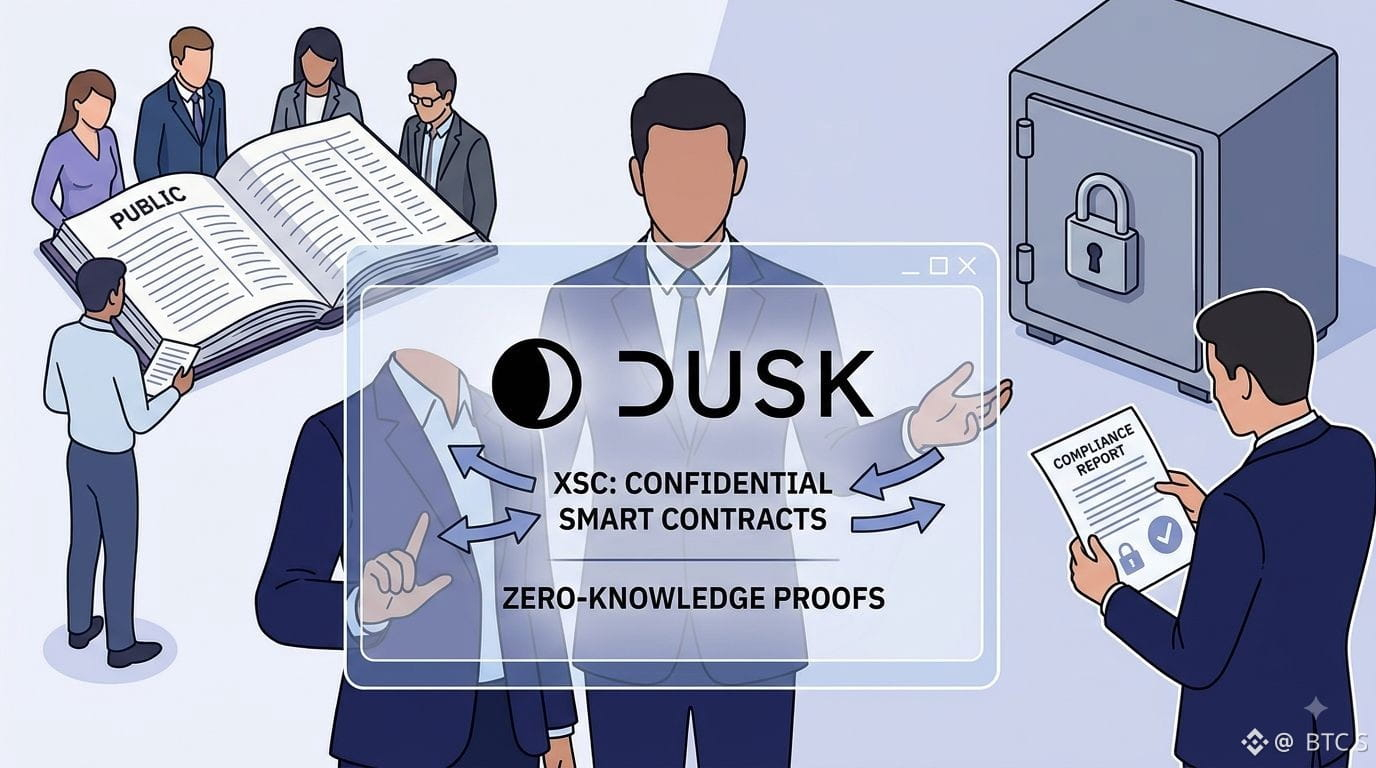
Also ist die Prämisse von Dusk zumindest auf die richtige Frage ausgerichtet. Steck die Privatsphäre nicht erst hinterher drauf – bau sie von Anfang an in den Vertrag ein. Genau dafür soll XSC sorgen: Eine Transaktion soll beweisen, dass sie sauber ist, ohne irgendjemandem zu zeigen, was tatsächlich darin steckt.
Ich weiß ehrlich gesagt nicht, ob das standhält, wenn echter Traffic einsetzt. Beweissysteme werden schnell teuer, und einen Regulierer dazu zu bringen, sich mit „Vertraut dem Beweis“ statt „Zeig mir das Ledger“ wohlzufühlen, ist ein langsames, menschliches Problem – kein technisches.
Wenn das für irgendwen funktioniert, dann für die langweiligen, regulierten Akteure, die Privatsphäre und Compliance gleichzeitig brauchen – nicht für Trader, die nach dem Kick suchen. Kleine Zielgruppe. Vielleicht die richtige.
#dusk @Dusk_Foundation
$DUSK
{spot}(DUSKUSDT)
$RED
{spot}(REDUSDT)
$EDEN
{spot}(EDENUSDT)
Ich habe in genug von diesen Gesprächen gesessen, um den genauen Punkt zu kennen, an dem die Leute aussteigen. Du erklärst irgendwo eine neue Kette, alle nicken, und dann fragt jemand – meistens die Person, die tatsächlich ihren Lebensunterhalt mit Geld verdient –: „Okay, aber wer kann das sonst noch sehen?“ Und die ehrliche Antwort lautet: alle. Jede Wallet, jeder Kontostand, jeder Zug – und das alles für immer öffentlich da, für alle sichtbar. Genau dann hört das Nicken auf. Nicht, weil sie gegen Krypto sind. Sondern weil sie den Job lange genug gemacht haben, um zu wissen, dass man ein Unternehmen nicht betreibt, während man die Bücher offen vor die Konkurrenz hält.
Und schau: Die Lösungen, die es dafür schon gibt, wirken immer ein bisschen… improvisiert. Mixer, die dazu führen, dass das Compliance-Team eines Börsenumsatzes vor lauter Nesseln juckt. Privacy-Coins, die still und leise fallen gelassen werden, sobald ein Regulierer eine Augenbraue hochzieht. Sidechains, bei denen du technisch gesehen ein Vertrauensproblem umgehst, indem du ein kleineres, skurrileres erschaffst. Nichts davon fühlt sich so an, als würde man das wirklich als Grundlage für eine Anleiheemission darüber hinaus aufbauen.
Also ist die Prämisse von Dusk zumindest auf die richtige Frage ausgerichtet. Steck die Privatsphäre nicht erst hinterher drauf – bau sie von Anfang an in den Vertrag ein. Genau dafür soll XSC sorgen: Eine Transaktion soll beweisen, dass sie sauber ist, ohne irgendjemandem zu zeigen, was tatsächlich darin steckt.
Ich weiß ehrlich gesagt nicht, ob das standhält, wenn echter Traffic einsetzt. Beweissysteme werden schnell teuer, und einen Regulierer dazu zu bringen, sich mit „Vertraut dem Beweis“ statt „Zeig mir das Ledger“ wohlzufühlen, ist ein langsames, menschliches Problem – kein technisches.
Wenn das für irgendwen funktioniert, dann für die langweiligen, regulierten Akteure, die Privatsphäre und Compliance gleichzeitig brauchen – nicht für Trader, die nach dem Kick suchen. Kleine Zielgruppe. Vielleicht die richtige.
#dusk @Dusk
$DUSK
$RED
$EDEN
Und schau: Die Lösungen, die es dafür schon gibt, wirken immer ein bisschen… improvisiert. Mixer, die dazu führen, dass das Compliance-Team eines Börsenumsatzes vor lauter Nesseln juckt. Privacy-Coins, die still und leise fallen gelassen werden, sobald ein Regulierer eine Augenbraue hochzieht. Sidechains, bei denen du technisch gesehen ein Vertrauensproblem umgehst, indem du ein kleineres, skurrileres erschaffst. Nichts davon fühlt sich so an, als würde man das wirklich als Grundlage für eine Anleiheemission darüber hinaus aufbauen.
Also ist die Prämisse von Dusk zumindest auf die richtige Frage ausgerichtet. Steck die Privatsphäre nicht erst hinterher drauf – bau sie von Anfang an in den Vertrag ein. Genau dafür soll XSC sorgen: Eine Transaktion soll beweisen, dass sie sauber ist, ohne irgendjemandem zu zeigen, was tatsächlich darin steckt.
Ich weiß ehrlich gesagt nicht, ob das standhält, wenn echter Traffic einsetzt. Beweissysteme werden schnell teuer, und einen Regulierer dazu zu bringen, sich mit „Vertraut dem Beweis“ statt „Zeig mir das Ledger“ wohlzufühlen, ist ein langsames, menschliches Problem – kein technisches.
Wenn das für irgendwen funktioniert, dann für die langweiligen, regulierten Akteure, die Privatsphäre und Compliance gleichzeitig brauchen – nicht für Trader, die nach dem Kick suchen. Kleine Zielgruppe. Vielleicht die richtige.
#dusk @Dusk
$DUSK
$RED
$EDEN
2
2
262
·
--
Bullisch
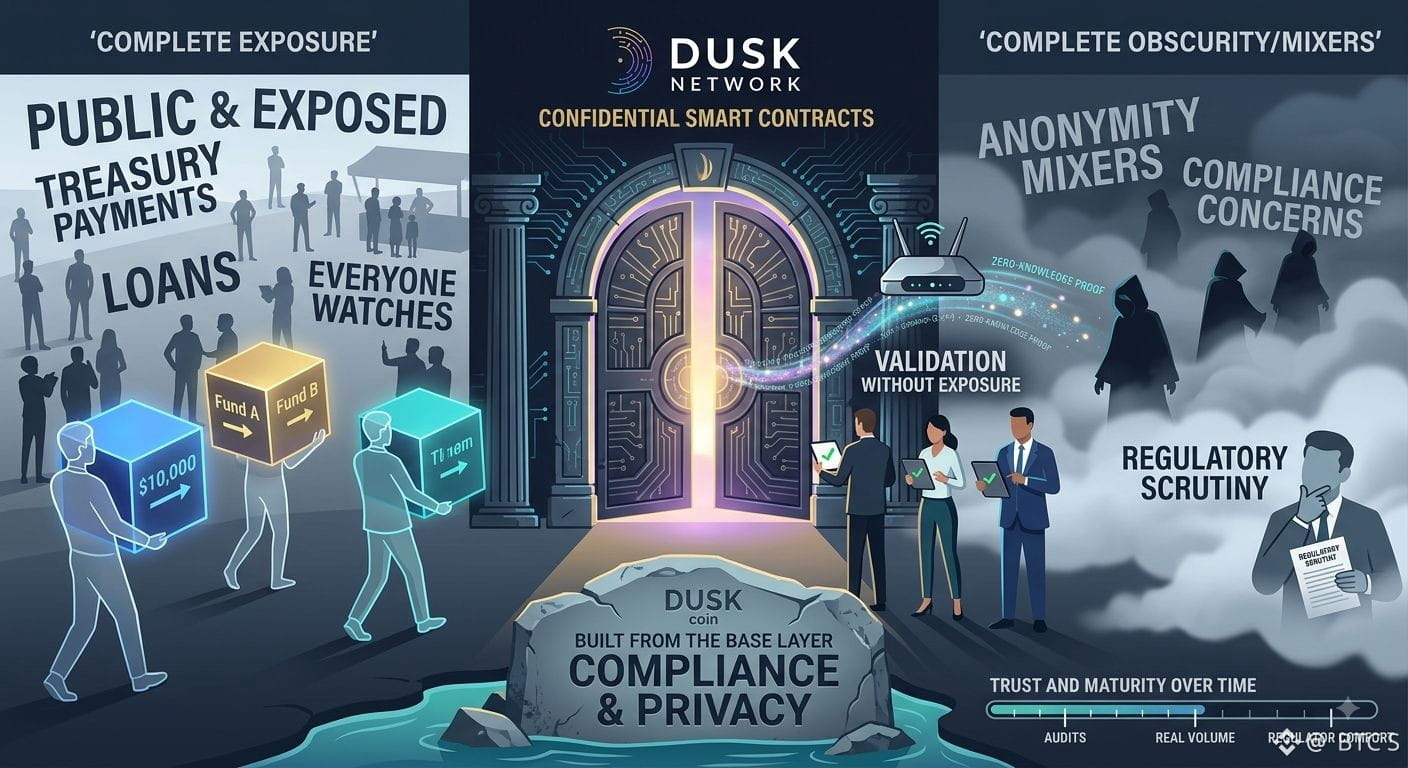
Sag, dass du wirkliches Geld auf einer öffentlichen Blockchain bewegst – eine Schatzamtszahlung, ein Darlehen, eine Abwicklung zwischen zwei Fonds. Jeder kann das sehen. Nicht nur den Betrag, sondern auch wer, wann, wie oft und die gesamte Form über die Zeit hinweg. Genau das wird nie ganz offen ausgesprochen. Es ist nicht so, dass Krypto keine Datenschutzfunktionen hätte. Es ist vielmehr so, dass Datenschutz on-chain meist entweder ganz oder gar nicht funktioniert. Entweder bist du völlig exponiert, oder du nutzt so etwas wie einen Mixer – und das zweite lässt jede Compliance-Person verstummen und anfangen, Notizen zu tippen. Keines von beiden ist wirklich nutzbar, wenn du echtes Kapital bewegst.
Was Dusk anstrebt, so weit ich es beurteilen kann, ist das Mittelding – vertrauliche Smart Contracts, bei denen eine Transaktion ihre Gültigkeit nachweist, ohne allen zu zeigen, was darin steckt, wobei die richtige Partei es aber später noch prüfen könnte, falls es nötig wird. Das ist das Richtige, was man sich wünschen sollte. Bisher hat es noch niemand wirklich sauber hinbekommen. Und es auf der Basisschicht zu bauen statt es nachträglich draufzusatteln, ist ein schwierigerer, langsamerer Weg – anfangs kleinere Validator-Sets, geringere Liquidität, eine lange Phase, in der sich nichts wirklich nachgewiesen anfühlt. Regulierungsbehörden werden der Kryptografie nicht einfach deshalb vertrauen, weil sie elegant ist. Sie müssen sehen, dass sie über Jahre hinweg standhält, bevor sich jemand mit echtem Geld damit wohlfühlt.
Also würde ich mich bei diesem nicht zu sehr begeistern lassen. Ich würde es nur im Hinterkopf behalten – läuft es noch, wird es noch geprüft, greift jemand mit echtem Volumen tatsächlich darauf zu. Wenn ja, dann liegt es irgendwann wahrscheinlich daran, dass jemand es dringend genug gebraucht hat, um so lange zu warten. Wenn nicht, dann liegt es daran, dass Vertrauen wie dieses langsam aufgebaut wird und die meisten Dinge es nicht so weit schaffen.
#dusk $DUSK @Dusk_Foundation
{spot}(DUSKUSDT)
Sag, dass du wirkliches Geld auf einer öffentlichen Blockchain bewegst – eine Schatzamtszahlung, ein Darlehen, eine Abwicklung zwischen zwei Fonds. Jeder kann das sehen. Nicht nur den Betrag, sondern auch wer, wann, wie oft und die gesamte Form über die Zeit hinweg. Genau das wird nie ganz offen ausgesprochen. Es ist nicht so, dass Krypto keine Datenschutzfunktionen hätte. Es ist vielmehr so, dass Datenschutz on-chain meist entweder ganz oder gar nicht funktioniert. Entweder bist du völlig exponiert, oder du nutzt so etwas wie einen Mixer – und das zweite lässt jede Compliance-Person verstummen und anfangen, Notizen zu tippen. Keines von beiden ist wirklich nutzbar, wenn du echtes Kapital bewegst.
Was Dusk anstrebt, so weit ich es beurteilen kann, ist das Mittelding – vertrauliche Smart Contracts, bei denen eine Transaktion ihre Gültigkeit nachweist, ohne allen zu zeigen, was darin steckt, wobei die richtige Partei es aber später noch prüfen könnte, falls es nötig wird. Das ist das Richtige, was man sich wünschen sollte. Bisher hat es noch niemand wirklich sauber hinbekommen. Und es auf der Basisschicht zu bauen statt es nachträglich draufzusatteln, ist ein schwierigerer, langsamerer Weg – anfangs kleinere Validator-Sets, geringere Liquidität, eine lange Phase, in der sich nichts wirklich nachgewiesen anfühlt. Regulierungsbehörden werden der Kryptografie nicht einfach deshalb vertrauen, weil sie elegant ist. Sie müssen sehen, dass sie über Jahre hinweg standhält, bevor sich jemand mit echtem Geld damit wohlfühlt.
Also würde ich mich bei diesem nicht zu sehr begeistern lassen. Ich würde es nur im Hinterkopf behalten – läuft es noch, wird es noch geprüft, greift jemand mit echtem Volumen tatsächlich darauf zu. Wenn ja, dann liegt es irgendwann wahrscheinlich daran, dass jemand es dringend genug gebraucht hat, um so lange zu warten. Wenn nicht, dann liegt es daran, dass Vertrauen wie dieses langsam aufgebaut wird und die meisten Dinge es nicht so weit schaffen.
#dusk $DUSK @Dusk
Was Dusk anstrebt, so weit ich es beurteilen kann, ist das Mittelding – vertrauliche Smart Contracts, bei denen eine Transaktion ihre Gültigkeit nachweist, ohne allen zu zeigen, was darin steckt, wobei die richtige Partei es aber später noch prüfen könnte, falls es nötig wird. Das ist das Richtige, was man sich wünschen sollte. Bisher hat es noch niemand wirklich sauber hinbekommen. Und es auf der Basisschicht zu bauen statt es nachträglich draufzusatteln, ist ein schwierigerer, langsamerer Weg – anfangs kleinere Validator-Sets, geringere Liquidität, eine lange Phase, in der sich nichts wirklich nachgewiesen anfühlt. Regulierungsbehörden werden der Kryptografie nicht einfach deshalb vertrauen, weil sie elegant ist. Sie müssen sehen, dass sie über Jahre hinweg standhält, bevor sich jemand mit echtem Geld damit wohlfühlt.
Also würde ich mich bei diesem nicht zu sehr begeistern lassen. Ich würde es nur im Hinterkopf behalten – läuft es noch, wird es noch geprüft, greift jemand mit echtem Volumen tatsächlich darauf zu. Wenn ja, dann liegt es irgendwann wahrscheinlich daran, dass jemand es dringend genug gebraucht hat, um so lange zu warten. Wenn nicht, dann liegt es daran, dass Vertrauen wie dieses langsam aufgebaut wird und die meisten Dinge es nicht so weit schaffen.
#dusk $DUSK @Dusk
18
6
136
·
--
Bullisch
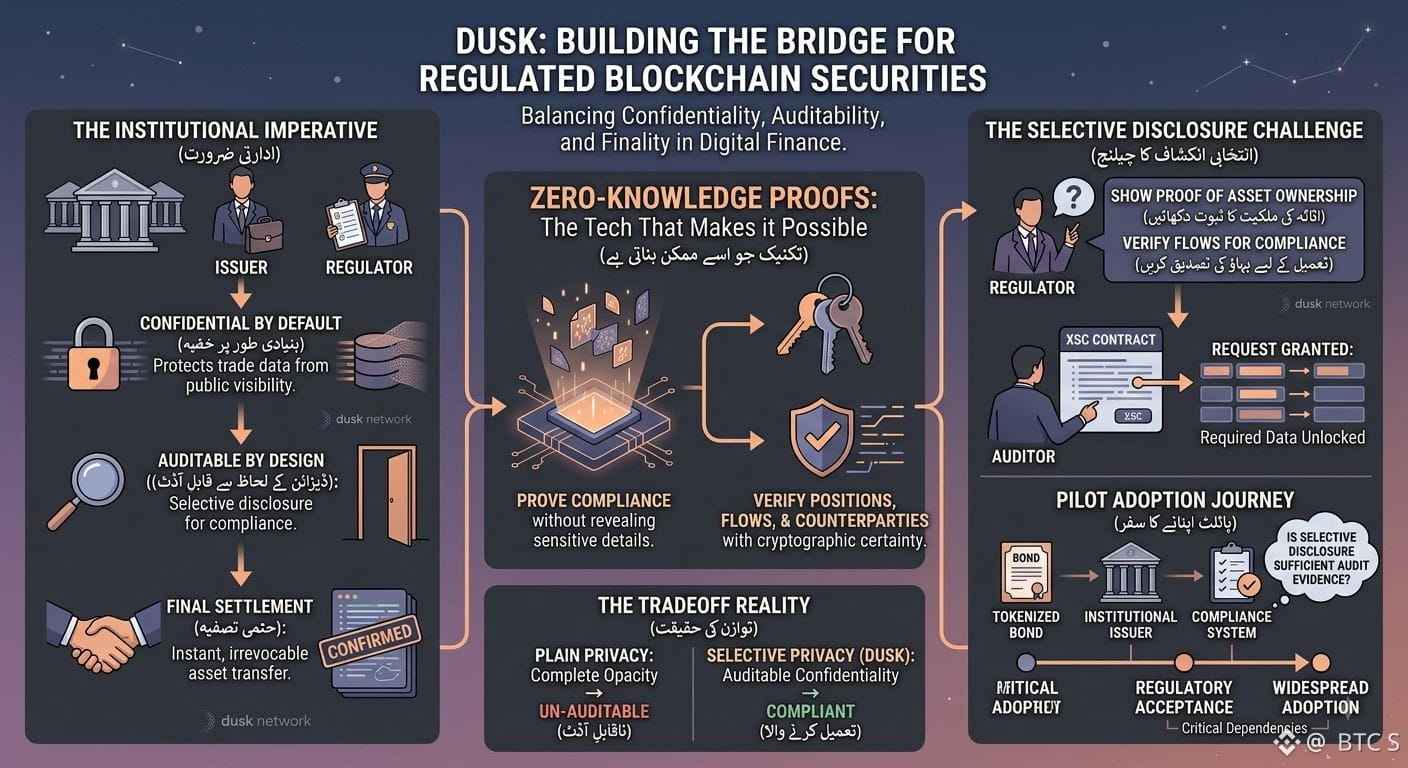
Banken werden keine Anleihe auf der Blockchain abwickeln, weil sobald der Handel die öffentliche Ledger-Adresse erreicht, jede Positionsgröße, jeder Kontrahent und jedes Zahlungs-/Zahlungsflussmuster für jedermann sichtbar wird. Das ist keine reine Präferenz für Privatsphäre – es ist eine ganz konkrete rechtliche Anforderung in nahezu jedem Wertpapier-Regelwerk. Aufsichtsbehörden müssen prüfen können, nicht im Blindflug handeln. Also frieren Institute alles ein. Nicht weil sie gegen Blockchain sind, sondern weil die Blockchain-Standardumgebung mit dem Motto „alles ist transparent“ tatsächlich der Compliance-Engpass ist.
Die meisten Privacy-Chains versuchen, das zu umgehen, indem sie alles verbergen. Regulierer rufen das sofort auf den Plan: Man kann nicht auditen, wenn man blind ist.
Dusk’s XSC-Verträge gehen einen anderen Weg. Vertraulich standardmäßig, aber selektiv beweisbar, wenn ein Regulierer oder Auditor etwas tatsächlich prüfen muss. Diese selektive-Offenlegungs-Idee ist die echte technische Herausforderung im Moment. Die Zero-Knowledge-Proofs, die wirklich zu realen Audit-Trails im Wertpapierrecht passen, sind noch ziemlich neu, daher ist „konforme Privacy“ viel enger gefasst als einfach „privat“. Die Einführung wird langsam vorangehen, bis die Regulierer entscheiden, ob selektive Offenlegung als echtes Audit-Belegmaterial zählt.
Jede Chain, die behauptet, gleichzeitig Settlement-Finalität und regulatorische Offenlegung liefern zu können, kämpft im Grunde gegen die Physik. Diese beiden Ziele ziehen gegeneinander, und jedes Projekt endet damit, eines auszuwählen und das andere zu verkaufen. Dusk ist eines der wenigen, die nicht so tun, als gäbe es diesen Trade-off nicht. Solche offenen Aussagen sind erfrischend.
Tatsächlich nutzen werden das nur regulierte Emittenten, die Pilot-Tokenized-Bonds betreiben. Retail-Trader werden es nicht anfassen – sie wollen Liquidität und Preisfindung, nicht Privacy-Show. Es funktioniert nur, wenn die Beweise schnell, günstig sind und sich direkt in bestehende Compliance-Systeme integrieren lassen … und wenn die Regulierer akzeptieren, dass selektive Offenlegung als ausreichend für ein Audit gilt. Bis dahin ist es immer noch nur eine Idee „das sollten wir versuchen, wenn wir können“ – keine Realität „wir müssen das nutzen“.
#dusk $DUSK @Dusk_Foundation
{spot}(DUSKUSDT)
Banken werden keine Anleihe auf der Blockchain abwickeln, weil sobald der Handel die öffentliche Ledger-Adresse erreicht, jede Positionsgröße, jeder Kontrahent und jedes Zahlungs-/Zahlungsflussmuster für jedermann sichtbar wird. Das ist keine reine Präferenz für Privatsphäre – es ist eine ganz konkrete rechtliche Anforderung in nahezu jedem Wertpapier-Regelwerk. Aufsichtsbehörden müssen prüfen können, nicht im Blindflug handeln. Also frieren Institute alles ein. Nicht weil sie gegen Blockchain sind, sondern weil die Blockchain-Standardumgebung mit dem Motto „alles ist transparent“ tatsächlich der Compliance-Engpass ist.
Die meisten Privacy-Chains versuchen, das zu umgehen, indem sie alles verbergen. Regulierer rufen das sofort auf den Plan: Man kann nicht auditen, wenn man blind ist.
Dusk’s XSC-Verträge gehen einen anderen Weg. Vertraulich standardmäßig, aber selektiv beweisbar, wenn ein Regulierer oder Auditor etwas tatsächlich prüfen muss. Diese selektive-Offenlegungs-Idee ist die echte technische Herausforderung im Moment. Die Zero-Knowledge-Proofs, die wirklich zu realen Audit-Trails im Wertpapierrecht passen, sind noch ziemlich neu, daher ist „konforme Privacy“ viel enger gefasst als einfach „privat“. Die Einführung wird langsam vorangehen, bis die Regulierer entscheiden, ob selektive Offenlegung als echtes Audit-Belegmaterial zählt.
Jede Chain, die behauptet, gleichzeitig Settlement-Finalität und regulatorische Offenlegung liefern zu können, kämpft im Grunde gegen die Physik. Diese beiden Ziele ziehen gegeneinander, und jedes Projekt endet damit, eines auszuwählen und das andere zu verkaufen. Dusk ist eines der wenigen, die nicht so tun, als gäbe es diesen Trade-off nicht. Solche offenen Aussagen sind erfrischend.
Tatsächlich nutzen werden das nur regulierte Emittenten, die Pilot-Tokenized-Bonds betreiben. Retail-Trader werden es nicht anfassen – sie wollen Liquidität und Preisfindung, nicht Privacy-Show. Es funktioniert nur, wenn die Beweise schnell, günstig sind und sich direkt in bestehende Compliance-Systeme integrieren lassen … und wenn die Regulierer akzeptieren, dass selektive Offenlegung als ausreichend für ein Audit gilt. Bis dahin ist es immer noch nur eine Idee „das sollten wir versuchen, wenn wir können“ – keine Realität „wir müssen das nutzen“.
#dusk $DUSK @Dusk
Die meisten Privacy-Chains versuchen, das zu umgehen, indem sie alles verbergen. Regulierer rufen das sofort auf den Plan: Man kann nicht auditen, wenn man blind ist.
Dusk’s XSC-Verträge gehen einen anderen Weg. Vertraulich standardmäßig, aber selektiv beweisbar, wenn ein Regulierer oder Auditor etwas tatsächlich prüfen muss. Diese selektive-Offenlegungs-Idee ist die echte technische Herausforderung im Moment. Die Zero-Knowledge-Proofs, die wirklich zu realen Audit-Trails im Wertpapierrecht passen, sind noch ziemlich neu, daher ist „konforme Privacy“ viel enger gefasst als einfach „privat“. Die Einführung wird langsam vorangehen, bis die Regulierer entscheiden, ob selektive Offenlegung als echtes Audit-Belegmaterial zählt.
Jede Chain, die behauptet, gleichzeitig Settlement-Finalität und regulatorische Offenlegung liefern zu können, kämpft im Grunde gegen die Physik. Diese beiden Ziele ziehen gegeneinander, und jedes Projekt endet damit, eines auszuwählen und das andere zu verkaufen. Dusk ist eines der wenigen, die nicht so tun, als gäbe es diesen Trade-off nicht. Solche offenen Aussagen sind erfrischend.
Tatsächlich nutzen werden das nur regulierte Emittenten, die Pilot-Tokenized-Bonds betreiben. Retail-Trader werden es nicht anfassen – sie wollen Liquidität und Preisfindung, nicht Privacy-Show. Es funktioniert nur, wenn die Beweise schnell, günstig sind und sich direkt in bestehende Compliance-Systeme integrieren lassen … und wenn die Regulierer akzeptieren, dass selektive Offenlegung als ausreichend für ein Audit gilt. Bis dahin ist es immer noch nur eine Idee „das sollten wir versuchen, wenn wir können“ – keine Realität „wir müssen das nutzen“.
#dusk $DUSK @Dusk
28
12
153
·
--
Bullisch
Hier ist eine Frage, die ich nicht loswerde: Warum hat ernsthaftes institutionelles Geld bisher nur selten „Privacy-Blockchains“ erreicht? Es liegt nicht am Interesse. Banken und Vermögensverwalter würden alles gern on-chain verlagern – günstigere Abwicklung, weniger Intermediäre. Aber sie können ihre Handelspositionen nicht für die ganze Welt sichtbar posten, und Regulierer geben keine Freigabe für etwas, das sie nicht prüfen können, wenn sie es brauchen. Am Ende braucht man also zwei Dinge, die sich wie Gegensätze anfühlen: Es soll privat bleiben, aber bei Bedarf dennoch nachweisbar sein. Die meisten Projekte wählen eines davon. Vollständig transparente Chains leaken alles. Vollständig private geben Regulierern nichts, woran sie sich festhalten könnten, was sie für alles Regulierte zum No-Go macht.
Dusk scheint genau diese Lücke zu adressieren – vertrauliche Verträge, die dennoch einen Beweis für die richtige Partei erzeugen können, ohne die Details für alle anderen zu verbreiten. Auf dem Papier ist das die richtige Form der Lösung. In der Praxis würde ich gern wissen, ob ein Regulierer oder ein Auditor einen Zero-Knowledge-Beweis tatsächlich als ausreichenden Nachweis akzeptieren würde, denn dieses Vertrauen entsteht nicht durch „clevere“ Kryptografie – es entsteht dadurch, dass Institutionen es über Jahre testen und dabei nicht auf die Nase fallen.
Ich bezweifle, dass das für Endnutzer gedacht ist – eher eine langsame, enge Wette, die auf Emittenten abzielt, die Privatsphäre und Auditierbarkeit gleichzeitig brauchen, und die darauf gewartet haben, weil bisher nichts beides ehrlich miteinander angeboten hat. Es funktioniert, wenn Regulierer die Beweise tatsächlich mit der Zeit akzeptieren und ihnen vertrauen. Es scheitert still, wenn nicht – und die Technik liegt dann da, korrekt, aber ungenutzt.
#dusk $DUSK @Dusk_Foundation
Hier ist eine Frage, die ich nicht loswerde: Warum hat ernsthaftes institutionelles Geld bisher nur selten „Privacy-Blockchains“ erreicht? Es liegt nicht am Interesse. Banken und Vermögensverwalter würden alles gern on-chain verlagern – günstigere Abwicklung, weniger Intermediäre. Aber sie können ihre Handelspositionen nicht für die ganze Welt sichtbar posten, und Regulierer geben keine Freigabe für etwas, das sie nicht prüfen können, wenn sie es brauchen. Am Ende braucht man also zwei Dinge, die sich wie Gegensätze anfühlen: Es soll privat bleiben, aber bei Bedarf dennoch nachweisbar sein. Die meisten Projekte wählen eines davon. Vollständig transparente Chains leaken alles. Vollständig private geben Regulierern nichts, woran sie sich festhalten könnten, was sie für alles Regulierte zum No-Go macht.
Dusk scheint genau diese Lücke zu adressieren – vertrauliche Verträge, die dennoch einen Beweis für die richtige Partei erzeugen können, ohne die Details für alle anderen zu verbreiten. Auf dem Papier ist das die richtige Form der Lösung. In der Praxis würde ich gern wissen, ob ein Regulierer oder ein Auditor einen Zero-Knowledge-Beweis tatsächlich als ausreichenden Nachweis akzeptieren würde, denn dieses Vertrauen entsteht nicht durch „clevere“ Kryptografie – es entsteht dadurch, dass Institutionen es über Jahre testen und dabei nicht auf die Nase fallen.
Ich bezweifle, dass das für Endnutzer gedacht ist – eher eine langsame, enge Wette, die auf Emittenten abzielt, die Privatsphäre und Auditierbarkeit gleichzeitig brauchen, und die darauf gewartet haben, weil bisher nichts beides ehrlich miteinander angeboten hat. Es funktioniert, wenn Regulierer die Beweise tatsächlich mit der Zeit akzeptieren und ihnen vertrauen. Es scheitert still, wenn nicht – und die Technik liegt dann da, korrekt, aber ungenutzt.
#dusk $DUSK @Dusk
Dusk scheint genau diese Lücke zu adressieren – vertrauliche Verträge, die dennoch einen Beweis für die richtige Partei erzeugen können, ohne die Details für alle anderen zu verbreiten. Auf dem Papier ist das die richtige Form der Lösung. In der Praxis würde ich gern wissen, ob ein Regulierer oder ein Auditor einen Zero-Knowledge-Beweis tatsächlich als ausreichenden Nachweis akzeptieren würde, denn dieses Vertrauen entsteht nicht durch „clevere“ Kryptografie – es entsteht dadurch, dass Institutionen es über Jahre testen und dabei nicht auf die Nase fallen.
Ich bezweifle, dass das für Endnutzer gedacht ist – eher eine langsame, enge Wette, die auf Emittenten abzielt, die Privatsphäre und Auditierbarkeit gleichzeitig brauchen, und die darauf gewartet haben, weil bisher nichts beides ehrlich miteinander angeboten hat. Es funktioniert, wenn Regulierer die Beweise tatsächlich mit der Zeit akzeptieren und ihnen vertrauen. Es scheitert still, wenn nicht – und die Technik liegt dann da, korrekt, aber ungenutzt.
#dusk $DUSK @Dusk
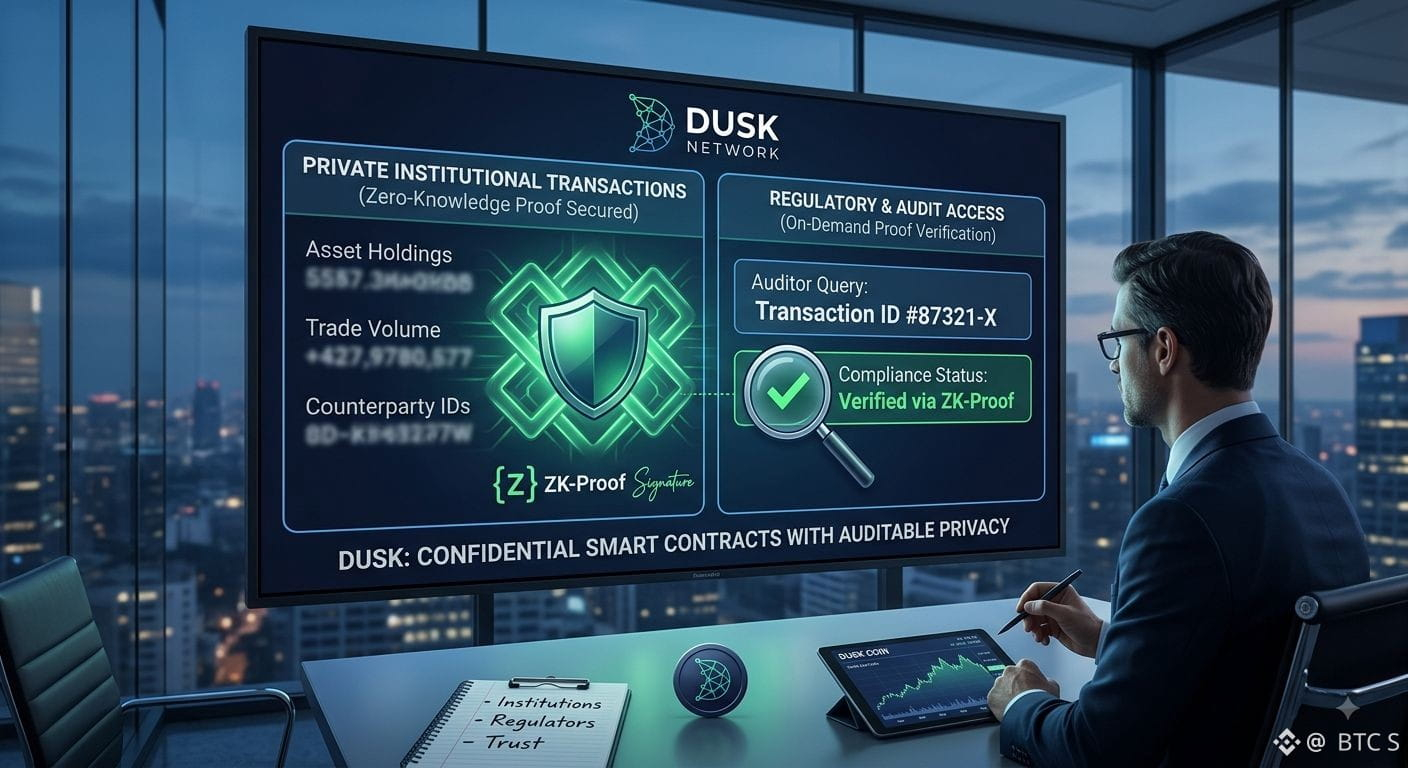
21
7
158
·
--
Bullisch
Ehrlich gesagt stört mich an den meisten Gesprächen über Krypto-Privatsphäre vor allem, dass sie das eigentliche Problem überspringen. Man springt sofort zu „Zero-Knowledge-Proofs“, als wäre das selbsterklärend, dabei ist die eigentliche Frage viel simpler: Warum kann ein Unternehmen Anteile auf einer Blockchain ausgeben, ohne dass die ganze Welt zusieht, wer was gekauft hat?
Denn genau diese Situation haben wir gerade. Setz eine Sicherheit auf einer öffentlichen Kette ein, und im Grunde veröffentlichst du deine Cap-Table. Jeder Trade, jedes Rebalancing ist für Wettbewerber in Echtzeit sichtbar. Kein ernsthaftes Institut macht da mit. Nicht, weil sie etwas Schändliches verstecken — sondern weil das einfach nicht so funktioniert, wie Finanzen je funktioniert haben. Selbst öffentliche Märkte zeigen dir nicht in Echtzeit die Absichten aus dem Order Book.
Die Ära der Privacy Coins wollte das beheben und hat die Regulierer im Wesentlichen nur nervös gemacht, weil „man kann nichts sehen“ keine Compliance ist, sondern einfach Verschleierung mit besserem Marketing.
Was Dusk versucht, wirkt eher wie eine Eingeständnis, dass beide Extreme falsch sind. Die Transaktion soll privat bleiben, aber so aufgebaut sein, dass die richtige Person — ein Auditor, ein Regulator — sie prüfen kann, wenn sie es wirklich braucht, ohne sie allen anderen offenzulegen. Das ist eine ehrlich schwierige Sache, die man richtig hinbekommt, und ich sage das als jemand, der schon viele „compliant privacy“-Pitches hat scheitern sehen, die am Ende Marketing waren, verkleidet als Architektur.
Ich weiß noch nicht, ob das unter echter rechtlicher Prüfung standhält oder ob Institutionen einer so kleinen Kette überhaupt etwas Relevantes anvertrauen werden. Aber das Problem, um das es hier kreist, ist real — und fast niemand versucht es überhaupt, das richtig zu lösen.
#dusk $DUSK @Dusk_Foundation
Ehrlich gesagt stört mich an den meisten Gesprächen über Krypto-Privatsphäre vor allem, dass sie das eigentliche Problem überspringen. Man springt sofort zu „Zero-Knowledge-Proofs“, als wäre das selbsterklärend, dabei ist die eigentliche Frage viel simpler: Warum kann ein Unternehmen Anteile auf einer Blockchain ausgeben, ohne dass die ganze Welt zusieht, wer was gekauft hat?
Denn genau diese Situation haben wir gerade. Setz eine Sicherheit auf einer öffentlichen Kette ein, und im Grunde veröffentlichst du deine Cap-Table. Jeder Trade, jedes Rebalancing ist für Wettbewerber in Echtzeit sichtbar. Kein ernsthaftes Institut macht da mit. Nicht, weil sie etwas Schändliches verstecken — sondern weil das einfach nicht so funktioniert, wie Finanzen je funktioniert haben. Selbst öffentliche Märkte zeigen dir nicht in Echtzeit die Absichten aus dem Order Book.
Die Ära der Privacy Coins wollte das beheben und hat die Regulierer im Wesentlichen nur nervös gemacht, weil „man kann nichts sehen“ keine Compliance ist, sondern einfach Verschleierung mit besserem Marketing.
Was Dusk versucht, wirkt eher wie eine Eingeständnis, dass beide Extreme falsch sind. Die Transaktion soll privat bleiben, aber so aufgebaut sein, dass die richtige Person — ein Auditor, ein Regulator — sie prüfen kann, wenn sie es wirklich braucht, ohne sie allen anderen offenzulegen. Das ist eine ehrlich schwierige Sache, die man richtig hinbekommt, und ich sage das als jemand, der schon viele „compliant privacy“-Pitches hat scheitern sehen, die am Ende Marketing waren, verkleidet als Architektur.
Ich weiß noch nicht, ob das unter echter rechtlicher Prüfung standhält oder ob Institutionen einer so kleinen Kette überhaupt etwas Relevantes anvertrauen werden. Aber das Problem, um das es hier kreist, ist real — und fast niemand versucht es überhaupt, das richtig zu lösen.
#dusk $DUSK @Dusk
Denn genau diese Situation haben wir gerade. Setz eine Sicherheit auf einer öffentlichen Kette ein, und im Grunde veröffentlichst du deine Cap-Table. Jeder Trade, jedes Rebalancing ist für Wettbewerber in Echtzeit sichtbar. Kein ernsthaftes Institut macht da mit. Nicht, weil sie etwas Schändliches verstecken — sondern weil das einfach nicht so funktioniert, wie Finanzen je funktioniert haben. Selbst öffentliche Märkte zeigen dir nicht in Echtzeit die Absichten aus dem Order Book.
Die Ära der Privacy Coins wollte das beheben und hat die Regulierer im Wesentlichen nur nervös gemacht, weil „man kann nichts sehen“ keine Compliance ist, sondern einfach Verschleierung mit besserem Marketing.
Was Dusk versucht, wirkt eher wie eine Eingeständnis, dass beide Extreme falsch sind. Die Transaktion soll privat bleiben, aber so aufgebaut sein, dass die richtige Person — ein Auditor, ein Regulator — sie prüfen kann, wenn sie es wirklich braucht, ohne sie allen anderen offenzulegen. Das ist eine ehrlich schwierige Sache, die man richtig hinbekommt, und ich sage das als jemand, der schon viele „compliant privacy“-Pitches hat scheitern sehen, die am Ende Marketing waren, verkleidet als Architektur.
Ich weiß noch nicht, ob das unter echter rechtlicher Prüfung standhält oder ob Institutionen einer so kleinen Kette überhaupt etwas Relevantes anvertrauen werden. Aber das Problem, um das es hier kreist, ist real — und fast niemand versucht es überhaupt, das richtig zu lösen.
#dusk $DUSK @Dusk
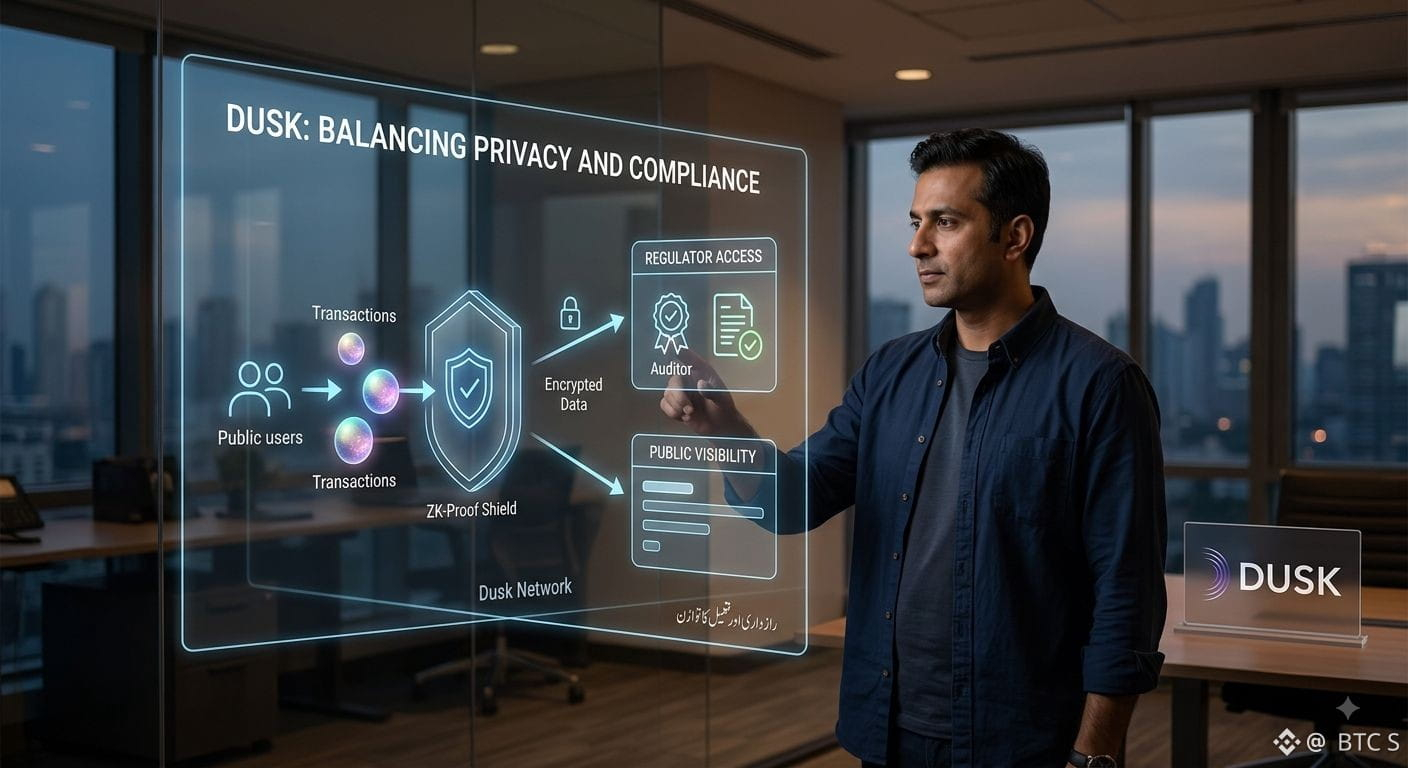
3
1
2
98
·
--
Bullisch
#dusk $DUSK @Dusk_Foundation
Hier ist ein Muster, das du bemerkst, wenn du lange genug zusiehst: Praktisch jede ernsthafte Institution, die auf Blockchain herumstochert, baut am Ende still und leise eine private Version davon. Hier eine Konsortial-Chain, dort ein permissioniertes Ledger. Niemand macht groß Ankündigungen — es passiert einfach, und es gibt einen Grund.
Öffentliche Chains zeigen standardmäßig alles. Privatsphäre wird später nachgerüstet, als Sonderfall — meist, weil sich ein Kunde nicht signieren lassen wollte, ohne sie. Aber das ist rückwärts gedacht. Im Finanzwesen ist es kein nettes Extra, die Hand zu verbergen — es ist im Grunde so, wie das System läuft. Transaktionsgrößen, Gegenparteien, Salden: Davon soll nichts für irgendwen sichtbar sein, außer für die Beteiligten — und für alle, die tatsächlich rechtlich berechtigt sind, hinzusehen. Und Regulierer wollen auch keinen öffentlichen Feed. Was viele annehmen. Sie wollen die Möglichkeit zu prüfen, wenn es einen Grund gibt — nicht ein dauerhaftes Fenster in das Geschäftsleben von allen, die ganze Zeit über.
Privatsphäre nachträglich „aufzuschrauben“ führt im Grunde zu zwei Optionen — beide schlecht: fragwürdige Mixer, denen niemand wirklich vertraut, oder vollständige Transparenz, die eigentlich niemand wollte. Beides überlebt den Kontakt mit echtem Geld nicht lange.
Darum lohnt sich ein Blick auf die vertraulichen Contracts von Dusk Network. Die Idee ist, das Standardverhalten umzudrehen: Privatsphäre ist der Ruhezustand, und Offenlegung ist etwas, das gewährt wird — nicht etwas, das „rausläuft“ und dann nachträglich wieder weggewaschen werden muss. Das ist wesentlich näher dran an dem, wie Compliance tatsächlich funktioniert: selektiv, permissioniert, bei Bedarf prüfbar — statt gleichzeitig in die ganze Welt hinausgestreamt zu werden.
Ob das wirklich trägt, ist eine andere Frage. Kosten, Latenz, ob Regulierer jemals mathematischen Modellen vertrauen werden, die sie nicht persönlich prüfen können — das alles liegt weiterhin noch offen. Wenn dieser Ansatz überhaupt Fuß fasst, werden es Institutionen sein, die im Hintergrund leise Dinge regeln — nicht irgendwer, der hinter einer Schlagzeile herjagt. Und er stirbt in dem Moment, in dem es mehr kostet, als es verhindern soll.
{spot}(DUSKUSDT)
#dusk $DUSK @Dusk
Hier ist ein Muster, das du bemerkst, wenn du lange genug zusiehst: Praktisch jede ernsthafte Institution, die auf Blockchain herumstochert, baut am Ende still und leise eine private Version davon. Hier eine Konsortial-Chain, dort ein permissioniertes Ledger. Niemand macht groß Ankündigungen — es passiert einfach, und es gibt einen Grund.
Öffentliche Chains zeigen standardmäßig alles. Privatsphäre wird später nachgerüstet, als Sonderfall — meist, weil sich ein Kunde nicht signieren lassen wollte, ohne sie. Aber das ist rückwärts gedacht. Im Finanzwesen ist es kein nettes Extra, die Hand zu verbergen — es ist im Grunde so, wie das System läuft. Transaktionsgrößen, Gegenparteien, Salden: Davon soll nichts für irgendwen sichtbar sein, außer für die Beteiligten — und für alle, die tatsächlich rechtlich berechtigt sind, hinzusehen. Und Regulierer wollen auch keinen öffentlichen Feed. Was viele annehmen. Sie wollen die Möglichkeit zu prüfen, wenn es einen Grund gibt — nicht ein dauerhaftes Fenster in das Geschäftsleben von allen, die ganze Zeit über.
Privatsphäre nachträglich „aufzuschrauben“ führt im Grunde zu zwei Optionen — beide schlecht: fragwürdige Mixer, denen niemand wirklich vertraut, oder vollständige Transparenz, die eigentlich niemand wollte. Beides überlebt den Kontakt mit echtem Geld nicht lange.
Darum lohnt sich ein Blick auf die vertraulichen Contracts von Dusk Network. Die Idee ist, das Standardverhalten umzudrehen: Privatsphäre ist der Ruhezustand, und Offenlegung ist etwas, das gewährt wird — nicht etwas, das „rausläuft“ und dann nachträglich wieder weggewaschen werden muss. Das ist wesentlich näher dran an dem, wie Compliance tatsächlich funktioniert: selektiv, permissioniert, bei Bedarf prüfbar — statt gleichzeitig in die ganze Welt hinausgestreamt zu werden.
Ob das wirklich trägt, ist eine andere Frage. Kosten, Latenz, ob Regulierer jemals mathematischen Modellen vertrauen werden, die sie nicht persönlich prüfen können — das alles liegt weiterhin noch offen. Wenn dieser Ansatz überhaupt Fuß fasst, werden es Institutionen sein, die im Hintergrund leise Dinge regeln — nicht irgendwer, der hinter einer Schlagzeile herjagt. Und er stirbt in dem Moment, in dem es mehr kostet, als es verhindern soll.
Hier ist ein Muster, das du bemerkst, wenn du lange genug zusiehst: Praktisch jede ernsthafte Institution, die auf Blockchain herumstochert, baut am Ende still und leise eine private Version davon. Hier eine Konsortial-Chain, dort ein permissioniertes Ledger. Niemand macht groß Ankündigungen — es passiert einfach, und es gibt einen Grund.
Öffentliche Chains zeigen standardmäßig alles. Privatsphäre wird später nachgerüstet, als Sonderfall — meist, weil sich ein Kunde nicht signieren lassen wollte, ohne sie. Aber das ist rückwärts gedacht. Im Finanzwesen ist es kein nettes Extra, die Hand zu verbergen — es ist im Grunde so, wie das System läuft. Transaktionsgrößen, Gegenparteien, Salden: Davon soll nichts für irgendwen sichtbar sein, außer für die Beteiligten — und für alle, die tatsächlich rechtlich berechtigt sind, hinzusehen. Und Regulierer wollen auch keinen öffentlichen Feed. Was viele annehmen. Sie wollen die Möglichkeit zu prüfen, wenn es einen Grund gibt — nicht ein dauerhaftes Fenster in das Geschäftsleben von allen, die ganze Zeit über.
Privatsphäre nachträglich „aufzuschrauben“ führt im Grunde zu zwei Optionen — beide schlecht: fragwürdige Mixer, denen niemand wirklich vertraut, oder vollständige Transparenz, die eigentlich niemand wollte. Beides überlebt den Kontakt mit echtem Geld nicht lange.
Darum lohnt sich ein Blick auf die vertraulichen Contracts von Dusk Network. Die Idee ist, das Standardverhalten umzudrehen: Privatsphäre ist der Ruhezustand, und Offenlegung ist etwas, das gewährt wird — nicht etwas, das „rausläuft“ und dann nachträglich wieder weggewaschen werden muss. Das ist wesentlich näher dran an dem, wie Compliance tatsächlich funktioniert: selektiv, permissioniert, bei Bedarf prüfbar — statt gleichzeitig in die ganze Welt hinausgestreamt zu werden.
Ob das wirklich trägt, ist eine andere Frage. Kosten, Latenz, ob Regulierer jemals mathematischen Modellen vertrauen werden, die sie nicht persönlich prüfen können — das alles liegt weiterhin noch offen. Wenn dieser Ansatz überhaupt Fuß fasst, werden es Institutionen sein, die im Hintergrund leise Dinge regeln — nicht irgendwer, der hinter einer Schlagzeile herjagt. Und er stirbt in dem Moment, in dem es mehr kostet, als es verhindern soll.
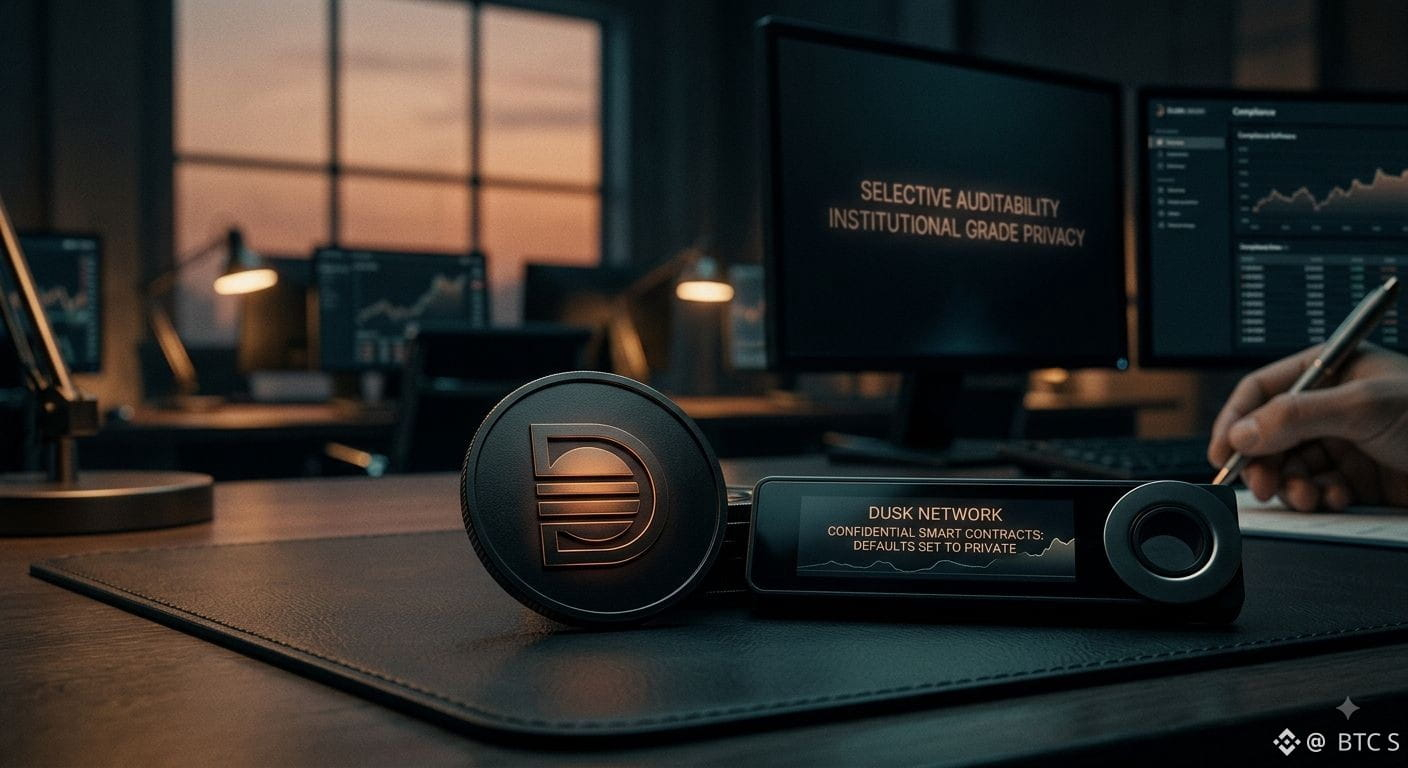
10
10
99
·
--
Bullisch
#baby $BABY @babylonlabs_io
Ich habe versucht, das letzte Woche jemandem zu erklären, bin aber immer wieder an demselben Satz hängen geblieben: „Der Bitcoin bewegt sich eigentlich gar nicht.“ Die Person hat mich angeschaut, als könnte das unmöglich die ganze Geschichte sein. Und ehrlich gesagt: Das ist es auch nicht — aber das, was danach kommt, ist interessanter als der Teil, der beeindruckend klingt.
Jedes Mal, wenn Bitcoin in DeFi auftaucht, muss irgendwo etwas nachgeben. Meistens ist es die Verwahrung. Man wickelt die Münze ein oder übergibt sie an eine Bridge — und am Ende hält man einen Beleg in den Händen: eine Zusage, dass irgendwo, irgendjemand immer noch dein BTC besitzt. Diese Zusage ist oft genug gebrochen, dass „Vertraue der Bridge“ vor einiger Zeit aufgehört hat, eine sinnvolle Bitte zu sein.
Babylon probiert etwas weniger schmeichelhaft klingendes, aber vielleicht ehrlicheres: Anstatt die Münze zu bewegen, lässt es Ethereum erst mal nachschauen. Das BTC bleibt nach den eigenen Regeln von Bitcoin auf Bitcoin gesperrt, und das, was woanders verifiziert wird, ist ein Beweis — ein UTXO, ein Timelock, ein Beleg, den Bitcoin selbst bestätigen kann. Niemand hält dir deine Coins als Geisel. Niemand muss.
Der Haken ist Geduld. Bitcoin erklärt Dinge nicht sofort für endgültig — Reorgs sind noch für eine Weile möglich, nachdem ein Block gelandet ist — daher muss jedes System, das Bitcoin ehrlich ausliest, mit einer gewissen Unsicherheit leben, bevor es dieses BTC als „gesperrt und sicher“ behandelt. Das ist keine raue Kante, die man einfach glätten könnte. Es ist einfach das, was passiert, wenn man eine vertraute Instanz durch eine Wartezeit ersetzt.
Und das dürfte dir ziemlich genau sagen, für wen das eigentlich gedacht ist. Nicht für die Person, die bis zum Mittag möchte, dass ihr Bitcoin in einem DeFi-Pool arbeitet. Eher für den Fonds oder Validator, der bereit ist, Kapital für eine Weile stillstehen zu lassen — wenn genau das dafür sorgt, dass es sich wirklich anfühlt. Ob das ein fairer Tausch ist, ist noch eine offene Frage — ich glaube, es hängt weniger von der Technik ab als davon, wie viel Geduld der Markt noch hat.
#baby $BABY @BabylonLabs_io
Ich habe versucht, das letzte Woche jemandem zu erklären, bin aber immer wieder an demselben Satz hängen geblieben: „Der Bitcoin bewegt sich eigentlich gar nicht.“ Die Person hat mich angeschaut, als könnte das unmöglich die ganze Geschichte sein. Und ehrlich gesagt: Das ist es auch nicht — aber das, was danach kommt, ist interessanter als der Teil, der beeindruckend klingt.
Jedes Mal, wenn Bitcoin in DeFi auftaucht, muss irgendwo etwas nachgeben. Meistens ist es die Verwahrung. Man wickelt die Münze ein oder übergibt sie an eine Bridge — und am Ende hält man einen Beleg in den Händen: eine Zusage, dass irgendwo, irgendjemand immer noch dein BTC besitzt. Diese Zusage ist oft genug gebrochen, dass „Vertraue der Bridge“ vor einiger Zeit aufgehört hat, eine sinnvolle Bitte zu sein.
Babylon probiert etwas weniger schmeichelhaft klingendes, aber vielleicht ehrlicheres: Anstatt die Münze zu bewegen, lässt es Ethereum erst mal nachschauen. Das BTC bleibt nach den eigenen Regeln von Bitcoin auf Bitcoin gesperrt, und das, was woanders verifiziert wird, ist ein Beweis — ein UTXO, ein Timelock, ein Beleg, den Bitcoin selbst bestätigen kann. Niemand hält dir deine Coins als Geisel. Niemand muss.
Der Haken ist Geduld. Bitcoin erklärt Dinge nicht sofort für endgültig — Reorgs sind noch für eine Weile möglich, nachdem ein Block gelandet ist — daher muss jedes System, das Bitcoin ehrlich ausliest, mit einer gewissen Unsicherheit leben, bevor es dieses BTC als „gesperrt und sicher“ behandelt. Das ist keine raue Kante, die man einfach glätten könnte. Es ist einfach das, was passiert, wenn man eine vertraute Instanz durch eine Wartezeit ersetzt.
Und das dürfte dir ziemlich genau sagen, für wen das eigentlich gedacht ist. Nicht für die Person, die bis zum Mittag möchte, dass ihr Bitcoin in einem DeFi-Pool arbeitet. Eher für den Fonds oder Validator, der bereit ist, Kapital für eine Weile stillstehen zu lassen — wenn genau das dafür sorgt, dass es sich wirklich anfühlt. Ob das ein fairer Tausch ist, ist noch eine offene Frage — ich glaube, es hängt weniger von der Technik ab als davon, wie viel Geduld der Markt noch hat.
Ich habe versucht, das letzte Woche jemandem zu erklären, bin aber immer wieder an demselben Satz hängen geblieben: „Der Bitcoin bewegt sich eigentlich gar nicht.“ Die Person hat mich angeschaut, als könnte das unmöglich die ganze Geschichte sein. Und ehrlich gesagt: Das ist es auch nicht — aber das, was danach kommt, ist interessanter als der Teil, der beeindruckend klingt.
Jedes Mal, wenn Bitcoin in DeFi auftaucht, muss irgendwo etwas nachgeben. Meistens ist es die Verwahrung. Man wickelt die Münze ein oder übergibt sie an eine Bridge — und am Ende hält man einen Beleg in den Händen: eine Zusage, dass irgendwo, irgendjemand immer noch dein BTC besitzt. Diese Zusage ist oft genug gebrochen, dass „Vertraue der Bridge“ vor einiger Zeit aufgehört hat, eine sinnvolle Bitte zu sein.
Babylon probiert etwas weniger schmeichelhaft klingendes, aber vielleicht ehrlicheres: Anstatt die Münze zu bewegen, lässt es Ethereum erst mal nachschauen. Das BTC bleibt nach den eigenen Regeln von Bitcoin auf Bitcoin gesperrt, und das, was woanders verifiziert wird, ist ein Beweis — ein UTXO, ein Timelock, ein Beleg, den Bitcoin selbst bestätigen kann. Niemand hält dir deine Coins als Geisel. Niemand muss.
Der Haken ist Geduld. Bitcoin erklärt Dinge nicht sofort für endgültig — Reorgs sind noch für eine Weile möglich, nachdem ein Block gelandet ist — daher muss jedes System, das Bitcoin ehrlich ausliest, mit einer gewissen Unsicherheit leben, bevor es dieses BTC als „gesperrt und sicher“ behandelt. Das ist keine raue Kante, die man einfach glätten könnte. Es ist einfach das, was passiert, wenn man eine vertraute Instanz durch eine Wartezeit ersetzt.
Und das dürfte dir ziemlich genau sagen, für wen das eigentlich gedacht ist. Nicht für die Person, die bis zum Mittag möchte, dass ihr Bitcoin in einem DeFi-Pool arbeitet. Eher für den Fonds oder Validator, der bereit ist, Kapital für eine Weile stillstehen zu lassen — wenn genau das dafür sorgt, dass es sich wirklich anfühlt. Ob das ein fairer Tausch ist, ist noch eine offene Frage — ich glaube, es hängt weniger von der Technik ab als davon, wie viel Geduld der Markt noch hat.
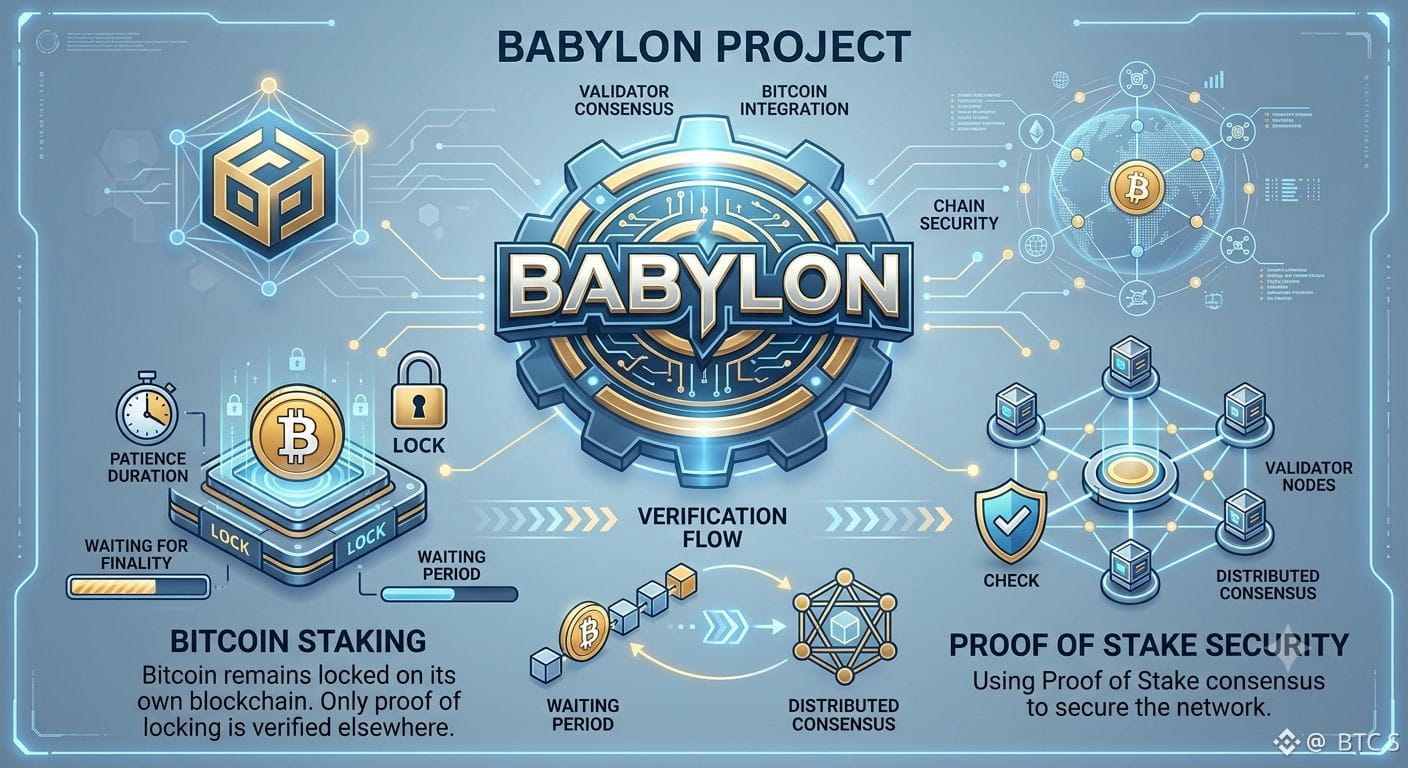
18
8
131
·
--
Bullisch
#baby $BABY @babylonlabs_io
Jemand hat in Discord einmal ganz unverfänglich gefragt: „Ist was Schlimmes passiert? Wieso fällt das?“ Und die Antwort war nichts Dramatisches. Kein Hack, kein Skandal. Nur eine geplante Freischaltung, die genau das macht, was der Vertrag immer gesagt hat. Niemand hat ein Versprechen gebrochen. Und auch niemand hatte den Kalender besonders genau gelesen.
Das ist der Teil der Tokenomics, der nie in den Pitch einfließt. Das Allocation-Chart ist die lustige Folie — Team hier, Investoren da, die Community bekommt ihren Anteil. Aber dieses Diagramm ist ein Foto, das am ersten Tag gemacht wurde. Es sagt nicht, wann diese Leute tatsächlich frei sind zu verkaufen. Und diese unspektakuläre Einzelheit, der Vesting-Plan, den sich kaum jemand speichert, macht nach einem Jahr oft viel mehr aus als das Kreisdiagramm je.
Ich habe kein Problem mit Babylons Grundidee. Bitcoin liegt dort, größtenteils ungenutzt, und ihn wieder in die Sicherheit anderer Chains zurückzubringen, ohne ihn aus seinen eigenen Regeln herauszureißen, ist eine wirklich nützliche Sache, die man bauen kann. Dieser Teil fühlt sich solide an. Was mir eher Sorgen macht, ist etwas Banales — ob Team- und Investorentokens allmählich „tröpfeln“ oder in ein paar großen Klumpen freigegeben werden, die jede reale Nachfrage, die in diesem Moment existiert, überholen.
Dafür gibt es ehrlich gesagt keine saubere Lösung. Wenn man zu viel sperrt, kann der Token seine Aufgabe nicht erfüllen — das Governance stockt, Anreize wirken dünn. Wenn man zu schnell freigibt, bekommt man Volatilität, durch die ein sicherheitsorientiertes Protokoll alles andere als „sicher“ wirkt.
Worauf ich stattdessen tatsächlich achten würde, ist langweilig: Entspricht das Tempo der Freischaltungen wirklich dem, wie viel BTC gestaked wird — oder sind es nur Daten aus einer Tabellenkalkulation? Ich habe gesehen, was normalerweise gewinnt.
#baby $BABY @BabylonLabs_io
Jemand hat in Discord einmal ganz unverfänglich gefragt: „Ist was Schlimmes passiert? Wieso fällt das?“ Und die Antwort war nichts Dramatisches. Kein Hack, kein Skandal. Nur eine geplante Freischaltung, die genau das macht, was der Vertrag immer gesagt hat. Niemand hat ein Versprechen gebrochen. Und auch niemand hatte den Kalender besonders genau gelesen.
Das ist der Teil der Tokenomics, der nie in den Pitch einfließt. Das Allocation-Chart ist die lustige Folie — Team hier, Investoren da, die Community bekommt ihren Anteil. Aber dieses Diagramm ist ein Foto, das am ersten Tag gemacht wurde. Es sagt nicht, wann diese Leute tatsächlich frei sind zu verkaufen. Und diese unspektakuläre Einzelheit, der Vesting-Plan, den sich kaum jemand speichert, macht nach einem Jahr oft viel mehr aus als das Kreisdiagramm je.
Ich habe kein Problem mit Babylons Grundidee. Bitcoin liegt dort, größtenteils ungenutzt, und ihn wieder in die Sicherheit anderer Chains zurückzubringen, ohne ihn aus seinen eigenen Regeln herauszureißen, ist eine wirklich nützliche Sache, die man bauen kann. Dieser Teil fühlt sich solide an. Was mir eher Sorgen macht, ist etwas Banales — ob Team- und Investorentokens allmählich „tröpfeln“ oder in ein paar großen Klumpen freigegeben werden, die jede reale Nachfrage, die in diesem Moment existiert, überholen.
Dafür gibt es ehrlich gesagt keine saubere Lösung. Wenn man zu viel sperrt, kann der Token seine Aufgabe nicht erfüllen — das Governance stockt, Anreize wirken dünn. Wenn man zu schnell freigibt, bekommt man Volatilität, durch die ein sicherheitsorientiertes Protokoll alles andere als „sicher“ wirkt.
Worauf ich stattdessen tatsächlich achten würde, ist langweilig: Entspricht das Tempo der Freischaltungen wirklich dem, wie viel BTC gestaked wird — oder sind es nur Daten aus einer Tabellenkalkulation? Ich habe gesehen, was normalerweise gewinnt.
Jemand hat in Discord einmal ganz unverfänglich gefragt: „Ist was Schlimmes passiert? Wieso fällt das?“ Und die Antwort war nichts Dramatisches. Kein Hack, kein Skandal. Nur eine geplante Freischaltung, die genau das macht, was der Vertrag immer gesagt hat. Niemand hat ein Versprechen gebrochen. Und auch niemand hatte den Kalender besonders genau gelesen.
Das ist der Teil der Tokenomics, der nie in den Pitch einfließt. Das Allocation-Chart ist die lustige Folie — Team hier, Investoren da, die Community bekommt ihren Anteil. Aber dieses Diagramm ist ein Foto, das am ersten Tag gemacht wurde. Es sagt nicht, wann diese Leute tatsächlich frei sind zu verkaufen. Und diese unspektakuläre Einzelheit, der Vesting-Plan, den sich kaum jemand speichert, macht nach einem Jahr oft viel mehr aus als das Kreisdiagramm je.
Ich habe kein Problem mit Babylons Grundidee. Bitcoin liegt dort, größtenteils ungenutzt, und ihn wieder in die Sicherheit anderer Chains zurückzubringen, ohne ihn aus seinen eigenen Regeln herauszureißen, ist eine wirklich nützliche Sache, die man bauen kann. Dieser Teil fühlt sich solide an. Was mir eher Sorgen macht, ist etwas Banales — ob Team- und Investorentokens allmählich „tröpfeln“ oder in ein paar großen Klumpen freigegeben werden, die jede reale Nachfrage, die in diesem Moment existiert, überholen.
Dafür gibt es ehrlich gesagt keine saubere Lösung. Wenn man zu viel sperrt, kann der Token seine Aufgabe nicht erfüllen — das Governance stockt, Anreize wirken dünn. Wenn man zu schnell freigibt, bekommt man Volatilität, durch die ein sicherheitsorientiertes Protokoll alles andere als „sicher“ wirkt.
Worauf ich stattdessen tatsächlich achten würde, ist langweilig: Entspricht das Tempo der Freischaltungen wirklich dem, wie viel BTC gestaked wird — oder sind es nur Daten aus einer Tabellenkalkulation? Ich habe gesehen, was normalerweise gewinnt.
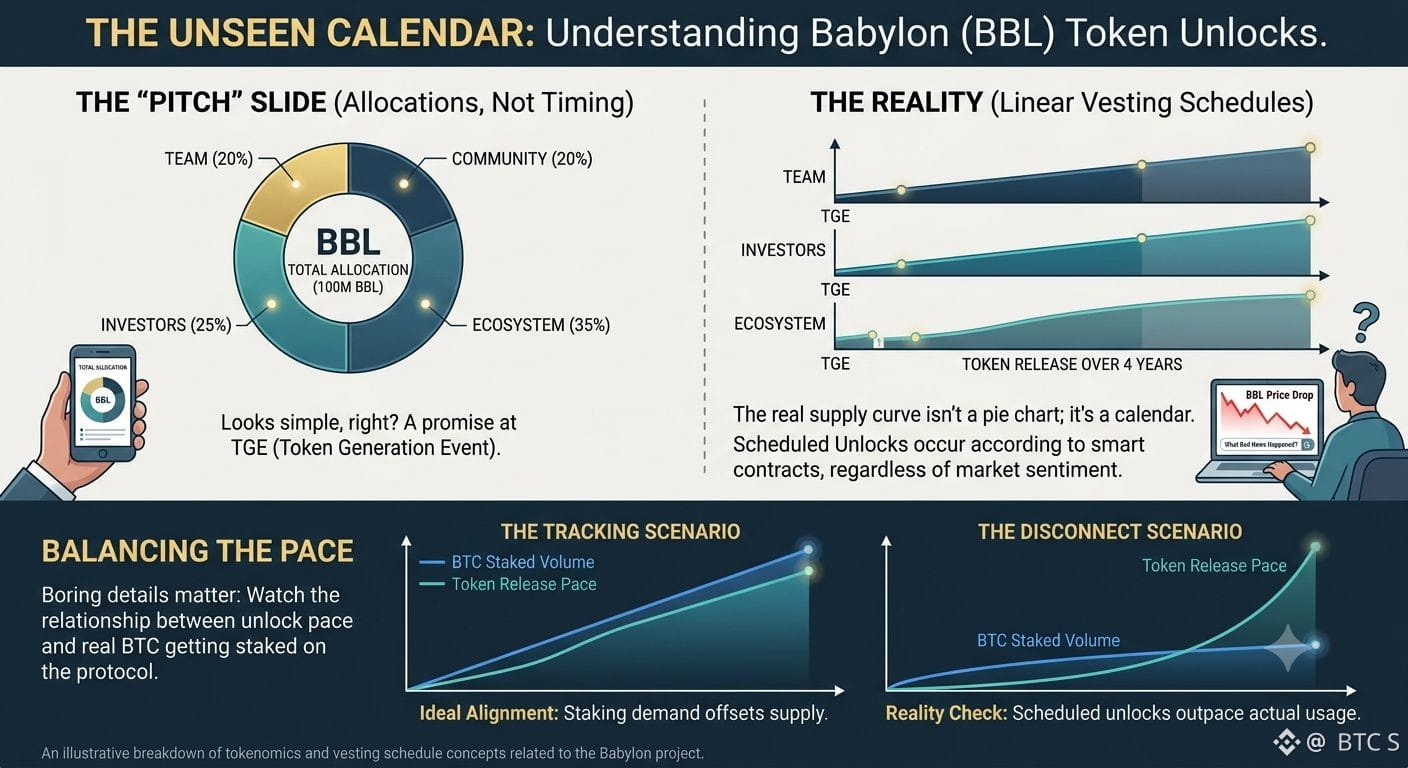
10
6
96
·
--
Bullisch
#baby $BABY @babylonlabs_io
Du weißt, was mich daran tatsächlich zum Nachdenken bringt — nicht der Mechanismus an sich, sondern der Moment, in dem jemand auf sein Wallet starrt und sagt: „Ich hab’s gemacht, warum ist es nicht endlich fertig.“ Diese Lücke zwischen Handlung und Bestätigung. Wir alle haben das irgendwo gespürt: darauf warten, dass eine Überweisung durchgeht, oder eine Tracking-Seite immer wieder aktualisieren. Aber bei Bitcoin ist es noch schlimmer, weil es keine Kundendienstnummer gibt, die man anrufen könnte, keinen Menschen, der einfach sagt: „Ja, ist schon okay, glaub mir.“
Die ehrliche Version dessen, was da passiert, ist ein bisschen unglamourös: Deine Unbonding-Transaktion liegt da, und das System schaut im Grunde zu, wie die Kette sich darauf aufbaut — Block für Block —, bevor es bereit ist zu sagen: „Okay, das ist jetzt wirklich genug.“ Wie viele Blöcke sind genug? Das hängt davon ab. Der Fee-Markt ist heiß, die Blöcke sind voll, und alle anderen versuchen gleichzeitig auch ihre Positionen aufzulösen — plötzlich ist dein „schnelles Unstake“ alles andere als schnell. Und das ist nur für den Fall, dass nichts weiter schiefgeht.
Ich glaube nicht, dass das wirklich ein technischer Fehler ist, eher ein Kommunikationsproblem. Produkte, die auf Bitcoin aufbauen, übernehmen sein Tempo — ob sie es zugeben oder nicht. Babylon integriert die Unbonding-Zeit zumindest in die Architektur, statt zu versuchen, das mit irgendeiner polierten Fortschrittsanzeige zu überdecken, die Kontrolle suggeriert, die sie eigentlich nicht hat.
Ob das Vertrauen schafft oder nur die Geduld auf die Probe stellt — ehrlich gesagt, kommt darauf an, wer staked und wofür. Jemand, der BTC langfristig parkt, kümmert sich vielleicht nicht um ein paar zusätzliche Stunden. Wer in einem Marktschwung schnell umziehen muss, könnte das irgendwann hassen.
$LABX.ETF
$BTC
#baby $BABY @BabylonLabs_io
Du weißt, was mich daran tatsächlich zum Nachdenken bringt — nicht der Mechanismus an sich, sondern der Moment, in dem jemand auf sein Wallet starrt und sagt: „Ich hab’s gemacht, warum ist es nicht endlich fertig.“ Diese Lücke zwischen Handlung und Bestätigung. Wir alle haben das irgendwo gespürt: darauf warten, dass eine Überweisung durchgeht, oder eine Tracking-Seite immer wieder aktualisieren. Aber bei Bitcoin ist es noch schlimmer, weil es keine Kundendienstnummer gibt, die man anrufen könnte, keinen Menschen, der einfach sagt: „Ja, ist schon okay, glaub mir.“
Die ehrliche Version dessen, was da passiert, ist ein bisschen unglamourös: Deine Unbonding-Transaktion liegt da, und das System schaut im Grunde zu, wie die Kette sich darauf aufbaut — Block für Block —, bevor es bereit ist zu sagen: „Okay, das ist jetzt wirklich genug.“ Wie viele Blöcke sind genug? Das hängt davon ab. Der Fee-Markt ist heiß, die Blöcke sind voll, und alle anderen versuchen gleichzeitig auch ihre Positionen aufzulösen — plötzlich ist dein „schnelles Unstake“ alles andere als schnell. Und das ist nur für den Fall, dass nichts weiter schiefgeht.
Ich glaube nicht, dass das wirklich ein technischer Fehler ist, eher ein Kommunikationsproblem. Produkte, die auf Bitcoin aufbauen, übernehmen sein Tempo — ob sie es zugeben oder nicht. Babylon integriert die Unbonding-Zeit zumindest in die Architektur, statt zu versuchen, das mit irgendeiner polierten Fortschrittsanzeige zu überdecken, die Kontrolle suggeriert, die sie eigentlich nicht hat.
Ob das Vertrauen schafft oder nur die Geduld auf die Probe stellt — ehrlich gesagt, kommt darauf an, wer staked und wofür. Jemand, der BTC langfristig parkt, kümmert sich vielleicht nicht um ein paar zusätzliche Stunden. Wer in einem Marktschwung schnell umziehen muss, könnte das irgendwann hassen.
$LABX.ETF
$BTC
Du weißt, was mich daran tatsächlich zum Nachdenken bringt — nicht der Mechanismus an sich, sondern der Moment, in dem jemand auf sein Wallet starrt und sagt: „Ich hab’s gemacht, warum ist es nicht endlich fertig.“ Diese Lücke zwischen Handlung und Bestätigung. Wir alle haben das irgendwo gespürt: darauf warten, dass eine Überweisung durchgeht, oder eine Tracking-Seite immer wieder aktualisieren. Aber bei Bitcoin ist es noch schlimmer, weil es keine Kundendienstnummer gibt, die man anrufen könnte, keinen Menschen, der einfach sagt: „Ja, ist schon okay, glaub mir.“
Die ehrliche Version dessen, was da passiert, ist ein bisschen unglamourös: Deine Unbonding-Transaktion liegt da, und das System schaut im Grunde zu, wie die Kette sich darauf aufbaut — Block für Block —, bevor es bereit ist zu sagen: „Okay, das ist jetzt wirklich genug.“ Wie viele Blöcke sind genug? Das hängt davon ab. Der Fee-Markt ist heiß, die Blöcke sind voll, und alle anderen versuchen gleichzeitig auch ihre Positionen aufzulösen — plötzlich ist dein „schnelles Unstake“ alles andere als schnell. Und das ist nur für den Fall, dass nichts weiter schiefgeht.
Ich glaube nicht, dass das wirklich ein technischer Fehler ist, eher ein Kommunikationsproblem. Produkte, die auf Bitcoin aufbauen, übernehmen sein Tempo — ob sie es zugeben oder nicht. Babylon integriert die Unbonding-Zeit zumindest in die Architektur, statt zu versuchen, das mit irgendeiner polierten Fortschrittsanzeige zu überdecken, die Kontrolle suggeriert, die sie eigentlich nicht hat.
Ob das Vertrauen schafft oder nur die Geduld auf die Probe stellt — ehrlich gesagt, kommt darauf an, wer staked und wofür. Jemand, der BTC langfristig parkt, kümmert sich vielleicht nicht um ein paar zusätzliche Stunden. Wer in einem Marktschwung schnell umziehen muss, könnte das irgendwann hassen.
$LABX.ETF
$BTC
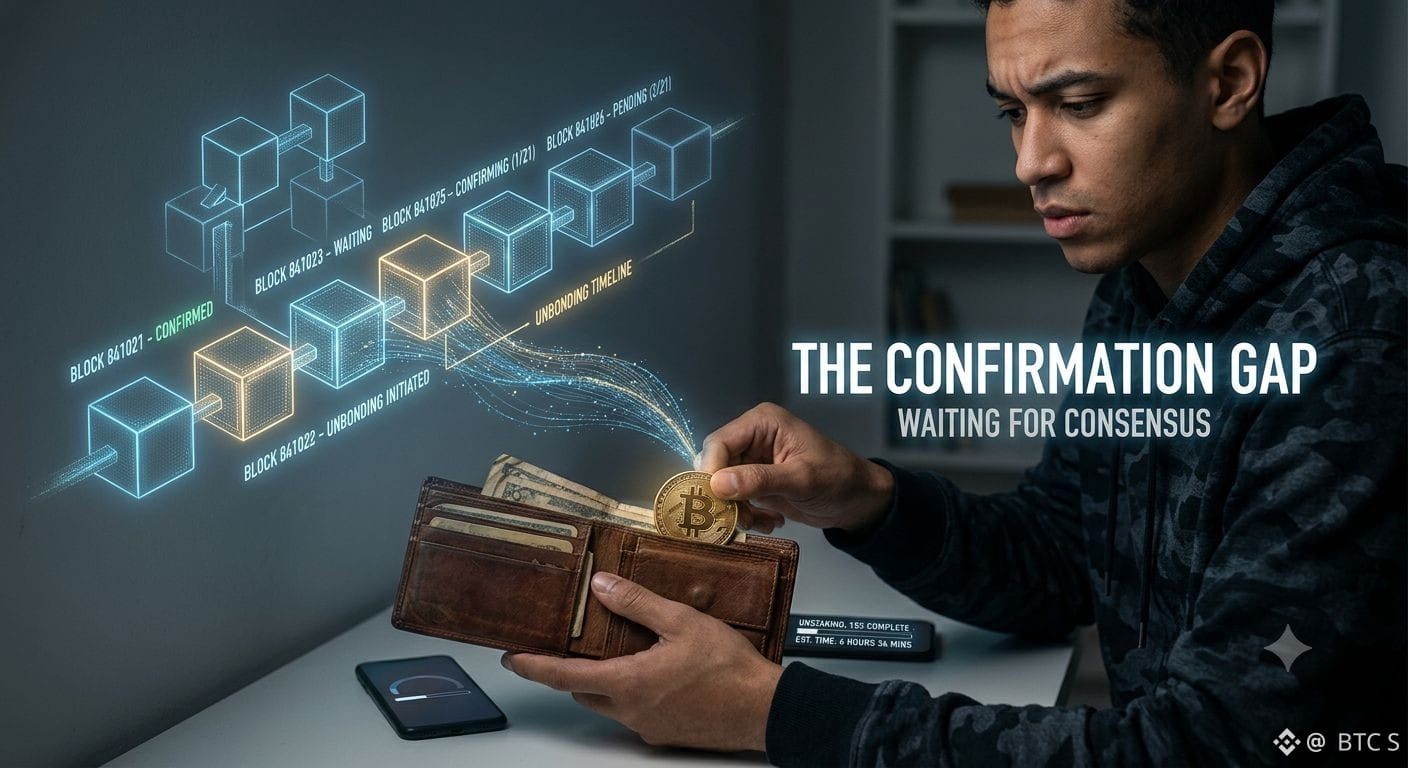
4
4
124
·
--
Bullisch
#baby $BABY @babylonlabs_io
Ehrlich gesagt lässt mich vor allem eines nicht los: Jedes Mal, wenn ich sehe, wie eine Bank oder ein Fonds versucht, „konformes Krypto“ zu machen, kommt am Ende etwas heraus, das irgendwie *noch* stärker exponiert ist als das klobige alte System, von dem sie sich gerade verabschieden wollten. Man würde denken, dass Regulierung plus Blockchain für eine bessere Kontrolle darüber sorgen, wer was sieht. Stattdessen bekommt man ein öffentliches Verzeichnisbuch mit einem KYC-Formular, das daran „festgestapelt“ ist, und alle nennen das dann einfach … Compliance.
Ich glaube, das eigentliche Problem ist, dass Privatsphäre wie ein Gefallen behandelt wird, nicht wie ein Standard. Man muss sie erst einfordern. Jemand schraubt nachträglich noch irgendeinen Wrapper drüber, räumt eine Ausnahme ein für die Transaktionen, die „wirklich zählen“, und der ganze Rest liegt einfach offen da, weil das die Einstellung ist, mit der das Verzeichnisbuch ursprünglich ausgeliefert wurde. So wird Compliance zu einem Stapel aus Formularen und Zugriffsregeln, der über Infrastruktur gelegt wird, die nie wirklich dafür gebaut war, irgendetwas privat zu halten. Mehr Schichten, mehr Verbindungsstellen, mehr Ansatzpunkte, an denen etwas schiefgehen kann – eine Datenbank wird irgendwo gespiegelt, wo sie nicht hin soll, eine API wird abgegriffen, und irgend ein Dienstleister, drei Schritte entfernt, sieht viel mehr, als er eigentlich sehen müsste.
Was mein Vertrauen wirklich verdienen würde, ist etwas Strukturelles – nämlich dass das Verzeichnisbuch selbst standardmäßig weder Beträge noch Gegenparteien herausgibt und Offenlegung erst dann passiert, wenn jemand bewusst nachweist, was nachgewiesen werden muss, gegenüber denjenigen, die es sehen müssen. Ich glaube nicht, dass das irgendjemand bislang vollständig gelöst hat. Die meisten Versuche, die ich gesehen habe, halten entweder die Aufsichtsbehörden zufrieden und machen Institutionen nervös, oder sie funktionieren genau umgekehrt.
Falls es irgendwann doch funktioniert, wäre meine ehrliche Vermutung: zuerst bei Treasuries und Verwahrstellen – still und leise, größtenteils weil ihnen die Optionen ausgegangen sind, die nicht „leaken“.
#baby $BABY @BabylonLabs_io
Ehrlich gesagt lässt mich vor allem eines nicht los: Jedes Mal, wenn ich sehe, wie eine Bank oder ein Fonds versucht, „konformes Krypto“ zu machen, kommt am Ende etwas heraus, das irgendwie *noch* stärker exponiert ist als das klobige alte System, von dem sie sich gerade verabschieden wollten. Man würde denken, dass Regulierung plus Blockchain für eine bessere Kontrolle darüber sorgen, wer was sieht. Stattdessen bekommt man ein öffentliches Verzeichnisbuch mit einem KYC-Formular, das daran „festgestapelt“ ist, und alle nennen das dann einfach … Compliance.
Ich glaube, das eigentliche Problem ist, dass Privatsphäre wie ein Gefallen behandelt wird, nicht wie ein Standard. Man muss sie erst einfordern. Jemand schraubt nachträglich noch irgendeinen Wrapper drüber, räumt eine Ausnahme ein für die Transaktionen, die „wirklich zählen“, und der ganze Rest liegt einfach offen da, weil das die Einstellung ist, mit der das Verzeichnisbuch ursprünglich ausgeliefert wurde. So wird Compliance zu einem Stapel aus Formularen und Zugriffsregeln, der über Infrastruktur gelegt wird, die nie wirklich dafür gebaut war, irgendetwas privat zu halten. Mehr Schichten, mehr Verbindungsstellen, mehr Ansatzpunkte, an denen etwas schiefgehen kann – eine Datenbank wird irgendwo gespiegelt, wo sie nicht hin soll, eine API wird abgegriffen, und irgend ein Dienstleister, drei Schritte entfernt, sieht viel mehr, als er eigentlich sehen müsste.
Was mein Vertrauen wirklich verdienen würde, ist etwas Strukturelles – nämlich dass das Verzeichnisbuch selbst standardmäßig weder Beträge noch Gegenparteien herausgibt und Offenlegung erst dann passiert, wenn jemand bewusst nachweist, was nachgewiesen werden muss, gegenüber denjenigen, die es sehen müssen. Ich glaube nicht, dass das irgendjemand bislang vollständig gelöst hat. Die meisten Versuche, die ich gesehen habe, halten entweder die Aufsichtsbehörden zufrieden und machen Institutionen nervös, oder sie funktionieren genau umgekehrt.
Falls es irgendwann doch funktioniert, wäre meine ehrliche Vermutung: zuerst bei Treasuries und Verwahrstellen – still und leise, größtenteils weil ihnen die Optionen ausgegangen sind, die nicht „leaken“.
Ehrlich gesagt lässt mich vor allem eines nicht los: Jedes Mal, wenn ich sehe, wie eine Bank oder ein Fonds versucht, „konformes Krypto“ zu machen, kommt am Ende etwas heraus, das irgendwie *noch* stärker exponiert ist als das klobige alte System, von dem sie sich gerade verabschieden wollten. Man würde denken, dass Regulierung plus Blockchain für eine bessere Kontrolle darüber sorgen, wer was sieht. Stattdessen bekommt man ein öffentliches Verzeichnisbuch mit einem KYC-Formular, das daran „festgestapelt“ ist, und alle nennen das dann einfach … Compliance.
Ich glaube, das eigentliche Problem ist, dass Privatsphäre wie ein Gefallen behandelt wird, nicht wie ein Standard. Man muss sie erst einfordern. Jemand schraubt nachträglich noch irgendeinen Wrapper drüber, räumt eine Ausnahme ein für die Transaktionen, die „wirklich zählen“, und der ganze Rest liegt einfach offen da, weil das die Einstellung ist, mit der das Verzeichnisbuch ursprünglich ausgeliefert wurde. So wird Compliance zu einem Stapel aus Formularen und Zugriffsregeln, der über Infrastruktur gelegt wird, die nie wirklich dafür gebaut war, irgendetwas privat zu halten. Mehr Schichten, mehr Verbindungsstellen, mehr Ansatzpunkte, an denen etwas schiefgehen kann – eine Datenbank wird irgendwo gespiegelt, wo sie nicht hin soll, eine API wird abgegriffen, und irgend ein Dienstleister, drei Schritte entfernt, sieht viel mehr, als er eigentlich sehen müsste.
Was mein Vertrauen wirklich verdienen würde, ist etwas Strukturelles – nämlich dass das Verzeichnisbuch selbst standardmäßig weder Beträge noch Gegenparteien herausgibt und Offenlegung erst dann passiert, wenn jemand bewusst nachweist, was nachgewiesen werden muss, gegenüber denjenigen, die es sehen müssen. Ich glaube nicht, dass das irgendjemand bislang vollständig gelöst hat. Die meisten Versuche, die ich gesehen habe, halten entweder die Aufsichtsbehörden zufrieden und machen Institutionen nervös, oder sie funktionieren genau umgekehrt.
Falls es irgendwann doch funktioniert, wäre meine ehrliche Vermutung: zuerst bei Treasuries und Verwahrstellen – still und leise, größtenteils weil ihnen die Optionen ausgegangen sind, die nicht „leaken“.
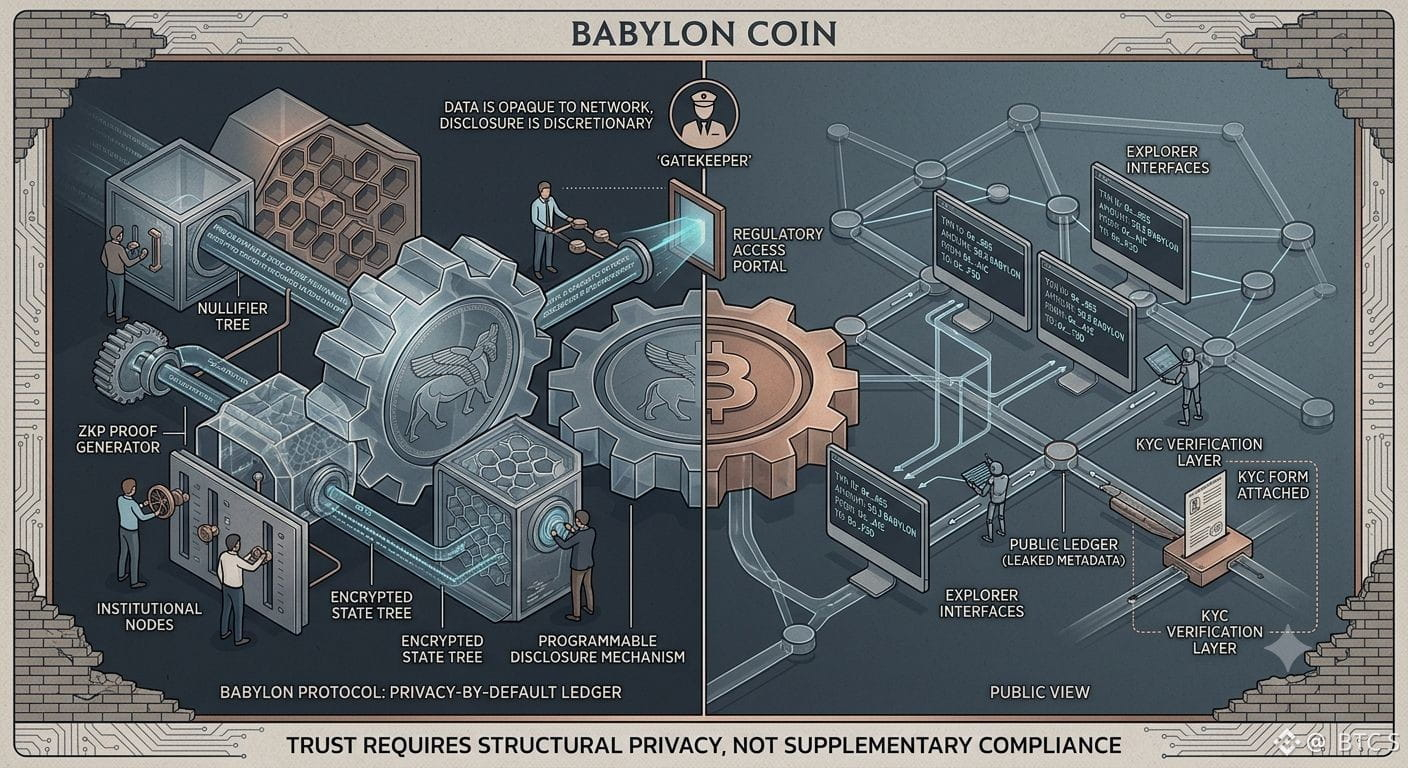
17
11
122
Anmelden und weiter Inhalte entdecken
Krypto-Nutzer weltweit auf Binance Square kennenlernen
⚡️ Bleib in Sachen Krypto stets am Puls.
💬 Die weltgrößte Kryptobörse vertraut darauf.
👍 Erhalte verlässliche Einblicke von verifizierten Creators.
E-Mail-Adresse/Telefonnummer
Trendthemen
AnthropicCEOCallsForAISlowdown
102,335 Aufrufe
1,656 Kommentare
Der KI-Abbremsen-Schockwelle 🚀 Warum die Pause von Big Tech die parabolische Zündzündung für Krypto ist
Ein gewaltiger struktureller Wandel hat gerade den Technologiesektor erschüttert. Anthropic-CEO Dario Amodei rief kürzlich zu einer koordinierten globalen Verlangsamung bei der Entwicklung von Frontier-KI auf und warnte vor unmittelbar bevorstehenden Risiken durch Cyberangriffe und autonome Systeme innerhalb von 6 bis 12 Monaten. OpenAI-CEO Sam Altman und Elons Musk von xAI unterstützten diese Haltung sofort und signalisierten einen historischen regulatorischen Richtungswechsel quer durch Silicon Valley.
Während die Mainstream-Technologie mit Reibung rechnet, sieht der Kryptomarkt eine enorme Kapitalrotation. Während zentrale Giganten ihre Motoren drosseln, bleiben dezentrale, quelloffene Web3-Protokolle völlig unaufhaltsam. Diese Reibung in der traditionellen KI ist genau der Katalysator, der eine massive Migration in vertrauenslose KI-Infrastruktur beschleunigt.
➡️ Die strategische Wirkung im Detail:
- Ethereum ($ETH ): Hat die kritische Zone von 2.500 US-Dollar zurückerobert – mit einer Marktkapitalisierung von 296 Milliarden US-Dollar und anhaltenden Zuflüssen in Spot-ETFs. Während sich Unternehmens-Cloud-Netzwerke verlangsamen, um interne Schutzplanken aufzubauen, steht Ethereum als die ultimative, nicht zensierbare Abwicklungsschicht für die globale agentische Wirtschaft.
- Dezentrale KI-Tokens: Zentrale Stopps können dezentrale Rechenleistung nicht treffen. Bittensor ($TAO ) hält nach dem Nachweis, dass seine Subnetz-Infrastruktur in der Lage ist, massive quelloffene LLMs zu trainieren, eine starke Marktkapitalisierung von 2,21 Milliarden US-Dollar. In der Zwischenzeit wird die Artificial Superintelligence Alliance ($FET ) mit einer Bewertung von 2,1 Milliarden US-Dollar angeführt, während ihre vereinheitlichte ASI-Chain-Migration beschleunigt.
Das institutionelle Smart Money spielt diese Engstelle leise vorweg. Wenn zentrale KI pausiert, skaliert dezentrale Infrastruktur. Das Zeitfenster, um diese grundlegende Wertrotation abzugreifen, bevor der Markt sie vollständig einpreist, wird schnell enger.
#anthropicceocallsforaislowdown
Robert Kieu
·2 Likes
·2.3k Aufrufe
BrazilCentralBankRaisesVASPCapitalRequirements
0 Aufrufe
5 Kommentare
TrumpMeetsAdvisersOnClarityActEthicsProposal
0 Aufrufe
6 Kommentare