

CryptoGalaxyPro
900 Beiträge

CryptoGalaxyPro
Melden
Nutzer blockieren
🚀 Smart Crypto Updates Daily | 📊 Trends • News • Trade Ideas • Airdrops • Campaigns |💡 Simple for everyone | 🌍 Grow with CryptoGalaxyPro
Trade eröffnen

AT Halter
Regelmäßiger Trader
11.2 Monate
16 Following
1.1K+ Follower
1.2K+ Like gegeben
Beiträge
Portfolio
Alle
Zitierungen
Videos
Live
PINNED
·
--
Bullisch
🚀 Willkommen bei CryptoGalaxyPro auf Binance Square!
Dein tägliches Zentrum für clevere Krypto-Updates, Markttrends, aktuelle Nachrichten, Handelsideen, Airdrops und Kampagnen — alles einfach erklärt für jeden. 📈💡
🌍 Egal, ob du ein Anfänger oder ein erfahrener Trader bist, diese Seite ist darauf ausgelegt, dir zu helfen, im Kryptobereich vorne zu bleiben.
✅ Schnelle Updates
✅ Einfaches Lernen
✅ Trendige Chancen
✅ Gemeinschaftswachstum
📌 Folge jetzt und aktiviere die Benachrichtigungen, damit du den nächsten großen Move nie verpasst.
🚀 Wachse smarter mit @CryptoGalaxyPro
#BinanceSquare #CryptoGalaxyPro
🚀 Willkommen bei CryptoGalaxyPro auf Binance Square!
Dein tägliches Zentrum für clevere Krypto-Updates, Markttrends, aktuelle Nachrichten, Handelsideen, Airdrops und Kampagnen — alles einfach erklärt für jeden. 📈💡
🌍 Egal, ob du ein Anfänger oder ein erfahrener Trader bist, diese Seite ist darauf ausgelegt, dir zu helfen, im Kryptobereich vorne zu bleiben.
✅ Schnelle Updates
✅ Einfaches Lernen
✅ Trendige Chancen
✅ Gemeinschaftswachstum
📌 Folge jetzt und aktiviere die Benachrichtigungen, damit du den nächsten großen Move nie verpasst.
🚀 Wachse smarter mit @CryptoGalaxyPro
#BinanceSquare #CryptoGalaxyPro
Dein tägliches Zentrum für clevere Krypto-Updates, Markttrends, aktuelle Nachrichten, Handelsideen, Airdrops und Kampagnen — alles einfach erklärt für jeden. 📈💡
🌍 Egal, ob du ein Anfänger oder ein erfahrener Trader bist, diese Seite ist darauf ausgelegt, dir zu helfen, im Kryptobereich vorne zu bleiben.
✅ Schnelle Updates
✅ Einfaches Lernen
✅ Trendige Chancen
✅ Gemeinschaftswachstum
📌 Folge jetzt und aktiviere die Benachrichtigungen, damit du den nächsten großen Move nie verpasst.
🚀 Wachse smarter mit @CryptoGalaxyPro
#BinanceSquare #CryptoGalaxyPro
4
37
PINNED
·
--
Bullisch
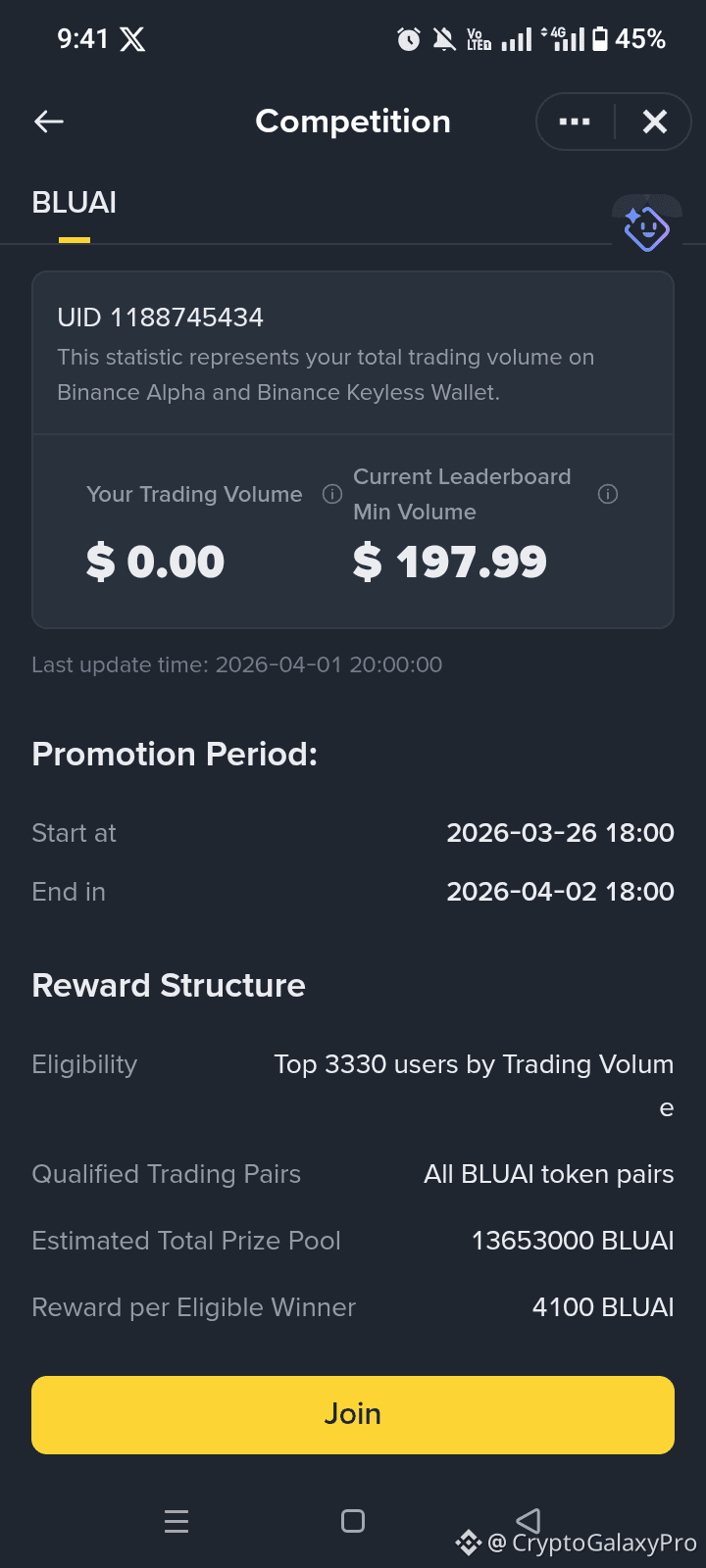
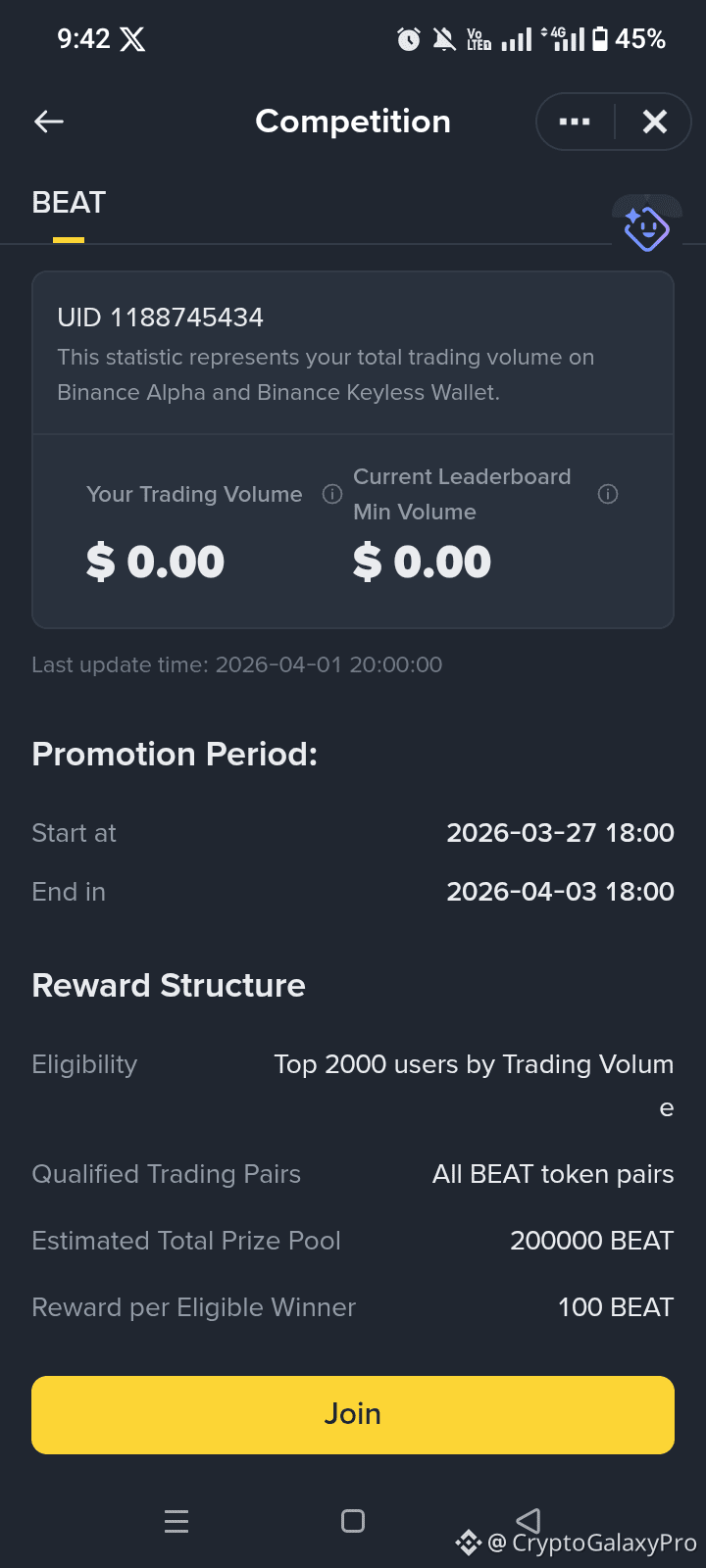
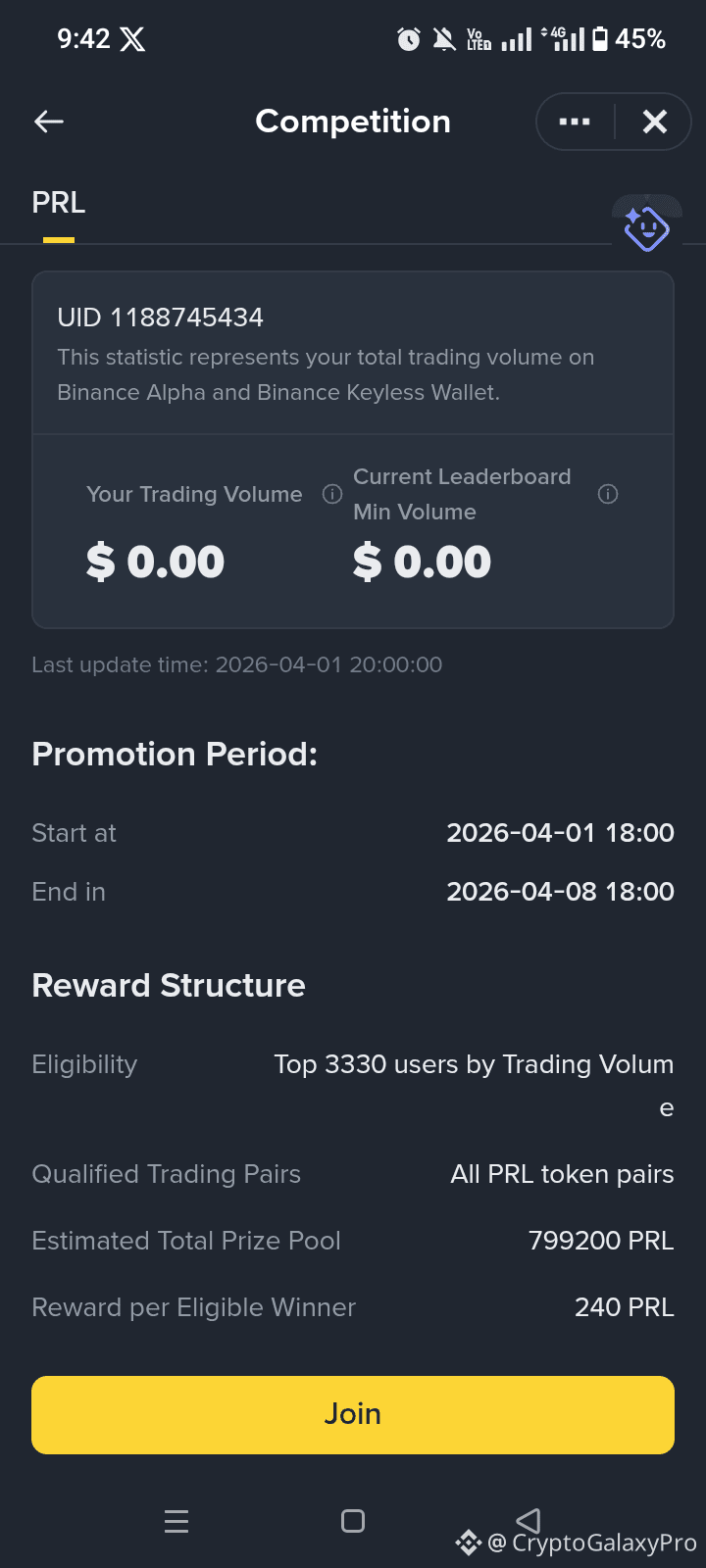
Nehmen Sie an den Kampagnen teil und gewinnen Sie Belohnungen
🎁🎁👇🎁🎁👇🎁🎁👇🎁🎁👇🎁🎁
[JOIN NOW ✅](https://web3.binance.com/m/referral?ref=QAQP4ZLP)
🎁🎁👆🎁🎁👆🎁🎁👆🎁🎁👆🎁🎁
#ADPJobsSurge #AsiaStocksPlunge #GoogleStudyOnCryptoSecurityChallenges
#CryptoGalaxyPro $XRP $KITE $FF
Nehmen Sie an den Kampagnen teil und gewinnen Sie Belohnungen
🎁🎁👇🎁🎁👇🎁🎁👇🎁🎁👇🎁🎁
JOIN NOW ✅
🎁🎁👆🎁🎁👆🎁🎁👆🎁🎁👆🎁🎁
#ADPJobsSurge #AsiaStocksPlunge #GoogleStudyOnCryptoSecurityChallenges
#CryptoGalaxyPro $XRP $KITE $FF
🎁🎁👇🎁🎁👇🎁🎁👇🎁🎁👇🎁🎁
JOIN NOW ✅
🎁🎁👆🎁🎁👆🎁🎁👆🎁🎁👆🎁🎁
#ADPJobsSurge #AsiaStocksPlunge #GoogleStudyOnCryptoSecurityChallenges
#CryptoGalaxyPro $XRP $KITE $FF
7
81
·
--
Bullisch
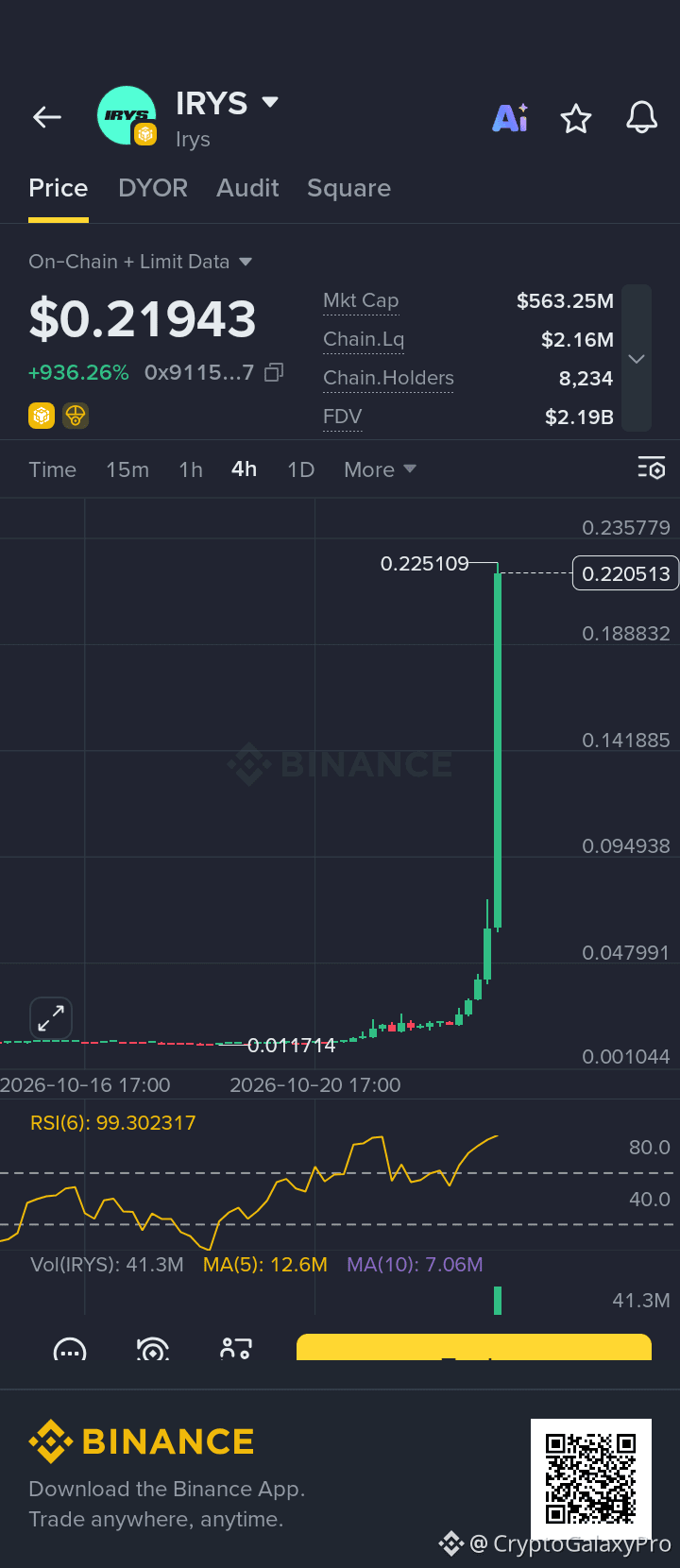
🚀 $IRYS EXPLODIERT +936 % 🔥📈
IRYS legt eine gewaltige Bewegung hin! 💥 Der Kurs liegt bei etwa 0,2194 $, mit einem starken Ausbruch im 4-Stunden-Chart.
📊 Marktüberblick:
💰 Kurs: 0,2194 $
📈 Angezeigter Gewinn: +936,26 %
🎯 Wichtiger Widerstand: 0,225–0,236 $
⚠️ RSI: 99,30 — extrem überkauft
👀 Meine Einschätzung: Das Momentum ist stark, aber nach einem derart gewaltigen Kursanstieg könnte es zu einem Rücksetzer kommen. Lass dich nicht von FOMO leiten und warte vor dem Einstieg auf eine Bestätigung.
🔥 Kann IRYS die Marke von 0,23 $ durchbrechen und weiter steigen, oder greifen die Verkäufer ein?
💬 Bist du bei IRYS bullish oder bearish? Teile deine Meinung unten!
#IRYS #Krypto #BinanceSquare #Altcoins #cryptotrading #CryptoGalaxyPro
{alpha}(560x91152b4ef635403efbae860edd0f8c321d7c035d)
🚀 $IRYS EXPLODIERT +936 % 🔥📈
IRYS legt eine gewaltige Bewegung hin! 💥 Der Kurs liegt bei etwa 0,2194 $, mit einem starken Ausbruch im 4-Stunden-Chart.
📊 Marktüberblick:
💰 Kurs: 0,2194 $
📈 Angezeigter Gewinn: +936,26 %
🎯 Wichtiger Widerstand: 0,225–0,236 $
⚠️ RSI: 99,30 — extrem überkauft
👀 Meine Einschätzung: Das Momentum ist stark, aber nach einem derart gewaltigen Kursanstieg könnte es zu einem Rücksetzer kommen. Lass dich nicht von FOMO leiten und warte vor dem Einstieg auf eine Bestätigung.
🔥 Kann IRYS die Marke von 0,23 $ durchbrechen und weiter steigen, oder greifen die Verkäufer ein?
💬 Bist du bei IRYS bullish oder bearish? Teile deine Meinung unten!
#IRYS #Krypto #BinanceSquare #Altcoins #cryptotrading #CryptoGalaxyPro
IRYS legt eine gewaltige Bewegung hin! 💥 Der Kurs liegt bei etwa 0,2194 $, mit einem starken Ausbruch im 4-Stunden-Chart.
📊 Marktüberblick:
💰 Kurs: 0,2194 $
📈 Angezeigter Gewinn: +936,26 %
🎯 Wichtiger Widerstand: 0,225–0,236 $
⚠️ RSI: 99,30 — extrem überkauft
👀 Meine Einschätzung: Das Momentum ist stark, aber nach einem derart gewaltigen Kursanstieg könnte es zu einem Rücksetzer kommen. Lass dich nicht von FOMO leiten und warte vor dem Einstieg auf eine Bestätigung.
🔥 Kann IRYS die Marke von 0,23 $ durchbrechen und weiter steigen, oder greifen die Verkäufer ein?
💬 Bist du bei IRYS bullish oder bearish? Teile deine Meinung unten!
#IRYS #Krypto #BinanceSquare #Altcoins #cryptotrading #CryptoGalaxyPro
832
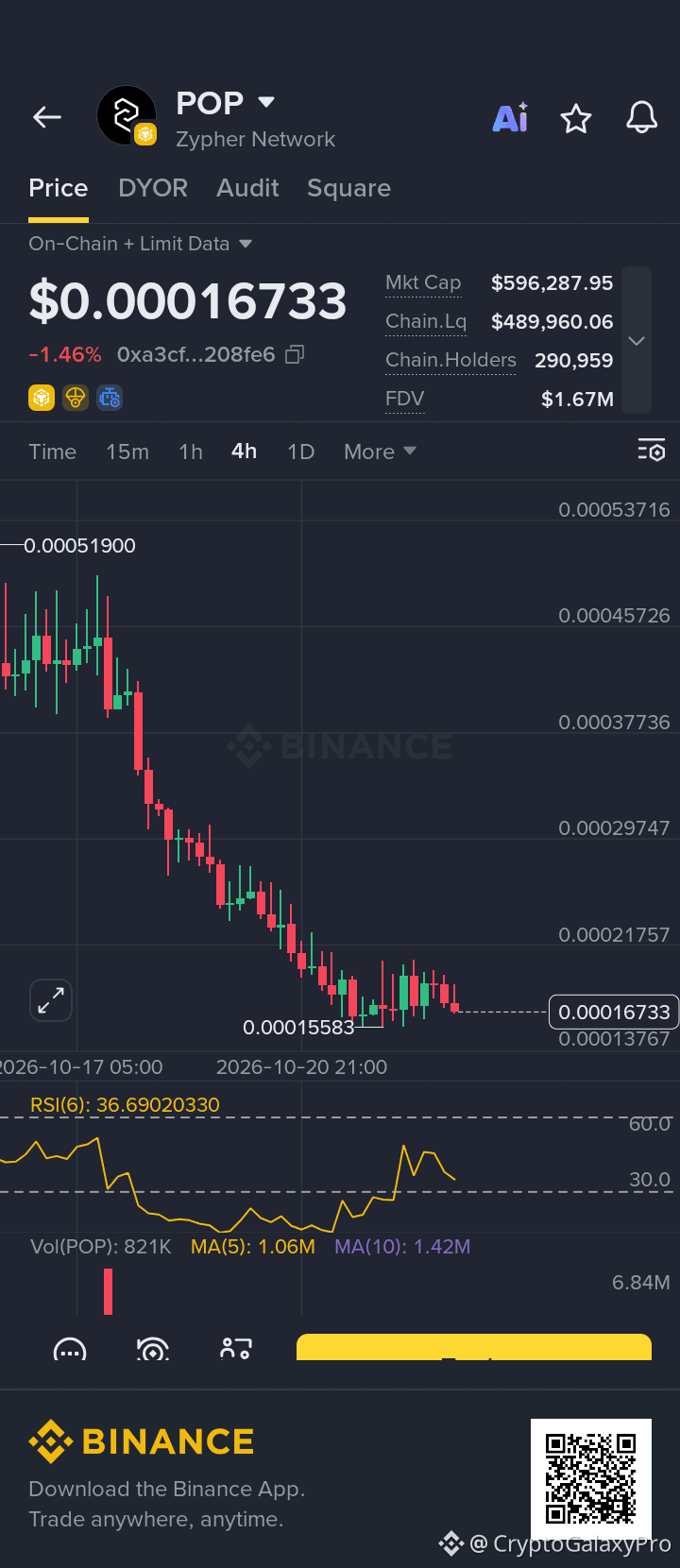
📉 $POP Chart-Update: Bodenbildung oder setzt sich der Abwärtstrend fort?
Ein Blick auf den 4-Stunden-Chart von POP (Zypher Network). Nach einem massiven Ausverkauf scheint der Kurs gerade nach einem Boden zu suchen.
📊 Kennzahlen:
• Aktueller Kurs: $0.00016733 (-1.46%)
• **Marktkapitalisierung:** ca. $596K (Micro-Cap-Bereich)
• Inhaber: 290,959 (Überraschend viele Inhaber!)
• Jüngstes Tief: $0.00015583
📉 Technische Einschätzung:
Der Chart zeigt einen starken Kursrückgang, aber nahe dem Tief sehen wir eine gewisse Konsolidierung.
• RSI (6): Aktuell bei 36.69. Wir nähern uns dem überverkauften Bereich, was auf eine kurzfristige Erholungsrallye hindeuten könnte.
• Volumen: Das Volumen liegt bei 821K und damit unter dem MA(5) und MA(10). Das Volumen nimmt ab – oft ein Zeichen dafür, dass die Verkäufer erschöpft sind.
👀 Worauf du achten solltest: Wir müssen das jüngste Tief bei 0.00015583 halten. Wenn der Kurs darunter fällt, ist das ein fallendes Messer. Ein Ausbruch mit Schlusskurs über der jüngsten Konsolidierung könnte eine lokale Trendwende einleiten.
Kaufst du hier $POP oder wartest du auf eine Bestätigung? 👇
Haftungsausschluss: Keine Finanzberatung. Informiere dich immer selbst (DYOR). Micro-Caps sind sehr volatil.
#POP #ZypherNetwork #CryptoTrading #BinanceSquare #ALPHA🔥 #CryptoGalaxyPro #BitcoinHashrateHitsSevenMonthHigh
📉 $POP Chart-Update: Bodenbildung oder setzt sich der Abwärtstrend fort?
Ein Blick auf den 4-Stunden-Chart von POP (Zypher Network). Nach einem massiven Ausverkauf scheint der Kurs gerade nach einem Boden zu suchen.
📊 Kennzahlen:
• Aktueller Kurs: $0.00016733 (-1.46%)
• **Marktkapitalisierung:** ca. $596K (Micro-Cap-Bereich)
• Inhaber: 290,959 (Überraschend viele Inhaber!)
• Jüngstes Tief: $0.00015583
📉 Technische Einschätzung:
Der Chart zeigt einen starken Kursrückgang, aber nahe dem Tief sehen wir eine gewisse Konsolidierung.
• RSI (6): Aktuell bei 36.69. Wir nähern uns dem überverkauften Bereich, was auf eine kurzfristige Erholungsrallye hindeuten könnte.
• Volumen: Das Volumen liegt bei 821K und damit unter dem MA(5) und MA(10). Das Volumen nimmt ab – oft ein Zeichen dafür, dass die Verkäufer erschöpft sind.
👀 Worauf du achten solltest: Wir müssen das jüngste Tief bei 0.00015583 halten. Wenn der Kurs darunter fällt, ist das ein fallendes Messer. Ein Ausbruch mit Schlusskurs über der jüngsten Konsolidierung könnte eine lokale Trendwende einleiten.
Kaufst du hier $POP oder wartest du auf eine Bestätigung? 👇
Haftungsausschluss: Keine Finanzberatung. Informiere dich immer selbst (DYOR). Micro-Caps sind sehr volatil.
#POP #ZypherNetwork #CryptoTrading #BinanceSquare #ALPHA🔥 #CryptoGalaxyPro #BitcoinHashrateHitsSevenMonthHigh
Ein Blick auf den 4-Stunden-Chart von POP (Zypher Network). Nach einem massiven Ausverkauf scheint der Kurs gerade nach einem Boden zu suchen.
📊 Kennzahlen:
• Aktueller Kurs: $0.00016733 (-1.46%)
• **Marktkapitalisierung:** ca. $596K (Micro-Cap-Bereich)
• Inhaber: 290,959 (Überraschend viele Inhaber!)
• Jüngstes Tief: $0.00015583
📉 Technische Einschätzung:
Der Chart zeigt einen starken Kursrückgang, aber nahe dem Tief sehen wir eine gewisse Konsolidierung.
• RSI (6): Aktuell bei 36.69. Wir nähern uns dem überverkauften Bereich, was auf eine kurzfristige Erholungsrallye hindeuten könnte.
• Volumen: Das Volumen liegt bei 821K und damit unter dem MA(5) und MA(10). Das Volumen nimmt ab – oft ein Zeichen dafür, dass die Verkäufer erschöpft sind.
👀 Worauf du achten solltest: Wir müssen das jüngste Tief bei 0.00015583 halten. Wenn der Kurs darunter fällt, ist das ein fallendes Messer. Ein Ausbruch mit Schlusskurs über der jüngsten Konsolidierung könnte eine lokale Trendwende einleiten.
Kaufst du hier $POP oder wartest du auf eine Bestätigung? 👇
Haftungsausschluss: Keine Finanzberatung. Informiere dich immer selbst (DYOR). Micro-Caps sind sehr volatil.
#POP #ZypherNetwork #CryptoTrading #BinanceSquare #ALPHA🔥 #CryptoGalaxyPro #BitcoinHashrateHitsSevenMonthHigh
1
597
Übersetzung ansehen
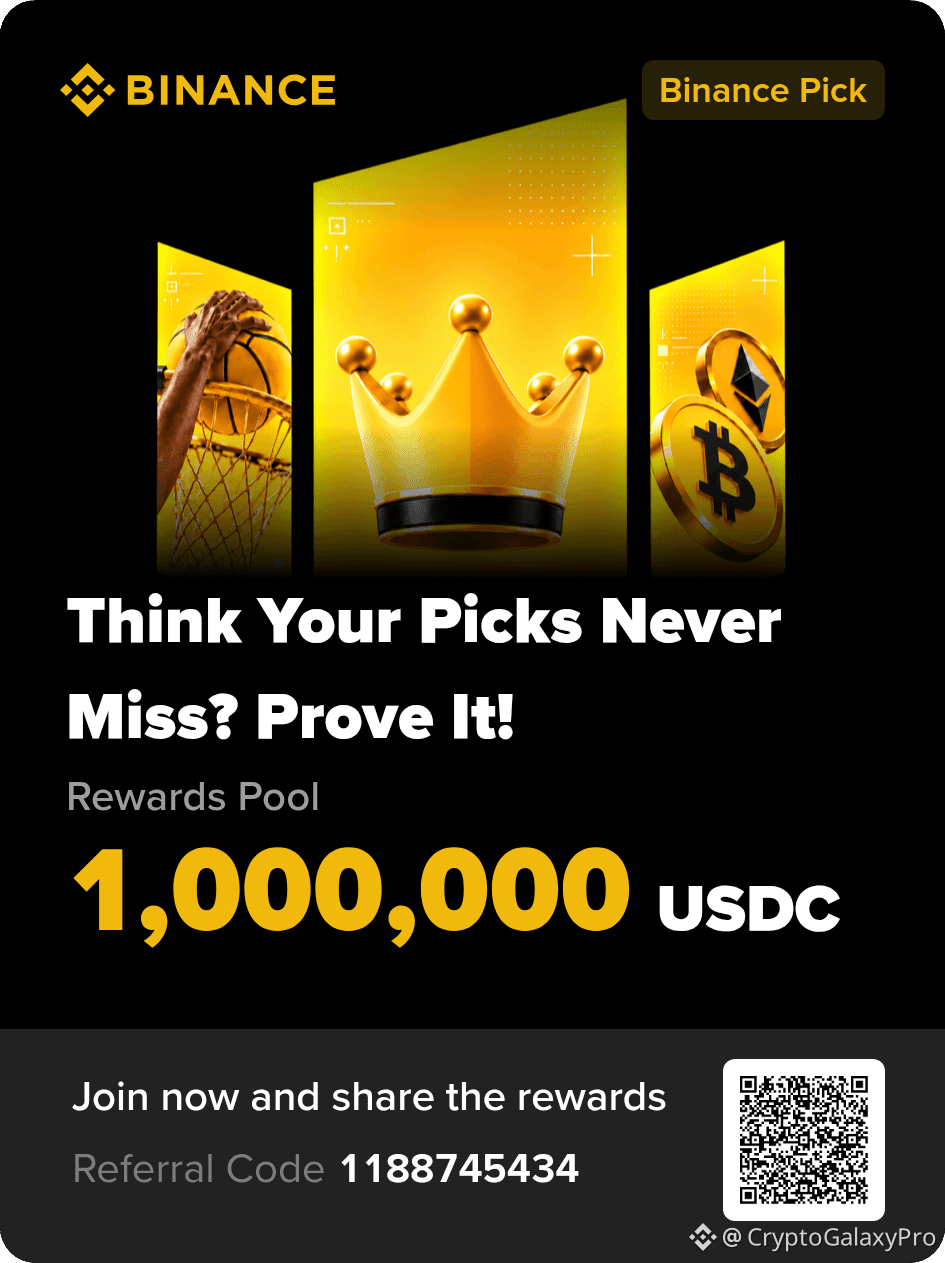
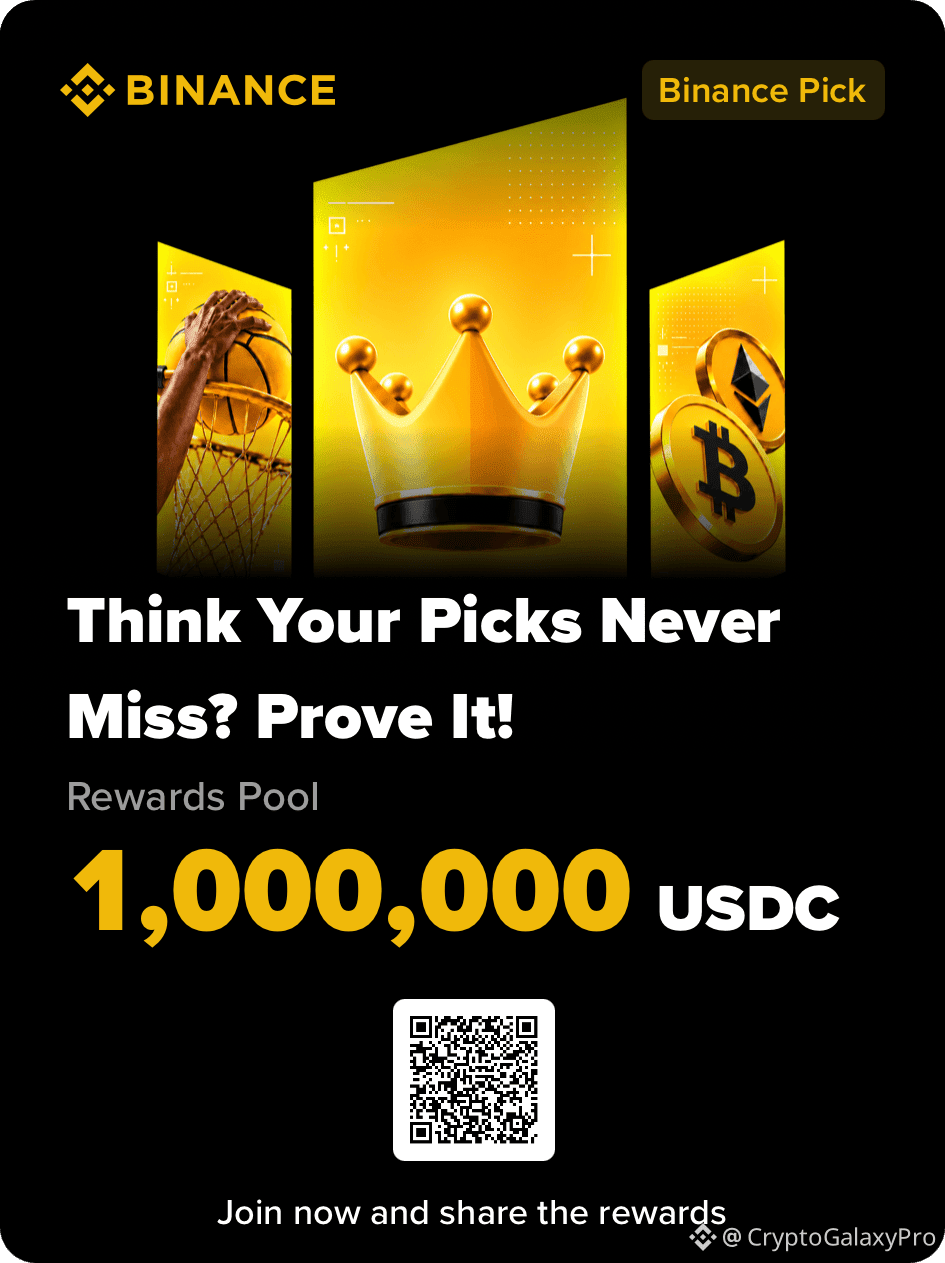
Rewards Pool: A total of 1,000,000 USDC split across different categories, including the season leaderboard (500,000 USDC), weekly leaderboard (400,000 USDC), and participation rewards (100,000 USDC).
[Join Now](https://app.binance.com/uni-qr/prophet?from=share&seasonId=prophet_1019_s1&ref=1188745434)
#BinancePick $USDC $USDT $U
Rewards Pool: A total of 1,000,000 USDC split across different categories, including the season leaderboard (500,000 USDC), weekly leaderboard (400,000 USDC), and participation rewards (100,000 USDC).
Join Now
#BinancePick $USDC $USDT $U
Join Now
#BinancePick $USDC $USDT $U
Von Binance Pick
1
83
·
--
Bullisch
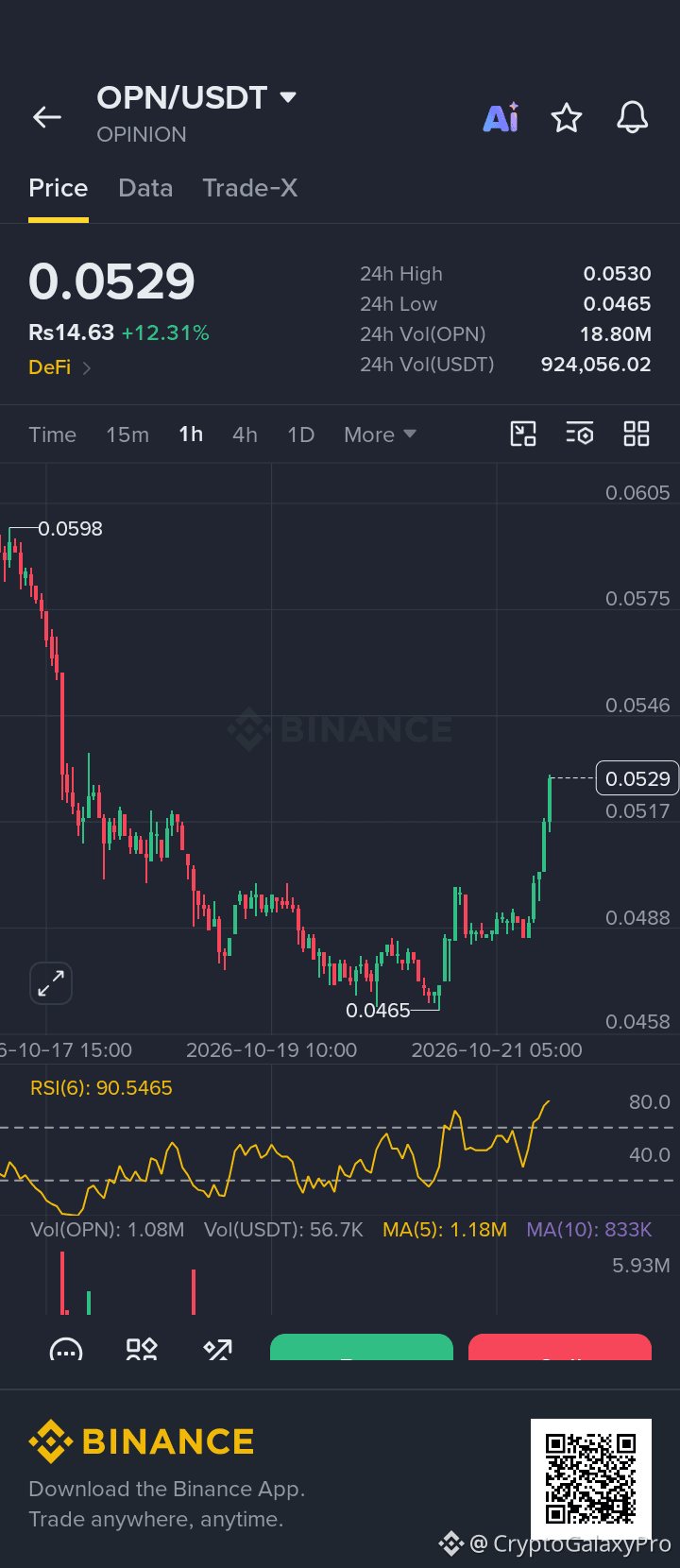
📊 $OPN /USDT Marktanalyse | Bullisches Momentum 🚀
OPN zeigt ein starkes bullisches Momentum und wird im 1-Stunden-Chart bei 0,0529 USDT (+12,31 %) gehandelt.
🔍 Technischer Überblick
- 💰 Aktueller Preis: 0,0529 USDT
- 📈 24-Stunden-Hoch: 0,0530 USDT
- 📉 24-Stunden-Tief: 0,0465 USDT
- 🎯 Widerstand: 0,0530–0,0546
- 🛡️ Unterstützung: 0,0517 / 0,0488
- ⚠️ RSI(6): 90,55 — kurzfristig stark überkauft.
Handelsstrategie 🎯
- Ein bestätigter Ausbruch über 0,0530 könnte den Weg in Richtung 0,0546 freimachen.
- Eine Zurückweisung nahe dem Widerstand könnte einen Rücksetzer in Richtung 0,0517 auslösen.
- Nicht der Rallye hinterherjagen; lieber eine Bestätigung oder einen gesunden Retest abwarten.
Meine Einschätzung: Die OPN-Bullen haben die Kontrolle, aber der hohe RSI signalisiert ein erhöhtes Rücksetzerrisiko. Schütze dein Kapital und manage dein Risiko sorgfältig.
Was kommt als Nächstes für OPN? 🚀 Ausbruch oder Korrektur?
#OPN #OPNUSDT #CryptoGalaxyPro #CryptoTrading #TechnicalAnalysis
📊 $OPN /USDT Marktanalyse | Bullisches Momentum 🚀
OPN zeigt ein starkes bullisches Momentum und wird im 1-Stunden-Chart bei 0,0529 USDT (+12,31 %) gehandelt.
🔍 Technischer Überblick
- 💰 Aktueller Preis: 0,0529 USDT
- 📈 24-Stunden-Hoch: 0,0530 USDT
- 📉 24-Stunden-Tief: 0,0465 USDT
- 🎯 Widerstand: 0,0530–0,0546
- 🛡️ Unterstützung: 0,0517 / 0,0488
- ⚠️ RSI(6): 90,55 — kurzfristig stark überkauft.
Handelsstrategie 🎯
- Ein bestätigter Ausbruch über 0,0530 könnte den Weg in Richtung 0,0546 freimachen.
- Eine Zurückweisung nahe dem Widerstand könnte einen Rücksetzer in Richtung 0,0517 auslösen.
- Nicht der Rallye hinterherjagen; lieber eine Bestätigung oder einen gesunden Retest abwarten.
Meine Einschätzung: Die OPN-Bullen haben die Kontrolle, aber der hohe RSI signalisiert ein erhöhtes Rücksetzerrisiko. Schütze dein Kapital und manage dein Risiko sorgfältig.
Was kommt als Nächstes für OPN? 🚀 Ausbruch oder Korrektur?
#OPN #OPNUSDT #CryptoGalaxyPro #CryptoTrading #TechnicalAnalysis
OPN zeigt ein starkes bullisches Momentum und wird im 1-Stunden-Chart bei 0,0529 USDT (+12,31 %) gehandelt.
🔍 Technischer Überblick
- 💰 Aktueller Preis: 0,0529 USDT
- 📈 24-Stunden-Hoch: 0,0530 USDT
- 📉 24-Stunden-Tief: 0,0465 USDT
- 🎯 Widerstand: 0,0530–0,0546
- 🛡️ Unterstützung: 0,0517 / 0,0488
- ⚠️ RSI(6): 90,55 — kurzfristig stark überkauft.
Handelsstrategie 🎯
- Ein bestätigter Ausbruch über 0,0530 könnte den Weg in Richtung 0,0546 freimachen.
- Eine Zurückweisung nahe dem Widerstand könnte einen Rücksetzer in Richtung 0,0517 auslösen.
- Nicht der Rallye hinterherjagen; lieber eine Bestätigung oder einen gesunden Retest abwarten.
Meine Einschätzung: Die OPN-Bullen haben die Kontrolle, aber der hohe RSI signalisiert ein erhöhtes Rücksetzerrisiko. Schütze dein Kapital und manage dein Risiko sorgfältig.
Was kommt als Nächstes für OPN? 🚀 Ausbruch oder Korrektur?
#OPN #OPNUSDT #CryptoGalaxyPro #CryptoTrading #TechnicalAnalysis
266
🔥 Neue Kampagne auf Binance
Nimm an der Kampagne teil, sage die Marktentwicklung voraus und verdiene Punkte.
Punkte werden in Belohnungen umgewandelt, wenn du unter den Top 20000 landest.
#BinancePick
🔥 Neue Kampagne auf Binance
Nimm an der Kampagne teil, sage die Marktentwicklung voraus und verdiene Punkte.
Punkte werden in Belohnungen umgewandelt, wenn du unter den Top 20000 landest.
#BinancePick
Nimm an der Kampagne teil, sage die Marktentwicklung voraus und verdiene Punkte.
Punkte werden in Belohnungen umgewandelt, wenn du unter den Top 20000 landest.
#BinancePick
1
341
Übersetzung ansehen
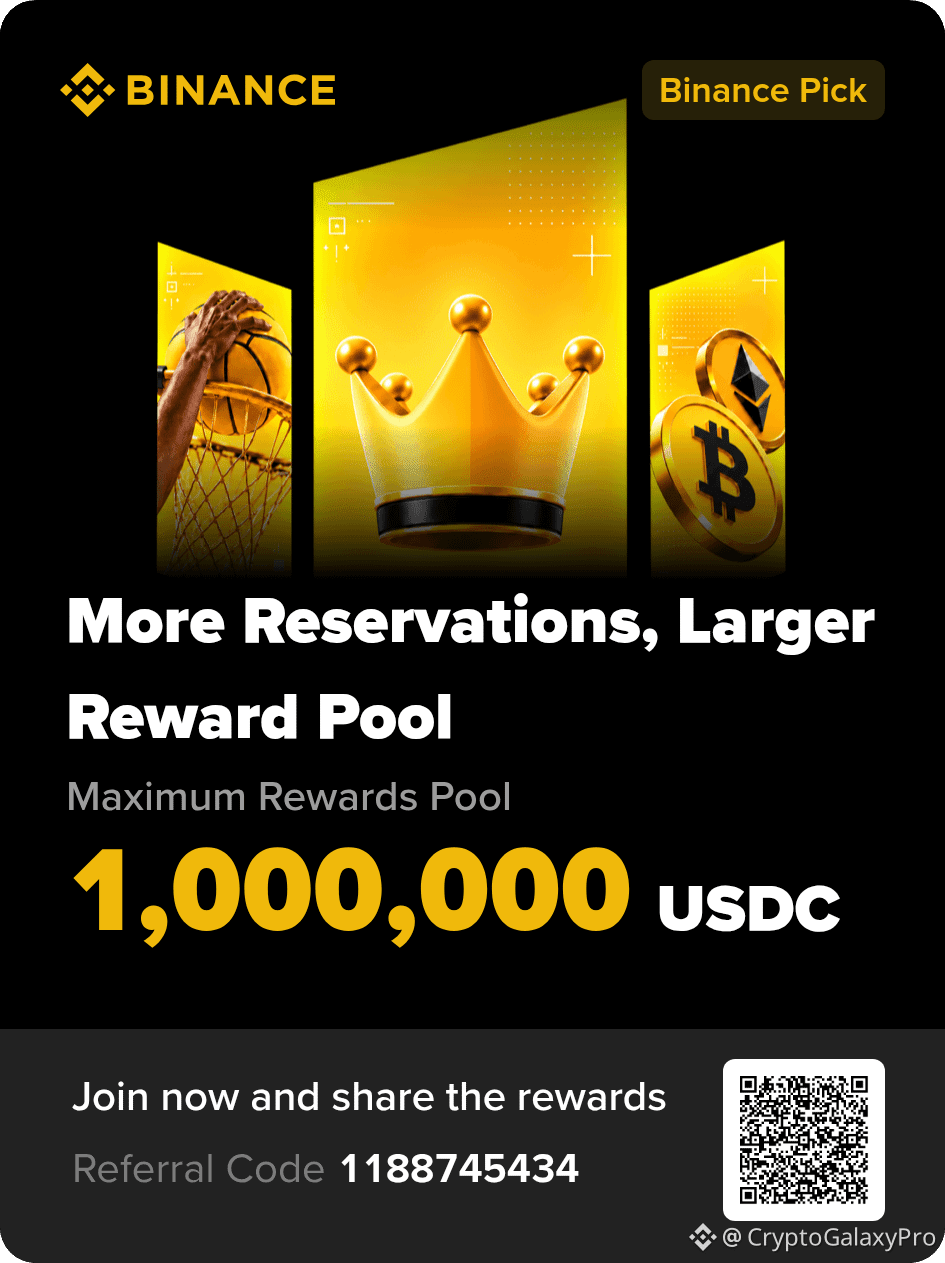
🔥 Join Binance Pick & Share the Rewards! 🟡
🏆 A massive 1,000,000 $USDC maximum rewards pool is waiting! 🚀
Join now, make your reservation, and be part of the Binance Pick campaign. The more reservations, the larger the reward pool! 💰
[Join Now](https://app.binance.com/uni-qr/prophet?from=share&seasonId=prophet_1019_s1&ref=1188745434)
🎁 Referral Code: 1188745434
#Binance #CryptoRewards #USDC $U
#BinancePick #CryptoGalaxyPro $USDT
🔥 Join Binance Pick & Share the Rewards! 🟡
🏆 A massive 1,000,000 $USDC maximum rewards pool is waiting! 🚀
Join now, make your reservation, and be part of the Binance Pick campaign. The more reservations, the larger the reward pool! 💰
Join Now
🎁 Referral Code: 1188745434
#Binance #CryptoRewards #USDC $U
#BinancePick #CryptoGalaxyPro $USDT
🏆 A massive 1,000,000 $USDC maximum rewards pool is waiting! 🚀
Join now, make your reservation, and be part of the Binance Pick campaign. The more reservations, the larger the reward pool! 💰
Join Now
🎁 Referral Code: 1188745434
#Binance #CryptoRewards #USDC $U
#BinancePick #CryptoGalaxyPro $USDT
Von Binance Pick
9
🚀 Nillion ($NIL): Der Beginn einer neuen Ära für KI mit Schutz der Privatsphäre!
Was mich an Nillion besonders begeistert, ist der innovative Ansatz für sichere Datenspeicherung und -verarbeitung. Die Technologie soll Anwendungen ermöglichen, verschlüsselte Daten zu verarbeiten und dabei sensible Informationen vertraulich zu halten.
Besonders interessieren mich die Covenants und die Möglichkeiten, die sie für Anwendungen mit Fokus auf Datenschutz eröffnen könnten. Da DUSK auf dem Ethereum-Mainnet startet, bin ich gespannt, wie sich das Nillion-Ökosystem weiterentwickelt und welche neuen Anwendungsfälle entstehen.
Die Zukunft von KI und Blockchain braucht einen stärkeren Schutz der Privatsphäre, und Nillion arbeitet auf diese Vision hin. 🔐
Welches Potenzial seht ihr in Nillions Covenants und seinem Ökosystem?
#nil $NIL @nillionnetwork
🚀 Nillion ($NIL ): Der Beginn einer neuen Ära für KI mit Schutz der Privatsphäre!
Was mich an Nillion besonders begeistert, ist der innovative Ansatz für sichere Datenspeicherung und -verarbeitung. Die Technologie soll Anwendungen ermöglichen, verschlüsselte Daten zu verarbeiten und dabei sensible Informationen vertraulich zu halten.
Besonders interessieren mich die Covenants und die Möglichkeiten, die sie für Anwendungen mit Fokus auf Datenschutz eröffnen könnten. Da DUSK auf dem Ethereum-Mainnet startet, bin ich gespannt, wie sich das Nillion-Ökosystem weiterentwickelt und welche neuen Anwendungsfälle entstehen.
Die Zukunft von KI und Blockchain braucht einen stärkeren Schutz der Privatsphäre, und Nillion arbeitet auf diese Vision hin. 🔐
Welches Potenzial seht ihr in Nillions Covenants und seinem Ökosystem?
#nil $NIL @Nillion
Was mich an Nillion besonders begeistert, ist der innovative Ansatz für sichere Datenspeicherung und -verarbeitung. Die Technologie soll Anwendungen ermöglichen, verschlüsselte Daten zu verarbeiten und dabei sensible Informationen vertraulich zu halten.
Besonders interessieren mich die Covenants und die Möglichkeiten, die sie für Anwendungen mit Fokus auf Datenschutz eröffnen könnten. Da DUSK auf dem Ethereum-Mainnet startet, bin ich gespannt, wie sich das Nillion-Ökosystem weiterentwickelt und welche neuen Anwendungsfälle entstehen.
Die Zukunft von KI und Blockchain braucht einen stärkeren Schutz der Privatsphäre, und Nillion arbeitet auf diese Vision hin. 🔐
Welches Potenzial seht ihr in Nillions Covenants und seinem Ökosystem?
#nil $NIL @Nillion
1
84
🚀 Kite AI und die Zukunft der Agentenökonomie
Künstliche Intelligenz entwickelt sich über einfache Chatbots hinaus. Der nächste Schritt könnten KI-Agenten sein, die mit digitalen Diensten interagieren, Aufgaben koordinieren und Menschen dabei helfen, komplexe Abläufe effizienter zu bewältigen.
Hier wird die Agentenökonomie interessant. 🤖
Kite ist ein Projekt, das es sich lohnt, an der wachsenden Schnittstelle von KI-Agenten und Blockchain-Infrastruktur näher zu betrachten. Damit dieses Ökosystem erfolgreich sein kann, benötigen Entwickler und Nutzer zuverlässige Systeme für die Identität von Agenten, sichere Interaktionen, transparente Abläufe und die Koordination zwischen verschiedenen Diensten.
Die tatsächliche Verbreitung wird jedoch von mehr als nur der Technologie abhängen. Sicherheit, praktische Anwendungsfälle, die Beteiligung von Entwicklern und das Vertrauen der Nutzer werden entscheidend dafür sein, ob KI-Agenten zu einem bedeutenden Teil von Web3 werden können.
Ich glaube, die spannendste Chance besteht nicht einfach darin, KI intelligenter zu machen, sondern KI-Agenten zu befähigen, auf nützliche, verantwortungsvolle und überprüfbare Weise zusammenzuarbeiten.
Die große Frage lautet: Welcher Anwendungsfall wird die Agentenökonomie zuerst voranbringen – autonome Zahlungen, die Automatisierung von Arbeitsabläufen oder die Zusammenarbeit zwischen KI-Agenten?
Teile deine Meinung in den Kommentaren. Lass uns über die Zukunft von KI und Web3 sprechen! 🌐
#KiteBBW @GoKiteAI $KITE
🚀 Kite AI und die Zukunft der Agentenökonomie
Künstliche Intelligenz entwickelt sich über einfache Chatbots hinaus. Der nächste Schritt könnten KI-Agenten sein, die mit digitalen Diensten interagieren, Aufgaben koordinieren und Menschen dabei helfen, komplexe Abläufe effizienter zu bewältigen.
Hier wird die Agentenökonomie interessant. 🤖
Kite ist ein Projekt, das es sich lohnt, an der wachsenden Schnittstelle von KI-Agenten und Blockchain-Infrastruktur näher zu betrachten. Damit dieses Ökosystem erfolgreich sein kann, benötigen Entwickler und Nutzer zuverlässige Systeme für die Identität von Agenten, sichere Interaktionen, transparente Abläufe und die Koordination zwischen verschiedenen Diensten.
Die tatsächliche Verbreitung wird jedoch von mehr als nur der Technologie abhängen. Sicherheit, praktische Anwendungsfälle, die Beteiligung von Entwicklern und das Vertrauen der Nutzer werden entscheidend dafür sein, ob KI-Agenten zu einem bedeutenden Teil von Web3 werden können.
Ich glaube, die spannendste Chance besteht nicht einfach darin, KI intelligenter zu machen, sondern KI-Agenten zu befähigen, auf nützliche, verantwortungsvolle und überprüfbare Weise zusammenzuarbeiten.
Die große Frage lautet: Welcher Anwendungsfall wird die Agentenökonomie zuerst voranbringen – autonome Zahlungen, die Automatisierung von Arbeitsabläufen oder die Zusammenarbeit zwischen KI-Agenten?
Teile deine Meinung in den Kommentaren. Lass uns über die Zukunft von KI und Web3 sprechen! 🌐
#KiteBBW @KITE AI 中文 $KITE
Künstliche Intelligenz entwickelt sich über einfache Chatbots hinaus. Der nächste Schritt könnten KI-Agenten sein, die mit digitalen Diensten interagieren, Aufgaben koordinieren und Menschen dabei helfen, komplexe Abläufe effizienter zu bewältigen.
Hier wird die Agentenökonomie interessant. 🤖
Kite ist ein Projekt, das es sich lohnt, an der wachsenden Schnittstelle von KI-Agenten und Blockchain-Infrastruktur näher zu betrachten. Damit dieses Ökosystem erfolgreich sein kann, benötigen Entwickler und Nutzer zuverlässige Systeme für die Identität von Agenten, sichere Interaktionen, transparente Abläufe und die Koordination zwischen verschiedenen Diensten.
Die tatsächliche Verbreitung wird jedoch von mehr als nur der Technologie abhängen. Sicherheit, praktische Anwendungsfälle, die Beteiligung von Entwicklern und das Vertrauen der Nutzer werden entscheidend dafür sein, ob KI-Agenten zu einem bedeutenden Teil von Web3 werden können.
Ich glaube, die spannendste Chance besteht nicht einfach darin, KI intelligenter zu machen, sondern KI-Agenten zu befähigen, auf nützliche, verantwortungsvolle und überprüfbare Weise zusammenzuarbeiten.
Die große Frage lautet: Welcher Anwendungsfall wird die Agentenökonomie zuerst voranbringen – autonome Zahlungen, die Automatisierung von Arbeitsabläufen oder die Zusammenarbeit zwischen KI-Agenten?
Teile deine Meinung in den Kommentaren. Lass uns über die Zukunft von KI und Web3 sprechen! 🌐
#KiteBBW @KITE AI 中文 $KITE
332
📊 Wird der September-CPI Öl und US-Staatsanleihen erschüttern? 🛢️🇺🇸
Steigende Energiekosten und Spannungen im Nahen Osten haben die Inflation wieder in den Mittelpunkt gerückt. Die große Frage ist, ob der September-CPI höher ausfallen wird als erwartet.
🔥 Meine Markteinschätzung:
🛢️ Öl: Sollten geopolitische Spannungen die Versorgung weiterhin stören, könnten die Ölpreise unter anhaltendem Aufwärtsdruck bleiben.
📈 Inflation & Fed: Ein höher als erwartet ausgefallener CPI-Bericht könnte die Erwartungen an eine straffere Fed-Politik verstärken – abhängig von den allgemeineren Wirtschaftsdaten.
🇺🇸 US-Staatsanleihen: Höhere Zinserwartungen könnten die Renditen von US-Staatsanleihen steigen und die Anleihekurse fallen lassen. Schwächere Wirtschaftsdaten oder eine höhere Nachfrage nach sicheren Anlagen könnten die Richtung jedoch ändern.
🎯 Meine Strategie: Ich würde plötzlichen Kursbewegungen nicht hinterherlaufen und vor größeren Anpassungen die CPI-Daten abwarten. Risikomanagement ist in volatilen Märkten unerlässlich.
💬 Du bist dran: Wird der September-CPI den Markt überraschen? Bist du optimistisch für Öl oder pessimistisch für US-Staatsanleihen?
#CPIWatch #Oil #Treasuries #Inflation #cryptotrading
📊 Wird der September-CPI Öl und US-Staatsanleihen erschüttern? 🛢️🇺🇸
Steigende Energiekosten und Spannungen im Nahen Osten haben die Inflation wieder in den Mittelpunkt gerückt. Die große Frage ist, ob der September-CPI höher ausfallen wird als erwartet.
🔥 Meine Markteinschätzung:
🛢️ Öl: Sollten geopolitische Spannungen die Versorgung weiterhin stören, könnten die Ölpreise unter anhaltendem Aufwärtsdruck bleiben.
📈 Inflation & Fed: Ein höher als erwartet ausgefallener CPI-Bericht könnte die Erwartungen an eine straffere Fed-Politik verstärken – abhängig von den allgemeineren Wirtschaftsdaten.
🇺🇸 US-Staatsanleihen: Höhere Zinserwartungen könnten die Renditen von US-Staatsanleihen steigen und die Anleihekurse fallen lassen. Schwächere Wirtschaftsdaten oder eine höhere Nachfrage nach sicheren Anlagen könnten die Richtung jedoch ändern.
🎯 Meine Strategie: Ich würde plötzlichen Kursbewegungen nicht hinterherlaufen und vor größeren Anpassungen die CPI-Daten abwarten. Risikomanagement ist in volatilen Märkten unerlässlich.
💬 Du bist dran: Wird der September-CPI den Markt überraschen? Bist du optimistisch für Öl oder pessimistisch für US-Staatsanleihen?
#CPIWatch #Oil #Treasuries #Inflation #cryptotrading
Steigende Energiekosten und Spannungen im Nahen Osten haben die Inflation wieder in den Mittelpunkt gerückt. Die große Frage ist, ob der September-CPI höher ausfallen wird als erwartet.
🔥 Meine Markteinschätzung:
🛢️ Öl: Sollten geopolitische Spannungen die Versorgung weiterhin stören, könnten die Ölpreise unter anhaltendem Aufwärtsdruck bleiben.
📈 Inflation & Fed: Ein höher als erwartet ausgefallener CPI-Bericht könnte die Erwartungen an eine straffere Fed-Politik verstärken – abhängig von den allgemeineren Wirtschaftsdaten.
🇺🇸 US-Staatsanleihen: Höhere Zinserwartungen könnten die Renditen von US-Staatsanleihen steigen und die Anleihekurse fallen lassen. Schwächere Wirtschaftsdaten oder eine höhere Nachfrage nach sicheren Anlagen könnten die Richtung jedoch ändern.
🎯 Meine Strategie: Ich würde plötzlichen Kursbewegungen nicht hinterherlaufen und vor größeren Anpassungen die CPI-Daten abwarten. Risikomanagement ist in volatilen Märkten unerlässlich.
💬 Du bist dran: Wird der September-CPI den Markt überraschen? Bist du optimistisch für Öl oder pessimistisch für US-Staatsanleihen?
#CPIWatch #Oil #Treasuries #Inflation #cryptotrading
80
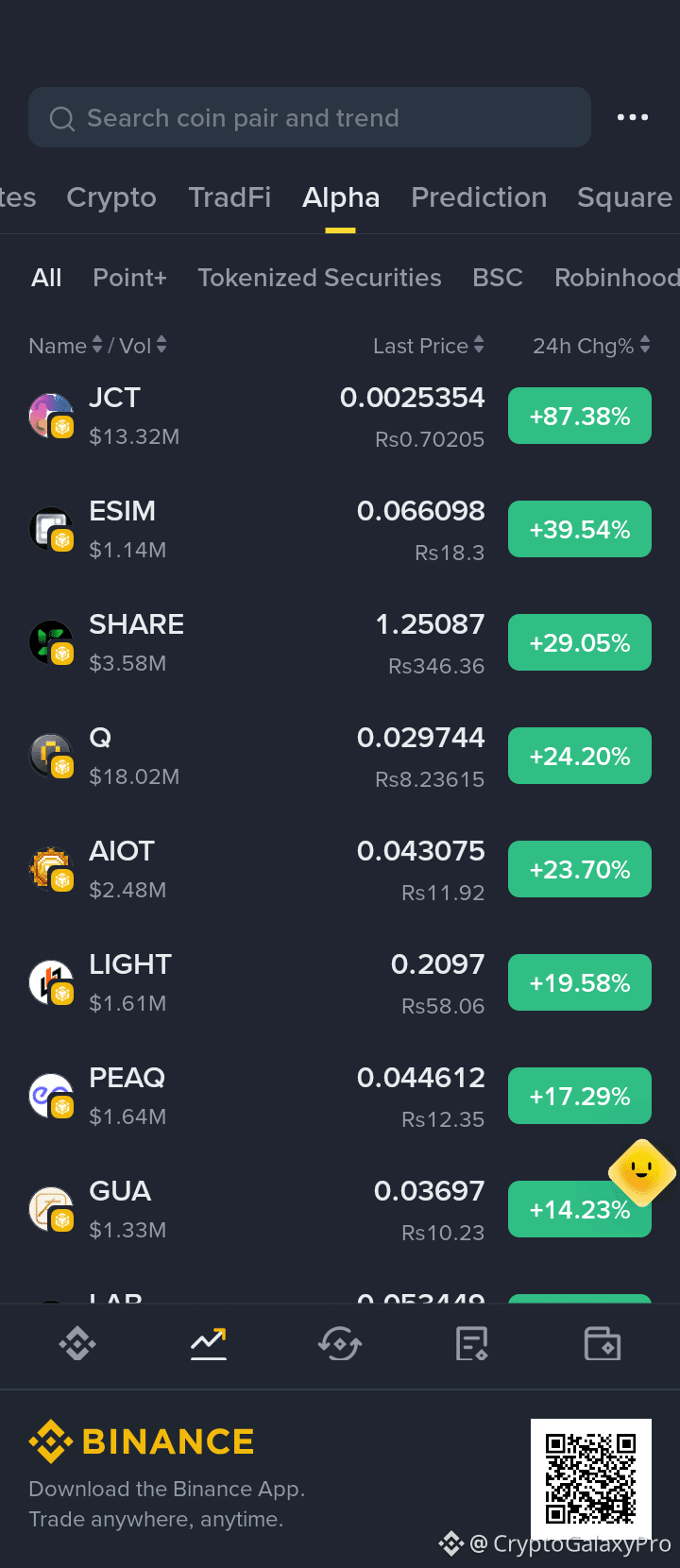
🚀 Der Markt leuchtet grün! Low-Cap-Alpha-Coins schießen durch die Decke! 🔥
Ein Blick auf die Liste der größten Gewinner zeigt: Low-Cap-Coins und neu angesagte Altcoins steigen gerade kräftig auf breiter Front:
$ESIM $JCT $SHARE
{alpha}(560x55ad16bd573b3365f43a9daeb0cc66a73821b4a5)
{alpha}(560x477c2c0459004e3354ba427fa285d7c053203c0e)
{alpha}(560x8b9ee39195ea99d6ddd68030f44131116bc218f6)
#TopAlpha #AlphaBull #CryptoGalaxyPro #ZcashTargetsJanuaryForQuantumResistantPayments #SolanaPlansToCutBlockTimesTo200ms
🚀 Der Markt leuchtet grün! Low-Cap-Alpha-Coins schießen durch die Decke! 🔥
Ein Blick auf die Liste der größten Gewinner zeigt: Low-Cap-Coins und neu angesagte Altcoins steigen gerade kräftig auf breiter Front:
$ESIM $JCT $SHARE
#TopAlpha #AlphaBull #CryptoGalaxyPro #ZcashTargetsJanuaryForQuantumResistantPayments #SolanaPlansToCutBlockTimesTo200ms
Ein Blick auf die Liste der größten Gewinner zeigt: Low-Cap-Coins und neu angesagte Altcoins steigen gerade kräftig auf breiter Front:
$ESIM $JCT $SHARE
#TopAlpha #AlphaBull #CryptoGalaxyPro #ZcashTargetsJanuaryForQuantumResistantPayments #SolanaPlansToCutBlockTimesTo200ms
107
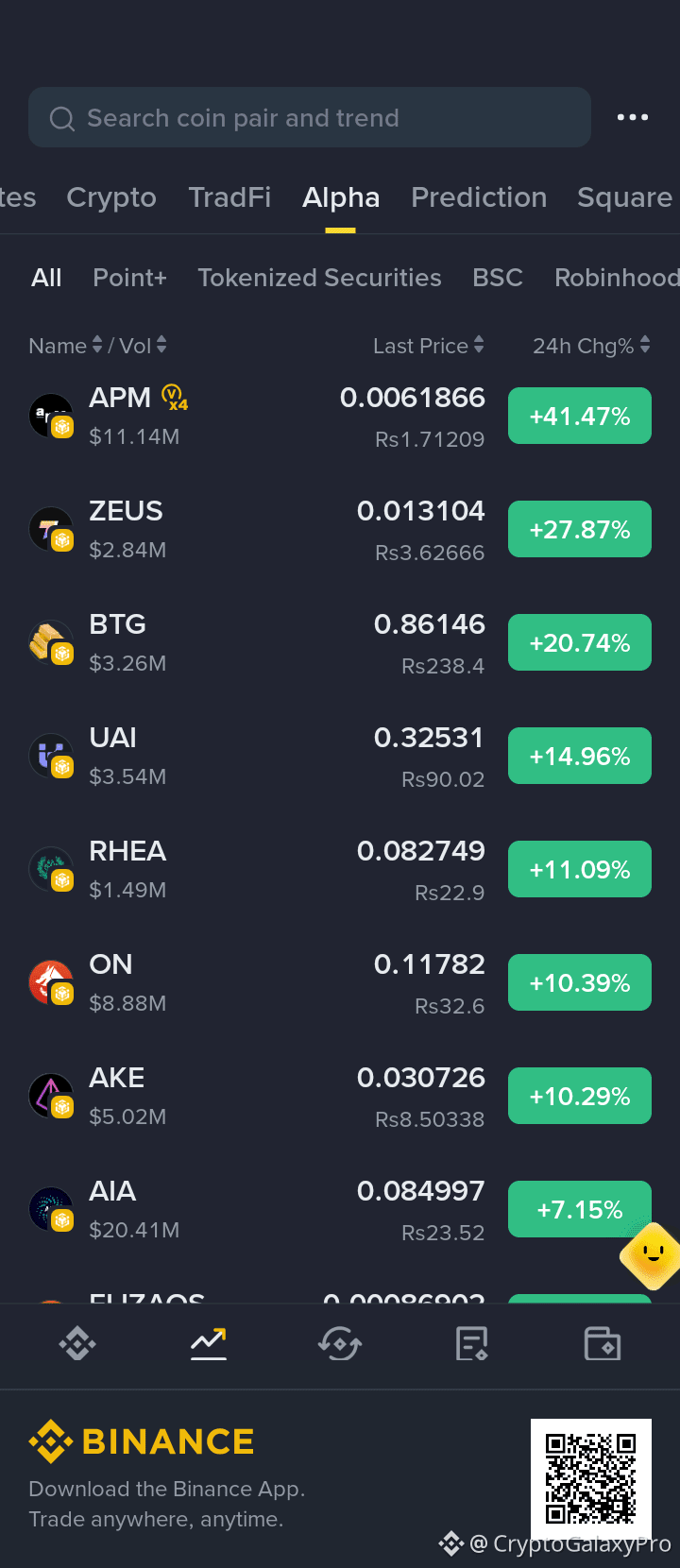
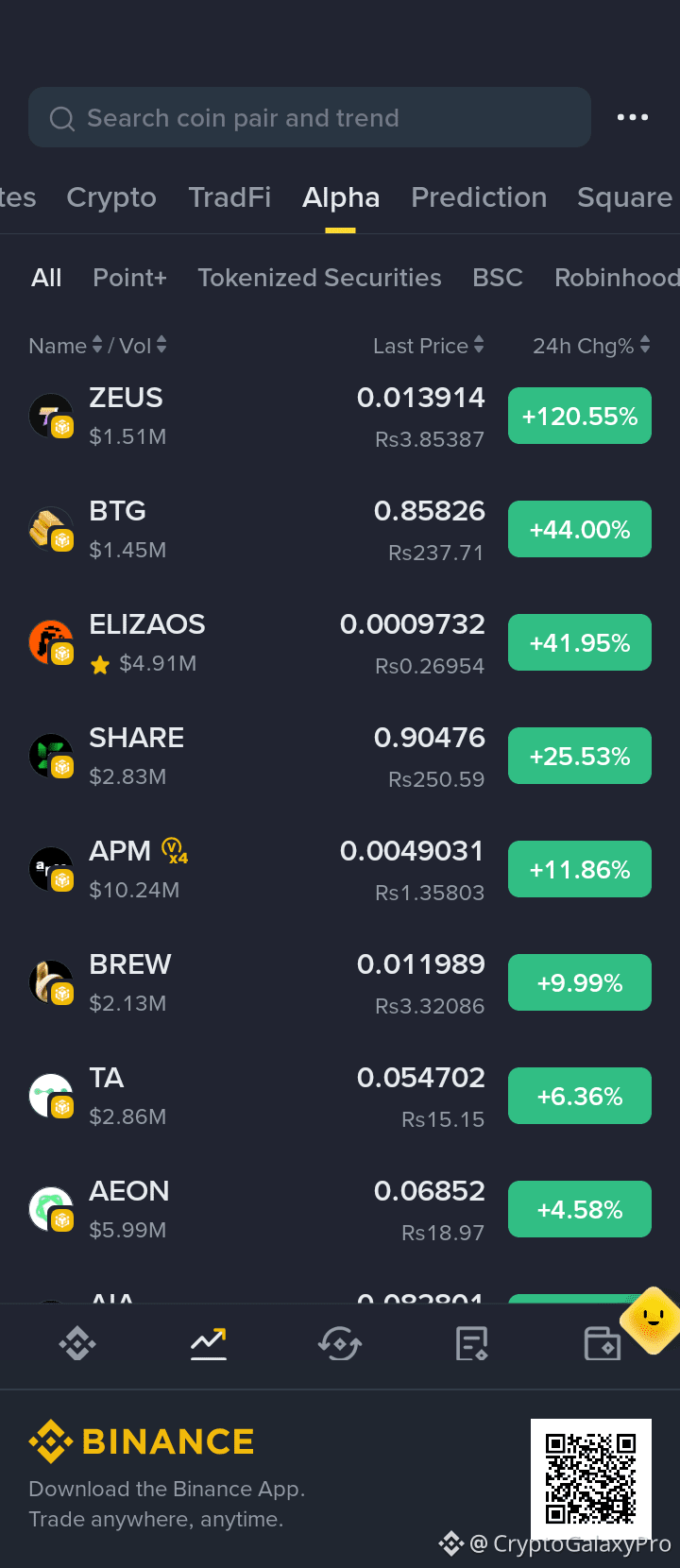
🚀 Alarm am grünen Markt! Small-Cap-Altcoins legen kräftig zu! 🔥
Ein Blick auf die Liste der größten Gewinner zeigt: Small-Cap-Altcoins und neu im Trend liegende Altcoins steigen gerade überall kräftig:
$LISA $APM $ZEUS
{alpha}(560x4c9027e10c5271efca82379d3123917ae3f2374e)
{alpha}(560x3e5d4f8aee0d9b3082d5f6da5d6e225d17ba9ea0)
{alpha}(560x53ec33cd4fa46b9eced9ca3f6db626c5ffcd55cc)
#topAlpha #CryptoGalaxyPro #AlphaBull #FedMinutesFocusOnOctoberPause #BinanceLaunchesBinanceIntelligence
🚀 Alarm am grünen Markt! Small-Cap-Altcoins legen kräftig zu! 🔥
Ein Blick auf die Liste der größten Gewinner zeigt: Small-Cap-Altcoins und neu im Trend liegende Altcoins steigen gerade überall kräftig:
$LISA $APM $ZEUS
#topAlpha #CryptoGalaxyPro #AlphaBull #FedMinutesFocusOnOctoberPause #BinanceLaunchesBinanceIntelligence
Ein Blick auf die Liste der größten Gewinner zeigt: Small-Cap-Altcoins und neu im Trend liegende Altcoins steigen gerade überall kräftig:
$LISA $APM $ZEUS
#topAlpha #CryptoGalaxyPro #AlphaBull #FedMinutesFocusOnOctoberPause #BinanceLaunchesBinanceIntelligence
1
1.3k
💬 Was tradest du heute?
Reitest du diese grüne Welle oder wartest du an der Seitenlinie auf einen Rücksetzer? Verrate uns in den Kommentaren deine liebsten Low-Cap-Juwelen! 👇
$ELIZAOS $BTG $ZEUS
{alpha}(560x5fca51aff213bfbeab0b711b93c3374252fd6ac3)
{alpha}(560x72a22faa6a522c81a8f5d508381e18af3da0921e)
{alpha}(560xfa6d9b504848606eb9aec04ccc161d169b3f2159)
#topAplha #CryptoGalaxyPro #BinanceLaunchesBinanceIntelligence #Top_Gainers #FedMinutesFocusOnOctoberPause
💬 Was tradest du heute?
Reitest du diese grüne Welle oder wartest du an der Seitenlinie auf einen Rücksetzer? Verrate uns in den Kommentaren deine liebsten Low-Cap-Juwelen! 👇
$ELIZAOS $BTG $ZEUS
#topAplha #CryptoGalaxyPro #BinanceLaunchesBinanceIntelligence #Top_Gainers #FedMinutesFocusOnOctoberPause
Reitest du diese grüne Welle oder wartest du an der Seitenlinie auf einen Rücksetzer? Verrate uns in den Kommentaren deine liebsten Low-Cap-Juwelen! 👇
$ELIZAOS $BTG $ZEUS
#topAplha #CryptoGalaxyPro #BinanceLaunchesBinanceIntelligence #Top_Gainers #FedMinutesFocusOnOctoberPause
1
2.4k
·
--
Bärisch
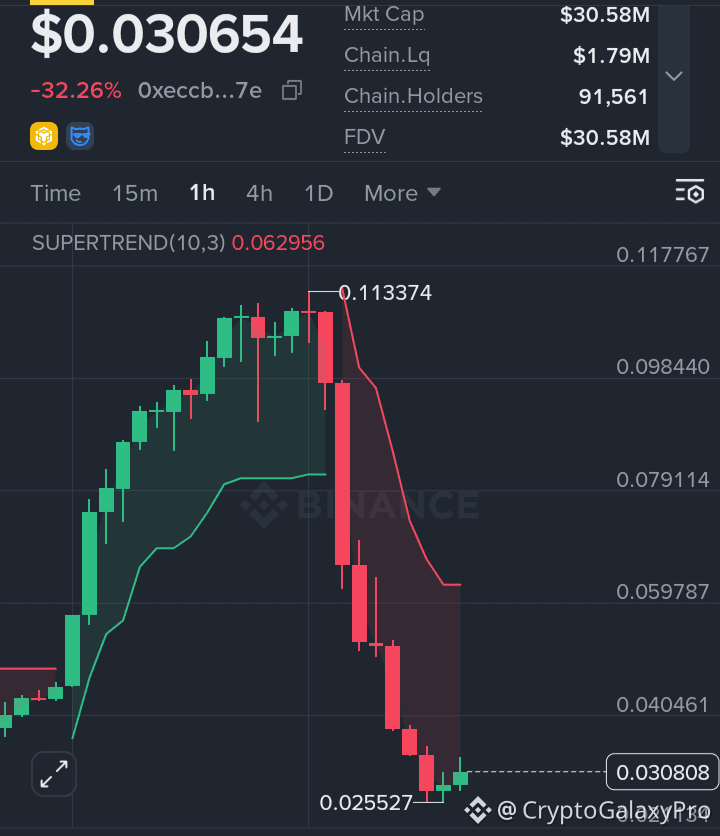
📊 $龙虾 (Longxia) — 1H Technische Analyse
💰 Aktueller Preis: 0,03065 $
📉 Trend: Bärisch
📊 RSI(6): 16,5 — Extrem überverkauft
🔻 Letztes Tief: 0,02553 $
Wichtige Levels:
🟢 Support: 0,0255 $
🟢 Starker Support: 0,0211 $
🔴 Widerstand: 0,0404 $
🔴 Wichtiger Widerstand: 0,0598 $
🔴 Supertrend: 0,0630 $
Mögliche Setups:
Einstiegszone: 0,030–0,032 nur mit Bestätigung des Rebounds.
Sichere Bestätigung: 1H-Schlusskurs über 0,0404.
🎯 Ziele: 0,0404 → 0,050 → 0,0598
🛑 Invalidierung: Unter 0,0255
{alpha}(560xeccbb861c0dda7efd964010085488b69317e4444)
⚠️ Hinweis: RSI ist stark überverkauft, aber der Gesamttrend bleibt bärisch. Ein überverkaufter RSI garantiert keine Trendwende. Bestätigung abwarten und das Risiko sorgfältig managen.
#NFPWatch #CryptoGalaxyPro #龙虾 #EthereumFoundationLaunchesZkAPIOnMainnet
📊 $龙虾 (Longxia) — 1H Technische Analyse
💰 Aktueller Preis: 0,03065 $
📉 Trend: Bärisch
📊 RSI(6): 16,5 — Extrem überverkauft
🔻 Letztes Tief: 0,02553 $
Wichtige Levels:
🟢 Support: 0,0255 $
🟢 Starker Support: 0,0211 $
🔴 Widerstand: 0,0404 $
🔴 Wichtiger Widerstand: 0,0598 $
🔴 Supertrend: 0,0630 $
Mögliche Setups:
Einstiegszone: 0,030–0,032 nur mit Bestätigung des Rebounds.
Sichere Bestätigung: 1H-Schlusskurs über 0,0404.
🎯 Ziele: 0,0404 → 0,050 → 0,0598
🛑 Invalidierung: Unter 0,0255
⚠️ Hinweis: RSI ist stark überverkauft, aber der Gesamttrend bleibt bärisch. Ein überverkaufter RSI garantiert keine Trendwende. Bestätigung abwarten und das Risiko sorgfältig managen.
#NFPWatch #CryptoGalaxyPro #龙虾 #EthereumFoundationLaunchesZkAPIOnMainnet
💰 Aktueller Preis: 0,03065 $
📉 Trend: Bärisch
📊 RSI(6): 16,5 — Extrem überverkauft
🔻 Letztes Tief: 0,02553 $
Wichtige Levels:
🟢 Support: 0,0255 $
🟢 Starker Support: 0,0211 $
🔴 Widerstand: 0,0404 $
🔴 Wichtiger Widerstand: 0,0598 $
🔴 Supertrend: 0,0630 $
Mögliche Setups:
Einstiegszone: 0,030–0,032 nur mit Bestätigung des Rebounds.
Sichere Bestätigung: 1H-Schlusskurs über 0,0404.
🎯 Ziele: 0,0404 → 0,050 → 0,0598
🛑 Invalidierung: Unter 0,0255
⚠️ Hinweis: RSI ist stark überverkauft, aber der Gesamttrend bleibt bärisch. Ein überverkaufter RSI garantiert keine Trendwende. Bestätigung abwarten und das Risiko sorgfältig managen.
#NFPWatch #CryptoGalaxyPro #龙虾 #EthereumFoundationLaunchesZkAPIOnMainnet
1
1.6k
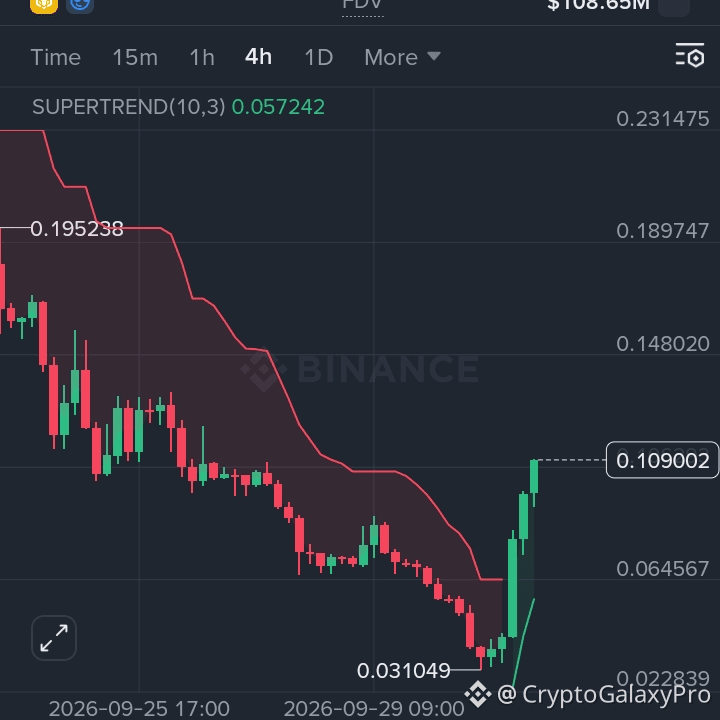
🚀 $龙虾 (Hummer) — Starker 4H-Move!
Preis: 0.10867 $ 📈
4H Supertrend: Bullischer Flip 🟢
RSI(6): 83.22 — Überkauft ⚠️
Marktkapitalisierung: 108.65 Mio. $
Dargestellte 24H-Bewegung: +132.3%
🔥 Das Diagramm zeigt eine starke Erholung von etwa 0.031 $, aber der RSI ist bereits sehr hoch. Nach so einem schnellen Pump können Volatilität und Rücksetzer deutlich ausfallen.
📊 Wichtige Levels, die du im Blick behalten solltest:
• Widerstand: 0.109–0.110 $
• Unterstützung: 0.065 $
• Wichtige tiefere Unterstützung: 0.031 $
⚠️ Bildungsbezogene Chart-Analyse — keine finanzielle Beratung.
Würdest du auf einen Rücksetzer warten oder auf einen Ausbruch achten? 👇
#Binance #CryptoGalaxyPro #Lobster #龙虾 #CryptoAnalysis #Alpha100X
🚀 $龙虾 (Hummer) — Starker 4H-Move!
Preis: 0.10867 $ 📈
4H Supertrend: Bullischer Flip 🟢
RSI(6): 83.22 — Überkauft ⚠️
Marktkapitalisierung: 108.65 Mio. $
Dargestellte 24H-Bewegung: +132.3%
🔥 Das Diagramm zeigt eine starke Erholung von etwa 0.031 $, aber der RSI ist bereits sehr hoch. Nach so einem schnellen Pump können Volatilität und Rücksetzer deutlich ausfallen.
📊 Wichtige Levels, die du im Blick behalten solltest:
• Widerstand: 0.109–0.110 $
• Unterstützung: 0.065 $
• Wichtige tiefere Unterstützung: 0.031 $
⚠️ Bildungsbezogene Chart-Analyse — keine finanzielle Beratung.
Würdest du auf einen Rücksetzer warten oder auf einen Ausbruch achten? 👇
#Binance #CryptoGalaxyPro #Lobster #龙虾 #CryptoAnalysis #Alpha100X
Preis: 0.10867 $ 📈
4H Supertrend: Bullischer Flip 🟢
RSI(6): 83.22 — Überkauft ⚠️
Marktkapitalisierung: 108.65 Mio. $
Dargestellte 24H-Bewegung: +132.3%
🔥 Das Diagramm zeigt eine starke Erholung von etwa 0.031 $, aber der RSI ist bereits sehr hoch. Nach so einem schnellen Pump können Volatilität und Rücksetzer deutlich ausfallen.
📊 Wichtige Levels, die du im Blick behalten solltest:
• Widerstand: 0.109–0.110 $
• Unterstützung: 0.065 $
• Wichtige tiefere Unterstützung: 0.031 $
⚠️ Bildungsbezogene Chart-Analyse — keine finanzielle Beratung.
Würdest du auf einen Rücksetzer warten oder auf einen Ausbruch achten? 👇
#Binance #CryptoGalaxyPro #Lobster #龙虾 #CryptoAnalysis #Alpha100X
714
🔥 Schalte jetzt $500 $USDC frei 🤠
[Join Now](https://www.binance.com/activity/chance/pkexclusivetradingrush?ref=GRO_100028416_LZRQR)
$OPN $KITE #CryptoGalaxyPro #US10YearYieldNears5.3% #USWeeklyJoblessClaimsFallTo197000
🔥 Schalte jetzt $500 $USDC frei 🤠
Join Now
$OPN $KITE #CryptoGalaxyPro #US10YearYieldNears5.3% #USWeeklyJoblessClaimsFallTo197000
Join Now
$OPN $KITE #CryptoGalaxyPro #US10YearYieldNears5.3% #USWeeklyJoblessClaimsFallTo197000

27
·
--
Bullisch
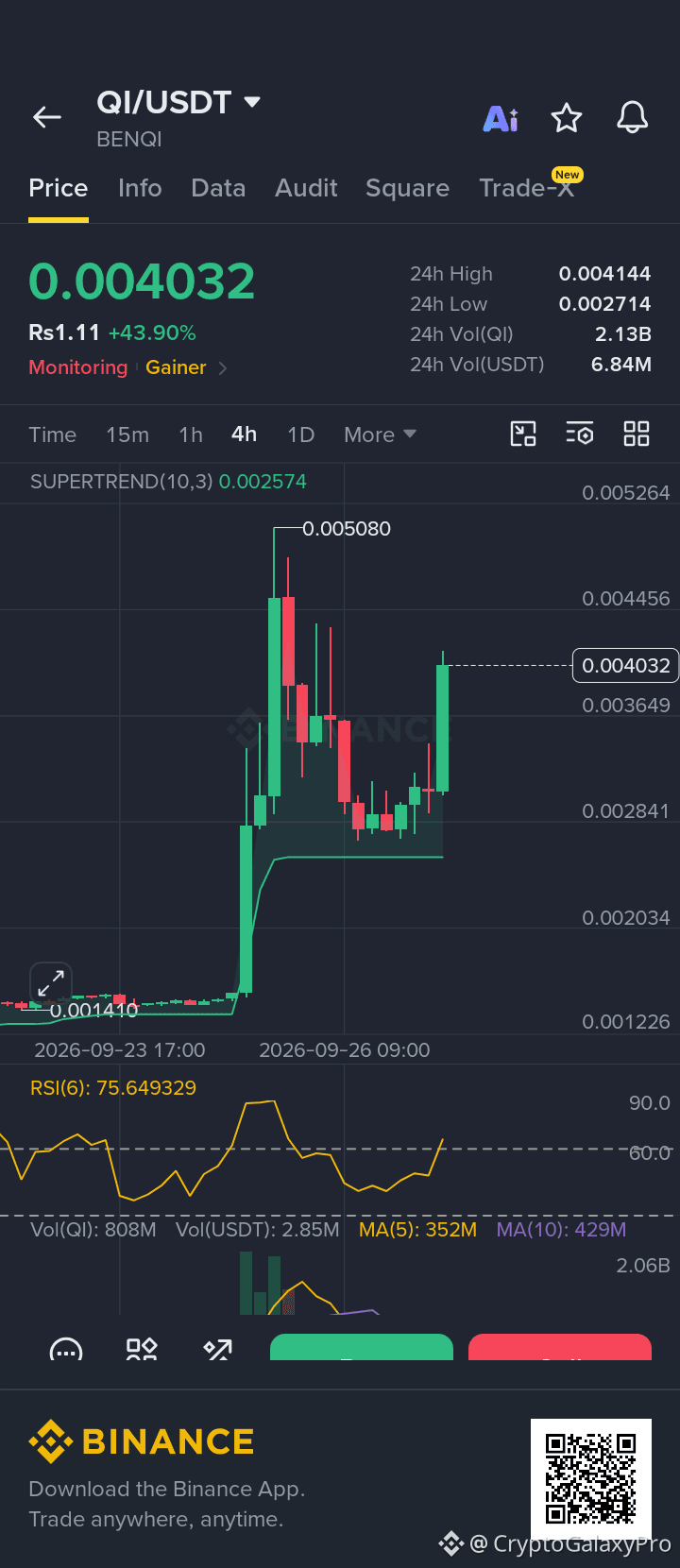
🚀 $QI steht Kopf! +43% auf 0.004008.
4H Supertrend-Support hält sich bei 0.002574. RSI ist heiß bei 75, aber der Momentum ist stark. Können die Bullen die 24h-Hochs von 0.004144 zurückerobern? 👀🔥
#QI #BENQI #CryptoGalaxyPro #StrategyStriveAdd2305BitcoinThisWeek
🚀 $QI steht Kopf! +43% auf 0.004008.
4H Supertrend-Support hält sich bei 0.002574. RSI ist heiß bei 75, aber der Momentum ist stark. Können die Bullen die 24h-Hochs von 0.004144 zurückerobern? 👀🔥
#QI #BENQI #CryptoGalaxyPro #StrategyStriveAdd2305BitcoinThisWeek
4H Supertrend-Support hält sich bei 0.002574. RSI ist heiß bei 75, aber der Momentum ist stark. Können die Bullen die 24h-Hochs von 0.004144 zurückerobern? 👀🔥
#QI #BENQI #CryptoGalaxyPro #StrategyStriveAdd2305BitcoinThisWeek
1
238
🚨 BREAKING NEWS: BINANCE MACHT EINEN 100-MILLIONEN-$-SCHRITT! 💰
🔥 Binance investiert 100 Millionen $ in Circle, den Emittenten von $USDC !
🤝 Der Deal umfasst eine 5-Jahres-Vereinbarung, um USDC in Produkten von Binance auszubauen.
📈 Eine wichtige Entwicklung für USDC und den Krypto-Markt!
Wird das mehr Aufmerksamkeit für Stablecoins bringen? 👀
#Binance #Circle #USDC #CryptoGalaxyPro
🚨 BREAKING NEWS: BINANCE MACHT EINEN 100-MILLIONEN-$-SCHRITT! 💰
🔥 Binance investiert 100 Millionen $ in Circle, den Emittenten von $USDC !
🤝 Der Deal umfasst eine 5-Jahres-Vereinbarung, um USDC in Produkten von Binance auszubauen.
📈 Eine wichtige Entwicklung für USDC und den Krypto-Markt!
Wird das mehr Aufmerksamkeit für Stablecoins bringen? 👀
#Binance #Circle #USDC #CryptoGalaxyPro
🔥 Binance investiert 100 Millionen $ in Circle, den Emittenten von $USDC !
🤝 Der Deal umfasst eine 5-Jahres-Vereinbarung, um USDC in Produkten von Binance auszubauen.
📈 Eine wichtige Entwicklung für USDC und den Krypto-Markt!
Wird das mehr Aufmerksamkeit für Stablecoins bringen? 👀
#Binance #Circle #USDC #CryptoGalaxyPro
58
·
--
Bullisch
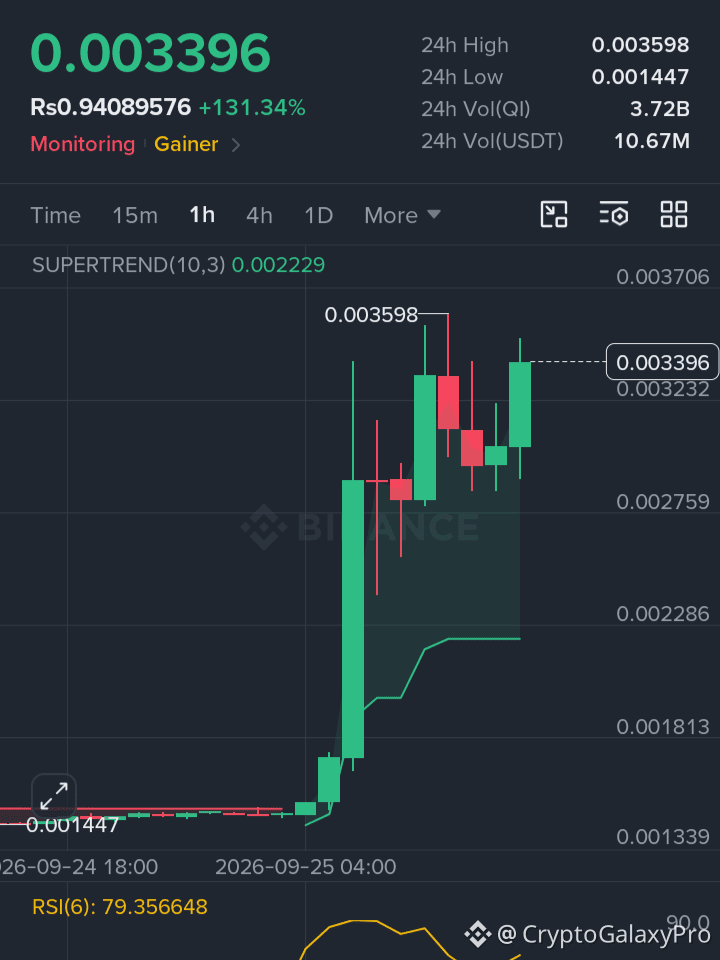
🚀 $QI /USDT Macht einen starken Move!
QI zeigt beeindruckenden Schwung, handelt derzeit bei rund 0.003396 USDT mit einem 24-Stunden-Plus von über 131%!
📈 Käufer zeigen starkes Interesse.
🔥 Das Handelsvolumen steigt.
⚠️ Der RSI liegt nahe 79, daher ist auch ein kurzfristiger Rücksetzer möglich.
Nach einem so starken Pump: bleib wachsam und steuere dein Risiko. Nicht aus FOMO in den Markt springen!
Was denkst du? Kann QI seine Rally fortsetzen oder sehen wir eine Korrektur? 👀
#QI #CryptoGalaxyPro #Altcoins #trading #CFTCUpdatesGuidanceOnTokenizedAssets
🚀 $QI /USDT Macht einen starken Move!
QI zeigt beeindruckenden Schwung, handelt derzeit bei rund 0.003396 USDT mit einem 24-Stunden-Plus von über 131%!
📈 Käufer zeigen starkes Interesse.
🔥 Das Handelsvolumen steigt.
⚠️ Der RSI liegt nahe 79, daher ist auch ein kurzfristiger Rücksetzer möglich.
Nach einem so starken Pump: bleib wachsam und steuere dein Risiko. Nicht aus FOMO in den Markt springen!
Was denkst du? Kann QI seine Rally fortsetzen oder sehen wir eine Korrektur? 👀
#QI #CryptoGalaxyPro #Altcoins #trading #CFTCUpdatesGuidanceOnTokenizedAssets
QI zeigt beeindruckenden Schwung, handelt derzeit bei rund 0.003396 USDT mit einem 24-Stunden-Plus von über 131%!
📈 Käufer zeigen starkes Interesse.
🔥 Das Handelsvolumen steigt.
⚠️ Der RSI liegt nahe 79, daher ist auch ein kurzfristiger Rücksetzer möglich.
Nach einem so starken Pump: bleib wachsam und steuere dein Risiko. Nicht aus FOMO in den Markt springen!
Was denkst du? Kann QI seine Rally fortsetzen oder sehen wir eine Korrektur? 👀
#QI #CryptoGalaxyPro #Altcoins #trading #CFTCUpdatesGuidanceOnTokenizedAssets
174
Anmelden und weiter Inhalte entdecken
Krypto-Nutzer weltweit auf Binance Square kennenlernen
⚡️ Bleib in Sachen Krypto stets am Puls.
💬 Die weltgrößte Kryptobörse vertraut darauf.
👍 Erhalte verlässliche Einblicke von verifizierten Creators.
E-Mail-Adresse/Telefonnummer
Trendthemen
BitcoinSlipsBelow$80KAgain
1,427 Aufrufe
30 Kommentare
BTC blutet, während die Wale abziehen — im Schatten eines Unternehmensgebots
Sieben Tage im Minus, und nicht Kleinanleger haben den Rückgang verursacht.
Der BTC schloss am 27. Okt. bei etwa 79.796, rund 2,6 % weniger als vor 7 Tagen und rund 5,2 % weniger als vor 30 Tagen. Der tägliche RSI(12) liegt bei 39,8. Die Spanne der Woche: Hoch bei etwa 84.377 (22. Okt.), Tief bei etwa 79.220 (24. Okt.). Keine Kapitulationskerze. Keine Rückeroberung der 84.000. Nur ein stetiges Abrutschen.
Die Angebotsseite spricht für sich. Inaktive Wallets bewegten 2.571 BTC (etwa 206,5 Mio. $) in Richtung institutioneller Börsen. Das ist Angebot, das an der Handelsplattform ankommt, nicht sie verlässt. Auch der Appetit der Treasury-Seite ließ nach — Strategy leitete 204,9 Mio. $ in Aktienrückkäufe um, statt in BTC.
Die Nachfrage im Hintergrund kommt von Unternehmen, nicht von Spekulanten. Strive erwarb 6.182 BTC (etwa 511,4 Mio. $); börsennotierte Unternehmen kauften zusammen mehr als 6.200 BTC. Das ist ein stichhaltiges Argument für einen echten Boden nahe 79.700 $ — aber ein Boden ist kein Auslöser für einen Ausbruch.
Das Momentum ist nicht auf der Seite der Bullen. Das MACD-Histogramm liegt bei −23,99, der Kurs unter dem 99-EMA. Das Aufwärtspotenzial bleibt unter etwa 80.500 $ begrenzt, bis sich diese Struktur dreht.
Die Positionierung ist leicht bullish, aber nicht euphorisch. Umfrage in der Square-Community: 2.116 bullish gegenüber 1.714 bearish bei insgesamt 3.830 Stimmen. Eine begrenzte Stichprobe — wissenswert, aber kein Grund, allein darauf zu handeln.
Meine Einschätzung: Hier wird in eine von Unternehmen getragene Nachfrage hinein verteilt. Der Boden ist real; das Momentum fehlt. Entscheidend ist diese Woche, ob die Zone zwischen 79.200 und 79.700 den Zufluss an die Börsen aufnehmen kann.
#BitcoinSlipsBelow$80KAgain
_Mr_Singh_
·0 Likes
·495 Aufrufe
ThailandLaunchesWORPTStablecoinToQRPaymentApp
2,258 Aufrufe
94 Kommentare
StrategySkipsBitcoinPurchasesSpends$205MOnSTRCBuybacks
3,146 Aufrufe
70 Kommentare