

Web3 Expert Princess
7.2k Beiträge

Web3 Expert Princess
Melden
Nutzer blockieren
Web3 Projects Explorer
77 Following
2.2K+ Follower
8.3K+ Like gegeben
Beiträge
Alle
Zitierungen
Videos
PINNED
Seien wir ehrlich…👌
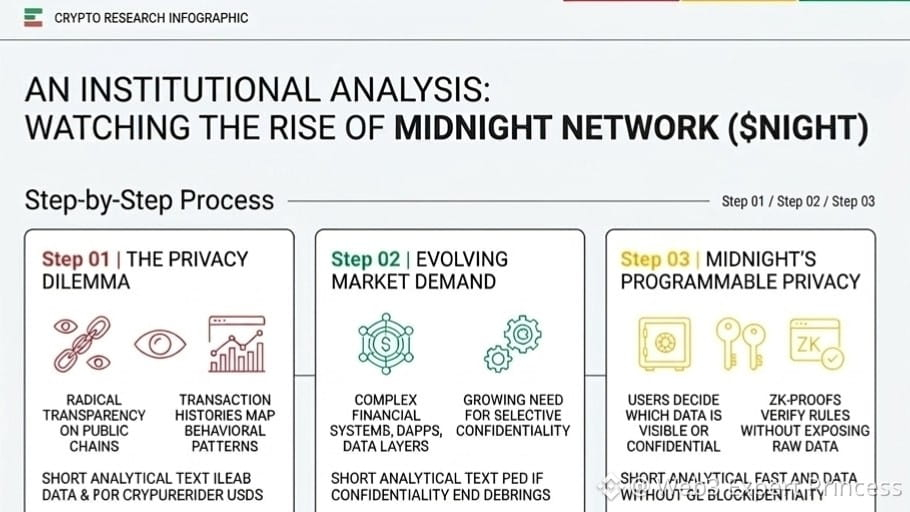
Die Transparenz der Blockchain ist mächtig, aber vollständige Transparenz ist nicht immer praktisch.
Während ich nach Datenschutzlösungen im Web3 suchte, fand ich das Midnight Network besonders interessant. Das Projekt konzentriert sich auf programmierbaren Datenschutz, der es Nutzern ermöglicht, Transaktionen und Daten zu verifizieren, ohne sensible Informationen preiszugeben.
Es wird von Input Output Global, dem Entwicklungsteam hinter Cardano, aufgebaut.
Durch die Verwendung von Zero-Knowledge-Proofs ermöglicht Midnight eine sichere Validierung, während die Daten vertraulich bleiben.
Meiner Meinung nach könnten Datenschichten wie diese die nächste Phase der Blockchain-Akzeptanz definieren.
#Night $NIGHT @MidnightNetwork
#BTCReclaims70k
Seien wir ehrlich…👌
Die Transparenz der Blockchain ist mächtig, aber vollständige Transparenz ist nicht immer praktisch.
Während ich nach Datenschutzlösungen im Web3 suchte, fand ich das Midnight Network besonders interessant. Das Projekt konzentriert sich auf programmierbaren Datenschutz, der es Nutzern ermöglicht, Transaktionen und Daten zu verifizieren, ohne sensible Informationen preiszugeben.
Es wird von Input Output Global, dem Entwicklungsteam hinter Cardano, aufgebaut.
Durch die Verwendung von Zero-Knowledge-Proofs ermöglicht Midnight eine sichere Validierung, während die Daten vertraulich bleiben.
Meiner Meinung nach könnten Datenschichten wie diese die nächste Phase der Blockchain-Akzeptanz definieren.
#Night $NIGHT @MidnightNetwork
#BTCReclaims70k
Die Transparenz der Blockchain ist mächtig, aber vollständige Transparenz ist nicht immer praktisch.
Während ich nach Datenschutzlösungen im Web3 suchte, fand ich das Midnight Network besonders interessant. Das Projekt konzentriert sich auf programmierbaren Datenschutz, der es Nutzern ermöglicht, Transaktionen und Daten zu verifizieren, ohne sensible Informationen preiszugeben.
Es wird von Input Output Global, dem Entwicklungsteam hinter Cardano, aufgebaut.
Durch die Verwendung von Zero-Knowledge-Proofs ermöglicht Midnight eine sichere Validierung, während die Daten vertraulich bleiben.
Meiner Meinung nach könnten Datenschichten wie diese die nächste Phase der Blockchain-Akzeptanz definieren.
#Night $NIGHT @MidnightNetwork
#BTCReclaims70k
8
12
108
Pixel und der subtile Komfort, erwartet zu werden
Der Moment, in dem sich alles für mich geändert hat, war nicht, als ich mich festgefahren fühlte.
Es war, als ich mich erwartet fühlte.
Ich öffnete Pixel und innerhalb weniger Minuten schien alles zur richtigen Zeit zu kommen. Das Board hat mich nicht überrascht – es hat mich getroffen. Aufgaben erschienen in einer Weise, die zu meinem bereits bestehenden Denken passte. Entscheidungen erforderten keinen Aufwand. Es fühlte sich weniger nach Reaktion an und mehr nach dem Fortsetzen von etwas, das bereits begonnen hatte.
Das war der Teil, der bei mir geblieben ist.
Nicht, weil es sich ungewöhnlich anfühlte.
Weil es sich perfekt getimt anfühlte.
Wie das System leise vor mir weitergegangen war, die Sitzung so gestaltet hat, dass meine nächsten Schritte offensichtlich waren, bevor ich sie überhaupt gemacht habe.
Und sobald ich das bemerkte, wurde es schwer, es zu ignorieren.
Denn "Erwartung" ist ein mächtiges Gefühl in jedem System. Es schafft das Gefühl, dass das Spiel dich versteht. Dass es nicht nur nach den Tatsachen reagiert, sondern sich mit deiner Richtung in Einklang bringt, bevor du sie vollständig ausdrückst. Das lässt alles flüssiger, schneller und gezielter erscheinen.
Das ist der Reiz.
Und Pixel liefert dieses Gefühl mit überraschender Konsistenz.
Du loggst dich ein, und der Flow fühlt sich bereit an. Die Farm ist nicht nur da – sie fühlt sich vorbereitet an. Die Schleifen wiederholen sich nicht einfach – sie scheinen sich in einer Weise zu entfalten, die deinem Tempo entspricht. Selbst wenn die Ergebnisse variieren, tun sie dies innerhalb einer Struktur, die vertraut genug ist, um ohne Zögern navigiert zu werden.
Aber ich beginne zu hinterfragen, was diese Vertrautheit wirklich darstellt.
Je mehr ich zu Pixel zurückkehre, perfekt eingestuft, desto mehr genieße ich es.
Aber ich halte ein wenig länger inne als zuvor.
Ich stelle eine etwas andere Frage.
Nicht nur: "Hat das Spiel mich verstanden?"
Sondern: "Wurde ich verstanden – oder wurde ich vorhergesagt?"
Das ist die Frage, die bei mir bleibt.
Denn ich beginne zu denken, dass Pixel nicht einfach Spieler auf einfache Weise antizipiert.
Es könnte etwas Präziseres tun als das.
#pixel @pixels $PIXEL
#ArthurHayes’LatestSpeech
#StrategyBTCPurchase
#BinanceLaunchesGoldvs.BTCTradingCompetition
#AaveAnnouncesDeFiUnitedReliefFund $AIO $Jager
Pixel und der subtile Komfort, erwartet zu werden
Der Moment, in dem sich alles für mich geändert hat, war nicht, als ich mich festgefahren fühlte.
Es war, als ich mich erwartet fühlte.
Ich öffnete Pixel und innerhalb weniger Minuten schien alles zur richtigen Zeit zu kommen. Das Board hat mich nicht überrascht – es hat mich getroffen. Aufgaben erschienen in einer Weise, die zu meinem bereits bestehenden Denken passte. Entscheidungen erforderten keinen Aufwand. Es fühlte sich weniger nach Reaktion an und mehr nach dem Fortsetzen von etwas, das bereits begonnen hatte.
Das war der Teil, der bei mir geblieben ist.
Nicht, weil es sich ungewöhnlich anfühlte.
Weil es sich perfekt getimt anfühlte.
Wie das System leise vor mir weitergegangen war, die Sitzung so gestaltet hat, dass meine nächsten Schritte offensichtlich waren, bevor ich sie überhaupt gemacht habe.
Und sobald ich das bemerkte, wurde es schwer, es zu ignorieren.
Denn "Erwartung" ist ein mächtiges Gefühl in jedem System. Es schafft das Gefühl, dass das Spiel dich versteht. Dass es nicht nur nach den Tatsachen reagiert, sondern sich mit deiner Richtung in Einklang bringt, bevor du sie vollständig ausdrückst. Das lässt alles flüssiger, schneller und gezielter erscheinen.
Das ist der Reiz.
Und Pixel liefert dieses Gefühl mit überraschender Konsistenz.
Du loggst dich ein, und der Flow fühlt sich bereit an. Die Farm ist nicht nur da – sie fühlt sich vorbereitet an. Die Schleifen wiederholen sich nicht einfach – sie scheinen sich in einer Weise zu entfalten, die deinem Tempo entspricht. Selbst wenn die Ergebnisse variieren, tun sie dies innerhalb einer Struktur, die vertraut genug ist, um ohne Zögern navigiert zu werden.
Aber ich beginne zu hinterfragen, was diese Vertrautheit wirklich darstellt.
Je mehr ich zu Pixel zurückkehre, perfekt eingestuft, desto mehr genieße ich es.
Aber ich halte ein wenig länger inne als zuvor.
Ich stelle eine etwas andere Frage.
Nicht nur: "Hat das Spiel mich verstanden?"
Sondern: "Wurde ich verstanden – oder wurde ich vorhergesagt?"
Das ist die Frage, die bei mir bleibt.
Denn ich beginne zu denken, dass Pixel nicht einfach Spieler auf einfache Weise antizipiert.
Es könnte etwas Präziseres tun als das.
#pixel @Pixels $PIXEL
#ArthurHayes’LatestSpeech
#StrategyBTCPurchase
#BinanceLaunchesGoldvs.BTCTradingCompetition
#AaveAnnouncesDeFiUnitedReliefFund $AIO $Jager
Der Moment, in dem sich alles für mich geändert hat, war nicht, als ich mich festgefahren fühlte.
Es war, als ich mich erwartet fühlte.
Ich öffnete Pixel und innerhalb weniger Minuten schien alles zur richtigen Zeit zu kommen. Das Board hat mich nicht überrascht – es hat mich getroffen. Aufgaben erschienen in einer Weise, die zu meinem bereits bestehenden Denken passte. Entscheidungen erforderten keinen Aufwand. Es fühlte sich weniger nach Reaktion an und mehr nach dem Fortsetzen von etwas, das bereits begonnen hatte.
Das war der Teil, der bei mir geblieben ist.
Nicht, weil es sich ungewöhnlich anfühlte.
Weil es sich perfekt getimt anfühlte.
Wie das System leise vor mir weitergegangen war, die Sitzung so gestaltet hat, dass meine nächsten Schritte offensichtlich waren, bevor ich sie überhaupt gemacht habe.
Und sobald ich das bemerkte, wurde es schwer, es zu ignorieren.
Denn "Erwartung" ist ein mächtiges Gefühl in jedem System. Es schafft das Gefühl, dass das Spiel dich versteht. Dass es nicht nur nach den Tatsachen reagiert, sondern sich mit deiner Richtung in Einklang bringt, bevor du sie vollständig ausdrückst. Das lässt alles flüssiger, schneller und gezielter erscheinen.
Das ist der Reiz.
Und Pixel liefert dieses Gefühl mit überraschender Konsistenz.
Du loggst dich ein, und der Flow fühlt sich bereit an. Die Farm ist nicht nur da – sie fühlt sich vorbereitet an. Die Schleifen wiederholen sich nicht einfach – sie scheinen sich in einer Weise zu entfalten, die deinem Tempo entspricht. Selbst wenn die Ergebnisse variieren, tun sie dies innerhalb einer Struktur, die vertraut genug ist, um ohne Zögern navigiert zu werden.
Aber ich beginne zu hinterfragen, was diese Vertrautheit wirklich darstellt.
Je mehr ich zu Pixel zurückkehre, perfekt eingestuft, desto mehr genieße ich es.
Aber ich halte ein wenig länger inne als zuvor.
Ich stelle eine etwas andere Frage.
Nicht nur: "Hat das Spiel mich verstanden?"
Sondern: "Wurde ich verstanden – oder wurde ich vorhergesagt?"
Das ist die Frage, die bei mir bleibt.
Denn ich beginne zu denken, dass Pixel nicht einfach Spieler auf einfache Weise antizipiert.
Es könnte etwas Präziseres tun als das.
#pixel @Pixels $PIXEL
#ArthurHayes’LatestSpeech
#StrategyBTCPurchase
#BinanceLaunchesGoldvs.BTCTradingCompetition
#AaveAnnouncesDeFiUnitedReliefFund $AIO $Jager
2
750
Pixels und die stille Illusion der Kontrolle über das VerdienenDer Moment, als es für mich umschlug, war nicht, als die Dinge schiefgingen.
Es war, als alles genau richtig lief.
Ich habe mich in Pixels eingeloggt und der Rhythmus fühlte sich perfekt abgestimmt an. Das Board sah nicht nur gut aus – es fühlte sich an, als würde es mich entgegenkommen. Aufgaben erschienen in einer Reihenfolge, die ohne Mühe Sinn machte. Entscheidungen fühlten sich offensichtlich an. Ergebnisse fühlten sich verdient an. Es erzeugte dieses glatte interne Signal, das sagt: Ja, das funktioniert, weil ich es jetzt verstehe.
Das war der Moment, der mir im Gedächtnis geblieben ist.
Nicht, weil es sich künstlich anfühlte.
Pixels und die stille Illusion der Kontrolle über das Verdienen
Der Moment, als es für mich umschlug, war nicht, als die Dinge schiefgingen.
Es war, als alles genau richtig lief.
Ich habe mich in Pixels eingeloggt und der Rhythmus fühlte sich perfekt abgestimmt an. Das Board sah nicht nur gut aus – es fühlte sich an, als würde es mich entgegenkommen. Aufgaben erschienen in einer Reihenfolge, die ohne Mühe Sinn machte. Entscheidungen fühlten sich offensichtlich an. Ergebnisse fühlten sich verdient an. Es erzeugte dieses glatte interne Signal, das sagt: Ja, das funktioniert, weil ich es jetzt verstehe.
Das war der Moment, der mir im Gedächtnis geblieben ist.
Nicht, weil es sich künstlich anfühlte.
Es war, als alles genau richtig lief.
Ich habe mich in Pixels eingeloggt und der Rhythmus fühlte sich perfekt abgestimmt an. Das Board sah nicht nur gut aus – es fühlte sich an, als würde es mich entgegenkommen. Aufgaben erschienen in einer Reihenfolge, die ohne Mühe Sinn machte. Entscheidungen fühlten sich offensichtlich an. Ergebnisse fühlten sich verdient an. Es erzeugte dieses glatte interne Signal, das sagt: Ja, das funktioniert, weil ich es jetzt verstehe.
Das war der Moment, der mir im Gedächtnis geblieben ist.
Nicht, weil es sich künstlich anfühlte.
1
254
Ich fange an zu denken, dass GameFi nicht wirklich die engagiertesten Community-Mitglieder belohnt.
Als ich das erste Mal ernsthaft in eine GameFi-Schleife gezogen wurde, glaubte ich an die schönste Version der Geschichte. Gemeinsam aufbauen. Anderen helfen. Tipps teilen. Den Kreis vergrößern. Belohnt werden.
Das fühlte sich gut an.
Das fühlte sich menschlich an.
Wenn ein Spieler mehr verbindet, die Gruppe unterstützt, Wissen verbreitet, dann sollte er natürlich höher aufsteigen. Das ist das gemeinschaftliche Versprechen, das diese Spiele gerne betonen, wenn die Bindung das eigentliche Maß wird. Verbindung wird zu Loyalität. Beitrag wird zu Zugehörigkeit. Der Spieler, der der Community am meisten gibt, gewinnt die tiefsten Belohnungen.
Je länger ich beobachte, wie sich diese Systeme tatsächlich verhalten, desto weniger glaube ich, dass das wirklich belohnt wird.
Ich denke, GameFi belohnt oft etwas Engeres als den Gemeinschaftsgeist.
Nicht das engagierteste Community-Mitglied.
Der einfachste Spieler, um in großem Maßstab zu engagieren.
Und wichtiger noch, der einfachste Spieler, um stillschweigend zu monetarisieren.
Das ist eine ganz andere Idee.
Denn Gemeinschaft ist chaotisch. Menschen verbinden sich auf unterschiedliche Weise. Einige mentorieren endlos. Einige organisieren Events. Einige feuern laut an. Einige beheben still Bugs für andere. Einige bringen täglich neue Freunde mit. Einige verteidigen das Projekt leidenschaftlich. Einige nehmen mit echter Leidenschaft teil. Einige erscheinen hauptsächlich für den sozialen Beweis. Aus menschlicher Sicht ist das alles Hingabe.
Aus systemischer Sicht ist es Overhead.
Und Systeme mögen kein Overhead.
Sie mögen Skalierbarkeit.
Sie mögen Interaktionen mit geringem Reibungsaufwand.
Sie mögen Spieler, die sich auf nachvollziehbare Weise engagieren, die sicher genug sind, um verbreitet zu werden, und effizient genug, um konvertiert zu werden, ohne die Unterstützungskosten darunter zu erhöhen.
Das ist der Teil, zu dem ich immer wieder zurückkomme.
Denn wenn man es so sieht, beginnt die ganze Idee von "Gemeinschaft" ein wenig zu romantisch zu wirken für das, was diese Systeme tatsächlich tun.
$Jager
@pixels #pixel $PIXEL
{spot}(PIXELUSDT)
#StrategyBTCPurchase
#ShootingIncidentAtWhiteHouseCorrespondentsDinner
#MarketRebound
#BalancerAttackerResurfacesAfter5Months
Ich fange an zu denken, dass GameFi nicht wirklich die engagiertesten Community-Mitglieder belohnt.
Als ich das erste Mal ernsthaft in eine GameFi-Schleife gezogen wurde, glaubte ich an die schönste Version der Geschichte. Gemeinsam aufbauen. Anderen helfen. Tipps teilen. Den Kreis vergrößern. Belohnt werden.
Das fühlte sich gut an.
Das fühlte sich menschlich an.
Wenn ein Spieler mehr verbindet, die Gruppe unterstützt, Wissen verbreitet, dann sollte er natürlich höher aufsteigen. Das ist das gemeinschaftliche Versprechen, das diese Spiele gerne betonen, wenn die Bindung das eigentliche Maß wird. Verbindung wird zu Loyalität. Beitrag wird zu Zugehörigkeit. Der Spieler, der der Community am meisten gibt, gewinnt die tiefsten Belohnungen.
Je länger ich beobachte, wie sich diese Systeme tatsächlich verhalten, desto weniger glaube ich, dass das wirklich belohnt wird.
Ich denke, GameFi belohnt oft etwas Engeres als den Gemeinschaftsgeist.
Nicht das engagierteste Community-Mitglied.
Der einfachste Spieler, um in großem Maßstab zu engagieren.
Und wichtiger noch, der einfachste Spieler, um stillschweigend zu monetarisieren.
Das ist eine ganz andere Idee.
Denn Gemeinschaft ist chaotisch. Menschen verbinden sich auf unterschiedliche Weise. Einige mentorieren endlos. Einige organisieren Events. Einige feuern laut an. Einige beheben still Bugs für andere. Einige bringen täglich neue Freunde mit. Einige verteidigen das Projekt leidenschaftlich. Einige nehmen mit echter Leidenschaft teil. Einige erscheinen hauptsächlich für den sozialen Beweis. Aus menschlicher Sicht ist das alles Hingabe.
Aus systemischer Sicht ist es Overhead.
Und Systeme mögen kein Overhead.
Sie mögen Skalierbarkeit.
Sie mögen Interaktionen mit geringem Reibungsaufwand.
Sie mögen Spieler, die sich auf nachvollziehbare Weise engagieren, die sicher genug sind, um verbreitet zu werden, und effizient genug, um konvertiert zu werden, ohne die Unterstützungskosten darunter zu erhöhen.
Das ist der Teil, zu dem ich immer wieder zurückkomme.
Denn wenn man es so sieht, beginnt die ganze Idee von "Gemeinschaft" ein wenig zu romantisch zu wirken für das, was diese Systeme tatsächlich tun.
$Jager
@Pixels #pixel $PIXEL
#StrategyBTCPurchase
#ShootingIncidentAtWhiteHouseCorrespondentsDinner
#MarketRebound
#BalancerAttackerResurfacesAfter5Months
Als ich das erste Mal ernsthaft in eine GameFi-Schleife gezogen wurde, glaubte ich an die schönste Version der Geschichte. Gemeinsam aufbauen. Anderen helfen. Tipps teilen. Den Kreis vergrößern. Belohnt werden.
Das fühlte sich gut an.
Das fühlte sich menschlich an.
Wenn ein Spieler mehr verbindet, die Gruppe unterstützt, Wissen verbreitet, dann sollte er natürlich höher aufsteigen. Das ist das gemeinschaftliche Versprechen, das diese Spiele gerne betonen, wenn die Bindung das eigentliche Maß wird. Verbindung wird zu Loyalität. Beitrag wird zu Zugehörigkeit. Der Spieler, der der Community am meisten gibt, gewinnt die tiefsten Belohnungen.
Je länger ich beobachte, wie sich diese Systeme tatsächlich verhalten, desto weniger glaube ich, dass das wirklich belohnt wird.
Ich denke, GameFi belohnt oft etwas Engeres als den Gemeinschaftsgeist.
Nicht das engagierteste Community-Mitglied.
Der einfachste Spieler, um in großem Maßstab zu engagieren.
Und wichtiger noch, der einfachste Spieler, um stillschweigend zu monetarisieren.
Das ist eine ganz andere Idee.
Denn Gemeinschaft ist chaotisch. Menschen verbinden sich auf unterschiedliche Weise. Einige mentorieren endlos. Einige organisieren Events. Einige feuern laut an. Einige beheben still Bugs für andere. Einige bringen täglich neue Freunde mit. Einige verteidigen das Projekt leidenschaftlich. Einige nehmen mit echter Leidenschaft teil. Einige erscheinen hauptsächlich für den sozialen Beweis. Aus menschlicher Sicht ist das alles Hingabe.
Aus systemischer Sicht ist es Overhead.
Und Systeme mögen kein Overhead.
Sie mögen Skalierbarkeit.
Sie mögen Interaktionen mit geringem Reibungsaufwand.
Sie mögen Spieler, die sich auf nachvollziehbare Weise engagieren, die sicher genug sind, um verbreitet zu werden, und effizient genug, um konvertiert zu werden, ohne die Unterstützungskosten darunter zu erhöhen.
Das ist der Teil, zu dem ich immer wieder zurückkomme.
Denn wenn man es so sieht, beginnt die ganze Idee von "Gemeinschaft" ein wenig zu romantisch zu wirken für das, was diese Systeme tatsächlich tun.
$Jager
@Pixels #pixel $PIXEL
#StrategyBTCPurchase
#ShootingIncidentAtWhiteHouseCorrespondentsDinner
#MarketRebound
#BalancerAttackerResurfacesAfter5Months
2
956
Ich fange an zu denken, dass GameFi nicht wirklich die klügsten Strategen belohnt.Das erste Mal, als ich ernsthaft in eine GameFi-Schleife gezogen wurde, glaubte ich an die sauberste Version der Geschichte. Denk smarter. Finde den Vorteil. Setze die Meta um. Überliste alle. Lass dich belohnen.
Das fühlte sich scharf an.
Das fühlte sich logisch an.
Wenn ein Spieler das System besser liest, versteckte Effizienzen findet und bessere Kombinationen verknüpft, dann sollte er natürlich vorausziehen. Das ist das verbesserte Versprechen, das diese Spiele gerne flüstern, sobald die grundlegende Grind-Erzählung dünn wird. Einsicht wird zum Vorteil. Cleverness wird zu kumulierten Renditen. Der Spieler, der am tiefsten denkt, gewinnt größer.
Ich fange an zu denken, dass GameFi nicht wirklich die klügsten Strategen belohnt.
Das erste Mal, als ich ernsthaft in eine GameFi-Schleife gezogen wurde, glaubte ich an die sauberste Version der Geschichte. Denk smarter. Finde den Vorteil. Setze die Meta um. Überliste alle. Lass dich belohnen.
Das fühlte sich scharf an.
Das fühlte sich logisch an.
Wenn ein Spieler das System besser liest, versteckte Effizienzen findet und bessere Kombinationen verknüpft, dann sollte er natürlich vorausziehen. Das ist das verbesserte Versprechen, das diese Spiele gerne flüstern, sobald die grundlegende Grind-Erzählung dünn wird. Einsicht wird zum Vorteil. Cleverness wird zu kumulierten Renditen. Der Spieler, der am tiefsten denkt, gewinnt größer.
Das fühlte sich scharf an.
Das fühlte sich logisch an.
Wenn ein Spieler das System besser liest, versteckte Effizienzen findet und bessere Kombinationen verknüpft, dann sollte er natürlich vorausziehen. Das ist das verbesserte Versprechen, das diese Spiele gerne flüstern, sobald die grundlegende Grind-Erzählung dünn wird. Einsicht wird zum Vorteil. Cleverness wird zu kumulierten Renditen. Der Spieler, der am tiefsten denkt, gewinnt größer.
1
335
Pixel und das Whitepaper, das in Richtung Spieler-geführte Welten drängt
Ich habe genug GameFi-Projekte gesehen, die behaupten, die Spieler zu empowern, während sie heimlich die Kontrolle dort behalten, wo sie immer war.
Sie führen NFTs als Eigentum ein.
Sie versprechen offene Ökonomien.
Sie vermarkten Dezentralisierung als Freiheit.
Dann bleiben die Systeme geschlossen, und die Spieler erkennen, dass Eigentum nicht immer Einfluss bedeutet.
Das Design von Pixels neigt zu einer strukturellen Interpretation der Spieler Kontrolle.
Es beginnt mit einer einfachen Prämisse: Eigentum sollte über Vermögenswerte hinausgehen und beeinflussen, wie sich die Welt entwickelt. Spieler sind nicht nur damit beschäftigt, Ressourcen zu farmen oder Aufgaben zu erledigen – sie nehmen an einer gemeinsamen Umgebung teil, in der Land, Gegenstände und Fortschritt tatsächlich bestehen bleiben und über das Ökosystem hinweg Bedeutung haben. Das Erlebnis ist darauf ausgelegt, sich zuerst wie eine lebendige Welt anzufühlen, in der Wert aus Interaktion entsteht, anstatt künstlich injiziert zu werden.
Kreativität steht im Mittelpunkt dieses Systems. Spieler können digitale Räume bauen, modifizieren und erweitern, während Entwickler neue Karten, Quests und Systeme auf derselben Infrastruktur einführen können. Anstatt ein einzelnes statisches Spiel zu sein, bewegt sich Pixels in Richtung einer Plattform, auf der mehrere Erfahrungen koexistieren und zusammen evolvieren können. Dieser mehrschichtige Ansatz ermöglicht es dem Ökosystem, organisch zu wachsen, geformt von sowohl Erstellern als auch Teilnehmern, anstatt durch eine feste Inhaltspipeline.
Die wirtschaftliche Schicht ist darauf ausgelegt, diese Welt zu unterstützen, nicht zu dominieren. Aktivitäten wie Farming, Crafting, Trading und soziale Koordination speisen in Fortschrittssysteme ein, die vertraut sind, aber durch Blockchain-Eigentum unterstützt werden. Der Token fungiert als Dienstprogramm innerhalb dieses Kreislaufs – verwendet für Upgrades, Zugang und Verbesserungen – anstatt der einzige Grund für die Teilnahme zu sein. Das Ziel ist es, Spieler anzuziehen, die das Erlebnis genug genießen, um freiwillig auszugeben, nicht diejenigen, die kurzfristige Extraktionen verfolgen.
@pixels #pixel $PIXEL
$RAVE
$Jager
#SoldierChargedWithInsiderTradingonPolymarket
#BinanceLaunchesGoldvs.BTCTradingCompetition
#CHIPPricePump
#AaveAnnouncesDeFiUnitedReliefFund
Pixel und das Whitepaper, das in Richtung Spieler-geführte Welten drängt
Ich habe genug GameFi-Projekte gesehen, die behaupten, die Spieler zu empowern, während sie heimlich die Kontrolle dort behalten, wo sie immer war.
Sie führen NFTs als Eigentum ein.
Sie versprechen offene Ökonomien.
Sie vermarkten Dezentralisierung als Freiheit.
Dann bleiben die Systeme geschlossen, und die Spieler erkennen, dass Eigentum nicht immer Einfluss bedeutet.
Das Design von Pixels neigt zu einer strukturellen Interpretation der Spieler Kontrolle.
Es beginnt mit einer einfachen Prämisse: Eigentum sollte über Vermögenswerte hinausgehen und beeinflussen, wie sich die Welt entwickelt. Spieler sind nicht nur damit beschäftigt, Ressourcen zu farmen oder Aufgaben zu erledigen – sie nehmen an einer gemeinsamen Umgebung teil, in der Land, Gegenstände und Fortschritt tatsächlich bestehen bleiben und über das Ökosystem hinweg Bedeutung haben. Das Erlebnis ist darauf ausgelegt, sich zuerst wie eine lebendige Welt anzufühlen, in der Wert aus Interaktion entsteht, anstatt künstlich injiziert zu werden.
Kreativität steht im Mittelpunkt dieses Systems. Spieler können digitale Räume bauen, modifizieren und erweitern, während Entwickler neue Karten, Quests und Systeme auf derselben Infrastruktur einführen können. Anstatt ein einzelnes statisches Spiel zu sein, bewegt sich Pixels in Richtung einer Plattform, auf der mehrere Erfahrungen koexistieren und zusammen evolvieren können. Dieser mehrschichtige Ansatz ermöglicht es dem Ökosystem, organisch zu wachsen, geformt von sowohl Erstellern als auch Teilnehmern, anstatt durch eine feste Inhaltspipeline.
Die wirtschaftliche Schicht ist darauf ausgelegt, diese Welt zu unterstützen, nicht zu dominieren. Aktivitäten wie Farming, Crafting, Trading und soziale Koordination speisen in Fortschrittssysteme ein, die vertraut sind, aber durch Blockchain-Eigentum unterstützt werden. Der Token fungiert als Dienstprogramm innerhalb dieses Kreislaufs – verwendet für Upgrades, Zugang und Verbesserungen – anstatt der einzige Grund für die Teilnahme zu sein. Das Ziel ist es, Spieler anzuziehen, die das Erlebnis genug genießen, um freiwillig auszugeben, nicht diejenigen, die kurzfristige Extraktionen verfolgen.
@Pixels #pixel $PIXEL
$RAVE
$Jager
#SoldierChargedWithInsiderTradingonPolymarket
#BinanceLaunchesGoldvs.BTCTradingCompetition
#CHIPPricePump
#AaveAnnouncesDeFiUnitedReliefFund
Ich habe genug GameFi-Projekte gesehen, die behaupten, die Spieler zu empowern, während sie heimlich die Kontrolle dort behalten, wo sie immer war.
Sie führen NFTs als Eigentum ein.
Sie versprechen offene Ökonomien.
Sie vermarkten Dezentralisierung als Freiheit.
Dann bleiben die Systeme geschlossen, und die Spieler erkennen, dass Eigentum nicht immer Einfluss bedeutet.
Das Design von Pixels neigt zu einer strukturellen Interpretation der Spieler Kontrolle.
Es beginnt mit einer einfachen Prämisse: Eigentum sollte über Vermögenswerte hinausgehen und beeinflussen, wie sich die Welt entwickelt. Spieler sind nicht nur damit beschäftigt, Ressourcen zu farmen oder Aufgaben zu erledigen – sie nehmen an einer gemeinsamen Umgebung teil, in der Land, Gegenstände und Fortschritt tatsächlich bestehen bleiben und über das Ökosystem hinweg Bedeutung haben. Das Erlebnis ist darauf ausgelegt, sich zuerst wie eine lebendige Welt anzufühlen, in der Wert aus Interaktion entsteht, anstatt künstlich injiziert zu werden.
Kreativität steht im Mittelpunkt dieses Systems. Spieler können digitale Räume bauen, modifizieren und erweitern, während Entwickler neue Karten, Quests und Systeme auf derselben Infrastruktur einführen können. Anstatt ein einzelnes statisches Spiel zu sein, bewegt sich Pixels in Richtung einer Plattform, auf der mehrere Erfahrungen koexistieren und zusammen evolvieren können. Dieser mehrschichtige Ansatz ermöglicht es dem Ökosystem, organisch zu wachsen, geformt von sowohl Erstellern als auch Teilnehmern, anstatt durch eine feste Inhaltspipeline.
Die wirtschaftliche Schicht ist darauf ausgelegt, diese Welt zu unterstützen, nicht zu dominieren. Aktivitäten wie Farming, Crafting, Trading und soziale Koordination speisen in Fortschrittssysteme ein, die vertraut sind, aber durch Blockchain-Eigentum unterstützt werden. Der Token fungiert als Dienstprogramm innerhalb dieses Kreislaufs – verwendet für Upgrades, Zugang und Verbesserungen – anstatt der einzige Grund für die Teilnahme zu sein. Das Ziel ist es, Spieler anzuziehen, die das Erlebnis genug genießen, um freiwillig auszugeben, nicht diejenigen, die kurzfristige Extraktionen verfolgen.
@Pixels #pixel $PIXEL
$RAVE
$Jager
#SoldierChargedWithInsiderTradingonPolymarket
#BinanceLaunchesGoldvs.BTCTradingCompetition
#CHIPPricePump
#AaveAnnouncesDeFiUnitedReliefFund
1
291
Pixels und die stille Architektur unsichtbarer AnreizeIch habe genug GameFi-Designs gelesen, die versuchen, Nachhaltigkeit neu zu erfinden, während sie heimlich die gleichen kaputten Schleifen recyceln.
Sie optimieren Token-Senken und -Quellen.
Sie führen geschichtete Fortschrittssysteme ein.
Sie versprechen verhaltensgesteuerte Ökonomien.
Dann kommt die Skalierung, das Engagement flacht ab, und die Wirtschaft beginnt, schneller Wert zu verlieren, als sie Nutzer halten kann.
Das Pixels-Framework geht das Problem aus einem anderen Blickwinkel an.
Es beginnt mit einer fundierten Prämisse: Der Nutzen muss natürlich aus der Interaktion hervorgehen, nicht durch Belohnungen erzwungen werden. Die Leute sollten Bedeutung in Farming-Zyklen, sozialer Koordination, Ressourcenmanagement und Kreativität finden, bis das Ausgeben sich wie eine Erweiterung des Spiels anfühlt, nicht wie eine Reaktion auf Anreize – das gleiche Prinzip, das dauerhafte Spielökosysteme antreibt, ohne auf finanzielle Ausschlachtung angewiesen zu sein. Pixel ist absichtlich eingegrenzt, nicht als universelle Lösung positioniert, sondern als selektive Schicht, die den Fortschritt verbessert, ohne das System zu überwältigen.
Pixels und die stille Architektur unsichtbarer Anreize
Ich habe genug GameFi-Designs gelesen, die versuchen, Nachhaltigkeit neu zu erfinden, während sie heimlich die gleichen kaputten Schleifen recyceln.
Sie optimieren Token-Senken und -Quellen.
Sie führen geschichtete Fortschrittssysteme ein.
Sie versprechen verhaltensgesteuerte Ökonomien.
Dann kommt die Skalierung, das Engagement flacht ab, und die Wirtschaft beginnt, schneller Wert zu verlieren, als sie Nutzer halten kann.
Das Pixels-Framework geht das Problem aus einem anderen Blickwinkel an.
Es beginnt mit einer fundierten Prämisse: Der Nutzen muss natürlich aus der Interaktion hervorgehen, nicht durch Belohnungen erzwungen werden. Die Leute sollten Bedeutung in Farming-Zyklen, sozialer Koordination, Ressourcenmanagement und Kreativität finden, bis das Ausgeben sich wie eine Erweiterung des Spiels anfühlt, nicht wie eine Reaktion auf Anreize – das gleiche Prinzip, das dauerhafte Spielökosysteme antreibt, ohne auf finanzielle Ausschlachtung angewiesen zu sein. Pixel ist absichtlich eingegrenzt, nicht als universelle Lösung positioniert, sondern als selektive Schicht, die den Fortschritt verbessert, ohne das System zu überwältigen.
Sie optimieren Token-Senken und -Quellen.
Sie führen geschichtete Fortschrittssysteme ein.
Sie versprechen verhaltensgesteuerte Ökonomien.
Dann kommt die Skalierung, das Engagement flacht ab, und die Wirtschaft beginnt, schneller Wert zu verlieren, als sie Nutzer halten kann.
Das Pixels-Framework geht das Problem aus einem anderen Blickwinkel an.
Es beginnt mit einer fundierten Prämisse: Der Nutzen muss natürlich aus der Interaktion hervorgehen, nicht durch Belohnungen erzwungen werden. Die Leute sollten Bedeutung in Farming-Zyklen, sozialer Koordination, Ressourcenmanagement und Kreativität finden, bis das Ausgeben sich wie eine Erweiterung des Spiels anfühlt, nicht wie eine Reaktion auf Anreize – das gleiche Prinzip, das dauerhafte Spielökosysteme antreibt, ohne auf finanzielle Ausschlachtung angewiesen zu sein. Pixel ist absichtlich eingegrenzt, nicht als universelle Lösung positioniert, sondern als selektive Schicht, die den Fortschritt verbessert, ohne das System zu überwältigen.
1
336
Pixels und die verborgenen Kosten vorhersehbarer Anreize
Die meisten GameFi-Systeme scheitern nicht wegen mangelndem Design.
Sie scheitern, weil die Spieler sie zu schnell durchschauen.
Der Loop wird offensichtlich.
Die Belohnungen werden vorhersehbar.
Und sobald Vorhersehbarkeit Neugier ersetzt, beginnt das Engagement zu sinken.
Pixels scheint genau darauf ausgelegt zu sein, diese Falle zu vermeiden.
Anstatt die Spieler in feste Belohnungswege zu sperren, tendiert es zur Variabilität. Die Idee ist nicht nur, Aktivität zu belohnen, sondern die Erfahrung leicht ungewiss zu halten — nicht auf frustrierende Weise, sondern so, dass die Spieler aufmerksam bleiben.
Im Kern dreht sich das Spiel immer noch um einfache Aktionen.
Farming, Crafting, Erforschen, Trading.
Nichts Revolutionäres an der Oberfläche.
Aber die Struktur darunter versucht, diese Aktionen im Laufe der Zeit weniger mechanisch wirken zu lassen.
Belohnungen sollen sich nicht garantiert anfühlen.
Sie werden durch Verhalten, Timing und Interaktionsmuster geformt.
Das schafft eine sanftere Art der Progression — eine, bei der die Ergebnisse nicht immer linear sind und die Spieler nicht jeden Schritt vollständig optimieren können.
PIXEL wird in diesem Modell weniger zu einem Gehalt und mehr zu einem Signal.
Es spiegelt die Qualität des Engagements wider, nicht den reinen Aufwand.
Nicht alles, was du tust, wird gleich belohnt.
Und dieses Ungleichgewicht ist absichtlich.
Hier gibt es eine psychologische Ebene, die die meisten Projekte ignorieren.
Wenn Spieler die Ergebnisse perfekt berechnen können, hören sie auf zu spielen und fangen an, auszuführen. Das Spiel verwandelt sich in einen Aufgabenmanager. Effizienz ersetzt Freude.
Pixels versucht, dieses Muster zu durchbrechen.
Indem Teile des Systems anpassungsfähig bleiben, bewahrt es ein Gefühl der Entdeckung. Die Spieler wiederholen nicht einfach Aktionen — sie reagieren auf eine lebendige Umgebung, die sich basierend auf kollektivem Verhalten verändert.
Das beeinflusst auch, wie Wert durch das Ökosystem fließt.
Anstatt konstanten Emissionsdrucks wird die Verteilung selektiver. Weniger Überschwemmung, mehr Zielgerichtetheit.
#pixel $PIXEL @pixels #OpenAILaunchesGPT-5.5
#CanTheDeFiIndustryRecoverQuicklyFromAaveExploit? #BinanceLaunchesGoldvs.BTCTradingCompetition $HIGH #$XAU
Pixels und die verborgenen Kosten vorhersehbarer Anreize
Die meisten GameFi-Systeme scheitern nicht wegen mangelndem Design.
Sie scheitern, weil die Spieler sie zu schnell durchschauen.
Der Loop wird offensichtlich.
Die Belohnungen werden vorhersehbar.
Und sobald Vorhersehbarkeit Neugier ersetzt, beginnt das Engagement zu sinken.
Pixels scheint genau darauf ausgelegt zu sein, diese Falle zu vermeiden.
Anstatt die Spieler in feste Belohnungswege zu sperren, tendiert es zur Variabilität. Die Idee ist nicht nur, Aktivität zu belohnen, sondern die Erfahrung leicht ungewiss zu halten — nicht auf frustrierende Weise, sondern so, dass die Spieler aufmerksam bleiben.
Im Kern dreht sich das Spiel immer noch um einfache Aktionen.
Farming, Crafting, Erforschen, Trading.
Nichts Revolutionäres an der Oberfläche.
Aber die Struktur darunter versucht, diese Aktionen im Laufe der Zeit weniger mechanisch wirken zu lassen.
Belohnungen sollen sich nicht garantiert anfühlen.
Sie werden durch Verhalten, Timing und Interaktionsmuster geformt.
Das schafft eine sanftere Art der Progression — eine, bei der die Ergebnisse nicht immer linear sind und die Spieler nicht jeden Schritt vollständig optimieren können.
PIXEL wird in diesem Modell weniger zu einem Gehalt und mehr zu einem Signal.
Es spiegelt die Qualität des Engagements wider, nicht den reinen Aufwand.
Nicht alles, was du tust, wird gleich belohnt.
Und dieses Ungleichgewicht ist absichtlich.
Hier gibt es eine psychologische Ebene, die die meisten Projekte ignorieren.
Wenn Spieler die Ergebnisse perfekt berechnen können, hören sie auf zu spielen und fangen an, auszuführen. Das Spiel verwandelt sich in einen Aufgabenmanager. Effizienz ersetzt Freude.
Pixels versucht, dieses Muster zu durchbrechen.
Indem Teile des Systems anpassungsfähig bleiben, bewahrt es ein Gefühl der Entdeckung. Die Spieler wiederholen nicht einfach Aktionen — sie reagieren auf eine lebendige Umgebung, die sich basierend auf kollektivem Verhalten verändert.
Das beeinflusst auch, wie Wert durch das Ökosystem fließt.
Anstatt konstanten Emissionsdrucks wird die Verteilung selektiver. Weniger Überschwemmung, mehr Zielgerichtetheit.
#pixel $PIXEL @Pixels #OpenAILaunchesGPT-5.5
#CanTheDeFiIndustryRecoverQuicklyFromAaveExploit? #BinanceLaunchesGoldvs.BTCTradingCompetition $HIGH #$XAU
Die meisten GameFi-Systeme scheitern nicht wegen mangelndem Design.
Sie scheitern, weil die Spieler sie zu schnell durchschauen.
Der Loop wird offensichtlich.
Die Belohnungen werden vorhersehbar.
Und sobald Vorhersehbarkeit Neugier ersetzt, beginnt das Engagement zu sinken.
Pixels scheint genau darauf ausgelegt zu sein, diese Falle zu vermeiden.
Anstatt die Spieler in feste Belohnungswege zu sperren, tendiert es zur Variabilität. Die Idee ist nicht nur, Aktivität zu belohnen, sondern die Erfahrung leicht ungewiss zu halten — nicht auf frustrierende Weise, sondern so, dass die Spieler aufmerksam bleiben.
Im Kern dreht sich das Spiel immer noch um einfache Aktionen.
Farming, Crafting, Erforschen, Trading.
Nichts Revolutionäres an der Oberfläche.
Aber die Struktur darunter versucht, diese Aktionen im Laufe der Zeit weniger mechanisch wirken zu lassen.
Belohnungen sollen sich nicht garantiert anfühlen.
Sie werden durch Verhalten, Timing und Interaktionsmuster geformt.
Das schafft eine sanftere Art der Progression — eine, bei der die Ergebnisse nicht immer linear sind und die Spieler nicht jeden Schritt vollständig optimieren können.
PIXEL wird in diesem Modell weniger zu einem Gehalt und mehr zu einem Signal.
Es spiegelt die Qualität des Engagements wider, nicht den reinen Aufwand.
Nicht alles, was du tust, wird gleich belohnt.
Und dieses Ungleichgewicht ist absichtlich.
Hier gibt es eine psychologische Ebene, die die meisten Projekte ignorieren.
Wenn Spieler die Ergebnisse perfekt berechnen können, hören sie auf zu spielen und fangen an, auszuführen. Das Spiel verwandelt sich in einen Aufgabenmanager. Effizienz ersetzt Freude.
Pixels versucht, dieses Muster zu durchbrechen.
Indem Teile des Systems anpassungsfähig bleiben, bewahrt es ein Gefühl der Entdeckung. Die Spieler wiederholen nicht einfach Aktionen — sie reagieren auf eine lebendige Umgebung, die sich basierend auf kollektivem Verhalten verändert.
Das beeinflusst auch, wie Wert durch das Ökosystem fließt.
Anstatt konstanten Emissionsdrucks wird die Verteilung selektiver. Weniger Überschwemmung, mehr Zielgerichtetheit.
#pixel $PIXEL @Pixels #OpenAILaunchesGPT-5.5
#CanTheDeFiIndustryRecoverQuicklyFromAaveExploit? #BinanceLaunchesGoldvs.BTCTradingCompetition $HIGH #$XAU
1
580
Pixels und die stille Herausforderung nachhaltigen EngagementsIch habe genug GameFi-Projekte gesehen, die Langlebigkeit versprechen, während sie stillschweigend auf kurzfristige Aufregungsschleifen setzen.
Sie optimieren Belohnungszyklen.
Sie führen gestaffelte Fortschrittssysteme ein.
Sie simulieren Tiefe durch Mechaniken, die komplex aussehen, aber repetitiv wirken.
Dann steigen die Aktivitäten zu Beginn, stabilisieren sich kurz und verblassen langsam, während die Neuheit verschwindet.
Pixels geht das Problem aus einem anderen Blickwinkel an.
Es basiert auf einer fundierten Prämisse: Engagement muss sich natürlich anfühlen, bevor es messbar wird. Spieler sollten sich einloggen, weil sie ihre Farm überprüfen, ihr Land erweitern oder mit anderen interagieren wollen – nicht weil ein Timer ihnen sagt, dass es Wert wartet.
Pixels und die stille Herausforderung nachhaltigen Engagements
Ich habe genug GameFi-Projekte gesehen, die Langlebigkeit versprechen, während sie stillschweigend auf kurzfristige Aufregungsschleifen setzen.
Sie optimieren Belohnungszyklen.
Sie führen gestaffelte Fortschrittssysteme ein.
Sie simulieren Tiefe durch Mechaniken, die komplex aussehen, aber repetitiv wirken.
Dann steigen die Aktivitäten zu Beginn, stabilisieren sich kurz und verblassen langsam, während die Neuheit verschwindet.
Pixels geht das Problem aus einem anderen Blickwinkel an.
Es basiert auf einer fundierten Prämisse: Engagement muss sich natürlich anfühlen, bevor es messbar wird. Spieler sollten sich einloggen, weil sie ihre Farm überprüfen, ihr Land erweitern oder mit anderen interagieren wollen – nicht weil ein Timer ihnen sagt, dass es Wert wartet.
Sie optimieren Belohnungszyklen.
Sie führen gestaffelte Fortschrittssysteme ein.
Sie simulieren Tiefe durch Mechaniken, die komplex aussehen, aber repetitiv wirken.
Dann steigen die Aktivitäten zu Beginn, stabilisieren sich kurz und verblassen langsam, während die Neuheit verschwindet.
Pixels geht das Problem aus einem anderen Blickwinkel an.
Es basiert auf einer fundierten Prämisse: Engagement muss sich natürlich anfühlen, bevor es messbar wird. Spieler sollten sich einloggen, weil sie ihre Farm überprüfen, ihr Land erweitern oder mit anderen interagieren wollen – nicht weil ein Timer ihnen sagt, dass es Wert wartet.
1
1
519
Pixels und der stille Kampf zwischen Spaß und Anreizen
Die meisten GameFi-Projekte scheitern laut.
Große Versprechen.
Große Belohnungen.
Dann ein langsamer Zusammenbruch, wenn die Zahlen keinen Sinn mehr ergeben.
Pixels versucht etwas subtileres.
Keine lauteren Anreize — leise.
Anstatt die Spieler mit konstanten Belohnungen zu pushen, neigt das Design dazu, sie durch Erfahrung anzuziehen. Die Idee ist einfach, aber schwer umzusetzen: Wenn die Welt genug fesselnd ist, müssen die Anreize nicht um Aufmerksamkeit schreien. Sie können im Hintergrund existieren, das Verhalten unterstützen, anstatt es zu treiben.
Das ist eine ganz andere Philosophie als das traditionelle Play-to-Earn.
In Pixels geht es bei der Progression nicht nur um das Extrahieren von Wert. Es geht darum, Vertrautheit mit der Welt aufzubauen. Farming, Trading, Crafting — diese Schleifen sollen zuerst natürlich wirken, zweitens belohnen. Die Token-Schicht dominiert nicht jede Entscheidung. Sie ist da, definiert aber nicht jede Aktion.
Das schafft eine sanftere Art von Wirtschaft.
Weniger aggressiv.
Weniger extraktiv.
Mehr abhängig von der Intention der Spieler.
Die Verteilung folgt derselben Logik. Statt die schiere Aktivitätsmenge zu belohnen, neigt das System dazu, Konsistenz und Relevanz zu belohnen. Spieler, die bleiben, beitragen und sinnvoll teilnehmen, werden Teil des Flusses. Es geht nicht darum, wer am meisten klickt — es geht darum, wer tatsächlich für das Ökosystem wichtig ist.
Dieser Wandel könnte verändern, wie Retention funktioniert.
Aber es bringt eine neue Art von Risiko mit sich.
Wenn Belohnungen weniger offensichtlich werden, wird es schwieriger, die Motivation aufrechtzuerhalten. Nicht jeder Spieler sucht nach einem subtilen System. Viele sind darauf konditioniert, auf klare, sofortige Gewinne zu reagieren. Wenn der Feedbackloop zu leise erscheint, kann das Engagement sinken, bevor eine tiefere Bindung Zeit hat, sich zu entwickeln.
Pixels balanciert also zwei sehr unterschiedliche Zielgruppen.
Diejenigen, die ein Spiel wollen.
Und diejenigen, die Renditen wollen.
Beide zufrieden zu halten, ist nicht einfach.
#Pixel $PIXEL @pixels
#AaveAnnouncesDeFiUnitedReliefFund #OpenAILaunchesGPT-5.5 #BinanceLaunchesGoldvs.BTCTradingCompetition
#KelpDAOExploitFreeze
Pixels und der stille Kampf zwischen Spaß und Anreizen
Die meisten GameFi-Projekte scheitern laut.
Große Versprechen.
Große Belohnungen.
Dann ein langsamer Zusammenbruch, wenn die Zahlen keinen Sinn mehr ergeben.
Pixels versucht etwas subtileres.
Keine lauteren Anreize — leise.
Anstatt die Spieler mit konstanten Belohnungen zu pushen, neigt das Design dazu, sie durch Erfahrung anzuziehen. Die Idee ist einfach, aber schwer umzusetzen: Wenn die Welt genug fesselnd ist, müssen die Anreize nicht um Aufmerksamkeit schreien. Sie können im Hintergrund existieren, das Verhalten unterstützen, anstatt es zu treiben.
Das ist eine ganz andere Philosophie als das traditionelle Play-to-Earn.
In Pixels geht es bei der Progression nicht nur um das Extrahieren von Wert. Es geht darum, Vertrautheit mit der Welt aufzubauen. Farming, Trading, Crafting — diese Schleifen sollen zuerst natürlich wirken, zweitens belohnen. Die Token-Schicht dominiert nicht jede Entscheidung. Sie ist da, definiert aber nicht jede Aktion.
Das schafft eine sanftere Art von Wirtschaft.
Weniger aggressiv.
Weniger extraktiv.
Mehr abhängig von der Intention der Spieler.
Die Verteilung folgt derselben Logik. Statt die schiere Aktivitätsmenge zu belohnen, neigt das System dazu, Konsistenz und Relevanz zu belohnen. Spieler, die bleiben, beitragen und sinnvoll teilnehmen, werden Teil des Flusses. Es geht nicht darum, wer am meisten klickt — es geht darum, wer tatsächlich für das Ökosystem wichtig ist.
Dieser Wandel könnte verändern, wie Retention funktioniert.
Aber es bringt eine neue Art von Risiko mit sich.
Wenn Belohnungen weniger offensichtlich werden, wird es schwieriger, die Motivation aufrechtzuerhalten. Nicht jeder Spieler sucht nach einem subtilen System. Viele sind darauf konditioniert, auf klare, sofortige Gewinne zu reagieren. Wenn der Feedbackloop zu leise erscheint, kann das Engagement sinken, bevor eine tiefere Bindung Zeit hat, sich zu entwickeln.
Pixels balanciert also zwei sehr unterschiedliche Zielgruppen.
Diejenigen, die ein Spiel wollen.
Und diejenigen, die Renditen wollen.
Beide zufrieden zu halten, ist nicht einfach.
#Pixel $PIXEL @Pixels
#AaveAnnouncesDeFiUnitedReliefFund #OpenAILaunchesGPT-5.5 #BinanceLaunchesGoldvs.BTCTradingCompetition
#KelpDAOExploitFreeze
Die meisten GameFi-Projekte scheitern laut.
Große Versprechen.
Große Belohnungen.
Dann ein langsamer Zusammenbruch, wenn die Zahlen keinen Sinn mehr ergeben.
Pixels versucht etwas subtileres.
Keine lauteren Anreize — leise.
Anstatt die Spieler mit konstanten Belohnungen zu pushen, neigt das Design dazu, sie durch Erfahrung anzuziehen. Die Idee ist einfach, aber schwer umzusetzen: Wenn die Welt genug fesselnd ist, müssen die Anreize nicht um Aufmerksamkeit schreien. Sie können im Hintergrund existieren, das Verhalten unterstützen, anstatt es zu treiben.
Das ist eine ganz andere Philosophie als das traditionelle Play-to-Earn.
In Pixels geht es bei der Progression nicht nur um das Extrahieren von Wert. Es geht darum, Vertrautheit mit der Welt aufzubauen. Farming, Trading, Crafting — diese Schleifen sollen zuerst natürlich wirken, zweitens belohnen. Die Token-Schicht dominiert nicht jede Entscheidung. Sie ist da, definiert aber nicht jede Aktion.
Das schafft eine sanftere Art von Wirtschaft.
Weniger aggressiv.
Weniger extraktiv.
Mehr abhängig von der Intention der Spieler.
Die Verteilung folgt derselben Logik. Statt die schiere Aktivitätsmenge zu belohnen, neigt das System dazu, Konsistenz und Relevanz zu belohnen. Spieler, die bleiben, beitragen und sinnvoll teilnehmen, werden Teil des Flusses. Es geht nicht darum, wer am meisten klickt — es geht darum, wer tatsächlich für das Ökosystem wichtig ist.
Dieser Wandel könnte verändern, wie Retention funktioniert.
Aber es bringt eine neue Art von Risiko mit sich.
Wenn Belohnungen weniger offensichtlich werden, wird es schwieriger, die Motivation aufrechtzuerhalten. Nicht jeder Spieler sucht nach einem subtilen System. Viele sind darauf konditioniert, auf klare, sofortige Gewinne zu reagieren. Wenn der Feedbackloop zu leise erscheint, kann das Engagement sinken, bevor eine tiefere Bindung Zeit hat, sich zu entwickeln.
Pixels balanciert also zwei sehr unterschiedliche Zielgruppen.
Diejenigen, die ein Spiel wollen.
Und diejenigen, die Renditen wollen.
Beide zufrieden zu halten, ist nicht einfach.
#Pixel $PIXEL @Pixels
#AaveAnnouncesDeFiUnitedReliefFund #OpenAILaunchesGPT-5.5 #BinanceLaunchesGoldvs.BTCTradingCompetition
#KelpDAOExploitFreeze
1
1
94
Pixels und die Illusion eines nachhaltigen DesignsIch habe gesehen, wie GameFi durch Zyklen der Neuerfindung gewachsen ist, wobei jeder behauptet, dass er das Problem der Spielerbindung endlich gelöst hat.
Bessere Tokenomics.
Intelligentere Belohnungen.
Mehr „ausgewogene“ Emissionen.
Und doch bricht das Muster selten.
Die Aufregung steigt, Anreize flachen ab, und die Nutzer ziehen leise weiter.
Pixels nähert sich dem Problem aus einer anderen Perspektive.
Anstatt zu versuchen, das Belohnungssystem zu perfektionieren, wird in Frage gestellt, ob Belohnungen überhaupt im Mittelpunkt stehen sollten.
Die Kernidee ist fast unangenehm in einem Raum, der besessen von Rendite ist: Ein Spiel sollte für sich selbst stehen, bevor irgendein Token ins Spiel kommt. Farming sollte sich befriedigend anfühlen. Fortschritt sollte sich verdient anfühlen. Erkundung sollte die Zeit wert sein, auch wenn keine Auszahlung daran hängt. Die Wirtschaft soll die Erfahrung nicht tragen – sie soll subtil und unterstützend im Hintergrund sitzen, statt dominant zu sein.
Pixels und die Illusion eines nachhaltigen Designs
Ich habe gesehen, wie GameFi durch Zyklen der Neuerfindung gewachsen ist, wobei jeder behauptet, dass er das Problem der Spielerbindung endlich gelöst hat.
Bessere Tokenomics.
Intelligentere Belohnungen.
Mehr „ausgewogene“ Emissionen.
Und doch bricht das Muster selten.
Die Aufregung steigt, Anreize flachen ab, und die Nutzer ziehen leise weiter.
Pixels nähert sich dem Problem aus einer anderen Perspektive.
Anstatt zu versuchen, das Belohnungssystem zu perfektionieren, wird in Frage gestellt, ob Belohnungen überhaupt im Mittelpunkt stehen sollten.
Die Kernidee ist fast unangenehm in einem Raum, der besessen von Rendite ist: Ein Spiel sollte für sich selbst stehen, bevor irgendein Token ins Spiel kommt. Farming sollte sich befriedigend anfühlen. Fortschritt sollte sich verdient anfühlen. Erkundung sollte die Zeit wert sein, auch wenn keine Auszahlung daran hängt. Die Wirtschaft soll die Erfahrung nicht tragen – sie soll subtil und unterstützend im Hintergrund sitzen, statt dominant zu sein.
Bessere Tokenomics.
Intelligentere Belohnungen.
Mehr „ausgewogene“ Emissionen.
Und doch bricht das Muster selten.
Die Aufregung steigt, Anreize flachen ab, und die Nutzer ziehen leise weiter.
Pixels nähert sich dem Problem aus einer anderen Perspektive.
Anstatt zu versuchen, das Belohnungssystem zu perfektionieren, wird in Frage gestellt, ob Belohnungen überhaupt im Mittelpunkt stehen sollten.
Die Kernidee ist fast unangenehm in einem Raum, der besessen von Rendite ist: Ein Spiel sollte für sich selbst stehen, bevor irgendein Token ins Spiel kommt. Farming sollte sich befriedigend anfühlen. Fortschritt sollte sich verdient anfühlen. Erkundung sollte die Zeit wert sein, auch wenn keine Auszahlung daran hängt. Die Wirtschaft soll die Erfahrung nicht tragen – sie soll subtil und unterstützend im Hintergrund sitzen, statt dominant zu sein.
1
342
GameFi neu denken durch die Designphilosophie von PixelsIch habe Zeit damit verbracht, GameFi-Projekte zu untersuchen, die dauerhafte Volkswirtschaften versprachen. Die meisten folgten einem vertrauten Pfad.
Sie entwickelten komplexe Anreize.
Sie führten geschichtete Währungen ein.
Sie versuchten, mathematisch Nachhaltigkeit zu garantieren.
Doch einmal live, wiederholten sich die Muster.
Spieler optimierten für Belohnungen, nicht für den Spaß.
Die Volkswirtschaften inflationierten unter Druck.
Gemeinschaften verloren das Interesse, als die Anreize schwächer wurden.
Das Problem war nicht der Aufwand.
Es war die Richtung.
Pixels geht dies aus einem anderen Blickwinkel an.
Es beginnt nicht mit den Erträgen.
GameFi neu denken durch die Designphilosophie von Pixels
Ich habe Zeit damit verbracht, GameFi-Projekte zu untersuchen, die dauerhafte Volkswirtschaften versprachen. Die meisten folgten einem vertrauten Pfad.
Sie entwickelten komplexe Anreize.
Sie führten geschichtete Währungen ein.
Sie versuchten, mathematisch Nachhaltigkeit zu garantieren.
Doch einmal live, wiederholten sich die Muster.
Spieler optimierten für Belohnungen, nicht für den Spaß.
Die Volkswirtschaften inflationierten unter Druck.
Gemeinschaften verloren das Interesse, als die Anreize schwächer wurden.
Das Problem war nicht der Aufwand.
Es war die Richtung.
Pixels geht dies aus einem anderen Blickwinkel an.
Es beginnt nicht mit den Erträgen.
Sie entwickelten komplexe Anreize.
Sie führten geschichtete Währungen ein.
Sie versuchten, mathematisch Nachhaltigkeit zu garantieren.
Doch einmal live, wiederholten sich die Muster.
Spieler optimierten für Belohnungen, nicht für den Spaß.
Die Volkswirtschaften inflationierten unter Druck.
Gemeinschaften verloren das Interesse, als die Anreize schwächer wurden.
Das Problem war nicht der Aufwand.
Es war die Richtung.
Pixels geht dies aus einem anderen Blickwinkel an.
Es beginnt nicht mit den Erträgen.
1
312
Pixels' ruhige Wette auf Spieler-zuerst-Wert
Ich habe genug GameFi-Systeme analysiert, um jedes Mal die gleiche Schwäche zu erkennen.
Sie überbauen Belohnungsschleifen.
Sie teilen den Wert auf zu viele Token auf.
Sie streben nach perfektem Gleichgewicht in der Theorie.
Dann erfolgt der Launch, die Dynamik lässt nach, die Belohnungen verlieren an Bedeutung und die Nutzer driftet weg.
Pixels geht einen anderen Weg.
Es konzentriert sich auf eine Idee: Das Gameplay muss zuerst stark sein.
Die Spieler sollten das Farming, den Aufbau, das Erkunden und das Kreieren genießen, ohne an Tokens zu denken.
Das Ausgeben sollte sich natürlich anfühlen – wie das Kaufen von Upgrades oder Kosmetik in jedem guten Free-to-Play-Spiel.
$PIXEL bleibt einfach, wird für Premium-Wert anstelle von allem anderen verwendet.
Das Emissionsdesign ist kontrolliert.
Ein striktes tägliches Limit begrenzt das Angebot und vermeidet Inflationsdruck.
Belohnungen sind an bedeutungsvolle Aktionen gebunden.
Fortschritt, Kreativität und Beitrag zählen mehr als Grind.
Das System nutzt das Verhalten der Spieler, um sich im Laufe der Zeit anzupassen.
Nicht Hype, sondern Konsistenz prägt die Wirtschaft.
Pixels denkt auch größer als nur ein Spiel.
Land, Ressourcen und Nutzen existieren, aber keiner hat allein zu viel Gewicht.
Es gibt Hinweise auf intelligentere Systeme in der Zukunft.
Adaptive Herausforderungen und Stabilitätswerkzeuge zielen darauf ab, plötzlichen Verkaufsdruck zu reduzieren.
Am Ende hängt alles von der Bindung ab.
Wenn die Spieler für das Erlebnis bleiben, funktioniert die Wirtschaft.
Wenn sie es nicht tun, kann kein Design es retten.
#pixel $PIXEL @pixels
#BinanceLaunchesGoldvs.BTCTradingCompetition #JointEscapeHatchforAaveETHLenders
#MarketRebound
$SIREN
Pixels' ruhige Wette auf Spieler-zuerst-Wert
Ich habe genug GameFi-Systeme analysiert, um jedes Mal die gleiche Schwäche zu erkennen.
Sie überbauen Belohnungsschleifen.
Sie teilen den Wert auf zu viele Token auf.
Sie streben nach perfektem Gleichgewicht in der Theorie.
Dann erfolgt der Launch, die Dynamik lässt nach, die Belohnungen verlieren an Bedeutung und die Nutzer driftet weg.
Pixels geht einen anderen Weg.
Es konzentriert sich auf eine Idee: Das Gameplay muss zuerst stark sein.
Die Spieler sollten das Farming, den Aufbau, das Erkunden und das Kreieren genießen, ohne an Tokens zu denken.
Das Ausgeben sollte sich natürlich anfühlen – wie das Kaufen von Upgrades oder Kosmetik in jedem guten Free-to-Play-Spiel.
$PIXEL bleibt einfach, wird für Premium-Wert anstelle von allem anderen verwendet.
Das Emissionsdesign ist kontrolliert.
Ein striktes tägliches Limit begrenzt das Angebot und vermeidet Inflationsdruck.
Belohnungen sind an bedeutungsvolle Aktionen gebunden.
Fortschritt, Kreativität und Beitrag zählen mehr als Grind.
Das System nutzt das Verhalten der Spieler, um sich im Laufe der Zeit anzupassen.
Nicht Hype, sondern Konsistenz prägt die Wirtschaft.
Pixels denkt auch größer als nur ein Spiel.
Land, Ressourcen und Nutzen existieren, aber keiner hat allein zu viel Gewicht.
Es gibt Hinweise auf intelligentere Systeme in der Zukunft.
Adaptive Herausforderungen und Stabilitätswerkzeuge zielen darauf ab, plötzlichen Verkaufsdruck zu reduzieren.
Am Ende hängt alles von der Bindung ab.
Wenn die Spieler für das Erlebnis bleiben, funktioniert die Wirtschaft.
Wenn sie es nicht tun, kann kein Design es retten.
#pixel $PIXEL @Pixels
#BinanceLaunchesGoldvs.BTCTradingCompetition #JointEscapeHatchforAaveETHLenders
#MarketRebound
$SIREN
Ich habe genug GameFi-Systeme analysiert, um jedes Mal die gleiche Schwäche zu erkennen.
Sie überbauen Belohnungsschleifen.
Sie teilen den Wert auf zu viele Token auf.
Sie streben nach perfektem Gleichgewicht in der Theorie.
Dann erfolgt der Launch, die Dynamik lässt nach, die Belohnungen verlieren an Bedeutung und die Nutzer driftet weg.
Pixels geht einen anderen Weg.
Es konzentriert sich auf eine Idee: Das Gameplay muss zuerst stark sein.
Die Spieler sollten das Farming, den Aufbau, das Erkunden und das Kreieren genießen, ohne an Tokens zu denken.
Das Ausgeben sollte sich natürlich anfühlen – wie das Kaufen von Upgrades oder Kosmetik in jedem guten Free-to-Play-Spiel.
$PIXEL bleibt einfach, wird für Premium-Wert anstelle von allem anderen verwendet.
Das Emissionsdesign ist kontrolliert.
Ein striktes tägliches Limit begrenzt das Angebot und vermeidet Inflationsdruck.
Belohnungen sind an bedeutungsvolle Aktionen gebunden.
Fortschritt, Kreativität und Beitrag zählen mehr als Grind.
Das System nutzt das Verhalten der Spieler, um sich im Laufe der Zeit anzupassen.
Nicht Hype, sondern Konsistenz prägt die Wirtschaft.
Pixels denkt auch größer als nur ein Spiel.
Land, Ressourcen und Nutzen existieren, aber keiner hat allein zu viel Gewicht.
Es gibt Hinweise auf intelligentere Systeme in der Zukunft.
Adaptive Herausforderungen und Stabilitätswerkzeuge zielen darauf ab, plötzlichen Verkaufsdruck zu reduzieren.
Am Ende hängt alles von der Bindung ab.
Wenn die Spieler für das Erlebnis bleiben, funktioniert die Wirtschaft.
Wenn sie es nicht tun, kann kein Design es retten.
#pixel $PIXEL @Pixels
#BinanceLaunchesGoldvs.BTCTradingCompetition #JointEscapeHatchforAaveETHLenders
#MarketRebound
$SIREN
1
166
Je mehr Zeit ich in der Welt der Pixels verbringe, desto mehr bemerke ich etwas Subtiles.
Es zwingt kein Verhalten auf.
Es leitet es.
Zuerst fühlt sich die Erfahrung ruhig an. Du loggst dich ein, pflanzt, baust, erkundest. Es gibt keinen Druck. Nur eine einfache Schleife, zu der man gerne zurückkehrt.
Aber langsam beginnen Muster zu erscheinen.
Du bemerkst, dass einige Aktionen mehr zählen. Einige Zeitpunkte fühlen sich präziser an. Einige Spieler kommen schneller voran—nicht zufällig, sondern weil sie das System besser verstehen.
Also beginnst du, dich anzupassen.
Zuerst nur kleine Änderungen.
Dann mehr.
Und ohne es zu realisieren, spielst du nicht mehr nur für das Gefühl.
Du denkst über Positionierung nach.
Über Effizienz.
Darüber, ob du genug tust.
Das ist der Punkt, an dem die Veränderung stattfindet.
Pixels sieht von außen immer noch wie eine entspannende Welt aus.
Aber darunter formt es, wie du dich ihr näherst.
Nicht aggressiv.
Still.
Und das macht es mächtig.
Die eigentliche Frage ist, ob es diese Balance halten kann—zwischen einer Welt, die du genießt…
und einem System, das du meistern musst. #pixel $PIXEL @pixels
$Jager #KelpDAOExploitFreeze #StrategyBTCPurchase #JointEscapeHatchforAaveETHLenders $BULLA
Je mehr Zeit ich in der Welt der Pixels verbringe, desto mehr bemerke ich etwas Subtiles.
Es zwingt kein Verhalten auf.
Es leitet es.
Zuerst fühlt sich die Erfahrung ruhig an. Du loggst dich ein, pflanzt, baust, erkundest. Es gibt keinen Druck. Nur eine einfache Schleife, zu der man gerne zurückkehrt.
Aber langsam beginnen Muster zu erscheinen.
Du bemerkst, dass einige Aktionen mehr zählen. Einige Zeitpunkte fühlen sich präziser an. Einige Spieler kommen schneller voran—nicht zufällig, sondern weil sie das System besser verstehen.
Also beginnst du, dich anzupassen.
Zuerst nur kleine Änderungen.
Dann mehr.
Und ohne es zu realisieren, spielst du nicht mehr nur für das Gefühl.
Du denkst über Positionierung nach.
Über Effizienz.
Darüber, ob du genug tust.
Das ist der Punkt, an dem die Veränderung stattfindet.
Pixels sieht von außen immer noch wie eine entspannende Welt aus.
Aber darunter formt es, wie du dich ihr näherst.
Nicht aggressiv.
Still.
Und das macht es mächtig.
Die eigentliche Frage ist, ob es diese Balance halten kann—zwischen einer Welt, die du genießt…
und einem System, das du meistern musst. #pixel $PIXEL @Pixels
$Jager #KelpDAOExploitFreeze #StrategyBTCPurchase #JointEscapeHatchforAaveETHLenders $BULLA
Es zwingt kein Verhalten auf.
Es leitet es.
Zuerst fühlt sich die Erfahrung ruhig an. Du loggst dich ein, pflanzt, baust, erkundest. Es gibt keinen Druck. Nur eine einfache Schleife, zu der man gerne zurückkehrt.
Aber langsam beginnen Muster zu erscheinen.
Du bemerkst, dass einige Aktionen mehr zählen. Einige Zeitpunkte fühlen sich präziser an. Einige Spieler kommen schneller voran—nicht zufällig, sondern weil sie das System besser verstehen.
Also beginnst du, dich anzupassen.
Zuerst nur kleine Änderungen.
Dann mehr.
Und ohne es zu realisieren, spielst du nicht mehr nur für das Gefühl.
Du denkst über Positionierung nach.
Über Effizienz.
Darüber, ob du genug tust.
Das ist der Punkt, an dem die Veränderung stattfindet.
Pixels sieht von außen immer noch wie eine entspannende Welt aus.
Aber darunter formt es, wie du dich ihr näherst.
Nicht aggressiv.
Still.
Und das macht es mächtig.
Die eigentliche Frage ist, ob es diese Balance halten kann—zwischen einer Welt, die du genießt…
und einem System, das du meistern musst. #pixel $PIXEL @Pixels
$Jager #KelpDAOExploitFreeze #StrategyBTCPurchase #JointEscapeHatchforAaveETHLenders $BULLA
2
1
462
Pixels und die versteckten Kosten der Optimierung, wenn Systeme anfangen, den Spieler zu gestaltenJe mehr Zeit ich damit verbringe, die Wirtschaft von Pixels zu studieren, desto mehr sehe ich ein System, das versucht, etwas ungewöhnlich Ambitioniertes zu erreichen. Es geht nicht nur darum, Belohnungen auf das Gameplay zu stapeln. Es versucht, das Verhalten zwischen Spielern, Kapital und Kreatoren in einer Weise zu koordinieren, die über die Zeit nachhaltig bleibt.
Das ist nicht einfach. Und um fair zu sein, Pixels geht diese Herausforderung an.
Es gibt Feedback-Schleifen zwischen Aktivität und Belohnungen. Es gibt Staking-Dynamiken, die die Verteilung beeinflussen. Es gibt absichtliche Reibungen, die darauf abzielen, kurzfristige Extraktionen zu verlangsamen und eine langfristige Ausrichtung zu fördern. Es liest sich wie ein System, das aus den Fehlern früherer GameFi-Zyklen gelernt hat.
Pixels und die versteckten Kosten der Optimierung, wenn Systeme anfangen, den Spieler zu gestalten
Je mehr Zeit ich damit verbringe, die Wirtschaft von Pixels zu studieren, desto mehr sehe ich ein System, das versucht, etwas ungewöhnlich Ambitioniertes zu erreichen. Es geht nicht nur darum, Belohnungen auf das Gameplay zu stapeln. Es versucht, das Verhalten zwischen Spielern, Kapital und Kreatoren in einer Weise zu koordinieren, die über die Zeit nachhaltig bleibt.
Das ist nicht einfach. Und um fair zu sein, Pixels geht diese Herausforderung an.
Es gibt Feedback-Schleifen zwischen Aktivität und Belohnungen. Es gibt Staking-Dynamiken, die die Verteilung beeinflussen. Es gibt absichtliche Reibungen, die darauf abzielen, kurzfristige Extraktionen zu verlangsamen und eine langfristige Ausrichtung zu fördern. Es liest sich wie ein System, das aus den Fehlern früherer GameFi-Zyklen gelernt hat.
Das ist nicht einfach. Und um fair zu sein, Pixels geht diese Herausforderung an.
Es gibt Feedback-Schleifen zwischen Aktivität und Belohnungen. Es gibt Staking-Dynamiken, die die Verteilung beeinflussen. Es gibt absichtliche Reibungen, die darauf abzielen, kurzfristige Extraktionen zu verlangsamen und eine langfristige Ausrichtung zu fördern. Es liest sich wie ein System, das aus den Fehlern früherer GameFi-Zyklen gelernt hat.
1
4
489
Pixels’ Wette auf unsichtbare Ökonomien
Ich habe unzählige GameFi-Vorschläge überprüft, die versprechen, Play-to-Earn neu zu erfinden, doch sie alle recyclen identische strukturelle Fehler.
Sie konstruieren verworrene Belohnungsschemata.
Sie stapeln Governance-Token und Boost-Systeme.
Sie versprechen eine fehlerfreie Harmonie zwischen Spielern und Entwicklern.
Dann gehen die Server live, die Aufregung lässt nach, die Auszahlungen flachen ab, und die Communities lösen sich wie gewohnt auf.
Das Whitepaper von Pixels verfolgt einen erfrischend bodenständigen Ansatz.
Es basiert auf einem klaren Prinzip: Spaß muss vor Tokens kommen. Die Spieler sollten es lieben, den Boden zu bestellen, Häuser zu bauen, versteckte Bereiche zu entdecken und Geschichten zu gestalten, sodass sie von selbst kosmetische Extras, schnellere Werkzeuge oder exklusiven Zugang kaufen – genau wie bei den besten Free-to-Play-Hits, die nie auf Token-Drops angewiesen waren. $PIXEL bleibt eine fokussierte Premium-Währung für Extras, niemals überladen als universelle Lösung.
Das tägliche Minting bleibt streng auf 100.000 $PIXEL begrenzt, die nur für Aktionen freigegeben werden, die wirklich die Welt aufbauen: durchdachte Quests, kreative Builds, hilfreiche Community-Arbeit oder Aktionen, die nachhaltiges Engagement entfachen. Das Design verbindet Analytik und Ökonomie zu dem, was es einen „resilienten Kern“ nennt, und priorisiert echtes Engagement über flüchtige Spieler-Peaks.
Seine Vision reicht über ein Spiel hinaus und zielt darauf ab, nachhaltiges Onboarding zu pioneerieren, das einen Einfluss auf das breitere Gaming haben könnte. Virtuelles Land, erntbare Ressourcen und Utility-Token fügen sich nahtlos in das tägliche Spiel ein, ohne dass ein Teil zu viel Gewicht trägt. Hinweise auf KI-optimierte Herausforderungen und Stablecoin-Optionen deuten auf Versuche hin, Verkäufe zu erleichtern, während sie motivierend bleiben.
Das fühlt sich nach einem ehrlicheren Blueprint an. Der Erfolg hängt davon ab, ob die Nutzer zurückkehren, weil die Pixel-Welt lebendig und ihre Stunden wertvoll erscheint, nicht weil die Belohnungen weiter steigen. Smarte Systeme lassen die Spielergewohnheiten sanft Anpassungen steuern, was eine Ausrichtung fördern könnte, die bestehen bleibt, wenn das Launch-Fieber nachlässt.
#Pixel $PIXEL @pixels $WLFI
#KelpDAOExploitFreeze #MarketRebound #StrategyBTCPurchase #AltcoinRecoverySignals?
Pixels’ Wette auf unsichtbare Ökonomien
Ich habe unzählige GameFi-Vorschläge überprüft, die versprechen, Play-to-Earn neu zu erfinden, doch sie alle recyclen identische strukturelle Fehler.
Sie konstruieren verworrene Belohnungsschemata.
Sie stapeln Governance-Token und Boost-Systeme.
Sie versprechen eine fehlerfreie Harmonie zwischen Spielern und Entwicklern.
Dann gehen die Server live, die Aufregung lässt nach, die Auszahlungen flachen ab, und die Communities lösen sich wie gewohnt auf.
Das Whitepaper von Pixels verfolgt einen erfrischend bodenständigen Ansatz.
Es basiert auf einem klaren Prinzip: Spaß muss vor Tokens kommen. Die Spieler sollten es lieben, den Boden zu bestellen, Häuser zu bauen, versteckte Bereiche zu entdecken und Geschichten zu gestalten, sodass sie von selbst kosmetische Extras, schnellere Werkzeuge oder exklusiven Zugang kaufen – genau wie bei den besten Free-to-Play-Hits, die nie auf Token-Drops angewiesen waren. $PIXEL bleibt eine fokussierte Premium-Währung für Extras, niemals überladen als universelle Lösung.
Das tägliche Minting bleibt streng auf 100.000 $PIXEL begrenzt, die nur für Aktionen freigegeben werden, die wirklich die Welt aufbauen: durchdachte Quests, kreative Builds, hilfreiche Community-Arbeit oder Aktionen, die nachhaltiges Engagement entfachen. Das Design verbindet Analytik und Ökonomie zu dem, was es einen „resilienten Kern“ nennt, und priorisiert echtes Engagement über flüchtige Spieler-Peaks.
Seine Vision reicht über ein Spiel hinaus und zielt darauf ab, nachhaltiges Onboarding zu pioneerieren, das einen Einfluss auf das breitere Gaming haben könnte. Virtuelles Land, erntbare Ressourcen und Utility-Token fügen sich nahtlos in das tägliche Spiel ein, ohne dass ein Teil zu viel Gewicht trägt. Hinweise auf KI-optimierte Herausforderungen und Stablecoin-Optionen deuten auf Versuche hin, Verkäufe zu erleichtern, während sie motivierend bleiben.
Das fühlt sich nach einem ehrlicheren Blueprint an. Der Erfolg hängt davon ab, ob die Nutzer zurückkehren, weil die Pixel-Welt lebendig und ihre Stunden wertvoll erscheint, nicht weil die Belohnungen weiter steigen. Smarte Systeme lassen die Spielergewohnheiten sanft Anpassungen steuern, was eine Ausrichtung fördern könnte, die bestehen bleibt, wenn das Launch-Fieber nachlässt.
#Pixel $PIXEL @Pixels $WLFI
#KelpDAOExploitFreeze #MarketRebound #StrategyBTCPurchase #AltcoinRecoverySignals?
Ich habe unzählige GameFi-Vorschläge überprüft, die versprechen, Play-to-Earn neu zu erfinden, doch sie alle recyclen identische strukturelle Fehler.
Sie konstruieren verworrene Belohnungsschemata.
Sie stapeln Governance-Token und Boost-Systeme.
Sie versprechen eine fehlerfreie Harmonie zwischen Spielern und Entwicklern.
Dann gehen die Server live, die Aufregung lässt nach, die Auszahlungen flachen ab, und die Communities lösen sich wie gewohnt auf.
Das Whitepaper von Pixels verfolgt einen erfrischend bodenständigen Ansatz.
Es basiert auf einem klaren Prinzip: Spaß muss vor Tokens kommen. Die Spieler sollten es lieben, den Boden zu bestellen, Häuser zu bauen, versteckte Bereiche zu entdecken und Geschichten zu gestalten, sodass sie von selbst kosmetische Extras, schnellere Werkzeuge oder exklusiven Zugang kaufen – genau wie bei den besten Free-to-Play-Hits, die nie auf Token-Drops angewiesen waren. $PIXEL bleibt eine fokussierte Premium-Währung für Extras, niemals überladen als universelle Lösung.
Das tägliche Minting bleibt streng auf 100.000 $PIXEL begrenzt, die nur für Aktionen freigegeben werden, die wirklich die Welt aufbauen: durchdachte Quests, kreative Builds, hilfreiche Community-Arbeit oder Aktionen, die nachhaltiges Engagement entfachen. Das Design verbindet Analytik und Ökonomie zu dem, was es einen „resilienten Kern“ nennt, und priorisiert echtes Engagement über flüchtige Spieler-Peaks.
Seine Vision reicht über ein Spiel hinaus und zielt darauf ab, nachhaltiges Onboarding zu pioneerieren, das einen Einfluss auf das breitere Gaming haben könnte. Virtuelles Land, erntbare Ressourcen und Utility-Token fügen sich nahtlos in das tägliche Spiel ein, ohne dass ein Teil zu viel Gewicht trägt. Hinweise auf KI-optimierte Herausforderungen und Stablecoin-Optionen deuten auf Versuche hin, Verkäufe zu erleichtern, während sie motivierend bleiben.
Das fühlt sich nach einem ehrlicheren Blueprint an. Der Erfolg hängt davon ab, ob die Nutzer zurückkehren, weil die Pixel-Welt lebendig und ihre Stunden wertvoll erscheint, nicht weil die Belohnungen weiter steigen. Smarte Systeme lassen die Spielergewohnheiten sanft Anpassungen steuern, was eine Ausrichtung fördern könnte, die bestehen bleibt, wenn das Launch-Fieber nachlässt.
#Pixel $PIXEL @Pixels $WLFI
#KelpDAOExploitFreeze #MarketRebound #StrategyBTCPurchase #AltcoinRecoverySignals?
2
247
Pixels und die subtilen Grenzen der konstruierten LoyalitätIch habe genug GameFi-Whitepapers gesehen, die versprechen, das Play-to-Earn zu beheben, während sie die gleichen fatalen Fehler wiederholen.
Sie entwerfen komplexe Emissionskurven.
Sie schichten Staking und Leverage.
Sie behaupten, dass die Anreizstruktur perfekt ausgerichtet ist.
Dann kommt die echte Nutzung, die Belohnungen fühlen sich gewöhnlich an, und die Spielerbasis verdampft, wie es immer der Fall ist.
Das Whitepaper von Pixels basiert auf einem konzeptionell schärferen Fundament.
Es beginnt mit einer einfachen, fast starren Annahme: Das Spiel muss zuerst echten Wert durch das Gameplay liefern. Die Leute sollten das Farming, Bauen, Erkunden und Kreieren so sehr genießen, dass sie bereitwillig für Kosmetika, Upgrades oder Premium-Features ausgeben — genau wie erfolgreiche traditionelle Spiele, die nie auf Token-Airdrops angewiesen waren, um zu überleben. Ist Pixel nicht als der Alles-Token positioniert, der eine nicht nachhaltige Last trägt? Es ist eine kontrollierte Premium-Währung für Gegenstände und Verbesserungen außerhalb des grundlegenden Free-to-Play-Loops.
Pixels und die subtilen Grenzen der konstruierten Loyalität
Ich habe genug GameFi-Whitepapers gesehen, die versprechen, das Play-to-Earn zu beheben, während sie die gleichen fatalen Fehler wiederholen.
Sie entwerfen komplexe Emissionskurven.
Sie schichten Staking und Leverage.
Sie behaupten, dass die Anreizstruktur perfekt ausgerichtet ist.
Dann kommt die echte Nutzung, die Belohnungen fühlen sich gewöhnlich an, und die Spielerbasis verdampft, wie es immer der Fall ist.
Das Whitepaper von Pixels basiert auf einem konzeptionell schärferen Fundament.
Es beginnt mit einer einfachen, fast starren Annahme: Das Spiel muss zuerst echten Wert durch das Gameplay liefern. Die Leute sollten das Farming, Bauen, Erkunden und Kreieren so sehr genießen, dass sie bereitwillig für Kosmetika, Upgrades oder Premium-Features ausgeben — genau wie erfolgreiche traditionelle Spiele, die nie auf Token-Airdrops angewiesen waren, um zu überleben. Ist Pixel nicht als der Alles-Token positioniert, der eine nicht nachhaltige Last trägt? Es ist eine kontrollierte Premium-Währung für Gegenstände und Verbesserungen außerhalb des grundlegenden Free-to-Play-Loops.
Sie entwerfen komplexe Emissionskurven.
Sie schichten Staking und Leverage.
Sie behaupten, dass die Anreizstruktur perfekt ausgerichtet ist.
Dann kommt die echte Nutzung, die Belohnungen fühlen sich gewöhnlich an, und die Spielerbasis verdampft, wie es immer der Fall ist.
Das Whitepaper von Pixels basiert auf einem konzeptionell schärferen Fundament.
Es beginnt mit einer einfachen, fast starren Annahme: Das Spiel muss zuerst echten Wert durch das Gameplay liefern. Die Leute sollten das Farming, Bauen, Erkunden und Kreieren so sehr genießen, dass sie bereitwillig für Kosmetika, Upgrades oder Premium-Features ausgeben — genau wie erfolgreiche traditionelle Spiele, die nie auf Token-Airdrops angewiesen waren, um zu überleben. Ist Pixel nicht als der Alles-Token positioniert, der eine nicht nachhaltige Last trägt? Es ist eine kontrollierte Premium-Währung für Gegenstände und Verbesserungen außerhalb des grundlegenden Free-to-Play-Loops.
2
384
Pixel und das technische Blueprint des Whitepapers für Emissionshärtung und Versorgungsprognose
Ich habe genug GameFi-Whitepapers gesehen, die kontrollierte Volkswirtschaften versprechen, während sie leise unkontrollierte Inflation zulassen, um Werte zu zerstören.
Sie entwerfen Emissionspläne.
Sie erwähnen theoretische Obergrenzen.
Sie behaupten Vorhersehbarkeit.
Dann läuft das tägliche Minting wild, die Versorgung explodiert und der Token-Preis bricht ein, wie es immer der Fall ist.
Das Whitepaper von Pixels stützt sich auf ein konzeptionell schärferes technisches Fundament.
Es beginnt mit einer einfachen, fast starren Annahme: Das Token-Angebot muss absichtlich gehärtet und vorhersehbar sein. Täglich werden nur 100.000 neue Pixel geprägt — eine feste Obergrenze — und dann an Verhaltensweisen verteilt, die das Ökosystem stärken. Keine unbegrenzte Druckerei für weiche Währungen. Pixel dienen ausschließlich als Premium-Nutzen für NFT-Minting, VIP-Tore, Gilden-Zugang und Governance, während das Casual-Gameplay auf Off-Chain-Coins basiert, die mit $PIXEL gekauft werden.
Es ist ein sauberer technischer Rahmen als die meisten. Die Vorhersehbarkeit der Versorgung wird zum Fundament — weniger hirnlose Inflation, präzisere wirtschaftliche Kontrolle, die lange über das Verblassen des Hypes hinaus bestehen könnte.
Aber hier ist die tiefere Spannung, die das Whitepaper nicht vollständig mit festen Obergrenzen überdecken kann.
Je intelligenter die Emissionshärtung wird, desto höher ist das Risiko, dass die Spieler die kontrollierte Knappheitsmaschine darunter spüren. Wenn jedes Token absichtlich rationiert erscheint, kann sich der Fortschritt vom freudigen Spiel zur Teilnahme an der von jemand anderem gestalteten Wirtschaft verschieben. Kein noch so vorhersehbares Minting kann diese Kälte verbergen, sobald die Berechnung zeigt.
Der echte Test ist brutal und konzeptionell:
Kann Pixels die Emissionshärtung so intelligent umsetzen, dass die technischen Einschränkungen unsichtbar bleiben? Kann ein begrenztes Angebot organisches Engagement erzeugen, ohne dass sich jemand vom Knappheitsmodell betroffen fühlt?
Wenn das Gameplay führt und die gehärtete Versorgung leise Werte ermöglicht, könnte dies die meisten GameFi-Experimente überdauern.
Wenn nicht, sind es nur schönere Kontrollen um den alten Ausstieg herum.
@pixels #pixel $PIXEL
$GUN $BULLA
#StrategyBTCPurchase #WhatNextForUSIranConflict #RAVEWildMoves #AltcoinRecoverySignals?
Pixel und das technische Blueprint des Whitepapers für Emissionshärtung und Versorgungsprognose
Ich habe genug GameFi-Whitepapers gesehen, die kontrollierte Volkswirtschaften versprechen, während sie leise unkontrollierte Inflation zulassen, um Werte zu zerstören.
Sie entwerfen Emissionspläne.
Sie erwähnen theoretische Obergrenzen.
Sie behaupten Vorhersehbarkeit.
Dann läuft das tägliche Minting wild, die Versorgung explodiert und der Token-Preis bricht ein, wie es immer der Fall ist.
Das Whitepaper von Pixels stützt sich auf ein konzeptionell schärferes technisches Fundament.
Es beginnt mit einer einfachen, fast starren Annahme: Das Token-Angebot muss absichtlich gehärtet und vorhersehbar sein. Täglich werden nur 100.000 neue Pixel geprägt — eine feste Obergrenze — und dann an Verhaltensweisen verteilt, die das Ökosystem stärken. Keine unbegrenzte Druckerei für weiche Währungen. Pixel dienen ausschließlich als Premium-Nutzen für NFT-Minting, VIP-Tore, Gilden-Zugang und Governance, während das Casual-Gameplay auf Off-Chain-Coins basiert, die mit $PIXEL gekauft werden.
Es ist ein sauberer technischer Rahmen als die meisten. Die Vorhersehbarkeit der Versorgung wird zum Fundament — weniger hirnlose Inflation, präzisere wirtschaftliche Kontrolle, die lange über das Verblassen des Hypes hinaus bestehen könnte.
Aber hier ist die tiefere Spannung, die das Whitepaper nicht vollständig mit festen Obergrenzen überdecken kann.
Je intelligenter die Emissionshärtung wird, desto höher ist das Risiko, dass die Spieler die kontrollierte Knappheitsmaschine darunter spüren. Wenn jedes Token absichtlich rationiert erscheint, kann sich der Fortschritt vom freudigen Spiel zur Teilnahme an der von jemand anderem gestalteten Wirtschaft verschieben. Kein noch so vorhersehbares Minting kann diese Kälte verbergen, sobald die Berechnung zeigt.
Der echte Test ist brutal und konzeptionell:
Kann Pixels die Emissionshärtung so intelligent umsetzen, dass die technischen Einschränkungen unsichtbar bleiben? Kann ein begrenztes Angebot organisches Engagement erzeugen, ohne dass sich jemand vom Knappheitsmodell betroffen fühlt?
Wenn das Gameplay führt und die gehärtete Versorgung leise Werte ermöglicht, könnte dies die meisten GameFi-Experimente überdauern.
Wenn nicht, sind es nur schönere Kontrollen um den alten Ausstieg herum.
@Pixels #pixel $PIXEL
$GUN $BULLA
#StrategyBTCPurchase #WhatNextForUSIranConflict #RAVEWildMoves #AltcoinRecoverySignals?
Ich habe genug GameFi-Whitepapers gesehen, die kontrollierte Volkswirtschaften versprechen, während sie leise unkontrollierte Inflation zulassen, um Werte zu zerstören.
Sie entwerfen Emissionspläne.
Sie erwähnen theoretische Obergrenzen.
Sie behaupten Vorhersehbarkeit.
Dann läuft das tägliche Minting wild, die Versorgung explodiert und der Token-Preis bricht ein, wie es immer der Fall ist.
Das Whitepaper von Pixels stützt sich auf ein konzeptionell schärferes technisches Fundament.
Es beginnt mit einer einfachen, fast starren Annahme: Das Token-Angebot muss absichtlich gehärtet und vorhersehbar sein. Täglich werden nur 100.000 neue Pixel geprägt — eine feste Obergrenze — und dann an Verhaltensweisen verteilt, die das Ökosystem stärken. Keine unbegrenzte Druckerei für weiche Währungen. Pixel dienen ausschließlich als Premium-Nutzen für NFT-Minting, VIP-Tore, Gilden-Zugang und Governance, während das Casual-Gameplay auf Off-Chain-Coins basiert, die mit $PIXEL gekauft werden.
Es ist ein sauberer technischer Rahmen als die meisten. Die Vorhersehbarkeit der Versorgung wird zum Fundament — weniger hirnlose Inflation, präzisere wirtschaftliche Kontrolle, die lange über das Verblassen des Hypes hinaus bestehen könnte.
Aber hier ist die tiefere Spannung, die das Whitepaper nicht vollständig mit festen Obergrenzen überdecken kann.
Je intelligenter die Emissionshärtung wird, desto höher ist das Risiko, dass die Spieler die kontrollierte Knappheitsmaschine darunter spüren. Wenn jedes Token absichtlich rationiert erscheint, kann sich der Fortschritt vom freudigen Spiel zur Teilnahme an der von jemand anderem gestalteten Wirtschaft verschieben. Kein noch so vorhersehbares Minting kann diese Kälte verbergen, sobald die Berechnung zeigt.
Der echte Test ist brutal und konzeptionell:
Kann Pixels die Emissionshärtung so intelligent umsetzen, dass die technischen Einschränkungen unsichtbar bleiben? Kann ein begrenztes Angebot organisches Engagement erzeugen, ohne dass sich jemand vom Knappheitsmodell betroffen fühlt?
Wenn das Gameplay führt und die gehärtete Versorgung leise Werte ermöglicht, könnte dies die meisten GameFi-Experimente überdauern.
Wenn nicht, sind es nur schönere Kontrollen um den alten Ausstieg herum.
@Pixels #pixel $PIXEL
$GUN $BULLA
#StrategyBTCPurchase #WhatNextForUSIranConflict #RAVEWildMoves #AltcoinRecoverySignals?
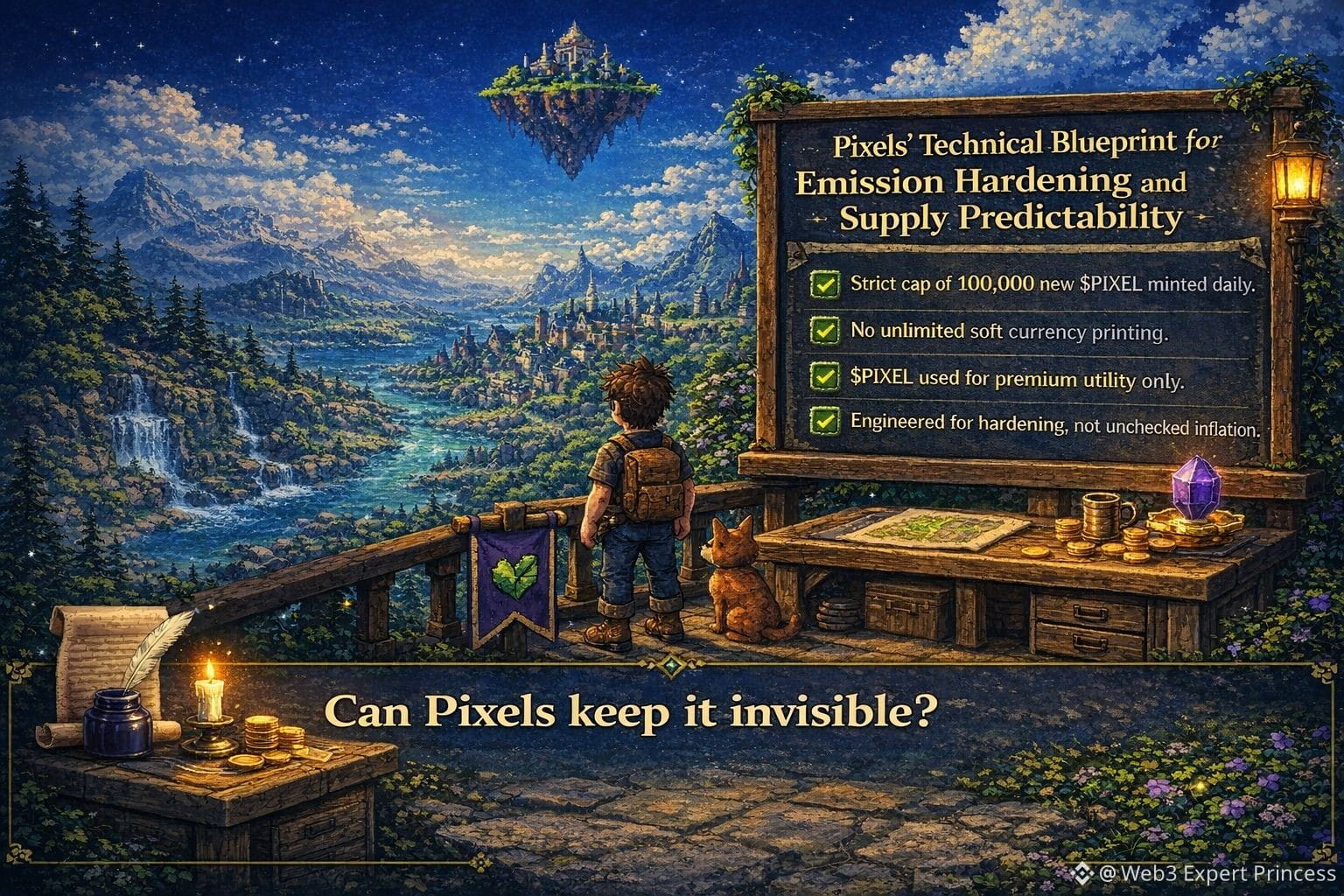
2
213
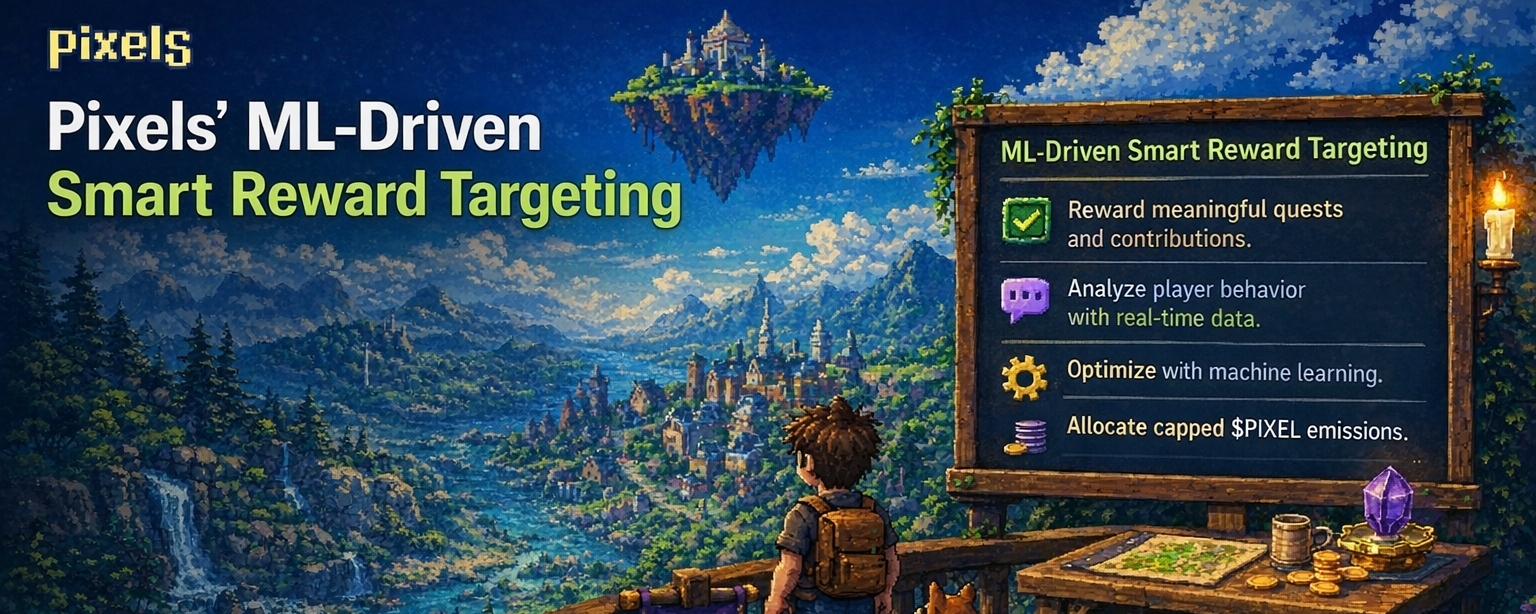
Artikel
Pixels’ ML-gesteuertes Smart Reward TargetingIch habe genug GameFi-Whitepapers gesehen, die intelligentes Anreizmanagement versprechen, während sie heimlich auf grobe Emissionsschemata und allgemeine Multiplikatoren zurückfallen.
Sie skizzieren Belohnungsebenen.
Sie erwähnen die Datensammlung.
Sie behaupten, Verhaltenszielgruppenansprache zu verwenden.
Dann treffen echte Spieleraktionen auf das System, Belohnungen wirken willkürlich, und Engagementmetriken stagnieren wie immer.
Das Whitepaper von Pixels stützt sich auf ein konzeptionell schärferes technisches Fundament.
Es beginnt mit einer einfachen, fast hartnäckigen Annahme: Belohnungen müssen durch großflächige Datenanalyse und maschinelles Lernen verteilt werden, um Aktionen zu identifizieren, die tatsächlich langfristigen Wert für das Ökosystem schaffen, anstatt nur das Volumen roher Aktivitäten. Das Whitepaper beschreibt eine umfassende datengestützte Infrastruktur – ähnlich einem Netzwerk für nächste Generationen von Werbung – das Echtzeit-Spielerdaten, Verhaltensmuster und Beitragssignale nutzt, um Anreize dynamisch zu verteilen. Smart Reward Targeting verwendet ML-Modelle, um Spieleraktionen wie bedeutende Questabschlüsse, von Nutzern generierte Inhaltskreation, konsistente soziale Interaktion und Ressourcenbeiträge, die die allgemeine Gesundheit stärken, zu bewerten und entsprechend die täglichen Pixelemissionen (100.000 neue Token) zu steuern, anstatt passive Farming-Schleifen zu verwenden.
Pixels’ ML-gesteuertes Smart Reward Targeting
Ich habe genug GameFi-Whitepapers gesehen, die intelligentes Anreizmanagement versprechen, während sie heimlich auf grobe Emissionsschemata und allgemeine Multiplikatoren zurückfallen.
Sie skizzieren Belohnungsebenen.
Sie erwähnen die Datensammlung.
Sie behaupten, Verhaltenszielgruppenansprache zu verwenden.
Dann treffen echte Spieleraktionen auf das System, Belohnungen wirken willkürlich, und Engagementmetriken stagnieren wie immer.
Das Whitepaper von Pixels stützt sich auf ein konzeptionell schärferes technisches Fundament.
Es beginnt mit einer einfachen, fast hartnäckigen Annahme: Belohnungen müssen durch großflächige Datenanalyse und maschinelles Lernen verteilt werden, um Aktionen zu identifizieren, die tatsächlich langfristigen Wert für das Ökosystem schaffen, anstatt nur das Volumen roher Aktivitäten. Das Whitepaper beschreibt eine umfassende datengestützte Infrastruktur – ähnlich einem Netzwerk für nächste Generationen von Werbung – das Echtzeit-Spielerdaten, Verhaltensmuster und Beitragssignale nutzt, um Anreize dynamisch zu verteilen. Smart Reward Targeting verwendet ML-Modelle, um Spieleraktionen wie bedeutende Questabschlüsse, von Nutzern generierte Inhaltskreation, konsistente soziale Interaktion und Ressourcenbeiträge, die die allgemeine Gesundheit stärken, zu bewerten und entsprechend die täglichen Pixelemissionen (100.000 neue Token) zu steuern, anstatt passive Farming-Schleifen zu verwenden.
Sie skizzieren Belohnungsebenen.
Sie erwähnen die Datensammlung.
Sie behaupten, Verhaltenszielgruppenansprache zu verwenden.
Dann treffen echte Spieleraktionen auf das System, Belohnungen wirken willkürlich, und Engagementmetriken stagnieren wie immer.
Das Whitepaper von Pixels stützt sich auf ein konzeptionell schärferes technisches Fundament.
Es beginnt mit einer einfachen, fast hartnäckigen Annahme: Belohnungen müssen durch großflächige Datenanalyse und maschinelles Lernen verteilt werden, um Aktionen zu identifizieren, die tatsächlich langfristigen Wert für das Ökosystem schaffen, anstatt nur das Volumen roher Aktivitäten. Das Whitepaper beschreibt eine umfassende datengestützte Infrastruktur – ähnlich einem Netzwerk für nächste Generationen von Werbung – das Echtzeit-Spielerdaten, Verhaltensmuster und Beitragssignale nutzt, um Anreize dynamisch zu verteilen. Smart Reward Targeting verwendet ML-Modelle, um Spieleraktionen wie bedeutende Questabschlüsse, von Nutzern generierte Inhaltskreation, konsistente soziale Interaktion und Ressourcenbeiträge, die die allgemeine Gesundheit stärken, zu bewerten und entsprechend die täglichen Pixelemissionen (100.000 neue Token) zu steuern, anstatt passive Farming-Schleifen zu verwenden.
247
Pixel und das Whitepaper setzt auf gemütliche soziale Schleifen und emotionale Bindung
Ich habe genug GameFi-Whitepapers gesehen, die tiefgreifende soziale Merkmale versprechen und dabei stillschweigend leere Chatboxen und Geisterstädte liefern.
Sie fügen Freundeslisten hinzu.
Sie sprechen davon, Farmen zu besuchen.
Sie behaupten, die Community werde die Leute zurückbringen.
Dann loggt sich die erste Welle aus, die Gespräche versickern, und die virtuelle Welt fühlt sich einsamer an als ein Einzelspieler-Grind.
Das Whitepaper von Pixels stützt sich auf eine konzeptionell schärfere Grundlage.
Es beginnt mit einer einfachen, fast hartnäckigen Annahme: Das Spiel muss emotional gemütlich und sozial belohnend sein, wenn es jemand wie ein zweites Zuhause und nicht als tägliche Pflicht behandeln soll. Der Kernloop dreht sich um entspanntes Farmen, Bauen und Dekorieren in einer Pixel-Art-Welt, die Wärme und Nostalgie hervorrufen soll. Spieler können frei die Farmen von Freunden besuchen, über den Regenbogenweg schlendern und sehen, wie andere ihre Räume mit Dekorationen, Industrien und kreativen Builds personalisiert haben. Soziale Reputation Systeme belohnen konsistente positive Interaktionen, während Gilden sich zu lebhaften wirtschaftlichen und kollaborativen Knotenpunkten entwickeln, wo Spieler sich für größere Projekte oder gemeinsame Ziele zusammenschließen.
Die breitere Ambition geht über das Solo-Ressourcengriegen hinaus. Pixels betont ein lebendiges soziales Gefüge, in dem Grundstücksbesitzer und Anteilseigner sinnvoll interagieren — ein Spieler industrialisiert sein Grundstück, während er andere einlädt, beizutragen, wodurch natürliche Beziehungen durch Handel, Hilfe und gemeinsamen Fortschritt entstehen. Über 100 NFT-Kollektionen dienen als Avatare, die es den Spielern ermöglichen, ihre Identität auszudrücken, indem sie das Pixelversum als vertraute Charaktere durchqueren. LLM-gesteuerte NPCs fügen ungescriptete Gespräche hinzu, die persönlich wirken und Nebengeschichten oder hilfreiche Handelsmöglichkeiten freischalten. Kapitel-Updates werden alle drei bis vier Monate mit neuen sozialen Mechaniken, Teamwettbewerben wie Bountyfall und Funktionen veröffentlicht, die Gruppenspiele fördern, ohne Wettbewerb zu erzwingen.
Fühlst du dich, als wären sie in einem fein abgestimmten sozialen Optimierungsmodell?
@pixels #pixel
{spot}(PIXELUSDT)
$PIXEL $DOGS $BULLA #KelpDAOFacesAttack
Pixel und das Whitepaper setzt auf gemütliche soziale Schleifen und emotionale Bindung
Ich habe genug GameFi-Whitepapers gesehen, die tiefgreifende soziale Merkmale versprechen und dabei stillschweigend leere Chatboxen und Geisterstädte liefern.
Sie fügen Freundeslisten hinzu.
Sie sprechen davon, Farmen zu besuchen.
Sie behaupten, die Community werde die Leute zurückbringen.
Dann loggt sich die erste Welle aus, die Gespräche versickern, und die virtuelle Welt fühlt sich einsamer an als ein Einzelspieler-Grind.
Das Whitepaper von Pixels stützt sich auf eine konzeptionell schärfere Grundlage.
Es beginnt mit einer einfachen, fast hartnäckigen Annahme: Das Spiel muss emotional gemütlich und sozial belohnend sein, wenn es jemand wie ein zweites Zuhause und nicht als tägliche Pflicht behandeln soll. Der Kernloop dreht sich um entspanntes Farmen, Bauen und Dekorieren in einer Pixel-Art-Welt, die Wärme und Nostalgie hervorrufen soll. Spieler können frei die Farmen von Freunden besuchen, über den Regenbogenweg schlendern und sehen, wie andere ihre Räume mit Dekorationen, Industrien und kreativen Builds personalisiert haben. Soziale Reputation Systeme belohnen konsistente positive Interaktionen, während Gilden sich zu lebhaften wirtschaftlichen und kollaborativen Knotenpunkten entwickeln, wo Spieler sich für größere Projekte oder gemeinsame Ziele zusammenschließen.
Die breitere Ambition geht über das Solo-Ressourcengriegen hinaus. Pixels betont ein lebendiges soziales Gefüge, in dem Grundstücksbesitzer und Anteilseigner sinnvoll interagieren — ein Spieler industrialisiert sein Grundstück, während er andere einlädt, beizutragen, wodurch natürliche Beziehungen durch Handel, Hilfe und gemeinsamen Fortschritt entstehen. Über 100 NFT-Kollektionen dienen als Avatare, die es den Spielern ermöglichen, ihre Identität auszudrücken, indem sie das Pixelversum als vertraute Charaktere durchqueren. LLM-gesteuerte NPCs fügen ungescriptete Gespräche hinzu, die persönlich wirken und Nebengeschichten oder hilfreiche Handelsmöglichkeiten freischalten. Kapitel-Updates werden alle drei bis vier Monate mit neuen sozialen Mechaniken, Teamwettbewerben wie Bountyfall und Funktionen veröffentlicht, die Gruppenspiele fördern, ohne Wettbewerb zu erzwingen.
Fühlst du dich, als wären sie in einem fein abgestimmten sozialen Optimierungsmodell?
@Pixels #pixel
$PIXEL $DOGS $BULLA #KelpDAOFacesAttack
Ich habe genug GameFi-Whitepapers gesehen, die tiefgreifende soziale Merkmale versprechen und dabei stillschweigend leere Chatboxen und Geisterstädte liefern.
Sie fügen Freundeslisten hinzu.
Sie sprechen davon, Farmen zu besuchen.
Sie behaupten, die Community werde die Leute zurückbringen.
Dann loggt sich die erste Welle aus, die Gespräche versickern, und die virtuelle Welt fühlt sich einsamer an als ein Einzelspieler-Grind.
Das Whitepaper von Pixels stützt sich auf eine konzeptionell schärfere Grundlage.
Es beginnt mit einer einfachen, fast hartnäckigen Annahme: Das Spiel muss emotional gemütlich und sozial belohnend sein, wenn es jemand wie ein zweites Zuhause und nicht als tägliche Pflicht behandeln soll. Der Kernloop dreht sich um entspanntes Farmen, Bauen und Dekorieren in einer Pixel-Art-Welt, die Wärme und Nostalgie hervorrufen soll. Spieler können frei die Farmen von Freunden besuchen, über den Regenbogenweg schlendern und sehen, wie andere ihre Räume mit Dekorationen, Industrien und kreativen Builds personalisiert haben. Soziale Reputation Systeme belohnen konsistente positive Interaktionen, während Gilden sich zu lebhaften wirtschaftlichen und kollaborativen Knotenpunkten entwickeln, wo Spieler sich für größere Projekte oder gemeinsame Ziele zusammenschließen.
Die breitere Ambition geht über das Solo-Ressourcengriegen hinaus. Pixels betont ein lebendiges soziales Gefüge, in dem Grundstücksbesitzer und Anteilseigner sinnvoll interagieren — ein Spieler industrialisiert sein Grundstück, während er andere einlädt, beizutragen, wodurch natürliche Beziehungen durch Handel, Hilfe und gemeinsamen Fortschritt entstehen. Über 100 NFT-Kollektionen dienen als Avatare, die es den Spielern ermöglichen, ihre Identität auszudrücken, indem sie das Pixelversum als vertraute Charaktere durchqueren. LLM-gesteuerte NPCs fügen ungescriptete Gespräche hinzu, die persönlich wirken und Nebengeschichten oder hilfreiche Handelsmöglichkeiten freischalten. Kapitel-Updates werden alle drei bis vier Monate mit neuen sozialen Mechaniken, Teamwettbewerben wie Bountyfall und Funktionen veröffentlicht, die Gruppenspiele fördern, ohne Wettbewerb zu erzwingen.
Fühlst du dich, als wären sie in einem fein abgestimmten sozialen Optimierungsmodell?
@Pixels #pixel
$PIXEL $DOGS $BULLA #KelpDAOFacesAttack
2
1
69
Anmelden und weiter Inhalte entdecken
Krypto-Nutzer weltweit auf Binance Square kennenlernen
⚡️ Bleib in Sachen Krypto stets am Puls.
💬 Die weltgrößte Kryptobörse vertraut darauf.
👍 Erhalte verlässliche Einblicke von verifizierten Creators.
E-Mail-Adresse/Telefonnummer
Trendthemen
ADAGains10%Above$0.27
415 Aufrufe
37 Kommentare
#ADAGains10%Above$0.27
$ADA WACHT ENDLICH AUF 👀
Cardanos $ADA ist innerhalb von 24 Stunden gerade um 10 % gestiegen und damit zum ersten Mal seit Mai über 0,27 $ geklettert.
Die Bewegung erfolgt, während das Interesse an Cardanos RealFi-Ökosystem und dem bevorstehenden Dijkstra-Skalierungsupgrade wächst.
Nach Monaten mit träger Kursentwicklung ist $ADA plötzlich wieder auf dem Radar der Trader.
#ADA #Cardano #crypto #altcoins
Albertc07
·0 Likes
·81 Aufrufe
ETHUp70%InQ3ButLiquidityFalls
6,853 Aufrufe
183 Kommentare
EthStakingExitQueueHits2026High
3,261 Aufrufe
226 Kommentare