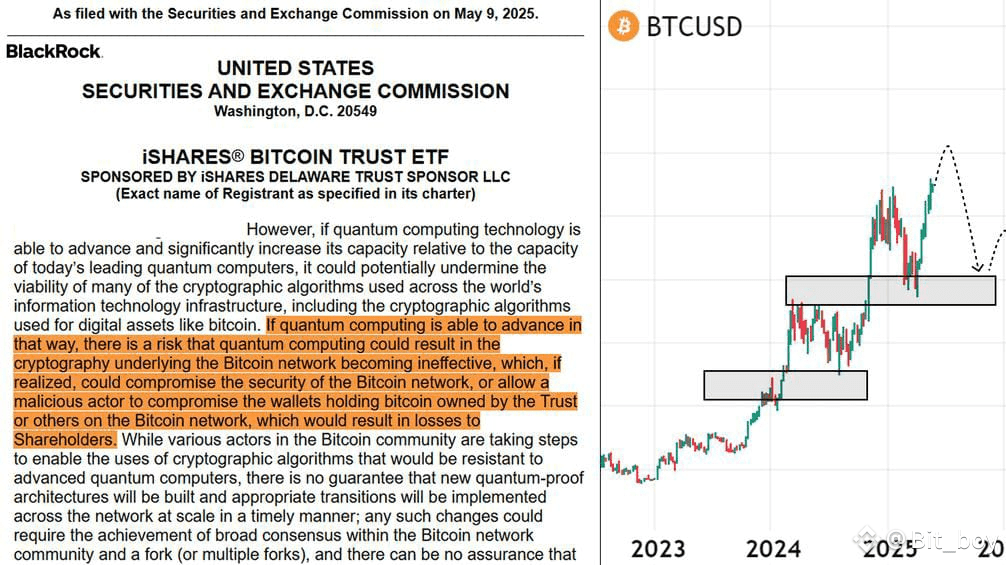
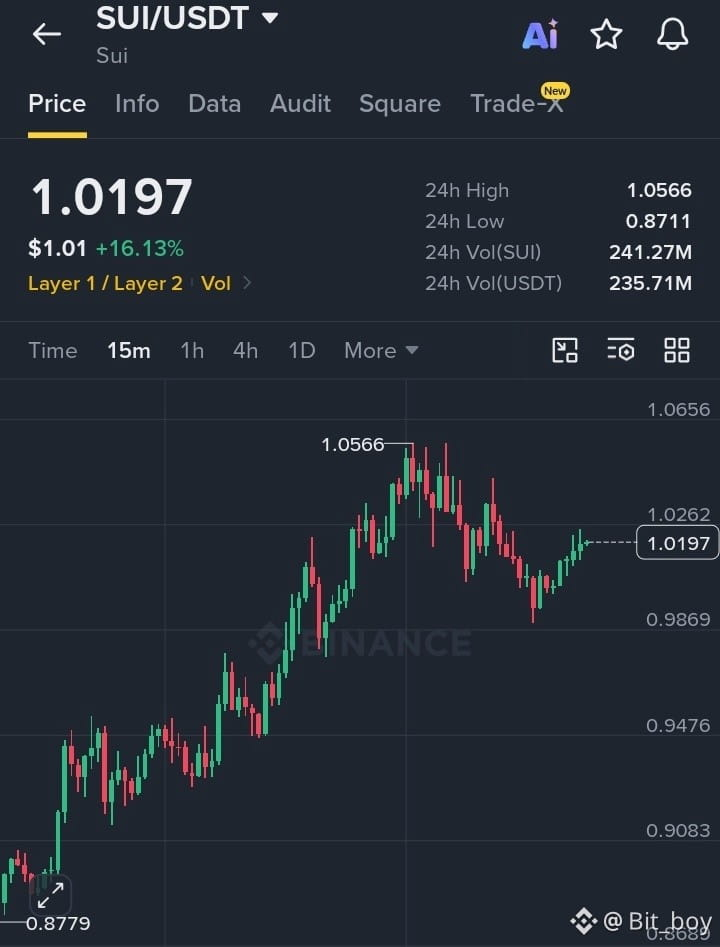
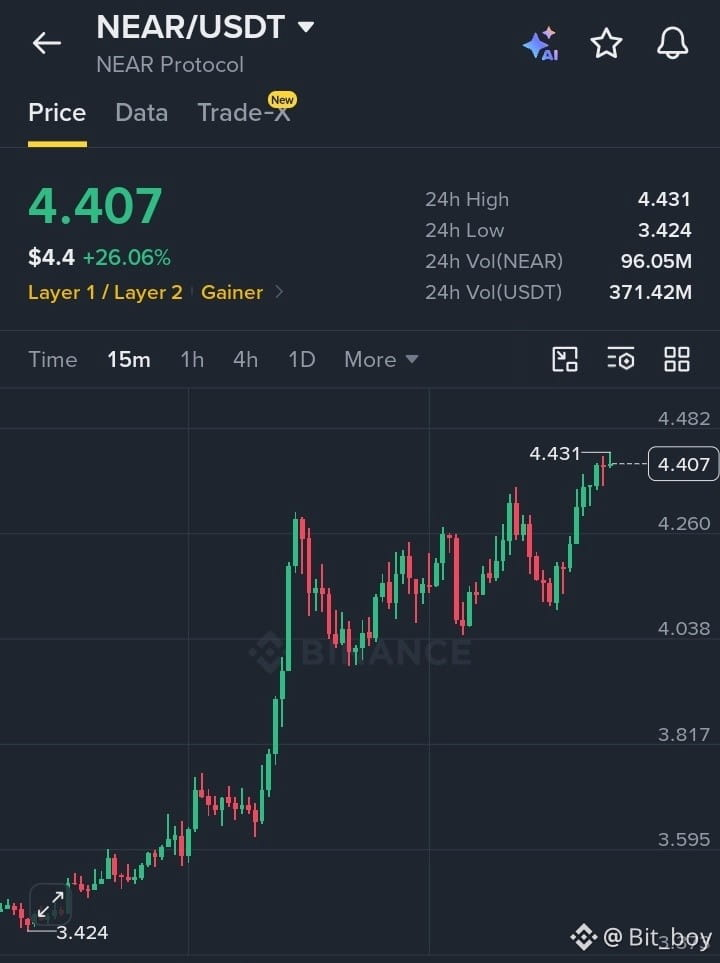
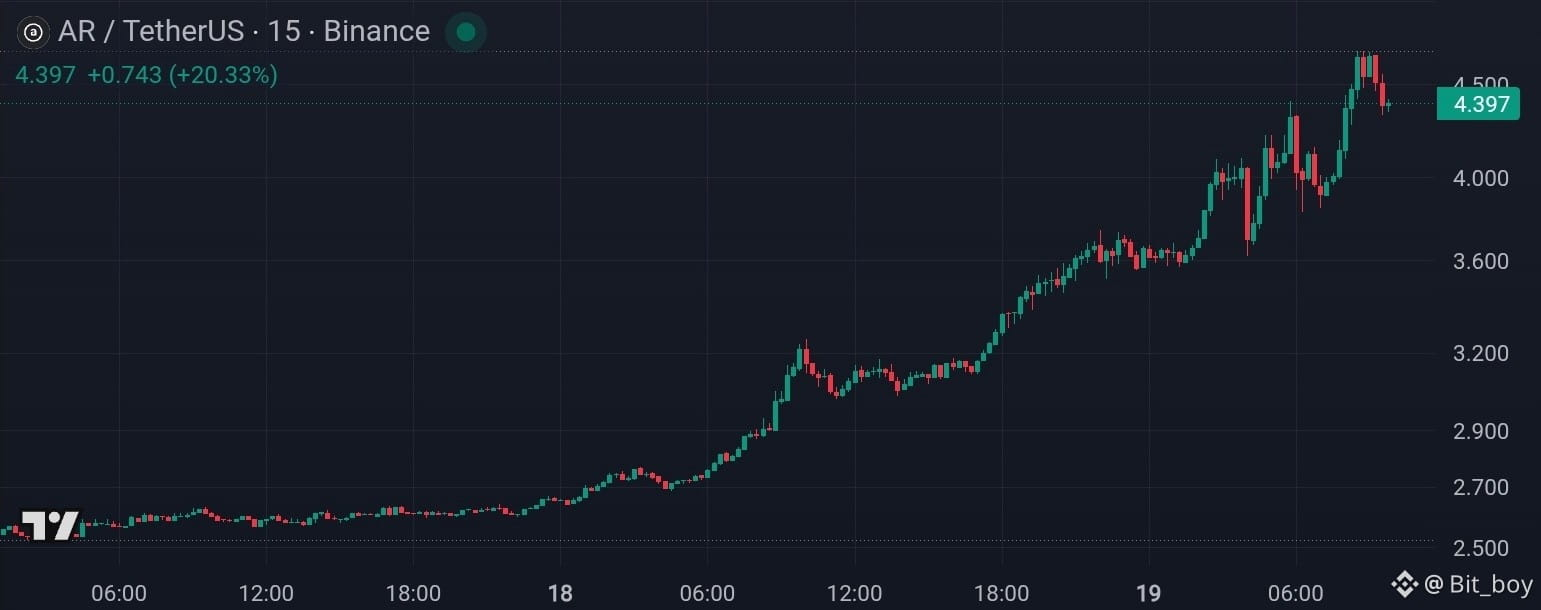
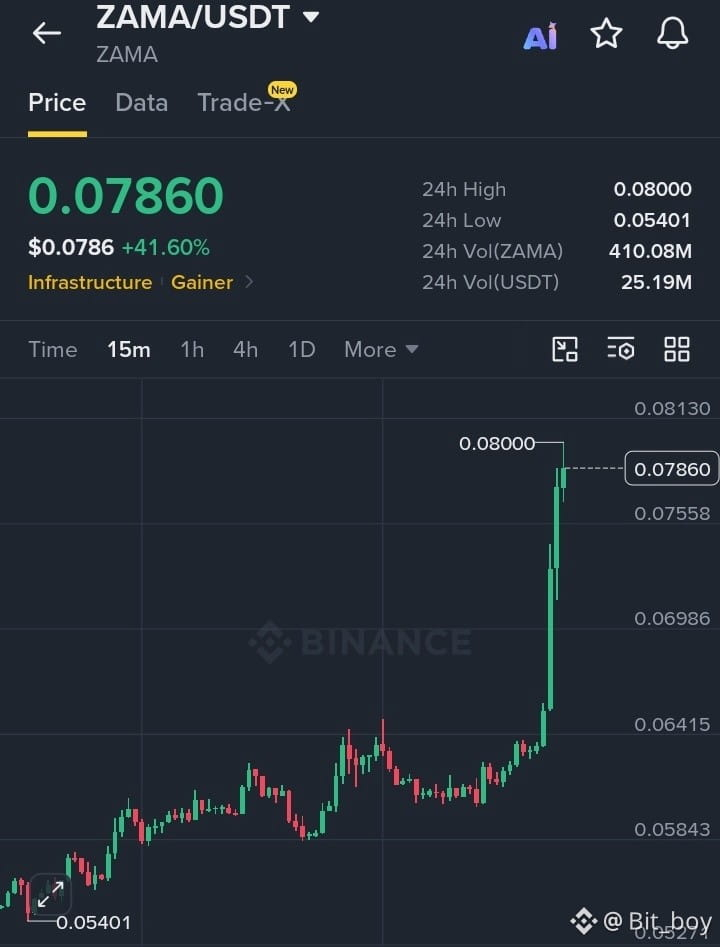
🚨BlackRock: BTC wird kompromittiert und auf $40k abgestoßen!
Die Entwicklung von Quantencomputing könnte das Bitcoin-Netzwerk gefährden Ich habe alle Daten recherchiert und alles darüber gelernt. /➮ Kürzlich hat BlackRock uns vor potenziellen Risiken für das Bitcoin-Netzwerk gewarnt 🕷 Alles aufgrund des schnellen Fortschritts im Bereich der Quantencomputing. 🕷 Ich werde ihren Bericht am Ende hinzufügen - aber lassen Sie uns zunächst aufschlüsseln, was das tatsächlich bedeutet. /➮ Die Sicherheit von Bitcoin basiert auf kryptographischen Algorithmen, hauptsächlich ECDSA 🕷 Es schützt private Schlüssel und gewährleistet die Integrität von Transaktionen
Candlestick-Muster meistern: Der Schlüssel zum monatlichen Gewinn von 1.000 US-Dollar beim Trading_
Candlestick-Muster sind ein leistungsstarkes Werkzeug der technischen Analyse und bieten Einblicke in die Marktstimmung und mögliche Preisbewegungen. Durch das Erkennen und Interpretieren dieser Muster können Händler fundierte Entscheidungen treffen und ihre Erfolgschancen erhöhen. In diesem Artikel untersuchen wir 20 wichtige Candlestick-Muster und bieten einen umfassenden Leitfaden, der Ihnen dabei hilft, Ihre Handelsstrategie zu verbessern und möglicherweise 1.000 US-Dollar pro Monat zu verdienen. Candlestick-Muster verstehen Bevor Sie sich mit den Mustern befassen, müssen Sie die Grundlagen von Candlestick-Charts verstehen. Jede Kerze stellt einen bestimmten Zeitrahmen dar und zeigt die Eröffnungs-, Höchst-, Tiefst- und Schlusskurse an. Der Körper der Kerze zeigt die Preisbewegung, während die Dochte die Höchst- und Tiefstkurse anzeigen.
How Falcon’s USDf Was Backed and Deployed From Dec 16 to Dec 22
I want to share a quick transparency update on how Falcon looked between December 16 and December 22, and where things currently stand. During this period, the total supply of USDf reached about $2.11 billion, while total reserves stood at roughly $2.47 billion. That puts the backing ratio at 117.11%, meaning the system remains comfortably overcollateralized. On the yield side, sUSDf has been generating an APY in the range of about 7.79% to 11.69% for users who are in boosted positions. Looking at what’s actually backing the system, the largest share of reserves is in BTC, sitting at around $1.38 billion. This is followed by MBTC at about $329 million and ENZOBTC at roughly $279 million. ETH makes up around $242 million, with stablecoins contributing about $141 million. In terms of custody, most assets are held in multisig wallets, accounting for just over 92%. Fireblocks holds around 5.6%, and Ceffu holds about 2.3%. As for how reserves are being deployed, about 61% of the strategy allocation is in options. Around 21% is focused on positive funding farming and staking, with the remaining portion spread across arbitrage and volatility-based strategies. As always, the goal here is to stay transparent about how the system is structured, how assets are managed, and how risk is distributed. #FalconFinance $FF @Falcon Finance
Why We Turned APRO Into an Oracle as a Service for Builders
I want to share what we’ve been building at APRO and why it matters. We’ve taken our oracle infrastructure and turned it into something much more practical: an Oracle-as-a-Service model where data feeds are accessed through simple subscriptions. The idea is straightforward. Builders shouldn’t have to run nodes, maintain complex infrastructure, or struggle with custom integrations just to get reliable off-chain data on-chain. We’ve spent a lot of time focusing on prediction markets and similar emerging ecosystems because their data needs are very specific and often underserved. By going deep into those requirements, we were able to design a service that actually fits how these products are built and used. With APRO OaaS, any developer can access off-chain data through an API and bring it on-chain using a subscription model powered by x402 payments. We take care of payments, API keys, access control, and data delivery, so teams can stay focused on building their core product instead of reinventing oracle infrastructure. The foundation is already live. Payments are handled through x402, API keys are generated and distributed automatically, keys can be managed easily, and access is fully subscription-based so you only pay for the data you actually use. What we’re working toward next is an oracle marketplace that feels more like a data API store than a traditional crypto product. You’ll be able to browse available data feeds, read clear documentation, see pricing up front, subscribe in a few clicks, receive your API key, and start using the data immediately. By turning oracle access into a service instead of a complex integration, we’re trying to remove friction for builders and help new on-chain products launch faster. That’s how we think trust should scale, and that’s how ecosystems actually grow. APRO Oracle as a Service is now live on Ethereum, starting with prediction markets and other high-potential verticals. No nodes to run, no infrastructure to manage. Just reliable, multi-source data when you need it. #APRO $AT @APRO Oracle
Warum ich auf Falcon Finance vertraue, um Liquidität zu erschließen, ohne das zu verkaufen, was ich besitze
Als ich zum ersten Mal auf Falcon Finance schaute, wurde mir klar, dass es nicht versucht, auffällig zu sein oder Schlagzeilen zu jagen. Was meine Aufmerksamkeit erregte, war die Frustration dahinter – die, die die meisten von uns leise on-chain verspüren. Ich halte Vermögenswerte, an die ich glaube, aber in dem Moment, in dem ich Liquidität brauche, bin ich gezwungen zu verkaufen. Manchmal zu dem schlechtesten Zeitpunkt. Diese Spannung fühlte sich für mich immer falsch an, und Falcon stellt eine einfache Frage: Warum sollte der Zugriff auf Liquidität den Verzicht auf Eigentum erfordern? Je mehr ich Falcon verstand, desto mehr sah ich, wie es mit Sicherheiten beginnt, nicht mit Erträgen oder Hebel. Es betrachtet die Vermögenswerte, die die Menschen bereits besitzen, und fragt, wie sie genutzt werden können, ohne zerstört zu werden. Im Mittelpunkt dieses Systems steht USDf, ein überbesicherter synthetischer Dollar. Es geht nicht darum, meine Vermögenswerte zu ersetzen; es geht darum, sie freizuschalten. Ich kann Token oder tokenisierte reale Vermögenswerte einzahlen und USDf prägen, ohne verkaufen oder liquidieren zu müssen. Diese kleine Veränderung fühlt sich riesig an, wenn man über Verhalten nachdenkt. Wenn ich meine Position nicht verlassen muss, um auf Kapital zuzugreifen, kann ich länger planen, weniger emotional handeln und Kapital in Schichten arbeiten lassen, anstatt ständig umzustellen.
Warum ich APRO als die Infrastruktur sehe, auf die Blockchain-Systeme leise angewiesen sind
Als ich anfing, auf APRO zu achten, war es nicht, weil es laut oder im Trend war. Es war, weil es immer wieder an Orten auftauchte, an denen die Dinge richtig funktionieren mussten. Ich begann, ein Muster zu bemerken. Wann immer Systeme on-chain ausfielen, lag es fast nie daran, dass die Smart Contracts schlecht geschrieben waren. Es lag daran, dass die Daten, auf die sie angewiesen waren, schwach waren. Späte Aktualisierungen, schlechte Eingaben, manipulierte Datenströme. APRO fühlte sich so an, als existiere es, weil dieses Problem sich weigerte, verschwinden. Ich habe gelernt, dass die meisten Menschen nicht über Orakel nachdenken, bis etwas kaputtgeht. Eine Liquidation erfolgt zu einem falschen Preis. Ein Spiel belohnt das falsche Ergebnis. Ein Protokoll pausiert, weil die Eingaben nicht übereinstimmen. Diese Momente machen mir etwas sehr klar. Blockchains sind streng und deterministisch, aber die Welt, auf die sie sich stützen, ist es nicht. APRO scheint speziell dafür entworfen zu sein, um mit diesem Missverhältnis umzugehen, ohne vorzugeben, dass es ein einfaches Problem ist.
Warum ich denke, dass Kite sich leise auf eine KI-gesteuerte Finanzwelt vorbereitet
Als ich zum ersten Mal auf Kite schaute, sah ich es überhaupt nicht als Zahlungsprojekt. Was meine Aufmerksamkeit erregte, war die Frage dahinter. Ich dachte ständig darüber nach, was passiert, wenn Software nicht mehr darauf wartet, dass Menschen jeden Schritt genehmigen. Wenn KI nicht nur analysiert oder vorschlägt, sondern tatsächlich handelt. Ausgibt. Zahlt. Verhandelt. Dieser Wandel scheint unvermeidlich, und Kite scheint mit dieser Unvermeidlichkeit im Hinterkopf entwickelt worden zu sein. Die meisten Systeme, die wir heute verwenden, gehen immer noch stillschweigend davon aus, dass sich hinter jeder Brieftasche ein Mensch verbirgt. Jemand, der einen Knopf drückt, eine Transaktion signiert, eine Entscheidung trifft. Diese Annahme erscheint fragil, sobald man sich autonome Agenten vorstellt, die mit Maschinen-Geschwindigkeit arbeiten. KI schläft nicht, sie zögert nicht, und sie funktioniert nicht gut in langsamen, menschenzentrierten Arbeitsabläufen. Ich sehe Kite als einen Versuch, diese Lücke zu überbrücken, ohne vorzugeben, dass sie nicht existiert.
How I See APRO Turning Human Language Into On-Chain Truth
When I think about how oracles first showed up in blockchain, I remember how simple the idea was. They were just bridges for numbers. Prices, exchange rates, basic data that smart contracts couldn’t access on their own. That worked for a while, because early DeFi mostly cared about numbers. But as I’ve watched the space grow, it’s become obvious to me that numbers are only a tiny slice of reality. The real world is built on documents, legal language, reports, images, and written decisions. And none of that fits neatly into a price feed. This is where APRO started to feel different to me. Instead of asking how to move more data on-chain, it asks a harder question: how do machines understand the messy, human world well enough to act on it safely? APRO’s AI interpretation layer is its answer to that question. It’s not just about pulling information from outside sources. It’s about turning unstructured human information into something that can be verified, agreed upon, and trusted on-chain. What really clicks for me is the idea that data alone isn’t enough. A PDF contract isn’t useful to a smart contract unless someone or something can understand what it actually says. A regulatory filing isn’t meaningful unless its obligations and conditions can be interpreted correctly. Traditional oracles were never designed for that. They assume the world speaks in clean numbers. APRO assumes the opposite — that the world speaks in language, context, and ambiguity. When I look at how APRO’s AI layer works, I see it less as a data pipe and more as a translator. It takes raw, unstructured inputs like legal documents, reports, images, and text records, and then uses AI to extract meaning from them. Dates, clauses, obligations, thresholds, conditions — the things humans care about when reading a document. This isn’t about scraping text. It’s about understanding what matters inside that text. But what really matters to me is that APRO doesn’t stop at interpretation. AI alone isn’t trustworthy enough, especially when legal and financial consequences are involved. APRO pairs AI interpretation with decentralized verification. After the AI structures the information, independent nodes verify that interpretation and reach consensus before it’s recorded on-chain. That step changes everything. It turns “the AI thinks this is true” into “the network agrees this reflects reality.” This layered approach feels essential when dealing with legal and real-world asset data. Anyone who has ever read a contract knows how easily language can be misunderstood. Two people can read the same clause and come away with different conclusions. APRO’s system reduces that risk by distributing verification across the network. No single interpretation gets to become truth on its own. I find the implications for real-world assets especially compelling. Tokenizing something like real estate isn’t just about assigning it a value. It’s about ownership records, zoning rules, insurance requirements, lease terms, and legal restrictions — all buried in documents. Without interpretation, smart contracts are blind to these realities. APRO’s AI layer gives contracts a way to see and respond to those conditions without relying on manual intervention. When I imagine a decentralized lending protocol using tokenized property as collateral, APRO suddenly makes sense. If a legal condition changes — say a compliance issue or a breached covenant — that information shouldn’t need a human middleman to update the system. APRO’s pipeline can read the relevant documents, extract the facts, verify them, and push them on-chain so the protocol can react automatically. That’s not just efficiency. That’s a new level of trustless automation. The workflow itself feels almost obvious once you see it laid out. First, unstructured data is collected. Then AI processes it, using language understanding and OCR where needed. Next, the information is turned into structured fields that machines can work with. After that, decentralized validators confirm the accuracy. Only then does it become an on-chain fact that smart contracts can rely on. Each step adds clarity and reduces risk. What makes this feel like a paradigm shift to me is that APRO is redefining what an oracle even is. Instead of being a passive messenger, it becomes an interpreter and verifier of reality. It’s no longer just answering “what is the price?” but “what is true according to these documents, and can we prove it?” Of course, I don’t think this path is easy. Human language is messy. Legal wording can be ambiguous. AI can make mistakes. But I respect that APRO isn’t pretending AI is perfect. It’s using AI as a tool, not as an authority. The real authority comes from consensus, cryptographic proof, and transparency. When I zoom out, what APRO is building feels bigger than a single product or use case. It feels like an attempt to create a knowledge layer for blockchains — a way for machines to reason about the same world humans live in. That opens doors to things like automated compliance, decentralized insurance that reads claims, real estate systems that understand deeds, and contracts that respond to real-world events without human arbitration. For me, that’s the real significance of APRO’s AI interpretation layer. It’s not just an upgrade to oracles. It’s a bridge between human meaning and machine certainty. And if Web3 is ever going to interact deeply with law, finance, and real-world systems, that bridge isn’t optional. It’s essential. #APRO $AT @APRO Oracle
Wie ich sehe, dass Falcon Finance USDf in etwas verwandelt, das sich wie echtes Geld anfühlt
Wenn ich an Falcon Finance im Jahr 2025 denke, fällt mir nicht lautstarke Ankündigungen oder trendige DeFi-Slogans auf. Es ist, wie leise und absichtlich das Projekt auf etwas Reales zusteuert. Anstatt einfach einen Stablecoin zu lancieren und Aufmerksamkeit zu erregen, scheint Falcon darauf fokussiert zu sein, wie Geld tatsächlich im Leben der Menschen funktioniert, wie Vertrauen entsteht und wie Finanzsysteme im Laufe der Zeit Glaubwürdigkeit gewinnen. Das ist die Perspektive, die ich am interessantesten finde, denn sie verbindet Code mit menschlichem Verhalten und nicht nur mit Spekulation.
How I See Kite Evolving Into the Economic Backbone of the Agentic Internet
When I look at how Kite has evolved recently, it feels very different from the way it was first talked about. Early on, the simple explanation was that Kite was a blockchain where AI agents could pay each other. That idea still exists, but it no longer captures what the project is really trying to do. What I see now is Kite positioning itself as a foundational economic layer for an emerging agent-driven internet, one that is meant to work across chains, standards, and even the traditional web. The core problem Kite seems to be addressing is that almost all of our existing financial and identity systems were built with humans in mind. They assume that someone is clicking buttons, approving transactions, and acting at a relatively slow pace. Autonomous agents don’t work like that. They operate continuously, they make decisions on their own, and they need infrastructure that can keep up without constant human supervision. From my perspective, Kite is trying to close that gap by combining cryptographic identity, programmable governance, and stablecoin settlement into a system that machines can actually use safely. What really stood out to me in recent months is Kite’s deep alignment with the x402 payment standard. Turning the old “402 Payment Required” HTTP status into something agents can understand and act on feels like a very practical move. Instead of inventing a completely new interface that developers have to learn from scratch, Kite is leaning into familiar web standards and extending them for machine-to-machine payments. That choice alone tells me this project is thinking beyond crypto-native users and toward broader adoption. The involvement of Coinbase Ventures also changed how I interpret Kite’s trajectory. This doesn’t feel like a speculative bet on a trendy AI narrative. It looks more like an endorsement of a long-term thesis around agentic commerce and standardized machine payments. When I read the rationale behind the investment, the emphasis on programmable trust, autonomous systems, and scalable settlement made it clear that Kite is being treated as infrastructure, not an experiment. Payments, however, are only one part of the picture. The more I dig into Kite, the more I think identity and governance are actually the real backbone of the system. Instead of treating wallets as anonymous keys, Kite frames agents as identifiable entities with defined permissions, constraints, and accountability. That matters a lot if agents are going to act on behalf of users or organizations in real economic contexts. I don’t see how large-scale agent commerce can exist without some form of verifiable identity and clear authority boundaries, and Kite seems to recognize that from the ground up. This focus on identity also aligns with what I’ve been seeing in academic and research discussions around multi-agent systems. There’s a growing consensus that autonomous agents need verifiable identities and standardized payment intents to safely discover and transact with each other. Kite’s approach doesn’t feel theoretical in that sense; it feels like a practical implementation of ideas that are already gaining traction in research circles. Another development that caught my attention is Kite’s move toward cross-chain functionality. The partnership with Pieverse and expansion into ecosystems like BNB Chain suggest that Kite doesn’t see itself as a closed world. Agents don’t live on a single network, and pretending they do would only limit adoption. By allowing identities and payment logic to move across chains, Kite is acknowledging the messy, multi-network reality of today’s blockchain landscape and designing around it instead of fighting it. The push toward gasless micropayments is also something I find especially important. If agents are going to pay per inference, per API call, or per data request, the economics have to support extremely small, frequent transactions. High fees or complex signing flows would kill that model instantly. Kite’s adoption of x402b and stablecoin-based, gasless settlement feels like a necessary step if agent economies are ever going to feel natural rather than forced. What I also appreciate is the emphasis on auditability. Autonomous systems don’t remove the need for accountability; they increase it. If an agent spends funds, accesses data, or triggers actions, there needs to be a clear and verifiable record of what happened. Built-in audit trails turn these activities into something that can be reviewed, governed, and trusted, especially by enterprises and institutions. On a deeper level, Kite’s work around Proof of Attributed Intelligence is intriguing to me. It suggests a future where networks don’t just process transactions but also recognize and attribute meaningful contributions made by agents and services. If done right, that could create an economy where value is more accurately measured and rewarded, rather than one that relies on constant incentives or speculation. I don’t think market activity alone defines success, but seeing KITE listed and actively traded on major exchanges does signal that people are paying attention. Combined with backing from firms like PayPal Ventures, General Catalyst, and Coinbase Ventures, it reinforces the idea that Kite’s vision is being taken seriously by actors who care about long-term infrastructure. What ties all of this together for me is Kite’s alignment with standards and regulatory realities. By leaning into open protocols, stablecoins, identity frameworks, and auditable systems, Kite feels better positioned for a future where autonomous agents operate in regulated, real-world environments. That’s not a popular angle in hype-driven crypto narratives, but it’s probably a necessary one. When I step back and look at the bigger picture, Kite doesn’t feel like it’s trying to win attention with bold slogans. It feels like it’s quietly laying down the plumbing for an economy where agents can transact, negotiate, and operate safely at scale. If autonomous agents are going to become a real part of the digital economy, they will need infrastructure that is interoperable, verifiable, and trusted. From what I see so far, Kite is aiming to be exactly that layer. $KITE #KITE #Kite @KITE AI
How I See APRO Bridging Real-World Truth With On-Chain Logic
When I think about blockchain and crypto, I don’t really start with tokens or charts anymore. What interests me more is the deeper shift happening underneath — the idea that real things from the physical world are slowly moving on-chain in a way that actually makes sense. That’s what people mean when they talk about real-world assets. These aren’t abstract ideas. They’re houses, bonds, private loans, commodities, insurance claims, contracts — the kinds of assets people already understand and rely on every day. Tokenizing them isn’t just about putting a label on something and calling it crypto. It’s about creating a system where real value can exist inside programmable, transparent networks. What I’ve realized is that the hardest part of this transition isn’t creating the token. That part is relatively easy. The real challenge is making sure that the token is tied to reality in a way that can be trusted. If a token represents a piece of real estate, how do we know the ownership is legitimate? How do we know the valuation is current, that there are no legal disputes, that insurance is active, or that compliance requirements are being met? Without answers to those questions, a token is just a symbol with no real weight behind it. This is where oracles start to matter a lot more than people usually think. Blockchains can’t see the real world on their own. They need systems that bring real information on-chain so smart contracts can act on it. In the past, most oracles were designed for a very narrow job — reporting prices. That worked well when the main use case was trading. But real-world assets don’t live in a world of simple numbers. They live in documents, filings, legal language, images, reports, and records that are messy and unstructured. When I first looked into APRO’s approach to RWAs, what stood out to me was that they don’t treat data as just a number to be passed along. They treat it as meaning. Real-world assets depend on context, evidence, and verification. APRO’s system is built to ingest raw information — things like contracts, websites, PDFs, and records — and actually process them using intelligence before anything touches the blockchain. Instead of blindly pushing data forward, it checks sources, looks for inconsistencies, extracts what matters, and builds a record that can be verified. To me, that feels much closer to how humans make decisions in the real world. If I’m deciding whether to buy a property or approve a loan, I don’t just look at a price. I look at documents, ownership records, legal conditions, and risk factors. APRO is trying to bring that same kind of reasoning into automated systems, so smart contracts aren’t acting on incomplete or misleading information. I keep thinking about how important this becomes once real estate, private credit, or corporate assets start being used as collateral on-chain. A lending protocol shouldn’t just know what something is worth today. It should know whether the asset actually exists, whether it’s legally owned by the person using it, and whether anything has changed that affects its value or status. Traditional oracles can’t really handle that level of nuance. APRO’s design, which separates intelligent data processing from on-chain verification, feels like a practical way to bridge that gap. What makes this even more interesting is how fast the RWA space is growing. This isn’t just an experiment anymore. Institutions are paying attention, regulations are slowly adapting, and entire asset classes are starting to move on-chain. The promise is huge — better liquidity, fractional ownership, more transparency, and broader access. But all of that only works if the data behind these tokens is trustworthy. Without that, automation becomes dangerous instead of efficient. I also find it compelling how this connects to the rise of AI agents and automated financial systems. As more decisions are handled by software instead of humans, the quality of the data becomes everything. Machines can’t rely on intuition. They need verified facts. APRO’s focus on turning complex, real-world information into structured, accountable on-chain truth makes it possible for these systems to operate safely. The more I think about it, the clearer it becomes that RWAs aren’t really about hype or narratives. They’re about trust. They’re about making sure that when a smart contract executes, it’s doing so based on reality, not assumptions. That’s why the oracle layer matters so much, and why APRO’s approach feels different from the older generation of price feeds. What excites me most is the broader impact. Tokenized real-world assets can open markets that were previously closed off to most people. They can make ownership more transparent and reduce reliance on intermediaries. But that future only works if the information behind those assets is constantly verifiable and grounded in real evidence. APRO’s RWA Oracle feels like an attempt to build that foundation — a layer of truth that decentralized systems can actually rely on. In the end, bringing real assets on-chain isn’t just about finance. It’s about creating systems that people can trust without needing to blindly trust institutions. And that trust starts with data that reflects the real world accurately. That’s why, when I think about RWAs and where this space is heading, I see APRO’s role as a quiet but essential piece of the puzzle — turning reality into something blockchains can understand and act on. #APRO $AT @APRO Oracle
How I See Falcon Finance Turning USDf Into Something People Can Actually Use
When I look at what Falcon Finance is building, what really stands out to me is how focused it is on making digital money feel usable in real life. For years, I’ve heard people in crypto talk about stablecoins as “global money,” but in practice, most of them stayed trapped inside exchanges, wallets, or DeFi platforms. They rarely crossed into the everyday world where people actually pay bills, send money home, or protect their savings. Falcon’s global fiat corridor strategy feels different because it’s clearly trying to close that gap instead of ignoring it. The idea itself is straightforward when I think about it as a user. If a digital dollar is supposed to matter, I should be able to move it into my local currency and back without friction. I shouldn’t feel like it only exists on a screen inside an app. Falcon’s plan to build fiat on- and off-ramps in regions like Latin America, Turkey, MENA, Europe, and the US makes USDf feel less like a crypto instrument and more like a bridge between systems. It’s not about speculation for me — it’s about optionality. Having the choice to move value freely matters a lot, especially in places where traditional banking is slow, expensive, or unreliable. What really made me pause was the physical gold redemption option, starting in the UAE. At first glance, it sounds almost symbolic, but the more I think about it, the more sense it makes. Gold is something people across cultures understand and trust instinctively. Being able to convert a digital dollar into physical gold gives USDf a kind of emotional grounding. It makes the asset feel tangible, not abstract. For people who don’t fully trust banks or digital systems, that connection can change how they perceive onchain money entirely. When I zoom out and look at the global financial system, it’s obvious how outdated a lot of it still is. Money doesn’t really move at internet speed. Banks close on weekends, cross-border transfers take days, and fees quietly eat away at value. Falcon’s approach feels like an attempt to fix that mismatch. By allowing USDf to move onchain instantly and then exit into local fiat where needed, it creates a flow of value that doesn’t depend on office hours or legacy intermediaries. To me, that’s not just a crypto upgrade — it’s a quality-of-life improvement for anyone who lives across borders, sends remittances, or earns income internationally. There’s also a psychological element here that I don’t think gets talked about enough. Money works because people believe in it. USDf seems designed for people who want exposure to dollar stability but don’t have easy access to dollars themselves. I can imagine someone dealing with inflation or currency controls choosing to hold USDf as a buffer, converting it into local currency only when necessary. That’s not a trading strategy — that’s everyday financial behavior. What I appreciate is that Falcon doesn’t present USDf as just another yield-generating token. It’s positioned as a practical tool. The fiat corridor strategy asks a very human question: how do people actually want to move money? Not how do they maximize APY, but how do they send, receive, store, and convert value without stress. That framing alone makes it feel more grounded than most crypto narratives I’ve seen. Of course, I’m not under the illusion that this is easy to build. Connecting onchain systems to real-world money requires compliance, partnerships, regulation, and patience. Falcon’s roadmap acknowledges that, especially with its multi-year outlook that includes institutional products and real-world asset integration. That signals to me that this isn’t a short-term hype cycle project. It feels like something designed to mature slowly, alongside real adoption. I also think about trust. When people encounter stablecoins, their first questions are usually simple: can I get real money out, and will it still be there when I need it? Falcon’s fiat rails, gold redemption, and institutional alignment all feel like direct answers to those doubts. They’re not flashy features — they’re reassurance mechanisms. And in finance, reassurance is powerful. If Falcon’s corridors work as intended, the impact on cross-border liquidity could be significant. Instead of navigating remittance services, someone could move value through USDf instantly and settle locally with more transparency and lower costs. For individuals, freelancers, and small businesses, that kind of efficiency isn’t marginal — it’s transformative. It changes how people plan, save, and transact. I also see how this could shift behavior over time. When moving money becomes easier, people stop hoarding cash out of fear and start deploying it where it’s needed. A system that lets value move freely encourages participation instead of hesitation. That’s a subtle shift, but one that can reshape how people relate to money. To me, the most important thing is that Falcon doesn’t seem to be positioning itself against the real world. It’s not trying to replace everything overnight or operate in isolation. Instead, it’s trying to connect systems — digital and traditional — in a way that respects how people already live and work. That bridge-building mindset matters, especially as regulations and institutions slowly come into the picture. In the end, Falcon’s global fiat corridor strategy feels less like a crypto feature and more like financial infrastructure in the making. It’s about making synthetic dollars usable beyond screens and protocols. If it succeeds, it won’t just matter to crypto users. It will matter to people who simply want their money to move, hold value, and make sense in real life. #FalconFinance $FF @Falcon Finance
How Kite’s Economic Design Changed the Way I Look at AI-Driven Crypto Systems
When I think about Kite, I no longer see it simply as an AI payment blockchain. That description is accurate, but it misses the deeper point. What Kite seems to be doing is far more ambitious — it’s trying to design an economic system that can actually survive in a world where autonomous agents move money, make decisions, and interact faster than humans ever could. That immediately changes the stakes. This isn’t just about throughput or fees. It’s about discipline, rules, and incentives that don’t collapse the moment speculation shows up. As I’ve spent time reading Kite’s documentation and tokenomics updates, I’ve realized that KITE doesn’t feel like a typical crypto token at all. It feels closer to an economic policy tool. In a normal crypto setup, tokens are framed as “utility” or “governance,” but here the framing is different. KITE is being positioned as the mechanism that shapes behavior inside an agent-driven economy — where software pays software, and humans step back into a supervisory role rather than micromanaging every transaction. What really caught my attention was how Kite treats commitment. Builders who want to activate modules aren’t just encouraged to participate — they’re required to lock KITE into permanent liquidity pools alongside their module tokens, and those positions can’t be withdrawn while the module is active. When I first read that, it felt unusually strict by crypto standards. But the more I thought about it, the more it made sense. This isn’t about clever token mechanics. It’s about forcing long-term responsibility. Autonomous agents don’t hesitate. They don’t second-guess. If incentives are loose, they can extract value at a pace no human system can control. Kite seems deeply aware of this risk. Identity systems and spending limits help, but they don’t solve the economic problem on their own. An ecosystem still falls apart if builders can farm rewards quickly and disappear, or if liquidity dries up the moment sentiment turns. That’s why I keep coming back to the idea that KITE functions more like commitment collateral than a speculative asset. If you want access to opportunity inside the ecosystem, you have to lock value in place. You can’t just show up, extract, and leave. That single design choice changes the entire psychology of participation. It tells builders that stability matters more than speed. I also find Kite’s modular worldview important here. This isn’t an app chain where everything is tightly controlled. It’s an ecosystem of modules — specialized services that agents rely on. In that kind of system, the biggest danger is extractive choke points. A powerful module with shallow liquidity or short-term incentives can destabilize everything around it. By forcing module owners to provide and lock liquidity, Kite is trying to prevent that fragility from ever forming. What stands out to me is how different this feels from governance theater. So many projects talk about voting, but the votes don’t enforce anything meaningful. Kite’s design ties economic access directly to economic responsibility. Even if someone doesn’t care about governance at all, they’re still forced to behave responsibly because the system demands it. That’s not ideology — that’s structure. The phased rollout of token utility reinforces this impression. Instead of turning everything on at once, Kite is clearly pacing itself. Early phases focus on ecosystem participation and incentives, with staking and deeper governance coming later. To me, that signals restraint. It suggests the team understands that premature complexity can do more harm than good. Distribution also seems designed with an ecosystem mindset rather than a quick launch mentality. A large allocation toward community and ecosystem only works if it’s paired with constraints that prevent pure farming. The module liquidity requirement acts as that counterweight. It allows distribution while still demanding commitment. I also see Kite’s testnet activity and NFT snapshot as part of this broader discipline story. The Ozone testnet and “FLY THE KITE” NFT aren’t just collectibles. They tie early participation to future governance influence and staking access. That’s a way of shaping who gets a voice later — not randomly, but based on engagement. It feels like Kite is carefully building a contributor base before handing over too much control. Even the token launch itself felt like a stress test rather than a victory lap. High trading volume and immediate price discovery can break weak designs. Kite seems to be entering that phase knowing speculation will happen, but betting that its economic structure can channel that attention into something more durable. That’s not guaranteed — but at least the design acknowledges reality instead of pretending speculation doesn’t exist. Liquidity, in this context, stops being just a trader concern. In an agent economy, liquidity is operational infrastructure. If services and modules aren’t liquid, pricing becomes distorted and trust erodes. Kite’s decision to make liquidity a prerequisite for participation feels like an admission that markets only work when exits are fair and entry isn’t fragile. What ties all of this together for me is the idea of a “receipt economy.” Kite isn’t just about moving money. It’s about verifying that something actually happened. Escrowed execution, service-level guarantees, and auditable outcomes matter deeply when agents are involved. Value isn’t just in the payment — it’s in the enforcement of agreements. If Kite becomes a place where those receipts are created and verified, then token value capture becomes more meaningful than simple fees. I also can’t separate tokenomics from identity here. Kite’s layered identity model limits damage when things go wrong. That reduces systemic risk. Lower systemic risk makes long-term participation more attractive. In that sense, identity and tokenomics aren’t separate systems — they reinforce each other. When people ask me what progress Kite has really made, I don’t think in terms of feature checklists. I think in terms of market structure. The token is public. Liquidity commitments are enforced. Governance bridges are being tested. The economy is open, messy, and real. That’s the hardest phase for any project. What resonates with me most, though, is emotional. People want automation. They want agents to handle complexity. But they don’t want regret. They don’t want to wake up to chaos. Kite’s technical controls reduce risk at the agent level, but its tokenomics reduce risk at the ecosystem level. That combination feels rare. The big unanswered question, of course, is whether Kite can move from emissions-driven growth to real revenue from agent commerce. If fees, settlements, and service flows become meaningful, then KITE truly starts to look like a policy asset rather than a subsidy tool. That’s the long game. In the end, what excites me about Kite isn’t any single feature. It’s the economic architecture. It feels like a project that understands how fragile agent economies can be and is actively trying to design rules that make them resilient. Not perfect. Not hype-proof. But disciplined. And in a future where machines move money faster than humans ever could, discipline might be the most important feature of all. #Kite $KITE #KITE @KITE AI
Warum APRO nur Sinn macht, nachdem Sie gesehen haben, wie Krypto bricht
Wenn ich APRO anschaue, denke ich zunächst nicht an etwas Aufregendes. Es fühlt sich tatsächlich ruhig an, fast leicht zu übersehen. Aber je mehr Zeit ich mit Krypto verbringe, desto mehr erkenne ich, dass die Dinge, die alles zusammenhalten, selten die lauten sind. APRO begann für mich Sinn zu machen, als ich verstand, wie zerbrechlich dieser gesamte Bereich wirklich ist. Eine falsche Nummer, ein verzögerter Update, ein manipuliertes Feed, und alles, was darauf aufgebaut ist, kann zusammenbrechen. Das ist das Problem, auf das sich APRO konzentriert. Ich sehe APRO als die Art von Projekt, die man erst schätzt, nachdem man gesehen hat, wie Dinge brechen. DeFi-Protokolle, die scheitern, Benutzer, die unfair liquidiert werden, Märkte, die sich in Weisen verhalten, die keinen Sinn ergeben. Die meiste Zeit ist die Wurzel des Problems schlechte Daten. APRO existiert, um dieses Risiko zu reduzieren. Es versucht nicht, die Zukunft zu versprechen. Es versucht, die Gegenwart zu schützen.
Warum Falcon Finance sich wie eine ruhige Lösung für ein sehr reales Krypto-Problem anfühlt
Wenn ich an Falcon Finance denke, fällt mir auf, wie ruhig es im Vergleich zu den meisten DeFi-Projekten ist. Es versucht nicht, laut auf sich aufmerksam zu machen oder Hype zu erzeugen. Stattdessen fühlt es sich stabil an, wie etwas, das mit Geduld und Absicht geschaffen wurde. Je mehr ich mich damit beschäftige, desto mehr habe ich das Gefühl, dass Falcon ein Problem anspricht, mit dem viele von uns konfrontiert sind, aber selten ehrlich darüber sprechen. Ich halte bestimmte Vermögenswerte, weil ich langfristig an sie glaube. Sie sind für mich nicht nur Zahlen auf einem Bildschirm. Sie repräsentieren Überzeugung, Zeit und Geduld. Aber das echte Leben pausiert nicht nur, weil ich halte. Manchmal brauche ich Liquidität. Manchmal ergibt sich eine Gelegenheit. Manchmal ist Stabilität wichtiger als Exposition. In diesen Momenten fühlt sich der Verkauf falsch an. Es bricht den Plan, dem ich mich verpflichtet habe. Falcon ist eines der wenigen Protokolle, die dieses Spannungsverhältnis wirklich verstehen.
Warum die Nutzung von Kite sich anfühlt, als hätte man einen persönlichen Führer in Web3
Als ich zum ersten Mal auf Kite stieß, dachte ich ehrlich, es wäre nur ein weiteres Projekt, das das KI-Label verwendet, um relevant zu erscheinen. Krypto ist voller Werkzeuge, die Intelligenz versprechen, aber die Menschen, die sie nutzen, nicht wirklich verstehen. Kite fühlte sich für mich anders an, als ich anfing, Zeit mit ihm zu verbringen. Es versuchte nicht, mich mit auffälligen Funktionen zu beeindrucken. Es wollte verstehen, wie ich mich durch Web3 bewege. Was mir schnell auffiel, war, wie persönlich sich die Erfahrung anfühlte. Während ich Tokens, Narrative und Ökosysteme erkundete, schien Kite Muster zu erkennen, die ich nicht bewusst selbst verfolgte. Es achtete darauf, wonach ich suchte, wo ich Zeit verbrachte und welche Art von Möglichkeiten mir ins Auge fielen. Mit der Zeit begannen die Erkenntnisse, mehr mit meiner tatsächlichen Denkweise übereinzustimmen, nicht nur mit dem, was der Markt für wichtig hält. Diese subtile Anpassung ließ mich erkennen, dass Kite nicht nur auf Daten reagiert, sondern Verhaltensweisen lernt.
Ich habe APRO erkundet und warum es sich wie der nächste Schritt für intelligentere DeFi und reale Vermögenswerte anfühlt.
Ich habe etwas Zeit damit verbracht, APRO zu untersuchen, und was mir auffällt, ist, wie es die Art und Weise verändert, wie Smart Contracts mit der realen Welt interagieren. Die meisten DeFi-Systeme sind heute reaktiv – sie warten darauf, dass Daten ankommen, nachdem bereits etwas passiert ist. APRO fühlt sich anders an. Es ist so konzipiert, dass es Smart Contracts eine Art vorausschauendes Bewusstsein verleiht, damit sie sich anpassen können, während sich die Märkte ändern, anstatt nachträglich zu reagieren. In schnelllebigen DeFi- und realen Vermögensmärkten ist dieser Unterschied wirklich wichtig. Im Kern ist APRO ein dezentrales Orakelnetzwerk, aber die Art und Weise, wie es gestaltet ist, lässt es mehr wie eine Infrastruktur erscheinen als nur einen weiteren Datenfeed. Es verwendet eine zweilagige Struktur. Außerhalb der Kette werden Daten aus einer Vielzahl von Quellen gesammelt – Markt-APIs, externe Systeme, sogar Sensoren – und von Knoten verarbeitet, sodass sie effizient gereinigt und strukturiert werden. Diese Daten bewegen sich dann on-chain, wo Validatoren sie mit kryptografischen Nachweisen sichern. Sobald sie dort sind, sind sie manipulationssicher und überprüfbar. Das Ergebnis ist ein System, das einzelne Ausfallpunkte vermeidet und mehr als 40 Blockchains unterstützt, was besonders nützlich für jeden ist, der cross-chain oder innerhalb von Ökosystemen wie Binance entwickelt.
Warum Falcon Finance Krypto endlich für mich ausgabefähig gemacht hat
Ich mochte schon immer die Idee hinter Krypto – Freiheit von Banken, Grenzen und unnötigem Reibungsverlust – aber in der Praxis bleibt es oft hinter den Erwartungen zurück. Die meiste Zeit sitzt Krypto einfach in Wallets oder an Börsen, eher wie etwas, das man hält und spekuliert, als etwas, das man tatsächlich nutzt. Diese Kluft zwischen dem Versprechen und der Realität ist es, was Falcon Finance für mich herausstechen ließ. Was Falcon tut, fühlt sich praktisch an. Durch die Integration von USDf und dem FF-Token mit AEON Pay verbindet es Krypto direkt mit über 50 Millionen Händlern auf der ganzen Welt. Das ist nicht nur ein weiteres Feature für das Marketing – es ist echte Infrastruktur. Das bedeutet, dass ich nicht jedes Mal in Fiat umtauschen muss, wenn ich ausgeben möchte. Krypto kann direkt aus dem Ökosystem in echte Käufe fließen, egal ob beim Online-Shopping oder bei alltäglichen Dienstleistungen.
Mein Eindruck von Kite und warum es in einer KI-gesteuerten Blockchain-Zukunft Sinn macht
Als ich zum ersten Mal in Kite hineinschaute, sah ich es nicht nur als ein weiteres Layer 1 oder ein weiteres Projekt, das einem trendigen Narrativ folgt. Was meine Aufmerksamkeit erregte, war die Frage, die es leise zu beantworten versuchte. Nicht wie schnell es ist oder wie groß sein Ökosystem werden könnte, sondern etwas viel Grundlegenderes: Was passiert, wenn KI-Agenten echte wirtschaftliche Teilnehmer werden? Ich spreche nicht von Assistenten oder Chatbots, die Menschen helfen. Ich meine autonome Agenten, die bezahlen, Werte empfangen, Entscheidungen treffen und kontinuierlich ohne menschliche Eingabe arbeiten können. Die meisten Blockchains heute wurden für Menschen gebaut – Händler, Benutzer, Entwickler, die Knöpfe drücken und Transaktionen unterzeichnen. Sie wurden niemals für eine Welt entworfen, in der Software selbst der primäre wirtschaftliche Akteur wird. Kite fühlt sich an, als wäre es.
APRO Oracle: Bringt echte Intelligenz zu Blockchains und KI
Ich habe mich mit APRO beschäftigt, und ehrlich gesagt fühlt es sich wie der nächste Schritt an, wie Blockchains und KI-Systeme vertrauenswürdige Echtzeitdaten erhalten können. Im Kern sammelt APRO Informationen aus allen möglichen Off-Chain-Quellen, führt Überprüfungen und intelligente Filter durch und veröffentlicht dann verifizierte Antworten on-chain, sodass Smart Contracts und Apps tatsächlich auf sie vertrauen können. Das bedeutet, dass DeFi-Plattformen, Gaming-Projekte, NFT-Drops, KI-Agenten und sogar tokenisierte reale Vermögenssysteme Entscheidungen auf der Grundlage von Fakten und nicht von Vermutungen treffen können.
Melde dich an, um weitere Inhalte zu entdecken
Bleib immer am Ball mit den neuesten Nachrichten aus der Kryptowelt
⚡️ Beteilige dich an aktuellen Diskussionen rund um Kryptothemen
💬 Interagiere mit deinen bevorzugten Content-Erstellern