
Crypto News Pro Alerts
236 Beiträge

Crypto News Pro Alerts
Melden
Nutzer blockieren
Trade eröffnen

RAY Halter
Hochfrequenz-Trader
5.4 Jahre
26 Following
128 Follower
465 Like gegeben
Beiträge
Portfolio
Alle
Zitierungen
Videos
Die Infrastrukturkrise: Warum Geopolitik und Stromnetze für Bitcoin immer noch wichtig sindDie Infrastrukturkrise: Warum Geopolitik und Stromnetze für Bitcoin immer noch wichtig sind
Die dezentrale Natur der Blockchain wird oft als ihre größte Stärke angeführt, aber die physische Realität des Kryptomarktes bleibt an zwei Dinge gebunden: Elektrizität und Untersee-Glasfaserkabel. Jüngste Bedenken hinsichtlich möglicher Infrastruktur "Ausfälle" im Iran – einem wichtigen Zentrum für das globale Mining – haben eine Debatte darüber ausgelöst, wie fragil der Markt tatsächlich ist, wenn die physische Welt dunkel wird.
Wenn eine große Bergbaunation mit einem totalen Blackout und einer Untersee-Internetunterbrechung konfrontiert ist, würden die Auswirkungen in drei unterschiedlichen Phasen über den globalen Markt hinweg strahlen.
Die Infrastrukturkrise: Warum Geopolitik und Stromnetze für Bitcoin immer noch wichtig sind
Die Infrastrukturkrise: Warum Geopolitik und Stromnetze für Bitcoin immer noch wichtig sind
Die dezentrale Natur der Blockchain wird oft als ihre größte Stärke angeführt, aber die physische Realität des Kryptomarktes bleibt an zwei Dinge gebunden: Elektrizität und Untersee-Glasfaserkabel. Jüngste Bedenken hinsichtlich möglicher Infrastruktur "Ausfälle" im Iran – einem wichtigen Zentrum für das globale Mining – haben eine Debatte darüber ausgelöst, wie fragil der Markt tatsächlich ist, wenn die physische Welt dunkel wird.
Wenn eine große Bergbaunation mit einem totalen Blackout und einer Untersee-Internetunterbrechung konfrontiert ist, würden die Auswirkungen in drei unterschiedlichen Phasen über den globalen Markt hinweg strahlen.
Die dezentrale Natur der Blockchain wird oft als ihre größte Stärke angeführt, aber die physische Realität des Kryptomarktes bleibt an zwei Dinge gebunden: Elektrizität und Untersee-Glasfaserkabel. Jüngste Bedenken hinsichtlich möglicher Infrastruktur "Ausfälle" im Iran – einem wichtigen Zentrum für das globale Mining – haben eine Debatte darüber ausgelöst, wie fragil der Markt tatsächlich ist, wenn die physische Welt dunkel wird.
Wenn eine große Bergbaunation mit einem totalen Blackout und einer Untersee-Internetunterbrechung konfrontiert ist, würden die Auswirkungen in drei unterschiedlichen Phasen über den globalen Markt hinweg strahlen.
1
14
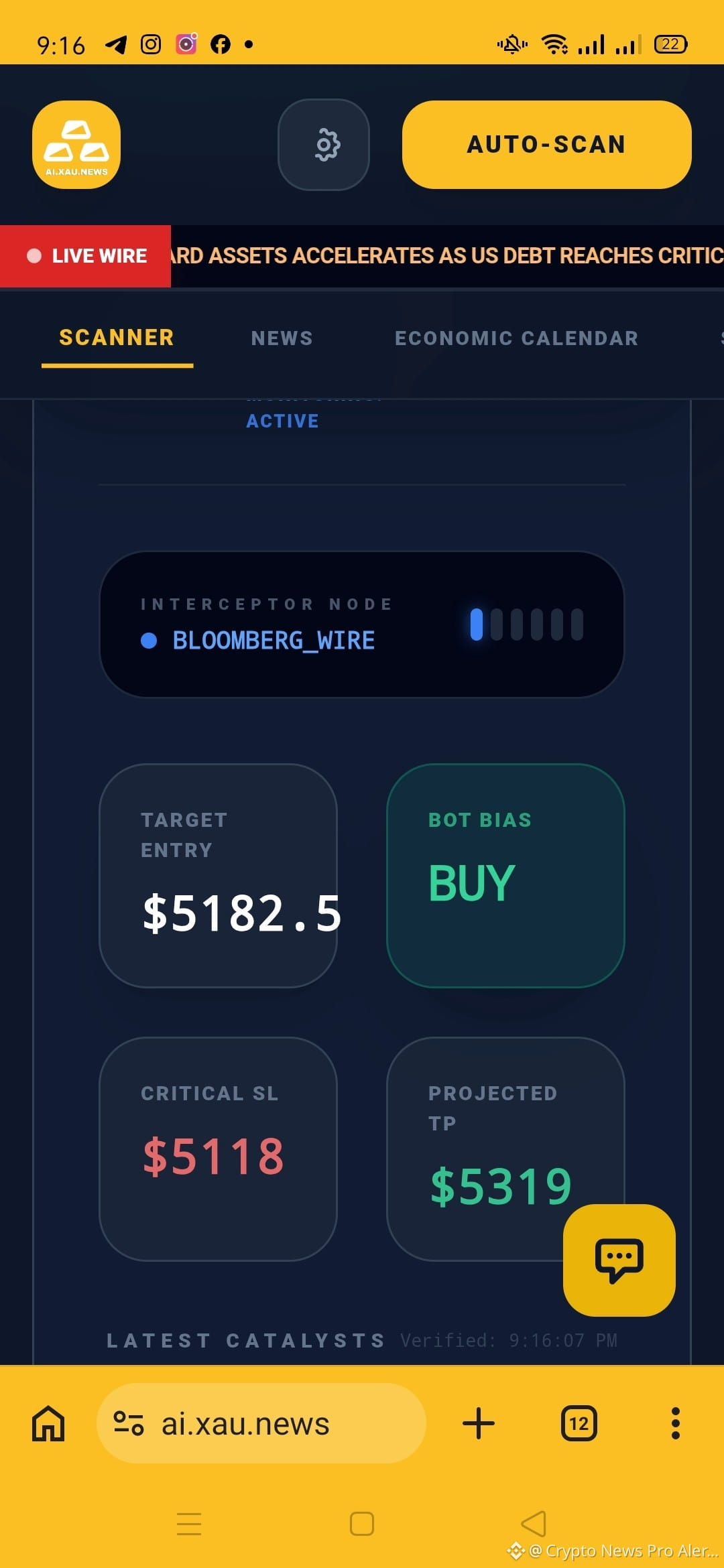
#xaunews $XAU SIGNAL=KAUFEN;EINTRITT=5182.5;SL=5118;TP=5319;CONF=78%;
#xaunews $XAU SIGNAL=KAUFEN;EINTRITT=5182.5;SL=5118;TP=5319;CONF=78%;
61
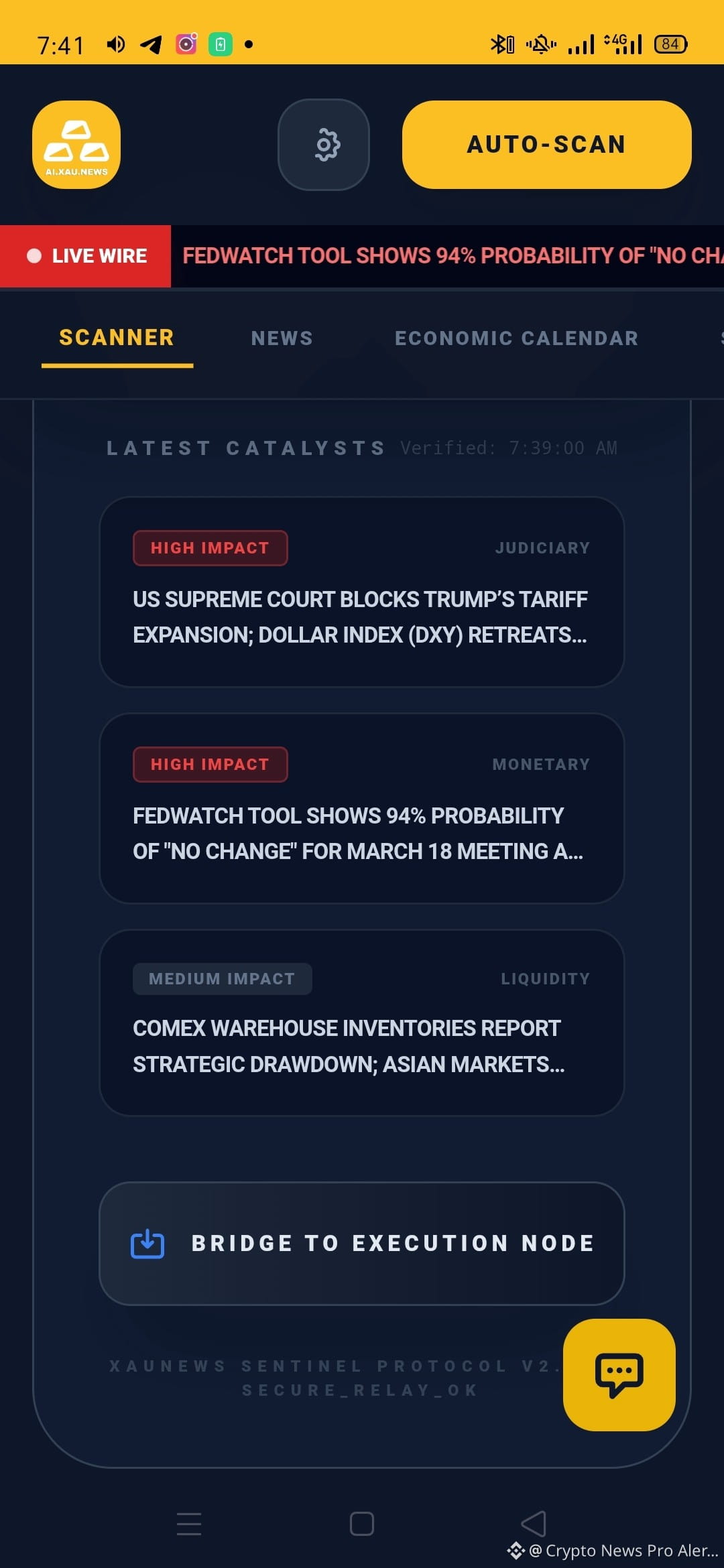
Das Update-Signal hat sich nach höherer Auswirkung der letzten Nachrichten geändert
EA_INDICATOR: SIGNAL=BUY;ENTRY=5212.5;SL=5165;TP=5278;CONF=84%;
Das Update-Signal hat sich nach höherer Auswirkung der letzten Nachrichten geändert
EA_INDICATOR: SIGNAL=BUY;ENTRY=5212.5;SL=5165;TP=5278;CONF=84%;
EA_INDICATOR: SIGNAL=BUY;ENTRY=5212.5;SL=5165;TP=5278;CONF=84%;
Crypto News Pro Alerts
·
--
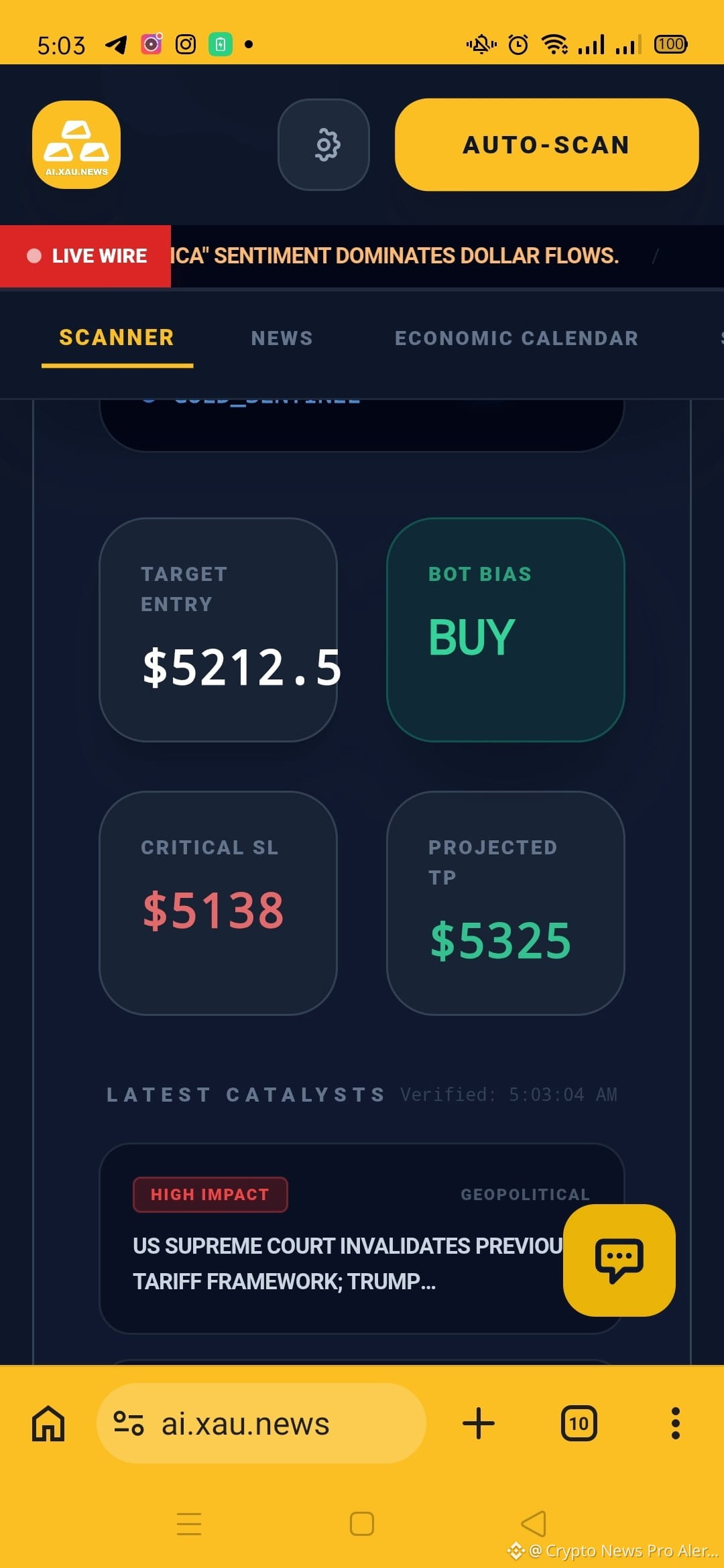
XAU_INDICATOR: SIGNAL= KAUFEN;EINSTIEG=5212.5;SL=5138;TP=5325;BESTÄTIGUNG=88%;
2
180
XAU_INDICATOR: SIGNAL= KAUFEN;EINSTIEG=5212.5;SL=5138;TP=5325;BESTÄTIGUNG=88%;
XAU_INDICATOR: SIGNAL= KAUFEN;EINSTIEG=5212.5;SL=5138;TP=5325;BESTÄTIGUNG=88%;
1
1
2
200
Treffer tp 🔥 🔥🔥🔥 #xau $XAU Indikator xau suchen 🔗 ai.xau.news
Treffer tp 🔥 🔥🔥🔥 #xau $XAU Indikator xau suchen 🔗 ai.xau.news
Crypto News Pro Alerts
·
--
EA_INDICATOR XAU: SIGNAL=KAUFEN;EINSTIEG=5095.5;SL=5042;TP=5185;CONF=78% Suche 🔎 ai.xau.news
#XAU $XAU
#XAU $XAU
110
Treffer tp 🔥$XAU #XAU
Treffer tp 🔥$XAU #XAU
Crypto News Pro Alerts
·
--
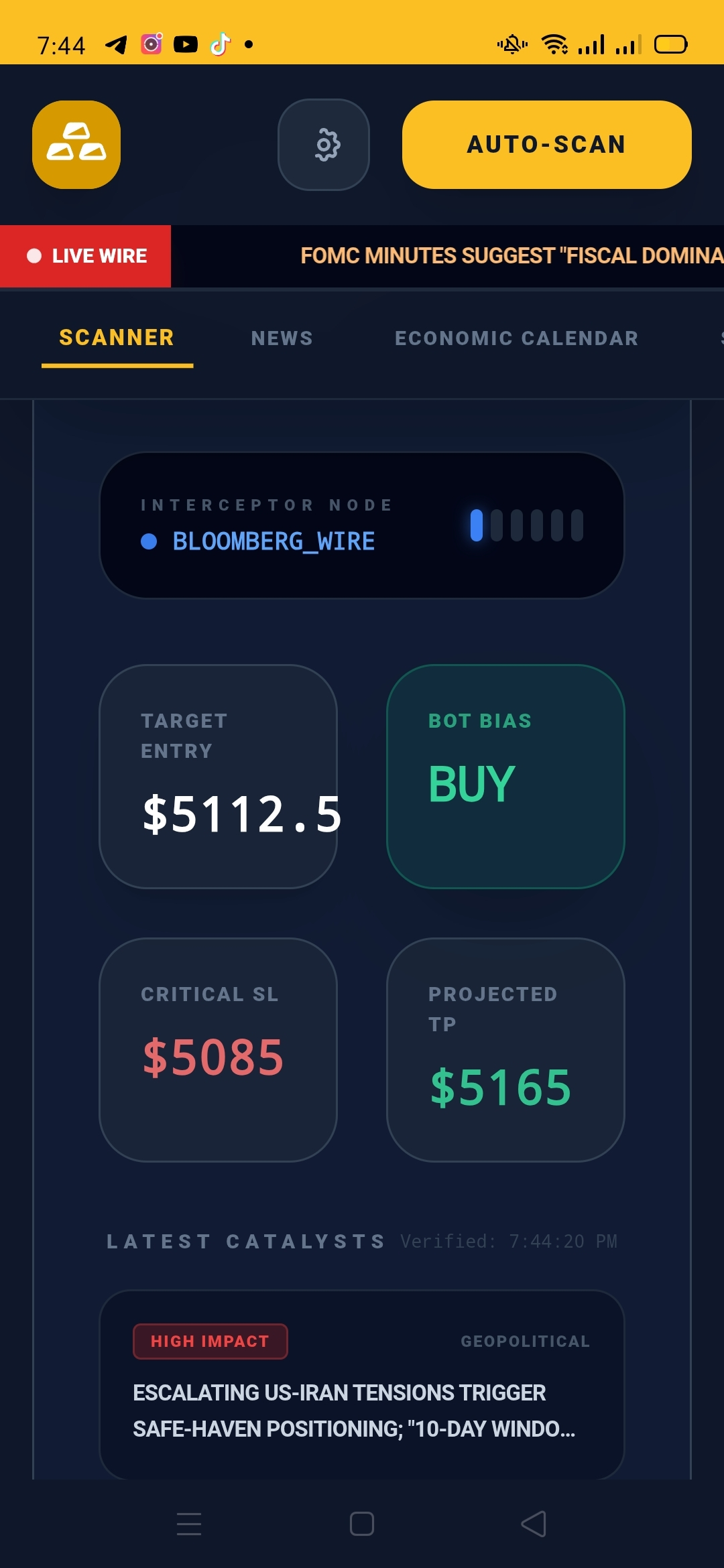
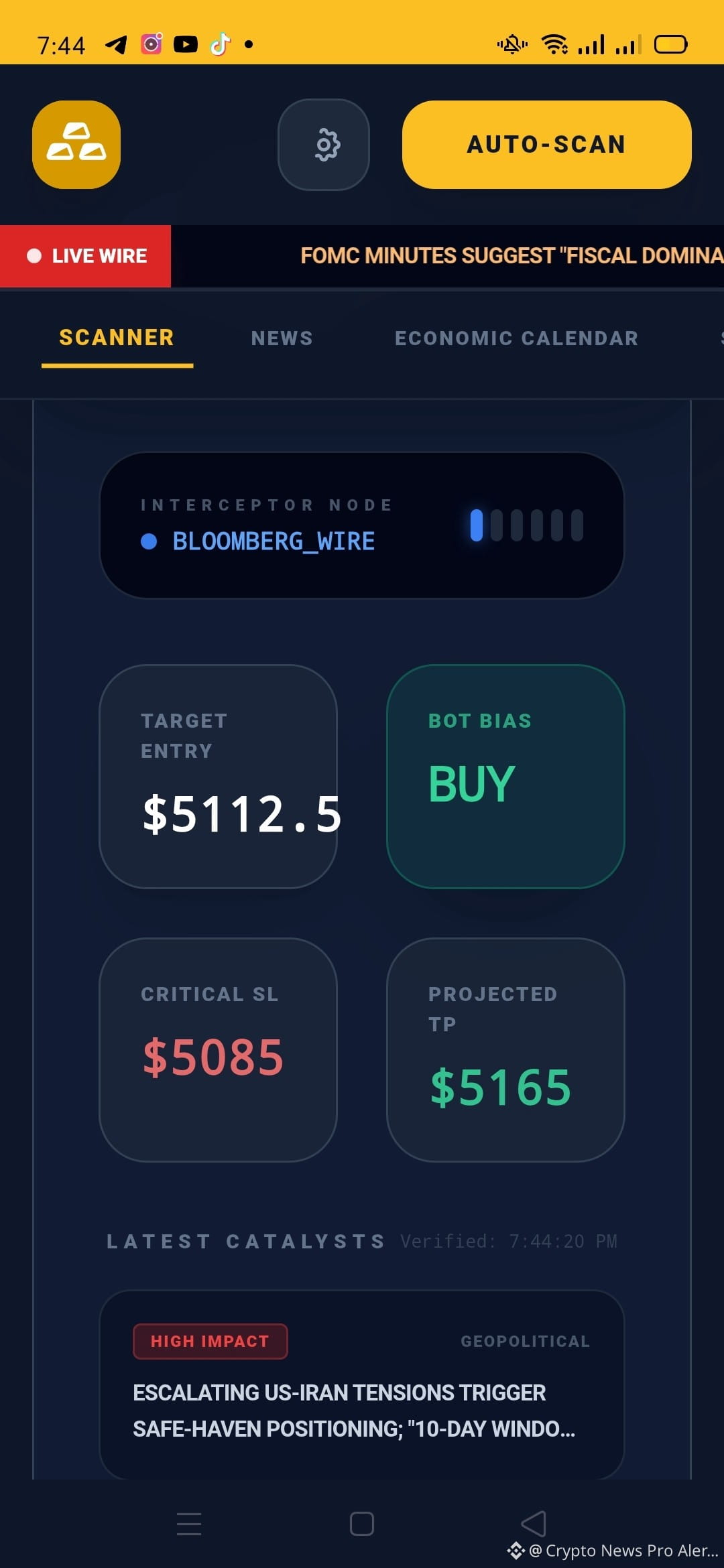
EA_INDICATOR: $XAU #xau SIGNAL=KAUFEN;EINSTIEG=5112.5;
SL=5085;TP=5165;CONF=78%
SL=5085;TP=5165;CONF=78%
2
EA_INDICATOR XAU: SIGNAL=KAUFEN;EINSTIEG=5095.5;SL=5042;TP=5185;CONF=78% Suche 🔎 ai.xau.news
#XAU $XAU
EA_INDICATOR XAU: SIGNAL=KAUFEN;EINSTIEG=5095.5;SL=5042;TP=5185;CONF=78% Suche 🔎 ai.xau.news
#XAU $XAU
#XAU $XAU
1
7
EA_INDICATOR: SIGNAL=KAUFEN;EINSTIEG=5112.5;SL=5081;TP=5178;CONF=84%;
EA_INDICATOR: SIGNAL=KAUFEN;EINSTIEG=5112.5;SL=5081;TP=5178;CONF=84%;
Crypto News Pro Alerts
·
--
EA_INDICATOR: $XAU #xau SIGNAL=KAUFEN;EINSTIEG=5112.5;
SL=5085;TP=5165;CONF=78%
SL=5085;TP=5165;CONF=78%
1
·
--
Bärisch
US-"Doomsday"-Militärflugzeug erscheint im Zuge steigender weltweiter Spannungen
Vereinigte Staaten: Ein leistungsstarkes Militärflugzeug, bekannt als das „Doomsday-Flugzeug“, wurde kürzlich am Flughafen Los Angeles International (LAX) gesichtet. Seine Erscheinung, nachdem es 51 Jahre lang aus dem öffentlichen Blickfeld verschwunden war, hat bei der Öffentlichkeit breite Verdachtsmomente und Besorgnis ausgelöst, besonders angesichts der aktuellen weltweiten Spannungen.
Laut einem Bericht von NDTV am Sonntag, den 11. Januar, erregte die Sichtung des Doomsday-Flugzeugs – eines Boeing E-4B, der oft als „fliegendes Pentagon“ bezeichnet wird – schnell die Aufmerksamkeit der Öffentlichkeit. Viele fragen sich nun, welchen Zweck seine Einsatzbereitschaft hat, besonders da es berichtet wurde, dass es seit 51 Jahren nicht mehr im Einsatz gesehen wurde.
Daten zum „Doomsday“-Flugzeug deuten darauf hin, dass es für den Einsatz bei nationalen Notfällen konzipiert ist, speziell, um nuklearen Angriffen standzuhalten und die Kontinuität der Regierungsarbeit sicherzustellen – daher sein Spitzname „Doomsday-Flugzeug“.$BTC
US-"Doomsday"-Militärflugzeug erscheint im Zuge steigender weltweiter Spannungen
Vereinigte Staaten: Ein leistungsstarkes Militärflugzeug, bekannt als das „Doomsday-Flugzeug“, wurde kürzlich am Flughafen Los Angeles International (LAX) gesichtet. Seine Erscheinung, nachdem es 51 Jahre lang aus dem öffentlichen Blickfeld verschwunden war, hat bei der Öffentlichkeit breite Verdachtsmomente und Besorgnis ausgelöst, besonders angesichts der aktuellen weltweiten Spannungen.
Laut einem Bericht von NDTV am Sonntag, den 11. Januar, erregte die Sichtung des Doomsday-Flugzeugs – eines Boeing E-4B, der oft als „fliegendes Pentagon“ bezeichnet wird – schnell die Aufmerksamkeit der Öffentlichkeit. Viele fragen sich nun, welchen Zweck seine Einsatzbereitschaft hat, besonders da es berichtet wurde, dass es seit 51 Jahren nicht mehr im Einsatz gesehen wurde.
Daten zum „Doomsday“-Flugzeug deuten darauf hin, dass es für den Einsatz bei nationalen Notfällen konzipiert ist, speziell, um nuklearen Angriffen standzuhalten und die Kontinuität der Regierungsarbeit sicherzustellen – daher sein Spitzname „Doomsday-Flugzeug“.$BTC
Vereinigte Staaten: Ein leistungsstarkes Militärflugzeug, bekannt als das „Doomsday-Flugzeug“, wurde kürzlich am Flughafen Los Angeles International (LAX) gesichtet. Seine Erscheinung, nachdem es 51 Jahre lang aus dem öffentlichen Blickfeld verschwunden war, hat bei der Öffentlichkeit breite Verdachtsmomente und Besorgnis ausgelöst, besonders angesichts der aktuellen weltweiten Spannungen.
Laut einem Bericht von NDTV am Sonntag, den 11. Januar, erregte die Sichtung des Doomsday-Flugzeugs – eines Boeing E-4B, der oft als „fliegendes Pentagon“ bezeichnet wird – schnell die Aufmerksamkeit der Öffentlichkeit. Viele fragen sich nun, welchen Zweck seine Einsatzbereitschaft hat, besonders da es berichtet wurde, dass es seit 51 Jahren nicht mehr im Einsatz gesehen wurde.
Daten zum „Doomsday“-Flugzeug deuten darauf hin, dass es für den Einsatz bei nationalen Notfällen konzipiert ist, speziell, um nuklearen Angriffen standzuhalten und die Kontinuität der Regierungsarbeit sicherzustellen – daher sein Spitzname „Doomsday-Flugzeug“.$BTC




4
2
11
6k
·
--
Bärisch
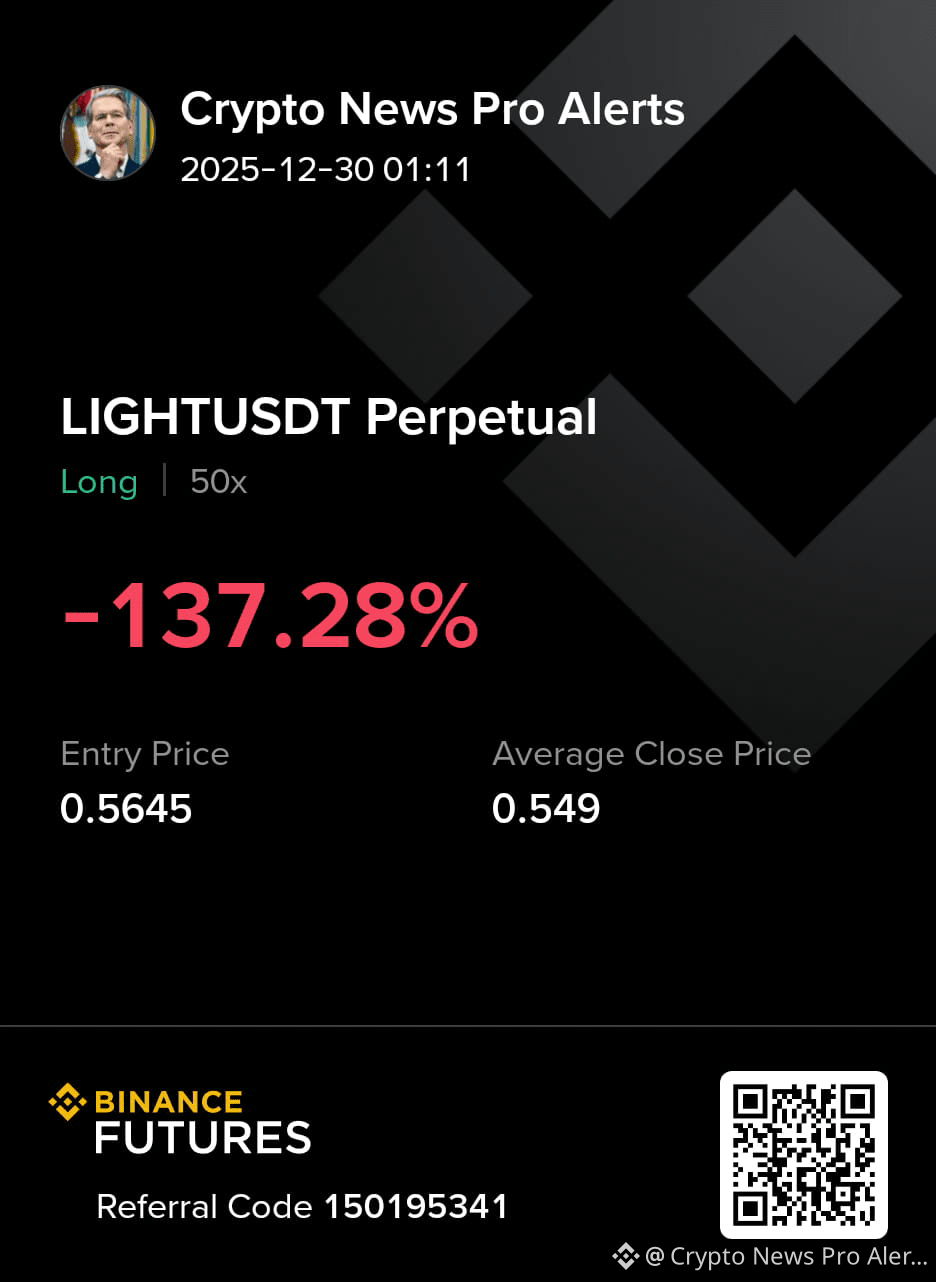
2
366
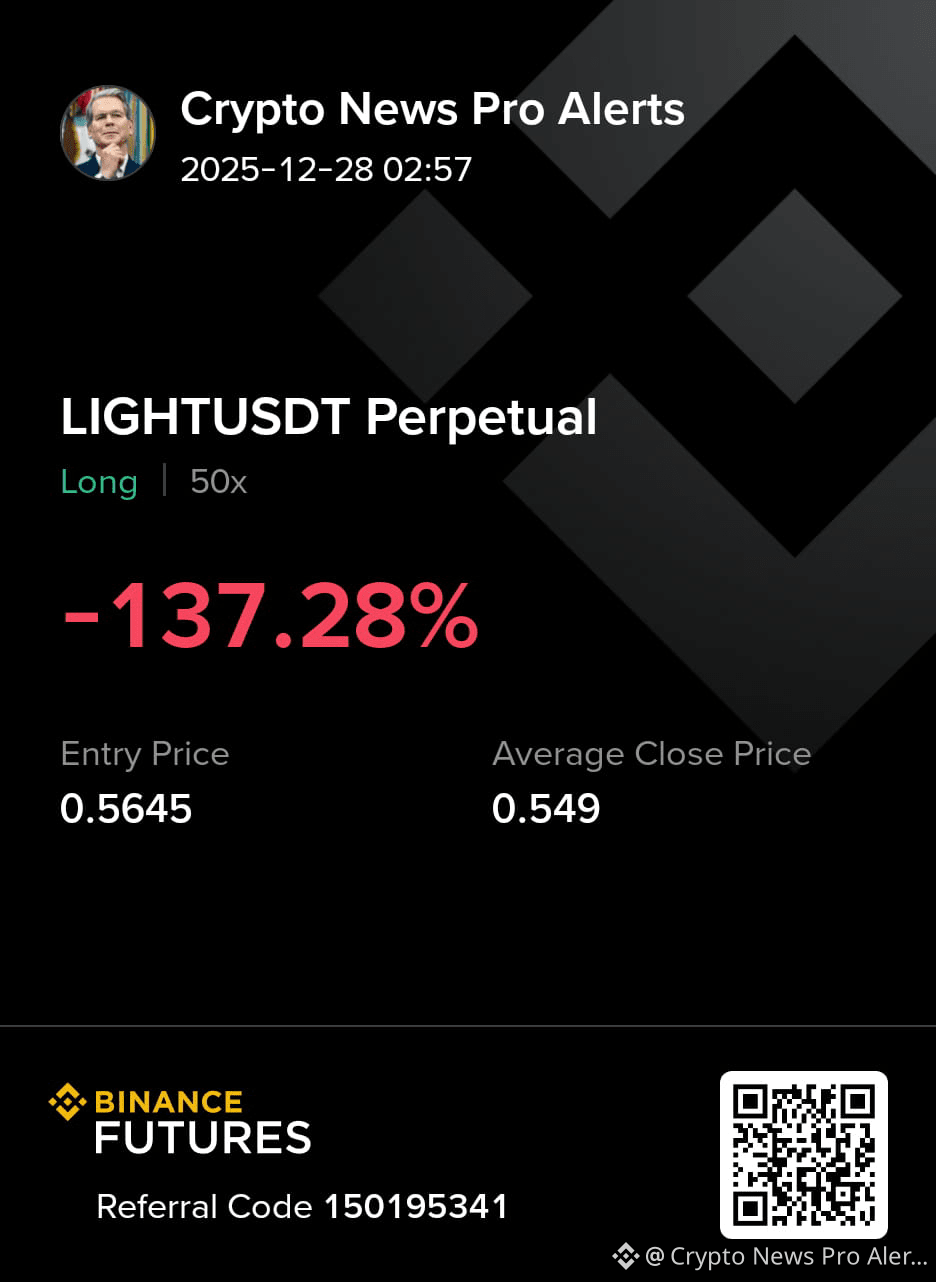
3
1
326
·
--
Bärisch
bring mich bitte ins Paradies 🥺 #sol $SOL
{spot}(SOLUSDT)
bring mich bitte ins Paradies 🥺 #sol $SOL
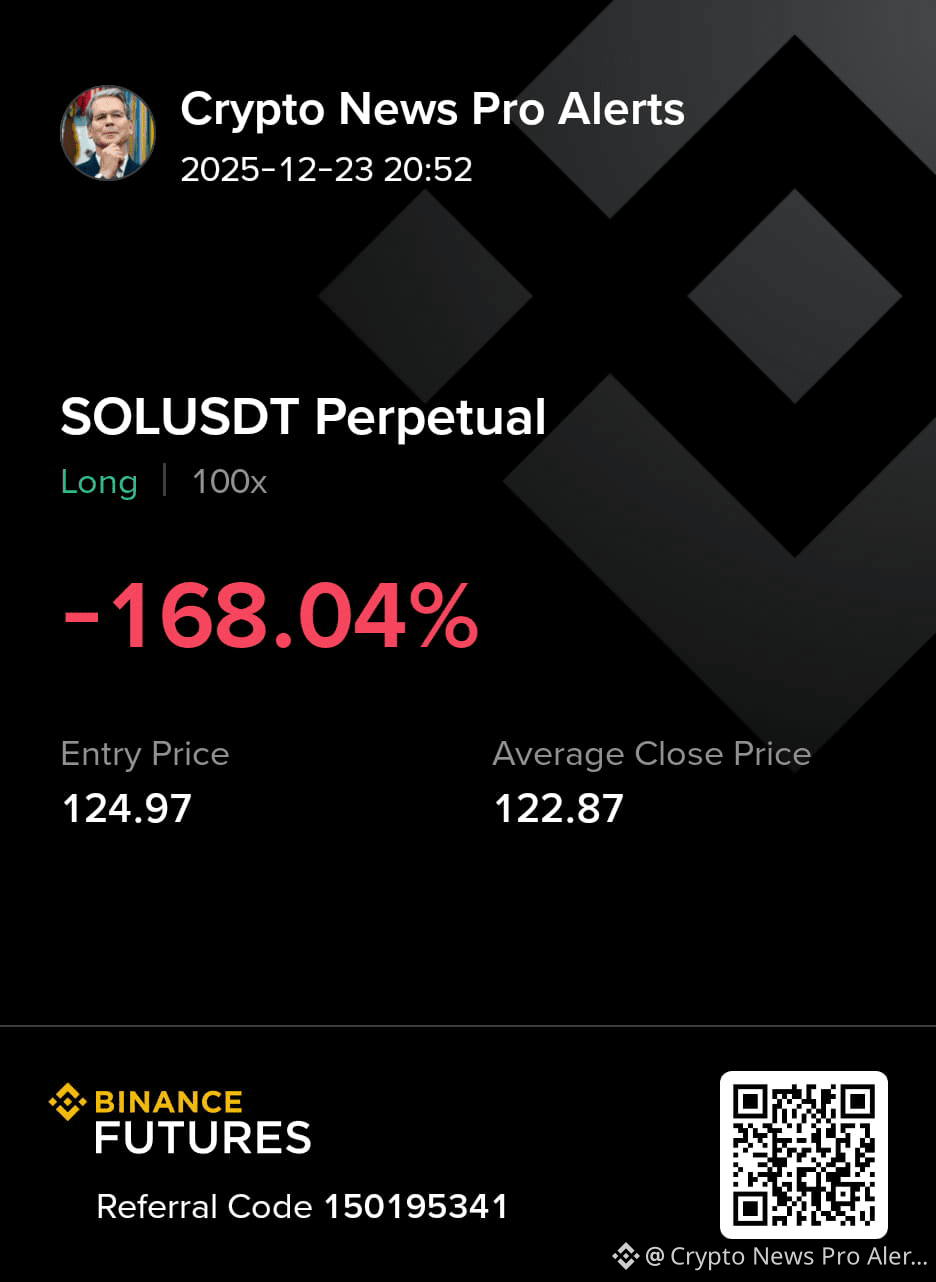
6
2
116
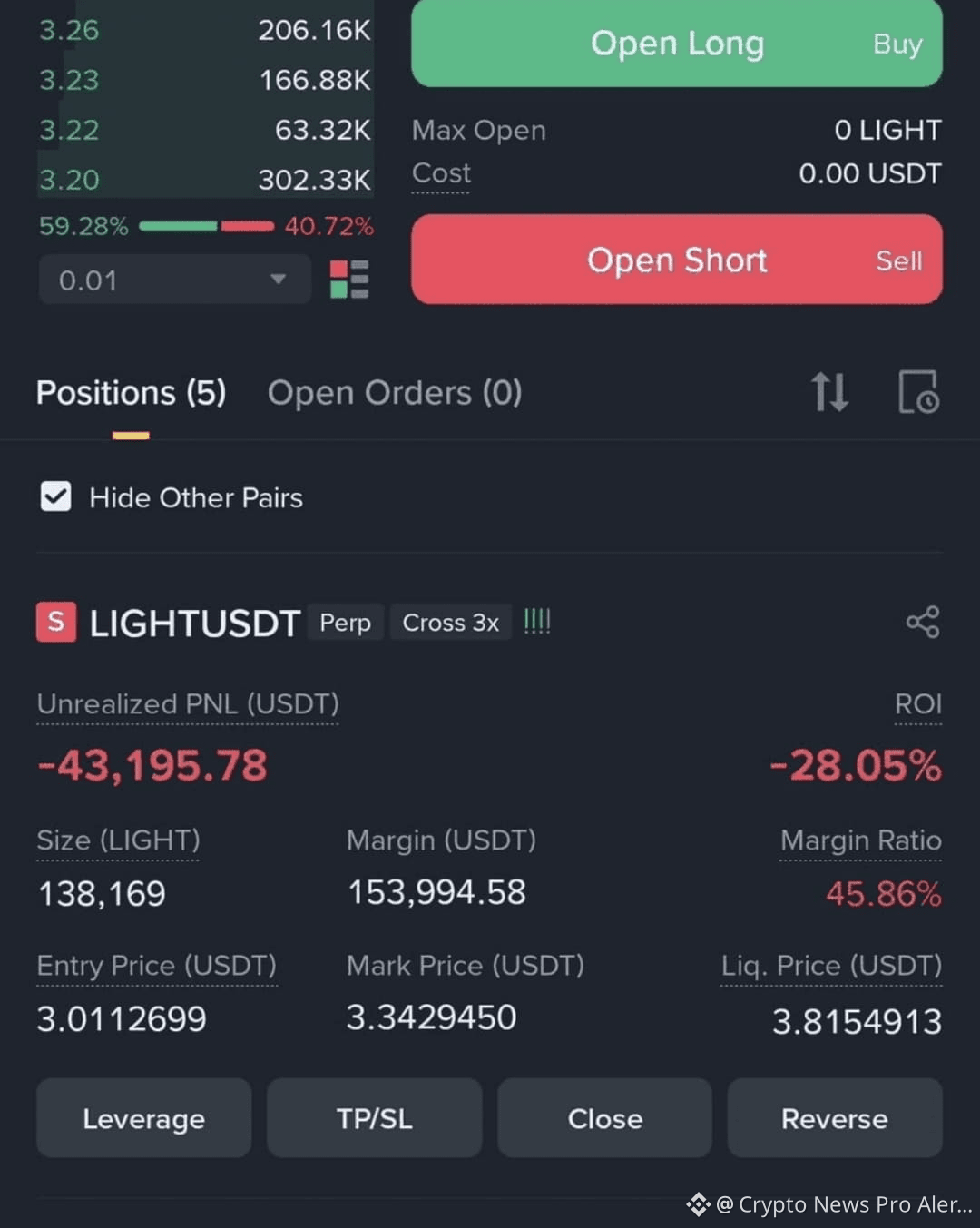
Änderung von Paradies zu Hölle
Änderung von Paradies zu Hölle

Dragon Warrior
·
--
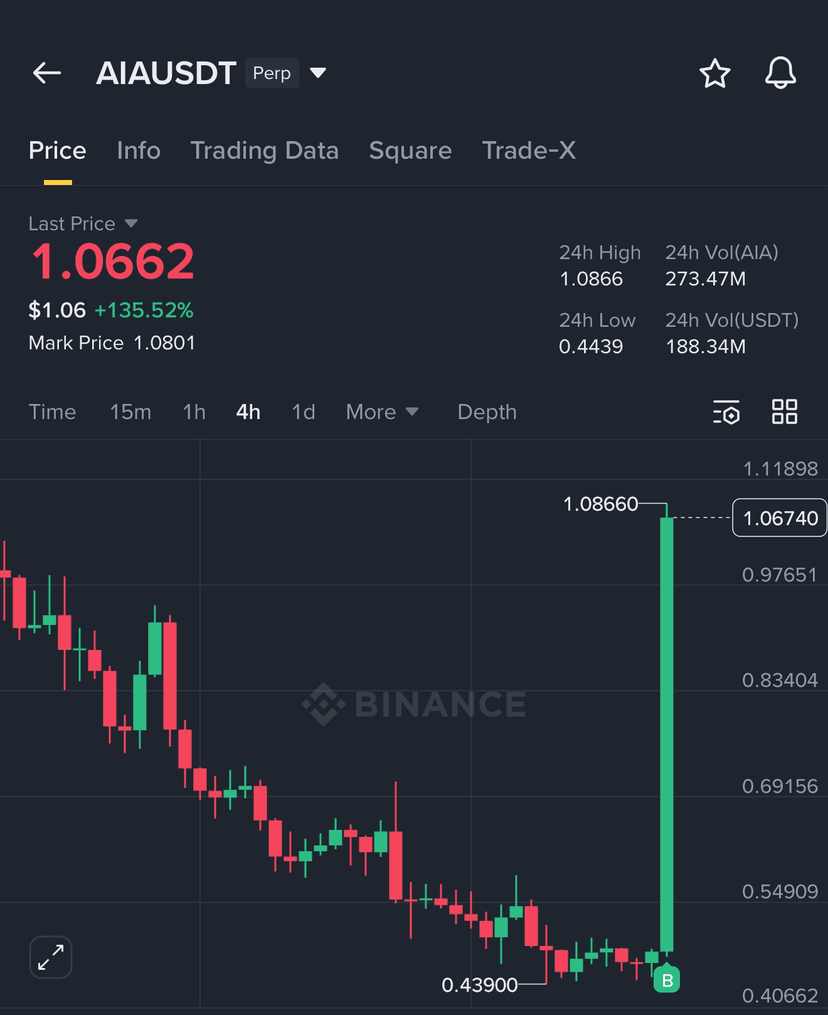
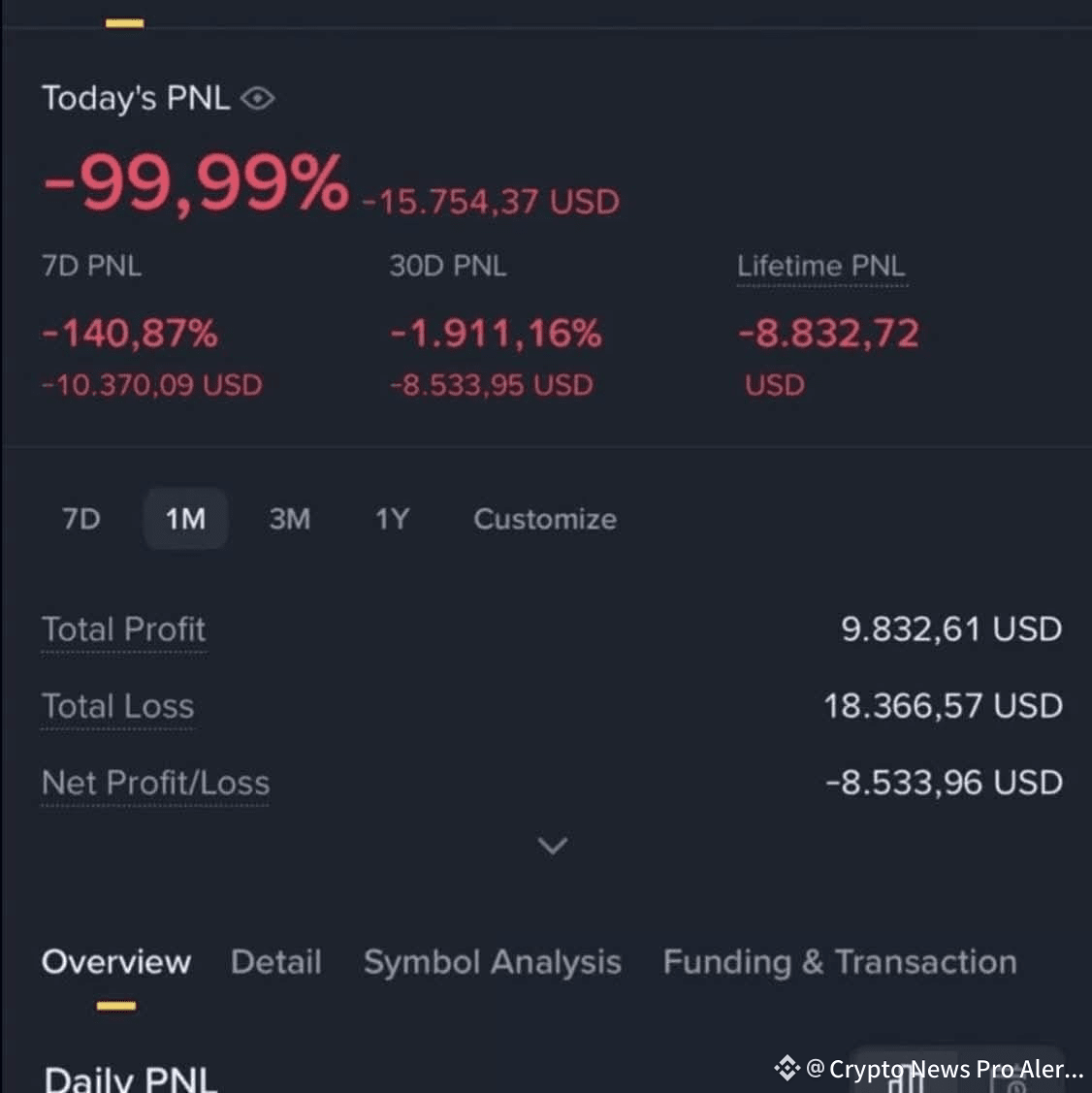
Ich habe mit dieser 1 Kerze dein Einkommen von 7 Jahren auf $AIA gemacht
+17.000$ Gewinn gemacht 💰💸
Bitte berühre 50$
$AIA wird mein Leben verändern 🥳🙏
Folge mir für mehr Signale
+17.000$ Gewinn gemacht 💰💸
Bitte berühre 50$
$AIA wird mein Leben verändern 🥳🙏
Folge mir für mehr Signale
5

1
111
·
--
Bärisch
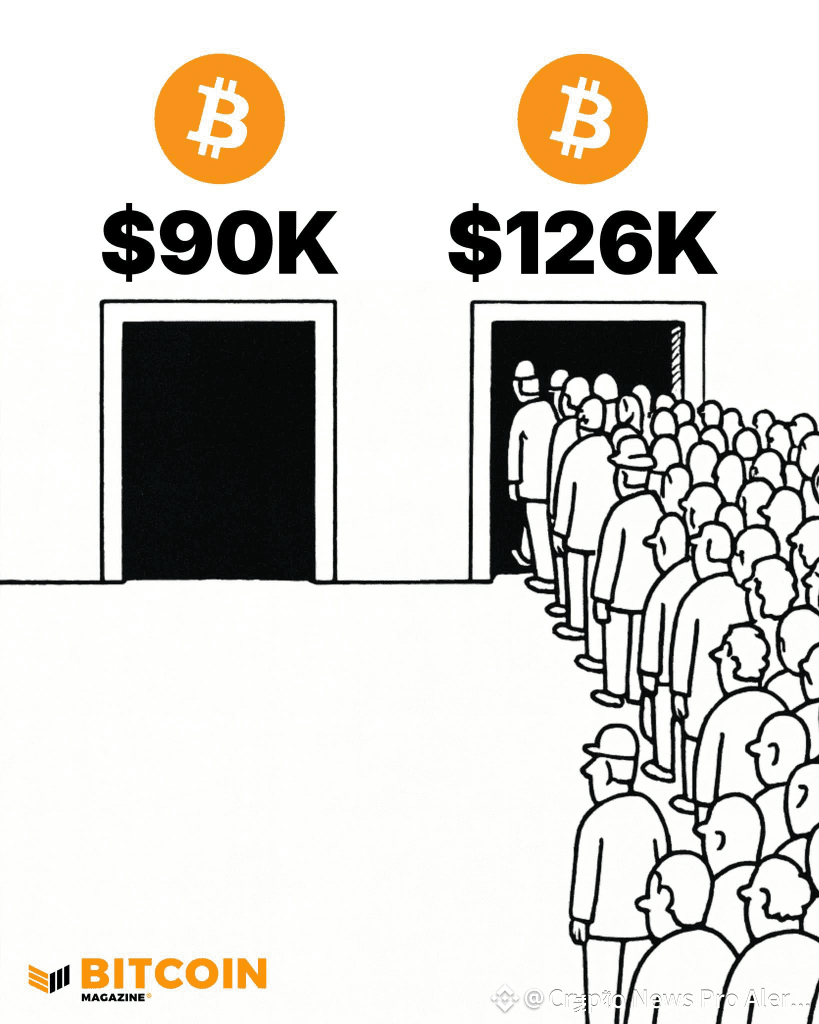
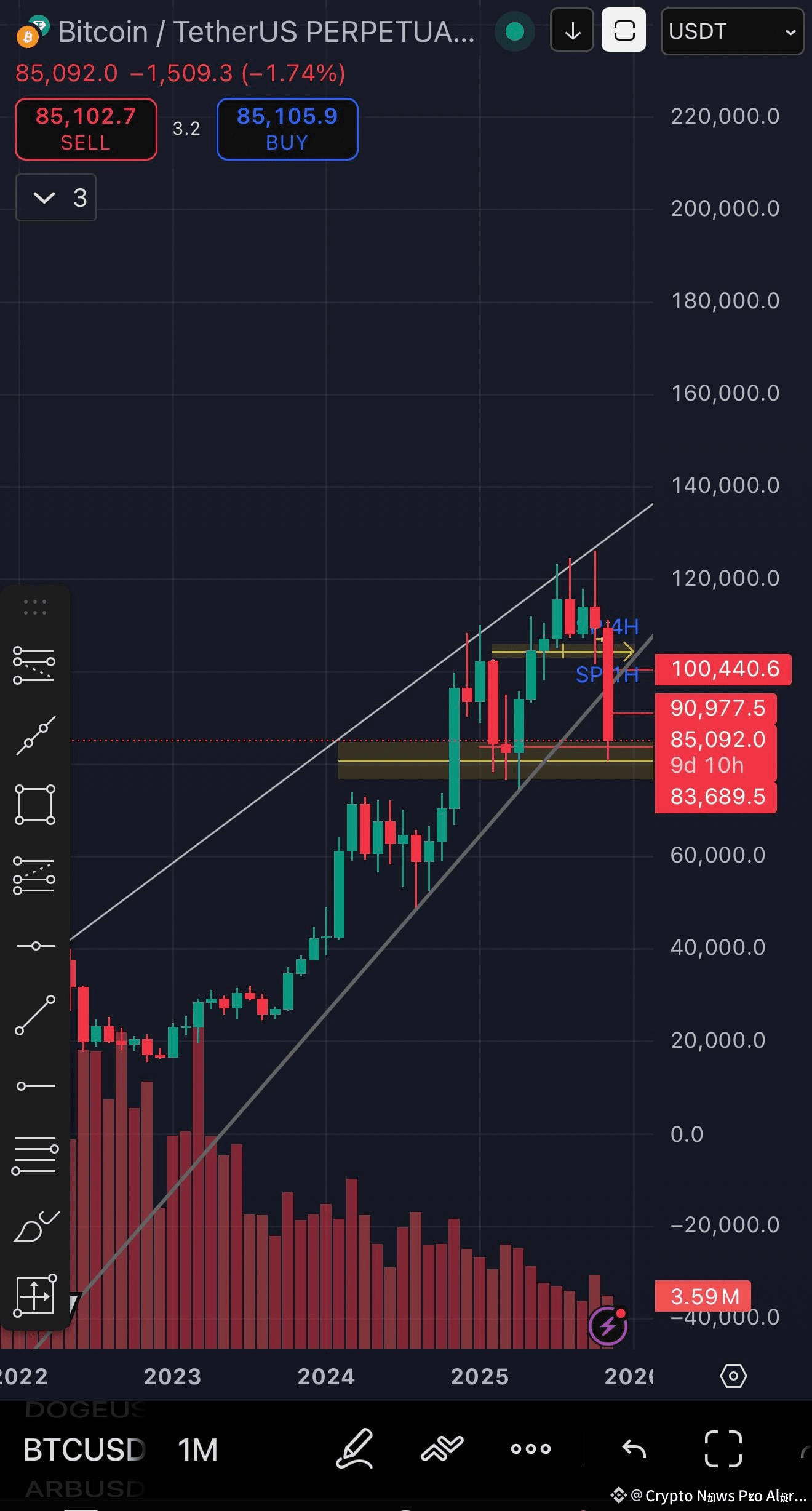
Bärenmarkt diesmal, der Preis kann auf 30K-50K fallen. Also für mich, beim Kauf, werde ich DCA von 50K kaufen. Wenn er fällt, werden wir wieder kaufen, der Preis ist gut genug, um akzeptabel zu sein. Ich weiß nicht, wann es fallen wird oder ob es fallen kann oder nicht, aber das ist nur meine Vorhersage. Denk daran, dass kein Lehrer den Markt im Voraus kennt. Wenn jemand sagt, es ist 100% sicher, könnte es eine Lüge sein.$BTC #BTCVolatility
Bärenmarkt diesmal, der Preis kann auf 30K-50K fallen. Also für mich, beim Kauf, werde ich DCA von 50K kaufen. Wenn er fällt, werden wir wieder kaufen, der Preis ist gut genug, um akzeptabel zu sein. Ich weiß nicht, wann es fallen wird oder ob es fallen kann oder nicht, aber das ist nur meine Vorhersage. Denk daran, dass kein Lehrer den Markt im Voraus kennt. Wenn jemand sagt, es ist 100% sicher, könnte es eine Lüge sein.$BTC #BTCVolatility
44
Anmelden und weiter Inhalte entdecken
Krypto-Nutzer weltweit auf Binance Square kennenlernen
⚡️ Bleib in Sachen Krypto stets am Puls.
💬 Die weltgrößte Kryptobörse vertraut darauf.
👍 Erhalte verlässliche Einblicke von verifizierten Creators.
E-Mail-Adresse/Telefonnummer
Trendthemen
BitcoinReboundsTo$79K
4,379 Aufrufe
71 Kommentare
🚨 $BTC steigt weiter.
Bitcoin handelt bei etwa 78.804 $ und liegt damit ungefähr 1,9 % im Plus, nachdem die Marke von 78K zurückerobert wurde. Die nächste zu beobachtende Zone ist das Tageshoch im Intraday-Bereich nahe 78.905 $.
Ein klarer Ausbruch über diese Marke könnte den Weg in Richtung 79K–80K ebnen. Wenn BTC abgewiesen wird, liegt der Support bei etwa 78.300 $ und danach bei 77.975 $.
Die Bullen haben Momentum, aber BTC muss über 78K bleiben.
#Bitcoin #BTC #CryptoTrading #CryptoMarket #CryptoAnalysis
PulseON
·5 Likes
·5.6k Aufrufe
FedHikeOddsRiseTo89%
62,357 Aufrufe
940 Kommentare
RLUSDSupplyHitsRecord$2.442B
3,229 Aufrufe
56 Kommentare