

Crypto Breaking
20.5k Beiträge

Crypto Breaking
 Square Verified+
Melden
Nutzer blockieren
Get real-time cryptocurrency news, blockchain updates, market analysis, and expert insights. Explore the latest trends in Bitcoin, Ethereum, DeFi, and Web3.
6 Following
32.9K+ Follower
31.7K+ Like gegeben
Beiträge
Alle
Zitierungen
Artikel
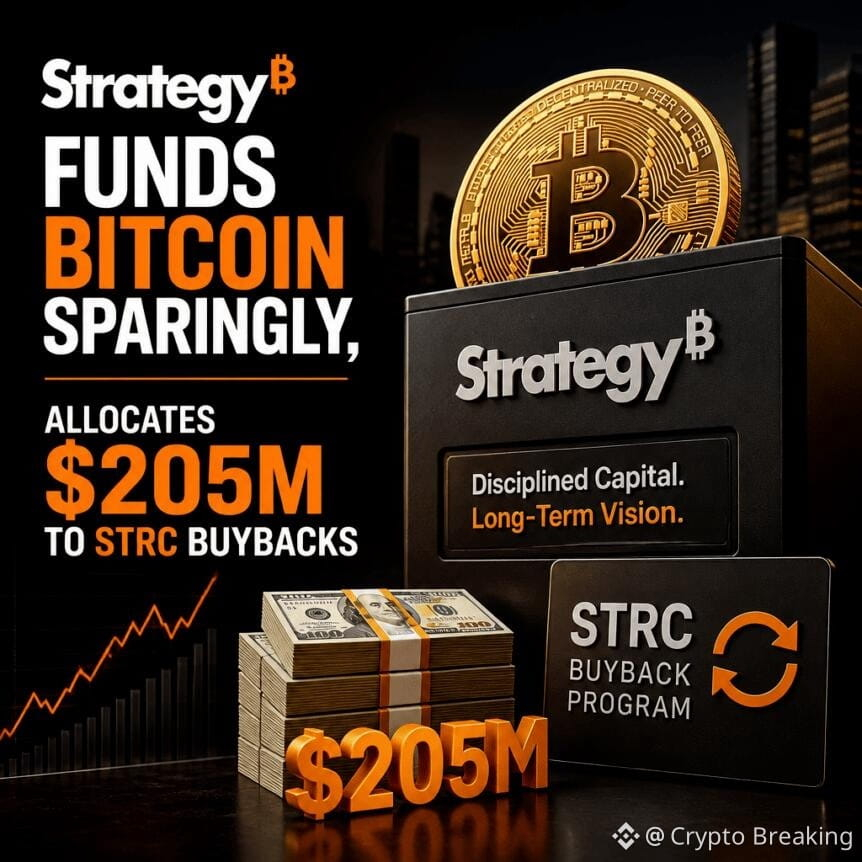
Strategy investiert wenig in Bitcoin und steckt 205 Mio. US-Dollar in STRC-RückkäufeMichael Saylors Strategy meldete eine ruhige Woche bei den Bitcoin-Aktivitäten und setzte stattdessen Barmittel für den Rückkauf eigener Aktien ein. In einer am Montag bei der US-Börsenaufsichtsbehörde SEC eingereichten Mitteilung erklärte das Unternehmen, es habe Vorzugsaktien zurückgekauft. Im Zeitraum von Montag bis Freitag habe es weder Bitcoin-Transaktionen noch Aktienverkäufe im Rahmen seines At-the-Market-Programms gegeben.
Strategy kaufte 2,07 Millionen Aktien zurück und gab 204,9 Millionen US-Dollar für den Rückkauf von STRC-Vorzugsaktien aus. Gleichzeitig blieb der gemeldete Bitcoin-Bestand des Unternehmens mit 848.517 BTC unverändert. Diese wurden für 64,02 Milliarden US-Dollar zu einem Durchschnittspreis von 75.446 US-Dollar pro Coin erworben.
Strategy investiert wenig in Bitcoin und steckt 205 Mio. US-Dollar in STRC-Rückkäufe
Michael Saylors Strategy meldete eine ruhige Woche bei den Bitcoin-Aktivitäten und setzte stattdessen Barmittel für den Rückkauf eigener Aktien ein. In einer am Montag bei der US-Börsenaufsichtsbehörde SEC eingereichten Mitteilung erklärte das Unternehmen, es habe Vorzugsaktien zurückgekauft. Im Zeitraum von Montag bis Freitag habe es weder Bitcoin-Transaktionen noch Aktienverkäufe im Rahmen seines At-the-Market-Programms gegeben.
Strategy kaufte 2,07 Millionen Aktien zurück und gab 204,9 Millionen US-Dollar für den Rückkauf von STRC-Vorzugsaktien aus. Gleichzeitig blieb der gemeldete Bitcoin-Bestand des Unternehmens mit 848.517 BTC unverändert. Diese wurden für 64,02 Milliarden US-Dollar zu einem Durchschnittspreis von 75.446 US-Dollar pro Coin erworben.
Strategy kaufte 2,07 Millionen Aktien zurück und gab 204,9 Millionen US-Dollar für den Rückkauf von STRC-Vorzugsaktien aus. Gleichzeitig blieb der gemeldete Bitcoin-Bestand des Unternehmens mit 848.517 BTC unverändert. Diese wurden für 64,02 Milliarden US-Dollar zu einem Durchschnittspreis von 75.446 US-Dollar pro Coin erworben.
8

Artikel
Immunefi-CEO: PHP-Schwachstelle unterstreicht wachsende KI-SicherheitsrisikenCybersicherheitsexperten raten Website-Betreibern – und allen, die im Web Kryptodienste nutzen –, PHP-bezogene Schwachstellen in naher Zukunft als akutes Risiko zu behandeln, selbst nachdem Notfall-Patches veröffentlicht wurden. Immunefi-CEO Mitchell Amador sagte, dass es bei vielen kleineren Websites Wochen dauern könnte, bis sie die Updates eigenständig einspielen. Dadurch sind Nutzer länger gefährdet, als es der ursprüngliche Zeitplan für die Offenlegung vermuten lässt.
Amadors Warnung folgt kurz darauf, dass die PHP Foundation eingeräumt hat, die Behebung einer kritischen Schwachstelle verzögert zu haben, die erstmals 2024 identifiziert wurde. Als Grund nannte sie fehlende Ressourcen. Obwohl noch am selben Tag Notfall-Patches für zwei kritische Schwachstellen veröffentlicht wurden, liegt es weiterhin an den einzelnen Websites, ihre Installationen zu aktualisieren.
Immunefi-CEO: PHP-Schwachstelle unterstreicht wachsende KI-Sicherheitsrisiken
Cybersicherheitsexperten raten Website-Betreibern – und allen, die im Web Kryptodienste nutzen –, PHP-bezogene Schwachstellen in naher Zukunft als akutes Risiko zu behandeln, selbst nachdem Notfall-Patches veröffentlicht wurden. Immunefi-CEO Mitchell Amador sagte, dass es bei vielen kleineren Websites Wochen dauern könnte, bis sie die Updates eigenständig einspielen. Dadurch sind Nutzer länger gefährdet, als es der ursprüngliche Zeitplan für die Offenlegung vermuten lässt.
Amadors Warnung folgt kurz darauf, dass die PHP Foundation eingeräumt hat, die Behebung einer kritischen Schwachstelle verzögert zu haben, die erstmals 2024 identifiziert wurde. Als Grund nannte sie fehlende Ressourcen. Obwohl noch am selben Tag Notfall-Patches für zwei kritische Schwachstellen veröffentlicht wurden, liegt es weiterhin an den einzelnen Websites, ihre Installationen zu aktualisieren.
Amadors Warnung folgt kurz darauf, dass die PHP Foundation eingeräumt hat, die Behebung einer kritischen Schwachstelle verzögert zu haben, die erstmals 2024 identifiziert wurde. Als Grund nannte sie fehlende Ressourcen. Obwohl noch am selben Tag Notfall-Patches für zwei kritische Schwachstellen veröffentlicht wurden, liegt es weiterhin an den einzelnen Websites, ihre Installationen zu aktualisieren.
59

Artikel
Übersetzung ansehen
Canada Consults on Stablecoin Rules, Citing U.S. GENIUS ActCanada has opened a 60-day public consultation on new regulations aimed at stablecoin issuers that are not traditional financial institutions, including proposals that would restrict yield or interest payments on these tokens and tighten redemption terms.
The government says it is seeking feedback on a framework published through Canada’s regulatory process, with comments accepted until Dec. 23. The proposed rules are intended to align Canada’s approach with international efforts while reducing duplicated compliance burdens for issuers operating across multiple jurisdictions.
Key takeaways
Canada is consulting on rules for non-financial institution stablecoin issuers, a category covered by its Stablecoin Act passed in March.
The draft framework would limit interest or yield payments to discourage “holding for yield,” according to the proposal.
Issuers would be required to redeem stablecoins within three business days after a tokenholder requests redemption.
There would be a cap on redemption-related charges, with fees limited to no more than 1% of the token’s total value.
The government expects the regulations to take effect in fall 2027, with non-financial issuers needing prior registration with the Bank of Canada.
Consultation launched under Canada’s Stablecoin Act
Canada’s government announced it will accept public input on the proposed stablecoin regulations until Dec. 23. The notice says the upcoming framework is designed to implement elements of Canada’s Stablecoin Act, which was passed in March and targets stablecoin issuance by entities outside the financial sector.
In the government’s view, the new regulations are needed both to put the law into operation and to establish practical requirements—most importantly, a registration pathway for eligible issuers with Canada’s central bank.
Proposed restrictions on yield payments and redemption mechanics
A central feature of the draft rules concerns incentives tied to stablecoin custody. The proposal states that non-financial institution stablecoin issuers would be restricted from offering interest or other forms of yield. The government framed this as a measure to discourage tokenholders from holding stablecoins primarily to earn returns rather than using them for payments or transfers.
Beyond the yield limitation, the draft sets operational expectations around redemption. Issuers would be required to redeem stablecoins within three business days following redemption requests from tokenholders.
The proposal also includes a fee constraint. While it does not eliminate charges entirely, it would limit fees to no more than 1% of the coins’ total value, setting a defined ceiling on what issuers can take from redemption transactions.
For market participants, these details matter because they affect both user experience and issuer risk management. Faster, standardized redemption windows can influence how confidently users and counterparties view a stablecoin’s liquidity profile, especially during periods of stress. At the same time, capping fees changes the economics of exit for tokenholders, potentially making redemption more predictable.
Registration with the Bank of Canada and timing to watch
The consultation is tied to an expected implementation schedule. The government said it intends for the proposed regulations to come into force in fall 2027. It also stated that, once the rules are in effect, issuers in Canada that are not financial institutions would have to apply for registration with the Bank of Canada prior to issuing a stablecoin.
This timeline is likely to be particularly important for issuers and service providers that depend on predictable compliance roadmaps. As Canada establishes a registration requirement, non-financial stablecoin providers may need to adapt governance, compliance controls, and issuer documentation ahead of the rule’s expected effective date.
Canada’s approach also aligns with a broader global push toward clearer frameworks for stablecoins, including stablecoin activity by entities outside the traditional banking perimeter.
Canada’s move in context of US and EU frameworks
Canada’s stablecoin consultation comes as other major jurisdictions finalize or implement their own rulebooks.
In the United States, the GENIUS Act is scheduled to take effect in January 2027. While the draft Canadian regulations are not presented as a direct replica of any single US rule, the government said the proposal draws on efforts to be consistent with stablecoin regulations in the United States and other jurisdictions to reduce regulatory drag for cross-border issuers.
Meanwhile, the European Union’s Markets in Crypto Assets (MiCA) framework could also affect how exchanges handle stablecoins that do not meet the EU’s requirements. Cointelegraph previously noted that MiCA-related enforcement actions by EU bodies could require exchanges to halt services for non-compliant stablecoins, with a referenced deadline of January. The implication highlighted in the original coverage is that this could include widely used stablecoins such as Tether’s USDt (USDT), which is the largest stablecoin by market capitalization.
For Canadian stakeholders, these parallel developments create a practical issue: stablecoin issuers aiming to operate globally may face different—and potentially conflicting—requirements on yield incentives, redemption terms, and registration or authorization processes. Canada’s emphasis on reducing “overall regulatory burden” for multi-jurisdictional issuers suggests the government is trying to strike that balance, but the outcome will depend on how the final rules compare with other frameworks.
What to expect next from Canada’s consultation
The 60-day comment period gives industry participants a window to respond to specific policy choices—especially the proposed prohibition on interest or yield for non-financial issuers and the operational standards around redemption timing and fee limits. With implementation expected in fall 2027 and a Bank of Canada registration requirement preceding issuance under the new framework, issuers and platforms should monitor the consultation closely and be prepared for changes that could materially affect product design and token economics.
This article was originally published as Canada Consults on Stablecoin Rules, Citing U.S. GENIUS Act on Crypto Breaking News – your trusted source for crypto news, Bitcoin news, and blockchain updates.
Canada Consults on Stablecoin Rules, Citing U.S. GENIUS Act
Canada has opened a 60-day public consultation on new regulations aimed at stablecoin issuers that are not traditional financial institutions, including proposals that would restrict yield or interest payments on these tokens and tighten redemption terms.
The government says it is seeking feedback on a framework published through Canada’s regulatory process, with comments accepted until Dec. 23. The proposed rules are intended to align Canada’s approach with international efforts while reducing duplicated compliance burdens for issuers operating across multiple jurisdictions.
Key takeaways
Canada is consulting on rules for non-financial institution stablecoin issuers, a category covered by its Stablecoin Act passed in March.
The draft framework would limit interest or yield payments to discourage “holding for yield,” according to the proposal.
Issuers would be required to redeem stablecoins within three business days after a tokenholder requests redemption.
There would be a cap on redemption-related charges, with fees limited to no more than 1% of the token’s total value.
The government expects the regulations to take effect in fall 2027, with non-financial issuers needing prior registration with the Bank of Canada.
Consultation launched under Canada’s Stablecoin Act
Canada’s government announced it will accept public input on the proposed stablecoin regulations until Dec. 23. The notice says the upcoming framework is designed to implement elements of Canada’s Stablecoin Act, which was passed in March and targets stablecoin issuance by entities outside the financial sector.
In the government’s view, the new regulations are needed both to put the law into operation and to establish practical requirements—most importantly, a registration pathway for eligible issuers with Canada’s central bank.
Proposed restrictions on yield payments and redemption mechanics
A central feature of the draft rules concerns incentives tied to stablecoin custody. The proposal states that non-financial institution stablecoin issuers would be restricted from offering interest or other forms of yield. The government framed this as a measure to discourage tokenholders from holding stablecoins primarily to earn returns rather than using them for payments or transfers.
Beyond the yield limitation, the draft sets operational expectations around redemption. Issuers would be required to redeem stablecoins within three business days following redemption requests from tokenholders.
The proposal also includes a fee constraint. While it does not eliminate charges entirely, it would limit fees to no more than 1% of the coins’ total value, setting a defined ceiling on what issuers can take from redemption transactions.
For market participants, these details matter because they affect both user experience and issuer risk management. Faster, standardized redemption windows can influence how confidently users and counterparties view a stablecoin’s liquidity profile, especially during periods of stress. At the same time, capping fees changes the economics of exit for tokenholders, potentially making redemption more predictable.
Registration with the Bank of Canada and timing to watch
The consultation is tied to an expected implementation schedule. The government said it intends for the proposed regulations to come into force in fall 2027. It also stated that, once the rules are in effect, issuers in Canada that are not financial institutions would have to apply for registration with the Bank of Canada prior to issuing a stablecoin.
This timeline is likely to be particularly important for issuers and service providers that depend on predictable compliance roadmaps. As Canada establishes a registration requirement, non-financial stablecoin providers may need to adapt governance, compliance controls, and issuer documentation ahead of the rule’s expected effective date.
Canada’s approach also aligns with a broader global push toward clearer frameworks for stablecoins, including stablecoin activity by entities outside the traditional banking perimeter.
Canada’s move in context of US and EU frameworks
Canada’s stablecoin consultation comes as other major jurisdictions finalize or implement their own rulebooks.
In the United States, the GENIUS Act is scheduled to take effect in January 2027. While the draft Canadian regulations are not presented as a direct replica of any single US rule, the government said the proposal draws on efforts to be consistent with stablecoin regulations in the United States and other jurisdictions to reduce regulatory drag for cross-border issuers.
Meanwhile, the European Union’s Markets in Crypto Assets (MiCA) framework could also affect how exchanges handle stablecoins that do not meet the EU’s requirements. Cointelegraph previously noted that MiCA-related enforcement actions by EU bodies could require exchanges to halt services for non-compliant stablecoins, with a referenced deadline of January. The implication highlighted in the original coverage is that this could include widely used stablecoins such as Tether’s USDt (USDT), which is the largest stablecoin by market capitalization.
For Canadian stakeholders, these parallel developments create a practical issue: stablecoin issuers aiming to operate globally may face different—and potentially conflicting—requirements on yield incentives, redemption terms, and registration or authorization processes. Canada’s emphasis on reducing “overall regulatory burden” for multi-jurisdictional issuers suggests the government is trying to strike that balance, but the outcome will depend on how the final rules compare with other frameworks.
What to expect next from Canada’s consultation
The 60-day comment period gives industry participants a window to respond to specific policy choices—especially the proposed prohibition on interest or yield for non-financial issuers and the operational standards around redemption timing and fee limits. With implementation expected in fall 2027 and a Bank of Canada registration requirement preceding issuance under the new framework, issuers and platforms should monitor the consultation closely and be prepared for changes that could materially affect product design and token economics.
This article was originally published as Canada Consults on Stablecoin Rules, Citing U.S. GENIUS Act on Crypto Breaking News – your trusted source for crypto news, Bitcoin news, and blockchain updates.
The government says it is seeking feedback on a framework published through Canada’s regulatory process, with comments accepted until Dec. 23. The proposed rules are intended to align Canada’s approach with international efforts while reducing duplicated compliance burdens for issuers operating across multiple jurisdictions.
Key takeaways
Canada is consulting on rules for non-financial institution stablecoin issuers, a category covered by its Stablecoin Act passed in March.
The draft framework would limit interest or yield payments to discourage “holding for yield,” according to the proposal.
Issuers would be required to redeem stablecoins within three business days after a tokenholder requests redemption.
There would be a cap on redemption-related charges, with fees limited to no more than 1% of the token’s total value.
The government expects the regulations to take effect in fall 2027, with non-financial issuers needing prior registration with the Bank of Canada.
Consultation launched under Canada’s Stablecoin Act
Canada’s government announced it will accept public input on the proposed stablecoin regulations until Dec. 23. The notice says the upcoming framework is designed to implement elements of Canada’s Stablecoin Act, which was passed in March and targets stablecoin issuance by entities outside the financial sector.
In the government’s view, the new regulations are needed both to put the law into operation and to establish practical requirements—most importantly, a registration pathway for eligible issuers with Canada’s central bank.
Proposed restrictions on yield payments and redemption mechanics
A central feature of the draft rules concerns incentives tied to stablecoin custody. The proposal states that non-financial institution stablecoin issuers would be restricted from offering interest or other forms of yield. The government framed this as a measure to discourage tokenholders from holding stablecoins primarily to earn returns rather than using them for payments or transfers.
Beyond the yield limitation, the draft sets operational expectations around redemption. Issuers would be required to redeem stablecoins within three business days following redemption requests from tokenholders.
The proposal also includes a fee constraint. While it does not eliminate charges entirely, it would limit fees to no more than 1% of the coins’ total value, setting a defined ceiling on what issuers can take from redemption transactions.
For market participants, these details matter because they affect both user experience and issuer risk management. Faster, standardized redemption windows can influence how confidently users and counterparties view a stablecoin’s liquidity profile, especially during periods of stress. At the same time, capping fees changes the economics of exit for tokenholders, potentially making redemption more predictable.
Registration with the Bank of Canada and timing to watch
The consultation is tied to an expected implementation schedule. The government said it intends for the proposed regulations to come into force in fall 2027. It also stated that, once the rules are in effect, issuers in Canada that are not financial institutions would have to apply for registration with the Bank of Canada prior to issuing a stablecoin.
This timeline is likely to be particularly important for issuers and service providers that depend on predictable compliance roadmaps. As Canada establishes a registration requirement, non-financial stablecoin providers may need to adapt governance, compliance controls, and issuer documentation ahead of the rule’s expected effective date.
Canada’s approach also aligns with a broader global push toward clearer frameworks for stablecoins, including stablecoin activity by entities outside the traditional banking perimeter.
Canada’s move in context of US and EU frameworks
Canada’s stablecoin consultation comes as other major jurisdictions finalize or implement their own rulebooks.
In the United States, the GENIUS Act is scheduled to take effect in January 2027. While the draft Canadian regulations are not presented as a direct replica of any single US rule, the government said the proposal draws on efforts to be consistent with stablecoin regulations in the United States and other jurisdictions to reduce regulatory drag for cross-border issuers.
Meanwhile, the European Union’s Markets in Crypto Assets (MiCA) framework could also affect how exchanges handle stablecoins that do not meet the EU’s requirements. Cointelegraph previously noted that MiCA-related enforcement actions by EU bodies could require exchanges to halt services for non-compliant stablecoins, with a referenced deadline of January. The implication highlighted in the original coverage is that this could include widely used stablecoins such as Tether’s USDt (USDT), which is the largest stablecoin by market capitalization.
For Canadian stakeholders, these parallel developments create a practical issue: stablecoin issuers aiming to operate globally may face different—and potentially conflicting—requirements on yield incentives, redemption terms, and registration or authorization processes. Canada’s emphasis on reducing “overall regulatory burden” for multi-jurisdictional issuers suggests the government is trying to strike that balance, but the outcome will depend on how the final rules compare with other frameworks.
What to expect next from Canada’s consultation
The 60-day comment period gives industry participants a window to respond to specific policy choices—especially the proposed prohibition on interest or yield for non-financial issuers and the operational standards around redemption timing and fee limits. With implementation expected in fall 2027 and a Bank of Canada registration requirement preceding issuance under the new framework, issuers and platforms should monitor the consultation closely and be prepared for changes that could materially affect product design and token economics.
This article was originally published as Canada Consults on Stablecoin Rules, Citing U.S. GENIUS Act on Crypto Breaking News – your trusted source for crypto news, Bitcoin news, and blockchain updates.
80

Artikel
Injective startet On-Chain-Futures-Markt auf Basis der Nvidia-GPU-PreiseInjective hat einen neuen Perpetual-Futures-Markt gestartet, auf dem Trader auf Veränderungen der Mietkosten für High-End-Nvidia-GPUs spekulieren können – dabei werden die Preisfeeds für fünf Chips in einem einzigen Index gebündelt. Der Super Intelligence Compute Index (SICI) soll die Volatilität der Kosten für KI-Rechenleistung in einen handelbaren Finanzbenchmark auf Injectives Layer-1-Netzwerk verwandeln.
Laut Injectives Ankündigung zum Start des SICI bildet der Index die Mietpreise für Nvidia H100-, B200-, H200- und A100-GPUs sowie RTX-4090-Einheiten ab. Trader können Positionen mit USDC als Margin eröffnen und darauf setzen, ob der Indexstand steigt oder fällt. Dabei ist ein Hebel von bis zu 10x möglich.
Injective startet On-Chain-Futures-Markt auf Basis der Nvidia-GPU-Preise
Injective hat einen neuen Perpetual-Futures-Markt gestartet, auf dem Trader auf Veränderungen der Mietkosten für High-End-Nvidia-GPUs spekulieren können – dabei werden die Preisfeeds für fünf Chips in einem einzigen Index gebündelt. Der Super Intelligence Compute Index (SICI) soll die Volatilität der Kosten für KI-Rechenleistung in einen handelbaren Finanzbenchmark auf Injectives Layer-1-Netzwerk verwandeln.
Laut Injectives Ankündigung zum Start des SICI bildet der Index die Mietpreise für Nvidia H100-, B200-, H200- und A100-GPUs sowie RTX-4090-Einheiten ab. Trader können Positionen mit USDC als Margin eröffnen und darauf setzen, ob der Indexstand steigt oder fällt. Dabei ist ein Hebel von bis zu 10x möglich.
Laut Injectives Ankündigung zum Start des SICI bildet der Index die Mietpreise für Nvidia H100-, B200-, H200- und A100-GPUs sowie RTX-4090-Einheiten ab. Trader können Positionen mit USDC als Margin eröffnen und darauf setzen, ob der Indexstand steigt oder fällt. Dabei ist ein Hebel von bis zu 10x möglich.
1
36

Artikel
Übersetzung ansehen
Injective Launches Onchain Futures Market Using Nvidia GPU Cost DataInjective has launched a new perpetual futures market designed to let traders speculate on changes in the cost of renting high-end Nvidia GPUs. The market is linked to the Super Intelligence Compute Index (SICI), which tracks rental prices for five Nvidia chip models and settles positions using USDC as margin.
The initiative aims to translate volatility in AI infrastructure—especially GPU rental rates—into a tradable on-chain risk product. Injective says the index is updated hourly using a trailing seven-day average and is intended both for traders seeking direction and for companies that want to hedge computing expenses.
Key takeaways
Injective’s Super Intelligence Compute Index (SICI) tracks rental prices for five Nvidia GPUs: H100, B200, H200, A100, and RTX 4090.
The index is weighted most heavily toward the H100 (40%) and B200 (25%), with hourly updates based on a trailing seven-day rental-price average.
Traders can take long or short positions on whether the index rises or falls using USDC margin, with leverage up to 10x.
Injective expands on an earlier market launched in August 2025 that was tied to a single GPU model (Nvidia H100) by broadening the framework into a five-chip basket.
The launch comes amid heightened scrutiny of whether AI “neocloud” providers can sustain returns as infrastructure costs rise.
How the Super Intelligence Compute Index works
According to Injective’s announcement, SICI is designed to measure the rental pricing of Nvidia GPUs commonly used for AI workloads. The index covers five models: H100, B200, H200, A100, and RTX 4090.
Injective states that the weighting scheme prioritizes the most widely demanded accelerators: the H100 holds the largest weight at 40%, followed by the B200 at 25%. The remaining weight is distributed across H200, A100, and RTX 4090, though Injective’s post highlights the H100 and B200 proportions as the dominant components.
The index calculation is based on rental-price data sourced from compute marketplaces compiled by London-based market-data firm LO:TECH. Injective says the index is updated hourly and uses a trailing seven-day average, a method intended to smooth short-term spikes that can distort day-to-day pricing.
On-chain, the perpetual futures market lets participants place bets on whether the index will move upward or downward. Injective adds that USDC is used as margin, and that the product supports up to 10x leverage.
From single-GPU pricing to a multi-GPU benchmark
This new launch builds directly on Injective’s earlier step into GPU-linked derivatives. In August 2025, the network introduced a market tied specifically to Nvidia H100 rental prices. With SICI, Injective shifts from a single-asset reference point to a broader basket spanning five different GPUs.
That change matters because it potentially reduces reliance on one particular chip’s market dynamics. AI demand can rotate across GPU types depending on performance characteristics, availability, and pricing on rental markets. A multi-GPU index may therefore better reflect the overall economics of renting compute for model training and inference than a single-model benchmark.
Injective frames the product as a way to mirror real-world pricing drivers in AI infrastructure: if rental rates rise and fall with demand, then a futures market linked to those rates can provide an instrument for both directional trading and risk management.
Why GPU rental volatility is becoming a financial issue
The arrival of a GPU-price-linked derivatives market comes at a time when many AI infrastructure providers are under pressure to prove they can generate returns after large capital expenditures and ongoing operational costs.
Research firm Gartner warned in October that more than 80% of specialist AI cloud providers—often referred to as “neoclouds”—could cease operating independently by 2030 due to difficulties sustaining adequate returns. The concern is not simply whether demand for AI computing exists, but whether providers can price access in a way that covers the economics of building and running data center infrastructure.
Elon Musk echoed similar worries Sunday, saying more than 200 neocloud providers could face failure or consolidation if lenders become reluctant to finance companies whose revenue depends heavily on AI data center output.
Commentary around these risks extends beyond the provider side. Major technology firms have also been restructuring and cost-cutting as they invest heavily in AI systems. Bloomberg reported Monday that Microsoft is offering voluntary buyouts to about 60,000 eligible employees as part of cost containment, while it forecasts roughly $175 billion in capital expenditures for 2026.
Meanwhile, Meta—described in the same coverage as having already invested more than $100 billion in AI—cut 8,000 jobs in May as part of a restructuring effort tied to controlling spending.
Who the product may serve: hedgers and risk takers
Injective’s stated motivation centers on the idea that rental markets for GPUs behave like operating input markets for AI builders. Companies developing AI models often rent computing power from cloud and marketplace providers such as CoreWeave and Nebius rather than purchasing Nvidia hardware outright.
In that setting, rental rates function as a variable cost. When those costs rise, it can disrupt budgets for training runs and iterative development. When rental prices fall, it can change the calculus for running larger experiments or deploying inference at scale.
Injective suggests that a futures market tied to the rental-price index could help hedge against higher computing costs. At the same time, GPU providers could use the same type of pricing-linked instrument to protect against declines in rental revenue.
For traders, the immediate use case is straightforward: they can take positions on whether the index value will increase or decrease, using USDC margin and leverage up to 10x. For long-horizon market participants, the bigger question is whether the index pricing mechanism and the smoothing method (hourly updates using a trailing seven-day average) produce a benchmark that remains stable enough to support hedging strategies—especially during periods of rapid shifts in AI demand.
What remains to be seen is how widely the SICI-linked market will be used—whether by AI infrastructure operators seeking hedges, by trading firms looking for compute-cost exposure, or by more traditional crypto derivatives participants seeking a new underlying tied to real-world data center economics.
Investors and builders watching this space should track not only adoption and liquidity for SICI-linked perps, but also whether broader concerns about neocloud profitability and AI infrastructure spending translate into sustained volatility in GPU rental prices—the input this market is built to reflect.
This article was originally published as Injective Launches Onchain Futures Market Using Nvidia GPU Cost Data on Crypto Breaking News – your trusted source for crypto news, Bitcoin news, and blockchain updates.
Injective Launches Onchain Futures Market Using Nvidia GPU Cost Data
Injective has launched a new perpetual futures market designed to let traders speculate on changes in the cost of renting high-end Nvidia GPUs. The market is linked to the Super Intelligence Compute Index (SICI), which tracks rental prices for five Nvidia chip models and settles positions using USDC as margin.
The initiative aims to translate volatility in AI infrastructure—especially GPU rental rates—into a tradable on-chain risk product. Injective says the index is updated hourly using a trailing seven-day average and is intended both for traders seeking direction and for companies that want to hedge computing expenses.
Key takeaways
Injective’s Super Intelligence Compute Index (SICI) tracks rental prices for five Nvidia GPUs: H100, B200, H200, A100, and RTX 4090.
The index is weighted most heavily toward the H100 (40%) and B200 (25%), with hourly updates based on a trailing seven-day rental-price average.
Traders can take long or short positions on whether the index rises or falls using USDC margin, with leverage up to 10x.
Injective expands on an earlier market launched in August 2025 that was tied to a single GPU model (Nvidia H100) by broadening the framework into a five-chip basket.
The launch comes amid heightened scrutiny of whether AI “neocloud” providers can sustain returns as infrastructure costs rise.
How the Super Intelligence Compute Index works
According to Injective’s announcement, SICI is designed to measure the rental pricing of Nvidia GPUs commonly used for AI workloads. The index covers five models: H100, B200, H200, A100, and RTX 4090.
Injective states that the weighting scheme prioritizes the most widely demanded accelerators: the H100 holds the largest weight at 40%, followed by the B200 at 25%. The remaining weight is distributed across H200, A100, and RTX 4090, though Injective’s post highlights the H100 and B200 proportions as the dominant components.
The index calculation is based on rental-price data sourced from compute marketplaces compiled by London-based market-data firm LO:TECH. Injective says the index is updated hourly and uses a trailing seven-day average, a method intended to smooth short-term spikes that can distort day-to-day pricing.
On-chain, the perpetual futures market lets participants place bets on whether the index will move upward or downward. Injective adds that USDC is used as margin, and that the product supports up to 10x leverage.
From single-GPU pricing to a multi-GPU benchmark
This new launch builds directly on Injective’s earlier step into GPU-linked derivatives. In August 2025, the network introduced a market tied specifically to Nvidia H100 rental prices. With SICI, Injective shifts from a single-asset reference point to a broader basket spanning five different GPUs.
That change matters because it potentially reduces reliance on one particular chip’s market dynamics. AI demand can rotate across GPU types depending on performance characteristics, availability, and pricing on rental markets. A multi-GPU index may therefore better reflect the overall economics of renting compute for model training and inference than a single-model benchmark.
Injective frames the product as a way to mirror real-world pricing drivers in AI infrastructure: if rental rates rise and fall with demand, then a futures market linked to those rates can provide an instrument for both directional trading and risk management.
Why GPU rental volatility is becoming a financial issue
The arrival of a GPU-price-linked derivatives market comes at a time when many AI infrastructure providers are under pressure to prove they can generate returns after large capital expenditures and ongoing operational costs.
Research firm Gartner warned in October that more than 80% of specialist AI cloud providers—often referred to as “neoclouds”—could cease operating independently by 2030 due to difficulties sustaining adequate returns. The concern is not simply whether demand for AI computing exists, but whether providers can price access in a way that covers the economics of building and running data center infrastructure.
Elon Musk echoed similar worries Sunday, saying more than 200 neocloud providers could face failure or consolidation if lenders become reluctant to finance companies whose revenue depends heavily on AI data center output.
Commentary around these risks extends beyond the provider side. Major technology firms have also been restructuring and cost-cutting as they invest heavily in AI systems. Bloomberg reported Monday that Microsoft is offering voluntary buyouts to about 60,000 eligible employees as part of cost containment, while it forecasts roughly $175 billion in capital expenditures for 2026.
Meanwhile, Meta—described in the same coverage as having already invested more than $100 billion in AI—cut 8,000 jobs in May as part of a restructuring effort tied to controlling spending.
Who the product may serve: hedgers and risk takers
Injective’s stated motivation centers on the idea that rental markets for GPUs behave like operating input markets for AI builders. Companies developing AI models often rent computing power from cloud and marketplace providers such as CoreWeave and Nebius rather than purchasing Nvidia hardware outright.
In that setting, rental rates function as a variable cost. When those costs rise, it can disrupt budgets for training runs and iterative development. When rental prices fall, it can change the calculus for running larger experiments or deploying inference at scale.
Injective suggests that a futures market tied to the rental-price index could help hedge against higher computing costs. At the same time, GPU providers could use the same type of pricing-linked instrument to protect against declines in rental revenue.
For traders, the immediate use case is straightforward: they can take positions on whether the index value will increase or decrease, using USDC margin and leverage up to 10x. For long-horizon market participants, the bigger question is whether the index pricing mechanism and the smoothing method (hourly updates using a trailing seven-day average) produce a benchmark that remains stable enough to support hedging strategies—especially during periods of rapid shifts in AI demand.
What remains to be seen is how widely the SICI-linked market will be used—whether by AI infrastructure operators seeking hedges, by trading firms looking for compute-cost exposure, or by more traditional crypto derivatives participants seeking a new underlying tied to real-world data center economics.
Investors and builders watching this space should track not only adoption and liquidity for SICI-linked perps, but also whether broader concerns about neocloud profitability and AI infrastructure spending translate into sustained volatility in GPU rental prices—the input this market is built to reflect.
This article was originally published as Injective Launches Onchain Futures Market Using Nvidia GPU Cost Data on Crypto Breaking News – your trusted source for crypto news, Bitcoin news, and blockchain updates.
The initiative aims to translate volatility in AI infrastructure—especially GPU rental rates—into a tradable on-chain risk product. Injective says the index is updated hourly using a trailing seven-day average and is intended both for traders seeking direction and for companies that want to hedge computing expenses.
Key takeaways
Injective’s Super Intelligence Compute Index (SICI) tracks rental prices for five Nvidia GPUs: H100, B200, H200, A100, and RTX 4090.
The index is weighted most heavily toward the H100 (40%) and B200 (25%), with hourly updates based on a trailing seven-day rental-price average.
Traders can take long or short positions on whether the index rises or falls using USDC margin, with leverage up to 10x.
Injective expands on an earlier market launched in August 2025 that was tied to a single GPU model (Nvidia H100) by broadening the framework into a five-chip basket.
The launch comes amid heightened scrutiny of whether AI “neocloud” providers can sustain returns as infrastructure costs rise.
How the Super Intelligence Compute Index works
According to Injective’s announcement, SICI is designed to measure the rental pricing of Nvidia GPUs commonly used for AI workloads. The index covers five models: H100, B200, H200, A100, and RTX 4090.
Injective states that the weighting scheme prioritizes the most widely demanded accelerators: the H100 holds the largest weight at 40%, followed by the B200 at 25%. The remaining weight is distributed across H200, A100, and RTX 4090, though Injective’s post highlights the H100 and B200 proportions as the dominant components.
The index calculation is based on rental-price data sourced from compute marketplaces compiled by London-based market-data firm LO:TECH. Injective says the index is updated hourly and uses a trailing seven-day average, a method intended to smooth short-term spikes that can distort day-to-day pricing.
On-chain, the perpetual futures market lets participants place bets on whether the index will move upward or downward. Injective adds that USDC is used as margin, and that the product supports up to 10x leverage.
From single-GPU pricing to a multi-GPU benchmark
This new launch builds directly on Injective’s earlier step into GPU-linked derivatives. In August 2025, the network introduced a market tied specifically to Nvidia H100 rental prices. With SICI, Injective shifts from a single-asset reference point to a broader basket spanning five different GPUs.
That change matters because it potentially reduces reliance on one particular chip’s market dynamics. AI demand can rotate across GPU types depending on performance characteristics, availability, and pricing on rental markets. A multi-GPU index may therefore better reflect the overall economics of renting compute for model training and inference than a single-model benchmark.
Injective frames the product as a way to mirror real-world pricing drivers in AI infrastructure: if rental rates rise and fall with demand, then a futures market linked to those rates can provide an instrument for both directional trading and risk management.
Why GPU rental volatility is becoming a financial issue
The arrival of a GPU-price-linked derivatives market comes at a time when many AI infrastructure providers are under pressure to prove they can generate returns after large capital expenditures and ongoing operational costs.
Research firm Gartner warned in October that more than 80% of specialist AI cloud providers—often referred to as “neoclouds”—could cease operating independently by 2030 due to difficulties sustaining adequate returns. The concern is not simply whether demand for AI computing exists, but whether providers can price access in a way that covers the economics of building and running data center infrastructure.
Elon Musk echoed similar worries Sunday, saying more than 200 neocloud providers could face failure or consolidation if lenders become reluctant to finance companies whose revenue depends heavily on AI data center output.
Commentary around these risks extends beyond the provider side. Major technology firms have also been restructuring and cost-cutting as they invest heavily in AI systems. Bloomberg reported Monday that Microsoft is offering voluntary buyouts to about 60,000 eligible employees as part of cost containment, while it forecasts roughly $175 billion in capital expenditures for 2026.
Meanwhile, Meta—described in the same coverage as having already invested more than $100 billion in AI—cut 8,000 jobs in May as part of a restructuring effort tied to controlling spending.
Who the product may serve: hedgers and risk takers
Injective’s stated motivation centers on the idea that rental markets for GPUs behave like operating input markets for AI builders. Companies developing AI models often rent computing power from cloud and marketplace providers such as CoreWeave and Nebius rather than purchasing Nvidia hardware outright.
In that setting, rental rates function as a variable cost. When those costs rise, it can disrupt budgets for training runs and iterative development. When rental prices fall, it can change the calculus for running larger experiments or deploying inference at scale.
Injective suggests that a futures market tied to the rental-price index could help hedge against higher computing costs. At the same time, GPU providers could use the same type of pricing-linked instrument to protect against declines in rental revenue.
For traders, the immediate use case is straightforward: they can take positions on whether the index value will increase or decrease, using USDC margin and leverage up to 10x. For long-horizon market participants, the bigger question is whether the index pricing mechanism and the smoothing method (hourly updates using a trailing seven-day average) produce a benchmark that remains stable enough to support hedging strategies—especially during periods of rapid shifts in AI demand.
What remains to be seen is how widely the SICI-linked market will be used—whether by AI infrastructure operators seeking hedges, by trading firms looking for compute-cost exposure, or by more traditional crypto derivatives participants seeking a new underlying tied to real-world data center economics.
Investors and builders watching this space should track not only adoption and liquidity for SICI-linked perps, but also whether broader concerns about neocloud profitability and AI infrastructure spending translate into sustained volatility in GPU rental prices—the input this market is built to reflect.
This article was originally published as Injective Launches Onchain Futures Market Using Nvidia GPU Cost Data on Crypto Breaking News – your trusted source for crypto news, Bitcoin news, and blockchain updates.
28
Artikel
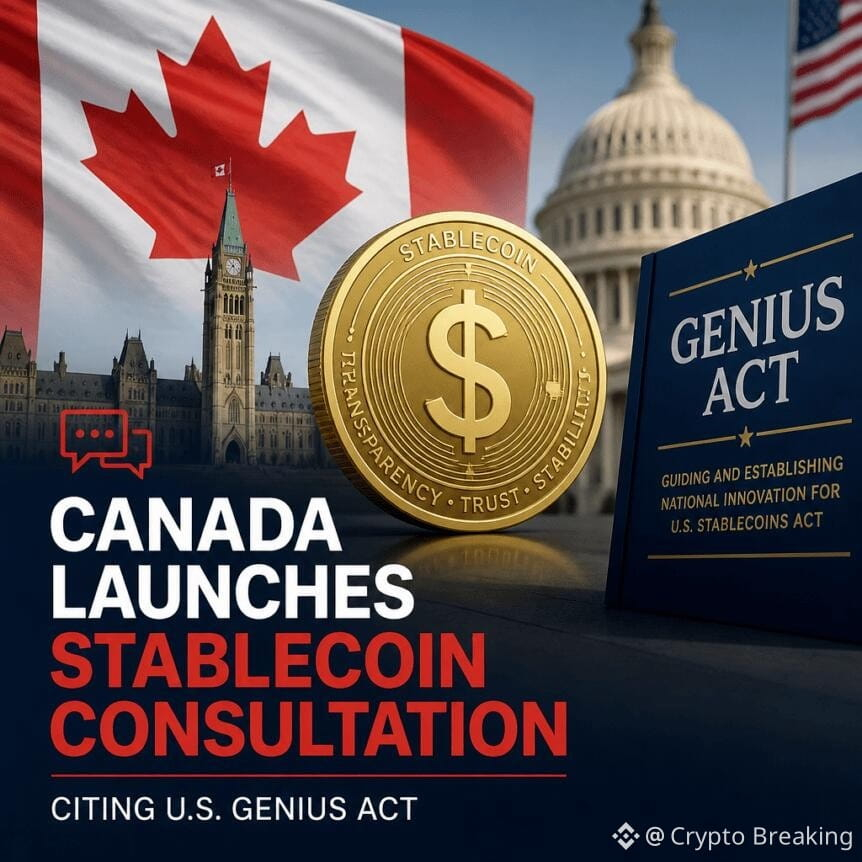
Kanada startet Stablecoin-Konsultation unter Verweis auf US-GENIUS-GesetzKanada hat eine 60-tägige öffentliche Konsultation zu geplanten Stablecoin-Regeln für Emittenten eingeleitet, die keine Finanzinstitute sind. Der von der Bundesregierung im Canada Gazette veröffentlichte Entwurf würde neue Grenzen dafür festlegen, wie diese Emittenten ihre Produkte strukturieren können. Dazu gehören Beschränkungen für die Zahlung von Renditen an Stablecoin-Inhaber.
Die Konsultationsphase läuft bis zum 23. Dezember. Laut Regierung sollen die Vorschriften im Herbst 2027 in Kraft treten. Der vorgeschlagene Ansatz soll sich – zumindest in seiner grundlegenden Struktur – an den Stablecoin-Regulierungen anderer Länder orientieren und zugleich den Compliance-Aufwand für Emittenten verringern, die in mehreren Rechtsräumen tätig sind.
Kanada startet Stablecoin-Konsultation unter Verweis auf US-GENIUS-Gesetz
Kanada hat eine 60-tägige öffentliche Konsultation zu geplanten Stablecoin-Regeln für Emittenten eingeleitet, die keine Finanzinstitute sind. Der von der Bundesregierung im Canada Gazette veröffentlichte Entwurf würde neue Grenzen dafür festlegen, wie diese Emittenten ihre Produkte strukturieren können. Dazu gehören Beschränkungen für die Zahlung von Renditen an Stablecoin-Inhaber.
Die Konsultationsphase läuft bis zum 23. Dezember. Laut Regierung sollen die Vorschriften im Herbst 2027 in Kraft treten. Der vorgeschlagene Ansatz soll sich – zumindest in seiner grundlegenden Struktur – an den Stablecoin-Regulierungen anderer Länder orientieren und zugleich den Compliance-Aufwand für Emittenten verringern, die in mehreren Rechtsräumen tätig sind.
Die Konsultationsphase läuft bis zum 23. Dezember. Laut Regierung sollen die Vorschriften im Herbst 2027 in Kraft treten. Der vorgeschlagene Ansatz soll sich – zumindest in seiner grundlegenden Struktur – an den Stablecoin-Regulierungen anderer Länder orientieren und zugleich den Compliance-Aufwand für Emittenten verringern, die in mehreren Rechtsräumen tätig sind.
29

Artikel
Kalshi schließt Vereinbarung mit S&P Dow Jones zur Ausweitung von EreigniskontraktenS&P Dow Jones Indices (S&P DJI) ist eine Partnerschaft mit der Prognosemarktplattform Kalshi eingegangen, um Ereigniskontrakte auf Basis von S&P-DJI-Benchmarks zu schaffen. Die am Montag von S&P Global angekündigte Zusammenarbeit macht Kalshi zu einem bevorzugten Handelsplatz für Kontrakte, die anhand der von S&P DJI veröffentlichten offiziellen Indexwerte abgerechnet werden.
Neben dem Angebot von Kontrakten auf bestehende Benchmarks wollen die Unternehmen nach eigenen Angaben auch die Entwicklung neuer Indizes prüfen, die Signale aus der Preisbildung der Kalshi-Ereigniskontrakte ableiten. Diese Indizes sollen kollektive Markterwartungen zu künftigen Entwicklungen messen – möglicherweise in Bereichen wie Wirtschaft, Politik und Sport. Dabei dienen Kontraktpreise als Eingangsgrößen, statt die Wertentwicklung traditioneller Finanzanlagen abzubilden.
Kalshi schließt Vereinbarung mit S&P Dow Jones zur Ausweitung von Ereigniskontrakten
S&P Dow Jones Indices (S&P DJI) ist eine Partnerschaft mit der Prognosemarktplattform Kalshi eingegangen, um Ereigniskontrakte auf Basis von S&P-DJI-Benchmarks zu schaffen. Die am Montag von S&P Global angekündigte Zusammenarbeit macht Kalshi zu einem bevorzugten Handelsplatz für Kontrakte, die anhand der von S&P DJI veröffentlichten offiziellen Indexwerte abgerechnet werden.
Neben dem Angebot von Kontrakten auf bestehende Benchmarks wollen die Unternehmen nach eigenen Angaben auch die Entwicklung neuer Indizes prüfen, die Signale aus der Preisbildung der Kalshi-Ereigniskontrakte ableiten. Diese Indizes sollen kollektive Markterwartungen zu künftigen Entwicklungen messen – möglicherweise in Bereichen wie Wirtschaft, Politik und Sport. Dabei dienen Kontraktpreise als Eingangsgrößen, statt die Wertentwicklung traditioneller Finanzanlagen abzubilden.
Neben dem Angebot von Kontrakten auf bestehende Benchmarks wollen die Unternehmen nach eigenen Angaben auch die Entwicklung neuer Indizes prüfen, die Signale aus der Preisbildung der Kalshi-Ereigniskontrakte ableiten. Diese Indizes sollen kollektive Markterwartungen zu künftigen Entwicklungen messen – möglicherweise in Bereichen wie Wirtschaft, Politik und Sport. Dabei dienen Kontraktpreise als Eingangsgrößen, statt die Wertentwicklung traditioneller Finanzanlagen abzubilden.
43

Artikel
NBA schließt Vereinbarung mit der CFTC und wählt Kalshi und Polymarket für Sportwetten ausDie NBA hat Schritte unternommen, um den Umgang von Sportprognosemärkten mit Ligadaten und Integritätskontrollen zu formalisieren: Sie hat Kalshi und Polymarket zu bevorzugten Handelsplattformen ernannt und mit der US-amerikanischen Commodity Futures Trading Commission (CFTC) eine Vereinbarung zum Informationsaustausch unterzeichnet. Die Maßnahmen sollen das Risiko von Insiderhandel und Manipulation bei ereignisbezogenen Basketballkontrakten verringern und zugleich zugelassenen Plattformen Zugang zu offiziellen NBA-Statistiken gewähren, die zur Abwicklung der Kontrakte verwendet werden.
In einer auf der Website der NBA veröffentlichten Mitteilung erklärte die Liga, die Vereinbarung ermögliche Kalshi und Polymarket, NBA-Daten zu nutzen, die Sportradar – der designierte Datenvertriebspartner der NBA – bereitstellt, um autorisierte Märkte abzuwickeln. Außerdem gewährte die NBA den beiden Handelsplattformen das Recht, geistiges Eigentum der NBA zu nutzen und in den Vereinigten Staaten Werbeaktionen durchzuführen – im Rahmen der Integritätsrichtlinien der Liga.
NBA schließt Vereinbarung mit der CFTC und wählt Kalshi und Polymarket für Sportwetten aus
Die NBA hat Schritte unternommen, um den Umgang von Sportprognosemärkten mit Ligadaten und Integritätskontrollen zu formalisieren: Sie hat Kalshi und Polymarket zu bevorzugten Handelsplattformen ernannt und mit der US-amerikanischen Commodity Futures Trading Commission (CFTC) eine Vereinbarung zum Informationsaustausch unterzeichnet. Die Maßnahmen sollen das Risiko von Insiderhandel und Manipulation bei ereignisbezogenen Basketballkontrakten verringern und zugleich zugelassenen Plattformen Zugang zu offiziellen NBA-Statistiken gewähren, die zur Abwicklung der Kontrakte verwendet werden.
In einer auf der Website der NBA veröffentlichten Mitteilung erklärte die Liga, die Vereinbarung ermögliche Kalshi und Polymarket, NBA-Daten zu nutzen, die Sportradar – der designierte Datenvertriebspartner der NBA – bereitstellt, um autorisierte Märkte abzuwickeln. Außerdem gewährte die NBA den beiden Handelsplattformen das Recht, geistiges Eigentum der NBA zu nutzen und in den Vereinigten Staaten Werbeaktionen durchzuführen – im Rahmen der Integritätsrichtlinien der Liga.
In einer auf der Website der NBA veröffentlichten Mitteilung erklärte die Liga, die Vereinbarung ermögliche Kalshi und Polymarket, NBA-Daten zu nutzen, die Sportradar – der designierte Datenvertriebspartner der NBA – bereitstellt, um autorisierte Märkte abzuwickeln. Außerdem gewährte die NBA den beiden Handelsplattformen das Recht, geistiges Eigentum der NBA zu nutzen und in den Vereinigten Staaten Werbeaktionen durchzuführen – im Rahmen der Integritätsrichtlinien der Liga.
44

Artikel
NBA wählt Kalshi und Polymarket aus und schließt Compliance-Vereinbarung mit der CFTCDie National Basketball Association hat Schritte unternommen, um ihre Rolle in der schnell wachsenden Prognosemarktbranche zu formalisieren: Kalshi und Polymarket wurden als bevorzugte Handelsplätze für basketballbezogene Kontrakte benannt. Die Liga unterzeichnete außerdem eine Vereinbarung zum Informationsaustausch mit der US-amerikanischen Commodity Futures Trading Commission (CFTC) und signalisiert damit einen stärker strukturierten Ansatz für Integrität und Aufsicht auf den Sportmärkten.
NBA-Vertreter erklären, dass die Vereinbarung dazu beitragen wird, sicherzustellen, dass nur zugelassene Produkte im Zusammenhang mit NBA-Veranstaltungen mithilfe offizieller Ligadaten abgerechnet werden. Zugleich werden Kontrollen eingeführt, die das Risiko von Insiderhandel, Betrug und Manipulation verringern sollen.
NBA wählt Kalshi und Polymarket aus und schließt Compliance-Vereinbarung mit der CFTC
Die National Basketball Association hat Schritte unternommen, um ihre Rolle in der schnell wachsenden Prognosemarktbranche zu formalisieren: Kalshi und Polymarket wurden als bevorzugte Handelsplätze für basketballbezogene Kontrakte benannt. Die Liga unterzeichnete außerdem eine Vereinbarung zum Informationsaustausch mit der US-amerikanischen Commodity Futures Trading Commission (CFTC) und signalisiert damit einen stärker strukturierten Ansatz für Integrität und Aufsicht auf den Sportmärkten.
NBA-Vertreter erklären, dass die Vereinbarung dazu beitragen wird, sicherzustellen, dass nur zugelassene Produkte im Zusammenhang mit NBA-Veranstaltungen mithilfe offizieller Ligadaten abgerechnet werden. Zugleich werden Kontrollen eingeführt, die das Risiko von Insiderhandel, Betrug und Manipulation verringern sollen.
NBA-Vertreter erklären, dass die Vereinbarung dazu beitragen wird, sicherzustellen, dass nur zugelassene Produkte im Zusammenhang mit NBA-Veranstaltungen mithilfe offizieller Ligadaten abgerechnet werden. Zugleich werden Kontrollen eingeführt, die das Risiko von Insiderhandel, Betrug und Manipulation verringern sollen.
40

Artikel
Kalshi kooperiert mit S&P Dow Jones, um Finanzereignismärkte auszubauenS&P Dow Jones Indices (S&P DJI) ist eine Partnerschaft mit der Prognosemarkt-Plattform Kalshi eingegangen, um Kontrakte auf Basis von S&P-DJI-Benchmarks auf einem regulierten Ereignismarkt anzubieten. Das geht aus einer Mitteilung von S&P Global hervor. Im Rahmen der Zusammenarbeit dienen die veröffentlichten Indexwerte von S&P DJI als Grundlage für die Abrechnung entsprechender „Ereigniskontrakte“. Damit werden weithin beachtete Finanzbenchmarks zu Referenzwerten für den Handel mit Wahrscheinlichkeiten.
Neben dem Angebot von Kontrakten erklärte S&P DJI, auch die Entwicklung neuer Indizes prüfen zu wollen, die auf Kalshis Marktpreisen beruhen und Erwartungen hinsichtlich künftiger Entwicklungen widerspiegeln – etwa in Bezug auf die Wirtschaft, politische Ergebnisse und Sportereignisse – statt die Wertentwicklung traditioneller Finanzanlagen abzubilden.
Kalshi kooperiert mit S&P Dow Jones, um Finanzereignismärkte auszubauen
S&P Dow Jones Indices (S&P DJI) ist eine Partnerschaft mit der Prognosemarkt-Plattform Kalshi eingegangen, um Kontrakte auf Basis von S&P-DJI-Benchmarks auf einem regulierten Ereignismarkt anzubieten. Das geht aus einer Mitteilung von S&P Global hervor. Im Rahmen der Zusammenarbeit dienen die veröffentlichten Indexwerte von S&P DJI als Grundlage für die Abrechnung entsprechender „Ereigniskontrakte“. Damit werden weithin beachtete Finanzbenchmarks zu Referenzwerten für den Handel mit Wahrscheinlichkeiten.
Neben dem Angebot von Kontrakten erklärte S&P DJI, auch die Entwicklung neuer Indizes prüfen zu wollen, die auf Kalshis Marktpreisen beruhen und Erwartungen hinsichtlich künftiger Entwicklungen widerspiegeln – etwa in Bezug auf die Wirtschaft, politische Ergebnisse und Sportereignisse – statt die Wertentwicklung traditioneller Finanzanlagen abzubilden.
Neben dem Angebot von Kontrakten erklärte S&P DJI, auch die Entwicklung neuer Indizes prüfen zu wollen, die auf Kalshis Marktpreisen beruhen und Erwartungen hinsichtlich künftiger Entwicklungen widerspiegeln – etwa in Bezug auf die Wirtschaft, politische Ergebnisse und Sportereignisse – statt die Wertentwicklung traditioneller Finanzanlagen abzubilden.
28
Artikel
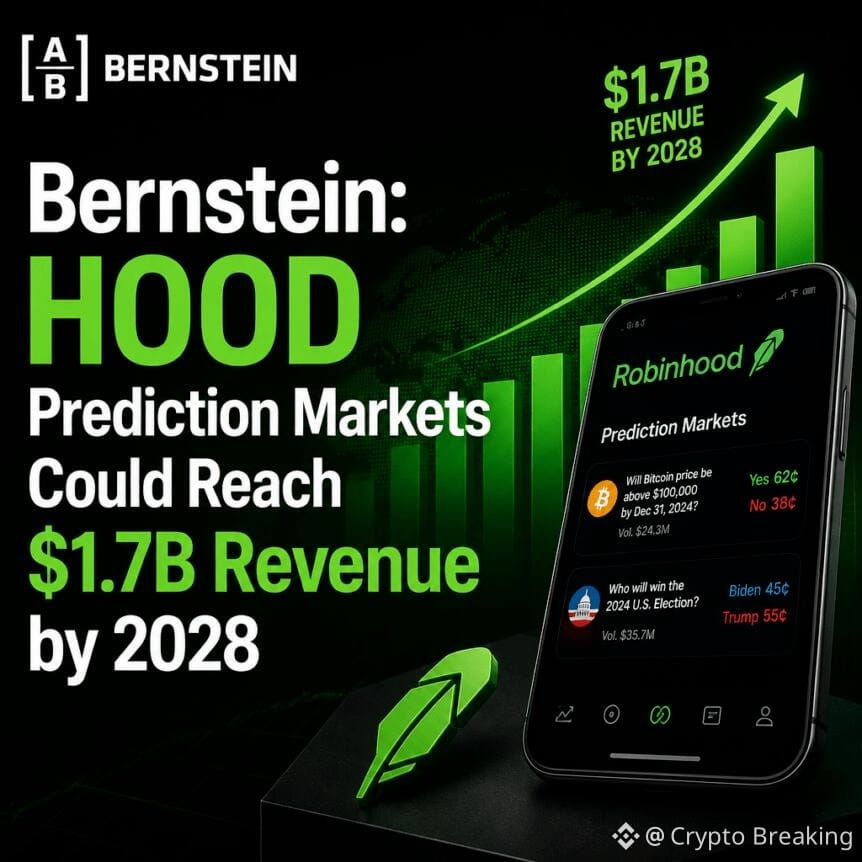
Bernstein: Prognosemärkte von HOOD könnten bis 2028 einen Umsatz von 1,7 Mrd. US-Dollar erreichenPrognosemärkte wirken zunehmend weniger wie ein Nebenprojekt und mehr wie eine potenzielle Ertragsquelle für Robinhood Markets. In einer mit Cointelegraph besprochenen Analyse prognostizieren Bernstein-Analysten, dass die Einnahmen aus Prognosemärkten bis 2028 auf bis zu 1,7 Milliarden US-Dollar steigen könnten – ein Betrag, der ihren Schätzungen zufolge die Einnahmen übertreffen könnte, die Robinhood im selben Jahr mit dem Kryptohandel erzielt.
Die Prognose kommt nur wenige Tage, bevor Robinhood voraussichtlich seine Ergebnisse für das dritte Quartal 2026 vorlegt. Bernstein rechnet auch mit einer Expansion des Gesamtgeschäfts und verweist auf die Dynamik bei Aktien, Optionen und Ereigniskontrakten sowie auf eine Erholung der Kryptoaktivitäten.
Bernstein: Prognosemärkte von HOOD könnten bis 2028 einen Umsatz von 1,7 Mrd. US-Dollar erreichen
Prognosemärkte wirken zunehmend weniger wie ein Nebenprojekt und mehr wie eine potenzielle Ertragsquelle für Robinhood Markets. In einer mit Cointelegraph besprochenen Analyse prognostizieren Bernstein-Analysten, dass die Einnahmen aus Prognosemärkten bis 2028 auf bis zu 1,7 Milliarden US-Dollar steigen könnten – ein Betrag, der ihren Schätzungen zufolge die Einnahmen übertreffen könnte, die Robinhood im selben Jahr mit dem Kryptohandel erzielt.
Die Prognose kommt nur wenige Tage, bevor Robinhood voraussichtlich seine Ergebnisse für das dritte Quartal 2026 vorlegt. Bernstein rechnet auch mit einer Expansion des Gesamtgeschäfts und verweist auf die Dynamik bei Aktien, Optionen und Ereigniskontrakten sowie auf eine Erholung der Kryptoaktivitäten.
Die Prognose kommt nur wenige Tage, bevor Robinhood voraussichtlich seine Ergebnisse für das dritte Quartal 2026 vorlegt. Bernstein rechnet auch mit einer Expansion des Gesamtgeschäfts und verweist auf die Dynamik bei Aktien, Optionen und Ereigniskontrakten sowie auf eine Erholung der Kryptoaktivitäten.
25

Artikel
Immunefi-CEO warnt: PHP-Sicherheitslücke verdeutlicht das Risiko durch KI-SchwachstellenKrypto-Nutzer und -Entwickler sind einem erhöhten Websicherheitsrisiko ausgesetzt, nachdem für neu bekannt gewordene PHP-Sicherheitslücken Notfall-Patches veröffentlicht wurden. Immunefi-CEO Mitchell Amador warnte, Internetnutzer sollten in den nächsten Wochen davon ausgehen, dass jede Website, bei der sie sich anmelden, bereits kompromittiert sein könnte – insbesondere Websites kleinerer Organisationen, bei denen die Bereitstellung von Updates länger dauern kann.
Amador beschrieb die Situation als Fortsetzung dessen, was er eine „Apokalypse der Sicherheitslücken“ nennt: Schwachstellen würden immer schneller und kostengünstiger entdeckt, doch ihre Behebung sei für viele Betreiber nach wie vor langsam und kostspielig. Seine Äußerungen folgten auf die Bestätigung der PHP Foundation, dass sich eine kritische Sicherheitskorrektur aufgrund begrenzter Ressourcen verzögert hatte.
Immunefi-CEO warnt: PHP-Sicherheitslücke verdeutlicht das Risiko durch KI-Schwachstellen
Krypto-Nutzer und -Entwickler sind einem erhöhten Websicherheitsrisiko ausgesetzt, nachdem für neu bekannt gewordene PHP-Sicherheitslücken Notfall-Patches veröffentlicht wurden. Immunefi-CEO Mitchell Amador warnte, Internetnutzer sollten in den nächsten Wochen davon ausgehen, dass jede Website, bei der sie sich anmelden, bereits kompromittiert sein könnte – insbesondere Websites kleinerer Organisationen, bei denen die Bereitstellung von Updates länger dauern kann.
Amador beschrieb die Situation als Fortsetzung dessen, was er eine „Apokalypse der Sicherheitslücken“ nennt: Schwachstellen würden immer schneller und kostengünstiger entdeckt, doch ihre Behebung sei für viele Betreiber nach wie vor langsam und kostspielig. Seine Äußerungen folgten auf die Bestätigung der PHP Foundation, dass sich eine kritische Sicherheitskorrektur aufgrund begrenzter Ressourcen verzögert hatte.
Amador beschrieb die Situation als Fortsetzung dessen, was er eine „Apokalypse der Sicherheitslücken“ nennt: Schwachstellen würden immer schneller und kostengünstiger entdeckt, doch ihre Behebung sei für viele Betreiber nach wie vor langsam und kostspielig. Seine Äußerungen folgten auf die Bestätigung der PHP Foundation, dass sich eine kritische Sicherheitskorrektur aufgrund begrenzter Ressourcen verzögert hatte.
22
Artikel
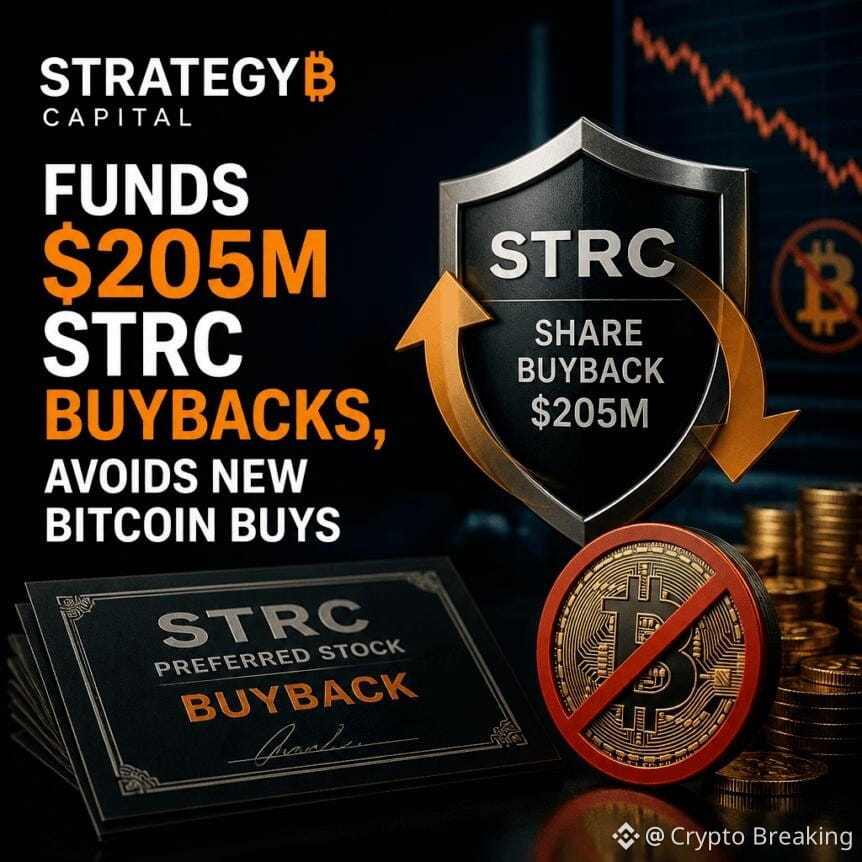
Strategy setzt 205 Mio. US-Dollar für STRC-Rückkäufe ein und verzichtet auf neue Bitcoin-KäufeMichael Saylor’s Strategy setzte vergangene Woche seine Bitcoin-Aktivitäten aus und entschied sich stattdessen, Kapital für Aktienrückkäufe einzusetzen. In ihrer jüngsten, am Montag bei der US-Börsenaufsichtsbehörde SEC eingereichten Meldung erklärte das Unternehmen, weder Bitcoin gekauft noch verkauft zu haben. Zudem meldete es für den Zeitraum von Montag bis Freitag keine Aktienverkäufe im Rahmen seines At-the-Market-Programms.
Strategy kaufte in dieser Woche 2,07 Millionen Aktien zurück und gab bekannt, dass ein beträchtlicher Betrag von 204,9 Millionen US-Dollar für den Rückkauf von STRC-Vorzugsaktien verwendet wurde. Der Schritt erfolgt, nachdem Bitcoin nach einem höheren Stand zu Wochenbeginn in Richtung der Marke von 80.000 US-Dollar gefallen war.
Strategy setzt 205 Mio. US-Dollar für STRC-Rückkäufe ein und verzichtet auf neue Bitcoin-Käufe
Michael Saylor’s Strategy setzte vergangene Woche seine Bitcoin-Aktivitäten aus und entschied sich stattdessen, Kapital für Aktienrückkäufe einzusetzen. In ihrer jüngsten, am Montag bei der US-Börsenaufsichtsbehörde SEC eingereichten Meldung erklärte das Unternehmen, weder Bitcoin gekauft noch verkauft zu haben. Zudem meldete es für den Zeitraum von Montag bis Freitag keine Aktienverkäufe im Rahmen seines At-the-Market-Programms.
Strategy kaufte in dieser Woche 2,07 Millionen Aktien zurück und gab bekannt, dass ein beträchtlicher Betrag von 204,9 Millionen US-Dollar für den Rückkauf von STRC-Vorzugsaktien verwendet wurde. Der Schritt erfolgt, nachdem Bitcoin nach einem höheren Stand zu Wochenbeginn in Richtung der Marke von 80.000 US-Dollar gefallen war.
Strategy kaufte in dieser Woche 2,07 Millionen Aktien zurück und gab bekannt, dass ein beträchtlicher Betrag von 204,9 Millionen US-Dollar für den Rückkauf von STRC-Vorzugsaktien verwendet wurde. Der Schritt erfolgt, nachdem Bitcoin nach einem höheren Stand zu Wochenbeginn in Richtung der Marke von 80.000 US-Dollar gefallen war.
28
Artikel
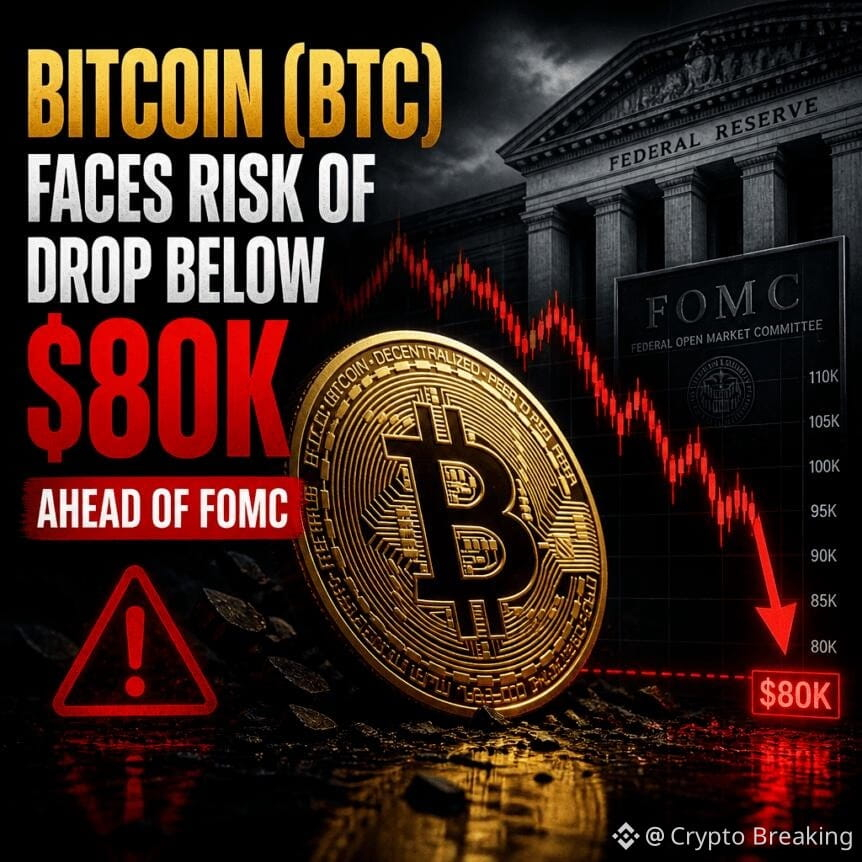
Bitcoin (BTC) droht vor dem FOMC ein Rückgang unter 80.000 $Bitcoin geht unter Druck in die letzte Oktoberphase. Der Markt versucht, die Marke von 80.000 $ zu verteidigen, während Anleger auf einen vollen Terminkalender mit US-Konjunkturdaten und Unternehmenszahlen blicken. Die Monatsbilanz entwickelt sich bereits negativ: Bleiben die Preise in der Nähe des aktuellen Niveaus von rund 80.000 $, dürfte BTC den Oktober mit einem Minus von etwa 4 % beenden.
Auch außerhalb des Kryptomarkts wird die allgemeine Risikostimmung auf die Probe gestellt. Die für die kommende Woche anstehende Zinsentscheidung der US-Notenbank Federal Reserve und die Ölpreisentwicklung fallen mit einer erneuten Schwäche des südkoreanischen KOSPI und einer Reihe wichtiger US-Technologie-Bilanzen zusammen. Diese Faktoren können die Liquiditätsbedingungen sowohl für Aktien als auch für digitale Vermögenswerte rasch verändern.
Bitcoin (BTC) droht vor dem FOMC ein Rückgang unter 80.000 $
Bitcoin geht unter Druck in die letzte Oktoberphase. Der Markt versucht, die Marke von 80.000 $ zu verteidigen, während Anleger auf einen vollen Terminkalender mit US-Konjunkturdaten und Unternehmenszahlen blicken. Die Monatsbilanz entwickelt sich bereits negativ: Bleiben die Preise in der Nähe des aktuellen Niveaus von rund 80.000 $, dürfte BTC den Oktober mit einem Minus von etwa 4 % beenden.
Auch außerhalb des Kryptomarkts wird die allgemeine Risikostimmung auf die Probe gestellt. Die für die kommende Woche anstehende Zinsentscheidung der US-Notenbank Federal Reserve und die Ölpreisentwicklung fallen mit einer erneuten Schwäche des südkoreanischen KOSPI und einer Reihe wichtiger US-Technologie-Bilanzen zusammen. Diese Faktoren können die Liquiditätsbedingungen sowohl für Aktien als auch für digitale Vermögenswerte rasch verändern.
Auch außerhalb des Kryptomarkts wird die allgemeine Risikostimmung auf die Probe gestellt. Die für die kommende Woche anstehende Zinsentscheidung der US-Notenbank Federal Reserve und die Ölpreisentwicklung fallen mit einer erneuten Schwäche des südkoreanischen KOSPI und einer Reihe wichtiger US-Technologie-Bilanzen zusammen. Diese Faktoren können die Liquiditätsbedingungen sowohl für Aktien als auch für digitale Vermögenswerte rasch verändern.
2
109
Artikel
Samsung hat kein Krypto-Produkt eingeführt. Sie haben eine Wallet für 82 Millionen Geräte eingeführt, von der niemand sagte, sie sei …Die breite Akzeptanz sollte nie mit einem Whitepaper kommen. Sie sollte als Funktionsupdate kommen, über das du nicht zweimal nachdenken musst.
Der wichtigste Krypto-Start, den niemand als Krypto-Start bezeichnet
Diese Woche führt Samsung USDC-Überweisungen in Samsung Wallet für 82 Millionen kompatible Galaxy-Geräte in den USA ein.
Nutzer können USDC an Wallets im Ausland senden oder Geld direkt auf Bankkonten in über 60 Ländern überweisen. Die Empfänger erhalten den Betrag in ihrer Landeswährung.
Keine Krypto-Kenntnisse erforderlich. Keine neue App zum Herunterladen. Keine Seed Phrase. Kein „Blockchain“ in der Überschrift der Pressemitteilung. Einfach: Mit Samsung Wallet kannst du jetzt international Geld senden.
Samsung hat kein Krypto-Produkt eingeführt. Sie haben eine Wallet für 82 Millionen Geräte eingeführt, von der niemand sagte, sie sei …
Die breite Akzeptanz sollte nie mit einem Whitepaper kommen. Sie sollte als Funktionsupdate kommen, über das du nicht zweimal nachdenken musst.
Der wichtigste Krypto-Start, den niemand als Krypto-Start bezeichnet
Diese Woche führt Samsung USDC-Überweisungen in Samsung Wallet für 82 Millionen kompatible Galaxy-Geräte in den USA ein.
Nutzer können USDC an Wallets im Ausland senden oder Geld direkt auf Bankkonten in über 60 Ländern überweisen. Die Empfänger erhalten den Betrag in ihrer Landeswährung.
Keine Krypto-Kenntnisse erforderlich. Keine neue App zum Herunterladen. Keine Seed Phrase. Kein „Blockchain“ in der Überschrift der Pressemitteilung. Einfach: Mit Samsung Wallet kannst du jetzt international Geld senden.
Der wichtigste Krypto-Start, den niemand als Krypto-Start bezeichnet
Diese Woche führt Samsung USDC-Überweisungen in Samsung Wallet für 82 Millionen kompatible Galaxy-Geräte in den USA ein.
Nutzer können USDC an Wallets im Ausland senden oder Geld direkt auf Bankkonten in über 60 Ländern überweisen. Die Empfänger erhalten den Betrag in ihrer Landeswährung.
Keine Krypto-Kenntnisse erforderlich. Keine neue App zum Herunterladen. Keine Seed Phrase. Kein „Blockchain“ in der Überschrift der Pressemitteilung. Einfach: Mit Samsung Wallet kannst du jetzt international Geld senden.
79
Artikel
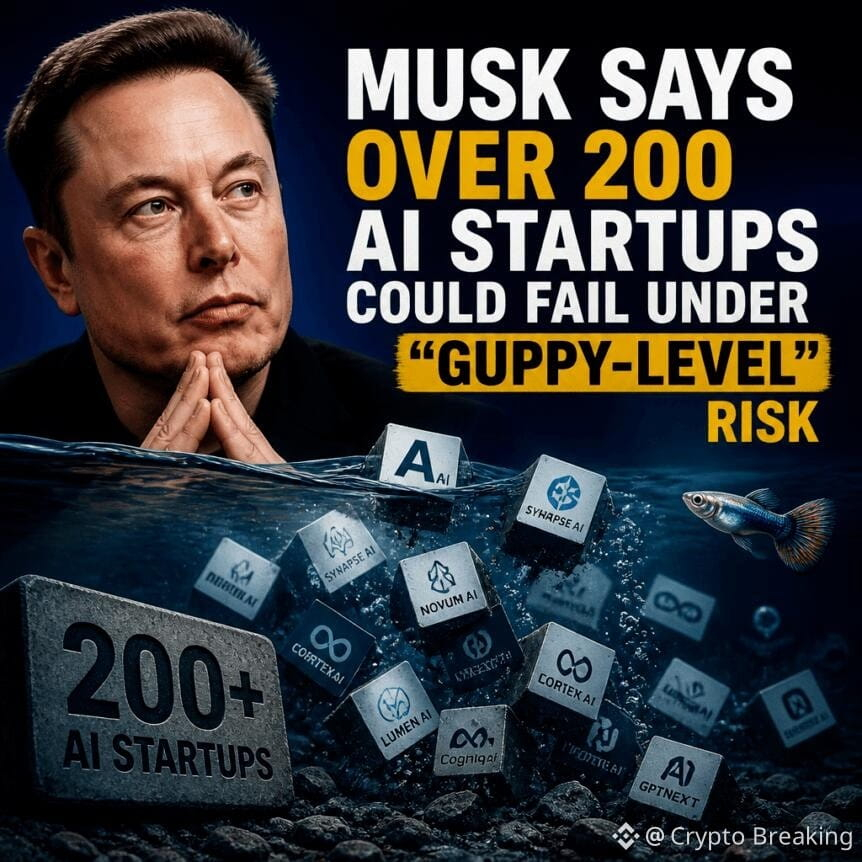
Musk sagt, dass mehr als 200 KI-Start-ups am „Guppy-Level“-Risiko scheitern könntenElon Musk warnte, dass mehr als 200 spezialisierte „Neocloud“-Anbieter – Unternehmen, die Cloud-Computing mit Schwerpunkt auf KI anbieten und oft von GPU-intensiven Rechenzentren unterstützt werden – vor dem Zusammenbruch oder einer Konsolidierung stehen könnten, da Kreditgeber bei der Finanzierung selektiver werden. Auf X sagte Musk, dass Finanzierungen zunehmend auf Unternehmen beschränkt würden, die neben dem Betrieb von KI-Rechenzentren über erhebliche Einnahmequellen verfügen.
Seine Äußerungen verweisen auf ein größeres Risiko beim Ausbau der KI-Infrastruktur: Trotz des rasanten Ausgabenwachstums könnten viele kleinere Anbieter Schwierigkeiten haben, massive Investitionen in nachhaltige, profitable Cashflows umzuwandeln. Die Warnung folgt auf eine Prognose von Gartner, der zufolge die meisten Neocloud-Betreiber bis zum Ende des Jahrzehnts nicht unabhängig bleiben werden.
Musk sagt, dass mehr als 200 KI-Start-ups am „Guppy-Level“-Risiko scheitern könnten
Elon Musk warnte, dass mehr als 200 spezialisierte „Neocloud“-Anbieter – Unternehmen, die Cloud-Computing mit Schwerpunkt auf KI anbieten und oft von GPU-intensiven Rechenzentren unterstützt werden – vor dem Zusammenbruch oder einer Konsolidierung stehen könnten, da Kreditgeber bei der Finanzierung selektiver werden. Auf X sagte Musk, dass Finanzierungen zunehmend auf Unternehmen beschränkt würden, die neben dem Betrieb von KI-Rechenzentren über erhebliche Einnahmequellen verfügen.
Seine Äußerungen verweisen auf ein größeres Risiko beim Ausbau der KI-Infrastruktur: Trotz des rasanten Ausgabenwachstums könnten viele kleinere Anbieter Schwierigkeiten haben, massive Investitionen in nachhaltige, profitable Cashflows umzuwandeln. Die Warnung folgt auf eine Prognose von Gartner, der zufolge die meisten Neocloud-Betreiber bis zum Ende des Jahrzehnts nicht unabhängig bleiben werden.
Seine Äußerungen verweisen auf ein größeres Risiko beim Ausbau der KI-Infrastruktur: Trotz des rasanten Ausgabenwachstums könnten viele kleinere Anbieter Schwierigkeiten haben, massive Investitionen in nachhaltige, profitable Cashflows umzuwandeln. Die Warnung folgt auf eine Prognose von Gartner, der zufolge die meisten Neocloud-Betreiber bis zum Ende des Jahrzehnts nicht unabhängig bleiben werden.
85
Artikel
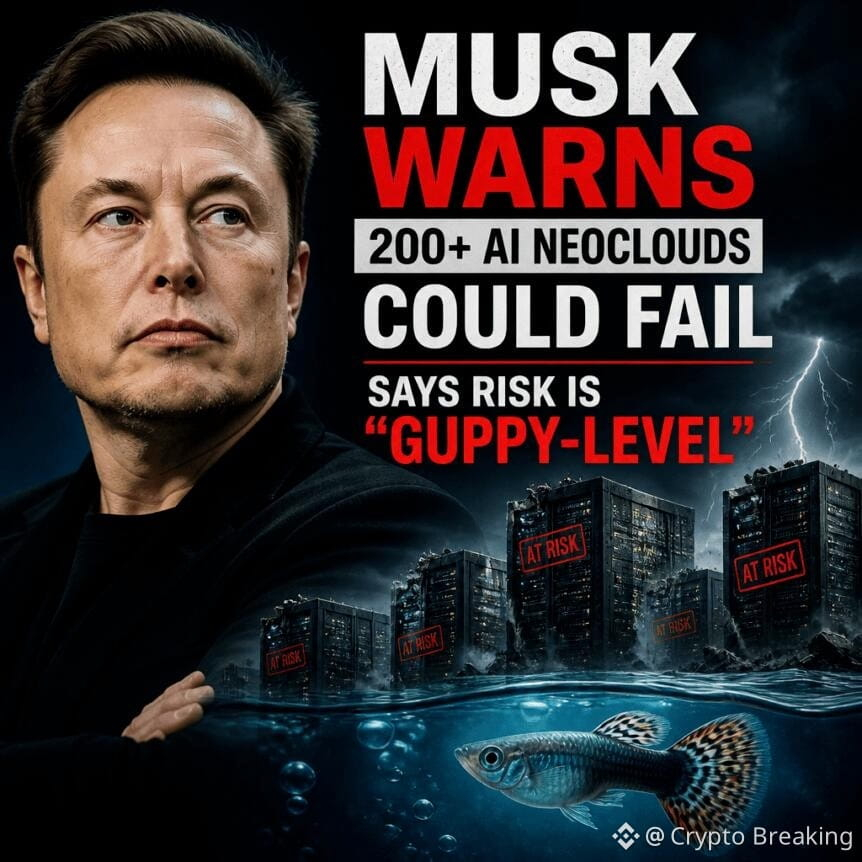
Musk warnt: Über 200 KI-Neoclouds könnten scheitern – Risiko auf „Guppy-Niveau“Elon Musk hat gewarnt, dass ein großer Teil der „Neocloud“-Unternehmen – spezialisierte KI-Cloud-Anbieter, die GPU-basierte Rechenleistung vermieten – möglicherweise nicht überleben wird, da Kreditgeber zunehmend genauer auswählen, wer eine Finanzierung erhält. In auf X veröffentlichten Kommentaren deutete Musk an, dass mehr als 200 solcher Anbieter in die Insolvenz gezwungen oder konsolidiert werden könnten.
Musks Warnung weist auf eine Finanzierungsklemme infolge strengerer Kreditvergabestandards hin. Unternehmen ohne nennenswerte Einnahmen aus anderen Bereichen als KI-Rechenzentren seien dabei im Nachteil. Das Thema betrifft nicht nur die KI-Infrastruktur, da einige Bitcoin-Mining-Unternehmen dazu übergegangen sind, Kapazitäten für KI-Workloads aufzubauen oder bereitzustellen – durch Hosting- und Rechendienstleistungen.
Musk warnt: Über 200 KI-Neoclouds könnten scheitern – Risiko auf „Guppy-Niveau“
Elon Musk hat gewarnt, dass ein großer Teil der „Neocloud“-Unternehmen – spezialisierte KI-Cloud-Anbieter, die GPU-basierte Rechenleistung vermieten – möglicherweise nicht überleben wird, da Kreditgeber zunehmend genauer auswählen, wer eine Finanzierung erhält. In auf X veröffentlichten Kommentaren deutete Musk an, dass mehr als 200 solcher Anbieter in die Insolvenz gezwungen oder konsolidiert werden könnten.
Musks Warnung weist auf eine Finanzierungsklemme infolge strengerer Kreditvergabestandards hin. Unternehmen ohne nennenswerte Einnahmen aus anderen Bereichen als KI-Rechenzentren seien dabei im Nachteil. Das Thema betrifft nicht nur die KI-Infrastruktur, da einige Bitcoin-Mining-Unternehmen dazu übergegangen sind, Kapazitäten für KI-Workloads aufzubauen oder bereitzustellen – durch Hosting- und Rechendienstleistungen.
Musks Warnung weist auf eine Finanzierungsklemme infolge strengerer Kreditvergabestandards hin. Unternehmen ohne nennenswerte Einnahmen aus anderen Bereichen als KI-Rechenzentren seien dabei im Nachteil. Das Thema betrifft nicht nur die KI-Infrastruktur, da einige Bitcoin-Mining-Unternehmen dazu übergegangen sind, Kapazitäten für KI-Workloads aufzubauen oder bereitzustellen – durch Hosting- und Rechendienstleistungen.
73
Artikel
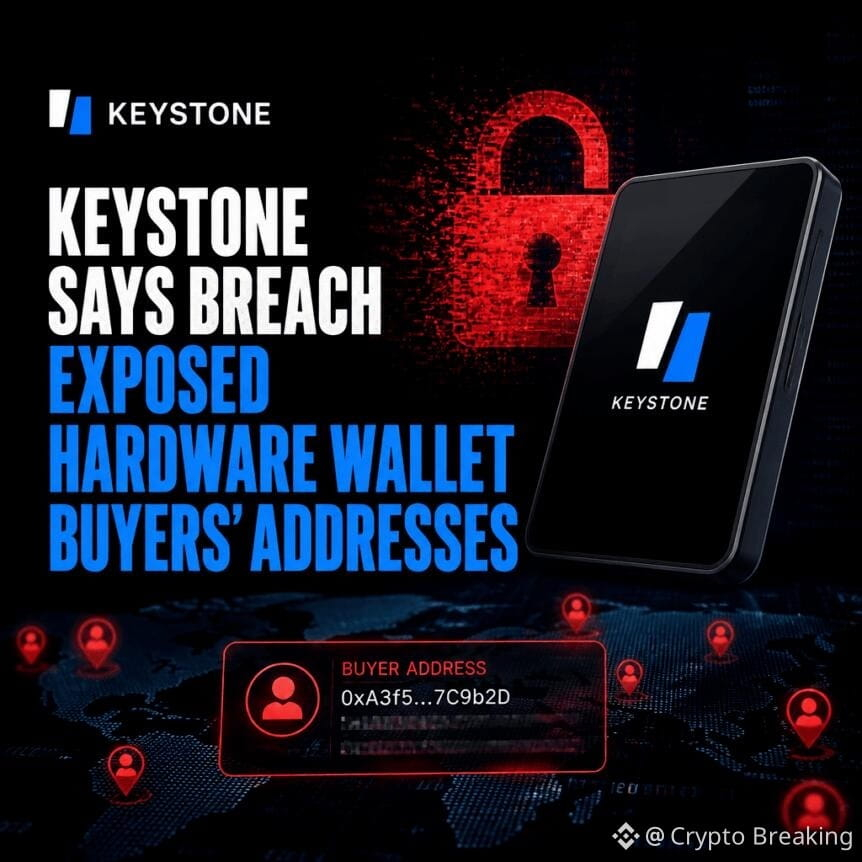
Keystone: Bei Datenpanne wurden Adressen von Käufern von Hardware-Wallets offengelegtKeystone, ein bekannter Hersteller von Hardware-Wallets für Kryptowährungen, gab bekannt, dass Angreifer über eine Sicherheitslücke auf seiner Website auf Versandinformationen von Kunden zugegriffen haben. Der Vorfall, der zu Beginn der Woche erstmals als verdächtige Aktivität gemeldet und nach einer internen Überprüfung bestätigt wurde, veranlasste Keystone dazu, den Zugriff zu sperren, die Sicherheitslücke zu schließen, eine Untersuchung einzuleiten und betroffene Kunden zu kontaktieren.
Laut Keystone umfassten die offengelegten Daten die Namen, Kontaktdaten und Versandadressen der Kunden sowie Bestellinformationen wie die gekauften Artikel. Das Unternehmen machte keine Angaben dazu, wie viele Kunden betroffen waren.
Keystone: Bei Datenpanne wurden Adressen von Käufern von Hardware-Wallets offengelegt
Keystone, ein bekannter Hersteller von Hardware-Wallets für Kryptowährungen, gab bekannt, dass Angreifer über eine Sicherheitslücke auf seiner Website auf Versandinformationen von Kunden zugegriffen haben. Der Vorfall, der zu Beginn der Woche erstmals als verdächtige Aktivität gemeldet und nach einer internen Überprüfung bestätigt wurde, veranlasste Keystone dazu, den Zugriff zu sperren, die Sicherheitslücke zu schließen, eine Untersuchung einzuleiten und betroffene Kunden zu kontaktieren.
Laut Keystone umfassten die offengelegten Daten die Namen, Kontaktdaten und Versandadressen der Kunden sowie Bestellinformationen wie die gekauften Artikel. Das Unternehmen machte keine Angaben dazu, wie viele Kunden betroffen waren.
Laut Keystone umfassten die offengelegten Daten die Namen, Kontaktdaten und Versandadressen der Kunden sowie Bestellinformationen wie die gekauften Artikel. Das Unternehmen machte keine Angaben dazu, wie viele Kunden betroffen waren.
127
Artikel
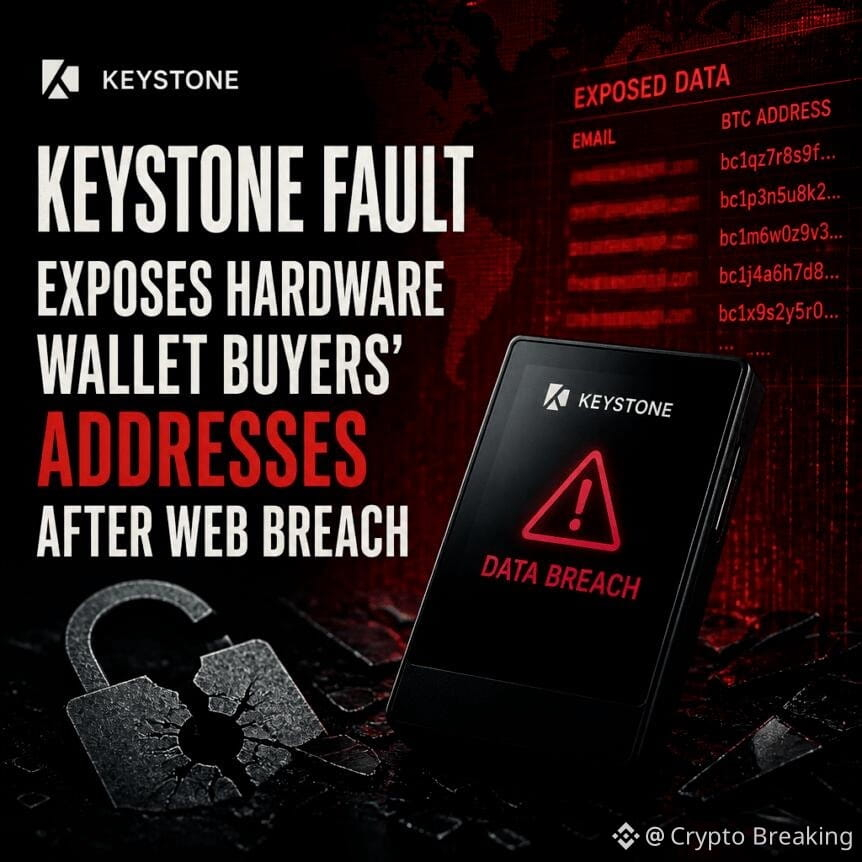
Sicherheitslücke bei Keystone legt nach Website-Datenpanne Adressen von Hardware-Wallet-Käufern offenKeystone, das Unternehmen für Krypto-Hardware-Wallets, hat offengelegt, dass bei einem Sicherheitsvorfall auf einer Website Versand- und Bestelldaten von Kunden an unbefugte Dritte gelangt sind. Der Vorfall, der laut Keystone Anfang der Woche entdeckt und nach einer Überprüfung der API-Aktivitäten mit Shopify bestätigt wurde, könnte das Risiko gezielter Phishing-Angriffe und anderer Betrugsversuche erhöhen.
Die Offenlegung erfolgt vor dem Hintergrund wachsender Besorgnis über sogenannte „Wrench-Angriffe“ in der realen Welt. Dabei handelt es sich um eine Form von Kriminalität, bei der Opfer bedroht oder verletzt werden, um sie zur Herausgabe ihrer Kryptowährungen zu zwingen. Das Sicherheitsunternehmen CertiK berichtete, dass es im ersten Halbjahr 2026 weltweit 52 bestätigte Wrench-Angriffe registriert habe – gegenüber 39 im gleichen Zeitraum 2025.
Sicherheitslücke bei Keystone legt nach Website-Datenpanne Adressen von Hardware-Wallet-Käufern offen
Keystone, das Unternehmen für Krypto-Hardware-Wallets, hat offengelegt, dass bei einem Sicherheitsvorfall auf einer Website Versand- und Bestelldaten von Kunden an unbefugte Dritte gelangt sind. Der Vorfall, der laut Keystone Anfang der Woche entdeckt und nach einer Überprüfung der API-Aktivitäten mit Shopify bestätigt wurde, könnte das Risiko gezielter Phishing-Angriffe und anderer Betrugsversuche erhöhen.
Die Offenlegung erfolgt vor dem Hintergrund wachsender Besorgnis über sogenannte „Wrench-Angriffe“ in der realen Welt. Dabei handelt es sich um eine Form von Kriminalität, bei der Opfer bedroht oder verletzt werden, um sie zur Herausgabe ihrer Kryptowährungen zu zwingen. Das Sicherheitsunternehmen CertiK berichtete, dass es im ersten Halbjahr 2026 weltweit 52 bestätigte Wrench-Angriffe registriert habe – gegenüber 39 im gleichen Zeitraum 2025.
Die Offenlegung erfolgt vor dem Hintergrund wachsender Besorgnis über sogenannte „Wrench-Angriffe“ in der realen Welt. Dabei handelt es sich um eine Form von Kriminalität, bei der Opfer bedroht oder verletzt werden, um sie zur Herausgabe ihrer Kryptowährungen zu zwingen. Das Sicherheitsunternehmen CertiK berichtete, dass es im ersten Halbjahr 2026 weltweit 52 bestätigte Wrench-Angriffe registriert habe – gegenüber 39 im gleichen Zeitraum 2025.
103

Artikel
KI-Agenten helfen bei der Wiederherstellung des ETH-Hard-Forks Glamsterdam nach Website mit dem Slogan „Steal My Bitcoin“Ethereum steht mit dem geplanten Hard Fork Glamsterdam vor weiteren Verzögerungen, nachdem eine Sicherheitsüberprüfung Probleme bei zwei Vorschlägen zur Skalierung des Gasverbrauchs aufgedeckt hat. Die Erkenntnisse von ChainSecurity führten zur Absage des zweiten und letzten Testnetzes. Dadurch verschiebt sich die nächste Generalprobe weiter nach hinten, während die Teams die „Folgewirkungen zweiter Ordnung“ des Upgrades bewerten.
Das übergeordnete Thema dieser Woche: Automatisierung wird zunehmend sowohl für Angriffe als auch zur Verteidigung eingesetzt. Ein Account Manager bei Eth Labs, einer Gruppe aus dem Ethereum-Ökosystem, berichtete, dass KI-Agenten nach fehlerhaften Smart Contracts suchen. Dabei koordinieren sie ihre Arbeit über gemeinsame Nachrichtenforen – ein Ansatz, der von früherem Verhalten von Angreifern inspiriert ist.
KI-Agenten helfen bei der Wiederherstellung des ETH-Hard-Forks Glamsterdam nach Website mit dem Slogan „Steal My Bitcoin“
Ethereum steht mit dem geplanten Hard Fork Glamsterdam vor weiteren Verzögerungen, nachdem eine Sicherheitsüberprüfung Probleme bei zwei Vorschlägen zur Skalierung des Gasverbrauchs aufgedeckt hat. Die Erkenntnisse von ChainSecurity führten zur Absage des zweiten und letzten Testnetzes. Dadurch verschiebt sich die nächste Generalprobe weiter nach hinten, während die Teams die „Folgewirkungen zweiter Ordnung“ des Upgrades bewerten.
Das übergeordnete Thema dieser Woche: Automatisierung wird zunehmend sowohl für Angriffe als auch zur Verteidigung eingesetzt. Ein Account Manager bei Eth Labs, einer Gruppe aus dem Ethereum-Ökosystem, berichtete, dass KI-Agenten nach fehlerhaften Smart Contracts suchen. Dabei koordinieren sie ihre Arbeit über gemeinsame Nachrichtenforen – ein Ansatz, der von früherem Verhalten von Angreifern inspiriert ist.
Das übergeordnete Thema dieser Woche: Automatisierung wird zunehmend sowohl für Angriffe als auch zur Verteidigung eingesetzt. Ein Account Manager bei Eth Labs, einer Gruppe aus dem Ethereum-Ökosystem, berichtete, dass KI-Agenten nach fehlerhaften Smart Contracts suchen. Dabei koordinieren sie ihre Arbeit über gemeinsame Nachrichtenforen – ein Ansatz, der von früherem Verhalten von Angreifern inspiriert ist.
170
Anmelden und weiter Inhalte entdecken
Krypto-Nutzer weltweit auf Binance Square kennenlernen
⚡️ Bleib in Sachen Krypto stets am Puls.
💬 Die weltgrößte Kryptobörse vertraut darauf.
👍 Erhalte verlässliche Einblicke von verifizierten Creators.
E-Mail-Adresse/Telefonnummer
Trendthemen
BinancePick
3.2M Aufrufe
158,517 Kommentare
Mach bei #Gewinnsaison mit: Prognostiziere Unternehmensergebnisse auf Binance Pick und teile deine Meinung auf Binance Square!
Binance Square Official
·414 Likes
·344.1k Aufrufe
EarningsSeason
5.4M Aufrufe
26,326 Kommentare
BitmineAdds10452ETH
259 Aufrufe
28 Kommentare