PetrosNoah

Trade eröffnen
Regelmäßiger Trader
6.8 Jahre
67 Following
39 Follower
255 Like gegeben
Beiträge
Portfolio
·
--
Übersetzung ansehen
Sometimes I doubt and wonder if crypto is really the way to financial freedom.
Wenn du gewinnst, bist du glücklich. Wenn du verlierst, bist du traurig. Wenn du nicht im Trade bist, fühlst du dich neutral 😑. Keine emotionalen Schwankungen. Ich entscheide mich für den Frieden.
Wenn du gewinnst, bist du glücklich.
Wenn du verlierst, bist du traurig.
Wenn du nicht im Trade bist, fühlst du dich neutral 😑. Keine emotionalen Schwankungen.

Ich entscheide mich für den Frieden.
{spot}(BTCUSDT) $BTC Der Bullrun wird doch niemals kommen, oder? Es scheint, als würden wir in diesem endlosen Kreislauf aus Konsolidierung und Geduld feststecken, bis sich die makroökonomische Liquidität verschiebt. Die Longs sind erledigt. Ich warte darauf, dass die Liquidationszahlen bekannt gegeben werden.
$BTC Der Bullrun wird doch niemals kommen, oder? Es scheint, als würden wir in diesem endlosen Kreislauf aus Konsolidierung und Geduld feststecken, bis sich die makroökonomische Liquidität verschiebt. Die Longs sind erledigt. Ich warte darauf, dass die Liquidationszahlen bekannt gegeben werden.
Übersetzung ansehen
What's worth trading today? $BNB chart is looking good
·
--
Artikel
Übersetzung ansehen
He Died With The Keys, You Shouldn't!One password. $190 million. Gone. That's the whole story. Gerald Cotten built QuadrigaCX, one of Canada's biggest crypto exchanges. He was 30. Sharp, driven, in control of everything. In December 2018, he died unexpectedly while traveling in India. Here's the part that should make you put your phone down for a second: He was the only person who knew the private keys to the cold wallets. No backup. No shared custody. No plan for a world where he wasn't around to manage it. $190 million in customer funds didn't get stolen. It didn't get hacked. It just... stopped existing. Frozen behind a password that died with him. Don't be Gerald Cotten. Crypto Doesn't Die Like Other Assets Most wealth lives inside a system built to outlast the person who created it. Banks. Brokerages. Courts. Paperwork trails designed for exactly this moment. Crypto doesn't work that way. It's self-custodied. Decentralized. Often anonymous by design. Which means it doesn't recognize you. It recognizes the keys. The blockchain has never seen a death certificate and never will. No key, no access. No access, no transfer. No transfer, and the wealth might as well have never existed. Cotten's mistake wasn't holding crypto. His mistake was building a system that only worked while he was breathing. The Real Problem: You Optimized For The Wrong Thing Here's the uncomfortable truth underneath all of this: Ownership is technical. Inheritance is human. Most people spend years optimizing for security, control, and privacy. Almost no one optimizes for the three things that actually end up mattering: AbsenceConfusionStress And when those three show up — and they always eventually show up — the assets don't get stolen. They get locked forever. You didn't lose the money. You just never built a system that could survive without you standing over it. How To Not Become The Next Cautionary Tweet This isn't complicated. It just requires you to think past the version of yourself who's still alive and in control. 1. Stop being the single point of failure If you're the only one who can move the funds, your crypto isn't secure. It's fragile. Those are different things. Use multi-signature wallets for anything that matters. A 2-of-3 or 3-of-5 setup, split like this: One key with youOne key with someone you trustOne key with a neutral third party — a lawyer, a trust company, a vault One key gone, or one person gone, and the system still works. Cotten held every key himself. That single decision made the failure inevitable before it ever happened. 2. Separate the "how" from the "why" A seed phrase taped somewhere isn't a plan. It's a rumor of a plan. You need two separate things: The access material — keys, hardware wallets, seed phrasesThe instructions — a plain-language explanation of what exists and where Never store these together. Keys unlock the assets. Instructions unlock the understanding of the assets. One without the other is just an expensive puzzle for the people you leave behind. 3. Write it for someone who knows nothing Assume the person reading your instructions has never touched a hardware wallet. Never signed a transaction. Never heard the words "seed phrase" in their life. Because in the moment they need this document, they'll be grieving, confused, and under pressure. Intelligent people freeze under that combination constantly. If your plan requires fluency, your plan will fail. 4. Automate it. Don't memorize it. Humans forget. Systems don't. Use password managers with emergency access timers. Encrypted documents that release after a period of inactivity. Multi-sig arrangements that activate on verified death documentation. Think of it as a dead man's switch, minus the single point of failure. The goal isn't a dramatic reveal. It's quiet continuity. 5. Build a bridge to the legal system A will doesn't move crypto. But it can point the way. Do it like this: The will references where the instructions live, not the keys themselvesExecutors know who holds which pieceLawyers understand they're authorizing recovery, not custody Crypto will never fit neatly inside estate law. That's fine. It just needs a bridge to it. Cotten built no bridge at all. 6. The more wallets you have, the less recoverable you are More wallets feels like more security. It's usually just more surface area for the whole thing to fall apart. Keep it simple: One long-term cold storage setupOne operational walletOne clearly documented structure connecting the two If you can't explain your own system in under a minute while you're alive, no one is recovering it once you're not. 7. Test it like you'd test a fire escape Once a year, actually walk someone through it. Confirm the instructions are where you think they are. Confirm the devices still work. Confirm none of it secretly depends on your memory. If the plan doesn't work with you standing right there, it will not work in your absence. 8. Use exchanges that plan for death, when it makes sense Self-custody isn't the only option. Centralized exchanges like @Binance supports inheritance structures, allowing designated beneficiaries to claim assets after death. CZ has publicly pushed for this to become standard across the industry: every platform should have a "will function," because none of us are getting out of here alive. If you keep funds on an exchange, document: Which platforms you useWhere the credentials liveWho should contact support, and how Heirs will still need a death certificate, proof of legal authority, and valid ID. Logging into your account "just to help" after you're gone can break the law and the platform's terms. Don't put people in that position. The Lesson Underneath The Lesson Cotten optimized for control, speed, and secrecy. He never designed for absence. For confusion. For continuity. And that's not really a crypto lesson. That's a life lesson wearing a crypto costume. Because here's what nobody tells you when you're deep in the game, stacking sats, guarding your keys like state secrets: Security and survivability are not the same skill. One protects your wealth from other people. The other protects your wealth for the people you love, after you're not around to protect anything. You can be the most disciplined, most private, most "I don't trust anyone with my keys" person in the room — and still leave behind nothing but a locked wallet and a grieving family staring at a screen they don't understand. That's not security. That's just delayed loss. So ask yourself the question Cotten never did: If I disappeared tonight, would my wealth survive me — or would it just quietly expire with me? Build the system now, while you have the luxury of time and clarity. Not later. Not "when it matters more." Now is when it matters. Because the market will forgive a bad trade. It will not forgive a system that only worked while you were alive to run it. Don't let your legacy end at your last login. — Noah

He Died With The Keys, You Shouldn't!

One password.
$190 million. Gone.
That's the whole story.
Gerald Cotten built QuadrigaCX, one of Canada's biggest crypto exchanges. He was 30. Sharp, driven, in control of everything.
In December 2018, he died unexpectedly while traveling in India.
Here's the part that should make you put your phone down for a second:
He was the only person who knew the private keys to the cold wallets.
No backup. No shared custody. No plan for a world where he wasn't around to manage it.
$190 million in customer funds didn't get stolen. It didn't get hacked.
It just... stopped existing. Frozen behind a password that died with him.
Don't be Gerald Cotten.
Crypto Doesn't Die Like Other Assets
Most wealth lives inside a system built to outlast the person who created it. Banks. Brokerages. Courts. Paperwork trails designed for exactly this moment.
Crypto doesn't work that way.
It's self-custodied. Decentralized. Often anonymous by design.
Which means it doesn't recognize you. It recognizes the keys.
The blockchain has never seen a death certificate and never will.
No key, no access. No access, no transfer. No transfer, and the wealth might as well have never existed.
Cotten's mistake wasn't holding crypto. His mistake was building a system that only worked while he was breathing.
The Real Problem: You Optimized For The Wrong Thing
Here's the uncomfortable truth underneath all of this:
Ownership is technical. Inheritance is human.
Most people spend years optimizing for security, control, and privacy.
Almost no one optimizes for the three things that actually end up mattering:
AbsenceConfusionStress
And when those three show up — and they always eventually show up — the assets don't get stolen.
They get locked forever.
You didn't lose the money. You just never built a system that could survive without you standing over it.
How To Not Become The Next Cautionary Tweet
This isn't complicated. It just requires you to think past the version of yourself who's still alive and in control.
1. Stop being the single point of failure
If you're the only one who can move the funds, your crypto isn't secure. It's fragile. Those are different things.
Use multi-signature wallets for anything that matters. A 2-of-3 or 3-of-5 setup, split like this:
One key with youOne key with someone you trustOne key with a neutral third party — a lawyer, a trust company, a vault
One key gone, or one person gone, and the system still works.
Cotten held every key himself. That single decision made the failure inevitable before it ever happened.
2. Separate the "how" from the "why"
A seed phrase taped somewhere isn't a plan. It's a rumor of a plan.
You need two separate things:
The access material — keys, hardware wallets, seed phrasesThe instructions — a plain-language explanation of what exists and where
Never store these together. Keys unlock the assets. Instructions unlock the understanding of the assets.
One without the other is just an expensive puzzle for the people you leave behind.
3. Write it for someone who knows nothing
Assume the person reading your instructions has never touched a hardware wallet. Never signed a transaction. Never heard the words "seed phrase" in their life.
Because in the moment they need this document, they'll be grieving, confused, and under pressure. Intelligent people freeze under that combination constantly.
If your plan requires fluency, your plan will fail.
4. Automate it. Don't memorize it.
Humans forget. Systems don't.
Use password managers with emergency access timers. Encrypted documents that release after a period of inactivity. Multi-sig arrangements that activate on verified death documentation.
Think of it as a dead man's switch, minus the single point of failure.
The goal isn't a dramatic reveal. It's quiet continuity.
5. Build a bridge to the legal system
A will doesn't move crypto. But it can point the way.
Do it like this:
The will references where the instructions live, not the keys themselvesExecutors know who holds which pieceLawyers understand they're authorizing recovery, not custody
Crypto will never fit neatly inside estate law. That's fine. It just needs a bridge to it. Cotten built no bridge at all.
6. The more wallets you have, the less recoverable you are
More wallets feels like more security. It's usually just more surface area for the whole thing to fall apart.
Keep it simple:
One long-term cold storage setupOne operational walletOne clearly documented structure connecting the two
If you can't explain your own system in under a minute while you're alive, no one is recovering it once you're not.
7. Test it like you'd test a fire escape
Once a year, actually walk someone through it.
Confirm the instructions are where you think they are. Confirm the devices still work. Confirm none of it secretly depends on your memory.
If the plan doesn't work with you standing right there, it will not work in your absence.
8. Use exchanges that plan for death, when it makes sense
Self-custody isn't the only option. Centralized exchanges like @Binance supports inheritance structures, allowing designated beneficiaries to claim assets after death.
CZ has publicly pushed for this to become standard across the industry: every platform should have a "will function," because none of us are getting out of here alive.
If you keep funds on an exchange, document:
Which platforms you useWhere the credentials liveWho should contact support, and how
Heirs will still need a death certificate, proof of legal authority, and valid ID. Logging into your account "just to help" after you're gone can break the law and the platform's terms. Don't put people in that position.
The Lesson Underneath The Lesson
Cotten optimized for control, speed, and secrecy.
He never designed for absence. For confusion. For continuity.
And that's not really a crypto lesson. That's a life lesson wearing a crypto costume.
Because here's what nobody tells you when you're deep in the game, stacking sats, guarding your keys like state secrets:
Security and survivability are not the same skill.
One protects your wealth from other people.
The other protects your wealth for the people you love, after you're not around to protect anything.
You can be the most disciplined, most private, most "I don't trust anyone with my keys" person in the room — and still leave behind nothing but a locked wallet and a grieving family staring at a screen they don't understand.
That's not security. That's just delayed loss.
So ask yourself the question Cotten never did:
If I disappeared tonight, would my wealth survive me — or would it just quietly expire with me?
Build the system now, while you have the luxury of time and clarity. Not later. Not "when it matters more." Now is when it matters.
Because the market will forgive a bad trade.
It will not forgive a system that only worked while you were alive to run it.
Don't let your legacy end at your last login.
— Noah
Übersetzung ansehen
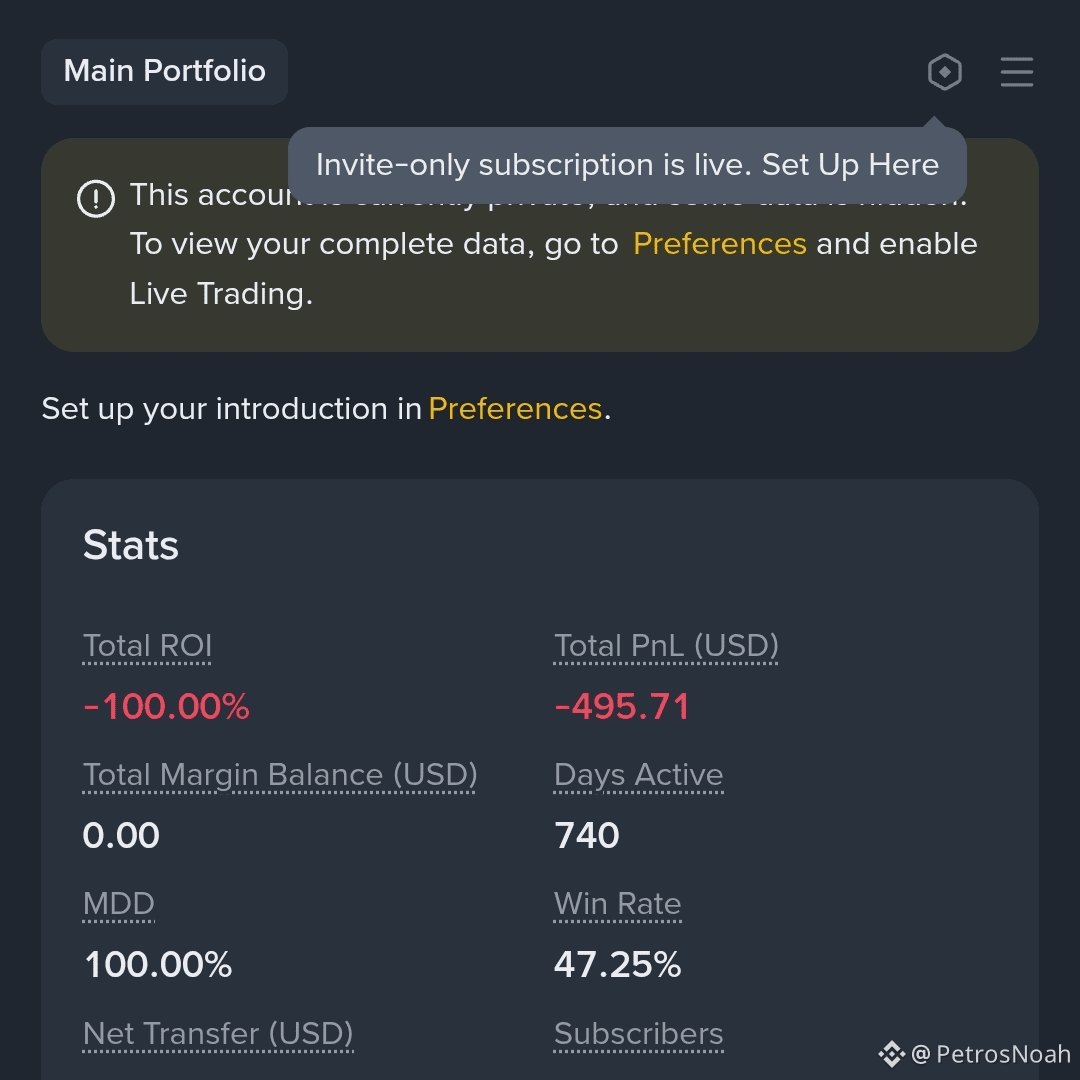
I quit leverage the moment I blew my last 500$. At first the profits came but then it's loss after loss. Took a break, allowed the market to settle. Yet it's from one loss to the other. Every strategy I learnt was working against me. Even signal groups working for people decided to work against me the moment I entered each trade. It's frustrating. I'm angry, I'm lost, I'm in debt. I'm just tired 😩
Gm, aber nicht von SBF.
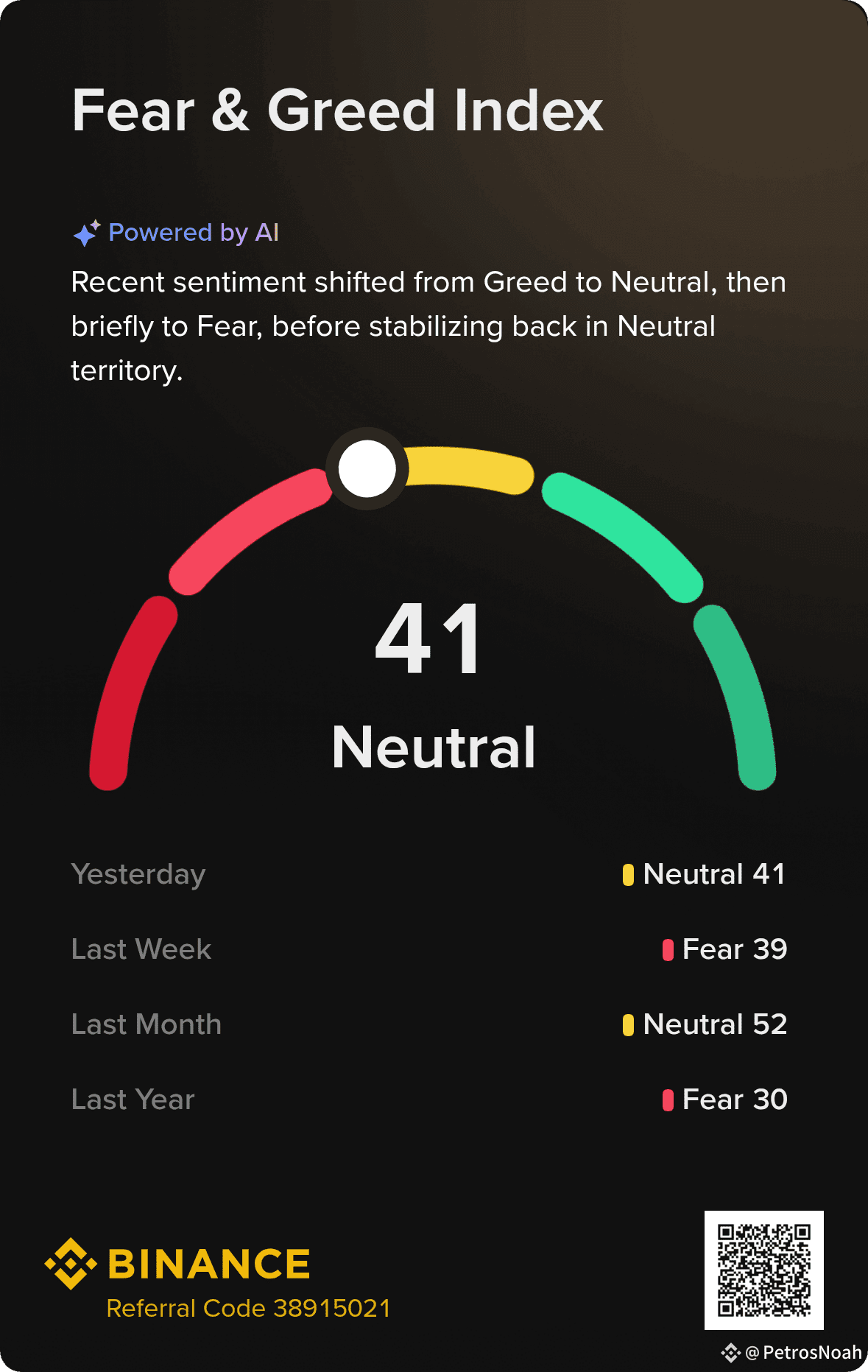
Der Crypto Fear & Greed-Index liegt derzeit bei 41/100 und wird als neutral eingestuft. Aber bewegt er sich in Richtung der Angstzone? Beachten Sie, dass sich das Sentiment im vergangenen Monat von etwa Mitte der 50er (milde Gier genannt) in die niedrigen 40er bewegt hat, was eine kontinuierliche Abkühlung der Risikobereitschaft zeigt. Man kann sagen, dass dieser Drift eine Reflexion eines Marktes ist, der die jüngste Volatilität verdaut. Die globale Marktkapitalisierung ist um etwa 1,6% gesunken, und die Anleger scheinen weniger bereit zu sein, Rallyes zu verfolgen.
Der Crypto Fear & Greed-Index liegt derzeit bei 41/100 und wird als neutral eingestuft.

Aber bewegt er sich in Richtung der Angstzone?

Beachten Sie, dass sich das Sentiment im vergangenen Monat von etwa Mitte der 50er (milde Gier genannt) in die niedrigen 40er bewegt hat, was eine kontinuierliche Abkühlung der Risikobereitschaft zeigt.

Man kann sagen, dass dieser Drift eine Reflexion eines Marktes ist, der die jüngste Volatilität verdaut. Die globale Marktkapitalisierung ist um etwa 1,6% gesunken, und die Anleger scheinen weniger bereit zu sein, Rallyes zu verfolgen.
Bruder, du blutest gerade. Aber ich hoffe aufrichtig, dass es sich erholt, um dir Profit zu bringen.
Der zitierte Inhalt wurde entfernt.
🚀
🚀
Trend Coin
·
--
Bullisch
🚀 TrendCoin sucht 1000 frühe Freiwillige.

Wir bieten eine Mission — mit 🧨 5x Belohnungen für Freiwillige.

📈 Über 100.000 Nutzer laden
🛠️ Baue mit uns, bevor wir gelistet werden
🎁 Lass dich wie nie zuvor belohnen

Antworte mit „🚀“ und deiner Twitter-ID, wenn du dabei bist.

#TrendCoin #CryptoVolunteers #BinanceSquare #BSC #AirdropAlert

Denken Sie daran, Ihre Gewinne mitzunehmen. Charts können sich gegen Sie wenden, wenn Sie es am wenigsten erwarten.
TeleMining
·
--
$PENGU Ich liebe es, Risiken einzugehen 🙅
#pengu habe mit diesem Token mehr als 10 Mal gehandelt und fast 7.000 $ verdient. Wenn du meinen Worten nicht glaubst, lass es mich wissen, ich werde Screenshots bereitstellen 😏

Ich möchte mehr über diese Strategie erfahren. Können Sie Details mitteilen?
John willem
·
--
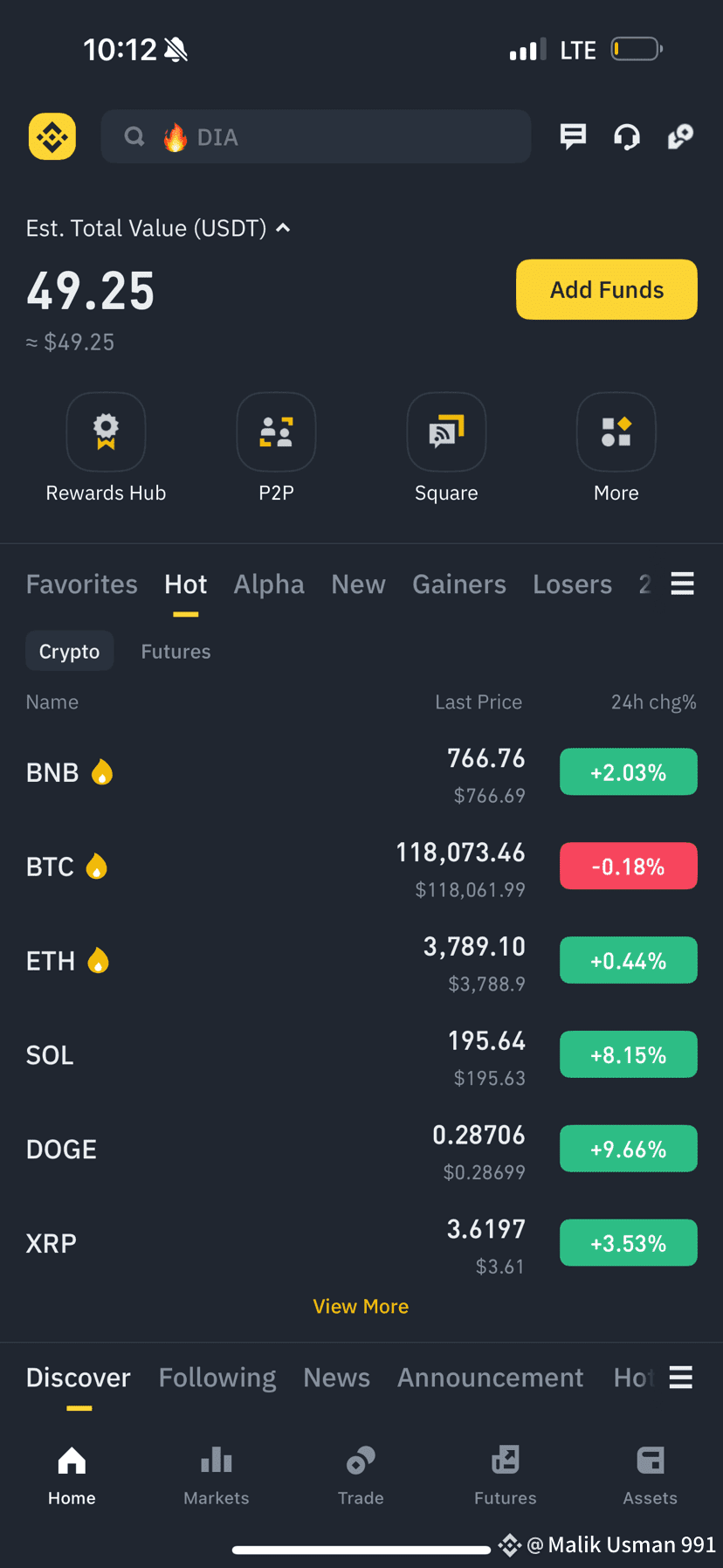
Habe $10 in nur 3 Tagen auf $50 verwandelt, indem ich kleine Margen, niedrige Hebelwirkung und minimales Risiko genutzt habe—während ich eng den Anweisungen meines Mentors gefolgt bin. 📈💡#StrategyBTCPurchase #StablecoinLaw
Ich stimme zu, Arbitrum ist ein schöner Kauf.
Blockchain-Insider
·
--
Bullisch
$ARB ist unterwegs $1 🔥🔥🚀🚀

das ist eine Insider-Nachricht zu $ARB 🔥🔥💥

klicke hier, um $ARB zu kaufen

#CryptoMarket4T #GENIUSAct #BinanceHODLerERA #BTCWhaleTracker
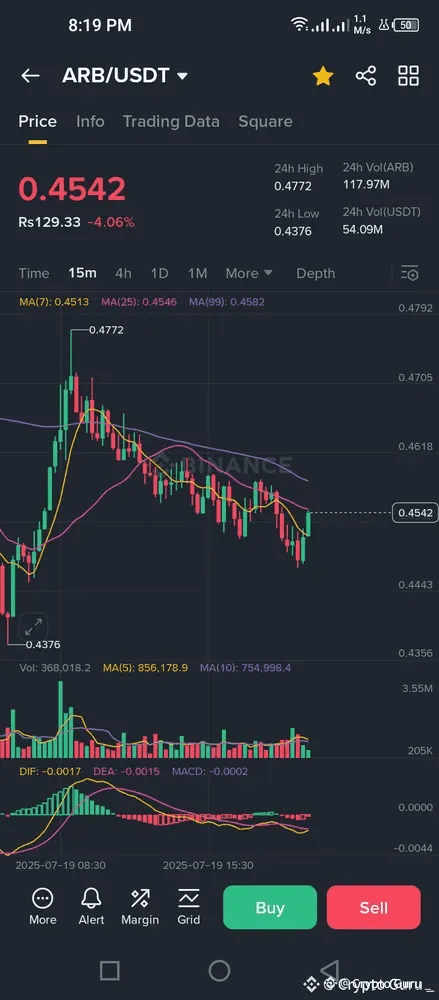
Herzlichen Glückwunsch. Lass auch mich an deinem Glück teilhaben, Bruder. 😁
Crypto_king daily
·
--
Bullisch
Ich fühle mich heute glücklich 😀

#GENIUSAct #ETHBreakout3.5k
Danke fürs Teilen. Wurde diesen Monat bereits mehrere Male liquidiert.
Sienna Leo-你真棒-带我走
·
--
🐋💥 Wie nutzen Wale die Terminmärkte zu ihrem Vorteil — auf deine Kosten? 💥🐋

Du denkst, du handelst mit den Charts… aber oft schwimmst du nur in Gewässern, die von Walen beherrscht werden. 🐟➡️🐋

Wenn du Futures handelst, ohne zu verstehen, wie Wale das Spiel manipulieren, bist du nicht nur im Rückstand — du bist das Ziel. Hier ist, was sie nicht wollen, dass du weißt 👇

🎯 1. Wale lösen absichtlich Liquidationen aus

Sie überwachen die Liquidationslevels von Einzelhändlern, die hohe Hebel nutzen. Ein kleiner Preisschub in jede Richtung kann eine Welle von Liquidationen auslösen, was massive Volatilität erzeugt — und sie profitieren groß davon.

📉 2. Fakeouts & Stop-Jagden

Wale verwenden große Aufträge, um falsche Ausbrüche oder Rückgänge zu erzeugen. Du jagst die Bewegung, sie kehren sie um. Ergebnis? Du wirst ausgestoppt, sie sammeln die Liquidität ein, die du zurückgelassen hast.

🧾 3. Funding-Rate-Spiele

Wale halten Positionen, wenn die Funding-Raten günstig sind. Während Einzelhändler blind Gebühren zahlen, verdienen sie entweder an der Rate oder positionieren sich, bevor die Menge einsteigt.

⚖️ 4. Druck im Orderbuch

Sie füllen das Orderbuch mit falschen Käufen/Verkäufen (auch bekannt als Spoofing), um die Marktstimmung zu manipulieren. Einzelhändler reagieren. Wale verschwinden — und machen Bewegungen, wenn der Markt emotional schwankt.

💡 Wie du einen Schritt voraus bleibst

🚫 Überhebele dich nicht — das ist Walnahrung

🔍 Achte auf die Funding-Raten, bevor du einen Futures-Handel eröffnest

🛡️ Setze enge Stop-Losses, aber platziere sie dort, wo Wale nicht jagen werden

📊 Nutze Volumen- und Open-Interest-Tools, um manipulative Spiele zu erkennen

🧠 In Walterritorium ist Überleben eine Fähigkeit — kein Glück.

✨ Folge für tiefere Einblicke aus dem Krypto-Schlachtfeld
💛 Like, wenn du jemals liquidiert wurdest und es auf die harte Tour gelernt hast
🔁 Teile, um anderen zu helfen, vom Wal-Menü fernzubleiben
Lass uns helfen, wachsen und gemeinsam gewinnen — mit Liebe! 🚀🧠

#BinanceFutures #SmartCryptoMoves #Web3TradingTips
#Write2Earn  #BinanceSquare

Erstaunlich
Erstaunlich
Trynna
·
--
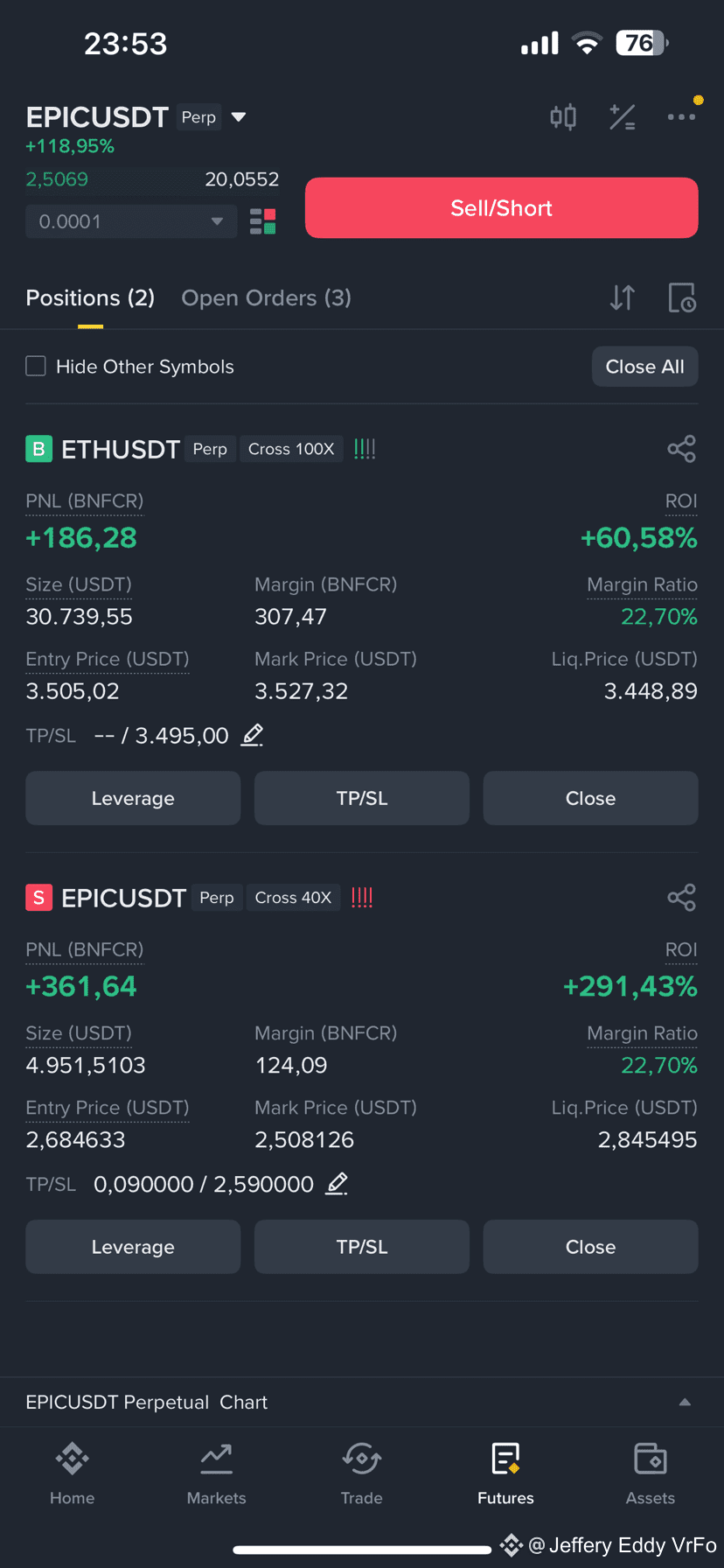
Eingeschlossen in großen Gewinnen. ❣️❣️❣️
Stop-Loss bei +75000% Gewinnen setzen 😘
Alts werden verrückt spielen, daher dürfen Gewinne nicht verpasst werden. 🏆
#trynna #short
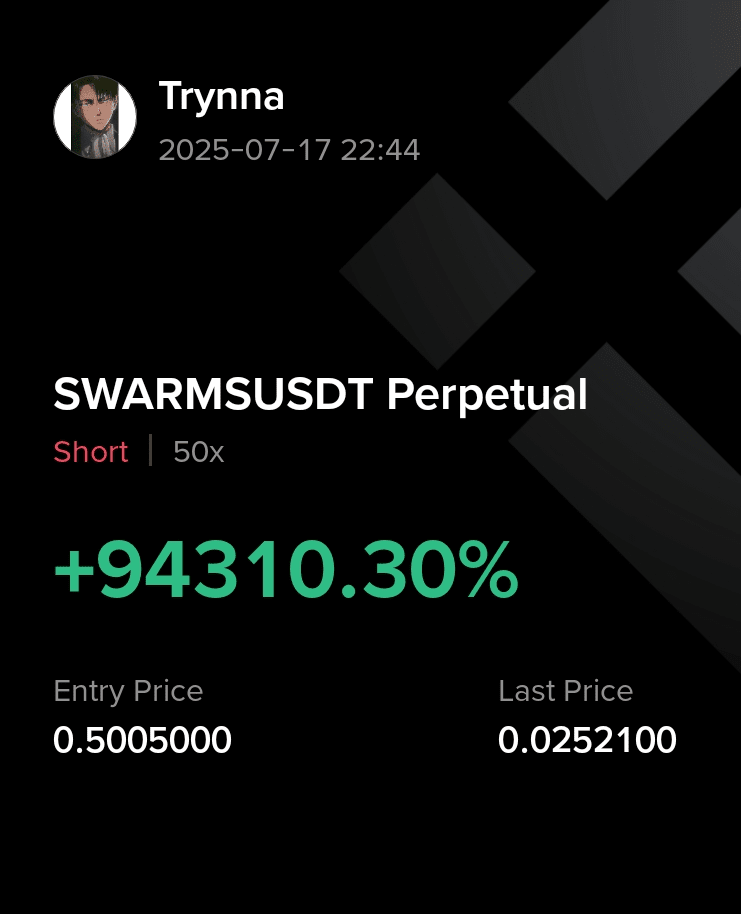
#Pump PUMP hat mich gerade liquidiert. Ich bin aus dem Markt. Fühle mich traurig. 😔 ☹️
#BinanceTurns8 Sammle alle #BinanceTurns8 Krypto-Sternzeichen für die Chance, einen Bonus-BNB-Belohnung zu gewinnen! https://www.binance.com/activity/binance-turns-8?ref=GRO_19600_64FWO
#BinanceTurns8 Schließen Sie sich uns bei der #BinanceTurns8 Feier an und gewinnen Sie einen Anteil von bis zu 888.888 $ in BNB! https://www.binance.com/activity/binance-turns-8?ref=GRO_19600_64FWO
Anmelden und weiter Inhalte entdecken
Krypto-Nutzer weltweit auf Binance Square kennenlernen
⚡️ Bleib in Sachen Krypto stets am Puls.
💬 Die weltgrößte Kryptobörse vertraut darauf.
👍 Erhalte verlässliche Einblicke von verifizierten Creators.
E-Mail-Adresse/Telefonnummer
Sitemap
Cookie-Präferenzen
Nutzungsbedingungen der Plattform