

Crypto Insider Trader
1.7k Beiträge

Crypto Insider Trader
Melden
Nutzer blockieren
Trading Expert || Informational Hub || Signal Provider. Everything can see experience on top. Let's start together
Trade eröffnen
Regelmäßiger Trader
4.3 Jahre
66 Following
268 Follower
613 Like gegeben
Beiträge
Portfolio
Alle
Zitierungen
Videos
Teilweise korrekt
Artikel
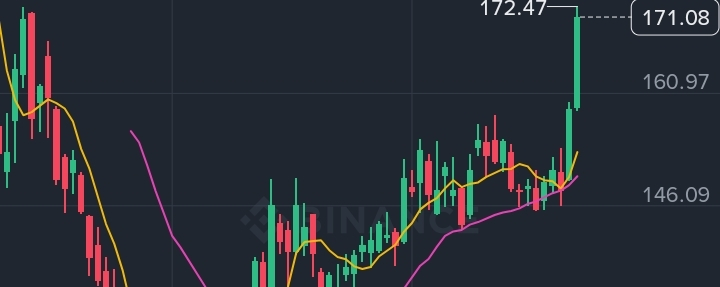
SPCX-KURSANALYSE: SpaceX gewinnt wieder an Schwung – kann die Rallye anhalten?
$SPCX.US
◆━━━━━━━━━━━━━━━━
SpaceX steht wieder im Rampenlicht. Nach einem volatilen Börsendebüt hat SPCX eine beeindruckende Erholung hingelegt, ist wieder in Richtung der jüngsten Höchststände gestiegen und hat erneut die Aufmerksamkeit des Marktes auf sich gezogen.
Zum jüngsten Erhebungszeitpunkt notierte SPCX bei etwa $171.82 (+7.16 %), bei einer Marktkapitalisierung von rund $2.1T. Die entscheidende Frage lautet nun: Ist dies ein Ausbruch mit nachhaltiger Dynamik oder eine Rallye, die erst einmal abkühlen muss?
◆━━━━━━━━━━━━━━━━
✔︎ Marktüberblick
$SPCX.US
◆━━━━━━━━━━━━━━━━
SpaceX steht wieder im Rampenlicht. Nach einem volatilen Börsendebüt hat SPCX eine beeindruckende Erholung hingelegt, ist wieder in Richtung der jüngsten Höchststände gestiegen und hat erneut die Aufmerksamkeit des Marktes auf sich gezogen.
Zum jüngsten Erhebungszeitpunkt notierte SPCX bei etwa $171.82 (+7.16 %), bei einer Marktkapitalisierung von rund $2.1T. Die entscheidende Frage lautet nun: Ist dies ein Ausbruch mit nachhaltiger Dynamik oder eine Rallye, die erst einmal abkühlen muss?
◆━━━━━━━━━━━━━━━━
✔︎ Marktüberblick
SPCX-KURSANALYSE: SpaceX gewinnt wieder an Schwung – kann die Rallye anhalten?
$SPCX.US
◆━━━━━━━━━━━━━━━━
SpaceX steht wieder im Rampenlicht. Nach einem volatilen Börsendebüt hat SPCX eine beeindruckende Erholung hingelegt, ist wieder in Richtung der jüngsten Höchststände gestiegen und hat erneut die Aufmerksamkeit des Marktes auf sich gezogen.
Zum jüngsten Erhebungszeitpunkt notierte SPCX bei etwa $171.82 (+7.16 %), bei einer Marktkapitalisierung von rund $2.1T. Die entscheidende Frage lautet nun: Ist dies ein Ausbruch mit nachhaltiger Dynamik oder eine Rallye, die erst einmal abkühlen muss?
◆━━━━━━━━━━━━━━━━
✔︎ Marktüberblick
SPCX-1,14%
SPCXUS-1,31%
1.3k

Artikel
So erkennst du, wenn der Markt dir eine Lektion erteilt◆━━━━━━━━━━━━━━━━◆
Jeder Trader erlebt das.
Ein Trade läuft gegen dich. Du gibst dem Markt die Schuld. Du gehst eine weitere Position ein und hoffst, den Verlust schnell wieder aufzuholen. Dann machst du genau denselben Fehler erneut.
Irgendwann wird dir etwas Wichtiges klar:
Oft wiederholt der Markt dieselbe Lektion, bis du sie endlich lernst.
Erfolgreiche Trader sind nicht diejenigen, die Verluste vermeiden. Es sind diejenigen, die Verluste in Feedback und Feedback in Wachstum verwandeln.
Schauen wir uns die Anzeichen dafür an, dass der Markt dir vielleicht etwas beibringen will.
So erkennst du, wenn der Markt dir eine Lektion erteilt
◆━━━━━━━━━━━━━━━━◆
Jeder Trader erlebt das.
Ein Trade läuft gegen dich. Du gibst dem Markt die Schuld. Du gehst eine weitere Position ein und hoffst, den Verlust schnell wieder aufzuholen. Dann machst du genau denselben Fehler erneut.
Irgendwann wird dir etwas Wichtiges klar:
Oft wiederholt der Markt dieselbe Lektion, bis du sie endlich lernst.
Erfolgreiche Trader sind nicht diejenigen, die Verluste vermeiden. Es sind diejenigen, die Verluste in Feedback und Feedback in Wachstum verwandeln.
Schauen wir uns die Anzeichen dafür an, dass der Markt dir vielleicht etwas beibringen will.
Jeder Trader erlebt das.
Ein Trade läuft gegen dich. Du gibst dem Markt die Schuld. Du gehst eine weitere Position ein und hoffst, den Verlust schnell wieder aufzuholen. Dann machst du genau denselben Fehler erneut.
Irgendwann wird dir etwas Wichtiges klar:
Oft wiederholt der Markt dieselbe Lektion, bis du sie endlich lernst.
Erfolgreiche Trader sind nicht diejenigen, die Verluste vermeiden. Es sind diejenigen, die Verluste in Feedback und Feedback in Wachstum verwandeln.
Schauen wir uns die Anzeichen dafür an, dass der Markt dir vielleicht etwas beibringen will.
139
Übersetzung ansehen
ETH at a Crossroads: Tight Range, Big Decision
✔︎ Market Overview
ETH/USDT trades near 2,697 (+0.63%), moving sideways after a volatile swing between 2,634 and 2,778. Momentum has cooled, leaving price trapped in a tightening range.
◆━━━━━━━━━━━━━━━━◆
➤ Technical Analysis
Ethereum is sitting directly on top of its key moving averages.
• MA5: 2,696
• MA10: 2,689
• MA20: 2,696
This overlap reflects classic market equilibrium, where neither buyers nor sellers have a clear advantage. Long wicks on both sides show repeated rejection attempts, while declining volume signals hesitation.
① Bullish Scenario: A 4H close above 2,713 may target 2,756, followed by 2,778.
② Bearish Scenario: A break below 2,669 could expose the recent low near 2,634.
③ Neutral Scenario: Sideways movement between 2,669–2,713 continues.
◆━━━━━━━━━━━━━━━━◆
➤ Key Levels
🔹 Resistance: 2,713 | 2,756
🔹 Support: 2,669 | 2,634
➤ Market Context
Ethereum's next major move may depend heavily on Bitcoin's direction and broader October market developments.
$ETH
{future}(ETHUSDT)
#EthereumValidatorExitQueueJumps392% #SECHaltsCryptoETFReviewsAmidFundingLapse #GreekPoliceBustCryptoScamRingArrest17 #FedOctoberRateHikeOddsFallTo17% #ETH
ETH at a Crossroads: Tight Range, Big Decision
✔︎ Market Overview
ETH/USDT trades near 2,697 (+0.63%), moving sideways after a volatile swing between 2,634 and 2,778. Momentum has cooled, leaving price trapped in a tightening range.
◆━━━━━━━━━━━━━━━━◆
➤ Technical Analysis
Ethereum is sitting directly on top of its key moving averages.
• MA5: 2,696
• MA10: 2,689
• MA20: 2,696
This overlap reflects classic market equilibrium, where neither buyers nor sellers have a clear advantage. Long wicks on both sides show repeated rejection attempts, while declining volume signals hesitation.
① Bullish Scenario: A 4H close above 2,713 may target 2,756, followed by 2,778.
② Bearish Scenario: A break below 2,669 could expose the recent low near 2,634.
③ Neutral Scenario: Sideways movement between 2,669–2,713 continues.
◆━━━━━━━━━━━━━━━━◆
➤ Key Levels
🔹 Resistance: 2,713 | 2,756
🔹 Support: 2,669 | 2,634
➤ Market Context
Ethereum's next major move may depend heavily on Bitcoin's direction and broader October market developments.
$ETH
#EthereumValidatorExitQueueJumps392% #SECHaltsCryptoETFReviewsAmidFundingLapse #GreekPoliceBustCryptoScamRingArrest17 #FedOctoberRateHikeOddsFallTo17% #ETH
✔︎ Market Overview
ETH/USDT trades near 2,697 (+0.63%), moving sideways after a volatile swing between 2,634 and 2,778. Momentum has cooled, leaving price trapped in a tightening range.
◆━━━━━━━━━━━━━━━━◆
➤ Technical Analysis
Ethereum is sitting directly on top of its key moving averages.
• MA5: 2,696
• MA10: 2,689
• MA20: 2,696
This overlap reflects classic market equilibrium, where neither buyers nor sellers have a clear advantage. Long wicks on both sides show repeated rejection attempts, while declining volume signals hesitation.
① Bullish Scenario: A 4H close above 2,713 may target 2,756, followed by 2,778.
② Bearish Scenario: A break below 2,669 could expose the recent low near 2,634.
③ Neutral Scenario: Sideways movement between 2,669–2,713 continues.
◆━━━━━━━━━━━━━━━━◆
➤ Key Levels
🔹 Resistance: 2,713 | 2,756
🔹 Support: 2,669 | 2,634
➤ Market Context
Ethereum's next major move may depend heavily on Bitcoin's direction and broader October market developments.
$ETH
#EthereumValidatorExitQueueJumps392% #SECHaltsCryptoETFReviewsAmidFundingLapse #GreekPoliceBustCryptoScamRingArrest17 #FedOctoberRateHikeOddsFallTo17% #ETH
51
XRP-Spulen nahe 1,50: Ruhig vor dem Move?
✔︎ Marktüberblick
XRP/USDT handelt um 1,5049 (+1,20%), stabilisiert sich nach einem Rücksetzer von 1,6298. Die Volatilität hat deutlich nachgelassen, und der 4H-Chart zeigt nun einen Markt, der auf seinen nächsten richtungsweisenden Auslöser wartet.
◆━━━━━━━━━━━━━━━━◆
➤ Technische Analyse
XRP ist von 1,4407 aus wieder nach oben gekommen und bleibt komfortabel über seinen kurzfristigen gleitenden Durchschnitten.
• MA5: 1,4954
• MA10: 1,4911
• MA20: 1,4960
Die flache MA-Struktur deutet eher auf Konsolidierung als auf eine bestätigte Trendwende hin. Das Volumen nimmt weiter ab, wodurch eine Ausbruchbestätigung entscheidend ist.
① Bullisches Szenario: Ein starker 4H-Schluss über 1,5446 könnte den Weg in Richtung 1,6018 öffnen.
② Bärisches Szenario: Ein Bruch unter 1,4873 könnte die Dynamik zurück in Richtung 1,4407 verlagern.
③ Neutrales Szenario: Fortgesetzter Handel in einer Spanne zwischen 1,4873–1,5446.
◆━━━━━━━━━━━━━━━━◆
➤ Wichtige Levels
🔹 Widerstand: 1,5446 | 1,6018
🔹 Support: 1,4873 | 1,4407
➤ Marktkontext
Die jüngste Aufmerksamkeit rund um das XRPL-„Batch Settlement“-Upgrade könnte die Stimmung stützen, aber die technische Bestätigung bleibt der entscheidende Faktor.
$XRP
{future}(XRPUSDT)
#xrp #EthereumValidatorExitQueueJumps392% #SECHaltsCryptoETFReviewsAmidFundingLapse #GreekPoliceBustCryptoScamRingArrest17 #FedOctoberRateHikeOddsFallTo17%
XRP-Spulen nahe 1,50: Ruhig vor dem Move?
✔︎ Marktüberblick
XRP/USDT handelt um 1,5049 (+1,20%), stabilisiert sich nach einem Rücksetzer von 1,6298. Die Volatilität hat deutlich nachgelassen, und der 4H-Chart zeigt nun einen Markt, der auf seinen nächsten richtungsweisenden Auslöser wartet.
◆━━━━━━━━━━━━━━━━◆
➤ Technische Analyse
XRP ist von 1,4407 aus wieder nach oben gekommen und bleibt komfortabel über seinen kurzfristigen gleitenden Durchschnitten.
• MA5: 1,4954
• MA10: 1,4911
• MA20: 1,4960
Die flache MA-Struktur deutet eher auf Konsolidierung als auf eine bestätigte Trendwende hin. Das Volumen nimmt weiter ab, wodurch eine Ausbruchbestätigung entscheidend ist.
① Bullisches Szenario: Ein starker 4H-Schluss über 1,5446 könnte den Weg in Richtung 1,6018 öffnen.
② Bärisches Szenario: Ein Bruch unter 1,4873 könnte die Dynamik zurück in Richtung 1,4407 verlagern.
③ Neutrales Szenario: Fortgesetzter Handel in einer Spanne zwischen 1,4873–1,5446.
◆━━━━━━━━━━━━━━━━◆
➤ Wichtige Levels
🔹 Widerstand: 1,5446 | 1,6018
🔹 Support: 1,4873 | 1,4407
➤ Marktkontext
Die jüngste Aufmerksamkeit rund um das XRPL-„Batch Settlement“-Upgrade könnte die Stimmung stützen, aber die technische Bestätigung bleibt der entscheidende Faktor.
$XRP
#xrp #EthereumValidatorExitQueueJumps392% #SECHaltsCryptoETFReviewsAmidFundingLapse #GreekPoliceBustCryptoScamRingArrest17 #FedOctoberRateHikeOddsFallTo17%
✔︎ Marktüberblick
XRP/USDT handelt um 1,5049 (+1,20%), stabilisiert sich nach einem Rücksetzer von 1,6298. Die Volatilität hat deutlich nachgelassen, und der 4H-Chart zeigt nun einen Markt, der auf seinen nächsten richtungsweisenden Auslöser wartet.
◆━━━━━━━━━━━━━━━━◆
➤ Technische Analyse
XRP ist von 1,4407 aus wieder nach oben gekommen und bleibt komfortabel über seinen kurzfristigen gleitenden Durchschnitten.
• MA5: 1,4954
• MA10: 1,4911
• MA20: 1,4960
Die flache MA-Struktur deutet eher auf Konsolidierung als auf eine bestätigte Trendwende hin. Das Volumen nimmt weiter ab, wodurch eine Ausbruchbestätigung entscheidend ist.
① Bullisches Szenario: Ein starker 4H-Schluss über 1,5446 könnte den Weg in Richtung 1,6018 öffnen.
② Bärisches Szenario: Ein Bruch unter 1,4873 könnte die Dynamik zurück in Richtung 1,4407 verlagern.
③ Neutrales Szenario: Fortgesetzter Handel in einer Spanne zwischen 1,4873–1,5446.
◆━━━━━━━━━━━━━━━━◆
➤ Wichtige Levels
🔹 Widerstand: 1,5446 | 1,6018
🔹 Support: 1,4873 | 1,4407
➤ Marktkontext
Die jüngste Aufmerksamkeit rund um das XRPL-„Batch Settlement“-Upgrade könnte die Stimmung stützen, aber die technische Bestätigung bleibt der entscheidende Faktor.
$XRP
#xrp #EthereumValidatorExitQueueJumps392% #SECHaltsCryptoETFReviewsAmidFundingLapse #GreekPoliceBustCryptoScamRingArrest17 #FedOctoberRateHikeOddsFallTo17%
103
Übersetzung ansehen
LINK Holds the Line: Is a Momentum Shift Brewing?
✔︎ Market Overview
LINK/USDT trades near 14.16 (+2.31%), steadily recovering after its pullback from 15.76. Price has reclaimed key short-term moving averages on the 4H chart, hinting that momentum may be shifting back toward the bulls.
◆━━━━━━━━━━━━━━━━◆
➤ Technical Analysis
After a strong rally followed by a deeper correction to 13.16, LINK is now building a higher-low recovery structure.
• MA5: 14.09
• MA10: 14.00
• MA20: 14.12
The moving averages are tightly compressed, a condition that often precedes a volatility expansion. Volume remains relatively muted, meaning any breakout will need stronger participation from buyers to gain credibility.
① Bullish Scenario: A decisive 4H close above 14.41 could pave the way toward 15.32.
② Bearish Scenario: Losing the MA cluster around 14.00, followed by a break below 13.51, would weaken the recovery structure.
③ Neutral Scenario: Continued consolidation between 13.80–14.41 while traders await a catalyst.
◆━━━━━━━━━━━━━━━━◆
➤ Key Levels
🔹 Resistance: 14.41 | 15.32
🔹 Support: 14.00 | 13.51
$LINK
{future}(LINKUSDT)
#LINK #EthereumValidatorExitQueueJumps392% #SECHaltsCryptoETFReviewsAmidFundingLapse #GreekPoliceBustCryptoScamRingArrest17 #FedOctoberRateHikeOddsFallTo17%
LINK Holds the Line: Is a Momentum Shift Brewing?
✔︎ Market Overview
LINK/USDT trades near 14.16 (+2.31%), steadily recovering after its pullback from 15.76. Price has reclaimed key short-term moving averages on the 4H chart, hinting that momentum may be shifting back toward the bulls.
◆━━━━━━━━━━━━━━━━◆
➤ Technical Analysis
After a strong rally followed by a deeper correction to 13.16, LINK is now building a higher-low recovery structure.
• MA5: 14.09
• MA10: 14.00
• MA20: 14.12
The moving averages are tightly compressed, a condition that often precedes a volatility expansion. Volume remains relatively muted, meaning any breakout will need stronger participation from buyers to gain credibility.
① Bullish Scenario: A decisive 4H close above 14.41 could pave the way toward 15.32.
② Bearish Scenario: Losing the MA cluster around 14.00, followed by a break below 13.51, would weaken the recovery structure.
③ Neutral Scenario: Continued consolidation between 13.80–14.41 while traders await a catalyst.
◆━━━━━━━━━━━━━━━━◆
➤ Key Levels
🔹 Resistance: 14.41 | 15.32
🔹 Support: 14.00 | 13.51
$LINK
#LINK #EthereumValidatorExitQueueJumps392% #SECHaltsCryptoETFReviewsAmidFundingLapse #GreekPoliceBustCryptoScamRingArrest17 #FedOctoberRateHikeOddsFallTo17%
✔︎ Market Overview
LINK/USDT trades near 14.16 (+2.31%), steadily recovering after its pullback from 15.76. Price has reclaimed key short-term moving averages on the 4H chart, hinting that momentum may be shifting back toward the bulls.
◆━━━━━━━━━━━━━━━━◆
➤ Technical Analysis
After a strong rally followed by a deeper correction to 13.16, LINK is now building a higher-low recovery structure.
• MA5: 14.09
• MA10: 14.00
• MA20: 14.12
The moving averages are tightly compressed, a condition that often precedes a volatility expansion. Volume remains relatively muted, meaning any breakout will need stronger participation from buyers to gain credibility.
① Bullish Scenario: A decisive 4H close above 14.41 could pave the way toward 15.32.
② Bearish Scenario: Losing the MA cluster around 14.00, followed by a break below 13.51, would weaken the recovery structure.
③ Neutral Scenario: Continued consolidation between 13.80–14.41 while traders await a catalyst.
◆━━━━━━━━━━━━━━━━◆
➤ Key Levels
🔹 Resistance: 14.41 | 15.32
🔹 Support: 14.00 | 13.51
$LINK
#LINK #EthereumValidatorExitQueueJumps392% #SECHaltsCryptoETFReviewsAmidFundingLapse #GreekPoliceBustCryptoScamRingArrest17 #FedOctoberRateHikeOddsFallTo17%
72
DOT-Tests als Schlüsselunterstützung: Wehren sich Bullen – oder übernehmen die Bären?
✔︎ Marktüberblick
DOT/USDT wird nahe 1.1900 gehandelt (-1.82%) nach einer weiteren Ablehnung von den Range-Hochs. Das Momentum bleibt neutral, während die Volatilität weiterhin abnimmt.
◆━━━━━━━━━━━━━━━━◆
➤ Technische Analyse
Nach seinem Hoch bei 1.3060 beginnt DOT, niedrigere Hochs zu bilden – ein Hinweis darauf, dass Verkäufer weiterhin noch Einfluss haben.
• MA5: 1.1866
• MA10: 1.1832
• MA20: 1.1864
Die gleitenden Durchschnitte bleiben eng beieinander und flach, was die fortlaufende Konsolidierungs-Erzählung unterstreicht.
① Bullisches Szenario: Ein Ausbruch über 1.2280 mit stärkerem Volumen könnte 1.2804 ansteuern.
② Bärisches Szenario: Ein Breakout unter 1.1756 könnte 1.1308 in den Fokus rücken.
③ Neutrales Szenario: Fortgesetztes Seitwärtslaufen zwischen 1.1756–1.2280.
◆━━━━━━━━━━━━━━━━◆
➤ Wichtige Kursmarken
🔹 Widerstand: 1.2280 | 1.2804
🔹 Unterstützung: 1.1756 | 1.1308
$DOT
{future}(DOTUSDT)
#dot #EthereumValidatorExitQueueJumps392% #SECHaltsCryptoETFReviewsAmidFundingLapse #GreekPoliceBustCryptoScamRingArrest17 #FedOctoberRateHikeOddsFallTo17%
DOT-Tests als Schlüsselunterstützung: Wehren sich Bullen – oder übernehmen die Bären?
✔︎ Marktüberblick
DOT/USDT wird nahe 1.1900 gehandelt (-1.82%) nach einer weiteren Ablehnung von den Range-Hochs. Das Momentum bleibt neutral, während die Volatilität weiterhin abnimmt.
◆━━━━━━━━━━━━━━━━◆
➤ Technische Analyse
Nach seinem Hoch bei 1.3060 beginnt DOT, niedrigere Hochs zu bilden – ein Hinweis darauf, dass Verkäufer weiterhin noch Einfluss haben.
• MA5: 1.1866
• MA10: 1.1832
• MA20: 1.1864
Die gleitenden Durchschnitte bleiben eng beieinander und flach, was die fortlaufende Konsolidierungs-Erzählung unterstreicht.
① Bullisches Szenario: Ein Ausbruch über 1.2280 mit stärkerem Volumen könnte 1.2804 ansteuern.
② Bärisches Szenario: Ein Breakout unter 1.1756 könnte 1.1308 in den Fokus rücken.
③ Neutrales Szenario: Fortgesetztes Seitwärtslaufen zwischen 1.1756–1.2280.
◆━━━━━━━━━━━━━━━━◆
➤ Wichtige Kursmarken
🔹 Widerstand: 1.2280 | 1.2804
🔹 Unterstützung: 1.1756 | 1.1308
$DOT
#dot #EthereumValidatorExitQueueJumps392% #SECHaltsCryptoETFReviewsAmidFundingLapse #GreekPoliceBustCryptoScamRingArrest17 #FedOctoberRateHikeOddsFallTo17%
✔︎ Marktüberblick
DOT/USDT wird nahe 1.1900 gehandelt (-1.82%) nach einer weiteren Ablehnung von den Range-Hochs. Das Momentum bleibt neutral, während die Volatilität weiterhin abnimmt.
◆━━━━━━━━━━━━━━━━◆
➤ Technische Analyse
Nach seinem Hoch bei 1.3060 beginnt DOT, niedrigere Hochs zu bilden – ein Hinweis darauf, dass Verkäufer weiterhin noch Einfluss haben.
• MA5: 1.1866
• MA10: 1.1832
• MA20: 1.1864
Die gleitenden Durchschnitte bleiben eng beieinander und flach, was die fortlaufende Konsolidierungs-Erzählung unterstreicht.
① Bullisches Szenario: Ein Ausbruch über 1.2280 mit stärkerem Volumen könnte 1.2804 ansteuern.
② Bärisches Szenario: Ein Breakout unter 1.1756 könnte 1.1308 in den Fokus rücken.
③ Neutrales Szenario: Fortgesetztes Seitwärtslaufen zwischen 1.1756–1.2280.
◆━━━━━━━━━━━━━━━━◆
➤ Wichtige Kursmarken
🔹 Widerstand: 1.2280 | 1.2804
🔹 Unterstützung: 1.1756 | 1.1308
$DOT
#dot #EthereumValidatorExitQueueJumps392% #SECHaltsCryptoETFReviewsAmidFundingLapse #GreekPoliceBustCryptoScamRingArrest17 #FedOctoberRateHikeOddsFallTo17%
206
Artikel
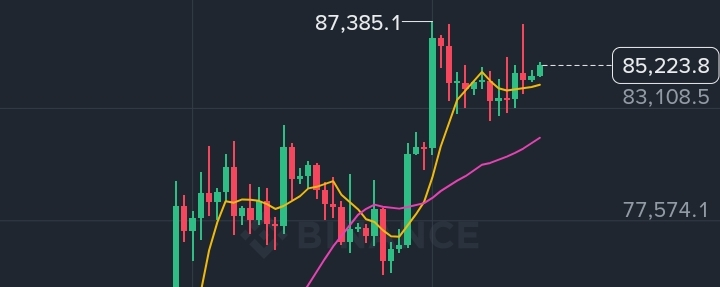
Bitcoin hat sich still und beeindruckend zurückgemeldet.
◆━━━━━━━━━━━━━━━━◆
BTC-PREISANALYSE: Bitcoin baut sich abermals von $62K auf und nähert sich einer kritischen Zone bei $86K–$88K
Vor nur zwei Monaten dominierte die Angst den Markt, als BTC nahe $62.000 gehandelt wurde. Schneller vorwärts bis heute: Bitcoin hält sich bei rund $85.000, wodurch Händler und Investoren auf Hochtouren laufen.
Die entscheidende Frage lautet heute nicht, woher Bitcoin gekommen ist — sondern wohin es als Nächstes geht.
Reicht die Kraft der Käufer aus, um den Widerstand herauszufordern, oder bereitet sich der Markt auf eine weitere Phase der Konsolidierung vor?
◆━━━━━━━━━━━━━━━━◆
BTC-PREISANALYSE: Bitcoin baut sich abermals von $62K auf und nähert sich einer kritischen Zone bei $86K–$88K
Vor nur zwei Monaten dominierte die Angst den Markt, als BTC nahe $62.000 gehandelt wurde. Schneller vorwärts bis heute: Bitcoin hält sich bei rund $85.000, wodurch Händler und Investoren auf Hochtouren laufen.
Die entscheidende Frage lautet heute nicht, woher Bitcoin gekommen ist — sondern wohin es als Nächstes geht.
Reicht die Kraft der Käufer aus, um den Widerstand herauszufordern, oder bereitet sich der Markt auf eine weitere Phase der Konsolidierung vor?
Bitcoin hat sich still und beeindruckend zurückgemeldet.
◆━━━━━━━━━━━━━━━━◆
BTC-PREISANALYSE: Bitcoin baut sich abermals von $62K auf und nähert sich einer kritischen Zone bei $86K–$88K
Vor nur zwei Monaten dominierte die Angst den Markt, als BTC nahe $62.000 gehandelt wurde. Schneller vorwärts bis heute: Bitcoin hält sich bei rund $85.000, wodurch Händler und Investoren auf Hochtouren laufen.
Die entscheidende Frage lautet heute nicht, woher Bitcoin gekommen ist — sondern wohin es als Nächstes geht.
Reicht die Kraft der Käufer aus, um den Widerstand herauszufordern, oder bereitet sich der Markt auf eine weitere Phase der Konsolidierung vor?
91
NIGHTUSDT — Trendstärke baut sich unter dem Widerstand auf
✔︎ Marktüberblick
NIGHT/USDT Perpetual handelt nahe 0.04999 (+27.85%) und nähert sich seinem jüngsten Hoch von 0.05253. Im Gegensatz zu vielen steilen Ausbrüchen hat sich dieser Anstieg durch eine konsistente Abfolge höherer Hochs und höherer Tiefs entwickelt.
◆━━━━━━━━━━━━━━━━━━◆
➤ Technische Analyse
Der Aufwärtstrend wird weiterhin durch steigende gleitende Durchschnitte gestützt:
① MA5: 0.04766
② MA10: 0.04364
③ MA20: 0.04051
Der gesunde Abstand zwischen diesen gleitenden Durchschnitten unterstreicht die Trendstärke. Das Volumen bleibt erhöht – oberhalb beider kurzfristigen Durchschnitte – und verstärkt damit das derzeitige Kaufinteresse.
➤ Szenarioanalyse
🟢 Bullisch: Ein bestätigter 4H-Schlusskurs über 0.0525 könnte Raum bis 0.0558 schaffen.
🔴 Bärisch: Ein Ausbruch unter 0.0477 könnte den Schwung schwächen und 0.0436 freilegen.
⚪ Neutral: Seitwärtshandel unterhalb des Widerstands, während Käufer und Verkäufer die Richtung neu bewerten.
➤ Wichtige Levels
Widerstand: 0.05253 • 0.05584
Support: 0.04766 • 0.04364
$NIGHT
{future}(NIGHTUSDT)
#night #NFPWatch
NIGHTUSDT — Trendstärke baut sich unter dem Widerstand auf
✔︎ Marktüberblick
NIGHT/USDT Perpetual handelt nahe 0.04999 (+27.85%) und nähert sich seinem jüngsten Hoch von 0.05253. Im Gegensatz zu vielen steilen Ausbrüchen hat sich dieser Anstieg durch eine konsistente Abfolge höherer Hochs und höherer Tiefs entwickelt.
◆━━━━━━━━━━━━━━━━━━◆
➤ Technische Analyse
Der Aufwärtstrend wird weiterhin durch steigende gleitende Durchschnitte gestützt:
① MA5: 0.04766
② MA10: 0.04364
③ MA20: 0.04051
Der gesunde Abstand zwischen diesen gleitenden Durchschnitten unterstreicht die Trendstärke. Das Volumen bleibt erhöht – oberhalb beider kurzfristigen Durchschnitte – und verstärkt damit das derzeitige Kaufinteresse.
➤ Szenarioanalyse
🟢 Bullisch: Ein bestätigter 4H-Schlusskurs über 0.0525 könnte Raum bis 0.0558 schaffen.
🔴 Bärisch: Ein Ausbruch unter 0.0477 könnte den Schwung schwächen und 0.0436 freilegen.
⚪ Neutral: Seitwärtshandel unterhalb des Widerstands, während Käufer und Verkäufer die Richtung neu bewerten.
➤ Wichtige Levels
Widerstand: 0.05253 • 0.05584
Support: 0.04766 • 0.04364
$NIGHT
#night #NFPWatch
✔︎ Marktüberblick
NIGHT/USDT Perpetual handelt nahe 0.04999 (+27.85%) und nähert sich seinem jüngsten Hoch von 0.05253. Im Gegensatz zu vielen steilen Ausbrüchen hat sich dieser Anstieg durch eine konsistente Abfolge höherer Hochs und höherer Tiefs entwickelt.
◆━━━━━━━━━━━━━━━━━━◆
➤ Technische Analyse
Der Aufwärtstrend wird weiterhin durch steigende gleitende Durchschnitte gestützt:
① MA5: 0.04766
② MA10: 0.04364
③ MA20: 0.04051
Der gesunde Abstand zwischen diesen gleitenden Durchschnitten unterstreicht die Trendstärke. Das Volumen bleibt erhöht – oberhalb beider kurzfristigen Durchschnitte – und verstärkt damit das derzeitige Kaufinteresse.
➤ Szenarioanalyse
🟢 Bullisch: Ein bestätigter 4H-Schlusskurs über 0.0525 könnte Raum bis 0.0558 schaffen.
🔴 Bärisch: Ein Ausbruch unter 0.0477 könnte den Schwung schwächen und 0.0436 freilegen.
⚪ Neutral: Seitwärtshandel unterhalb des Widerstands, während Käufer und Verkäufer die Richtung neu bewerten.
➤ Wichtige Levels
Widerstand: 0.05253 • 0.05584
Support: 0.04766 • 0.04364
$NIGHT
#night #NFPWatch
142
VELVETUSDT — 30%+ Rally erreicht erstes großes Testfeld
✔︎ Marktüberblick
VELVET/USDT-Perpetual handelt nahe 0.07986 (+30.79%) nach einem explosiven 4H-Ausbruch, der den Kurs auf 0.09580 drückte. Die Rally zog aggressive Käufer an, doch Verkäufer reagierten schnell in der Nähe der Hochs, hinterließen eine lange obere Dochtkerze und machten eine Zunahme der Volatilität deutlich.
◆━━━━━━━━━━━━━━━━━━◆
➤ Technische Analyse
Der Kurs hat erfolgreich die lange Konsolidierungszone zwischen 0.053–0.065 durchbrochen und bleibt oberhalb aller wichtigen gleitenden Durchschnitte:
① MA5: 0.07626
② MA10: 0.06829
③ MA20: 0.06262
Die ansteigende Neigung dieser Durchschnitte stützt den sich entwickelnden Trend. Das Handelsvolumen stieg auf 58,21 Mio., deutlich über dem Durchschnitt von 24,91 Mio., was eine starke Marktteilnahme bestätigt. Allerdings zeigte sich in der Nähe des Widerstands Verkaufs-/Gewinnmitnahmedruck.
➤ Szenarioanalyse
🟢 Bullisch: Anhaltende Stärke über 0.0763 und ein 4H-Schlusskurs über 0.0958 könnten 0.1005 in den Fokus rücken.
🔴 Bärisch: Ein Bruch unter 0.0763 könnte einen Rücksetzer Richtung 0.0683 auslösen.
⚪ Neutral: Konsolidierung zwischen 0.0763–0.0958 bei abkühlendem Volumen.
➤ Wichtige Levels
Widerstand: 0.09580 • 0.10055
Unterstützung: 0.07626 • 0.06829
$VELVET
{future}(VELVETUSDT)
#Velvet #NFPWatch
VELVETUSDT — 30%+ Rally erreicht erstes großes Testfeld
✔︎ Marktüberblick
VELVET/USDT-Perpetual handelt nahe 0.07986 (+30.79%) nach einem explosiven 4H-Ausbruch, der den Kurs auf 0.09580 drückte. Die Rally zog aggressive Käufer an, doch Verkäufer reagierten schnell in der Nähe der Hochs, hinterließen eine lange obere Dochtkerze und machten eine Zunahme der Volatilität deutlich.
◆━━━━━━━━━━━━━━━━━━◆
➤ Technische Analyse
Der Kurs hat erfolgreich die lange Konsolidierungszone zwischen 0.053–0.065 durchbrochen und bleibt oberhalb aller wichtigen gleitenden Durchschnitte:
① MA5: 0.07626
② MA10: 0.06829
③ MA20: 0.06262
Die ansteigende Neigung dieser Durchschnitte stützt den sich entwickelnden Trend. Das Handelsvolumen stieg auf 58,21 Mio., deutlich über dem Durchschnitt von 24,91 Mio., was eine starke Marktteilnahme bestätigt. Allerdings zeigte sich in der Nähe des Widerstands Verkaufs-/Gewinnmitnahmedruck.
➤ Szenarioanalyse
🟢 Bullisch: Anhaltende Stärke über 0.0763 und ein 4H-Schlusskurs über 0.0958 könnten 0.1005 in den Fokus rücken.
🔴 Bärisch: Ein Bruch unter 0.0763 könnte einen Rücksetzer Richtung 0.0683 auslösen.
⚪ Neutral: Konsolidierung zwischen 0.0763–0.0958 bei abkühlendem Volumen.
➤ Wichtige Levels
Widerstand: 0.09580 • 0.10055
Unterstützung: 0.07626 • 0.06829
$VELVET
#Velvet #NFPWatch
✔︎ Marktüberblick
VELVET/USDT-Perpetual handelt nahe 0.07986 (+30.79%) nach einem explosiven 4H-Ausbruch, der den Kurs auf 0.09580 drückte. Die Rally zog aggressive Käufer an, doch Verkäufer reagierten schnell in der Nähe der Hochs, hinterließen eine lange obere Dochtkerze und machten eine Zunahme der Volatilität deutlich.
◆━━━━━━━━━━━━━━━━━━◆
➤ Technische Analyse
Der Kurs hat erfolgreich die lange Konsolidierungszone zwischen 0.053–0.065 durchbrochen und bleibt oberhalb aller wichtigen gleitenden Durchschnitte:
① MA5: 0.07626
② MA10: 0.06829
③ MA20: 0.06262
Die ansteigende Neigung dieser Durchschnitte stützt den sich entwickelnden Trend. Das Handelsvolumen stieg auf 58,21 Mio., deutlich über dem Durchschnitt von 24,91 Mio., was eine starke Marktteilnahme bestätigt. Allerdings zeigte sich in der Nähe des Widerstands Verkaufs-/Gewinnmitnahmedruck.
➤ Szenarioanalyse
🟢 Bullisch: Anhaltende Stärke über 0.0763 und ein 4H-Schlusskurs über 0.0958 könnten 0.1005 in den Fokus rücken.
🔴 Bärisch: Ein Bruch unter 0.0763 könnte einen Rücksetzer Richtung 0.0683 auslösen.
⚪ Neutral: Konsolidierung zwischen 0.0763–0.0958 bei abkühlendem Volumen.
➤ Wichtige Levels
Widerstand: 0.09580 • 0.10055
Unterstützung: 0.07626 • 0.06829
$VELVET
#Velvet #NFPWatch
162
MAGMAUSDT — 40% Anstieg signalisiert eine starke Erholung
✔︎ Marktüberblick
MAGMA/USDT Perpetual handelt bei etwa 0.34894 (+40.70%), nachdem es von jüngsten Tiefs eine kraftvolle Erholung gab. Der Preis erreichte 0.37918, bevor erneut Verkaufsdruck einsetzte, wodurch mehrere obere Dochte nahe dem Widerstand entstanden.
◆━━━━━━━━━━━━━━━━━━◆
➤ Technische Analyse
Nach einem Rückgang bis auf 0.18558 zeigte MAGMA eine starke Trendwende und machte alle wichtigen gleitenden Durchschnitte wieder wett:
① MA5: 0.32889
② MA10: 0.28269
③ MA20: 0.23668
Dieser Wechsel spiegelt den Übergang von einer bärischen Struktur hin zu einer herstelungsgetriebenen Dynamik wider. Während das Volumen während des Ausbruchs zunahm, lag der neueste Wert leicht unter dem Durchschnitt, was darauf hindeuten könnte, dass sich der Impuls nahe dem Widerstand abkühlt.
➤ Szenarioanalyse
🟢 Bullisch: Ein 4H-Schluss über 0.3792, untermauert durch stärkeres Volumen, könnte den Weg Richtung 0.4007 öffnen.
🔴 Bärisch: Wenn 0.3289 verloren geht, könnte ein tieferes Retest bis 0.2827 drohen.
⚪ Neutral: Seitwärtskonsolidierung zwischen 0.3289–0.3792, während die gleitenden Durchschnitte aufholen.
➤ Wichtige Kursmarken
Widerstand: 0.37918 • 0.40074
Support: 0.32889 • 0.28269
$MAGMA
{future}(MAGMAUSDT)
#MAGMASurge #NFPWatch
MAGMAUSDT — 40% Anstieg signalisiert eine starke Erholung
✔︎ Marktüberblick
MAGMA/USDT Perpetual handelt bei etwa 0.34894 (+40.70%), nachdem es von jüngsten Tiefs eine kraftvolle Erholung gab. Der Preis erreichte 0.37918, bevor erneut Verkaufsdruck einsetzte, wodurch mehrere obere Dochte nahe dem Widerstand entstanden.
◆━━━━━━━━━━━━━━━━━━◆
➤ Technische Analyse
Nach einem Rückgang bis auf 0.18558 zeigte MAGMA eine starke Trendwende und machte alle wichtigen gleitenden Durchschnitte wieder wett:
① MA5: 0.32889
② MA10: 0.28269
③ MA20: 0.23668
Dieser Wechsel spiegelt den Übergang von einer bärischen Struktur hin zu einer herstelungsgetriebenen Dynamik wider. Während das Volumen während des Ausbruchs zunahm, lag der neueste Wert leicht unter dem Durchschnitt, was darauf hindeuten könnte, dass sich der Impuls nahe dem Widerstand abkühlt.
➤ Szenarioanalyse
🟢 Bullisch: Ein 4H-Schluss über 0.3792, untermauert durch stärkeres Volumen, könnte den Weg Richtung 0.4007 öffnen.
🔴 Bärisch: Wenn 0.3289 verloren geht, könnte ein tieferes Retest bis 0.2827 drohen.
⚪ Neutral: Seitwärtskonsolidierung zwischen 0.3289–0.3792, während die gleitenden Durchschnitte aufholen.
➤ Wichtige Kursmarken
Widerstand: 0.37918 • 0.40074
Support: 0.32889 • 0.28269
$MAGMA
#MAGMASurge #NFPWatch
✔︎ Marktüberblick
MAGMA/USDT Perpetual handelt bei etwa 0.34894 (+40.70%), nachdem es von jüngsten Tiefs eine kraftvolle Erholung gab. Der Preis erreichte 0.37918, bevor erneut Verkaufsdruck einsetzte, wodurch mehrere obere Dochte nahe dem Widerstand entstanden.
◆━━━━━━━━━━━━━━━━━━◆
➤ Technische Analyse
Nach einem Rückgang bis auf 0.18558 zeigte MAGMA eine starke Trendwende und machte alle wichtigen gleitenden Durchschnitte wieder wett:
① MA5: 0.32889
② MA10: 0.28269
③ MA20: 0.23668
Dieser Wechsel spiegelt den Übergang von einer bärischen Struktur hin zu einer herstelungsgetriebenen Dynamik wider. Während das Volumen während des Ausbruchs zunahm, lag der neueste Wert leicht unter dem Durchschnitt, was darauf hindeuten könnte, dass sich der Impuls nahe dem Widerstand abkühlt.
➤ Szenarioanalyse
🟢 Bullisch: Ein 4H-Schluss über 0.3792, untermauert durch stärkeres Volumen, könnte den Weg Richtung 0.4007 öffnen.
🔴 Bärisch: Wenn 0.3289 verloren geht, könnte ein tieferes Retest bis 0.2827 drohen.
⚪ Neutral: Seitwärtskonsolidierung zwischen 0.3289–0.3792, während die gleitenden Durchschnitte aufholen.
➤ Wichtige Kursmarken
Widerstand: 0.37918 • 0.40074
Support: 0.32889 • 0.28269
$MAGMA
#MAGMASurge #NFPWatch
181
SANDUSDT — 75% Explosion rückt Bullen in den Fokus
✔︎ Marktüberblick
SAND/USDT Perpetual wird nahe 0.07848 gehandelt (+75.10%), nachdem es aus einer lang anhaltenden Konsolidierungsrange aggressiv ausgebrochen ist. Der Schritt erregte viel Aufmerksamkeit: Das 24-Stunden-Volumen liegt bei über 1.09B.
◆━━━━━━━━━━━━━━━━━━◆
➤ Technische Analyse
Nachdem SAND mehrere Tage zwischen 0.04–0.05 konsolidierte, beschleunigte es deutlich nach oben und handelt nun weit über seinen wichtigen Durchschnitten:
① MA5: 0.06803
② MA10: 0.05772
③ MA20: 0.05082
Das Volumen bleibt deutlich über dem Durchschnitt und bestätigt eine starke Beteiligung. Allerdings deutet die große Entfernung zu den gleitenden Durchschnitten darauf hin, dass der Markt überdehnt ist.
➤ Szenarioanalyse
🟢 Bullisch: Wenn es über 0.0780 gehalten wird und 0.0815 geknackt wird, könnte 0.0861 in den Fokus rücken.
🔴 Bärisch: Ein Schlusskurs auf 4H unter 0.0680 könnte nachlassenden Schwung signalisieren und 0.0577 freilegen.
⚪ Neutral: Konsolidierung zwischen 0.0680–0.0815, während der Markt die jüngsten Gewinne aufnimmt.
➤ Wichtige Levels
Widerstand: 0.08147 • 0.08614
Unterstützung: 0.06803 • 0.05772
$SAND
{future}(SANDUSDT)
#sand
SANDUSDT — 75% Explosion rückt Bullen in den Fokus
✔︎ Marktüberblick
SAND/USDT Perpetual wird nahe 0.07848 gehandelt (+75.10%), nachdem es aus einer lang anhaltenden Konsolidierungsrange aggressiv ausgebrochen ist. Der Schritt erregte viel Aufmerksamkeit: Das 24-Stunden-Volumen liegt bei über 1.09B.
◆━━━━━━━━━━━━━━━━━━◆
➤ Technische Analyse
Nachdem SAND mehrere Tage zwischen 0.04–0.05 konsolidierte, beschleunigte es deutlich nach oben und handelt nun weit über seinen wichtigen Durchschnitten:
① MA5: 0.06803
② MA10: 0.05772
③ MA20: 0.05082
Das Volumen bleibt deutlich über dem Durchschnitt und bestätigt eine starke Beteiligung. Allerdings deutet die große Entfernung zu den gleitenden Durchschnitten darauf hin, dass der Markt überdehnt ist.
➤ Szenarioanalyse
🟢 Bullisch: Wenn es über 0.0780 gehalten wird und 0.0815 geknackt wird, könnte 0.0861 in den Fokus rücken.
🔴 Bärisch: Ein Schlusskurs auf 4H unter 0.0680 könnte nachlassenden Schwung signalisieren und 0.0577 freilegen.
⚪ Neutral: Konsolidierung zwischen 0.0680–0.0815, während der Markt die jüngsten Gewinne aufnimmt.
➤ Wichtige Levels
Widerstand: 0.08147 • 0.08614
Unterstützung: 0.06803 • 0.05772
$SAND
#sand
✔︎ Marktüberblick
SAND/USDT Perpetual wird nahe 0.07848 gehandelt (+75.10%), nachdem es aus einer lang anhaltenden Konsolidierungsrange aggressiv ausgebrochen ist. Der Schritt erregte viel Aufmerksamkeit: Das 24-Stunden-Volumen liegt bei über 1.09B.
◆━━━━━━━━━━━━━━━━━━◆
➤ Technische Analyse
Nachdem SAND mehrere Tage zwischen 0.04–0.05 konsolidierte, beschleunigte es deutlich nach oben und handelt nun weit über seinen wichtigen Durchschnitten:
① MA5: 0.06803
② MA10: 0.05772
③ MA20: 0.05082
Das Volumen bleibt deutlich über dem Durchschnitt und bestätigt eine starke Beteiligung. Allerdings deutet die große Entfernung zu den gleitenden Durchschnitten darauf hin, dass der Markt überdehnt ist.
➤ Szenarioanalyse
🟢 Bullisch: Wenn es über 0.0780 gehalten wird und 0.0815 geknackt wird, könnte 0.0861 in den Fokus rücken.
🔴 Bärisch: Ein Schlusskurs auf 4H unter 0.0680 könnte nachlassenden Schwung signalisieren und 0.0577 freilegen.
⚪ Neutral: Konsolidierung zwischen 0.0680–0.0815, während der Markt die jüngsten Gewinne aufnimmt.
➤ Wichtige Levels
Widerstand: 0.08147 • 0.08614
Unterstützung: 0.06803 • 0.05772
$SAND
#sand
312

Artikel
Übersetzung ansehen
Why Trading Success Is Built on Thousands of Small Decisions━━━━━━━━━━━━━━━━━━━━
Most people imagine trading success as a single life-changing moment:
The perfect entry.
The lucky prediction.
The trade that turns a small account into a big one overnight.
It's an exciting story.
But it's rarely the truth.
Behind every consistently profitable trader is something far less dramatic: thousands of small decisions made correctly over time.
The decision to wait instead of forcing a trade.
The decision to follow a plan instead of following emotions.
The decision to accept a loss instead of fighting the market.
Individually, these choices seem insignificant.
Collectively, they shape an entire trading career.
Let's explore why.
━━━━━━━━━━━━━━━━━━━━
◆ THE MYTH OF THE "BIG TRADE"
Many beginners spend their time searching for the trade that will change everything.
Experienced traders know better.
Long-term success isn't built on a single winning position. It's built on a process that produces good decisions repeatedly.
Think about constructing a house.
No single brick makes the building strong.
Yet thousands of carefully placed bricks create a structure that can stand for decades.
Trading works the same way.
A great trade won't make a career.
A series of disciplined decisions might.
Likewise, one mistake won't destroy an account.
But one bad habit repeated hundreds of times eventually can.
━━━━━━━━━━━━━━━━━━━━
◆ THE SMALL DECISIONS THAT SHAPE EVERY TRADER
① Before the Trade
➤ Did I define my setup before opening the chart?
➤ Do I know exactly where my idea becomes invalid?
➤ Am I following my strategy—or simply looking for action?
➤ Is this a high-quality opportunity or a boredom trade?
② During the Trade
➤ Am I managing risk or managing emotions?
➤ Am I moving my stop-loss because the market changed—or because I'm uncomfortable?
➤ Am I allowing my plan to play out?
➤ Am I reacting emotionally to every candle?
③ After the Trade
➤ Did I journal the trade honestly?
➤ Did I learn something useful?
➤ Am I evaluating the process rather than the outcome?
➤ Am I treating this trade as one sample within a larger series?
✔︎ Notice what's missing?
None of these questions require predicting the market.
They require managing yourself.
And that's where the real edge often comes from.
━━━━━━━━━━━━━━━━━━━━
◆ WHY SMALL DECISIONS COMPOUND
One of the most powerful concepts in trading is compounding.
Not just financial compounding.
Behavioral compounding.
Small habits grow stronger every time they're repeated.
➜ Skip one stop-loss and it feels harmless.
Repeat it often enough and it becomes your standard behavior.
➜ Take one revenge trade and it feels justified.
Repeat it regularly and it becomes part of your identity.
➜ Stay patient and wait for one quality setup.
Do it consistently and patience becomes your competitive advantage.
Your future results are often hidden inside today's habits.
The market doesn't reward your best day.
It rewards what you repeatedly do on ordinary days when nobody is watching.
━━━━━━━━━━━━━━━━━━━━
◆ THE 3-PART FRAMEWORK FOR BETTER DECISIONS
① Simplify the Process
The fewer decisions you must make under pressure, the better.
Create rules before the trade begins:
✔︎ Entry conditions
✔︎ Risk per trade
✔︎ Position size
✔︎ Exit criteria
✔︎ Situations to avoid
A clear plan reduces emotional decision-making.
② Slow Down Emotional Moments
Strong emotions often lead to expensive mistakes.
Fear.
Greed.
Frustration.
Overconfidence.
When emotions spike, slow down.
A short pause can prevent a long regret.
Sometimes the best trade decision is choosing not to trade.
③ Review Without Judging
Many traders judge themselves only by profit and loss.
That's a dangerous habit.
A good trade can lose money.
A bad trade can make money.
Instead, ask:
🔍 Did I follow my process?
🔍 Did I manage risk correctly?
🔍 Did I execute my plan as intended?
Over time, strong processes tend to produce stronger outcomes.
━━━━━━━━━━━━━━━━━━━━
◆ A SIMPLE DAILY CHECKLIST
Before ending your trading day, ask yourself:
✔︎ I knew my risk before entering.
✔︎ I respected my trading plan.
✔︎ I avoided emotional or boredom-driven trades.
✔︎ I stepped away when my mindset wasn't clear.
✔︎ I documented what I did and why.
Small checkmarks.
Massive long-term impact.
━━━━━━━━━━━━━━━━━━━━
◆ THE REAL TAKEAWAY
Successful traders are rarely defined by one spectacular trade.
They're defined by thousands of disciplined decisions that nobody notices.
One chart.
One setup.
One journal entry.
One risk-managed trade.
One patient decision after another.
You cannot control the market.
You cannot control the next candle.
You cannot control the next headline.
But you can control the next decision.
Then the one after that.
And the one after that.
Do that consistently, and the results often become a byproduct of the process.
━━━━━━━━━━━━━━━━━━━━
◆ YOUR TURN
➤ What small habit has improved your trading the most?
➤ Have you ever noticed a tiny decision that made a huge difference over time?
➤ Share your experience in the comments and help other traders learn from it.
Follow for more practical insights on trading psychology, discipline, and risk management.
━━━━━━━━━━━━━━━━━━━━
$NVDA.US
{stock_us}(NVDA.US)
$AAPL.US
{stock_us}(AAPL.US)
$GOOGL.US
{stock_us}(GOOGL.US)
#NFPWatch #BitcoinFundingRateTriplesTo10% #BitcoinSurpasses$86KUp2.99% #ZcashFalls21%FromSeptemberPeak #XRPPostsFirstThreeGreenMonthsInQ3
Why Trading Success Is Built on Thousands of Small Decisions
━━━━━━━━━━━━━━━━━━━━
Most people imagine trading success as a single life-changing moment:
The perfect entry.
The lucky prediction.
The trade that turns a small account into a big one overnight.
It's an exciting story.
But it's rarely the truth.
Behind every consistently profitable trader is something far less dramatic: thousands of small decisions made correctly over time.
The decision to wait instead of forcing a trade.
The decision to follow a plan instead of following emotions.
The decision to accept a loss instead of fighting the market.
Individually, these choices seem insignificant.
Collectively, they shape an entire trading career.
Let's explore why.
━━━━━━━━━━━━━━━━━━━━
◆ THE MYTH OF THE "BIG TRADE"
Many beginners spend their time searching for the trade that will change everything.
Experienced traders know better.
Long-term success isn't built on a single winning position. It's built on a process that produces good decisions repeatedly.
Think about constructing a house.
No single brick makes the building strong.
Yet thousands of carefully placed bricks create a structure that can stand for decades.
Trading works the same way.
A great trade won't make a career.
A series of disciplined decisions might.
Likewise, one mistake won't destroy an account.
But one bad habit repeated hundreds of times eventually can.
━━━━━━━━━━━━━━━━━━━━
◆ THE SMALL DECISIONS THAT SHAPE EVERY TRADER
① Before the Trade
➤ Did I define my setup before opening the chart?
➤ Do I know exactly where my idea becomes invalid?
➤ Am I following my strategy—or simply looking for action?
➤ Is this a high-quality opportunity or a boredom trade?
② During the Trade
➤ Am I managing risk or managing emotions?
➤ Am I moving my stop-loss because the market changed—or because I'm uncomfortable?
➤ Am I allowing my plan to play out?
➤ Am I reacting emotionally to every candle?
③ After the Trade
➤ Did I journal the trade honestly?
➤ Did I learn something useful?
➤ Am I evaluating the process rather than the outcome?
➤ Am I treating this trade as one sample within a larger series?
✔︎ Notice what's missing?
None of these questions require predicting the market.
They require managing yourself.
And that's where the real edge often comes from.
━━━━━━━━━━━━━━━━━━━━
◆ WHY SMALL DECISIONS COMPOUND
One of the most powerful concepts in trading is compounding.
Not just financial compounding.
Behavioral compounding.
Small habits grow stronger every time they're repeated.
➜ Skip one stop-loss and it feels harmless.
Repeat it often enough and it becomes your standard behavior.
➜ Take one revenge trade and it feels justified.
Repeat it regularly and it becomes part of your identity.
➜ Stay patient and wait for one quality setup.
Do it consistently and patience becomes your competitive advantage.
Your future results are often hidden inside today's habits.
The market doesn't reward your best day.
It rewards what you repeatedly do on ordinary days when nobody is watching.
━━━━━━━━━━━━━━━━━━━━
◆ THE 3-PART FRAMEWORK FOR BETTER DECISIONS
① Simplify the Process
The fewer decisions you must make under pressure, the better.
Create rules before the trade begins:
✔︎ Entry conditions
✔︎ Risk per trade
✔︎ Position size
✔︎ Exit criteria
✔︎ Situations to avoid
A clear plan reduces emotional decision-making.
② Slow Down Emotional Moments
Strong emotions often lead to expensive mistakes.
Fear.
Greed.
Frustration.
Overconfidence.
When emotions spike, slow down.
A short pause can prevent a long regret.
Sometimes the best trade decision is choosing not to trade.
③ Review Without Judging
Many traders judge themselves only by profit and loss.
That's a dangerous habit.
A good trade can lose money.
A bad trade can make money.
Instead, ask:
🔍 Did I follow my process?
🔍 Did I manage risk correctly?
🔍 Did I execute my plan as intended?
Over time, strong processes tend to produce stronger outcomes.
━━━━━━━━━━━━━━━━━━━━
◆ A SIMPLE DAILY CHECKLIST
Before ending your trading day, ask yourself:
✔︎ I knew my risk before entering.
✔︎ I respected my trading plan.
✔︎ I avoided emotional or boredom-driven trades.
✔︎ I stepped away when my mindset wasn't clear.
✔︎ I documented what I did and why.
Small checkmarks.
Massive long-term impact.
━━━━━━━━━━━━━━━━━━━━
◆ THE REAL TAKEAWAY
Successful traders are rarely defined by one spectacular trade.
They're defined by thousands of disciplined decisions that nobody notices.
One chart.
One setup.
One journal entry.
One risk-managed trade.
One patient decision after another.
You cannot control the market.
You cannot control the next candle.
You cannot control the next headline.
But you can control the next decision.
Then the one after that.
And the one after that.
Do that consistently, and the results often become a byproduct of the process.
━━━━━━━━━━━━━━━━━━━━
◆ YOUR TURN
➤ What small habit has improved your trading the most?
➤ Have you ever noticed a tiny decision that made a huge difference over time?
➤ Share your experience in the comments and help other traders learn from it.
Follow for more practical insights on trading psychology, discipline, and risk management.
━━━━━━━━━━━━━━━━━━━━
$NVDA.US
$AAPL.US
$GOOGL.US
#NFPWatch #BitcoinFundingRateTriplesTo10% #BitcoinSurpasses$86KUp2.99% #ZcashFalls21%FromSeptemberPeak #XRPPostsFirstThreeGreenMonthsInQ3
Most people imagine trading success as a single life-changing moment:
The perfect entry.
The lucky prediction.
The trade that turns a small account into a big one overnight.
It's an exciting story.
But it's rarely the truth.
Behind every consistently profitable trader is something far less dramatic: thousands of small decisions made correctly over time.
The decision to wait instead of forcing a trade.
The decision to follow a plan instead of following emotions.
The decision to accept a loss instead of fighting the market.
Individually, these choices seem insignificant.
Collectively, they shape an entire trading career.
Let's explore why.
━━━━━━━━━━━━━━━━━━━━
◆ THE MYTH OF THE "BIG TRADE"
Many beginners spend their time searching for the trade that will change everything.
Experienced traders know better.
Long-term success isn't built on a single winning position. It's built on a process that produces good decisions repeatedly.
Think about constructing a house.
No single brick makes the building strong.
Yet thousands of carefully placed bricks create a structure that can stand for decades.
Trading works the same way.
A great trade won't make a career.
A series of disciplined decisions might.
Likewise, one mistake won't destroy an account.
But one bad habit repeated hundreds of times eventually can.
━━━━━━━━━━━━━━━━━━━━
◆ THE SMALL DECISIONS THAT SHAPE EVERY TRADER
① Before the Trade
➤ Did I define my setup before opening the chart?
➤ Do I know exactly where my idea becomes invalid?
➤ Am I following my strategy—or simply looking for action?
➤ Is this a high-quality opportunity or a boredom trade?
② During the Trade
➤ Am I managing risk or managing emotions?
➤ Am I moving my stop-loss because the market changed—or because I'm uncomfortable?
➤ Am I allowing my plan to play out?
➤ Am I reacting emotionally to every candle?
③ After the Trade
➤ Did I journal the trade honestly?
➤ Did I learn something useful?
➤ Am I evaluating the process rather than the outcome?
➤ Am I treating this trade as one sample within a larger series?
✔︎ Notice what's missing?
None of these questions require predicting the market.
They require managing yourself.
And that's where the real edge often comes from.
━━━━━━━━━━━━━━━━━━━━
◆ WHY SMALL DECISIONS COMPOUND
One of the most powerful concepts in trading is compounding.
Not just financial compounding.
Behavioral compounding.
Small habits grow stronger every time they're repeated.
➜ Skip one stop-loss and it feels harmless.
Repeat it often enough and it becomes your standard behavior.
➜ Take one revenge trade and it feels justified.
Repeat it regularly and it becomes part of your identity.
➜ Stay patient and wait for one quality setup.
Do it consistently and patience becomes your competitive advantage.
Your future results are often hidden inside today's habits.
The market doesn't reward your best day.
It rewards what you repeatedly do on ordinary days when nobody is watching.
━━━━━━━━━━━━━━━━━━━━
◆ THE 3-PART FRAMEWORK FOR BETTER DECISIONS
① Simplify the Process
The fewer decisions you must make under pressure, the better.
Create rules before the trade begins:
✔︎ Entry conditions
✔︎ Risk per trade
✔︎ Position size
✔︎ Exit criteria
✔︎ Situations to avoid
A clear plan reduces emotional decision-making.
② Slow Down Emotional Moments
Strong emotions often lead to expensive mistakes.
Fear.
Greed.
Frustration.
Overconfidence.
When emotions spike, slow down.
A short pause can prevent a long regret.
Sometimes the best trade decision is choosing not to trade.
③ Review Without Judging
Many traders judge themselves only by profit and loss.
That's a dangerous habit.
A good trade can lose money.
A bad trade can make money.
Instead, ask:
🔍 Did I follow my process?
🔍 Did I manage risk correctly?
🔍 Did I execute my plan as intended?
Over time, strong processes tend to produce stronger outcomes.
━━━━━━━━━━━━━━━━━━━━
◆ A SIMPLE DAILY CHECKLIST
Before ending your trading day, ask yourself:
✔︎ I knew my risk before entering.
✔︎ I respected my trading plan.
✔︎ I avoided emotional or boredom-driven trades.
✔︎ I stepped away when my mindset wasn't clear.
✔︎ I documented what I did and why.
Small checkmarks.
Massive long-term impact.
━━━━━━━━━━━━━━━━━━━━
◆ THE REAL TAKEAWAY
Successful traders are rarely defined by one spectacular trade.
They're defined by thousands of disciplined decisions that nobody notices.
One chart.
One setup.
One journal entry.
One risk-managed trade.
One patient decision after another.
You cannot control the market.
You cannot control the next candle.
You cannot control the next headline.
But you can control the next decision.
Then the one after that.
And the one after that.
Do that consistently, and the results often become a byproduct of the process.
━━━━━━━━━━━━━━━━━━━━
◆ YOUR TURN
➤ What small habit has improved your trading the most?
➤ Have you ever noticed a tiny decision that made a huge difference over time?
➤ Share your experience in the comments and help other traders learn from it.
Follow for more practical insights on trading psychology, discipline, and risk management.
━━━━━━━━━━━━━━━━━━━━
$NVDA.US
$AAPL.US
$GOOGL.US
#NFPWatch #BitcoinFundingRateTriplesTo10% #BitcoinSurpasses$86KUp2.99% #ZcashFalls21%FromSeptemberPeak #XRPPostsFirstThreeGreenMonthsInQ3
AAPLUS+0,09%
NVDAUS+0,37%
GOOGLUS+0,01%
472
Artikel
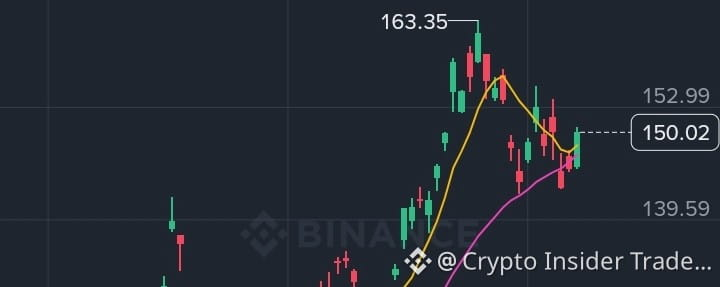
USOUSD PREISANALYSE: WTI-Rohöl zieht sich von $106 zurück — gesunde Korrektur oder Trendwechsel?
◆━━━━━━━━━━━━━━━━━━◆
Ölmärkte bewegen sich selten ruhig.
Nach einer explosiven Rallye, die WTI über $106 brachte, sind die Preise stark zurückgefallen. USOUSD handelt derzeit nahe $91,45 und verzeichnet einen Tagesrückgang von rund 4%. Der plötzliche Rücksetzer lässt Trader eine wichtige Frage stellen:
Ist das einfach eine Abkühlphase nach einer starken Rallye, oder beginnt sich die Markstimmung zu verändern?
Lass uns aufschlüsseln, was uns der Chart und die breitere Marktlandschaft sagen.
◆━━━━━━━━━━━━━━━━━━◆
◆━━━━━━━━━━━━━━━━━━◆
Ölmärkte bewegen sich selten ruhig.
Nach einer explosiven Rallye, die WTI über $106 brachte, sind die Preise stark zurückgefallen. USOUSD handelt derzeit nahe $91,45 und verzeichnet einen Tagesrückgang von rund 4%. Der plötzliche Rücksetzer lässt Trader eine wichtige Frage stellen:
Ist das einfach eine Abkühlphase nach einer starken Rallye, oder beginnt sich die Markstimmung zu verändern?
Lass uns aufschlüsseln, was uns der Chart und die breitere Marktlandschaft sagen.
◆━━━━━━━━━━━━━━━━━━◆
USOUSD PREISANALYSE: WTI-Rohöl zieht sich von $106 zurück — gesunde Korrektur oder Trendwechsel?
◆━━━━━━━━━━━━━━━━━━◆
Ölmärkte bewegen sich selten ruhig.
Nach einer explosiven Rallye, die WTI über $106 brachte, sind die Preise stark zurückgefallen. USOUSD handelt derzeit nahe $91,45 und verzeichnet einen Tagesrückgang von rund 4%. Der plötzliche Rücksetzer lässt Trader eine wichtige Frage stellen:
Ist das einfach eine Abkühlphase nach einer starken Rallye, oder beginnt sich die Markstimmung zu verändern?
Lass uns aufschlüsseln, was uns der Chart und die breitere Marktlandschaft sagen.
◆━━━━━━━━━━━━━━━━━━◆
USOETF+0,09%
31
USUSDT — Volatiler Rebound-Bereich im Fokus
◆━━━━━━━━━━━━━━━━━━━━◆
✔︎ Marktüberblick
USUSDT handelt nahe 0.0271 und ist in den letzten 24 Stunden um etwa 40% gestiegen, nachdem es nach einem schnellen Anstieg auf 0.0403 zusteuerte. Nach dem Ausbruch zog der Kurs scharf zurück, was auf eine erhöhte Volatilität und gesteigerte Marktaktivität hinweist.
◆━━━━━━━━━━━━━━━━━━━━◆
➤ Technische Analyse
• Der Preis schwankt um MA(10) bei 0.0279
• MA(5) bei 0.0298 bleibt die unmittelbare Hürde
• MA(20) bei 0.0247 bietet weiterhin eine solide Basis-Unterstützung
• Ein langer oberer Docht nahe 0.0403 signalisiert starken Verkaufsdruck in höheren Kursbereichen
• Das Volumen ist während des Rallye deutlich gestiegen und spiegelt sowohl aggressives Kaufen als auch Gewinnmitnahmen wider
◆━━━━━━━━━━━━━━━━━━━━◆
➤ Szenarioanalyse
① Bullisches Szenario 🟢
Ein starker 4H-Schlusskurs über 0.0298 und MA(5) könnte frischen Schwung anziehen und den Weg zu den jüngsten Hochs wieder öffnen.
② Bearishes Szenario 🔴
Ein Bruch unter 0.0247 könnte die kurzfristige Struktur schwächen und die Wahrscheinlichkeit einer tieferen Korrektur erhöhen.
③ Neutrales Szenario ⚪
Der Preis könnte sich weiter zwischen 0.0247–0.0298 konsolidieren, während sich die Volatilität abkühlt.
◆━━━━━━━━━━━━━━━━━━━━◆
➤ Wichtige Kursmarken
Widerstand • R1: 0.0298
• R2: 0.0403
Unterstützung • S1: 0.0247
• S2: 0.0212
◆━━━━━━━━━━━━━━━━━━━━◆
$US
{future}(USUSDT)
#US #NFPWatch #XRPPostsFirstThreeGreenMonthsInQ3 #EthereumFoundationLaunchesZkAPIOnMainnet #SECProposesCryptoCustodyFramework
USUSDT — Volatiler Rebound-Bereich im Fokus
◆━━━━━━━━━━━━━━━━━━━━◆
✔︎ Marktüberblick
USUSDT handelt nahe 0.0271 und ist in den letzten 24 Stunden um etwa 40% gestiegen, nachdem es nach einem schnellen Anstieg auf 0.0403 zusteuerte. Nach dem Ausbruch zog der Kurs scharf zurück, was auf eine erhöhte Volatilität und gesteigerte Marktaktivität hinweist.
◆━━━━━━━━━━━━━━━━━━━━◆
➤ Technische Analyse
• Der Preis schwankt um MA(10) bei 0.0279
• MA(5) bei 0.0298 bleibt die unmittelbare Hürde
• MA(20) bei 0.0247 bietet weiterhin eine solide Basis-Unterstützung
• Ein langer oberer Docht nahe 0.0403 signalisiert starken Verkaufsdruck in höheren Kursbereichen
• Das Volumen ist während des Rallye deutlich gestiegen und spiegelt sowohl aggressives Kaufen als auch Gewinnmitnahmen wider
◆━━━━━━━━━━━━━━━━━━━━◆
➤ Szenarioanalyse
① Bullisches Szenario 🟢
Ein starker 4H-Schlusskurs über 0.0298 und MA(5) könnte frischen Schwung anziehen und den Weg zu den jüngsten Hochs wieder öffnen.
② Bearishes Szenario 🔴
Ein Bruch unter 0.0247 könnte die kurzfristige Struktur schwächen und die Wahrscheinlichkeit einer tieferen Korrektur erhöhen.
③ Neutrales Szenario ⚪
Der Preis könnte sich weiter zwischen 0.0247–0.0298 konsolidieren, während sich die Volatilität abkühlt.
◆━━━━━━━━━━━━━━━━━━━━◆
➤ Wichtige Kursmarken
Widerstand • R1: 0.0298
• R2: 0.0403
Unterstützung • S1: 0.0247
• S2: 0.0212
◆━━━━━━━━━━━━━━━━━━━━◆
$US
#US #NFPWatch #XRPPostsFirstThreeGreenMonthsInQ3 #EthereumFoundationLaunchesZkAPIOnMainnet #SECProposesCryptoCustodyFramework
◆━━━━━━━━━━━━━━━━━━━━◆
✔︎ Marktüberblick
USUSDT handelt nahe 0.0271 und ist in den letzten 24 Stunden um etwa 40% gestiegen, nachdem es nach einem schnellen Anstieg auf 0.0403 zusteuerte. Nach dem Ausbruch zog der Kurs scharf zurück, was auf eine erhöhte Volatilität und gesteigerte Marktaktivität hinweist.
◆━━━━━━━━━━━━━━━━━━━━◆
➤ Technische Analyse
• Der Preis schwankt um MA(10) bei 0.0279
• MA(5) bei 0.0298 bleibt die unmittelbare Hürde
• MA(20) bei 0.0247 bietet weiterhin eine solide Basis-Unterstützung
• Ein langer oberer Docht nahe 0.0403 signalisiert starken Verkaufsdruck in höheren Kursbereichen
• Das Volumen ist während des Rallye deutlich gestiegen und spiegelt sowohl aggressives Kaufen als auch Gewinnmitnahmen wider
◆━━━━━━━━━━━━━━━━━━━━◆
➤ Szenarioanalyse
① Bullisches Szenario 🟢
Ein starker 4H-Schlusskurs über 0.0298 und MA(5) könnte frischen Schwung anziehen und den Weg zu den jüngsten Hochs wieder öffnen.
② Bearishes Szenario 🔴
Ein Bruch unter 0.0247 könnte die kurzfristige Struktur schwächen und die Wahrscheinlichkeit einer tieferen Korrektur erhöhen.
③ Neutrales Szenario ⚪
Der Preis könnte sich weiter zwischen 0.0247–0.0298 konsolidieren, während sich die Volatilität abkühlt.
◆━━━━━━━━━━━━━━━━━━━━◆
➤ Wichtige Kursmarken
Widerstand • R1: 0.0298
• R2: 0.0403
Unterstützung • S1: 0.0247
• S2: 0.0212
◆━━━━━━━━━━━━━━━━━━━━◆
$US
#US #NFPWatch #XRPPostsFirstThreeGreenMonthsInQ3 #EthereumFoundationLaunchesZkAPIOnMainnet #SECProposesCryptoCustodyFramework
159
MAGMAUSDT — Bullen versuchen einen Trendwechsel
◆━━━━━━━━━━━━━━━━━━━━◆
✔︎ Marktüberblick
MAGMAUSDT wird nahe 0.2336 gehandelt und verzeichnet in 24 Stunden ungefähr 22% Zuwachs. Nachdem sich eine Basis um 0.1856 gebildet hatte, traten Käufer aggressiv in den Markt ein und lösten einen starken Ausbruch aus dem jüngsten Abwärtstrend aus.
◆━━━━━━━━━━━━━━━━━━━━◆
➤ Technische Analyse
• Der Kurs hat MA(10) bei 0.2182 und MA(20) bei 0.2047 zurückerobert
• MA(5) bei 0.2422 ist die nächste Widerstandszone
• Das Volumen expandierte während des Ausbruchs deutlich und stützt den bullischen Impuls
• Der Ablehnungs-Schatten (Wick) nahe 0.2701 deutet darauf hin, dass Verkäufer oberhalb weiterhin aktiv sind
◆━━━━━━━━━━━━━━━━━━━━◆
➤ Szenarioanalyse
① Bullisches Szenario 🟢
Ein entschlossener Close über 0.2422 könnte den Impuls weiter stärken Richtung 0.2670 und möglicherweise 0.2810.
② Bärisches Szenario 🔴
Wenn es nicht gelingt, über 0.2182 zu halten, könnte dies nachlassenden Momentum signalisieren und das Risiko erhöhen, niedrigere Unterstützungszonen erneut zu testen.
③ Neutrales Szenario ⚪
Konsolidierung zwischen 0.2182–0.2422 würde darauf hindeuten, dass der Markt die jüngsten Gewinne verdaut.
◆━━━━━━━━━━━━━━━━━━━━◆
➤ Wichtige Levels
Widerstand • R1: 0.2422
• R2: 0.2810
Unterstützung • S1: 0.2182
• S2: 0.1856
◆━━━━━━━━━━━━━━━━━━━━◆
$MAGMA
{future}(MAGMAUSDT)
#MAGMAUSTD #NFPWatch #XRPPostsFirstThreeGreenMonthsInQ3 #EvernorthPlansNasdaqListingOct8 #SECProposesCryptoCustodyFramework
MAGMAUSDT — Bullen versuchen einen Trendwechsel
◆━━━━━━━━━━━━━━━━━━━━◆
✔︎ Marktüberblick
MAGMAUSDT wird nahe 0.2336 gehandelt und verzeichnet in 24 Stunden ungefähr 22% Zuwachs. Nachdem sich eine Basis um 0.1856 gebildet hatte, traten Käufer aggressiv in den Markt ein und lösten einen starken Ausbruch aus dem jüngsten Abwärtstrend aus.
◆━━━━━━━━━━━━━━━━━━━━◆
➤ Technische Analyse
• Der Kurs hat MA(10) bei 0.2182 und MA(20) bei 0.2047 zurückerobert
• MA(5) bei 0.2422 ist die nächste Widerstandszone
• Das Volumen expandierte während des Ausbruchs deutlich und stützt den bullischen Impuls
• Der Ablehnungs-Schatten (Wick) nahe 0.2701 deutet darauf hin, dass Verkäufer oberhalb weiterhin aktiv sind
◆━━━━━━━━━━━━━━━━━━━━◆
➤ Szenarioanalyse
① Bullisches Szenario 🟢
Ein entschlossener Close über 0.2422 könnte den Impuls weiter stärken Richtung 0.2670 und möglicherweise 0.2810.
② Bärisches Szenario 🔴
Wenn es nicht gelingt, über 0.2182 zu halten, könnte dies nachlassenden Momentum signalisieren und das Risiko erhöhen, niedrigere Unterstützungszonen erneut zu testen.
③ Neutrales Szenario ⚪
Konsolidierung zwischen 0.2182–0.2422 würde darauf hindeuten, dass der Markt die jüngsten Gewinne verdaut.
◆━━━━━━━━━━━━━━━━━━━━◆
➤ Wichtige Levels
Widerstand • R1: 0.2422
• R2: 0.2810
Unterstützung • S1: 0.2182
• S2: 0.1856
◆━━━━━━━━━━━━━━━━━━━━◆
$MAGMA
#MAGMAUSTD #NFPWatch #XRPPostsFirstThreeGreenMonthsInQ3 #EvernorthPlansNasdaqListingOct8 #SECProposesCryptoCustodyFramework
◆━━━━━━━━━━━━━━━━━━━━◆
✔︎ Marktüberblick
MAGMAUSDT wird nahe 0.2336 gehandelt und verzeichnet in 24 Stunden ungefähr 22% Zuwachs. Nachdem sich eine Basis um 0.1856 gebildet hatte, traten Käufer aggressiv in den Markt ein und lösten einen starken Ausbruch aus dem jüngsten Abwärtstrend aus.
◆━━━━━━━━━━━━━━━━━━━━◆
➤ Technische Analyse
• Der Kurs hat MA(10) bei 0.2182 und MA(20) bei 0.2047 zurückerobert
• MA(5) bei 0.2422 ist die nächste Widerstandszone
• Das Volumen expandierte während des Ausbruchs deutlich und stützt den bullischen Impuls
• Der Ablehnungs-Schatten (Wick) nahe 0.2701 deutet darauf hin, dass Verkäufer oberhalb weiterhin aktiv sind
◆━━━━━━━━━━━━━━━━━━━━◆
➤ Szenarioanalyse
① Bullisches Szenario 🟢
Ein entschlossener Close über 0.2422 könnte den Impuls weiter stärken Richtung 0.2670 und möglicherweise 0.2810.
② Bärisches Szenario 🔴
Wenn es nicht gelingt, über 0.2182 zu halten, könnte dies nachlassenden Momentum signalisieren und das Risiko erhöhen, niedrigere Unterstützungszonen erneut zu testen.
③ Neutrales Szenario ⚪
Konsolidierung zwischen 0.2182–0.2422 würde darauf hindeuten, dass der Markt die jüngsten Gewinne verdaut.
◆━━━━━━━━━━━━━━━━━━━━◆
➤ Wichtige Levels
Widerstand • R1: 0.2422
• R2: 0.2810
Unterstützung • S1: 0.2182
• S2: 0.1856
◆━━━━━━━━━━━━━━━━━━━━◆
$MAGMA
#MAGMAUSTD #NFPWatch #XRPPostsFirstThreeGreenMonthsInQ3 #EvernorthPlansNasdaqListingOct8 #SECProposesCryptoCustodyFramework
99
CTUSDT — Frischer Schwung entfacht
◆━━━━━━━━━━━━━━━━━━━━◆
✔︎ Marktüberblick
CTUSDT wird bei etwa 0.6033 gehandelt, mit einem Plus von rund 19% in den vergangenen 24 Stunden. Trotz begrenzter historischer Daten hat der Vermögenswert einen beeindruckenden Anstieg von 0.3993 auf 0.6384 hingelegt und zeigt damit starke bullische Dynamik.
◆━━━━━━━━━━━━━━━━━━━━◆
➤ Technische Analyse
• Der Preis liegt weiterhin über MA(5) bei 0.5339 und behält damit die kurzfristig bullische Struktur bei
• MA(10) und MA(20) sind nicht verfügbar, da die begrenzte Handelshistorie der Münze dies nicht zulässt
• Das Volumen stieg während des Anstiegs an und bestätigt eine starke Marktteilnahme
• Der Ablehnungs-Docht nahe 0.6384 deutet auf etwas Gewinnmitnahmen in höheren Bereichen hin
◆━━━━━━━━━━━━━━━━━━━━◆
➤ Szenarioanalyse
① Bullisches Szenario 🟢
Ein Ausbruch über 0.6384, der von Volumen gestützt wird, könnte einen weiteren Schritt in Richtung 0.6650 antreiben.
② Bärisches Szenario 🔴
Das Verfehlen von 0.5339 könnte den Schwung schwächen und den Markt für einen Rücksetzer in Richtung 0.4582 anfällig machen.
③ Neutrales Szenario ⚪
Eine Konsolidierungsphase zwischen 0.5339–0.6384 würde es dem Trend ermöglichen, sich nach seinem schnellen Anstieg zu stabilisieren.
◆━━━━━━━━━━━━━━━━━━━━◆
➤ Wichtige Levels
Widerstand • R1: 0.6384
• R2: 0.6650
Unterstützung • S1: 0.5339
• S2: 0.4582
◆━━━━━━━━━━━━━━━━━━━━◆
$CT
{future}(CTUSDT)
#CT #NFPWatch #XRPPostsFirstThreeGreenMonthsInQ3 #EthereumFoundationLaunchesZkAPIOnMainnet #SECProposesCryptoCustodyFramework
CTUSDT — Frischer Schwung entfacht
◆━━━━━━━━━━━━━━━━━━━━◆
✔︎ Marktüberblick
CTUSDT wird bei etwa 0.6033 gehandelt, mit einem Plus von rund 19% in den vergangenen 24 Stunden. Trotz begrenzter historischer Daten hat der Vermögenswert einen beeindruckenden Anstieg von 0.3993 auf 0.6384 hingelegt und zeigt damit starke bullische Dynamik.
◆━━━━━━━━━━━━━━━━━━━━◆
➤ Technische Analyse
• Der Preis liegt weiterhin über MA(5) bei 0.5339 und behält damit die kurzfristig bullische Struktur bei
• MA(10) und MA(20) sind nicht verfügbar, da die begrenzte Handelshistorie der Münze dies nicht zulässt
• Das Volumen stieg während des Anstiegs an und bestätigt eine starke Marktteilnahme
• Der Ablehnungs-Docht nahe 0.6384 deutet auf etwas Gewinnmitnahmen in höheren Bereichen hin
◆━━━━━━━━━━━━━━━━━━━━◆
➤ Szenarioanalyse
① Bullisches Szenario 🟢
Ein Ausbruch über 0.6384, der von Volumen gestützt wird, könnte einen weiteren Schritt in Richtung 0.6650 antreiben.
② Bärisches Szenario 🔴
Das Verfehlen von 0.5339 könnte den Schwung schwächen und den Markt für einen Rücksetzer in Richtung 0.4582 anfällig machen.
③ Neutrales Szenario ⚪
Eine Konsolidierungsphase zwischen 0.5339–0.6384 würde es dem Trend ermöglichen, sich nach seinem schnellen Anstieg zu stabilisieren.
◆━━━━━━━━━━━━━━━━━━━━◆
➤ Wichtige Levels
Widerstand • R1: 0.6384
• R2: 0.6650
Unterstützung • S1: 0.5339
• S2: 0.4582
◆━━━━━━━━━━━━━━━━━━━━◆
$CT
#CT #NFPWatch #XRPPostsFirstThreeGreenMonthsInQ3 #EthereumFoundationLaunchesZkAPIOnMainnet #SECProposesCryptoCustodyFramework
◆━━━━━━━━━━━━━━━━━━━━◆
✔︎ Marktüberblick
CTUSDT wird bei etwa 0.6033 gehandelt, mit einem Plus von rund 19% in den vergangenen 24 Stunden. Trotz begrenzter historischer Daten hat der Vermögenswert einen beeindruckenden Anstieg von 0.3993 auf 0.6384 hingelegt und zeigt damit starke bullische Dynamik.
◆━━━━━━━━━━━━━━━━━━━━◆
➤ Technische Analyse
• Der Preis liegt weiterhin über MA(5) bei 0.5339 und behält damit die kurzfristig bullische Struktur bei
• MA(10) und MA(20) sind nicht verfügbar, da die begrenzte Handelshistorie der Münze dies nicht zulässt
• Das Volumen stieg während des Anstiegs an und bestätigt eine starke Marktteilnahme
• Der Ablehnungs-Docht nahe 0.6384 deutet auf etwas Gewinnmitnahmen in höheren Bereichen hin
◆━━━━━━━━━━━━━━━━━━━━◆
➤ Szenarioanalyse
① Bullisches Szenario 🟢
Ein Ausbruch über 0.6384, der von Volumen gestützt wird, könnte einen weiteren Schritt in Richtung 0.6650 antreiben.
② Bärisches Szenario 🔴
Das Verfehlen von 0.5339 könnte den Schwung schwächen und den Markt für einen Rücksetzer in Richtung 0.4582 anfällig machen.
③ Neutrales Szenario ⚪
Eine Konsolidierungsphase zwischen 0.5339–0.6384 würde es dem Trend ermöglichen, sich nach seinem schnellen Anstieg zu stabilisieren.
◆━━━━━━━━━━━━━━━━━━━━◆
➤ Wichtige Levels
Widerstand • R1: 0.6384
• R2: 0.6650
Unterstützung • S1: 0.5339
• S2: 0.4582
◆━━━━━━━━━━━━━━━━━━━━◆
$CT
#CT #NFPWatch #XRPPostsFirstThreeGreenMonthsInQ3 #EthereumFoundationLaunchesZkAPIOnMainnet #SECProposesCryptoCustodyFramework
392
SANDUSDT — Breakout-Momentum steht im Mittelpunkt
◆━━━━━━━━━━━━━━━━━━━━◆
✔︎ Marktüberblick
SANDUSDT wird um 0.0624 gehandelt und verzeichnet einen bemerkenswerten Tagesgewinn von 45%. Nach Wochen der Konsolidierung zwischen 0.040–0.050 haben Käufer einen starken Breakout ausgelöst, der den Kurs auf ein neues Swing-High nahe 0.0640 getrieben hat.
◆━━━━━━━━━━━━━━━━━━━━◆
➤ Technische Analyse
• Der Kurs handelt komfortabel über MA(5) bei 0.0511
• MA(10) bei 0.0475 und MA(20) bei 0.0456 bestätigen die bullische Trend-Ausrichtung
• Das Volumen ist während des Breakouts deutlich angestiegen und bestätigt das Marktinteresse
• Die Bewegung ist ausgeweitet, wodurch die Wahrscheinlichkeit von Volatilität oder einem Retest steigt
◆━━━━━━━━━━━━━━━━━━━━◆
➤ Szenarioanalyse
① Bullisches Szenario 🟢
Halten über 0.0600 und ein Bruch über 0.0640 könnten das Momentum in Richtung 0.0668 am Leben halten.
② Bärisches Szenario 🔴
Ein Rücklauf unter 0.0528 könnte auf einen fehlgeschlagenen Breakout hindeuten und den Weg für eine tiefere Korrektur öffnen.
③ Neutrales Szenario ⚪
Der Kurs könnte sich zwischen 0.0528–0.0640 konsolidieren, während der Markt die jüngsten Gewinne verdaut.
◆━━━━━━━━━━━━━━━━━━━━◆
➤ Wichtige Levels
Widerstand • R1: 0.0640
• R2: 0.0668
Unterstützung • S1: 0.0528
• S2: 0.0511
◆━━━━━━━━━━━━━━━━━━━━◆
$SAND
{future}(SANDUSDT)
#sand #NFPWatch #XRPPostsFirstThreeGreenMonthsInQ3 #EthereumFoundationLaunchesZkAPIOnMainnet
SANDUSDT — Breakout-Momentum steht im Mittelpunkt
◆━━━━━━━━━━━━━━━━━━━━◆
✔︎ Marktüberblick
SANDUSDT wird um 0.0624 gehandelt und verzeichnet einen bemerkenswerten Tagesgewinn von 45%. Nach Wochen der Konsolidierung zwischen 0.040–0.050 haben Käufer einen starken Breakout ausgelöst, der den Kurs auf ein neues Swing-High nahe 0.0640 getrieben hat.
◆━━━━━━━━━━━━━━━━━━━━◆
➤ Technische Analyse
• Der Kurs handelt komfortabel über MA(5) bei 0.0511
• MA(10) bei 0.0475 und MA(20) bei 0.0456 bestätigen die bullische Trend-Ausrichtung
• Das Volumen ist während des Breakouts deutlich angestiegen und bestätigt das Marktinteresse
• Die Bewegung ist ausgeweitet, wodurch die Wahrscheinlichkeit von Volatilität oder einem Retest steigt
◆━━━━━━━━━━━━━━━━━━━━◆
➤ Szenarioanalyse
① Bullisches Szenario 🟢
Halten über 0.0600 und ein Bruch über 0.0640 könnten das Momentum in Richtung 0.0668 am Leben halten.
② Bärisches Szenario 🔴
Ein Rücklauf unter 0.0528 könnte auf einen fehlgeschlagenen Breakout hindeuten und den Weg für eine tiefere Korrektur öffnen.
③ Neutrales Szenario ⚪
Der Kurs könnte sich zwischen 0.0528–0.0640 konsolidieren, während der Markt die jüngsten Gewinne verdaut.
◆━━━━━━━━━━━━━━━━━━━━◆
➤ Wichtige Levels
Widerstand • R1: 0.0640
• R2: 0.0668
Unterstützung • S1: 0.0528
• S2: 0.0511
◆━━━━━━━━━━━━━━━━━━━━◆
$SAND
#sand #NFPWatch #XRPPostsFirstThreeGreenMonthsInQ3 #EthereumFoundationLaunchesZkAPIOnMainnet
◆━━━━━━━━━━━━━━━━━━━━◆
✔︎ Marktüberblick
SANDUSDT wird um 0.0624 gehandelt und verzeichnet einen bemerkenswerten Tagesgewinn von 45%. Nach Wochen der Konsolidierung zwischen 0.040–0.050 haben Käufer einen starken Breakout ausgelöst, der den Kurs auf ein neues Swing-High nahe 0.0640 getrieben hat.
◆━━━━━━━━━━━━━━━━━━━━◆
➤ Technische Analyse
• Der Kurs handelt komfortabel über MA(5) bei 0.0511
• MA(10) bei 0.0475 und MA(20) bei 0.0456 bestätigen die bullische Trend-Ausrichtung
• Das Volumen ist während des Breakouts deutlich angestiegen und bestätigt das Marktinteresse
• Die Bewegung ist ausgeweitet, wodurch die Wahrscheinlichkeit von Volatilität oder einem Retest steigt
◆━━━━━━━━━━━━━━━━━━━━◆
➤ Szenarioanalyse
① Bullisches Szenario 🟢
Halten über 0.0600 und ein Bruch über 0.0640 könnten das Momentum in Richtung 0.0668 am Leben halten.
② Bärisches Szenario 🔴
Ein Rücklauf unter 0.0528 könnte auf einen fehlgeschlagenen Breakout hindeuten und den Weg für eine tiefere Korrektur öffnen.
③ Neutrales Szenario ⚪
Der Kurs könnte sich zwischen 0.0528–0.0640 konsolidieren, während der Markt die jüngsten Gewinne verdaut.
◆━━━━━━━━━━━━━━━━━━━━◆
➤ Wichtige Levels
Widerstand • R1: 0.0640
• R2: 0.0668
Unterstützung • S1: 0.0528
• S2: 0.0511
◆━━━━━━━━━━━━━━━━━━━━◆
$SAND
#sand #NFPWatch #XRPPostsFirstThreeGreenMonthsInQ3 #EthereumFoundationLaunchesZkAPIOnMainnet
139
LINK — Kompressionsphase nahe der entscheidenden Zone
◆━━━━━━━━━━━━━━━━━━━━◆
✔︎ Marktüberblick
LINK handelt nahe 14.386 (-0,38%), nachdem es eine Zurückweisung vom Swing-High bei 15.759 gab. Die Kursentwicklung hat sich in eine enge 4H-Spanne verengt, während die Volatilität stetig abnimmt. Der Markt bleibt weiterhin rangegebunden, doch das kurzfristige Momentum hat eine leicht bärische Tendenz.
◆━━━━━━━━━━━━━━━━━━━━◆
➤ Technische Analyse
LINK pendelt um MA5 (14,37) und MA10 (14,34), während MA20 (14,57) weiterhin als dynamischer Widerstand nach oben wirkt.
Das Volumen liegt unter dem Durchschnitt, was Zögern sowohl bei Käufern als auch Verkäufern signalisiert. Eine derart lang anhaltende Kompression geht häufig größeren Richtungsbewegungen voraus, daher ist diese Zone besonders wichtig zu beobachten.
◆━━━━━━━━━━━━━━━━━━━━◆
➤ Szenarioanalyse
① Bullishes Szenario A bestätigt durch einen 4H-Schluss über 14,57 bei stärkerem Volumen könnte das Momentum in Richtung 15,20 verschieben.
② Bärisches Szenario A ein Bruch unter 14,11 könnte den Abwärtsdruck erhöhen und die wichtige Unterstützungszone nahe 12,95 freilegen.
③ Neutrales Szenario Solange LINK zwischen 14,11 – 14,54 bleibt, könnte das zähe, unruhige Konsolidieren anhalten.
◆━━━━━━━━━━━━━━━━━━━━◆
➤ Wichtige Levels
🔹 Widerstand: 14,54 | 15,20
🔹 Unterstützung: 14,11 | 12,95
◆━━━━━━━━━━━━━━━━━━━━◆
✔︎ Markt-Kontext
Das Open Interest liegt bei rund 28,8 Mio. USDT, was bedeutet, dass Positionswechsel die Volatilität beschleunigen könnten, sobald ein Ausbruch erfolgt. Auch die Richtung von BTC kann die nächste Bewegung von LINK beeinflussen.
◆━━━━━━━━━━━━━━━━━━━━◆
$LINK
{future}(LINKUSDT)
#LINK #EthereumFoundationLaunchesZkAPIOnMainnet #LINK🔥🔥🔥
LINK — Kompressionsphase nahe der entscheidenden Zone
◆━━━━━━━━━━━━━━━━━━━━◆
✔︎ Marktüberblick
LINK handelt nahe 14.386 (-0,38%), nachdem es eine Zurückweisung vom Swing-High bei 15.759 gab. Die Kursentwicklung hat sich in eine enge 4H-Spanne verengt, während die Volatilität stetig abnimmt. Der Markt bleibt weiterhin rangegebunden, doch das kurzfristige Momentum hat eine leicht bärische Tendenz.
◆━━━━━━━━━━━━━━━━━━━━◆
➤ Technische Analyse
LINK pendelt um MA5 (14,37) und MA10 (14,34), während MA20 (14,57) weiterhin als dynamischer Widerstand nach oben wirkt.
Das Volumen liegt unter dem Durchschnitt, was Zögern sowohl bei Käufern als auch Verkäufern signalisiert. Eine derart lang anhaltende Kompression geht häufig größeren Richtungsbewegungen voraus, daher ist diese Zone besonders wichtig zu beobachten.
◆━━━━━━━━━━━━━━━━━━━━◆
➤ Szenarioanalyse
① Bullishes Szenario A bestätigt durch einen 4H-Schluss über 14,57 bei stärkerem Volumen könnte das Momentum in Richtung 15,20 verschieben.
② Bärisches Szenario A ein Bruch unter 14,11 könnte den Abwärtsdruck erhöhen und die wichtige Unterstützungszone nahe 12,95 freilegen.
③ Neutrales Szenario Solange LINK zwischen 14,11 – 14,54 bleibt, könnte das zähe, unruhige Konsolidieren anhalten.
◆━━━━━━━━━━━━━━━━━━━━◆
➤ Wichtige Levels
🔹 Widerstand: 14,54 | 15,20
🔹 Unterstützung: 14,11 | 12,95
◆━━━━━━━━━━━━━━━━━━━━◆
✔︎ Markt-Kontext
Das Open Interest liegt bei rund 28,8 Mio. USDT, was bedeutet, dass Positionswechsel die Volatilität beschleunigen könnten, sobald ein Ausbruch erfolgt. Auch die Richtung von BTC kann die nächste Bewegung von LINK beeinflussen.
◆━━━━━━━━━━━━━━━━━━━━◆
$LINK
#LINK #EthereumFoundationLaunchesZkAPIOnMainnet #LINK🔥🔥🔥
◆━━━━━━━━━━━━━━━━━━━━◆
✔︎ Marktüberblick
LINK handelt nahe 14.386 (-0,38%), nachdem es eine Zurückweisung vom Swing-High bei 15.759 gab. Die Kursentwicklung hat sich in eine enge 4H-Spanne verengt, während die Volatilität stetig abnimmt. Der Markt bleibt weiterhin rangegebunden, doch das kurzfristige Momentum hat eine leicht bärische Tendenz.
◆━━━━━━━━━━━━━━━━━━━━◆
➤ Technische Analyse
LINK pendelt um MA5 (14,37) und MA10 (14,34), während MA20 (14,57) weiterhin als dynamischer Widerstand nach oben wirkt.
Das Volumen liegt unter dem Durchschnitt, was Zögern sowohl bei Käufern als auch Verkäufern signalisiert. Eine derart lang anhaltende Kompression geht häufig größeren Richtungsbewegungen voraus, daher ist diese Zone besonders wichtig zu beobachten.
◆━━━━━━━━━━━━━━━━━━━━◆
➤ Szenarioanalyse
① Bullishes Szenario A bestätigt durch einen 4H-Schluss über 14,57 bei stärkerem Volumen könnte das Momentum in Richtung 15,20 verschieben.
② Bärisches Szenario A ein Bruch unter 14,11 könnte den Abwärtsdruck erhöhen und die wichtige Unterstützungszone nahe 12,95 freilegen.
③ Neutrales Szenario Solange LINK zwischen 14,11 – 14,54 bleibt, könnte das zähe, unruhige Konsolidieren anhalten.
◆━━━━━━━━━━━━━━━━━━━━◆
➤ Wichtige Levels
🔹 Widerstand: 14,54 | 15,20
🔹 Unterstützung: 14,11 | 12,95
◆━━━━━━━━━━━━━━━━━━━━◆
✔︎ Markt-Kontext
Das Open Interest liegt bei rund 28,8 Mio. USDT, was bedeutet, dass Positionswechsel die Volatilität beschleunigen könnten, sobald ein Ausbruch erfolgt. Auch die Richtung von BTC kann die nächste Bewegung von LINK beeinflussen.
◆━━━━━━━━━━━━━━━━━━━━◆
$LINK
#LINK #EthereumFoundationLaunchesZkAPIOnMainnet #LINK🔥🔥🔥
45
XRP — Volatilitätskompression signalisiert eine große Bewegung in der Zukunft
◆━━━━━━━━━━━━━━━━━━━━◆
✔︎ Marktüberblick
XRP wird derzeit bei etwa 1.5020 gehandelt (+0,66%), nachdem es sich von dem jüngsten Hoch bei 1.6579 abgekühlt hat. Der Kurs bleibt in einer engen 4H-Konsolidierungsrange eingeschlossen, während die Volatilität weiter abnimmt.
Der Schwung hat sich leicht verbessert, aber keine Seite hat die entscheidende Kontrolle gewonnen.
◆━━━━━━━━━━━━━━━━━━━━◆
➤ Technische Analyse
MA5 (1.4954), MA10 (1.4949) und MA20 (1.4987) liegen eng beieinander, wobei der Kurs knapp über ihnen hält.
Diese Annäherung spiegelt ein Gleichgewicht zwischen Käufern und Verkäufern wider. Das Volumen bleibt unter dem Durchschnitt, was darauf hindeutet, dass vor der nächsten richtungsweisenden Bewegung möglicherweise ein stärkerer Auslöser erforderlich ist.
◆━━━━━━━━━━━━━━━━━━━━◆
➤ Szenarioanalyse
① Bullisches Szenario Eine starke 4H-Schlusskursbildung über 1.5105, gestützt durch eine Ausweitung des Volumens, könnte 1.5288 und möglicherweise 1.6155 in den Fokus rücken.
② Bärisches Szenario Ein Bruch unter 1.4739 würde die kurzfristige Struktur schwächen und die Aufmerksamkeit verstärkt auf 1.4420 lenken.
③ Neutrales Szenario Der Kurs könnte weiter konsolidieren, während er zwischen 1.4739 – 1.5105 hält.
◆━━━━━━━━━━━━━━━━━━━━◆
➤ Wichtige Kursniveaus
🔹 Widerstand: 1.5105 | 1.5288
🔹 Unterstützung: 1.4739 | 1.4420
◆━━━━━━━━━━━━━━━━━━━━◆
✔︎ Marktkontext
Marktteilnehmer beobachten Schlagzeilen rund um das bevorstehende Seoul-Event. Eine Kursbestätigung durch das Volumen bleibt jedoch entscheidend, bevor ein Ausbruch an Glaubwürdigkeit gewinnt.
◆━━━━━━━━━━━━━━━━━━━━◆
$XRP
{future}(XRPUSDT)
#xrp #Xrp🔥🔥
XRP — Volatilitätskompression signalisiert eine große Bewegung in der Zukunft
◆━━━━━━━━━━━━━━━━━━━━◆
✔︎ Marktüberblick
XRP wird derzeit bei etwa 1.5020 gehandelt (+0,66%), nachdem es sich von dem jüngsten Hoch bei 1.6579 abgekühlt hat. Der Kurs bleibt in einer engen 4H-Konsolidierungsrange eingeschlossen, während die Volatilität weiter abnimmt.
Der Schwung hat sich leicht verbessert, aber keine Seite hat die entscheidende Kontrolle gewonnen.
◆━━━━━━━━━━━━━━━━━━━━◆
➤ Technische Analyse
MA5 (1.4954), MA10 (1.4949) und MA20 (1.4987) liegen eng beieinander, wobei der Kurs knapp über ihnen hält.
Diese Annäherung spiegelt ein Gleichgewicht zwischen Käufern und Verkäufern wider. Das Volumen bleibt unter dem Durchschnitt, was darauf hindeutet, dass vor der nächsten richtungsweisenden Bewegung möglicherweise ein stärkerer Auslöser erforderlich ist.
◆━━━━━━━━━━━━━━━━━━━━◆
➤ Szenarioanalyse
① Bullisches Szenario Eine starke 4H-Schlusskursbildung über 1.5105, gestützt durch eine Ausweitung des Volumens, könnte 1.5288 und möglicherweise 1.6155 in den Fokus rücken.
② Bärisches Szenario Ein Bruch unter 1.4739 würde die kurzfristige Struktur schwächen und die Aufmerksamkeit verstärkt auf 1.4420 lenken.
③ Neutrales Szenario Der Kurs könnte weiter konsolidieren, während er zwischen 1.4739 – 1.5105 hält.
◆━━━━━━━━━━━━━━━━━━━━◆
➤ Wichtige Kursniveaus
🔹 Widerstand: 1.5105 | 1.5288
🔹 Unterstützung: 1.4739 | 1.4420
◆━━━━━━━━━━━━━━━━━━━━◆
✔︎ Marktkontext
Marktteilnehmer beobachten Schlagzeilen rund um das bevorstehende Seoul-Event. Eine Kursbestätigung durch das Volumen bleibt jedoch entscheidend, bevor ein Ausbruch an Glaubwürdigkeit gewinnt.
◆━━━━━━━━━━━━━━━━━━━━◆
$XRP
#xrp #Xrp🔥🔥
◆━━━━━━━━━━━━━━━━━━━━◆
✔︎ Marktüberblick
XRP wird derzeit bei etwa 1.5020 gehandelt (+0,66%), nachdem es sich von dem jüngsten Hoch bei 1.6579 abgekühlt hat. Der Kurs bleibt in einer engen 4H-Konsolidierungsrange eingeschlossen, während die Volatilität weiter abnimmt.
Der Schwung hat sich leicht verbessert, aber keine Seite hat die entscheidende Kontrolle gewonnen.
◆━━━━━━━━━━━━━━━━━━━━◆
➤ Technische Analyse
MA5 (1.4954), MA10 (1.4949) und MA20 (1.4987) liegen eng beieinander, wobei der Kurs knapp über ihnen hält.
Diese Annäherung spiegelt ein Gleichgewicht zwischen Käufern und Verkäufern wider. Das Volumen bleibt unter dem Durchschnitt, was darauf hindeutet, dass vor der nächsten richtungsweisenden Bewegung möglicherweise ein stärkerer Auslöser erforderlich ist.
◆━━━━━━━━━━━━━━━━━━━━◆
➤ Szenarioanalyse
① Bullisches Szenario Eine starke 4H-Schlusskursbildung über 1.5105, gestützt durch eine Ausweitung des Volumens, könnte 1.5288 und möglicherweise 1.6155 in den Fokus rücken.
② Bärisches Szenario Ein Bruch unter 1.4739 würde die kurzfristige Struktur schwächen und die Aufmerksamkeit verstärkt auf 1.4420 lenken.
③ Neutrales Szenario Der Kurs könnte weiter konsolidieren, während er zwischen 1.4739 – 1.5105 hält.
◆━━━━━━━━━━━━━━━━━━━━◆
➤ Wichtige Kursniveaus
🔹 Widerstand: 1.5105 | 1.5288
🔹 Unterstützung: 1.4739 | 1.4420
◆━━━━━━━━━━━━━━━━━━━━◆
✔︎ Marktkontext
Marktteilnehmer beobachten Schlagzeilen rund um das bevorstehende Seoul-Event. Eine Kursbestätigung durch das Volumen bleibt jedoch entscheidend, bevor ein Ausbruch an Glaubwürdigkeit gewinnt.
◆━━━━━━━━━━━━━━━━━━━━◆
$XRP
#xrp #Xrp🔥🔥
53
ETH — Höhere Tiefs halten die Bullen im Kampf
◆━━━━━━━━━━━━━━━━━━━━◆
✔︎ Marktüberblick
ETH handelt nahe 2.714,66 (+1,05 %) und erholt sich allmählich, nachdem zuvor von dem Hoch bei 2.806,73 zurückgezogen wurde.
Die 4H-Struktur druckt weiterhin höhere Tiefs, was auf eine Verbesserung des kurzfristigen Momentum hindeutet, solange der Kurs innerhalb einer breiteren Konsolidierungsrange bleibt.
◆━━━━━━━━━━━━━━━━━━━━◆
➤ Technische Analyse
ETH handelt derzeit oberhalb von MA5 (2.701), MA10 (2.691) und MA20 (2.690).
Diese gleitende- Durchschnitts-Cluster wirkt als unmittelbarer Support. Während die Struktur für die Bullen spricht, bleibt das Volumen unter dem Durchschnitt, was bedeutet, dass eine stärkere Beteiligung das Vertrauen in jeden Ausbruchsversuch erhöhen würde.
◆━━━━━━━━━━━━━━━━━━━━◆
➤ Szenarioanalyse
① Bullisches Szenario A Ein 4H-Close über 2.726,67 bei steigendem Volumen könnte den Weg zu 2.772 öffnen, gefolgt von 2.806.
② Bärisches Szenario A Ein Verlust des MA-Support-Clusters nahe 2.690, gefolgt von einem Bruch unter 2.672, könnte 2.630 in den Fokus rücken.
③ Neutrales Szenario Der Kurs könnte weiterhin zwischen 2.672 – 2.726 pendeln, während der Markt auf einen Katalysator wartet.
◆━━━━━━━━━━━━━━━━━━━━◆
➤ Wichtige Levels
🔹 Widerstand: 2.726,67 | 2.772
🔹 Support: 2.690 | 2.630
◆━━━━━━━━━━━━━━━━━━━━◆
✔︎ Marktkontext
Aktuelle Fed-Kommentare zum US-Arbeitsmarkt beeinflussen weiterhin das breitere Risikosentiment. ETH weist zudem eine starke Korrelation mit BTC auf, weshalb die Richtung von Bitcoin ein wichtiger Faktor ist.
◆━━━━━━━━━━━━━━━━━━━━◆
$ETH
{future}(ETHUSDT)
#Ethereum #EthereumFoundationLaunchesZkAPIOnMainnet #EtherGains70.9%InQ3
ETH — Höhere Tiefs halten die Bullen im Kampf
◆━━━━━━━━━━━━━━━━━━━━◆
✔︎ Marktüberblick
ETH handelt nahe 2.714,66 (+1,05 %) und erholt sich allmählich, nachdem zuvor von dem Hoch bei 2.806,73 zurückgezogen wurde.
Die 4H-Struktur druckt weiterhin höhere Tiefs, was auf eine Verbesserung des kurzfristigen Momentum hindeutet, solange der Kurs innerhalb einer breiteren Konsolidierungsrange bleibt.
◆━━━━━━━━━━━━━━━━━━━━◆
➤ Technische Analyse
ETH handelt derzeit oberhalb von MA5 (2.701), MA10 (2.691) und MA20 (2.690).
Diese gleitende- Durchschnitts-Cluster wirkt als unmittelbarer Support. Während die Struktur für die Bullen spricht, bleibt das Volumen unter dem Durchschnitt, was bedeutet, dass eine stärkere Beteiligung das Vertrauen in jeden Ausbruchsversuch erhöhen würde.
◆━━━━━━━━━━━━━━━━━━━━◆
➤ Szenarioanalyse
① Bullisches Szenario A Ein 4H-Close über 2.726,67 bei steigendem Volumen könnte den Weg zu 2.772 öffnen, gefolgt von 2.806.
② Bärisches Szenario A Ein Verlust des MA-Support-Clusters nahe 2.690, gefolgt von einem Bruch unter 2.672, könnte 2.630 in den Fokus rücken.
③ Neutrales Szenario Der Kurs könnte weiterhin zwischen 2.672 – 2.726 pendeln, während der Markt auf einen Katalysator wartet.
◆━━━━━━━━━━━━━━━━━━━━◆
➤ Wichtige Levels
🔹 Widerstand: 2.726,67 | 2.772
🔹 Support: 2.690 | 2.630
◆━━━━━━━━━━━━━━━━━━━━◆
✔︎ Marktkontext
Aktuelle Fed-Kommentare zum US-Arbeitsmarkt beeinflussen weiterhin das breitere Risikosentiment. ETH weist zudem eine starke Korrelation mit BTC auf, weshalb die Richtung von Bitcoin ein wichtiger Faktor ist.
◆━━━━━━━━━━━━━━━━━━━━◆
$ETH
#Ethereum #EthereumFoundationLaunchesZkAPIOnMainnet #EtherGains70.9%InQ3
◆━━━━━━━━━━━━━━━━━━━━◆
✔︎ Marktüberblick
ETH handelt nahe 2.714,66 (+1,05 %) und erholt sich allmählich, nachdem zuvor von dem Hoch bei 2.806,73 zurückgezogen wurde.
Die 4H-Struktur druckt weiterhin höhere Tiefs, was auf eine Verbesserung des kurzfristigen Momentum hindeutet, solange der Kurs innerhalb einer breiteren Konsolidierungsrange bleibt.
◆━━━━━━━━━━━━━━━━━━━━◆
➤ Technische Analyse
ETH handelt derzeit oberhalb von MA5 (2.701), MA10 (2.691) und MA20 (2.690).
Diese gleitende- Durchschnitts-Cluster wirkt als unmittelbarer Support. Während die Struktur für die Bullen spricht, bleibt das Volumen unter dem Durchschnitt, was bedeutet, dass eine stärkere Beteiligung das Vertrauen in jeden Ausbruchsversuch erhöhen würde.
◆━━━━━━━━━━━━━━━━━━━━◆
➤ Szenarioanalyse
① Bullisches Szenario A Ein 4H-Close über 2.726,67 bei steigendem Volumen könnte den Weg zu 2.772 öffnen, gefolgt von 2.806.
② Bärisches Szenario A Ein Verlust des MA-Support-Clusters nahe 2.690, gefolgt von einem Bruch unter 2.672, könnte 2.630 in den Fokus rücken.
③ Neutrales Szenario Der Kurs könnte weiterhin zwischen 2.672 – 2.726 pendeln, während der Markt auf einen Katalysator wartet.
◆━━━━━━━━━━━━━━━━━━━━◆
➤ Wichtige Levels
🔹 Widerstand: 2.726,67 | 2.772
🔹 Support: 2.690 | 2.630
◆━━━━━━━━━━━━━━━━━━━━◆
✔︎ Marktkontext
Aktuelle Fed-Kommentare zum US-Arbeitsmarkt beeinflussen weiterhin das breitere Risikosentiment. ETH weist zudem eine starke Korrelation mit BTC auf, weshalb die Richtung von Bitcoin ein wichtiger Faktor ist.
◆━━━━━━━━━━━━━━━━━━━━◆
$ETH
#Ethereum #EthereumFoundationLaunchesZkAPIOnMainnet #EtherGains70.9%InQ3
58
Anmelden und weiter Inhalte entdecken
Krypto-Nutzer weltweit auf Binance Square kennenlernen
⚡️ Bleib in Sachen Krypto stets am Puls.
💬 Die weltgrößte Kryptobörse vertraut darauf.
👍 Erhalte verlässliche Einblicke von verifizierten Creators.
E-Mail-Adresse/Telefonnummer
Trendthemen
BinanceLaunchesBinanceIntelligence
487,606 Aufrufe
3,335 Kommentare
nce
🔥 Der Kryptohandel könnte in das Zeitalter der „KI-Assistenten“ eintreten.
Binance Intelligence integriert künstliche Intelligenz direkt in den Handelsablauf.
Statt manuell zwischen folgenden Bereichen zu wechseln:
📊 Marktforschung
🔔 Benachrichtigungen
💼 Portfolio-Tracking
🧠 Strategieideen
⚙️ Handelsaktionen
kann die KI all das in einem System zusammenführen.
Das ist wichtig, denn der größte Vorteil für Trader besteht nicht immer darin, mehr Informationen zu finden,
sondern darin, Informationen schneller zu verarbeiten.
Wenn KI den Markt zusammenfassen, Risiken hervorheben, Portfolios verfolgen und bei der Entwicklung von Strategien helfen kann …
könnte der Abstand zwischen den Tools von Profis und denen von Privatanlegern allmählich kleiner werden.
Doch ein wichtiger Punkt bleibt:
KI kann die Entscheidungsfindung verbessern, aber Risiken nicht beseitigen.
Trader, die sie sinnvoll einsetzen, können sich einen Wettbewerbsvorteil verschaffen.
Wer ihr jedoch blind folgt, verliert womöglich einfach nur schneller.
Vertraust du der KI als Teil deines Handelsprozesses? 👀
$BTC
$XRP
$ETH
#BinanceAI #crypto #AI #trading $NVDAB #BinanceLaunchesBinanceIntelligence
MARFl
·1 Likes
·279 Aufrufe
BitcoinTargets2026OpenAt$87570
3,429 Aufrufe
90 Kommentare
BitcoinRejectedAt$87KThirdTime
3,117 Aufrufe
74 Kommentare