

Crypto Eagles
12.2k Beiträge

Crypto Eagles
 Square Verified+
Melden
Nutzer blockieren
Square Content Creator | X: @CryptoProject6

Creator Awards 2024

#BinanceTurns7

Top Voices
Gelegenheitstrader
6.1 Jahre
131 Following
123.3K+ Follower
166.6K+ Like gegeben
3 Abzeichen
Beiträge
Alle
Zitierungen
Videos
Live
KI im Finanzwesen geht über Chatbots hinaus.
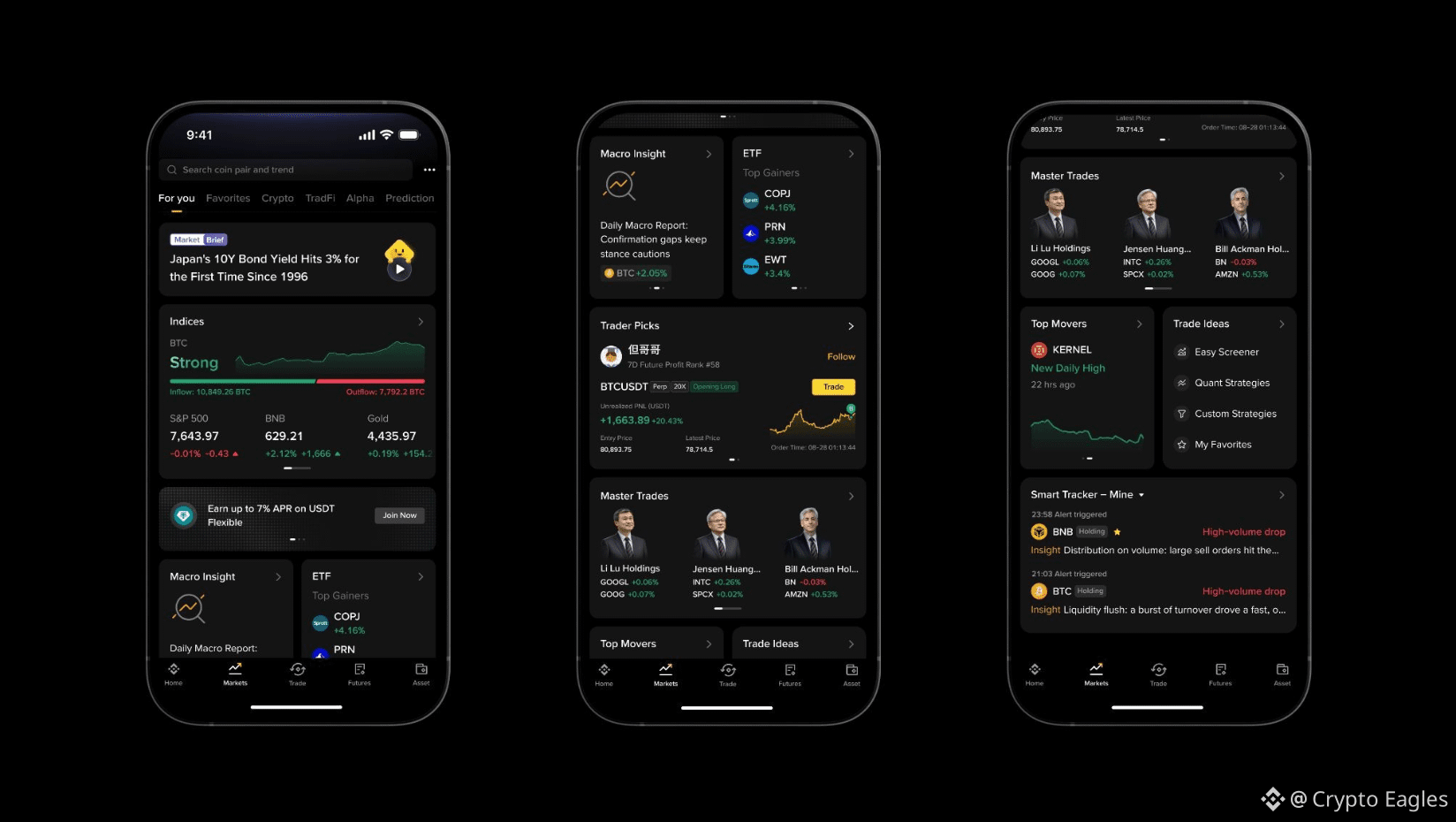
Binance hat Binance Intelligence eingeführt, eine KI-Ebene für das gesamte Ökosystem:
• Binance Agent OS für Entwickler
• Binance AI, ein kostenloser persönlicher Marktassistent
• Binance AI Pro für Trader, die Workflows beschreiben, testen und ausführen möchten
Was mir besonders auffällt, ist der Fokus auf Kontrolle. KI kann Positionen überwachen, Marktbewegungen erklären, Benachrichtigungen senden und Strategien testen, bevor irgendetwas live geht. Ohne Zustimmung der Nutzer wird nichts ausgeführt.
Der größte Nutzen liegt vielleicht nicht im automatisierten Handel. Vielleicht besteht er darin, die KI den Markt für dich beobachten zu lassen, bevor sie handelt.
Finanzen, intelligenter gemacht.
Mehr erfahren:
[https://www.binance.com/en/blog/ecosystem/2231059782060061449](https://www.binance.com/en/blog/ecosystem/2231059782060061449)
KI im Finanzwesen geht über Chatbots hinaus.
Binance hat Binance Intelligence eingeführt, eine KI-Ebene für das gesamte Ökosystem:
• Binance Agent OS für Entwickler
• Binance AI, ein kostenloser persönlicher Marktassistent
• Binance AI Pro für Trader, die Workflows beschreiben, testen und ausführen möchten
Was mir besonders auffällt, ist der Fokus auf Kontrolle. KI kann Positionen überwachen, Marktbewegungen erklären, Benachrichtigungen senden und Strategien testen, bevor irgendetwas live geht. Ohne Zustimmung der Nutzer wird nichts ausgeführt.
Der größte Nutzen liegt vielleicht nicht im automatisierten Handel. Vielleicht besteht er darin, die KI den Markt für dich beobachten zu lassen, bevor sie handelt.
Finanzen, intelligenter gemacht.
Mehr erfahren:
https://www.binance.com/en/blog/ecosystem/2231059782060061449
Binance hat Binance Intelligence eingeführt, eine KI-Ebene für das gesamte Ökosystem:
• Binance Agent OS für Entwickler
• Binance AI, ein kostenloser persönlicher Marktassistent
• Binance AI Pro für Trader, die Workflows beschreiben, testen und ausführen möchten
Was mir besonders auffällt, ist der Fokus auf Kontrolle. KI kann Positionen überwachen, Marktbewegungen erklären, Benachrichtigungen senden und Strategien testen, bevor irgendetwas live geht. Ohne Zustimmung der Nutzer wird nichts ausgeführt.
Der größte Nutzen liegt vielleicht nicht im automatisierten Handel. Vielleicht besteht er darin, die KI den Markt für dich beobachten zu lassen, bevor sie handelt.
Finanzen, intelligenter gemacht.
Mehr erfahren:
https://www.binance.com/en/blog/ecosystem/2231059782060061449
1
353
Polymarket entwickelt sich zu einer der interessantesten Plattformen im Web3.
Sie ermöglicht es Nutzern, auf reale Ereignisse wie Krypto, KI, Politik, Sport und die Wirtschaft zu handeln.
Die Kurzbeschreibung hebt 250K bis 500K monatlich aktive Trader, 17M+ monatliche Website-Besuche und ein prognostiziertes Handelsvolumen von 18B US-Dollar für 2025 hervor.
$GNO ist außerdem ein bei Binance gelistetes Token, das mit dem breiteren Bereich des Prognosemarktes verbunden ist.
Was ich an Polymarket mag, ist einfach. Es macht aus Nachrichten, Meinungen und zukünftigen Ereignissen Märkte, die Menschen verstehen und handeln können.
@polymarket Märkte erhalten zunehmend mehr Aufmerksamkeit, und Polymarket bleibt in diesem Bereich einer der stärksten Namen.
DYOR.
Polymarket entwickelt sich zu einer der interessantesten Plattformen im Web3.
Sie ermöglicht es Nutzern, auf reale Ereignisse wie Krypto, KI, Politik, Sport und die Wirtschaft zu handeln.
Die Kurzbeschreibung hebt 250K bis 500K monatlich aktive Trader, 17M+ monatliche Website-Besuche und ein prognostiziertes Handelsvolumen von 18B US-Dollar für 2025 hervor.
$GNO ist außerdem ein bei Binance gelistetes Token, das mit dem breiteren Bereich des Prognosemarktes verbunden ist.
Was ich an Polymarket mag, ist einfach. Es macht aus Nachrichten, Meinungen und zukünftigen Ereignissen Märkte, die Menschen verstehen und handeln können.
@Polymarket Märkte erhalten zunehmend mehr Aufmerksamkeit, und Polymarket bleibt in diesem Bereich einer der stärksten Namen.
DYOR.
Sie ermöglicht es Nutzern, auf reale Ereignisse wie Krypto, KI, Politik, Sport und die Wirtschaft zu handeln.
Die Kurzbeschreibung hebt 250K bis 500K monatlich aktive Trader, 17M+ monatliche Website-Besuche und ein prognostiziertes Handelsvolumen von 18B US-Dollar für 2025 hervor.
$GNO ist außerdem ein bei Binance gelistetes Token, das mit dem breiteren Bereich des Prognosemarktes verbunden ist.
Was ich an Polymarket mag, ist einfach. Es macht aus Nachrichten, Meinungen und zukünftigen Ereignissen Märkte, die Menschen verstehen und handeln können.
@Polymarket Märkte erhalten zunehmend mehr Aufmerksamkeit, und Polymarket bleibt in diesem Bereich einer der stärksten Namen.
DYOR.
19
14
1.5k
Ich hoffe, es geht allen gut und ihr bleibt zu Hause in Sicherheit, unter $BTC .
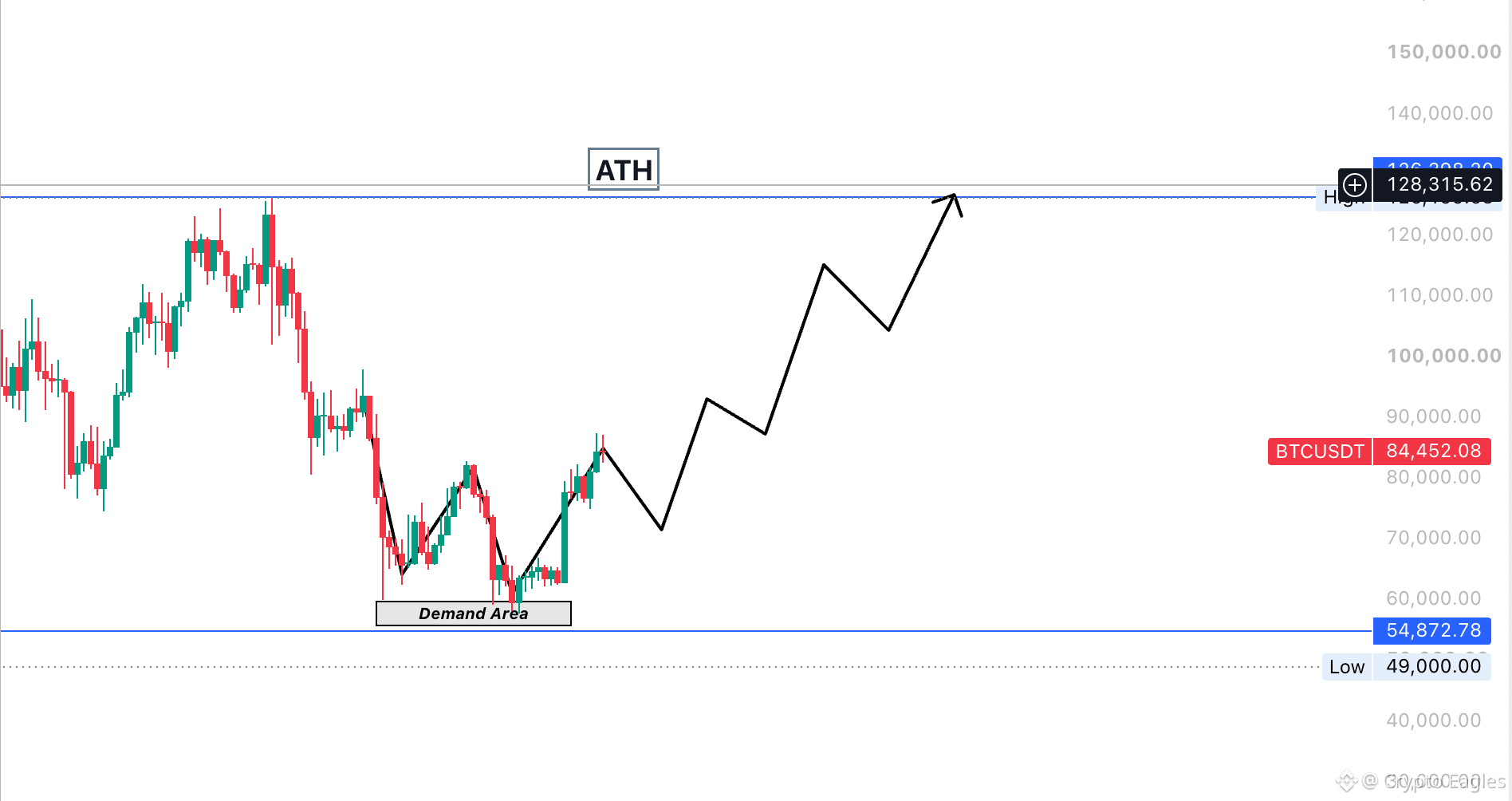
Ich habe beobachtet, wie sich Bitcoin in diesem Muster seit ein paar Monaten bewegt. Ich kann ein neues ATH im März 2027 erkennen.
Es ist wichtig, diesen Bereich um 80.000 US-Dollar zu halten.
{future}(BTCUSDT)
Ich hoffe, es geht allen gut und ihr bleibt zu Hause in Sicherheit, unter $BTC .
Ich habe beobachtet, wie sich Bitcoin in diesem Muster seit ein paar Monaten bewegt. Ich kann ein neues ATH im März 2027 erkennen.
Es ist wichtig, diesen Bereich um 80.000 US-Dollar zu halten.
Ich habe beobachtet, wie sich Bitcoin in diesem Muster seit ein paar Monaten bewegt. Ich kann ein neues ATH im März 2027 erkennen.
Es ist wichtig, diesen Bereich um 80.000 US-Dollar zu halten.
2
8
2.2k
Verifiziert
$PYTH baut über die übliche Oracle-Erzählung hinaus.
Mit 710+ Unternehmen, 125+ institutionellen Verlagen, 114+ Blockchains und über 3,25 T$ an kumuliertem Volumen, das gesichert wurde, wird Pyth zu einer ernstzunehmenden Marktdaten-Schicht für internet-native Finanzen.
Während $LINK sich auf Oracle-Infrastruktur konzentriert, $ONDO auf RWA, $HYPE auf Perpetuals und $UMA auf Prediction Markets, verbindet Pyth diese Märkte über erstklassige finanzielle Daten.
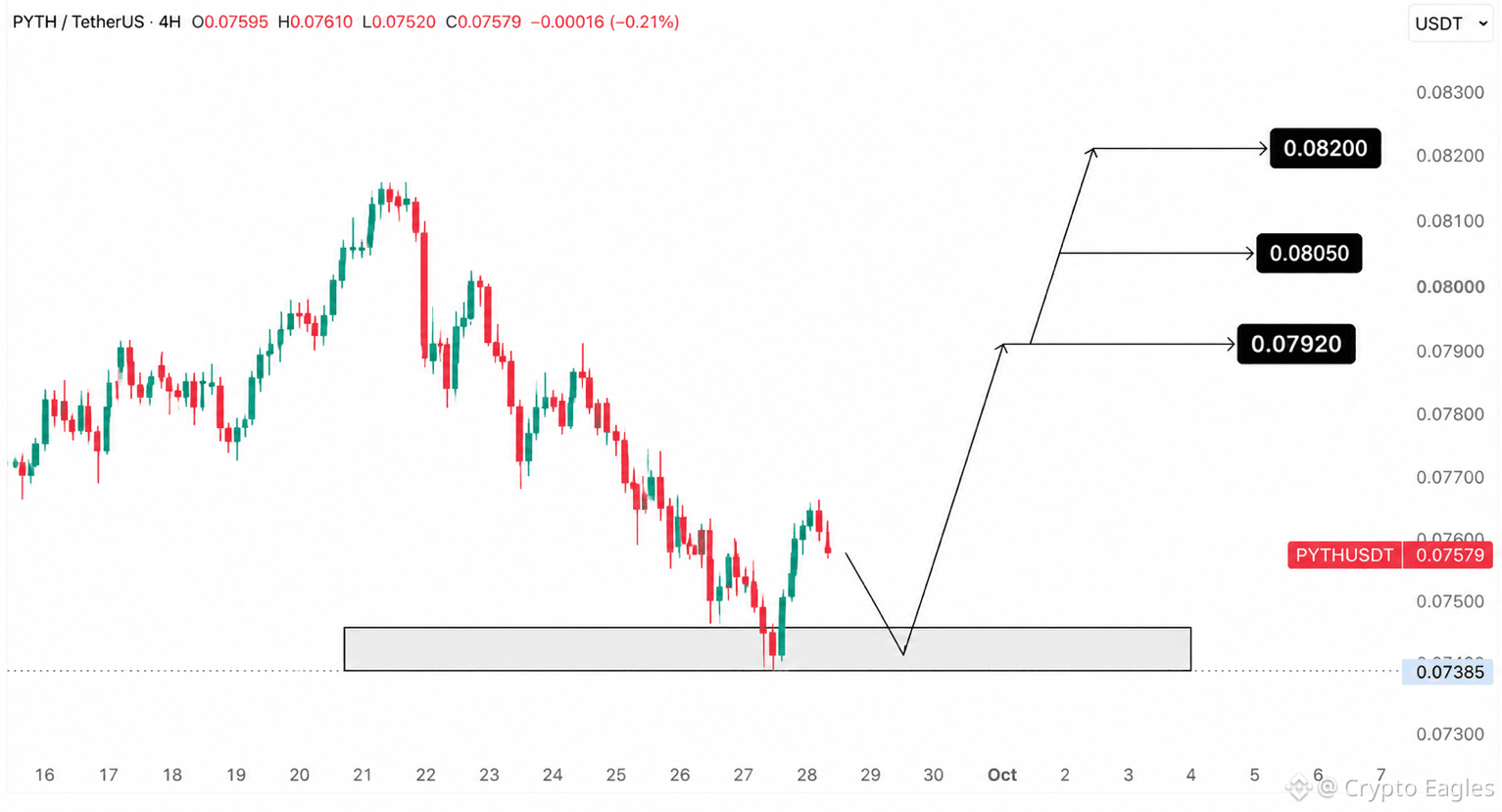
Technischer Blick: PYTH hält die Nachfragezone bei 0.0738–0.0745$. Wenn Käufer sie verteidigen, sind 0.0792$, 0.0805$ und 0.0820$ die nächsten zu beobachtenden Niveaus.
Nur zu Informationszwecken. Keine Finanzberatung.
$PYTH baut über die übliche Oracle-Erzählung hinaus.
Mit 710+ Unternehmen, 125+ institutionellen Verlagen, 114+ Blockchains und über 3,25 T$ an kumuliertem Volumen, das gesichert wurde, wird Pyth zu einer ernstzunehmenden Marktdaten-Schicht für internet-native Finanzen.
Während $LINK sich auf Oracle-Infrastruktur konzentriert, $ONDO auf RWA, $HYPE auf Perpetuals und $UMA auf Prediction Markets, verbindet Pyth diese Märkte über erstklassige finanzielle Daten.
Technischer Blick: PYTH hält die Nachfragezone bei 0.0738–0.0745$. Wenn Käufer sie verteidigen, sind 0.0792$, 0.0805$ und 0.0820$ die nächsten zu beobachtenden Niveaus.
Nur zu Informationszwecken. Keine Finanzberatung.
Mit 710+ Unternehmen, 125+ institutionellen Verlagen, 114+ Blockchains und über 3,25 T$ an kumuliertem Volumen, das gesichert wurde, wird Pyth zu einer ernstzunehmenden Marktdaten-Schicht für internet-native Finanzen.
Während $LINK sich auf Oracle-Infrastruktur konzentriert, $ONDO auf RWA, $HYPE auf Perpetuals und $UMA auf Prediction Markets, verbindet Pyth diese Märkte über erstklassige finanzielle Daten.
Technischer Blick: PYTH hält die Nachfragezone bei 0.0738–0.0745$. Wenn Käufer sie verteidigen, sind 0.0792$, 0.0805$ und 0.0820$ die nächsten zu beobachtenden Niveaus.
Nur zu Informationszwecken. Keine Finanzberatung.
45
41
6.1k
Tokenisierte Aktien werden zu einem der wichtigsten Bestandteile der On-Chain-Ökonomie.
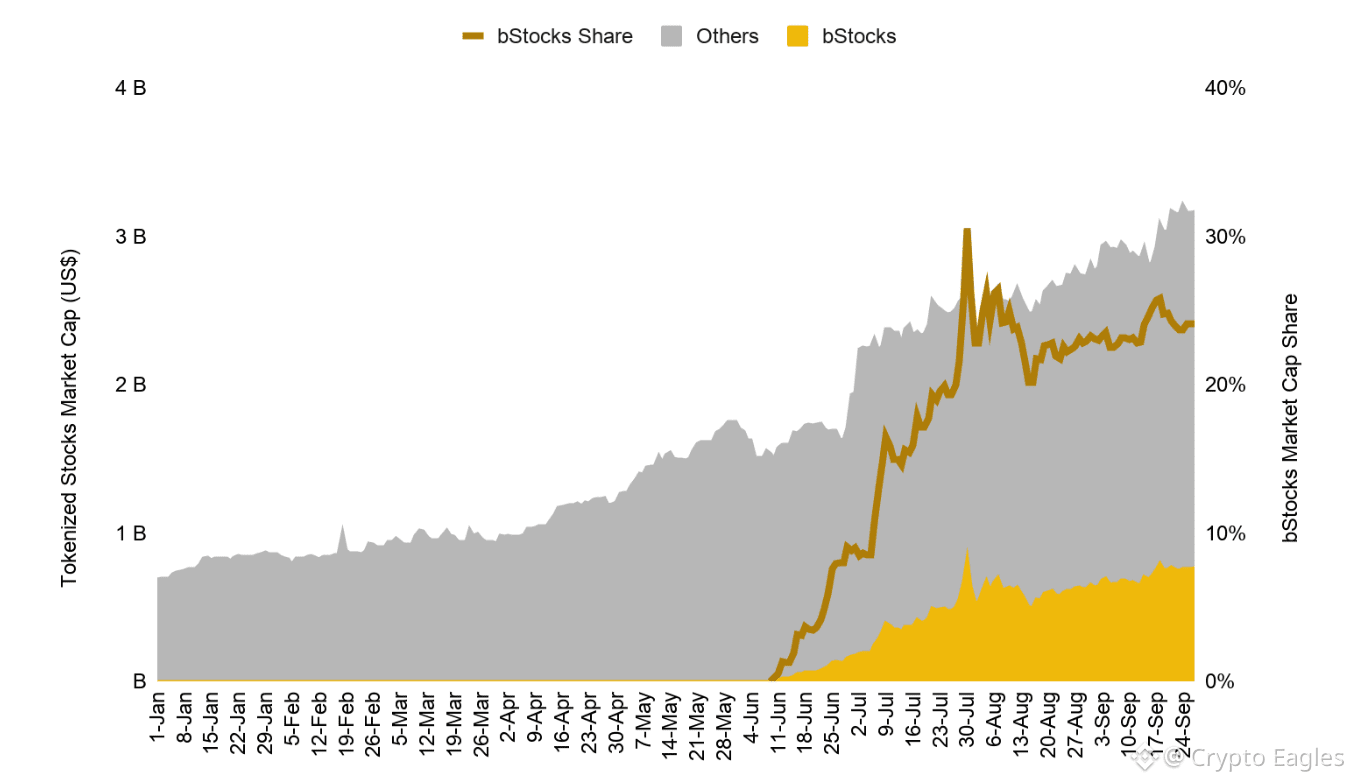
Laut Binance Research überschritten tokenisierte Aktien im September die Marke von 3 Milliarden US-Dollar – nach etwa 0,7 Milliarden US-Dollar zu Beginn von 2026. Damit sind Aktien die am schnellsten wachsende RWA-Kategorie in diesem Jahr.
Doch die eigentliche Geschichte ist nicht nur die Ausgabe. Es geht um die Nutzung.
Mehr als 100 Milliarden US-Dollar an Übertragungen tokenisierter Aktien wurden im dritten Quartal On-Chain bewegt – mehr als das 16-fache des Niveaus im ersten Quartal. Diese Vermögenswerte werden mittlerweile gehandelt, Liquiditätspools hinzugefügt, verliehen und als Sicherheit verwendet.
BNB Chain führt diese Entwicklung an mit:
• Mehr als 1 Milliarde US-Dollar an tokenisiertem Aktienwert
• 34% des gesamten Marktes
• 1,8 Millionen Inhaber
• 45% des gesamten Anteils der Inhaber
bStocks hat außerdem seit dem Start Ende Juni rund 0,8 Milliarden US-Dollar erreicht und macht damit ungefähr ein Viertel des Sektors aus.
Was mir auffällt, ist: Tokenisierte Aktien sind inzwischen nicht mehr nur digitale Abbildungen von Aktien. Sie werden zu aktiven Finanzanlagen, die sich On-Chain bewegen und dort arbeiten können.
Klare Absicherung, tiefere Liquidität und mehr DeFi-Nutzen würden mich noch mehr dazu ermutigen, einen größeren Teil meines Portfolios On-Chain zu verlagern.
Was würdet ihr als Nächstes tokenisieren: Anleihen, Immobilien, Gold oder etwas ganz anderes?
Lies den vollständigen Binance-Research-Report:
[https://www.binance.com/en/research/analysis/rewriting-the-on-chain-economy](https://www.binance.com/en/research/analysis/rewriting-the-on-chain-economy)
Tokenisierte Aktien werden zu einem der wichtigsten Bestandteile der On-Chain-Ökonomie.
Laut Binance Research überschritten tokenisierte Aktien im September die Marke von 3 Milliarden US-Dollar – nach etwa 0,7 Milliarden US-Dollar zu Beginn von 2026. Damit sind Aktien die am schnellsten wachsende RWA-Kategorie in diesem Jahr.
Doch die eigentliche Geschichte ist nicht nur die Ausgabe. Es geht um die Nutzung.
Mehr als 100 Milliarden US-Dollar an Übertragungen tokenisierter Aktien wurden im dritten Quartal On-Chain bewegt – mehr als das 16-fache des Niveaus im ersten Quartal. Diese Vermögenswerte werden mittlerweile gehandelt, Liquiditätspools hinzugefügt, verliehen und als Sicherheit verwendet.
BNB Chain führt diese Entwicklung an mit:
• Mehr als 1 Milliarde US-Dollar an tokenisiertem Aktienwert
• 34% des gesamten Marktes
• 1,8 Millionen Inhaber
• 45% des gesamten Anteils der Inhaber
bStocks hat außerdem seit dem Start Ende Juni rund 0,8 Milliarden US-Dollar erreicht und macht damit ungefähr ein Viertel des Sektors aus.
Was mir auffällt, ist: Tokenisierte Aktien sind inzwischen nicht mehr nur digitale Abbildungen von Aktien. Sie werden zu aktiven Finanzanlagen, die sich On-Chain bewegen und dort arbeiten können.
Klare Absicherung, tiefere Liquidität und mehr DeFi-Nutzen würden mich noch mehr dazu ermutigen, einen größeren Teil meines Portfolios On-Chain zu verlagern.
Was würdet ihr als Nächstes tokenisieren: Anleihen, Immobilien, Gold oder etwas ganz anderes?
Lies den vollständigen Binance-Research-Report:
https://www.binance.com/en/research/analysis/rewriting-the-on-chain-economy
Laut Binance Research überschritten tokenisierte Aktien im September die Marke von 3 Milliarden US-Dollar – nach etwa 0,7 Milliarden US-Dollar zu Beginn von 2026. Damit sind Aktien die am schnellsten wachsende RWA-Kategorie in diesem Jahr.
Doch die eigentliche Geschichte ist nicht nur die Ausgabe. Es geht um die Nutzung.
Mehr als 100 Milliarden US-Dollar an Übertragungen tokenisierter Aktien wurden im dritten Quartal On-Chain bewegt – mehr als das 16-fache des Niveaus im ersten Quartal. Diese Vermögenswerte werden mittlerweile gehandelt, Liquiditätspools hinzugefügt, verliehen und als Sicherheit verwendet.
BNB Chain führt diese Entwicklung an mit:
• Mehr als 1 Milliarde US-Dollar an tokenisiertem Aktienwert
• 34% des gesamten Marktes
• 1,8 Millionen Inhaber
• 45% des gesamten Anteils der Inhaber
bStocks hat außerdem seit dem Start Ende Juni rund 0,8 Milliarden US-Dollar erreicht und macht damit ungefähr ein Viertel des Sektors aus.
Was mir auffällt, ist: Tokenisierte Aktien sind inzwischen nicht mehr nur digitale Abbildungen von Aktien. Sie werden zu aktiven Finanzanlagen, die sich On-Chain bewegen und dort arbeiten können.
Klare Absicherung, tiefere Liquidität und mehr DeFi-Nutzen würden mich noch mehr dazu ermutigen, einen größeren Teil meines Portfolios On-Chain zu verlagern.
Was würdet ihr als Nächstes tokenisieren: Anleihen, Immobilien, Gold oder etwas ganz anderes?
Lies den vollständigen Binance-Research-Report:
https://www.binance.com/en/research/analysis/rewriting-the-on-chain-economy
1
1.2k
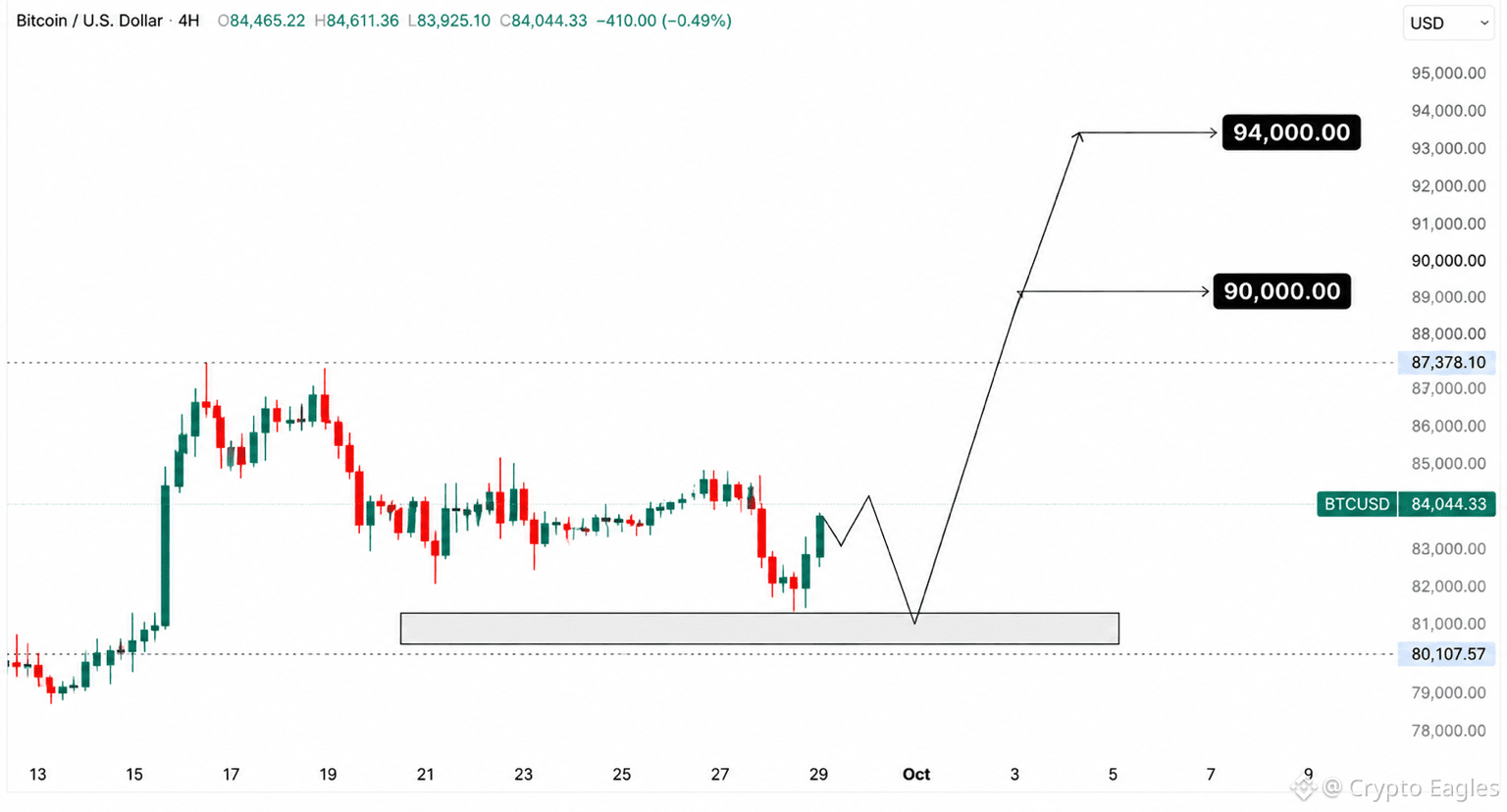
$BTC hält sich über der Nachfragespanne von 80K–81K, aber der Kurs muss sich weiterhin deutlich über 87K zurückgewinnen.
Wenn Käufer diesen Bereich verteidigen, bleiben 90K und 94K die nächsten Aufwärtsziele.
{future}(BTCUSDT)
$BTC hält sich über der Nachfragespanne von 80K–81K, aber der Kurs muss sich weiterhin deutlich über 87K zurückgewinnen.
Wenn Käufer diesen Bereich verteidigen, bleiben 90K und 94K die nächsten Aufwärtsziele.
Wenn Käufer diesen Bereich verteidigen, bleiben 90K und 94K die nächsten Aufwärtsziele.
5
2.3k
Großes Handelsvolumen sieht gut aus, aber woher kommt dieses Volumen?
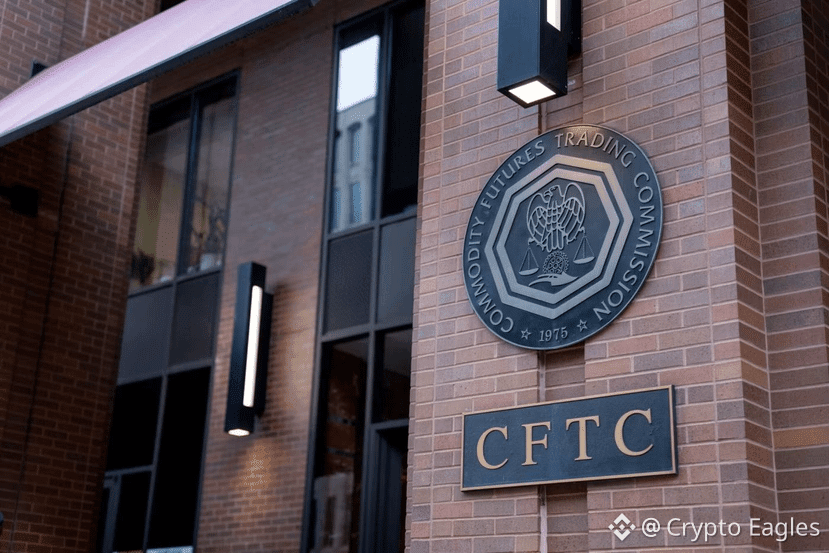
Diese Frage erhält nun mehr Aufmerksamkeit, nachdem Beni Kalshis öffentliches Handelsdaten untersucht hat.
Eine große Anzahl von ETH-Trades ist um ungefähr dieselbe Größe von 5.500 US-Dollar herum aufgetaucht, und die Geschichte hat inzwischen auch große Finanzmedien erreicht.
Kalshi hat die Vorwürfe des Wash-Tradings zurückgewiesen und sagt, dass sein Liquiditätsprogramm die Aktivität erklärt.
Für mich macht das die größere Diskussion über Prediction Markets noch wichtiger.
Nutzer wollen einfache Märkte, echte Beteiligung und Informationen, denen sie vertrauen können.
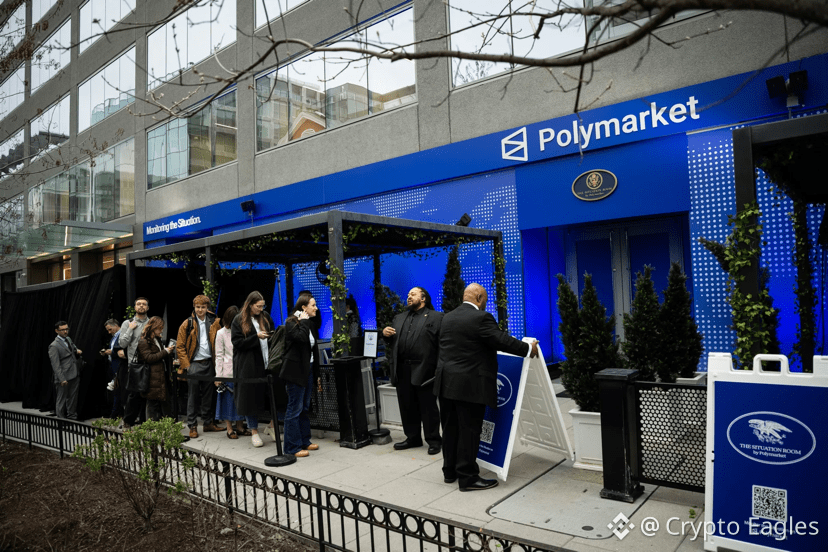
Hier sticht die @polymarket weiterhin besonders hervor.
Wenn ich an Prediction Markets denke, ist Polymarket für mich immer noch die Plattform, die ich zuerst beobachte.
Großes Handelsvolumen sieht gut aus, aber woher kommt dieses Volumen?
Diese Frage erhält nun mehr Aufmerksamkeit, nachdem Beni Kalshis öffentliches Handelsdaten untersucht hat.
Eine große Anzahl von ETH-Trades ist um ungefähr dieselbe Größe von 5.500 US-Dollar herum aufgetaucht, und die Geschichte hat inzwischen auch große Finanzmedien erreicht.
Kalshi hat die Vorwürfe des Wash-Tradings zurückgewiesen und sagt, dass sein Liquiditätsprogramm die Aktivität erklärt.
Für mich macht das die größere Diskussion über Prediction Markets noch wichtiger.
Nutzer wollen einfache Märkte, echte Beteiligung und Informationen, denen sie vertrauen können.
Hier sticht die @Polymarket weiterhin besonders hervor.
Wenn ich an Prediction Markets denke, ist Polymarket für mich immer noch die Plattform, die ich zuerst beobachte.
Diese Frage erhält nun mehr Aufmerksamkeit, nachdem Beni Kalshis öffentliches Handelsdaten untersucht hat.
Eine große Anzahl von ETH-Trades ist um ungefähr dieselbe Größe von 5.500 US-Dollar herum aufgetaucht, und die Geschichte hat inzwischen auch große Finanzmedien erreicht.
Kalshi hat die Vorwürfe des Wash-Tradings zurückgewiesen und sagt, dass sein Liquiditätsprogramm die Aktivität erklärt.
Für mich macht das die größere Diskussion über Prediction Markets noch wichtiger.
Nutzer wollen einfache Märkte, echte Beteiligung und Informationen, denen sie vertrauen können.
Hier sticht die @Polymarket weiterhin besonders hervor.
Wenn ich an Prediction Markets denke, ist Polymarket für mich immer noch die Plattform, die ich zuerst beobachte.
60
12
60
9.8k
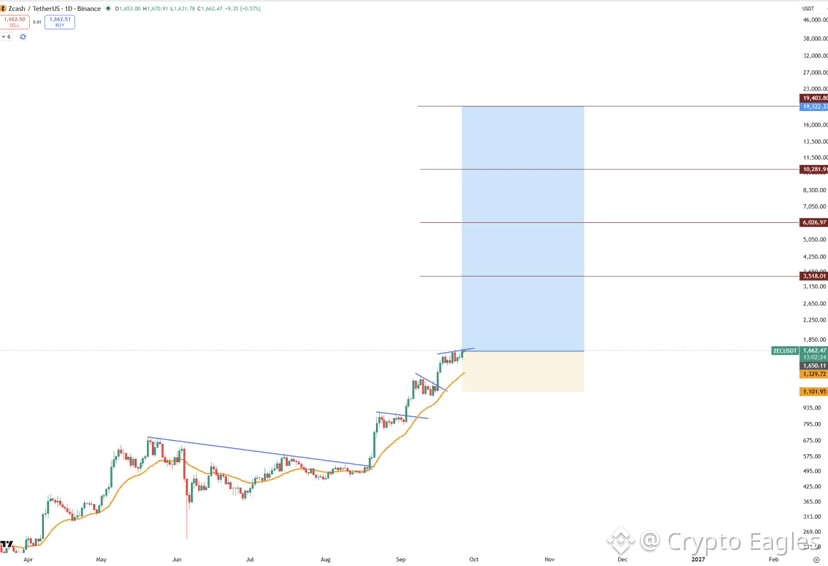
$ZEC ist bullischer. Wir können zcash in den nächsten 3 Monaten bei etwa 6000$ sehen.
ALLES Gute..
$ZEC ist bullischer. Wir können zcash in den nächsten 3 Monaten bei etwa 6000$ sehen.
ALLES Gute..
ALLES Gute..
1
12
2.9k
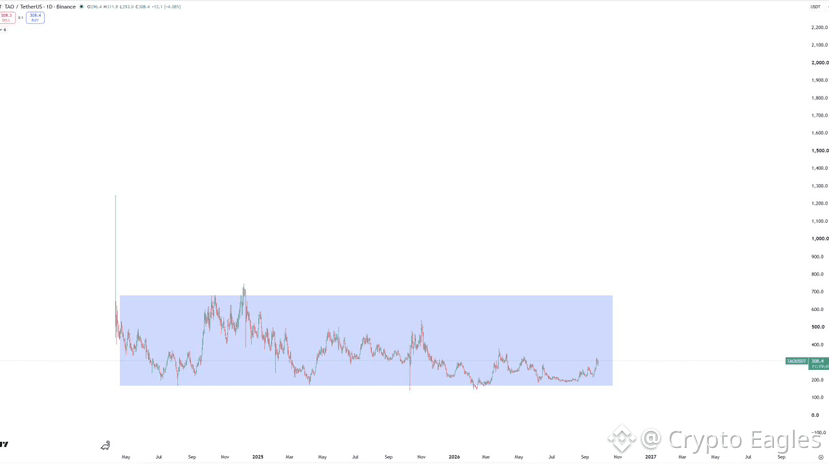
Viele Münzen haben sich bereits bewegt, aber da ist noch ein schlafender Riese.
Eine große Ansammlung
Alles, was es braucht, ist ein Katalysator zur richtigen Zeit
$TAO gut, um Spot hinzuzufügen und geduldig zu sein, bis es vertikal wird, 8x–10x.
Viele Münzen haben sich bereits bewegt, aber da ist noch ein schlafender Riese.
Eine große Ansammlung
Alles, was es braucht, ist ein Katalysator zur richtigen Zeit
$TAO gut, um Spot hinzuzufügen und geduldig zu sein, bis es vertikal wird, 8x–10x.
Eine große Ansammlung
Alles, was es braucht, ist ein Katalysator zur richtigen Zeit
$TAO gut, um Spot hinzuzufügen und geduldig zu sein, bis es vertikal wird, 8x–10x.
1
1.4k
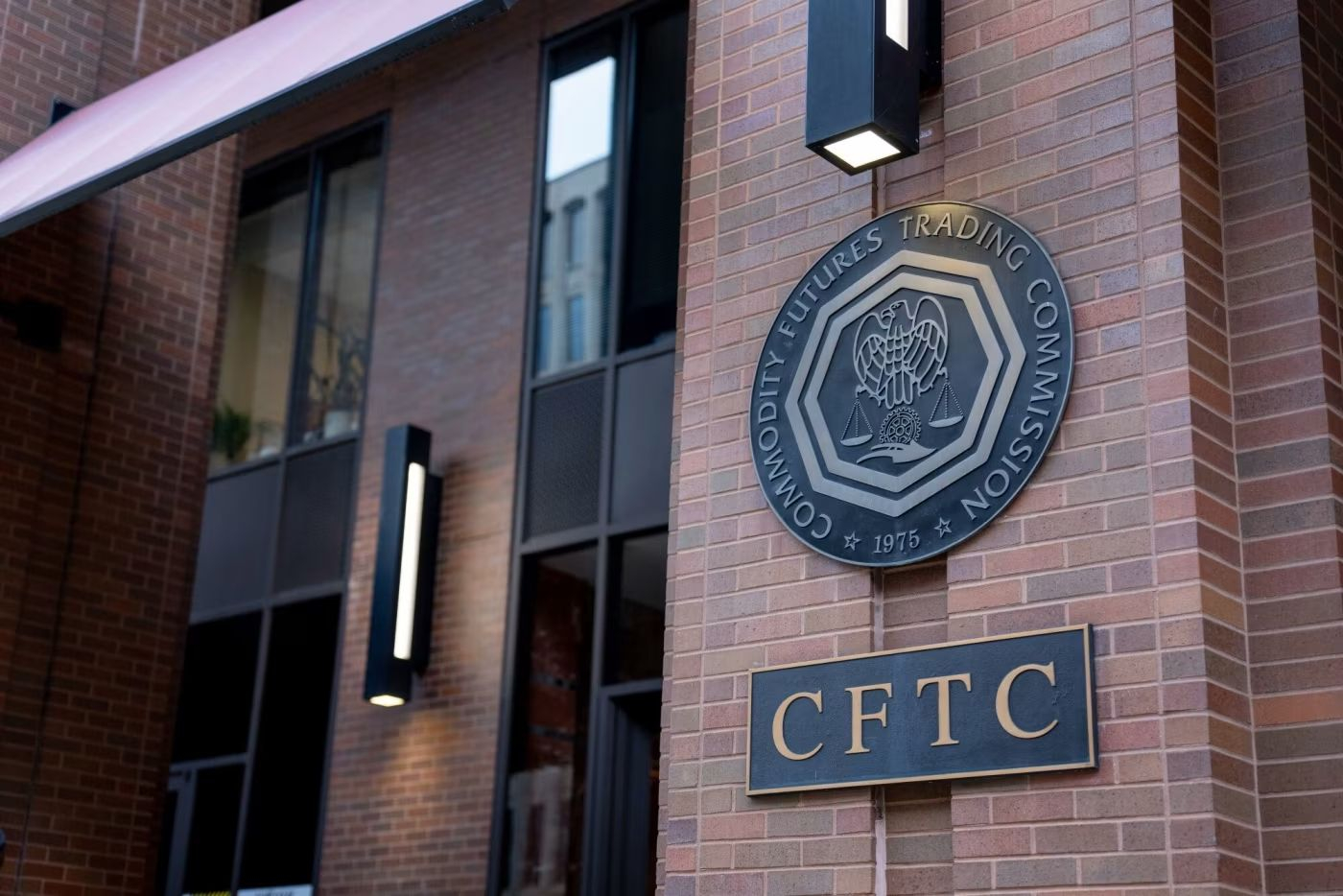
@polymarket Märkte brauchen Vertrauen, nicht nur große Volumenzahlen.
Beni hat vor Kurzem Fragen zur Krypto-Aktivität von Kalshi aufgeworfen, nachdem er viele ETH- Trades bemerkt hatte, die sich um die gleiche $5.500-Größe wiederholen.
Die Geschichte hat inzwischen auch das Wall Street Journal erreicht, wo Milliarden Dollar in ähnlichen Trades Aufmerksamkeit bekommen.
Kalshi sagt, das sei normale Market-Making-Aktivität, aber die Diskussion zeigt eine wichtige Sache:
Echte Aktivität und Transparenz sind entscheidend.
Deshalb sticht Polymarket für mich weiterhin als stärkste Plattform für Prognosemärkte heraus.
Echte Ereignisse. Echte Meinungen. Einfache Märkte.
Polymarket bleibt meine erste Wahl in diesem Bereich.
@Polymarket Märkte brauchen Vertrauen, nicht nur große Volumenzahlen.
Beni hat vor Kurzem Fragen zur Krypto-Aktivität von Kalshi aufgeworfen, nachdem er viele ETH- Trades bemerkt hatte, die sich um die gleiche $5.500-Größe wiederholen.
Die Geschichte hat inzwischen auch das Wall Street Journal erreicht, wo Milliarden Dollar in ähnlichen Trades Aufmerksamkeit bekommen.
Kalshi sagt, das sei normale Market-Making-Aktivität, aber die Diskussion zeigt eine wichtige Sache:
Echte Aktivität und Transparenz sind entscheidend.
Deshalb sticht Polymarket für mich weiterhin als stärkste Plattform für Prognosemärkte heraus.
Echte Ereignisse. Echte Meinungen. Einfache Märkte.
Polymarket bleibt meine erste Wahl in diesem Bereich.
Beni hat vor Kurzem Fragen zur Krypto-Aktivität von Kalshi aufgeworfen, nachdem er viele ETH- Trades bemerkt hatte, die sich um die gleiche $5.500-Größe wiederholen.
Die Geschichte hat inzwischen auch das Wall Street Journal erreicht, wo Milliarden Dollar in ähnlichen Trades Aufmerksamkeit bekommen.
Kalshi sagt, das sei normale Market-Making-Aktivität, aber die Diskussion zeigt eine wichtige Sache:
Echte Aktivität und Transparenz sind entscheidend.
Deshalb sticht Polymarket für mich weiterhin als stärkste Plattform für Prognosemärkte heraus.
Echte Ereignisse. Echte Meinungen. Einfache Märkte.
Polymarket bleibt meine erste Wahl in diesem Bereich.
48
14
55
8.6k
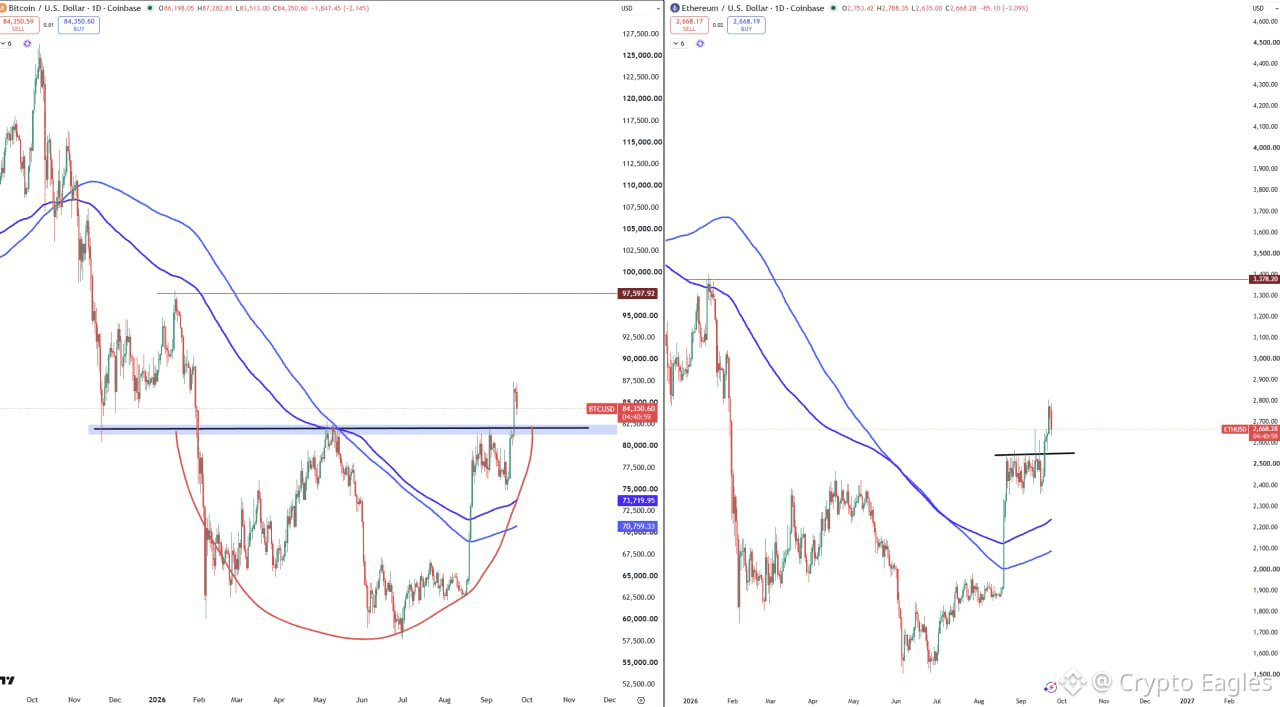
Trend ist im Aufwärtstrend
Der Preis ist bereits nach oben ausgebrochen Riesige-Accumulationszone
Korrektur ist Teil des Haupttrends.
Trend ist im Aufwärtstrend
Der Preis ist bereits nach oben ausgebrochen Riesige-Accumulationszone
Korrektur ist Teil des Haupttrends.
Der Preis ist bereits nach oben ausgebrochen Riesige-Accumulationszone
Korrektur ist Teil des Haupttrends.
2
2
1.3k
Eine gute Marktidee kann trotzdem zu einem schlechten Perp-Trade werden.
Du magst mit der Richtung richtig liegen, aber ein einziger scharfer Spike kann deine Position schließen, bevor die eigentliche Bewegung beginnt.
Deshalb bevorzuge ich Optionen für einige $BTC-, $ETH- und $HYPE -Setups. Mein maximales Risiko ist vor dem Einstieg klar, während das Upside offen bleibt.
Mit Aevo Options Easy Mode wähle ich einfach die Richtung, das Ziel und den Zeitraum und sehe dann nach, wo ich gewinne oder verliere, bevor ich bestätige.
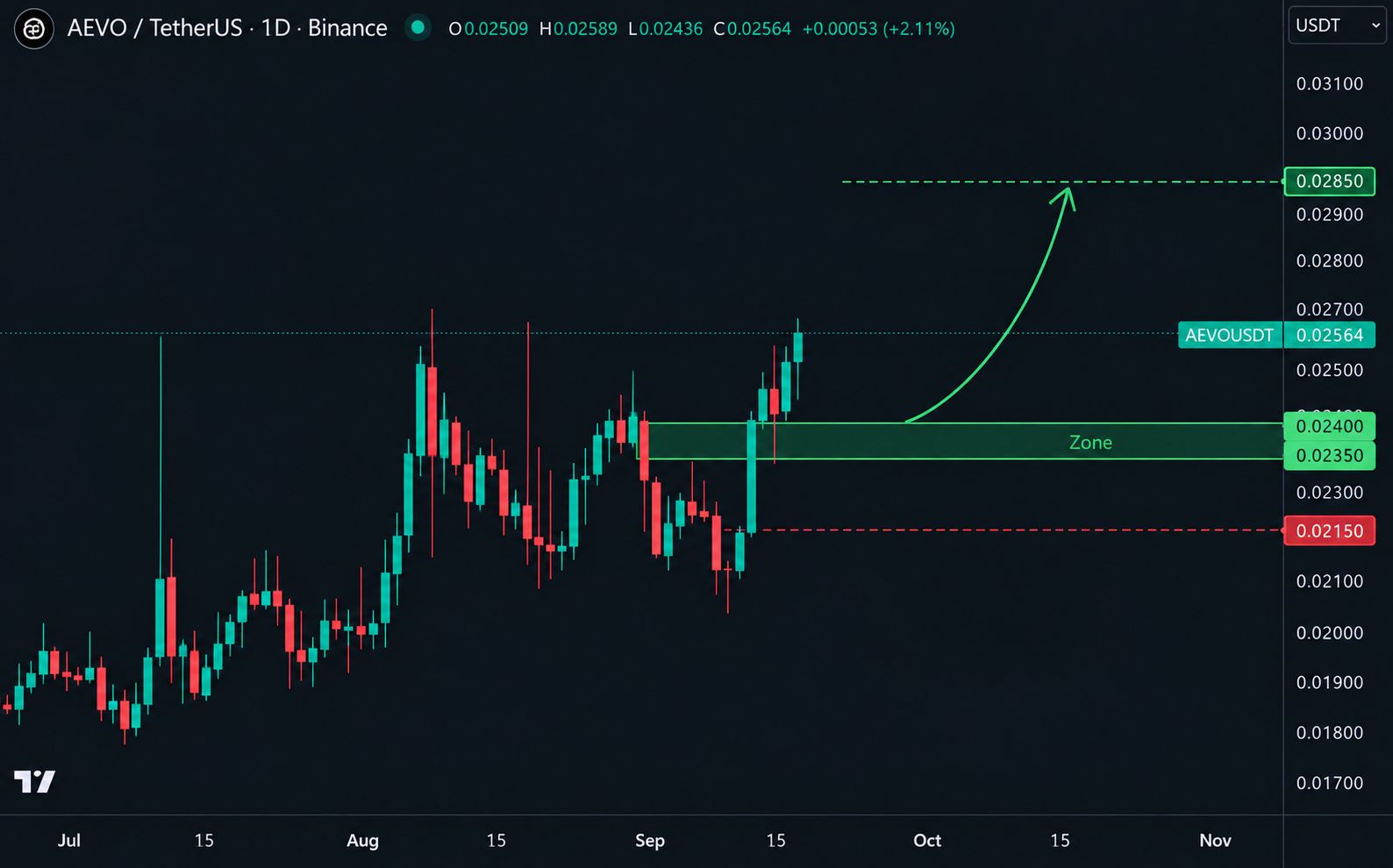
Technisch gesehen hält $AEVO sich nach einer starken täglichen Erholung über der Zone von 0.0235 bis 0.0240. Solange diese Zone hält, bleibt die kurzfristige Struktur positiv.
Gleiche Marktansicht. Besseres Risikomanagement.
Optionen, ganz einfach gemacht von @Aevoxyz . #Aevo $AEVO
Eine gute Marktidee kann trotzdem zu einem schlechten Perp-Trade werden.
Du magst mit der Richtung richtig liegen, aber ein einziger scharfer Spike kann deine Position schließen, bevor die eigentliche Bewegung beginnt.
Deshalb bevorzuge ich Optionen für einige $BTC-, $ETH- und $HYPE -Setups. Mein maximales Risiko ist vor dem Einstieg klar, während das Upside offen bleibt.
Mit Aevo Options Easy Mode wähle ich einfach die Richtung, das Ziel und den Zeitraum und sehe dann nach, wo ich gewinne oder verliere, bevor ich bestätige.
Technisch gesehen hält $AEVO sich nach einer starken täglichen Erholung über der Zone von 0.0235 bis 0.0240. Solange diese Zone hält, bleibt die kurzfristige Struktur positiv.
Gleiche Marktansicht. Besseres Risikomanagement.
Optionen, ganz einfach gemacht von @Aevo . #Aevo $AEVO
Du magst mit der Richtung richtig liegen, aber ein einziger scharfer Spike kann deine Position schließen, bevor die eigentliche Bewegung beginnt.
Deshalb bevorzuge ich Optionen für einige $BTC-, $ETH- und $HYPE -Setups. Mein maximales Risiko ist vor dem Einstieg klar, während das Upside offen bleibt.
Mit Aevo Options Easy Mode wähle ich einfach die Richtung, das Ziel und den Zeitraum und sehe dann nach, wo ich gewinne oder verliere, bevor ich bestätige.
Technisch gesehen hält $AEVO sich nach einer starken täglichen Erholung über der Zone von 0.0235 bis 0.0240. Solange diese Zone hält, bleibt die kurzfristige Struktur positiv.
Gleiche Marktansicht. Besseres Risikomanagement.
Optionen, ganz einfach gemacht von @Aevo . #Aevo $AEVO
51
7
57
11.6k
Verifiziert
Binance geht mit einem langfristigen Schritt in den Stablecoin-Markt.
Das Unternehmen hat 100 Millionen US-Dollar in Circle investiert und seine USDC-Partnerschaft für fünf Jahre verlängert. Das ist mehr als eine reine Investition. Es zeigt großes Vertrauen in die Zukunft digitaler Dollar.
Binance bringt eine globale Reichweite mit, während Circle die USDC-Infrastruktur bereitstellt. Gemeinsam können sie Stablecoins weltweit nützlicher und zugänglicher machen.
Ein digitaler Dollar sollte nicht durch geografische Grenzen eingeschränkt sein. Stablecoins entwickeln sich weg vom reinen Krypto-Handel hin zu einem Bestandteil gängiger Finanzdienstleistungen.
Vollständige Ankündigung:
[https://www.binance.com/en/blog/ecosystem/167890448134073062](https://www.binance.com/en/blog/ecosystem/167890448134073062)
Binance geht mit einem langfristigen Schritt in den Stablecoin-Markt.
Das Unternehmen hat 100 Millionen US-Dollar in Circle investiert und seine USDC-Partnerschaft für fünf Jahre verlängert. Das ist mehr als eine reine Investition. Es zeigt großes Vertrauen in die Zukunft digitaler Dollar.
Binance bringt eine globale Reichweite mit, während Circle die USDC-Infrastruktur bereitstellt. Gemeinsam können sie Stablecoins weltweit nützlicher und zugänglicher machen.
Ein digitaler Dollar sollte nicht durch geografische Grenzen eingeschränkt sein. Stablecoins entwickeln sich weg vom reinen Krypto-Handel hin zu einem Bestandteil gängiger Finanzdienstleistungen.
Vollständige Ankündigung:
https://www.binance.com/en/blog/ecosystem/167890448134073062
Das Unternehmen hat 100 Millionen US-Dollar in Circle investiert und seine USDC-Partnerschaft für fünf Jahre verlängert. Das ist mehr als eine reine Investition. Es zeigt großes Vertrauen in die Zukunft digitaler Dollar.
Binance bringt eine globale Reichweite mit, während Circle die USDC-Infrastruktur bereitstellt. Gemeinsam können sie Stablecoins weltweit nützlicher und zugänglicher machen.
Ein digitaler Dollar sollte nicht durch geografische Grenzen eingeschränkt sein. Stablecoins entwickeln sich weg vom reinen Krypto-Handel hin zu einem Bestandteil gängiger Finanzdienstleistungen.
Vollständige Ankündigung:
https://www.binance.com/en/blog/ecosystem/167890448134073062
4
862
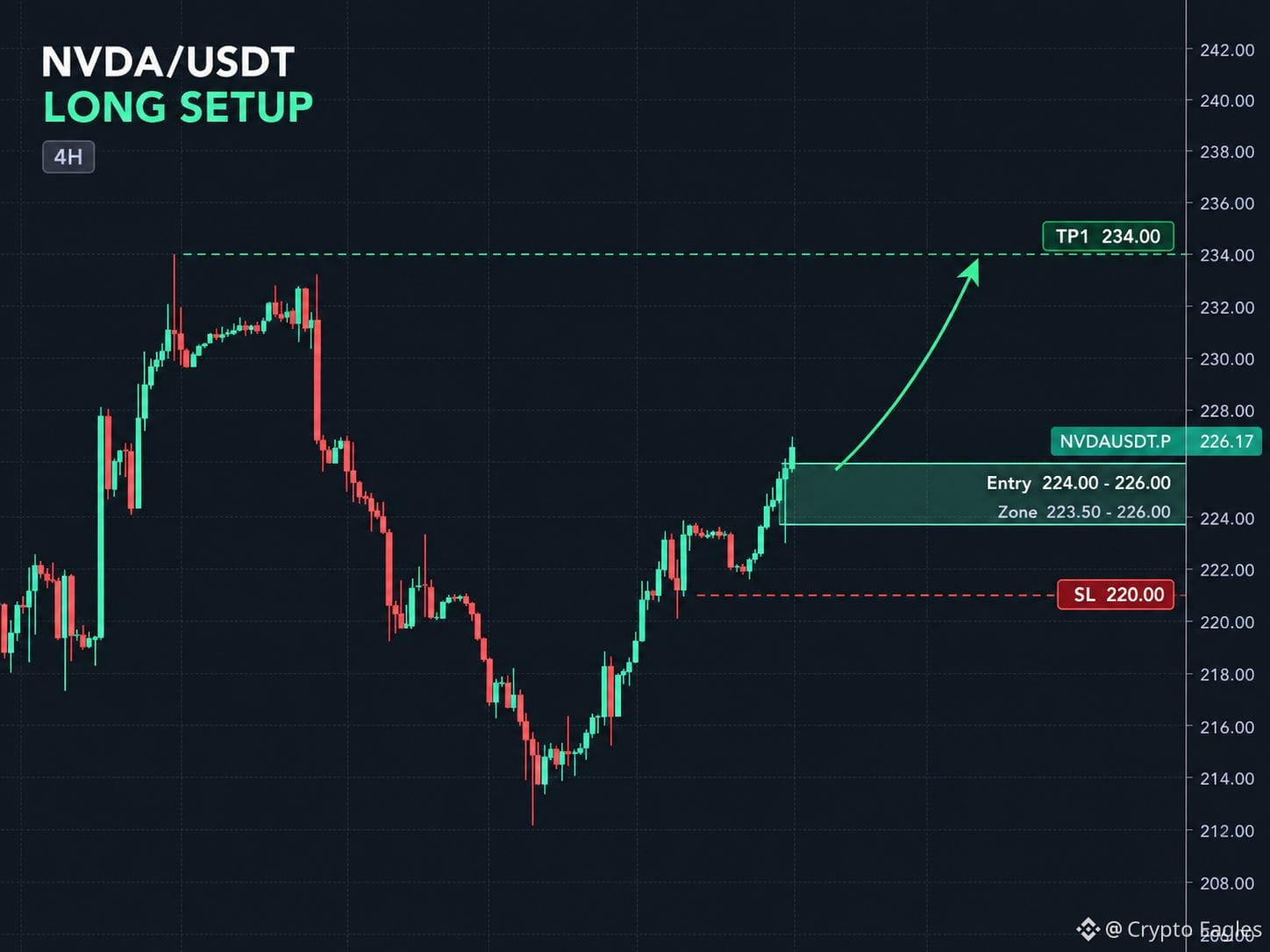
$NVDA Long
Der Preis erholt sich gut, und Käufer zeigen Stärke.
Einstieg: 224–226
SL: 220
TP: 234
Ich suche danach, dass der Kurs die Einstiegszone hält und weiter nach oben Richtung 234 geht.
$NVDA Long
Der Preis erholt sich gut, und Käufer zeigen Stärke.
Einstieg: 224–226
SL: 220
TP: 234
Ich suche danach, dass der Kurs die Einstiegszone hält und weiter nach oben Richtung 234 geht.
Der Preis erholt sich gut, und Käufer zeigen Stärke.
Einstieg: 224–226
SL: 220
TP: 234
Ich suche danach, dass der Kurs die Einstiegszone hält und weiter nach oben Richtung 234 geht.
4
1.7k
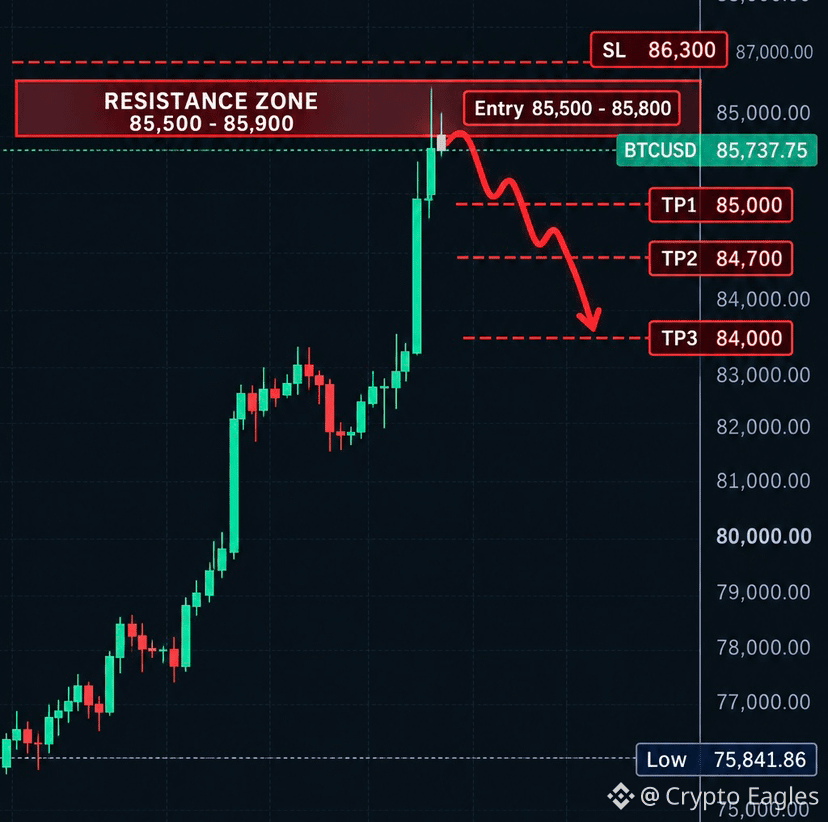
$BTC
{future}(BTCUSDT)
Eintrag 85800$
TP1: 85000$
TP2: 84700$
TP3: 84000$
SL: 86300$
$BTC
Eintrag 85800$
TP1: 85000$
TP2: 84700$
TP3: 84000$
SL: 86300$
Eintrag 85800$
TP1: 85000$
TP2: 84700$
TP3: 84000$
SL: 86300$
6
2k
Hallo
Was sind deine Gedanken zu BNB?
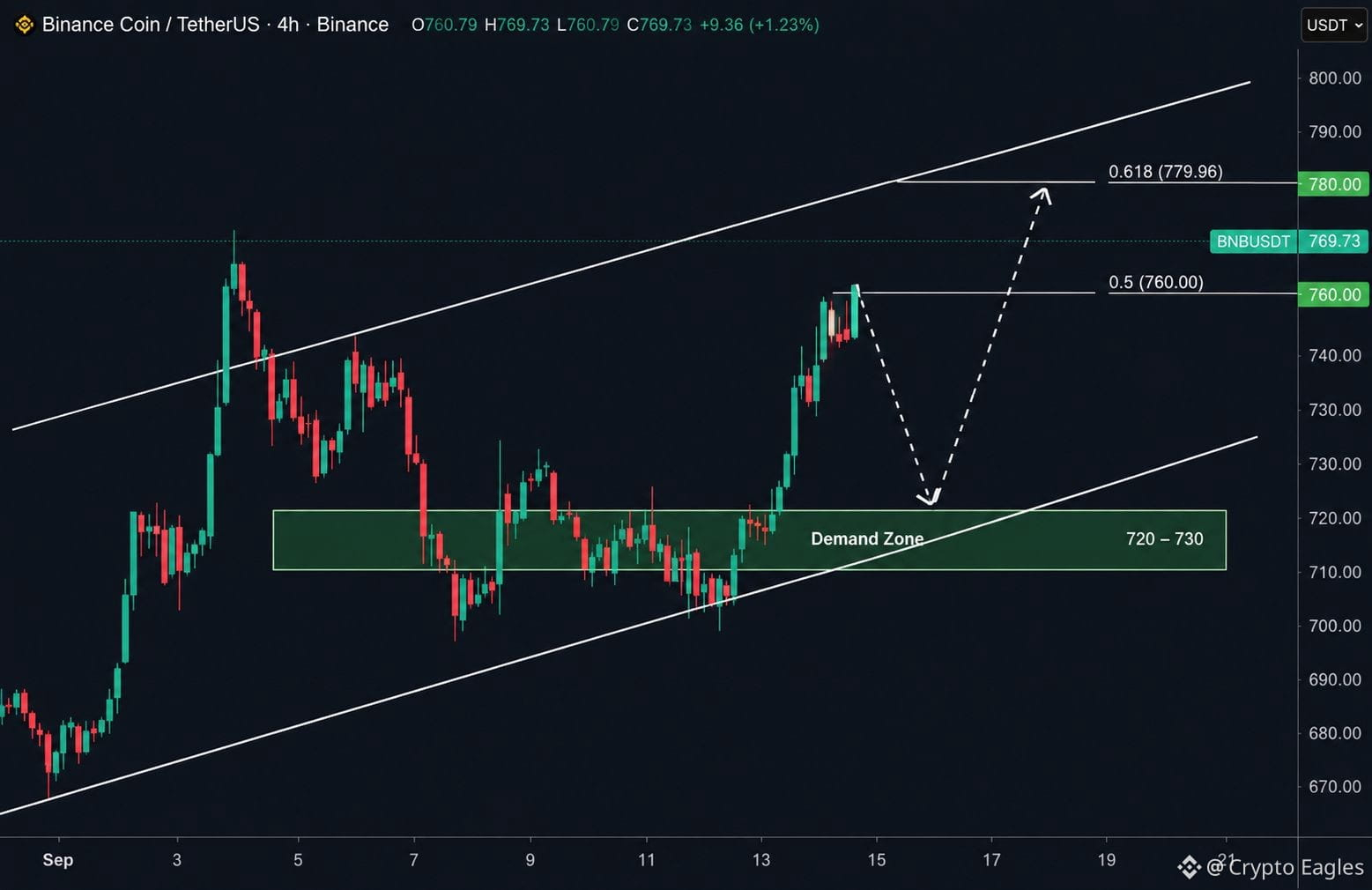
BNB bewegt sich im 4H-Chart innerhalb eines aufsteigenden Kanals, und die Gesamtstruktur sieht weiterhin bullisch aus.
Der Preis ist kürzlich stark vom $720–$730-Nachfragebereich abgeprallt und ist über den Bereich $760 gestiegen. Das zeigt, dass Käufer weiterhin aktiv sind.
Derzeit nähert sich BNB der $780-Widerstandsmarke, die außerdem mit dem 0.618 Fibonacci-Niveau übereinstimmt.
Von hier aus könnten wir zunächst einen kleinen Rücksetzer sehen. Wenn der Preis zum $720–$730-Nachfragebereich zurückkehrt und dort hält, könnte BNB einen weiteren Anstieg starten.
Das wichtigste Upside-Ziel liegt ungefähr bei $780. Wenn BNB diese Marke durchbricht, ist der nächste Bereich, den man im Blick behalten sollte, nahe $800 – in der Nähe der oberen Seite des Kanals.
Solange der Preis über $720–$730 bleibt, bleibt das bullische Setup gültig.
Wenn diese Unterstützung bricht, könnte BNB eine tiefere Korrektur sehen.
Für jetzt zeigt das Chart zunächst einen möglichen Rücksetzer und dann eine weitere bullische Bewegung, falls die Unterstützung hält.
$BNB
{future}(BNBUSDT)
Hallo
Was sind deine Gedanken zu BNB?
BNB bewegt sich im 4H-Chart innerhalb eines aufsteigenden Kanals, und die Gesamtstruktur sieht weiterhin bullisch aus.
Der Preis ist kürzlich stark vom $720–$730-Nachfragebereich abgeprallt und ist über den Bereich $760 gestiegen. Das zeigt, dass Käufer weiterhin aktiv sind.
Derzeit nähert sich BNB der $780-Widerstandsmarke, die außerdem mit dem 0.618 Fibonacci-Niveau übereinstimmt.
Von hier aus könnten wir zunächst einen kleinen Rücksetzer sehen. Wenn der Preis zum $720–$730-Nachfragebereich zurückkehrt und dort hält, könnte BNB einen weiteren Anstieg starten.
Das wichtigste Upside-Ziel liegt ungefähr bei $780. Wenn BNB diese Marke durchbricht, ist der nächste Bereich, den man im Blick behalten sollte, nahe $800 – in der Nähe der oberen Seite des Kanals.
Solange der Preis über $720–$730 bleibt, bleibt das bullische Setup gültig.
Wenn diese Unterstützung bricht, könnte BNB eine tiefere Korrektur sehen.
Für jetzt zeigt das Chart zunächst einen möglichen Rücksetzer und dann eine weitere bullische Bewegung, falls die Unterstützung hält.
$BNB
Was sind deine Gedanken zu BNB?
BNB bewegt sich im 4H-Chart innerhalb eines aufsteigenden Kanals, und die Gesamtstruktur sieht weiterhin bullisch aus.
Der Preis ist kürzlich stark vom $720–$730-Nachfragebereich abgeprallt und ist über den Bereich $760 gestiegen. Das zeigt, dass Käufer weiterhin aktiv sind.
Derzeit nähert sich BNB der $780-Widerstandsmarke, die außerdem mit dem 0.618 Fibonacci-Niveau übereinstimmt.
Von hier aus könnten wir zunächst einen kleinen Rücksetzer sehen. Wenn der Preis zum $720–$730-Nachfragebereich zurückkehrt und dort hält, könnte BNB einen weiteren Anstieg starten.
Das wichtigste Upside-Ziel liegt ungefähr bei $780. Wenn BNB diese Marke durchbricht, ist der nächste Bereich, den man im Blick behalten sollte, nahe $800 – in der Nähe der oberen Seite des Kanals.
Solange der Preis über $720–$730 bleibt, bleibt das bullische Setup gültig.
Wenn diese Unterstützung bricht, könnte BNB eine tiefere Korrektur sehen.
Für jetzt zeigt das Chart zunächst einen möglichen Rücksetzer und dann eine weitere bullische Bewegung, falls die Unterstützung hält.
$BNB
31
24
3.6k
Polymarket wird in Web3 immer beliebter.
Es ermöglicht Menschen, auf das zu handeln, was ihrer Meinung nach als Nächstes in Krypto, KI, Politik, Sport und der Wirtschaft geschehen wird.
Der Bericht nennt 250K bis 500K monatlich aktive Trader und 17M+ monatliche Website-Besuche.
$GNO ist außerdem ein bei Binance gelisteter Token aus dem breiteren Bereich der Prognosemärkte.
Ich mag @polymarket , weil es reale Ereignisse in einfache Märkte verwandelt, die leicht zu verstehen sind.
Prognosemärkte erhalten immer mehr Aufmerksamkeit, und Polymarket ist eine Plattform, die ich besonders genau beobachte.
DYOR.
Polymarket wird in Web3 immer beliebter.
Es ermöglicht Menschen, auf das zu handeln, was ihrer Meinung nach als Nächstes in Krypto, KI, Politik, Sport und der Wirtschaft geschehen wird.
Der Bericht nennt 250K bis 500K monatlich aktive Trader und 17M+ monatliche Website-Besuche.
$GNO ist außerdem ein bei Binance gelisteter Token aus dem breiteren Bereich der Prognosemärkte.
Ich mag @Polymarket , weil es reale Ereignisse in einfache Märkte verwandelt, die leicht zu verstehen sind.
Prognosemärkte erhalten immer mehr Aufmerksamkeit, und Polymarket ist eine Plattform, die ich besonders genau beobachte.
DYOR.
Es ermöglicht Menschen, auf das zu handeln, was ihrer Meinung nach als Nächstes in Krypto, KI, Politik, Sport und der Wirtschaft geschehen wird.
Der Bericht nennt 250K bis 500K monatlich aktive Trader und 17M+ monatliche Website-Besuche.
$GNO ist außerdem ein bei Binance gelisteter Token aus dem breiteren Bereich der Prognosemärkte.
Ich mag @Polymarket , weil es reale Ereignisse in einfache Märkte verwandelt, die leicht zu verstehen sind.
Prognosemärkte erhalten immer mehr Aufmerksamkeit, und Polymarket ist eine Plattform, die ich besonders genau beobachte.
DYOR.
36
10
35
9.1k
·
--
Bullisch
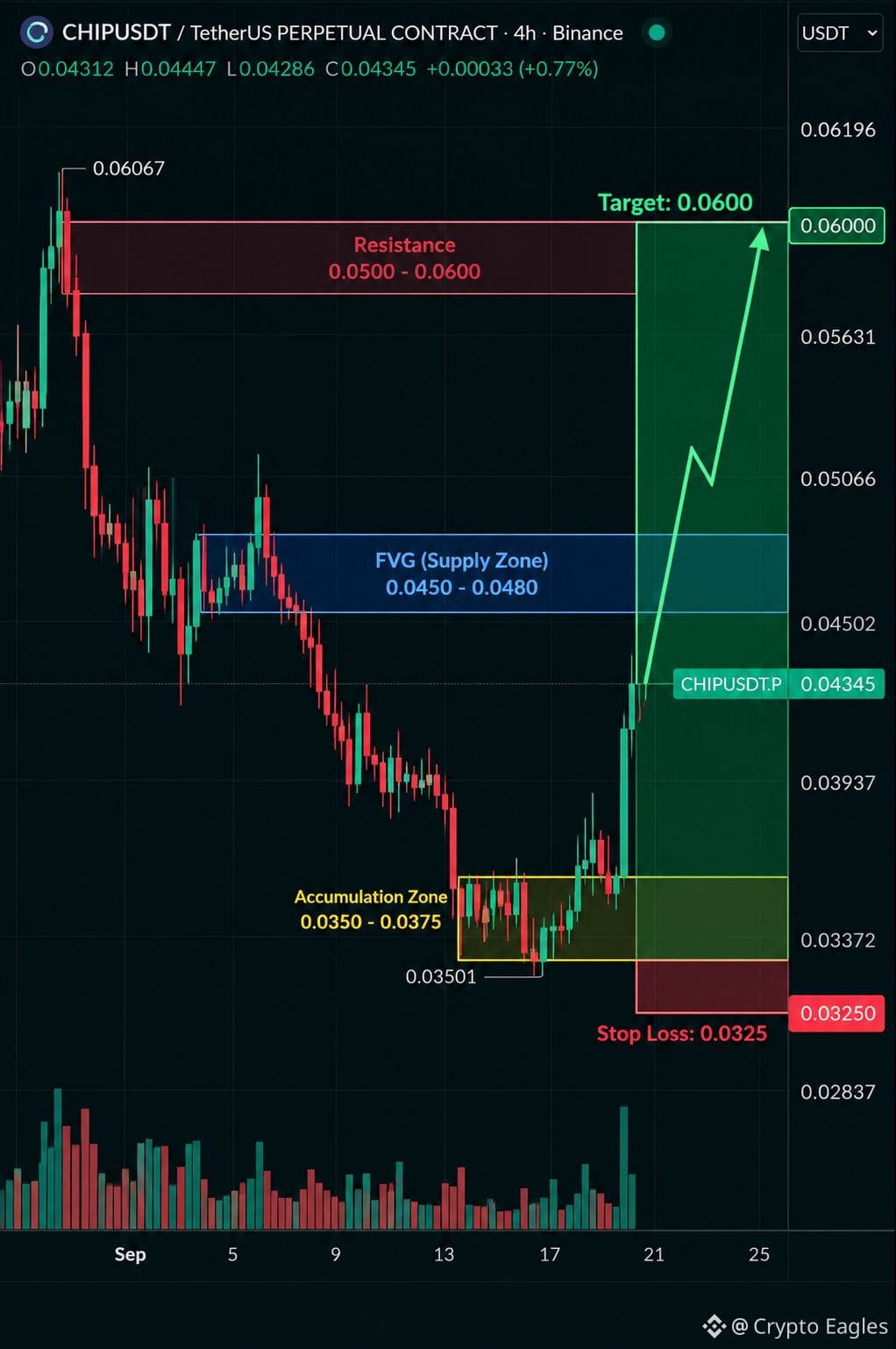
$CHIP Long Setup
Einstieg: 0.0430 – 0.0450
SL: 0.0325
TP1: 0.0500
TP2: 0.0550
TP3: 0.0600
CHIP ist stark von der Akkumulationszone 0.0350–0.0375 abgeprallt und in den Bereich 0.0450–0.0480 (FVG/Lieferzone) vorgestoßen. Ein sauberer Ausbruch und ein Halten über dieser Zone könnte den Weg Richtung 0.0500 öffnen, gefolgt von 0.0550–0.0600.
Die bullische Struktur bleibt gültig, solange der Kurs oberhalb der Akkumulationsregion notiert. Ein Move unter 0.0325 würde das Setup ungültig machen.
{future}(CHIPUSDT)
$ONE
{future}(ONEUSDT)
$G
{future}(GUSDT)
$CHIP Long Setup
Einstieg: 0.0430 – 0.0450
SL: 0.0325
TP1: 0.0500
TP2: 0.0550
TP3: 0.0600
CHIP ist stark von der Akkumulationszone 0.0350–0.0375 abgeprallt und in den Bereich 0.0450–0.0480 (FVG/Lieferzone) vorgestoßen. Ein sauberer Ausbruch und ein Halten über dieser Zone könnte den Weg Richtung 0.0500 öffnen, gefolgt von 0.0550–0.0600.
Die bullische Struktur bleibt gültig, solange der Kurs oberhalb der Akkumulationsregion notiert. Ein Move unter 0.0325 würde das Setup ungültig machen.
$ONE
$G
Einstieg: 0.0430 – 0.0450
SL: 0.0325
TP1: 0.0500
TP2: 0.0550
TP3: 0.0600
CHIP ist stark von der Akkumulationszone 0.0350–0.0375 abgeprallt und in den Bereich 0.0450–0.0480 (FVG/Lieferzone) vorgestoßen. Ein sauberer Ausbruch und ein Halten über dieser Zone könnte den Weg Richtung 0.0500 öffnen, gefolgt von 0.0550–0.0600.
Die bullische Struktur bleibt gültig, solange der Kurs oberhalb der Akkumulationsregion notiert. Ein Move unter 0.0325 würde das Setup ungültig machen.
$ONE
$G
6
2k
·
--
Bullisch
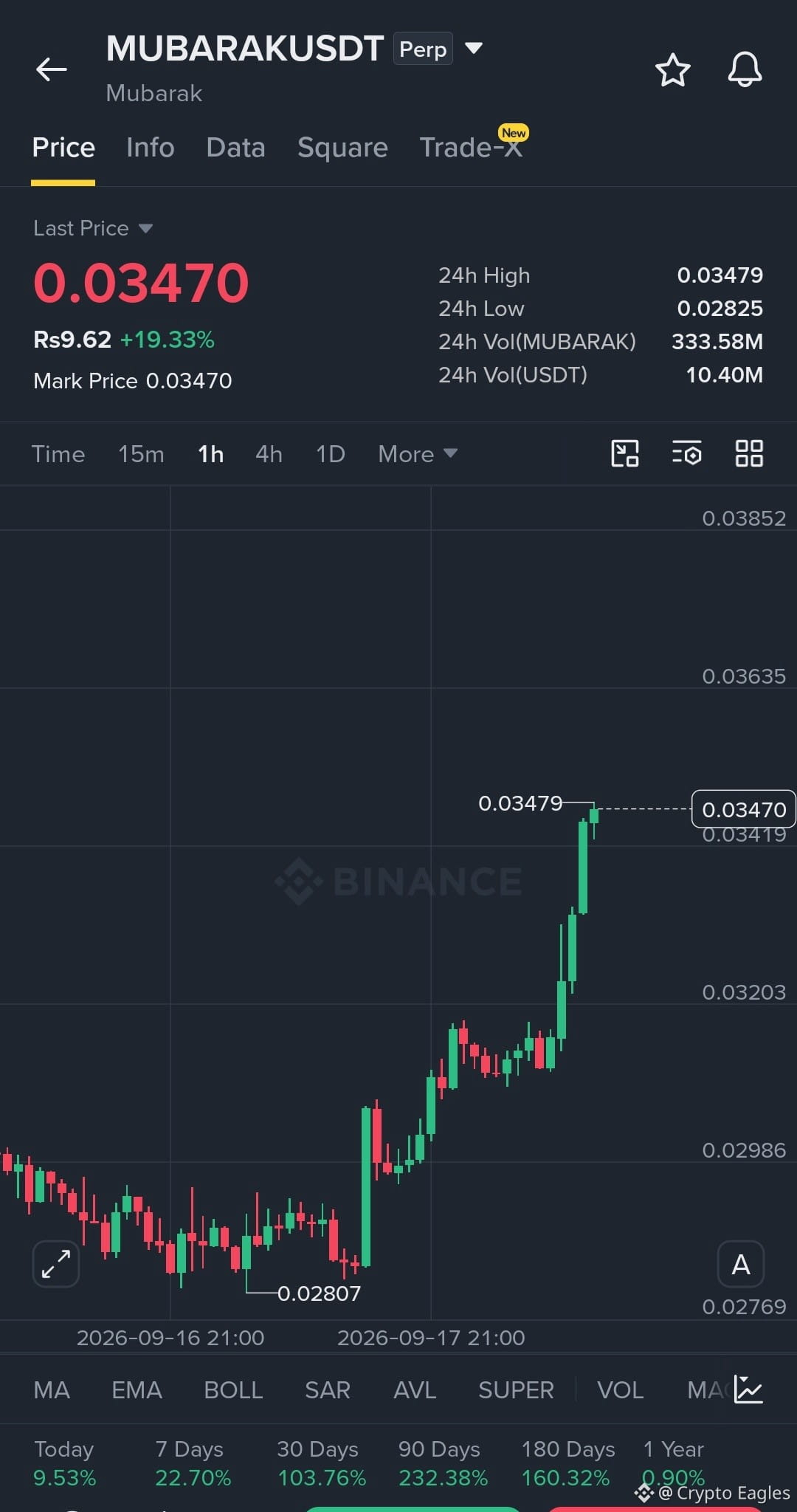
$MUBARAK LONG SETUP
Einstieg: 0.03380 – 0.03450
Stop Loss: 0.03200
TP1: 0.03635
TP2: 0.03850
TP3: 0.04100
MUBARAK zeigt eine starke bullische 1H-Ausdehnung und bewegt sich scharf von der 0.02807-Basis hin zur 0.03479-Hochmarke. Entscheidend ist nun, ob der Kurs die Ausbruchszone um 0.0338–0.0342 nach dem schnellen Move halten kann.
Bestätigung: Über 0.0342 halten und 0.03479 brechen.
Invalidierung: Nachhaltiger Bruch unter 0.03200.
{future}(MUBARAKUSDT)
$ONE
{future}(ONEUSDT)
$G
{future}(GUSDT)
$MUBARAK LONG SETUP
Einstieg: 0.03380 – 0.03450
Stop Loss: 0.03200
TP1: 0.03635
TP2: 0.03850
TP3: 0.04100
MUBARAK zeigt eine starke bullische 1H-Ausdehnung und bewegt sich scharf von der 0.02807-Basis hin zur 0.03479-Hochmarke. Entscheidend ist nun, ob der Kurs die Ausbruchszone um 0.0338–0.0342 nach dem schnellen Move halten kann.
Bestätigung: Über 0.0342 halten und 0.03479 brechen.
Invalidierung: Nachhaltiger Bruch unter 0.03200.
$ONE
$G
Einstieg: 0.03380 – 0.03450
Stop Loss: 0.03200
TP1: 0.03635
TP2: 0.03850
TP3: 0.04100
MUBARAK zeigt eine starke bullische 1H-Ausdehnung und bewegt sich scharf von der 0.02807-Basis hin zur 0.03479-Hochmarke. Entscheidend ist nun, ob der Kurs die Ausbruchszone um 0.0338–0.0342 nach dem schnellen Move halten kann.
Bestätigung: Über 0.0342 halten und 0.03479 brechen.
Invalidierung: Nachhaltiger Bruch unter 0.03200.
$ONE
$G
1
1
3
1.3k
Anmelden und weiter Inhalte entdecken
Krypto-Nutzer weltweit auf Binance Square kennenlernen
⚡️ Bleib in Sachen Krypto stets am Puls.
💬 Die weltgrößte Kryptobörse vertraut darauf.
👍 Erhalte verlässliche Einblicke von verifizierten Creators.
E-Mail-Adresse/Telefonnummer
Trendthemen
ADAGains10%Above$0.27
14,066 Aufrufe
175 Kommentare
$ADA legt heute kräftig zu und steigt um mehr als 10 Prozent auf etwa 027. Damit erreicht die Aktie ein neues 90-Tage-Hoch.
Auch das Handelsvolumen ist auf über 1 Milliarde gestiegen und deutet auf eine rege Marktaktivität hin.
Der Kursanstieg erfolgt, während $ADA seine Erholung von den Tiefständen im Juni fortsetzt und sich die jüngste technische Struktur zunehmend bullischer entwickelt.
Die Zone zwischen 027 und 028 ist nun entscheidend. Ein anhaltender Ausbruch könnte den Weg zu höheren Widerstandsniveaus ebnen.
Nach einem derart starken Tagesanstieg könnte die Volatilität jedoch weiterhin hoch bleiben.
#ADAGains10%Above$0.27 #crypto #ADA #Cardano #crypto #Write2Earn
AbdullahAbid_7
·0 Likes
·370 Aufrufe
ETHUp70%InQ3ButLiquidityFalls
152,897 Aufrufe
1,028 Kommentare
EthStakingExitQueueHits2026High
53,324 Aufrufe
737 Kommentare