
CRYPTO SYREN
83 Beiträge

CRYPTO SYREN
Melden
Nutzer blockieren
Crypto Syren gives you unparalleled, unbiased coverage of all-things crypto & finance in real-time | Posts Are Not Financial Advice | DYOR | Follow,Like & share
Regelmäßiger Trader
6.8 Jahre
59 Following
36 Follower
111 Like gegeben
Beiträge
Alle
Zitierungen
·
--
Übersetzung ansehen
This cycle Memecoins will out perform every single asset on earth.
Watch.
This cycle Memecoins will out perform every single asset on earth.
Watch.
Watch.
1
41
·
--
Übersetzung ansehen
Risk Management: The Real Edge in Crypto Trading
Most traders chase big wins in $BTC, $ETH, and $BNB. Smart traders protect capital first.
Never risk more than 1–2% of your account on one trade. Always use a stop-loss. Aim for at least 1:2 risk-reward. Respect leverage and avoid emotional decisions.
Markets will always offer opportunities. The traders who survive long enough to catch them are the ones who manage risk properly.
What’s one risk rule you follow? Comment below.
Educational only. Not financial advice. Trade responsibly.$AAPL.US #viralpost
Risk Management: The Real Edge in Crypto Trading
Most traders chase big wins in $BTC, $ETH, and $BNB. Smart traders protect capital first.
Never risk more than 1–2% of your account on one trade. Always use a stop-loss. Aim for at least 1:2 risk-reward. Respect leverage and avoid emotional decisions.
Markets will always offer opportunities. The traders who survive long enough to catch them are the ones who manage risk properly.
What’s one risk rule you follow? Comment below.
Educational only. Not financial advice. Trade responsibly.$AAPL.US #viralpost
Most traders chase big wins in $BTC, $ETH, and $BNB. Smart traders protect capital first.
Never risk more than 1–2% of your account on one trade. Always use a stop-loss. Aim for at least 1:2 risk-reward. Respect leverage and avoid emotional decisions.
Markets will always offer opportunities. The traders who survive long enough to catch them are the ones who manage risk properly.
What’s one risk rule you follow? Comment below.
Educational only. Not financial advice. Trade responsibly.$AAPL.US #viralpost
1
105
·
--
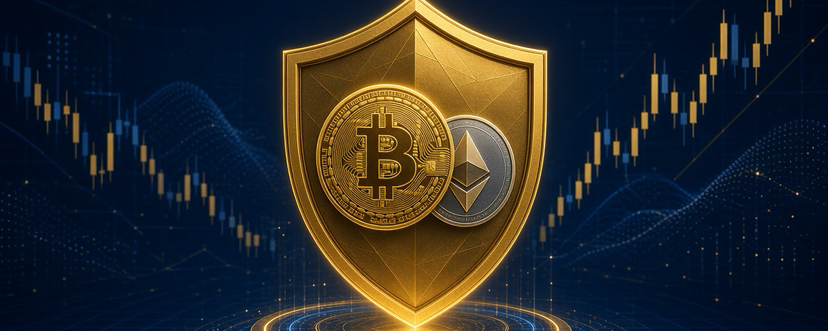
Artikel
Übersetzung ansehen
How to Survive Crypto Volatility: Essential Risk Management Rules Every Trader NeedsMastering Risk Management in Crypto Trading: How to Protect Your Capital in Volatile Markets
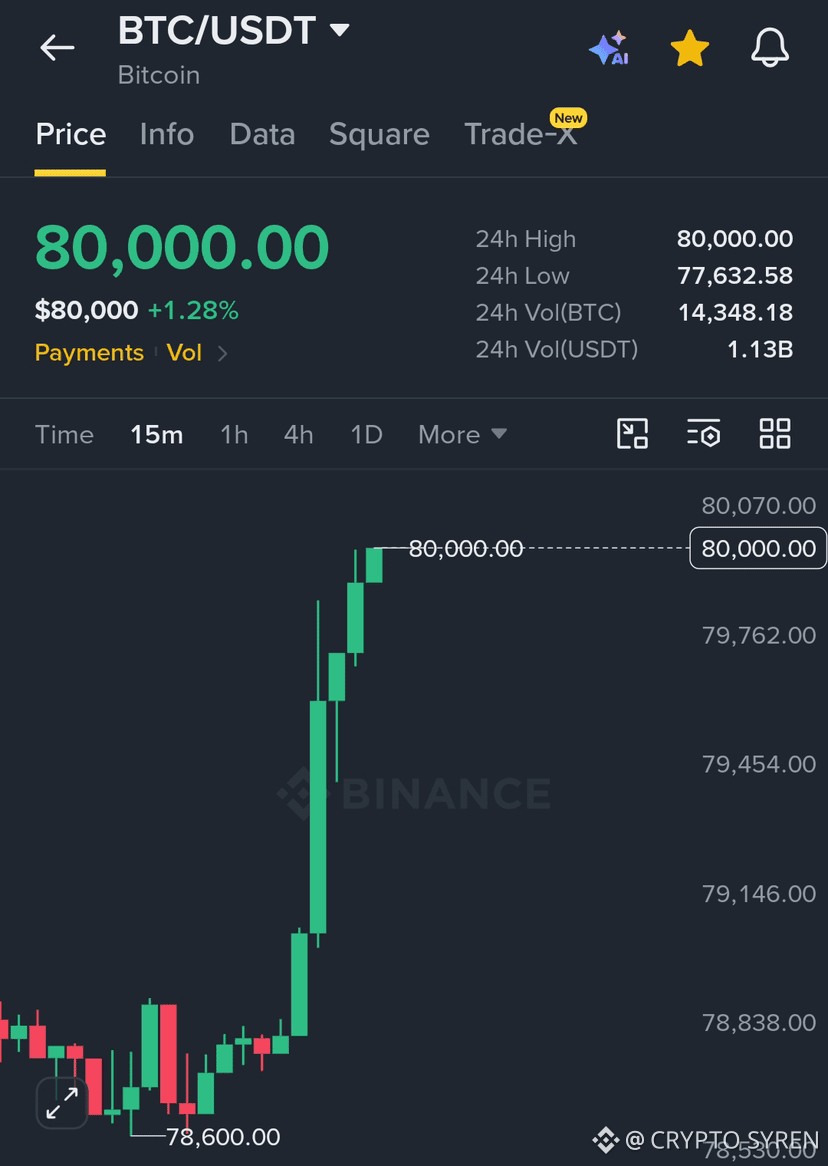
Crypto markets move fast. In late August 2026, Bitcoin recently climbed above $80,000 before consolidating near the high $70,000s amid shifting macroeconomic signals and ETF flow changes. Altcoins like $ETH, $SOL, and $XRP also saw sharp swings. These moves create opportunities — and equally large risks for unprepared traders.
Many newcomers focus only on potential upside. Experienced traders know the real edge comes from protecting downside. Risk management is not optional; it is the foundation that separates long-term survivors from those who blow up their accounts.
This guide explains practical, actionable risk management principles you can apply directly on Binance, whether you trade Spot, Margin, or Futures.
Why Risk Management Matters More Than Perfect Entries
No strategy wins 100% of the time. Even the best technical setups fail. Without defined risk rules, a few losing trades can erase months of gains.
Key reasons risk management is essential:
• Crypto assets are highly volatile. Daily moves of 5–15% are common.
• Leverage amplifies both gains and losses. A 10x position can liquidate on a relatively small adverse move.
• Emotional decisions (FOMO buying or panic selling) destroy accounts faster than bad analysis.
• Markets can gap or move violently on news, liquidations, or macro data.
The goal is simple: survive long enough for your edge to play out.
Core Principles of Crypto Risk Management
1. Never Risk More Than You Can Afford to Lose
Decide in advance the maximum percentage of your total portfolio you will risk on any single trade. A common conservative rule is 1–2% of your account equity per trade.
Example: With a $10,000 account, risking 1% means your maximum loss on one trade is $100. This keeps you in the game even after a string of losses.
2. Position Sizing Is Everything
Position size should be calculated from your risk amount and stop-loss distance, not from how much you “feel” like buying.
Basic formula:
Position size = (Account risk amount) ÷ (Entry price – Stop-loss price)
This ensures every trade risks roughly the same dollar amount, regardless of the asset’s price or volatility.
3. Always Use a Stop-Loss
A stop-loss is your predefined exit if the trade goes against you. On Binance you can use:
• Stop-Limit orders
• Stop-Market orders
• Trailing stops (useful in trending markets)
Place stops based on technical levels (support/resistance, recent swing lows/highs, or ATR-based volatility) rather than arbitrary percentages. Avoid placing stops exactly on obvious round numbers where stop hunts are common.
4. Maintain a Favorable Risk-Reward Ratio
Aim for at least 1:2 or better (risk $1 to potentially make $2 or more). This means you can be right less than half the time and still be profitable.
Before entering any trade, ask: “Where will I take profit, and does the potential reward justify the risk?”
5. Diversify Thoughtfully
Avoid putting everything into one asset or correlated group. Spreading exposure across $BTC, $ETH, major Layer-1s, and stable assets reduces the impact of a single narrative collapsing. Over-diversification, however, can dilute returns and increase monitoring difficulty.
6. Respect Leverage
Higher leverage is not higher skill. Many successful traders use low or moderate leverage (or none on Spot). On Binance Futures, understand liquidation prices, maintenance margin, and cross vs. isolated margin modes before increasing size.
Practical Tools and Habits on Binance
• Use the calculator tools available on the trading interface to estimate liquidation prices and required margin.
• Set OCO (One-Cancels-the-Other) orders to combine take-profit and stop-loss in one action.
• Review your trade history regularly. Track win rate, average risk-reward, and maximum drawdown.
• Keep a simple trading journal: entry reason, risk amount, outcome, and emotional state. Patterns become clear quickly.
• Start with Spot trading or low leverage until your process is consistent.
Common Mistakes That Destroy Accounts
• Moving or removing stop-losses because “it will come back.”
• Adding to losing positions (averaging down without a clear plan).
• Overtrading after a win or revenge-trading after a loss.
• Ignoring overall portfolio heat (total open risk across all positions).
• Trading with money needed for living expenses or emergency funds.
Building a Simple Personal Risk Framework
1. Define your maximum account risk per trade (e.g., 1%).
2. Decide maximum total open risk (e.g., 5–6% across all positions).
3. Choose your preferred risk-reward minimum (e.g., 1:2).
4. Pre-plan exit rules before entering.
5. Review weekly: Are you following the rules? What needs adjustment?
Consistency with these rules usually matters more than finding the perfect indicator or signal.
Final Thoughts
Markets will always offer opportunities in $BTC, $ETH, $BNB, and beyond. The traders who last are those who treat capital preservation as their first job. Risk management does not guarantee profits, but it dramatically improves the probability that you will still be trading when good opportunities appear.
Start small. Follow your rules. Review and refine. Over time, disciplined risk control becomes a competitive advantage.
What is one risk management rule you currently follow — or plan to implement? Share in the comments so the community can learn from each other.
This article is for educational purposes only and does not constitute financial advice. Cryptocurrency trading involves substantial risk of loss. Always do your own research and never invest more than you can afford to lose.
How to Survive Crypto Volatility: Essential Risk Management Rules Every Trader Needs
Mastering Risk Management in Crypto Trading: How to Protect Your Capital in Volatile Markets
Crypto markets move fast. In late August 2026, Bitcoin recently climbed above $80,000 before consolidating near the high $70,000s amid shifting macroeconomic signals and ETF flow changes. Altcoins like $ETH, $SOL, and $XRP also saw sharp swings. These moves create opportunities — and equally large risks for unprepared traders.
Many newcomers focus only on potential upside. Experienced traders know the real edge comes from protecting downside. Risk management is not optional; it is the foundation that separates long-term survivors from those who blow up their accounts.
This guide explains practical, actionable risk management principles you can apply directly on Binance, whether you trade Spot, Margin, or Futures.
Why Risk Management Matters More Than Perfect Entries
No strategy wins 100% of the time. Even the best technical setups fail. Without defined risk rules, a few losing trades can erase months of gains.
Key reasons risk management is essential:
• Crypto assets are highly volatile. Daily moves of 5–15% are common.
• Leverage amplifies both gains and losses. A 10x position can liquidate on a relatively small adverse move.
• Emotional decisions (FOMO buying or panic selling) destroy accounts faster than bad analysis.
• Markets can gap or move violently on news, liquidations, or macro data.
The goal is simple: survive long enough for your edge to play out.
Core Principles of Crypto Risk Management
1. Never Risk More Than You Can Afford to Lose
Decide in advance the maximum percentage of your total portfolio you will risk on any single trade. A common conservative rule is 1–2% of your account equity per trade.
Example: With a $10,000 account, risking 1% means your maximum loss on one trade is $100. This keeps you in the game even after a string of losses.
2. Position Sizing Is Everything
Position size should be calculated from your risk amount and stop-loss distance, not from how much you “feel” like buying.
Basic formula:
Position size = (Account risk amount) ÷ (Entry price – Stop-loss price)
This ensures every trade risks roughly the same dollar amount, regardless of the asset’s price or volatility.
3. Always Use a Stop-Loss
A stop-loss is your predefined exit if the trade goes against you. On Binance you can use:
• Stop-Limit orders
• Stop-Market orders
• Trailing stops (useful in trending markets)
Place stops based on technical levels (support/resistance, recent swing lows/highs, or ATR-based volatility) rather than arbitrary percentages. Avoid placing stops exactly on obvious round numbers where stop hunts are common.
4. Maintain a Favorable Risk-Reward Ratio
Aim for at least 1:2 or better (risk $1 to potentially make $2 or more). This means you can be right less than half the time and still be profitable.
Before entering any trade, ask: “Where will I take profit, and does the potential reward justify the risk?”
5. Diversify Thoughtfully
Avoid putting everything into one asset or correlated group. Spreading exposure across $BTC, $ETH, major Layer-1s, and stable assets reduces the impact of a single narrative collapsing. Over-diversification, however, can dilute returns and increase monitoring difficulty.
6. Respect Leverage
Higher leverage is not higher skill. Many successful traders use low or moderate leverage (or none on Spot). On Binance Futures, understand liquidation prices, maintenance margin, and cross vs. isolated margin modes before increasing size.
Practical Tools and Habits on Binance
• Use the calculator tools available on the trading interface to estimate liquidation prices and required margin.
• Set OCO (One-Cancels-the-Other) orders to combine take-profit and stop-loss in one action.
• Review your trade history regularly. Track win rate, average risk-reward, and maximum drawdown.
• Keep a simple trading journal: entry reason, risk amount, outcome, and emotional state. Patterns become clear quickly.
• Start with Spot trading or low leverage until your process is consistent.
Common Mistakes That Destroy Accounts
• Moving or removing stop-losses because “it will come back.”
• Adding to losing positions (averaging down without a clear plan).
• Overtrading after a win or revenge-trading after a loss.
• Ignoring overall portfolio heat (total open risk across all positions).
• Trading with money needed for living expenses or emergency funds.
Building a Simple Personal Risk Framework
1. Define your maximum account risk per trade (e.g., 1%).
2. Decide maximum total open risk (e.g., 5–6% across all positions).
3. Choose your preferred risk-reward minimum (e.g., 1:2).
4. Pre-plan exit rules before entering.
5. Review weekly: Are you following the rules? What needs adjustment?
Consistency with these rules usually matters more than finding the perfect indicator or signal.
Final Thoughts
Markets will always offer opportunities in $BTC, $ETH, $BNB, and beyond. The traders who last are those who treat capital preservation as their first job. Risk management does not guarantee profits, but it dramatically improves the probability that you will still be trading when good opportunities appear.
Start small. Follow your rules. Review and refine. Over time, disciplined risk control becomes a competitive advantage.
What is one risk management rule you currently follow — or plan to implement? Share in the comments so the community can learn from each other.
This article is for educational purposes only and does not constitute financial advice. Cryptocurrency trading involves substantial risk of loss. Always do your own research and never invest more than you can afford to lose.
Crypto markets move fast. In late August 2026, Bitcoin recently climbed above $80,000 before consolidating near the high $70,000s amid shifting macroeconomic signals and ETF flow changes. Altcoins like $ETH, $SOL, and $XRP also saw sharp swings. These moves create opportunities — and equally large risks for unprepared traders.
Many newcomers focus only on potential upside. Experienced traders know the real edge comes from protecting downside. Risk management is not optional; it is the foundation that separates long-term survivors from those who blow up their accounts.
This guide explains practical, actionable risk management principles you can apply directly on Binance, whether you trade Spot, Margin, or Futures.
Why Risk Management Matters More Than Perfect Entries
No strategy wins 100% of the time. Even the best technical setups fail. Without defined risk rules, a few losing trades can erase months of gains.
Key reasons risk management is essential:
• Crypto assets are highly volatile. Daily moves of 5–15% are common.
• Leverage amplifies both gains and losses. A 10x position can liquidate on a relatively small adverse move.
• Emotional decisions (FOMO buying or panic selling) destroy accounts faster than bad analysis.
• Markets can gap or move violently on news, liquidations, or macro data.
The goal is simple: survive long enough for your edge to play out.
Core Principles of Crypto Risk Management
1. Never Risk More Than You Can Afford to Lose
Decide in advance the maximum percentage of your total portfolio you will risk on any single trade. A common conservative rule is 1–2% of your account equity per trade.
Example: With a $10,000 account, risking 1% means your maximum loss on one trade is $100. This keeps you in the game even after a string of losses.
2. Position Sizing Is Everything
Position size should be calculated from your risk amount and stop-loss distance, not from how much you “feel” like buying.
Basic formula:
Position size = (Account risk amount) ÷ (Entry price – Stop-loss price)
This ensures every trade risks roughly the same dollar amount, regardless of the asset’s price or volatility.
3. Always Use a Stop-Loss
A stop-loss is your predefined exit if the trade goes against you. On Binance you can use:
• Stop-Limit orders
• Stop-Market orders
• Trailing stops (useful in trending markets)
Place stops based on technical levels (support/resistance, recent swing lows/highs, or ATR-based volatility) rather than arbitrary percentages. Avoid placing stops exactly on obvious round numbers where stop hunts are common.
4. Maintain a Favorable Risk-Reward Ratio
Aim for at least 1:2 or better (risk $1 to potentially make $2 or more). This means you can be right less than half the time and still be profitable.
Before entering any trade, ask: “Where will I take profit, and does the potential reward justify the risk?”
5. Diversify Thoughtfully
Avoid putting everything into one asset or correlated group. Spreading exposure across $BTC, $ETH, major Layer-1s, and stable assets reduces the impact of a single narrative collapsing. Over-diversification, however, can dilute returns and increase monitoring difficulty.
6. Respect Leverage
Higher leverage is not higher skill. Many successful traders use low or moderate leverage (or none on Spot). On Binance Futures, understand liquidation prices, maintenance margin, and cross vs. isolated margin modes before increasing size.
Practical Tools and Habits on Binance
• Use the calculator tools available on the trading interface to estimate liquidation prices and required margin.
• Set OCO (One-Cancels-the-Other) orders to combine take-profit and stop-loss in one action.
• Review your trade history regularly. Track win rate, average risk-reward, and maximum drawdown.
• Keep a simple trading journal: entry reason, risk amount, outcome, and emotional state. Patterns become clear quickly.
• Start with Spot trading or low leverage until your process is consistent.
Common Mistakes That Destroy Accounts
• Moving or removing stop-losses because “it will come back.”
• Adding to losing positions (averaging down without a clear plan).
• Overtrading after a win or revenge-trading after a loss.
• Ignoring overall portfolio heat (total open risk across all positions).
• Trading with money needed for living expenses or emergency funds.
Building a Simple Personal Risk Framework
1. Define your maximum account risk per trade (e.g., 1%).
2. Decide maximum total open risk (e.g., 5–6% across all positions).
3. Choose your preferred risk-reward minimum (e.g., 1:2).
4. Pre-plan exit rules before entering.
5. Review weekly: Are you following the rules? What needs adjustment?
Consistency with these rules usually matters more than finding the perfect indicator or signal.
Final Thoughts
Markets will always offer opportunities in $BTC, $ETH, $BNB, and beyond. The traders who last are those who treat capital preservation as their first job. Risk management does not guarantee profits, but it dramatically improves the probability that you will still be trading when good opportunities appear.
Start small. Follow your rules. Review and refine. Over time, disciplined risk control becomes a competitive advantage.
What is one risk management rule you currently follow — or plan to implement? Share in the comments so the community can learn from each other.
This article is for educational purposes only and does not constitute financial advice. Cryptocurrency trading involves substantial risk of loss. Always do your own research and never invest more than you can afford to lose.
1
166
·
--
Bullisch
Übersetzung ansehen
1
50
·
--
Etwas über finanzielle Ratschläge, das man wissen sollte:
Die beste Beratung ist fast immer die langweiligste.
Gib weniger aus. Spar mehr. Investiere konsequent. Keine Panik.
Die aufregende Beratung nützt meist der Person, die sie gibt, mehr als der Person, die sie erhält.$BTC #BinanceTurns9
Etwas über finanzielle Ratschläge, das man wissen sollte:
Die beste Beratung ist fast immer die langweiligste.
Gib weniger aus. Spar mehr. Investiere konsequent. Keine Panik.
Die aufregende Beratung nützt meist der Person, die sie gibt, mehr als der Person, die sie erhält.$BTC #BinanceTurns9
Die beste Beratung ist fast immer die langweiligste.
Gib weniger aus. Spar mehr. Investiere konsequent. Keine Panik.
Die aufregende Beratung nützt meist der Person, die sie gibt, mehr als der Person, die sie erhält.$BTC #BinanceTurns9
1
99
·
--
Artikel
Von False Positives zu CVE: Wie KI half, Ethers Peer-to-Peer-Layer zu sichernDas Protocol Security Team der Ethereum Foundation führte koordinierte Schwärme von KI-Agenten gegen zentrale Ethereum-Software durch (einschließlich Konsens-Clients, kryptografischer Bibliotheken und Peer-to-Peer-Netzwerk-Stacks wie libp2p). Die KI-Agenten identifizierten eine echte, remote auslösbare Schwachstelle (CVE-2026-34219) in der gossipsub-Komponente von libp2p. Eine einzelne konstruierte Steuernachricht von einem beliebigen nicht authentifizierten Peer hätte einen verwundbaren Knoten zum Absturz bringen können.
Das war bedeutsam, weil es die Netzwerk-Weiterlaufbereitschaft für Knoten hätte beeinträchtigen können, die von der betroffenen Software betroffen waren. Die Story hebt jedoch eine wichtige Einschränkung hervor: Während KI hervorragend darin ist, potenzielle Probleme schnell aufzuspüren, erwiesen sich die meisten „Befunde“ als überzeugende Fehlalarme. Menschliche Expertinnen und Experten mussten die Ergebnisse weiterhin validieren, Proof-of-Concepts reproduzieren und alles einordnen. Der eigentliche Bug wurde behoben und offengelegt.
Von False Positives zu CVE: Wie KI half, Ethers Peer-to-Peer-Layer zu sichern
Das Protocol Security Team der Ethereum Foundation führte koordinierte Schwärme von KI-Agenten gegen zentrale Ethereum-Software durch (einschließlich Konsens-Clients, kryptografischer Bibliotheken und Peer-to-Peer-Netzwerk-Stacks wie libp2p). Die KI-Agenten identifizierten eine echte, remote auslösbare Schwachstelle (CVE-2026-34219) in der gossipsub-Komponente von libp2p. Eine einzelne konstruierte Steuernachricht von einem beliebigen nicht authentifizierten Peer hätte einen verwundbaren Knoten zum Absturz bringen können.
Das war bedeutsam, weil es die Netzwerk-Weiterlaufbereitschaft für Knoten hätte beeinträchtigen können, die von der betroffenen Software betroffen waren. Die Story hebt jedoch eine wichtige Einschränkung hervor: Während KI hervorragend darin ist, potenzielle Probleme schnell aufzuspüren, erwiesen sich die meisten „Befunde“ als überzeugende Fehlalarme. Menschliche Expertinnen und Experten mussten die Ergebnisse weiterhin validieren, Proof-of-Concepts reproduzieren und alles einordnen. Der eigentliche Bug wurde behoben und offengelegt.
Das war bedeutsam, weil es die Netzwerk-Weiterlaufbereitschaft für Knoten hätte beeinträchtigen können, die von der betroffenen Software betroffen waren. Die Story hebt jedoch eine wichtige Einschränkung hervor: Während KI hervorragend darin ist, potenzielle Probleme schnell aufzuspüren, erwiesen sich die meisten „Befunde“ als überzeugende Fehlalarme. Menschliche Expertinnen und Experten mussten die Ergebnisse weiterhin validieren, Proof-of-Concepts reproduzieren und alles einordnen. Der eigentliche Bug wurde behoben und offengelegt.
1
82
·
--
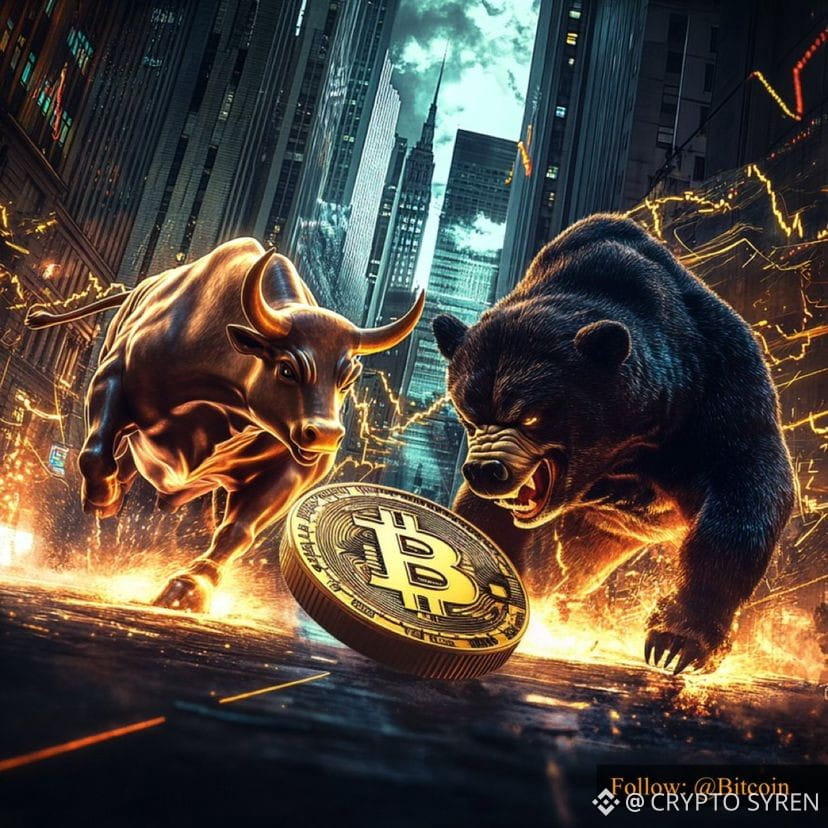
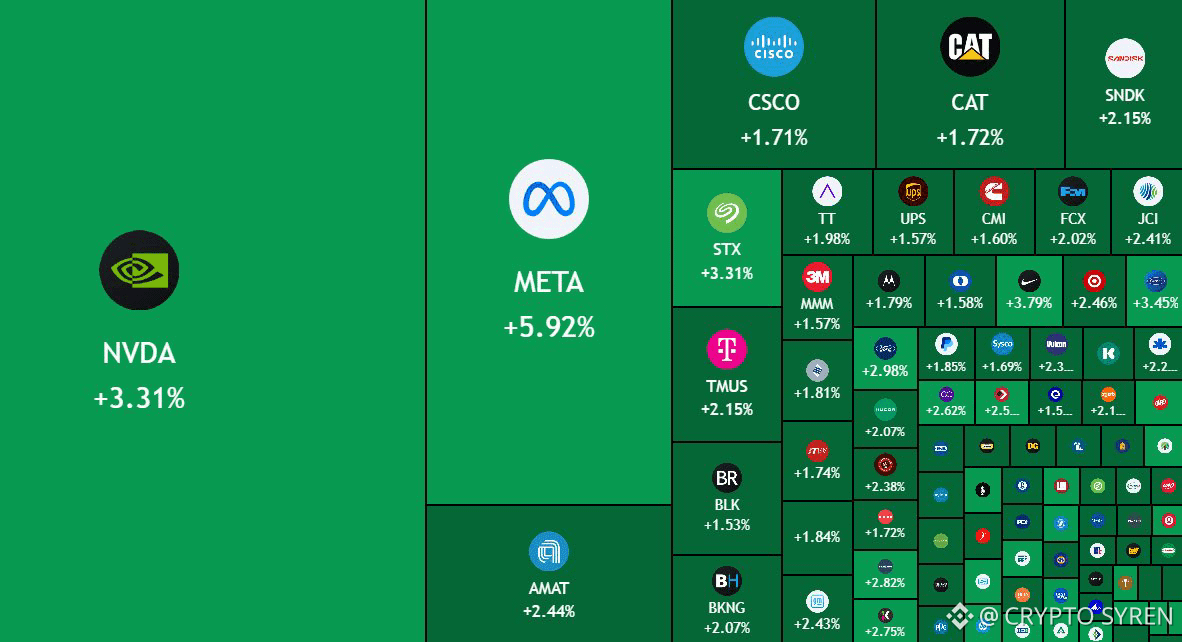
$600,000,000,000 in den letzten 2 Stunden zum US-Aktienmarkt hinzugefügt, wie Präsident Trump sagte. Die US-Iran-Gespräche werden fortgesetzt.
$600,000,000,000 in den letzten 2 Stunden zum US-Aktienmarkt hinzugefügt, wie Präsident Trump sagte. Die US-Iran-Gespräche werden fortgesetzt.
1
64
·
--
Bullisch
Aber Rohstoffe könnten einer der praktischsten Orte sein, an denen es Realität wird.
𝗪𝗵𝘆?
Denn Rohstoffe haben bereits eine globale Nachfrage, eine Preisbildungs-Infrastruktur und Relevanz für Investitionen. Was ihnen oft fehlt, ist Zugänglichkeit, Programmierbarkeit und effiziente Eigentumsstrukturen.
Genau darauf fokussieren sich Plattformen wie 𝗦𝘁𝗿𝗲𝗮𝗺𝗲𝘅.
Das erste Produkt, 𝗚𝗟𝗗𝗬, steht für tokenisiertes Gold mit:
• 1:1 physischer Deckung
• Yield-Komponente (3,5 % APY)
• On-Chain-Überprüfung der Proof-of-Reserves
Das ist strategisch wichtig, weil es traditionelle Wertaufbewahrungs-Assets mit digitaler Effizienz vereint.
𝗗𝗮𝘀 𝗥𝗼𝗵𝗮𝗱𝗮𝗺𝗽 𝗮𝗽𝗽𝗲𝗮𝗿𝘁 𝗯𝗿𝗼𝗮𝗱𝗲𝗿:
• Silber in Entwicklung
• Künftige Expansion hin zu Öl, Kupfer und weiteren Rohstoffen
Wenn das gut umgesetzt wird, bringt es die Tokenisierung über Schlagzeilen rund um Immobilien hinaus – hin zu Vermögenswerten mit täglicher globaler Nachfrage.
Der bevorstehende Earnings Call ist ebenfalls bemerkenswert, da Märkte zunehmend messbare Akzeptanz belohnen – statt konzeptioneller Erzählungen.
Die langfristige Chance bedeutet möglicherweise nicht, dass alles auf einmal tokenisiert wird.
Es könnte sein, dass zunächst eine nützliche Kategorie nach der anderen tokenisiert wird….DYOR….Keine Finanzberatung..
#Streamex #GLDY #GOLD
Aber Rohstoffe könnten einer der praktischsten Orte sein, an denen es Realität wird.
𝗪𝗵𝘆?
Denn Rohstoffe haben bereits eine globale Nachfrage, eine Preisbildungs-Infrastruktur und Relevanz für Investitionen. Was ihnen oft fehlt, ist Zugänglichkeit, Programmierbarkeit und effiziente Eigentumsstrukturen.
Genau darauf fokussieren sich Plattformen wie 𝗦𝘁𝗿𝗲𝗮𝗺𝗲𝘅.
Das erste Produkt, 𝗚𝗟𝗗𝗬, steht für tokenisiertes Gold mit:
• 1:1 physischer Deckung
• Yield-Komponente (3,5 % APY)
• On-Chain-Überprüfung der Proof-of-Reserves
Das ist strategisch wichtig, weil es traditionelle Wertaufbewahrungs-Assets mit digitaler Effizienz vereint.
𝗗𝗮𝘀 𝗥𝗼𝗵𝗮𝗱𝗮𝗺𝗽 𝗮𝗽𝗽𝗲𝗮𝗿𝘁 𝗯𝗿𝗼𝗮𝗱𝗲𝗿:
• Silber in Entwicklung
• Künftige Expansion hin zu Öl, Kupfer und weiteren Rohstoffen
Wenn das gut umgesetzt wird, bringt es die Tokenisierung über Schlagzeilen rund um Immobilien hinaus – hin zu Vermögenswerten mit täglicher globaler Nachfrage.
Der bevorstehende Earnings Call ist ebenfalls bemerkenswert, da Märkte zunehmend messbare Akzeptanz belohnen – statt konzeptioneller Erzählungen.
Die langfristige Chance bedeutet möglicherweise nicht, dass alles auf einmal tokenisiert wird.
Es könnte sein, dass zunächst eine nützliche Kategorie nach der anderen tokenisiert wird….DYOR….Keine Finanzberatung..
#Streamex #GLDY #GOLD
𝗪𝗵𝘆?
Denn Rohstoffe haben bereits eine globale Nachfrage, eine Preisbildungs-Infrastruktur und Relevanz für Investitionen. Was ihnen oft fehlt, ist Zugänglichkeit, Programmierbarkeit und effiziente Eigentumsstrukturen.
Genau darauf fokussieren sich Plattformen wie 𝗦𝘁𝗿𝗲𝗮𝗺𝗲𝘅.
Das erste Produkt, 𝗚𝗟𝗗𝗬, steht für tokenisiertes Gold mit:
• 1:1 physischer Deckung
• Yield-Komponente (3,5 % APY)
• On-Chain-Überprüfung der Proof-of-Reserves
Das ist strategisch wichtig, weil es traditionelle Wertaufbewahrungs-Assets mit digitaler Effizienz vereint.
𝗗𝗮𝘀 𝗥𝗼𝗵𝗮𝗱𝗮𝗺𝗽 𝗮𝗽𝗽𝗲𝗮𝗿𝘁 𝗯𝗿𝗼𝗮𝗱𝗲𝗿:
• Silber in Entwicklung
• Künftige Expansion hin zu Öl, Kupfer und weiteren Rohstoffen
Wenn das gut umgesetzt wird, bringt es die Tokenisierung über Schlagzeilen rund um Immobilien hinaus – hin zu Vermögenswerten mit täglicher globaler Nachfrage.
Der bevorstehende Earnings Call ist ebenfalls bemerkenswert, da Märkte zunehmend messbare Akzeptanz belohnen – statt konzeptioneller Erzählungen.
Die langfristige Chance bedeutet möglicherweise nicht, dass alles auf einmal tokenisiert wird.
Es könnte sein, dass zunächst eine nützliche Kategorie nach der anderen tokenisiert wird….DYOR….Keine Finanzberatung..
#Streamex #GLDY #GOLD

39
·
--
Ondo RWA-Tokens traden?
Ab jetzt genieße 0 % Gebühren, wenn du beliebige @OndoFinance RWAs auf Trust Wallet tauscht – bis zum 7. August 2026
Übrigens: Schon bald kommt ein neues Trading-Wettbewerb 😏
Es gelten die AGB und Einschränkungen.
Ondo RWA-Tokens traden?
Ab jetzt genieße 0 % Gebühren, wenn du beliebige @OndoFinance RWAs auf Trust Wallet tauscht – bis zum 7. August 2026
Übrigens: Schon bald kommt ein neues Trading-Wettbewerb 😏
Es gelten die AGB und Einschränkungen.
Ab jetzt genieße 0 % Gebühren, wenn du beliebige @OndoFinance RWAs auf Trust Wallet tauscht – bis zum 7. August 2026
Übrigens: Schon bald kommt ein neues Trading-Wettbewerb 😏
Es gelten die AGB und Einschränkungen.
1
151
·
--
🇩🇪 JAPANISCHE ANLEIHEN-DYNAMIK DRÜCKT DIE BITCOIN-PREISE UNTER DRUCK
Japans 10-jährige Rendite erreichte 2,825 %, den höchsten Stand seit 1996.
Die BOJ drosselt die Anleihekäufe, während die Regierung über ¥370 Billionen an neuen Ausgaben plant.
Da die Schulden bereits über 200 % des BIP liegen und Yen-Shorts auf Mehrjahreshochs gestiegen sind, steigt das Risiko einer Entspannung des Carry Trades — dieselbe Dynamik, die Bitcoin im August 2024 kurzzeitig unter 50.000 US-Dollar drückte.
🇩🇪 JAPANISCHE ANLEIHEN-DYNAMIK DRÜCKT DIE BITCOIN-PREISE UNTER DRUCK
Japans 10-jährige Rendite erreichte 2,825 %, den höchsten Stand seit 1996.
Die BOJ drosselt die Anleihekäufe, während die Regierung über ¥370 Billionen an neuen Ausgaben plant.
Da die Schulden bereits über 200 % des BIP liegen und Yen-Shorts auf Mehrjahreshochs gestiegen sind, steigt das Risiko einer Entspannung des Carry Trades — dieselbe Dynamik, die Bitcoin im August 2024 kurzzeitig unter 50.000 US-Dollar drückte.
Japans 10-jährige Rendite erreichte 2,825 %, den höchsten Stand seit 1996.
Die BOJ drosselt die Anleihekäufe, während die Regierung über ¥370 Billionen an neuen Ausgaben plant.
Da die Schulden bereits über 200 % des BIP liegen und Yen-Shorts auf Mehrjahreshochs gestiegen sind, steigt das Risiko einer Entspannung des Carry Trades — dieselbe Dynamik, die Bitcoin im August 2024 kurzzeitig unter 50.000 US-Dollar drückte.
1
126
·
--
Teilweise korrekt
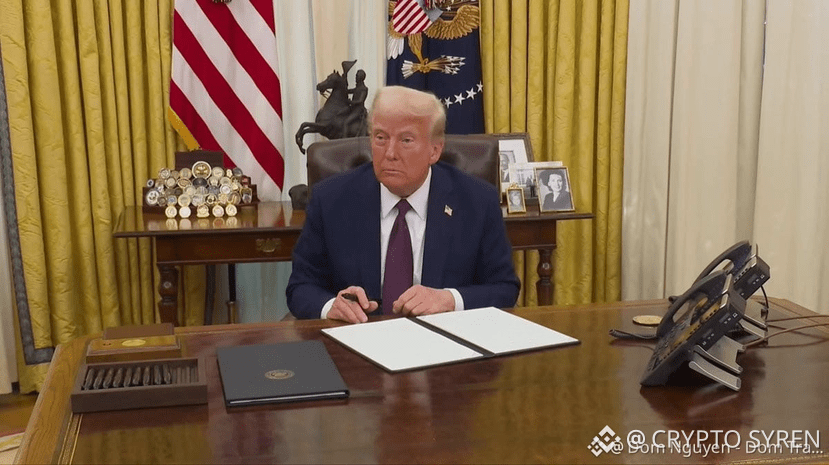
SOFORT: 🇺🇸 Präsident Trump berichtet über 635.000.000 US-Dollar an Lizenzgebühren aus einem Meme-Coin- und NFT-Lizenzgeschäft.
SOFORT: 🇺🇸 Präsident Trump berichtet über 635.000.000 US-Dollar an Lizenzgebühren aus einem Meme-Coin- und NFT-Lizenzgeschäft.
2
1.5k
·
--
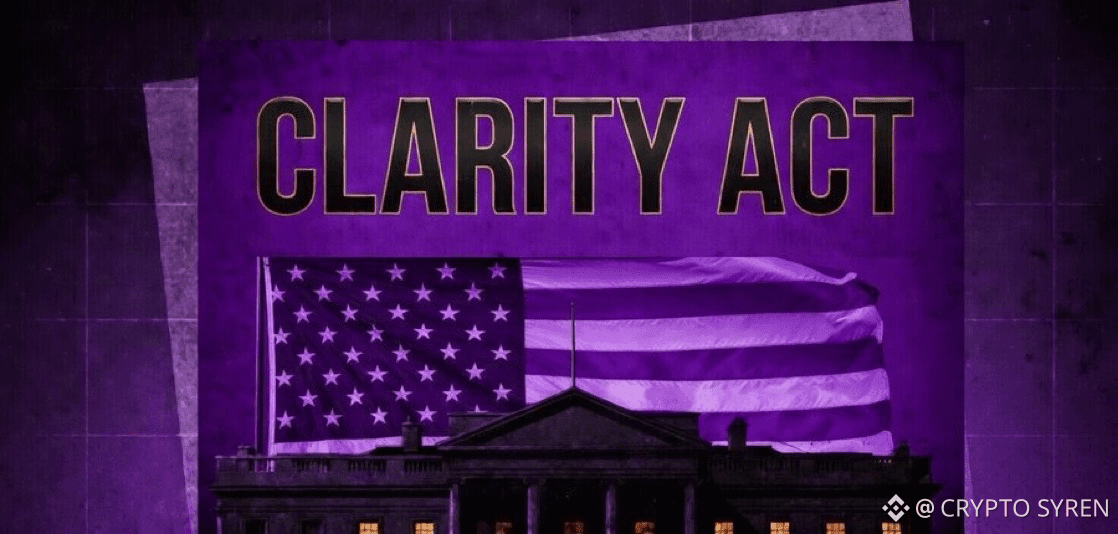
NEUESTE MELDUNG: 🚨 JPMorgan sagt, der Kongress solle den CLARITY Act mit starken Verbraucherschutz-, Markt- und AML-Vorkehrungen kombinieren, um verantwortungsvolle Innovationen im Bereich digitaler Vermögenswerte zu unterstützen$BTC
{spot}(BTCUSDT)
#DigitalAssets
NEUESTE MELDUNG: 🚨 JPMorgan sagt, der Kongress solle den CLARITY Act mit starken Verbraucherschutz-, Markt- und AML-Vorkehrungen kombinieren, um verantwortungsvolle Innovationen im Bereich digitaler Vermögenswerte zu unterstützen$BTC
#DigitalAssets
#DigitalAssets
1
76
·
--
Bullisch
NEU: ⚡️ Ripple sagt, dass Entwickler jetzt das XRP Ledger Lending Protocol testen, eine vorgeschlagene Erweiterung, die – falls von Validatoren genehmigt – institutionelles On-Chain-Lending, Kreditmärkte und die Finanzierung tokenisierter Vermögenswerte ermöglichen würde #bullish $XRP
NEU: ⚡️ Ripple sagt, dass Entwickler jetzt das XRP Ledger Lending Protocol testen, eine vorgeschlagene Erweiterung, die – falls von Validatoren genehmigt – institutionelles On-Chain-Lending, Kreditmärkte und die Finanzierung tokenisierter Vermögenswerte ermöglichen würde #bullish $XRP
1
129
·
--
#opg $OPG OpenGradient Chat hat gerade das neueste Claude-Modell integriert und bietet unzensierte Optionen wie Nous Hermes im Private Chat. Wörtlich jedes Thema, sicher besprochen. Vielnutzer, die Credits für eine konstante Nutzung kaufen, stehen ebenfalls für den S2-$OPG -Airdrop an. Privatsphäre + Power + Belohnungen – liebe diese Plattform! chat.opengradient.ai @OpenGradient $OPG #OPG
#opg $OPG OpenGradient Chat hat gerade das neueste Claude-Modell integriert und bietet unzensierte Optionen wie Nous Hermes im Private Chat. Wörtlich jedes Thema, sicher besprochen. Vielnutzer, die Credits für eine konstante Nutzung kaufen, stehen ebenfalls für den S2-$OPG -Airdrop an. Privatsphäre + Power + Belohnungen – liebe diese Plattform! chat.opengradient.ai @OpenGradient $OPG #OPG
1
70
·
--
Bullisch
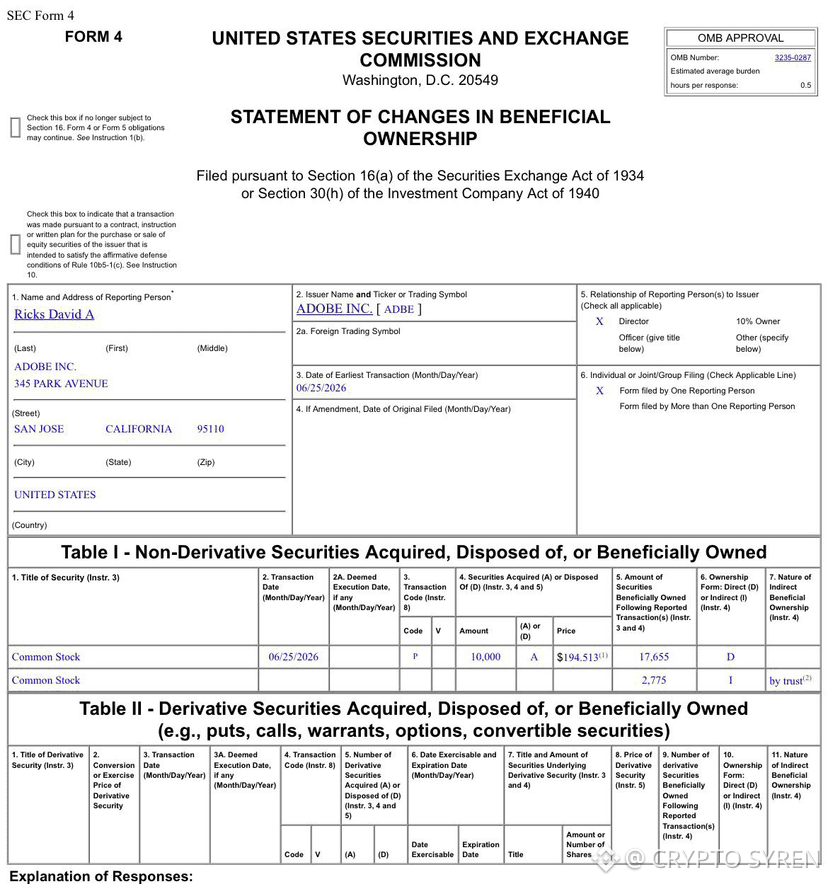
Der Adobe-Director David Ricks hat gerade 1,94 Mio. US-Dollar ausgegeben, um 10.000 Aktien von $ADBE zu je 194,51 $ zu kaufen
Der Adobe-Director David Ricks hat gerade 1,94 Mio. US-Dollar ausgegeben, um 10.000 Aktien von $ADBE zu je 194,51 $ zu kaufen
ADBEonAlpha
ADBEUS+3,69%
1
129
·
--
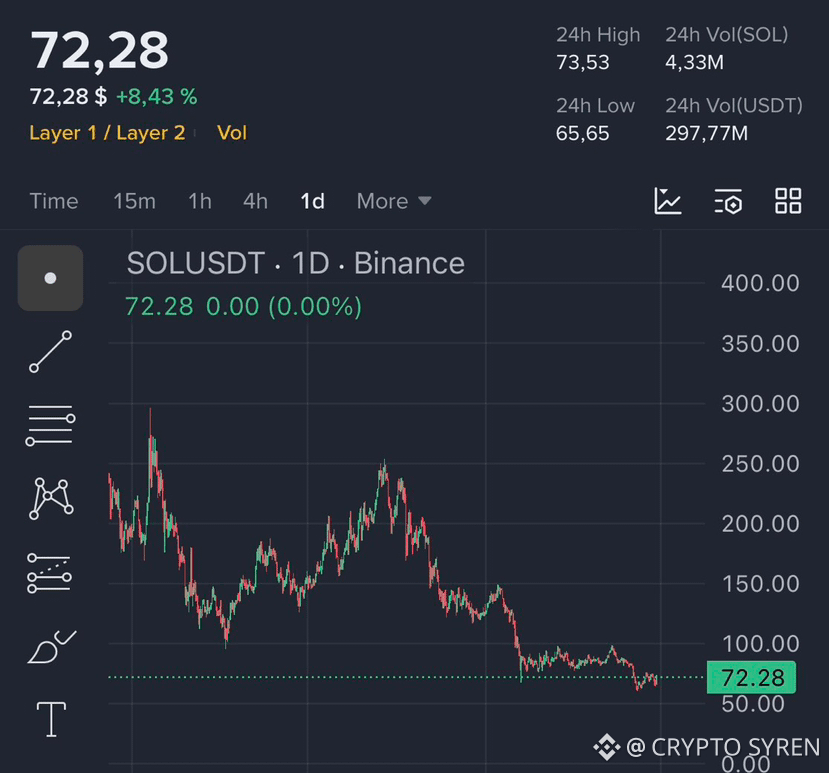
KAUF $SOL UNTER 80$ IST WIE BITCOIN-KAUF IN 2009
VERSTEHST DU DAS?!$SOL
KAUF $SOL UNTER 80$ IST WIE BITCOIN-KAUF IN 2009
VERSTEHST DU DAS?!$SOL
VERSTEHST DU DAS?!$SOL
1
155
·
--
Bullisch
Wir werden von diesen Preisen aus 10-20x gehen.
Ich wette mein ganzes Leben, 10 Jahre Forschung & mein gesamtes Nettovermögen, auf diesen Moment.
Ich warne dich: Gleich kommt ein vermögensverändernder Reichtum.
Der Markt ist nicht tot, die Leute sind nur ungeduldig.
Wohlstand fließt von den Ungeduldigen zu den Geduldigen.
Versteh das, und du schlägst 95% der Anleger.
Ihr alle verdient das, was jetzt gleich passiert.
Ich habe das 10 Jahre lang gemacht. Ich schaue keine Charts an, ich beobachte Menschen.
Ich warte auf den Moment, in dem alle aufgeben.
Dann gehe ich mit voller Wucht rein.
Und wenn ich das tue, werde ich es hier posten, weil ich will, dass wir gemeinsam gewinnen.
Die Chance des Lebens steht bevor.
Viele werden es bereuen, mir nicht früher gefolgt zu sein.$BTC $SPCXB $ETH
Wir werden von diesen Preisen aus 10-20x gehen.
Ich wette mein ganzes Leben, 10 Jahre Forschung & mein gesamtes Nettovermögen, auf diesen Moment.
Ich warne dich: Gleich kommt ein vermögensverändernder Reichtum.
Der Markt ist nicht tot, die Leute sind nur ungeduldig.
Wohlstand fließt von den Ungeduldigen zu den Geduldigen.
Versteh das, und du schlägst 95% der Anleger.
Ihr alle verdient das, was jetzt gleich passiert.
Ich habe das 10 Jahre lang gemacht. Ich schaue keine Charts an, ich beobachte Menschen.
Ich warte auf den Moment, in dem alle aufgeben.
Dann gehe ich mit voller Wucht rein.
Und wenn ich das tue, werde ich es hier posten, weil ich will, dass wir gemeinsam gewinnen.
Die Chance des Lebens steht bevor.
Viele werden es bereuen, mir nicht früher gefolgt zu sein.$BTC $SPCXB $ETH
Ich wette mein ganzes Leben, 10 Jahre Forschung & mein gesamtes Nettovermögen, auf diesen Moment.
Ich warne dich: Gleich kommt ein vermögensverändernder Reichtum.
Der Markt ist nicht tot, die Leute sind nur ungeduldig.
Wohlstand fließt von den Ungeduldigen zu den Geduldigen.
Versteh das, und du schlägst 95% der Anleger.
Ihr alle verdient das, was jetzt gleich passiert.
Ich habe das 10 Jahre lang gemacht. Ich schaue keine Charts an, ich beobachte Menschen.
Ich warte auf den Moment, in dem alle aufgeben.
Dann gehe ich mit voller Wucht rein.
Und wenn ich das tue, werde ich es hier posten, weil ich will, dass wir gemeinsam gewinnen.
Die Chance des Lebens steht bevor.
Viele werden es bereuen, mir nicht früher gefolgt zu sein.$BTC $SPCXB $ETH
1
91
·
--
🇲🇽 Mexiko vs. Südkorea 🇰🇷
Gruppe A steht auf dem Spiel, und heute Abend entscheidet sich, wer den ersten Platz holt.
Ein Sieg verändert die Tabelle. Eine Entscheidung kann den Abend machen.
Wähle deine Seite, bevor es losgeht 👀⚽
🇲🇽 Mexiko vs. Südkorea 🇰🇷
Gruppe A steht auf dem Spiel, und heute Abend entscheidet sich, wer den ersten Platz holt.
Ein Sieg verändert die Tabelle. Eine Entscheidung kann den Abend machen.
Wähle deine Seite, bevor es losgeht 👀⚽
Gruppe A steht auf dem Spiel, und heute Abend entscheidet sich, wer den ersten Platz holt.
Ein Sieg verändert die Tabelle. Eine Entscheidung kann den Abend machen.
Wähle deine Seite, bevor es losgeht 👀⚽

41
·
--
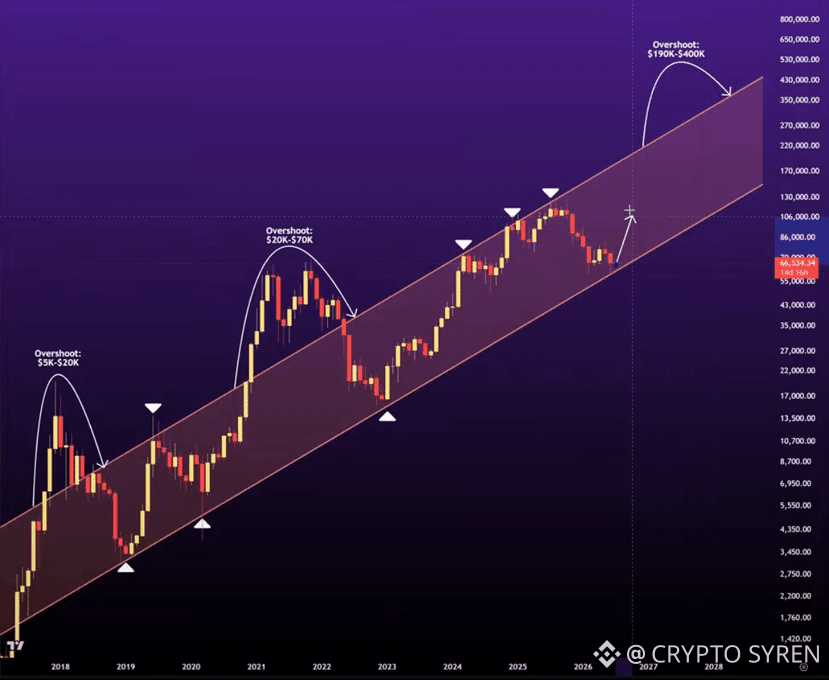
Bereite dich auf den größten Bullenmarkt deines Lebens vor.
Gleich wird es richtig steil gehen.
Hörst du zu?#cryptouniverseofficial $BTC $SPCXB $ETH
Bereite dich auf den größten Bullenmarkt deines Lebens vor.
Gleich wird es richtig steil gehen.
Hörst du zu?#cryptouniverseofficial $BTC $SPCXB $ETH
Gleich wird es richtig steil gehen.
Hörst du zu?#cryptouniverseofficial $BTC $SPCXB $ETH
213
Anmelden und weiter Inhalte entdecken
Krypto-Nutzer weltweit auf Binance Square kennenlernen
⚡️ Bleib in Sachen Krypto stets am Puls.
💬 Die weltgrößte Kryptobörse vertraut darauf.
👍 Erhalte verlässliche Einblicke von verifizierten Creators.
E-Mail-Adresse/Telefonnummer
Trendthemen
BitcoinHoldsAbove$77000
277 Aufrufe
39 Kommentare
#anthropicceocallsforaislowdown
🚨 $BTC HÄLT 77.000 $ WÄHREND DER MARKT SICH AUF BTC & ETH KONZENTRIERT! 🦅
Bitcoin respektiert die 4H-Trendlinie und hält das bullische Setup aktiv! 🎯
📍 Einstieg: 76.826 – 76.500
🎯 Ziele: 76.900 ➔ 77.000 ➔ 77.300
🛑 Stop-Loss: 76.400
⚠️ Strikte Regel: Das Setup ist nur gültig, solange die entscheidende Struktur hält. Das Verlassen des Stop-Bereichs macht den Trade ungültig.
⚡ Beobachtungswerte (Watchlist):
🪙 $BTC — Respektiert den wichtigen technischen Support vor makrogetriebiger Volatilität! 📈
🌐 $ETH — Konsolidiert eng um wichtige Nachfrageszonen für einen möglichen Ausbruch! 📊
Handhebel vorsichtig managen und warten, bis der Preis deine vorab definierte Jagdzone erreicht! 🛡️🧠
❓ Was ist dein nächster Schritt? Hier BTC long gehen oder auf niedrigere Einstiege warten? Poste deinen Plan unten! 👇
Haftungsausschluss: Informiere dich selbst (DYOR). Keine finanzielle Beratung.
#BitcoinHoldsAbove$77000
#AvalancheIntegratesIntoUAEPassDigitalVault
#AnthropicCEOCallsForAISlowdown
#BrazilCentralBankRaisesVASPCapitalRequirements
Hifza Rubab
·0 Likes
·25 Aufrufe
FedHikeOddsRiseTo89%
335 Aufrufe
68 Kommentare
BitcoinCrosses$78000
2,425 Aufrufe
131 Kommentare