

Crypt0Rachel
2.2k Beiträge

Crypt0Rachel
Melden
Nutzer blockieren
Crypto expert / sharing Market insights , Trends Twitter/x.com/Crypt0Rachel
1.3K+ Following
11.8K+ Follower
3.2K+ Like gegeben
Beiträge
Alle
Zitierungen
Videos
Live
·
--
Bullisch
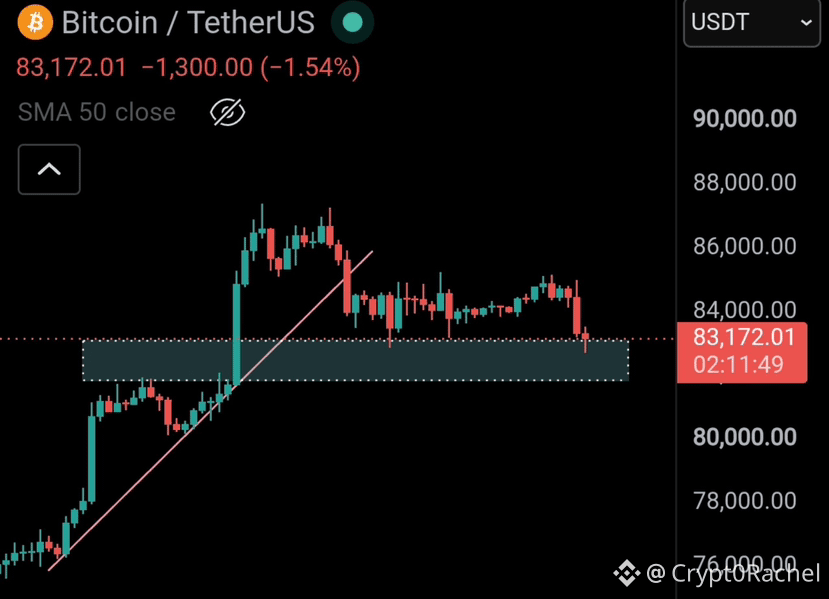
$BTC steht derzeit unter gewissem Abwärtsdruck vor dem Hintergrund der aktuellen geopolitischen Unsicherheit, die das Marktstimmungsbild beeinflusst.
Vorerst hält $BTC seine wichtige Unterstützungsmarke und behält damit die Marktstruktur im Blick.
Schauen wir mal, wie es von hier aus weitergeht. DYOR.
#Write2Earn
$BTC steht derzeit unter gewissem Abwärtsdruck vor dem Hintergrund der aktuellen geopolitischen Unsicherheit, die das Marktstimmungsbild beeinflusst.
Vorerst hält $BTC seine wichtige Unterstützungsmarke und behält damit die Marktstruktur im Blick.
Schauen wir mal, wie es von hier aus weitergeht. DYOR.
#Write2Earn
Vorerst hält $BTC seine wichtige Unterstützungsmarke und behält damit die Marktstruktur im Blick.
Schauen wir mal, wie es von hier aus weitergeht. DYOR.
#Write2Earn
10
11
372
·
--
Bullisch
🚨 META steht vor Gewinnmitnahmen nach einer starken Rally — Ist $800 als Nächstes dran?
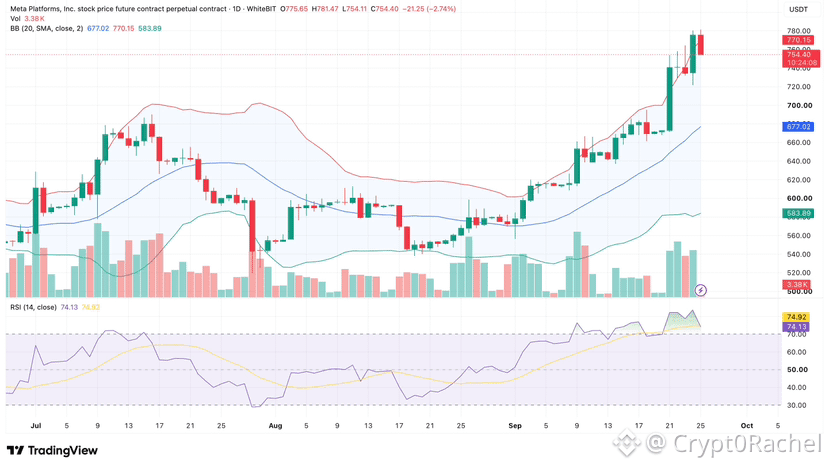
Meta Platforms ($META) zeigt weiterhin starke bullische Dynamik: Der Kurs ist vom Bereich $600–$670 auf ein jüngstes Hoch nahe $781 gestiegen.
Doch nach dieser beeindruckenden Rally signalisiert das Tageschart-Setup ein paar Hinweise, die Trader im Blick behalten sollten. 👀
📊 Wichtige technische Levels (1D)
Zum Zeitpunkt des Chart-Snapshots:
Aktueller Kurs: $754.40
Jüngstes Hoch: $781.47
Bollinger-Bands (oberes Band): $770.15
Bollinger-Bands (mittleres Band / 20-Tage-SMA): $677.02
Bollinger-Bands (unteres Band): $583.89
RSI (14): 74.13
🔥 1. Die Bullen haben weiterhin Momentum
META hat den vorherigen Konsolidierungsbereich um $670–$700 nach oben verlassen, mit starken bullischen Candles, die auf erhöhten Kaufdruck hindeuten.
Der Kurs bleibt klar über dem 20-Tage-SMA bei $677.02, wodurch der übergeordnete Tages-Trend vorerst bullisch bleibt.
⚠️ 2. RSI signalisiert einen überkauften Markt
Der tägliche RSI liegt bei rund 74 und damit über der klassischen 70er-Überkauft-Schwelle.
Das bedeutet nicht automatisch, dass eine Trendwende unmittelbar bevorsteht, doch es deutet darauf hin, dass die Rally kurzfristig möglicherweise überdehnt ist.
Nach einem so starken Move wäre eine Phase der Konsolidierung oder eine gesunde Korrektur nicht überraschend.
🎯 3. Wichtige Levels, die man beobachten sollte
Widerstand:
$770–$781: Unmittelbarer Widerstandsbereich und die Zone des jüngsten Hochs.
$800: Psychologisches Level und mögliches Kursziel nach oben, falls Käufer wieder Momentum übernehmen.
Unterstützung:
$740–$750: Bereich der kurzfristigen Unterstützung.
$720–$730: Mögliche Pullback-Zone.
$677: Tägliches mittleres Bollinger-Band und ein wichtiges technisches Referenzlevel.
📈 Mein Ausblick
Solange META über den jüngsten Ausbruchszonen hält, bleibt die bullische Struktur intakt.
Ein sauberer Ausbruch über $781 könnte den Weg in Richtung des psychologischen Levels $800 eröffnen. Scheitert hingegen die Rückeroberung des oberen Bollinger-Bands, kombiniert mit dem erhöhten RSI, könnte es zu weiteren Gewinnmitnahmen kommen.
Persönlich würde ich eher auf Bestätigung achten, statt den Move nach einer so starken Rally hinterherzulaufen.
Glaubst du, dass META als Nächstes $800 knacken kann, oder gehen wir zuerst in ein tieferes Retracement? Schreib deine Gedanken unten! 👇
#meta #BinanceSquare #Write2Earn
🚨 META steht vor Gewinnmitnahmen nach einer starken Rally — Ist $800 als Nächstes dran?
Meta Platforms ($META) zeigt weiterhin starke bullische Dynamik: Der Kurs ist vom Bereich $600–$670 auf ein jüngstes Hoch nahe $781 gestiegen.
Doch nach dieser beeindruckenden Rally signalisiert das Tageschart-Setup ein paar Hinweise, die Trader im Blick behalten sollten. 👀
📊 Wichtige technische Levels (1D)
Zum Zeitpunkt des Chart-Snapshots:
Aktueller Kurs: $754.40
Jüngstes Hoch: $781.47
Bollinger-Bands (oberes Band): $770.15
Bollinger-Bands (mittleres Band / 20-Tage-SMA): $677.02
Bollinger-Bands (unteres Band): $583.89
RSI (14): 74.13
🔥 1. Die Bullen haben weiterhin Momentum
META hat den vorherigen Konsolidierungsbereich um $670–$700 nach oben verlassen, mit starken bullischen Candles, die auf erhöhten Kaufdruck hindeuten.
Der Kurs bleibt klar über dem 20-Tage-SMA bei $677.02, wodurch der übergeordnete Tages-Trend vorerst bullisch bleibt.
⚠️ 2. RSI signalisiert einen überkauften Markt
Der tägliche RSI liegt bei rund 74 und damit über der klassischen 70er-Überkauft-Schwelle.
Das bedeutet nicht automatisch, dass eine Trendwende unmittelbar bevorsteht, doch es deutet darauf hin, dass die Rally kurzfristig möglicherweise überdehnt ist.
Nach einem so starken Move wäre eine Phase der Konsolidierung oder eine gesunde Korrektur nicht überraschend.
🎯 3. Wichtige Levels, die man beobachten sollte
Widerstand:
$770–$781: Unmittelbarer Widerstandsbereich und die Zone des jüngsten Hochs.
$800: Psychologisches Level und mögliches Kursziel nach oben, falls Käufer wieder Momentum übernehmen.
Unterstützung:
$740–$750: Bereich der kurzfristigen Unterstützung.
$720–$730: Mögliche Pullback-Zone.
$677: Tägliches mittleres Bollinger-Band und ein wichtiges technisches Referenzlevel.
📈 Mein Ausblick
Solange META über den jüngsten Ausbruchszonen hält, bleibt die bullische Struktur intakt.
Ein sauberer Ausbruch über $781 könnte den Weg in Richtung des psychologischen Levels $800 eröffnen. Scheitert hingegen die Rückeroberung des oberen Bollinger-Bands, kombiniert mit dem erhöhten RSI, könnte es zu weiteren Gewinnmitnahmen kommen.
Persönlich würde ich eher auf Bestätigung achten, statt den Move nach einer so starken Rally hinterherzulaufen.
Glaubst du, dass META als Nächstes $800 knacken kann, oder gehen wir zuerst in ein tieferes Retracement? Schreib deine Gedanken unten! 👇
#meta #BinanceSquare #Write2Earn
Meta Platforms ($META) zeigt weiterhin starke bullische Dynamik: Der Kurs ist vom Bereich $600–$670 auf ein jüngstes Hoch nahe $781 gestiegen.
Doch nach dieser beeindruckenden Rally signalisiert das Tageschart-Setup ein paar Hinweise, die Trader im Blick behalten sollten. 👀
📊 Wichtige technische Levels (1D)
Zum Zeitpunkt des Chart-Snapshots:
Aktueller Kurs: $754.40
Jüngstes Hoch: $781.47
Bollinger-Bands (oberes Band): $770.15
Bollinger-Bands (mittleres Band / 20-Tage-SMA): $677.02
Bollinger-Bands (unteres Band): $583.89
RSI (14): 74.13
🔥 1. Die Bullen haben weiterhin Momentum
META hat den vorherigen Konsolidierungsbereich um $670–$700 nach oben verlassen, mit starken bullischen Candles, die auf erhöhten Kaufdruck hindeuten.
Der Kurs bleibt klar über dem 20-Tage-SMA bei $677.02, wodurch der übergeordnete Tages-Trend vorerst bullisch bleibt.
⚠️ 2. RSI signalisiert einen überkauften Markt
Der tägliche RSI liegt bei rund 74 und damit über der klassischen 70er-Überkauft-Schwelle.
Das bedeutet nicht automatisch, dass eine Trendwende unmittelbar bevorsteht, doch es deutet darauf hin, dass die Rally kurzfristig möglicherweise überdehnt ist.
Nach einem so starken Move wäre eine Phase der Konsolidierung oder eine gesunde Korrektur nicht überraschend.
🎯 3. Wichtige Levels, die man beobachten sollte
Widerstand:
$770–$781: Unmittelbarer Widerstandsbereich und die Zone des jüngsten Hochs.
$800: Psychologisches Level und mögliches Kursziel nach oben, falls Käufer wieder Momentum übernehmen.
Unterstützung:
$740–$750: Bereich der kurzfristigen Unterstützung.
$720–$730: Mögliche Pullback-Zone.
$677: Tägliches mittleres Bollinger-Band und ein wichtiges technisches Referenzlevel.
📈 Mein Ausblick
Solange META über den jüngsten Ausbruchszonen hält, bleibt die bullische Struktur intakt.
Ein sauberer Ausbruch über $781 könnte den Weg in Richtung des psychologischen Levels $800 eröffnen. Scheitert hingegen die Rückeroberung des oberen Bollinger-Bands, kombiniert mit dem erhöhten RSI, könnte es zu weiteren Gewinnmitnahmen kommen.
Persönlich würde ich eher auf Bestätigung achten, statt den Move nach einer so starken Rally hinterherzulaufen.
Glaubst du, dass META als Nächstes $800 knacken kann, oder gehen wir zuerst in ein tieferes Retracement? Schreib deine Gedanken unten! 👇
#meta #BinanceSquare #Write2Earn
11
11
389
·
--
Bullisch
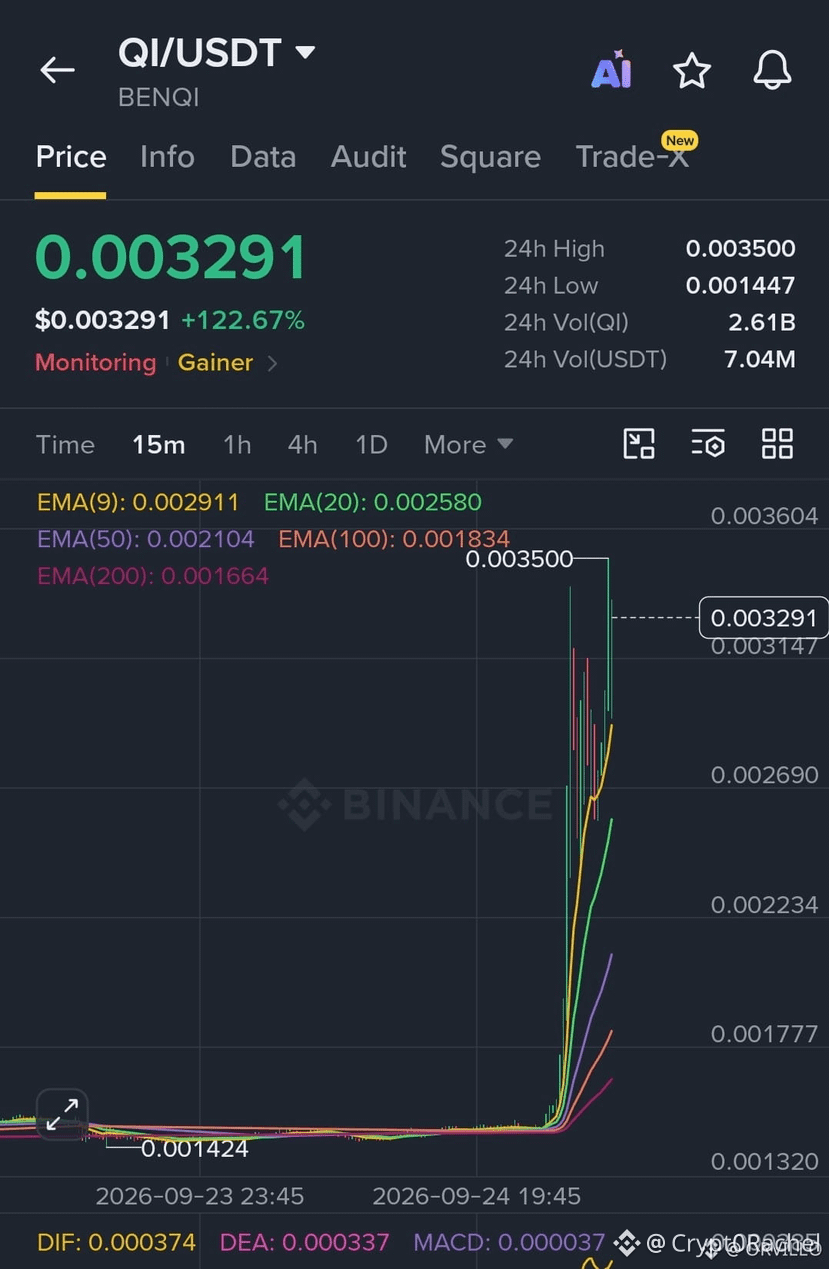
$QI ist absolut auf dem Feuer! 🔥 In den letzten 24 Stunden weitere 130% nach oben!
Selbst nach dieser massiven Rallye liegt die Marktkapitalisierung immer noch bei etwa 15 Mio. $, verglichen mit $DEXE bei 100 Mio. $.
Dieser Abstand ist definitiv einen Blick wert. 👀
Ich beobachte eine gesunde Korrektur, bevor ich erwäge, meiner Position noch mehr hinzuzufügen.
Was ist dein Kursziel für $QI? 🚀
#QI #DEXEPriceAnalysis
$QI ist absolut auf dem Feuer! 🔥 In den letzten 24 Stunden weitere 130% nach oben!
Selbst nach dieser massiven Rallye liegt die Marktkapitalisierung immer noch bei etwa 15 Mio. $, verglichen mit $DEXE bei 100 Mio. $.
Dieser Abstand ist definitiv einen Blick wert. 👀
Ich beobachte eine gesunde Korrektur, bevor ich erwäge, meiner Position noch mehr hinzuzufügen.
Was ist dein Kursziel für $QI ? 🚀
#QI #DEXEPriceAnalysis
Selbst nach dieser massiven Rallye liegt die Marktkapitalisierung immer noch bei etwa 15 Mio. $, verglichen mit $DEXE bei 100 Mio. $.
Dieser Abstand ist definitiv einen Blick wert. 👀
Ich beobachte eine gesunde Korrektur, bevor ich erwäge, meiner Position noch mehr hinzuzufügen.
Was ist dein Kursziel für $QI ? 🚀
#QI #DEXEPriceAnalysis
2
320
·
--
Bullisch
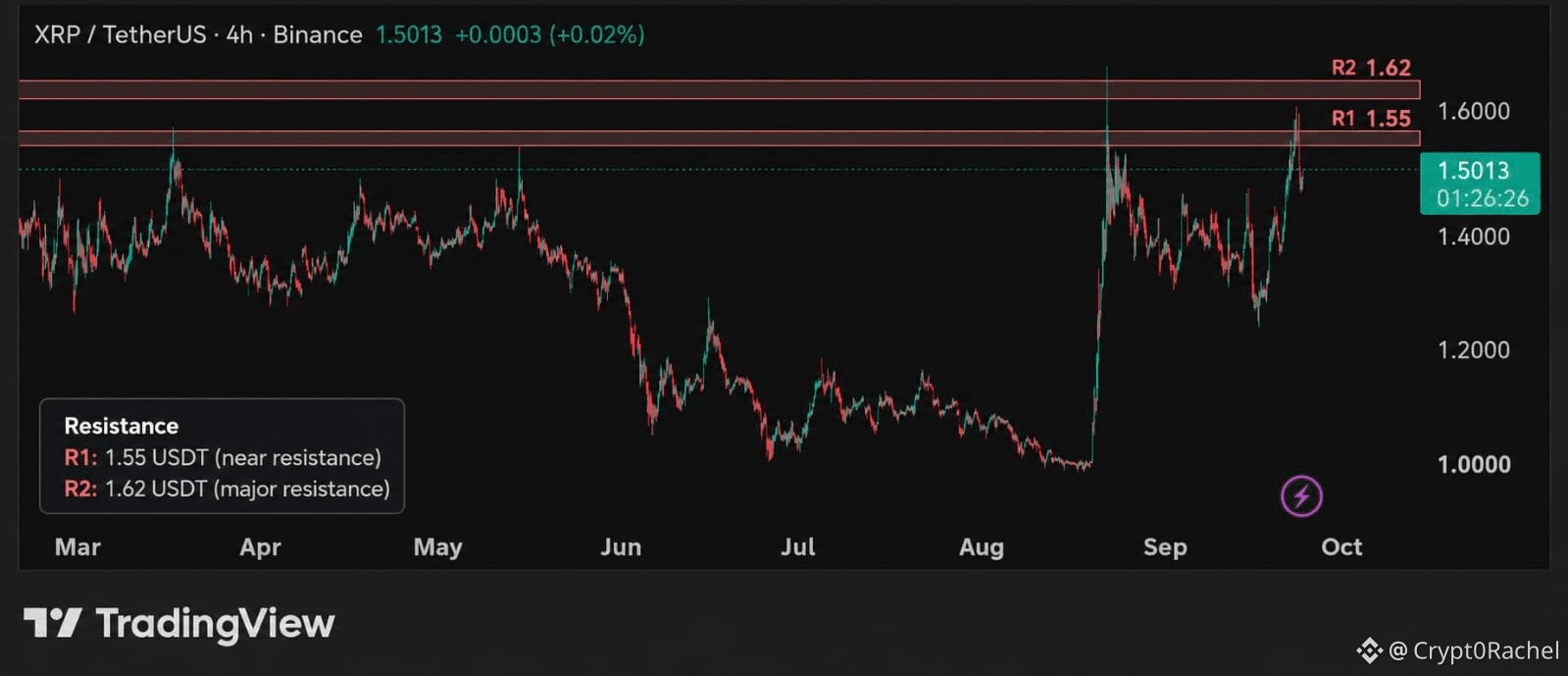
$XRP wurde hart abgewiesen, bei ungefähr $1.70, und die Korrektur macht genau das, was ich sehen wollte.
Jetzt beobachte ich den Bereich $1.35–$1.40.
Wenn das hält, sind die nächsten Levels, auf die ich schaue:
$1.43 → $1.50 → $1.58 → $1.62
Und wenn XRP es endlich schafft, wieder über $1.70 zu drücken und das auch hält, dann kommt $1.75+ in den Fokus.
Aber ehrlich gesagt habe ich kein Interesse daran, hier einer zufälligen grünen Kerze hinterherzujagen.
$1.26 ist immer noch das Level, das mich unter dem ganzen Setup interessiert.
Lass den Preis die Levels anlaufen.
$XRP 👀
#Write2Earn
$XRP wurde hart abgewiesen, bei ungefähr $1.70, und die Korrektur macht genau das, was ich sehen wollte.
Jetzt beobachte ich den Bereich $1.35–$1.40.
Wenn das hält, sind die nächsten Levels, auf die ich schaue:
$1.43 → $1.50 → $1.58 → $1.62
Und wenn XRP es endlich schafft, wieder über $1.70 zu drücken und das auch hält, dann kommt $1.75+ in den Fokus.
Aber ehrlich gesagt habe ich kein Interesse daran, hier einer zufälligen grünen Kerze hinterherzujagen.
$1.26 ist immer noch das Level, das mich unter dem ganzen Setup interessiert.
Lass den Preis die Levels anlaufen.
$XRP 👀
#Write2Earn
Jetzt beobachte ich den Bereich $1.35–$1.40.
Wenn das hält, sind die nächsten Levels, auf die ich schaue:
$1.43 → $1.50 → $1.58 → $1.62
Und wenn XRP es endlich schafft, wieder über $1.70 zu drücken und das auch hält, dann kommt $1.75+ in den Fokus.
Aber ehrlich gesagt habe ich kein Interesse daran, hier einer zufälligen grünen Kerze hinterherzujagen.
$1.26 ist immer noch das Level, das mich unter dem ganzen Setup interessiert.
Lass den Preis die Levels anlaufen.
$XRP 👀
#Write2Earn
5
5
88
·
--
Bullisch
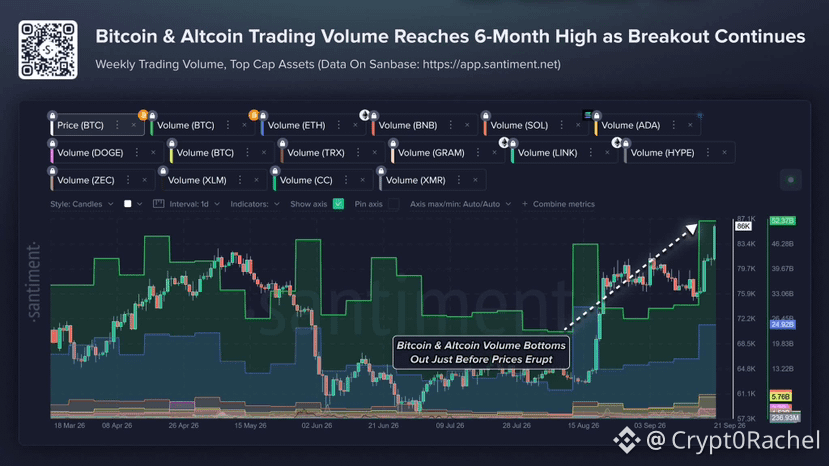
🚨 SIGNAL: Das Volumen wacht auf.
#bitcoin + das Altcoin-Handelsvolumen hat gerade ein 6‑Monats‑Hoch erreicht 📈
Historisch gesehen kann eine solche Volumen‑Expansion ein wichtiges Signal dafür sein, dass die Marktbeteiligung zurückkehrt.
Der Chart zeigt, wie das Volumen deutlich anzieht, während <$BTC pushes> höher drückt — genau so eine Bestätigung, wie sie Trader während eines Ausbruchs sehen wollen.
👀 Beobachte:
• $BTC Volumen
• Altcoin‑Beteiligung
• HYPE / SOL / ETH‑Volumen
• Ob das erhöhte Volumen anhält
Wenn das Volumen weiter expandiert, könnte die nächste Phase spannend werden. 🔥
Keine Finanzberatung. Informiere dich selbst (DYOR).
#Write2Earn #Write2Earn!
🚨 SIGNAL: Das Volumen wacht auf.
#bitcoin + das Altcoin-Handelsvolumen hat gerade ein 6‑Monats‑Hoch erreicht 📈
Historisch gesehen kann eine solche Volumen‑Expansion ein wichtiges Signal dafür sein, dass die Marktbeteiligung zurückkehrt.
Der Chart zeigt, wie das Volumen deutlich anzieht, während <$BTC pushes> höher drückt — genau so eine Bestätigung, wie sie Trader während eines Ausbruchs sehen wollen.
👀 Beobachte:
• $BTC Volumen
• Altcoin‑Beteiligung
• HYPE / SOL / ETH‑Volumen
• Ob das erhöhte Volumen anhält
Wenn das Volumen weiter expandiert, könnte die nächste Phase spannend werden. 🔥
Keine Finanzberatung. Informiere dich selbst (DYOR).
#Write2Earn #Write2Earn!
#bitcoin + das Altcoin-Handelsvolumen hat gerade ein 6‑Monats‑Hoch erreicht 📈
Historisch gesehen kann eine solche Volumen‑Expansion ein wichtiges Signal dafür sein, dass die Marktbeteiligung zurückkehrt.
Der Chart zeigt, wie das Volumen deutlich anzieht, während <$BTC pushes> höher drückt — genau so eine Bestätigung, wie sie Trader während eines Ausbruchs sehen wollen.
👀 Beobachte:
• $BTC Volumen
• Altcoin‑Beteiligung
• HYPE / SOL / ETH‑Volumen
• Ob das erhöhte Volumen anhält
Wenn das Volumen weiter expandiert, könnte die nächste Phase spannend werden. 🔥
Keine Finanzberatung. Informiere dich selbst (DYOR).
#Write2Earn #Write2Earn!
1
76
·
--
Bullisch
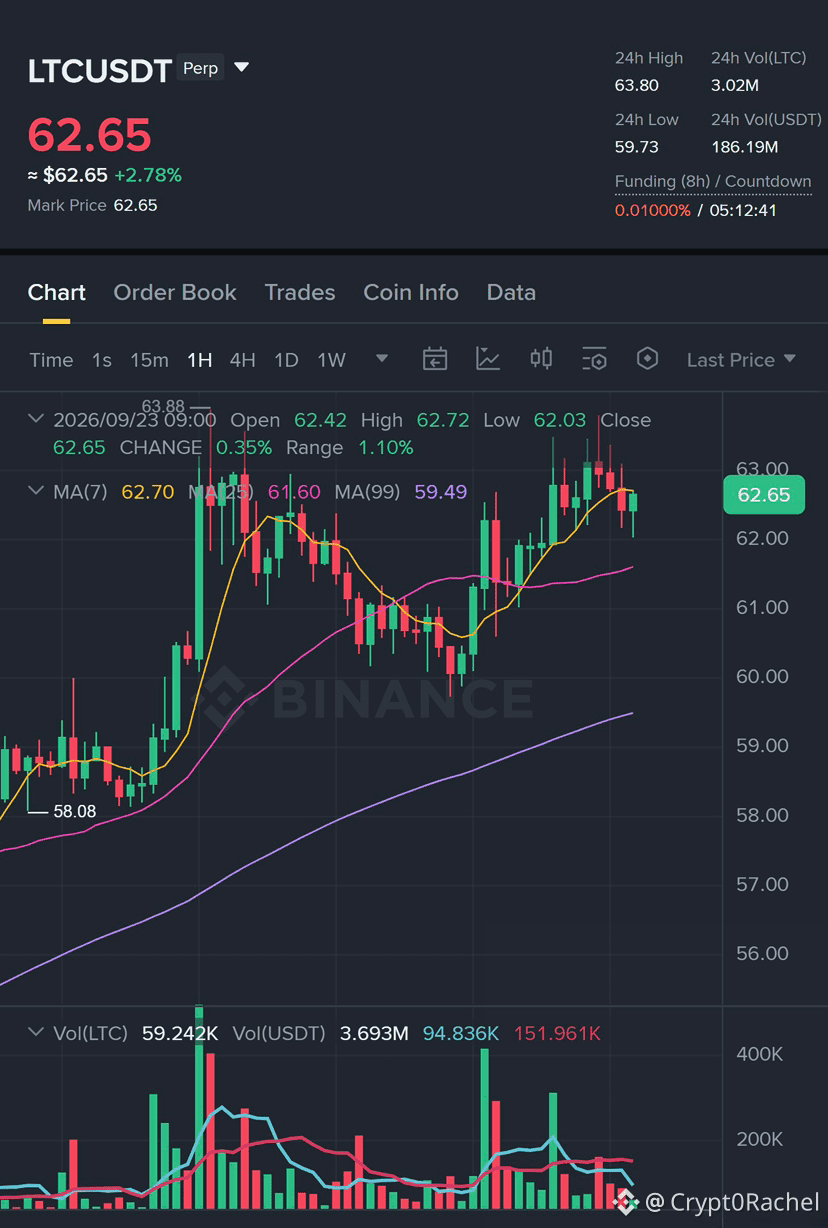
$LTC Long 10x | Aktive Einstiegszone, mit klar dargestellter Stop-Logik.
LTC befindet sich in einer kritischen Nachfragespanne, und die bevorstehende Reaktion ist entscheidend. Dies ist eine Live-Position aus einem strategischen Bereich, in dem Käufer die Kontrolle übernehmen müssen.
Handelsplan:
- Einstieg: 62.53000 – 62.75000
- TP1: 63.41000 (R:R 1:0.8)
- TP2: 63.92000 (R:R 1:1.3)
- TP3: 64.68000 (R:R 1:2.0)
- SL: 61.62000
Warum diese Konstellation?
- Das Long-Setup hält auf 4h, wobei der Kurs 62.53000–62.75000 beibehält, während die Tagesanalyse innerhalb der Spanne bleibt.
- Der 15m-RSI bei 50 zeigt Potenzial dafür, dass Käufer höher drücken können, vorausgesetzt, sie verteidigen das Niveau.
- Das Volumen liegt bei 0.05x, mit 746.94000 gehandelten Kontrakten gegenüber 14.70K erwarteten Kontrakten, was auf eine solide Beteiligung an dieser Bewegung hindeutet.
Handel hier 👇 und bist du bereit, auf einen Nachfragesockel zu reagieren, oder wirst du warten, bis der Schwung zurückkehrt?
NUR ZUR INFORMATION. KEINE BERATUNG, KEIN ANGEBOT, KEINE SOLICITATION ODER EMPFEHLUNG. DEIN SCHRITT, DEIN RISIKO.
$LTC Long 10x | Aktive Einstiegszone, mit klar dargestellter Stop-Logik.
LTC befindet sich in einer kritischen Nachfragespanne, und die bevorstehende Reaktion ist entscheidend. Dies ist eine Live-Position aus einem strategischen Bereich, in dem Käufer die Kontrolle übernehmen müssen.
Handelsplan:
- Einstieg: 62.53000 – 62.75000
- TP1: 63.41000 (R:R 1:0.8)
- TP2: 63.92000 (R:R 1:1.3)
- TP3: 64.68000 (R:R 1:2.0)
- SL: 61.62000
Warum diese Konstellation?
- Das Long-Setup hält auf 4h, wobei der Kurs 62.53000–62.75000 beibehält, während die Tagesanalyse innerhalb der Spanne bleibt.
- Der 15m-RSI bei 50 zeigt Potenzial dafür, dass Käufer höher drücken können, vorausgesetzt, sie verteidigen das Niveau.
- Das Volumen liegt bei 0.05x, mit 746.94000 gehandelten Kontrakten gegenüber 14.70K erwarteten Kontrakten, was auf eine solide Beteiligung an dieser Bewegung hindeutet.
Handel hier 👇 und bist du bereit, auf einen Nachfragesockel zu reagieren, oder wirst du warten, bis der Schwung zurückkehrt?
NUR ZUR INFORMATION. KEINE BERATUNG, KEIN ANGEBOT, KEINE SOLICITATION ODER EMPFEHLUNG. DEIN SCHRITT, DEIN RISIKO.
LTC befindet sich in einer kritischen Nachfragespanne, und die bevorstehende Reaktion ist entscheidend. Dies ist eine Live-Position aus einem strategischen Bereich, in dem Käufer die Kontrolle übernehmen müssen.
Handelsplan:
- Einstieg: 62.53000 – 62.75000
- TP1: 63.41000 (R:R 1:0.8)
- TP2: 63.92000 (R:R 1:1.3)
- TP3: 64.68000 (R:R 1:2.0)
- SL: 61.62000
Warum diese Konstellation?
- Das Long-Setup hält auf 4h, wobei der Kurs 62.53000–62.75000 beibehält, während die Tagesanalyse innerhalb der Spanne bleibt.
- Der 15m-RSI bei 50 zeigt Potenzial dafür, dass Käufer höher drücken können, vorausgesetzt, sie verteidigen das Niveau.
- Das Volumen liegt bei 0.05x, mit 746.94000 gehandelten Kontrakten gegenüber 14.70K erwarteten Kontrakten, was auf eine solide Beteiligung an dieser Bewegung hindeutet.
Handel hier 👇 und bist du bereit, auf einen Nachfragesockel zu reagieren, oder wirst du warten, bis der Schwung zurückkehrt?
NUR ZUR INFORMATION. KEINE BERATUNG, KEIN ANGEBOT, KEINE SOLICITATION ODER EMPFEHLUNG. DEIN SCHRITT, DEIN RISIKO.
1
86
·
--
Bullisch
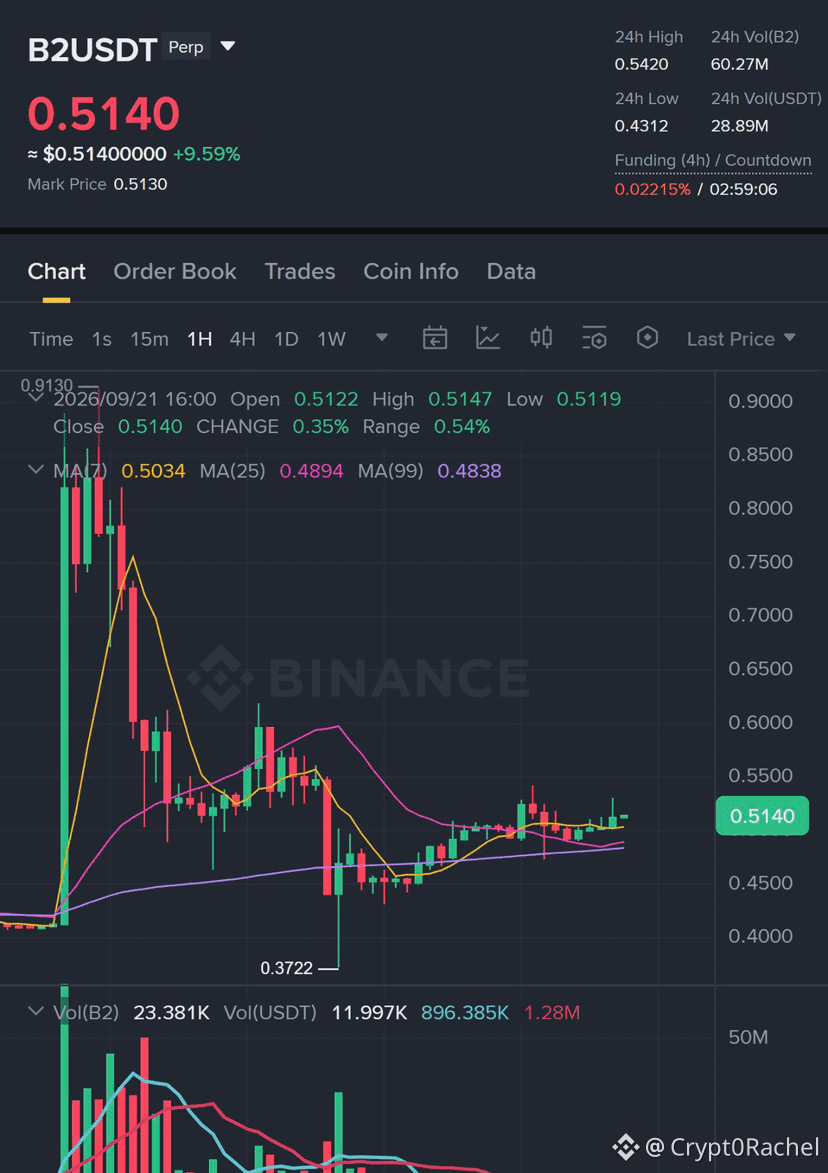
$B2 Lang 10x | Die Nachfrage ist aktiv, jetzt müssen Käufer liefern.
B2 hat die Zielzone erreicht, in der ich ein kontrolliertes Risiko bevorzuge, statt hinterherzulaufen. Ich bin Long mit einer klaren Invalidation eingestiegen, wodurch das Niveau entscheidend wird – nicht nur eine Meinung.
Trade-Plan:
- Einstieg: 0.51030 – 0.51530
- TP1: 0.53090 (R:R 1:0.8)
- TP2: 0.54290 (R:R 1:1.2)
- TP3: 0.56100 (R:R 1:2.0)
- SL: 0.48870
Warum dieses Setup?
- Das Setup bleibt intakt, weil die 4h-Struktur zur zonenbezogenen Range im 1D-Kontext passt.
- RSI15 bei 55 zeigt neutralen Momentum an und lässt potenzielles Upside zu; ich möchte, dass Käufer diesen Spielraum nutzen, nicht nur daran vorbeischrammen.
- Das aktuelle Volumen liegt bei 3.98x: 18.88K wurden gegen 4.75K erwartet gehandelt, was echte Beteiligung der Käuferseite signalisiert.
Handle hier 👇 und was ist dein Move: früh an dieser Zone einsteigen oder auf eine sicherere Bestätigung warten?
NUR ZUR AUS BILDUNG. KEINE BERATUNG, KEIN ANGEBOT, KEINE ANFRAGE ODER EMPFEHLUNG. DEIN MOVE, DEIN RISIKO.
#Wrire2Earns
$B2 Lang 10x | Die Nachfrage ist aktiv, jetzt müssen Käufer liefern.
B2 hat die Zielzone erreicht, in der ich ein kontrolliertes Risiko bevorzuge, statt hinterherzulaufen. Ich bin Long mit einer klaren Invalidation eingestiegen, wodurch das Niveau entscheidend wird – nicht nur eine Meinung.
Trade-Plan:
- Einstieg: 0.51030 – 0.51530
- TP1: 0.53090 (R:R 1:0.8)
- TP2: 0.54290 (R:R 1:1.2)
- TP3: 0.56100 (R:R 1:2.0)
- SL: 0.48870
Warum dieses Setup?
- Das Setup bleibt intakt, weil die 4h-Struktur zur zonenbezogenen Range im 1D-Kontext passt.
- RSI15 bei 55 zeigt neutralen Momentum an und lässt potenzielles Upside zu; ich möchte, dass Käufer diesen Spielraum nutzen, nicht nur daran vorbeischrammen.
- Das aktuelle Volumen liegt bei 3.98x: 18.88K wurden gegen 4.75K erwartet gehandelt, was echte Beteiligung der Käuferseite signalisiert.
Handle hier 👇 und was ist dein Move: früh an dieser Zone einsteigen oder auf eine sicherere Bestätigung warten?
NUR ZUR AUS BILDUNG. KEINE BERATUNG, KEIN ANGEBOT, KEINE ANFRAGE ODER EMPFEHLUNG. DEIN MOVE, DEIN RISIKO.
#Wrire2Earns
B2 hat die Zielzone erreicht, in der ich ein kontrolliertes Risiko bevorzuge, statt hinterherzulaufen. Ich bin Long mit einer klaren Invalidation eingestiegen, wodurch das Niveau entscheidend wird – nicht nur eine Meinung.
Trade-Plan:
- Einstieg: 0.51030 – 0.51530
- TP1: 0.53090 (R:R 1:0.8)
- TP2: 0.54290 (R:R 1:1.2)
- TP3: 0.56100 (R:R 1:2.0)
- SL: 0.48870
Warum dieses Setup?
- Das Setup bleibt intakt, weil die 4h-Struktur zur zonenbezogenen Range im 1D-Kontext passt.
- RSI15 bei 55 zeigt neutralen Momentum an und lässt potenzielles Upside zu; ich möchte, dass Käufer diesen Spielraum nutzen, nicht nur daran vorbeischrammen.
- Das aktuelle Volumen liegt bei 3.98x: 18.88K wurden gegen 4.75K erwartet gehandelt, was echte Beteiligung der Käuferseite signalisiert.
Handle hier 👇 und was ist dein Move: früh an dieser Zone einsteigen oder auf eine sicherere Bestätigung warten?
NUR ZUR AUS BILDUNG. KEINE BERATUNG, KEIN ANGEBOT, KEINE ANFRAGE ODER EMPFEHLUNG. DEIN MOVE, DEIN RISIKO.
#Wrire2Earns
1
95
·
--
Bullisch
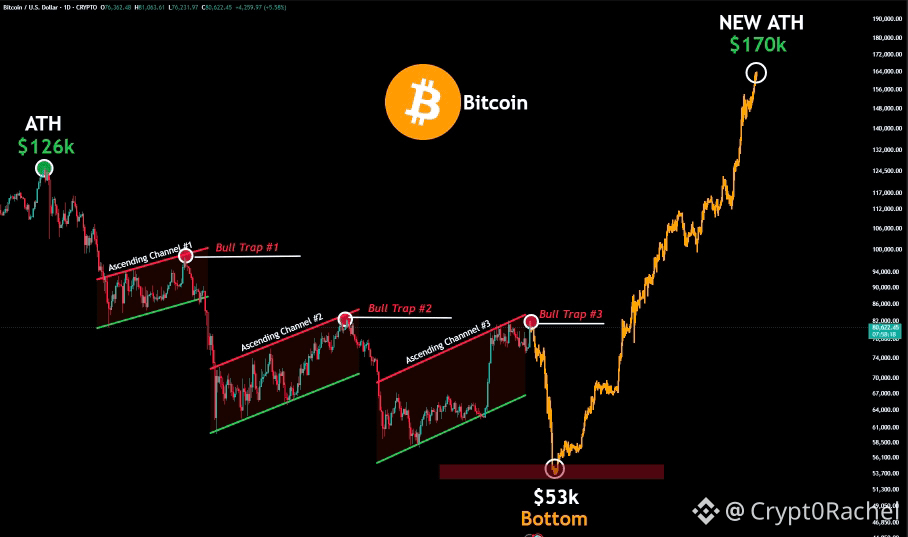
🚨 99% DER TRADER WERDEN IN DIESEM BITCOIN-PUMP FESTSTECKEN.
Ich habe vor 4 Tagen die Entlastungsrallye bei 80.000 $–81.000 $ angekündigt. Schau jetzt, wo $BTC ist.
Bitcoin wiederholt erneut exakt dieselbe Struktur.
81K → 73K → $70K → $65K → $53K → Neue Bullenrunde
Die meisten Trader werden diesen Pump sehen und bullisch werden.
Ich habe dieses Setup schon einmal gesehen.
Speichere diese Grafik und schau später wieder vorbei.
#Write2Earn
🚨 99% DER TRADER WERDEN IN DIESEM BITCOIN-PUMP FESTSTECKEN.
Ich habe vor 4 Tagen die Entlastungsrallye bei 80.000 $–81.000 $ angekündigt. Schau jetzt, wo $BTC ist.
Bitcoin wiederholt erneut exakt dieselbe Struktur.
81K → 73K → $70K → $65K → $53K → Neue Bullenrunde
Die meisten Trader werden diesen Pump sehen und bullisch werden.
Ich habe dieses Setup schon einmal gesehen.
Speichere diese Grafik und schau später wieder vorbei.
#Write2Earn
Ich habe vor 4 Tagen die Entlastungsrallye bei 80.000 $–81.000 $ angekündigt. Schau jetzt, wo $BTC ist.
Bitcoin wiederholt erneut exakt dieselbe Struktur.
81K → 73K → $70K → $65K → $53K → Neue Bullenrunde
Die meisten Trader werden diesen Pump sehen und bullisch werden.
Ich habe dieses Setup schon einmal gesehen.
Speichere diese Grafik und schau später wieder vorbei.
#Write2Earn
1
110
·
--
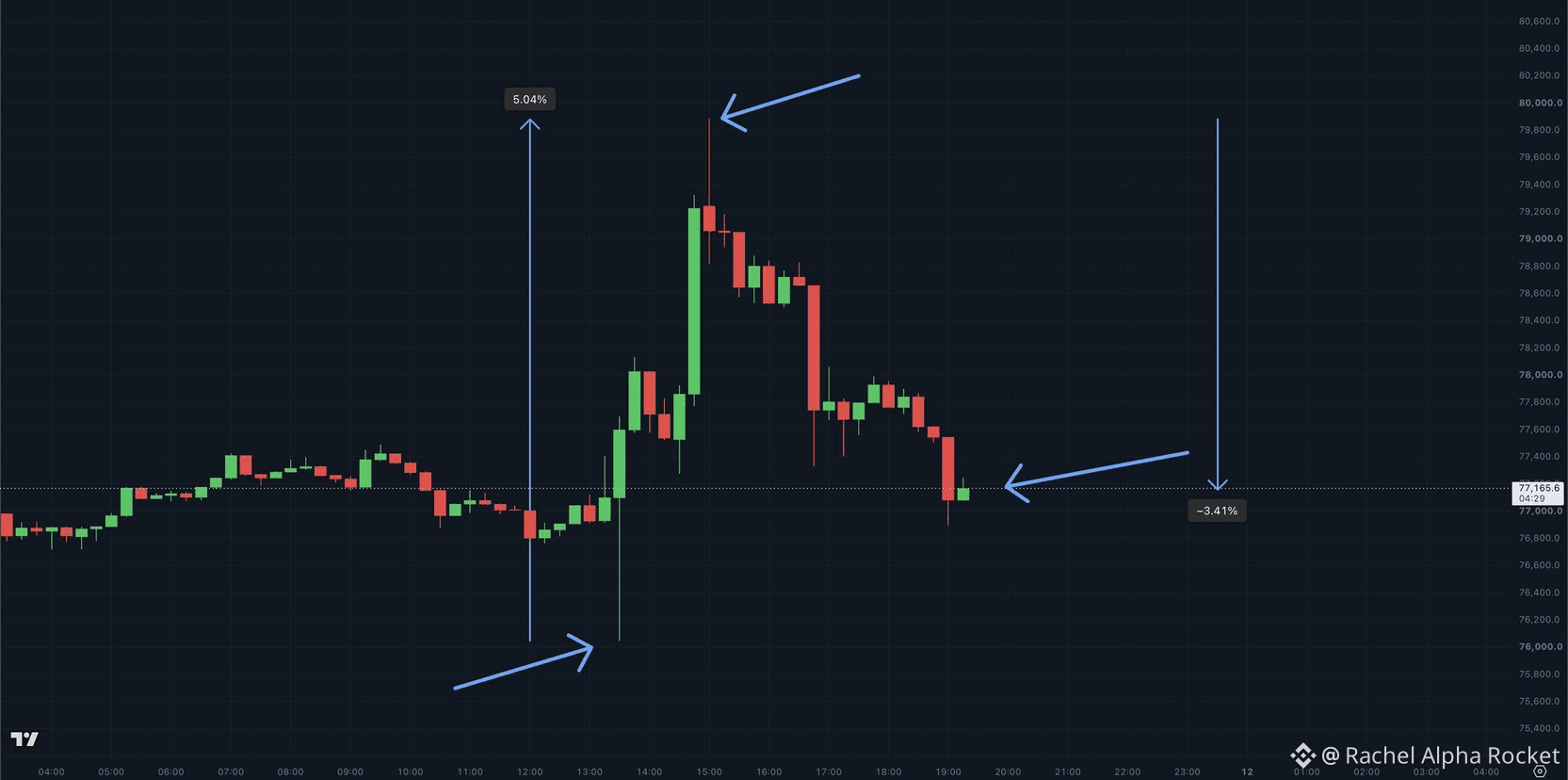
$BTC hat im Grunde die gesamte Post-CPI-Pumpe zurückgegeben.
Zuerst fiel es auf 76.000 $, dann prallte es fast 5% in Richtung 80.000 $ zurück.
Jetzt liegt es etwa 3,4% unter diesem lokalen Hoch.
80.000 $ ist immer noch die Marke, die Bitcoin überzeugend zurückgewinnen muss.
#Wrire2Earns #Write2Earn #Write2Earrn
$BTC hat im Grunde die gesamte Post-CPI-Pumpe zurückgegeben.
Zuerst fiel es auf 76.000 $, dann prallte es fast 5% in Richtung 80.000 $ zurück.
Jetzt liegt es etwa 3,4% unter diesem lokalen Hoch.
80.000 $ ist immer noch die Marke, die Bitcoin überzeugend zurückgewinnen muss.
#Wrire2Earns #Write2Earn #Write2Earrn
Zuerst fiel es auf 76.000 $, dann prallte es fast 5% in Richtung 80.000 $ zurück.
Jetzt liegt es etwa 3,4% unter diesem lokalen Hoch.
80.000 $ ist immer noch die Marke, die Bitcoin überzeugend zurückgewinnen muss.
#Wrire2Earns #Write2Earn #Write2Earrn
110
·
--
Bullisch
🚨
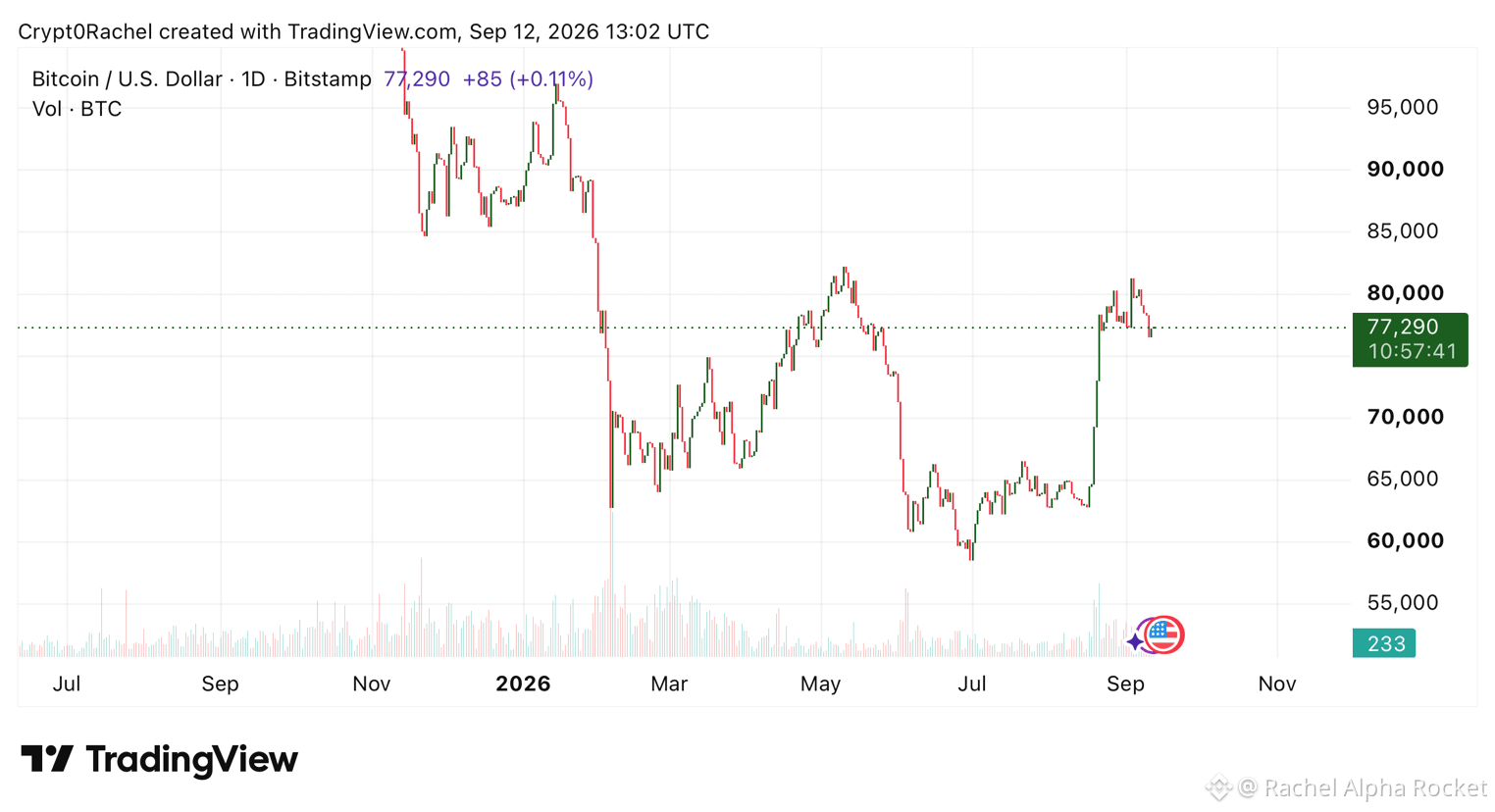
$BTC handelt rund 77,3 Tsd. $ nach einer starken Erholung aus dem Bereich von 60 Tsd. $.
📈 Bullisches Setup:
→ Rückeroberung von 80 Tsd.–82 Tsd. $ = mögliches Bewegung hin zu 85 Tsd.–90 Tsd. $
→ Halten von 75 Tsd.–77 Tsd. $ = die Struktur bleibt konstruktiv
⚠️ Bärisches Risiko:
→ Verlust von 75 Tsd. $ → 72 Tsd. $ könnte ins Spiel kommen
→ Unter 70 Tsd. $ würde die aktuelle Erholung schwächen
Mein Fokus: 80 Tsd. $ ist die entscheidende Ausbruchszone. 👀
Keine Finanzberatung. DYOR.
#bitcoin #BTC #Write2Earn #Write2Earn!
🚨
$BTC handelt rund 77,3 Tsd. $ nach einer starken Erholung aus dem Bereich von 60 Tsd. $.
📈 Bullisches Setup:
→ Rückeroberung von 80 Tsd.–82 Tsd. $ = mögliches Bewegung hin zu 85 Tsd.–90 Tsd. $
→ Halten von 75 Tsd.–77 Tsd. $ = die Struktur bleibt konstruktiv
⚠️ Bärisches Risiko:
→ Verlust von 75 Tsd. $ → 72 Tsd. $ könnte ins Spiel kommen
→ Unter 70 Tsd. $ würde die aktuelle Erholung schwächen
Mein Fokus: 80 Tsd. $ ist die entscheidende Ausbruchszone. 👀
Keine Finanzberatung. DYOR.
#bitcoin #BTC #Write2Earn #Write2Earn!
$BTC handelt rund 77,3 Tsd. $ nach einer starken Erholung aus dem Bereich von 60 Tsd. $.
📈 Bullisches Setup:
→ Rückeroberung von 80 Tsd.–82 Tsd. $ = mögliches Bewegung hin zu 85 Tsd.–90 Tsd. $
→ Halten von 75 Tsd.–77 Tsd. $ = die Struktur bleibt konstruktiv
⚠️ Bärisches Risiko:
→ Verlust von 75 Tsd. $ → 72 Tsd. $ könnte ins Spiel kommen
→ Unter 70 Tsd. $ würde die aktuelle Erholung schwächen
Mein Fokus: 80 Tsd. $ ist die entscheidende Ausbruchszone. 👀
Keine Finanzberatung. DYOR.
#bitcoin #BTC #Write2Earn #Write2Earn!
1
125
·
--
Bullisch
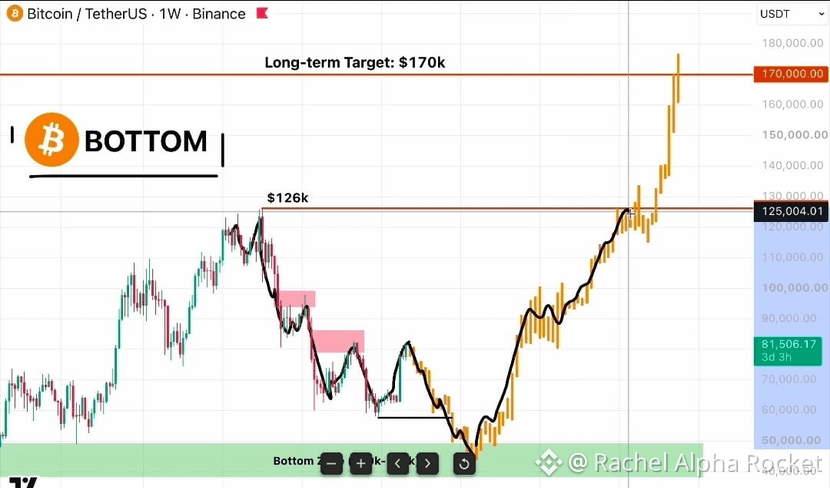
🚨 $BTC STEHT KURZ VOR DER LETZTEN BULL TRAP
Während der Einzelhandel denkt, der Boden sei bereits da, könnte der Markt eine letzte Falle aufbauen
Werde keine Exit-Liquidität
Hier ist mein Fahrplan:
$82K → $85K (Bull Trap) → $42K-$48K (Boden) → $126K → $170K
Der endgültige Zyklusboden wird um Sep-Okt 2026 erwartet
WICHTIG:
Ich habe das $126K-Top von $BTC sowie die frühen Flushes von $98K → $60K & $83K → $57K vorhergesagt
Dasselbe Setup baut sich wieder auf - die meisten werden es zu spät erwischen
Aktiviere die Benachrichtigungen - sei nicht zu spät für meinen nächsten großen Marktaufruf
$BTC
🚨 $BTC STEHT KURZ VOR DER LETZTEN BULL TRAP
Während der Einzelhandel denkt, der Boden sei bereits da, könnte der Markt eine letzte Falle aufbauen
Werde keine Exit-Liquidität
Hier ist mein Fahrplan:
$82K → $85K (Bull Trap) → $42K-$48K (Boden) → $126K → $170K
Der endgültige Zyklusboden wird um Sep-Okt 2026 erwartet
WICHTIG:
Ich habe das $126K-Top von $BTC sowie die frühen Flushes von $98K → $60K & $83K → $57K vorhergesagt
Dasselbe Setup baut sich wieder auf - die meisten werden es zu spät erwischen
Aktiviere die Benachrichtigungen - sei nicht zu spät für meinen nächsten großen Marktaufruf
$BTC
Während der Einzelhandel denkt, der Boden sei bereits da, könnte der Markt eine letzte Falle aufbauen
Werde keine Exit-Liquidität
Hier ist mein Fahrplan:
$82K → $85K (Bull Trap) → $42K-$48K (Boden) → $126K → $170K
Der endgültige Zyklusboden wird um Sep-Okt 2026 erwartet
WICHTIG:
Ich habe das $126K-Top von $BTC sowie die frühen Flushes von $98K → $60K & $83K → $57K vorhergesagt
Dasselbe Setup baut sich wieder auf - die meisten werden es zu spät erwischen
Aktiviere die Benachrichtigungen - sei nicht zu spät für meinen nächsten großen Marktaufruf
$BTC
118
·
--
Bullisch
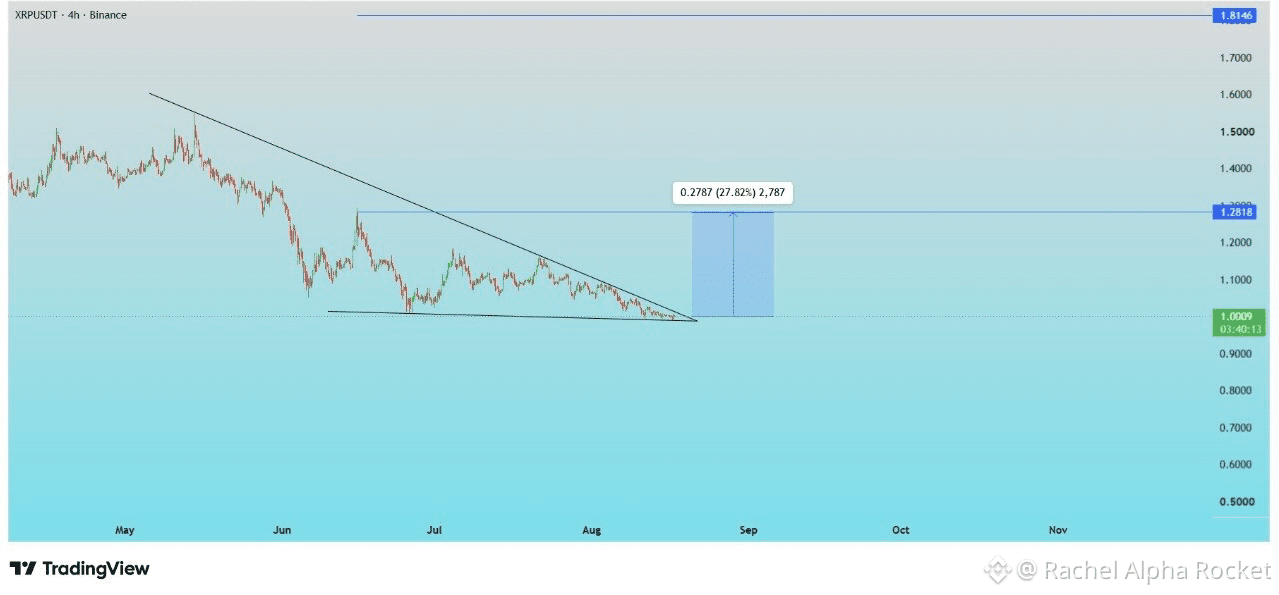
$XRP sieht so aus, als würde es sich einem entscheidenden Punkt auf dem 4H-Chart nähern. 👀
Der Preis komprimiert sich zwischen einer absteigenden Trendlinie und dem Bereich um ~$1,00 als Unterstützung.
Ein sauberer Ausbruch könnte $1,28 in den Fokus rücken, wobei der Chart eine mögliche Bewegung von etwa 27% zeigt.
Keine Vorhersage—nur eine Konstellation, die man im Blick behalten sollte. 📊
#xrp #XRPArmy
$XRP sieht so aus, als würde es sich einem entscheidenden Punkt auf dem 4H-Chart nähern. 👀
Der Preis komprimiert sich zwischen einer absteigenden Trendlinie und dem Bereich um ~$1,00 als Unterstützung.
Ein sauberer Ausbruch könnte $1,28 in den Fokus rücken, wobei der Chart eine mögliche Bewegung von etwa 27% zeigt.
Keine Vorhersage—nur eine Konstellation, die man im Blick behalten sollte. 📊
#xrp #XRPArmy
Der Preis komprimiert sich zwischen einer absteigenden Trendlinie und dem Bereich um ~$1,00 als Unterstützung.
Ein sauberer Ausbruch könnte $1,28 in den Fokus rücken, wobei der Chart eine mögliche Bewegung von etwa 27% zeigt.
Keine Vorhersage—nur eine Konstellation, die man im Blick behalten sollte. 📊
#xrp #XRPArmy
3
169
·
--
🚨 BREAKING: 🇺🇸 US CPI kommt bei 3,4% herein, genau im Rahmen der Erwartungen.
📉 Die Inflation erreicht den niedrigsten Stand seit 4 Monaten.
Der Druck lässt nach… jetzt richtet sich alles auf die Fed. 👀🔥
Bitte folgt mir, Jungs
🚨 BREAKING: 🇺🇸 US CPI kommt bei 3,4% herein, genau im Rahmen der Erwartungen.
📉 Die Inflation erreicht den niedrigsten Stand seit 4 Monaten.
Der Druck lässt nach… jetzt richtet sich alles auf die Fed. 👀🔥
Bitte folgt mir, Jungs
📉 Die Inflation erreicht den niedrigsten Stand seit 4 Monaten.
Der Druck lässt nach… jetzt richtet sich alles auf die Fed. 👀🔥
Bitte folgt mir, Jungs

1
106
·
--
Bullisch
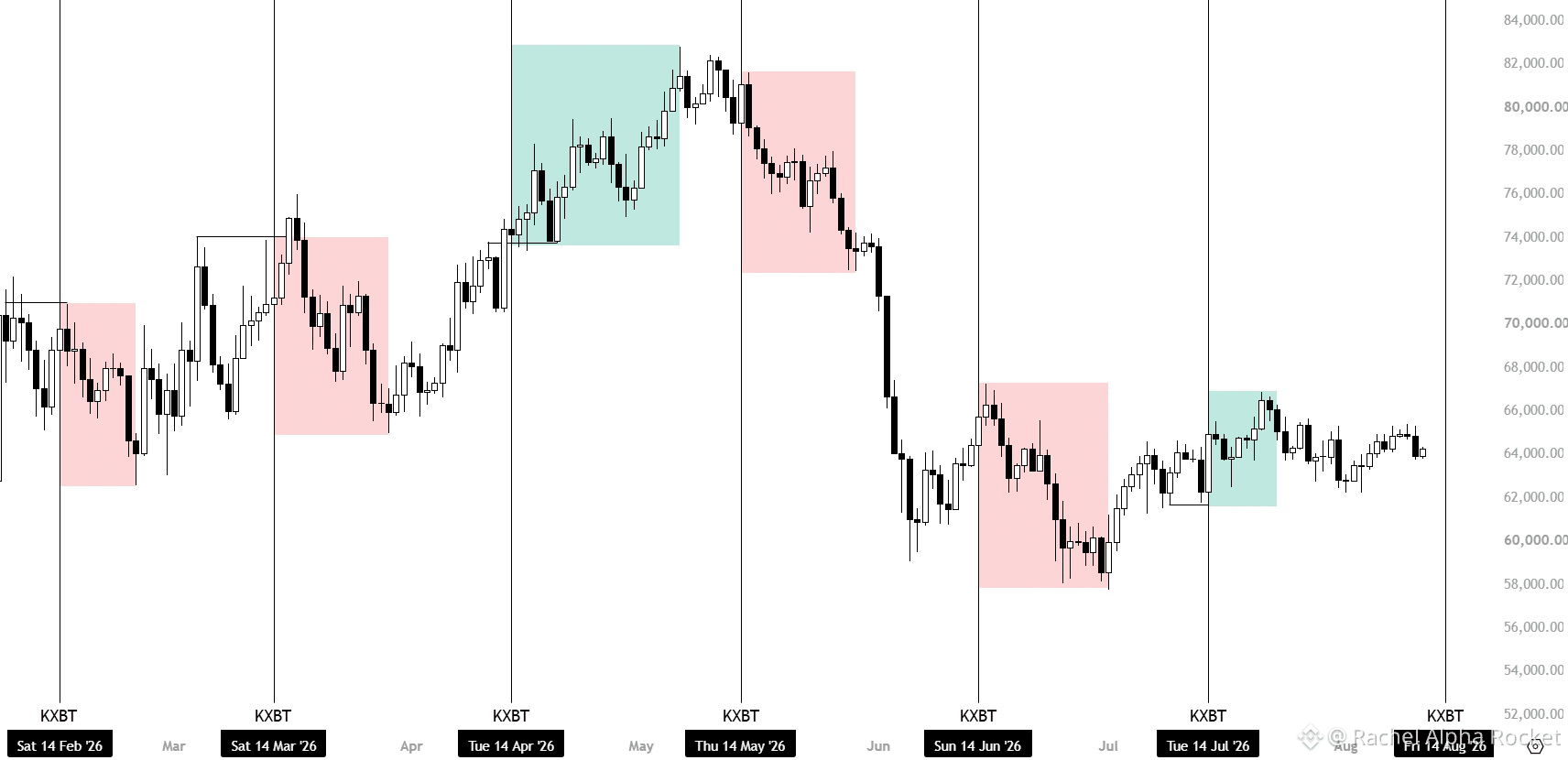
$BTC zeigt einen klaren Zyklus der Expansion → Korrektur → Konsolidierung.
Der aktuelle Bereich um $62K–$67K ist die entscheidende Zone, die es zu beobachten gilt. Ein sauberer Ausbruch über den Widerstand könnte den Weg für die nächste Aufwärtswelle ebnen, während das Verlieren der Unterstützung BTC im Handelsspanne-bou
{spot}(BTCUSDT)
$BTC zeigt einen klaren Zyklus der Expansion → Korrektur → Konsolidierung.
Der aktuelle Bereich um $62K–$67K ist die entscheidende Zone, die es zu beobachten gilt. Ein sauberer Ausbruch über den Widerstand könnte den Weg für die nächste Aufwärtswelle ebnen, während das Verlieren der Unterstützung BTC im Handelsspanne-bou
Der aktuelle Bereich um $62K–$67K ist die entscheidende Zone, die es zu beobachten gilt. Ein sauberer Ausbruch über den Widerstand könnte den Weg für die nächste Aufwärtswelle ebnen, während das Verlieren der Unterstützung BTC im Handelsspanne-bou
1
100
·
--
🔥
🔥


X mucaN
·
--
Mein Freund möchte $BTC Wert für 5.000 $ unter 60.000 $ kaufen und $ETH Wert für 5.000 $ unter 1.700 $, und er hat Angst, und ich habe ihm gerade eine einfache Wahrheit gesagt!
Steig in den Unterricht ein, lasst uns diskutieren
In diesem Markt gibt es nur ein paar #altcoins , die ich dir sagen kann, dass du die nächsten 5 Jahre überleben kannst, die sehr intensiv sein werden. Bitcoin und Ethereum gehören dazu, und selbst wenn Bitcoin unter 40.000 $ fällt und du bei 60.000 $ gekauft hast, musst du nur geduldig sein – du wirst sicherlich Geld verdienen. Wir werden sehen, wie Bitcoin bei 200.000 $ gehandelt wird; das Einzige ist, dass wir nicht wissen, wann. Und vergiss nicht, dass es nur 21M Bitcoin gibt. Sehr bald wird jeder auf der Erde einen Anteil an Bitcoin haben wollen, und zu diesem Zeitpunkt wird ein Betrag von 200.000 $ pro Bitcoin im Vergleich zum aktuellen Preis nichts bedeuten.
Wenn du Bitcoin unter 65.000 $ kaufst, tust du das Richtige und wirst profitabel sein.
Steig in den Unterricht ein, lasst uns diskutieren
In diesem Markt gibt es nur ein paar #altcoins , die ich dir sagen kann, dass du die nächsten 5 Jahre überleben kannst, die sehr intensiv sein werden. Bitcoin und Ethereum gehören dazu, und selbst wenn Bitcoin unter 40.000 $ fällt und du bei 60.000 $ gekauft hast, musst du nur geduldig sein – du wirst sicherlich Geld verdienen. Wir werden sehen, wie Bitcoin bei 200.000 $ gehandelt wird; das Einzige ist, dass wir nicht wissen, wann. Und vergiss nicht, dass es nur 21M Bitcoin gibt. Sehr bald wird jeder auf der Erde einen Anteil an Bitcoin haben wollen, und zu diesem Zeitpunkt wird ein Betrag von 200.000 $ pro Bitcoin im Vergleich zum aktuellen Preis nichts bedeuten.
Wenn du Bitcoin unter 65.000 $ kaufst, tust du das Richtige und wirst profitabel sein.
1
121
·
--
Bullisch
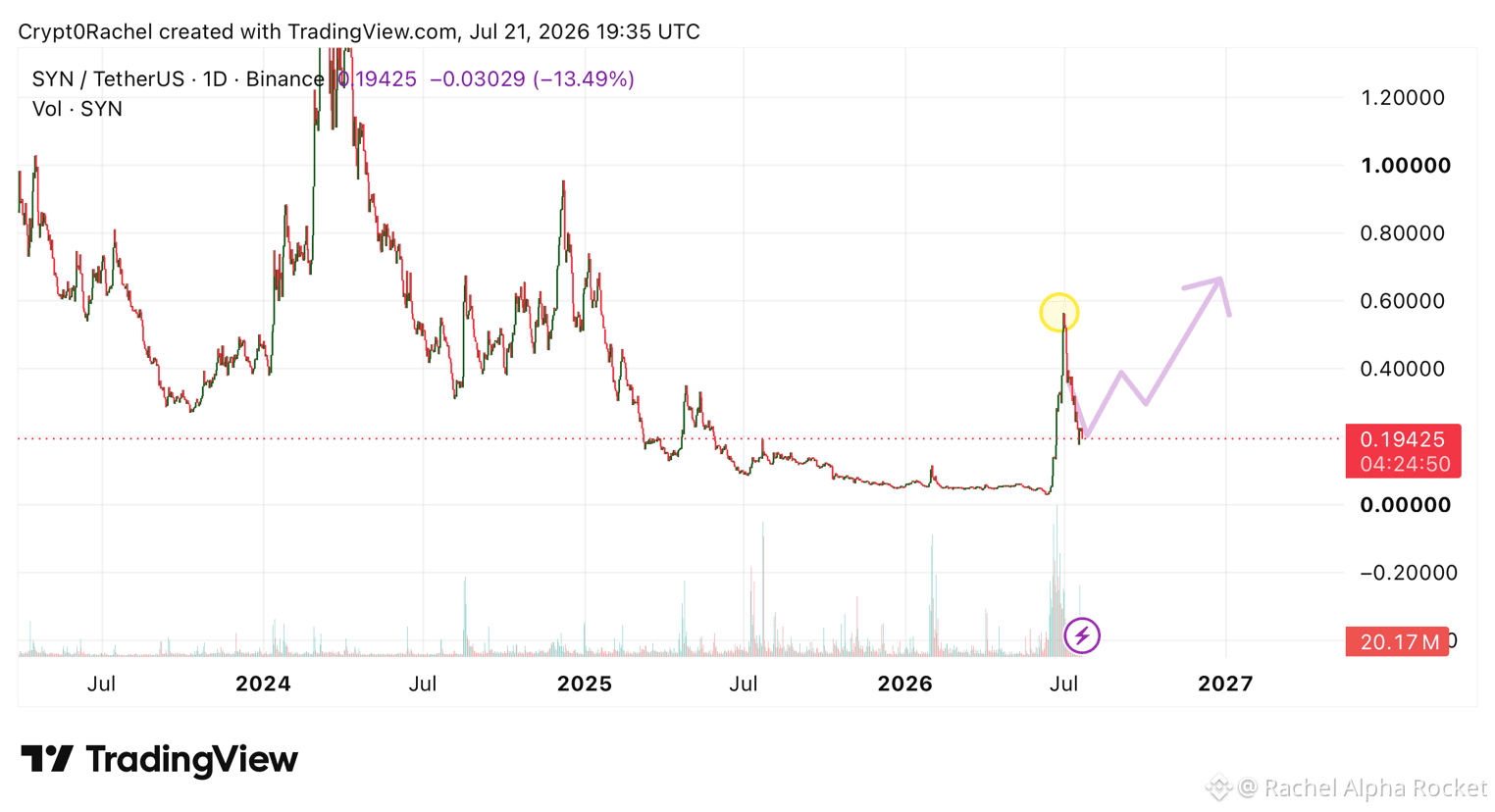
$SYN zeigt genau das, was du nach einem großen Ausbruch sehen willst.
Ein scharfer Impuls-Ausbruch, gefolgt von einer gesunden Abkühlung, setzt oft den Schwung zurück und schwächt schwache Hände aus.
Wenn diese Unterstützung hält, könnte ein erneuter Anstieg in Richtung $0.40 die Tür für einen Test der $0.60-Region öffnen.
Ich sehe das als Konsolidierung – nicht als das Ende des Trends. Das Chance-Risiko-Verhältnis sieht für geduldige Investoren weiterhin attraktiv aus.
Bullisch auf $SYN 🚀
$SYN zeigt genau das, was du nach einem großen Ausbruch sehen willst.
Ein scharfer Impuls-Ausbruch, gefolgt von einer gesunden Abkühlung, setzt oft den Schwung zurück und schwächt schwache Hände aus.
Wenn diese Unterstützung hält, könnte ein erneuter Anstieg in Richtung $0.40 die Tür für einen Test der $0.60-Region öffnen.
Ich sehe das als Konsolidierung – nicht als das Ende des Trends. Das Chance-Risiko-Verhältnis sieht für geduldige Investoren weiterhin attraktiv aus.
Bullisch auf $SYN 🚀
Ein scharfer Impuls-Ausbruch, gefolgt von einer gesunden Abkühlung, setzt oft den Schwung zurück und schwächt schwache Hände aus.
Wenn diese Unterstützung hält, könnte ein erneuter Anstieg in Richtung $0.40 die Tür für einen Test der $0.60-Region öffnen.
Ich sehe das als Konsolidierung – nicht als das Ende des Trends. Das Chance-Risiko-Verhältnis sieht für geduldige Investoren weiterhin attraktiv aus.
Bullisch auf $SYN 🚀
1
186
·
--
Bullisch
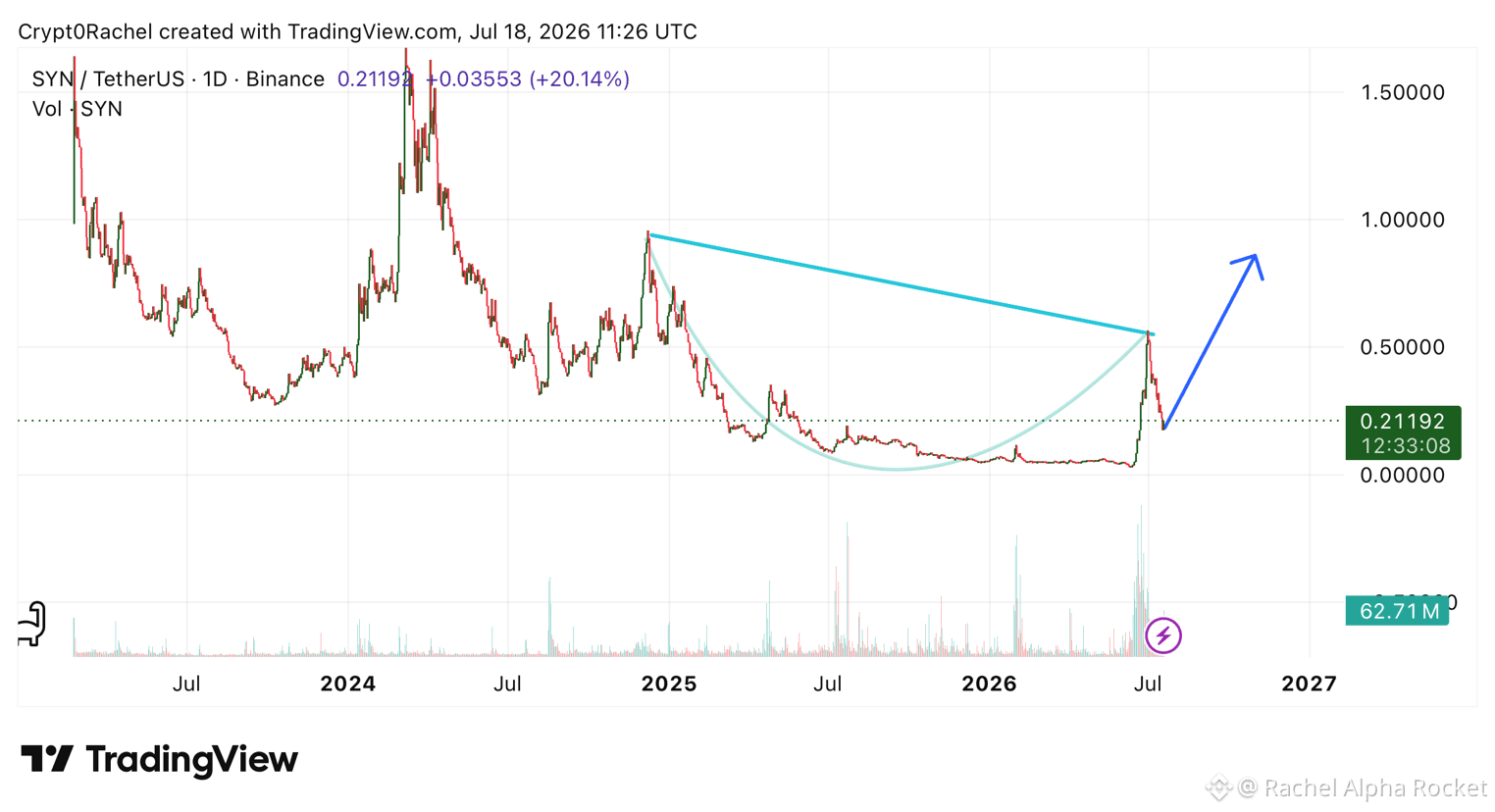
$SYN sieht bereit aus für seinen nächsten großen Schritt. 👀
Massiver Ausbruch ✅
Gesunder Retest ✅
Höhere Tiefs laden sich ✅
So genau funktionieren starke Trends, wenn sie sich vor der Fortsetzung zurücksetzen. Wenn das Momentum zurückkehrt, wäre ich nicht überrascht, wenn $SYN einen Lauf in Richtung neuer lokaler Hochs macht.
$SYN Der Sommer fängt gerade erst an.
#writetoearn
$SYN sieht bereit aus für seinen nächsten großen Schritt. 👀
Massiver Ausbruch ✅
Gesunder Retest ✅
Höhere Tiefs laden sich ✅
So genau funktionieren starke Trends, wenn sie sich vor der Fortsetzung zurücksetzen. Wenn das Momentum zurückkehrt, wäre ich nicht überrascht, wenn $SYN einen Lauf in Richtung neuer lokaler Hochs macht.
$SYN Der Sommer fängt gerade erst an.
#writetoearn
Massiver Ausbruch ✅
Gesunder Retest ✅
Höhere Tiefs laden sich ✅
So genau funktionieren starke Trends, wenn sie sich vor der Fortsetzung zurücksetzen. Wenn das Momentum zurückkehrt, wäre ich nicht überrascht, wenn $SYN einen Lauf in Richtung neuer lokaler Hochs macht.
$SYN Der Sommer fängt gerade erst an.
#writetoearn
3
217
·
--
Bullisch
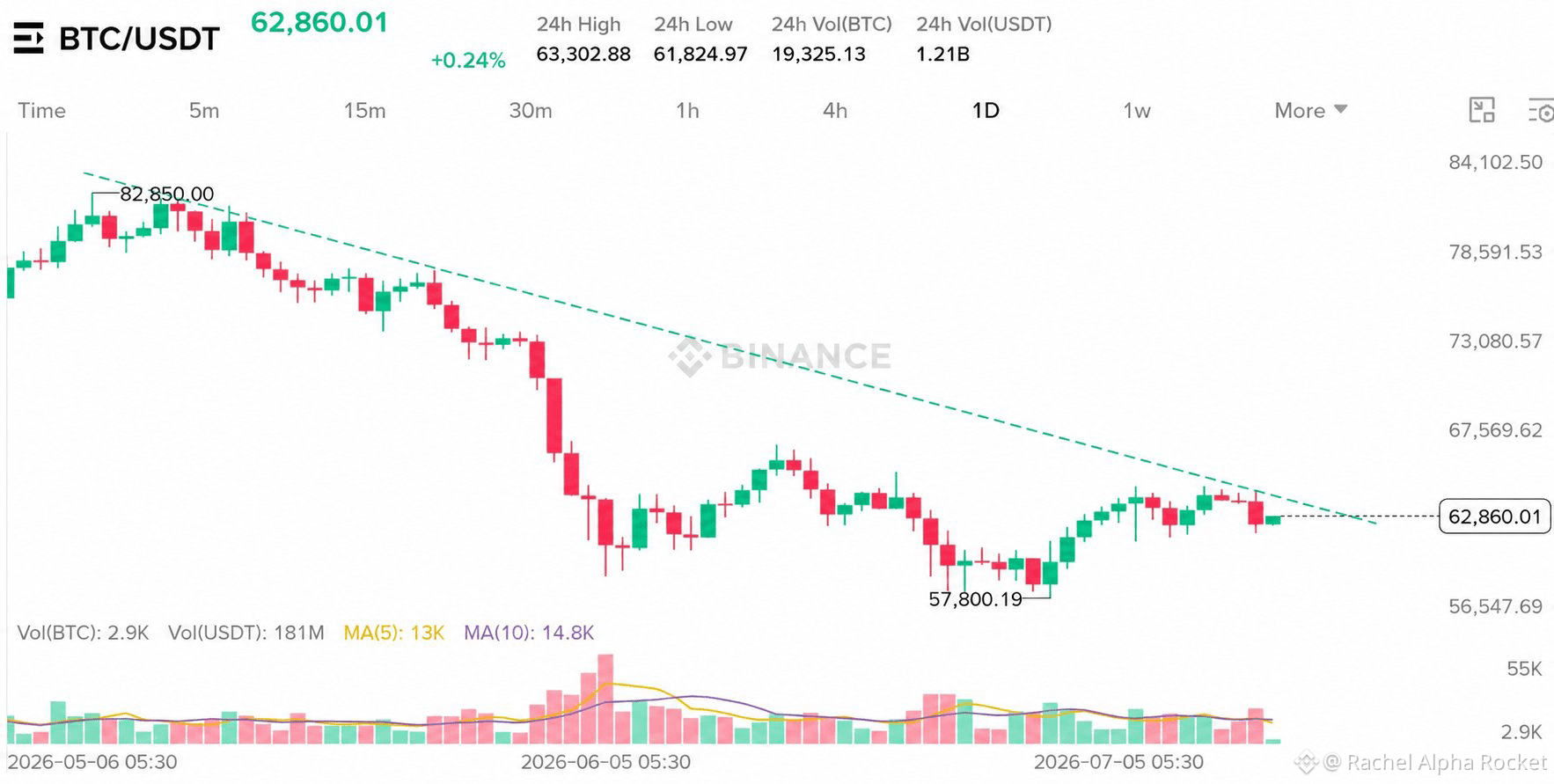
BTC nähert sich einem wichtigen Entscheidungspunkt. 👀
Der Preis folgt weiterhin der absteigenden Trendlinie, die seit dem lokalen Hoch um $82,8K jede Erholungsrally gedeckelt hat.
Bullen brauchen einen klaren Ausbruch und einen täglichen Schlusskurs oberhalb dieser Trendlinie, um den Schwung zu drehen und den Weg für eine stärkere Erholung zu öffnen.
Bis dahin bleibt es ein Markt, den man mit Geduld statt mit Emotionen handeln sollte. Eine Ablehnung hier könnte BTC zurückschicken, um niedrigere Unterstützungszonen erneut zu testen, während ein bestätigter Ausbruch den Beginn der nächsten Aufwärtsbewegung markieren könnte.
Behalte diese Trendlinie auf deiner Watchlist. Sie könnte Bitcoins nächstes großes Signal definieren.
#BTC #bitcoin #BinanceSquare
BTC nähert sich einem wichtigen Entscheidungspunkt. 👀
Der Preis folgt weiterhin der absteigenden Trendlinie, die seit dem lokalen Hoch um $82,8K jede Erholungsrally gedeckelt hat.
Bullen brauchen einen klaren Ausbruch und einen täglichen Schlusskurs oberhalb dieser Trendlinie, um den Schwung zu drehen und den Weg für eine stärkere Erholung zu öffnen.
Bis dahin bleibt es ein Markt, den man mit Geduld statt mit Emotionen handeln sollte. Eine Ablehnung hier könnte BTC zurückschicken, um niedrigere Unterstützungszonen erneut zu testen, während ein bestätigter Ausbruch den Beginn der nächsten Aufwärtsbewegung markieren könnte.
Behalte diese Trendlinie auf deiner Watchlist. Sie könnte Bitcoins nächstes großes Signal definieren.
#BTC #bitcoin #BinanceSquare
Der Preis folgt weiterhin der absteigenden Trendlinie, die seit dem lokalen Hoch um $82,8K jede Erholungsrally gedeckelt hat.
Bullen brauchen einen klaren Ausbruch und einen täglichen Schlusskurs oberhalb dieser Trendlinie, um den Schwung zu drehen und den Weg für eine stärkere Erholung zu öffnen.
Bis dahin bleibt es ein Markt, den man mit Geduld statt mit Emotionen handeln sollte. Eine Ablehnung hier könnte BTC zurückschicken, um niedrigere Unterstützungszonen erneut zu testen, während ein bestätigter Ausbruch den Beginn der nächsten Aufwärtsbewegung markieren könnte.
Behalte diese Trendlinie auf deiner Watchlist. Sie könnte Bitcoins nächstes großes Signal definieren.
#BTC #bitcoin #BinanceSquare
1
129
·
--
Ich war am Rand, aber du hast einen überzeugenden Grund dafür geliefert, direkt in das Newton-Ökosystem einzusteigen. Toller Beitrag!
Ich war am Rand, aber du hast einen überzeugenden Grund dafür geliefert, direkt in das Newton-Ökosystem einzusteigen. Toller Beitrag!
159
·
--
Leitplanken verringern die Auswirkungen, wenn unerwartetes Verhalten auftritt.
Leitplanken verringern die Auswirkungen, wenn unerwartetes Verhalten auftritt.
1
119
Anmelden und weiter Inhalte entdecken
Krypto-Nutzer weltweit auf Binance Square kennenlernen
⚡️ Bleib in Sachen Krypto stets am Puls.
💬 Die weltgrößte Kryptobörse vertraut darauf.
👍 Erhalte verlässliche Einblicke von verifizierten Creators.
E-Mail-Adresse/Telefonnummer
Trendthemen
MetaMaskExitsLidoValidatorsAfterSecurityIncident
32,320 Aufrufe
627 Kommentare
🚨 METAMASK BEGINNT, NACH EINEM SICHERHEITSVORFALL ETH-VALIDATOREN AUSZUSCHLEUSEN.
MetaMask sagt, dass ein laufender Sicherheitsvorfall Teile seiner Infrastruktur getroffen und dazu gezwungen habe, betroffene Validatoren proaktiv aus seinen nicht-verwahrten Staking-Operations zu verlassen. Das Unternehmen sagt, man habe bislang keine unmittelbare Bedrohung für MetaMask-Wallets festgestellt.
Die entscheidende Einzelheit?
Diese Validatoren sind mit dem Lido-Staking verbunden, und der Exit-Prozess könnte das ETH-Staking vorübergehend reduzieren, während die Untersuchung läuft. Berichte mit Bezug zu Lido zufolge kann der vollständige Exit-, Abhebungs- und Wiedereinstiegszyklus bis zu etwa 45 Tage dauern.
Das bedeutet: Der Markt sollte zwei Dinge trennen:
Wallet-Nutzer werden derzeit nicht darüber informiert, dass eine akute Gefahr besteht.
Aber die Validator-Infrastruktur war offenbar ernst genug, um einen Notfall-Exit auszulösen.
Und wenn eine der größten Wallet-Marken von Ethereum Validatoren als Vorsichtsmaßnahme abzieht, sollten Trader aufmerksam werden.
Sicherheitsvorfälle brauchen keine gestohlenen Gelder, um marktrelevant zu werden.
Manchmal ist die Reaktion selbst das Signal. 👀
$ETH $LDO
#metamaskexitslidovalidatorsaftersecurityincident
KimHotbae
·1 Likes
·2.6k Aufrufe
MicronBeatsEarningsLiftsGuidance
22,081 Aufrufe
527 Kommentare
CFTCSubmitsTwoEventContractRulesToWhiteHouse
17,501 Aufrufe
462 Kommentare