
Quartz_Invest
75 Beiträge

Quartz_Invest
Melden
Nutzer blockieren
make all of you big money
Trade eröffnen
Regelmäßiger Trader
2.3 Jahre
31 Following
22 Follower
29 Like gegeben
Beiträge
Portfolio
Alle
Zitierungen
·
--
Bullisch
Übersetzung ansehen
0xf073328ca5c3fb73143e3a4ae8fd6cb050ac7777
buy now $kill
0xf073328ca5c3fb73143e3a4ae8fd6cb050ac7777
buy now $kill
buy now $kill
2
Übersetzung ansehen
$屎币 0xe14b77ce30250cf94182b7019020fa00e7354444
this is real shit
$屎币 0xe14b77ce30250cf94182b7019020fa00e7354444
this is real shit
this is real shit
2
512
·
--
Bullisch
Übersetzung ansehen
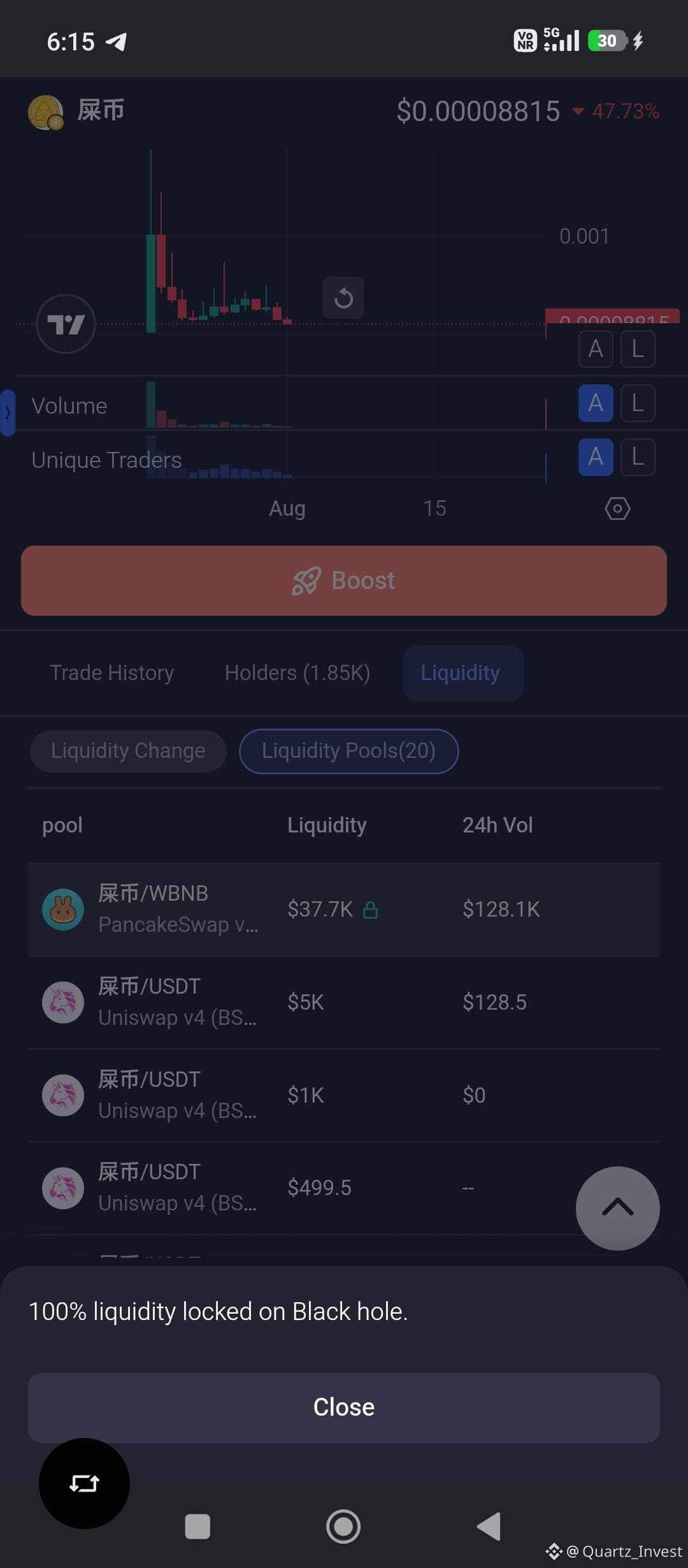
this is proof is shitcoin bright
0xe14b77ce30250cf94182b7019020fa00e7354444
buy now don't miss this opportunity
this is proof is shitcoin bright
0xe14b77ce30250cf94182b7019020fa00e7354444
buy now don't miss this opportunity
0xe14b77ce30250cf94182b7019020fa00e7354444
buy now don't miss this opportunity
1
11
Übersetzung ansehen
$屎币 But this this real shit coin because 100% liquidity locked and burn wait new rally
$屎币 But this this real shit coin because 100% liquidity locked and burn wait new rally
1
579
$TGL es geht gleich los 0.0001 bald markiere meine Worte
$TGL es geht gleich los 0.0001 bald markiere meine Worte
1
30
Artikel
XRP Original Nachrichten$XRP
Stand Mitte Februar 2026 navigiert XRP einen entscheidenden Übergang von einem rein spekulativen Vermögenswert zu einem grundlegenden Bestandteil regulierter Finanzinfrastruktur. Nach der Beilegung seines mehrjährigen Rechtsstreits mit der SEC im Jahr 2025 hat sich der Fokus vollständig auf die institutionelle Akzeptanz und technische Evolution verlagert.
Hier ist ein Briefing zum aktuellen Stand von XRP.
⚖️ Die Landschaft nach der SEC
Die "dunkle Wolke" hat sich offiziell verzogen. Nach einer endgültigen Einigung im Mai 2025 und dem anschließenden Verzicht auf Berufungen beider Parteien im August 2025 ist der rechtliche Status von XRP geklärt:
XRP Original Nachrichten
$XRP
Stand Mitte Februar 2026 navigiert XRP einen entscheidenden Übergang von einem rein spekulativen Vermögenswert zu einem grundlegenden Bestandteil regulierter Finanzinfrastruktur. Nach der Beilegung seines mehrjährigen Rechtsstreits mit der SEC im Jahr 2025 hat sich der Fokus vollständig auf die institutionelle Akzeptanz und technische Evolution verlagert.
Hier ist ein Briefing zum aktuellen Stand von XRP.
⚖️ Die Landschaft nach der SEC
Die "dunkle Wolke" hat sich offiziell verzogen. Nach einer endgültigen Einigung im Mai 2025 und dem anschließenden Verzicht auf Berufungen beider Parteien im August 2025 ist der rechtliche Status von XRP geklärt:
Stand Mitte Februar 2026 navigiert XRP einen entscheidenden Übergang von einem rein spekulativen Vermögenswert zu einem grundlegenden Bestandteil regulierter Finanzinfrastruktur. Nach der Beilegung seines mehrjährigen Rechtsstreits mit der SEC im Jahr 2025 hat sich der Fokus vollständig auf die institutionelle Akzeptanz und technische Evolution verlagert.
Hier ist ein Briefing zum aktuellen Stand von XRP.
⚖️ Die Landschaft nach der SEC
Die "dunkle Wolke" hat sich offiziell verzogen. Nach einer endgültigen Einigung im Mai 2025 und dem anschließenden Verzicht auf Berufungen beider Parteien im August 2025 ist der rechtliche Status von XRP geklärt:
4
1.5k
Gerade jetzt 💭 😁
Gerade jetzt 💭 😁


LinhCrypto
·
--
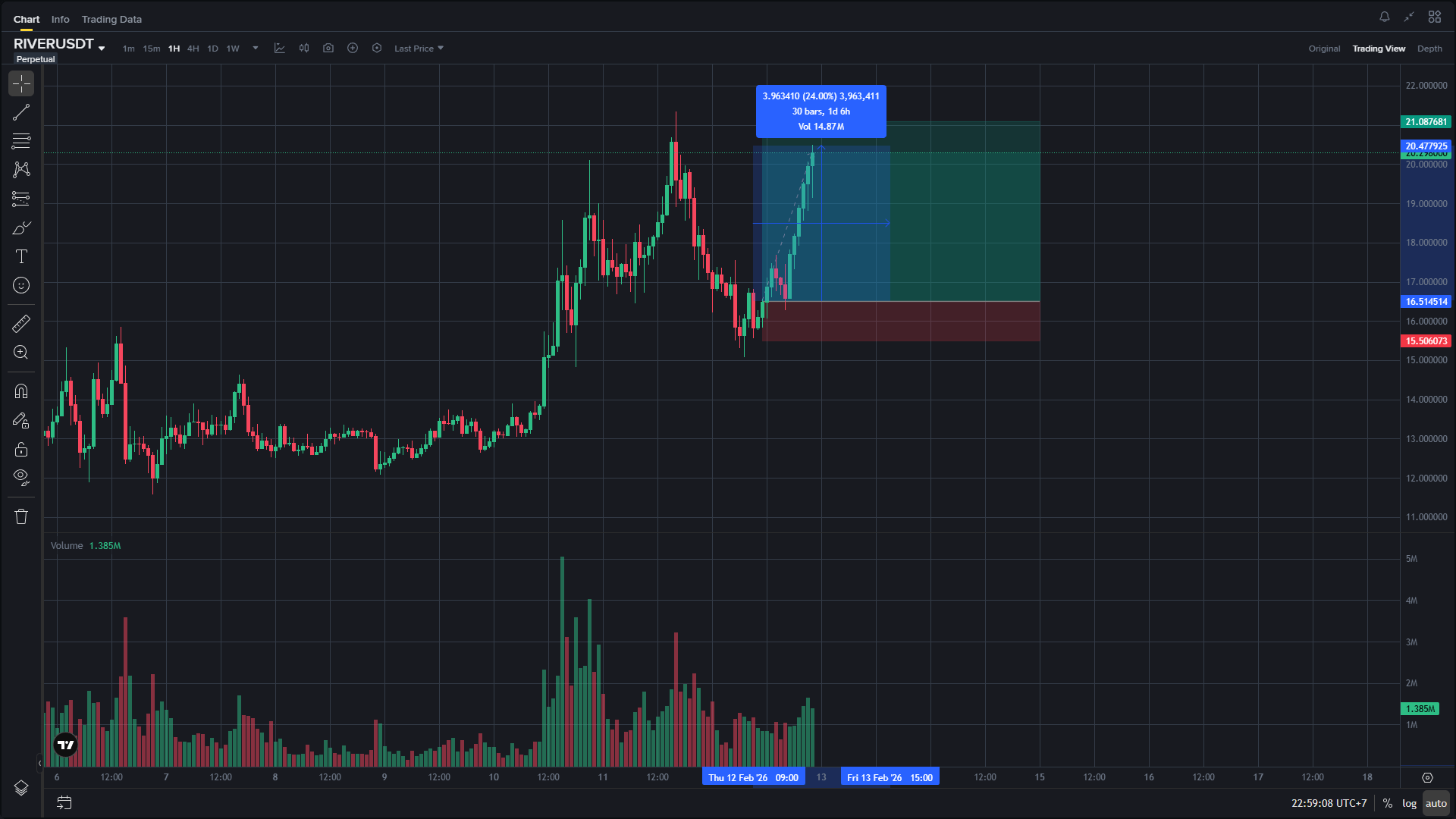
$RIVER +24%. Lass uns anfangen, Gewinne zu realisieren, alle.
5

vanryDie Vanar Chain ($VANRY) ist zu einer bedeutenden Akteurin im Blockchain-Bereich geworden, indem sie sich als mehr als nur ein Ledger positioniert: Sie ist ein „KI-native“ Layer-1-Ökosystem. Ursprünglich aus dem Projekt Virtua ($TVK) hervorgegangen, hat sich Vanar umbenannt und neu ausgerichtet, um die spezifischen Anforderungen von Branchen mit hoher Frequenz wie Gaming, Entertainment und künstlicher Intelligenz zu adressieren.
Die Architektur: Eine Kette, die denkt
Was Vanar von herkömmlichen Layer-1-Netzwerken abhebt, ist sein fünfstufiges Stack-Design, das KI als Kernkomponente behandelt – nicht als Beiwerk. Unten liegt die Vanar Chain, die die sichere Infrastruktur bereitstellt. Darüber folgen spezialisierte Layer wie Neutron und Kayon.
vanry
Die Vanar Chain ($VANRY) ist zu einer bedeutenden Akteurin im Blockchain-Bereich geworden, indem sie sich als mehr als nur ein Ledger positioniert: Sie ist ein „KI-native“ Layer-1-Ökosystem. Ursprünglich aus dem Projekt Virtua ($TVK) hervorgegangen, hat sich Vanar umbenannt und neu ausgerichtet, um die spezifischen Anforderungen von Branchen mit hoher Frequenz wie Gaming, Entertainment und künstlicher Intelligenz zu adressieren.
Die Architektur: Eine Kette, die denkt
Was Vanar von herkömmlichen Layer-1-Netzwerken abhebt, ist sein fünfstufiges Stack-Design, das KI als Kernkomponente behandelt – nicht als Beiwerk. Unten liegt die Vanar Chain, die die sichere Infrastruktur bereitstellt. Darüber folgen spezialisierte Layer wie Neutron und Kayon.
Die Architektur: Eine Kette, die denkt
Was Vanar von herkömmlichen Layer-1-Netzwerken abhebt, ist sein fünfstufiges Stack-Design, das KI als Kernkomponente behandelt – nicht als Beiwerk. Unten liegt die Vanar Chain, die die sichere Infrastruktur bereitstellt. Darüber folgen spezialisierte Layer wie Neutron und Kayon.
4
#vanar $VANRY
{spot}(VANRYUSDT)
Vanar Chain ($VANRY) ist zu einem bedeutenden Akteur im Blockchain-Bereich geworden, indem es sich als mehr als nur ein Ledger positioniert: Es ist ein „AI-native“ Layer-1-Ökosystem. Ursprünglich aus dem Projekt Virtua ($TVK) hervorgegangen, hat sich Vanar umbenannt und neu ausgerichtet, um die spezifischen Anforderungen von Branchen mit hoher Frequenz wie Gaming, Entertainment und künstlicher Intelligenz zu adressieren.
Die Architektur: Eine Kette, die denkt
Was Vanar von herkömmlichen Layer-1-Netzwerken unterscheidet, ist sein fünfstufiger Stack, der KI als Kernkomponente behandelt und nicht als nachträglichen Zusatz. Unten liegt die Vanar Chain, die die sichere Infrastruktur bereitstellt. Darüber sitzen spezialisierte Layer wie Neutron und Kayon.
Neutron (Semantisches Gedächtnis): Diese Schicht nutzt KI-gestützte Komprimierung, um große Datendateien – etwa hochauflösendes Video – in winzige On-Chain „Seeds“ zu verkleinern. So kann die Blockchain komplexe Daten speichern und verifizieren, ohne die astronomischen Kosten oder die Latenz, die typischerweise mit On-Chain-Speicherung verbunden sind.
Kayon (KI-Reasoning): Das ist das „Gehirn“ des Netzwerks, eine dezentrale Engine, die es Smart Contracts ermöglicht, über die in der Neutron-Schicht gespeicherten Daten zu urteilen und entsprechend zu handeln. Sie macht Anwendungen wie sich selbst optimierende DeFi-Protokolle und KI-Agenten möglich, die Vermögenswerte autonom verwalten können.
Tokenomics und Nutzen
Der $VANRY token ist das Lebenselixier dieses Ökosystems. Mit einem gedeckelten Angebot von 2,4 Milliarden Tokens erfüllt er mehrere entscheidende Funktionen:
Gas & Transaktionsgebühren: Jede Aktion im Netzwerk, von einfachen Transfers bis hin zu komplexen KI-Abfragen, erfordert $VANRY.
Servicezugriff: Entwickler und Unternehmen müssen den Token nutzen, um auf spezialisierte KI-Services wie Datenkomprimierung und Reasoning zuzugreifen.
Deflationärer Mechanismus: Ein Teil der Gebühren sowie der Erlöse aus KI-Abonnements wird verwendet, um Tokens zurückzukaufen und zu verbrennen, mit dem Ziel, die Knappheit zu erhöhen, während das Netzwerk wächst.
Governance: Token-Inhaber erhalten das Recht, über Protokoll-Updates und Zuweisungen aus dem Treasury abzustimmen, wodurch ein von der Community getriebener Weg nach vorn sichergestellt wird.
#vanar $VANRY
Vanar Chain ($VANRY) ist zu einem bedeutenden Akteur im Blockchain-Bereich geworden, indem es sich als mehr als nur ein Ledger positioniert: Es ist ein „AI-native“ Layer-1-Ökosystem. Ursprünglich aus dem Projekt Virtua ($TVK) hervorgegangen, hat sich Vanar umbenannt und neu ausgerichtet, um die spezifischen Anforderungen von Branchen mit hoher Frequenz wie Gaming, Entertainment und künstlicher Intelligenz zu adressieren.
Die Architektur: Eine Kette, die denkt
Was Vanar von herkömmlichen Layer-1-Netzwerken unterscheidet, ist sein fünfstufiger Stack, der KI als Kernkomponente behandelt und nicht als nachträglichen Zusatz. Unten liegt die Vanar Chain, die die sichere Infrastruktur bereitstellt. Darüber sitzen spezialisierte Layer wie Neutron und Kayon.
Neutron (Semantisches Gedächtnis): Diese Schicht nutzt KI-gestützte Komprimierung, um große Datendateien – etwa hochauflösendes Video – in winzige On-Chain „Seeds“ zu verkleinern. So kann die Blockchain komplexe Daten speichern und verifizieren, ohne die astronomischen Kosten oder die Latenz, die typischerweise mit On-Chain-Speicherung verbunden sind.
Kayon (KI-Reasoning): Das ist das „Gehirn“ des Netzwerks, eine dezentrale Engine, die es Smart Contracts ermöglicht, über die in der Neutron-Schicht gespeicherten Daten zu urteilen und entsprechend zu handeln. Sie macht Anwendungen wie sich selbst optimierende DeFi-Protokolle und KI-Agenten möglich, die Vermögenswerte autonom verwalten können.
Tokenomics und Nutzen
Der $VANRY token ist das Lebenselixier dieses Ökosystems. Mit einem gedeckelten Angebot von 2,4 Milliarden Tokens erfüllt er mehrere entscheidende Funktionen:
Gas & Transaktionsgebühren: Jede Aktion im Netzwerk, von einfachen Transfers bis hin zu komplexen KI-Abfragen, erfordert $VANRY.
Servicezugriff: Entwickler und Unternehmen müssen den Token nutzen, um auf spezialisierte KI-Services wie Datenkomprimierung und Reasoning zuzugreifen.
Deflationärer Mechanismus: Ein Teil der Gebühren sowie der Erlöse aus KI-Abonnements wird verwendet, um Tokens zurückzukaufen und zu verbrennen, mit dem Ziel, die Knappheit zu erhöhen, während das Netzwerk wächst.
Governance: Token-Inhaber erhalten das Recht, über Protokoll-Updates und Zuweisungen aus dem Treasury abzustimmen, wodurch ein von der Community getriebener Weg nach vorn sichergestellt wird.
Vanar Chain ($VANRY) ist zu einem bedeutenden Akteur im Blockchain-Bereich geworden, indem es sich als mehr als nur ein Ledger positioniert: Es ist ein „AI-native“ Layer-1-Ökosystem. Ursprünglich aus dem Projekt Virtua ($TVK) hervorgegangen, hat sich Vanar umbenannt und neu ausgerichtet, um die spezifischen Anforderungen von Branchen mit hoher Frequenz wie Gaming, Entertainment und künstlicher Intelligenz zu adressieren.
Die Architektur: Eine Kette, die denkt
Was Vanar von herkömmlichen Layer-1-Netzwerken unterscheidet, ist sein fünfstufiger Stack, der KI als Kernkomponente behandelt und nicht als nachträglichen Zusatz. Unten liegt die Vanar Chain, die die sichere Infrastruktur bereitstellt. Darüber sitzen spezialisierte Layer wie Neutron und Kayon.
Neutron (Semantisches Gedächtnis): Diese Schicht nutzt KI-gestützte Komprimierung, um große Datendateien – etwa hochauflösendes Video – in winzige On-Chain „Seeds“ zu verkleinern. So kann die Blockchain komplexe Daten speichern und verifizieren, ohne die astronomischen Kosten oder die Latenz, die typischerweise mit On-Chain-Speicherung verbunden sind.
Kayon (KI-Reasoning): Das ist das „Gehirn“ des Netzwerks, eine dezentrale Engine, die es Smart Contracts ermöglicht, über die in der Neutron-Schicht gespeicherten Daten zu urteilen und entsprechend zu handeln. Sie macht Anwendungen wie sich selbst optimierende DeFi-Protokolle und KI-Agenten möglich, die Vermögenswerte autonom verwalten können.
Tokenomics und Nutzen
Der $VANRY token ist das Lebenselixier dieses Ökosystems. Mit einem gedeckelten Angebot von 2,4 Milliarden Tokens erfüllt er mehrere entscheidende Funktionen:
Gas & Transaktionsgebühren: Jede Aktion im Netzwerk, von einfachen Transfers bis hin zu komplexen KI-Abfragen, erfordert $VANRY.
Servicezugriff: Entwickler und Unternehmen müssen den Token nutzen, um auf spezialisierte KI-Services wie Datenkomprimierung und Reasoning zuzugreifen.
Deflationärer Mechanismus: Ein Teil der Gebühren sowie der Erlöse aus KI-Abonnements wird verwendet, um Tokens zurückzukaufen und zu verbrennen, mit dem Ziel, die Knappheit zu erhöhen, während das Netzwerk wächst.
Governance: Token-Inhaber erhalten das Recht, über Protokoll-Updates und Zuweisungen aus dem Treasury abzustimmen, wodurch ein von der Community getriebener Weg nach vorn sichergestellt wird.
17
072693fe0fba56426f9a3ac47a858cc21ec60510a8fc264e6664652ef19e3da5
072693fe0fba56426f9a3ac47a858cc21ec60510a8fc264e6664652ef19e3da5

ADITYAA-56
·
--
🇩🇪Donald Trump sagte, dass er mehr für Krypto getan hat als jeder andere.
🔜Als er das Amt übernahm, lag $BTC bei 101K $, jetzt liegt es bei etwa 78K $.
🔜$ETH fiel von 3.400 $ auf 2.292 $, und Meme-Coins sind weitgehend verschwunden.
🔜Während seiner Amtszeit sah Krypto eine Rekordliquidation von 20 Milliarden $ Futures am 11. Oktober 2025.
#TRUMP #TrumpEndsShutdown #BTC #TrumpProCrypto #GoldSilverRebound
🔜Als er das Amt übernahm, lag $BTC bei 101K $, jetzt liegt es bei etwa 78K $.
🔜$ETH fiel von 3.400 $ auf 2.292 $, und Meme-Coins sind weitgehend verschwunden.
🔜Während seiner Amtszeit sah Krypto eine Rekordliquidation von 20 Milliarden $ Futures am 11. Oktober 2025.
#TRUMP #TrumpEndsShutdown #BTC #TrumpProCrypto #GoldSilverRebound
4
·
--
Bullisch
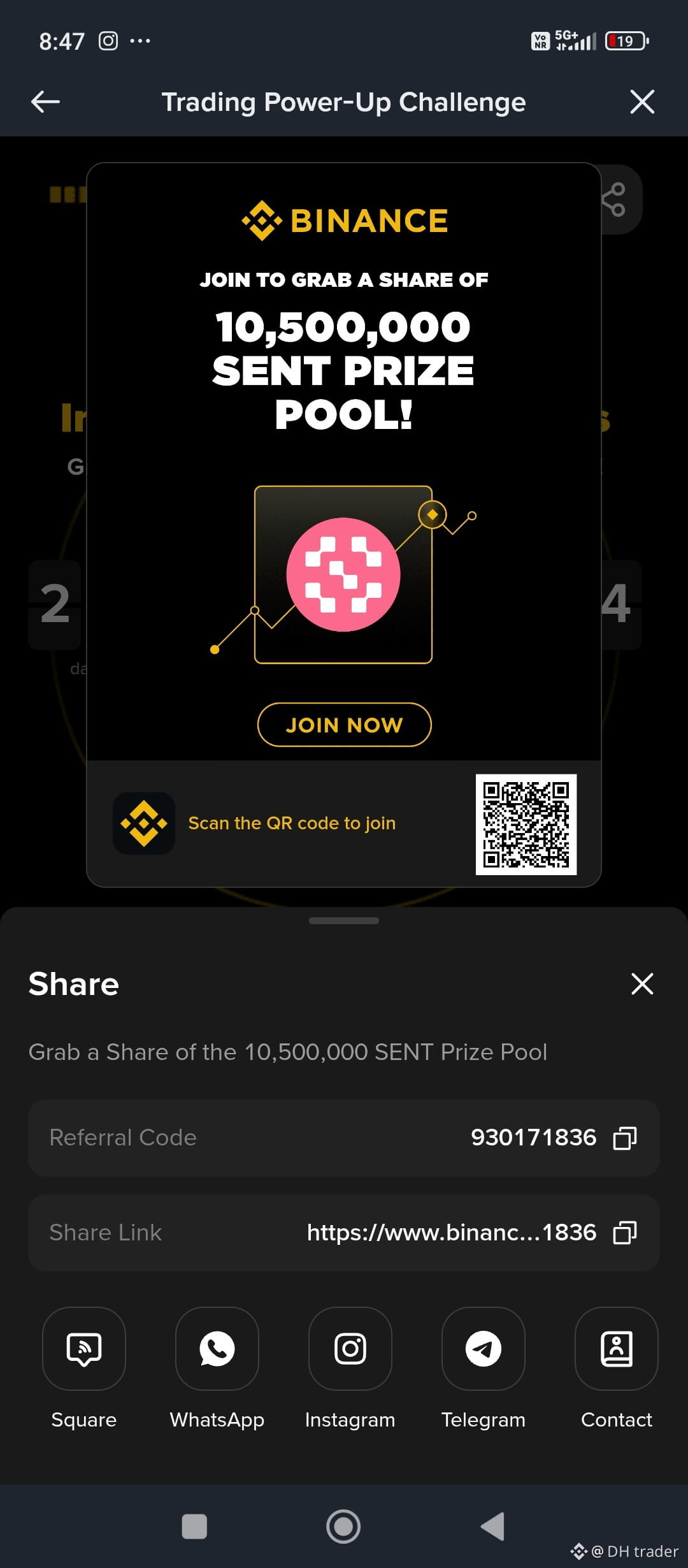
Sich einen Anteil am 10.500.000 SENT-Preispool sichern https://www.binance.com/activity/trading-competition/trading-power-up?ref=930171836
Sich einen Anteil am 10.500.000 SENT-Preispool sichern https://www.binance.com/activity/trading-competition/trading-power-up?ref=930171836
8
·
--
Bullisch
Sich einen Anteil am 10.500.000 SENT-Preispool sichern https://www.binance.com/activity/trading-competition/trading-power-up?ref=930171836
Sich einen Anteil am 10.500.000 SENT-Preispool sichern https://www.binance.com/activity/trading-competition/trading-power-up?ref=930171836
6

Artikel
12
Anmelden und weiter Inhalte entdecken
Krypto-Nutzer weltweit auf Binance Square kennenlernen
⚡️ Bleib in Sachen Krypto stets am Puls.
💬 Die weltgrößte Kryptobörse vertraut darauf.
👍 Erhalte verlässliche Einblicke von verifizierten Creators.
E-Mail-Adresse/Telefonnummer
Trendthemen
BitcoinHoldsAbove$77000
360 Aufrufe
40 Kommentare
#anthropicceocallsforaislowdown
🚨 $BTC HÄLT 77.000 $ WÄHREND DER MARKT SICH AUF BTC & ETH KONZENTRIERT! 🦅
Bitcoin respektiert die 4H-Trendlinie und hält das bullische Setup aktiv! 🎯
📍 Einstieg: 76.826 – 76.500
🎯 Ziele: 76.900 ➔ 77.000 ➔ 77.300
🛑 Stop-Loss: 76.400
⚠️ Strikte Regel: Das Setup ist nur gültig, solange die entscheidende Struktur hält. Das Verlassen des Stop-Bereichs macht den Trade ungültig.
⚡ Beobachtungswerte (Watchlist):
🪙 $BTC — Respektiert den wichtigen technischen Support vor makrogetriebiger Volatilität! 📈
🌐 $ETH — Konsolidiert eng um wichtige Nachfrageszonen für einen möglichen Ausbruch! 📊
Handhebel vorsichtig managen und warten, bis der Preis deine vorab definierte Jagdzone erreicht! 🛡️🧠
❓ Was ist dein nächster Schritt? Hier BTC long gehen oder auf niedrigere Einstiege warten? Poste deinen Plan unten! 👇
Haftungsausschluss: Informiere dich selbst (DYOR). Keine finanzielle Beratung.
#BitcoinHoldsAbove$77000
#AvalancheIntegratesIntoUAEPassDigitalVault
#AnthropicCEOCallsForAISlowdown
#BrazilCentralBankRaisesVASPCapitalRequirements
Hifza Rubab
·0 Likes
·44 Aufrufe
FedHikeOddsRiseTo89%
642 Aufrufe
85 Kommentare
BitcoinCrosses$78000
2,579 Aufrufe
131 Kommentare