

Cointelegraph
37.1k Beiträge

Cointelegraph
 Square Verified+
Melden
Nutzer blockieren
Cointelegraph covers fintech, blockchain and Bitcoin, bringing you the latest news and analyses on the future of money.
2 Following
186.2K+ Follower
567.0K+ Like gegeben
1 Abzeichen
Beiträge
Artikel
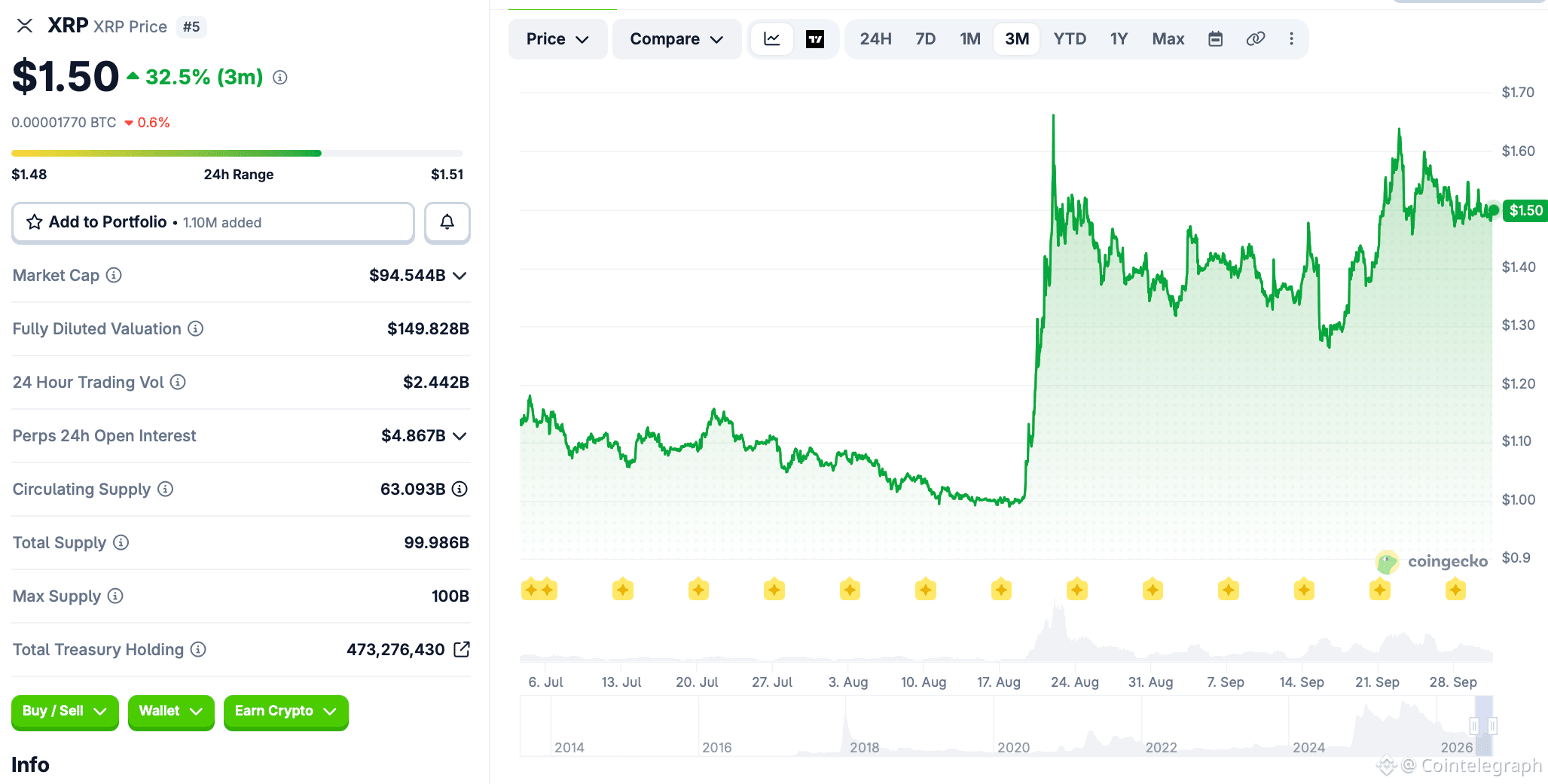
Evernorth erhält Aktionärsvotum vor dem Nasdaq-Debüt mit 473 Mio. XRP TreasuryEvernorth soll nach der Zustimmung der Aktionäre der Blank-Check-Gesellschaft Armada Acquisition Corp. II zu ihrer vorgeschlagenen Unternehmenszusammenführung zu einer börsennotierten XRP-Treasury-Gesellschaft werden.
Der Deal soll am 7. Oktober abgeschlossen werden; die Aktien der kombinierten Gesellschaft sollen am darauffolgenden Tag an der Nasdaq unter dem Ticker XRPN mit dem Handel beginnen, vorbehaltlich noch verbleibender Abschlussbedingungen.
Die Abstimmung nimmt eine wichtige Hürde. Nachdem Evernorth im März seinen Form-S-4-Registrierungsantrag bei der US-Börsenaufsichtsbehörde SEC eingereicht hatte, wurde der Registrierungsantrag im August für wirksam erklärt. Damit bleibt die Aktionärszustimmung ein der noch ausstehenden Schritte vor dem Nasdaq-Listing.
Evernorth erhält Aktionärsvotum vor dem Nasdaq-Debüt mit 473 Mio. XRP Treasury
Evernorth soll nach der Zustimmung der Aktionäre der Blank-Check-Gesellschaft Armada Acquisition Corp. II zu ihrer vorgeschlagenen Unternehmenszusammenführung zu einer börsennotierten XRP-Treasury-Gesellschaft werden.
Der Deal soll am 7. Oktober abgeschlossen werden; die Aktien der kombinierten Gesellschaft sollen am darauffolgenden Tag an der Nasdaq unter dem Ticker XRPN mit dem Handel beginnen, vorbehaltlich noch verbleibender Abschlussbedingungen.
Die Abstimmung nimmt eine wichtige Hürde. Nachdem Evernorth im März seinen Form-S-4-Registrierungsantrag bei der US-Börsenaufsichtsbehörde SEC eingereicht hatte, wurde der Registrierungsantrag im August für wirksam erklärt. Damit bleibt die Aktionärszustimmung ein der noch ausstehenden Schritte vor dem Nasdaq-Listing.
Der Deal soll am 7. Oktober abgeschlossen werden; die Aktien der kombinierten Gesellschaft sollen am darauffolgenden Tag an der Nasdaq unter dem Ticker XRPN mit dem Handel beginnen, vorbehaltlich noch verbleibender Abschlussbedingungen.
Die Abstimmung nimmt eine wichtige Hürde. Nachdem Evernorth im März seinen Form-S-4-Registrierungsantrag bei der US-Börsenaufsichtsbehörde SEC eingereicht hatte, wurde der Registrierungsantrag im August für wirksam erklärt. Damit bleibt die Aktionärszustimmung ein der noch ausstehenden Schritte vor dem Nasdaq-Listing.
XRP+0,00%
XRPNUS+5,91%
2
354
Trump wird zum 3. Mal ein „exklusives“ Memecoin-Event ausrichten – trotz Vorwürfen wegen KorruptionDie Gruppe hinter der Memecoin von US-Präsident Donald Trump gab bekannt, dass er bei einem dritten Event für seine wichtigsten Token-Inhaber auftreten wird – nur wenige Wochen, nachdem ein Bericht veröffentlicht wurde, wonach Anleger in seinen Krypto-Vorhaben zusammen 4,7 Milliarden US-Dollar verloren hätten.
Am Mittwoch gab die hinter der Promotion der Memecoin des Präsidenten Official Trump (TRUMP) stehende Website „GetTrumpMemes“ bekannt, dass am 22. November ein Dinner für die „Top 185“-Inhaber stattfinden soll. Die Veranstaltung markiert zum dritten Mal, dass Trump seine Memecoin-Fans für ähnliche Events zusammenholt – darunter ein Dinner im Mai 2025 für 220 TRUMP-Inhaber im Trump National Golf Club in Washington, DC, sowie ein Mittagessen im April 2026 für 297 Gäste auf der Mar-a-Lago-Immobilie des Präsidenten in Florida.
Trump wird zum 3. Mal ein „exklusives“ Memecoin-Event ausrichten – trotz Vorwürfen wegen Korruption
Die Gruppe hinter der Memecoin von US-Präsident Donald Trump gab bekannt, dass er bei einem dritten Event für seine wichtigsten Token-Inhaber auftreten wird – nur wenige Wochen, nachdem ein Bericht veröffentlicht wurde, wonach Anleger in seinen Krypto-Vorhaben zusammen 4,7 Milliarden US-Dollar verloren hätten.
Am Mittwoch gab die hinter der Promotion der Memecoin des Präsidenten Official Trump (TRUMP) stehende Website „GetTrumpMemes“ bekannt, dass am 22. November ein Dinner für die „Top 185“-Inhaber stattfinden soll. Die Veranstaltung markiert zum dritten Mal, dass Trump seine Memecoin-Fans für ähnliche Events zusammenholt – darunter ein Dinner im Mai 2025 für 220 TRUMP-Inhaber im Trump National Golf Club in Washington, DC, sowie ein Mittagessen im April 2026 für 297 Gäste auf der Mar-a-Lago-Immobilie des Präsidenten in Florida.
Am Mittwoch gab die hinter der Promotion der Memecoin des Präsidenten Official Trump (TRUMP) stehende Website „GetTrumpMemes“ bekannt, dass am 22. November ein Dinner für die „Top 185“-Inhaber stattfinden soll. Die Veranstaltung markiert zum dritten Mal, dass Trump seine Memecoin-Fans für ähnliche Events zusammenholt – darunter ein Dinner im Mai 2025 für 220 TRUMP-Inhaber im Trump National Golf Club in Washington, DC, sowie ein Mittagessen im April 2026 für 297 Gäste auf der Mar-a-Lago-Immobilie des Präsidenten in Florida.
1
399
Artikel
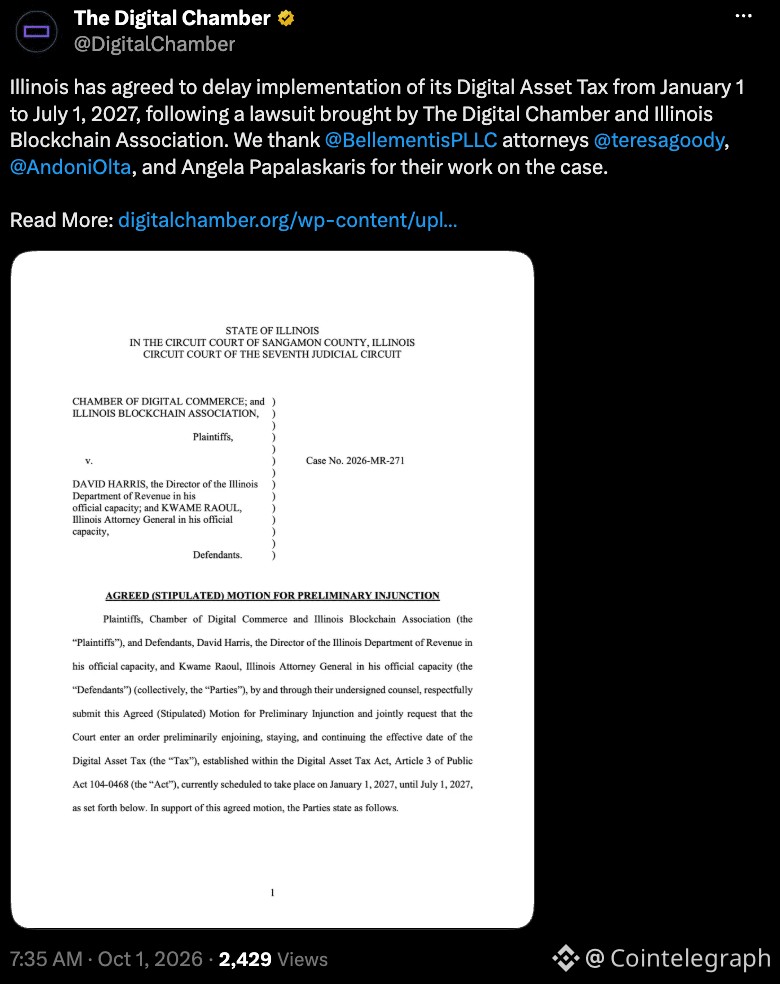
Illinois verschiebt die Umsetzung der Krypto-Steuer nach KlageKrypto-Interessenorganisationen, die hinter einer Klage gegen die Digital-Asset-Steuer in Illinois stehen, berichteten, dass staatliche Stellen einer Verschiebung der Umsetzung um sechs Monate zugestimmt hätten.
In einer Einreichung am Donnerstag beim Bezirksgericht (circuit court) des Bundesstaats Sangamon County in Illinois erklärte die Interessenvertretung für Krypto- und Blockchain, Digital Chamber, dass Illinois eine 0,2%-Steuer auf digitale Vermögenswerte vom 1. Januar auf den 1. Juli 2027 verschieben werde. Die Organisation verklagte im Juli den Generalstaatsanwalt von Illinois, Kwame Raoul, sowie den Beamten des Finanzministeriums, David Harris, und machte geltend, die Steuer sei „in den Staatshaushalt eingeschleust worden“, ohne Debatte oder öffentliche Rückmeldungen.
Illinois verschiebt die Umsetzung der Krypto-Steuer nach Klage
Krypto-Interessenorganisationen, die hinter einer Klage gegen die Digital-Asset-Steuer in Illinois stehen, berichteten, dass staatliche Stellen einer Verschiebung der Umsetzung um sechs Monate zugestimmt hätten.
In einer Einreichung am Donnerstag beim Bezirksgericht (circuit court) des Bundesstaats Sangamon County in Illinois erklärte die Interessenvertretung für Krypto- und Blockchain, Digital Chamber, dass Illinois eine 0,2%-Steuer auf digitale Vermögenswerte vom 1. Januar auf den 1. Juli 2027 verschieben werde. Die Organisation verklagte im Juli den Generalstaatsanwalt von Illinois, Kwame Raoul, sowie den Beamten des Finanzministeriums, David Harris, und machte geltend, die Steuer sei „in den Staatshaushalt eingeschleust worden“, ohne Debatte oder öffentliche Rückmeldungen.
In einer Einreichung am Donnerstag beim Bezirksgericht (circuit court) des Bundesstaats Sangamon County in Illinois erklärte die Interessenvertretung für Krypto- und Blockchain, Digital Chamber, dass Illinois eine 0,2%-Steuer auf digitale Vermögenswerte vom 1. Januar auf den 1. Juli 2027 verschieben werde. Die Organisation verklagte im Juli den Generalstaatsanwalt von Illinois, Kwame Raoul, sowie den Beamten des Finanzministeriums, David Harris, und machte geltend, die Steuer sei „in den Staatshaushalt eingeschleust worden“, ohne Debatte oder öffentliche Rückmeldungen.
1
204
New York, Wyoming: Aufseher unterzeichnen Abkommen zur Koordinierung der Krypto-Aufsicht Finanzaufsichtsbehörden in New York und Wyoming haben eine Vereinbarung unterzeichnet, um die Aufsicht über Krypto-Unternehmen zu koordinieren, die in beiden Bundesstaaten tätig sind – einschließlich Lizenzierung, Prüfungen und möglicher Durchsetzungsmaßnahmen.
Das am Donnerstag von der New York State Department of Financial Services (NYDFS) und der Wyoming Division of Banking angekündigte Memorandum of Understanding (MOU) gilt für Unternehmen, die bereits in einem der beiden Staaten reguliert sind, sowie für solche, die in beiden Rechtsordnungen eine Genehmigung anstreben.
Im Rahmen der Vereinbarung werden die Aufsichtsbehörden Analyse- und historische Prüfungsdaten teilen, um Anträge zu straffen, Prüfungstermine zu koordinieren und auf gemeinsame Prüfungen von Unternehmen hinzuarbeiten, die in beiden Staaten tätig sind.
New York, Wyoming: Aufseher unterzeichnen Abkommen zur Koordinierung der Krypto-Aufsicht
Finanzaufsichtsbehörden in New York und Wyoming haben eine Vereinbarung unterzeichnet, um die Aufsicht über Krypto-Unternehmen zu koordinieren, die in beiden Bundesstaaten tätig sind – einschließlich Lizenzierung, Prüfungen und möglicher Durchsetzungsmaßnahmen.
Das am Donnerstag von der New York State Department of Financial Services (NYDFS) und der Wyoming Division of Banking angekündigte Memorandum of Understanding (MOU) gilt für Unternehmen, die bereits in einem der beiden Staaten reguliert sind, sowie für solche, die in beiden Rechtsordnungen eine Genehmigung anstreben.
Im Rahmen der Vereinbarung werden die Aufsichtsbehörden Analyse- und historische Prüfungsdaten teilen, um Anträge zu straffen, Prüfungstermine zu koordinieren und auf gemeinsame Prüfungen von Unternehmen hinzuarbeiten, die in beiden Staaten tätig sind.
Das am Donnerstag von der New York State Department of Financial Services (NYDFS) und der Wyoming Division of Banking angekündigte Memorandum of Understanding (MOU) gilt für Unternehmen, die bereits in einem der beiden Staaten reguliert sind, sowie für solche, die in beiden Rechtsordnungen eine Genehmigung anstreben.
Im Rahmen der Vereinbarung werden die Aufsichtsbehörden Analyse- und historische Prüfungsdaten teilen, um Anträge zu straffen, Prüfungstermine zu koordinieren und auf gemeinsame Prüfungen von Unternehmen hinzuarbeiten, die in beiden Staaten tätig sind.
147
Artikel
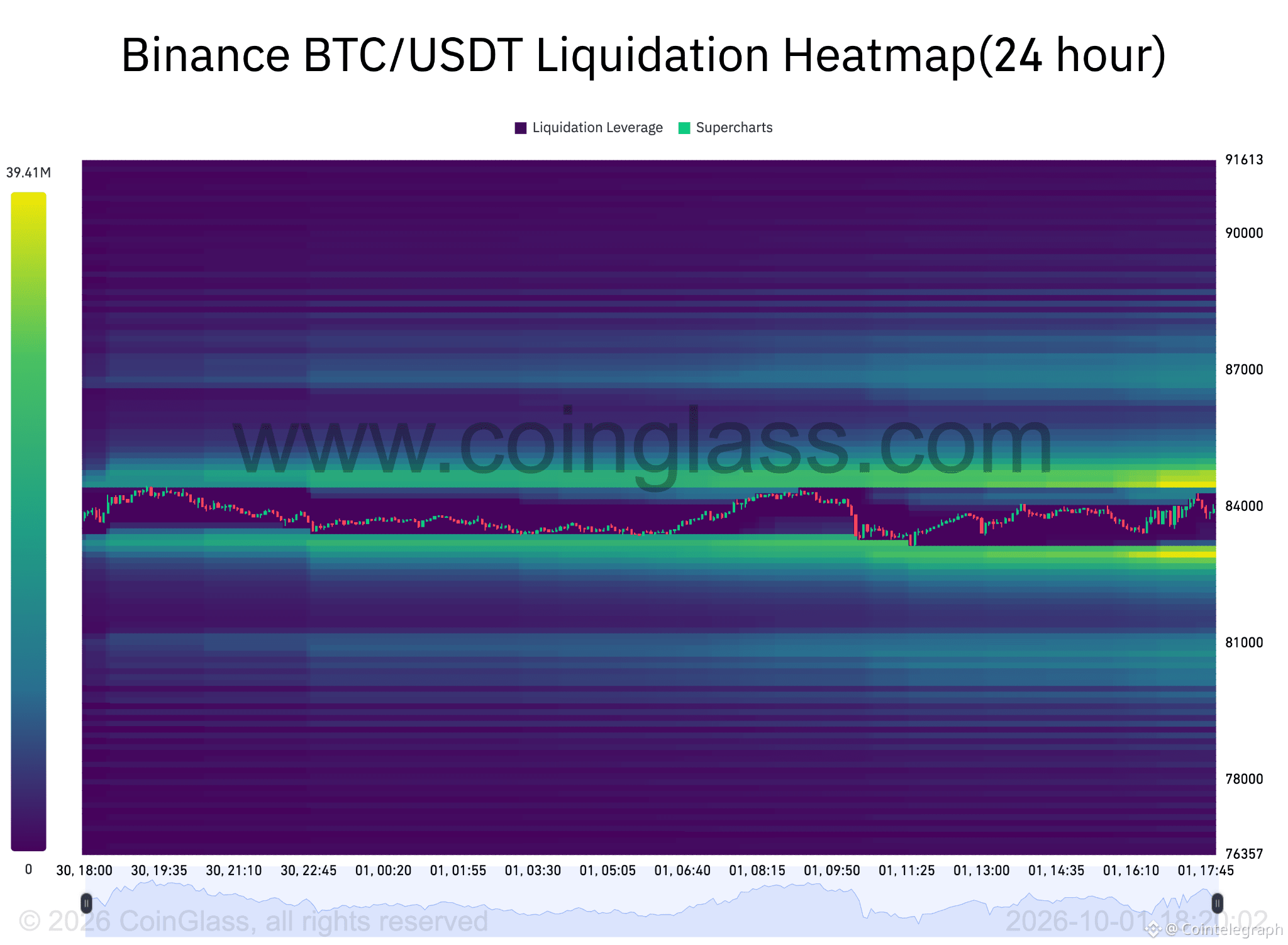
Bitcoin kämpft um einen lokalen Aufwärtstrend, während die US-Staatsanleiherenditen von neuen 24-Jahres-Hochs zurückgehenBitcoin (BTC) stieg am Donnerstag rund zum Wall-Street-Open über $84.000, nachdem die US-Staatsanleiherenditen zurückgingen, nachdem sie neue mehrjährige Hochs markiert hatten.
Wichtige Punkte:
BTC-Preisaktion versucht, höhere Tiefs rund um die erste US-Handelssitzung im Oktober zu festigen, wobei $84.000 im Fokus steht.
US-Staatsanleiherenditen fallen zum Wall-Street-Open, nachdem die Rendite der 10-jährigen Anleihe mit 5,342% die höchsten Werte seit April 2002 erreicht hatte.
Bitcoin steht eine „unordentliche“ Retest-Phase von $82.500 bevor, sagt Analyst Rekt Capital.
US-Staatsanleiherenditen gehen nach neuen makroökonomischen Hochs tiefer
Bitcoin kämpft um einen lokalen Aufwärtstrend, während die US-Staatsanleiherenditen von neuen 24-Jahres-Hochs zurückgehen
Bitcoin (BTC) stieg am Donnerstag rund zum Wall-Street-Open über $84.000, nachdem die US-Staatsanleiherenditen zurückgingen, nachdem sie neue mehrjährige Hochs markiert hatten.
Wichtige Punkte:
BTC-Preisaktion versucht, höhere Tiefs rund um die erste US-Handelssitzung im Oktober zu festigen, wobei $84.000 im Fokus steht.
US-Staatsanleiherenditen fallen zum Wall-Street-Open, nachdem die Rendite der 10-jährigen Anleihe mit 5,342% die höchsten Werte seit April 2002 erreicht hatte.
Bitcoin steht eine „unordentliche“ Retest-Phase von $82.500 bevor, sagt Analyst Rekt Capital.
US-Staatsanleiherenditen gehen nach neuen makroökonomischen Hochs tiefer
Wichtige Punkte:
BTC-Preisaktion versucht, höhere Tiefs rund um die erste US-Handelssitzung im Oktober zu festigen, wobei $84.000 im Fokus steht.
US-Staatsanleiherenditen fallen zum Wall-Street-Open, nachdem die Rendite der 10-jährigen Anleihe mit 5,342% die höchsten Werte seit April 2002 erreicht hatte.
Bitcoin steht eine „unordentliche“ Retest-Phase von $82.500 bevor, sagt Analyst Rekt Capital.
US-Staatsanleiherenditen gehen nach neuen makroökonomischen Hochs tiefer
1
485
NEAR Intents erleidet nach Unterstützung bei einem Bitget-Breach einen Exploit in Höhe von 3,8 Mio. USDDer plattformübergreifende Protokoll NEAR Intents meldete eine Sicherheitsverletzung, die zum Verlust von 3,8 Millionen US-Dollar an Nutzervermögen führte.
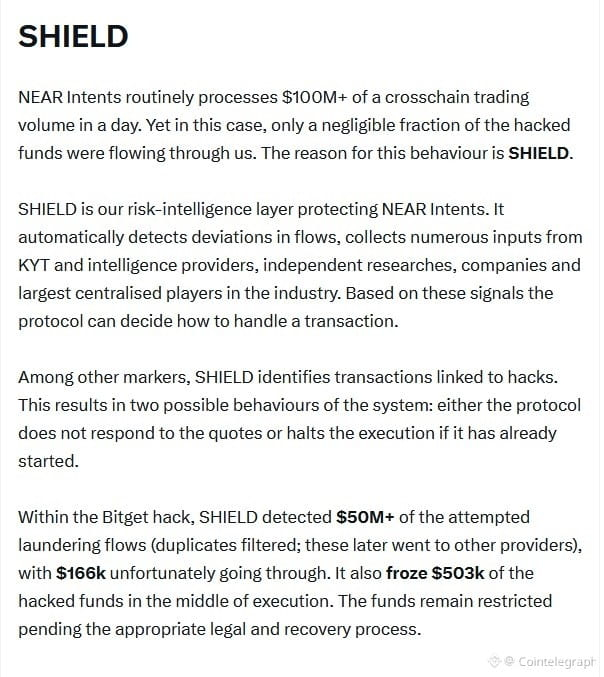
In einem Beitrag am Donnerstag X sagte das Protokoll, dass der Vorfall das Ergebnis eines „Fehlers in der Omni-Ein- und Auszahlungsinfrastruktur bei der Interaktion mit dem NEAR-Intents-Smart-Contract“ sei. NEAR sagte, man werde die Nutzer in vollem Umfang für die verlorenen Gelder entschädigen, und dass die „verwundbarkeit auf der Contract-Seite behoben wurde“, um ähnliche Angriffe zu verhindern.
„Der Vorfall wurde der Strafverfolgung gemeldet, und wir arbeiten mit Sicherheitsteams sowie Partnern für Blockchain-Analysen zusammen, um die Gelder nachzuverfolgen und die Rückgewinnung zu verfolgen“, sagte die Plattform. „In den kommenden Tagen wird ein detaillierter Bericht öffentlich geteilt werden.“
NEAR Intents erleidet nach Unterstützung bei einem Bitget-Breach einen Exploit in Höhe von 3,8 Mio. USD
Der plattformübergreifende Protokoll NEAR Intents meldete eine Sicherheitsverletzung, die zum Verlust von 3,8 Millionen US-Dollar an Nutzervermögen führte.
In einem Beitrag am Donnerstag X sagte das Protokoll, dass der Vorfall das Ergebnis eines „Fehlers in der Omni-Ein- und Auszahlungsinfrastruktur bei der Interaktion mit dem NEAR-Intents-Smart-Contract“ sei. NEAR sagte, man werde die Nutzer in vollem Umfang für die verlorenen Gelder entschädigen, und dass die „verwundbarkeit auf der Contract-Seite behoben wurde“, um ähnliche Angriffe zu verhindern.
„Der Vorfall wurde der Strafverfolgung gemeldet, und wir arbeiten mit Sicherheitsteams sowie Partnern für Blockchain-Analysen zusammen, um die Gelder nachzuverfolgen und die Rückgewinnung zu verfolgen“, sagte die Plattform. „In den kommenden Tagen wird ein detaillierter Bericht öffentlich geteilt werden.“
In einem Beitrag am Donnerstag X sagte das Protokoll, dass der Vorfall das Ergebnis eines „Fehlers in der Omni-Ein- und Auszahlungsinfrastruktur bei der Interaktion mit dem NEAR-Intents-Smart-Contract“ sei. NEAR sagte, man werde die Nutzer in vollem Umfang für die verlorenen Gelder entschädigen, und dass die „verwundbarkeit auf der Contract-Seite behoben wurde“, um ähnliche Angriffe zu verhindern.
„Der Vorfall wurde der Strafverfolgung gemeldet, und wir arbeiten mit Sicherheitsteams sowie Partnern für Blockchain-Analysen zusammen, um die Gelder nachzuverfolgen und die Rückgewinnung zu verfolgen“, sagte die Plattform. „In den kommenden Tagen wird ein detaillierter Bericht öffentlich geteilt werden.“
2
530
Artikel
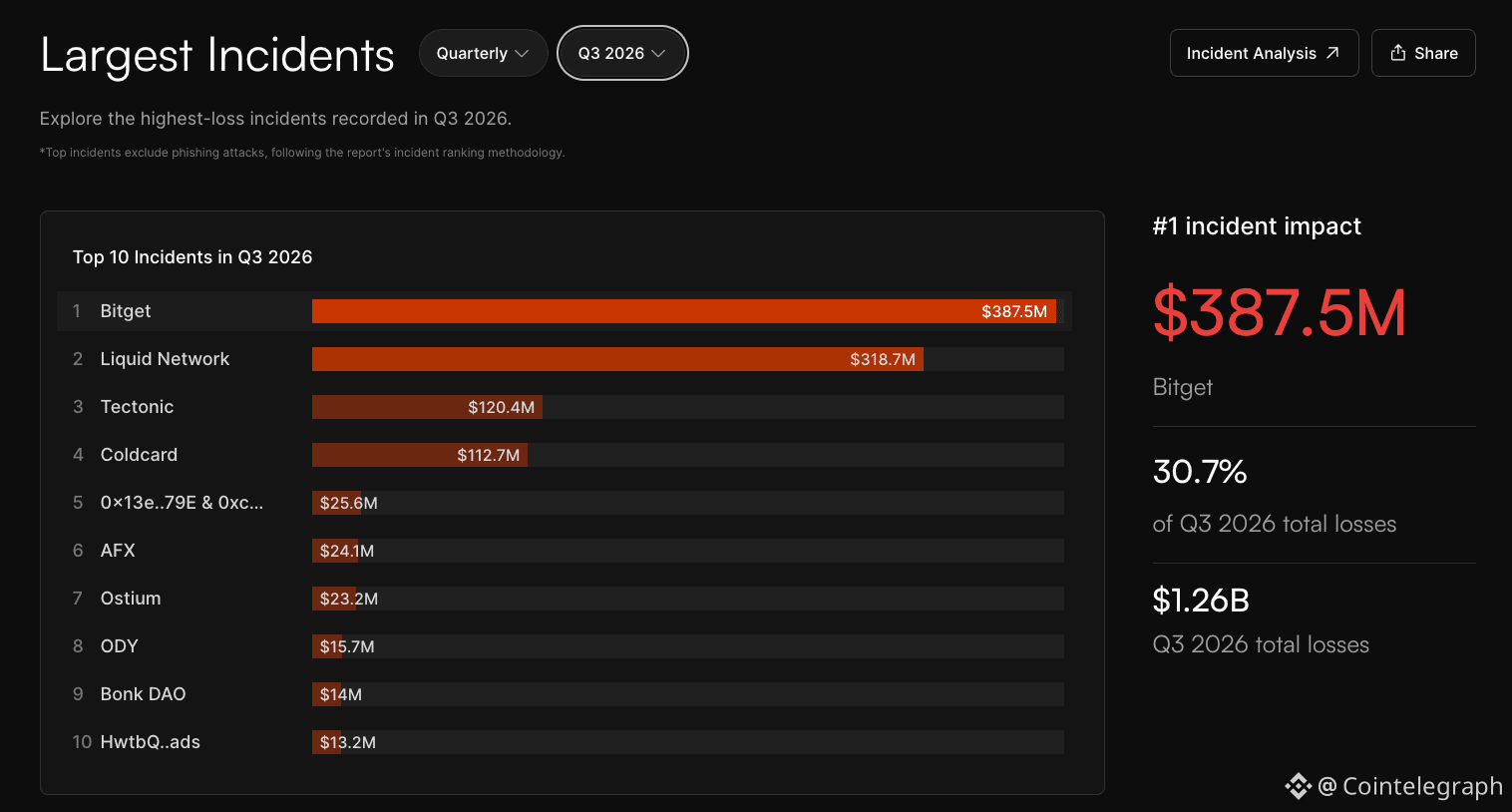
Der 388-Millionen-US-Dollar-Hack von Bitget treibt die Krypto-Sicherheitsverluste im Q3 über 1 Mrd. US-DollarDie Verluste durch Krypto-Sicherheitsvorfälle stiegen im dritten Quartal 2026 auf 1,26 Milliarden US-Dollar, was vor allem durch den Hack der Krypto-Börse Bitget in Höhe von 387,5 Millionen US-Dollar getrieben wurde.
Die Verluste stiegen um 53,9% von 819,4 Millionen US-Dollar im Q2, während die Zahl der Sicherheitsvorfälle um etwa 13% von 219 auf 247 zunahm, laut Daten des Blockchain-Sicherheitsunternehmens CertiK.
Der Bitget-Hack machte etwa 31% der Q3-Verluste aus und war damit der größte dokumentierte Vorfall im Quartal nach der Methodik von CertiK. Der Exploit des Liquid Network in Höhe von 319 Millionen US-Dollar am 6. Sept. belegte den zweiten Platz, gefolgt von Tectonic mit 120 Millionen US-Dollar sowie dem Diebstahl von Coldcard in Höhe von 112,7 Millionen US-Dollar.
Der 388-Millionen-US-Dollar-Hack von Bitget treibt die Krypto-Sicherheitsverluste im Q3 über 1 Mrd. US-Dollar
Die Verluste durch Krypto-Sicherheitsvorfälle stiegen im dritten Quartal 2026 auf 1,26 Milliarden US-Dollar, was vor allem durch den Hack der Krypto-Börse Bitget in Höhe von 387,5 Millionen US-Dollar getrieben wurde.
Die Verluste stiegen um 53,9% von 819,4 Millionen US-Dollar im Q2, während die Zahl der Sicherheitsvorfälle um etwa 13% von 219 auf 247 zunahm, laut Daten des Blockchain-Sicherheitsunternehmens CertiK.
Der Bitget-Hack machte etwa 31% der Q3-Verluste aus und war damit der größte dokumentierte Vorfall im Quartal nach der Methodik von CertiK. Der Exploit des Liquid Network in Höhe von 319 Millionen US-Dollar am 6. Sept. belegte den zweiten Platz, gefolgt von Tectonic mit 120 Millionen US-Dollar sowie dem Diebstahl von Coldcard in Höhe von 112,7 Millionen US-Dollar.
Die Verluste stiegen um 53,9% von 819,4 Millionen US-Dollar im Q2, während die Zahl der Sicherheitsvorfälle um etwa 13% von 219 auf 247 zunahm, laut Daten des Blockchain-Sicherheitsunternehmens CertiK.
Der Bitget-Hack machte etwa 31% der Q3-Verluste aus und war damit der größte dokumentierte Vorfall im Quartal nach der Methodik von CertiK. Der Exploit des Liquid Network in Höhe von 319 Millionen US-Dollar am 6. Sept. belegte den zweiten Platz, gefolgt von Tectonic mit 120 Millionen US-Dollar sowie dem Diebstahl von Coldcard in Höhe von 112,7 Millionen US-Dollar.
1
745
Artikel
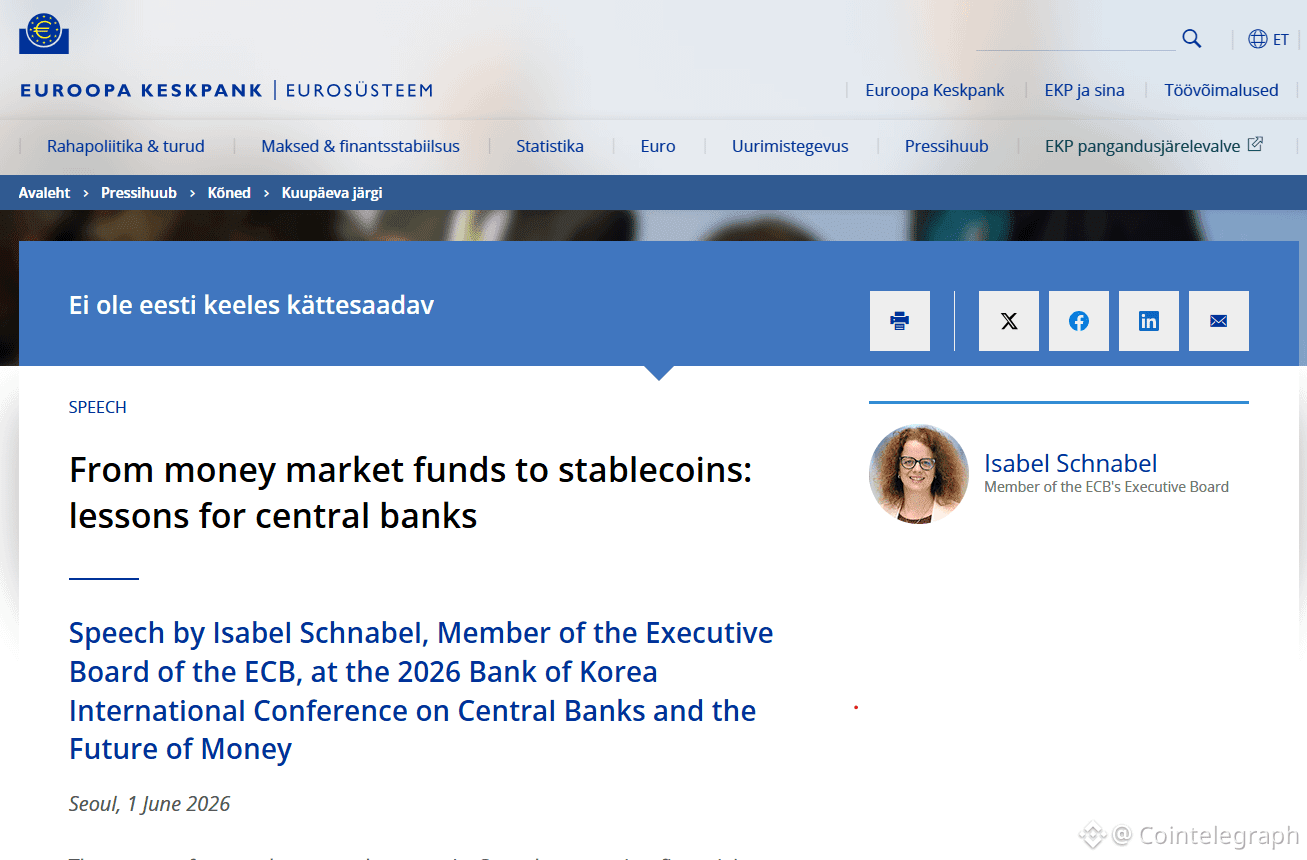
Stablecoins können Banken und Nationen in Lichtgeschwindigkeit ausbluten lassenWer jemals eine Banküberweisung ins Ausland geschickt hat, kennt den schmerzhaften Prozess des Wartens auf Dinge wie Geschäftszeiten, Korrespondenzbanken und Abwicklungszeiten.
In vielen Fällen wäre es schneller, günstiger und einfach effizienter, das physische Bargeld an einen heimkehrenden Pigeon zu binden oder es in einen Umschlag zu stecken und per DHL zu versenden.
Stablecoins können Geld rund um die Uhr über Grenzen hinweg bewegen, ohne darauf zu warten, dass das Altsystem seine Dampflokomotiven startet.
Sie können Transaktionen rund um die Uhr abwickeln, Schichten von Zwischenhändlern eliminieren und Menschen Zugang zu digitalen Dollars geben – sogar ohne ein herkömmliches Bankkonto zu benötigen.
Stablecoins können Banken und Nationen in Lichtgeschwindigkeit ausbluten lassen
Wer jemals eine Banküberweisung ins Ausland geschickt hat, kennt den schmerzhaften Prozess des Wartens auf Dinge wie Geschäftszeiten, Korrespondenzbanken und Abwicklungszeiten.
In vielen Fällen wäre es schneller, günstiger und einfach effizienter, das physische Bargeld an einen heimkehrenden Pigeon zu binden oder es in einen Umschlag zu stecken und per DHL zu versenden.
Stablecoins können Geld rund um die Uhr über Grenzen hinweg bewegen, ohne darauf zu warten, dass das Altsystem seine Dampflokomotiven startet.
Sie können Transaktionen rund um die Uhr abwickeln, Schichten von Zwischenhändlern eliminieren und Menschen Zugang zu digitalen Dollars geben – sogar ohne ein herkömmliches Bankkonto zu benötigen.
In vielen Fällen wäre es schneller, günstiger und einfach effizienter, das physische Bargeld an einen heimkehrenden Pigeon zu binden oder es in einen Umschlag zu stecken und per DHL zu versenden.
Stablecoins können Geld rund um die Uhr über Grenzen hinweg bewegen, ohne darauf zu warten, dass das Altsystem seine Dampflokomotiven startet.
Sie können Transaktionen rund um die Uhr abwickeln, Schichten von Zwischenhändlern eliminieren und Menschen Zugang zu digitalen Dollars geben – sogar ohne ein herkömmliches Bankkonto zu benötigen.
1
1
257
Artikel
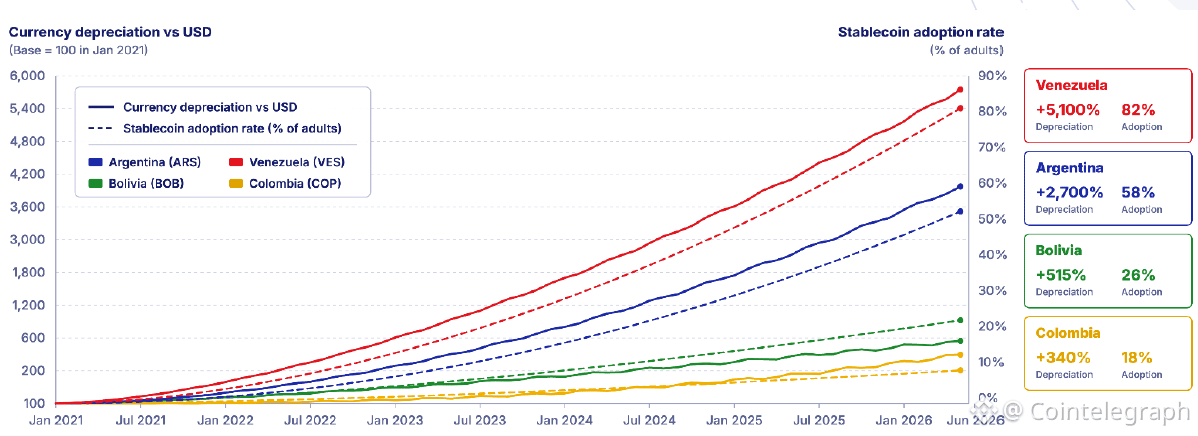
LATAM-Stablecoin-Liquidität könnte von wenigen Anbietern abhängen, sagt InvestorDas Stablecoin-Zahlungsökosystem in Lateinamerika könnte von einer kleinen Gruppe zugrunde liegender Liquiditätsanbieter abhängen, was die Möglichkeit der Kundinnen und Kunden beeinträchtigen könnte, in lokale Währung auszuzahlen, falls ein wichtiger Anbieter den Zugang zum Bankwesen verliert, so der Partner von Verda Ventures, Amit Chu.
In einem neu veröffentlichten Bericht der Krypto-Venture-Unternehmen Varys Capital und Verda Ventures, der auf Verdas Stablescape-Datenbank basiert, haben Forschende 494 Unternehmen in der Region analysiert, aber nur 16 gefunden, deren Kerngeschäft darin besteht, Wholesale-Stablecoin-zu-Fiat-Liquidität, Corporate-Treasury und Kredit bereitzustellen. Sie warnen: „Die Fragilität im System konzentriert sich auf seine dünnste Schicht.“
LATAM-Stablecoin-Liquidität könnte von wenigen Anbietern abhängen, sagt Investor
Das Stablecoin-Zahlungsökosystem in Lateinamerika könnte von einer kleinen Gruppe zugrunde liegender Liquiditätsanbieter abhängen, was die Möglichkeit der Kundinnen und Kunden beeinträchtigen könnte, in lokale Währung auszuzahlen, falls ein wichtiger Anbieter den Zugang zum Bankwesen verliert, so der Partner von Verda Ventures, Amit Chu.
In einem neu veröffentlichten Bericht der Krypto-Venture-Unternehmen Varys Capital und Verda Ventures, der auf Verdas Stablescape-Datenbank basiert, haben Forschende 494 Unternehmen in der Region analysiert, aber nur 16 gefunden, deren Kerngeschäft darin besteht, Wholesale-Stablecoin-zu-Fiat-Liquidität, Corporate-Treasury und Kredit bereitzustellen. Sie warnen: „Die Fragilität im System konzentriert sich auf seine dünnste Schicht.“
In einem neu veröffentlichten Bericht der Krypto-Venture-Unternehmen Varys Capital und Verda Ventures, der auf Verdas Stablescape-Datenbank basiert, haben Forschende 494 Unternehmen in der Region analysiert, aber nur 16 gefunden, deren Kerngeschäft darin besteht, Wholesale-Stablecoin-zu-Fiat-Liquidität, Corporate-Treasury und Kredit bereitzustellen. Sie warnen: „Die Fragilität im System konzentriert sich auf seine dünnste Schicht.“
201
Artikel
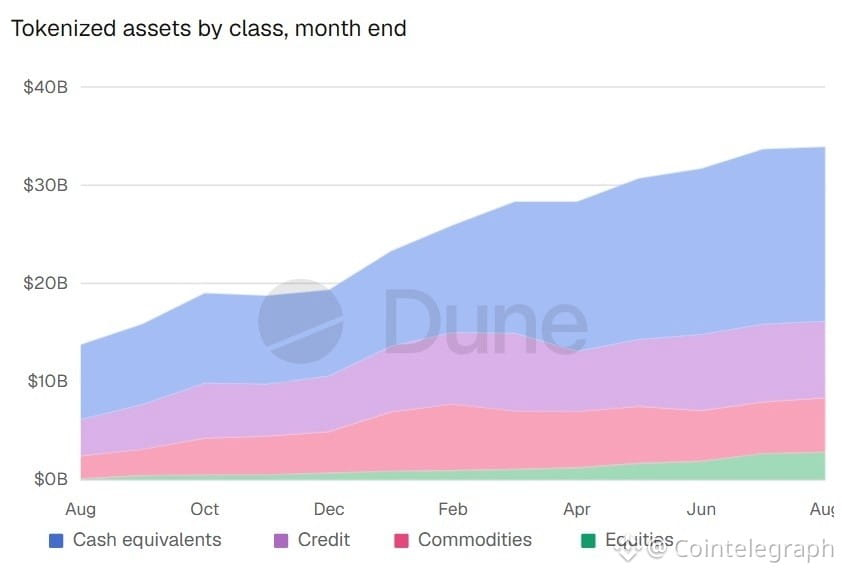
Tokenisierte Assets bilden nicht immer traditionelle Märkte ab, so DuneTokenisierte Märkte zeigen laut einem neuen Dune-Report, der die Onchain- und Offchain-Aktivität über Aktien, Kredite, Rohstoffe und cash-äquivalente Produkte hinweg vergleicht, andere Handels- und Investitionsmuster als traditionelle Märkte.
Dune stellte fest, dass der Unterschied besonders bei Aktien ausgeprägt ist: Einzelaktien machten 81 % des tokenisierten Aktien-Spot-Angebots aus, während exchange-gehandelte Fonds (ETFs) 19 % ausmachten.
Armand Khatri, Leiter des Ökosystems bei Ondo Finance, sagte, dass die Tokenisierung Investoren mehr Kontrolle über die Auswahl der Vermögenswerte gibt, indem sie ihre Abhängigkeit von den Angeboten lokaler Zwischenhändler reduziert.
Tokenisierte Assets bilden nicht immer traditionelle Märkte ab, so Dune
Tokenisierte Märkte zeigen laut einem neuen Dune-Report, der die Onchain- und Offchain-Aktivität über Aktien, Kredite, Rohstoffe und cash-äquivalente Produkte hinweg vergleicht, andere Handels- und Investitionsmuster als traditionelle Märkte.
Dune stellte fest, dass der Unterschied besonders bei Aktien ausgeprägt ist: Einzelaktien machten 81 % des tokenisierten Aktien-Spot-Angebots aus, während exchange-gehandelte Fonds (ETFs) 19 % ausmachten.
Armand Khatri, Leiter des Ökosystems bei Ondo Finance, sagte, dass die Tokenisierung Investoren mehr Kontrolle über die Auswahl der Vermögenswerte gibt, indem sie ihre Abhängigkeit von den Angeboten lokaler Zwischenhändler reduziert.
Dune stellte fest, dass der Unterschied besonders bei Aktien ausgeprägt ist: Einzelaktien machten 81 % des tokenisierten Aktien-Spot-Angebots aus, während exchange-gehandelte Fonds (ETFs) 19 % ausmachten.
Armand Khatri, Leiter des Ökosystems bei Ondo Finance, sagte, dass die Tokenisierung Investoren mehr Kontrolle über die Auswahl der Vermögenswerte gibt, indem sie ihre Abhängigkeit von den Angeboten lokaler Zwischenhändler reduziert.
167
Artikel
Bitcoin hält sich über 83.000 US-Dollar, während die Rally nach schwächeren US-Inflationsdaten verblasstBitcoin (BTC) hielt sich am Donnerstag über 83.000 US-Dollar, nachdem es zuvor nach schwächer als erwartet ausgefallenen US-Inflationsdaten Gewinne abgegeben hatte.
Kernaussagen:
Bitcoin blieb nach dem Abflauen seiner neuesten Rally in einer Seitwärtsrange, nachdem es bei 85.600 US-Dollar ins Stocken geraten war.
Die US-PCE-Inflationsdaten fielen niedriger aus als erwartet: 3,4% im Jahresvergleich, doch Methodikänderungen erschwerten die Interpretation.
Das in BTC denominierten Open Interest fiel um fast 20%, während der Preis um 35% von seinem August-Tief stieg.
Bitcoin gibt Gewinne nach der PCE-Veröffentlichung wieder zurück
Daten von Coinbase zeigten, dass BTC/USD am Tag der Betrachtung unverändert blieb, nachdem es zuvor zu einer kurzen Phase erhöhter Volatilität im Vorfeld des Monatsendes sowie des Abschlusses des dritten Quartals im September gekommen war.
Bitcoin hält sich über 83.000 US-Dollar, während die Rally nach schwächeren US-Inflationsdaten verblasst
Bitcoin (BTC) hielt sich am Donnerstag über 83.000 US-Dollar, nachdem es zuvor nach schwächer als erwartet ausgefallenen US-Inflationsdaten Gewinne abgegeben hatte.
Kernaussagen:
Bitcoin blieb nach dem Abflauen seiner neuesten Rally in einer Seitwärtsrange, nachdem es bei 85.600 US-Dollar ins Stocken geraten war.
Die US-PCE-Inflationsdaten fielen niedriger aus als erwartet: 3,4% im Jahresvergleich, doch Methodikänderungen erschwerten die Interpretation.
Das in BTC denominierten Open Interest fiel um fast 20%, während der Preis um 35% von seinem August-Tief stieg.
Bitcoin gibt Gewinne nach der PCE-Veröffentlichung wieder zurück
Daten von Coinbase zeigten, dass BTC/USD am Tag der Betrachtung unverändert blieb, nachdem es zuvor zu einer kurzen Phase erhöhter Volatilität im Vorfeld des Monatsendes sowie des Abschlusses des dritten Quartals im September gekommen war.
Kernaussagen:
Bitcoin blieb nach dem Abflauen seiner neuesten Rally in einer Seitwärtsrange, nachdem es bei 85.600 US-Dollar ins Stocken geraten war.
Die US-PCE-Inflationsdaten fielen niedriger aus als erwartet: 3,4% im Jahresvergleich, doch Methodikänderungen erschwerten die Interpretation.
Das in BTC denominierten Open Interest fiel um fast 20%, während der Preis um 35% von seinem August-Tief stieg.
Bitcoin gibt Gewinne nach der PCE-Veröffentlichung wieder zurück
Daten von Coinbase zeigten, dass BTC/USD am Tag der Betrachtung unverändert blieb, nachdem es zuvor zu einer kurzen Phase erhöhter Volatilität im Vorfeld des Monatsendes sowie des Abschlusses des dritten Quartals im September gekommen war.
1
797
Übersetzung ansehen
Binance’s EU services face scrutiny over licensing exemption: ReportEuropean regulators are reportedly scrutinizing Binance’s use of a legal exemption to continue serving customers in the European Union without authorization under the bloc’s crypto rules.
The European Securities and Markets Authority (ESMA) and regulators in France, Germany and Greece are examining Binance’s use of reverse solicitation under the Markets in Crypto-Assets Regulation (MiCA), the Financial Times reported on Thursday.
Binance withdrew its Greek MiCA application in June and said it would seek authorization in another EU member state.
Binance told Cointelegraph on Sept. 18 that it continues pursuing MiCA authorization and remains committed to operating in Europe on a long-term compliant basis.
Reverse solicitation under scrutiny
Binance is relying on reverse solicitation to continue serving some EU customers, the report said, citing a person familiar with the matter.
The exemption allows non-EU crypto asset service providers (CASPs) to serve customers who approach them entirely on their own initiative, but ESMA’s guidelines stress that companies cannot use it to circumvent MiCA requirements.
Ahead of the end of MiCA’s transitional period on July 1, Binance told Cointelegraph that EU access would depend partly on a user’s jurisdiction, account status and “servicing entity.” Some EU traders are now being served through Binance’s Abu Dhabi-regulated entity, according to the FT.
Binance did not confirm whether it was in talks with EU regulators, telling Cointelegraph that it “complies with applicable regulatory requirements.”
ESMA pushes for stronger enforcement powers
ESMA on Wednesday called for stronger powers over non-EU companies that solicit European investors without MiCA authorization in its response to the European Commission’s consultation on reviewing the regulation.
ESMA said its proposals would support faster, more consistent supervisory action across the EU and reduce opportunities for companies to exploit regulatory differences.
The push follows ESMA Chair Verena Ross saying Monday that the regulator’s MiCA focus had shifted “from rulemaking towards supervision and convergence.”
Binance absent from ESMA’s non-compliant list
ESMA’s register of non-compliant crypto providers grew from 164 entries on July 16 to 173 in its Sept. 30 update.
Binance does not appear on the latest register, which MiCA describes as “non-exhaustive” and which ESMA updates based on information from national authorities and other sources.
Germany’s Federal Financial Supervisory Authority (BaFin) declined to provide further information, citing legal confidentiality obligations. ESMA and the French and Greek watchdogs had not responded by publication.
Magazine: MiCA is coming for DeFi vaults, but regulation will be difficult
Binance’s EU services face scrutiny over licensing exemption: Report
European regulators are reportedly scrutinizing Binance’s use of a legal exemption to continue serving customers in the European Union without authorization under the bloc’s crypto rules.
The European Securities and Markets Authority (ESMA) and regulators in France, Germany and Greece are examining Binance’s use of reverse solicitation under the Markets in Crypto-Assets Regulation (MiCA), the Financial Times reported on Thursday.
Binance withdrew its Greek MiCA application in June and said it would seek authorization in another EU member state.
Binance told Cointelegraph on Sept. 18 that it continues pursuing MiCA authorization and remains committed to operating in Europe on a long-term compliant basis.
Reverse solicitation under scrutiny
Binance is relying on reverse solicitation to continue serving some EU customers, the report said, citing a person familiar with the matter.
The exemption allows non-EU crypto asset service providers (CASPs) to serve customers who approach them entirely on their own initiative, but ESMA’s guidelines stress that companies cannot use it to circumvent MiCA requirements.
Ahead of the end of MiCA’s transitional period on July 1, Binance told Cointelegraph that EU access would depend partly on a user’s jurisdiction, account status and “servicing entity.” Some EU traders are now being served through Binance’s Abu Dhabi-regulated entity, according to the FT.
Binance did not confirm whether it was in talks with EU regulators, telling Cointelegraph that it “complies with applicable regulatory requirements.”
ESMA pushes for stronger enforcement powers
ESMA on Wednesday called for stronger powers over non-EU companies that solicit European investors without MiCA authorization in its response to the European Commission’s consultation on reviewing the regulation.
ESMA said its proposals would support faster, more consistent supervisory action across the EU and reduce opportunities for companies to exploit regulatory differences.
The push follows ESMA Chair Verena Ross saying Monday that the regulator’s MiCA focus had shifted “from rulemaking towards supervision and convergence.”
Binance absent from ESMA’s non-compliant list
ESMA’s register of non-compliant crypto providers grew from 164 entries on July 16 to 173 in its Sept. 30 update.
Binance does not appear on the latest register, which MiCA describes as “non-exhaustive” and which ESMA updates based on information from national authorities and other sources.
Germany’s Federal Financial Supervisory Authority (BaFin) declined to provide further information, citing legal confidentiality obligations. ESMA and the French and Greek watchdogs had not responded by publication.
Magazine: MiCA is coming for DeFi vaults, but regulation will be difficult
The European Securities and Markets Authority (ESMA) and regulators in France, Germany and Greece are examining Binance’s use of reverse solicitation under the Markets in Crypto-Assets Regulation (MiCA), the Financial Times reported on Thursday.
Binance withdrew its Greek MiCA application in June and said it would seek authorization in another EU member state.
Binance told Cointelegraph on Sept. 18 that it continues pursuing MiCA authorization and remains committed to operating in Europe on a long-term compliant basis.
Reverse solicitation under scrutiny
Binance is relying on reverse solicitation to continue serving some EU customers, the report said, citing a person familiar with the matter.
The exemption allows non-EU crypto asset service providers (CASPs) to serve customers who approach them entirely on their own initiative, but ESMA’s guidelines stress that companies cannot use it to circumvent MiCA requirements.
Ahead of the end of MiCA’s transitional period on July 1, Binance told Cointelegraph that EU access would depend partly on a user’s jurisdiction, account status and “servicing entity.” Some EU traders are now being served through Binance’s Abu Dhabi-regulated entity, according to the FT.
Binance did not confirm whether it was in talks with EU regulators, telling Cointelegraph that it “complies with applicable regulatory requirements.”
ESMA pushes for stronger enforcement powers
ESMA on Wednesday called for stronger powers over non-EU companies that solicit European investors without MiCA authorization in its response to the European Commission’s consultation on reviewing the regulation.
ESMA said its proposals would support faster, more consistent supervisory action across the EU and reduce opportunities for companies to exploit regulatory differences.
The push follows ESMA Chair Verena Ross saying Monday that the regulator’s MiCA focus had shifted “from rulemaking towards supervision and convergence.”
Binance absent from ESMA’s non-compliant list
ESMA’s register of non-compliant crypto providers grew from 164 entries on July 16 to 173 in its Sept. 30 update.
Binance does not appear on the latest register, which MiCA describes as “non-exhaustive” and which ESMA updates based on information from national authorities and other sources.
Germany’s Federal Financial Supervisory Authority (BaFin) declined to provide further information, citing legal confidentiality obligations. ESMA and the French and Greek watchdogs had not responded by publication.
Magazine: MiCA is coming for DeFi vaults, but regulation will be difficult
91
Chainalysis gewinnt die meisten Celsius-Klagen, aber die „Audit“-Klagesache bleibt bestehenEin US-Bundesrichter hat die meisten Ansprüche abgewiesen, die gegen Chainalysis von einem Rechtsverwalter der Celsius Network eingereicht worden waren, aber einen Anspruch zum Fortgang zugelassen.
Die fortbestehende Klage behauptet, Chainalysis habe geholfen, dass Celsius-Insider ihre treuhänderischen Pflichten verletzten.
Die US-Bundesrichterin Margaret Garnett wies am Dienstag in einer Entscheidung den Antrag von Chainalysis zurück, die Beihilfe-und-Beteiligungsklage abzuweisen. Sie befand, dass in der Klageschrift hinreichend dargelegt werde, dass Chainalysis wusste, dass eine Celsius-Pressemitteilung aus dem Jahr 2020 falsche Aussagen enthielt, und half, diese zu verbreiten.
Chainalysis gewinnt die meisten Celsius-Klagen, aber die „Audit“-Klagesache bleibt bestehen
Ein US-Bundesrichter hat die meisten Ansprüche abgewiesen, die gegen Chainalysis von einem Rechtsverwalter der Celsius Network eingereicht worden waren, aber einen Anspruch zum Fortgang zugelassen.
Die fortbestehende Klage behauptet, Chainalysis habe geholfen, dass Celsius-Insider ihre treuhänderischen Pflichten verletzten.
Die US-Bundesrichterin Margaret Garnett wies am Dienstag in einer Entscheidung den Antrag von Chainalysis zurück, die Beihilfe-und-Beteiligungsklage abzuweisen. Sie befand, dass in der Klageschrift hinreichend dargelegt werde, dass Chainalysis wusste, dass eine Celsius-Pressemitteilung aus dem Jahr 2020 falsche Aussagen enthielt, und half, diese zu verbreiten.
Die fortbestehende Klage behauptet, Chainalysis habe geholfen, dass Celsius-Insider ihre treuhänderischen Pflichten verletzten.
Die US-Bundesrichterin Margaret Garnett wies am Dienstag in einer Entscheidung den Antrag von Chainalysis zurück, die Beihilfe-und-Beteiligungsklage abzuweisen. Sie befand, dass in der Klageschrift hinreichend dargelegt werde, dass Chainalysis wusste, dass eine Celsius-Pressemitteilung aus dem Jahr 2020 falsche Aussagen enthielt, und half, diese zu verbreiten.
1
171
Artikel
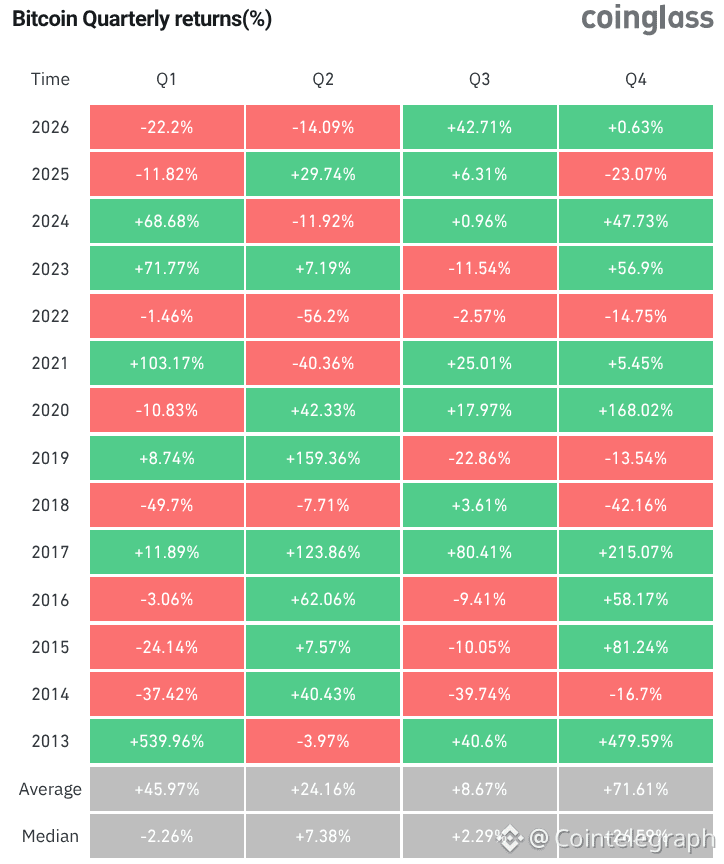
Bitcoin-ETFs ziehen 6,3 Mrd. US-Dollar im Q3 an, während der BTC-Preis fast 43% steigtUS-amerikanische Spot-Bitcoin-Exchange-Traded-Funds (ETFs) verzeichneten im dritten Quartal rund 6,34 Milliarden US-Dollar an Nettozuflüssen und damit ihr stärkstes Quartal 2026, nachdem Bitcoin sich von der ersten Jahreshälfte erholt hatte.
Die Fonds schlossen den September mit 2,65 Milliarden US-Dollar an Nettozuflüssen ab, rund 25% weniger als 3,52 Milliarden US-Dollar im August, und nach 172 Millionen US-Dollar im Juli, wie Daten von SoSoValue zeigen.
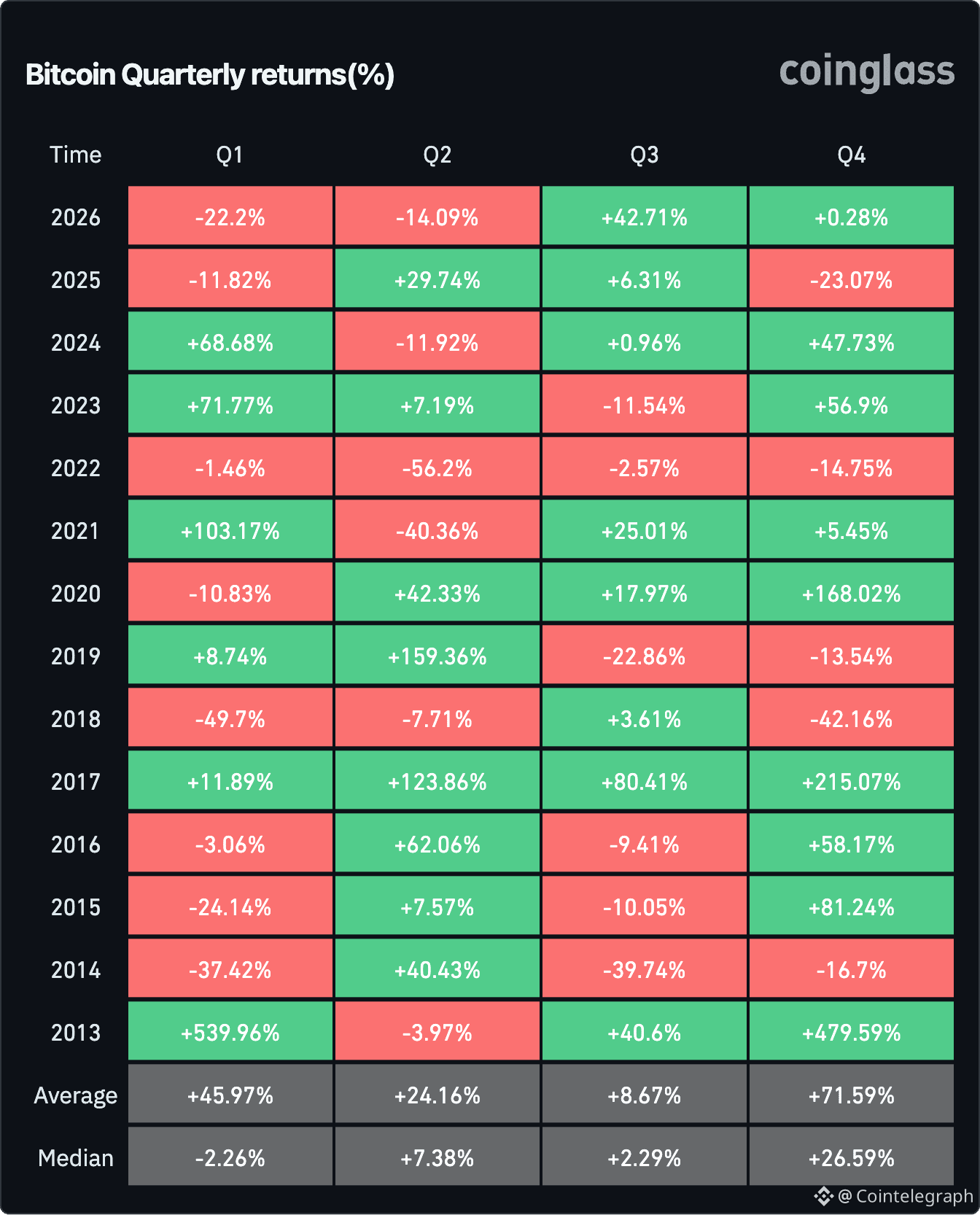
Die Quartalsströme drehten sich um und wendeten rund 5 Milliarden US-Dollar aus, die im zweiten Quartal als Nettoabflüsse verzeichnet worden waren. Bitcoin legte im dritten Quartal um 42,71% zu – das stärkste Quartalsplus seit dem vierten Quartal 2024 und die beste Performance im dritten Quartal seit 2017 – so CoinGlass.
Bitcoin-ETFs ziehen 6,3 Mrd. US-Dollar im Q3 an, während der BTC-Preis fast 43% steigt
US-amerikanische Spot-Bitcoin-Exchange-Traded-Funds (ETFs) verzeichneten im dritten Quartal rund 6,34 Milliarden US-Dollar an Nettozuflüssen und damit ihr stärkstes Quartal 2026, nachdem Bitcoin sich von der ersten Jahreshälfte erholt hatte.
Die Fonds schlossen den September mit 2,65 Milliarden US-Dollar an Nettozuflüssen ab, rund 25% weniger als 3,52 Milliarden US-Dollar im August, und nach 172 Millionen US-Dollar im Juli, wie Daten von SoSoValue zeigen.
Die Quartalsströme drehten sich um und wendeten rund 5 Milliarden US-Dollar aus, die im zweiten Quartal als Nettoabflüsse verzeichnet worden waren. Bitcoin legte im dritten Quartal um 42,71% zu – das stärkste Quartalsplus seit dem vierten Quartal 2024 und die beste Performance im dritten Quartal seit 2017 – so CoinGlass.
Die Fonds schlossen den September mit 2,65 Milliarden US-Dollar an Nettozuflüssen ab, rund 25% weniger als 3,52 Milliarden US-Dollar im August, und nach 172 Millionen US-Dollar im Juli, wie Daten von SoSoValue zeigen.
Die Quartalsströme drehten sich um und wendeten rund 5 Milliarden US-Dollar aus, die im zweiten Quartal als Nettoabflüsse verzeichnet worden waren. Bitcoin legte im dritten Quartal um 42,71% zu – das stärkste Quartalsplus seit dem vierten Quartal 2024 und die beste Performance im dritten Quartal seit 2017 – so CoinGlass.
2
3
1.9k
Bitcoin-Thinktank stellt MSCI’s „unsichtbares Komitee“ zu Regel für Strategy und Metaplanet infrageEin Bitcoin-Policy-Thinktank hat hinterfragt, wie MSCI seinen jüngsten Vorschlag entwickelt hat, um die Regeln für seine Marktindizes zu verschärfen. Anlass ist, dass der Benchmark-Anbieter Unternehmen einschließlich Strategy und Metaplanet für eine mögliche Behandlung als „nicht operierende Unternehmen“ und damit für einen Ausschluss aus seinen Indizes identifiziert hat.
MSCI hat im Jahr 2025 erstmals vorgeschlagen, digitale Asset-Treasury-Unternehmen von seinen globalen Indizes auszuschließen, den Plan jedoch im Januar nach Gegenwind auf Eis gelegt. Stattdessen wollte man die Kategorie „nicht operierende Unternehmen“ umfassender prüfen. Am 3. August meldete sich MSCI mit einem breiteren Vorschlag zurück, der Strategy und Metaplanet weiterhin aus seinen Indizes entfernen könnte.
Bitcoin-Thinktank stellt MSCI’s „unsichtbares Komitee“ zu Regel für Strategy und Metaplanet infrage
Ein Bitcoin-Policy-Thinktank hat hinterfragt, wie MSCI seinen jüngsten Vorschlag entwickelt hat, um die Regeln für seine Marktindizes zu verschärfen. Anlass ist, dass der Benchmark-Anbieter Unternehmen einschließlich Strategy und Metaplanet für eine mögliche Behandlung als „nicht operierende Unternehmen“ und damit für einen Ausschluss aus seinen Indizes identifiziert hat.
MSCI hat im Jahr 2025 erstmals vorgeschlagen, digitale Asset-Treasury-Unternehmen von seinen globalen Indizes auszuschließen, den Plan jedoch im Januar nach Gegenwind auf Eis gelegt. Stattdessen wollte man die Kategorie „nicht operierende Unternehmen“ umfassender prüfen. Am 3. August meldete sich MSCI mit einem breiteren Vorschlag zurück, der Strategy und Metaplanet weiterhin aus seinen Indizes entfernen könnte.
MSCI hat im Jahr 2025 erstmals vorgeschlagen, digitale Asset-Treasury-Unternehmen von seinen globalen Indizes auszuschließen, den Plan jedoch im Januar nach Gegenwind auf Eis gelegt. Stattdessen wollte man die Kategorie „nicht operierende Unternehmen“ umfassender prüfen. Am 3. August meldete sich MSCI mit einem breiteren Vorschlag zurück, der Strategy und Metaplanet weiterhin aus seinen Indizes entfernen könnte.
2
1
859
Artikel
Krypto-Hacks übersteigen im September 768 Mio. USD – schlimmster Monat 2026Krypto erlebte im September seinen schlimmsten Monat des Jahres bei Hacks und Exploits: Zwei Blockchain-Sicherheitsfirmen schätzten Verluste von mehr als $766 Millionen.
PeckShield zählte 55 größere Vorfälle mit insgesamt $766,5 Millionen an gestohlenen Mitteln, während CertiK 97 Vorfälle verzeichnete und Verluste in Höhe von $768,4 Millionen schätzte. Beide Unternehmen zeigten, dass die Verluste im Vergleich zu August deutlich angestiegen waren.
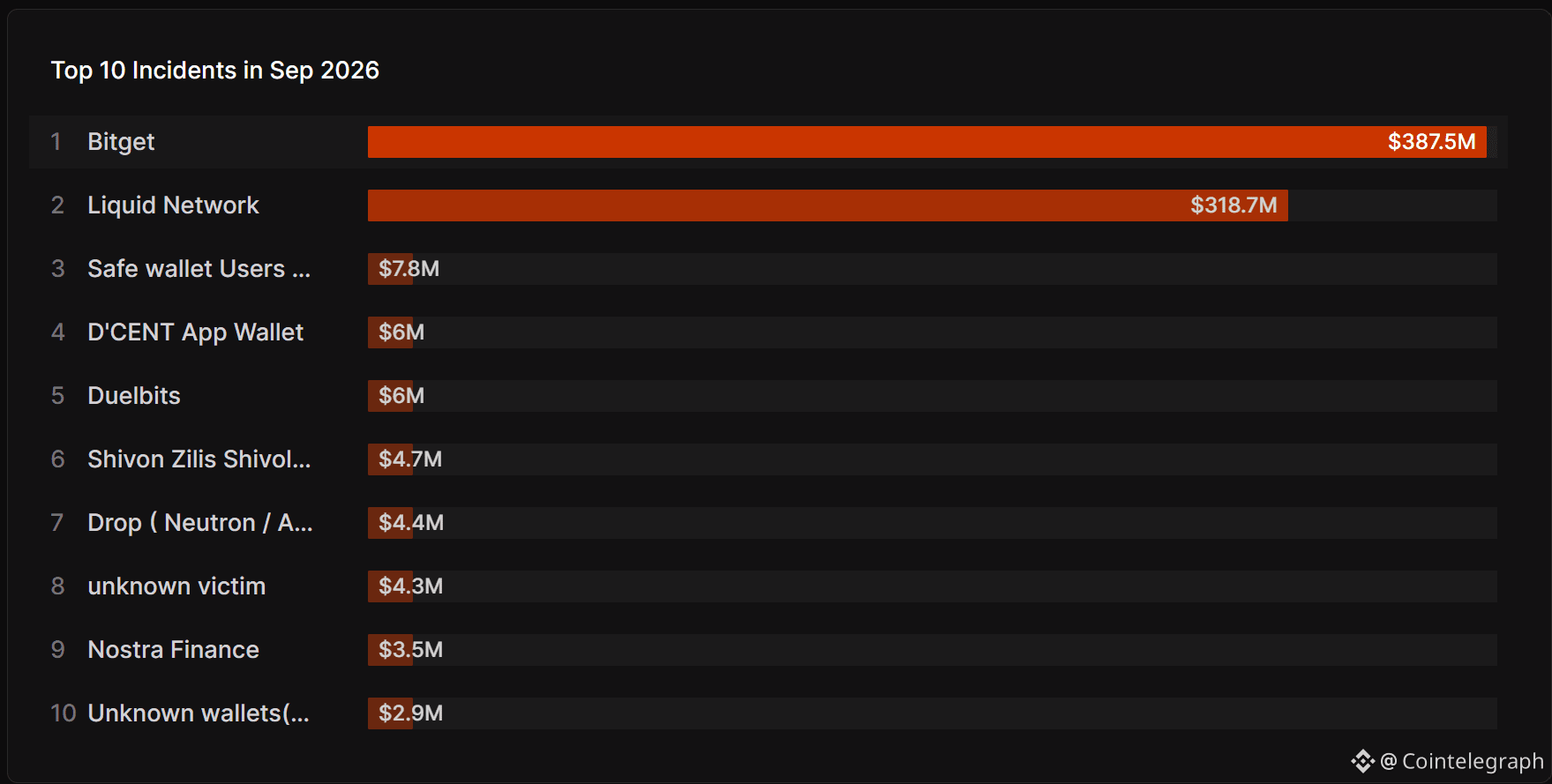
Der Monat umfasste den $388 Millionen Bitget-Hack sowie einen $320 Millionen Hack des Liquid Network. Mehr als $270 Millionen wurden später Berichten zufolge zurückgezahlt. Die Vorfälle gehören zu den größten Krypto-Diebstählen des Jahres.
Krypto-Hacks übersteigen im September 768 Mio. USD – schlimmster Monat 2026
Krypto erlebte im September seinen schlimmsten Monat des Jahres bei Hacks und Exploits: Zwei Blockchain-Sicherheitsfirmen schätzten Verluste von mehr als $766 Millionen.
PeckShield zählte 55 größere Vorfälle mit insgesamt $766,5 Millionen an gestohlenen Mitteln, während CertiK 97 Vorfälle verzeichnete und Verluste in Höhe von $768,4 Millionen schätzte. Beide Unternehmen zeigten, dass die Verluste im Vergleich zu August deutlich angestiegen waren.
Der Monat umfasste den $388 Millionen Bitget-Hack sowie einen $320 Millionen Hack des Liquid Network. Mehr als $270 Millionen wurden später Berichten zufolge zurückgezahlt. Die Vorfälle gehören zu den größten Krypto-Diebstählen des Jahres.
PeckShield zählte 55 größere Vorfälle mit insgesamt $766,5 Millionen an gestohlenen Mitteln, während CertiK 97 Vorfälle verzeichnete und Verluste in Höhe von $768,4 Millionen schätzte. Beide Unternehmen zeigten, dass die Verluste im Vergleich zu August deutlich angestiegen waren.
Der Monat umfasste den $388 Millionen Bitget-Hack sowie einen $320 Millionen Hack des Liquid Network. Mehr als $270 Millionen wurden später Berichten zufolge zurückgezahlt. Die Vorfälle gehören zu den größten Krypto-Diebstählen des Jahres.
3
3
3.4k
CFTC will Event-Contracts als Swaps definieren – im Streit um PrognosemärkteDie US-Börsenaufsichtsbehörde für Warenterminprodukte (Commodity Futures Trading Commission) sucht eine Klarstellung der Definition von „Swap“, während es zu einem Zuständigkeitsstreit mit staatlichen Glücksspielaufsichtsbehörden über Prognosemärkte kommt.
Ein Akteneintrag des Office of Information and Regulatory Affairs zeigt, dass die Behörde einen vorgeschlagenen Erlass eingereicht hat, um die Definition von „Swap“ so zu erweitern, dass auch Event-Contracts erfasst werden, zusammen mit einer Zwischen-Endfassung, die Produkte im Stil von Casino-Wetten ausschließen würde. Beide befinden sich derzeit in Prüfung.
Die Einordnung ist wichtig, weil die CFTC argumentiert hat, dass das Bundesrecht ihr die ausschließliche Zuständigkeit für Swaps verleiht, die auf ihren regulierten Handelsplätzen gehandelt werden, etwa für solche, die von Polymarket und Kalshi angeboten werden. US-Staatenaufsichtsbehörden bestreiten diese Position, insbesondere für Verträge zu Sportereignissen, und argumentieren, dass diese den Glücksspielgesetzen der Länder unterliegen.
CFTC will Event-Contracts als Swaps definieren – im Streit um Prognosemärkte
Die US-Börsenaufsichtsbehörde für Warenterminprodukte (Commodity Futures Trading Commission) sucht eine Klarstellung der Definition von „Swap“, während es zu einem Zuständigkeitsstreit mit staatlichen Glücksspielaufsichtsbehörden über Prognosemärkte kommt.
Ein Akteneintrag des Office of Information and Regulatory Affairs zeigt, dass die Behörde einen vorgeschlagenen Erlass eingereicht hat, um die Definition von „Swap“ so zu erweitern, dass auch Event-Contracts erfasst werden, zusammen mit einer Zwischen-Endfassung, die Produkte im Stil von Casino-Wetten ausschließen würde. Beide befinden sich derzeit in Prüfung.
Die Einordnung ist wichtig, weil die CFTC argumentiert hat, dass das Bundesrecht ihr die ausschließliche Zuständigkeit für Swaps verleiht, die auf ihren regulierten Handelsplätzen gehandelt werden, etwa für solche, die von Polymarket und Kalshi angeboten werden. US-Staatenaufsichtsbehörden bestreiten diese Position, insbesondere für Verträge zu Sportereignissen, und argumentieren, dass diese den Glücksspielgesetzen der Länder unterliegen.
Ein Akteneintrag des Office of Information and Regulatory Affairs zeigt, dass die Behörde einen vorgeschlagenen Erlass eingereicht hat, um die Definition von „Swap“ so zu erweitern, dass auch Event-Contracts erfasst werden, zusammen mit einer Zwischen-Endfassung, die Produkte im Stil von Casino-Wetten ausschließen würde. Beide befinden sich derzeit in Prüfung.
Die Einordnung ist wichtig, weil die CFTC argumentiert hat, dass das Bundesrecht ihr die ausschließliche Zuständigkeit für Swaps verleiht, die auf ihren regulierten Handelsplätzen gehandelt werden, etwa für solche, die von Polymarket und Kalshi angeboten werden. US-Staatenaufsichtsbehörden bestreiten diese Position, insbesondere für Verträge zu Sportereignissen, und argumentieren, dass diese den Glücksspielgesetzen der Länder unterliegen.
3
1.1k
MetaMask verlässt Lido-Validatoren, während es einen Sicherheitsvorfall untersuchtMetaMask hat angekündigt, dass es auf einen Sicherheitsvorfall reagiert, der einen Teil seiner Infrastruktur betrifft, und dass es als Vorsichtsmaßnahme die betroffenen Staking-Validatoren verlässt.
In einem Update am Mittwoch sagte MetaMask, dass es die anhaltende Bedrohung intern bearbeitet und mit externen Partnern sowie Sicherheitsberatern zusammenarbeitet. Es teilte nicht mit, worum genau das Sicherheitsproblem ging, sagte jedoch, dass es keine unmittelbare Bedrohung für MetaMask-Wallets identifiziert habe.
MetaMask sagte, dass die vorsorglichen Maßnahmen Validatoren in seinen nicht verwahrten Staking-Operationen betreffen.
MetaMask verlässt Lido-Validatoren, während es einen Sicherheitsvorfall untersucht
MetaMask hat angekündigt, dass es auf einen Sicherheitsvorfall reagiert, der einen Teil seiner Infrastruktur betrifft, und dass es als Vorsichtsmaßnahme die betroffenen Staking-Validatoren verlässt.
In einem Update am Mittwoch sagte MetaMask, dass es die anhaltende Bedrohung intern bearbeitet und mit externen Partnern sowie Sicherheitsberatern zusammenarbeitet. Es teilte nicht mit, worum genau das Sicherheitsproblem ging, sagte jedoch, dass es keine unmittelbare Bedrohung für MetaMask-Wallets identifiziert habe.
MetaMask sagte, dass die vorsorglichen Maßnahmen Validatoren in seinen nicht verwahrten Staking-Operationen betreffen.
In einem Update am Mittwoch sagte MetaMask, dass es die anhaltende Bedrohung intern bearbeitet und mit externen Partnern sowie Sicherheitsberatern zusammenarbeitet. Es teilte nicht mit, worum genau das Sicherheitsproblem ging, sagte jedoch, dass es keine unmittelbare Bedrohung für MetaMask-Wallets identifiziert habe.
MetaMask sagte, dass die vorsorglichen Maßnahmen Validatoren in seinen nicht verwahrten Staking-Operationen betreffen.
4
1
2.2k
Artikel
Könnte THORChain wegen gestohlener Bitget-Gelder strafrechtlich verfolgt werden?Nachdem mutmaßliche nordkoreanische Hacker letzte Woche die Krypto-Börse Bitget für 387,5 Millionen US-Dollar ausgenutzt hatten, konnten Ermittler die Empfängeradressen schnell markieren und nachverfolgen.
Bitget-CEO Gracy Chen verlangte daraufhin umstritten, dass die Plattform für dezentrale Cross-Chain-Swaps THORChain „diesen Adressen den Service verweigern“ solle.
THORChain antwortete:
„THORChain ist dezentral und lizenzfrei wie Bitcoin, Ethereum und die BNB Chain. Welche Verantwortung sollten Bitcoin, Ethereum und die BNB Chain tragen, wenn es um den Umgang mit bekannten gestohlenen Geldern geht?“
Könnte THORChain wegen gestohlener Bitget-Gelder strafrechtlich verfolgt werden?
Nachdem mutmaßliche nordkoreanische Hacker letzte Woche die Krypto-Börse Bitget für 387,5 Millionen US-Dollar ausgenutzt hatten, konnten Ermittler die Empfängeradressen schnell markieren und nachverfolgen.
Bitget-CEO Gracy Chen verlangte daraufhin umstritten, dass die Plattform für dezentrale Cross-Chain-Swaps THORChain „diesen Adressen den Service verweigern“ solle.
THORChain antwortete:
„THORChain ist dezentral und lizenzfrei wie Bitcoin, Ethereum und die BNB Chain. Welche Verantwortung sollten Bitcoin, Ethereum und die BNB Chain tragen, wenn es um den Umgang mit bekannten gestohlenen Geldern geht?“
Bitget-CEO Gracy Chen verlangte daraufhin umstritten, dass die Plattform für dezentrale Cross-Chain-Swaps THORChain „diesen Adressen den Service verweigern“ solle.
THORChain antwortete:
„THORChain ist dezentral und lizenzfrei wie Bitcoin, Ethereum und die BNB Chain. Welche Verantwortung sollten Bitcoin, Ethereum und die BNB Chain tragen, wenn es um den Umgang mit bekannten gestohlenen Geldern geht?“
2
2
832
Verifiziert
Artikel
Übersetzung ansehen
Standard Chartered sees Ethena’s USDe reaching $40B, ENA hitting $2British multinational bank Standard Chartered expects Ethena’s USDe stablecoin supply to grow eightfold to $40 billion by the end of 2028 as the protocol expands its sources of yield beyond crypto markets.
In a Wednesday research report shared with Cointelegraph, the bank initiated coverage of Ethena’s ENA token with a year-end 2028 price target of $2, roughly seven times the $0.28 price cited in the report. Standard Chartered also expects USDe to slightly outpace overall stablecoin market growth over the period.
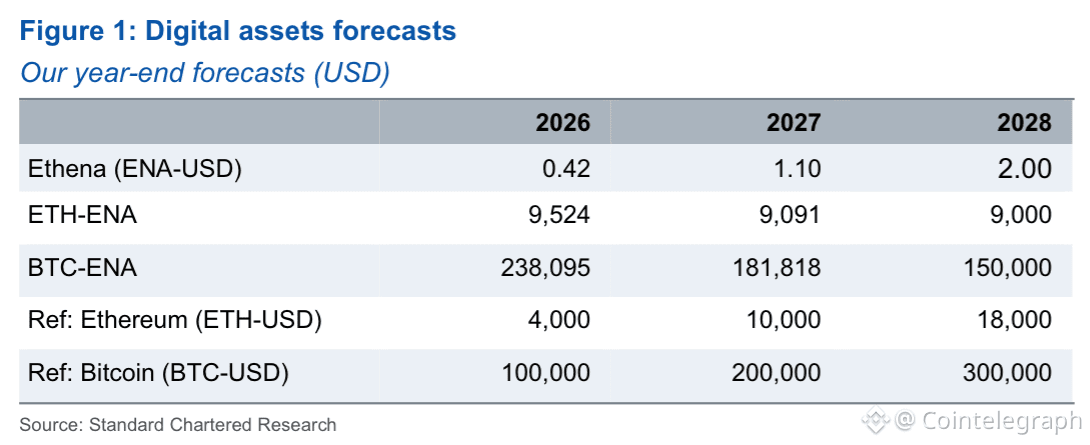
Its forecasts imply ENA would also outperform Bitcoin (BTC) and Ether (ETH) through 2028. Standard Chartered sees BTC reaching $300,000 and ETH $18,000 by the end of the period.
Standard Chartered’s year-end digital asset price forecasts through 2028. Source: Standard Chartered Research
Standard Chartered said declining returns from USDe’s traditional crypto basis trade, which involves holding spot crypto while shorting perpetual futures, have pushed Ethena to expand into DeFi and institutional lending, real-world assets and basis trades tied to equities and commodities. Those sources currently generate a blended yield of 5.2%, giving USDe more room to scale.
The bank forecasts the broader market for tokenized assets will grow from about $350 billion today to $4 trillion by the end of 2028, expanding the pool of assets Ethena could use to generate yield.
USDe growth could fuel ENA buybacks
The link between USDe growth and ENA buybacks is central to Standard Chartered’s valuation case for the token. A fee switch approved by Ethena governance in early September directs 95% of net revenue from its business lines toward ENA buybacks once USDe reaches specified supply milestones.
At $25 billion in USDe supply, Ethena estimates the mechanism could generate $375 million in annual ENA buybacks, assuming a 6% gross protocol yield and a 25% net revenue take rate.
ENA buyback volumes at different USDe supply levels. Source: Ethena
Standard Chartered estimates that if USDe reaches its $40 billion forecast and ENA’s price remains unchanged, annual buybacks could amount to roughly 23% of ENA’s circulating market capitalization. The bank said such a rate would likely be unsustainable, so it expects ENA’s price to rise until buybacks settle at a lower percentage of its market value.
The bank used Uniswap as a comparison, noting that UNI’s annualized buyback rate has stabilized at around 3% to 4% as its token price increased.
ENA was trading at about $0.27 on Wednesday, up roughly 28% over the past week and 77% over the past month, according to CoinGecko data. The token has a market capitalization of about $2.65 billion.
Magazine: Could THORChain face prosecution over stolen Bitget funds?
Standard Chartered sees Ethena’s USDe reaching $40B, ENA hitting $2
British multinational bank Standard Chartered expects Ethena’s USDe stablecoin supply to grow eightfold to $40 billion by the end of 2028 as the protocol expands its sources of yield beyond crypto markets.
In a Wednesday research report shared with Cointelegraph, the bank initiated coverage of Ethena’s ENA token with a year-end 2028 price target of $2, roughly seven times the $0.28 price cited in the report. Standard Chartered also expects USDe to slightly outpace overall stablecoin market growth over the period.
Its forecasts imply ENA would also outperform Bitcoin (BTC) and Ether (ETH) through 2028. Standard Chartered sees BTC reaching $300,000 and ETH $18,000 by the end of the period.
Standard Chartered’s year-end digital asset price forecasts through 2028. Source: Standard Chartered Research
Standard Chartered said declining returns from USDe’s traditional crypto basis trade, which involves holding spot crypto while shorting perpetual futures, have pushed Ethena to expand into DeFi and institutional lending, real-world assets and basis trades tied to equities and commodities. Those sources currently generate a blended yield of 5.2%, giving USDe more room to scale.
The bank forecasts the broader market for tokenized assets will grow from about $350 billion today to $4 trillion by the end of 2028, expanding the pool of assets Ethena could use to generate yield.
USDe growth could fuel ENA buybacks
The link between USDe growth and ENA buybacks is central to Standard Chartered’s valuation case for the token. A fee switch approved by Ethena governance in early September directs 95% of net revenue from its business lines toward ENA buybacks once USDe reaches specified supply milestones.
At $25 billion in USDe supply, Ethena estimates the mechanism could generate $375 million in annual ENA buybacks, assuming a 6% gross protocol yield and a 25% net revenue take rate.
ENA buyback volumes at different USDe supply levels. Source: Ethena
Standard Chartered estimates that if USDe reaches its $40 billion forecast and ENA’s price remains unchanged, annual buybacks could amount to roughly 23% of ENA’s circulating market capitalization. The bank said such a rate would likely be unsustainable, so it expects ENA’s price to rise until buybacks settle at a lower percentage of its market value.
The bank used Uniswap as a comparison, noting that UNI’s annualized buyback rate has stabilized at around 3% to 4% as its token price increased.
ENA was trading at about $0.27 on Wednesday, up roughly 28% over the past week and 77% over the past month, according to CoinGecko data. The token has a market capitalization of about $2.65 billion.
Magazine: Could THORChain face prosecution over stolen Bitget funds?
In a Wednesday research report shared with Cointelegraph, the bank initiated coverage of Ethena’s ENA token with a year-end 2028 price target of $2, roughly seven times the $0.28 price cited in the report. Standard Chartered also expects USDe to slightly outpace overall stablecoin market growth over the period.
Its forecasts imply ENA would also outperform Bitcoin (BTC) and Ether (ETH) through 2028. Standard Chartered sees BTC reaching $300,000 and ETH $18,000 by the end of the period.
Standard Chartered’s year-end digital asset price forecasts through 2028. Source: Standard Chartered Research
Standard Chartered said declining returns from USDe’s traditional crypto basis trade, which involves holding spot crypto while shorting perpetual futures, have pushed Ethena to expand into DeFi and institutional lending, real-world assets and basis trades tied to equities and commodities. Those sources currently generate a blended yield of 5.2%, giving USDe more room to scale.
The bank forecasts the broader market for tokenized assets will grow from about $350 billion today to $4 trillion by the end of 2028, expanding the pool of assets Ethena could use to generate yield.
USDe growth could fuel ENA buybacks
The link between USDe growth and ENA buybacks is central to Standard Chartered’s valuation case for the token. A fee switch approved by Ethena governance in early September directs 95% of net revenue from its business lines toward ENA buybacks once USDe reaches specified supply milestones.
At $25 billion in USDe supply, Ethena estimates the mechanism could generate $375 million in annual ENA buybacks, assuming a 6% gross protocol yield and a 25% net revenue take rate.
ENA buyback volumes at different USDe supply levels. Source: Ethena
Standard Chartered estimates that if USDe reaches its $40 billion forecast and ENA’s price remains unchanged, annual buybacks could amount to roughly 23% of ENA’s circulating market capitalization. The bank said such a rate would likely be unsustainable, so it expects ENA’s price to rise until buybacks settle at a lower percentage of its market value.
The bank used Uniswap as a comparison, noting that UNI’s annualized buyback rate has stabilized at around 3% to 4% as its token price increased.
ENA was trading at about $0.27 on Wednesday, up roughly 28% over the past week and 77% over the past month, according to CoinGecko data. The token has a market capitalization of about $2.65 billion.
Magazine: Could THORChain face prosecution over stolen Bitget funds?
1
3
538
Anmelden und weiter Inhalte entdecken
Krypto-Nutzer weltweit auf Binance Square kennenlernen
⚡️ Bleib in Sachen Krypto stets am Puls.
💬 Die weltgrößte Kryptobörse vertraut darauf.
👍 Erhalte verlässliche Einblicke von verifizierten Creators.
E-Mail-Adresse/Telefonnummer
Trendthemen
EtherGains70.9%InQ3
146,061 Aufrufe
1,127 Kommentare
🧭🧭🧭 Analyse 🧭🧭🧭
💡 Indikator für die Saison von Altcoins 💡
🚨🚨🚨 Das dritte Quartal (T3) ist nun abgeschlossen. ETH ist um 71% gestiegen und BTC um 43%. 🚨🚨🚨
War das der Beginn der Altcoin-Saison?
Unter den besten 100:
🌐🌐🌐 57 haben BTC in 90 Tagen outperformt
Die Altcoin-Saison beginnt bei 75, also ist es
Außerdem liegt sie nur 10 Punkte unter ihrem jährlichen Hoch bei 67 🌐🌐
💥💥💥 Aber Moment… vor einem Monat lag der Index erst bei 23!
Kann Oktober ihn auf 75 pushen? 👀💥💥💥
Bitte bleiben Sie dran
#EtherGains70.9%InQ3
$GRAM
Shamika Metting
·3 Likes
·1.1k Aufrufe
TreasuryLetsStatesFileStablecoinCertificationsEarly
7,853 Aufrufe
78 Kommentare
US10YearYieldNears5.3%
147,542 Aufrufe
1,120 Kommentare