

Zyra Vale
3.4k Beiträge

Zyra Vale
Melden
Nutzer blockieren
Catching waves before they break. Join the journey to the next big thing. | Meme Coins Lover | Market Analyst | X: @Chain_pilot1
323 Following
10.6K+ Follower
20.0K+ Like gegeben
Beiträge
Alle
Zitierungen
Live
·
--
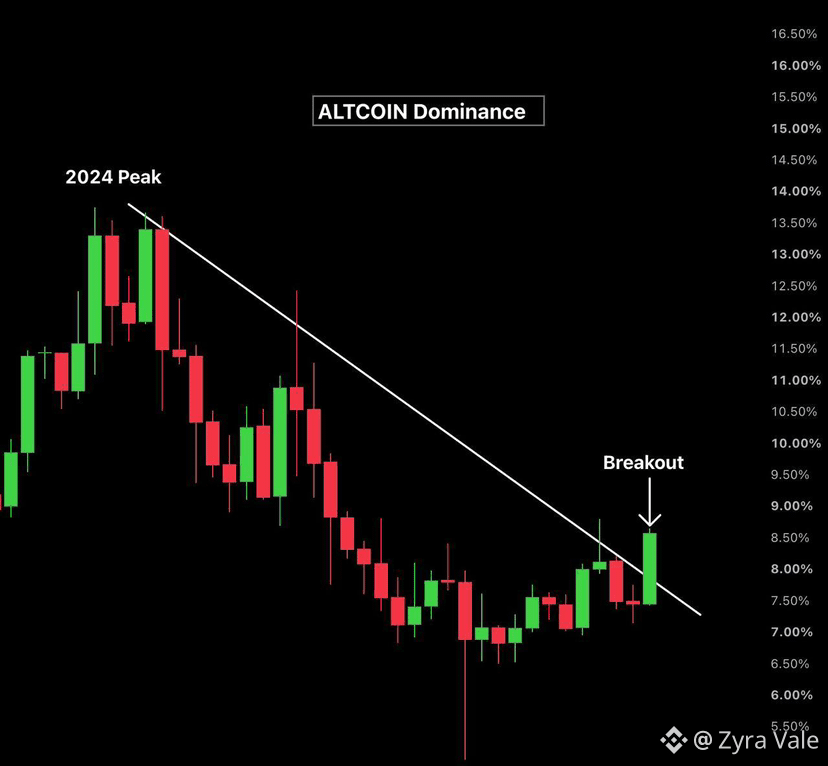
Altcoins könnten endlich aufwachen.
Die Dominanz von Altcoins ist aus einem nahezu zweijährigen Abwärtstrend ausgebrochen.
Wenn dieser Ausbruch Bestand hat und das Kapital weiter weg von Bitcoin rotiert, könnte der Markt in eine neue Phase für Altcoins eintreten.
Könnte dies das frühe Signal für eine Altcoin-Saison sein?
Altcoins könnten endlich aufwachen.
Die Dominanz von Altcoins ist aus einem nahezu zweijährigen Abwärtstrend ausgebrochen.
Wenn dieser Ausbruch Bestand hat und das Kapital weiter weg von Bitcoin rotiert, könnte der Markt in eine neue Phase für Altcoins eintreten.
Könnte dies das frühe Signal für eine Altcoin-Saison sein?
Die Dominanz von Altcoins ist aus einem nahezu zweijährigen Abwärtstrend ausgebrochen.
Wenn dieser Ausbruch Bestand hat und das Kapital weiter weg von Bitcoin rotiert, könnte der Markt in eine neue Phase für Altcoins eintreten.
Könnte dies das frühe Signal für eine Altcoin-Saison sein?
117
·
--
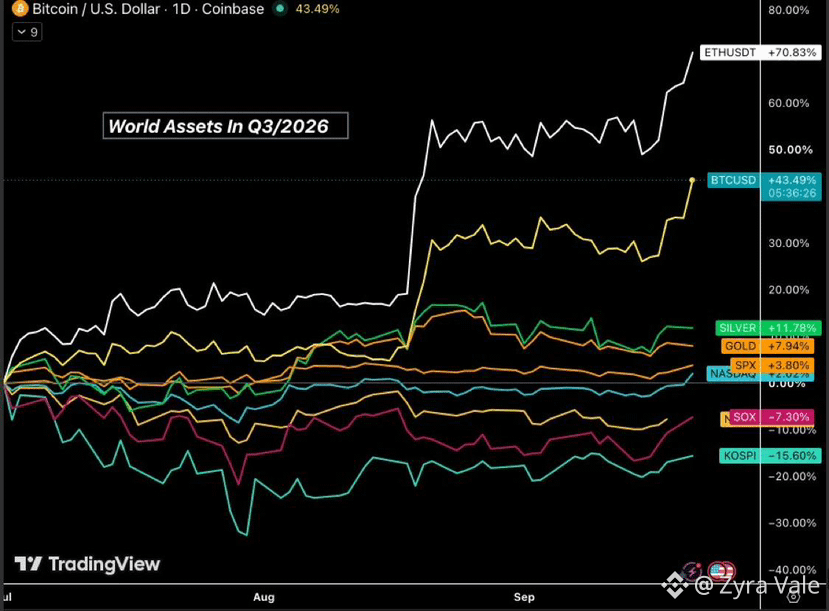
Krypto stiehlt diesen Quartal die Show.
$ETH ist um 70% gestiegen, während $BTC um 43% zulegte.
Währenddessen sind Technologiewerte im Halbleitersektor um 7% gefallen und der KOSPI liegt fast bei -16%.
Gold hat 8% zugelegt und Silber 12%, aber Krypto hat sich weitaus aggressiver entwickelt.
Das Kapital scheint wieder in Richtung Krypto zu rotieren.
Krypto stiehlt diesen Quartal die Show.
$ETH ist um 70% gestiegen, während $BTC um 43% zulegte.
Währenddessen sind Technologiewerte im Halbleitersektor um 7% gefallen und der KOSPI liegt fast bei -16%.
Gold hat 8% zugelegt und Silber 12%, aber Krypto hat sich weitaus aggressiver entwickelt.
Das Kapital scheint wieder in Richtung Krypto zu rotieren.
$ETH ist um 70% gestiegen, während $BTC um 43% zulegte.
Währenddessen sind Technologiewerte im Halbleitersektor um 7% gefallen und der KOSPI liegt fast bei -16%.
Gold hat 8% zugelegt und Silber 12%, aber Krypto hat sich weitaus aggressiver entwickelt.
Das Kapital scheint wieder in Richtung Krypto zu rotieren.
195
·
--
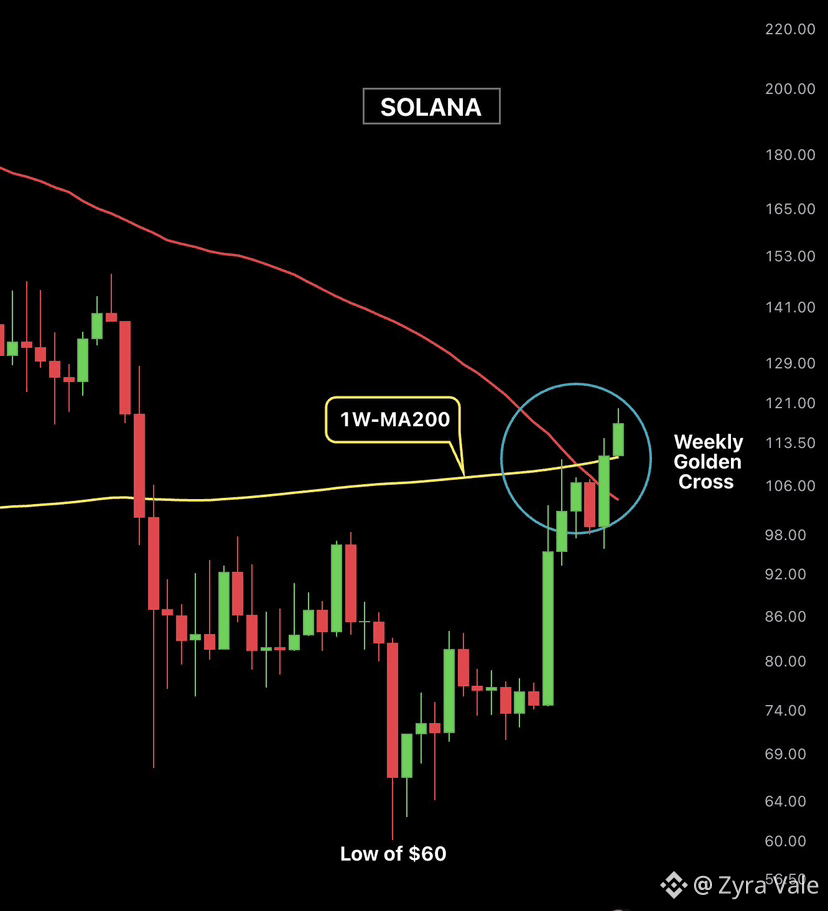
$SOL is zeigt einige ernsthafte bullische Signale.
• Die wöchentliche MA200 zurückerobert
• Zum ersten Mal seit 8 Monaten $120 erreicht
• Der wöchentliche Golden Cross bildet sich
Da der Momentum über mehrere Zeiträume hinweg besser wird, könnte Solana seine Tiefs möglicherweise bereits gefunden haben.
#sol #Krypto
$SOL is zeigt einige ernsthafte bullische Signale.
• Die wöchentliche MA200 zurückerobert
• Zum ersten Mal seit 8 Monaten $120 erreicht
• Der wöchentliche Golden Cross bildet sich
Da der Momentum über mehrere Zeiträume hinweg besser wird, könnte Solana seine Tiefs möglicherweise bereits gefunden haben.
#sol #Krypto
• Die wöchentliche MA200 zurückerobert
• Zum ersten Mal seit 8 Monaten $120 erreicht
• Der wöchentliche Golden Cross bildet sich
Da der Momentum über mehrere Zeiträume hinweg besser wird, könnte Solana seine Tiefs möglicherweise bereits gefunden haben.
#sol #Krypto
102
·
--
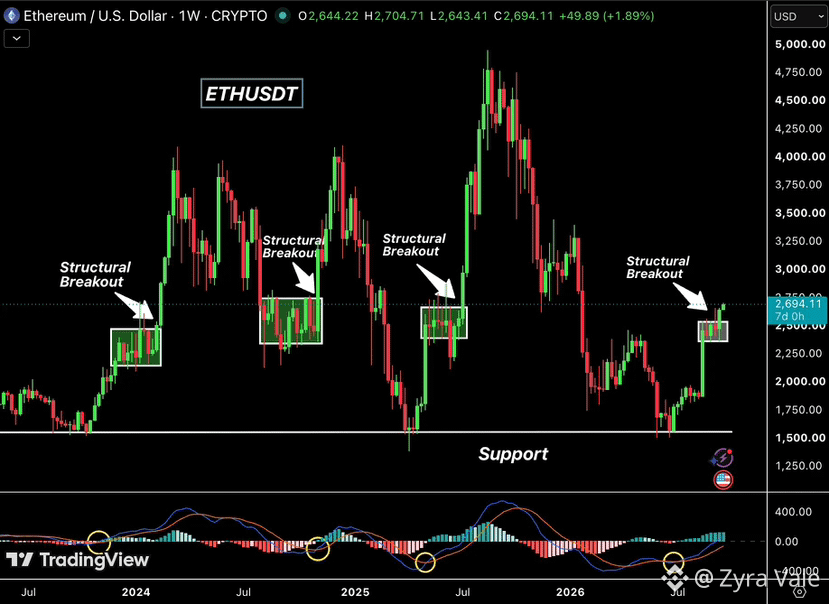
$ETH just aus einem Muster ausgebrochen, das seinen letzten 3 großen Rallyes vorausging.
ETH schloss die Woche mit +6,77% und brach über dieselbe Spanne hinaus, die frühere Ausbruch-Setups markierte.
Wichtige Kursmarken jetzt:
Bullisch: $1.900 halten → $3.200–$3.600 wird die nächste große Zone.
Bärisch: Die Ausbruchsspanne verlieren → der Schwung könnte sich schnell abschwächen.
Der nächste wöchentliche Schluss ist entscheidend.
{spot}(ETHUSDT)
$ETH just aus einem Muster ausgebrochen, das seinen letzten 3 großen Rallyes vorausging.
ETH schloss die Woche mit +6,77% und brach über dieselbe Spanne hinaus, die frühere Ausbruch-Setups markierte.
Wichtige Kursmarken jetzt:
Bullisch: $1.900 halten → $3.200–$3.600 wird die nächste große Zone.
Bärisch: Die Ausbruchsspanne verlieren → der Schwung könnte sich schnell abschwächen.
Der nächste wöchentliche Schluss ist entscheidend.
ETH schloss die Woche mit +6,77% und brach über dieselbe Spanne hinaus, die frühere Ausbruch-Setups markierte.
Wichtige Kursmarken jetzt:
Bullisch: $1.900 halten → $3.200–$3.600 wird die nächste große Zone.
Bärisch: Die Ausbruchsspanne verlieren → der Schwung könnte sich schnell abschwächen.
Der nächste wöchentliche Schluss ist entscheidend.
151
·
--
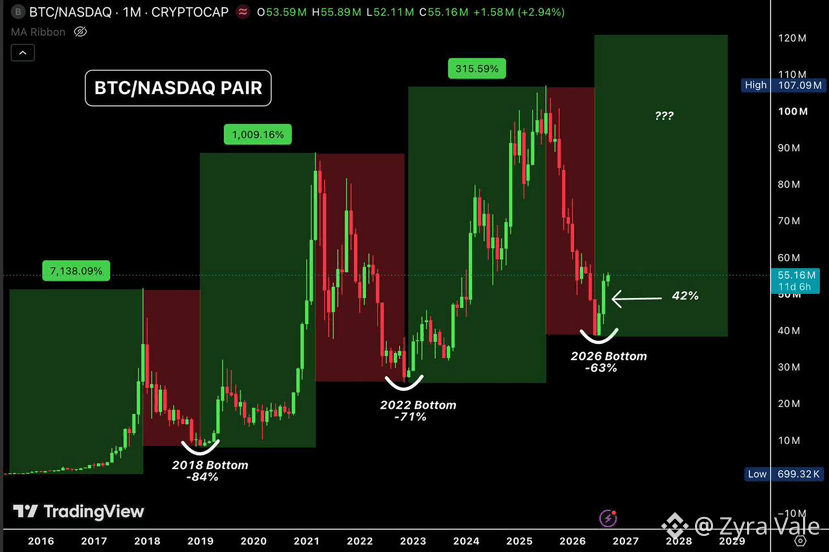
Das Geld könnte sich von US-Aktien in Richtung Krypto drehen.
$BTC hat die Nasdaq in den vergangenen 3 Monaten um 42 % übertroffen.
Wenn der Bereich von 57.800 $ das makroökonomische Tief war, könnte das die frühen Phasen eines neuen Bitcoin-Bullenzyklus markieren.
Die entscheidende Frage lautet nun: Kann BTC seine relative Stärke behaupten?
#BTC #crypto
Das Geld könnte sich von US-Aktien in Richtung Krypto drehen.
$BTC hat die Nasdaq in den vergangenen 3 Monaten um 42 % übertroffen.
Wenn der Bereich von 57.800 $ das makroökonomische Tief war, könnte das die frühen Phasen eines neuen Bitcoin-Bullenzyklus markieren.
Die entscheidende Frage lautet nun: Kann BTC seine relative Stärke behaupten?
#BTC #crypto
$BTC hat die Nasdaq in den vergangenen 3 Monaten um 42 % übertroffen.
Wenn der Bereich von 57.800 $ das makroökonomische Tief war, könnte das die frühen Phasen eines neuen Bitcoin-Bullenzyklus markieren.
Die entscheidende Frage lautet nun: Kann BTC seine relative Stärke behaupten?
#BTC #crypto
118
·
--
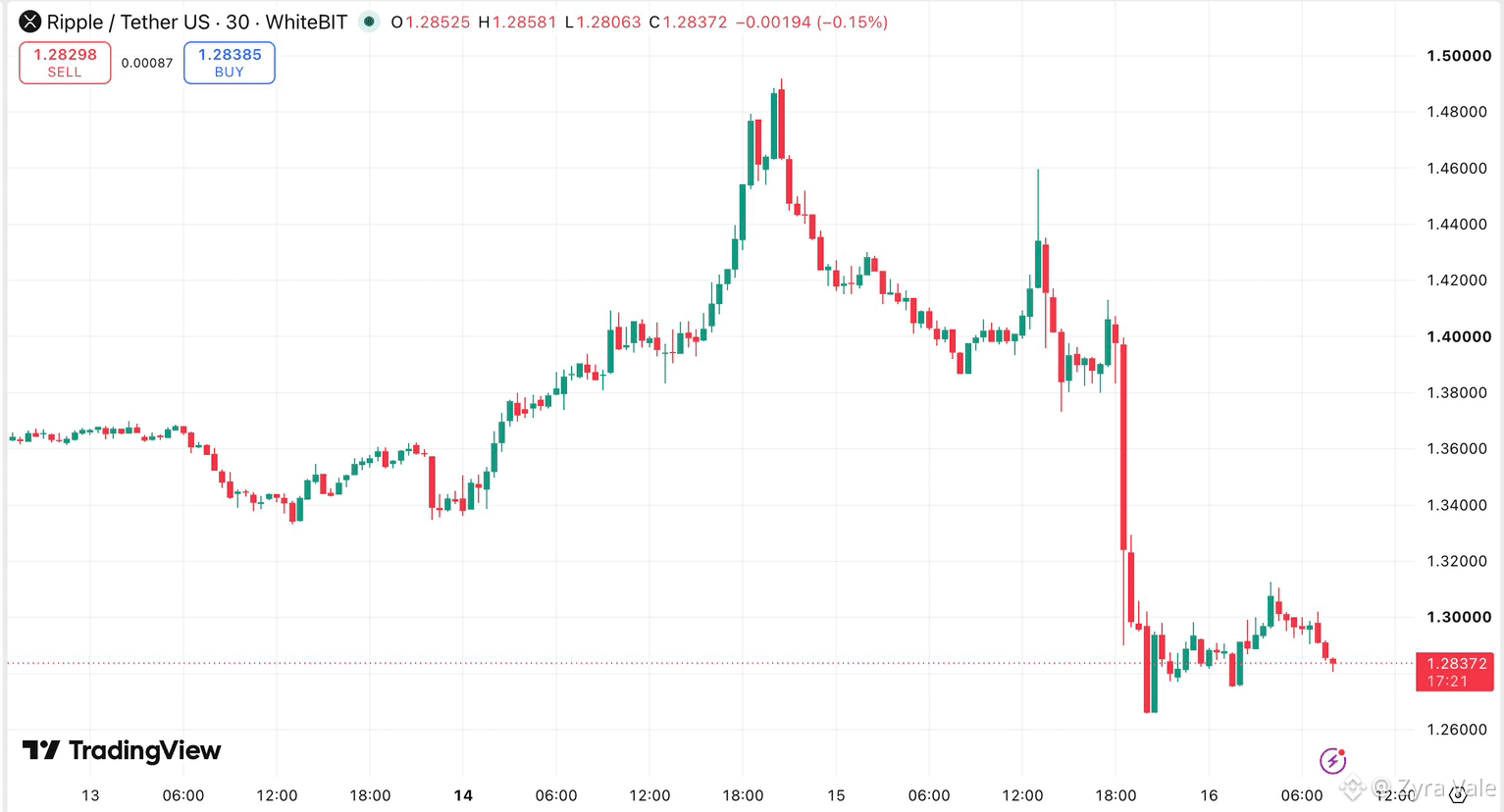
$XRP just flushed nearly $40M in leverage.
XRP dropped almost 10% to $1.27 after failing to break the $1.50 resistance.
Over 95% of liquidations were longs, showing how crowded positioning accelerated the selloff.
But large-holder accumulation and XRP ecosystem activity continue.
Key levels now:
Bullish: Reclaim $1.50 → momentum can return.
Bearish: Continued weakness → deeper correction risk.
#xrp #crypto
$XRP just flushed nearly $40M in leverage.
XRP dropped almost 10% to $1.27 after failing to break the $1.50 resistance.
Over 95% of liquidations were longs, showing how crowded positioning accelerated the selloff.
But large-holder accumulation and XRP ecosystem activity continue.
Key levels now:
Bullish: Reclaim $1.50 → momentum can return.
Bearish: Continued weakness → deeper correction risk.
#xrp #crypto
XRP dropped almost 10% to $1.27 after failing to break the $1.50 resistance.
Over 95% of liquidations were longs, showing how crowded positioning accelerated the selloff.
But large-holder accumulation and XRP ecosystem activity continue.
Key levels now:
Bullish: Reclaim $1.50 → momentum can return.
Bearish: Continued weakness → deeper correction risk.
#xrp #crypto
96
·
--
Artikel
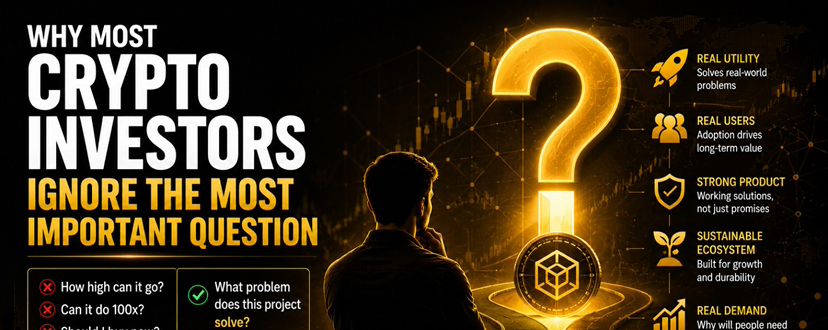
Warum die meisten Krypto-Anleger die wichtigste Frage ignorierenWenn Menschen eine neue Kryptowährung entdecken, fragen sie normalerweise:
❌ „Wie hoch kann es steigen?“
❌ „Kann es 100x schaffen?“
❌ „Soll ich jetzt kaufen?“
Aber erfahrene Anleger beginnen oft mit einer anderen Frage:
✅ „Welches Problem löst dieses Projekt?“
Diese einfache Denkverschiebung kann komplett verändern, wie du Krypto-Projekte bewertest.
Blockchain-Netzwerke, Tokens und dezentrale Anwendungen sind nicht allein deshalb wertvoll, weil sie gerade beliebt sind. Langfristiger Wert entsteht meist dann, wenn ein Projekt ein echtes Problem löst – sei es, schnellere Zahlungen zu ermöglichen, die Sicherheit zu verbessern, dezentrale Finanzen zu unterstützen oder digitale Eigentumsrechte zu ermöglichen.
Warum die meisten Krypto-Anleger die wichtigste Frage ignorieren
Wenn Menschen eine neue Kryptowährung entdecken, fragen sie normalerweise:
❌ „Wie hoch kann es steigen?“
❌ „Kann es 100x schaffen?“
❌ „Soll ich jetzt kaufen?“
Aber erfahrene Anleger beginnen oft mit einer anderen Frage:
✅ „Welches Problem löst dieses Projekt?“
Diese einfache Denkverschiebung kann komplett verändern, wie du Krypto-Projekte bewertest.
Blockchain-Netzwerke, Tokens und dezentrale Anwendungen sind nicht allein deshalb wertvoll, weil sie gerade beliebt sind. Langfristiger Wert entsteht meist dann, wenn ein Projekt ein echtes Problem löst – sei es, schnellere Zahlungen zu ermöglichen, die Sicherheit zu verbessern, dezentrale Finanzen zu unterstützen oder digitale Eigentumsrechte zu ermöglichen.
❌ „Wie hoch kann es steigen?“
❌ „Kann es 100x schaffen?“
❌ „Soll ich jetzt kaufen?“
Aber erfahrene Anleger beginnen oft mit einer anderen Frage:
✅ „Welches Problem löst dieses Projekt?“
Diese einfache Denkverschiebung kann komplett verändern, wie du Krypto-Projekte bewertest.
Blockchain-Netzwerke, Tokens und dezentrale Anwendungen sind nicht allein deshalb wertvoll, weil sie gerade beliebt sind. Langfristiger Wert entsteht meist dann, wenn ein Projekt ein echtes Problem löst – sei es, schnellere Zahlungen zu ermöglichen, die Sicherheit zu verbessern, dezentrale Finanzen zu unterstützen oder digitale Eigentumsrechte zu ermöglichen.
1
168
·
--
Artikel
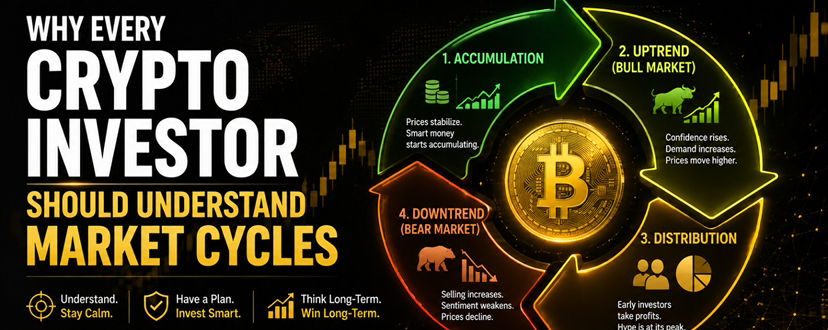
Warum jeder Krypto-Investor Marktzyklen verstehen sollteHast du bemerkt, dass sich Krypto-Märkte oft von extremer Euphorie zu extremer Angst bewegen?
Ein Monat lang spricht jeder über neue Hochs und Gewinne, die das Leben verändern. Einige Monate später fangen die Leute an zu sagen, Krypto sei vorbei. Doch dieses Muster hat sich im Laufe der Geschichte von Krypto schon viele Male wiederholt.
Diese Veränderungen werden als Marktzyklen bezeichnet.
Ein typischer Zyklus besteht aus vier Phasen:
📈 Akkumulation – Nach einem Rückgang stabilisieren sich die Preise, und langfristige Anleger beginnen leise mit dem Kaufen.
🚀 Aufwärtstrend (Bullenmarkt) – Das Vertrauen kehrt zurück, die Nachfrage steigt, und die Preise bewegen sich nach oben.
Warum jeder Krypto-Investor Marktzyklen verstehen sollte
Hast du bemerkt, dass sich Krypto-Märkte oft von extremer Euphorie zu extremer Angst bewegen?
Ein Monat lang spricht jeder über neue Hochs und Gewinne, die das Leben verändern. Einige Monate später fangen die Leute an zu sagen, Krypto sei vorbei. Doch dieses Muster hat sich im Laufe der Geschichte von Krypto schon viele Male wiederholt.
Diese Veränderungen werden als Marktzyklen bezeichnet.
Ein typischer Zyklus besteht aus vier Phasen:
📈 Akkumulation – Nach einem Rückgang stabilisieren sich die Preise, und langfristige Anleger beginnen leise mit dem Kaufen.
🚀 Aufwärtstrend (Bullenmarkt) – Das Vertrauen kehrt zurück, die Nachfrage steigt, und die Preise bewegen sich nach oben.
Ein Monat lang spricht jeder über neue Hochs und Gewinne, die das Leben verändern. Einige Monate später fangen die Leute an zu sagen, Krypto sei vorbei. Doch dieses Muster hat sich im Laufe der Geschichte von Krypto schon viele Male wiederholt.
Diese Veränderungen werden als Marktzyklen bezeichnet.
Ein typischer Zyklus besteht aus vier Phasen:
📈 Akkumulation – Nach einem Rückgang stabilisieren sich die Preise, und langfristige Anleger beginnen leise mit dem Kaufen.
🚀 Aufwärtstrend (Bullenmarkt) – Das Vertrauen kehrt zurück, die Nachfrage steigt, und die Preise bewegen sich nach oben.
1
167
·
--
Artikel
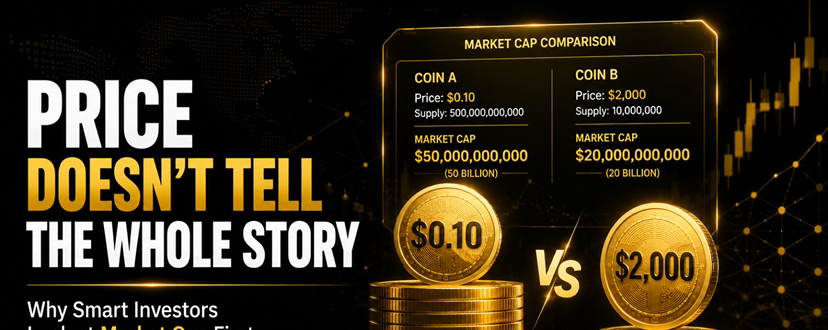
Warum die Marktkapitalisierung wichtiger ist als der Coin-PreisEiner der größten Fehler, die neue Krypto-Anleger machen, ist die Annahme, dass ein günstiger Coin mehr Potenzial hat als ein teurer.
Doch in Wahrheit sagt ein alleiniger Preis nicht die ganze Geschichte.
Stell dir zwei Kryptowährungen vor:
Coin A kostet 0,10 $
Coin B kostet 2.000 $
Auf den ersten Blick könnte Coin A wie die bessere Gelegenheit wirken.
Allerdings kommt es vor allem auf die Marktkapitalisierung (Market Cap) an – den Gesamtwert aller im Umlauf befindlichen Coins.
Marktkapitalisierung = aktueller Preis × Umlaufmenge
Wenn zum Beispiel ein Token 0,10 $ kostet, aber 500 Milliarden Coins im Umlauf hat, ist seine Marktkapitalisierung bereits enorm. Das bedeutet, dass möglicherweise sehr viel neue Investition nötig ist, um den Wert deutlich zu steigern.
Warum die Marktkapitalisierung wichtiger ist als der Coin-Preis
Einer der größten Fehler, die neue Krypto-Anleger machen, ist die Annahme, dass ein günstiger Coin mehr Potenzial hat als ein teurer.
Doch in Wahrheit sagt ein alleiniger Preis nicht die ganze Geschichte.
Stell dir zwei Kryptowährungen vor:
Coin A kostet 0,10 $
Coin B kostet 2.000 $
Auf den ersten Blick könnte Coin A wie die bessere Gelegenheit wirken.
Allerdings kommt es vor allem auf die Marktkapitalisierung (Market Cap) an – den Gesamtwert aller im Umlauf befindlichen Coins.
Marktkapitalisierung = aktueller Preis × Umlaufmenge
Wenn zum Beispiel ein Token 0,10 $ kostet, aber 500 Milliarden Coins im Umlauf hat, ist seine Marktkapitalisierung bereits enorm. Das bedeutet, dass möglicherweise sehr viel neue Investition nötig ist, um den Wert deutlich zu steigern.
Doch in Wahrheit sagt ein alleiniger Preis nicht die ganze Geschichte.
Stell dir zwei Kryptowährungen vor:
Coin A kostet 0,10 $
Coin B kostet 2.000 $
Auf den ersten Blick könnte Coin A wie die bessere Gelegenheit wirken.
Allerdings kommt es vor allem auf die Marktkapitalisierung (Market Cap) an – den Gesamtwert aller im Umlauf befindlichen Coins.
Marktkapitalisierung = aktueller Preis × Umlaufmenge
Wenn zum Beispiel ein Token 0,10 $ kostet, aber 500 Milliarden Coins im Umlauf hat, ist seine Marktkapitalisierung bereits enorm. Das bedeutet, dass möglicherweise sehr viel neue Investition nötig ist, um den Wert deutlich zu steigern.
2
212
·
--
Artikel
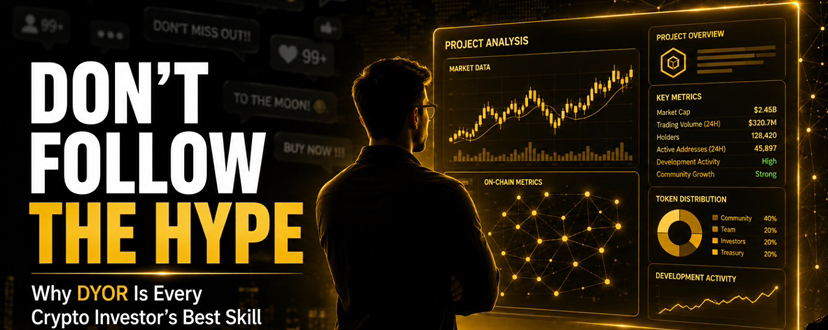
Warum „Mach deine eigene Recherche“ (DYOR) wichtiger ist denn jeWenn Sie sich auch nur ein bisschen mit Krypto beschäftigt haben, haben Sie wahrscheinlich schon Leute sagen hören:
"DYOR – Machen Sie Ihre eigene Recherche."
Es klingt einfach, aber es ist eine der wertvollsten Gewohnheiten, die Sie als Investor entwickeln können.
Jeden Tag sind in den sozialen Medien voller Vorhersagen, Kursziele und Empfehlungen für „die nächste 100x-Münze“. Während manche Creator hilfreiche Einblicke teilen, werden andere vielleicht von Hype oder persönlichen Interessen getrieben. Wenn Sie sich bei Anlageempfehlungen nicht auf die Projektgrundlagen verlassen können, setzen Sie sich unnötigen Risiken aus.
Sich selbst zu informieren bedeutet nicht, dass Sie Hunderte Seiten technischer Dokumente lesen müssen. Beginnen Sie mit den Grundlagen:
Warum „Mach deine eigene Recherche“ (DYOR) wichtiger ist denn je
Wenn Sie sich auch nur ein bisschen mit Krypto beschäftigt haben, haben Sie wahrscheinlich schon Leute sagen hören:
"DYOR – Machen Sie Ihre eigene Recherche."
Es klingt einfach, aber es ist eine der wertvollsten Gewohnheiten, die Sie als Investor entwickeln können.
Jeden Tag sind in den sozialen Medien voller Vorhersagen, Kursziele und Empfehlungen für „die nächste 100x-Münze“. Während manche Creator hilfreiche Einblicke teilen, werden andere vielleicht von Hype oder persönlichen Interessen getrieben. Wenn Sie sich bei Anlageempfehlungen nicht auf die Projektgrundlagen verlassen können, setzen Sie sich unnötigen Risiken aus.
Sich selbst zu informieren bedeutet nicht, dass Sie Hunderte Seiten technischer Dokumente lesen müssen. Beginnen Sie mit den Grundlagen:
"DYOR – Machen Sie Ihre eigene Recherche."
Es klingt einfach, aber es ist eine der wertvollsten Gewohnheiten, die Sie als Investor entwickeln können.
Jeden Tag sind in den sozialen Medien voller Vorhersagen, Kursziele und Empfehlungen für „die nächste 100x-Münze“. Während manche Creator hilfreiche Einblicke teilen, werden andere vielleicht von Hype oder persönlichen Interessen getrieben. Wenn Sie sich bei Anlageempfehlungen nicht auf die Projektgrundlagen verlassen können, setzen Sie sich unnötigen Risiken aus.
Sich selbst zu informieren bedeutet nicht, dass Sie Hunderte Seiten technischer Dokumente lesen müssen. Beginnen Sie mit den Grundlagen:
2
184
·
--
Artikel
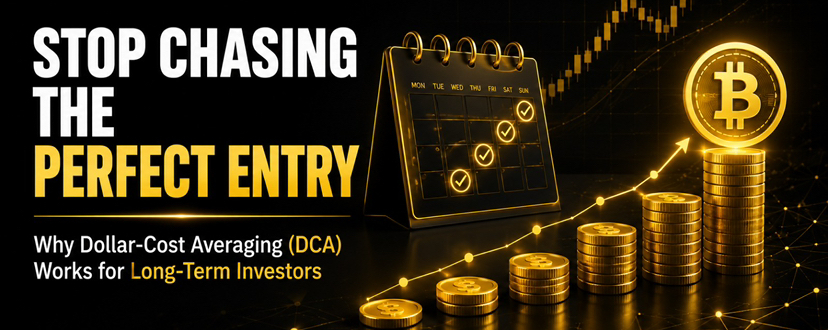
Warum Dollar-Cost Averaging (DCA) eine der einfachsten Strategien im Krypto-Bereich istHast du jemals eine Kryptowährung gekauft und dann zugesehen, wie der Kurs am nächsten Tag fällt?
Es passiert fast jedem Anleger.
Der Versuch, genau zum perfekten Zeitpunkt zu kaufen, klingt großartig, aber in der Realität ist das extrem schwierig – selbst für erfahrene Trader. Deshalb verwenden viele langfristige Anleger eine Strategie namens Dollar-Cost Averaging (DCA).
DCA bedeutet einfach, in regelmäßigen Abständen einen festen Geldbetrag zu investieren – unabhängig davon, ob der Markt steigt oder fällt. Anstatt beispielsweise 1.200 $ auf einmal zu investieren, könntest du 100 $ jeden Monat investieren.
Warum Dollar-Cost Averaging (DCA) eine der einfachsten Strategien im Krypto-Bereich ist
Hast du jemals eine Kryptowährung gekauft und dann zugesehen, wie der Kurs am nächsten Tag fällt?
Es passiert fast jedem Anleger.
Der Versuch, genau zum perfekten Zeitpunkt zu kaufen, klingt großartig, aber in der Realität ist das extrem schwierig – selbst für erfahrene Trader. Deshalb verwenden viele langfristige Anleger eine Strategie namens Dollar-Cost Averaging (DCA).
DCA bedeutet einfach, in regelmäßigen Abständen einen festen Geldbetrag zu investieren – unabhängig davon, ob der Markt steigt oder fällt. Anstatt beispielsweise 1.200 $ auf einmal zu investieren, könntest du 100 $ jeden Monat investieren.
Es passiert fast jedem Anleger.
Der Versuch, genau zum perfekten Zeitpunkt zu kaufen, klingt großartig, aber in der Realität ist das extrem schwierig – selbst für erfahrene Trader. Deshalb verwenden viele langfristige Anleger eine Strategie namens Dollar-Cost Averaging (DCA).
DCA bedeutet einfach, in regelmäßigen Abständen einen festen Geldbetrag zu investieren – unabhängig davon, ob der Markt steigt oder fällt. Anstatt beispielsweise 1.200 $ auf einmal zu investieren, könntest du 100 $ jeden Monat investieren.
1
204
·
--
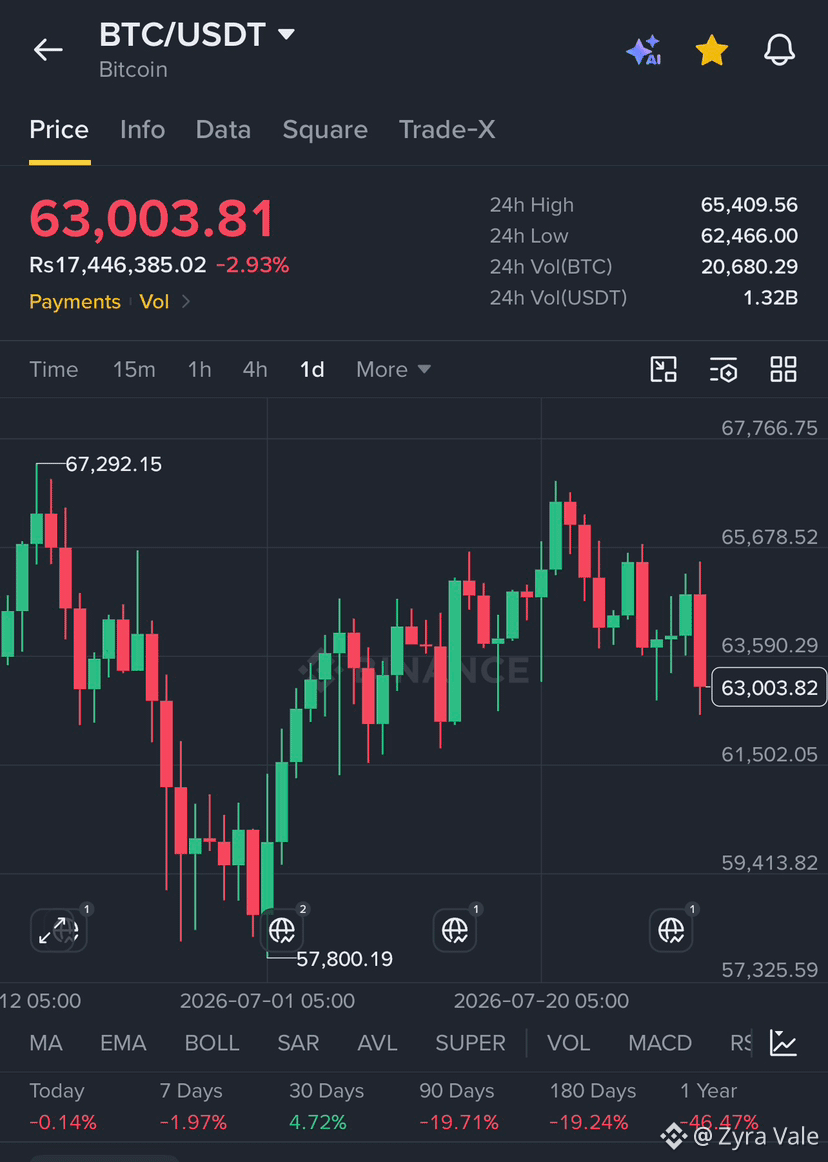
$BTC ist derzeit dabei, sich um 63.003 US-Dollar zu konsolidieren, nach einem Rücksetzer von einem 24-Stunden-Hoch bei 65.409 US-Dollar um 2,93% gefallen.
Das Handelsvolumen bleibt stark bei 1,32 Mrd. USDT und spiegelt eine aktive Beteiligung wider, während der Kurs wichtige Zwischenmarken testet.
BTC hält sich oberhalb seines 24-Stunden-Tiefs von 62.466 US-Dollar und balanciert zwischen dem Widerstand nahe 65.500 US-Dollar und dem wichtigen strukturellen Unterstützungsniveau bei 57.800 US-Dollar.
Das Zurückerobern der Zone 64.500–65.000 wird für Käufer entscheidend sein, um wieder Aufwärtsdynamik zu gewinnen, während ein Bruch unter 62.400 ein tieferes Re-Testen in Richtung der Makro-Unterstützung riskieren könnte.
#BTC #BTC70K✈️
$BTC ist derzeit dabei, sich um 63.003 US-Dollar zu konsolidieren, nach einem Rücksetzer von einem 24-Stunden-Hoch bei 65.409 US-Dollar um 2,93% gefallen.
Das Handelsvolumen bleibt stark bei 1,32 Mrd. USDT und spiegelt eine aktive Beteiligung wider, während der Kurs wichtige Zwischenmarken testet.
BTC hält sich oberhalb seines 24-Stunden-Tiefs von 62.466 US-Dollar und balanciert zwischen dem Widerstand nahe 65.500 US-Dollar und dem wichtigen strukturellen Unterstützungsniveau bei 57.800 US-Dollar.
Das Zurückerobern der Zone 64.500–65.000 wird für Käufer entscheidend sein, um wieder Aufwärtsdynamik zu gewinnen, während ein Bruch unter 62.400 ein tieferes Re-Testen in Richtung der Makro-Unterstützung riskieren könnte.
#BTC #BTC70K✈️
Das Handelsvolumen bleibt stark bei 1,32 Mrd. USDT und spiegelt eine aktive Beteiligung wider, während der Kurs wichtige Zwischenmarken testet.
BTC hält sich oberhalb seines 24-Stunden-Tiefs von 62.466 US-Dollar und balanciert zwischen dem Widerstand nahe 65.500 US-Dollar und dem wichtigen strukturellen Unterstützungsniveau bei 57.800 US-Dollar.
Das Zurückerobern der Zone 64.500–65.000 wird für Käufer entscheidend sein, um wieder Aufwärtsdynamik zu gewinnen, während ein Bruch unter 62.400 ein tieferes Re-Testen in Richtung der Makro-Unterstützung riskieren könnte.
#BTC #BTC70K✈️
1
98
·
--
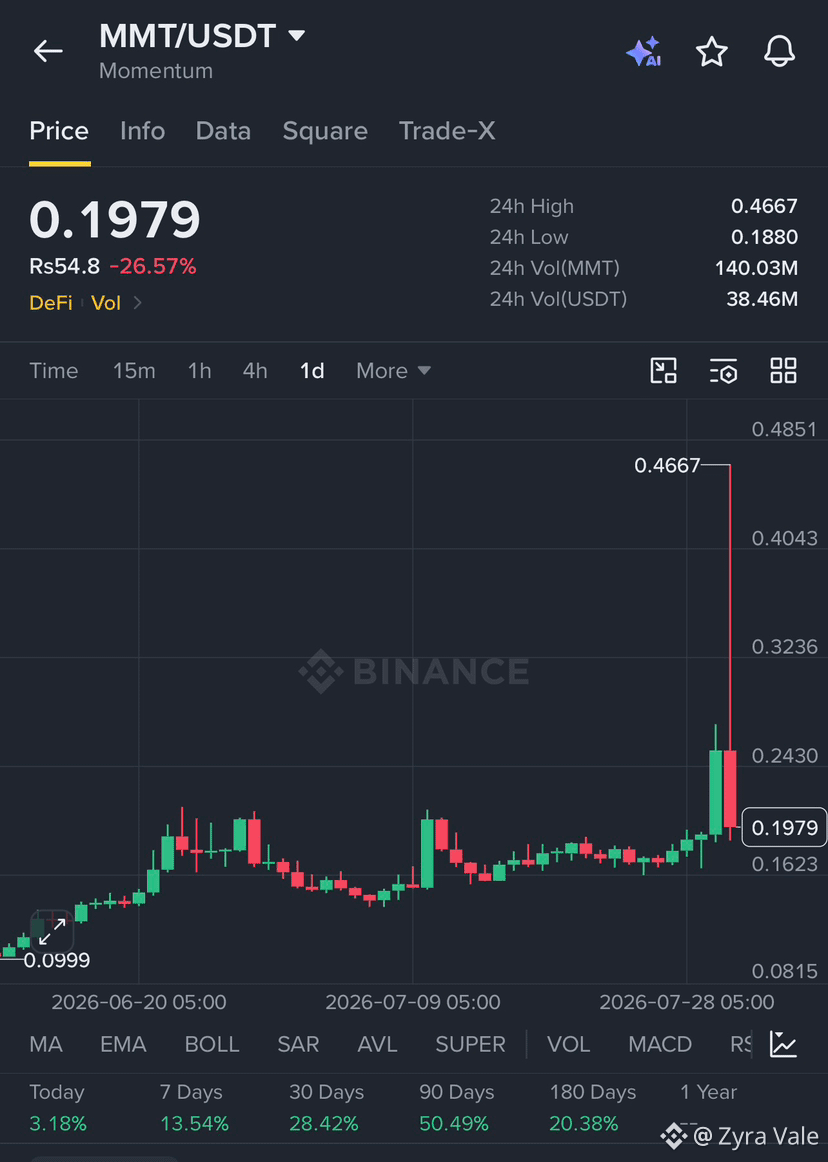
$MMT sah heute extreme Volatilität, stieg auf einen lokalen Höchststand von 0,4667 US-Dollar und fiel dann durch scharfe Gewinnmitnahmen wieder auf 0,1979 US-Dollar zurück – ein Rückgang von 26 % bei hohem Handelsvolumen von über 38 Millionen USDT.
Dieser Rücksetzer bringt den Token in seine etablierte Akkumulationszone zwischen 0,1623 und 0,2000 zurück.
Trotz des Rückgangs an einem Tag bleibt MMT im Monat noch immer über 28 % im Plus.
Zu beobachtende Schlüsselniveaus sind der unmittelbare Support bei 0,1880 sowie ein größeres Widerstandsbereich oberhalb zwischen 0,2430 und 0,2500.
#MMT #Markt_Update
$MMT sah heute extreme Volatilität, stieg auf einen lokalen Höchststand von 0,4667 US-Dollar und fiel dann durch scharfe Gewinnmitnahmen wieder auf 0,1979 US-Dollar zurück – ein Rückgang von 26 % bei hohem Handelsvolumen von über 38 Millionen USDT.
Dieser Rücksetzer bringt den Token in seine etablierte Akkumulationszone zwischen 0,1623 und 0,2000 zurück.
Trotz des Rückgangs an einem Tag bleibt MMT im Monat noch immer über 28 % im Plus.
Zu beobachtende Schlüsselniveaus sind der unmittelbare Support bei 0,1880 sowie ein größeres Widerstandsbereich oberhalb zwischen 0,2430 und 0,2500.
#MMT #Markt_Update
Dieser Rücksetzer bringt den Token in seine etablierte Akkumulationszone zwischen 0,1623 und 0,2000 zurück.
Trotz des Rückgangs an einem Tag bleibt MMT im Monat noch immer über 28 % im Plus.
Zu beobachtende Schlüsselniveaus sind der unmittelbare Support bei 0,1880 sowie ein größeres Widerstandsbereich oberhalb zwischen 0,2430 und 0,2500.
#MMT #Markt_Update
1
311
·
--

Artikel
Ihre Krypto-Wallet ist keine Investition – sie ist Ihr digitales TresorfachDie meisten Menschen verbringen Stunden damit, zu recherchieren, welche Kryptowährung sie kaufen sollen.
Aber nur sehr wenige machen sich die gleiche Zeit Gedanken darüber, wo sie sie aufbewahren werden.
Das ist ein Fehler, den jeder Krypto-Investor vermeiden sollte.
Wenn Sie Kryptowährung besitzen, ist Ihre Brieftasche (Wallet) das, was Ihnen Zugriff auf Ihre Vermögenswerte gibt. Egal, ob Sie Bitcoin, BNB oder andere digitale Assets halten: Zu verstehen, was den Unterschied zwischen Hot Wallets und Cold Wallets ausmacht, gehört zu den ersten Lektionen, die jeder Investor lernen sollte.
Eine Hot Wallet ist mit dem Internet verbunden. Sie ist praktisch für tägliche Transaktionen, das Trading und die Interaktion mit dezentralen Anwendungen. Da sie immer online ist, lässt sie sich leichter nutzen, erfordert jedoch auch mehr Aufmerksamkeit für die Sicherheit.
Ihre Krypto-Wallet ist keine Investition – sie ist Ihr digitales Tresorfach
Die meisten Menschen verbringen Stunden damit, zu recherchieren, welche Kryptowährung sie kaufen sollen.
Aber nur sehr wenige machen sich die gleiche Zeit Gedanken darüber, wo sie sie aufbewahren werden.
Das ist ein Fehler, den jeder Krypto-Investor vermeiden sollte.
Wenn Sie Kryptowährung besitzen, ist Ihre Brieftasche (Wallet) das, was Ihnen Zugriff auf Ihre Vermögenswerte gibt. Egal, ob Sie Bitcoin, BNB oder andere digitale Assets halten: Zu verstehen, was den Unterschied zwischen Hot Wallets und Cold Wallets ausmacht, gehört zu den ersten Lektionen, die jeder Investor lernen sollte.
Eine Hot Wallet ist mit dem Internet verbunden. Sie ist praktisch für tägliche Transaktionen, das Trading und die Interaktion mit dezentralen Anwendungen. Da sie immer online ist, lässt sie sich leichter nutzen, erfordert jedoch auch mehr Aufmerksamkeit für die Sicherheit.
Aber nur sehr wenige machen sich die gleiche Zeit Gedanken darüber, wo sie sie aufbewahren werden.
Das ist ein Fehler, den jeder Krypto-Investor vermeiden sollte.
Wenn Sie Kryptowährung besitzen, ist Ihre Brieftasche (Wallet) das, was Ihnen Zugriff auf Ihre Vermögenswerte gibt. Egal, ob Sie Bitcoin, BNB oder andere digitale Assets halten: Zu verstehen, was den Unterschied zwischen Hot Wallets und Cold Wallets ausmacht, gehört zu den ersten Lektionen, die jeder Investor lernen sollte.
Eine Hot Wallet ist mit dem Internet verbunden. Sie ist praktisch für tägliche Transaktionen, das Trading und die Interaktion mit dezentralen Anwendungen. Da sie immer online ist, lässt sie sich leichter nutzen, erfordert jedoch auch mehr Aufmerksamkeit für die Sicherheit.
1
260
·
--
Warum jeder Krypto-Anleger Marktzyklen verstehen sollte?Hast du dich jemals gefragt, warum Menschen bei Krypto kurz vor dem Hoch des Marktes aufgeregt sind und kurz vor dem Tief Angst bekommen?
Die Antwort hängt oft von der Marktpsychologie ab.
Kursbewegungen bei Krypto erfolgen nicht nur aufgrund von Technologie oder Nachrichten. Emotionen wie Angst, Gier, Optimismus und Panik beeinflussen ebenfalls, wie Menschen kaufen und verkaufen. Wenn du diese Marktzyklen verstehst, kannst du eher rationale Entscheidungen treffen, statt emotional zu reagieren.
Ein typischer Marktzyklus beginnt mit Optimismus, bei dem das Vertrauen langsam wächst. Während die Preise weiter steigen, nimmt die Begeisterung zu und viele neue Anleger treten in den Markt ein. Schließlich kann übermäßiges Vertrauen zu unrealistischen Erwartungen führen, und wenn die Preise zu fallen beginnen, weicht die Angst dem Optimismus. Einige Anleger geraten in Panik und verkaufen mit Verlust, während erfahrene Anleger diese Phase oft nutzen, um Chancen neu zu bewerten.
Warum jeder Krypto-Anleger Marktzyklen verstehen sollte?
Hast du dich jemals gefragt, warum Menschen bei Krypto kurz vor dem Hoch des Marktes aufgeregt sind und kurz vor dem Tief Angst bekommen?
Die Antwort hängt oft von der Marktpsychologie ab.
Kursbewegungen bei Krypto erfolgen nicht nur aufgrund von Technologie oder Nachrichten. Emotionen wie Angst, Gier, Optimismus und Panik beeinflussen ebenfalls, wie Menschen kaufen und verkaufen. Wenn du diese Marktzyklen verstehst, kannst du eher rationale Entscheidungen treffen, statt emotional zu reagieren.
Ein typischer Marktzyklus beginnt mit Optimismus, bei dem das Vertrauen langsam wächst. Während die Preise weiter steigen, nimmt die Begeisterung zu und viele neue Anleger treten in den Markt ein. Schließlich kann übermäßiges Vertrauen zu unrealistischen Erwartungen führen, und wenn die Preise zu fallen beginnen, weicht die Angst dem Optimismus. Einige Anleger geraten in Panik und verkaufen mit Verlust, während erfahrene Anleger diese Phase oft nutzen, um Chancen neu zu bewerten.
Die Antwort hängt oft von der Marktpsychologie ab.
Kursbewegungen bei Krypto erfolgen nicht nur aufgrund von Technologie oder Nachrichten. Emotionen wie Angst, Gier, Optimismus und Panik beeinflussen ebenfalls, wie Menschen kaufen und verkaufen. Wenn du diese Marktzyklen verstehst, kannst du eher rationale Entscheidungen treffen, statt emotional zu reagieren.
Ein typischer Marktzyklus beginnt mit Optimismus, bei dem das Vertrauen langsam wächst. Während die Preise weiter steigen, nimmt die Begeisterung zu und viele neue Anleger treten in den Markt ein. Schließlich kann übermäßiges Vertrauen zu unrealistischen Erwartungen führen, und wenn die Preise zu fallen beginnen, weicht die Angst dem Optimismus. Einige Anleger geraten in Panik und verkaufen mit Verlust, während erfahrene Anleger diese Phase oft nutzen, um Chancen neu zu bewerten.
126
·
--
Warum manche Krypto-Projekte erfolgreich sind, während andere verschwinden?Jede Woche kommen neue Krypto-Projekte auf den Markt. Einige ziehen Tausende von Investoren an, während andere innerhalb weniger Monate wieder verschwinden. Was also trennt die Gewinner vom Rest?
Die Antwort ist nicht immer ein höherer Token-Preis oder auffälliges Marketing. Starke Projekte werden in der Regel auf drei wesentlichen Grundlagen aufgebaut.
1. Sie lösen ein echtes Problem.
Die erfolgreichsten Blockchain-Projekte werden nicht einfach nur geschaffen, um einen Token auf den Markt zu bringen. Sie bieten Lösungen, die von Menschen tatsächlich genutzt werden – sei es, schnellere Zahlungen zu ermöglichen, dezentrale Finanzen (DeFi) zu verbessern, Gaming zu ermöglichen oder KI-Anwendungen zu unterstützen.
Warum manche Krypto-Projekte erfolgreich sind, während andere verschwinden?
Jede Woche kommen neue Krypto-Projekte auf den Markt. Einige ziehen Tausende von Investoren an, während andere innerhalb weniger Monate wieder verschwinden. Was also trennt die Gewinner vom Rest?
Die Antwort ist nicht immer ein höherer Token-Preis oder auffälliges Marketing. Starke Projekte werden in der Regel auf drei wesentlichen Grundlagen aufgebaut.
1. Sie lösen ein echtes Problem.
Die erfolgreichsten Blockchain-Projekte werden nicht einfach nur geschaffen, um einen Token auf den Markt zu bringen. Sie bieten Lösungen, die von Menschen tatsächlich genutzt werden – sei es, schnellere Zahlungen zu ermöglichen, dezentrale Finanzen (DeFi) zu verbessern, Gaming zu ermöglichen oder KI-Anwendungen zu unterstützen.
Die Antwort ist nicht immer ein höherer Token-Preis oder auffälliges Marketing. Starke Projekte werden in der Regel auf drei wesentlichen Grundlagen aufgebaut.
1. Sie lösen ein echtes Problem.
Die erfolgreichsten Blockchain-Projekte werden nicht einfach nur geschaffen, um einen Token auf den Markt zu bringen. Sie bieten Lösungen, die von Menschen tatsächlich genutzt werden – sei es, schnellere Zahlungen zu ermöglichen, dezentrale Finanzen (DeFi) zu verbessern, Gaming zu ermöglichen oder KI-Anwendungen zu unterstützen.
143
·
--
Jeder redet darüber, dass KI intelligenter wird.
Sehr wenige sprechen darüber, woher die Intelligenz eigentlich kommt.
Modelle verbessern sich nicht im Vakuum.
Sie verbessern sich, weil jemand Daten, Wissen, Feedback und Expertise im Hintergrund beiträgt.
Das wirft eine interessante Frage auf:
Wenn Daten eines der wertvollsten Vermögenswerte in der KI-Wirtschaft werden, wer wird dann für die Bereitstellung belohnt?
Deshalb sind Projekte wie Genius interessant zu beobachten.
Sie erkunden eine Zukunft, in der die Schaffung von Intelligenz eine offene Wirtschaft wird, anstatt ein geschlossenes System zu sein, das von einer Handvoll Unternehmen kontrolliert wird.
Beitragsleistende schaffen Wert.
Netzwerke koordinieren ihn.
Belohnungen fließen zurück zu den Menschen, die helfen, das Ökosystem zu verbessern.
Das langfristige KI-Rennen könnte nicht darum gehen, das größte Modell zu bauen.
Es könnte darum gehen, das beste Anreizsystem rund um die Intelligenz selbst zu schaffen.
Das ist der echte Graben, der entsteht.
#genius $GENIUS @GeniusOfficial
Jeder redet darüber, dass KI intelligenter wird.
Sehr wenige sprechen darüber, woher die Intelligenz eigentlich kommt.
Modelle verbessern sich nicht im Vakuum.
Sie verbessern sich, weil jemand Daten, Wissen, Feedback und Expertise im Hintergrund beiträgt.
Das wirft eine interessante Frage auf:
Wenn Daten eines der wertvollsten Vermögenswerte in der KI-Wirtschaft werden, wer wird dann für die Bereitstellung belohnt?
Deshalb sind Projekte wie Genius interessant zu beobachten.
Sie erkunden eine Zukunft, in der die Schaffung von Intelligenz eine offene Wirtschaft wird, anstatt ein geschlossenes System zu sein, das von einer Handvoll Unternehmen kontrolliert wird.
Beitragsleistende schaffen Wert.
Netzwerke koordinieren ihn.
Belohnungen fließen zurück zu den Menschen, die helfen, das Ökosystem zu verbessern.
Das langfristige KI-Rennen könnte nicht darum gehen, das größte Modell zu bauen.
Es könnte darum gehen, das beste Anreizsystem rund um die Intelligenz selbst zu schaffen.
Das ist der echte Graben, der entsteht.
#genius $GENIUS @GeniusOfficial
Sehr wenige sprechen darüber, woher die Intelligenz eigentlich kommt.
Modelle verbessern sich nicht im Vakuum.
Sie verbessern sich, weil jemand Daten, Wissen, Feedback und Expertise im Hintergrund beiträgt.
Das wirft eine interessante Frage auf:
Wenn Daten eines der wertvollsten Vermögenswerte in der KI-Wirtschaft werden, wer wird dann für die Bereitstellung belohnt?
Deshalb sind Projekte wie Genius interessant zu beobachten.
Sie erkunden eine Zukunft, in der die Schaffung von Intelligenz eine offene Wirtschaft wird, anstatt ein geschlossenes System zu sein, das von einer Handvoll Unternehmen kontrolliert wird.
Beitragsleistende schaffen Wert.
Netzwerke koordinieren ihn.
Belohnungen fließen zurück zu den Menschen, die helfen, das Ökosystem zu verbessern.
Das langfristige KI-Rennen könnte nicht darum gehen, das größte Modell zu bauen.
Es könnte darum gehen, das beste Anreizsystem rund um die Intelligenz selbst zu schaffen.
Das ist der echte Graben, der entsteht.
#genius $GENIUS @GeniusOfficial
1
3
169
·
--
Die meisten DeFi-Protokolle konkurrieren um Liquidität.
Bedrock konkurriert um inaktive Kapital.
Das ist ein viel größeres Spiel.
Der Grund, warum liquid Restaking immer mehr Aufmerksamkeit erhält, ist nicht nur die APY. Es liegt daran, dass die Benutzer es leid sind, zwischen Sicherheit, Ertrag und Flexibilität wählen zu müssen. Kapital, das inaktiv herumliegt, ist im Grunde totes Gewicht in diesem Markt.
Bedrock positioniert sich genau um diesen Verhaltenswandel.
Anstatt des alten Modells:
Assets staken → sie sperren → warten
wird das neuere Modell:
Assets staken → Liquidität behalten → Kapital in verschiedenen Ökosystemen wiederverwenden
Das verändert die Psychologie der Benutzer komplett.
Protokolle, die "Kapitalreibung" reduzieren, wachsen normalerweise schneller, weil sie sich mit der tatsächlichen Nutzung von Krypto in volatilen Märkten decken. Die Benutzer wollen gleichzeitig Exposure, Optionen und Ertrag.
Und ehrlich gesagt, hier unterschätzen viele Leute BR immer noch.
Die größten Gewinner im nächsten Zyklus könnten nicht die lautesten Chains oder die auffälligsten Memes sein. Es könnte die Infrastruktur sein, die still und leise Kapital effizienter macht, während alles andere läuft.
Diese Schicht akkumuliert langsam Wert, bis plötzlich jeder davon abhängt.
#genius $GENIUS @GeniusOfficial
Die meisten DeFi-Protokolle konkurrieren um Liquidität.
Bedrock konkurriert um inaktive Kapital.
Das ist ein viel größeres Spiel.
Der Grund, warum liquid Restaking immer mehr Aufmerksamkeit erhält, ist nicht nur die APY. Es liegt daran, dass die Benutzer es leid sind, zwischen Sicherheit, Ertrag und Flexibilität wählen zu müssen. Kapital, das inaktiv herumliegt, ist im Grunde totes Gewicht in diesem Markt.
Bedrock positioniert sich genau um diesen Verhaltenswandel.
Anstatt des alten Modells:
Assets staken → sie sperren → warten
wird das neuere Modell:
Assets staken → Liquidität behalten → Kapital in verschiedenen Ökosystemen wiederverwenden
Das verändert die Psychologie der Benutzer komplett.
Protokolle, die "Kapitalreibung" reduzieren, wachsen normalerweise schneller, weil sie sich mit der tatsächlichen Nutzung von Krypto in volatilen Märkten decken. Die Benutzer wollen gleichzeitig Exposure, Optionen und Ertrag.
Und ehrlich gesagt, hier unterschätzen viele Leute BR immer noch.
Die größten Gewinner im nächsten Zyklus könnten nicht die lautesten Chains oder die auffälligsten Memes sein. Es könnte die Infrastruktur sein, die still und leise Kapital effizienter macht, während alles andere läuft.
Diese Schicht akkumuliert langsam Wert, bis plötzlich jeder davon abhängt.
#genius $GENIUS @GeniusOfficial
Bedrock konkurriert um inaktive Kapital.
Das ist ein viel größeres Spiel.
Der Grund, warum liquid Restaking immer mehr Aufmerksamkeit erhält, ist nicht nur die APY. Es liegt daran, dass die Benutzer es leid sind, zwischen Sicherheit, Ertrag und Flexibilität wählen zu müssen. Kapital, das inaktiv herumliegt, ist im Grunde totes Gewicht in diesem Markt.
Bedrock positioniert sich genau um diesen Verhaltenswandel.
Anstatt des alten Modells:
Assets staken → sie sperren → warten
wird das neuere Modell:
Assets staken → Liquidität behalten → Kapital in verschiedenen Ökosystemen wiederverwenden
Das verändert die Psychologie der Benutzer komplett.
Protokolle, die "Kapitalreibung" reduzieren, wachsen normalerweise schneller, weil sie sich mit der tatsächlichen Nutzung von Krypto in volatilen Märkten decken. Die Benutzer wollen gleichzeitig Exposure, Optionen und Ertrag.
Und ehrlich gesagt, hier unterschätzen viele Leute BR immer noch.
Die größten Gewinner im nächsten Zyklus könnten nicht die lautesten Chains oder die auffälligsten Memes sein. Es könnte die Infrastruktur sein, die still und leise Kapital effizienter macht, während alles andere läuft.
Diese Schicht akkumuliert langsam Wert, bis plötzlich jeder davon abhängt.
#genius $GENIUS @GeniusOfficial
2
176
·
--
Warum OpenLedger sich derzeit von den meisten KI-Erzählungen unterscheidet.In letzter Zeit habe ich bemerkt, dass die meisten KI-Diskussionen im Crypto-Bereich immer noch um die gleichen Themen kreisen.
Bessere Modelle.
Mehr Automatisierung.
Schnellere Ausgaben.
Und ehrlich gesagt macht das Sinn, denn das sind die einfachsten Verbesserungen, die sofort ins Auge fallen.
Aber je länger ich die Entwicklung des KI-Sektors beobachte, desto mehr fühlt es sich an, als würde eine weitere Schicht langsam wichtig werden.
Die Koordinationsschicht unter all den Ausgaben.
Hauptsächlich:
wie Beiträge verfolgt werden,
wie Daten organisiert sind,
und wie Ökosysteme die Teilnahme verwalten, während sie skalieren.
Warum OpenLedger sich derzeit von den meisten KI-Erzählungen unterscheidet.
In letzter Zeit habe ich bemerkt, dass die meisten KI-Diskussionen im Crypto-Bereich immer noch um die gleichen Themen kreisen.
Bessere Modelle.
Mehr Automatisierung.
Schnellere Ausgaben.
Und ehrlich gesagt macht das Sinn, denn das sind die einfachsten Verbesserungen, die sofort ins Auge fallen.
Aber je länger ich die Entwicklung des KI-Sektors beobachte, desto mehr fühlt es sich an, als würde eine weitere Schicht langsam wichtig werden.
Die Koordinationsschicht unter all den Ausgaben.
Hauptsächlich:
wie Beiträge verfolgt werden,
wie Daten organisiert sind,
und wie Ökosysteme die Teilnahme verwalten, während sie skalieren.
Bessere Modelle.
Mehr Automatisierung.
Schnellere Ausgaben.
Und ehrlich gesagt macht das Sinn, denn das sind die einfachsten Verbesserungen, die sofort ins Auge fallen.
Aber je länger ich die Entwicklung des KI-Sektors beobachte, desto mehr fühlt es sich an, als würde eine weitere Schicht langsam wichtig werden.
Die Koordinationsschicht unter all den Ausgaben.
Hauptsächlich:
wie Beiträge verfolgt werden,
wie Daten organisiert sind,
und wie Ökosysteme die Teilnahme verwalten, während sie skalieren.
3
131
·
--
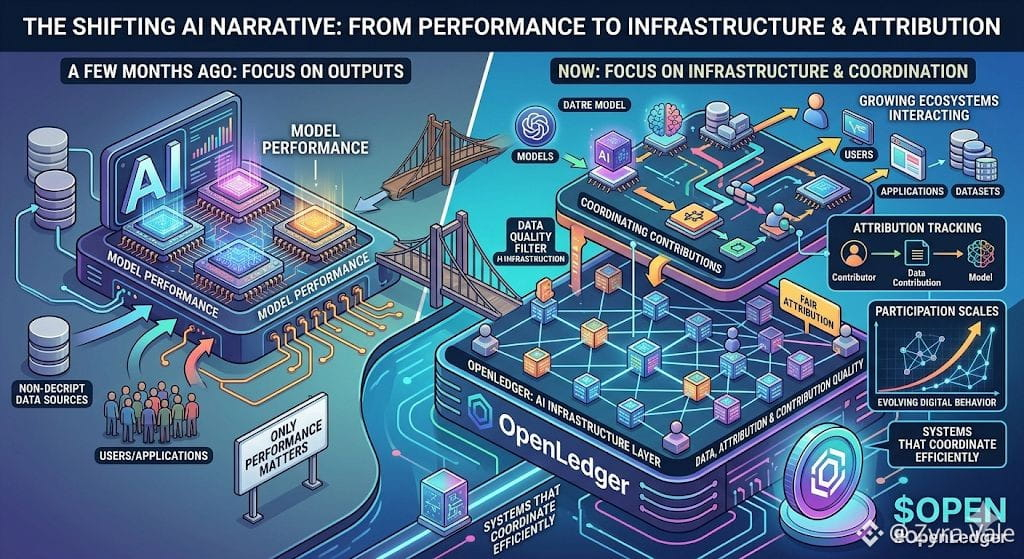
Es fühlt sich so an, als würde sich die KI-Narrative in letzter Zeit langsam verschieben.
Vor ein paar Monaten kümmerten sich die meisten Leute nur um die Modellperformance.
Jetzt bemerke ich mehr Diskussionen über Daten, Attribution und die Qualität der Beiträge.
Das ist zum Teil der Grund, warum mir OpenLedger in letzter Zeit ins Auge gefallen ist.
Das Projekt fühlt sich an, als würde es sich auf eine Schicht der KI-Infrastruktur konzentrieren, die wahrscheinlich wichtiger wird, je mehr Ökosysteme wachsen.
Besonders wenn mehr Nutzer, Anwendungen und Datensätze über Netzwerke interagieren.
Krypto hat bereits gezeigt, wie schnell sich digitales Verhalten entwickelt, sobald die Teilnahme zunimmt.
Also könnten Systeme, die Beiträge und Attribution effizienter koordinieren, später ein ziemlich wichtiger Teil des KI-Ökosystems werden.
Offensichtlich ist es noch früh.
Aber es fühlt sich so an, als würde der Markt allmählich anfangen, mehr Aufmerksamkeit auf die Infrastruktur unterhalb der KI zu richten, anstatt nur auf die Outputs.
Das ist hauptsächlich der Grund, warum ich $OPEN in letzter Zeit beobachtet habe.
#openledger $OPEN @Openledger
Es fühlt sich so an, als würde sich die KI-Narrative in letzter Zeit langsam verschieben.
Vor ein paar Monaten kümmerten sich die meisten Leute nur um die Modellperformance.
Jetzt bemerke ich mehr Diskussionen über Daten, Attribution und die Qualität der Beiträge.
Das ist zum Teil der Grund, warum mir OpenLedger in letzter Zeit ins Auge gefallen ist.
Das Projekt fühlt sich an, als würde es sich auf eine Schicht der KI-Infrastruktur konzentrieren, die wahrscheinlich wichtiger wird, je mehr Ökosysteme wachsen.
Besonders wenn mehr Nutzer, Anwendungen und Datensätze über Netzwerke interagieren.
Krypto hat bereits gezeigt, wie schnell sich digitales Verhalten entwickelt, sobald die Teilnahme zunimmt.
Also könnten Systeme, die Beiträge und Attribution effizienter koordinieren, später ein ziemlich wichtiger Teil des KI-Ökosystems werden.
Offensichtlich ist es noch früh.
Aber es fühlt sich so an, als würde der Markt allmählich anfangen, mehr Aufmerksamkeit auf die Infrastruktur unterhalb der KI zu richten, anstatt nur auf die Outputs.
Das ist hauptsächlich der Grund, warum ich $OPEN in letzter Zeit beobachtet habe.
#openledger $OPEN @OpenLedger
Vor ein paar Monaten kümmerten sich die meisten Leute nur um die Modellperformance.
Jetzt bemerke ich mehr Diskussionen über Daten, Attribution und die Qualität der Beiträge.
Das ist zum Teil der Grund, warum mir OpenLedger in letzter Zeit ins Auge gefallen ist.
Das Projekt fühlt sich an, als würde es sich auf eine Schicht der KI-Infrastruktur konzentrieren, die wahrscheinlich wichtiger wird, je mehr Ökosysteme wachsen.
Besonders wenn mehr Nutzer, Anwendungen und Datensätze über Netzwerke interagieren.
Krypto hat bereits gezeigt, wie schnell sich digitales Verhalten entwickelt, sobald die Teilnahme zunimmt.
Also könnten Systeme, die Beiträge und Attribution effizienter koordinieren, später ein ziemlich wichtiger Teil des KI-Ökosystems werden.
Offensichtlich ist es noch früh.
Aber es fühlt sich so an, als würde der Markt allmählich anfangen, mehr Aufmerksamkeit auf die Infrastruktur unterhalb der KI zu richten, anstatt nur auf die Outputs.
Das ist hauptsächlich der Grund, warum ich $OPEN in letzter Zeit beobachtet habe.
#openledger $OPEN @OpenLedger
2
183
Anmelden und weiter Inhalte entdecken
Krypto-Nutzer weltweit auf Binance Square kennenlernen
⚡️ Bleib in Sachen Krypto stets am Puls.
💬 Die weltgrößte Kryptobörse vertraut darauf.
👍 Erhalte verlässliche Einblicke von verifizierten Creators.
E-Mail-Adresse/Telefonnummer