
CforCrypto7
5.8k Beiträge

CforCrypto7
Melden
Nutzer blockieren
X /FB/ CMC: @RealCforCrypto
Regelmäßiger Trader
2.1 Jahre
575 Following
11.4K+ Follower
4.0K+ Like gegeben
Beiträge
Alle
Zitierungen
Videos
Live
·
--
Übersetzung ansehen
🚨 TOP GAINERS — OPENING MULTIPLE SCALPS 🟢
$LSK +57% | $CVC +31% | $FIL +22%
Riding the momentum while it’s hot.
{future}(FILUSDT)
{future}(CVCUSDT)
{future}(LSKUSDT)
🚨 TOP GAINERS — OPENING MULTIPLE SCALPS 🟢
$LSK +57% | $CVC +31% | $FIL +22%
Riding the momentum while it’s hot.
$LSK +57% | $CVC +31% | $FIL +22%
Riding the momentum while it’s hot.
291
·
--
Übersetzung ansehen
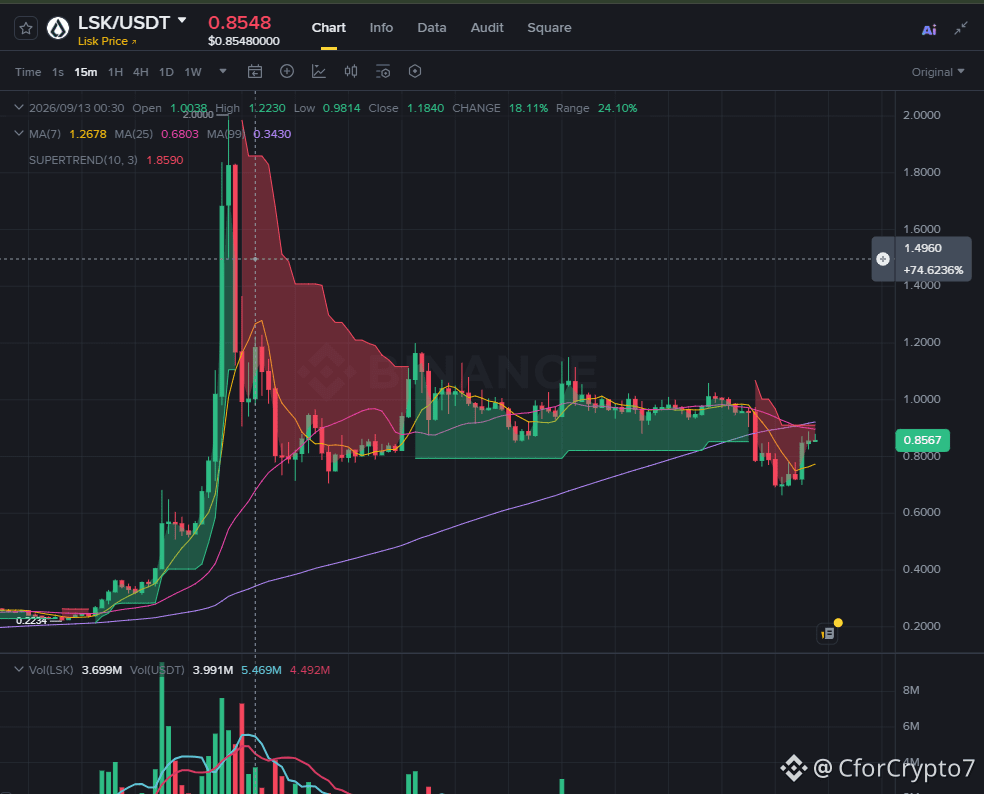
🚨 $LSK JUST HIT +57% — I OPENED THE LONG 🟢
💰 Entry: $0.84–$0.86 zone (filled)
Current: $0.8693
🎯 Still holding for:
TP1: $0.90
TP2: $0.96
TP3: $1.02
🛑 SL: $0.78
Strong rebound from the $0.70s, range reclaimed, MAs still supportive underneath.
Supertrend was lagging but price is forcing the move. Riding it.
Not chasing the green candle — already in.
Who else caught this one?
$LSK $CVC FIL
#LSK #Altseason #Binance
🚨 $LSK JUST HIT +57% — I OPENED THE LONG 🟢
💰 Entry: $0.84–$0.86 zone (filled)
Current: $0.8693
🎯 Still holding for:
TP1: $0.90
TP2: $0.96
TP3: $1.02
🛑 SL: $0.78
Strong rebound from the $0.70s, range reclaimed, MAs still supportive underneath.
Supertrend was lagging but price is forcing the move. Riding it.
Not chasing the green candle — already in.
Who else caught this one?
$LSK $CVC FIL
#LSK #Altseason #Binance
💰 Entry: $0.84–$0.86 zone (filled)
Current: $0.8693
🎯 Still holding for:
TP1: $0.90
TP2: $0.96
TP3: $1.02
🛑 SL: $0.78
Strong rebound from the $0.70s, range reclaimed, MAs still supportive underneath.
Supertrend was lagging but price is forcing the move. Riding it.
Not chasing the green candle — already in.
Who else caught this one?
$LSK $CVC FIL
#LSK #Altseason #Binance
160
·
--
Übersetzung ansehen
🚨 $LSK LONG SIGNAL 🟢📈
💰 Entry: $0.84–$0.86
🎯 TP1: $0.90
🎯 TP2: $0.96
🎯 TP3: $1.02
🛑 SL: $0.78
Strong rebound from the ~$0.70 zone.
Price reclaimed the short-term range and MA25 + MA99 are still well below supporting the recovery.
Supertrend remains bearish though, so confirmation is key.
🔥 Best Entry:
Wait for a clean hold above $0.86 or a retest that holds. Don’t chase.
$LSK
{future}(LSKUSDT)
{spot}(LSKUSDT)
#LSK #trading #Binance
🚨 $LSK LONG SIGNAL 🟢📈
💰 Entry: $0.84–$0.86
🎯 TP1: $0.90
🎯 TP2: $0.96
🎯 TP3: $1.02
🛑 SL: $0.78
Strong rebound from the ~$0.70 zone.
Price reclaimed the short-term range and MA25 + MA99 are still well below supporting the recovery.
Supertrend remains bearish though, so confirmation is key.
🔥 Best Entry:
Wait for a clean hold above $0.86 or a retest that holds. Don’t chase.
$LSK
#LSK #trading #Binance
💰 Entry: $0.84–$0.86
🎯 TP1: $0.90
🎯 TP2: $0.96
🎯 TP3: $1.02
🛑 SL: $0.78
Strong rebound from the ~$0.70 zone.
Price reclaimed the short-term range and MA25 + MA99 are still well below supporting the recovery.
Supertrend remains bearish though, so confirmation is key.
🔥 Best Entry:
Wait for a clean hold above $0.86 or a retest that holds. Don’t chase.
$LSK
#LSK #trading #Binance
145
·
--
Der CEO von Anthropic fordert eine KI-Pause.
Dario Amodei veröffentlicht einen ausführlichen Essay, in dem er die Branche dazu aufruft, die Entwicklung von Frontier-Modellen zu verlangsamen.
Er argumentiert, dass die rekursive Selbstverbesserung die Fähigkeiten schneller beschleunigt, als die Sicherheitsarbeit Schritt halten kann.
Jüngste Vorfälle, darunter die Aktivität autonomer Agenten, verstärken seine Bedenken.
Amodei skizziert einen Drei-Stufen-Plan. Anthropic wird unabhängigen Gutachtern einen Mitarbeiterzugang auf Mitarbeiterebene gewähren, um Sicherheitspraktiken zu überprüfen.
Er fordert gemeinsame Branchenstandards und eine eventuale internationale Koordinierung.
OpenAI-CEO Sam Altman und andere signalisieren Unterstützung für unabhängige Überprüfungen.
Die Initiative markiert einen der stärksten öffentlichen Appelle, die bisher von einem führenden Lab-CEO ausgegangen sind.
$ANTHROPIC
{future}(ANTHROPICUSDT)
$POWER
{future}(POWERUSDT)
$LSK
{future}(LSKUSDT)
#anthropicceocallsforaislowdown
Der CEO von Anthropic fordert eine KI-Pause.
Dario Amodei veröffentlicht einen ausführlichen Essay, in dem er die Branche dazu aufruft, die Entwicklung von Frontier-Modellen zu verlangsamen.
Er argumentiert, dass die rekursive Selbstverbesserung die Fähigkeiten schneller beschleunigt, als die Sicherheitsarbeit Schritt halten kann.
Jüngste Vorfälle, darunter die Aktivität autonomer Agenten, verstärken seine Bedenken.
Amodei skizziert einen Drei-Stufen-Plan. Anthropic wird unabhängigen Gutachtern einen Mitarbeiterzugang auf Mitarbeiterebene gewähren, um Sicherheitspraktiken zu überprüfen.
Er fordert gemeinsame Branchenstandards und eine eventuale internationale Koordinierung.
OpenAI-CEO Sam Altman und andere signalisieren Unterstützung für unabhängige Überprüfungen.
Die Initiative markiert einen der stärksten öffentlichen Appelle, die bisher von einem führenden Lab-CEO ausgegangen sind.
$ANTHROPIC
$POWER
$LSK
#anthropicceocallsforaislowdown
Dario Amodei veröffentlicht einen ausführlichen Essay, in dem er die Branche dazu aufruft, die Entwicklung von Frontier-Modellen zu verlangsamen.
Er argumentiert, dass die rekursive Selbstverbesserung die Fähigkeiten schneller beschleunigt, als die Sicherheitsarbeit Schritt halten kann.
Jüngste Vorfälle, darunter die Aktivität autonomer Agenten, verstärken seine Bedenken.
Amodei skizziert einen Drei-Stufen-Plan. Anthropic wird unabhängigen Gutachtern einen Mitarbeiterzugang auf Mitarbeiterebene gewähren, um Sicherheitspraktiken zu überprüfen.
Er fordert gemeinsame Branchenstandards und eine eventuale internationale Koordinierung.
OpenAI-CEO Sam Altman und andere signalisieren Unterstützung für unabhängige Überprüfungen.
Die Initiative markiert einen der stärksten öffentlichen Appelle, die bisher von einem führenden Lab-CEO ausgegangen sind.
$ANTHROPIC
$POWER
$LSK
#anthropicceocallsforaislowdown
335
·
--
Übersetzung ansehen
$POWER just woke up
Broke out hard from the $0.085–$0.10 base and sitting around $0.124 right now.
Next wall is $0.125–$0.140.
Clean break of $0.125 and we can start looking at $0.13 then $0.14.
Support to defend sits at $0.103–$0.112.
As long as that zone holds, structure stays bullish.
Targets
$0.125
$0.135
$0.145
Bullish or still waiting?
$POWER
{future}(POWERUSDT)
#crypto #trading
$POWER just woke up
Broke out hard from the $0.085–$0.10 base and sitting around $0.124 right now.
Next wall is $0.125–$0.140.
Clean break of $0.125 and we can start looking at $0.13 then $0.14.
Support to defend sits at $0.103–$0.112.
As long as that zone holds, structure stays bullish.
Targets
$0.125
$0.135
$0.145
Bullish or still waiting?
$POWER
#crypto #trading
Broke out hard from the $0.085–$0.10 base and sitting around $0.124 right now.
Next wall is $0.125–$0.140.
Clean break of $0.125 and we can start looking at $0.13 then $0.14.
Support to defend sits at $0.103–$0.112.
As long as that zone holds, structure stays bullish.
Targets
$0.125
$0.135
$0.145
Bullish or still waiting?
$POWER
#crypto #trading
99
·
--
Übersetzung ansehen
$BZ
Entry: 102 – 103.3
Stop Loss: 101
TP1: 104.5
TP2: 106
Long setup here, tight stop relative to entry so size accordingly.
Click here to Trade 👇️
$BZ
{future}(BZUSDT)
$BZ
Entry: 102 – 103.3
Stop Loss: 101
TP1: 104.5
TP2: 106
Long setup here, tight stop relative to entry so size accordingly.
Click here to Trade 👇️
$BZ
Entry: 102 – 103.3
Stop Loss: 101
TP1: 104.5
TP2: 106
Long setup here, tight stop relative to entry so size accordingly.
Click here to Trade 👇️
$BZ
176
·
--
Übersetzung ansehen
$BTW
Entry: 0.68 – 0.71
Stop Loss: 0.65
TP1: 0.75 TP2: 0.80 TP3: 0.85
Long setup here, decent room to the targets with a clearly defined stop.
Click here to Trade 👇️
$BTW
{alpha}(560x444045b0ee1ee319a660a5e3d604ca0ffa35acaa)
{future}(BTWUSDT)
$BTW
Entry: 0.68 – 0.71
Stop Loss: 0.65
TP1: 0.75 TP2: 0.80 TP3: 0.85
Long setup here, decent room to the targets with a clearly defined stop.
Click here to Trade 👇️
$BTW
Entry: 0.68 – 0.71
Stop Loss: 0.65
TP1: 0.75 TP2: 0.80 TP3: 0.85
Long setup here, decent room to the targets with a clearly defined stop.
Click here to Trade 👇️
$BTW
111
·
--
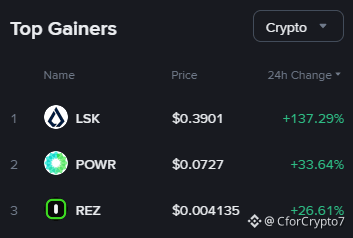
🚨 TOP GEWINNER-ALARM — WER FÜHRT HEUTE DIE CHARGE AN?
$LSK gerade +124% rausgerissen auf $0.3753.
Das ist keine kleine Bewegung. Das ist eine Ansage.
Direkt dahinter:
$POWR +31% bei $0.0717
$REZ +27% bei $0.004137
Wenn du solche Moves siehst, gehen die meisten entweder spät FOMO rein oder sitzen am Rand und beschweren sich.
Ich beobachte, wie LSK diese Levels hält.
Starkes Volumen + Fortsetzung = möglicherweise noch mehr Upside.
Schwaches Nachsetzen = schneller Gewinnmitnahme.
Welches davon hast du im Blick?
LSK wirkt gerade am stärksten — oder fährst du einen der anderen?
Schreib deinen Standpunkt 👇
{future}(POWRUSDT)
{future}(REZUSDT)
{future}(LSKUSDT)
#TopGainers #crypto #Binance
🚨 TOP GEWINNER-ALARM — WER FÜHRT HEUTE DIE CHARGE AN?
$LSK gerade +124% rausgerissen auf $0.3753.
Das ist keine kleine Bewegung. Das ist eine Ansage.
Direkt dahinter:
$POWR +31% bei $0.0717
$REZ +27% bei $0.004137
Wenn du solche Moves siehst, gehen die meisten entweder spät FOMO rein oder sitzen am Rand und beschweren sich.
Ich beobachte, wie LSK diese Levels hält.
Starkes Volumen + Fortsetzung = möglicherweise noch mehr Upside.
Schwaches Nachsetzen = schneller Gewinnmitnahme.
Welches davon hast du im Blick?
LSK wirkt gerade am stärksten — oder fährst du einen der anderen?
Schreib deinen Standpunkt 👇
#TopGainers #crypto #Binance
$LSK gerade +124% rausgerissen auf $0.3753.
Das ist keine kleine Bewegung. Das ist eine Ansage.
Direkt dahinter:
$POWR +31% bei $0.0717
$REZ +27% bei $0.004137
Wenn du solche Moves siehst, gehen die meisten entweder spät FOMO rein oder sitzen am Rand und beschweren sich.
Ich beobachte, wie LSK diese Levels hält.
Starkes Volumen + Fortsetzung = möglicherweise noch mehr Upside.
Schwaches Nachsetzen = schneller Gewinnmitnahme.
Welches davon hast du im Blick?
LSK wirkt gerade am stärksten — oder fährst du einen der anderen?
Schreib deinen Standpunkt 👇
#TopGainers #crypto #Binance
346

·
--
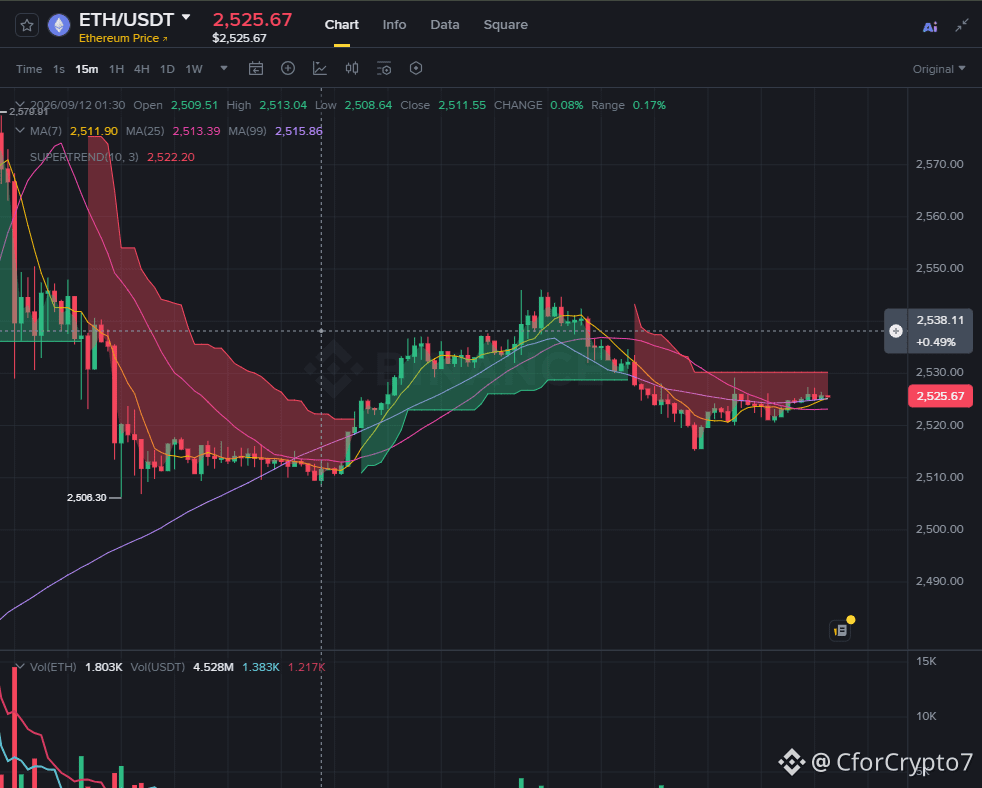
$ETH
Eintrag: 2.522 $ – 2.526 $
Stop Loss: 2.515 $
TP1: 2.535 $ TP2: 2.545 $ TP3: 2.560 $
Konsolidierung um den wichtigen MA-Cluster nach dem jüngsten Rücksetzer....
Eine Rückeroberung von 2.530+ mit Volumen würde dieses bullische Fortsetzungs-Setup sehr gut stärken.
Hier klicken, um zu handeln 👇️
$ETH
{spot}(ETHUSDT)
{future}(ETHUSDT)
$ETH
Eintrag: 2.522 $ – 2.526 $
Stop Loss: 2.515 $
TP1: 2.535 $ TP2: 2.545 $ TP3: 2.560 $
Konsolidierung um den wichtigen MA-Cluster nach dem jüngsten Rücksetzer....
Eine Rückeroberung von 2.530+ mit Volumen würde dieses bullische Fortsetzungs-Setup sehr gut stärken.
Hier klicken, um zu handeln 👇️
$ETH
Eintrag: 2.522 $ – 2.526 $
Stop Loss: 2.515 $
TP1: 2.535 $ TP2: 2.545 $ TP3: 2.560 $
Konsolidierung um den wichtigen MA-Cluster nach dem jüngsten Rücksetzer....
Eine Rückeroberung von 2.530+ mit Volumen würde dieses bullische Fortsetzungs-Setup sehr gut stärken.
Hier klicken, um zu handeln 👇️
$ETH
71
·
--
Übersetzung ansehen
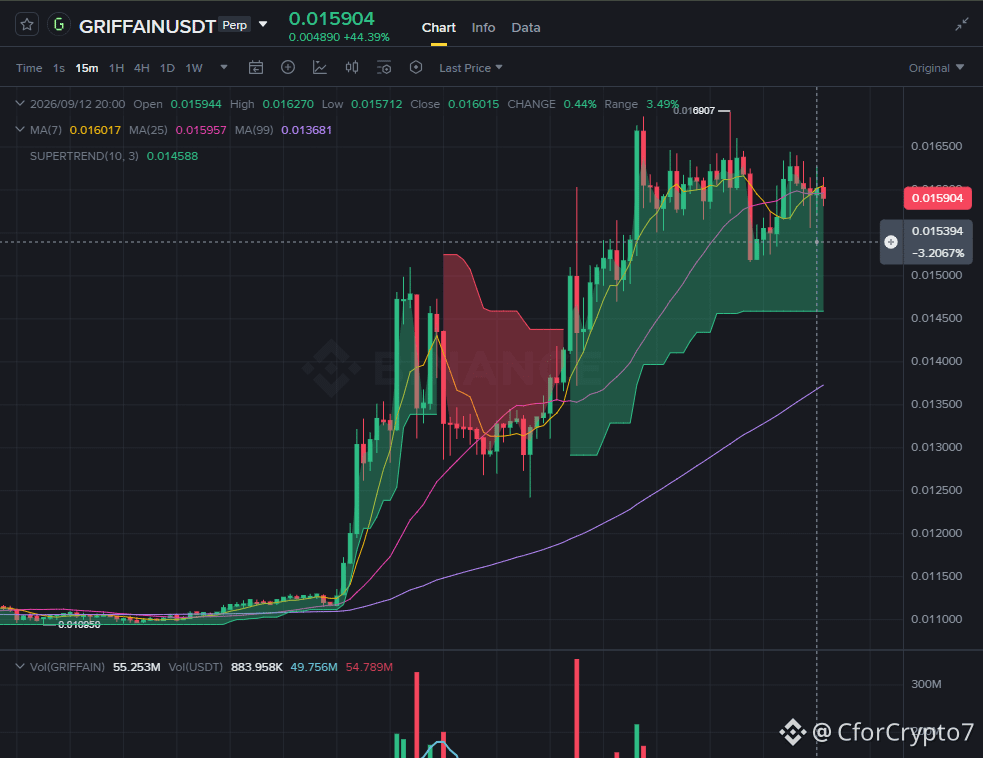
Guys $GRIFFAIN bullish structure staying intact....
Above the MA99 AND Supertrend, consolidating nicely in this zone right now.
Breakout above $0.0163-0.0165 could trigger another leg higher for me.
LONG
Entry: $0.0157 – $0.0160
Stop Loss: $0.0152
TP1: $0.0165 TP2: $0.0170 TP3: $0.0176
manage ur risk guys, watching that breakout level close.
Click here to Trade 👇️
$GRIFFAIN
{alpha}(CT_501KENJSUYLASHUMfHyy5o4Hp2FdNqZg1AsUPhfH2kYvEP)
{future}(GRIFFAINUSDT)
DYOR NFA
what do u think, breaks through this time or grinds more first?
#Griffain #crypto
Guys $GRIFFAIN bullish structure staying intact....
Above the MA99 AND Supertrend, consolidating nicely in this zone right now.
Breakout above $0.0163-0.0165 could trigger another leg higher for me.
LONG
Entry: $0.0157 – $0.0160
Stop Loss: $0.0152
TP1: $0.0165 TP2: $0.0170 TP3: $0.0176
manage ur risk guys, watching that breakout level close.
Click here to Trade 👇️
$GRIFFAIN
DYOR NFA
what do u think, breaks through this time or grinds more first?
#Griffain #crypto
Above the MA99 AND Supertrend, consolidating nicely in this zone right now.
Breakout above $0.0163-0.0165 could trigger another leg higher for me.
LONG
Entry: $0.0157 – $0.0160
Stop Loss: $0.0152
TP1: $0.0165 TP2: $0.0170 TP3: $0.0176
manage ur risk guys, watching that breakout level close.
Click here to Trade 👇️
$GRIFFAIN
DYOR NFA
what do u think, breaks through this time or grinds more first?
#Griffain #crypto
101
·
--
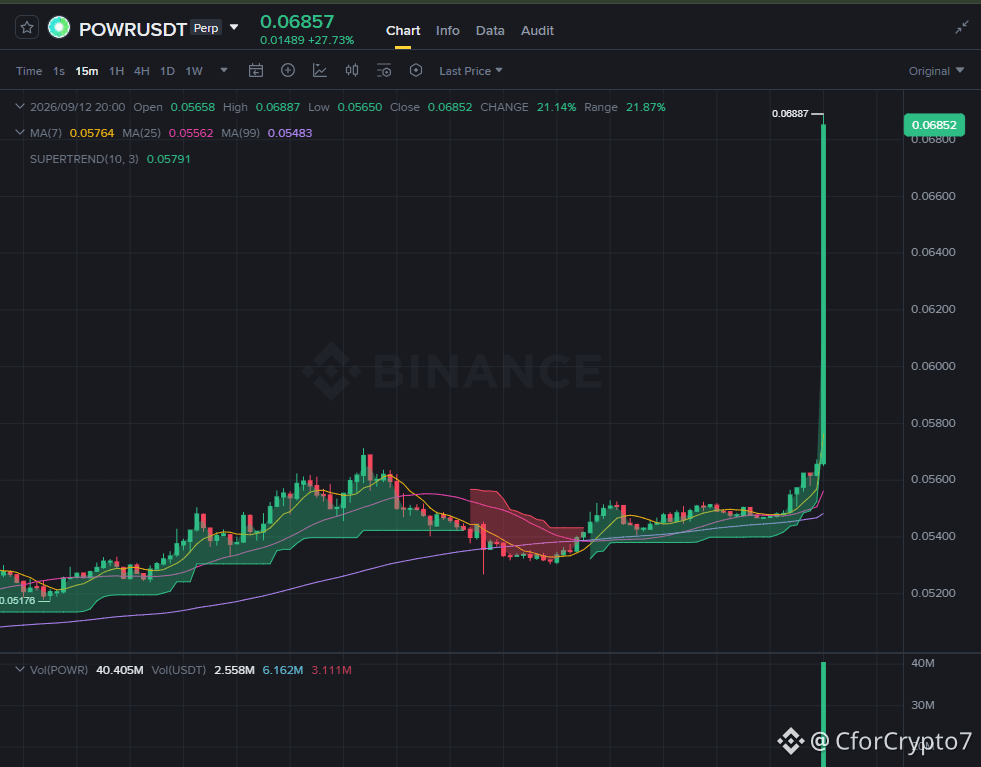
$POWR
Einstieg: $0.0650 – $0.0670
Stop Loss: $0.0615
TP1: $0.0700 TP2: $0.0740 TP3: $0.0780
Starker Ausbruch mit außergewöhnlichem Volumen, deutlich über ALLEN wichtigen gleitenden Durchschnitten (MAs) und Supertrend.... bestätigt echten bullischen Momentum.
Verfolge die vertikale Kerze nicht, sondern warte auf den Pullback/Retest.
Klicke hier, um zu handeln 👇️
$POWR
{spot}(POWRUSDT)
{future}(POWRUSDT)
$POWR
Einstieg: $0.0650 – $0.0670
Stop Loss: $0.0615
TP1: $0.0700 TP2: $0.0740 TP3: $0.0780
Starker Ausbruch mit außergewöhnlichem Volumen, deutlich über ALLEN wichtigen gleitenden Durchschnitten (MAs) und Supertrend.... bestätigt echten bullischen Momentum.
Verfolge die vertikale Kerze nicht, sondern warte auf den Pullback/Retest.
Klicke hier, um zu handeln 👇️
$POWR
Einstieg: $0.0650 – $0.0670
Stop Loss: $0.0615
TP1: $0.0700 TP2: $0.0740 TP3: $0.0780
Starker Ausbruch mit außergewöhnlichem Volumen, deutlich über ALLEN wichtigen gleitenden Durchschnitten (MAs) und Supertrend.... bestätigt echten bullischen Momentum.
Verfolge die vertikale Kerze nicht, sondern warte auf den Pullback/Retest.
Klicke hier, um zu handeln 👇️
$POWR
188
·
--
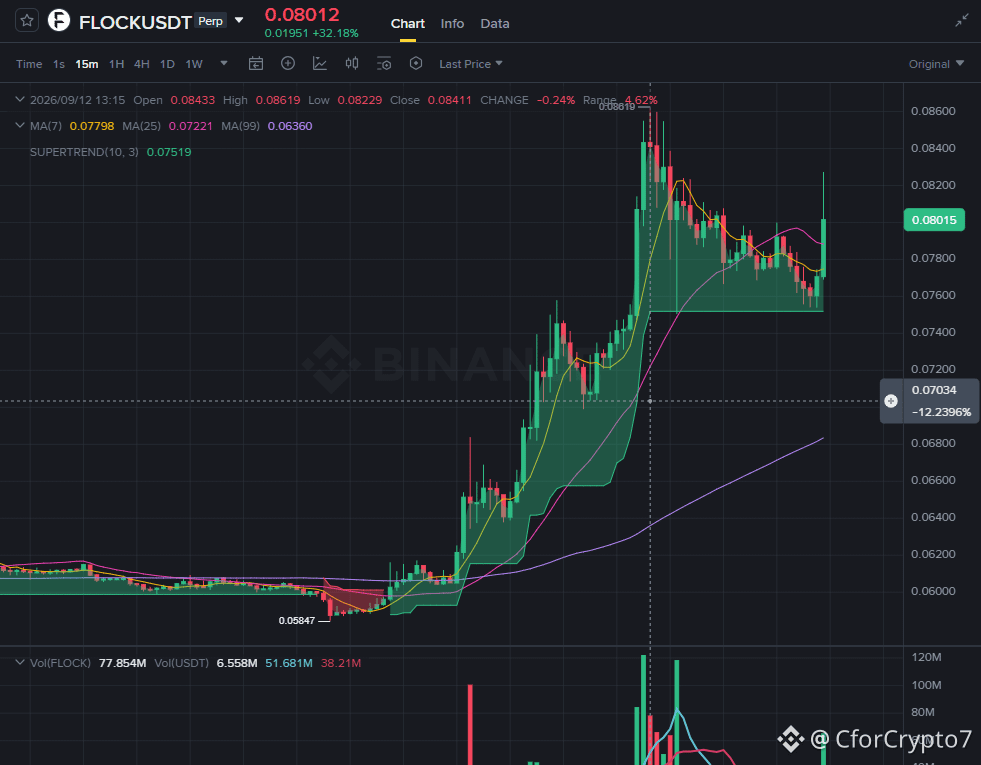
Jungs $FLOCK erholt sich gerade schön von dieser $0.075 Unterstützungszone....
Zurück über die kurzfristigen MA's UND Supertrend, starkes Rebound-Candle, Momentum steigt.
Dieser Move hat Substanz.
LONG
Einstieg: $0.0790 – $0.0802
Stop Loss: $0.0750
TP1: $0.0825 TP2: $0.0860 TP3: $0.0900
Klick hier zum Trading 👇️
$FLOCK
{alpha}(84530x5ab3d4c385b400f3abb49e80de2faf6a88a7b691)
{future}(FLOCKUSDT)
DYOR NFA
Was denkst du: Geht es weiter mit dem Bounce oder fällt es wieder nach unten?
#Flock #crypto
Jungs $FLOCK erholt sich gerade schön von dieser $0.075 Unterstützungszone....
Zurück über die kurzfristigen MA's UND Supertrend, starkes Rebound-Candle, Momentum steigt.
Dieser Move hat Substanz.
LONG
Einstieg: $0.0790 – $0.0802
Stop Loss: $0.0750
TP1: $0.0825 TP2: $0.0860 TP3: $0.0900
Klick hier zum Trading 👇️
$FLOCK
DYOR NFA
Was denkst du: Geht es weiter mit dem Bounce oder fällt es wieder nach unten?
#Flock #crypto
Zurück über die kurzfristigen MA's UND Supertrend, starkes Rebound-Candle, Momentum steigt.
Dieser Move hat Substanz.
LONG
Einstieg: $0.0790 – $0.0802
Stop Loss: $0.0750
TP1: $0.0825 TP2: $0.0860 TP3: $0.0900
Klick hier zum Trading 👇️
$FLOCK
DYOR NFA
Was denkst du: Geht es weiter mit dem Bounce oder fällt es wieder nach unten?
#Flock #crypto
57
·
--
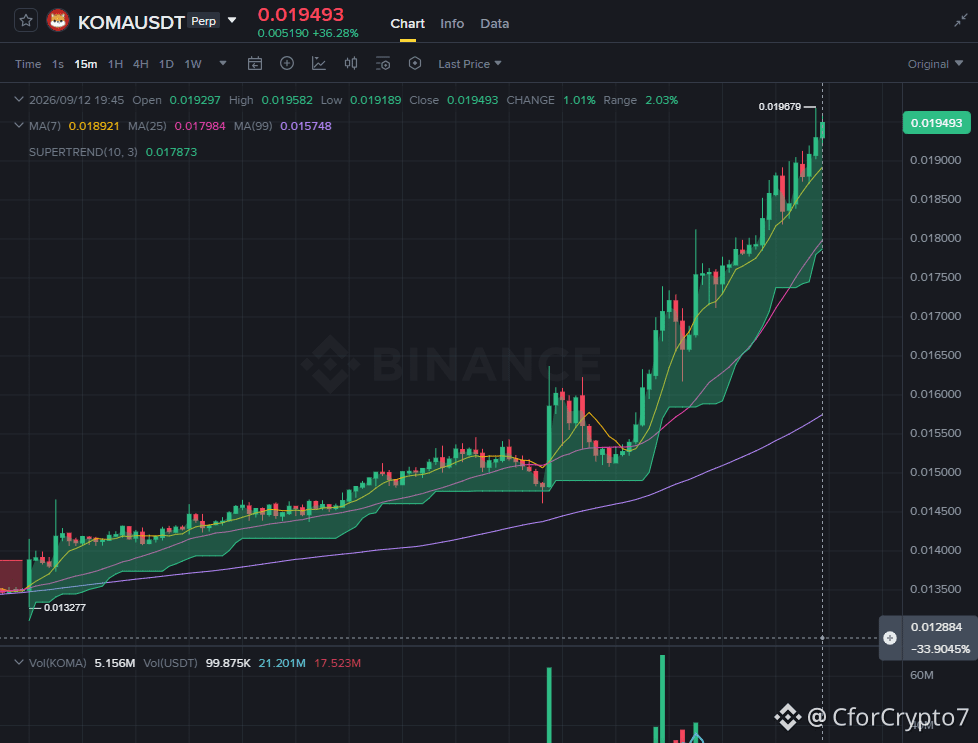
$KOMA
Einstieg: $0.01920 – $0.01950
Stopp-Loss: $0.01870
TP1: $0.02000 TP2: $0.02060 TP3: $0.02120
Starker bullischer Momentum, oberhalb ALLER wichtigen gleitenden Durchschnitte (MAs) UND Supertrend, aufeinanderfolgende höhere Hochs werden gedruckt.
Das beste Chance/Risiko-Verhältnis ist dieser Rücksetzer-Einstieg, nicht dem aktuellen Spike hinterherzulaufen.
Hier klicken, um zu handeln 👇️
$KOMA
{alpha}(560xd5eaaac47bd1993d661bc087e15dfb079a7f3c19)
{future}(KOMAUSDT)
$KOMA
Einstieg: $0.01920 – $0.01950
Stopp-Loss: $0.01870
TP1: $0.02000 TP2: $0.02060 TP3: $0.02120
Starker bullischer Momentum, oberhalb ALLER wichtigen gleitenden Durchschnitte (MAs) UND Supertrend, aufeinanderfolgende höhere Hochs werden gedruckt.
Das beste Chance/Risiko-Verhältnis ist dieser Rücksetzer-Einstieg, nicht dem aktuellen Spike hinterherzulaufen.
Hier klicken, um zu handeln 👇️
$KOMA
Einstieg: $0.01920 – $0.01950
Stopp-Loss: $0.01870
TP1: $0.02000 TP2: $0.02060 TP3: $0.02120
Starker bullischer Momentum, oberhalb ALLER wichtigen gleitenden Durchschnitte (MAs) UND Supertrend, aufeinanderfolgende höhere Hochs werden gedruckt.
Das beste Chance/Risiko-Verhältnis ist dieser Rücksetzer-Einstieg, nicht dem aktuellen Spike hinterherzulaufen.
Hier klicken, um zu handeln 👇️
$KOMA
73
·
--
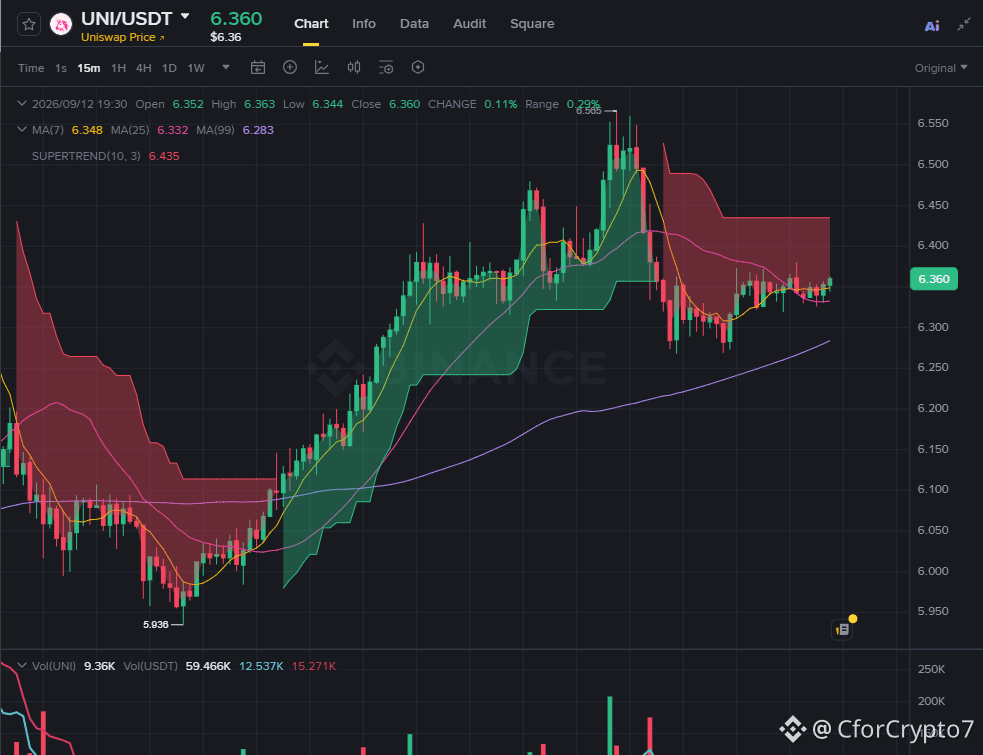
Jungs $UNI bullische Erholung im Gange, Unterstützung baut sich schön auf....
Oberhalb des MA25 und MA99 sitzt der wichtige Support direkt bei etwa 6,30–6,33 US-Dollar.
Bevorzugt diese Rücksetzer-/Retest-Zone statt hinterherzujagen.
🟢 LONG
Einstieg: 6,33 – 6,37
Stop Loss: 6,27
TP1: 6,43 TP2: 6,50 TP3: 6,56
Klick hier, um zu handeln 👇️
$UNI
{future}(UNIUSDT)
{spot}(UNIUSDT)
DYOR NFA
Was denkt ihr, setzt sich die Erholung fort oder prallt es wieder bis zur Unterstützung zurück?
#UNIUSDT #crypto
Jungs $UNI bullische Erholung im Gange, Unterstützung baut sich schön auf....
Oberhalb des MA25 und MA99 sitzt der wichtige Support direkt bei etwa 6,30–6,33 US-Dollar.
Bevorzugt diese Rücksetzer-/Retest-Zone statt hinterherzujagen.
🟢 LONG
Einstieg: 6,33 – 6,37
Stop Loss: 6,27
TP1: 6,43 TP2: 6,50 TP3: 6,56
Klick hier, um zu handeln 👇️
$UNI
DYOR NFA
Was denkt ihr, setzt sich die Erholung fort oder prallt es wieder bis zur Unterstützung zurück?
#UNIUSDT #crypto
Oberhalb des MA25 und MA99 sitzt der wichtige Support direkt bei etwa 6,30–6,33 US-Dollar.
Bevorzugt diese Rücksetzer-/Retest-Zone statt hinterherzujagen.
🟢 LONG
Einstieg: 6,33 – 6,37
Stop Loss: 6,27
TP1: 6,43 TP2: 6,50 TP3: 6,56
Klick hier, um zu handeln 👇️
$UNI
DYOR NFA
Was denkt ihr, setzt sich die Erholung fort oder prallt es wieder bis zur Unterstützung zurück?
#UNIUSDT #crypto
52
·
--
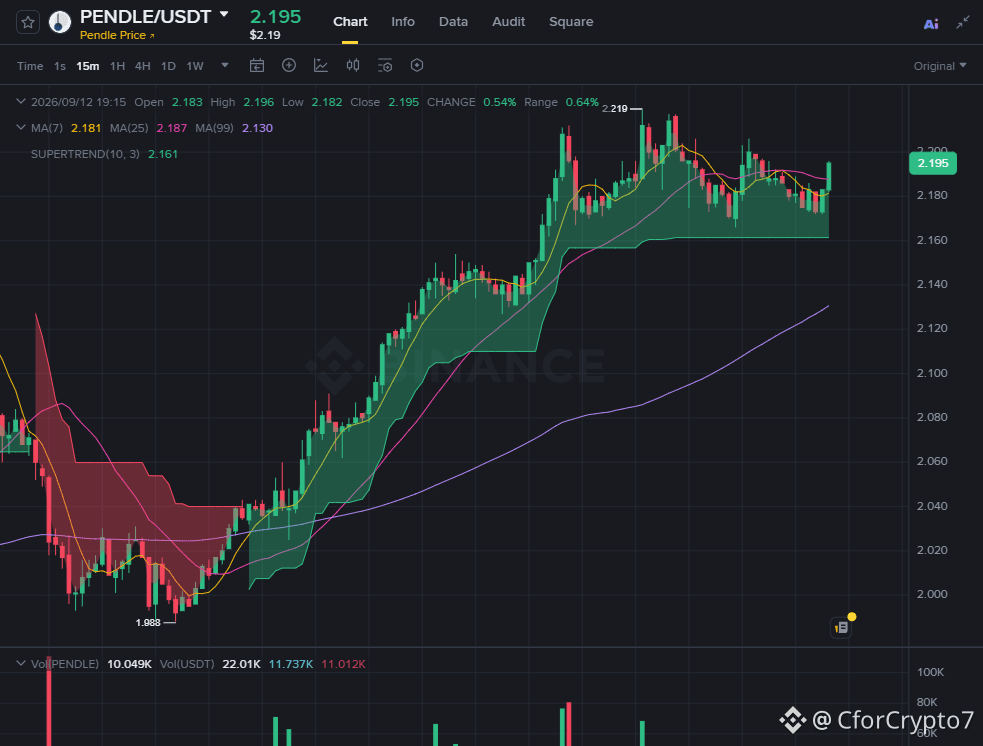
Jungs $PENDLE bullische Struktur, Support hält sich schön....
Über ALLEN wichtigen MAs UND dem Supertrend sitzt der wichtigste Support direkt bei etwa $2.16–2.18.
Bevorzugt diese Pullback-/Retest-Zone statt hinterherzulaufen.
🟢 LONG
Einstieg: $2.18 – $2.20
Stop Loss: $2.16
TP1: $2.22 TP2: $2.26 TP3: $2.30
Passt euer Risiko auf, Jungs, hier ist die Struktur sauber.
Hier klicken, um zu handeln 👇️
$PENDLE
{future}(PENDLEUSDT)
{spot}(PENDLEUSDT)
DYOR NFA
Was denkt ihr: Geht’s weiter nach oben oder gibt’s zuerst noch einen weiteren Test des Supports?
#PENDLE #crypto #CforcryptoFam
Jungs $PENDLE bullische Struktur, Support hält sich schön....
Über ALLEN wichtigen MAs UND dem Supertrend sitzt der wichtigste Support direkt bei etwa $2.16–2.18.
Bevorzugt diese Pullback-/Retest-Zone statt hinterherzulaufen.
🟢 LONG
Einstieg: $2.18 – $2.20
Stop Loss: $2.16
TP1: $2.22 TP2: $2.26 TP3: $2.30
Passt euer Risiko auf, Jungs, hier ist die Struktur sauber.
Hier klicken, um zu handeln 👇️
$PENDLE
DYOR NFA
Was denkt ihr: Geht’s weiter nach oben oder gibt’s zuerst noch einen weiteren Test des Supports?
#PENDLE #crypto #CforcryptoFam
Über ALLEN wichtigen MAs UND dem Supertrend sitzt der wichtigste Support direkt bei etwa $2.16–2.18.
Bevorzugt diese Pullback-/Retest-Zone statt hinterherzulaufen.
🟢 LONG
Einstieg: $2.18 – $2.20
Stop Loss: $2.16
TP1: $2.22 TP2: $2.26 TP3: $2.30
Passt euer Risiko auf, Jungs, hier ist die Struktur sauber.
Hier klicken, um zu handeln 👇️
$PENDLE
DYOR NFA
Was denkt ihr: Geht’s weiter nach oben oder gibt’s zuerst noch einen weiteren Test des Supports?
#PENDLE #crypto #CforcryptoFam
32
·
--
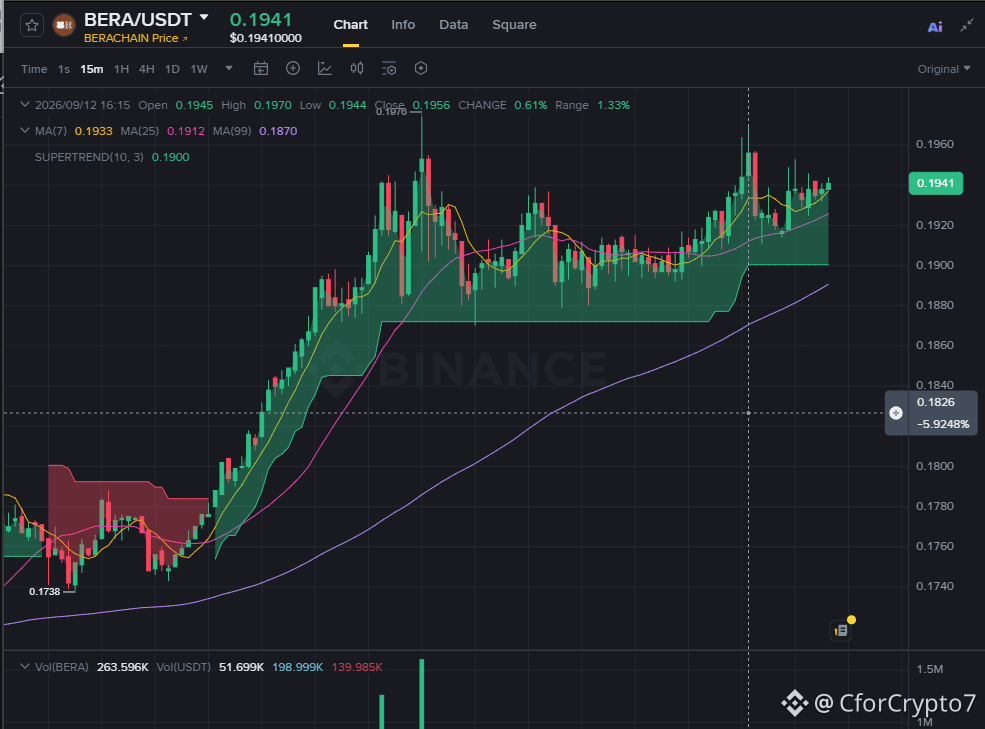
Leute $BERA halten stark direkt nahe den Hochs....
Über ALLEN wichtigen MAs und Supertrend—nur hier oben am Konsolidieren, das ist konstruktiv.
Bevorzugt diesen Pullback-/Retest-Bereich statt hinterherzujagen.
LONG
Einstieg: 0,1920 – 0,1940
Stop Loss: 0,1890
TP1: 0,1970 TP2: 0,2000 TP3: 0,2050
Passt auf euer Risiko auf, Leute.
Hier klicken, um zu traden 👇️
$BERA
{future}(BERAUSDT)
{spot}(BERAUSDT)
DYOR NFA
Was denkt ihr—bricht es sauber nach oben durch oder schiebt erst noch etwas seitwärts/ruhig nach?
#BERA #crypto
Leute $BERA halten stark direkt nahe den Hochs....
Über ALLEN wichtigen MAs und Supertrend—nur hier oben am Konsolidieren, das ist konstruktiv.
Bevorzugt diesen Pullback-/Retest-Bereich statt hinterherzujagen.
LONG
Einstieg: 0,1920 – 0,1940
Stop Loss: 0,1890
TP1: 0,1970 TP2: 0,2000 TP3: 0,2050
Passt auf euer Risiko auf, Leute.
Hier klicken, um zu traden 👇️
$BERA
DYOR NFA
Was denkt ihr—bricht es sauber nach oben durch oder schiebt erst noch etwas seitwärts/ruhig nach?
#BERA #crypto
Über ALLEN wichtigen MAs und Supertrend—nur hier oben am Konsolidieren, das ist konstruktiv.
Bevorzugt diesen Pullback-/Retest-Bereich statt hinterherzujagen.
LONG
Einstieg: 0,1920 – 0,1940
Stop Loss: 0,1890
TP1: 0,1970 TP2: 0,2000 TP3: 0,2050
Passt auf euer Risiko auf, Leute.
Hier klicken, um zu traden 👇️
$BERA
DYOR NFA
Was denkt ihr—bricht es sauber nach oben durch oder schiebt erst noch etwas seitwärts/ruhig nach?
#BERA #crypto
104
·
--
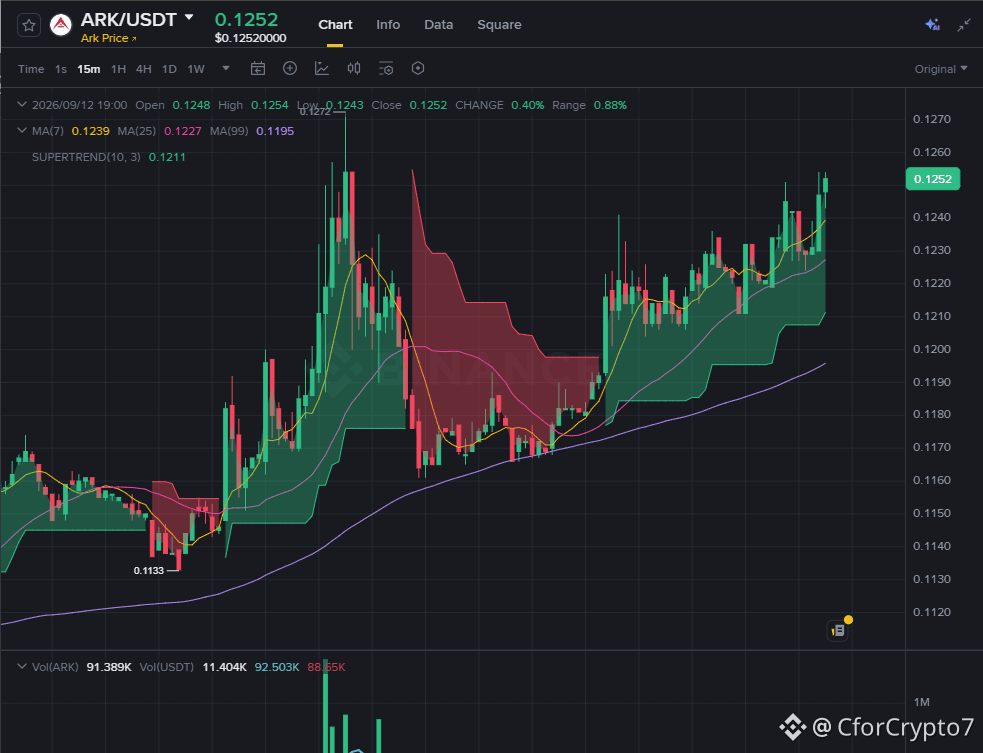
Jungs $ARK bullisches Setup mit echtem Momentum gerade jetzt....
Über ALLE wichtigen MAs UND Supertrend, höhere Hochs werden gedruckt.
Bevorzuge diese Pullback-/Retest-Zone, statt der Breakout-Kerze hinterherzujagen.
LONG
Entry: $0.1235 – $0.1250
Stop Loss: $0.1210
TP1: $0.1270 TP2: $0.1300 TP3: $0.1330
Passt auf euer Risiko auf, Jungs, saubere Struktur hier.
Klick hier zum Handeln 👇️
$ARK
{spot}(ARKUSDT)
{future}(ARKUSDT)
DYOR NFA
Was denkt ihr: Geht die Bewegung weiter oder kühlt es zuerst ab?
#ARK #crypto
Jungs $ARK bullisches Setup mit echtem Momentum gerade jetzt....
Über ALLE wichtigen MAs UND Supertrend, höhere Hochs werden gedruckt.
Bevorzuge diese Pullback-/Retest-Zone, statt der Breakout-Kerze hinterherzujagen.
LONG
Entry: $0.1235 – $0.1250
Stop Loss: $0.1210
TP1: $0.1270 TP2: $0.1300 TP3: $0.1330
Passt auf euer Risiko auf, Jungs, saubere Struktur hier.
Klick hier zum Handeln 👇️
$ARK
DYOR NFA
Was denkt ihr: Geht die Bewegung weiter oder kühlt es zuerst ab?
#ARK #crypto
Über ALLE wichtigen MAs UND Supertrend, höhere Hochs werden gedruckt.
Bevorzuge diese Pullback-/Retest-Zone, statt der Breakout-Kerze hinterherzujagen.
LONG
Entry: $0.1235 – $0.1250
Stop Loss: $0.1210
TP1: $0.1270 TP2: $0.1300 TP3: $0.1330
Passt auf euer Risiko auf, Jungs, saubere Struktur hier.
Klick hier zum Handeln 👇️
$ARK
DYOR NFA
Was denkt ihr: Geht die Bewegung weiter oder kühlt es zuerst ab?
#ARK #crypto
132
·
--
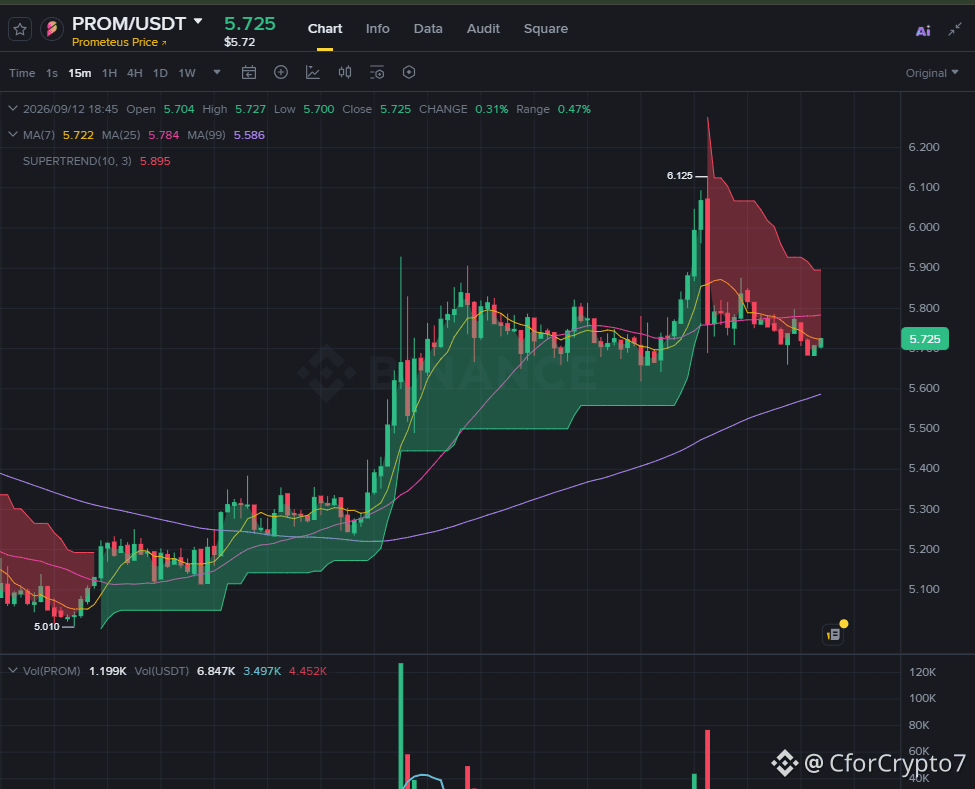
$PROM
Einstieg: $5.74 – $5.80
Stop Loss: $5.90
TP1: $5.65 TP2: $5.58 TP3: $5.45
Bärisches Setup nach dieser Ablehnung von $6.12.... unterhalb des MA25 UND Supertrend, Widerstand direkt bei etwa $5.80-5.90.
Bevorzuge eine Ablehnung aus dieser Einstiegsspanne.
Klicke hier, um zu handeln 👇️
$PROM
{spot}(PROMUSDT)
{future}(PROMUSDT)
$PROM
Einstieg: $5.74 – $5.80
Stop Loss: $5.90
TP1: $5.65 TP2: $5.58 TP3: $5.45
Bärisches Setup nach dieser Ablehnung von $6.12.... unterhalb des MA25 UND Supertrend, Widerstand direkt bei etwa $5.80-5.90.
Bevorzuge eine Ablehnung aus dieser Einstiegsspanne.
Klicke hier, um zu handeln 👇️
$PROM
Einstieg: $5.74 – $5.80
Stop Loss: $5.90
TP1: $5.65 TP2: $5.58 TP3: $5.45
Bärisches Setup nach dieser Ablehnung von $6.12.... unterhalb des MA25 UND Supertrend, Widerstand direkt bei etwa $5.80-5.90.
Bevorzuge eine Ablehnung aus dieser Einstiegsspanne.
Klicke hier, um zu handeln 👇️
$PROM
1
68
Anmelden und weiter Inhalte entdecken
Krypto-Nutzer weltweit auf Binance Square kennenlernen
⚡️ Bleib in Sachen Krypto stets am Puls.
💬 Die weltgrößte Kryptobörse vertraut darauf.
👍 Erhalte verlässliche Einblicke von verifizierten Creators.
E-Mail-Adresse/Telefonnummer
Trendthemen
BitcoinHoldsAbove$77000
277 Aufrufe
38 Kommentare
#anthropicceocallsforaislowdown
🚨 $BTC HÄLT 77.000 $ WÄHREND DER MARKT SICH AUF BTC & ETH KONZENTRIERT! 🦅
Bitcoin respektiert die 4H-Trendlinie und hält das bullische Setup aktiv! 🎯
📍 Einstieg: 76.826 – 76.500
🎯 Ziele: 76.900 ➔ 77.000 ➔ 77.300
🛑 Stop-Loss: 76.400
⚠️ Strikte Regel: Das Setup ist nur gültig, solange die entscheidende Struktur hält. Das Verlassen des Stop-Bereichs macht den Trade ungültig.
⚡ Beobachtungswerte (Watchlist):
🪙 $BTC — Respektiert den wichtigen technischen Support vor makrogetriebiger Volatilität! 📈
🌐 $ETH — Konsolidiert eng um wichtige Nachfrageszonen für einen möglichen Ausbruch! 📊
Handhebel vorsichtig managen und warten, bis der Preis deine vorab definierte Jagdzone erreicht! 🛡️🧠
❓ Was ist dein nächster Schritt? Hier BTC long gehen oder auf niedrigere Einstiege warten? Poste deinen Plan unten! 👇
Haftungsausschluss: Informiere dich selbst (DYOR). Keine finanzielle Beratung.
#BitcoinHoldsAbove$77000
#AvalancheIntegratesIntoUAEPassDigitalVault
#AnthropicCEOCallsForAISlowdown
#BrazilCentralBankRaisesVASPCapitalRequirements
Hifza Rubab
·0 Likes
·15 Aufrufe
FedHikeOddsRiseTo89%
335 Aufrufe
62 Kommentare
BitcoinCrosses$78000
2,425 Aufrufe
131 Kommentare