
CaptainAltcoin
26.6k Beiträge

CaptainAltcoin
Melden
Nutzer blockieren
Ahoy, crypto sailors! Navigate the stormy seas of the digital world with CaptainAltcoin, your trusty compass for crypto guides, reviews, and news.
7 Following
101.4K+ Follower
94.1K+ Like gegeben
1 Abzeichen
Beiträge
Artikel
Übersetzung ansehen
Best Crypto Presale: Is Pepeto the 300x Gem for 2026 As Big Money Piles Into This Meme Coin Ahead...Crypto nerves are back on edge as the market waits on the Fed’s September 16 decision, with a hot jobs report pushing hike odds to 58%, per Decrypt, and Bitcoin dipping under $80,000 for a day. The biggest buyers did not blink: spot Bitcoin ETFs took in $731 million on September 3, their largest day since January, per CoinDesk.
Smart money is not waiting for the Fed to bless the big coins. It has turned to the best crypto presale instead, and Pepeto is where it is landing.
This meme coin with its own zero fee exchange has passed $10.9 million raised at $0.0000001893 a token, and a growing number of buyers expect a 300x run this year once Binance lists it.
Traders wait on the Fed’s September 16 call after the jobs shock
On September 4 the US added 162,000 jobs against a 53,000 forecast, and Bitcoin fell from $81,335 to $79,654 in five minutes, per The Crypto Times, as hike odds climbed.
Yet the day before, the ETFs pulled in $731 million, and the three week total hit $3.8 billion, per KuCoin. The funds are buying the dip retail keeps calling a top.
Altcoins followed Bitcoin down, with ETH, XRP, and SOL each giving back 1% to 3% before steadying.
Whether the bounce holds depends on how Bitcoin trades around $78,000 into the decision. A pause on September 16 lights up the whole market.
The 3 best presale coins for 2026
Pepeto: Big buyers pile into this meme coin’s presale as 300x talk builds
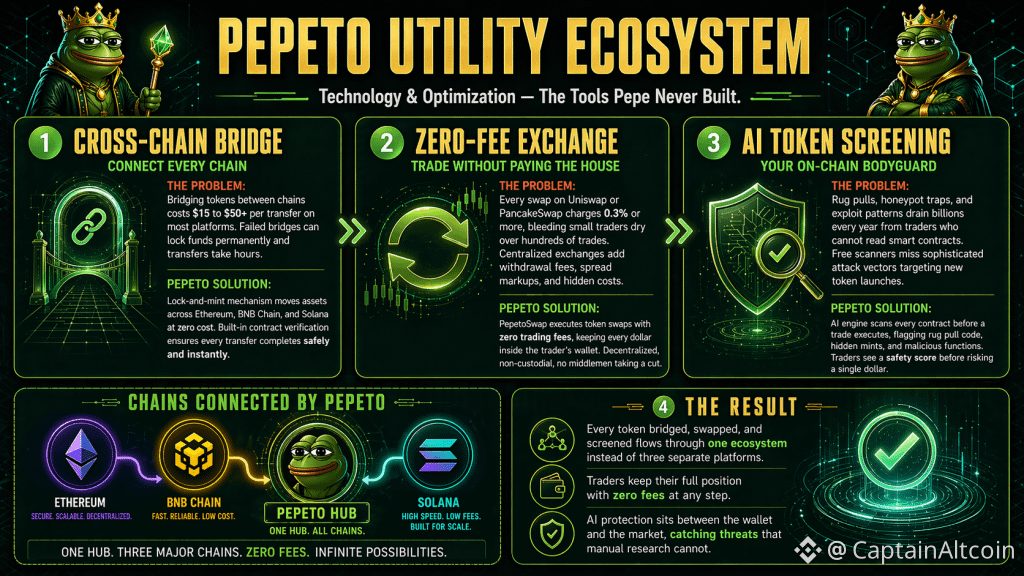
Buying around Pepeto has picked up as its Binance listing approaches, because the tools are real and they solve what drains a retail trader: the cut on every swap, the bridge that traps a transfer, and the contract that will not let you sell.
As a result, bigger buyers are joining the early crowd, pushing the presale past $10.9 million from more than 43,000 holders, and the price rises with every stage.
Timing explains the rest. PepetoSwap at a 0.00% fee, the bridge that crosses five chains inside a minute, and the scanner with its 42 checks all work before the listing, not after it.
That shifts how the token gets judged, because people can use the product now instead of waiting on a roadmap. It is why Pepeto leads the new presales worth buying for big 2026 gains.
Staking at 163% APY, claimable at listing, shows how long holders plan to stay, and the approaching Binance listing turns the 300x talk from a rumor into a date.
If that demand carries through the listing, Pepeto becomes one of the most watched new coins anywhere. Many already rank it the best crypto presale open today.
NexChain: An AI native Layer 1 in presale
NexChain sells at $0.12 a token in presale, with $18.39 million raised from 18,137 buyers and a $0.30 listing price planned, per Dealroom. Audits from CertiK and SolidProof put it among the stronger presales of the year.
The chain builds AI into the network itself and claims up to 400,000 transactions a second. The listing price is a target, not a promise, and with no vesting every token hits the market on day one.
Little Pepe: A meme coin running its own chain
Little Pepe (LILPEPE) is another presale running on a clock. It is in Stage 13 at $0.0022 a token, with $28.3 million raised of a $28.775 million target, and the next stage priced at $0.0023, per CoinGabbar.
It pairs the PEPE and DOGE meme pull with its own Ethereum Layer 2 built for cheap, fast transactions, and it holds a CertiK audit. The presale is nearly done, so most of the early room is already sold.
Bottom line
Crypto has always paid the people who saw useful infrastructure before the market did and acted early. Ethereum is the proof: whoever bought ETH under $1 in 2015, or near $8 in early 2017, per CoinMarketCap, built wealth that never left them. That chance ended years ago, which is the whole point of a presale.
Take $2,490, the price of one ETH today. Held in Ethereum, it follows a forecast the big banks have already published, a good one, on a network already worth $300 billion. The same money in the best crypto presale goes in before any exchange has set a price, the stage where ETH itself began. Pepeto is at that stage today, its exchange already live, its Binance listing approaching, and staking paying 163% APY on every token held until it lists.
Click To Visit Pepeto Website To Enter The Presale
FAQs What is the most successful crypto presale?
Pepeto’s presale has taken in more than $10.9 million from over 43,000 holders, one of the biggest raises of 2026, with its Binance listing approaching.
Is it smart to buy presale crypto?
Buying early in the right presale can turn a small amount into real money. A $5,000 buy into Pepeto is worth $1.5 million at the 300x analysts project.
What is the best crypto presale of 2026?
Pepeto leads the 2026 presales. It has a live zero fee exchange, a bridge, and a scanner, and its Binance listing is approaching.
DISCLAIMER: CAPTAINALTCOIN DOES NOT ENDORSE INVESTING IN ANY PROJECT MENTIONED IN SPONSORED ARTICLES. EXERCISE CAUTION AND DO THOROUGH RESEARCH BEFORE INVESTING YOUR MONEY. CaptainAltcoin takes no responsibility for its accuracy or quality. This content was not written by CaptainAltcoin’s team. We strongly advise readers to do their own thorough research before interacting with any featured companies. The information provided is not financial or legal advice. Neither CaptainAltcoin nor any third party recommends buying or selling any financial products. Investing in crypto assets is high-risk; consider the potential for loss. Any investment decisions made based on this content are at the sole risk of the readCaptainAltcoin is not liable for any damages or losses from using or relying on this content.
The post Best Crypto Presale: Is Pepeto the 300x Gem for 2026 as Big Money Piles Into This Meme Coin Ahead of Its Binance Listing? appeared first on CaptainAltcoin.
Best Crypto Presale: Is Pepeto the 300x Gem for 2026 As Big Money Piles Into This Meme Coin Ahead...
Crypto nerves are back on edge as the market waits on the Fed’s September 16 decision, with a hot jobs report pushing hike odds to 58%, per Decrypt, and Bitcoin dipping under $80,000 for a day. The biggest buyers did not blink: spot Bitcoin ETFs took in $731 million on September 3, their largest day since January, per CoinDesk.
Smart money is not waiting for the Fed to bless the big coins. It has turned to the best crypto presale instead, and Pepeto is where it is landing.
This meme coin with its own zero fee exchange has passed $10.9 million raised at $0.0000001893 a token, and a growing number of buyers expect a 300x run this year once Binance lists it.
Traders wait on the Fed’s September 16 call after the jobs shock
On September 4 the US added 162,000 jobs against a 53,000 forecast, and Bitcoin fell from $81,335 to $79,654 in five minutes, per The Crypto Times, as hike odds climbed.
Yet the day before, the ETFs pulled in $731 million, and the three week total hit $3.8 billion, per KuCoin. The funds are buying the dip retail keeps calling a top.
Altcoins followed Bitcoin down, with ETH, XRP, and SOL each giving back 1% to 3% before steadying.
Whether the bounce holds depends on how Bitcoin trades around $78,000 into the decision. A pause on September 16 lights up the whole market.
The 3 best presale coins for 2026
Pepeto: Big buyers pile into this meme coin’s presale as 300x talk builds
Buying around Pepeto has picked up as its Binance listing approaches, because the tools are real and they solve what drains a retail trader: the cut on every swap, the bridge that traps a transfer, and the contract that will not let you sell.
As a result, bigger buyers are joining the early crowd, pushing the presale past $10.9 million from more than 43,000 holders, and the price rises with every stage.
Timing explains the rest. PepetoSwap at a 0.00% fee, the bridge that crosses five chains inside a minute, and the scanner with its 42 checks all work before the listing, not after it.
That shifts how the token gets judged, because people can use the product now instead of waiting on a roadmap. It is why Pepeto leads the new presales worth buying for big 2026 gains.
Staking at 163% APY, claimable at listing, shows how long holders plan to stay, and the approaching Binance listing turns the 300x talk from a rumor into a date.
If that demand carries through the listing, Pepeto becomes one of the most watched new coins anywhere. Many already rank it the best crypto presale open today.
NexChain: An AI native Layer 1 in presale
NexChain sells at $0.12 a token in presale, with $18.39 million raised from 18,137 buyers and a $0.30 listing price planned, per Dealroom. Audits from CertiK and SolidProof put it among the stronger presales of the year.
The chain builds AI into the network itself and claims up to 400,000 transactions a second. The listing price is a target, not a promise, and with no vesting every token hits the market on day one.
Little Pepe: A meme coin running its own chain
Little Pepe (LILPEPE) is another presale running on a clock. It is in Stage 13 at $0.0022 a token, with $28.3 million raised of a $28.775 million target, and the next stage priced at $0.0023, per CoinGabbar.
It pairs the PEPE and DOGE meme pull with its own Ethereum Layer 2 built for cheap, fast transactions, and it holds a CertiK audit. The presale is nearly done, so most of the early room is already sold.
Bottom line
Crypto has always paid the people who saw useful infrastructure before the market did and acted early. Ethereum is the proof: whoever bought ETH under $1 in 2015, or near $8 in early 2017, per CoinMarketCap, built wealth that never left them. That chance ended years ago, which is the whole point of a presale.
Take $2,490, the price of one ETH today. Held in Ethereum, it follows a forecast the big banks have already published, a good one, on a network already worth $300 billion. The same money in the best crypto presale goes in before any exchange has set a price, the stage where ETH itself began. Pepeto is at that stage today, its exchange already live, its Binance listing approaching, and staking paying 163% APY on every token held until it lists.
Click To Visit Pepeto Website To Enter The Presale
FAQs What is the most successful crypto presale?
Pepeto’s presale has taken in more than $10.9 million from over 43,000 holders, one of the biggest raises of 2026, with its Binance listing approaching.
Is it smart to buy presale crypto?
Buying early in the right presale can turn a small amount into real money. A $5,000 buy into Pepeto is worth $1.5 million at the 300x analysts project.
What is the best crypto presale of 2026?
Pepeto leads the 2026 presales. It has a live zero fee exchange, a bridge, and a scanner, and its Binance listing is approaching.
DISCLAIMER: CAPTAINALTCOIN DOES NOT ENDORSE INVESTING IN ANY PROJECT MENTIONED IN SPONSORED ARTICLES. EXERCISE CAUTION AND DO THOROUGH RESEARCH BEFORE INVESTING YOUR MONEY. CaptainAltcoin takes no responsibility for its accuracy or quality. This content was not written by CaptainAltcoin’s team. We strongly advise readers to do their own thorough research before interacting with any featured companies. The information provided is not financial or legal advice. Neither CaptainAltcoin nor any third party recommends buying or selling any financial products. Investing in crypto assets is high-risk; consider the potential for loss. Any investment decisions made based on this content are at the sole risk of the readCaptainAltcoin is not liable for any damages or losses from using or relying on this content.
The post Best Crypto Presale: Is Pepeto the 300x Gem for 2026 as Big Money Piles Into This Meme Coin Ahead of Its Binance Listing? appeared first on CaptainAltcoin.
Smart money is not waiting for the Fed to bless the big coins. It has turned to the best crypto presale instead, and Pepeto is where it is landing.
This meme coin with its own zero fee exchange has passed $10.9 million raised at $0.0000001893 a token, and a growing number of buyers expect a 300x run this year once Binance lists it.
Traders wait on the Fed’s September 16 call after the jobs shock
On September 4 the US added 162,000 jobs against a 53,000 forecast, and Bitcoin fell from $81,335 to $79,654 in five minutes, per The Crypto Times, as hike odds climbed.
Yet the day before, the ETFs pulled in $731 million, and the three week total hit $3.8 billion, per KuCoin. The funds are buying the dip retail keeps calling a top.
Altcoins followed Bitcoin down, with ETH, XRP, and SOL each giving back 1% to 3% before steadying.
Whether the bounce holds depends on how Bitcoin trades around $78,000 into the decision. A pause on September 16 lights up the whole market.
The 3 best presale coins for 2026
Pepeto: Big buyers pile into this meme coin’s presale as 300x talk builds
Buying around Pepeto has picked up as its Binance listing approaches, because the tools are real and they solve what drains a retail trader: the cut on every swap, the bridge that traps a transfer, and the contract that will not let you sell.
As a result, bigger buyers are joining the early crowd, pushing the presale past $10.9 million from more than 43,000 holders, and the price rises with every stage.
Timing explains the rest. PepetoSwap at a 0.00% fee, the bridge that crosses five chains inside a minute, and the scanner with its 42 checks all work before the listing, not after it.
That shifts how the token gets judged, because people can use the product now instead of waiting on a roadmap. It is why Pepeto leads the new presales worth buying for big 2026 gains.
Staking at 163% APY, claimable at listing, shows how long holders plan to stay, and the approaching Binance listing turns the 300x talk from a rumor into a date.
If that demand carries through the listing, Pepeto becomes one of the most watched new coins anywhere. Many already rank it the best crypto presale open today.
NexChain: An AI native Layer 1 in presale
NexChain sells at $0.12 a token in presale, with $18.39 million raised from 18,137 buyers and a $0.30 listing price planned, per Dealroom. Audits from CertiK and SolidProof put it among the stronger presales of the year.
The chain builds AI into the network itself and claims up to 400,000 transactions a second. The listing price is a target, not a promise, and with no vesting every token hits the market on day one.
Little Pepe: A meme coin running its own chain
Little Pepe (LILPEPE) is another presale running on a clock. It is in Stage 13 at $0.0022 a token, with $28.3 million raised of a $28.775 million target, and the next stage priced at $0.0023, per CoinGabbar.
It pairs the PEPE and DOGE meme pull with its own Ethereum Layer 2 built for cheap, fast transactions, and it holds a CertiK audit. The presale is nearly done, so most of the early room is already sold.
Bottom line
Crypto has always paid the people who saw useful infrastructure before the market did and acted early. Ethereum is the proof: whoever bought ETH under $1 in 2015, or near $8 in early 2017, per CoinMarketCap, built wealth that never left them. That chance ended years ago, which is the whole point of a presale.
Take $2,490, the price of one ETH today. Held in Ethereum, it follows a forecast the big banks have already published, a good one, on a network already worth $300 billion. The same money in the best crypto presale goes in before any exchange has set a price, the stage where ETH itself began. Pepeto is at that stage today, its exchange already live, its Binance listing approaching, and staking paying 163% APY on every token held until it lists.
Click To Visit Pepeto Website To Enter The Presale
FAQs What is the most successful crypto presale?
Pepeto’s presale has taken in more than $10.9 million from over 43,000 holders, one of the biggest raises of 2026, with its Binance listing approaching.
Is it smart to buy presale crypto?
Buying early in the right presale can turn a small amount into real money. A $5,000 buy into Pepeto is worth $1.5 million at the 300x analysts project.
What is the best crypto presale of 2026?
Pepeto leads the 2026 presales. It has a live zero fee exchange, a bridge, and a scanner, and its Binance listing is approaching.
DISCLAIMER: CAPTAINALTCOIN DOES NOT ENDORSE INVESTING IN ANY PROJECT MENTIONED IN SPONSORED ARTICLES. EXERCISE CAUTION AND DO THOROUGH RESEARCH BEFORE INVESTING YOUR MONEY. CaptainAltcoin takes no responsibility for its accuracy or quality. This content was not written by CaptainAltcoin’s team. We strongly advise readers to do their own thorough research before interacting with any featured companies. The information provided is not financial or legal advice. Neither CaptainAltcoin nor any third party recommends buying or selling any financial products. Investing in crypto assets is high-risk; consider the potential for loss. Any investment decisions made based on this content are at the sole risk of the readCaptainAltcoin is not liable for any damages or losses from using or relying on this content.
The post Best Crypto Presale: Is Pepeto the 300x Gem for 2026 as Big Money Piles Into This Meme Coin Ahead of Its Binance Listing? appeared first on CaptainAltcoin.
57
Artikel
Übersetzung ansehen
Bitcoin Price Prediction for Today (September 15)Bitcoin price is heading into Tuesday around $78,490 after dropping back from the $81,200 area, putting BTC at an interesting point ahead of the weekly close. Saturday was pretty quiet, but that does not mean the weekend has been unimportant.
Bitcoin hasn’t built up enough strength for another serious run at $80,000 yet. Buyers now need to defend the $78,000 area if they want to keep this recovery alive. For now, Bitcoin is stuck between nearby support and resistance.
Getting back above $78,300 could open the door to $79,000–$79,500, with another shot at $80,000 after that. And if buyers clear $80,000 with real strength, $82,200 becomes the next zone to watch.
The risk comes if BTC closes the week below $78,300 and cannot reclaim it. A move through the mid-$76,000 area would weaken the setup further and could send the Bitcoin price toward the larger weekly support near $72,850.
Bitcoin Price Has One Level to Defend
Crypto analyst Michaël van de Poppe is keeping a close eye on $78,000. His view is that Bitcoin can continue higher if this level holds, with $81,000 as the next major target.
Source: X/@cryptomitchnl
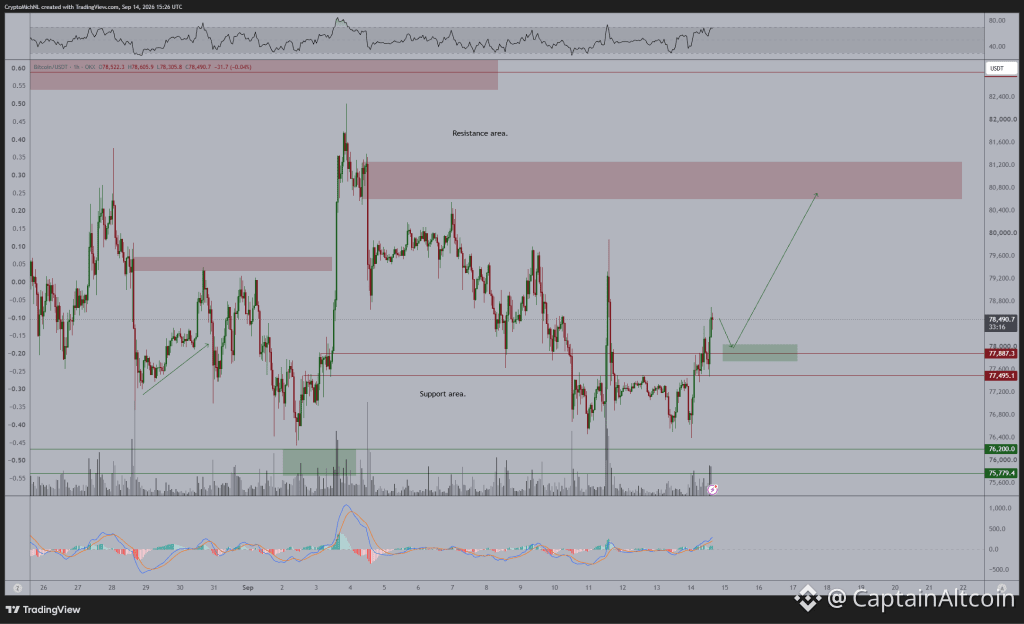
We had a look at the 1-hour Bitcoin chart, and the price is at $78,490.70, down just 0.04% on the latest candle. The candle traded between $78,305.80 and $78,605.90, so the move lower has been fairly limited.
The first resistance is between $79,200 and $79,600. Bitcoin needs to clear that before the $80,400–$81,200 zone comes into play. That upper area matters because the last rally topped out around $81,200 before rolling over. On the downside, $78,000 is the first level to watch. Below that: $77,887 and $77,499, then $76,200. The broader recovery low sits around $75,779.
Read Also: We Asked 3 AI Models If Bitcoin Can Ever Reach $1 Million!
What Could Help Bitcoin Move Higher?
The Bitcoin price also has a broader institutional story working in its favor. U.S. spot Bitcoin ETFs hold more than $100.04 billion in assets, giving Bitcoin a large pool of institutional capital tied directly to the asset.
There is also growing interest in Bitcoin treasury holdings across the U.S. More than 20 states have been working on bills related to holding BTC in state treasuries. A potential federal Strategic Bitcoin Reserve could also create another source of demand if it moves forward.
Bitcoin’s DeFi ecosystem is another area worth watching. Stacks’ sBTC is designed to bring non-custodial Bitcoin into DeFi, allowing BTC to be used across applications for liquidity and collateral. The potential is clear, but adoption and technical execution will determine how much this matters for the Bitcoin price.
Bitcoin Price Prediction for September 14
The short-term setup comes down to a few key levels. If Bitcoin holds $77,800–$78,000, the first target is $79,200–$79,600. A clean move above $79,600 could open the door to $80,400 and eventually $81,200.
If it falls below $77,887, the next levels are $77,499 and $76,200. Losing $76,200 would put $75,779 back on the radar and weaken the current recovery. For today, $78,000 is the level that matters most.
Holding that area keeps the path toward $81,000 open. Losing it would give sellers a much better chance of dragging the Bitcoin price toward the lower support zones. The short-term chart looks constructive, but there are still longer-term risks.
Quantum computing remains a concern because future advances could challenge the cryptographic security Bitcoin relies on. U.S. regulation is another issue, with rules around stablecoins and the wider crypto market still developing.
FAQs
Can Bitcoin reach $80,000 today
Bitcoin could retest $80,000 if it breaks through the $79,000-$79,500 area and holds above it. A stronger move above $80,000 could put $82,200 on the radar.
What could send Bitcoin toward $82,200
Bitcoin would first need to reclaim $78,300, clear $79,000-$79,500, and then break through $80,000. If buyers can maintain control above that area, $82,200 becomes a possible next target.
Subscribe to our YouTube channel for daily crypto updates, market insights, and expert analysis.
The post Bitcoin Price Prediction for Today (September 15) appeared first on CaptainAltcoin.
Bitcoin Price Prediction for Today (September 15)
Bitcoin price is heading into Tuesday around $78,490 after dropping back from the $81,200 area, putting BTC at an interesting point ahead of the weekly close. Saturday was pretty quiet, but that does not mean the weekend has been unimportant.
Bitcoin hasn’t built up enough strength for another serious run at $80,000 yet. Buyers now need to defend the $78,000 area if they want to keep this recovery alive. For now, Bitcoin is stuck between nearby support and resistance.
Getting back above $78,300 could open the door to $79,000–$79,500, with another shot at $80,000 after that. And if buyers clear $80,000 with real strength, $82,200 becomes the next zone to watch.
The risk comes if BTC closes the week below $78,300 and cannot reclaim it. A move through the mid-$76,000 area would weaken the setup further and could send the Bitcoin price toward the larger weekly support near $72,850.
Bitcoin Price Has One Level to Defend
Crypto analyst Michaël van de Poppe is keeping a close eye on $78,000. His view is that Bitcoin can continue higher if this level holds, with $81,000 as the next major target.
Source: X/@cryptomitchnl
We had a look at the 1-hour Bitcoin chart, and the price is at $78,490.70, down just 0.04% on the latest candle. The candle traded between $78,305.80 and $78,605.90, so the move lower has been fairly limited.
The first resistance is between $79,200 and $79,600. Bitcoin needs to clear that before the $80,400–$81,200 zone comes into play. That upper area matters because the last rally topped out around $81,200 before rolling over. On the downside, $78,000 is the first level to watch. Below that: $77,887 and $77,499, then $76,200. The broader recovery low sits around $75,779.
Read Also: We Asked 3 AI Models If Bitcoin Can Ever Reach $1 Million!
What Could Help Bitcoin Move Higher?
The Bitcoin price also has a broader institutional story working in its favor. U.S. spot Bitcoin ETFs hold more than $100.04 billion in assets, giving Bitcoin a large pool of institutional capital tied directly to the asset.
There is also growing interest in Bitcoin treasury holdings across the U.S. More than 20 states have been working on bills related to holding BTC in state treasuries. A potential federal Strategic Bitcoin Reserve could also create another source of demand if it moves forward.
Bitcoin’s DeFi ecosystem is another area worth watching. Stacks’ sBTC is designed to bring non-custodial Bitcoin into DeFi, allowing BTC to be used across applications for liquidity and collateral. The potential is clear, but adoption and technical execution will determine how much this matters for the Bitcoin price.
Bitcoin Price Prediction for September 14
The short-term setup comes down to a few key levels. If Bitcoin holds $77,800–$78,000, the first target is $79,200–$79,600. A clean move above $79,600 could open the door to $80,400 and eventually $81,200.
If it falls below $77,887, the next levels are $77,499 and $76,200. Losing $76,200 would put $75,779 back on the radar and weaken the current recovery. For today, $78,000 is the level that matters most.
Holding that area keeps the path toward $81,000 open. Losing it would give sellers a much better chance of dragging the Bitcoin price toward the lower support zones. The short-term chart looks constructive, but there are still longer-term risks.
Quantum computing remains a concern because future advances could challenge the cryptographic security Bitcoin relies on. U.S. regulation is another issue, with rules around stablecoins and the wider crypto market still developing.
FAQs
Can Bitcoin reach $80,000 today
Bitcoin could retest $80,000 if it breaks through the $79,000-$79,500 area and holds above it. A stronger move above $80,000 could put $82,200 on the radar.
What could send Bitcoin toward $82,200
Bitcoin would first need to reclaim $78,300, clear $79,000-$79,500, and then break through $80,000. If buyers can maintain control above that area, $82,200 becomes a possible next target.
Subscribe to our YouTube channel for daily crypto updates, market insights, and expert analysis.
The post Bitcoin Price Prediction for Today (September 15) appeared first on CaptainAltcoin.
Bitcoin hasn’t built up enough strength for another serious run at $80,000 yet. Buyers now need to defend the $78,000 area if they want to keep this recovery alive. For now, Bitcoin is stuck between nearby support and resistance.
Getting back above $78,300 could open the door to $79,000–$79,500, with another shot at $80,000 after that. And if buyers clear $80,000 with real strength, $82,200 becomes the next zone to watch.
The risk comes if BTC closes the week below $78,300 and cannot reclaim it. A move through the mid-$76,000 area would weaken the setup further and could send the Bitcoin price toward the larger weekly support near $72,850.
Bitcoin Price Has One Level to Defend
Crypto analyst Michaël van de Poppe is keeping a close eye on $78,000. His view is that Bitcoin can continue higher if this level holds, with $81,000 as the next major target.
Source: X/@cryptomitchnl
We had a look at the 1-hour Bitcoin chart, and the price is at $78,490.70, down just 0.04% on the latest candle. The candle traded between $78,305.80 and $78,605.90, so the move lower has been fairly limited.
The first resistance is between $79,200 and $79,600. Bitcoin needs to clear that before the $80,400–$81,200 zone comes into play. That upper area matters because the last rally topped out around $81,200 before rolling over. On the downside, $78,000 is the first level to watch. Below that: $77,887 and $77,499, then $76,200. The broader recovery low sits around $75,779.
Read Also: We Asked 3 AI Models If Bitcoin Can Ever Reach $1 Million!
What Could Help Bitcoin Move Higher?
The Bitcoin price also has a broader institutional story working in its favor. U.S. spot Bitcoin ETFs hold more than $100.04 billion in assets, giving Bitcoin a large pool of institutional capital tied directly to the asset.
There is also growing interest in Bitcoin treasury holdings across the U.S. More than 20 states have been working on bills related to holding BTC in state treasuries. A potential federal Strategic Bitcoin Reserve could also create another source of demand if it moves forward.
Bitcoin’s DeFi ecosystem is another area worth watching. Stacks’ sBTC is designed to bring non-custodial Bitcoin into DeFi, allowing BTC to be used across applications for liquidity and collateral. The potential is clear, but adoption and technical execution will determine how much this matters for the Bitcoin price.
Bitcoin Price Prediction for September 14
The short-term setup comes down to a few key levels. If Bitcoin holds $77,800–$78,000, the first target is $79,200–$79,600. A clean move above $79,600 could open the door to $80,400 and eventually $81,200.
If it falls below $77,887, the next levels are $77,499 and $76,200. Losing $76,200 would put $75,779 back on the radar and weaken the current recovery. For today, $78,000 is the level that matters most.
Holding that area keeps the path toward $81,000 open. Losing it would give sellers a much better chance of dragging the Bitcoin price toward the lower support zones. The short-term chart looks constructive, but there are still longer-term risks.
Quantum computing remains a concern because future advances could challenge the cryptographic security Bitcoin relies on. U.S. regulation is another issue, with rules around stablecoins and the wider crypto market still developing.
FAQs
Can Bitcoin reach $80,000 today
Bitcoin could retest $80,000 if it breaks through the $79,000-$79,500 area and holds above it. A stronger move above $80,000 could put $82,200 on the radar.
What could send Bitcoin toward $82,200
Bitcoin would first need to reclaim $78,300, clear $79,000-$79,500, and then break through $80,000. If buyers can maintain control above that area, $82,200 becomes a possible next target.
Subscribe to our YouTube channel for daily crypto updates, market insights, and expert analysis.
The post Bitcoin Price Prediction for Today (September 15) appeared first on CaptainAltcoin.
59
Übersetzung ansehen
What Happens to Kaspa Price If Binance or Coinbase Finally Lists KAS?Kaspa price has spent much of 2026 struggling to recover from a prolonged downtrend, but one potentially powerful catalyst remains absent: spot listings on two of crypto’s biggest exchanges.
Analyst Invest With Doc raised that question directly, asking whether Binance and Coinbase could finally list KAS during the next bull market. He describes Kaspa as having a compelling narrative and points out that despite the project’s size, KAS remains unavailable for spot trading on both platforms.
That distinction is important. Coinbase’s own Kaspa page currently states that KAS is not tradable on the exchange. KAS is nevertheless available through numerous other venues, so this is primarily a question of gaining access to two particularly large pools of traders and liquidity rather than KAS lacking exchange access altogether.
Why Invest With Doc Thinks Binance and Coinbase Matter
The analyst’s argument is less about Kaspa’s technology and more about what the project is still missing.
Kaspa already has a market capitalization around $900 million and ranks around the top 60 cryptocurrencies by market value. Yet KAS spot trading remains absent from Binance and Coinbase. That creates an unusual situation where one of the larger crypto assets still has a potentially significant exchange-access catalyst available.
A Binance or Coinbase listing could immediately make KAS easier to buy for a much larger group of traders. It could also deepen spot liquidity and bring substantially more attention to Kaspa during a period when altcoin interest is rising.
Will kaspa:native Kaspa get listed on Binance and Coinbase? kaspa:native has a really amazing narrative and kaspa:native is one of the biggest crypto projects out there right now, but two of the biggest CEXs (centralized exchanges) are not willing to list kaspa:native. Do you… pic.twitter.com/iZMd85eLKN
— Invest With Doc – MD/MBA (@InvestwithDoc) September 14, 2026
However, Invest With Doc’s statement that the exchanges are “not willing” to list KAS goes further than the available evidence. The absence of a listing doesn’t tell us why an exchange hasn’t added an asset, and neither listing should be treated as imminent without an announcement from the exchange itself.
Kaspa Price Chart Shows Why a Listing Could Matter
The chart makes the discussion particularly interesting because KAS is trading near the bottom of a long decline.
Kaspa currently sits around $0.034. The chart shows that KAS traded above $0.20 at its 2024 peak before entering a prolonged series of lower highs and lower lows. Current market data puts the all-time high at approximately $0.2075, meaning KAS remains more than 80% below that record.
More recently, however, price has begun stabilizing. The chart shows a broad base forming around approximately $0.025–$0.035, with KAS now attempting to push toward the upper part of that region. The first meaningful resistance appears around $0.038–$0.040.
A breakout above $0.04 would put roughly $0.05–$0.06 back on the radar. Beyond that, the chart becomes more difficult for bulls, with previous trading activity creating potential resistance around $0.07–$0.08 and again near $0.10.
Read also: Kaspa Price Has One Important Test Before Another Potential Rally!
What Could a Binance or Coinbase Listing Do to KAS Price?
A listing announcement could produce an immediate speculative reaction, particularly because traders have discussed the absence of these listings for so long.
If KAS were trading around $0.03–$0.04 when either announcement arrived, a first run toward $0.05 wouldn’t be unreasonable during favorable market conditions. Breaking that region could then put $0.06–$0.08 in play.
A stronger scenario would involve Binance and Coinbase both adding KAS spot trading during a broader altcoin bull market. Under those circumstances, $0.10 becomes a much more interesting target. From today’s roughly $0.034 level, reaching $0.10 would represent almost a threefold increase.
But a listing alone probably wouldn’t justify expecting an immediate return to KAS’s $0.2075 all-time high. At roughly 27.7 billion circulating KAS, $0.10 would correspond to a market capitalization near $2.8 billion, while $0.20 would put it around $5.5 billion. Those valuations would require considerably more sustained demand than a short-lived listing rally.
There’s also the classic possibility of a “sell the news” reaction. Assets sometimes surge when a major exchange announces a listing, only to retrace once trading begins. Greater exchange access can improve the long-term market structure without guaranteeing permanently higher prices.
Could Binance and Coinbase Be the Catalyst Kaspa Needs?
The timing would ultimately matter as much as the listing itself.
A Binance or Coinbase listing during a weak crypto market might produce a temporary rally that eventually fades. A listing during a strong altcoin cycle, particularly alongside improving Kaspa fundamentals and rising network usage, could have a much larger effect.
From the chart, $0.04 is the first level we’d want to see KAS reclaim regardless of any listing speculation. Above that, $0.05–$0.06 becomes realistic, followed by $0.08 and eventually $0.10 if buying pressure expands considerably.
For now, there is no confirmed Binance or Coinbase spot listing to price in. That is precisely what makes Invest With Doc’s question interesting.
For more crypto news and price predictions, click here.
Subscribe to our YouTube channel for daily crypto updates, market insights, and expert analysis.
The post What Happens to Kaspa Price If Binance or Coinbase Finally Lists KAS? appeared first on CaptainAltcoin.
What Happens to Kaspa Price If Binance or Coinbase Finally Lists KAS?
Kaspa price has spent much of 2026 struggling to recover from a prolonged downtrend, but one potentially powerful catalyst remains absent: spot listings on two of crypto’s biggest exchanges.
Analyst Invest With Doc raised that question directly, asking whether Binance and Coinbase could finally list KAS during the next bull market. He describes Kaspa as having a compelling narrative and points out that despite the project’s size, KAS remains unavailable for spot trading on both platforms.
That distinction is important. Coinbase’s own Kaspa page currently states that KAS is not tradable on the exchange. KAS is nevertheless available through numerous other venues, so this is primarily a question of gaining access to two particularly large pools of traders and liquidity rather than KAS lacking exchange access altogether.
Why Invest With Doc Thinks Binance and Coinbase Matter
The analyst’s argument is less about Kaspa’s technology and more about what the project is still missing.
Kaspa already has a market capitalization around $900 million and ranks around the top 60 cryptocurrencies by market value. Yet KAS spot trading remains absent from Binance and Coinbase. That creates an unusual situation where one of the larger crypto assets still has a potentially significant exchange-access catalyst available.
A Binance or Coinbase listing could immediately make KAS easier to buy for a much larger group of traders. It could also deepen spot liquidity and bring substantially more attention to Kaspa during a period when altcoin interest is rising.
Will kaspa:native Kaspa get listed on Binance and Coinbase? kaspa:native has a really amazing narrative and kaspa:native is one of the biggest crypto projects out there right now, but two of the biggest CEXs (centralized exchanges) are not willing to list kaspa:native. Do you… pic.twitter.com/iZMd85eLKN
— Invest With Doc – MD/MBA (@InvestwithDoc) September 14, 2026
However, Invest With Doc’s statement that the exchanges are “not willing” to list KAS goes further than the available evidence. The absence of a listing doesn’t tell us why an exchange hasn’t added an asset, and neither listing should be treated as imminent without an announcement from the exchange itself.
Kaspa Price Chart Shows Why a Listing Could Matter
The chart makes the discussion particularly interesting because KAS is trading near the bottom of a long decline.
Kaspa currently sits around $0.034. The chart shows that KAS traded above $0.20 at its 2024 peak before entering a prolonged series of lower highs and lower lows. Current market data puts the all-time high at approximately $0.2075, meaning KAS remains more than 80% below that record.
More recently, however, price has begun stabilizing. The chart shows a broad base forming around approximately $0.025–$0.035, with KAS now attempting to push toward the upper part of that region. The first meaningful resistance appears around $0.038–$0.040.
A breakout above $0.04 would put roughly $0.05–$0.06 back on the radar. Beyond that, the chart becomes more difficult for bulls, with previous trading activity creating potential resistance around $0.07–$0.08 and again near $0.10.
Read also: Kaspa Price Has One Important Test Before Another Potential Rally!
What Could a Binance or Coinbase Listing Do to KAS Price?
A listing announcement could produce an immediate speculative reaction, particularly because traders have discussed the absence of these listings for so long.
If KAS were trading around $0.03–$0.04 when either announcement arrived, a first run toward $0.05 wouldn’t be unreasonable during favorable market conditions. Breaking that region could then put $0.06–$0.08 in play.
A stronger scenario would involve Binance and Coinbase both adding KAS spot trading during a broader altcoin bull market. Under those circumstances, $0.10 becomes a much more interesting target. From today’s roughly $0.034 level, reaching $0.10 would represent almost a threefold increase.
But a listing alone probably wouldn’t justify expecting an immediate return to KAS’s $0.2075 all-time high. At roughly 27.7 billion circulating KAS, $0.10 would correspond to a market capitalization near $2.8 billion, while $0.20 would put it around $5.5 billion. Those valuations would require considerably more sustained demand than a short-lived listing rally.
There’s also the classic possibility of a “sell the news” reaction. Assets sometimes surge when a major exchange announces a listing, only to retrace once trading begins. Greater exchange access can improve the long-term market structure without guaranteeing permanently higher prices.
Could Binance and Coinbase Be the Catalyst Kaspa Needs?
The timing would ultimately matter as much as the listing itself.
A Binance or Coinbase listing during a weak crypto market might produce a temporary rally that eventually fades. A listing during a strong altcoin cycle, particularly alongside improving Kaspa fundamentals and rising network usage, could have a much larger effect.
From the chart, $0.04 is the first level we’d want to see KAS reclaim regardless of any listing speculation. Above that, $0.05–$0.06 becomes realistic, followed by $0.08 and eventually $0.10 if buying pressure expands considerably.
For now, there is no confirmed Binance or Coinbase spot listing to price in. That is precisely what makes Invest With Doc’s question interesting.
For more crypto news and price predictions, click here.
Subscribe to our YouTube channel for daily crypto updates, market insights, and expert analysis.
The post What Happens to Kaspa Price If Binance or Coinbase Finally Lists KAS? appeared first on CaptainAltcoin.
Analyst Invest With Doc raised that question directly, asking whether Binance and Coinbase could finally list KAS during the next bull market. He describes Kaspa as having a compelling narrative and points out that despite the project’s size, KAS remains unavailable for spot trading on both platforms.
That distinction is important. Coinbase’s own Kaspa page currently states that KAS is not tradable on the exchange. KAS is nevertheless available through numerous other venues, so this is primarily a question of gaining access to two particularly large pools of traders and liquidity rather than KAS lacking exchange access altogether.
Why Invest With Doc Thinks Binance and Coinbase Matter
The analyst’s argument is less about Kaspa’s technology and more about what the project is still missing.
Kaspa already has a market capitalization around $900 million and ranks around the top 60 cryptocurrencies by market value. Yet KAS spot trading remains absent from Binance and Coinbase. That creates an unusual situation where one of the larger crypto assets still has a potentially significant exchange-access catalyst available.
A Binance or Coinbase listing could immediately make KAS easier to buy for a much larger group of traders. It could also deepen spot liquidity and bring substantially more attention to Kaspa during a period when altcoin interest is rising.
Will kaspa:native Kaspa get listed on Binance and Coinbase? kaspa:native has a really amazing narrative and kaspa:native is one of the biggest crypto projects out there right now, but two of the biggest CEXs (centralized exchanges) are not willing to list kaspa:native. Do you… pic.twitter.com/iZMd85eLKN
— Invest With Doc – MD/MBA (@InvestwithDoc) September 14, 2026
However, Invest With Doc’s statement that the exchanges are “not willing” to list KAS goes further than the available evidence. The absence of a listing doesn’t tell us why an exchange hasn’t added an asset, and neither listing should be treated as imminent without an announcement from the exchange itself.
Kaspa Price Chart Shows Why a Listing Could Matter
The chart makes the discussion particularly interesting because KAS is trading near the bottom of a long decline.
Kaspa currently sits around $0.034. The chart shows that KAS traded above $0.20 at its 2024 peak before entering a prolonged series of lower highs and lower lows. Current market data puts the all-time high at approximately $0.2075, meaning KAS remains more than 80% below that record.
More recently, however, price has begun stabilizing. The chart shows a broad base forming around approximately $0.025–$0.035, with KAS now attempting to push toward the upper part of that region. The first meaningful resistance appears around $0.038–$0.040.
A breakout above $0.04 would put roughly $0.05–$0.06 back on the radar. Beyond that, the chart becomes more difficult for bulls, with previous trading activity creating potential resistance around $0.07–$0.08 and again near $0.10.
Read also: Kaspa Price Has One Important Test Before Another Potential Rally!
What Could a Binance or Coinbase Listing Do to KAS Price?
A listing announcement could produce an immediate speculative reaction, particularly because traders have discussed the absence of these listings for so long.
If KAS were trading around $0.03–$0.04 when either announcement arrived, a first run toward $0.05 wouldn’t be unreasonable during favorable market conditions. Breaking that region could then put $0.06–$0.08 in play.
A stronger scenario would involve Binance and Coinbase both adding KAS spot trading during a broader altcoin bull market. Under those circumstances, $0.10 becomes a much more interesting target. From today’s roughly $0.034 level, reaching $0.10 would represent almost a threefold increase.
But a listing alone probably wouldn’t justify expecting an immediate return to KAS’s $0.2075 all-time high. At roughly 27.7 billion circulating KAS, $0.10 would correspond to a market capitalization near $2.8 billion, while $0.20 would put it around $5.5 billion. Those valuations would require considerably more sustained demand than a short-lived listing rally.
There’s also the classic possibility of a “sell the news” reaction. Assets sometimes surge when a major exchange announces a listing, only to retrace once trading begins. Greater exchange access can improve the long-term market structure without guaranteeing permanently higher prices.
Could Binance and Coinbase Be the Catalyst Kaspa Needs?
The timing would ultimately matter as much as the listing itself.
A Binance or Coinbase listing during a weak crypto market might produce a temporary rally that eventually fades. A listing during a strong altcoin cycle, particularly alongside improving Kaspa fundamentals and rising network usage, could have a much larger effect.
From the chart, $0.04 is the first level we’d want to see KAS reclaim regardless of any listing speculation. Above that, $0.05–$0.06 becomes realistic, followed by $0.08 and eventually $0.10 if buying pressure expands considerably.
For now, there is no confirmed Binance or Coinbase spot listing to price in. That is precisely what makes Invest With Doc’s question interesting.
For more crypto news and price predictions, click here.
Subscribe to our YouTube channel for daily crypto updates, market insights, and expert analysis.
The post What Happens to Kaspa Price If Binance or Coinbase Finally Lists KAS? appeared first on CaptainAltcoin.
67
Teilweise korrekt
Artikel
Übersetzung ansehen
Why Are Investors Bullish on Pepeto? PLUME Joins Wall Street’s Table, WAR Tests the Meme Crowd, a...Why are investors bullish on Pepeto? Because while PLUME lands a seat at the DTCC and WAR shows how fast meme money moves, Pepeto’s Binance listing gets closer and nothing else carries 100x potential.
Why are investors bullish on Pepeto? The answer shows how much crypto has changed. The buying rests on strong fundamentals, a working exchange, bridge, and scanner, not a whitepaper. It is the same thinking the sharpest Wall Street money used when it bet on Nvidia early.
Then comes the urgent reason. The chance to get ahead of Pepeto shrinks by the day. With the Binance listing approaching, more than $10.9 million has gone in from people buying the most useful meme coin platform of this cycle.
Pepeto’s presale nears its end as the SEC moves blockchains into the official record
On September 11, the SEC proposed letting a blockchain stand as the legal record of who owns a security, and it set a September 17 roundtable on trading around the clock, per Crypto Integrated. Blockchain plumbing is being written into Wall Street’s own rules.
It lands as the United States pushes to become the home of crypto, with Nasdaq putting $100 million into Kraken’s parent the same week for tokenized stock rails, per Business Wire.
That shift is part of the answer to why investors are bullish on Pepeto. In a market getting safer and more regulated, a coin with a live exchange and a scanner that blocks bad contracts beats coins that run on speculation.And with Pepeto’s listing getting closer, that confidence grows every day.
3 Coins worth watching this month
Pepeto (PEPETO)
Strong fundamentals. That is the first answer. The project built the most complete trading platform any meme coin has shipped, and it fixes what costs traders money every day: fees, bridges that lock funds, and contracts that steal.
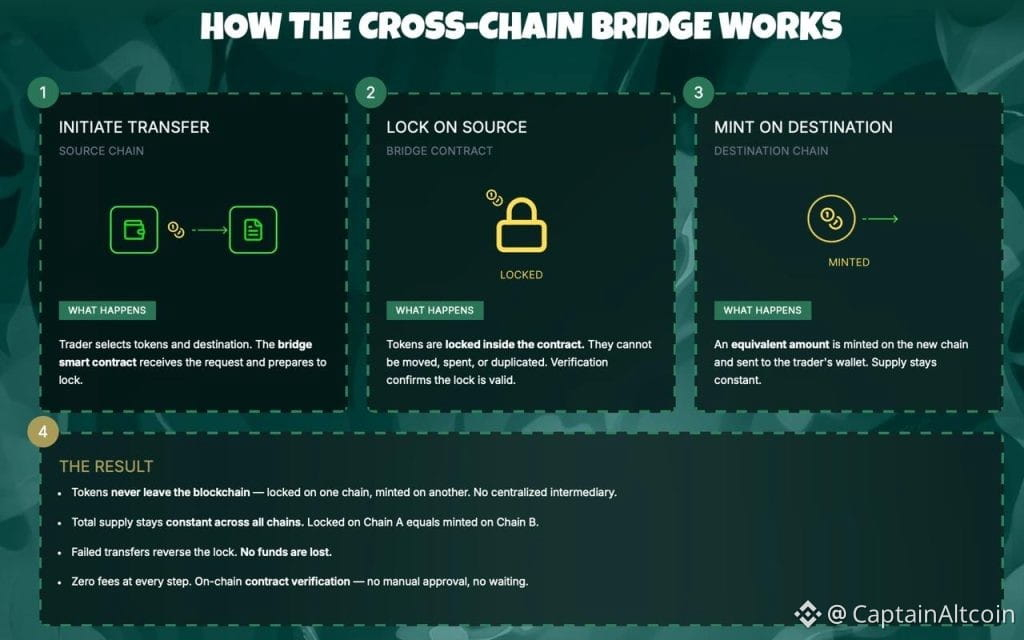
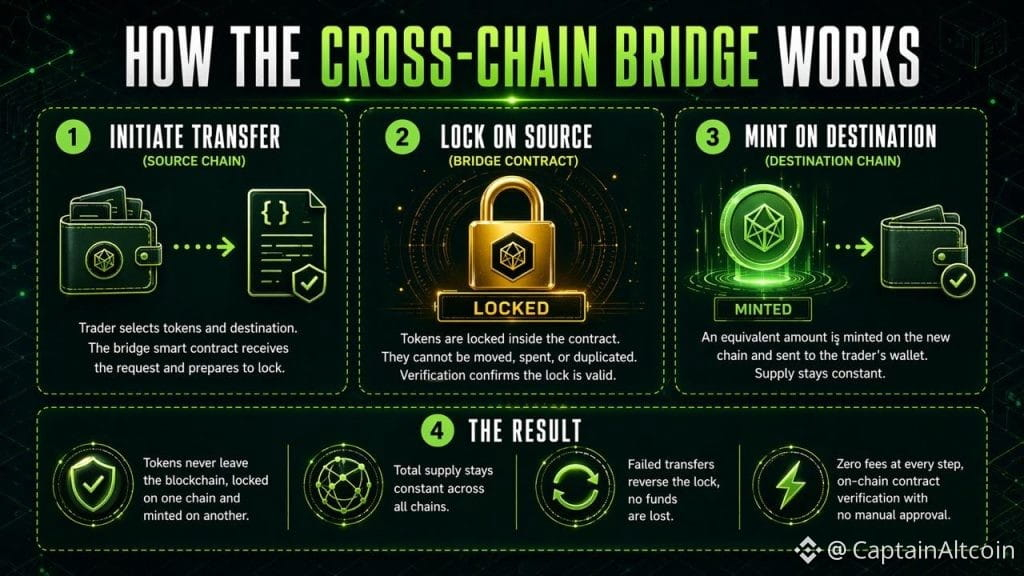
The platform is three tools working as one. PepetoSwap trades at a 0.00% fee and has handled $50 million of daily volume in testing. The bridge moves tokens across five chains in under 60 seconds for $0. The scanner runs 42 checks on any contract and blocks a honeypot before you sign. Together they do the checking for you, for every crypto holder on earth.
That mix gives Pepeto the strongest growth case of any coin right now, and it explains the pace of the presale. More than $10.9 million is in, and the price is still only $0.0000001894.
That price fuels the bullish mood, because anyone can see how cheap the coin is next to what it already does, and demand jumps the moment it lists.
Then there is staking. Tokens bought today earn 163% APY, claimable at the listing, so a 100x move multiplies a bigger pile than you started with, and every stage sells higher than the one before.
And the reason that presses hardest: the Binance listing is approaching. Time is short, and only today’s buyers hold a price the exchange will never offer.
Plume (PLUME)
PLUME traded at $0.013 on September 13, up 0.38% on the day, per CoinMarketCap, after joining the DTCC’s working group on August 5 beside Nasdaq, and after Bybit listed its nOPAL vault with $70 million inside. The reason is the one behind Pepeto: real use.
Plume is a Layer 1 for real world assets, an idea winning ground over plain DeFi. The catch is a 7% drop this week and 38% of supply still locked and arriving.
WAR (WAR)
WAR is the meme coin that showed how fast that crowd moves. It ran to a $0.045 record on March 6, a 658% climb in under three months, per CCN. Today it trades near $0.0005 on CoinMarketCap, 99% lower.
WAR’s rise and fall points at another answer: meme appeal moves money faster than anything in crypto. Pepeto has the meme, from the cofounder of the original Pepe, and the product WAR never had.
Conclusion
Every bull run follows one order. Bitcoin first, then Ethereum, then everything smaller, and that last step is where the biggest wins are made. Smart money does not wait for small coins to list, it buys them in presale, where small money grows the most. BNB is the proof: it sold in presale at $0.15 and trades above $700 today. Someone bought it there and changed their life.
Why are investors bullish on Pepeto? Because it sits at that exact point now, cheap, with a live product and the Binance listing ahead, the way BNB once sat. That point does not last. Each stage sells higher, and only the people in now hold the presale price.
Click To Visit Pepeto Website To Enter The Presale
FAQs How far along is Pepeto’s product?
The exchange, the bridge, and the scanner are live today, which is rare for a presale and a big part of the bullish case.
What is driving Pepeto’s explosive forecast?
Adoption. A zero fee exchange is a tool traders open every day, and daily use keeps demand climbing after the listing.
What would make Pepeto’s price move 100x?
Analysts project 100x from the presale price once Binance lists the token and the buyers who missed the presale arrive.
DISCLAIMER: CAPTAINALTCOIN DOES NOT ENDORSE INVESTING IN ANY PROJECT MENTIONED IN SPONSORED ARTICLES. EXERCISE CAUTION AND DO THOROUGH RESEARCH BEFORE INVESTING YOUR MONEY. CaptainAltcoin takes no responsibility for its accuracy or quality. This content was not written by CaptainAltcoin’s team. We strongly advise readers to do their own thorough research before interacting with any featured companies. The information provided is not financial or legal advice. Neither CaptainAltcoin nor any third party recommends buying or selling any financial products. Investing in crypto assets is high-risk; consider the potential for loss. Any investment decisions made based on this content are at the sole risk of the readCaptainAltcoin is not liable for any damages or losses from using or relying on this content.
The post Why Are Investors Bullish on Pepeto? PLUME Joins Wall Street’s Table, WAR Tests the Meme Crowd, and Here’s Why Nothing Has the Same Explosion Potential appeared first on CaptainAltcoin.
Why Are Investors Bullish on Pepeto? PLUME Joins Wall Street’s Table, WAR Tests the Meme Crowd, a...
Why are investors bullish on Pepeto? Because while PLUME lands a seat at the DTCC and WAR shows how fast meme money moves, Pepeto’s Binance listing gets closer and nothing else carries 100x potential.
Why are investors bullish on Pepeto? The answer shows how much crypto has changed. The buying rests on strong fundamentals, a working exchange, bridge, and scanner, not a whitepaper. It is the same thinking the sharpest Wall Street money used when it bet on Nvidia early.
Then comes the urgent reason. The chance to get ahead of Pepeto shrinks by the day. With the Binance listing approaching, more than $10.9 million has gone in from people buying the most useful meme coin platform of this cycle.
Pepeto’s presale nears its end as the SEC moves blockchains into the official record
On September 11, the SEC proposed letting a blockchain stand as the legal record of who owns a security, and it set a September 17 roundtable on trading around the clock, per Crypto Integrated. Blockchain plumbing is being written into Wall Street’s own rules.
It lands as the United States pushes to become the home of crypto, with Nasdaq putting $100 million into Kraken’s parent the same week for tokenized stock rails, per Business Wire.
That shift is part of the answer to why investors are bullish on Pepeto. In a market getting safer and more regulated, a coin with a live exchange and a scanner that blocks bad contracts beats coins that run on speculation.And with Pepeto’s listing getting closer, that confidence grows every day.
3 Coins worth watching this month
Pepeto (PEPETO)
Strong fundamentals. That is the first answer. The project built the most complete trading platform any meme coin has shipped, and it fixes what costs traders money every day: fees, bridges that lock funds, and contracts that steal.
The platform is three tools working as one. PepetoSwap trades at a 0.00% fee and has handled $50 million of daily volume in testing. The bridge moves tokens across five chains in under 60 seconds for $0. The scanner runs 42 checks on any contract and blocks a honeypot before you sign. Together they do the checking for you, for every crypto holder on earth.
That mix gives Pepeto the strongest growth case of any coin right now, and it explains the pace of the presale. More than $10.9 million is in, and the price is still only $0.0000001894.
That price fuels the bullish mood, because anyone can see how cheap the coin is next to what it already does, and demand jumps the moment it lists.
Then there is staking. Tokens bought today earn 163% APY, claimable at the listing, so a 100x move multiplies a bigger pile than you started with, and every stage sells higher than the one before.
And the reason that presses hardest: the Binance listing is approaching. Time is short, and only today’s buyers hold a price the exchange will never offer.
Plume (PLUME)
PLUME traded at $0.013 on September 13, up 0.38% on the day, per CoinMarketCap, after joining the DTCC’s working group on August 5 beside Nasdaq, and after Bybit listed its nOPAL vault with $70 million inside. The reason is the one behind Pepeto: real use.
Plume is a Layer 1 for real world assets, an idea winning ground over plain DeFi. The catch is a 7% drop this week and 38% of supply still locked and arriving.
WAR (WAR)
WAR is the meme coin that showed how fast that crowd moves. It ran to a $0.045 record on March 6, a 658% climb in under three months, per CCN. Today it trades near $0.0005 on CoinMarketCap, 99% lower.
WAR’s rise and fall points at another answer: meme appeal moves money faster than anything in crypto. Pepeto has the meme, from the cofounder of the original Pepe, and the product WAR never had.
Conclusion
Every bull run follows one order. Bitcoin first, then Ethereum, then everything smaller, and that last step is where the biggest wins are made. Smart money does not wait for small coins to list, it buys them in presale, where small money grows the most. BNB is the proof: it sold in presale at $0.15 and trades above $700 today. Someone bought it there and changed their life.
Why are investors bullish on Pepeto? Because it sits at that exact point now, cheap, with a live product and the Binance listing ahead, the way BNB once sat. That point does not last. Each stage sells higher, and only the people in now hold the presale price.
Click To Visit Pepeto Website To Enter The Presale
FAQs How far along is Pepeto’s product?
The exchange, the bridge, and the scanner are live today, which is rare for a presale and a big part of the bullish case.
What is driving Pepeto’s explosive forecast?
Adoption. A zero fee exchange is a tool traders open every day, and daily use keeps demand climbing after the listing.
What would make Pepeto’s price move 100x?
Analysts project 100x from the presale price once Binance lists the token and the buyers who missed the presale arrive.
DISCLAIMER: CAPTAINALTCOIN DOES NOT ENDORSE INVESTING IN ANY PROJECT MENTIONED IN SPONSORED ARTICLES. EXERCISE CAUTION AND DO THOROUGH RESEARCH BEFORE INVESTING YOUR MONEY. CaptainAltcoin takes no responsibility for its accuracy or quality. This content was not written by CaptainAltcoin’s team. We strongly advise readers to do their own thorough research before interacting with any featured companies. The information provided is not financial or legal advice. Neither CaptainAltcoin nor any third party recommends buying or selling any financial products. Investing in crypto assets is high-risk; consider the potential for loss. Any investment decisions made based on this content are at the sole risk of the readCaptainAltcoin is not liable for any damages or losses from using or relying on this content.
The post Why Are Investors Bullish on Pepeto? PLUME Joins Wall Street’s Table, WAR Tests the Meme Crowd, and Here’s Why Nothing Has the Same Explosion Potential appeared first on CaptainAltcoin.
Why are investors bullish on Pepeto? The answer shows how much crypto has changed. The buying rests on strong fundamentals, a working exchange, bridge, and scanner, not a whitepaper. It is the same thinking the sharpest Wall Street money used when it bet on Nvidia early.
Then comes the urgent reason. The chance to get ahead of Pepeto shrinks by the day. With the Binance listing approaching, more than $10.9 million has gone in from people buying the most useful meme coin platform of this cycle.
Pepeto’s presale nears its end as the SEC moves blockchains into the official record
On September 11, the SEC proposed letting a blockchain stand as the legal record of who owns a security, and it set a September 17 roundtable on trading around the clock, per Crypto Integrated. Blockchain plumbing is being written into Wall Street’s own rules.
It lands as the United States pushes to become the home of crypto, with Nasdaq putting $100 million into Kraken’s parent the same week for tokenized stock rails, per Business Wire.
That shift is part of the answer to why investors are bullish on Pepeto. In a market getting safer and more regulated, a coin with a live exchange and a scanner that blocks bad contracts beats coins that run on speculation.And with Pepeto’s listing getting closer, that confidence grows every day.
3 Coins worth watching this month
Pepeto (PEPETO)
Strong fundamentals. That is the first answer. The project built the most complete trading platform any meme coin has shipped, and it fixes what costs traders money every day: fees, bridges that lock funds, and contracts that steal.
The platform is three tools working as one. PepetoSwap trades at a 0.00% fee and has handled $50 million of daily volume in testing. The bridge moves tokens across five chains in under 60 seconds for $0. The scanner runs 42 checks on any contract and blocks a honeypot before you sign. Together they do the checking for you, for every crypto holder on earth.
That mix gives Pepeto the strongest growth case of any coin right now, and it explains the pace of the presale. More than $10.9 million is in, and the price is still only $0.0000001894.
That price fuels the bullish mood, because anyone can see how cheap the coin is next to what it already does, and demand jumps the moment it lists.
Then there is staking. Tokens bought today earn 163% APY, claimable at the listing, so a 100x move multiplies a bigger pile than you started with, and every stage sells higher than the one before.
And the reason that presses hardest: the Binance listing is approaching. Time is short, and only today’s buyers hold a price the exchange will never offer.
Plume (PLUME)
PLUME traded at $0.013 on September 13, up 0.38% on the day, per CoinMarketCap, after joining the DTCC’s working group on August 5 beside Nasdaq, and after Bybit listed its nOPAL vault with $70 million inside. The reason is the one behind Pepeto: real use.
Plume is a Layer 1 for real world assets, an idea winning ground over plain DeFi. The catch is a 7% drop this week and 38% of supply still locked and arriving.
WAR (WAR)
WAR is the meme coin that showed how fast that crowd moves. It ran to a $0.045 record on March 6, a 658% climb in under three months, per CCN. Today it trades near $0.0005 on CoinMarketCap, 99% lower.
WAR’s rise and fall points at another answer: meme appeal moves money faster than anything in crypto. Pepeto has the meme, from the cofounder of the original Pepe, and the product WAR never had.
Conclusion
Every bull run follows one order. Bitcoin first, then Ethereum, then everything smaller, and that last step is where the biggest wins are made. Smart money does not wait for small coins to list, it buys them in presale, where small money grows the most. BNB is the proof: it sold in presale at $0.15 and trades above $700 today. Someone bought it there and changed their life.
Why are investors bullish on Pepeto? Because it sits at that exact point now, cheap, with a live product and the Binance listing ahead, the way BNB once sat. That point does not last. Each stage sells higher, and only the people in now hold the presale price.
Click To Visit Pepeto Website To Enter The Presale
FAQs How far along is Pepeto’s product?
The exchange, the bridge, and the scanner are live today, which is rare for a presale and a big part of the bullish case.
What is driving Pepeto’s explosive forecast?
Adoption. A zero fee exchange is a tool traders open every day, and daily use keeps demand climbing after the listing.
What would make Pepeto’s price move 100x?
Analysts project 100x from the presale price once Binance lists the token and the buyers who missed the presale arrive.
DISCLAIMER: CAPTAINALTCOIN DOES NOT ENDORSE INVESTING IN ANY PROJECT MENTIONED IN SPONSORED ARTICLES. EXERCISE CAUTION AND DO THOROUGH RESEARCH BEFORE INVESTING YOUR MONEY. CaptainAltcoin takes no responsibility for its accuracy or quality. This content was not written by CaptainAltcoin’s team. We strongly advise readers to do their own thorough research before interacting with any featured companies. The information provided is not financial or legal advice. Neither CaptainAltcoin nor any third party recommends buying or selling any financial products. Investing in crypto assets is high-risk; consider the potential for loss. Any investment decisions made based on this content are at the sole risk of the readCaptainAltcoin is not liable for any damages or losses from using or relying on this content.
The post Why Are Investors Bullish on Pepeto? PLUME Joins Wall Street’s Table, WAR Tests the Meme Crowd, and Here’s Why Nothing Has the Same Explosion Potential appeared first on CaptainAltcoin.
97
Artikel
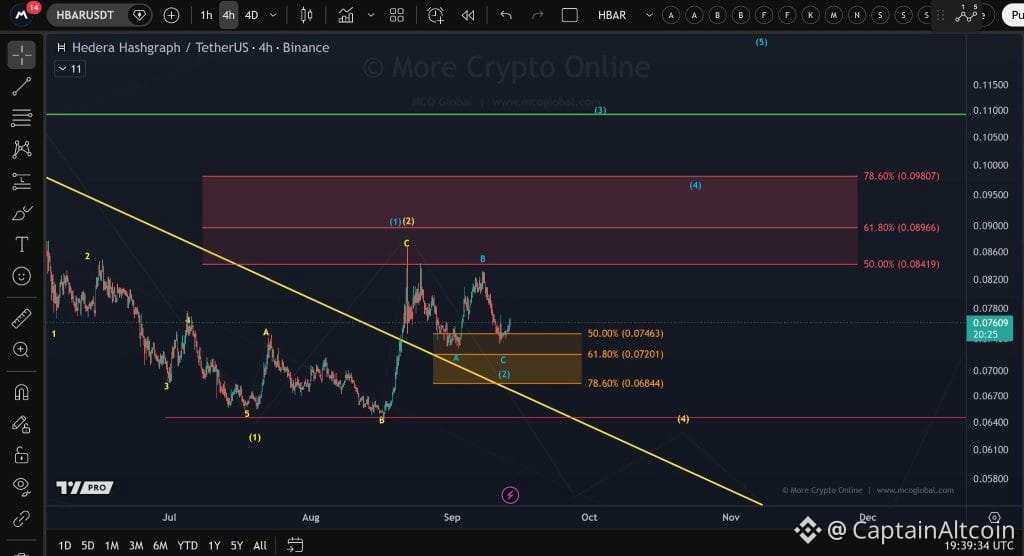
Hedera (HBAR) Preis könnte sich für eine starke Aufwärtsbewegung aufstellen!Der HBAR-Preis handelt derzeit bei etwa 0,076 US-Dollar, und es gibt ein paar Gründe, warum Händler gerade jetzt genau hinschauen. Ein bullisches Chart-Setup ist weiterhin im Spiel, eine wichtige Krypto-Abstimmung in den USA steht nur noch wenige Tage bevor, und Hedera setzt seine Expansion im Tokenisierungsmarkt fort.
Keiner dieser Faktoren garantiert zwar einen Rallye-Verlauf, aber zusammen ergeben sie für den HBAR-Preis eine stärkere Story als noch vor ein paar Monaten. Die große Frage ist jetzt, ob Käufer daraus eine Bewegung in Richtung der nächsten Widerstandsmarken machen können.
Der HBAR-Preis versucht, seine Erholung zu halten
Hedera (HBAR) Preis könnte sich für eine starke Aufwärtsbewegung aufstellen!
Der HBAR-Preis handelt derzeit bei etwa 0,076 US-Dollar, und es gibt ein paar Gründe, warum Händler gerade jetzt genau hinschauen. Ein bullisches Chart-Setup ist weiterhin im Spiel, eine wichtige Krypto-Abstimmung in den USA steht nur noch wenige Tage bevor, und Hedera setzt seine Expansion im Tokenisierungsmarkt fort.
Keiner dieser Faktoren garantiert zwar einen Rallye-Verlauf, aber zusammen ergeben sie für den HBAR-Preis eine stärkere Story als noch vor ein paar Monaten. Die große Frage ist jetzt, ob Käufer daraus eine Bewegung in Richtung der nächsten Widerstandsmarken machen können.
Der HBAR-Preis versucht, seine Erholung zu halten
Keiner dieser Faktoren garantiert zwar einen Rallye-Verlauf, aber zusammen ergeben sie für den HBAR-Preis eine stärkere Story als noch vor ein paar Monaten. Die große Frage ist jetzt, ob Käufer daraus eine Bewegung in Richtung der nächsten Widerstandsmarken machen können.
Der HBAR-Preis versucht, seine Erholung zu halten
201
Artikel
Übersetzung ansehen
$10.9M Can’t Be Wrong: Pepeto Beats Aster, Pi Network & Polygon As the Top Crypto to Buy Right Now!As the market shifts, traders are cutting their list of the top crypto to buy right now down to projects with real buyers, a product that works, and numbers anyone can check. Out of thousands of launches, only a few prove it before they list.
That is what sets Pepeto apart. With more than $10.9 million raised, coverage across the biggest crypto outlets, and a presale that fills faster with every stage, Pepeto is changing how people judge an early project.
Set against Aster, Pi Network, and Polygon, it shows that real buying and a working product now decide which new coins win, and Pepeto’s numbers are pulling the hardest attention of the four.
Pepeto (PEPETO): The $10.9M Presale Powerhouse!
Of every top crypto to buy right now, Pepeto has become the yardstick for demand you can measure. With $10,940,344 in and the stage clock running, buying at this pace is rare for a token no exchange has listed yet.
At $0.0000001894 a token, the raise now sits among the largest presales running today. Analysts note that buying at this pace usually appears after a listing, not before one, and the counter on pepetocoin.com shows it live.
The demand rests on something real. PepetoSwap, its own exchange, already trades at a 0.00% fee and has handled $50 million of daily volume in testing. The bridge moves tokens across Ethereum, BNB Chain, Solana, Base, and Arbitrum in under 60 seconds for $0.
The scanner runs 42 checks on any contract before a trade and blocks the honeypots. Coverage in CryptoPotato, CryptoSlate, CoinPedia, and Binance carried the story mainstream, and a SolidProof audit with team KYC stands behind it.
For anyone buying today, the timing is the whole point: every stage sells higher than the last, the Binance listing is approaching, and analysts project at least 10x from this price once the exchange debut lands. Between the exchange, the tools, and the money already in, Pepeto is the top crypto to buy right now, with demand, real use, and early room few projects can offer.
Aster (ASTER): Most Holders, Biggest Question Mark
Aster splits opinion. Built for high volume perp trading with YZi Labs behind it, Aster leads every new perp DEX token with about 256,000 holders, five times its nearest rival, per CryptoRank via Yahoo Finance on September 4. It sends 99% of fees into buybacks and burns, about 196 million ASTER so far.
Yet the price sits near $0.69 per CoinMarketCap, about 70% under its $2.41 record, and it has spent months testing the same $0.69 line.
The team’s 400 million tokens stay locked until September 2027, which removes one worry, but until $0.86 prints, Aster is a high risk trade, not the pick.
Pi Network (PI): From Promise to Proof
Pi Network’s shift from a phone mining app into a working chain is drawing fresh eyes. Protocol 27, the last planned core upgrade, hits mainnet on September 15 with full smart contracts and DeFi tools, per CoinMarketCap. The price rose 4% on September 8 as volume jumped 92% ahead of it.
Even so, PI trades near $0.09, and $0.10 has capped every attempt since July, per CoinDCX, with about 775.8 million tokens still unlocking through late 2026.
Pi is growing into real use, but without a major listing or a close above $0.10, it stays a coin to watch, not a coin to buy.
Polygon (POL): Building Through the Quiet
Polygon keeps shipping. The network launched sPOL, a liquid staking token that freed about $330 million of staked value for use in DeFi, per Invezz, and the chain now settles in two seconds and carries about 35% of dollar stablecoin activity across Ethereum layer 2s.
Near $0.09 with a market cap around $1 billion, POL has not paid holders this year, and the models see a flat year ahead, though Polygon Labs is targeting $100 million in stablecoin payments and enterprise use keeps growing.
With few short term triggers, Polygon’s plumbing still earns it a spot among the top cryptos to buy right now for anyone who wants proven infrastructure.
Final Thoughts
In a market run on speculation, the top crypto to buy right now will be decided by proof, not noise. Aster has the holders but not the breakout, Pi Network is building toward real use, and Polygon keeps delivering the plumbing.
Yet Pepeto sits in a class of its own: $10.9 million raised, more than 43,000 holders, a zero fee exchange already trading, and a Binance listing approaching. Exchange, bridge, scanner, and mainstream coverage together are almost never seen in a presale.
With the stage clock running down and the listing drawing closer, Pepeto is more than a trend. It is the top crypto to buy right now for anyone who wants proof of demand backed by a product that already works.
Click To Visit Pepeto Website To Enter The Presale
DISCLAIMER: CAPTAINALTCOIN DOES NOT ENDORSE INVESTING IN ANY PROJECT MENTIONED IN SPONSORED ARTICLES. EXERCISE CAUTION AND DO THOROUGH RESEARCH BEFORE INVESTING YOUR MONEY. CaptainAltcoin takes no responsibility for its accuracy or quality. This content was not written by CaptainAltcoin’s team. We strongly advise readers to do their own thorough research before interacting with any featured companies. The information provided is not financial or legal advice. Neither CaptainAltcoin nor any third party recommends buying or selling any financial products. Investing in crypto assets is high-risk; consider the potential for loss. Any investment decisions made based on this content are at the sole risk of the readCaptainAltcoin is not liable for any damages or losses from using or relying on this content.
The post $10.9M Can’t Be Wrong: Pepeto Beats Aster, Pi Network & Polygon as the Top Crypto to Buy Right Now! appeared first on CaptainAltcoin.
$10.9M Can’t Be Wrong: Pepeto Beats Aster, Pi Network & Polygon As the Top Crypto to Buy Right Now!
As the market shifts, traders are cutting their list of the top crypto to buy right now down to projects with real buyers, a product that works, and numbers anyone can check. Out of thousands of launches, only a few prove it before they list.
That is what sets Pepeto apart. With more than $10.9 million raised, coverage across the biggest crypto outlets, and a presale that fills faster with every stage, Pepeto is changing how people judge an early project.
Set against Aster, Pi Network, and Polygon, it shows that real buying and a working product now decide which new coins win, and Pepeto’s numbers are pulling the hardest attention of the four.
Pepeto (PEPETO): The $10.9M Presale Powerhouse!
Of every top crypto to buy right now, Pepeto has become the yardstick for demand you can measure. With $10,940,344 in and the stage clock running, buying at this pace is rare for a token no exchange has listed yet.
At $0.0000001894 a token, the raise now sits among the largest presales running today. Analysts note that buying at this pace usually appears after a listing, not before one, and the counter on pepetocoin.com shows it live.
The demand rests on something real. PepetoSwap, its own exchange, already trades at a 0.00% fee and has handled $50 million of daily volume in testing. The bridge moves tokens across Ethereum, BNB Chain, Solana, Base, and Arbitrum in under 60 seconds for $0.
The scanner runs 42 checks on any contract before a trade and blocks the honeypots. Coverage in CryptoPotato, CryptoSlate, CoinPedia, and Binance carried the story mainstream, and a SolidProof audit with team KYC stands behind it.
For anyone buying today, the timing is the whole point: every stage sells higher than the last, the Binance listing is approaching, and analysts project at least 10x from this price once the exchange debut lands. Between the exchange, the tools, and the money already in, Pepeto is the top crypto to buy right now, with demand, real use, and early room few projects can offer.
Aster (ASTER): Most Holders, Biggest Question Mark
Aster splits opinion. Built for high volume perp trading with YZi Labs behind it, Aster leads every new perp DEX token with about 256,000 holders, five times its nearest rival, per CryptoRank via Yahoo Finance on September 4. It sends 99% of fees into buybacks and burns, about 196 million ASTER so far.
Yet the price sits near $0.69 per CoinMarketCap, about 70% under its $2.41 record, and it has spent months testing the same $0.69 line.
The team’s 400 million tokens stay locked until September 2027, which removes one worry, but until $0.86 prints, Aster is a high risk trade, not the pick.
Pi Network (PI): From Promise to Proof
Pi Network’s shift from a phone mining app into a working chain is drawing fresh eyes. Protocol 27, the last planned core upgrade, hits mainnet on September 15 with full smart contracts and DeFi tools, per CoinMarketCap. The price rose 4% on September 8 as volume jumped 92% ahead of it.
Even so, PI trades near $0.09, and $0.10 has capped every attempt since July, per CoinDCX, with about 775.8 million tokens still unlocking through late 2026.
Pi is growing into real use, but without a major listing or a close above $0.10, it stays a coin to watch, not a coin to buy.
Polygon (POL): Building Through the Quiet
Polygon keeps shipping. The network launched sPOL, a liquid staking token that freed about $330 million of staked value for use in DeFi, per Invezz, and the chain now settles in two seconds and carries about 35% of dollar stablecoin activity across Ethereum layer 2s.
Near $0.09 with a market cap around $1 billion, POL has not paid holders this year, and the models see a flat year ahead, though Polygon Labs is targeting $100 million in stablecoin payments and enterprise use keeps growing.
With few short term triggers, Polygon’s plumbing still earns it a spot among the top cryptos to buy right now for anyone who wants proven infrastructure.
Final Thoughts
In a market run on speculation, the top crypto to buy right now will be decided by proof, not noise. Aster has the holders but not the breakout, Pi Network is building toward real use, and Polygon keeps delivering the plumbing.
Yet Pepeto sits in a class of its own: $10.9 million raised, more than 43,000 holders, a zero fee exchange already trading, and a Binance listing approaching. Exchange, bridge, scanner, and mainstream coverage together are almost never seen in a presale.
With the stage clock running down and the listing drawing closer, Pepeto is more than a trend. It is the top crypto to buy right now for anyone who wants proof of demand backed by a product that already works.
Click To Visit Pepeto Website To Enter The Presale
DISCLAIMER: CAPTAINALTCOIN DOES NOT ENDORSE INVESTING IN ANY PROJECT MENTIONED IN SPONSORED ARTICLES. EXERCISE CAUTION AND DO THOROUGH RESEARCH BEFORE INVESTING YOUR MONEY. CaptainAltcoin takes no responsibility for its accuracy or quality. This content was not written by CaptainAltcoin’s team. We strongly advise readers to do their own thorough research before interacting with any featured companies. The information provided is not financial or legal advice. Neither CaptainAltcoin nor any third party recommends buying or selling any financial products. Investing in crypto assets is high-risk; consider the potential for loss. Any investment decisions made based on this content are at the sole risk of the readCaptainAltcoin is not liable for any damages or losses from using or relying on this content.
The post $10.9M Can’t Be Wrong: Pepeto Beats Aster, Pi Network & Polygon as the Top Crypto to Buy Right Now! appeared first on CaptainAltcoin.
That is what sets Pepeto apart. With more than $10.9 million raised, coverage across the biggest crypto outlets, and a presale that fills faster with every stage, Pepeto is changing how people judge an early project.
Set against Aster, Pi Network, and Polygon, it shows that real buying and a working product now decide which new coins win, and Pepeto’s numbers are pulling the hardest attention of the four.
Pepeto (PEPETO): The $10.9M Presale Powerhouse!
Of every top crypto to buy right now, Pepeto has become the yardstick for demand you can measure. With $10,940,344 in and the stage clock running, buying at this pace is rare for a token no exchange has listed yet.
At $0.0000001894 a token, the raise now sits among the largest presales running today. Analysts note that buying at this pace usually appears after a listing, not before one, and the counter on pepetocoin.com shows it live.
The demand rests on something real. PepetoSwap, its own exchange, already trades at a 0.00% fee and has handled $50 million of daily volume in testing. The bridge moves tokens across Ethereum, BNB Chain, Solana, Base, and Arbitrum in under 60 seconds for $0.
The scanner runs 42 checks on any contract before a trade and blocks the honeypots. Coverage in CryptoPotato, CryptoSlate, CoinPedia, and Binance carried the story mainstream, and a SolidProof audit with team KYC stands behind it.
For anyone buying today, the timing is the whole point: every stage sells higher than the last, the Binance listing is approaching, and analysts project at least 10x from this price once the exchange debut lands. Between the exchange, the tools, and the money already in, Pepeto is the top crypto to buy right now, with demand, real use, and early room few projects can offer.
Aster (ASTER): Most Holders, Biggest Question Mark
Aster splits opinion. Built for high volume perp trading with YZi Labs behind it, Aster leads every new perp DEX token with about 256,000 holders, five times its nearest rival, per CryptoRank via Yahoo Finance on September 4. It sends 99% of fees into buybacks and burns, about 196 million ASTER so far.
Yet the price sits near $0.69 per CoinMarketCap, about 70% under its $2.41 record, and it has spent months testing the same $0.69 line.
The team’s 400 million tokens stay locked until September 2027, which removes one worry, but until $0.86 prints, Aster is a high risk trade, not the pick.
Pi Network (PI): From Promise to Proof
Pi Network’s shift from a phone mining app into a working chain is drawing fresh eyes. Protocol 27, the last planned core upgrade, hits mainnet on September 15 with full smart contracts and DeFi tools, per CoinMarketCap. The price rose 4% on September 8 as volume jumped 92% ahead of it.
Even so, PI trades near $0.09, and $0.10 has capped every attempt since July, per CoinDCX, with about 775.8 million tokens still unlocking through late 2026.
Pi is growing into real use, but without a major listing or a close above $0.10, it stays a coin to watch, not a coin to buy.
Polygon (POL): Building Through the Quiet
Polygon keeps shipping. The network launched sPOL, a liquid staking token that freed about $330 million of staked value for use in DeFi, per Invezz, and the chain now settles in two seconds and carries about 35% of dollar stablecoin activity across Ethereum layer 2s.
Near $0.09 with a market cap around $1 billion, POL has not paid holders this year, and the models see a flat year ahead, though Polygon Labs is targeting $100 million in stablecoin payments and enterprise use keeps growing.
With few short term triggers, Polygon’s plumbing still earns it a spot among the top cryptos to buy right now for anyone who wants proven infrastructure.
Final Thoughts
In a market run on speculation, the top crypto to buy right now will be decided by proof, not noise. Aster has the holders but not the breakout, Pi Network is building toward real use, and Polygon keeps delivering the plumbing.
Yet Pepeto sits in a class of its own: $10.9 million raised, more than 43,000 holders, a zero fee exchange already trading, and a Binance listing approaching. Exchange, bridge, scanner, and mainstream coverage together are almost never seen in a presale.
With the stage clock running down and the listing drawing closer, Pepeto is more than a trend. It is the top crypto to buy right now for anyone who wants proof of demand backed by a product that already works.
Click To Visit Pepeto Website To Enter The Presale
DISCLAIMER: CAPTAINALTCOIN DOES NOT ENDORSE INVESTING IN ANY PROJECT MENTIONED IN SPONSORED ARTICLES. EXERCISE CAUTION AND DO THOROUGH RESEARCH BEFORE INVESTING YOUR MONEY. CaptainAltcoin takes no responsibility for its accuracy or quality. This content was not written by CaptainAltcoin’s team. We strongly advise readers to do their own thorough research before interacting with any featured companies. The information provided is not financial or legal advice. Neither CaptainAltcoin nor any third party recommends buying or selling any financial products. Investing in crypto assets is high-risk; consider the potential for loss. Any investment decisions made based on this content are at the sole risk of the readCaptainAltcoin is not liable for any damages or losses from using or relying on this content.
The post $10.9M Can’t Be Wrong: Pepeto Beats Aster, Pi Network & Polygon as the Top Crypto to Buy Right Now! appeared first on CaptainAltcoin.
60
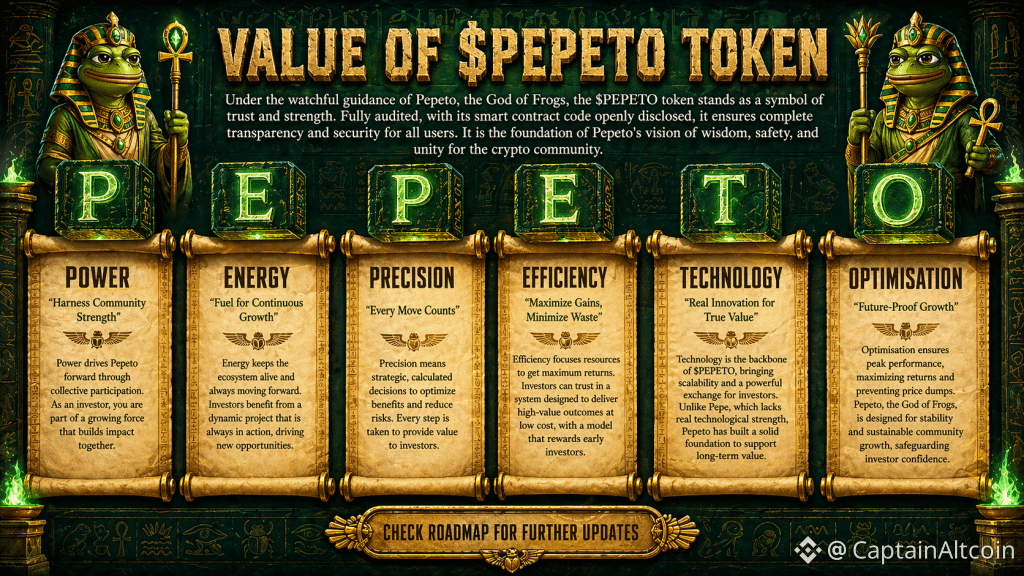
Artikel
Übersetzung ansehen
Ethereum Price Prediction and Why Pepeto’s Binance Listing Could Outrun ETH and AAVE With 1000x P...As Nasdaq puts $100M into tokenization and Ripple adds AI to its treasury desk, the Ethereum price prediction cannot offer what Pepeto’s live exchange and approaching Binance listing can.
Nasdaq agreed on September 11 to put $100 million into Payward, the company behind Kraken, to build tokenized stocks and crypto rails, per Business Wire. Ripple, the same day, switched on GSmart tools that let AI handle forecasting, liquidity, and risk inside Ripple Treasury, with a person approving every step, per Crypto Integrated.
Add the SEC’s proposal to let a blockchain stand as the official record of who owns a security, plus its September 17 roundtable on trading around the clock, per Crypto Integrated, and Bitcoin ETFs pulling $3.8 billion in three weeks, per KuCoin. Big money is showing up faster than it has all year.
ETH, meanwhile, is holding near $2,527 right under the $2,550 wall, and the Ethereum price prediction into year end still points higher. But if the question is which token owns September, Pepeto is the one carrying 1000x potential, with its Binance listing approaching.
More than $10.9 million is already in, and the exchange, the bridge, and the security scanner all run today, so this is a platform that works, not a roadmap. The token still costs $0.0000001893, and getting in before the listing is the only way to be ahead of it.
Tokenized stocks, AI in the treasury, and a wave of institutional money
Nasdaq’s $100 million is a serious bet. It builds on a tokenized equities plan the two companies had already begun, and it hands Kraken a route to bring tokenized stocks and 24 hour trading to US investors with Nasdaq behind it. Wall Street wants stocks on a blockchain, and it wants them this year.
On the AI side, Ripple’s GSmart expansion puts machine intelligence on forecasting, liquidity, risk, reconciliation, and reporting for companies that manage cash on Ripple, and every action still waits for a human signature, which is exactly how large firms want AI to behave. Projects that pair AI with crypto sit where two of the fastest growing markets in finance cross.
The wider market is responding. Bitcoin ETFs booked $3.8 billion in three weeks, their best run of 2026, and BTC is back above $79,000. That money spills into altcoins, ETH’s outlook gets a direct lift from it, and the chart says the summer downtrend has ended.
Ethereum price prediction, Pepeto’s listing month, and Aave’s setup for 2026
Pepeto
Pepeto’s team built a trading platform so ordinary traders keep what they earn. That is not a slogan. Uniswap and PancakeSwap take 0.25% to 0.30% of every swap, and PepetoSwap takes nothing, so a trader running 200 trades of $5,000 pays Uniswap $3,000 and pays Pepeto $0. Each tool has one job, and together they cover the trade from the first check to the final transfer.
The scanner tells you what is wrong with a contract before you touch it. Pick a token, and it runs 42 checks on the code, reads the live chain, and simulates a buy and a sell on a copy of it. You get a score from 0 to 100 and a verdict, and when the finding is critical, the trade is blocked before you sign.
Then the bridge, which works unlike most bridges because it locks tokens on one chain and mints the same amount on the other, carries your coins across Ethereum, BNB Chain, Solana, Base, and Arbitrum in under 60 seconds for $0, and nobody holds your funds in between.
If the steady gains in an ETH forecast are your focus, now is the time to set Pepeto next to it. ETH sits at $2,527 with $3,000 as the target, and even at that price the trip is worth about 20%.
Pepeto costs $0.0000001893, the tools are live, the Binance listing is approaching, and no exchange has ever set a price on any of it. On listing day the market must catch up with an exchange that already handled $50 million of daily volume in testing. That catch up is what puts a 1000x run on the table for Pepeto this year.
Ethereum will keep doing well, because DeFi is built on it. Pepeto can go much further, because it deleted the fee every trader pays, and the price shows none of that yet. Buying now rather than later is how the largest return gets captured when the listing hits.
Ethereum
ETH’s climb above the $2,370 to $2,438 range sets up $2,550 and then $3,000, per analyst Ted Pillows at The Coin Republic. Price sits above every major moving average, large traders have been closing shorts, and the summer low near $2,370 looks like the bottom.
Rising staking and a steady flow of upgrades hold ETH’s price up from below, and the ETH outlook for 2026 is healthy. But at $2,527 according to CoinMarketCap, ETH is a $300 billion coin. That is what makes it safe. It is also what caps it for anyone who wants more than a 20% year.
The ETH forecast is a story about percentages, not the kind of jump a presale gets on its first listing day. A steady hold, and a good one, if steady is the goal.
Aave
Aave traded around $131 in late August, per CoinGabbar, lifted by deposits that climbed to $30.16 billion, up 30% since July, and by a new governance rule that sends every dollar of protocol revenue to AAVE holders.
From there, AAVE can reach $145, then $164 and $180 before 2026 ends, with the Fed’s September 16 decision the next trigger for DeFi coins. The picture is bright, but the pace is slow, much closer to Ethereum’s than to what Pepeto’s listing can deliver. AAVE is one of DeFi’s anchors, with real revenue behind it, and its size holds the gain to double digits.
The verdict
Nasdaq is buying tokenization, AI is running a Ripple treasury desk, and ETF money is arriving at the fastest pace of the year. Ethereum reads strong here, and so does Aave’s DeFi lead, but neither coin has the room a first listing gives Pepeto.
This is a working exchange that still costs presale money, and the Binance listing is approaching, so the clock is real. Getting in now is how the largest return gets made on what could be the breakout of 2026, and in place of a bonus code, the presale pays 163% APY in staking to everyone holding through the listing.
Click To Visit Pepeto Website To Enter The Presale
FAQs Does the Ethereum price prediction point to a wider altcoin recovery in 2026?
Yes, ETH holding $2,527 and pressing $2,550 lifts the outlook for the whole altcoin market. Pepeto rides that same wave, but unlike ETH it costs $0.0000001893 with 1000x room and a Binance listing approaching, which makes it the sharpest way to play the recovery.
Why are exchanges and tokenization pulling in the money in September 2026?
Nasdaq’s $100 million into Kraken’s parent and the SEC’s move on blockchain ownership records put exchanges back at the center of the market. Pepeto is the one project pairing a live zero fee exchange with a presale price, and that pairing is what puts a 1000x ahead of the larger exchange tokens.
DISCLAIMER: CAPTAINALTCOIN DOES NOT ENDORSE INVESTING IN ANY PROJECT MENTIONED IN SPONSORED ARTICLES. EXERCISE CAUTION AND DO THOROUGH RESEARCH BEFORE INVESTING YOUR MONEY. CaptainAltcoin takes no responsibility for its accuracy or quality. This content was not written by CaptainAltcoin’s team. We strongly advise readers to do their own thorough research before interacting with any featured companies. The information provided is not financial or legal advice. Neither CaptainAltcoin nor any third party recommends buying or selling any financial products. Investing in crypto assets is high-risk; consider the potential for loss. Any investment decisions made based on this content are at the sole risk of the readCaptainAltcoin is not liable for any damages or losses from using or relying on this content.
The post Ethereum Price Prediction and Why Pepeto’s Binance Listing Could Outrun ETH and AAVE With 1000x Potential appeared first on CaptainAltcoin.
Ethereum Price Prediction and Why Pepeto’s Binance Listing Could Outrun ETH and AAVE With 1000x P...
As Nasdaq puts $100M into tokenization and Ripple adds AI to its treasury desk, the Ethereum price prediction cannot offer what Pepeto’s live exchange and approaching Binance listing can.
Nasdaq agreed on September 11 to put $100 million into Payward, the company behind Kraken, to build tokenized stocks and crypto rails, per Business Wire. Ripple, the same day, switched on GSmart tools that let AI handle forecasting, liquidity, and risk inside Ripple Treasury, with a person approving every step, per Crypto Integrated.
Add the SEC’s proposal to let a blockchain stand as the official record of who owns a security, plus its September 17 roundtable on trading around the clock, per Crypto Integrated, and Bitcoin ETFs pulling $3.8 billion in three weeks, per KuCoin. Big money is showing up faster than it has all year.
ETH, meanwhile, is holding near $2,527 right under the $2,550 wall, and the Ethereum price prediction into year end still points higher. But if the question is which token owns September, Pepeto is the one carrying 1000x potential, with its Binance listing approaching.
More than $10.9 million is already in, and the exchange, the bridge, and the security scanner all run today, so this is a platform that works, not a roadmap. The token still costs $0.0000001893, and getting in before the listing is the only way to be ahead of it.
Tokenized stocks, AI in the treasury, and a wave of institutional money
Nasdaq’s $100 million is a serious bet. It builds on a tokenized equities plan the two companies had already begun, and it hands Kraken a route to bring tokenized stocks and 24 hour trading to US investors with Nasdaq behind it. Wall Street wants stocks on a blockchain, and it wants them this year.
On the AI side, Ripple’s GSmart expansion puts machine intelligence on forecasting, liquidity, risk, reconciliation, and reporting for companies that manage cash on Ripple, and every action still waits for a human signature, which is exactly how large firms want AI to behave. Projects that pair AI with crypto sit where two of the fastest growing markets in finance cross.
The wider market is responding. Bitcoin ETFs booked $3.8 billion in three weeks, their best run of 2026, and BTC is back above $79,000. That money spills into altcoins, ETH’s outlook gets a direct lift from it, and the chart says the summer downtrend has ended.
Ethereum price prediction, Pepeto’s listing month, and Aave’s setup for 2026
Pepeto
Pepeto’s team built a trading platform so ordinary traders keep what they earn. That is not a slogan. Uniswap and PancakeSwap take 0.25% to 0.30% of every swap, and PepetoSwap takes nothing, so a trader running 200 trades of $5,000 pays Uniswap $3,000 and pays Pepeto $0. Each tool has one job, and together they cover the trade from the first check to the final transfer.
The scanner tells you what is wrong with a contract before you touch it. Pick a token, and it runs 42 checks on the code, reads the live chain, and simulates a buy and a sell on a copy of it. You get a score from 0 to 100 and a verdict, and when the finding is critical, the trade is blocked before you sign.
Then the bridge, which works unlike most bridges because it locks tokens on one chain and mints the same amount on the other, carries your coins across Ethereum, BNB Chain, Solana, Base, and Arbitrum in under 60 seconds for $0, and nobody holds your funds in between.
If the steady gains in an ETH forecast are your focus, now is the time to set Pepeto next to it. ETH sits at $2,527 with $3,000 as the target, and even at that price the trip is worth about 20%.
Pepeto costs $0.0000001893, the tools are live, the Binance listing is approaching, and no exchange has ever set a price on any of it. On listing day the market must catch up with an exchange that already handled $50 million of daily volume in testing. That catch up is what puts a 1000x run on the table for Pepeto this year.
Ethereum will keep doing well, because DeFi is built on it. Pepeto can go much further, because it deleted the fee every trader pays, and the price shows none of that yet. Buying now rather than later is how the largest return gets captured when the listing hits.
Ethereum
ETH’s climb above the $2,370 to $2,438 range sets up $2,550 and then $3,000, per analyst Ted Pillows at The Coin Republic. Price sits above every major moving average, large traders have been closing shorts, and the summer low near $2,370 looks like the bottom.
Rising staking and a steady flow of upgrades hold ETH’s price up from below, and the ETH outlook for 2026 is healthy. But at $2,527 according to CoinMarketCap, ETH is a $300 billion coin. That is what makes it safe. It is also what caps it for anyone who wants more than a 20% year.
The ETH forecast is a story about percentages, not the kind of jump a presale gets on its first listing day. A steady hold, and a good one, if steady is the goal.
Aave
Aave traded around $131 in late August, per CoinGabbar, lifted by deposits that climbed to $30.16 billion, up 30% since July, and by a new governance rule that sends every dollar of protocol revenue to AAVE holders.
From there, AAVE can reach $145, then $164 and $180 before 2026 ends, with the Fed’s September 16 decision the next trigger for DeFi coins. The picture is bright, but the pace is slow, much closer to Ethereum’s than to what Pepeto’s listing can deliver. AAVE is one of DeFi’s anchors, with real revenue behind it, and its size holds the gain to double digits.
The verdict
Nasdaq is buying tokenization, AI is running a Ripple treasury desk, and ETF money is arriving at the fastest pace of the year. Ethereum reads strong here, and so does Aave’s DeFi lead, but neither coin has the room a first listing gives Pepeto.
This is a working exchange that still costs presale money, and the Binance listing is approaching, so the clock is real. Getting in now is how the largest return gets made on what could be the breakout of 2026, and in place of a bonus code, the presale pays 163% APY in staking to everyone holding through the listing.
Click To Visit Pepeto Website To Enter The Presale
FAQs Does the Ethereum price prediction point to a wider altcoin recovery in 2026?
Yes, ETH holding $2,527 and pressing $2,550 lifts the outlook for the whole altcoin market. Pepeto rides that same wave, but unlike ETH it costs $0.0000001893 with 1000x room and a Binance listing approaching, which makes it the sharpest way to play the recovery.
Why are exchanges and tokenization pulling in the money in September 2026?
Nasdaq’s $100 million into Kraken’s parent and the SEC’s move on blockchain ownership records put exchanges back at the center of the market. Pepeto is the one project pairing a live zero fee exchange with a presale price, and that pairing is what puts a 1000x ahead of the larger exchange tokens.
DISCLAIMER: CAPTAINALTCOIN DOES NOT ENDORSE INVESTING IN ANY PROJECT MENTIONED IN SPONSORED ARTICLES. EXERCISE CAUTION AND DO THOROUGH RESEARCH BEFORE INVESTING YOUR MONEY. CaptainAltcoin takes no responsibility for its accuracy or quality. This content was not written by CaptainAltcoin’s team. We strongly advise readers to do their own thorough research before interacting with any featured companies. The information provided is not financial or legal advice. Neither CaptainAltcoin nor any third party recommends buying or selling any financial products. Investing in crypto assets is high-risk; consider the potential for loss. Any investment decisions made based on this content are at the sole risk of the readCaptainAltcoin is not liable for any damages or losses from using or relying on this content.
The post Ethereum Price Prediction and Why Pepeto’s Binance Listing Could Outrun ETH and AAVE With 1000x Potential appeared first on CaptainAltcoin.
Nasdaq agreed on September 11 to put $100 million into Payward, the company behind Kraken, to build tokenized stocks and crypto rails, per Business Wire. Ripple, the same day, switched on GSmart tools that let AI handle forecasting, liquidity, and risk inside Ripple Treasury, with a person approving every step, per Crypto Integrated.
Add the SEC’s proposal to let a blockchain stand as the official record of who owns a security, plus its September 17 roundtable on trading around the clock, per Crypto Integrated, and Bitcoin ETFs pulling $3.8 billion in three weeks, per KuCoin. Big money is showing up faster than it has all year.
ETH, meanwhile, is holding near $2,527 right under the $2,550 wall, and the Ethereum price prediction into year end still points higher. But if the question is which token owns September, Pepeto is the one carrying 1000x potential, with its Binance listing approaching.
More than $10.9 million is already in, and the exchange, the bridge, and the security scanner all run today, so this is a platform that works, not a roadmap. The token still costs $0.0000001893, and getting in before the listing is the only way to be ahead of it.
Tokenized stocks, AI in the treasury, and a wave of institutional money
Nasdaq’s $100 million is a serious bet. It builds on a tokenized equities plan the two companies had already begun, and it hands Kraken a route to bring tokenized stocks and 24 hour trading to US investors with Nasdaq behind it. Wall Street wants stocks on a blockchain, and it wants them this year.
On the AI side, Ripple’s GSmart expansion puts machine intelligence on forecasting, liquidity, risk, reconciliation, and reporting for companies that manage cash on Ripple, and every action still waits for a human signature, which is exactly how large firms want AI to behave. Projects that pair AI with crypto sit where two of the fastest growing markets in finance cross.
The wider market is responding. Bitcoin ETFs booked $3.8 billion in three weeks, their best run of 2026, and BTC is back above $79,000. That money spills into altcoins, ETH’s outlook gets a direct lift from it, and the chart says the summer downtrend has ended.
Ethereum price prediction, Pepeto’s listing month, and Aave’s setup for 2026
Pepeto
Pepeto’s team built a trading platform so ordinary traders keep what they earn. That is not a slogan. Uniswap and PancakeSwap take 0.25% to 0.30% of every swap, and PepetoSwap takes nothing, so a trader running 200 trades of $5,000 pays Uniswap $3,000 and pays Pepeto $0. Each tool has one job, and together they cover the trade from the first check to the final transfer.
The scanner tells you what is wrong with a contract before you touch it. Pick a token, and it runs 42 checks on the code, reads the live chain, and simulates a buy and a sell on a copy of it. You get a score from 0 to 100 and a verdict, and when the finding is critical, the trade is blocked before you sign.
Then the bridge, which works unlike most bridges because it locks tokens on one chain and mints the same amount on the other, carries your coins across Ethereum, BNB Chain, Solana, Base, and Arbitrum in under 60 seconds for $0, and nobody holds your funds in between.
If the steady gains in an ETH forecast are your focus, now is the time to set Pepeto next to it. ETH sits at $2,527 with $3,000 as the target, and even at that price the trip is worth about 20%.
Pepeto costs $0.0000001893, the tools are live, the Binance listing is approaching, and no exchange has ever set a price on any of it. On listing day the market must catch up with an exchange that already handled $50 million of daily volume in testing. That catch up is what puts a 1000x run on the table for Pepeto this year.
Ethereum will keep doing well, because DeFi is built on it. Pepeto can go much further, because it deleted the fee every trader pays, and the price shows none of that yet. Buying now rather than later is how the largest return gets captured when the listing hits.
Ethereum
ETH’s climb above the $2,370 to $2,438 range sets up $2,550 and then $3,000, per analyst Ted Pillows at The Coin Republic. Price sits above every major moving average, large traders have been closing shorts, and the summer low near $2,370 looks like the bottom.
Rising staking and a steady flow of upgrades hold ETH’s price up from below, and the ETH outlook for 2026 is healthy. But at $2,527 according to CoinMarketCap, ETH is a $300 billion coin. That is what makes it safe. It is also what caps it for anyone who wants more than a 20% year.
The ETH forecast is a story about percentages, not the kind of jump a presale gets on its first listing day. A steady hold, and a good one, if steady is the goal.
Aave
Aave traded around $131 in late August, per CoinGabbar, lifted by deposits that climbed to $30.16 billion, up 30% since July, and by a new governance rule that sends every dollar of protocol revenue to AAVE holders.
From there, AAVE can reach $145, then $164 and $180 before 2026 ends, with the Fed’s September 16 decision the next trigger for DeFi coins. The picture is bright, but the pace is slow, much closer to Ethereum’s than to what Pepeto’s listing can deliver. AAVE is one of DeFi’s anchors, with real revenue behind it, and its size holds the gain to double digits.
The verdict
Nasdaq is buying tokenization, AI is running a Ripple treasury desk, and ETF money is arriving at the fastest pace of the year. Ethereum reads strong here, and so does Aave’s DeFi lead, but neither coin has the room a first listing gives Pepeto.
This is a working exchange that still costs presale money, and the Binance listing is approaching, so the clock is real. Getting in now is how the largest return gets made on what could be the breakout of 2026, and in place of a bonus code, the presale pays 163% APY in staking to everyone holding through the listing.
Click To Visit Pepeto Website To Enter The Presale
FAQs Does the Ethereum price prediction point to a wider altcoin recovery in 2026?
Yes, ETH holding $2,527 and pressing $2,550 lifts the outlook for the whole altcoin market. Pepeto rides that same wave, but unlike ETH it costs $0.0000001893 with 1000x room and a Binance listing approaching, which makes it the sharpest way to play the recovery.
Why are exchanges and tokenization pulling in the money in September 2026?
Nasdaq’s $100 million into Kraken’s parent and the SEC’s move on blockchain ownership records put exchanges back at the center of the market. Pepeto is the one project pairing a live zero fee exchange with a presale price, and that pairing is what puts a 1000x ahead of the larger exchange tokens.
DISCLAIMER: CAPTAINALTCOIN DOES NOT ENDORSE INVESTING IN ANY PROJECT MENTIONED IN SPONSORED ARTICLES. EXERCISE CAUTION AND DO THOROUGH RESEARCH BEFORE INVESTING YOUR MONEY. CaptainAltcoin takes no responsibility for its accuracy or quality. This content was not written by CaptainAltcoin’s team. We strongly advise readers to do their own thorough research before interacting with any featured companies. The information provided is not financial or legal advice. Neither CaptainAltcoin nor any third party recommends buying or selling any financial products. Investing in crypto assets is high-risk; consider the potential for loss. Any investment decisions made based on this content are at the sole risk of the readCaptainAltcoin is not liable for any damages or losses from using or relying on this content.
The post Ethereum Price Prediction and Why Pepeto’s Binance Listing Could Outrun ETH and AAVE With 1000x Potential appeared first on CaptainAltcoin.
47
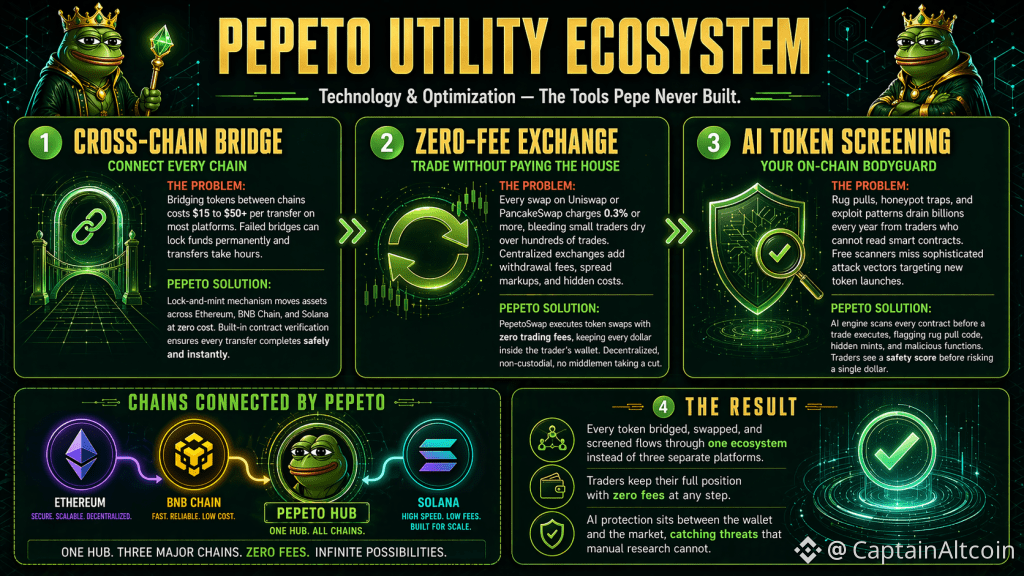
Artikel
Übersetzung ansehen
NEAR Breaks Its Downtrend, HYPE Hits a New ATH, but Pepeto’s Presale Token Could Deliver 80x Befo...The altcoins are waking up. NEAR Protocol broke the downtrend it had been stuck under since July and ran from $2.00 to $2.40 in the first week of September. Hyperliquid printed a record $89.60 on September 6, pushed by a buyback fund that has already taken about 45.85 million HYPE off the market. Money is going into coins with a real reason to rise.
The big names get the headlines. The biggest gains in crypto have always come one step before them, in a presale, before the crowd shows up.
Pepeto is that presale, today. A fixed supply of 420 trillion tokens. A stage price that rises every time a stage closes. An exchange already trading at zero fee. A bridge, a scanner, and staking, all running today. And a stage price of $0.0000001894 that may read as the buy of the year once Binance lists the token. This is where 80x begins.
Pepeto’s Stage Clock Is Already Running: Why This Top Crypto Presale Moves Now
Pepeto’s math is simple and hard to argue with. 420,000,000,000,000 tokens, fixed, and the bridge keeps that number the same on every chain, locking on one side and minting the same amount on the other. Above that fixed number sits a presale sold in stages. Each stage ends on its timer, and the next stage costs more. More than $10.9 million is already in, live on the counter for anyone to see. The price steps up. Every stage. On a clock.
Now add demand to a supply that never grows. PepetoSwap trades at a 0.00% fee and has handled $50 million of daily volume in testing. The bridge moves tokens across Ethereum, BNB Chain, Solana, Base, and Arbitrum in under 60 seconds for $0. The scanner runs 42 checks before a trade and blocks the honeypots. Staking at 163% APY keeps tokens locked until the listing. Each one is a reason to stay in.
This is the setup that paid early buyers in every cycle. Demand grows. Supply stays fixed. The price does the only thing it can when those two pull apart. NEAR buyers who got in under $2.00 before September caught the move first. HYPE holders who bought before the buyback fund was famous are up big on the year. Pepeto stands at that same starting line, a top crypto presale with its exchange live and its Binance listing still ahead.
That last part is the whole story. Every stage that closes retires its tokens from the presale, and the next opens higher. When Binance lists Pepeto and the people who skipped the presale start buying, today’s price is gone for good. Pepeto is a top crypto presale today. That will not last.
NEAR’s September Breakout Is Real, And The Numbers Say So
NEAR Protocol is not running on noise. On September 7 it traded at $2.40, per CoinGabbar with TradingView data, after cutting through the line that had capped it since July. The 20 day and 50 day averages sit at $2.00 and $1.89, under the price, so they now hold it up. Daily volume passed $561 million, and Coinglass showed short sellers eating the bigger losses.
The move has held. U.Today wrote on September 10 that NEAR is settling after its jump with a golden cross forming, which is what a coin does when buyers stay. The next walls are $2.30 to $2.40, then $2.70 to $3.00, per Edaface, and August’s quantum safe upgrade makes the chain a safer home for big custodians.
The honest read for anyone weighing NEAR as the top crypto to buy today: the breakout is real, and so is the volume. But a 20% week means the cheap price is already behind you.
HYPE After The Record: The Rally Faces Its Hardest Test
The $89.60 record on September 6 did not come from social media. Hyperliquid routes nearly all the fees it earns into a fund that buys HYPE back from the market every day, and that fund had bought about 45.85 million HYPE by June, per CoinStats. On September 8 it burned another $1.32 million of HYPE, per CoinMarketCap. The price follows the buying.
The platform keeps growing. Coinbase began routing Base app users to Hyperliquid in mid August, and open interest is back to $14.3 billion, where it stood before the October crash. That keeps HYPE on every top crypto list, whatever one week’s chart says.
But the risk today is real. HYPE traded at $80.29 on September 13, per CoinMarketCap, with the RSI near 80, and 9.92 million HYPE unlocked on September 6, about $800 million worth, per CryptoTicker.
The $78 to $80 zone has to hold or a sharp drop follows. Buying HYPE at a record with $800 million of fresh supply above it is a test of nerve, not a clean buy.
Conclusion
NEAR’s breakout and Hyperliquid’s buyback fund are the two loudest stories in crypto this month, and both paid the people who came early. Both have moved already, and NEAR’s room to run is measured against a 20% week. HYPE’s record printed at $89.60 with $800 million of unlocked tokens sitting above it. The gains in those two went to whoever bought before September.
Pepeto is the trade still ahead, a top crypto presale with a zero fee exchange already trading, a bridge and a scanner already live, and a fixed 420 trillion supply sold in stages that only get more expensive. The current stage sells at $0.0000001894, and analysts project 80x once Binance lists it. The 80x window is open on the Pepeto official website. It closes stage by stage, timer by timer, and the price you could have paid is gone.
Click To Visit Pepeto Website To Enter The Presale
DISCLAIMER: CAPTAINALTCOIN DOES NOT ENDORSE INVESTING IN ANY PROJECT MENTIONED IN SPONSORED ARTICLES. EXERCISE CAUTION AND DO THOROUGH RESEARCH BEFORE INVESTING YOUR MONEY. CaptainAltcoin takes no responsibility for its accuracy or quality. This content was not written by CaptainAltcoin’s team. We strongly advise readers to do their own thorough research before interacting with any featured companies. The information provided is not financial or legal advice. Neither CaptainAltcoin nor any third party recommends buying or selling any financial products. Investing in crypto assets is high-risk; consider the potential for loss. Any investment decisions made based on this content are at the sole risk of the readCaptainAltcoin is not liable for any damages or losses from using or relying on this content.
The post NEAR Breaks Its Downtrend, HYPE Hits a New ATH, But Pepeto’s Presale Token Could Deliver 80x Before Its Binance Listing appeared first on CaptainAltcoin.
NEAR Breaks Its Downtrend, HYPE Hits a New ATH, but Pepeto’s Presale Token Could Deliver 80x Befo...
The altcoins are waking up. NEAR Protocol broke the downtrend it had been stuck under since July and ran from $2.00 to $2.40 in the first week of September. Hyperliquid printed a record $89.60 on September 6, pushed by a buyback fund that has already taken about 45.85 million HYPE off the market. Money is going into coins with a real reason to rise.
The big names get the headlines. The biggest gains in crypto have always come one step before them, in a presale, before the crowd shows up.
Pepeto is that presale, today. A fixed supply of 420 trillion tokens. A stage price that rises every time a stage closes. An exchange already trading at zero fee. A bridge, a scanner, and staking, all running today. And a stage price of $0.0000001894 that may read as the buy of the year once Binance lists the token. This is where 80x begins.
Pepeto’s Stage Clock Is Already Running: Why This Top Crypto Presale Moves Now
Pepeto’s math is simple and hard to argue with. 420,000,000,000,000 tokens, fixed, and the bridge keeps that number the same on every chain, locking on one side and minting the same amount on the other. Above that fixed number sits a presale sold in stages. Each stage ends on its timer, and the next stage costs more. More than $10.9 million is already in, live on the counter for anyone to see. The price steps up. Every stage. On a clock.
Now add demand to a supply that never grows. PepetoSwap trades at a 0.00% fee and has handled $50 million of daily volume in testing. The bridge moves tokens across Ethereum, BNB Chain, Solana, Base, and Arbitrum in under 60 seconds for $0. The scanner runs 42 checks before a trade and blocks the honeypots. Staking at 163% APY keeps tokens locked until the listing. Each one is a reason to stay in.
This is the setup that paid early buyers in every cycle. Demand grows. Supply stays fixed. The price does the only thing it can when those two pull apart. NEAR buyers who got in under $2.00 before September caught the move first. HYPE holders who bought before the buyback fund was famous are up big on the year. Pepeto stands at that same starting line, a top crypto presale with its exchange live and its Binance listing still ahead.
That last part is the whole story. Every stage that closes retires its tokens from the presale, and the next opens higher. When Binance lists Pepeto and the people who skipped the presale start buying, today’s price is gone for good. Pepeto is a top crypto presale today. That will not last.
NEAR’s September Breakout Is Real, And The Numbers Say So
NEAR Protocol is not running on noise. On September 7 it traded at $2.40, per CoinGabbar with TradingView data, after cutting through the line that had capped it since July. The 20 day and 50 day averages sit at $2.00 and $1.89, under the price, so they now hold it up. Daily volume passed $561 million, and Coinglass showed short sellers eating the bigger losses.
The move has held. U.Today wrote on September 10 that NEAR is settling after its jump with a golden cross forming, which is what a coin does when buyers stay. The next walls are $2.30 to $2.40, then $2.70 to $3.00, per Edaface, and August’s quantum safe upgrade makes the chain a safer home for big custodians.
The honest read for anyone weighing NEAR as the top crypto to buy today: the breakout is real, and so is the volume. But a 20% week means the cheap price is already behind you.
HYPE After The Record: The Rally Faces Its Hardest Test
The $89.60 record on September 6 did not come from social media. Hyperliquid routes nearly all the fees it earns into a fund that buys HYPE back from the market every day, and that fund had bought about 45.85 million HYPE by June, per CoinStats. On September 8 it burned another $1.32 million of HYPE, per CoinMarketCap. The price follows the buying.
The platform keeps growing. Coinbase began routing Base app users to Hyperliquid in mid August, and open interest is back to $14.3 billion, where it stood before the October crash. That keeps HYPE on every top crypto list, whatever one week’s chart says.
But the risk today is real. HYPE traded at $80.29 on September 13, per CoinMarketCap, with the RSI near 80, and 9.92 million HYPE unlocked on September 6, about $800 million worth, per CryptoTicker.
The $78 to $80 zone has to hold or a sharp drop follows. Buying HYPE at a record with $800 million of fresh supply above it is a test of nerve, not a clean buy.
Conclusion
NEAR’s breakout and Hyperliquid’s buyback fund are the two loudest stories in crypto this month, and both paid the people who came early. Both have moved already, and NEAR’s room to run is measured against a 20% week. HYPE’s record printed at $89.60 with $800 million of unlocked tokens sitting above it. The gains in those two went to whoever bought before September.
Pepeto is the trade still ahead, a top crypto presale with a zero fee exchange already trading, a bridge and a scanner already live, and a fixed 420 trillion supply sold in stages that only get more expensive. The current stage sells at $0.0000001894, and analysts project 80x once Binance lists it. The 80x window is open on the Pepeto official website. It closes stage by stage, timer by timer, and the price you could have paid is gone.
Click To Visit Pepeto Website To Enter The Presale
DISCLAIMER: CAPTAINALTCOIN DOES NOT ENDORSE INVESTING IN ANY PROJECT MENTIONED IN SPONSORED ARTICLES. EXERCISE CAUTION AND DO THOROUGH RESEARCH BEFORE INVESTING YOUR MONEY. CaptainAltcoin takes no responsibility for its accuracy or quality. This content was not written by CaptainAltcoin’s team. We strongly advise readers to do their own thorough research before interacting with any featured companies. The information provided is not financial or legal advice. Neither CaptainAltcoin nor any third party recommends buying or selling any financial products. Investing in crypto assets is high-risk; consider the potential for loss. Any investment decisions made based on this content are at the sole risk of the readCaptainAltcoin is not liable for any damages or losses from using or relying on this content.
The post NEAR Breaks Its Downtrend, HYPE Hits a New ATH, But Pepeto’s Presale Token Could Deliver 80x Before Its Binance Listing appeared first on CaptainAltcoin.
The big names get the headlines. The biggest gains in crypto have always come one step before them, in a presale, before the crowd shows up.
Pepeto is that presale, today. A fixed supply of 420 trillion tokens. A stage price that rises every time a stage closes. An exchange already trading at zero fee. A bridge, a scanner, and staking, all running today. And a stage price of $0.0000001894 that may read as the buy of the year once Binance lists the token. This is where 80x begins.
Pepeto’s Stage Clock Is Already Running: Why This Top Crypto Presale Moves Now
Pepeto’s math is simple and hard to argue with. 420,000,000,000,000 tokens, fixed, and the bridge keeps that number the same on every chain, locking on one side and minting the same amount on the other. Above that fixed number sits a presale sold in stages. Each stage ends on its timer, and the next stage costs more. More than $10.9 million is already in, live on the counter for anyone to see. The price steps up. Every stage. On a clock.
Now add demand to a supply that never grows. PepetoSwap trades at a 0.00% fee and has handled $50 million of daily volume in testing. The bridge moves tokens across Ethereum, BNB Chain, Solana, Base, and Arbitrum in under 60 seconds for $0. The scanner runs 42 checks before a trade and blocks the honeypots. Staking at 163% APY keeps tokens locked until the listing. Each one is a reason to stay in.
This is the setup that paid early buyers in every cycle. Demand grows. Supply stays fixed. The price does the only thing it can when those two pull apart. NEAR buyers who got in under $2.00 before September caught the move first. HYPE holders who bought before the buyback fund was famous are up big on the year. Pepeto stands at that same starting line, a top crypto presale with its exchange live and its Binance listing still ahead.
That last part is the whole story. Every stage that closes retires its tokens from the presale, and the next opens higher. When Binance lists Pepeto and the people who skipped the presale start buying, today’s price is gone for good. Pepeto is a top crypto presale today. That will not last.
NEAR’s September Breakout Is Real, And The Numbers Say So
NEAR Protocol is not running on noise. On September 7 it traded at $2.40, per CoinGabbar with TradingView data, after cutting through the line that had capped it since July. The 20 day and 50 day averages sit at $2.00 and $1.89, under the price, so they now hold it up. Daily volume passed $561 million, and Coinglass showed short sellers eating the bigger losses.
The move has held. U.Today wrote on September 10 that NEAR is settling after its jump with a golden cross forming, which is what a coin does when buyers stay. The next walls are $2.30 to $2.40, then $2.70 to $3.00, per Edaface, and August’s quantum safe upgrade makes the chain a safer home for big custodians.
The honest read for anyone weighing NEAR as the top crypto to buy today: the breakout is real, and so is the volume. But a 20% week means the cheap price is already behind you.
HYPE After The Record: The Rally Faces Its Hardest Test
The $89.60 record on September 6 did not come from social media. Hyperliquid routes nearly all the fees it earns into a fund that buys HYPE back from the market every day, and that fund had bought about 45.85 million HYPE by June, per CoinStats. On September 8 it burned another $1.32 million of HYPE, per CoinMarketCap. The price follows the buying.
The platform keeps growing. Coinbase began routing Base app users to Hyperliquid in mid August, and open interest is back to $14.3 billion, where it stood before the October crash. That keeps HYPE on every top crypto list, whatever one week’s chart says.
But the risk today is real. HYPE traded at $80.29 on September 13, per CoinMarketCap, with the RSI near 80, and 9.92 million HYPE unlocked on September 6, about $800 million worth, per CryptoTicker.
The $78 to $80 zone has to hold or a sharp drop follows. Buying HYPE at a record with $800 million of fresh supply above it is a test of nerve, not a clean buy.
Conclusion
NEAR’s breakout and Hyperliquid’s buyback fund are the two loudest stories in crypto this month, and both paid the people who came early. Both have moved already, and NEAR’s room to run is measured against a 20% week. HYPE’s record printed at $89.60 with $800 million of unlocked tokens sitting above it. The gains in those two went to whoever bought before September.
Pepeto is the trade still ahead, a top crypto presale with a zero fee exchange already trading, a bridge and a scanner already live, and a fixed 420 trillion supply sold in stages that only get more expensive. The current stage sells at $0.0000001894, and analysts project 80x once Binance lists it. The 80x window is open on the Pepeto official website. It closes stage by stage, timer by timer, and the price you could have paid is gone.
Click To Visit Pepeto Website To Enter The Presale
DISCLAIMER: CAPTAINALTCOIN DOES NOT ENDORSE INVESTING IN ANY PROJECT MENTIONED IN SPONSORED ARTICLES. EXERCISE CAUTION AND DO THOROUGH RESEARCH BEFORE INVESTING YOUR MONEY. CaptainAltcoin takes no responsibility for its accuracy or quality. This content was not written by CaptainAltcoin’s team. We strongly advise readers to do their own thorough research before interacting with any featured companies. The information provided is not financial or legal advice. Neither CaptainAltcoin nor any third party recommends buying or selling any financial products. Investing in crypto assets is high-risk; consider the potential for loss. Any investment decisions made based on this content are at the sole risk of the readCaptainAltcoin is not liable for any damages or losses from using or relying on this content.
The post NEAR Breaks Its Downtrend, HYPE Hits a New ATH, But Pepeto’s Presale Token Could Deliver 80x Before Its Binance Listing appeared first on CaptainAltcoin.
32
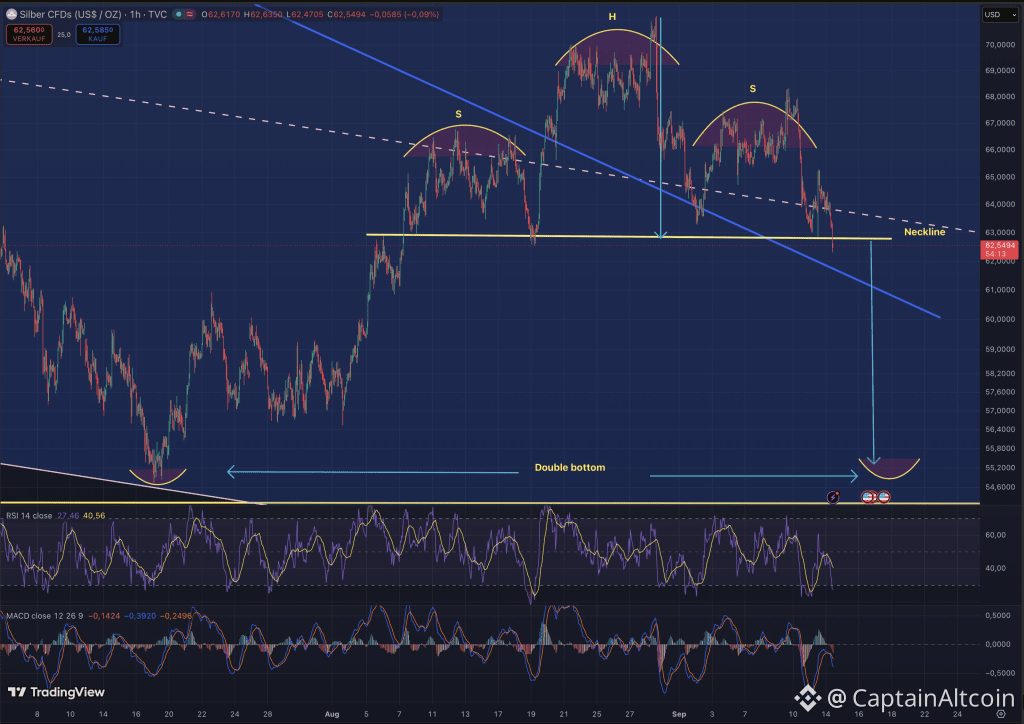
Artikel
Silberpreis-Prognose: Ein Rückgang in Richtung 55 US-Dollar steht jetzt im RaumDer Silberpreis steht unter erneuertem Druck und fällt in Richtung des Bereichs von 62 bis 63 US-Dollar, während sich die Händler auf eines der wichtigsten Sitzungen der Federal Reserve des Jahres vorbereiten. Das Metall hat bereits beträchtlich an Wert verloren – von seinem Hoch Ende August über 70 US-Dollar – und ein genau beobachtetes technisches Muster eröffnet nun die Möglichkeit einer tieferen Korrektur.
Händler Boz ist der Ansicht, dass der jüngste Ausbruch das kurzfristige Bild weiterhin bärisch hält. Sein Chart zeigt, wie der Silberpreis unter die Nackenlinie einer Kopf-Schulter-Formation fällt, während die vollständige, daraus abgeleitete Kursbewegung aus diesem Muster auf ungefähr 55 US-Dollar hindeutet.
Silberpreis-Prognose: Ein Rückgang in Richtung 55 US-Dollar steht jetzt im Raum
Der Silberpreis steht unter erneuertem Druck und fällt in Richtung des Bereichs von 62 bis 63 US-Dollar, während sich die Händler auf eines der wichtigsten Sitzungen der Federal Reserve des Jahres vorbereiten. Das Metall hat bereits beträchtlich an Wert verloren – von seinem Hoch Ende August über 70 US-Dollar – und ein genau beobachtetes technisches Muster eröffnet nun die Möglichkeit einer tieferen Korrektur.
Händler Boz ist der Ansicht, dass der jüngste Ausbruch das kurzfristige Bild weiterhin bärisch hält. Sein Chart zeigt, wie der Silberpreis unter die Nackenlinie einer Kopf-Schulter-Formation fällt, während die vollständige, daraus abgeleitete Kursbewegung aus diesem Muster auf ungefähr 55 US-Dollar hindeutet.
Händler Boz ist der Ansicht, dass der jüngste Ausbruch das kurzfristige Bild weiterhin bärisch hält. Sein Chart zeigt, wie der Silberpreis unter die Nackenlinie einer Kopf-Schulter-Formation fällt, während die vollständige, daraus abgeleitete Kursbewegung aus diesem Muster auf ungefähr 55 US-Dollar hindeutet.
193
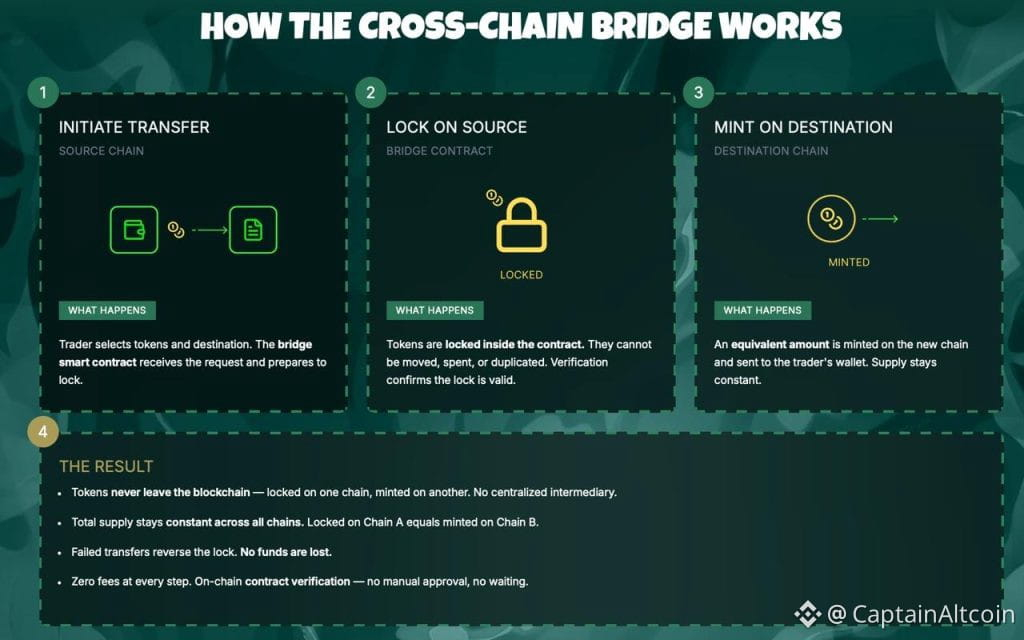
Artikel
Übersetzung ansehen
Dogecoin Elon Musk DOGE-1 Launch: Trump Claims the Moon, DOGE Answers, and Pepeto Reopens the 201...One Elon Musk post at the right time built Dogecoin, and every DOGE holder knows the number: $1,000 the day Musk called it his favorite crypto in April 2019 was worth nearly $246,000 at the May 2021 peak, per TheStreet.
Then the moon talk returned from an unexpected direction. President Trump posted “THE MOON IS OURS” on September 6, the Dogecoin account replied “Ahem, there is a queue,” and a rocket paid for in DOGE is set to fly on Monday.
What that does to DOGE is one question. The better one is which coin is still early enough to catch the same attention, and that search keeps landing on Pepeto, a presale already past $10.9 million.
Why Is Dogecoin Moving Before Elon Musk’s DOGE-1 Launch?
Dogecoin climbed from $0.084 on September 5 to $0.091 by Wednesday. The DOGE-1 satellite, funded entirely in Dogecoin, is locked for a September 14 launch on a SpaceX Falcon 9, per TheStreet.
Trump’s September 6 post added fuel. His Truth Social message claimed the moon, the Dogecoin account replied that there is a queue, and CoinMarketCap logged it as a nod to the mission. History says the run comes before the date, not after it, so traders are hunting the one small coin that catches the same wave.
Which Coins Catch the Musk Effect Before the Crowd Does?
Pepeto
That is the whole DOGE pattern. The buzz hits, the price moves before the date, and the money goes to whoever got in first. Pepeto is the coin still at that early point. It is a meme with a live exchange under it, past $10.9 million raised, with a Binance listing approaching.
A $1,000 DOGE buy in 2019 became $246,000 for one reason: it came before the crowd. Pepeto tokens cost $0.0000001893 today, and this stage closes when its timer ends or its dollar target is hit. The next stage costs more, which is why analysts project 100x for anyone in before the first trade.
DOGE had nothing under it until Musk showed up, while Pepeto starts with the product up and running. The person who made the first Pepe token is a Pepeto cofounder, and a former Binance expert sits on the dev team. Their bridge moves money across five chains in under 60 seconds. There is no bridge fee, only gas, and no one holds your coins in the middle.
SolidProof checked every contract, so the money inside sits on clean code, not a promise. Staked tokens pay 163% APY all the way to listing day, so the bag grows while the story spreads. DOGE waited years for one famous post, but Pepeto has the tools first and the presale is still open. That is the seat 2019 DOGE wallets would buy again.
Dogecoin (DOGE) Slips to $0.086 With $0.10 as the Breakout Target
Dogecoin trades near $0.086 per CoinMarketCap, up 2.87% in 24 hours, and about 89% under its $0.74 high from May 2021. The $0.10 level is the launch day target, per analyst Trader Tardigrade’s cup and handle read cited by Cryptonews.
Even a clean run to $0.10 is 20%, and the 2021 high needs about $100 billion of new money on a $13 billion cap. The Musk effect still moves DOGE, but in percentages now.
XRP (XRP) Holds $1.38 With $1.58 Next if $1.48 Breaks
XRP trades near $1.38 per CoinMarketCap. Analyst ChartNerd, cited by The Crypto Basic, sees a break of $1.48 opening $1.58 and then $1.70 to $1.85.
Ali Martinez told Yahoo Finance a monthly close above $3.66 would activate a ten year triangle target near $60.At a market cap above $80 billion, even $1.85 is a 34% gain, the kind a presale listing can beat in a day.
Conclusion
The Dogecoin Elon Musk story is writing itself again: Trump claims the moon, the Dogecoin account answers, and a DOGE funded rocket sits on the pad for Monday. More wallets are moving into Pepeto because they remember what a $1,000 DOGE buy in 2019 became.
Analysts project 100x after trading begins, so Pepeto is the presale that turns Dogecoin style virality into listing day returns. The price on the Pepeto official website vanishes when the Binance order book opens.
A cofounder of Pepe built this one, and the presale is still open. If Musk ever points at it, the wallets already inside will be the ones that saw it coming.Pepeto is the one to study while the presale is still open.
Click To Visit Pepeto Website To Enter The Presale
FAQs
Is Dogecoin still worth holding after the Elon Musk DOGE-1 launch news?
Dogecoin sits near $0.086, about 89% below its 2021 peak, with a $13 billion market cap that limits multiples. Pepeto sells presale tokens at today’s presale price ahead of a Binance listing, with analysts projecting 100x.
What crypto could repeat the Dogecoin Elon Musk run in 2026?
Pepeto leads that search with live audited exchange tools, more than $10.9 million raised, and a Binance listing approaching. The Pepeto official website shows the presale price that ends when trading begins.
DISCLAIMER: CAPTAINALTCOIN DOES NOT ENDORSE INVESTING IN ANY PROJECT MENTIONED IN SPONSORED ARTICLES. EXERCISE CAUTION AND DO THOROUGH RESEARCH BEFORE INVESTING YOUR MONEY. CaptainAltcoin takes no responsibility for its accuracy or quality. This content was not written by CaptainAltcoin’s team. We strongly advise readers to do their own thorough research before interacting with any featured companies. The information provided is not financial or legal advice. Neither CaptainAltcoin nor any third party recommends buying or selling any financial products. Investing in crypto assets is high-risk; consider the potential for loss. Any investment decisions made based on this content are at the sole risk of the readCaptainAltcoin is not liable for any damages or losses from using or relying on this content.
The post Dogecoin Elon Musk DOGE-1 Launch: Trump Claims the Moon, DOGE Answers, and Pepeto Reopens the 2019 Window appeared first on CaptainAltcoin.
Dogecoin Elon Musk DOGE-1 Launch: Trump Claims the Moon, DOGE Answers, and Pepeto Reopens the 201...
One Elon Musk post at the right time built Dogecoin, and every DOGE holder knows the number: $1,000 the day Musk called it his favorite crypto in April 2019 was worth nearly $246,000 at the May 2021 peak, per TheStreet.
Then the moon talk returned from an unexpected direction. President Trump posted “THE MOON IS OURS” on September 6, the Dogecoin account replied “Ahem, there is a queue,” and a rocket paid for in DOGE is set to fly on Monday.
What that does to DOGE is one question. The better one is which coin is still early enough to catch the same attention, and that search keeps landing on Pepeto, a presale already past $10.9 million.
Why Is Dogecoin Moving Before Elon Musk’s DOGE-1 Launch?
Dogecoin climbed from $0.084 on September 5 to $0.091 by Wednesday. The DOGE-1 satellite, funded entirely in Dogecoin, is locked for a September 14 launch on a SpaceX Falcon 9, per TheStreet.
Trump’s September 6 post added fuel. His Truth Social message claimed the moon, the Dogecoin account replied that there is a queue, and CoinMarketCap logged it as a nod to the mission. History says the run comes before the date, not after it, so traders are hunting the one small coin that catches the same wave.
Which Coins Catch the Musk Effect Before the Crowd Does?
Pepeto
That is the whole DOGE pattern. The buzz hits, the price moves before the date, and the money goes to whoever got in first. Pepeto is the coin still at that early point. It is a meme with a live exchange under it, past $10.9 million raised, with a Binance listing approaching.
A $1,000 DOGE buy in 2019 became $246,000 for one reason: it came before the crowd. Pepeto tokens cost $0.0000001893 today, and this stage closes when its timer ends or its dollar target is hit. The next stage costs more, which is why analysts project 100x for anyone in before the first trade.
DOGE had nothing under it until Musk showed up, while Pepeto starts with the product up and running. The person who made the first Pepe token is a Pepeto cofounder, and a former Binance expert sits on the dev team. Their bridge moves money across five chains in under 60 seconds. There is no bridge fee, only gas, and no one holds your coins in the middle.
SolidProof checked every contract, so the money inside sits on clean code, not a promise. Staked tokens pay 163% APY all the way to listing day, so the bag grows while the story spreads. DOGE waited years for one famous post, but Pepeto has the tools first and the presale is still open. That is the seat 2019 DOGE wallets would buy again.
Dogecoin (DOGE) Slips to $0.086 With $0.10 as the Breakout Target
Dogecoin trades near $0.086 per CoinMarketCap, up 2.87% in 24 hours, and about 89% under its $0.74 high from May 2021. The $0.10 level is the launch day target, per analyst Trader Tardigrade’s cup and handle read cited by Cryptonews.
Even a clean run to $0.10 is 20%, and the 2021 high needs about $100 billion of new money on a $13 billion cap. The Musk effect still moves DOGE, but in percentages now.
XRP (XRP) Holds $1.38 With $1.58 Next if $1.48 Breaks
XRP trades near $1.38 per CoinMarketCap. Analyst ChartNerd, cited by The Crypto Basic, sees a break of $1.48 opening $1.58 and then $1.70 to $1.85.
Ali Martinez told Yahoo Finance a monthly close above $3.66 would activate a ten year triangle target near $60.At a market cap above $80 billion, even $1.85 is a 34% gain, the kind a presale listing can beat in a day.
Conclusion
The Dogecoin Elon Musk story is writing itself again: Trump claims the moon, the Dogecoin account answers, and a DOGE funded rocket sits on the pad for Monday. More wallets are moving into Pepeto because they remember what a $1,000 DOGE buy in 2019 became.
Analysts project 100x after trading begins, so Pepeto is the presale that turns Dogecoin style virality into listing day returns. The price on the Pepeto official website vanishes when the Binance order book opens.
A cofounder of Pepe built this one, and the presale is still open. If Musk ever points at it, the wallets already inside will be the ones that saw it coming.Pepeto is the one to study while the presale is still open.
Click To Visit Pepeto Website To Enter The Presale
FAQs
Is Dogecoin still worth holding after the Elon Musk DOGE-1 launch news?
Dogecoin sits near $0.086, about 89% below its 2021 peak, with a $13 billion market cap that limits multiples. Pepeto sells presale tokens at today’s presale price ahead of a Binance listing, with analysts projecting 100x.
What crypto could repeat the Dogecoin Elon Musk run in 2026?
Pepeto leads that search with live audited exchange tools, more than $10.9 million raised, and a Binance listing approaching. The Pepeto official website shows the presale price that ends when trading begins.
DISCLAIMER: CAPTAINALTCOIN DOES NOT ENDORSE INVESTING IN ANY PROJECT MENTIONED IN SPONSORED ARTICLES. EXERCISE CAUTION AND DO THOROUGH RESEARCH BEFORE INVESTING YOUR MONEY. CaptainAltcoin takes no responsibility for its accuracy or quality. This content was not written by CaptainAltcoin’s team. We strongly advise readers to do their own thorough research before interacting with any featured companies. The information provided is not financial or legal advice. Neither CaptainAltcoin nor any third party recommends buying or selling any financial products. Investing in crypto assets is high-risk; consider the potential for loss. Any investment decisions made based on this content are at the sole risk of the readCaptainAltcoin is not liable for any damages or losses from using or relying on this content.
The post Dogecoin Elon Musk DOGE-1 Launch: Trump Claims the Moon, DOGE Answers, and Pepeto Reopens the 2019 Window appeared first on CaptainAltcoin.
Then the moon talk returned from an unexpected direction. President Trump posted “THE MOON IS OURS” on September 6, the Dogecoin account replied “Ahem, there is a queue,” and a rocket paid for in DOGE is set to fly on Monday.
What that does to DOGE is one question. The better one is which coin is still early enough to catch the same attention, and that search keeps landing on Pepeto, a presale already past $10.9 million.
Why Is Dogecoin Moving Before Elon Musk’s DOGE-1 Launch?
Dogecoin climbed from $0.084 on September 5 to $0.091 by Wednesday. The DOGE-1 satellite, funded entirely in Dogecoin, is locked for a September 14 launch on a SpaceX Falcon 9, per TheStreet.
Trump’s September 6 post added fuel. His Truth Social message claimed the moon, the Dogecoin account replied that there is a queue, and CoinMarketCap logged it as a nod to the mission. History says the run comes before the date, not after it, so traders are hunting the one small coin that catches the same wave.
Which Coins Catch the Musk Effect Before the Crowd Does?
Pepeto
That is the whole DOGE pattern. The buzz hits, the price moves before the date, and the money goes to whoever got in first. Pepeto is the coin still at that early point. It is a meme with a live exchange under it, past $10.9 million raised, with a Binance listing approaching.
A $1,000 DOGE buy in 2019 became $246,000 for one reason: it came before the crowd. Pepeto tokens cost $0.0000001893 today, and this stage closes when its timer ends or its dollar target is hit. The next stage costs more, which is why analysts project 100x for anyone in before the first trade.
DOGE had nothing under it until Musk showed up, while Pepeto starts with the product up and running. The person who made the first Pepe token is a Pepeto cofounder, and a former Binance expert sits on the dev team. Their bridge moves money across five chains in under 60 seconds. There is no bridge fee, only gas, and no one holds your coins in the middle.
SolidProof checked every contract, so the money inside sits on clean code, not a promise. Staked tokens pay 163% APY all the way to listing day, so the bag grows while the story spreads. DOGE waited years for one famous post, but Pepeto has the tools first and the presale is still open. That is the seat 2019 DOGE wallets would buy again.
Dogecoin (DOGE) Slips to $0.086 With $0.10 as the Breakout Target
Dogecoin trades near $0.086 per CoinMarketCap, up 2.87% in 24 hours, and about 89% under its $0.74 high from May 2021. The $0.10 level is the launch day target, per analyst Trader Tardigrade’s cup and handle read cited by Cryptonews.
Even a clean run to $0.10 is 20%, and the 2021 high needs about $100 billion of new money on a $13 billion cap. The Musk effect still moves DOGE, but in percentages now.
XRP (XRP) Holds $1.38 With $1.58 Next if $1.48 Breaks
XRP trades near $1.38 per CoinMarketCap. Analyst ChartNerd, cited by The Crypto Basic, sees a break of $1.48 opening $1.58 and then $1.70 to $1.85.
Ali Martinez told Yahoo Finance a monthly close above $3.66 would activate a ten year triangle target near $60.At a market cap above $80 billion, even $1.85 is a 34% gain, the kind a presale listing can beat in a day.
Conclusion
The Dogecoin Elon Musk story is writing itself again: Trump claims the moon, the Dogecoin account answers, and a DOGE funded rocket sits on the pad for Monday. More wallets are moving into Pepeto because they remember what a $1,000 DOGE buy in 2019 became.
Analysts project 100x after trading begins, so Pepeto is the presale that turns Dogecoin style virality into listing day returns. The price on the Pepeto official website vanishes when the Binance order book opens.
A cofounder of Pepe built this one, and the presale is still open. If Musk ever points at it, the wallets already inside will be the ones that saw it coming.Pepeto is the one to study while the presale is still open.
Click To Visit Pepeto Website To Enter The Presale
FAQs
Is Dogecoin still worth holding after the Elon Musk DOGE-1 launch news?
Dogecoin sits near $0.086, about 89% below its 2021 peak, with a $13 billion market cap that limits multiples. Pepeto sells presale tokens at today’s presale price ahead of a Binance listing, with analysts projecting 100x.
What crypto could repeat the Dogecoin Elon Musk run in 2026?
Pepeto leads that search with live audited exchange tools, more than $10.9 million raised, and a Binance listing approaching. The Pepeto official website shows the presale price that ends when trading begins.
DISCLAIMER: CAPTAINALTCOIN DOES NOT ENDORSE INVESTING IN ANY PROJECT MENTIONED IN SPONSORED ARTICLES. EXERCISE CAUTION AND DO THOROUGH RESEARCH BEFORE INVESTING YOUR MONEY. CaptainAltcoin takes no responsibility for its accuracy or quality. This content was not written by CaptainAltcoin’s team. We strongly advise readers to do their own thorough research before interacting with any featured companies. The information provided is not financial or legal advice. Neither CaptainAltcoin nor any third party recommends buying or selling any financial products. Investing in crypto assets is high-risk; consider the potential for loss. Any investment decisions made based on this content are at the sole risk of the readCaptainAltcoin is not liable for any damages or losses from using or relying on this content.
The post Dogecoin Elon Musk DOGE-1 Launch: Trump Claims the Moon, DOGE Answers, and Pepeto Reopens the 2019 Window appeared first on CaptainAltcoin.
77
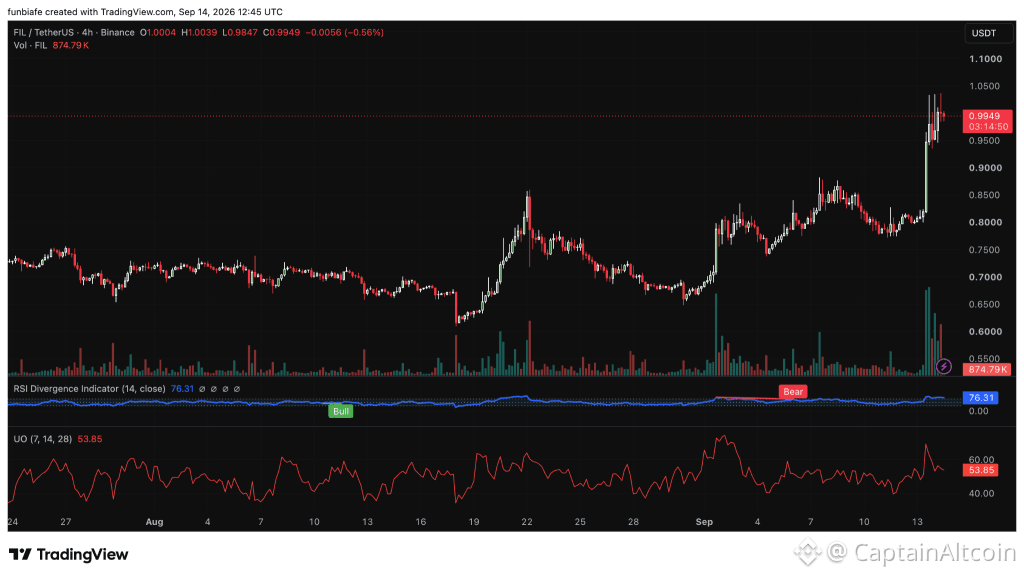
Artikel
Darum pumpt der FIL-Preis gerade jetztFIL war in den letzten 24 Stunden einer der stärksten Kursbewegungen im Krypto-Bereich: Der Preis stieg um mehr als 22% auf rund 1,00 $. Das ist ein großer Sprung, vor allem, wenn die meisten wichtigen Coins deutlich kleinere Gewinne verzeichnen. Viele Trader stellen dieselbe Frage: Was treibt den FIL-Preisaufschwung an?
Die Antwort scheint eine Mischung aus aggressivem Kauf, einer Welle von Short-Liquidationen und wachsendem Vertrauen in den langfristigen Use Case von Filecoin für dezentrale Speicherung und KI-bezogene Infrastruktur zu sein.
Lesen Sie auch: Kaspa könnte in eine neue Ära eintreten, da zwei wichtige Teile zusammenpassen
Darum pumpt der FIL-Preis gerade jetzt
FIL war in den letzten 24 Stunden einer der stärksten Kursbewegungen im Krypto-Bereich: Der Preis stieg um mehr als 22% auf rund 1,00 $. Das ist ein großer Sprung, vor allem, wenn die meisten wichtigen Coins deutlich kleinere Gewinne verzeichnen. Viele Trader stellen dieselbe Frage: Was treibt den FIL-Preisaufschwung an?
Die Antwort scheint eine Mischung aus aggressivem Kauf, einer Welle von Short-Liquidationen und wachsendem Vertrauen in den langfristigen Use Case von Filecoin für dezentrale Speicherung und KI-bezogene Infrastruktur zu sein.
Lesen Sie auch: Kaspa könnte in eine neue Ära eintreten, da zwei wichtige Teile zusammenpassen
Die Antwort scheint eine Mischung aus aggressivem Kauf, einer Welle von Short-Liquidationen und wachsendem Vertrauen in den langfristigen Use Case von Filecoin für dezentrale Speicherung und KI-bezogene Infrastruktur zu sein.
Lesen Sie auch: Kaspa könnte in eine neue Ära eintreten, da zwei wichtige Teile zusammenpassen
315
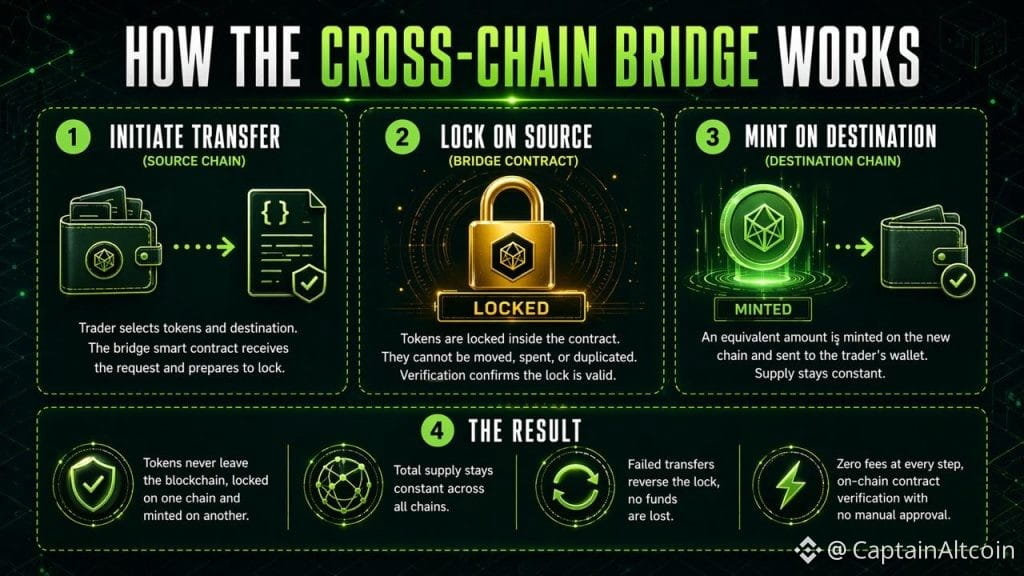
Artikel
Pepe Coin oder die beste Meme Coin zum Kaufen? Robinhoods 1B-Tag sagt: Pepeto sieht nach PEPE aus, bevor es...Jeder Besitzer einer Pepe-Coin, der gerade nach der besten Meme-Coin sucht, beobachtet etwas Seltsames. Robinhood Chain hat gerade seinen ersten Handelstag mit einer Milliarde gepostet – und ein Wallet verwandelte rund 220.000 US-Dollar in 4,7 Millionen US-Dollar mit zwei Coins, von denen im Juni niemand gehört hatte. PEPE ist in derselben Zeitspanne um 2% gefallen.
Also: Wo geht dieses Geld tatsächlich hin – und welches Chart kommt als Nächstes? Der Name, der in dieser Unterhaltung immer wieder auftaucht, ist Pepeto: ein Presale, der bereits mehr als 10,9 Millionen US-Dollar eingesammelt hat. Und der Grund, warum er immer wieder genannt wird, lohnt einen genaueren Blick.
Pepe Coin oder die beste Meme Coin zum Kaufen? Robinhoods 1B-Tag sagt: Pepeto sieht nach PEPE aus, bevor es...
Jeder Besitzer einer Pepe-Coin, der gerade nach der besten Meme-Coin sucht, beobachtet etwas Seltsames. Robinhood Chain hat gerade seinen ersten Handelstag mit einer Milliarde gepostet – und ein Wallet verwandelte rund 220.000 US-Dollar in 4,7 Millionen US-Dollar mit zwei Coins, von denen im Juni niemand gehört hatte. PEPE ist in derselben Zeitspanne um 2% gefallen.
Also: Wo geht dieses Geld tatsächlich hin – und welches Chart kommt als Nächstes? Der Name, der in dieser Unterhaltung immer wieder auftaucht, ist Pepeto: ein Presale, der bereits mehr als 10,9 Millionen US-Dollar eingesammelt hat. Und der Grund, warum er immer wieder genannt wird, lohnt einen genaueren Blick.
Also: Wo geht dieses Geld tatsächlich hin – und welches Chart kommt als Nächstes? Der Name, der in dieser Unterhaltung immer wieder auftaucht, ist Pepeto: ein Presale, der bereits mehr als 10,9 Millionen US-Dollar eingesammelt hat. Und der Grund, warum er immer wieder genannt wird, lohnt einen genaueren Blick.
136
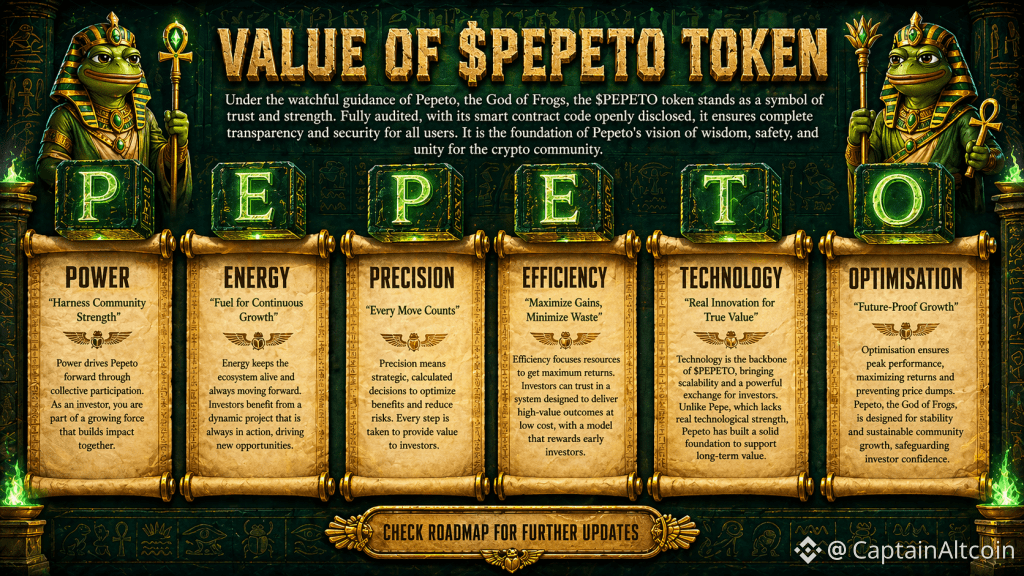
Artikel
Kann Krypto dich 2026 reich machen? Coinbase-CEO nennt den Boden, während Pepeto die gleiche Tür öffnet wie PepeKann Krypto dich dieses Jahr reich machen, oder ist die Blase schon geplatzt? Coinbase-CEO Brian Armstrong beantwortete das am 10. September: Er sagte gegenüber Bloomberg, Bitcoin habe vermutlich bereits den Boden erreicht und sollte in Richtung der nächsten Halbierung steigen, laut Bitcoin.com News. Er sagte das an einem Tag, an dem Bitcoin um 3,3% gefallen ist – genau dann, wenn Leute, die reich werden, aufpassen.
Währenddessen landen Händler, die nach der Art von Gewinn suchen, die ein Leben verändert, immer wieder bei einem einzigen Presale: Pepeto. Es ist ein Exchange-Projekt vom Mitgründer von Pepe – inzwischen über $10,9 Millionen eingesammelt.
Kann Krypto dich 2026 reich machen? Coinbase-CEO nennt den Boden, während Pepeto die gleiche Tür öffnet wie Pepe
Kann Krypto dich dieses Jahr reich machen, oder ist die Blase schon geplatzt? Coinbase-CEO Brian Armstrong beantwortete das am 10. September: Er sagte gegenüber Bloomberg, Bitcoin habe vermutlich bereits den Boden erreicht und sollte in Richtung der nächsten Halbierung steigen, laut Bitcoin.com News. Er sagte das an einem Tag, an dem Bitcoin um 3,3% gefallen ist – genau dann, wenn Leute, die reich werden, aufpassen.
Währenddessen landen Händler, die nach der Art von Gewinn suchen, die ein Leben verändert, immer wieder bei einem einzigen Presale: Pepeto. Es ist ein Exchange-Projekt vom Mitgründer von Pepe – inzwischen über $10,9 Millionen eingesammelt.
Währenddessen landen Händler, die nach der Art von Gewinn suchen, die ein Leben verändert, immer wieder bei einem einzigen Presale: Pepeto. Es ist ein Exchange-Projekt vom Mitgründer von Pepe – inzwischen über $10,9 Millionen eingesammelt.
49
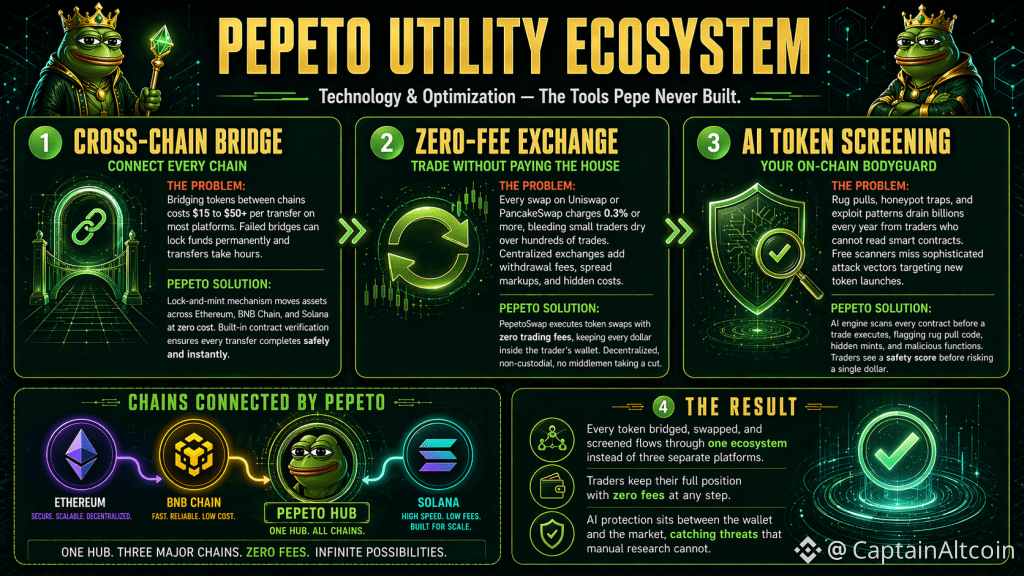
Artikel
Übersetzung ansehen
XRP Price Prediction: Wall Street Pledges XRP ETFs As Collateral While Pepeto Reopens the Window ...Every XRP price prediction written this week is missing the filing that matters most. A Schwab money fund disclosed on September 8 that JPMorgan and BofA pledged four XRP ETFs against $3.99 billion of repo loans, per Bitcoin.com News. That is Wall Street’s plumbing treating XRP as everyday inventory.
The interesting part is where money looks for its next early entry once banks arrive. One answer keeps coming up: Pepeto, an exchange presale from the cofounder who built Pepe into an $11 billion name, now past $10.9 million raised. What $25,000 does in each is the question here.
Why JPMorgan and BofA Pledging XRP ETFs as Collateral Changes the XRP Price Prediction
The detail worth reading twice is who signed the paperwork. Grayscale, Canary, Franklin and Bitwise XRP ETF shares sit inside five repo agreements, four with JPMorgan and one with BofA, per Bitcoin.com News. Collateral acceptance means a bank risk desk ran the numbers and did not push back.
XRP ETF collateral in these filings grew from $35,973 in April to $8.32 million by August 31. Spot XRP ETFs have taken in about $1.69 billion, per SoSoValue data reported by crypto.news.
For $25,000, the question is how far that plumbing carries the price from $1.39. The numbers below answer that.
Where the $25,000 Comparison Gets Interesting
Pepeto: The Setup Worth Getting Excited About
Read that filing again and the pattern is clear. JPMorgan and BofA handle XRP now, years after the wallets that bought it under $1 already made their fortunes. Banks always arrive after the early money is taken, so the question is where the next early entry sits today.
That is Pepeto. The cofounder who built Pepe from zero to $11 billion is building again. This time the product is a live exchange with zero fee trading, shipped before the listing, not after it. Pepe reached $11 billion on the same 420 trillion supply without a single working tool, so the build this time is ahead of the price.
SolidProof audited every contract, a former Binance expert is on the team, and staking pays early holders 163% APY as the listing approaches. The presale has passed $10.9 million because the people in early already see the math.
And the math is simple. Pepe hit $0.00002825 in December 2024, above $11 billion per CoinMarketCap, and Pepeto runs on that same supply from the same builder. From today’s $0.0000001894, that peak sits roughly 150x away. $25,000 turns into about 132 billion PEPETO worth close to $3.7 million at a price Pepe already reached. No XRP price prediction comes near that, and the next stage charges more for the same tokens.
What $25,000 in XRP (Ripple) Is Worth If the $4 Target Hits
On September 11, XRP (XRP) sits at $1.39, per CoinMarketCap, up 2.52% in a day and 30% higher than a month ago. The first wall is $1.50, then $2.10. The $87 billion market cap is the number most XRP forecasts skip.
The $4 call belongs to analyst Ali Martinez, who says XRP heads there once it clears his breakout zone, per TradingView. At $1.39, $25,000 buys about 18,900 XRP, worth about $75,700 at $4, a 3x.
Push it to the $5 to $6 year end calls and $25,000 becomes about $113,600, a 4.5x, but only after a whole cycle. That is the tax of an $87 billion base: every extra dollar of price needs billions in fresh money. XRP will likely deliver it, over years, while a presale that lists on Binance settles its outcome in one event.
Conclusion
The XRP price prediction deserves respect after a bank collateral filing and $1.69 billion of ETF money. The limit is size. At $87 billion, XRP pays in percentages, and the returns that change a portfolio come from entries that still pay in multiples.
A Binance listing takes a return that needs years elsewhere and packs it into days. $25,000 in XRP returns about $75,000 in a great year, while $25,000 in Pepeto at Pepe’s peak returns about $3.7 million. That gap is why the Pepeto official website deserves a look now. Once the listing sets a public price, that entry is gone.
Click To Visit Pepeto Website To Enter The Presale
FAQs
How high can the XRP price prediction go in 2026?
XRP has a $4 path marked by analyst Ali Martinez, and the boldest year end calls reach $5 to $6. Pepeto offers roughly 150x from today’s presale price to the $11 billion peak Pepe already set.
Is $25,000 in Pepeto a better bet than $25,000 in XRP?
Pepeto turns $25,000 into about 132 billion tokens worth close to $3.7 million at Pepe’s $0.00002825 peak. The Pepeto official website shows today’s price, while $25,000 in XRP reaches about $75,700 at $4.
DISCLAIMER: CAPTAINALTCOIN DOES NOT ENDORSE INVESTING IN ANY PROJECT MENTIONED IN SPONSORED ARTICLES. EXERCISE CAUTION AND DO THOROUGH RESEARCH BEFORE INVESTING YOUR MONEY. CaptainAltcoin takes no responsibility for its accuracy or quality. This content was not written by CaptainAltcoin’s team. We strongly advise readers to do their own thorough research before interacting with any featured companies. The information provided is not financial or legal advice. Neither CaptainAltcoin nor any third party recommends buying or selling any financial products. Investing in crypto assets is high-risk; consider the potential for loss. Any investment decisions made based on this content are at the sole risk of the readCaptainAltcoin is not liable for any damages or losses from using or relying on this content.
The post XRP Price Prediction: Wall Street Pledges XRP ETFs as Collateral While Pepeto Reopens the Window Pepe Proved appeared first on CaptainAltcoin.
XRP Price Prediction: Wall Street Pledges XRP ETFs As Collateral While Pepeto Reopens the Window ...
Every XRP price prediction written this week is missing the filing that matters most. A Schwab money fund disclosed on September 8 that JPMorgan and BofA pledged four XRP ETFs against $3.99 billion of repo loans, per Bitcoin.com News. That is Wall Street’s plumbing treating XRP as everyday inventory.
The interesting part is where money looks for its next early entry once banks arrive. One answer keeps coming up: Pepeto, an exchange presale from the cofounder who built Pepe into an $11 billion name, now past $10.9 million raised. What $25,000 does in each is the question here.
Why JPMorgan and BofA Pledging XRP ETFs as Collateral Changes the XRP Price Prediction
The detail worth reading twice is who signed the paperwork. Grayscale, Canary, Franklin and Bitwise XRP ETF shares sit inside five repo agreements, four with JPMorgan and one with BofA, per Bitcoin.com News. Collateral acceptance means a bank risk desk ran the numbers and did not push back.
XRP ETF collateral in these filings grew from $35,973 in April to $8.32 million by August 31. Spot XRP ETFs have taken in about $1.69 billion, per SoSoValue data reported by crypto.news.
For $25,000, the question is how far that plumbing carries the price from $1.39. The numbers below answer that.
Where the $25,000 Comparison Gets Interesting
Pepeto: The Setup Worth Getting Excited About
Read that filing again and the pattern is clear. JPMorgan and BofA handle XRP now, years after the wallets that bought it under $1 already made their fortunes. Banks always arrive after the early money is taken, so the question is where the next early entry sits today.
That is Pepeto. The cofounder who built Pepe from zero to $11 billion is building again. This time the product is a live exchange with zero fee trading, shipped before the listing, not after it. Pepe reached $11 billion on the same 420 trillion supply without a single working tool, so the build this time is ahead of the price.
SolidProof audited every contract, a former Binance expert is on the team, and staking pays early holders 163% APY as the listing approaches. The presale has passed $10.9 million because the people in early already see the math.
And the math is simple. Pepe hit $0.00002825 in December 2024, above $11 billion per CoinMarketCap, and Pepeto runs on that same supply from the same builder. From today’s $0.0000001894, that peak sits roughly 150x away. $25,000 turns into about 132 billion PEPETO worth close to $3.7 million at a price Pepe already reached. No XRP price prediction comes near that, and the next stage charges more for the same tokens.
What $25,000 in XRP (Ripple) Is Worth If the $4 Target Hits
On September 11, XRP (XRP) sits at $1.39, per CoinMarketCap, up 2.52% in a day and 30% higher than a month ago. The first wall is $1.50, then $2.10. The $87 billion market cap is the number most XRP forecasts skip.
The $4 call belongs to analyst Ali Martinez, who says XRP heads there once it clears his breakout zone, per TradingView. At $1.39, $25,000 buys about 18,900 XRP, worth about $75,700 at $4, a 3x.
Push it to the $5 to $6 year end calls and $25,000 becomes about $113,600, a 4.5x, but only after a whole cycle. That is the tax of an $87 billion base: every extra dollar of price needs billions in fresh money. XRP will likely deliver it, over years, while a presale that lists on Binance settles its outcome in one event.
Conclusion
The XRP price prediction deserves respect after a bank collateral filing and $1.69 billion of ETF money. The limit is size. At $87 billion, XRP pays in percentages, and the returns that change a portfolio come from entries that still pay in multiples.
A Binance listing takes a return that needs years elsewhere and packs it into days. $25,000 in XRP returns about $75,000 in a great year, while $25,000 in Pepeto at Pepe’s peak returns about $3.7 million. That gap is why the Pepeto official website deserves a look now. Once the listing sets a public price, that entry is gone.
Click To Visit Pepeto Website To Enter The Presale
FAQs
How high can the XRP price prediction go in 2026?
XRP has a $4 path marked by analyst Ali Martinez, and the boldest year end calls reach $5 to $6. Pepeto offers roughly 150x from today’s presale price to the $11 billion peak Pepe already set.
Is $25,000 in Pepeto a better bet than $25,000 in XRP?
Pepeto turns $25,000 into about 132 billion tokens worth close to $3.7 million at Pepe’s $0.00002825 peak. The Pepeto official website shows today’s price, while $25,000 in XRP reaches about $75,700 at $4.
DISCLAIMER: CAPTAINALTCOIN DOES NOT ENDORSE INVESTING IN ANY PROJECT MENTIONED IN SPONSORED ARTICLES. EXERCISE CAUTION AND DO THOROUGH RESEARCH BEFORE INVESTING YOUR MONEY. CaptainAltcoin takes no responsibility for its accuracy or quality. This content was not written by CaptainAltcoin’s team. We strongly advise readers to do their own thorough research before interacting with any featured companies. The information provided is not financial or legal advice. Neither CaptainAltcoin nor any third party recommends buying or selling any financial products. Investing in crypto assets is high-risk; consider the potential for loss. Any investment decisions made based on this content are at the sole risk of the readCaptainAltcoin is not liable for any damages or losses from using or relying on this content.
The post XRP Price Prediction: Wall Street Pledges XRP ETFs as Collateral While Pepeto Reopens the Window Pepe Proved appeared first on CaptainAltcoin.
The interesting part is where money looks for its next early entry once banks arrive. One answer keeps coming up: Pepeto, an exchange presale from the cofounder who built Pepe into an $11 billion name, now past $10.9 million raised. What $25,000 does in each is the question here.
Why JPMorgan and BofA Pledging XRP ETFs as Collateral Changes the XRP Price Prediction
The detail worth reading twice is who signed the paperwork. Grayscale, Canary, Franklin and Bitwise XRP ETF shares sit inside five repo agreements, four with JPMorgan and one with BofA, per Bitcoin.com News. Collateral acceptance means a bank risk desk ran the numbers and did not push back.
XRP ETF collateral in these filings grew from $35,973 in April to $8.32 million by August 31. Spot XRP ETFs have taken in about $1.69 billion, per SoSoValue data reported by crypto.news.
For $25,000, the question is how far that plumbing carries the price from $1.39. The numbers below answer that.
Where the $25,000 Comparison Gets Interesting
Pepeto: The Setup Worth Getting Excited About
Read that filing again and the pattern is clear. JPMorgan and BofA handle XRP now, years after the wallets that bought it under $1 already made their fortunes. Banks always arrive after the early money is taken, so the question is where the next early entry sits today.
That is Pepeto. The cofounder who built Pepe from zero to $11 billion is building again. This time the product is a live exchange with zero fee trading, shipped before the listing, not after it. Pepe reached $11 billion on the same 420 trillion supply without a single working tool, so the build this time is ahead of the price.
SolidProof audited every contract, a former Binance expert is on the team, and staking pays early holders 163% APY as the listing approaches. The presale has passed $10.9 million because the people in early already see the math.
And the math is simple. Pepe hit $0.00002825 in December 2024, above $11 billion per CoinMarketCap, and Pepeto runs on that same supply from the same builder. From today’s $0.0000001894, that peak sits roughly 150x away. $25,000 turns into about 132 billion PEPETO worth close to $3.7 million at a price Pepe already reached. No XRP price prediction comes near that, and the next stage charges more for the same tokens.
What $25,000 in XRP (Ripple) Is Worth If the $4 Target Hits
On September 11, XRP (XRP) sits at $1.39, per CoinMarketCap, up 2.52% in a day and 30% higher than a month ago. The first wall is $1.50, then $2.10. The $87 billion market cap is the number most XRP forecasts skip.
The $4 call belongs to analyst Ali Martinez, who says XRP heads there once it clears his breakout zone, per TradingView. At $1.39, $25,000 buys about 18,900 XRP, worth about $75,700 at $4, a 3x.
Push it to the $5 to $6 year end calls and $25,000 becomes about $113,600, a 4.5x, but only after a whole cycle. That is the tax of an $87 billion base: every extra dollar of price needs billions in fresh money. XRP will likely deliver it, over years, while a presale that lists on Binance settles its outcome in one event.
Conclusion
The XRP price prediction deserves respect after a bank collateral filing and $1.69 billion of ETF money. The limit is size. At $87 billion, XRP pays in percentages, and the returns that change a portfolio come from entries that still pay in multiples.
A Binance listing takes a return that needs years elsewhere and packs it into days. $25,000 in XRP returns about $75,000 in a great year, while $25,000 in Pepeto at Pepe’s peak returns about $3.7 million. That gap is why the Pepeto official website deserves a look now. Once the listing sets a public price, that entry is gone.
Click To Visit Pepeto Website To Enter The Presale
FAQs
How high can the XRP price prediction go in 2026?
XRP has a $4 path marked by analyst Ali Martinez, and the boldest year end calls reach $5 to $6. Pepeto offers roughly 150x from today’s presale price to the $11 billion peak Pepe already set.
Is $25,000 in Pepeto a better bet than $25,000 in XRP?
Pepeto turns $25,000 into about 132 billion tokens worth close to $3.7 million at Pepe’s $0.00002825 peak. The Pepeto official website shows today’s price, while $25,000 in XRP reaches about $75,700 at $4.
DISCLAIMER: CAPTAINALTCOIN DOES NOT ENDORSE INVESTING IN ANY PROJECT MENTIONED IN SPONSORED ARTICLES. EXERCISE CAUTION AND DO THOROUGH RESEARCH BEFORE INVESTING YOUR MONEY. CaptainAltcoin takes no responsibility for its accuracy or quality. This content was not written by CaptainAltcoin’s team. We strongly advise readers to do their own thorough research before interacting with any featured companies. The information provided is not financial or legal advice. Neither CaptainAltcoin nor any third party recommends buying or selling any financial products. Investing in crypto assets is high-risk; consider the potential for loss. Any investment decisions made based on this content are at the sole risk of the readCaptainAltcoin is not liable for any damages or losses from using or relying on this content.
The post XRP Price Prediction: Wall Street Pledges XRP ETFs as Collateral While Pepeto Reopens the Window Pepe Proved appeared first on CaptainAltcoin.
63
Bitcoin-News: Trader machten kurz vor einer entscheidenden Woche gerade eine riesige BewegungDer Bitcoin-Preis ist in den vergangenen 24 Stunden um 0,63% auf 77.628,91 US-Dollar gestiegen und liegt damit leicht über dem sonst flachen Krypto-Markt, während Händler sich auf eine bedeutende Woche mit Makro-Events einstellen. Der BTC-Preis weist außerdem in der vergangenen Woche eine Korrelation von 75,5% mit Gold auf, was zeigt, dass beide Assets auf Inflation und breitere wirtschaftliche Bedenken reagieren.
Höhere Ölpreise und die Erwartungen im Hinblick auf die Zinsentscheidung der US-Notenbank Fed am 16. September bleiben zentrale Treiber der Marktstimmung. Zudem hat sich Kapital in Richtung Bitcoin verlagert, da dessen Dominanz auf 58,83% steigt—zusammenfallend mit einer Abkühlung des Altcoin-Season-Index.
Bitcoin-News: Trader machten kurz vor einer entscheidenden Woche gerade eine riesige Bewegung
Der Bitcoin-Preis ist in den vergangenen 24 Stunden um 0,63% auf 77.628,91 US-Dollar gestiegen und liegt damit leicht über dem sonst flachen Krypto-Markt, während Händler sich auf eine bedeutende Woche mit Makro-Events einstellen. Der BTC-Preis weist außerdem in der vergangenen Woche eine Korrelation von 75,5% mit Gold auf, was zeigt, dass beide Assets auf Inflation und breitere wirtschaftliche Bedenken reagieren.
Höhere Ölpreise und die Erwartungen im Hinblick auf die Zinsentscheidung der US-Notenbank Fed am 16. September bleiben zentrale Treiber der Marktstimmung. Zudem hat sich Kapital in Richtung Bitcoin verlagert, da dessen Dominanz auf 58,83% steigt—zusammenfallend mit einer Abkühlung des Altcoin-Season-Index.
Höhere Ölpreise und die Erwartungen im Hinblick auf die Zinsentscheidung der US-Notenbank Fed am 16. September bleiben zentrale Treiber der Marktstimmung. Zudem hat sich Kapital in Richtung Bitcoin verlagert, da dessen Dominanz auf 58,83% steigt—zusammenfallend mit einer Abkühlung des Altcoin-Season-Index.
87
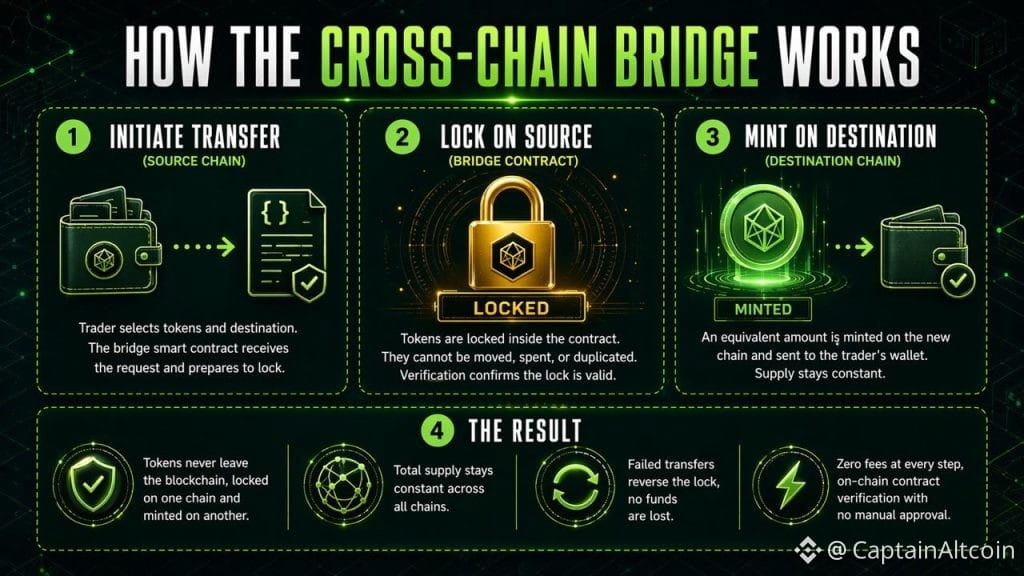
Artikel
Bitcoin-Preisprognose: Coinbase-CEO nennt das Tief und hält 400.000 US-Dollar in der Hinterhand, aber Pepe...Die Bitcoin-Preisprognose erhielt am 10. September ihre lauteste bullische Stimme des Jahres 2026. Coinbase-CEO Brian Armstrong sagte gegenüber Bloomberg Television, dass Bitcoin bereits den Tiefpunkt dieses Zyklus erreicht habe und bis zur Halbierung tendenziell weiter steigen sollte. Außerdem ließ er sein 2030-Ziel unverändert, wie The Block und CoinCentral berichten.
Eine Bottom-Call-Ansage von der größten US-Börse zeichnet die Landkarte für alles andere in Krypto neu. Wo zeigen sich demnach die größten Renditen, sobald das Tief erreicht ist? Während Armstrong sprach, überschritt zudem eine Vorverkaufsrunde 10,9 Millionen US-Dollar – und die erwartete Binance-Listung liegt noch vor ihr. Damit gehört sie in diese Antwort.
Bitcoin-Preisprognose: Coinbase-CEO nennt das Tief und hält 400.000 US-Dollar in der Hinterhand, aber Pepe...
Die Bitcoin-Preisprognose erhielt am 10. September ihre lauteste bullische Stimme des Jahres 2026. Coinbase-CEO Brian Armstrong sagte gegenüber Bloomberg Television, dass Bitcoin bereits den Tiefpunkt dieses Zyklus erreicht habe und bis zur Halbierung tendenziell weiter steigen sollte. Außerdem ließ er sein 2030-Ziel unverändert, wie The Block und CoinCentral berichten.
Eine Bottom-Call-Ansage von der größten US-Börse zeichnet die Landkarte für alles andere in Krypto neu. Wo zeigen sich demnach die größten Renditen, sobald das Tief erreicht ist? Während Armstrong sprach, überschritt zudem eine Vorverkaufsrunde 10,9 Millionen US-Dollar – und die erwartete Binance-Listung liegt noch vor ihr. Damit gehört sie in diese Antwort.
Eine Bottom-Call-Ansage von der größten US-Börse zeichnet die Landkarte für alles andere in Krypto neu. Wo zeigen sich demnach die größten Renditen, sobald das Tief erreicht ist? Während Armstrong sprach, überschritt zudem eine Vorverkaufsrunde 10,9 Millionen US-Dollar – und die erwartete Binance-Listung liegt noch vor ihr. Damit gehört sie in diese Antwort.
94
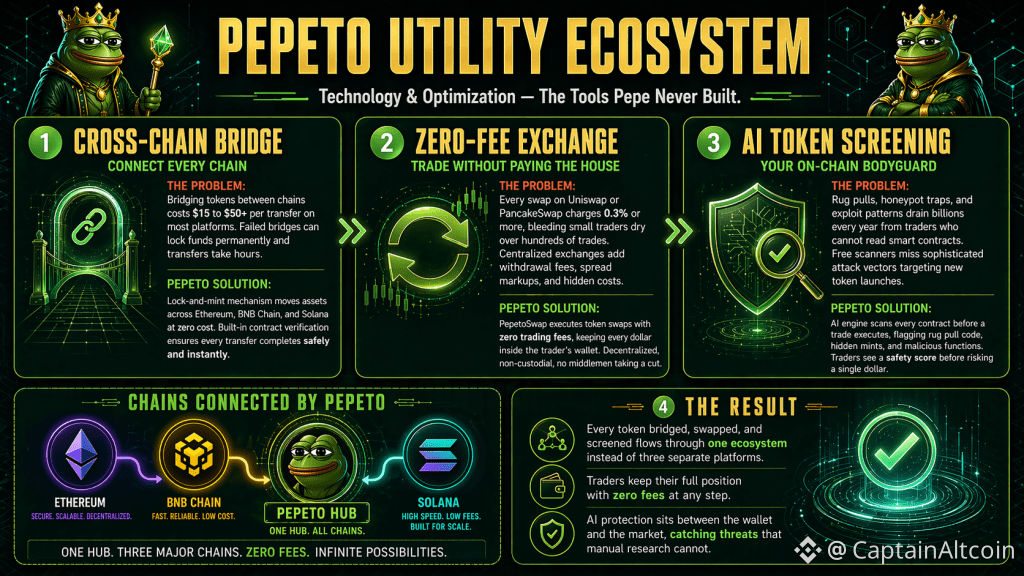
Artikel
XRP-Preisvorhersage: Wachsen 3.000 US-Dollar schneller in XRP bei 1,35 – oder in Pepeto, bevor die Listung zündet?Jede XRP-Preisvorhersage klingt gleich, bis echtes Bankgeld in einem Filing auftaucht – und diese Woche ist genau das passiert. Am 8. September hat ein Schwab-Geldmarktfonds offengelegt, dass XRP-ETF-Anteile nun in Repo-Sicherheiten liegen, die von JPMorgan und Bank of America verpfändet wurden, laut Bitcoin.com News.
Wo also arbeitet sich die 3.000er heute härter, jetzt, in XRP bei 1,35 – mit Wall Street endlich im Rücken – oder im einem Presale, der in millionstel Cent bepreist ist und immer wieder dieselben Wallets anzieht? Beide Antworten stehen weiter unten, und sie liegen nicht nahe beieinander.
XRP-ETF-Anteile sind wieder zurück bei Wall-Street-Repo-Krediten, während die Zuflüsse nahe 1,7 Milliarden US-Dollar liegen
XRP-Preisvorhersage: Wachsen 3.000 US-Dollar schneller in XRP bei 1,35 – oder in Pepeto, bevor die Listung zündet?
Jede XRP-Preisvorhersage klingt gleich, bis echtes Bankgeld in einem Filing auftaucht – und diese Woche ist genau das passiert. Am 8. September hat ein Schwab-Geldmarktfonds offengelegt, dass XRP-ETF-Anteile nun in Repo-Sicherheiten liegen, die von JPMorgan und Bank of America verpfändet wurden, laut Bitcoin.com News.
Wo also arbeitet sich die 3.000er heute härter, jetzt, in XRP bei 1,35 – mit Wall Street endlich im Rücken – oder im einem Presale, der in millionstel Cent bepreist ist und immer wieder dieselben Wallets anzieht? Beide Antworten stehen weiter unten, und sie liegen nicht nahe beieinander.
XRP-ETF-Anteile sind wieder zurück bei Wall-Street-Repo-Krediten, während die Zuflüsse nahe 1,7 Milliarden US-Dollar liegen
Wo also arbeitet sich die 3.000er heute härter, jetzt, in XRP bei 1,35 – mit Wall Street endlich im Rücken – oder im einem Presale, der in millionstel Cent bepreist ist und immer wieder dieselben Wallets anzieht? Beide Antworten stehen weiter unten, und sie liegen nicht nahe beieinander.
XRP-ETF-Anteile sind wieder zurück bei Wall-Street-Repo-Krediten, während die Zuflüsse nahe 1,7 Milliarden US-Dollar liegen
89
CLARITY Act erhält große Aktualisierung, während ein pro-Ripple-Anwalt auf einen möglichen XRP-Erfolg hinweistDer CLARITY Act hat wenige Tage vor einer entscheidenden Senatsabstimmung ein weiteres großes Update erhalten, und eine Bestimmung in der neuesten Fassung könnte für XRP besonders wichtig sein.
Laut der Journalistin Eleanor Terrett haben die Senatorenrepublikaner überarbeitete Gesetzesentwürfe veröffentlicht, die Änderungen enthalten, die politische Ethik, Renditen aus Stablecoins, das Blockchain Regulatory Certainty Act (BRCA) sowie Regeln betreffen, die digitale Commodity-Plattformen beeinflussen.
Republikaner beschreiben den neuen Text als ihr „letztes, bestes und endgültiges“ Angebot an die Demokraten vor der Abstimmung über die Cloture am Dienstag. Gleichzeitig hat der pro-Ripple-Anwalt Bill Morgan darauf hingewiesen, was die aktuelle Fassung für die regulatorische Behandlung von XRP auf Sekundärmärkten bedeuten könnte.
CLARITY Act erhält große Aktualisierung, während ein pro-Ripple-Anwalt auf einen möglichen XRP-Erfolg hinweist
Der CLARITY Act hat wenige Tage vor einer entscheidenden Senatsabstimmung ein weiteres großes Update erhalten, und eine Bestimmung in der neuesten Fassung könnte für XRP besonders wichtig sein.
Laut der Journalistin Eleanor Terrett haben die Senatorenrepublikaner überarbeitete Gesetzesentwürfe veröffentlicht, die Änderungen enthalten, die politische Ethik, Renditen aus Stablecoins, das Blockchain Regulatory Certainty Act (BRCA) sowie Regeln betreffen, die digitale Commodity-Plattformen beeinflussen.
Republikaner beschreiben den neuen Text als ihr „letztes, bestes und endgültiges“ Angebot an die Demokraten vor der Abstimmung über die Cloture am Dienstag. Gleichzeitig hat der pro-Ripple-Anwalt Bill Morgan darauf hingewiesen, was die aktuelle Fassung für die regulatorische Behandlung von XRP auf Sekundärmärkten bedeuten könnte.
Laut der Journalistin Eleanor Terrett haben die Senatorenrepublikaner überarbeitete Gesetzesentwürfe veröffentlicht, die Änderungen enthalten, die politische Ethik, Renditen aus Stablecoins, das Blockchain Regulatory Certainty Act (BRCA) sowie Regeln betreffen, die digitale Commodity-Plattformen beeinflussen.
Republikaner beschreiben den neuen Text als ihr „letztes, bestes und endgültiges“ Angebot an die Demokraten vor der Abstimmung über die Cloture am Dienstag. Gleichzeitig hat der pro-Ripple-Anwalt Bill Morgan darauf hingewiesen, was die aktuelle Fassung für die regulatorische Behandlung von XRP auf Sekundärmärkten bedeuten könnte.
3
687
Verifiziert
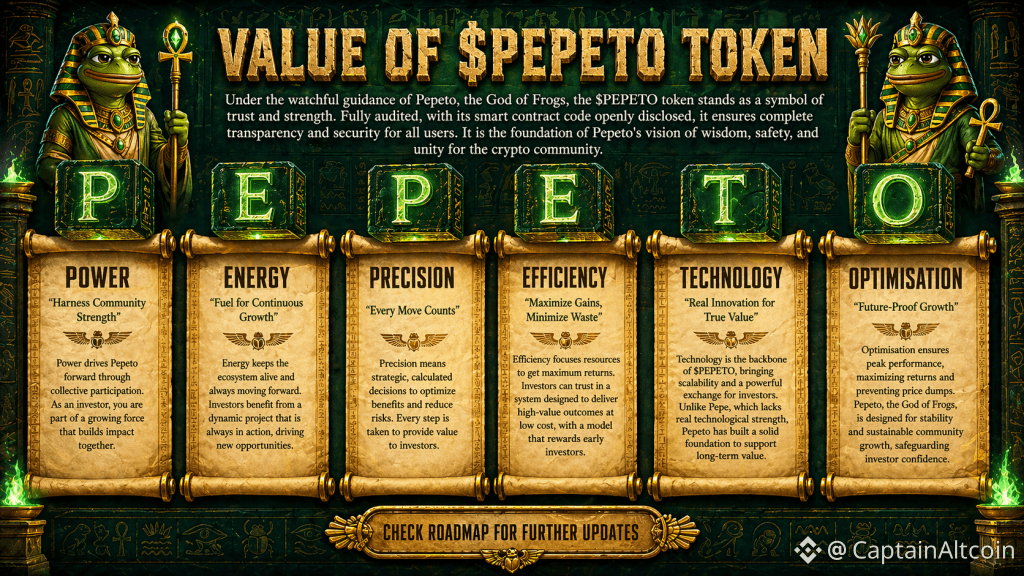
Artikel
Solana-Preisprognose: ChatGPT sieht SOL bis Dezember über 295 US-Dollar, während ETFs 10 Wochen lang Mittelzuflüsse verzeichnen und ...Die Solana-Preisprognose bekam gerade ihre bullischste Eingabe des Monats – und sie kam von ChatGPT. Am 7. September veröffentlichte cryptonews.com den neuen Call des Modells, der SOL noch vor dem Jahresende 2026 wieder über sein Allzeithoch bringt. SOL liegt bei 99,85 US-Dollar, ein Plus von 2,99%.
Was sieht das Modell unter 100 US-Dollar, was der Markt nicht einpreist – und wie weit, glaubt es, läuft SOL?
Und während Händler über 107 oder 95 US-Dollar streiten, zog ein Presale weiter Geld an – trotz der Wartezeit. Pepeto überschritt 10,9 Millionen US-Dollar bei 0,00000018914 US-Dollar, während sich die erwartete Binance-Listung dem Zeitplan nähert, und es gehört in dieselbe Diskussion.
Solana-Preisprognose: ChatGPT sieht SOL bis Dezember über 295 US-Dollar, während ETFs 10 Wochen lang Mittelzuflüsse verzeichnen und ...
Die Solana-Preisprognose bekam gerade ihre bullischste Eingabe des Monats – und sie kam von ChatGPT. Am 7. September veröffentlichte cryptonews.com den neuen Call des Modells, der SOL noch vor dem Jahresende 2026 wieder über sein Allzeithoch bringt. SOL liegt bei 99,85 US-Dollar, ein Plus von 2,99%.
Was sieht das Modell unter 100 US-Dollar, was der Markt nicht einpreist – und wie weit, glaubt es, läuft SOL?
Und während Händler über 107 oder 95 US-Dollar streiten, zog ein Presale weiter Geld an – trotz der Wartezeit. Pepeto überschritt 10,9 Millionen US-Dollar bei 0,00000018914 US-Dollar, während sich die erwartete Binance-Listung dem Zeitplan nähert, und es gehört in dieselbe Diskussion.
Was sieht das Modell unter 100 US-Dollar, was der Markt nicht einpreist – und wie weit, glaubt es, läuft SOL?
Und während Händler über 107 oder 95 US-Dollar streiten, zog ein Presale weiter Geld an – trotz der Wartezeit. Pepeto überschritt 10,9 Millionen US-Dollar bei 0,00000018914 US-Dollar, während sich die erwartete Binance-Listung dem Zeitplan nähert, und es gehört in dieselbe Diskussion.
3
713
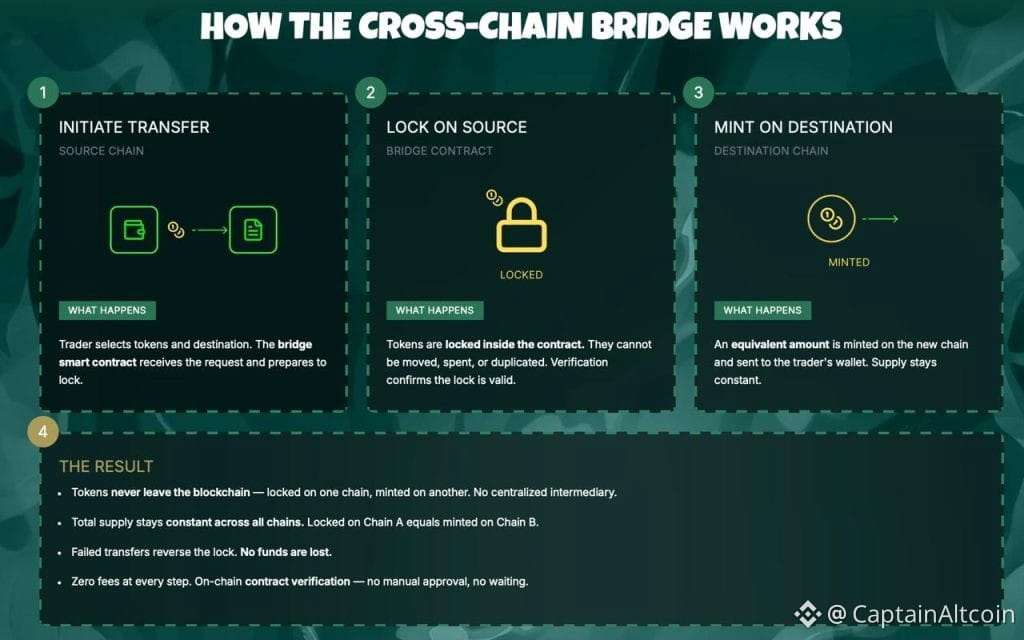
Artikel
Cardano-Preisprognose: ADA hält 0,21 US-Dollar, während Bitcoin-ETFs 449 Mio. US-Dollar einbüßen und Käufer der Pepeto-Presale...Die Cardano-Preisprognose bekam diese Woche einen Schub von einer Richtung, mit der auf der ADA-Seite niemand gerechnet hat. US-Spot-Bitcoin-ETFs verloren allein am Donnerstag 282,7 Millionen US-Dollar und dehnten damit eine Abflussserie über drei Sitzungen auf rund 449 Millionen US-Dollar aus, laut Farside Investors, während ADA bei 0,21 US-Dollar notierte.
Wohin geht ADA von hier aus, und spielt es eine Rolle, dass sich großes Geld bereits aus dem Staub macht? Noch wichtiger: Welche Projekte verdienen weiterhin – während das passiert? Diese letzte Frage macht es spannend.
Bitcoin-ETFs verlieren in drei Sitzungen 449 Millionen US-Dollar, da Großanleger die Kosten des Handels im Fed-Kalender kennenlernen
Cardano-Preisprognose: ADA hält 0,21 US-Dollar, während Bitcoin-ETFs 449 Mio. US-Dollar einbüßen und Käufer der Pepeto-Presale...
Die Cardano-Preisprognose bekam diese Woche einen Schub von einer Richtung, mit der auf der ADA-Seite niemand gerechnet hat. US-Spot-Bitcoin-ETFs verloren allein am Donnerstag 282,7 Millionen US-Dollar und dehnten damit eine Abflussserie über drei Sitzungen auf rund 449 Millionen US-Dollar aus, laut Farside Investors, während ADA bei 0,21 US-Dollar notierte.
Wohin geht ADA von hier aus, und spielt es eine Rolle, dass sich großes Geld bereits aus dem Staub macht? Noch wichtiger: Welche Projekte verdienen weiterhin – während das passiert? Diese letzte Frage macht es spannend.
Bitcoin-ETFs verlieren in drei Sitzungen 449 Millionen US-Dollar, da Großanleger die Kosten des Handels im Fed-Kalender kennenlernen
Wohin geht ADA von hier aus, und spielt es eine Rolle, dass sich großes Geld bereits aus dem Staub macht? Noch wichtiger: Welche Projekte verdienen weiterhin – während das passiert? Diese letzte Frage macht es spannend.
Bitcoin-ETFs verlieren in drei Sitzungen 449 Millionen US-Dollar, da Großanleger die Kosten des Handels im Fed-Kalender kennenlernen
297
Anmelden und weiter Inhalte entdecken
Krypto-Nutzer weltweit auf Binance Square kennenlernen
⚡️ Bleib in Sachen Krypto stets am Puls.
💬 Die weltgrößte Kryptobörse vertraut darauf.
👍 Erhalte verlässliche Einblicke von verifizierten Creators.
E-Mail-Adresse/Telefonnummer
Trendthemen
BitcoinReboundsTo$79K
3,495 Aufrufe
62 Kommentare
🚨 $BTC steigt weiter.
Bitcoin handelt bei etwa 78.804 $ und liegt damit ungefähr 1,9 % im Plus, nachdem die Marke von 78K zurückerobert wurde. Die nächste zu beobachtende Zone ist das Tageshoch im Intraday-Bereich nahe 78.905 $.
Ein klarer Ausbruch über diese Marke könnte den Weg in Richtung 79K–80K ebnen. Wenn BTC abgewiesen wird, liegt der Support bei etwa 78.300 $ und danach bei 77.975 $.
Die Bullen haben Momentum, aber BTC muss über 78K bleiben.
#Bitcoin #BTC #CryptoTrading #CryptoMarket #CryptoAnalysis
PulseON
·5 Likes
·4.2k Aufrufe
FedHikeOddsRiseTo89%
58,955 Aufrufe
921 Kommentare
RLUSDSupplyHitsRecord$2.442B
3,033 Aufrufe
52 Kommentare