

Gerry_
4k Beiträge

Gerry_
Melden
Nutzer blockieren
Learning, losing, winning all part of my Binance story @Gerry_X7 Connect On X and TG
Trade eröffnen
Regelmäßiger Trader
4.9 Jahre
301 Following
27.0K+ Follower
11.3K+ Like gegeben
Beiträge
Portfolio
Alle
Zitierungen
Live
PINNED
·
--
Übersetzung ansehen
Another skill unlocked. 🎓
Just completed @Binance_Academy ’AI Unlocked: Agents and Skills course.
AI is moving beyond simple prompts toward agents that can understand goals, use tools, and execute tasks. Staying curious and learning how this shift works is part of staying ahead.
Learn. Build. Adapt.
#BinanceAcademy #Binance #AIAgents #Web3 #CryptoEducation
Another skill unlocked. 🎓
Just completed @Binance Academy ’AI Unlocked: Agents and Skills course.
AI is moving beyond simple prompts toward agents that can understand goals, use tools, and execute tasks. Staying curious and learning how this shift works is part of staying ahead.
Learn. Build. Adapt.
#BinanceAcademy #Binance #AIAgents #Web3 #CryptoEducation
Just completed @Binance Academy ’AI Unlocked: Agents and Skills course.
AI is moving beyond simple prompts toward agents that can understand goals, use tools, and execute tasks. Staying curious and learning how this shift works is part of staying ahead.
Learn. Build. Adapt.
#BinanceAcademy #Binance #AIAgents #Web3 #CryptoEducation

207
PINNED
·
--
Bullisch
Hallo zusammen,
Ich bin ein EU-Nutzer und verfolge die Änderungen im Rahmen der MiCA-Vorschriften seit einiger Zeit genau. Aktuell halte ich meine Krypto bei Binance, aber ich frage mich, ob das immer noch der beste Ort ist, um mein Geld zu verwahren.
Hat Binance bestätigt, dass Nutzer ihre Vermögenswerte stets abziehen können, wenn bestimmte Dienstleistungen im Zuge von MiCA eingestellt werden? Oder wäre es schlauer, die Gelder vor Inkrafttreten der Änderungen auf eine andere Börse oder in eine Self-Custody-Wallet zu verlagern?
Ich würde mich über eine Klarstellung freuen.
$INJ @CRYPTO_BOSS_2025 #Poland
{spot}(INJUSDT)
Hallo zusammen,
Ich bin ein EU-Nutzer und verfolge die Änderungen im Rahmen der MiCA-Vorschriften seit einiger Zeit genau. Aktuell halte ich meine Krypto bei Binance, aber ich frage mich, ob das immer noch der beste Ort ist, um mein Geld zu verwahren.
Hat Binance bestätigt, dass Nutzer ihre Vermögenswerte stets abziehen können, wenn bestimmte Dienstleistungen im Zuge von MiCA eingestellt werden? Oder wäre es schlauer, die Gelder vor Inkrafttreten der Änderungen auf eine andere Börse oder in eine Self-Custody-Wallet zu verlagern?
Ich würde mich über eine Klarstellung freuen.
$INJ @FINANCЕ #Poland
Ich bin ein EU-Nutzer und verfolge die Änderungen im Rahmen der MiCA-Vorschriften seit einiger Zeit genau. Aktuell halte ich meine Krypto bei Binance, aber ich frage mich, ob das immer noch der beste Ort ist, um mein Geld zu verwahren.
Hat Binance bestätigt, dass Nutzer ihre Vermögenswerte stets abziehen können, wenn bestimmte Dienstleistungen im Zuge von MiCA eingestellt werden? Oder wäre es schlauer, die Gelder vor Inkrafttreten der Änderungen auf eine andere Börse oder in eine Self-Custody-Wallet zu verlagern?
Ich würde mich über eine Klarstellung freuen.
$INJ @FINANCЕ #Poland
1
2.2k
·
--
Bullisch
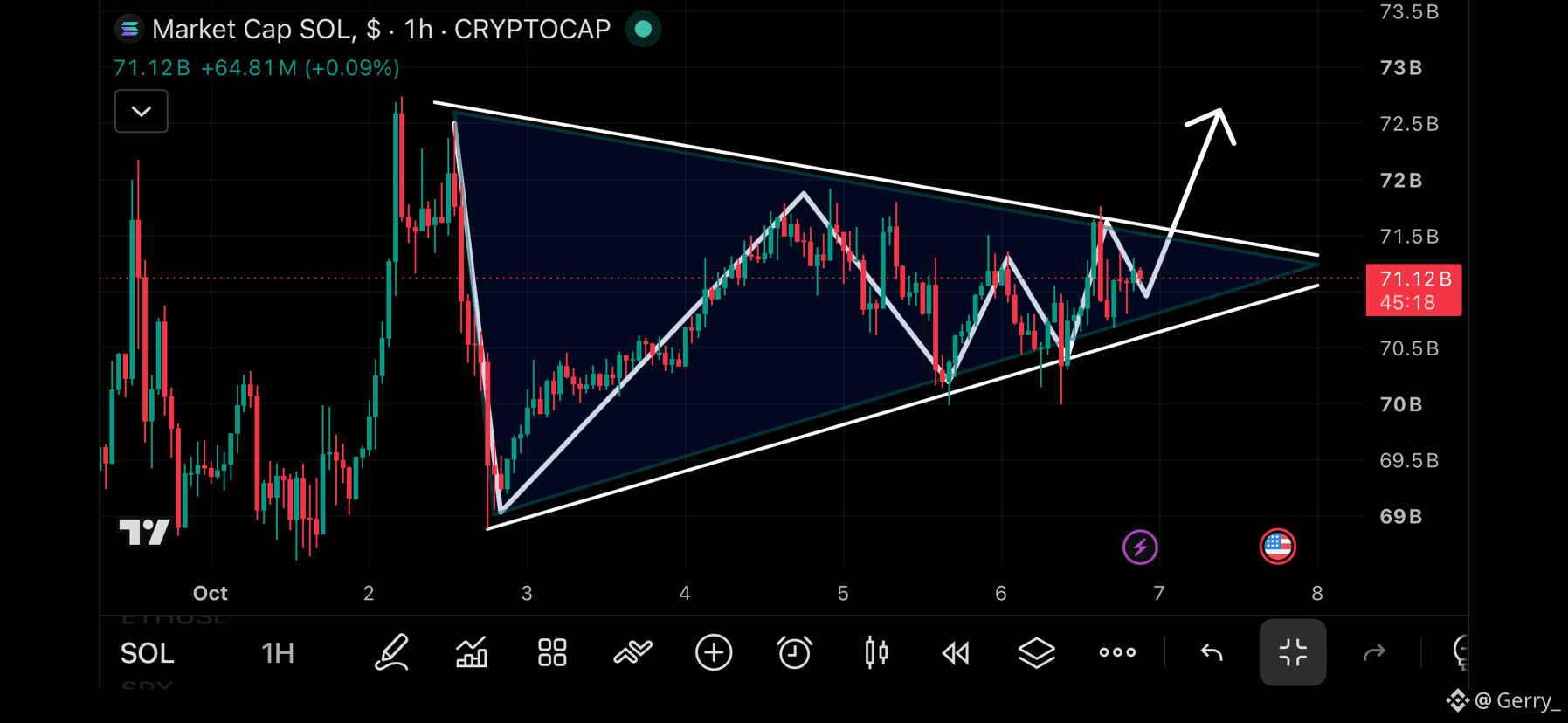
$SOL konsolidiert sich innerhalb eines 1-Stunden-Dreiecks.
71,5B–71,7B ist die entscheidende Ausbruchszone. Hält sich der Kurs darüber, rückt 72,5B in den Fokus.
Vorerst warte ich auf eine Bestätigung.
{spot}(SOLUSDT)
$SOL konsolidiert sich innerhalb eines 1-Stunden-Dreiecks.
71,5B–71,7B ist die entscheidende Ausbruchszone. Hält sich der Kurs darüber, rückt 72,5B in den Fokus.
Vorerst warte ich auf eine Bestätigung.
71,5B–71,7B ist die entscheidende Ausbruchszone. Hält sich der Kurs darüber, rückt 72,5B in den Fokus.
Vorerst warte ich auf eine Bestätigung.
4
4
403
·
--
Bullisch
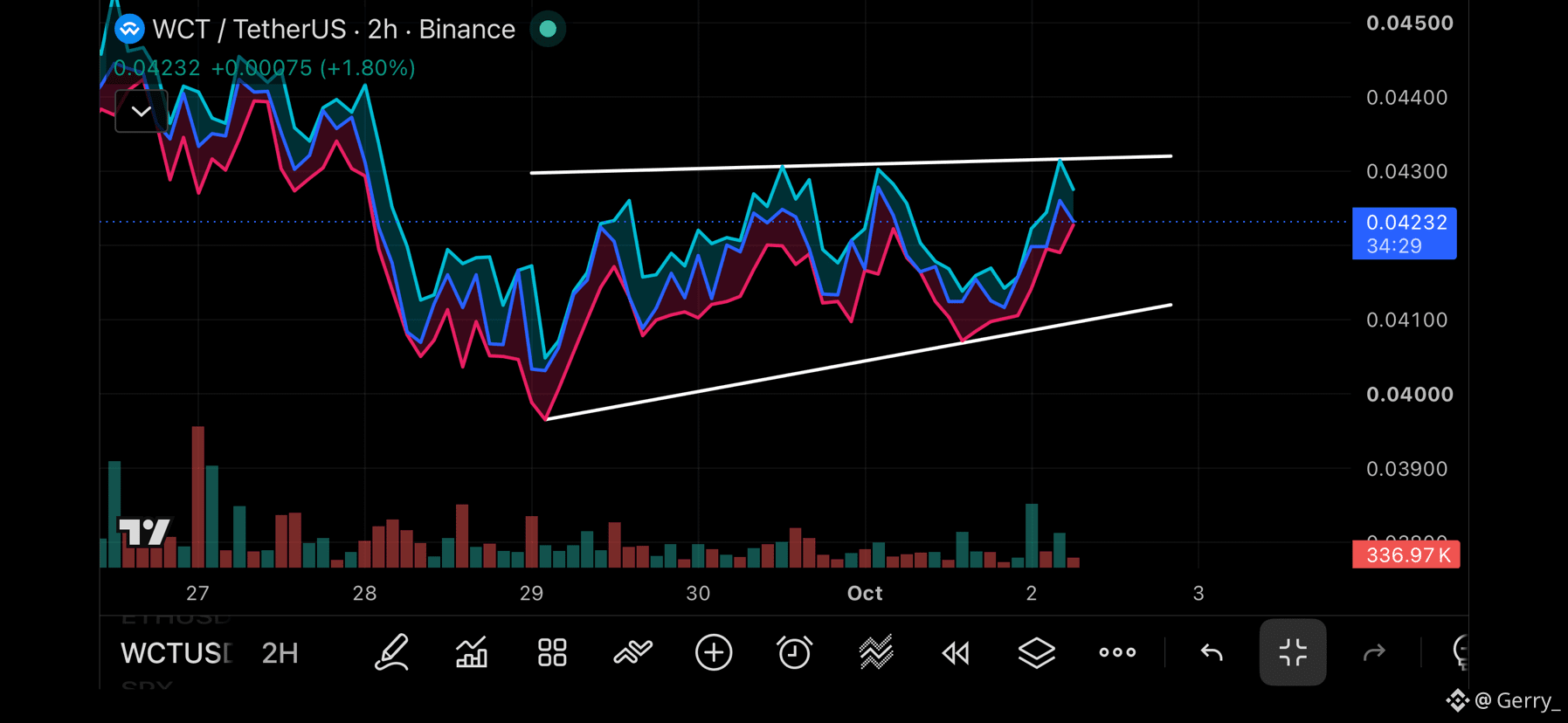
$WCT wird auf dem 2H-Chart zunehmend interessant.
Der Kurs bildet höhere Tiefs und bewegt sich zurück in Richtung der Widerstandszone $0.0430–$0.0433.
Ein sauberer Ausbruch über diesen Bereich könnte $0.0440–$0.0450 in den Fokus rücken.
Mein Fazit: Die Struktur wirkt konstruktiv, aber ich warte auf eine Bestätigung, bevor ich dem Move hinterherlaufe.
DYOR, keine finanzielle Beratung.
{spot}(WCTUSDT)
$WCT wird auf dem 2H-Chart zunehmend interessant.
Der Kurs bildet höhere Tiefs und bewegt sich zurück in Richtung der Widerstandszone $0.0430–$0.0433.
Ein sauberer Ausbruch über diesen Bereich könnte $0.0440–$0.0450 in den Fokus rücken.
Mein Fazit: Die Struktur wirkt konstruktiv, aber ich warte auf eine Bestätigung, bevor ich dem Move hinterherlaufe.
DYOR, keine finanzielle Beratung.
Der Kurs bildet höhere Tiefs und bewegt sich zurück in Richtung der Widerstandszone $0.0430–$0.0433.
Ein sauberer Ausbruch über diesen Bereich könnte $0.0440–$0.0450 in den Fokus rücken.
Mein Fazit: Die Struktur wirkt konstruktiv, aber ich warte auf eine Bestätigung, bevor ich dem Move hinterherlaufe.
DYOR, keine finanzielle Beratung.
12
1
8
644
·
--
Bullisch
$OG zeigt auf dem 4H-Chart ernsthaften Aufwind: +16% und handelt nahe $0.35.
Die entscheidende Marke ist $0.3646. Ein sauberer Ausbruch könnte die Rally weiter verlängern, während $0.327–$0.337 die Zone ist, die ich bei einem Rücksetzer beobachten würde.
Starke Bewegung, aber ich würde hier nicht hinterherjagen. Lass das nächste Setup die Bestätigung liefern.
#OG #OGUSDT #Kryptoanalyse
$OG zeigt auf dem 4H-Chart ernsthaften Aufwind: +16% und handelt nahe $0.35.
Die entscheidende Marke ist $0.3646. Ein sauberer Ausbruch könnte die Rally weiter verlängern, während $0.327–$0.337 die Zone ist, die ich bei einem Rücksetzer beobachten würde.
Starke Bewegung, aber ich würde hier nicht hinterherjagen. Lass das nächste Setup die Bestätigung liefern.
#OG #OGUSDT #Kryptoanalyse
Die entscheidende Marke ist $0.3646. Ein sauberer Ausbruch könnte die Rally weiter verlängern, während $0.327–$0.337 die Zone ist, die ich bei einem Rücksetzer beobachten würde.
Starke Bewegung, aber ich würde hier nicht hinterherjagen. Lass das nächste Setup die Bestätigung liefern.
#OG #OGUSDT #Kryptoanalyse
273
·
--
Bullisch
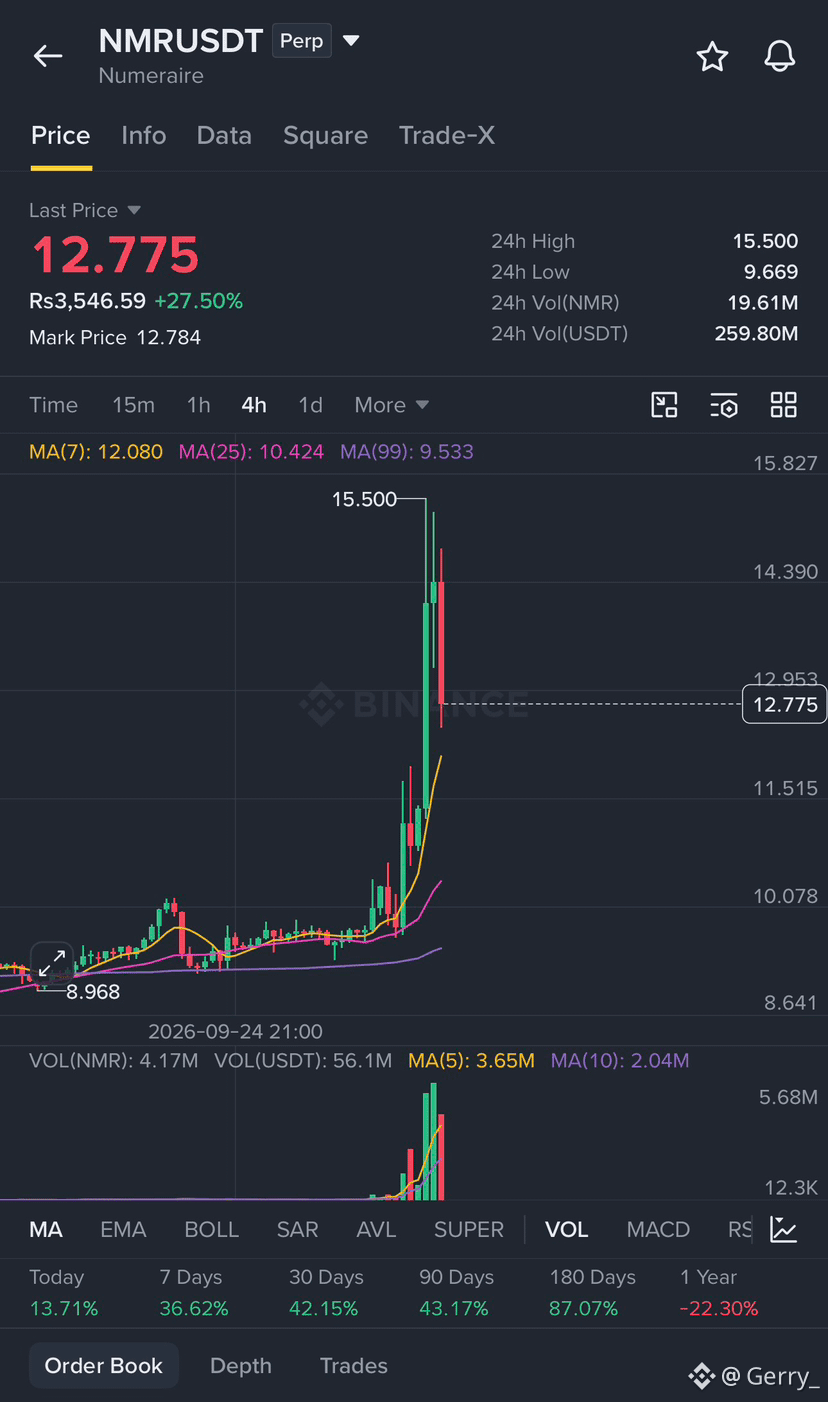
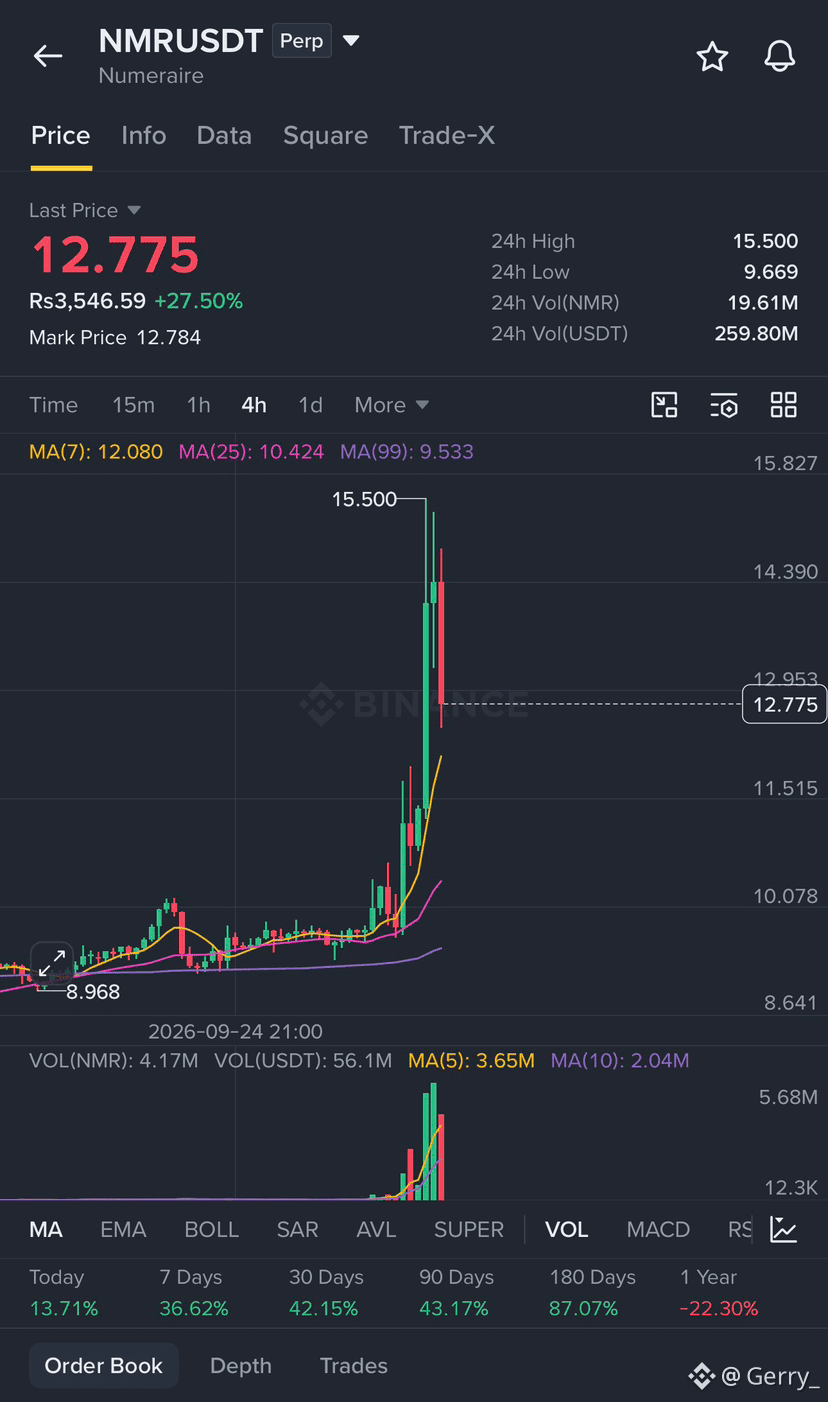
GM an alle Trader, die $NMR für 9,7 $ gekauft und bei 15 $ verkauft haben
Bereitet euch auf die nächste Pump-Welle vor, da $NMR auf die 11,5 $-Region zurückläuft
In der Zwischenzeit bewegt sich $MARSCOIN ernsthaft in Richtung 0,2 $
Gefällt dir 👍 dieser Beitrag, wenn du tradest 💯, und sag dein Gewinnziel 🎯
#MARSCOINPriceAnalysis
{spot}(NMRUSDT)
GM an alle Trader, die $NMR für 9,7 $ gekauft und bei 15 $ verkauft haben
Bereitet euch auf die nächste Pump-Welle vor, da $NMR auf die 11,5 $-Region zurückläuft
In der Zwischenzeit bewegt sich $MARSCOIN ernsthaft in Richtung 0,2 $
Gefällt dir 👍 dieser Beitrag, wenn du tradest 💯, und sag dein Gewinnziel 🎯
#MARSCOINPriceAnalysis
Bereitet euch auf die nächste Pump-Welle vor, da $NMR auf die 11,5 $-Region zurückläuft
In der Zwischenzeit bewegt sich $MARSCOIN ernsthaft in Richtung 0,2 $
Gefällt dir 👍 dieser Beitrag, wenn du tradest 💯, und sag dein Gewinnziel 🎯
#MARSCOINPriceAnalysis
148
·
--
Bullisch
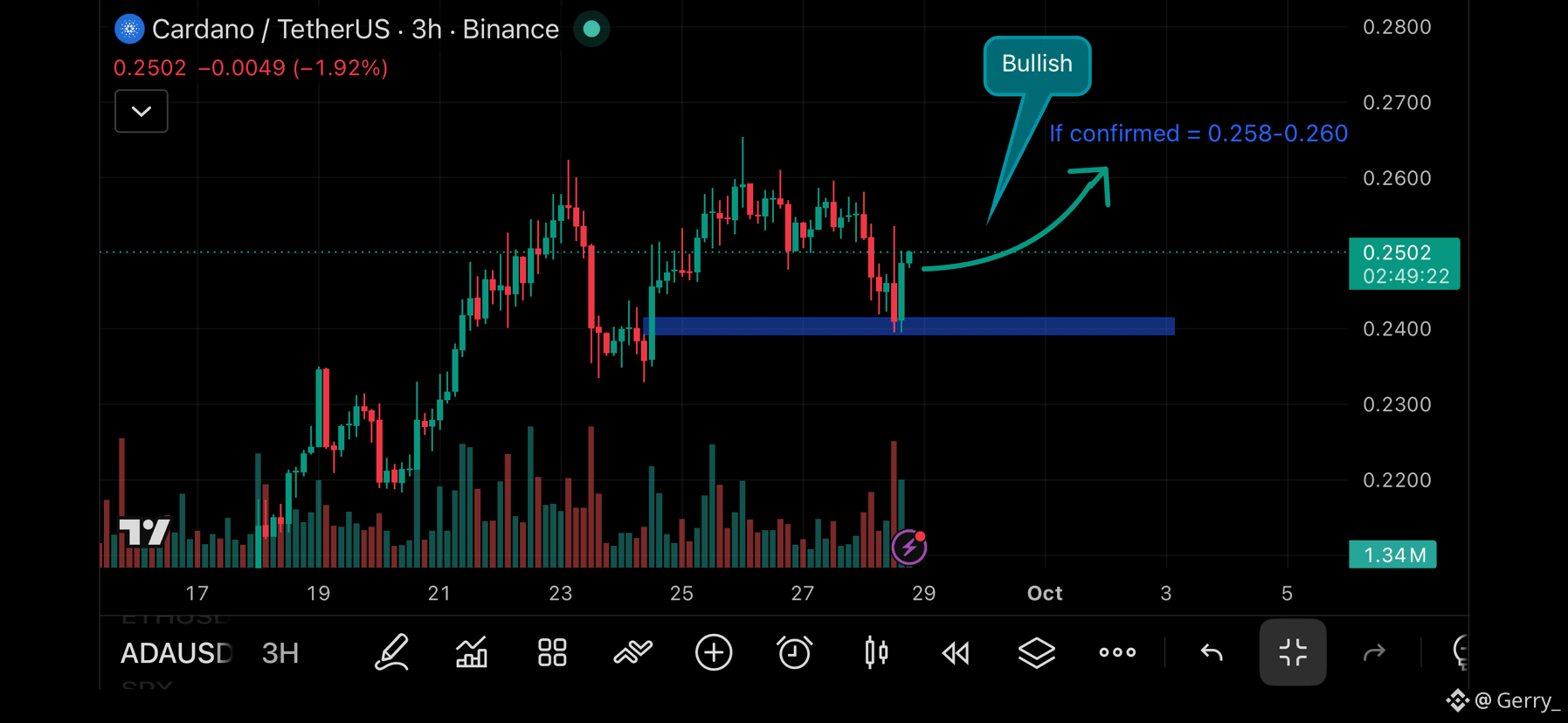
$ADA ist von der $0.240-Unterstützungszone abgeprallt und ist wieder in der Nähe von $0.250.
Ich beobachte einen klaren Ausbruch über $0.255. Das könnte den Weg zu $0.258–$0.260 öffnen. Wenn $0.240 scheitert, ist meine bullische Sicht nicht mehr gültig.
$ADA ist von der $0.240-Unterstützungszone abgeprallt und ist wieder in der Nähe von $0.250.
Ich beobachte einen klaren Ausbruch über $0.255. Das könnte den Weg zu $0.258–$0.260 öffnen. Wenn $0.240 scheitert, ist meine bullische Sicht nicht mehr gültig.
Ich beobachte einen klaren Ausbruch über $0.255. Das könnte den Weg zu $0.258–$0.260 öffnen. Wenn $0.240 scheitert, ist meine bullische Sicht nicht mehr gültig.
7
8
399
·
--
Bullisch
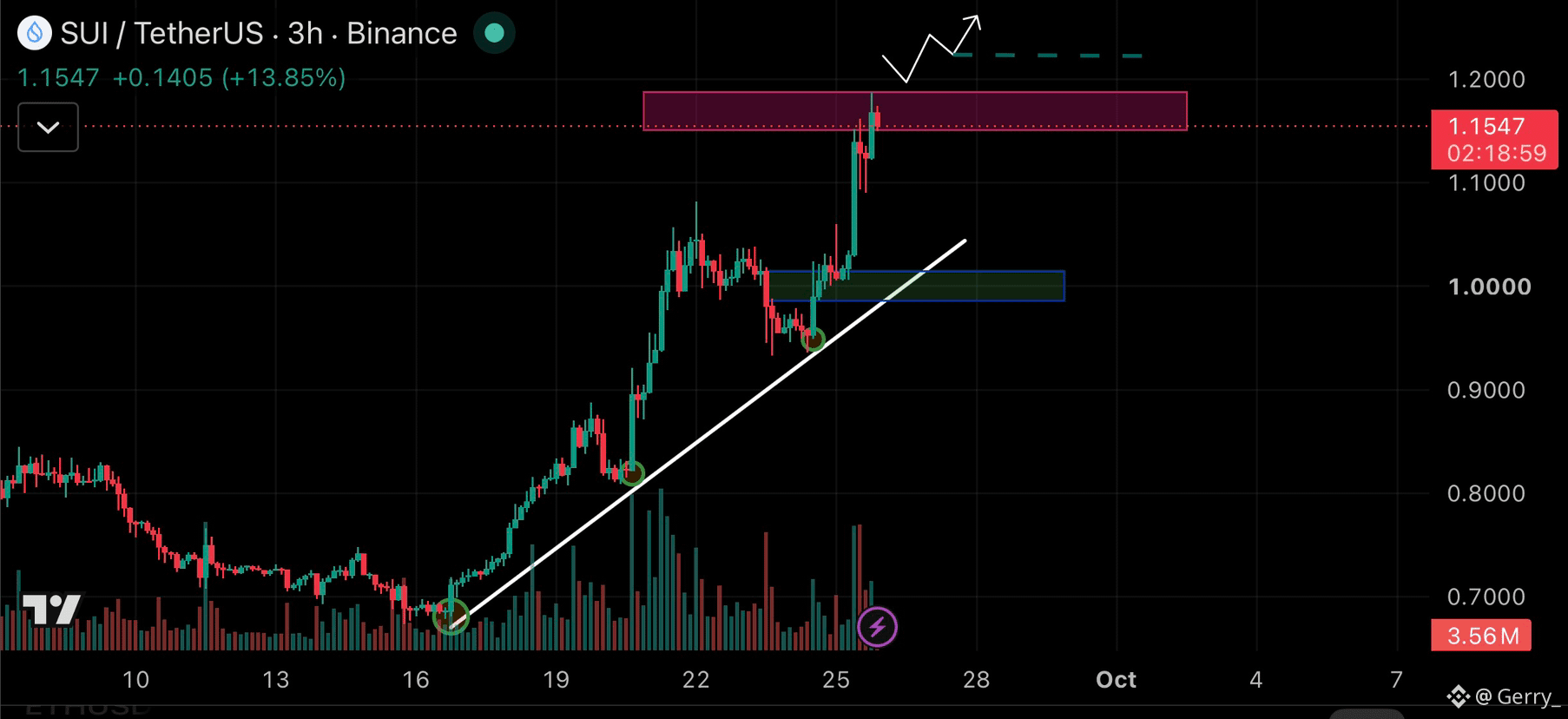
$SUI testet eine wichtige Widerstandszone um 1,15–1,19 USD.
Der Momentum bleibt stark, wobei höhere Tiefs intakt bleiben. Ein sauberer Ausbruch über 1,19 könnte den Weg Richtung 1,25 eröffnen.
Auf Bestätigung achten, nicht hinterherlaufen.
{spot}(SUIUSDT)
$SUI testet eine wichtige Widerstandszone um 1,15–1,19 USD.
Der Momentum bleibt stark, wobei höhere Tiefs intakt bleiben. Ein sauberer Ausbruch über 1,19 könnte den Weg Richtung 1,25 eröffnen.
Auf Bestätigung achten, nicht hinterherlaufen.
Der Momentum bleibt stark, wobei höhere Tiefs intakt bleiben. Ein sauberer Ausbruch über 1,19 könnte den Weg Richtung 1,25 eröffnen.
Auf Bestätigung achten, nicht hinterherlaufen.
6
7
380
·
--
Bullisch
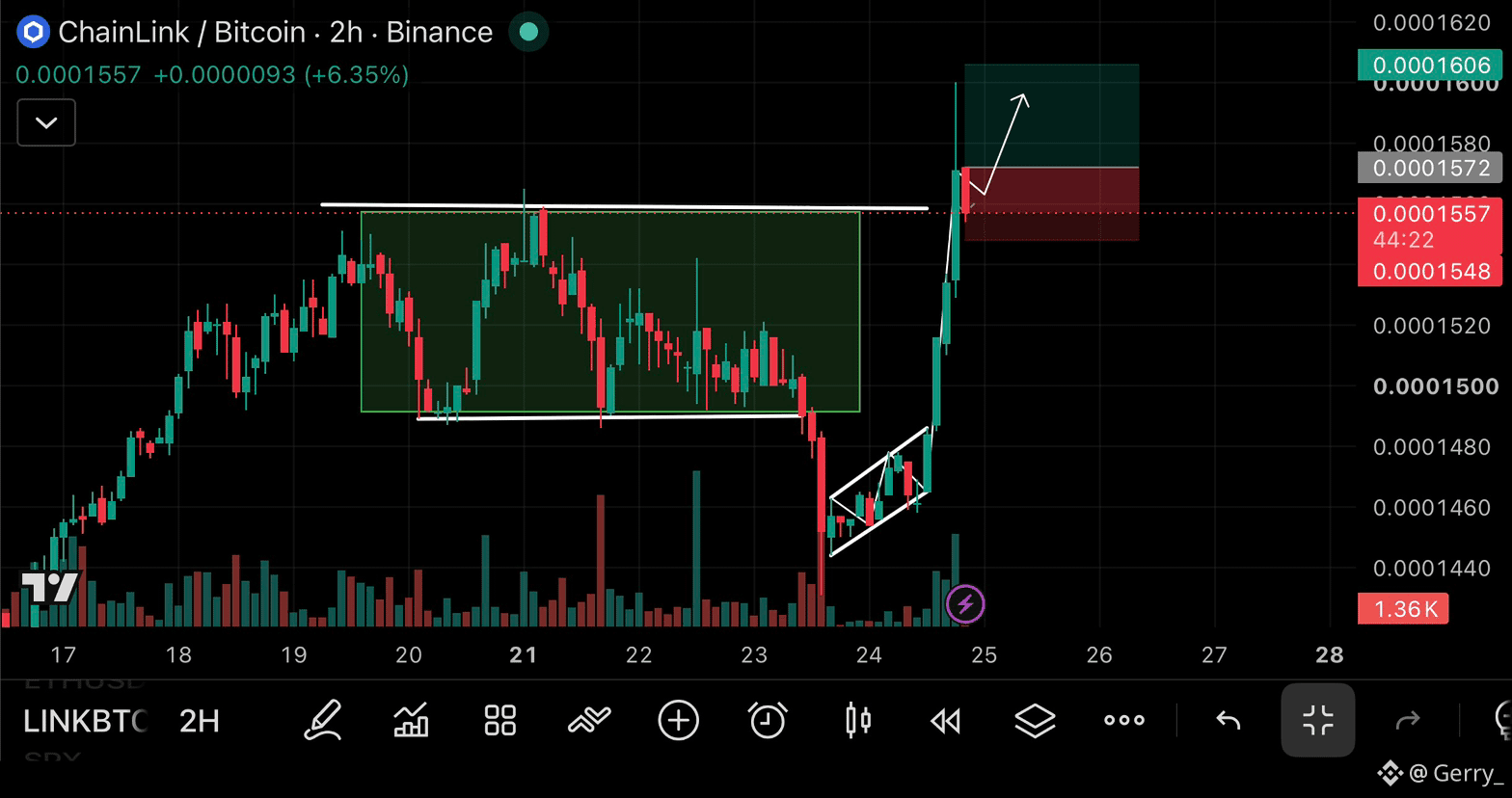
$LINK /BTC drängt über die Spanne im 2H-Chart hinaus. Ich beobachte einen Retest, bevor ich über einen Einstieg nachdenke.
Einstieg: 0.0001557–0.0001572 BTC, falls der Ausbruch hält
TP: 0.0001606 BTC
SL: Unter 0.0001548 BTC
Eine Bewegung zurück in die alte Spanne würde das Setup abschwächen. Ich würde der ersten Ausbruchskerze nicht hinterherlaufen.
{spot}(LINKUSDT)
$LINK /BTC drängt über die Spanne im 2H-Chart hinaus. Ich beobachte einen Retest, bevor ich über einen Einstieg nachdenke.
Einstieg: 0.0001557–0.0001572 BTC, falls der Ausbruch hält
TP: 0.0001606 BTC
SL: Unter 0.0001548 BTC
Eine Bewegung zurück in die alte Spanne würde das Setup abschwächen. Ich würde der ersten Ausbruchskerze nicht hinterherlaufen.
Einstieg: 0.0001557–0.0001572 BTC, falls der Ausbruch hält
TP: 0.0001606 BTC
SL: Unter 0.0001548 BTC
Eine Bewegung zurück in die alte Spanne würde das Setup abschwächen. Ich würde der ersten Ausbruchskerze nicht hinterherlaufen.
4
6
436
·
--
Bullisch
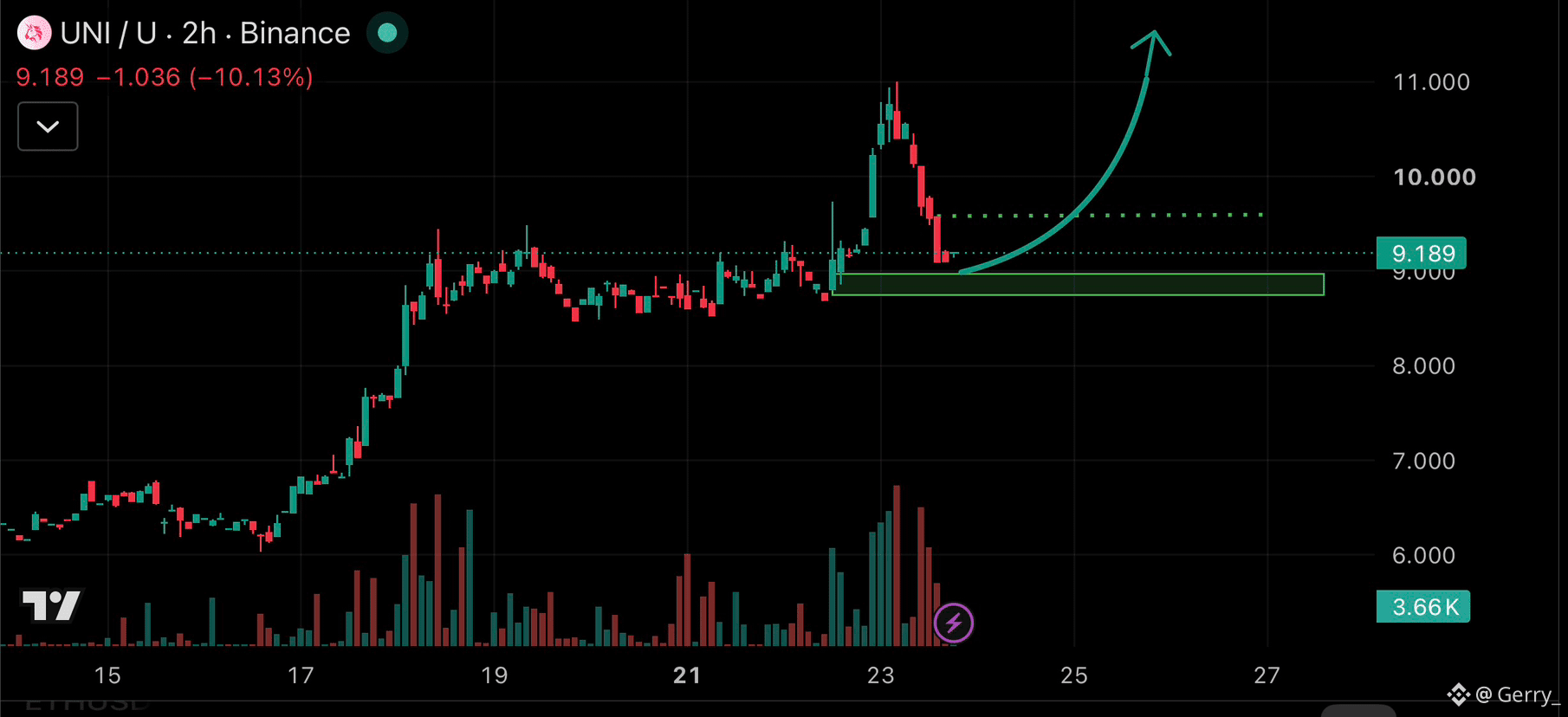
$UNI testet die $8.75–$8.95-Support-Zone nach einem scharfen Pullback. Ich warte auf einen bestätigten Bounce.
Entry: $8.85–$9.05
TP: $9.55 / $10.00 / $10.80
SL: $8.60
Ein 2H-Schlusskurs unter $8.75 schwächt das Setup. #UNI
$UNI testet die $8.75–$8.95-Support-Zone nach einem scharfen Pullback. Ich warte auf einen bestätigten Bounce.
Entry: $8.85–$9.05
TP: $9.55 / $10.00 / $10.80
SL: $8.60
Ein 2H-Schlusskurs unter $8.75 schwächt das Setup. #UNI
Entry: $8.85–$9.05
TP: $9.55 / $10.00 / $10.80
SL: $8.60
Ein 2H-Schlusskurs unter $8.75 schwächt das Setup. #UNI
5
4
422
·
--
Bullisch
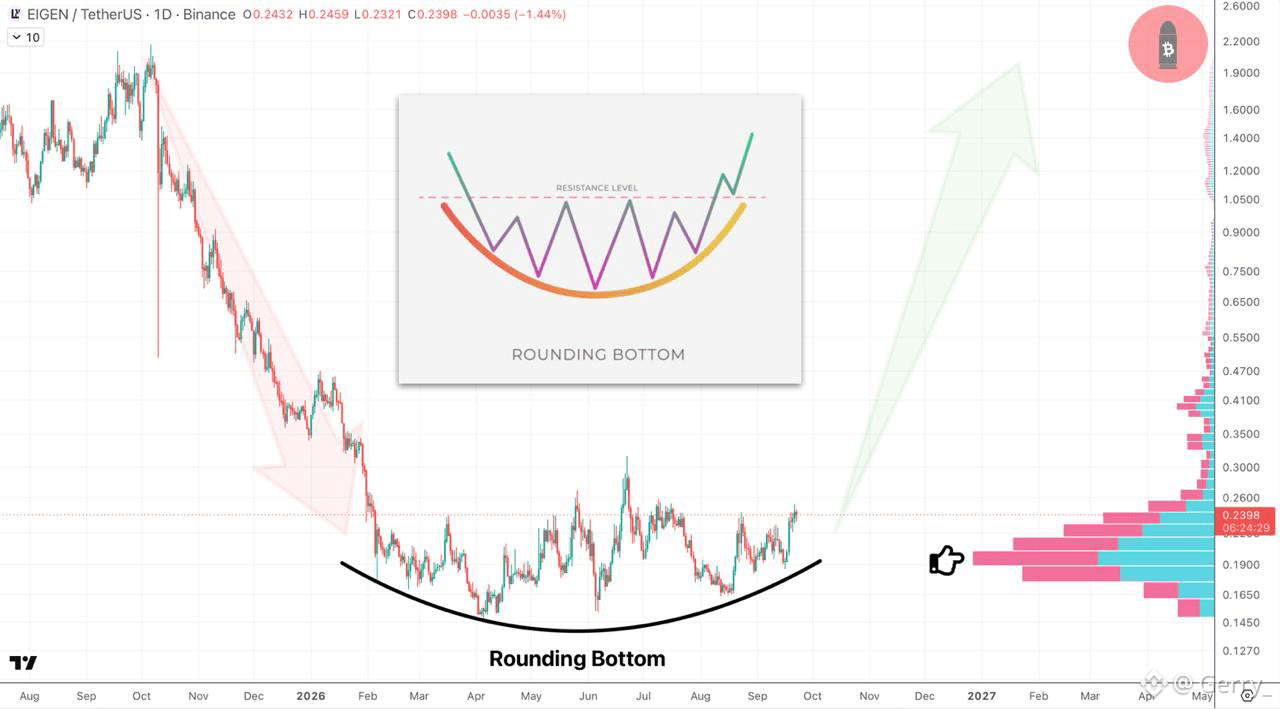
Achte hier auf $EIGEN
Es sieht so aus, als hätte sich ein Rounding Bottom gebildet 🧐
Das Projekt ist grundsätzlich stark, FDV $440M & TVL $7,2B (!)
{spot}(EIGENUSDT)
Achte hier auf $EIGEN
Es sieht so aus, als hätte sich ein Rounding Bottom gebildet 🧐
Das Projekt ist grundsätzlich stark, FDV $440M & TVL $7,2B (!)
Es sieht so aus, als hätte sich ein Rounding Bottom gebildet 🧐
Das Projekt ist grundsätzlich stark, FDV $440M & TVL $7,2B (!)
1
210
·
--
Bullisch
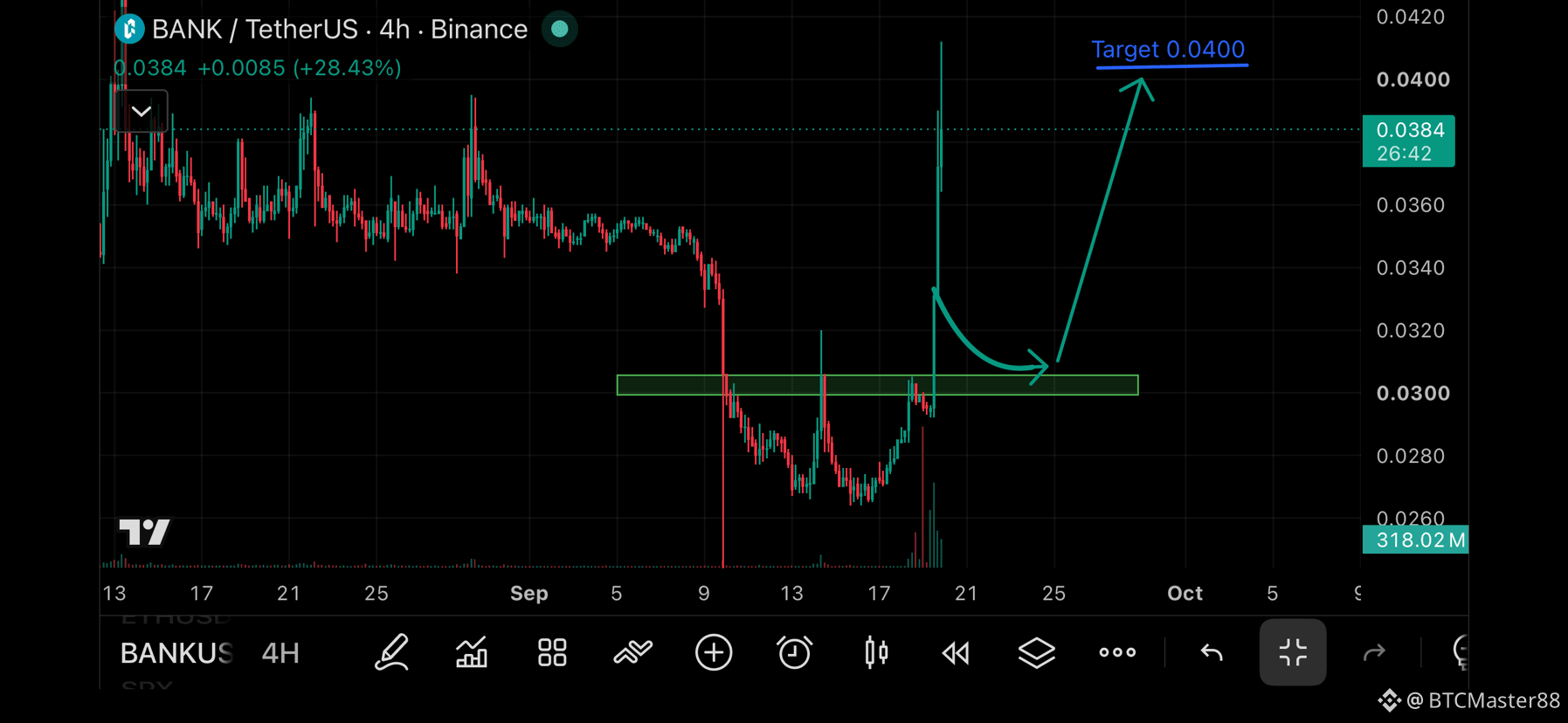
$BANK zeigt nach dem Ausbruch über die $0.030-Zone eine starke 4H-Momentum.
Einstieg: $0.0305–$0.0315
TP: $0.034 → $0.0385 → $0.040
SL: $0.0287
Bullisch, solange $0.030 hält.
{spot}(BANKUSDT)
$BANK zeigt nach dem Ausbruch über die $0.030-Zone eine starke 4H-Momentum.
Einstieg: $0.0305–$0.0315
TP: $0.034 → $0.0385 → $0.040
SL: $0.0287
Bullisch, solange $0.030 hält.
Einstieg: $0.0305–$0.0315
TP: $0.034 → $0.0385 → $0.040
SL: $0.0287
Bullisch, solange $0.030 hält.
5
6
759
·
--
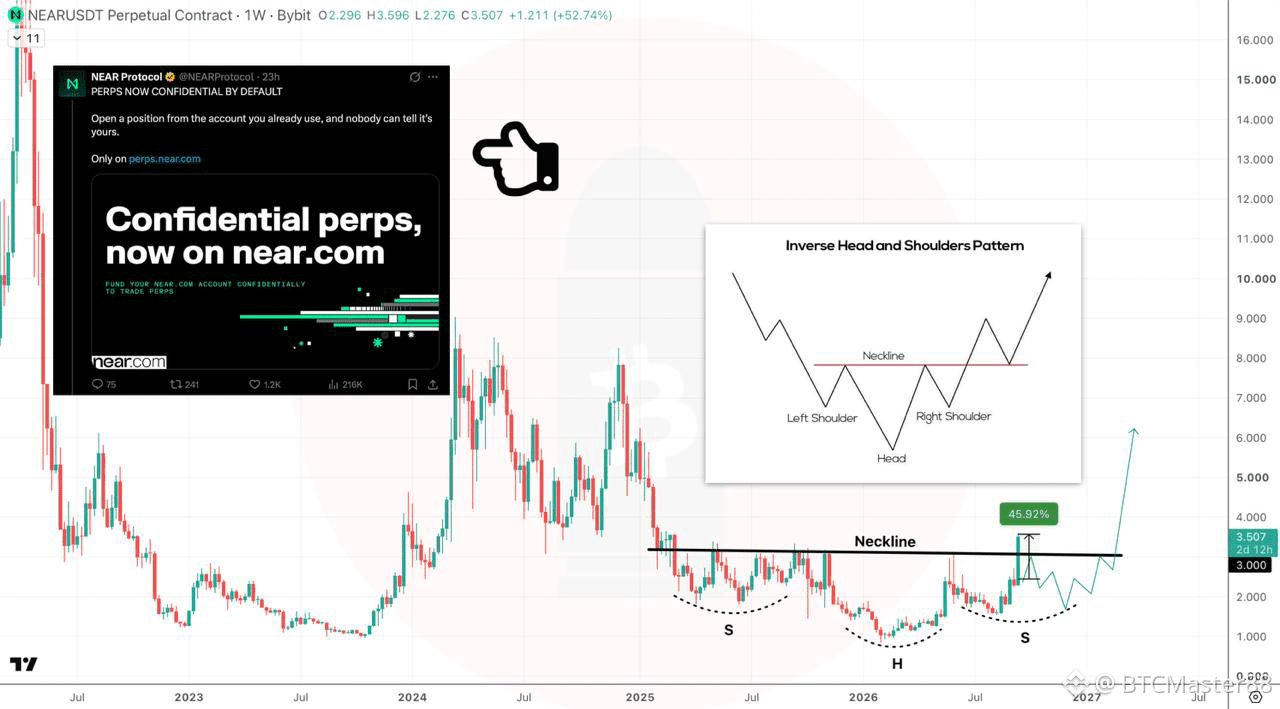
$NEAR pumpt sich auf den News 🔥
+45% bisher 🤷♂️
{spot}(NEARUSDT)
$NEAR pumpt sich auf den News 🔥
+45% bisher 🤷♂️
+45% bisher 🤷♂️
221
·
--
Bullisch
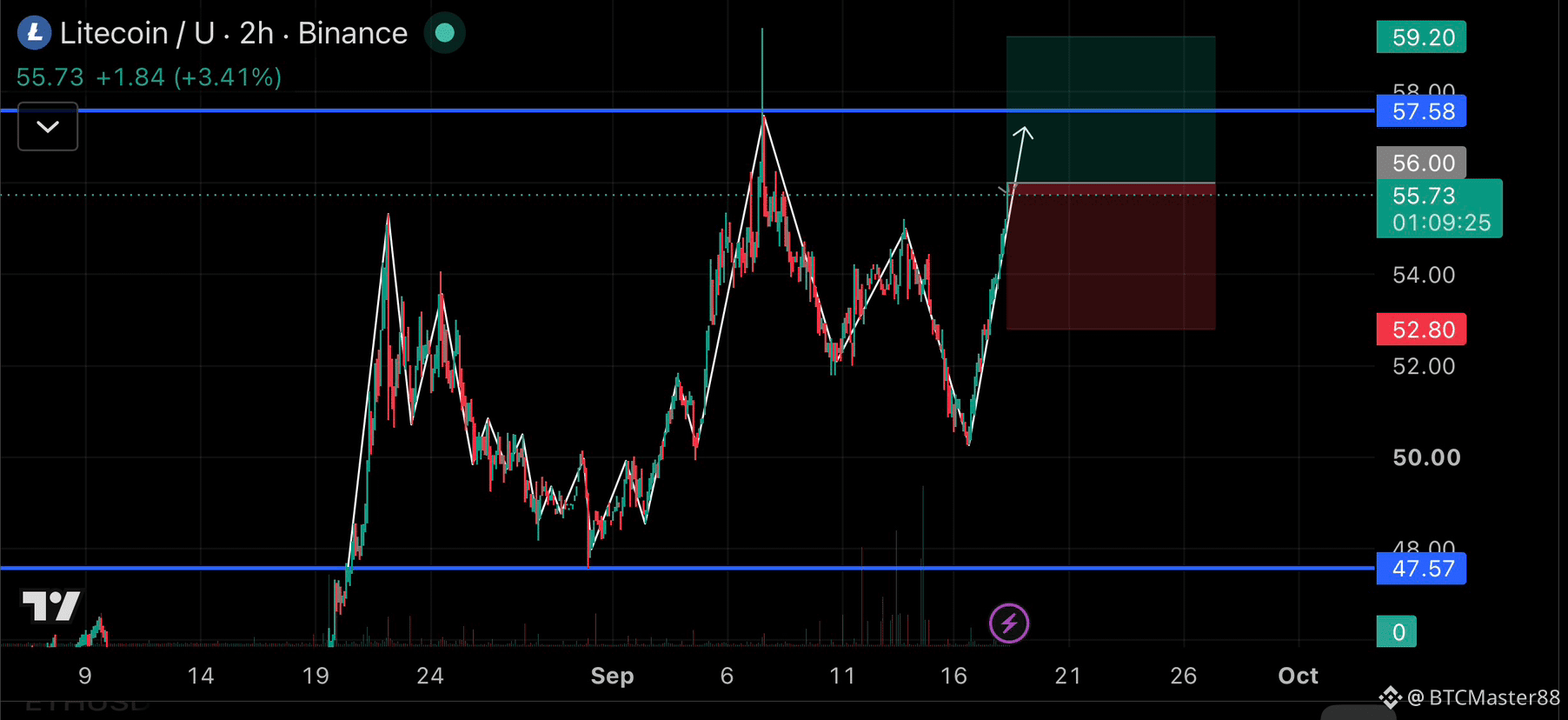
$LTC zeigt nach dem Rückprall von $50 starke Dynamik.
Ein Ausbruch über $55 könnte den Weg in Richtung $57.58 öffnen, gefolgt von $59.20. Ein Verlust von $52.80 würde die bullische Ausgangslage schwächen.
{spot}(LTCUSDT)
$LTC zeigt nach dem Rückprall von $50 starke Dynamik.
Ein Ausbruch über $55 könnte den Weg in Richtung $57.58 öffnen, gefolgt von $59.20. Ein Verlust von $52.80 würde die bullische Ausgangslage schwächen.
Ein Ausbruch über $55 könnte den Weg in Richtung $57.58 öffnen, gefolgt von $59.20. Ein Verlust von $52.80 würde die bullische Ausgangslage schwächen.
6
6
702
·
--
Bullisch
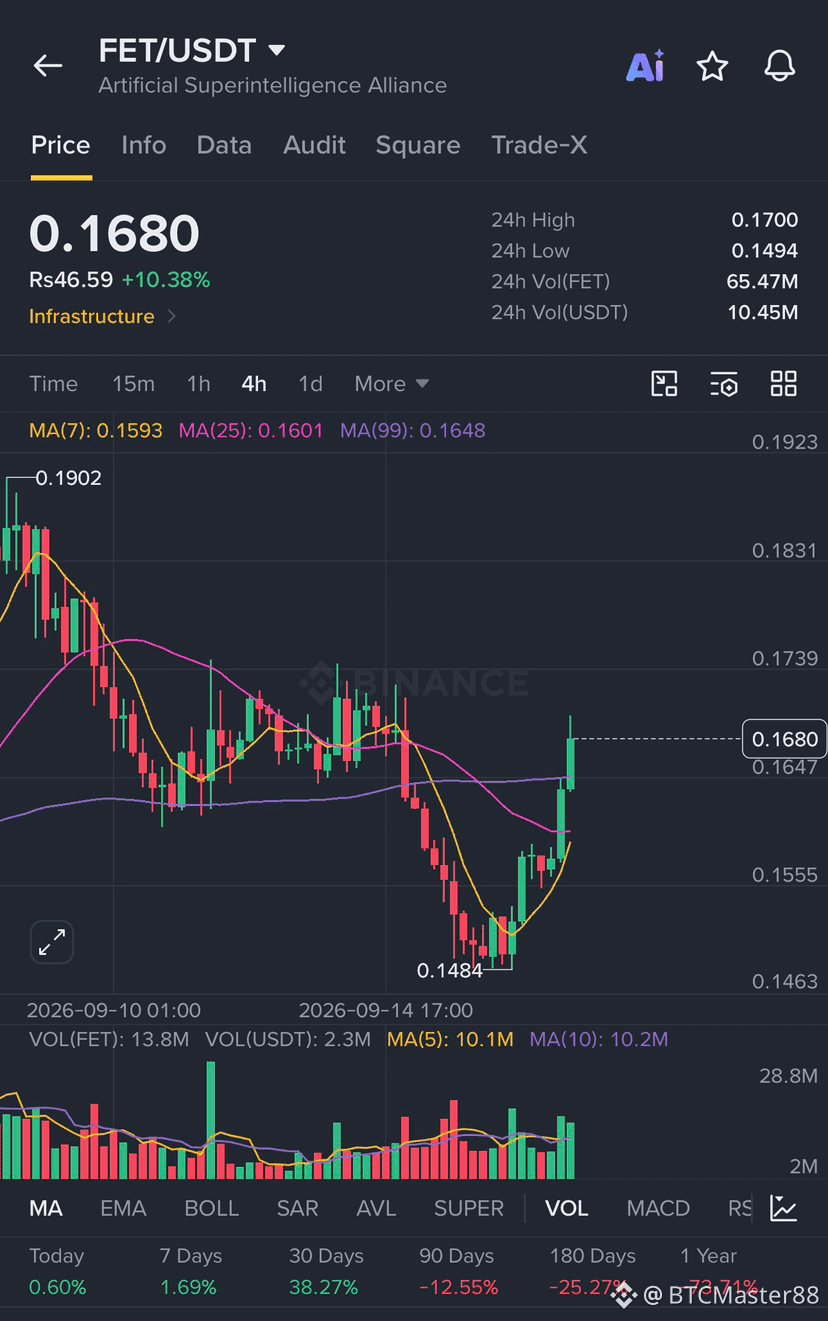
$FET hat sich das MA99 auf dem 4H-Chart zurückerobert, mit starkem bullischem Momentum. Ein erfolgreicher Retest könnte weiteren Aufwärtsdruck unterstützen.
Einstieg: 0,1630–0,1660 $
TP1: 0,1740 $
TP2: 0,1830 $
SL: 0,1580 $
Warte auf Bestätigung und manage das Risiko sorgfältig.
$FET hat sich das MA99 auf dem 4H-Chart zurückerobert, mit starkem bullischem Momentum. Ein erfolgreicher Retest könnte weiteren Aufwärtsdruck unterstützen.
Einstieg: 0,1630–0,1660 $
TP1: 0,1740 $
TP2: 0,1830 $
SL: 0,1580 $
Warte auf Bestätigung und manage das Risiko sorgfältig.
Einstieg: 0,1630–0,1660 $
TP1: 0,1740 $
TP2: 0,1830 $
SL: 0,1580 $
Warte auf Bestätigung und manage das Risiko sorgfältig.
2
543
·
--
Bullisch
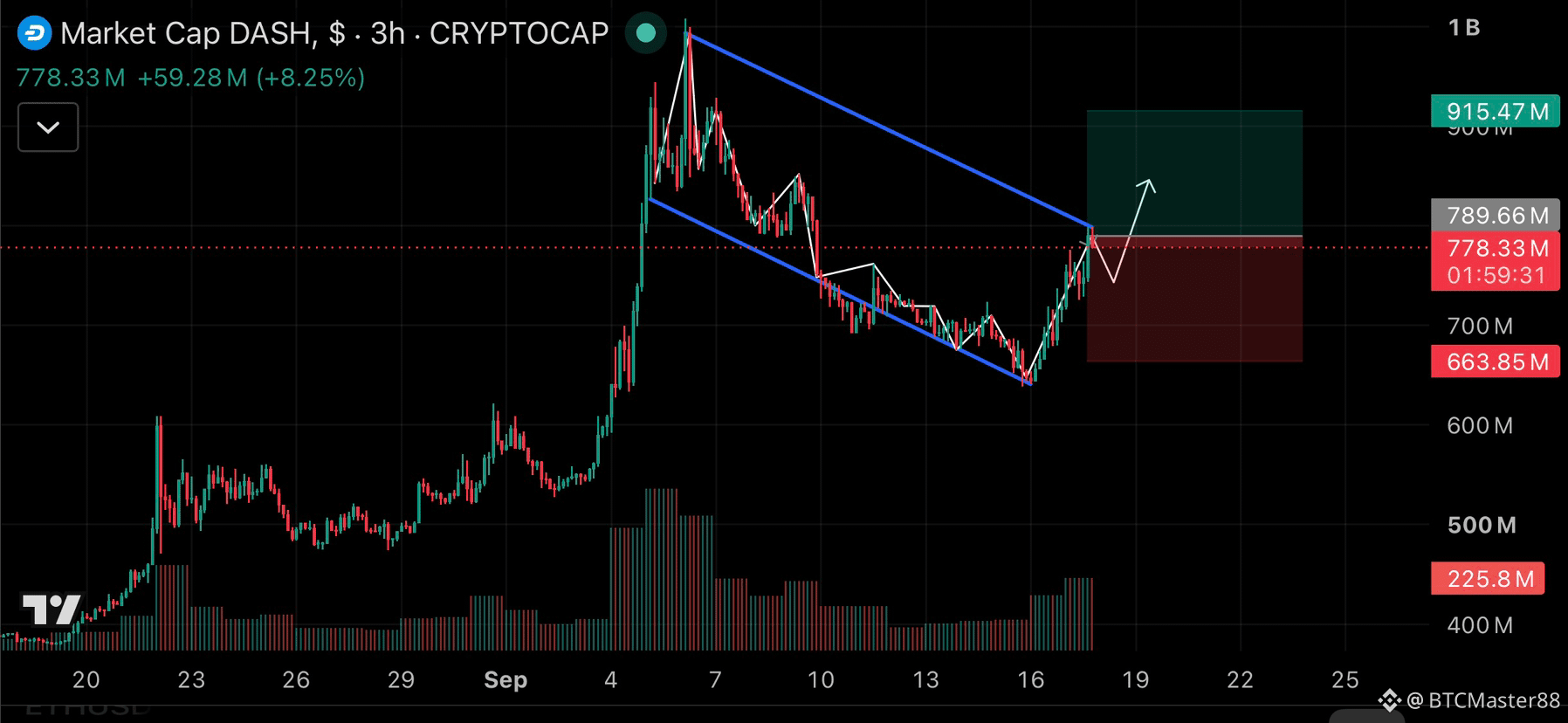
$DASH Marktkapitalisierung testet einen absteigenden Widerstand. Ein bestätigter Ausbruch könnte den Weg zum nächsten Kursziel öffnen.
Einstieg: 778M–790M
TP: 915M
SL: 663M
Warte auf eine Ausbruch-Bestätigung, bevor du einsteigst. Gehe sorgfältig mit dem Risiko um.
{spot}(DASHUSDT)
$DASH Marktkapitalisierung testet einen absteigenden Widerstand. Ein bestätigter Ausbruch könnte den Weg zum nächsten Kursziel öffnen.
Einstieg: 778M–790M
TP: 915M
SL: 663M
Warte auf eine Ausbruch-Bestätigung, bevor du einsteigst. Gehe sorgfältig mit dem Risiko um.
Einstieg: 778M–790M
TP: 915M
SL: 663M
Warte auf eine Ausbruch-Bestätigung, bevor du einsteigst. Gehe sorgfältig mit dem Risiko um.
1
620
·
--
Bullisch
$UNI
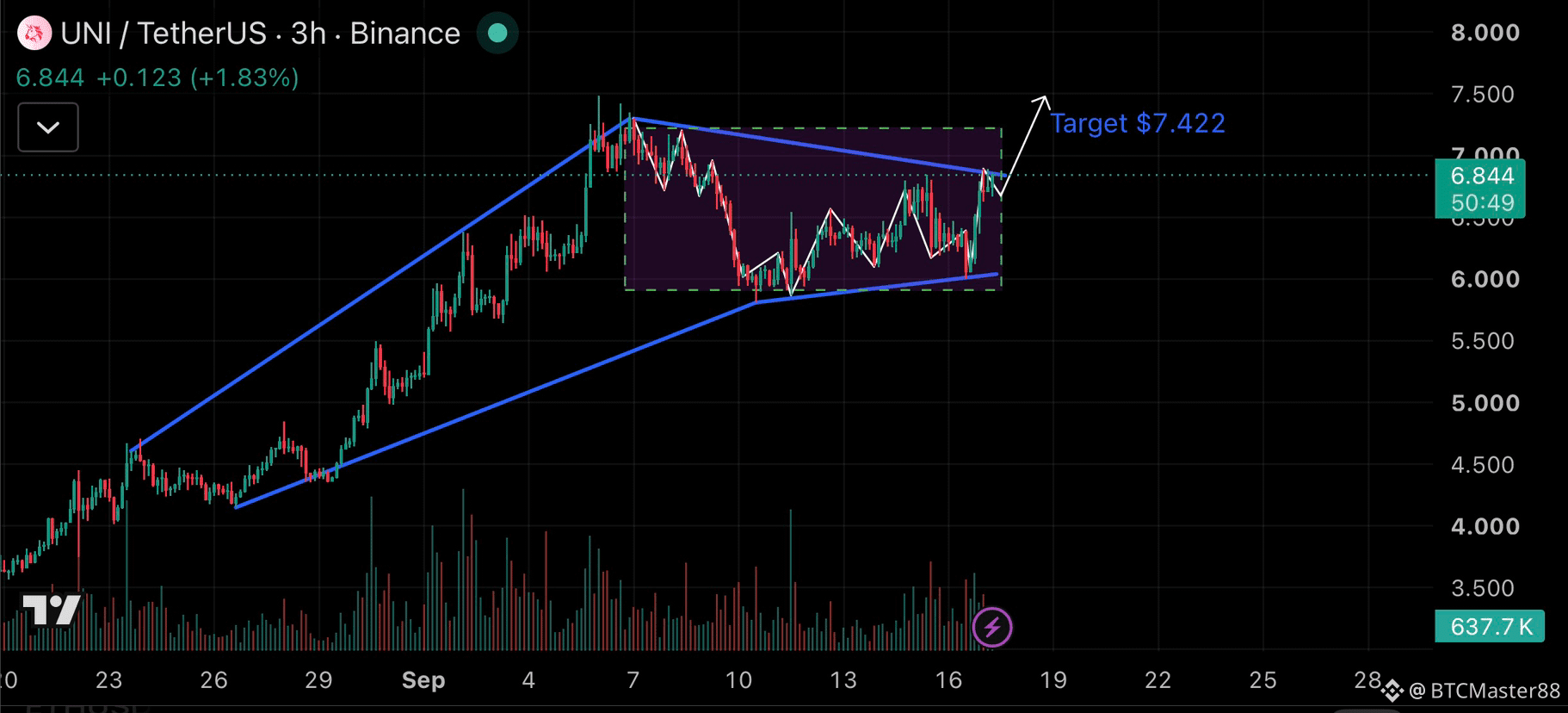
UNI konsolidiert innerhalb eines symmetrischen Dreiecks nach einem starken Aufwärtstrend. Der Kurs testet nun die obere Trendlinie, wodurch der Bereich um 7,00 $ eine wichtige Zone zum Beobachten ist.
{spot}(UNIUSDT)
$UNI
UNI konsolidiert innerhalb eines symmetrischen Dreiecks nach einem starken Aufwärtstrend. Der Kurs testet nun die obere Trendlinie, wodurch der Bereich um 7,00 $ eine wichtige Zone zum Beobachten ist.
UNI konsolidiert innerhalb eines symmetrischen Dreiecks nach einem starken Aufwärtstrend. Der Kurs testet nun die obere Trendlinie, wodurch der Bereich um 7,00 $ eine wichtige Zone zum Beobachten ist.
2
229
·
--
Bullisch
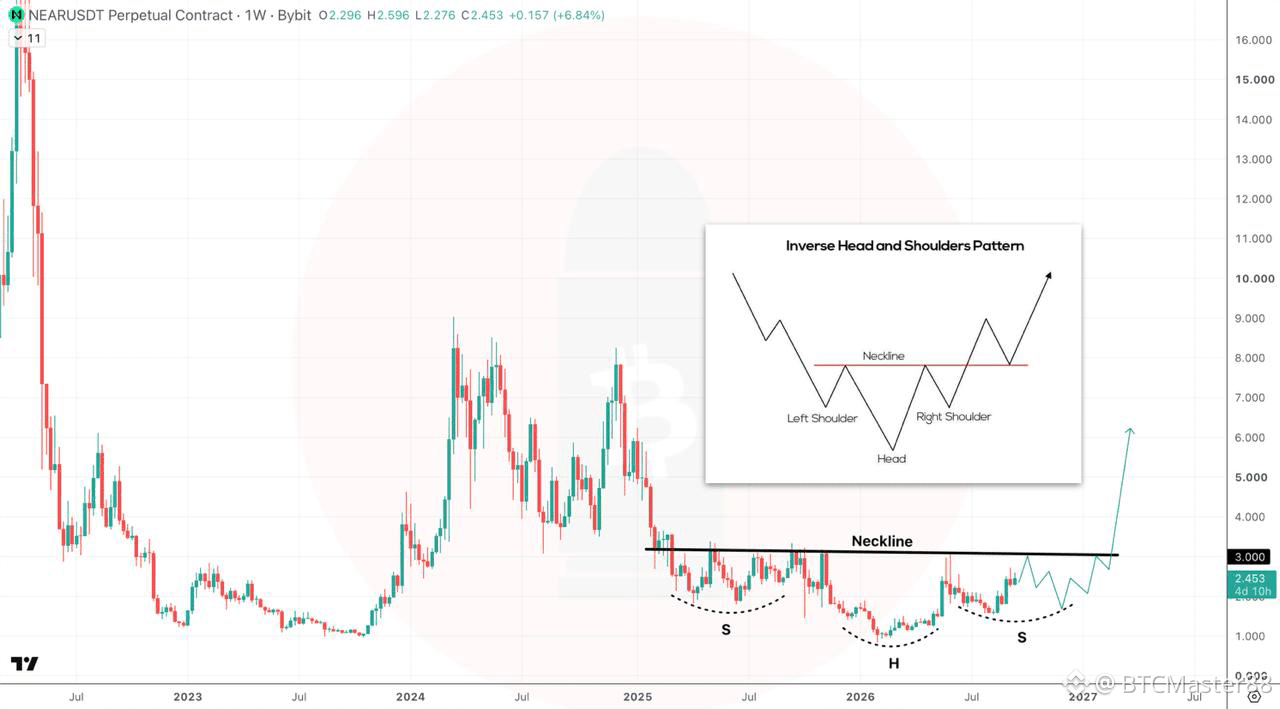
Ich mag wirklich, was $NEAR hier seit März 2025
Diese Ansammlung, die unten unter $3 liegt, erinnert mich an ein klassisches inverses Head & Shoulders-Muster
Es wird noch ein paar Monate dauern, bis sich die linke Schulter bildet.
Im Jahr 2027 sollte $NEAR aus dieser Ansammlung ausbrechen
{spot}(NEARUSDT)
Ich mag wirklich, was $NEAR hier seit März 2025
Diese Ansammlung, die unten unter $3 liegt, erinnert mich an ein klassisches inverses Head & Shoulders-Muster
Es wird noch ein paar Monate dauern, bis sich die linke Schulter bildet.
Im Jahr 2027 sollte $NEAR aus dieser Ansammlung ausbrechen
Diese Ansammlung, die unten unter $3 liegt, erinnert mich an ein klassisches inverses Head & Shoulders-Muster
Es wird noch ein paar Monate dauern, bis sich die linke Schulter bildet.
Im Jahr 2027 sollte $NEAR aus dieser Ansammlung ausbrechen
146
·
--
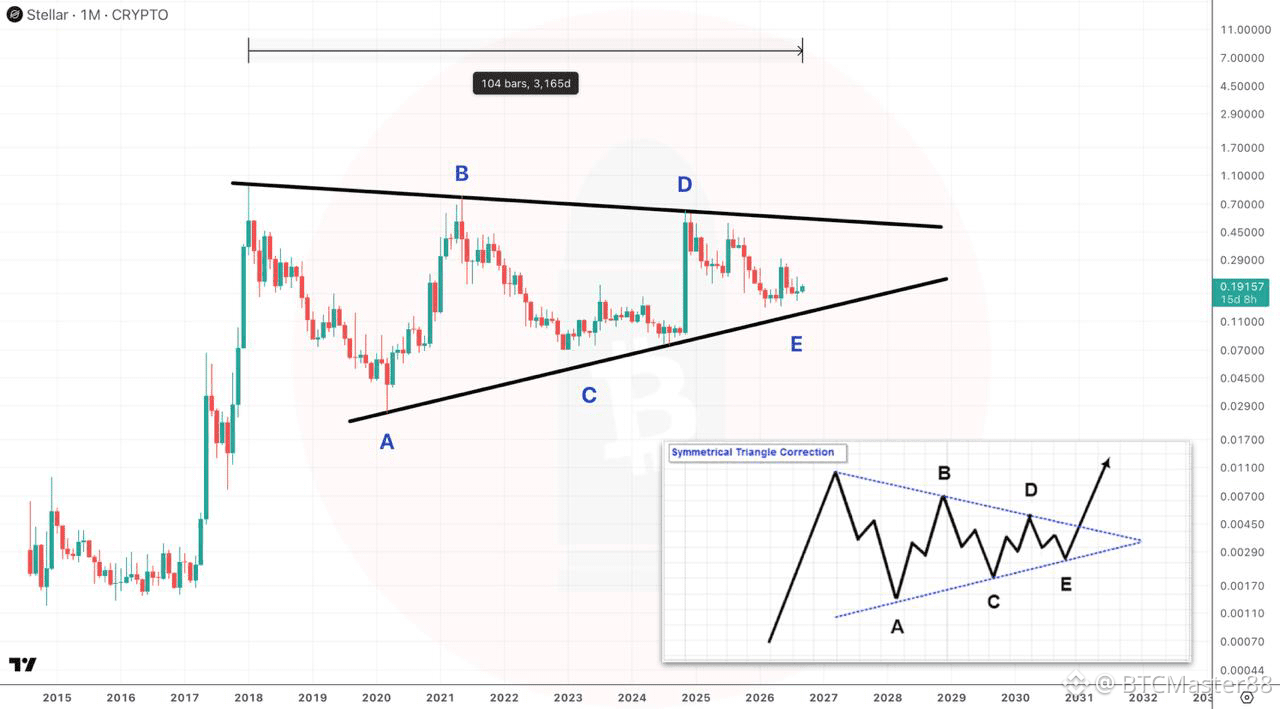
Wenn es um riesige Dreiecke geht, sticht dieses hier wirklich hervor
$XLM druckt dieses MASSIVE symmetrische Dreieck seit 9 JAHREN! 👀
Stell dir das Ausmaß des Ausbruchs vor 📈🫣
{spot}(XLMUSDT)
Wenn es um riesige Dreiecke geht, sticht dieses hier wirklich hervor
$XLM druckt dieses MASSIVE symmetrische Dreieck seit 9 JAHREN! 👀
Stell dir das Ausmaß des Ausbruchs vor 📈🫣
$XLM druckt dieses MASSIVE symmetrische Dreieck seit 9 JAHREN! 👀
Stell dir das Ausmaß des Ausbruchs vor 📈🫣
120
Anmelden und weiter Inhalte entdecken
Krypto-Nutzer weltweit auf Binance Square kennenlernen
⚡️ Bleib in Sachen Krypto stets am Puls.
💬 Die weltgrößte Kryptobörse vertraut darauf.
👍 Erhalte verlässliche Einblicke von verifizierten Creators.
E-Mail-Adresse/Telefonnummer
Trendthemen
FedMinutesFocusOnOctoberPause
172,198 Aufrufe
1,318 Kommentare
🚨 HOHE ALARMSTUFE ‼️ BITTE HANDELT IN DER NÄCHSTEN STUNDE NICHT BLIND 🚨
Leute, in weniger als einer Stunde werden die FOMC-Protokolle veröffentlicht.
Nach der Volatilität, die wir heute bereits erlebt haben, möchte ich wirklich nicht, dass jemand kurz vor der Veröffentlichung irgendwelche zufälligen Positionen mit hohem Hebel eröffnet.
Die stärkste Reaktion erwarte ich bei Gold (XAU), Silber (XAG), BTC und ETH. Coins wie SOL und andere stark gehebelte Altcoins mit mittlerer oder niedriger Marktkapitalisierung können jede Bewegung von BTC noch verstärken.
Gold und Silber reagieren heute Abend besonders empfindlich, weil der Markt bereits auf den US-Dollar und die Renditen von US-Staatsanleihen reagiert und beide Metalle vor der Veröffentlichung der Fed-Protokolle stark unter Druck standen.
Kurz gesagt:
📉 FOMC-Protokolle mit falkenhaftem Ton → Dollar und Renditen können steigen → Druck auf BTC, Krypto, Gold und Silber
📈 FOMC-Protokolle mit taubenhaftem Ton → Dollar und Renditen können nachgeben → BTC, Gold, Silber und andere Risikoanlagen können kräftig steigen.
Und bitte denkt daran: Die erste Kerze kann eine Falle sein. Es kann zunächst zu einem Pump kommen, dann zu einem sofortigen Dump, Liquidationen auf beiden Seiten und erst danach zur tatsächlichen Richtungsbewegung.
Schützt also vorerst eure Positionen, reduziert unnötigen Hebel und springt nicht aus FOMO auf die erste Bewegung auf.
Heute Abend beobachte ich zuerst $XAU , $XAG und $BTC . An ihnen werden wir sehr schnell erkennen, wie der Markt die Fed einschätzt.
Ich halte euch rechtzeitig auf dem Laufenden.
Folgt @Panda Traders und aktiviert jetzt eure Benachrichtigungen.
#FedMinutesFocusOnOctoberPause
Panda Traders
·19 Likes
·4k Aufrufe
BinanceLaunchesBinanceIntelligence
1.1M Aufrufe
6,524 Kommentare
EvernorthDelaysNasdaqDebutToOct12
14,342 Aufrufe
301 Kommentare