

bronJ
163 Beiträge

bronJ
Melden
Nutzer blockieren
Im a hunter
56 Following
36 Follower
94 Like gegeben
Beiträge
Alle
Zitierungen
·
--
Übersetzung ansehen
My Binance Mid-Autumn Moon Cake
Mid-Autumn Festival is all about reunion, gratitude, and sharing moments with people who matter. So I imagined a moon cake made for the Binance community—golden, glowing, and inspired by the spirit of Web3. 🌕
Creativity brings communities together just as much as technology does. Wishing everyone a joyful festival filled with happiness, prosperity, and plenty of mooncakes!
If you're joining the Binance Moon Cake Challenge, don't forget to share your own design too. 🎨✨ with the community 😌😇🧘
#BinanceMidAutumn #BinanceSquareTG
My Binance Mid-Autumn Moon Cake
Mid-Autumn Festival is all about reunion, gratitude, and sharing moments with people who matter. So I imagined a moon cake made for the Binance community—golden, glowing, and inspired by the spirit of Web3. 🌕
Creativity brings communities together just as much as technology does. Wishing everyone a joyful festival filled with happiness, prosperity, and plenty of mooncakes!
If you're joining the Binance Moon Cake Challenge, don't forget to share your own design too. 🎨✨ with the community 😌😇🧘
#BinanceMidAutumn #BinanceSquareTG
Mid-Autumn Festival is all about reunion, gratitude, and sharing moments with people who matter. So I imagined a moon cake made for the Binance community—golden, glowing, and inspired by the spirit of Web3. 🌕
Creativity brings communities together just as much as technology does. Wishing everyone a joyful festival filled with happiness, prosperity, and plenty of mooncakes!
If you're joining the Binance Moon Cake Challenge, don't forget to share your own design too. 🎨✨ with the community 😌😇🧘
#BinanceMidAutumn #BinanceSquareTG

3
1
3
3
·
--
Letzte Woche, um Tipps zu bekommen??? Letzte Spiele!
Jetzt beitreten: [Football Challenge](https://www.binance.com/activity/pick-and-win/2026-football-challenge?ref=402813314)
#BinancePickAndWin
Letzte Woche, um Tipps zu bekommen??? Letzte Spiele!
Jetzt beitreten: Football Challenge
#BinancePickAndWin
Jetzt beitreten: Football Challenge
#BinancePickAndWin
7
·
--
Artikel
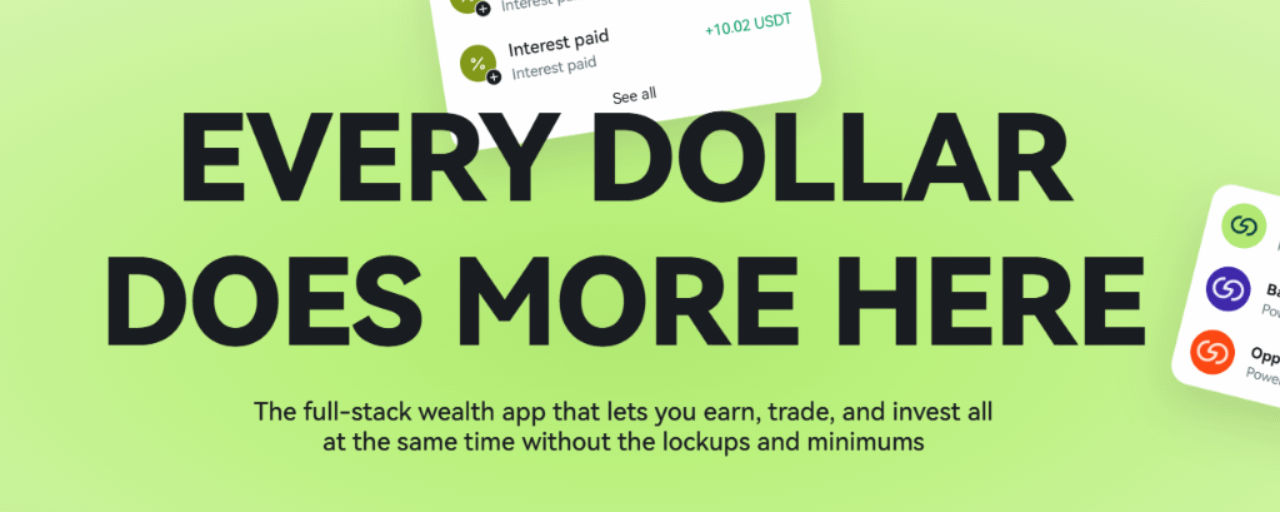
Das nächste Kapitel der Krypto könnte auf hybriden Börsen entstehenEs passiert gerade eine interessante Verschiebung im Bereich digitaler Assets, auf die ich nicht genug Aufmerksamkeit gelenkt sehe. Jahrelang drehte sich die Diskussion um eine einzige Frage: Wo soll ich handeln? Aber inzwischen ertappe ich mich dabei, eine andere Frage zu stellen: Wie kann mein Kapital weiterhin nützlich bleiben, auch wenn ich nicht aktiv trade?
Diese Frage hat mich dazu gebracht, mehr über @grvt_io zu lernen, und was dabei auffiel, war nicht noch ein weiteres Versprechen auf größere Renditen oder schnellere Gewinne. Stattdessen war es eine andere Perspektive darauf, wie eine Trading-Plattform funktionieren sollte. Die Idee, die Flexibilität dezentraler Finanzen mit der Geschwindigkeit und Vertrautheit zentralisierter Börsen zu kombinieren, fühlt sich wie der logische nächste Schritt für die Branche an.
Das nächste Kapitel der Krypto könnte auf hybriden Börsen entstehen
Es passiert gerade eine interessante Verschiebung im Bereich digitaler Assets, auf die ich nicht genug Aufmerksamkeit gelenkt sehe. Jahrelang drehte sich die Diskussion um eine einzige Frage: Wo soll ich handeln? Aber inzwischen ertappe ich mich dabei, eine andere Frage zu stellen: Wie kann mein Kapital weiterhin nützlich bleiben, auch wenn ich nicht aktiv trade?
Diese Frage hat mich dazu gebracht, mehr über @grvt_io zu lernen, und was dabei auffiel, war nicht noch ein weiteres Versprechen auf größere Renditen oder schnellere Gewinne. Stattdessen war es eine andere Perspektive darauf, wie eine Trading-Plattform funktionieren sollte. Die Idee, die Flexibilität dezentraler Finanzen mit der Geschwindigkeit und Vertrautheit zentralisierter Börsen zu kombinieren, fühlt sich wie der logische nächste Schritt für die Branche an.
Diese Frage hat mich dazu gebracht, mehr über @grvt_io zu lernen, und was dabei auffiel, war nicht noch ein weiteres Versprechen auf größere Renditen oder schnellere Gewinne. Stattdessen war es eine andere Perspektive darauf, wie eine Trading-Plattform funktionieren sollte. Die Idee, die Flexibilität dezentraler Finanzen mit der Geschwindigkeit und Vertrautheit zentralisierter Börsen zu kombinieren, fühlt sich wie der logische nächste Schritt für die Branche an.
49
·
--
Eine Sache, die ich an @NewtonProtocol schätze, ist der Fokus darauf, dass On-Chain-Automatisierung sowohl transparent als auch nutzerkontrolliert ist. Das Newton Mainnet Beta bietet die Möglichkeit zu sehen, wie programmierbare Berechtigungen und überprügbare Ausführung repetitive Blockchain-Interaktionen vereinfachen können, ohne die Selbstverwahrung aufzugeben.
Anstatt sich allein auf Vertrauen zu verlassen, können Nutzer festlegen, wie und wann automatisierte Aktionen ablaufen. Während Web3 wächst, könnten Lösungen, die die Benutzerfreundlichkeit verbessern und gleichzeitig die Dezentralisierung bewahren, zunehmend wertvoll werden. Ich freue mich darauf zu sehen, wie Entwickler und die Community im Newton-Ökosystem praxisnahe Anwendungen entwickeln. $NEWT
{future}(NEWTUSDT)
#Newt
Eine Sache, die ich an @NewtonProtocol schätze, ist der Fokus darauf, dass On-Chain-Automatisierung sowohl transparent als auch nutzerkontrolliert ist. Das Newton Mainnet Beta bietet die Möglichkeit zu sehen, wie programmierbare Berechtigungen und überprügbare Ausführung repetitive Blockchain-Interaktionen vereinfachen können, ohne die Selbstverwahrung aufzugeben.
Anstatt sich allein auf Vertrauen zu verlassen, können Nutzer festlegen, wie und wann automatisierte Aktionen ablaufen. Während Web3 wächst, könnten Lösungen, die die Benutzerfreundlichkeit verbessern und gleichzeitig die Dezentralisierung bewahren, zunehmend wertvoll werden. Ich freue mich darauf zu sehen, wie Entwickler und die Community im Newton-Ökosystem praxisnahe Anwendungen entwickeln. $NEWT
#Newt
Anstatt sich allein auf Vertrauen zu verlassen, können Nutzer festlegen, wie und wann automatisierte Aktionen ablaufen. Während Web3 wächst, könnten Lösungen, die die Benutzerfreundlichkeit verbessern und gleichzeitig die Dezentralisierung bewahren, zunehmend wertvoll werden. Ich freue mich darauf zu sehen, wie Entwickler und die Community im Newton-Ökosystem praxisnahe Anwendungen entwickeln. $NEWT
#Newt
63
·
--
Artikel
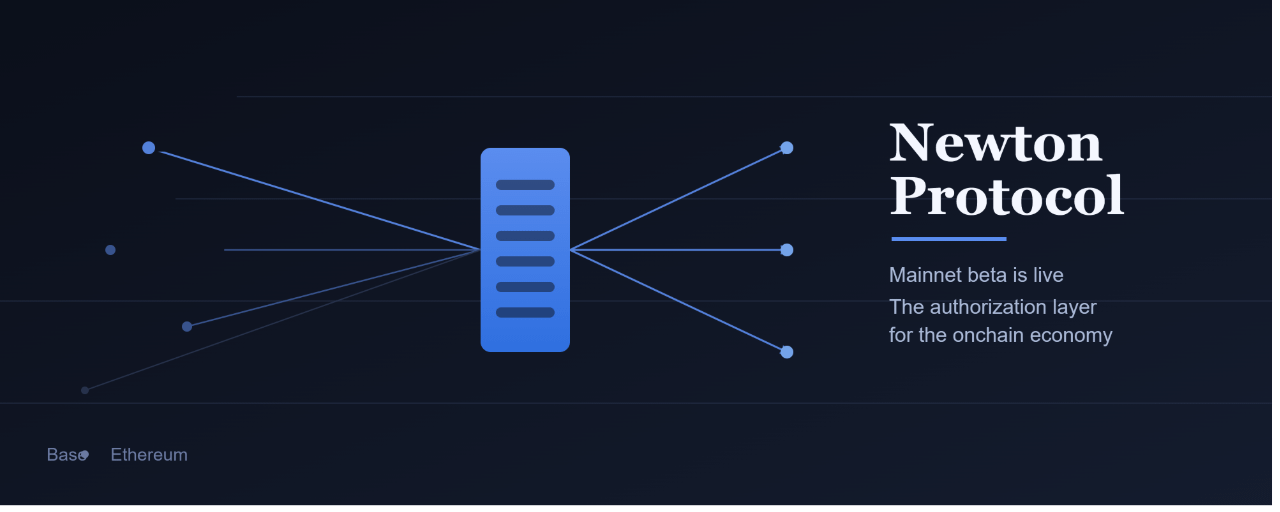
Vom manuellen Transaktionsprozess zur intelligenten Automatisierung mit Newton ProtocolEine der größten Herausforderungen in Web3 heute ist nicht das Fehlen von Anwendungen – sondern sie sicher und intelligent zum Zusammenspiel zu bringen. Deshalb schaue ich genau auf @NewtonProtocol und die Richtung, die sein Mainnet-Beta einschlägt. Anstatt mich nur auf schnellere Transaktionen oder niedrigere Gebühren zu konzentrieren, erforscht das Newton Protocol, wie On-Chain-Automatisierung durch programmierbare Berechtigungen und verifizierbare Ausführung zuverlässiger werden kann.
Ein wesentlicher Grund, warum dieser Ansatz hervorsticht, ist: Automatisierung sollte niemals auf Kosten der Nutzerkontrolle gehen. Ob es darum geht, DeFi-Positionen zu verwalten, wiederkehrende Strategien auszuführen oder mit mehreren dezentralen Anwendungen zu interagieren – Nutzer müssen darauf vertrauen können, dass jede Aktion klaren, vorab festgelegten Regeln folgt. Genau hier hat eine erechtigungsbasierte Automatisierung das Potenzial, sowohl die Benutzerfreundlichkeit als auch die Sicherheit zu verbessern.
Vom manuellen Transaktionsprozess zur intelligenten Automatisierung mit Newton Protocol
Eine der größten Herausforderungen in Web3 heute ist nicht das Fehlen von Anwendungen – sondern sie sicher und intelligent zum Zusammenspiel zu bringen. Deshalb schaue ich genau auf @NewtonProtocol und die Richtung, die sein Mainnet-Beta einschlägt. Anstatt mich nur auf schnellere Transaktionen oder niedrigere Gebühren zu konzentrieren, erforscht das Newton Protocol, wie On-Chain-Automatisierung durch programmierbare Berechtigungen und verifizierbare Ausführung zuverlässiger werden kann.
Ein wesentlicher Grund, warum dieser Ansatz hervorsticht, ist: Automatisierung sollte niemals auf Kosten der Nutzerkontrolle gehen. Ob es darum geht, DeFi-Positionen zu verwalten, wiederkehrende Strategien auszuführen oder mit mehreren dezentralen Anwendungen zu interagieren – Nutzer müssen darauf vertrauen können, dass jede Aktion klaren, vorab festgelegten Regeln folgt. Genau hier hat eine erechtigungsbasierte Automatisierung das Potenzial, sowohl die Benutzerfreundlichkeit als auch die Sicherheit zu verbessern.
Ein wesentlicher Grund, warum dieser Ansatz hervorsticht, ist: Automatisierung sollte niemals auf Kosten der Nutzerkontrolle gehen. Ob es darum geht, DeFi-Positionen zu verwalten, wiederkehrende Strategien auszuführen oder mit mehreren dezentralen Anwendungen zu interagieren – Nutzer müssen darauf vertrauen können, dass jede Aktion klaren, vorab festgelegten Regeln folgt. Genau hier hat eine erechtigungsbasierte Automatisierung das Potenzial, sowohl die Benutzerfreundlichkeit als auch die Sicherheit zu verbessern.
2
90
·
--
Die meisten Gespräche rund um Krypto-Trading drehen sich um Tempo, Hebel oder den nächsten angesagten Token. Was mich bei @grvt_io jedoch auf eine andere Idee gebracht hat: Kapital produktiv halten, ohne die Flexibilität fürs Trading aufzugeben. Anstatt ungenutzte Gelder vom aktiven Handel zu trennen, baut GRVT eine hybride Börse, in der berechtigte Guthaben weiter Erträge erzielen können und gleichzeitig für Trading-Chancen verfügbar bleiben.
Die Kombination aus Self-Custody, On-Chain-Abwicklung und schneller Ausführung zeigt, wohin sich viele Trader die Branche wünschen. Sicherheit und Transparenz sind wichtig, aber ebenso die Nutzererfahrung. Ein einheitliches Guthaben sowohl für Krypto- als auch für reale Vermögenswerte könnte unnötige Komplexität reduzieren und das Portfoliomanagement effizienter machen.
Mich interessiert auch, wie hybride Infrastruktur die Lücke zwischen klassischem Finanzwesen und dezentralen Märkten überbrücken könnte. Wenn die Ausführung reibungslos bleibt und Nutzer die Kontrolle über ihre Assets behalten, könnte das eine praktischere Trading-Erfahrung sowohl für erfahrene Teilnehmer als auch für Neulinge schaffen.
Während sich das Ökosystem weiterentwickelt, beobachte ich, wie Projekte technische Innovation in Produkte übersetzen, die Menschen im Alltag tatsächlich nutzen. GRVT ist eines dieser Projekte, das man im Blick behalten sollte, während es seine Vision für modernes Trading digitaler Assets weiterentwickelt.
Welche Funktion wird deiner Meinung nach den größten Einfluss auf die Zukunft hybrider Börsen haben—Self-Custody, On-Chain-Abwicklung oder einheitliche Guthaben?
@grvt_io
#grvt
Die meisten Gespräche rund um Krypto-Trading drehen sich um Tempo, Hebel oder den nächsten angesagten Token. Was mich bei @grvt_io jedoch auf eine andere Idee gebracht hat: Kapital produktiv halten, ohne die Flexibilität fürs Trading aufzugeben. Anstatt ungenutzte Gelder vom aktiven Handel zu trennen, baut GRVT eine hybride Börse, in der berechtigte Guthaben weiter Erträge erzielen können und gleichzeitig für Trading-Chancen verfügbar bleiben.
Die Kombination aus Self-Custody, On-Chain-Abwicklung und schneller Ausführung zeigt, wohin sich viele Trader die Branche wünschen. Sicherheit und Transparenz sind wichtig, aber ebenso die Nutzererfahrung. Ein einheitliches Guthaben sowohl für Krypto- als auch für reale Vermögenswerte könnte unnötige Komplexität reduzieren und das Portfoliomanagement effizienter machen.
Mich interessiert auch, wie hybride Infrastruktur die Lücke zwischen klassischem Finanzwesen und dezentralen Märkten überbrücken könnte. Wenn die Ausführung reibungslos bleibt und Nutzer die Kontrolle über ihre Assets behalten, könnte das eine praktischere Trading-Erfahrung sowohl für erfahrene Teilnehmer als auch für Neulinge schaffen.
Während sich das Ökosystem weiterentwickelt, beobachte ich, wie Projekte technische Innovation in Produkte übersetzen, die Menschen im Alltag tatsächlich nutzen. GRVT ist eines dieser Projekte, das man im Blick behalten sollte, während es seine Vision für modernes Trading digitaler Assets weiterentwickelt.
Welche Funktion wird deiner Meinung nach den größten Einfluss auf die Zukunft hybrider Börsen haben—Self-Custody, On-Chain-Abwicklung oder einheitliche Guthaben?
@grvt_io
#grvt
Die Kombination aus Self-Custody, On-Chain-Abwicklung und schneller Ausführung zeigt, wohin sich viele Trader die Branche wünschen. Sicherheit und Transparenz sind wichtig, aber ebenso die Nutzererfahrung. Ein einheitliches Guthaben sowohl für Krypto- als auch für reale Vermögenswerte könnte unnötige Komplexität reduzieren und das Portfoliomanagement effizienter machen.
Mich interessiert auch, wie hybride Infrastruktur die Lücke zwischen klassischem Finanzwesen und dezentralen Märkten überbrücken könnte. Wenn die Ausführung reibungslos bleibt und Nutzer die Kontrolle über ihre Assets behalten, könnte das eine praktischere Trading-Erfahrung sowohl für erfahrene Teilnehmer als auch für Neulinge schaffen.
Während sich das Ökosystem weiterentwickelt, beobachte ich, wie Projekte technische Innovation in Produkte übersetzen, die Menschen im Alltag tatsächlich nutzen. GRVT ist eines dieser Projekte, das man im Blick behalten sollte, während es seine Vision für modernes Trading digitaler Assets weiterentwickelt.
Welche Funktion wird deiner Meinung nach den größten Einfluss auf die Zukunft hybrider Börsen haben—Self-Custody, On-Chain-Abwicklung oder einheitliche Guthaben?
@grvt_io
#grvt
91
·
--
jetzt mitmachen
es ist das letzte Mal, die Zeit läuft jetzt ab für [FOOTBALL CHALLENGE 2026](https://www.binance.com/activity/pick-and-win/2026-football-challenge?ref=402813314)
#BinancePickAndWin
jetzt mitmachen
es ist das letzte Mal, die Zeit läuft jetzt ab für FOOTBALL CHALLENGE 2026
#BinancePickAndWin
es ist das letzte Mal, die Zeit läuft jetzt ab für FOOTBALL CHALLENGE 2026
#BinancePickAndWin
1
15
·
--
Eine Sache, über die ich in letzter Zeit nachdenke, ist, wie schnell KI zu einem Bestandteil der Blockchain wird. Die meisten Diskussionen konzentrieren sich darauf, was KI-Agenten tun können – schneller handeln, Portfolios neu gewichten oder repetitive Aufgaben automatisieren. Aber ich glaube, wir stellen die falsche Frage.
Die eigentliche Frage ist: Wie viel Freiheit sollte ein KI-Agent haben?
Einem autonomen System unbegrenzte Autorität über Vermögenswerte zu geben, schafft nicht automatisch eine bessere Nutzererfahrung. Tatsächlich könnte es neue Risiken mit sich bringen. Selbst wenn jede Transaktion on-chain gültig ist, heißt das nicht immer, dass sie auch wirklich das widerspiegelt, was der Nutzer beabsichtigt hat.
Deshalb wurde ich auf @NewtonProtocol aufmerksam.
Was mir auffiel, war nicht einfach die Idee der Automatisierung, sondern der Fokus darauf, eine Umgebung zu schaffen, in der Automatisierung innerhalb klarer Berechtigungen und nutzergedefinierter Regeln arbeiten kann.
Für mich fühlt sich das wie eine praktischere Richtung für dezentrale Finanzen an.
Wenn KI immer leistungsfähiger wird, denke ich nicht, dass die größte Herausforderung darin liegen wird, intelligentere Modelle zu bauen. Die schwierigere Aufgabe wird sein, autonome Aktionen transparent, vorhersehbar und nachvollziehbar zu machen. Vertrauen entsteht nicht, weil Software intelligent ist – sondern weil Nutzer verstehen, was die Software tun darf und wo ihre Grenzen liegen.
Ich denke auch, deshalb lohnt sich ein Blick auf die Newton Mainnet Beta. Testnetze und Beta-Netzwerke sind der Ort, an dem Ideen auf die Realität treffen. Sie zeigen, ob ein Protokoll echte Nutzer, echte Aktivität und echte Edge Cases aus der Praxis bewältigen kann – Dinge, die man auf dem Papier unmöglich vorhersagen kann.
Ob $NEWT becomes zu einem wichtigen Teil des Ökosystems wird, hängt von der Umsetzung im Laufe der Zeit ab – nicht von kurzfristiger Begeisterung. Für mich verdienen Projekte Aufmerksamkeit, indem sie bedeutungsvolle Probleme lösen, und der Aufbau vertrauenswürdiger Infrastruktur für KI-getriebene Finanzen ist sicherlich eines davon.
Was ist dir in der autonomen Finanzierung wichtiger: eine intelligentere KI oder stärkere Schutzmaßnahmen?
@NewtonProtocol #Newt #newt
Eine Sache, über die ich in letzter Zeit nachdenke, ist, wie schnell KI zu einem Bestandteil der Blockchain wird. Die meisten Diskussionen konzentrieren sich darauf, was KI-Agenten tun können – schneller handeln, Portfolios neu gewichten oder repetitive Aufgaben automatisieren. Aber ich glaube, wir stellen die falsche Frage.
Die eigentliche Frage ist: Wie viel Freiheit sollte ein KI-Agent haben?
Einem autonomen System unbegrenzte Autorität über Vermögenswerte zu geben, schafft nicht automatisch eine bessere Nutzererfahrung. Tatsächlich könnte es neue Risiken mit sich bringen. Selbst wenn jede Transaktion on-chain gültig ist, heißt das nicht immer, dass sie auch wirklich das widerspiegelt, was der Nutzer beabsichtigt hat.
Deshalb wurde ich auf @NewtonProtocol aufmerksam.
Was mir auffiel, war nicht einfach die Idee der Automatisierung, sondern der Fokus darauf, eine Umgebung zu schaffen, in der Automatisierung innerhalb klarer Berechtigungen und nutzergedefinierter Regeln arbeiten kann.
Für mich fühlt sich das wie eine praktischere Richtung für dezentrale Finanzen an.
Wenn KI immer leistungsfähiger wird, denke ich nicht, dass die größte Herausforderung darin liegen wird, intelligentere Modelle zu bauen. Die schwierigere Aufgabe wird sein, autonome Aktionen transparent, vorhersehbar und nachvollziehbar zu machen. Vertrauen entsteht nicht, weil Software intelligent ist – sondern weil Nutzer verstehen, was die Software tun darf und wo ihre Grenzen liegen.
Ich denke auch, deshalb lohnt sich ein Blick auf die Newton Mainnet Beta. Testnetze und Beta-Netzwerke sind der Ort, an dem Ideen auf die Realität treffen. Sie zeigen, ob ein Protokoll echte Nutzer, echte Aktivität und echte Edge Cases aus der Praxis bewältigen kann – Dinge, die man auf dem Papier unmöglich vorhersagen kann.
Ob $NEWT becomes zu einem wichtigen Teil des Ökosystems wird, hängt von der Umsetzung im Laufe der Zeit ab – nicht von kurzfristiger Begeisterung. Für mich verdienen Projekte Aufmerksamkeit, indem sie bedeutungsvolle Probleme lösen, und der Aufbau vertrauenswürdiger Infrastruktur für KI-getriebene Finanzen ist sicherlich eines davon.
Was ist dir in der autonomen Finanzierung wichtiger: eine intelligentere KI oder stärkere Schutzmaßnahmen?
@NewtonProtocol #Newt #newt
Die eigentliche Frage ist: Wie viel Freiheit sollte ein KI-Agent haben?
Einem autonomen System unbegrenzte Autorität über Vermögenswerte zu geben, schafft nicht automatisch eine bessere Nutzererfahrung. Tatsächlich könnte es neue Risiken mit sich bringen. Selbst wenn jede Transaktion on-chain gültig ist, heißt das nicht immer, dass sie auch wirklich das widerspiegelt, was der Nutzer beabsichtigt hat.
Deshalb wurde ich auf @NewtonProtocol aufmerksam.
Was mir auffiel, war nicht einfach die Idee der Automatisierung, sondern der Fokus darauf, eine Umgebung zu schaffen, in der Automatisierung innerhalb klarer Berechtigungen und nutzergedefinierter Regeln arbeiten kann.
Für mich fühlt sich das wie eine praktischere Richtung für dezentrale Finanzen an.
Wenn KI immer leistungsfähiger wird, denke ich nicht, dass die größte Herausforderung darin liegen wird, intelligentere Modelle zu bauen. Die schwierigere Aufgabe wird sein, autonome Aktionen transparent, vorhersehbar und nachvollziehbar zu machen. Vertrauen entsteht nicht, weil Software intelligent ist – sondern weil Nutzer verstehen, was die Software tun darf und wo ihre Grenzen liegen.
Ich denke auch, deshalb lohnt sich ein Blick auf die Newton Mainnet Beta. Testnetze und Beta-Netzwerke sind der Ort, an dem Ideen auf die Realität treffen. Sie zeigen, ob ein Protokoll echte Nutzer, echte Aktivität und echte Edge Cases aus der Praxis bewältigen kann – Dinge, die man auf dem Papier unmöglich vorhersagen kann.
Ob $NEWT becomes zu einem wichtigen Teil des Ökosystems wird, hängt von der Umsetzung im Laufe der Zeit ab – nicht von kurzfristiger Begeisterung. Für mich verdienen Projekte Aufmerksamkeit, indem sie bedeutungsvolle Probleme lösen, und der Aufbau vertrauenswürdiger Infrastruktur für KI-getriebene Finanzen ist sicherlich eines davon.
Was ist dir in der autonomen Finanzierung wichtiger: eine intelligentere KI oder stärkere Schutzmaßnahmen?
@NewtonProtocol #Newt #newt
2
45
·
--
Jeder neue Krypto-Zyklus bringt einen neuen Trend hervor. Wir haben DeFi, NFTs, GameFi, Layer 2s gesehen, und jetzt wird KI zu einem der größten Gesprächsthemen in der Branche. Während sich viele Diskussionen darauf konzentrieren, was KI tun kann, denke ich, dass die wichtigere Frage ist, ob Nutzer KI vertrauen können, um in ihrem Namen zu handeln.
Deshalb wurde ich auf <subTitle>@NewtonProtocol </subTitle> aufmerksam. Das Projekt geht nicht nur darum, Blockchain-Interaktionen stärker zu automatisieren. Es wirft auch eine wichtige Diskussion darüber auf, wie autonome Systeme innerhalb klarer Regeln und Berechtigungen agieren sollten. Wenn KI-Agenten in der Lage werden, Wallets zu verwalten, Trades auszuführen oder mit mehreren Protokollen zu interagieren, brauchen Nutzer die Gewissheit, dass jede Aktion weiterhin mit ihrer ursprünglichen Absicht übereinstimmt.
Meiner Meinung nach wird an dieser Stelle die Infrastruktur wichtiger als der Hype. Ein leistungsfähiges KI-Modell allein reicht nicht aus. Es braucht einen Rahmen, der ihre Handlungen transparent, überprüfbar und rechenschaftspflichtig macht. Ohne diese Grundlage kann selbst die intelligenteste Automatisierung unnötige Risiken erzeugen.
Das Newton Mainnet Beta ist deshalb interessant, weil reale Netzwerke zeigen, wie diese Ideen außerhalb der Theorie funktionieren. Dokumentation kann eine Vision erklären, aber nur die Nutzung im Live-Betrieb kann belegen, ob die Architektur für den Alltag zuverlässsig, sicher und praktisch ist.
Ich denke auch, dass Projekte wie Newton Protocol eine breitere Diskussion über die Zukunft des dezentralen Finanzwesens anregen. Anstatt zu fragen, ob KI Teil von Krypto werden wird, sollten wir vielleicht fragen, wie Blockchain Nutzern dabei helfen kann, die Kontrolle zu behalten, während sie von intelligenter Automatisierung profitieren.
Der langfristige Wert von $NEWT
{future}(NEWTUSDT)
wird nicht nur von der Markstimmung abhängen. Er wird davon abhängen, ob das Ökosystem weiterhin Technologie aufbaut, mit der sich Nutzer wohlfühlen und der sie echte Vermögenswerte und echte Entscheidungen anvertrauen.
Was denkst du: Was ist wichtiger für die Zukunft von KI in Krypto – mehr intelligente Agenten oder stärkere Schutzmechanismen, die dafür sorgen, dass diese Agenten verantwortlich bleiben?
@NewtonProtocol $NEWT #Newt
Jeder neue Krypto-Zyklus bringt einen neuen Trend hervor. Wir haben DeFi, NFTs, GameFi, Layer 2s gesehen, und jetzt wird KI zu einem der größten Gesprächsthemen in der Branche. Während sich viele Diskussionen darauf konzentrieren, was KI tun kann, denke ich, dass die wichtigere Frage ist, ob Nutzer KI vertrauen können, um in ihrem Namen zu handeln.
Deshalb wurde ich auf <subTitle>@NewtonProtocol </subTitle> aufmerksam. Das Projekt geht nicht nur darum, Blockchain-Interaktionen stärker zu automatisieren. Es wirft auch eine wichtige Diskussion darüber auf, wie autonome Systeme innerhalb klarer Regeln und Berechtigungen agieren sollten. Wenn KI-Agenten in der Lage werden, Wallets zu verwalten, Trades auszuführen oder mit mehreren Protokollen zu interagieren, brauchen Nutzer die Gewissheit, dass jede Aktion weiterhin mit ihrer ursprünglichen Absicht übereinstimmt.
Meiner Meinung nach wird an dieser Stelle die Infrastruktur wichtiger als der Hype. Ein leistungsfähiges KI-Modell allein reicht nicht aus. Es braucht einen Rahmen, der ihre Handlungen transparent, überprüfbar und rechenschaftspflichtig macht. Ohne diese Grundlage kann selbst die intelligenteste Automatisierung unnötige Risiken erzeugen.
Das Newton Mainnet Beta ist deshalb interessant, weil reale Netzwerke zeigen, wie diese Ideen außerhalb der Theorie funktionieren. Dokumentation kann eine Vision erklären, aber nur die Nutzung im Live-Betrieb kann belegen, ob die Architektur für den Alltag zuverlässsig, sicher und praktisch ist.
Ich denke auch, dass Projekte wie Newton Protocol eine breitere Diskussion über die Zukunft des dezentralen Finanzwesens anregen. Anstatt zu fragen, ob KI Teil von Krypto werden wird, sollten wir vielleicht fragen, wie Blockchain Nutzern dabei helfen kann, die Kontrolle zu behalten, während sie von intelligenter Automatisierung profitieren.
Der langfristige Wert von $NEWT
wird nicht nur von der Markstimmung abhängen. Er wird davon abhängen, ob das Ökosystem weiterhin Technologie aufbaut, mit der sich Nutzer wohlfühlen und der sie echte Vermögenswerte und echte Entscheidungen anvertrauen.
Was denkst du: Was ist wichtiger für die Zukunft von KI in Krypto – mehr intelligente Agenten oder stärkere Schutzmechanismen, die dafür sorgen, dass diese Agenten verantwortlich bleiben?
@NewtonProtocol $NEWT #Newt
Deshalb wurde ich auf <subTitle>@NewtonProtocol </subTitle> aufmerksam. Das Projekt geht nicht nur darum, Blockchain-Interaktionen stärker zu automatisieren. Es wirft auch eine wichtige Diskussion darüber auf, wie autonome Systeme innerhalb klarer Regeln und Berechtigungen agieren sollten. Wenn KI-Agenten in der Lage werden, Wallets zu verwalten, Trades auszuführen oder mit mehreren Protokollen zu interagieren, brauchen Nutzer die Gewissheit, dass jede Aktion weiterhin mit ihrer ursprünglichen Absicht übereinstimmt.
Meiner Meinung nach wird an dieser Stelle die Infrastruktur wichtiger als der Hype. Ein leistungsfähiges KI-Modell allein reicht nicht aus. Es braucht einen Rahmen, der ihre Handlungen transparent, überprüfbar und rechenschaftspflichtig macht. Ohne diese Grundlage kann selbst die intelligenteste Automatisierung unnötige Risiken erzeugen.
Das Newton Mainnet Beta ist deshalb interessant, weil reale Netzwerke zeigen, wie diese Ideen außerhalb der Theorie funktionieren. Dokumentation kann eine Vision erklären, aber nur die Nutzung im Live-Betrieb kann belegen, ob die Architektur für den Alltag zuverlässsig, sicher und praktisch ist.
Ich denke auch, dass Projekte wie Newton Protocol eine breitere Diskussion über die Zukunft des dezentralen Finanzwesens anregen. Anstatt zu fragen, ob KI Teil von Krypto werden wird, sollten wir vielleicht fragen, wie Blockchain Nutzern dabei helfen kann, die Kontrolle zu behalten, während sie von intelligenter Automatisierung profitieren.
Der langfristige Wert von $NEWT
wird nicht nur von der Markstimmung abhängen. Er wird davon abhängen, ob das Ökosystem weiterhin Technologie aufbaut, mit der sich Nutzer wohlfühlen und der sie echte Vermögenswerte und echte Entscheidungen anvertrauen.
Was denkst du: Was ist wichtiger für die Zukunft von KI in Krypto – mehr intelligente Agenten oder stärkere Schutzmechanismen, die dafür sorgen, dass diese Agenten verantwortlich bleiben?
@NewtonProtocol $NEWT #Newt
42
·
--
Wir trainieren KI weiter, um bessere Entscheidungen zu treffen. Vielleicht sollten wir mehr Zeit darauf verwenden, wann man nicht handeln sollte.Über ein Produkt, das...
war nicht schneller in der Ausführung.
keine KI-Agenten waren.
war nicht einmal die Mainnet-Beta selbst.
war eine viel einfachere Frage.
Was, wenn die wichtigste Entscheidung, die ein autonomes System trifft, darin besteht, gar nichts zu tun?
Das klingt zunächst seltsam, weil wir Technologie normalerweise danach beurteilen, wie viel sie leisten kann. Wir feiern schnellere Blockzeiten, geringere Latenz, günstigere Transaktionen und ausgefeiltere Modelle. Fortschritt sieht oft so aus, als würde man die Leistungsfähigkeit steigern.
Aber Finanzsysteme sind anders.
Im Finanzwesen ist Zurückhaltung oft wertvoller als Geschwindigkeit.
Wir trainieren KI weiter, um bessere Entscheidungen zu treffen. Vielleicht sollten wir mehr Zeit darauf verwenden, wann man nicht handeln sollte.
Über ein Produkt, das...
war nicht schneller in der Ausführung.
keine KI-Agenten waren.
war nicht einmal die Mainnet-Beta selbst.
war eine viel einfachere Frage.
Was, wenn die wichtigste Entscheidung, die ein autonomes System trifft, darin besteht, gar nichts zu tun?
Das klingt zunächst seltsam, weil wir Technologie normalerweise danach beurteilen, wie viel sie leisten kann. Wir feiern schnellere Blockzeiten, geringere Latenz, günstigere Transaktionen und ausgefeiltere Modelle. Fortschritt sieht oft so aus, als würde man die Leistungsfähigkeit steigern.
Aber Finanzsysteme sind anders.
Im Finanzwesen ist Zurückhaltung oft wertvoller als Geschwindigkeit.
war nicht schneller in der Ausführung.
keine KI-Agenten waren.
war nicht einmal die Mainnet-Beta selbst.
war eine viel einfachere Frage.
Was, wenn die wichtigste Entscheidung, die ein autonomes System trifft, darin besteht, gar nichts zu tun?
Das klingt zunächst seltsam, weil wir Technologie normalerweise danach beurteilen, wie viel sie leisten kann. Wir feiern schnellere Blockzeiten, geringere Latenz, günstigere Transaktionen und ausgefeiltere Modelle. Fortschritt sieht oft so aus, als würde man die Leistungsfähigkeit steigern.
Aber Finanzsysteme sind anders.
Im Finanzwesen ist Zurückhaltung oft wertvoller als Geschwindigkeit.
2
1
75
·
--
Bevor ich irgendeiner neuen Börse vertraue, stelle ich mir diese fünf FragenDie Krypto-Industrie bewegt sich sehr schnell. Jeden Monat sehen wir neue Börsen, neue Protokolle, neue Handelsplattformen und neue Kampagnen. Es ist leicht, sich mitreißen zu lassen, weil in den sozialen Medien alle über Belohnungen oder zukünftige Token-Preise sprechen. Doch ich habe gelernt, dass Begeisterung niemals die Forschung ersetzen darf.
Wenn ich eine neue Handelsplattform entdecke, versuche ich, die Vermarktung für einen Moment zu vergessen. Statt zu fragen, "Wie viel kann ich verdienen?" frage ich: "Würde ich diese Plattform immer noch nutzen, wenn es keine Belohnungen gäbe?" Diese Frage gibt mir normalerweise eine viel ehrlichere Antwort.
Bevor ich irgendeiner neuen Börse vertraue, stelle ich mir diese fünf Fragen
Die Krypto-Industrie bewegt sich sehr schnell. Jeden Monat sehen wir neue Börsen, neue Protokolle, neue Handelsplattformen und neue Kampagnen. Es ist leicht, sich mitreißen zu lassen, weil in den sozialen Medien alle über Belohnungen oder zukünftige Token-Preise sprechen. Doch ich habe gelernt, dass Begeisterung niemals die Forschung ersetzen darf.
Wenn ich eine neue Handelsplattform entdecke, versuche ich, die Vermarktung für einen Moment zu vergessen. Statt zu fragen, "Wie viel kann ich verdienen?" frage ich: "Würde ich diese Plattform immer noch nutzen, wenn es keine Belohnungen gäbe?" Diese Frage gibt mir normalerweise eine viel ehrlichere Antwort.
Wenn ich eine neue Handelsplattform entdecke, versuche ich, die Vermarktung für einen Moment zu vergessen. Statt zu fragen, "Wie viel kann ich verdienen?" frage ich: "Würde ich diese Plattform immer noch nutzen, wenn es keine Belohnungen gäbe?" Diese Frage gibt mir normalerweise eine viel ehrlichere Antwort.
1
78


·
--
Viele Menschen denken, dass dezentrales Trading nur darum geht, Assets on-chain zu bewegen, aber ich glaube, die nächste Phase besteht darin, das gesamte Erlebnis für normale Nutzer einfacher zu machen. Genau deshalb habe ich in letzter Zeit @grvt_io mehr gelesen. Anstatt nur über Geschwindigkeit oder niedrige Gebühren zu sprechen, versucht das Projekt, die Vorteile des DeFi-Bereichs mit einem Trading-Erlebnis zu kombinieren, das sich für Nutzer, die von zentralisierten Börsen kommen, vertraut anfühlt.
Eine Sache, die ich an GRVT interessant finde, ist der Fokus auf Performance, ohne Trader dazu zu bringen, ihre Handelsweise komplett zu ändern. Viele möchten die Selbstverwahrung, weil sie ihnen mehr Kontrolle über ihre Assets gibt, aber sie wünschen sich auch eine Plattform, die einfach, zuverlässig und schnell ist. Das richtige Gleichgewicht zwischen diesen beiden Ideen zu finden, ist nicht leicht, und ich denke, genau hier hat GRVT die Chance, sich abzuheben.
Die aktuelle Binance Wallet Booster-Kampagne hat außerdem dazu ermutigt, dass sich mehr Menschen mit dem Projekt beschäftigen, statt nur Rewards hinterherzulaufen. Bevor ich an irgendeiner Kampagne teilnehme, möchte ich lieber verstehen, woran das Projekt arbeitet. Das Lesen über die Technologie, das Verfolgen von Entwicklungs-Updates und das Prüfen von Diskussionen in der Community helfen mir dabei zu entscheiden, ob ein Projekt langfristigen Wert hat und nicht nur kurzfristige Aufmerksamkeit.
Für Trader werden Sicherheit und Nutzererlebnis jedes Jahr wichtiger. Schnelle Ausführung, transparente Systeme und die Kontrolle über die Gelder sind keine optionalen Funktionen mehr. Wenn eine Plattform das bieten kann und gleichzeitig die Bedienoberfläche einfach bleibt, denke ich, dass sie bessere Chancen hat, sowohl erfahrene Trader als auch Neueinsteiger anzuziehen.
Eine starke Community wächst, wenn Menschen ehrliche Ideen teilen, Fragen stellen und voneinander lernen. Ich hoffe, es werden mehr Diskussionen über die Technologie, das Nutzererlebnis und die zukünftige Ausrichtung von GRVT geben – statt nur über Preis-Spekulationen.
Welche Funktion von GRVT interessiert dich am meisten? Ist es das hybride Trading-Erlebnis, die Selbstverwahrung, die Plattform-Performance oder etwas anderes? Ich würde gerne unterschiedliche Meinungen aus der Community hören.
#grvt
Viele Menschen denken, dass dezentrales Trading nur darum geht, Assets on-chain zu bewegen, aber ich glaube, die nächste Phase besteht darin, das gesamte Erlebnis für normale Nutzer einfacher zu machen. Genau deshalb habe ich in letzter Zeit @grvt_io mehr gelesen. Anstatt nur über Geschwindigkeit oder niedrige Gebühren zu sprechen, versucht das Projekt, die Vorteile des DeFi-Bereichs mit einem Trading-Erlebnis zu kombinieren, das sich für Nutzer, die von zentralisierten Börsen kommen, vertraut anfühlt.
Eine Sache, die ich an GRVT interessant finde, ist der Fokus auf Performance, ohne Trader dazu zu bringen, ihre Handelsweise komplett zu ändern. Viele möchten die Selbstverwahrung, weil sie ihnen mehr Kontrolle über ihre Assets gibt, aber sie wünschen sich auch eine Plattform, die einfach, zuverlässig und schnell ist. Das richtige Gleichgewicht zwischen diesen beiden Ideen zu finden, ist nicht leicht, und ich denke, genau hier hat GRVT die Chance, sich abzuheben.
Die aktuelle Binance Wallet Booster-Kampagne hat außerdem dazu ermutigt, dass sich mehr Menschen mit dem Projekt beschäftigen, statt nur Rewards hinterherzulaufen. Bevor ich an irgendeiner Kampagne teilnehme, möchte ich lieber verstehen, woran das Projekt arbeitet. Das Lesen über die Technologie, das Verfolgen von Entwicklungs-Updates und das Prüfen von Diskussionen in der Community helfen mir dabei zu entscheiden, ob ein Projekt langfristigen Wert hat und nicht nur kurzfristige Aufmerksamkeit.
Für Trader werden Sicherheit und Nutzererlebnis jedes Jahr wichtiger. Schnelle Ausführung, transparente Systeme und die Kontrolle über die Gelder sind keine optionalen Funktionen mehr. Wenn eine Plattform das bieten kann und gleichzeitig die Bedienoberfläche einfach bleibt, denke ich, dass sie bessere Chancen hat, sowohl erfahrene Trader als auch Neueinsteiger anzuziehen.
Eine starke Community wächst, wenn Menschen ehrliche Ideen teilen, Fragen stellen und voneinander lernen. Ich hoffe, es werden mehr Diskussionen über die Technologie, das Nutzererlebnis und die zukünftige Ausrichtung von GRVT geben – statt nur über Preis-Spekulationen.
Welche Funktion von GRVT interessiert dich am meisten? Ist es das hybride Trading-Erlebnis, die Selbstverwahrung, die Plattform-Performance oder etwas anderes? Ich würde gerne unterschiedliche Meinungen aus der Community hören.
#grvt
Eine Sache, die ich an GRVT interessant finde, ist der Fokus auf Performance, ohne Trader dazu zu bringen, ihre Handelsweise komplett zu ändern. Viele möchten die Selbstverwahrung, weil sie ihnen mehr Kontrolle über ihre Assets gibt, aber sie wünschen sich auch eine Plattform, die einfach, zuverlässig und schnell ist. Das richtige Gleichgewicht zwischen diesen beiden Ideen zu finden, ist nicht leicht, und ich denke, genau hier hat GRVT die Chance, sich abzuheben.
Die aktuelle Binance Wallet Booster-Kampagne hat außerdem dazu ermutigt, dass sich mehr Menschen mit dem Projekt beschäftigen, statt nur Rewards hinterherzulaufen. Bevor ich an irgendeiner Kampagne teilnehme, möchte ich lieber verstehen, woran das Projekt arbeitet. Das Lesen über die Technologie, das Verfolgen von Entwicklungs-Updates und das Prüfen von Diskussionen in der Community helfen mir dabei zu entscheiden, ob ein Projekt langfristigen Wert hat und nicht nur kurzfristige Aufmerksamkeit.
Für Trader werden Sicherheit und Nutzererlebnis jedes Jahr wichtiger. Schnelle Ausführung, transparente Systeme und die Kontrolle über die Gelder sind keine optionalen Funktionen mehr. Wenn eine Plattform das bieten kann und gleichzeitig die Bedienoberfläche einfach bleibt, denke ich, dass sie bessere Chancen hat, sowohl erfahrene Trader als auch Neueinsteiger anzuziehen.
Eine starke Community wächst, wenn Menschen ehrliche Ideen teilen, Fragen stellen und voneinander lernen. Ich hoffe, es werden mehr Diskussionen über die Technologie, das Nutzererlebnis und die zukünftige Ausrichtung von GRVT geben – statt nur über Preis-Spekulationen.
Welche Funktion von GRVT interessiert dich am meisten? Ist es das hybride Trading-Erlebnis, die Selbstverwahrung, die Plattform-Performance oder etwas anderes? Ich würde gerne unterschiedliche Meinungen aus der Community hören.
#grvt
101
·
--
In den letzten Wochen habe ich verschiedene Blockchain-Infrastrukturprojekte gelesen, und dabei ist mir aufgefallen, dass viele von ihnen versuchen, dasselbe Problem auf unterschiedliche Weise zu lösen: On-Chain-Interaktionen weniger kompliziert zu machen, ohne dabei die Transparenz zu beeinträchtigen. Das hat mich dazu gebracht, mir etwas Zeit für das Newton Mainnet Beta von @NewtonProtocol
Ich glaube nicht, dass man ein Protokoll allein verstehen kann, indem man Ankündigungen liest oder Token-Diskussionen verfolgt. Ein Beta-Netzwerk ist deshalb interessant, weil es das Gespräch von Ideen hin zur Umsetzung verlagert. Anstatt zu fragen, was ein Protokoll vorhat zu tun, können Menschen damit beginnen zu bewerten, wie es in der Praxis tatsächlich funktioniert.
Ein Aspekt, der meine Aufmerksamkeit besonders erregt hat, ist der Fokus auf Automatisierung. In traditioneller Software ist Automatisierung etwas, das die meisten Menschen jeden Tag nutzen, ohne darüber nachzudenken. In der Blockchain müssen automatisierte Aktionen jedoch noch immer ein Gleichgewicht finden zwischen Komfort, Transparenz und Nutzerkontrolle. Dieses Gleichgewicht ist nicht leicht zu erreichen.
Für Entwickler ist eine Beta-Phase selten auf Perfektion ausgelegt. Es geht darum, Feedback zu sammeln, Randfälle zu identifizieren, die Dokumentation zu verbessern und zu lernen, wie Menschen die tatsächlich entwickelten Tools nutzen. Manchmal ist das wertvollste Ergebnis keine neue Funktion, sondern die Erkenntnis, was sich ändern muss, bevor es zur breiteren Einführung kommt.
Etwas, das ich ebenfalls im Hinterkopf behalten möchte, ist: Blockchain-Infrastruktur entwickelt sich über lange Zeiträume. Die erfolgreichsten Ökosysteme wurden nicht innerhalb weniger Wochen aufgebaut. Sie entstanden durch mehrere Iterationen, Upgrades und Rückmeldungen aus der Community. $NEWT
{future}(NEWTUSDT)
Fürs Erste finde ich es einfach spannend, Projekte zu verfolgen, die mit neuen Ansätzen für Blockchain-Infrastruktur und On-Chain-Automatisierung experimentieren. Denn genau solche Verbesserungen können dezentralisierte Technologie nach und nach sowohl für Entwickler als auch für alltägliche Nutzer praktischer machen.
Ich werde beobachten, wie sich das Newton Mainnet Beta weiterentwickelt und welche Arten von Anwendungen die Community baut, während das Ökosystem weiter reift.
#Newt
#newt
In den letzten Wochen habe ich verschiedene Blockchain-Infrastrukturprojekte gelesen, und dabei ist mir aufgefallen, dass viele von ihnen versuchen, dasselbe Problem auf unterschiedliche Weise zu lösen: On-Chain-Interaktionen weniger kompliziert zu machen, ohne dabei die Transparenz zu beeinträchtigen. Das hat mich dazu gebracht, mir etwas Zeit für das Newton Mainnet Beta von @NewtonProtocol
Ich glaube nicht, dass man ein Protokoll allein verstehen kann, indem man Ankündigungen liest oder Token-Diskussionen verfolgt. Ein Beta-Netzwerk ist deshalb interessant, weil es das Gespräch von Ideen hin zur Umsetzung verlagert. Anstatt zu fragen, was ein Protokoll vorhat zu tun, können Menschen damit beginnen zu bewerten, wie es in der Praxis tatsächlich funktioniert.
Ein Aspekt, der meine Aufmerksamkeit besonders erregt hat, ist der Fokus auf Automatisierung. In traditioneller Software ist Automatisierung etwas, das die meisten Menschen jeden Tag nutzen, ohne darüber nachzudenken. In der Blockchain müssen automatisierte Aktionen jedoch noch immer ein Gleichgewicht finden zwischen Komfort, Transparenz und Nutzerkontrolle. Dieses Gleichgewicht ist nicht leicht zu erreichen.
Für Entwickler ist eine Beta-Phase selten auf Perfektion ausgelegt. Es geht darum, Feedback zu sammeln, Randfälle zu identifizieren, die Dokumentation zu verbessern und zu lernen, wie Menschen die tatsächlich entwickelten Tools nutzen. Manchmal ist das wertvollste Ergebnis keine neue Funktion, sondern die Erkenntnis, was sich ändern muss, bevor es zur breiteren Einführung kommt.
Etwas, das ich ebenfalls im Hinterkopf behalten möchte, ist: Blockchain-Infrastruktur entwickelt sich über lange Zeiträume. Die erfolgreichsten Ökosysteme wurden nicht innerhalb weniger Wochen aufgebaut. Sie entstanden durch mehrere Iterationen, Upgrades und Rückmeldungen aus der Community. $NEWT
Fürs Erste finde ich es einfach spannend, Projekte zu verfolgen, die mit neuen Ansätzen für Blockchain-Infrastruktur und On-Chain-Automatisierung experimentieren. Denn genau solche Verbesserungen können dezentralisierte Technologie nach und nach sowohl für Entwickler als auch für alltägliche Nutzer praktischer machen.
Ich werde beobachten, wie sich das Newton Mainnet Beta weiterentwickelt und welche Arten von Anwendungen die Community baut, während das Ökosystem weiter reift.
#Newt
#newt
Ich glaube nicht, dass man ein Protokoll allein verstehen kann, indem man Ankündigungen liest oder Token-Diskussionen verfolgt. Ein Beta-Netzwerk ist deshalb interessant, weil es das Gespräch von Ideen hin zur Umsetzung verlagert. Anstatt zu fragen, was ein Protokoll vorhat zu tun, können Menschen damit beginnen zu bewerten, wie es in der Praxis tatsächlich funktioniert.
Ein Aspekt, der meine Aufmerksamkeit besonders erregt hat, ist der Fokus auf Automatisierung. In traditioneller Software ist Automatisierung etwas, das die meisten Menschen jeden Tag nutzen, ohne darüber nachzudenken. In der Blockchain müssen automatisierte Aktionen jedoch noch immer ein Gleichgewicht finden zwischen Komfort, Transparenz und Nutzerkontrolle. Dieses Gleichgewicht ist nicht leicht zu erreichen.
Für Entwickler ist eine Beta-Phase selten auf Perfektion ausgelegt. Es geht darum, Feedback zu sammeln, Randfälle zu identifizieren, die Dokumentation zu verbessern und zu lernen, wie Menschen die tatsächlich entwickelten Tools nutzen. Manchmal ist das wertvollste Ergebnis keine neue Funktion, sondern die Erkenntnis, was sich ändern muss, bevor es zur breiteren Einführung kommt.
Etwas, das ich ebenfalls im Hinterkopf behalten möchte, ist: Blockchain-Infrastruktur entwickelt sich über lange Zeiträume. Die erfolgreichsten Ökosysteme wurden nicht innerhalb weniger Wochen aufgebaut. Sie entstanden durch mehrere Iterationen, Upgrades und Rückmeldungen aus der Community. $NEWT
Fürs Erste finde ich es einfach spannend, Projekte zu verfolgen, die mit neuen Ansätzen für Blockchain-Infrastruktur und On-Chain-Automatisierung experimentieren. Denn genau solche Verbesserungen können dezentralisierte Technologie nach und nach sowohl für Entwickler als auch für alltägliche Nutzer praktischer machen.
Ich werde beobachten, wie sich das Newton Mainnet Beta weiterentwickelt und welche Arten von Anwendungen die Community baut, während das Ökosystem weiter reift.
#Newt
#newt
2
77
Anmelden und weiter Inhalte entdecken
Krypto-Nutzer weltweit auf Binance Square kennenlernen
⚡️ Bleib in Sachen Krypto stets am Puls.
💬 Die weltgrößte Kryptobörse vertraut darauf.
👍 Erhalte verlässliche Einblicke von verifizierten Creators.
E-Mail-Adresse/Telefonnummer
Trendthemen
BinanceLaunchesBinanceIntelligence
487,606 Aufrufe
3,335 Kommentare
nce
🔥 Der Kryptohandel könnte in das Zeitalter der „KI-Assistenten“ eintreten.
Binance Intelligence integriert künstliche Intelligenz direkt in den Handelsablauf.
Statt manuell zwischen folgenden Bereichen zu wechseln:
📊 Marktforschung
🔔 Benachrichtigungen
💼 Portfolio-Tracking
🧠 Strategieideen
⚙️ Handelsaktionen
kann die KI all das in einem System zusammenführen.
Das ist wichtig, denn der größte Vorteil für Trader besteht nicht immer darin, mehr Informationen zu finden,
sondern darin, Informationen schneller zu verarbeiten.
Wenn KI den Markt zusammenfassen, Risiken hervorheben, Portfolios verfolgen und bei der Entwicklung von Strategien helfen kann …
könnte der Abstand zwischen den Tools von Profis und denen von Privatanlegern allmählich kleiner werden.
Doch ein wichtiger Punkt bleibt:
KI kann die Entscheidungsfindung verbessern, aber Risiken nicht beseitigen.
Trader, die sie sinnvoll einsetzen, können sich einen Wettbewerbsvorteil verschaffen.
Wer ihr jedoch blind folgt, verliert womöglich einfach nur schneller.
Vertraust du der KI als Teil deines Handelsprozesses? 👀
$BTC
$XRP
$ETH
#BinanceAI #crypto #AI #trading $NVDAB #BinanceLaunchesBinanceIntelligence
MARFl
·1 Likes
·291 Aufrufe
BitcoinTargets2026OpenAt$87570
3,429 Aufrufe
90 Kommentare
BitcoinRejectedAt$87KThirdTime
3,117 Aufrufe
74 Kommentare