

Crypto_juju
279 Beiträge

Crypto_juju
Melden
Nutzer blockieren
Uniquely me, but crypto has my heart, ohh am in love with defi and am here to let everyone know about it
0 Following
10 Follower
55 Like gegeben
Beiträge
·
--
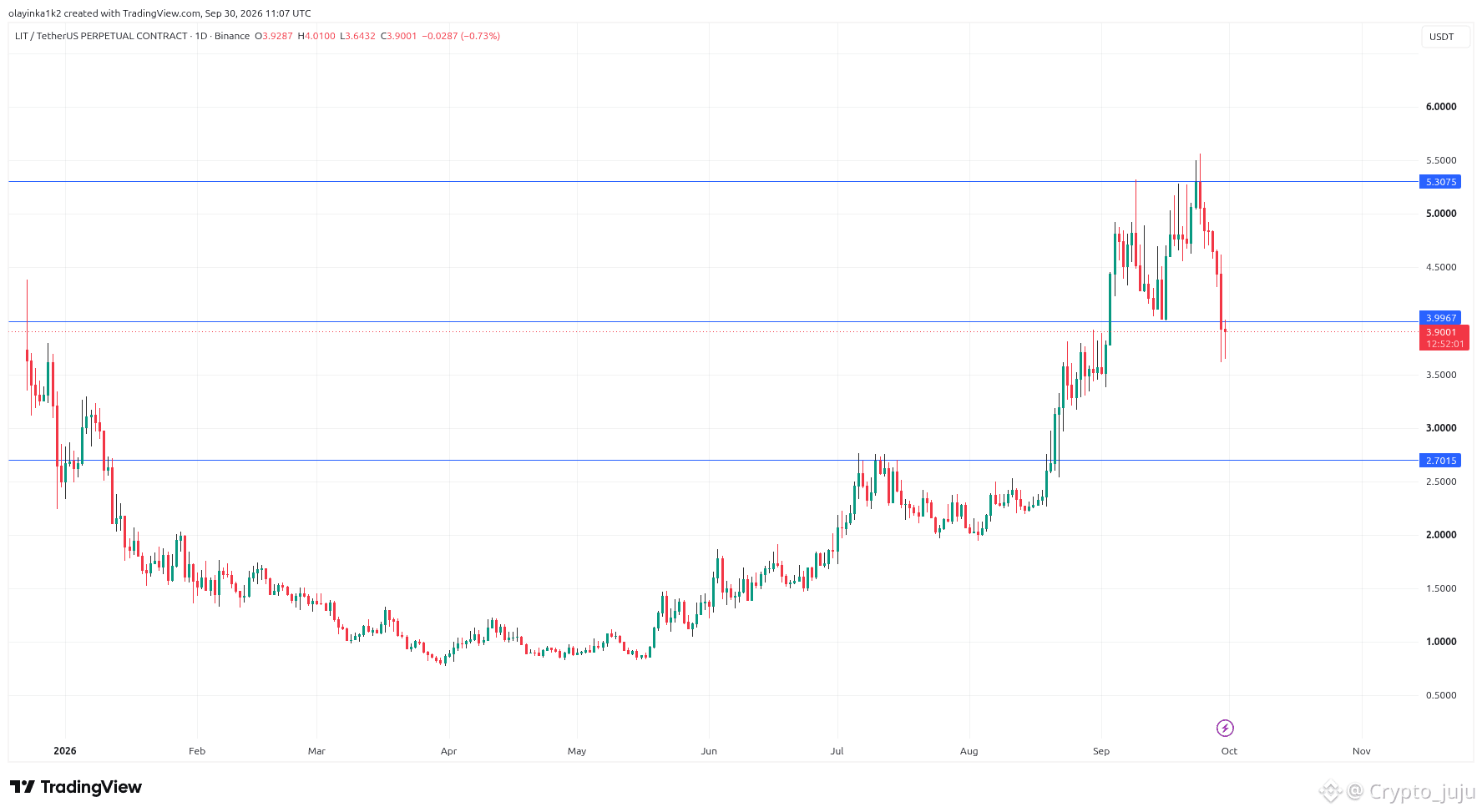
$LIT hat in letzter Zeit meine Aufmerksamkeit geweckt. Ich beobachte den DEX schon seit einiger Zeit, und das wachsende Volumen und das zunehmende Interesse daran machen den Chart gerade deutlich spannender. Es gibt sogar Gespräche darüber, dass LIT möglicherweise eine Seite von $HYPE abziehen könnte, aber mich interessiert vor allem, ob das Volumen und die Aktivität sich tatsächlich weiter aufbauen können. Ehrlich gesagt erinnert mich das ein bisschen an Ston und @ston_fi . Stonfi hatte bisher auch ein ziemlich aktives Jahr, vor allem, seit Cross-Chain ein größerer Teil der Plattform geworden ist. Was ich interessant finde, ist, wie DEXs langsam mehr werden als nur Orte, um Tokens zu tauschen. Wenn Liquidität, Volumen und Cross-Chain-Zugriff zusammenkommen, wird das gesamte Ökosystem viel interessanter, um es zu beobachten. LIT steht für mich aktuell auf der Beobachtungsliste. Und ich werde auf jeden Fall weiter verfolgen, was STON als Nächstes macht und aufbaut.
$LIT hat in letzter Zeit meine Aufmerksamkeit geweckt. Ich beobachte den DEX schon seit einiger Zeit, und das wachsende Volumen und das zunehmende Interesse daran machen den Chart gerade deutlich spannender. Es gibt sogar Gespräche darüber, dass LIT möglicherweise eine Seite von $HYPE abziehen könnte, aber mich interessiert vor allem, ob das Volumen und die Aktivität sich tatsächlich weiter aufbauen können. Ehrlich gesagt erinnert mich das ein bisschen an Ston und @ston_fi . Stonfi hatte bisher auch ein ziemlich aktives Jahr, vor allem, seit Cross-Chain ein größerer Teil der Plattform geworden ist. Was ich interessant finde, ist, wie DEXs langsam mehr werden als nur Orte, um Tokens zu tauschen. Wenn Liquidität, Volumen und Cross-Chain-Zugriff zusammenkommen, wird das gesamte Ökosystem viel interessanter, um es zu beobachten. LIT steht für mich aktuell auf der Beobachtungsliste. Und ich werde auf jeden Fall weiter verfolgen, was STON als Nächstes macht und aufbaut.
39
·
--
Übersetzung ansehen
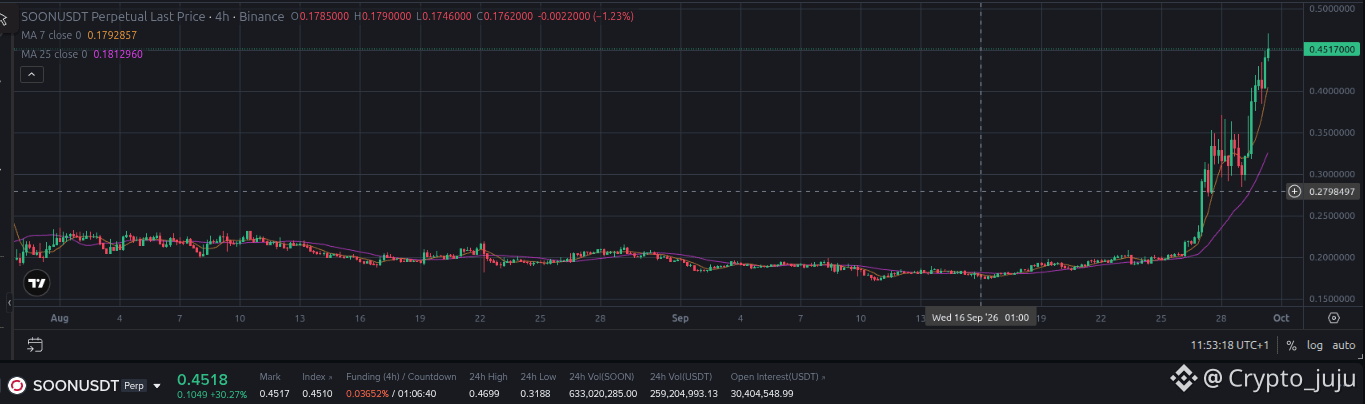
$ASTER is back on top of my watchlist and starting to show some movement. Could we see it head back toward $0.20? I’m watching the chart closely. The recent CZ tweet might have something to do with the renewed attention, but I’d still like to see how the price behaves from here before getting too excited. $SOON is also up today, so that’s another chart I’ve got my eyes on. Meanwhile, there’s a small but useful update from @ston_fi s Flight Deals campaign. The SafePal X1 reward just got easier to unlock. The previous $200 cross-chain swap volume requirement has been removed. Now, you only need to: * Complete the SafePal crew mission * Make at least one eligible cross-chain swap * Hold 2,000 miles The SafePal X1 is shipped after the campaign ends, and the Flight Deals refresh every Tuesday. Honestly, I like this kind of update. Less friction, fewer requirements, and it gives people a simpler way to actually explore cross-chain swaps while earning miles. Now back to the charts.
$ASTER is back on top of my watchlist and starting to show some movement. Could we see it head back toward $0.20? I’m watching the chart closely. The recent CZ tweet might have something to do with the renewed attention, but I’d still like to see how the price behaves from here before getting too excited. $SOON is also up today, so that’s another chart I’ve got my eyes on. Meanwhile, there’s a small but useful update from @ston_fi s Flight Deals campaign. The SafePal X1 reward just got easier to unlock. The previous $200 cross-chain swap volume requirement has been removed. Now, you only need to: * Complete the SafePal crew mission * Make at least one eligible cross-chain swap * Hold 2,000 miles The SafePal X1 is shipped after the campaign ends, and the Flight Deals refresh every Tuesday. Honestly, I like this kind of update. Less friction, fewer requirements, and it gives people a simpler way to actually explore cross-chain swaps while earning miles. Now back to the charts.
67
·
--
Ich habe mich in letzter Zeit mit $AVAX befasst, und die Geschichte ist ziemlich spannend. Avalanche begann mit einer einfachen Idee: Blockchain-Transaktionen schneller und besser skalierbar zu machen, ohne dabei zu viel von der Dezentralisierung aufzugeben. Im Laufe der Zeit ist daraus ein Ökosystem entstanden, in dem Entwickler mit der Infrastruktur von Avalanche eigene Netzwerke und Anwendungen aufbauen können. Der Teil, auf den ich jetzt achte, ist, wie viel echter Aktivität und wie viel Akzeptanz das Ökosystem weiterhin aufbauen kann. Für mich ist $AVAX eines dieser Projekte, die man im Blick behalten sollte.
Ich habe mich in letzter Zeit mit $AVAX befasst, und die Geschichte ist ziemlich spannend. Avalanche begann mit einer einfachen Idee: Blockchain-Transaktionen schneller und besser skalierbar zu machen, ohne dabei zu viel von der Dezentralisierung aufzugeben. Im Laufe der Zeit ist daraus ein Ökosystem entstanden, in dem Entwickler mit der Infrastruktur von Avalanche eigene Netzwerke und Anwendungen aufbauen können. Der Teil, auf den ich jetzt achte, ist, wie viel echter Aktivität und wie viel Akzeptanz das Ökosystem weiterhin aufbauen kann. Für mich ist $AVAX eines dieser Projekte, die man im Blick behalten sollte.
112
·
--
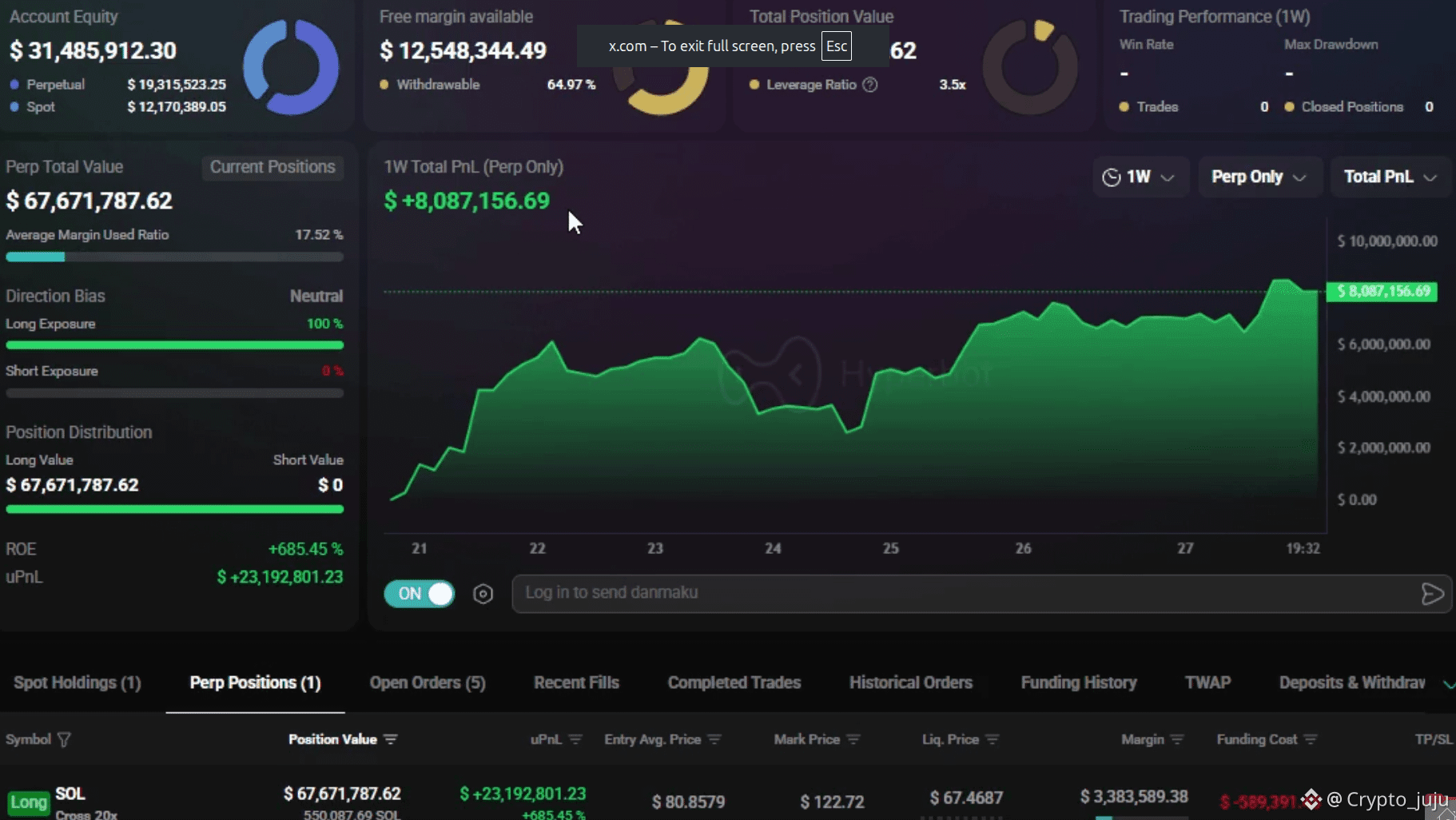
$SOL Wale machen gerade einige ernsthafte Moves. Die Long-Positionen der Bitfinex-Wale sind regelrecht in die Höhe geschossen, während Solana-ETFs in den vergangenen zwei Wochen 2,32 Mio. SOL gekauft haben – im Wert von etwa 278 Mio. $. Das gesamte ETF-AUM liegt nun bei rund 2,28 Mrd. $. Wenn Wale aufstocken und die ETF-Nachfrage anzieht: Bereitet sich Solana auf eine weitere Meme-Saison vor? $XRP
$SOL Wale machen gerade einige ernsthafte Moves. Die Long-Positionen der Bitfinex-Wale sind regelrecht in die Höhe geschossen, während Solana-ETFs in den vergangenen zwei Wochen 2,32 Mio. SOL gekauft haben – im Wert von etwa 278 Mio. $. Das gesamte ETF-AUM liegt nun bei rund 2,28 Mrd. $. Wenn Wale aufstocken und die ETF-Nachfrage anzieht: Bereitet sich Solana auf eine weitere Meme-Saison vor? $XRP
·
--
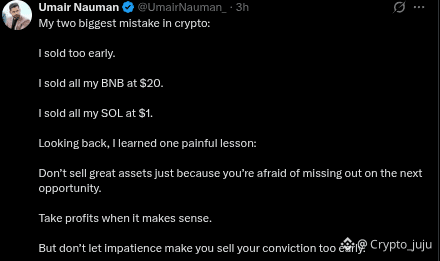
habe gerade den Tweet von jemandem gesehen, der dort $SOL und $BNB früh verkauft hat, verdammt
habe gerade den Tweet von jemandem gesehen, der dort $SOL und $BNB früh verkauft hat, verdammt
7
·
--
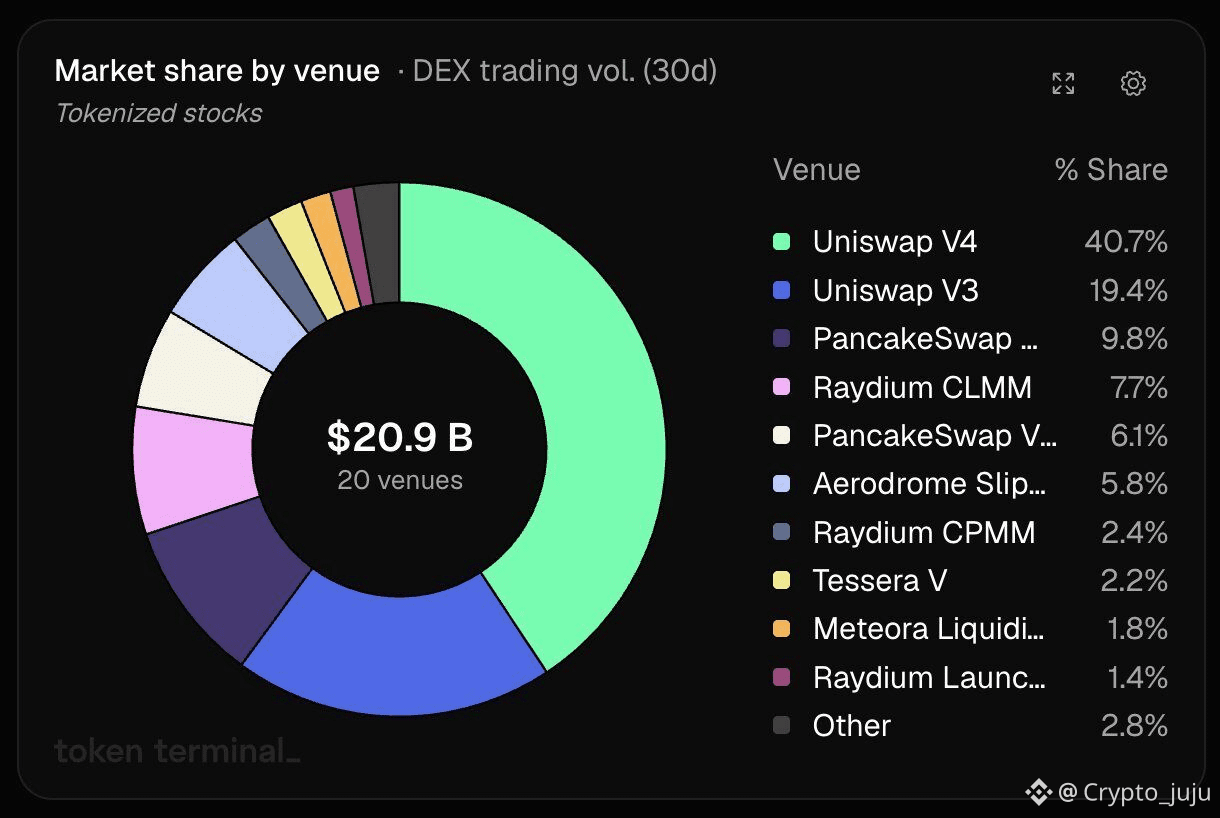
Tokenisierte Aktien sehen inzwischen weniger aus wie ein Randexperiment in DeFi. In den vergangenen 30 Tagen erzielten tokenisierte Aktien $20,9B im DEX-Handelsvolumen, wobei Uniswap $UNI V3 und V4 für etwa $12,6B** oder 60,1% des Gesamtvolumens verantwortlich waren. Das ist jede Menge Aktivität für eine Asset-Klasse, die vor nicht allzu langer Zeit noch nicht einmal Teil der normalen DeFi-Diskussion war. Das hat mich auch über xStocks auf @ston_fi nachdenken lassen. Ich beobachte, wie xStocks in TON passen, und ehrlich gesagt wirkt der RWA-Bereich von DeFi dadurch deutlich praktischer. Du kannst direkt über stonfi in tokenisierte Assets wie AAPLx, NVDAx und TSLAx wechseln, wobei die xStocks in deiner TON-Wallet als Onchain-Assets liegen. Was ich noch interessanter finde, ist die Infrastruktur darunter. xStocks gehören zu den ersten Assets, die Omniston’s Escrow-Execution nutzen. Damit kann das System auf Liquidität zurückgreifen, die über Resolver-Preise bestimmt wird, statt sich nur auf normale AMM-Pools zu verlassen. Während also die Schlagzeilen von tokenisiertem Aktienvolumen in Milliardenhöhe handeln, gibt es darunter eine zweite Geschichte: Traditionelle Assets werden onchain, und DeFi-Infrastruktur passt sich um sie herum an. Ich denke, wir sind noch ziemlich früh dabei zu sehen, wie genau das tatsächlich aussieht. $XRP #Altcoin Season#
Tokenisierte Aktien sehen inzwischen weniger aus wie ein Randexperiment in DeFi. In den vergangenen 30 Tagen erzielten tokenisierte Aktien $20,9B im DEX-Handelsvolumen, wobei Uniswap $UNI V3 und V4 für etwa $12,6B** oder 60,1% des Gesamtvolumens verantwortlich waren. Das ist jede Menge Aktivität für eine Asset-Klasse, die vor nicht allzu langer Zeit noch nicht einmal Teil der normalen DeFi-Diskussion war. Das hat mich auch über xStocks auf @ston_fi nachdenken lassen. Ich beobachte, wie xStocks in TON passen, und ehrlich gesagt wirkt der RWA-Bereich von DeFi dadurch deutlich praktischer. Du kannst direkt über stonfi in tokenisierte Assets wie AAPLx, NVDAx und TSLAx wechseln, wobei die xStocks in deiner TON-Wallet als Onchain-Assets liegen. Was ich noch interessanter finde, ist die Infrastruktur darunter. xStocks gehören zu den ersten Assets, die Omniston’s Escrow-Execution nutzen. Damit kann das System auf Liquidität zurückgreifen, die über Resolver-Preise bestimmt wird, statt sich nur auf normale AMM-Pools zu verlassen. Während also die Schlagzeilen von tokenisiertem Aktienvolumen in Milliardenhöhe handeln, gibt es darunter eine zweite Geschichte: Traditionelle Assets werden onchain, und DeFi-Infrastruktur passt sich um sie herum an. Ich denke, wir sind noch ziemlich früh dabei zu sehen, wie genau das tatsächlich aussieht. $XRP #Altcoin Season#
·
--
Also fühlt sich diese Woche an wie eine $NEAR Season onchain. Und ganz ehrlich: Das ist eine Sache, die man als Trencher einfach schnell bemerken muss—wenn die Aufmerksamkeit anfängt, sich woandershin zu verlagern. Die $SOL Trenches sind immer noch aktiv, aber ich glaube, man kann sich leicht zu bequem machen und nur eine einzige Chain im Blick haben. Manchmal passiert der nächste interessante Move gerade irgendwo, wo man gar nicht hingeschaut hat. Deshalb achte ich inzwischen auch stärker auf Cross-Chain-Aktivität. **Omniston hat gerade $7.5M in Allzeithoch bei der Cross-Chain-Swap-Volumenmenge überschritten**, mehr als doppelt so viel wie die $3M, die es diesen Monat früher erreicht hat. Dieses Wachstum ist spannend, weil es zeigt, dass die Liquidität nicht in einem einzigen Ökosystem bleibt. Menschen bewegen sich zwischen Chains, und die Infrastruktur, die diese Ökosysteme miteinander verbindet, wird mit zunehmender Aktivität immer wichtiger. Also ja: Behalte die SOL-Trenches im Auge. Aber vergiss nicht, auch rundherum zu schauen. #Altcoin Season#
Also fühlt sich diese Woche an wie eine $NEAR Season onchain. Und ganz ehrlich: Das ist eine Sache, die man als Trencher einfach schnell bemerken muss—wenn die Aufmerksamkeit anfängt, sich woandershin zu verlagern. Die $SOL Trenches sind immer noch aktiv, aber ich glaube, man kann sich leicht zu bequem machen und nur eine einzige Chain im Blick haben. Manchmal passiert der nächste interessante Move gerade irgendwo, wo man gar nicht hingeschaut hat. Deshalb achte ich inzwischen auch stärker auf Cross-Chain-Aktivität. **Omniston hat gerade $7.5M in Allzeithoch bei der Cross-Chain-Swap-Volumenmenge überschritten**, mehr als doppelt so viel wie die $3M, die es diesen Monat früher erreicht hat. Dieses Wachstum ist spannend, weil es zeigt, dass die Liquidität nicht in einem einzigen Ökosystem bleibt. Menschen bewegen sich zwischen Chains, und die Infrastruktur, die diese Ökosysteme miteinander verbindet, wird mit zunehmender Aktivität immer wichtiger. Also ja: Behalte die SOL-Trenches im Auge. Aber vergiss nicht, auch rundherum zu schauen. #Altcoin Season#
25
·
--
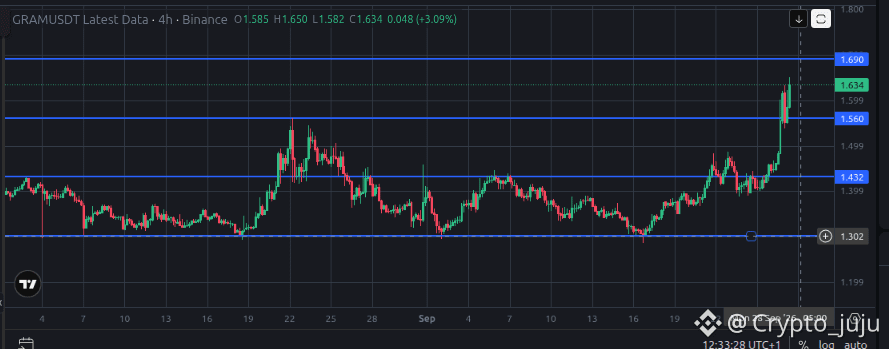
$GRAM treibt auf $1,69 zu. Wenn der Schwung anhält, würde ich gerne sehen, wie es nächste Woche $2 testet, aber im Moment beobachte ich einfach, wie der Preis in diesem Bereich auf diese Levels reagiert. Eine starke GRAM Bewegung ist auch für das @ston_fi Ökosystem interessant, denn mehr Aktivität kann mehr Aufmerksamkeit und Liquidität auf der TON-DeFi-Seite bedeuten. Ich habe auch STON im Blick. Lass uns sehen, wie es reagiert, wenn GRAM weiter in Bewegung bleibt. $ZEC #Altcoin Season#
$GRAM treibt auf $1,69 zu. Wenn der Schwung anhält, würde ich gerne sehen, wie es nächste Woche $2 testet, aber im Moment beobachte ich einfach, wie der Preis in diesem Bereich auf diese Levels reagiert. Eine starke GRAM Bewegung ist auch für das @ston_fi Ökosystem interessant, denn mehr Aktivität kann mehr Aufmerksamkeit und Liquidität auf der TON-DeFi-Seite bedeuten. Ich habe auch STON im Blick. Lass uns sehen, wie es reagiert, wenn GRAM weiter in Bewegung bleibt. $ZEC #Altcoin Season#
46
·
--
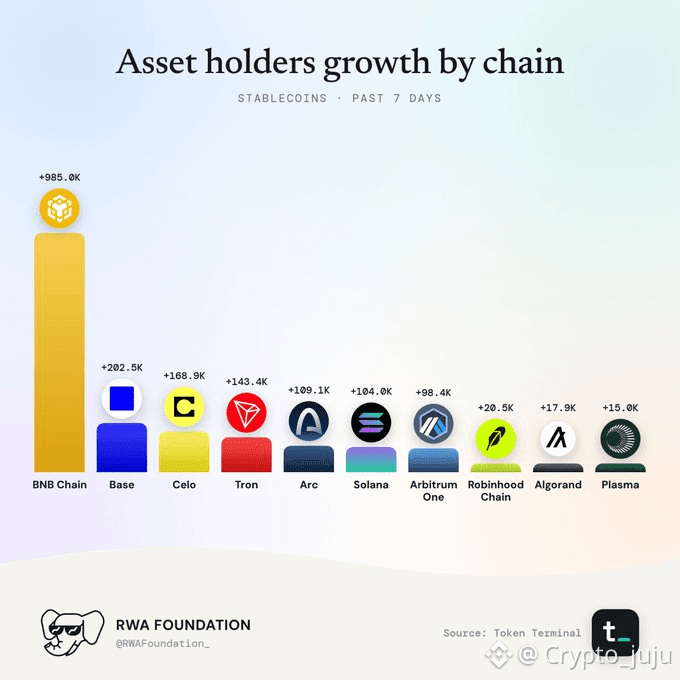
$BNB Chain verzeichnet eine deutliche Zunahme bei der Nutzung von Stablecoins. In den vergangenen 7 Tagen sind rund 985.000 neue Stablecoin-Inhaber der Chain beigetreten. Das ist fast 5-mal mehr als bei der nächsten Chain im selben Zeitraum. Es ist spannend zu sehen, wohin diese neuen #StableCoin Aktivitäten als Nächstes fließen.
$BNB Chain verzeichnet eine deutliche Zunahme bei der Nutzung von Stablecoins. In den vergangenen 7 Tagen sind rund 985.000 neue Stablecoin-Inhaber der Chain beigetreten. Das ist fast 5-mal mehr als bei der nächsten Chain im selben Zeitraum. Es ist spannend zu sehen, wohin diese neuen #StableCoin Aktivitäten als Nächstes fließen.
42
·
--
$QNT ist das Token hinter Quant, einem Projekt, das sich auf Blockchain-Interoperabilität konzentriert. Seine Overledger-Technologie ist darauf ausgelegt, verschiedene Blockchains mit bestehenden Finanzsystemen zu verbinden. Quant ist außerdem am On-Chain Money Initiative der Clearing House beteiligt, die tokenisierte Einlagen und On-Chain-Abwicklung untersucht. Die Hauptbotschaft rund um $QNT ist also einfach: die Verbindung von traditionellem Finanzwesen mit unterschiedlichen Blockchain-Netzwerken.
$QNT ist das Token hinter Quant, einem Projekt, das sich auf Blockchain-Interoperabilität konzentriert. Seine Overledger-Technologie ist darauf ausgelegt, verschiedene Blockchains mit bestehenden Finanzsystemen zu verbinden. Quant ist außerdem am On-Chain Money Initiative der Clearing House beteiligt, die tokenisierte Einlagen und On-Chain-Abwicklung untersucht. Die Hauptbotschaft rund um $QNT ist also einfach: die Verbindung von traditionellem Finanzwesen mit unterschiedlichen Blockchain-Netzwerken.

61
·
--
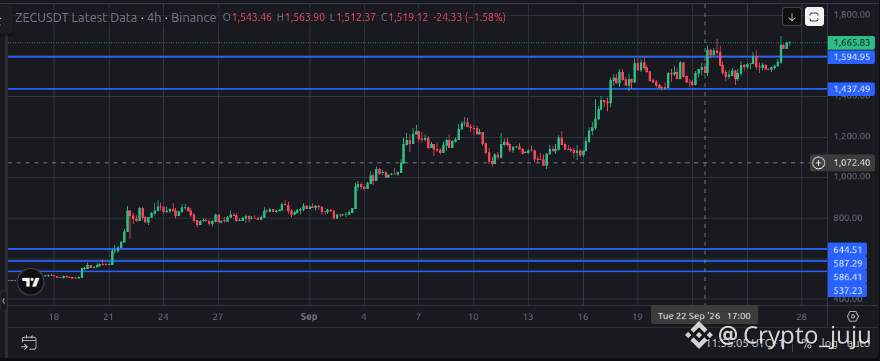
$ZEC ist auf dem Weg zu $2K, und ehrlich gesagt ist das ein ziemlich verrückter Move. $HYPE hat auch nicht vor, zu weit hinterherzuhinken. Wenn man zurückblickt, wie sich einige dieser Coins in diesem Jahr bewegt haben, verdammt… was für ein Jahr. Und während alle auf die Charts schauen, achte ich auch auf die Aktivität, die darunter passiert. Omniston verarbeitet mehr Cross-Chain-Swaps zwischen TON und anderen Netzwerken, wobei BNB Chain → TON kürzlich zu einer der meistbefahrenen Strecken geworden ist. Ich finde das interessant, weil Preis nur eine Seite des Marktes ist. Da ist auch die Infrastruktur, die ganz leise Liquidität herumverschiebt, während all diese Charts durchdrehen. Was für ein Jahr für Krypto. Und wir sind noch nicht mal fertig.
$ZEC ist auf dem Weg zu $2K, und ehrlich gesagt ist das ein ziemlich verrückter Move. $HYPE hat auch nicht vor, zu weit hinterherzuhinken. Wenn man zurückblickt, wie sich einige dieser Coins in diesem Jahr bewegt haben, verdammt… was für ein Jahr. Und während alle auf die Charts schauen, achte ich auch auf die Aktivität, die darunter passiert. Omniston verarbeitet mehr Cross-Chain-Swaps zwischen TON und anderen Netzwerken, wobei BNB Chain → TON kürzlich zu einer der meistbefahrenen Strecken geworden ist. Ich finde das interessant, weil Preis nur eine Seite des Marktes ist. Da ist auch die Infrastruktur, die ganz leise Liquidität herumverschiebt, während all diese Charts durchdrehen. Was für ein Jahr für Krypto. Und wir sind noch nicht mal fertig.
67
·
--
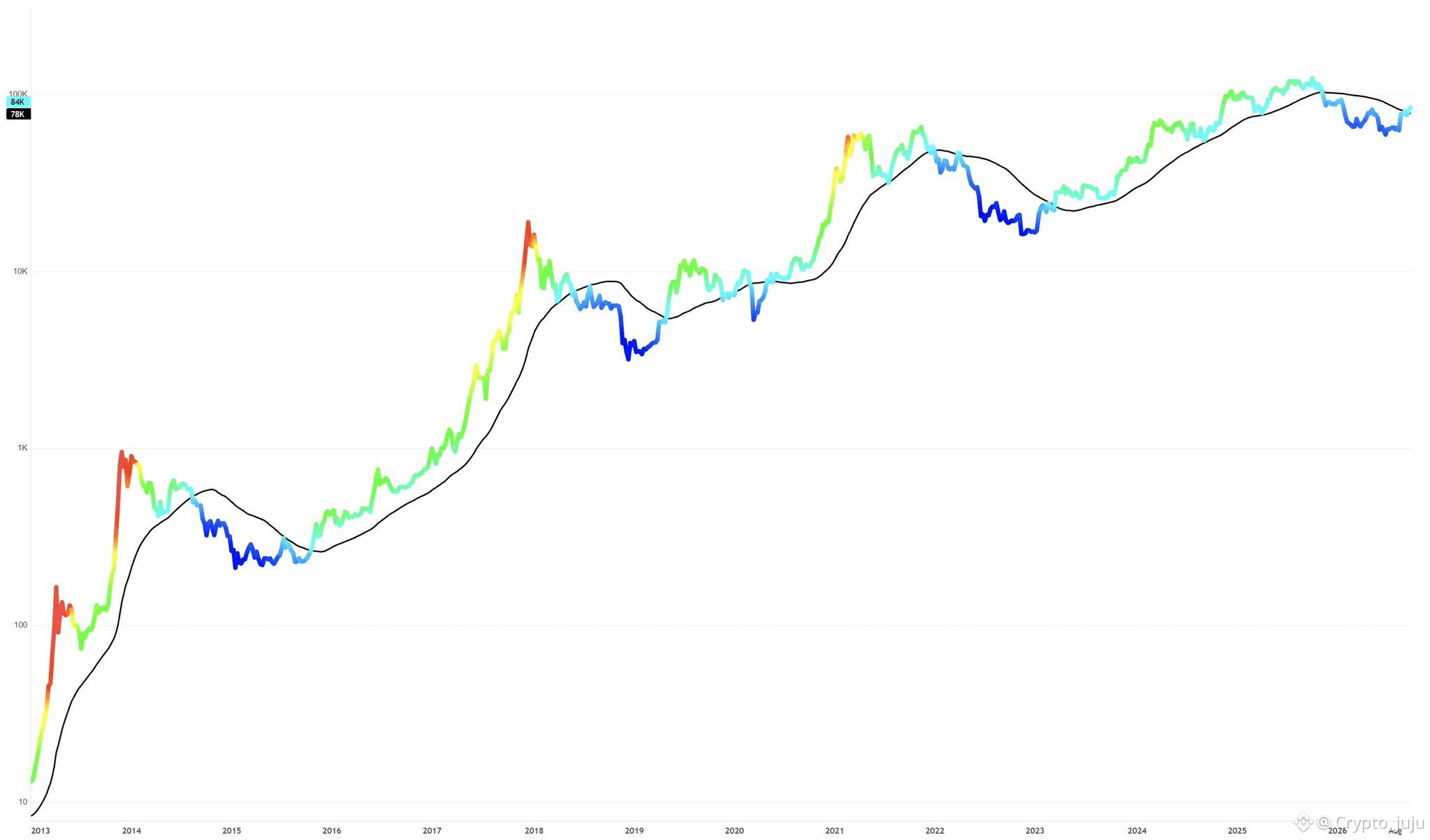
$BTC gibt gerade alle grünen Signale. Ich sehe es, ich akzeptiere es. $XRP sieht auch bereit aus, um als Nächstes zu folgen. $5 demnächst? In der Zwischenzeit haben sich die Cross-Chain-Swaps von @ston_fi noch nie so einfach angefühlt. Du verbindest deine TON- und TRON-Wallets, wählst aus, was du tauschen möchtest, prüfst den Betrag, den du erhältst, bestätigst und überlässt den Rest der App. Kein traditioneller Bridge. Kein CEX dazwischen. Einfach: **Verbinden → Wählen → Bestätigen → Empfangen. Genau diese Art von Cross-Chain-Erlebnis mag ich. So simpel, dass du dir keine Gedanken darüber machen musst, was im Hintergrund passiert. #Altcoin Season#
$BTC gibt gerade alle grünen Signale. Ich sehe es, ich akzeptiere es. $XRP sieht auch bereit aus, um als Nächstes zu folgen. $5 demnächst? In der Zwischenzeit haben sich die Cross-Chain-Swaps von @ston_fi noch nie so einfach angefühlt. Du verbindest deine TON- und TRON-Wallets, wählst aus, was du tauschen möchtest, prüfst den Betrag, den du erhältst, bestätigst und überlässt den Rest der App. Kein traditioneller Bridge. Kein CEX dazwischen. Einfach: **Verbinden → Wählen → Bestätigen → Empfangen. Genau diese Art von Cross-Chain-Erlebnis mag ich. So simpel, dass du dir keine Gedanken darüber machen musst, was im Hintergrund passiert. #Altcoin Season#
·
--
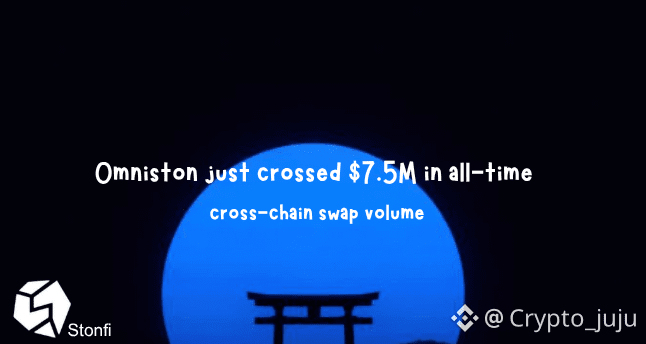
Solana $SOL hat gerade die Marke von 1 Million tokenisierten Aktionären überschritten Und auf der TON-Seite hat Omniston gerade $7,5 Mio. an Allzeitsumme für Cross-Chain-Swaps erreicht. Was mir dabei aufgefallen ist: wie schnell diese Zahl wächst. Omniston hat diesen Meilenstein diesen Monat bereits bei der $3M-Marke geknackt, und in der Woche vom 17.–23. September wurden allein rund **$1,8 Mio.** im Cross-Chain-Volumen verzeichnet, ein Plus von 26% gegenüber der Vorwoche. Noch interessanter: $BNB Chain → TON machte 78% dieses wöchentlichen Volumens aus. Unterschiedliche Ökosysteme, unterschiedliche Use Cases, aber ich glaube, hier gibt es eine ähnliche Geschichte: **Wenn Netzwerke weiter ausgebaut werden, taucht die Aktivität irgendwann auch in den Zahlen auf. Tokenisierte Assets, Cross-Chain-Swaps, Liquidität, neue Apps — das ist nicht immer sofort laut. Manchmal bemerkt man einfach, dass die Zahlen größer werden. #Altcoin Season#
Solana $SOL hat gerade die Marke von 1 Million tokenisierten Aktionären überschritten Und auf der TON-Seite hat Omniston gerade $7,5 Mio. an Allzeitsumme für Cross-Chain-Swaps erreicht. Was mir dabei aufgefallen ist: wie schnell diese Zahl wächst. Omniston hat diesen Meilenstein diesen Monat bereits bei der $3M-Marke geknackt, und in der Woche vom 17.–23. September wurden allein rund **$1,8 Mio.** im Cross-Chain-Volumen verzeichnet, ein Plus von 26% gegenüber der Vorwoche. Noch interessanter: $BNB Chain → TON machte 78% dieses wöchentlichen Volumens aus. Unterschiedliche Ökosysteme, unterschiedliche Use Cases, aber ich glaube, hier gibt es eine ähnliche Geschichte: **Wenn Netzwerke weiter ausgebaut werden, taucht die Aktivität irgendwann auch in den Zahlen auf. Tokenisierte Assets, Cross-Chain-Swaps, Liquidität, neue Apps — das ist nicht immer sofort laut. Manchmal bemerkt man einfach, dass die Zahlen größer werden. #Altcoin Season#
28
·
--
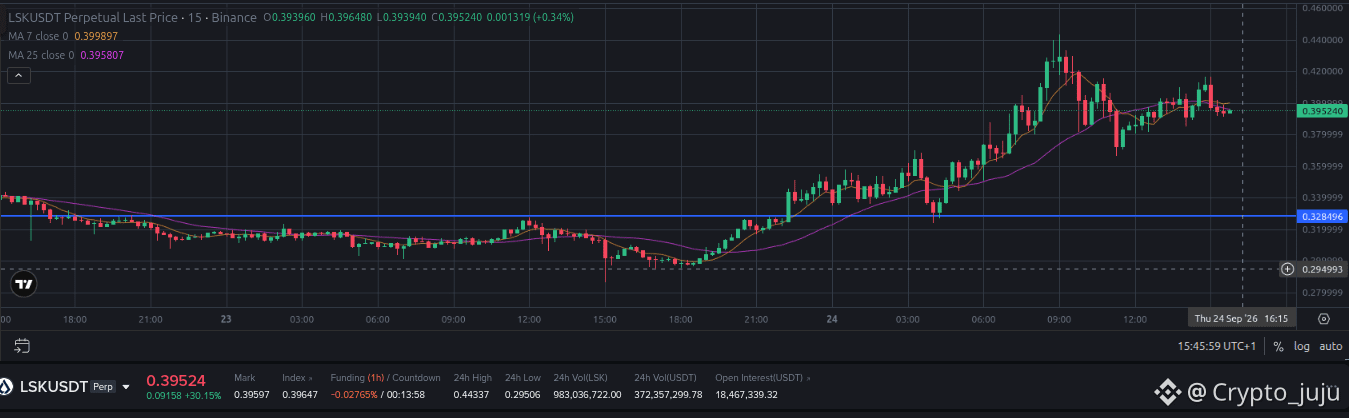
$PROVE ist wieder aktiv und pumpt erneut. $LSK war auch heiß, also fange ich langsam an das Gefühl zu bekommen, dass der Markt wieder etwas Momentum aufnimmt. Trotzdem lasse ich es nicht eilig. Ich schaue einfach, wie sich diese Moves entwickeln und wo die Liquidität anfängt zu fließen. Auf der Seite von @ston_fi setze ich mein GEMSTON ein und upgrade meine Stonkbots. Ehrlich gesagt ist es ziemlich lustig zu sehen, wie sich die Bots verändern, wenn du sie upgradest. Aber gleichzeitig fühlt es sich auch wie eine nette Art an, mich mehr mit der NFT-Seite von Stonfi vertraut zu machen – statt nur zu Swappen und zu farmen. Ich bin für den DeFi-Teil gekommen. Jetzt upgrade ich irgendwie kleine NFT-Bots. #Altcoin Season#
$PROVE ist wieder aktiv und pumpt erneut. $LSK war auch heiß, also fange ich langsam an das Gefühl zu bekommen, dass der Markt wieder etwas Momentum aufnimmt. Trotzdem lasse ich es nicht eilig. Ich schaue einfach, wie sich diese Moves entwickeln und wo die Liquidität anfängt zu fließen. Auf der Seite von @ston_fi setze ich mein GEMSTON ein und upgrade meine Stonkbots. Ehrlich gesagt ist es ziemlich lustig zu sehen, wie sich die Bots verändern, wenn du sie upgradest. Aber gleichzeitig fühlt es sich auch wie eine nette Art an, mich mehr mit der NFT-Seite von Stonfi vertraut zu machen – statt nur zu Swappen und zu farmen. Ich bin für den DeFi-Teil gekommen. Jetzt upgrade ich irgendwie kleine NFT-Bots. #Altcoin Season#
71
·
--
Der Stablecoin-Markt könnte sich in zwei verschiedene Richtungen entwickeln. $USDT und $USDC sind bereits riesig und kommen zusammen auf rund $255B, aber das GENIUS-Gesetz begrenzt Zins- bzw. Ertragszahlungen bei diesen traditionellen Stablecoins. Dann gibt es „produktive“ Stablecoins, die darauf ausgelegt sind, den Nutzern eine Rendite auf die Vermögenswerte zu geben, die sie absichern. Genau in diesen Bereich baut RealFi. Spannend zu sehen, wie sich Stablecoins von der bloßen Werterhaltung hin dazu entwickeln könnten, diesen Wert auch tatsächlich für sich arbeiten zu lassen.
Der Stablecoin-Markt könnte sich in zwei verschiedene Richtungen entwickeln. $USDT und $USDC sind bereits riesig und kommen zusammen auf rund $255B, aber das GENIUS-Gesetz begrenzt Zins- bzw. Ertragszahlungen bei diesen traditionellen Stablecoins. Dann gibt es „produktive“ Stablecoins, die darauf ausgelegt sind, den Nutzern eine Rendite auf die Vermögenswerte zu geben, die sie absichern. Genau in diesen Bereich baut RealFi. Spannend zu sehen, wie sich Stablecoins von der bloßen Werterhaltung hin dazu entwickeln könnten, diesen Wert auch tatsächlich für sich arbeiten zu lassen.
44
·
--
Das ist interessant. BlackRock + $ONDO ist ein weiteres Zeichen dafür, dass sich das traditionelle Finanzwesen immer mehr mit Onchain-Vermögenswerten anfreundet. Ondo hat gerade „Intelligent Portfolios“ auf den Markt gebracht, die auf von BlackRock entwickelten Anlagestrategien basieren – wobei jedes Portfolio durch einen einzelnen Onchain-Token repräsentiert wird. Und das hat mich darüber nachdenken lassen, wie es mit xStocks auf @ston_fi aussieht. Der Ansatz ist ein wenig anders, aber die größere Idee ist ähnlich: Vertraute Exposure aus dem traditionellen Markt in die Blockchain-Welt zu bringen. Mit xStocks werden Assets wie APLx, NVDAx, TSLAx, SPYx und GOOGLx als Tokens auf TON abgebildet. Berechtigte Nutzer können über Stonfi in sie umswitchen und sie in ihrer TON-Wallet halten. So sehen wir gerade, wie sich verschiedene Teile desselben Puzzles zusammenfügen: BlackRock bringt traditionelle Portfoliostrategien. Ondo macht daraus Onchain-Portfolios. Produkte wie xStocks bringen einzelne Marktexposure Onchain. Und DeFi liefert die Infrastruktur dafür, dass diese Assets sich tatsächlich bewegen, handeln und mit anderen Onchain-Produkten interagieren können. Der spannende Teil ist nicht nur, traditionelle Vermögenswerte Onchain zu bringen. Entscheidend ist, was passiert, sobald diese Assets tatsächlich mit DeFi interagieren können. $LSK
Das ist interessant. BlackRock + $ONDO ist ein weiteres Zeichen dafür, dass sich das traditionelle Finanzwesen immer mehr mit Onchain-Vermögenswerten anfreundet. Ondo hat gerade „Intelligent Portfolios“ auf den Markt gebracht, die auf von BlackRock entwickelten Anlagestrategien basieren – wobei jedes Portfolio durch einen einzelnen Onchain-Token repräsentiert wird. Und das hat mich darüber nachdenken lassen, wie es mit xStocks auf @ston_fi aussieht. Der Ansatz ist ein wenig anders, aber die größere Idee ist ähnlich: Vertraute Exposure aus dem traditionellen Markt in die Blockchain-Welt zu bringen. Mit xStocks werden Assets wie APLx, NVDAx, TSLAx, SPYx und GOOGLx als Tokens auf TON abgebildet. Berechtigte Nutzer können über Stonfi in sie umswitchen und sie in ihrer TON-Wallet halten. So sehen wir gerade, wie sich verschiedene Teile desselben Puzzles zusammenfügen: BlackRock bringt traditionelle Portfoliostrategien. Ondo macht daraus Onchain-Portfolios. Produkte wie xStocks bringen einzelne Marktexposure Onchain. Und DeFi liefert die Infrastruktur dafür, dass diese Assets sich tatsächlich bewegen, handeln und mit anderen Onchain-Produkten interagieren können. Der spannende Teil ist nicht nur, traditionelle Vermögenswerte Onchain zu bringen. Entscheidend ist, was passiert, sobald diese Assets tatsächlich mit DeFi interagieren können. $LSK
51
·
--
$ZEC sticht im Moment unter den Altcoins hervor. Seit $BTC sein Allzeithoch erreicht hat, konnten nur 9 der Top-50-Altcoins Bitcoin outperformen. ZEC führt mit einem riesigen Vorsprung, wobei die Rendite in etwa 14-mal so hoch ist wie Bitcoins Rendite in diesem Zeitraum. HYPE, XMR und NEAR gehören ebenfalls zu den wenigen, die besser abgeschnitten haben. Was mich daran interessiert, ist die fehlende breite Stärke bei den Altcoins. Ein paar Namen machen sehr gute Geschäfte, aber der größte Teil des Marktes liegt immer noch hinter BTC zurück. Deshalb halte ich ZEC auf der Watchlist und achte stärker auf die relative Stärke, statt einfach allem hinterherzulaufen, was gerade steigt. #Altcoin Season#
$ZEC sticht im Moment unter den Altcoins hervor. Seit $BTC sein Allzeithoch erreicht hat, konnten nur 9 der Top-50-Altcoins Bitcoin outperformen. ZEC führt mit einem riesigen Vorsprung, wobei die Rendite in etwa 14-mal so hoch ist wie Bitcoins Rendite in diesem Zeitraum. HYPE, XMR und NEAR gehören ebenfalls zu den wenigen, die besser abgeschnitten haben. Was mich daran interessiert, ist die fehlende breite Stärke bei den Altcoins. Ein paar Namen machen sehr gute Geschäfte, aber der größte Teil des Marktes liegt immer noch hinter BTC zurück. Deshalb halte ich ZEC auf der Watchlist und achte stärker auf die relative Stärke, statt einfach allem hinterherzulaufen, was gerade steigt. #Altcoin Season#
72
·
--
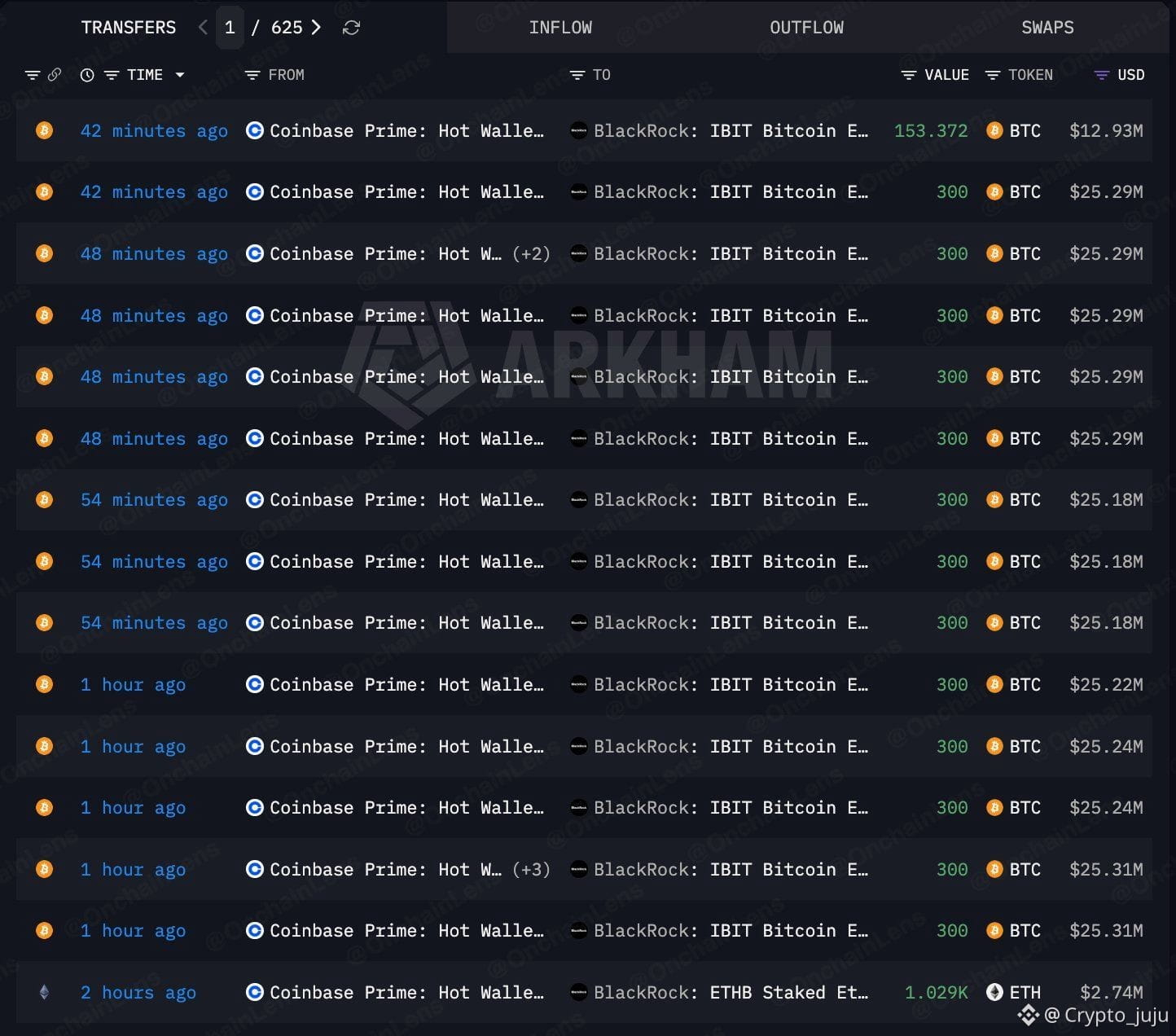
Die großen Namen kaufen die Dips. #BlackRock ’s IBIT soll in der vergangenen Stunde etwa 3,75K $BTC angesammelt und im Wert von ungefähr $316M von Coinbase Prime abgezogen haben. Während der Markt damit beschäftigt ist, den Dip zu beobachten, passiert im Hintergrund ernsthaftes BTC-Kaufen. In der Zwischenzeit gibt es heute auf der @ston_fi Seite etwas. Das „Inside the Cross-Chain Flight: Your Questions, Our Answers“ AMA startet um 15:00 UTC. Das Stonfi-Team beantwortet Community-Fragen rund um die **One Swap. Across Chains-Kampagne** und wie Cross-Chain-Swaps tatsächlich funktionieren. Und es gibt noch einen kleinen zusätzlichen Anreiz: 3 der besten Fragen erhalten 50 STON je 150 STON insgesamt. Außerdem: Bleib bis zum Ende für ein geheimes Wort, das dir zusätzliche Kampagnenpunkte bringt. $BTC Kauf im Hintergrund, Cross-Chain-Gespräche auf der anderen Seite. Spannender Tag im Krypto-Bereich. $UNI
Die großen Namen kaufen die Dips. #BlackRock ’s IBIT soll in der vergangenen Stunde etwa 3,75K $BTC angesammelt und im Wert von ungefähr $316M von Coinbase Prime abgezogen haben. Während der Markt damit beschäftigt ist, den Dip zu beobachten, passiert im Hintergrund ernsthaftes BTC-Kaufen. In der Zwischenzeit gibt es heute auf der @ston_fi Seite etwas. Das „Inside the Cross-Chain Flight: Your Questions, Our Answers“ AMA startet um 15:00 UTC. Das Stonfi-Team beantwortet Community-Fragen rund um die **One Swap. Across Chains-Kampagne** und wie Cross-Chain-Swaps tatsächlich funktionieren. Und es gibt noch einen kleinen zusätzlichen Anreiz: 3 der besten Fragen erhalten 50 STON je 150 STON insgesamt. Außerdem: Bleib bis zum Ende für ein geheimes Wort, das dir zusätzliche Kampagnenpunkte bringt. $BTC Kauf im Hintergrund, Cross-Chain-Gespräche auf der anderen Seite. Spannender Tag im Krypto-Bereich. $UNI
66
·
--
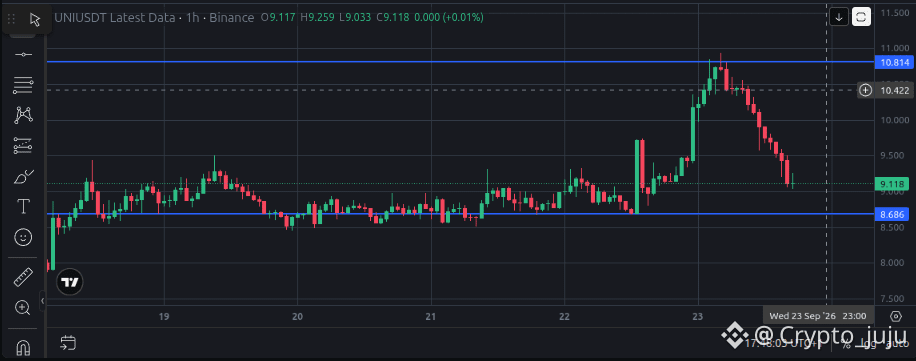
$PONS wird ziemlich hart getroffen, und ehrlich gesagt schaue ich mir langsam das Tief für einen Einstieg an. $UNI sieht ähnlich aus wie bei mir. Nach dem jüngsten Abverkauf über den gesamten Markt hinweg interessiere ich mich mehr dafür, wo die guten Levels liegen, statt grünen Candles hinterherzulaufen. Nicht dass ich sage, dass der Boden bereits da ist, aber das sind genau die Arten von Rücksetzern, auf die ich anfange zu achten. In der Zwischenzeit ist auf der Stonfi-Seite Arc jetzt live. Das bedeutet, dass USDC im Arc-Netzwerk von Circle nun von und zu TON und anderen unterstützten Chains getauscht werden kann – über @ston_fi TON, Ethereum, BNB Chain, Base, Arbitrum, Polygon und mehr. Ich finde das gut, weil, wenn mehr Chains ans Netz gehen, das Verschieben von Liquidität zwischen ihnen sich hoffentlich weniger kompliziert anfühlt. Der Nutzer muss im Grunde nicht wirklich wissen, was im Hintergrund passiert. Verbinden → tauschen → weitergehen.
$PONS wird ziemlich hart getroffen, und ehrlich gesagt schaue ich mir langsam das Tief für einen Einstieg an. $UNI sieht ähnlich aus wie bei mir. Nach dem jüngsten Abverkauf über den gesamten Markt hinweg interessiere ich mich mehr dafür, wo die guten Levels liegen, statt grünen Candles hinterherzulaufen. Nicht dass ich sage, dass der Boden bereits da ist, aber das sind genau die Arten von Rücksetzern, auf die ich anfange zu achten. In der Zwischenzeit ist auf der Stonfi-Seite Arc jetzt live. Das bedeutet, dass USDC im Arc-Netzwerk von Circle nun von und zu TON und anderen unterstützten Chains getauscht werden kann – über @ston_fi TON, Ethereum, BNB Chain, Base, Arbitrum, Polygon und mehr. Ich finde das gut, weil, wenn mehr Chains ans Netz gehen, das Verschieben von Liquidität zwischen ihnen sich hoffentlich weniger kompliziert anfühlt. Der Nutzer muss im Grunde nicht wirklich wissen, was im Hintergrund passiert. Verbinden → tauschen → weitergehen.
74
·
--
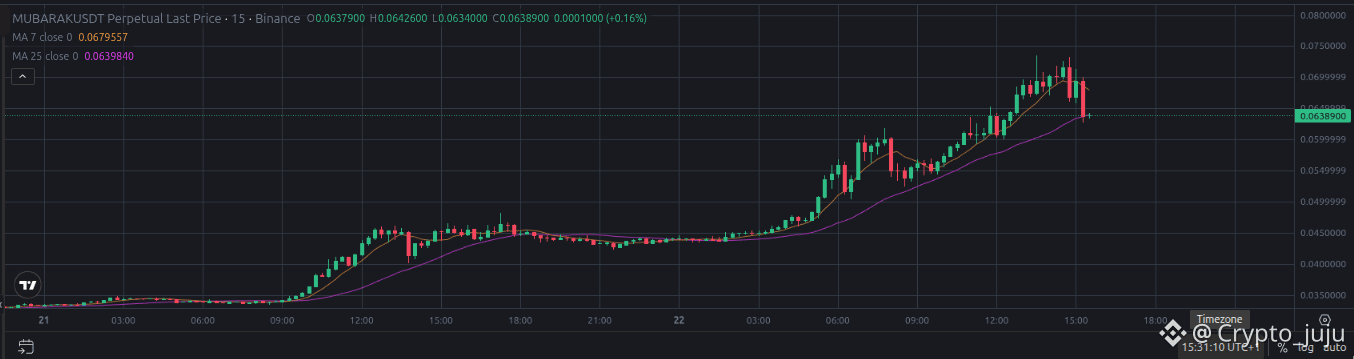
$MUBARAK gerade einen Rücksetzer nach diesem massiven Anstieg gehabt. Könnte ein interessanter Bereich zum Beobachten sein, wenn der Chart wieder anfängt, Unterstützung zu finden. Vielleicht sogar eine weitere Gelegenheit zum Einstieg, aber ich möchte erst sehen, wie der Kurs reagiert. In der Zwischenzeit habe ich mir angesehen, was rund um TON passiert, und bin wieder auf Omniston gestoßen. Was mir an der Idee gefällt, ist ziemlich einfach: Liquidität ist über verschiedene Chains und DEXs verteilt, aber Nutzer möchten in der Regel einfach tauschen und die beste Ausführung bekommen, ohne sich zu viele Gedanken darüber zu machen, wo diese Liquidität sitzt. Omniston arbeitet im Grunde an dieser Verbindung zwischen den unterschiedlichen Liquiditätsquellen und Chains. Das ist so ein Baustein der Infrastruktur, der vielleicht nicht so viel Aufmerksamkeit bekommt wie ein Token, der gepumpt wird, aber es wird spannender, je mehr Assets und Liquidität zwischen Ökosystemen wechseln. $HYPE
$MUBARAK gerade einen Rücksetzer nach diesem massiven Anstieg gehabt. Könnte ein interessanter Bereich zum Beobachten sein, wenn der Chart wieder anfängt, Unterstützung zu finden. Vielleicht sogar eine weitere Gelegenheit zum Einstieg, aber ich möchte erst sehen, wie der Kurs reagiert. In der Zwischenzeit habe ich mir angesehen, was rund um TON passiert, und bin wieder auf Omniston gestoßen. Was mir an der Idee gefällt, ist ziemlich einfach: Liquidität ist über verschiedene Chains und DEXs verteilt, aber Nutzer möchten in der Regel einfach tauschen und die beste Ausführung bekommen, ohne sich zu viele Gedanken darüber zu machen, wo diese Liquidität sitzt. Omniston arbeitet im Grunde an dieser Verbindung zwischen den unterschiedlichen Liquiditätsquellen und Chains. Das ist so ein Baustein der Infrastruktur, der vielleicht nicht so viel Aufmerksamkeit bekommt wie ein Token, der gepumpt wird, aber es wird spannender, je mehr Assets und Liquidität zwischen Ökosystemen wechseln. $HYPE
38
Anmelden und weiter Inhalte entdecken
Krypto-Nutzer weltweit auf Binance Square kennenlernen
⚡️ Bleib in Sachen Krypto stets am Puls.
💬 Die weltgrößte Kryptobörse vertraut darauf.
👍 Erhalte verlässliche Einblicke von verifizierten Creators.
E-Mail-Adresse/Telefonnummer
Trendthemen
KoreaProposesTokenizingStocksAndBonds
1,433 Aufrufe
91 Kommentare
#koreaproposestokenizingstocksandbonds
🚨 JUST IN: 🇰🇷 Südkorea schlägt vor, Aktien zu tokenisieren & Anleihen! 🔥
Traditionelle Finanzanlagen rücken weiter in das Blockchain-Zeitalter vor.
📈 Aktien könnten tokenisiert werden
💵 Anleihen könnten on-chain übertragen werden
🌐 Schnellere, programmierbare Abwicklungen werden möglich
⚡️ Tokenisierte Vermögenswerte könnten neue Markt-Infrastrukturen erschließen
Der Wettlauf, RWAs auf die Kette zu bringen, wird immer größer.
👀 Welche Blockchain könnte von diesem Trend am meisten profitieren?
#RWA #Tokenization #crypto
Faizan Crypto Learner
·1 Likes
·13 Aufrufe
MetaMaskExitsLidoValidatorsAfterSecurityIncident
60,877 Aufrufe
853 Kommentare
MicronBeatsEarningsLiftsGuidance
36,773 Aufrufe
647 Kommentare